COUNTRYSIDE HEALTH CARE OF MILFORD
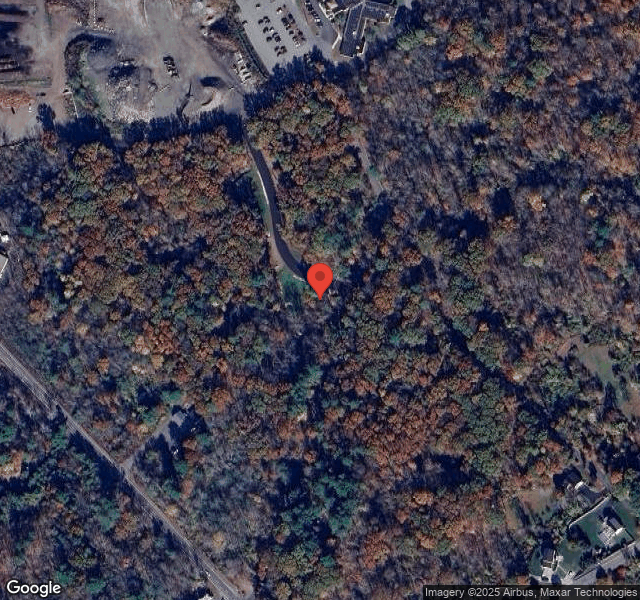

COUNTRYSIDE DRIVE, MILFORD, MA 01757 (508) 473-0435
Government - City 109 Beds Independent Data: November 2025
Trust Grade
76/100
#18 of 338 in MA
Last Inspection: November 2024

Within standard 12-15 month inspection cycle. Federal law requires annual inspections.

Overview

Countryside Health Care of Milford has received a Trust Grade of B, indicating it is a good choice for families seeking care, falling in the middle of the grading scale. It ranks #18 of 338 facilities in Massachusetts, placing it in the top half of the state, and #3 out of 50 in Worcester County, meaning there are very few local options that are better. The facility's trend is stable, with 7 issues reported in both 2023 and 2024, and while staffing is a strength with a 5/5 rating and turnover at 26%, less RN coverage than 78% of state facilities raises some concerns. However, there have been instances of care issues, such as a resident experiencing a serious medication error that led to hospitalization due to missed doses of prednisone, and concerns about the qualifications of the Dietary Department leadership and staffing shortages affecting meal service. Overall, while there are notable strengths, families should weigh these against the identified weaknesses.

Trust Score
B
76/100
In Massachusetts
#18/338
Top 5%
Safety Record
Moderate
Needs review
Inspections
Holding Steady
7 → 7 violations
Staff Stability
✓ Good
26% annual turnover. Excellent stability, 22 points below Massachusetts's 48% average. Staff who stay learn residents' needs.
Penalties
○ Average
$9,770 in fines. Higher than 55% of Massachusetts facilities. Some compliance issues.
Skilled Nurses
○ Average
Each resident gets 33 minutes of Registered Nurse (RN) attention daily — about average for Massachusetts. RNs are the most trained staff who monitor for health changes.
Violations
⚠ Watch
29 deficiencies on record. Higher than average. Multiple issues found across inspections.
★★★★★
5.0
Overall Rating
★★★★★
5.0
Staff Levels
★★★★☆
4.0
Care Quality
★★★★☆
4.0
Inspection Score
Stable
2023: 7 issues
2024: 7 issues

The Good

  • 5-Star Staffing Rating · Excellent nurse staffing levels
  • 4-Star Quality Measures · Strong clinical quality outcomes
  • Low Staff Turnover (26%) · Staff stability means consistent care
  • Full Sprinkler Coverage · Fire safety systems throughout facility
  • No fines on record
  • Staff turnover is low (26%)

    22 points below Massachusetts average of 48%

Facility shows strength in staffing levels, quality measures, staff retention, fire safety.

The Bad

Federal Fines: $9,770

Below median ($33,413)

Minor penalties assessed

The Ugly 29 deficiencies on record

1 actual harm
Nov 2024 7 deficiencies
CONCERN (D)

Potential for Harm - no one hurt, but risky conditions existed

Report Alleged Abuse (Tag F0609)

Could have caused harm · This affected 1 resident

2. Resident #2 was admitted to the facility in June 2020 with diagnoses which included dementia with other behavioral disturbances, mood disorder, anxiety, and psychosis. Review of the MDS assessment,...

Read full inspector narrative →
2. Resident #2 was admitted to the facility in June 2020 with diagnoses which included dementia with other behavioral disturbances, mood disorder, anxiety, and psychosis. Review of the MDS assessment, dated 9/10/24, indicated Resident #2's cognitive level could not be determined by a BIMS as evidenced by a score of 99, which indicated Resident #2 did not complete the interview. During an interview on 11/13/24 at 8:44 A.M., Resident #2 said four weeks ago he/she left the room and a man with silver hair pounded his fist together three times at him/her. Resident #2 said he/she did not report the incident to staff, but the man came back the following evening. Resident #2 said after seeing the man again, he/she spoke to the Administrator about the man who pounded his fists at him/her. Resident #2 said he/she was scared of the silver haired man and if he/she sees him again he/she will call the police. Review of the HCFRS on 11/13/24 at 9:05 A.M., failed to indicate Resident #2's alleged complaint of abuse was reported to DPH as required. During an interview with the Administrator and the DON on 11/13/24 at 9:11 A.M., the Administrator said Resident #2 did report the incident to her and they investigated it and found it was not substantiated. The DON said Resident #2 has a history of accusatory behaviors and delusions. The Administrator said she did not report the incident in HCFRS. Based on interview and record review, the facility failed to timely report completed investigations to the Department of Public Health's (DPH) Health Care Facility Reporting System (HCFRS- a web-based system that health care facilities must use to report incidents and allegations of abuse, neglect and misappropriation) as required for two Residents (#16 and #2), out of a total sample of 20 residents. Specifically, the facility failed: 1. For Resident #16, to ensure a bruise of unknown origin was reported to DPH within 24 hours as required; and 2. For Resident #2, to ensure an allegation of abuse was reported to DPH within two hours as required. Findings include: Review of the facility's policy titled Abuse, Neglect, Exploitation, and Mistreatment, The Elder Justice Act of 2010, dated as revised 7/2024, indicated but was not limited to: - Residents will not be subjected to abuse by anyone, including but not limited to, facility staff, other residents, consultants, volunteer staff, family members, friends or other individuals. - All reports of resident abuse, neglect, mental abuse, mistreatment and injuries of an unknown origin (bruises, skin tear) shall be investigated thoroughly and promptly by facility management. - When an alleged or suspected case of abuse, mistreatment, neglect, exploitation, misappropriation of resident property, or injuries of unknown origin is reported, the Administrator or designee, will immediately notify the State Agency but not later than two hours after the allegation is made, if the events that cause the allegation involve abuse or result in bodily injury, or not later than 24 hours if the events that cause the allegation do not involve abuse and do not result in serious bodily injury to the State Agency and all other persons or agencies in accordance by State law through established procedures. - Reports to the State agency will be submitted electronically through the HCFRS system. 1. Resident #16 was admitted to the facility in April 2019 with diagnoses which included cerebrovascular disease. Review of the Minimum Data Set (MDS) assessment, dated 10/19/24, indicated Resident #16 had severe cognitive impairment as evidenced by a Brief Interview for Mental Status (BIMS) score of 0 out of 15, was unable to make needs known, and required extensive assistance/dependent of staff for bed mobility, transfers and all other activities of daily living. Review of the Grievance Log, dated 1/1/24 through 11/2024, included a grievance, dated 7/31/24, filed by Resident #16's family member which indicated a bruise was observed on Resident #16's upper lip area and family alleged negligence of staff. Review of the Event Report and completed Facility Investigation, dated 7/31/24, indicated Resident #16 was assessed with a bruise to the right-side upper lip, measuring 2 centimeters (CM) W X .6 CM L. The Resident was unable to give a description of the incident. Review of the HCFRS on 11/20/24 at 11:00 A.M., failed to indicate Resident #16's bruise of unknown origin was reported to DPH as required. During an interview on 11/20/24 at 1:00 P.M., the Director of Nurses (DON) said although she completed the investigation and was unable to substantiate the allegation, she did not feel she needed to report the incident as required.
CONCERN (D)

Potential for Harm - no one hurt, but risky conditions existed

Comprehensive Care Plan (Tag F0656)

Could have caused harm · This affected 1 resident

Based on interview and record review, the facility failed to develop and implement an individualized, person-centered care plan to meet the physical, psychosocial, and functional needs for one Residen...

Read full inspector narrative →
Based on interview and record review, the facility failed to develop and implement an individualized, person-centered care plan to meet the physical, psychosocial, and functional needs for one Resident (#40), out of 20 sampled residents. Specifically, the facility failed to ensure a comprehensive care plan was developed and implemented for the care and maintenance of an indwelling urinary catheter device (a thin, flexible tube inserted into the bladder to drain urine). Findings include: Review of the facility's policy titled Comprehensive Care Planning, dated as revised 11/23, indicated but was not limited to the following: -Development of the care plan will begin at admission, utilizing information gathered from the resident, family, admission assessments and records from the transferring facility or referral source. -The care plan will be reviewed at the IDT meeting and the amended as needed in conjunction with the nurse and Certified Nursing Assistant (CNA) who routinely cares for the resident. -The care plan will be reviewed and updated as needed, but not less than quarterly or when there is a change in condition. -The care plan will include a statement of the problem, reasonable, measurable, and time-limited goals, and specific intervention, along with the discipline responsible. Resident #40 was admitted to the facility in June 2024 with diagnoses including metabolic encephalopathy (brain disorder that occurs when there is a chemical imbalance in the blood) and was receiving Hospice care. Review of the Minimum Data Set (MDS) assessment indicated Resident #40 had a Brief Interview for Mental Status (BIMS) of 15 out of 15, indicating he/she was cognitively intact. Further review of the MDS indicated Resident #40 had an indwelling urinary catheter in place. Review of Resident #40's medical record indicated he/she had an indwelling urinary catheter for neuromuscular dysfunction of the bladder (a condition that occurs when the nerves and muscles that control the bladder do not work properly). Review of Resident #40's care plan failed to indicate a care plan for his/her indwelling urinary catheter had been developed. During an interview on 11/18/24 at 3:08 P.M., Nurse #2 said Resident #40 has a catheter in place due to urinary retention. She said she provides catheter care daily, and it should be documented on the care plan. Nurse #2 reviewed Resident #40's care plan and said there is no care plan in place for the catheter as there should be. During an interview on 11/19/24 at 9:34 A.M., Unit Manager (UM) #1 said she noted there was no care plan developed for Resident #40's indwelling urinary catheter. She said the care plan should have been put into place months ago and was overlooked. During an interview on 11/20/24 at 9:28 A.M., the Director of Nursing (DON) said care plans should be developed and updated to reflect a resident's current medical status. She said there should have been a care plan for Resident #40's indwelling urinary catheter to ensure proper care and maintenance of the device.
CONCERN (D)

Potential for Harm - no one hurt, but risky conditions existed

Deficiency F0658 (Tag F0658)

Could have caused harm · This affected 1 resident

Based on observation, interview, and document review, the facility failed to ensure professional standards of care were met for one Resident (#96), out of a total sample of 20 residents. Specifically,...

Read full inspector narrative →
Based on observation, interview, and document review, the facility failed to ensure professional standards of care were met for one Resident (#96), out of a total sample of 20 residents. Specifically, the facility failed to obtain a physician's order for the self-administration of medications. Findings include: Review of the Massachusetts Board of Registration in Nursing Advisory Ruling 9324 titled Accepting, Transcribing, and Implementing Prescriber Orders, dated as last revised April 11, 2018, indicated but was not limited to the following: -It is the responsibility of the licensed nurse to ensure that there is a proper patient care order from a duly authorized prescriber prior to the administration of any prescription or non-prescription medication. -Nurse's Responsibility and Accountability: Licensed nurses accept, verify, transcribe, and implement orders from duly authorized prescribers. -In any situation where an order is unclear, or a nurse questions the appropriateness, accuracy, or completeness of an order, the nurse may not implement the order until it is verified for accuracy with a duly authorized prescriber. Review of the facility's policy titled Self-Administration of Medications, dated as revised 11/21, indicated but was not limited to the following: -A resident may self-administer drugs if ordered by the attending physician and if the interdisciplinary team has determined that this practice is safe. -If a resident requests to self-administer their medications, an assessment for self-administration of medications is conducted by the interdisciplinary team. -If the resident is deemed safe to self-administer, a physician's order is obtained. -At least once during each shift, the nursing staff should check for usage of the medications by the resident. Resident #96 was admitted to the facility in February 2023 with diagnoses including chronic kidney disease and type II diabetes. Review of the Minimum Data Set (MDS) assessment, dated 10/1/24, included a Brief Interview for Mental Status (BIMS) score of 15 out of 15, indicating he/she was cognitively intact. During an observation with interview on 11/18/24 at 8:31 A.M., the surveyor observed Nurse #1 prepare Resident #96's 9:00 A.M. medications which included the following: -Atorvastatin (high cholesterol) 10 milligrams (mg) one tablet -Vitamin D3 (supplement) 25 micrograms (mcg) one tablet -Colace (stool softener) 100 mg one tablet -Vitamin B-12 (supplement) 500 mcg one tablet -Folic Acid (supplement) 1 mg one tablet -Lasix (diuretic) 20 mg one tablet -Lisinopril (high blood pressure) 40 mg one tablet -Metformin extended release (diabetes) 500 mg one tablet -Omeprazole (gastric reflux) 20 mg two tablets -Tolterodine extended release (overactive bladder) 4 mg capsule Nurse #1 then brought the medications in a clear, plastic medication cup, with a cup of water into Resident #96's room. The Resident was sitting in his/her bedside chair. Nurse #1 placed the medications on top of the bedside table and told Resident #96, I have your medications and exited the room. Nurse #1 told the surveyor that Resident #96 is a very private person and likes to administer his/her own medications. Review of the Medication Administration Record (MAR) for the month of November 2024 indicated Resident #96 was receiving these medications daily at 9:00A.M. Review of Resident #96's active Physician's Orders failed to include orders for self-administration of medications. Review of Resident #96's medical record indicated a Self-Administration of Medications assessment was completed on 10/16/24, indicating he/she wished to self-administer some medications, and was appropriate to do so. Further review of the assessment indicated meds left at bedside after the nurse preps them, however failed to indicate which medications were appropriate for the Resident to self-administer. Review of Resident #96's active care plan failed to indicate that a care plan had been developed for self-administation of medications. During an interview on 11/18/24 at 10:46 A.M., Resident #96 said he/she has been administering his/her own medications for a few months now. He/she said at first the nurse would bring the medications to him/her and watch him/her take them. Resident #96 said he/she did not need to be watched and requested to administer own medications. Resident #96 said the nurse does not always return to ensure all medications have been taken. During an interview on 11/18/24 at 10:49 A.M., Nurse #1 said she prepares Resident #96's medications, and leaves them at the bedside, and he/she will take them on their own. Nurse #1 and the surveyor reviewed Resident #96's medical record together, and she said there is no physician's order, for the Resident to self-administer medications, and she is not sure if one is needed. She said after she brings the medications to the Resident she follows up with them approximately 30 minutes later, to ensure the Resident has taken all of the medications. During an interview on 11/18/24 at 11:02 A.M., Unit Manager (UM) #2 said when a resident requests to self-administer medications, they complete an initial assessment to make sure they can do it safely and review it quarterly. She said they notify the physician, obtain a physician's order and update the care plan to include self-administration of medications. UM #2 said she reviewed Resident #96's medical record and noted there was no physician's order or care plan in place. During an interview on 11/18/24 at 11:53 A.M., the Director of Nursing (DON) said when a resident chooses to self-administer medications an assessment is completed and reviewed with the physician. She said residents must have a physician's order in place. The DON said once the order is obtained, it should be documented on the care plan. She said the nurse should always return to ensure all medications are taken as ordered and document their findings in the medical record.
CONCERN (D)

Potential for Harm - no one hurt, but risky conditions existed

Deficiency F0698 (Tag F0698)

Could have caused harm · This affected 1 resident

Based on interview, observation, and record review, the facility failed to ensure staff implemented dialysis care and services consistent with professional standards of practice for one Resident (#44)...

Read full inspector narrative →
Based on interview, observation, and record review, the facility failed to ensure staff implemented dialysis care and services consistent with professional standards of practice for one Resident (#44), out of 20 sampled residents. Specifically, the facility failed for Resident #44, to notify the physician and obtain orders for removal of the pressure dressing applied by the dialysis center to the left arm Arteriovenous (AV) fistula (a surgically connected artery and vein used for long term dialysis), to provide monitoring of the AV site for complications or signs of infection, and to develop and implement a care plan for the care and maintenance of the AV site. Findings include: Review of the facility's policy titled Dialysis Patient - Care and Maintenance of the AV Fistula or AV graft, dated as last revised 1/2024, indicated but was not limited to the following: -Check the patient's circulation by palpating pulses distal to the vascular access; observing capillary refill in his/her fingers; and assessing him/her for numbness, tingling, altered sensation, coldness, and pallor in the affected extremity. -Assess the vascular access for signs and symptoms of infection such as redness, warmth, tenderness, purulent drainage, open sores, or swelling. Patients with end-stage kidney disease are at increased risk of infection. -After dialysis, assess the vascular access for any bleeding or hemorrhage. -Assess for blebs (ballooning or bulging) of the vascular access that may indicate an aneurysm that can rupture and burst. Review of the facility's policy titled Physician Orders, dated as last revised 3/2024, indicated but was not limited to the following: -At the time a resident is admitted , the facility must have physician orders for the resident's immediate care. The orders should include at minimum dietary, medications, and routine care to maintain or improve the resident's functional abilities until staff can conduct a comprehensive assessment and develop an interdisciplinary care plan. Resident #44 was admitted to the facility in July 2024 with diagnoses which included dependence on renal dialysis and chronic kidney disease. Review of the Minimum Data Set (MDS) assessment, dated 10/1/24, indicated Resident #44 was cognitively intact as evidenced by a score of 15 out of 15 on the Brief Interview for Mental Status (BIMS) assessment and he/she was receiving dialysis. Review of the Physician's Orders for Resident #44 indicated but were not limited to the following: -Diet: Renal; 1000 milliliter fluid restriction. -Record dialysis weights upon return on dialysis days: Call physician for gain of 2 pounds or more in 24 hours or 5 pounds in one week. -Dialysis three times a week Tuesday, Thursday, and Saturday. -Assess for bruit and thrill (swishing sound heard and vibration felt-indicates proper function) to AV fistula left upper arm every shift. -Assess for bruising, bleeding, peripheral pulses and circulation, sensation, and motion (CSM) every shift, on Eliquis (blood thinner). -No blood pressure or blood draws to left arm due to fistula. The physician's orders failed to include orders to assess the site upon return from dialysis, to monitor the site for adverse effects/complications, or instructions/orders related to the pressure dressing that is placed on the AV fistula site after dialysis. Review of the comprehensive care plan indicated but was not limited to the following: PROBLEM: Nutritional Status: Resident #44 has chronic kidney disease requiring hemodialysis. GOAL: He/she will maintain a stable weight and labs will be within parameters. APPROACH: Diet Renal, 1 liter fluid restriction, meds as ordered, labs as ordered, weights as ordered. Dialysis communication book used. Ongoing review of fluid restriction and rationale with Resident #44 and his/her family. PROBLEM: Pressure Ulcer/Injury: Resident has actual skin alterations as evidenced by open trauma wound to anterior left lower extremity, left upper extremity dialysis fistula, and at risk for new worsening skin alterations. GOAL: His/her skin alteration will remain free from signs/symptoms of infection. APPROACH: Provide treatments as ordered. The comprehensive care plan failed to include interventions to assess the site upon return from dialysis, to monitor the site for adverse effects/complications, or instructions/orders related to the pressure dressing that is placed on the AV fistula site after dialysis. During an interview on 11/13/24 at 12:37 P.M., Resident #44 said he/she goes to dialysis on Tuesday, Thursday, and Saturday and have been going for a few years. The Resident said he/she has a bag that goes with him/her with the binder the staff writes vitals and weights in. Resident #44 said they usually leave around 10:00 A.M. and return around 3:00 P.M. The Resident said when he/she returns there is a pressure dressing on the fistula, and it needs to be removed the next morning. The Resident said he/she rarely has bleeding issues but has big band-aids in case. The Resident said he/she usually can't get the tape off the dressing alone, so the staff must help remove the pressure dressing the next day. On 11/19/24, Resident #44 went out for dialysis and remained out of the building from approximately 10:00 A.M. until 3:15 P.M. Upon return, the surveyor observed that Resident #44 had a pressure dressing on their left upper extremity covering the AV fistula site. During an interview on 11/20/24 at 10:38 A.M., Unit Manager #2 said Resident #44 only had an order to check the bruit and thrill. She said she did not know anything about a dressing, when it is put on, or when it should be removed. She said she would have to call the dialysis center to see when the dressing is supposed to come off. Additionally, she said there are no other orders to monitor the site and the care plan is all about nutrition. She said they are trying to combine care plans so everything related to a concern is in one place and there should be additional information about the care of the fistula in the care plan but there is not. During an interview on 11/20/24 at 10:40 A.M., Nurse #7 said she was not sure if Resident #44 always came back with a dressing on the fistula and if there was one covering the site, she was not sure when it should come off. During an interview on 11/20/24 at 10:48 A.M., Resident #44 said the dressing comes off the next day. He/she said staff helped take it off when he/she got dressed earlier. During an interview on 11/20/24 at 12:17 P.M., the Director of Nurses (DON) said the vitals and weights go in the communication book and if dialysis has any recommendations to change medication orders etc., they will write them in there. She said her expectation is that the evening shift review the book on return and notify the physician for new orders if needed. She said they only have an order to monitor the bruit and thrill and if he/she is coming back with a dressing on the fistula then there should be an order when to remove the dressing. She said they will have to call dialysis to clarify. Additionally, she said they are combining care plans, but his/hers is mostly all nutrition related and should have a little more in it about the AV fistula.
CONCERN (E)

Potential for Harm - no one hurt, but risky conditions existed

Deficiency F0761 (Tag F0761)

Could have caused harm · This affected multiple residents

**NOTE- TERMS IN BRACKETS HAVE BEEN EDITED TO PROTECT CONFIDENTIALITY** Based on observation, interview, and document review, the facility failed to ensure all medications used in the facility were st...

Read full inspector narrative →
**NOTE- TERMS IN BRACKETS HAVE BEEN EDITED TO PROTECT CONFIDENTIALITY** Based on observation, interview, and document review, the facility failed to ensure all medications used in the facility were stored and labeled in accordance with currently accepted professional standards. Specifically, the facility failed to ensure staff properly labeled and stored all medications in three of four medication carts reviewed. Findings include: Review of the facility's policy titled Medication Storage, dated as revised 3/12, indicated but was not limited to the following: -Medications are stored safely, securely and properly -Medications are kept in the packaging in which they were dispensed by the pharmacy Review of the facility's policy titled Medication Storage in the Facility, dated as revised [DATE], indicated but was not limited to the following: -When the original seal of a manufacturer's container or vial is initially broken the container or vial will be dated. -The nurse shall place a date opened sticker on the medication and enter the date opened and the new date of expiration. -The nurse will check the expiration date of each medication before administering it. Review of the facility's policy titled Administration Procedures for all Medications, dated as revised [DATE], indicated but was not limited to the following: -Check expiration date on package/container before administering any medication. When opening a multidose container, place the date on the container. -Once removed from the package or container, unused or partial doses should be disposed of. During an observation with interview on [DATE] at 4:09 P.M., the surveyor completed a review of the medication cart on the Memory Care Unit, rear side, with Nurse #3, and made the following observations: -In the top drawer: three small clear plastic medication cups, all uncovered and not labeled, which included the following: -One contained four loose pills, one contained applesauce with a white powdery substance on top of it, and one contained nine loose pills Nurse #3 said the two cups containing loose pills were loose pills she was picking up in the drawers of the medication cart. She said she was placing them in the medication cups for disposal, and did not know what they were. She said the white powdery substance was Pepcid (for heartburn) crushed on top of applesauce. Nurse #3 said she prepared the crushed medication for a resident, but they were in the shower, and she could not administer it. During an observation with interview on [DATE] at 1:10 P.M., the surveyor completed a review of the medication cart on the [NAME] Unit, low side, with Nurse #4, and made the following observations: -One bottle of Latanoprost 0.005% (reduces pressure in the eye) eye drops, seal broken indicating it had been opened, not labeled with an open date. -One bottle of Artificial tears eye drops (lubricant), seal broken indicating it had been opened, not labeled with an open date. Nurse #4 said the night shift (11:00 P.M.-7:00 A.M.) is responsible for maintaining the medication cart and ensuring all medications are labeled correctly. On [DATE] at 2:05 P.M., the surveyor completed a review of the medication cart on the Pichetti Unit, with Nurse #5, and made the following observations: -One bottle of Dorzolamide 0.5% (reduces pressure in the eye) eye drops, seal broken indicating it had been opened, not labeled with an open date. During an interview on [DATE] at 9:41 A.M., the Director of Nursing (DON) said medications should not be stored in the medication cart once they are prepared for administration. She said if a resident is unavailable, the nurse should destroy the medications and prepare new ones when the resident can take them. The DON said eye drops have a shortened expiration date and must be labeled with the date opened when the seal is broken, to ensure they are not used after they have expired.
MINOR (B)

Minor Issue - procedural, no safety impact

MDS Data Transmission (Tag F0640)

Minor procedural issue · This affected multiple residents

Based on interview and record review, the facility failed to ensure that Minimum Data Set (MDS) assessments were transmitted within 14 days after a resident assessment was completed for two Residents ...

Read full inspector narrative →
Based on interview and record review, the facility failed to ensure that Minimum Data Set (MDS) assessments were transmitted within 14 days after a resident assessment was completed for two Residents (#40 and #101), out of a total sample of 20 residents. Findings include: Review of Centers for Medicare and Medicaid Services (CMS) Resident Assessment Instrument (RAI) Manual, Version 3.0, indicated assessments must be completed no later than 14 calendar days after the assessment reference date (ARD) and transmitted and encoded within 7 days of assessment completion. Review of the medical record for Resident #40 indicated a discharge MDS (with return anticipated) was initiated with an ARD of 6/13/24. Further review of the medical record indicated the Resident returned to the facility and an entry MDS was initiated with an ARD of 6/14/24. The system indicated that both MDS assessments were not transmitted until 11/13/24. Review of the medical record for Resident #101 indicated a discharge MDS was initiated with an ARD of 7/9/24. The system indicated the MDS was not transmitted until 11/13/24. During an interview on 11/19/24 at 2:07 P.M., the MDS Coordinator said all three MDS assessments were completed but not transmitted timely as required.
MINOR (B)

Minor Issue - procedural, no safety impact

Assessment Accuracy (Tag F0641)

Minor procedural issue · This affected multiple residents

**NOTE- TERMS IN BRACKETS HAVE BEEN EDITED TO PROTECT CONFIDENTIALITY** Based on record review and interview, the facility failed to ensure accurate coding of the Minimum Data Set (MDS) assessments we...

Read full inspector narrative →
**NOTE- TERMS IN BRACKETS HAVE BEEN EDITED TO PROTECT CONFIDENTIALITY** Based on record review and interview, the facility failed to ensure accurate coding of the Minimum Data Set (MDS) assessments were completed for one Resident (#10), out of a total sample of 20 residents. Specifically, the facility failed for Resident #10, to accurately code the diagnosis of depression on 6 out of 7 MDS assessments reviewed. Findings include: Review of the facility's policy titled Resident Assessment Instrument and Care Planning, dated as last reviewed 11/2023, indicated but was not limited to the following: -It is the policy of the facility to ensure that each resident is assessed using the Resident Assessment Instrument (RAI) specified by the State in accordance with the guideline of the RAI User's Manual. -The MDS Coordinator or designee will encode and transmit [NAME]. Resident #10 was admitted to the facility in October 2023 with diagnoses which included depression. Review of the MDS assessments indicated but were not limited to the following: -MDS dated [DATE], failed to code the diagnosis of depression. -MDS dated [DATE], failed to code the diagnosis of depression. -MDS dated [DATE], failed to code the diagnosis of depression. -MDS dated [DATE], failed to code the diagnosis of depression. -MDS dated [DATE], failed to code the diagnosis of depression. -MDS dated [DATE], failed to code the diagnosis of depression. During an interview on 11/19/24 at 2:31 P.M., MDS Nurse #1 said the diagnosis of depression should have been coded on each of the MDS assessments and they would need to be modified. During an interview on 11/20/24 at 12:17 P.M., the Director of Nurses (DON) said the diagnosis of depression should have been coded on each of the MDS assessments and they would need to be modified.
Sept 2023 4 deficiencies
CONCERN (D)

Potential for Harm - no one hurt, but risky conditions existed

Deficiency F0551 (Tag F0551)

Could have caused harm · This affected 1 resident

**NOTE- TERMS IN BRACKETS HAVE BEEN EDITED TO PROTECT CONFIDENTIALITY** Based on record review and staff interview, the facility failed to ensure a resident representative did not make decisions beyon...

Read full inspector narrative →
**NOTE- TERMS IN BRACKETS HAVE BEEN EDITED TO PROTECT CONFIDENTIALITY** Based on record review and staff interview, the facility failed to ensure a resident representative did not make decisions beyond the extent allowed by the court or delegated by the resident for one Resident (#14), out of a total sample of 18 residents. Findings include: Resident #14 was admitted to the facility in [DATE] with a diagnoses of Alzheimer's disease with late onset and dementia with other behavioral disturbance. Review of a court document titled Order Appointing Special Conservator (a person who is appointed by the court to manage finances) indicated the following: -Special Conservator for a Protected Person was established [DATE]. -Conservator may exercise only the powers specified in this order. -Power of conservator includes the ability to access assets and accounts to ensure that the Respondent's assets are not wasted or dissipated and are used to and for his/her health, safety, and well-being. -Masshealth application process needs to be started .to continue receiving necessary skilled nursing care . -Special Conservator's appointment shall expire on [DATE]. Further review of the medical record indicated the following: -Health Care Proxy (HCP- a legal document that designates a resident representative to make medical decisions only), dated [DATE], was signed by the special conservator naming a resident's family member as a Health Care Agent. -Social Service note, dated [DATE], indicated that the special conservator assigned a family member as Health Care Agent. During an interview on [DATE] at 2:04 P.M., Social Worker #1 said that the Special Conservator thought he was able to assign a Health Care Proxy which would transfer decision making authority to the family member. Social Worker #1 reviewed the Special Conservator document with the surveyor and confirmed that it had both expired and did not have the power to address medical decisions for the Resident.
CONCERN (E)

Potential for Harm - no one hurt, but risky conditions existed

Transfer Notice (Tag F0623)

Could have caused harm · This affected multiple residents

Based on record review and interview, the facility failed to issue notices of transfer paperwork to the Resident, Resident Representative, and the Office of the Long-Term Care Ombudsman for five Resid...

Read full inspector narrative →
Based on record review and interview, the facility failed to issue notices of transfer paperwork to the Resident, Resident Representative, and the Office of the Long-Term Care Ombudsman for five Residents (#19, #72, #22, #38, and #64), out of 18 sampled residents, as required. Findings include: 1. Resident #19 was admitted to the facility in March 2022 with a diagnosis of dementia (a range of conditions that affects the brain's ability to think, remember and function normally). Review of the clinical record indicated that Resident #19 was transferred to the hospital on 7/27/23. Further review of the clinical record did not indicate any evidence that the notice of transfer paperwork was provided to the Resident, Resident Representative and Long-Term Care Ombudsman, as required. 2. Resident #72 was admitted to the facility in July 2021 with a diagnosis of chronic kidney disease (CKD-a gradual loss of kidney function). Review of the clinical record indicated that Resident #72 was transferred to the hospital on 2/16/23. Further review of the clinical record did not indicate any evidence that the notice of transfer paperwork was provided to the Resident, Resident Representative, and Long-Term Care Ombudsman, as required. 3. Resident #22 was admitted to the facility in September 2016 with a diagnosis of fracture of left patella (a bone located in front of the knee joint). Review of the medical record indicated the Resident was transferred to the hospital on 5/31/23. Further review of the clinical record did not indicate any evidence that the notice of transfer paperwork was provided to the Resident, Resident Representative or Long-Term Care Ombudsman, as required. 4. Resident #38 was admitted to the facility in October 2016 with a diagnosis of fracture of upper and lower ends of the right fibula (leg bone). Review of the medical record indicated the Resident was transferred to the hospital on 7/23/23. Further review of the clinical record did not indicate any evidence that the notice of transfer paperwork was provided to the Resident, Resident Representative, or Long-Term Care Ombudsman, as required. 5. Resident #64 was admitted to the facility in August 2021 with diagnoses including malignant neoplasm (cancer) of the bladder. Review of the clinical record indicated the Resident was transferred to the hospital on 8/20/23. Further review of the clinical record did not indicate any evidence that the notice of transfer paperwork was provided to the Resident, Resident Representative or Long-Term Care Ombudsman, as required. During an interview on 9/6/23 at 11:14 A.M, the Receptionist said that she is responsible for sending notice of transfer paperwork and notifying the Long-Term Care Ombudsman when a resident has an unplanned transfer from the facility. She further said that she was providing these notices for the short-term residents only and that she was not aware that the notifications were required to be sent for long-term care residents. She said she could not provide evidence of notice of transfer or notification of the Ombudsman for Residents #19, #72, #22, #38 and #64, as required.
CONCERN (E)

Potential for Harm - no one hurt, but risky conditions existed

Deficiency F0625 (Tag F0625)

Could have caused harm · This affected multiple residents

**NOTE- TERMS IN BRACKETS HAVE BEEN EDITED TO PROTECT CONFIDENTIALITY** 4. Resident #64 was admitted to the facility in August 2021 with diagnoses including malignant neoplasm (cancer) of the bladder....

Read full inspector narrative →
**NOTE- TERMS IN BRACKETS HAVE BEEN EDITED TO PROTECT CONFIDENTIALITY** 4. Resident #64 was admitted to the facility in August 2021 with diagnoses including malignant neoplasm (cancer) of the bladder. Review of the clinical record indicated the Resident was transferred to the hospital on 8/20/23. Further review of the clinical record did not indicate any evidence that the Bed-Hold and readmission Policy was provided to the Resident and/or Resident Representative, as required. During an interview on 9/6/23 at 11:14 A.M., the Receptionist said that she is responsible for sending bed hold and readmissions paperwork when a resident is transferred from the facility. She further said that she was providing these notices for the short-term residents only and that she was not aware the Bed-Hold and readmission Policy were required to be sent for long-term care residents. She said she could not provide any evidence of Bed-Hold and readmission Policy notification for Residents #19, #72, #22 and #64, as required. Based on record review, policy review, and interview, the facility failed to provide Notice of Bed Hold Policy and readmission paperwork to the Resident and/or their Representative for four Residents (#19, #72, #22, and #64), out of 18 sampled residents, as required. Findings include: Review of the facility policy titled, Bed Holds and Readmissions, reviewed November 2022, indicated that it is the policy of the facility to provide each resident with written information explaining their Bed Hold Policy for any planned transfer to a hospital, a planned therapeutic leave of absence, or an emergency transfer to a hospital. 1. Resident #19 was admitted to the facility in March 2022 with a diagnosis of dementia (a range of conditions that affects the brain's ability to think, remember and function normally). Review of the clinical record indicated that Resident #19 was transferred to the hospital and subsequently admitted on [DATE]. Further review of the clinical record did not indicate any evidence that the Bed Hold and Readmissions Policy was provided to the Resident and/or Resident Representative, as required. 2. Resident #72 was admitted to the facility in July 2021 with a diagnosis of chronic kidney disease (CKD-a gradual loss of kidney function). Review of the clinical record indicated that Resident #72 was transferred to the hospital and subsequently admitted on [DATE]. Further review of the clinical record did not indicate any evidence that the Bed Hold and Readmissions Policy was provided to the Resident and/or Resident Representative, as required. 3. Resident #22 was admitted to the facility in September 2016 with a diagnosis of fracture of left patella (a bone located in front of the knee joint). Review of the medical record indicated the Resident was transferred to the hospital on 5/31/23, admitted , and returned to the facility on 6/4/23. Further review of the clinical record did not indicate any evidence that the Bed Hold and Readmissions Policy was provided to the Resident and/or Resident Representative, as required.
CONCERN (E)

Potential for Harm - no one hurt, but risky conditions existed

Food Safety (Tag F0812)

Could have caused harm · This affected multiple residents

Based on observation, policy review, and interview, the facility failed to adhere to food safety requirements to prevent the spread of food borne illnesses. Specifically, the facility failed to ensure...

Read full inspector narrative →
Based on observation, policy review, and interview, the facility failed to adhere to food safety requirements to prevent the spread of food borne illnesses. Specifically, the facility failed to ensure staff performed hand hygiene after doffing (removing) and donning (putting on) disposable gloves during the lunch meal preparation. Findings include: Review of the facility policy titled, Hand Washing, dated January 2020, indicated that hands should be washed before donning disposable gloves for working with food and after gloves are removed. During an observation of the lunch meal on 9/6/23 the surveyor observed the following: -At 11:50 A.M., Dietary Staff #1 doffed his gloves while setting up lunch trays and donned a new pair of gloves without washing his hands. -At 11:50 A.M., Dietary Staff #2 exited the walk-in refrigerator with iced coffee for a resident's tray, doffed his gloves and donned new gloves without handwashing and proceeded to take a food truck out of the kitchen onto the unit. -At 11:51 A.M., Dietary Staff #3 doffed her gloves and donned new gloves without handwashing and proceeded to make beverages for the residents' lunch trays. -At 11:52 A.M., Dietary Staff #1 doffed his gloves and donned his gloves without handwashing and continued to serve food on the lunch trays. -At 12:00 P.M., Dietary Staff #3 doffed her gloves and donned new gloves without handwashing and continued to serve beverages for the residents' lunch trays. During an interview on 9/6/23 at 11:58 A.M., the Food Service Director said that the dietary staff should be washing their hands after doffing gloves and before putting on new gloves.
Jul 2023 3 deficiencies 1 Harm
SERIOUS (G) 📢 Someone Reported This

A family member, employee, or ombudsman was alarmed enough to file a formal complaint

Actual Harm - a resident was hurt due to facility failures

Deficiency F0760 (Tag F0760)

A resident was harmed · This affected 1 resident

**NOTE- TERMS IN BRACKETS HAVE BEEN EDITED TO PROTECT CONFIDENTIALITY** Based on records reviewed and interviews, for one of three sampled residents (Resident #1), who had a history of endocrine (glan...

Read full inspector narrative →
**NOTE- TERMS IN BRACKETS HAVE BEEN EDITED TO PROTECT CONFIDENTIALITY** Based on records reviewed and interviews, for one of three sampled residents (Resident #1), who had a history of endocrine (glands that secrete hormones) disorders that were managed with medication, the Facility failed to ensure he/she was free of significant medication error, when he/she was not administered prednisone (corticosteroid medication) daily per Physician orders, nursing documented the medication was unavailable and not administered, therefore Resident #1 missed three consecutive doses of his/her prednisone, Resident #1 experienced a decline in condition, was transferred to the Hospital Emergency Department for evaluation, was admitted due to adrenal insufficiency and required intravenous (IV) administration of corticosteroids. Findings include: The Facility Policy, titled Medication Errors, date reviewed 4/2023, indicated the following: -it is the Facility's policy that residents will be free of any significant medication errors -medication errors: a medication is any preventable event that may cause or lead to inappropriate medication use or patient harm while the medication is in the control of the health care professional -significant medication error: one which causes the resident discomfort or jeopardizes their health and safety -guidelines for determining significance's include resident condition, drug category, and frequency of error -once aware of the discrepancy, ensure the comfort and safety of the resident, check vital signs, and notify the attending physician of the discrepancy Review of WebMD, Uses, Side Effects, and More related to Prednisone (corticosteroid) indicated: -it is used to treat the immune system and decreases response to various diseases to reduce their symptoms -Take medication exactly as directed by the doctor -Do not stop taking this medication without consulting with doctor, -conditions may become worse when this drug is suddenly stopped and person may experience symptoms such as weakness, tiredness, dizziness, nausea, muscle pain and headache Review of The HealthSite.com, What Happens if I Miss a Dose of Corticosteroids, dated 4/25/2017, indicated steroids mimic the hormones produced by the adrenal gland. Steroids are usually prescribed for a short duration; however, if the duration is longer, then skipping doses will have some serious impact on the body. If you miss a dose, take it immediately and missing a couple of doses can send your body into adrenal shock. Resident #1 was admitted to the Facility in June 2023, diagnoses included Hypothyroidism (underactive thyroid), Adrenal insufficiency (adrenal glands do not produce enough of the hormone cortisol), Atrial fibrillation (irregular heartbeat), Osteoarthritis, Rheumatoid arthritis, Muscle weakness, Anxiety disorder, Depression, Dementia, Type II Diabetes Mellitus, Hypertension, and Gastro-esophageal Reflux Disease. Review of Resident #1's Physician Orders for medications, for June 2023, included the administration of the following: -prednisone tablet 2.5 milligrams (mg); administer three tablets (for a total of equal 7.5 mg) by mouth once each morning at 6:00 A.M. Review of Resident #1's Medication Administration Record (MAR), dated June 2023, indicated: - 6/23/23 at 6:00 A.M. related to the administration of his/her prednisone (documented by Nurse #2) Not Administered: Drug/Item unavailable and will notify pharmacy Review of Resident #1's Nursing Progress Note, dated 6/23/23 at 6:04 A.M., (written by Nurse #2), indicated drugs out of stock and Pharmacy notified, message left on voicemail for prednisone 2.5 mg, Resident #1 made aware medication missing. Review of Resident #1's medical record indicated there was no documentation to support that on 6/23/23, when Nurse #2 notified the pharmacy and left a voicemail to reorder Resident #1's prednisone, that she had indicated it was a stat order or that she notified Resident #1's Physician that his/her 6:00 A.M. dose of prednisone was unavailable to administer to him/her. Review of the Pharmacy Delivery Status Form (related specifically to Resident #1's medications), dated 6/23/23, indicated that on 6/23/23 the pharmacy dispensed prednisone 2.5 mg tablet in a quantity of 30 tablets for 10 days. However further review of the Pharmacy Delivery Status Form indicated the medication was not delivered to the Facility until 6/25/23 at 2:00 P.M. Review of Resident #1's MAR, dated 6/24/23, indicated: - 6/24/23 at 6:00 A.M., related to the administration of his/her prednisone (as documented by Nurse #4) indicated, Not Administered: Drug/Item unavailable. Although Resident #1 was not administered his/her medication on 6/24/23, there was no documentation to support Nurse #4 called the pharmacy to check on when the medication was due for delivery or that she notified Resident #1's Physician that his/her 6:00 A.M. dose of prednisone was unavailable to administer to him/her. Review of Resident #1's MAR, dated 6/25/23, indicated: - 6/25/23 at 6:00 A.M. related to the administration of his/her prednisone, (as documented by Nurse #2) Not Administered: Drug/Item unavailable and pharmacy notified. Review of Resident #1's Nursing Progress Note, dated 6/25/23 at 8:37 A.M., (written by Nurse #2) indicated; spoke with Pharmacy who promises to deliver the prednisone today for Resident #1 and message left for Physician/Nurse Practitioner (NP). Review of Resident #1's Nursing Progress Note, dated 6/25/23 at 7:24 P.M., indicated Resident #1 was noted to have increased weakness, lethargy and refusing fluids, and he/she was sent to the Hospital Emergency Department for evaluation per Physician order. During an interview on 7/17/23 at 2:59 P.M., the Nurse Practitioner said she saw Resident #1 on 6/23/23 (in the facility) and she was not notified by nursing that he/she had not received his/her prednisone that day because it was unavailable. The Nurse Practitioner said at one point (exact date unknown) Resident #1's prednisone was administered at 9:00 A.M. and he/she complained of dizziness due to not receiving his/her medication earlier in the morning like he/she took it when at home, and said she gave an order to change his/her prednisone medication to be administered at 6:00 A.M., in the facility. During an interview on 7/12/23 at 2:47 P.M., the Unit Manager said she was not told on 6/23/23 that Resident #1's 6:00 A.M. medication was not available and not administered to him/her. The Unit Manager said if a medication was unavailable nurses should check the Passport (facility's automated medication dispensing system) medication inventory list and if the medication was not available in Passport, then the nurse should notify the Physician, and call the pharmacy to reorder the medication stat. During an interview on 7/17/23 at 11:33 A.M., Nurse #4 said she could not remember if Resident #1's medication was unavailable on 6/24/23 to administered to him/her at 6:00 A.M. Nurse #4 said if she had not written it in a progress note, then she had not called the pharmacy to reorder Resident #1's medication stat. During an interview on 7/17/23 at 11:57 A.M., Nurse #3 said she worked the 7:00 A.M.-3:00 P.M. shift on 6/25/23 and that during change of shift report Nurse #2 mentioned that Resident #1's prednisone had not been delivered from the pharmacy. Nurse #3 said that Nurse #2 had not reported to her that she had not administered Resident #1's prednisone medication at 6:00 A.M. to him/her. During an interview on 7/12/23 at 2:25 P.M., Nurse #1 said she was not aware that Resident #1 had not received his/her prednisone for three days. Nurse #1 said that on 6/25/23 Resident #1 was lethargic, refusing fluids and not him/herself. Nurse #1 said she notified Resident #1's Physician, and he/she was transferred to the Hospital Emergency Department for evaluation. Review of Resident #1's Hospital Discharge summary, dated [DATE], indicated Resident #1 was admitted with Adrenal insufficiency and he/she had not received his/her prednisone for the past four days. The Summary indicated that the Facility was called to confirm that he/she had missed doses of prednisone, and it appeared he/she had not received his/her prednisone for multiple days and suspect his/her symptoms were secondary to several missed doses of steroid leading to adrenal insufficiency which he/she had a known history and was treated with Intravenous (IV) corticosteroids. The Surveyor was unable to interview Nurse #2, as she did not respond to the voice messages left on her cell phone or the request for an interview sent via letter to her last known address. During an interview on 7/12/23 at :42 P.M., the Director of Nurses (DON) said Nurse #2 informed her on the morning of 6/26/23 that Resident #1 had been sent to the Hospital ED on 6/25/23 and the Hospital called asking how many days Resident #1 had not received his/her prednisone medication and that she told the hospital Resident #1 had not received his/her prednisone since 6/22/23. The DON said on 6/23/23 Nurse #2 called the pharmacy and left a voicemail to reorder Resident #1's prednisone and on 6/24/24 Nurse #4 documented on Resident #1's MAR that his/her prednisone was unavailable and not administered. The DON said she spoke to the Pharmacy Director, and he said the medication was not ordered as a stat order and the Pharmacy delivered Resident #1's medication within 72-hours as a normal medication order. The DON said Nurse #2 and Nurse #4 did not notify Resident #1's Physician that his/her prednisone medication was unavailable to administer on 6/23/23 and 6/24/23 and she did not know if Nurse #2 actually called and left a message for Resident #1's Physician on 6/25/23 because the Physician or the on-call Physician always calls the Facility back. The DON said she expects all nurses to follow the Facility's Policy when a medication is unavailable and said Nurse #2 and Nurse #4 had not followed the Facility Policy.
CONCERN (D) 📢 Someone Reported This

A family member, employee, or ombudsman was alarmed enough to file a formal complaint

Potential for Harm - no one hurt, but risky conditions existed

Notification of Changes (Tag F0580)

Could have caused harm · This affected 1 resident

**NOTE- TERMS IN BRACKETS HAVE BEEN EDITED TO PROTECT CONFIDENTIALITY** Based on records reviewed and interviews, for one of three sampled residents (Resident #1), who had a history of endocrine (glan...

Read full inspector narrative →
**NOTE- TERMS IN BRACKETS HAVE BEEN EDITED TO PROTECT CONFIDENTIALITY** Based on records reviewed and interviews, for one of three sampled residents (Resident #1), who had a history of endocrine (glands that secrete hormones) disorders which were managed with medication, the Facility failed to ensure nursing notified the Physician when his/her medication prednisone was unavailable and not administered as ordered for three consecutive days and as a result he/she required admission to the hospital for treatment of adrenal insufficiency, it was also determined that Resident #1 had not been administered his/her Levothyroxine for two days, which was also not reported to the physician. Findings include: The Facility Policy, titled Change in a Resident's Condition or Status, date reviewed 12/2022, indicated the following: -the Facility shall promptly notify the resident, his or her attending Physician or Nurse Practitioner and family/Health Care Proxy of changes in the resident's condition and/or status -the Nursing Supervisor or Charge Nurse will notify the resident's attending Physician or Nurse Practitioner when: there is a need to alter the resident's treatment significantly and deemed necessary or appropriate in the best interest of the resident -The Nurse Supervisor/Charge Nurse will record in the resident's medical record any changes in the resident's medical condition or status Resident #1 was admitted to the Facility in June 2023, diagnoses included Hypothyroidism (underactive thyroid), Adrenal insufficiency (adrenal glands do not produce enough of the hormone cortisol), Atrial fibrillation (irregular heartbeat), Osteoarthritis, Rheumatoid arthritis, Muscle weakness, Anxiety disorder, Depression, Dementia, Type II Diabetes Mellitus, Hypertension, and Gastro-esophageal Reflux Disease. Review of Resident #1's admission Physician Orders, for June 2023, indicated his/her medication orders included the administration of the following: -prednisone tablet 2.5 milligrams (mg); administer three tablets (to equal a total of 7.5 mg) by mouth each morning at 6:00 A.M. - Levothyroxine tablet 137 micrograms (mcg); administer one tablet by mouth once a day at 6:00 A.M. Review of Resident #1's Medication Administration Record (MAR), dated June 2023, indicated: - 6/23/23 at 6:00 A.M. related to the administration of his/her prednisone (documented by Nurse #2) Not Administered: Drug/Item unavailable and will notify pharmacy Review of Resident #1's Nursing Progress Note, dated 6/23/23 at 6:04 A.M., (documented by Nurse #2), indicated drugs out of stock and Pharmacy notified, message left on voicemail for, prednisone 2.5 mg and Levothyroxine 137 mcg (last available dose was given on 6/23/23 at 6:00 A.M.), Resident #1 made aware medication missing. However, further review of Resident #1's Medical Record, indicated there was no documentation to support Nurse #2 notified Resident #1's Physician on 6/23/23, that his/her 6:00 A.M. medications were unavailable, and therefore not administered. Review of Resident #1's MAR, dated 6/24/23, indicated: - 6/24/23 at 6:00 A.M., related to the administration of his/her prednisone (as documented by Nurse #4) indicated, Not Administered: Drug/Item unavailable. -6/24/23 at 6:00 A.M. related to the administration of his/her Levothyroxine (as documented by Nurse #4) Not Administered: Drug/Item unavailable Review of Resident #1's Medical Record, indicated there was no documentation to support the Nurse #4 notified his/her Physician on 6/24/23, that Resident #1's 6:00 A.M. medications were unavailable, and therefore not administered. Review of Resident #1's MAR, dated 6/25/23, indicated: - 6/25/23 at 6:00 A.M. related to the administration of his/her prednisone,( as documented by Nurse #2) Not Administered: Drug/Item unavailable and pharmacy notified. - 6/25/23 at 6:00 A.M., related to the administration of his/her Levothyroxine(as documented by Nurse #2) Not Administered: Drug/Item unavailable and pharmacy notified) Review of Resident #1's Nursing Progress Note, dated 6/25/23 at 8:37 A.M., (written by Nurse #2) indicated spoke with Pharmacy who promises to deliver the prednisone and Levothyroxine today for Resident #1 and message left for Physician/Nurse Practitioner (NP) Although Nurse #2 documented in Resident #1's progress notes on 6/25/23 that a message was left for the Physician/NP, further review of Resident #1's medical record indicated there was no documentation to support that nursing received a call back on 6/25/23 from the Physician or NP. Further review of Resident #1's Nursing Progress Notes, indicated the following: -6/25/23 at 12:40 P.M., Resident #1 reported dizziness when getting out of bed today; -6/25/23 at 7:24 P.M., Resident #1 was noted to have increased weakness, lethargy and refusing fluids, and he/she was sent to the Hospital for evaluation per Physician order; -6/25/23 at 10:58 P.M., Hospital called for update and notified (by Hospital) Resident #1 was being admitted ; -6/26/23 at 1:13 A.M., (documented by Nurse #2), received a phone call from Hospital Pharmacist regarding Resident #1's dose (prednisone) and why it was not given for two days During an interview on 7/17/23 at 2:59 P.M., the Nurse Practitioner said she saw Resident #1 on 6/23/23 (in the facility) and that she was not notified by nursing that he/she had not received his/her prednisone or Levothyroxine that day because it was unavailable. The Nurse Practitioner said at one point (exact date unknown) Resident #1's prednisone was administered at 9:00 A.M. and he/she complained of dizziness due to not receiving his/her medication earlier in the morning like he/she took it when at home, and said she gave an order to change his/her prednisone medication to be administered at 6:00 A.M. During an interview on 7/12/23 at 2:47 P.M., the Unit Manager said she was not told on 6/23/23 that Resident #1's 6:00 A.M. medications (prednisone and Levothyroxine) were not available and not administered to him/her. The Unit Manager said if a medication was unavailable nurses should check the Passport (facility's automated medication dispensing system) medication inventory list and if the medication was not available, notify the Physician, and call the pharmacy to reorder the medication for stat delivery. During an interview on 7/17/23 at 11:33 A.M., Nurse #4 (who was Resident #1's nurse on 6/24/23) said she could not remember if Resident #1's medications were unavailable on 6/24/23 to administered to him/her at 6:00 A.M. and that she knew what the process was when a medication was unavailable to administered to a resident. Nurse #4 said if she had not documented it in a progress note, said then she also had not notified Resident #1's Physician. During an interview on 7/17/23 at 11:57 A.M., Nurse #3 said she worked the 7:00 A.M.-3:00 P.M. shift on 6/25/23 and during change of shift report Nurse #2 mentioned that Resident #1's prednisone or Levothyroxine had not been delivered from the pharmacy. Nurse #3 also said that Nurse #2 did not tell her that she had not administered Resident #1's prednisone or Levothyroxine medications at 6:00 A.M. to him/her. Nurse #3 said that Nurse #2 had not told her that she had left a message for the Physician regarding the medications, and also said she had not receive a call on 6/25/23 from Resident #1's Physician or the on-call Physician. Nurse #3 said she was not aware that Resident #1 had missed doses of his/her prednisone and Levothyroxine for a few days and said she would have intervened and notified Resident #1's Physician. Review of Resident #1's Hospital Discharge summary, dated [DATE], indicated Resident #1 was admitted with Adrenal insufficiency and he/she had not received his/her prednisone for the past four days. The Summary indicated that the Facility was called to confirm that he/she had missed doses of prednisone, and it appeared he/she did not receive his/her prednisone for multiple days and suspect his/her symptoms were secondary to several missed doses of steroid leading to adrenal insufficiency which he/she had a known history and was treated with Intravenous (IV) corticosteroid's. The Surveyor was unable to interview Nurse #2, as she did not respond to the voice messages left on her cell phone or the request for an interview sent via letter to her last known address. During an interview on 7/12/23 at 3:42 P.M., the Director of Nurses (DON) said Nurse #2 and Nurse #4 had not notified Resident #1's Physician that his/her prednisone and Levothyroxine medication was unavailable to administer on 6/23/23 and 6/24/23, and they had not followed the Facility's policy. The DON said she did not know if Nurse #2 actually called and left a message for Resident #1's Physician because the Physician or the on-call Physician always called the Facility back.
CONCERN (D) 📢 Someone Reported This

A family member, employee, or ombudsman was alarmed enough to file a formal complaint

Potential for Harm - no one hurt, but risky conditions existed

Pharmacy Services (Tag F0755)

Could have caused harm · This affected 1 resident

**NOTE- TERMS IN BRACKETS HAVE BEEN EDITED TO PROTECT CONFIDENTIALITY** Based on records reviewed and interviews, for one of three sampled residents (Resident #1), who had a history of endocrine (glan...

Read full inspector narrative →
**NOTE- TERMS IN BRACKETS HAVE BEEN EDITED TO PROTECT CONFIDENTIALITY** Based on records reviewed and interviews, for one of three sampled residents (Resident #1), who had a history of endocrine (glands that secrete hormones) disorders that were managed with medications, the Facility failed to ensure that Resident #1's physician ordered medications were available for administration as ordered. When nursing noted Resident #1's prednisone and Levothyroxine medications were unavailable to be administered, when nursing contacted the pharmacy regarding delivery, they had not informed the pharmacy that they needed the medications to be delivered stat, as a result Resident #1 missed three consecutive daily doses of his/her prednisone and two doses of his/her Levothyroxine, therefore placing his/her at increased risk for experiencing signs and symptoms associated with his/her endocrine disorders. Findings include: The Pharmacy Policy, titled Provider Pharmacy Requirements, dated 2/2019, indicated the following: -that regular and reliable pharmaceutical service is available to provide residents with prescription and nonprescription medications, services, and related equipment and supplies. -providing routine and timely pharmacy services as contracted, and emergency pharmacy service 24 hours per day, seven days per week -emergency or stat (immediately) medications are available for administration no more than four (4) hour(s) after the order is received by the pharmacy The Pharmacy Policy, titled Medication Ordering and Receiving from Pharmacy: Emergency Pharmacy Service and Emergency Kits, dated 2/2019, indicated the following: -emergency pharmacy service is available on a 24-hour basis, emergency needs for medication are met by using the facility's approved emergency medication supply or by special order from the provider pharmacy and the provider pharmacy supplies emergency medications including emergency drugs and automated dispensing systems (ADS) -telephone/fax numbers for emergency pharmacy service are posted at nursing stations -the dispensing pharmacy supplies emergency or stat medications according to the provider pharmacy agreement -the ordered medication is obtained either from the emergency box or ADS, from the provider pharmacy or a back-up pharmacy that is determined by the provider pharmacy -the emergency supply is maintained in a designated area(s), along with a list of supply contents and expiration date(s) Resident #1 was admitted to the Facility in June 2023, diagnoses included Hypothyroidism (underactive thyroid), Adrenal insufficiency (adrenal glands do not produce enough of the hormone cortisol), Atrial fibrillation (irregular heartbeat), Osteoarthritis, Rheumatoid arthritis, Muscle weakness, Anxiety disorder, Depression, Dementia, Type II Diabetes Mellitus, Hypertension, and Gastro-esophageal Reflux Disease. Review of Resident #1's Physician Orders for medications, for June 2023, included the administration of the following: -prednisone tablet 2.5 milligrams (mg); administer three tablets (for a total of equal 7.5 mg) by mouth once each morning at 6:00 A.M. - levothyroxine tablet 137 micrograms (mcg); administer one tablet by mouth once a day at 6:00 A.M. Review of Resident #1's Medication Administration Record (MAR), dated June 2023, indicated: - 6/23/23 at 6:00 A.M. related to the administration of his/her prednisone (documented by Nurse #2) Not Administered: Drug/Item unavailable and will notify pharmacy Review of Resident #1's Nursing Progress Note, dated 6/23/23 at 6:04 A.M., (written by Nurse #2), indicated drugs out of stock and Pharmacy notified, message left on voicemail for, prednisone 2.5 mg and levothyroxine 137 mcg, Resident #1 made aware medications missing. Review of Resident #1's medical record indicated there was no documentation to support that on 6/23/23, when Nurse #2 notified the pharmacy and left a voicemail to reorder Resident #1's prednisone and levothyroxine, that she had indicated it was a stat order. Review of the Pharmacy Delivery Status Form (related specifically to Resident #1's medications), dated 6/23/23, indicated that on 6/23/23 the pharmacy dispensed prednisone 2.5 mg tablet in a quantity of 30 tablets for 10 days and levothyroxine 137 mcg tablet in a quantity of 10 tablets for 10 days. However further review of the Pharmacy Delivery Status Form indicated the medications were not delivered to the Facility until 6/25/23 at 2:00 P.M. Review of Resident #1's MAR, dated 6/24/23, indicated: - 6/24/23 at 6:00 A.M., related to the administration of his/her prednisone (as documented by Nurse #4) indicated, Not Administered: Drug/Item unavailable. -6/24/23 at 6:00 A.M. related to the administration of his/her levothyroxine (as documented by Nurse #4) Not Administered: Drug/Item unavailable Although Resident #1 was not administered his/her medications on 6/24/23, there was no documentation to support Nurse #4 called the pharmacy to check on when the medications were due for delivery. Review of Resident #1's MAR, dated 6/25/23, indicated: - 6/25/23 at 6:00 A.M. related to the administration of his/her prednisone, (as documented by Nurse #2) Not Administered: Drug/Item unavailable and pharmacy notified. - 6/25/23 at 6:00 A.M., related to the administration of his/her levothyroxine (as documented by Nurse #2) Not Administered: Drug/Item unavailable and pharmacy notified Review of Resident #1's Nursing Progress Note, dated 6/25/23 at 8:37 A.M., (written by Nurse #2) indicated; spoke with Pharmacy who promises to deliver the prednisone and levothyroxine today for Resident #1 and message left for Physician/Nurse Practitioner (NP). Review of Resident #1's Nursing Progress Note, dated /25/23 at 7:24 P.M., indicated Resident #1 was noted to have increased weakness, lethargy and refusing fluids, and he/she was sent to the Hospital Emergency Department for evaluation per Physician order. During an interview on 7/17/23 at 2:59 P.M., the Nurse Practitioner said she saw Resident #1 on 6/23/23 (in the facility) and she was not notified by nursing that he/she had not received his/her prednisone or levothyroxine that day because it was unavailable. The Nurse Practitioner said at one point (exact date unknown) Resident #1's prednisone was administered at 9:00 A.M. and he/she complained of dizziness due to not receiving his/her medication earlier in the morning like he/she took it when at home, and said she gave an order to change his/her prednisone medication to be administered at 6:00 A.M. During an interview on 7/12/23 at 2:47 P.M., the Unit Manager said she was not told on 6/23/23 that Resident #1's 6:00 A.M. medications were not available and not administered to him/her. The Unit Manager said if a medication was unavailable nurses should check the Passport (facility's automated medication dispensing system) medication inventory list and if the medication was not available in Passport (it was later determined that Resident #1's physician's ordered doses of prednisone and Levothyroxine were not available in Passport) then the nurse should notify the Physician, and call the pharmacy to reorder the medication stat. During an interview on 7/17/23 at 11:33 A.M., Nurse #4 said she could not remember if Resident #1's medications were unavailable on 6/24/23 to administered to him/her at 6:00 A.M. Nurse #4 said if she had not written it in a progress note, then she had not called the pharmacy to reorder Resident #1's medications stat. During an interview on 7/17/23 at 11:57 A.M., Nurse #3 said she worked the 7:00 A.M.-3:00 P.M. shift on 6/25/23 and that during change of shift report Nurse #2 mentioned that Resident #1's prednisone and Levothyroxine had not been delivered from the pharmacy. Nurse #3 said that Nurse #2 had not reported to her that she had not administered Resident #1's prednisone or levothyroxine medications at 6:00 A.M. to him/her. During an interview on 7/12/23 at 2:25 P.M., Nurse #1 said she was not aware that Resident #1 had not received his/her prednisone or levothyroxine for three days. Nurse #1 said that on 6/25/23 Resident #1 was lethargic, refusing fluids and not him/herself. Nurse #1 said she notified Resident #1's Physician and he/she was transferred to the Hospital Emergency Department for evaluation. Review of Resident #1's Hospital Discharge summary, dated [DATE], indicated Resident #1 was admitted with Adrenal insufficiency and he/she had not received his/her prednisone for the past four days. The Summary indicated that the Facility was called to confirm that he/she had missed doses of prednisone, and it appeared he/she had not receive his/her prednisone for multiple days and suspect his/her symptoms were secondary to several missed doses of steroid leading to adrenal insufficiency which he/she had a known history and was treated with Intravenous (IV) corticosteroids. The Surveyor was unable to interview Nurse #2, as she did not respond to the voice messages left on her cell phone or the request for an interview sent via letter to her last known address. During an interview on 7/12/23 at :42 P.M., the Director of Nurses (DON) said Nurse #2 informed her on the morning of 6/26/23 that Resident #1 had been sent to the Hospital ED on 6/25/23 and the Hospital called asking how many days Resident #1 had not received his/her prednisone medication and that she told the hospital Resident #1 had not received his/her prednisone since 6/22/23. The DON said on 6/23/23 Nurse #2 called the pharmacy and left a voicemail to reorder Resident #1's prednisone and on 6/24/24 Nurse #4 documented on Resident #1's MAR that his/her prednisone was unavailable and not administered. The DON said she spoke to the Pharmacy Director, and he said the medications (prednisone and Levothyrozine) were not ordered as a stat order and the Pharmacy delivered Resident #1's medication within 72-hours, as a normal medication order. The DON said the pharmacy has up to 72-hours from the time a medication(s) is ordered until they are delivered to the Facility and a stat medication order would have been delivered to the Facility within 4 hours. The DON said she expects all nurses to follow the Facility's Policy when a medication is unavailable and said Nurse #2 and Nurse #4 had not followed the Facility Policy.
Sept 2021 15 deficiencies
CONCERN (D)

Potential for Harm - no one hurt, but risky conditions existed

Deficiency F0552 (Tag F0552)

Could have caused harm · This affected 1 resident

Based on record review, interview, and policy review, the facility failed for one Resident (#73), out of a total sample of 18 residents, to ensure the Resident's decision maker was fully informed rega...

Read full inspector narrative →
Based on record review, interview, and policy review, the facility failed for one Resident (#73), out of a total sample of 18 residents, to ensure the Resident's decision maker was fully informed regarding the risks versus benefits of prescribed psychotropic medications. Findings include: Resident #73 was admitted to the facility in June 2021 with diagnoses which included depression and anxiety. Review of the Minimum Data Set (MDS) assessment, dated 9/7/21, indicated the Resident has severe cognitive impairment as evidenced by a Brief Interview for Mental Status (BIMS) score of 7 out of 15. Review of the medical record indicated the Resident has an invoked Healthcare Proxy (HCP), related to his/her cognitive impairment. Review of the current Physician's Orders indicated the Resident had active orders for four psychotropic medications: Abilify (an antipsychotic), Cymbalta (an antidepressant), Remeron (an antidepressant), and Ativan (an antianxiety). Review of the facility's policy titled Psychotropic Medications, dated 3/2021, indicated -Prior to administering psychotropic medications informed written consent shall be obtained from the resident or resident healthcare proxy, if invoked. During an interview on 9/24/21 at 11:14 A.M, Nurse #6 said psychotropic medications are not to be administered without a completed written consent form and that once the form is completed the order for the psychotropic medication will indicate the consent is in place. During an interview on 9/24/21 at 11:22 A.M., the Director of Nurses (DON) said the facility's psychotropic consent forms are pre-filled for the medication class, medication purpose, risks, and benefits. She said the consent forms must be completed prior to administration of a psychotropic medication and the correct class of medication forms must be used for the correct medications being administered. Review of the psychotropic consent forms for Resident #73 indicated only two out of the four required written informed consents had been completed completely and accurately. 1. The consent form for Remeron indicated the medication was an antianxiety medication (but it is an antidepressant medication) and also had prefilled information on the medications purpose, risks and benefits that were specific to the antianxiety class of medication, which differs from that of the antidepressant medication. 2. The consent form for Ativan indicated the medication was an antidepressant medication (but it is an antianxiety medication) and also had prefilled information on the medications purpose, risks and benefits that were specific to the antidepressant class of medication, which differs from that of the antianxiety medication. 3. Neither the Remeron nor the Ativan consents had the discussion with the provider section completed, or the name of the facility representative who provided the medication information for an informed decision to be made, and neither had a box checked on the form indicating either: refusal or consent for the Resident to receive the actual medications. 4. All four psychotropic medication forms were signed by Resident #73's invoked HCP, although two of the four were incomplete and inaccurate. During an interview on 9/24/21 at 2:41 P.M., the DON reviewed the Resident's consent forms with surveyor and said the consent forms were not completed accurately and the Resident should not be receiving his/her psychotropic medications since the forms are inaccurate and do not provide informed consent.
CONCERN (D)

Potential for Harm - no one hurt, but risky conditions existed

Deficiency F0554 (Tag F0554)

Could have caused harm · This affected 1 resident

2. Resident #58 was admitted to the facility in February 2021 with diagnoses including hypertension, hyperlipidemia, and atherosclerotic heart disease. Review of the MDS assessment, dated 8/24/21, ind...

Read full inspector narrative →
2. Resident #58 was admitted to the facility in February 2021 with diagnoses including hypertension, hyperlipidemia, and atherosclerotic heart disease. Review of the MDS assessment, dated 8/24/21, indicated Resident #58 was cognitively intact as evidenced by a BIMS score of 14 out of 15. During an observation with interview on 9/22/21 at 8:15 A.M., the surveyor observed Resident #58 sitting upright in bed eating breakfast from a tray placed on an overbed table. The surveyor observed a clear plastic cup on the overbed table next to the meal tray, with five pills inside it: one oval salmon colored pill, one small round pink pill, one small yellow round pill, one small white round pill, and one large white round pill. The surveyor asked the Resident what was in the cup, and he/she said, My medication. Resident #58 said, They leave it for me, and I take it. Record review indicated that the Resident had current Physician's Orders for: -Aspirin (used for pain relief, blood thinner, or anti-inflammatory) 81 milligrams (mg) once a day at 8:00 A.M. (2/25/21) -Cholecalciferol (vitamin D) 25 micrograms (mcg) once a day at 8:00 A.M. (2/25/21) -Simvastatin (used to treat high cholesterol) 40 mg once a day at 8:00 A.M. (2/25/21) -Atenolol (used to treat high blood pressure) 50 mg once a day at 8:00 A.M. (3/10/21) -Lisinopril (used to treat high blood pressure) 20 mg once a day at 8:00 A.M. (3/29/21) Further record review indicated the Resident had never been assessed to self-administer the above medications, there was no physician's order in place for the self-administration of the medications or a care plan addressing the Resident's ability to self-administer the above medications as per the facility's policy. During an interview on 9/24/21 at 3:00 P.M., Unit Manager #1 said that the medication nurse must observe residents taking their medication, and not leave it at the bedside for them to take on their own. Based on observations, record review, interviews, and policy review, the facility failed to ensure that two Residents (#12 and #58) were assessed by the Interdisciplinary Team (IDT) for the self-administration of medications, out of a total sample of 18 residents. Findings include: Review of the facility's policy titled Self-Administration of Medications, reviewed March 2021, included but was not limited to the following: It is the policy of the facility that an individual resident may self-administer drugs if ordered by the attending physician and if the Interdisciplinary team (IDT) has determined that this practice is safe. -If a resident requests to self-administer their medications, an assessment for self-administration of medications is conducted by the IDT. -The result of the assessment is recorded in the clinical record. -If the resident is deemed safe to self-administer, a physician's order is obtained. -The IDT will reevaluate a resident's ability to continue to self-administer medications at each Minimum Data Set (MDS) review and make appropriate notation of this determination in the care plan. 1. Resident #12 was admitted to the facility March 2021 with diagnoses including chronic kidney disease, peripheral vascular disease and bladder cancer. Review of a Minimum Data Set (MDS) assessment, dated 6/24/21, indicated the Resident was cognitively intact as evidenced by a Brief Interview for Mental Status (BIMS) score of 15 out of 15. During an observation with interview on 9/22/21 at 8:40 A.M., the surveyor observed Resident #12 seated in a chair at the bedside with two clear plastic cups on his/her overbed table. One of the plastic cups contained an amber colored liquid in it and the other cup contained a purple colored liquid. The surveyor inquired about what these two cups contained and the Resident responded, My medicine. The Resident further stated that he/she always had taken his/her medications that were left by the nurse. During an observation with interview on 9/28/21 at 8:08 A.M., the surveyor entered Resident #12's room and observed the Resident up in the chair with two plastic cups on their overbed table. One plastic cup contained an amber colored liquid with a frothy appearance. The other plastic cup contained a cranberry colored liquid which contained a plastic spoon. When the surveyor asked the Resident what these liquids were, the Resident stated those were his/her medications. The Resident further said nurses have always left these liquids for him/her to take as he/she cannot drink all these liquids at once. Record review indicated the Resident had a current Physician's Order for: House protein powder, mix 20 milliliter (ml) in juice once a day in the morning. Miralax powder. Give 8.6 grams(1/2 of the dose) every other day. During an interview on 9/28/21 at 8:15 A.M., Nurse #6 said the Resident was alert and oriented and has always taken his/her medications when she has left them for the Resident to take as the Resident doesn't like to take all the liquids at once. Nurse #6 stated that one liquid contained Miralax and the other liquid contained the protein powder. Further record review indicated the Resident had never been assessed to self-administer the above medications, there was no physician's order in place for the self-administration of the medications, or care plan addressing the Residents ability to self-administer the above medications per the facility's policy. During an interview on 9/28/21 at 8:16 A.M., the Director of Nursing (DON) said the nursing staff should not have left medications with the Resident to self-administer.
CONCERN (D)

Potential for Harm - no one hurt, but risky conditions existed

Comprehensive Assessments (Tag F0636)

Could have caused harm · This affected 1 resident

Based on record review, staff interview, and policy review, the facility failed to complete a comprehensive assessment, AIMS (Abnormal Involuntary Movement Scale) test, per facility policy for one sam...

Read full inspector narrative →
Based on record review, staff interview, and policy review, the facility failed to complete a comprehensive assessment, AIMS (Abnormal Involuntary Movement Scale) test, per facility policy for one sampled Resident (#73), out of a total sample of 18 residents. Specifically, for Resident #73, the facility failed to complete a comprehensive assessment to identify Tardive Dyskinesia (a potentially irreversible movement disorder) related to the administration of Abilify (an antipsychotic). Findings include: Tardive Dyskinesia (TD) is a serious side effect that may occur with certain medications used to treat mental illness. TD may appear as repetitive, jerking movements that occur in the face, neck, and tongue. Because of this risk, patients receiving long-term maintenance therapy should be evaluated. Rating instruments, such as the Abnormal Involuntary Movement Scale (AIMS) may be used to track changes more precisely over time. The AIMS is a 14-item scale that a nurse or other clinician administers and scores. This standardized TD rating scale is useful for identifying mild or worsening manifestations of TD. An AIMS assessment is typically administered every 3 to 6 months to monitor patients at risk for TD, or more frequently as indicated. (Merck Manual) Resident #73 was admitted to the facility in June 2021 with diagnoses which included depression and anxiety. Review of the current Physician's Orders, dated 9/24/21, indicated Resident #73 takes Abilify daily. During an interview on 9/23/21 at 10:28 A.M., Unit Manager #1 said AIMS testing is completed by licensed nurses quarterly for any resident who is on an antipsychotic medication and the information is found in the medical record. Review of the facility's policy titled Psychotropic Medications, dated 3/2021, indicated the following: 1) Residents will be monitored for the presence of adverse consequences such as movement disorders. 2) AIMS test will be administered at baseline and quarterly to monitor the presence of any abnormal involuntary movements. Review of the medical record failed to indicate documentation of a completed AIMS test between June 2020 and March 2021. During an interview on 9/24/21 at 1:27 P.M., the Assistant Director of Nurses (ADON) reviewed the medical record of Resident #73 with the surveyor and said there was no documented AIMS test between June 2020 and March 2021, a span of 9 months. She said the policy of AIMS testing being completed quarterly was not followed.
CONCERN (D)

Potential for Harm - no one hurt, but risky conditions existed

Assessment Accuracy (Tag F0641)

Could have caused harm · This affected 1 resident

**NOTE- TERMS IN BRACKETS HAVE BEEN EDITED TO PROTECT CONFIDENTIALITY** Based on record review, the facility failed to accurately code the Minimum Data Set (MDS) assessment to reflect the discharge di...

Read full inspector narrative →
**NOTE- TERMS IN BRACKETS HAVE BEEN EDITED TO PROTECT CONFIDENTIALITY** Based on record review, the facility failed to accurately code the Minimum Data Set (MDS) assessment to reflect the discharge disposition of one Resident (#81), out of three closed records. Resident #81 was admitted to the facility in June 2021 from an acute care facility for short term rehab after a total knee replacement. Review of the most recent MDS assessment, dated 7/15/21, Section A2100 indicated the Resident was discharged to an acute care hospital. Review of the Resident's medical record indicated the Resident was discharged home in July 2021 after short term rehab. There was no documentation to indicate the Resident was hospitalized during his/her two week stay at the facility. Review of the Discharge summary, dated [DATE], indicated Resident #81's admission was uneventful and he/she was discharged home with appropriate discharge instructions. There was no documentation to indicate the Resident had any discharge and/or transfer to an acute care setting during his/her two week stay at the facility. During an interview on 9/27/21 at 9:44 A.M. MDS Nurses #1 and #2 reviewed the documentation of Resident #81's medical record and said that the discharge status of the Resident was coded inaccurately. It had been coded as discharge to acute hospital and should have been discharged to community/ home.
CONCERN (D)

Potential for Harm - no one hurt, but risky conditions existed

Comprehensive Care Plan (Tag F0656)

Could have caused harm · This affected 1 resident

Based on record review, the facility failed to develop and implement comprehensive care plans for the use of psychotropic medications and management of resident behaviors for two Residents (#29 & #41)...

Read full inspector narrative →
Based on record review, the facility failed to develop and implement comprehensive care plans for the use of psychotropic medications and management of resident behaviors for two Residents (#29 & #41), out of a total sample of 18 residents. 1. Resident #29 was admitted to the facility in April 2021 with diagnoses including anxiety and depression. Review of the Minimum Data Set (MDS) assessment, dated 8/17/21, indicated Resident #29 was cognitively intact as evidenced by a Brief Interview for Mental Status (BIMS) score of 13 out of 15, and received antianxiety and antidepressant medication daily. Review of the medical record indicated the following Physician's Orders: -Trazodone (antidepressant) 25 milligrams (mg) at bedtime (1/7/21) -Effexor XL (antidepressant) 300 mg daily (4/13/21) -Klonopin (antianxiety) 0.5 mg daily (6/29/21) Review of the comprehensive care plans indicated a care plan for Psychotropic Drug Use, developed on 4/16/18, included, but is not limited to: Problem: -Resident is at risk for adverse consequences related to receive antianxiety and antidepressant medication for treatment of anxiety and depression. Approach: -Monitor for drug use effectiveness and adverse consequences -Monitor Resident's mood and response to medication Goal: -Resident will not exhibit signs of drug related side effects or adverse drug reaction. The care plan failed to identify Resident specific, targeted signs and symptoms/behavior for the use of psychotropic medication, failed to identify measurable goals to evaluate the effectiveness of psychotropic medication use, and failed to identify potential side effects of the antidepressant medication. 2. Resident #41 was admitted to the facility in May 2021 with diagnoses including major depressive disorder. Review of the MDS assessment, dated 8/10/21, indicated Resident #41 was cognitively intact as evidenced by a BIMS score of 14 out of 15, and was administered antidepressant medication daily. Review of the medical record indicated the following Physician's Order: -Duloxetine (antidepressant) 120 mg once a day (7/9/21) Review of the comprehensive care plans failed to indicate that a care plan had been developed for use of Duloxetine.
CONCERN (D)

Potential for Harm - no one hurt, but risky conditions existed

Deficiency F0658 (Tag F0658)

Could have caused harm · This affected 1 resident

**NOTE- TERMS IN BRACKETS HAVE BEEN EDITED TO PROTECT CONFIDENTIALITY** 3. Resident #41 was admitted to the facility in [DATE] with diagnoses including retention of urine. Review of the Minimum Data S...

Read full inspector narrative →
**NOTE- TERMS IN BRACKETS HAVE BEEN EDITED TO PROTECT CONFIDENTIALITY** 3. Resident #41 was admitted to the facility in [DATE] with diagnoses including retention of urine. Review of the Minimum Data Set (MDS) assessment, dated [DATE], indicated Resident #41 had a urinary catheter. Review of the medical record indicated [DATE] documentation from an appointment with a community urology specialist. The documentation indicated the Resident's suprapubic (s/p) tube was changed using an 18 French catheter, and the physician has instructed the nursing staff at the facility to change the tube on a monthly basis. Review of the [DATE] Physician's Orders indicated the order was incomplete and did not include the size of the suprapubic tube as follows: -Change s/p tube on 11:00 P.M.-7:00 A.M. shift every month on the 20th ([DATE]) Review of the [DATE] Physician's Orders indicated: -Change s/p tube (use #20 French catheter) on 11:00 P.M.-7:00 A.M. shift every month on the 22nd ([DATE]) Review of the [DATE] Medication/Treatment Administration Record (MAR/TAR) indicated the Resident's catheter tube was not changed on [DATE] according to physician's orders. Review of a nursing progress notes, dated [DATE], indicated that on [DATE] 11:00 P.M.-7:00 A.M. shift, the nurse was unable to change the s/p tube during this shift due to no 18 French catheter available, will pass on to nurse practitioner and oncoming nurse. During an interview on [DATE] at 10:35 A.M. and 11:27 A.M., the surveyor and Unit Manager #1 reviewed Resident #41's medical record. The Unit Manager said she did not know that the Resident's catheter tube had not been changed as per the physician's order and there was no documentation/ notification as to the rationale of why the catheter tube was not changed. Unit Manager #1 examined Resident #41's s/p tube, and said that a #18 French catheter was in place. She said that she believes that last time the catheter was changed was at the urologist's office on [DATE]. Based on record reviews, observations, and interviews, the facility failed to ensure that staff provided care and services according to accepted standards of clinical practice for three Residents (#49, #35, and #41), out of a total sample of 18 residents. Specifically, the facility 1. Failed to ensure staff did not administer an outdated topical medication to Resident #49; 2. Failed to ensure staff did not administer outdated eye drops to Resident #35; and 3. Failed to ensure that appropriate care and treatment for a suprapubic tube (device that's inserted into your bladder to drain urine if you can't urinate on your own) was provided according to physician's orders and accepted standards of practice for Resident #41. Findings include: 1. On [DATE] at 9:34 A.M., the surveyor inspected the Medication cart ([NAME] Rear) with Nurse #6 and observed the following: -Three containers of a medication compound had expired and were still in use for Resident #49. The label on the container indicated that the compound contained Diclofenac Sodium 6%, Gabapentin 6% and Lidocaine 5%. The compound is a topical medication used for pain. -One container had expired on [DATE] and was currently in use. -The other two containers were stored in a different portion of the medication cart (overflow section) and expired [DATE]. These two containers were inside a paper bag. Nurse #6 removed the expired containers from the medication cart. Record review indicated the following Physician's Order: Diclofenac Sodium, Apply a small amount topically to the back, twice a day. Review of the Medication Administration Record (MAR) indicated that from [DATE] through [DATE] the expired Diclofenac Foam had been applied to the Resident's back 54 times. During an interview on [DATE] at 2:38 P.M., the Director of Nursing (DON) was made aware of the expired compounds/foam for Resident #49 and that the expired compound ([DATE]) had been currently in use and she said that the compounds were expired and should have been removed from the medication cart. 2. On [DATE] at 8:14 A.M., the surveyor observed Nurse #5 passing medications. During the observation, the surveyor observed the following: Nurse #5 prepared the medications that were going to be administered by mouth (pills) and then removed Resident #35's eye drops from the medication cart. Nurse #5 checked the expiration date of the eye drops prior to being administered and discovered the eye drops had expired. Upon examination, on the box that housed the actual bottle of eye drops was dated [DATE], written in black marker. Nurse #5 indicated that date was the date that the eye drops were opened and put into use for the Resident. However, the expiration date on the actual bottle of eye drops (inside the box) indicated that the eye drops expired 8/2021. Record review indicated the Resident had a Physician's Order for the following: Systane eye drops (lubricant-used to relieve dry, irritated eyes). Instill one drop to both eyes twice a day. Review of the MAR indicated that on 9/23, 9/24, 9/25 and [DATE], Resident #35 received the expired eye drops twice a day for a total of 8 doses. Nurse #5 and the surveyor brought the expired eye drops to the Director of Nursing (DON) so she could also visualize the two different dates. During an interview on [DATE] at 8:30 A.M., the DON said the expired eye drops should not have been put into use.
CONCERN (D)

Potential for Harm - no one hurt, but risky conditions existed

Respiratory Care (Tag F0695)

Could have caused harm · This affected 1 resident

Based on observations, record reviews, and staff interviews, the facility failed to ensure for two Residents (#55 and #29), out of a total sample of 18 residents, that the Residents' respiratory equip...

Read full inspector narrative →
Based on observations, record reviews, and staff interviews, the facility failed to ensure for two Residents (#55 and #29), out of a total sample of 18 residents, that the Residents' respiratory equipment was replaced in accordance with accepted standards of infection control practice. Findings include: 1. Resident #55 was admitted to the facility in August 2019 with diagnoses including acute and chronic respiratory failure. Review of the Minimum Data Set (MDS) assessment, dated 8/10/21, indicated Resident #55 was cognitively intact as evidenced by a Brief Interview for Mental Status (BIMS) score of 14 out of 15, and received oxygen therapy. Review of the September 2021 Physician's Orders indicated: -oxygen at 1 liter via a nasal cannula every night (9/7/21) -date and change oxygen/nebulizer/ humidification set ups every week on Sunday (9/7/21) Review of the September 2021 Treatment Administration Record (TAR) indicated: -Resident #55 received oxygen every night as ordered by the physician -staff dated and changed the oxygen/nebulizer/humidification set ups on 9/12/21 and 9/19/21. On 9/22/21 at 11:00 A.M., 9/23/21 at 10:03 A.M., and 9/24/21 at 11:19 A.M., the surveyor observed an oxygen concentrator with oxygen tubing and a nasal cannula connected, wrapped around the bed rail, hanging off the rail, and touching the floor. The tubing and nasal cannula were not in a bag while not in use. The surveyor inspected the oxygen tubing and observed a piece of surgical tape fastened to the oxygen tubing with a handwritten date of 8/23/21, inconsistent with the TAR which indicated 9/12/21 or 9/19/21. During an interview on 9/24/21 at 3:00 P.M., Unit Manager #1 said that Residents with oxygen should have the equipment changed weekly as ordered by the physician. 2. Resident #29 was admitted to the facility in April 2021 with diagnoses including chronic obstructive pulmonary disease and congestive heart failure. Review of the MDS assessment, dated 8/17/21, indicated Resident #29 was cognitively intact as evidenced by a BIMS score of 13 out of 15, and received oxygen therapy. On 9/22/21 at 10:55 A.M., the surveyor observed an oxygen concentrator at the bedside in Resident #29's room. The surveyor inspected the oxygen tubing and observed a piece of surgical tape fastened to the oxygen tubing with a handwritten date of 9/6/21. Review of the September 2021 Physician's Orders indicated: -oxygen at 2 liters/minute via a nasal cannula (lightweight tube that splits into two prongs which are placed in the nostrils from which a mixture of air and oxygen flows) at bedtime and during the night, may remove in A.M. (8/11/21) -oxygen at 1 liter during the day via a nasal cannula as needed to maintain oxygen saturation of 89% or above (8/11/21) There was no order to change tubing or otherwise maintain the equipment. Review of September 2021 Medication Administration/ Treatment Administration Records indicated Resident #29 utilized oxygen at bedtime every night as ordered by the physician. Further review of the medical record failed to indicate that the tubing and nasal cannula were changed, or the filter was cleaned weekly. During an interview on 9/24/21 at 3:00 P.M., Unit Manager #1 said that residents with oxygen should have orders for the equipment to be changed weekly.
CONCERN (E)

Potential for Harm - no one hurt, but risky conditions existed

Resident Rights (Tag F0550)

Could have caused harm · This affected multiple residents

Based on observations and interviews, the facility failed to ensure staff provided care in a manner that maintained respect and dignity and promoted the highest quality of life. Specifically, for thre...

Read full inspector narrative →
Based on observations and interviews, the facility failed to ensure staff provided care in a manner that maintained respect and dignity and promoted the highest quality of life. Specifically, for three Residents (#12, #33, and #58), out of a total sample of 18 residents, and on 3 out of 4 units, meals were served to residents in disposable, three-compartment containers/ styrofoam plates with plastic utensils to eat their meals. Findings include: During an interview on 9/22/21 at 8:15 A.M., the surveyor observed Resident #58 sitting upright in bed, with a white, disposable, three-compartment container with food in it placed on an overbed table in front of him/her. Resident #58 said that he/she is not happy about eating out of the container because he/she has arthritis, and it is difficult getting the food out. The surveyor observed the Resident making multiple attempts to get eggs onto the plastic fork without it slipping off. The Resident said that they started using to-go containers two to three weeks ago, and that either the dish machine must be broken, or there's not enough help in the kitchen. During an interview on 9/22/21 at 8:30 A.M., the surveyor observed Resident #33 sitting in a chair at his/her bedside, with a white, disposable, three-compartment container with food in it placed on an overbed table in front of him/her. Resident #33 pointed to the disposable container and said that he/she hates it. The Resident said that he/she has a hard time eating food from the container, and plastic utensils are not sufficient to eat soft cooked eggs. Resident #33 said that the kitchen has been serving meals in to-go containers on and off for a few weeks because there is not enough staff in the kitchen to wash the dishes. During an interview on 9/23/21 at 10:57 A.M., the Food Service Manager (FSM) said that residents' meals were served in disposable containers with plastic utensils yesterday because there was only one cook, and two dietary aides working, and there was not enough staff to wash the dishes. The FSM said they use disposable items when staffing is low, which is frequent lately because they lost eight dietary staff two weeks ago. She said that the dementia unit always uses regular colored plates, and the other three units use disposable items. The FSM said she knows Residents eating from disposable items is not dignified, and they should eat meals from regular plates with silverware, but they just don't have enough staff. During an interview with Resident #12 on 9/28/21 at 8:08 A.M., the surveyor observed a dietary staff member enter the Resident's room and place the Resident's breakfast tray on the overbed table. The tray contained a Styrofoam plate with a piece of toast on it, covered with a clear plastic cover. The tray had plastic utensils (a plastic knife, fork and spoon). The Resident said, You never know, some days regular plates and silverware, and other days it's plastic. The Resident said that he/she does not like the plastic silverware, and that it is difficult to eat with them.
CONCERN (E)

Potential for Harm - no one hurt, but risky conditions existed

Deficiency F0583 (Tag F0583)

Could have caused harm · This affected multiple residents

Based on observations and interviews, the facility failed to provide personal privacy and confidentiality of personal care and treatments for 5 Residents (#73, #43, #53, #29, and #76), out of a total ...

Read full inspector narrative →
Based on observations and interviews, the facility failed to provide personal privacy and confidentiality of personal care and treatments for 5 Residents (#73, #43, #53, #29, and #76), out of a total sample of 18 residents. Findings include: 1. Resident #73 was admitted to the facility in June 2021. Review of the Minimum Data Set (MDS) assessment, dated 9/7/21, indicated the Resident had severe cognitive impairment as evidenced by a Brief Interview for Mental Status (BIMS) score of 7 out of 15. On 9/22/21 at 11:14 A.M. and again on 9/23/21 at 9:46 A.M., the surveyor observed signs posted above the head of the bed in Resident #73's room. The signs had his/her name on them and indicated the need to encourage the Resident to perform detailed exercises every morning, wear Multi Podus Boots for a period of two or three hours a day, the need for a rolled towel under his/her shoulders, and to be out of bed daily into a recliner or high back wheelchair. During an interview on 9/23/21 at 9:46 A.M., Nurse #6 said she saw the signs posted over the bed for Resident #73 and said the Rehab Staff post those signs to remind staff of what they need to do. During an interview on 9/23/21 at 10:42 A.M., Unit Manager #1 said the Rehab Staff post signs in resident rooms as a way to communicate to nursing and remind them to follow certain treatment plans for residents. She said she didn't know if it was a privacy violation and she doesn't think they have a policy on it. During an interview on 9/23/21 at 1:27 P.M., the Director of Nurses (DON) said she does believe the signs are a violation of privacy if they are related to care and capable of being seen from the hallway. She said it is the practice of Rehab Staff to do this to remind nursing of tasks that need to be completed. She said there is no policy regarding the posting of private information. During an interview on 9/23/21 at 1:44 P.M., the Director of Rehab Services said the signs are posted as a reminder to the residents or the nursing staff to perform the exercises or tasks. She said the signs over the bed of Resident #73 were visible from the doorway of the room and the information is more than a stranger or visitor should know about the Resident's care needs.2. Resident #43 was admitted to the facility in July 2019 with diagnoses of Alzheimer's disease (progressive disease that destroys memory and mental functioning). Review of the most recent MDS assessment, dated 7/2021, indicated Resident #43 is severely cognitively impaired and is an extensive assist for Activities of Daily Living (ADL) including grooming, eating, toileting, and positioning. On 9/23/21 at 8:58 A.M., the surveyor observed a sign posted on Resident #43's wall over the head of the bed. The sign was typed and taped to the wall and read, Please add red foam to utensils for all meals. It is located in top draw. Please remove red foam and place back in top draw after meals for next use. Thank you! 3. Resident #53 was admitted to the facility in August 2019 with diagnoses of dementia and a stroke. Review of the most recent MDS assessment, dated August 2021, indicated the Resident is severely cognitively impaired and is an extensive assist for ADLs. On 9/23/21 at 9:00 A.M., the surveyor observed two signs posted on Resident #53's wall at the head of the bed. The first sign read Please position pt [patient] in Geri chair with blue padding and gel cushion on top of padding. Please sit pt upright in Geri chair for meals and recline after meals for optimum positioning. Please reposition pt as needed if he/she is sliding. The second sign read Please have pt out of bed and sitting up for all meals! Thank you! During an interview on 9/23/21 at 9:05 A.M., Certified Nursing Assistant (CNA) #4 said the signs are usually posted by therapy for the staff caring for the resident. During an interview on 9/23/21 at 9:21 A.M., CNA #1 said the Unit Manager usually puts up the signs for staff. During an interview on 9/23/21 at 9:31 A.M., Unit Manager #1 said therapy, some staff nurses, and sometimes families post the signs in residents' rooms as information for staff providing care. 4. On 9/22/21 at 10:55 A.M., the surveyor observed a sign taped to the wall outside of Resident #29's bathroom door that read, Patient needs: Hoyer (mechanical lift used for transfers) for ALL transfers. The sign was printed in large, bold font. The Resident's care need was easily seen by passersby in the hallway, or anyone entering the Resident's room. 5. On 9/22/21 at 8:20 A.M., the surveyor observed Resident #76 lying in bed sleeping. A sign was taped to the wall above the Resident's head of the bed that read: Toileting/Hygiene Schedule Guideline -7:00 A.M. to 8:00 A.M. (when first wake up) -10:00 A.M. to 10:30 A.M. (after breakfast) -1:00 P.M. to 1:30 P.M. (after lunch) -5:30 P.M. to 6:30 P.M. (after dinner) -8:30 P.M. to 9:30 P.M. (right before bed) The Resident's care needs were easily seen by passersby in the hallway, or anyone entering the Resident's room. During an interview on 9/24/21 at 3:00 P.M., Unit Manager #1 said that signs with residents' care needs should be covered with another piece of paper so their private information is not seen by everyone.
CONCERN (E)

Potential for Harm - no one hurt, but risky conditions existed

Medication Errors (Tag F0758)

Could have caused harm · This affected multiple residents

Based on observation, interviews, and policy review, the facility failed to ensure safe medication management, in regards to psychotropic medications, for one Resident (#73), out of a total of 18 samp...

Read full inspector narrative →
Based on observation, interviews, and policy review, the facility failed to ensure safe medication management, in regards to psychotropic medications, for one Resident (#73), out of a total of 18 sampled residents. Specifically, for Resident #73, the facility failed to document the monitoring of potential signs and symptoms of side effects for prescribed psychotropic medications and a clinical rationale for the continued use of an as needed (PRN) antianxiety medication (Ativan). Findings include: 1. Resident #73 was admitted to the facility in June 2021 with diagnoses including depression and anxiety. Review of the Minimum Data Set (MDS) assessment, dated 9/7/21, indicated the Resident has severe cognitive impairment as evidenced by a Brief Interview for Mental Status (BIMS) score of 7 out of 15. Review of the current Physician's Orders, dated 9/24/21, indicated the Resident takes -Abilify (an antipsychotic) daily, -Cymbalta (an antidepressant) twice daily, -Remeron (an antidepressant) once daily, and -Ativan (an antianxiety) every 8 hours PRN (as needed). There was no evidence of monitoring for signs and symptoms of side effects of these medications. Review of the facility's policy titled Psychotropic Medications, dated 3/2021, indicated the following: A) Residents will be monitored for progress towards the therapeutic goal and the presence of adverse consequences (side effects) B) PRN orders for psychotropic drugs are limited to 14 days. If the prescribing practitioner believes it is appropriate for the PRN order to be extended he/she should document their rationale in the residents' medical record and indicate the duration for the PRN order. Review of the Resident's care plan titled Psychosocial well being indicated the Resident is on psychotropic medications related to depression and anxiety, with a goal of the Resident being free from distress related to those diagnoses and medication use side effects. Interventions included: Carry out medication regimen as prescribed and report compliance or side effect concerns as appropriate. During an interview on 9/24/21 at 1:09 P.M., Nurse #1 said she is not aware of any necessary documentation for monitoring the use of residents psychotropic medications or signs and symptoms of side effects but that each resident is required to have a diagnosis for the medications. During an interview on 9/24/21 at 2:41 P.M., the Director of Nurses (DON) said the facility does not have a process in place for monitoring and documenting the monitoring of signs and symptoms of side effects for residents on psychotropic medications. Review of the medical record for Resident #73 indicated the Resident has been on Ativan every 8 hours PRN for agitation since his/her re-admission to the facility in June 2021. On 6/25/21 there was an order in the chart that indicated: may continue Ativan as ordered and renew with NP (nurse practitioner) in 90 days and a second order on 9/22/21 that indicated: continue PRN Ativan as ordered and renew with NP in 90 days. There was no documented evidence that indicated a clinical rationale for the continuation of the PRN psychotropic medication. A 14 day look back of Resident PRN use and behaviors indicated Resident #73 had no behaviors or need for the PRN psychotropic medication in the last 14 days. During an interview on 9/24/21 at 10:14 A.M., the DON said her expectation is that a clinical rationale be documented by the NP or physician every time a PRN psychotropic medication is renewed or extended. During an interview with observation on 9/24/21 at 1:27 P.M., the Assistant Director of Nurses (ADON) reviewed Resident #73's medical record with surveyor and said there was no documented rationale for the continued use of the PRN Ativan. During an interview on 9/28/21 at 8:14 A.M., Unit Manager #1 said she reviewed the Resident's medical record and spoke with the NP and there was currently no documented medical rationale in the record for the continued use of the PRN Ativan only an indication for its use.
CONCERN (E)

Potential for Harm - no one hurt, but risky conditions existed

Deficiency F0761 (Tag F0761)

Could have caused harm · This affected multiple residents

Based on observations and interviews, the facility failed to ensure that medications were appropriately stored and secured. Findings include: Review of the facility's policy titled Medication Storage...

Read full inspector narrative →
Based on observations and interviews, the facility failed to ensure that medications were appropriately stored and secured. Findings include: Review of the facility's policy titled Medication Storage, reviewed March 2021, included but was not limited to the following: It is the policy of the facility that medications are stored safely, securely, and properly following manufacturer's recommendations or those of the pharmacy and that the medication supply is accessible only to licensed nursing or pharmacy personnel. On 9/22/21 at 8:41 A.M., the surveyor observed Nurse #1 leave the medication cart unlocked and unattended and enter a resident's room across the hall and partially close the door, so the cart was not within her view. The medication cart was located in the hall outside a resident's room. At 8:42 A.M. Nurse #1 came back to medication cart and took some clean gloves off the cart and left the cart unattended, still unlocked and out of sight. She then went into another resident's room across the hall, cart out of her view, and did not lock it. At 8:47 A.M., Nurse #1 exited the resident's room and returned to the medication cart, which was still unlocked. She proceeded to grab another pair of gloves and leave the cart unlocked and enter a resident's room diagonally across the hall, leaving the cart out of her view. At 9:01 A.M., Nurse #1 returned to the cart and changed her gloves again and still did not lock the cart until the surveyor inquired as to her leaving the cart unlocked and out of her view. Nurse #1 replied, How did that happen? I always lock it. During an interview on 9/22/21 at 9:15 A.M., the surveyor informed Unit Manager #1 that Nurse #1 had left the medication cart unlocked and unattended. Unit Manager #1 said the medication cart should be locked when unattended and out of the sight of the nurse.
CONCERN (F)

Potential for Harm - no one hurt, but risky conditions existed

Deficiency F0801 (Tag F0801)

Could have caused harm · This affected most or all residents

Based on staff interviews and documentation review, the facility failed to designate a person who met the minimum qualifications to serve as the Director of Food and Nutrition Services to ensure the f...

Read full inspector narrative →
Based on staff interviews and documentation review, the facility failed to designate a person who met the minimum qualifications to serve as the Director of Food and Nutrition Services to ensure the functioning of the Dietary Department. Findings include: During an interview on 9/22/21 at 10:05 A.M., the Food Service Manager (FSM) said she was in charge of the facility's Dietary Department. The FSM said she had not completed a dietary manager training program. The FSM said the Registered Dietitian worked at the facility part-time. If a facility does not employ a full-time Registered Dietitian, the Certified Dietary Director credential is a requirement for the employee who serves as the Director of Food and Nutrition Services. Review of the FSM's personnel file indicated she was hired as the full-time FSM in August 2021. The personnel file also indicated that she does not have an advanced college degree. In order to be certified, an individual must take and pass the dietary manager certification exam. During an interview on 9/24/21 at 3:25 P.M., the Administrator said the FSM had not taken a food manager certification course yet, and the Dietitian works part time. He said that when she was hired, they had discussed her enrolling in a dietary manager certification course, but she has not done that yet.
CONCERN (F)

Potential for Harm - no one hurt, but risky conditions existed

Deficiency F0802 (Tag F0802)

Could have caused harm · This affected most or all residents

During an interview on 9/27/21 at 12:55 P.M., the Dietitian said there have been staffing issues. Based on observations and interviews, the facility failed to ensure sufficient support staff were avai...

Read full inspector narrative →
During an interview on 9/27/21 at 12:55 P.M., the Dietitian said there have been staffing issues. Based on observations and interviews, the facility failed to ensure sufficient support staff were available to carry out food and nutrition services to provide a dignified dining experience on 3 out of 4 units in the facility. Findings include: On 9/22/21 at 8:15 A.M., the surveyor observed Resident #58 sitting upright in bed, with a white, disposable, three-compartment container with food in it placed on an overbed table in front of him/her. The Resident said that they started using to-go containers two to three weeks ago. On 9/22/21 at 8:30 A.M., the surveyor observed Resident #33 sitting in a chair at his/her bedside, with a white, disposable, three-compartment container with food in it placed on an overbed table in front of him/her. Resident #33 said that the kitchen has been serving meals in to-go containers on and off for a few weeks because there is not enough staff in the kitchen to wash the dishes. During an interview on 9/23/21 at 10:57 A.M., the Food Service Manager (FSM) said that residents' meals were served in disposable containers with plastic utensils yesterday because there was only one cook, and two dietary aides working, and there was not enough staff to wash the dishes. She said that they use disposable items when staffing is low, which is frequent lately because they lost eight dietary staff the day before she started working at the facility three weeks ago. She said that the dementia unit always uses regular colored plates, and the other three units use disposable items when dietary staffing is low. On 9/28/21 at 8:08 A.M., the surveyor observed a dietary staff member enter the resident's room, and placed the resident's breakfast tray on the overbed table. The tray contained a Styrofoam plate with piece of toast on it, covered with a clear plastic cover. The tray had plastic utensils (a plastic knife, fork and spoon). During an interview on 9/28/21 at 8:30 A.M., the FSM said disposable items were used today because there is not enough staff to wash the dishes.
CONCERN (F)

Potential for Harm - no one hurt, but risky conditions existed

Food Safety (Tag F0812)

Could have caused harm · This affected most or all residents

**NOTE- TERMS IN BRACKETS HAVE BEEN EDITED TO PROTECT CONFIDENTIALITY** Based on observations, staff interview, and policy review, the facility failed to ensure that staff stored, prepared, and served...

Read full inspector narrative →
**NOTE- TERMS IN BRACKETS HAVE BEEN EDITED TO PROTECT CONFIDENTIALITY** Based on observations, staff interview, and policy review, the facility failed to ensure that staff stored, prepared, and served food under sanitary conditions in the main kitchen and in 2 out of 4 nourishment kitchens in the facility. Findings include: Review of the facility's policies titled Food Safety for Your Loved One, 2019, and Food Safety Requirements Policy, revised June 2019, indicated, but is not limited to the following: Policy: -It is the policy of this facility to provide safe and sanitary storage, handling, and consumption of all food including food and fluids brought in to residents by family and other visitors. Objective: -Follows proper sanitation and food handling practices to prevent the outbreak of foodborne illness. Safe food handling for the prevention of foodborne illnesses begins when food is received from the vendor and continues throughout the facility's food handling processes. Procedure: -Food and beverages brought in from outside sources that require refrigeration or freezing will be labeled with the resident's name and date. -Foods in unmarked or unlabeled containers should be marked with the current date the food item was stored and the resident's name. 1. On 9/22/21 at 8:10 A.M., the surveyor observed the [NAME] Unit nourishment kitchen: -The top shelf in the freezer had an opened, unlabeled container of Breyers Creamsicle ice cream. The top to the ice cream carton was not secured, and its contents were exposed to the air. The shelf on which the ice cream carton was placed, had an orange colored sticky substance. The bottom shelf of the freezer had an off-white colored sticky substance on the surface. There was an opened, unlabeled carton of Breyers Mint Chocolate Chip ice cream in the freezer door. The top to the ice cream carton was not secured, and its contents were exposed to the air. -The second shelf of the refrigerator had two take out containers that contained rice and meat on skewers. The containers were labeled with residents' names, but were undated. -There were three bottles of cranberry juice, four bottles of ginger ale, and a large plastic bin containing a large supply of plastic spoons stored underneath the sink. On 9/22/21 at 12:00 P.M., the surveyor observed the Courtyard nourishment kitchen: -The freezer door contained a brown paper bag with a container of food items dated 8/19/21. The bag was not labeled with a resident's name. On 9/23/21 at 7:40 A.M., the surveyor observed the tray line in the main kitchen. [NAME] #1 began plating food from the steam table and passing it to two dietary aides. A pedestal fan was next to the tray line, and was blowing air in the direction of the food trays. The fan's front grill was encased in brownish gray dust, that the surveyor observed moving in the breeze of the fan. On 9/23/21 at 10:57 A.M., the surveyor observed two pedestal fans next to the tray line in the main kitchen, blowing air in the direction of food on the tray line. Both fans front grills were encased in brownish gray dust, that was moving in the breeze of the fans. During an interview of 9/23/21 at 11:00 A.M., the Food Service Mananger said the fans should not have dust on them blowing toward the food.
MINOR (B)

Minor Issue - procedural, no safety impact

Staffing Information (Tag F0732)

Minor procedural issue · This affected multiple residents

Based on observation and interview, the facility failed to post nurse staffing data, as required, in a prominent place readily accessible to residents and visitors. Findings include: On 9/22/21 at 7:0...

Read full inspector narrative →
Based on observation and interview, the facility failed to post nurse staffing data, as required, in a prominent place readily accessible to residents and visitors. Findings include: On 9/22/21 at 7:00 A.M and again on 9/23/21 at 9:43 A.M., the surveyor did not observe evidence of nurse staffing data posted in any public area. During an interview on 9/23/21 at 10:59 A.M., the Assistant Director of Nurses (ADON) said she was responsible for all aspects of nursing staff scheduling. She said she had been covering the position for approximately one month. She said she has not posted the nurse staffing data as required since she has taken over the responsibilities of the position. During an interview on 9/24/21 at 1:04 P.M., the Director of Nurses said she was aware that the nurse staffing data has not been posted as required since the nursing scheduling position has been vacated. She said it was a task that the ADON and herself forgot to complete while managing the nurse staffing for the facility.
Understanding Severity Codes (click to expand)
Life-Threatening (Immediate Jeopardy)
J - Isolated K - Pattern L - Widespread
Actual Harm
G - Isolated H - Pattern I - Widespread
Potential for Harm
D - Isolated E - Pattern F - Widespread
No Harm (Minor)
A - Isolated B - Pattern C - Widespread

Questions to Ask on Your Visit

  • "Can I speak with families of current residents?"
  • "What's your RN coverage like on weekends and overnight?"

Our Honest Assessment

Strengths
  • • 26% annual turnover. Excellent stability, 22 points below Massachusetts's 48% average. Staff who stay learn residents' needs.
Concerns
  • • 29 deficiencies on record, including 1 serious (caused harm) violation. Ask about corrective actions taken.
Bottom line: Generally positive indicators. Standard due diligence and a personal visit recommended.

About This Facility

What is Countryside Health Care Of Milford's CMS Rating?

CMS assigns COUNTRYSIDE HEALTH CARE OF MILFORD an overall rating of 5 out of 5 stars, which is considered much above average nationally. Within Massachusetts, this rating places the facility higher than 99% of the state's 100 nursing homes. This rating reflects solid performance across the metrics CMS uses to evaluate nursing home quality.

How is Countryside Health Care Of Milford Staffed?

CMS rates COUNTRYSIDE HEALTH CARE OF MILFORD's staffing level at 5 out of 5 stars, which is much above average compared to other nursing homes. Staff turnover is 26%, compared to the Massachusetts average of 46%. This relatively stable workforce can support continuity of care.

What Have Inspectors Found at Countryside Health Care Of Milford?

State health inspectors documented 29 deficiencies at COUNTRYSIDE HEALTH CARE OF MILFORD during 2021 to 2024. These included: 1 that caused actual resident harm, 25 with potential for harm, and 3 minor or isolated issues. Deficiencies causing actual harm indicate documented cases where residents experienced negative health consequences.

Who Owns and Operates Countryside Health Care Of Milford?

COUNTRYSIDE HEALTH CARE OF MILFORD is owned by a government entity. Government-operated facilities are typically run by state, county, or municipal agencies. The facility operates independently rather than as part of a larger chain. With 109 certified beds and approximately 96 residents (about 88% occupancy), it is a mid-sized facility located in MILFORD, Massachusetts.

How Does Countryside Health Care Of Milford Compare to Other Massachusetts Nursing Homes?

Compared to the 100 nursing homes in Massachusetts, COUNTRYSIDE HEALTH CARE OF MILFORD's overall rating (5 stars) is above the state average of 2.9, staff turnover (26%) is significantly lower than the state average of 46%, and health inspection rating (4 stars) is above the national benchmark.

What Should Families Ask When Visiting Countryside Health Care Of Milford?

Based on this facility's data, families visiting should ask: "Can I visit during a mealtime to observe dining assistance and food quality?" "How do you handle medical emergencies, and what is your hospital transfer rate?" "Can I speak with family members of current residents about their experience?"

Is Countryside Health Care Of Milford Safe?

Based on CMS inspection data, COUNTRYSIDE HEALTH CARE OF MILFORD has a clean safety record: no substantiated abuse findings (meaning no confirmed cases of resident harm), no Immediate Jeopardy citations (the most serious violation level indicating risk of serious injury or death), and is not on the Special Focus Facility watch list (a federal program monitoring the lowest-performing 1% of nursing homes). The facility has a 5-star overall rating and ranks #1 of 100 nursing homes in Massachusetts. While no facility is perfect, families should still ask about staff-to-resident ratios and recent inspection results during their visit.

Do Nurses at Countryside Health Care Of Milford Stick Around?

Staff at COUNTRYSIDE HEALTH CARE OF MILFORD tend to stick around. With a turnover rate of 26%, the facility is 20 percentage points below the Massachusetts average of 46%. Low turnover is a positive sign. It means caregivers have time to learn each resident's needs, medications, and personal preferences. Consistent staff also notice subtle changes in a resident's condition more quickly. Registered Nurse turnover is also low at 25%, meaning experienced RNs are available to handle complex medical needs.

Was Countryside Health Care Of Milford Ever Fined?

COUNTRYSIDE HEALTH CARE OF MILFORD has been fined $9,770 across 1 penalty action. This is below the Massachusetts average of $33,177. While any fine indicates a compliance issue, fines under $50,000 are relatively common and typically reflect isolated problems that were subsequently corrected. Families should ask what specific issues led to these fines and confirm they've been resolved.

Is Countryside Health Care Of Milford on Any Federal Watch List?

COUNTRYSIDE HEALTH CARE OF MILFORD is not on any federal watch list. The most significant is the Special Focus Facility (SFF) program, which identifies the bottom 1% of nursing homes nationally based on persistent, serious quality problems. Not being on this list means the facility has avoided the pattern of deficiencies that triggers enhanced federal oversight. This is a positive indicator, though families should still review the facility's inspection history directly.