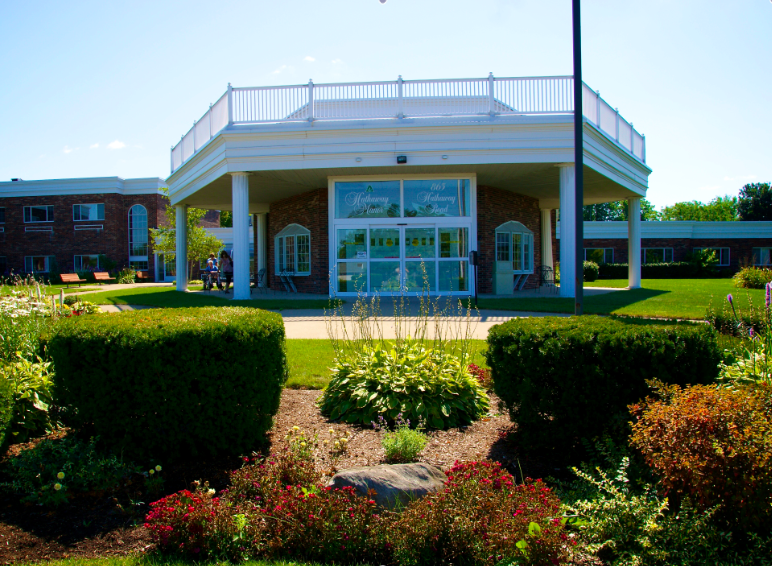
HATHAWAY MANOR EXTENDED CARE

863 HATHAWAY ROAD, NEW BEDFORD, MA 02740 (508) 996-6763
Non profit - Corporation 142 Beds INTEGRITUS HEALTHCARE Data: November 2025 3 Immediate Jeopardy citations
Trust Grade
0/100
#220 of 338 in MA
Last Inspection: January 2025

Within standard 12-15 month inspection cycle. Federal law requires annual inspections.

Overview

Hathaway Manor Extended Care has received a Trust Grade of F, indicating significant concerns about the quality of care provided. It ranks #220 out of 338 nursing homes in Massachusetts, placing it in the bottom half of facilities in the state, and #16 of 27 in Bristol County, meaning only one local option is better. Unfortunately, the facility is worsening, with issues increasing from 1 in 2024 to 7 in 2025. Staffing is a concern, with a turnover rate of 53%, much higher than the state average of 39%, and an overall staffing rating of 2 out of 5 stars. Additionally, the facility has accumulated $233,517 in fines, which is higher than 93% of Massachusetts facilities, suggesting ongoing compliance problems. Specific incidents include a critical failure where nursing staff attempted to resuscitate a resident who had a Do Not Resuscitate order, disregarding their wishes. Another incident involved the same resident being assessed as unresponsive but staff initiated life-saving measures without confirming the resident's code status, showing a serious lack of adherence to care protocols. While the facility does provide average RN coverage, the concerning trend in deficiencies and high turnover raises significant red flags for families considering this nursing home for their loved ones.

Trust Score
F
0/100
In Massachusetts
#220/338
Bottom 35%
Safety Record
High Risk
Review needed
Inspections
Getting Worse
1 → 7 violations
Staff Stability
⚠ Watch
53% turnover. Above average. Higher turnover means staff may not know residents' routines.
Penalties
✓ Good
$233,517 in fines. Lower than most Massachusetts facilities. Relatively clean record.
Skilled Nurses
○ Average
Each resident gets 30 minutes of Registered Nurse (RN) attention daily — about average for Massachusetts. RNs are the most trained staff who monitor for health changes.
Violations
⚠ Watch
51 deficiencies on record. Higher than average. Multiple issues found across inspections.
★★☆☆☆
2.0
Overall Rating
★★☆☆☆
2.0
Staff Levels
★★★☆☆
3.0
Care Quality
★★☆☆☆
2.0
Inspection Score
Stable
2024: 1 issues
2025: 7 issues

The Good

  • Full Sprinkler Coverage · Fire safety systems throughout facility
  • No fines on record

Facility shows strength in fire safety.

The Bad

2-Star Overall Rating

Below Massachusetts average (2.9)

Below average - review inspection findings carefully

Staff Turnover: 53%

Near Massachusetts avg (46%)

Higher turnover may affect care consistency

Federal Fines: $233,517

Well above median ($33,413)

Significant penalties indicating serious issues

Chain: INTEGRITUS HEALTHCARE

Part of a multi-facility chain

Ask about local staffing decisions and management

The Ugly 51 deficiencies on record

3 life-threatening 6 actual harm
Jan 2025 7 deficiencies
CONCERN (D)

Potential for Harm - no one hurt, but risky conditions existed

Deficiency F0551 (Tag F0551)

Could have caused harm · This affected 1 resident

Based on records reviewed and interviews for one Resident (#122) out of 26 sampled residents, who had a court appointed legal guardian due to incapacitation (the inability to make his/her own health c...

Read full inspector narrative →
Based on records reviewed and interviews for one Resident (#122) out of 26 sampled residents, who had a court appointed legal guardian due to incapacitation (the inability to make his/her own health care decisions), the facility failed to ensure that his/her Legal Guardian was fully informed in advance and given information including the risk and benefits of psychotropic medications (medications that can affect mood and behavior) prior to their use. Findings include: Review of the facility's policy titled Psychotropic Medications, dated 5/3/2005, indicated but was not limited to the following: -Each of the following elements: purpose of administering the psychotropic medication, prescribed dosage, route of administration, known benefits and side effects of medication of the informed consents documents must be discussed with the prescriber, and the resident or the resident's legal representative. -In a case where a legal guardian is assigned, the guardian has the authority to consent to the use of psychotropic medications except antipsychotic medications. Resident #122 was admitted to the facility in October 2023 with diagnoses which included Alzheimer's disease with late onset, major depressive disorder, and dementia. Review of Resident #122's record indicated that an appointment for guardianship was filed on 10/11/23. Review of Resident #122's current Physician's Orders indicated but were not limited to: -Sertraline (antidepressant) 25 milligrams (mg) daily, 9/2/24 Review of the Psychotropic Consent form, dated 9/2/24, indicated that Resident #122 signed the form acknowledging he/she understood the listed risks and benefits for Sertraline 25 mg daily. Review of Resident #122's October 2024 through January 2025 Medication Administration Records (MAR) indicated he/she received Sertraline as ordered. During an interview on 1/14/25 at 3:10 P.M., Unit Manager #2 said the only situation when a person would not sign their own consents is if the health care proxy is activated. She said she believes the resident can sign their own paperwork because the Resident appears to be oriented. She said she would have to talk to social services because they inform the nurses if anyone cannot sign for themselves. She said she can see that the Resident signed their own consent for Sertraline on 9/2/24. During an interview on 1/14/25 at 3:16 P.M., Social Worker #2 said it was a tricky situation because the Resident seemed alert and oriented but has a court appointed legal guardian. She said she didn't know who should sign the psychotropic consent in this case and would need to find out the answer. During an interview on 1/14/25 at 3:29 P.M., Social Worker #1 said the Resident received an emergency guardian in 2023 and has had a court appointed legal guardian to make healthcare decisions for them since 2023. She said the Resident is not capable of signing consents and the legal guardian is the only person who can consent for healthcare related needs. During an interview on 1/14/25 at 3:50 P.M., the Administrator said the consent form should have been reviewed and signed by the legal guardian prior to administering the medication.
CONCERN (D)

Potential for Harm - no one hurt, but risky conditions existed

Deficiency F0661 (Tag F0661)

Could have caused harm · This affected 1 resident

**NOTE- TERMS IN BRACKETS HAVE BEEN EDITED TO PROTECT CONFIDENTIALITY** Based on record review and staff interview, for one Resident (#138), of two closed records reviewed, the facility failed to docu...

Read full inspector narrative →
**NOTE- TERMS IN BRACKETS HAVE BEEN EDITED TO PROTECT CONFIDENTIALITY** Based on record review and staff interview, for one Resident (#138), of two closed records reviewed, the facility failed to document the recapitulation of the Resident's stay that included his/her course of illness/treatment. Findings include: Review of the facility's policy titled Care Planning, revised 10/28/22, indicated but was not limited to the following: 2. Once discharge is planned, process will be as follows utilizing Discharge Checklist: -Day/night prior to discharge a. initiate post-acute Discharge Transition Summary Form b. Complete Discharge Medication List form and place in packet c. Copy MOLST and place original in packet/copy in chart d. Copy most recent lab/diagnostic testing and place in packet e. Complete medication reconciliation -Day of Discharge a. Review discharge packet and medication list b. Gather medications/treatments c. Review packet/medications/treatments with resident and/or responsible party d. Obtain resident and/or responsible party sign [sic] packet and medication list/s e. Nurse signs packet and medication list(s) f. Fax discharge documents to PCP office (include physician discharge summary) g. Fax discharge documents to home care agency (include physician discharge summary) Resident #138 was admitted to the facility in October 2024 for a brief stay for respite care. Review of the medical record indicated Resident #138 was discharged home on [DATE]. During an interview on 1/15/25 at 9:14 A.M., Resident Representative #1 said Resident #138 was admitted to the facility for a respite stay in October 2024 while his/her home caregivers were on vacation. Resident Representative #1 said the Resident's home care services and equipment were in place already and his/her discharge home was uneventful with no concerns identified. Review of the closed medical record failed to indicate a recapitulation of the Resident's stay was completed by the Attending Physician. During an interview on 1/15/25 at 1:47 P.M., the Director of Nursing (DON) said that all discharged residents, even those at the facility for respite, should have a discharge summary with a recapitulation of the Resident's stay completed when discharged . During an interview on 1/15/25 at 1:57 P.M., the DON said she reviewed the Resident's closed medical record and could not find that a discharge summary or recapitulation of the Resident's stay had been completed.
CONCERN (D)

Potential for Harm - no one hurt, but risky conditions existed

Tube Feeding (Tag F0693)

Could have caused harm · This affected 1 resident

Based on observation, record review, and interviews, the facility failed to ensure staff provided appropriate care and services for one Resident (#38) with a Gastrostomy tube (G-tube: a tube that is p...

Read full inspector narrative →
Based on observation, record review, and interviews, the facility failed to ensure staff provided appropriate care and services for one Resident (#38) with a Gastrostomy tube (G-tube: a tube that is placed directly into the stomach through an abdominal incision for administration of nutrition, fluids, and medication), out of 26 sampled residents. Specifically, Resident #38 did not receive the physician ordered amount of tube feeding, staff administering tube feedings were not signing off administration, and there were no physician's orders on how much water to administer with and between medications. Findings include: Review of the facility's policy titled Clinical Enteral Feeding- Documentation, revised in September 2010, indicated the following: -Physician's order: record the physician's order for the enteral feeding on the MAR (medication administration record); document the order is being carried out; document the amount of formula and water on the Input/Output Record (I&O) -Water flush: record the amount of hydration flush on the I&O record; record the amount of the pre- and post-medication flush, maintain and record the total water intake every 8 hours and calculate the 24-hour total -Changing the spike set: change the syringe and feeding set according to the manufacturer's recommendations. Do not change the spike delivery set with a closed system until the bottle is empty. Resident #38 was admitted to the facility in April 2024 with a diagnoses of status post cerebral infarction (stroke) and dysphagia, with a new G-tube. Review of the Minimum Data Set (MDS) assessment, dated 11/8/24, indicated Resident #38 had a feeding tube and the portion of the total calories the Resident received through a feeding tube was 51% or more. Review of the care plans indicated Resident #38 was dependent on the G-tube with the following interventions: -hold feeding if greater than 30 cc (cubic centimeters; equal to 30 milliliters (ml)) aspirate [sic] -administer tube feed: Jevity 1.5, 1380 ml, frequency 60 {ml/hour} -free water as ordered, assure total intake is 900 cc's every 24 hours -document tube feed and water intake every shift -administer medications per physician order Review of the Physician's Orders indicated Resident #38 had the following orders related to the feeding tube: -Jevity 1.5 1000 ml; rate of 60 ml/hour; total formula volume (rate x 23 hours)= 1380 ml (11/21/24) -free water 150 ml every 4 hours (11/21/24) -routine site care, day shift and as needed; cleanse with normal saline or soap and water, apply drainage sponge (6/2/24) -replace feeding syringe every 24 hours (5/4/24) -Diet: NPO (nothing by mouth) (11/11/24) Review of the physician's orders failed to indicate if/when residuals (fluid/contents that remain in the stomach) should be checked, at what amount of residual the feeding should be held, how much water would be used prior, during, and after the administration of medications. On 1/13/25 at 8:38 A.M., the surveyor observed Resident #38 in bed with the head of bed elevated. The feeding tube pump was observed set at 60 ml/hour and flush 150 ml/4 hours. The 1 liter (1000 ml) bottle of Jevity 1.5 was dated 1/13/25 at midnight (8 hours and 38 minutes prior) with 800 ml left in the bottle (indicating the Resident had received 200 ml since midnight. According to the physician's orders, Resident #38 should have received 510 ml by 8:30 A.M. (60 ml x 8.5 hours= 510 ml total), a difference of 310 ml. Review of the nursing progress note, dated 1/13/25 at 2:10 A.M., indicated Resident #38 was currently on an antibiotic for pneumonia. The nursing progress note indicated Nurse #3 held the tube feeding at midnight due to Resident #38 having 60 ml of residual. The nurse indicated the following re-checks: 12:25 A.M. 30 ml, 1:05 A.M. less than 5 ml. The nurse indicated the tube feeding was restarted at 1:05 A.M. at 60 ml per hour with 150 ml flush every 4 hours. The nursing progress note indicated the tube feeding was held for a little over an hour, which would equate to a loss of 65 ml (not 310 ml as observed). On 1/14/25 at 8:47 A.M., the surveyor observed Resident #38 in bed with the head of the bed elevated. The feeding tube pump was observed set at 60 ml/hour and flush 150 ml/4 hours. The 1-liter bottle of Jevity 1.5 was dated 1/14/25 at midnight (8 hours and 47 minutes prior) with 700 ml left in the bottle (indicating the Resident had received 300 ml since midnight.) According to the physician's orders, Resident #38 should have received 510 ml by 8:30 A.M. (60 ml x 8.5 hours= 510 ml total), a difference of 210 ml. Review of the nursing progress notes failed to indicate the tube feeding which was started on 1/14/25 at midnight was held for any reason. On 1/15/25 at 8:55 A.M., the surveyor observed Resident #38 in bed with the head of the bed elevated. The feeding tube pump was observed set at 60 ml/hour and flush 150 ml/4 hours. The 1-liter bottle of Jevity 1.5 was dated 1/15/25 at midnight (8 hours and 55 minutes prior) with 650 ml left in the bottle (indicating the Resident had received 350 ml since midnight. According to the physician's orders, Resident #38 should have received 540 ml by 8:30 A.M. (60 ml x 9 hours= 540 ml total), a difference of 190 ml. Review of the nursing progress notes failed to indicate the tube feeding which was started on 1/15/25 at midnight was held for any reason. During an interview on 1/15/25 at 7:15 P.M., Nurse #3 said the bottles for the feeding tube get changed whenever they were almost empty, below 100 ml left and that it happened to be changed at midnight for a couple of nights. Nurse #3 said he checked the residual anytime he provided care related to the G-tube (giving medications, checking placement, changing the bottle). He said he was not sure if it was written down, but he holds the tube feed if the residual was over 45 ml because he was familiar with the Resident who normally had a residual of less than 10 and he had been worried about aspiration related to the most recent diagnosis of pneumonia. He said he normally only administers one medication to the Resident, and he will flush with 5 ml of water before administering the medication, put 5 ml of water in with the medication and flush with 5 ml of water after giving the medication. Review of the January 2025 MAR indicated the order for the tube feeding was only signed off by the day shift every day. The orders were not signed off by the nurse who started a new bottle. Review of the MAR and TAR failed to indicate the amount of intake for Resident #38. During an interview on 1/15/25 at 9:20 A.M., Nurse #2 said Resident #38 was on a continuous feeding so the bottle would get changed whenever it was empty and not on a set schedule. She said I&O's were kept in a separate binder. Nurse #2 reviewed the I&O binder and said there were no recordings of intake for Resident #38. On 1/15/25 at 11:57 A.M., the surveyor observed Resident #38 connected to the feeding tube which was running at 60 ml/hour. At 2:44 P.M. the surveyor observed the tube feed pump beeping with a message that read hold error? The tube feed pump was not administering the Jevity 1.5 at this time and there was 400 ml left in the bottle, 100 ml less than the previous observation almost three hours prior. The surveyor did not observe any staff entering the Resident's room between 2:44 P.M. and 3:09 P.M. During an observation with interview on 1/15/25 at 3:09 P.M., the surveyor observed Nurse #4 enter the room of Resident #38 and hit the continue button on the tube feed pump. Nurse #4 said the machine was beeping when she came into the room and she pressed the button to start the machine again. She said she did not know why it was on hold or how long it had been on hold. She said she didn't normally calculate how much a resident on a feeding tube was getting. During an interview on 1/15/25 at 3:24 P.M., Nurse #4 said she had done the calculations and Resident #38 should have had 900 ml by this point (60 ml x 15 hours) but that she would factor in holding the tube feed for care, holding for medications and possibly holding for activities would all contribute the remaining 400 ml in the bottle. Nurse #4 said when administering medications to Resident #38 she puts each medication in with 5 ml of water and flushes with 5 ml of water between the medications. During an interview on 1/15/25 at 3:40 P.M., Nurse #2 said she had been the assigned nurse for Resident #38 on the 7:00 A.M. to 3:00 P.M. shift. She said the Resident had not gotten out of bed today and the tube feed was only held for care for about 10 minutes. During an interview on 1/15/25 at 3:52 P.M., the Registered Dietitian said there was a 72-hour report that was available on the tube feed pump. She said she had just run the report which indicated Resident #38 had received 3707 ml of nutritional feed (433 less than the ordered amount of 1380 per day for three days for a total of 4140) and 2100 of water (600 less than the ordered amount of 900 per day for three days for a total of 2700). She said the calculated nutritional feed for Resident #38 was for 60 ml per hour for 23 hours per day and the additional hour of the feed being held was for care, for a total of 1380 ml every 24 hours. She said according to the physician's orders Resident #38 should complete a 1000 ml bottle of Jevity in 17 hours and the bottles should not last 24 hours. During an interview on 1/15/25 at 4:05 P.M., the Assistant Director of Nurses said she reviewed the medical record and there was not an order for checking the residual or what amount to hold the tube feed related to the residual. She said there should be an order in place, so the nurses know how much water to use with the medications and to flush with before and after medications. She said unless the physician gives orders to monitor the intake or there was a change in weight, it would not be the process to record intake. She said the tube feed for Resident #38 was being held for care and for administration of medications and it was not possible for the tube feed to have only been held for 10 minutes on the day shift on this day. During an interview on 1/16/25 at 10:20 A.M., the Director of Nurses said the order for the administration of the feeding tube should allow each nurse to sign off, not just the day shift. She said the orders needed to be clarified to include flushes and holding time as the hold time was probably longer in a 24-hour period related to care and medication administration and this should be included in the calculations. She said there should be orders for how much water to mix with medications and how much to flush with between medications.
CONCERN (D)

Potential for Harm - no one hurt, but risky conditions existed

Deficiency F0711 (Tag F0711)

Could have caused harm · This affected 1 resident

Based on record review and interviews, the facility failed to ensure the total program of care was reviewed by a physician for one Resident (#42), out of a total sample of 26 residents. Specifically, ...

Read full inspector narrative →
Based on record review and interviews, the facility failed to ensure the total program of care was reviewed by a physician for one Resident (#42), out of a total sample of 26 residents. Specifically, the facility failed to ensure the Resident's former primary physician and new primary physician evaluated the significant weight loss of Resident #42. Findings include: Resident #42 was admitted to the facility in August 2020 with a diagnosis of dementia. Review of the Minimum Data Set (MDS) assessment, dated 11/15/24, indicated Resident #42 had a weight loss of 5% or more in one month or 10% or more in six months. Review of the care plans indicated Resident #42 was at a nutritional risk related to dementia, anxiety, depression, hypertension and a history of variable intake with unintentional weight loss. Review of the interventions included but were not limited to: weekly weights, notify physician and dietitian of persistent weight loss, provide fortified foods (cereal at breakfast, potatoes at lunch/dinner), provide nutritional supplements (Magic Cup ice cream and Boost Breeze daily). Review of the weights for Resident #42 included but were not limited to the following: 7/2/24: 128.2 pounds (lbs.) 7/18/24: 128.2 lbs. 8/8/24: 121.2 lbs.; loss of 5.46% in 3 weeks 8/19/24: 122.6 lbs.; loss of 6.69% in one month 9/4/24: 117.80 lbs. 9/16/24: 114.4 lbs. 9/23/24: 109.8 lbs.; loss of 10.6% in one month 10/23/24: 110.60 lbs. 11/12/24: 111.2 lbs. 11/25/24: 111.60 lbs. 12/2/24: 107.0 lbs. 12/6/24: 104.6 lbs. 12/9/24: 105.4 lbs.; loss of 5.22 % in one month 12/17/24: 108.6 lbs. 12/23/24: 111.4 lbs. 12/30/24: 113.8 lbs.; loss of 11.23% in six months Review of the Physician's Progress Notes indicated Resident #42 was seen by the MD (Doctor of Medicine) on 6/7/24. The next visit conducted by a physician was 11/1/24. During an interview on 1/14/25 at 3:30 P.M., the Assistant Director of Nurses said Resident #42 had a primary physician who was no longer coming to the facility and switched primary physicians in October 2024, with the first visit with the new physician being 11/1/24. Review of the Physician's Progress Notes from 11/1/24, 12/2/24, and 1/3/25 failed to indicate the Resident's significant weight loss had been addressed by the physician. During an interview on 1/15/25 at 12:53 P.M., the Director of Nurses (DON) said the facility started having issues with the previous physician conducting visits timely. She said the facility had terminated the contract with the previous physician and the Resident was assigned to the Medical Director as the new primary physician. She said the previous physician did not have a Nurse Practitioner and there were no other physicians or physician extenders who would have seen the Resident for the physician between June 2024 and November 2024. She said she had reached out to the office of the previous physician and no physician visits after 6/7/24 had been received. She said the process was for the Unit Manager or the Registered Dietitian to notify the physician to evaluate a resident with significant weight loss. She said the Unit Manager for Resident #42 was not available for interview. During an interview on 1/15/25 at 1:10 P.M., the Registered Dietitian said she did not have any conversations with the previous or current physician regarding the significant weight loss for Resident #42 and the Unit Manager was responsible for speaking with the physicians. During an interview on 1/16/25 at 9:00 A.M., the Medical Director said the previous physician was terminated and the initial visit with Resident #42 was on 11/1/24. He said he was not aware of the significant weight loss for the Resident and it was probably overlooked. He said neither he nor the Nurse Practitioner had evaluated the weight loss. He said in reviewing his progress notes the weight loss may be related to the diagnosis of dementia, but it would have to be reviewed and he would need to run some baseline labs (blood work).
CONCERN (D)

Potential for Harm - no one hurt, but risky conditions existed

Deficiency F0712 (Tag F0712)

Could have caused harm · This affected 1 resident

Based on interview and record review, the facility failed to ensure one Resident (#42), in a sample of 26 residents, had been seen by a physician every 60 days. Findings include: Resident #42 was adm...

Read full inspector narrative →
Based on interview and record review, the facility failed to ensure one Resident (#42), in a sample of 26 residents, had been seen by a physician every 60 days. Findings include: Resident #42 was admitted to the facility in August 2020. Review of the Physician's Progress Notes indicated Resident #42 was seen by the MD (Doctor of Medicine) on 6/7/24. The next visit conducted by a physician was 11/1/24, 147 days later. During an interview on 1/15/25 at 11:44 A.M., the Director of Nurses (DON) said there were no additional physician visits for Resident #42 between June 2024 and November 2024. She said the Resident's primary physician had not been coming in to see residents timely and a termination notice was issued and the Resident was provided a new physician at the end of October 2024. She said it was not acceptable for a Resident to go from June to November without seeing a physician.
CONCERN (D)

Potential for Harm - no one hurt, but risky conditions existed

Food Safety (Tag F0812)

Could have caused harm · This affected 1 resident

Based on observation and interview, the facility failed to follow professional standards of practice for food safety to prevent the potential spread of foodborne illness to residents who are at high r...

Read full inspector narrative →
Based on observation and interview, the facility failed to follow professional standards of practice for food safety to prevent the potential spread of foodborne illness to residents who are at high risk. Specifically, the facility failed to ensure food items were properly dated and stored in three of three kitchenettes. Findings include: Review of the 2022 Food Code by the Food and Drug Administration (FDA), revised 1/2023, indicated but was not limited to the following: 3-305.11 (A) Except as specified in paragraphs (B) and (C) of this section, food shall be protected from contamination by storing the food (1) in a clean, dry location. 3-501.17 Ready-to-Eat, Time/Temperature Control for Safety Food, Date Marking. (B) Except as specified in (E) - (G) of this section, refrigerated, READY-TO-EAT TIME/TEMPERATURE CONTROL FOR SAFETY FOOD prepared and PACKAGED by a FOOD PROCESSING PLANT shall be clearly marked, at the time the original container is opened in a FOOD ESTABLISHMENT and if the FOOD is held for more than 24 hours, to indicate the date or day by which the FOOD shall be consumed on the FDA Food Code 2022 Chapter 3. Food Chapter 3 - 29 PREMISES, sold, or discarded, based on the temperature and time combinations specified in (A) of this section and: (1) The day the original container is opened in the FOOD ESTABLISHMENT shall be counted as Day 1; and (2) The day or date marked by the FOOD ESTABLISHMENT may not exceed a manufacturer's use-by date if the manufacturer determined the use-by date based on FOOD safety. (D) A date marking system that meets the criteria stated in (A) and (B) of this section may include: (1) Using a method approved by the regulatory authority for refrigerated, ready-to-eat time/temperature control for safety food that is frequently rewrapped, such as lunchmeat or a roast, or for which date marking is impractical, such as soft serve mix or milk in a dispensing machine; (2) Marking the date or day of preparation, with a procedure to discard the food on or before the last date or day by which the food must be consumed on the premises, sold, or discarded as specified under (A) of this section; (3) Marking the date or day the original container is opened in a food establishment, with a procedure to discard the food on or before the last date or day by which the food must be consumed on the premises, sold, or discarded as specified under (B) of this section; or (4) Using calendar dates, days of the week, color-coded marks, or other effective marking methods, provided that the marking system is disclosed to the REGULATORY AUTHORITY upon request. Review of the facility's policy titled Dietary: Sanitary Conditions, revised 9/21/22, indicated but was not limited to: Policy: [the facility] will procure food from sources approved or considered satisfactory by Federal, State, or local authorities; and store, prepare, distribute and serve food under sanitary conditions. Intent: Follow proper sanitation and food handling practices to prevent the outbreak of foodborne illness. Safe food handling for the prevention of foodborne illnesses begins when food is received from the vendor and continues throughout the facility's food handling processes. Prevention of Foodborne Illness: -Proper food preparation, storage, and handling practices are essential in preventing foodborne illness; -Refrigeration prevents food from becoming a hazard by significantly slowing the growth of most microorganisms; -Practices to maintain safe refrigerated storage include: Labeling, use by dating, and monitoring refrigerated food, including, but not limited to leftovers, so it is used by its use-by-date, or frozen (when applicable) or discarded; -Temperature control and freedom from contamination are also important when ready-to-eat or prepared food items for snack are sent to the unit and are held for deliver; or stored at the nursing station, in a unit refrigerator or in unit cupboards; -Food handling risks associated with food stored on the units may include but are not limited to: Food left in refrigerators beyond safe use by dates (including, but not limited to foods that have been opened but were not labeled, etc.). Review of the facility's policy titled Dietary Department Guidelines, revised May 2018, indicated but was not limited to: -All items stored in the refrigerator will be covered and use by date labeled; -Stock items will be monitored for expiration dates and used or discarded as needed. On 1/14/25 at 10:49 A.M., the surveyor observed three opened containers of thickened liquids in the Unit 1 kitchenette refrigerator. Two of the containers were not labeled with the date they were opened. One container was dated 1/5/25. Manufacturer's instructions on the containers stated: After opening, may be kept up to 7 days under refrigeration. On 1/14/25 at 10:58 A.M., the surveyor observed four opened containers of thickened liquids in the Unit 3 kitchenette refrigerator. The surveyor observed all four containers were not labeled with the date they were opened. On 1/15/25 at 4:15 P.M., the surveyor observed four opened containers of thickened liquids in the Unit 1 kitchenette refrigerator. The surveyor observed three containers were not labeled with the date they were opened, and one container was dated 1/5/25. On 1/15/25 at 4:30 P.M., the surveyor observed two opened containers of thickened liquids in the Unit 2 kitchenette refrigerator. Both containers were not labeled with the date they were opened. During an interview on 1/15/25 at 4:30 P.M., Certified Nursing Assistant (CNA) #2 said the kitchen labels the thickened liquid containers with the expiration date. CNA #2 said they only use containers the kitchen has dated; if a container has no date, CNA #2 said they will open a new container of thickened liquid. CNA #2 and the surveyor observed an unopened bottle of thickened juice that was dated 1/25. CNA #2 said 1/25 was the expiration date written by the kitchen and the thickened juice could be used until 1/25. During an interview on 1/15/25 at 4:40 P.M., the Food Service Director (FSD) said the kitchen handwrites dates on each thickened liquid container with the date it was received to help with product rotation in the main kitchen's dry storage room. The FSD said the containers labeled 1/25 were labeled by the kitchen staff to indicate the facility received the thickened liquid containers in January 2025. The FSD said 1/25 did not indicate an expiration or use by date for opened containers. The FSD said when a new container of thickened liquids is opened, the container is to be dated with the opened date. The FSD said the thickened liquids were good for seven days after opening, per the manufacturer's instructions. During an interview on 1/16/25 at 10:45 A.M., the Administrator said staff was to label all open food and beverages with the date opened. The Administrator said staff should be labeling and dating food and beverages, per the facility's food storage policies, to ensure food and beverages served to residents comply with safe food practices.
CONCERN (E)

Potential for Harm - no one hurt, but risky conditions existed

Dental Services (Tag F0791)

Could have caused harm · This affected multiple residents

Based on interviews and record reviewed, for one Resident (#50) of 26 sampled residents, the facility failed to provide timely dental services. Specifically, for Resident #50, the facility failed to i...

Read full inspector narrative →
Based on interviews and record reviewed, for one Resident (#50) of 26 sampled residents, the facility failed to provide timely dental services. Specifically, for Resident #50, the facility failed to initiate replacement of lost/missing dentures timely. Findings include: Review of the facility's policy titled Dental Services, dated 10/19/2017, indicated but was not limited to the following: -Within 3 days following confirmation of lost or damaged dentures social services or their designee must make a referral for appropriate dental services for repair and/or replacement. -Social Services or their designee will maintain contact with dental services, the resident and/or representative if applicable until the problem is resolved and the dentures are replaced and repaired. Review of the Minimum Data Set (MDS) assessment, dated 11/22/24, indicated that Resident #50 was severely cognitively impaired as evidenced by a Brief Interview for Mental Status (BIMS) score of 3 out of 15. Review of the progress note, dated 5/22/24, completed by the Registered Dietitian, indicated Resident #50 needed a dental referral for new dentures and nursing was aware. Review of Resident #50's medical record indicated his/her Health Care Proxy signed a consent for dental services on 9/4/24 and a referral was initiated on 9/11/24 (112 days after the Registered Dietitian acknowledged the need for new dentures). Review of a 2023 Grievance form (month/day not indicated on form) indicated the dentist was contacted for consult for denture replacement due to Health Care Proxy request for replacement. Further review of the Grievance form indicated the outcome included a scheduled (date not specified) dental consult for denture replacement. Review of the dental consult, dated 11/5/24, indicated it was completed in response to the 9/11/24 request. During an interview on 1/13/25 at 2:17 PM., Resident #50's Health Care Proxy said the Resident's upper and lower dentures were reported missing over nine months ago and there was still no resolution. She said she has asked at every care conference she has attended and knows a grievance form was initiated, and she isn't sure when, if at all, the Resident will receive replacement dentures. She said when she brought it up at the September care conference the facility staff had her sign a consent form for dental services that should have been completed when the dentures first went missing. She said the process has been delayed because of changes in staff. During an interview on 1/14/25 at 4:02 P.M., Social Worker #1 said she was aware of this longstanding issue. She said she started working for the facility in April 2024 and can recall the missing dentures being brought up by family at this time. She said it was brought up again in June and isn't sure what happened. She said she had the Health Care Proxy sign a consent for dental services in September. She said the grievance form is from 2023 and was completed prior to her working at the building. She said she isn't sure why there has been a delay in having the resident referred to and seen by the dentist. During an interview on 1/15/25 at 11:10 A.M., Unit Manager #2 said she had no additional information to explain why the consult didn't happen earlier than September. She said there was supposed to be a consult in July but was unclear why it didn't occur; she said she did not follow up. During an interview on 1/15/25 at 2:15 P.M., the Administrator said she cannot speak to what was done prior to her employment (began in November 2024) but she was aware that Resident #50 had a consult in November 2024. She said she didn't realize this had been a longstanding issue but knows there have been changes in facility staff which could explain the delay. She said there should have been follow up through the entire process to ensure the Resident received replacement dentures.
Feb 2024 1 deficiency
CONCERN (D) 📢 Someone Reported This

A family member, employee, or ombudsman was alarmed enough to file a formal complaint

Potential for Harm - no one hurt, but risky conditions existed

Free from Abuse/Neglect (Tag F0600)

Could have caused harm · This affected 1 resident

Based on interviews and records reviewed, for one of three sampled residents (Resident #1), who was confused and unable to make his/her needs known, the Facility failed to ensure Resident #1 was free ...

Read full inspector narrative →
Based on interviews and records reviewed, for one of three sampled residents (Resident #1), who was confused and unable to make his/her needs known, the Facility failed to ensure Resident #1 was free from physical and verbal abuse when, on 1/21/24 around 7:00 P.M., Nurse #1 was witnessed by other staff members treating Resident #1 in a verbally and physically abusive manner. Findings include: Review of the Facility Resident Abuse Prevention, Investigation and Reporting Policy, last revised 10/17/22, indicated that it was the policy of the Facility to ensure an environment free of abuse. Review of Resident #1's clinical record indicated that he/she was admitted to the Facility during March 2023 and his/her diagnoses included dementia, major depressive disorder, schizoaffective disorder, schizophrenia and anxiety disorder. Review of Resident #1's most recent Quarterly Minimum Data Set (MDS) Assessment, completed 1/24/24, indicated that his/her short and long term memory skills were impaired; he/she sometimes understood others and he/she exhibited physically and verbally abusive behavioral symptoms. The MDS indicated Resident #1 was nonambulatory and was dependent on staff members for wheelchair mobility and transferring between surfaces. Review of Resident #1's Care Plan related to behavioral symptoms, dated as initiated 6/20/23, reviewed and renewed with his/her January 2024 Quarterly MDS, indicated he/she yelled out, was combative and refused care at times due to dementia. The Care Plan identified interventions which included speaking slowly and directly, anticipating and assisting with all needs and, when Resident #1 was agitated, leaving him/her in a safe situation and reproaching at later times. An additional intervention, dated as initiated 10/10/23, indicated Resident #1 used a reclining wheelchair for comfort. Review of Resident #1's Care Plan related to comfort, dated as initiated 3/06/23, reviewed and renewed with his/her January 2024 Quarterly MDS, indicated that Resident #1 had the potential to experience pain due to arthritis. The Care Plan indicated a goal was for Resident #1 to experience decreased pain and interventions indicated staff were to identify, assess and document the presence of pain and observe for behaviors, such as irritability and restlessness, as possible indicators of pain. Review of Resident #1's Care Plan related to end of life, dated as initiated 11/06/23, indicated Resident #1 was admitted to hospice care on 10/25/23. During in person interviews on: - 2/21/24 at 10:58 A.M. with Nurse #2, - 2/21/24 at 12:50 P.M. with Certified Nursing Assistant (CNA) #3, and telephone interviews on - 2/28/24 at 2:10 P.M. with Nurse #3, and, - 2/29/24 at 3:15 P.M. with CNA #5, they said the following: They observed Nurse #1 interacting with Resident #1 around 7:00 P.M. on 1/21/24. Nurse #2, CNA #3 and CNA #5 said that Nurse #1 yelled at Resident #1 and pointed or wagged one of her fingers in Resident #1's face. Nurse #2 and CNA #5 said that they heard Nurse #1 tell Resident #1 what are you going to do about it in an angry, aggressive and threatening tone of voice. CNA #3 and CNA #5 said Nurse #1 told Resident #1 you don't tell me to shut up or you shut up too. Nurse #3 said that although he was in and out of resident rooms and did not observe the entire interaction between Nurse #1 and Resident #1, and said he heard Nurse #1 speaking to Resident #1 in a high-pitched tone of voice, similar to the way someone might speak to a child. Nurse #2 and CNA #5 said that at one point, Resident #1 kicked his/her leg toward Nurse #1 and that Nurse #1 grabbed Resident #1's leg in response. Nurse #2 and CNA #5 said Nurse #1 pulled on Resident #1's leg. Nurse #2 said Nurse #1 pulled Resident #1's leg with sufficient force to move him/her forward in the reclining wheelchair. Nurse #2 said that when Nurse #1 walked away from Resident #1, Nurse #1 stated that Resident #1 needed to learn how to talk to people. CNA #3 said that Nurse #1 did not seem to understand that Resident #1 was confused. CNA #3 and CNA #5 said Resident #1 became more agitated by the interaction with Nurse #1 and said Nurse #1 bothered Resident #1. Although Resident #1's communication and cognition deficits limited his/her ability to articulate his/her feelings about the alleged incident, an unimpaired individual would experience physical pain and mental anguish when verbally and physical abused by a caregiver. On 2/21/24 the Facility was found to be in past non-compliance. The Facility provided the Surveyor with a plan of correction which addressed the concern as evidenced by: A) On 1/21/24, skin and pain assessments were completed by nursing for Resident #1 without findings of injury related to the alleged incident. Staff continue to assess Resident #1's pain and skin daily per the care plan and to provide frequent checks of his/her wheelchair positioning due to fall risk and confusion. B) On 1/21/24, Nurse #1 was immediately escorted from the Facility, the Facility notified the Agency which employed Nurse #1 of the allegation and the Facility informed the Agency that Nurse #1 was not to return to the Facility. C) On 1/22/24, the Facility Social Worker met with Resident #1 and his/her family member to offer on-going support. D) On 1/25/24, Resident #1 was examined by the Nurse Practitioner and his/her care plan reviewed. E) Between 1/21/24 and 1/31/24, the Facility posted additional information on all units and public areas with regard to abuse identification and prevention. F) Training on Abuse, Resident Rights, Ethics and the Facility Code of Conduct was provided to all staff during December 2023 and January 2024 and continues to be provided to new staff and as needed in response to concerns. G) The Facility initiated Shift to Shift huddles on 12/18/23 which continue daily to ensure reporting of resident condition changes and care plan development across all shifts and documentation from the huddles is reviewed daily by Facility Leadership and Interdisciplinary Team Members in Morning Meeting. H) The Facility initiated a daily Resident Interview Program on 12/18/23 during which residents are asked about safety and concerns and observed for cleanliness, comfort and freedom from pain. Documentation from the Resident Interview documentation is reviewed daily by Facility Leadership and Interdisciplinary Team Members in Morning Meeting. I) The Quality Assurance Committee met 2/02/24 to review the on-going Abuse Prevention and Response plans and will meet again in February 2024. J) The Administrator and/or designee are responsible for overall compliance.
Dec 2023 4 deficiencies 3 Harm
SERIOUS (G) 📢 Someone Reported This

A family member, employee, or ombudsman was alarmed enough to file a formal complaint

Actual Harm - a resident was hurt due to facility failures

Deficiency F0658 (Tag F0658)

A resident was harmed · This affected 1 resident

**NOTE- TERMS IN BRACKETS HAVE BEEN EDITED TO PROTECT CONFIDENTIALITY** Based on records reviewed and interviews, for one of three sampled residents (Resident #1), who was a Diabetic, had experienced ...

Read full inspector narrative →
**NOTE- TERMS IN BRACKETS HAVE BEEN EDITED TO PROTECT CONFIDENTIALITY** Based on records reviewed and interviews, for one of three sampled residents (Resident #1), who was a Diabetic, had experienced an acute episode of hypoglycemia (low blood sugar) and required administration of glucose gel for treatment, the Facility failed to ensure Resident #1 was provided nursing care and treatment in accordance with professional standards of practice, when on 11/29/23, after Nurse #1 administered the glucose gel, she failed to recheck Resident #1's blood glucose level, left him/her unattended in his/her bed and later found Resident #1 (who was unable to transfer or ambulate without the physical assistance from staff) lying on the bathroom floor. Resident #1 was later diagnosed with hypoglycemia, acute right pubic bone fractures and was admitted to the Hospital. Findings include: Review of the Facility Policy titled, Diabetic Management Protocol, dated as revised April 6, 2018, indicated the following: -residents who have diabetes will receive care according to accepted standards of care focused on maintaining blood glucose control and preventing both acute and chronic complications; -upon admission, initiate diabetic management physician order set; -perform fingerstick blood glucose monitoring as ordered; -administer insulin/oral hypoglycemic medication as ordered; -assess for and respond to any change in condition; -treat hypoglycemic episode according to hypoglycemic protocol; Review of the Facility's Policy titled, Hypoglycemia Protocol, undated, indicated the following: -hypoglycemia is defined as a blood glucose of less than 70 mg (milligrams)/dl (deciliter) with or without symptoms; -assess for signs and symptoms of hypoglycemia which could include the following: sweating, facial pallor, shakiness, tremors, increased appetite, nausea, dizziness or light-headedness, sleepiness, tingling around the mouth and tongue, change in level of consciousness ranging from confusion to coma, weakness, rapid heart rate, headache, seizures; -Treatment of blood sugar (BS) 50 mg/dl or less, conscious, able to swallow, able to take food by mouth, remain with patient if symptomatic and provide 30 grams of carbohydrates; 8 ounces of juice or soda (regular, not sugar free or diet) or; 1 cup of applesauce or; 12 saltines or; 2 tablespoons of sugar, jelly, honey or; 16 ounce cup of milk -skim, low-fat or whole; or provide 30 grams of glucose gel (two tubes), and retest blood glucose in 15 minutes, -if blood glucose less than 70, provide another 15 grams of carbohydrates; -repeat blood glucose every 15 minutes until two blood glucose levels above 70 and no symptoms; -add order to check blood glucose level one time at 2:00 A.M., in addition to any other MD orders for blood glucose check; -notify MD per Physician Notification Pamphlet of hypoglycemic event, using Situation Background Assessment Recommendation (SBAR) include vitals, symptoms, time of last food intake, time/dose of diabetic meds, response to therapy, and ask for change in regime if appropriate; -document on SBAR: event, times of glucose checks, signs and symptoms of hypoglycemia, treatment, resolution, assessment, correspondence with MD/NP prior to administering the next insulin or oral diabetes agent for medication and glucose monitoring orders; -post hypoglycemic event: review insulin regime with MD/NP within 24 hours of event. Standard Reference: Standard of Practice Reference: Pursuant to Massachusetts General Law (M.G.L), chapter 112, individuals are given the designation of Registered Nurse and Practical Nurse which includes the responsibility to provide nursing care. Pursuant to the Code of Massachusetts Regulation (CMR) 244, Rules and Regulations 3.02 and 3.04 define the responsibilities and functions of a Registered Nurse and Practical Nurse respectively. The regulations stipulate that both the Registered Nurse and Practical Nurse bear full responsibility for systematically assessing health status and recording the related health data. They also stipulate that both the Registered and Practical Nurse incorporate into the plan of care and implement prescribed medical regimens. The Rules and Regulations 9.03 defined Standards of Conduct for Nurses where it is stipulated that a nurse licensed by the Board shall engage in the practice of nursing in accordance with accepted standards of practice. Resident #1 was admitted to the Facility in January 2023, diagnoses spinal stenosis of lumbar region, hypertensive urgency, acute kidney failure, weakness, hypoglycemia, major depressive disorder, dementia and diabetes mellitus with ketoacidosis. Review of Resident #1's Quarterly Minimum Data Set Assessment (MDS), dated [DATE], indicated Resident #1 had severe cognitive impairment. The MDS indicated Resident #1 required maximum assistance from staff with transfers and moderate assistance from staff with ambulation. Review of the Facility's Internal Investigation, dated 11/29/23, indicated that at approximately 8:00 A.M. Resident #1 had a low blood glucose level of 39 mg/dl, was confused, unable to answer questions appropriately and was given glucose gel 15 grams. The Investigation indicated that Nurse #1 waited a bit (exact amount of time unknown) for his/her condition to improve, he/she became more alert, was forming words, so she left Resident #1 in bed and checked in on him/her 15 minutes later. The Investigation indicated Resident #1 was improving and was able to answer questions. The Investigation indicated that 20 minutes later, Nurse #1 went to check in on Resident #1 and found him/her on the floor in the bathroom with his/her pants halfway down with urine and feces on the floor. The Investigation indicated Resident #1 was crying and complaining of pain in his/her right hip and leg and Nurse #1 was unable to perform Range of Motion to his/her right leg due to pain. The Investigation indicated that Resident #1 was transferred to the Hospital ED. Review of Resident #1's Physician Order, dated 1/27/23, indicated he/she had a Physician's order for the following: -check blood glucose level before meals and at bedtime, notify MD/NP/PA when blood glucose is less than 70 mg/dl and greater than 350 mg/dl and -the orders included parameters in the event of a low blood sugar, for nursing to administer one from the following for blood glucose less than 51 mg/dl: - 30 gm glucose gel (2 tubes); - 8 ounces of juice or soda; - 1 cup of apple sauce; - 12 saltines; - 2 tablespoons of sugar or jelly. -remain with resident if symptomatic; -repeat above every 15 minutes until two blood glucose levels above 70 mg/dl and asymptomatic. Review of Resident #1's Nurse Progress Note, dated 11/29/23 at 2:41 P.M., (written by Nurse #1), indicated that Resident #1 had a CBG (capillary blood glucose) level of 39 mg/ml this morning, speech unremarkable, confused, unable to answer questions accurately, orange juice was attempted but he/she was unable to sit up properly and swallow thin liquids. The Note indicated that glucose gel 15 gm (gram) was given, waited for his/her status to change and he/she started to form words. However, Resident #1's Physicians orders indicated to administer 30 gm of glucose gel for a CBG less than 51 mg/dl, (not 15 gm, as documented by Nurse #1). The Progress Note further indicated that 15 minutes later, Resident #1 was able to answer questions accurately, form words and 20 minutes later, Resident #1 was found on the floor in his/her bathroom with his/her pants down and urine and feces noted on the floor. The Note indicated that Resident #1 was crying, unable to perform Range of Motion (ROM) to his/her right leg and cried out in pain when he/she tried to move his/her right leg. The Note indicated that Resident #1 was transferred to the Hospital ED. During a telephone interview on 1/04/24 at 12:30 P.M., Nurse #1 said that she obtained Resident #1's CBG between 7:45 A.M. and 7:50 A.M. on 11/29/23 and it was 39 mg/dl. Nurse #1 said she attempted to give Resident #1 orange juice, but he/she was confused, not making any sense, was unable to sit up or swallow and did not eat anything that morning. Nurse #1 said she gave Resident #1 one packet of glucose gel (15 gm) and after a few minutes she checked in on him/her, he/she was still confused and not making any sense. Nurse #1 said that a few minutes later, she checked in on Resident #1 and he/she was able to form words and was more alert. Nurse #1 said around 10:00 A.M., she went to check on Resident #1 again and found him/her on the floor in the bathroom complaining of right leg pain. Nurse #1 said Resident #1 was transferred to the Hospital ED. Nurse #1 said that she did not check Resident #1's Physician orders, but said she should have. Nurse #1 said she was not aware that Resident #1 had specific Physician orders with parameters in the event of a hypoglycemic incident. Nurse #1 said she administered just one packet of glucose gel (for a total of 15 gm, not 30 gm per physician's orders). Nurse #1 said she never rechecked Resident #1's blood sugar after she administered the packet of glucose gel, but said she should have. Nurse #1 said that she did not follow Resident #1's Physician Orders or facility policy for the treatment of Resident #1's hypoglycemia. During an interview on 12/27/23 at 4:10 P.M., Certified Nurse Aide (CNA) #2 said that on 11/29/23 at approximately 8:00 A.M., she went to give Resident #1 his/her breakfast tray and the Nurse told her not to give Resident #1 his/her breakfast tray because his/her blood sugar was low. CNA #2 said that Resident #1 was talking to him/herself, was out of it and was not making any sense. CNA #2 said that she went back in to check on Resident #1 sometime between 8:30 A.M. and 8:45 A.M., and that Resident #1 was still out of it, was not making any sense, and was not him/herself. During an interview on 12/28/23 at 11:05 A.M., Unit Manager #1 said that at approximately 9:15 A.M. on 11/29/23, she went into Resident #1's room to obtain a COVID sample and said Resident #1 was not his/her usual self and his/her behavior was not at his/her baseline. Unit Manager #1 said that Resident #1 required emergent transfer to the Hospital Emergency Department for evaluation that day and when Emergency Medical Services (EMS) arrived (exact time unknown), she heard Nurse #1 tell EMS that Resident #1's blood sugar was low and heard EMS ask Nurse #1 if she rechecked Resident #1's blood sugar and that Nurse #1 had stated no to EMS. Unit Manager #1 said that Nurse #1 did not inform her that Resident #1 had a hypoglycemic episode that morning. Unit Manager #1 said that it was her expectation that nurses notify her of any change in a resident's condition. Review of Resident #1's Hospital Discharge summary, dated [DATE], indicated that Resident #1 presented to the Hospital ED after an episode of hypoglycemia and an unwitnessed fall at the Nursing Home. The Summary indicated that Resident #1 was found to have a blood sugar of 38 mg/dl this morning at the Nursing Home and upon arrival at the ED, Resident #1 was found to be hypoglycemic with a blood sugar of 43 mg/dl. The Summary indicated that Resident #1 was given D 10 bolus (dextrose used to treat severe hypoglycemia) 100 milliliters (ml) intravenously. The Summary indicated that Resident #1's blood sugar was rechecked and was 29 mg/dl and he/she was given D 50 25 ml (used for rebound hypoglycemia) intravenously and D 5 in Ringers lactate solution (crystalloid isotonic intravenous fluid of balanced electrolytes) at 125 ml/hr. intravenously. The Summary indicated that a CT scan of Resident #1's right hip revealed acute right pubic (pelvic) bone fractures and that the fall was probably due to hypoglycemia. During an interview on 12/28/23 at 11:40 A.M., the Director of Nurses (DON) said it was her expectation that nursing stay with Resident #1 until his/her blood sugar levels were 70 mg/dl or above. The DON said it was her expectation that Nurse #1 checked Resident #1's blood sugar level every 15 minutes until they were 70 mg/dl or above. The DON said Nurse #1 did not recheck Resident #1's blood sugar level and did not follow Resident #1's Physician orders or the Facility's Policy related to Hypoglycemic Protocol. On 12/28/23, the Facility presented the Surveyor with a plan of correction that addressed the areas of concern identified in this survey, the Plan of Correction is as follows: A) 11/29/23, Resident #1 was transferred to the Hospital Emergency Department (ED) for evaluation and treatment of hypoglycemia and injury as a result of an unwitnessed fall. B) 11/29/23, Nurse #1 was immediately educated by the Director of Nurses (DON) to follow the Facility's hypoglycemia protocol and to ensure re-testing and re-assessment of resident's who are hypoglycemic. C) 12/06/23 and 12/07/23, Nursing Staff were in-serviced on the Facility's Diabetic Management Policy and Hypoglycemia Protocol by the Staff Development Coordinator (SDC) and the Director of Nurses (DON). D) 12/07/23, Nursing Staff were in-serviced on the Facility's Falls Management Policy by the Staff Development Coordinator (SDC). E) 12/13/23 - 12/15/23, A Facility wide audit of all diabetic resident's blood glucose results was completed by the Regional Director of Clinical Services. F) 12/15/23, Unit Manager #1 and Nurse #1 were in-serviced on the proper policy and procedure of their positions and compliance with standards of practice by the SDC. G) DON and Unit Managers will conduct daily audits of all diabetic resident's blood glucose results to ensure the Hypoglycemic Protocol and Diabetic Management Policy were followed. H) Audits will be conducted daily for three weeks, then weekly for three months or until substantial compliance is achieved. I) Results of the audits will be presented to the Quality Assurance Performance Improvement (QAPI) committee monthly for three months for patterns, trends and continued recommendations for process monitoring and improvement. J) The DON and/or Designee are responsible for overall compliance.
SERIOUS (G) 📢 Someone Reported This

A family member, employee, or ombudsman was alarmed enough to file a formal complaint

Actual Harm - a resident was hurt due to facility failures

Accident Prevention (Tag F0689)

A resident was harmed · This affected 1 resident

**NOTE- TERMS IN BRACKETS HAVE BEEN EDITED TO PROTECT CONFIDENTIALITY** Based on records reviewed and interviews, for one of three sampled residents (Resident #1), who was severely cognitively impaire...

Read full inspector narrative →
**NOTE- TERMS IN BRACKETS HAVE BEEN EDITED TO PROTECT CONFIDENTIALITY** Based on records reviewed and interviews, for one of three sampled residents (Resident #1), who was severely cognitively impaired, required physical assistance from staff for transfers and mobility, and who had been administered medication by nursing to treat an acute episode of hypoglycemia (low blood sugar), the Facility failed to ensure he/she was provided adequate supervision by nursing in an effort to maintain his/her safety to prevent an incident/accident resulting in an injury. On 11/29/23, Nurse #1 administered glucose gel to Resident #1 to treat his/her low blood sugar, however Nurse #1 failed to recheck his/her blood glucose level, left him/her unattended in his/her bed and later found Resident #1 lying on the bathroom floor crying out in pain when range of motion was attempted to his/her right leg. Resident #1 was transferred to the Hospital Emergency Department (ED) for evaluation of his/her injury, was diagnosed with hypoglycemia, acute right pubic bone fractures and was admitted to the Hospital. Findings include: Review of the Facility Policy titled, Falls Management Program Practice Guidelines, undated, indicated the following: -four most common risk factors are: impaired cognition - some practitioners cite dementia as the top risk factor for falls, medications-affect balance, orientation, gait and mobility, medical conditions-affect vision, balance, strength, gait and mobility, and urinary incontinence-urine on the floor, attempting to get to the bathroom without assistance due to urgency; Review of the Facility Policy titled, Falls Risk Reduction, dated as revised 11/02/23, indicated the following: -all residents will be assessed for falls risk factors; -those determined to have risk factors will receive individualized interventions based on risk factors in order to reduce risk for falls and minimize the actual occurrence of falls; -ensure that the resident environment remains as free of accident hazards as possible and that each resident receives adequate supervision and assistance devices to prevent accidents; -complete Fall Risk Assessment; -identify resident's specific risk factors to determine which risk factors need further assessment and/or require intervention. Review of the Facility's Policy titled, Hypoglycemia Protocol, undated, indicated the following: -hypoglycemia is defined as a blood glucose of less than 70 mg (milligrams)/dl (deciliter) with or without symptoms; -assess for signs and symptoms of hypoglycemia which could include the following: sweating, facial pallor, shakiness, tremors, increased appetite, nausea, dizziness or light-headedness, sleepiness, tingling around the mouth and tongue, change in level of consciousness ranging from confusion to coma, weakness, rapid heart rate, headache, seizures; -repeat blood glucose every 15 minutes until two blood glucose levels above 70 and no symptoms; Resident #1 was admitted to the Facility in January 2023, diagnoses spinal stenosis of lumbar region, hypertensive urgency, acute kidney failure, weakness, hypoglycemia, major depressive disorder, dementia and diabetes mellitus with ketoacidosis. Review of Resident #1's Fall Risk Assessment, dated 10/30/23, indicated that he/she was at increased risk for falls. Review of Resident #1's Quarterly Minimum Data Set Assessment (MDS), dated [DATE], indicated Resident #1 had severe cognitive impairment. The MDS indicated Resident #1 required maximum assistance from staff with transfers and moderate assistance from staff with ambulation, hygiene and toileting. Review of Resident #1's Activity of Daily Living (ADL) Care Plan, dated 11/06/23, indicated he/she required the physical assistance of one staff member with ambulation, mobility, transfers, and toileting. Review of Resident #1's Urinary Incontinence Care Plan, dated 11/07/23, indicated he/she had chronic and intractable urinary incontinence related to dementia and could not perform personal hygiene or manage clothing, interventions included to toilet resident during their individual morning and evening care, before and after meals, before going back to bed, if resident appears restless or if requested. Review of Resident #1's Certified Nurse Aide (CNA) Care Plan, (used as a reference guide by CNA's), undated, indicated Resident #1 required the physical assistance of one staff member with transfers, ambulation, dressing, toileting, bathing and hygiene and was incontinent of bladder. Review of a Fall Incident and Root Cause Analysis Report, dated 11/29/23, indicated that at 10:00 A.M., Resident #1 was found on his/her buttocks on the bathroom floor and urine was noted on the floor. The Report indicated Resident #1 was unable to recall incidents leading up to the fall, was confused and forgetful. The Report indicated Resident #1's blood sugar was 39 mg/dl at 8:00 A.M. The Report indicated that Resident #1 sustained an injury to his/her right leg/hip area. Review of the Facility's Internal Investigation, dated 11/29/23, indicated that at approximately 8:00 A.M. Resident #1 had a low blood glucose level of 39 mg/dl, was confused, unable to answer questions appropriately and was given glucose gel 15 grams. The Investigation indicated that Nurse #1 waited a bit (exact duration of time unknown) for his/her condition to improve, he/she became more alert, was forming words, so she left Resident #1 in bed and checked in on him/her 15 minutes later. The Investigation indicated Resident #1 was improving and was able to answer questions. The Investigation indicated that 20 minutes later, (at approximately 10:00 A.M.) Nurse #1 went to check in on Resident #1 and found him/her on the floor in the bathroom with his/her pants halfway down with urine and feces on the floor. The Investigation indicated Resident #1 was crying and complaining of pain in his/her right hip and leg and Nurse #1 was unable to perform Range of Motion to his/her right leg due to pain. The Investigation indicated that Resident #1 was transferred to the Hospital ED. Review of Resident #1's Nurse Progress Note, dated 11/29/23 at 2:41 P.M., (written by Nurse #1), indicated that Resident #1 had a CBG (capillary blood glucose) level of 39 mg/ml this morning, speech unremarkable, confused, unable to answer questions accurately, orange juice was attempted but he/she was unable to sit up properly and swallow thin liquids. The Note indicated that glucose gel 15 gm (gram) was given, waited for his/her status to change and he/she started to form words. The Note indicated that 15 minutes later, Resident #1 was able to answer questions accurately, form words and 20 minutes later, Resident #1 was found on the floor in his/her bathroom with pants down and urine and feces noted on the floor. The Note indicated that Resident #1 was crying, unable to perform Range of Motion (ROM) to his/her right leg and cried out in pain when he/she tried to move his/her right leg. The Note indicated that Resident #1 was transferred to the Hospital ED. During a telephone interview on 1/04/24 at 12:30 P.M., Nurse #1 said that she obtained Resident #1's CBG between 7:45 A.M. and 7:50 A.M. on 11/29/23 and it was 39 mg/dl. Nurse #1 said she attempted to give Resident #1 orange juice, but he/she was confused, not making any sense, was unable to sit up or swallow and did not eat anything that morning. Nurse #1 said she gave Resident #1 one packet of glucose gel (15 gm) and after a few minutes, she checked in on him/her, he/she was still confused and not making any sense. Nurse #1 said that a few minutes later, she checked in on Resident #1, he/she formed words and was more alert. Nurse #1 said that when she went to check on Resident #1 again, which was approximately at 10:00 A.M., she found him/her on the floor in the bathroom complaining of right leg pain. Nurse #1 said she never rechecked Resident #1's blood glucose level after she administered the packet of glucose gel but should have. Nurse #1 said Resident #1 was transferred to the Hospital ED for evaluation. Based on Nurse #1's Progress Note and interview, regarding the sequence of events on 11/29/23 related to Resident #1 hypoglycemic episode, there was no documentation to support Nurse #1 rechecked his/her blood glucose level every 15 minutes until he/she had two blood glucose levels of 70 mg/dl and had no symptoms, therefore leaving him/her unattended and at risk for falls. During an interview on 12/27/23 at 4:10 P.M., Certified Nurse Aide (CNA) #2 said that on 11/29/23 at approximately 8:00 A.M., she went to give Resident #1 his/her breakfast tray and the Nurse told her not to give Resident #1 his/her breakfast tray because his/her blood sugar was low. CNA #2 said that Resident #1 was talking to him/herself, was out of it and was not making any sense. CNA #2 said that she went back in to check on Resident #1 between 8:30 A.M. and 8:45 A.M., and Resident #1 was still out of it, not making any sense, and was not him/herself. CNA #2 said that she never gave Resident #1 his/her breakfast tray that morning because he/she was not alert enough to feed him/herself or be fed by staff. During an interview on 12/28/23 at 11:05 A.M., Unit Manager #1 said that at approximately 9:15 A.M. on 11/29/23, she went into Resident #1's room to obtain a COVID sample and said Resident #1 was not his/her usual self and his/her behavior was not at his/her baseline. Unit Manager #1 said that approximately 20 minutes later, Nurse #1 informed her that Resident #1 was on the bathroom floor in his/her room. Unit Manager #1 said that she went into Resident #1's room, he/she was sitting on the bathroom floor crying and pointed to his/her right hip area and said that it hurt. Unit Manager #1 said that she called 911 and when Emergency Medical Services (EMS) arrived, she heard Nurse #1 tell EMS that Resident #1's blood sugar was low, heard EMS ask Nurse #1 if she rechecked Resident #1's CBG and that Nurse #1 had stated no to EMS. Review of Resident #1's Hospital Discharge summary, dated [DATE], indicated that Resident #1 presented to the Hospital ED after an episode of hypoglycemia and an unwitnessed fall at the Nursing Home. The Summary indicated that Resident #1 was found to have a blood sugar of 38 mg/dl this morning at the Nursing Home and upon arrival at the ED, Resident #1 was found to be hypoglycemic with a blood sugar of 43 mg/dl. The Summary indicated that Resident #1 was given D 10 bolus (dextrose used to treat severe hypoglycemia) 100 milliliters (ml) intravenously. The Summary indicated that Resident #1's blood sugar was rechecked and was 29 mg/dl and he/she was given D 50 25 ml (used for rebound hypoglycemia) intravenously and D 5 in Ringers lactate solution (crystalloid isotonic intravenous fluid of balanced electrolytes) at 125 ml/hr. intravenously. The Summary indicated that a CT scan of Resident #1's right hip revealed acute right pubic (pelvic) bone fractures and that the fall probably due to hypoglycemia. The Summary indicated that Resident #1 was admitted to the Hospital for hypoglycemia and acute right pubic bone fractures. During an interview on 12/28/23 at 11:40 A.M., the Director of Nurses (DON) said it was her expectation that nursing stay with Resident #1 until his/her blood sugar levels were 70 mg/dl or above. The DON said it was her expectation that Nurse #1 recheck Resident #1's blood sugar level every 15 minutes until they were 70 or above and said Nurse #1 did not recheck Resident #1's blood sugar level. The DON said that Resident #1's low blood sugar level, change in condition and transferring him/herself to the bathroom contributed to his/her fall. On 12/28/23, the Facility presented the Surveyor with a plan of correction that addressed the areas of concern identified in this survey, the Plan of Correction is as follows: A) 11/29/23, Resident #1 was transferred to the Hospital Emergency Department (ED) for evaluation and treatment of hypoglycemia and injury as a result of an unwitnessed fall. B) 11/29/23, Nurse #1 was immediately educated by the Director of Nurses (DON) to follow the Facility's hypoglycemia protocol and to ensure re-testing and re-assessment of resident's who are hypoglycemic. C) 12/06/23 and 12/07/23, Nursing Staff were in-serviced on the Facility's Diabetic Management Policy and Hypoglycemia Protocol by the Staff Development Coordinator (SDC) and the Director of Nurses (DON). D) 12/07/23, Nursing Staff were in-serviced on the Facility's Falls Management Policy by the Staff Development Coordinator (SDC). E) 12/13/23 - 12/15/23, A Facility wide audit of all diabetic resident's blood glucose results was completed by the Regional Director of Clinical Services. F) 12/15/23, Unit Manager #1 and Nurse #1 were in-serviced on the proper policy and procedure of their positions and compliance with standards of practice by the SDC. G) DON and Unit Managers will conduct daily audits of all diabetic resident's blood glucose results to ensure the Hypoglycemic Protocol and Diabetic Management Policy were followed. H) Audits will be conducted daily for three weeks, then weekly for three months or until substantial compliance is achieved. I) Results of the audits will be presented to the Quality Assurance Performance Improvement (QAPI) committee monthly for three months for patterns, trends and continued recommendations for process monitoring and improvement. J) The DON and/or Designee are responsible for overall compliance.
SERIOUS (G) 📢 Someone Reported This

A family member, employee, or ombudsman was alarmed enough to file a formal complaint

Actual Harm - a resident was hurt due to facility failures

Deficiency F0697 (Tag F0697)

A resident was harmed · This affected 1 resident

**NOTE- TERMS IN BRACKETS HAVE BEEN EDITED TO PROTECT CONFIDENTIALITY** Based on records reviewed and interviews, for one of three sampled residents (Resident #2), who had undergone a right total hip ...

Read full inspector narrative →
**NOTE- TERMS IN BRACKETS HAVE BEEN EDITED TO PROTECT CONFIDENTIALITY** Based on records reviewed and interviews, for one of three sampled residents (Resident #2), who had undergone a right total hip arthroplasty, had a history of arthritis of the hip and required pain management, the Facility failed to ensure nursing adequately assessed and effectively helped manage his/her complaints of increased pain. On 12/10/23, at approximately 8:30 A.M., Resident #2 complained of increased right hip pain after being repositioned in bed, and had requested pain medication, however Nurse #2 did not administer pain medication to Resident #2 until two and half hours after his/her initial complaints of increased right hip pain. An x-ray was obtained of Resident #2's right hip and he/she was found to have mild soft tissue swelling and an acute periprosthetic fracture of his/her right hip. Finding include: The Facility's Policy, titled Pain Management, dated as revised 6/16/2022, indicated the following: - the Facility ensures that pain management is provided to residents who require such services, consistent with professional standards of practice, the comprehensive person-centered care plan, and the resident's goals, quality of life, functionality and preferences; - resident's will be assessed for the presence of pain, and individualized pain management interventions will be implemented through their care plan and the effectiveness will be evaluated on an ongoing basis; - maintain the highest possible level of comfort for all residents by providing a system to identify, assess, treat, and evaluate pain; - design a plan of care to achieve an optimal balance between pain relief and preservation of function, in accordance with resident directed goals; - every shift, resident's will be screened for the presence of pain by making an inquiry of the resident or by observing for signs of pain; - the screen will be documented on the Electronic Medical Record (eMAR); - all staff will report any observation or communication of pain to the nurse responsible for that resident; - the nurse will assess the resident's pain based on resident interview and/or observations of signs and symptoms; - residents receiving treatment for pain will be monitored and re-assessed for the treatment's effectiveness in providing pain relief; - the date and time of each dose of pain medication administered, both routine (scheduled) and as needed (PRN), will be documented in the eMAR; - the effectiveness of PRN medication interventions will be documented in the eMAR; - the treatment plan will be evaluated for effectiveness, and changed as indicated, until satisfactory balance of side effects and pain relief is achieved; Resident #2 was admitted to the Facility in December 2023, diagnoses included: presence of right artificial hip joint, orthopedic aftercare, fracture of unspecified part of neck of right femur - subsequent encounter for closed fracture with routine healing, osteoarthritis of the hip, vertigo, post-traumatic stress disorder and major depressive disorder. Review of Resident #2's Care Plan related to Pain, dated 12/03/23, indicated goals included he/she will experience a decrease in pain after pain reducing measures are implemented and will verbalize an acceptable level of pain following individualized pain management. Interventions included to identify, assess and document presence of pain, medicate per physician's orders, observe effectiveness of pain medication and adjust as indicated, and to encourage resident to report occurrences of pain at onset and monitor for changes in signs and symptoms of pain. Review of Resident #2's admission Minimum Data Set (MDS), dated [DATE], indicated that Resident #2, was cognitively intact, required moderate assistance of staff with transfers, ambulation, dressing, hygiene, bathing and toileting. The MDS indicated Resident #2's frequency of pain was almost constantly, with a pain severity rating of 5 (numerical rating scale 0 indicating no pain, to 10 indicating severe pain). Review of the Facility's Internal Investigation, dated 12/10/23, indicated that at approximately 8:30 A.M. Resident #2 reported to the nurse (later identified as Nurse #4) that a Certified Nurse Aide (CNA) came into his/her room to answer the call light and was rough and caused him/her pain during repositioning. The Investigation indicated that Resident #2 reported that the CNA grabbed him/her and put him/her into bed, and he/she complained of increased pain. The Investigation indicated that that Resident #2 had been receiving PRN medication of Tylenol (analgesic, pain reliever) and Tramadol (an opioid analgesic used for moderate to moderately severe pain) and his/her pain levels varied from 0 (none) to 10 (severe). The Investigation indicated that the Physician was notified, ordered an x-ray of Resident #2's right hip which revealed an acute periprosthetic fracture and he/she was transferred to the Hospital for further evaluation and treatment. Review of Resident #2's right hip and pelvis x-ray Report, dated 12/10/23, indicated there was an acute periprosthetic fracture of the right hip and mild tissue swelling. Review of Nurse #4's (the nurse who Resident #2 complained to) Written Witness Statement, dated 12/10/23, indicated that Resident #2 reported to her that at 8:30 A.M. (on 12/10/23), he/she put his/her call light on, a CNA came in and repositioned him/her, that he/her told the CNA that he/she was in pain and the CNA just left him/her that way. The Statement indicated that Resident #2 stated that the CNA was rough with him/her and hurt his/her legs during the repositioning. During an interview on 12/27/23 at 3:20 P.M., Nurse #4 said she was working as a CNA on 12/10/23 during the 7:00 A.M. to 3:00 P.M. shift. Nurse #4 said that at approximately 8:30 A.M., she delivered Resident #2's breakfast tray and he/she was lying in bed and his/her facial expression looked uncomfortable. Nurse #4 said Resident #2 told her that a CNA came into his/her room, repositioned him/her, hurt him/her during the repositioning, that he/she was uncomfortable, and that the CNA just left him/her that way and never came back. Nurse #4 said she reported this to the DON and Nurse #2 (who was the nurse assigned to care for and treat Resident #2 during that shift). Review of Nurse #2's Written Witness Statement, dated 12/10/23, indicated that she went into Resident #2's room and he/she told her that he/she was thrown into bed like a bag of potatoes by a CNA. The Statement indicated that Resident #2 said that the CNA grabbed him/her, put him/her in the bed and that Resident #2 complained of increased right hip pain. The Statement indicated that she notified the DON and the Physician, and the Physician ordered an x-ray of his/her right hip to rule out any injury. During a telephone interview on 1/03/24 at 4:30 P.M., Nurse #2 said Resident #2 had received his/her scheduled medications between 7:00 A.M. and 7:30 A.M. on 12/10/23 and that included Gabapentin (anticonvulsant also used for nerve pain). Nurse #2 said that Resident #2 told her that his/her usual right hip pain was not like the increased pain he/she experienced when the CNA threw him/her in bed like a sack of potatoes and repositioned him/her in bed that morning around 8:30 A.M. Nurse #2 said Resident #2 said that he/she had worked with therapy the day before and said his/her hip did not hurt as bad as it did when the CNA repositioned him/her in bed that morning. Nurse #2 said she could not recall if she medicated Resident #2 after he/she complained of increased pain after the CNA repositioned him/her in bed. Nurse #2 said she should have re-assessed Resident #2's pain and medicated him/her with the PRN Tramadol (opioid pain medication used for moderate to severe pain). Nurse #2 said that she should have written a nurse's note in Resident #2's medical record and said she believed she had re-assessed Resident #2's pain, medicated him/her with the PRN medication and wrote a nurses note. Review of Resident #2's Physician's Orders, dated 12/02/23, indicated he/she had an order for Tylenol 650 milligrams (mg) (Analgesic, treats mild to moderate pain) as needed, not to exceed 3 grams in 24 hours. Review of Resident #2's Physician's Orders, dated 12/04/23, indicated he/she had an order for Tramadol 50 mg every six hours as needed for pain, (Moderate 4-7) to (Severe 8-10). Review of Resident #2's Narcotic Administration Record, dated 12/10/23, indicated that at 11:00 A.M., he/she was administered Tramadol 50 mg, however that was two and a half hours after he/she complained to Nurse #2 about having increased hip pain. However, review of Resident #2's Medication Administration Record (MAR), for the month of December 2023, indicated that on 12/10/23, there was no documentation to support that Resident #2 received any PRN medication for complaints of increased pain. Review of Resident #2's Nurse Progress Notes, dated 12/10/23, indicated there was no documentation to support that Nurse #2 documented his/her change in condition, that she effectively monitored changes in his/her pain intensity, or effectiveness of the pain medication she administered to him/her as required per facility policies. During a telephone interview on 1/08/24 at 11:43 A.M., the Director of Nursing (DON) said she expected that Nurse #2 should have re-assessed Resident #2's increased pain, medicated him/her with PRN pain medication, re-assessed the effectiveness of the PRN pain medication and documented Resident #2's assessment and change of condition in the progress notes. The DON said Nurse #2 did not follow the Facility's Pain Management Policy. Review of Resident #2's Hospital Emergency Department After Visit Summary, dated 12/11/23, indicated Resident #2 was seen for complaints of right hip pain. The Summary indicated that Resident #2 received hydromorphone (opioid used for severe pain) 1 mg for pain and an x-ray of his/her right hip and pelvis was obtained and revealed a subtrochanteric (a break in the proximal femur bone within five centimeters of the lesser trochanter) fracture of the right hip with edema in the soft tissues which may be due to recent trauma or recent postoperative state versus a combination of these. The Summary indicated to follow up with an orthopedic surgeon. Review of Resident #2's Orthopedic Surgeon Consult, dated 12/14/23, indicated that he/she had a fracture which was non-operative, to continue with physical therapy and weight bearing as tolerated.
CONCERN (D) 📢 Someone Reported This

A family member, employee, or ombudsman was alarmed enough to file a formal complaint

Potential for Harm - no one hurt, but risky conditions existed

Medical Records (Tag F0842)

Could have caused harm · This affected 1 resident

Based on records reviewed and interviews for two of three sampled residents (Resident #1 and Resident #2), the Facility failed to ensure they maintained a complete and accurate medical record related ...

Read full inspector narrative →
Based on records reviewed and interviews for two of three sampled residents (Resident #1 and Resident #2), the Facility failed to ensure they maintained a complete and accurate medical record related to nursing documentation in his/her Medication Administration Record (MAR) and Nurse Progress Notes. Findings include: Review of the Facility's Policy titled, Documentation - Clinical, dated as revised October 31, 2023, indicated the following: -all documentation in the Electronic Health Record and Paper Medical Record must be legible, include the date, time, signature and title of author; -medication and treatment: licensed nurse notes the time and date of all medications administered on the MAR; -the nurse who administers the medication must document it on the resident's record; -if a scheduled medication is withheld or not given as ordered, the nurse documents this and lists the reason for the resident not receiving the medication; -all as need (PRN) documentation orders are noted on the MAR by the nurse administering the medication; -the documentation must include the date, time, dosage, reason for giving the medication and the nurse's initials; -the nurse will document the effects of the PRN medication; -change of condition notes: complete documentation for change in resident condition, interventions, and resident response; -continue documentation as often as the resident condition warrants and at a minimum every shift for 72 hours or until the condition stabilizes or resolves. 1) Resident #1 was admitted to the Facility in January 2023, diagnoses spinal stenosis of lumbar region, hypertensive urgency, acute kidney failure, weakness, hypoglycemia, major depressive disorder, dementia and diabetes mellitus with ketoacidosis. Review of Resident #1's Medication Administration Record (MAR), dated 11/29/23, indicated he/she had Physician's Orders to receive Lantus 100 Units (U) /1 milliliter (ml) Solution (Insulin Glargine, Recombinant - long-acting insulin that works slowly over 24 hours) inject 30 Units subcutaneously twice daily and Novolog 100 U/1 ml Solution (Insulin Aspart, Recombinant - rapid acting insulin) inject 8 Units subcutaneously at 9:00 A.M. daily Review of Resident #1's MAR, dated 11/29/23, indicated that Nurse #1 initialed and signed off on the MAR as having administered Resident #1's insulin to him/her at 9:00 A.M. During a telephone interview on 1/04/24 at 12:30 P.M., Nurse #1 said that Resident #1's blood glucose level was 39 and said she did not administer insulin to Resident #1 on 11/29/23 at 9:00 A.M. Nurse #1 said must have signed it off in error. Nurse #1 also said she did not document in Resident #1's Medical Record the reason for not giving him/her insulin at 9:00 A.M. Nurse #1 said she should not have initialed and signed off on the MAR that she administered Resident #1's insulin, said she should have documented in the nurse progress notes that she did not administer Resident #1's insulin at 9:00 A.M. on 11/29/23 and the reason why she did not administer the insulin in Resident #1's Medical Record Review of Resident #1's Medical Record indicated there was no documentation to support that Resident #1 did not receive his/her insulin as ordered by the Physician or the reason Resident #1 did not receive his/her insulin. During an interview on 1/08/24 at 11:43 A.M., the Director of Nursing (DON) said that it was her expectation that when nurses do not administer a medication or insulin, that they note that in the MAR and document in the nurse progress notes, the reason why the medication or insulin was not administered. The DON said that Resident #1's MAR was not accurate. 2) Resident #2 was admitted to the Facility in December 2023, diagnoses included: presence of right artificial hip joint, orthopedic aftercare, fracture of unspecified part of neck of right femur - subsequent encounter for closed fracture with routine healing, osteoarthritis of the hip, vertigo, post-traumatic stress disorder and major depressive disorder. Review of Resident #2's Medication Administration Record (MAR), dated 12/10/23, indicated he/she had Physician's Orders for Tramadol HCL (an opioid analgesic used for moderate to moderately severe pain) 50 milligrams (mg) as needed (PRN). Review of Resident #2's Narcotic Administration Record, dated 12/10/23 at 11:00 A.M., indicated he/she was administered Tramadol 50 mg. However, further review of Resident #2's MAR indicated there was no documentation to support that he/she received PRN Tramadol. This was inconsistent with the documentation in Resident #2's Narcotic Administration Record. During a telephone interview on 1/04/24 at 4:30 P.M., Nurse #2 said she could not recall if she medicated Resident #2 with the PRN Tramadol on 12/10/23 when he/she complained of increased pain to his/her right hip. Nurse #2 said that if she had medicated Resident #2 with PRN Tramadol, she would have documented it in his/her MAR, in his/her Narcotic Administration Record and documented the change in condition in the nurse progress notes. Review of Resident #2's Medical Record indicated there was no documentation to support that he/she complained of pain, was medicated with PRN Tramadol and or that the effect of the pain medication was noted as required by the Facility's policies. During an interview on 1/08/24 at 11:43 A.M., the Director of Nursing (DON) said that Resident #2 experienced a change in condition when he/she complained of increased pain in his/her right hip. The DON said it was her expectation that nurses document in the MAR any PRN medications that were administered, the reason why the medication was administered and the effect of the medication. The DON said that it was her expectation that nurses document a thorough progress note whenever a resident experiences a change in condition and said that Resident #2's MAR and progress notes were not accurate.
Nov 2023 4 deficiencies 2 Harm
SERIOUS (G) 📢 Someone Reported This

A family member, employee, or ombudsman was alarmed enough to file a formal complaint

Actual Harm - a resident was hurt due to facility failures

Free from Abuse/Neglect (Tag F0600)

A resident was harmed · This affected 1 resident

Based on records reviewed and interviews, for one of three sampled residents (Resident #1), who was cognitively intact, the Facility failed to ensure he/she was free from verbal and mental abuse from ...

Read full inspector narrative →
Based on records reviewed and interviews, for one of three sampled residents (Resident #1), who was cognitively intact, the Facility failed to ensure he/she was free from verbal and mental abuse from a staff member when on 10/28/23, Certified Nurse Aide (CNA) #1 responded to Resident #1's call light and request for assistance with care, and per Resident #1, CNA #1 was rude, angry, abrupt, and intimidated him/her. Resident #1 became distressed, was tearful when recounting the incident with other staff members, and reported that he/she was afraid of CNA #1. Although CNA #2 said she witnessed CNA #1 verbally abuse Resident #1, she also said she did not intervene or attempt to stop the abuse, but instead stood in the doorway and watched to protect the resident. Findings include: Review of the Facility's Policy titled Resident Abuse Prevention, Investigation, and Reporting, dated as revised 10/1722, indicated the following: - Verbal abuse includes, but is not limited to, threats of harm and/or making statements to frighten resident, - Mental abuse includes humiliation, harassment, threats of punishment or deprivation, and - It is the policy of the Facility and the responsibility of all covered individuals to ensure an environment free of abuse, neglect, mistreatments, misappropriation of resident property, and exploitation. Review of the Report submitted by the Facility via the Health Care Facility Reporting System (HCFRS), dated as submitted 10/31/23, indicated that on 10/31/23 at approximately 3:30 P.M. Resident #1 reported to Social Worker (SW) #1 that on 10/28/23, a CNA #1 yelled at him/her. Review of a Police Report, dated 10/31/23, indicated that Resident #1 said CNA #1 yelled at him/her which frightened him/her enough to report it. The Report indicated that Resident #1 said that he/she had urinated in his/her bed and CNA #1 yelled at him/her saying, get out of bed, you've been here long enough. The Report indicated that Resident #1 said he/she frantically tried to get out of bed and slipped. The Report indicated that Resident #1 said CNA #1 had not physically abused him/her, but had been verbally abusive to him/her. Resident #1 was admitted to the Facility in August 2023, diagnoses included lumbar radiculopathy (pinched nerve), anxiety, urinary tract infection, post laminectomy (surgery to remove part of a vertebrae or vertebra in order relieve pressure on nerves) syndrome, and post traumatic stress disorder. Review of Resident #1's Minimum Data Set (MDS) Assessment, dated 10/16/23, indicated he/she had a Brief Interview for Mental Status (BIMS) score of 15 out of 15 (cognitively intact), and required supervision to minimal assistance from staff to meet his/her care needs. During a telephone interview on 11/29/23 at 11:40 A.M., Resident #1 said that on 10/28/23 he/she asked CNA #1 to change him/her before he/she stood up from the bed because he/she had already urinated in his/her brief. Resident #1 said he/she had a urinary tract infection at the time (back in October 2023), which caused him/her to urinate frequently. Resident #1 said CNA #1 responded back to him/her in a demanding tone of voice and said get into the wheelchair now! Resident #1 said CNA #1 was angry and yelled at him/her. Resident #1 said CNA #1 made him/her very nervous, so he/she just did whatever CNA #1 told him/her to do. Resident #1 said that when he/she attempted to stand up to get into the wheelchair, he/she slid to the floor onto his/her hands and knees because the floor was wet with urine. Resident #1 said he/she may need rehabilitation again in the future, but was afraid to return to the Facility if CNA #1 was still employed there. Review of the Facility's Investigation Summary Report, dated 10/31/23, indicated that SW #1 received a message that Resident #1 wanted to speak with her, and that SW #1 met with him/her. The Report indicated that Resident #1 was very upset about an incident that occurred on 10/28/23. The Report indicated that Resident #1 used his/her call light because he/she was incontinent, and CNA #1 responded and entered his/her room. The Report indicated Resident #1 that told SW #1 that CNA #1 told him/her that he/she needed to use the bathroom and that was why he/she (Resident #1) was still at the Facility. The Report indicated that Resident #1 said CNA #1 was very rude and almost yelling at him/her and insisted he/she get into the wheelchair to use the bathroom. The Report indicated that Resident #1 said he/she went to put his/her feet on the floor and fell forward onto his/her hands and knees because the floor was wet from him/her being incontinent. The Report indicated that Resident #1 was crying and very upset, and said he/she was fearful of CNA #1 and that he/she did not deserve that type of treatment. The Report indicated that Resident #1 was very tearful when he/she discussed the alleged incident with SW #1. During an in-person interview on 11/29/23 at 10:40 A.M., a telephone interview on 12/06/23 at 10:33 A.M., and review of CNA #2's Written Witness Statement, dated 11/01/23, CNA #2 said on 10/28/23, she told CNA #1 that Resident #1 needed help washing and changing, and that CNA #1 responded back to her and said Resident #1 could do it him/herself. CNA #2 said she followed CNA #1 to Resident #1's room and then stayed close by (stood in the doorway to Resident #1's room) to watch because she knew CNA #1 was frustrated and she (CNA #2) wanted to be there for Resident #1. CNA #2 said that CNA #1 walked into Resident #1's room and told Resident #1 that he/she could do it him/herself. CNA #2 said she heard Resident #1 say he/she wanted to stay in bed to get washed and changed, but CNA #1 insisted Resident #1 get up out of bed and to go into the bathroom. CNA #2 said she watched as Resident #1 tried to stand up but he/she ended up going down and both knees hit the floor, but was able to get up by him/herself. CNA #2 said CNA #1 did not seem concerned that Resident #1 had fallen, and said CNA #1 did not say anything to Resident #1 when he/she fell. CNA #2 said after Resident #1 fell to the floor, he/she got up and CNA #1 walked with him/her to the bathroom. CNA #2 said that CNA #1 was very rude to Resident #1 and had rushed him/her to get to the bathroom. CNA #2 said she stayed in the doorway to Resident #1's room and had not intervened to protect Resident #1. CNA #2 said that later in the day Resident #1 was in the bathroom crying and needed to be consoled because of how he/she had been treated by CNA #1. Although CNA #2 said she felt that CNA #1 was frustrated that day, and took it upon herself to go and stand in Resident #1's doorway to support him/her while CNA #1 provided care, despite witnessing what she (CNA #2) believed was rude, angry, and intimidating treatment of Resident #1, and witnessing CNA #1 stand back and offer no assistance to Resident #1 after he/she fell, CNA #1 did not intervene, did not go get help from nursing, and did not report the incident as required, all of which placed Resident #1 at potential risk for continued abuse. During a telephone interview on 11/29/23 at 11:37 A.M., Non-sampled Resident A (Resident #1's roommate at the time the allegation was made), said on 10/28/23 he/she did not hear any yelling or the conversation between CNA #1 and Resident #1 because he/she was watching a movie and had his/her ear buds in, which blocked out external sound. NS Resident A said he/she did, however, see CNA #1 in their room and saw Resident #1 on the floor crying. NS Resident A said that after CNA #1 left their room, Resident #1 was still crying and said that he/she was so scared because he/she had never been spoken to like that before. During telephone interviews on 11/29/23 at 2:28 P.M., and 12/06/23 at 1:29 P.M., Social Worker #1 (SW) said she received a general voicemail on 10/30/23 from Unit Secretary #1 that Resident #1 wanted to speak with her. SW #1 said she spoke with Resident #1 on 10/31/23 and he/she told her that CNA #1 yelled at him/her about going to the bathroom. SW #1 said Resident #1 told her that he/she fell because there was urine on the floor. SW #1 said Resident #1 was tearful when he/she talked to her. SW #1 said Resident #1 said he/she was concerned that CNA #1 would return. SW #1 said she reported the allegation to the Director of Nurses (DON) immediately. SW #1 said that once she told Resident #1 that the Police had been called, that the allegation would be investigated by the Facility, and that CNA #1 had been removed from the Facility, Resident #1 said he/she felt safe. During an interview on 11/29/23 at 1:17 P.M., the Director of Nurses (DON) said Social Worker (SW) #1 notified her on 10/31/23 in the afternoon that Resident #1 alleged that on 10/28/23, CNA #1 was rude and almost yelling at him/her about using the bathroom, and that she immediately began an investigation in to the allegation. The DON said both CNA #1 and CNA #2 were facility employees and had received abuse training. The DON said the Facility did not substantiate the allegation of abuse but did terminate CNA #1's employment.
SERIOUS (G) 📢 Someone Reported This

A family member, employee, or ombudsman was alarmed enough to file a formal complaint

Actual Harm - a resident was hurt due to facility failures

Abuse Prevention Policies (Tag F0607)

A resident was harmed · This affected 1 resident

Based on records reviewed and interviews, for one of three sampled residents (Resident #1), who was cognitively intact and required supervision to minimal assistance to meet his/her care needs, the Fa...

Read full inspector narrative →
Based on records reviewed and interviews, for one of three sampled residents (Resident #1), who was cognitively intact and required supervision to minimal assistance to meet his/her care needs, the Facility failed to ensure staff implemented and followed their Abuse Policy, when on 10/28/23, after an alleged incident of verbal abuse and mental abuse of Resident #1 by Certified Nurse Aide (CNA ) #1 that occurred during the provision of care, was witnessed by one staff member (CNA #2), and Resident #1 who was emotionally distressed by how he/she had been treated by CNA #1 also reported the incident of alleged abuse to three other staff members (CNA #3, CNA #4 and Unit Secretary #1), however none of them immediately reported the abuse to their supervisor as required, and as a result CNA #1 continued to work in the Facility for several days placing Resident #1 and other residents at risk for abuse. Findings include: Review of the Facility's Policy titled Resident Abuse Prevention, Investigation, and Reporting, dated as revised 10/1722, indicated the following: - When a covered individual believes that he or she has reasonable cause to believe that a resident has been abused, neglected, mistreated, exploited, or has had property misappropriated, the covered individual has the responsibility to report to his/her supervisor, and - The preliminary investigator shall promptly remove the accused in order to prevent further potential harm to the resident. Review of the Facility's Investigation Summary Report, dated 10/31/23, indicated that Social Worker #1 received a message that Resident #1 wanted to speak with her, and that SW #1 met with him/her on 10/31/23. The Report indicated that Resident #1 was very upset about an incident that occurred on 10/28/23. The Report indicated that Resident #1 used his/her call light because he/she was incontinent, and CNA #1 responded and entered his/her room. The Report indicated that Resident #1 said CNA #1 told him/her that he/she needed to use the bathroom and that was why he/she (Resident #1) was still at the Facility. The Report indicated that Resident #1 said CNA #1 was very rude and almost yelling at him/her and insisted he/she get into the wheelchair to use the bathroom. The Report indicated that Resident #1 said he/she went to put his/her feet on the floor and fell forward onto his/her hands and knees, because the floor was wet from him/her being incontinent. The Report indicated that Resident #1 was crying and very upset and said he/she was fearful of CNA #1 and that he/she did not deserve that type of treatment. The Report indicated that Resident #1 was very tearful when he/she discussed this with SW #1. Resident #1 was admitted to the Facility in August 2023, diagnoses included lumbar radiculopathy (pinched nerve), anxiety, urinary tract infection, post laminectomy (surgery to remove part of a vertebrae or vertebra in order relieve pressure on nerves) syndrome, and post-traumatic stress disorder. Review of Resident #1's Minimum Data Set (MDS) Assessment, dated 10/16/23, indicated he/she had a Brief Interview for Mental Status (BIMS) score of 15 out of 15 (cognitively intact), and required supervision to minimal assistance from staff to meet his/her care needs. During a telephone interview on 11/29/23 at 11:40 A.M., Resident #1 said in October 2023, he/she had a urinary tract infection which caused him/her to urinate frequently. Resident #1 said he/she asked CNA #1 to change him/her before he/she stood up from the bed because he/she had already urinated in his/her brief. Resident #1 said CNA #1 responded to him/her in a demanding voice and said, get into the wheelchair now! Resident #1 said CNA #1 was angry at him/her and yelled at him/her. Resident #1 said CNA #1 made him/her very nervous, so he/she did whatever CNA #1 told him/her to do. Resident #1 said that when he/she attempted to stand to get into the wheelchair, he/she slid to the floor onto his/her hands and knees because the floor was wet with urine. Resident #1 said Nurse #1 and CNA # #3 came into his/her room right after it happened to console him/her because he/she was so afraid. Resident #1 said he/she may need rehabilitation again in the future but said he/she was afraid to return to the Facility if CNA #1 was still employed there. During an in-person interview on 11/29/23 at 10:40 A.M., a telephone interview on 12/06/23 at 10:33 A.M., and review of CNA #2's Written Witness Statement, dated 11/01/23, CNA #2 said on 10/28/23 at approximately 2:00 P.M., she told CNA #1 that Resident #1 needed help washing and changing, and said CNA #1's response to her was that Resident #1 could do it him/herself. CNA #2 said she followed CNA #1 to Resident #1's room and then stayed close (stood on the doorway to Resident #1's room) to watch because she knew CNA #1 was frustrated and she wanted to be there for Resident #1. CNA #2 said that CNA #1 walked into Resident #1's room and she heard CNA #1 tell Resident #1 that he/she could do it him/herself. CNA #2 said she heard Resident #1 say he/she wanted to stay in bed to get washed and changed, but that CNA #1 insisted Resident #1 to go into the bathroom. CNA #2 said Resident #1 tried to stand and he/she ended up going down and both knees hit the floor, but he/she was able to get up by him/herself. CNA #2 said CNA #1 did not seem concerned that Resident #1 had fallen and said CNA #1 did not say anything to Resident #1 when he/she fell. CNA #2 said after Resident #1 fell to the floor, he/she got up by him/herself and CNA #1 walked with him/her to the bathroom. CNA #2 said that CNA #1 was very rude to Resident #1 and had rushed him/her. CNA #2 said she stayed in the doorway to Resident #1's room but had not intervened verbally or physically to protect Resident #1. CNA #2 said that at approximately 2:50 P.M., Resident #1 was in the bathroom crying and needed to be consoled because of how he/she had been treated by CNA #1. CNA #2 said she did not report this, but that she just tried to console Resident #1. Although CNA #2 said she felt that CNA #1 was frustrated that day, and took it upon herself to go and stand in Resident #1's doorway to support him/her while CNA #1 provided care, despite witnessing what she (CNA #2) believed was rude, angry, and intimidating treatment of Resident #1, and witnessing CNA #1 stand back and offer no assistance to Resident #1 after he/she fell, CNA #1 did not intervene, did not go get help from nursing, and did not report the incident as required, all of which placed Resident #1 at risk for continued abuse. Review of CNA #3's Written Witness Statement, dated 11/01/23, indicated that on 10/28/23 sometime in the afternoon, he had been checking on residents when he noticed Resident #1 was upset. The Statement indicated that he asked Resident #1 if he/she was okay, and Resident #1 told him that CNA #1 is rude, rushes him/her, and has an attitude toward him/her. The Statement indicated that Resident #1 told him (CNA #3) that CNA #1 has it out for him/her. The Statement indicated that CNA #3 tried to comfort Resident #1, but he/she continued to cry because of how he/she was treated by CNA #1. The Statement indicated that Resident #1 told him (CNA #3) that he/she did not want CNA #1 to be his/her aide or to assist him/her in anything. The Statement indicated that CNA #3 told Resident #1 not to worry and that it would not happen again. The Statement indicated that CNA #3 had not reported the allegation as required, because he had to leave the Facility emergently that day and did not have time. The Surveyor was unable to interview CNA #3 as he did not respond to the Department of Public Health's telephone call or letter request for an interview. During an interview on 12/15/23 at 12:00 P.M., and review of CNA #4's Written Witness Statement, undated, CNA #4 said that Resident #1 told her that on 10/28/23, that CNA #1 yelled at him/her for being wet and that he/she should go into the bathroom. CNA #4 said that Resident #1 told her that when he/she stood up, he/she slipped and fell because the floor was wet. CNA #4 said she was not entirely sure, but said she thought she notified the evening nursing supervisor (later identified as Nursing Supervisor #1) about what Resident #1 had told her, CNA #4 and said the nursing supervisor told her that she already knew about an incident involving Resident #1 and CNA #1 that had happened on the weekend. During an interview on 12/15/23 at 1:09 P.M., Nursing Supervisor #1 said she works 12:00 P.M. to 4:00 P.M. on weekdays. Nursing Supervisor #1 said CNA #4 had reported to her on 10/30/23, sometime in the evening, that Resident #1 wanted to speak with her, so she went into Resident #1's room and he/she talked about how he/she was going to stay at the Facility longer because he/she needed more Physical Therapy. Nursing Supervisor #1 said Resident #1 never mentioned anything about a CNA yelling at him/her. Nursing Supervisor #1 said CNA #4 had not reported to her any allegations of abuse involving Resident #1. Nursing Supervisor #1 said she first heard of Resident #1's allegation of abuse on 10/31/23 after facility administration had already been made aware. During an interview on 11/29/23 at 11:06 A.M., and review of Unit Secretary #1's Written Witness Statement, dated 10/31/23, Unit Secretary #1 said she is also a CNA and had worked as a CNA on 10/29/23 during the 3:00 P.M. to 11:00 P.M. shift. Unit Secretary #1 said she answered Resident #1's call light at approximately 9:30 P.M., and said Resident #1 asked her if she heard about what had happened to him/her the day before. Unit Secretary #1 said Resident #1 told her that CNA #1 had yelled at him/her and scared her. Unit Secretary #1 said Resident #1 told her that he/she fell to his/her knees because the floor was wet. Unit Secretary #1 said Resident #1 was crying when he/she told her about the alleged incident and kept saying how scared he/she was. Unit Secretary said she left a voice message for Social Worker #1 that indicated Resident #1 wanted to speak with her. During telephone interviews on 11/29/23 at 2:28 P.M., and 12/06/23 at 1:29 P.M., Social Worker #1 (SW) said she received a general voice message on 10/30/23 from Unit Secretary #1 that Resident #1 wanted to speak with her. Social Worker (SW) #1 said Resident #1 told her that on 10/28/23 CNA #1 yelled at him/her about going to the bathroom. SW #1 said Resident #1 told her that he/she fell because there was urine on the floor. SW #1 said Resident #1 was tearful when he/she talked to her. SW #1 said Resident #1 said he/she was concerned that CNA #1 would return. Review of CNA #1's time card indicated, that after the alleged incident of verbal abuse involving Resident #1, she worked at the facility on the following shifts: -10/29/23 6:37 A.M. to 3:13 P.M. -10/31/23 6:40 A.M. to 3:09 P.M. During an interview on 12/15/23 at 12:55 P.M. the Staff Development Coordinator (SDC) said if a CNA is notified of an allegation of abuse or suspects abuse, they are required to report it their direct supervisor, and that for CNA's, that would be he nurse on the unit. The SDC said if the nurse is not on the unit for any reason, then the CNA should report the abuse to the supervisor if there is one on duty or to the Director of Nurses (DON). The SDC said CNA #1, CNA #2, CNA #3, CNA #4 and the Unit Secretary were all employees of the facility, and had received training on the facility abuse policy. During an interview on 11/29/23 at 1:17 P.M., the Director of Nurses (DON) said Social Worker #1 notified her on 10/31/23 in the afternoon that Resident #1 alleged that on 10/28/23, CNA #1 was rude and almost yelling at him/her about using the bathroom. The DON said several staff members had been made aware of the allegation on 10/28/23 involving CNA #1, but had not reported it to her or the Administrator. The DON said Nurse #1 told her during the investigation that Resident #1 felt uncomfortable with CNA #1 on 10/28/23 to the point where Nurse #1 took over his/her care. The DON said staff are required to report to any allegation of abuse to administration immediately, but had not, and therefore CNA #1 was not suspended until after she was made aware of the allegation on 10/31/23. The DON said CNA #1 worked two shifts after staff were aware of the allegation of verbal abuse and had not reported it.
CONCERN (D) 📢 Someone Reported This

A family member, employee, or ombudsman was alarmed enough to file a formal complaint

Potential for Harm - no one hurt, but risky conditions existed

Notification of Changes (Tag F0580)

Could have caused harm · This affected 1 resident

Based on records reviewed and interviews for one of three sampled residents (Resident #1), who was cognitively intact, the Facility failed to ensure that after Resident #1 experienced a witnessed fall...

Read full inspector narrative →
Based on records reviewed and interviews for one of three sampled residents (Resident #1), who was cognitively intact, the Facility failed to ensure that after Resident #1 experienced a witnessed fall on 10/28/23, where he/she landed on the floor on both of his/her knees, that nursing notified his/her Physician of the fall. Findings include: Review of the Facility's Policy, titled, Falls: Post Management, dated, 01/01/09, indicated that the nurse would document physician notification in a Nurse's Note. Resident #1 was admitted to the Facility in August 2023, diagnoses included lumbar radiculopathy (pinched nerve), anxiety, urinary tract infection, post laminectomy (surgery to remove part of a vertebrae or vertebra in order relieve pressure on nerves) syndrome, and post-traumatic stress disorder. Review of Resident #1's Minimum Data Set (MDS) Assessment, dated 10/16/23, indicated he/she had a Brief Interview for Mental Status (BIMS) score of 15 out of 15 (cognitively intact), and required supervision to minimal assistance from staff to meet his/her care needs. Review of Certified Nurse Aide #1's Written Witness Statement, dated 10/28/23, indicated that when Resident #1 was getting out of bed, he/she went down on both knees and was then able to get him/herself up. The Surveyor was unable to interview CNA 1 as she did not respond to the Department of Public Health's telephone call or letter request for an interview. During a telephone interview on 11/29/23 at 11:40 A.M., Resident #1 said he/she had a urinary tract infection at the time (back in October 2023), which caused him/her to urinate frequently. Resident #1 said he/she asked CNA #1 to change him/her before he/she stood up from the bed because he/she had already urinated in his/her brief. Resident #1 said CNA #1 told him/her to, get into the wheelchair now! Resident #1 said that when he/she attempted to stand up to get into the wheelchair, he/she slid to the floor onto his/her hands and knees because the floor was wet with urine. During an in-person interview on 11/29/23 at 10:40 A.M., a telephone interview on 12/06/23 at 10:33 A.M., and review of CNA #2's Written Witness Statement, dated 11/01/23, CNA #2 said she stood in Resident #1's doorway and witnessed him/her try stand and then fall to the floor landing on both knees. CNA #2 said Resident #1 was able to get back up onto the bed by him/herself. CNA #2 said that CNA #1 told her that she would report the fall to the nurse. Review of Resident #1's Medical Record indicated there was no documentation to support that Resident #1 had a fall on 10/28/23, or that the physician had been notified of a fall. During an interview on 11/29/23 at 12:54 P.M., Nurse #1 said that on 10/28/23, CNA #1 told her that Resident #1 sort of fell. Nurse #1 said the DON asked her to do an incident report, so she did one, but said could not remember when. Review of an Interview with Nurse #1, conducted and documented by the Director of Nurses (DON) and dated 11/04/23, indicated that Nurse #1 said when she got to Resident #1's room he/she was already back in bed and that she was told that Resident #1 got him/herself up from his/her knees. The Interview indicated that the DON asked Nurse #1 to come to the Facility (during the interview on 11/04/23) and complete an Incident Report. Review of an Incident Report, undated and signed by Nurse #1, indicated that on 10/28/23 she was called to Resident #1's room because he/she almost went down to his/her knees. During an interview on 11/29/23 at 2:00 P.M., the Director of Nurses (DON) said Nurse #1 came into the Facility during the Survey (11/29/23) to complete the Incident Report for Resident #1's fall on 10/28/23. On 12/06/23 the Facility provided, via fax to the Surveyor, additional documentation in the form of interview, regarding the incident. Review of an Interview with Nurse #1, conducted and documented by the DON and dated 12/06/23, indicated that Nurse #1 said she did not notify the physician because she was told Resident #1 went almost to her knees. However, Nurse #1's Interview conflicted with Resident #1's, CNA #1's and CNA #2's Statements in which they all stated Resident #1 fell to his/her knees. During an interview on 12/07/23, the Director of Nurses (DON) said nurses are required to notify the resident's physician after a fall. The DON said Nurse #1 should have notified the physician, but she did not. The DON said she talked to the physician yesterday (12/06/23), and said the physician told her that he had not been notified that Resident #1 had a fall on 10/28/23.
CONCERN (D) 📢 Someone Reported This

A family member, employee, or ombudsman was alarmed enough to file a formal complaint

Potential for Harm - no one hurt, but risky conditions existed

Deficiency F0658 (Tag F0658)

Could have caused harm · This affected 1 resident

Based on records reviewed and interviews, for one of three sampled residents (Resident #1), who was cognitively intact and required supervision to minimal assistance to meet his/her care needs, the Fa...

Read full inspector narrative →
Based on records reviewed and interviews, for one of three sampled residents (Resident #1), who was cognitively intact and required supervision to minimal assistance to meet his/her care needs, the Facility failed to ensure he/she was provided nursing care and treatment in accordance with professional standards of practice, when on 10/28/23, Resident #1 fell while CNA #1 was providing care to him/her, Resident #1 got him/herself off the floor, and Certified Nurse Aide (CNA) #1 proceeded to walk with him/her to the bathroom before informing and having nursing assess him/her for physical injury, and after being made aware of Resident #1's fall, Nurse #1 did not complete an incident report or document an assessment of Resident #1. Findings include: Standard Reference: Standard of Practice Reference: Pursuant to Massachusetts General Law (M.G.L), chapter 112, individuals are given the designation of registered nurse and practical nurse which includes the responsibility to provide nursing care. Pursuant to the Code of Massachusetts Regulation (CMR) 244, Rules and Regulations 3.02 and 3.04 define the responsibilities and functions of a registered nurse and practical nurse respectively. The regulations stipulate that both the registered nurse and practical nurse bear full responsibility for systematically assessing health status and recording the related health data. They also stipulate that both the registered and practical nurse incorporated into the plan of care and implement prescribed medical regimens. The rules and regulations 9.03 defined standards of Conduct for Nurses where it is stipulated that a nurse licensed by the Board shall engage in the practice of nursing in accordance with accepted standards of practice. Review of the Facility's Policy titled Falls Management: Post Fall, dated 01/01/09 indicated the following: -All residents experiencing a fall will receive appropriate care and investigation of the cause, -Evaluate resident's condition immediately to determine extent of injury for both witnessed and unwitnessed falls, and -Document the condition of the resident n the Nurses' Notes Review of an Abuse Investigation Report, dated 10/31/23, indicated that Resident #1 reported to Social Worker #1 that on 10/28/23 Resident #1 said when he/she tried to stand, he/she fell forward onto his/her hands and knees because the floor was wet from him/her being incontinent. The Report indicated that CNA #1 said Resident #1 did go down to his/her knees and then was able to get up him/herself, and he/she walked with Resident #1 to the bathroom. The Report indicated that Nurse #1 said Resident #1 went down to his/her knees when he/she tried to stand up. Resident #1 was admitted to the Facility in August 2023, diagnoses included lumbar radiculopathy (pinched nerve), anxiety, urinary tract infection, post laminectomy (surgery to remove part of a vertebrae or vertebra in order relieve pressure on nerves) syndrome, and post-traumatic stress disorder. During a telephone interview on 11/29/23 at 11:40 A.M., Resident #1 said he/she had a urinary tract infection at the time, which caused him/her to urinate frequently. Resident #1 said he/she asked CNA #1 to change him/her before he/she stood up from the bed because he/she had already urinated in his/her brief. Resident #1 said that when he/she attempted to stand to get into the wheelchair, he/she slid to the floor onto his/her hands and knees because the floor was wet with urine. Review of CNA #1's Written Witness Statement, dated 10/28/23, indicated that when Resident #1 was getting out of bed, he/she went down on both knees and was then able to get him/herself up. The Surveyor was unable to interview CNA #1 as she did not respond to the Department of Public Health's telephone call or letter request for an interview. Review of Resident #1's Medical Record indicated there was no documentation to support Resident #1 had a fall on 10/28/23 and/or that Resident #1 had been assessed after a fall on 10/28/23. Review of an Interview of Nurse #1, conducted and documented by the Director of Nurses (DON) dated 11/04/23, indicated that Nurse #1 told her that when she got to Resident #1's room, he/she was already back in bed. The Statement indicated that the DON asked Nurse #1 to complete an Incident Report and a Nurse's Note, at that time. The Facility was unable to provide any documentation related to Resident #1's fall on 10/28/23 other than an undated, incomplete Incident Report completed by Nurse #1 on the day of survey (11/29/23). The was no documentation to support Nurse #1 had assessed Resident #1 for potential injury or pain as a result of the fall. Review of an undated Incident Report, indicated that Nurse #1 was called to Resident #1's room on 10/28/23 because he/she almost went down to his/her knees. During an interview on 11/29/23 at 10:40 A.M., a telephone interview on 12/06/23 at 10:33 A.M., and review of CNA #2's Written Witness Statement, dated 11/01/23, CNA #2 said on 10/28/23, she stood in Resident #1's doorway and witnessed him/her try to stand and saw him/her fall to the floor landing on both knees. CNA #2 said Resident #1 was able to get back up onto the bed by him/herself. CNA #2 said after Resident #1 got up CNA #1 walked with him/her to the bathroom. CNA #2 said Resident #1 was not assessed by a nurse after he/she fell or before he/she walked to the bathroom with CNA #1. CNA #2 said that CNA #1 told her that she would report the fall to the nurse. During an interview on 11/29/23 at 1:17 P.M., the Director of Nurses said she could not find any documentation in Resident #1's Medical Record regarding his/her fall on 10/28/23. The DON said she had asked Nurse #1 to complete the Incident Report and a Nurse's Note on 11/04/23, and said she had not completed it until the day of Survey (11/29/23). The DON said Nurse #1 should have assessed Resident #1 for injury immediately, documented it in a Nurse's Note, and completed an Incident Report, but she had not. The DON said Nurse #1 told her she assessed Resident #1, however, there was no documentation to support this, except for the Incident Report Nurse #1 completed the day of Survey.
Oct 2023 8 deficiencies
CONCERN (D)

Potential for Harm - no one hurt, but risky conditions existed

Pressure Ulcer Prevention (Tag F0686)

Could have caused harm · This affected 1 resident

Based on observations, interviews, and records reviewed, for one Resident (#60), of 26 sampled residents, the facility failed to ensure the Resident received care and treatment to prevent the developm...

Read full inspector narrative →
Based on observations, interviews, and records reviewed, for one Resident (#60), of 26 sampled residents, the facility failed to ensure the Resident received care and treatment to prevent the development of and promote the healing of pressure injuries. Specifically, for Resident #60, the facility failed to initiate the wound consultant's recommendations timely. Findings include: Resident #60 was admitted to the facility in February 2022 with the following diagnoses: dementia and cerebral infarctions (stroke). Resident #60 had been declining with advancing dementia, impaired nutrition and weight loss, and COVID (+test on 9/27/23). Resident #60 was admitted to hospice services during the survey. Review of the most recent Minimum Data Set (MDS) assessment, dated 8/25/23, indicated Resident #60 was cognitively impaired as evidenced by staff interviews indicating both short- and long-term memory problems. Further review of the MDS indicated Resident #60 was at risk for developing pressure injuries and had two stage II pressure injuries (an injury to the skin that presents as a shallow open ulcer or as a blister because of pressure) that were not present on admission. Review of the facility's policy titled Skin Integrity Management, dated as revised 3/16/22, indicated but was not limited to: -It is the policy of the facility that a comprehensive assessment is completed on every resident and the resident receives care, consistent with professional standards of practice to prevent pressure ulcers and does not develop pressure ulcers unless the individual resident's clinical condition demonstrates that they were unavoidable. -Comprehensive care plan developed to include prevention and wound treatments as indicated -Document all treatments on the Treatment Administration Record (TAR) -Document preventive skin care in the electronic health record -Adjust care plan/profile as changes in prevention measures or skin integrity occurs Review of Resident #60's care plan indicated a risk for skin breakdown due to impaired mobility, incontinence, fragile area on coccyx and a pressure wound on coccyx with interventions which included: -encourage good nutrition/fluid intake per plan of care, dated 2/24/22 -chair cushion when in wheelchair, dated 9/1/23 -air mattress set at 1 (according to manufacturer's recommendations per weight). Ensure inflation and correct settings every shift, dated 10/6/23 Review of Resident #60's current Physician's Orders indicated: -Low air loss mattress overlay, every shift. Ensure inflation and correct setting every shift. Setting at 1 based on weight and manufacturer's recommendation, dated 10/6/23 -Site: coccyx- cleanse with normal saline and pat dry, apply Santyl (a topical medication used to remove damaged skin) and mupirocin (an antibiotic ointment) ointment to coccyx, apply calcium alginate (used to absorb drainage) and cover with foam dressing twice daily, apply Silvadene (used to prevent infection) to buttocks twice daily, dated 8/25/23 -Liquid protein 30 milliliters (ml) twice daily, dated 8/24/23 -Multivitamin tablet one tablet by mouth daily, dated 9/29/23 -Vitamin C 500 milligrams (mg) by mouth twice daily, dated 9/29/23 Review of the Skin Assessment, dated 8/23/23, indicated Resident #60 had a new open area on his/her coccyx that measured 2 centimeters (cm) in length by 5 cm wide and had a depth of 2 cm with positive exudate (drainage) noted. Review of the Wound Evaluation and Management Summary from the wound consultant, dated 8/25/23, indicated Resident #60 had two areas of concern. Wound consultant findings included but were not limited to: Site 1. Unstageable pressure injury on his/her coccyx measuring 5 cm in length by 1.5 cm wide with a depth of 0.8 cm. The wound had 30% slough (dead tissue that covers the wound). The wound consultant recommended the following treatment: -Apply skin prep to the periwound twice daily for 30 days -Primary dressing: alginate calcium twice daily, mupirocin ointment apply twice daily, Santyl apply twice daily -Secondary dressing: super-absorbent gelling fiber with silicone border twice daily. -Recommendations: off-load wound, reposition per facility protocol, multivitamin by mouth once daily, vitamin C 500 milligrams (mg) twice daily, low air loss mattress, obtain consent for debridement Site 2. Unstageable deep tissue injury on his/her right medial buttock measuring 4 cm in length by 2 cm wide with a depth of 0.1 cm. The wound consultant recommended the following treatment: -Primary dressing: silver sulfadiazine (topical antibiotic) apply every shift -Secondary dressing: ABD pad, apply every shift -Recommendations: off-load wound, turn side to side in bed every 1-2 hours if able, reposition per facility protocol, low air loss mattress Review of Resident #60's Medication Administration Record (MAR) and Treatment Administration Record (TAR) for August 2023 indicated the wound consultant recommendation for multivitamin and vitamin C were not implemented. Further review of the August MAR and TAR failed to indicate the recommended low air loss mattress was implemented and there were no further preventive measures documented. Review of the Wound Evaluation and Management Summary from the wound consultant, dated 9/1/23, indicated Resident #60 continued to have the two areas of concern noted above. The wound consultant made no changes to the recommended wound care but recommended: -multivitamin by mouth once daily -vitamin C 500 mg twice daily -low air loss mattress Review of the Wound Evaluation and Management Summary from the wound consultant, dated 9/8/23, indicated Resident #60 continued to have the two areas of concern noted above. The wound consultant made no changes to the recommended wound care but recommended: -multivitamin by mouth once daily -vitamin C 500 mg twice daily -low air loss mattress Review of the Wound Evaluation and Management Summary from the wound consultant, dated 9/15/23, indicated Resident #60 continued to have the two areas of concern noted above. The wound consultant made no changes to the recommended wound care but recommended: -multivitamin by mouth once daily -vitamin C 500 mg twice daily -low air loss mattress Resident #60 was not seen by the wound consultant on 9/22/23 due to being sent to the hospital that morning; Resident #60 returned later that day. Review of the Wound Evaluation and Management Summary from the wound consultant, dated 9/29/23, indicated Resident #60 continued to have the two areas of concern noted above and had developed a third area of concern (Site 3). For the two previously identified pressure injuries the wound consultant noted the progress of the coccyx wound (Site 1) had exacerbated due to general decline of the patient and nutritional compromise, and the right medial buttock wound (Site 2) was not at goal. The wound consultant made no changes to the recommended wound care but recommended: -multivitamin by mouth once daily -vitamin C 500 mg twice daily -low air loss mattress Site 3 was identified as an unstageable deep tissue injury to his/her left medial buttock that measured 2 cm in length by 1.5 cm in width with a depth of 0.1 cm with purple/maroon skin surrounding the wound. The wound consultant recommended: -Primary dressing: silver sulfadiazine every shift -Secondary dressing: ABD pad every shift -Recommendations: off-load wound, turn side to side in bed every 1-2 hours if able, reposition per facility protocol, low air loss mattress Review of Resident #60's MAR and TAR for September 2023 indicated the wound consultant recommendation for multivitamin and vitamin C were not implemented until 9/29/23, 35 days after the wound consultant first recommended them. Further review of the September MAR and TAR failed to indicate the recommended low air loss mattress had been initiated. Review of the Wound Evaluation and Management Summary from the wound consultant, dated 10/6/23, indicated Resident #60 continued to have the three areas of concern noted above. The wound consultant made no changes to the recommended wound care but continued to recommend: -low air loss mattress Review of Resident #60's MAR and TAR for October 2023 indicated the recommended low air loss mattress overlay was not initiated until 10/6/23, 42 days after the wound consultant first recommended it. Review of Resident #60's medical record indicated he/she had not been seen by his/her Physician or Nurse Practitioner since 8/4/23. Review of the physician progress note dated, 8/4/23, indicated Resident #60 had worsening dementia but failed to indicate anticipation of unavoidable skin breakdown. During an interview on 10/11/23 at 2:01 P.M., Certified Nursing Assistant (CNA) #3 said Resident #60 had an open area on his/her buttock that had been present for about two months. CNA #3 said the area was not improving and was getting bigger. During an interview on 10/11/23 at 4:58 P.M., CNA #4 said Resident #60 had impaired skin on his/her buttocks and coccyx and that the areas were not improving. CNA #4 said Resident #60 was cooperative with care and allowed side to side positioning. During an interview on 10/11/23 at 4:08 P.M., Nurse #4 said Resident #60 had impaired skin on his/her coccyx and buttocks and was being followed by the wound doctor. Nurse #4 said the wound doctor sees residents on Fridays and makes recommendations for staff to follow up with. During an interview on 10/12/23 at 9:00 A.M., Nurse #3 said Resident #60 had developed wounds on his/her buttocks and coccyx and was followed by a wound consultant. Nurse #3 said despite being positioned every two hours and the addition of the low air loss mattress, the wound was not healing. During an interview on 10/12/23 at 9:18 A.M., Unit Manager #2 said Resident #60 had been seen by the wound consultant, but the wound continued to decline. Unit Manager #2 said the wound consultant saw the Resident weekly on Friday and made recommendations. Unit Manager #2 said nurses should obtain orders based on recommendations. Unit Manager #2 said the Resident had recently been placed on a low air loss mattress. During an interview on 10/12/23 at 2:18 P.M., the Director of Nurses (DON) and Regional Nurse said Resident #60 was high risk for impaired skin integrity due to his medical condition and impaired nutritional status. The DON and Regional Nurse said when his/her skin did break down interventions were put into place. The DON said the wound consultant's recommendations should be followed.
CONCERN (D)

Potential for Harm - no one hurt, but risky conditions existed

Tube Feeding (Tag F0693)

Could have caused harm · This affected 1 resident

Based on observations, interviews, and records reviewed, for one Resident (#112) of 26 sampled residents, the facility failed to ensure enteral nutrition and fluids provided via a gastrostomy tube (G-...

Read full inspector narrative →
Based on observations, interviews, and records reviewed, for one Resident (#112) of 26 sampled residents, the facility failed to ensure enteral nutrition and fluids provided via a gastrostomy tube (G-tube- a feeding tube in abdomen used to provide nutrition) were provided in accordance with professional standards and manufacturer's recommendations. Specifically, for Resident #112, the facility failed to change the feeding set every 24 hours as indicated resulting in increased risk of infection. Findings include: Review of the facility's policy titled Enteral Nutrition Therapy, dated as revised 11/21/16, indicated but was not limited to: -if an open delivery system is used (bag/bottle delivery container) with canned enteral formula, change equipment (bag/bottle with attached tubing, syringe, tubing adapter cover) every 24 hours. Review of the manufacturer's recommendations, for Covidien Kangaroo Epump Set with Flush Bag, dated as revised 1/2019, indicated but was not limited to: -Do not use for greater than 24 hours -This set is intended for enteral feeding only. It is recommended that this device be replaced every 24 hours. Resident #112 was admitted to the facility in August 2022 with the following diagnoses: traumatic brain injury and severe protein-calorie malnutrition. Review of the most recent Minimum Data Set (MDS) assessment, dated 8/16/23, indicated Resident #112 was cognitively impaired as evidenced by staff interview which indicated memory problems. Further review of the MDS indicated Resident #112 received nutrition through a feeding tube. Review of Resident #112's care plan indicated he/she received nutrition through a feeding tube. Review of Resident #112's current Physician's Orders indicated but were not limited to: -Formula - Vital 1.2 at 85 milliliters (ml) per hour for 18 hours per day, start at 4 P.M. and end at 10 A.M., Flush with 150 ml of water every four hours. Keep head of bed elevated 30-45 degrees. If Vital is not available may substitute with Peptamen, dated 10/9/23 -Enteral feeding monitoring every shift. Check gastric residual: if greater than 100 ml, hold enteral feeding for one hour and recheck residual. If residual remains greater than 100 ml, continue to hold feeding and notify physician/provider, dated 2/5/23 -Replace feeding syringe every 24 hours, dated 8/10/22 On 10/05/23 at 9:06 A.M., the surveyor observed Resident #112 in bed receiving tube feeding, the enteral feed bag was dated 10/2/23 and timed 8:44 P.M. On 10/11/23 at 9:15 A.M., the surveyor observed Resident #112 in bed receiving tube feeding, the enteral feed bag was dated 10/9/23 and was not timed. During an interview on 10/12/23 at 9:00 A.M., Nurse #3 said the facility currently used an open system feeding bag in which the formula is poured into the bag. Nurse #3 said the feeding bags are good for 72 hours and the Resident gets a new set up every three days. During an interview on 10/12/23 at 9:18 A.M., Unit Manager # 3 said the expectation was for open system tube feeding bags to be replaced every 24 hours. During an interview on 10/12 at 10:23 A.M., the Director of Nursing (DON) said she believed the policy indicated the tube feeding bags were to be replaced every 48 hours. During an interview on 10/12/23 at 10:35 A.M., the DON said Resident #112 was using an open system for his/her tube feeding supplies and the expectation was for the bag to be changed every 24 hours.
CONCERN (D)

Potential for Harm - no one hurt, but risky conditions existed

Deficiency F0698 (Tag F0698)

Could have caused harm · This affected 1 resident

Based on record review, policy review, and staff interview, the facility failed to ensure for one Resident (#99), of a total sample of 26 residents, dialysis services were provided in accordance with ...

Read full inspector narrative →
Based on record review, policy review, and staff interview, the facility failed to ensure for one Resident (#99), of a total sample of 26 residents, dialysis services were provided in accordance with the facility's policy. Specifically, for Resident #99, the facility and the dialysis center failed to effectively communicate pre- and post-dialysis. Findings include: Review of the facility's Dialysis, Hemodialysis, Post Care of Residents policy, dated as revised 12/29/11, indicated but was not limited to: -POLICY: It is the policy of this facility to provide residents with safe, accurate and appropriate post-dialysis assessments and interventions. -PURPOSE: To ensure proper treatment and care of dialysis residents -Procedures: 9. The facility will keep a communication book with pertinent information including medications, weights, and changes in resident condition. An agreement will be made with the dialysis center to enter pertinent information in the communication book to accompany resident back to the facility. Resident #99 was admitted in August 2023 with diagnoses which included end-stage renal disease (ESRD) requiring dialysis treatments at a local dialysis center every Monday, Wednesday, and Friday. Review of Resident #99's dialysis communication book and communication records indicated: Section A was to be completed by nursing prior to sending the resident to the dialysis center for each dialysis treatment. Section A included the following required information: -Vital signs (blood pressure, pulse, respirations, temperature, oxygen saturation) -General condition of Resident -Access Device site assessment -Time % of last meal, time, type, percentage -Medications administered prior to dialysis per physician orders: (Medication Administration Record to be attached) -Any changes/decline in resident's general and medical condition (high risk or occurrence of falls, pressure ulcer, and infection, changes in advanced directives). Section B of the dialysis communication record, to be completed by the dialysis center, was to include the following information: -Weight and vital signs-indicate pre and post dialysis -Access Device/site assessment, intact, signs if infection -General Condition of Resident -Medication administered -Fluid intake and output -Labs performed -New recommendations to be followed by Nursing Facility -Signature of Dialysis nurse Review of Resident #99's dialysis communication book and communication records with Unit Manager #2 on 10/11/23, indicated information from both the dialysis center and the facility were found to be incomplete on multiple dates as follows: Section A of the dialysis communication record was incomplete or blank on 8/21/23, 9/13/23, 9/15/23, 9/18/23, 9/20/23, 9/25/23, and 10/6/23. Section B of the dialysis communication record was incomplete or blank on 8/30/23, 9/13/23, 9/15/23, 9/18/23, 9/20/23, 9/25/23, 9/27/23, 9/29/23, 10/6/23, and 10/9/23. During an interview on 10/11/23 at 3:49 P.M., Unit Manager #2 said, both the facility and dialysis center dialysis communication records for Resident #99 were not complete and lacked important information required for the care and treatment of the Resident's renal disease. During an interview on 10/12/23 at 10:24 A.M., the Director of Nursing (DON) said the dialysis communication records for the Resident, both from the facility and the dialysis center, were not completed on a consistent basis and important information (i.e., vital signs, general condition of the resident, time of last meal, medications taken prior to dialysis) were not always communicated to the dialysis center.
CONCERN (D)

Potential for Harm - no one hurt, but risky conditions existed

Deficiency F0699 (Tag F0699)

Could have caused harm · This affected 1 resident

Based on record review, interviews, and policy review, the facility failed to develop a person-centered plan of care which included trauma informed approaches and identified triggers to avoid potentia...

Read full inspector narrative →
Based on record review, interviews, and policy review, the facility failed to develop a person-centered plan of care which included trauma informed approaches and identified triggers to avoid potential re-traumatization for one Resident (#32) with a history of trauma, out of a total sample of 26 residents. Findings include: Review of the facility's policy titled Trauma Informed Care, effective 11/28/19, included but was not limited to: - Person centered care planning will include trauma triggers and interventions to mitigate risk of re-traumatization. - Trauma informed care assessment will be completed by Social Services upon admission, quarterly, annually, and with significant status change only when known Post Traumatic Stress Disorder (PTSD) diagnosis or manifestation or verbalization of trauma. - Social service department will develop a person-centered trauma-informed care plan that addresses the assessed emotional and psychosocial needs of the resident. - Interdisciplinary team to observe for manifestations related to mental and psychosocial adjustment challenges, history of trauma and/or PTSD over a period of time. Resident #32 was admitted to the facility in February 2021 with diagnoses including anxiety, depression, bipolar disorder, and PTSD (a mental health condition that is triggered by an event, series of events, or set of circumstances that is experienced by an individual as physically or emotionally harmful or life threatening and that has lasting adverse effects on the individual's functioning and mental, physical, social, emotional, or spiritual well-being). Review of the Minimum Data Set (MDS) assessment, dated 8/10/23, indicated the Resident had a Brief Interview for Mental Status (BIMS) score of 14 out of 15, indicating the Resident was cognitively intact. Further review of the MDS assessment indicated Resident #32 had a diagnosis of PTSD. During an interview on 10/5/23 at 1:15 P.M., Resident #32 identified he/she had a history of trauma. Resident #32 said he/she had dealt with mood issues related to experiences from their past. Review of the Social Service Evaluation and Assessment, dated 2/15/21, indicated Resident #32 had a psychiatric history. Review of the facility's Consultant Psychotherapist's Notes, dated 5/15/23, 7/6/23, 8/7/23, and 9/7/23, indicated Resident #32's diagnoses to include PTSD. The documentation indicated Resident #32 continued to improve and psychosocial support was provided but did not indicate specifics related to traumas or the Resident's triggers. Review of the medical record failed to indicate staff collaborated with the Resident representative, or any other health care professional who provided care to the Resident, to gather information related to the Resident's PTSD in order to develop a person-centered plan of care which identified potential triggers or trauma, including interventions to prevent re-traumatization. Review of Resident #105's care plan indicated a care plan was in place for history of trauma, but it was not individualized related to triggers or history of PTSD. During an interview on 10/11/23 at 1:18 P.M., Nurse #2 said Resident #32 had a history of PTSD and trauma. Nurse #2 said Resident #32's PTSD was triggered by large groups of people. Nurse #2 said Resident #32 sometimes had difficulty adjusting to new staff. During an interview on 10/11/23 at 1:48 P.M., Social Worker #1 said a trauma assessment was completed for all residents by social services. Social Worker #1 said assessments were completed on admission but should be completed quarterly as well. Social Worker #1 said residents with a history of trauma or PTSD would have a care plan based on their history. Social Worker #1 said coping strategies and triggers would need to be care planned for each resident. Social Worker #1 reviewed the medical record, including care plans for Resident #32. Social Worker #1 said Resident #32's current care plan should be more specific related to their history of trauma and PTSD.
CONCERN (D)

Potential for Harm - no one hurt, but risky conditions existed

Drug Regimen Review (Tag F0756)

Could have caused harm · This affected 1 resident

Based on record review, policy review, and interview, the facility failed to ensure pharmacy recommendations were reviewed and addressed for two Residents (#73 and #75), out of a total sample of 26 re...

Read full inspector narrative →
Based on record review, policy review, and interview, the facility failed to ensure pharmacy recommendations were reviewed and addressed for two Residents (#73 and #75), out of a total sample of 26 residents. Specifically, the facility failed: 1. For Resident #73, to ensure the consultant pharmacist's recommendations were addressed for Gradual Dose Reduction (GDR) of the antipsychotic medication, Zyprexa and the antidepressant medication, Sertraline; and 2. For Resident #75, to ensure the consultant pharmacist's recommendations were addressed for the GDR of the anxiolytic medication (used for the treatment of anxiety disorders), Buspirone. Findings include: Review of the facility's policy titled Consultant - Recommendations and Physician Orders, dated 6/7/2017, indicated but was not limited to: - To ensure consultant recommendations are communicated to the attending physician timely. - To ensure resident receives care and services consistent with physician orders and based on physician consideration of approved consultant recommendations. - Findings and recommendations will be documented on the consultation, and the consultation will be delivered to the nurse responsible for the patient immediately following the consultation. - The nurse will notify the attending physician of findings and recommendations for medication changes or further orders. The notification should be immediate if consultant findings and recommendations indicate need for medication or treatment order changes, or transfer of resident for further evaluation. The notification should be next MD office day, if findings and recommendations do not fall into aforementioned category. - The attending physician, if in agreement, will order the specific treatments or medications as outlined by the consultant. 1. Resident #73 was admitted to the facility in June 2021 with diagnoses which included bipolar disorder and anxiety. Review of the Physician's Orders, dated 10/1/23 through 10/31/23, included but was not limited to: - Zyprexa: 5 milligrams (mg) daily at 8:00 P.M., for bipolar disorder (order date 1/10/23) - Sertraline 100 mg daily at 9:00 A.M., for depression (order date 1/20/23). Review of Resident #73's medical record indicated the Consultant Pharmacist completed the Medication Regime Reviews (MRR) with recommendations made on 4/6/23 and 8/13/23. Further review of the electronic and paper medical records failed to include the pharmacist's recommendations which were made on 4/6/23 and 8/13/23. During an interview on 10/11/23 at 10:26 A.M., Unit Manager #3 said she believed the pharmacist's recommendations from the monthly MRR were faxed to the Director of Nursing (DON) who dispersed the recommendations to the appropriate unit manager for follow up. Unit Manager #3 and the surveyor reviewed Resident #73's medical record and the record failed to include any documentation to indicate the pharmacy consultant recommendations were available, addressed and documented by the physician or practitioner. Unit Manager #3 said earlier in the day, the DON provided her with the August MRR recommendation and provided the recommendation to the surveyor. Unit Manager #3 said she was unsure how quickly physicians should review and address the MRR recommendations, but believed it was within 24 hours of the MRR. Review of the pharmacy recommendation, dated 8/1/23, which was not included in Resident #73's medical record, recommended the following: - Please evaluate the current need for Zyprexa. It may be possible to attempt a gradual dose reduction. During an interview on 10/11/23 at 10:35 A.M., the DON said the pharmacist visited the facility monthly to conduct MRR and emailed the reviews and the recommendations to her. The DON said she believed the pharmacists included all the team on the emails, so she never printed off the recommendations. The DON said when the surveyor spoke with her on 10/10/23 regarding pharmacy services, she realized she had not printed any recommendations from her email to be reviewed by the physician or practitioner. The DON said she printed and provided the Unit Managers with recommendations from August and September this morning for follow-up. The DON said she was unaware of the time frame for the pharmacy recommendations to be addressed by the physician/practitioner and would need to refer to the policy. The surveyor requested all pharmacy recommendations from 4/2023 through 10/2023 for Resident #73. During an interview on 10/11/23 at 10:56 A.M., Unit Manager #3 reviewed the pharmacy recommendation, dated 4/6/23, which was not included in Resident #73's medical record, recommended the following: - Please evaluate the current need for Sertraline 100 mg at 9:00 A.M. It may be possible to attempt a gradual dose reduction. Unit Manager #3 reviewed Resident #73's medical record with the surveyor and the record failed to include any documentation which indicated the pharmacy consultant recommendations were addressed, reviewed and documented by the physician or practitioner. Unit Manager #3 said she had not yet reviewed this recommendation with the physician/practitioner. 2. Resident #75 was admitted to the facility in January 2023 with diagnoses which included Parkinson's disease. Review of the Physician's Orders, dated 10/1/23 through 10/31/23, included but was not limited to: - Buspirone 30 mg twice daily for anxiety (order date 1/4/23). Review of Resident #75's medical record indicated the Consultant Pharmacist completed an MRR with recommendations made on 7/10/23. Further review of the electronic and paper medical records failed to include the pharmacist's recommendations which were made on 7/10/23. Review of the pharmacy recommendation for Resident #75, provided by the DON to the surveyor, dated 7/10/23, recommended the following: - Please evaluate the current need for Buspirone 30 mg twice daily. It may be possible to attempt a gradual dose reduction. Review of Resident #75's medical record failed to include any documentation to indicate the pharmacy consultant recommendations were addressed, reviewed, and documented by the physician or practitioner. During an interview on 10/11/23 at 11:48 A.M., the DON said pharmacy recommendations had not been reviewed by the physician or practitioner since April 2023, and all recommendations should be reviewed and addressed immediately with the physician or practitioner.
CONCERN (E)

Potential for Harm - no one hurt, but risky conditions existed

Deficiency F0761 (Tag F0761)

Could have caused harm · This affected multiple residents

Based on observation and staff interview, the facility failed to ensure that drugs and biologicals used in the facility were labeled in accordance with accepted professional principles and included ap...

Read full inspector narrative →
Based on observation and staff interview, the facility failed to ensure that drugs and biologicals used in the facility were labeled in accordance with accepted professional principles and included appropriate cautionary instructions, and the expiration date when applicable. Findings include: On 10/10/23 at 2:35 P.M., the surveyor inspected Medication Cart #3 on Unit 1 with Nurse #10. The surveyor observed a pale, yellow-colored capsule in a plastic med cup wedged between a number of medication cards. During an interview on 10/10/23 at 2:36 P.M., Nurse #10 said that she popped an extra pill in error and did not want to throw it away. She said the medication was Gabapentin 300 milligram (mg) and she popped two capsules, only administered one, and saved the second capsule in a med cup in the medication cart. Nurse #10 said she intended to administer the pill to the resident later that evening. Nurse #10 said she knew that was not an acceptable practice and should not have left the medication unsecured and not labeled with the name of the medication, dose, resident, expiration date, or other identifying information as required. During an interview on 10/10/23 at 3:00 P.M., the Director of Nurses (DON) said Nurse #10 should not have left the medication in the medication cart, unsecured, and unlabeled.
CONCERN (E)

Potential for Harm - no one hurt, but risky conditions existed

Infection Control (Tag F0880)

Could have caused harm · This affected multiple residents

Based on observations, interviews, and records reviewed, the facility failed to practice acceptable standards of infection control and prevention. Specifically, 1. For three Residents (#20, #112, #81...

Read full inspector narrative →
Based on observations, interviews, and records reviewed, the facility failed to practice acceptable standards of infection control and prevention. Specifically, 1. For three Residents (#20, #112, #81) of five residents reviewed, the facility failed to conduct COVID-19 testing during an outbreak per facility policy, and 2.The facility failed to ensure staff adhered to infection control protocols for testing during a COVID-19 outbreak. Findings include: Review of the facility's policy titled COVID-19 Testing, dated as revised 5/17/23, indicated but was not limited to: -Outbreak testing begins when there is one staff or one resident that tests positive on affected unit(s) with in an affiliate or as guided by DPH Epidemiologist -All staff and residents on affected unit: will be tested 24 hours after the first positive case -Test exposed residents and staff at least every 48 hours on the affected unit until the facility goes seven days without a new case and then once per week until the facility goes 7 days without a new case unless a DPH epidemiologist directs otherwise. If no additional cases are identified in the first seven days of outbreak testing, it is not necessary to continue testing. Residents and staff who are recovered from COVID-19 in the last 30 days should be excluded from this testing. In addition, facilities should immediately test any symptomatic resident or staff member. -After 7 days without a positive resident or staff the affiliate is out of outbreak Review of the Massachusetts Department of Public Health Memorandum, dated 5/10/23, indicated the following guidance regarding COVID-19 testing: -Long-term care facilities are required to perform outbreak testing of residents and staff as soon as possible when a case is identified -Once a new case is identified in a facility, following outbreak testing, long-term care facilities should test exposed residents and staff at least every 48 hours on the affected unit until the facility goes seven days without a new case unless a DPH epidemiologist directs otherwise. During an interview on 10/10/23 at 3:24 P.M., the Infection Control Nurse (ICN) said the most recent COVID-19 outbreak had started on 9/19/23 with a facility staff member who worked on Unit 2. The ICN said when the facility enters an outbreak, the staff on the affected unit should test before every shift, and the residents on the affected unit were tested every 48 hours until they went 7 days without any further positive results. The ICN said Unit 2 cleared from the COVID -19 outbreak on 10/8/23. During an interview on 10/10/23 at 3:33 P.M., the ICN said facility staff were made aware testing was required prior to the start of their shift by checking a list at the entrance of the building. The schedule is kept at the entrance of the building and staff who work on the affected unit were expected to test prior to reporting to the unit. The ICN said when a staff member was done testing, the expectation was for the staff member to record the results on a log. During an interview on 10/10/23 at 3:36 P.M., the ICN said staff testing is monitored for compliance by reviewing testing logs compared to the schedule. 1. The surveyor observed the medical record for 3 randomly selected residents residing on Unit 2 which indicated. a. Resident #20 -9/20/23, negative -9/22/23, negative -9/25/23, positive b. Resident #112 -9/20/23, negative -9/22/23, negative -9/24/23, negative -9/25/23, negative -9/27/23, negative -9/29/23, negative -10/1/23, negative -10/3/23, negative -10/6/23, negative -10/8/23, negative c. Resident #81 -9/20/23, negative -9/22/23, negative -9/25/23, negative -9/27/23, negative -9/29/23, negative -10/1/23, negative -10/3/23, negative -10/5/23, negative -10/8/23, negative During an interview on 10/11/23 at 7:44 A.M., the Business Office Manager (BOM) and surveyor reviewed the Resident records and the BOM said Residents #20, #112 and #81 were in-house between 9/20/23 and 10/8/23 and were not out of the facility. 2. The surveyor compared 3 days of the as worked schedule and compared the schedule to the facility provided Binax testing log for those days during the Unit 2 COVID-19 outbreak. The records indicated: -On 10/5/23, 19 employees worked on Unit 2 and 12 of them did not test prior to their shift -On 10/6/23, 9 employees worked on Unit 2 and 11 of them did not test prior to their shift -On 10/7/23, 19 employees worked on Unit 2 and 14 of them did not test prior to their shift Further review of the as worked schedule, for 10/5/23 through 10/7/23, when compared to the testing logs indicated: -Six Unit 2 employees worked both 10/5/23 and 10/6/23 without testing -Two Unit 2 employees worked both 10/6/23 and 10/7/23 without testing -One Unit 2 employee worked all three days, 10/5, 10/6 and 10/7, without testing On 10/11/23 at 8:43 A.M., the surveyor and the ICN reviewed the resident and employee testing. The ICN said residents were missing tests and were not tested every 48 hours as expected. The ICN said the tests were all over the place and she could not answer because she was not there and had not yet reviewed the schedule and testing for the dates reviewed. The ICN said it was a struggle to get the staff to test as expected because they just do what they want, and she was always not in the building to enforce the expectations. During an interview on 10/11/23 at 1:01 P.M., the Director of Nurses (DON) said facility employees who work on the affected units should test prior to their shift during a COVID-19 outbreak, and residents on the affected unit should be tested every 48 hours until there is a 7-day period without a positive result. The DON said staff education was needed.
CONCERN (F)

Potential for Harm - no one hurt, but risky conditions existed

Deficiency F0801 (Tag F0801)

Could have caused harm · This affected most or all residents

Based on record review and interview, the facility failed to designate a person who met the minimum qualifications to serve as the Food Service Director (FSD), when the facility did not employ a full-...

Read full inspector narrative →
Based on record review and interview, the facility failed to designate a person who met the minimum qualifications to serve as the Food Service Director (FSD), when the facility did not employ a full-time dietitian. Findings include: Record review of the contracted dietitian hours provided by the facility's Administrator included the following average hours: - 9/10/23 through 9/16/23: 31 hours - 9/17/23 through 9/23/23: 31 hours - 9/24/23 through 9/30/23: 27.5 hours - 10/1/23 through 10/7/23: 30 hours During an interview on 10/10/23 at 10:30 A.M., the FSD said the facility currently has a contracted dietitian on staff for approximately 32 hours per week. The FSD said he had not finished the certification process for food service manager, and said he did not have an associate's degree in food service management or hospitality. During an interview on 10/11/23 at 12:51 P.M., the Administrator said the facility has been using a contracted dietitian for approximately two months. The Administrator said the contracted dietitian was in the facility on average 30 to 32 hours per week. During an interview on 10/11/23 at 1:38 P.M., Dietitian #1 said there were a total of four dietitians who covered hours for the building. Dietitian #1 said two of the other team members worked remotely. Dietitian #1 said she currently covered the building for approximately eight hours per week.
Nov 2022 3 deficiencies 3 IJ
CRITICAL (J) 📢 Someone Reported This

A family member, employee, or ombudsman was alarmed enough to file a formal complaint

Immediate Jeopardy (IJ) - the most serious Medicare violation

Deficiency F0561 (Tag F0561)

Someone could have died · This affected 1 resident

**NOTE- TERMS IN BRACKETS HAVE BEEN EDITED TO PROTECT CONFIDENTIALITY** Based on records reviewed and interviews for one of three sampled residents (Resident #1), whose elected code status and had a P...

Read full inspector narrative →
**NOTE- TERMS IN BRACKETS HAVE BEEN EDITED TO PROTECT CONFIDENTIALITY** Based on records reviewed and interviews for one of three sampled residents (Resident #1), whose elected code status and had a Physician's Order for a Do Not Resuscitate (DNR, medical order written by a physician, it instructs healthcare providers not to do cardiopulmonary resuscitation if a patients breathing stops or if patients heart stops beating) the Facility failed to ensure nursing staff honored his/her right to self-determination related to his/her choice of Advanced Directives. On [DATE], at approximately 4:40 A.M., Resident #1, who was seated in his/her wheelchair near the nursing station, slumped over, he/she was assessed by nursing as being unresponsive to verbal and tactile stimuli, was noted to be without a pulse, respirations or a blood pressure, nursing staff immediately intervened and initiated life saving measures in an attempt to resuscitate him/her, including administering Cardiopulmonary Resuscitation (CPR), utilizing the Automated External Defibrillator (AED), and activating the 911 Emergency Medical Services (EMS), without checking his/her code status. After Resident #1 was resuscitated by the nurses, they (nursing staff) then determined he/she was a DNR. Resident #1 complained of pain and was transferred to the Hospital Emergency Department by EMS for evaluation, and was diagnosed with multiple rib fractures, left anterior chest wall hematoma, and a fractured hip. Resident #1 was admitted to the Hospital, placed on Comfort Care measures, and died in the Hospital three days later. Findings include: Review of the Facility Policy titled Advance Directives/Do Not Resuscitate Orders, dated as last revised [DATE], indicated the Facility is to respect each resident's right to participate in and/or make his/her treatment decisions. Review of the Facility Policy titled Residents' Rights, dated as last revised [DATE], indicated a resident has the right to and the Facility must promote and facilitate resident self-determination through the support of the resident's choices. Resident #1 was admitted to the Facility in [DATE], diagnoses included aspiration pneumonia, chronic kidney disease stage three, congestive heart failure, diverticulitis, dementia, multiple falls, and urinary retention. Review of Resident #1's Activation of Health Care Proxy (HCP) Determination Form, dated [DATE], indicated his/her HCP was activated. Review of Resident #1's Medical Order for Life-Sustaining Treatment (MOLST) Form, dated [DATE], and signed by his/her Health Care Proxy, indicated Resident #1 was a DNR, Do Not Intubate (DNI), and Do Not Ventilate (DNV). Review of Resident #1's Care Plan titled, Advanced Directives, dated [DATE], indicated he/she had chosen to be a DNR. The Care Plan also indicated his/her decisions regarding Advanced Directives will be respected. Review of Resident #1's Physician Orders, dated [DATE], indicated he/she was a DNR. During an interview on [DATE] at 2:29 P.M., Family Member #1 said Resident #1 was a DNR and said she does not know why the nurse started CPR without checking his/her chart first to determine his/her code status. Family Member #1 said it was heart wrenching to see Resident #1 suffer the next few days on Comfort Care before he/she did finally died. Review of the Facility Report submitted via the Health Care Facility Reporting System (HCFRS), dated [DATE], indicated that on [DATE] at approximately 4:40 A.M., Resident #1 was noted to be unresponsive in his/her wheelchair, without pulse or respirations, nursing was unable to obtain a blood pressure. A Code Blue was called, CPR was initiated, and almost simultaneously, Resident #1 had a pulse. The Report indicated it was only at that time (after he/she was resuscitated) that was it determined by nursing that Resident #1 was a DNR. Review of Resident #1's Nursing Progress Note (written by Nurse #1), dated [DATE], indicated that at 4:40 A.M., Resident #1 was noted to be unresponsive. After completing an initial assessment, CPR was initiated, AED pads were applied, ambu bag (used to provide ventilation) was in place with 15 liters of oxygen, no shock was advised according to AED, CPR was continued, and at 4:43 A.M. code status was received, (Nurse #1 was informed that resident was a DNR) and CPR was terminated. At 4:48 A.M. EMS arrived on scene, Resident #1 was noted with pulse present and able to identify pain. During an interview on [DATE] at 8:07 A.M., Nurse #1 said, on [DATE], at approximately 4:40 A.M., Resident #1 was noted to be slumped over in his/her wheelchair in front of the nurses station. Nurse #1 said he/she was unresponsive to both verbal and tactile stimuli. Nurse #1 said, with the help from Certified Nurse Aide (CNA) #1, they got Resident #1 to the floor and assessed him/her to be without a pulse, without respirations, and she was unable to obtain a blood pressure. Nurse #1 said at that point she knew the situation was the real thing and that Resident #1 was coding. Nurse #1 said she yelled to CNA #1 to retrieve the code cart and AED. Nurse #1 said she then began to administer chest compressions. Nurse #1 said she instructed Nurse #2 to call 911 and CNA #2 to call a Code Blue over the intercom system. Nurse #1 said once the AED pads were placed on Resident #1, no shocked was advised, so she continued administering CPR. Nurse #1 said Nurse #3 arrived from another unit and assisted by providing rescue breaths via an ambu bag and supplemental oxygen. Nurse #1 said shortly after a few rescue breaths were given, Resident #1 had a pulse and became responsive. Nurse #1 said that is when Nurse #2 announced that Resident #1 was a DNR. During an interview on [DATE] at 8:51 A.M., Nurse #2 said she was sitting behind the nurses station at the computer when she heard Nurse #1 yell to her to call 911. Nurse #2 said she called 911 and then she retrieved Resident #1's chart to determine his/her code status. Nurse #2 said she noted that Resident #1 was a DNR and yelled to Nurse #1 and Nurse #3 to stop CPR. Nurse #2 said Resident #1 was responsive before she informed Nurse #1 and Nurse #3 that he/she was a DNR. During an interview on [DATE] at 9:22 A.M., Certified Nurse Aide (CNA) #1 said she noticed that Resident #1 (who was seated in his/her wheelchair in front of the nurses station) had become quiet, so she tried to get his/her attention but he/she did not respond, so she told Nurse #1. CNA #1 said Nurse #1 performed a sternal rub on Resident #1 with no response. CNA #1 said Nurse #1 announced Resident #1 was a full code, and Nurse #2 called 911 and CNA #2 called Code Blue over the intercom. CNA #1 said Resident #1 was already breathing on his/her own, when she heard Nurse #2 announce that Resident #1 was a DNR. During an interview on [DATE] at 4:17 P.M., the Staff Development Coordinator (SDC) said, it is the Facility's Policy that the first nurse that identifies an unresponsive resident is to initiate CPR and the second responding nurse is to act as the code leader and the first thing would be to check the residents MOLST form for his/her code status. During an interview on [DATE] at 4:27 P.M., the Director of Nurses (DON) said, the first nurse to find a resident down without a pulse or respirations would assess and call a code blue if needed. The DON said the second nurse on the scene would act as the code leader and give team direction. The DON said the second nurse would check the resident's chart for the MOLST form, and would then direct the first nurse to continue CPR or stop CPR. However, statements made by the Director of Nursing and the SDC regarding nursing to start CPR and then once code status is determined, nursing would either continue with CPR or stop CPR, was inconsistent with Resident #1's right to self determination and his/her choice to be a DNR, and therefore he/she should not have be administered CPR. Review of Resident #1's Hospital Discharge summary, dated [DATE], indicated he/she sustained multiple bilateral rib fractures, left anterior chest wall hematoma, acute hypoxic respiratory failure, and a right hip fracture. The Summary indicated Resident #1 was placed on Comfort Care measures and died three days later.
CRITICAL (J) 📢 Someone Reported This

A family member, employee, or ombudsman was alarmed enough to file a formal complaint

Immediate Jeopardy (IJ) - the most serious Medicare violation

Comprehensive Care Plan (Tag F0656)

Someone could have died · This affected 1 resident

**NOTE- TERMS IN BRACKETS HAVE BEEN EDITED TO PROTECT CONFIDENTIALITY** Based on records reviewed and interviews for one of three sampled residents (Resident #1), whose Comprehensive Person Centered P...

Read full inspector narrative →
**NOTE- TERMS IN BRACKETS HAVE BEEN EDITED TO PROTECT CONFIDENTIALITY** Based on records reviewed and interviews for one of three sampled residents (Resident #1), whose Comprehensive Person Centered Plan of Care indicated he/she was a Do Not Resuscitate (DNR, medical order written by a physician, it instructs healthcare providers not to do cardiopulmonary resuscitation if a patients breathing stops or if the patients heart stops beating), the Facility failed to ensure the staff implemented and followed interventions identified in his/her plan of care related to his/her Advanced Directives. On [DATE] at approximately 4:40 A.M., Resident #1, who was seated in his/her wheelchair near the nursing station, slumped over, became unresponsive, was assessed by nursing to be without a pulse, respirations, and a blood pressure, however despite Resident #1's plan of care related to Advanced Directives that indicated he/she was a DNR, nursing staff immediately initiated life saving measures including administering cardiopulmonary resuscitation (CPR) and Resident #1 was resuscitated. Resident #1 was subsequently transferred to the Hospital Emergency Department, where he/she was diagnosed with multiple rib fractures, left anterior chest wall hematoma, a fractured hip, and was admitted . Resident #1 was placed on Comfort Care measures and died in the Hospital three days later. Findings include: Review of the Facility Policy titled Care Planning, dated as revised [DATE], indicated the Facility would develop and implement a comprehensive person-centered care plan for each resident, consistent with the resident rights that include measurable objectives and timeframe's to meet a resident medical, nursing, mental, and psychosocial needs and to provide effective and person-centered care to each resident. Review of the Facility Policy titled Advance Directives/Do Not Resuscitate Orders, dated as last revised [DATE], indicated the Facility is to respect each resident's right to participate in and/or make his/her treatment decisions. Resident #1 was admitted to the Facility in [DATE], diagnoses included aspiration pneumonia, chronic kidney disease stage three, congestive heart failure, diverticulitis, dementia, multiple falls, and urinary retention. Review of Resident #1's Health Care Proxy (HCP) Determination Form, dated [DATE], indicated his/her HCP was activated. Review of Resident #1's Medical Orders for Life-Sustaining Treatment (MOLST) Form, dated [DATE], indicated Resident #1 was a Do Not Resuscitate (DNR), Do Not Intubate (DNI), and Do Not Ventilate (DNV). Review of Resident #1's Care Plan titled, Advanced Directives, dated [DATE], indicated he/she had chosen to be a DNR. The Care Plan also indicated his/her decisions regarding Advanced Directives will be respected. During an interview on [DATE] at 11:32 A.M., the Director of Social Services said the last Care Plan meeting for Resident #1 was held on [DATE] with Resident #1's Family Member. The Director said care plans were reviewed at that time with Resident #1's Family Member and his/her care plan remained accurate and current. Review of Resident #1's Physician Orders, dated [DATE], indicated he/she was a DNR. Review of the Facility Report submitted via the Health Care Facility Reporting System (HCFRS), dated [DATE], indicated that on [DATE] at approximately 4:40 A.M., Resident #1 was noted to be unresponsive in his/her wheelchair, without pulse or respirations, nursing was unable to obtain a blood pressure. A Code Blue was called, CPR was initiated, and almost simultaneously, Resident #1 had a pulse. The Report indicated it was only at that time (after he/she was resuscitated) that was it determined by nursing that Resident #1 was a DNR. Review of Resident #1's Nursing Progress Note (written by Nurse #1), dated [DATE], indicated that at 4:40 A.M., Resident #1 was noted to be unresponsive. After completing an initial assessment, CPR was initiated, Automated External Defibrillator (AED) pads were applied, ambu bag (used to provide ventilation) was in place with 15 liters of oxygen, no shock was advised according to AED, CPR was continued, and at 4:43 A.M. code status was received, (Nurse #1 was informed that resident was a DNR) and CPR was terminated. At 4:48 A.M. EMS arrived on scene, Resident #1 was noted with pulse present and able to identify pain. During an interview on [DATE] at 8:07 A.M., Nurse #1 said, on [DATE], at approximately 4:40 A.M., Resident #1 was found slumped over in his/her wheelchair in front of the nurses station. Nurse #1 said Resident #1 was unresponsive to both verbal and tactile stimuli. Nurse #1 said, with help from CNA #1, they got Resident #1 to the floor and she assessed him/her to be without a pulse, without respirations, and she was unable to obtain a blood pressure. Nurse #1 said at that point she knew the situation was the real thing and that Resident #1 was coding. Nurse #1 said she yelled to CNA #1 to retrieve the code cart and AED, and she then began to administer chest compressions. Nurse #1 said she instructed Nurse #2 to call 911 and CNA #2 to call a Code Blue over the intercom system. Nurse #1 said once the AED pads were placed on Resident #1, no shocked was advised, so she continued to administer CPR. Nurse #1 said Nurse #3 arrived from another unit and assisted by providing rescue breaths via the ambu bag and supplemental oxygen. Nurse #1 said shortly after a few rescue breaths were given, Resident #1 had a pulse and became responsive. Nurse #1 said that was when Nurse #2 announced that Resident #1 was a DNR. During an interview on [DATE] at 8:51 A.M., Nurse #2 said she was sitting behind the Nurses Station at the computer when she heard Nurse #1 yell to her to call 911, which she did, and then she retrieved Resident #1's chart to determine his/her code status. Nurse #2 said she saw that Resident #1 was a DNR and yelled to Nurse #1 and Nurse #3 to stop CPR, however Resident #1 was already noted to be responsive. During an interview on [DATE] at 9:22 A.M., Certified Nurse Aide (CNA) #1 said she noticed that Resident #1, who was seated in his/her wheelchair in front of the nurses station, had become quiet, said she tried to get his/her attention but he/she did not respond, so she notified Nurse #1. CNA #1 said Nurse #1 performed a sternal rub on Resident #1, but he/she did not respond. CNA #1 said Nurse #1 announced that Resident #1 was a Full Code, then Nurse #1 started CPR, Nurse #2 called 911, CNA #2 called Code Blue over the intercom, and she retrieved the code cart and the AED. CNA #1 said during the second round of CPR, Resident #1 became responsive and had a pulse. CNA #1 said by the time Nurse #2 announced that Resident #1 was a DNR, Resident #1 was breathing on his/her own. During an interview on [DATE] at 4:17 P.M., the Staff Development Coordinator (SDC) said, it is the Facility's Policy that the first nurse that identifies an unresponsive resident is to initiate CPR and the second responding nurse is to act as the code leader and the first thing the second nurse was supposed to do was to check the residents MOLST form for his/her code status. During an interview on [DATE] at 4:27 P.M., the Director of Nurses (DON) said, the first nurse to find a resident down without a pulse or respirations would assess and call a code blue if needed. The DON said the second nurse on the scene would act as the code leader and give team direction. The DON said the second nurse would check the resident's chart for the MOLST form, and would then direct the first nurse to continue CPR or stop CPR. However, statements made by the Director of Nursing and the SDC regarding nursing to start CPR and then once code status is determined, nursing would either continue with CPR or stop CPR, was inconsistent with Resident #1's plan of care which indicated should he/she experience cardiac or respiratory arrest, he/she did not want to be resuscitated, as his/her code status was a DNR and therefore should not have been administered CPR. Review of Resident #1's Hospital Discharge summary, dated [DATE], indicated he/she sustained multiple bilateral rib fractures, left anterior chest wall hematoma, acute hypoxic respiratory failure, and a right hip fracture. The Summary indicated Resident #1 was placed on Comfort Care measures and died three days later.
CRITICAL (J) 📢 Someone Reported This

A family member, employee, or ombudsman was alarmed enough to file a formal complaint

Immediate Jeopardy (IJ) - the most serious Medicare violation

Deficiency F0658 (Tag F0658)

Someone could have died · This affected 1 resident

**NOTE- TERMS IN BRACKETS HAVE BEEN EDITED TO PROTECT CONFIDENTIALITY** Based on records reviewed and interviews, for one of three sampled residents (Resident #1), whose Advanced Directives and Physic...

Read full inspector narrative →
**NOTE- TERMS IN BRACKETS HAVE BEEN EDITED TO PROTECT CONFIDENTIALITY** Based on records reviewed and interviews, for one of three sampled residents (Resident #1), whose Advanced Directives and Physician's Orders indicated he/she was a Do Not Resuscitate (DNR, medical order written by a physician, it instructs healthcare providers not to do cardiopulmonary resuscitation if a patients breathing stops or if patients heart stops beating), the Facility failed to ensure nursing staff provided care and services that met professional standards of practice, when nursing initiated life saving measure before determining the residents code status. On [DATE], at approximately 4:40 A.M., Resident #1, who was seated in a wheelchair near the nursing station, slumped over, was noted to be unresponsive to verbal and tactile stimuli, and upon assessment by nursing was found to be without a pulse, respirations, and a blood pressure. However, despite Resident's Physicians Orders and written Advanced Directives that clearly indicated his/her code status was a DNR, nursing immediately started cardiopulmonary resuscitation (CPR), called a Code Blue, applied and use the Automated External Defibrillator (AED) and call 911. Resident #1 was resuscitated by nursing staff, who then determined he/she was a DNR. Resident #1 complained of pain, was transferred the Hospital Emergency Department, where it was determined he/she had multiple rib fractures, left anterior chest wall hematoma, and a hip fracture. Resident #1 was admitted , placed on Comfort Care measures, and died in the Hospital three days later. Findings include: Standard Reference: Standard of Practice Reference: Pursuant to Massachusetts General Law (M.G.L), chapter 112, individuals are given the designation of registered nurse and practical nurse which includes the responsibility to provide nursing care. Pursuant to the Code of Massachusetts Regulation (CMR) 244, Rules and Regulations 3.02 and 3.04 define the responsibilities and functions of a registered nurse and practical nurse respectively. The regulations stipulate that both the registered nurse and practical nurse bear full responsibility for systematically assessing health status and recording the related health data. They also stipulate that both the registered and practical nurse incorporated into the plan of care and implement prescribed medical regimens. The rules and regulations 9.03 defined standards of Conduct for Nurses where it is stipulated that a nurse licensed by the Board shall engage in the practice of nursing in accordance with accepted standards of practice. Review of the Massachusetts Board of Registration in Nursing Advisory Ruling on Nursing Practice, Titled Nursing Practice and Cardiopulmonary Resuscitation, dated as revised 12/2018, indicated that as a Standard of Nursing Practice, the nurse licensed by the Board is expected to engage in the practice of nursing in accordance with accepted standards of practice. It is the Board's position that these standards, in the context of practice in all settings where health care is delivered require initiating cardiopulmonary resuscitation when a patient has been found unresponsive and has not yet been declared dead by a provider authorized pursuant to M.G.L. c. 46, § 9, except when the patient has a current, valid Do Not Resuscitate order/status. It further indicated, that for the purpose of this Advisory Ruling, the licensed nurse must, at a minimum, attain and maintain the following competencies through successful completion of entry-level nursing education programs or continuing education experiences, the nurses role in obtaining accurate information about the DNR status of all assigned patients. Review of the Facility Policy titled Emergency/Code Blue Response, dated as last revised [DATE], indicated when a staff member observes an individual experiencing a medical emergency, the following response will be activated: -The staff member that finds the victim in distress will call loudly Code Blue to signal for help -Activate the call bell system if the system can be reached -Do Not Leave the victim unless there is no alternative -The staff member who responds to the call for help will be responsible for overhead paging of Code Blue with location of emergency three times The First Nurse responding to the emergency will: -Assess the resident -Begin treatment appropriate to the medical emergency, including whether to start Cardiopulmonary Resuscitation (CPR) The Second Nurse responding to the emergency will: -Coordinate the care for the victim and act as the Code Leader -He/she will immediately determine the pre-existing resuscitation wishes of the victim by reviewing the signed Medical Orders for Life-Sustaining Treatment (MOLST) and Physician's order for resuscitation status -Direct to continue or stop CPR based on the Physician's order -Activate the Automatic External Defibrillator (AED) protocols for cardiac arrest -Assess whether to contact community Emergency Medical Services (EMS/911) Resident #1 was admitted to the Facility in [DATE], diagnoses included aspiration pneumonia, chronic kidney disease stage three, congestive heart failure, diverticulitis, dementia, multiple falls, and urinary retention. Review of Resident #1's Health Care Proxy (HCP) Determination Form, dated [DATE], indicated his/her HCP was activated. Review of Resident #1's MOLST Form, dated [DATE], indicated Resident #1 was a DNR, Do Not Intubate (DNI), and Do Not Ventilate (DNV). Review of Resident #1's Care Plan titled, Advanced Directives, dated [DATE], indicated he/she had chosen to be a DNR. The Care Plan also indicated his/her decisions regarding Advanced Directives will be respected. Review of Resident #1's Physician Orders, dated [DATE], indicated he/she was a DNR. During an interview on [DATE] at 2:29 P.M., Family Member #1 said Resident #1 was a DNR and said she does not know why the nurses would start CPR without checking his/her chart first to determine his/her code status. Family Member #1 said even though Resident #1 was put on Comfort Care measures in the Hospital, said it was heart wrenching to watch Resident #1 suffer until he/she finally died. Review of the Facility Report submitted via the Health Care Facility Reporting System (HCFRS), dated [DATE], indicated that on [DATE] at approximately 4:40 A.M., Resident #1 was noted to be unresponsive in his/her wheelchair, without pulse or respirations, nursing was unable to obtain a blood pressure. A Code Blue was called, CPR was initiated, and almost simultaneously, Resident #1 had a pulse. The Report indicated it was only at that time (after he/she was resuscitated) that was it determined by nursing that Resident #1 was a DNR. Review of Resident #1's Nursing Progress Note (written by Nurse #1), dated [DATE], indicated that at 4:40 A.M., Resident #1 was noted to be unresponsive. After completing an initial assessment, CPR was initiated, AED pads were applied, ambu bag (used to provide ventilation) was in place with 15 liters of oxygen, no shock was advised according to AED, CPR was continued, and at 4:43 A.M. code status was received, (Nurse #1 was informed that resident was a DNR) and CPR was terminated. At 4:48 A.M. EMS arrived on scene, Resident #1 was noted with pulse present and able to identify pain. During an interview on [DATE] at 8:07 A.M., Nurse #1 said, on [DATE], at approximately 4:40 A.M., Resident #1 was noted to be slumped over in his/her wheelchair in front of the nurses station. Nurse #1 said Resident #1 was unresponsive to both verbal and tactile stimuli. Nurse #1 said with help from CNA #1, they got Resident #1 to the floor and she assessed him/her to be without a pulse, without respirations, and she was unable to obtain a blood pressure. Nurse #1 said at that point she knew the situation was the real thing and that Resident #1 was coding. Nurse #1 said she yelled to CNA #1 to retrieve the code cart and AED, she instructed Nurse #2 to call 911, and told CNA #2 to call Code Blue over the intercom system. Nurse #1 and said she began to administer chest compressions to Resident #1. Nurse #1 said CNA #1 returned with the Code Cart and the AED, the AED pads were placed on Resident #1, but no shocked was advised, so she continued to administer CPR. Nurse #1 said Nurse #3 arrived from another unit and assisted by providing rescue breaths via an ambu bag and supplemental oxygen. Nurse #1 said shortly after a few rescue breaths were given, Resident #1 had a pulse and became responsive. Nurse #1 said after Resident #1 became responsive, that was when Nurse #2 announced that Resident #1 was a DNR. During an interview on [DATE] at 8:51 A.M., Nurse #2 said she was sitting behind the Nurses Station when she heard Nurse #1 yell to her to call 911. Nurse #2 said she called 911 and then she grabbed Resident #1's chart to check his/her code status. Nurse #2 said she noticed Resident #1 was a DNR and yelled to Nurse #1 and Nurse #3 to stop CPR. Nurse #2 said Resident #1 was responsive before she announced he/she was a DNR. During an interview on [DATE] at 9:22 A.M., Certified Nurse Aide (CNA) #1 said when Nurse #1 announced Resident #1 was a Full Code, she went and retrieved the code cart and AED as instructed. CNA #1 said when she placed the AED pads onto Resident #1's chest, Nurse #1 had already started administering CPR. CNA #1 said by the time Resident #1 was breathing on his/her own, Nurse #2 then announced Resident #1 was a DNR. During an interview on [DATE] at 4:17 P.M., the Staff Development Coordinator (SDC) said, it is the Facility's Policy for the first nurse to identify an unresponsive resident, is to initiate CPR. The SDC said the second nurse responding is to act as the code leader and the first thing the second nurse needed to do would be to check the residents MOLST form for his/her code status. During an interview on [DATE] at 4:27 P.M., the Director of Nurses said, the first nurse to find a resident down would assess the resident and call a code blue if needed. The DON said the second nurse on the scene would act as the code leader, give team direction, and the second nurse would check the resident's chart for the MOLST form. However, statements made by the Director of Nursing and the SDC regarding nursing to start CPR and then once code status is determined nursing would either continue with CPR or stop CPR, was inconsistent with professional standards of practice, that for a resident who has a medical order written by a physician for a DNR, it instructs health care providers not to do CPR if they stop breathing or if their heart stops beating. Review of Resident #1's Hospital Discharge summary, dated [DATE], indicated he/she sustained multiple bilateral rib fractures, left anterior chest wall hematoma, acute hypoxic respiratory failure, and a right hip fracture. The Summary indicated Resident #1 was placed on Comfort Care measures and died three days later.
May 2021 24 deficiencies 1 Harm
SERIOUS (G)

Actual Harm - a resident was hurt due to facility failures

Accident Prevention (Tag F0689)

A resident was harmed · This affected 1 resident

2. For Resident #97, the staff failed to complete a falls risk assessment and a pain assessment and implement meaningful and timely interventions per facility policy to prevent additional falls. Findi...

Read full inspector narrative →
2. For Resident #97, the staff failed to complete a falls risk assessment and a pain assessment and implement meaningful and timely interventions per facility policy to prevent additional falls. Findings include: Review of the facility's policy titled Falls Management: Post Fall 5 Whys Pilot, revised 11/28/18, indicated the following: 4. Remove any causes of fall and implement preventive measures to prevent reoccurrence. 5. Update care plan to reflect new interventions. 6. List resident on the 24-hour report 9. Conduct interdisciplinary falls team meeting at the subsequent clinical morning meeting 9.1. Review the 5 Whys analysis 9.2. Determine need for additional actions/interventions based on team evaluation and root cause 9.3. Communicate information to staff and care planning team Resident #97 was admitted to the facility with a diagnosis of dementia with behavioral disturbances. Review of the Resident's record indicated that Resident #97 has had a recent pathological hip fracture and a recent fall out of bed. Review of the Minimum Data Set (MDS) assessment, dated 3/13/21, indicated that Resident #97 had a Brief Interview for Mental Status (BIMS) score of 1 out of 15, indicating the Resident had severe cognitive impairment. Review of Occupational Therapy Treatment Encounter notes indicated: 5/08/21-No fall interventions referenced in the note 5/10/21-No fall interventions referenced in the note. Patient complained of increased left hip pain with standing and weight bearing; nursing supervisor made aware. Review of Physical Therapy Treatment Encounter note, dated 5/11/21, indicated: -No interventions recommended status post fall 5/8 or 5/10. Review of Resident #97's current care plan did not have any interventions to minimize Resident #97's risk from falling out of the wheelchair. During an interview on 05/11/21 at 04:15 P.M., Unit Manager (UM) #1 said Resident #97 had two recent falls, one on 5/8/21 and the second on 5/10/21. UM #1 said the investigations are not complete and the only intervention put into place was for Rehab Services to evaluate the Resident. UM #1 said no other interventions had been put in place because the falls investigation had not been completed. Review of the facility incident checklist for Resident #97's fall on 5/8/21 indicated: -Incident report, dated 5/8/21, indicated Resident #97 observed sitting on buttocks in day room near wheelchair. Plan rehab screen for positioning. -Skin Tear, Laceration, Bruise investigation of unknown origin completed- No skin issues - One witness statement, dated 5/8/21, indicated Resident #97 found sitting on buttocks on the day room floor. No rotation of hips/legs. Resident denies pain; no open areas or bump on head. -Rehabilitation referral for positioning and cushion. -No Fall Risk or Pain Assessment performed. Review of the facility incident checklist for Resident #97's fall on 5/10/21 indicated: -Incident report, dated 5/10/21, indicated the nurse was on the phone and all three aides were attending to other residents. The nurse heard a loud bang and walked around the nurse's station and saw Resident #97 on the floor. -Post fall investigation: Resident #97 was resting, found on floor (unwitnessed), loss of balance, loss of strength/weakness, getting up from wheelchair, confused, no alarms, no injuries -Communication In-service: blank -Witness statement: blank -Fall Risk Assessment completed- Resident scored 6 out of 10- High risk for falls -Pain assessment completed- Resident denies pain During an interview on 05/11/21 at 05:00 P.M., UM #1 said the weekend staff did not complete the pain assessment or fall assessment for the fall that occurred on 5/8/21. UM #1 said agency staff is part of the problem, because they don't always know what forms they have to complete. UM #1 said there have been no interventions put into place or updates to the care plans because the investigations have not been completed. During an interview on 05/12/21 at 04:06 P.M., Rehab Staff #1 said she was aware Resident #97 had fallen over the weekend and said Resident #97 requires supervision at all times and should be at the nursing station when in his/her wheelchair. During an interview on 05/12/21 at 04:13 P.M., the Director of Rehabilitation (Rehab) said she was aware Resident #97 fell this weekend, but was not aware he/she had a second fall on 5/10/21 and the Rehab Department had not received a rehab referral to evaluate Resident #97 for either fall out of his/her wheelchair. The Rehab Director said the staff typically has a falls meeting each morning and that's when rehab receives the referrals for post falls evaluations, but there had not been a meeting since last week. Based on record review, observation, policy review and interview, the facility failed to ensure that for two Residents (#212 and #97), out of a total sample of 26 residents, accidents were minimized, interventions were implemented to prevent falls/injury, and supervision was provided to prevent accident and injury to the residents. Findings include: 1. For Resident #212, the staff failed to implement interventions to prevent falls/ injury to the Resident. Resident #212 was admitted to the facility in February 2021 after being hospitalized following a fall at home, secondary to the progression of his/her Multiple Sclerosis (disease that affects the central nervous system) as well as a urinary tract infection. Review of Resident #212's Plan of Care for falls, dated 8/8/20 (from a prior admission), indicated that the Resident was at risk for falls due to a change in mobility/gait, fell in the past year, and had unstable balance and vision problems. The goal was, Resident will be free from injury related to falls. Interventions to prevent falls/injury included: -Fall Risk Assessment upon admission, re-admission, significant change in condition -Include resident/family in assessment process to determine strategies for fall prevention -Educate resident/family on fall prevention strategies -Provide well lit, uncluttered environment -Place items resident uses frequently in reach to prevent bending or reaching -Gait belt for all transfers -Encourage participation in diversional activities -Individualize care plan to meet resident's assessed needs -Keep call bell within reach -Rehab services as needed -3/7/21: Educate patient to use call bell to call for assistance with transfers. Review of the social services' note, late entry dated 2/22/21, indicated Resident #212 presented as alert and oriented with some forgetfulness at baseline; the Resident would complete short term rehab with a plan to discharge home with services. Review of the Minimum Data Set (MDS) assessment, dated 2/22/21, indicated Resident #212 was assessed to have a Brief Interview for Mental Status (BIMS) score of 11 out of 15, indicating moderate cognitive impairment. Further review of the MDS, under Section G, Functional Status, indicated Resident #212 was coded as requiring extensive assistance with bed mobility, transfers, walking in the room and corridor, locomotion, both on and off the unit, dressing, and toilet use. The MDS indicated that the Resident had a chronic urinary catheter and was occasionally incontinent of bowel. The MDS also indicated that the Resident had experienced a fall in the last month prior to admission, had fallen in the last 2-6 months prior to admission, and had not had a fracture related to a fall in the six months prior to admission/entry or reentry. Review of Resident #212's medical record indicated that on 3/6/21, the Resident had an unwitnessed fall at 12:00 P.M., while self-toileting. The Resident was found in the bathroom face down and denied hitting his/her head. The nurse's note indicated the walker was in the bathroom beside the Resident. The Resident was reportedly yelling, Help, I broke my ankle! The note indicated that there were no visible injuries, EMS was contacted, and the Resident was transported to the Emergency Department (ED) for evaluation for a suspected broken ankle. Review of the medical record indicated Resident #212 returned from the hospital on 3/6/21 at 9:00 P.M., with a diagnosis of closed left ankle fracture. The ankle was placed in a splint; the Resident was to be non-weight bearing, and to follow up with orthopedics. Review of the facility Incident/Accident Report completed for this fall indicated that the Resident was using the rest room without assistance, lost his/her balance, and was found on the floor by the nurse. Review of the Fall Risk Assessment completed following Resident #212's fall on 3/6/21 indicated that the Resident scored 6 out of 10, indicating that the Resident was at High Risk for falls. Review of Resident #212's care plan for falls indicated immediate actions taken to prevent further falls (Care Plan Adjustments) included: Call for assistance for help using restroom and or other tasks. No other interventions were identified, or implemented in the plan of care, to prevent further falls and injury. Review of the medical record indicated that on 4/15/21 at 3:00 P.M., Resident #212 experienced a second unwitnessed fall. Review of the Incident/Accident Report completed at the time of the fall, indicated Resident #212 attempted to get out of the wheelchair unassisted and fell. The Resident was described as being confused with impaired memory. The nurse who completed the post fall investigation indicated that, Resident is confused and did not say where he/she was going. The Resident's roommate told the nurse completing the post fall investigation that, He/She just tried to get up by himself/herself. Review of the nurse's note written by the nurse caring for Resident #212 at the time of the fall indicated that, Around 1500 (3:00 P.M.) this shift this nurse hears someone call for help. Went into [Resident #212's room] noted resident laying face first on the floor. Resident had attempted to get out of chair unassisted. Immediately noted that resident was lying in blood. Called for help. Moved surrounding object away. Attempted to reposition resident to determine where the blood was coming from but maintained C-spine. Resident laid on his/her back. Noted that resident was profusely bleeding from his/her forehead. Directed nursing to apply pressure to resident's left forehead. Area also noted to left hand from fall. Nursing was able to slow bleeding. EMS arrived quickly and resident was sent to [hospital] for eval [evaluation]. Review of Resident #212's care plan indicated immediate actions to prevent further falls (Care Plan Adjustments) indicated on 4/16/21 a medication review. On 5/6/21 at 11:40 A.M., the surveyor observed Resident #212 in his/her room. The Resident was alert, pleasant, and talkative. Resident #212 said that things were going well and acknowledged his/her past falls and the cast on his/her left foot from the 3/6/21 fall. The Resident had a bandage covering a wound on the left forehead, sustained during the fall on 4/15/21. The Resident was seated in a wheelchair adjacent to the left side of the bed with a hard cast on the left foot elevated on the footrest of the wheelchair. The Resident's call light was observed out of the Resident's reach. The call light was observed on the opposite side of the bed from where the Resident was sitting, tucked underneath a pillow. During an interview on 5/6/21 at 11:47 A.M., Unit Manager (UM) #2 said that the Resident would use his/her call light to alert staff if he/she needed anything. The surveyor asked UM#2 to come to the Resident's room to observe the placement of the Resident's call light. UM#2 said that the call light was not accessible to the Resident at that time due to it being under the pillow on the opposite side of the bed from where the Resident was sitting. Review of the Fall Risk Assessment completed following Resident #212's 4/15/21 fall indicated a score of 5 out of a possible 10 that inaccurately determined that the Resident was at Low Risk for falls. The assessment also indicated that the Resident had experienced a fracture related to a fall in the past six months (fractured ankle on 3/6/21), and that the Resident was confused or forgetful. Further record review indicated that no additional interventions to prevent further falls and injury were implemented for the Resident. During an interview on 5/12/21 at 3:59 P.M., the Director of Nursing (DON) said after reviewing the Plan of Care, that there were no additional interventions implemented to ensure the Resident's safety and prevent further falls for Resident #212 who continued to demonstrate unsafe behaviors by attempting to get up unassisted from the wheelchair without warning.
CONCERN (D)

Potential for Harm - no one hurt, but risky conditions existed

Abuse Prevention Policies (Tag F0607)

Could have caused harm · This affected 1 resident

Based on policy review, staff and resident interviews, and record reviews, the facility failed to ensure staff implemented the facility's abuse investigation policy for one Resident (#11), out of a to...

Read full inspector narrative →
Based on policy review, staff and resident interviews, and record reviews, the facility failed to ensure staff implemented the facility's abuse investigation policy for one Resident (#11), out of a total sample of 26 residents. Findings include: Review of the facility's policy for Resident Abuse Prevention, Investigation and Reporting Policy (revised 2/17/17), indicated the following: -Resident-to-Resident Abuse: Aggressive or inappropriate behavior by one resident towards another constitutes resident to resident abuse. -Identification -All employees are responsible for identifying and reporting immediately to their supervisor any witnessed abuse or allegation of abuse they are told about by residents, families, visitors or other staff. -Upon receiving an allegation of abuse, supervisors will take steps necessary to protect all residents and then immediately notify the Administrator. -Determination of whether a suspected case of abuse exists shall be given the highest priority at the facility. -The Administrator or specific designees (the preliminary Investigator) shall, as completely as possible after report of an incident, (a) remove the accused in order to prevent further potential harm to the resident(s). -As promptly as possible, but no later than thirty (30) minutes after receiving a report of an incident that may be a suspected abuse event, the Administrator (or designee) and Director of Nursing Services shall notify the Regional Director of Operations and the Quality Improvement Manager respectively. -Reporting to Department of Public Health (DPH) -In cases where there is reasonable cause to believe that abuse, neglect, exploitation or mistreatment, including injuries of unknown source and misappropriation of resident property of a resident has occurred, federal regulation requires reporting to the DPH by the person in charge of the facility. -Within 2 hours a facility must report incidents not covered above using Health Information System (HCFRS): allegation of abuse or knowledge of serious bodily injury of unknown source and no longer than 2 hours after becoming aware of the allegation or injury of unknown source. Resident #11 was admitted to the facility in January 2021 with a diagnosis of vascular dementia with behavioral disturbances. Review of the Minimum Data Set (MDS) assessment, dated 1/20/21, indicated Resident #11 scored 7 out of 15 on the Brief Interview for Mental Status (BIMS), which indicated that he/she had severe cognitive impairment. The MDS did not indicate that Resident #11 had any active behaviors or delusional symptoms. Review of social service notes in Resident #11's medical record indicated the following: -5/5/21 (late entry for 5/4/21) -Social Worker #1 and Unit Manager #2 met with Resident #11 in his/her room, in response to him/her saying he/she is not getting along with the roommate. Resident #11 declined a room change when asked, and he /she verbalized that the roommate does not like him/her because he/she is slow. Resident #11 verbalized he/she keeps to himself and does not wish to move at this time. Social Worker #1 to remain involved for supportive contact. -5/10/21-Social Worker #1 met with Resident #11 in his/her room. Social Worker #1 asked Resident #11 how things were going with the roommate, and Resident #11 voiced again that his/her roommate does not like him/her, because he/she thinks Resident #11 is slow. Social Worker #1 asked why he/she thought that and Resident #11 said his/her roommate says he/she is slow and retarded. Social Worker #1 asked Resident #11 again about a room change and Resident #11 was agreeable to a move. Social Worker #1 informed Resident #11 a room will be opening on Friday, and asked Resident #11 if he/she was comfortable staying in his/her current room until then. Resident #11 said he/she was fine with the room change on Friday. -5/12/21- Resident seen by consulting psych services on 5/12/21 (see clinical record). Per primary care approval, psych recommended to increase Seroquel to 50 milligrams (mg) twice daily. Review of psych services Behavioral Health Group note, dated 5/11/21, indicated the following: -Resident is alert and oriented to person, place, and grossly time. -Resident thought process is very disorganized and [his/her] thinking is paranoid and delusional. -Resident #11 repeatedly says, I am scared and points to the other bed in the room. -While Resident #11's thought process is altered due to delusional and paranoid thinking, the fact remains that the resident perceives a threat to his person at this time. -Spoke with social services about a room change as this will benefit the resident and make him/her more comfortable in the short term. During an interview on 05/04/21 at 12:15 P.M., Resident #11 said his/her roommate picks on him/her all the time, day in and day out. Resident #11 said it is not right; he/she is a nice person and is very religious and he/she wants it to stop. During an interview on 05/04/21 at 12:25 P.M., Unit Manager #1 was made aware of Resident #11's concerns reported to the surveyor. Unit Manager #1 said she is aware Resident #11 and his/her roommate easily escalates and the staff tries to keep them apart. Unit Manager #1 said Resident #11's roommate does have a condition in which he/she has a lot of verbal outbursts and the staff attempts to re-direct the roommate. During an interview on 05/07/21 at 03:18 P.M., the surveyor followed up with Social Worker #1 on interventions put in place for Resident #11. Social Worker #1 said, she spoke with Resident #11 on 5/4/21 and said Resident #11 feels like the roommate does not like him/her because the roommate says he/she is slow. Social Worker #1 said, she has not initiated an investigation into the alleged resident to resident abuse, because when she met with Resident #11 he said he/she felt comfortable in the room and declined a room change. During an interview on 05/11/21 at 11:27 A.M., the DON said he does not have any investigation for Resident #11's alleged resident to resident altercation. The DON said he spoke with Unit Manger #1 and Social Worker #1 and they said, they never heard about any verbal exchanges between Resident #11 and his/her roommate until the surveyor brought it to their attention. The DON said it is his expectation, if a staff member is made aware of a resident reporting that he/she is being verbally abused he should have been notified. During an interview on 05/11/21 at 11:54 A.M., Unit Manager #1, Social Worker #1, and five surveyors were present in the conference room. Unit Manager #1 and Social Worker #1 said they met with Resident #11 on 5/4/21 and he/she did not seem anxious and he/she declined a room change. Social Worker #1 said she asked Resident #11 a couple times if he/she wanted a room change, which he/she declined until today and now he/she wants a room change. Social Worker #1 said she met with Unit Manager #1 and they discussed that Resident #11 didn't seem fearful, otherwise she would have moved him/her immediately. Social Worker #1 said she is not really familiar with Resident #11 and the roommate. Both Social Worker #1 and Unit Manager #1 could not speak to the facility policy and the procedure on handling a complaint of alleged resident to resident abuse. During an interview on 05/12/21 at 04:40 P.M., the DON said it was not until behavioral services met with Resident #11 on 5/11/21 and Resident #11 used the word scared, that the abuse allegations were reported to the DPH through HCFRS. The DON acknowledges there was no follow up with Resident #11 after the initial report on 5/4/21 until 5/10/21 by Social Worker #1 and behavioral services on 5/11/21. Review of the HCFRS reporting system indicated that an incident report was filed 5/11/21 by the Director of Nursing (DON) for a resident/patient to resident/patient event involving Resident #11.
CONCERN (D)

Potential for Harm - no one hurt, but risky conditions existed

Report Alleged Abuse (Tag F0609)

Could have caused harm · This affected 1 resident

Based on policy review, interviews, and record review, the facility failed to ensure an allegation of resident to resident abuse was immediately reported to the facility administration and reported to...

Read full inspector narrative →
Based on policy review, interviews, and record review, the facility failed to ensure an allegation of resident to resident abuse was immediately reported to the facility administration and reported to the Department of Public Health within two hours in accordance with federal guidelines for one Resident (#11), out of a total sample of 26 residents. Findings include: Review of the facility's policy titled Resident Abuse Prevention, Investigation and Reporting Policy, revised 2/17/17, indicated the following: -Resident-to-Resident Abuse: Aggressive or inappropriate behavior by one resident towards another constitutes resident to resident abuse. -Identification -All employees are responsible for identifying and reporting immediately to their supervisor any witnessed abuse or allegation of abuse they are told about by residents, families, visitors or other staff. -Upon receiving an allegation of abuse, supervisors will take steps necessary to protect all residents and then immediately notify the Administrator. -Determination of whether a suspected case of abuse exists shall be given the highest priority at the facility. -The Administrator or specific designees (the preliminary Investigator) shall, as promptly as possible after report of an incident, (a) remove the accused in order to prevent further potential harm to the resident(s). -As promptly as possible, but no later than thirty (30) minutes after receiving a report of an incident that may be a suspected abuse event, the Administrator (or designee) and Director of Nursing Services shall notify the Regional Director of Operations and the Quality Improvement Manager respectively. -Reporting to Department of Public Health (DPH) -In cases where there is reasonable cause to believe that abuse, neglect, exploitation or mistreatment, including injuries of unknown source and misappropriation of resident property of a resident has occurred, federal regulation requires reporting to the DPH by the person in charge of the facility. -Within 2 hours a facility must report incidents not covered above using Health Information System (HCFRS): allegation of abuse or knowledge of serious bodily injury of unknown source and no longer than 2 hours after becoming aware of the allegation or injury of unknown source. Resident #11 was admitted to the facility in January 2021 with a diagnosis of vascular dementia with behavioral disturbances. Review of the Minimum Data Set (MDS) assessment, dated 1/20/21, indicated the Resident (#11) scored 7 out of 15 on the Brief Interview for Mental Status (BIMS), which indicated that he/she had severe cognitive impairment. The MDS did not indicate that Resident #11 had any active behaviors or delusional symptoms. Review of social service notes in Resident #11's medical record indicated the following: -5/5/21 (late entry for 5/4/21) -Social Worker #1 and Unit Manager #2 met with Resident #11 in his/her room, in response to him/her saying he/she is not getting along with the roommate. Resident #11 declined a room change when asked, and he /she verbalized that the roommate does not like him/her because he/she is slow. Resident #11 verbalized he/she keeps to himself and does not wish to move at this time. Social Worker #1 to remain involved for supportive contact. -5/10/21-Social Worker #1 met with Resident #11 in his/her room. Social Worker #1 asked Resident #11 how things were going with the roommate, and Resident #11 voiced again that his/her roommate does not like him/her, because he/she thinks Resident #11 is slow. Social Worker #1 asked why he/she thought that and Resident #11 said his/her roommate says he/she is slow and retarded. Social Worker #1 asked Resident #11 again about a room change and Resident #11 was agreeable to a move. Social Worker #1 informed Resident #11 a room will be opening on Friday, and asked Resident #11 if he/she was comfortable staying in his/her room until then. Resident #11 said he/she was fine with the room change on Friday. -5/12/21 Resident seen by consulting psych services on 5/12/21 (see clinical record). Per primary care approval, psych recommended to increase Seroquel to 50 milligrams (mg) twice daily. Review of psych service's Behavioral Health Group note, dated 5/11/2021, indicated the following: -Resident is alert and oriented to person, place and grossly time. -Resident thought process is very disorganized and [his/her] thinking is paranoid and delusional. -Resident #11 repeatedly says, I am scared and points to the other bed in the room. -While Resident #11's thought process is altered due to delusional and paranoid thinking, the fact remains that the resident is perceiving threat to his person at this time. -Spoke with social services about a room change as this will benefit the resident and make him/her more comfortable in the short term During an interview on 05/04/21 at 12:15 P.M., Resident #11 said his/her roommate picks on him/her all the time, day in and day out. Resident #11 said it is not right, he/she is a nice person and is very religious and he/she wants it to stop. During an interview on 05/04/21 at 12:25 P.M., Unit Manager #1 was made aware of Resident #11's concerns reported to the surveyor. Unit Manager #2 said she is aware Resident #11 and his/her roommate easily escalates and the staff tries to keep them apart. Unit Manager #1 said Resident #11's roommate does have a condition in which he/she has a lot of verbal outbursts and the staff attempts to re-direct the roommate. During an interview on 05/07/21 at 03:18 P.M., the surveyor followed up with Social Worker #1 on interventions put in place for Resident #11. Social Worker #1 said, she spoke with Resident #11 on 5/4/21 and said Resident #11 feels like the roommate does not like him/her because the roommate says he/she is slow. Social Worker #1 said, she has not initiated an investigation into the alleged resident to resident abuse, because when she met with Resident #11 he said he/she felt comfortable in the room and declined a room change. During an interview on 05/11/21 at 11:27 A.M., the Director of Nurses (DON) said, he does not have any investigation for Resident #11's alleged resident to resident altercation. The DON said he spoke with Unit Manger #1 and Social Worker #1 and they said, they never heard about any verbal exchanges between Resident #11 and his/her roommate until the surveyor brought it to their attention. The DON said it is his expectation that if a staff member is made aware of a resident reporting he/she is being verbally abused he should have been notified. During an interview on 05/11/21 at 11:54 A.M., Unit Manager #1, Social Worker #1 and five surveyors were present in the conference room. Unit Manager #1 and Social Worker #1 said they met with Resident #11 on 5/4/21 and he/she did not seem anxious and he/she declined a room change. Social Worker #1 said she asked Resident #11 a couple of times if he/she wanted a room change which was declined until today, and now he/she wants a room change. Social Worker #1 said she met with Unit Manager #1 and they discussed that Resident #11 didn't seem fearful, otherwise she would have moved him/her immediately. Social Worker #1 said she is not really familiar with Resident #11 and the roommate. Both Social Worker #1 and Unit Manager #1 could not speak to the facility policy and the procedure on handling a complaint of alleged resident to resident abuse. During an interview on 05/12/21 at 04:40 P.M., the DON said it was not until behavioral services met with the Resident #11 on 5/11/21 and Resident #11 used the word scared that the abuse allegations were reported to the DPH. Review of HCFRS reporting system indicated the following: -An incident report was filed 5/11/21 for a resident/patient to resident/patient event involving Resident #11 by the DON.
CONCERN (D)

Potential for Harm - no one hurt, but risky conditions existed

Investigate Abuse (Tag F0610)

Could have caused harm · This affected 1 resident

Based on policy review, interview, and record review, the facility failed to thoroughly investigate an allegation of resident to resident abuse for one Resident (#11), from a total sample of 26 reside...

Read full inspector narrative →
Based on policy review, interview, and record review, the facility failed to thoroughly investigate an allegation of resident to resident abuse for one Resident (#11), from a total sample of 26 residents. Findings include: Review of the facility's policy for Resident Abuse Prevention, Investigation and Reporting, revised 2/17/17, indicated, but is not limited to the following: -Resident-to-Resident Abuse: Aggressive or inappropriate behavior by one resident towards another constitutes resident to resident abuse. -Identification -All employees are responsible for identifying and reporting immediately to their supervisor any witnessed abuse or allegation of abuse they are told about by residents, families, visitors or other staff. -Upon receiving an allegation of abuse, supervisors will take steps necessary to protect all residents and then immediately notify the Administrator. -Determination of whether a suspected case of abuse exists shall be given the highest priority at the facility. -The Administrator or specific designees (the preliminary Investigator) shall, as promptly as possible after report of an incident, (a) remove the accused in order to prevent further potential harm to the resident(s). Resident #11 was admitted to the facility in January 2021 with a diagnosis of vascular dementia with behavioral disturbances. Review of the Minimum Data Set (MDS) assessment, dated 1/20/21, indicated Resident #11 scored 7 out of 15 on the Brief Interview for Mental Status (BIMS), which indicated that he/she had severe cognitive impairment. The MDS did not indicate that Resident #11 had any active behaviors or delusional symptoms. Review of social service notes in Resident #11's medical record indicated the following: -5/5/21 (late entry for 5/4/21) - Social Worker #1 and Unit Manager #1 met with the resident in his/her room, in response to him/her saying he/she is not getting along with his/her roommate. Resident #11 declined a room change when asked, and he/she verbalized that the roommate does not like him/her because he/she is slow. Resident #11 verbalized he/she keeps to himself and does not wish to move at this time. Social Worker #1 to remain involved for supportive contact. -5/10/21-Social Worker #1 met with Resident #11 in his/her room. Social Worker #1 asked Resident #11 how things were going with the roommate, and Resident #11 voiced again that his/her roommate does not like him/her, because he/she thinks Resident #11 is slow. Social Worker #1 asked why he/she thought that and Resident #11 said his/her roommate says he/she is slow and retarded. Social Worker #1 asked Resident #11 again about a room change and Resident #11 was agreeable to a move. Social Worker #1 informed Resident #11 a room will be opening on Friday, and asked Resident #11 if he/she was comfortable staying in his/her room until then. Resident #11 said he/she was fine with the room change on Friday. -5/12/21- Resident seen by consulting Behavioral Health Group services on 5/12/21 (see clinical record). Per primary care approval, Behavioral Health recommended to increase Seroquel to 50 milligrams (mg) twice daily. Review of Behavioral Health Service's note, dated 5/11/21, indicated the following: -Resident is alert and oriented to person, place and grossly time. -Resident thought process is very disorganized and [his/her] thinking is paranoid and delusional. -Resident #11 repeatedly says, I am scared and points to the other bed in the room. -While Resident #11's thought process is altered due to delusional and paranoid thinking, the fact remains that the resident is perceiving threat to his person at this time. -Spoke with social services about a room change as this will benefit the Resident and make him/her more comfortable in the short term. During an interview on 05/04/21 at 12:15 P.M., Resident #11 said his/her roommate picks on him/her all the time, day in and day out. Resident #11 said it is not right, he/she is a nice person and is very religious and he/she wants it to stop. During an interview on 05/04/21 at 12:25 P.M., Unit Manager #1 was made aware of Resident #11's concerns reported to the surveyor. Unit Manager #1 said she is aware Resident #11 and his/her roommate easily escalates and the staff tries to keep them apart. Unit Manager #1 said Resident #11's roommate does have a condition in which he/she has a lot of verbal outbursts and the staff attempts to re-direct the roommate. During an interview on 05/07/21 at 03:18 P.M., the surveyor followed up with Social Worker #1 on interventions put in place for Resident #11. Social Worker #1 said she spoke with Resident #11 on 5/4/21 and said Resident #11 feels like the roommate does not like him/her because the roommate says he/she is slow. Social Worker #1 said she has not initiated an investigation into the alleged resident to resident abuse, because when she met with Resident #11 he said he/she felt comfortable in the room and declined a room change. During an interview on 05/11/21 at 11:27 A.M., the DON said, he does not have any investigation for Resident #11's alleged resident to resident altercation. The DON said he spoke with Unit Manager #1 and Social Worker #1 and they said, they never heard about any verbal exchanges between Resident #11 and his/her roommate until the surveyor brought it to their attention. The DON said it is his expectation that if a staff member is made aware of a resident reporting he/she is being verbally abused he should have been notified. During an interview on 05/11/21 at 11:54 A.M., Unit Manager #1, Social Worker #1 and five surveyors were present in the conference room. Unit Manager #1 and Social Worker #1 said they met with Resident #11 on 5/4/21 and he/she did not seem anxious and he/she declined a room change. Social Worker #1 said she asked Resident #11 a couple of times if he/she wanted a room change which was declined until today; now Resident #11 wants a room change. Social Worker #1 said she met with Unit Manager #1 and they discussed that Resident #11 didn't seem fearful, otherwise she would have moved him/her immediately. Social Worker #1 said she is not really familiar with Resident #11 or his/her roommate. Both Social Worker #1 and Unit Manager #1 could not speak to the facility policy and procedure on handling a complaint of alleged resident to resident abuse. During an interview on 05/12/21 at 04:40 P.M., the DON said the Social Worker did speak with Resident #11 and felt Resident #11 did say he/she was uncomfortable staying in the room. The DON said it was not until behavioral services met with Resident #11 on 5/11/21 and Resident #11 used the word scared that the abuse allegations were reported to the DPH. The DON acknowledges there was no follow up with Resident #11 after the initial report on 5/4/21 until 5/10/21 by Social Worker #1 and Behavioral Services on 5/11/21.
CONCERN (D)

Potential for Harm - no one hurt, but risky conditions existed

Deficiency F0658 (Tag F0658)

Could have caused harm · This affected 1 resident

Based on record review and staff interview, the facility failed to ensure that staff followed professional standards of practice and: 1) obtained a physician's order to transfer one Resident (#108) t...

Read full inspector narrative →
Based on record review and staff interview, the facility failed to ensure that staff followed professional standards of practice and: 1) obtained a physician's order to transfer one Resident (#108) to the hospital for acute care; and 2) obtained a physician's order for a Registered Nurse (RN) pronouncement of death for one Resident (#109), from a total of three closed records. Findings include: 1. For Resident #108, the staff failed to obtain a physician's order to transfer the Resident to an acute care hospital. Resident #108 was admitted to the facility in February of 2021 with diagnoses that included acute/chronic congestive heart failure and asymmetric leg edema. Review of the nurse's note, dated 2/27/21, indicated that Resident #108 was difficult to arouse and was lethargic. The nurse documented that she called 911 and the Resident was sent to the hospital. Review of the physician's orders indicated that there was no order to transfer Resident #108 to the hospital. During an interview on 5/13/21 at 1:31 P.M., Corporate Nurse #1 said she could not locate an order to send the Resident to the hospital. The Corporate Nurse said that the expectation is that the nurse should have obtained an order to have the Resident sent to the hospital. 2. For Resident #109, the staff failed to obtain a physician's order for an RN pronouncement of death. Review of the facility's policy titled Registered Nurse Pronouncement of Death, dated 5/2/05, and indicated the following: - Document in the nurse's note that the physician has been notified and is unavailable to pronounce the death and has requested that the RN pronounce the death. Resident #109 was admitted to the facility in February of 2021 with diagnoses of aspiration pneumonia, severe malnutrition, and hyponatremia (abnormally low sodium levels in the blood). Review of the nurse's note, dated 2/7/21, indicated that the Resident was found without a pulse, blood pressure, and respiration at 5:30 A.M. and was pronounced dead. The Nurse Practitioner was notified. The next of kin was notified and Resident #109 was transferred to the funeral home. Review of the physician's orders indicated no documented evidence that an order for an RN pronouncement of death was obtained. During an interview on 5/13/21 at 10:25 A.M., the Director of Nurses (DON) said he was unable to locate a physician's order for an RN pronouncement of death for Resident #109. The DON said that his expectation was for the nurse to obtain a physician's order for an RN pronouncement.
CONCERN (D)

Potential for Harm - no one hurt, but risky conditions existed

Deficiency F0660 (Tag F0660)

Could have caused harm · This affected 1 resident

Based on record review and interviews, the facility failed to ensure that an alert and oriented Resident was involved in their discharge planning process and that a discharge plan was developed for on...

Read full inspector narrative →
Based on record review and interviews, the facility failed to ensure that an alert and oriented Resident was involved in their discharge planning process and that a discharge plan was developed for one Resident (#213), out of a sample of 26 residents. Findings include: Resident #213 was admitted to the facility in April 2021 with diagnoses that included ovarian cancer. Review of Resident #213's medical record indicated that the staff failed to develop a discharge plan of care. During an interview on 5/6/21 at 11:00 A.M., Resident #213 said he/she was going home today and had packed his/her own bags. The Resident said that no staff had met with him/her since his/her admission, except the therapy department for treatment, unless he/she forced it. The Resident said he/she had problems with nausea, diarrhea, poor intake, had numerous food complaints, was worried about his/her medical condition (a new diagnosis of cancer and a reaction to the treatment), that he/she had to interrupt his/her roommate's interview with a social worker in order to get a social worker to answer questions about how to get home. Resident #213 said that he/she still did not know when or what the plan was or when he/she could leave today. Resident #213 said his/her placement was short-term and was to transition back home. The Resident said that he/she had no discharge planning meeting and had not been informed of any changes in his/her care. Resident #213 said there had been laboratory tests, but was unaware of any results. During an interview on 5/6/21 at 12:20 P.M., Unit Manager (UM) #2 said Resident #213 would be discharged later in the day, but was unaware exactly when. UM #2 said that the Resident had asked to go home and that she thought the Resident had services prior to his/her admission. The surveyor asked if the facility had met with the Resident to review/her discharge plan and she said that the Resident had access to his/her hospital records and that the social worker would be faxing information to the home care agencies. The surveyor asked if a discharge meeting or any type of review had been completed with the Resident and she said the Resident requested to go home. The surveyor asked if she knew why the Resident had requested to go home and UM#2 said no. UM#2 said she was unaware of any of Resident #213's concerns. The surveyor interviewed Social Worker #1 and Social Worker #2 on 5/6/21 at 2:00 P.M. and 2:10 P.M., followed by a telephone interview at 2:20 P.M. with the facility's consulting Social Worker. The three Social Workers said they were aware that Resident #213 was short-term and that he/she had asked Social Worker #1 about discharge planning. They said they had not developed a discharge plan of care. The Social Workers were not aware of any of Resident #213's concerns about discharge and had interpreted the discharge as being initiated by the Resident; and therefore did not need to complete additional discharge planning, that would have identified the Resident's goals and concerns.
CONCERN (D)

Potential for Harm - no one hurt, but risky conditions existed

Quality of Care (Tag F0684)

Could have caused harm · This affected 1 resident

**NOTE- TERMS IN BRACKETS HAVE BEEN EDITED TO PROTECT CONFIDENTIALITY** Based on policy review, record review, and staff interview, the facility failed to provide treatment and services that adhere to...

Read full inspector narrative →
**NOTE- TERMS IN BRACKETS HAVE BEEN EDITED TO PROTECT CONFIDENTIALITY** Based on policy review, record review, and staff interview, the facility failed to provide treatment and services that adhere to professional standards of practice for two Residents (#90 and #22) by not following their prescribed physician treatments in a timely manner. Specifically, the staff failed: 1) For Resident #90, A) to hold medication as ordered following a surgical procedure; B) to conduct medication reconciliation upon re-admission; C) to implement prescribed treatments after a surgical procedure; and D) to make a post-surgical follow up appointment with the surgeon; and 2) For Resident #22, to enter physician medication orders correctly, leaving the order in pending status resulting in a delay of treatment. Findings include: 1. Resident #90 was admitted to the facility with diagnoses including End Stage Renal Disease (ESRD) and severe Coronary Artery Disease (CAD). Resident #90 was receiving dialysis (process of removing excess water, solutes and toxins from the blood in people whose kidneys can no longer perform the function naturally) and had an arteriovenous (AV) fistula (connection, made by a vascular surgeon, of an artery to a vein for the long-term use of dialysis) procedure performed 4/29/21, with complications of possible steal syndrome (decreased blood flow) with a pulse only detectable by ultrasound. Review of the Minimum Data Set (MDS) assessment, dated 3/13/21, indicated that Resident #90 had a Brief Interview for Mental Status (BIMS) score of 15 out of 15, indicating the Resident was cognitively intact; and was on dialysis for ESRD. During an interview on 05/06/21 at 08:30 A.M., Nurse #4 said there was no discharge summary for Resident #90's readmission on [DATE] in the medical record. Nurse #4 consulted with Unit Manager (UM) #1, and UM #1 could not find the discharge summary. Nurse #4 said she would call the hospital and request a copy be sent to the facility (five days after the Resident's return from the hospital). On 05/06/21 at 09:45 A. M., Nurse #4 provided the surveyor with a copy of Resident #90's Discharge summary, dated [DATE], which indicated the following: -Primary discharge diagnosis: 1. End stage renal disease, on hemodialysis 2. Creation left brachiocephalic arteriovenous (AV) fistula 4/29/21. - Follow up with surgeon's office in one week, call for appointment -Please hold Plavix [medication used to decrease the incidence of heart attack or stroke] until 5/5/21 -If patient complains pain/numbness left hand, encourage her/him to keep hand in dependent position. -Keep left hand covered with warm blanket or glove as needed for pain/numbness/coolness. Avoid heating pad. A. The staff failed to hold Plavix upon readmission to the facility until 5/5/21, as indicated in the hospital discharge summary. Review of Resident #90's current physician's orders indicated: Plavix 75 milligrams (mg) tablet, one tablet orally at 5:00 P.M. (effective 5/1/2021) Review of the Medication Administration Record (MAR) indicated: Plavix 75 mg tablet, one tablet oral at 5:00 P.M., administered on 5/2/21, 5/3/21, 5/4/21, and 5/5/21. During an interview on 05/06/21 at 03:30 P.M., UM #1 and Nurse #4 were present. Nurse #4 said she completed Resident #90's admission and was aware that the Plavix was supposed to be held until 5/5/21. Nurse #4 further said the orders were confirmed with the physician, entered into the electronic medical record and the information to hold Plavix was written in the nursing admission note. The surveyor reviewed the admission nursing note, dated 05/02/21, with Nurse #4. There was no documentation in the medical record to hold the Plavix medication. Resident #90 still has a current order for Plavix and had received it a total of four times since readmission. During an interview on 05/06/21 at 2:42 P.M., UM #1 said she reviewed the electronic medical record and Nurse #4 entered the Plavix order into the computer, but it had a start and stop on the same day, resulting in the error. B. The staff failed to follow the facility's policy for medication reconciliation for a readmission, resulting in an error on the transcription of the Plavix order and the medication not being held four days post-surgical procedure. Review of the facility's policy titled Admission/Discharge Drug Regimen, including Medication Reconciliation Policy, revised 10/17/18, indicated: It is the policy of the facility to perform an admission/discharge drug regimen for each admitting/readmitting/discharge resident. An admission/discharge drug regimen review includes medication reconciliation, a review of all medications a resident is currently using, and a review of the drug regimen to identify, and if possible, prevent potential clinically significant medication adverse consequences. Process: 1. Admission/Readmission/Discharge - Upon admission/readmission/discharge the nurse will obtain medication history from the following sources: - The referring agency's discharge summary - Physician discharge orders - Any medication information provided by the referring agency - From resident interview of the family, or resident representative if the resident cannot be interviewed - If readmission or discharge, a list of all medications resident was receiving prior to readmission or during skilled nursing facility stay -Nurse will review the collected information - Any discrepancies identified during the review between the medication history and current physician medications orders will be reported to the attending physician for clarification/reconciliation by the physician. -The nurse will document the date and time of (1) completion of both the medication reconciliation and review of the drug regimen as well as (2) communication and resolution of any potential or actual clinically significant medication issues. The nurse must also note if the resolution of the clinically significant issue occurred by midnight of the calendar day from the time the issue was identified. Review of the current physician's orders for Resident #90 indicated the following: Plavix 75 mg tablet, one tablet orally at 5:00 P.M., effective 5/1/21 Review of the Medication Administration Record (MAR) indicated the following: Plavix 75 mg tablet, one tablet oral at 5:00 P.M., administered on 5/2/21, 5/3/21, 5/4/21, and 5/5/21. Review of Nurse #4's nurse's note, dated 5/02/21 at 12:56 A.M., indicated: -Changes to medications are as follows: 1) Eucerine: apply topically to dry skin. 2) Calmoseptine apply every shift to perineum. 3) Nystatin powder apply to folds under bilateral beasts. 4). Oxycodone 5-325 mg: Take one tab for moderate pain; take two tabs for severe pain. -Patient to follow up with primary care physician (PCP) in one week. -The hospital reports left hand has been ischemic/edematous (swollen) with capillary refill in three seconds. The hospital reports evidence of arterial steal (decreased blood flow to the hand) with faint positive pulse only able to be detected with a Doppler (ultrasound). During an interview on 05/06/21 at 01:08 P.M., UM #1 said she would consider the nurse's admission note, dated 5/02/21 at 12:56 A.M., the medication reconciliation for the readmission. UM #1 said the hospital discharge summary orders did not match the nurse's medication reconciliation and the Plavix should have been held and restarted on 5/4/21. During an interview on 05/06/21 at 03:30 P.M., UM #1 and Nurse #4 were present. Nurse #4 said she is a new nurse and does not do a lot of admissions and she was never instructed to write out a medication reconciliation sheet for admissions or readmissions. She said she got a cheat sheet to follow when doing admissions from the other unit and there are always other nurses around to ask questions. C. The staff failed to follow hospital discharge instructions for Resident #90 to keep the left hand in a dependent position (not elevated) if the Resident complains of pain or numbness in the left hand, and to keep left hand covered with a warm blanket or glove as needed for pain/numbness/coolness. Review of the physician orders failed to indicate treatment orders for positioning of the left upper extremity if the Resident complains of pain or numbness. Review of the nursing notes dated 5/4/21 through 5/6/21 indicated the following: -5/3/21 at 10:28 A.M., Left arm pain score 6; left arm elevated on a pillow -5/3/21 at 04;26 P.M., Norco one tab given for left arm pain and arm elevated on pillow with effect. During an interview on 05/06/21 at 03:30 P.M., UM #1 and Nurse #4 were present. Nurse #4 said she was aware there was a complication with the AV fistula. Nurse #4 said she did not put treatment orders in for Resident #90 to keep his/her hand in a dependent position and keep warm if the Resident is feeling pain or numbness. During an interview on 05/05/21 at 12:18 P.M., Resident #90 said, They had to keep me in the hospital an extra day because of the swelling and numbness in my hand. Resident #90 said the staff had not given him/her any instructions since returning from the hospital to help make his/her arm feel better. D. The staff failed to arrange for Resident #90 to follow up with the vascular surgeon one week post AV fistula surgery as indicated in the discharge summary from the hospital. During an interview on 05/07/21 at 12:18 P.M., Nurse #4 and the surveyor reviewed the resident appointment book on the unit. Nurse #4 said Resident #90 did not have a follow up appointment scheduled with his/her vascular surgeon at this time.
CONCERN (D)

Potential for Harm - no one hurt, but risky conditions existed

Incontinence Care (Tag F0690)

Could have caused harm · This affected 1 resident

Based on record review and staff interview, the facility failed to ensure that for three Residents (#19, #212, and #208) with urinary catheters, out of a total sample of 26 residents, that each Reside...

Read full inspector narrative →
Based on record review and staff interview, the facility failed to ensure that for three Residents (#19, #212, and #208) with urinary catheters, out of a total sample of 26 residents, that each Resident received the care and services required to prevent urinary tract infections. Findings include: 1. Resident #19 was admitted with diagnoses which included urogenital implants and a urinary tract infection. The Resident had a chronic urinary catheter. On 5/13/21 at 12:33 P.M., the surveyor observed Resident #19 lying in bed resting quietly with her/his eyes closed. The Resident's catheter's continuous drainage (CD) bag was observed hanging from the left side of the lower bed frame touching the floor. During an interview on 5/13/21 at 12:35 P.M., Unit Manager (UM) #1 said that the CD bag should never touch the floor due to the risk for infection. 2. Resident #208 was admitted following spinal surgery for a lumbar compression fracture. On 5/13/21 at 10:37 A.M., the surveyor observed Resident #208 in the dayroom on Unit 1. The Resident's CD bag was dragging on the floor below the Resident's wheelchair as the Resident self-propelled the chair. On 5/13/21 at 10:38 A.M., UM#1 said that she recognized the risk for infection that existed with the CD bag touching the floor. 3. Resident #212 was admitted with diagnoses which included urine retention and a urinary tract infection (UTI). Review of Resident #212's medical record indicated that the Resident had a chronic urinary catheter. On 5/11/21 at 8:41A.M., the surveyor observed Resident #212 lying in bed awake and alert. The CD bag for the Resident's urinary catheter was observed lying directly on the floor on the right side of the bed, placing this Resident with a history of UTIs, at risk for developing another UTI. During an interview on 5/11/21 at 10:46 A.M., UM#1 said that the CD bag should never rest on the floor.
CONCERN (D)

Potential for Harm - no one hurt, but risky conditions existed

Deficiency F0697 (Tag F0697)

Could have caused harm · This affected 1 resident

Based on observation, record review, and interview, the facility failed to implement a pain management strategy to assess a resident's pain level in which to develop an appropriate treatment plan for ...

Read full inspector narrative →
Based on observation, record review, and interview, the facility failed to implement a pain management strategy to assess a resident's pain level in which to develop an appropriate treatment plan for one sampled Resident (#5), out of a total sample of 26 residents. Findings include: Resident #5 was admitted to the facility with diagnoses including status post fractured left shoulder and dementia. Review of the most recent Minimum Data Set (MDS) assessment, dated 4/15/21, indicated Resident #5 was dependent on two staff for all functional activities of daily living (mobility, transfers, dressing, walking, and personal hygiene); had significant cognitive impairment as evidenced by a Brief Interview for Mental Status score of 3 out of 15. The MDS pain assessment indicated the Resident was administered scheduled and as needed (PRN) pain medications, and non-medication interventions for pain. The MDS assessment indicated the Resident had experienced pain during the past five days, the pain frequency was occasional, the pain had no effect on his/her functioning, and the pain intensity was a 4 out a pain numeric rating scale of 0 to 10. Review of Resident #5's clinical record did not include a plan of care for pain. The current physician order's for May 2021 indicated: -Acetaminophen (pain medication) 500 mg, 2 tabs (1000 mg), three times per day for fracture of left shoulder, -Oxycodone HCL (pain medication - narcotic) 5 mg, 1 tab, every 8 hours, as needed /PRN for fractured of left shoulder, for moderate pain (4 -6) or severe (7-10) (numeric pain scale of 0 - 10), and -pain assessment every shift. Review of the facility's Pain Management Policy, revised on 12/22/16, indicated, but is not limited to: -The facility will ensure that pain management is provided . consistent with professional standards of practice, the comprehensive person centered care plans, and the resident's goals and preferences. Residents will be assessed for the presence of pain, and individualized pain management interventions will be care planned and their effectiveness evaluated. -The facility will identify pain upon admission, readmission, quarterly, with a change in condition, or a change in pain status, resident will be assessed for pain utilizing the appropriate assessment. Every shift will screen for the presence of pain, both non-verbal and verbal and document on the Medication Administration Record. All staff will report observations and the individualized treatment care plan will be developed interdisciplinary to include pharmacological and non-pharmacological approaches, with on-going monitoring and re-assessment for effectiveness to ensure resident's pain relief goals are met. Review of the medication records for March, April and May 2021 indicated the Acetaminophen was administered (3000 mg) daily and the Oxycodone was administered seven times in March 2021, twelve times in April 2021, and six times in 10 days during May 2021. The medications are prescribed to treat the pain for a fractured shoulder sustained prior to admission in July 2020. However, the nurse's document the reason for administering Oxycodone is for general discomfort, groin pain, leg pain, yelling out, and facial grimacing, not left shoulder pain. The order also includes one dose for two parameters moderate pain (4-6) and severe pain (7-10), and staff does not assess the discrepancy in their assessment. Further review of the clinical record, indicated the facility failed to follow their policy as evidenced by the lack of admission and quarterly pain assessments available in the clinical record for the interdisciplinary team to develop and individualize a pain treatment plan. Review of the clinical record indicated that two pain assessments were completed since July 2020, dated 3/30/21 and 4/23/21. The assessments indicated new onset/interim, but are not clear on their purpose. The information is limited and not consistent as there is no pain plan of care. Review of the physician's progress notes, dated 7/23/20, indicated that the left shoulder pain was improving. The pain medication was prescribed for the left shoulder pain, not for general pain. The surveyor observed Resident #5 on 5/4/21 at 1:30 P.M., 5/6/21 at 9:15 A.M., 5/6/21 at 2:00 P.M., 5/7/21 at 10:00 A.M., and 5/11/21 at 2:00 P.M., seated in front of the nurse's station. The Resident was observed looking around and spitting on the floor, and heard yelling out. The staff were not observed providing interventions. During an interview on 5/13/21 at 10:30 A.M., Nurse #1 said pain should be assessed and documented every shift and that the record should reflect the appropriate treatment plan. Nurse #1 reviewed the clinical record, including the shift assessments, orders and assessments. Nurse #1 said that there were no quarterly assessments, that there was no pain plan of care, that staff were not adequately assessing the Resident's pain, and there were inconsistencies in the staff's actual practice of pain management.
CONCERN (D)

Potential for Harm - no one hurt, but risky conditions existed

Deficiency F0698 (Tag F0698)

Could have caused harm · This affected 1 resident

**NOTE- TERMS IN BRACKETS HAVE BEEN EDITED TO PROTECT CONFIDENTIALITY** Based on policy review, observations, record review, and staff interviews, the facility failed to follow their policy and mainta...

Read full inspector narrative →
**NOTE- TERMS IN BRACKETS HAVE BEEN EDITED TO PROTECT CONFIDENTIALITY** Based on policy review, observations, record review, and staff interviews, the facility failed to follow their policy and maintain effective communication with the dialysis center consistent with professional standards for one Resident (#90), out of a total sample of 26 residents. Specifically, the facility failed to: 1) receive a new diagnosis from the dialysis center of an infection at the arteriovenous (AV) surgical site and to start antibiotic treatment in a timely manner. 2) maintain communication with the dialysis center for all pertinent information outlined in the facility's policy. Findings include: Resident #90 was admitted to the facility with diagnoses which included End Stage Renal Disease (ESRD). The Resident was receiving dialysis (process of removing excess water, solutes and toxins from the blood in people whose kidneys can no longer perform the function naturally) and had an arteriovenous (AV) fistula (connection, made by a vascular surgeon, of an artery to a vein for the long-term use of dialysis) procedure performed in April 2021. The Resident was diagnosed with an infection of the AV fistula surgical site on 5/4/21. Review of the Minimum Data Set (MDS), dated [DATE], indicated that Resident #90 had a Brief Interview for Mental Status (BIMS) score of 15 out of 15, indicating the Resident was cognitively intact. The MDS indicated Resident #90 was on dialysis for ESRD. Review of the facility's policy titled Dialysis residents, Coordination of care, dated 12/22/16, indicated: It is the policy of this facility that dialysis treatment, when provided for residents outside the facility, shall take place with the benefit of a written agreement between the Nursing Facility and the Dialysis Center. The agreement shall outline the scope of responsibility of each facility, the handling of medical and non-medical emergencies, the development and implementation of the resident's comprehensive centered care plan based on ongoing assessment, exchange of information useful and necessary for the care of the resident and responsibility for infection control. Purpose- the Nursing Facility is responsible for the overall quality of care and services the resident receives and provides the services, consistent with professional standards of practice, to residents receiving dialysis as outlined by their comprehensive person-centered plan of care. -The Nursing Facility will notify the dialysis Center by telephone or in writing of any of the following prior to or at the time of treatment: - Condition of the resident's dialysis access site or device -The resident's current vital signs and weight -The time and type of the resident's last meal -The list of any medications given prior to the resident's scheduled appointment -A description of the resident's general condition -Changes or decline in condition - The Dialysis Center, using a written record, will notify the facility of the following: - Changes in the resident's condition - The resident's vital signs and weight after the dialysis treatment - Any medications given during dialysis care - The condition of the access site or device - The resident's fluid intake and output during the treatment - Copies of the laboratory test performed -The Nurse shall review any written communication from the Dialysis Center upon the resident's return from dialysis treatment. Any pertinent care information shall be noted and acted upon, as needed. - Any written records of communication shall become part of the resident's permanent Clinical Record. 1. Review of Resident #90's current physician orders indicated: -Keflex 500 milligram (mg) capsule twice daily for seven days with a start date of 5/6/21. Review of Resident #90's dialysis communication book indicated the following: 5/4/21- No facility information, Dialysis Center vital signs and weight only. No communication about the infected AV graft site or recommended start of Keflex antibiotics. Review of the nursing notes dated 5/4/21 through 5/6/21 indicated the following: -5/4/21 at 3:42 P.M., Bilateral lower extremity edema decreased significantly. Bruit and thrill positive (sound of a dialysis fistula to make sure the graft is working) left AV graft. Tessio catheter right chest patent leave of absence for dialysis appointment. During an interview on 05/06/21 at 03:15 P.M., with Unit Manager (UM) #1, Nurse #11 and Infection Control Nurse present, Nurse #11 said Resident #90's family member called the facility this morning because they got a phone call from their local pharmacy to pick up an antibiotic prescribed by their family member's kidney physician. Nurse #11 said she was not aware of any infection or need for antibiotics for Resident #90 at the time of the phone call from the family member. Nurse #11 said she called the dialysis center this morning and was told by the staff that Resident #90's physician said the AV fistula surgical site was infected and the physician called the local pharmacy to order Keflex. UM #1 said the dialysis center never notified the facility of the new infection or the need to start antibiotics. 2. Review of Resident #90's dialysis communication book indicated the following: -Physician orders are dated March 2021 -No resident medical history or code status -There were no laboratory results from the facility or the dialysis center -A review of the American Renal Associates Dialysis Communication Form (skilled nursing facilities) dated 3/27/21 through 5/6/21 was incomplete as indicated: 3/27/21- No facility information 4/1/21- No resident name, no facility information 4/6/21- No facility information 4/13/21- No facility information 4/17/21- No dialysis center information 4/20/21- No dialysis center information 4/25/21- No dialysis center information No date - No resident name, no facility information, Dialysis Center information vital signs and weight only 5/4/21- No facility information, Dialysis Center vital signs and weight only. No communication about the infected AV graft site or recommended start of Keflex antibiotics 5/6/21- No facility information, incomplete dialysis communication During an interview on 05/07/21 at 01:30 P.M., UM #1 and the surveyor reviewed Resident #90's dialysis communication book. UM #1 said the communication forms are not filled out completely, the orders are old and there are no lab values. UM #1 said sometimes the staff are too busy or they are agency staff and may not know they have to fill out the communication sheet before the Resident leaves for dialysis and they are too busy when the Resident returns from dialysis to check the book. UM #1 said the dialysis center does the labs, but does not send a copy back with the Resident and that is why Resident #90's lab results are not in the communication book, medical record and physician file.
CONCERN (D)

Potential for Harm - no one hurt, but risky conditions existed

Deficiency F0740 (Tag F0740)

Could have caused harm · This affected 1 resident

Based on observations, record review, and interviews, the facility failed to ensure necessary services were provided for behavioral-emotional support related to mental health for two Residents (#25 an...

Read full inspector narrative →
Based on observations, record review, and interviews, the facility failed to ensure necessary services were provided for behavioral-emotional support related to mental health for two Residents (#25 and #5), out of a total sample of 26 residents. Findings include: 1. For Resident #25, the facility failed to ensure behavioral-emotional services were provided to the Resident after he/she verbalized wanting to kill him/herself. Resident #25 was admitted to the facility with diagnoses of dementia, depression, and heart disease. Review of the most recent Minimum Data Set (MDS) assessment, dated 2/15/21, indicated Resident #25 is severely cognitively impaired as evidenced by a Brief Interview for Mental Status (BIMS) score of 0 out of 15; the Resident had no behaviors and became tired easily. Review of the MDS assessment, dated 12/31/20, indicated Resident #25 scored a 12 out of 15 on his/her BIMS, indicating the Resident was moderately cognitively impaired. During an interview on 5/5/21 at 2:15 P.M., Nurse #2 said that Resident #25 had been transferred out to the hospital on 5/4/21 for increased agitation and stating that he/she wanted to hang him/herself. Nurse #2 said the Resident was on 15 minute checks and on a suicide and safety watch. On 5/5/21 at 2:15 P.M., the surveyor observed Resident #25 sleeping in bed in his/her room. The surveyor observed that the Resident shared the room with another resident; both residents had their call bell cords attached to their beds and there were multiple items in the room that could be used by the Resident to harm him/her. Review of Resident #25's clinical records (electronic and paper) indicated on 5/4/21 the Resident was upset, agitated and wanted to leave the facility. The social worker's and nurse's note (both dated 5/4/21) indicated the Resident could not be redirected and was sent to the emergency room for an evaluation after the Resident stated he/she would kill him/herself and said he/she would hang him/herself. Review of the hospital discharge record, dated 5/4/21, indicated the Resident was admitted after the Resident stated he/she wanted to hang him/herself. The hospital indicated that the facility had also reported the Resident was crying and had increased agitation. The hospital record indicated the Resident was placed on a safety and suicide watch that included room safety sweep, and frequent checks for mood and agitation. The hospital indicated the Resident was diagnosed with depression. The discharge recommendations indicated the facility place the Resident on a suicide and safety watch, implement safety measures, and modify the environment. On 5/4/21, the nurse's note indicated the Resident was readmitted and is alert and confused at baseline. The note indicated the hospital evaluated for the Resident's suicidal comments and the Resident was currently refusing food, but accepting soda. The nurse indicated the facility was implementing the hospital's recommendations that included a safety watch, suicide watch, safety measures, modify environment, examples include furniture, equipment placement, and she wrote, this nurse removed long cords from resident reach and initiated 15 minute checks. MD notified. Review of the plan of care indicated that Resident #25 had expressed suicidal thoughts in the past and a care plan had been initiated on 7/22/20 and updated on 3/1/21. *Goals included not to harm self, to remain self, and able to verbalize feelings in appropriate manner. *Interventions included the staff to counsel resident on inappropriate behaviors, psychiatric counseling services for depression, remove dangerous items from environment, social service to visit and assess needs. On 5/4/21, a second plan of care for expressed suicidal thoughts was initiated. *Goal was for the resident to not harm self and to allow the resident to express, verbalize feelings to appropriate staff and in an appropriate manner. *Interventions included follow the facility suicide protocol, as needed, and to provide him/her with emotional support. During an observation and interview on 5/6/21 at 2:30 P.M., the surveyor observed Resident #25 lying in bed in his/her room. The Resident was awake and had access to his/her call bell which had a long cord and was attached to his/her bed. The Resident said that he/she was frustrated over being stuck in the facility for so long and wanted to get out of the building. The Resident said he/she wanted to be with his/her people and things were hard. During an interview on 5/6/21 at 2:40 P.M., Nurse #2 said Resident #25 was on 15 minute checks and that the staff was following the facility's suicide protocol. She said the suicide protocol was attached to the clip board the staff was using for the documentation of the 15 minute checks. At the time of the interview the clip board and suicide protocol were not available. On 5/7/21 at 10:30 A.M., the surveyor observed Resident #25 in his/her room and there was no indication that staff had altered the Resident's environment. The Resident had access to cords that he/she could use to hang him/herself and the Resident could walk unassisted. There was no indication staff had implemented a safety plan. The staff could not verbally state what the suicide protocol was and referenced that the suicide protocol was on the clip board. On 5/6/21, the nurses' notes indicated the Resident was agitated, demanding, and refusing to take medications and continued to want to leave the facility. On 5/6/21 and 5/7/21, the social worker's notes, indicated the Resident needed more support. On 5/7/21 at 10:30 A.M., the surveyor asked for a copy of the suicide protocol and the 15 minute check sheet for Resident #25. Nurse #1 said that it was on a clip board. Nurse #1 and additional staff searched for the documents and later found them in a file bin. Review of the documents indicated that the sheets were 15 minute safety check records not a suicide protocol/ prevention procedure. The documentation for the 15 minute checks began on 5/4/21 at 8:00 P.M. and ended on 5/6/21 at 10:00 A.M. The documents did not address the Resident's suicide plan, did not address a Resident who had been significantly distressed on 5/4/21 and subsequently continued to express agitation and refusals of care on 5/6/21. During an interview on 5/7/21 at 10:30 A.M., Nurse #1 said she did not know why the 15 minute checks were not a suicide protocol. She said that she was unaware that the Resident had ongoing signs and symptoms and may still be at risk of suicide prior and after the staff had stopped monitoring with 15 minute checks on 5/6/21. Nurse #1 admitted there was a lack of documentation and could not provide evidence that staff had conducted any type of safety watch, suicide watch, safety measures, or had modified the environment. She said the reason the Resident was left with the call bell was because he/she needed a call bell. Nurse #1 did not think there were other options. Nurse #1 was asked if psychiatric services had been consulted, as the record indicated Resident #25 received one to one psychotherapy. Nurse #1 said no, but that he/she would be seen next time they were scheduled to be in. During an interview on 12/13/20 at 12:00 P.M., Social Worker #2 was asked about one to one psychotherapy services and support for resident. She said she did not know. 2. For Resident #5, the facility failed to ensure the psychiatric consultant's recommendations were addressed with the physician and the Resident's health care agent, and a plan of care was developed and implemented to treat the Resident's spitting. Resident #5 was admitted to the facility with a diagnosis of dementia. Review of the most recent Minimum Data Set (MDS) assessment, dated 4/15/21, indicated Resident #5 is severely cognitively impaired as evidenced by a Brief Interview for Mental Status (BIMS) score of 3 out of 15; the Resident refused care. The surveyor observed Resident #5 seated in the hallway and spitting on the floor on 5/4/21 at 1:30 P.M., 5/6/21 at 9:30 A.M., 5/6/21 at 2:00 P.M., 5/7/21 at 10:30 A.M., and 5/11/21 at 2:00 P.M. During the surveyor's observations, the Resident was placed in the same spot each day, which was outside of the day room. Staff and residents walked by the Resident daily to enter the day room for meals or for activities. The surveyor observed Resident #5 spit at least 1-3 times on each of these days/ times. Staff did not provide any intervention or assistance. Review of Resident #5's medical records (electronic and paper), dated 10/1/20 through 5/5/21, indicated: *There was no care plan developed for the resident's spitting; and *There were no behavior logs for the staff to monitor the Resident's spitting. Review of the interdisciplinary notes identified one note, dated 4/29/21, indicated the Resident frequently spits. Review of the psychiatric consultant assessments, dated 10/1/20, 2/9/21, 3/5/21, 4/2/21, and 4/4/21, identified the spitting behavior and other behaviors (yelling out) and made recommendations. Review of the psychiatric consultant's initial evaluation, dated 10/1/20, for agitation and yelling out, indicated she recommended the medication Trazodone (anti-depressant) for the Resident's behaviors including agitation and yelling out. The physician documented on the assessment, on 10/14/20, no, family prefers not to. On 2/9/21, 3/5/21, 4/2/21, and 4/4/21, the psychiatric consultant is informed the Resident remains difficult, agitated, and continues to spit on floor. She continues to recommend the Trazodone and is unaware what the status is of her recommendation. Record review fails to indicate the physician and/or health care agent was made aware and agrees or disagrees. No plan was developed. During an interview on 5/7/21 at 10:00 A.M., Nurse #1 said the spitting was a behavior. Nurse #1 said the Resident was provided a trash bag to spit into, and then noticed, the Resident did not have a trash bag, at the time of interview. Nurse #1 said she was not fully aware of the plan. During a follow-up interview on 5/11/21 at 2:00 P.M., Nurse #1 was asked about the spitting and the lack of plan for Resident #5. The surveyor shared the psychiatric consultant's recommendations and that it was not clear if the physician and heath care agent had been notified of them. Nurse #1 was also asked about the lack of a plan, as the Resident continued to spit on the floor, frequently did not have a trash bag or any type of receptacle to spit into, and staff seemed unaware of what the treatment plan was. There was no evidence in the medical record or provided by the facility to indicate that the facility followed the recommendations of the psychiatric services and/or attempted to implement a plan of care to treat the Resident's behaviors. During an interview on 5/11/21 at 2:12 P.M., three staff identified themselves as certified nursing assistants and was asked how they were provided and obtained information about a resident's plan of care/ needs. The staff said that they work off a computerized system and received report. The system has a care card that provides activity of daily living information, but is basic, not specific. The surveyor asked about specifics, for example the trash bag for Resident #5 and his/her behaviors. The staff said this type of information was not in the system or added to their care card, but obtained through shift change. The staff was asked about behavior documentation, such as spitting and they said they do not document the spitting.
CONCERN (D)

Potential for Harm - no one hurt, but risky conditions existed

Deficiency F0760 (Tag F0760)

Could have caused harm · This affected 1 resident

**NOTE- TERMS IN BRACKETS HAVE BEEN EDITED TO PROTECT CONFIDENTIALITY** Based on record review and staff interviews, the facility failed to ensure staff transcribed and effectively communicated hospit...

Read full inspector narrative →
**NOTE- TERMS IN BRACKETS HAVE BEEN EDITED TO PROTECT CONFIDENTIALITY** Based on record review and staff interviews, the facility failed to ensure staff transcribed and effectively communicated hospital discharge orders to hold medication post-surgical procedure as indicated in the discharge summary for one Resident (#90), out of a total sample of 26 residents. Findings include: Resident #90 had surgery for an arteriovenous (AV) fistula (connection, made by a vascular surgeon, of an artery to a vein for the long-term use of dialysis) on 4/29/21 at the hospital. Review of the Minimum Data Set (MDS), dated [DATE], indicated that Resident #90 had a Brief Interview for Mental Status (BIMS) score of 15 of 15, indicating the Resident was cognitively intact; Resident #90 was on dialysis. Review of Resident #90's Discharge summary, dated [DATE], indicated the following: Primary discharge diagnosis: 1. End stage renal disease, on hemodialysis 2. Creation left brachiocephalic arterial venous (AV) fistula 4/29/21. Discharge instructions: 1. Please hold Plavix until 5/5/21 Review of current Physician's orders indicated the following: Plavix 75 milligrams (mg) tablet, one tablet orally at 5:00 P.M., effective 5/1/21 Review of the Medication Administration Record (MAR) indicated the following: 5/1/21 Plavix 75 mg tablet, one tablet oral at 5:00 P.M., administered on 5/2/21, 5/3/21, 5/4/21, and 5/5/21. Review of the nurse's note, dated 5/02/21 at 12:56 A.M., written by Nurse #5, indicated the following: -Changes to medications are as follows: 1. Eucerine: apply topically to dry skin. 2. Calmoseptine apply every shift to perineum. 3. Nystatin powder apply to folds under bilateral beasts. 4. Oxycodone 5-325 mg: Take one tab for moderate pain, take two tabs for severe pain. During an interview on 05/06/21 at 03:30 P.M., Nurse Manager #1 and Nurse #4 were present. Nurse #4 said she did Resident #90's admission and was aware that the Plavix was supposed to be held until 5/5/21, and the orders were confirmed with the physician. Nurse #4 said she entered the orders in the computer and put the information to hold Plavix in the nursing admission note. The surveyor reviewed the nurse's note, dated 05/02/21, indicating there was no documentation to hold the Plavix medication in the admission nursing note.
CONCERN (E)

Potential for Harm - no one hurt, but risky conditions existed

Deficiency F0583 (Tag F0583)

Could have caused harm · This affected multiple residents

Based on observation and interviews, the facility failed to provide residents with the right to visual privacy. Specifically, facility staff performed COVID-19 testing of six residents in an open publ...

Read full inspector narrative →
Based on observation and interviews, the facility failed to provide residents with the right to visual privacy. Specifically, facility staff performed COVID-19 testing of six residents in an open public area of the dementia care unit. Findings include: On 5/11/21 at 2:24 P.M., the surveyor observed Nurse #3 performing and/or attempting to perform COVID-19 testing using a nasal swab on six residents in a public space on the dementia care unit without making an attempt to provide the residents any privacy. On 5/11/21 the surveyor made the following observations in the hallway outside of the dayroom where 17 residents and six staff members were moving about: At 2:24 P.M., Nurse #3 performed COVID-19 testing of Resident A in the hallway, without making any attempt to provide privacy. At 2:30 P.M., Nurse #3 attempted to perform COVID-19 testing of Resident B in the hallway, without making any attempt to provide privacy. Resident B refused to be tested. At 2:36 P.M., Nurse #3 performed COVID-19 testing of Resident C in the hallway, without making any attempt to provide privacy. At 2:44 P.M., Nurse #3 performed COVID-19 testing of Resident D in the hallway, without making any attempt to provide privacy. At 2:47 P.M., Nurse #3 performed COVID-19 testing of Resident B in the hallway, without making any attempt to provide privacy. At 2: 52 P.M., Nurse #3 performed COVID-19 testing of Resident E in the hallway, without making any attempt to provide privacy. At 2:56 P.M., Nurse #3 performed COVID-19 testing of Resident F in the hallway, without making any attempt to provide privacy. During an interview on 5/11/21 at 3:15 P.M., the Director of Nurses (DON) said he had been informed of the situation. The DON said that Nurse #3 should not have performed COVID-19 testing of residents in the hallway.
CONCERN (E)

Potential for Harm - no one hurt, but risky conditions existed

Deficiency F0655 (Tag F0655)

Could have caused harm · This affected multiple residents

4. Resident #213 was admitted in April 2021 with diagnoses which included ovarian cancer, ascites (abnormal build-up of fluid in the abdomen), and diarrhea/dehydration following chemotherapy. Review o...

Read full inspector narrative →
4. Resident #213 was admitted in April 2021 with diagnoses which included ovarian cancer, ascites (abnormal build-up of fluid in the abdomen), and diarrhea/dehydration following chemotherapy. Review of Resident #213's medical record on 5/6/21 indicated that a baseline care plan was not developed within 48 hours of admission. During an interview on 5/6/21 at 4:48 P.M, the Director of Nurses and Social Worker#1 said that a baseline care plan was not developed for Resident #213 within 48 hours of admission. Based on record review and staff interview, the facility failed to ensure that a baseline care plan was developed and implemented, within 48 hours of admission, for four Residents (#19, #210, #213, and #214), out of a total sample of 26 residents. Findings include: Review of the facility's policy titled Care Planning, revised 10/9/19, indicated the facility will develop and implement a Baseline admission Care Plan for each resident that includes the instructions needed to provide effective and person-centered care of the resident that meet professional standards of quality care. The baseline care plan will be developed within 48 hours of a resident's admission and will remain in place until the initial Interdisciplinary Team (IDT) Care Plan Meeting. 1. Resident #19 was admitted in February 2021 with diagnoses which included: insulin dependent diabetes mellitus, unspecified dementia without behavioral disturbance, hypertension, and Chronic Obstructive Pulmonary Disease (COPD) (A lung disease that blocks airflow making it difficult to breathe). Review of Resident #19's medical record on 5/13/21 indicated that a baseline care plan was not developed within 48 hours of admission. During an interview on 5/13/21 at 1:45 P.M., Corporate Consultant #1 said that she could not find a baseline care plan for Resident #19. 2. Resident #210 was admitted in May 2021 with diagnoses which included: Chronic Obstructive Pulmonary Disease (COPD) and acute and chronic respiratory failure. Review of Resident #210's medical record on 5/11/21 indicated that a baseline care plan was not developed within 48 hours of admission. During an interview on 5/13/21 at 1:45 P.M., Corporate Consultant #1 said that she could not find a baseline care plan for Resident #210. 3. Resident #212 was admitted in February 2021 with diagnoses which included: asthma, repeated falls, acute bronchitis, and urinary tract infection. Review of Resident #212's medical record on 5/5/21 indicated that a baseline care plan was not developed within 48 hours of admission. During an interview on 5/13/21 at 1:45 P.M., Corporate Consultant #1 said that she could not find a baseline care plan for Resident #212.
CONCERN (E)

Potential for Harm - no one hurt, but risky conditions existed

Comprehensive Care Plan (Tag F0656)

Could have caused harm · This affected multiple residents

3. For Resident #5, the facility failed to develop a comprehensive and person-centered plan of care related to the Resident's spitting. Resident #5 was admitted to the facility in July 2020 with a dia...

Read full inspector narrative →
3. For Resident #5, the facility failed to develop a comprehensive and person-centered plan of care related to the Resident's spitting. Resident #5 was admitted to the facility in July 2020 with a diagnosis of dementia. On 5/4/21 at 1:30 P.M., the surveyor observed Resident #5 wearing a mask on his/her chin and coughing and spitting on the floor. The Resident did not receive any staff assistance. On 5/6/21 at 9:15 A.M., the surveyor observed Resident #5 seated in the hallway, spitting on the floor. The staff provided the Resident with a trash bag by attaching the bag to the arm of his/her chair. The Resident was observed trying to spit into the trash bag with no staff assistance. At 9:25 A.M., the surveyor observed the Resident pull down his/her mask and spit on the floor, not utilizing the bag provided for him/her. The surveyor did not observe the staff attempt to provide any type of intervention or assistance. On 5/6/21 at 2:00 P.M., the surveyor observed Resident #5 seated in the hallway. The Resident was observed spitting on the floor; a trash bag was attached to the wheelchair, and Resident #5 was observed spitting on the floor three times. The surveyor did not observe staff providing assistance or cleaning up the spit. On 5/7/21 at 10:00 A.M., the surveyor observed Resident #5 seated in the hallway. The Resident was observed spitting on the floor; no receptacle was available for the Resident to spit into and no staff was observed providing assistance. Resident #5 was observed spitting two times. On 5/11/21 at 2:00 P.M., the surveyor observed Resident #5 seated in the hallway. The Resident was observed spitting on the floor; no receptacle was available for the Resident to spit into and no staff was observed providing assistance. Resident #5 was observed spitting two times. Review of Resident #5's medical record from 10/1/20 through 5/5/21 indicated Resident #5 frequently spit on the floor. The behavior was identified in the behavioral health consultant assessments on 10/1/20, 2/9/21, 3/5/21, 4/2/21, and 4/4/21, and in a nurse's note dated 4/29/21. Resident #5's medical record failed to indicate that a care plan was developed. There were no behavior logs located to monitor the behaviors. There was no indication that staff were provided interventions to treat the behavior (including the use of a trash bag to use as a spit container). During an interview on 5/7/21 at 10:00 A.M., Nurse #1 said the spitting was a behavior. Nurse #1 said the Resident was provided a trash bag to spit into, and then noticed, the Resident did not have a trash bag, at the time of interview. Nurse #1 said she was not fully aware of the plan. During an interview on 5/11/21 at 2:12 P.M., three staff that identified themselves as certified nursing assistants were asked about how they were provided and obtained information about a resident's plan of care/needs. The staff said that they work off a computerized system and received report. The system has a care card that provides activity of daily living information, but is basic, not specific. The surveyor asked about specifics, for example the trash bag for Resident #5. The staff said this type of information was not in the system or added to their care card, but obtained through shift change. The staff was asked about behavior documentation, such as spitting and they said they do not document the spitting. See F 740. 4. For Resident #212, the facility failed to develop and implement a care plan with appropriate and effective interventions for the prevention of falls. Resident #212 was admitted in February 2021 after being hospitalized for a fall at home, secondary to progression of his/her Multiple Sclerosis (MS) (a disease affecting the central nervous system) and a urinary tract infection. Review of the social service's note, late entry dated 2/22/21, indicated Resident #212 presented as alert and oriented with some forgetfulness at baseline. The social service note indicated that the Resident would complete short term rehab with a plan to discharge home with services. Review of the Minimum Data Set (MDS) assessment, dated 2/22/21, indicated that Resident #212 had a Brief Interview for Mental Status (BIMS) score of 11 out of 15, indicating moderate cognitive impairment. Further review of the MDS, under Section G, Functional Status, indicated Resident #212 was coded as requiring extensive assistance with bed mobility, transfers, walking in the room and corridor, locomotion, both on and off the unit, dressing, and toilet use. The MDS indicated that the Resident had a chronic urinary catheter and was occasionally incontinent of bowel. The MDS also indicated that Resident #212 had experienced a fall in the last month prior to admission, had fallen in the last 2-6 months prior to admission, and had not had a fracture related to a fall in the six months prior to admission/entry or reentry. On 5/5/21, review of Resident #212's Plan of Care indicated a plan of care for falls was dated 8/8/20 (from a prior admission) and indicated that the Resident was at risk for falls due to change in mobility/gait, fell in the past year, unstable balance, and vision problems. The goal was, Resident will be free from injury related to falls. The facility failed to update the comprehensive care plan for falls for the February 2021 admission and failed to consider any recent changes in the Resident's medical condition (MS exacerbation with falls) that may contribute to falls. Interventions to prevent falls/injury included: -Fall Risk Assessment upon admission, re-admission, significant change in condition -Include resident/family in assessment process to determine strategies for fall prevention -Educate resident/family on fall prevention strategies -Provide well lit, uncluttered environment -Place items resident uses frequently in reach to prevent bending or reaching -Gait belt for all transfers -Encourage participation in diversional activities -Individualize care plan to meet resident's assessed needs -Keep call bell within reach -Rehab services as needed 3/7/21, (after the 3/6/21 fall) Educate patient to use call bell to call for assistance with transfers. 3/8/21, (after the 3/6/21 fall) New wheel chair issued after rehab assessment 4/16/21, Pharmacy med review 4/20/21, Pharmacy med review. Recommendations: decrease Trileptal po (by mouth) and time change to HS (hour of sleep) for Wellbutrin XL po. M.D. notified and in agreement with pharmacy recommendations. Review of Resident #212's medical record indicated that on 3/6/21, the Resident had an unwitnessed fall at 12:00 P.M. while self-toileting. The Resident was found in the bathroom face down and denied hitting his/her head. The nurse's note indicated the walker was in the bathroom beside the Resident. The Resident was reportedly yelling, Help, I broke my ankle! The note indicated that there were no visible injuries, Emergency Medical Services (EMS) was contacted, and the Resident was transported to the Emergency Department (ED) for evaluation for a suspected broken ankle. The Resident returned from the hospital on 3/6/21 at 9:00 P.M., with a diagnosis of closed left ankle fracture. The ankle was placed in a splint, the Resident was to be non-weight bearing and to follow up with orthopedics. Further review of Resident #212's medical record indicated that on 4/15/21 at 3:00 P.M., the Resident experienced a second unwitnessed fall since admission. Review of the Incident/Accident Report, completed at the time of the fall, indicated that the Resident attempted to get out of the wheelchair unassisted and fell. The Resident was described as being confused with impaired memory. The nurse who completed the post fall investigation indicated that, Resident is confused and did not say where he/she was going. Review of the nurse's note by the nurse caring for the Resident at the time of the 4/15/21 fall indicated: Around 1500 [3:00 P.M.] this shift this nurse heard someone call for help. Went into [Resident #212's room] noted resident laying face first on the floor. Resident had attempted to get out of chair unassisted. Immediately noted that resident was laying in blood. Called for help. Moved surrounding object away. Attempted to reposition resident to determine where the blood was coming from but maintained C-spine (cervical spine). Resident laid on his/her back. Noted that resident was profusely bleeding from his/her forehead. Directed nursing to apply pressure to resident left forehead. The Resident was transported to the ED by EMS where he/she received five sutures to the left side of the forehead. During an interview on 3/12/21 at 3:59 P.M., the Director of Nursing (DON) was asked about the Resident's falls care plan and the lack of a comprehensive safety plan with interventions that were not effective to ensure the Resident's safety. The DON said that the Resident's care plan had not taken into account the Resident's unsafe behaviors. Based on observation, staff interview, and record review, the facility failed to ensure staff developed and implemented: 1) a comprehensive, person-centered care plan for the care and treatment of a suprapubic catheter (a surgically created connection between the urinary bladder and the skin used to drain urine from the bladder in individuals with obstruction of normal urinary flow) for one Resident (#22); 2) a comprehensive, person-centered care plan for the care and treatment of a Stage 3 pressure injury (full thickness loss of the dermis/skin) for one Resident (#46); 3) a comprehensive, person-centered care plan for behaviors exhibited by one Resident (#5); and 4) a comprehensive, person-centered care plan that included effective interventions for fall prevention for one Resident (#212), out of a total sample of 26 residents. Findings include: 1. For Resident #22, the staff failed to develop a comprehensive, person-centered care plan for the care and treatment of a suprapubic catheter. Resident #22 was admitted to the facility in February 2020 with diagnoses that included hypertension, urinary tract infection (UTI), sepsis, and had a suprapubic catheter due to urinary obstruction. Review of Resident #22's Minimum Data Set (MDS) assessment, dated 2/12/21, indicated the Resident required extensive assist with activities of daily living (ADL) and had an indwelling urinary catheter (suprapubic catheter). Review of the medical record indicated that Resident #22 had a physician's order, dated 12/15/20, for the care of a suprapubic catheter. Review of Resident #22's interdisciplinary care plans indicated there was no documented evidence that the facility developed a care plan that addressed the care and treatment of a suprapubic catheter. During an interview on 5/13/21 at 4:00 P.M., the Director of Nurses and the Administrator were informed that the staff failed to develop a care plan for the care and treatment of a suprapubic catheter. 2. For Resident #46, the staff failed to develop a comprehensive, person-centered care plan for the development and treatment of a Stage 3 pressure injury to the sacrum. Resident #46 was admitted to the facility in October 2020 with a fracture of the left tibia after a fall. Review of the MDS assessment, dated 3/1/21, indicated that the Resident required extensive assist of ADLs and had an unstageable pressure ulcer. Review of the medical record indicated that Resident #46 was evaluated by the wound physician on 4/30/21 and was treated with calcium alginate with silver for a Stage 3 pressure wound to the sacrum. Review of Resident #46's interdisciplinary care plans indicated there was no documented evidence that the facility developed a care plan that addressed the care and treatment of the Stage 3 pressure injury. During an interview on 5/10/21 at 2:00 P.M., the Director of Nurses said Resident #46 did not have a care plan that addressed the Resident's Stage 3 pressure injury.
CONCERN (E)

Potential for Harm - no one hurt, but risky conditions existed

Deficiency F0726 (Tag F0726)

Could have caused harm · This affected multiple residents

Based on staff interviews and review of facility assessment, the facility failed to ensure that agency nursing staff was provided an orientation to the facility's day-to-day operations and emergency s...

Read full inspector narrative →
Based on staff interviews and review of facility assessment, the facility failed to ensure that agency nursing staff was provided an orientation to the facility's day-to-day operations and emergency services, to ensure resident safety. The facility's annual facility assessment did not include information in the assessment tool for the provisions and resources for educating agency nursing staff working in the facility. Findings include: The facility utilizes agency staff for licensed nurses and Certified Nursing Assistants (CNA) and provided no orientation to the facility putting residents at risk. The agency staff could not speak of emergency procedures and many times the agency staff were left alone in the facility with no oversight. The facility staff voiced multiple concerns regarding the agency staff's ability to care for the residents including dialysis communication, fall prevention, resident rights and infection control practices including the COVID-19 testing of residents. The survey team was informed on the first day of survey 5/4/21, by the Director of Nurses that the Facility has contracts with nursing agency companies to fill nursing positions. The facility's contracted with multiple agency companies. A review of the facility's nursing schedules were reviewed for the duration of the survey (5/4/21-5/13/21) and noted to have multiple agency nursing staff used on all three shifts to fill licensed nurses and Certified Nursing Assistants (CNA) positions on all three units. In some cases, on the night shifts, only agency nurses were available in the building to care for residents. A review of the Facility Assessment tool, updated 10/20/20, documented staff training for employees upon hire and annually. The assessment tool had no information to review for the training of the agency nursing staff contracted by the facility to work the three units in the building. During an interview on 5/13/21 at 10:30 A.M., Agency CNA #3 (Unit One) was questioned on what to do in a medical emergency. Agency CNA #3 was unable to tell the surveyor where the code cart was located on the unit or how to overhead page within the building. She said she has had no formal orientation to the building, and just received a basic report on the residents she was caring for from another CNA. During an interview on 5/13/21 at 11:05 A.M., Agency CNA #4 (Unit 2) said she had no formal training when she started at the building. She further said she just shadowed another CNA for a day. During an interview on 5/13/21 at 10:45 A.M., Agency CNA #5 said she did not get a formal orientation. She further said she felt very stressed not knowing the building and where things were but eventually figured it out. During an interview on 5/12/21 at 11:15 A.M., the Staff Development Coordinator (SDC) said there had not been an SDC in the facility for some time and the agency orientation was not being done.
CONCERN (E)

Potential for Harm - no one hurt, but risky conditions existed

Drug Regimen Review (Tag F0756)

Could have caused harm · This affected multiple residents

Based on policy review, record review, and staff interview, the facility failed to ensure that a medication irregularity, identified during the monthly pharmacist's Medication Regimen Review (MRR) was...

Read full inspector narrative →
Based on policy review, record review, and staff interview, the facility failed to ensure that a medication irregularity, identified during the monthly pharmacist's Medication Regimen Review (MRR) was addressed and the recommended changes to the residents' medication were implemented per facility policy for three Residents (#73, #212, and #5), from a total sample of 26 residents. Findings include: Review of the facility's policy titled Drug Regimen Review/Medication Regimen Review (effective date 11/17/16) indicated the following: - Follow-up on recommendations: a. Urgent recommendation(s) pertaining to a potential or actual clinically significant medication issue shall be resolved by midnight of the next calendar day. b. Any non-urgent recommendation(s)/irregularities must be addressed within 30 days of the consultant pharmacist monthly visit. c. Outstanding recommendation(s) not resolved within the expected timeframe will be forwarded for action to the Medical Director and/or Director of Nursing. A report of any outstanding (pending/no response) recommendation(s) will be included with the subsequent monthly comprehensive report from the Consulting Pharmacist. The Director of Nursing and Medical Director have 30 days to resolve any remaining (Pending/no response) recommendations unless the Consultant Pharmacist upgrades the recommendation to an urgent clinically significant medication issue. d. Clinical justification will be documented in the clinical chart if a recommendation is declined by the prescriber. Recommendations that are declined without clinical justification may be rewritten with a request for further clarification and/or additional required documentation e. In order to resolve situations in which the attending physician does not concur with or take action, including appropriate documentation, on identified irregularities, these cases should be forwarded to the attention of the Medical Director of the facility. 1) Resident #73 was admitted to the facility in February 2021 with diagnoses which included depression and epilepsy. Review of the electronic medical record indicated that a pharmacy review was conducted on 2/20/21 and 3/18/21 and recommendations by the consulting pharmacist were made. Review of the Consultant Pharmacist Monthly Medication Regimen Review Reports, dated 2/20/21, indicated two recommendations were made for Resident #73: A) Recommend Dilantin and Lithium levels now and every three months; and B) Recommend psych consult to evaluate the need for Diazepam (Anxiety) and Mirtazapine (Depression). The resident is receiving Lexapro which is effective on Anxiety and Depression. Possible duplication of therapy and polypharmacy. Review of the Consultant Pharmacist Monthly Medication Regimen Review Reports, dated 3/18/21, indicated that Resident #73 had one recommendation made to discontinue the PRN (as needed) Hydroxyzine at this time. Currently not needed. Review of the electronic and paper medical record failed to indicate that the physician responded to the 2/20/21 or 3/18/21 pharmacy recommendations, and documented in the Resident's medical record that they had been reviewed and what, if any, action had been taken to address them. During an interview on 5/11/21 at 11:45 A.M., Unit Manager #1 said the physician's should document on the pharmacy recommendations, orders should be updated and all paperwork should be placed in the medical record. Unit Manager #1 further said if Resident #73 did not have pharmacy recommendations in the medical record then he/she must not have had any. 3) Resident #5 was admitted to the facility with diagnoses which included hypertension, diabetes, and obesity. Review of the electronic medical record indicated that a pharmacy review was conducted on 1/20/21. Review of the Consultant Pharmacist Monthly Medication Regimen Review Report, dated 1/20/21, recommended Resident #5 have a lipid profile panel now and every six months. Lipids are waxy fats in the blood. A lipid profile helps clinicians assess heart disease, stroke, and diabetes risk. Review of the electronic and paper medical records for Resident #5 failed to indicate the physician responded to the 1/20/21 pharmacy recommendation. The lipid panel was not done and no order was obtained to be done every six months. The last physician's progress note, dated 12/28/20, indicated there was no additional documentation indicating the physician was made aware of the pharmacist's recommendation. During an interview on 5/13/21 at 10:35 A.M., Nurse #1 said she could not find any progress notes more recent than 12/28/20. Nurse #1 said she reviewed the record and looked for the lipid panel and was unable to find the laboratory test results and agreed that it had not been done. Nurse #1 said she did not know if the physician had been notified of the pharmacist's recommendation or not. 2. Resident #212 was admitted with diagnoses which included unspecified fall, unspecified injury of the head, and depression. Review of the Minimum Data Set (MDS) completed on 2/18/21, indicated Resident #212 received antidepressant medication 7 days per week for his/her depression. Review of Resident #212's medical record indicated that the pharmacist conducted a MRR of the Resident's medications on 3/18/21. The pharmacist's Note to the Attending Physician/Prescriber indicated that the Resident was receiving three antidepressants and that, This is usually contraindicated. One of the drugs mentioned in the MRR was the medication Mirtazapine, an antidepressant drug that can be used for off-label use, however it still possesses antidepressant activity. A notation on the pharmacist's note by the Nurse Practitioner (NP), dated 4/1/21, indicated, LOA (Leave of Absence), as the Resident was hospitalized at that time. Further review of Resident #212's medical record indicated that the Resident returned to the facility following orthopedic surgery on 4/5/21 on the 3:00 P.M.-11:00 P.M. shift. During an interview on 5/12/21 at 3:05 P.M., Unit Manager (UM) #1 said that the facility failed to address the pharmacist's concerns on 3/18/21 regarding the Mirtazapine, following the Resident's re-admission to the facility on 4/5/21. UM #1 said that pharmacy recommendations are given to the unit manager by the Director of Nurses, so the Unit Manager can address them with the physician or nurse practitioner. UM#1 could not explain why the Resident's Mirtazapine was not brought to the attention of the physician/nurse practitioner following the Resident's return to the facility on 4/5/21.
CONCERN (E)

Potential for Harm - no one hurt, but risky conditions existed

Deficiency F0804 (Tag F0804)

Could have caused harm · This affected multiple residents

Based on observation, record review, interviews, and test trays, the facility failed to ensure that staff serves food that is palatable and at an appetizing temperature on 2 out of 3 units. Findings i...

Read full inspector narrative →
Based on observation, record review, interviews, and test trays, the facility failed to ensure that staff serves food that is palatable and at an appetizing temperature on 2 out of 3 units. Findings include: During a meal observation in the dining room and resident interview on 5/4/21 at 12:38 P.M., Resident #7 said his/her lunch was too hard to chew. Review of the diet slip indicated that Resident #7 was on a dysphagia 3 (ground) diet and received whole pieces of broccoli which the Resident was unable to chew. During an interview on 5/4/21 at 12:48 P.M., Resident #56 said he/she had significant weight loss since being at the facility and had been trying to work with the kitchen, but the food is, less than desirable, so I eat Cheerios. During an interview on 5/5/21 at 11:57 A.M., Resident #83 said the food is terrible and the pancakes are rock hard. Resident #83 asked, Could you please do something about the food? Resident #83 said he/she had been ordering out a lot. During a group meeting on 5/5/21 at 1:15 P.M., the surveyor met with 13 residents. Many of them said the food was lousy and some food doesn't always stay warm. During an interview on 5/5/21 at 1:23 P.M., Resident #90 said the food is decent until night time. The Resident said that he/she only gets sandwiches and would sometimes like to have a hamburger. During an interview on 5/6/21 at 11:00 A.M., Resident #213 said the food was not good and the breakfast pancakes were used as Frisbees with his/her roommate. During an interview on 5/7/21 at 1:21 P.M., Resident #214 said that the food served is not always palatable, but did not like to complain. The Resident said for example, he/she didn't like something that was served and asked for a hamburger. Resident #214 was told that the kitchen could not prepare a hamburger, but was not told why. Resident #214 said he/she had not been seen by anyone in dietary to discuss food preferences. On 5/6/21 at 12:30 P.M., the surveyor observed the dietary staff conducting the noon meal service in the main kitchen. Review of the food temperature logs indicated that there were no documented meal temperatures for the supper meal on 5/4/21 and 5/5/21. Review of the coffee/hot water temperature log indicated there were no documented temperatures for coffee and hot water for the current meal. On 5/6/21 at 12:45 P.M., the surveyor requested a test tray be sent to Unit One. At 12:53 P.M. the food cart arrived on the unit and a test tray was conducted at 12:59 P.M. by the facility Dietitian and the surveyor. The Dietitian offered to take the temperatures with a bimetallic thermometer but was unable to tell the surveyor when he last calibrated the thermometer. The surveyor used an electronic thermometer to take the temperature of the food items with the following results: -Potato and Portuguese sausage registered 117 degrees Fahrenheit (F) and was lukewarm in taste; -Mixed vegetables registered 130 degrees (F); -Coffee registered 139 degrees (F) and was tepid; -Lactaid milk registered 59 degrees (F) and was lukewarm; -Canned pears registered 63 degrees (F) and were room temperature; and -Ice cream was soft to the touch All foods were tasted by the Dietitian and surveyor, and all were unpalatable to taste. On 5/6/21 at 8:30 A.M., the surveyor requested a test tray for the last tray for Unit Two. The food cart left the kitchen 8:40 A.M. and arrived on the unit at 8:43 A.M. A test tray was conducted with the Dietitian at 8:56 A.M. with the following results: -French toast registered 109 degrees (F) and was hard around the edges making it difficult to cut with a fork; tepid in temperature; -Hot cereal (high calorie fortified cereal) registered 144 degrees (F) the temperature was acceptable, however the flavor was very sweet; -Coffee registered 127 degrees (F) and was tepid; -Apple juice registered 51 degrees (F) and was lukewarm; and -Milk registered 49 degrees Fahrenheit and was lukewarm All beverages were unpalatable in taste.
CONCERN (E)

Potential for Harm - no one hurt, but risky conditions existed

Deficiency F0886 (Tag F0886)

Could have caused harm · This affected multiple residents

Based on record review and interviews, the facility failed to follow the Centers for Medicare and Medicaid Services (CMS) guidelines and the facility's policy for COVID-19 testing during a COVID-19 ou...

Read full inspector narrative →
Based on record review and interviews, the facility failed to follow the Centers for Medicare and Medicaid Services (CMS) guidelines and the facility's policy for COVID-19 testing during a COVID-19 outbreak for staff. Additionally, the facility failed to document in the resident's medical record to reflect when the COVID-19 tests were offered, when the tests were administered and the results of the COVID-19 tests performed for 20 residents, out of a total sample of 26 residents. Findings include: Review of the Centers for Medicare and Medicaid Services (CMS) Interim Final Rule (IFC), CMS-3401-IFC, Additional Policy and Regulatory Revisions in Response to the COVID-19 Public Health Emergency related to Long-Term Care (LTC) Facility Testing Requirements and Revised COVID-19 Focused Survey Tool, dated August 26, 2020 (revised 4/27/21), and indicated the following: - An outbreak is defined as a new COVID-19 infection in any healthcare personnel (HCP) or any nursing home-onset COVID-19 infection in a resident. -Upon identification of a single new case of COVID-19 infection in any staff or residents, all staff and residents, regardless of vaccination status, should be tested immediately, and all staff and residents that tested negative should be retested every 3 days to 7 days until testing identifies no new cases of COVID-19 infection among staff or residents for a period of at least 14 days since the most recent positive result. -Upon identification of a new COVID-19 case in the facility (i.e., outbreak), document the date the case was identified, the date that all other residents and staff are tested, the dates that staff and residents who tested negative are retested, and the results of all tests. . Review of the facility's policy titled COVID-19 PCR Testing, dated 8/28/20 (revised 12/9/20) indicated the following: Surveillance Testing Program Berkshire Healthcare facilities must conduct weekly testing of all staff (updated DPH guidance 11.23.20). If the staff testing results indicate a positive COVID-19 staff member(s), then the provider must conduct testing of all residents and staff to ensure there are no resident cases and to assist in proper cohorting of residents. Testing must take place as soon as possible and within 48 hours. 1) The facility failed to conduct outbreak testing in accordance with CMS guidelines and facility policy. Review of the facility surveillance testing for April 2021, indicated a staff member was identified as being COVID-19 positive. The test results were received by the facility on 4/24/21. Review of the facility's staff list for outbreak testing, (untitled), for the week of 4/22/21 - 4/28/21 indicated a total of 64 staff members had not been tested within the 48-hour timeframe outlined in the facility's policy after receiving a COVID-19 positive test result for the staff member. During an interview on 5/13/21 at 12:41 P.M., the Director of Nurses said he was not immediately made aware of the positive staff member until 4/25/21 so there was a delay in testing all staff members as required. 2) For Residents #97, #80, #73, #5, and #25, the facility staff failed to document in the medical record when the COVID-19 tests were offered. a. Review of Resident #97's medical records indicated Covid-19 tests were performed on 4/28/21, 4/30/21 and 5/3/21. Review of Resident #97's medical record failed to indicate the date the Covid-19 tests were offered. Review of the physician's orders for Resident #97 failed to indicate an order for COVID-19 testing. b. Review of Resident #80's medical records indicated Covid-19 tests were performed on 4/26/21, and 4/30/21. Review of Resident #80's medical record failed to indicate the date of the Covid-19 tests were offered. c. Review of Resident #73's medical records indicated Covid-19 tests were performed on 4/25/21, 4/26/21, 4/30/21 and 5/3/21. Review of Resident #73's medical record failed to indicate the date the Covid-19 tests were offered. Review of the physician's orders for Resident #73 failed to indicate an order for COVID-19 testing. d. Review of Resident #5's medical records indicated Covid-19 tests were performed on 4/26/21, 4/30/21 and 5/5/21. Review of Resident #5's medical record failed to indicate the date the Covid-19 tests were offered. e. Review of Resident #25's medical records indicated Covid-19 tests were performed on 4/26/21, 4/30/21 and 5/5/21. Review of Resident #5's medical record failed to indicate the date the Covid-19 test was offered. During an interview on 5/12/21 at 10:43 A.M., the Director of Nurses said he was unaware documentation was needed when a COVID-19 test was offered. He further said he assumed the test results were enough.
CONCERN (E)

Potential for Harm - no one hurt, but risky conditions existed

Room Equipment (Tag F0908)

Could have caused harm · This affected multiple residents

Based on observations, staff interviews, and record review, the facility failed to ensure staff implement a system to ensure that all mechanical and electrical equipment in the kitchen was maintained ...

Read full inspector narrative →
Based on observations, staff interviews, and record review, the facility failed to ensure staff implement a system to ensure that all mechanical and electrical equipment in the kitchen was maintained and in safe operating condition. Findings include: On 5/4/21 at 2:45 P.M., the surveyor observed the following pieces of kitchen equipment in need of repair: *The dish machine had a white hand towel draped over the entrance of the machine. *A valve located on the top of the dish machine was leaking water. *The three compartment sink had two leaking faucets. *Two ceiling lights were broken and one cover was cracked *The milk chest gasket was torn. During an interview on 5/4/21 at 2:45 P.M., Diet Aide #1 said that he placed the towel on the dish machine to prevent hot water from splashing out of the dish machine and burning him. Diet Aide #1 said this had been going on for a few weeks. Diet Aide #1 said that the leaking valve on the top of the dish machine was new, and had not reported it to anyone. During an interview on 5/4/21 at 2:48 P.M., the Dietitian said that he was not aware of the dish machine leaking or why the towel was put there. During an interview on 5/4/21 at 2:50 P.M., the Food Manager said he tells the maintenance staff when equipment needs repair since there is no Maintenance Director. During an interview on 5/4/21 at 3:00 P.M., the maintenance employee said that he gets to equipment when he has time or if unable to fix the equipment he contacts an outside contractor. He was aware of most of the maintenance concerns brought to his attention by the surveyor.
CONCERN (E)

Potential for Harm - no one hurt, but risky conditions existed

Deficiency F0925 (Tag F0925)

Could have caused harm · This affected multiple residents

Based on observation, record review, and interview, the facility failed to maintain an effective pest control program to ensure that the facility, including the main kitchen, is free from pests includ...

Read full inspector narrative →
Based on observation, record review, and interview, the facility failed to maintain an effective pest control program to ensure that the facility, including the main kitchen, is free from pests including ants. Findings include: On 05/4/21 at 2:45 P.M., the surveyor, the Dietitian, and the Food Manager observed several small black ants covering the small prep sink, which is located by the back door entrance of the kitchen. During an interview on 5/4/21 at 2:46 P.M., the Food Manager said the Pest Control Operator (PCO) comes monthly, and that last month he left an ant trap on the window sill, located above the prep sink. The Food Manager said the PCO thought the ants were coming from the exterior and sprayed the outside perimeter of the building for ants. Review of the Pest Control Operator (PCO) report, dated 3/11/21, indicated that the maintenance department staff had reported to the PCO that ant activity had been reported in resident rooms, but unable to treat due to precautions associated with COVID-19. The PCO provided 10 ant baits to maintenance for interior use. Further inspection of exterior perimeters found a odorous house ant (tapinoma sessile) nest in leaf litter in a tree in the courtyard and another tree where a branch had been removed. On 4/8/21 the PCO returned and again treated the exterior and not the interior of the facility due to precautions associated with COVID-19. Review of pest control reports dated 1/14/21, 2/11/21, 3/11/21 and 4/8/21 indicated the PCO was not allowed to enter the building to provide pest control treatment to the interior. On 5/11/21 at 2:00 P.M., the surveyor observed five small black ants on the prep sink in the kitchen. The Food Manager said the PCO had not arrived yet. On 5/12/21 at 2:45 P.M. the surveyor observed three small black ants on the prep sink. The prep sink was being used by the cook at the time of the observation. The Food Manager said the PCO was coming on 5/13/21. On 5/13/21 the surveyor reviewed the pest control report from the PCO who treated the area at 8:00 A.M. The report indicated high ant activity reported in the kitchen and dining room. The operator documented that maintenance staff reported a problem for thirty years. The operator found numerous areas on the exterior of the facility. The operator inspected the kitchen, staff and resident dining rooms and applied bait to areas of activity, During a telephone interview on 5/18/21 at 2:26 P.M., the PCO said he had concerns about the ant problem but was not allowed to enter the building on 1/14/21, 2/11/21, 3/11/21 and 4/8/21. The PCO said when he entered the building, the screener identified to him that he was not allowed to enter due to COVID-19 restrictions. He said that he did not attempt to contact the administration at that time, but did provide treatment to the exterior of the building. The PCO said that he provides monthly service based on the current contract, and during the most recent treatment on 5/18/21 did conduct an interior treatment with gel bates for the ants. During an interview on 5/18/21 at 3:00 P.M., the Administrator said that he was not aware that the PCO was not allowed to enter the building to perform interior treatments for ants.
CONCERN (F)

Potential for Harm - no one hurt, but risky conditions existed

Food Safety (Tag F0812)

Could have caused harm · This affected most or all residents

Based on observation, staff interview, and record review, the facility failed to ensure staff store, prepare, distribute, and serve food in accordance with professional standards of practice for food ...

Read full inspector narrative →
Based on observation, staff interview, and record review, the facility failed to ensure staff store, prepare, distribute, and serve food in accordance with professional standards of practice for food safety and sanitation, and prevent the potential spread of foodborne illness to residents in a high risk population. Findings include: On 5/4/21 at 10:00 A.M., the surveyor observed a bag of French fries loosely wrapped and not dated in the walk in freezer in the main kitchen. On 5/4/21 at 2:45 P.M., the surveyor conducted an inspection of the kitchen with the facility Dietitian and Food Service Manager. The surveyor made the following observations which did not meet acceptable standards of practice for food storage and sanitation: Main Kitchen: *The pot rack, located to the right of the three compartment sink, had two large plastic containers which held miscellaneous cooking items. The interior and exterior of both containers were dirty and greasy to the touch. *Six steamtable covers were being stored directly on the top of the grease trap located under the pot rack. *The interior of two convection ovens had a heavy buildup of a charred blackened substance and grease. *The two stove ovens had buildup of burnt grease on the base, sides, and ceiling of the ovens. *The tile wall, located behind the stove, had a visible layer of dust and grease. *The top of the plate warmer was greasy to the touch. *Seven quarter pans, six large steamtable pans, and 10 sheet pans located below the steamtable were stored away wet increasing the potential risk for bacteria to grow. *The interior and inner cover of the blender was wet and there was a pool of water in the base of the blender. *The meat slicer was stored away with a dirty blade. *Cook #1 was preparing raw chicken on the prep table. The surveyor observed raw chicken juice dripping on to the floor and into small dishes and plates on the shelf below. [NAME] #1 was not aware of the raw chicken dripping on the dishware. The surveyor identified concerns to the Dietitian for immediate attention. *The interior of the splash guard on the large mixer had dried food splatter. *The interior of the microwave and the glass turntable had food splatters. Dry Storage Area: *One large bag of Panko bread crumbs and one large bag of regular bread crumbs were in large plastic bags that were not sealed securely. *The wall located to the right of the entrance of the dry storage area had a plastic covering which was peeling off the wall approximately four feet. Food Cart Cleaning Area: *The base coving was separating from the wall allowing water to go behind and soak the wall. During an interview on 5/4/21 at 3:00 P.M., the Food Manager said there is no master cleaning schedule; he lets the staff know what to clean.
CONCERN (F)

Potential for Harm - no one hurt, but risky conditions existed

Deficiency F0838 (Tag F0838)

Could have caused harm · This affected most or all residents

Based on Facility Assessment review and staff interview, the facility failed to identify resources and thoroughly assess its resident population to determine the necessary care, support services and e...

Read full inspector narrative →
Based on Facility Assessment review and staff interview, the facility failed to identify resources and thoroughly assess its resident population to determine the necessary care, support services and educational resources needed to care for residents. Specifically, the assessment failed to indicate: 1) the resources needed for providing orientation to agency staff needed to fill licensed nurses and Certified Nursing Assistant (CNA) staff positions 2) the acuity of the patient population, including assistance with activities of daily living; and the average number of residents requiring specialized treatments; and 3) services needed for pest control and maintenance. Findings include: Review of the Facility Assessment, updated 10/30/20, failed to indicate the date that the assessment was reviewed with the Quality Assurance Performance Improvement (QAPI) Committee. Review of the Facility Assessment Tool indicated that it was incomplete/ had no information or inaccurately documented the following: 1. The assessment had no information of the resources needed for the continued usage of agency nursing staff. The facility provided no abbreviated orientations when the agency staff worked at the facility. An abbreviated orientation would have included abuse policies, fire safety, emergency codes, using the telephone system, knowing where supplies are located and internal door codes. 2. The Facility Assessment Tool failed to indicate the levels of acuity for both long-term and short-term residents and the average number of residents requiring specialized treatments to better assess the staffing needs of each unit. 3. The Facility Assessment Tool failed to indicate a contract, or vendor used for pest control services. Ants were observed in the facility's kitchen on 5/4/21, 5/11/21 and 5/12/21. During an interview on 5/13/21 at 12:41 P.M., the Administrator said the facility assessment was incomplete.
CONCERN (F)

Potential for Harm - no one hurt, but risky conditions existed

Infection Control (Tag F0880)

Could have caused harm · This affected most or all residents

Based on observation, record review, and interviews, the facility failed to implement infection prevention and control measures to minimize the risk for potential transmission of infections, including...

Read full inspector narrative →
Based on observation, record review, and interviews, the facility failed to implement infection prevention and control measures to minimize the risk for potential transmission of infections, including COVID-19 within the facility. Specifically, the facility failed to: 1) Ensure facility staff wore the appropriate PPE when conducting COVID-19 testing of residents; 2) Ensure staff implemented infection prevention and control measures for one Resident (#15) on contact precautions; 3) Ensure staff implemented proper infection prevention and control measures when providing high contact care to resident's during a COVID-19 outbreak; and 4) Ensure sanitary services were in place to address one Resident's (#5) spitting on the carpet outside of the dining room. Findings include: 1. Nurse #3 failed to wear the appropriate PPE when conducting COVID-19 testing for six Residents (A, B, C, D, E, and F) during a COVID-19 outbreak within the facility. Review of the facility's competency COVID-19 Nares Test (not dated), indicated the staff are to demonstrate their competency in performing resident testing. The test includes ten critical techniques / behaviors staff was to follow: The staff are to identify the resident by name, date of birth , apply label to vial, perform proper hand hygiene, testing needs to be in a clean designated testing space (resident room), don appropriate PPE, that includes and must wear gloves gown, mask, and eye protection. The tester will open swab package, inform resident of process and perform the test. The tester will insert the swab into on nostril until the tip is no longer visible, then rotate it three times, repeat, sequence in other nostril using same swab. The tester will then uncap the test vial by grasping the vial in non-dominate hand then use dominate hand using ring finger and palm untwist, then insert the swab into vial, Tester will then cap the vial and put it into the transport container. Tester to remove gloves, gown and perform hand hygiene. On 5/11/21 between 2:24 P.M. and 2:56 P.M., the surveyor observed Nurse #3 perform COVID-19 testing on six residents on Unit 3. Nurse #3, wearing only a surgical mask and face shield instead of the required full PPE, went from one resident to another performing COVID-19 tests without performing hand hygiene before or after each test. During an interview on 5/13/21 at 10:30 A.M., the Director of Nurses (DON) and Infection Control Nurses #1 and #2 said Nurse #3 had not been determined competent to do the COVID-19 testing. The DON said Nurse #3 did not follow infection control practices and that the Nurse should not have been performing the test. The staff acknowledged that Nurse #3 had failed to perform hand hygiene between residents and failed to wear appropriate PPE during outbreak testing. 2. Resident #15 was admitted to the facility September 2020 with a diagnosis of sepsis. Resident had a diagnosis added for Clostridioides difficile (C-Diff) April 2021. Review of the lab report dated 4/13/21 indicated the following: -Positive for C. Difficile Review of physician orders indicated the following: -Contact precautions every shift The surveyor observed precaution signage posted outside Resident #15's room indicating the following: Contact Precautions everyone must: -Put on gloves before room entry. -Discard gloves before room exit. -Put on gown before room entry. -Discard gown before room exit. -Do not wear the same gown and gloves for the care of more than one person. -Use dedicated or disposable equipment. -Clean and disinfect reusable equipment before use on another person. On 5/11/21 at 8:30 A.M., the surveyor observed Hospice Certified Nursing Assistant (CNA) #2 and Hospice CNA #3 in Resident #15's room sitting on the Resident's bed, wearing only eye protection and a face mask for personal protective equipment (PPE). The Resident was sitting in his/her wheelchair. During an interview on 5/11/21 at 8:45 A.M., Hospice CNA #3 said she was currently in training and was assigned to Resident #15 to perform morning care. Hospice CNA #3 said she was not sure what Resident #15 was on precautions for, but she did wear full PPE when doing morning care with the Resident and then she took off the PPE. Hospice CNA #2 said she was training Hospice CNA #3 today, and last she heard, Resident #15 was on precautions for C-Diff. Hospice CNA #3 said it was her understanding you just have to wear full PPE for high contact care. Both Hospice CNA #2 and #3 said, they were not aware when a Resident is on precautions for C-Diff you must wear full PPE the entire time you are in the room. During an interview on 5/11/21 at 8:50 A.M., the Unit Manger #1 said Resident #15 is on precautions for C-Diff and everyone entering the room must wear full PPE the entire time they are in the room. Unit Manager #1 said she expects the Hospice staff to read the posted signs and if they have questions to come ask a nurse before they enter the room. During an interview on 5/12/21 at 1:33 P.M., the Hospice Case Manager said all hospice staff are trained in the use of PPE and the different precaution levels. The Hospice Case Manager said if a resident is on precautions for C-Diff, you are expected to wear full PPE entering the room and remove PPE prior to exiting the room and wash your hands. The CNA's should not have been sitting on the Resident's bed and should have had full PPE on including gloves and gown the entire time they were in the room. 3. The staff failed to implement proper infection prevention and control measures when providing high contact care to residents during a COVID-19 outbreak. On 05/4/21 at 11:33 A.M., the surveyor observed Hospice CNA #1 enter Resident G's room, wearing eye protection and a surgical mask. CNA #1 assisted the Resident into the bathroom for toileting. The surveyor observed signage posted outside Resident G's room indicating: General personal protective equipment (PPE) precautions- Facility with COVID Cases- General PPE Precautions. The signage listed the PPE required for high contact care which included: gowns, gloves, masks, eye goggles. The signage gave examples of high contact resident care activities which included: Dressing, bathing/showering, transferring, providing hygiene, changing briefs or assisting with toileting. During an interview on 5/4/21 at 11:43 A.M., Hospice CNA #1 said Resident G is an assist of one person for transfers out of bed and on/off the toilet. Hospice CNA #1 said she is required to wear full PPE only when performing morning care which is washing and dressing the Resident. CNA #1 said she does not consider high contact care assisting a resident on/off the toilet or providing hygiene assistance. During an interview on 5/11/21 at 1:29 P.M., the Director of Nurses (DON) said the Hospice CNAs receive their training from the hospice company. The DON said it is his expectations the Hospice CNAs read the posted signage outside the room and they follow the PPE requirements. During an interview on 5/12/21 at 1:33 P.M., Hospice Case Manager said all hospice staff is trained in the use of PPE and precaution levels. She said high contact care is essentially anytime you have to put your hands on a resident and provide assistance to the resident like transferring or assisting a resident in the bathroom. On 5/5/21 at 11:26 A.M., the surveyor observed CNA #1 exiting the shower room wearing eye protection and surgical mask asking for help with a resident who was upset in the shower. The surveyor then observed CNA #2 standing by the shower room wearing eye protection and a surgical mask. Both CNA's re-entered the shower area wearing only eye protection and surgical masks. The resident continued to yell out at both CNA's while they were in the shower room. Nurse #4 entered the shower area to assist in calming down the resident. During an interview on 5/5/21 at 11:35 A.M., Nurse #4 said both CNA's are supposed to be wearing full PPE including gowns and gloves when providing high contact care to a resident due to the building COVID-19 status. 4. For Resident #5, the facility failed to ensure sanitary services were in place to address the Resident's spitting on the carpet outside of the dining room daily. Resident #5 was admitted to the facility with a diagnosis of dementia. The surveyor made the following observations of Resident #5 seated in the hallway outside of the day room and spitting on the carpeted floor. The day room was used for meals as well as for resident monitoring. This was a high traffic area for staff and residents. *On 5/4/21 at 1:30 P.M., the surveyor observed Resident #5 wearing a mask on his/her chin and coughing and spitting on the floor. The surveyor observed no staff intervention or assistance being provided. *On 5/6/21 at 9:15 A.M., the surveyor observed Resident #5 spitting on the floor. The staff provided the Resident with a trash bag, attaching the bag to the arm of his/her chair. The Resident was observed trying to spit into the trash bag with no staff assistance. A few minutes later at 9:25 A.M., the surveyor observed the Resident pull down his/her mask and spit on the floor, not utilizing the bag provided for him/her. The surveyor observed no staff intervention or assistance being provided. A staff was observed vacuuming the rug and vacuumed over the area where the resident spit. No other cleaning of the area was observed. *On 5/6/21 at 2:00 P.M., the surveyor observed Resident #5 spitting on the floor, despite a trash bag being attached to the wheelchair. Resident #5 spit on the floor multiple three times. The surveyor observed no staff intervention or assistance being provided. *On 5/7/21 at 10:00 A.M., the surveyor observed Resident #5 spitting on the floor; no receptacle was available for the Resident to spit into; and the surveyor observed no staff intervention or assistance being provided. Resident #5 spit two times. *On 5/11/21 at 2:00 P.M., the surveyor observed Resident #5 spitting on the floor; no receptacle was available for the Resident to spit into; and the surveyor observed no staff intervention or assistance being provided. Resident #5 spit two times. At no time during any observations on the unit did staff wipe the rug and remove the spit from the rug. During an interview on 5/11/21 at 2:00 P.M., Nurse #1 was asked about the spitting. Nurse #1 said staff were supposed to attach a trash bag to the chair, but did not always do that. Nurse #1 said she did not know how the facility addressed the infection control aspect of frequent spitting on the carpet.
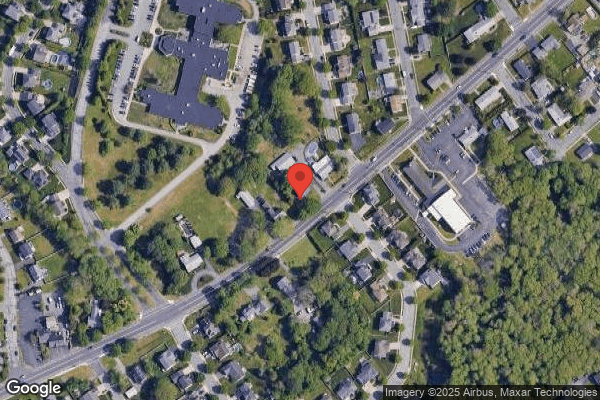
Understanding Severity Codes (click to expand)
Life-Threatening (Immediate Jeopardy)
J - Isolated K - Pattern L - Widespread
Actual Harm
G - Isolated H - Pattern I - Widespread
Potential for Harm
D - Isolated E - Pattern F - Widespread
No Harm (Minor)
A - Isolated B - Pattern C - Widespread

Questions to Ask on Your Visit

  • "What changes have you made since the serious inspection findings?"
  • "Can I speak with families of current residents?"
  • "What's your RN coverage like on weekends and overnight?"

Our Honest Assessment

Strengths
  • • Licensed and certified facility. Meets minimum state requirements.
Concerns
  • • Multiple safety concerns identified: 3 life-threatening violation(s), 6 harm violation(s), $233,517 in fines. Review inspection reports carefully.
  • • 51 deficiencies on record, including 3 critical (life-threatening) violations. These warrant careful review before choosing this facility.
  • • $233,517 in fines. Extremely high, among the most fined facilities in Massachusetts. Major compliance failures.
  • • Grade F (0/100). Below average facility with significant concerns.
Bottom line: This facility has 3 Immediate Jeopardy findings. Serious concerns require careful evaluation.

About This Facility

What is Hathaway Manor Extended Care's CMS Rating?

CMS assigns HATHAWAY MANOR EXTENDED CARE an overall rating of 2 out of 5 stars, which is considered below average nationally. Within Massachusetts, this rating places the facility higher than 0% of the state's 100 nursing homes. A rating at this level reflects concerns identified through health inspections, staffing assessments, or quality measures that families should carefully consider.

How is Hathaway Manor Extended Care Staffed?

CMS rates HATHAWAY MANOR EXTENDED CARE's staffing level at 2 out of 5 stars, which is below average compared to other nursing homes. Staff turnover is 53%, compared to the Massachusetts average of 46%.

What Have Inspectors Found at Hathaway Manor Extended Care?

State health inspectors documented 51 deficiencies at HATHAWAY MANOR EXTENDED CARE during 2021 to 2025. These included: 3 Immediate Jeopardy (the most serious level, indicating potential for serious harm or death), 6 that caused actual resident harm, and 42 with potential for harm. Immediate Jeopardy findings are rare and represent the most serious regulatory concerns. They require immediate corrective action.

Who Owns and Operates Hathaway Manor Extended Care?

HATHAWAY MANOR EXTENDED CARE is owned by a non-profit organization. Non-profit facilities reinvest revenue into operations rather than distributing to shareholders. The facility is operated by INTEGRITUS HEALTHCARE, a chain that manages multiple nursing homes. With 142 certified beds and approximately 134 residents (about 94% occupancy), it is a mid-sized facility located in NEW BEDFORD, Massachusetts.

How Does Hathaway Manor Extended Care Compare to Other Massachusetts Nursing Homes?

Compared to the 100 nursing homes in Massachusetts, HATHAWAY MANOR EXTENDED CARE's overall rating (2 stars) is below the state average of 2.9, staff turnover (53%) is near the state average of 46%, and health inspection rating (2 stars) is below the national benchmark.

What Should Families Ask When Visiting Hathaway Manor Extended Care?

Based on this facility's data, families visiting should ask: "What changes have been made since the serious inspection findings, and how are you preventing similar issues?" "Can you walk me through typical staffing levels on day, evening, and night shifts?" "Can I visit during a mealtime to observe dining assistance and food quality?" "How do you handle medical emergencies, and what is your hospital transfer rate?" These questions are particularly relevant given the facility's Immediate Jeopardy citations and the below-average staffing rating.

Is Hathaway Manor Extended Care Safe?

Based on CMS inspection data, HATHAWAY MANOR EXTENDED CARE has documented safety concerns. Inspectors have issued 3 Immediate Jeopardy citations (the most serious violation level indicating risk of serious injury or death). The facility has a 2-star overall rating and ranks #100 of 100 nursing homes in Massachusetts. Families considering this facility should ask detailed questions about what corrective actions have been taken since these incidents.

Do Nurses at Hathaway Manor Extended Care Stick Around?

HATHAWAY MANOR EXTENDED CARE has a staff turnover rate of 53%, which is 7 percentage points above the Massachusetts average of 46%. Moderate turnover is common in nursing homes, but families should still ask about staff tenure and how the facility maintains care continuity when employees leave.

Was Hathaway Manor Extended Care Ever Fined?

HATHAWAY MANOR EXTENDED CARE has been fined $233,517 across 4 penalty actions. This is 6.6x the Massachusetts average of $35,414. Fines at this level are uncommon and typically indicate a pattern of serious deficiencies, repeated violations, or failure to correct problems promptly. CMS reserves penalties of this magnitude for facilities that pose significant, documented risk to resident health or safety. Families should request specific documentation of what issues led to these fines and what systemic changes have been implemented.

Is Hathaway Manor Extended Care on Any Federal Watch List?

HATHAWAY MANOR EXTENDED CARE is not on any federal watch list. The most significant is the Special Focus Facility (SFF) program, which identifies the bottom 1% of nursing homes nationally based on persistent, serious quality problems. Not being on this list means the facility has avoided the pattern of deficiencies that triggers enhanced federal oversight. This is a positive indicator, though families should still review the facility's inspection history directly.