VANTAGE HEALTH & REHAB OF NEW BEDFORD
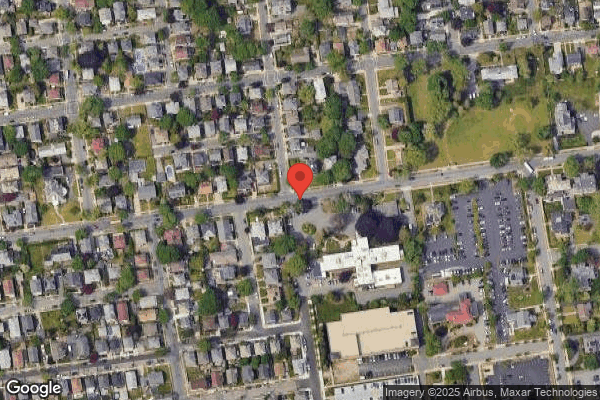
200 HAWTHORN STREET, NEW BEDFORD, MA 02740 (508) 997-9314
For profit - Limited Liability company 80 Beds VANTAGE CARE Data: November 2025
Trust Grade
33/100
#331 of 338 in MA
Last Inspection: February 2025

Within standard 12-15 month inspection cycle. Federal law requires annual inspections.

Overview

Vantage Health & Rehab of New Bedford received a Trust Grade of F, which indicates significant concerns about the facility's quality and care. It ranks #331 out of 338 nursing homes in Massachusetts, placing it in the bottom half of state facilities, and #26 out of 27 in Bristol County, meaning there is only one local option that is worse. Unfortunately, the facility is worsening, with care issues increasing from 3 in 2024 to 11 in 2025. Staffing is a weak point, with a rating of 1 out of 5 stars and less RN coverage than 94% of state facilities, which raises concerns about the quality of care residents receive. Specific incidents include a serious fall where a resident was injured because their chair alarm was off, and multiple concerns about food safety and sanitation practices that could expose residents to illness. While the facility has a low staff turnover rate of 0%, indicating some staff stability, the overall quality and safety issues are significant and should be carefully considered by families.

Trust Score
F
33/100
In Massachusetts
#331/338
Bottom 3%
Safety Record
Moderate
Needs review
Inspections
Getting Worse
3 → 11 violations
Staff Stability
○ Average
Turnover data not reported for this facility.
Penalties
○ Average
$9,318 in fines. Higher than 58% of Massachusetts facilities. Some compliance issues.
Skilled Nurses
⚠ Watch
Each resident gets only 18 minutes of Registered Nurse (RN) attention daily — below average for Massachusetts. Fewer RN minutes means fewer trained eyes watching for problems.
Violations
⚠ Watch
31 deficiencies on record. Higher than average. Multiple issues found across inspections.
★☆☆☆☆
1.0
Overall Rating
★☆☆☆☆
1.0
Staff Levels
★★★☆☆
3.0
Care Quality
★★☆☆☆
2.0
Inspection Score
Stable
2024: 3 issues
2025: 11 issues

The Good

  • Full Sprinkler Coverage · Fire safety systems throughout facility
  • No fines on record

Facility shows strength in fire safety.

The Bad

1-Star Overall Rating

Below Massachusetts average (2.9)

Significant quality concerns identified by CMS

Federal Fines: $9,318

Below median ($33,413)

Minor penalties assessed

Chain: VANTAGE CARE

Part of a multi-facility chain

Ask about local staffing decisions and management

The Ugly 31 deficiencies on record

1 actual harm
Feb 2025 9 deficiencies
CONCERN (D)

Potential for Harm - no one hurt, but risky conditions existed

Notification of Changes (Tag F0580)

Could have caused harm · This affected 1 resident

Based on record review and interview, the facility failed to ensure the Resident Representative was notified of a fall for one Resident (#58), out of a total sample of 18 residents. Specifically, the ...

Read full inspector narrative →
Based on record review and interview, the facility failed to ensure the Resident Representative was notified of a fall for one Resident (#58), out of a total sample of 18 residents. Specifically, the facility failed to ensure the activated Health Care Proxy (HCP- health care agent designated by the resident when competent who has the authority to consent for health care decisions when a resident has been declared, by a physician, not to be competent to make his/her own health care decisions) was notified of an elopement attempt resulting in the Resident wandering to the basement of the building. Findings include: Resident #58 was admitted to the facility in July 2024 with diagnoses including but not limited to dementia and history of repeated falls. Review of the Minimum Data Set (MDS) assessment, dated 1/2/25, indicated Resident #48 had a Brief Interview for Mental Status (BIMS) score of 0 out of a possible 15 which indicated the Resident had a severe cognitive impairment. Review of Section E, titled Behavior indicates Resident #48 wandered 4-6 times during the Assessment Review Date (ARD). During an interview on 2/24/25 at 8:50 A.M., Unit Manager #1 said the Resident had an incident on 2/17/25 where he/she wandered on to the elevator and was found in the basement exit seeking. She said Resident #58 has been on 1:1 supervision with staff since the incident. During an interview on 2/24/25 at 2:53 P.M., the Resident's HCP said the facility staff had not called her to update her on the incident that occurred. She said she received some details from her sister and a private duty home health aide but never received a clinical update from the facility staff. She said she was not sure what interventions were in place after the incident. Review of the Massachusetts Health Care Proxy, dated 12/2006, indicated Resident #58 had appointed a HCP and an Alternative HCP. Review of the HCP Activation form, dated 6/2024, indicated the physician determined the Resident lacked the capacity to make health care decisions and the HCP has been activated related to dementia, and the expected duration was indefinite. Review of an Incident Report, dated 2/17/25, indicated that the physician was notified on 2/17/25 and a family member (not the named HCP) was notified on 2/24/25. During an interview on 2/28/25 at 3:12 P.M., Unit Manager #1 said she frequently speaks with Resident #58's family member but was not sure if that family member was the primary HCP. She said if the facility needed to contact a family member for the Resident, they would call the family member she usually speaks with. Unit Manager #1 reviewed the face sheet and said that the staff were not calling the HCP. She said the HCP has the designation under contact type listed as Emergency Contact #1, HCP. During an interview on 2/26/25 at 3:22 P.M., Social Worker #2 said the HCP should be called for updates related to health care decisions and needs. During an interview on 2/27/25 at 11:38 A.M., Clinical Consultant #1 said the primary HCP was not called or notified of the incident as she should have been.
CONCERN (D)

Potential for Harm - no one hurt, but risky conditions existed

Deficiency F0655 (Tag F0655)

Could have caused harm · This affected 1 resident

2. Resident #51 was admitted to the facility in July 2024 with diagnoses including Chronic Obstructive Pulmonary Disease. Review of the MDS assessment, dated 12/30/24, indicated Resident #51 had a BI...

Read full inspector narrative →
2. Resident #51 was admitted to the facility in July 2024 with diagnoses including Chronic Obstructive Pulmonary Disease. Review of the MDS assessment, dated 12/30/24, indicated Resident #51 had a BIMS score of 15 out of 15 which indicated the Resident was cognitively intact. During an interview on 2/24/25 at 1:52 P.M., Resident #51 said he/she doesn't recall reviewing the initial plan of care within 48 hours of admission. The Resident also said he/she did not receive a copy of the baseline care plan. Review of Resident #51's medical record failed to include documentation indicating a baseline care plan was developed within the first 48 hours following the Resident's admission. During an interview on 2/25/25 at 10:11 A.M., Clinical Consultant #3 said the baseline care plans are created within 48 hours of admission and reviewed with the Resident. She said she could not find evidence of a baseline care plan or evidence that the Resident received a copy as he/she should have. Based on interview and document review, the facility failed to ensure two Residents (#54, #51) were informed of and actively participated in his/her baseline plan of care within the first 48 hours following admission, out of a total sample of 19 residents. Findings include: Review of the facility's policy titled Care Plans - Baseline, revised 5/2022, indicated but was not limited to the following: -A baseline plan of care to meet the resident's immediate needs shall be developed for each resident within forty-eight (48) hours of admission. -The resident and their representative will be provided a summary of the baseline care plan that includes, but is not limited to the following: a. The initial goals of the resident; b. A summary of the resident's medications and dietary instructions; c. Any services and treatments to be administered by the facility and personnel acting on behalf of the facility; and d. Any updated information based on the details of the comprehensive care plan, as necessary. 1. Resident #54 was admitted to the facility in July 2024 with diagnoses including diabetes and chronic pain. Review of Resident #54's most recent Minimum Data Set (MDS) assessment, dated 1/29/25, indicated Resident #54 was cognitively intact, as evidenced by a Brief Interview for Mental Status (BIMS) score of 13 out of 15. Review of Resident #54's medical record failed to include documentation indicating a baseline care plan was developed within the first 48 hours following the Resident's admission and provided to the Resident. During an interview on 2/26/25 at 4:29 P.M., Consultant Nurse #2 said the facility has no record of a baseline care plan developed for Resident #54. During an interview on 2/27/25 at 10:56 A.M., Consultant Nurse #1 said she did not know the facility's process for the development of the baseline care plan prior to her arrival in December. Consultant Nurse #1 said all newly admitted residents should have a baseline care plan developed within 48 hours of admission and the baseline care plan should be reviewed with the resident/resident's representative and a summary of the baseline care plan should be provided in writing.
CONCERN (D)

Potential for Harm - no one hurt, but risky conditions existed

Comprehensive Care Plan (Tag F0656)

Could have caused harm · This affected 1 resident

Based on observation, interview, and record review, the facility failed to ensure a comprehensive care plan was developed and implemented for one Resident (#72), in a total sample of 19 residents. Spe...

Read full inspector narrative →
Based on observation, interview, and record review, the facility failed to ensure a comprehensive care plan was developed and implemented for one Resident (#72), in a total sample of 19 residents. Specifically, the facility failed for Resident #72, to implement a care plan and individualized interventions related to changes in their mood including crying. Findings include: Review of the facility's policy titled Care Plans, Comprehensive Person-Centered, dated March 2022 indicated but was not limited to: -The comprehensive, person-centered care plan: includes measurable objectives and timeframes; -describes the services that are to be furnished to attain or maintain the resident's highest practicable physical, mental, and psychosocial well-being; -includes the resident's stated goals upon admission and desired outcomes; -reflects currently recognized standards of practice for problem areas and conditions; -when possible, interventions address the underlying source(s) of the problem area(s), not just the symptoms or triggers; -assessments of residents are ongoing and care plans are revised as information about the residents and the residents' condition change. Resident #72 was admitted to the facility in January 2025 with diagnoses of dementia and depression. Review of the Minimum Data Set (MDS) assessment, dated 2/3/25, indicated Resident #72 scored 1 out of 15 on the Brief Interview for Mental Status (BIMS) indicating the Resident had a severe cognitive impairment. Review of the care plans indicated Resident #72 had a Focus of mood disorder related to depression, with a goal to remain free of signs or symptoms of distress, symptoms of depression, anxiety or sad mood through review date. The interventions included administering medications as ordered to monitor for the side effects and effectiveness of medications and to arrange for psychiatric services as indicated. On 2/24/25 at 9:55 A.M., the surveyor observed Resident #72 in bed and was able to converse with the surveyor. Resident #72 started to cry and stated he/she did not know where their spouse was or when he/she saw them last. The Resident said he/she missed their spouse and was lonesome. On 2/26/25 at 10:25 A.M., the surveyor observed Resident #72 sitting up in a wheelchair watching television in their room. The Resident engaged in greeting the surveyor and then started to tear up and cry. The Resident said he/she did not think their spouse knew where he/she was but hoped they did. During an interview on 2/26/25 at 12:25 P.M., Certified Nursing Assistant (CNA) #2 said she was familiar with Resident #72 and that the Resident would often cry any time their spouse was not at the facility and the spouse visited daily. During an interview on 2/26/25 at 12:30 P.M., the spouse of Resident #72 said Resident #72 cried a lot. The spouse said they hoped the newly added medication to help with appetite (Remeron) would also help with the crying, but nothing had changed yet. During an interview on 2/26/25 at 12:45 P.M., CNA #1 said Resident #72 cries the moment their spouse leaves. She said she worked the previous evening, and the Resident cried from the moment their spouse left until the Resident said to the CNA it's time for me to get washed up and go to bed. She said she offers the Resident reassurance, but she was not sure how much more they could do. During an interview on 2/26/25 at 1:06 P.M., the Nurse Practitioner (NP) said she was unaware that Resident #72 cried every day. She reviewed the physician visits from the primary physician and the other NP and said there was no indication in the medical notes that the Resident was presenting with crying. She said the Remeron was added related to weight loss and there was no mention in the note about the Resident's mood. During an interview on 2/26/25 at 1:34 P.M., Nurse #4 said she was the nurse for Resident #72 and she had recently heard about Resident #72 being weepy about his/her spouse and just tried to offer the Resident reassurance that the spouse was coming back. During an interview on 2/26/25 at 1:35 P.M., Social Worker #2 said she was unaware Resident #72 had been crying and had not heard anything and would follow up with the surveyor about the interventions or if the Resident had been referred to psychiatric services for follow up. During an interview on 2/26/25 at 3:18 P.M., Social Worker #1 said she met with Resident #72 and their spouse on this day and they declined psychiatric services. She said there were no interventions for the Resident's mood prior to the surveyor inquiry because she was not aware the Resident had been crying every day. She said the process was for the interdisciplinary team to discuss all the residents and she had not been told about Resident #72. She said the staff should have provided this information so that the plan of care for the Resident could have been updated to include individualized interventions.
CONCERN (D)

Potential for Harm - no one hurt, but risky conditions existed

Deficiency F0658 (Tag F0658)

Could have caused harm · This affected 1 resident

**NOTE- TERMS IN BRACKETS HAVE BEEN EDITED TO PROTECT CONFIDENTIALITY** Based on observations, interviews, and records reviewed for one Resident (#227) of 19 sampled residents, the facility failed to ...

Read full inspector narrative →
**NOTE- TERMS IN BRACKETS HAVE BEEN EDITED TO PROTECT CONFIDENTIALITY** Based on observations, interviews, and records reviewed for one Resident (#227) of 19 sampled residents, the facility failed to ensure a resident was provided care in accordance with professional standards of practice. Specifically, for Resident #227, the facility failed to administer medications as ordered. Findings include: Review of [NAME], Manual of Nursing Practice 11th edition, dated 2019 indicated the following: -The professional nurse's scope of practice is defined and outlined by the State Board of Nursing that governs practice. Review of the Massachusetts Board of Registration in Nursing Advisory Ruling on Nursing Practice, dated as revised April 11, 2018, indicated the following: -Nurse's Responsibility and Accountability: Licensed nurses accept, verify, transcribe, and implement orders from duly authorized prescriber that are received by a variety of methods (i.e., written, verbal/telephone, standing orders/protocols, pre-printed order sets, electronic) in emergent and non-emergent situations. Licensed nurses in a management role must ensure an infrastructure is in place, consistent with current standards of care, to minimize error. Review of the facility's policy titled Medication Therapy, dated as revised 2007, indicated but was not limited to: -All medication orders will be supported by appropriate care processes and practices Resident #227 was admitted to the facility in February 2025 with diagnoses which included pneumonia, methicillin-resistant Staphylococcus aureus (MRSA) in his/her nares Review of Resident #227's current Physician's Orders included but were not limited to: -Mirtazapine (antidepressant) 7.5 milligrams (mg) by mouth daily at bedtime, dated 2/25/25 Review of Resident #227's February 2025 Medication Administration Record (MAR) indicated he/she had not received Mirtazapine on 2/25/25. Review of Resident #227's progress notes indicated Nurse #5 had not administered the Mirtazapine because the medication was unavailable. Further review of Resident #227's medical record failed to indicate a provider was made aware the medication was not available. During an interview on 2/26/25 at 7:55 A.M., Resident #227 said he/she saw a consultant yesterday and was supposed to start a new medication, he/she even signed a consent form for it, but the medication was never provided. During an interview on 2/26/25 at 9:04 A.M., Nurse #3 (Acting Unit Manager) reviewed Resident #227's medical record and said the Mirtazapine had not been administered and was marked as unavailable. Nurse #3 said when a medication was unavailable the nurse should check the emergency medication supply kit and call the provider for alternate orders. Nurse #3 reviewed the emergency medication supply kit and noted Mirtazapine 15 milligrams was available. During an interview on 2/26/25 at 1:23 P.M., Nurse #5 said Resident #227 did not receive the Mirtazapine on 2/25/25 because the medication had not come in from the pharmacy. Nurse #5 said she asked the other nurse working and was told the facility did not have any Mirtazapine available. Nurse #5 said she did not call the provider because he was the one who wrote the order and he had just left the building. Nurse #5 said he would have known the pharmacy did not deliver the medication so he should have known it would not have been administered. Nurse #5 said she was unaware of the emergency medication supply kits. During an interview on 2/26/25 at 1:13 P.M., Consulting Staff #2 said the facility was aware the medication was not administered and Nurse #5 should have called the provider for further instructions.
CONCERN (D)

Potential for Harm - no one hurt, but risky conditions existed

ADL Care (Tag F0677)

Could have caused harm · This affected 1 resident

Based on record review and staff interview, the facility failed to provide showers for two dependent Residents (#23 and #34), in a total sample of 19 residents. Findings include: 1. Resident #23 was ...

Read full inspector narrative →
Based on record review and staff interview, the facility failed to provide showers for two dependent Residents (#23 and #34), in a total sample of 19 residents. Findings include: 1. Resident #23 was admitted to the facility in September 2021 with diagnoses which included unspecified lack of coordination, muscle weakness, and unspecified fracture of the right femur. Review of the Minimum Data Set (MDS) assessment, dated 2/6/25, indicated the Resident scored 13 out of 15 on the Brief Interview for Mental Status (BIMS) indicating he/she was cognitively intact. The MDS indicated the Resident had bilateral impairment of the lower extremities and was dependent for showering/bathing. Review of Resident #23's care plan for Activities of Daily Living (ADL), dated 9/5/24, indicated that he/she was dependent on staff for shower/bathing, personal hygiene, toileting hygiene, and upper/lower body dressing. During an interview on 2/24/25 at 12:30 P.M., the Resident and the Resident's daughter both said that the Resident does not get a shower since he/she was not able to walk. The Resident said he/she would love a shower. During an interview on 2/27/25 at 8:20 A.M., Certified Nursing Assistant #3 (CNA) said that the Resident had not received a shower since he/she fractured his/her right hip on 4/29/24. CNA #3 said the Resident has expressed a desire to take showers. On 2/27/25 at 8:25 A.M., CNA #3, who routinely cares for the Resident, said that the facility does not have the right size Hoyer pad for showering the Resident. During an interview on 2/27/25 at 10:56 A.M. the Director of Nursing (DON) said that the facility found a shower pad for the Hoyer lift (mechanical lift) and was going to give the Resident a shower today. The DON said she didn't know why there was such a delay in getting a shower pad so Resident #23 could have a shower. 2. Resident #34 was admitted to the facility in September 2023 with diagnoses which included cerebral vascular accident (CVA), myocardial infarction (MI), and atrial fibrillation. Review of the MDS assessment, dated 12/31/24, indicated Resident #34 scored 14 out of 15 on the BIMS assessment which indicated the Resident was cognitively intact. The MDS indicated Resident #34 required substantial/maximum assistance with showering/bathing. Review of Resident #34's care plan for Activities of Daily Living (ADLs), included, but was not limited to the following: I need assistance with my ADLs due to Decreased strength and endurance due to a-fib, CAD, Hx (history of) MI, Impaired cognition due to CVA -I will maintain my current level of function through the review date *Shower/bathe-Dependent *Toileting Hygiene-Dependent During an interview on 2/27/25 at 8:35 A.M., CNA #3 said that the Resident is bathed/showered on the 3:00 P.M.-11:00 P.M. shift and she was unsure if the Resident received a regular shower versus a bed bath. CNA #3 said that residents are supposed to be showered weekly. During an interview on 2/27/25 at 9:53 A.M., Resident #34 said that he/she does not get showered and couldn't remember the last time he/she was showered. He/She said that instead of showers, he/she receives bed baths from the CNAs who care for him/her. He/She said the bed baths are not as good as getting a shower as the bed baths don't provide washing of his/her feet or head which he/she preferred. During an interview on 2/27/25 at 11:00 A.M., the DON said that every Resident should receive a shower weekly. She said she wasn't aware that the Resident was not receiving weekly showers.
CONCERN (D)

Potential for Harm - no one hurt, but risky conditions existed

Deficiency F0761 (Tag F0761)

Could have caused harm · This affected 1 resident

Based on observation, record review, and interview, the facility failed to ensure all drugs and biologicals were stored in a safe and secure manner as required. Specifically, the facility failed to en...

Read full inspector narrative →
Based on observation, record review, and interview, the facility failed to ensure all drugs and biologicals were stored in a safe and secure manner as required. Specifically, the facility failed to ensure medications were not left unattended in Resident #7's room. Findings include: Review of the facility's policy titled Administering Oral Medications, dated 2001, indicated the following: -Remain with the resident until all medications have been taken. Resident #7 was admitted to the facility in May 2021 with diagnoses including but not limited to Parkinson's disease and dementia. Review of the Minimum Data Set (MDS) assessment, dated 12/18/24, indicated Resident #7 had a Brief Interview for Mental Status (BIMS) score of 7 out of a possible 15 which indicated severe cognitive impairment. On 2/25/25 at 8:12 A.M., the surveyor observed Resident #7 sitting on the edge of the bed eating breakfast. Next to the Resident's breakfast tray there was a medication cup with eight pills in it. Resident #7 was unable to identify any of the medications or say when they received the medications. During an interview with observation on 2/25/25 at 8:15 A.M., Unit Manager #1 said the nurses should remain with the residents until all the medications are taken. She said it is important to verify whether the medications were taken. If they are left with the resident, then it cannot be verified that the medications were taken appropriately. She said there were eight medications remaining in the cup on the Resident's bedside table. During an interview with an observation on 2/25/25 at 8:22 A.M., Nurse #7 said he did not see Resident #7 take the medications. He said it appeared as if the Resident was going to take the medications when he left the room. He said he did not stay with the Resident to ensure they were taken appropriately. Review of Medication Administration Record, dated 2/25/25, indicated the Resident was administered the following medications: -Amlodipine Tab (treat high blood pressure) 10 milligrams (mg) -Aspirin Tab (pain reliever) 325 mg -Lorazepam Tab (treat seizures) .5 mg -Losartan Potassium Tab (treat high blood pressure) 50 mg -Methimazole Tab (treat hyperthyroidism) 5 mg -Metoprolol Tab (treat high blood pressure) 25 mg -Calcium Chew plus Vitamin D -Vitamin B12 250 micrograms (mcg) During an interview on 2/25/25 at 9:57 A.M., Clinical Consultant #1 said no medications should be left at the bedside, and the nurse should have remained with Resident #7 to ensure the medications were taken appropriately and as ordered.
CONCERN (E)

Potential for Harm - no one hurt, but risky conditions existed

Deficiency F0838 (Tag F0838)

Could have caused harm · This affected multiple residents

Based on document review and interview, the facility failed to develop and implement their facility assessment (a document assessing the capability of the facility and its resources to provide both em...

Read full inspector narrative →
Based on document review and interview, the facility failed to develop and implement their facility assessment (a document assessing the capability of the facility and its resources to provide both emergency and day to day care of the population the facility currently serves). Specifically, the facility failed to ensure active involvement of all required members when conducting the facility assessment. Findings include: Review of the Centers for Medicare and Medicaid Services (CMS) guidance, dated 6/18/24, indicated but was not limited to the following: -In conducting the facility assessment, the facility must ensure active involvement of the following participants in the process: a. Nursing home leadership and management, including but not limited to, a member of the governing body, the medical director, an administrator, and the director of nursing; and b. Direct care staff, including but not limited to, Registered Nurses, Licensed Practical Nurses/Licensed Vocational Nurses, Nursing Assistants, and representatives of the direct care staff, if applicable c. The facility must also solicit and consider input received from residents, resident representatives, and family members. Review of the facility's policy titled Facility Assessment, revised December 2023, indicated, but was not limited to, the following: -A facility assessment is conducted annually to determine and update our capacity to meet the needs of and competently care for our residents during day-to-day operations. -The team responsible for conducting, reviewing, and updating the facility assessment includes the following: a. The administrator; b. A representative of the governing body; c. The medical director; d. The director of nursing services; e. The infection preventionist; and f. The director (or designee) from the following departments: (1) environmental services; (2) physical operations; (3) food and nutrition services; (4) social and activity services; and (5) rehabilitative services. Review of the Facility Assessment, dated February 2025, indicated but was not limited to: -Names/Titles of individuals involved in completing the assessment: Administrator, Director of Nursing, A member of the Governing Body, Medical Director, RN Consultant. The Facility Assessment failed to solicit input from direct care staff or residents, resident representatives, or family members. During an interview on 2/27/25 at 10:56 A.M., Consultant Nurse #1 said the facility assessment was updated in February 2025. Consultant Nurse #1 said the leadership team was involved in updating the facility assessment but no resident or resident representative or direct care staff input was included.
CONCERN (E)

Potential for Harm - no one hurt, but risky conditions existed

Infection Control (Tag F0880)

Could have caused harm · This affected multiple residents

2. Review of the National Institutes of Health (NIH), Oxygen Therapy and the Risk of Infection for Health Care, 2020, indicated but was not limited to: A dirty oxygen concentrator filter can make you ...

Read full inspector narrative →
2. Review of the National Institutes of Health (NIH), Oxygen Therapy and the Risk of Infection for Health Care, 2020, indicated but was not limited to: A dirty oxygen concentrator filter can make you sick, as it can allow bacteria and other contaminants to build up and be inhaled with the oxygen, potentially leading to respiratory infections, especially for individuals with compromised immune systems or existing lung conditions; therefore, it's crucial to regularly clean and replace filters according to manufacturer instructions. Resident #23 was admitted to the facility in April 2024 with diagnoses which included congestive heart failure, other allergic rhinitis, and cough. Review of Resident #23's Physician's Order indicated: -oxygen via nasal cannula, 2 liters per minute continuously, to maintain an oxygen saturation greater than 90% every shift. Further review of the physician's order failed to indicate an order for the cleaning (who or when) of the oxygen concentrator filter. On 2/27/25 at 11:20 A.M., the surveyor observed Resident #23 lying in bed with a nasal cannula oxygen tube in his/her nose dated 2/26/25, with oxygen flowing at 1 liter per minute (LPM) via an oxygen concentrator. The filter on the oxygen concentrator was observed to be completely coated with light gray dust and there was no indication as to when the filter was cleaned last. During an interview on 2/27/25 at 11:30 A.M., the Clinical Consultant said that she was not sure of who was responsible for cleaning the oxygen concentrator filter or the schedule for cleaning. She said there was no order for cleaning the filter. The Consultant said that there was an infection control concern with the oxygen concentrator filter not being maintained in a clean and sanitary condition. 3. Resident #38 was admitted to the facility in August 2023 with diagnoses which included acute respiratory failure, chronic cough, and benign prostatic hypertrophy. Review of Resident #38's medical record indicated that the Resident was on Enhanced Barrier Precautions (EBP) due to the presence of a urinary catheter and an open wound. On 2/27/25 at 11:50 A.M., the surveyor observed an EBP sign posted at the doorway indicating staff were to sanitize their hands, don gloves and a gown, (apply a mask if there is a risk of splashes or spray) prior to entering the room to provide care or treatment. A precaution cart with PPE was observed outside the Resident's room. On 2/27/25 at 11:53 A.M., the surveyor observed Nurse #6 enter Resident #38's room without sanitizing her hands and donning a gown and gloves. Once in the room, Nurse #6 touched various items like the door handle and room curtain as she prepared to perform the treatment to the Resident's wound. During an interview on 2/27/25 at 12:10 P.M., Nurse #6 said that she didn't realize that she had entered the Resident's room without performing hand hygiene and donning the appropriate PPE. During an interview at 2/27/25 at 12:10 P.M., the Corporate Consultant said Nurse #6 failed to follow the posted signage for EBP for a Resident with a urinary catheter and an open wound. Based on observations, interview, and records reviewed, the facility failed to maintain an infection prevention and control program designed to provide a safe, sanitary, and comfortable environment, and to help prevent the development and potential transmission of communicable diseases and infections for five Residents (#227, #50, #30, #23, and #38), out of a total sample of 19 residents. Specifically, the facility failed to: 1. For Residents #227, #50, and #30, ensure staff maintained Transmission Based Precautions as indicated; 2. For Resident #23, ensure that the oxygen concentrator was maintained in a clean/sanitary condition; and 3. For Resident #38, ensure that Enhanced Barrier Precautions were maintained as indicated. Findings include: 1. Review of the facility's policy titled Isolation- Categories of Transmission-Based Precautions, dated as revised October 2018, indicated but was not limited to: -Transmission based precautions are initiated when a resident develops signs and symptoms of a transmissible infection; arrives for admission with symptoms of an infection; or has a laboratory confirmed infection; and is at risk of transmitting the infection to other residents -Transmission based precautions are additional measures that protect staff, visitors and other residents from becoming infected. These measures are determined by the specific pathogen and how it is spread from person to person. The three types of transmission-based precautions are contact, droplet and airborne. -When a resident is placed on transmission-based precautions, appropriate notification is placed on the room entrance door and on the front of the chart so that personnel and visitors are aware of the need for and the type of precaution a. The signage informs the staff of the type of CDC precaution(s), instructions for use of personal protective equipment (PPE), and/or instructions to see a nurse before entering the room b. Signs and notifications comply with the resident's right to confidentiality or privacy -Contact precautions may be implemented for residents known or suspected to be infected with microorganisms that can be transmitted by direct contact with the resident or indirect contact with environmental surfaces or resident care items in the resident's environment a. Staff and visitors will wear gloves (clean, non-sterile) when entering the room b. Staff and visitors will wear a disposable gown upon entering the room and removed before leaving the room and avoid touching potentially contaminated surfaces with clothing after gown is removed A.Review of Centers for Disease Control and Prevention guidance titled Guideline for Isolation Precautions: Preventing Transmission of Infectious Agents in Healthcare Settings (2007), Appendix A: Figure. Example of Safe Donning and Removal of Personal Protective Equipment (PPE), updated 11/27/23, indicated for donning a gown to: -Fully cover torso from neck to knees, arms to end of wrist, and wrap around the back -Fasten in back at neck and waist Resident #227 was admitted to the facility in February 2025 with diagnoses which included pneumonia, methicillin-resistant Staphylococcus aureus (MRSA) in his/her nares Review of Resident #227's Physician's Orders indicated but were not limited to: -Contact precautions related to MRSA in nares, dated 2/24/25 On 2/26/25 at 8:20 A.M., the surveyor observed a contact precaution sign posted on the doorway entrance of Resident #227's room. The surveyor observed Nurse #2 enter the room, provide the resident his/her breakfast, and adjust pillows under his/her legs. Nurse #2's gown was not secured around her neck exposing her shoulders and chest. Nurse #2 left the room and returned at 8:25 A.M., prior to entering the room she donned a new set of personal protective equipment (PPE); her gown was again unsecured around her neck exposing her shoulders and chest. During an interview on 2/26/25 at 10:42 A.M., the Infection Control Nurse said Resident #227 required contact precautions because he/she had MRSA in his/her nares. The Infection Control Nurse said gowns should be fastened around the neck and the shoulders and chest should be covered. B. Resident #50 was admitted to the facility in October 2023 with diagnoses including overactive bladder. Review of Resident #50's Physician's Orders indicated but were not limited to: -Precautions -Contact precautions related to Extended-Spectrum Beta-Lactamases (ESBL) in urine, dated 2/3/25 On 2/24/25 at 9:45 A.M., the surveyor observed a sign outside Resident #50's room which indicated Stop Contact Precautions Everyone Must: -Clean their hands, including before entering and when leaving the room. -Providers and staff must also put on gloves before room entry. Discard gloves before room exit. -Put on gown before room entry. Discard gown before room exit. -Do not wear the same gown and gloves for the care of more than one person. -Use dedicated or disposable equipment. Clean and disinfect reusable equipment before use on another person. On 2/24/25 at 9:46 A.M., the surveyor observed Nurse #1 in the Resident's room administering eye drops to the Resident without PPE. During an interview on 2/24/25 at 9:48 A.M., Nurse #1 said PPE was only needed for direct care with residents on contact precautions. She said only gloves were required when administering #50's medications. On 2/25/25 at 8:08 A.M., the surveyor observed Unit Manager #1 enter Resident #50's room, deliver the breakfast tray to the Resident, and assist with setting up the tray. The surveyor observed the contact precaution sign outside of Resident #50's room. During an interview on 2/24/25 at 12:59 P.M., the Infection Preventionist said that anyone who enters the room for a Resident on contact precautions should perform hand hygiene, put on gloves, and don (put on) a gown. He said the nurse and unit manager should have been wearing the PPE instructed on the sign before entering the room. During an interview on 2/25/25 at 10:43 A.M., Clinical Consultant #1 said any staff member entering a room with contact precautions should be following all the instructions on the sign. C. Resident #30 was admitted to the facility in January 2025 with diagnoses including urinary tract infection. Review of Resident #30's care plan indicated: -Focus: I require contact precautions due to positive ESBL of urine, dated 2/3/25. On 2/24/25 at 9:49 A.M., the surveyor observed a contact precaution sign outside of Resident #30's room. On 2/24/25 at 9:50 A.M., the surveyor observed Rehab Staff #2 in Resident #30's room placing a gait belt around the Resident and touching the Resident offering assistance without wearing gloves or a gown as indicated. During an interview on 2/24/25 at 9:52 A.M., Rehab Staff #2 said she did not need to wear any PPE because PPE was only required for assisting the resident with toileting. On 2/25/25 at 08:06 A.M., the surveyor observed Unit Manager #1 entering Resident #30's room with his/her breakfast tray. The surveyor observed Unit Manager #1 setting up the breakfast tray, cleaning his/her tray table, and leaving the Resident's room without performing hand hygiene. On 2/26/25 at 8:49 A.M., the surveyor observed the Activities Director with no gloves or gown donned assisting Resident #30 by wrapping a blanket around the Resident. She turned off the Resident's call bell and left the room without performing hand hygiene. During an interview on 2/26/25 at 8:55 A.M., the Activities Director said she did not wear any PPE in the Resident's room because she didn't think it was required. She said that she took the blanket off the Resident's bed and draped it on the Resident. She said after reading the sign on the door she should have worn PPE. During an interview on 2/26/25 at 8:58 A.M., the Infection Preventionist said any staff entering a room for a Resident on contact precautions needs to follow all the instructions on the sign posted.
CONCERN (F)

Potential for Harm - no one hurt, but risky conditions existed

Food Safety (Tag F0812)

Could have caused harm · This affected most or all residents

Based on observation and interview, the facility failed to follow professional standards of practice for food safety and sanitation to prevent the potential spread of foodborne illness to residents wh...

Read full inspector narrative →
Based on observation and interview, the facility failed to follow professional standards of practice for food safety and sanitation to prevent the potential spread of foodborne illness to residents who are at high risk. Specifically, the facility failed to ensure the main kitchen floor was maintained in a sanitary and safe condition. Findings include: Review of the 2022 Food Code by the Food and Drug Administration (FDA), revised 1/2023, indicated but was not limited to the following: -6-501.12 Cleaning, Frequency and Restrictions. (A) PHYSICAL FACILITIES shall be cleaned as often as necessary to keep them clean. (B) Except for cleaning that is necessary due to a spill or other accident, cleaning shall be done during periods when the least amount of FOOD is exposed such as after closing. -6-501.13 Cleaning Floors, Dustless Methods. (A) Except as specified in (B) of this section, only dustless methods of cleaning shall be used, such as wet cleaning, vacuum cleaning, mopping with treated dust mops, or sweeping using a broom and dust-arresting compounds. (B) Spills or drippage on floors that occur between normal floor cleaning times may be cleaned: (1) Without the use of dust-arresting compounds; and FDA Food Code 2022 Chapter 6. Physical Facilities Chapter 6 - 9 (2) In the case of liquid spills or drippage, with the use of a small amount of absorbent compound such as sawdust or diatomaceous earth applied immediately before spot cleaning. On 2/24/25 at 8:10 A.M., the surveyor observed the main kitchen area. The maroon tile flooring in the kitchen had visible dark debris and was soiled in multiple areas of the kitchen, but most prominently on the area of the kitchen floor before the dish room. At this time, the surveyor observed the kitchen staff completing the breakfast tray line and the last meals were sent to the units. There were no dirty breakfast dishes that had been returned to the kitchen at this time. The floor in the dish room had a rubber mat with towels underneath and many orange-colored food spills within the holes of the mat. On 2/26/25 at 8:26 A.M., the surveyor observed the main kitchen area. The maroon tile flooring had areas where the floor was soiled and was not clean. During an interview on 2/26/25 at 8:30 A.M., the Food Service Director (FSD) said the cleaning process for the kitchen floor was for a designated cleaning staff member to clean the kitchen on Tuesdays and Thursdays including cleaning the main kitchen area floor, the dish room floor and the rubber mats in the dish room. She said the evening dietary staff were to mop the floor in the main area of the kitchen every night, but they did not clean the dish room floor or dish room rubber mats. She said the kitchen floor did not look clean on Monday (2/24/25) and could have been more thoroughly cleaned the previous evening. She said the food debris in the rubber mats on Monday had probably been from the previous night. During an interview on 2/26/25 at 12:15 P.M., the FSD said she had discussed the process for cleaning the kitchen floor with her staff and discovered that the evening dietary staff did not know where the mop heads were, so they had not been mopping the kitchen floors at the end of the night. She said that was why the kitchen floor was not clean on Monday (2/24/25) because it had not been cleaned since Thursday (2/20/25).
Feb 2025 2 deficiencies
CONCERN (D) 📢 Someone Reported This

A family member, employee, or ombudsman was alarmed enough to file a formal complaint

Potential for Harm - no one hurt, but risky conditions existed

Pressure Ulcer Prevention (Tag F0686)

Could have caused harm · This affected 1 resident

**NOTE- TERMS IN BRACKETS HAVE BEEN EDITED TO PROTECT CONFIDENTIALITY** Based on records reviewed, interviews, and observations, for one of three sampled residents (Resident #1), who was assessed by n...

Read full inspector narrative →
**NOTE- TERMS IN BRACKETS HAVE BEEN EDITED TO PROTECT CONFIDENTIALITY** Based on records reviewed, interviews, and observations, for one of three sampled residents (Resident #1), who was assessed by nursing as being at high risk for skin breakdown with actual pressure injuries (localized damage to the skin and underlying soft tissue usually over a bony prominence which can present as intact skin or an open ulcer and may be painful), the Facility failed to ensure Resident #1 received wound care treatment that was consistent with professional standards of practice when, on 02/11/25, during a dressing change observation, Nurse #1 did not follow Physician's Treatment Orders for Resident #1's dressing change and did not follow facility policy and procedure for wound care. Findings Include: Review of the Facility Policy, titled Non-Sterile Dressing Change, dated August 2016, indicated the following: -Designated staff member will use non-sterile dressing technique for all dressing changes unless otherwise indicated by physician; -Clean aseptic should be used; -Bring equipment to resident's room; -Provide privacy to resident, explain procedure; -Prepare a clean, dry work area at bedside; -Use disinfectant solution to prepare work surface; -Place trash bag at end of bed or within easy reach of working area; -Wash hands, apply gloves; -Prepare/open dressing items on table; -Open packages and cut tape; -Place initials and date on piece of tape or on the dressing; -Reposition resident to expose area to be dressed; -Remove soiled dressing, place it in the trash bag; -Remove gloves, wash hands, apply new gloves; -Clean wound with normal saline or prescribed cleanser; -Pat the tissue surrounding the wound dry with a 4x4; -Remove gloves, wash hands, apply new gloves; -Assess wound characteristics to determine appropriate interventions; -Apply prescribed topical agent to wound; -Apply wound dressing; -Discard gloves and all used supplies in trash bag; -Wash hands; -Discard trash bag in bio-hazardous waste receptacle as indicated; -Document the dressing change in medical record. Review of the Facility Policy, titled Handwashing/Hand Hygiene, dated as revised August 2015, indicated the following: -all personnel shall follow the handwashing/hand hygiene procedures to help prevent the spread of infections to other personnel, residents, and visitors; -wash hands with soap and water; -use an alcohol-based hand rub containing at least 62% alcohol, or alternatively, soap and water for the following situations: before and after direct contact with residents, before handling clean or soiled dressings, gauze pads, before moving from a contaminated body site to a clean body site during resident care, after contact with a resident's intact skin, after handling used dressings, after removing gloves. -the use of gloves does not replace hand washing/hand hygiene; -integration of glove use alone with routine hand hygiene is recognized as the best practice for preventing healthcare-associated infections; -Single use gloves should be used before aseptic procedures; -perform hand hygiene before applying non-sterile gloves; -perform hand hygiene after removing non-sterile gloves. Resident #1 was admitted to the Facility in August 2023, diagnoses included: cerebral infarction, dysphagia following cerebral infarction, type 2 diabetes mellitus, hemiplegia affecting left non-dominant side, chronic kidney disease, acute embolism and thrombosis of deep veins of left lower extremity, anxiety and major depressive disorder. Review of Resident #1's Significant Change Minimum Data Set (MDS), dated [DATE], indicated he/she required substantial/maximal assistance with rolling from side to side, sit to lying position and lying to sitting position. The MDS indicated that Resident #1 had moderate cognitive impairment. Review of Resident #1's Norton Plus Assessment (used to identify residents who are at risk for skin breakdown), dated 01/23/25, indicated he/she was at high risk for the development of pressure injuries and skin breakdown. Review of Resident #1's Care Plan related to Actual Alteration in Skin Integrity due to Pressure Injury Stage 2 (partial-thickness skin loss involving the epidermis and/or dermis), left lateral foot, dated 1/16/25, indicated to complete all treatments per physician orders. Review of Resident #1's Weekly Skin Check, dated 01/29/25, indicated that there was an open pressure injury to his/her left outer ankle which measured 0.3 centimeters (cm) length x 0.5 cm width with no measurable depth noted. Review of Resident #1's Pressure Injury Report, dated 02/06/25, indicated he/she had an intact Stage II Pressure Injury to his/her left lateral foot measuring 0.2 cm length x 0.2 cm width, with no measurable depth noted, pink in color, epithelial tissue in wound bed, and no drainage. The Report indicated that the current interventions and treatment was Calcium Alginate gauze to the wound every other day. Review of Resident #1's Physician's Orders, dated 02/06/25, indicated to cleanse left lateral foot Stage 2 pressure injury with normal saline, apply a small amount of calcium alginate (type of wound dressing derived from seaweed that absorbs exudate and forms a moist gel) and cover with a dry dressing every other day. On 02/11/25 at 10:15 A.M., the Surveyor observed Nurse #1 as she completed Resident #1's left foot dressing change, the observation went as follows: -Nurse #1 entered Resident #1's room with gloved hands, packaged gauze, unpackaged gauze and a spray bottle of wound solution; -Nurse #1 placed all of the dressing supplies on Resident #1's nightstand; -Resident #1 was lying on his/her back and Nurse #1 positioned herself by the foot of the bed; -Nurse #1 removed Resident #1's old dressing to his/her left lateral foot and placed the old dressing on the nightstand near the clean dressing supplies; -Nurse #1 sprayed the wound solution onto the unpackaged gauze; -Nurse #1 cleansed the wound with the unpackaged gauze and then placed the soiled gauze on the nightstand near the other clean dressing supplies; -Nurse #1 removed her soiled gloves, placed the gloves on the nightstand, opened the clean packaged gauze that was stored on the nightstand with all of the other soiled dressings, she dated and initialed the clean dressing; -Nurse #1 applied the new dressing without putting any gloves on and without performing hand hygiene; -Nurse #1 picked up all the soiled, contaminated dressings materials that were on the nightstand without any gloves on; -Nurse #1 walked out of Resident #1's room and proceeded to the nurses station without ever performing any hand hygiene; -Nurse #1 disposed of the soiled, contaminated dressing materials in the garbage receptacle attached to the Medication Cart and placed the spray bottle of wound solution on top of the Medication Cart; -Nurse #1 reviewed Resident #1's physician's orders for wound care in the Computer (Electronic Medical Record, EMR) that was attached to the Medication Cart; -Nurse #1 walked over to the Treatment Cart and proceeded to open up all three drawers; -Nurse #1 proceeded to walk into the Nurse's Report Office and go through the cabinets looking for Calcium Alginate dressings. During an interview on 02/11/25 at 10:25 A.M., with Nurse #1 after she completed the dressing change, the Surveyor asked her the following questions: -what was the solution in the spray bottle; -what product did she cleanse Resident #1's wound with; -what was the type of dressing that she applied to Resident #1's wound; -what were Resident #1's physician's order for the treatment. Nurse #1 said that normal saline was in the spray bottle and that is what she used to cleanse Resident #1's wound. Nurse #1 said that the dressing material she used on Resident #1's wound was a bordered gauze dressing. Nurse #1 said that after reviewing Resident #1's physician's orders after she completed the dressing change, she noted that he/she had an order for Calcium Alginate to his/her wound. Nurse #1 said she could not find any Calcium Alginate dressings in the Treatment Cart or on the Unit and would have to go downstairs to Central Supply. Nurse #1 never performed any hand hygiene, did not wear gloves when she applied the new dressing to Resident #1's left lateral foot, did not establish a clean field and did not dispose of the dressings into a designated container in Resident #1's room after completing the treatment. Nurse #1 did not follow the physician's order to apply Calcium Alginate dressing to Resident #1's wound. This was not consistent with the Facility's Non-Sterile Dressing Change and Handwashing/Hand Hygiene Policies. During an interview on 02/11/25 at 10:25 A.M., Nurse #1 said she has taken care of Resident #1 many times and has performed his/her wound care dressing changes many times. Nurse #1 said she was unsure of the Facility's policy on wound care. Nurse #1 said that she did not review Resident #1's Physician's Treatment Orders for his/her wound prior to performing the treatment and was unaware that he/she had an order for Calcium Alginate to the wound. During an interview on 02/11/25 at 3:35 P.M., the Unit Manager said that Nurse #1 told her that she had made a mistake during Resident #1's treatment administration. The Unit Manager said that Nurse #1 told her that she did not perform hand hygiene, did not wear gloves during Resident #1's wound care dressing change and did not administer the correct dressing. The Unit Manager said she could not understand why Nurse #1 did not perform hand hygiene and wear gloves during the procedure, or follow the physician's orders, and said that it was all basic nursing practice. During an interview on 02/11/25 at 4:15 P.M., the Clinical Operations Consultant said that it was her expectation that nurses follow the facility's policies and procedures for a dressing change, performing hand hygiene, wear gloves and follow physician's orders. The Clinical Operations Consultant said that Nurse #1 did not follow the facility's policies and procedures for dressing change, hand hygiene and did not follow Resident #1's physician's order for wound care.
CONCERN (D) 📢 Someone Reported This

A family member, employee, or ombudsman was alarmed enough to file a formal complaint

Potential for Harm - no one hurt, but risky conditions existed

Infection Control (Tag F0880)

Could have caused harm · This affected 1 resident

Based on records reviewed, interviews, and observations, for one of three sampled residents (Resident #1), who required wound care dressing changes to be completed by nursing, the Facility failed to e...

Read full inspector narrative →
Based on records reviewed, interviews, and observations, for one of three sampled residents (Resident #1), who required wound care dressing changes to be completed by nursing, the Facility failed to ensure they maintained an infection prevention and control program designed to provide a safe, sanitary, and comfortable environment, and to help prevent the development and potential transmission of communicable diseases and infections, when on 02/11/25, during a dressing change observation, Nurse #1 did not utilize the necessary infection control precautions, protocols or procedures, increasing the risk for the spread of an infection. Findings Include: Review of the Facility Policy, titled Non-Sterile Dressing Change, dated August 2016, indicated the following: -Designated staff member will use non-sterile dressing technique for all dressing changes unless otherwise indicated by physician; -Clean aseptic should be used; -Bring equipment to resident's room; -Provide privacy to resident, explain procedure; -Prepare a clean, dry work area at bedside; -Use disinfectant solution to prepare work surface; -Place trash bag at end of bed or within easy reach of working area; -Wash hands, apply gloves; -Prepare/open dressing items on table; -Open packages and cut tape; -Place initials and date on piece of tape or on the dressing; -Reposition resident to expose area to be dressed; -Remove soiled dressing, place it in the trash bag; -Remove gloves, wash hands, apply new gloves; -Clean wound with normal saline or prescribed cleanser; -Pat the tissue surrounding the wound dry with a 4x4; -Remove gloves, wash hands, apply new gloves; -Assess wound characteristics to determine appropriate interventions; -Apply prescribed topical agent to wound; -Apply wound dressing; -Discard gloves and all used supplies in trash bag; -Wash hands; -Discard trash bag in bio-hazardous waste receptacle as indicated; -Document the dressing change in medical record. Review of the Facility Policy, titled Handwashing/Hand Hygiene, dated as revised August 2015, indicated the following: -this facility considers hand hygiene the primary means to prevent the spread of infections; -all personnel shall follow the handwashing/hand hygiene procedures to help prevent the spread of infections to other personnel, residents, and visitors; -wash hands with soap and water; -use an alcohol-based hand rub containing at least 62% alcohol, or alternatively, soap and water for the following situations: before and after direct contact with residents, before handling clean or soiled dressings, gauze pads, before moving from a contaminated body site to a clean body site during resident care, after contact with a resident's intact skin, after handling used dressings, after removing gloves. -the use of gloves does not replace hand washing/hand hygiene; -integration of glove use alone with routine hand hygiene is recognized as the best practice for preventing healthcare-associated infections; -Single use gloves should be used before aseptic procedures; -perform hand hygiene before applying non-sterile gloves; -perform hand hygiene after removing non-sterile gloves. Resident #1 was admitted to the Facility in August 2023, diagnoses included: cerebral infarction, dysphagia following cerebral infarction, type 2 diabetes mellitus, hemiplegia affecting left non-dominant side, chronic kidney disease, acute embolism and thrombosis of deep veins of left lower extremity, anxiety and major depressive disorder. Review of Resident #1's Physician's Orders, dated 02/06/25, indicated to cleanse left lateral foot Stage 2 (partial-thickness skin loss involving the epidermis and/or dermis) with normal saline, apply a small amount of calcium alginate (type of wound dressing derived from seaweed that absorbs exudate and forms a moist gel) and cover with a dry dressing every other day. On 02/11/25 at 10:15 A.M., the Surveyor observed Nurse #1 as she completed Resident #1's left foot dressing change, the observation went as follows: -Nurse #1 entered Resident #1's room with gloved hands, packaged gauze, unpackaged gauze and a spray bottle of wound solution; -Nurse #1 placed all of the dressing supplies on Resident #1's nightstand; -Resident #1 was lying on his/her back and Nurse #1 positioned herself by the foot of the bed; -Nurse #1 removed Resident #1's old dressing on his/her left lateral foot and placed the old soiled dressing materials on the nightstand near the clean dressing supplies; -Nurse #1 sprayed the wound solution onto the unpackaged gauze; -Nurse #1 cleansed the wound with the unpackaged gauze and then placed the soiled gauze on the nightstand near the other clean dressing supplies; -Nurse #1 removed her gloves, placed the gloves on the nightstand, opened the clean packaged gauze that was on the nightstand with all of the other soiled dressings, then dated and initialed the clean dressing; -Nurse #1 applied the new dressing, without putting any gloves on and without performing hand hygiene; -Nurse #1 then picked up all the soiled, contaminated dressings materials that were on the nightstand without putting any gloves on; -Nurse #1 walked out of Resident #1's room and proceeded to the nurses station without ever performing any hand hygiene; -Nurse #1 disposed of the soiled, contaminated materials in the garbage receptacle attached to the Medication Cart and placed the spray bottle of wound solution on top of the Medication Cart; -Nurse #1 reviewed Resident #1's physician's orders for wound care by accessing the Computer (Electronic Medical Record, EMR) that was attached to the Medication Cart; -Nurse #1 walked over to the Treatment Cart and proceeded to open up all three drawers; -Nurse #1 proceeded to walk into the Nurse's Report Office and go through the cabinets looking for Calcium Alginate dressings. Nurse #1 never performed any hand hygiene, did not wear gloves when she applied the new dressing to Resident #1's left lateral foot, did not establish a clean field and did not dispose of the soiled, contaminated dressing materials into the designated container that was in Resident #1's room after completing the treatment. As a result of Nurse #1 never performing any hand hygiene, she cross contaminated many surfaces when she touched the EMR computer, Treatment Cart Drawers and Nurse's Report Room cabinets. During an interview on 02/11/25 at 10:25 A.M., Nurse #1 said she has taken care of Resident #1 many times and has performed his/her wound care many times. Nurse #1 said she was unsure of the Facility's policy on wound care. During an interview on 02/11/25 at 3:35 P.M., the Unit Manager said that Nurse #1 told her that she had made a mistake during Resident #1's treatment administration. The Unit Manager said that Nurse #1 told her that she did not perform hand hygiene and did not wear gloves during Resident #1's dressing change. The Unit Manager said she could not understand why Nurse #1 did not perform hand hygiene and did not wear gloves during the procedure and said that they were basic nursing practices. The Unit Manager said Nurse #1 did not follow the facility's policies and procedures for dressing changes, hand hygiene or infection control practices. During an interview on 02/11/25 at 4:15 P.M., the Clinical Operations Consultant said that it was her expectation that nurses follow the facility's policies and procedures for infection control practices, dressing changes, hand hygiene and wear gloves during a dressing change. The Clinical Operations Consultant said that Nurse #1 did not follow the facility's policies and procedures for a dressing change and hand hygiene.
Dec 2024 1 deficiency
CONCERN (D) 📢 Someone Reported This

A family member, employee, or ombudsman was alarmed enough to file a formal complaint

Potential for Harm - no one hurt, but risky conditions existed

Medical Records (Tag F0842)

Could have caused harm · This affected 1 resident

Based on records reviewed and interviews of one of three sampled residents (Resident #3), the Facility failed to ensure they maintained a complete and accurate medical/clinical record when weekly Skin...

Read full inspector narrative →
Based on records reviewed and interviews of one of three sampled residents (Resident #3), the Facility failed to ensure they maintained a complete and accurate medical/clinical record when weekly Skin Assessment User Defined Assessments (UDA) were not consistently completed by Nursing, as required. Finding include: Review of the Facility Policy titled Visual Body Check, dated 8/2017, indicated that the Team Leader (Nurse responsible for the Resident) will do a body check on the residents shower day before the shower is given and findings are documented in Point Click Care (PCC, the Facilities Electronic Medical Record). Resident #3 was admitted to the Facility in November 2018, diagnoses include Parkinson's Disease, congestive heart failure, depression, chronic obstructive pulmonary disease, and chronic pain. Review of Resident #3's Physician Order, dated 08/18/24, indicated he/she was to have a weekly skin assessment on the evening shift, every Friday. The Physician Order also indicated nursing staff was to complete the User Defined Assessment (UDA) in the Point Click Care (PCC, the facility's electronic medical record), which includes the weekly skin assessment tool. Review of Resident #3's Care Plan titled Risk for Skin Breakdown, dated as last revised 11/14/24, indicated that his/her skin will remain intact and one of his/her interventions included for nursing to assess his/her skin weekly. Further review of Resident #1's medical record indicated there was no documentation to support nursing staff completed Resident #3's UDA in the electronic medical record for 11/01/24, 11/08/24, 11/15/24 and 11/22/21, including no documentation of having completed his/her weekly skin assessments. During a telephone interview on 12/05/24 at 11:18 A.M., Nurse #1 said that the nurse assigned to each of the residents on their shower day is responsible for completing a head-to-toe skin assessment. Nurse #1 said after the visual/physical skin assessment is completed, the nurse must document the findings in PCC on the Skin Assessment Tool. During an interview on 12/02/24 at 2:53 P.M., the Unit Manager said that she was unaware that Resident #3's weekly Skin Assessments had not been completed for Resident #3 for the month of November. The Unit Manager said that it is the Facility's expectation that the nurse responsible for caring for each resident on their scheduled shower day, is responsible for completing the weekly skin assessment and document the findings in PCC on the Weekly Skin Assessment Tool. During an interview on 2/3/22 at 4:14 P.M., the Director of Nurses (DON) said it is the expectation of the Facility that all nurses complete the following process when completing a skin assessment. The DON said weekly, on each resident's shower day, nursing staff must physically assess the resident's skin and sign off on, for the completion of the skin assessment on the residents Treatment Administration Record (TAR). The DON said the next step is to complete the Skin Observation Tool located in PCC. The DON said the Skin Observation Tool is used to document the Nurses' findings from the visual inspection of the resident's skin.
Sept 2024 1 deficiency
CONCERN (D) 📢 Someone Reported This

A family member, employee, or ombudsman was alarmed enough to file a formal complaint

Potential for Harm - no one hurt, but risky conditions existed

Medical Records (Tag F0842)

Could have caused harm · This affected 1 resident

**NOTE- TERMS IN BRACKETS HAVE BEEN EDITED TO PROTECT CONFIDENTIALITY** Based on records reviewed and interviews for one of three sampled residents (Resident #1), who was dependent on the physical ass...

Read full inspector narrative →
**NOTE- TERMS IN BRACKETS HAVE BEEN EDITED TO PROTECT CONFIDENTIALITY** Based on records reviewed and interviews for one of three sampled residents (Resident #1), who was dependent on the physical assistance of staff with Activities of Daily Living (ADL) and positioning, the Facility failed to ensure they maintained a complete and accurate medical record, related to Certified Nurse Aide (CNA) ADL Flow Sheets and Positioning Sheets, when daily documentation by CNA's (for all three shifts) was not consistently completed, with flow sheets and positioning sheets left blank. Findings include: Review of the Facility Policy titled, CNA Electronic Documentation Policy, dated 03/2012, indicated that the facility shall ensure proper and accurate documentation that monitor the Activity of Daily Living (ADL's) of each resident. The Policy indicated that the positioning sheets will be done on paper and the CNA will input at the Kiosk -Electronic Medical Record (EMR) on a shift to shift basis, the care provided to each resident. Resident #1 was admitted to the Facility in October 2022, diagnoses included: Alzheimer's disease, type 2 diabetes mellitus, osteoarthritis, chronic atrial fibrillation, open wound to right lower leg, mild-protein-calorie malnutrition, major depressive episode, hyperlipidemia, anemia and anxiety. Review of Resident #1's Quarterly Minimum Data Set (MDS) Assessment, dated 06/13/24, indicated that Resident #1 was dependent on the physical assistance of staff for bathing, dressing, personal hygiene and to roll from lying on his/her back to his/her left/right side in bed. Review of Resident #1's Care Plan, titled ADL's - All Tasks, renewed and revised with his/her Quarterly MDS, dated [DATE], indicated he/she was dependent with on the physical assistance of one to two staff for bathing, dressing, grooming, transfers, turning and repositioning with his/her care needs. Review of Resident #1's Positioning Sheet, completed by CNAs, dated 06/01/24 through 06/30/24, indicated that on the following shifts, documentation on the positioning sheets were incomplete: -7:00 A.M. to 3:00 P.M.- 6 days (out of 30) positioning every two hours was left blank -3:00 P.M. to 11:00 P.M. - 5 days (out of 30) positioning every two hours was left blank -11:00 P.M. to 7:00 A.M.- 2 days (out of 30) positioning every two hours was left blank Review of Resident #1's CNA Documentation Record (ADL Flow Sheets), dated from 07/01/24 through 07/31/24, indicated that for the following shifts, documentation on the flow sheets was incomplete: -7:00 A.M. to 3:00 P.M. - 4 days (out of 31) ADL care areas were left blank -3:00 P.M. to 11:00 P.M. - 11 days (out of 31) ADL care areas were left blank -11:00 P.M. to 7:00 A.M. - 22 days (out of 31) ADL care areas were left blank Review of Resident #1's Positioning Sheet, completed by CNA's, dated 07/01/24 through 07/31/24, indicated for the following shifts, documentation on the positioning sheets were incomplete: -7:00 A.M. to 3:00 P.M.- 3 days (out of 31) positioning every two hours was left blank -3:00 P.M. to 11:00 P.M.- 12 days (out of 31) positioning every two hours was left blank -11:00 P.M. to 7:00 A.M.- 7 days (out of 31) positioning every two hours was left blank Review of Resident #1's CNA Documentation Record (ADL Flow Sheets), dated from 08/01/24 through 08/31/24, indicated that for the following shifts, documentation on the flow sheets was incomplete: -7:00 A.M. to 3:00 P.M. - 6 days (out of 31) ADL care areas were left blank -3:00 P.M. to 11:00 P.M. - 17 days (out of 31) ADL care areas were left blank -11:00 P.M. to 7:00 A.M. - 16 days (out of 31) ADL care areas were left blank Review of Resident #1's Positioning Sheet, completed by CNA's, dated 08/01/24 through 08/31/24, indicated for the following shifts, documentation on the positioning sheets were incomplete: -7:00 A.M. to 3:00 P.M.- 11 days (out of 31) positioning every two hours was left blank -3:00 P.M. to 11:00 P.M.- 12 days (out of 31) positioning every two hours was left blank Review of Resident #1's CNA Documentation Record (ADL Flow Sheets), dated from 09/01/24 through 09/30/24, indicated that for the following shifts, documentation on the flow sheets was incomplete: -7:00 A.M. to 3:00 P.M. - 9 days (out of 30) ADL care areas were left blank -3:00 P.M. to 11:00 P.M. - 13 days (out of 30) ADL care areas were left blank -11:00 P.M. to 7:00 A.M. - 19 days (out of 30) ADL care areas were left blank During an interview on 09/24/24 at 1:36 P.M., Certified Nurse Aide (CNA) #1 said that the documentation of positioning is completed on handwritten positioning sheets and has to be completed by the end of the shift and the documentation of ADL's is done in the EMR and has to be completed by the end of the shift. During an interview on 09/24/24 at 1:46 P.M., Certified Nurse Aide (CNA) #2 said that the documentation of positioning is completed on handwritten positioning sheets and has to be completed by the end of the shift and the documentation of ADL's is done in the EMR and has to be completed by the end of the shift. During an interview on 09/24/24 at 4:40 P.M., the Director of Nurses (DON) said documentation had been a problem and the ADL Flow Sheets and CNA Positioning Sheets should not be incomplete. The DON said that the CNA's should be documenting all care provided to residents by the end of every shift and should not be left blank.
Apr 2024 1 deficiency 1 Harm
SERIOUS (G) 📢 Someone Reported This

A family member, employee, or ombudsman was alarmed enough to file a formal complaint

Actual Harm - a resident was hurt due to facility failures

Accident Prevention (Tag F0689)

A resident was harmed · This affected 1 resident

**NOTE- TERMS IN BRACKETS HAVE BEEN EDITED TO PROTECT CONFIDENTIALITY** Based on records reviewed and interviews, for one of three sampled residents (Resident #1), who was assessed by nursing as being...

Read full inspector narrative →
**NOTE- TERMS IN BRACKETS HAVE BEEN EDITED TO PROTECT CONFIDENTIALITY** Based on records reviewed and interviews, for one of three sampled residents (Resident #1), who was assessed by nursing as being at risk for falls and required the use of a chair alarm in an effort to prevent falls, the Facility failed to ensure his/her assistive devices were functioning properly to prevent incidents and/or accidents resulting in an injury. On 4/07/24 after Resident #1 was found on the floor in the hallway after a fall, it was determined that his/her chair alarm was found to be in the off position and therefore had not sounded to alert staff that he/she was in motion. Resident #1 sustained a laceration to the left side of his/her head, was transferred to the Hospital Emergency Department for evaluation, required staples to close the laceration, was diagnosed with multiple fractures as a result of the fall and was admitted for treatment. Findings include: Review of the Facility's Policy titled, Fall Policy, dated 10/2022 indicated the following: -it is the policy of the facility to ensure that residents who are fall risks are assessed accurately with interventions in place to prevent further falling; -in the event of a fall, the team leader will do a full body assessment, assess for injury and arrange for medical treatment as needed; -an incident report and an investigation of fall will be completed by the licensed nurse; -employee statements are obtained, and written on witness statement sheet; -Unit Manager/Supervisor/Designee will ensure completeness of forms, initiate or add components of the care plan and forward to the Director of Nurses(DON); -upon determination of the cause of injury, the corrective action will be initiated; -the DON will meet with the Staff Development Coordinator to plan educational session in response to any identified area of concern and ensure follow-up if needed. Review of the Facility's Policy titled, Falls Prevention, dated 5/2018 indicated the following: -it is the policy of the facility to assess all residents for fall risk and upon determination, implement interventions in accordance with regulation; -upon determination that a resident is at risk for falls, a Red Falling Star symbol is placed on each identified resident's door name plate, wheelchair (if applicable) or name bracelet (as a last resort); -the resident's name is placed on the Falls Prevention Plan list and a copy is forwarded to Nurse Managers and all department heads; -the Falls Prevention Team decides which additional interventions are required. Review of the Facility Policy titled, Chair/Bed Alarm System, dated 7/2012 indicated the following: -the facility shall use a chair/bed alarm system to monitor the wheelchair/bed activity of the resident who stands, attempts to stand or attempts to get out of bed without asking for assistance and who's ambulatory and/or transfer status is not at an independent/safe level; -the licensed nurse will determine if an alarm is needed and the Falls Prevention Committee will be notified of alarm use; -if an alarm is used it will be documented on the care plan and electronic Certified Nurse Aide (CNA) flow sheet; -if an alarm is needed on a chair the alarm will be permanently placed on the rear of the wheelchair/chair utilizing a strap and the alarm cord will be attached to the back of the residents clothing with a prime snap; -alarm is to be checked daily to assure it is in working order. Resident #1 was admitted to the Facility in October 2023, diagnoses included acute on chronic congestive heart failure, fracture of the left third and fourth metacarpal bones, type 2 diabetes mellitus, non-ST elevation myocardial infarction, history of falls, atrial fibrillation, Parkinson's and dementia. Review of Resident #1's Fall Risk Assessment, dated 01/30/24, indicated he/she was assessed as being at risk for falls. Review of Resident #1's CNA Resident Care Instructions, (used as a reference guide by CNA's), dated 10/27/23, indicated that he/she was on fall precautions and that he/she utilized bed and chair alarms for safety. Review of Resident #1's Care Plan related to Falls, dated 10/29/23, indicated he/she was at high risk for falls, and interventions included: anticipate resident needs with regard to Activities of Daily Living (ADL's), use appropriate assistive device and level of assistance, star outside door, and chair/bed alarms. Review of Resident #1's Quarterly Minimum Data Set (MDS) Assessment, dated 01/30/24, indicated he/she required supervision or touch assistance with transfers and had moderate cognitive impairment Review of the Facility's Internal Investigation Report, dated 04/07/24, indicated that between 10:30 A.M. and 11:45 A.M., Resident #1 had set off his/her chair alarm twice, was attempting to stand up and noted to be trying to turn off his/her chair alarm. The Report indicated that at approximately 11:45 A.M., a family member of another resident informed a nurse that Resident #1 was on the floor in the hallway. The Report indicated that the nurse responded immediately and noted blood and a laceration on the left side of Resident #1's head. The Report indicated that Resident #1's chair alarm was noted to be on the seat of the wheelchair and not behind his/her wheelchair where it had been mounted. The Report indicated that Resident #1 was transferred to the Hospital Emergency Department (ED) for further evaluation and treatment. The Report indicated that Resident #1 sustained a left parietal (top and side of skull) laceration that required three staples, a left distal clavicle (collarbone) and left femoral neck (hip) fracture from his/her injuries. Review of Resident #1's Hospital Discharge summary, dated [DATE], indicated that Resident #1 presented to the Hospital ED after an unwitnessed fall at the Nursing Home and complained of left shoulder and left hip pain. The Summary indicated that an x-ray revealed that Resident #1 had a left distal clavicle fracture and a left femoral neck fracture and he/she underwent a left hip hemiarthroplasty (surgical procedure to treat a fractured hip). The Summary indicated that Resident #1 was also noted with a left scalp laceration, and it was repaired with three staples by the emergency room (ER) physician. The Summary indicated that Resident #1 was admitted to the Hospital for treatment of his/her injuries. Review of a Nurse Progress Note, dated 4/07/24, (written by Nurse #2), indicated that at 11:50 A.M., Resident #1 was found on the floor in the hallway by a family member of another resident. The Note indicated that Resident #1 had sustained a laceration on the left side of the head, 911 (Emergency Services) was notified and Resident #1 was transferred to the Hospital ED for evaluation. The Note further indicated that Resident #1 had deactivated the chair alarm, transferred him/herself out of the chair and walked out into the hallway. During a telephone interview on 4/29/24 at 9:47 A.M., Nurse #2 said that Resident #1 was found lying on his/her left side on the floor in the hallway by a family member of another resident. Nurse #2 said she immediately ran down to assess Resident #1 and found him/her bleeding from the left side of the head, said she applied a pressure dressing to his/her head until 911 arrived. Nurse #2 said that Resident #1's chair alarm did not sound, said that {although none of the staff saw him/her do it, they believe} Resident #1 had deactivated and turned the chair alarm switch to the off position, got out of the chair and walked out into the hallway where he/she was found. Nurse #2 said that there have been times when Resident #1 has removed his/her alarm, has deactivated the alarm and turned it off. During an interview on 4/24/24 at 1:20 P.M., (which included review of her written witness statement), CNA #2 said that on 4/07/24 at 10:30 A.M., Resident #1 set off his/her chair alarm and was sitting in the wheelchair with the alarm sounding. CNA #2 said that she reset Resident #1's chair alarm and made sure it was in the on position. CNA #2 said that there have been times when Resident #1 had removed his/her chair alarm and turned it to the off position. CNA #2 said that at 11:30 A.M., prior to going on her lunch break, she checked on Resident #1 and said that his/her chair alarm was in the on position. During an interview on 4/24/24 at 1:36 P.M., (which included review of her written witness statement), CNA #1 said that on 4/07/24 sometime around 11:45 A.M., Resident #1 set off his/her chair alarm, she went in to check on him/her and asked him/her if she needed to go to the bathroom or needed anything else. CNA #1 said that Resident #1 said he/she did not need anything. CNA #1 said she reset Resident#1's chair alarm and made sure it was in the on position. CNA #1 said that she left Resident #1's room to take care of another resident and when she came out of the resident's room, she saw Resident #1 lying on the floor in the hallway with the nurse. CNA #1 said that she did not hear Resident #`1's alarm sound and said that she went to check Resident #1's chair alarm and found it on his/her wheelchair in the off position. CNA #1 said that there have been times when Resident #1 has removed his/her chair alarm and turned it to the off position. Review of a Resident Incident/Accident Report, dated 04/07/24, indicated that Resident #1 was found on the floor in the hallway by a family member of another resident and was noted to have sustained a laceration to his/her left side of the head. The Report indicated that {although he/she was not seen by staff doing so, it was believed} Resident #1 had switched his/her chair alarm to the off position. Per staff interviews, prior to the fall Resident #1 had been left in his/her room, in the wheelchair by the window where he/she liked to be. Resident #1 was therefore able to get up, ambulate across and out of his/her room, before being found on the floor in the hallway. During an in-person interview on 04/24/24 at 2:50 P.M., and a follow up telephone interview on 05/01/24 at 10:20 A.M., the Director of Nurses (DON) said that Resident #1 had set off the chair alarm a couple of times during the morning on 04/07/24 and the CNA's had answered his/her alarm and turned the chair alarm back on. The DON said a few minutes after one of the CNA's left Resident #1's room, Resident #1 was found on the floor in the hallway by another resident's family member. The DON said at that time his/her chair alarm did not sound. The DON said it was her expectation that staff place the chair alarm in a location that the resident cannot reach and said that {although none of the staff saw him/her do it, they believed} Resident #1 removed his/her chair alarm by pulling on the cord and somehow reached the chair alarm and turned off the alarm that morning. The DON said that she was unaware that Resident #1 had tried to remove his/her chair alarm before and had turned off the chair alarm before and said this was the first time she was made aware that Resident #1 had done this before.
Dec 2023 6 deficiencies
CONCERN (D)

Potential for Harm - no one hurt, but risky conditions existed

Deficiency F0558 (Tag F0558)

Could have caused harm · This affected 1 resident

Based on observations, interviews, and record review, for one Resident (#55) of 17 sampled residents, the facility failed to ensure a reasonable accommodation was made. Specifically, the facility fail...

Read full inspector narrative →
Based on observations, interviews, and record review, for one Resident (#55) of 17 sampled residents, the facility failed to ensure a reasonable accommodation was made. Specifically, the facility failed to ensure the call system button was accessible to the Resident to call for assistance per facility policy. Findings include: Review of the facility's policy titled Resident Call System Policy, dated as revised October 2022, indicated but was not limited to: -when in their rooms and toilet and bathing areas, residents will have a means of directly contacting caregivers. Resident #55 was admitted to the facility in August 2023 with the following diagnoses: cerebral infarction (stroke) and hemiplegia (paralysis) affecting the left side. Review of the Minimum Data Set (MDS) assessment, dated 9/22/23, indicated Resident #55 was moderately cognitively intact as evidenced by a Brief Interview for Mental Status (BIMS) score of 11 out of 15. On 12/13/23 at 2:04 P.M., the surveyor observed Resident #55 lying in bed with the curtain pulled, repeatedly yelling for help and calling out that he/she needed to be changed. The surveyor observed Resident #55's call light on the ground and not within reach. During an interview on 12/13/23 at 2:10 P.M, Certified Nursing Assistant (CNA) #1 said when Resident #55 needed assistance he/she would yell out or utilize his/her call light. The surveyor and CNA #1 observed Resident #55 with his/her call light on the ground, not within reach and CNA #1 said the call light should always be within reach of the resident. On 12/14/23 at 1:24 P.M., the surveyor observed Resident #55 sitting in his/her reclining chair at the foot of the bed. Resident #55 was repeatedly yelling for help and asking his/her roommate to push the button. The surveyor observed Resident #55 listing to the left with his/her head leaning on the arm rest and his/her left arm pinned underneath him/her. Resident #55 was noted to be using the strap of a Hoyer pad (used to hold the resident while being mechanically lifted) to hit the arm rest while yelling that his/her shoulder was going to be dislocated and he/she needed help. The surveyor observed Resident #55's call light to be attached to the top side rail of his/her bed and not within reach. During an interview on 12/14/23 at 1:27 P.M., the surveyor and CNA #2 observed Resident #55 in his/her reclining chair without access to his/her call light. CNA #2 said Resident #55's call light should not have been attached to the top side rail and should have been within reach. CNA #2 said Resident #55 could not be heard from the nursing station as his/her room was too far away. During an interview on 12/14/23 at 1:31 P.M., Resident #55 said he/she should not have to yell for help and he/she should have their call light in his/her hand at all times because it was the only way of communicating that he/she needed help. Resident #55 said he/she was left without access to the call light if not daily then at least every other day. Resident #55 said when he/she could not call for help they would become very nervous. On 12/18/23 at 1:00 P.M., the surveyor observed Resident #55 sitting in his/her reclining chair at the foot of his/her bed with lunch in front of him/her. Resident #55 was calling out that he/she needed help eating. The surveyor observed Resident #55's call light to be attached to the top side rail of his/her bed and not within reach. During an interview on 12/18/23 at 10:03 A.M., Resident Representative #1 said there have been times when he came to visit his loved one and found him/her with the call light out of reach. During an interview on 12/18/23 at 10:08 A.M., Resident #55 said he/she should always have the call light in reach. Resident #55 said they worried about what would happen if he/she did not have the call light and there was an emergency. During an interview on 12/18/23 at 1:05 P.M., the surveyor and Unit Manager #1 observed Resident #55 without his/her call light. Unit Manager #1 said the call light should be within the Resident's reach at all times.
CONCERN (D)

Potential for Harm - no one hurt, but risky conditions existed

Incontinence Care (Tag F0690)

Could have caused harm · This affected 1 resident

Based on observation, interview, and record review, for one Resident (#12) of 17 sampled residents, the facility failed to provide Foley catheter (a flexible tube inserted into the bladder to drain ur...

Read full inspector narrative →
Based on observation, interview, and record review, for one Resident (#12) of 17 sampled residents, the facility failed to provide Foley catheter (a flexible tube inserted into the bladder to drain urine outside of the body) care consistent with professional standards related to infection control prevention. Specifically, the facility failed to maintain/secure the Resident's Foley catheter drainage bag away from contaminated surfaces, date his/her catheter bag, and change the Foley catheter device as ordered. Findings include: Review of Centers for Disease Control and Prevention's Guidelines for Prevention of Catheter-Associated Urinary Tract Infections, dated 2009, indicated but was not limited to: -Do not rest the catheter bag on the floor. Review of the Agency for Healthcare Research and Quality (AR) Safety Program for Long-term Care: Catheter Care and Maintenance, dated March 2017, indicated, but was not limited to: -Drainage bags should be kept off the floor at all times to avoid the risk of infection. Review of the facility's policy titled Catheter Care and Maintenance, undated, indicated but was not limited to: -How to take care of your Foley catheter: 1. Name and date drainage bags. -Causes of Foley catheter infections: 1. Bacterial movement up the catheter. 2. Soiled tubing or collection bag. -Prevention of Foley catheter infections: 1. Keep Foley catheter tubing or collection bag clean from contamination and in a privacy bag on the side of the bed or on the wheelchair. 2. Always keep your drainage bag off the floor. Resident #12 was admitted to the facility in October 2023 with the following diagnoses: urinary tract infection (UTI) and urinary retention. Review of the Minimum Data Set (MDS) assessment, dated 11/3/23, indicated Resident #12 was severely cognitively impaired as evidenced by a Brief Interview for Mental Status (BIMS) score of 4 out of 15. Further review of the MDS indicated he/she had an indwelling catheter. Review of Resident #12's current Physician's Orders indicated but was not limited to: -Catheter Care every shift, dated 10/4/23. -Change Foley Catheter PRN (Latin for pro re nata, meaning as needed)/ blockage, dated 10/4/23. -Exchange Foley Catheter every month on the 2nd, dated 11/2/23. Review of Resident #12's Urinary Incontinence/Indwelling Urinary Catheter Care Plan, effective date 10/4/23, indicated but was not limited to: -Goals: Minimize Risk of UTI. -Interventions: 1.16 French catheter with 10 cc balloon. 2. Catheter care every shift. 3. Keep drainage bag below level of bladder. 4. Change catheter per physician order. Review of Resident #12's December 2023 Treatment Administration Record (TAR) indicated he/she refused his/her Foley catheter exchange on 12/2/23. Further Review of Resident #12's December 2023 TAR indicated no PRN Foley catheter exchanges had been documented. On the following dates, the surveyor observed Resident #12's Foley catheter drainage bag hanging at his/her bedside, touching the floor, with no privacy bag: - 12/12/23 at 10:18 A.M. - 12/13/23 at 9:30 A.M. - 12/13/23 at 2:09 P.M. - 12/18/23 at 8:40 A.M., the drainage bag was also noted to be very full of urine - 12/18/23 at 9:30 A.M., the drainage bag was also noted to be very full of urine During an interview on 12/18/23 at 8:43 A.M., Certified Nursing Assistant (CNA) #5 said drainage bags should be hung bedside, not touching the floor, and in a privacy bag. The surveyor and CNA #5 viewed the Resident's drainage bag laying on the floor, full of urine. CNA #5 said the drainage bag should be off the floor and emptied. During an interview on 12/18/23 at 9:31 A.M., Nurse #2 said drainage bags should never be on the ground and the bag should be dated. Nurse #2 said Resident #12's drainage bag was observed having no date and she could not say how long it had been in place. During an interview on 12/18/23 at 12:31 P.M., Nurse #6 said the expectation was for nursing staff to perform catheter care every shift and keep the drainage bag in a privacy bag off the floor. The surveyor and Nurse #6 reviewed Resident #12's medical record which indicated his/her urinary catheter had not been changed as ordered on 12/2/23 due to resident refusal. Nurse #6 said if a resident refused this treatment, the physician and/or urologist should be notified for further instruction. Upon further review of the medical record, Nurse #6 said there was no documented evidence the physician and/or urologist had been notified and further instruction had not been obtained. During an interview on 12/18/23 at 12:31 P.M., Unit Manager #1 said staff were expected to perform daily catheter care, which included keeping the drainage bag in a privacy bag, hung on the side of the bed, and off the floor. Unit Manager #1 said drainage bags should be dated and routinely replaced every month to prevent infection.
CONCERN (D)

Potential for Harm - no one hurt, but risky conditions existed

Deficiency F0757 (Tag F0757)

Could have caused harm · This affected 1 resident

Based on record review, policy review, and interview, the facility failed to ensure for one Resident (#56) of 17 sampled residents, the facility failed to ensure the Resident's drug regimen was free f...

Read full inspector narrative →
Based on record review, policy review, and interview, the facility failed to ensure for one Resident (#56) of 17 sampled residents, the facility failed to ensure the Resident's drug regimen was free from unnecessary drugs, without adequate monitoring for signs/symptoms of adverse consequences (i.e., side effects) to ensure the safe administration of medications. Specifically, the facility failed to monitor for adverse side effects of an anticoagulant (blood thinning medication to prevent clots), including signs/symptoms of bruising, bleeding, and deep vein thrombosis (DVT-blood clot). Findings include: Review of the facility's policy titled Anticoagulation Therapy, indicated, but was not limited to: -Observe for signs of bleeding: 1. blood in urine or stool (black, tarry stools) 2. bleeding of gums, nose 3. small purplish, hemorrhagic spots on skin 4. excessive and easy bruising 5. bleeding from tumors, ulcers, or lesions 6. confusion, change in mental status Review of Xarelto's manufacturer's guidelines indicated but was not limited to: -Xarelto may cause serious side effects, including: Increased risk of bleeding. Xarelto can cause bleeding which can be serious and may lead to death. This is because Xarelto is a blood thinner medicine (anticoagulant) that lowers blood clotting. During treatment with Xarelto you are likely to bruise more easily, and it may take longer for bleeding to stop. You may be at higher risk of bleeding if you take Xarelto and have certain other medical problems. Resident #56 was admitted to the facility in August 2023 with the following diagnoses: atrial fibrillation (a-fib, an irregular heart rhythm) and chronic anemia (low blood counts). Review of the Minimum Data Set (MDS) assessment, dated 11/14/23, indicated Resident #56 took anticoagulant medication (blood thinning medication). Review of Resident #56's current Physician's Orders indicated but was not limited to: -Xarelto (anticoagulant) 20 milligrams (mg) by mouth daily, dated 10/18/23 Further review of the physician orders failed to indicate an order to monitor for signs/symptoms of adverse consequences (i.e., side effects) related to the use of an anticoagulant. Review of Resident #56's November and December 2023 Medication Administration Records (MAR) indicated he/she received Xarelto as ordered. Review of Resident #56's November and December 2023 Treatment Administration Records (TAR) failed to indicate staff was monitoring for signs and symptoms of bleeding/adverse drug reactions. Review of Resident #56's care plan titled Anticoagulation Therapy indicated he/she took a blood thinner related to a-fib, effective 8/18/23. Further review of the care plan indicated but was not limited to: -Resident will have no signs of abnormal bleeding through next date -Assess for side effects and monitor for signs of bleeding hematuria in urine, bleeding gums -Assess for abnormal bleeding During an interview on 12/14/23 at 9:47 A.M., Nurse #3 said residents on anticoagulation medication should have an order to monitor for bleeding. Nurse #3 said the Nurses documented the monitoring in the electronic record. During an interview on 12/15/23 at 4:42 P.M., Unit Manager #2 said when a resident is on an anticoagulation medication, they should have orders in place to monitor for bruises and bleeding and it should be documented on his/her TAR. The surveyor and Unit Manager #2 reviewed Resident #56's medical record and said there was no order to monitor for bruising and bleeding and Resident #56 was not being monitored for adverse reactions daily. During an interview on 12/15/23 at 5:30 P.M., the Director of Nurses (DON) said residents should have orders to monitor for bleeding and bruising when on anticoagulant medications. The DON said if there was no order there would be no TAR documentation.
CONCERN (D)

Potential for Harm - no one hurt, but risky conditions existed

Deficiency F0761 (Tag F0761)

Could have caused harm · This affected 1 resident

Based on observation, interview, and policy review, the facility failed to ensure staff stored all drugs and biologicals in accordance with facility policy. Specifically, the facility failed to ensure...

Read full inspector narrative →
Based on observation, interview, and policy review, the facility failed to ensure staff stored all drugs and biologicals in accordance with facility policy. Specifically, the facility failed to ensure medications were not stored past their expiration and/or discard date. Findings include: Review of the facility's policy titled Medication Storage, dated January 2023, indicated but was not limited to: -Outdated, contaminated, discontinued or deteriorated medications and those in containers that are cracked, soiled or without secure closures are immediately removed from stock A. On 12/14/23 at 9:45 A.M., the surveyor observed Nurse #2 during medication administration. The surveyor observed Nurse #2 remove a bottle of multivitamin with minerals from the top drawer of the medication cart with expiration date of 11/23. Nurse #2 continued with medication administration and administered the medication to a resident. During an interview on 12/14/23 at 9:49 A.M., Nurse #2 confirmed the expiration date on the administered multivitamin with minerals was November 2023. Nurse #2 said the medication should not have been in the medication cart and should have been replaced on December 1st. B. Review of Pro-Stat (liquid protein supplement) manufacturer's recommended policy and procedure, undated, indicated but was not limited to: -Record date on bottom of container upon opening. Discard 3 months after opening. On 12/14/23 at 2:49 P.M., the surveyor observed the first-floor [NAME] medication cart with Nurse #4. The surveyor observed an open, undated bottle of Pro-Stat. During an interview on 12/14/23 at 2:51P.M., Nurse #4 said everything should be labeled with the date when opened so staff know when to discard it. Nurse #4 said she did not know when the Pro-stat was opened and therefore did not know when it should be discarded. During an interview on 12/19/23 at 12:33 P.M., the Administrator said medication should not be stored past expiration and/or use by date, and bottles should be dated with an open date.
CONCERN (E)

Potential for Harm - no one hurt, but risky conditions existed

Deficiency F0804 (Tag F0804)

Could have caused harm · This affected multiple residents

Based on observation and interviews, the facility failed to ensure that each resident received food prepared by methods that conserve nutritive value, flavor, and appearance, and was palatable, attrac...

Read full inspector narrative →
Based on observation and interviews, the facility failed to ensure that each resident received food prepared by methods that conserve nutritive value, flavor, and appearance, and was palatable, attractive, and at a safe and appetizing temperature for one of two test trays. Specifically, the facility failed to provide a pureed meal that was palatable and visually appealing. Findings include: On 12/12/23 at 11:57 A.M., the surveyor observed lunch meal service and observed a puree meal delivered to a resident on the One [NAME] Unit. The puree meal was presented as two flat half circles filling the plate, one half of the plate was a deep green color, and the other half of the plate was a light brown color. The plate presentation of the puree foods did not look appealing. On 12/14/23 at 11:55 A.M., the surveyor observed lunch meal service and observed the pureed meal was plated as two round, flat, liquefied circles on the plate. One circle was white, the other circle was orange in color. The surveyor requested a pureed test tray. The test tray was made at 11:55 A.M. and reached the One East unit at 11:58 A.M. On 12/14/23 at 12:14 P.M., the surveyor conducted the test tray with the Dietitian present. The observations were as follows: -Macaroni and cheese registered 127°Fahrenheit (F), tepid, bland, very little flavor with slight taste of cheese. The macaroni and cheese was pale in color and spread out in a flat, thin circle on the plate and was not visually appealing. -Mixed vegetable registered 134°F, tepid, adequate flavor, spread out in a flat, thin circle on the plate and was not visually appealing. -Apple juice registered 56°F, good flavor, cool temperature. -Coffee registered 148°F, good flavor, warm temperature. -The Dietitian was offered to taste the pureed macaroni and cheese. After tasting the pureed macaroni and cheese, the Dietitian said it tasted like the regular macaroni and cheese. On 12/14/23 at 12:20 P.M., the surveyor and the Dietitian returned to the kitchen and requested a regular macaroni and cheese along with a new plate of the pureed version. With the Dietitian and Food Service Manager (FSM) present, the surveyor observed the regular macaroni and cheese to look appealing, having a very palatable, strong cheesy flavor. The pureed macaroni and cheese, like the test tray, looked thin with no form, and tasted bland. The FSM said they had a large portion of the regular macaroni for lunch, and it tasted great. The FSM tasted the pureed macaroni and cheese and said there was a hint of cheese flavor, unlike the regular macaroni and cheese with a distinct cheese flavor. The FSM said [NAME] #1 followed the same macaroni and cheese recipe for the pureed version; to puree it, the regular macaroni and cheese was put into the blender with water and thickener. During an interview with [NAME] #1 and the FSM on 12/14/23 at 12:30 P.M., [NAME] #1 said they blended the regular macaroni and cheese in a blender with water and thickener to make it a pureed consistency. The FSM said they would look into the pureed macaroni and cheese recipe to see how it can be made to taste comparable to the regular macaroni and cheese.
CONCERN (E)

Potential for Harm - no one hurt, but risky conditions existed

Medical Records (Tag F0842)

Could have caused harm · This affected multiple residents

**NOTE- TERMS IN BRACKETS HAVE BEEN EDITED TO PROTECT CONFIDENTIALITY** Based on observation, record review, and interview, the facility failed to maintain a complete and accurate medical record for o...

Read full inspector narrative →
**NOTE- TERMS IN BRACKETS HAVE BEEN EDITED TO PROTECT CONFIDENTIALITY** Based on observation, record review, and interview, the facility failed to maintain a complete and accurate medical record for one Resident (#44), out of a total of 17 sampled residents. Specifically, the facility failed to ensure that nursing staff documented monitoring of a hematoma identified on 4/4/23. Findings include: Resident #19 was admitted to the facility in November 2018 with diagnoses including congestive heart failure and muscle weakness. Review of the Minimum Data Set assessment, dated 10/17/23, indicated Resident #19 had impaired short- and long-term memory, moderately impaired decision-making skills and was dependent on staff for activities of daily living. Review of a Nurse's Note, dated 4/4/23, indicated Resident #19 showed a nurse his/her left lower extremity which had a large hematoma (An injury that causes blood to collect and pool under the skin. A hematoma is similar to a bruise, but the damage that causes it occurs in larger blood vessels. It can lead to swelling, discoloration, and warmth and may require medical treatment). The Nurse Practitioner was notified and the Resident was sent to the hospital for evaluation. Review of hospital emergency department documentation, dated 4/4/23, indicated a focused ultrasound (high-frequency sound waves to view soft tissues such as muscles) of the left leg was performed and revealed a large hematoma of the lateral aspect of the calf measuring 2.6 centimeters (cm) x 17.2 cm. Review of April 2023 Physician's Orders included, but was not limited to: -Weekly skin check to be done on shower day. Protocol: Document on redness, bruises, skin tears, staged area and monitor condition of heel in comments (3/6/19) Review of April 2023 and May 2023 Medication/Treatment Administration Records indicated weekly skin checks were due on 4/7/23, 4/14/23, 4/21/23, 4/28/23, (the Resident was hospitalized from [DATE] to 5/18/23 with worsening left lower extremity wound), 5/19/23 and 5/26/23. Further review of the medical record failed to indicate documentation on the condition of the Resident's skin during weekly skin checks on eight occasions during April and May 2023 as ordered by the physician. During an interview on 12/18/23 at 2:55 P.M., the Director of Nursing (DON) said she was not able to find any documentation of the Resident's skin condition for the months of April and May 2023 as ordered by the physician. The DON said nursing staff said they did it but are unable to find the documentation anywhere in the facility. During an interview on 12/19/23 at 2:45 P.M., the Administrator said there was no documentation of the Resident's skin condition as ordered by the physician for the months of April and May 2023 in the medical record. No further skin documentation was provided to the survey team upon exit from the facility on 12/19/23 at 2:50 P.M.
Mar 2022 11 deficiencies
CONCERN (D)

Potential for Harm - no one hurt, but risky conditions existed

Notification of Changes (Tag F0580)

Could have caused harm · This affected 1 resident

Based on observation, interview, policy review, and record review, the facility failed to ensure the physician was notified of a significant weight change for one Resident (#3), out of a total sample ...

Read full inspector narrative →
Based on observation, interview, policy review, and record review, the facility failed to ensure the physician was notified of a significant weight change for one Resident (#3), out of a total sample of 16 residents, resulting in a potential delay of treatment/intervention. Findings include: Review of the facility's policy titled Notification of Changes Policy, dated 2/10/17, indicated but was not limited to: A facility must immediately consult with the resident's physician when there is: -A significant change in the resident's physical, mental, or psychosocial status (i.e., a deterioration in health, mental, or psychosocial status). Resident #3 was re-admitted to the facility in March 2022 with diagnoses including a partial small bowel obstruction, hypernatremia (high concentration of sodium in the blood), acute kidney injury, post Covid-19, hematemesis (vomiting of blood), and status post cholecystectomy (surgical removal of gallbladder). Review of the Minimum Data Set (MDS) assessment, dated 2/7/22, indicated Resident #3 weighed 148 pounds and did not have weight loss. Review of the Physician's Orders, dated 3/8/22, indicated the following: -mechanical soft nectar thick liquids, chart % intake -daily weight x 3 days every day at 7:00 A.M.-3:00 P.M. for 3 occurrences, if difference in weight since last weigh-in is 3 pounds (lbs.) (more or less), reweigh the resident, document previous weight in comments section. Review of the Clinical Monitoring Detail Report failed to indicate 3 consecutive weights were obtained or that the Resident had been re-weighed secondary to a greater than 3 lb. difference per physician's order. The following weights were documented which indicated a 13.25% significant weight loss over a five-day period: 3/10/22 - 154 lbs. 3/15/22 - 133.6 lbs. During an observation with interview on 3/21/22 at 8:14 A.M., the surveyor observed Resident #3 lying in bed. Resident #3 told the surveyor that he/she had his/her gallbladder out recently (over two weeks ago), felt tired, did not have much of an appetite, and was nauseated at times. The surveyor observed Resident #3 to be fatigued, to have difficulty conversing with the surveyor, and to have difficulty keeping his/her eyes open during the conversation. During an interview on 3/21/22 at 8:24 A.M., Nurse #5 entered the room and said the Resident returned from the hospital recently after having a cholecystectomy. She said the Resident had had a poor appetite since he/she returned from the hospital. On 3/21/22 at 8:26 A.M., Certified Nursing Assistant (CNA) #4 delivered Resident #3's breakfast tray and assisted with repositioning and set up. The Resident was observed telling CNA #4, I don't know, I might throw up. CNA #4 did not respond and left the room. She returned four minutes later and further assisted the Resident cutting up his/her food which consisted of nectar thickened milk, juice, scrambled eggs, corn muffin, apricots, oatmeal, and coffee. The Resident told CNA #4 he/she only wanted the milk and juice. On 3/21/22 at 8:44 A.M., the surveyor observed Resident #3's breakfast tray untouched and the Resident sleeping. On 3/21/22 at 8:55 A.M., the surveyor heard Resident #3 tell Nurse #5 he/she was looking for his/her pan. Nurse #5 asked the Resident if he/she felt like he/she was going to throw up to which the Resident responded yes. Nurse #5 gave the Resident a pink basin then offered the Resident something to eat. Resident #3 shook his/her head no and said he/she just felt nauseous. Nurse #5 told the surveyor that 0% of the meal had been consumed. Review of the Speech Therapy Plan of Care, dated 3/15/22, indicated but was not limited to the following: -Pt [Patient] sleepy, difficulty arousing for any length of time x 3 trials. Patient in bed, bucket in front of him/her. Pt has had no documented food intake for the past two days. Nurse also notes he/she is difficult to arouse at all times of day and has been increasingly lethargic since his/her return from the hospital. The Registered Dietitian [RD] states his/her PO (by mouth) intake has decreased. Pt refusing trials. During an interview on 3/21/22 at 1:16 P.M., the Speech Therapist said the Resident was not able to sustain PO intake. She said the Resident's average meal intake was only 20% (either refusing or having not much of anything). Review of the Dietary Nutrition Assessment, dated 3/15/22, indicated but was not limited to: Nutritional diagnosis: -Inadequate oral intake of food and fluids related to status post COVID-19 infection, poor appetite, and intake since admission, may decline meals and supplements as ordered, as evidenced by an 8.4 lb. weight loss since 3/10/22. During an interview on 3/21/22 at 1:25 P.M., the RD said she completed a nutritional assessment on 3/10/22 and re-weighed the Resident, who was 142 lbs., not 154 lbs. She said the 154-lb. weight was an error and should have been corrected on the Clinical Monitoring Sheet in the electronic record but was not. The surveyor and RD calculated the newly reported 142 lb. weight on 3/10/22 with the 133.6 lb. weight documented on 3/15/22 which indicated a significant weight loss of 5.92% within a five-day period. The RD said she did not know if she notified the physician of the significant weight change and was unable to provide the surveyor with documentation. Nurse #5 entered the nurses' station at that time and told the surveyor she was aware of the Resident's weight loss but had not notified the physician. Further record review failed to indicate any documentation that the physician was notified of the above significant weight change. During an interview on 3/21/22 at 1:56 P.M., the surveyor reviewed her concerns/findings with the attending physician. The physician said no staff had informed him of Resident #3's significant weight change since re-admission from the hospital. During an interview on 3/21/22 at 4:03 P.M., Unit Manager #1 said the attending physician assessed the Resident and sent him/her to the hospital for evaluation. During an interview on 3/23/22 at 11:42 A.M., the Director of Nursing and the Administrator said the physician should have been notified of Resident #3's significant weight change with a change in condition but was not.
CONCERN (D)

Potential for Harm - no one hurt, but risky conditions existed

Deficiency F0657 (Tag F0657)

Could have caused harm · This affected 1 resident

Based on observation, interview, and record review, the facility failed to evaluate for effectiveness and revise the comprehensive care plan for the use of an air mattress for one Resident (#56), out ...

Read full inspector narrative →
Based on observation, interview, and record review, the facility failed to evaluate for effectiveness and revise the comprehensive care plan for the use of an air mattress for one Resident (#56), out of a total sample of 16 residents. Findings include: Resident #56 was admitted to the facility in June 2020 with diagnoses including adult failure to thrive and diabetes mellitus. Review of the Minimum Data Set (MDS) assessment, dated 2/18/22, indicated Resident #56 was at risk of developing pressure sores, had an unhealed stage 2 (partial thickness skin loss with exposed dermis) pressure ulcer and was receiving hospice care. Review of Resident #56's Comprehensive Care Plan indicated the following: Skin Integrity, initiated 6/18/20 Focus: -Resident is at risk for skin breakdown due to decreased mobility, bowel and bladder incontinence Goals: -Skin will remain intact through review Interventions: -Assess risk factors on a regular basis -Assess skin every shift On 3/21/22 at 8:37 A.M., the surveyor observed Resident #56 lying on an air mattress set at approximately 170 pounds (lbs.) normal pressure. Review of the Hospice Plan of Care, initiated 2/18/22, indicated the Resident was at risk for skin breakdown as he/she was incontinent and had a stage 2 area on his/her right medial heel. Review of the medical record indicated a hospice recommendation, dated 2/18/22, for a low air loss mattress. The physician signed and dated the request on 2/24/22. Further review of the medical record failed to indicate the care plan had been revised to include the Resident's use of an air mattress. During an interview on 3/22/22 at 2:32 P.M., Unit Manager #1 said the physician signed off on the air mattress on 2/24/22 and it should have been added to the care plan but was not. During an interview on 3/23/22 at 11:50 A.M., the Director of Nurses and Administrator said the care plan should have been revised to reflect the Resident's use of an air mattress but was not.
CONCERN (D)

Potential for Harm - no one hurt, but risky conditions existed

Deficiency F0658 (Tag F0658)

Could have caused harm · This affected 1 resident

Based on interviews, record review, and policy review, the facility failed to ensure professional standards of practice were followed for one Resident (#25), out of a total sample of 16 residents. Spe...

Read full inspector narrative →
Based on interviews, record review, and policy review, the facility failed to ensure professional standards of practice were followed for one Resident (#25), out of a total sample of 16 residents. Specifically, the facility failed to change the tubing of an external catheter, every 60 days, as ordered. Findings include: Review of the facility's policy for the PureWick Female External Catheter, dated 7/12/21, indicated the tubing and canister would be changed every 60 days. Resident #25 was admitted to the facility in July 2021 with a diagnosis of incontinence. During an interview on 3/22/22 at 1:42 P.M., Unit Manager #1 said the family of Resident #25 had requested the use of the PureWick external catheter upon admission to the facility as it had previously been used at home. The Unit Manager said the tubing and the canister are thrown away every 60 days and new ones were provided by the family. Review of the medical record included a Physician's Order, dated 7/12/21, to change the PureWick canister system every 60 days, and as needed. Review of the November 2021 Treatment Administration Record (TAR) for Resident #25 indicated the canister and tubing were not documented as changed on 11/9/21 as ordered. Review of the TAR documentation of treatments not administered did not include documentation as to why the canister and tubing were not changed. Review of the January 2022 TAR for Resident #25 indicated the canister and tubing were not documented as changed on 1/8/22 as ordered. Review of the paper and electronic medical record failed to indicate why the PureWick canister and tubing were not changed from September 2021 until March 2022 (six months). During an interview on 3/23/22 at 9:45 A.M., Unit Manager #1 and the surveyor reviewed the medical record and were unable to find documentation to indicate the canister and tubing were changed every 60 days for Resident #25, as ordered.
CONCERN (D)

Potential for Harm - no one hurt, but risky conditions existed

Deficiency F0685 (Tag F0685)

Could have caused harm · This affected 1 resident

Based on observation, record review, and staff interview, the facility failed to ensure that for one Resident (#5), out of a total of 16 sampled residents, lost hearing aids were replaced to maintain ...

Read full inspector narrative →
Based on observation, record review, and staff interview, the facility failed to ensure that for one Resident (#5), out of a total of 16 sampled residents, lost hearing aids were replaced to maintain the Resident's hearing ability and enhance communication. Findings include: Resident #5 was admitted to the facility in November 2021 with diagnoses which included: age related physical debility, tinnitus, unspecified ear, unspecified sensorineural hearing loss, and cerebral ischemia. Review of Resident #5's clinical record indicated an interdisciplinary care plan for the potential for hard of hearing, initiated 11/26/21, that included, but was not limited to: Focus: -Hearing Impairment Interventions: - Encourage to wear hearing aids when ambulating. - Staff to speak slowly, clearly, and loud while facing resident. - Ask resident to recap what was said to verify understanding, avoid yes/no answers. Review of the March 2022 Physician's Orders indicated instructions for the nurse to insert bilateral hearing aids in the morning and remove them at hour of sleep. Review of the Minimum Data Set (MDS) assessment, dated 3/7/22, indicated Resident #5 had a Brief Interview for Mental Status (BIMS) score of 15 out of 15 indicating the Resident was cognitively intact. The MDS indicated the Resident required a hearing aid to communicate. The MDS indicated the Resident had impaired-absence of useful hearing. During an interview on 3/17/22 at 09:26 A.M., the surveyor introduced herself to the Resident and observed a lack of engagement. The surveyor asked the Resident if he/she had difficulty hearing, and the Resident said, Yes, because a nurse lost my hearing aid, and it has not been replaced. On 03/17/22 at 10:39 A.M., the surveyor observed Resident #5 in his/her room; Certified Nursing Assistant (CNA) #2 had just finished providing hygiene care to the Resident. The surveyor attempted to engage the Resident in conversation, but he/she was unable to hear. During an interview on 3/17/22 at 10:42 A.M., CNA #2 said Resident #5's hearing aids had been lost. On 03/18/22 at 08:04 A.M., the surveyor greeted the Resident, but he/she did not respond; the surveyor attempted again, and the Resident said, I cannot hear, they lost my hearing aids. During an interview on 03/22/22 at 08:37 A.M., the surveyor said good morning to Resident #5, but the Resident did not answer. The surveyor got closer to the Resident and spoke louder; Resident #5 said to try his/her right ear. The surveyor did and Resident #5 said he/she could not hear because his/her hearing aids have been lost for a while and have not yet been replaced. During an interview on 03/22/22 at 09:00 A.M., CNA #6 said Resident #5's hearing aids have been lost and have not been replaced. CNA #6 said she did not know how the Resident's hearing aids disappeared. During an interview on 03/22/22 at 10:25 A.M., Nurse #3 said Resident #5 told her that she gave his/her hearing aids to the nurse and the nurse threw them away. Nurse #3 said this happened about a month ago. During an interview on 3/22/22 at 12:30 P.M., Unit Manager #2 said she was not aware that the Resident had lost his/her hearing aids, until the Resident complained about it. Unit Manager #2 said hearing aids are to be kept in the medication cart and should not be left in the resident's room. During an interview on 3/23/22 at 10:50 A.M., the Social Services Director said Resident #5 told her that she put his/her hearing aids in a cup when she gave them to the nurse that was providing care to him/her. The Social Service Director said Unit Manager #2 told her that when she interviewed the nurse, he replied that he had no recollection of taking the hearing aids from the Resident.
CONCERN (D)

Potential for Harm - no one hurt, but risky conditions existed

Pressure Ulcer Prevention (Tag F0686)

Could have caused harm · This affected 1 resident

**NOTE- TERMS IN BRACKETS HAVE BEEN EDITED TO PROTECT CONFIDENTIALITY** Based on record review, policy review, interview, and observation, the facility failed to provide treatment and services to prev...

Read full inspector narrative →
**NOTE- TERMS IN BRACKETS HAVE BEEN EDITED TO PROTECT CONFIDENTIALITY** Based on record review, policy review, interview, and observation, the facility failed to provide treatment and services to prevent pressure ulcer development and promote healing, for one Resident (#29), out of a total of 16 sampled residents. Specifically, the facility failed to: 1. Assess the open area consistently and weekly per policy; 2. Reevaluate the treatment to the current wound; 3. Perform the dressing change as ordered; and 4. Ensure the air mattress overlay was set according to the plan of care. Findings include: Review of the facility's policy titled Skin and Wound Care Management, dated 6/2015, indicated but was not limited to the following: A. Wound management purpose is to reduce or eliminate causative factors that include pressure, shear, friction, moisture, circulatory impairment, and neuropathy and apply the appropriate treatment as ordered B. Assessment of the wound: -measure in centimeters (cm), transparent measuring guides (EZ Graph) are helpful -measure length head to toe the longest area -measure width side by side the widest area of tissue damage -wound bed: if a wound displays two or more colors at once, treatment should be based on the least desirable color present -assessment of the type and quantities of tissue found in the wound bed is helpful in determining appropriate interventions and provides insight into the wound healing process -assess for type and amount of wound moisture in the wound bed -assess surrounding skin and note color, temperature, presence of induration of edema -assess pain which may or may not be experienced -when dealing with chronic wounds there may be less obvious signs and symptoms which may be indicative of an infectious process Review of the facility's policy titled Treatment of Pressure Ulcer/Injury (also known as decubitus), dated 8/2017, indicated but was not limited to the following: -it is the policy to maintain skin integrity and promote wound healing -residents with altered skin integrity will have an assessment as ordered, such as assessing all reddened and indurated areas -all complete skin and wound assessments and documentation will be done weekly on stages and unstageable wounds and tissue injuries until area is resolved Resident #29 was admitted to the facility in February 2003 with diagnoses that included diabetes mellitus, hypertension, and dementia. Review of the most recent Minimum Data Set (MDS) indicated under section M (skin conditions), Resident #29 had a current unhealed Stage 2 pressure injury (partial thickness loss of dermis presenting as a shallow open ulcer with a red pink wound bed without slough). Review of the [NAME] plus Skin Risk Assessments, dated 1/5/22 and 10/7/21, indicated Resident #29 was at high risk for pressure ulcer development with scores of 5 and 6 respectively. An assessment score of less than 10 indicates high risk. Review of the EZ graph How to instructions for use indicated the following: Step 1: Position the EZ graph with the dot centered in the wound. Trace the wound margins. Step 2: Peel away and discard the soiled plastic backing. Step 3: Place the self-adhering traced portion of the graph onto the front side of the worksheet. Step 4: Complete the top part of the EZ graph by filling in or circling appropriate information. Step 5: Complete the back page of the worksheet. 1. A review of the provided EZ graph wound assessments for Resident #29 indicated a wound present on the coccyx (small triangular bone at base of the spine). The seven most recent EZ graph wound assessments indicated the following, as dated: - 3/16/22, location: coccyx; treatment being used: incomplete; Stage: 2; Length: 6cm; Width 1.5cm; wound base, drainage amount and type and periwound were all incomplete. The back of the form was incomplete and unsigned, it did not indicate on the provided body figure where the area was located, treatment goals, type and age of wound or wound status or progress towards healing, nor did it indicate what the treatment goals were for Resident #29. - 3/2/22, location: coccyx; treatment being used: incomplete; Stage: 2; Length: 5cm; Width 2cm; wound base, drainage amount and type and periwound were all incomplete. The back of the form was incomplete and unsigned. It did not indicate on the provided body figure where the area was located, treatment goals, type, and age of wound or wound status or progress towards healing, nor did it indicate what the treatment goals were for Resident #29. - 2/16/22, location: coccyx; treatment being used: Allevyn (self-adhesive foam dressing); Stage: 2; Length: 3cm; Width 3cm; wound base: pink; drainage amount: none; drainage type: not applicable (N/A); and periwound: was incomplete. The back of the form was partially completed indicating the wound as previously documented and excoriated. It did not indicate on the provided body figure where the area was located, treatment goals, age of wound or wound status or progress towards healing, nor did it indicate what the treatment goals were for Resident #29. - 2/9/22, location: coccyx; treatment being used: Allevyn; Stage: 2; Length: 3cm; Width 3cm; wound base: pink; drainage amount: none; drainage type: N/A; periwound was incomplete. The back of the form was incomplete and unsigned, it did not indicate on the provided body figure where the area was located, treatment goals, type, and age of wound or wound status or progress towards healing, nor did it indicate what the treatment goals were for Resident #29. - 2/2/22, location: coccyx; treatment being used: Allevyn; Stage: 2; Length: 3cm; Width 3cm; wound base: pink; drainage amount: none; drainage type: N/A; periwound was incomplete. The back of the form was incomplete and unsigned, it did not indicate on the provided body figure where the area was located, treatment goals, type and age of wound or wound status or progress towards healing, nor did it indicate what the treatment goals were for Resident #29. - 1/26/22, location: coccyx; treatment being used: Allevyn; Stage: 2; Length: 3cm; Width 3cm; wound base: pink; drainage amount: none; drainage type: N/A; periwound was incomplete. The back of the form was incomplete and unsigned, it did not indicate on the provided body figure where the area was located, treatment goals, type and age of wound or wound status or progress towards healing, nor did it indicate what the treatment goals were for Resident #29. - 1/12/22, location: coccyx; treatment being used: incomplete; Stage: 2; Length: 7cm; Width 5.5cm; wound base: pink; drainage amount: none; drainage type: N/A; periwound was incomplete. The back of the form was partially completed indicating the wound as previously documented and under the narrative section indicated: 7cm x 5.5cm coccyx wound no drainage. It did not indicate on the provided body figure where the area was located, treatment goals, age of wound or wound status or progress towards healing, nor did it indicate what the treatment goals were for Resident #29. During an interview on 3/18/22 at 10:07 A.M., Unit Manager (UM) #1 said Resident #29 has a reoccurring wound on his/her coccyx. She said the process for the nurse on duty to measure and assess the wound weekly, typically on Wednesdays and then the assessment is reviewed by the team on Fridays to determine if any changes to the plan of care are necessary. She said she oversees this process and participates in the weekly pressure wound meetings. She reviewed the EZ Graph assessments with the surveyor and said the forms are not complete with all the required assessment information. She said the expectation is that the policy be followed, and the assessments be done weekly, complete and accurate for the team to have a good view of the current skin impairment situation and determine if any changes are necessary. During an interview on 3/23/22 at 9:44 A.M., the Director of Nurses (DON) was made aware of the concerns of inconsistent weekly assessment and incomplete EZ graph assessment forms. She said she could not explain why this was occurring but would review the policy and get back to the surveyor with the findings on the use and completion of the EZ graph assessment forms. During a follow up interview on 3/23/22 at 12:17 P.M., the DON said there is no policy on the use or completion of the EZ graph wound assessment and her expectation is that they follow the instructions and complete both sides of the form. 2. Review of the current Physician's Orders for Resident #29, dated 3/18/22, indicated two separate treatment orders for areas to the buttocks, but none for an area to the coccyx. The treatment orders for the buttocks were as follows: A. Start date of 11/14/21: Treatment: Cleanse right buttock with sea cleanse (a saline based wound cleanser), pat dry, apply Allevyn, change every 3 days and as needed (PRN) until resolved. B. Start date of 8/9/21: Treatment: Apply Calmoseptine (a moisture barrier ointment to protect and heal skin irritations) to reddened buttocks every shift until resolved. Review of the Pressure Weekly Wound Rounds Tracking Sheets indicated the following for Resident #29: -3/17/22 coccyx wound, stage 2, date of origin 1/26/22, facility acquired, size 6cm by 4.5cm, color pink, scar tissue, chronic area -3/10/22 coccyx wound, stage 2, date of origin 3/2/22, size 5cm by 2cm -3/3/22 coccyx wound, stage 2, date of origin 1/26/22, size 5cm by 2cm, surrounding area is scar tissue -2/23/22 coccyx wound, stage 2, date of origin 1/26/22, facility acquired -reopens fragile area, size 3cm by 3cm -2/10/22 coccyx wound, stage 2, date of origin 1/26/22, facility acquired, size 3cm by 3cm -2/3/22 coccyx wound, stage 2, facility acquired, size 3cm by 3cm and an additional area of right buttocks resolved on 2/2/22 -1/28/22 left buttocks wound, stage 2, date of origin 1/26/22, facility acquired, size 5.7cm by 3.5cm -1/20/22 coccyx wound, stage 2, size 7cm by 5.5cm and an additional area of left buttocks date of origin 1/12/22, size 6.3cm by 4cm Review of the Physician's Visit Notes for Resident #29 dated: 3/21/22, 3/7/22, 2/28/22, 2/7/22, and 1/31/22 failed to indicate a physician assessment or evaluation of the current wound, treatments for alterations in skin integrity or any chronic skin impairments being monitored by the physician. During an interview on 3/23/22 at 9:10 A.M., Unit Manager (UM) #1 reviewed the medical record, EZ graph assessments, and weekly pressure wound round tracking sheets with the surveyor. She said the right buttock treatment order is for the current open coccyx area and the wound location changes according to the interpretation of the assessing nurse. She said the outline area on the EZ graph assessments she believed is of the scar tissue and not the actual open area and provided the surveyor with an EZ Graph assessment completed on 3/18/22. She said the Resident has a chronic area that opens and closes frequently. She said there is no explanation as to why the scar tissue area would be measured and not the other areas of scar tissue on the Resident. She said there were no progress notes available in the medical record to indicate a more complete assessment of the wound or reevaluation of the treatment. She said attempts to track the wound progress would depend on the completion of the EZ graph assessments and weekly wound round tracking meeting notes. We reviewed the weekly wound round meeting notes, and she had no explanation for the missing meetings, missing assessment information or discrepancies in the documentation. She said the treatment for the right buttocks wound in place since 11/14/21, of sea cleanse and Allevyn, is the correct treatment for the coccyx area and she said she believes it has been unchanged and left in place since the area chronically opens and closes. Review of the most recent EZ Graph assessment, dated 3/18/22, was incomplete and did not indicate on the provided body figure where the area was located or the treatment goals for Resident #29. 3. Review of the facility's policy titled Dressing Change Policy, dated 5/2007, indicated but was not limited to the following: it is the policy to ensure safe and aseptic dressing changes to decrease the spread of infection. Equipment: Dressings as ordered, prescribed cleaning solution, plastic bag for soiled dressing, clean gloves (three pair) Procedure: -wash hands and place a plastic bag near the foot of the bed to receive soiled dressing and create a clean field -prepare all dressing supplies on the clean field -put on first pair of gloves -remove soiled dressing and discard into plastic bag -dispose of gloves into plastic bag -clean hands with alcohol gel and put on new gloves -pour or spray prescribed solution onto gauze to be used for cleaning, cleanse area and pat dry -cleanse hands with alcohol gel and put on new gloves -apply prescribed dressing and secure as ordered -remove gloves and discard with all unused supplies in plastic bag, dispose of plastic bag -wash hands with alcohol gel -document procedure on appropriate treatment sheet on front and back During an observation with interview on 3/18/22 at 2:11 P.M., the surveyor observed Nurse #1 perform the dressing change to the Resident's wound, previously indicated to be on the Resident's coccyx. Nurse #1 provided the surveyor with a copy of the treatment order which indicated the treatment area as the right buttocks. Resident #29 was agreeable to surveyor observation. The surveyor observed Resident #29 lying in bed on an air overlay mattress set at full firmness with two cloth soaker pads and an incontinence brief under him/her. Nurse #1 said the two soaker pads were in place under the Resident because the Resident was incontinent. Nurse #1 was not observed to create a clean field, but a plastic bag was placed at the foot of the bed for trash. Nurse #1 performed hand hygiene (HH) using alcohol-based hand rub (ABHR) and put on clean gloves, then removed the old dressing and placed the EZ graph over an area of pink scar tissue and traced the area. Nurse #1 said the open area was just a small pinpoint. Nurse #1 removed her gloves and put on new gloves without performing hand hygiene, opened the self-adhesive sacral sized foam dressing (Allevyn) and placed it on the Resident, covering the open area and coccyx. Nurse #1 was not observed to clean the wound area with sea cleanse per the physician's order. Nurse #1 collected all the trash into the plastic bag and removed her gloves and the back of the EZ graph and adhered the EZ graph to the assessment paper. She said she outlined the pink scar tissue area because that appeared to be what other people were tracing onto the EZ graph and that she did not usually complete EZ graph assessments, but again stated the open area is just a pinpoint. During a follow up interview on 3/18/22 at 3:44 P.M., the surveyor reviewed her observations of the dressing change technique with Nurse #1. Nurse #1 said she did not cleanse the area at the time of the dressing change and did not perform the dressing change according to the physician's order. In addition, HH in between glove changes did not happen. Nurse #1 said she is sure the policy says she has to and she knows HH should have been performed but she did not complete that step. During an interview on 3/22/22 at 11:04 A.M., the DON was made aware of the dressing change observations and said Nurse #1 did not follow the policy or order for dressing change. 4. Review of the Care Plan for Resident #29 titled Skin integrity: At risk for skin breakdown indicated a pressure reducing mattress would be provided to the Resident and set at medium. The surveyor made the following observations of Resident #29 and his/her provided air mattress: -3/18/22 at 8:23 A.M., observed lying in bed on his/her back with an air mattress overlay set one line below full firmness -3/18/22 at 11:04 A.M., observed lying in bed on his/her right side with an air mattress overlay set one line below full firmness -3/18/22 at 2:11 P.M., observed lying in bed on his/her left side with air an overlay mattress set at full firmness and two cloth soaker pads under him/her During an interview on 3/18/22 at 3:21 P.M., UM #1 said an air mattress overlay is used and considered an air mattress in the facility. UM #1 said they do not get orders for an air mattress or overlay settings, but the setting is usually written on the care plan. She was made aware of the observations by the surveyor throughout the day and said the addition of two cloth soaker pads under the Resident while on the air mattress would make the air mattress ineffective. During an interview on 3/18/22 at 4:01 P.M., the DON said the facility does not have a policy or formulary on the use of air mattresses or overlays. During an observation with interview on 3/22/22 at 9:38 A.M., Certified Nurse Aide (CNA) #1 said she was assigned to care for Resident #29 on this day and had just gotten them up out of bed and ready for the day. CNA #1 said the only thing that she does regarding the air mattresses is alert the nurse on duty if an air mattress is flat. CNA #1 said she does not know what the settings are supposed to be or what the mattress should feel like, and she does not touch the settings on the mattresses; she feels the mattress and it if feels flat she notifies the nurse. The surveyor observed the air mattress to be missing the dial button, and the surveyor did not observe CNA #1 alert the nurse to the situation. During an interview with observation on 3/22/22 at 9:44 A.M., UM #1 said the facility does not monitor or track the air mattress or overlay settings to ensure they are accurate. She said the Care Plan indicated Resident #29 should be on a medium setting. The surveyor observed UM #1 feel the mattress at this time and said the mattress feels too firm and is too hard for a resident with a wound and she would alert maintenance to replace the mattress since the adjustment dial was missing. She said the nurses do not monitor or document anywhere that air mattresses are in place, functioning or at the correct setting, she said it is usually only written on the care plan. She was made aware of the observations of the air mattress setting on 3/18/22 and said those settings were not correct. On 3/22/22 at 10:54 A.M., the surveyor observed the air mattress overlay on Resident #29's bed being replaced and set to full firmness During an interview on 3/22/22 at 11:04 A.M., the DON said the nurses do not monitor the settings of the air mattresses or overlays and it goes by feel. She said there are no orders for the air mattresses or overlays. She was made aware of the observations of two cloth soakers being under Resident #29 while lying on an air mattress and she said the cloth soakers should not be there as they could render the air mattress ineffective and the staff know better than that. She provided the surveyor with a copy of a policy titled: Air Mattress overlay, dated 3/18/22. She said the policy was newly created. She said the staff feel the air mattresses to determine if they feel like they would be comfortable and adjust them to the individual resident's comfort level. She was made aware that Resident #29's care plan indicated the air mattress should be set to medium and she said they may have been the comfort level that was determined but the staff do not monitor the setting for accuracy or document it anywhere. On 3/22/22 at 2:56 P.M., the surveyor observed Resident #29 lying on his/her left side with the air mattress set to full firmness.
CONCERN (D)

Potential for Harm - no one hurt, but risky conditions existed

Accident Prevention (Tag F0689)

Could have caused harm · This affected 1 resident

Based on interview, record review, and policy review, the facility failed for two Residents (#18 & #61), out of a total sample of 16 residents, to ensure safety from elopement by ensuring the function...

Read full inspector narrative →
Based on interview, record review, and policy review, the facility failed for two Residents (#18 & #61), out of a total sample of 16 residents, to ensure safety from elopement by ensuring the functioning of the individuals' code alert/wanderguard. Findings include: Review of the facility's policy titled Code Alert, dated 1/2018, indicated but was not limited to: -Residents who are deemed wanderers will have a band with a transmitter applied to their most appropriate location -If a resident is considered a risk for wandering the resident will be placed on the elopement risk and require a code alert (wanderguard) band -The licensed nurse on the 7a-3p shift will test the transmitter daily utilizing the portable tester -Licensed nurses will document the results in the electronic medical record 1. Resident #18 was admitted to the facility in September 2021 with a diagnosis of dementia. On 3/17/22 at 10:04 A.M., the surveyor observed Resident #18 lying in bed with a wanderguard bracelet on his/her right ankle. On 3/22/22 at 8:52 A.M., the surveyor observed the Resident independently ambulating in his/her room. Review of the medical record for Resident #18 included an Elopement Risk Assessment, dated 9/23/21, which indicated the Resident was a risk for elopement and had poor safety awareness. Review of the Care Plans for Resident #18 indicated he/she was at risk for elopement related to his/her wandering and poor safety awareness and included an intervention of wearing a wanderguard for safety. Review of the Medication Administration Record (MAR) and Treatment Administration Record (TAR) did not include an order or documentation to indicate the wanderguard was checked for function daily, per the facility policy. 2. Resident #61 was admitted to the facility in November 2020 with a diagnosis of schizophrenia. On 3/17/22 at 3:52 P.M., the surveyor observed Resident #61 seated in his/her wheelchair with a wanderguard on the right arm of the wheelchair. On 3/22/22 at 3:00 P.M., the surveyor observed Resident #61 in his/her wheelchair self-propelling on the unit. A review of the medical record for Resident #61 included an Elopement Risk Assessment, dated 1/13/22, which indicated the Resident was a high risk for elopement, had poor safety awareness, and a history of self-propelling in wheelchair towards the exit/elevator. Review of the care plans for Resident #61 indicated he/she was at risk for elopement with an intervention of wearing a wanderguard at all times. Review of the Medication Administration Record (MAR) and Treatment Administration Record (TAR) did not include an order or documentation to indicate the wanderguard was checked for function daily, per the facility policy. During an interview on 3/22/22 at 10:32 A.M., Nurse #2 said she does not know how the wanderguard bracelets or system is tested to determine if the bracelets are working. She said the nurses check that wanderguard bracelets are in place but not if they are functioning. During an interview on 03/22/22 at 12:21 P.M., the Director of Nurses (DON) reviewed Resident #18's medical record and said the wanderguard should be checked for both placement and function. She said the policy that covers the elopement protocol and wanderguard system is titled: code alert. During an interview on 03/22/22 at 12:59 P.M., Unit Manager #1 said the transmitter box for the wanderguard system is adhered to the walls and they know that the wanderguard functions when the residents go to those areas and the box alerts. She said the staff do not have a specific protocol for checking function and it is not documented anywhere in the medical record.
CONCERN (D)

Potential for Harm - no one hurt, but risky conditions existed

Drug Regimen Review (Tag F0756)

Could have caused harm · This affected 1 resident

Based on interviews and record reviews, the facility failed to ensure a monthly medication regimen review was completed once per month for one Resident (#61), out of a total of five residents selected...

Read full inspector narrative →
Based on interviews and record reviews, the facility failed to ensure a monthly medication regimen review was completed once per month for one Resident (#61), out of a total of five residents selected for unnecessary medication review. Findings include: Resident #61 was admitted to the facility in November 2020. Review of the paper medical record on 3/22/22 indicated Resident #61 was last seen by the licensed pharmacist for a medication regimen review on 1/14/22, over two months prior. During an interview on 3/22/22 at 1:52 P.M., Unit Manager #1 said Resident #61 had been in the hospital for a period of time in February 2022. Review of the census information for Resident #61, with Unit Manager #1, indicated Resident #61 returned from the hospital on 2/15/22. During an interview on 3/23/22 at 9:44 A.M., Unit Manager #1 said the licensed pharmacist completed reviews on 2/14/22, when Resident #61 was not in the facility. During an interview on 3/23/22 at 12:04 P.M., the Director of Nurses said the facility did not notify the pharmacist when a resident returned from a hospitalization to coordinate the monthly medication regimen review. During an interview on 3/23/22 at 12:37 P.M., the consultant pharmacist said in the month of February 2022, she was in the facility on 2/14/22 and 2/21/22 to review resident records. She said she had a notation in her documentation that Resident #61 was at the hospital during the visit on 2/14/22 and the process was to complete the medication regimen review during the next visit. She said she was not sure why she had not completed a medication regimen review on 2/21/22, when the Resident was in the facility.
CONCERN (D)

Potential for Harm - no one hurt, but risky conditions existed

Deficiency F0757 (Tag F0757)

Could have caused harm · This affected 1 resident

Based on interview and record review, the facility failed to ensure that psychotropic medications were administered and monitored for effectiveness for one Resident (#3), out of a total sample of 16 r...

Read full inspector narrative →
Based on interview and record review, the facility failed to ensure that psychotropic medications were administered and monitored for effectiveness for one Resident (#3), out of a total sample of 16 residents. Findings include: Resident #3 was re-admitted to the facility in March 2022, with diagnoses including anxiety disorder and major depressive disorder. Review of the current Physician's Orders indicated the following: -Mirtazapine (antidepressant) 15 milligrams (mg) tablet, give one tablet by oral route once daily before bedtime for major depressive disorder, initiated 3/8/22 -Duloxetine (antidepressant) 20 mg capsule, delayed release, give one capsule by oral route two times per day for major depressive disorder, initiated 3/8/22 Review of Resident #3's Comprehensive Care Plan indicated, but was not limited to: Psychotropic Drug Use, initiated 3/8/22 -Resident is on an antidepressant related to diagnosis of depression Goals -Resident will have reduced incidents of mood and behavior change by review date Interventions -Assess behavioral pattern daily -Document resident behavioral pattern -Monitor for increased signs and symptoms of depression with medication change such as sleep pattern, change in appetite, etc. Review of the March 2022 Medication Administration Record (MAR) indicated Resident #3 received the Mirtazapine once daily and the Duloxetine twice a day as ordered. Review of the Behavioral/Interventions Monthly Flow Record instructions indicated, but was not limited to the following: -Enter target behavior in one of the behavioral sections -Record the number of episodes, intervention code, and outcome code by shift Review of the medical record failed to indicate that the behavioral monitoring sheets were consistently completed 3/8/22 through 3/21/22 as follows: Target Behavior-Withdrawn 11:00 P.M. to 7:00 A.M. (night shift)-12 out of 12 shifts. 7:00 A.M. to 3:00 P.M. (day shift)- 8 out of 12 shifts 3:00 P.M. to 11:00 P.M. (evening shift)-10 out of 13 shifts Target Behavior-Decreased appetite 11:00 P.M. to 7:00 A.M. (night shift)-12 out of 12 shifts 7:00 A.M. to 3:00 P.M. (day shift)- 7 out of 13 shifts 3:00 P.M. to 11:00 P.M. (evening shift)-13 out of 13 shifts During an interview on 3/21/22 at 4:07 P.M., Unit Manager #1 said the behavioral monitoring sheet for the Duloxetine and Mirtazapine were not consistently completed per shift but should have been.
CONCERN (D)

Potential for Harm - no one hurt, but risky conditions existed

Infection Control (Tag F0880)

Could have caused harm · This affected 1 resident

Based on observation, interview, and policy review, the facility failed to ensure standards of infection prevention practices were maintained during a dressing change and medication administration pas...

Read full inspector narrative →
Based on observation, interview, and policy review, the facility failed to ensure standards of infection prevention practices were maintained during a dressing change and medication administration pass. Findings include: 1. Review of the facility's policy titled Dressing Change policy, dated 5/2007, indicated but was not limited to the following: It is the policy to ensure safe and aseptic dressing changes to decrease the spread of infection. Procedure: -wash hands and place a plastic bag near the foot of the bed to receive soiled dressing and create a clean field -prepare all dressing supplies on the clean field -put on first pair of gloves -remove soiled dressing and discard into plastic bag -dispose of gloves into plastic bag -clean hands with alcohol gel and put on new gloves -pour or spray prescribed solution onto gauze to be used for cleaning, cleanse area and pat dry -cleanse hands with alcohol gel and put on new gloves -apply prescribed dressing and secure as ordered -remove gloves and discard with all unused supplies in plastic bag, dispose of plastic bag -wash hands with alcohol gel On 3/18/22 at 2:11 P.M., the surveyor observed Nurse #1 perform a dressing change. The nurse was not observed to create a clean field. Nurse #1 performed hand hygiene (HH) using alcohol-based hand rub (ABHR) and put on clean gloves, then removed the old dressing. She removed her gloves and put on new gloves without completing HH. She collected all the trash into the plastic bag and removed her gloves. The surveyor did not observe Nurse #1 perform HH upon completion of the dressing change, per the facility policy. During an interview on 3/18/22 at 3:44 P.M., the surveyor reviewed her observations of the dressing change technique with Nurse #1, and discussed HH in between glove changes and Nurse #1 said she is sure the policy says she has to, and she knows HH should have been performed but she did not complete that step. During an interview on 3/22/22 at 11:04 A.M., the DON was made aware of the dressing change observations and said Nurse #1 did not follow the policy for a dressing change. 2. On 3/17/22, during the Medication Pass, the surveyor made the following observations of breaches in infection control: -At 9:00 A.M., Nurse #5 was preparing Resident #166's morning medications. Nurse #5 poured folic acid 1 milligram (mg), Eliquis 5 mg, and Pantoprazole 40 mg into a plastic medication cup. Nurse #5 said she could not crush the Pantoprazole. So, Nurse #5 inserted her bare fingers into the medication cup, touching the medications and removed the Pantoprazole. The surveyor informed Nurse #5 of the infection control breaches that she made during the Medication Pass Observation by contaminating the medication with her fingers. -At 9:12 A.M., Nurse #6 was preparing Resident #11's morning medications. The Resident's morning medications included aspirin, 81 mg, delayed release, two tablets daily. Nurse #6 was observed inserting her finger into the plastic cap of the aspirin bottle to remove the medication from the cap. -At 9:53 A.M., Nurse #6 was preparing Resident #36's morning medications. The Resident received multiple medications including APAP (acetaminophen) Extra Strength, 500 mg, two tablets, three times daily. While pouring the two APAP, 500 mg tablets, Nurse #6 was observed inserting her bare finger into the cap of the large bottle of APAP 500 mg tablets. The surveyor informed Nurse #6 of the infection control breaches she had made by inserting her finger into the medication bottle cap. On 3/17/2022 at 4:55 P.M., the DON (Director of Nursing) was informed of the infection control breaches by Nurse #5 and Nurse #6 during the morning Medication Pass Observation.
CONCERN (E)

Potential for Harm - no one hurt, but risky conditions existed

Comprehensive Care Plan (Tag F0656)

Could have caused harm · This affected multiple residents

3. Review of the most recent Minimum Data Set (MDS) assessment for Resident #29, indicated, under section M (skin conditions), the Resident had a current unhealed Stage 2 pressure injury (partial thic...

Read full inspector narrative →
3. Review of the most recent Minimum Data Set (MDS) assessment for Resident #29, indicated, under section M (skin conditions), the Resident had a current unhealed Stage 2 pressure injury (partial thickness loss of dermis presenting as a shallow open ulcer with a red, pink wound bed without slough). During an interview with observation on 3/18/22 at 10:07 A.M., Unit Manager (UM) #1 said the Resident has a history of recurrent open pressure areas on his/her coccyx and had a current open area on his/her coccyx. She reviewed the care plans for Resident #29 with the surveyor and found a prevention care plan but no care plan indicating there was a current open pressure area. She said the care plan for the open area was resolved in July 2021 and she wound need to initiate a new care plan for the open area and to look into the situation further to determine when the area reopened. During a follow up interview on 3/18/22 at 3:21 P.M., UM #1 said it appeared the area to the Resident's coccyx reopened in November and there should have been a care plan in place for managing the area when it occurred; she said the missing care plan for the open pressure area indicated the care plan policy was not followed. During an interview on 3/23/22 at 7:34 A.M., the Director of Nurses said her expectation is that a new care plan would be developed within 48 hours of the development of a newly identified open area. Based on observation, record review, and interview, the facility failed to ensure staff implemented a comprehensive care plan for three Residents (#5, #28, and #29), out of a total sample of 15 residents. Specifically, 1. For Resident #5, the facility failed to implement the plan of care for Advance Directives; 2. For Resident #28, the facility failed to implement the plan of care for Advance Directives; and 3. For Resident #29 the facility failed to implement a care plan for an unhealed pressure ulcer injury. 1. Review of the medical record indicated Resident #5 was admitted to the facility in November 2021 with diagnoses including nontraumatic subarachnoid hemorrhage, dysphagia oropharyngeal phase, anxiety disorder, and major depressive disorder. Review of the Resident's care plans included no Advance Directives care plan to address Resident/Representative health care wishes, in the event the Resident became incapacitated. Review of the March 2022 Physician's Orders indicated Resident is coded as Do Not Resuscitate (DNR). The physician's orders also indicated the Resident had a designated Health Care Proxy (HCP). During an interview on 3/22/22 at 01:45 P.M., Nurse #2 said she does not do care plans and would not know if an advance directives care plan was developed for the Resident. She said if it is not in the Resident's clinical record, the facility failed to develop an advance directive care plan to address the Resident/Representative health care wishes, in the event the Resident became incapacitated. During an interivew on 3/22/22 at 03:40 P.M., Unit Manager #2 said she did not know they needed to develop an advance directives care plan. She said if so, the facility failed to develop an advance directive care plan to address the Resident/Representative health care wishes, in the event the Resident became incapacitated. During an interview on 3/23/22 at 2:30 P.M., the Administrator said she was not aware that an Advance Directives care plan needed to be developed. The Administrator said the facility failed to develop an advance directive care plan to address the Resident/Representative health care wishes, in the event the Resident became incapacitated. 2. Review of the medical record indicated Resident #28 was admitted to the facility in January 2020 with diagnoses including chronic obstructive pulmonary disease, heart failure, unspecified atrial fibrillation, and benign neoplasm of pituitary gland. Review of the Resident's care plans included no Advanced Directives care plan to address Resident/Representative health care wishes, in the event the Resident became incapacitated. Review of the March 2022 Physician's Orders indicated Resident #28 was coded as Do Not Resuscitate (DNR). The physician's orders also indicated that the Resident had a designated Health Care Proxy (HCP). During interviews on 3/22/22 at 11:45 A.M., Nurse #2 said she does not know anything about the resident's care plan development. Nurse #3 said she was not aware about the Resident's Advance Directives care plan. She said if it is not in the Resident's clinical record, the facility failed to develop an advance directive care plan to address the Resident/Representative health care wishes, in the event the Resident became incapacitated. During an interview on 3/22/22 at 03:30 P.M., Unit Manager #2 said she did not know they needed to develop an advance directives care plan. She said if so, the facility failed to develop an advance directive care plan to address the Resident/Representative health care wishes, in the event the Resident became incapacitated. During an interview on 3/23/22 at 2:30 P.M., the Administrator said she was not aware that an Advance Directives a care plan needed to be developed. The Administrator said the facility failed to develop an advance directive care plan to address the Resident/Representative health care wishes, in the event the Resident became incapacitated.
MINOR (B)

Minor Issue - procedural, no safety impact

Deficiency F0582 (Tag F0582)

Minor procedural issue · This affected multiple residents

Based on the Beneficiary Protection Notification Review, the facility failed to issue the appropriate Skilled Nursing Facility Advanced Beneficiary Notice (SNF ABN) for 2 out of 3 Residents (#366 and ...

Read full inspector narrative →
Based on the Beneficiary Protection Notification Review, the facility failed to issue the appropriate Skilled Nursing Facility Advanced Beneficiary Notice (SNF ABN) for 2 out of 3 Residents (#366 and #367). Findings include: The SNF ABN notice is administered to a Medicare recipient when the facility determines the beneficiary no longer qualifies for Medicare Part A skilled services and the resident has not used all of the Medicare benefit days for that episode. 1. Resident #366 had a last covered day of Part A Service on 12/21/21. The SNF Beneficiary Protection Notification Review indicated the facility provided a SNF ABN form which was retired in 2018 and did not provide the current SNF ABN, form CMS-10055. 2. Resident #367 had a last covered day of Part A Service on 2/10/22. The SNF Beneficiary Protection Notification Review indicated the facility provided a SNF ABN form which was retired in 2018 and did not provide the current SNF ABN, form CMS-10055. During an interview on 3/23/22 at 10:48 A.M., the Administrator said she was unaware the SNF ABN forms changed in 2018 and had not been utilizing form CMS-10055.
Understanding Severity Codes (click to expand)
Life-Threatening (Immediate Jeopardy)
J - Isolated K - Pattern L - Widespread
Actual Harm
G - Isolated H - Pattern I - Widespread
Potential for Harm
D - Isolated E - Pattern F - Widespread
No Harm (Minor)
A - Isolated B - Pattern C - Widespread

Questions to Ask on Your Visit

  • "Can I speak with families of current residents?"
  • "What's your RN coverage like on weekends and overnight?"

Our Honest Assessment

Strengths
  • • Licensed and certified facility. Meets minimum state requirements.
Concerns
  • • 31 deficiencies on record, including 1 serious (caused harm) violation. Ask about corrective actions taken.
  • • Grade F (33/100). Below average facility with significant concerns.
Bottom line: Trust Score of 33/100 indicates significant concerns. Thoroughly evaluate alternatives.

About This Facility

What is Vantage Health & Rehab Of New Bedford's CMS Rating?

CMS assigns VANTAGE HEALTH & REHAB OF NEW BEDFORD an overall rating of 1 out of 5 stars, which is considered much below average nationally. Within Massachusetts, this rating places the facility higher than 0% of the state's 100 nursing homes. A rating at this level reflects concerns identified through health inspections, staffing assessments, or quality measures that families should carefully consider.

How is Vantage Health & Rehab Of New Bedford Staffed?

CMS rates VANTAGE HEALTH & REHAB OF NEW BEDFORD's staffing level at 1 out of 5 stars, which is much below average compared to other nursing homes.

What Have Inspectors Found at Vantage Health & Rehab Of New Bedford?

State health inspectors documented 31 deficiencies at VANTAGE HEALTH & REHAB OF NEW BEDFORD during 2022 to 2025. These included: 1 that caused actual resident harm, 29 with potential for harm, and 1 minor or isolated issues. Deficiencies causing actual harm indicate documented cases where residents experienced negative health consequences.

Who Owns and Operates Vantage Health & Rehab Of New Bedford?

VANTAGE HEALTH & REHAB OF NEW BEDFORD is owned by a for-profit company. For-profit facilities operate as businesses with obligations to shareholders or private owners. The facility is operated by VANTAGE CARE, a chain that manages multiple nursing homes. With 80 certified beds and approximately 71 residents (about 89% occupancy), it is a smaller facility located in NEW BEDFORD, Massachusetts.

How Does Vantage Health & Rehab Of New Bedford Compare to Other Massachusetts Nursing Homes?

Compared to the 100 nursing homes in Massachusetts, VANTAGE HEALTH & REHAB OF NEW BEDFORD's overall rating (1 stars) is below the state average of 2.9 and health inspection rating (2 stars) is below the national benchmark.

What Should Families Ask When Visiting Vantage Health & Rehab Of New Bedford?

Based on this facility's data, families visiting should ask: "Can you walk me through typical staffing levels on day, evening, and night shifts?" "Can I visit during a mealtime to observe dining assistance and food quality?" "How do you handle medical emergencies, and what is your hospital transfer rate?" "Can I speak with family members of current residents about their experience?" These questions are particularly relevant given the below-average staffing rating.

Is Vantage Health & Rehab Of New Bedford Safe?

Based on CMS inspection data, VANTAGE HEALTH & REHAB OF NEW BEDFORD has a clean safety record: no substantiated abuse findings (meaning no confirmed cases of resident harm), no Immediate Jeopardy citations (the most serious violation level indicating risk of serious injury or death), and is not on the Special Focus Facility watch list (a federal program monitoring the lowest-performing 1% of nursing homes). The facility has a 1-star overall rating and ranks #100 of 100 nursing homes in Massachusetts. While no facility is perfect, families should still ask about staff-to-resident ratios and recent inspection results during their visit.

Do Nurses at Vantage Health & Rehab Of New Bedford Stick Around?

VANTAGE HEALTH & REHAB OF NEW BEDFORD has not reported staff turnover data to CMS. Staff turnover matters because consistent caregivers learn residents' individual needs, medications, and preferences. When staff frequently change, this institutional knowledge is lost. Families should ask the facility directly about their staff retention rates and average employee tenure.

Was Vantage Health & Rehab Of New Bedford Ever Fined?

VANTAGE HEALTH & REHAB OF NEW BEDFORD has been fined $9,318 across 1 penalty action. This is below the Massachusetts average of $33,172. While any fine indicates a compliance issue, fines under $50,000 are relatively common and typically reflect isolated problems that were subsequently corrected. Families should ask what specific issues led to these fines and confirm they've been resolved.

Is Vantage Health & Rehab Of New Bedford on Any Federal Watch List?

VANTAGE HEALTH & REHAB OF NEW BEDFORD is not on any federal watch list. The most significant is the Special Focus Facility (SFF) program, which identifies the bottom 1% of nursing homes nationally based on persistent, serious quality problems. Not being on this list means the facility has avoided the pattern of deficiencies that triggers enhanced federal oversight. This is a positive indicator, though families should still review the facility's inspection history directly.