MADONNA MANOR NURSING HOME
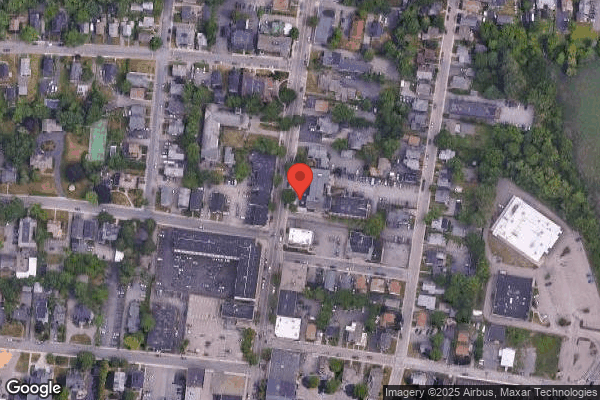
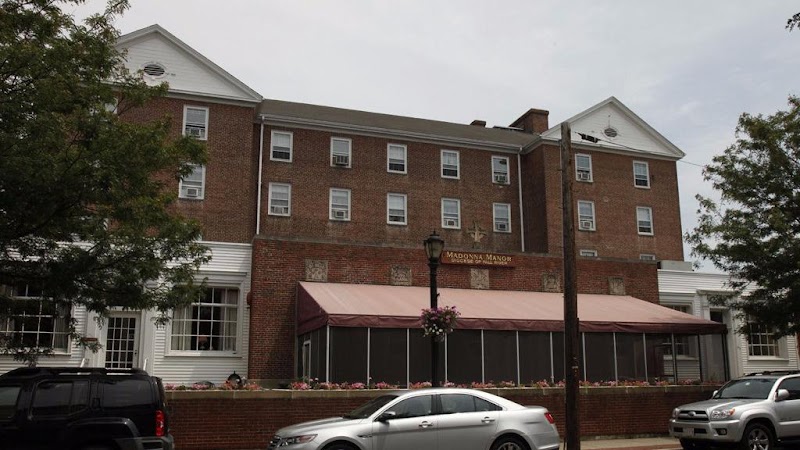
85 NORTH WASHINGTON STREET, NORTH ATTLEBORO, MA 02760 (508) 699-2740
Non profit - Corporation 129 Beds DIOCESAN HEALTH FACILITIES Data: November 2025
Trust Grade
25/100
#164 of 338 in MA
Last Inspection: August 2024

Within standard 12-15 month inspection cycle. Federal law requires annual inspections.

Overview

Madonna Manor Nursing Home currently holds a Trust Grade of F, indicating significant concerns and overall poor performance. It ranks #164 out of 338 facilities in Massachusetts, placing it in the top half, but this is overshadowed by its low trust score. The facility is making some improvements, as it has reduced the number of issues from 13 in 2023 to 10 in 2024. Staffing is a strong point, with a perfect score of 5/5 stars and a turnover rate of only 15%, well below the state average. However, the facility has accumulated concerning fines totaling $119,373, which is higher than 85% of other Massachusetts facilities, indicating potential compliance issues. Specific incidents from inspections reveal serious shortcomings in care. For example, the facility failed to notify a physician about significant weight loss for a resident, which is a critical oversight. Additionally, another resident who required assistance was left unattended, resulting in a fall and potential injury. While there are strengths in staffing, the serious deficiencies in care practices raise important questions for families considering this facility for their loved ones.

Trust Score
F
25/100
In Massachusetts
#164/338
Top 48%
Safety Record
High Risk
Review needed
Inspections
Getting Better
13 → 10 violations
Staff Stability
✓ Good
15% annual turnover. Excellent stability, 33 points below Massachusetts's 48% average. Staff who stay learn residents' needs.
Penalties
○ Average
$119,373 in fines. Higher than 56% of Massachusetts facilities. Some compliance issues.
Skilled Nurses
✓ Good
Each resident gets 56 minutes of Registered Nurse (RN) attention daily — more than average for Massachusetts. RNs are trained to catch health problems early.
Violations
⚠ Watch
34 deficiencies on record. Higher than average. Multiple issues found across inspections.
★★★☆☆
3.0
Overall Rating
★★★★★
5.0
Staff Levels
★★★☆☆
3.0
Care Quality
★★☆☆☆
2.0
Inspection Score
Stable
2023: 13 issues
2024: 10 issues

The Good

  • 5-Star Staffing Rating · Excellent nurse staffing levels
  • Low Staff Turnover (15%) · Staff stability means consistent care
  • No fines on record
  • Staff turnover is low (15%)

    33 points below Massachusetts average of 48%

Facility shows strength in staffing levels, staff retention.

The Bad

3-Star Overall Rating

Near Massachusetts average (2.9)

Meets federal standards, typical of most facilities

Federal Fines: $119,373

Well above median ($33,413)

Significant penalties indicating serious issues

Chain: DIOCESAN HEALTH FACILITIES

Part of a multi-facility chain

Ask about local staffing decisions and management

The Ugly 34 deficiencies on record

5 actual harm
Dec 2024 1 deficiency
CONCERN (D) 📢 Someone Reported This

A family member, employee, or ombudsman was alarmed enough to file a formal complaint

Potential for Harm - no one hurt, but risky conditions existed

Medical Records (Tag F0842)

Could have caused harm · This affected 1 resident

Based on records reviewed and interviews, for one of three sampled residents (Resident #1), who required physical assistance from staff for positioning, the Facility failed to ensure they maintained a...

Read full inspector narrative →
Based on records reviewed and interviews, for one of three sampled residents (Resident #1), who required physical assistance from staff for positioning, the Facility failed to ensure they maintained a complete and accurate medical record, related to Certified Nurse Aide (CNA) Positioning Sheets, when daily documentation by CNA's (for all three shifts) was not consistently completed and positioning sheets were often left completely blank. Findings Include: Review of the Facility's Policy tilted CNA Documentation, dated as revised 10/05/2021, indicated the Certified Nurses' Aides will provide accurate documentation daily on each shift using the Electronic Medical Record (EMR). Resident #1 was admitted to the Facility in May 2023, diagnoses included Parkinson's disease, spinal stenosis (narrowing of space within the spine) of cervical region, muscle weakness, contracture (tightening of muscles, and tendons causing joints to become stiff) of unspecified joint, and hypertension, Review of Resident #1's Significant Change in Status Minimum Data (MDS) Assessment, dated 07/18/24, indicated that Resident #1 had impaired functional range of motion on both sides of his/her lower extremities and that he/she required the assistance of two staff members to roll from lying on his/her back to his/her left and right side in bed. Review of Resident #1's Positioning Sheet, completed by CNA's, dated 07/01/24 through 07/31/24, indicated for the following shifts, documentation on the positioning sheets was incomplete: -7:00 A.M. to 3:00 P.M.- 16 days (out of 21) positioning every two hours was left blank -3:00 P.M. to 11:00 P.M.- 20 days (out of 21) positioning every two hours was left blank -11:00 P.M. to 7:00 A.M.- 9 days (out of 21) positioning every two hours was left blank This does not include dates and shifts when Resident #1 was a Medical Leave of Absence (MLOA) from 07/01/24 through 07/10/24. Review of Resident #1's Positioning Sheet, completed by CNA's, dated 08/01/24 through 08/31/24, indicated for the following shifts, documentation on the positioning sheets was incomplete: -7:00 A.M. to 3:00 P.M.- 27 days (out of 29) positioning every two hours was left blank -3:00 P.M. to 11:00 P.M.- 14 days (out of 29) positioning every two hours was left blank -11:00 P.M. to 7:00 A.M.- 10 days (out of 29) positioning every two hours was left blank This does not include dates and shifts when Resident #1 was MLOA from 08/06/24 through 08/07/24. Review of Resident #1's medical record indicated there was no Positioning sheet for September 2024 or documentation to support that he/she was turned and positioned every two hours on all three shifts from 09/01/24 through 09/06/24. During an interview on 12/02/24 at 1:11 P.M., Certified Nurse Aide (CNA) #1 said they document turning and repositioning of residents on handwritten positioning sheets. CNA #1 said all documentation has to be completed by the end of the shift and said she tries her best to document care provided to residents. CNA #1 said if she does not have time or forgets to document, she informs the Nursing Supervisor. During an interview on 12/02/24 at 1:54 P.M., CNA #3 said positioning sheets are handwritten and are kept in a binder for all residents. CNA #3 said they have to document all care provided by the end of the shift and said she has forgotten to document on the positioning sheets, and she tries to remember to document the next day of work. During an interview on 12/02/24 at 2:22 P.M., CNA #4 said documentation for ADL care has to be done daily before her shift ends. CNA #4 said the positioning sheets are not in the computer system, they are in a binder, and are handwritten. CNA #4 said sometimes they (CNAs) forget to document on the positioning sheets and can be overlooked because they are trying to get all the other documentation done in the Matrix computer system. During an in-person interview on 12/02/24 at 4:11 P.M. and a telephone interview on 12/04/24 at 2:49 P.M., the Director of Nursing (DON) said she was not aware that Resident #1's CNA Positioning sheets were not being filled out, that they were left blank and said they were not able to find Resident #1's positioning sheet for September 2024. The DON said the Facility did not have a specific policy for handwritten documentation and said her expectation is that CNAs should be documenting all care provided to residents every shift and flow sheets should not be left blank.
Aug 2024 9 deficiencies 2 Harm
SERIOUS (G)

Actual Harm - a resident was hurt due to facility failures

Notification of Changes (Tag F0580)

A resident was harmed · This affected 1 resident

Based on interview and document review, the facility failed to notify the physician of an ongoing and significant weight loss for one Resident (#26), out of a total sample of 18 residents. Findings i...

Read full inspector narrative →
Based on interview and document review, the facility failed to notify the physician of an ongoing and significant weight loss for one Resident (#26), out of a total sample of 18 residents. Findings include: Review of the facility's policy titled Weight Loss Policy, dated as reviewed 2/2024, indicated but was not limited to the following: - all confirmed weight loss of 5 pounds (lbs.) or more within one month is reported to the dietician, the weight information is recorded in the chart - staff must also report any continuing trends of monthly weight loss, even if it is below 5 lbs. - the dietician is responsible for determining if weight loss is significant, unplanned (weight loss greater than (>) 5% in one month, 10% in 6 months) - the physician is to be notified by nursing staff of any significant weight loss Resident #26 was admitted to the facility in December 2023 and has diagnoses including: Hypothyroidism and dysphagia (difficulty swallowing). The Brief Interview for Mental Status (BIMS), dated 6/14/24, indicated the Resident was cognitively intact with a score of 15 out of 15. Review of the current Physician's Orders, dated 8/21/24, indicated but were not limited to the following: - Weekly weight to be obtained: notify MD/NP of any significant weight loss/gains over past week and any trends, once a day on Thursdays (12/14/23) During an interview on 8/15/24 at 8:09 A.M., Resident #26 said he/she had lost at least 20 pounds since being admitted to the facility. During an interview on 8/15/24 at 4:13 P.M., Nurse #2 said Resident #26 has had a weight loss but has recently started to gain a little back. She said she does not know the exact amount of weight loss. Review of Resident #26's weight monitoring report from 12/2023 to 8/15/24 indicated but was not limited to the following: 2/29/24- 119.0 lbs. 3/28/24- 112.8 lbs. (significant weight loss in one month (2/29/24) of 5.21%) 4/04/24- 113.9 lbs. 4/25/24- 110.8 lbs. 5/02/24- 106.8 lbs. (significant weight loss in one month (4/4/24) of 6.23%) 5/09/24- 104.6 lbs. Review of the Minimum Data Set (MDS) assessment for Resident #26 indicated the following weights were used on the following MDSs: - 12/14/23 - MDS recorded a weight of 125 lbs. - 03/07/24 - MDS recorded a weight of 115 lbs. - 06/14/24 - MDS recorded a weight of 104 lbs. In the three months from the December 2023 MDS to the March 2024 MDS the Resident had a significant loss of 8.12%. In addition, in the three months between the March 2024 MDS and the June 2024 MDS, the Resident had another significant weight loss of 9.88% (significant weight loss is = > 7.5% in 3 months). Review of the MDS assessment, dated 6/14/24, indicated, but was not limited to the following: SECTION K (Swallowing/Nutritional Status): K0200: Height = 66 inches Weight = 104 lbs. (most recent and measured in the last 30 days) K0300: Weight loss: Loss of 5% or more in the last month or 10% or more in the last 6 months: YES, not on a physician prescribed weight loss regimen The MDS indicated that from the 12/14/23 MDS recorded weight of 125 lbs. to the 6/14/24 MDS recorded weight of 104 lbs. Resident #26 experienced a significant weight loss of 16.8% over 6 months. Review of the progress notes for Resident #26 from 1/2024 to 8/21/24 failed to indicate the physician was made aware of the significant and ongoing weight loss. During an interview on 8/21/24 at 12:57 P.M., Nurse #3 said the Resident had been losing weight and has only started gaining weight in the last few weeks. She said the Resident was admitted at 125.6 lbs. and was currently 111 lbs. She reviewed the progress notes for the Resident from admission to 8/21/24 and said she could not find any evidence that the physician was made aware of the weight loss that had occurred. Review of the Registered Dietitian's (RD) documentation for Resident #26 from 12/2023 to 8/21/24 indicated but was not limited to the following: - 12/21/24: Comprehensive dietary assessment and note: weight = 125.6 lbs.; BMI = 20.1; stable when compared to hospital weights; reported a poor to fair appetite; goal to maximize intake to maintain current weights and heal skin integrity (related to recent surgery) - 3/14/24: Quarterly assessment and note: weight = 115.4 lbs., ideal body weight is 125 - 132 lbs.; intake fair to good; previous goals achieved; weight decline of 3% in 30 days and 8% since December 2023. Add: 240 milliliters (ml) fortified apple juice supplement to all meals to promote weight maintenance - 4/11/24: Note: discontinue fortified juice at breakfast, lunch and dinner due to resident not drinking; continue to monitor weights - 6/6/24: Quarterly assessment and note: weight 104 lbs., this is a weight loss; intake mostly variable; stable weights in 30 days with a significant loss since admission Further review of the RD's documentation failed to indicate that the RD notified the physician of the significant weight loss. During an interview on 8/21/24 at 1:28 P.M., the RD said Resident #26 has an ideal body weight of 125 - 132 lbs. and currently weighs 111 lbs. She said she does not typically notify the physicians of weight loss or significant weight loss and she believes that is done by nursing. She said, on review of the nursing progress notes for Resident #26, she could not find any evidence that the physician was made aware of the significant weight loss for the Resident. During an interview on 8/21/24 at 2:08 P.M., Physician #1 said he did not recall being made aware of Resident #26's progressive and significant weight loss and therefore no further evaluation of the situation had been completed at this time. He said he is unaware of any medical reason for Resident #26 to have an ongoing or significant weight loss and the loss was unplanned. During an interview on 8/21/24 at 2:22 P.M., the Director of Nurses reviewed the medical record of Resident #26 and said she could not find any evidence that the physician was aware of the ongoing and significant weight loss for Resident #26. She said the process is for the physician to be notified of changes to a resident's condition and there is no evidence that had occurred. See F692
SERIOUS (G)

Actual Harm - a resident was hurt due to facility failures

Deficiency F0692 (Tag F0692)

A resident was harmed · This affected 1 resident

**NOTE- TERMS IN BRACKETS HAVE BEEN EDITED TO PROTECT CONFIDENTIALITY** Based on record review, interviews, and documentation review, the facility failed to ensure acceptable parameters of nutritional...

Read full inspector narrative →
**NOTE- TERMS IN BRACKETS HAVE BEEN EDITED TO PROTECT CONFIDENTIALITY** Based on record review, interviews, and documentation review, the facility failed to ensure acceptable parameters of nutritional status were maintained for one Resident (#26), out of 18 sampled residents. Specifically, the facility failed to ensure ideal or usual body weight was maintained and interventions implemented and re-evaluated to prevent significant and ongoing weight loss for the Resident which was unplanned and undesired. Findings include: Review of the facility's policy titled Weight Loss Policy, dated as reviewed 2/2024, indicated but was not limited to the following: - all confirmed weight loss of 5 pounds (lbs.) or more within one month is reported to the dietician, the weight information is recorded in the chart - staff must also report any continuing trends of monthly weight loss, even if it is below 5 lbs. - the dietician is responsible for determining if weight loss is significant, unplanned (weight loss greater than (>) 5% in one month, 10% in 6 months) - if the dietician determines weight loss is significant, an interim note is written documenting the weight loss and including suggested approaches for prevention of further loss - the dietician is responsible to ensure the interdisciplinary care plan is updated for weight loss prevention as warranted Review of the facility's policy titled Meal Replacement, dated as reviewed 10/2023, indicated but was not limited to the following: - every possible effort will be made to maintain meal satisfaction and intake by residents - as soon as nursing or dietary staff discover the resident has consumed less than 50% of a meal, they will offer additional forms of nourishment - nursing and dietary staff should encourage residents to accept the alternate to the prepared meal - if the resident refuses the alternate selection to the menu, he/she should be offered food items on the additional readily available food list - if a resident refuses all alternate foods available a commercial supplement may be offered and is a last resort of meal replacement Review of the facility's policy titled Selective Menu Policy, dated as reviewed 10/2023, indicated but was not limited to the following: - every possible effort will be made to maintain meal satisfaction and intake by residents - menus are posted on floors for reference - a representative from dietary meets with all new residents within 24 hours for an initial interview to discuss food preferences, likes and dislikes in accordance with the resident's diet restrictions - cycle menus will be individually reviewed with the resident until they are completed - main dining room is open for all meals, menus are posted, residents in the main dining room make their choices Resident #26 was admitted to the facility in December 2023 with diagnoses which included hypothyroidism and dysphagia (difficulty swallowing). Review of the Brief Interview for Mental Status (BIMS), dated 6/14/24, indicated Resident #26 was cognitively intact with a score of 15 out of 15. During an interview on 8/15/24 at 8:09 A.M., Resident #26 said he/she had lost at least 20 pounds since being admitted to the facility. The Resident was observed to have breakfast of scrambled eggs and toast in front of them and consumed about 25% at that time. He/She said the coffee is like an oil slick. He/She said people have talked to him/her about the food and weight loss and he/she thinks the food is overall not bad but prefers other things brought in by their family. The Resident said he/she has always been a picky eater. During an interview on 8/15/24 at 4:13 P.M., Nurse #2 said Resident #26 was not a good eater and will decline meals at times, adding that the Resident's family will bring in food and snacks because the Resident is a picky eater. She said she knows the Resident has had a weight loss but has recently started to gain a little back. She said she does not know the exact amount of weight loss or if there are any interventions in place to prevent the weight loss, but she offers the Resident ice cream in the afternoons and it is usually accepted. She said the Resident doesn't get any type of supplements and is not offered any other meals if he/she doesn't eat well unless they request something else. She said the Resident needs lots of encouragement to eat. She said the Resident will usually accept foods brought in by the family. Review of the current Physician's Orders, dated 8/21/24, indicated but were not limited to the following: - DIET: NAS (No added salt diet) (1/23/24 and 4/12/24) - May omit diet restrictions on special occasions (12/14/23) - Snack offered at bedtime (12/14/23) - Speech therapy evaluation and treatment as indicated (1/9/24) - Weekly weight to be obtained: notify MD/NP of any significant weight loss/gains over past week and any trends, once a day on Thursdays (12/14/23) - Aspiration precautions: Resident is an aspiration risk monitor for signs and symptoms (s/s) such as: cough, congestion, fever, runny nose, etc., monitor lung sounds, oxygen saturation, and temperature every shift (1/8/24) Review of the Certified Nurse Assistant (CNA) care plan [NAME] currently in use by the facility indicated but was not limited to the following: NUTRITION: Diet/Texture: Regular; Ability to eat: Independent During an interview on 8/21/24 at 8:17 A.M., CNA #3 said Resident #26 eats independently after meal set up. She said the Resident's intake fluctuates and sometimes the Resident eats well and sometimes not so good. She said the Resident is weighed weekly and she knows the Resident has a history of weight loss but had a gain this past week and is up to 111 pounds (lbs.). She said she is not aware of any interventions for the staff to provide to help the Resident not lose any more weight, but the Resident has told her he/she prefers sandwiches with tomatoes for lunch and pancakes for breakfast. During an interview on 8/21/24 at 8:31 A.M., the surveyor observed Resident #26 eating breakfast consisting of scrambled eggs and toast with jelly. The meal ticket on the tray indicated the Resident was supposed to have a hard-boiled egg. The Resident said the breakfast was fine but they wished it was pancakes or waffles; they are sick of eggs everyday. The Resident said he/she gained weight this past week because he/she can't resist the treats and ice cream in the afternoons. The Resident said there are foods that they like but the facility has not offered them to him/her and he/she likes to have options with his/her meals and may change his/her mind on the meal daily depending on what might be available. The Resident said he/she was offered milkshakes and juice drinks to purposely get fat but the use of those are against his/her beliefs. Resident #26 said he/she enjoys sandwiches but only gets them when his/her family brings them in because the facility sends him/her whatever they want for meals and he/she doesn't have any options. During an interview on 8/21/24 at 9:22 A.M., the Food Service Director (FSD) said the process for selective menus and meal preferences for the unit Resident #26 resides on is for staff to call for a meal replacement if necessary. She said she learns different resident preferences as time goes on and the nursing staff, residents, and dietitian will also communicate items of preference to her so she can update the meal tray tickets. She said residents should get what their tickets say are their preferences with each meal because the kitchen staff will automatically follow the ticket and make the substitution and she does not keep any other system to track preferences. She said she would provide the surveyor with a copy of Resident #26's meal tickets for the day which would reflect the daily preferences. Review of the 8/21/24 meal tickets for Resident #26 indicated but were not limited to the following: BREAKFAST: Hard-boiled egg, cereal, toast, juice, coffee, milk, jelly, sugar LUNCH: Meatloaf, brown gravy, broccoli, mashed potatoes, bread, peach cobbler, milk, coffee, sugar, tomato slices (Serve sliced tomatoes when ordering a sandwich) DINNER: Glazed ham, mixed vegetables, sweet potato, fruit cocktail, milk, coffee, sugar, tomato slices (Serve sliced tomatoes when ordering a sandwich) During an interview on 8/21/24 at 10:02 A.M., the FSD said Resident #26 only gets tomatoes if he/she orders a sandwich, but he/she gets a hard-boiled egg each morning. When she was informed the Resident had scrambled eggs this A.M., she said scrambled eggs were available this morning but the Resident should have gotten a hard-boiled egg and she does not know how that error occurred. She said the process is for the Resident to get their preferred foods according to their meal tickets. Review of Resident #26's weight monitoring report from 12/2023 to 8/15/24 indicated but was not limited to the following: 2/29/24- 119.0 lbs. 3/28/24- 112.8 lbs. (significant weight loss in one month (2/29/24) of 5.21%) 4/04/24- 113.9 lbs. 4/25/24- 110.8 lbs. 5/02/24- 106.8 lbs. (significant weight loss in one month (4/4/24) of 6.23%) 5/09/24- 104.6 lbs. Review of the Minimum Data Set (MDS) assessments for Resident #26 indicated the following weights were used: - 12/14/23 - MDS recorded weight of 125 lbs. - 3/7/24 - MDS recorded weight of 115 lbs. - 6/14/24 - MDS recorded weight of 104 lbs. In the three months from the December 2023 to the March 2024 MDS assessments the Resident experienced a significant loss of 8.12%. In addition, in the three months between the March 2024 MDS and the June 2024 MDS the Resident had another significant weight loss of 9.88% (significant weight loss is = > 7.5% in 3 months). Review of the MDS assessment, dated 6/14/24, indicated but was not limited to the following: SECTION K (Swallowing/Nutritional Status): K0100: Signs and symptoms of swallowing disorders: None K0200: Height = 66 inches Weight = 104 lbs. (most recent and measured in the last 30 days) K0300: Weight loss: Loss of 5% or more in the last month or 10% or more in the last 6 months: YES, not on a physician prescribed weight loss regimen K0520: Nutritional approaches: Therapeutic diet while a resident The MDS indicated that from the 12/14/23 MDS recorded weight of 125 lbs. to the 6/14/24 MDS recorded weight of 104 lbs. Resident #26 experienced a significant weight loss of 16.8% over 6 months. Review of the Speech Language Pathology (SLP) evaluation and treatment notes for Resident #26 in May 2024 indicated but were not limited to the following: - 5/16/24 Evaluation: Reason for referral: This patient was noted to have a significant weight loss as follows: 4/4/24 - 113.9 lbs., 4/25/24 - 110.8 lbs., 5/2/24 - 106.8 lbs., 5/9/24 - 104.6 lbs. [sic] Patient goals: He/She would like to get foods he/she likes so they'd have an appetite to eat them Clinical bedside assessment: Regular solids with mild clinical s/s of dysphagia characterized by poor attention to task Recommendations: distant supervision for intake - 5/16/24 Treatment note: has particular interest in eating certain foods and aversion to others; realizes he/she is losing weight and would like to improve intake if they get the foods they like - 5/24/24 Treatment note: no complaints of dysphagia; patient stated: I ate all that I wanted, don't make me eat anything else - 5/28/24 Treatment note: patient states he/she eats the food they like and denies any difficulties with trouble chewing or swallowing - 5/28/24 Discharge Summary: Previous goal met (5/16/24): patient appetite was sufficient to maintain his/her weight and remain stable but currently has a significant weight loss; current goal met: patient demonstrated safe intake of regular solids and thin liquids consuming at least 50-75% per meal over three consecutive meals without dysphagia. Review of the Meal and Snack intake report for Resident #26 from 3/1/24 through 8/20/24 indicated but was not limited to the following: MARCH 2024: Out of 93 meal opportunities: 20 meals were not documented and out of 31 bedtime snack opportunities 9 snacks were undocumented Of the meals received, the Resident consumed an average of 26-50% of breakfast; 26-50% of lunch; 51-75% of dinner and 51-75 % of bedtime snacks. APRIL: 2024 Out of 90 meal opportunities: 14 meals were not documented with 2 additional meals refused; and 9 out of 30 bedtime snack opportunities undocumented with an additional 10 refused Of the meals received, the Resident consumed an average of 51-75% of breakfast; 26-50% of lunch; 25-50% of dinner and 25-50% of bedtime snacks. MAY 2024: Out of 93 meal opportunities: 22 meals were not documented with 4 additional meals refused; and 14 and out of 31 bedtime snack opportunities were undocumented with an additional 12 snacks refused Of the meals received, the Resident consumed an average of 26-50% of breakfast; 26-50% of lunch; 1-25% of dinner and 1-25% of bedtime snacks. JUNE 2024: Out of 90 meal opportunities: 21 meals were not documented with an additional 2 meals refused; and 6 out of 30 bedtime snack opportunities were undocumented with an additional 9 snacks refused Of the meals received, the Resident consumed an average of 26-50% of breakfast; 26-50% of lunch; 26-50% of dinner and 1-25% of bedtime snacks. JULY 2024: Out of 93 meal opportunities: 13 meals were not documented with an additional 2 meals refused; and 7 out of 31 bedtime snack opportunities were undocumented with an additional 11 snacks refused Of the meals received, the Resident consumed an average of 26-50% of breakfast; 26-50% of lunch; 26-50% of dinner and 26-50% of bedtime snacks. AUGUST 2024: Out of 60 meal opportunities: 4 meals were not documented with an additional one meal refused; and 1 out of 20 bedtime snack opportunities were undocumented Of the meals received, the Resident consumed an average of 26-50% of breakfast; 26-50% of lunch; 26-50% of dinner and 1-25% of bedtime snacks. Review of the Registered Dietitian's (RD) documentation for Resident #26 from December 2023 to 8/21/24 indicated but was not limited to the following: - 12/21/23: Comprehensive dietary assessment and note: House diet with HS (hour of sleep) snacks; weight = 125.6 lbs.; BMI = 20.1; stable when compared to hospital weights; reported a poor to fair appetite; goal to maximize intake to maintain current weights and heal skin integrity (related to recent surgery) - 3/14/24: Quarterly assessment and note: NAS diet with HS snacks; weight = 115.4 lbs., ideal body weight is 125 - 132 lbs.; intake fair to good; previous goals achieved; weight decline of 3% in 30 days and 8% since December 2023. Add: 240 milliliters (ml) fortified apple juice supplement to all meals to promote weight maintenance - 4/11/24: Note: discontinue fortified juice at breakfast, lunch and dinner due to Resident not drinking; continue to monitor weights - 5/23/24: Note: please add a plate of sliced tomatoes to lunch and dinner meals per resident preference; resident states he/she will eat any sandwich with tomato on it; likes hard boiled (HB) eggs only - no other kind of eggs; notice provided to kitchen - 6/6/24: Quarterly assessment and note: NAS diet with HS snacks and aspiration precautions; weight 104 lbs., this is a weight loss; intake mostly variable; stable weights in 30 days with a significant loss since admission, self-reported picky eater; Resident declines supplements and will accept sandwiches with tomato slice, provide encouragement at meals During an interview with observation on 8/21/24 at 12:12 P.M., the surveyor observed Resident #26 having lunch in his/her room. The meal on the plate consisted of meatloaf with gravy, broccoli, a piece of bread, and a scoop of mashed potatoes. No sandwich or tomato were observed on the tray or in the Resident's room. He/She was not eating the meatloaf but was consuming the bread and mashed potatoes. The Resident said he/she did not like the meatloaf and would love to get sandwiches at lunchtime with tomato but has not gotten them in a few weeks. Resident #26 said he/she does not have the capability of picking their meals and has not been given a large selective menu to complete in ages. The Resident said he/she would not call and bother the nursing staff for a replacement meal since no one cares enough to provide him/her with a menu. Resident #26 said he/she would complete a weekly menu if that was still an option but it was not. The Resident said if the meal was something he/she liked, he/she would eat it. He/She said the facility did try to give him/her supplement drinks a few months ago but he/she would not drink them; he/she preferred real food. During an interview on 8/21/24 at 12:31 P.M., the FSD said Resident #26 doesn't do a selective menu and gets whatever the kitchen has as the meal for the day and can have someone call down if he/she wants something different. She said she could not recall the last time the Resident had completed a selective menu, but said they follow the meal ticket for preferences. During an interview on 8/21/24 at 12:57 P.M., Nurse #3 said she was unsure if Resident #26 had a significant weight loss or any weight loss and would need to review the record. She said the Resident had been losing weight and has only started gaining weight in the last few weeks. She said the Resident was admitted at 125.6 lbs. and currently weighed 111 lbs. She reviewed the assessments, progress notes, orders and care plans for the Resident and said she does not see any interventions currently in place to reflect what the staff should be doing to prevent further weight loss for the Resident. She said she did see that the Resident had attempted to take supplements for a short time in March but did not like them. She said, There are so many types of real foods we could use, I don't know why that's not an option shown in here. She said the facility had the ability to attempt fortified foods and even additional snacks like ice cream in the afternoon to help with weight loss prevention but she did not see any documentation in the record that these things were attempted and said the care plan does not reflect any interventions at all except for providing the Resident with a meal. She said as far as the Resident preferences she noticed the Resident had scrambled eggs this morning and was surprised since the ticket said hard-boiled egg, but the Resident told her, They just send what they want anyway and declined a replacement meal or food item. She said they would only offer any resident a supplement or replacement meal if they ate less than 50% if they had orders to do so, and this Resident did not. She said if the Resident requested an alternate meal the staff would accommodate that, but that had not happened at either meal today. She said she could not find anything on the care plan that would indicate the Resident had weight loss or required any interventions to prevent weight loss so she wasn't aware the concern existed until it was brought to her attention by the surveyor. Review of the care plan currently in place for Resident #26 indicated the following: PROBLEM: Nutritional status, Nutritionally related medical diagnoses: hypertension (HTN), hypothyroidism, hyperlipidemia, and Vitamin D deficiency; requires a therapeutic diet at this time related to HTN. Supplementation in place and accepted by Resident to promote weight maintenance. (6/25/24) GOAL: Maintain current status; prevent exacerbation of medical diagnosis (6/25/24) APPROACHES: House diet (6/25/24) The care plan failed to indicate the Resident experienced any weight loss or provided any interventions to prevent further weight loss for the Resident. During an interview on 8/21/24 at 1:28 P.M., the RD said Resident #26 is a self-admitted picky eater and resistant to any creamy supplements so she recommended the juice supplement, but the Resident did not consume it and it was discontinued. She said she did send a preference update to the kitchen in May alerting them to the Resident's preference to eat sandwiches with sliced tomato. She said once the information is sent to the kitchen they place it on the tray ticket. She said this Resident has an ideal body weight of 125 - 132 lbs. and is currently 111 lbs., but that is an increase from previous and at one point the Resident got as low as 103 lbs. so she is happy with the weight coming back up. She said the Resident remains below ideal body weight at this time because they are very particular about what they will eat. She said the FSD is the person that would provide a selective menu to residents, but only to those who are willing to complete them and want to select their own foods and she doesn't know if the Resident does those menus but thinks it would likely benefit Resident #26 to have this option so they can receive foods they are more interested in. She said she was aware of the significant weight loss for the Resident but when reviewing the care plan said she realizes the care plan is not specific to the Resident losing weight, and does not have any interventions on it that may help prevent further weight loss and only indicates a current diet order for the Resident. She said the Resident has had a continual weight loss since admission until just recently and she would need to reevaluate the Resident and the documentation since it appears to be lacking. During an interview on 8/21/24 at 2:08 P.M., Physician #1 said he is not aware of any medical reason for Resident #26 to have an ongoing or significant weight loss and it was unplanned. He said he doesn't recall being made aware of the situation and therefore no further evaluation of the situation had been completed and the issue has not been documented by him in the medical record. During an interview on 8/21/24 at 2:22 P.M., the Director of Nurses reviewed the medical record of Resident #26 and said there were no interventions she could find documented anywhere, except for the juice supplement in March that was discontinued, to prevent further weight loss for the Resident. She said it did not appear by viewing the current and history of the nutritional care plan that any interventions were ever attempted to prevent weight loss and the care plan does not indicate the Resident had experienced any weight loss and inaccurately reflected the Resident's use and acceptance of supplements. She said she could not find any documentation that a medical work up had occurred in an attempt to rule out any cause of the progressive weight loss, nor could she find any evidence the physician was aware of the situation. She said the expectation is that the Resident be evaluated and provided with interventions in an attempt to prevent undesirable ongoing weight loss, especially when a significant weight loss occurs, but also prior to reaching that level. She said the Resident should have been receiving his/her preferences at mealtimes and receiving alternate meals as needed. She said it appears the process for managing weight loss and providing interventions to prevent further weight loss were not followed.
CONCERN (D)

Potential for Harm - no one hurt, but risky conditions existed

Resident Rights (Tag F0550)

Could have caused harm · This affected 1 resident

Based on observation and interview, the facility failed to ensure one Resident (#13), out of a total sample of 18 residents, was treated with respect and dignity. Specifically, the facility failed to ...

Read full inspector narrative →
Based on observation and interview, the facility failed to ensure one Resident (#13), out of a total sample of 18 residents, was treated with respect and dignity. Specifically, the facility failed to ensure staff provided a privacy cover for Resident #13's Foley catheter (tube inserted into the bladder to drain urine) drainage bag when the bag was exposed, containing urine, and visible for others to see. Findings include: Resident #13 was admitted to the facility in May 2023 and had diagnoses including urinary tract infection. Review of the Minimum Data Set (MDS) assessment, dated 7/18/24, indicated Resident #13 had moderate cognitive impairment as evidenced by a Brief Interview for Mental Status (BIMS) score of 11 out of 15, had an indwelling Foley catheter, and was dependent on staff for personal hygiene and showering/bathing. Review of current Physician's Orders indicated the following: -Foley catheter care: Provide Foley catheter hygiene every shift. Add to POC instructions: Click on select POC charting category and pick miscellaneous tasks from the list every shift; 7:00 A.M. - 3:00 P.M., 3:00 P.M. - 11:00 P.M., 11:00 P.M. - 7:00 A.M., 7/10/24 -Foley to collection device at all times, ensure leg bag or overnight bag is connected and containing output every shift, 7:00 A.M. - 3:00 P.M., 3:00 P.M. - 11:00 P.M., 11:00 P.M. - 7:00 A.M., 7/10/24 On 8/20/24 at 10:17 A.M. and 11:28 A.M., the surveyor observed Resident #13 sitting in a recliner chair in his/her room. A Foley catheter was observed hanging from the side of the chair draining yellow urine into a urinary drainage bag. The Foley catheter was not stored in a privacy bag and was fully visible to the surveyor from the doorway and to anyone passing by. During an observation with interview on 8/20/24 at 3:23 P.M., the surveyor and Certified Nursing Assistant (CNA) #1 observed Resident #13 lying in bed. A Foley catheter was observed hanging from the right side of the Resident's bed, closest to the doorway, draining yellow urine into a urinary drainage bag. The Foley catheter was not stored in a privacy bag and was fully visible to anyone entering the room. CNA #1 said it was the first thing she saw when she entered the room as it was resting on the floor but did not place the drainage bag into a privacy bag after placing a protective barrier underneath it. On 8/21/24 at 1:52 P.M., 2:32 P.M., and 4:41 P.M., the surveyor observed Resident #13 lying in bed. A Foley catheter was observed hanging from the right side of the bed draining yellow urine into a urinary drainage bag. The drainage bag was not stored in a privacy bag and was fully visible to the surveyor from the doorway and to anyone passing by. During an interview on 8/21/24 at 4:41 P.M., CNA #5 said no one should be able to visualize the urine in the bag. During an interview on 8/21/24 at 4:45 P.M., Nurse #5 said catheter bags should be covered so the urine cannot be visualized. During an interview on 8/21/24 at 4:50 P.M., the Infection Preventionist said to maintain dignity, urine should be covered and not visualized while in the bag.
CONCERN (D)

Potential for Harm - no one hurt, but risky conditions existed

Incontinence Care (Tag F0690)

Could have caused harm · This affected 1 resident

Based on observation, interview, and record review, the facility failed to provide appropriate treatment and services for the care of an indwelling catheter (tube inserted into the bladder to drain ur...

Read full inspector narrative →
Based on observation, interview, and record review, the facility failed to provide appropriate treatment and services for the care of an indwelling catheter (tube inserted into the bladder to drain urine into a collection bag outside the body) for one Resident (#13), out of total sample of 18 residents. Specifically, the facility failed to ensure the Resident's indwelling Foley catheter device was maintained in a sanitary manner. Findings include: Review of Centers for Disease Control and Prevention (CDC) guidance titled Summary of Recommendations, Guideline for Prevention of Catheter-Associated Urinary Tract Infections, dated March 2024, indicated but was not limited to the following: -Keep the collecting bag below the level of the bladder at all times. Do not rest the bag on the floor. Resident #13 was admitted to the facility in May 2023 and had diagnoses including urinary tract infection, bacteremia, difficulty in walking, and muscle weakness. Review of the Minimum Data Set (MDS) assessment, dated 7/18/24, indicated Resident #13 had moderate cognitive impairment as evidenced by a Brief Interview for Mental Status (BIMS) score of 11 out of 15, had an indwelling Foley catheter (tube inserted into the bladder to drain urine), and was dependent on staff for personal hygiene and showering/bathing. Review of current Physician's Orders indicated the following: -Foley catheter care: Provide Foley catheter hygiene every shift. Add to POC instructions: Click on select POC charting category and pick miscellaneous tasks from the list every shift; 7:00 A.M. - 3:00 P.M., 3:00 P.M. - 11:00 P.M., 11:00 P.M. - 7:00 A.M., 7/10/24 -Foley to collection device at all times, ensure leg bag or overnight bag is connected and containing output every shift, 7:00 A.M. - 3:00 P.M., 3:00 P.M. - 11:00 P.M., 11:00 P.M. - 7:00 A.M., 7/10/24 Review of the Indwelling Catheter care plan, initiated 7/21/24, indicated the goal was to not contaminate or be contaminated. During an observation with interview on 8/20/24 at 3:23 P.M., the surveyor and Certified Nursing Assistant (CNA) #1 observed Resident #13 lying in bed. A Foley catheter was observed hanging from the side of the bed draining yellow urine into a urinary drainage bag. The bag was fully resting on the floor without a protective barrier underneath and was potentially exposed to environmental contaminants. CNA #1 said it was the first thing she saw upon entering the room then placed a protective barrier underneath. On 8/21/24 at 1:52 P.M., the surveyor observed Resident #13 lying in bed. A Foley catheter was observed hanging from the side of the bed draining yellow urine into a urinary drainage bag. The bag was partially touching the floor without a protective barrier underneath potentially exposing it to environmental contaminants. During an interview on 8/21/24 at 4:41 P.M., CNA #5 said the catheter bag shouldn't ever be on the floor because of germs. During an interview on 8/21/24 at 4:45 P.M., Nurse #5 said catheter bags should never be on the floor. During an interview on 8/21/24 at 4:50 P.M., the Infection Preventionist said the catheter bag should not be on the ground as it increases the risk of contamination.
CONCERN (D)

Potential for Harm - no one hurt, but risky conditions existed

Respiratory Care (Tag F0695)

Could have caused harm · This affected 1 resident

Based on observation and interview, the facility failed to maintain sanitary conditions of continuous positive airway pressure (CPAP- respiratory machine used to assist in keeping airways open to ease...

Read full inspector narrative →
Based on observation and interview, the facility failed to maintain sanitary conditions of continuous positive airway pressure (CPAP- respiratory machine used to assist in keeping airways open to ease breathing while sleeping) respiratory tubing and equipment for one Resident (#3), out of a total sample of 18 residents. Findings include: Review of the Lippincott Nursing Procedure, eighth edition, indicated but was not limited to the following in regard to the use and storage of CPAP tubing: - When the CPAP therapy has been completed, follow these steps: remove the headgear and appliance from the patient; clean and disinfect the equipment using a facility-approved disinfectant according to the manufacturer's instructions, and store it properly. Resident #3 was admitted to the facility in June 2011 with a diagnosis of respiratory failure with hypercapnia (abnormally high levels of carbon dioxide in the blood). Review of the most recent Brief Interview for Mental Status (BIMS), dated 7/1/24, indicated the Resident was cognitively intact with a score of 14 out of 15. During an observation with interview on 8/15/24 at 1:12 P.M., Resident #3 said he/she uses a CPAP machine. The surveyor observed the machine and associated tubing and mask at the bedside, unlabeled and undated. The machine was laden with dust and the tubing and mask were lying on top of a plastic bag beside the air conditioner open to air and potential contamination by germs and environmental debris. The Resident said that since they are totally blind they cannot see where the staff puts the mask and tubing once it is removed, but hears them throw it, he/she said the machine and tubing are supposed to be wiped down every day and the mask is supposed to be changed weekly but they do not know if that happens since they cannot see. The surveyor observed the following: - 8/16/24 at 7:54 A.M., CPAP mask and tubing lying on the windowsill, appeared dry and was not stored in a plastic bag, open to potential contamination by germs and environmental debris; the machine was on the bedside table laden with dust. - 8/19/24 at 8:57 A.M., CPAP machine was laden with dust, and the mask and tubing were no longer connected. - 8/20/24 at 12:18 P.M., CPAP machine appeared dirty and a fingerprint could be made in the dust and dirt on the machine, there was tubing and a mask in a storage bag labeled 8/18/24. During an interview on 8/20/24 at 12:59 P.M., Nurse #1 said the process for caring for CPAP equipment is to store the mask and tubing in a plastic respiratory equipment bag when not in use to protect it from dirt and germs. She said she would think the machine was wiped down on Thursdays or weekly by the respiratory therapist, but she couldn't be sure. She viewed the photographs the surveyor took of the CPAP mask and tubing and dirty machine and said the machine was dusty and dirty and the mask and tubing should have been stored in the respiratory bag and not left out in the open touching other items in the environment because it was unsanitary. During an interview on 8/20/24 at 2:13 P.M., the Director of Nurses said the expectation is that respiratory equipment be kept clean and free of environmental debris and when any tubing is not in use it is to be stored in a respiratory storage bag to protect it from potential germs. She said the machines should be wiped down and kept clean routinely. She viewed the photographs of Resident #3's CPAP mask, tubing and machine and said the mask and tubing were not stored appropriately and the machine should have been cleaned and the expectation for maintaining this Resident's respiratory equipment was not met.
CONCERN (D)

Potential for Harm - no one hurt, but risky conditions existed

Infection Control (Tag F0880)

Could have caused harm · This affected 1 resident

Based on observation, interview, and record review, the facility failed to maintain an infection prevention and control program to help prevent the development and potential transmission of communicab...

Read full inspector narrative →
Based on observation, interview, and record review, the facility failed to maintain an infection prevention and control program to help prevent the development and potential transmission of communicable diseases. Specifically, the facility failed: 1. For Resident #51, to ensure staff wore PPE as required for Isolation/Droplet Precautions (infection control precautions used for residents who are infected with certain infectious agents including COVID-19 for which additional precautions are needed to prevent infection transmission) while entering the room to provide care; and 2. For Resident #13, to ensure staff wore the appropriate personal protective equipment (PPE) while providing high contact care to the Resident who was on enhanced barrier precautions (EBP - infection control intervention that involves wearing gowns and gloves during high contact care to reduce the spread of multi-drug resistant organisms) related to chronic wounds and a Foley catheter device. Findings include: Review of the facility's policy titled Enhanced Barrier Precautions, dated 3/2024, indicated but was not limited to the following: -Purpose: to prevent the spread of multi-drug resistant organisms (MDROs) (germs that are resistant to many antibiotics) -Residents with wounds or indwelling medical devices even if the resident is not known to be infected or colonized with a MDRO -Wounds include chronic wounds such as pressure ulcers and diabetic foot ulcers -Indwelling medical device examples include urinary catheters -The use of gown and gloves for high-contact care activities is indicated with EBP -High contact care includes dressing, bathing/showering, transferring, providing hygiene, changing linens, changing briefs or assisting with toileting and device care -EBP are intended to be in place for the duration of a resident's stay in the facility or resolution of the wound or discontinuation of the indwelling medical device that placed them at higher risk Review of the facility's policy titled Caring for long term residents during the COVID-19 outbreak, dated 4/2024, indicated but was not limited to the following: -Diocesan Health Facilities follow the guidelines that the Department of Public Health (DPH) and Center for Disease Control (CDC) regarding COVID-19. Review of the Centers for Disease Control (CDC) guidance titled: Interim Infection Prevention and Control Recommendations for Healthcare Personnel During the Coronavirus Disease 2019 (COVID-19) Pandemic, updated: March 18, 2024, indicated but was not limited to the following: Personal Protective Equipment: Healthcare providers who enter the room of a patient with suspected or confirmed SARS-CoV-2 (COVID-19) infection should adhere to Standard Precautions and use an approved particulate respirator with N95 filters or higher, gown, gloves, and eye protection (i.e., goggles or a face shield that covers the front and sides of the face). 1. Resident #51 was admitted to the facility in October 2021. Review of the medical record including progress notes, physician orders, and care plan indicated but were not limited to the following: -He/she tested positive for COVID-19 on 8/6/24 -Isolation Precautions for COVID-19 every shift. On 8/15/24 at 8:40 A.M., the surveyor observed the following: -A RED sign posted outside of Resident #51's doorway that indicated but was not limited to the following: -Isolation Precautions STOP: ISOLATION In addition to Standard Precautions Staff and Providers MUST: -Clean Hands when entering and exiting -Gown: Change between each Resident -N95 Respirator (respiratory protective device designed to achieve a very close facial fit to filtrate airborne particles; the edges form a seal around the nose and mouth) -Eye Protection (goggles or face shield) -Gloves: Change between each Resident - A 3-drawer plastic bin outside of the Resident's door containing PPE -Two Certified Nursing Assistants (CNA) #2 and #6 approaching the 3-drawer plastic bin outside of Resident #51's room, both wearing surgical masks for source control -CNA #2 opened the drawer and removed a protective gown and gloves. She donned (put on) the gown and gloves, leaving her surgical mask in place (not an N95 respirator) -CNA #6 then opened the drawer and removed a protective gown, gloves and N95 respirator. She donned the gown and gloves, discarded her surgical mask, and donned an N95 respirator -CNA #2 and #6 entered Resident #51 room together -CNA #2 did not don an N95 respirator or eye protection prior to entering Resident #51's room -CNA #6 did not don eye protection prior to entering Resident #51's room 2. Resident #13 was admitted to the facility in May 2023 with diagnoses including pressure ulcer of left heel and sacral region (portion of your spine between your lower back and tailbone). Review of the medical record including progress notes, physician's orders, and care plans indicated but were not limited to the following: -He/she had an indwelling urinary catheter (a thin, flexible tube that drains urine from the bladder into a collection bag, outside of the body) -Enhanced Barrier Precautions related to Chronic wounds and urinary catheter -Clean hands when entering and exiting. Gloves and gown for high contact care (see room sign). During an observation with an interview on 8/20/24 at 3:23 P.M., the surveyor observed the following: - An ORANGE sign posted outside of Resident #13's doorway that indicated but was not limited to the following: Enhanced Barrier Precautions STOP Everyone must: Clean hands before entering and when leaving the room Providers and staff must also: Wear gloves and a gown for the following High-Contact Resident Care Activities: dressing, transferring, changing linens, providing hygiene, device care or use: urinary catheter, wound care: any skin opening requiring a dressing. -A 3-drawer plastic bin outside of the Resident's door containing PPE -CNA #1 entered Resident #13's room wearing a surgical mask and gloves -CNA #1 then repositioned Resident #13, moving the Resident to the left side, then to the right side removing and reapplying bilateral heel booties. -At no time did CNA #1 wear a protective gown while performing a high contact care activity -CNA #1 said Resident #13 is on EBP precautions, and she should have worn a gown to reposition the Resident but did not. During an interview on 8/21/24 at 2:30 P.M, CNA #7 said if a resident has a sign outside of their door that says Enhanced Barrier Precautions, she would wear a gown and gloves for any hands on care. She said if a resident has a sign that says Isolation Precautions, she would put on an N95, gown, gloves and goggles anytime she had to enter the room. During an interview on 8/21/24 at 4:14 P.M., the Infection Preventionist said her expectation is for all staff to follow the PPE guidelines posted on the signage outside of the resident's doors. She said when a resident is on EBP precautions, staff must use a gown and gloves for all high contact care, to reduce the risk of transmission of MDROs. She said when a resident is on Isolation/droplet precautions for COVID-19 everyone needs full PPE to enter the room including eye protection and an N95 respirator.
CONCERN (E)

Potential for Harm - no one hurt, but risky conditions existed

Deficiency F0565 (Tag F0565)

Could have caused harm · This affected multiple residents

Based on a resident group meeting, staff interviews, and document review, the facility failed to ensure concerns from the Resident Council were documented to ensure they were acted upon timely and inc...

Read full inspector narrative →
Based on a resident group meeting, staff interviews, and document review, the facility failed to ensure concerns from the Resident Council were documented to ensure they were acted upon timely and included the facility response. Findings include: Review of the facility's policy titled Resident Council, dated as reviewed 9/2023, indicated but was not limited to the following: - the home will listen to and follow up on residents' complaints and grievances through Resident Council meetings and individual resident requests - distribute minutes of the last meeting to the administrator and resident council president - notify department heads of complaints when presented - schedule department head to answer complaints of residents at the next council meeting or immediately, if required - each facility shall have a resident council consisting of representatives elected by facility residents elected annually Review of the Resident Council Meeting Minutes from February 2024 through July 2024 indicated the residents in attendance at those meetings had no concerns for any department for the entire six months reviewed. On 8/16/24 at 11:00 A.M., the surveyor held a Resident group meeting with 13 residents in attendance, including the Resident Council President and [NAME] President. The following concerns were discussed: - 9 of the 13 residents said they were told not to discuss what happened in Resident council with anyone not in the council meeting but the facility's Activity Director (AD) - 9 of 13 residents said that concerns voiced are only responded to if the AD feels the concern rises to the level of requiring a response and not all their concerns are followed up on - 7 of 13 residents said the Resident council meeting is supposed to be for them but is run by the AD who takes the minutes and directs them in what is to be discussed - the President and [NAME] President said they have never seen the meeting minutes, been offered to review the minutes, or offered a copy of the minutes and they felt that would be helpful in knowing what issues were addressed and documented as being brought up as a concern - 5 of 13 residents said missing clothing has been discussed at the resident council meeting in the last two months - 3 of 13 residents said concerns of housekeeping not filling the bathrooms with paper goods has been brought up in the last one to three months - all of the residents in attendance agreed the food service director (FSD) had been present in the last few meetings to discuss food questions and concerns that had been brought up over the last few months The last six months of meeting minutes were shared with the Resident Council and failed to include any of the concerns the residents discussed in this meeting, 6 of the 13 residents said the Resident Council meeting minutes were inaccurate and did not include information they have brought forward in the last few months that they expected to be documented and followed up on. During an interview on 8/16/24 at 11:58 A.M., the AD said she runs the Resident Council meeting, organizes inviting all the residents and inviting any department heads she thinks the residents would like to see for a check-in even when there are no concerns or issues for that department head. She said she also writes the minutes of the meeting and keeps attendance records. She said if a concern is brought forward it is written on a separate piece of paper for Resident Council response and provided to the department head that would be responsible for addressing the concern. She said the department head is then required to respond with a plan within about 48 hours and the Resident Council is made aware of the response and the department head would usually attend the next meeting. She said there have been no concerns or issues brought forth by the Resident Council in the last six months or so but wanted to verify that in her records and offered to supply the survey team with any response forms she may have. During a follow up interview on 8/16/24 at 12:15 P.M., the AD provided the surveyor with two Resident Council response forms dated in December 2022. She said there had been no voiced concerns for the Resident Council since that time and she did not have any more recent response forms. She said she documents any information or concerns brought forward in Resident Council on the meeting minutes. She said she doesn't recall any of the residents discussing issues with missing clothing, housekeeping not filling paper products in the bathrooms sufficiently, or any food concerns. She said she invited the FSD to the council meeting in the last few months to discuss changes to the menus and adding additional cookouts to the activity schedule. She reviewed the Resident Council meeting notes and said although the dietary section indicated no concerns because there were no issues and she didn't feel the information needed to be in the meeting minutes and said she feels the meeting minutes reflect all discussions in the Resident Council meetings. She said the majority of the Resident Council meetings are discussing activity programs and any activities they would like to see or events they would like planned. She said she can see how the residents may feel that the meeting isn't centered around them based on this and her need to refocus them on things that need to be discussed. During an interview on 8/16/24 at 1:16 P.M., the FSD said she attended the last three or four Resident Council meetings after being invited by the AD. She said they did not discuss menu changes but she was asked to assist with holding a cookout. She said when she attended not many issues were brought up at the meetings, and what was, she considered to be minor and she addressed them. This last month, there were no concerns at all communicated. She said she did not keep any notes or minutes on what concerns the residents voiced and cannot specifically remember what the issues were. She said she believed the process was that the AD would put the concerns and resolution information in the Resident Council meeting notes and she was not required to maintain separate records. She said she was surprised the information was not in the Resident Council meeting minutes and did not know why it would not be documented in there. During an interview on 8/16/24 at 1:19 P.M., the Administrator said the expectation is that the Resident Council meeting minutes reflect all discussions the residents have in the meeting both good and bad to ensure any concerns are followed up on. He said he was not aware of any recent concerns the Resident Council had and the meeting minutes should have reflected them and did not. He said he was not aware the Resident Council President or [NAME] President were not reviewing the meeting minutes for accuracy and the process would need to be looked at.
CONCERN (E)

Potential for Harm - no one hurt, but risky conditions existed

Grievances (Tag F0585)

Could have caused harm · This affected multiple residents

Based on interviews, document review, and observations, the facility failed to have information on how to file a grievance in resident care and public areas and have forms accessible, so residents and...

Read full inspector narrative →
Based on interviews, document review, and observations, the facility failed to have information on how to file a grievance in resident care and public areas and have forms accessible, so residents and/or visitors were able to anonymously notify the facility of their concerns. Findings include: Review of the facility's policy titled Resident/Staff/Family Member Grievances, dated as reviewed 4/2023, indicated but was not limited to the following: - any resident/staff/family member or designated representative who has a complaint or suggestion, shall report to the charge nurse or social worker on the unit involved, or complete a grievance form - the nurse or social worker will respond appropriately, after assessing the nature of the complaint and will complete the grievance form if one has not already been completed - the grievance report itself will be submitted to the Administrator/Department head as soon as possible - grievances, actions taken and results are to be documented on the grievance report and kept on file in the Administrator's office Review of the facility Grievance Book for 2024 indicated four grievances were completed throughout the year. Of the four completed grievances on file, three were reported by families using e-mail and all four forms were completed by facility staff for tracking purposes. During a Resident Group Meeting on 8/16/24 at 11:00 A.M., 11 of the 13 residents in attendance said they were unaware of how to file a grievance. During a tour on 8/16/24 at 11:41 A.M., of the first floor including the main lobby, community rooms and first floor nursing unit there was no evidence observed of the procedure for a family or resident to file a grievance or the availability of grievance forms for a grievance to be completed anonymously. During an interview on 8/16/24 at 11:42 A.M., Nurse #2 said grievance forms are not available for residents or families to complete on their own and if she was made aware of a grievance or concern, she would direct the person to the Administrator or nursing supervisor. She said there are grievance forms available in the filing cabinet behind the nurses' station if neither of those people were available. During a tour on 8/16/24 at 11:51 A.M., of the second floor nursing unit there was no evidence observed of the procedure for a family or resident to file a grievance or the availability of grievance forms for a grievance to be completed anonymously. During an interview on 8/16/24 at 11:52 A.M., Nurse #4 said she was not aware and has never seen any grievance forms or information posted for residents or families. She said if a resident or family voiced a concern to her that she couldn't fix immediately she would direct them to the nursing supervisor, Administrator or Director of Nurses (DON). She checked the filing cabinet and form storage areas behind the nurses' station and said she could not locate a grievance form to supply the family or resident with and would have to direct them to someone else for assistance. During a tour on 8/16/24 at 11:54 A.M., of the third floor there was no evidence observed of the procedure for a family or resident to file a grievance or the availability of grievance forms for a grievance to be completed anonymously. During an interview on 8/16/24 at 11:55 A.M., Certified Nurse Aide (CNA) #1 said if a resident or family informed her they had a concern or grievance they wanted to report, she would direct them to the posted information for the Ombudsman office. She said if they wanted it to be dealt with in the facility, she would alert a Nurse or Nursing supervisor to try and assist them. She said she was not aware that there were any grievance forms they could provide or what the grievance process entailed. During an interview on 8/16/24 at 12:15 P.M., the Activity Director said she was not aware of where any grievance forms may be available for residents or families to complete without notifying the staff of a concern. She said the process for filing a grievance if one is voiced is to obtain a form from the Administrator and to assist a resident or family with completing one. During an interview on 8/16/24 at 12:42 P.M., the Social Worker said the Administrator is the grievance official for the facility but they have open communication if any concerns are brought forward. She said if a grievance should occur the staff will direct the resident or family member to the Administrator or DON if they are available and in the facility at the time and if not a nursing supervisor so the resident or family member can be assisted in completing a grievance form. She said the facility does not keep grievance forms available in public areas. She said grievance forms are stored in the management offices and behind the nurses' stations in filing cabinets. She said if a family or resident wanted to place a grievance anonymously within the facility, they would not have the capability of doing so because the forms are not available to them without speaking with a staff member and the facility does not have a process for that to occur at this time. She said residents and families have the right to make grievances anonymously and not having a process in place for them to do that does not meet the regulatory requirements for grievances. During an interview on 8/16/24 at 1:19 P.M., the Administrator said he was not aware that residents and families had the right to formulate grievances anonymously and that the facility should have a mechanism in place for them to do so. He said grievance forms are not available in any public area that would make it possible for a family member or resident to formulate a grievance without notifying a staff member and the process would need to be looked at for improvement to meet the regulatory guideline.
CONCERN (E)

Potential for Harm - no one hurt, but risky conditions existed

Deficiency F0604 (Tag F0604)

Could have caused harm · This affected multiple residents

Based on record review, interview, and document review, the facility failed to evaluate the use of a one-piece jumpsuit as a restraint for one Resident (#67), to ensure it was the least restricted dev...

Read full inspector narrative →
Based on record review, interview, and document review, the facility failed to evaluate the use of a one-piece jumpsuit as a restraint for one Resident (#67), to ensure it was the least restricted device and necessary, out of a total sample of 18 residents. Findings include: Review of the facility's policy titled Physical Restraint Policy, dated as reviewed 4/2024, indicated but was not limited to the following: - restraints will only be used in circumstances in which the resident has medical symptoms that warrant the use of the restraint - the need for restraint use if assessed by the interdisciplinary team as needed, quarterly and with any significant changes for residents with restraints - the facility follows a systematic process of evaluation and care planning prior to using restraints Resident #67 was admitted to the facility in February 2023 and had diagnoses including: dementia without behavioral disturbance and late onset Alzheimer's disease. Review of the Minimum Data Set (MDS) assessment for Resident #67, dated 7/17/24, indicated the Resident had a Brief Interview for Mental Status (BIMS) score of 2 out of 15 indicating he/she was not cognitively intact. The MDS also indicated the Resident used a restraint daily, exhibited no behaviors in the look back period and had no mood disturbance based on their PHQ-9 score in the look back period. Review of the current Physician's Orders, as of 8/20/24, indicated but were not limited to the following: - one piece clothing jumpsuit to be worn at all times except personal hygiene - remove jumpsuit for hygiene only (3/25/24) - behaviors: monitor every shift for depression - document behaviors in resident progress notes (2/6/23) Review of the assessments for Resident #67 in the medical record as of 3/15/24 failed to indicate a restraint assessment had been completed to determine if the one-piece jumpsuit was a restraint and the least restrictive device for the management of the Resident's behaviors. Review of the Certified Nurse Aide (CNA) Care plan card on 8/16/24 for Resident #67 indicated but was not limited to the following: - Behavior/Cognitive Section: Target behaviors: wandering and smearing feces; Interventions: redirect and offer snack - Restraint section: Blank - Special care/needs: 3/25/24 one piece clothing - Resident information: maintain adequate bowel movements, toilet for good fecal evacuation, prompt care related to smearing feces, one piece clothing added secondary to this behavior Review of the CNA Behavior analysis report for Resident #67 from 3/1/24 through 8/20/24 indicated but was not limited to the following: - Behavior of throwing/smearing bodily waste not at others: occurred 6 times out of 173 opportunities, and four times prior to the order for the one-piece jumpsuit on 3/25/24 Review of the nursing and social service progress notes from 3/1/24 through 8/20/24 indicated but were not limited to the following behaviors: - 3/1/24 at 9:20 P.M., routinely defecates and smears feces, toileted every two hours, can be resistive to care - 3/5/24 at 2:30 P.M., smearing feces times 3 [sic] - 3/8/24 at 10:44 P.M., in the last seven days the resident has had behaviors of smearing feces, redirected with some effect - 3/25/24 at 10:31 A.M., Resident is to wear a one-piece jumpsuit at all times except for hygiene, the plan was initiated due to smearing of feces to maintain resident dignity, healthcare proxy (HCP) in agreement and purchased outfits - 3/29/24 at 7:59 P.M., tolerating jumpsuit well, have been a few instances when the Resident got into his/her brief but all was contained in the jumpsuit - 5/3/24 at 9:49 A.M., since the introduction of the jumpsuit bodily waste is better contained, dignity and hygiene have been improved - 7/26/24 at 10:58 A.M., in the last seven days the resident has had behaviors of smearing, one piece set of clothes effective - 8/1/24 at 5:25 P.M., wearing a jumpsuit continues to assist in managing bodily waste The surveyor made the following observations of Resident #67: - 8/15/24 at 7:58 A.M., the Resident was sitting in a rocking recliner, appeared calm and easily engaged in conversation with the surveyor, pleasantly confused, well-groomed and dressed in a one piece outfit which zipped up the back and appeared to be two separate clothing pieces - 8/16/24 at 7:40 A.M., Resident was smiling and easily engaged with surveyor, well-groomed and dressed in one piece clothing with zipper on the back - 8/20/24 at 10:40 A.M., Resident well-groomed and dressed in one piece clothing, appeared comfortable Review of the current care plans for Resident #67 indicated but were not limited to the following: PROBLEM: ADLs functional: I have a diagnosis of Alzheimer's with subsequent cognitive loss. I am unable to initiate and sequence tasks to completion and require assist with most efforts. APPROACH: One piece jumpsuit to be worn at all times except for hygiene, HCP aware and in agreement with plan to prevent smearing of feces and maintain dignity for Resident, toileting schedule for bowel movements failed to correct this and it was becoming an infection control issue (3/25/24), no agitation or anxiety related to jumpsuit use (5/15/24) During an interview on 8/16/24 at 7:48 A.M., Nurse #2 said the Resident wore a one-piece jumpsuit, which is a restraint for him/her since they cannot remove it independently and it is in place to prevent them from smearing feces. She said the outfits started about five or six months ago and she can't be sure of the exact date. She said there is a doctor's order for the outfits but as far as other interventions that may have been attempted and the care plan or any assessments that would need to be completed, she would not be aware of those and that type of paperwork was completed at a management level. During an interview on 8/20/24 at 10:42 A.M., the Director of Nurses (DON) said the Resident wore a one-piece jumpsuit, which was a restraint. She said on review of the record she could not locate any evidence that prior devices or interventions were attempted to ensure the jumpsuit restraint was the least restrictive device and there was no restraint assessment completed at the time the restraint was initiated or for a re-evaluation of the device in July. She said she was aware that the guidelines were not followed and the process needed to be looked at.
Dec 2023 1 deficiency
CONCERN (E) 📢 Someone Reported This

A family member, employee, or ombudsman was alarmed enough to file a formal complaint

Potential for Harm - no one hurt, but risky conditions existed

Medical Records (Tag F0842)

Could have caused harm · This affected multiple residents

Based on records reviewed and interviews for three of three residents (Resident #1, Resident #2, and Resident #3), who developed rashes and/or had changes in their skin conditions, the Facility failed...

Read full inspector narrative →
Based on records reviewed and interviews for three of three residents (Resident #1, Resident #2, and Resident #3), who developed rashes and/or had changes in their skin conditions, the Facility failed to ensure they maintained complete and accurate medical/clinical records including but not limited to documentation related to weekly skin assessments which included completion of a wound management assessment as needed, and the monitoring of treatments and progress towards healing. Finding Include: Review of the Facility Policy titled Wound (any type of damage or breakage on the surface of the skin) and Skin Care Protocol, dated as last revised 1/2009, indicated that the purpose is to identify outcomes-based approaches for the care of residents identified at risk and those with existing wounds. Review of the Facility Protocol titled, At-Risk Residents, dated 6/2013, indicated that a weekly skin assessment is to be performed by a licensed nurse. 1) Resident #1 was admitted to the Facility in June 2023, diagnoses included cerebral vascular accident, multiple falls, vascular dementia, diabetes mellitus, anxiety, and depression. Review of Resident #1's Physicians Orders, dated 9/01/23, indicated that a weekly skin check was to be completed by a licensed nurse and if a skin issue is noted, a Wound Management Assessment is to be completed in Point Click Care (PCC, electronic medical record system) to record findings and to notify the wound nurse. Review of Resident #1's Nurse Progress Note, dated 9/24/23, indicated that Resident #1 complained of itchy skin and the nurse noted flat, red spots on his/her lower back, scabs and redness to his/her upper arm and his/her lower extremities. Review of Resident #1's Nurse Progress Note, dated 9/26/23, indicated he/she complained of itchiness to his/her upper arm, lower extremities, back, and these areas had noted scabs and redness. Review of Resident #1's Nurse Progress Note, dated 10/11/23, indicated his/her red itchy spots remain. Review of Resident #1's Nurse Progress Note, dated 11/15/23, indicated his/her rash appears to be worsened. Review of Resident #1's Wound Progress Note (written by the Wound Physician's Assistant), dated 12/07/23, indicated he/she had a cluster of open wounds (trauma full thickness wound) to his/her right lower extremity and an open wound (trauma, full thickness wound) to his/her left posterior lower leg. Review of Resident #1's Treatment Administration Records (TAR) dated 9/27/23, indicated the weekly skin check was initialed by nursing as being completed, however, there was no documentation to support that the Wound Management Assessment was completed. Review of Resident #1's TAR, dated 10/01/23 through 10/31/23, indicated the weekly skin checks on 10/04/23, 10/11/23, 10/18/23, and 10/25/23 were initialed by nursing as being completed, however, there was no documentation to support the Wound Management Assessments were completed. Review of Resident #1's TAR, dated 11/01/23 through 11/30/23, indicated the weekly skin checks on 11/01/23, 11/08/23, 11/15/23, 11/22/23 and 11/29/23 were initialed by nursing as being completed, however, there was no documentation to support the Wound Management Assessments were completed. Review of Resident #1's TAR, dated 12/01/23 through 12/31/23, indicated the weekly skin checks on 12/06/23, 12/13/23, 12/20/23, and 12/27/23 were initialed by nursing as being completed, however, there was no documentation to support the Wound Management Assessments were completed. 2) Resident #2 was admitted to the Facility in December 2020, diagnoses included Alzheimer's type dementia, hypertension, anxiety, and depression. Review of Resident #2's Physicians Orders, dated 12/01/23, indicated that a weekly skin check was to be completed by a licensed nurse and if a skin issue is noted, a Wound Management Assessment is to be completed in PCC to record findings and to notify the wound nurse. Review of Resident #2's Nurse Progress Note, dated 12/01/23, indicated he/she had open scratch marks up and down his/her left arm and lower back. Review of Resident #2's Nurse Progress Note, dated 12/04/23, indicated he/she had scattered small scabs on his/her left arm from mid bicep to wrist with red marks all the way down the arm. Review of Resident #2's Nurse Progress Note, dated 12/15/23, indicated he/she had scattered marks all over bilateral arms. Review of Resident #2's Nurse Progress Note, dated 12/21/23, indicated he/she had rashes on his/her bilateral arms, back, and buttocks. Review of Resident #2's TAR, dated 12/01/23 through 12/31/23, indicated the weekly skin checks on 12/01/23, 12/08/23, 12/15/23, and 12/22/23 were initialed by nursing as being completed, however, there was no documentation to support the Wound Management Assessments were completed. 3) Resident #3 was admitted to the Facility in March 2022, diagnoses included Alzheimer's type dementia, anemia, hypertension, and anxiety. Review of Resident #3's Physicians Orders, dated 11/01/23, indicated that a weekly skin check was to be completed by a licensed nurse and if a skin issue is noted, a Wound Management Assessment is to be completed to record findings and to notify the wound nurse. Review of Resident #3's Nurse Progress Note, dated 11/05/23, indicated he/she has scattered scratch marks and petechiae (tiny round brown-purple spots due to bleeding under the skin) to both ankles and feet. Review of Resident #3's Nurse Progress Note, dated 12/16/23, indicated he/she had some bleeding to his/her right lower extremity due to scratching. Review of Resident #3's TAR, dated 11/01/23 through 11/30/23, indicated the weekly skin checks on 11/04/23, 11/11/23, 11/18/23, and 11/25/23 were initialed by nursing as being completed, however, there was no documentation to support the Wound Management Assessments were completed. Review of Resident #3's TAR, dated 12/01/23 through 12/31/23, indicated the weekly skin checks on 12/01/23, 12/08/23, 12/15/23, and 12/22/23 were initialed by nursing as being completed, however, there was no documentation to support the Wound Management Assessments were completed. During an interview on 12/28/23 at 3:47 P.M., Nurse #1 said she had noticed Resident #1 had a rash over his/her body for quite some time (quite a few months) and said she first documented the findings in her nursing progress note on 9/24/23 and said she should have started a Wound Management Assessment as soon as the rash was identified. Nurse #1 said the policy is that if anything is observed during a resident's weekly skin assessment (or any other time), including but not limited to, bruises, abrasions, pressure injuries, and rashes, she said nursing staff are instructed to begin a Wound Management Assessment in Point Click Care (PCC, electronic medical record system) to document he abnormal findings. During an interview on 12/28/23 at 12:28 P.M., Nurse #2 said that if an abnormal area is found when completing a resident's weekly skin assessment, or at any time, the nurse must write a progress note and then complete a Wound Management Assessment in PCC. During an interview on 12/28/23 at 12:56 P.M., the Charge Nurse said if a nurse finds an open area, bumps, bruises, pressure ulcers, or rash while doing a weekly skin assessment, or at any other time, it is the Facilities expectation for nurses to document findings in a progress note, notify the physician, family member (if applicable) and then document the findings on the Wound Management Assessment in PCC. During an interview on 12/28/23 at 2:57 P.M., the Assistant Director of Nurses (ADON) said she was unaware that the nurses had not completed Wound Management Assessments for all three residents, despite all having some sort of skin condition. The ADON said a wound is to be considered anything abnormal found on the skin, including but not limited to, bruises, skin tears, cuts, rashes, and pressure ulcers. The ADON said all three residents should have had Wound Management Assessments completed due to the finding of their skin conditions. The ADON said it is the Facility's expectation for nurses to perform, at minimum, a weekly skin assessment for each resident (according to individual schedules) and if any skin issues are identified, that Wound Management Assessments must be completed and nurses are to report the findings to the Wound Nurse (ADON).
Sept 2023 2 deficiencies 2 Harm
SERIOUS (G) 📢 Someone Reported This

A family member, employee, or ombudsman was alarmed enough to file a formal complaint

Actual Harm - a resident was hurt due to facility failures

Comprehensive Care Plan (Tag F0656)

A resident was harmed · This affected 1 resident

**NOTE- TERMS IN BRACKETS HAVE BEEN EDITED TO PROTECT CONFIDENTIALITY** Based on records reviewed and interviews, for one of three sampled residents (Resident #2), whose Plan of Care indicated he/she ...

Read full inspector narrative →
**NOTE- TERMS IN BRACKETS HAVE BEEN EDITED TO PROTECT CONFIDENTIALITY** Based on records reviewed and interviews, for one of three sampled residents (Resident #2), whose Plan of Care indicated he/she required physical assistance of one staff member with toileting which included assistance with hygiene care needs, utilized bed/chair alarms for safety and was assessed by nursing at high risk for falls, the Facility failed to ensure nursing staff consistently implemented and followed interventions from his/her Plan of Care while meeting his/her care needs. On 08/30/23, Certified Nurse Aide (CNA) #1 brought Resident #2 into the bathroom, transferred and positioned him/her onto the toilet (which was not alarmed), CNA #1 then exited the bathroom and Resident #2's room, leaving him/her unattended and unassisted by a staff member. A short time later Resident #2 was heard calling out for help, and was found lying on his/her back on the floor near the recliner in his/her room complaining of left hip pain. after he/she had transferred him/herself off of the toilet and ambulated unassisted by staff. Upon assessment, Resident #2's left leg was noted to be externally rotated, he/she was transferred to the Hospital Emergency Department for evaluation, where he/she was diagnosed with a left hip and left elbow fracture from the fall. Findings include: Review of the Facility's Policy, titled Comprehensive Care Plan, dated July 2023, indicated the Facility would develop and implement a comprehensive person-centered care plan for each resident, consistent with the resident right set forth, that includes measurable objectives and timeframes to meet a resident's medical, nursing and mental and psychosocial needs that are identified in the comprehensive assessment. The comprehensive care plan must describe the services that are to be furnished to attain or maintain the resident's highest practicable physical, mental and psychosocial well-being. Resident #2 was admitted to the Facility in February 2021, diagnoses included wedge compression fracture of the first thoracic vertebrae, fracture of second thoracic vertebrae, osteoporosis, vascular dementia, muscle weakness and difficulty in walking. Review of a Physicians Order, dated 9/26/22, indicated nursing to assist Resident #2 with all aspects of toileting. Review of Resident #2's Activity of Daily Living (ADL) Care Plan, dated 06/07/23, indicated he/she required staff assistance with all aspects of toileting, interventions included staff assistance with transfers on and off the toilet, and assistance with hygiene care. Review of Resident #2's Physician's Order, dated 6/17/23, indicated nursing to use a chair and bed alarms for his/her safety. Review of Resident #2's Care Plan related to Risk for Falls, dated 06/20/23, indicated interventions included the use of alarms (bed and chair) for safety. Review of the Quarterly Minimal Data Set Assessment (MDS), dated [DATE], indicated Resident #2 was moderately cognitively impaired, required limited physical assistance from staff with transfers, extensive physical assistance of one staff member with toileting and hygiene care needs. The MDS indicated Resident #2 was unsteady when he/she moved from a sitting to a standing position, unsteady with ambulation, unsteady with turns, and unsteady when moving on/off the toilet and was only able to stabilize him/herself with human (staff) assistance. Review of Resident #2's CNA Care Plan, (used as a reference guide by CNA's), undated, indicated Resident #2 was at risk for falls, required physical assistance with transfers and toileting, and utilized bed and chair alarms. Review of CNA #1's Written Witness Statement, dated 8/30/23, indicated that at approximately 9:20 A.M., she heard an alarm go off, went into Resident #2's room and helped him/her into the bathroom and then left the room. During an interview on 09/06/23 at 1:00 P.M., Certified Nurse Aide (CNA) #1 said that on 08/30/23 at 9:35 A.M., she heard Resident #2's chair alarm sound. CNA #1 said that Resident #2 requested to go to the bathroom, so she walked Resident #2 to the bathroom, assisted him/her onto the toilet and then left his/her room to assist another resident. CNA #1 said that she left Resident #2 unassisted on the toilet and left him/her alone in the bathroom. CNA #1 said that Resident #2 required staff assistance with toileting and transfers and used a chair alarm for safety. CNA #1 said she should not have left Resident #2 alone on the toilet in the bathroom and said she did not follow his/her plan of care. CNA #1 said that she did not review Resident #2's Care Plan, but said she knew what level of care he/she required and said she had taken care of Resident #2 many times. Review of a Nurse Progress Note, dated 08/30/23, indicated Nurse #2 heard Resident #2 yelling out for help. The Note indicated that Resident #2 was found lying on the floor (in his/her room) next to his/her recliner complaining of left hip pain with his/her left lower extremity externally rotated. The Note indicated that Resident #2 was transferred to the hospital for evaluation. During an interview on 9/11/23 at 10:19 A.M., Nurse #2 said that on 8/30/23 at 9:35 A.M., she was standing at the medication cart when she heard Resident #2 call out for help. Nurse #2 said that when she entered Resident #2's room, she found him/her lying on his/her back near his/her recliner in his/her room complaining of left hip pain. Nurse #2 said that Resident #2 had transferred him/herself off the toilet and exited the bathroom unassisted by staff. Nurse #2 said that upon assessment, Resident #2's left lower extremity was externally rotated. Nurse #2 said that she called 911 and Resident #2 was transferred to the hospital for evaluation of his/her injuries. Nurse #2 said that Resident #2 was at high risk for falls, utilized bed and chair alarms for safety, required assistance of one staff member with toileting and should not have been left alone and unattended on the toilet. Nurse #2 said Resident #2 is confused at baseline, has a history of getting up and transferring him/herself without calling for staff assistance, and that was why he/she needed safety alarms. Nurse #2 said that CNA #1 did not follow Resident #2's plan of care. Review of the Hospital Discharge summary, dated [DATE], indicated Resident #2 had sustained a fall at the Facility on 8/30/23 and presented at the hospital with a left hip deformity and left elbow pain. The Discharge Summary indicated Resident #2's x-rays confirmed a left distracted (force applied to the forearm or hand with the arm extended can allow the radial head to slip out of the collar) intra-articular ulnar volcano process fracture with joint effusion (the pointy segment of bone that is part of the ulna, one of the three bones that come together to form the elbow joint) and a comminuted impacted and angulated left intertrochanteric hip fracture. The Discharge Summary indicated that Resident #2 underwent an open reduction internal fixation (ORIF) surgery of his/her left hip and conservative management of the left elbow fracture. During interview on 09/06/23 at 3:15 P.M., the Director of Nurses (DON) said that Resident #2 is at high risk for falls, has a physician's order for nursing staff to assist with all aspects of toileting. The DON said that Resident #2 requires physical assistance of one staff member with toileting and transfers, is confused, gets up by him/herself and that was why he/she required alarms. The DON said residents requiring alarms for safety should not be left alone in the bathroom. The DON said that CNA #1 should not have left Resident #2 alone on the toilet in the bathroom and said that CNA #1 did not follow Resident #2's plan of care. The DON said that as a result of being left alone on the toilet in his/her bathroom, Resident #2 fell and sustained a left elbow and left hip fracture.
SERIOUS (G) 📢 Someone Reported This

A family member, employee, or ombudsman was alarmed enough to file a formal complaint

Actual Harm - a resident was hurt due to facility failures

Accident Prevention (Tag F0689)

A resident was harmed · This affected 1 resident

**NOTE- TERMS IN BRACKETS HAVE BEEN EDITED TO PROTECT CONFIDENTIALITY** Based on records reviewed and interviews, for one of three sampled residents (Resident #2), who was assessed by nursing at high ...

Read full inspector narrative →
**NOTE- TERMS IN BRACKETS HAVE BEEN EDITED TO PROTECT CONFIDENTIALITY** Based on records reviewed and interviews, for one of three sampled residents (Resident #2), who was assessed by nursing at high risk for falls, whose Plan of Care indicated that he/she required physical assistance with toileting care needs, including transfers on and off the toilet, the Facility failed to ensure he/she was provided with the required level of staff assistance to maintain his/her safety, in an effort to prevent incidents/accidents resulting in an injury. On 08/30/23, Certified Nurse Aide (CNA) #1 brought Resident #2 into the bathroom, assisted with transferring and positioning him/her on the toilet (which was not equipped with an alarm) and then left the bathroom and Resident #2's room leaving him/her unattended by a staff member. A short time later, Resident #2 was heard calling out for help, and was found lying on his/her back on the floor in his/her room near the recliner complaining of left hip pain. Upon assessment, Resident #2's left leg was noted to be externally rotated. Resident #2 was transferred to the Hospital and x-rays revealed he/she had a left hip and left elbow fracture from the fall. Findings include: Review of the Facility's Policy, titled Fall Prevention Program, dated October 2022, indicated the following: -each resident will be assessed for risk factors and predisposition for falling using the facility Fall Risk Assessment Form; -residents having a history of falls or who score high on the Fall Risk Assessment will have an active problem included in their interdisciplinary plan of care; -residents who experience a fall will have a Fall Risk Assessment completed and immediate interventions will be implemented; -all falls will have an initial review by the Fall Risk Committee and recommendations will be added to the resident care plan; -the nurse manager will review the staff education form with all staff on their units; -new interventions are added to the resident's care plan; -interdisciplinary care plans will be established, revised and/or reviewed each time a resident falls; -appropriate interventions to maintain a resident's safety will be included. Resident #2 was admitted to the Facility in February 2021, diagnoses included wedge compression fracture of the first thoracic vertebrae, fracture of second thoracic vertebrae, osteoporosis, vascular dementia, muscle weakness and difficulty in walking. Review of Resident #2's Physicians Order, dated 9/26/22, indicated nursing to assist with all aspects of toileting. Review of Resident #2's Activity of Daily Living (ADL) Care Plan, dated 06/07/23, indicated he/she required physical assistance of one staff member with all aspects of toileting, interventions included staff to assist with transfers on and off the toilet and staff to assist with hygiene care. Review of Resident #2's Physician's Order, dated 6/17/23, indicated to use chair and bed alarms for safety. Review of Resident #2's Risk for Falls Care Plan, dated 06/20/23, indicated interventions included the use of bed and chair alarms for safety. Review of Resident #2's Fall Risk Assessment, dated 8/03/23, indicated that he/she was at high risk for falls. Review of the Quarterly Minimal Data Set Assessment (MDS), dated [DATE], indicated Resident #2 was moderately cognitively impaired, required limited physical assistance from staff with transfers, and extensive physical assistance of one staff member with toileting and hygiene care needs. The MDS indicated Resident #2 was unsteady when he/she moved from a sitting to a standing position, unsteady with ambulation, unsteady with turns, and unsteady when moving on/off the toilet and was only able to stabilize him/herself with human (staff) assistance. Review of Resident #2's CNA Care Plan, (used as a reference guide by CNA's), undated, indicated Resident #2 was at risk for falls, interventions included staff to provide physical assistance for transfers and with toileting, and that he/she utilized bed and chair alarms. Review of CNA #1's Written Witness Statement, dated 8/30/23, indicated that at approximately 9:20 A.M., she heard an alarm go off and went into Resident #2's room and helped him/her into the bathroom and then left the room. During an interview on 09/06/23 at 1:00 P.M., Certified Nurse Aide (CNA) #1 said that on 08/30/23 at 9:35 A.M., she heard Resident #2's chair alarm sound. CNA #1 said that Resident #2 requested to go to the bathroom, said she walked Resident #2 to the bathroom, assisted him/her onto the toilet and then left his/her room to assist another resident. CNA #1 said that she left Resident #2 unassisted on the toilet and left him/her alone in the bathroom. CNA #1 said that Resident #2 required staff assistance with toileting and transfers and used a chair alarm for safety. CNA #1 said she should not have left Resident #2 alone on the toilet in the bathroom. CNA #1 said that she did not review Resident #2's Care Plan, but said she knew what level of care he/she required and said she had taken care of Resident #2 many times. Review of a Nurse Progress Note, dated 08/30/23, indicated Nurse #2 heard Resident #2 yelling out for help. The Note indicated that Resident #2 was found lying on the floor (in his/her room) next to his/her recliner complaining of left hip pain with his/her left lower extremity externally rotated. The Note indicated that Resident #2 was transferred to the hospital for evaluation. During an interview on 9/11/23 at 10:19 A.M., Nurse #2 said that on 8/30/23 at 9:35 A.M., she was standing at the medication cart when she heard Resident #2 call out for help. Nurse #2 said that when she entered Resident #2's room, she found him/her lying on his/her back near his/her recliner in his/her room complaining of left hip pain. Nurse #2 said that Resident #2 had transferred him/herself off the toilet, exited the bathroom, and was found lying on his/her back on the floor near his/her recliner in his/her room complaining of left hip pain. Nurse #2 said that upon assessment, Resident #2's left lower extremity was externally rotated. Nurse #2 said that she called 911 and Resident #2 was transferred to the hospital for evaluation of his/her injuries. Nurse #2 said Resident #2 is confused at baseline, at high risk for falls, has a history of getting up and transferring him/herself without calling for staff assistance, and that he/she required bed and chair alarms for safety. Nurse #2 said Resident #2 required assistance of one staff member with toileting and should not have been left alone and unattended on the toilet. Review of a Resident Incident Report, dated 8/30/23 at 9:35 A.M., indicated that Resident #2 was found lying on the floor next to his/her recliner with his/her left lower extremity noted to be externally rotated, pain noted with movement and a skin tear was also noted to Resident #2's left elbow. The Report indicated that Resident #2 was transferred to the hospital. Review of the Hospital Discharge summary, dated [DATE], indicated Resident #2 had sustained a fall at the Facility on 8/30/23 and presented at the hospital with a left hip deformity and left elbow pain. The Discharge Summary indicated Resident #2's x-rays confirmed a left distracted (force applied to the forearm or hand with the arm extended can allow the radial head to slip out of the collar) intra-articular ulnar olecranon process fracture with joint effusion (the pointy segment of bone that is part of the ulna, one of the three bones that come together to form the elbow joint) and a comminuted impacted and angulated left intertrochanteric hip fracture. The Discharge Summary indicated that Resident #2 underwent an open reduction internal fixation (ORIF) surgery of his/her left hip and conservative management of the left elbow fracture. During interview on 09/06/23 at 3:15 P.M., the Director of Nurses (DON) said that Resident #2 is at high risk for falls, has a physician's order for nursing staff to assist with all aspects of toileting and that his/her plan of care indicates that he/she utilizes a bed and chair alarm for safety. The DON said that Resident #2 requires physical assistance of one staff member with toileting and transfers, is confused, gets up by him/herself and that was why he/she required alarms. The DON said residents requiring alarms for safety should not be left alone in the bathroom and said CNA #1 should not have left Resident #2 alone on the toilet in the bathroom. The DON said that as a result of being left alone on the toilet in his/her bathroom, Resident #2 fell and sustained a left elbow and left hip fracture.
Jul 2023 10 deficiencies 1 Harm
SERIOUS (G)

Actual Harm - a resident was hurt due to facility failures

Accident Prevention (Tag F0689)

A resident was harmed · This affected 1 resident

**NOTE- TERMS IN BRACKETS HAVE BEEN EDITED TO PROTECT CONFIDENTIALITY** Based on observation, record review, policy review, and interviews, the facility failed to ensure its staff provided each reside...

Read full inspector narrative →
**NOTE- TERMS IN BRACKETS HAVE BEEN EDITED TO PROTECT CONFIDENTIALITY** Based on observation, record review, policy review, and interviews, the facility failed to ensure its staff provided each resident an environment free of accident hazards and adequate supervision and assistance devices to prevent potential accidents or injuries. Specifically, the facility failed: 1. For one Resident (#48), out of a total sample of 19 residents, to ensure effective interventions were implemented to prevent three falls, including one with injury, requiring transfer to an acute care hospital; and 2. To ensure the Treatment Room door was closed and locked, exposing wandering residents to an environment with medication and medical supply hazards, on one of three units. Findings include: 1. Review of the facility's policy titled Fall Prevention Program, last reviewed 10/2022, included but was not limited to: -Residents who experience a fall will have an incident report and resident incident investigation follow up. -Immediate interventions will be implemented. -The nurse manager or shift supervisor will trigger a rehab request. -All falls will have an initial review by the Fall Risk Committee to identify and eliminate any environmental factors and add further recommendations. -The physical therapist will make recommendations for interventions to the Fall Risk Committee. -A Fall Prevention/Incident Interventions/Staff Education form will list the intervention(s) to be added, changed, or deleted in the resident's care plan. -The nurse manager or designee will review the Fall Prevention/Incident Interventions/Staff Education form with all staff on the unit. -Interdisciplinary care plans will be established, revised, and/or reviewed each time a resident falls. -Residents with potential fall risk problems will be re-evaluated at their quarterly care planning meeting. Resident #48 was admitted to the facility in October 2018 with diagnoses including dementia, arthritis, cerebral infarction (stroke), and anxiety. Review of the Minimum Data Set (MDS) assessment, dated 4/18/23, indicated Resident #48 had severe cognitive impairment and was rarely/never understood, required assistance of staff for bed mobility, transfers, toileting, hygiene, and dressing, utilized a wheelchair and had a history of two or more falls. Review of the medical record indicated Resident #48 had five falls from January 2023 to July 2023. Review of the Resident Incident Reports indicated: -1/24/23 at 3:10 A.M., Resident had un unwitnessed fall out of bed and was found sitting on the floor against the bed. The Resident could not tell staff what he/she was trying to do. Bed alarm was sounding. No injury was noted. The follow-up assessment and recommendations section of the Incident Report was signed by Unit Manager #2 and failed to indicate any intervention was implemented or staff education was provided. The Fall Committee Review indicated Rehab was to screen the Resident. Fall Committee Review and Weekly Review sections were signed by the Assistant Director of Nurses (ADON). The Fall Prevention/Incident Interventions/Staff Education form was requested and not provided. The Rehab screen was requested and not provided. Further review of the medical record failed to indicate Rehab had screened the Resident. Review of the interdisciplinary care plan for falls indicated purposeful rounding per policy and Rehab screen were added to the electronic care plan. -3/28/23 at 11:55 P.M., Resident had a witnessed fall out of bed. Bed was in low position and bed alarm was sounding, staff was with roommate and observed Resident roll out of bed, landing on his/her right side. The Resident could not tell staff what he/she was trying to do. No injury was noted. The follow-up assessment and recommendations section of the incident report was signed by Unit Manager #2 and failed to indicate any intervention was implemented or staff education was provided. Fall Committee Review indicated Rehab was to screen the Resident and a defined perimeter mattress (mattress with raised sides to enhance fall prevention by cradling resident in the bed) was to be added to the Resident's plan of care. Fall Committee Review and Weekly Review sections were signed by the ADON. The Fall Prevention/Incident Interventions/Staff Education form was requested and not provided. Rehab screen indicated an evaluation was not needed because reasonable expectation for improvement was not elicited. Review of the interdisciplinary care plan for falls indicated defined perimeter mattress and rehab screen were added to the electronic care plan. Review of the medical record indicated no order was written for a defined perimeter mattress. -4/27/23 at 12:40 A.M., Resident had an unwitnessed fall out of bed and was found kneeling by his/her bed. Bed was in low position and bed alarm was sounding when staff entered the room. The Resident could not tell staff what he/she was trying to do. No injury was noted. The follow-up assessment and recommendations section were left blank and not signed by a Unit Manager or Supervisor. It failed to indicate any intervention was implemented or staff education was provided. The Fall Committee Review indicated Rehab to screen the Resident and a defined perimeter mattress was to be added to the Resident's plan of care (was supposed to be done after 3/28/23 fall). Fall Committee Review and Weekly Review sections were signed by the ADON. The Fall Prevention/Incident Interventions/Staff Education form was requested and not provided. Rehab screen indicated the Resident was currently on caseload. Review of the interdisciplinary care plan for falls indicated to continue the defined perimeter mattress and Rehab screen was added to the electronic care plan. Review of the medical record indicated no order was written for a defined perimeter mattress. -6/1/23 at 1:30 A.M., Resident had an unwitnessed fall out of bed and was found lying on the floor by his/her bed. Bed was in low position and bed alarm was sounding when staff entered the room. The Resident could not tell staff what he/she was trying to do. No injury was noted. The follow-up assessment and recommendations section were signed by Unit Manager #2 and failed to indicate any intervention was implemented or staff education was provided. The Fall Committee Review indicated Rehab to screen the Resident. Med Review for dose reduction of antipsychotic medication. Fall Committee Review and Weekly Review sections were signed by the ADON. The Fall Prevention/Incident Interventions/Staff Education form was requested and not provided. The Rehab screen was requested and not provided. Review of the medical record failed to indicate Rehab had screened the Resident. Further review of the medical record failed to indicate a physician's order had been obtained for the defined perimeter mattress or that the mattress had been put on the Resident's bed at the time of this fall. Review of the interdisciplinary care plan for falls indicated medication review and continue all interventions was added to the electronic care plan. -7/12/23 at 7:30 A.M., Resident had a witnessed fall out of bed. Bed was in low position and bed alarm was sounding. Nurse #2 entered the room and observed the Resident roll off the right side of the bed. The Resident could not tell staff what he/she was trying to do. The Resident had a hematoma and laceration over his/her right eye. Resident was transferred to the Hospital. The follow-up assessment and recommendations section indicated staff education on fall mats but failed to indicate any staff education was provided and was not signed by a Unit Manager or Supervisor. The Fall Committee Review indicated fall mats and defined perimeter mattress added (defined perimeter mattress was to be implemented previously after 3/28/23 fall and again after 4/27/23 fall). It did not indicate a Rehab screen was sent. Fall Committee Review section was not signed, and the Weekly Review section was signed by the Director of Nurses (DON). The Fall Prevention/Incident Interventions/Staff Education form was requested and not provided. The Rehab screen was requested and not provided. Review of the interdisciplinary care plan for falls indicated fall mats and defined perimeter mattress were added to the electronic care plan. Review of the medical record indicated an order was written for a defined perimeter mattress on 7/13/23. Further review of the medical record indicated Resident #48 was transferred on 7/12/23 after a fall. Diagnoses on discharge paperwork include brain concussion, elderly fall and laceration of right eyebrow. The laceration was closed with glue/skin adhesive. On 7/13/23 surveyor observed a defined perimeter mattress on Resident #48's bed. During an interview on 7/18/23 at 2:56 P.M., Nurse #2 said she does not recall what mattress was on the Resident's bed on 7/12/23 when he/she rolled out of bed. Additionally, Nurse #2 said the Resident now has floor mats and a defined perimeter mattress on the bed. During an interview on 7/18/23 at 1:45 P.M., Unit Manager #2 said she did not know when the defined perimeter mattress was put on the bed. During an interview on 7/18/23 at 2:03 P.M., the ADON said the Rehab screen request goes to the Rehab department, but the form doesn't come back to the office. The ADON said every resident that falls will have a Rehab screen done. Additionally, the ADON said she would expect a new intervention to be added to the care plan and implemented with every fall. After the fall on 3/28/23, the defined perimeter mattress should have been put on the bed. The ADON said the usual process is not to double check interventions were implemented. The ADON said she would expect the unit manager to address the interventions written on the incident report review, write the orders if needed and update the care plan. The ADON said she doesn't know why it was not done. In regard to the fall on 4/27/23, the ADON said she did not know why the same intervention was noted for the defined perimeter mattress, because it should have already been in place and it was not. The ADON said a defined perimeter mattress requires a physician's order and it was not put in place until 7/13/23. During an interview on 7/18/23 at 2:37 P.M., Rehab Staff #1 said sometimes the screens get missed. Additionally, Rehab Staff #1 said when the screen is complete it does not go back to nursing, the form stays in the rehab office. Rehab screens were requested for Resident #48's five falls in 2023 and Rehab Staff #1 was unable to provide them for 3 of the 5 falls. Rehab Staff #1 said he did not have all of them and did not know if they were done. During an interview on 7/18/23 at 3:10 P.M., the DON said after every fall the incident report is completed by the nurse and reviewed by the Interdisciplinary Team (IDT) for interventions to be implemented to prevent future falls. Additionally, the DON said the intervention for the defined perimeter mattress should have been implemented in March and was not done until 7/13/23. The DON said the defined perimeter mattress was not on Resident #48's bed at the time of the fall on 7/12/23. The DON said her expectation is that when the incident report is signed by the Unit Manager, Supervisor and/or the ADON, the intervention is put in place, however in this case the order for the mattress was not written until 7/13/23 and that is when the mattress was actually put on the bed. During an interview on 7/18/23 at 3:30 P.M., Unit Manager #1 said Resident #48 did not have a defined perimeter mattress on his/her bed on 7/12/23 when the fall with laceration occurred. Additionally, Unit Manager #1 said the intervention was added to the care plan, physicians order was written, and mattress was put on the bed on 7/13/23 after the Fall Committee Review. Unit Manager #1 said she does not know why it was not done previously. During an interview on 7/19/23 at 8:28 A.M., Nurse #3 said Resident #48 did not have a defined perimeter mattress on his/her bed until after the fall last week. During an interview on 7/19/23 at 12:34 P.M., the ADON said she did not have the Fall Prevention/Incident Interventions/Staff Education Forms for any of these five falls. The ADON provided a blank copy of the form referenced in the facility Falls policy and said, but we do not use it. 2. Review of the facility's policy titled Medication Storage in the Facility, dated February 2019, indicated but was not limited to the following: - Medications and biologicals are stored safely, securely and properly, following manufacturer's recommendations or those of the suppliers. The medication supply is accessible only to licensed nursing personnel, pharmacy personnel or staff members lawfully authorized to administer medications. The surveyor made the following observations on the third floor [NAME] Unit where long-term residents, some with cognitive deficits, resided: On 7/13/23 at 2:54 P.M., the surveyor observed the Treatment Room door unlocked and slightly opened and easily accessible to residents residing on the third floor [NAME] Unit. The Treatment Room was located down an L shaped hallway and was not in view of the nurses' station which was located at the opposite end of the L shaped hallway. The surveyor observed the following treatments which were on top of the treatment cart and on the shelving unit in the Treatment Room: - Diclofenac Sodium Topical Gel 1% (nonsteroidal anti-inflammatory) - DermaGinate/Ag Calcium Alginate Wound Dressing with Antibacterial Silver - Idosorb Cadexomer Iodine Gel (antiseptic) - Calcium Alginate Dressing: (highly absorbent, can reduce bacterial infections) - Triamcinolone Acetonide Ointment 0.05%: (corticosteroid) - DermPhor Ointment - Triple Antibiotic Cream - Xeroform Gauze Dressing - Allevyn Gentle Border - Alcohol Prep Pads On 7/13/23 at 2:58 P.M., the surveyor observed a wandering resident ambulate down the hallway past the Treatment Room. At 3:00 P.M., the surveyor observed a resident ambulate with a walker down the hallway past the Treatment Room. During an interview on 7/13/23 at 3:03 P.M., Nurse #7 observed the opened Treatment Room door with the surveyor. Nurse #7 said she was most likely the last nurse into the Treatment Room at approximately 2:30 P.M. and was responsible for not closing the self-locking door. Nurse #7 said the Treatment Room door should never be left opened and unlocked. During an interview on 7/13/23 at 3:37 P.M., the Director of Nurses said there were many residents on the unit and the expectation was the Treatment Room door should never be left opened and unlocked.
CONCERN (D)

Potential for Harm - no one hurt, but risky conditions existed

Deficiency F0583 (Tag F0583)

Could have caused harm · This affected 1 resident

Based on observation, policy review, and interview, the facility failed to ensure staff provided privacy during a medical treatment for one sampled Resident (#63), out of 19 sampled residents. Finding...

Read full inspector narrative →
Based on observation, policy review, and interview, the facility failed to ensure staff provided privacy during a medical treatment for one sampled Resident (#63), out of 19 sampled residents. Findings include: Review of the facility's policy titled Medication Administration-General Guidelines, effective February 2019, indicated but was not limited to: -Medications are administered as prescribed in accordance with good nursing principles and practices. -Privacy is maintained always for all resident information. Review of American Nurses Association (ANA) position statement on Privacy and Confidentiality, dated June 2015, indicated but was not limited to: - The American Nurses Association (ANA) believes that protection of privacy and confidentiality is essential to maintaining the trusting relationship between health care providers and patients and integral to professional practice (ANA, 2015a). Review of the Nurses Codes of Ethics Provision 3: The nurse promotes, advocates for, and protects the rights, health, and safety of the patient, dated 2015, indicated but was not limited to: -Sub-section 3.1 the nurse advocates for an environment that provides sufficient physical privacy. Resident #63 was admitted to the facility in October 2022 with diagnoses including dementia, type 2 diabetes mellitus, and anxiety. Review of the most recent Minimum Data Set (MDS) assessment, dated 4/4/23, indicated Resident #63 had severe cognitive impairment and was rarely/never understood. On 7/17/23 at 8:53 A.M., the surveyor observed Nurse #1 enter the dining room to administer Resident #63's medications. The Resident was sitting at a table eating breakfast, several other residents were in the dining room. Nurse #1 did not ask Resident #63 if he/she wanted to receive his/her medications in the dining room with other residents present or if it would be ok to leave the dining room for privacy and return. Nurse #1 said to Resident #63, I have your medications and shot, it won't hurt, and proceeded to lift the corner of Resident #63's shirt, exposing his/her abdomen. Nurse #1 administered the injection into the Resident's abdomen, then administered the Resident's medications via spoon, and administered a nasal spray into each of Resident's nostrils. Nurse #1 then exited the dining room. During an interview on 7/17/23 at 9:15 A.M., Nurse #1 said injections should not be given in the dining room. During an interview on 7/17/23 at 11:30 A.M. with the Assistant Director of Nurses (ADON) and Staff Development Coordinator, they said all meds should be given in residents' rooms. Additionally, the ADON said especially injections; for dignity and privacy they should only be given in a resident's room. During an interview on 7/17/23 at 11:50 A.M., the Director of Nurses (DON) said all meds should be administered in the resident's room. Additionally, the DON said no medications, pills, injections, or nasal sprays should be given in the common areas.
CONCERN (D)

Potential for Harm - no one hurt, but risky conditions existed

Deficiency F0657 (Tag F0657)

Could have caused harm · This affected 1 resident

Based on record review, policy review, and interviews, the facility failed to update and revise the activity of daily living functional status/rehabilitation potential care plan for one Resident (#16)...

Read full inspector narrative →
Based on record review, policy review, and interviews, the facility failed to update and revise the activity of daily living functional status/rehabilitation potential care plan for one Resident (#16), out of a sample of 19 residents. Specifically, the facility failed to revise the care plan after the discontinuation of bilateral hand splints used for the management of contractures. Findings include: Review of the facility's policy titled Comprehensive Care Plan, last revised 7/2023, included but was not limited to: -A comprehensive care plan must be reviewed and revised by the interdisciplinary team after each assessment, including both the comprehensive and quarterly review assessment. Resident #16 was admitted to the facility in January 2010 with diagnoses including upper extremity contractures. Review of the Minimum Data Set assessment, dated 5/10/23, indicated Resident #16 had both long and short term memory impairment, severely impaired cognitive skills for daily decision making, and limitation in range of motion in his/her upper extremities. Review of comprehensive care plans included but was not limited to: -Problem: Activities of Daily Living Functional Status/Rehabilitation Potential -Approach: I have a right hand splint on from 6:00 A.M. until 2:00 P.M.; I have a left hand splint on from 6:00 A.M. until 2:00 P.M. daily -Goal: A safe status will be maintained through below noted interventions as well as staff will anticipate and meet all of my needs Review of a Occupational Therapy Plan of Care, effective 1/19/22, indicated Resident #16's bilateral hand splints (used for contracture management) were determined to be inappropriate due to the extent of the Resident's muscle tone, and were discontinued. During an interview on 7/19/23 at 10:50 A.M., Rehabilitation Staff #2 said Resident #16 used to wear bilateral hand splints, but they were discontinued last year because they became too painful for the Resident to use. During an interview on 7/19/23 at 1:35 P.M., the Director of Nursing (DON) said the care plan should have been updated to reflect the discontinuation of the Resident's bilateral hand splints.
CONCERN (D)

Potential for Harm - no one hurt, but risky conditions existed

Deficiency F0685 (Tag F0685)

Could have caused harm · This affected 1 resident

Based on interview and record review, the facility failed to ensure assistive devices to maintain hearing and enhanced communication were utilized for one Resident (#66), out of a total sample of 19 r...

Read full inspector narrative →
Based on interview and record review, the facility failed to ensure assistive devices to maintain hearing and enhanced communication were utilized for one Resident (#66), out of a total sample of 19 residents. Specifically, the facility failed to assess for the presence of hearing aids on admission. Findings include: Resident #66 was admitted to the facility in February 2023 with diagnoses including cerebral infarction due to thrombosis (clotting of the blood in a part of the circulatory system). Review of the Minimum Data Set (MDS) assessment, dated 06/14/23, indicated the Resident was cognitively intact based on a Brief Interview for Mental Status (BIMS) score of 14 out of 15. The MDS indicated the Resident's hearing was moderately difficult. The MDS indicated Resident has an activated health care proxy. On 07/13/23 at 09:52 A.M., the surveyor attempted to converse with Resident #66 but was not successful. During an interview on 07/13/23 at 12:38 P.M., Resident #66 had difficulty maintaining a conversation resulting from his/her hearing impairment. The Resident said he/she did not have his/her hearing aids applied. The Resident knew they had them but could not give further details. Review of the Physician's Orders, dated July 2023, indicated: May see Audiologist for evaluation and treatment as indicated and as needed (2/24/23). Review of the Facility admission Packet included a Health Drive Request Service Form including the following services: audiology, eye care, podiatry and behavioral health that should be reviewed and completed with the Resident/Representative on admission. The services offered are optional as the residents/representatives have the choice to accept the services offered or seek alternate arrangements for these services. Review of Resident #66's clinical record failed to indicate the Resident/Representative declined the offered services and would seek alternate arrangements. On 07/18/23 at 08:26 A.M., the surveyor observed the Resident in the Day Room eating breakfast, the surveyor said good morning, but the Resident did not answer. During an interview on 07/18/23 at 08:37 A.M., Nurse #5 said the Resident's Health Care Proxy (HCP) expressed no interest in having hearing aids for the Resident, she added she wrote it down in the record. Further review of the clinical record did not include documentation that the Resident's HCP expressed no desire to have hearing aids for the Resident. The Resident's HCP was contacted for further clarification and was not available for an interview. During an interview on 07/18/23 at 03:20 P.M., Nurse #5 said she was not aware that the Resident had hearing aids. Nurse #5 said to the surveyor that she was going to check the Resident's room. Upon returning she told the surveyor that she found the hearing aids in the Resident's drawer. The surveyor went to the Resident's room and observed the hearing aids in the Resident's top drawer. Nurse #5 did not know about the presence of hearing aids stored in the Resident's drawer until during having a conversation with the surveyor which prompted her to check the Resident's drawers. During an interview on 07/19/23 at 11:21 A.M., Nurse #5 said on admission a head-to-toe assessment is to be performed including checking the residents for the presence of hearing devices being used such as eyeglasses, hearing aids, prosthetic and so forth. Nurse #5 said the Resident was not checked for the presence of hearing devices thus hearing aids were not identified on admission. The nurse who completed the admission was not available for an interview in person or via the telephone during the survey.
CONCERN (D)

Potential for Harm - no one hurt, but risky conditions existed

Deficiency F0688 (Tag F0688)

Could have caused harm · This affected 1 resident

Based on observation, record review, and interview, the facility failed to ensure interventions were implemented for the treatment of bilateral hand contractures for one Resident (#16), out of a sampl...

Read full inspector narrative →
Based on observation, record review, and interview, the facility failed to ensure interventions were implemented for the treatment of bilateral hand contractures for one Resident (#16), out of a sample of 19 residents. Specifically, the facility failed to ensure a right-hand carrot (orthotic positioning device) and left hand roll (orthotic device to prevent skin breakdown) was in place, as ordered by the Physician. Findings include: Resident #16 was admitted to the facility in January 2010 and had diagnoses including upper extremity contractures. Review of the Minimum Data Set assessment, dated 5/10/23, indicated Resident #16 had both long- and short-term memory impairment, severely impaired cognitive skills for daily decision making, and limitation in range of motion in his/her upper extremities. Review of current Physician's Orders included but was not limited to: -Patient to wear right hand carrot and left-hand roll, remove for hygiene and ensure skin integrity. Special instructions: Resident to wear right hand carrot and left-hand roll, remove for hygiene and ensure skin integrity, every shift (1/20/22) On 7/13/23 at 9:13 A.M., the surveyor observed Resident #16 lying in bed resting. The Resident's right hand was contracted, and a rolled towel was in place in his/her hand, and not a hand carrot as ordered by the Physician. The Resident's left hand was resting on the mattress at his/her side and was contracted. There was no hand roll in his/her left hand as ordered by the physician. On 7/18/23 at 11:50 A.M., the surveyor observed Resident #16 lying in bed resting. The Resident's right hand was contracted, and a rolled towel was in place in his/her hand, and not a hand carrot as ordered by the Physician. The Resident's left hand was resting on the mattress at his/her side and was contracted. There was no hand roll in his/her left hand as ordered by the physician. On 7/19/23 at 8:01 A.M., the surveyor observed Resident #16 seated in a reclined Broda chair (positioning chair) in the unit hallway. The Resident's right hand was contracted, and a rolled towel was in place in his/her hand, and not a hand carrot as ordered by the Physician. The Resident's left hand was resting at his/her side and was contracted. There was no hand roll in his/her left hand as ordered by the physician. Review of the medical record indicated Certified Nursing Assistants (CNA) documented the right-hand carrot and left-hand roll was in place all days during the month of July 2023 in the Point of Care History record. There was no documentation of the Resident's refusal to wear the devices. During an interview on 7/19/23 at 9:50 A.M., CNA #6 said Resident #16 is on her assignment today and she got him/her up and dressed for the day. She said she saw the Resident had a towel roll in his/her right hand and not a hand carrot and had nothing in his/her left hand. The CNA said she did not know anything about a hand carrot. During an interview on 7/19/23 at 9:53 A.M., Nurse #5 said she has not seen the hand carrot or hand roll and thinks they may have been sent to the laundry. The Nurse said there is no other hand carrot or hand roll to use while it is being laundered. During an interview on 7/19/23 at 10:13 A.M., the Housekeeping Manager said devices requiring laundering are washed with the regular laundry. He said laundry gets done the same day it gets sent down as long as it is during the hours laundry personnel are there (6:00 A.M. - 2:00 P.M. or 7:00 A.M.- 3:00 P.M.). If laundry is sent down after that time, it will get done the following morning. The Housekeeping Manager searched the laundry rooms and said he was unable to find Resident #16's hand carrot and hand roll. He pointed to one of the washing machines and said it was the 1st floor's laundry that was sent down after 2:00 P.M. yesterday. He pulled out each item that was in the washing machine and said the hand carrot and hand roll was not there. At 10:30 A.M., the Housekeeping Manager translated for the surveyor and asked Laundry Personnel #1 if she had seen Resident #16's hand carrot and hand roll, and she said, No. During an interview on 7/19/23 at 10:50 A.M., Rehabilitation Staff #2 and Rehabilitation Staff #3 said they were not aware that Resident #16's hand carrot and hand roll were missing. Rehabilitation Staff #3 said that when something goes missing, they usually send a screen request to their department and they have not received one for Resident #16. During an interview on 7/19/23 at 1:35 P.M., the Director of Nursing (DON) said if the Resident has an order for a hand carrot and hand roll, staff are to put it in place. She said she was not aware the devices were missing.
CONCERN (D)

Potential for Harm - no one hurt, but risky conditions existed

Drug Regimen Review (Tag F0756)

Could have caused harm · This affected 1 resident

Based on record review, policy review, and interviews, the facility failed to ensure that pharmacy recommendations were reviewed and addressed for one Resident (#30), out of a total sample of 19 resid...

Read full inspector narrative →
Based on record review, policy review, and interviews, the facility failed to ensure that pharmacy recommendations were reviewed and addressed for one Resident (#30), out of a total sample of 19 residents. Findings include: Review of the facility's policy titled Consultant Pharmacist Reports: IIIA1: Medication Regimen Review, effective February 2019, indicated but was not limited to the following: -The Consultant Pharmacist performs a comprehensive review of each resident's medication regimen and clinical record at least monthly. -The Medication Regimen Review (MRR) includes evaluation of the resident's response to medication therapy to determine that the resident maintains the highest practicable level of functioning and preventing to minimizing adverse consequences related to medication therapy. -All findings and recommendations are reported to the Director of Nurses (DON), the attending physician, the Medical Director and Administrator. -Recommendations are acted upon and documented by the facility staff and/or prescriber. Review of the facility's policy titled Consultant Pharmacist Reports: IIIA2: Documentation and Communication of Consultant Pharmacist Recommendations, effective February 2019, indicated but was not limited to the following: -The Consultant Pharmacist works with the facility to establish a system whereby the Consultant Pharmacist observations and recommendations regarding residents' medication therapies are communicated to those with authority and/or responsibility to implement the recommendations and are responded to in an appropriate and timely fashion. -Comments and recommendations concerning medication therapy and apparent irregularities will be reported in a timely manner to ensure the resident's safe and appropriate medication utilization. -All non-urgent recommendations or irregularities must be addressed/reviewed within 30 days of the consultant's monthly visit. -Recommendations are acted upon and documented by the facility staff and/or the prescriber. Review of the facility's policy titled Medication Monitoring and Management: IIIB2: Medication Management, effective October 2017, indicated but was not limited to the following: -In order to optimize the therapeutic benefit of medication therapy, and eliminate or prevent potential adverse consequences, facility staff, the attending physician/prescriber, and the consultant pharmacist perform ongoing monitoring for appropriate, effective, and safe medication use. -The resident's medication regimen is evaluated when an irregularity is identified in the pharmacist monthly medication regimen review. -The medication regimen is re-evaluated to determine whether prolonged or indefinite use of a medication is indicated. Resident #30 was admitted to the facility in December 2020 with diagnoses which included anxiety and chronic obstructive pulmonary disease (COPD). Review of the most recent Minimum Data Set (MDS) assessment, dated 6/6/23, indicated the Resident was cognitively intact as evidenced by a score of 14 out of 15 on the Brief Interview for Mental Status (BIMS). Resident required assistance with activities of daily living including bed mobility, transfers, and dressing. Review of the Pharmacy Consultant progress notes in the electronic medical record indicated the following: -3/28/23 Medical Doctor (MD) Recommendation: Evaluate. Discontinue (DC) unused as needed (PRN) Imodium and Hemorrhoidal Cream -4/28/23 MD Recommendation 2: Evaluate. DC unused PRN's Imodium and Hemorrhoidal Cream -5/31/23 Per Pharmacist recommendation 5/2/23 MD notes ok to DC unused PRN's Imodium and Hemorrhoidal Cream. Nursing Recommendation -6/29/23 Per Pharmacist recommendation 5/2/23 MD notes ok to DC unused PRN's Imodium and Hemorrhoidal Cream. Nursing Recommendation Review of the Consultant Pharmacist recommendation reports indicated the following: -3/30/23 MD Recommendation: Could the following PRN orders be discontinued for this Resident as none have been utilized over the past 90 plus days? (Imodium AD and Hemorrhoidal Cream). The form was signed by the prescriber, agree was marked and DC above meds was handwritten, form was dated 5/1/23, and scanned into the Resident's electronic medical record. -4/28/23 MD Recommendation: Could the following PRN orders be discontinued for this Resident as none have been utilized over the past 4 plus months? (Imodium AD and Hemorrhoidal Cream). The form was signed by prescriber, agree was marked and ok to DC was handwritten, form was dated 5/2/23, and scanned into the Resident's electronic medical record. -5/31/23 Nursing Recommendation: Pharmacy Recommendation to evaluate DC of unused PRN orders for Imodium AD and Hemorrhoidal Cream, addressed by MD on pharmacy form without follow up order change in Matrix (electronic medical record software). A previous recommendation to physician was addressed by physician as noted on the pharmacy form dated 5/2/23, Physician noted agreement to DC both meds. Please follow up and document order changes to DC PRN orders for Imodium AD and Hemorrhoidal Cream as ordered by the physician on the pharmacist recommendations form. See the pharmacist recommendation form scanned into Matrix with physician order to DC the PRN meds. Thank you. -6/29/23 Nursing Recommendation: Pharmacy Recommendation to evaluate DC of unused PRN orders for Imodium AD and Hemorrhoidal Cream, addressed by MD on pharmacy form without follow up order change in Matrix. A previous recommendation to physician was addressed by physician as noted on the pharmacy form dated 5/2/23, Physician noted agreement to DC both meds. No follow up order entry in Matrix to DC both meds as ordered by MD was found. Both orders are still active, in contrast to MD orders. Please follow up and document order changes to DC PRN orders for Imodium AD and Hemorrhoidal Cream as ordered by the physician on the pharmacist recommendations form as per protocol. See the pharmacist recommendation form scanned into Matrix with physician order to DC the PRN meds. Thank you. Further review of the medical record failed to indicate the PRN orders for Imodium and Hemorrhoid Cream were discontinued timely after the prescriber signed the form noting to DC both medications on 5/1/23 and 5/2/23 per protocol. During an interview with Unit Manager #2 and Unit Manager #1 on 7/17/23 at 11:35 A.M., Unit Manager #2 said the DON gets the recommendations via email, gives the MD recommendations to the doctors and the nursing recommendation to the unit managers to address. The MD will accept or decline the recommendation and then nursing would write the order. Additionally, Unit Manager #2 said she did not know why these two medications were not discontinued right away when the MD signed the form on 5/2/23. Unit Manager #2 added they were missed for a couple months and should have been discontinued in May but were not discontinued until 7/7/23. Unit Manager #1 said these signed recommendations were filed and scanned into Matrix before they were done. Additionally, Unit Manager #1 said the medications should have been discontinued in May and were not. During an interview on 7/17/23 at 11:50 A.M., the DON said the Pharmacist Consultant emails the recommendations to me, then they are given to the MD and Unit Managers to complete. After the MD signs them they go back to the Unit Manager to write the orders, and after the orders are written they are scanned into Matrix. Additionally, the DON said she would expect orders to be written within 72 hours after the MD signs them and these were not done timely.
CONCERN (D)

Potential for Harm - no one hurt, but risky conditions existed

Medical Records (Tag F0842)

Could have caused harm · This affected 1 resident

Based on record review, policy review, and interview, the facility failed to ensure the advanced directives code status was accurately reflected in the medical record for one Resident (#9), out of a t...

Read full inspector narrative →
Based on record review, policy review, and interview, the facility failed to ensure the advanced directives code status was accurately reflected in the medical record for one Resident (#9), out of a total sample of 19 residents. Findings include: Review of the facility's Advance Directives Policy, dated 11/2023, indicated but was not limited to the following: Collaboration and communication - Healthcare decision making is based on a collaborative relationship between the patient and the physician and/or other healthcare professional who are primarily responsible for the resident's care. This collaboration encourages communication, which contributes to sound decision making. Resident #9 was admitted to the facility in December 2020 with diagnoses including dementia, mood disturbance, and anxiety. Review of the Health Care Proxy Activation Form, dated 1/3/21, indicated Resident #9 was incapable of making informed health care decisions due to dementia and impaired judgement. The activation form further indicated the signing of this document will activate the Health Care Proxy and grant the delegated agent and/or the alternate to make medical decisions as set forth by the proxy. Review of the Minimum Data Set (MDS) assessment, dated 5/31/23, indicated Resident #9 has severe cognitive impairment as evidenced by a Brief Interview for Mental Status (BIMS) score of 6 out of 15. Review of the Physician's Orders, dated July 2023, indicated the following order instructions: Advanced Directives - Code Status Full Code; Advanced Directives - Health Care Proxy Activated (9/24/21) Review of Review of the Advance Directives checklist indicated DNR [Do Not Resuscitate] was checked instead of Full Code, which could have a potential cause for the Resident not to receive cardiopulmonary resuscitation, if needed. During an interview on 7/14/23 at 9:50 A.M., the surveyor and Nurse #5 reviewed the legal document and noticed the Resident was a Full Code. Nurse #5 said DNR was checked by error. During an interview on 7/19 /23 at 11:29 A.M., Nurse #5 said the physician's order to activate the Health Care Proxy was dated 9/24/21 whereas the activation form was signed on 1/3/21. Nurse #5 said the physician's order to activate the HCP was obtained eight months after the Activation was signed (1/3/21). During an interview on 7/19/23 at 3:25 P.M., the Social Worker said she was not aware that DNR was checked as the Resident's code status. She said the Resident's code status should have been documented correctly.
CONCERN (D)

Potential for Harm - no one hurt, but risky conditions existed

Deficiency F0849 (Tag F0849)

Could have caused harm · This affected 1 resident

**NOTE- TERMS IN BRACKETS HAVE BEEN EDITED TO PROTECT CONFIDENTIALITY** Based on record review, document review, policy review, and interview, the facility failed to ensure Hospice provided informatio...

Read full inspector narrative →
**NOTE- TERMS IN BRACKETS HAVE BEEN EDITED TO PROTECT CONFIDENTIALITY** Based on record review, document review, policy review, and interview, the facility failed to ensure Hospice provided information and documentation regarding care and services as required in the provider contract agreement, including a designated facility coordinator for two Residents (#24 and #71), out of total sample of 19 residents. Specifically, the facility failed: 1. For Resident #24, to ensure the hospice service provider completed hospice information in the Resident's record, which included the most current Hospice Plan of Care, Physician Recertification of Terminal Illness, and a schedule of hospice services to be provided in order to assure coordination and collaboration of care; and 2. For Resident #71,to ensure the hospice provider's plan of care for nursing and home health aide (HHA) services were implemented and documented in the Resident's clinical record, and had a schedule of hospice services, including involvement and collaboration of the coordinated plan of care. Findings include: Review of the Hospice Care Facility Services Agreement, signed 5/15/14, included but was not limited to: - The plan of care will reflect the participation of the Hospice, Facility and the Hospice Patient and family to the extent possible. - The plan of care will identify which provider is responsible for performing the respective functions that have been agreed upon and included in the plan of care. - The facility shall designate an individual within the facility who shall be responsible for the implementation of the provision of the agreement and ensure coordination of care between the Hospice and the facility. - Hospice shall provide the facility with sufficient information to ensure the provision of facility services under this agreement is in accordance with hospice patient's plan of care. -Such information shall include: (a) the most recent plan of care, medication information and physician orders; (b) the hospice election form and any advanced directives; (c) physician certification and recertification of terminal illness; (d) names and contact information for hospice personnel involved in providing hospice services. Review of the facility's policy titled Hospice Policy and Procedure, undated, included but was not limited to: - Our facility staff will coordinate care provided to the resident with the hospice staff (note: this individual is a member of the Interdisciplinary team with clinical and assessment skills who is operating within the state scope of practice act). He/she is responsible for the following: - Collaborating with hospice representatives and coordinating facility staff participation in the hospice care planning process for residents receiving these services: - Obtaining the following information from the hospice: (1) The most recent hospice plan of care specific to each resident; (2) Hospice election form; (3) Physician certification and recertification of the terminal illness specific to each resident. 1. Resident #24 was admitted to the facility in April 2021 with diagnoses which included Lewy bodies dementia and major depressive disorder. Review of Resident #24's medical record indicated a Physician's Order, dated 2/8/22, for evaluation and admission to hospice care. Review of the Minimum Data Set (MDS) assessment, dated 6/15/23, indicated Resident #24 scored a 3 out of 15 on the Brief Interview for Mental Status (BIMS), which indicated severely impaired cognition. The MDS indicated Resident received hospice services. Review of the Resident's Hospice binder included a Hospice Physician Certification of Terminal Illness, dated as a benefit period, 4/4/23 through 6/2/23. Further review of the binder failed to include any Physician Certification of Terminal illness dated after 6/2/23. Continued review of the Hospice binder included a Hospice Plan of Care, dated 3/27/23. Further review of the binder failed to include any Hospice Plan of Care dated after 3/27/23. On 7/18/23 at 11:54 A.M., the surveyor was unable to locate a schedule of hospice service providers for Resident #24 on the nursing unit. During an interview on 7/18/23 at 11:54 A.M., Nurse #4 said Resident #24 currently received hospice services. Nurse #4 said there was no schedule of services from hospice and was unaware when a service provider would be at the facility to provide care to Resident #24. The surveyor asked Nurse #4 who the facility hospice coordinator was. Nurse #4 said once the physician initiated an order for hospice services, the nurse on shift at the time, called the referral into the hospice provider indicated by the physician and was unaware of any designated facility hospice coordinator. During an interview on 7/18/23 at 12:00 P.M., Certified Nurse Aide #5 (CNA) said Resident #24 currently received hospice services, but said she was unaware of any schedule of hospice service providers. CNA #5 said she proceeded with her daily care assignment regardless if a resident received hospice services or not. CNA #5 said when a hospice nurse or hospice aide arrived on the unit, she would just tell the provider the resident's care had already been been completed. During an interview on 7/18/23 at 2:50 P.M., the Director of Social Services said she was not the designated hospice coordinator. She said the nurse unit managers were responsible for the coordination of all hospice services and made the necessary referrals. During an interview on 7/18/23 at 2:55 P.M., Unit Manager #1 said she was not the designated hospice coordinator and said the floor nurses would contact hospice once the physician initiated the referral. Unit Manager #1 said hospice faxed a schedule of services which was posted only in the 4th floor nurses office (resident care units are located on the 1st through 3rd floor) and not on the resident care units. The surveyor asked Unit Manager #1 how staff were made aware when the hospice providers would be in the facility, and Unit Manager #1 said she guessed the staff were not aware. Unit Manager #1 said hospice was responsible for organizing and updating the hospice binder with current paperwork. Unit Manager #1 and the surveyor reviewed Resident #24's hospice binder. Unit Manager #1 was unable to locate the most current Hospice Physician Certification of Terminal Illness and Plan of Care. During an interview on 7/18/23 at 3:05 P.M., the Director of Nurses said she believed the hospice coordinator would be the nurse unit managers but was unable to confirm with the surveyor. She said the expectation would be for the facility to provide oversight and coordination of hospice services.2. Resident #71 was admitted to the facility in March 2022 with diagnoses including unspecified dementia with behavioral disturbance, unspecified psychosis, anxiety, dysphagia, oropharyngeal phase, difficulty walking, and unspecified fall. Review of the clinical record indicated Resident #71 was evaluated for Hospice services and admitted on [DATE] for services. Review of the Hospice Attending Physician Certification of Terminal Illness, dated 3/15/23, included a verbal telephone order from the Resident's Attending Physician indicating that the Resident is terminally ill with a life expectancy of six month or less if the terminal illness runs its normal course. The surveyor did not observe a HHA visit the Resident on the following dates and times: 07/13/23 at 10:17 A.M.- Resident in bed alone, no HHA present. 07/14/23 at 10:05 A.M.- Resident asleep, no HHA present. 07/18/23 at 08:27 A.M.- Resident asleep, no HHA present During an interview on 7/18/23 at 8:27 A.M., CNA #1 said the HHA services from Hospice varies, sometimes they come in the morning for breakfast, and sometimes they show up at lunch time. CNA #1 said she believes that someone from Hospice comes twice a week, but could not be specific if it was a nurse or a CNA that comes. Review of the Resident's Hospice Binder included an initial Hospice Plan of Care with an effective date of 3/15/23. The plan of care indicated the frequency and duration of visits. - Registered Nurse (RN) as needed starting 03/15/23 (week 1) Reason for as needed (PRN) Symptom Management start 3/15/23 End 6/12/23 - Registered Nurse (RN) two times a week for one week starting 03/15/23 (week 1) Start Date: 3/15/23 End Date: 3/18/23 The Hospice Plan of Care did not include the provision for HHA, Social Worker, and Chaplain services frequency and duration of visits. Review of the Facility Hospice Care Plan initiated 7/6/23 indicated but not limited to the following: Problem: Hospice services for end stage dementia Goal: to remain comfortable and content Approach: May utilize Hospice services -My goal is Palliative, rather than curative at this time. -Do not administer unnecessary medication. -Do not perform life saving measures. -Monitor for pain and respiratory function and medicate with Morphine Sulfate (MSO4) as needed - May have Ativan for anxiety/agitation -Attempt nonpharmacological methods of pain relief, such as Repositioning. -Provide adequate hydration and nutrition -Direct concerns to Medical Doctor (MD) and Social Service (SS) and [Hospice Provider Name] Hospice nurse visits weekly, Hospice aide visits five times weekly, Chaplain visits monthly, and social worker visits monthly. The facility Hospice Care Plan for Resident #71 failed to identify any care plans or interventions to assist Resident #71 with end-of-life care. During an interview on 07/18/23 at 04:00 P.M., Hospice Staff #1 said she attended to the Resident once weekly, during lunch. She said she was new to Hospice care services and not aware of the frequency of HHA visit assigned to Resident #71. During an interview on 07/19/23 at 12:05 P.M., Hospice Staff #2 said she was not sure but thinks that Resident #71 is assigned for HHA services three times a week. She added it will not always be her that will attend Resident #71 because they do not have a set of schedules; she said they are notified via text message daily, which make the care inconsistent for the residents.
CONCERN (E)

Potential for Harm - no one hurt, but risky conditions existed

Safe Environment (Tag F0584)

Could have caused harm · This affected multiple residents

Based on observation and interview, the facility failed to ensure residents in three of four dining rooms had a comfortable and homelike dining experience. Findings include: During dining observation...

Read full inspector narrative →
Based on observation and interview, the facility failed to ensure residents in three of four dining rooms had a comfortable and homelike dining experience. Findings include: During dining observations throughout survey from 7/13/23, 7/14/23 and 7/17/23 through 7/19/23, surveyors observed the following: On 7/13/23 at 12:12 P.M., the surveyor observed nine residents seated in the Unit Two dining room. There were no tablecloths or placemats observed in the dining room. The television was tuned to a local news broadcast. All residents were served their meal from the food truck to the table. All meal plates remained on the heating elements and residents were observed to eat lunch off the serving trays. The surveyor observed one staff member pick up a meal plate and stand in front of a resident as she fed the resident. The meal tray remained on the table in front of the resident with the heating element and plate cover stacked on top. On 7/18/23 at 12:20 P.M., the surveyor observed eight residents seated in the Unit Two dining room. There were no tablecloths or placemats observed in the dining room. All residents were served their meal from the food truck to the table. All meal plates remained on the heating elements and residents were observed to eat lunch off the serving trays. Meal covers were left on the tables. On 7/18/23 at 12:32 P.M., the surveyor observed 10 residents seated in the first-floor main dining room. The tables were observed to have blue cloth tablecloths, colorful placemats and background music was on. All residents were observed to eat lunch from plates which were removed from the serving trays and heating elements. All serving trays, heating elements, and plate covers were stored on a table away from the area where the residents ate their lunch meal. On 7/18/23 at 12:38 P.M., the surveyor observed eight residents seated in the Unit Three dining room. There were no tablecloths or placemats observed in the dining room. All residents were served their meal from the food truck to the table and all residents were observed to eat lunch off the serving trays. Several meal covers were left on tables as residents ate. On 7/19/23 at 8:14 A.M., the surveyor observed five residents seated in the Unit One dining room. There were vinyl tablecloths observed on the tables. All residents were served their meal from the food truck to the table and all residents were observed to eat breakfast off the serving trays and heating elements. There were no drinks placed on the tables as residents ate their meal. On 7/19/23 at 8:25 A.M., the surveyor observed five residents seated in the Unit Two dining room. There were no tablecloths or placemats observed on the tables. All residents were served their meal from the food truck to the table and all residents were observed to eat breakfast off the serving trays and heating elements. There were no drinks placed on the tables as residents ate their meal. On 7/19/23 at 8:42 A.M., the surveyor observed eight residents seated in the Unit Three dining room. There were no tablecloths or placemats observed on the tables. Five of eight residents were observed to eat breakfast off the serving trays and heating elements. There were no drinks placed on the tables as residents ate their meal. On 7/19/23 at 12:06 P.M., the surveyor observed three residents seated in the Unit One dining room. There were vinyl tablecloths observed on the tables. Two residents were observed to eat lunch off the serving trays and heating element. On 7/19/23 at 12:17 P.M., the surveyor observed eight residents seated in the Unit Three dining room. There were no tablecloths or placemats observed on the tables. All residents were served their meal from the food truck to the table and all residents were observed to eat lunch off the serving trays and heating elements. Several meal covers were left on tables as residents ate. On 7/19/23 at 12:40 P.M., the surveyor observed seven residents seated in the Unit Two dining room. There were no tablecloths or placemats observed on the tables. All residents were observed to eat lunch off the serving trays and heating elements. Several meal covers were left on tables as residents ate. On 7/19/23 at 12:43 P.M., the surveyor observed 16 residents seated in the Main Dining room. The tables were observed to have blue cloth tablecloths and colorful placemats. All residents were observed to eat lunch from plates which were removed from the serving trays and heating elements. All serving trays, heating elements and plate covers were stored on a table away from the area where the residents ate their lunch meal. During an interview on 7/19/23 at 12:58 P.M., the Administrator was made aware of the surveyor's observations. The Administrator said all residents in the facility should have a homelike dining experience.
CONCERN (E)

Potential for Harm - no one hurt, but risky conditions existed

Infection Control (Tag F0880)

Could have caused harm · This affected multiple residents

Based on observations, policy review, and interviews, the facility failed to ensure staff implemented infection prevention and control practices and policies. Specifically, the facility failed to ensu...

Read full inspector narrative →
Based on observations, policy review, and interviews, the facility failed to ensure staff implemented infection prevention and control practices and policies. Specifically, the facility failed to ensure Nurse #1 performed hand hygiene between three residents during medication administration. Findings include: Review of the facility's policy titled Comprehensive Infection Control Program, sub-section A. Hand Hygiene, last reviewed 5/2023, indicated but was not limited to the following: -All employees shall perform hand hygiene in accordance with the recommendations of the Center for Disease Control (CDC), World Health Organization (WHO) and CMS Guidance. -Alcohol based hand rubs (ABHR) can be used for routinely decontaminating hands if not visibly soiled. -Situations that require hand hygiene included but was not limited to: a. Before and after direct resident contact, b. Before and after performing any invasive procedure, c. After removing gloves, d. Upon and after coming into contact with a resident's intact skin. Review of the facility's policy titled Medication Administration-General Guidelines, effective date February 2019, indicated but was not limited to the following: -Handwashing and Hand Sanitization: The person administering medications adheres to good hand hygiene, which includes washing hands thoroughly: a. Before beginning a medication pass, b. Prior to handling any medication, c. After coming into direct contact with a resident. -Examination gloves are worn when necessary. -Hand sanitization is done with an approved sanitizer: a. Between hand washings, when returning to the medication cart or preparation area (assuming hands have not touched a resident or a potentially contaminated surface), b. At regular intervals during the medication pass such as after each room, again assuming handwashing is not indicated. -Sanitization is not a substitute for proper handwashing -Hands are washed before putting on examination gloves and upon removal for administration of injectable medications Review of the facility's policy titled Injectable Medication Administration, effective February 2019, indicated but was not limited to the following: -Specific Medication Administration Procedure included but was not limited to the following: a. Wash hands with soap and water or facility approved hand sanitizer, b. Prepare medication, c. Gather supplies (gloves and alcohol wipe), d. Remove and discard gloves, clean hands with soap and water or using facility approved sanitizer. On 7/17/23 between 8:40 A.M. and 9:12 A.M., the surveyor made a continuous observation of Nurse #1 during medication administration. On 7/17/23 at 8:40 A.M., the surveyor observed Nurse #1 prepare a Resident's medications. -Nurse #1 prepared the Resident's medications, -Nurse #1 then entered the Resident's room and administered the Resident's medications, -Nurse #1 then exited the room, returned to the medication cart, and did not perform hand hygiene. On 7/17/23 at 8:53 A.M., the surveyor observed Nurse #1 prepare a second Resident's medications. -Nurse #1 prepared the Resident's medications, without performing hand hygiene, -Nurse #1 then crushed medications in a plastic sleeve and poured crushed contents into a cup of applesauce, -Nurse #1 then opened a capsule with bare hands and poured the contents of the capsule into the cup of applesauce, without performing hand hygiene prior to or after touching the capsule, -Nurse #1 then entered the dining room to administer the Resident's medications, -Nurse #1 then put on a pair of gloves and administered an injection into the Resident's abdomen, -Nurse #1 then administered the Resident's medications via spoon, -Nurse #1 then administered a nasal spray into each of Resident's nostrils, -Nurse #1 then exited the dining room, removed the gloves, disposed of the gloves in hallway receptacle, and did not perform hand hygiene, -Nurse #1 then returned to the medication cart, and did not perform hand hygiene. On 7/17/23 at 9:12 A.M., the surveyor observed Nurse #1 prepare a third Resident's medication. -Nurse #1 prepared the Resident's medication, without performing hand hygiene, -Nurse #1 then entered the resident's room and administered the Resident's medication, -Nurse #1 then returned to the medication cart and did not perform hand hygiene. The surveyor intervened and during an interview on 7/17/23 at 9:15 A.M., Nurse #1 said he/she should have performed hand hygiene at least before and after leaving a room and between each resident. Nurse #1 then said it had been at least a few people since hand hygiene was performed. During an interview on 7/17/23 at 11:30 A.M., the Infection Control Nurse and Assistant Director of Nursing (ADON) said hand hygiene should have been done before and after each resident during the medication pass. Additionally, the ADON said hand hygiene should have been done before and after putting on and taking off gloves. During an interview on 7/17/23 at 11:50 A.M., the Director of Nursing (DON) said hand hygiene should have been done at least between every resident and before and after putting on and taking off gloves, it is standard nursing practice.
Dec 2019 11 deficiencies
CONCERN (D)

Potential for Harm - no one hurt, but risky conditions existed

Deficiency F0558 (Tag F0558)

Could have caused harm · This affected 1 resident

Based on observation, record review, and staff interview, the facility failed to ensure that each resident received reasonable accommodations of individual needs, specifically positioning during meals...

Read full inspector narrative →
Based on observation, record review, and staff interview, the facility failed to ensure that each resident received reasonable accommodations of individual needs, specifically positioning during meals, to facilitate the resident's ability to eat independently for 1 resident (#42), of a total sample of 24 Residents. Findings include: On 12/4/19 at 12:30 P.M., Resident #42 was observed seated in a specialty wheelchair in the corner of the unit dining room with an overbed table with a lunch on it positioned in front of him/her. The Resident was observed to sit with his/her head bowed down, staring at the food, and not eating. A CNA across the room shouted out for the Resident to start eating, but the Resident continued to sit and stare at the food in front of him/her. No staff provided physical assistance to the Resident to eat. On 12/10/19 at 12:20 P.M., Resident #42 was observed seated in a specialty wheelchair in the corner of the dining room with an overbed table with the Resident's meal on it positioned in front of him/her. The Resident appeared to have difficulty reaching the plate of food, but managed to get some small pieces of food on a fork, and ate a few bites of food before falling asleep. There were 4 CNAs in the room assisting other residents to eat. No one noticed that Resident #42 was having difficulty reaching the food, no one woke the Resident after he/she fell asleep, and no one provided physical assistance to the Resident to eat. Resident #42 was admitted to the facility in September 2017 with diagnoses including dementia and abnormal posture. Review of the most recent quarterly Minimum Data Set, with a reference date of 9/12/19, indicated that Resident #42 had both short & long term memory problems, and required physical assistance of staff for eating. The November 2019 and December 2019 CNA (certified nursing assistant) Flow Sheets indicated that the resident was provided supervision during breakfast and lunch meals. The following observations were made on 12/11/19: -At 8:08 A.M., Resident #42 was observed seated in a specialty wheelchair in the corner of the dining room with an over bed table in front of him/her. -At 8:09 A.M., CNA # 8 placed the Resident's meal in front of him/her, and sat across the room to assist another resident to eat. -At 8:15 A.M., Resident #42 was observed staring at the food, and drinks in front of him/her on the overbed table. -At 8:16 A.M., CNA #8 shouted across the room for the Resident to start eating, then turned and continued feeding another resident. -At 8:19 A.M., the Resident leaned forward and reached for a spoon that was just barely out of his/her reach, and it dropped down his/her legs and landed on the foot of the specialty wheelchair. The Resident then sat back in his/her chair and stared at the food on the overbed table just out of reach. -At 8:20 A.M., CNA #4, got up from assisting another resident, approached Resident #42, and verbally encouraged him/her to eat. The surveyor pointed out to the CNA, in the presence of Nurse #5, that the over- bed table appeared to be positioned just out of his/her reach. The CNA adjusted the overbed table closer to the Resident, and he/she immediately began to eat. At 8:35 A.M., Resident #42 had eaten all of his/her food. Nurse #5 said that the overbed table needed to be positioned properly with the specialty wheelchair so the Resident could easily reach his/her food.
CONCERN (D)

Potential for Harm - no one hurt, but risky conditions existed

Report Alleged Abuse (Tag F0609)

Could have caused harm · This affected 1 resident

Based on record review, interviews, and policy review, the facility failed for 1 resident (#74) to report immediately, but not later than 2 hours, injuries of unknown origin from a total sample of 24 ...

Read full inspector narrative →
Based on record review, interviews, and policy review, the facility failed for 1 resident (#74) to report immediately, but not later than 2 hours, injuries of unknown origin from a total sample of 24 residents. Findings include: Review of the medical record for Resident #74 indicated that on 10/28/19, two round areas of discoloration (yellow/green) to the resident's right inner thigh each measuring 1 centimeter (cm), and one purple/blue area to the resident's right lateral breast which measured 3 cm X 1 cm were identified. On 11/12/19, two areas of discoloration (gray/green), which measured 2 cm X 2 cm, and 1 cm X 1 cm were identified on the resident's right upper arm. Resident #74 was admitted to the facility in July 2018 with diagnoses including dementia. Review of annual Minimum Data Set with a reference date of 7/11/19, indicated that Resident #74 had both short and long term memory problems, was completely dependent on staff for all activities of daily living. Review of the Health Care Facility Reporting System on 12/11/19 failed to indicate that Resident #74's injuries of unknown origin were reported to DPH (Department of Public Health) according to facility policy, and federal regulation. Review of the Facility Resident Abuse policy and procedures (last revised January 2017), indicated that the administrator must ensure that all alleged violations involving abuse, including injuries of unknown source are reported immediately, but not later than 2 hours after the allegation is made. The Director of Nursing (DON) was interviewed on 12/11/19 at 10:35 A.M. The DON said that neither of the injuries of unknown origin were reported to DPH. The facility's policy for injuries of unknown origin was reviewed with the DON, and she confirmed that the injuries of unknown origin should have been reported to DPH immediately, but not later than 2 hours.
CONCERN (D)

Potential for Harm - no one hurt, but risky conditions existed

Comprehensive Care Plan (Tag F0656)

Could have caused harm · This affected 1 resident

**NOTE- TERMS IN BRACKETS HAVE BEEN EDITED TO PROTECT CONFIDENTIALITY** 2. For Resident #104, the facility failed to develop a comprehensive care plan for elopement and wandering. During an interview ...

Read full inspector narrative →
**NOTE- TERMS IN BRACKETS HAVE BEEN EDITED TO PROTECT CONFIDENTIALITY** 2. For Resident #104, the facility failed to develop a comprehensive care plan for elopement and wandering. During an interview with Resident #104 on 12/10/19 at 9:33 A.M., the resident was seated in his/her room coloring. The resident had a wander guard alarm device attached to his/her left ankle. During an interview with Nurse #6 on 12/10/19 at 10:24 A.M., the surveyor inquired why Resident #104 was wearing a wander guard device. Nurse #6 said he/she attempted to elope a few months ago, and was found downstairs in the main dining room in the middle of the night, and is therefore required to wear a wander guard device at all times. Resident #104 was admitted to the facility in October of 2017 with diagnoses including cognitive impairment, dementia without behavioral disturbance, and major depressive disorder. Review of the most recent Quarterly Minimum Data Set (MDS), with a reference date of 10/29/19, indicated Resident #104 had severe cognitive impairment, as evidenced by a Brief Interview for Mental Status (BIMS) score of 7 out of 15. The MDS also indicated that a wander guard/elopement alarm (any physical or electronic device that monitors movement and alerts the staff when movement is detected) was used daily. Clinical record review indicated a physician's order written on 3/28/19 for a wander guard to the left leg at all times. However, no care plan was developed for elopement/wandering to include specific goals, interventions, or approaches for the use of the wander guard device. Review of the facility policy titled, Missing Resident Procedure, revised May of 2019, indicated the following: - Specific policies and procedures are in place to reduce the risk of elopement of residents from nursing units. - Upon admission, an elopement risk assessment will be performed. If a resident is determined to be at risk for elopement, an identification bracelet is applied to the resident, a wander guard is placed on the resident or assistive device, and the resident's photo is placed in the main reception area, and at the local police department, if applicable. - A care plan is developed and any specific needs are addressed. - The care plan is updated quarterly and with any significant change. During an interview with Unit Manager #1 on 12/11/19 at 10:50 A.M., she said Resident #104 is at risk for elopement as he/she self propels in their wheelchair down the corridors at night and attempts to get into the elevators and off the unit. The surveyor and Unit Manager #1 reviewed Resident #104's care plans together and were unable to locate an elopement care plan for Resident #104. Unit Manager #1 said the resident is at risk for elopement, and should have a specific care plan for risk of elopement/wandering, according to facility policy, which the staff failed to develop. 1. For Resident #68, the facility failed to ensure that the comprehensive care plan developed for the use of a carrot (a cone shaped tube inserted into the hand to reduce contractures) and bilateral booties was consistently implemented in accordance with physician's orders. During observation on 12/3/19 at 1:02 P.M., Resident #68 was observed lying in bed sleeping. Both of the resident's feet, and his/her left hand were visible. The resident was not wearing heel float boots, and did not have a carrot in his/her left hand. Two blue [NAME] booties were observed on a chair placed at the foot of the resident's bed and not on his/her feet as ordered by the physician. On 12/11/19 at 11:06 A.M., Resident #68 was observed lying in bed, positioned in the fetal position with a light blanket draped over his/her body. Two blue [NAME] booties were observed on a chair placed at the foot of the resident's bed and not on his/her feet as ordered by the physician. The resident's left hand was under the blanket and not visible. Resident #68 was admitted to the facility in July 2016 with diagnoses including dementia. Review of the most recent quarterly Minimum Data Set with a reference date of 10/2/19, indicated that Resident #68 had moderate cognitive impairment as evidenced by a Brief Interview for Mental Status score of 3 out of 15, was dependent of staff for positioning, transfers, and all activities of daily living (ADL). The assessment noted that the resident was at risk for developing pressure ulcers, and had pressure relieving devices in bed. Review of the medical record indicated a physician's order for the use of heel float boots to bilateral heels while in bed (initiated 3/21/18), and a hand carrot to left hand, on at 8:00 A.M. and remove at 4:00 P.M. (initiated 2/5/18). The interdisciplinary care plan for ADLs indicated that Resident #68 wore heel floats while in bed, and a left hand carrot (last reviewed 10/23/19). At 11:15 A.M., the surveyor and Nurse #6 observed Resident #68 lying in bed. The nurse confirmed that she observed two blue [NAME] booties that were placed on a chair at the foot of the resident's bed. Nurse #6 removed the blanket from the resident's feet. There were no heel float boots applied to the resident's feet as ordered by the physician. The nurse then removed the blanket to expose the resident's left hand. The nurse confirmed that there was no carrot in the resident's left hand as ordered by the physician. She said that the CNAs (certified nursing assistant) are responsible for applying the boots and carrot, and nursing is responsible for ensuring they are in place. Nurse #6 indicated that she signed off that the boots and left hand carrot were in place at 8:43 A.M., and that the CNA must have removed them during care this morning. During interview at 11:30 A.M., CNA #7 said that Resident #68 was on her assignment today starting at 7:00 A.M. She said that it is the responsibility of the 11-7 CNA to provide morning care to the resident, and that she did not apply or remove the heel float boots or left hand carrot for Resident #68. Based on record review and staff interview, the facility failed to ensure that for 2 residents, [#68 and #104) of a total sample of 24 residents, that the facility developed and implemented a care plan to meet the individual, physical, and psychosocial needs of the resident. Findings include:
CONCERN (D)

Potential for Harm - no one hurt, but risky conditions existed

Deficiency F0657 (Tag F0657)

Could have caused harm · This affected 1 resident

Based on observation, interview, and record review, the facility failed to review and revise the comprehensive care plan for skin treatments for 1 resident (#76), from a total sample of 24 residents. ...

Read full inspector narrative →
Based on observation, interview, and record review, the facility failed to review and revise the comprehensive care plan for skin treatments for 1 resident (#76), from a total sample of 24 residents. Findings include: Resident #76 was admitted to the facility in August of 2016 with diagnoses including a history of Alzheimer's disease and cognitive communication deficit. On 12/3/19 at 1:39 P.M., the surveyor observed Resident #76 seated in the hallway beside the nurses station with a large Band-Aid across on their forehead. On 12/11/19 at 12:55 P.M. the surveyor observed Resident #76 seated in the unit dining room as they were being spoon fed their lunch meal by a staff member. The surveyor observed a lesion on Resident #76's forehead, however, no Band-Aid was applied at that time. During an interview with Nurse #5 on 12/11/19 at 1:11 P.M. she said Resident #76 had two new skin areas with treatments to his/her forehead and back. The skin areas on the resident's forehead and back were biopsied on 12/2/19 by a dermatologist, and the resident returned from the doctor's office with new specific skin treatment orders. Review of the clinical record indicated a physician's order written on 12/4/19 for treatments to the back and forehead: cleanse areas with normal saline, pat dry, apply bacitracin (medication used to prevent skin infections) and Band-Aid once daily, for 14 days or until healed. Treatments scheduled daily between 0700-1500. The interdisciplinary care plans for skin did not address Resident #76's skin lesions and/or treatment orders following the skin biopsies. During interview with Nurse #5 on 12/11/19 at 1:40 P.M., the surveyor and nurse reviewed Resident #76's care plans together. Nurse #5 said the Unit Manager who had been out sick was solely responsible for updating and revising the unit's care plans. Nurse #5 said the resident's skin care plan should have been updated and revised in response to a change in his/her needs and current treatment interventions.
CONCERN (D)

Potential for Harm - no one hurt, but risky conditions existed

Deficiency F0675 (Tag F0675)

Could have caused harm · This affected 1 resident

Based on observations, clinical record review and staff interview the facility failed to implement the recommended positioning devices for 1 Resident (#3) in a total sample of 24 residents. For Reside...

Read full inspector narrative →
Based on observations, clinical record review and staff interview the facility failed to implement the recommended positioning devices for 1 Resident (#3) in a total sample of 24 residents. For Resident # 3 the facility failed to implement proper positioning devices and recommendations made by the Speech Language Pathologist (SLP) and the Occupational Therapist (OT) to ensure proper positioning while sitting in a wheelchair (Broda chair) during mealtimes. Findings include: On 12/09/19 at 11:31 A.M. the surveyor observed Resident #3 sitting in the 4th floor dayroom. The resident was observed to be sitting in a Broda chair, leaning to the right side with his/her right shoulder tucked between between the back of the chair and the right arm rest of the chair. There was no type of adaptive equipment on the right side of the chair. The back of the Broda chair was reclined (not upright). Resident #3 was admitted to the facility in August/2019 with diagnoses including degenerative disease of the nervous system, cerebral vascular disease, dysphasia and vascular dementia. Review of the admission Minimum Data Set (MDS), with a reference date of 8/27/19, indicated that Resident #3 was moderately cognitively impaired as evidenced by a Brief Interview for Mental Status (BIMS) score of 6 out of 15, and required extensive assistance with activities of daily living (bathing, grooming, dressing and eating). Lunch arrived on the unit and at 12:32 P.M. and the surveyor observed Resident #3 being fed lunch by Certified Nursing Assistant (CNA) CNA #7. Resident #3 continued to lean to the right side and was not positioned in an upright position at any time during the meal observation. At one time during the meal, CNA #7 did attempt to position the Resident to the center of the Broda chair, however once CNA #7 removed her hands from the Resident's shoulders, the Resident did not maintain the upright centered position and slid/leaned to the right side once again. CNA #7 continued to feed the Resident in this position (leaning to the right and in a reclined position). On 12/10/19 at 8:29 A.M. the surveyor observed CNA #6 feeding the Resident breakfast. The Resident continued to lean to the right and the Broda chair was in a reclined position (not upright). Clinical record review indicated that the Resident was referred to OT to assess options for wheelchair seating. The short term goals were that the Resident would achieve upright sitting tolerance in the Broda chair maintaining proper midline positioning (center of the chair) with appropriate supports. The OT note dated 11/17/19 indicated that the Resident was provided a Broda chair and that bilateral arm rolls/bolsters were added to improve midline seating. The OT note dated 11/18/19 indicated that the Broda chair had been modified with left and right arm roll bolster which were secured with Velcro. The OT applied the left bolster but was unable to locate the right bolster, however the OT indicated in her notes that she was able to locate the right bolster later on the above date and applied it to the Broda chair. The OT note indicated that the bolster would prevent the Resident from tucking their arm under the arm rests (this results in right sided leaning), which would help with midline positioning. The OT note dated 11/21/19 indicated that the Resident demonstrated good midline alignment and seated positioning and that the right arm bolster roll maximized comfort and support. The OT communicated with the nurse regarding the Resident's positioning and nursing indicated improved positioning. The OT discharge note indicated that as per the nursing staff the Resident was able to participate in sitting upright during the day during meals and social activities. Staff/caregiver education was provided and the Resident was discharged from skilled OT services on 11/24/19. Further clinical record reviewed that the Resident had also been seen by the SLP for a clinical swallow evaluation to assess swallow function, analyze suspected aspiration risk and determine the most appropriate diet recommendations and swallow strategies. Ongoing assessment of swallow function with education in and assessment of swallow strategies to minimize the risk for aspiration by the Resident and caregivers across mealtimes with close monitoring for clinical signs and symptoms of aspiration. The SLP discharge plans and instructions dated 9/24/19 indicated that the Resident was discharged to nursing on a pureed diet with thickened liquids while adhering to the strategies to minimize the risk for aspiration. The SLP note indicated that the Resident should be upright during all oral intake and at least 45 minutes post meals. On 12/10/19 at 11:50 A.M. and the Director of Rehabilitation services observed Resident # 3 sitting in the day room. The Director walked into the dayroom, removed the arm bolster from the arm on the left side of the wheelchair, placed it on the right side arm and explained to the surveyor that the arm bolster had been placed on the wrong side of the Broda chair and not the right side. When the Director placed the arm bolster on the correct side, the Resident's positioning was greatly improved/straighter. The Resident continued to lean slightly to the right but with the arm bolster in place on the right side it was not as pronounced. On 12/10/19 at 12:04 P.M., the SLP arrived to the unit. The surveyor then asked her what was her recommendation were as to the positioning of the Resident during mealtimes. She said that the Resident is to be at 90 degrees when eating and that she had done education with the staff. On 12/10/19 at 12:45 P.M. Nurse # 4 said that the staff failed to implement proper positioning devices and recommendations made by the SLP and the OT to ensure proper positioning while sitting in a wheelchair (Broda chair), especially during mealtimes.
CONCERN (D)

Potential for Harm - no one hurt, but risky conditions existed

Deficiency F0679 (Tag F0679)

Could have caused harm · This affected 1 resident

Based on observations, staff interview and record review, the facility failed to provide meaningful activities based on the comprehensive assessment for personal preferences, for two residents (#41 an...

Read full inspector narrative →
Based on observations, staff interview and record review, the facility failed to provide meaningful activities based on the comprehensive assessment for personal preferences, for two residents (#41 and #74), from a total sample of 24 residents. Findings include: Review of the facility's policy for activities, titled Daily Programming (undated), included the following: -Provide meaningful activities appropriate to the resident's cognitive, physical, and social abilities on a regular basis, to enhance their quality of life -Provide programs which offer stimulation and solace -Provide in-room activities in keeping with residents' life long interests, or in-room projects for independent enjoyment 1. Resident #41 was admitted to the facility in October 2018 with diagnoses including dementia. Review of the annual Minimum Data Set with a reference date of 9/12/19, indicated that Resident #41 had moderate cognitive impairment as evidenced by a Brief Interview for Mental Status score of 3 out of 15, and indicated that the staff identified activity interests of reading books, newspapers, or magazines, listening to music, and doing things with groups of people. The 10/25/18 Activity Assessment, indicated that Resident #41 required encouragement and verbal cues to participate in meaningful activities, and would welcome invitations to participate in activities such as cognitive exercises, leisure games, movies, and music. A listing of leisure activities preferred by the resident was posted on the unit and included folding tablecloths/facecloths, and sorting cards (by color, by suit, by numbers). On 12/5/19 at 10:30 A.M., Resident #41 was observed sitting idly at a table in the 4th floor dayroom. There were 2 other residents seated at other tables in the room sleeping. There was no staff in the dayroom, and there were no items on the tables for independent leisure activity such as folding, or sorting cards. The television was on, but the resident was positioned so that it was out of his/her field of vision. The facility activity calendar listed Mass/Prayer Service at 10:15 A.M. The 4th floor activity calendar indicated that movie and activity boxes were available on all floors. During interview with Activity Assistant #1 on 12/5/19 at 10:40 A.M., she said that she comes up to the floor to do a morning program, then goes downstairs to help set up for next activity in the main recreation room and does paperwork. The Activity Assistant and surveyor inspected plastic bins that were on the windowsill and noted that they contained independent activity supplies such as adult coloring pages, puzzles, and fidget toys. There was also a basket filled with baby doll clothing neatly folded. She said that some residents like to fold clothing. On 12/5/19 at 11:33 A.M., the Ombudsman was interviewed. Said she comes to facility once a week, and that she has not seen much in the way of activities happening on the 4th floor unit. On 12/11/19 at 9:48 A.M., 10:00 A.M., 10:15 A.M., 10:40 A.M., and 11:00 A.M., Resident #41 was observed seated in a chair at a table in the 4th floor dayroom sleeping . There were no items on the table for independent leisure activity to keep the resident's interest such as folding, or sorting cards. The lights in the room were dim, and there was no staff in the room. The television was on, but the resident was positioned so that it was out of his/her field of vision. There was no staff interaction during any of the observations. The activity calendar listed Mass/Prayer Service at 10:15 A.M., Finish This at 10:25 A.M., and Move With Ease at 11:00 A.M. 2. Resident #74 was admitted to the facility in July 2018 with diagnoses including dementia. Review of annual Minimum Data Set with a reference date of 7/11/19, indicated that Resident #74 had adequate hearing, highly impaired vision, had both short and long term memory problems, was dependent on staff for all activities of daily living, and had activity preferences of listening to music. Review of the comprehensive care plan activities, initiated 8/1/19 and last reviewed 10/24/19, indicated that Resident #74 liked to listen to music, and liked the TV on in his/her room. On 12/4/19 at 10:40 A.M., Resident # 74 was observed in his/her private room, sitting upright in bed, awake. The TV was not on, and no music was playing. On 12/5/19 at 10:30 A.M., Resident #74 was again observed sitting upright in bed, awake. The TV was not on, and there was no music playing. On 12/11/19 at 9:45 A.M., Resident #74 was observed sitting upright in bed, awake. The TV was not on, and there was no music playing. During interview with Activity Assistant #1 on 12/12/19 at 1:00 P.M., she said that she spends approximately 1 hour a day on the 4th floor unit. She said she conducts an activity on the 4th floor in the morning, then brings some residents to the 1st floor to participate in the activity program. She said that most of the remainder of her time is spent assisting with set up for activities on the 1st floor and completing paperwork. She said that she does not take Resident # 74 off of the unit to participate in any off unit programs.
CONCERN (D)

Potential for Harm - no one hurt, but risky conditions existed

Deficiency F0712 (Tag F0712)

Could have caused harm · This affected 1 resident

Based on record review and interview, the facility failed to ensure that two residents (#41 and #42), in a total sample of 24 residents, had physician visits every 60 days which would alternate betwee...

Read full inspector narrative →
Based on record review and interview, the facility failed to ensure that two residents (#41 and #42), in a total sample of 24 residents, had physician visits every 60 days which would alternate between the physician and the nurse practitioner (indicating the physician would see the resident every 120 days). Findings include: 1. For Resident #41, the primary physician/nurse practitioner did not see the resident every 60 days as required. Resident #41 was admitted to the facility in October 2018 with diagnoses including dementia. Review of the medical record indicated the following Physician/Advance Practice Nurse (APRN) documentation: -10/13/18 admission Note (Physician) -11/12/18 Routine Progress Note (Physician) -12/19/18 Routine Progress Note (Physician) -5/21/19 APRN Progress Note -5/28/19 APRN Progress Note -9/24/19 APRN Progress Note -12/3/19 APRN Progress Note 2. For Resident #42, the primary physician/nurse practitioner did not see the resident every 60 days as required. Resident #42 was admitted to the facility in September 2017 with diagnoses including dementia. Review of the medical record indicated the following physician/Advance Practice Nurse (APRN) documentation: -11/21/18 Progress Note (Physician) -6/1/19 APRN Progress Note -6/25/19 APRN Progress Note -7/29/19 Progress Note (Physician) Residents #41 and #42's physician (who is also the medical director), was interviewed on 12/04/19 at 12:14 P.M. The physician said that he was not aware that he had not seen Resident #41 in a gap of more than a year, and had not seen Resident #42 in a gap of more than 8 months. He said that the visits may have gotten missed in the coordination of visits with an APRN who started seeing his patients in the spring.
CONCERN (D)

Potential for Harm - no one hurt, but risky conditions existed

Deficiency F0804 (Tag F0804)

Could have caused harm · This affected 1 resident

Based on observation, interviews, and test tray results, the facility failed to serve food that was palatable and served at safe and appetizing temperatures from 2 of 2 test trays conducted on one uni...

Read full inspector narrative →
Based on observation, interviews, and test tray results, the facility failed to serve food that was palatable and served at safe and appetizing temperatures from 2 of 2 test trays conducted on one unit (4th floor). Findings include: During the Resident Group meeting held on 12/5/19 at 2:00 P.M., residents voiced that food is sometimes served cold, and chicken is frequently repeated on the menu 4-5 times per week. During a dining observation on 12/10/19 at 12:10 P.M. the food truck was delivered to the fourth floor and staff began distributing food trays to residents who ate in their rooms, and in the fourth floor unit dining room simultaneously. At 12:13 P.M. a tray was placed in front of a resident, who required total feeding assistance from staff. On 12/10/19 at 12:35 P.M., it was observed that the same tray remained untouched with lids and covers intact in front of the same resident, now for a total of 22 minutes, as the resident sat, waiting to be fed by a staff member. A test tray was conducted at 12:36 P.M. with this particular tray that sat untouched in front of the resident for 22 minutes with the following results: -Mashed potato registered 112 degrees Fahrenheit (F), cool in taste. -Puree chicken parmesan 116.5 degrees F, bland taste. -Puree vegetable 111.6 degree F, cool to the taste. -Milk registered 57 degrees F, was lukewarm in temperature and was unpalatable in taste. -Apple juice registered 53 degrees F, tasted extremely sour and unpalatable. -Unidentified liquid substance in a bowl, but not noted on tray ticket, registered 104.4 degrees F, tasted very salty. During a dining observation on 12/11/19 at 8:00 A.M. the food truck was delivered to the fourth floor 14 residents were observed as they waited for their meals to be served in the unit dining room. There was one Certified Nursing Assistant and one nurse observed who began to pass meals to residents. On 12/11/19 at 8:25 A.M. it was observed that three trays remained in the food truck. The surveyor asked Nurse #5 if the trays in the food truck belonged to any of the residents on the unit who were still waiting for a breakfast meal. Nurse #5 said, those are for the 'feeds,' we don't have anyone available to feed them right now. On 12/11/19 at 8:35 A.M., the last tray was removed from the food truck (35 minutes in total since trays began being passed) by the surveyor to test for meal palatability with the following results: -Cream of wheat registered 97.4 degrees F, tasted cold and was only 1/4 cup serving, the tray ticket read 1 cup serving. -Puree eggs registered 103.7 degrees F, were tepid in taste. -Puree sausage registered 102.7 degrees F, tasted salty. -Orange juice registered 60.2 degrees F, was overpoweringly sweet to taste. -Milk registered 55.5 degrees F, was lukewarm. During an interview with the Food Service Director and Registered Dietitian on 12/11/19 at 8:39 A.M., the surveyor reviewed the unpalatable test-tray results. With the breakfast tray in hand, the Food Service Director agreed with the surveyor that the portion size served of the cream of wheat was less than adequate. After the meal observation the surveyor asked to review recent test trays conducted at the facility. The Food Service Director said he doesn't have record of any, and the dietitian said she hadn't completed a test trays in the facility in years. The meal distribution did not ensure all residents received palatable food temperatures.
CONCERN (D)

Potential for Harm - no one hurt, but risky conditions existed

Food Safety (Tag F0812)

Could have caused harm · This affected 1 resident

Based on observations, staff interviews, and record review, the facility failed to store and serve/re-heat food/beverages in accordance with professional standards for food safety in the nourishment k...

Read full inspector narrative →
Based on observations, staff interviews, and record review, the facility failed to store and serve/re-heat food/beverages in accordance with professional standards for food safety in the nourishment kitchenettes. Findings include: During an interview with the Food Service Director on 12/3/19 at 12:11 P.M., the surveyor asked if food was stored anywhere else in the facility, other than in the main kitchen. The Food Service Director said each unit had their own nourishment kitchenette, and if family/visitors bring in food for residents, it must be labeled and dated correctly, according to the facility food storage policy. Review of the facility food storage policy titled, Guidelines for Foods Brought Into the Facility by Family Member and/or Visitors, revised January of 2019,include, but not limited to,: -All foods must be dated and labeled with the resident's name, the date the food was brought in, and stored in a closed container to prevent contamination. -Food will be discarded 2 days after the day if was brought in or sooner, if not sealed correctly or it spoiled prior to that. -All food brought in for residents by family or other visitors needing to be reheated will follow safe food handling practices. -Food items will be reheated in the microwave to at least 165 degrees following the procedure posted above the microwave. 1. During an lunch meal observation on 12/10/19 at 12:09 P.M., the surveyor observed Certified Nursing Assistant (CNA) #7 distribute trays to residents seated in the unit dining room. The surveyor observed CNA #7 remove a meal tray from the food truck and walk over to the microwave. CNA #7 removed the lid from the coffee cup, and used the microwave to re-heat the coffee for 2 minutes. The surveyor then observed CNA #7 immediately remove the coffee cup from the microwave and deliver it to a resident who was dining in the unit dining room. On 12/10/19 at 12:11 P.M. the surveyor asked CNA #7 why she reheated the coffee cup before delivering it to the resident. CNA #7 said the coffee usually comes up lukewarm, and the resident prefers their coffee hot. The surveyor referred to the Guidelines for Reheating Foods policy, which was posted above the microwave where the CNA reheated the resident's coffee cup. The CNA said she had never seen the policy before, and believed she was out sick on the day the staff received an in-service. The CNA failed to follow the facility policy for safe handling guidelines to ensure foods/beverages are reheated and served at safe temperatures for consumption. 2. Facility nourishment kitchenettes: A. The following was observed in the third floor nourishment kitchenette on 12/9/19 at 12:14 P.M., and again on 12/10/19 at 9:01 A.M. -2 containers of soup with pieces of meat brought in for a resident were observed in Tupperware containers with a resident name and date of 12/4 listed on the lid. The facility failed to follow their policy for discarding a food item 2 days after the food was brought in or sooner to ensure food safety for handling leftovers. B. The following was observed in the first floor nourishment kitchenette refrigerator on 12/10/19 at 8:41 A.M. -The interior light was broken and falling out of the light socket, exposing a sharp piece of plastic. -3 pitchers of juice located on the second shelf were observed with no label or date. Also, A thermometer was observed to the right of the microwave, but no probe wipes could be located in the kitchenette area. C. The following was observed in the fourth floor nourishment kitchenette on 12/11/19 at 1:45 P.M. -The microwave's internal roof had brown and yellow food splatters stuck to it. -A thermometer was observed to the right of the microwave, but no probe wipes could be located in the kitchenette area. During an interview with the Registered Dietitian and Food Service Director on 12/10/19 at 11:45 A.M., the surveyor reviewed outdated and unlabeled items which were observed on all days of survey. The Registered Dietitian said she observed the outdated items. The Food Service Director said it's the dietary staff's responsibility to check the refrigerator and freezer units and discard old items daily, as well as cleaning the internal/external refrigerator, microwave, and cabinets.
CONCERN (D)

Potential for Harm - no one hurt, but risky conditions existed

Medical Records (Tag F0842)

Could have caused harm · This affected 1 resident

3. For Resident #104, the facility failed to a. ensure the resident's nutrition assessments and progress notes were completed and in the clinical record from 10/1/18 through 8/5/19 after a significan...

Read full inspector narrative →
3. For Resident #104, the facility failed to a. ensure the resident's nutrition assessments and progress notes were completed and in the clinical record from 10/1/18 through 8/5/19 after a significant weight loss, and b. failed to accurately complete quarterly Elopement Risk Assessments. a. Resident #104 was admitted to the facility in October of 2017 with diagnoses including heart failure, dysphagia, cognitive impairment, and dementia without behavioral disturbance. Review of the most recent Quarterly Minimum Data Set (MDS), with a reference date of 10/29/19, was 68 inches tall, weighed 159 pounds, and was independent with eating. Review of the clinical record indicated there were no Registered Dietitian assessments or nutrition progress notes from the time period between 10/1/18 through 8/5/19. On 10/1/18, the Registered Dietitian addressed Resident #104's weight loss in a progress note with a significant weight decline from 187.3 pounds (8/31/18) to 176.3 pounds (9/28/18), a 6 percent (11 pound) weight loss in 30 days. Further review of the clinical record indicated that the dietitian failed to complete any follow-up weight loss notes, progress notes, or nutritional assessments for a period of 10 months from 10/1/18 until an annual assessment was completed on 8/5/19. The annual assessment in the chart indicated that Resident #104 weighed 153 pounds, which was a continuous significant weight loss of 23.3 pounds, from the last dietitian note found in the medical record on 9/28/18. During an interview with the Registered Dietitian on 12/10/19 at 10:55 A.M., the surveyor questioned why numerous dietitian assessments were missing from the medical record for from 10/1/18 through 8/5/19. The Registered Dietitian said she was in and out of the facility as she was assisting with coverage at a sister facility for a few months, but couldn't recall the specific dates or timeline. The Registered Dietitian said she would check with medical records to see if any of her assessments were pulled from the chart and possibly filed in medical records. On 12/10/19 at 1:21 P.M., the Registered Dietitian returned to the surveyor and said she checked with the medical records staff and said she was not able to locate any dietitian assessments or progress notes from the time period between 10/1/18 through 8/5/19. The dietitian said Resident #104 must have fell through the cracks, and she could not justify why there were no dietitian notes or assessments completed for Resident #104 during that time period of significant weight loss. B. The facility failed to accurately complete quarterly Elopement Risk Assessments for Resident #104. During an interview with Resident #104 on 12/10/19 at 9:33 A.M., the resident was seated in his/her room coloring. The resident had a wander guard alarm device attached to his/her left ankle. On 12/11/19 at 9:59 A.M. the surveyor observed Resident #104 walking down the corridor with her/his walker and observed a wander guard device attached to their left ankle. The resident got on the elevator and the wander guard alarm activated. During an interview with Nurse #6 on 12/10/19 at 10:24 A.M., the surveyor inquired why Resident #104 was wearing a wander guard device. Nurse #6 said he/she attempted to elope a few months ago and was found downstairs in the main dining room in the middle of the night, and is therefore required to wear a wander guard device at all times. Clinical record review indicated a physician's order written on 3/28/19 for a wander guard to the left leg at all times. Further review of the clinical record indicated a quarterly Elopement Risk Assessment completed by nursing staff. The grid at the bottom of the assessment indicated that a score of 7 or higher assessed the resident as being at risk for elopement. Review of the past 2 elopement risk assessments, completed on 8/6/19, and 10/28/19, both completed and signed by nursing staff assessed Resident #104 as a score of 6, which would not meet the criteria to be at risk for elopement, according to the Elopement Risk Assessment/form. During an interview with Unit Manager #1 on 12/11/19 at 10:50 A.M., she said Resident #104 remains at risk for elopement as he/she ambulates with a walker or self propels in their wheelchair down the corridors at night and attempts to get onto the elevators, and off the unit. The surveyor reviewed the Elopement Risk Assessments with Unit Manager #1, which were dated 8/6/19 and 10/28/19, which scored Resident #104 as a 6, which indicated not at risk for elopement. The Unit Manager reviewed the assessments with the surveyor and said the nursing staff completed the assessments in error, because he/she is still at risk for elopement. 2. For Resident #68, the facility failed to ensure that Medication Administration Records (MAR) were accurate and reflected the application of devices for contracture prevention and pressure ulcer prevention. Resident #68 was admitted to the facility in July 2016 with diagnoses including dementia. Review of the most recent quarterly Minimum Data Set with a reference date of 10/2/19, indicated that Resident #68 was dependent of staff for positioning, transfers, and all activities of daily living (ADL). The assessment noted that the resident was at risk for developing pressure ulcers and had pressure relieving devices in bed. Review of the medical record indicated a physician's order for the use of heel float boots to bilateral heels while in bed (initiated 3/21/18), and a hand carrot (a tube inserted into the hand contracture to reduce the contracture) to left hand, on at 8:00 A.M. and remove at 4:00 P.M. (initiated 2/5/18). Resident #68 was observed lying in bed sleeping without bilateral heel float boots and a left hand carrot on the following occasions: -12/3/19 at 1:02 P.M. -12/11/19 at 11:06 A.M. Review of the MAR for 12/3/19 and 12/11/19 indicated that bilateral heel float boots and a left hand carrot were applied as ordered by the physician. On 12/11/19 at 11:15 A.M., the surveyor and Nurse #6 observed Resident #68 lying in bed. The nurse confirmed that the resident was not wearing bilateral heel float boots and a left hand carrot as ordered by the physician, and the boots were on a chair at the end of the resident's bed. The surveyor and Nurse #6 reviewed the MAR documentation for 12/11/19, and she confirmed that she signed off on the MAR that the devices were in place, when they were not in place as ordered. During interview at 11:30 A.M., CNA #7 said that Resident #68 was on her assignment today starting at 7:00 A.M. She said that the 11-7 staff provide morning care to the resident and she did not remove the bilateral heel float boots or left hand carrot for Resident #68. Based on record review and staff interview, the Facility failed to ensure that medical records were complete, accurate, readily accessible, and systematically organized, for 3 residents, (#54, #68, and #104), of a total sample of 24 residents. Findings include: 1. Resident #54 was admitted with diagnoses which included, dementia with behavioral disturbance, unspecified psychosis, and other forms of acute ischemic heart disease. The Resident was admitted to Hospice for end-stage dementia and end of life care in July 2018. The Resident remained on Hospice at the time of survey. Record review on 12/6/19, indicated that the Hospice maintained a binder at the Facility that contained documentation of care provided by the Hospice nurse, home health aide, and other disciplines from the Hospice who provided end of life care to the Resident. Further review of the Hospice binder indicated that there was no documentation of any of the care that Hospice provided the Resident from 11/8/19 to 12/6/19. The Hospice Plan of Care indicated that the Hospice RN would visit the Resident 1-2 times/week, the hospice home health aide would visit 5 times/week, the chaplain would visit 1-2 times/month, and the social worker would visit 1-2 times/month. The surveyor interviewed UM #3 on 12/6/19 at 10:30 A.M. regarding the missing Hospice documents. UM#3 said that she was unaware that Hospice had failed to leave the documentation that detailed the care and services they had provided to the Resident from 11/8/19 to 12/6/19. UM #3 said that the Hospice documents provide the Facility with information regarding the care and services that Hospice provides the Resident during each of their visits. During interview with the Director of Nursing on 12/11/19 at 3:00 P.M., the DON said that the Hospice is required to leave documentation for each of their visits so that nursing is aware of the care and services they provide to the Resident.
CONCERN (D)

Potential for Harm - no one hurt, but risky conditions existed

Deficiency F0849 (Tag F0849)

Could have caused harm · This affected 1 resident

Based on record review and staff interview the facility failed to ensure that a complete care of plan incorporating the care, goals and interventions provided by both the facility and the hospice agen...

Read full inspector narrative →
Based on record review and staff interview the facility failed to ensure that a complete care of plan incorporating the care, goals and interventions provided by both the facility and the hospice agency. Resident #54 was admitted with diagnoses which included, dementia with behavioral disturbance and other forms of acute ischemic heart disease. The Resident was admitted to Hospice for end-stage dementia and end of life care on 7/24/18 and remained on Hospice at the time of survey. Record review on 12/6/19, indicated that the facility care plan for Hospice did not provide a plan of care that described how both the Hospice and the facility would integrate the care provided to the Resident at the facility. The facility care plan dated 10/16/19 indicated the following: -Recert (Recertification) for Hospice 9/17-11/15/19. Continue POC (Plan of Care). Reviewed with Hospice. Nurse 1-2x/wk HHA (home health aide) 5x /wk, Chaplain: 1-2 x /month, SW (social worker) 1-2 x/month. There were no goals, interventions, or nursing care measures listed in the facility plan of care that would describe how the facility integrated the care they provided with the care provided by the Hospice. Additionally, the facility did not have any documentation for the care and services provided to the Resident by the Hospice, from 11/8/19 to 12/6/19. During interview with the DON (Director of Nursing) on 12/11/19 at 3:00 P.M., the DON acknowledged the facility's failure to integrate the care and services provided by the facility, with those provided by the Hospice provider.
Understanding Severity Codes (click to expand)
Life-Threatening (Immediate Jeopardy)
J - Isolated K - Pattern L - Widespread
Actual Harm
G - Isolated H - Pattern I - Widespread
Potential for Harm
D - Isolated E - Pattern F - Widespread
No Harm (Minor)
A - Isolated B - Pattern C - Widespread

Questions to Ask on Your Visit

  • "Can I speak with families of current residents?"
  • "What's your RN coverage like on weekends and overnight?"

Our Honest Assessment

Strengths
  • • 15% annual turnover. Excellent stability, 33 points below Massachusetts's 48% average. Staff who stay learn residents' needs.
Concerns
  • • Multiple safety concerns identified: 5 harm violation(s), $119,373 in fines. Review inspection reports carefully.
  • • 34 deficiencies on record, including 5 serious (caused harm) violations. Ask about corrective actions taken.
  • • $119,373 in fines. Extremely high, among the most fined facilities in Massachusetts. Major compliance failures.
  • • Grade F (25/100). Below average facility with significant concerns.
Bottom line: Trust Score of 25/100 indicates significant concerns. Thoroughly evaluate alternatives.

About This Facility

What is Madonna Manor's CMS Rating?

CMS assigns MADONNA MANOR NURSING HOME an overall rating of 3 out of 5 stars, which is considered average nationally. Within Massachusetts, this rating places the facility higher than 99% of the state's 100 nursing homes. This mid-range rating indicates the facility meets federal standards but may have areas for improvement.

How is Madonna Manor Staffed?

CMS rates MADONNA MANOR NURSING HOME's staffing level at 5 out of 5 stars, which is much above average compared to other nursing homes. Staff turnover is 15%, compared to the Massachusetts average of 46%. This relatively stable workforce can support continuity of care.

What Have Inspectors Found at Madonna Manor?

State health inspectors documented 34 deficiencies at MADONNA MANOR NURSING HOME during 2019 to 2024. These included: 5 that caused actual resident harm and 29 with potential for harm. Deficiencies causing actual harm indicate documented cases where residents experienced negative health consequences.
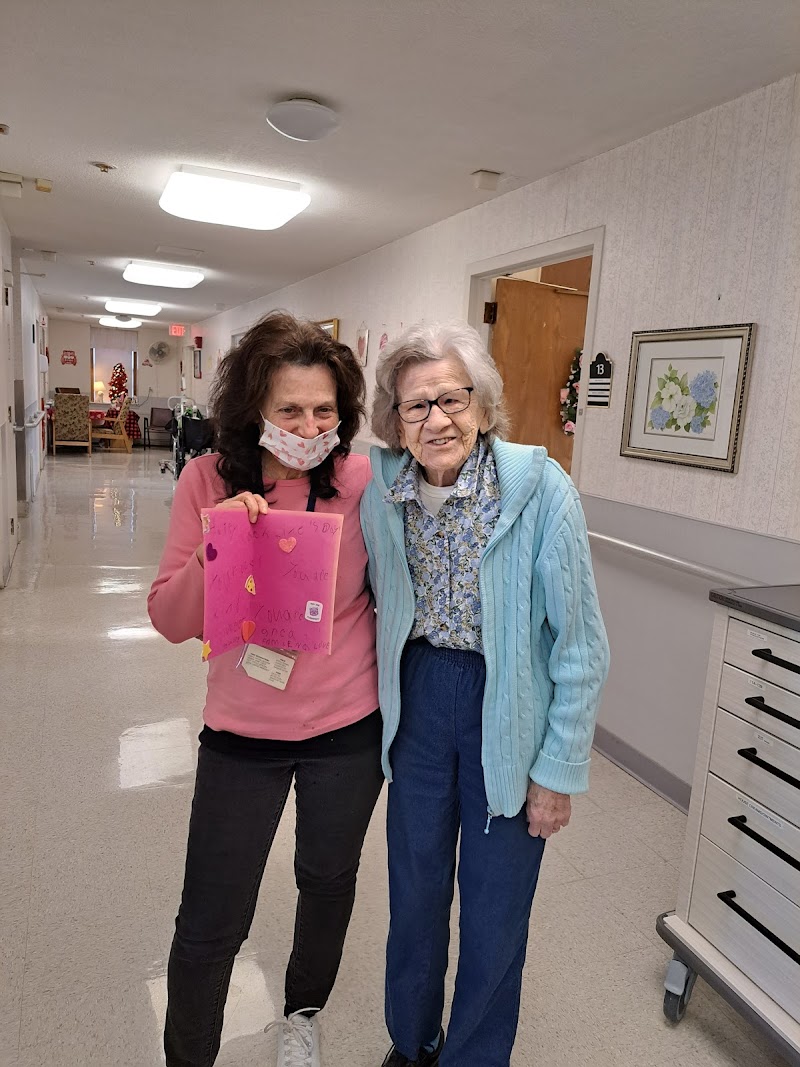
Who Owns and Operates Madonna Manor?

MADONNA MANOR NURSING HOME is owned by a non-profit organization. Non-profit facilities reinvest revenue into operations rather than distributing to shareholders. The facility is operated by DIOCESAN HEALTH FACILITIES, a chain that manages multiple nursing homes. With 129 certified beds and approximately 74 residents (about 57% occupancy), it is a mid-sized facility located in NORTH ATTLEBORO, Massachusetts.
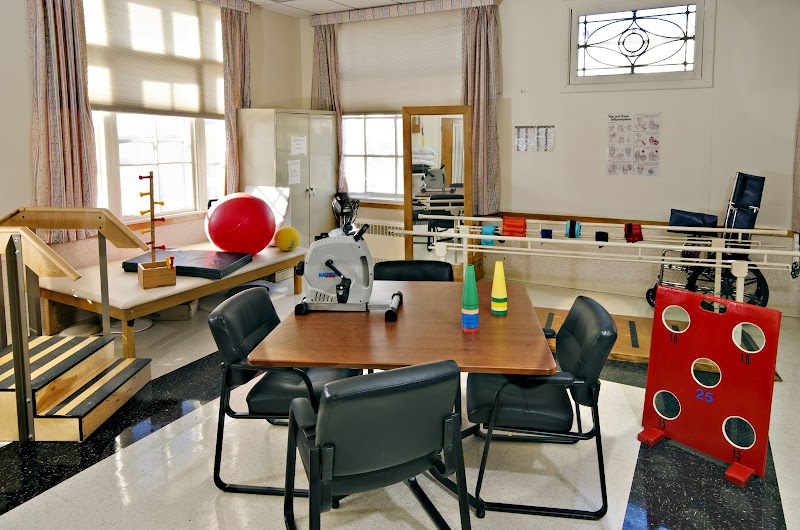
How Does Madonna Manor Compare to Other Massachusetts Nursing Homes?

Compared to the 100 nursing homes in Massachusetts, MADONNA MANOR NURSING HOME's overall rating (3 stars) is above the state average of 2.9, staff turnover (15%) is significantly lower than the state average of 46%, and health inspection rating (2 stars) is below the national benchmark.

What Should Families Ask When Visiting Madonna Manor?

Based on this facility's data, families visiting should ask: "Can I visit during a mealtime to observe dining assistance and food quality?" "How do you handle medical emergencies, and what is your hospital transfer rate?" "Can I speak with family members of current residents about their experience?"

Is Madonna Manor Safe?

Based on CMS inspection data, MADONNA MANOR NURSING HOME has a clean safety record: no substantiated abuse findings (meaning no confirmed cases of resident harm), no Immediate Jeopardy citations (the most serious violation level indicating risk of serious injury or death), and is not on the Special Focus Facility watch list (a federal program monitoring the lowest-performing 1% of nursing homes). The facility has a 3-star overall rating and ranks #1 of 100 nursing homes in Massachusetts. While no facility is perfect, families should still ask about staff-to-resident ratios and recent inspection results during their visit.

Do Nurses at Madonna Manor Stick Around?

Staff at MADONNA MANOR NURSING HOME tend to stick around. With a turnover rate of 15%, the facility is 31 percentage points below the Massachusetts average of 46%. Low turnover is a positive sign. It means caregivers have time to learn each resident's needs, medications, and personal preferences. Consistent staff also notice subtle changes in a resident's condition more quickly. Registered Nurse turnover is also low at 6%, meaning experienced RNs are available to handle complex medical needs.

Was Madonna Manor Ever Fined?

MADONNA MANOR NURSING HOME has been fined $119,373 across 2 penalty actions. This is 3.5x the Massachusetts average of $34,273. Fines at this level are uncommon and typically indicate a pattern of serious deficiencies, repeated violations, or failure to correct problems promptly. CMS reserves penalties of this magnitude for facilities that pose significant, documented risk to resident health or safety. Families should request specific documentation of what issues led to these fines and what systemic changes have been implemented.

Is Madonna Manor on Any Federal Watch List?

MADONNA MANOR NURSING HOME is not on any federal watch list. The most significant is the Special Focus Facility (SFF) program, which identifies the bottom 1% of nursing homes nationally based on persistent, serious quality problems. Not being on this list means the facility has avoided the pattern of deficiencies that triggers enhanced federal oversight. This is a positive indicator, though families should still review the facility's inspection history directly.