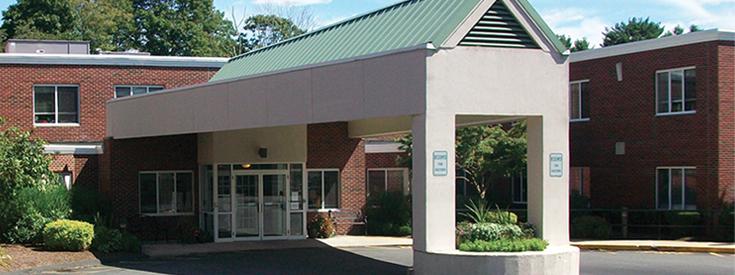
SOUTHEAST REHABILITATION & SKILLED CARE CENTER

184 LINCOLN STREET, NORTH EASTON, MA 02356 (508) 238-7053
For profit - Corporation 171 Beds ATHENA HEALTHCARE SYSTEMS Data: November 2025
Trust Grade
15/100
#326 of 338 in MA
Last Inspection: July 2025

Inspected within the last 6 months. Data reflects current conditions.

Overview

Southeast Rehabilitation & Skilled Care Center has received a Trust Grade of F, indicating significant concerns about the quality of care provided. Ranked #326 out of 338 facilities in Massachusetts, it is in the bottom half of nursing homes in the state, and #25 out of 27 in Bristol County, suggesting that there are better local options available. The facility's performance is worsening, with issues increasing from 13 in 2024 to 28 in 2025. While staffing turnover is relatively low at 21%, which is good, the overall staffing rating is only 2 out of 5 stars, indicating below-average support. There have been serious incidents, including a staff member threatening a resident and failure to ensure safety with hot beverages, leading to a resident suffering a burn. Overall, while the low turnover suggests some staff stability, the serious allegations of abuse and inadequate safety measures raise significant red flags for prospective residents and their families.

Trust Score
F
15/100
In Massachusetts
#326/338
Bottom 4%
Safety Record
High Risk
Review needed
Inspections
Getting Worse
13 → 28 violations
Staff Stability
✓ Good
21% annual turnover. Excellent stability, 27 points below Massachusetts's 48% average. Staff who stay learn residents' needs.
Penalties
✓ Good
$51,437 in fines. Lower than most Massachusetts facilities. Relatively clean record.
Skilled Nurses
⚠ Watch
Each resident gets only 28 minutes of Registered Nurse (RN) attention daily — below average for Massachusetts. Fewer RN minutes means fewer trained eyes watching for problems.
Violations
⚠ Watch
70 deficiencies on record. Higher than average. Multiple issues found across inspections.
★☆☆☆☆
1.0
Overall Rating
★★☆☆☆
2.0
Staff Levels
★☆☆☆☆
1.0
Care Quality
★☆☆☆☆
1.0
Inspection Score
Stable
2024: 13 issues
2025: 28 issues

The Good

  • Low Staff Turnover (21%) · Staff stability means consistent care
  • Full Sprinkler Coverage · Fire safety systems throughout facility
  • No fines on record
  • Staff turnover is low (21%)

    27 points below Massachusetts average of 48%

Facility shows strength in staff retention, fire safety.

The Bad

1-Star Overall Rating

Below Massachusetts average (2.9)

Significant quality concerns identified by CMS

Federal Fines: $51,437

Above median ($33,413)

Moderate penalties - review what triggered them

Chain: ATHENA HEALTHCARE SYSTEMS

Part of a multi-facility chain

Ask about local staffing decisions and management

The Ugly 70 deficiencies on record

4 actual harm
Jul 2025 27 deficiencies
CONCERN (D)

Potential for Harm - no one hurt, but risky conditions existed

Deficiency F0551 (Tag F0551)

Could have caused harm · This affected 1 resident

Based on record review and interview, the facility failed to ensure that signed written informed consent for the administration of psychotropic medications (drugs that affect mental processes used to ...

Read full inspector narrative →
Based on record review and interview, the facility failed to ensure that signed written informed consent for the administration of psychotropic medications (drugs that affect mental processes used to treat a variety of mental health conditions) were obtained from the Health Care Proxy (HCP), which included providing the resident/resident representative with information related to the risks and benefits of the medications, prior to administering them for one Resident (#4), out of five sampled residents selected for unnecessary medication review. Findings include:Review of the facility's policy titled Psychotropic Medication-Informed Consent-Massachusetts Only, dated February 2016, indicated but was not limited to the following:-Prior to administering psychotropic medication, the facility shall obtain the informed written consent of the resident, the resident's HCP or the residents guardian. Informed written consent shall be obtained on a form approved by the Department of Public Health (DPH). The written consent form shall be kept in the resident's medical record. Resident #4 was admitted to the facility in March 2024 with diagnoses which include major depressive disorder, insomnia, psychotic disorder, and chronic pain syndrome. Review of the Minimum Data Set (MDS) Assessment, dated 5/28/25, indicated he/she scored 9 out of 15 on the Brief Interview for Mental Status (BIMS), indicating he/she had moderate cognitive impairment. Additionally, he/she had been administered antipsychotic, antidepressant, and anticonvulsant medications. Review of the medical record indicated he/she had a HCP on file. Additionally, the Physician had invoked the HCP on 3/7/24, indicating Resident #4 lacked the capacity to make, or to communicate, health care decisions. Review of the Physician's Orders indicated but were not limited to the following:-Gabapentin Oral Capsule (anticonvulsant, used to treat seizures, also used for chronic neuralgia pain and off-label for anxiety or other related disorders) 300 milligrams (mg) by mouth three times a day related to chronic pain syndrome. -Risperdal Oral Tablet (antipsychotic) give 0.25 mg by mouth in the morning for psychosis. -Sertraline HCL Tablet (antidepressant) give 150 mg by mouth one time a day for depression. -Trazodone HCL Tablet (antidepressant) 100 mg by mouth at bedtime related to major depressive disorder. Review of the Medication Administration Records (MAR) for March 2025 through July 2025 indicated he/she received the medications as ordered. Review of the Informed Consent for Psychotropic Administration Forms in the medical record indicated the following:-Medication: Gabapentin. Classification: Miscellaneous. Purpose: Mood Stabilizer. The box to consent for the administration was left blank. The box to refuse consent for the medication was left blank. The form was signed by Resident #4 and dated 3/5/25 (363 days after their HCP was invoked).-Medication: Risperdal. Classification: Antipsychotic. The box to consent for the administration was left blank. The box to refuse consent for the medication was left blank. The form was signed by Resident #4 and dated 3/5/25.-Medication: Sertraline. Classification: Antidepressant. The box to consent for the administration was left blank. The box to refuse consent for the medication was left blank. The form was signed by Resident #4 and dated 3/5/25.-Medication: Trazodone. Classification: Antidepressant. The box to consent for the administration was left blank. The box to refuse consent for the medication was left blank. The form was signed by Resident #4 and dated 3/5/25. Review of the Physician and Nursing progress notes failed to indicate informed consent had been obtained by the HCP. The facility failed to ensure the Informed Consent for Psychotropic Administration Forms were reviewed and signed by the invoked HCP. During an interview on 7/30/25 at 2:22 P.M., Nurse #5 said the consents should have been signed by Resident #4's HCP since it was activated. She said she was unsure why she had Resident #4 sign the consents in March 2025. During an interview on 7/31/25 at 10:45 A.M., the Director of Nurses (DON) said the consents should have been signed by the activated HCP and not Resident #4. During an interview on 7/31/25 at 11:09 A.M., the Assistant Director of Nurse (ADON) said the consent forms should have been signed by the HCP and not Resident #4.
CONCERN (D)

Potential for Harm - no one hurt, but risky conditions existed

Notification of Changes (Tag F0580)

Could have caused harm · This affected 1 resident

Based on observation, interview, and record review, the facility failed to notify the Physician or the Nurse Practitioner (NP) of recommendations or changes in condition for two Residents (#80 and #10...

Read full inspector narrative →
Based on observation, interview, and record review, the facility failed to notify the Physician or the Nurse Practitioner (NP) of recommendations or changes in condition for two Residents (#80 and #109), out of a total sample of 39 residents. Specifically, the facility failed:1. For Resident #80, to notify the Physician/NP of a fall; and2. For Resident #109, to notify the Physician/NP of a significant weight loss. Findings include: Review of the facility's policy titled Condition: Significant Change, dated April 2015, indicated but was not limited to:-Professional staff will communicate with physician, resident/patient, and family regarding changes in condition to provide timely communication of resident/patient status change which is essential to quality care management. -The physician, resident/patient and/or responsible party will be notified by the nurse in the event of a change in condition.-The notification shall be documented in the clinical record. 1. Resident #80 was admitted to the facility in May 2025 with diagnoses including cerebral infarct (stroke) and muscle weakness. Review of the Minimum Data Set (MDS) assessment, dated 5/8/25, indicated Resident #80 was cognitively intact as evidenced by a Brief Interview for Mental Status (BIMS) score of 14 out of 15. During an interview on 7/23/25 at 10:36 A.M., Resident #80 said he/she recently had a fall in the bathroom. Review of the Fall Incident Report, dated 7/9/25, indicated but was not limited to:-Agencies/People Notified: No Notifications Found. Further review of Resident #80's medical record failed to indicate the Physician/NP was notified of Resident #80's fall. During an interview on 7/30/25 at 8:23 A.M, Unit Manager #1 said the Physician or NP should be notified of a resident's fall. She said the notification must be documented on the Fall Incident Report and in a Nursing Note. Unit Manager #1 reviewed Resident #80's medical record, including the 7/9/25 Fall Incident Report, and said there was no documentation the Physician or NP were notified of Resident #80's fall. During an interview on 7/30/25 at 11:07 A.M., NP #1 said if a resident had a fall, the nurse would assess the resident and then call and notify either her or the Physician, and then she would write a note addressing the fall. She reviewed Resident #80's medical record and said she had not been notified of his/her fall but should have been. During an interview on 7/31/25 at 12:52 P.M., the Director of Nursing (DON) said her expectation was for the NP or Physician to be notified of all falls and for the notification to be documented in the resident's medical record and in the Fall Incident Report. 2. Review of facility's policy titled Weights, date August 2015, indicated but was not limited to:-If a significant weight loss/gain is identified (more than 5% in 30 days or over 10% in six months) the Interdisciplinary Team, Dietician, Physician, and Family are notified. Resident #109 was admitted to the facility in November 2017 with diagnoses including dementia and congestive heart failure. Review of the MDS assessment, dated 7/11/25, indicated Resident #109 had a moderate cognitive deficit as evidenced by a BIMS score of 8 out of 15. Review of Resident #109's Registered Dietitian's Nutrition Assessment, dated 4/10/25, indicated but was not limited to:-11% weight loss since January 2025. During an interview on 7/31/25 at 12:12 P.M., Nurse #11 said when a weight loss is identified for a resident the nurse would notify the Physician or NP and document it in a nursing note, then the NP would write a note addressing the weight loss. Nurse #11 reviewed Resident #109's medical record and said she did not see any documentation of the NP or Physician notification, but they should have been notified. During an interview on 7/31/25 at 2:24 P.M., NP #1 said when either her or the Physician were notified of a resident losing weight, they would address it in a note as well as any interventions put in place. NP #1 reviewed Resident #109's medical record and said she was not notified of Resident #109's 11% weight loss but should have been. During an interview on 7/31/25 at 12:52 P.M., the DON said her expectation was for the NP or Physician to be notified of a significant weight loss and for the notification to be documented in the resident's medical record.
CONCERN (D)

Potential for Harm - no one hurt, but risky conditions existed

Deficiency F0658 (Tag F0658)

Could have caused harm · This affected 1 resident

**NOTE- TERMS IN BRACKETS HAVE BEEN EDITED TO PROTECT CONFIDENTIALITY** Based on observations, interviews, and records reviewed, for five Residents (#9, #90, #109, #12, and #14), of 39 sampled residen...

Read full inspector narrative →
**NOTE- TERMS IN BRACKETS HAVE BEEN EDITED TO PROTECT CONFIDENTIALITY** Based on observations, interviews, and records reviewed, for five Residents (#9, #90, #109, #12, and #14), of 39 sampled residents, the facility failed to ensure care was provided to residents in accordance with professional standards of practice. Specifically, the facility failed:1. For Resident #9, to follow the physician's order for air mattress settings;2. For Resident #90, to administer Pyridoxine Hydrochloride (Vitamin B6) per physician's orders;3. For Resident #109, to obtain his/her weight per physician's orders; 4. For Resident #12, to implement hand rolls per physician's orders; and 5. For Resident #14, to administer an inhaler per physician's orders.Findings include: Review of the Massachusetts Board of Registration in Nursing Advisory Ruling on Nursing Practice, dated as revised April 11, 2018, indicated: Nurse's Responsibility and Accountability: Licensed nurses accept, verify, transcribe, and implement orders from duly authorized prescribers that are received by a variety of methods (i.e., written, verbal/telephone, standing orders/protocols, pre-printed order sets, electronic) in emergent and non-emergent situations. Licensed nurses in a management role must ensure an infrastructure is in place, consistent with current standards of care, to minimize error. 1.Review of the facility's policy titled Support Surfaces, undated, indicated but was not limited to:-Support surfaces will be used for all residents in the facility. A support surface refers to a specialized device for pressure redistribution designed to manage pressure, shear, moisture, or friction forces on tissue. Examples are alternating and low air loss mattresses (specialty support surfaces).-A physician's order is required for the use of specialty support surfaces. The order shall include the type of mattress, the mode, and setting.-Specialty support surfaces will be checked each shift for proper functioning and/or inflation. 1. Resident #9 was admitted to the facility in June 2023 with diagnoses including pressure ulcer of the right lower back stage four (full-thickness skin and tissue loss with exposed or directly palpable fascia, muscle, tendon, ligament, cartilage or bone in the ulcer) and left hip stage three pressure ulcer (full-thickness loss of skin, in which subcutaneous fat may be visible in the ulcer and granulation tissue). Review of the Minimum Data Set (MDS) assessment, dated 4/25/25, indicated Resident #9 had moderate cognitive deficit as evidenced by a Brief Interview for Mental Status (BIMS) score of 11 out of 15. Further review of the MDS indicated Resident #9 had two pressure areas and utilized a pressure reducing device on his/her bed. Review of Resident #9's current Physician's Orders indicated but was not limited to:-Specialty air mattress. Check settings and function every shift set at standard for resident's weight (211.4 pounds). During an interview on 7/23/25 at 9:22 A.M., Resident #9 said he/she had an air mattress because of a pressure area on their back. Resident #9 said he/she was not aware of what the settings for the mattress should be. On the following dates and times, the surveyor observed Resident #9 lying in bed on an air mattress set to 260 pounds:-7/23/25 at 9:22 A.M. and 10:48 A.M.-7/23/25 at 12:30 P.M. and 4:07 P.M.-7/24/25 at 12:10 P.M.-7/28/25 at 8:21 A.M.-7/29/25 at 9:54 A.M. and 3:29 P.M.-7/30/25 at 8:18 A.M. and 12:35 P.M. Upon further review of the control panel for Resident #9's air mattress positioned at the foot of his/her bed, the surveyor observed a piece of paper tape indicating that their air mattress should be “Set at 220.” During an interview on 7/31/25 at 12:28 P.M., Nurse #6 said Resident #9's air mattress was set to his/her weight. Nurse #6 said Resident #9's last weighed 210 pounds on 3/3/25. Nurse #6 inspected Resident #9's air mattress and said it was set to 260 pounds but should be set to 220 pounds per physician's orders. During an interview on 7/31/25 at 12:44 P.M., Unit Manager #1 said the expectation was for nurses to follow the physician orders and set Resident #9's air mattress setting to 220 pounds. Unit Manager #1 said the nurse would check the function and settings of Resident #9's air mattress every shift and should have adjusted the settings as needed. During an interview on 7/31/25 at 12:52 P.M., the Director of Nursing (DON) said depending on the reason for a specialty air mattress they are either set for comfort level or per the resident's weight which would be indicated in a physician's order. The DON said Resident #9's air mattress should have been set to his/her weight as indicated in the physician's order. 2. Review of Lippincott Nursing Procedures, Eighth Edition, [Philadelphia: Wolters Kluwer, [2019], indicated but was not limited to the following:Safe Medication Administration Practices, General:-To promote a culture of safety and to prevent medication errors, nurses must avoid distractions and interruptions when preparing and administering medications and adhere to the five rights of medication administration: identify the right patient by using at least two patient-specific identifiers; select the right medication; administer the right dose; administer the medication at the right time; and administer the medication by the right route. Recent literature identifies nine rights of medication administration, which in addition to the five rights includes the right documentation, the right action (or appropriate reason for prescribing the medication), the right form, and the right response. Review of the facility's policy titled Medication Administration-Oral, dated June 2015, indicated but was not limited to:-Procedures: Drugs for oral administration are available on tablets, enteric coated tablets, capsules, syrups, elixirs, oils, liquids, suspensions, powders, and granules. Some require special preparations before administration.-Stay with the resident until he/she has swallowed the medication. Resident #90 was admitted to the facility in April 2025 with diagnoses of dementia, pneumonia, and dysphagia (swallowing difficulty). Review of the most recent MDS, dated [DATE], indicated Resident #90 was cognitively intact as evidenced by a BIMS score of 13 out of 15. Review of Resident #90's current Physician's Orders indicated but was not limited to:-May crush all appropriate medications according to guidelines, dated 7/22/25-Pyridoxine Hydrochloride 12.5 milligram tab one time daily by mouth, dated 7/22/25 On 7/28/25 at 8:13 A.M., the surveyor observed Nurse #1 preparing medications for Resident #90. On 7/28/25 at 8:22 A.M., the survey entered Resident #90's room and observed him/her in bed with a white round pill on his/her left chest wall laying on top of their johnny (hospital gown). During an interview on 7/28/25 at 8:26 P.M., Resident #90 said he/she takes their medications crushed in applesauce and the nurse was just in his/her room to administer their medications. Resident #90 said he/she was unaware of the pill on his/her johnny and was not sure what pill was on their chest. During an interview on 7/28/25 at 8:32 A.M., Nurse #1 said she had administered medications to Resident #90 around 8:15 A.M. and he/she takes their medications crushed in applesauce. Nurse #90 observed the pill on Resident #90's chest and it was his/her Vitamin B6. Nurse #1 said she must have forgotten to crush it. During an interview on 7/31/25 at 12:52 P.M., the DON said her expectation was for the nurse to stay with a resident until all medications are taken and they are given per physician's orders. 3.Resident #109 was admitted to the facility in November 2017 with diagnoses including dementia and congestive heart failure. Review of the MDS assessment, dated 7/11/25, indicated Resident #109 had a moderate cognitive deficit as evidenced by a BIMS score of 8 out of 15. Review of Resident #109's Registered Dietitian's Nutrition Assessment, dated 4/10/25, indicated but was not limited to:-11% weight loss since January 2025. Review of Resident #109's current Physician's Orders indicated but were not limited to: -Weekly weight, 4/9/2025 Review of Resident #109's weights indicated but was not limited to: -4/3/2025 127.0 pounds -5/2/2025 137.2 pounds -7/1/2025 132.2 pounds Review of Resident #109's Treatment Administration Record (TAR) for April 2025, May 2025, June 2025, and July 2025 failed to indicate Resident #109 was weighed weekly per physician's orders. During an interview on 7/31/25 at 12:12 P.M., Nurse #11 said Resident #109 had an order for weekly weights, but she could not find any documented in his/her chart. Nurse #11 said once a weight was obtained the weight would go onto a weekly weights sheet and documented under vital signs in the Electronic Medical Record (EMR). During an interview on 7/31/25 at 12:52 P.M., the DON said weights should be done per physician's orders and documented on the resident's TAR and under the resident's vital signs in their EMR. 4. Resident #12 was admitted to the facility in April 2024 with diagnoses which included right and left-hand contractures, paraplegia, severe dementia, anxiety, and impulse disorder. Review of Resident #12's MDS assessment, dated 4/24/25, indicated the Resident had memory problems and was severely impaired in making decisions regarding tasks of daily life and never/rarely made decisions. Review of Resident #12's active Physician's Orders indicated but was not limited to the following: -Nurse, wash and soak hands with lukewarm water, every shift inspect and dry and apply moisturizing lotion before applying hand rolls to both hands and remove with evening care. Check skin as well. Review of Resident #12's July 2025 Medication Administration Record (MAR) indicated the Resident received hand treatments per the physician's order. During an interview on 7/28/25 at 10:10 A.M., the surveyor observed Resident #12 with a hand roll in each hand. Nurse #13 said the Resident had hand rolls in place during the day. On 7/29/25 at 10:37 A.M., the surveyor observed Resident #12's right hand with no hand roll in place and no hand roll nearby. The Resident's left hand was under sheets and not observed. On 7/30/25 at 9:23 A.M., the surveyor observed Resident #12 had no hand rolls in either hand. No hand rolls materials were observed on the Resident's bed. During observation and interview on 7/30/25 at 1:15 P.M., the surveyor and Infection Control Nurse observed Resident #12 with no hand rolls in place and no hand roll materials nearby. The Infection Control Nurse reviewed the Resident's physician's order and said the Resident should have hand rolls placed in both hands. During an interview on 7/31/25 at 12:14 P.M., the DON said Resident #12 should have hand rolls in place per physician's order. 5. Review of the facility's policy titled Self-Administration of Medications, dated July 2015, indicated but was not limited to: -Residents are afforded the right to self-administer their own medications, upon request, and after determination the practice is safe. If the resident elects to self-administer his/her own medications, an evaluation of their cognitive, physical and visual ability to perform this task is conducted to ensure accurate and safe medication management; -If unable to safely perform this task, the licensed staff, or trained medication aides/technicians, as allowed by State law, will administer medications; -Upon admission, readmission, annually, quarterly and change of condition, provide the resident/responsible party with a two-part document entitled SELF-ADMINISTRATION OF MEDICATIONS INFORMED CONSENT AND EVALUATION; -Evaluate the resident's cognitive, physical, and visual ability to self-administer medications; -If approved, obtain a physician's order for self-administration of medications; -Update the care plan for self-medication to include where the medication will be stored, documentation of self-administration, and location of the drug administration; -Mark the Medication Administration Record (MAR) for each medication being self-administered for daily compliance monitoring purposes. (Indicate that the resident has self-administered). Resident #14 was admitted to the facility in June 2023 with diagnoses which included Chronic Obstructive Pulmonary Disease (COPD), adjustment disorder with mixed anxiety and depressed mood, and alcohol dependence. Review of Resident #14's MDS assessment, dated 6/6/25, indicated the Resident was cognitively intact as indicated by a BIMS score of 15 out of 15. Review of Resident #14's current Care Plan indicated but was not limited to the following: -Resident #14 has an Activities of Daily Living (ADL) deficit related to: changing cognitive status, cognitive impairment, disease process/condition, revised 6/13/25; -Resident will participate in ADLs as able, revised 6/19/25; -Resident will receive staff intervention in ADL activities, revised 6/19/25; -Needs intervention in the following areas: Dressing (continual supervision to assist), Eating (set up), toilet use (supervision), grooming (continual supervision to assist), bathing (continual supervision to assist), mouth care (supervision); -Resident #14 has a diagnosis of COPD, revised 6/13/25; -Provide active treatment as ordered, including administering nebulizers, inhalers, oxygen, and performing respiratory assessments, initiated 5/8/25. Review of the Resident's current Physician's Orders indicated but was not limited to the following: -Albuterol Sulfate Inhalation Aerosol Solution, 2 puff inhale orally two times a day for wheeze, 7/27/23. Review of Resident #14's MAR for July 2025 indicated the Resident was administered albuterol per physician's orders at 0900 and 2100. During an interview with observation on 7/30/25 at 9:36 A.M., the surveyor observed an albuterol inhaler on Resident #14's bedside table. The Resident said he/she keeps the inhaler in his/her bedside drawer and he/she believed the inhaler should be used twice per day or as needed. The surveyor observed the inhaler label which indicated: 2 puffs inhale orally two times a day. The Resident took the inhaler out of the box, shook it briefly, and inhaled one short puff before placing it back into the box onto his/her bedside table. During an interview on 7/30/25 at 1:29 P.M., Nurse #5 said the Nurse Practitioner decides if a resident is appropriate to self-administer medication. If a resident is deemed appropriate, then a physician's order is placed for self-administration of medication. The Nurse said Resident #14 was her resident and he/she did not have orders to self-administer medication or inhalers. During an interview on 7/30/25 at 2:15 P.M., Nurse #5 said Resident #14 has orders for an albuterol inhaler once in the morning and once at night and she had not administered it to him/her yet that day. Nurse #5 said she did not know that the Resident had an inhaler in his/her possession and was self-administering. Nurse #5 said the Resident should not be self-administering his/her albuterol inhaler. During an interview on 7/31/25 at 12:14 P.M., the DON said she would expect a resident who self-administers medication to have been evaluated and educated on self-administration. The DON said Resident #14's self-administration of Medication assessment did not indicate the Resident could self-administer his/her albuterol inhaler; therefore, nursing should administer his/her albuterol inhaler.
CONCERN (D)

Potential for Harm - no one hurt, but risky conditions existed

Respiratory Care (Tag F0695)

Could have caused harm · This affected 1 resident

Based on observation, interview, and record review, the facility failed to provide a portable oxygen (O2) cannister for a resident requiring two liters of continuous O2 for one Resident (#71), out of ...

Read full inspector narrative →
Based on observation, interview, and record review, the facility failed to provide a portable oxygen (O2) cannister for a resident requiring two liters of continuous O2 for one Resident (#71), out of total sample of 39 residents. Findings include:Review of the facility policy titled Oxygen Administration Nasal Cannula, dated 11/2020, indicated but was not limited to the following:-to deliver low flow oxygen, per the physician's order. (Generally, 1 to 6 liters per minute and 24 to 45% concentration).-Oxygen source (Oxygen concentrator, high pressure oxygen cylinder, or portable liquid oxygen tank).-Set the oxygen leader flow to the prescribed leaders flow per minute.Resident #71 was admitted to the facility in March 2022 with diagnoses which included: Chronic obstructive pulmonary disease (COPD), Congested heart failure (CHF) (chronic respiratory failure with hypercapnia, chronic sleep apnea, and intellectual disability. Review of the Minimum Data Set (MDS) assessment, dated 5/30/25, indicated Resident #71 scored 15 out of 15 on the Brief Interview for Mental Status (BIMS), indicating Resident #71 was cognitively intact. Further review of MDS indicated in section J1100A Shortness of breath or trouble breathing with exertion (e.g. walking, bathing, transferring) Answer: YES, and section O0110c1B oxygen therapy: Yes. Review of physician orders indicated the following:-Oxygen (O2) continuously via nasal cannula (NC) set at 2 Liters/minute. Every shift Check pulse oximeter and Liters per Minute (LPM). Initiated 10/20/24.Review of Resident #71's care plan indicated but not limited to the following:a. Resident has a diagnosis of CHF/history of CHF, and hypertension.-Provide O2 at (Specify) liters per minute as ordered, date initiated 5/13/2021.b. Resident has respiratory disease related to CHF, COPD, and sleep apnea. On O2 at 2 liters nasal cannular.-O2 saturation and O2 as ordered: Oxygen at 2 liters per minute via nasal cannular continuously for diagnosis of COPD, initiated 5/20/21.During an interview on 7/23/2025 at 12:21 P.M., Resident #71 said someone stole his/her oxygen tank, so he/she walks and goes to activities without one. During an interview and observation on 7/23/2025 at 4:43 P.M., the surveyor observed Resident #71 walking down the hallway using a four wheeled walker and not on any supplemental oxygen. Resident #71 said he/she still did not have an O2 tank. During an interview and observation on 7/25/2025 at 1:04 P.M., the surveyor observed Resident #71 in his room on 2.5 liters of continuous O2, nasal cannula attached to the concentrator. Resident #71 said nobody has given him/her a portable O2 tank. During an interview on 7/29/25 at 9:18 A.M., Resident #71 said he/she still does not have a portable O2 tank. Resident #71 said his/her roommate has one, but it is empty. The surveyor observed the portable cannister on the ground to be empty. The roommate confirmed it was their O2 cannister On 7/29/25 at 10:25 A.2., Resident #71 was observed walking in the hallway with his/her four wheeled walker down to the nursing station without any supplemental O2. There were nurses, certified nursing assistants, and activity staff present as Resident #71 walked the halls with no supplemental O2.On 7/29/25 at 10:31 A.M., Resident #71 was observed in the activity room watching television without supplemental O2. During an interview on 7/29/25 at 10:34 A.M., Activity Staff #2 said sometimes Resident #71 uses O2 and sometimes he/she doesn't. Activity Staff #2 said it depends if the nurse checks his/her O2 in the morning and it is O.K., he/she can come to activities without O2. During an interview on 7/29/25 at 10:58 A.M., Nurse #2 said resident #71 is supposed to wear O2 twenty-four hours a day, seven days a week. Nurse #2 said she was just informed Resident #71 does not have an O2 cannister in the room. Nurse #2 said he/she should always have a portable O2 cannister available for walking outside his/her room.
CONCERN (D)

Potential for Harm - no one hurt, but risky conditions existed

Deficiency F0699 (Tag F0699)

Could have caused harm · This affected 1 resident

**NOTE- TERMS IN BRACKETS HAVE BEEN EDITED TO PROTECT CONFIDENTIALITY** Based on record review and interview, the facility failed to ensure two Residents (#148 and #135), out of a sample of 39 residen...

Read full inspector narrative →
**NOTE- TERMS IN BRACKETS HAVE BEEN EDITED TO PROTECT CONFIDENTIALITY** Based on record review and interview, the facility failed to ensure two Residents (#148 and #135), out of a sample of 39 residents, received culturally competent, trauma-informed care accounting for resident experiences and preferences to eliminate or mitigate triggers that may cause re-traumatization of the resident. Specifically, the facility failed:1. For Resident #148, to develop a person-centered plan of care which included trauma informed approaches and identified triggers to avoid potential re-traumatization; and2. For Resident #135, to complete a trauma informed assessment with identified triggers and implement a care plan, specifically for side rails on his/her bed for security at nighttime. Findings include:Review of the facility's policy titled Trauma Informed Care, undated, indicated but was not limited to:-It is the policy of this facility to ensure residents who are trauma survivors receive culturally competent, trauma-informed care in accordance with professional standards of practice.-Social Service will screen each resident for history of trauma upon admission.-If the screening indicates that the resident has history of trauma and/or trauma related symptoms, a physician's order will be obtained for the resident, with their consent, to be evaluated/assessed by the facility's behavioral health consultant professionals.-Social Service will be responsible for making the referral to behavioral health services.-Documentation regarding the resident's psychosocial well-being including their response to stressful life events/trauma and coping mechanisms will be reflected in the Initial Social Service Progress Notes.-Trauma informed care plan will be documented in the resident's medical record by social service in conjunction with the Interdisciplinary team (IDT). 1. Resident #148 was admitted to the facility in November 2024 with diagnoses including Post-Traumatic Stress Disorder (PTSD). Review of the Minimum Data Set (MDS) assessment, dated 5/23/25, indicated Resident #148 was cognitively intact as evidenced by a Brief Interview for Mental Status (BIMS) score of 13 out of 15 and had verbal behavioral symptoms directed towards others. Further review of the MDS indicated Resident #148 had a diagnosis of PTSD. During an interview on 7/23/25 at 12:35 P.M., Resident #148 said he/she had a lot of loss in the past 10 years including the death of a parent and sibling, as well as a traumatic death of a significant other. Resident #148 said he/she is often triggered by feeling rushed, being under pressure, loud sounds, and feeling as though they are being mistreated. Resident #148 said he/she was followed by psychiatry. Review of Resident #148's hospital Discharge summary, dated [DATE], indicated but was not limited to: -Passing of significant other is one of his/her major traumas. -Trauma History: Childhood abuse, multiple losses since 2011 (death of a parent, suicide of a sibling, loss of a leg, and death of a significant other). Review of the Social Service Trauma-Informed Care Screen Tool, dated 11/21/24, indicated but was not limited to: -Have you ever experienced, witnessed, or had to deal with an extremely traumatic event that included actual or threatened death or serious injury to you or someone else? -No -Have you ever experienced any of the following Serious Accident; Sexual or Physical Assault; Life-Threatening Illness; Natural Disaster; Violent Loss of a Family Member or Close Friend? -No -Have you ever had an experience that was so upsetting to you that it changed you emotionally, spiritually, physically, or behaviorally? -No Review of the Initial Social Service, dated 11/21/24, indicated but was not limited to: -Resident #148 had a family member commit suicide. -Resident #148 had a partial leg amputation. Review of the Psychosocial Evaluation Supportive Care, dated 12/17/24, indicated but was not limited to: -Resident shared psychosocial history and recent stressors including eviction and losing a pet which are main concerns. -History of trauma: -Yes -Have you ever had a life-threating illness or serious accident? -Unable/unwilling to answer. -Have you ever been physically assaulted, physically threatened, sexually assaulted, or sexually assaulted? -Unable/unwilling to answer. -Have you ever been in a situation that was extremely frightening? -Unable/unwilling to answer. -Have you witnessed any extremely frightening situation? -Unable/unwilling to answer. -Have you recently felt any of the following due to any of the situations just asked about? -Decreased social interaction or withdrawn? -No -Angry? -No -Persistent negative mood state? -Yes -Trauma Screening Summary- Not Applicable Review of Resident #148's trauma informed care plan failed to indicate an individualized, person-centered approach to indicate his/her history of trauma and/or specific resident related interventions. During an interview on 7/30/25 at 1:47 P.M., the Psychiatric Nurse Practitioner said Resident #148 was being seen by the facility's Consultant Behavioral Health Services every two to three weeks. She said the Consultant Behavioral Health Services would identify trauma and triggers as well as work on coping strategies. She said she mostly would rely on nursing documentation, admission paperwork, talking to the residents to identify trauma and triggers. She said Resident #148 was working on sober counseling and controlling their emotions. During an interview on 7/31/25 at 11:27 A.M., the Director of Social Services said Resident #148 was followed by the facility's Consultant Behavioral Health Services. She said she completed the Initial Trauma Assessment for Resident #148, but he/she had not verbalized trauma. She said she would gather information about a resident by asking them questions and interviewing them. She said she was unaware of Resident #148's trauma history. She said she does not reevaluate residents after their initial Trauma Assessment because she's not a licensed practitioner and did not want to upset residents. She reviewed Resident #148's trauma informed care plan and said it was generic and not individualized to Resident #148's care needs. During an interview on 7/31/25 at 12:52 P.M., the Director of Nursing (DON) reviewed Resident #148's Trauma Assessment and care plan. She said Resident #148's trauma should have been reassessed quarterly and his/her trauma informed care plan was not specific or individualized to their care needs but should have been. 2. Resident #135 was admitted to the facility in June 2020 with diagnoses which included: psychotic disturbance, mood disturbance, and anxiety. Review of the MDS assessment, dated 7/16/25, indicated Resident #135 scored 14 out of 15 on the BIMS, indicating the Resident was cognitively intact. Further review of the MDS section I6100 indicated Resident #135 does not have PTSD. During an interview on 7/23/25 at 4:25 P.M., Resident #135 said he/she sleeps on the side of his/her bed due to his/her PTSD after witnessing a family member commit suicide. Resident #135 said he/she also had a bad fall last year and they put side rails on his/her bed. Resident #135 said they came around recently and took off the side rails for no reason. Resident #135 said he/she wants the side rails to put back on his/her bed for security due to his/her PTSD and falls. Review of PASRR level ll, dated 4/28/20, indicated the PASRR criteria for serious mental illness has been met: -The onset of most of Resident #135's mental history diagnosis in unknown. However, per Discharge summary, dated [DATE], indicated patient developed symptoms of PTSD after witnessing family member commit suicide. -Listed a diagnosis of PTSD Review of PASRR level ll, dated 11/29/23, has been determined as a result of your PASRR Level ll evaluation, that you do not currently meet pass our criteria for significant mental illness, but previously have been termed to have an SMI through a previous Level 2 evaluation. -Trauma History: Per previous level 2 (4/28/20), witnessed a family suicide. -The onset of Resident #135's symptoms of mental health was precipitated by witnessing a family member commit suicide. Review of Resident #135's Social Service Trauma-Informed Care Screening Tool, signed by facility staff on 6/19/20, indicated but was not limited to the following: 1. Have you ever experienced, witnessed or had to deal with an extremely traumatic event that included actual or threatened death or serious injury to you or someone else? Answer: Yes 2. Have you ever experienced any of the following: Serious Accident; Sexual or Physical Assault; Life-Threatening Illness; Natural Disaster; Violent Loss of a Family Member or Close Friend? Answer: Yes 3. Have you ever served in a war or a non-combat job in which were exposed to casualties? Answer: No 4. Have you ever had an experience that was so upsetting to you that it changed you emotionally, spiritually, physically, or behaviorally? Emotionally was circled Answer: Yes 5. If yes to any of the above, does this experience bother you now? Answer: Yes- Sometimes I cry and drink. a. If yes, what are the triggers that cause the experience to bother you? Blank b. If yes, how do you cope with these feelings? Talk about it! 6. Do you wish to discuss these feelings with a professional? Blank 7. Referral to be made to behavioral health Provider? Blank. Signed by the Facility's licensed social worker. Review of Resident #135's care plan indicated there was no care plan developed for Resident #135's history of PTSD. During an interview on 7/30/25 at 11:56 A.M., Social Worker (SW) #1 said Resident #135 does not have PTSD and showed the surveyor a Trauma Informed Care assessment completed on 12/13/21. SW #1 said this was Resident #135's initial assessment and it was negative. The surveyor reviewed with SW #1 statements made to the surveyor in which Resident #135 stated he/she had PTSD, the Trauma Informed Care assessment dated [DATE], and reviewed the two Level ll PASRRs dated 4/28/20 and 11/29/23 both indicating Recent #135 has a history of PTSD. SW #1 said she was not aware of the Trauma Informed Care assessment dated [DATE]. SW #1 said she met with Resident #135 and completed a Trauma Informed Care assessment today, and a referral was made to the Psychiatric Nurse Practitioner (NP). During an interview on 7/30/25 at 12:06 P.M., the DON said she was aware Resident #135 has PTSD from witnessing a family member commit suicide. The DON said she was not aware Resident #135 wanted bed rails related to his/her PTSD. During an interview on 7/30/25 at 1:35 P.M., Psychiatric NP #2 said she met with Resident #135 today and confirmed Resident #135 has PTSD from witnessing a family member commit suicide and has a family history of abuse. Psychiatric NP #2 said Resident #135 also expressed nighttime fear of falling out of bed and requested bed rails.
CONCERN (D)

Potential for Harm - no one hurt, but risky conditions existed

Unnecessary Medications (Tag F0759)

Could have caused harm · This affected 1 resident

Based on observation, record review, and interview, the facility failed to ensure it was free from a medication error rate of greater than 5% when one of two nurses observed during the medication pass...

Read full inspector narrative →
Based on observation, record review, and interview, the facility failed to ensure it was free from a medication error rate of greater than 5% when one of two nurses observed during the medication pass made four errors out of 29 opportunities, resulting in a medication error rate of 13.79%. Those errors impacted two Residents (#104 and #43).Findings include:Review of the Massachusetts Board of Registration in Nursing Advisory Ruling on Nursing Practice dated as revised April 11, 2018, indicated but was not limited to the following:-Nurse's Responsibility and Accountability: Licensed nurses accept, verify, transcribe, and implement orders from duly authorized prescribers.On 7/24/25 at 9:20 A.M., the surveyor observed Nurse #8 administer medications to Resident #104 as follows: -Nurse #8 poured the following medications into the medication cup for Resident #104: Omeprazole 20 milligrams (mg), Plavix 75mg, Enteric Coated (EC) Aspirin 81mg, and Clonazepam 0.5mg.-Nurse #8 proceeded to crush the Plavix and Clonazepam and put the powder into pudding, The Omeprazole capsule was opened and sprinkles poured into the pudding, the EC Aspirin was put into the pudding whole.-Nurse #8 scrolled through the Medication Administration Record (MAR) and signed off an order for Amlodipine Besylate 10mg prior to locking the computer screen. (This medication was not poured)-The pudding mixture was administered to Resident #104. Review of the Physician's Orders indicated but were not limited to the following:-Diet: Puree Consistency with Nectar thick liquids.-May crush all appropriate medications according to guidelines.-Amlodipine Besylate Tablet 10mg by mouth one time a day for hypertension.-Aspirin EC Oral Tablet Delayed Release 81mg by mouth in the morning for analgesics.-Clonazepam Tablet 0.5mg by mouth two times a day for anxiety.-Omeprazole Delayed Release 20mg by mouth one time a day for GERD (acid reflux).-Plavix Tablet 75mg by mouth one time a day for blood thinner. Review of the medication card from the pharmacy for Clonazepam indicated: Swallow Whole with a drink of Water. Caution Hazardous Drug. Observe Special handling, administration, and disposal requirements. Review of the medication card from the pharmacy for Plavix indicated the medication could be taken with or without food. The pills were a light pink and had a coating on them. Review of the Federal Drug Administration (FDA) data sheet for Clonazepam indicated but was not limited to the following:Clonazepam is available as a tablet. The tablets should be administered with water by swallowing the tablet whole. Review of the FDA data sheet for Plavix indicated but was not limited to the following:-Plavix is a pink film coated tablet. Review of the National Library of Medicine website pcm.ncbi.nlm.gov section titled: Crushing Tablet Administration for Patients with dysphagia (difficulty swallowing): Challenges and Considerations dated 9/14/23 indicated but was not limited to the following:-Administering crushed medications mixed with a soft food or liquid vehicle is a common strategy in patients with dysphagia. However inappropriate medication use, and improper crushing technique can reduce medication dose a patient receives, alter medication pharmacokinetics and pharmacodynamics, and compromise the treatment efficacy and patient safety.-A coordinated effort from the care team is necessary to develop and implement an individualized plan for administering medications.-Medications may be inappropriate to crush if they have enteric or slow-release coatings.-Combining multiple crushed medications may create unpredictable changes and potentially lead to adverse reactions. Further review of the medical record failed to indicate he/she had an order to specifically crush either medication. During an interview on 7/24/25 at 1:28 P.M., Nurse #8 said both Clonazepam and Plavix should be given whole and not crushed, but Resident #104 has trouble swallowing pills, so she must crush them. She said that is why she opened the Omeprazole and poured the contents into the cup of pudding. She said the EC Aspirin is small so they can swallow that one in the pudding. She said she thinks the provider knows he/she can't swallow the pills but was not sure and said she did not call him/her about the medications. Additionally, she said did not realize she did not administer the Amlodipine.On 7/24/25 at 9:30 A.M., the surveyor observed Nurse #8 administer medications to Resident #43 as follows: -Nurse #8 poured the following medications into the medication cup for Resident #43: Acetaminophen 1000mg, Aspirin 81mg, Colace 100mg, Baclofen 5mg, Benztropine Mesylate 0.5mg, Depakote Solution 500mg, Toprol XL 25mg, Lexapro 20mg, Protonix, Risperidone 1mg, Lidoderm Patch, Salonpas Patch, and Iron 325mg.-Eliquis 5mg was not poured and marked not available with a note indicating the medication was on order.-The Medications were administered to Resident #43, but he/she refused the Salonpas Patch. Review of the progress notes failed to indicate the provider was notified the Eliquis (blood thinner) was not available and was not administered. During an interview on 7/24/25 at 1:28 P.M., Nurse #8 said if a medication is not available, they should call the provider to get an order to hold it, to give it later, or obtain an order for something else. She said she did not call the provider that morning about the Eliquis; she just wrote a note that it was not available. During an interview on 7/24/25 at 5:00 P.M., the Director of Nurses (DON) said if a medication is not available the nurse should call the provider to get an order to hold it, give it later, or for something else, whatever the provider tells them to do should be written in a physician's order. A progress note should also be written. The DON said medications that are coated should not be crushed. She said neither the Clonazepam nor the Plavix should have been crushed. The DON said if medications cannot be administered per orders/guidelines the provider should be called to get new orders. Additionally, she said all medications should be administered per physician's orders and double checked when signing off the MAR.
CONCERN (D)

Potential for Harm - no one hurt, but risky conditions existed

Medical Records (Tag F0842)

Could have caused harm · This affected 1 resident

Based on interview and record review, the facility failed to maintain completed medical records for two Residents (#14 and #97), out of a sample of 39 residents. Specifically, for Residents #14 and #9...

Read full inspector narrative →
Based on interview and record review, the facility failed to maintain completed medical records for two Residents (#14 and #97), out of a sample of 39 residents. Specifically, for Residents #14 and #97, the facility failed to ensure evaluations were completed in a timely manner. Findings include:Review of Resident #14's medical record indicated, but was not limited to, the following evaluations with a status of In Progress:-6/2/25, Self Administration of Medication, incomplete for 59 days;-6/2/25, Elopement & Wandering, incomplete for 59 days. Review of Resident #97's medical record indicated, but was not limited to, the following evaluations with a status of In Progress:-5/19/25, Substance and/or Alcohol Abuse Evaluation, incomplete for 73 days;-5/19/25 Side Rail Evaluation, incomplete for 73 days;-5/19/25 Self Administration of Medication, incomplete for 73 days;-5/19/25 Pain Evaluation, incomplete for 73 days;-5/19/25 Norton Plus, incomplete for 73 days;-5/19/25 Fall Risk Evaluation, incomplete for 73 days;-5/19/25 Elopement & Wandering Evaluation, incomplete for 73 days. During an interview on 7/30/25 at 2:30 P.M., Staff #11 said she assisted the Minimum Data Set (MDS) nurse and was responsible for initiating resident evaluations that were due for completion in the electronic health record as a prompt for nursing to complete them. Once opened, evaluations would remain in In Progress status and would change to Complete status once nursing completed the evaluation documentation in the electronic health record. During an interview on 7/31/25 at 12:14 P.M., the Director of Nursing (DON) said nurses are responsible for completing all necessary resident evaluations that are due, and the evaluations should be completed in a timely manner. The DON said Resident #14's evaluations from 6/2/25 and Resident #97's evaluations from 5/19/25 were incomplete and should not have remained incomplete for 59 and 73 days, respectively.
CONCERN (D)

Potential for Harm - no one hurt, but risky conditions existed

Deficiency F0919 (Tag F0919)

Could have caused harm · This affected 1 resident

**NOTE- TERMS IN BRACKETS HAVE BEEN EDITED TO PROTECT CONFIDENTIALITY** Based on observation and interview, the facility failed to ensure for one Resident (#80), out of 39 sampled residents, that the ...

Read full inspector narrative →
**NOTE- TERMS IN BRACKETS HAVE BEEN EDITED TO PROTECT CONFIDENTIALITY** Based on observation and interview, the facility failed to ensure for one Resident (#80), out of 39 sampled residents, that the call bell system (a communication system for residents to contact staff for assistance) in the Resident's bathroom was functional.Findings include:Review of the facility's policy titled Call Light, dated April 2015, indicated but was not limited to:-Residents/patients will have a call light or alternative communication device within his/her reach when unattended.-Report any defective call lights in the maintenance log.Resident #80 was admitted to the facility in May 2025 with diagnoses including cerebral infarct (stroke) and muscle weakness. Review of the Minimum Data Set (MDS) assessment, dated 5/8/25, indicated Resident #80 was cognitively intact as evidenced by a Brief Interview for Mental Status (BIMS) score of 14 out of 15. Further review of Resident #80's MDS indicated he/she was dependent for toilet transfers.During an interview on 7/23/25 at 10:36 A.M., Resident #80 said the call light in his/her bathroom has not been working for two to three weeks. Resident #80 said when he/she would use the bathroom and pulled the call light cord nothing would happen, and he/she would have to wait for someone to come in and help them in the bathroom.During an interview on 7/23/25 at 10:49 A.M., Certified Nursing Assistant (CNA) #1 said each resident bathroom had a call light with a pull cord and if a resident needed assistance in the bathroom, then they would pull the cord to the call light, and it would light up and make a sound in the hallway. CNA #1 said if a call light had not been working it would need to be reported to maintenance. The surveyor observed CNA #1 pull the call light cord in Resident #80's bathroom. CNA #1 said the call light was not working and she walked out of the room and went into the unit dining room without notifying maintenance of the broken call light.During an interview on 7/23/25 at 11:05 A.M., Unit Manager #1 said all the call lights on the [NAME] Unit were in working order a month ago when audited by maintenance. Unit Manager #1 said if a call light was not in working order, then it needed to be documented in the maintenance logbook and reported to maintenance right away. The surveyor observed Unit Manager #1 pull the call light in Resident #80's bathroom. Unit Manager #1 said the call light was not working. Unit Manager #1 reviewed the maintenance logbook and said the broken call light was not documented in the logbook. Unit Manager #1 said all residents must have a working call light or alternate way to call for assistance. During an interview on 7/31/25 at 5:25 P.M., the Director of Maintenance said call lights systems are audited monthly and if a call light was not in working order, then it should have been reported to the maintenance department right away.During an interview on 7/31/25 at 12:52 P.M., the Director of Nursing (DON) said all residents must have a working call light or an alternative way to call for assistance. The DON said maintenance must be notified of all broken call lights right away.
CONCERN (E)

Potential for Harm - no one hurt, but risky conditions existed

Deficiency F0565 (Tag F0565)

Could have caused harm · This affected multiple residents

Based on a resident group meeting, staff interviews, and document review, the facility failed to ensure grievances and concerns from the Resident Council regarding staff members wearing a name tag for...

Read full inspector narrative →
Based on a resident group meeting, staff interviews, and document review, the facility failed to ensure grievances and concerns from the Resident Council regarding staff members wearing a name tag for identification were acted upon to resolve the issue.Findings include: Review of the facility's Grievance policy, undated, indicated but was not limited to:-Residents have the right to voice grievances without discrimination or reprisal or fear of discrimination or reprisal. Such grievances may include issues with care or treatment that has been received or not received, the behavior of staff or other residents and other concerns regarding the resident's stay at the facility. Review of the Staff Handbook, undated, indicated but was not limited to:-All employees must adhere to the following dress code standards: Nametags are to be worn by all employees at all times. Review of Resident Council Minutes, dated 5/16/25, indicated the concern of staff not wearing name tags was identified at the group meeting, with no follow up indicated. Review of Resident Council Minutes, dated 6/25/25, indicated the concern of name badges not being worn was discussed at the group meeting, with a Resident Council Concern Follow-up form completed with a resolution provided to in-service staff all shifts. During an interview with observation on 7/24/25 at 10:25 A.M., the surveyor observed Certified Nursing Assistant (CNA) #8 with no visible name tag. She said she should have her name tag on, and it should be visible, but she had it in her pocket. During an interview with observation on 7/24/25 at 11:35 A.M., the surveyor observed a staff member and asked her name. The surveyor was unable to understand her name and the staff member pulled her name tag from her pocket to show the surveyor. CNA #9 said she keeps her name tag in her pocket and the residents should know her name as she works frequently at the facility. During an interview with observation on 7/24/25 at 12:38 P.M., the surveyor observed a staff member with no name tag visible. Nurse #8 said she did not have her name tag with her, but she should be wearing it. She said she was not sure how a new resident or a visitor would identify her without her name tag. During an interview with an observation on 7/24/25 at 1:04 P.M., the surveyor observed a staff member with no name tag. Nurse #12 said she left her name tag in the car and should be wearing it, so residents are able to identify her. During an interview on 7/24/25 at 12:40 P.M., the Assistant Director of Nurses (ADON) said he expects all staff to be wearing name tags at all times, and it is important for residents to be able to identify the staff by name. On 7/24/25 at 1:00 P.M., the surveyor held a group meeting with 17 residents in attendance. The residents said every month they bring up the concern about staff not wearing name tags, but it continues to be a problem. Residents said it is difficult to identify staff without the name tags, and they should have access to the names of their caregivers. Multiple residents agreed with this statement by offering verbal acknowledgement. Another resident said without knowing who their caregivers are they are unable to file a grievance, complaint or concern because they can't identify the staff. Other residents said it is polite to be able to address your caregivers by their name and that information should be accessible. Residents in attendance at the group meeting nodded and agreed with the statements. The residents said there are multiple staff members during the day not wearing name tags and it just gets progressively worse with each shift. During an interview on 7/28/25 at 1:11 P.M., the Director of Nurses (DON) said staff are educated upon orientation regarding the name tag policy. She said she expects all staff to be wearing name tags. She said she identified staff today who were not wearing name tags as it continues to be an ongoing problem, and she was made aware of the problem in June and provided an in-service. She said she does not know why the previous DON did not address the issue identified in May when it was discussed at Resident Council as a concern.
CONCERN (E)

Potential for Harm - no one hurt, but risky conditions existed

Safe Environment (Tag F0584)

Could have caused harm · This affected multiple residents

**NOTE- TERMS IN BRACKETS HAVE BEEN EDITED TO PROTECT CONFIDENTIALITY** Based on observations and interviews, the facility failed to ensure the residents' environment was clean, comfortable, and homel...

Read full inspector narrative →
**NOTE- TERMS IN BRACKETS HAVE BEEN EDITED TO PROTECT CONFIDENTIALITY** Based on observations and interviews, the facility failed to ensure the residents' environment was clean, comfortable, and homelike. Specifically, the facility failed:To ensure the carpets were clean, free of odor, and without lifting on one unit (unit 200) out of four;To ensure the window unit air conditioners were maintained in a clean and sanitary manner on three out of four units;To ensure the dining room on one out of four units was well lit during dining;To ensure a clean, safe, homelike environment on the 100 unit; To ensure a clean and sanitary environment and tube feeding equipment for Resident #12; andTo ensure room [ROOM NUMBER] was maintained in a clean and sanitary manner.Findings include:1. During the Resident Group meeting on 7/24/25 at 1:00 P.M., 10 out of 17 residents commented on the building's carpeting. The residents said the carpets are old and smell terrible even after they have been cleaned. During a tour of unit 200 on 7/28/25 at 8:00 A.M., the surveyor observed carpeting in two dining room areas to be torn, tattered, and lifting. The surveyor smelled a stale, musty odor that permeated the dining rooms. During an interview 7/29/25 at 8:27 A.M., Certified Nursing Assistant (CNA) #10 said she smelled a stale musty smell that was probably coming from the carpet. She said she knows housekeeping cleans the carpets but there is always an odor emitting from the carpets. During an interview on 7/29/25 at 8:35 A.M., CNA #11 said it smells bad in the dining room and pointed to the carpeting. During an interview on 7/29/25 at 8:37 A.M., the Housekeeping Director said the carpets are cleaned twice a month. He said the carpets need to be replaced because no matter how often they are cleaned there is still a lingering odor. He said he cleaned the carpets on Sunday (two days prior) and there is still a bad odor. During an interview with an observation on 7/29/25 at 8:43 A.M., the Administrator said the carpet is old and he could also smell the musty, stale odor permeating the dining room area. He said the air purifier should be on and that helps reduce the odor because cleaning is not sufficient to reduce the smell. He said he received a quote for the carpeting on the first floor to be replaced but not the second floor. During an interview with an observation on 7/29/25 at 9:09 A.M., Resident #2 said the carpet is dirty and gross. He/She said they have difficulty propelling their wheelchair over the areas where the carpet has bunched and lifted. The Resident pointed to the areas that were bunched in the middle of the dining room area. During an interview with an observation on 7/29/25 at 9:15 A.M., Resident #97 said the carpets are grubby and smell terrible. The Resident pointed to areas of the rug that were stained and had areas of carpet with tattered ripped strings. He/She said they do not like to sit in the dining area due to the odor. Review of the request for the first floor carpeting, dated 6/25/25, indicated but was not limited to the following: Justification: Patient and Staff Safety Request: Replace old flooring in the hallway off the lobby and hall of unit 100. Flooring is cupping, lifting, and residents are tripping. The carpet is old, very dirty stained, smells really bad and is coming up. Sections of the carpet are missing, and people are tripping. During an interview on 7/29/25 at 12:50 P.M., the Director of Maintenance said he requested quotes for the major areas, and he said the quote did not include the second-floor carpeting. He said the second-floor dining area needs to be replaced and there are areas of the carpet that are a safety hazard due to the lifting in areas. He said the odor is probably coming from underneath the carpet in the foam padding after years of use. 2. On 7/23/25 at 10:11 A.M., in room [ROOM NUMBER], the surveyor observed Window Air Conditioner (AC) vents/slats that were covered with black dots, spots, and debris. During an interview on 7/23/25 at 10:11 A.M., Resident #8 said the AC is gross and they don't clean it. During the Resident Group meeting on 7/24/25 at 1:00 P.M., residents said the window air conditioning units were dusty, dirty, and had an unknown black substance in them. Residents report they have never seen anyone clean them and are unsure if residents are responsible for cleaning the units in their rooms. The residents said it is most common on the second floor because there are more rooms with window air conditioners installed. On 7/24/25 at 10:08 A.M., the surveyor observed air conditioners installed in windows in resident rooms with dusty air filters, visible debris, and black spots covering the inside of the air conditioner slats that were visible from approximately 3 feet away. The following rooms were observed to have air conditioners containing dust, debris, and black areas: 402, 404, 406, 407, 408, 409, 410, 411, 413, 419, 422, 305, 306, 307, 308, 310, 311, 312, 313, and 221. During an interview on 7/24/25 at 10:48 A.M., Nurse #1 said she had noticed that the air conditioners are dusty and dirty. She said she had told maintenance about the condition of the air conditioners but was unable to recall when. During a tour of the 300 unit on 7/30/25 between 9:15 A.M. and 10:15 A.M. the surveyor observed the following: -The unit had 19 resident rooms: 18 had portable Window AC units and one had a free-standing portable AC unit. -18 of the 19 AC units were dirty with black dots, spots and debris in the vents/slats. -room [ROOM NUMBER] portable AC unit was dripping water from the vents/slats. -room [ROOM NUMBER] had a gap on the right side of the AC unit leaving an open space to the outside. -room [ROOM NUMBER] AC was very loud. -room [ROOM NUMBER] had a gap on the left bottom corner of the AC unit leaving an open space to the outside. -room [ROOM NUMBER] AC did not stay running, turned on/off sporadically. -room [ROOM NUMBER] had stained ceiling tiles. -room [ROOM NUMBER] AC was dripping water from the vents/slats. -room [ROOM NUMBER] AC set to 60 degrees, it was not blowing cold air, and the room was warm. During an interview on 7/30/25 at 10:31 A.M., the Director of Maintenance said the window air conditioners are installed in resident rooms around April. He said the filters are cleaned before the units are installed but he is unaware of any process in place to routinely clean or maintain the air conditioning units while in use. He said maintenance will clean any dirty air conditioners or filters that they notice when visiting resident rooms. He said the black spots appear to be mold from usage and rain. He said he believes housekeeping is responsible for cleaning the black areas on the air conditioners because they should be done regularly with bleach. He said he had been unaware of the issue. During an interview on 7/30/25 at 11:04 A.M., the Housekeeping Director said his staff were not cleaning the air conditioners and he can see a significant amount of dust and dirt build up. He said there should be a schedule and process for cleaning the units to keep them clean and free of any build up. During an interview on 7/30/25 at 1:09 P.M., Hospice Staff #1 said she has noticed dusty air conditioners in some resident rooms. She said it cannot be good for residents to be breathing the air from those air conditioners due to all the dust, dirt, and potential mold. During an interview with observations on 7/30/25 at 11:28 A.M., the Administrator said the air conditioners should be free of dust, debris, and black growth. He said the staff are not identifying this as an issue and there should be a process in place for making sure the air conditioners are clean. 3. On 7/23/25 at 8:56 A.M., the surveyor observed unit 400 dining area #1 with three out of six ceiling lights missing. Residents were eating breakfast in dining area #1 and the room appeared noticeably dark. Dining area #2 was viewable from dining area #1 and was observed to be bright and well-lit. During an interview on 7/23/25 at 11:06 A.M., the surveyor observed Resident #3 reading the Daily Chronicle handout in dining area #1. He/she said they sit by the window to get extra sunlight because it is hard to see in this room. On 7/24/25 at 8:36 A.M., the surveyor observed staff members passing breakfast trays and ten residents eating in Dining room [ROOM NUMBER]. Three out of six ceiling lights were missing. During an interview on 7/24/25 at 8:41 A.M., Resident #107 said it is hard to see what you're eating, especially on a cloudy day when they don't have the sun to use for light. During an interview on 7/24/25 at 8:39 A.M., CNA #6 said Dining room [ROOM NUMBER] is darker than the other dining rooms and she doesn't remember when all six ceiling lights last worked. She said there was a maintenance book to put issues in, but she would just tell the nurse. During an interview on 7/24/25 at 10:48 A.M., Nurse #1 said she didn't notice that three lights were missing but she can see that it is darker in Dining room [ROOM NUMBER] compared to the other dining room. During an interview on 7/24/25 at 11:01 A.M., Maintenance Staff #1 said the lightbulbs in the dining room should have been replaced but he usually doesn't go that far down the hallway during rounds. He said he depends on staff to let him know when light bulbs need replacement. During an interview on 7/24/25 at 11:57 A.M., the Administrator said he sees half of the lights are missing in the dining room, and it is darker than it should be. He said this should have been identified and Maintenance should have addressed this. He said he expects all the lights to be working and staff to document non-working lights in the maintenance log. He said he was unaware of the dim lighting in Dining room [ROOM NUMBER] and only became aware of the missing bulbs after the surveyor discussed the concern with staff. 4. On 7/30/25, from 9:37 A.M. to 10:15 A.M., the surveyor, with the Administrator present, observed the following environmental concerns on the 100 unit: -A wooden handrail across from the nurses' station near the restroom was gouged and splintered posing a potential safety hazard. -room [ROOM NUMBER]'s bathroom door was damaged with wood missing from the interior bottom portion. The wall below the window in the room was gouged with a hole in the plaster about the size of a half dollar coin. Wall paint with black scrapes and stains. -100 Unit corridor wall between rooms [ROOM NUMBERS] and between rooms [ROOM NUMBERS] with uneven, white plaster patches appearing as though the holes were patched but the sanding and painting had not occurred. -room [ROOM NUMBER] with multiple gouges in the walls behind A and B beds as well as beneath the window. -room [ROOM NUMBER] with the walls behind both A and B beds, scraped with exposed plaster. A large area below the window with a patch of plaster approximately 3 feet by 18 inches. -room [ROOM NUMBER] had a patched area of plaster below the window on the left side -The wall between room [ROOM NUMBER] and the shower room with multiple scrapes/gouges in the wall covered with unsanded white plaster. Loosely attached plastic coving the entire length between room [ROOM NUMBER] and the shower room. -Day Room: -Rug at entrance to room frayed in several spots. -The wall and baseboard to the right when entering room was dirty with scuffed paint on the baseboard and wall. -The pale, yellow paint on the walls was scraped in multiple areas revealing green paint beneath. -The windowsill with dirt and debris. -Three round wooden tables had a worn finish and were in need of repair or replacement. During an interview on 7/30/25 at 10:15 A.M., the Administrator acknowledged the observations by the surveyor and said the 100 Unit needed a lot of repair work. 5. Review of Resident #12's July 2025 Medication Administration Record (MAR) indicated the Resident received tube feeding per the physician's order. On 7/24/25 at 1:10 P.M. and on 7/28/25 at 9:30 A.M., the surveyor observed in Resident #12's room brown-colored tube feeding formula drippage on the tube feeding pump (also known as a Kangaroo pump) and pole, the Resident's bedside fan, and bedrail. A small, yellow sign was observed nearby. The sign was dated 10/2/24 and read: Please clean feeding off machine when you drip of spill it. It dries and is hard to get off. On 7/28/25 at 10:10 A.M., Nurse #13 said any spilled tube feeding formula should be wiped up. Nurse #13 said a note was placed in Resident #12's room to remind staff to clean any spillage because it hardens when it dries and is difficult to clean. Nurse #13 said the Resident's room should be clean of tube feeding formula spillage. The surveyor made additional observations of dried tube feeding formula on Resident #12's Kangaroo pump, pole, fan, and bedrail on 7/28/25 at 4:45 P.M., 7/29/25 at 9:21 A.M., and 7/30/25 at 1:15 P.M. During an interview on 7/30/25 at 1:15 P.M., the Infection Control Nurse said tube feeding spillage should be cleaned up because it can grow microorganisms. He said there should be no dried tube feeding spillage in Resident #12's room or on his/her care equipment. During an interview on 7/31/25 at 12:14 P.M., the Director of Nursing (DON) said any tube feeding spills should be cleaned immediately. 6. On 7/23/25 at 9:34 A.M., in room [ROOM NUMBER], the surveyor observed a black, splotchy raised area on the wall behind the headboard of the B bed from the top of the baseboard up to the electrical outlet. On 7/24/25 at 12:29 P.M., in the bathroom of room [ROOM NUMBER] the surveyor observed a missing floorboard with a thick, black raised area. During an interview on 7/30/25 at 11:28 A.M., the Director of Maintenance and Director of Housekeeping observed the wall in room [ROOM NUMBER] and said it looked like something may have spilled on the wall and was not cleaned up.
CONCERN (E)

Potential for Harm - no one hurt, but risky conditions existed

Comprehensive Care Plan (Tag F0656)

Could have caused harm · This affected multiple residents

Based on observations, interviews, and records reviewed, for three Residents (#80, #144, and #135), of 39 sampled residents, the facility failed to ensure that individualized, comprehensive care plans...

Read full inspector narrative →
Based on observations, interviews, and records reviewed, for three Residents (#80, #144, and #135), of 39 sampled residents, the facility failed to ensure that individualized, comprehensive care plans were developed, consistently implemented, and revised as needed. Specifically, the facility failed:1. For Resident #80, to develop and implement a care plan intervention after he/she sustained a fall;2. For Resident #144, to develop and implement a smoking care plan; and3. For Resident #135, to follow the care plan and implement side rails for fall prevention and develop a care plan for post-traumatic stress disorder (PTSD). Findings include: Review of the facility's policy titled Comprehensive Care Plans, undated, indicated but was not limited to: -Policy: the facility is committed to providing residents with all necessary care and services to enable them to achieve the highest quality of life. Recognizing each Resident as an individual, we identify and meet those needs in a resident-centered environment. Care plans are oriented toward preventing avoidable decline in clinical and functional levels, maintaining a specific level of functioning and reflect resident preferences and right to refuse certain services or treatment. -Care plans are a combination of: -Data concerning the resident that is obtained from the physician -Clinical records such as the hospital discharge summary -Evaluations done by professional and other disciplines -The resident and/or family goals for treatment -Acute/chronic events, behaviors and/or illness -Based on the above, the Interdisciplinary Team (IDT) develops a comprehensive Care Plan for each resident that includes measurable objectives and timelines to accommodate preferences, special medical, nursing and psychosocial needs identified in the RAI (Resident Assessment Instrument) and IDT -The Care Plan is evaluated and revised as needed, but at least quarterly. 1. Review of the facility's policy titled Falls Management, revised April 2024, indicated but was not limited to:-The interdisciplinary team will develop, initiate, and implement an appropriate individualized care plan based on the Fall Risk Evaluation Score. -The interdisciplinary team will meet at the next morning meeting to review any falls and evaluate additional needs for changes in the plan of care. Resident #80 was admitted to the facility in May 2025 with diagnoses including cerebral infarct (stroke) and muscle weakness. Review of the Minimum Data Set (MDS) assessment, dated 5/8/25, indicated Resident #80 was cognitively intact as evidenced by a Brief Interview for Mental Status (BIMS) score of 14 out of 15. During an interview on 7/23/25 at 10:36 A.M., Resident #80 said he/she recently had a fall in the bathroom. Review of the Fall Incident Report, dated 7/9/25, indicated but was not limited to:-Nursing Description: Patient lost balance while trying to transfer themselves back to the wheelchair in the bathroom. Nurse helped the patient to sit on the floor to prevent injury and called CNA (Certified Nursing Assistant) to help patient back to the chair.-Immediate Action Taken: Skin assessment done; neurological check initiated; and pain assessment. Further review of Resident #80's medical record and care plans indicated the facility failed to develop and implement a fall care plan after the Resident's fall on 7/9/25 in order to minimize future falls. During an Interview on 7/24/25 at 12:48 P.M., the Director of Nursing (DON) said after a resident had a fall the fall care plan should be reviewed, and new interventions should be created and implemented if needed. The DON said Resident #80's fall care plan was not reviewed or revised after his/her fall on 7/9/25. The DON said she expected new fall interventions to be put in place and implemented per facility policy. 2. Resident #144 was admitted to the facility in May 2025 with diagnoses which included unspecified lack of coordination, difficulty walking, mild neurocognitive disorder, seizures, and cannabis use. Review of Resident #144's MDS assessment, dated 5/22/25, indicated Resident #144 had a BIMS score of 12 out of 15, which is indicative of moderate cognitive impairment. Review of Resident #144's Physician's Orders included but was not limited to: -7/23/25, Nicotine Transdermal Patch, 24 hour 7 milligrams/24 hours, apply 1 patch transdermally [sic] one time a day for smoking cessation for 2 weeks and remove per schedule, End Date 8/6/25. Review of Resident #144's Smoking Evaluation and Safety Screen, dated 5/19/25, indicated he/she was a non-smoker and did not wish to smoke while a resident at the facility. Review of Resident #144's Care Plan did not indicate a care plan for smoking or smoking cessation. During an interview on 7/24/25 at 1:36 P.M., Resident #144 said he/she sometimes smokes cigarettes offered to him/her by other residents. Resident #144 said he/she likes the social aspect of smoking and enjoys socializing with the other residents who smoke. During an interview on 7/29/25 at 7:20 A.M., Resident #144 said he/she smoked a cigarette the day before. During an observation and interview on 7/29/25 at 8:40 A.M., the surveyor observed Resident #144 seated in the smoking area. The Resident said he/she already smoked a cigarette. Smoking Attendant #2 and the surveyor reviewed the smoking binder utilized by the smoking attendant and observed Resident #144 was on the list of residents who smoke. During an interview on 7/29/25 at 10:00 A.M., Nurse #10 said Resident #144 was on her list of residents who smoke. During an observation and interview on 7/29/25 at 1:10 P.M., the surveyor observed Resident #144 in the smoking area with an unlit cigarette pursed between his/her lips. Resident #144 said another resident allowed staff to provide him/her a cigarette from the resident's supply. Smoking Attendant #1 said Resident #144 typically smokes when he/she is offered a cigarette by another resident from their supply. During an interview on 7/29/25 at 2:35 P.M., Unit Manager (UM) #1 said she completed Resident #144's smoking assessment upon his/her admission to the facility at which time he/she did not smoke. UM #1 said if the Resident wished to smoke, then there should be a smoking care plan. During an interview on 7/31/25 at 12:14 P.M., the DON said any resident who smokes should have a smoking care plan. The DON said Resident #144 should have a smoking care plan in place. 3. Resident #135 was admitted to the facility in June 2020 with diagnoses which included: muscle weakness, psychotic disturbance, mood disturbance, anxiety, and lack of coordination. Review of the medical record indicated Resident #135 had a fall, dated 5/31/24, and sustained a laceration to the left side of the head requiring a hospital visit. Review of the MDS assessment, dated 7/16/25, indicated Resident #135 scored 14 out of 15 on the BIMS indicating Resident #135 was cognitively intact. During an interview on 7/23/25 at 4:25 P.M., Resident #135 said he/she sleeps on the side of his/her bed due to his/her PTSD, and he/she had a bad fall last year and the facility put side rails on his/her bed. Resident #135 said they came around recently and took off the bed's side rails for no reason. Resident #135 said he/she wants the side rails to be put back on his/her bed for security. Review of Resident #135's care plan included but was not limited to the following: -At risk for falls related to weakness and polypharmacy. -5/30/24- Side rails added to bed to assist in preventing falls. Further review of the care plan indicated there was no care plan in place for Resident #135's PTSD. During an interview on 7/29/25 at 9:12 A.M., the Maintenance Director said he got an email and a list to remove side rails. He said there were a couple of residents who were not happy the side rails were being removed. During an interview on 7/29/25 at 9:15 A.M., the DON said there was an audit, and some bed rails were removed, and some residents were not happy. Review of an email from the DON to the Maintenance Director, dated 2/4/25, indicated an audit was performed and Resident #135's bed had side rails in place. Review of the maintenance form titled Side Rails/Bars Assist Bars to be REMOVED, undated, instructed Maintenance staff personal to remove Resident #135's bedside rails. During an interview on 7/30/25 at 12:06 P.M., the DON said she is aware Resident #135 has PTSD, and she does not know why the side rails were taken off, but they could be put back on today.
CONCERN (E)

Potential for Harm - no one hurt, but risky conditions existed

Pressure Ulcer Prevention (Tag F0686)

Could have caused harm · This affected multiple residents

Based on observation, interviews, and record review, the facility failed to ensure one Resident (#4), out of a total sample of 39 residents, received the necessary care and treatment to prevent and pr...

Read full inspector narrative →
Based on observation, interviews, and record review, the facility failed to ensure one Resident (#4), out of a total sample of 39 residents, received the necessary care and treatment to prevent and promote healing of pressure injuries. Specifically, the facility failed to ensure wound care orders were transcribed per wound physician recommendations, to perform wound care per physician's orders, and to adhere to clean technique with proper hand hygiene during dressing changes.Findings include: Review of the facility's policy titled Skin and Wounds, dated as last revised 1/2025, indicated but was not limited to the following:-The necessary treatment and services will be provided to promote healing, prevent infection, and prevent new pressure injuries from developing.-Standard Precautions are used unless otherwise indicated.-Wound treatments are done per MD order. Review of the facility's policy titled The Infection Prevention Program, dated as last revised 3/2024, Section: Hand Hygiene indicated but was not limited to the following:-When to use the Alcohol Hand Sanitizer: before entering the resident's room, before exiting the resident's room, before and after direct resident contact, before putting on and after removing gloves, before and after dressing changes. Review of the facility's contract with the Wound Physician Service, dated 9/3/13, indicated but was not limited to the following:-Facility shall inform the resident's primary care provider of wound care clinician's recommendations within 24 hours of receipt, discuss queries regarding recommendations/clinical practices with the assigned wound care clinician on the day of grand rounds, and to allow the wound care clinician to provide services and procedures to such resident. Resident #4 was admitted to the facility in March 2024 with diagnoses which included muscle weakness, malignant neoplasm, major depressive disorder, bed confinement, and fracture of lumbar vertebra. Review of the Minimum Data Set (MDS) Assessment, dated 5/28/25, indicated he/she scored 9 out of 15 on the Brief Interview for Mental Status (BIMS), indicating he/she had moderate cognitive impairment and had unhealed pressure ulcers. Review of the medical record including progress notes, wound notes, pressure ulcer evaluations, and skin checks indicated but were not limited to the following:-4/7/25: Progress Note: New order for Silvadene Cream 1% (antimicrobial cream) three times a day to Deep Tissue Injury (DTI) (pressure injury when tissue deep within the body is damaged due to prolonged pressure often over bony prominences) on left upper buttock.-4/8/25: Skin Check: failed to indicate the new DTI to left buttock.-4/9/25: Wound Physician Note: Unstageable DTI (extent cannot be determined because it's obscured) of the Left Buttock (Site 18). Measuring 5 x 6 x 0.1 centimeter (cm) with moderate serous drainage (clear, watery fluid). Duration >1 day. Treatment Plan for Xeroform Gauze (moist gauze for wound healing) followed by Superabsorbent gelling fiber with silicone border daily.-4/30/25: Wound Physician Note: -Stage 4 Pressure Wound (full thickness skin and tissue loss exposing bone, muscle, or tendon) of the Left Buttock (Site 18). Measuring 6 x 9 x 0.1cm with moderate serous drainage. Treatment Plan for Sodium Hypochlorite Solution (Dakins) (topical wound product, diluted bleach to clean and disinfect wounds, known for its antimicrobial properties) apply twice daily and as needed. Soaked gauze 1/4 strength Dakins followed by Superabsorbent gelling fiber with silicone border twice daily.-Unstageable DTI of the Right Buttock (Site 19). Measuring 6 x 6 x not measurable cm. Treatment Plan for Superabsorbent gelling fiber with silicone border once daily. Review of the Physician's orders and Treatment Administration Record (TAR) indicated but were not limited to the following:-Left Buttock Treatment Order: Normal Saline Wash (NSW), pat dry, pack with gauze Dakin solution, foam dressing twice daily. (4/30/25) The facility failed to include the strength of the Dakin solution in the physician's order for the Left Buttock and failed to implement the treatment order to the Right Buttock. Review of the weekly skin checks from April 2025 through May 2025, indicated the Resident was out of the facility from 5/5/25 through 5/13/25, and new skin impairments had been identified on 5/14/25 to the right and left buttock and left heel. No descriptions or measurements were included. No other skin impairments had been identified on the weekly skin checks. Review of the Wound Physician Note, dated 5/14/25, indicated:-Stage 4 Pressure Wound of the Left Buttock (Site 18). Treatment Plan for Sodium Hypochlorite Solution (Dakins) apply twice daily and as needed. Soaked gauze 1/4 strength Dakins followed by Superabsorbent gelling fiber with silicone border twice daily.-Unstageable (due to necrosis) of the Right Buttock (Site 19). Treatment Plan for Sodium Hypochlorite Solution (Dakins) apply twice daily and as needed. Soaked gauze 1/4 strength Dakins followed by Superabsorbent gelling fiber with silicone border twice daily.-Unstageable DTI of the Left Heel (Site 21). Measuring 2 x 2 x not measurable cm. Treatment Plan to apply skin prep (wipe that leaves a topical protectant film on the skin) three times daily. Review of the Physician's Orders indicated the facility failed to include the strength of the Dakin solution in the physician's orders for the Left and Right Buttock. Review of the Wound Physician Note, dated 5/21/25, indicated:-Stage 4 Pressure Wound of the Left Buttock (Site 18). Treatment Plan for Sodium Hypochlorite Solution (Dakins) apply twice daily and as needed. Soaked gauze 1/4 strength Dakins followed by Superabsorbent gelling fiber with silicone border twice daily.-Unstageable (due to necrosis) of the Right Buttock (Site 19). Treatment Plan for Alginate Calcium (water soluble, forms a gel matrix for a moist healing wound environment) apply once daily, Sodium Hypochlorite Solution (Dakins) apply twice daily and as needed. Soaked gauze 1/4 strength Dakins followed by Superabsorbent gelling fiber with silicone border twice daily.-Unstageable DTI of the Left Heel (Site 21). Measuring 2 x 2 x not measurable cm. Treatment Plan to apply skin prep three times daily. Review of the Physician's Orders indicated the facility failed to include the strength of the Dakin solution in the physician's orders for the Left Buttock, failed to change the treatment to the Right Buttock to include Calcium Alginate, and failed to include the strength of the Dakin solution in the physician's orders for the Right Buttock. Review of the Wound Physician Note, dated 5/30/25, indicated:-Stage 4 Pressure Wound of the Left Buttock (Site 18). Treatment Plan for Sodium Hypochlorite Solution (Dakins) apply twice daily and as needed. Soaked gauze 1/4 strength Dakins followed by Superabsorbent gelling fiber with silicone border twice daily.-Unstageable (due to necrosis) (dead tissue) of the Right Buttock (Site 19). Treatment Plan for Sodium Hypochlorite Solution (Dakins) apply twice daily and as needed. Soaked gauze 1/4 strength Dakins followed by Superabsorbent gelling fiber with silicone border twice daily.-Unstageable DTI of the Left Heel (Site 21). Measuring 2 x 2 x not measurable cm. Treatment Plan to apply skin prep three times daily. Review of the Physician's Orders indicated the facility failed to include the strength of the Dakin solution in the physician's orders for the Left and Right Buttock. Review of the Wound Physician Notes, dated 6/6/25, 6/13/25, 6/20/25, 6/27/25, 7/2/25, and 7/11/25, indicated the same treatment to Sites 18,19, and 21. Review of the Physician's Orders indicated the facility failed to include the strength of the Dakin solution in the physician's orders for the Left and Right Buttock. Review of the Wound Physician Note, dated 7/18/25, indicated:-Stage 4 Pressure Wound of the Left Buttock (Site 18). Measuring 5.5 x 1.5 x 2cm with undermining 6cm at 12 o'clock. Treatment Plan for Sodium Hypochlorite Solution (Dakins) apply twice daily and as needed. Soaked kerlix (thick roll of gauze) 1/4 strength Dakins followed by Superabsorbent gelling fiber with silicone border twice daily.-Unstageable (due to necrosis) of the Right Buttock (Site 19). Measuring 4 x 2.8 x 3cm with undermining 6cm at 12 o'clock. Treatment Plan for Sodium Hypochlorite Solution (Dakins) apply twice daily and as needed. Soaked kerlix 1/4 strength Dakins followed by Superabsorbent gelling fiber with silicone border twice daily.-Unstageable DTI of the Left Heel (Site 21). Measuring 2 x 2 x not measurable cm. Treatment Plan for Superabsorbent gelling fiber with silicone border once daily. Review of the Physician's Orders indicated the facility failed to include the strength of the Dakin solution in the physician's orders for the Left and Right Buttock. Review of the Wound Physician Note, dated 7/25/25, indicated:-Left Buttock (Site 18) and Right Buttock (Site 19) indicated the same treatment plan.-Unstageable DTI of the Left Heel: Resolved 7/25/25. Review of the Physician's Orders indicated the facility failed to include the strength of the Dakin solution in the physician's orders for the Left and Right Buttock. Review of the current Physician's Orders indicated but were not limited to the following:-Left Buttock: Cleanse with wound cleanser spray, pat dry. Pack wound with kerlix gauze soaked with Dakins Solution, leaving a wick for removal. Cover with 5x5 superabsorbent border dressing every day and evening shift. (7/18/25)-Right Buttock: Cleanse with wound cleanser spray, pat dry. Pack wound with kerlix gauze soaked with Dakins Solution, leaving a wick for removal. Cover with 5x5 superabsorbent border dressing every day and evening shift. (7/18/25)-Left Heel: Skin Prep to left heel every day and evening shift for skin protection. (7/25/25) On 7/30/25 at 12:19 P.M., the surveyor observed Nurse #5 perform Resident #4's wound care which included but was not limited to the following:-Nurse #5 had just finished putting dressings on the Right and Left Feet and called the surveyor in to observe the dressing changes to the Right and Left Buttock.-Nurse #5 said the Right foot treatment she applied was NSW, followed by Xeroform, an ABD pad (absorbent non-adherent dressing), and Kerlix wrap. She said the Left Heel treatment she applied was NSW followed by xeroform, and a border dressing.-Both the Right and Left foot dressings were dated 7/30/25 and initialed by Nurse #5. -Right Buttock dressing was removed, area sprayed with wound cleanser, Kerlix gauze packing was removed in one long piece.-Nurse #5 removed her gloves and applied new gloves - no hand hygiene (HH) was performed between glove change.-Nurse #5 Sprayed and cleansed with wound cleanser wound spray and wiped area with non-sterile 4x4 gauze from large package.-Nurse #5 removed her gloves and applied new gloves - no HH was performed between glove change.-Nurse #5 poured Dakins 1/2 strength solution on a pile of non-sterile 4x4 gauze (removed from same package used to clean the area), the stack of 4x4 gauze was pushed into wound bed.-Nurse #5 covered the wound with border foam dressing.-Nurse #5 removed her gloves and applied new gloves - no HH was performed between glove change. -Left Buttock dressing was removed, Kerlix gauze packing was removed in one long piece.-Nurse #5 cleansed area with wound cleanser spray.-Nurse #5 removed her gloves and applied new gloves - no HH was performed between glove change.-Nurse #5 poured Dakin 1/2 strength solution onto a pile of non-sterile 4x4 gauze (removed from the same package used for Right Buttock and to cleanse the Left Buttock), the stack of 4x4 gauze was pushed into wound bed.-Nurse #5 covered the wound with border foam dressing.-Nurse #5 removed her gloves and applied new gloves - no HH was performed between glove change. -Lower Left buttock/upper thigh area had Moisture Associated Skin Damage in multiple small areas. Nurse #5 said they were newly re-opened.-Nurse #5 cleansed the area with wound cleanser spray.-Nurse #5 removed her gloves and applied new gloves - no HH was performed between glove change.-Nurse #5 applied Silver sulfadiazine cream to the areas.-Nurse #5 removed her gloves and applied new gloves - no HH was performed between glove change. During wound care Nurse #5 failed to clarify the strength of Dakins Solution to be used, failed to perform wound care per orders utilizing a pile of loose 4x4 gauze to pack the wound instead of the one long piece of Kerlix, failed to adhere to clean technique and perform HH during wound care, and applied a dressing to the Left Heel without an order for a dressing. During an interview on 7/30/25 at 2:48 P.M., Nurse #5 said she usually does HH when she enters the room and when she exits, but not between glove changes. She said the 1/2 strength Dakins is the only one she had ever seen in the building and was unaware the Wound Physician wanted 1/4 strength to be used, as she did not do the wound rounds or write the orders. She said the order should have a strength since there are different ones, but it does not. Additionally, she said she used regular 4x4 gauze to pack the wound because the Kerlix is in the supply room and they are both gauzes, so she did not think it was a problem. She said she did not know why the order was changed to Kerlix from the regular gauze. Nurse #5 said the left heel had no dressing on it when she went in and she didn't know why, so she put the dressing back on. She said she did not realize the wound had been healed and the order discontinued and changed to just skin prep last week. During an interview on 7/30/25 at 2:53 P.M., the Infection Control Nurse/Wound Nurse said the wound should have been packed with one long piece of Kerlix and not the loose gauze. He said you should never use loose gauze or a pile of 4x4 in a big wound like that because a piece could get stuck or left in the wound. He said the wound should be packed and a tail left to easily remove the packing in one long piece. He said he does the weekly wound rounds and writes the orders. He said the wound Doctor writes the orders on his report and they copy them exactly as he orders into the electronic orders. He said if we don't have what he wants we would call to get a new order, or a temporary order until the supplies are delivered, then we would write those orders and write a progress note. He said he believes the facility only has the 1/2 Strength Dakins Solution, but the order should contain the strength ordered and it does not, so we have been using the wrong solution for months. During an interview on 7/31/25 at 10:45 A.M., the Director of Nurses said all new skin pressure areas should be documented in the medical record, an order written to be followed by the wound physician, and then nurses should follow the wound care orders. She said she was unsure why the treatment orders in April and May were not written as ordered or why the Dakins Solution did not have a strength in those orders. She said the Dakins Solution should have a strength in the order and that is what should be used; since there was no strength in the order it should have been clarified. She said if the primary care physician declined wound physician orders, it should have been documented in the medical record and it was not. She said the Assistant Director of Nurses (ADON) was doing wound round before the current wound nurse took over. She said HH should be done before starting wound care, between every glove change, if hands are soiled, and after wound care. Additionally, she said treatments should be done per physician's orders, the wound should not be packed with loose gauze it should have been packed with the Kerlix with a tail for easy removal and the left heel wound was resolved and the nurse should not have put a dressing on it, she should be following the orders. During an interview on 7/31/25 at 11:09 A.M., the ADON said he was doing wound rounds before the current wound nurse took over. He said he was unsure why the treatment orders on 4/30/25 and 5/21/25 were not transcribed as ordered. He said the final version he gets from the wound doctor is exactly what is to be written in the electronic record. He said the Dakins Solution should have had a strength in the order all along and it did not. He said HH should be done before and after wound care and with glove changes and the wound should have been packed with Kerlix because that is what was ordered. Additionally, he said the expectation is treatments are done per the orders.
CONCERN (E)

Potential for Harm - no one hurt, but risky conditions existed

Accident Prevention (Tag F0689)

Could have caused harm · This affected multiple residents

Based on observations, record reviews, and interviews, the facility failed to ensure an environment that was free from accidents and hazards for nine Residents (#111, #4, #12, #68, #54, #13, #43, #80,...

Read full inspector narrative →
Based on observations, record reviews, and interviews, the facility failed to ensure an environment that was free from accidents and hazards for nine Residents (#111, #4, #12, #68, #54, #13, #43, #80, and #144), out of a total sample of 39 residents. Specifically, the facility failed:1. For Resident #111, to ensure the Resident's previous elopement was investigated and had effective interventions in place to prevent a second elopement from the facility;2. For Residents #4 and #12, to ensure fall prevention/injury mitigation interventions were implemented;3. For Resident #68, to ensure new interventions were developed and implemented following a fall;4. For Resident #54, to ensure he/she was supervised while smoking, not lighting cigarette butts off the ground to smoke, and ensure the smoking area was free of disposed cigarette butts on the ground;5. For Residents #13 and #43, to ensure he/she was supervised while smoking and was not sharing a cigarette with another resident; and6. For Residents #80 and #144, to complete smoking evaluation and safety screens prior to the Resident smoking on facility property. Findings include:1. Review of the facility's policy titled Elopement, dated July 2015, indicated but was not limited to the following: -Elopement is defined as the ability of a resident who is not capable of protecting himself or herself from harm to successfully leave the facility unsupervised and unnoticed and who may enter into harm's way. -The facility strives to promote resident safety maintaining a process to screen all residents for risk of elopement, implement preventive strategies for those identified at risk, institute measures for resident identification at the time of admission, and conduct missing resident procedures, as warranted. -Document relevant information in the Resident's medical chart, incident report, and DPH report, as warranted. Resident #111 was admitted to the facility in January 2025 with diagnoses including hemiplegia and hemiparesis following cerebral infarction, dementia, and epilepsy. Review of Resident #111's Minimum Data Set (MDS) assessment, dated 7/18/25, indicated he/she scored 11 out of 15 on the Brief Interview for Mental Status (BIMS) indicating moderate cognitive impairment, required supervision or touching assistance for walking 150 feet in a corridor or similar space, and used a walker as a mobility device. Review of a nursing progress note, dated 6/25/25, indicated Resident #111 was seen walking off facility property and walking across the main road. Once back to the facility the Resident verbalized, he/she wanted to leave the facility. Review of Resident #111's care plan initiated on 7/1/25, six days after his/her elopement indicated but was not limited to the following: Focus: Resident is at risk to try and leave the nursing facility, moves without regard to safety, pacing, roaming, /wandering in/out of peer rooms, eloped outside on 6/25/25 Goal: Resident will not leave the facility unescorted daily x 90 days. Interventions: -If resident is seen at an exit, encourage to come with staff. -Establish and maintain daily routine to meet physical needs. -Encourage in participation in positive meaningful activity programs of choice. -6/25/25 encourage resident to walk to/sit on back patio. On 7/29/25 at 2:10 P.M., the surveyor observed Resident #111 walking across the parking lot headed towards the main street with no sidewalks. The Resident walked approximately .3 miles with a walker on a 95-degree day after receiving a heart monitor placed at an appointment. The surveyor observed cars pulled over on the street and saw two staff members coming out of the facility walking towards the street. During an interview on 7/29/25 at 2:30 P.M., Receptionist #1 said there were only two residents outside that she was aware of. She said the residents have access to leave the property through the smoking area, but they know they are not supposed to. During an interview on 7/29/25 at 2:40 P.M., the surveyor saw the Admissions Director outside. She said she had heard that Resident #111 eloped from the building and was going to look for him/her. She said the Resident is a known elopement risk. During an interview on 7/29/25 at 2:53 P.M., Receptionist #1 said staff called the building and informed her they observed Resident #111 walking down the street. She said she was at lunch between 1:30 P.M. and 1:45 P.M. and the Resident may have gone out then. She was unsure how the Resident eloped from the building. She said Unit Secretary #1 was sitting at the desk during her lunch break. During an interview on 7/29/25 at 3:31 P.M., Unit Secretary #1 said she was sitting at the reception desk and did not see any residents leave. She said she was not at the desk the entire time and can't account for the time she wasn't at the desk. She said she is aware of a binder that contains residents who are at risk for elopement but is unsure of which residents are in the binder. She said she did not know if Resident #111 was an elopement risk. During an interview on 7/29/25 at 3:33 P.M., the Director of Nurses (DON) said Resident #111 eloped from the building and there was an investigation initiated, elopement policy and procedure was not followed, and Dr. Hunt (the emergency code paged overhead when a resident is missing) was not initiated. She said she was unsure if the Resident had eloped previously. During an interview on 7/30/25 at 2:44 P.M., the DON said the previous DON's last day was on 6/20/25. She said she was informed of the elopement from 6/25/25 on 7/1/25 and initiated a care plan and completed a wandering assessment. She said it was a generic care plan because she was unaware of the elopement details. There should have been an investigation of the Resident's elopement, assessments completed, and care plans initiated on the day of his/her 6/25/25 elopement and the process was not followed. The DON said she was unable to find any evidence that an investigation had been completed to identify risks for future elopements or that education was provided to staff. She said these steps should have been taken to keep the Resident safe. She said the only education offered to staff regarding incident reports and elopement was conducted on 7/23/24. Review of the Inservice Attendance form, dated 7/23/24, indicated: -Inservice topic, Elopement -Content: Incident reports and elopement evaluations must (sic) if a resident elopes from the premises. -There were 10 signatures on the attendance form including the speaker on the content. During an interview on 7/30/25 at 3:16 P.M., the Assistant Director of Nurses (ADON) said he is responsible when the director is unavailable. He said he was aware of Resident #111's elopement on 6/25/25. He said he was unsure if an investigation was completed, he collected statements and was unable to recall if education was provided. He said he would have conducted the in-services. During an interview on 7/30/25 at 3:30 P.M., Nurse #5 said she was the nurse working 6/25/25 when the Resident eloped. She said she did not receive any education and was not asked to write a statement or provide additional details regarding the elopement. She said her note indicates she informed the DON but was unable to recall who she spoke to. During an interview on 7/30/25 at 3:30 P.M., Additional Staff #12 said he recalls he was at the front desk on 6/25/25. He said he received a call from a staff member that they saw Resident #111 walking across the property. He said he ran out to ensure Resident's safety and he said he/she was standing close to the road on the corner, and he put himself between the Resident and the street to ensure no passing cars would hit the Resident. He said there are no sidewalks, and the Resident was close to the street. He said he did not provide any additional details to assist with an investigation, and he received no education on the elopement process. He said he has worked at the building for approximately six years and received education when he was first hired but not since then. During an interview on 7/30/25 at 4:37 P.M., Activities Assistant #1 said she recalls seeing Resident #111 in the front parking lot on 6/25/25 and actively walking to the street. She said she told the nurse, and the nurse called the front desk and spoke to Additional Staff #12. She said there were no other staff members with him/her until Additional Staff #12 got to him/her and he/she was approximately 300 feet from the entrance at the very corner of the property near a speed limit sign on the street. She said it was hard to watch because she said people drive so fast down the street and there are no sidewalks. She said she was nervous because she didn't want the Resident to be hit by a car or fall. She said she did not receive any education, nor was she asked additional details. During an interview on 7/30/25 at 3:11 P.M., the Administrator said he believed that the DON was investigating the previous elopement but did not ensure its completion. He said it should have been investigated and resident specific interventions put in place to prevent the Resident from a second elopement. He said staff should have been educated on the elopement process and procedure including informing staff of Resident #111's risk for elopement. During an interview on 7/30/25 at 5:15 P.M., the DON said the 6/25/25 elopement should have been investigated and personalized interventions developed to prevent future elopements. She said staff were not educated on the Elopement policy following the first elopement which left them unaware of how to prevent the second elopement. She said the change in DON is likely a reason this was missed. 2. Review of the Falls Management Policy, last reviewed August 2018, indicated but was not limited to the following: -The interdisciplinary team will develop, initiate, and implement an appropriate individualized care plan. A. Resident #4 was admitted to the facility in March 2024 with diagnoses which included muscle weakness, malignant neoplasm, intervertebral disc disorder, compression fracture, and fall. Review of the MDS assessment, dated 5/28/25, indicated he/she scored 9 out of 15 on the BIMS, indicating he/she had moderate cognitive impairment. Review of the medical record indicated Resident #4 suffered a fall on 5/2/25 and 5/3/25. Review of the incident reports and nursing progress notes indicated but were not limited to the following: -5/2/25, Resident #4 was observed on the floor on the side of his/her bed after trying to go to the bathroom. He/she indicated they slid off the bed and could not stop it. He/she had an air mattress in place due to wounds. -5/2/25, foam bumpers were added to the bed under the fitted sheet to prevent sliding off the bed. -5/3/25, Resident #4 was observed face down on the floor. Bed was in low position. Resident #4 was unable to describe what had occurred. -5/4/25, on the overnight shift he/she complained of right elbow pain. -5/4/25, an X-Ray was ordered by the provider, the X-ray showed a fracture of the right distal humeral metaphysis, the provider ordered resident be transferred out for further evaluation. -5/13/25, Resident was readmitted to the facility from the hospital. Ortho recommended conservative treatment. Low Bed, Foam Bolsters, and floor mats on both sides of the bed. Review of the Comprehensive Care Plan indicated but was not limited to the following: PROBLEM: At risk for fall related injury. GOAL: He/She will not sustain a fall related injury by utilizing fall precautions. INTERVENTIONS: -Foam Bumpers under fitted sheet to prevent sliding off the bed. -Floor mat right and left side to prevent injury from fall. The surveyor observed Resident #4 in bed with an air mattress and bolsters in place without floor mats on the right and left side as indicated in the care plan as follows: -7/23/25 at 9:40 A.M., floor mat on the right side of bed only. -7/23/25 at 1:50 P.M., floor mat on the right side of bed only. -7/29/25 at 9:15 A.M., no floor mats next to the bed. -7/29/25 at 1:37 P.M., no floor mats next to the bed. -7/30/25 at 9:15 A.M., no floor mats next to the bed. -7/30/25 at 11:00 A.M., no floor mats next to the bed. -7/30/25 at 12:19 P.M., floor mat on the right side of bed only. During an interview on 7/30/25 at 2:53 P.M., the Infection Control Nurse said Resident #4 used to have two mats, and the care plan says they should have two, but he/she only has one, because he thinks it was a trip hazard for the roommate, so it was removed. During an interview on 7/30/25 at 3:00 P.M., Nurse #5 said after the fall when Resident #4 broke their arm the floor mats were added to prevent injury. She said they used to have two, but she thinks they removed the left one because it was dangerous for the roommate. During an interview on 7/31/25 at 10:45 A.M., the DON said Resident #4's care plan was written for two mats, so he/she should have two mats. She said she was unaware that one had been removed and would need to investigate it. During an interview on 7/31/25 at 11:09 A.M., the Assistant Director of Nurses (ADON) said if Resident #4's care plan is for two mats, he/she should have two floor mats and did not know why he/she only had one. B. Resident #12 was admitted to the facility in April 2024 with diagnoses which included paraplegia, dementia, anxiety, and impulse disorder. Review of Resident #12's MDS assessment, dated 4/24/25, indicated the Resident had memory problems and was severely impaired in making decisions regarding tasks of daily life and never/rarely made decisions. Review of Resident #12's active Physician's Orders indicated but was not limited to the following: -Floor mats to both sides of bed, 8/10/21. Review of Resident #12's July 2025 Medication Administration Record (MAR) indicated the floor mats were placed on both sides of the bed per the physician's order. Review of Resident #12's care plan indicated but was not limited to the following: -Resident is at risk for falls related to paraplegia, 7/28/25 -Floor mat to both sides of bed, 6/29/20. On 7/24/25 at 1:10 P.M. and 7/28/25 at 9:30 A.M., the surveyor observed one floor mat in place on the Resident's left side and no floor mat on the Resident's right side. During an interview on 7/28/25 at 10:10 A.M., Nurse #13 reviewed Resident #12's physician's orders and said the orders stated the Resident should have two floor mats in place. During an interview on 7/31/25 at 12:14 P.M., the DON said she expected floor mats to be implemented per physician's orders and Resident #12 should have two floor mats as ordered. 3. Review of the Falls Management Policy, last reviewed August 2018, indicated but was not limited to the following: -A fall risk evaluation will be conducted on each resident/patient upon admission, with the quarterly MDS cycle, and when a significant change in status occurs (including a fall). -The interdisciplinary team will develop, initiate, and implement an appropriate individualized care plan based on the Fall Risk Evaluation Score. A score of 0-9 indicated no to low risk, while a score of 10+ indicates moderate to high fall risk. Resident #68 was admitted in December 2023 with diagnoses which included Neurocognitive disorder with Lewy Body dementia (a disorder caused by clumps of a certain protein in the brain), dementia, unspecified with mood disturbance, Type 2 diabetes mellitus, atrial fibrillation, aphasia, cerebral infarct with right sided weakness, and hypertension. Review of the medical record indicated Resident #68 had BIMS score of 3 out of 15, indicating severe cognitive impairment. Review of the Nursing Progress Notes indicated the following: -4/8/25 at 3:00 A.M., observed on the floor next to his/her bed. -4/15/25 at 1:15 A.M., observed on the floor next to his/her bed wrapped in the blankets. -5/6/25 at 11:15 P.M., observed on the floor next to his/her bed. -6/5/25 he/she was observed sitting on the floor. Review of the Fall Risk Evaluation dated 6/2/25 indicated a score of 13, assessing the Resident to be at moderate to high risk for falls. Review of the Comprehensive Care Plan indicated but was not limited to the following: -4/8/25-non-skid socks -4/15/25-Resident moved closer to the nurses' station to be monitored. Resident evaluated for side rails to help with bed mobility turning and repositioning -5/8/25-floor mats to both sides -6/5/25-Resident moved back to his old room to reduce confusion Review of the nursing progress note, dated 7/10/25, indicated Resident #68 was observed on the floor at approximately 2:50 A.M. sitting on the floor close to his/her bed. He/she was unable to explain what happened. Review of the Fall Risk Evaluation, dated 7/10/25, indicated that following the fall, the Resident was assessed a score of 21, which placed the Resident at Moderate to High Fall Risk. Review of the Care Plan failed to indicate additional individualized interventions were added following the 7/10/25 fall to reduce the risk of falling and mitigate the risk of injury. During an interview on 7/31/25 at 3:15 P.M., the DON said that Resident #68 remained a significant fall risk in spite of the interventions listed in the care plan. The DON said that the falls occurred solely at night and that interventions listed in the care plan had not been effective in preventing the Resident's falls and he/she remained at risk for falls and potential injury. 4. Resident #54 was admitted to the facility in July 2022 with diagnoses which included: muscle weakness, peripheral vascular disease, psychoactive substance abuse. Review of the MDS assessment, dated 6/12/25, indicated Resident #54 scored 15 out of 15 on the BIMS, indicating Resident #65 was cognitively intact. In addition, section J1300 indicated tobacco use. Review of Resident #54's current care plan indicated but was not limited to the following: a. Resident #54 chooses not to follow the facility rules/policies regarding smoking, despite numerous attempts at education, initiated 7/14/23. -Resident will not sustain safety related injury due to noncompliance x90 days. -Discuss with resident his/her objections, reasons, fears, ideas. Initiated 7/14/23. Inform resident about risk of noncompliance, initiated 7/14/23. b. Resident #54 wishes to smoke and is assessed for supervision level: Independent. - Focus on observation of hands during weekly skin check to ensure there are no burns, date initiated 1/3/24. -Monitor resident safety during smoking., initiated 1/3/24. On 7/29/25 at 2:45 P.M., the surveyor observed Smoking Attendant (SA) #1 sitting in the main dining room by the door which leads to the designated smoking area. SA #1 opened the coded door to allow the surveyor to enter the designated smoking area, and the surveyor made the following observations: -Resident #54 sitting in a wheelchair holding a lit cigarette butt in his/her left hand. The cigarette was observed to be burning down to the filter. SA #1 approached Resident #54 and removed the lit cigarette from his/her hand and said, “You have to put out that cigarette before you burn your hand.” -The surveyor observed Resident #54 to have a raised red area on the left distal second digit and to have numerous burn holes in his/her pants. -Numerous cigarette butts were observed on the ground throughout the smoking area. -SA #1 was sweeping up cigarette butts on the ground and disposing them in the ash tray. During an interview on 7/29/25 at 3:00 P.M., SA #1said, “ Resident #54 does not have any cigarettes, so he/she goes around and picks up cigarette butts off the ground and lights them. I know Resident #54 has a lighter and I asked him/her for it and Resident #54 declined to give it to me.” SA #1 said he wrote up Resident #54 this morning for having a lighter and informed the Administrator. SA #1 said the residents keep disposing of the cigarette butts on the ground instead of the ash tray provided. He said he informs the Administrator, but the residents don't listen. SA #1 said it's after 2:30 P.M., it's not even smoking time. The next smoking time is 3:30 P.M., and none of the residents out here smoking are even on the list, they just come out here to smoke. During an interview on 7/29/25 at 3:10 P.M., Resident #54 said he/she burned his/her finger a couple weeks ago; it's fine now. During an interview on 7/29/25 at 3:12 P.M., the Administrator said he was aware Resident #54 has a lighter in his/her possession. He said he can't search Resident #54's room until he returns to the room. The Administrator said the SA #1 is supposed to be outside in the smoking area anytime there is a resident out there and SA #1 should be supervising Resident #54 until we are able to retrieve the lighter. The Administrator said he was aware of the area on Resident #54's left hand second digit and said it has been there for a long time. During an interview on 7/29/25 at 4:55 P.M., the DON said she was not aware of a burn on Resident #54's left second digit or that he/she had a lighter in his/her possession. The surveyor and the DON went to Resident #54's room and the DON observed Resident #54's left hand. Resident #54 said he/she did it a few weeks ago and rolled over in bed. Resident #54 declined to allow the DON to view his/her pants for burn holes. During an interview on 7/29/25 at 5:05 P.M., Nurse #5 said she did know about the burn on Resident #54's hand. She said she did see a blackened area on the left second digit but thought it was just ashes from smoking. During an interview on 7/30/2025 at 10:10 A.M., the DON said Resident #54 does have an area on the left second digit, and he will see the wound physician this week. 5A. Resident #13 was admitted to the facility in June 2025 with diagnoses which included: Lack of coordination and nicotine dependence. Review of the MDS assessment, dated 6/12/25, indicated Resident #54 scored 15 out of 15 on the BIMS, indicating Resident #13 was cognitively intact. Review of Resident #13's current care plan indicated but was not limited to the following: Resident #13 wishes to smoke and is assessed for supervision level: Independent. -Resident #13 will smoke safely at designated area at scheduled times through next review period, initiated 3/12/25. -Resident #13 will not offer cigarettes or light to other residents who are supervised without staff permission, initiated 3/12/25. -Resident #13 will follow center policy and procedures, initiated 3/12/25. -Monitor resident's safety during smoking, initiated 3/12/25. Review of Resident #13's Smoking Evaluation and Safety Screen, dated 6/2/25, indicated but was not limited to the following: -Smoking safety measures: What is needed to ensure the resident is safe during smoking? (check all that apply). Box A is checked indicating routine supervision during scheduled smoking activity. On 7/29/25 at 2:45 P.M., the surveyor observed Smoking Attendant (SA) #1 sitting in the main dining room by the door which leads to the designated smoking area. SA #1 opened the coded door to allow the surveyor to enter the designated smoking area, and the surveyor made the following observations: -Resident #13 was smoking a cigarette which was being passed back and forth with Resident #43. -Resident #13 was holding a box of cigarettes in his/her hand. -Resident #13 placed the box of cigarettes on the outside windowsill. -Surveyor observed the box of cigarettes to be empty. 5B. Resident #43 was admitted to the facility in June 2023 with diagnoses which included: stroke with right dominant side muscle weakness and lack of coordination. Review of the MDS assessment, dated 7/25/25, indicated Resident #43 scored 15 out of 15 on the BIMS, indicating Resident #43 was cognitively intact. In addition, section J1300 indicated no tobacco use. Review of Resident #43's current care plan indicated but was not limited to the following: Resident #43 wishes to smoke and is assessed for supervision level: Independent. -Resident #43 will smoke safely at designated area at scheduled times through next review period, initiated 3/12/25. -Resident #43 will not offer cigarettes or light to other residents who are supervised without staff permission, initiated 3/12/25. -Resident #43 will follow center policy and procedures, initiated 3/12/25. -Monitor resident's safety during smoking, initiated 3/12/25. Review of Resident #43's Smoking Evaluation and Safety Screen, dated 7/7/25, indicated but was not limited to the following: -Smoking safety measures: What is needed to ensure the resident is safe during smoking? (check all that apply). Box A is checked indicating routine supervision during scheduled smoking activity. On 7/29/25 at 2:45 P.M., the surveyor observed SA #1 sitting in the main dining room by the door which leads to the designated smoking area. SA #1 opened the coded door to allow the surveyor to enter the designated smoking area, and the surveyor made the following observations: -Resident #43 was smoking a cigarette which was being passed back and forth with Resident #13. During an interview on 7/29/25 at 3:00 P.M., SA #1 said Resident #13 is not supposed to have their own supply of cigarettes, but he/she gets them. SA #1 said Residents #13 and #43 should not be sharing cigarettes. SA #1 said it's after 2:30 P.M., it's not even smoking time. The next smoking time is 3:30 P.M. and none of the residents out here smoking are even on the list, they just come out here to smoke. 6A. Resident #80 was admitted to the facility in May 2025 with diagnoses including stroke cerebral infarct (stroke) and peripheral polyneuropathy (a condition where multiple nerves in the periphery of the body are damaged or diseased, often causing numbness, tingling, pain, and weakness). Review of the MDS assessment, dated 5/8/25, indicated Resident #80 was cognitively intact as evidenced by a BIMS score of 14 out of 15. During an interview on 7/23/25 at 10:36 A.M., Resident #80 said he/she smoked cigarettes when he/she could get them. Resident #80 said he/she would get cigarettes off other residents. Review of Resident #80's Smoking Evaluation and Safety Screen, dated 5/1/25, indicated he/she was a current smoker, had not smoked in two months, did not have smoking material in their room or on their person, and did not wish to smoke. All questions related to safety and smoking observations were left unanswered. Review of the Smoking Policy and Procedure, signed by Resident #80 on 5/1/25, indicated but was not limited to:-Residents must purchase their own cigarettes, etc. Residents will not be permitted to purchase cigarettes for other residents, nor will they be permitted to give any of their own cigarettes to other residents. -All residents who smoke will be assessed on admission, quarterly, and with change of status to determine equipment needs. Review of the Resident #80's Physician's Orders indicated but was not limited to:-Nicotine Transdermal Patch 21 milligrams/24 hours, apply one patch transdermal one time a day for smoking cessation and remove per schedule. (5/2/25) Review of Resident #80's nursing notes indicated but was not limited to:-7/25/25 Nicotine Patch discontinue due to Resident smoking During an interview on 7/30/25 at 8:13 A.M., SA #2 said if there is a new resident out in the smoking area, he would ask them their name and would check to see if they are on the smoking list. He said he did not check the list every time because he would recognize the smokers' faces. On 7/30/25 at 8:52 A.M., the surveyor observed Resident #80 in the smoking area smoking a cigarette, Resident #80 said he/she “bummed it [cigarette] off another resident coming in from their smoke break.” Resident #80's cigarette had approximately an inch of ash on it. Resident #80 flicked the ashes which fell on his/her pants. The Resident then brushed the ashes off with his/her hand onto the ground. During an interview on 7/30/25 at 8:58 A.M., SA #2 said he lit Resident #80's cigarette. SA #2 reviewed the smoking list and was unable to find Resident #80's name. During an interview on 7/31/25 at 12:28 P.M., Nurse #6 said Resident #80 used to have a nicotine patch, but it was discontinued because he/she recently started smoking in the past few weeks. During an interview on 7/30/25 at 11:29 A.M., Unit Manager #1 said Resident #80 smoked occasionally. Unit Manager reviewed Resident #80 smoking assessment and said the assessment was incomplete. Unit Manager #1 said smoking assessments are done on admission, quarterly, and when a resident is identified as a smoker. Unit Manager #1 said Resident #80 should have had a completed Smoking Evaluation and Safety Screen prior to going out to smoke. During an interview on 7/31/25 at 12:52 P.M., the DON said residents should smoke only if they have their own cigarettes and once they have been evaluated for smoking safety. The DON said Resident #80 should not have been outside smoking without a smoking assessment and not being on the smoking list. 6B. Resident #144 was admitted to the facility in May 2025 with diagnoses which included unspecified lack of coordination, difficulty walking, mild neurocognitive disorder, seizures, and cannabis use. Review of Resident #144's MDS assessment, dated 5/22/25, indicated Resident #144 had a BIMS score of 12 out of 15, which is indicative of moderate cognitive impairment. Review of Resident #144's Physician's Orders included but was not limited to: -7/23/25, Nicotine Transdermal Patch, 24 hour 7 milligrams/24 hours, apply 1 patch transdermally [sic] one time a day for smoking cessation for 2 weeks and remove per schedule, End Date 8/6/25. Review Smoking Evaluation and Safety Screen dated 5/19/25 indicated he/she was a non-smoker and did not wish to smoke. Further Review of the Resident's medical record failed to indicate any other Smoking Evaluation and Safety Screens had been completed. During an interview on 7/24/25 at 1:36 P.M., Resident #144 said he/she sometimes smokes cigarettes offered to him/her by other residents. Resident #144 said he/she likes the social aspect of smoking and enjoys socializing with the other residents who smoke. During an interview on 7/29/25 at 7:20 A.M., Resident #144 said he/she smoked a cigarette the day before. During an observation and interview on 7/29/25 at 8:40 A.M., the surveyor observed Resident #144 seated in the smoking area. The Resident said he/she already smoked a cigarette. SA #2 and the surveyor reviewed the smoking binder utilized by the smoking attendant and observed Resid
CONCERN (E)

Potential for Harm - no one hurt, but risky conditions existed

Deficiency F0760 (Tag F0760)

Could have caused harm · This affected multiple residents

Based on observation, record review and interview, the facility failed to ensure two Residents (#104 and #43) were free from significant medication errors when they were not administered the medicatio...

Read full inspector narrative →
Based on observation, record review and interview, the facility failed to ensure two Residents (#104 and #43) were free from significant medication errors when they were not administered the medication as prescribed, placing him/her at risk for adverse reactions. Specifically, the facility failed:1. For Resident #104, to administer Amlodipine Besylate Tablet 10 milligrams (mg) (for blood pressure) per physician's order; and2. For Resident #43, to administer Eliquis 5mg (blood thinner). Findings include: Review of the Massachusetts Board of Registration in Nursing Advisory Ruling on Nursing Practice dated as revised April 11, 2018, indicated but was not limited to the following:-Nurse's Responsibility and Accountability: Licensed nurses accept, verify, transcribe, and implement orders from duly authorized prescribers. 1. Resident #104 was admitted to the facility in October 2021 with diagnoses which included hypertension (high blood pressure) and heart disease. On 7/24/25 at 9:20 A.M., the surveyor observed Nurse #8 administer medications to Resident #104 as follows: -Nurse #8 poured the following medications into the medication cup for Resident #104: Omeprazole 20 mg, Plavix 75mg, Enteric Coated (EC) Aspirin 81mg, and Clonazepam 0.5mg.-Nurse #8 signed the medications off as administered on the electronic medication administration record (eMAR).-Nurse #8 scrolled through the eMAR and signed off an order for Amlodipine Besylate 10mg prior to locking the computer screen. (This medication was not poured)-The medications she poured were administered. Review of the Physician's Orders indicated but were not limited to the following:-Amlodipine Besylate Tablet 10mg by mouth one time a day for hypertension. During an interview on 7/24/25 at 1:28 P.M., Nurse #8 said she did not realize she did not administer the Amlodipine, which was to treat high blood pressure. 2. Resident #43 was admitted to the facility in June 2023 with diagnoses which included Atrial Fibrillation (irregular heart rate) and cerebral infarct (stroke). On 7/24/25 at 9:30 A.M., the surveyor observed Nurse #8 administer medications to Resident #43 as follows: -Nurse #8 poured the following medications into the medication cup for Resident #43: Acetaminophen 1000mg, Aspirin 81mg, Colace 100mg, Baclofen 5mg, Benztropine Mesylate 0.5mg, Depakote Solution 500mg, Toprol XL 25mg, Lexapro 20mg, Protonix, Risperidone 1mg, Lidoderm Patch, Salonpas Patch, and Iron 325mg.-Eliquis 5mg was not poured and marked not available with a note indicating the medication was on order.-The poured medications were administered to Resident #43, he/she refused the Salonpas Patch. Review of the physician and nursing progress notes failed to indicate the provider was notified the Eliquis was not available and was not administered. During an interview on 7/24/25 at 1:28 P.M., Nurse #8 said if a medication is not available they should call the pharmacy to check on the delivery and then call the provider to get an order to hold it, to give it later, or obtain an order for something else. She said she did not call the provider that morning about the Eliquis, she just wrote a note and then called the pharmacy to see when it will be delivered. During an interview on 7/24/25 at 5:00 P.M., the Director of Nurses said if a significant medication is not available the nurse should call the provider and get an order to hold it, give it later, or for something else, whatever the provider tells them to do should be written in a physician's order. They should call the pharmacy to re-order the medication and check the emergency kit to see if we have the medication. A progress note should also be written. Additionally, she said all medications should be administered per physician orders and double checked when signing off the eMAR.
CONCERN (E)

Potential for Harm - no one hurt, but risky conditions existed

Deficiency F0761 (Tag F0761)

Could have caused harm · This affected multiple residents

**NOTE- TERMS IN BRACKETS HAVE BEEN EDITED TO PROTECT CONFIDENTIALITY** Based on observation and interviews, the facility failed to ensure staff stored drugs and biologicals in accordance with State a...

Read full inspector narrative →
**NOTE- TERMS IN BRACKETS HAVE BEEN EDITED TO PROTECT CONFIDENTIALITY** Based on observation and interviews, the facility failed to ensure staff stored drugs and biologicals in accordance with State and Federal laws. Specifically, the facility failed to ensure the nurse responsible for liquid controlled substance medications stored in the refrigerator were only accessible to that nurse in two of two medication rooms reviewed. Findings include: Review of the facility's policy titled Medication Storage Room/Medication Cart Policy, dated February 2018, indicated but was not limited to the following:-Medications are stored primarily in a locked mobile cart which is accessible only to licensed personnel.-Drugs requiring refrigeration are stored separately in a refrigerator that is used exclusively for medications and medication adjuncts. Review of the facility's policy titled Narcotics (Massachusetts and Rhode Island), dated [DATE], indicated but was not limited to the following:-Medications included in the Drug Enforcement Administration (DEA) classification as controlled substances are subject to special handling and record keeping in the facility.-Person responsible for removing medication from count should sign the index. On [DATE], the surveyor observed the medication storage rooms as follows:-At 12:50 P.M., Borderland Unit, with Nurse #5, the surveyor asked who had the keys to the narcotic storage box in the fridge. Nurse #5 said both medication nurses have a key to the box.-At 2:00 P.M., [NAME] Unit, with Nurse #7, the surveyor asked who had the keys to the narcotic storage box in the fridge. Nurse #7 said both medication nurses have a key to the box. During an interview on [DATE] at 12:50 P.M., Nurse #5 said both medication nurses had a key to the lock box. She said she was unsure why and said the Ativan in the box is logged into her narcotic book, so she is responsible for it. During an interview on [DATE] at 1:22 P.M., Nurse #11 said she too had a key to the lock box on the Borderland Unit. She opened the box to show the surveyor. Additionally, she said the Ativan belongs to a resident on the other side and is logged into the other book. The liquid Ativan for Resident #116 was actively in use. During an interview on [DATE] at 2:00 P.M., Nurse #7 said they both have a key to the box, although she was unsure why, because the liquid Ativan in the box was for the other nurse's residents. Nurse #7 opened the box showing the surveyor she could access the medications. She then locked the drawer again. She said the two bottles of Ativan in the box were not hers and were logged into the other medication nurse's narcotic book. -The liquid Ativan for Resident #76 had been discontinued and not used since [DATE].-The liquid Ativan for Resident #164 had been discontinued, he/she had expired [DATE]. During an interview on [DATE] at 5:00 P.M., the Director of Nurses said the only nurse who should have access to the box is the one responsible for counting the medication. She said the other nurse should not be able to access the medications. During an interview on [DATE] at 1:25 P.M., Nurse #1 and Nurse #9 said they always both have had a key to the same box, but only the person whose book the medication is logged into should have had access to the medications.
CONCERN (E)

Potential for Harm - no one hurt, but risky conditions existed

Deficiency F0800 (Tag F0800)

Could have caused harm · This affected multiple residents

Based on observation, interview, and record review, the facility failed to follow prescribed diets and follow therapeutic menus to ensure the residents' daily nutritional and special dietary needs wer...

Read full inspector narrative →
Based on observation, interview, and record review, the facility failed to follow prescribed diets and follow therapeutic menus to ensure the residents' daily nutritional and special dietary needs were met as prescribed by the physician. Specifically, the facility failed to:1. Follow prescribed menus for the correct percentage of milk; and2. Failed to prepare the correct therapeutic substitutions for three of three meals observed. Findings include:Review of the facility's policy titled Food and Dining Service, dated 4/2015, indicated but was not limited to the following:-The objective of food service is to supply to residents/patient a diet comparable with his needs.-The responsibility of determining the resident/patients' dietary needs are the physician, the nurse in charge, and the dietician. The type of diet is prescribed by the physician.Therapeutic diets:-Prepared and served as prescribed by attending physician.-Planned by a qualified registered dietician.-Necessary substitutions are made by the dietician and/or the Food Service Manager.-Substitutions are documented on appropriate form and kept on file in the dining service department. 1. Review of 152 lunch tickets for 1/29/25 which were provided to the surveyor by [NAME] # 2 indicated the following:Whole milk- 391% milk - 12% milk -5Milk (No indication of the percent fat)- 54 During an observation with interview on 1/29/25 at 11:45 A.M., the surveyor observed tray distribution on the 100 Unit and all trays being served with milk were given blue 1% cartons on the tray from the cooler on top of the meal truck. The surveyor observed the cooler and there was only 1% in the cooler. Multiple staff members serving lunch on the 100 unit said all the residents that get milk receive a blue carton out of the cooler.On 1/29/25 the surveyor observed multiple lunch trays and unit kitchenettes and made the following observations:-Unit 100: Six trays observed in which the diet slips indicated whole milk, and the resident received a carton of 1% milk. The cooler on top of the meal truck contained only blue 1% cartons of milk. The unit kitchenette had ten cartons of 1% milk and a half gallon of 1% milk. No whole milk was observed.-Unit 300: Three trays observed in which the diet slips indicated whole milk, and the resident received a carton of 1% milk. The cooler on top of the meal truck contained only blue 1% cartons of milk. The unit kitchenette had one half gallon of whole milk located in rear of the refrigerator. There were no cartons of any kind of milk.-Unit 200: Six trays observed in which the diet slips indicated whole milk, and the resident received a carton of 1% milk. The cooler on top of the meal truck contained only blue 1% cartons of milk. The kitchenette had five cartons of 1% milk. No whole milk was observed.On 1/29/25 at 1:05 P.M., the surveyor observed the main kitchen's milk supply and made the following observations:-Three crates of blue 1% cartons of milk-Two crates of with nine half gallon whole milk-No 2% milkDuring an interview on 7/30/2025 at 9:15 A.M., the Food Service Manager (FSM) said every truck goes up with a cooler of blue 1% cartons milk and there should be half gallons of whole milk in the cooler. She said if there are no half gallons of whole milk in cooler, the nurses on the floor should get whole milk from the refrigerator and pour glasses of whole milk on the floor. She said she is not aware of what the nurses are doing on the floors.During an interview on 7/30/2025 at 5:04 P.M., the Corporate Dietitian said she was not aware the nursing staff was serving only 1% milk to all the residents, she said if the dietary diet indicates whole milk, the resident should be receiving whole milk. 2A. Review of 152 lunch tickets for 1/29/25 which were provided to the surveyor by [NAME] # 2 indicated the following:37 mechanical soft diets18 pureed diets Therapeutic diets:Low sodium- 1Vegan- 2Vegetarian -1Renal-2 A. On 7/29/25 at 11:15 A.M., the surveyor entered the kitchen to observe lunch service and made the following observations of the tray line:-One pan of peas-One pan of Swedish meatballs-One pan of gravy-Cook was serving ground meatballs with tongs, delivering varying amounts of the ground Swedish meatballs to resident plates.-Regular diets were served spaghetti, instead of the planned noodles.-Peas were served with 4 oz ladle, filled with different amounts throughout the meal service.-High protein diets, [NAME] #1 was serving three Swedish meatballs, until he was corrected by [NAME] #2 to serve five Swedish meatballs.-Large portion diets, [NAME] #1 was serving three meatballs, until corrected by [NAME] #2-Large protein, he said he doubles the protein and would give five meatballs, instead of the standard three meatballs Review of the therapeutic menus indicated the following substitutions were to be made:Mechanical soft diet:3 oz. of ground Swedish meatballs (FSM confirmed should have been four, not three)Peas: canned (instead of the frozen served) Vegetarian:Swedish meatballs: vegetarian Swedish meatballs (Instead of regular meatballs) Vegan:No therapeutic diet available Low sodium:Low salt gravy (Only one pan of gravy) During an interview on 7/31/25 at 1:01 P.M., the Regional Dietitian and the Food Service Manager (FSM) reviewed the gravy packet used for 1/29/25 lunch meal and said it is not low sodium gravy, it is a lower salt gravy. The Regional Dietitian said they should be using low salt gravy. B. On 7/30/2025 at 8:00 A.M, the surveyor observed breakfast tray line and made the following observations:-Bacon was not served, instead sausage substituted.-Puree meal was eggs and toast with cinnamon. Not the prescribed puree meal of cinnamon French toast and bacon.-Resident #1 with puree diet meal ticket indicated he/she did not like eggs, [NAME] #1 served double portion pureed toast with cinnamon. During an interview on 7/30/25 at 8:10 A.M., [NAME] #1 said there was no bacon, so he substituted for sausage. [NAME] #1 said he did not puree French toast; he pureed toast and added some cinnamon. During an interview on 7/30/2025 at 9:15A.M., the Food Service Manager (FSM) said the cooks should be following the therapeutic menus and have the food available on the tray line, bacon should have been served for breakfast today, and yesterday noodles should have been served not the spaghetti. She said Resident #1 should not have been served double pureed toast with cinnamon, he/she should have been served pureed French toast. The surveyor viewed the food storage with the FSM and there were bags of noodles available, and in the refrigerator there were two boxes of bacon. FSM said the serving size for Swedish meatballs should have been four meatballs, not three.During an interview on 7/30/2025 at 5:00 P.M., [NAME] #1 and [NAME] #2 both said they were not aware of therapeutic menus and did not know where to find them. [NAME] #1 and [NAME] #2 said they follow the regular menu posted on the bulletin board, and they don't record any substitutions they make to the menu. [NAME] #2 said if a resident is CCHO diet they would just cut the dessert in half or substitute it for a sugar free alternative. [NAME] #1 said he was not aware of any renal diet restrictions. Both Cooks said they make substitutions as they go.Interview on 7/30/2025 at 5:04 P.M., the Corporate Dietitian said the cooks should be aware of the therapeutics diets and following them. She said if there is food that is not available, or they can't find the food item, they should be communicating with the FSM. C. On 7/31/2025 at 12:30 P.M., the surveyor observed lunch tray line and made the following observations:-Only one vegetable option available- mixed vegetables, which included corn. Mechanical soft diet indicates no corn. -There was no Shepard's pie made with cream of corn for mechanical soft diets.-There were no vegetarian or vegan meals prepared.-There was no ground beef prepared for dysphagia diets.-Multiple mechanical soft diets plated with mixed vegetables containing corn, plated and loaded on the truck until the issue with the corn was recognized. -Cook #2 in middle of tray service pulling trays and cooking ground beef for dysphagia diets, heating up canned green beans for mechanical soft diets, making a single serving of macaroni and cheese for a vegan diet meal ticket, and dietary staff adding hummus to prepared salad for vegan meal ticket.-Resident #140's meal tray and diet ticket which indicated low sodium diet. The lunch tray had mashed potatoes with gravy bowl in the middle and turkey covered in gravy. The therapeutic substitution was low salt gravy. -Resident with vegan meal ticket was served macaroni and cheese and yogurt. During an interview on 7/31/2025 at 12:45 P.M., Corporate Dietitian and FSM said the foods for the therapeutic substitutions were not made ahead of time. Corporate Dietitian said they realized mechanical soft diets could not eat the mixed vegetables with corn, so they substituted with canned green beans. FSM said the meal ticket for vegan meal was served macaroni and cheese because they believe he/she is not vegan but a vegetarian. Corporate Dietitian said the therapeutic substitutions should have been prepared ahead of meal service.
CONCERN (E)

Potential for Harm - no one hurt, but risky conditions existed

Menu Adequacy (Tag F0803)

Could have caused harm · This affected multiple residents

Based on interview, observation, and record review, the facility failed to have available a vegan menu which was prepared in advance and followed to meet the needs of one Resident (#59), out of a tota...

Read full inspector narrative →
Based on interview, observation, and record review, the facility failed to have available a vegan menu which was prepared in advance and followed to meet the needs of one Resident (#59), out of a total sample of 39 residents. Findings include:Review of the facility's policy titled Food and Dining Service, dated 4/2015, indicated but was not limited to the following:-The objective of food service is to supply the residents/patients a diet comparable with their needs.-The responsibility of determining the resident/patients' dietary needs is that of the physician, the nurse in charge, and the dietician. The type of diet is prescribed by the physician. Therapeutic diets:-Prepared and served as prescribed by attending physician.-Planned by a qualified registered dietician.-Necessary substitutions are made by the dietician and/or the Food Service Manager. -Substitutions are documented on appropriate form and kept on file in the dining service department. Review of the Food Committee Meeting Minutes, dated 6/27/25, indicated but was not limited to the following comments from a resident on a vegan diet:-My food is overcooked and there is little variety. I would like to see whole potatoes versus processed, lentils, cabbage, and hummus with salads. -Resident also requests to see the packaging of his/her vegan meat substitutes to make sure it is acceptable. -Resident states he/she gets too much rice and hash browns. -Resident complains regularly of receiving non-vegan items on tray. Review of Resident #59's Nutrition Evaluation, dated 5/2/25, indicated the diet to be consistent carbohydrate diet (CCHO), no added salt (NAS), and Vegan. Resident #59 follows a vegan diet, and no meat and dairy products. History of not trusting food to be vegan. Did not want to discuss diet with this writer. Can be combative with staff, throws tray if he/she does not get the right food. Review of Resident #59's Physician's Orders indicated a prescribed diet of CCHO, NAS, regular consistency texture, thin liquids consistency, for diabetes and hypertension, and VEGAN. Initiated 11/12/24. Review of the facility's therapeutic menus indicated there was a preplanned therapeutic menu for a vegetarian diet, but no preplanned therapeutic menu for a vegan diet. During an interview on 7/30/25 at 5:00 P.M., [NAME] #1 and [NAME] #2 both said they were not aware of therapeutic menus and did not know where to find them. On 7/31/25 at 12:15 P.M., the surveyor observed during lunch tray service [NAME] #2 instruct a Dietary Aide to make a salad and add hummus. The Dietary Aide was observed unwrapping a pre-made salad and adding an unmeasured scoop of hummus to the salad. The salad was then placed on Resident #59's tray, which had been pulled off the line waiting for the salad to be prepared. During an interview on 7/31/25 at 12:25 P.M., [NAME] #3 who was plating the lunch trays could not tell the surveyor the difference between a vegan and a vegetarian therapeutic diet. During an interview with the Regional Dietitian present on 7/31/25 at 12:41 P.M., Resident #59 said he/she is sick of getting salads and hummus for lunch. Resident #59 took the cover off the lunch meal and said, I am not eating this. Resident #59 said he/she doesn't always trust what the kitchen sends up as vegan and would like to see the packages. Resident #59 said he/she has never eaten meat, and he/she knows if it's meat or not. Resident #59 continued with frustration and said, The other day they were served three hash browns for breakfast which was not healthy. Resident #59 said they try to serve him/her mashed potatoes all the time, but he/she knows they are made with milk. He/she said they served him/her sweet potatoes, carrots and leftover onion and peppers, which he/she said, doesn't even go together, and there is no protein. During an interview on 7/31/25 at 4:34 P.M., the Regional Dietitian said there is no policy for therapeutic diets, the cooks just follow the menu as written. She said she will have to look at the therapeutic menus to ensure a vegan diet is included.
CONCERN (E)

Potential for Harm - no one hurt, but risky conditions existed

Deficiency F0804 (Tag F0804)

Could have caused harm · This affected multiple residents

**NOTE- TERMS IN BRACKETS HAVE BEEN EDITED TO PROTECT CONFIDENTIALITY** Based on observation, interview, and test tray results, the facility failed to provide food to residents that was palatable and ...

Read full inspector narrative →
**NOTE- TERMS IN BRACKETS HAVE BEEN EDITED TO PROTECT CONFIDENTIALITY** Based on observation, interview, and test tray results, the facility failed to provide food to residents that was palatable and served with an appetizing presentation for one of two test trays. Findings include:On 7/29/25 at 11:44 A.M., the surveyor requested a test tray. The test tray arrived on the [NAME] Unit at 11:45 A.M. At 12:12 P.M. the surveyor conducted the test tray with Rehab Staff #3 with the following results:-Visual presentation was poor. There were three dry meatballs on top of a bed spaghetti with thin liquid brown gravy on the bottom of the plate. The peas were two different colors, and the pale peas looked dried out.-Swedish meatballs were 131.5 degrees Fahrenheit (F), the meatball taste was adequate, but they were dry and missing the gravy. -Spaghetti was 188.4 F, the flavor was bland with no gravy sticking to the spaghetti and half the spaghetti was dry with no gravy. -Gravy was a very thin liquid that collected on the bottom of the plate, flavor was very mild and there was not enough gravy to coat the meatballs and spaghetti. -Peas were 131.9 F, the peas were two different colors with different textures. -Coffee was 155.5 F and palatable.-Dessert cake with whipped cream was at room temperature and was palatable. During interviews on 7/29/25, after the completion of the test tray, residents made the following comments:-Resident #160 said he/she could not even taste the gravy, the meatballs were okay, and he/she didn't like the peas. -Resident #152 was on a mechanical soft diet, and the hamburger helper was watery. -Resident #26 said the gravy was watery.-Resident #30 was on mechanical soft diet and said there was very little gravy.-Resident #41 said there was no gravy. The results of the test tray validated the residents' complaints of unpalatable and unappetizing food.
CONCERN (E)

Potential for Harm - no one hurt, but risky conditions existed

Deficiency F0810 (Tag F0810)

Could have caused harm · This affected multiple residents

Based on observations, interviews, and record review, the facility failed to provide adaptive equipment for two Residents (#80 and #109), out of a total sample of 39 residents. Specifically, the facil...

Read full inspector narrative →
Based on observations, interviews, and record review, the facility failed to provide adaptive equipment for two Residents (#80 and #109), out of a total sample of 39 residents. Specifically, the facility failed:1. For Resident #80, to provide hollow-handled silverware (adaptive eating utensils) during meals; and2. For Resident #109, to provide a rocker knife (adaptive knife cuts food with a rocking motion) during meals. Findings include:1. Resident #80 was admitted to the facility in May 2025 with diagnoses including cerebral infarction (stroke) and neuropathy.Review of the Minimum Data Set (MDS) assessment, dated 5/8/25, indicated Resident #80 was cognitively intact as evidenced by a Brief Interview for Mental Status (BIMS) score of 14 out of 15.During an interview on 7/24/25 at 12:41 P.M., the surveyor observed Resident #80 eating lunch and continuously repositioning their spoon. Resident #80 said he/she had a hard time holding his/her spoon because they had not received their hollow-handled spoon. Resident #80 said it was uncomfortable for him/her to hold regular silverware because of their neuropathy.Review of Resident #80's meal ticket indicated Adaptive Equipment: Hollow-Handled Utensils.Review of the Occupational Therapy Notes, dated 7/8/25, indicated but was not limited to:-Resident trialed built-up utensils on this date. Patient completed self-feeding assessment seated at edge of bed. Patient reports increased ease with use of built-up utensils. Patient has chronic hand pain due to neuropathy. Notified the kitchen regarding built-up utensils.On 7/25/25 at 8:35 A.M., the surveyor observed Resident #80 in bed eating his/her breakfast cereal with a non-hollow-handled spoon. Resident #80 had a hollow-handled knife and fork on their tray.On 7/28/25 at 8:41 A.M., the surveyor observed Resident #80 in his/her wheelchair eating breakfast. Resident #80 was observed holding a non-hollow-handled fork eating fruit. Resident #80 had a non-hollow-handled knife and a spoon on his/her tray. Review of Resident #80's meal ticket indicated Adaptive Equipment: Hollow-Handled Utensils.During an interview on 7/30/25 at 8:19 A.M., Certified Nursing Assistant (CNA) #1 said when the meal trucks would come from the kitchen, the nurse would check the tray for accuracy of meal, allergies, and to ensure the resident would have proper silverware. CNA #1 reviewed Resident #80's tray and said Resident #80 did not have a hollow-handled spoon on their tray but should have one to help them with eating. Review of Resident #80's meal ticket indicated Adaptive Equipment: Hollow-Handled Utensils.During an interview on 7/30/25 at 8:23 A.M., Unit Manager (UM) #1 said when the meal trays arrived from the kitchen the nurse would review every tray to ensure the resident received the correct diet and appropriate utensils. UM #1 said Resident #80 had a hollow handled knife and fork on his/her tray but had not received a hollow handled spoon.During an interview on 7/30/25 at 8:39 A.M., the Occupational Therapist said Resident #80 was working with Occupational Therapy (OT) to improve his/her functional ability prior to going home. The Occupational Therapist said Resident #80 had trialed the hollow handled utensils with OT related to their diagnosis of neuropathy. The Occupational Therapist said once the trial of the hollow handled utensils was completed then the Occupational Therapist would notify dietary department that the resident required hollow handled utensils, and dietary would add it to their meal ticket and the nurse would check the meal ticket was accurate when it would be delivered from the kitchen.2. Resident #109 was admitted to the facility in November 2017 with diagnoses including dementia.Review of the MDS assessment, dated 7/11/25, indicated Resident #109 had a moderate cognitive deficit as evidenced by a BIMS score of 8 out of 15.Review of Resident #109's current Physician's Orders indicated but was not limited to:-May have rocker knife with meals, 4/21/2022 -No Added Salt diet, Regular Consistency texture, Thin (Regular) Liquids consistency No Fish, Rocker knife with meals, 12/4/2023Review of Resident #109's Registered Dietitian's Nutrition Assessment, dated 4/10/25, indicated but was not limited to:-Adaptive EquipmentReview of Resident #109's history of weight loss, last revised 7/21/25, indicated but was not limited to:-Rocker knife with meals, initiated 4/21/22During an interview on 7/28/25 at 1:04 P.M., the surveyor observed Resident #109 seated in his/her wheelchair in their room eating lunch. Resident #109 said the nurse had to cut his/her chicken because he/she was unable to cut the chicken without their rocker knife. Review of Resident #109's meal ticket indicated Adaptive Equipment: Rocker knife. Resident #109's meal tray did not have a rocker knife on it.During an interview on 7/29/25 at 9:19 A.M., the surveyor observed Resident #109 cutting his/her pancakes with a regular handled knife. Resident #109 said it was hard to cut the pancakes without the rocker knife. Review of Resident #109's meal ticket indicated Adaptive Equipment: Rocker knife. Resident #109's meal tray did not have a rocker knife on it.During an interview on 7/29/25 at 9:25 A.M., Nurse #3 and CNA #7 reviewed Resident #109's breakfast tray. CNA #7 said the kitchen would usually send adaptive equipment and Resident #109 usually had a rocker knife on his/her tray. Nurse #3 said Resident #109 did not have a rocker knife on his/her tray but should have.During an interview on 7/31/25 at 11:13 A.M., the Corporate Dietitian said there were adaptive utensils in the kitchen. She said the residents' meal ticket would indicate the type of adaptive equipment needed and the staff member assembling the tray would place it on the tray. She said she does not know why the adaptive equipment was not placed on Resident #80's and Resident #109's trays by the dietary staff but they should have been. During an interview on 7/31/25 at 12:52 P.M., the Director of Nursing said adaptive equipment should be on each resident's tray as indicated on their meal ticket.
CONCERN (E)

Potential for Harm - no one hurt, but risky conditions existed

Infection Control (Tag F0880)

Could have caused harm · This affected multiple residents

Based on observation, interview, and record review, the facility failed to maintain an infection prevention and control program designed to provide a safe, sanitary and comfortable environment and to ...

Read full inspector narrative →
Based on observation, interview, and record review, the facility failed to maintain an infection prevention and control program designed to provide a safe, sanitary and comfortable environment and to help prevent the development and potential transmission of communicable diseases and infections. Specifically, the facility failed to maintain an infection prevention and control program which included a complete and accurate system of surveillance to identify any trends or potential infections.Findings include: Review of the facility's policy titled Infection Prevention Program, last reviewed January 2025, indicated but was not limited to: -This facility follows the professional standards set forth as recommended by the Centers for Disease Control and Prevention (CDC)/Occupational Safety and Health Administration (OSHA). Policies and procedures of the facility are developed and based on current CDC/OSHA recommendations. -This facility has developed and maintains an Infection Prevention Program that provides a safe, sanitary and comfortable environment to help prevent the development and transmission of infection. The goal of the Infection Prevention Program is to prevent, recognize, and control, to the extent possible, the onset and spread of infection within the facility. -The facility has a system in place for the prevention, identification, reporting, investigation and control of infections and communicable diseases of residents, staff, and visitors. -Elements of the Infection Prevention program include but are not limited to monitoring and documenting infections, tracking, analyzing outbreaks of infections, managing resident health initiatives, and provision of early, uniform identification and reporting of infections. -Perform surveillance and investigation of infections to prevent, to the extent possible, the onset and spread of infection. -Promote antibiotic stewardship and ensure residents receive the right antibiotic at the right dose, at the right time and for the right duration. -Analyze trends and clusters of infection and any increase in the rate of infection or resistant organisms, in a timely manner. -Maintain the monthly infection reports by unit to record each resident infection. -Monitor community associated infections in residents admitted to the facility and attempt to obtain results and diagnosis of infection when residents are transferred back from an acute care hospital. Review of the facility's policy titled General Infection Control Nursing Policies, last reviewed January 2025, indicated but was not limited to: -Infection surveillance will be targeted toward high risk of infection for the population served. -Healthcare Associated Infections (HAIs) will be defined as any infection that is not present or incubating at the time of admission and presents with clinical signs of infection 72 hours after admission. -Community-Associated Infections (CAIs) will be defined as any infection present or incubating at the time of admission. Any infection that is present within 72 hours of admission will be considered a community associated infection. -Surveillance. Material for infections and long-term care will be utilized for recording infections and determining infection rates. Review of the facility's policy titled Surveillance for Healthcare-Associated Infections (HAIs), last reviewed January 2025, indicated but was not limited to: -Surveillance is defined as the ongoing systematic collection analysis, interpretation, and dissemination of data. -The facility will closely monitor all residents who exhibit signs/symptoms of infection. The nurse or nursing assistant will notify the Infection Preventionist of suspected infections, who will record the information on the infection control log. -The Infection Preventionist or designee will monitor the residents with infections and/or potential infections by completing the “Monthly Infection Report by Unit.” -The Infection Preventionist will review the infection report monthly for trends and new bacteria in the facility. Review of the Infection Surveillance Logs for April 2025, May 2025, and June 2025 indicated residents symptomatic of an illness who were not treated with an antibiotic were not recorded/documented on the surveillance sheets. Review of the April 2025 Infection Surveillance Logs failed to indicate: -5 of 5 residents with urinary tract infections failed to include culture results identifying the organism/bacteria, one of which was positive for extended-spectrum beta-lactamase producing bacteria (ESBL- bacteria that produce enzymes that break down certain antibiotics, making them ineffective). -Resident #151 was admitted to the facility in May 2025 with diagnoses including Methicillin Resistant Staphylococcus Aureus Infection (MRSA, a type of staphylococcus infection that is resistant to many common antibiotics), was placed on contact precautions, and was treated with Mupirocin External Ointment (topical antibiotic that is used to treat bacterial skin infections). -Resident #55 was readmitted to the facility in May 2018 with diagnoses including shingles (contagious viral infection that causes a painful rash), was placed on contact precautions, and was treated with Acyclovir (antiviral medication primarily used to treat infections caused by herpes simplex virus). Review of the May 2025 Infection Surveillance Logs failed to indicate: -Resident #151 was on contact precautions and being treated for MRSA, for which he/she tested positive; -Resident #55 was on contact precautions and being treated for shingles; and -5 of 5 residents with urinary tract infections failed to include culture results identifying the organism/bacteria. Resident #87 was readmitted to the facility in June 2025 with diagnoses including Influenza A, was placed on droplet precautions, and was being treated with Oseltamivir (antiviral medication). Resident #151 was having loose stools and was tested for Clostridioides difficile (a bacterium that can cause severe diarrhea and colitis [inflammation of the colon]). Further review of the June 2025 Infection Surveillance Logs failed to indicate: -Resident #87 was on droplet precautions (implemented to prevent the spread of infections that are transmitted through respiratory droplets) and being treated for Influenza A, for which he/she tested positive; and -Resident #151 was having loose stool. During an interview on 7/29/25 at 2:20 P.M., the Infection Preventionist (IP) said he had just started at the facility and was unable to find any Infection Surveillance Logs other than what was given to the survey team on 7/23/25. The IP said Residents #151, #87, and #55 should all have been on the Infection Surveillance Logs and culture results for any culture tests should be listed on the Surveillance Logs to quantify bacteria and spread of infection. During an interview on 7/29/25 at 2:52 P.M., the Director of Nursing (DON) and the Assistant Director of Nursing (ADON) reviewed the April, May, and June 2025 line listings. The ADON said he was responsible for completing Infection Surveillance Logs and did not fill in the cultured test results obtained in the facility or in the hospital. The DON said the facility did not have an accurate surveillance process.
CONCERN (E)

Potential for Harm - no one hurt, but risky conditions existed

Antibiotic Stewardship (Tag F0881)

Could have caused harm · This affected multiple residents

Based on record review and interview, the facility failed to implement an antibiotic stewardship program which included antibiotic use protocols and monitoring of antibiotic use in accordance with the...

Read full inspector narrative →
Based on record review and interview, the facility failed to implement an antibiotic stewardship program which included antibiotic use protocols and monitoring of antibiotic use in accordance with the facility's antibiotic stewardship program.Findings include:Review of the facility's policy titled Infection Control Prevention Program - Antibiotic Stewardship, last reviewed January 2025, indicated but was not limited to the following:- It is the policy of this facility to implement an Antibiotic Stewardship Program as part of the facility's infection prevention and control program. The goal of this program is to reduce inappropriate antimicrobial use, improve patient care outcomes and reduce possible consequences of antimicrobial use.- The facility uses the Updated McGeer criteria to define infections.- When symptoms of an infection are identified, the following measures will be implemented: -Nursing staff shall notify MD (physician)/APRN (nurse practitioner) and responsible party; -Symptoms will be reviewed with the MD/APRN and further testing will be obtained per MD/APRN order; test results will be reviewed with the MD/APRN when available; -All orders will include dose, duration, and indication of antibiotic; -The duration of the ABT (antibiotic) therapy will be defined and/or regularly reviewed by the prescriber; and -Antibiotics will be reassessed 48-72 hours after initiation to ensure the antibiotic is still indicated or adjustments should be made. Review of the facility's policy titled Surveillance for Healthcare-Associated Infections (HAIs), last reviewed January 2025, indicated but was not limited to:- This facility will closely monitor all residents who exhibit signs/symptoms of infection.- The nurse or nursing assistant will notify the IP of suspected infections, who will record the information of the Infection Control Log.- Document in the narrative nurses notes every shift of presence or absence of symptoms. Review of the revised 2024 McGeer criteria indicated but was not limited to the following:Syndrome: Urinary Tract Infection (UTI) without indwelling catheterCriteria: Must fulfill both 1 and 21. At least one of the following signs or symptoms:Acute dysuria or pain, swelling, or tenderness of testes, epididymis, or prostateFever or leukocytosis, and >1 of the following:-Acute costovertebral angle pain or tenderness-Suprapubic pain-Gross hematuria-New or marked increase in incontinence-New or marked increase in urgency-New or marked increase in frequencyIf no fever or leukocytosis, then >= 2 of the following:-Suprapubic pain-Gross hematuria-New or marked increase in incontinence-New or marked increase in urgency-New or marked increase in frequency2. At least one of the following microbiologic criteria-50,000 cfu/ml of no more than 2 species of organisms in a voided urine sample-20,000 cfu/ml of any organism(s) in a specimen collected by an in-and-out catheter Review of the facility's April 2025, May 2025, and June 2025 antibiotic surveillance tracking forms indicated but was not limited to:April 2025:-Resident #128, Category: UTI; Date of onset: 4/17/25; Symptoms: FO (foul odor); Final Status: CAI; Counted: No The April antibiotic surveillance tracking form did not have enough symptoms documented to indicate a McGeer infection for UTI had been met in accordance with the facility's pre-defined criteria, however an antibiotic was prescribed for 10 days. Review of Resident #128's medical record indicated:-Collect urine for urine analysis (UA) and culture and sensitivity (C+S), 4/13/25 Further review of Resident #128's medical record failed to indicate:-nursing progress note of why a urine was obtained on 4/13/25;-nursing progress notes of why an antibiotic was initiated on 4/17/25; and- a clinical rationale by the prescribing physician for the initiation of an antibiotic even though the symptoms did not meet pre-defined criteria. During an interview on 7/29/25 at 2:20 P.M., the Infection Preventionist (IP) said as part of the antibiotic stewardship program the nurses needed to write a progress note which included but was not limited to signs and symptoms of why a urine culture was obtain or signs of infection. He said the Physician or Nurse Practitioner needed to write a note addressing the antibiotic and why it was initiated, and then 48-72 hours after initiation of the antibiotic it needed to be reassessed to ensure it was effective and was still indicated or if adjustments needed to be made.During an interview on 7/31/25 at 2:32 P.M., the Director of Nursing said it was her expectation for the nurses, Physicians, and Nurse Practitioners to follow Antibiotic Stewardship.
CONCERN (E)

Potential for Harm - no one hurt, but risky conditions existed

Deficiency F0883 (Tag F0883)

Could have caused harm · This affected multiple residents

**NOTE- TERMS IN BRACKETS HAVE BEEN EDITED TO PROTECT CONFIDENTIALITY** Based on interview and record review, the facility failed to provide pneumococcal immunizations for three eligible Residents (#4...

Read full inspector narrative →
**NOTE- TERMS IN BRACKETS HAVE BEEN EDITED TO PROTECT CONFIDENTIALITY** Based on interview and record review, the facility failed to provide pneumococcal immunizations for three eligible Residents (#4, #9, and #109), out of a total sample of five residents.Findings include:Review of the facility's policy titled Procedures for Pneumococcal Vaccination, last revised December 2024, indicated but was not limited to:-Each resident or their responsible party will be asked on admission if they have previously had any pneumococcal vaccinations and their age at the time of vaccination. The records that accompany the residents also will be used to determine immunization status.- The pneumococcal conjugate vaccine will be offered to all eligible residents, and the risks and benefits will be provided to the resident or resident's legal representative prior to administration of the vaccine. The resident or resident's legal representative has the right to refuse the vaccine.- Adults aged 50 years or older who have not previously received a pneumococcal conjugate vaccine or whose previous vaccination history is unknown should receive a pneumococcal conjugate vaccine (either PCV15, PCV20, or PCV21). If PCV15 is administered, this should be followed by a dose of PPSV23 in a year or more.-Adults aged 19-49 with certain underlying medical conditions or other risk factors who have not previously received pneumococcal conjugate vaccine or whose previous vaccination status is unknown should receive 1 dose of PCV (either PCV15, PCV20, or PCV21). When PCV15 is used, it should be followed by a dose of PPSV23 in a year or more.Review of the Centers for Disease Control and Prevention (CDC) guidance titled Recommended Adult Immunization Schedule for Ages 19 Years or Older, United States, 2025, indicated but was not limited to the following:Pneumococcal VaccinationAge 50 years or older who have:-Previously received both PCV13 and PPSV23, but no PPSV23 was received at age [AGE] years or older: 1 dose of PCV20 or 1 dose of PCV21 at least 5 years after the last pneumococcal vaccine dose.a. Resident #4 was admitted to the facility in August 2021 and is currently [AGE] years old.Review of the immunization history for Resident #4 indicated but was not limited to:-PPV23 pneumococcal vaccination, administered 11/25/19Review of Resident #14's Resident Pneumonia Vaccine Education Documentation Form, signed 9/17/202 (missing the last number), indicated but was not limited to:-The pneumococcal vaccine will be offered to all eligible residents and the risks and benefits will be provided to the resident or the resident's legal representative prior to administration of the type of vaccine.-There are 2 pneumonia vaccines recommended for persons over 65. These vaccines should be given one year apart.-The Resident had the PPSV23 in the past (Month/Year): Left BlankDuring an interview on 7/30/25 at 11:45 A.M., the Infection Preventionist said Resident #4 was not up to date with their pneumococcal vaccine and was overdue for the PCV20 pneumococcal vaccine and should have received it.b. Resident #9 was admitted to the facility in June 2023 and is currently [AGE] years old.Review of the immunization history for Resident #9 indicated but was not limited to:-PPV23 pneumococcal vaccination, administered 2/15/22.During an interview on 7/30/25 at 11:45 A.M., the Infection Preventionist said Resident #9 was not up to date with their pneumococcal vaccine and was overdue for the PCV20 pneumococcal vaccine and should have received it.c. Resident #109 was admitted to the facility in November 2017 and is currently [AGE] years old.Review of the immunization history for Resident #109 indicated but was not limited to:-PPV23 pneumococcal vaccination, administered 2/12/13-Prevnar13 pneumococcal vaccination: not eligibleReview of Resident #109's Resident Pneumonia Vaccine Education Documentation Form, signed 11/8/17, indicated but was not limited to:-The pneumococcal vaccine will be offered to all eligible residents and the risks and benefits will be provided to the resident or the resident's legal representative prior to administration of the type of vaccine.-There are 2 pneumonia vaccines recommended for persons over 65. These vaccines should be given one year apart.-The Resident had the PCV13 in the past (Month/Year): Left BlankDuring an interview on 7/30/25 at 11:45 A.M., the Infection Preventionist said Resident #109 was not up to date with their pneumococcal vaccine and was overdue for the PCV20 pneumococcal vaccine and should have received it.
CONCERN (E)

Potential for Harm - no one hurt, but risky conditions existed

Deficiency F0887 (Tag F0887)

Could have caused harm · This affected multiple residents

Based on record review and interview, the facility failed to provide education, assess for eligibility, offer and administer COVID-19 vaccinations per the Centers for Disease Control and Prevention (C...

Read full inspector narrative →
Based on record review and interview, the facility failed to provide education, assess for eligibility, offer and administer COVID-19 vaccinations per the Centers for Disease Control and Prevention (CDC) recommendations for five Residents (#4, #9, #71, #87, and #109), out of a total sample of five residents reviewed for immunizations and for five employees, out of five employee records reviewed.Findings include:1. Review of the facility's policy titled Vaccine, last revised December 2024, indicated but was not limited to:-It is the policy of this facility to minimize the risk of acquiring, transmitting, or experiencing complications from COVID-19 by offering our residents immunization to COVID-19.-It is the policy of this facility, in collaboration with the medical director, to have an immunization program against COVID-19 disease in accordance with national standards of practice.-COVID-19 vaccines will be offered as per CDC and/or FDA guidelines unless such immunization is medically contraindicated, the resident has already been immunized during this time period, or resident/responsible party refuses to receive the vaccine.Review of CDC guidance titled Stay Up to Date with COVID-19 Vaccines, revised 6/6/25, indicated but was not limited to the following:- CDC recommends a 2024-2025 COVID-19 vaccine for most adults ages 18 years and older. This includes people who have received a COVID-19 vaccine, people who have had COVID-19, and people with long COVID.- Getting the 2024-2025 COVID-19 vaccine is especially important if you: -Never received a COVID-19 vaccine -Are ages 65 years and older -Are at high risk for severe COVID-19 -Are living in a long-term care facility -Want to lower your risk of getting Long COVIDa. Resident #87 was admitted to the facility in July 2020.Review of the electronic Immunization Record indicated he/she received the 2023-2024 COVID-19 vaccination.Further review of Resident #87's medical record failed to indicate the facility offered the current (2024-2025) COVID-19 vaccine to the Resident. b. Resident #4 was admitted to the facility in August 2021.Review of the electronic Immunization Record indicated he/she received the 2023-2024 COVID-19 vaccination.Further review of Resident #4's medical record failed to indicate the facility offered the current (2024-2025) COVID-19 vaccine to the Resident. c. Resident #9 was admitted to the facility in June 2023.Review of the electronic Immunization Record indicated he/she received the 2023-2024 COVID-19 vaccination.Further review of Resident #9's medical record failed to indicate the facility offered the current (2024-2025) COVID-19 vaccine to the Resident. d. Resident #71 was admitted to the facility in May 2021.Review of the electronic Immunization Record indicated he/she received the 2023-2024 COVID-19 vaccination.Further review of Resident #71's medical record failed to indicate the facility offered the current (2024-2025) COVID-19 vaccine to the Resident. e. Resident #109 was admitted to the facility in November 2017.Review of the electronic Immunization Record indicated he/she received the 2023-2024 COVID-19 vaccination.Further review of Resident #109's medical record failed to indicate the facility offered the current (2024-2025) COVID-19 vaccine to the Resident. During an interview on 7/29/25 at 2:52 P.M., the Assistant Director of Nursing (ADON) said the facility had not offered or provided education about the 2024-2025 COVID-19 vaccine to long term care residents that resided at the facility.During an interview on 7/29/25 at 2:52 P.M., the Director of Nursing (DON) said the COVID-19 vaccine should be offered on admission and yearly after that. 2. Review of the facility's policy titled COVID-19-Employee Vaccination Policy, last revised 3/2025, indicated but was not limited to:-The facility educates and offers all staff the COVID-19 vaccine.-Staff will be required to complete the employee Consent and Education form, indicating either consent or declination to the current COVID-19 2024-2025 vaccine.-The COVID-19 vaccines will be offered as per CDC and/or FDA guidelines unless the individual has already been fully immunized or such immunization is medically contraindicated, or the staff member declines based on a religious belief or other personal reasons.Review of the staff medical record for immunization information for Nurse #14, Nurse #3, Occupational Therapist #1, Certified Nursing Assistant (CNA) #15, and CNA #16 failed to indicate the facility assessed the staff's eligibility, offered them the COVID-19 vaccine, provided them with education, and had proof that the vaccination was offered and accepted or declined.During an interview on 7/24/25 at 1:25 P.M., the Director of Human Resources reviewed the five employee files and said she was unable to locate any documentation or proof that the five staff members had been provided education on the new 2024-2025 COVID vaccination or offered the vaccination.During an interview on 7/29/25 at 11:08 A.M., the DON said when a new employee was hired, they should have been educated on the COVID-19 vaccine and have proof of the education as well as whether the vaccine was offered and accepted or declined.
MINOR (B)

Minor Issue - procedural, no safety impact

Deficiency F0576 (Tag F0576)

Minor procedural issue · This affected multiple residents

Based on resident and staff interview, the facility failed to ensure that staff delivered packages mailed to the residents on Saturdays and Sundays. Findings include: On 7/23/25 at 5:05 P.M., the surv...

Read full inspector narrative →
Based on resident and staff interview, the facility failed to ensure that staff delivered packages mailed to the residents on Saturdays and Sundays. Findings include: On 7/23/25 at 5:05 P.M., the surveyor observed a sign posted in the facility lobby which read:Attention to activity [sic], no more package delivery on weekends per Administrator's request. Thank you for your understanding. (signed by the Administrator) The surveyor observed the sign posted in the lobby throughout survey. During the Resident Group Meeting on 7/25/25 at 1:00 P.M., 17 out of 17 residents said activities staff deliver the mail Monday through Friday but if a package is delivered on the weekend, administration has to review it prior to it being delivered to the resident. The residents said there was a sign posted in the lobby from the administrator indicating that activities could not deliver packages on the weekends. During the Resident Group meeting half of the residents expressed frustration and disappointment with not receiving their packages timely. During an interview on 7/24/25 at 2:34 P.M., the Activities Director said the activities department is responsible for delivering mail seven days a week. She said she was aware of an incident where a resident ordered a package that contained items the resident was not allowed to have. She said she knows it is a resident right to have mail delivered but was aware of the sign from administration. She said the activities department does deliver paper mail every day. During an interview on 7/24/25 at 2:54 P.M., the Administrator said he wasn't aware the sign was posted but did acknowledge he created and signed the posting. He said there were residents ordering contraband and to keep everyone safe the packages need to be reviewed by management to see which resident ordered the package. He said some residents have to open their packages in front of him to ensure resident safety. He said he cannot allow residents to order items that are unsafe for themselves or other residents, so this was his solution. He said certain residents can come and ask for their packages on the weekend. During an interview on 7/24/25 at 2:54 P.M., the Director of Nurses said it is a resident right to have mail delivered on the weekends and she was unaware that the sign was posted. She said mail should be delivered everyday including packages and the sign should not be posted.
MINOR (B)

Minor Issue - procedural, no safety impact

Deficiency F0712 (Tag F0712)

Minor procedural issue · This affected multiple residents

Based on record review and interviews, the facility failed to ensure timely physician visits for one Resident (#97), out of a sample of 39 residents. Specifically, the facility failed to ensure altern...

Read full inspector narrative →
Based on record review and interviews, the facility failed to ensure timely physician visits for one Resident (#97), out of a sample of 39 residents. Specifically, the facility failed to ensure alternating and timely physician's visits for Resident #97.Findings include:Resident #97 was admitted to the facility in January 2021 with diagnoses which included atherosclerosis, peripheral vascular disease, seizures, traumatic brain injury, and major depressive disorder. Review of Resident #97's Minimum Data Set (MDS) assessment, dated 6/6/25, indicated Resident #97 was cognitively intact based on a Brief Interview of Mental Status (BIMS) score of 15 out of 15. During an interview on 7/29/25 at 11:00 A.M., Resident #97 said he/she was unsure of when their last doctor's visit was and said it had been many months since he/she had visited with the doctor. Review of Resident #97's medical record indicated he/she was not visited and assessed by a physician in 164 days as follows:Practitioner Visits:-6/24/25 Nurse Practitioner (NP) visit-5/27/25, NP visit-5/19/25, NP visit-2/17/25, Physician's Assistant (PA) visit During an interview on 7/20/25 at 9:00 A.M., Nurse #2 said she was unsure of when the doctor last assessed Resident #97. She said physician encounters are in the electronic health record. Nurse #2 reviewed the Resident's medical record and could not find any physician's assessments. During an interview on 7/30/25 at 9:18 A.M., the Assistant Director of Nursing (ADON) said physician notes are generated into the electronic health record when the physician writes their notes, and an absence of physician notes may mean the physician did not write notes for the Resident. During an interview on 7/31/25 at 12:14 P.M., the Director of Nursing (DON) said frequency of physician visits should be performed according to Medicare guidelines. The DON said physician notes should be in the Resident's record, and she was unsure why the NP notes were in the record but not the physician's notes. During an interview on 7/31/25 at 6:00 P.M., the DON said she could not locate physician's visit notes for Resident #97.
MINOR (B)

Minor Issue - procedural, no safety impact

Deficiency F0730 (Tag F0730)

Minor procedural issue · This affected multiple residents

Based on record review and interview, the facility failed to ensure three of four Certified Nursing Assistants (CNA) employee records reviewed had an annual performance review at least every 12 months...

Read full inspector narrative →
Based on record review and interview, the facility failed to ensure three of four Certified Nursing Assistants (CNA) employee records reviewed had an annual performance review at least every 12 months.Findings include: Review of the facility's policy titled Employee Performance Appraisals, dated as revised 6/2023, indicated but was not limited to:-It is the policy of this facility to evaluate the job performance of each employee on a period basis-Department Heads and Supervisors will complete performance appraisals upon the following occasions:(a) By the end of the first three months of employment(b) Prior to the anniversary date of employment(c) Six months after the employee is transferred or promoted to a new job Review of CNA #12's employee file indicated a hire date of 10/1/15. The file failed to include a performance review dated within the past 12 months.Review of CNA #13's employee file indicated a hire date of 9/20/21. The file failed to include a performance review dated within the past 12 months.Review of CNA #14's employee file indicated a hire date of 9/24/14. The file failed to include a performance review dated within the past 12 months.During an interview on 7/31/25 at 9:55 A.M., the Human Resource Director said it was the responsibility of the appropriate department managers to complete all performance review appraisals every 12 months. The Human Resource Director said she was unable to provide the surveyor with the three CNA performance review appraisals as she had not received the documents from the appropriate department manager to place in the files of the CNAs.During an interview on 7/31/25 at 10:05 A.M., the Director of Nurses (DON) said either the DON or the Assistant Director of Nurses (ADON) would be responsible for completion of the performance review appraisals for CNAs. The DON said she had only been in the facility for one month while a new DON was being hired. She said she would check with the ADON to inquire if the required performance reviews had been completed.During an interview on 7/31/25 at 1:49 P.M., the DON said she was unable to provide the surveyor with the three requested CNAs' performance reviews. The DON said it was the expectation all staff have yearly performance reviews as required and the documentation was unable to be located.
MINOR (C)

Minor Issue - procedural, no safety impact

Deficiency F0844 (Tag F0844)

Minor procedural issue · This affected most or all residents

Based on record review and interview, the facility failed to report the change in Director of Nurses (DON) in June 2025 to the state agency (SA) in the Health Care Facility Reporting System (HCFRS) as...

Read full inspector narrative →
Based on record review and interview, the facility failed to report the change in Director of Nurses (DON) in June 2025 to the state agency (SA) in the Health Care Facility Reporting System (HCFRS) as required. Findings include:Upon entry to the facility on 7/23/25 at 7:30 A.M., the name of the current DON was provided to the surveyors.Review of the HCFRS report failed to indicate the current DON had been reported to the SA.During an interview on 7/31/25 at 10:23 A.M., the Administrator said he thought he had 90 days to report the change in DON.During an interview on 7/31/25 at 10:45 A.M., the DON said she does not have access to HCFRS and does not do the reporting, but the change in DON should have been reported.
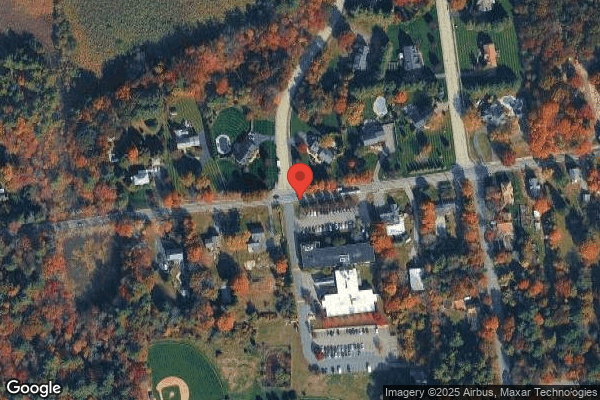
Jun 2025 1 deficiency
CONCERN (E) 📢 Someone Reported This

A family member, employee, or ombudsman was alarmed enough to file a formal complaint

Potential for Harm - no one hurt, but risky conditions existed

Deficiency F0760 (Tag F0760)

Could have caused harm · This affected multiple residents

**NOTE- TERMS IN BRACKETS HAVE BEEN EDITED TO PROTECT CONFIDENTIALITY** Based on record reviews and interviews for one of five sampled residents (Resident #1), the Facility failed to ensure he/she was...

Read full inspector narrative →
**NOTE- TERMS IN BRACKETS HAVE BEEN EDITED TO PROTECT CONFIDENTIALITY** Based on record reviews and interviews for one of five sampled residents (Resident #1), the Facility failed to ensure he/she was free from a significant medication error, when upon readmission Resident #1's medications were not reconciled accurately, resulting in multiple medication errors related to missed doses. Findings include: Review of the Facility Policy titled Medication Error Reporting, dated as last revised 04/2015, indicated that a medication error is a preventable event that may cause or lead to inappropriate medication use. Review of the facility Policy titled, Medication Reconciliation, dated as last revised 08/2022, indicated that the Facility reconciles medications frequently throughout a resident's stay to ensure that the resident is free from any significant medication errors. The Policy further indicated that Medication Reconciliation refers to the process of verifying that the current medication list matches the physician's orders for the purpose of providing the correct medications to the resident at all points throughout his/her stay. Resident #1 was admitted to the Facility in February 2025, diagnoses include but not limited to a Subarachnoid Hemorrhage (SAH, bleeding between the brain and the tissue covering the brain), bilateral femoral Deep Vein Thromboses (DVT, blood clot in the vein), and he/she had an Inferior Vena Cava (IVC, small device that can stop blood clots) filter in place. Review of Resident #1's Hospital Discharge summary, dated [DATE], indicated to administer the following; -Apixaban (Eliquis, an anticoagulant) five (5) milligrams (mg) by mouth twice daily, for 30 days (with a stop date of 3/08/25), -Buspirone (Buspar, antianxiolytic) 5 mg by mouth daily three times a day, and -Gabapentin (anticonvulsant) 300 mg by mouth, three times a day, for seven days. Further review of Resident #1's medical record indicated he/she required transfer to an acute care setting on 2/21/25 and his/her Hospital Discharge summary, dated [DATE], indicated to administer the following; -Eliquis 5 mg by mouth twice daily; (no stop date indicated), -Buspar 5 mg by mouth daily; and -Gabapentin 300 mg by mouth three times a day (no time limit indicated). Review of Resident #1's Medical Record, indicated that there was no documentation to support a Medication Reconciliation Form had been completed by nursing at the time of his/her readmission. Review of Resident #1's Physician's Orders, dated 02/23/25, indicated that there was not documentation to support that nursing clarified, reconciled or obtained new orders regarding these medications from his/her Physician upon readmission. There was no documentation to support - if the Eliquis was it to be administered for 30 days and discontinued on 3/08/25, or continued, - if the Buspar was to be administered three times a day (per previous orders) or once a day (per new Hospital DC summary). Review of Resident #1's MAR, dated 02/23/24 through 05/18/25 indicated the Eliquis and Bursar were still being administered as ordered (per the original admission physician's orders) prior to his/her acute transfer to the hospital on [DATE]. -Eliquis 5 mg was stopped on 03/08/25, and there were no additional new orders or clarification for Eliquis obtained until 05/11/25 when the Physician provided new order for Eliquis 5 mg twice a day, and therefore Resident #1 was not administered Eliquis for 48 days; Review of Resident #1's Nurse Progress Note, dated 05/11/25, indicated he/she notified the nurse that he/she was no longer receiving his/her Eliquis and did not know why. Review of Resident #1's Physician's Order, dated 05/11/25, indicated to administer Eliquis 5 mg by mouth twice daily. -Buspar 5 mg was administered to Resident #1 three times a day from 2/23/25 until 03/11/25, when the dose is increased to 10 mg three times a day. -Gabapentin 300 mg by mouth three times daily, was not not administered after readmission, was not on the MAR and he/she therefore went 83 days without the medication. During an interview on 06/04/25 at 10:28 A.M., Nurse #2 said that when a new admission comes in, the Unit Manager enters the medications into Point Click Care (PCC, electronic medication record) and the admitting nurse will double check the medications before getting the orders approved by the Physician. Nurse #2 said that medication reconciliation must be completed upon admission and readmission. During an interview on 06/04/25 at 10:48 A.M., the Unit Manager said that she was unaware that Resident #1's medications were not reconciled upon readmission. The Unit Manager said that medication reconciliation is very important, should always be completed by two nurses for accuracy and then be double checked by nursing management the next day for any errors. During an interview on 06/04/25 at 10:08 A.M., the Assistant Director of Nurses (ADON), said that he was unaware that Resident #1's medications had not been reconciled upon readmission. The ADON said that the Facility utilizes a Medication Reconciliation Form and is to be completed by two nurses each time a resident is admitted or readmitted to the Facility. During an interview on 06/04/25 at 9:23 A.M., the Director of Nurses (DON) said that she was unable to locate Resident #1's Medication Reconciliation Form for his/her readmission. The DON said that the Facility's expectation is that once a Resident is discharged to the Hospital, all medications and treatments must be discontinued and then upon readmission two nurses are to reconcile all medications and treatments from the Discharge Summary provided by the Hospital, with physician's orders obtained.
May 2024 11 deficiencies
CONCERN (D)

Potential for Harm - no one hurt, but risky conditions existed

Resident Rights (Tag F0550)

Could have caused harm · This affected 1 resident

Based on observation, interview, and policy review, the facility failed to ensure residents in one of four dining rooms had a dignified dining experience. Specifically, residents seated at the same ta...

Read full inspector narrative →
Based on observation, interview, and policy review, the facility failed to ensure residents in one of four dining rooms had a dignified dining experience. Specifically, residents seated at the same tables were not fed at the same time, resulting in residents having to sit and watch while others ate or were fed by staff. In addition, staff stood while assisting residents with eating. Findings include: Review of the facility's policy titled Meal Service/Tray Service, dated 4/2015, indicated but was not limited to: - To provide a pleasant meal/dining experience. During dining observations made on 4/30/24, 5/2/24, and 5/3/24, the surveyor observed the following in Dining Room A on the 400 Unit: On 4/30/24 at 12:28 P.M., the surveyor observed 17 residents seated in the dining room. The dining service started at 12:27 P.M., and the last tray was passed at 12:56 P.M. Additional observations on 4/30/24 included: -Table 1: Two residents were seated at the table. 12:28 P.M., one resident received a meal and a staff member assisted with set up, while the second resident watched. 12:43 P.M., 15 minutes later, the second resident was provided with a meal and assisted by a staff member to eat. -Table 2: Three residents were seated at the table. 12:28 P.M., one resident had a meal and ate independently, while the other two residents watched. One resident was observed to reach out to the resident who was eating and grabbed an opened ice cream cup off the tray. The resident proceeded to lick the ice cream out of the cup while waiting for his/her meal to be served. 12:43 P.M., 15 minutes later, meals were served to the two other residents. -Table 3: Three residents were seated at the table. 12:28 P.M., one resident had a meal and ate independently, while the other two residents watched. 12:54 P.M., 26 minutes later, meals were served to the two other residents. The surveyor did not observe staff wash any resident's hands or wipe down the tables prior to meal delivery. On 5/2/24 at 12:15 P.M., the surveyor observed 16 residents seated in the dining room. The dining services started at 12:15 P.M., and the last tray was passed at 12:40 P.M. Additional observations on 5/2/24 included: -Table 1: Two residents were seated at the table 12:30 P.M., one resident was provided with a meal and waited for a staff member to assist with eating. 12:39 P.M., nine minutes later, the other resident was provided with a meal and assisted by a staff member. 12:40 P.M., Nurse #3 approached the resident who was provided with the meal at 12:30 P.M., and stood next to the resident as she fed him/her. Nurse #3 continued to stand, with one hand in her pocket as she continued to assist the resident with the meal. Nurse #3 said to the resident open up as she attempted to encourage the resident to take food from the utensil. -Table 2: Three residents were seated at the table. 12:20 P.M., two residents were provided with meals and ate independently, while the other resident watched. 12:38 P.M., 18 minutes later, the third resident was provided with a meal. -Table 3: Three residents were seated at the table. 12:20 P.M., one resident was provided with a meal and ate independently while the other two residents watched. One resident was observed to reach out to the resident who was eating and was offered some food on a fork. This resident placed the food in his/her mouth. A staff member was observed to intervene and requested this resident spit the food out. The resident was moved from table #3 by a staff member to the side of the room and provided an overbed table. 12:30 P.M., 10 minutes later, both residents were provided with a meal. The surveyor did not observe staff wash any resident's hands or wipe down the tables prior to meal delivery. On 5/3/24 at 12:10 P.M., the surveyor observed 19 residents seated in the dining room. Several residents were observed seated in recliner chairs along the wall of the dining room. The dining services started at 12:34 P.M., and the last tray was passed at 12:51 P.M. Additional observations on 5/3/24 included: -Table 3: Three residents were seated at the table. 12:34 P.M., one resident was provided with a meal and ate independently as the two other residents watched. 12:40 P.M., six minutes later, the second resident was provided with a meal. 12:51 P.M., 11 minutes later, the third resident was provided with a meal. -Table 5: Three residents were seated at the table. 12:34 P.M., two residents were provided meals and ate with assistance of staff, while the other resident watched. 12:43 P.M., 10 minutes later, the third resident was provided with a meal. At 12:47 P.M., the surveyor observed a resident in the recliner chair watching the other residents eat lunch. At 12:51 P.M., a staff member brought a meal tray into the dining room and placed the tray on a shelf near the resident in the recliner chair. At 12:52 P.M., the staff member opened the tray which remained on the shelf, removed the plate and started to feed the resident in the recliner chair. The staff member stood to the side of the resident while holding the meal plate in one hand and fed the resident with the other hand. The surveyor did not observe staff wash any resident's hands or wipe down the tables prior to meal delivery. During an interview on 5/7/24 at 12:20 P.M., Unit Manager #3 (UM) was made aware of the surveyor's observations. UM #3 said staff should never stand while assisting residents with meals and should always be seated. UM #3 said it was difficult to provide residents with meals at the same time but said it would be best for all residents seated at tables together to receive meals at the same time. During an interview on 5/7/24 at 12:39 P.M., the surveyor made Nurse #3 aware of observations made on 5/2/24. Nurse #3 said although she should be seated when assisting residents with meals, she did not feel like sitting due to stomach cramps and preferred to stand while assisting the resident with his/her meal. During an interview on 5/7/24 at 12:45 P.M., the Administrator was made aware of the surveyor's observations. The Administrator said staff should always be seated when assisting residents with their meals and all residents should have a dignified and homelike dining experience.
CONCERN (D)

Potential for Harm - no one hurt, but risky conditions existed

Deficiency F0552 (Tag F0552)

Could have caused harm · This affected 1 resident

Based on interview, record review, and policy review, the facility failed to ensure one Resident (#134), out of a total sample of 29 residents, had information in advance to exercise their rights. Spe...

Read full inspector narrative →
Based on interview, record review, and policy review, the facility failed to ensure one Resident (#134), out of a total sample of 29 residents, had information in advance to exercise their rights. Specifically, the facility failed to involve and inform the Resident, who was responsible for his/her own care, about care and treatment, including the risks and benefits of administration of psychotropic medication. Findings include: Review of the facility's policy titled, Consent to Treat, dated 7/2015, indicated but was not limited to: - Facility staff will obtain consent to treat upon admission of a resident to the facility. - If a resident is capable, the facility representative must obtain from the resident directly upon admission. Review of the facility's policy titled, Psychotropic Medication Informed Consent, dated 2/2016, indicated but was not limited to: - Prior to administering psychotropic medication, the facility shall obtain the informed written consent of the resident, the resident's health care proxy or the resident's guardian. Resident #134 was admitted to the facility in June 2023 with diagnoses which included chronic embolism, depression, and dementia. Review of the admission Minimum Data Set (MDS) assessment, dated 6/23/23, indicated Resident #134 was cognitively intact as evidenced by a Brief Interview for Mental Status (BIMS) score of 13 out of 15, made self understood and was able to understand others. Review of Resident #134's medical record failed to indicate the Resident signed admission paperwork including Consent for Treatment and Informed Consent for Psychotropic Administration. Instead, the facility staff obtained informed consent from the Resident's family for Consent for Treatment and Informed Consent for Psychotropic Administration when the Resident was responsible for his/her own care. Subsequent review of the medical record failed to include an Invocation of the Health Care Proxy during his/her admission from June 2023 through May 2024. During an interview on 5/2/24 at 10:35 A.M., Resident #134 said he/she was unable to recall the admission process but did not believe he/she signed any paperwork including forms for medication. During an interview on 5/2/24 at 11:36 A.M., the Director of Social Services and surveyor reviewed the paper and electronic medical record. The Director of Social Services was unable to locate an Invocation of the Health Care Proxy or a Physician's order to invoke the health care proxy. The Director of Social Services said if there was no Invocation of the Health Care Proxy, the Resident should have signed all consents. The Director of Social Services said the paperwork was signed by Resident #134's family member. During an interview on 5/3/24 at 8:31 A.M., the Administrator was made aware of the findings. The Administrator said the expectation would be for the Resident to sign all paperwork unless a Health Care Proxy was activated.
CONCERN (D)

Potential for Harm - no one hurt, but risky conditions existed

Deficiency F0554 (Tag F0554)

Could have caused harm · This affected 1 resident

Based on observation, record review, and interview, the facility failed to ensure medications were not self-administered without a physician's order and an assessment for self-administration was compl...

Read full inspector narrative →
Based on observation, record review, and interview, the facility failed to ensure medications were not self-administered without a physician's order and an assessment for self-administration was completed for one Resident (#34), out of a total sample of 28 residents. Findings include: Review of the facility's policy titled Self-Administration of Medications, dated July 2015, indicated but was not limited to the following: -Policy: Residents are afforded the right to self-administer their own medications, upon request, and after determination the practice is safe. If the resident elects to self-administer his/her own medications, an evaluation of their cognitive, physical, and visual ability to perform the task is conducted to ensure accurate and safe medication management. If the evaluation indicates the resident can safely perform required functions, self-administration of medications is allowed. If unable to safely perform this task, the licensed staff, or trained medication aides/technicians, as allowed by State law, will administer medication. -Procedure: -Evaluate the resident's cognitive, physical, and visual ability to self-administer medications, if they have requested to do so (Part II of Self-Administration of Medications Informed Consent and Evaluation). -Complete the Self Administration Evaluation and document whether the resident can safely self-medicate or is unable to safely self-medicate. -If approved, obtain a physician's order for self-administration of medications. -Perform resident education of all required self-medication protocols and document any education. -Mark the Medication Administration Record (MAR) for each medication being self-administered for daily compliance monitoring purposes. (Indicate that the resident has self-administered). Resident #34 was admitted to the facility in March 2021 with diagnoses including schizophrenia, metabolic encephalopathy, and undifferentiated somatoform disorder (is characterized by one or more persistent physical complaints that cannot be fully explained by a general medical condition or the direct effects of a substance). Review of the Minimum Data Set (MDS) assessment for Resident #34, dated 4/3/24, included a Brief Interview for Mental Status (BIMS) score of 15 out of 15, indicating the Resident was cognitively intact. During an interview on 4/30/24 at 3:37 P.M., Resident #34 said the nurses gave him/her the antibiotic ointment for a thumb wound today. Resident #34 took out of their pocket a clear plastic bag with a yellow label adhered to the bag and a tube of antibiotic ointment inside the bag. Resident #34 said they were given the ointment and told to hang on to it and to use it wisely. Resident #34 said they will probably apply the ointment tonight when they go to bed. During an interview on 5/1/24 at 10:05 A.M., the surveyor asked Resident #34 how often they were to apply the antibiotic ointment to their thumb; the Resident shrugged their shoulders and said, I'd say every 5 hours. Resident #34 said they applied a dab of the ointment to their thumb that morning with no nurse present during the application. The Resident said they preferred to apply the antibiotic ointment themselves and did not need a nurse to help or provide supervision. The Resident said they planned to apply the ointment to their thumb after lunch and then in the evening. During an interview on 5/2/24 at 2:17 P.M., Resident #34 said they applied ointment to their thumb twice today with no supervision. During an interview on 5/6/24 at 8:38 A.M., Resident #34 said they continue to apply the antibiotic ointment independently with no supervision. The Resident said they are capable of putting ointment on their thumb with no help or oversight from nursing. Review of Resident #34's active Physician's Orders included but was not limited to: -Mupirocin external ointment 2% for thumb, apply topically BID (the Latin abbreviation for twice a day) for skin for ten days, dated 4/29/24-5/9/24. Further Review of Resident #34's active physician's orders failed to include orders for self-administration of Mupirocin external ointment to the Resident's thumb. Review of Resident #34's April and May 2024 Medication Administration Record (MAR) indicated Mupirocin external ointment was being applied to Resident #34's thumb twice a day. Further review of the Resident's MAR did not indicate the Resident applied the Mupirocin external ointment themselves. Review of Resident #34's medical record indicated the Resident was last assessed for the desire to self-administer medication on 3/28/24 which indicated that the Resident did not desire to self-administer their medication. During an interview on 5/7/24 at 9:40 A.M., Nurse #2 said if a resident requested to self-administer medication: -nursing must complete a self-administration assessment for the resident -a Physician's order must be obtained -a paper self-administration consent must be completed -nursing must educate the resident on how to administer the medication -the resident must demonstrate they can administer the medication appropriately and independently Nurse #2 said none of the residents in her care, which included Resident #34, were currently self-administering medication. During an interview on 5/7/24 at 11:20 A.M., Resident #34 said Nurse #2 had given them the Mupirocin external ointment for their thumb and Nurse #2 had taken the antibiotic ointment away about an hour ago. During an interview on 5/7/24 at 11:35 A.M., Nurse #2 said she retrieved the tube of Mupirocin external ointment from Resident #34 and was not sure how the Resident had gotten it. Nurse #2 said Resident #34 was particular about and preferred to apply the ointment independently, and the Resident gets upset when receiving help. Nurse #2 said the Resident told her he/she had already applied ointment to their thumb this morning. Nurse #2 said she was unsure of how the Resident got a hold of the ointment and the Resident would not tell her who gave the ointment to the Resident. Nurse #2 said she put the clear bag containing the ointment in the treatment cart. Nurse #2 and the surveyor observed the treatment cart, from which Nurse #2 pulled a bag containing the used tube of Mupirocin external ointment with a yellow label adhered to the bag. The surveyor observed the label to be worn with no legible print and containing a tube of half used ointment. During an interview on 5/7/24 at 1:04 P.M., the Director of Nursing (DON) said if nursing is documenting an antibiotic ointment was administered, then the nurses should be administering or supervising the resident if the resident chooses to apply the ointment themselves. The DON said if a resident desires to self-administer independently, nurses must complete a Self-Administration of Medications Assessment and evaluate the resident for competence in self-administering medication. Review of Resident #34's medical record failed to indicate a Self-Administration of Medications Assessment was completed to reflect the Resident's desire to self-administer the Mupirocin external ointment. Further review of Resident #34's medical record failed to indicate the facility evaluated the Resident's cognitive, physical, and visual ability to self-administer the Mupirocin external ointment to their thumb. Resident #34's medical record failed to indicate the Resident was educated on all required self-medication protocols.
CONCERN (D)

Potential for Harm - no one hurt, but risky conditions existed

Infection Control (Tag F0880)

Could have caused harm · This affected 1 resident

Based on observations, interviews, and policy review, the facility failed to maintain an infection prevention and control program designed to provide a safe, sanitary, and comfortable environment and ...

Read full inspector narrative →
Based on observations, interviews, and policy review, the facility failed to maintain an infection prevention and control program designed to provide a safe, sanitary, and comfortable environment and to help prevent the development and potential transmission of communicable diseases and infections within the facility. Specifically, the facility failed to ensure staff adhered to infection control protocols for personal protective equipment (PPE) use when providing care and services to residents requiring precautions to prevent the possible spread of germs and illnesses. Findings include: Review of the facility's policy titled Enhanced Barrier Precautions Policy, undated, indicated but was not limited to: -Enhanced barrier precautions require the use of gown and gloves for certain residents during specific high-contact resident care activities in which there is an increased risk for transmission of multi-drug resistant organisms. High-contact care activities include bathing/showering, providing hygiene, dressing, transferring, linen changes, toileting, device care and wound care. -Signage will be posted on the door or wall outside of the resident room indicating the need for enhanced barrier precautions, the required personal protective equipment (PPE), and the high-contact resident care activities that require the use of gown and gloves. Review of the Centers for Disease Control and Prevention (CDC) Enhanced Barrier Precaution sign indicated but was not limited to: -everyone must: clean their hands, including before entering and when leaving the room -providers and staff must: wear gloves and a gown for the following High-Contact Resident Care Activities. Dressing, bathing/showering, transferring, changing linens, providing hygiene, changing briefs or assisting with toileting, device care or use, wound care. Review of the Centers for Medicare & Medicaid Services (CMS) circular letter, dated 3/20/24, titled Enhanced Barrier Precautions in Nursing Homes to Prevent Spread of Multidrug-Resistant Organisms (MDROs) indicated but was not limited to: -For residents for whom Enhanced Barrier Precautions are indicated, Enhanced Barrier Precautions is employed when performing the following high-contact resident care activities: dressing, bathing/showering, transferring, providing hygiene, changing linens, changing briefs or assisting with toileting, device care or use: central line, urinary catheter, feeding tube, tracheostomy/ventilator, and wound care: any skin opening requiring a dressing. Resident #31 was admitted to the facility in January 2024 with diagnoses including urinary retention, non-pressure chronic ulcer of left lower leg with fat layer exposed, and morbid obesity. Review of the Minimum Data Set (MDS) assessment, dated 4/30/24, indicated Resident #31 had an indwelling urinary catheter and two Stage III Pressure Ulcers (a wound that has broken through the top two layers of skin and into the fatty tissue). Review of Resident #31's Physician's orders included but were not limited to: EBP- Foley and wound, dated 5/1/24. To ACE (an abbreviation for all cotton elastic) wrap bilateral arm for edema in the morning, removed at bedtime, dated 5/2/24. On 5/2/24 at 9:35 A.M., the surveyor observed Nurse #2, wearing no gloves or gown, touching Resident #31's bed linen and holding Resident #31's hand. On 5/2/24 at 9:47 A.M., the surveyor observed Nurse #2, wearing gloves and no gown, wrapping Resident #31's arm with an ACE wrap. On 5/2/24 at 9:51 A.M., the surveyor observed Nurse #1, Nurse #2, and Certified Nursing Assistant (CNA) #1, wearing gloves and no gown, repositioning Resident #31, touching the Resident, the Resident's gown, bed linens, and the Resident's catheter bag. The surveyor observed Nurse #2 and CNA #1, wearing gloves and no gown, changing the Resident's gown. The surveyor observed Nurse #2, wearing gloves and no gown, place Resident #31's used gown into a plastic bag, touching the outside top of the bag with her gloved hands. The surveyor observed Nurse #2 doff (take off) her gloves, grab the outside top of the bag containing the Resident's used gown, and leave the Resident's room without performing hand hygiene. A CDC Enhanced Barrier Precaution sign was posted at the entrance of the room. During an interview on 5/6/24 at 5:10 P.M., Nurse #2 said she knows to wear gown and gloves when providing direct patient care to a resident on Enhanced Barrier Precautions and stated that staff always wear gown and gloves providing direct care for residents on Enhanced Barrier Precautions, including direct care for Resident #31. During an interview on 5/7/24 at 12:57 P.M., the Director of Nursing (DON) said staff must be gloved and gowned when providing direct care, such as touching bed linens, changing a resident's gown, or applying an ACE wrap, to a resident on Enhanced Barrier Precautions. The DON said staff should practice hand hygiene when entering and exiting rooms on Enhanced Barrier Precautions. During an interview on 5/7/24 at 1:15 P.M., the Infection Control Nurse said all staff are to wear a gown and gloves when providing high contact care to or when touching a resident on Enhanced Barrier Precautions.
CONCERN (D)

Potential for Harm - no one hurt, but risky conditions existed

Antibiotic Stewardship (Tag F0881)

Could have caused harm · This affected 1 resident

**NOTE- TERMS IN BRACKETS HAVE BEEN EDITED TO PROTECT CONFIDENTIALITY** Based on policy review, document review, and interview, the facility failed to implement an antibiotic stewardship program which...

Read full inspector narrative →
**NOTE- TERMS IN BRACKETS HAVE BEEN EDITED TO PROTECT CONFIDENTIALITY** Based on policy review, document review, and interview, the facility failed to implement an antibiotic stewardship program which included antibiotic use protocols and monitoring of antibiotic use in line with the facility antibiotic stewardship program. Specifically, the facility failed to: 1. Ensure antibiotics prescribed were necessary for one Resident (#114), and 2. Ensure antibiotics were monitored/reassessed 48-72 hours after initiation to ensure the treatment remained appropriate for five Residents (#114, #1B, #1A, #37, and #66), out of a total sample of five residents. Findings include: Review of the facility's policy titled Antibiotic Stewardship, revised April 2023, indicated but was not limited to the following: -It is the policy of this facility to treat only symptomatic infections meeting criteria, and to promote antibiotic stewardship to reduce inappropriate antimicrobial use, improve patient care outcomes and reduce possible consequences of antimicrobial use. -The duration of the antibiotic therapy will be defined and/or regularly reviewed by the prescriber. -Antibiotics will be reassessed 48-72 hours after initiation to ensure treatment remains appropriate. -Audits will be done randomly to ensure antibiotic orders are complete and are reassessed as noted above. -Harms from antibiotic overuse are significant for the frail and older adults receiving care in nursing homes. These harms include risk of serious diarrheal infections from Clostridium difficile, increased adverse drug events and drug interactions, and colonization and/or infections with antibiotic resistance organisms. Review of the facility's policy titled Surveillance for Healthcare-Associated Infections (HAI), revised April 2023, indicated but was not limited to the following: -This facility will closely monitor all residents who exhibit signs/symptoms of infection When a resident exhibits signs/symptom of suspected infection: -The Infection Preventionist (IP) will gather additional data for infection tracking and reporting and provide consultation and education as needed. -The IP or designee will monitor the residents with infections and/or potential infections by completing the Monthly Infection Report by Unit. -The report is reviewed monthly by the IP and Director of Nurses (DON), Corporate IP, and quarterly by the medical staff. -The IP will review the Infection Report monthly for trends and new bacteria in the facility. 1. Resident #114 was admitted to the facility in March 2021. Review of the February 2024 [NAME] Square Unit Line Listing for Resident #114 indicated the following: Category- O (other) Date of Onset - 2/17/24 Symptoms - P, R, S (pain, redness, swelling) Culture Date - blank Site - O (other) Results - blank Treatment - Keflex (antibiotic) 500 milligrams (mg) 3 times a day x 5 days Infection Cleared - No Final Status - CAI (community acquired infection) Review of Resident #114's February 2024 Physician's Orders indicated the following: -Keflex (Cephalexin) oral capsule, 500 mg, give 500 mg by mouth one time only for right hand cellulitis until 2/17/24, start date 2/17/24 -Keflex oral capsule 500 mg, give 500 mg by mouth three times a day for right hand cellulitis until 2/22/24, start date 2/17/24 Review of a Nurse Progress Note, dated 2/17/24, indicated but was not limited to the following: -Right hand red and swollen, warm to touch, ROM (range of motion) WNL (within normal limits), denies pain. NP (Nurse Practitioner) made aware, new order to start Keflex 500 mg for 5 days for cellulitis. Review of the facility's Revised McGeer Criteria (nationally recognized criteria to define infections) for Infection Surveillance Checklist for skin and soft tissue infection (SSTI) surveillance definitions indicated the following: Cellulitis, soft tissue, or wound infection: Criteria: Must fulfill at least 1 criteria. -Pus at wound, skin, or soft tissue site; and/or -At least four of the following new or increasing sign or symptom (heat at affected site, redness at affected site, swelling at affected site, tenderness or pain at affected site, serous drainage at the affected site, at least one of the following (fever, leukocytosis, acute change in mental status, acute functional decline)) Further review of the line listing and McGeer Criteria checklist failed to indicate the antibiotic prescribed for Resident #114 met the criteria for appropriate antimicrobial use to help reduce any potential adverse drug events. Further review of the medical record failed to indicate a clinical rationale for initiating the antibiotic when the Resident's symptoms did not meet the criteria. During an interview on 5/6/24 at 12:32 P.M., the Director of Nurses (DON) said the line listings are completed monthly by her, the Assistant Director of Nurses (ADON), and now the Infection Preventionist (IP) going forward. She said she oversees the process. The DON said the date of onset, symptoms, culture (if done), site of symptoms, results of the culture (if applicable), treatment, and if community or facility acquired are all required to be documented on the line listings. She said the line listing for Resident #114 should have been documented as skin and not O for other. She said the Resident was followed by the wound doctor, but the antibiotic prescribed did not meet criteria for prescribing. The DON said it's been very difficult to have the providers not prescribe antibiotics if they did not meet the criteria. She said she would look for documentation of a rationale. The facility did not provide any further documentation to the survey team upon exit. 2a. Resident #114 was admitted to the facility in March 2021. Review of the February 2024 [NAME] Square Unit Line Listing for Resident #114 indicated the following: Category - O (other) Date of Onset - 2/17/24 Symptoms - P, R, S (pain, redness, swelling) Site - O (other) Treatment - Keflex 500 mg 3 times a day x 5 days Review of Resident #114's February 2024 physician's orders indicated the following: -Keflex (Cephalexin) oral capsule, 500 mg, give 500 mg by mouth one time only for right hand cellulitis until 2/17/24, start date 2/17/24 -Keflex oral capsule 500 mg, give 500 mg by mouth three times a day for right hand cellulitis until 2/22/24, start date 2/17/24 Further review of the medical record failed to indicate the antibiotic was re-assessed 48-72 hours after initiation by the prescriber to ensure the treatment remained appropriate. b. Resident #1B was admitted to the facility in March 2024. Review of the March 2024 Southeast Rehab Unit Line Listing for Resident #1B indicated the following: Category - UTI (urinary tract infection) Date of onset - 3/6/24 Symptoms - FO (foul odor) Site - U (urine) Treatment - Cephalexin 500 mg QID (four times a day) x 5 days Review of Resident #1B's March 2024 Physician's Orders indicated the following: -Cephalexin oral tablet 500 mg, give 500 mg by mouth four times a day for UTI x 5 days, start date 3/6/24 Further review of the medical record failed to indicate the antibiotic was re-assessed 48-72 hours after initiation by the prescriber to ensure the treatment remained appropriate. c. Resident #1A was admitted to the facility in March 2024. Review of the March 2024 Southeast Rehab Unit Line Listing for Resident #1A indicated the following: Category - O (other) Date of onset - 3/8/24 Symptoms - P, R (pain, redness) Site - O Treatment - Augmentin (antibiotic) 500 mg-125 mg two times a day x 7 days Review of Resident #1A's March 2024 Physician's Orders indicated the following: -Augmentin oral tablet 500-125 mg (Amoxicillin-Pot Clavulanate), give 500 mg by mouth two times a day for dental abscess x 14 days, start date 3/7/24 -Augmentin oral tablet 500-125 mg, give 500 mg by mouth two times a day for dental abscess until 3/16/24, start date 3/8/24 Further review of the medical record failed to indicate the antibiotic was re-assessed 48-72 hours after initiation by the prescriber to ensure the treatment remained appropriate. d. Resident #37 was admitted to the facility in November 2023. Review of the March 2024 Southeast Rehab Unit Line Listing for Resident #37 indicated the following: Category - O (other) Date of onset - 3/6/24 Symptoms - P, R, S (pain, redness, swelling) Site - W (wound) Treatment - Augmentin two times a day x 7 days Review of Resident #37's March 2024 Physician's Orders indicated the following: -Amoxicillin-Pot Clavulanate oral tablet 875-125 mg, give 1 tablet by mouth one time only for toe infection for 1 day, start date 3/6/24 -Amoxicillin-Pot Clavulanate oral tablet 875-125 mg, give 1 tablet by mouth two times a day for right great toe infection for 7 days, start date 3/6/24 Further review of the medical record failed to indicate the antibiotic was re-assessed 48-72 hours after initiation by the prescriber to ensure the treatment remained appropriate. e. Resident #66 was admitted to the facility in August of 2023. Review of the April 2024 Southeast Rehab Unit Line Listing for Resident #66 indicated the following: Category - UTI Date of onset - 4/2/24 Symptoms - FO (foul odor) Site - Urine Treatment - Cipro (antibiotic) 500 mg twice a day x 5 days Review of Resident #66's April 2024 Physician's Orders indicated the following: -Cipro oral tablet (Ciprofloxacin HCL), give 500 mg by mouth two times a day for preventative maintenance for 5 days UTI, start date 4/2/24 Further review of the medical record failed to indicate the antibiotic was re-assessed 48-72 hours after initiation by the prescriber to ensure the treatment remained appropriate. During an interview on 5/6/24 at 12:44 P.M., the surveyor requested from the IP and DON documentation of 48-72 hour reassessment by the practitioners for the antibiotics prescribed for Residents #114, #1B, #1A, #37, and #66. The IP said follow up would be on the antibiotic tracking sheet or in physician progress notes. The DON said there were no audit sheets completed that monitored resident antibiotic usage. The IP said it should be completed for all residents prescribed an antibiotic per policy. The DON said this wasn't being done for any resident on the line listings. During an interview on 5/6/24 at 3:01 P.M., the IP said she and the DON were unable to locate any 48-72 hour practitioner/physician reassessment documentation of the antibiotics prescribed for any of the five sampled residents. During an interview on 5/6/24 at 3:06 P.M., the IP said it is the policy of the facility to treat only symptomatic infections that meet the criteria and to promote antibiotic stewardship. She said audits should be done to ensure orders are complete and the antibiotic has been reassessed, but this has not been done. The IP said the potential harm from antibiotic misuse includes adverse events or antibiotic resistance and that the elderly are more at risk.
CONCERN (D)

Potential for Harm - no one hurt, but risky conditions existed

Deficiency F0883 (Tag F0883)

Could have caused harm · This affected 1 resident

**NOTE- TERMS IN BRACKETS HAVE BEEN EDITED TO PROTECT CONFIDENTIALITY** Based on record review, policy review, and interview, the facility failed to implement policies and procedures to ensure residen...

Read full inspector narrative →
**NOTE- TERMS IN BRACKETS HAVE BEEN EDITED TO PROTECT CONFIDENTIALITY** Based on record review, policy review, and interview, the facility failed to implement policies and procedures to ensure residents/residents' representatives were educated on the benefits and potential side effects of immunizations, ensure the medical record contained documented consent or refusal of the immunization, and offered and administered the influenza and pneumococcal immunizations in a timely manner for three out of five Residents sampled (#45, #106, and #8). Specifically, the facility failed: 1. For Resident #45, to educate the Resident and/or Resident's representative on the benefits and potential side effects of the influenza and pneumococcal vaccines, offer the immunizations, and document on the Informed Consent the Resident's consent to receive or refusal of the vaccines and place in the Resident's medical record; 2. For Resident #106, to educate the Resident and/or Resident's representative on the benefits and potential side effects of the pneumococcal vaccine, offer the immunization, and document on the Informed Consent the Resident's consent to receive or refusal of the vaccine and place in the Resident's medical record; and 3. For Resident #8, to educate the Resident and/or Resident's representative on the benefits and potential side effects of the influenza and pneumococcal vaccines, offer the immunizations, and document on the Informed Consent the Resident's consent to receive or refusal of the pneumococcal vaccine and place in the Resident's medical record. Findings include: Review of the Centers for Disease Control and Prevention (CDC) document titled Pneumococcal Vaccine Timing for Adults, dated March 2023, indicated the following: Make sure your patients are up to date with pneumococcal vaccination. Adults >= [AGE] years old, Complete Pneumococcal Vaccine Schedules: -PCV13 (pneumococcal conjugate vaccine) only at any age - PCV20 (pneumococcal 20-valent conjugate) or PCV23 (pneumococcal polysaccharide vaccine) >= 1 year later -PPSV23 only at any age - PCV20 or PCV15 (pneumococcal 15-valent conjugate) >= 1 year later Adults 19-[AGE] years old with Chronic Health Conditions, Complete Pneumococcal Vaccine Schedules: Chronic health conditions: Diabetes mellitus -None - PCV20 or PCV15 then PPSV23 >= 1 year later -PPSV23 only - PCV20 or PCV15 >= 1 year later Review of the facility's policy titled Immunization of Residents, revised April 2023, indicated but was not limited to the following: -All eligible residents will be offered the influenza and pneumococcal vaccines unless medically contraindicated. The resident or the resident's legal representative will be provided education regarding the pros and cons of the vaccine prior to administration. The resident or resident's legal representative has the right to refuse the vaccine. -Identify residents who have not received the influenza vaccination for the current influenza season. -Screen all residents for contraindications and precautions to influenza vaccine. -Provide education about the benefits and risks of the influenza vaccination prior to administration. -Administer influenza vaccine and document vaccination in the Medication Administration Record (MAR) Review of the facility's policy titled Procedure for Pneumococcal Vaccination of Residents, revised April 2023, indicated but was not limited to the following: -Each resident or their responsible party will be asked on admission if they have previously had any pneumococcal vaccinations and their age at the time of vaccination. The records that accompany the resident will also be used to determine immunization status. -The pneumococcal conjugate vaccine will be offered to all eligible residents and the risks and benefits will be provided to the resident or the resident's legal representative prior to administration of the vaccine. -Adults >= 65 years who have not previously received a pneumococcal conjugate vaccine or whose previous vaccination history is unknown, should receive a pneumococcal conjugate vaccine (either PCV20 or PCV15). If PCV15 is administered, this should be followed by a dose of PPSV23 >= 1 year later. -Adults aged 19-64 with certain underlying medical conditions or other risk factors who have not previously received pneumococcal conjugate vaccine or whose previous vaccination status is unknown should receive 1 dose of PCV (either PCV20 or PCV15). When PPCV15 is used, it should be followed by a dose of PPSV23 in >= 1 year. -Adults who have received PPSV23 only may receive a pneumococcal conjugate vaccine (either PCV20 or PCV15) >= 1 year after their last PPSV23 dose. 1. Resident #45 was re-admitted to the facility in December 2022 and was [AGE] years old. Review of the medical record failed to indicate a Resident admission Vaccination Education Form was completed upon admission to the facility in December 2022 to either receive or refuse the influenza or pneumococcal vaccines. Review of the Immunization Report indicated Resident #45 received the following vaccinations: -Influenza, 10/20/22 (historical) -Pneumovax Dose 1, 1/23/18 (historical) Review of the facility's influenza immunization tracking log indicated Resident #45 reported he/she received the influenza vaccine, however, the log failed to indicate documentation of follow up by facility staff to confirm administration of the vaccine including a date when he/she may have potentially received it. Review of the medical record failed to indicate documentation of follow up screening or assessment for eligibility to receive the annual Influenza vaccine, the provision of education related to the vaccine, completed consent to either receive or refuse the vaccine in the medical record, and offering or administration of the vaccine per facility policy. Further review of the medical record failed to indicate documentation of follow up screening or assessment for eligibility to receive the recommended pneumococcal vaccine dose (PCV20 or PCV15), the provision of education related to the pneumococcal vaccine, completed consent to either receive or refuse the PCV20 or PCV15 vaccine in the medical record, and re-offering or administration of the vaccine. During an interview on 5/6/24 at 11:51 A.M., the Infection Preventionist (IP) said there was a note on the immunization tracker that the Resident may have received the 2023-2024 influenza vaccination. She said they should have followed up on it but didn't so the Resident had not received the vaccine that she knew of. The IP said there was no consent or declination form or documentation of education or offering of the influenza vaccine. The IP said Resident #45 had received the PPSV23 vaccine historically in 2018 and should have received either the PCV20 or PCV15 dose at least 1 year later. She said there was no documentation in the medical record that the Resident had been educated on or offered the vaccine. The IP said the Resident was not up to date with his/her Influenza or Pneumococcal vaccinations. 2. Resident #106 was admitted to the facility in April 2023 and was [AGE] years old with diagnoses including diabetes mellitus type 2. Review of the Resident admission Vaccination Education Form, dated 4/28/23, indicated Resident #106 had received the PPSV23 vaccination in the past. No date was indicated. The form failed to indicate consent or refusal to receive the recommended dose (PCV20 or PCV15 >= 1 year later) to ensure the Resident was up to date with his/her pneumococcal vaccination. Review of the Immunization Report did not indicate Resident #106 had received any pneumococcal vaccinations. Further review of the medical record failed to indicate documentation of follow up screening, an assessment for eligibility to receive the recommended pneumococcal vaccine dose, the provision of education related to the pneumococcal vaccine, completed consent to either receive or refuse the vaccine in the medical record, and offering or administration of the vaccine in accordance with facility policy. During an interview on 5/6/24 at 11:59 A.M., the IP and Director of Nursing (DON) said Resident #106 had a qualifying chronic medical condition and there was no evidence they could provide to the surveyor that the Resident had received the pneumococcal vaccine, but he/she should have received either the PCV15 or PCV20 dose. The IP said there was no evidence that the Resident was educated, offered, and either declined or consented to receive the pneumococcal vaccination. The IP and DON said Resident #106 was not up to date with the pneumococcal vaccination. 3. Resident #8 was admitted to the facility in October 2021 and was [AGE] years old. Review of the Resident admission Vaccination Education Form, dated 10/15/21, indicated Resident #8 consented to receive the annual influenza vaccine. The pneumococcal section of the form, however, was blank. Review of the Immunization Report indicated Resident #8 received the following vaccines: -Influenza, 10/18/22 (historical) -PCV13, 12/14/15 (historical) -PCV13, 9/9/20 (historical) Review of the facility's influenza immunization tracking log indicated Resident #8 had a legal guardian and a message was left regarding the influenza vaccine. No further information was documented on the log. Review of the medical record failed to indicate documentation of follow up screening or assessment for eligibility to receive the 2023-2024 annual influenza vaccine, the provision of education related to the vaccine, and offering or administration of the vaccine per facility policy. Further review of the medical record failed to indicate documentation of follow up screening or assessment for eligibility to receive the recommended pneumococcal vaccine dose (PCV20 or PPSV23), the provision of education related to the pneumococcal vaccine, completed consent to either receive or refuse the vaccine in the medical record, and offering or administration of the vaccine per facility policy. During an interview on 5/6/24 at 12:01 P.M., the IP said when a resident is admitted the admitting nurse puts in their immunization status based on what they can find. She said the IP should be monitoring and ordering immunizations upon admission utilizing the Massachusetts Immunization Information System (MIIS) and in house trackers for vaccines. She said the immunization record and consents should be part of the residents' medical record. The IP said the vaccine education form should be completed upon admission with consent to receive the vaccines. She said she was unable to locate any information that Resident #8 had received the 2023-2024 influenza vaccination. She said the guardian was called but there was no follow up on it, just messages left. The IP further said the Resident's immunization record indicated he/she had received two doses of PCV13 and was eligible to receive the PCV20 or PPSV15 dose to complete the series. The IP and DON said there was no evidence they could provide to the surveyor that this was discussed with the Resident and/or legal guardian. The IP said there was no documentation, and that the Resident was not up to date with his/her seasonal influenza vaccine or the pneumococcal vaccination. During an interview on 5/6/24 at 12:12 P.M., the IP said all residents should be offered the influenza and pneumococcal vaccines unless medically contraindicated and should be screened each time a vaccine is given. The IP said pneumonia vaccines are ordered for each resident, but the facility had in house stock of the influenza vaccine. She said consents should be signed prior to administration and a copy maintained in the medical record but some were in folders in her office. The DON said she was responsible for oversight of the vaccination program. The IP and DON said they follow national standards of practice, and the purpose of the immunization program is to protect the residents to prevent disease, but that process was not followed for the sampled residents.
CONCERN (D)

Potential for Harm - no one hurt, but risky conditions existed

Deficiency F0887 (Tag F0887)

Could have caused harm · This affected 1 resident

**NOTE- TERMS IN BRACKETS HAVE BEEN EDITED TO PROTECT CONFIDENTIALITY** Based on record review, policy review, and interview, the facility failed to provide education, assess for eligibility, and offe...

Read full inspector narrative →
**NOTE- TERMS IN BRACKETS HAVE BEEN EDITED TO PROTECT CONFIDENTIALITY** Based on record review, policy review, and interview, the facility failed to provide education, assess for eligibility, and offer the COVID-19 vaccination per the Centers for Disease Control and Prevention (CDC) recommendations and facility policy for two Residents (#8 and #107), out of a total sample size of five residents reviewed for immunizations. Findings include: Review of the Centers for Disease Control and Prevention (CDC) guidance titled Stay Up to Date with Vaccines, revised April 2024, indicated but was not limited to the following: -CDC recommends the 2023-2024 updated COVID-19 vaccines: Pfizer-BioNTech, Moderna, or Novavax, to protect against serious illness from COVID-19. -Everyone 5 years and older should get 1 dose of an updated COVID-19 vaccine to protect against serious illness from COVID-19. None of the updated 2023-2024 COVID-19 vaccines is preferred over another. Review of the facility's policy titled COVID-19 Resident Vaccination Policy, revised April 2023, indicated but was not limited to the following: -It is the policy of this facility to minimize the risk of acquiring, transmitting, or experiencing complications from COVID-19 (SARS-CoV-2) by offering our residents immunization to COVID-19. -It is the policy of this facility, in collaboration with the medical director, to have an immunization program against COVID-19 disease in accordance with national standards of practice. -COVID-19 bivalent vaccines will be offered as per CDC and/or FDA guidelines unless such immunization is medically contraindicated, the resident has already been immunized during this time period, or resident/responsible party refuses to receive the vaccine. -If the facility has partnered with a preferred pharmacy provider, the pharmacy will coordinate with the facility and administer the COVID-19 bivalent vaccine according to the pharmacy partnership program guidelines. -COVID-19 bivalent vaccine may also be administered in the facility by the vaccine coordinator or designee. -Residents receiving the COVID-19 bivalent vaccine, or their legal representative, will be required to sign a consent form prior to the administration of the vaccine (or provide verbal consent with two witnesses). The completed, signed, and dated record will be filed in the resident's medical record. -The resident's medical record will include documentation that the resident and/or the resident's responsible party was provided education regarding the benefits and potential side effects of immunization. The documentation will also include if the resident received or did not receive the immunization due to medical contraindications or refusal, and if vaccine was administered, documentation will include follow-up monitoring post vaccine. 1. Resident #8 was admitted to the facility in October 2021 and was [AGE] years old. Review of the Resident admission Vaccination Education Form, dated 10/15/21, indicated the COVID-19 vaccine section had not been completed by the Resident/Resident's representative or facility staff. Review of the Immunization Report indicated Resident #8 last received the COVID-19 bivalent vaccine on 11/28/22 outside of the facility. Review of the facility's COVID-19 immunization tracking log indicated Resident #8 had a legal guardian and a message was left regarding the vaccine. No further information was documented on the log. Further review of the medical record failed to indicate documentation of follow up screening, an assessment for eligibility to receive the recommended COVID-19 vaccine dose, the provision of education related to the COVID-19 vaccine, completed consent to either receive or refuse the vaccine in the medical record, and offering or administration of the vaccine in accordance with facility policy. During an interview on 5/6/24 at 12:01 P.M., the Infection Preventionist (IP) and Director of Nursing (DON) said when a resident is admitted , the admitting nurse puts in their immunization status based on what they can find. The IP said there should be monitoring and ordering of the vaccine upon admission utilizing the Massachusetts Immunization Information System (MIIS) and in house trackers for vaccines. She said the vaccination admission form should be completed upon admission with consent for the vaccine. The IP said the Resident's last COVID-19 booster was on 11/28/22 and could not locate any evidence he/she received the most up to date booster. She said the Resident's legal guardian was called but there was no follow up on it, just messages left. The IP said the Resident was not up to date with his/her COVID-19 vaccination. 2. Resident #107 was admitted to the facility in July 2020 and was [AGE] years old. Review of the Resident admission Vaccination Education Form, dated 7/28/20, did not indicate a section to be completed for the COVID-19 vaccine. Review of the Immunization Record indicated Resident #107 received the following vaccinations: -Pfizer Bivalent COVID-19 booster, 11/28/22 (historical) -Pfizer COVID-19 booster, 7/6/22 (historical) -Pfizer COVID-19 booster, 10/21/21 (historical) Review of the facility's COVID-19 immunization tracking log did not indicate that verbal or signed consent was received by the Resident/Resident's representative for the COVID-19 vaccine or that the Resident had received the most up to date vaccination. Further review of the medical record failed to indicate documentation of follow up screening or assessment for eligibility to receive the recommended COVID-19 vaccination, the provision of education related to the vaccine, completed consent to either receive or refuse the vaccine in the medical record, and offering or administration of the vaccine per facility policy and CDC guidance. During an interview on 5/6/24 at 12:11 P.M., the IP said Resident #107 had consented for the old booster on 9/23/22 but there was no recent consent for the most up to date COVID-19 booster. The IP said the Resident did not receive it that she knew of and there was no documentation of discussion with the Resident. The IP said Resident #107 was not up to date with the COVID-19 vaccination. During an interview on 5/6/24 at 12:12 P.M., the IP and DON said education should be provided prior to the administration of vaccines and that residents should be screened each time a vaccine is given. The IP further said residents should be offered and receive the most up to date COVID-19 vaccine per CDC and FDA guidelines unless medically contraindicated or the resident has already been immunized during this time period. The DON said their partnered pharmacy had conducted a COVID-19 booster clinic at the facility in February 2024 but not everyone got vaccinated that had a form completed, including Residents #8 and #107. She said she did not follow up with the pharmacy and had not asked for a supply of their own to administer to the residents. The IP said no COVID-19 vaccine order has been initiated. The DON said she oversees the vaccination program but she, the IP, or the nurses can give the vaccines if they're properly educated on it. The IP said vaccination consents should be signed prior to administration and be maintained in the chart. The IP and DON said the purpose of the immunization program is to protect the residents to prevent disease and to be in accordance with national standards of practice. He IP and DON said the immunization program process was not followed for Residents #8 and #107.
CONCERN (E)

Potential for Harm - no one hurt, but risky conditions existed

Food Safety (Tag F0812)

Could have caused harm · This affected multiple residents

Based on observation, policy review, and interview, the facility failed to follow their policy and professional standards of practice for food safety and sanitation to prevent the potential spread of ...

Read full inspector narrative →
Based on observation, policy review, and interview, the facility failed to follow their policy and professional standards of practice for food safety and sanitation to prevent the potential spread of foodborne illness to residents who are at high risk. Specifically, the facility failed to: 1. Maintain the main kitchen, including the floors, shelves, and dry storage room floor in a sanitary condition; 2. Ensure food stored in the main kitchen reach-in refrigerator was labeled and dated; 3. Handle ready-to-eat food (food which does not require cooking or further preparation prior to consumption) utilizing proper hand hygiene to prevent cross contamination (transfer of pathogens from one surface to another). In addition, to ensure the use of gloves was limited to a single use task; and 4. Maintain sanitation and label and date food stored in resident kitchenettes in four of four units observed. Findings include: Review of the facility's policy titled Dietary Department Guidelines, undated, included but was not limited to the following: -The facility must store, prepare, and distribute food under sanitary conditions. -Dietary department supervisor will be a qualified food operator and have completed certification programs as required by state regulation. She or he will also supervise the cleaning and sanitizing of dishware and utensils, as well as the cleaning of the physical dietary plant. -The dietary department will be maintained in a clean and sanitary manner to prevent foodborne illness. -All dry storage (foods/paper supplies) will be stored 8 to 12 inches off the floor on pallets that permit cleaning underneath. -All food items should be labeled and dated to allow rotation of supplies. -All items stored in the refrigerator will be covered, labeled with the contents and the date. -All potentially hazardous foods must be discarded within three calendar days after the date prepared. -Handling of all food items during the preparation process will be minimized. This may be accomplished by using clean kitchen tools or by wearing clean gloves for each task. Foods not prepared in the facility: -Foods brought into the facility by family members will be kept in appropriate storage, refrigerated if indicated, must be labeled, and dated and will be discarded as appropriate. -For example, prepared foods that require refrigeration should be discarded after three calendar days, whereas crackers stored in an airtight container may be kept longer. 1. On 4/30/24 at 7:40 A.M., four surveyors smelled a musty, pungent odor entering the main hallway by the kitchen enroute to the conference room. The surveyors continued to smell the same musty, pungent odor in the main hallway throughout the survey. The intensity of the pungent odor did vary, but it was present daily. On 4/30/24 at 8:00 A.M., the surveyor experienced a foul, sewage-type smell permeating throughout the main kitchen and into the hallway while observing the main kitchen. The surveyor made the following observations in the main kitchen: -On the right side of the kitchen there was water flowing out of the open drainpipe connected to the hand washing sink and where the ice machine overflow water drains into. -On the left side of the kitchen there was a mop head at the base of the door jamb, between the main kitchen area and the dish room. There was water leaking from the area of the mop head. The Food Service Manager (FSM) removed the mop head and the surveyor observed a trail of a black substance leaking out of the wall. -Water was leaking from the base of the wall under the prep sink, running onto the kitchen floor (the prep sink was not in use at the time). -Under the dishwasher there was a red plastic container catching water from the leaking pipe. The plastic container was overflowing onto the floor. -Under the prep table there was an open plastic bag of white lids, around the open bag of lids were remnants of some type of food. -Underneath the prep table was a gray plastic container with various condiments. On top of the condiments were pieces of trash, hair nets, and plastic bags. -Dry storage room located across the hallway from the main kitchen, underneath the metal racks the surveyor observed debris, which included trash, dirt, food remnants, and products that had fallen to the ground. During an interview on 4/30/24 at 8:22 A.M., the FSM said he has been here about a month and the smell has been present. The FSM said it smells like a septic smell. He said someone must have put the mop head there to catch the water. On 5/01/24 at 9:00 A.M., the surveyor made the following observations in the main kitchen: -Hand washing sink on the right side of the kitchen remained in service, water was observed flowing out of the drainpipe onto the kitchen floor. -On left side of the kitchen (by the two bay sink) there was standing water on the floor, and water leaking out from under the two bay sink. In addition, water continued to leak from the bottom of the door jamb onto the main kitchen floor. On 5/01/24 at 1:56 P.M., the surveyor made the following observations: -Waste water continued to leak out of the drainpipe by the hand washing sink and the ice machine overflow pipe. In addition, the hand washing sink remained in service. When the surveyor turned on the water to the hand washing sink, the water immediately began to drain from the open drainpipe onto the kitchen floor and flow towards the floor drain. -Standing water was again observed over on the left side of the kitchen by the two bay sink and the base of the door jamb between the main kitchen and the dish room. There continued to be a black substance around the door jamb. -The surveyor observed a dietary aide sweeping the water from in front of the prep sink towards the dish room. The water was observed to be black in color and had visible black particles floating in the water. -On the wall behind where the large mixer was stored on 4/30/24, there was a large amount of small dead flies stuck to the wall. On 5/03/24 at 7:45 A.M., the surveyor made the following observations in the kitchen: -The hand washing sink on the right side of the kitchen remained in service, water was observed flowing out of the drainpipe onto the kitchen floor. -Water was again observed over on the left side of the kitchen by the two bay sink and the base of the door jamb between the main kitchen and the dish room. There continued to be a black substance around the door jamb. On 5/03/24 at 12:16 P.M., the surveyor made the following observations in the kitchen: -During lunch service, the hand washing sink on the right side of the kitchen remained in service, water was observed flowing out of the drainpipe onto the kitchen floor. -Water was again observed over on the left side of the kitchen by the two bay sink and the base of the door jamb between the main kitchen and the dish room. There continued to be a black substance around the door jamb. During an interview on 4/30/24 at 8:22 A.M., the FSM said he has been here about a month and there has been a problem with the leaking water and the handwashing drain not working correctly. He said someone must have put the mop head there to catch the water (referring to the mop head placed at the bottom of the door jamb). He said that underneath the racks in the dry storage area needed to be cleaned. During an interview on 5/02/24 at 10:00 A.M., the Consultant Plumber said, If it is a yes or no question, he would have to say it is a sanitation issue with the grease from the pipes seeping onto the kitchen floor (water leaking on the left side of the kitchen with the black substance) and definitely a sanitation issue with the hand washing sink drain overflowing onto the kitchen floor. 2. On 4/30/24 at 8:00 A.M., the surveyor observed the main kitchen and made the following observations: -Gray tray of desserts with various dates including 4/23, 4/25, and 4/28. -Metal tin with unidentified food not labeled or dated and the plastic wrap partially detached on the left side. -Metal tin of chicken fingers uncovered, with an unidentified food plastic wrapped on top of the chicken fingers, undated. -Plastic wrapped bag of grated cheese, which was previously opened, undated. -White container labeled low fat cottage cheese, dated 4/12. -Six maroon containers with plastic lids containing a white food, not labeled, or dated. During an interview on 4/30/24 at 8:30 A.M., the FSM said all food in the refrigerator should be labeled and dated and thrown out after three days. 3. Review of the 2022 Food Code by the U.S. Food and Drug Administration (FDA), revised 1/2023, indicated but was not limited to the following: - 3-301.11 Preventing Contamination from Hands. (A) FOOD EMPLOYEES shall wash their hands as specified under § 2-301.12. (B) Except when washing fruits and vegetables as specified under §3-302.15 or as specified in (D) and (E) of this section, FOOD EMPLOYEES may not contact exposed, READY-TO-EAT FOOD with their bare hands and shall use suitable UTENSILS such as deli tissue, spatulas, tongs, single-use gloves, or dispensing EQUIPMENT. - 3-304.15 Gloves, Use Limitation. (A) If used, single-use gloves shall be used for only one task such as working with ready-to-eat food or with raw animal food, used for no other purpose, and discarded when damaged or soiled, or when interruptions occur in the operation. On 4/30/24 at 8:00 A.M., the surveyor observed the breakfast tray service and observed the Cook/Dietary Aide wearing blue gloves and observed plating pancakes and sausages with his gloved hands. The [NAME] was observed wearing the same pair of blue gloves, retrieving items from the stove and steamer behind the tray line (opening doors), gathering supplies, moving a muffin box, and advancing trays on the tray line. The Cook's gloves appeared to be moist, and he was not observed to change the blue gloves at any time during the breakfast meal service. During an interview on 4/30/24 at 8:15 A.M., the FSM said the Dietary Aide/Cook normally does not serve breakfast; the regular cook called out sick. The FSM said he should not be plating the food with gloved hands and when he leaves the station, he should change the gloves before returning. During an interview on 4/30/24 at 8:20 A.M., the Cook/Dietary Aide said he does a lot of things in the kitchen and does serve breakfast occasionally. On 5/1/24 at 7:50 A.M., the surveyor observed breakfast tray service and observed the [NAME] wearing blue gloves and was observed plating sausages, toast, and muffins using her gloved hands. The [NAME] was observed touching multiple surfaces, retrieving items from the stove, removing items from the trays incorrectly placed on tray by another Dietary Aide, and advancing the trays on the tray line. The Cook's blue gloves appeared to be moist, and she was not observed to change the gloves at any time during the breakfast meal service. During an interview on 5/1/24 at 8:00 A.M., the FSM said they should not be plating any food with gloved hands and should be changing the gloves every time they leave the station. 4. On 5/2/24 at 1:27 P.M., the surveyor observed the following in the resident kitchenette located on the 300 Unit: -Plastic, clear container with light brown liquid (leftover food) in cabinet by right wall, not labeled or dated. -A half-eaten lemon meringue pie, with a spoon left in the pie, covered with a clear plastic dome, undated. On 5/2/24 at 1:52 P.M., the surveyor observed the resident kitchenette located on the 200 Unit and observed the following: -On top of the refrigerator there was a grilled cheese sandwich wrapped in plastic, not dated, and in a white paper bag was a cookie, undated. -The top shelf of the refrigerator had a yogurt with an expiration date of 4/9/24, not labeled. -The lower shelf in the refrigerator had a red reusable bag with food items, not labeled or dated. -On the refrigerator door was a bottle of green tea, not labeled or dated. On 5/2/24 at 2:05 P.M., the surveyor observed the resident kitchenette located on the 400 Unit and observed a bag of clean clothing protectors stored under the sink. On 5/2/24 at 2:15 P.M., the surveyor observed the resident kitchenette located on the 100 Unit and observed the following: -A local supermarket bag containing sweet potato wedges, labeled, and dated 4/22/24. -A sandwich wrapped in paper, labeled, and dated 4/23/24. During an interview on 5/2/24 at 2:25 P.M., the FSM said his staff check the kitchenettes twice a day, once at 6:30 A.M., and a second time at 3:00 P.M. He said they should be removing any food in the kitchenettes that are not labeled or dated. He checked the sign in sheet on the wall and said the dietary aide signed his initials today and didn't know why the food was not removed.
CONCERN (E)

Potential for Harm - no one hurt, but risky conditions existed

Medical Records (Tag F0842)

Could have caused harm · This affected multiple residents

**NOTE- TERMS IN BRACKETS HAVE BEEN EDITED TO PROTECT CONFIDENTIALITY** 2. On 5/7/24 at 12:57 P.M., the surveyor requested a policy for securely discarding resident medical records on the Units. The C...

Read full inspector narrative →
**NOTE- TERMS IN BRACKETS HAVE BEEN EDITED TO PROTECT CONFIDENTIALITY** 2. On 5/7/24 at 12:57 P.M., the surveyor requested a policy for securely discarding resident medical records on the Units. The Corporate Nurse said there was no policy for discarding resident medical records on the Units. On 4/30/24 at 9:42 A.M., the surveyor observed the secure medical record trash receptacle on the 200 Unit located in the nurses' station full-to-capacity with resident medical records able to be pulled out of the opening. The disposed medical records were easily accessible to any person entering into the nursing station area. On 5/02/24 at 1:54 P.M., the surveyor observed the secure medical record trash receptacle on the 200 Unit located in the nurses' station full-to-capacity with resident medical records able to be pulled out of the opening. The disposed medical records were easily accessible to any person entering into the nursing station area. On 5/2/23 at 2:33 P.M., the surveyor observed the secure medical record trash receptacle on the 300 Unit located in the hallway beside the nursing station with resident medical records sticking out of the opening. The disposed medical records were easily accessible to residents, visitors, and staff passing the secure medical records bin. On 5/07/24 at 11:32 A.M., the surveyor observed the secure medical record trash receptacle on the 200 Unit located in the nurses' station full-to-capacity with resident medical records able to be pulled out of the opening. The disposed medical records were easily accessible to any person entering into the nursing station area. The surveyor also observed a cardboard box located next to the secure medical record trash receptacle, which had no lid or top, was filled above the brim, and the resident medical records were exposed. During an interview on interview on 5/07/24 at 11:32 A.M., Nurse #1 said the cardboard box was being used for overflow since the secure medical record trash receptacle was full-to-capacity. On 5/7/24 at 11:51 A.M., the surveyor observed the secure medical record trash receptacle on the 100 Unit located in the nursing station with resident medical records sticking out of the opening. The disposed medical records were easily accessible to any person entering into the nursing station area. During an interview on 5/7/24 at 12:57 P.M., the Corporate Nurse said she noticed one of the secure medical record trash receptacles on the second floor was filled-to-capacity. The Corporate Nurse said the Units should call management in the event there is overflow of the secure medical record trash receptacles. The Corporate Nurse said a cardboard box is not an acceptable means of disposing resident medical records and management will take care of all the full receptacles within the facility. During a telephonic interview on 5/7/24 at 1:35 P.M., the Representative from the consultant shredding company said they last serviced the facility in February 2024 and have not returned due to billing issues. She said the facility is a high-volume facility and was scheduled to provide services every other week. During an interview on 5/7/24 at 3:15 P.M., the Administrator said she was not aware of billing issues with the consultant shredding company. She said she had asked the Front Desk Receptionist to follow up with the consultant shredding company. During an interview on 5/07/24 at 3:30 P.M., the Front Desk Receptionist said he was asked to call the consultant shredding company to empty the secure shredding receptacles in the facility. He said he was informed due to [NAME] issues the company would not service the building at this time. Based on observations, record review, and interviews, the facility failed to maintain medical records securely and accurately in accordance with accepted professional standards. Specifically, the facility failed to: 1. Maintain documentation of physician visits; and 2. Maintain the secure medical record shredding bins on the resident units and by staff offices. Findings include: Review of the facility's policy titled Thinning of the Clinical Record, dated September 2015, indicated the following records were to be maintained in the chart: Progress Notes: admission MD Progress Note, Current Year Resident #12 was admitted to the facility in January 2021. Review of the medical record including Physician (MD (Doctor of Medicine) and NP (Nurse Practitioner)) Progress Notes from August 2023 indicated all physician visits had been conducted by Nurse Practitioners. On 5/1/24 at 2:40 P.M., the surveyor requested any Progress Notes conducted by the MD since August 2023. During an interview on 5/1/24 at 2:40 P.M., the Director of Nurses said she would have to check with medical records for the Physician Progress Notes. During an interview on 5/2/24 at 7:53 A.M., the Director of Nurses said the facility currently only had the NP Progress Notes. She said the assigned MD for Resident #12 switched from the prior medical director to the current medical director in January 2024. The Director of Nurses said she had a call out to the Resident's current physician to obtain the most recent visits. On 5/2/24 at 9:15 A.M., the surveyor received two physician Progress Notes from the MD, dated as 1/5/24 and 3/12/24, both dated as signed by the MD on 5/2/24. During an interview on 5/2/24 at 3:15 P.M., the Director of Nurses said she contacted the office of the previous MD who indicated Resident #12 was seen by the previous MD on 8/3/23 and 8/23/23. She said, as of this time, the Progress Notes for the visits had not been received at the facility. During an interview on 5/2/24 at 3:47 P.M., the Medical Record Staff said the process for receiving Physician Progress Notes was for the physician offices to fax over the Progress Notes. She said anything that is received was placed in a bin to be filed in the medical record. She said there was no way to know if the facility did not receive a Progress Note from a visit conducted by a physician.
CONCERN (E)

Potential for Harm - no one hurt, but risky conditions existed

Room Equipment (Tag F0908)

Could have caused harm · This affected multiple residents

Based on observation and interview, the facility failed to maintain equipment in safe working order. Specifically, the facility failed to maintain: 1. Three of four microwaves located in the resident...

Read full inspector narrative →
Based on observation and interview, the facility failed to maintain equipment in safe working order. Specifically, the facility failed to maintain: 1. Three of four microwaves located in the resident kitchenettes on the 200, 300 and 400 units, 2. The milk refrigerator unit located in the dry storage room across from the main kitchen, and 3. The grease trap by ensuring it was emptied as recommended by the consultant company. Findings include: Review of the facility's policy titled, dietary department guidelines, undated, included but was not limited to the following: -The dietary department will be maintained in a clean and sanitary manner to prevent foodborne illness. -All refrigerated foods and cold foods will be stored in how that refrigerated temperatures 41°F or below. -Foods brought into the facility by family members will be kept in appropriate storage, refrigerated if indicated, must be labeled, and dated and will be discarded as appropriate. -For example, prepared foods that require refrigeration should be discarded after three calendar days, whereas crackers stored in an airtight container may be kept longer. 1. On 5/2/24 at 1:27 P.M., the surveyor observed the resident kitchenette located on the 300 Unit and observed the microwave left lower rear wall to have a large, rusted area along the bottom and left side of the wall. In addition, the inside ceiling of the microwave had multiple small areas of rust that were flaking. On 5/2/24 at 1:52 P.M., the surveyor observed the resident kitchenette located on the 200 Unit and observed the microwave ceiling to have multiple rust areas that were flaking. On 5/2/24 at 2:05 P.M., the surveyor observed the resident kitchenette located on the 400 Unit and observed the microwave center rear wall to have a large, rusted area. In addition, the inside ceiling had three large, rusted holes in the ceiling that were flaking, along with multiple small areas of rust. The front door handle was broken off and one of the front legs. During an interview on 5/2/24 at 2:25 P.M., the Food Service Manager (FSM) said when he started here about a month ago, he identified three of the resident unit kitchenettes needed to be replaced. He said the Maintenance Director was supposed to order them and they were never ordered. 2. On 4/30/24 at 8:00 A.M., the surveyor observed the milk chest refrigeration unit in the dry storage room across the hall from the main kitchen, which contained multiple crates full of milk cartons. Two internal temperature thermometers indicated the temperature to be 48 degrees Fahrenheit (F). The FSM temped a carton of milk from the center crate and the temperature was 49 degrees F. During an interview on 4/30/24 at 8:00 A.M., the FSM said the milk chest refrigeration unit was not working properly. 3. On 4/30/24 at 7:40 A.M., four surveyors smelled a musty, pungent odor entering the main hallway by the kitchen enroute to the conference room. The surveyors continued to smell the same musty, pungent odor in the main hallway throughout the survey. The intensity of the pungent odor did vary, but it was present daily. During an interview on 5/01/24 at 9:00 A.M., the Maintenance Director said he did not think the pungent smell in the kitchen was coming from the grease trap because it had been cleaned out in June 2023. He said it is cleaned every six months. The surveyor requested the last invoice from when the grease trap was cleaned. Review of the most recent grease trap cleaning consultant invoice, dated 8/19/23, indicated but was not limited to the following: -Pumping-exterior grease (kitchen). -Upon opening the covers which were found to be in good condition, the grease in the tank was very heavy and thick. -Pumped one truckload of grease from tank. The tank appeared to be about 7000 gallons plus. -Only had time and scheduled to pump one load. Removed most of the greasy solids. -Recommend service and exterior grease trap again in a month or two to pump the tank to the bottom and be able to fully remove all grease content at that time. -After that the exterior grease trap should be serviced every three to six months going forward. During an interview on 5/07/24 at 10:24 A.M., the Maintenance Director said they never came back for the second pumping of the grease trap. He said there was a balance due on the account, which he was not aware of. During a telephonic interview on 5/07/24 at 1:32 P.M., the Supervisor from the consultant company said the second pumping of the grease trap was not performed for financial reasons. She said they have not been back to the building to pump the grease trap since August 2023.
CONCERN (E)

Potential for Harm - no one hurt, but risky conditions existed

Safe Environment (Tag F0921)

Could have caused harm · This affected multiple residents

Based on observation and interview, the facility failed to maintain the plumbing in the main kitchen in working order to prevent a buildup of pungent odors, puddling of water on kitchen floor in two a...

Read full inspector narrative →
Based on observation and interview, the facility failed to maintain the plumbing in the main kitchen in working order to prevent a buildup of pungent odors, puddling of water on kitchen floor in two areas, and the buildup of a black substance leaching form the wall between the wall between the dish machine and the prep the sink. Specifically, the facility failed to: 1. Maintain the drainpipes within the wall between the dish machine and the prep sink to prevent leakage of water/sewage into the main kitchen, build-up of a black substance oozing from the door jamb, and a foul, pungent odor emanating from the wall and left corner of the kitchen permeating out into the main hallway; 2. Maintain the drain which services the hand washing sink and the overflow valve to the ice machine from draining directly onto the kitchen floor into the floor drain. In addition, take the hand washing sink out of service when the drain was not properly functioning to avoid additional wastewater on the kitchen floor; and 3. Maintain the water pipes for the dish machine in working order, empty the bucket collecting the leaking water in a timely manner to avoid overflowing onto the kitchen floor. Findings include: Review of the 2022 Food Code by the U.S. Food and Drug Administration (FDA), revised 1/2023, indicated but was not limited to the following: -FDA Food Code 2022: 5-205 Operation and Maintenance: 5-205.15 System Maintained in Good Repair. A plumbing system shall be: (A) Repaired according to LAW; P and (B) Maintained in good repair -Annex 3 Public Health Reasons/Administrative Guidelines; Chapter 5. Water, Plumbing, and Waste; 5-205.15: System Maintained in Good Repair. Improper repair or maintenance of any portion of the plumbing system may result in potential health hazards such as cross connections, backflow, or leakage. These conditions may result in the contamination of food, equipment, utensils, linens, or single service or single-use articles. Improper repair or maintenance may result in the creation of obnoxious odors or nuisances, and may also adversely affect the operation of warewashing equipment or other equipment which depends on sufficient volume and pressure to perform its intended functions. 1. On 4/30/24 at 7:40 A.M., four surveyors smelled a musty, pungent odor entering the main hallway by the kitchen enroute to the conference room. The surveyors continued to smell the same musty, pungent odor in the main hallway throughout the survey. The intensity of the pungent odor did vary, but it was present daily. During an interview with Dietary Staff #1 and #3 on 5/02/24 at 11:50 A.M., Dietary Staff #1 said she noticed the smell off and on starting almost a year ago, but it has gotten progressively worse in the last year. Dietary Staff #1 said she has told the Maintenance Director and the previous Food Service Manager (FSM) and they have done nothing about it. Dietary Staff #3 agreed and said the smell has gotten worse in the last six months. Both Dietary Staff #1 and #3 said the smell now is awful. During an interview on 5/02/24 at 12:09 P.M., Unit Manager (UM) #2 and Nurse #6 said the smell by the kitchen has been going on since the early part of this year. UM #2 said it is a very unpleasant smell. During an interview on 5/01/24 at 3:10 P.M., Dietary Staff #1 said the smell has been here for at least six months, and in the summer, the black colored substance (pointing to the floor) is worse and the odor is worse. On 4/30/24 at 8:21 A.M., the surveyor entered the back left corner by the prep sink of the main kitchen and smelled a very strong pungent odor. The sink was not in use, and the floor around the sink was observed to have puddles of water under sink, draining out onto the floor into the floor drain. The surveyor observed a mop head at the base of the door jamb (end of wall behind the prep sink), which was saturated with water. The FSM pulled the mop away from the door jamb and there was noted to be a buildup of black substance oozing out of the wall flowing along the lines in the floor. There was a loose white board against the back wall which the surveyor was able to slide away from the wall. The pungent smell intensified, and the surveyor had to pull back immediately. During an interview on 4/30/24 at 8:22 A.M., the FSM said he has been here about a month and the smell has been present. The FSM said it smells like a septic smell. He said someone must have put the mop head there to catch the water. During an interview on 5/01/24 at 9:00 A.M., the Maintenance Director said the building has had problems with all the rain and the high-water tables and the water in the basement. He thought the water was coming in from the outside. He said we recently tried looking in the walls for a leak and we couldn't find one. He said the grease trap was cleaned maybe in June 2023, and said it is cleaned every six months. The surveyor requested the last invoice for the grease trap cleaning. On 5/01/24 at 2:01 P.M., the surveyor smelled the rancid pungent odor to be very strong again in the corridor by the kitchen. The surveyor observed in the kitchen a large amount of water puddled on the floor by the prep sink area accompanied by a strong rancid smell. The surveyor observed an industrial fan blowing from the doorway entrance into the main kitchen area pointing toward the area of the prep sink. The FSM manager asked a dietary staff member to sweep up the water. The surveyor observed the dietary staff member sweeping the water from the main kitchen towards the dish room and observed the water to be light black in color with small black particles floating in the water. The water was seeping out of the wall between the prep sink and dishwasher machine. On 5/01/24 at 2:10 P.M., the surveyor and the FSM entered the outdoors courtyard and viewed the exterior wall to the kitchen at the location of the prep sink. The ground along the exterior wall had been dug down 8-10 inches and the soil was completely dry with no sign of water. During an interview on 5/01/24 at 2:20 P.M., Maintenance Staff #1 said he has only been working on the kitchen issue for about a month. He said they have been working on other water issues in the basement. He said they looked for a leak in the kitchen but couldn't find one. He said that's all they have done so far. On 5/01/24 at 3:00 P.M., two surveyors returned to the Main Kitchen and observed the back left wall where the baseboard was removed exposing the interior wall. The surveyors observed wet, rotting wood which had black colored substance. In addition, there were live black gnat-like flies on the wood; a few flew out of the opening. On the wall to the right there were multiple dead black bugs observed stuck to the wall. The surveyors observed the bottom of the doorway jamb between the kitchen and dishwashing room to have water leaking from the bottom onto the floor. There was a black colored substance at the bottom. The odor smelled stronger as the surveyor moved closer to the base of the wall. During an interview on 5/01/24 at 3:05 P.M., the FSM said they spray chlorine into the hole in the wall daily. During an interview on 5/01/24 at 3:10 P.M., the Maintenance Director said he was only made aware of the issue recently and said they looked for a leak but couldn't find one. The Maintenance Director said he called a plumber today, and he will come out and look at the problem either today or tomorrow. He said he had not called a plumber previously for this problem. During an interview on 5/02/24 at 10:00 A.M., the Consultant Plumber said it is definitely a grease problem. He suspects the drainpipes have rotted and the grease is leaking out, but he won't know the extent of the problem until you open up that wall. The consultant plumber said if it is a yes or no question, he would have to say it is a sanitation issue with the grease from the pipes seeping onto the kitchen floor. He said the pipes under the dishwasher and the prep sink are definitely rotted out and are leaking. During an interview on 5/02/24 at 11:45 A.M., the Administrator said she first noticed the smell two weeks ago. She said she was in the building last summer and nobody had reported a problem to her about the smell in the kitchen. She said the FSM has been here about a month and she knows the Maintenance Director has been in the kitchen. She said she is aware the plumber just came into the building, and she is awaiting a quote for the repairs. 2. On 4/30/24 at 8:00 A.M., the surveyor observed the main kitchen and made the following observations: -On the right side of the kitchen there was water flowing out of the open drainpipe connected to the hand washing sink and where the ice machine overflow water drains into. On 5/01/24 at 9:00 A.M., the surveyor made the following observations in the main kitchen: -Hand washing sink on the right side of the kitchen remained in service, water was observed flowing out of the drainpipe onto the kitchen floor. On 5/1/24 at 1:56 P.M., the surveyor made the following observations: -Waste water continued to leak out of the drainpipe by the hand washing sink and the ice machine overflow pipe. In addition, the hand washing sink remained in service. When the surveyor turned on the water to the hand washing sink, the water immediately began to drain from the open drainpipe onto the kitchen floor and flow towards the floor drain. On 5/03/24 at 7:45 A.M., the surveyor made the following observations in the kitchen: - The hand washing sink on the right side of the kitchen remained in service, water was observed flowing out of the drainpipe onto the kitchen floor. On 5/03/24 at 12:16 P.M., the surveyor made the following observations in the kitchen: - During lunch service the hand washing sink on the right side of the kitchen remained in service, water was observed flowing out of the drainpipe onto the kitchen floor. During an interview on 4/30/24 at 8:22 A.M., the FSM said he has been here about a month and there has been a problem with the leaking water and the handwashing drain not working correctly. During an interview on 5/02/24 at 10:00 A.M., the Consultant Plumber said the first time he was contacted for any plumbing issues in the kitchen was on 4/30/24. During an interview on 5/02/24 at 11:45 A.M., the Administrator said the FSM has been here about a month and she knows the Maintenance Director has been in the kitchen. She said she is aware the plumber just came into the building, and she is awaiting a quote for the repairs. 3. On 4/30/24 at 8:00 A.M., the surveyor observed the main kitchen and made the following observations: -Under the dishwasher there was a red plastic container catching water from the leaking pipe. The plastic container was overflowing onto the floor. On 5/01/24 at 9:00 A.M., the surveyor made the following observations in the main kitchen: -Under the dishwasher there was a red plastic container catching water from the leaking pipe. The red plastic container was half full. On 5/01/24 at 1:56 P.M., the surveyor made the following observations: -The pipe under the dishwasher continued leaking into red plastic container. During an interview on 5/02/24 at 10:00 A.M., the Consultant Plumber said the pipes under the dishwasher and the sink are definitely rotted out and are leaking. He said the first time he was contacted for any plumbing issues in the kitchen was on 4/30/24.
Mar 2024 2 deficiencies
CONCERN (D) 📢 Someone Reported This

A family member, employee, or ombudsman was alarmed enough to file a formal complaint

Potential for Harm - no one hurt, but risky conditions existed

Deficiency F0554 (Tag F0554)

Could have caused harm · This affected 1 resident

**NOTE- TERMS IN BRACKETS HAVE BEEN EDITED TO PROTECT CONFIDENTIALITY** Based on records review, interviews and observations for one of three sampled residents (Resident #3), the Facility failed to en...

Read full inspector narrative →
**NOTE- TERMS IN BRACKETS HAVE BEEN EDITED TO PROTECT CONFIDENTIALITY** Based on records review, interviews and observations for one of three sampled residents (Resident #3), the Facility failed to ensure that the interdisciplinary team completed an assessment for safe self-administration of medications, when on 03/27/24 and 03/28/24 prescription medications were observed on Resident #3's bedside table, which he/she said were left there all the time by nursing for him/her to self administer. Findings include: Review of the Facility Policy titled, Self-Administration of Medications, dated July 2015, indicated residents are afforded the right to self-administer their own medications, upon request, and after determination that the practice is safe. If the resident elects to self-administer his/her own medications, an evaluation of their cognitive, physical and visual ability to perform this task is conducted to ensure accurate and safe medication management. Resident #3 was admitted to the Facility June 2021, diagnoses include chronic respiratory failure, chronic obstructed pulmonary disease, congestive heart failure, diabetes mellitus, and chronic pain. Review of Resident #3's Minimum Data Set (MDS), dated [DATE], indicated he/she scored a 15 on his/her Brief Interview for Mental Status (BIMS), a score of 15 indicates that he/she is cognitively intact. During an observation on 03/27/24 at 12:24 P.M., in Resident #3's room, the surveyor observed two Albuterol Sulfate Inhalers and Normal Saline Nasal Spray on his/her bedside table. During an observation on 03/28/24 at 10:00 A.M., in Resident #3's room, the surveyor again observed two Albuterol Sulfate Inhalers and Normal Saline Nasal Spray on his/her bedside table. During an interview on 03/27/24 at 12:24 P.M., Resident #3 said that his/her Albuterol Inhaler (used to prevent and treat wheezing and shortness of breath) and Nasal Spray (treat dryness and irritation) have always been left at his/her bedside and said that he/she has no difficulty administering the medications. Resident #3 said although he/she knew how to administer the medications, said he/she could not recall filling out a form requesting to be able to self-administer any of his/her medications. Resident #3 said that the nurses were aware that the medications were left at his/her bedside. Review of Resident #3's Self Administration of Medications Assessment, dated 01/24/24, indicated he/she had not wanted to administer his/her own medications. Review of Resident #3's Self Administration of Medications Assessment, dated 02/23/24, indicated he/she had not wanted to administer his/her own medications. Review of Resident #3's Physician's Orders, dated March 2024, indicated nursing was to administer Normal Saline Nasal Solution 0.65 percent (%), one spray into each nostril every eight hours as needed (PRN). The Orders also indicated nursing to administer Albuterol Sulfate Inhaler, two puffs inhale orally every four hours and PRN for shortness of breath. Further review of Resident #3's Physician Orders, indicated there was no documentation to support he/she had an order in place to self-administer his/her Albuterol Sulfate inhaler or his/her Nasal Spray. During an interview on 03/27/24 at 12:36 P.M., Nurse #1 said that Resident # 3 was able to self-administer his/her rescue inhaler (Albuterol Sulfate) and his/her Nasal Spray as needed. Nurse #1 said she was unable to find a physician's order, self-administration evaluation, or care plan for Resident #3, that supported he/she was able self- administer these medications. Nurse #1 said that she had not noticed that documentation had not been completed for Resident #3 to be able to self-administer his/her inhaler and nasal spray. During an interview on 03/27/24 at 3:31 P.M., Unit Manager #1 said she had not known that Resident #3 had medications kept at his/her bedside and said she had not known of any residents on that unit that had been assessed to be able to self-administer medications. Unit Manager #1 said that it is the expectation of the Facility to ensure residents who wished to self-administer medications are properly assessed. During an interview on 03/28/24 at 12:30 P.M., the Director of Nurses (DON), said that she had not been aware that Resident #3 had medications that were being left at his/her bedside for him/her to self administer. The DON said that it is the Facility's expectation that any resident who would like to self-administer any of their medications must first be assessed for safety and ability. The DON said a physician's order must be obtained and a care plan put in place.
CONCERN (D) 📢 Someone Reported This

A family member, employee, or ombudsman was alarmed enough to file a formal complaint

Potential for Harm - no one hurt, but risky conditions existed

Deficiency F0561 (Tag F0561)

Could have caused harm · This affected 1 resident

**NOTE- TERMS IN BRACKETS HAVE BEEN EDITED TO PROTECT CONFIDENTIALITY** Based on records reviewed and interviews, for one of three sampled residents (Resident #3), who was alert, oriented, and whose p...

Read full inspector narrative →
**NOTE- TERMS IN BRACKETS HAVE BEEN EDITED TO PROTECT CONFIDENTIALITY** Based on records reviewed and interviews, for one of three sampled residents (Resident #3), who was alert, oriented, and whose preference including being able to receive a shower weekly, the Facility failed to ensure nursing staff honored his/her right to self-determination related to his/her choice of receiving a weekly shower. Findings include: Review of the Facility Policy titled, Resident Rights, undated, indicated each nursing home resident has the right to have their personal preferences reasonably accommodated and to have all reasonable requests responded to promptly. Resident #3 was admitted to the Facility June 2021, diagnoses include chronic respiratory failure, chronic obstructed pulmonary disease, congestive heart failure, diabetes mellitus, and chronic pain. Review of Resident #3's latest Annual Minimum Data Assessment (MDS), dated [DATE], indicated in his/her Preferences for Customary Routine and Activities, that it was very important for him/her to choose between a tub bath, shower, bed bath, or sponge bath. Review of Resident #3's Quarterly MDS, dated [DATE], indicated he/she required dependent care for bathing/showering. The MDS indicated Resident #1 scored a 15 on his/her Brief Interview for Mental Status (BIMS), a score of 15 indicates that he/she is cognitively intact. During an interview on 03/27/24 at 12:24 P.M., Resident #3 said that he/she has been a resident at the facility for over two years and said he/she has never taken a shower. Resident #3 said he/she has asked for a shower multiple times, had been told the shower area was too small and that they did have a shower chair large enough to accommodate him/her. Resident #3 said it is very bothersome to him/her that he/she was unable to take a normal shower. Review of Resident #3's Care Plan titled Activities of Daily Living (ADL), dated as last revised 02/19/24, indicated he/she had been dependent on staff to bathe. Review of Resident #3's Physician's Order, dated March 2024, indicated he/she was to have a shower on the 7:00 A.M.-3:00 P.M. (day shift), every Wednesday. Review of Resident #3's Documentation Survey Report (completed by Certified Nurse Aides), dated January 2024, February 2024, and March 1st through March 28 th 2024, indicated he/she had only received either a bed bath or a sponge bath. Review of Resident #3's Medical Record indicated there was no documentation to support he/she received one shower during the three-month reference period. During an interview on 03/28/24 at 11:52 A.M., Certified Nurse Aide (CNA) #1 said that she offers a bed bath to Resident #3 instead of a shower because there is no room in the shower room on his/her unit and that the shower chair required to be used for Resident #3 will not fit in the shower room. During an interview on 03/27/24 at 12:36 A.M., Nurse #1 said that Resident #3 had not had an actual shower in quite some time. Nurse #1 said that the shower room on his/her unit was very small and could not accommodate him/her and that there was no shower chair that he/she could use. During an interview on 03/27/24 at 3:31 P.M., the Unit Manager said that she was not aware that Resident #3 had not been getting showered on a weekly basis, and that all residents receive a shower weekly unless they refuse. During an interview on 03/28/24 at 12:30 P.M., the Director of Nurses said she was not aware that Resident #3 reported that he/she had not been given a shower weekly. The DON said all residents should be offered and given a shower on a weekly basis and said unless the resident refuses a shower then nursing is to document the refusal.
Nov 2023 2 deficiencies 1 Harm
SERIOUS (G) 📢 Someone Reported This

A family member, employee, or ombudsman was alarmed enough to file a formal complaint

Actual Harm - a resident was hurt due to facility failures

Free from Abuse/Neglect (Tag F0600)

A resident was harmed · This affected 1 resident

Based on records reviewed and interviews, for one of three sampled residents (Resident #1), who was cognitively intact, the Facility failed to ensure he/she was free from verbal and mental abuse from ...

Read full inspector narrative →
Based on records reviewed and interviews, for one of three sampled residents (Resident #1), who was cognitively intact, the Facility failed to ensure he/she was free from verbal and mental abuse from a staff member, when Resident #2 and Resident #3 witnessed and reported that Nurse #1 threatened and intimidated Resident #1. On 11/07/23, Resident #1 became upset with Nurse #1 because he/she wanted leave the unit to go down for lunch, but could not go until Nurse #1 checked his/her blood sugar and administered his/her medications, Resident #2 and Resident #3 witnessed as Nurse #1 made a grrrrrr type sound directed toward Resident #1, held both of his fists up and then stated he wanted to punch/hit Resident #1 in the head. Resident #1 said he/she felt threatened and was scared by Nurse #1's actions. Findings include: Review of the Facility's Policy titled Policy and Procedure Manual Abuse, Neglect, and Exploitation, dated as revised February 2023, indicated the following: - verbal abuse means the use of oral, written, or gestured communication or sounds that willfully includes disparaging and derogatory terms to residents or their families, or within their hearing distance regardless of their age, ability to comprehend, or disability, - mental abuse is includes but is not limited to humiliation, harassment, threats of punishment or deprivation, and - it is the policy of this facility to provide protections for the health, welfare and rights of each resident by developing and implementing written policies and procedures that prohibit and prevent abuse, neglect, exploitation, and misappropriation of resident property. Review of the Report submitted by the Facility via the Health Care Facility Reporting System (HCFRS), dated as submitted 11/06/23, indicated that Resident #1 approached his/her nurse (later identified as Nurse #1) this morning (11/06/23) and asked that his/her blood sugar be checked so he/she could go downstairs for lunch. The Report indicated that Nurse #1 told him/her that it was too early, and that he was tied up with another resident. The Report indicated that Resident #1 then went to Resident #2's (his/her sibling) room, and while sitting in Resident #2's room, Nurse #1 came in to give Resident #2 his/her medication. The Report indicated that Nurse #1 told Resident #2 that he was so upset with Resident #1 that he wanted to punch him/her in the head. The Report indicated that Nurse #1 said this in front of Resident #1, Resident #2, and Resident #3 (Resident #2's roommate). Review of the Facility's Investigation Summary Report, dated 11/09/23, indicated that upon investigating the alleged verbal abuse, gathering witness statements and a statement from the accused, the Facility has found the complaint valid and the employee was terminated on 11/10/23. Resident #1 was admitted to the Facility in May 2021, diagnoses included Chronic Obstructive Pulmonary Disease, anxiety, diabetes, unspecified intellectual disabilities, and major depressive disorder. Review of Resident #1's Minimum Data Set (MDS) Quarterly Assessment, dated 09/10/23, indicated Resident #1's Brief Interview for Mental Status score was 15/15, which indicated he/she was cognitively intact. During an interview on 11/30/23 at 10:53 A.M., (with the Director of Social Services present), Resident #1 said on 11/06/23, Nurse #1 was late for his/her blood sugar check and medications, and he/she was frustrated because he/she wanted to go down to the dining room for lunch. Resident #1 said he/she was upset with Nurse #1, so he/she went to his/her sibling's (Resident #2) room to talk to him/her. Resident #1 said Nurse #1 then entered Resident #2's room to give him/her (Resident #2) medications while he/she (Resident #1) sat with his/her sibling (Resident #2) and his/her roommate (Resident #3). Resident #1 said (while he/she was sitting there), Nurse #1 told Resident #2 that he/she (Resident #1) made him (Nurse #1) very upset. Resident #1 said that Nurse #1 was angry and said he wanted to hit him/her (Resident #1) in the head. Resident #1 said Nurse #1 scared him/her because he/she knew Nurse #1 was angry at him/her when he threatened to hit him/her. During an interview on 11/30/23 at 12:26 A.M., Resident #2 said on the day of the incident with Nurse #1 (11/06/23) Resident #1 was upset when he/she entered his/her (Resident #2's) room. Resident #2 said Nurse #1 then entered his/her room to give him/her medications while Resident #1 was sitting with him/her. Resident #2 said Nurse #1 was frustrated and said he (Nurse #1) had put his fists up, and said I would like to hit your sibling in the head. Resident #2 said he/she told Nurse #1 that if he laid a hand on Resident #1 he would be screwed. Resident #2 said he/she was very upset because Nurse #1 had threatened to hit his/her sibling and now he/she (Resident #1) was scared of him. During an interview on 11/30/23 at 1:17 P.M., Resident #3 said he/she was in his/her room with Resident #2 when Resident #1 entered and told Resident #2 that Nurse #1 made him/her upset. Resident #3 said Nurse #1 then entered their room and talked to Resident #2 while he/she and Resident #1 were there. Resident #3 said Nurse #1 was angry and as he (Nurse #1) made a fist with both hands, he/she heard Nurse #1 say to Resident #2, your sibling pissed me off so badly, I was ready to punch him/her in the head. Resident #3 said Resident #1 was scared by Nurse #1's threat. Resident #3 said he/she heard Resident #2 tell Nurse #1 that he was not going to put a hand on his/her sibling. During an interview on 12/05/23 at 10:04 A.M., which included a review of Nurse #1's Written Witness Statement, dated 11/06/23, Nurse #1 said that on 11/06/23 Resident #1 wanted his/her medications early because he/she wanted to go downstairs for lunch. Nurse #1 said he was behind schedule with giving medications because he had an emergency with another resident, and said he told Resident #1, I hope you saw the emergency team walk in here, you don't need to be agitated. Nurse #1 said Resident #1 was angry at him because his/her medications were late. Nurse #1 said after speaking with him/her (Resident #1) walked away and went to his/her sibling's (Resident #2) room. Nurse #1 said he entered Resident #2's room to give him/her (Resident #2) medications. Nurse #1 said Resident #2 asked him why Resident #1 did not get his/her medications on time so he/she could go downstairs for lunch. Nurse #1 said he told Resident #2 that he had an emergency with another resident and that his (Nurse #1's) good friend (referring to Resident #1), who actually saw what happened, could not understand that and was still mad at him. Nurse #1 said that Resident #1 had gotten under his skin, and said as he talked to Resident #2, he had held up both his fists and told him/her that Resident #1 made him feel like grrrrrr. The Surveyor asked Nurse #1 to explain what grrrrrr meant, and Nurse #1 said it was like a red faced emoji (angry faced), and offered no further explanation. Nurse #1 said Resident #1 pushed him when he/she knew that he had an emergency with another resident. Nurse #1 said it was all a bad joke on a bad day. During an interview on 11/30/23 at 3:14 P.M., the Director of Nurses (DON) said Resident #1 reported to her on 11/06/23, that he/she asked Nurse #1 to take his/her blood sugar, and Nurse #1 responded that he was busy and would do it as soon as he could. The DON said Resident #1 told her that when he/she was in his/her sibling's (Resident #2) room, that Nurse #1 entered to give Resident #2 his/her medications and said to Resident #2 (in front of him/her and Resident #3) that he wanted to hit him/her (Resident #1) in the head. The DON said they immediately investigated the incident, that she interviewed Resident #2 and Resident #3 separately and they both corroborated what Resident #1 told her. The DON said she asked Nurse #1 to act out exactly what he had done during the alleged incident. The DON said Nurse #1 then put both fists up, and then said he told Resident #2, your sibling is driving me nuts. During an interview on 11/30/23 at 3:00 P.M., the Administrator said Resident #1 told her that Nurse #1 was verbally unkind to him/her. The Administrator said Resident #1 told her that he/she needed his/her blood sugar checked before lunch and Nurse #1 told him/her to wait, which upset him/her. The Administrator said Resident #1 told her that while he/she was in Resident #2's room, Nurse #1 entered and told Resident #2 that he was so mad at him/her (Resident #1) that he wanted to punch him/her in the head. The Administrator said that after investigating the allegation, she substantiated the verbal abuse, and Nurse #1's employment had been terminated.
CONCERN (D) 📢 Someone Reported This

A family member, employee, or ombudsman was alarmed enough to file a formal complaint

Potential for Harm - no one hurt, but risky conditions existed

Abuse Prevention Policies (Tag F0607)

Could have caused harm · This affected 1 resident

Based on records reviewed and interviews, for one of three sampled residents (Resident #1), who was cognitively intact, the Facility failed to ensure staff implemented and followed their Abuse Policy,...

Read full inspector narrative →
Based on records reviewed and interviews, for one of three sampled residents (Resident #1), who was cognitively intact, the Facility failed to ensure staff implemented and followed their Abuse Policy, when on 11/06/23, after being made aware of and substantiating Resident #1's allegation that Nurse #1 was verbally abusive and had threatened him/her, there was no documentation to support that staff monitored Resident #1 for negative outcomes, and/or provided counseling and support to him/her for three days (72 hours) following the incident, per Facility Policy. Findings include: Review of the Facility's Policy titled Policy and Procedure Manual Abuse, Neglect, and Exploitation, Addendum B, dated as revised February 2023, indicated the following follow up interventions: -The resident will be monitored for potential negative outcomes for 72 hours post-incident occurrence and this will be documented in the clinical record, and -The social worker will provide counseling and support to the resident involved for three days, excluding weekends and holidays. This will be documented in the clinical record. Review of the Report submitted by the Facility via the Health Care Facility Reporting System (HCFRS), dated as submitted 11/06/23, indicated that Resident #1 approached his/her nurse (later identified as Nurse #1) this morning (11/06/23) and asked that his/her blood sugar be checked so he/she could go downstairs for lunch. The Report indicated that Nurse #1 told him/her that it was too early, and he was tied up with another resident. The Report indicated that Resident #1 then went to Resident #2's (his/her sibling) room, and while sitting in Resident #2's room, Nurse #1 came in to give Resident #2 his/her medication. The Report indicated that Nurse #1 told Resident #2 that he was so upset with Resident #1, that he wanted to punch him/her in the head. The Report indicated that this was said in front of Resident #1, Resident #2, and Resident #3 (Resident #2's roommate). Review of the Facility's Investigation Summary Report, dated 11/09/23, indicated that upon investigating the alleged verbal abuse, gathering witness statements and a statement from the accused (Nurse #1), the Facility has found the complaint valid and the employee was terminated on 11/10/23. Resident #1 was admitted to the Facility in May 2021, diagnoses included Chronic Obstructive Pulmonary Disease, anxiety, diabetes, unspecified intellectual disabilities, and major depressive disorder. Review of Resident #1's Minimum Data Set (MDS) Quarterly Assessment, dated 09/10/23, indicated Resident #1 Brief Interview for Mental Status score was 15/15, which indicated he/she was cognitively intact. During an interview on 11/30/23 at 10:53 A.M., (with the Director of Social Services present), Resident #1 said on 11/06/23, Nurse #1 was late for his/her blood sugar check and medications, and he/she was frustrated because he/she wanted to go downstairs to the dining room for lunch. Resident #1 said he/she was upset with Nurse #1, so he/she went to his/her sibling's (Resident #2) room to talk to him/her. Resident #1 said Nurse #1 then entered Resident #2's room to give him/her (Resident #2) medications while he/she (Resident #1) sat with his/her sibling (Resident #2) and his/her roommate (Resident #3). Resident #1 said Nurse #1 told Resident #2 that he/she (Resident #1) had made him (Nurse #1) very upset. Resident #1 said that Nurse #1 was angry and said he wanted to hit him/her (Resident #1) in the head. Resident #1 said Nurse #1 scared him/her because he/she knew Nurse #1 was angry at him/her when he threatened to hit him/her. During an interview on 11/30/23 at 12:26 A.M., Resident #2 said on the day of the incident with Nurse #1 (11/06/23) Resident #1 was upset when he/she entered his/her (Resident #2's) room. Resident #2 said Nurse #1 then entered his/her room to give him/her medications while Resident #1 was sitting with him/her. Resident #2 said Nurse #1 was frustrated and had put both his fists up and said I would like to hit your sibling in the head. Resident #2 said he/she told Nurse #1 that if he laid a hand on Resident #1 he would be screwed. Resident #2 said he/she was very upset because Nurse #1 had threatened to hit his/her sibling and now he/she (Resident #1) was scared of him (Nurse #1). During an interview on 11/30/23 at 1:17 P.M., Resident #3 said he/she was in his/her room with Resident #2 when Resident #1 entered and told Resident #2 that Nurse #1 made him/her upset. Resident #3 said Nurse #1 entered their room and talked to Resident #2 while he/she and Resident #1 were there. Resident #3 said Nurse #1 was angry and as he made a fist, he/she heard Nurse #1 say to Resident #2, your sibling pissed me off so badly, I was ready to punch him/her in the head. Resident #3 said Resident #1 was scared by Nurse #1's threat. During an interview on 12/05/23 at 10:04 A.M., which included a review of Nurse #1's Written Witness Statement, dated 11/06/23, Nurse #1 said that on 11/06/23 Resident #1 wanted his/her medications early because he/she wanted to go downstairs for lunch. Nurse #1 said he was behind schedule with giving medications because he had an emergency with another resident, and said he told Resident #1, I hope you saw the emergency team walk in here, you don't need to be agitated. Nurse #1 said Resident #1 was angry at him because his/her medications were late. Nurse #1 said after he spoke to Resident #1, he/she walked away and went to his/her sibling's (Resident #2) room. Nurse #1 said he then entered Resident #2's room to give him/her medications. Nurse #1 said Resident #2 asked him why Resident #1 did not get his/her medications on time. Nurse #1 said he told Resident #2 that he had an emergency with another resident and that his (Nurse #1) good friend (referring to Resident #1), actually saw what happened, could not understand it and was still mad at him. Nurse #1 said that Resident #1 had gotten under his skin, and said as he talked to Resident #2, he had both his fists up when he told him/her that Resident #1 made him feel like grrrrrr. The Surveyor asked Nurse #1 to explain what grrrrrr meant, and he said it was like a red faced emoji (angry faced), and offered no further explanation. Nurse #1 said Resident #1 pushed him when he/she knew he (Nurse #1) had an emergency with another resident. Nurse #1 said it was all a bad joke on a bad day. During an interview on 11/30/23 at 11:15 A.M., the Director of Social Services said she knew Resident #1 well and said although he/she had a developmental delay, he/she was cognitively intact, and able to articulate information accurately. The Director of Social Services said she had no knowledge of the allegation of verbal abuse made by Resident #1 on 11/06/23 until the day of survey (11/30/23). The Director of Social Services said Resident #1 seemed no different to her, but said she could not provide any documentation to support Resident #1 had been assessed, monitored for potential negative outcomes and/or had received counseling following his/her allegation of verbal abuse and feeling threatened, as required per facility policy. Review of Resident #1's medical record indicated there was no documentation either in the form of an assessment or progress note to support Resident #1 was assessed or monitored by nursing or social services for 72 hours following the incident. During an interview on 11/30/23 at 3:00 P.M., the Administrator said she substantiated the allegation of verbal abuse involving Resident #1. The Administrator said she was unable to provide any documentation to support Resident #1 had been assessed, monitored, or had received counseling after the incident of verbal abuse The Administrator said Resident #1 should have been assessed and monitored for potential negative outcomes, and should have received counseling which should have all been documented in his/her medical record. The Facility faxed a Social Services Quarterly Assessment to the Surveyor on 12/01/23 that was dated 11/30/23 (day of survey), but was unable to provide documentation during the survey or after that Resident #1 had been assessed, monitored for potential negative outcomes and/or counseled after the allegation of verbal abuse was made, and subsequently substantiated by the Facility.
Sept 2023 1 deficiency
CONCERN (D) 📢 Someone Reported This

A family member, employee, or ombudsman was alarmed enough to file a formal complaint

Potential for Harm - no one hurt, but risky conditions existed

Investigate Abuse (Tag F0610)

Could have caused harm · This affected 1 resident

Based on records reviewed and interviews, for one of three sampled residents (Resident #1), who was cognitively intact and dependent on staff for transfers and care, the Facility failed to ensure they...

Read full inspector narrative →
Based on records reviewed and interviews, for one of three sampled residents (Resident #1), who was cognitively intact and dependent on staff for transfers and care, the Facility failed to ensure they obtained and maintained evidence that a thorough investigation was completed, after being made aware on 7/21/23 of an allegation of potential neglect. Findings include: Review of the Facility's Policy titled, Policy and Procedure Manual Abuse, Neglect, and Exploitation, dated as revised February 2023, indicated that an immediate investigation is warranted when suspicion of abuse, neglect, or exploitation, or reports of abuse, neglect, or exploitation occur. The Policy indicated that written procedures for investigations include the following: -identifying staff responsible for the investigation, -exercising caution in handling evidence that could be used in a criminal investigation, -investigating different types of alleged violation, -identifying and interviewing all involved persons, including the alleged victim, alleged perpetrator, witnesses, and others who might have knowledge of the allegations, -focusing the investigation on determining if abuse, neglect, exploitation, and/or mistreatment has occurred, the extent, and cause, and -providing complete and thorough documentation of the investigation. Review of the Report submitted by the Facility via the Health's Health Care Facility Reporting System (HCFRS), dated as submitted 07/21/23, indicated that this nurse (Director of Nurses #1) was notified today of an incident that occurred on Wednesday 07/19/2023 at approximately 4:00 P.M. The Report indicated that two Certified Nurse Aides (CNAs, later identified as CNA #1 and CNA #2) approached a resident (later identified as Resident #1), and that he/she asked to be changed and then placed on chair to go out to smoke. The Report indicated that Resident #1 was denied and left in bed exposed. The Report indicated that CNA #1 and CNA #2 were suspended pending the investigation, and that Police were notified. Review of the Facility's Internal Investigation file indicated there was no documentation to support that any Written Witness Statements or interviews, other than the two accused CNAs (#1 and #2) and the reporter (Resident #1's roommate), had been collected. There was no documentation to support Resident #1 had been interviewed until 09/06/23, and no documentation to support that Nursing Supervisor #`1, who was identified by CNA #1 as having been involved, had been interviewed or had provided a written statement. Further review of the Investigation indicated there was no documentation to support that other residents on Resident #1's unit had been interviewed to determine the scope of potential neglect or in an effort to identify any other potential witnesses. Further review of the Investigation indicated that on 09/07/23, the Administrator wrote a statement of her recollection of a conversation she and Director of Nurses #1 previously had with CNA #1 and CNA #2. Resident #1 was admitted to the Facility in September 2022, diagnoses included multiple sclerosis, metabolic encephalopathy, and anxiety disorder. Review of Resident #1's Minimum Data Set (MDS) Quarterly Assessment, dated 07/17/23, indicated he/she was cognitively intact, and was totally dependent on two staff members for transfers. Review of Resident #1's Written Witness Statement, dated 09/06/23, indicated he/she had returned from a procedure and was in a johnny without a brief. The Statement indicated that he/she asked CNA #1 and CNA #2 to get him/her dressed so he/she could go out for a cigarette and they said that he/she could not get up. The Statement indicated CNA #1 and CNA #2 got frustrated and left Resident #1 without a brief or johnny, but after 45 minutes, they returned and Resident #1 got up and had a cigarette. During an interview on 09/19/23 at 1:04 P.M., Resident #1 said he/she did not have a very good memory, and said the CNAs would not get him/her up and threw a brief on the bed. Resident #1 became irritated during the interview and said he/she and was not interested in talking to the Surveyor about the incident anymore. During an interview on 09/26/23 at 10:35 A.M., (which included a review of CNA #2's Written Witness Statement, dated 07/21/23), CNA #2 said Resident #1 had come back from the Hospital and was in bed. CNA #2 said CNA #1 told Resident #1 to wait because they were getting another resident out of bed. CNA #2 said she asked Nursing Supervisor #1 if they could get Resident #1 out of bed and he said Resident #1 could not get up. Review of CNA #1's Written Witness Statement, dated 07/19/23, indicated she (CNA #1) went to get Resident #1 up, he/she was cursing at her and CNA #2, so they left and went back later and washed him/her and put a brief on him/her. The Surveyor was unable to interview CNA #1 as she did not respond to the Department of Public Health's telephone call or letter request for an interview. During an interview on 09/19/23 at 3:45 P.M., Nursing Supervisor #1 said no one said anything to him on 07/19/23 about an issue with Resident #1. Nursing Supervisor #1 said he did not know anything about Resident #1 wanting to get out of bed, or if he/she gotten up later that night, and said he heard nothing about this until he returned from vacation on 08/07/23. Nursing Supervisor #1 said he did not write a statement. Review of the Administrator's Written Witness Statement, dated 07/21/23, indicated Resident #1's roommate had reported to her that on 07/19/23 Resident #1 wanted to get out of bed and go outside for a cigarette, and the CNAs (later identified as CNA #1 and #2) had said he/she could not get up. The Statement indicated that Resident #1's roommate said CNA #1 and CNA #2 threw a brief on Resident #1's bed and left him/her exposed for hours. Review of the Administrator's Written Witness Statement, dated, 09/07/23, indicated CNA #1 and CNA #2 both said that the nurse (later identified as Nursing Supervisor #1) had told them not to get Resident #1 out of bed because he/she just had a procedure and should not be smoking. The Statement indicated that the Administrator obtained the investigation file from the DON's office on 09/06/23 and upon reviewing the file, noticed there no statements or interviews other than the statement she (Administrator) had written on 07/21/23. The Statement indicated that the Administrator had Resident #1 make a statement on 09/07/23 since she was unable to locate one. Further review of the Statement indicated that Resident #1 said he/she was left without a johnny or a brief, but had access to his/her covers, and that CNA #1 and CNA #2 returned 45 minutes later to provide care. The Statement indicated that the conclusion of the investigation was that CNA #1 and CNA #1 acted in a manner inconsistent with appropriate customer service and were terminated from employment. The Surveyor was unable to interview Director of Nurses (DON) #1 as she did not respond to the Department of Public Health's telephone call or letter request for an interview. During an interview on 09/19/23 at 4:04 P.M., DON #2 said she began working at the 08/15/23, so she was not present at the time the allegation was made. DON #2 said the Facility should have conducted interviews and taken statements as a part of their investigation. During an interview on 09/19/23 at 2:45 P.M., the Administrator said DON #1 did the investigation, and that there was no documentation to support that Nurse #1 or Nursing Supervisor #1 had been interviewed. The Administrator said that on 09/07/23 she wrote a statement based upon what she remembered from 07/21/23, and said she later found CNA #1 and CNA #2's written statements in their employee files. The Administrator said that a comprehensive investigation had not been done but should have.
Feb 2023 2 deficiencies 1 Harm
SERIOUS (G) 📢 Someone Reported This

A family member, employee, or ombudsman was alarmed enough to file a formal complaint

Actual Harm - a resident was hurt due to facility failures

Accident Prevention (Tag F0689)

A resident was harmed · This affected 1 resident

Based on records reviewed and interviews for one of three sampled residents (Resident #1), who diagnoses included left sided hemiparesis (weakness or the inability to move one side of the body) in his...

Read full inspector narrative →
Based on records reviewed and interviews for one of three sampled residents (Resident #1), who diagnoses included left sided hemiparesis (weakness or the inability to move one side of the body) in his/her left upper and lower extremities, and who did not like and asked not to be served hot coffee or hot tea, the Facility failed to ensure he/she was provided with adequate safety measures in an effort to maintain his/her safety to be free from incidents/accidents resulting in an injury. On 1/22/23, Resident #1's breakfast tray included a hot cup of coffee served in a Styrofoam cup without a lid, the Styrofoam cup tipped over and the hot coffee spilled onto his/her left thigh which he/she could not immediately feel due to hemiparesis on that side. Resident #1 sustained a second degree (partial thickness, involves both the first and second layer of skin and appears red, blistered, and maybe swollen or painful) burn to his/her left upper thigh area, which required monitoring and treatments to be completed by nursing. Findings include: Review of the American Burn Association Scald Injury Prevention Guide, dated 2017, indicated older adults are in a higher risk for burns and injuries. Older adults have thinner skin so hot liquids cause deeper burns with even brief exposure. Their ability to feel heat may be decreased due to certain medical conditions or medications so they may not realize the hot liquid is too hot until the injury has occurred. Resident #1 was admitted to the Facility in January 2022, diagnoses included left sided hemiparesis (weakness or the inability to move one side of the body) in both his/her upper and lower extremities from a previous cerebral vascular accident (stroke), peripheral neuropathy (weakness, numbness, and pain in the hands and lower extremities), dysphasia (difficulty swallowing), and depression. Review of the Facility report in the Health Care Facility Reporting System (HCFRS), dated 1/22/23, indicated Resident #1 had been found in bed with a hot cup of coffee, that had spilled and soaked through two layers of bed sheets onto his/her left thigh, initially causing redness and irritation. During an interview on 2/22/23 at 10:46 A.M., the Dietician said during the admission process either a dietary technician or herself will interview each resident to identify their likes and dislikes for meal choices and those likes/dislikes are entered into the computer and will appear on each resident's meal ticket. The Dietician said that Resident #1's meal ticket, after his/her admission interview, indicated that his/her dislikes included coffee and tea. Review of Resident #1's meal ticket on the day of the survey, 2/07/23, indicated that his/her dislike of coffee and tea, was printed on the ticket. During an interview on 2/07/23 and review of Resident #1's Investigation Statement, Resident #1 said that he/she never has hot coffee or hot tea. Resident #1 said the staff and even the big wigs were aware of his/her dislike of coffee and tea. Resident #1 said, on the day he/she got the burn, a Certified Nurse Aide (CNA), (later identified as CNA #1), who he/she had never seen before, came in to deliver his/her breakfast tray. Resident #1 said the CNA placed his/her breakfast tray on the tray table and pushed it towards him/her to position his/her meal in front of him/her, and said the Styrofoam cup on the tray, tipped over and the liquid in it (hot coffee) spilled onto his/her left thigh. Resident #1 said he/she probably should have felt it quicker when hot coffee spilled onto him/her, but said his/her left side is paralyzed, and he/she was unable to feel it right away. During an interview on 2/07/23 at 2:41 P.M., Nurse #1 said that on 1/22/23, she went into Resident #1's room around 9:00 A.M., to check on him/her and noticed his/her bed sheets were wet. Nurse #1 said Resident #1 informed her at that time, that his/her left leg hurt. Nurse #1 said she looked at Resident #1's tray and noticed a half a cup of coffee in an uncovered Styrofoam cup on his/her breakfast tray and knew that the spilled liquid on the bed sheets was the coffee. Nurse #1 said she immediately removed the wet sheets, applied a cool cloth, and called the Nursing Supervisor. Nurse #1 said on 1/22/23, she checked the resident's breakfast trays prior to the trays being passing out to each resident. Nurse #1 said hot coffee and tea do not come on the resident's trays from the kitchen, and said those beverages are placed on the trays by staff on the unit prior to serving it to the resident. Nurse #1 said she does not recall seeing Resident #1's likes and dislikes on his/her meal ticket when she checked the meals prior to being served. Nurse #1 said she does not remember if she put an uncovered Styrofoam with hot coffee on Resident #1's tray or if it was put on there by another staff member. During an interview of 2/07/23, at 3:00 P.M., the Unit Manager said Resident #1 usually gets ginger ale on all his/her trays, but somehow on 1/22/23, an uncovered Styrofoam cup of hot coffee ended up on his/her tray. The Unit Manager said Resident #1 told her that he/she had reached for the cup, not knowing it was hot coffee, that it tipped over, and spilled onto his/her left thigh. During an interview on 2/07/23 at 1:17 P.M., Certified Nurse Aide (CNA) #1 said she brought in Resident #1's breakfast tray to him/her, that she adjusted the tray table, took the cover off his/her food, and left the room. CNA #1 said she does not remember if she put an uncovered Styrofoam cup of hot coffee on his/her tray and said she did not know Resident #1 did not like hot coffee or hot tea. CNA #1 said she really did not know Resident #1 well. Review of Resident #1's Skin Assessment, dates 1/22/23, indicated his/her left front thigh was red and irritated. Review of Resident #1's Non-Pressure Wound Evaluation, dated 1/24/23, indicated his/her left front thigh was red, irritated, and had a blister measuring 4.5 centimeters (cm) x 5.5 cm. Review of Resident #1's Wound Physician Evaluation, dated 1/25/23, indicated a burn wound of his/her left thigh, full thickness 10 cm x 8 cm. Primary dressing treatment as order by Physician indicated to apply in-house moisturizer once daily times (x) 30 days: Vitamin A & Vitamin D (A&D) ointment; Xeroform gauze, apply once daily x 30 days and a secondary dressing, apply foam silicone border and faced apply once daily x 30 days. Review of Resident #1's Wound Physician Evaluation, dated 1/27/23, indicated his/her wound progress was resolved and to maintain primary treatment as ordered by Physician, in-house moisturizer x 30 days. Review of Resident #1's Wound Physician Evaluation, dated 2/01/23, indicated a burn wound of his/her left thigh reopened, and measured 8 cm x 7 cm x 0.1 cm. Primary dressing treatment as ordered by Physician indicated Xeroform gauze, apply every two days x 30 days, secondary dressing treatment indicated apply a foam silicone border and faced apply every two days x 30 days. Review of Resident #1's Non-Pressure Wound Evaluation, dated 2/03/23, indicated he/she had a burn to his/her left front thigh measuring 4.5 cm x 5.0 cm. Review of Resident #1's Wound Physician Evaluation, dated 2/07/23, indicated a burn wound of his/her left thigh has resolved. Primary treatment as ordered by Physician, continue current treatment for one week for protection. During an interview on 2/07/23 and which included review of his written statement, the Food Service Director (FSD) said, on the morning of 1/22/23, the kitchen was short staffed. The FSD said that there were only three kitchen staff members working to serve breakfast. The FSD said he made the decision to serve the breakfast meal on paper products, making it easier for kitchen staff in relation to being short staffed and dish washing needs. The FSD said one of the two dietary aides working asked him about using Styrofoam cups for the drinks, including hot coffee and hot tea, and the FSD said he agreed to the use of the Styrofoam cups. The FSD said lids for the Styrofoam cups should have been delivered to the units for use by staff, along with the Styrofoam cups. During an interview on 2/07/23 at 10:00 A.M., the Director of Nurses (DON) said, that the CNA who delivered Resident #1 his/her breakfast tray does not usually have him/her and said drinks do not come on the Resident's tray upon delivery from the kitchen. The DON said that unit staff add the drinks to the trays, including hot coffee and hot tea. The DON said she was unaware if the tray was checked by nursing before the beverages were added to the trays or after they were added. The DON said it is the Facility's expectations to ensure Nurse's are checking each Resident's tray completely, including beverages and said hot drinks are not to be served in Styrofoam cups, and all hot beverages are to be served with a cover.
CONCERN (D) 📢 Someone Reported This

A family member, employee, or ombudsman was alarmed enough to file a formal complaint

Potential for Harm - no one hurt, but risky conditions existed

Medical Records (Tag F0842)

Could have caused harm · This affected 1 resident

Based on records reviewed and interviews for one of three sampled residents (Resident #1), the Facility failed to ensure they maintained a complete and accurate medical/clinical record related to docu...

Read full inspector narrative →
Based on records reviewed and interviews for one of three sampled residents (Resident #1), the Facility failed to ensure they maintained a complete and accurate medical/clinical record related to documentation on his/her Certified Nurse Aide (CNA) Care Card (communication tool), Care Plan related to Activities of Daily Living deficits, and Activities of Daily Living (ADL) CNA Flow Sheets. Findings include: Review of the Facility Policy titled, Nursing Documentation, dated February 2016, indicated that licensed nursing personnel documents information related to the resident's condition and care provided in the resident's medical record. Resident #1 was admitted to the Facility in January 2022, diagnoses included left sided hemiparesis (weakness or the inability to move one side of the body) in both his/her upper and lower extremities from a previous cerebral vascular accident (stroke), peripheral neuropathy (weakness, numbness, and pain in the hands and lower extremities), dysphasia (difficulty swallowing), and depression. During an interview on 2/07/23 at 2:23 P.M., Resident #1 said he/she has all of his/her meals in bed, and that a staff does not stay in the room with him/her to supervise him/her. During an interview on 2/07/23 at 12:49 P.M., the Resident Care Coordinator Assistant (RCA, responsible for overseeing, tracking, and reporting resident functional care levels), said Resident #1 is independent with eating, he/she only requires set-up for his/her meals, and that Resident #1 does eat all meals in his/her room. Review of Resident #1's Interdisciplinary Care Plan Meeting Form, dated 12/22/22, indicated his/her Care Plan and CNA Care Card were reviewed and updated to his/her current needs. Review of Resident #1's CNA Care Card, dated as last revised 12/22/22, indicated he/she required Continual Supervision (CS) with meals. The CNA Care Card indicated that a CNA was to continually supervise him/her, and could do so in a group of up to eight residents (1:8) during all meals. Review of Resident #1's Care Plan, titled Activity of Daily Living (ADSL's) Deficit, dated as last revised 1/29/23, indicated Resident #1 required CS with all meals and required a 1:8 setting for all meals. During an interview on 2/07/23 at 12:01 P.M., the Minimum Data Set (MDS) Coordinator said that at the care plan meeting, the MDS Nurse, who leads the meetings, reviews all care plans, and ensures that all care plans are current and accurate. Review of Resident #1's ADL Flow Sheets (completed by CNA'S), dated for the month of January 2023, indicated he/she required varying levels of assist with meals. Further review of Resident #1's ADL Resident Flow Sheets, for the month of January 2023, indicated CNA documentation included the following entries for the task of eating: -7:00 A.M. to 3:00 P.M. (for breakfast and lunch time meals)-of 62 possible entries, 17 entries were left blank. -3:00 P.M. to 11:00 P.M. (for dinnertime meals)-of 31 possible entries, 4 entries were left blank. -7:00 A.M. to 3:00 P.M.-of 45 actual entries, 18 entries indicated Resident #1 required CS with meals. -3:00 P.M. to 11:00 P.M.-of 27 actual entries, 8 entries indicated Resident #1 required CS with meals. Review of Resident #1's ADL Flow Sheets, dated for the month of February 2023, indicated he/she required varying levels of assist with meals. Further review of Resident #1's ADL Resident Flow Sheets, for the month of February 2023, indicated CNA documentation included the following entries for the task of eating: -7:00 A.M. to 3:00 P.M.-of 14 actual entries, 8 entries indicated Resident #1 required CS with meals. During an interview on 2/07/23 at 3:00 P.M., the Assistant Director of Nurses (ADON) said she had noted that Resident #1's care plan indicated he/she required continual supervision with meals and said Resident #1 eats all of his/her meals in his/her room, and is not supervised by staff. The ADON said she thinks the care plan was not updated correctly and said the resident's ADL Flow Sheets were not accurate, incomplete, and that the CNA's needed education. During an interview on 2/07/23 at 10:00 A.M., the Director of Nurses said that Resident #1's care plan and CNA Care card did not match his/her functional abilities. The DON said the Facility's expectation is for the Care Plans and CNA Care Cards should be reviewed and updated with each care plan meeting. The DON also said the CNA's are expected to complete ADL Flow sheet documentation and that it should be accurate.
Oct 2022 24 deficiencies 2 Harm
SERIOUS (G)

Actual Harm - a resident was hurt due to facility failures

Abuse Prevention Policies (Tag F0607)

A resident was harmed · This affected 1 resident

**NOTE- TERMS IN BRACKETS HAVE BEEN EDITED TO PROTECT CONFIDENTIALITY** Based on policy review, record review, and interviews, the facility failed to ensure staff implemented written policies and proc...

Read full inspector narrative →
**NOTE- TERMS IN BRACKETS HAVE BEEN EDITED TO PROTECT CONFIDENTIALITY** Based on policy review, record review, and interviews, the facility failed to ensure staff implemented written policies and procedures for allegations of abuse for one Resident (#35), out of a sample of 33 residents. Specifically, the facility failed to ensure an allegation that staff pulled Resident #35's arm when turning and repositioning which caused pain, said the Resident smelled and inquired about his/her children's whereabouts, resulting in the Resident becoming scared and anxious, was a) thoroughly investigated; and b) the alleged staff member was removed pending an investigation; and c) the incident was reported to the Department of Public Health per the facility's policy. Findings include: Review of the facility's policy titled, Abuse Prohibition, dated September 2020, included but was not limited to the following: - Every [NAME] facility has the responsibility to ensure each resident has the right to be free from abuse, mistreatment, neglect, exploitation, and misappropriation of his/her property. - It will be the facility's responsibility to identify, correct, and intervene in situations where abuse, mistreatment, neglect, exploitation and/or misappropriation of resident property occur. - Remove the resident from the alleged abuser or remove the abuser from the resident. - Any allegation of abuse will be thoroughly investigated. - All alleged violations involving abuse, neglect, exploitation, or mistreatment including injuries of unknown source and misappropriation of resident property are reported immediately, but not later than 2 hours after the allegation is made, if the events that cause the allegation involve abuse or result in serious bodily injury, or not later than 24 hours if the events that cause the allegation do not involve abuse and do not result in serious bodily injury. Resident #35 was admitted to the facility in March 2022 with diagnoses which included cerebrovascular accident with hemiplegia. Review of the Minimum Data Set (MDS) assessment, dated 6/16/22, indicated a Brief Interview for Mental Status (BIMS) score of 11 out of 15 which indicated the Resident had moderately impaired cognition. During an interview on 10/3/22 at 11:35 A.M., Resident #35 said the Certified Nurse Aide (CNA) said he/she smelled, asked him/her why his/her children did not visit and pulled his/her left arm (on the paralyzed side) which hurt the Resident. Resident #35 said he/she reported the incidents to the nurse, but nothing was done about the incident. During an interview on 10/3/22 at 12:02 P.M., the Administrator and Director of Nurses were made aware of Resident #35's allegations. The Administrator and the Director of Nurses said they were not aware of the allegations and the Administrator said he would start an investigation. During a subsequent interview on 10/3/22 at 1:22 P.M., the Administrator said he started an investigation and Resident #35 was able to identify the staff person in all three allegations. The Administrator said the Director of Nurses and the Life Skills Counselor spoke with the Resident, and the Resident told them he/she did not feel staff meant to hurt him/her, liked the staff, and did not want staff removed from his/her care. The Administrator said staff used the word smell to motivate Resident to get washed as he/she was resistant to bathing at times. The Administrator said he determined the allegation did not rise to the level of abuse, filled out a grievance form, and initiated staff education on customer service and providing care for the Resident. The Administrator said Resident #35 could not identify the nurse he/she reported the allegations to. Review of the Health Care Facility Reporting System (a web-based system that health care facilities must use to report incident and allegations of abuse, neglect and misappropriation) on 10/3/22 at 4:05 P.M., failed to indicate Resident #35's allegation of abuse was reported to the Department of Public Health, as required. During an interview on 10/11/22 at 10:45 A.M., Resident #35 said he/she did speak with the Director of Nurse and Life Skill Counselor the previous week regarding the allegations. Resident #35 recalled the incident again and said the CNA pulled his/her paralyzed arm when turning him/her, and it hurt. The Resident said he/she told the CNA to stop, but the CNA did not stop. Resident #35 said the same CNA told him/her that he/she smelled. Resident #35 said the same CNA was on the schedule last evening, provided care to the Resident and told the Resident again, he/she smelled. Resident #35 said the Director of Nurses told him/her the previous week she would take care of the issue but had not taken care of it. The Resident said the Director of Nurses did not offer to remove the CNA from the assignment, but just told Resident #35 she would take care of things. During a subsequent interview on 10/11/22 at 11:15 A.M., with the Director of Nurses and two surveyors, Resident #35 said the CNA came into the room last evening and told the Resident he/she smelled. Resident #35 said the CNA last evening was the same CNA who was involved with the previous allegations. Resident said he/she was scared and had been anxious all day wondering if the CNA would be on the evening schedule and if she would provide care to him/her. Resident #35 said he/she did not like that CNA and would be happy if the CNA no longer provided care. The Director of Nurses told Resident #35 she would remove the CNA from the care assignment. During an interview on 10/11/22 at 11:30 A.M., the Director of Nurses said when she previously met with Resident #35, the Resident was unable to identify the CNA and when staff were questioned, staff knew nothing about the allegations. The Director of Nurses said she did not identify the accused CNA. The Director of Nurses said she would now need to complete an investigation to identify the accused CNA. The Director of Nurses said the only intervention that had been put in place when Resident #35 initially reported the allegation was to provide staff education. During an interview on 10/11/22 at 11:57 A.M., the Administrator said he completed the grievance form, dated 10/3/22, without speaking directly with Resident #35. He said he concluded the summary with verbal information provided to him by the Director of Nurses and the Life Skills Counselor following their interview with the Resident. The Administrator said he felt the allegation did not rise to the level of an abuse allegation as the accused staff could not be identified. There was no supporting documentation available for review by the surveyor that an investigation had been conducted by the facility (i.e., incident report, witness statements or staff schedules).
SERIOUS (G)

Actual Harm - a resident was hurt due to facility failures

Investigate Abuse (Tag F0610)

A resident was harmed · This affected 1 resident

**NOTE- TERMS IN BRACKETS HAVE BEEN EDITED TO PROTECT CONFIDENTIALITY** Based on policy review, record review, and interview, the facility failed to ensure staff thoroughly investigated an allegation ...

Read full inspector narrative →
**NOTE- TERMS IN BRACKETS HAVE BEEN EDITED TO PROTECT CONFIDENTIALITY** Based on policy review, record review, and interview, the facility failed to ensure staff thoroughly investigated an allegation of abuse, for one Resident (#35), out of a total sample of 33 residents, resulting in the Resident becoming scared and anxious. Findings include: Review of the facility's policy titled, Abuse Prohibition, dated September 2020, included but was not limited to the following: - Every [NAME] facility has the responsibility to ensure each resident has the right to be free from abuse, mistreatment, neglect, exploitation, and misappropriation of his/her property. - It will be the facility's responsibility to identify, correct, and intervene in situations where abuse, mistreatment, neglect, exploitation and/or misappropriation of resident property occur. - Any allegation of abuse will be thoroughly investigated. Resident #35 was admitted to the facility in March 2022 with diagnoses which included cerebrovascular accident with hemiplegia. Review of the Minimum Data Set (MDS) assessment, dated 6/16/22, indicated a Brief Interview for Mental Status (BIMS) score of 11 out of 15 which indicated the Resident had moderately impaired cognition. During an interview on 10/3/22 at 11:35 A.M., Resident #35 said the Certified Nurse Aide (CNA) said he/she smelled, asked him/her why his/her children did not visit and pulled his/her left arm (on the paralyzed side) which hurt him/her. Resident #35 said he/she reported the incidents to the nurse, but nothing was done about the incidents. During an interview on 10/3/22 at 12:02 P.M., the Administrator and Director of Nurses was made aware of Resident #35's allegations. The Administrator and the Director of Nurses said they were not aware of the allegations and the Administrator said he would start an investigation. During a subsequent interview on 10/3/22 at 1:22 P.M., the Administrator said he started an investigation and Resident #35 was able to identify the staff person in all three allegations. The Administrator said the Director of Nurses and the Life Skills Counselor spoke with the Resident, and the Resident told them he/she did not feel staff meant to hurt him/her, liked the staff, and did not want staff removed from his/her care. The Administrator said staff used the word smell to motivate the Resident to get washed as he/she was resistant to bathing at times. The Administrator said he determined the allegation did not rise to the level of abuse, filled out a grievance form and initiated staff education on customer service and providing care for the Resident. The Administrator said Resident #35 could not identify the nurse he/she reported the allegations to. During an interview on 10/11/22 at 10:45 A.M., Resident #35 said he/she did speak with the Director of Nurses and the Life Skills Counselor the previous week regarding the allegations. Resident #35 recalled the incident again and said the CNA pulled his/her paralyzed arm when turning him/her, and it hurt. The Resident said he/she told the CNA to stop, but the CNA did not stop. Resident #35 said the same CNA told him/her that he/her smelled. Resident #35 said the same CNA was on the schedule last evening, provided care to him/her and told him/her again, he/she smelled. Resident #35 said the Director of Nurses told him/her the previous week she would take care of the issue but did not do anything. The Resident said the Director of Nurses did not offer to remove the CNA from the assignment, but just told the Resident she would take care of things. During a subsequent interview on 10/11/22 at 11:15 A.M. with the Director of Nurses and two surveyors, Resident #35 said the CNA came into the room last evening and told him/her he/she smelled. Resident #35 said the CNA last evening was the same CNA who was involved with the previous allegations. Resident said he/she was scared and had been anxious all day wondering if the CNA would be on the evening schedule and if she would provide care to him/her. Resident #35 said he/she did not like that CNA and would be happy if the CNA no longer provided care. The Director of Nurses told Resident #35 she would remove the CNA from the care assignment. During an interview on 10/11/22 at 11:30 A.M., the Director of Nurses said when she previously met with Resident #35, the Resident was unable to identify the CNA, and when staff were questioned, staff knew nothing about the allegations, so she did not identify the accused CNA. The Director of Nurses said she would now need to complete an investigation to identify the accused CNA. The Director of Nurse said the only intervention that had been put in place when Resident #35 initially reported the allegation was to provide staff education. During an interview on 10/11/22 at 11:57 A.M., the Administrator said he completed the grievance form, dated 10/3/22, without speaking directly with Resident #35. He said he concluded the summary with verbal information provided to him by the Director of Nurses and the Life Skills Counselor following their interview with the Resident. The Administrator said he felt the allegation did not rise to the level of an abuse allegation as the accused staff could not be identified. There was no supporting documentation available for review by the surveyor that a thorough investigation had been conducted by the facility (i.e., incident report, witness statements or staff schedule).
CONCERN (D)

Potential for Harm - no one hurt, but risky conditions existed

Deficiency F0552 (Tag F0552)

Could have caused harm · This affected 1 resident

Based on record review, policy review, and interview, the facility failed to ensure the resident and/or their representative were fully informed in advance and given information necessary to make heal...

Read full inspector narrative →
Based on record review, policy review, and interview, the facility failed to ensure the resident and/or their representative were fully informed in advance and given information necessary to make health care decisions, including the risks and benefits of psychotropic and antipsychotic medications, prior to their use for two Residents (#142 and #30), out of a total sample of 33 residents. Specifically, the facility failed to: 1. For Resident #142, obtain a written consent prior to administering Duloxetine (anti-depressant) and Quetiapine (anti-psychotic). 2. For Resident #30, obtain a written consent prior to administering Olanzapine (anti-psychotic), Trazodone (antidepressant), and Buspirone (anti-anxiety). Findings include: Review of the facility's policy titled, Psychotropic Medication Informed Consent, last revised February 2016, included but was not limited to: -Prior to administering psychotropic medication, the facility shall obtain the informed written consent of the resident, the resident's health care proxy, or the resident's guardian. -The written consent form shall be kept in the resident's medical record. -Informed written consent shall include the purpose for administering the psychotropic medication, the prescribed dosage, and any known effect or side effect of the psychotropic medication. 1. Resident #142 was admitted to the facility in August 2022 with diagnoses including major depressive disorder, Parkinson's disease, dementia with psychotic disturbance, mood disturbance, and anxiety. A review of the Minimum Data Set (MDS) assessment, dated 8/18/22, indicated the Brief Interview for Mental Status (BIMS) should not be conducted due to resident rarely/never being understood. The MDS further indicated the Resident received antipsychotic and anti-depressant medication. Review of documentation of the Resident's Incapacity Pursuant to Massachusetts Healthcare Proxy Act indicated that Resident #142 lacks the capacity to make, or communicate, healthcare decisions effective 9/2/22. Review of Resident #142's healthcare proxy (HCP) indicated the Resident's Spouse was the HCP with no alternate listed. Review of the medical record indicated a Physician's Order for: -Duloxetine (antidepressant) capsule delayed release sprinkle, 30 milligrams (mg). Give 30 mg by mouth one time a day for anxiety -Quetiapine Furmarate (antipsychotic) tablet 25 mg. Give 25 mg by mouth at bedtime for anxiety. Review of the Medication Administration Records (MAR) from 8/2022 to 10/2022 indicated that both medications were administered as ordered by the Physician. Review of the Informed Consent for Psychotropic Administration indicated the following: -Duloxetine signed 9/7/22 by a family member not listed as HCP. -Quetiapine signed 9/7/22 by a family member not listed as HCP. Further review of the medical record failed to indicate that Resident #142 was provided information about the benefits, risks, and side effects of psychotropic medications in order to make an informed healthcare decision prior to administration as required. During an interview on 10/12/22 at 11:20 A.M., the Director of Nurses (DON) said that Resident #142 was his/her own self when admitted and should have signed the consents upon admission. The DON and surveyor reviewed the medical record and the only psychotropic consents were for Quetiapine and Duloxetine, dated 9/7/22, and both were signed by a family member who was not the HCP. During an interview on 10/12/22 at 12:01 P.M., Medical Record Staff #1 said Resident #142 does not have an over-flow chart and the only consent for psychotropic medication were the consents signed in the chart dated 9/7/22. 2. Resident #30 was admitted to the facility in June 2022 with diagnoses of anxiety, depression, and schizophrenia. Review of the Physician's Orders indicated the following: -Olanzapine tablet 5 milligrams (mg) give at bedtime for schizoaffective disorder -Buspirone HCL tablet 5 mg by mouth two times a day related to schizoaffective disorder -Trazodone 25 mg at bedtime for insomnia Review of the Medication Administration Records (MAR) for June through September 2022 indicated Resident #30 had received Olanzapine and Buspirone as ordered by the Physician. A review of the September MAR indicated the Resident received Trazodone as ordered by the physician. Review of the medical record indicated there were no signed consents present in the medical record for Olanzapine, Buspirone, or Trazodone. During an interview on 10/12/22 at 12:35 P.M., Nurse #2 said she could not find signed consents for Olanzapine, Buspirone or Trazodone in the medical record. During an interview on 10/12/22 at 12:41 P.M., the Director of Nurses (DON) said all residents, or their healthcare proxy (HCP), are expected to have signed consents for the psychotropic and antipsychotic medication prior to the administration of these medication.
CONCERN (D)

Potential for Harm - no one hurt, but risky conditions existed

Report Alleged Abuse (Tag F0609)

Could have caused harm · This affected 1 resident

Based on policy review, record review, and interview, the facility failed to ensure staff reported an allegation of abuse to the Department of Public Health (DPH) within two hours, for one Resident (#...

Read full inspector narrative →
Based on policy review, record review, and interview, the facility failed to ensure staff reported an allegation of abuse to the Department of Public Health (DPH) within two hours, for one Resident (#35), out of a sample of 33 residents. Findings include: Review of the facility's policy titled, Abuse Prohibition, dated September 2020, included but was not limited to the following: - It will be the facility's responsibility to identify, correct, and intervene in situations where abuse, mistreatment, neglect, exploitation, and/or misappropriation of resident property occur. - All alleged violations involving abuse, neglect, exploitation, or mistreatment including injuries of unknown source and misappropriation of resident property are reported immediately, but not later than 2 hours after the allegation is made, if the events that cause the allegation involve abuse or result in serious bodily injury, or not later than 24 hours if the events that cause the allegation do not involve abuse and do not result in serious bodily injury, to the Administrator of the facility and to other officials (including the State Survey Agency) in accordance with State law through established procedures. Resident #35 was admitted to facility in March 2022 with diagnoses which included cerebrovascular accident with hemiplegia. Review of the Minimum Data Set (MDS) assessment, dated 6/16/22, indicated a Brief Interview for Mental Status (BIMS) score of 11 out of 15 which indicated the Resident had moderately impaired cognition. During an interview on 10/3/22 at 11:35 A.M., Resident #35 said the Certified Nurse Aide (CNA) said he/she smelled, asked him/her why his/her children did not visit and and pulled his/her left arm (on the paralyzed side) which hurt the Resident. Resident #35 said he/she reported the incidents to the nurse, but nothing was done about the incidents. During an interview on 10/3/22 at 12:02 P.M., the Administrator and Director of Nurses were made aware of Resident #35's allegations. The Administrator and the Director of Nurses said they were not aware of the allegations and the Administrator said he would start an investigation. Review of the Health Care Facility Reporting System (a web-based system that health care facilities must use to report incident and allegations of abuse, neglect and misappropriation) on 10/3/22 at 4:05 P.M., failed to indicate Resident #35's allegation of abuse was reported to the Department of Public Health as required. During an interview on 10/11/22 at 11:57 A.M., the Administrator said he completed the grievance form, dated 10/3/22, without speaking directly with Resident #35. He said he concluded the summary with verbal information provided to him by the Director of Nurses and the Life Skills Counselor, following their interview with the Resident. The Administrator said he felt the allegation did not rise to the level of an abuse allegation as the accused staff could not be identified. There was no supporting documentation available for review by the surveyor that the facility reported the alleged allegation within two hours, as required.
CONCERN (D)

Potential for Harm - no one hurt, but risky conditions existed

Comprehensive Care Plan (Tag F0656)

Could have caused harm · This affected 1 resident

Based on observations, interviews, and record review, the facility failed to develop and implement a comprehensive, person-centered care plan for one Resident (#70), from a total of 33 residents. Spec...

Read full inspector narrative →
Based on observations, interviews, and record review, the facility failed to develop and implement a comprehensive, person-centered care plan for one Resident (#70), from a total of 33 residents. Specifically, the facility failed to develop a comprehensive care plan for the use of an anticoagulant medication and insulin. Findings include: Review of the facility's policy titled, Comprehensive Care Plans, last revised November 2017, included but was not limited to: Care plans are a combination of: -Data concerning the resident that is obtained from the physician -Clinical records such as the hospital discharge summary -Evaluations done professional and other disciplines -The resident and/ or family goals for treatment -Acute/ chronic events, behaviors and/or illness -The Care Plan is evaluated and revised as needed, but at least quarterly Resident #70 was admitted to the facility in July 2022 with diagnoses of cerebral infarction (stroke), peripheral vascular disease (narrowed blood vessels), hypertension, and type 2 diabetes mellitus. a. Review of the medical record indicated the following Physician's Orders for anticoagulant medication: -Enoxaparin Sodium Solution (anticoagulant), Inject 40 mg subcutaneous one time a day for blood clots. Monitor for signs and symptoms of bleeding. Review of the Medication Administration Report (MAR) indicated the Resident was administered, as ordered by the physician, anticoagulant medications for July, August, September, and October 2022. Review of Resident #70's care plan indicated no documented evidence that a care plan was developed and implemented for the use of anticoagulant medication, and to monitor for signs and symptoms of bleeding. b. Review of the medical record indicated the following Physician's Orders for diabetic medications: -Insulin Lispro Protamine Suspension (75-25) 100 unit/milliliters (ml). Inject 20 units subcutaneous in the evening for glycemic (blood sugar) control related to Type 2 Diabetes Mellitus -Insulin Lispro Protamine Suspension (75-25) 100 unit/ ml. Inject 30 units subcutaneous in the morning related to Type 2 Diabetes Mellitus. 30 units before breakfast. Review of the MAR showed the Resident was administered, as ordered by the physician, insulin for July, August, September, and October 2022. Review of Resident #70's care plan indicated there was no documented evidence that a care plan for the use of insulin, including monitoring of blood glucose (sugar) levels and signs and symptoms of high or low blood sugars, was developed and implemented.
CONCERN (D)

Potential for Harm - no one hurt, but risky conditions existed

Deficiency F0657 (Tag F0657)

Could have caused harm · This affected 1 resident

Based on record review, interview, and policy review, the facility failed to evaluate the effectiveness and revise the comprehensive care plan for one Resident (#25), out of a total sample of 33 resid...

Read full inspector narrative →
Based on record review, interview, and policy review, the facility failed to evaluate the effectiveness and revise the comprehensive care plan for one Resident (#25), out of a total sample of 33 residents. Specifically, the facility failed to review and revise the care plan for the resident's skin condition and treatments provided. Findings include: Review of the facility's policy titled, Prevention and Management of Pressure Injuries, dated 7/2017, indicated but was not limited to the following: -Care plans are developed based on individual resident's goals and decisions for treatment. Resident #25 was admitted to the facility in January 2021 with diagnoses that included stroke, diabetes, and hemiparesis. Review of the Minimum Data Set (MDS) assessment, dated 9/5/22, indicated the Resident is at risk for pressure ulcers. Further review of the MDS indicated the Resident had a stage III pressure ulcer (full thickness skin loss involving damage of subcutaneous tissue) and required extensive assist with bed mobility. Review of the medical record indicated Resident #25 was seen weekly by the Wound MD for a right buttock wound since 5/18/22. On 5/18/22 the Wound MD notes indicated the right buttock was a stage III wound. Further review of the Wound MD notes indicated that on 10/5/22 the Resident's right buttock wound progressed to a stage IV wound (full thickness loss with extensive destruction, tissue necrosis, or damage to muscle and or bone). Review of the interdisciplinary care plan, revised on 6/27/22, indicated the Resident had an alteration in skin integrity related to altered nutritional status, anticoagulation therapy, decreased mobility, diabetes, and an unstageable wound to the right inner buttocks. The goal identified the Resident will show evidence of healing. Interventions to achieve this goal included: - complete skin check at 24 hours, daily/weekly skin assessment (5/20/22) - follow MD orders for skin care and treatments (5/20/22) - house barrier cream to hips, coccyx, buttocks, heels (5/20/22) - monitor for signs and symptoms of infection and report to MD and obtain treatment or debride (5/20/22) - protective skin care with incontinent care (5/20/22) - provide moisturizer to feet and inspect daily (5/20/22) - provide positioning intervention as indicated on impaired functional mobility care plan (5/20/22) - RD (Registered Dietitian) will monitor and evaluate nutritional intake and condition of wound and make recommendations as indicated (5/20/22) - rehab screen for seating/positioning (5/20/22) During an interview on 10/12/22 at 10:16 A.M., Nurse #5 said the Resident has an open wound on his/her buttocks that is a stage IV. She said she follows the plan of care daily for the care and treatment of the wound. Although the plan of care, revised 6/27/22, for actual impairment to skin integrity included approaches to prevent skin breakdown and the care and treatment of wounds, it did not provide documented evidence that the wound had worsened from an unstageable wound to a stage IV wound. Further review indicated that the care plan did not provide documented evidence that there was an individualized treatment plan for the care and treatment of the right buttock wound.
CONCERN (D)

Potential for Harm - no one hurt, but risky conditions existed

Deficiency F0658 (Tag F0658)

Could have caused harm · This affected 1 resident

2. Review of the facility's policy titled, Discharge Against Medical Advice (AMA), dated April 2015, indicated but was not limited to the following: - The nurse will notify the physician and the famil...

Read full inspector narrative →
2. Review of the facility's policy titled, Discharge Against Medical Advice (AMA), dated April 2015, indicated but was not limited to the following: - The nurse will notify the physician and the family that the resident/patient wishes to discharge him/herself - the Administrator or designee will notify the Medical Director - An order for an AMA discharge will be written Resident #162 was admitted to the facility in June 2022 with diagnoses that included left femur fracture and T7-T9 and T11-T12 compression fractures. Review of the Minimum Data Set (MDS) assessment, dated 6/27/22, indicated the Resident had a Brief Interview for Mental Status (BIMS) score of 15 out of 15, indicating the Resident was cognitively intact. Further review of the MDS indicated the Resident required assist with transfers and Activities of Daily Living (ADLs). Review of the medical record indicated that on 7/15/22 Resident #162 insisted upon leaving the facility. Despite education being provided by the facility staff on the risks of leaving, the Resident signed the AMA form and left the facility with a friend. Review of the Physician's Orders indicated no documented evidence that an order to be discharged AMA was written per the facility's policy. Review of the Progress Notes indicated no documented evidence that the physician or Medical Director were notified the Resident left the facility AMA, per the facility policy. During an interview on 10/6/22 at 2:15 P.M., the Director of Nurses (DON) said the order for an AMA discharge was not written because the situation happened so quickly. Based on interview, policy review, and record review, the facility failed to meet professional standards of care for two Residents (#311 and #162), out of a total sample size of 33 residents. Specifically, the facility failed: 1. For Resident #311, to follow the physician's orders and provide an air mattress; and 2. For Resident #162, to notify the physician when a resident left the facility against medical advice (AMA) and document as per facility policy. Findings include: 1. Resident #311 was admitted to the facility in September 2022 with diagnoses that included acute post-hemorrhagic anemia (sudden loss of blood), arteriovenous malformation (AVM) of digestive system (abnormal tangle of blood vessels that may cause obscure gastrointestinal (GI) bleeding), and atrial fibrillation. During an interview on 10/03/22 at 12:50 P.M., Resident #311 said he/she was supposed to have an air mattress because of his/her wounds, but still has not received the air mattress. Resident #311 said he/she is not supposed to lie flat on his/her back all the time, but he/she tries lying on either side, but it causes the hip pain on a regular mattress. The surveyor observed Resident #311 to be lying on a standard mattress. Review of the facility's policy titled, Air Mattress Overlay, dated April 2015, indicated but was not limited to the following: Policy: An air mattress overlay is used to prevent skin breakdown in accordance with the physician orders. Procedure: -Verify physician orders -Explain benefits to residents -Evaluate air mattress functions and proper inflation every shift -Document the procedure Review of the Physician's Orders indicated but not limited to: -Low air Mattress set-up to 250 alternating, check setting and function every shift initiated on 9/23/22. Review of Resident #311's care plan indicated but was not limited to the following: -Resident has potential alteration in skin integrity related to decreased/ impaired mobility or function -Low air mattress set-up to 250 alternating, check setting and function every shift. Review of the Treatment Administration Record (TAR) for September and October 2022 did not indicate a low air mattress was monitored for settings and function every shift. Review of the Nursing Notes for September and October 2022 did not indicate Resident #311 received an air mattress or the air mattress was monitored for settings and function every shift. On 10/04/22 at 09:45 A.M., the surveyor observed Resident #311 lying in his/her bed on a regular mattress. During an interview on 10/05/22 at 03:50 P.M., the Director of Nurses (DON) said she ordered an air mattress the night the Resident was admitted , and it was the wrong type of mattress, and they were supposed to be delivering a new one. The surveyor and the Director of Nurses (DON) viewed Resident #311's bed and the Resident did not have an air mattress. Unit Manager #1 said she called for another air mattress, but they never delivered it. The DON said she was not aware the air mattress was never put on the bed, and she should have been notified the air mattress was never delivered.
CONCERN (D)

Potential for Harm - no one hurt, but risky conditions existed

Quality of Care (Tag F0684)

Could have caused harm · This affected 1 resident

Based on interview and record review, the facility failed to ensure: a. Medication reconciliation was performed upon admission, b. Signs and symptoms of bleeding were monitored when receiving Hepari...

Read full inspector narrative →
Based on interview and record review, the facility failed to ensure: a. Medication reconciliation was performed upon admission, b. Signs and symptoms of bleeding were monitored when receiving Heparin medication (anticoagulant/blood thinner), c. Comprehensive care plan was developed for a resident receiving Heparin with recent history of acute post-hemorrhagic anemia (sudden loss of blood) requiring blood transfusions, and d. Communicate abnormal labs to physician or nurse practitioner, for one Resident (#311), out of a total sample size of 33 residents. Findings include: Resident #311 was admitted to the facility in September 2022 with a diagnosis of acute post-hemorrhagic anemia, arteriovenous malformation (AVM) of digestive system (abnormal tangle of blood vessels that may cause obscure gastrointestinal (GI) bleeding), and atrial fibrillation. Since hospitalization in August 2022, the Resident has received nine units of packed red blood cells (PRBC) for anemia and suspected GI bleed related to the AVM. During an interview on 10/03/22 at 12:50 P.M., Resident #311 said they did blood work on 9/23/22 and just found out the results today and now they want to do more blood work. The Resident said he/she has been requesting to see the nurse practitioner because he/she has not been feeling well, experiencing weakness, and shortness of breath which are signs his/her blood level is low again. The Resident said he/she is really concerned because he/she has required 10 units of blood transfusions in the last 50 days. During a telephonic phone interview on 10/11/22 at 4:30 P.M., Nurse Practitioner (NP) #1 said when Resident #311 was admitted the medication orders were reviewed by the on-call nurse practitioner. NP #1 said she was not aware Resident #311 was still receiving Heparin (anticoagulant) from 9/23/22 through 10/4/22 when Resident #311 was sent out to the hospital for low hemoglobin and hematocrit. NP #1 said she missed that the Resident was still on Heparin, or she would have discontinued it with the Resident's recent medical history of anemia requiring blood transfusions. NP #1 said the nurse did not bring it to her attention that the Resident was being administered Heparin and aspirin with the abnormal lab results including hemoglobin and hematocrit on 9/23/22. NP #1 said she did not see the 9/23/22 lab results until 9/26/22, at which time she verbally requested the labs be repeated on 9/27/22. Review of the medical record indicated there were no lab results or notes indicating any labs were performed on 9/27/22 for Resident #311. Review of the facility's policy titled admission of Resident, dated April 2015, indicated but was not limited to the following: Policy: To obtain sufficient accurate information that will be required to properly care for the resident. Procedure: -Perform a medication reconciliation -Confirm medication and treatment orders with resident's attending physician and or covering MD -Transcribe confirmed orders for physician order sheet and medication and treatment kardexes -Initiate appropriate care plans. Review of the facility's policy titled Nursing Policy and Procedure Manual, dated August 4, 2022, indicated but was not limited to the following: Policy: This facility reconciles medication frequently throughout a residents stay to ensure that a resident is free of any significant medication errors and that the facility medication error rate is less than 5%. Medication reconciliation refers to the process of verifying that the resident's current medication list matches the physician orders for the purposes of providing the correct medications to the resident at all points throughout his or her stay. Policy: Explanation and compliance guidelines -Medication reconciliation involves collaboration with the resident/representative and multiple disciplines including admissions liaison, licensed nurses, physicians and pharmacy staff. admission processes: -Compare orders to hospital records, etc. Obtain clarification orders as needed. -Have a second nurse review transcribed orders for accuracy and cosign the orders indicating the review. -Obtain home list of medications from resident representative place on chart for physician review and revision of medication regime if warranted. Review of the September 2022 Hospital Discharge Summary included but was not limited to the following: -Discharge diagnosis of acute blood loss anemia Hospital course: Resident with past medical history of obesity, motor vehicle accident with chronic back pain, narcotic dependence, diabetes, hypertension, small bowel AVM with GI bleed who presented to acute hospital in August 2022 with complaints of dyspnea (shortness of breath) and lethargy (lack of energy/weakness). -History of small bowel AVM with chronic blood loss. Resident had worsening anemia. Status post three units of packed red blood cells (PRBC) at acute hospital. Resident required transfusion of six units of PRBC's over the past two weeks (written in bold type). Resident may require surgical resection if chronic blood loss persists. Resident should obtain a gastroenterology work-up as an outpatient. Resident had previous plan of gastroenteritis work up, but never got a chance to make appointment with GI team at Boston hospital. Review of the medication orders from the September 2022 Hospital Discharge Summary, indicated the following contradicting orders: These are the medications to start taking at home: -Heparin (porcine) 5,000 unit/ml subcutaneous every 12 hours -Aspirin 81 mg daily These are the medications to stop taking at home: -Heparin (porcine) 5,000 unit/ml subcutaneous every 12 hours -Aspirin 81 mg daily a. Review of the current Physician's Orders indicated Resident #311 was prescribed the following four medications for atrial fibrillation (irregular heartbeat): -Aspirin tablet, give one time a day for atrial fibrillation -Furosemide 20 milligrams (mg) give by mouth one time day for atrial fibrillation -Heparin sodium (Porcine) (anticoagulant) solution 5000 unit/milliliters (ml) subcutaneously two times a day for atrial fibrillation -Spironolactone 25 mg one time per day for atrial fibrillation Review of September and October 2022 Medication Administration Records (MAR) and Treatment Administration Records (TAR) indicated the Resident received Heparin and aspirin as ordered by the physician and there was no monitoring for signs and symptoms of bleeding. Review of the facility Medication Reconciliation Form dated the day of admission and signed by two nurses was incomplete leaving the medication verified on admission section blank, indicating the medication reconciliation was incomplete. Review of a September 2022 Nursing admission Progress note indicated but was not limited to the following: -Resident alert and oriented times three, diagnosed with low back pain, diabetes, hypertension, atrial fibrillation, recent alcohol withdrawal, recent pressure injury of coccygeal region, unstageable. All medications reviewed and reconciled with nurse practitioner on duty. Significant diagnosis of acute post-hemorrhagic anemia and arteriovenous malformation (AVM) of digestive system was not included in the nursing admission progress note. During an interview on 10/11/22 at 5:09 P.M., the Director of Nurses (DON) said it is her expectation when a resident is admitted the medication is approved by the physician or nurse practitioner and the medication reconciliation is performed by two nurses from the hospital orders to ensure they are correct. The DON and surveyor reviewed Resident #311's medication reconciliation form which was signed by two nurses but was incomplete and did not include verification of the medications. The DON said it is a new form and the nurses did not complete the form confirming the medications upon admission. b. Review of Nursing Progress Notes since admission indicated there was no documentation for monitoring for signs and symptoms of bleeding while on an anticoagulant medication. Review of September and October 2022 Medication Administration Records (MAR) and Treatment Administration Records (TAR) indicated the Resident received Heparin and aspirin and there was no monitoring for signs and symptoms of bleeding. During an interview on 10/06/22 at 10:12 A.M., the Director of Nurses (DON) said Resident #311 should have orders to monitor signs and symptoms of bleeding when on an anticoagulant medication (Heparin). Nursing should be documenting the resident is being monitored. c. Review of Resident #311's care plan indicated there was no comprehensive care plan developed for Resident #311 while receiving the medication Heparin (anticoagulant). During an interview on 10/06/22 at 10:12 A.M., the Director of Nurses (DON) said Resident #311 should have a care plan to monitor for side effects when receiving Heparin. d. Review of the medical record indicated the physician ordered labs to be obtained on 9/23/22. Review of Nurse Practitioner #1's Progress Note, dated 9/23/22 and time stamped 10:51 A.M., indicated assessment for anemia to monitor hemoglobin (protein in red blood cell that carries oxygen from lungs to rest of your body) and hematocrit (how much of blood is made up of red blood cells) Current level: Hematocrit 8.0 (Hospital values) Hemoglobin 27 (Hospital values) Review of the laboratory report for Resident #311, dated 9/23/22 at 1:24 P.M., indicated but was not limited to the following abnormal results: RBC (Red blood cell): 3.19 (range 4.20-5.70) Low Hemoglobin: 7.5 (range 13.5-17.5) low Hematocrit: 26.6 (range 40-50) low There were no signatures, initials or date written on the lab slip indicating anyone reviewed the labs. Review of Nurse Practitioner #1's Progress Note, dated 9/26/22, does not indicate lab results from 9/23 were reviewed or the actual lab values for RBC, hemoglobin or hematocrit were documented as being abnormal results. Review of the Nursing Progress Notes, 9/23/22 through 10/1/22, did not indicate any lab draws were performed or that any abnormal labs results were reported to the MD and/or NP. During a telephonic phone interview on 10/11/22 at 4:30 P.M., Nurse Practitioner (NP) #1 said if a nurse receives an abnormal lab result, they are supposed to call the physician or the nurse practitioner to inform them of the results. She said she saw Resident #311 on 9/23/22 for a medication review for Oxycodone but was not informed by the nurse of the abnormal lab results dated 9/23/22. NP #1 said she was not made aware of the abnormal lab results until she saw Resident #311 for a full assessment on 9/26/22. During an interview on 10/04/22 at 04:10 P.M., the Director of Nurses (DON) said Resident #311 was just sent out to the hospital because he was symptomatic with hemoglobin of 7.1 and he was getting nervous and wanted to go to the hospital. DON said she does not know what they are going to do for him because they won't transfuse him with a hemoglobin above 7.0. Review of the October 2022 Hospital Discharge Summary indicated but was not limited to the following: -Resident did require one unit of packed red blood cells, hemoglobin above 7.0 at this point. -Resident likely has an AV malformation and they are difficult to treat. -Resident will require at least weekly or twice weekly complete CBCs with a plan to transfuse if hemoglobin is below 7.0. -Resident will require ongoing iron sucrose infusion every three months with a dose of 200 mg daily for three days. -Resident will follow up gastrointestinal team as outpatient for endoscopy as previously planned. Assessment: acute on chronic blood loss anemia/ GI hemorrhage and deficient anemia. Discharge plan: -Continue aspirin 81 mg once daily -Discontinue Heparin (porcine) 5000 unit/ml solution injection subcutaneously twice a day. Patient/caregiver instructions: -Have your CBC checked at least weekly once weekly while at rehab. -Follow up with the team in Boston as scheduled for October 17, 2022, for endoscopy During an interview on 10/12/22 at 9:30 A.M., the DON reviewed multiple NP progress notes with the surveyor, including the Psych NP note, which listed Heparin as a medication the Resident was receiving. The DON said this shows NP #1 and the facility were aware the Resident was receiving Heparin. The surveyor reviewed the medical record information, stating the medication reconciliation was still not completed, the staff did not monitor or document for signs and symptoms of bleeding while the Resident was on anticoagulant, there was no care plan developed, the abnormal labs were reported late to NP #1, and NP #1 said she missed that the Resident was on Heparin. The DON said in reference to the medication reconciliation form, she does not like the new form. During a telephonic interview on 10/12/22 at 10:14 A.M., Physician #1 said he was on vacation and did not see Resident #311 until 10/4/22. Refer to F773
CONCERN (D)

Potential for Harm - no one hurt, but risky conditions existed

Incontinence Care (Tag F0690)

Could have caused harm · This affected 1 resident

Based on observations, interviews, and record review, the facility 1. Failed to ensure that for one Resident (#100) with an external catheter, out of a sample size of 33 residents, that staff were aw...

Read full inspector narrative →
Based on observations, interviews, and record review, the facility 1. Failed to ensure that for one Resident (#100) with an external catheter, out of a sample size of 33 residents, that staff were aware and followed the facility's policy to ensure the Resident used the appropriate technique and hygiene to perform self-catheterization to minimize the risk of acquiring a urinary tract infection (UTI) for a resident who is at high risk for an infection; and 2. Failed to ensure physician's orders and care plans were updated to reflect the Resident's use of an external catheter and the Resident performing self-catheterization. Findings include: Resident #100 was admitted to the facility in July 2022 with diagnoses of paraplegia and neuromuscular dysfunction of bladder (lacks bladder control due to a brain, spinal cord, or nerve injury). Resident has had two UTIs since August 2022, one requiring hospitalization. Review of the Minimum Data Set (MDS) assessment, dated 7/21/22, indicated Resident #100 scored a 15 out of 15 on the Brief Interview for Mental Status (BIMS), indicating he/she was cognitively intact. Further review of the MDS indicated the Resident had an indwelling catheter. During an interview on 10/04/22 at 10:09 A.M., Resident #100 said he/she uses an external catheter and applies it independently and he/she self-catheterizes about four times a day. The surveyor observed a self-catheter kit on the Resident's bedside table. The Resident told the surveyor he/she has the chills and needs to take Augmentin (antibiotic) for a current UTI. The Resident said he/she does not want to end up back in the hospital with a UTI like this past August. Review of the facility's policy titled Urinary Catheter, External, dated April 2015, indicated but was not limited to the following: Policy: A trained licensed nurse may apply an external urinary catheter, as warranted, to manage male incontinence. The use of such a catheter (Texas or condom catheter) carries a lower risk of infection than an indwelling catheter. Equipment: -Condom catheter of the correct size -Soap and water -Urine drainage bag with tube Velcro tape or other kind of sheath holding material -Gloves Procedure: -Sanitize hands -Wash around the genital area with soap and water and dry thoroughly -Inspect the genital area for any broken or reddened skin and report to MD as warranted. -The sheath should be removed every 24 hours and the genital area should be washed and dried thoroughly -Document procedure Review of the facility's policy titled Urinary Catheterization Intermittent Self-Catheterization, dated April 2015, indicated but was not limited to the following: Policy: Defined nursing responsibilities for education of resident/patients and/or significant others to perform self-catheterization for acute or chronic bladder dysfunction. Desired resident/patient outcomes: -Verbalize understanding of the need to develop a routine to perform self-catheterization. -Demonstrate the steps associated with the procedure. -Verbalized understanding of the potential complications, e.g., urinary tract infections. Clinical Assessments and Care: -Assess and document resident/patient and/or significant other's ability to learn necessary content for self-catheterization, e.g.: -Ability to follow verbal commands -Ability to participate in teaching sessions. -Psycho motor skills needed for self-catheterization. -Ability to visualize the anatomical site urinary meatus (opening urine exits the body). -The methods and techniques of self-catheterization using clean technique. Equipment: -Soap -Wash cloths -Urine container (bedpan/urinal) -Water soluble lubricant urethral catheter #14 French or straight catheter Self-catheterization: -Wash hands -Wash urinary meatus with soapy washcloth. Follow with a rinse using a wet washcloth. -Examine color character odor and amount of urine notify your physician for significant changes in the above and or bleeding pain presence of sediment fever difficulty in passing or inserting the catheter. -Catheterization should be intermittently done as prescribed by the physician -Be sure to use a new catheter each time you self-catheterize. Review of Resident #100's current Physician's Orders indicated the following: -Call physician if Foley catheter does not drain after replacement (initiated 1/2022) -Foley catheter care every shift (initiated 2/2022) -irrigate Foley catheter as needed with 30 milliliters (ml) of normal saline if not draining (initiated 2/2022) -May use leg bag initiated (1/2022) -Replace Foley catheter as needed if still not draining after irrigation initiated (1/2022) There were no orders for the independent application and care for an external catheter, for the Resident to self-catheterize, the size of the catheter used, or the size of the external catheter. Review of the Nurse Practitioner's note, dated 8/19/22, indicated but was not limited to the following: Resident has a neurogenic bladder and straight catheterizes self several times daily. Resident was diagnosed with urinary tract infection secondary to self-catheterization of bladder for neurogenic bladder. Review of the August 2022 Hospital Discharge Summary indicated the Resident was treated for a urinary tract infection related to self-catheterization of bladder for a neurogenic bladder and was treated with intravenous antibiotics. Review of Resident #100's current care plan indicated the following: -Resident has a Foley catheter because of neuromuscular dysfunction of bladder. This places the Resident at risk for infection. Resident will have no signs symptoms of infection through next review. -Interventions: Catheter care every shift and as needed, change Foley bag per physician, fever, changes in mental status, blood in urine, lower abdominal or pelvic pain or pressure or strong-smelling urine may indicate infection. Monitor output for odor, color, consistency, amount, blood, and sediment. The Resident has no care plan for the independent application of an external catheter or for self-catheterizing, education, technique or maintaining proper hygiene to minimize risk of infection. During an interview on 10/04/22 at 10:15 A.M., the surveyor informed Unit Manager #1 of Resident #100's complaints of not feeling well and having the chills and the Resident's request for antibiotics, Unit Manager #1 said the Resident just had a UTI and was on an antibiotic, she will follow up with the nurse practitioner. Review of the medical record indicated Resident #100 had started Augmentin 875-125 milligram (mg) one tablet two times a day for seven days for UTI on 9/12 through 9/19. During an interview on 10/05/22 at 10:50 A.M., Resident #100 said he/she is feeling worse and still needs the antibiotics. The Resident again told the surveyor he/she uses an external catheter, and he/she also self-catheterizes everyday questioning how else would he/she pee; he/she is a paraplegic. The Resident said no one assists him/her with applying the external catheter or assists with the self-catheterization. The Resident said they just have to fill the gray basin with clean water (gray basin observed on the overbed table half filled with water) to wash off the iodine from his/her genital area when he/she changes the external catheter. Resident #100 said he/she self-catheterizes himself/herself with the kits he/she purchases, pointing to the catheter kit on the bedside table. The surveyor observed the catheter kit located on the Resident's bedside table in clear view which indicated the Resident was using a size 12 French vinyl catheter. During an interview with the Director of Nurses (DON) and Unit Manager #1 on 10/05/22 at 11:14 A.M., Unit Manager #1 said when Resident #100 was first admitted he/she would self-catheterize, but he/she does not do it anymore. Instead, he/she uses an external catheter. She said the Resident applies the external catheter himself/herself with the staff providing a basin of clean water. Unit Manager #1 said no assessment for technique, monitoring hygiene or education was provided to the Resident for applying the external catheter or performing self-catheterization. The DON said she has seen the Resident apply the external catheter, but no formal assessment has been completed. The surveyor informed Unit Manager #1 and the DON that the Resident told the surveyor he/she self-catheterizes four times a day and currently has a self-catheterization kit on his/her bedside table. The DON and the Unit Manager #1 both said the Resident does not self-catheterize at this time; he/she only uses an external catheter. During an interview with the surveyor and the DON on 10/05/22 at 11:30 A.M., Resident #100 said, I self-catheterize usually four times a day, but not a lot of urine output right now so he/she only catheterizes himself/herself once a day. The DON asked where he/she got the supplies and the Resident said he/she orders them because he/she does not like the kind the facility has. The surveyor directed the DON to the self-catheterizing kit sitting in full view on the Resident's bedside table. Upon further interview with the DON and Unit Manager #1, Unit Manager #1 said she was not aware the Resident was self-catheterizing, she just thought he/she used the external catheter because the Resident requested the indwelling catheter be removed. The DON said the catheter kit was sitting right on top of the bedside table. Unit Manager #1 said the Resident requests clean water to clean the genital area before applying the external catheter and that is what the gray basin of water was used for. Unit Manager #1 said they only supply him/her with clean water to change the external catheter; the Resident does everything himself/herself. Unit Manager #1 said she has never seen him/her change the external catheter or self-catheterize; the Resident does not want the nurses to help.
CONCERN (D)

Potential for Harm - no one hurt, but risky conditions existed

Deficiency F0692 (Tag F0692)

Could have caused harm · This affected 1 resident

Based on observation, record review, and staff interview, the facility failed to ensure one of one Resident (#45) who was fed exclusively via a gastrostomy feeding tube, from a total sample of 33 resi...

Read full inspector narrative →
Based on observation, record review, and staff interview, the facility failed to ensure one of one Resident (#45) who was fed exclusively via a gastrostomy feeding tube, from a total sample of 33 residents, received adequate nutrition and hydration to prevent weight loss. Specifically, the facility failed to accurately monitor the Resident's intake of tube feeding formula to ensure the Resident was receiving the prescribed formula, including rate and volume within a 24-hour period, to meet his/her nutritional needs. Findings include: Resident #45 was admitted to the facility in October 2020 with diagnoses that included cerebral infarction due to an embolism, dysphagia (difficulty swallowing), and was fed exclusively via a gastrostomy feeding tube. Review of the most recent Minimum Data Set (MDS) assessment, dated 6/27/22, indicated the Resident was 72 inches tall and weighed 211 pounds. The MDS also indicated the Resident had a tube feeding and received 51% and more of total calories, and 501 cc or more of fluids, through the tube feeding. Review of the clinical record indicated Resident #45 had a Physician's Order for Glucerna 1.2, 75 milliliters (ml) continuous (for 24 hours), water flush 100 ml every four hours, and to change formula bag every 24 hours. Review of the Comprehensive Nutrition Assessment, completed by the Dietitian on 9/17/22, indicated Resident #45 was 72 inches tall, weighed 210 pounds, and received Glucerna 1.2, 75 ml per hour (continuous drip). The Dietitian further documented that the formula would provide 2160 calories and 108 grams of protein in a 24-hour period. The Dietitian determined the Resident's nutritional needs were 2386 calories and 95 grams protein to maintain current weight. The plan was to monitor. Review of Resident #45's care plans indicated the facility identified that the Resident is at risk for nutritional decline related to S/P CVA (cerebral vascular accident) and dysphagia with PEG (percutaneous endoscopic gastrostomy) tube for nutrition (dated 10/26/20) and revised on 9/17/22 to include that the Resident prefers to sit in the day room while others are eating. GOAL: *Receive adequate energy via TF (tube feeding) to maintain weight at 200-215 pounds through next review INTERVENTIONS: *Head of bed (HOB) elevate as ordered *Monitor/evaluate weight/weight changes *Notify RD, family, and physician of significant weight change *Obtain biochemical data and evaluate per physician's order *Obtain weights and record *Referral for screening/evaluation as appropriate (OT, SLP, Dental, Mental Health) *Tube feeding and flush as ordered Review of the Resident's weight history indicated the following: *4/1/22-212.1 pounds *5/1/22-212.1 pounds *6/2/22-210.1 pounds *6/22/22-210.5 pounds *7/5/22-211.8 pounds *8/1/22-212.4 pounds *9/8/22-210.4 pounds *10/3/22-202 pounds On 10/3/22 at 4:05 P.M., the surveyor observed Resident #45 sitting in the dayroom, located across from the nurses' station, and was not connected to the tube feeding formula/pump. The surveyor also observed the Resident's tube feeding formula and water flush hanging from an IV pole in the Resident's room down the hall. Further observation of the formula bag indicated it had not been labeled or dated. On 10/05/22 at 2:50 P.M., the surveyor observed Resident #45 sitting in the day room. The Resident's IV pole with the formula and water flush was next to the Resident, however the pump was not turned on, nor was the tube feeding line connected to the Resident. The surveyor observed Nurse #4 enter the day room and reconnect the Resident to the tube feeding. During an interview on 10/5/22 at 2:55 P.M., Nurse #4 said the Resident was receiving physical therapy (PT) in the main rehab room on the first floor. Nurse #4 said that Resident #45 is disconnected from his/her tube feeding when he/she receives physical therapy. During an interview on 10/5/22 at 3:00 P.M., Rehab staff #1 and #2 both said when the Resident receives treatment in the rehab room, he/she is not connected to the tube feeding. Rehab staff #3 said when she provides physical therapy services to Resident #45, in the rehab room, the Resident is not connected to the tube feeding. Rehab staff #3 said the IV pole with formula is left in the resident's room during the treatment times. During an interview on 10/5/22 at 4:00 P.M., the Dietitian said she was not aware that Resident #45 was disconnected from his/her tube feeding while he/she receives therapy. During a subsequent interview on 10/6/22 at 10:00 A.M., the Dietitian said she did not know that Resident #45 was disconnected from his/her tube feeding generally from 12:00 P.M. to 4:00 P.M. due to increased attendance at rehab and activities. The Dietitian said that the Resident was reweighed on 10/5/22, with a documented weight of 204 pounds, indicating a six pound weight loss since 9/8/22.
CONCERN (D)

Potential for Harm - no one hurt, but risky conditions existed

Deficiency F0726 (Tag F0726)

Could have caused harm · This affected 1 resident

Based on staff interviews and document review, the facility failed to ensure that nursing staff were assessed to have competencies and skill sets required to provide safe and effective nursing care to...

Read full inspector narrative →
Based on staff interviews and document review, the facility failed to ensure that nursing staff were assessed to have competencies and skill sets required to provide safe and effective nursing care to residents of the facility. Specifically, the facility failed to ensure that one Graduate Nurse (GN) (a nurse who has completed academic studies but has not completed the requirements to become a Licensed Practical or Registered Nurse) successfully completed a medication administration competency prior to administering medications independently. Findings include: Review of the facility's Graduate Nurse Job Description (not dated), indicated but was not limited to the following: -Must administer medication according to procedure, under the supervision of the RN -Must be pending results of the examination for certification scheduled by the Board of Examiners of this State Review of the Mass.gov Bureau of Health Professions Licensure and the Board of Registration in Nursing: Order Authorizing Nursing Practice By Graduate and Senior Students of Nursing Education Programs, dated 4/20/20 and updated on 7/1/21, indicated but was not limited to the following: -Nursing students or the graduate nursing student must be assigned tasks by the supervising nurse and seek assistance immediately when he or she encounters patient care situations that are beyond his/her competency and level of academic preparation Review of the Facility Assessment did not indicate any information on the training for Graduate Nurses, but the assessment did indicate that medication administration is a competency that is reviewed with new nurse hires. Review of the GN's education file indicated the GN was hired in April 2022. Further review indicated the GN did not have a completed medication administration competency in her file. Review of the GN's timecard (for hours worked in the facility) indicated that the GN had been consistently working on the facility units since date of hire. During an interview on 10/6/22 at 1:10 P.M., the Staff Development Coordinator (SDC) said that she is responsible for completed competencies with all new staff and that she did not complete a medication pass competency with the GN. The SDC said the GN has been working on the facility units completing medication passes since her hire date. During an interview on 10/6/22 at 2:10 P.M., the Director of Nurses (DON) said she was unaware that the GN did not complete a medication administration competency.
CONCERN (D)

Potential for Harm - no one hurt, but risky conditions existed

Deficiency F0745 (Tag F0745)

Could have caused harm · This affected 1 resident

Based on interview and record review, the facility failed to ensure assistance was provided for obtaining requested legal representation for one Resident (#134), out of a total sample of 33 residents....

Read full inspector narrative →
Based on interview and record review, the facility failed to ensure assistance was provided for obtaining requested legal representation for one Resident (#134), out of a total sample of 33 residents. Findings include: Resident #134 was admitted to the facility in March 2021 with diagnoses which included major depression and anxiety. Review of the Minimum Data Set (MDS) assessment, dated 8/16/22, indicated a Brief Interview for Mental Status (BIMS) score of 13 out of 15, which indicated the Resident had intact cognition. The MDS indicated Resident exhibited mood symptoms 2-6 days weekly and received psychotropic medication to include an antidepressant and an antianxiety daily. Review of the Interdisciplinary Care Plans for Resident #134 indicated: - Resident had an alteration in psychosocial well-being/coping mechanisms related to accepting own limitations, adjustment to placement, loss of past roles/status. - Goal: improve coping by requesting and accepting assistance as needed. - Interventions: honor resident preferences and choices whenever possible, psych consult as needed, social service consult as needed. Review of the clinical record indicated a court document titled, Decree and Order of Appointment of Conservator, dated and signed by the Justice of the Probate and Family Court on 9/27/21. The court document indicated Resident #134 had a court appointed Conservator in place. A Conservator is an individual appointed by the Court who has legal authority to manage financial issues related to property and assets. During an interview on 10/5/22 at 1:57 P.M., Resident #134 said he/she was admitted to the facility with his/her significant other. Resident #134's significant other fell at home and due to issues in the home, both were unable to return to the community at this time. Resident #134 said he/she did not understand why the court had appointed a Conservator and had many concerns and questions. The Resident said he/she did not attend the court hearing last year after being told by the Social Worker everything would be alright. Since that time, Resident #134 said he/she had continued to try to get an attorney, but has been unsuccessful. Resident #134 said no one at the facility, including the social worker, had provided any assistance to him/her. During an interview on 10/6/22 at 12:15 P.M., the Ombudsman said Resident #134 had reached out numerous times to the Ombudsman office via telephone, and in person during the Ombudsman's facility visits. The Ombudsman said Resident #134 had stated he/she had tried since the appointment of the Conservator to get an attorney and legal representation without any success and had voiced frustration and confusion to the Ombudsman that no one at the facility had provided any assistance. The Ombudsman said although she had reached out to the facility regarding the Resident's concerns, the Resident continued to express frustration about lack of assistance to obtain a lawyer. During an interview on 10/7/22 at 11:38 A.M., the Director of Social Service said the facility pursued conservatorship shortly after Resident #134 and his/her significant other were admitted to the facility as there was no extended family to help get matters in place. The Director of Social Service said she served the Resident with papers for the zoom court appearance in June 2021, but the Resident declined to attend. The Director of Social Service said the facility tried weekly to call with Resident #134 to obtain legal representation but said she believed the Resident was now calling on his/her own. The Director of Social Service said she had advocated for the Resident for a long time, but Resident #134 thinks she is the worst thing ever, or words to that effect, so her involvement is limited as the Resident gets angry with her. The Director of Social Service said Activity Assistant #1 had helped the Resident with weekly phone calls to obtain legal representation, but the Resident often refused. During a subsequent interview on 10/11/22 at 1:05 P.M., Resident #134 said he/she had assistance one time from Activity Assistant #1 to call the local Probate Court in order to get an attorney through legal aid, but was unsuccessful. Resident said he/she made a call the following day with assistance from Activity Assistant #1 after being instructed by the court to do so, but after being placed on hold for a long time, was not able to speak with anyone when the call was disconnected. Resident #134 said the process of calling probate court was confusing. Resident #134 said he/she had never refused to go to court or refused any assistance when offered to get an attorney. The Resident voiced much frustration as to why no one would help him/her get legal representation when his/her finances were being managed by a stranger who was the Conservator. Resident #134's significant other said although the Resident had requested assistance from the staff to speak with and obtain an attorney, the facility, including the Director of Social Services had not provided any help. Resident #134 said he/she spoke with the Director of Social Service maybe once monthly, and often leaves messages on her phone, which are not answered. Resident #134 said he/she had requested another social worker, but was told that was not possible. During an interview on 10/11/22 at 1:40 P.M., Activity Assistant #1 said she was asked by the Director of Social Service to assist the Resident with one zoom call with the court to try and get an attorney through legal aid. Activity Assistant #1 said the call was set up by the Director of Social Service, but she assisted the Resident with the call as the Resident and the Director of Social Service do not get along. Activity Assistant #1 said the audio was not working during the call and the Resident was instructed to call back the following day. Activity Assistant #1 said the following day she assisted the Resident with making that call, but once the Resident was placed on hold, Activity Assistant #1 left the Resident alone to afford his/her privacy. Activity Assistant #1 said she was not asked by the Social Worker to have any further involvement with the Resident to make any additional phone calls. Activity Assistant #1 said the Resident continued to speak with her about obtaining a lawyer in order to deal with the conservatorship and the Resident would become very upset and anxious when speaking about the issue. During an interview on 10/12/22 at 10:15 A.M., with the Administrator, Director of Nurses and Director of Social Service, the Director of Social Service said Resident #134 had contacted the Attorney's General Office for assistance with obtaining an attorney. The Director of Social Service said the Attorney General's office provided referral information to the facility for obtaining legal aid through Probate Court. She said a zoom call was made for the Resident with Activity Aide #1 providing assistance. The Director of Social Service said she was unsure what happened with the outcome of that call. The Director of Social Service said although she used to meet with Resident #134, the Resident no longer wanted to speak with her as she was the middle man with the conservatorship and court issues, and the Resident didn't like her any more. The surveyor asked the Director of Social Service if there was another social worker available to provide assistance to Resident #134. The Director of Social Service said there was another social worker, but said what good would that do or words to that affect, and said the Resident was more than capable of making the calls him/herself and did not need any help. A review of the clinical record, including Social Service progress notes, indicated an entry, dated 7/28/22: which referenced the phone call made by the Director of Social Service and Recreation Department to connect the Resident with the Probate Court. The note indicated there were no attorneys available and the Resident was instructed to call back the following day. The note further indicated Social Service was involved in resident plan of care and was available for support and advocacy as needed. The facility failed to provide any additional documentation or information regarding assistance provided to Resident #134 for obtaining legal representation since 7/28/22, or documentation regarding Resident's refusal to accept any provided assistance, including refusal to attend any scheduled court appearances.
CONCERN (D)

Potential for Harm - no one hurt, but risky conditions existed

Deficiency F0773 (Tag F0773)

Could have caused harm · This affected 1 resident

Based on record review, policy review, and interviews, the facility failed to ensure the physician and/or Nurse Practitioner (NP) was notified of laboratory results which fell out of the clinical rang...

Read full inspector narrative →
Based on record review, policy review, and interviews, the facility failed to ensure the physician and/or Nurse Practitioner (NP) was notified of laboratory results which fell out of the clinical range for one Resident (#311), out of a total sample size of 33 residents. Findings include: Review of the facility's policy titled Physician Notification, dated November 2016, indicated but was not limited to the following: -Provide or obtain laboratory, radiology, and other diagnostic services only when ordered by a physician, physician assistant, or nurse practitioner. -Promptly notify physician, physician assistant, or nurse practitioner of laboratory, radiology and other diagnostic services that fall outside of clinical reference ranges. -File in resident's clinical record, the laboratory, radiology, and other diagnostic services that are signed and dated and contain the name and address of the testing services. Resident #311 was admitted to the facility in September 2022 with a diagnosis of acute post hemorrhagic anemia (sudden loss of blood). Review of the medical record indicated the physician ordered labs to be obtained on 9/23/22. Review of Nurse Practitioner #1's Progress Note, dated 9/23/22 and time stamped 10:51 A.M., indicated assessment for anemia to monitor hemoglobin (protein in red blood cell that carries oxygen from lungs to rest of your body) and hematocrit (how much of blood is made up of red blood cells) Current level: Hematocrit 8.0 (Hospital values) Hemoglobin 27 (Hospital values) Review of the laboratory report for Resident #311, dated 9/23/22 at 1:24 P.M., indicated but was not limited to the following abnormal results: RBC (Red blood cell): 3.19 (range 4.20-5.70) Low Hemoglobin: 7.5 (range 13.5-17.5) low Hematocrit: 26.6 (range 40-50) low There were no signatures, initials or date written on the lab slip indicating anyone reviewed the labs. Review of Nurse Practitioner #1's Progress Note, dated 9/26/22, does not indicate lab results from 9/23 were reviewed or the actual lab values for RBC, hemoglobin or hematocrit were documented as being abnormal results. Review of the Nursing Progress Notes, 9/23/22 through 10/1/22, did not indicate any lab draws were performed or that any abnormal labs results were reported to the MD and/or NP. During an interview on 10/06/22 at 09:37 A.M., Unit Manager #1 said when abnormal labs results come in, the nurse calls the MD or the NP to report the labs. She said if they want us to do something we write the order and a progress note and the lab results report is signed or initialed with a date indicating they were reviewed. She is not sure when Resident #311's lab results were reviewed because there is no signature or date on the lab slip. On 10/06/22 at 10:12 A.M., the Director of Nurses (DON) reviewed Resident #311's medical record with the surveyor and the lab slip, dated 9/23/22, was not signed by any staff member nor was there a nursing note indicating the lab results were reported to the physician or nurse practitioner. The DON said she would have to look into the labs, they just started a new system and she had not been made aware the lab results were abnormal. During an interview on 10/11/22 at 5:09 P.M., the Director of Nurses (DON) said it is her expectation when abnormal labs come in and the MD or NP is not in the building, the nurses are supposed to call the MD or NP and inform them of the abnormal labs. During a telephonic phone interview on 10/11/22 at 4:30 P.M., Nurse Practitioner (NP) #1 said if a nurse receives an abnormal lab result, they are supposed to call the physician or the nurse practitioner to inform them of the results. She said she saw Resident #311 on 9/23/22 for a medication review for Oxycodone but was not informed by the nurse of the abnormal lab results dated 9/23/22. NP #1 said she was not made aware of the abnormal lab results until she saw Resident #311 for a full assessment on 9/26/22.
CONCERN (D)

Potential for Harm - no one hurt, but risky conditions existed

Deficiency F0849 (Tag F0849)

Could have caused harm · This affected 1 resident

**NOTE- TERMS IN BRACKETS HAVE BEEN EDITED TO PROTECT CONFIDENTIALITY** Based on staff interview, record review, and review of the Hospice contract agreement, the facility failed to ensure two Residen...

Read full inspector narrative →
**NOTE- TERMS IN BRACKETS HAVE BEEN EDITED TO PROTECT CONFIDENTIALITY** Based on staff interview, record review, and review of the Hospice contract agreement, the facility failed to ensure two Residents (#29, #123) of seven residents who receive hospice services, from a total of 33 residents, met professional standards for hospice services. Specifically, 1. For Resident #29, the facility failed to create and implement an integrated care plan, failed to provide coordination of care between the hospice provider and the facility, and failed to orient hospice staff to the facility prior to providing care per facility policy; and 2. For Resident #123, the facility failed to create and implement an integrated hospice care plan. Findings include: 1. Review of the Hospice Nursing Facility Services Agreement, dated September 2, 2022, indicated but not limited to the following: Section D: Coordination of care: -(ii) collaboration, Facility shall collaborate with Hospice representatives and coordinate Facility staff participation in the hospice care planning process for those Hospice Patients receiving Hospice Services. -(iii) Facility Care Plan. Facility shall ensure that each Hospice Patient's written care plan includes both the recent Hospice Plan of Care and a description of the services furnished by the Facility to the Hospice Patient. Section K: Designation of Facility Representative: Facility shall designate a member of the Facility's interdisciplinary team who will be responsible for working with Hospice representatives to coordinate care provided to the Hospice Patient by the Facility staff and Hospice staff. The Facility's designated interdisciplinary team member shall be responsible for: -(i) Collaborating with Hospice representatives and coordinating Facility staff participation in the hospice care planning process for those residents receiving these services. -(ii) Communicating with Hospice representatives and other healthcare providers participating in the provision of care for the terminal illness, related conditions, and other conditions, to ensure quality of care for the patient and family. -(iii) Ensuring that the Facility communicates with the Hospice medical director, the patient's attending physician, and other practitioners participating in the provision of care to the patient as needed to coordinate the hospice care with the medical care provided by other physicians. Section L: Orientation of Hospice Staff: -Facility shall ensure that Facility staff provides orientation to Hospice staff furnishing care to the Hospice Patients at Facility in the policies and procedures of the Facility, including patient rights, appropriate forms and record keeping requirements. Resident #29 was admitted to the facility in June 2022, with diagnoses that included Alzheimer's disease, anemia, chronic kidney disease, and congestive heart failure. Review of the Minimum Data Set (MDS) assessment, dated 6/30/22, indicated Resident #29 is severely cognitively impaired. Review of the Physician's Orders, dated 9/9/22, indicated to screen resident for Hospice Services and admit if acceptable. Resident #29 was admitted to Hospice on 9/16/22. Review of Resident #29's Hospice binder on 10/06/22, included a Hospice certification dated 9/16/22-12/23/22. Further review of the binder indicated the Resident was to receive -skilled nursing one-two times per week for 13 weeks and three times per week as needed, - Aide one-two times per week times for 13 weeks and three times per week as needed, -Chaplin one-two times per month and two-three times per month as needed, -Medical Social Worker one-two times per month and ten times as needed. Although, a sign in log indicated that Resident #29 was visited seven times between the dates of 9/16/22-10/4/22, services provided could not be verified. There was no documented evidence that a schedule for hospice visits was provided to the facility. During an interview on 10/06/22 at 12:46 P.M., Nurse Manager #4 said she did not have a schedule for Hospice visits and didn't know when they would be at the facility from week to week. Review of Resident #29's care plan on 10/06/22, indicated a dietary problem was initiated on 9/16/22, indicating that the Resident is at risk for nutritional decline related to therapeutic diet, overweight status and dementia, admitted to hospice. Interventions initiated on 6/29/22 were not revised to reflect hospice integrated services provided. During an interview on 10/11/22 at 12:27 P.M., Nurse Manager #4 said she was not sure who implements a hospice care plan in the medical record, but the Social Worker oversees the development of the hospice care plan. During an interview on 10/11/22 at 1:45 P.M., Social Worker #1 said it is the Nurse Managers' who generate the hospice care plans. Further review of the medical record indicated no documented evidence of an integrated hospice care plan. During an interview on 10/12/22 at 9:37 A.M., Social Worker #1 said the Hospice provider is new to the facility. Social Worker #1 said she does not know where the Hospice provider's office is located, and she did not know who to call. Social Worker #1 said she did not have a contact person for the Hospice, and we have not had a monthly meeting with them. Social Worker #1 said there is currently no schedule for Hospice provider visits. During an interview on 10/12/22 at 10:08 A.M., the Staff Development Educator said she did not do orientation for hospice staff and would look into that. During an interview on 10/12/22 at 1:30 P.M., the Administrator said orientation would be done by the Nurse Manager on the floor but did not have documentation that orientation was completed for hospice staff. During an interview on 10/12/22 at 1:40 P.M., Nurse Manager #4 said there have been only two hospice staff from the Hospice provider that have come to the facility. Nurse Manager #4 said she does not do orientation prior to hospice staff caring for the resident, but does shows hospice staff where supplies are, where the resident's room is and where her office is located. Further review indicated no documented evidence that orientation was provided to the hospice staff prior to caring for the Resident. 2. Review of the contract agreement between the Hospice Provider and the facility, signed July 2013, for Resident #123, indicated but not limited to the following: Responsibility of Hospice -Hospice shall maintain a written Plan of Care for each Hospice patient; -Identify the care and services that are needed, the scope and frequency of such services and specifically identify which provider, Hospice or Nursing Facility, is responsible for performing the respective functions that have been agreed upon and included in the Hospice Plan of Care; -Be reviewed, revised and documented at intervals specified in the Hospice Plan of Care or as changes in the Hospice patient requires, but no less than every 15 calendar days in collaboration with the Hospice patient's attending physician: and -Have any changes discussed among all care givers and the Hospice patient and his or her family, as applicable, and approved by the Hospice prior to implementation. Responsibility of Nursing Facility -In accordance with applicable federal and state laws and regulations, Nursing Facility shall develop a nursing facility Plan of Care. Nursing Facility shall inform Hospice of any significant modifications of the Nursing Facility Plan of Care. Each resident's plan of care includes both the hospice plan of care and a description of services furnished by the LTC facility to attain and maintain the resident's highest practicable physical, mental and psychosocial well-being. -Collaborating with Hospice representative and coordinating LTC facility staff participating in the hospice care planning process. Resident #123 was admitted to the facility in September 2021 with diagnoses that included transient cerebral ischemic attack (TIA) and hypertension Review of the discharge/readmission Minimum Data Set (MDS) assessment, dated 8/1/22 indicated Resident #123 had a Brief Interview for Mental Status (BIMS) score of 7 out of 15 indicating the Resident is severely cognitively impaired. Review of the significant change MDS, dated [DATE], indicated that the Resident was receiving Hospice services. Review of the medical record indicated the Resident had been re-admitted to Hospice services after a hospitalization in September 2022. Review of the hospice binder indicated that Resident #123 was receiving the following services from Hospice: -Nurse services one time a week for nine weeks -HCA (nursing aide) services three times a week for nine weeks -Hospice Chaplin as needed Review of Resident #123's care plans indicated two care plans referring to receiving hospice service due to Activities of Daily Living (ADL) decline and making self understood, however there was no documented evidence that an integrated hospice care plan was developed between the facility and Hospice service which identified services provided by Hospice and the facility for end-of-life care. During an interview on 10/11/22 at 12:30 P.M., Unit Manager #4 said she does not create the hospice care plans but thought the social worker did. During an interview on 10/11/22 at 1:45 P.M., Social Worker #1 said it is the responsibility of the unit managers to initiate the care plan for hospice. During a subsequent interview on 10/12/22 at 9:35 A.M., Social Worker #1 said that the team has a meeting with the hospice provider including the Medical Director, Social Worker, Hospice nurse, Administrator and Director of Nurses monthly to review residents and their status with hospice. Social Worker #1 said the unit managers do not attend this meeting.
CONCERN (D)

Potential for Harm - no one hurt, but risky conditions existed

Safe Environment (Tag F0921)

Could have caused harm · This affected 1 resident

Based on observation and interview, the facility failed to provide a safe and sanitary environment for the kitchen staff. Findings include: During the initial tour of the kitchen with the Food Service...

Read full inspector narrative →
Based on observation and interview, the facility failed to provide a safe and sanitary environment for the kitchen staff. Findings include: During the initial tour of the kitchen with the Food Service Director (FSD) on 10/3/22 at 9:22 A.M., the surveyor observed the following: -Ceiling tiles had water stains and the tiles were buckling and sagging. During the follow up tour of the kitchen on 10/6/22 at 10:10 A.M., the surveyor observed the following: - Kitchen floor had a path of exposed cement approximately three feet wide that went the length of the kitchen floor, into the dish room. The cement is porous and allowed for water absorption when washing the floor. The floor was rough and posed a safety risk for employees as a tripping hazard. During an interview on 10/6/22 at 10:25 A.M., the first cook said the floor was dug up three years ago. During an interview on 10/6/22 at 10:30 A.M., the Maintenance Director said that the floor had to be dug up to replace the drain. The Maintenance Director said that he has quotes out to reseal the floor to allow for proper cleaning and prevent puddling of water when it gets wet. Further observation of the kitchen ceiling, located above the convection oven, was sagging. Throughout the kitchen, the ceiling was dirty with a buildup of grease and grime. The surveyor also observed a ceiling brace that had separated and was bent. During an interview on 10/12/22 at 12:00 P.M., the Maintenance Director said the kitchen floor was torn up on 12/9/20 (22 months ago).
CONCERN (E)

Potential for Harm - no one hurt, but risky conditions existed

Room Equipment (Tag F0908)

Could have caused harm · This affected multiple residents

Based on observation, interview, and record review, the facility failed to ensure staff implemented a system to ensure that all mechanical and electrical kitchen equipment were maintained in safe oper...

Read full inspector narrative →
Based on observation, interview, and record review, the facility failed to ensure staff implemented a system to ensure that all mechanical and electrical kitchen equipment were maintained in safe operating condition. Findings include: During the initial tour of the kitchen with the Food Service Director (FSD) on 10/3/22 at 9:22 A.M., the surveyor observed the following: -The first bay of the three-compartment sink was leaking underneath. There was a bucket that was 50% full of water. Further observation indicated a leaking pipe. -The walk-in freezer had a large amount of ice buildup on around the entire freezer. The surveyor observed boxes stacked and crushing down with ice buildup, right side as you enter the freezer the shelves were heavily frosted with ice. During the follow up tour of the kitchen on 10/6/22 at 10:10 A.M., the following was observed: -The three-compartment sink was leaking under all three bays. Under each bay were black bins which were all 50% filled with dirty/soapy water. One of two faucets located on the three compartment sinks was leaking. -Walk in freezer had a buildup of ice cascading down on the interior of the door. -Vegetable prep sink faucet was dripping and unable to stop leaking. -The door to the convection oven was broken. When the cook opened the doors, the right-hand door did not operate. -The steamer was observed dripping hot water out of the bottom of the door. The drip pan had been removed, due to a missing screw that would normally hold the drip pan in place. Staff placed a towel underneath the door to collect the water that was dripping from the steamer. There was excessive steam escaping from the top of the steamer door. The FSD said the interior gasket on the door was broken, which allowed the excess steam to escape. On 10/12/22 at 10:40 A.M., the FSD and the surveyor entered the food storage area and observed a large hole in the ceiling, approximately two by three feet, located by the walk-in refrigerator. The FSD said the leaking is coming from condensation generated from the freezer and had been like that since his arrival. On 10/12/22 at 10:45 A.M., the FSD said he started working at the facility five weeks ago. The FSD said that when there are equipment/maintenance problems he contacts the Director of Maintenance and verbally identified the concern; there is no formal documented system.
CONCERN (F)

Potential for Harm - no one hurt, but risky conditions existed

Deficiency F0565 (Tag F0565)

Could have caused harm · This affected most or all residents

Based on a Resident Group meeting, interview, and document review, the facility failed to ensure grievances and concerns brought forth by the Resident Council were addressed and/or responded to. Findi...

Read full inspector narrative →
Based on a Resident Group meeting, interview, and document review, the facility failed to ensure grievances and concerns brought forth by the Resident Council were addressed and/or responded to. Findings include: Review of the facility's policy titled, Grievance Policy, dated September 2020, indicated but was not limited to the following: - Residents have the right to voice grievances without discrimination or reprisal or fear of discrimination or reprisal - Such grievances may include issues with care or treatment that has been received or not received, the behavior of staff or other residents and other concerns regarding the resident's stay at the facility - The facility will make prompt efforts to resolve any grievance in accordance with this policy Review of Resident Council Minutes, dated 4/20/22, indicated residents had the following concerns: - Certified Nurse Aides (CNAs) not passing trays at night timely - When will air conditioners be put in windows? - Floors are not being cleaned, they are washed with dirt still on the floor, housekeeping does not lock the beds when they mop the floors Review of the Resident Council Minutes, dated 5/18/22, indicated residents had the following concerns: - CNAs continue to wear earbuds and freely talk on cells phones during the workday - When will air conditioners be put in windows? - Floors are not cleaned, they are washed with dirt still on the floor, housekeeping does not lock the beds when they mop the floors. This continues to be an issue. Review of Resident Council Minutes, dated 6/30/22, indicated a resident's concern: - Nursing staff continue to be unprofessional in their interactions with residents. Review of Resident Council Minutes, dated 7/29/22, indicated residents had the following concerns: - Call lights not being answered in a timely manner - Staff using cells phones, talking loud in the hallways - Resident beds not being made in a timely manner Review of Resident Council Minutes, dated 8/18/22, indicated residents had the following concerns: - Call lights not being answered in a timely manner (Cont.) - Staff using cellphones, talking loud in the hallways (Cont.) Review of Resident Council Minutes, dated 9/14/22, indicated residents had the following concerns: - Nursing staff use their cellphones to text and make calls There was no documentation in the Resident Council Minutes to indicate the facility responded to the resident's concerns from the previous meetings (4/20/22, 5/18/22, 6/30/22, 7/29/22, 8/18/22, and 9/14/22) and/or any form of resolution to the residents' concerns. On 10/5/22 at 2:00 P.M., the surveyor held a Resident Group meeting with 27 residents in attendance. During the meeting, residents said although issues were brought up at monthly Resident Council Meetings, the residents felt the concerns were not addressed and the group was not being heard. During an interview on 10/7/22 at 1:50 P.M., the Activity Director said she facilitated the monthly Resident Council meeting, prepared the monthly minutes, and informed the appropriate responsible department manager, including the Administrator, of concerns and grievances presented by residents during the group meeting. The Activity Director said she verbally reviewed the issues with the specific manager and considered the issue to be passed on to the responsible person at that point. The Activity Director said she was not provided with any follow up to the concerns and grievances to review with the Resident Council group, so the residents spoke about the same issues every meeting. The Activity Director said she did not have a formal process in place to ensure concerns/issues/grievance were documented, brought forward to the appropriate person, and resolved by the facility. The Activity Director was unable to provide the surveyor with any supporting documentation which addressed the unresolved and on-going issues presented during Resident Council. During an interview on 10/7/22 at 3:45 P.M., the Administrator said, although he and the Director of Nurses met with staff when issues were brought forward from Resident Council, he was unable to provide the surveyor with any supporting documentation which addressed the unresolved and on-going issues presented during Resident Council.
CONCERN (F)

Potential for Harm - no one hurt, but risky conditions existed

Deficiency F0838 (Tag F0838)

Could have caused harm · This affected most or all residents

2. The Facility Assessment listed no information for the required oversight and mandatory education or specialized training for Graduate Nurses (GN) who care for residents. Review of the Mass.gov Bure...

Read full inspector narrative →
2. The Facility Assessment listed no information for the required oversight and mandatory education or specialized training for Graduate Nurses (GN) who care for residents. Review of the Mass.gov Bureau of Health Professions Licensure and the Board of Registration in Nursing: Order Authorizing Nursing Practice By Graduate and Senior Students of Nursing Education Programs, dated 4/20/2020 and updated on 7/1/21, indicated the following: Nursing practice by nursing students, and supervision of nursing students, pursuant to the Governor's Order must adhere to the following parameters: -Senior nursing students and graduate nursing students must practice under the direct supervision of a licensed nurse with equal or higher educational preparation; -Direct supervision includes, but is not limited to, the supervising licensed nurse being physically present in the health care practice setting and readily available where senior nursing students and graduate nursing students are practicing; -Senior nursing students and the graduate nursing students must seek assistance immediately when he or she encounters patient care situations that are beyond his or her competency and level of academic preparation; -The employing licensed health care facility or licensed health care provider provides senior nursing students and graduate nursing students with an orientation that aligns with the individual student academic preparation and competencies; -The employing licensed health care facility or licensed health care provider provides senior nursing students and graduate nursing students with policies that support their practice in the clinical setting where they are assigned; and -The employing licensed health care facility or health care provider ensures that patients are informed that such individuals are graduate nursing students or senior nursing students. The survey team identified that during the survey a staff member, who was identified as a graduate nurse, was assuming the care and treatment of residents with no direct supervision or oversight. During an interview on 10/6/22 at 1:10 P.M., the SDC said the graduate nurse was working on her own, and to date, had not passed her state boards for nursing. During an interview on 10/12/22 at 1:20 P.M., the Administrator said information addressing orientation of new graduate nurses was not in the Facility Assessment. The Administrator also said there was no information documented in the facility assessment addressing Legionella, particularly since they have been dealing with this issue for two years. Based on Facility Assessment review and staff interview, the facility failed to identify resources based on the resident population to determine the necessary care, support services, and educational resources (in-servicing) needed to care for residents. Specifically, the facility failed to: 1.) Identify and address a water management program used to address and mitigate the ongoing concern for Legionella bacteria located in the facility's water system; and 2.) Address the use of graduate nurses for the care and treatment of residents and the required oversight and education required during the COVID-19 pandemic. Findings include: Review of the Facility Assessment, last updated 11/4/21 and reviewed with the Quality Assurance and Performance Improvement (QAPI) Committee, indicated the facility has 171 licensed beds with four units and has an average daily census of 164 residents. 1. During an interview on 10/5/22 at 4:58 P.M., the Administrator said Legionella bacteria was identified within the water system. He said tests were completed in May 2022 and results were received 7/15/22. The Administrator further said they are currently trying to mitigate the problem and that this same issue was identified previously in March 2021. Review of the Facility Assessment failed to identify the ongoing concern for Legionella bacteria including the mitigation strategies used at the facility level. The assessment had no information on the care and services required for patient monitoring for Legionnaires' disease, the contracted staff used for water testing, or the water monitoring needed at a facility level to provide the necessary care and services the residents require.
CONCERN (F)

Potential for Harm - no one hurt, but risky conditions existed

Infection Control (Tag F0880)

Could have caused harm · This affected most or all residents

2. Resident #25 was admitted to the facility in January 2021 with diagnoses that included stroke, diabetes, and hemiparesis. Review of the Minimum Data Set (MDS) assessment, dated 9/5/22, indicated th...

Read full inspector narrative →
2. Resident #25 was admitted to the facility in January 2021 with diagnoses that included stroke, diabetes, and hemiparesis. Review of the Minimum Data Set (MDS) assessment, dated 9/5/22, indicated the Resident had a Brief Interview for Mental Status (BIMS) score of 13 out of 15, indicating the Resident is cognitively intact. Further review of the MDS indicated the Resident was at risk for pressure ulcers and had an unhealed pressure ulcer. Review of the Physician's Orders, dated 10/2022, indicated the following: -Enhanced barrier precautions secondary to wound every shift (10/11/22) Enhanced Barrier Precautions (EBP) are an infection control intervention designed to reduce transmission of resistant organisms that employs targeted gown and glove use during high contact resident care activities. On 10/12/22 at 8:15 A.M., the surveyor observed two staff members performing care on Resident #25. The staff members did not have on the appropriate personal protective equipment (PPE) as indicated for enhanced barrier precautions. On 10/12/22 at 9:22 A.M., the surveyor observed the Wound MD and his assistant, along with Nurse #1 perform wound care on Resident #25. They did not have on the appropriate PPE as indicated for enhanced barrier precautions. During an interview on 10/12/22 at 10:10 A.M., CNA #1 said that if a resident is on precautions the nurse or the Staff Development Coordinator (SDC) will tell the staff the Resident is on precautions, and she will put a sign on the door to alert staff. CNA #1 said she was unaware that Resident #25 was on enhanced barrier precautions. During an interview on 10/12/22 at 10:16 A.M., Nurse #5 said she was unaware that Resident #25 was on enhanced barrier precautions. Nurse #5 reviewed the physician's orders and she said she had not seen these orders until now. She said the Infection Control Nurse is responsible for making sure precaution signs are put up on the Resident's door. On 10/12/22 at 10:02 A.M., the surveyor observed the Resident's door and entry way to his/her room. No signage was posted to alert staff that Resident #25 was on enhanced barrier precautions. 3. Resident #100 was admitted to the facility in May 2022 with diagnoses that included a stage two pressure ulcer on buttocks and ulcers on both feet. Review of the Minimum Data Set (MDS) assessment, dated 7/21/22, indicated Resident #100 scored a 15 out of 15 on the Brief Interview for Mental Status, indicating he/she was cognitively intact. On 10/05/22 at 10:50 A.M., the surveyor entered Resident #100's room and observed a clear trash bag in the middle of the floor. The trash bag was visibly soiled with red blood and medical supplies. During an interview on 10/05/22 at 10:50 A.M., Resident #100 said the nurses change his/her wounds and leave the trash bag filled with dirty bandages up by the head of his/her bed. Resident said he/she does not like it, so he/she throws the trash bag into the middle of the floor so the nurses will throw it away in the trash. During an interview on 10/05/22 at 11:00 A.M., the Director of Nurses (DON) said the nurses should dispose of wound dressing immediately and in the proper bags and remove it from the Resident's room to the trash. The DON and the surveyor went to Resident #100's room and the trash bag with the bloody dressings and soiled gloves had been removed. Resident #100 said to the DON, They leave the dirty dressings all the time by the head of my bed, and I don't like it. The DON reviewed a picture (on surveyor's phone) of the clear plastic trash bag with the bloody dressing and soiled gloves. The DON said that is gross, and she will speak to the staff about proper disposal of the wound dressing materials. Based on observation, interview, record, and policy review, the facility failed to maintain an infection prevention and control program designed to provide a safe, sanitary, and comfortable environment and to help prevent the development and potential transmission of communicable diseases and infections, including COVID-19. Specifically, the facility failed to: 1.) For four Residents (#138, #35, #261, #20), ensure testing was conducted for Legionnaire's disease for resident's experiencing signs and symptoms per facility policy after an identified outbreak of Legionella was detected in the facility's water management system; and 2.) For Resident #25, ensure the appropriate signage for Enhanced Barrier Precautions was placed outside the Resident's room and infection control practices, including the use of Personal Protective Equipment (PPE), were maintained while providing direct contact care to the Resident; and 3.) For Resident #100, ensure staff handled biohazard material in a manner consistent with professional standards following a wound dressing change. Findings include: 1.) Review of the facility's policy titled, Legionella, dated November 2018, indicated but was not limited to the following: -Legionnaires' disease is a serious type of pneumonia caused by Legionella bacteria. People can get sick when they breathe in mist or accidentally swallow water into the lungs containing Legionella. Most people exposed to Legionella do not get sick. However, people 50 years or older, current or former smokers, and people with a weakened immune system or chronic disease are at increased risk. - If Legionella is suspected, MD will be updated for order for urine antigen test. - If a resident is hospitalized and Legionella is suspected, hospital will be notified to request a urine antigen and a sputum culture to be obtained if possible. During an interview on 10/5/22 at 4:58 P.M., the Administrator said Legionella bacteria was identified within the water system. He said tests were completed in May 2022 and results were received 7/15/22. The Administrator further said they are currently trying to mitigate the problem and that this same issue was identified previously in March 2021. During an interview on 10/5/22 at 2:11 P.M., the Infection Preventionist said even though there is still Legionella detected in our water system, residents can still shower and brush their teeth using the showers and faucets in the building. She said all residents are being monitored for signs and symptoms of Legionnaires' disease. The Infection Preventionist could provide no documentation to indicate it was safe for the residents to utilize the facility's water system to shower and brush their teeth. During an interview on 10/5/22 at 5:15 P.M., the Director of Nurses said the nurses are monitoring every resident for signs and symptoms of Legionnaires' disease every shift. She said the signs and symptoms are similar to COVID-19 and include respiratory symptoms such as cough, and shortness of breath. The Director of Nurses further said that residents were able to brush their teeth using the facility's water according to the outside vendor being used to treat the Legionella. However, neither she nor the Administrator could provide documentation that utilizing the water source was safe for brushing teeth. A review of the facility's infection control line-listings from July through October for all four units indicated a total of three facility acquired respiratory infections in July, one facility acquired respiratory infection in August, one facility acquired respiratory infection in September, and one facility acquired respiratory infections in October. a.) Resident #138 was admitted to the facility in July 2020 with a diagnosis of congestive heart failure. Review of the medical record for Resident #138 indicated he/she was being monitored for signs and symptoms of Legionnaires' disease every shift since 7/15/22. Symptoms included cough, shortness of breath, fever, muscle aches, headaches, diarrhea, nausea, or confusion. Review of the Nurse's progress notes indicated that on 9/22/22, the Resident had diminished breath sounds and was congested. A Binax test was conducted and negative for COVID-19 and a chest x-ray was obtained. Review of the chest x-ray report indicated that Resident #138 had a new mild bilateral opacities, concerning for pneumonia in the clinical setting of infection. There was no indication in the medical record that the facility addressed or tested for the Legionnaires' disease per facility policy. b.) Resident #261 was admitted to the facility in September 2022 with diagnoses of metabolic encephalopathy and Diabetes Mellitus. Review of the medical record for Resident #261 failed to indicate that he/she was being monitored for signs and symptoms of Legionnaires' disease every shift. Review of the medical record indicated that on 9/29/22, the Resident had a chest x-ray done. Review of the chest x-ray report indicated that Resident #26 had a mild cardiomegaly and pulmonary edema. Right lung airspace disease, favoring atelectasis, though concerning for pneumonia in the clinical setting of infection. The Resident was started on antibiotics, however, there was no indication in the medical record that the facility addressed or tested for Legionnaires' disease per facility policy. c.) Resident #35 was admitted to the facility in March 2022 with a diagnosis of cerebrovascular accident (stroke). Review of the medical record for Resident #35 indicated he/she was being monitored for signs and symptoms of Legionnaires' disease every shift since 7/16/22. Symptoms included cough, shortness of breath, fever, muscle aches, headaches, diarrhea, nausea, or confusion. Review of the Nurse's progress notes indicated that on 8/22/22, the Resident complained of not feeling well, had a temp of 99.1 and oxygen saturation levels were 89-90%. A Binax test was conducted and negative for COVID-19 and a chest x-ray was obtained. Review of the chest x-ray report indicated that Resident #35 had a moderate right and mid left lower lobe infiltrates, worse from 1/15/22. The Resident was started on antibiotics for infection however, there was no indication in the medical record that the facility addressed or tested for the Legionnaires' disease per facility policy. d.) Resident #20 was admitted to the facility in June 2022 with diagnoses of altered mental status and Diabetes mellitus. Review of the medical record for Resident #20 indicated he/she was being monitored for signs and symptoms of Legionnaires' disease every shift since 7/16/22. Symptoms included cough, shortness of breath, fever, muscle aches, headaches, diarrhea, nausea, or confusion. Review of the Nurse's progress notes indicated that on 9/23/22, the Resident complained of shortness of breath and was given a nebulizer treatment. Further review indicated on 9/24/22, the Resident complained of chest pain and was sent to the hospital for evaluation. Review of the discharge paperwork indicated a chest x-ray was done at the hospital and reported left lower lobe and lingular opacites suspicious for pneumonia. Resident #20 was started on antibiotics and transferred back to the facility. There was no indication in the medical record that on return to the facility, the facility addressed, tested for, or notified the hospital of the potential exposure to Legionnaires' disease per facility policy. During an interview on 10/5/22 at 5:15 P.M., the Director of Nurses said the symptoms of Legionnaires' disease is similar to COVID-19. She said it was her expectation that if the nurses identified respiratory symptoms, then a Binax test should be performed. The Director of Nurses said if the test was negative then the nurses should just continue to monitor. She could not tell the surveyor what the expectation was to rule out Legionnaires' disease. She said we did not conduct testing to rule out Legionella as a source of the infection. During a telephonic interview on 10/12/22 at 9:32 A.M., the Medical Director said Legionella has been an issue in the building the past few years. He said it was his expectation that if symptoms of Legionnaires' disease were present then the nurses should bring those findings to the Director of Nurses for follow-up. He said the issue of Legionella had not recently been discussed with him but if the policy says to test the residents, then the facility should be following the policy. He further said screening for Legionnaires' disease should be done so we know if it is in the building or not.
CONCERN (F)

Potential for Harm - no one hurt, but risky conditions existed

Deficiency F0885 (Tag F0885)

Could have caused harm · This affected most or all residents

Based on interviews, record review, and document review, the facility failed to notify residents, resident representatives, and families of positive COVID-19 cases (staff or resident) by 5:00 P.M. the...

Read full inspector narrative →
Based on interviews, record review, and document review, the facility failed to notify residents, resident representatives, and families of positive COVID-19 cases (staff or resident) by 5:00 P.M. the following day as required. Findings include: Review of the facility's policy titled, COVID-19 Pandemic Resident and Staff Testing, last revised 9/29/22, indicated the following: -Resident, Representatives, and Families must be notified of every confirmed case of a resident or staff member and/or if a group of three or more residents or staff have a new onset of respiratory symptoms within a 72-hour period (referred to as a cluster) by 5 P.M. the next calendar day after the occurrence. Review of the infection control line-listing and positive COVID-19 testing logs indicated that a total of 20 staff members and five residents tested positive for COVID-19 between 8/23/22 and 9/19/22. During an interview on 10/5/22 at 3:10 P.M., the Infection Preventionist said the Director of Nurses is responsible for notifying the families and representatives about the positive cases of COVID-19 within the building. She said the nurses should be notifying the residents and documenting it in the medical record when they are notified but said, We have not been very good writing in the medical record when they are notified. Review of five out of five resident records failed to indicate they were notified of the positive COVID-19 cases between 8/23/22 and 9/19/22. During an interview on 10/6/22 at 1:56 P.M., the Director of Nurses handed the surveyor a copy of a letter, dated 8/15/22, that was emailed to families and representatives regarding the positive COVID-19 cases within the building. She said the letter was the last notification she sent out to families and representatives and could provide no additional documentation that notification was sent per policy and federal regulation between 8/23/22 and 9/19/22 when 25 total staff/resident cases were identified.
MINOR (B)

Minor Issue - procedural, no safety impact

Comprehensive Assessments (Tag F0636)

Minor procedural issue · This affected multiple residents

Based on Minimum Data Set (MDS) assessment review and staff interview, the facility failed to ensure staff completed the Comprehensive MDS Assessment within the required time frame for one Resident (#...

Read full inspector narrative →
Based on Minimum Data Set (MDS) assessment review and staff interview, the facility failed to ensure staff completed the Comprehensive MDS Assessment within the required time frame for one Resident (#1), out of a total of three resident assessments reviewed. Findings include: An Annual Minimum Data Set assessment is considered timely if the Assessment Reference Date (ARD) of the Annual MDS is completed within 366 days of the most recent Comprehensive Assessment (Admission, Annual, or a Significant Change in Status Assessment), and submitted no later than 14 days after the assessment reference date. Resident #1 was admitted to the facility in August 2021 with a diagnosis of Parkinson's disease. Review of the annual MDS Assessment, dated 8/22/22, indicated it was not completed until 9/8/22, a total of four days late. During an interview on 10/5/22 at 9:01 A.M., the MDS Coordinator said the MDSs have been getting completed late since it was only him completing them for a period of time.
MINOR (B)

Minor Issue - procedural, no safety impact

Deficiency F0638 (Tag F0638)

Minor procedural issue · This affected multiple residents

Based on Minimum Data Set (MDS) assessment review and staff interview, the facility failed to complete a Quarterly MDS assessment timely for two Residents (#2 and #3), from a total of three resident a...

Read full inspector narrative →
Based on Minimum Data Set (MDS) assessment review and staff interview, the facility failed to complete a Quarterly MDS assessment timely for two Residents (#2 and #3), from a total of three resident assessments reviewed. Findings include: A Quarterly MDS assessment is considered timely if the Assessment Reference Date (ARD) of the Quarterly MDS is completed within 92 days of the most recent OBRA Assessment reference date (Admission, Annual, Quarterly, or a Significant Change in Status Assessment), and submitted no later than 14 days after the assessment reference date. 1.) Resident #2 was admitted to the facility in November 2017 with a diagnosis of dementia. Review of the quarterly MDS assessment, dated 8/23/22, indicated it was not completed until 9/8/22 (a total of three days late). 2.) Resident #3 was admitted to the facility in October 2016 with a diagnosis of dementia. Review of the quarterly MDS assessment, dated 8/23/22, indicated it was not completed until 9/8/22 (a total of three days late). During an interview on 10/5/22 at 9:01 A.M., the MDS Coordinator said the MDSs have been getting completed late since it was only him completing them for a period of time.
MINOR (B)

Minor Issue - procedural, no safety impact

MDS Data Transmission (Tag F0640)

Minor procedural issue · This affected multiple residents

Based on Minimum Data Set (MDS) assessment review and staff interview, the facility failed to electronically transmit MDS data to the Centers for Medicare and Medicaid Services (CMS) processing system...

Read full inspector narrative →
Based on Minimum Data Set (MDS) assessment review and staff interview, the facility failed to electronically transmit MDS data to the Centers for Medicare and Medicaid Services (CMS) processing system within 14 days of the MDS completion date for three Residents (#1, #2, #3), out of three resident assessments reviewed. Findings include: Facilities are required to transmit (submitted and accepted into the QIES ASAP system) the MDS electronically no later than 14 calendar days after the MDS completion date. 1.) Resident #1 was admitted to the facility in August 2021 with a diagnosis of Parkinson's disease. Review of the annual MDS Assessment, dated 8/22/22, indicated it was not completed until 9/8/22, a total of four days late and was not transmitted and accepted into the CMS processing system until 9/30/22, a total of 14 days late. 2.) Resident #2 was admitted to the facility in November 2017 with a diagnosis of dementia. Review of the quarterly MDS assessment, dated 8/23/22, indicated it was not completed until 9/8/22, a total of three days late and was not transmitted and accepted into the CMS processing system until 9/30/22, a total of 13 days late. 3.) Resident #3 was admitted to the facility in October 2016 with a diagnosis of dementia. Review of the quarterly MDS assessment, dated 8/23/22, indicated it was not completed until 9/8/22, a total of three days late and was not transmitted and accepted into the CMS processing system until 9/30/22, a total of 13 days late. During an interview on 10/5/22 at 9:01 A.M., the MDS Coordinator said the MDSs have been getting completed late since it was only him completing them for a period of time.
MINOR (C)

Minor Issue - procedural, no safety impact

Staffing Information (Tag F0732)

Minor procedural issue · This affected most or all residents

Based on observation and interview, the facility failed to ensure Nurse Staffing Data was posted on a daily basis in a prominent place and readily accessible to residents and visitors as required. Fin...

Read full inspector narrative →
Based on observation and interview, the facility failed to ensure Nurse Staffing Data was posted on a daily basis in a prominent place and readily accessible to residents and visitors as required. Findings include: On the following days, the surveyor was unable to locate the Nurse Staffing Data in the main lobby area of the facility: -10/4/22 at 7:40 A.M. -10/5/22 at 7:30 A.M. -10/6/22 at 11:30 A.M. -10/7/22 at 7:52 A.M. -10/11/22 at 2:00 P.M. During an interview on 10/11/22 at 4:30 P.M., the Administrator was made aware of the observations and said the Nurse Staffing Data should be updated and posted daily in the main lobby.
Understanding Severity Codes (click to expand)
Life-Threatening (Immediate Jeopardy)
J - Isolated K - Pattern L - Widespread
Actual Harm
G - Isolated H - Pattern I - Widespread
Potential for Harm
D - Isolated E - Pattern F - Widespread
No Harm (Minor)
A - Isolated B - Pattern C - Widespread

Questions to Ask on Your Visit

  • "Can I speak with families of current residents?"
  • "What's your RN coverage like on weekends and overnight?"

Our Honest Assessment

Strengths
  • • 21% annual turnover. Excellent stability, 27 points below Massachusetts's 48% average. Staff who stay learn residents' needs.
Concerns
  • • Multiple safety concerns identified: 4 harm violation(s), $51,437 in fines. Review inspection reports carefully.
  • • 70 deficiencies on record, including 4 serious (caused harm) violations. Ask about corrective actions taken.
  • • $51,437 in fines. Extremely high, among the most fined facilities in Massachusetts. Major compliance failures.
  • • Grade F (15/100). Below average facility with significant concerns.
Bottom line: Trust Score of 15/100 indicates significant concerns. Thoroughly evaluate alternatives.

About This Facility

What is Southeast Rehabilitation & Skilled's CMS Rating?

CMS assigns SOUTHEAST REHABILITATION & SKILLED CARE CENTER an overall rating of 1 out of 5 stars, which is considered much below average nationally. Within Massachusetts, this rating places the facility higher than 0% of the state's 100 nursing homes. A rating at this level reflects concerns identified through health inspections, staffing assessments, or quality measures that families should carefully consider.

How is Southeast Rehabilitation & Skilled Staffed?

CMS rates SOUTHEAST REHABILITATION & SKILLED CARE CENTER's staffing level at 2 out of 5 stars, which is below average compared to other nursing homes. Staff turnover is 21%, compared to the Massachusetts average of 46%. This relatively stable workforce can support continuity of care.

What Have Inspectors Found at Southeast Rehabilitation & Skilled?

State health inspectors documented 70 deficiencies at SOUTHEAST REHABILITATION & SKILLED CARE CENTER during 2022 to 2025. These included: 4 that caused actual resident harm, 58 with potential for harm, and 8 minor or isolated issues. Deficiencies causing actual harm indicate documented cases where residents experienced negative health consequences.

Who Owns and Operates Southeast Rehabilitation & Skilled?

SOUTHEAST REHABILITATION & SKILLED CARE CENTER is owned by a for-profit company. For-profit facilities operate as businesses with obligations to shareholders or private owners. The facility is operated by ATHENA HEALTHCARE SYSTEMS, a chain that manages multiple nursing homes. With 171 certified beds and approximately 153 residents (about 89% occupancy), it is a mid-sized facility located in NORTH EASTON, Massachusetts.

How Does Southeast Rehabilitation & Skilled Compare to Other Massachusetts Nursing Homes?

Compared to the 100 nursing homes in Massachusetts, SOUTHEAST REHABILITATION & SKILLED CARE CENTER's overall rating (1 stars) is below the state average of 2.9, staff turnover (21%) is significantly lower than the state average of 46%, and health inspection rating (1 stars) is much below the national benchmark.

What Should Families Ask When Visiting Southeast Rehabilitation & Skilled?

Based on this facility's data, families visiting should ask: "Can you walk me through typical staffing levels on day, evening, and night shifts?" "Can I visit during a mealtime to observe dining assistance and food quality?" "How do you handle medical emergencies, and what is your hospital transfer rate?" "Can I speak with family members of current residents about their experience?" These questions are particularly relevant given the below-average staffing rating.

Is Southeast Rehabilitation & Skilled Safe?

Based on CMS inspection data, SOUTHEAST REHABILITATION & SKILLED CARE CENTER has a clean safety record: no substantiated abuse findings (meaning no confirmed cases of resident harm), no Immediate Jeopardy citations (the most serious violation level indicating risk of serious injury or death), and is not on the Special Focus Facility watch list (a federal program monitoring the lowest-performing 1% of nursing homes). The facility has a 1-star overall rating and ranks #100 of 100 nursing homes in Massachusetts. While no facility is perfect, families should still ask about staff-to-resident ratios and recent inspection results during their visit.

Do Nurses at Southeast Rehabilitation & Skilled Stick Around?

Staff at SOUTHEAST REHABILITATION & SKILLED CARE CENTER tend to stick around. With a turnover rate of 21%, the facility is 25 percentage points below the Massachusetts average of 46%. Low turnover is a positive sign. It means caregivers have time to learn each resident's needs, medications, and personal preferences. Consistent staff also notice subtle changes in a resident's condition more quickly.

Was Southeast Rehabilitation & Skilled Ever Fined?

SOUTHEAST REHABILITATION & SKILLED CARE CENTER has been fined $51,437 across 2 penalty actions. This is above the Massachusetts average of $33,593. Fines in this range indicate compliance issues significant enough for CMS to impose meaningful financial consequences. Common causes include delayed correction of deficiencies, repeat violations, or care failures affecting resident safety. Families should ask facility leadership what changes have been made since these penalties.

Is Southeast Rehabilitation & Skilled on Any Federal Watch List?

SOUTHEAST REHABILITATION & SKILLED CARE CENTER is not on any federal watch list. The most significant is the Special Focus Facility (SFF) program, which identifies the bottom 1% of nursing homes nationally based on persistent, serious quality problems. Not being on this list means the facility has avoided the pattern of deficiencies that triggers enhanced federal oversight. This is a positive indicator, though families should still review the facility's inspection history directly.