ADVINIACARE AT NORTHBRIDGE
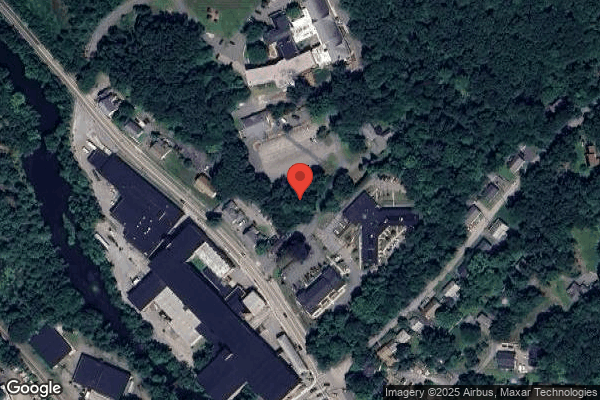
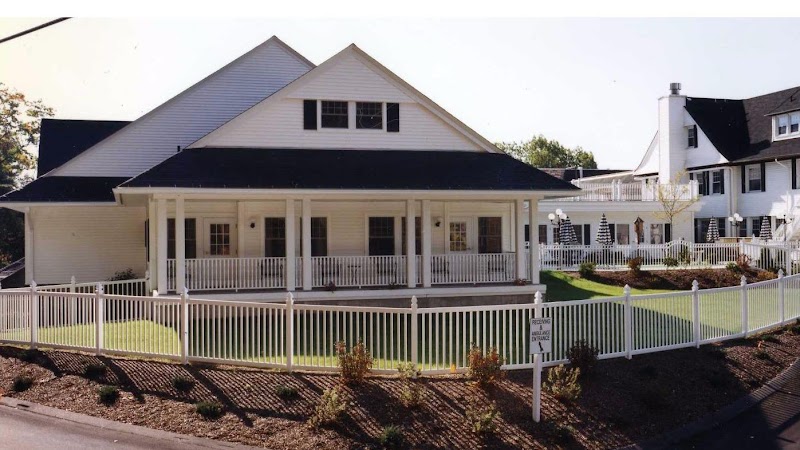
85 BEAUMONT DRIVE, NORTHBRIDGE, MA 01534 (508) 234-9771
For profit - Limited Liability company 154 Beds ADVINIACARE Data: November 2025
Trust Grade
50/100
#194 of 338 in MA
Last Inspection: July 2024

Within standard 12-15 month inspection cycle. Federal law requires annual inspections.

Overview

Adviniacare at Northbridge has received a Trust Grade of C, which means it is average and ranks in the middle of the pack among nursing homes. It ranks #194 out of 338 facilities in Massachusetts, placing it in the bottom half, and #30 out of 50 in Worcester County, indicating only one local option is better. The facility's performance is worsening, with issues increasing from 9 in 2023 to 20 in 2024, and it has a concerning staffing rating of 1 out of 5 stars, with a turnover rate of 43%, which is about average for the state. Although they have not incurred any fines, which is a positive aspect, they also have less RN coverage than 91% of Massachusetts facilities, meaning residents may miss critical oversight. Specific concerns include inadequate reviews of care plans for residents and failure to ensure proper hand hygiene, which could jeopardize resident health, highlighting both weaknesses in care practices and the need for improvement.

Trust Score
C
50/100
In Massachusetts
#194/338
Bottom 43%
Safety Record
Low Risk
No red flags
Inspections
Getting Worse
9 → 20 violations
Staff Stability
○ Average
43% turnover. Near Massachusetts's 48% average. Typical for the industry.
Penalties
✓ Good
No fines on record. Clean compliance history, better than most Massachusetts facilities.
Skilled Nurses
⚠ Watch
Each resident gets only 19 minutes of Registered Nurse (RN) attention daily — below average for Massachusetts. Fewer RN minutes means fewer trained eyes watching for problems.
Violations
⚠ Watch
40 deficiencies on record. Higher than average. Multiple issues found across inspections.
★★☆☆☆
2.0
Overall Rating
★☆☆☆☆
1.0
Staff Levels
★★★☆☆
3.0
Care Quality
★★★☆☆
3.0
Inspection Score
Stable
2023: 9 issues
2024: 20 issues

The Good

  • Full Sprinkler Coverage · Fire safety systems throughout facility
  • No fines on record
  • Staff turnover below average (43%)

    5 points below Massachusetts average of 48%

Facility shows strength in fire safety.

The Bad

2-Star Overall Rating

Below Massachusetts average (2.9)

Below average - review inspection findings carefully

Staff Turnover: 43%

Near Massachusetts avg (46%)

Typical for the industry

Chain: ADVINIACARE

Part of a multi-facility chain

Ask about local staffing decisions and management

The Ugly 40 deficiencies on record

Jul 2024 9 deficiencies
CONCERN (D)

Potential for Harm - no one hurt, but risky conditions existed

Resident Rights (Tag F0550)

Could have caused harm · This affected 1 resident

Based on observation, interview and policy review, the facility failed to ensure its staff provided a dignified dining experience for one Resident (#103) out of total sample of 21 residents. Specifica...

Read full inspector narrative →
Based on observation, interview and policy review, the facility failed to ensure its staff provided a dignified dining experience for one Resident (#103) out of total sample of 21 residents. Specifically, the facility staff remained standing and stood over Resident #103 while assisting the Resident during a breakfast meal. Findings include: Review of the facility policy titled Dining, last revised April 2023, indicated the following: -Meals are served to residents in various locations in accordance with resident preference and or needs: Main Dining Room, Resident's Own Room, Unit Dayroom, and other areas designated for family/visitor dining. -Sit next to residents while assisting them to eat rather than standing over them. On 7/30/24 at 8:40 A.M., the surveyor observed Resident #103 reclining in bed with the head of the bed elevated. The surveyor observed Certified Nurses Aide (CNA) #3 standing over the Resident and his/her bed while assisting him/her with the breakfast meal. During an interview on 7/30/24 at 8:50 A.M., CNA #3 said that Resident #103 needs help eating most of the time. CNA #3 said she does not like to sit next to the bed when assisting Resident #103 with meals and she prefers to stand and be positioned higher than the Resident. During an interview on 7/30/24 at 8:53 A.M., Unit Manager (UM) #1 said staff are supposed to be at eye level with residents when assisting with meals and that CNA #3 should not have been standing over Resident #103 while assisting the Resident with breakfast. During an interview on 7/30/24 at 10:58 A.M., the Assistant Director of Nurses (ADON) said that CNA #3 should not have stood over Resident #103 while assisting him/her with breakfast and should have been seated next to the Resident.
CONCERN (D)

Potential for Harm - no one hurt, but risky conditions existed

Deficiency F0582 (Tag F0582)

Could have caused harm · This affected 1 resident

Based on interview, policy and record review, the facility failed to ensure that Skilled Nursing Facility Advanced Beneficiary Notices of Non-coverage (SNF ABN- notice issued to a resident when a faci...

Read full inspector narrative →
Based on interview, policy and record review, the facility failed to ensure that Skilled Nursing Facility Advanced Beneficiary Notices of Non-coverage (SNF ABN- notice issued to a resident when a facility determines the beneficiary no longer qualifies for Medicare Part A skilled services and the resident has not used all his/her Medicare benefit days) were issued for two Residents (#213 and #215) out of a total applicable sample of three residents, so that the Residents could decide if they wished to continue receiving skilled services that may not be paid for by Medicare, and were aware of the financial responsibility they may have to assume. Specifically, the facility failed to: 1. For Resident #213, issue a SNF ABN when the Resident no longer qualified for Medicare Part A skilled services and chose to remain in the facility. 2. For Resident #215, issue a SNF ABN when the Resident no longer qualified for Medicare Part A skilled services and chose to remain in the facility. Findings include: Review of the facility policy for SNF ABN dated June 2022, indicated that the facility follows the SNF ABN standards as instructed by the Centers for Medicare and Medicaid Services (CMS). Review of the CMS website for SNF ABN last modified 9/6/23, indicated: -Skilled Nursing Facilities (SNFs) must issue a notice to Original Medicare (fee for service - FFS) beneficiaries in order to transfer potential financial liability before the SNF provides: >an item or service that is usually paid for by Medicare, but may not be paid for in this particular instance because it is not medically reasonable and necessary, or >custodial care (non-medical assistance with daily tasks and basic living needs for those who are not sick or disabled). 1. Resident #213 was admitted to the facility in April 2024. Review of the medical record indicated that Resident #213 came off (Medicare benefits ended) his/her Medicare benefit on 6/13/24. The facility was unable to provide any SNF ABN notice corresponding with the Resident ending his/her Medicare benefit on 6/13/24, for the surveyor to review. 2. Resident #215 was admitted to the facility in February 2024. Review of the medical record indicated Resident #215 came off his/her Medicare benefit on 2/24/24. The facility was unable to provide any SNF ABN notice corresponding with the Resident ending his/her Medicare benefit on 2/24/24, for the surveyor to review. During an interview on 7/30/24 at 11:56 A.M., the Social Worker (SW) said that the SNF ABN forms should have been issued to Resident's #213 and #215 and/or their Representatives and the SNF ABN forms had not been issued as required.
CONCERN (D)

Potential for Harm - no one hurt, but risky conditions existed

Deficiency F0657 (Tag F0657)

Could have caused harm · This affected 1 resident

**NOTE- TERMS IN BRACKETS HAVE BEEN EDITED TO PROTECT CONFIDENTIALITY** Based on interview, record and policy review, the facility failed to ensure that the Resident and/or Resident Representative was...

Read full inspector narrative →
**NOTE- TERMS IN BRACKETS HAVE BEEN EDITED TO PROTECT CONFIDENTIALITY** Based on interview, record and policy review, the facility failed to ensure that the Resident and/or Resident Representative was provided the right to participate in the care planning process for one Resident (#8) out of a total sample of 21 residents. Specifically, the facility failed to ensure that: -quarterly care plan meetings (for March 2024 and June 2024) were conducted as required for Resident #8. -the Resident/Resident Representative participated in the care planning process. -the Interdisciplinary Team (IDT) met quarterly in 2024 to review the plan of care as required. Findings include: Review of the facility policy titled Care Plans, last revised 1/2023, included the following: -Each Resident of this facility shall be involved in the development and review of his/her plan of care along with her/her family member. -Interdisciplinary Team (IDT - two or more disciplines i.e. nursing, medicine, sociology, etc.) conferences shall be held for each resident at 90-day intervals and more often if needed. -Dates of each interdisciplinary care conference and the participants in each conference shall be documented in the resident's medical record. Resident #8 was admitted to the facility in June 2023, with a diagnosis of Bipolar Disorder (a mental health condition that causes extreme mood swings that include emotional highs (mania or hypomania) and lows (Depression). Review of the MDS (Minimum Data Set) assessment dated [DATE], indicated that Resident #8 was cognitively intact as evidenced by a Brief Interview of Mental Status (BIMS) score of 12 out of 15. During an interview on 7/25/24 at 9:29 A.M., Resident #8 said that he/she had never heard of care plan meetings occurring at the facility. Review of the MDS Schedule for Resident #8 indicated that the Resident had care plan meetings scheduled for March 2024 and June 2024. Review of Resident #8's clinical record indicated no documented evidence that the Resident/Resident Representative participated in the care planning process or that the IDT met quarterly as required for 2024, to review the plan of care. Further review of the clinical record indicated there were no meetings or refusals to participate in the meetings by the Resident/Resident Representative documented for 2024. During an interview on 7/30/24 at 7:45 A.M., the Social Worker (SW) said that he was unable to find progress notes or sign-in sheets that the care plan meetings had been held and that the Resident and/or Resident Representative had participated in the care plans meetings according to the facility policy.
CONCERN (D)

Potential for Harm - no one hurt, but risky conditions existed

Deficiency F0658 (Tag F0658)

Could have caused harm · This affected 1 resident

**NOTE- TERMS IN BRACKETS HAVE BEEN EDITED TO PROTECT CONFIDENTIALITY** Based on observation, interview, record and policy review, the facility failed to provide care according to professional standar...

Read full inspector narrative →
**NOTE- TERMS IN BRACKETS HAVE BEEN EDITED TO PROTECT CONFIDENTIALITY** Based on observation, interview, record and policy review, the facility failed to provide care according to professional standards of practice for one Resident (#76) out of a total sample of 21 residents. Specifically, the facility staff failed to: -adequately assess Resident #76 for bruising (when a part of the body is injured and blood from the damaged capillaries [small blood vessels] leaks out and pools under the skin). -provide interventions to reduce the risk for bruising when the Resident was prescribed antiplatelet (prevents platelets from sticking together and decreasing the body's ability to form blood clots) medication and developed bruises on his/her upper extremities, increasing the Resident's risk for bleeding complications. Findings include: Review of the facility's policy titled, Risk and Skin Assessments, dated July 2018 and revised January 2023, indicated the following: -Implement appropriate strategies /plans to: attain/maintain intact skin, prevent complications, promptly identify or manage complications . -Weekly skin checks should be done by a Licensed Nurse weekly and PRN (pro re [NAME]: as the need arises). -When completing skin checks, licensed nurses should identify any current skin concerns as well as any new skin concerns. Review of the Cleveland Clinic's Health Library for Antiplatelet Drugs (https://my.clevelandclinic.org/health/drugs/22955-antiplatelet-drugs), dated 5/5/22, indicated: -Antiplatelet drugs prevent platelets from sticking together and decrease your body's ability to form blood clots. -Aspirin is the most commonly used antiplatelet drug. -The main risk associated with antiplatelet therapy is excessive bleeding. -A side effect of Aspirin use is bruising. Resident #76 was admitted to the facility in February 2024, with diagnoses including Peripheral Vascular Disease (PVD: a circulatory condition in which narrowed blood vessels reduce blood flow to the limbs), Traumatic Subdural Hemorrhage (bleeding that occurs between the brain and the skull caused by a head injury) without loss of consciousness, Chronic Kidney Disease (CKD: damage that occurs over time that reduces the kidney's abilities to filter waste and fluids from the blood and can increase one's risk for heart disease and stroke), and Dementia (group of symptoms affecting memory, thinking, and daily life activities). Review of Resident #76's Minimum Data Set Assessment, dated 5/17/24, indicated the following: -The Resident was severely cognitively impaired as evidenced by a Brief Interview for Mental Status (BIMS) score of three out of 15 total points. -The Resident was receiving antiplatelet medication. Review of Resident #76's July 2024 Physician's orders indicated the following order with a start date of 2/17/24 and no end date: -Aspirin (antiplatelet medication) 81 Oral Tablet Chewable; give 81 mg (milligrams) by mouth one time a day related to PVD. Review of Resident #76's Skin Only Evaluation dated 7/23/24, indicated the Resident's skin color was normal and no skin issues were identified. On 7/25/24 at 11:33 A.M., the surveyor observed Resident #76 sitting in a wheelchair in his/her room. The surveyor observed a large, deep purple bruise on the back of the Resident's left forearm, just above the Resident's wrist. During an interview at the time, Resident #76 said he/she was unsure where the bruise came from and that he/she thought he/she just banged it a while ago. On 7/30/24 at 8:56 A.M., the surveyor observed Resident #76 sitting in a wheelchair in the hallway near the nurses station. The surveyor further observed that the large bruise was still present on the back of the Resident's left forearm, just above his/her wrist. The surveyor also observed one round-shaped deep purple bruise on the backs of each of the Resident's hands. During an interview at the time, Resident #76 said he/she had no bruises and there was nothing there. Review of Resident #76's Skin Only Evaluation dated 7/30/24, with a completion time of 11:16 A.M. indicated the Resident's skin color was normal and that no skin issues were identified. Review of Resident #76's clinical record included no documentation relative to the bruises the surveyor observed (on 7/25/24 and 7/30/24) on the back of the Resident's left forearm and the backs of both of the Resident's hands. Further review of the clinical record indicated no instructions to monitor the Resident for bruising and no interventions implemented to reduce the Resident's risk for bruising. During an interview on 7/30/24 at 1:46 P.M. with Nurse #3 and Unit Manager (UM) #2, Nurse #3 said that when she completed weekly skin checks for residents, she documented all new skin issues identified, as well as previously identified skin issues on the Skin Only Evaluation until the skin issues were resolved. Nurse #3 also said if a new skin issue was identified between the weekly skin checks, another Skin Only Evaluation would be completed. Nurse #3 said all residents who received antiplatelet medications, including Aspirin, were to be monitored for bruising and abnormal bleeding and that Resident #76 received a daily dose of 81 mg of Aspirin. Nurse #3 said she completed a scheduled weekly Skin Only Evaluation for Resident #76 on 7/30/24, and no skin issues were identified. When the surveyor asked about the bruises on the Resident's hands and left forearm that were observed by the surveyor, Nurse #3 said she did not indicate the Resident's bruises on the Skin Only Evaluation because the Resident bruised often and the bruises usually improved over a few days time. Nurse #3 said the Resident frequently packed his/her belongings in large bags and positioned them over his/her arms while moving through the hallway in his/her wheelchair. Nurse #3 said she had not seen the Resident bruise when he/she performed this activity, but she thought this may have been what contributed to his/her frequent upper extremity bruising. Nurse #3 then said if she thought the bruises looked like they required treatment, she would document them on the Skin Only Evaluation and notify the Resident's Physician and Healthcare Proxy (HCP: individual identified to make healthcare decisions for someone who cannot make healthcare decisions for him/herself). Nurse #3 said if the bruising did not look like it needed treatment, she would just observe the Resident to ensure the bruising did not worsen. Nurse #3 said she was not sure how other staff at the facility would monitor the Resident's bruises for improvement or worsening when the bruising had not been assessed as the other staff would have no baseline comparison of the bruising. During an interview at the time, UM #2 said she was not sure if 81 mg of Aspirin daily triggered staff to monitor for side effects of bruising or bleeding as 81 mg was a low dose, but whenever a bruise was identified on a resident, the bruise would be documented on the Skin Only Evaluation. UM #2 further said any resident identified with bruising should have monitoring for bruising and bleeding in place and a care plan with interventions to reduce the risk for bruising and bleeding implemented. UM #2 said the bruises observed by the surveyor on Resident #76's left forearm and hands should have been indicated on the Skin Only Evaluation, dated 7/30/24. UM #2 also said nursing staff should have completed Skin Only Evaluations when the Resident's bruises initially occurred and were identified, and that measurements of the bruises should have been obtained for monitoring purposes to ensure the bruises improved and did not worsen. UM #2 said Resident #76's Physician and HCP should have been notified of the bruising and interventions should have been identified and implemented to reduce the Resident's risk for bruising and abnormal bleeding. During an interview on 7/30/24 at 2:01 P.M., the Assistant Director of Nursing (ADON) said she was not made aware that Resident #76 bruised frequently and she had received no communication that Resident #76 had sustained bruises to his/her left forearm and backs of hands. The ADON said a daily dose of 81 mg of Aspirin would not trigger monitoring for bruising or bleeding, but all residents were to be assessed and monitored if they developed bruising. The ADON further said the bruising observed on Resident #76's upper extremities should have been assessed adequately and timely, and should have been monitored for worsening and/or improvement. The ADON said Resident #76 should have had instructions in place to monitor for bruising and bleeding, and should have had a care plan developed with individualized interventions in attempt to reduce the Resident's risk for bruising, but no monitoring instructions were in place and no interventions had been implemented to reduce the Resident's risk for bruising and abnormal bleeding.
CONCERN (D)

Potential for Harm - no one hurt, but risky conditions existed

Deficiency F0760 (Tag F0760)

Could have caused harm · This affected 1 resident

**NOTE- TERMS IN BRACKETS HAVE BEEN EDITED TO PROTECT CONFIDENTIALITY** Based on record and policy review, and interview, the facility staff failed to ensure that one Resident (#112) out of two closed...

Read full inspector narrative →
**NOTE- TERMS IN BRACKETS HAVE BEEN EDITED TO PROTECT CONFIDENTIALITY** Based on record and policy review, and interview, the facility staff failed to ensure that one Resident (#112) out of two closed records reviewed, was free from significant medication errors. Specifically, the facility failed to accurately reconcile (the formal process of obtaining a complete and accurate list of a patient's current medications) Resident #112's medication when the Resident was admitted to the facility, resulting in routine daily medication not being administered to the Resident as required and increasing the risk for adverse reactions related to the missed doses of the medications. Findings include: The Facility Policy, titled Medication Errors, last revised 8/2019, indicated: -a medication error is any preventable event that may cause or lead to inappropriate medication use or resident harm -significant medication errors are those which require medical intervention and or result in possible or confirmed morbidity or mortality -type of medication errors include: .unordered dose Resident #112 was admitted to the facility in April 2024, with diagnoses including Heart Failure (HF: when the heart is unable to pump blood as it should resulting in fluid buildup in the feet, arms, lungs and other organs), hyperlipidemia (above normal fat levels in the blood), Atrial Fibrillation (A-fib: irregular, rapid heartbeat that can lead to blood clots and other heart related complications) and Hypertension (HTN: high blood pressure). Review of a Nursing Progress Note dated 5/2/24, in Resident #112's medical record indicated: -that the Resident had chosen to leave the facility against medical advice (AMA) -that the Resident's Healthcare Proxy (HCP: the person chosen as the healthcare decision maker when the individual is unable to do so for themself) brought to the Nurse's attention that four of the Resident's medications had been missing from the Resident's medication list: >Eliquis (blood thinner medication) >Buspirone (anti-anxiety medication) >Atorvastatin (anti-hyperlipidemic medication) >Metoprolol (anti-hypertensive medication) -that the Physician had been notified of the medication error and the facility offered to keep the Resident in the facility to start the missed medications and to monitor for adverse effects, which the Resident and HCP declined. Review of Resident #112's Hospital History and Physical Report dated 4/25/24, documented the following active medications with no stop date: -Apixaban (Eliquis) 5 milligrams (mg), give twice daily -Atorvastatin Calcium 40 mg, give at bedtime -Buspirone 5 mg, give twice daily -Metoprolol Tartrate 25 mg, give twice daily Review of Resident #112's Physician's orders did not indicate that the medications listed on the Hospital History and Physical Report dated 4/25/24, had been ordered for the Resident upon admission to the facility through to his/her discharge on [DATE]. During an interview on 7/30/24 at 3:26 P.M., the Assistant Director of Nurses (ADON) said that Resident #112 should have been provided the listed medications (on the Hospital History and Physical Report, dated 4/25/24) during their stay in the facility and had not been.
CONCERN (D)

Potential for Harm - no one hurt, but risky conditions existed

Food Safety (Tag F0812)

Could have caused harm · This affected 1 resident

**NOTE- TERMS IN BRACKETS HAVE BEEN EDITED TO PROTECT CONFIDENTIALITY** Based on observation, interview and policy review, the facility failed to follow safe sanitation and food handling practices to ...

Read full inspector narrative →
**NOTE- TERMS IN BRACKETS HAVE BEEN EDITED TO PROTECT CONFIDENTIALITY** Based on observation, interview and policy review, the facility failed to follow safe sanitation and food handling practices to prevent the risk of foodborne illness in accordance with professional standards for food service safety by two staff members (Nurse #2 and Unit Manager {UM} #1) on one unit ([NAME] Unit). Specifically, Nurse #2 and UM #1 failed to appropriately use a plastic scoop from a multi-use container of powdered thickening agent (a substance used to thicken liquids for individuals who have difficulty swallowing) in a sanitary manner for three occurrences pertaining to three residents during a meal tray pass on the [NAME] Nursing Unit. Findings include: Review of the facility policy titled Hand Hygiene, last reviewed 2/1/22, indicated that hand hygiene should be performed after contact with medical supplies and equipment in resident areas. Review of the facility policy titled Dining, last revised 4/2023, indicated that Infection Control practices must be followed during the meal pass process. On 7/30/24 at 8:14 A.M., the surveyor observed UM #1 and Nurse #2 at the breakfast meal cart preparing food trays for residents on the [NAME] Nursing Unit. The surveyor observed UM #1 remove the lid from a multi-use container of powdered thickening agent, reach into the container with a bare hand, retrieve a plastic scoop containing powdered thickening agent from inside the container and add the powder to a liquid container on a resident's meal tray. The surveyor observed UM #1 replace the same plastic scoop back into the multi-use container of powdered thickening agent and secure the plastic lid to the container. On 7/30/24 at 8:22 A.M., the surveyor observed UM #1 remove the lid from a multi-use container of powdered thickening agent, reach into the container with a bare hand, retrieve the plastic scoop containing powdered thickening agent from inside the container and add the powder to a liquid container on a resident's meal tray. The surveyor observed UM #1 replace the same plastic scoop back into the multi-use container of powdered thickening agent and secure the plastic lid to the container. On 7/30/24 at 8:25 A.M., the surveyor observed Nurse #2 remove the lid from a multi-use container of powdered thickening agent, reach into the container with a bare hand, retrieve the plastic scoop containing powdered thickening agent from inside the container and add the powder to a liquid on a resident's meal tray. The surveyor observed Nurse #2 replace the same plastic scoop back into the multi-use container of powdered thickening agent. During an interview on 7/30/24 at 8:43 A.M., UM #1 said that she used the plastic scoop from inside the canister (container) to add the powdered thickening agent to the drinks on resident's meal trays. UM #1 said that she performed hand hygiene prior to beginning the meal tray pass but did not perform hand hygiene at any time during the meal tray pass. UM #1 also said that she did not perform hand hygiene prior to or after retrieving the plastic scoop from the canister of powdered thickening agent. UM #1 said that she should have performed hand hygiene when she retrieved the plastic scoop from inside the canister.
CONCERN (D)

Potential for Harm - no one hurt, but risky conditions existed

Infection Control (Tag F0880)

Could have caused harm · This affected 1 resident

**NOTE- TERMS IN BRACKETS HAVE BEEN EDITED TO PROTECT CONFIDENTIALITY** Based on observation, interview, policy and record review the facility failed to ensure that Transmission-Based Precautions (TBP...

Read full inspector narrative →
**NOTE- TERMS IN BRACKETS HAVE BEEN EDITED TO PROTECT CONFIDENTIALITY** Based on observation, interview, policy and record review the facility failed to ensure that Transmission-Based Precautions (TBP: infection control measures used in addition to standard precautions [infection prevention practices that apply to all residents, regardless of suspected or confirmed diagnosis or presumed infection status] for patients who may be infected with certain infectious agents) were implemented for one Resident (#36) out of a total sample of 21 residents. Specifically, the facility staff failed to follow Contact Precautions (refers to measures that are intended to prevent transmission of infectious agents which are spread by direct or indirect contact with the resident or the resident's environment) for Resident #36 whose urine was infected with extended-spectrum beta-lactamase (ESBL: an enzyme found in some bacteria that is resistant to many antibiotic treatments, and associated with poor outcomes) producing bacteria, resulting in risk for transmission of infection to others. Findings include: Review of the facility policy titled Isolation Precautions, dated 7/2018 with revision date 2/2023, indicated: -It is the facility's policy to foster compliance with Federal and State Regulations, CDC (Centers for Disease Control and Prevention) .to provide guidelines for general infection control while caring for residents. -Transmission Based Precautions shall be used when caring for residents who are documented or suspected to have communicable diseases or infections that can be transmitted to others. -Contact transmission occurs through direct contact with the organism and then contact with another person or surface (examples: infected wounds, urine, or feces). Resident #36 was admitted to the facility in February 2024, with diagnoses including Urinary Tract Infection (UTI: bacterial infection in any part of the urinary system/organs) and Diabetes (disease in which the body's ability to produce or respond to the hormone insulin is impaired resulting in elevated blood glucose [sugar] levels in the blood). Review of the Minimum Data Set (MDS) assessment dated [DATE], indicated that Resident #36: -was cognitively intact as evidenced by a Brief Interview for Mental Status (BIMS) score of 15 out of a total score of 15. -was always incontinent (having no or insufficient voluntary control) of urine. Review of the Comprehensive resident-specific Care Plan for Resident #36, dated 7/13/24 with revision on 7/16/24 indicated the following: -Resident treated for urine infection -Maintain Contact Precautions Review of the July 2024 Physician's orders for Resident #36 indicated the following: -Nitrofurantoin (antibiotic used to treat UTI) 100 mg (milligram) by mouth every 12 hours for urinary tract infection (UTI) for 5 days, initiated on 7/13/24 -Maintain Contact Precautions Q (every) Shift for urine, initiated on 7/16/24 -Levaquin (antibiotic used to treat bacterial infection) 500 mg by mouth one time a day for urinary tract infection for 10 days, initiated on 7/29/24 On 7/25/24 at 10:00 A.M. the surveyor observed a sign hanging on the doorway of Resident #36's room that indicated: -CONTACT PRECAUTIONS EVERYONE MUST: >Clean their hands, including before entering and when leaving the room. -PROVIDERS AND STAFF MUST ALSO >Put on gloves before room entry. Discard gloves before room exit. >Put on a gown before room entry and discard gown before room exit. On 7/25/24 at 10:29 A.M., the surveyor observed CNA #1 enter Resident #36's room without performing hand hygiene and donning (putting on) a pair of gloves. The surveyor observed CNA #1 was observed by the surveyor, touching surfaces in the room including the bathroom doorknob, bedside table, and privacy curtains. The surveyor observed CNA #1 doff (remove) her gloves and exit the room without performing hand hygiene and proceeded to access two separate clean linen carts in the hallway and retrieve towels. The surveyor observed CNA #1 return to Resident #36's room and enter the room without performing hand hygiene and donning gloves. During an interview on 7/25/24 at 10:40 A.M., CNA #1 said that she did not think that a gown and gloves were needed because she did not touch Resident #36. CNA #1 further said it is important to remove gloves and clean hands before leaving the room because it could spread germs. On 7/29/24 at 10:45 A.M., the surveyor observed CNA #2 enter Resident #36's room without performing hand hygiene or donning gown and gloves. The surveyor observed CNA #2 touching Resident #36's wheelchair, privacy curtain and bedside table, before exiting the room. During an interview on 7/29/24 at 10:50 A.M., CNA #2 said Resident #36 was on Contact Precautions for a bacterial infection in the urine. CNA #2 said that he did have contact with the surfaces in the room and did not cleanse his hands before entry or put on gown and gloves before entering the room because he did not think he needed to unless he was touching the Resident's urine. CNA #2 said gown and gloves should be worn to protect himself and other residents from spreading germs. During an interview on 7/29/24 at 3:00 P.M., The Infection Preventionist (IP) said Resident #36 was on Contact Precautions for an ESBL urinary infection to prevent the spread of infection to others. The IP said all staff should be cleaning their hands as well as put on gown and gloves before room entry for Resident #36. The IP further said gowns and gloves should be removed and hands cleaned before staff leave the room.
CONCERN (D)

Potential for Harm - no one hurt, but risky conditions existed

Deficiency F0883 (Tag F0883)

Could have caused harm · This affected 1 resident

**NOTE- TERMS IN BRACKETS HAVE BEEN EDITED TO PROTECT CONFIDENTIALITY** Based on interview, policy and record review, the facility failed to provide a Pneumococcal (bacteria often found in the nose an...

Read full inspector narrative →
**NOTE- TERMS IN BRACKETS HAVE BEEN EDITED TO PROTECT CONFIDENTIALITY** Based on interview, policy and record review, the facility failed to provide a Pneumococcal (bacteria often found in the nose and throat, is transmissible to others, and can cause infection) Vaccine to one Resident (#9) out of five applicable residents, out of a total sample of 21 residents. Specifically, the facility staff failed to provide a Pneumococcal Vaccine to Resident #9 when the Resident had previously received Pneumococcal Vaccine doses, was not up-to-date with his/her Pneumococcal Vaccine status, and consented to receive the Pneumococcal Vaccine when it was offered to him/her by the facility. Findings include: Review of the facility's policy titled, Pneumococcal Vaccination, dated 7/2019 and revised 2/2023, indicated: -All residents will be offered Pneumococcal Vaccines to aid in preventing Pneumonia/Pneumococcal infections. -The facility will offer Penumococcal Vaccination to all admitted residents, [AGE] years of age and older, unless such resident has already received vaccination, is not in need of a booster, or is a person for whom it is medically contraindicated. Review of the Centers for Disease Control and Prevention (CDC) Guideline titled, Pneumococcal Vaccination: Summary of Who and When to Vaccinate, dated 9/22/23, indicated the following for adults age [AGE] years or older who received PCV13 (Pneumococcal Conjugate Vaccine 13) at any age and PPSV23 (Pneumococcal Polysaccharide Vaccine 23) before age [AGE] years: *For older adults who don't have an immunocompromising condition, cochlear implant, or cerebrospinal fluid leak: -Give 1 dose of PCV20 (Pneumococcal Conjugate Vaccine 20) or PPSV23. Regardless of vaccine used, their series is complete. -The PCV20 dose should be given at least 5 years after the last Pneumococcal Vaccine. -The PPSV23 dose should be given at least 5 years after the last PPSV23 dose. It should also be given at least 1 year after the PCV13 dose. *For older adults who have an immunocompromising condition, cochlear implant, or cerebrospinal fluid leak: -Give 1 dose of PCV20 or PPSV23. Regardless of vaccine used, their series is complete. -The PCV20 dose should be given at least 5 years after the last Pneumococcal Vaccine. -The PPSV23 dose should be given at least 5 years after the last PPSV23 dose. It should also be given at least 8 weeks after the PCV13 dose. Resident #9 was admitted to the facility in May 2022, with diagnoses including Type Two Diabetes Mellitus (DM II - condition in which the body does not produce enough insulin hormone and has trouble controlling blood sugar levels) and Acute Respiratory Failure (a life-threatening condition where the lungs cannot provide enough oxygen to the body or remove enough carbon dioxide from the body). Review of Resident #9's clinical record indicated the following: -The Resident was over the age of 65 years when he/she was admitted to the facility. -The Resident received a PPSV23 vaccine on 10/29/96, when the Resident was less than [AGE] years of age. -The Resident received a PCV13 vaccine on 11/19/14 (the Resident's most recent dose of pneumococcal vaccine). -The Resident consented to receive the Pneumococcal Vaccine on 5/18/22. Further review of the clinical record included no evidence that Resident #9 received the Pneumococcal Vaccine after he/she had consented or that the vaccine was medically contraindicated. During an interview on 7/30/24 at 3:40 P.M., the Infection Preventionist (IP) said Resident #9 had resided in the facility since May 2022 and had consented to receive the Pneumococcal Vaccine when he/she was admitted . The IP said the facility adhered to CDC guidelines for administration of Pneumococcal Vaccines and that Resident #9 was not considered up-to-date with his/her Pneumococcal Vaccine, according to CDC guidelines. The IP further said Resident #9's most recent dose of Pneumococcal Vaccine was 11/19/14, and that the Resident was overdue for Pneumococcal Vaccination.
MINOR (B)

Minor Issue - procedural, no safety impact

Assessment Accuracy (Tag F0641)

Minor procedural issue · This affected multiple residents

**NOTE- TERMS IN BRACKETS HAVE BEEN EDITED TO PROTECT CONFIDENTIALITY** Based on record review and interview, the facility failed to accurately code two Minimum Data Set (MDS) Assessments for one Resi...

Read full inspector narrative →
**NOTE- TERMS IN BRACKETS HAVE BEEN EDITED TO PROTECT CONFIDENTIALITY** Based on record review and interview, the facility failed to accurately code two Minimum Data Set (MDS) Assessments for one Resident (#82) out of a total sample of 21 residents. Specifically, the facility staff coded Section N (Medications) to indicate Resident #82 had received Insulin (medication used to regulate blood sugar levels) injections (given by use of a needle) one time during the observations periods (period of look-back used for data collection) for each of the two (February 2024 and May 2024) MDS Assessments completed when the Resident did not receive Insulin injections. Findings include: Resident #82 was admitted to the facility in February 2024 with a diagnosis of Type Two Diabetes Mellitus (DM II - condition in which the body does not produce enough insulin hormone and has trouble controlling blood sugar levels). Review of Resident #82's Physician's orders dated 2/27/24, with no stop date, indicated: -Trulicity (medication used to treat Diabetes and reduce blood sugar levels, that is not classified as Insulin) Subcutaneous (under the skin) Solution Pen-Injector 0.75 mg (milligrams)/ 0.5 ml (milliliter) . Inject 0.5 ml subcutaneously one time a day every Tuesday for Type 2 Diabetes Mellitus Review of Resident #82's MDS assessment dated [DATE], indicated the Resident received an Insulin injection one time during the observation period (2/22/24 - 2/27/24) for the Assessment. Review of Resident #82's February 2024 Medication Administration Record (MAR) indicated the following: -The Resident received one dose of Trulicity during the observation period for the MDS assessment dated [DATE]. -The Resident did not receive any Insulin injections during the observation period for the MDS assessment dated [DATE]. Review of Resident #82's MDS Assessment, dated 5/24/24, indicated the Resident received an Insulin injection one time during the observation period (5/18/24 - 5/24/24) for the Assessment. Review of Resident #82's May 2024 MAR indicated the following: -The Resident received one Trulicity injection during the observation period for the MDS assessment dated [DATE]. -The Resident did not receive any Insulin injections during the observation period for the MDS assessment dated [DATE]. During an interview on 7/25/24 at 4:22 P.M., the MDS Nurse said Resident #82's MDS Assessments dated 2/27/24 and 5/24/24 were coded inaccurately. The MDS Nurse said that Resident #82 had received one injection of Trulicity during the observation periods for each of the MDS Assessments and that Trulicity was not Insulin. The MDS Nurse further said that Resident #82 received no Insulin injections during the observation periods for either of the MDS Assessments dated 2/27/24 and 5/24/24.
Mar 2024 11 deficiencies
CONCERN (D) 📢 Someone Reported This

A family member, employee, or ombudsman was alarmed enough to file a formal complaint

Potential for Harm - no one hurt, but risky conditions existed

Notification of Changes (Tag F0580)

Could have caused harm · This affected 1 resident

Based on interviews and records reviewed, for one of three sampled residents (Resident #1) who had a court appointed a legal Guardian, the Facility failed to ensure they notified Resident #1's Guardia...

Read full inspector narrative →
Based on interviews and records reviewed, for one of three sampled residents (Resident #1) who had a court appointed a legal Guardian, the Facility failed to ensure they notified Resident #1's Guardian that Resident #1 refused his/her daily antipsychotic medication and meals for several days, and that Resident #1 was transferred to the Hospital. Findings include: The Facility Resident Rights Policy, dated as last revised 10/2022, indicated that Federal and State laws guaranteed certain basic rights to residents which included, appointing a legal representative, to be notified of his/her medical condition and to be informed of and participate in his/her care planning and treatment. The Facility Notifications Policy, dated as revised 1/2023, indicated that except in a medical emergency, the Facility must notify the resident's designated representative when there is a significant improvement or decline in the resident's physical, mental or psychosocial status, a need to alter treatment significantly or a decision to transfer or discharge the resident from the Facility. Review of Resident #1's medical record indicated that he/she was admitted to the Facility during March 2024 and his/her diagnoses included obsessive compulsive personality disorder, adult failure to thrive, delusional disorder and unspecified psychosis. The Record indicated that the court appointed a Legal Guardian for Resident #1 during April 2023. The admission Minimum Data Set (MDS) Assessment, dated 3/12/24, indicated Resident #1's mental status was moderately impaired and he/she refused care daily. The MDS indicated Resident #1 was independent with eating, hygiene and was continent of bowel and bladder. The Nursing Clinical admission Note, dated 3/06/24, indicated Resident #1 was alert and oriented to person, place and time, communicated verbally and took nutrition and hydration orally. During a telephone interview on 3/28/24 at 2:37 P.M., Resident #1's Guardian said that on 3/12/24 the Facility admission Director told her the Facility might need to send Resident #1 to the hospital, not that he/she had already been transferred. The Guardian said that the admission Director told her that for several days, Resident #1 hadn't been eating or accepting antipsychotic medications. The Guardian said that the admission Director told her that in an attempt to get Resident #1 to eat, staff members had purchased food from outside of the Facility for Resident #1 which Resident #1 had not consistently accepted. The Guardian said that although Resident #1 had already resided at the Facility for six days, the call from the admission Director on 3/12/24 was her first notification of Resident #1's refusal to eat meals and take his/her medication. The Guardian said that during the telephone conversation, she told the admission Director that if Resident #1 had to be transferred to the hospital, he/she should be transferred to the closest hospital (around 10 miles away.) The Guardian said that the admission Director told her that it would be a disservice to Resident #1 and unfair to the closer hospital to send Resident #1 there, and that ifResident #1 needed to be transferred to the hospital, the Facility thought he/she should go back to the Hospital that referred him/her to the Facility (which was around 60 miles away). Review of nursing, social work and physician Progress Notes for Resident #1 from 3/06/24 through 3/11/24 indicated there was no documentation to support the Facility having notified Resident #1's Guardian that Resident #1 was not eating and refused his/her antipsychotic medications. During an interview on 3/25/24 at 12:45 P.M., the Licensed Social Work Associate (LSWA) said that she tried to call the Guardian on 3/11/24 to discuss Resident #1's diet and left a message with the Guardian's office. The LSWA said that although she emailed the Guardian on 3/11/24, she subsequently found out that she used an incorrect email address. The Guardian provided the Surveyor copies of email correspondence with the Facility, dated 3/07/24, 3/08/24 and 3/11/24, concerning matters unrelated to Resident #1, which supported the Facility had known how to reach her. The Guardian said that later in the afternoon on 3/12/24, the Hospital notified her that Resident #1 was in their Emergency Department (ED). The Guardian said that the Facility had not notified her when they transferred Resident #1 to the ED. During an interview on 3/25/24 at 12:00 P.M., the admission Director said that when she informed the Guardian on 3/12/24 that Resident #1 was being transferred to the Hospital, Resident #1 had already left the Facility and was on his/her way.
CONCERN (D) 📢 Someone Reported This

A family member, employee, or ombudsman was alarmed enough to file a formal complaint

Potential for Harm - no one hurt, but risky conditions existed

Transfer Requirements (Tag F0622)

Could have caused harm · This affected 1 resident

Based on interviews and records reviewed, for one of three sampled residents (Resident #1), the Facility failed to permit Resident #1 to remain in the Facility or to ensure that, prior to discharge, R...

Read full inspector narrative →
Based on interviews and records reviewed, for one of three sampled residents (Resident #1), the Facility failed to permit Resident #1 to remain in the Facility or to ensure that, prior to discharge, Resident #1's Physician documented the danger posed by the Facility's failure to discharge Resident #1 and the Resident's needs which could not be met in the Facility, as required. Findings include: The Facility Discharge/Transfer Policy, dated as revised 10/2022, indicated that each resident will be permitted to remain in the Facility and not be transferred or discharged unless: - a) the transfer or discharge is necessary for the resident's welfare and the resident's needs cannot be met in the Facility; - b) the transfer or discharge is appropriate because the Resident's health had improved; - c) the safety of individuals in the Facility is endangered due to the clinical or behavioral status of the resident; - d) the health of individuals in the Facility would otherwise be endangered; - e) the resident has failed after reasonable and appropriate notice to pay for the stay at the Facility; - f) the Facility ceased to operate, or, - g) the transfer/discharge is resident/family initiated. Review of Resident #1's medical record indicated that he/she was admitted to the Facility during March 2024 and his/her diagnoses included obsessive compulsive personality disorder, adult failure to thrive, delusional disorder and unspecified psychosis. The Record indicated the court appointed a legal Guardian for Resident #1 during April 2023. The admission Minimum Data Set (MDS) Assessment, dated 3/12/24, indicated Resident #1's mental status was moderately impaired and he/she refused care daily. The MDS indicated Resident #1 was independent with eating, hygiene and was continent of bowel and bladder. The Nursing Clinical admission Note, dated 3/06/24, indicated Resident #1 was alert and oriented to person, place and time, communicated verbally, was in a pleasant mood and exhibited no unwanted behaviors. During a telephone interview on 3/26/24 at 3:50 P.M., the Hospital Case Manager said that on 3/12/24, the Facility discharged Resident #1 to their Emergency Department (ED). The Case Manager said that on 3/12/24, when case management staff in the ED contacted the Facility, Facility staff refused to permit Resident #1 to return. During a telephone interview on 3/28/24 at 2:37 P.M., the Guardian said that on 3/12/24 a Hospital ED staff person called her and notified her that Resident #1 was in the ED and the Facility refused to permit Resident #1 to return. During an interview on 3/25/24 at 11:00 A.M., the Administrator said that the Facility discharged Resident #1 to the Hospital ED. During an interview on 3/08/24 at 12:45 P.M., the Licensed Social Work Associate (LSWA) said that, on 3/12/24, she faxed a Notice of Transfer or Discharge for Resident #1 to the Long Term Care Ombudsman office, but said she had not provided a copy of the Notice to Resident #1 or to the Guardian. During a telephone interview on 3/26/24 at 3:27 P.M., the Physician said that on 3/12/24 he received a call from the Unit Manager about Resident #1. The Physician said that the Unit Manager told him that Resident #1 was out of control, wasn't caring for him/herself, wasn't eating, was agitated, uncooperative, was not accepting his/her medications and defecated in his/her room. The Physician said that he gave an order to transfer Resident #1 to the emergency department for an evaluation. The Surveyor asked the Physician about Resident #1's discharge from the Facility to the Hospital ED. The Physician that he did not give the Facility an order to discharge Resident #1. The Surveyor asked the Physician whether of not the Facility was unable to meet Resident #1's care needs. The Physician said that it would be difficult for the Facility to claim an inability to meet Resident #1's needs when they had admitted him/her with those needs a week prior and had cared for him/her for a week. Review of Resident #1's Record indicated there was no documentation to support that the Facility identified specific care needs the Facility could not meet and/or the attempts to meet the needs. Furthermore, the Facility was unable to provide any documentation by he Physician that supported that they could not meet Resident #1's needs.
CONCERN (D) 📢 Someone Reported This

A family member, employee, or ombudsman was alarmed enough to file a formal complaint

Potential for Harm - no one hurt, but risky conditions existed

Transfer Notice (Tag F0623)

Could have caused harm · This affected 1 resident

Based on interviews and records reviewed, for one of three sampled resident (Resident #1) the Facility failed to provide a properly completed written Notice of Transfer or Discharge to the resident/re...

Read full inspector narrative →
Based on interviews and records reviewed, for one of three sampled resident (Resident #1) the Facility failed to provide a properly completed written Notice of Transfer or Discharge to the resident/resident's representative at the time the Facility initiated discharge for Resident #1, in accordance with the Federal regulations and per Facility Policy. Findings include: The Facility Discharge/Transfer Policy, dated as revised 10/2022, indicated that each resident will be permitted to remain in the Facility and not be transferred or discharged unless: - a) the transfer or discharge is necessary for the resident's welfare and the resident's needs cannot be met in the Facility; - b) the transfer or discharge is appropriate because the Resident's health had improved; - c) the safety of individuals in the Facility is endangered due to the clinical or behavioral status of the resident; - d) the health of individuals in the Facility would otherwise be endangered; - e) the resident has failed after reasonable and appropriate notice to pay for the stay at the Facility; - f) the Facility ceased to operate, or, - g) the transfer/discharge is resident/family initiated. Review of Resident #1's medical record indicated that he/she was admitted to the Facility during March 2024 and his/her diagnoses included obsessive compulsive personality disorder, adult failure to thrive, delusional disorder and unspecified psychosis. The Record indicated the court appointed a legal Guardian for Resident #1 during April 2023. The admission Minimum Data Set (MDS) Assessment, dated 3/12/24, indicated Resident #1's mental status was moderately impaired and he/she refused care daily. The MDS indicated Resident #1 was independent with eating, hygiene and was continent of bowel and bladder. During telephone interviews on: - 3/25/24 at 1:13 P.M. with the Hospital Director of Regulatory Affairs, and, - 3/26/24 at 3:50 P.M. with the Hospital Case Manager and Hospital Social Worker, they said the following: the Facility discharged Resident #1 to the Hospital Emergency Department (ED) on 3/12/24, that Resident #1 arrived at the ED without a written Notice of Transfer or Discharge from the Facility, with all of his/her personal belongings and when ED case management staff contacted the Facility, the Facility said they would not permit Resident #1 to return. During a telephone interview on 3/28/24 at 2:37 P.M., the Guardian said that on 3/12/24 the Hospital ED called and notified her that Resident #1 was in the ED and the Facility would not permit Resident #1 to return. The Guardian said that the Facility had not provided her with a written Notice of Transfer or Discharge for Resident #1 at the time of his/her transfer to the ED and discharge from the Facility. The Guardian said she was not aware that Resident #1 was entitled to 30-day's notice of the Facility's intention to discharge him/her or that he/she had the right to appeal the Facility's discharge. During an interview on 3/25/24 at 11:00 A.M., the Administrator said that the Facility had not issued a Notice of Transfer or Discharge to Resident #1 or to his/her Guardian. During an interview on 3/25/24 at 12:45 P.M., the Licensed Social Work Associate (LSWA) said that she faxed a Notice of Transfer or Discharge for Resident #1 to the Long Term Care Ombudsman office, however said she had not provided a copy to Resident #1 or to his/her Guardian.
CONCERN (D) 📢 Someone Reported This

A family member, employee, or ombudsman was alarmed enough to file a formal complaint

Potential for Harm - no one hurt, but risky conditions existed

Deficiency F0624 (Tag F0624)

Could have caused harm · This affected 1 resident

Based on interviews and records reviewed, for one of three sampled residents (Resident #1), who had a court appointed legal Guardian who specified to Facility staff that if needed that Resident #1 be ...

Read full inspector narrative →
Based on interviews and records reviewed, for one of three sampled residents (Resident #1), who had a court appointed legal Guardian who specified to Facility staff that if needed that Resident #1 be transferred to the closest hospital (which was only 10 miles away,) the Facility failed to ensure Resident #1's transfer was safe and orderly when, on 3/12/24 a physician order was obtained by nursing for Resident #1 to be transferred to the Hospital Emergency Department (ED) for evaluation however, the Facility instead discharged Resident #1 to an ED approximately 60 miles away, alone via a wheelchair van with all of his/her personal belongings. Findings include: The Facility Resident Rights Policy, dated as revised 10/2022, indicated staff members would treat residents with respect. The Policy indicated that Federal and State laws guaranteed certain basic rights to all residents, which included the right to participate in decision-making regarding their care. The Facility Care Plans Policy, dated as revised 1/2023, indicated each resident of the Facility would be involved in the development of his/her care plan, along with his/her family member. The Policy indicated the interdisciplinary team would collaborate with the resident and family in revising care plans Review of Resident #1's medical record indicated that he/she was admitted to the Facility during March 2024 and his/her diagnoses included obsessive compulsive personality disorder, adult failure to thrive, delusional disorder and unspecified psychosis. The Record indicated the court appointed a legal Guardian for Resident #1 during April 2023. The admission Minimum Data Set (MDS) Assessment, dated 3/12/24, indicated Resident #1's mental status was moderately impaired and he/she refused care daily. The MDS indicated Resident #1 was independent with eating, hygiene and was continent of bowel and bladder. Review of the Progress Note, dated 3/12/24 at 12:41 P.M. (written by the Unit Manager), indicated Resident #1 refused care, refused to eat any Facility food and a physician order was obtained by nursing staff to transfer Resident #1 to the Hospital for further evaluation. During a telephone interview on 3/26/24 at 3:27 P.M., the Physician said that on 3/12/24, he received a call from the Unit Manager about Resident #1. The Physician said that the Unit Manager told him that Resident #1 was out of control, wasn't caring for him/herself, wasn't eating, was agitated, uncooperative, was not accepting his/her medications and defecated in his/her room. The Physician said that he gave an order to transfer Resident #1 to the emergency department for an evaluation. During a telephone interview on 3/28/24 at 2:37 P.M., the Guardian said that on 3/12/24 the Facility admission Director called her and said that the Facility might need to send Resident #1 to the hospital because he/she had, for several days, not been eating or accepting his/her antipsychotic medications. The Guardian said that during the telephone conversation, she told the admission Director that if Resident #1 had to be transferred to the hospital, he/she should be transferred to the closest hospital (around 10 miles away.) The Guardian said that the admission Director told her that it would be a disservice to Resident #1 and unfair to the closer hospital to send Resident #1 there, and, if Resident #1 needed to be transferred to the hospital, the Facility thought he/she should go back to the Hospital that referred him/her to the Facility (around 60 miles away). The Guardian provided the Surveyor with an email, dated 3/12/24, to the Facility Unit Secretary, which indicated the Guardian's request that, in the event of a transfer to the hospital, Resident #1 be transferred to the closest hospital and not the Hospital which had referred him/her to the Facility. During telephone interviews on: - on 3/25/24 at 1:13 P.M. with the Hospital Director of Regulatory Affairs, and, - on 3/26/24 at 3:50 P.M. with the Hospital Case Manager and Social Worker, they said the following: on 3/12/24, Resident #1 presented to the Hospital ED alone, with several bags of personal belongings, Resident #1 was brought to the hospital in a wheelchair van, not an ambulance, and the ED had not been prepared for or expecting Resident #1's arrival. The Guardian said that a short while later, the Hospital ED notified her that Resident #1 was in the ED. The Guardian said that despite her request, the Facility had transferred Resident #1 to the Hospital that was 60 miles away and not to the closest hospital. The Guardian said that the Facility had not notified her when they transferred Resident #1 to the ED or told her that they were in fact discharging Resident #1. The Hospital Case Manager, Social Worker and Director of Regulatory Affairs said that on 3/12/24, when case management staff in the ED contacted the Facility, Facility staff told them they would not permit Resident #1 to return to the Facility. The Guardian said that on 3/12/24 the Hospital ED notified her that the Facility refused to permit Resident #1 to return. During an interview on 3/25/24 at 11:00 A.M., the Administrator and the Director of Nurses said that when the Facility arranged transportation to the ED for Resident #1, a wheelchair van was available sooner than an ambulance. They said that because Resident #1 was not having a medical emergency and had no need for life support, the Facility scheduled a wheelchair van for Resident #1 instead of an ambulance. The Surveyor asked the Administrator and the Director of Nurses how Resident #1 and the Guardian were prepared for Resident #1's transfer/discharge to the Hospital. They said that because prior to admission, an arrangement had been made with the referring Hospital that if Resident #1's admission to the Facility did not go well, he/she could return to their Hospital, the Facility staff prepared Resident #1 and the Guardian for the transfer/discharge by telling them that the Facility was sending Resident #1 back to the Hospital. The Surveyor asked the Physician about Resident #1's discharge from the Facility to the Hospital ED. The Physician said he had not given the Facility an order to discharge Resident #1.
CONCERN (D) 📢 Someone Reported This

A family member, employee, or ombudsman was alarmed enough to file a formal complaint

Potential for Harm - no one hurt, but risky conditions existed

Deficiency F0625 (Tag F0625)

Could have caused harm · This affected 1 resident

Based on interviews and records reviewed for one of three sampled residents (Resident #1), who had a court appointed legal Guardian, the Facility failed to ensure the Guardian was provided with a writ...

Read full inspector narrative →
Based on interviews and records reviewed for one of three sampled residents (Resident #1), who had a court appointed legal Guardian, the Facility failed to ensure the Guardian was provided with a written notice which specified the duration of the Facility Bed-hold Policy at the time of Resident #1's transfer to the hospital on 3/12/24, as required. Findings include: The Facility Bed Hold Policy, dated as revised 10/2022, indicated that it was the policy of the Facility to provide the resident, responsible party or legal representative with notice of the Facility's Bed Hold Policy at the time of transfer from the Facility to ensure continuity of care and residence post therapeutic leave or hospitalization. The Policy indicated it applied to all residents regardless of payor source and indicated that a written notice including the duration of the State bed hold policy and the reserve bed payment policy would be provided to the resident and/or representative. Review of Resident #1's medical record indicated that he/she was admitted to the Facility during March 2024 and his/her diagnoses included obsessive compulsive personality disorder, adult failure to thrive, delusional disorder and unspecified psychosis. The Record indicated the court appointed a legal Guardian for Resident #1 during April 2023. The admission Minimum Data Set (MDS) Assessment, dated 3/12/24, indicated Resident #1's mental status was moderately impaired and he/she refused care daily. The MDS indicated Resident #1 was independent with eating, hygiene and was continent of bowel and bladder. Review of the Progress Note, dated 3/12/24 at 12:41 P.M. and written by the Unit Manager, indicated Resident #1 refused care, refused to eat any Facility food and a physician order was obtained by nursing staff to transfer Resident #1 to the Hospital for further evaluation. During an interview on 3/25/24 at 11:00 A.M., the Surveyor asked the Administrator whether a copy of their Bed Hold Policy was provided to Resident #1 and his/her Guardian at the time of Resident #1's transfer to the hospital on 3/12/24 and she said one was not. The Administrator said that the Facility did not provide a copy of the Bed Hold Policy to Resident #1 or the Guardian because the Facility discharged Resident #1 to the Hospital and a bed-hold was not in effect.
CONCERN (D) 📢 Someone Reported This

A family member, employee, or ombudsman was alarmed enough to file a formal complaint

Potential for Harm - no one hurt, but risky conditions existed

Safe Transfer (Tag F0626)

Could have caused harm · This affected 1 resident

Based on interviews and records reviewed, for one of three sampled residents (Resident #1), the Facility failed to permit Resident #1 to return following an evaluation in the emergency department (ED)...

Read full inspector narrative →
Based on interviews and records reviewed, for one of three sampled residents (Resident #1), the Facility failed to permit Resident #1 to return following an evaluation in the emergency department (ED) when on 03/12/24, the Facility considered Resident #1 discharged at the time of the transfer. Findings include: The Facility Discharge/Transfer Policy, dated as revised 10/2022, indicated that each resident will be permitted to remain in the Facility and not be transferred or discharged unless: - a) the transfer or discharge is necessary for the resident's welfare and the resident's needs cannot be met in the Facility; - b) the transfer or discharge is appropriate because the Resident's health had improved; - c) the safety of individuals in the Facility is endangered due to the clinical or behavioral status of the resident; - d) the health of individuals in the Facility would otherwise be endangered; - e) the resident has failed after reasonable and appropriate notice to pay for the stay at the Facility; - f) the Facility ceased to operate, or, - g) the transfer/discharge is resident/family initiated. Review of Resident #1's medical record indicated that he/she was admitted to the Facility during March 2024 and his/her diagnoses included obsessive compulsive personality disorder, adult failure to thrive, delusional disorder and unspecified psychosis. Review of Resident #1's medical record indicated that he/she was admitted to the Facility during March 2024 and his/her diagnoses included obsessive compulsive personality disorder, adult failure to thrive, delusional disorder and unspecified psychosis. The Record indicated the court appointed a legal Guardian for Resident #1 during April 2023. The admission Minimum Data Set (MDS) Assessment, dated 3/12/24, indicated Resident #1's mental status was moderately impaired and he/she refused care daily. The MDS indicated Resident #1 was independent with eating, hygiene and was continent of bowel and bladder. Review of the Progress Note, dated 3/12/24 at 12:41 P.M. and written by the Unit Manager, indicated Resident #1 refused care, refused to eat any Facility food and a physician order was obtained by nursing staff to transfer Resident #1 to the Hospital for further evaluation. During telephone interviews on: - 3/25/24 at 1:13 P.M. with the Hospital Director of Regulatory Affairs, and, - 3/26/24 at 3:50 P.M. by telephone with the Hospital Case Manager and Hospital Social Worker, they said the following: the Facility discharged Resident #1 to the Hospital ED on 3/12/24 and when the ED case management staff contacted the Facility, the Facility would not permit Resident #1 to return. During a telephone interview on 3/28/24 at 2:37 P.M., the Guardian said that on 3/12/24 the Facility admission Director called her and said the Facility might need to transfer Resident #1 to the hospital due to refusing to eat or take medications. The Guardian said that a short while later, the Hospital ED called her and notified her that Resident #1 was in the ED and the Facility refused to permit Resident #1 to return. The Hospital Director of Regulatory Affairs, Hospital Case Manager and Social Worker said that on 3/13/24, they attended a virtual meeting about Resident #1 with Facility leadership and the Guardian. The Director of Regulatory Affairs, the Case Manager, Social Worker and Guardian said that the Facility refused to permit Resident #1 to return to the Facility during that virtual meeting on 3/13/24. During an interview on 3/25/24 at 11:00 A.M., with the Administrator and Director of Nursing they said they had attended the virtual meeting with Hospital leadership and the Guardian on 3/13/24 concerning Resident #1. The Surveyor asked whether Hospital staff told them during the virtual meeting that Resident #1 was ready to return and they said not specifically, however, they said the Hospital staff repeatedly stated that Resident #1 did not need to be in the Hospital and did not belong in the Hospital. The Administrator and Director of Nursing said that the Facility did not permit Resident #1 to return to the Facility. The Administrator and Director of Nursing said that when Resident #1 was at the Facility, he/she would not allow staff members to enter his/her room to clean, would not allow staff to assist him/her with personal care and would not accept food or medications. The Administrator and Director of Nursing said they determined the Facility could not meet Resident #1's needs. During an interview on 3/26/24 at 3:27 P.M., the Physician said that it would be difficult for the Facility to claim an inability to meet Resident #1's care needs when they had admitted him/her with those same needs a week prior and had cared for him/her for a week. The Physician said that he did not give an order to nursing staff for Resident #1's discharge.
CONCERN (D) 📢 Someone Reported This

A family member, employee, or ombudsman was alarmed enough to file a formal complaint

Potential for Harm - no one hurt, but risky conditions existed

Deficiency F0660 (Tag F0660)

Could have caused harm · This affected 1 resident

Based on interviews and records reviewed, for one of three sampled residents (Resident #1), who had a court appointed legal Guardian and complex mental health needs, the Facility failed to ensure they...

Read full inspector narrative →
Based on interviews and records reviewed, for one of three sampled residents (Resident #1), who had a court appointed legal Guardian and complex mental health needs, the Facility failed to ensure they developed an effective discharge plan that addressed his/her needs and availability of services, prior to discharge, as required. Findings include: The Facility Discharge/Transfer Process Policy, dated as revised 10/2022, indicated that that Facility interdisciplinary team and the physician would regularly review a resident's potential for discharge and/or need to transfer to an alternate setting. The Policy indicated that a physician order was required in cases on non-emergent discharge. Review of Resident #1's medical record indicated that he/she was admitted to the Facility during March 2024 and his/her diagnoses included obsessive compulsive personality disorder, adult failure to thrive, delusional disorder and unspecified psychosis. The Record indicated the court appointed the Guardian for Resident #1 during April 2023. The admission Minimum Data Set (MDS) Assessment, dated 3/12/24, indicated Resident #1's mental status was moderately impaired and he/she refused care daily. The MDS indicated Resident #1 was independent with eating, hygiene and was continent of bowel and bladder. The MDS indicated that there was no active plan for Resident #1 to return to the community. Review of Resident #1's Care Plan concerns, which were initiated 3/06/24, 3/07/24 and 3/09/24 and revised 3/09/24, indicated the Facility developed Care Plans with a focus on Resident #1's Activities, Mobility, Use of Antipsychotic Medication, Fall Risk, Self-care, Advanced Directives, Potential for Malnutrition, history of Suicidal Ideation and Skin Breakdown. Review of the Care Plan indicated there was no documentation to support the Facility having developed a Care Plan with a focus on any discharge plans for Resident #1. During an interview on 3/25/24 at 2:45 P.M., the Unit Manager said that Resident #1's adjustment to the Facility had not gone well and on 3/12/24, she spoke with the Physician about sending Resident #1 to the Hospital. Review of the Progress Note, dated 3/12/24 at 12:41 P.M. and written by the Unit Manager, indicated Resident #1 refused care, refused to eat any Facility food and a physician order was obtained by nursing staff to transfer Resident #1 to the Hospital for further evaluation. During a telephone interview on 3/26/24 at 3:27 P.M., the Physician said that, on 3/12/24, he received a call from the Unit Manager about Resident #1. The Physician said that the Unit Manager told him that Resident #1 was out of control, wasn't caring for his/herself, wasn't eating, was agitated and uncooperative, was not accepting his/her medication and defecated in his/her room. The Physician said that he gave an order to transfer Resident #1 to the emergency department (ED) for an evaluation. During a telephone interview on 3/28/24 at 2:37 P.M., the Guardian said that on 3/12/24 the Facility admission Director called her and told her the Facility might need to send Resident #1 to the hospital. The Guardian said that during the phone call, the admission Director told her that Resident #1 wasn't eating and refused his/her antipsychotic medication. The Guardian said that during the telephone conversation, she told the admission Director that if Resident #1 had to be transferred to the hospital, he/she should be transferred to the closest hospital (around 10 miles away.) The Guardian said that the admission Director told her that it would be a disservice to Resident #1 and unfair to the closer hospital to send Resident #1 there, and, if Resident #1 needed to be transferred to the hospital, the Facility leadership staff thought he/she should go back to the Hospital that referred him/her to the Facility (which was 60 miles away.) The Guardian provided the Surveyor with an email, dated 3/12/24, to the Facility Unit Secretary, which indicated the Guardian's request that, in the event of a transfer to the hospital, Resident #1 be transferred to the closest hospital and not the Hospital which referred him/her to the Facility. The Guardian said that a short while after her conversation with the admission Director, the Hospital ED notified her that Resident #1 was in the ED (of the Hospital 60 miles away from the Facility.) The Guardian said that the Facility had not told her when Resident #1 was transferred to the Hospital ED. During telephone interviews on: -3/25/24 at 1:13 P.M. with the Hospital Director of Regulatory Affairs, and, -3/26/24 at 3:50 P.M. and with Hospital Case Manager and Hospital Social Worker, they said the following: on 3/12/24, Resident #1 presented to their ED, alone, with several bags of personal belongings, Resident #1 was brought to the ED by a wheelchair van, that the ED had not been prepared for or expecting Resident #1's arrival, when the Facility was contacted about Resident #1, Facility staff informed the ED that Resident #1 was not permitted to return to the Facility, they said Resident #1 did not need to be in the Hospital and had no where to go. The Guardian said that on 3/12/24 the Hospital ED called her and notified her that Resident #1 was in the ED and the Facility refused to permit Resident #1 to return. The Surveyor asked the Physician about Resident #1's discharge from the Facility to the Hospital ED and he said he had not given the Facility an order to discharge Resident #1. The Surveyor asked the Physician about the Facility's ability to meet Resident #1's needs. The Physician said that it would be difficult for the Facility to claim an inability to meet Resident #1's needs when they had admitted him/her with those needs a week prior and had cared for him/her for a week. During an interview on 3/25/24 at 11:00 A.M., with the Administrator and the Director of Nursing, they said the following: when Resident #1 was referred to the Facility by the Hospital, Hospital leadership told them that Resident #1 could return to the Hospital if his/her admission to the Facility was unsuccessful, the Facility did not develop a discharge plan for Resident #1 given their understanding that he/she could return to the Hospital, and the Facility discharged Resident #1 to the Hospital ED when they decided that the Facility could not meet Resident #1's needs. On 3/27/24, the Facility faxed the Surveyor a copy of Resident #1's Discharge Note. The Note, written by the Physician and dated 3/12/24, indicated that he/she received a phone call from the Unit Manager stating that Resident #1 was not eating, was behavioral and was refusing to care for his/her hygiene. The Note indicated the Physician agreed to transfer Resident #1 to the emergency department for further evaluation. Review of the Discharge Note provided to the Surveyor by the Facility indicated there was no documentation to support the Facility having developed a post-discharge plan of care for Resident #1, with Resident #1's participation and/or his/her Guardian, or having obtained a physician order for discharge, as required.
CONCERN (D) 📢 Someone Reported This

A family member, employee, or ombudsman was alarmed enough to file a formal complaint

Potential for Harm - no one hurt, but risky conditions existed

Deficiency F0661 (Tag F0661)

Could have caused harm · This affected 1 resident

Based on interviews and records reviewed, for one of three sampled residents (Resident #1) for whom the Facility initiated a discharge, the Facility failed to ensure completion of a discharge summary ...

Read full inspector narrative →
Based on interviews and records reviewed, for one of three sampled residents (Resident #1) for whom the Facility initiated a discharge, the Facility failed to ensure completion of a discharge summary that included a recapitulation of the Resident #1's stay, course of illness/treatment or therapy, final summary of his/her status and a post-discharge plan of care developed with the participation of Resident #1 and the Guardian, as required. Findings include: The Facility Discharge/Transfer Process Policy, dated as revised 10/2022, indicated that that Facility interdisciplinary team and the physician would regularly review a resident's potential for discharge and/or need to transfer to an alternate setting. The Policy indicated that a physician order was required to discharge a resident in non-emergent cases. Review of Resident #1's medical record indicated that he/she was admitted to the Facility during March 2024 and his/her diagnoses included obsessive compulsive personality disorder, adult failure to thrive, delusional disorder and unspecified psychosis. The Record indicated the court appointed a legal Guardian for Resident #1 during April 2023. The admission Minimum Data Set (MDS) Assessment, dated 3/12/24, indicated Resident #1's mental status was moderately impaired and he/she refused care daily. The MDS indicated Resident #1 was independent with eating and hygiene and was continent of bowel and bladder. Review of the Progress Note, dated 3/12/24 at 12:41 P.M. and written by the Unit Manager, indicated Resident #1 refused care, refused to eat any Facility food and a physician order was obtained by nursing staff to transfer Resident #1 to the Hospital for further evaluation. During a telephone interview on 3/26/24 at 3:27 P.M., the Physician said that on 3/12/24, he received a call from the Unit Manager about Resident #1. The Physician said that the Unit Manager told him that Resident #1 was out of control, wasn't caring for his/herself, wasn't eating, was agitated, uncooperative, was not accepting his/her medication and defecated in his/her room. The Physician said that he gave an order to transfer Resident #1 to the emergency department for an evaluation. The Physician said that he had not given an order for Resident #1 to be discharged . During an interview on 3/25/24 at 11:00 A.M. with the Administrator and Director of Nursing, they said the Facility discharged Resident #1 to the Hospital Emergency Department on 3/12/24. On 3/27/24, the Facility faxed the Surveyor a copy of Resident #1's Discharge Note. The Note, written by the Physician and dated 3/12/24, indicated that he received a phone call from the Unit Manager stating that Resident #1 was not eating was behavioral and was refusing to care for his/her hygiene. The Note indicated the Physician agreed to transfer Resident #1 to the emergency department for further evaluation. Review of the Discharge Note provided to the Surveyor by the Facility indicated there was no documentation to support the Facility's discharge summary included a recapitulation of the Resident #1's stay, course of illness/treatment or therapy, a final summary of Resident #1's status or a post-discharge plan of care developed with the participation of Resident #1 and Guardian, as required.
CONCERN (D) 📢 Someone Reported This

A family member, employee, or ombudsman was alarmed enough to file a formal complaint

Potential for Harm - no one hurt, but risky conditions existed

Deficiency F0740 (Tag F0740)

Could have caused harm · This affected 1 resident

Based on interviews and records reviewed, for one of three sampled residents (Resident #1) whose diagnoses included severe Obsessive Compulsive Disorder (OCD, OCD is a mental disorder that affects a p...

Read full inspector narrative →
Based on interviews and records reviewed, for one of three sampled residents (Resident #1) whose diagnoses included severe Obsessive Compulsive Disorder (OCD, OCD is a mental disorder that affects a person's brain and behavior which causes excessive thoughts that lead to repetitive behaviors and often centers on themes such as a fear of germs and commonly causes food aversion) the Facility failed to ensure Resident #1 received and was provided appropriate Behavioral Health services that addressed and met his/her mental health needs. Findings include: The Facility Behavioral Health Services Policy, dated as revised 10/2022, indicated the Facility would provide and residents would receive behavioral health services as needed to attain or maintain the highest practicable physical, mental and psychosocial well-being in accordance with the resident's assessment and plan of care. The Facility Psychiatric Services Policy, dated as reviewed 1/2023, indicated that a resident who displays mental or psychosocial adjustment difficulty receives appropriate treatment and services to correct the assessed problem and for the resident to receive care and services to assist him or her to reach and maintain the highest level of mental and psychosocial functioning. The Procedure indicated that the referral process would be assessed and set up by the Interdisciplinary Team, including the primary care physician and a written order for the referral obtained. The Facility Assessment, dated as updated 12/05/23 and reviewed by the Quality Assurance Committee on 1/25/24, indicated that Facility accepted residents with psychiatric/mood disorders such as psychosis, impaired cognition, mental disorder, depression, Bipolar disorder, schizophrenia, post-traumatic stress disorder, anxiety disorder and behavior that needs interventions. The Facility Assessment indicated the Facility provided services which include the following: managing the medical and medication-related issues causing psychiatric symptoms and behavior; identifying and implementing interventions to help support individuals with issues such as dealing with anxiety; the care of someone with cognitive impairment, and, the care of individuals with depression, trauma/PTSD and other psychiatric diagnoses. The Facility Assessment identified resources to provide competent support and care to residents which included social workers, mental health social workers and behavioral and mental health providers. Review of Resident #1's medical record indicated that he/she was admitted to the Facility during March 2024 and his/her diagnoses included obsessive compulsive personality disorder, adult failure to thrive, delusional disorder and unspecified psychosis. The Record indicated the court appointed legal a Guardian for Resident #1 during April 2023. The admission Minimum Data Set (MDS) Assessment, dated 3/12/24, indicated Resident #1's mental status was moderately impaired and he/she refused care daily. The MDS indicated Resident #1 was independent with eating, hygiene and was continent of bowel and bladder. Review of Resident #1's Referral to the Facility from the Hospital indicated that Resident #1 had OCD, delusional disorder/psychosis and multiple extended hospitalizations for inability to care for him/herself. The Referral indicated that due to Resident #1's OCD/germophobia Resident #1 had been unwilling to use bathrooms and would instead urinate/defecate on public floors and him/herself. The Referral indicated Resident #1 had hoarding tendencies. The Referral indicated Resident #1 had severe malnutrition in the context of social/environmental/behavioral circumstances. The National Institute of Mental Health indicates OCD is a long-lasting disorder in which a person experiences uncontrollable and recurring thoughts (obsessions), engages in repetitive behaviors (compulsions), or both. People with OCD have time-consuming symptoms that can cause significant distress or interfere with daily life. Common obsessions include fear of germs or contamination and aggressive thoughts toward others or oneself. Common compulsions include excessive cleaning or handwashing. People with OCD generally can't control their obsessions or compulsions and experience significant problems in daily life due to these thoughts or behaviors. The Mayo Clinic indicates OCD treatment includes talk therapy and/or medications. OCD symptoms include compulsive behavior, agitation, compulsive hoarding, hypervigilance, impulsivity, meaningless repetition of own words, repetitive movements, ritualistic behavior, social isolation, persistent repetition of words or actions, anxiety, apprehension, guilt, or panic, depression, fear, repeatedly going over thoughts, food aversion and/or nightmares During interviews on: - 3/25/24 at 11:00 A.M. with the Director of Nursing and the Administrator, - 3/25/24 at 12:00 P.M. with the admission Director, and, - 3/25/24 at 2:15 P.M. with the Regional [NAME] President of Business Development, they said the following: the Hospital contacted the Facility and asked them to screen Resident #1 during February 2024, that Resident #1 had severe OCD and had been hospitalized for more than 100 days, Resident #1 required placement at a long-term care facility in a private room; Resident #1 had a court-appointed guardian, and Resident #1 had been referred to several other long-term care facilities, but not accepted. The Director of Nursing and the Administrator said that the hospital told them that Resident #1 had been seen by psychiatry twice per week while in the Hospital. The admission Director said that once the Facility arranged a private room for Resident #1, his/her admission was scheduled for early March 2024. During a telephone interview on 3/28/24 at 2:37 P.M., the Guardian said that she met with Resident #1 and the admission Director at the Facility and completed Resident #1's admission documents. Review of Resident #1's admission Documents indicated that on 3/06/24, Resident #1's Guardian consented for him/her to receive services at the Facility from the consultant Psychiatric Service which included assessment, service plan development and course of treatment. Review of Resident #1's Care Plan related to diagnosis of OCD requiring use of antipsychotic medication, dated as initiated 3/07/24, indicated a goal for resident was to have no evidence of behavior problems and Plan interventions included the following: administer medications as ordered; monitor/document side effects and effectiveness of medications; anticipate and meet Resident #1's needs; explain all procedures before starting, and, allow Resident #1 X minutes to adjust to change. Review of Resident #1's Progress Notes indicated the following: - on 3/06/24, Resident #1 stated he/she would only eat kosher food from a package that had not been handled by staff and he/she refused dinner; - on 3/07/24, Resident #1 requested kosher meals and refused vital signs; - on 3/08/24, Resident #1 refused his/her antipsychotic medication; - on 3/09/24, Resident #1 refused his/her antipsychotic medication and stated he/she did not take drugs and refused to be weighed; - on 3/10/23, Resident #1 refused his/her antipsychotic medication, and, - on 3/11/24, Resident #1 was defensive, focused on germs and obtaining prepackaged, kosher food and was unable to take in explanation and reasoning due to her overwhelming beliefs related to OCD/germophobia, and, Resident #1 refused his/her antipsychotic medication. During interviews on: - 3/25/24 at 2:45 P.M. with the Unit Manager, - 3/26/24 at 12:15 P.M. by telephone with the Unit Secretary, - 3/26/24 at 3:05 P.M. by telephone with Nurse #1, -3/28/24 at 1:08 P.M. by telephone with Nurse #2, - 3/27/24 at 2:40 P.M. by telephone with CNA #1, - 3/28/24 at 1:17 P.M. by telephone with CNA #2, and, -3/28/24 at 1:35 P.M. by telephone with CNA #3, they said the following: Resident #1 wanted to be left alone and not bothered while at they Facility. The Unit Manager, Nurse #1 and Nurse #2 said Resident #1 refused medication and vital signs assessment. The Unit Manager, Nurse #1, Nurse #2, the Unit Secretary, CNA #1 and CNA #2 said Resident #1 refused his/her meal trays and asked for prepackaged, kosher foods instead. The Unit Manager said Resident #1 asked to keep unrefrigerated milk at his/her bedside and for alcohol wipes to clean off the outside shells of hard-boiled eggs before eating them. The Unit Manager, the Unit Secretary and Nurse #2 said Resident #1 washed his/her hands excessively and requested alcohol wipes for cleaning. CNA #1 said Resident #1 wore gloves whenever he/she left his/her room. The Unit Manager, Nurse #1, Nurse #2, CNA #1 and CNA #2 said Resident #1 refused care and refused to change his/her clothes. The Unit Manager and Nurse #1 said Resident #1 would only allow staff members in his/her room if they removed their shoes. The Unit Manager said Resident #1 urinated on the floor in his/her room. Nurse #1 said Resident #1 urinated in his/her bed. They said Resident #1 would not allow staff members to change the bed linen or clean the room. CNA #2 said that although Resident #1's room was in need of housekeeping, including mopping the floor and removal of trash, he/she would not allow staff members in the room. During telephone interviews on: - 3/28/24 at 11:34 A.M. with Licensed Mental Health Counselor (Clinician #1), - 3/28/24 at 4:35 P.M. with Licensed Independent Clinical Social Worker (Clinician #2), and, - 3/29/24 at 8:10 A.M. with the Psychiatric Nurse Practitioner (Clinician #3), they said the following: They worked for the Psychiatric Service that contracted with the Facility to provide consultation and mental health services to Facility residents. They said they were in the Facility during Resident #1's stay at the Facility (Clinician #2 on 3/06/24, Clinician #1 on 3/07/24 and Clinician #3 on 3/08/24.) They said that they were also available by telephone to consult with the Facility about residents or to visit residents as needed in emergencies. They said that the Facility had not referred Resident #1 to the Psychiatric Service or contacted them about him/her while he/she was a resident. During an interview on 3/25/24 at 12:45 P.M., the Licensed Social Work Associate (LSWA) said that she faxed a referral to the Psychiatric Service on 3/11/24 and she said she did not know why the referral had not been sent sooner. The Director of Nursing and Administrator said that the Facility discharged Resident #1 to the Hospital emergency department on 3/12/24, twenty-four hours after the LSWA referred Resident #1 to the Psychiatric Service. The Director of Nursing said that the Facility considered referring Resident #1 the Psychiatric Service sooner and, by the time they got around to it, Resident #1 was already discharged .
CONCERN (D) 📢 Someone Reported This

A family member, employee, or ombudsman was alarmed enough to file a formal complaint

Potential for Harm - no one hurt, but risky conditions existed

Deficiency F0836 (Tag F0836)

Could have caused harm · This affected 1 resident

Based on interviews and records reviewed, for one of three sampled residents (Resident #1), the Facility failed to ensure they maintained compliance with regulation 258 CMR 20.00 relating to Professio...

Read full inspector narrative →
Based on interviews and records reviewed, for one of three sampled residents (Resident #1), the Facility failed to ensure they maintained compliance with regulation 258 CMR 20.00 relating to Professional Standards for social workers when, between 3/06/24 and 3/12/24, the Licensed Social Work Associate (LSWA) documented four Progress Notes in Resident #1's electronic health record (EHR) using the name (and therefore credentials) of the Licensed Independent Certified Social Worker (LICSW) Findings include: The Facility Social Worker Job Description indicates the social worker assumes the lead role in the delivery of psychological, financial, religious and physical needs of the resident, family members and significant others and assures resident's needs are met in accordance with policy and procedures of the facility. The Facility Charting and Documentation Policy, dated as revised 1/2023, indicated that all services provided to residents, or any changes in the resident's medical or mental condition are documented in the resident's medical record and should include the signature and title of the individual documenting. Review of a Written Statement, dated 3/25/24, indicated that the LSWA and LICSW worked for a Social Work Staffing Agency contracted by the Facility and were assigned to work at the Facility. The Statement indicated the LSWA was assigned to provide social services to residents at the Facility and the LICSW was assigned to provide weekly supervision to the LSWA. Review of Resident #1's medical record indicated that he/she was admitted to the Facility during March 2024 and his/her diagnoses included obsessive compulsive personality disorder, adult failure to thrive, delusional disorder and unspecified psychosis. Review of Resident #1's Progress Notes indicated there were four social service Notes written between 3/11/24 and 3/12/24 (two on each date.) The Notes were dated and signed by the LICSW. During an interview on 3/25/24 at 12:45 P.M., the LSWA said that she provided the services described in the Progress Notes in Resident #1's clinical record on 3/11/24 and 3/12/24. During a telephone interview on 3/26/24 at 11:15 A.M., the Chief Executive Officer of the Social Work Staffing Agency said that she spoke to the LSWA on 3/25/24 and the LSWA told her that she had been documenting notes in Resident #1's EHR using the LICSW's username and password. The Chief Executive Officer said that the LICSW had not worked in the Facility during Resident #1's seven day stay and would not have been able to provide the services documented in the notes in Resident #1's EHR. During an interview on 3/25/24 at 11:00 A.M., the Administrator said that she was not aware that the LSWA was documenting in Resident #1's EHR using the LICSW's username and password
CONCERN (D) 📢 Someone Reported This

A family member, employee, or ombudsman was alarmed enough to file a formal complaint

Potential for Harm - no one hurt, but risky conditions existed

Medical Records (Tag F0842)

Could have caused harm · This affected 1 resident

Based on interviews and records reviewed, for one of three sampled Residents (Resident #1), the Facility failed to ensure they maintained accurate and complete medical records related to social servic...

Read full inspector narrative →
Based on interviews and records reviewed, for one of three sampled Residents (Resident #1), the Facility failed to ensure they maintained accurate and complete medical records related to social services, when documentation for services provided by a staff member for social services in Resident #1's electronic health record (EHR) was signed under another contracted staff member's name and professional credentials. Findings include: The Facility Charting and Documentation Policy, dated as revised 1/2023, indicated that all services provided to residents, or any changes in the resident's medical or mental condition are documented in the resident's medical record. The Procedure indicated entries may be recorded only by licensed personnel and should include the signature and title of the individual documenting. Review of Resident #1's medical record indicated that he/she was admitted to the Facility during March 2024 and his/her diagnoses included obsessive compulsive personality disorder, adult failure to thrive, delusional disorder and unspecified psychosis. Review of Resident #1's Progress Notes indicated four social service Notes were written on 3/11/24 and 3/12/24 (two on each date.) The Notes were dated and signed by the Licensed Independent Certified Social Worker (LICSW.) During an interview on 3/25/24 at 12:45 P.M., the Licensed Social Work Associate (LSWA) said that she provided and documented the services described in the Progress Notes in Resident #1's clinical record on 3/11/24 and 3/12/24. During a telephone interview on 3/26/24 at 11:15 A.M., the Chief Executive Officer of the Social Work Staffing Agency said that she spoke to the LSWA on 3/25/24 and the LSWA told her that she had been documenting notes in Resident #1's EHR using the LICSW's username and password. The Chief Executive Officer said that the LICSW had not worked in the Facility during Resident #1's seven day stay and would not have been able to provide the social services or document the notes in Resident #1's EHR. During an interview on 3/25/24 at 11:00 A.M., the Administrator said that she was not aware that the LSWA was documenting in Resident #1's EHR using the LICSW's username and password .
Apr 2023 9 deficiencies
CONCERN (D)

Potential for Harm - no one hurt, but risky conditions existed

Deficiency F0578 (Tag F0578)

Could have caused harm · This affected 1 resident

Based on record review and interview, the facility failed to accurately execute Advanced Directives (written statement of a person's wishes regarding medical treatment) for one Resident (#24) out of a...

Read full inspector narrative →
Based on record review and interview, the facility failed to accurately execute Advanced Directives (written statement of a person's wishes regarding medical treatment) for one Resident (#24) out of a total sample of 21 residents. Specifically, the facility staff failed to include the invoked (activated) designated Health Care Proxy (HCP- an appointed individual who could legally make medical decisions on a person's behalf when he/she became unable to do so) regarding the decision making process for Resident #24, when completing a Medical Order for Life Sustaining Treatment (MOLST - a standardized medical order form for use by Clinician's caring for patients) form. Findings include: Resident #24 was admitted to the facility in November 2022 with diagnoses including Toxic Encephalopathy (brain dysfunction) and Depression. Review of the Resident's MOLST form dated 11/1/22 and signed by the Resident, indicated that he/she wished to be resuscitated in the event of cardiac or respiratory arrest. Review of the Minimum Data Set (MDS) assessment, dated 11/4/22, indicated the Resident was severely cognitively impaired as evidenced by a score of 00 out of 15 on the Brief Interview of Mental Status (BIMS) assessment. Review of the Resident's HCP Invocation form dated 11/7/22 indicated that the Resident lacked the capacity to make, or communicate, informed health care decisions due to Depression and suspected underlying Dementia. The duration of the invocation was indefinite. Review of the Resident's MOLST form dated 1/31/23 and signed by the Resident, indicated that he/she did not wish to be resuscitated in the event of cardiac or respiratory arrest. Review of the Social Services progress note dated 1/31/23 indicated: -alert with baseline confusion -HCP activated -Advanced Directives established Review of the Resident's care plan revised 1/31/23 indicated: -has impaired decision -HCP activated -Resident has elected DNR (Do Not Resuscitate - do not resuscitate in the event of cardiac or respiratory arrest) During an interview on 4/25/23 at 12:25 P.M., Social Worker (SW) #1 told the surveyor that the Resident's HCP was invoked on 11/7/22. The SW further said that the HCP should have signed the MOLST form dated 1/31/23 but they had not.
CONCERN (D)

Potential for Harm - no one hurt, but risky conditions existed

Deficiency F0657 (Tag F0657)

Could have caused harm · This affected 1 resident

**NOTE- TERMS IN BRACKETS HAVE BEEN EDITED TO PROTECT CONFIDENTIALITY** Based on record review and interview, the facility failed to ensure that two Residents (#47 and #28) out of a total sample of 21...

Read full inspector narrative →
**NOTE- TERMS IN BRACKETS HAVE BEEN EDITED TO PROTECT CONFIDENTIALITY** Based on record review and interview, the facility failed to ensure that two Residents (#47 and #28) out of a total sample of 21 residents, and/or Resident Representatives were included in the care planning process. Specifically, the facility failed to provide evidence that Resident's #47 and #28, and/or Resident Representatives had been invited to, and participated in their care plan meetings. Findings include: 1) Resident #47 was admitted to the facility in May 2021. Review of the Minimum Data Set assessment dated [DATE] indicated Resident #47 was cognitively intact as evidenced by a Brief Interview for Mental Status (BIMS) score of 13 out of a possible 15. During an interview on 4/23/23 at 11:38 A.M., Resident #47 said that he/she does not get invited to any meetings at the facility and does not meet with any facility staff except the Physician. During an interview on 4/25/23 at 10:26 A.M., Social Worker (SW) #2 said that care plan meeting documentation was found in the progress notes section of the clinical record. She said that care plan meetings took place on a quarterly basis and that the only care plan documentation in the record was dated 2/21/23. She also said she did not know if the Resident had been invited to any care plan meetings. Review of the care plan meeting schedule for November 2022 indicated a care plan meeting was held for Resident #47 on 11/21/22. Review of the care plan meeting attendance roster for 11/21/23 did not indicate that Resident #47 attended the meeting. Review of the care plan meeting schedule for February 2023 indicated a care plan meeting was held for Resident #47 on 2/21/23. Review of the care plan meeting attendance roster for 2/21/23 did not indicate that Resident #47 attended the meeting. During an interview on 4/25/23 at 12:09 P.M., the Administrator said that they started a Quality Assessment Performance Improvement Project (QAPI) on this issue in October 2022 but the QAPI was never completed. She said she could not provide any evidence that Resident #47 had been invited to any care plan meetings as required. 2) Resident #28 was admitted to the facility in April 2014 Review of the Resident's clinical record showed evidence of a Health Care Proxy (HCP - an appointed individual to legally make medical decisions on a person's behalf if he/she became unable to do so) form dated 1/17/2014, but no evidence that the HCP form was ever invoked (made active). Review of the Resident's care plan, edited on 12/6/22 indicated that the Resident's HCP was not invoked. Review of the Minimum Data Set (MDS) assessment dated [DATE], indicated the Resident was cognitively intact as evidenced by a score of 13 out of 15 on the Brief Interview of Mental Status (BIMS) assessment. Review of the Resident's clinical record indicated that a care plan meeting was held on 2/28/23, that included the Social Worker (SW) and the MDS coordinator. There was no evidence that the Resident and/or the Resident Representative was invited to, and attended the care plan meeting. Review of the Resident's April 2023 Physician's orders indicated that the Resident's HCP was not invoked (initiated 8/12/2016). During an interview on 4/23/23 at 10:02 A.M., the Resident told the surveyor that he/she had never been to a care plan meeting. During an interview on 4/25/23 at 3:31 P.M., Nurse #1 told the surveyor that she was unable to provide any evidence that the Resident was ever invited to, or attended the care plan meeting on 2/28/23. She further said that the Resident should have been included in the care plan meeting, but had not been.
CONCERN (D)

Potential for Harm - no one hurt, but risky conditions existed

Accident Prevention (Tag F0689)

Could have caused harm · This affected 1 resident

Based on policy review, observation, and interview, the facility failed to provide an adequate level of assistance to prevent an accident for one Resident (#74), out of a total sample of 21 residents....

Read full inspector narrative →
Based on policy review, observation, and interview, the facility failed to provide an adequate level of assistance to prevent an accident for one Resident (#74), out of a total sample of 21 residents. Specifically, the facility staff failed to ensure that Resident #74's coffee was re-heated in a safe manner and temperature checked before providing to Resident #74 per facility policy. Findings include: Review of the facility's policy, titled Food Re-heating, dated January 2023, included the following: - To reduce the risk of resident burns related to hot beverages, liquids and food, and to provide guidance on re-heating resident food and/or liquids. - Staff members only are to re-heat resident food and/or liquids in the microwave to temperatures that are safe and palatable for residents. - Locate the dial thermometer available in the re-heating area . - The staff member is to use the dial thermometer to ensure the item or liquid reaches 165 degrees Fahrenheit (F) to prevent foodborne illness. Temperature should be checked in at least two places. - Allow food to stand for minimum of two minutes after re-heating. - The staff member is to use the dial thermometer provided to ensure a maximum temperature of the item is no greater than 140 degrees F at the time of service. Resident #74 was admitted to the facility in March 2021. Review of the Minimum Data Set (MDS) Assessment, dated 3/17/23, included Resident #74 had severe impairment of cognitive skills for tasks of daily life and his/her primary medical condition category was non-traumatic brain dysfunction. On 4/24/23 at 8:47 A.M., the surveyor observed Activities Aide (AA) #1 in the food re-heating area in the Harmony Heights Dining Room. AA #1 placed a coffee mug in the microwave, turned the microwave on, then removed the mug from the microwave when it was done. AA #1 then delivered the mug to Resident #74, who was sitting at a table in the dining area. During an interview on 4/24/23 at 8:49 A.M., AA #1 said if a resident needed a food item re-heated, she would use the microwave provided in the Harmony Heights Dining Room and follow the instructions posted on the front of the microwave which she said included re-heating items for 20 to 30 seconds at a time. AA #1 said she had worked at the facility for a little over a year and a half and that she had never been told to use a thermometer to check any food/liquid temperatures after re-heating them in the microwave. AA #1 said when re-heating food/beverage items, she would monitor the temperature by feeling the warmth of the plate or by allowing the resident to taste the food/beverage and let her know if it was warm enough. When asked how she would be able to tell if an item was too hot, she said she was not sure. AA #1 then said she had never seen a thermometer in the re-heating area, and that she did not check the temperature of the coffee after she re-heated for Resident #74 before providing it for him/her. On 4/24/23 at 8:54 A.M., the surveyor observed an infrared thermometer (thermometer that records surface temperatures only) in a drawer under the microwave in the Harmony Heights Dining Room. No dial thermometer was observed to be anywhere in the re-heating area. During an interview on 4/24/23 at 9:00 A.M., Certified Nurse Aide (CNA) #1 said staff would re-heat items in the microwave as needed, but she did not think there was a thermometer located in the Harmony Heights Dining Room food re-heating area. During an interview on 4/24/23 at 9:06 A.M., Nurse #4 said if staff re-heated food or beverages for a resident, they were required to check the temperature of the item before providing it to the resident in order to ensure the resident would not be at risk for sustaining a burn. Nurse #4 also said if a thermometer was not available for use, staff should notify the kitchen to supply one for the unit. Nurse #4 said AA #1 should have checked the temperature of Resident #74's coffee after it was re-heated in the microwave, before it was provided to the Resident, as required.
CONCERN (D)

Potential for Harm - no one hurt, but risky conditions existed

Respiratory Care (Tag F0695)

Could have caused harm · This affected 1 resident

Based on observation, record review, and interview, the facility failed to ensure professional standards of care regarding respiratory equipment for one Resident (#11) out of a total sample of 21 resi...

Read full inspector narrative →
Based on observation, record review, and interview, the facility failed to ensure professional standards of care regarding respiratory equipment for one Resident (#11) out of a total sample of 21 residents. Specifically, the facility failed to: -obtain a Physician's order for oxygen use, -properly store respiratory equipment and change oxygen tubing timely to prevent contamination and infection. Findings include: Review of the facility policy for Oxygen Therapy, last revised 10/2022, indicated that: -Oxygen is administered according to Physician order. -Tubing change-oxygen cannula tubing .is changed weekly and as needed. Resident #11 was admitted to the facility in January 2023 with diagnoses including Acute and Chronic Respiratory Failure. Review of Resident #11's care plan with a start date of 1/20/23 indicated that Resident #11 was a new admission with weakness impacting his/her ability to care for self, status post acute COPD exacerbation (a worsening of chronic obstructive pulmonary disease symptoms). Further review of the care plan indicated an approach for Oxygen therapy as ordered. Review of the Physician's orders for April 2023 did not indicate any orders for Oxygen use and instructions for maintaining Resident #11's oxygen concentrator and respiratory equipment. On 4/23/23 at 10:10 A.M., the surveyor observed Resident #11 in his/her room with the oxygen tubing laying in his/her bed. The oxygen tubing was dated 4/12/23 and there was no storage bag in his/her room for the tubing storage when not in use. During an interview at this time, Resident #11 said he/she is always wearing the Oxygen and has never seen a bag used to store the oxygen tubing when he/she is not using it. On 4/24/23 at 7:59 A.M., the surveyor observed Resident #11 lying in his/her bed with Oxygen in use through nasal cannula oxygen tubing. The oxygen tubing was dated 4/12/23 and there was no storage bag in the room for the tubing. During an interview on 4/24/23 at 10:40 A.M., Nurse #3 said that Resident #11's oxygen tubing should be changed weekly and that there should be a storage bag for the tubing for infection control purposes but there was not. Nurse #3 further said that there should be a Physician's order in the record for the Oxygen use and the frequency for the tubing to be changed, but there was not.
CONCERN (D)

Potential for Harm - no one hurt, but risky conditions existed

Pharmacy Services (Tag F0755)

Could have caused harm · This affected 1 resident

Based on observation, record review and interview, the facility failed to ensure its staff provided a Physician ordered medication for one Resident (#20) out of a total sample of 21 residents. Specif...

Read full inspector narrative →
Based on observation, record review and interview, the facility failed to ensure its staff provided a Physician ordered medication for one Resident (#20) out of a total sample of 21 residents. Specifically, the facility failed to provide Potassium Chloride (a medication used to help regulate fluid balance, muscle contraction and nerve signals) 20 milliequivalent (mEq) over five consecutively ordered dates in April 2023. Findings include: Resident #20 was admitted to the facility in April 2020 with diagnosis of Acute Respiratory Failure with Hypoxia (low oxygen). Review of the April 2023 Physician's orders indicated an order for Potassium Chloride 10 meq -administer 20 mEq once a day every Sunday, Tuesday, Wednesday, Thursday and Saturday. On 4/25/23 at 7:50 A.M., during the medication pass, the surveyor observed Nurse #20 prepare medications for Resident #20. Nurse #2 prepared several medications for Resident #20 but omitted the Potassium Chloride. Review of the April 2023 Medication Administration Record (MAR), indicated that Potassium Chloride 20 mEq dose had been documented as Not Administered: Drug/Item unavailable on 4/18/23, 4/19/23, 4/20/23, 4/22/23, and 4/25/23. During an interview on 4/23/23 at 9:00 A.M., Nurse #2 said she re-ordered the Potassium Chloride on 4/20/23 (the third missed dose) but the medication had not yet arrived from the pharmacy. During an interview on 4/25/23 at 11:19 A.M., Nurse #2 said that when a medication was unavailable the nurses were to obtain a dose from the Omnicell (a medication dispensing system used to store back-up medications) if available, re-order the medication from the pharmacy, and notify the Physician if the medication was unavailable. Nurse #2 said there was no Potassium Chloride in the Omnicell and that she had notified the Physician. During an interview on 4/25/23 at 11:42 A.M., the Director of Nurses (DON) reviewed the Resident's April 2023 MAR with the surveyor and said the Resident had not received the last five scheduled doses of the Potassium Chloride 20 mEq but should have. The DON said she was unaware the medication had not been filled by the pharmacy.
CONCERN (D)

Potential for Harm - no one hurt, but risky conditions existed

Medication Errors (Tag F0758)

Could have caused harm · This affected 1 resident

Based on record review and interview, the facility failed to ensure limited use of a PRN (as needed) antipsychotic (used to treat psychosis [mental disorder characterized by a disconnection from reali...

Read full inspector narrative →
Based on record review and interview, the facility failed to ensure limited use of a PRN (as needed) antipsychotic (used to treat psychosis [mental disorder characterized by a disconnection from reality]) medication to 14 days for one Resident (#23) out of a total sample of 21 residents. Specifically, the facility failed to ensure its staff limited the use of Haloperidol (antipsychotic medication) to 14 days when it was ordered by the Physician on a PRN basis and the Resident received the medication. Findings include: Review of the facility's policy, titled Psychotropic Medication, dated October 2022, included: PRN orders for antipsychotic medications will not be renewed beyond 14 days unless the healthcare practitioner has evaluated the resident for the appropriateness of that medication. Resident #23 was admitted to the facility in March 2023 with diagnoses including Vascular Dementia and psychotic disorder with delusions (belief in something that is untrue) due to known psychological condition. Review of current Physician's orders, initiated 3/31/23, indicated: Haloperidol tablet; 1 milligram (mg) oral. Special instructions: 1 mg q (every) four hours PRN for increased agitation x 60 days and re-eval. Review of Resident #23's April 2023 Medication Administration Record (MAR) indicated the Resident received PRN Haloperidol on the following dates: 4/1/23, 4/5/23, 4/7/23, 4/13/23, 4/21/23, 4/22/23, and 4/25/23. Review of Resident #23's clinical record included no evidence that the Resident was evaluated by the Physician 14 days following the PRN Haloperidol order, dated 3/31/23, as required. During an interview on 4/26/23 at 7:31 A.M., the Director of Nursing (DON) said residents using antipsychotic medications on a PRN basis had to be evaluated every 14 days by the Physician in order to renew the PRN order for the medication. The DON said Resident #23's order for PRN Haloperidol, dated 3/31/23, should have been limited to 14 days, as required, but it was not.
CONCERN (D)

Potential for Harm - no one hurt, but risky conditions existed

Food Safety (Tag F0812)

Could have caused harm · This affected 1 resident

Based on observation, interview and policy review, the facility failed to ensure its staff adhered to sanitary standards of practice during food distribution in the main kitchen. Specifically, the fa...

Read full inspector narrative →
Based on observation, interview and policy review, the facility failed to ensure its staff adhered to sanitary standards of practice during food distribution in the main kitchen. Specifically, the facility failed to ensure dietary staff wore hair restraints that fully covered their hair during meal service. Findings include: Review of the facility policy titled Employee Sanitary Practices 2013 indicated the following: - All kitchen employees will practice standard sanitary procedures. - Wear hair restraints to prevent hair from contacting food. During an observation and interview on 4/23/23 at 7:30 A.M., the surveyor observed Dietary Staff #1 working in front of the grill in the main kitchen without a hair restraint in place. Dietary Staff #1 said that she was supposed to have a hairnet on while she worked in the kitchen but she forgot to put one on when she came to work today. During an observation and interview on 4/23/23 at 7:40 A.M., while in the facility main kitchen, the surveyor and the Food Service Director (FSD) observed Dietary Staff #2 to have long unrestrained hair hanging loosely about her forehead. The FSD said that all staff working in the kitchen should be wearing hair restraints that cover all hair and that Dietary Staff #2 should have had all her hair contained in her hair restraint as required.
CONCERN (D)

Potential for Harm - no one hurt, but risky conditions existed

Deficiency F0883 (Tag F0883)

Could have caused harm · This affected 1 resident

Based on policy review, record review and interview, the facility failed to ensure that its staff administered the influenza vaccine after obtaining consent for one Resident (#1) out of five applicabl...

Read full inspector narrative →
Based on policy review, record review and interview, the facility failed to ensure that its staff administered the influenza vaccine after obtaining consent for one Resident (#1) out of five applicable sampled residents. Findings include: Resident #1 was admitted to the facility in January 2023. Review of the facility policy titled Influenza Vaccination, last reviewed 2/3/22, indicated that annual vaccination is recommended for all persons aged 6 months and older. Review of the Consent for Immunizations, signed and dated 1/23/23, indicated that Resident #1 signed the consent to receive the influenza vaccine. Review of the clinical record did not indicate that Resident #1 had received, and been offered the influenza vaccine since admission to the facility. During an interview on 4/16/23 at 12:56 P.M., the Infection Preventionist said that the influenza vaccine had not been administered to Resident #1 as required.
CONCERN (D)

Potential for Harm - no one hurt, but risky conditions existed

Safe Environment (Tag F0921)

Could have caused harm · This affected 1 resident

Based on observation and interview, the facility failed to ensue a safe environment was provided for residents, visitors and staff. Specifically, the facility staff failed to properly secure Liquid P...

Read full inspector narrative →
Based on observation and interview, the facility failed to ensue a safe environment was provided for residents, visitors and staff. Specifically, the facility staff failed to properly secure Liquid Propane Gas (LPG) cylinders in the courtyard near the main dining room of the facility. During an observation and interview on 4/24/23 at 12:55 P.M., the surveyor observed three unsecured LPG cylinders on the ground near a barbecue grill, and in close proximity to patio chairs available for smokers outside in the courtyard near the entrance to the main dining room. The Assistant Director of Nurses (ADON) said that the courtyard area was designated as the resident smoking area of the facility and that the residents who smoked were supervised by staff in the courtyard during scheduled smoking times. The Administrator also said that in the good weather visitors can accompany residents to the courtyard. During a follow-up observation and interview on 4/24/23 at 4:05 P.M., the Administrator and the surveyor observed the same three LPG cylinders, unsecured, resting on the ground near a barbecue grill and patio chairs outside in the courtyard adjacent to the entrance to the main dining room. The Administrator said she did not know how long the LPG cylinders had been left in the courtyard, but the cylinders should not have been left resting on the ground in the courtyard by the barbecue grill. She said she would have the maintenance staff remove the LPG cylinders from the courtyard immediately and secure them properly as required.
Jul 2021 11 deficiencies
CONCERN (D)

Potential for Harm - no one hurt, but risky conditions existed

Resident Rights (Tag F0550)

Could have caused harm · This affected 1 resident

Based on record review, observation and interview, the facility failed to promote dignity while dining, for two Residents (#34 and #274) in a total sample of 26 residents. Findings include: Resident ...

Read full inspector narrative →
Based on record review, observation and interview, the facility failed to promote dignity while dining, for two Residents (#34 and #274) in a total sample of 26 residents. Findings include: Resident #34 was admitted to the facility in August of 2019 with diagnoses including Alzheimer's disease unspecified, dysphagia and secondary Parkinsonism unspecified. Review of the nutrition care plan, updated 4/26/21, indicated Resident #34 required feeding assistance at meals due to distractibility related to advancing dementia diagnosis, mechanically altered diet for ease of chewing; and thickened liquids due to dysphagia. Review of the June 2021 Nursing Summary indicated the Resident was dependent/fed by staff. Further review indicated the need for assistance was related to decreased motivation, forgets to eat, easily distracted, and unable to recognize food/utensils related to dementia, cognitive loss and Alzheimer's disease. Review of the Point of Care Activities of Daily Living (ADL) Category Report, from 6/15/21 through 7/15/21, indicated Resident #34's need for assist when eating varied between extensive assist to totally dependent. On 7/14/21, the surveyor observed the first floor Dementia Specialty Care Unit (DSCU), during the breakfast meal, and observed the following: -8:30 A.M: the first breakfast tray was passed. -8:32 A.M: Resident #34 was seated at a table with 3 other residents while waiting for breakfast. The Resident continually bent forward and put his/her head on the table and then sat upright again. -8:40 A.M: staff delivered and set up Resident #34's breakfast in front of him/her and then continued passing trays to other residents. Two of the other residents at the table were eating their breakfast. The surveyor observed that Resident #34 looked at the food, bent forward and put his/her face in the plate, took a bite of food and proceeded to chew. The surveyor observed that the Resident did that two more times within the next 5 minutes, while the tray was unattended in front of him/her. -8:45 A.M: an activity staff member sat down with Resident #34 and provided total assistance with feeding. The Resident ate 100% of the meal with total dependence on staff. During an interview on 7/15/21 at 10:10 A.M., Certified Nurse's Aide (CNA) #1 said Resident #34 could drink on his/her own using a straw, but needed constant encouragement to eat because if the Resident was seated alone with a meal he/she got distracted, lost interest and wouldn't eat. She further said the Resident usually required the staff to feed him/her. During an interview on 7/15/21 at 3:23 P.M., Unit Manager (UM) #1 said Resident #34 required an extensive amount of assistance and sometimes hand over hand assistance or was dependent on staff to eat. UM #1 said she had not observed Resident #34 eat from the plate before and said the tray may have been left with the Resident in hopes he/she would initiate eating. -Please also refer to F677 2. Resident #274 was admitted to the facility July of 2021 with diagnosis including Alzheimer's Disease. On 7/16/21 at 9:43 A.M., the surveyor observed Activity Assistant #2 standing next to Resident #274 feeding him/her breakfast in the third floor large dining room. Resident #274 was seated in a wheelchair. During an interview on 7/16/21 at 11:55 A.M., Activity Assistant #2 said she sometimes stood when she fed residents because she had to move all around the dining room and help other residents when needed.
CONCERN (D)

Potential for Harm - no one hurt, but risky conditions existed

Free from Abuse/Neglect (Tag F0600)

Could have caused harm · This affected 1 resident

Based on policy review, record review and interview, the facility failed to ensure one Resident (#114) was free from neglect, in a total sample of 26 residents. Findings include: Review of the facilit...

Read full inspector narrative →
Based on policy review, record review and interview, the facility failed to ensure one Resident (#114) was free from neglect, in a total sample of 26 residents. Findings include: Review of the facility policy for Abuse Prevention and Prohibition, revised 4/1/19, defines neglect as the failure to provide goods and services necessary to avoid physical harm, mental anguish, or emotional distress. Resident #114 was admitted to the facility in January of 2016. Review of the Minimum Data Set (MDS) Assessment, dated 6/25/21, indicated the Resident was cognitively intact as evidenced by a Brief Interview of Mental Status score of 14 out of 15, was frequently incontinent of bowel and was totally dependent on staff for toileting. On 7/14/21 at 12:39 P.M., Resident #114 told the surveyor a Certified Nurse Aide (CNA) left him/her incontinent of bowel and said she wasn't missing her break. The Resident said he/she sat for an hour while soiled. The Resident said he/she was very upset and it just wasn't right. The Resident was not able to specifically identify the CAN, but said he/she had told the Unit Manager (UM) #2. The Resident said the incident happened this past Monday (7/12/21). The surveyor reported the incident to the Director of Nurses (DON) and the DON said she had not been made aware of any incident involving Resident #114, but would investigate right away. During an interview on 7/16/21 at 11:42 A.M., the DON, along with the Assistant Director of Nurses (ADON) and Nurse #1, said they had interviewed Resident #114 as well as CNA #3. The initial results of the facility investigation are as follows: -UM #2 was not working the day of the incident. Resident #114 had told her the following day that he/she was unhappy with his/her chair. UM#2 said the Resident did not make her aware of the incontinence incident. The Resident was able to identify the CNA (CNA #3) for UM #2. -The DON and ADON interviewed the Resident who said he/she had been incontinent of bowel and the CNA said she had to take her break first. The Social Worker also interviewed the Resident and obtained a consistent account of the incident. -CNA #3 was interviewed by the DON and ADON. CNA #3 admitted she went on break knowing the Resident required assistance with bowel incontinence. CNA #3 said she had a right to take her break; it was more important and she was legally entitled. She then quit her job and left the facility.
CONCERN (D)

Potential for Harm - no one hurt, but risky conditions existed

ADL Care (Tag F0677)

Could have caused harm · This affected 1 resident

Based on record review, observation and interview, the facility failed to provide adequate assistance with dining for one Resident (#34) in a total sample of 26 residents. Findings include: Resident ...

Read full inspector narrative →
Based on record review, observation and interview, the facility failed to provide adequate assistance with dining for one Resident (#34) in a total sample of 26 residents. Findings include: Resident #34 was admitted to the facility in August of 2019 with diagnoses including Alzheimer's disease unspecified, dysphagia and secondary Parkinsonism unspecified. Review of the nutrition care plan, updated 4/26/21, indicated Resident #34 required feeding assistance at meals due to distractibility related to advancing dementia diagnosis, mechanically altered diet for ease of chewing; and thickened liquids due to dysphagia. Review of the June 2021 Nursing Summary indicated the Resident was dependent/fed by staff. Further review indicated the need for assistance was related to decreased motivation, forgets to eat, easily distracted, and unable to recognize food/utensils related to dementia, cognitive loss and Alzheimer's disease. Review of the Point of Care Activities of Daily Living (ADL) Category Report, from 6/15/21 through 7/15/21, indicated Resident #34's need for assist when eating varied between extensive assist to totally dependent. On 7/14/21, the surveyor observed the first floor Dementia Specialty Care Unit (DSCU) during the breakfast meal and observed the following: -8:30 A.M.: the first breakfast tray was passed. -8:32 A.M.: Resident #34 was seated at a table with 3 other residents waiting for their breakfast. The Resident continually bent forward and put his/her head on the table and then sat upright again. -8:40 A.M.: staff delivered and set up Resident #34's breakfast in front of him/her and then continued passing trays to other residents. Two of the other residents at the table were eating their breakfast. The surveyor observed that Resident #34 looked at the food, bent forward and put his/her face in the plate, took a bite of food and proceeded to chew. The surveyor observed the Resident did that two more within the next 5 minutes, while the tray was unattended in front of him/her. -8:45 A.M.: an activity staff member sat down with Resident #34 and provided total assistance with feeding. The Resident ate 100% of the meal with total dependence on staff. On 7/14/21, the surveyor observed Resident #34 on the first floor DSCU during the lunch meal and made the following observations: -11:48 A.M.: Resident #34 was seated at a table (along with 5 other residents) in the dining/activity room waiting for their lunch. -11:51 A.M.: lunch trays arrived on the DSCU. -11:58 A.M.: the first tray was passed. -12:06 P.M.: Activity Staff #1 set up Resident #34's lunch tray (of ground meat, carrots and potatoes). While standing next to Resident #34, Activity Staff #1 gave the Resident one bite before moving on to pass trays to other residents. -12:13 P.M.: Resident #34 did not attempt to feed him/herself since the tray had been delivered. The Resident periodically chewed on his/her fingers. Staff were feeding other residents or passing trays. -12:20 P.M.: Resident #34's lunch remained untouched. He/she made no attempts to feed him/herself. Staff had not cued or assisted the Resident since the tray was delivered and the surveyor observed the Resident still had a full plate of food. The Resident fidgeted with the clothing protector and wiped his/her face repeatedly with it. -12:25 P.M.: Activity Staff #2 was seated at another table with three residents, conversing with them. Resident #34 still had not initiated feeding and had not received any assistance to eat. -12:29 P.M.: (23 minutes after the tray was set up for the Resident) Activity Staff #1 sat next to Resident #34 and began to feed him/her the meat (totally dependent). -12:35 P.M.: The surveyor observed Activity Staff #1 exiting the dining area with her lunch bag. Resident #34 was still seated at the table with 1/2 of the meat uneaten and carrots and potatoes untouched. -12:44 P.M.: Resident #34 was still seated in front of the tray with no assistance and made no attempt to eat. The unit manager and nurses were at the nurses' station documenting. Certified Nurse Aide (CNA) #2 and Social Worker #1 were feeding residents while an activity staff member collected trays. There were 20 residents still eating in the dining room at that time. CNA #2 asked where Activity Staff member #1 had gone. The activity staff member that was collecting trays responded on break and shrugged her shoulders. -12:49 PM: CNA #2 finished feeding a resident and then went to sit next to Resident #34. Over 40 minutes after Resident #34 first received his/her tray, CNA #2 fed the Resident his/her lunch without reheating it. The Resident ate 100% of the meal with total dependence on staff. On 7/15/21, the surveyor observed the DSCU during the breakfast meal and made the following observations: -8:20 A.M.: Resident #34 was seated at a table with 4 other residents. -8:24 A.M.: Resident #34's tray was placed in front of him/her and set up. The Resident was left unattended with the tray while staff passed trays. -8:27 A.M.: Resident #34 removed the lid and straw from the cup and began chewing on it. The Resident then dipped the straw into his/her food and licked it off the straw. -8:33 A.M.: CNA #1 asked Activity Staff #2 to assist Resident #34 with breakfast. -Between 8:34 A.M. and 8:50 A.M., Activity Staff #2 fed the Resident, but got up 3 times to go check on other residents and then returned to feeding Resident #34. The Resident ate 100% of the meal with total dependence on staff. During an interview on 7/15/21 at 10:10 A.M., CNA #1 said Resident #34 could drink on his/her own using a straw, but needed constant encouragement because if the Resident was seated alone with a meal he/she got distracted, lost interest and wouldn't eat. She said the Resident usually required the staff to feed him/her. CNA #1 further said the Resident couldn't verbally communicate and had difficulty following cues. During an interview on 7/15/21 at 3:23 P.M., Unit Manager (UM) #1 said Resident #34 required an extensive amount of assistance, hand over hand, or was totally dependent on staff to eat. She said she would expect that a resident needing assistance would be assisted promptly after getting their tray. UM #1 further said the expectation is that staff does not leave a resident they are assisting to eat, in order to go on break.
CONCERN (D)

Potential for Harm - no one hurt, but risky conditions existed

Deficiency F0679 (Tag F0679)

Could have caused harm · This affected 1 resident

Based on observation, interview and record review, the facility failed to provide activities identified as being very important for one Resident (#73) out of 26 sampled residents. Findings include: R...

Read full inspector narrative →
Based on observation, interview and record review, the facility failed to provide activities identified as being very important for one Resident (#73) out of 26 sampled residents. Findings include: Resident #73 was admitted to the facility in July of 2020. On 7/14/21 at 8:53 A.M., the surveyor observed Resident #73 lying in bed; the Resident said that they liked to watch TV. On 7/15/21 at 8:57 A.M., the surveyor observed Resident #73 lying in bed, awake. Review of a Significant Change Minimum Data Set assessment, dated 8/21/20, indicated the Resident was cognitively intact as evidenced by a score of 13 out of 15 on the Brief Interview for Mental Status assessment. Further review indicated the Resident identified the following activities as being very important: books, newspapers, magazines, listen to music he/she likes, pets, keep up with the news, fresh air when the weather is good, religious services. Review of the activities care plan indicated the Resident preferred to engage in independent or one to one activities and may need to be assisted to obtain and set up materials for independent programs of interest. The only intervention (dated 7/9/20) was to offer one to one visits, provide materials of interest, periodically offer or suggest slight variations to resident's preferred activity. On 7/15/21 at 11:15 A.M., the surveyor observed Resident #73 in bed watching TV. During an interview on 7/16/21 at 11:56 A.M., Activity Assistant #2 said she did the activities on the unit. She said she followed the calendar for group activities and then they track it on logs which were kept in the activity office. She said for residents who don't come out of their rooms, she brings them drinks during the drink pass and will tidy up their rooms. She said they provide 1:1 visits and will track it on their activity logs. Review of the last 30 days of Daily Participation Sheets indicated the Resident was not offered religious services, 1:1 visits, music, or pets. Outdoor activity was offered once; the Resident was sleeping at the time of the activity and did not attend. During an interview on 7/16/21 at 2:53 P.M., the Activity Director reviewed the Activity Assessment referenced above and then reviewed the Daily Participation Sheets for the last month and said there was no evidence that the Resident had been offered music, religious services or going outside (one time was documented as sleeping). She said that the Resident did have a history of refusing activities, but she understood that if specific activities were offered it should be documented that the Resident was offered and refused. She said that she understood the surveyor's concern.
CONCERN (D)

Potential for Harm - no one hurt, but risky conditions existed

Deficiency F0744 (Tag F0744)

Could have caused harm · This affected 1 resident

**NOTE- TERMS IN BRACKETS HAVE BEEN EDITED TO PROTECT CONFIDENTIALITY** Based on record review and interview, the facility failed to provide the necessary care and services for one Resident (#21), wit...

Read full inspector narrative →
**NOTE- TERMS IN BRACKETS HAVE BEEN EDITED TO PROTECT CONFIDENTIALITY** Based on record review and interview, the facility failed to provide the necessary care and services for one Resident (#21), with a diagnosis of dementia, in a total sample of 26 residents. Findings include: Resident #21 was admitted to the facility in September of 2017 with a diagnosis of vascular dementia with behavioral disturbance and a history of a cerebral vascular accident (CVA-a stroke). Review of the Minimum Data Set Assessment, dated 4/16/21, indicated the Resident had severe cognitive impairment as evidenced by a score of 6 out of 15 on the Brief Interview of Mental Status. Review of a Psychiatric Assessment and Progress Note, dated 4/2/21, indicated the Resident had been hospitalized from [DATE] to 3/30/21 due to mood liability and hallucinations. The Resident was discharged on Risperdal, an antipsychotic medication. The recommendation was for Resident #21 to be seen again in May (2021), then every four months. In addition, the progress note indicated that the Health Care Proxy (HCP) had not returned consent forms to Psychiatric Services, and the Residents case would have to be closed until they received the signed forms. Review of the clinical record did not indicate the Resident had been seen in May of 2021. Review of nursing progress notes, dated 6/7/21, 6/15/21, 6/25/21, 6/30/21 and 7/3/21, indicated the Resident was having hallucinations causing the Resident distress. PRN (as needed) psychotropic medication was required each time. Review of the Resident's care plan for psychosocial well-being indicated the Resident had hallucinations, often seeing mice in his/her room, requiring the use of psychotropic medication. An intervention, reviewed on 7/12/21, indicated a psych consult as needed. Review of the Resident's care plan for behavioral symptoms indicated the Resident could be weepy and accusatory to staff. He/she had intermittent hallucinations. An intervention, edited on 7/13/21, indicated psych consult as needed. During an interview on 7/15/21 at 10:00 A.M., the Director of Nurses, along with the Assistant Director of Nurses, said the Resident should absolutely be followed by psych services because of his/her hallucinations and medications. During an interview on 7/15/21 at 10:40 A.M., Social Worker #1 said she was unaware that psych services had been discontinued. She said she had not made the Resident's HCP aware that psych services had been discontinued. She said psych services was an intervention on the care plan, but the Resident was not set up for it.
CONCERN (D)

Potential for Harm - no one hurt, but risky conditions existed

Medication Errors (Tag F0758)

Could have caused harm · This affected 1 resident

Based on record review and interview, the facility failed to ensure a psychotropic medication, given PRN (as necessary), was evaluated within the timeframe specified in the Physician's Order for one R...

Read full inspector narrative →
Based on record review and interview, the facility failed to ensure a psychotropic medication, given PRN (as necessary), was evaluated within the timeframe specified in the Physician's Order for one Resident (#21) in a total sample of 26 residents. Findings include: Review of a Physician's Order, dated 6/7/21, indicated an order for Trazodone (an antidepressant) 25 milligrams (mg.) PRN. Evaluate in 30 days. Review of the clinical record, on 7/15/21, indicated the order had not been re-valuated, as ordered, within the 30 day duration specified in the order. During an interview on 7/15/21 at 11:09 A.M., the Assistant Director of Nurses said the Physician's Order for the Trazodone must be updated with a new duration specified, as required.
CONCERN (D)

Potential for Harm - no one hurt, but risky conditions existed

Deficiency F0761 (Tag F0761)

Could have caused harm · This affected 1 resident

**NOTE- TERMS IN BRACKETS HAVE BEEN EDITED TO PROTECT CONFIDENTIALITY** Based on policy review, observation, document review and interview, the facility failed to monitor the temperature in one medica...

Read full inspector narrative →
**NOTE- TERMS IN BRACKETS HAVE BEEN EDITED TO PROTECT CONFIDENTIALITY** Based on policy review, observation, document review and interview, the facility failed to monitor the temperature in one medication room refrigerator out of two observed medication rooms. Findings include: Review of the facility's policy for Storage of Medications, dated February 2019, indicated all medications are maintained within the temperature ranges in the United States Pharmacopoeia and by the Centers for Disease Control and Prevention. -Refrigerated 35 degrees Fahrenheit (F) to 46 degrees F with a thermometer to allow temperature monitoring . -The facility should check the refrigerator or freezer temperature and maintain a log in which medications (but not vaccines) are stored, at least once a day . On 7/15/21 at 10:45 A.M., the surveyor observed the [NAME] Medication Room with Nurse #2. There were two refrigerators, both held multiple medications. Refrigerator #2 had no thermometer. Nurse #2 said she was unfamiliar with the process to take and record temperatures and referred to the Assistant Director of Nurses (ADON) who provided the temperature log. Review of the May, June, and July of 2021 temperature logs indicated twice daily entries for one medication room refrigerator. There was no evidence that both refrigerators temperatures had been monitored regularly, as required. During an interview on 7/15/21 at 11:22 A.M., the ADON reviewed the temperature logs and said that it was a good question and they would need to reorganize the sheet to provide a place to document the temperatures for both refrigerators. He said the log was reflective of only one refrigerator and he didn't know which one it was.
CONCERN (D)

Potential for Harm - no one hurt, but risky conditions existed

Dental Services (Tag F0791)

Could have caused harm · This affected 1 resident

Based on record review, observations and interview, the facility failed to provide routine dental services for one Resident (#73) out of 26 sampled residents. Findings include: Resident #73 was admit...

Read full inspector narrative →
Based on record review, observations and interview, the facility failed to provide routine dental services for one Resident (#73) out of 26 sampled residents. Findings include: Resident #73 was admitted to the facility in July of 2020. Review of the consent form for ancillary services, signed 9/2/20, indicated the Resident requested dental and podiatry services. Review of the Significant Change Minimum Data Set (MDS) assessment, dated 8/21/20, indicated the Resident was cognitively intact as evidenced by a Brief Interview for Mental Status score of 13 out of 15, and also indicated broken or loosely fitting dentures. Review of the Care Area Assessment (CAA) worksheet indicated the staff should encourage use of adhesive to help secure dentures. Review of current nutrition care plan, revised 5/26/21 with goal date of 8/21/21, indicated the following: Problem: Nutritional concern history of dysphagia and ill-fitting dentures requiring mechanically altered diet . On 7/15/21 at 9:51 A.M., the surveyor observed the Resident eating breakfast in bed. The Resident said he/she did not have dentures in. On 7/16/21 at 9:36 A.M., the surveyor observed the Resident preparing to eat breakfast in bed. The Resident told the surveyor that he/she had no dentures; they got lost at some point and he/she knew nothing else about it. During an interview on 7/16/21 at 10:07 A.M., Certified Nurse Aide (CNA) #5 said she had worked on the unit for 6 months out of the last year. When asked if the Resident had any dentures, she said not that she knew of. During an interview on 7/16/21 at 10:49 A.M., the Minimum Data Set (MDS) Coordinator reviewed the CAA summary and said she didn't know if the information she wrote about the staff using adhesive for the dentures went anywhere else. She reviewed the clinical record and said no dental consults had been done. The surveyor told her that the CNAs caring for the Resident knew nothing of the dentures, but the Registered Dietician identified it as an issue on the care plan. The MDS Coordinator said it looked like they dropped the ball.
CONCERN (D)

Potential for Harm - no one hurt, but risky conditions existed

Infection Control (Tag F0880)

Could have caused harm · This affected 1 resident

Based on policy review, record review, observation and interview, the facility failed to adhere to infection control requirements, related to proper use of Personal Protective Equipment (PPE), for two...

Read full inspector narrative →
Based on policy review, record review, observation and interview, the facility failed to adhere to infection control requirements, related to proper use of Personal Protective Equipment (PPE), for two out of two applicable residents (#275 and #375) under quarantine for COVID-19 surveillance. Findings include: Review of the Centers for Disease Control and Prevention (CDC) document titled, Interim Infection Prevention and Control Recommendations to Prevent SARS-CoV-2 Spread in Nursing Homes, dated 3/29/2021 indicated the following: - New admissions should be placed in a 14-day quarantine, even if they have a negative COVID-19 test upon admission; exclusions include residents within three months of a SARS-CoV-2 infection and residents who have been fully vaccinated (greater than or equal to 14 days past receiving the second vaccination dose of a two dose series or of one dose following a single dose vaccine) against COVID-19. - Facilities should have policies and procedures addressing which PPE is required in which situations (e.g. residents placed in quarantine). Review of the facility policy titled, Workflow for Admissions, dated 3/15/21, indicated the following: - Newly admitted residents not recovered from COVID-19 in the previous 6 months or not fully vaccinated (14 days or more since final dose in the vaccine series) against COVID-19 be placed in quarantine for 14 days after admission to the facility. - Newly admitted residents should be cared for using all recommended COVID-19 PPE. 1. For Resident #275, the facility failed to implement and adhere to the proper use of PPE for COVID-19 surveillance. Resident # 275 was admitted to the facility in July of 2021. During the initial resident screening process on 7/14/21, between 9:30 A.M. and 12:00 P.M., the following observations were made: -Resident #275 was seated in his/her room -No signage was observed outside of Resident #275's room -No PPE was observed throughout the hallway where Resident #275's room was located -Staff members were observed to enter and exit Resident #275's room, coming in contact with the Resident and his/her environment, wearing surgical masks only. On 7/19/2021 at 12:46 P.M., the surveyor observed: -Signage outside of Resident #275's room that indicated the Resident had been placed under quarantine, and that all who entered the room were required to wear a gown, gloves, eye protection, and a N95 mask (facemask acceptable if N95 not available). -A PPE bin stocked with disposable gowns, gloves, and KN95 masks. -Nurse #3 was observed in Resident #275's room, wearing a surgical mask, touching the Resident's intravenous (IV) pump (medical device that administers medication or fluids in a controlled manner), IV pole (pole that the IV pump is secured to), and IV tubing (tubing used to deliver medication from the IV pump into one's body), and conversing with the Resident. Nurse #3 did not wear a gown, gloves, eye protection, or KN95 mask. During an interview on 7/19/2021 at 12:51 P.M., Nurse #3 said that Resident #275 was placed under quarantine precautions, as a new admission to the facility, for COVID-19 surveillance. Nurse #3 further said that he did not need to wear a gown, gloves, eye protection, or KN95 mask when he was in Resident #275's room because he was just adjusting the resident's IV. On 7/19/2021 at 1:02 P.M., the surveyor observed Certified Nurse Aide (CNA) #7 enter Resident #275's room, converse with the Resident, and handle items in the Resident's room (IV pump, IV pole, and lunch meal tray that the resident had eaten from). CNA #7 wore a surgical mask and gloves, but did not put on a gown, eye protection, or a KN95 mask to enter the Resident's room. During an interview on 7/19/21 at 1:12 P.M., CNA #7 said that the signage on Resident #275's door indicated that all who entered the room were required to wear a gown, gloves, eye protection, and a N95/KN95 mask. CNA #7 further said that she was confused because the quarantine signage posted outside of Resident #275's door was new. CNA #7 also said that she should have put on a gown, eye protection, and KN95 mask when she entered Resident #275's room, as required, but she did not. During a follow-up interview on 7/19/2021 at 1:15 P.M., Nurse #3 said that Resident #275 was placed under quarantine precautions as a new admission because he/she had been hospitalized and was not fully vaccinated against COVID-19. Nurse #3 further said that quarantine precautions should have been implemented for Resident #275 upon admission to the facility, and that he should have put on a gown, gloves, eye protection, and a KN95 mask when he entered Resident #275's room, as required, but he did not. Review of Resident #275's clinical record indicated the following: -A Physician Order, dated 7/12/21, for a 14-day quarantine for COVID surveillance, and to maintain quarantine precautions every shift. -No documented evidence that Resident #275 had ever been positive for COVID-19. -Documented evidence that Resident #275 had received one COVID-19 vaccine dose, in a two dose series, indicating that the resident had not been fully vaccinated against COVID-19. During an interview on 7/20/2021 at 8:39 A.M., the Director of Nursing said that the facility policy titled, Workflow for Admissions, dated 3/15/21, was current and that staff were required to follow this policy when managing residents newly admitted to the facility. 2. Resident #375 was admitted to the facility in July of 2021. Review of the July of 2021 Physician's Orders indicated the following: 14 day quarantine for COVID surveillance. Maintain quarantine precautions every shift. During an observation and interview on 7/14/21 at 9:42 A.M., Unit Manager (UM) #3 said the Resident was on Transmission Based Precautions (TBP) because he/she was recently admitted from the hospital and had not received the COVID-19 vaccine. The surveyor observed a Quarantine Precaution sign on the Resident's door and there was a bin outside of the room with PPE (masks, gowns, gloves, eye protection). The precaution sign indicated to wear mask, gown, gloves, and eye protection to enter the room. On 7/14/21 at 10:10 A.M., the surveyor observed Certified Nurse Aide (CNA) #6 wheel the Resident to the bathroom doorway and transfer the Resident into the bathroom. The Resident had no mask on and the CNA had no gown or eye protection on. During an interview on 7/14/21 at 10:24 A.M., CNA #6 said that she was from a nursing agency and was taking care of this Resident. She said the Resident required one assist for toileting and morning care. CNA #6 said she didn't need to wear anything except a mask and gloves to provide care. On 7/15/21 at 11:08 A.M., the surveyor observed Resident #375 seated in his/her room with no mask on. Housekeeper #1 was in the room, mopping the floor around where the Resident was seated. Housekeeper #1 had a gown, gloves, goggles and mask on. She then came out of the Resident's room with all of the PPE on and walked across the hall to her cart to put a spray bottle back, then re-entered the Resident's room. During an interview on 7/15/21 at 11:12 A.M., Housekeeper #1 said that she had to wear a gown, goggles, gloves and mask to clean the Resident's room. She said she did come in and out of the room, and did remove all of the PPE in the hallway across from the room when she was done cleaning. She said she was then going to bring the cart downstairs to clean it all off.
CONCERN (E)

Potential for Harm - no one hurt, but risky conditions existed

Deficiency F0657 (Tag F0657)

Could have caused harm · This affected multiple residents

5. Resident #52 was admitted to the facility in November of 2019. Review of Resident #52's clinical record indicated the following: - Completed Minimum Data Sets (MDS) assessments dated: 4/3/20, 7/3/2...

Read full inspector narrative →
5. Resident #52 was admitted to the facility in November of 2019. Review of Resident #52's clinical record indicated the following: - Completed Minimum Data Sets (MDS) assessments dated: 4/3/20, 7/3/20, 10/2/20, 1/1/21, and 3/26/21. - No documented evidence that the Resident's comprehensive care plan had been reviewed or revised by the IDT, including participation with the Resident and his/her Health Care Proxy (HCP), after each MDS assessment completion for the dates cited. During an interview on 7/20/21 at 8:13 A.M., Social Worker (SW) #2 said that Resident #52 had not had a comprehensive review of his/her care plan by the IDT, or with participation of the Resident and/or his/her HCP, for more than one year. SW #2 said that Resident #52's comprehensive care plan should have been reviewed and/or revised, by the IDT and with the participation of the Resident and/or his/her HCP, after each MDS assessment was completed on 4/3/20, 7/3/20, 10/2/20, 1/1/21, and 3/26/21, as required, but it was not. Based on policy review, record review and interview, the facility failed to develop, review and revise the care plan with the resident/resident representative and the interdisciplinary team (IDT) after each comprehensive and quarterly assessment for five Residents (#34, #68, #109, #64, and #52) in a total sample of 26 residents. Findings include: Review of the facility policy titled Care Planning, dated 11/28/2018, indicated the following: - The IDT is responsible for the development of an individualized comprehensive care plan for each resident. - A comprehensive care plan for each resident is developed within seven days of completion of the resident assessment (Minimum Data Set). - The resident, the resident's family and/or the resident's legal representative/guardian or surrogate are encouraged to participate in the development of and revisions to the resident's care plan. - Every effort will be made to schedule care plan meetings at the best time of day for the resident and family. 1. Resident #34 was admitted to the facility in August of 2019. Review of the record indicated Quarterly Minimum Data Set (MDS) assessments were completed on 10/23/20, 1/22/21 and 4/23/21. The record indicated the last care plan meeting with the IDT and/or the Resident/Resident Representative occurred on 10/27/20. There was no evidence of a care plan meeting with the IDT and/or the Resident/Resident Representative after the quarterly assessments on 1/22/21 and 4/23/21. During an interview on 7/20/21 at 9:18 A.M., the surveyor asked Social Worker (SW) #1 what the facility process was to develop, review and revise the care plan after each comprehensive assessment or quarterly MDS. She said the process was for the IDT to hold a care plan meeting and invite the resident/resident representative. SW #1 reviewed the record with the surveyor and said she could not find evidence of a care plan meeting since October 27, 2020. She said the care plan meetings had been sporadic over last several months. 2. Resident #68 was admitted to the facility in May of 2021. Review of the resident record indicated a comprehensive admission MDS was completed on 5/17/21. There was no evidence of a care plan meeting with the IDT and/or the Resident/Resident Representative to develop the comprehensive care plan. During an interview on 7/20/21 at 10:01 A.M., Social Worker (SW) #1 reviewed the record and said she could not find evidence of a care plan meeting. 3. Resident #109 was admitted to the facility in June of 2021. Review of the record indicated a comprehensive admission MDS was completed on 5/17/21. There was no evidence of a care plan meeting with the IDT and/or the Resident/Resident Representative to develop the comprehensive care plan. During an interview on 7/20/21 at 10:01 A.M., Social Worker (SW) #1 reviewed the record and said she could not find evidence of a care plan meeting. 4. Resident #64 was admitted to the facility in January 2021. Review of Resident #64's clinical record indicated the following: - Completed Minimum Data Sets (MDS) assessments dated 2/12/21 and 5/14/21. - No documented evidence that the Resident's comprehensive care plan had been reviewed or revised by the interdisciplinary team, including participation with the Resident and his/her Health Care Proxy (HCP), after each MDS assessment completion as listed above. During an interview on 7/16/21 at 2:04 P.M., Social Worker (SW) #2 said she wasn't sure if it was documented that a care plan meeting was held. She said the Resident's care plan may have been reviewed. The surveyor asked where it would be documented that the Resident had a care plan meeting and who attended etc., she said she used to write a note when she was on the long term care unit, but wasn't sure if she wrote one for this unit. During an interview on 7/16/21 at 2:22 P.M., SW #2 came back to the surveyor and said the Resident had not had a care plan meeting since January.
CONCERN (E)

Potential for Harm - no one hurt, but risky conditions existed

Food Safety (Tag F0812)

Could have caused harm · This affected multiple residents

Based on policy review, observation and interview, the facility failed to practice appropriate hand hygiene and distribute food under sanitary conditions in the common dining room used for two of six ...

Read full inspector narrative →
Based on policy review, observation and interview, the facility failed to practice appropriate hand hygiene and distribute food under sanitary conditions in the common dining room used for two of six nursing units. Findings include: Review of the facility policy for Personal Protective Equipment (PPE) Use, revised 6/28/21, indicated the following: -All employees should wear a facemask while they are in any of our communities. -Facemasks used as source control to cover Health Care Personnel's (HCP) mouth and nose to prevent spread of respiratory secretions when they are talking, sneezing, or coughing may be used for multiple patient encounters under the following conditions: -HCP must take care not to touch their facemask. If they touch or adjust their facemask they must immediately perform hand hygiene. On 7/14/21 at 8:15 A.M., the surveyor observed the point of service dining on the second floor and observed the following: -At 8:23 A.M.: food arrived to the unit in a heated serving station. The Dietary Aide (DA) #1 had a face mask on, but it was below her nose. -At 8:44 A.M.: DA #1 was observed scratching her nose with a gloved hand; DA #1 did not wash their hands, then proceeded to break up a piece of French toast using her hands -At 8:50 A.M.: DA #1 was observed touching scrambled eggs with her hand to position them on a plate; was still wearing the same gloves. -At 8:51 A.M.: DA # 1 was observed with her mask still positioned below her nose, had not washed hands or changed gloves. Observed handling banana bread. -At 8:56 A.M.: DA #1 adjusted her mask, still positioned below her nose. She used the sleeve of her shirt to scratch her nose, did not wash her hands or change her gloves, and returned to serving food. -At 9:02 A.M.: DA #1 touched the inside of her mask, still below nose, did not wash hands or change gloves, and returned to serving food. During an interview on 7/16/21 at 9:40 A.M., the Food Service Director (FSD), along with Nurse #1 and the Regional FSD, said DA #1 would be educated immediately prior to any further food service, and would educate the full dietary department.
Understanding Severity Codes (click to expand)
Life-Threatening (Immediate Jeopardy)
J - Isolated K - Pattern L - Widespread
Actual Harm
G - Isolated H - Pattern I - Widespread
Potential for Harm
D - Isolated E - Pattern F - Widespread
No Harm (Minor)
A - Isolated B - Pattern C - Widespread

Questions to Ask on Your Visit

  • "Can I speak with families of current residents?"
  • "What's your RN coverage like on weekends and overnight?"

Our Honest Assessment

Strengths
  • • No major safety red flags. No abuse findings, life-threatening violations, or SFF status.
  • • No fines on record. Clean compliance history, better than most Massachusetts facilities.
  • • 43% turnover. Below Massachusetts's 48% average. Good staff retention means consistent care.
Concerns
  • • 40 deficiencies on record. Higher than average. Multiple issues found across inspections.
  • • Grade C (50/100). Below average facility with significant concerns.
Bottom line: Mixed indicators with Trust Score of 50/100. Visit in person and ask pointed questions.

About This Facility

What is Adviniacare At Northbridge's CMS Rating?

CMS assigns ADVINIACARE AT NORTHBRIDGE an overall rating of 2 out of 5 stars, which is considered below average nationally. Within Massachusetts, this rating places the facility higher than 0% of the state's 100 nursing homes. A rating at this level reflects concerns identified through health inspections, staffing assessments, or quality measures that families should carefully consider.
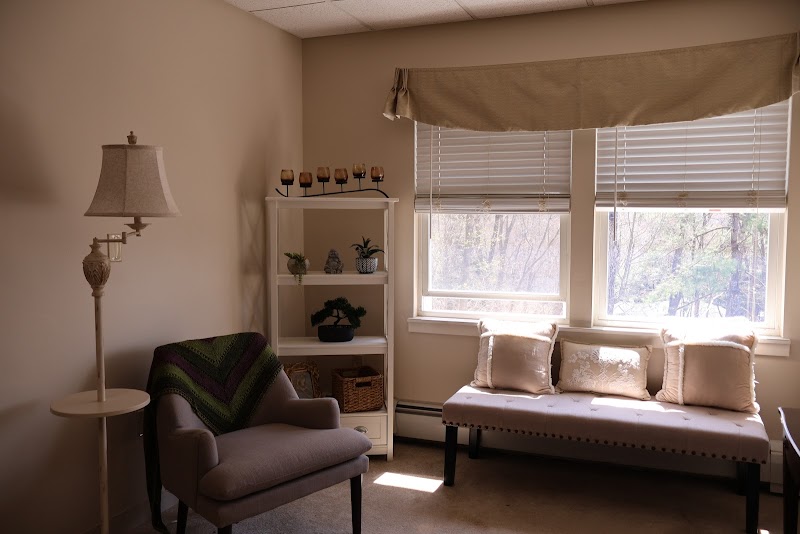
How is Adviniacare At Northbridge Staffed?

CMS rates ADVINIACARE AT NORTHBRIDGE's staffing level at 1 out of 5 stars, which is much below average compared to other nursing homes. Staff turnover is 43%, compared to the Massachusetts average of 46%. This relatively stable workforce can support continuity of care.

What Have Inspectors Found at Adviniacare At Northbridge?

State health inspectors documented 40 deficiencies at ADVINIACARE AT NORTHBRIDGE during 2021 to 2024. These included: 39 with potential for harm and 1 minor or isolated issues.
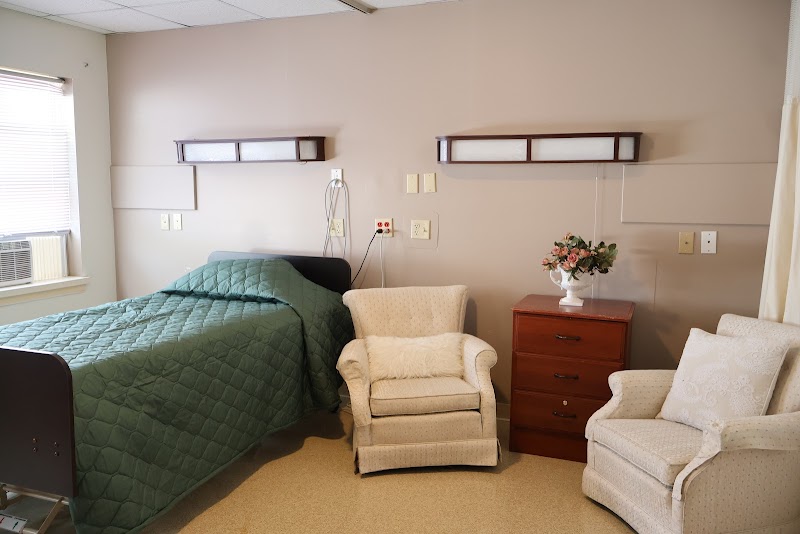
Who Owns and Operates Adviniacare At Northbridge?

ADVINIACARE AT NORTHBRIDGE is owned by a for-profit company. For-profit facilities operate as businesses with obligations to shareholders or private owners. The facility is operated by ADVINIACARE, a chain that manages multiple nursing homes. With 154 certified beds and approximately 106 residents (about 69% occupancy), it is a mid-sized facility located in NORTHBRIDGE, Massachusetts.
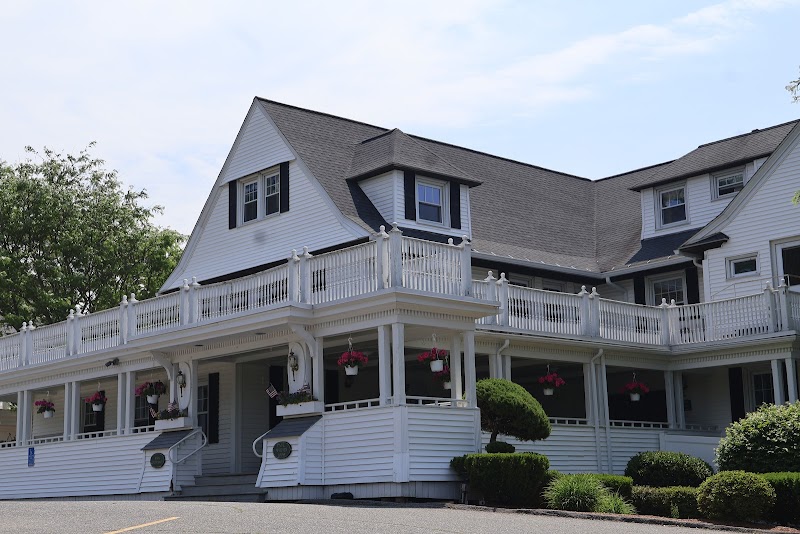
How Does Adviniacare At Northbridge Compare to Other Massachusetts Nursing Homes?

Compared to the 100 nursing homes in Massachusetts, ADVINIACARE AT NORTHBRIDGE's overall rating (2 stars) is below the state average of 2.9, staff turnover (43%) is near the state average of 46%, and health inspection rating (3 stars) is at the national benchmark.

What Should Families Ask When Visiting Adviniacare At Northbridge?

Based on this facility's data, families visiting should ask: "Can you walk me through typical staffing levels on day, evening, and night shifts?" "Can I visit during a mealtime to observe dining assistance and food quality?" "How do you handle medical emergencies, and what is your hospital transfer rate?" "Can I speak with family members of current residents about their experience?" These questions are particularly relevant given the below-average staffing rating.

Is Adviniacare At Northbridge Safe?

Based on CMS inspection data, ADVINIACARE AT NORTHBRIDGE has a clean safety record: no substantiated abuse findings (meaning no confirmed cases of resident harm), no Immediate Jeopardy citations (the most serious violation level indicating risk of serious injury or death), and is not on the Special Focus Facility watch list (a federal program monitoring the lowest-performing 1% of nursing homes). The facility has a 2-star overall rating and ranks #100 of 100 nursing homes in Massachusetts. While no facility is perfect, families should still ask about staff-to-resident ratios and recent inspection results during their visit.

Do Nurses at Adviniacare At Northbridge Stick Around?

ADVINIACARE AT NORTHBRIDGE has a staff turnover rate of 43%, which is about average for Massachusetts nursing homes (state average: 46%). Moderate turnover is common in nursing homes, but families should still ask about staff tenure and how the facility maintains care continuity when employees leave.

Was Adviniacare At Northbridge Ever Fined?

ADVINIACARE AT NORTHBRIDGE has no federal fines on record. CMS issues fines when nursing homes fail to meet care standards or don't correct problems found during inspections. The absence of fines suggests the facility has either maintained compliance or corrected any issues before penalties were assessed. This is a positive indicator, though families should still review recent inspection reports for the full picture.

Is Adviniacare At Northbridge on Any Federal Watch List?

ADVINIACARE AT NORTHBRIDGE is not on any federal watch list. The most significant is the Special Focus Facility (SFF) program, which identifies the bottom 1% of nursing homes nationally based on persistent, serious quality problems. Not being on this list means the facility has avoided the pattern of deficiencies that triggers enhanced federal oversight. This is a positive indicator, though families should still review the facility's inspection history directly.