MEADOWS OF CENTRAL MASSACHUSETTS (THE)
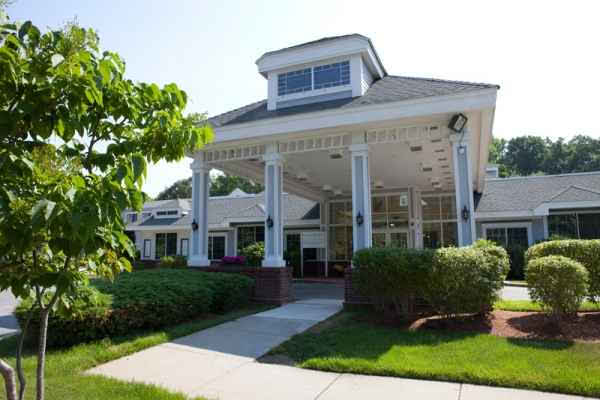

111 HUNTOON MEMORIAL HIGHWAY, ROCHDALE, MA 01542 (508) 892-6808
For profit - Limited Liability company 135 Beds VIBRA HEALTHCARE Data: November 2025
Trust Grade
10/100
#228 of 338 in MA
Last Inspection: October 2024

Within standard 12-15 month inspection cycle. Federal law requires annual inspections.

Overview

Meadows of Central Massachusetts has received a Trust Grade of F, indicating significant concerns about the quality of care provided. It ranks #228 out of 338 nursing homes in Massachusetts, placing it in the bottom half of facilities in the state, and #36 out of 50 in Worcester County, meaning there are only a few local options that are better. While the facility is improving, with issues decreasing from 17 in 2023 to 11 in 2024, there are still serious concerns, including a high staff turnover rate of 62%, which is well above the state average of 39%. The facility also faces a significant financial penalty of $166,780, which is higher than 89% of Massachusetts facilities. Specific incidents include a failure to obtain treatment orders for a resident that led to a pressure ulcer and a lack of appropriate services to maintain another resident's bladder continence, both of which indicate serious gaps in care. However, the facility does have average RN coverage, which can help catch issues that may be missed by other staff.

Trust Score
F
10/100
In Massachusetts
#228/338
Bottom 33%
Safety Record
High Risk
Review needed
Inspections
Getting Better
17 → 11 violations
Staff Stability
⚠ Watch
62% turnover. Above average. Higher turnover means staff may not know residents' routines.
Penalties
⚠ Watch
$166,780 in fines. Higher than 85% of Massachusetts facilities, suggesting repeated compliance issues.
Skilled Nurses
✓ Good
Each resident gets 45 minutes of Registered Nurse (RN) attention daily — more than average for Massachusetts. RNs are trained to catch health problems early.
Violations
⚠ Watch
52 deficiencies on record. Higher than average. Multiple issues found across inspections.
★★☆☆☆
2.0
Overall Rating
★★★☆☆
3.0
Staff Levels
★★☆☆☆
2.0
Care Quality
★★☆☆☆
2.0
Inspection Score
Stable
2023: 17 issues
2024: 11 issues

The Good

  • Full Sprinkler Coverage · Fire safety systems throughout facility
  • No fines on record

Facility shows strength in fire safety.

The Bad

2-Star Overall Rating

Below Massachusetts average (2.9)

Below average - review inspection findings carefully

Staff Turnover: 62%

16pts above Massachusetts avg (46%)

Frequent staff changes - ask about care continuity

Federal Fines: $166,780

Well above median ($33,413)

Significant penalties indicating serious issues

Chain: VIBRA HEALTHCARE

Part of a multi-facility chain

Ask about local staffing decisions and management

Staff turnover is elevated (62%)

14 points above Massachusetts average of 48%

The Ugly 52 deficiencies on record

4 actual harm
Oct 2024 11 deficiencies
CONCERN (D)

Potential for Harm - no one hurt, but risky conditions existed

Notification of Changes (Tag F0580)

Could have caused harm · This affected 1 resident

Based on observation, interview, record and policy review, the facility failed to identify and notify the Physician/Nurse Practitioner (NP) timely of a change in urinary catheter (also known as a Fole...

Read full inspector narrative →
Based on observation, interview, record and policy review, the facility failed to identify and notify the Physician/Nurse Practitioner (NP) timely of a change in urinary catheter (also known as a Foley catheter - a flexible tube inserted into the bladder to drain urine outside of the body) condition for one Resident (#210) out of a total sample of 17 residents. Specifically, Resident #210, the facility failed to monitor and assess bleeding from the urinary catheter and notify the Physician/NP timely for required interventions, resulting in hospitalization for gross hematuria (excessive blood in the urine). Findings include: Review of the facility's policy titled Urinary Catheter Insertion, Maintenance and Removal, revised August 2024, indicated: -Indwelling urinary catheters may be beneficial to patients to assist with draining of urine. -To reduce the risk of infection and other negative outcomes, urinary catheters must be placed with care on the correct patients, maintained with appropriate technique, and removed when no longer necessary. Review of the facility's policy untitled and undated, indicated: -The facility shall promptly notify the resident and/or the resident representative and his or her Physician of changes in the resident's condition or status to obtain orders for appropriate treatment and monitoring and promote the resident's right to make choices about treatment and care preferences. -The Nurse will immediately notify the Resident, Resident's Physician and the Resident Representatives for the following (list not all inclusive): a) significant change in the Resident's physical, mental, or psychosocial status that is deterioration in health, mental or psychosocial status in either life threatening conditions or clinical complications. b) a need to alter treatment significantly (a need to discontinue or change an existing form of treatment due to adverse consequences, or to commence a new form of treatment). c) a decision to transfer or discharge the resident from the facility. -The Nurse will notify the Resident, Resident's Physician and the Resident Representatives(s) for non-immediate changes of condition on the shift the change occurs unless otherwise directed by the physician. -Document the notification and record any new orders in the resident's medical record. -Educate the Resident and/or Representative about the proposed plan to treat, manage or monitor the Resident's change in condition. -Update the Resident's care plan, transcribe and implement the Provider's orders. Resident #210 was admitted to the facility in September 2024, with diagnoses including Urinary Retention (difficulty urinating and completely emptying the bladder) and ataxic gait (type of walking characterized by a lack of coordination and balance, resulting in unsteady, irregular and wide-based gait), acute embolism (a clot that breaks loose and travels to another part of the body, blocking blood flow in a large artery or branch) and Thrombosis (a blood clot that forms in a vein, artery, or the heart, narrowing the vessel and restricting blood flow) of unspecified deep veins of lower extremity (legs). On 10/8/24 at 10:19 A.M., the surveyor observed Resident #210 ambulating in the hallway with the Physical Therapist (PT). The surveyor observed that the Resident had a urinary catheter tubing that went down through his/her pants and was hung on the base of the walker (mobility device) while the Resident was ambulating. On 10/8/24 at 4:16 P.M., the surveyor observed Resident #210 ambulating in the hallway with the Physical Therapist and the Resident had a urinary catheter tubing that was observed down through his/her pants and hung on the base of the Resident's walker while he/she was ambulating. The surveyor observed that the urine in the urinary catheter tubing was bloody. Review of Resident #210's October 2024 Physician's orders did not indicate any orders for the care and maintenance of the Foley catheter. Further review of the Physician's orders indicated that the Resident was prescribed Eliquis (anticoagulant/blood thinner medication) 5 mg (milligrams) tablet two times a day, ordered on 10/1/24. Review of the Resident's Discharge Record from the hospital dated 9/30/24, indicated: -Urinary retention with history of Chronic Kidney Disease (CKD - when the kidneys are damaged and cannot filter blood the way that it should), Parkinson's Disease (a progressive degenerative disorder of the central nervous system characterized by tremor and impaired muscular coordination), Foley catheter was placed in the ICU - Intensive Care Unit. -Foley was removed on 9/23/24. -Trial voiding was attempted on 9/24/24 but due to persistent retention and patient preference to avoid intermittent straight catheterization (insertion of a flexible tube through the urinary opening into the bladder; after the bladder is drained of urine the tube is removed), Foley was replaced. -Outpatient follow-up with Urology (medical and surgical specialty that manages the health of the urinary system) is recommended for voiding trial. -Foley catheter was last exchanged on 9/24/24. -Continue Flomax (alpha blocker medication that relaxes the muscles of the bladder to allow urine to flow more easily). During an interview on 10/8/24 at 4:38 P.M., the surveyor and Nurse #3 reviewed Resident #210's Physician's orders. Nurse #3 said that a Certified Nurses Aide (CNA) had reported to Nurse #3 that the Resident had blood in the urine. Nurse #3 said she would call the Physician for Foley catheter care orders and would also report the bleeding to the Physician. During an observation and interview on 10/9/24 at 8:15 A.M., Resident #210 said he/she could not understand why he/she was not getting better. The surveyor observed that the Foley catheter tubing remained with bloody urine. Review of Resident #210's October 2024 Medication Administration Record (MAR) indicated the Resident was administered the Eliquis medication at 8:00 A.M. on 10/9/24. During an interview on 10/9/24 at 11:30 A.M., Nurse #3 said she did not have time on 10/8/24 to notify the Physician about Resident #210's bloody urine observed in the Foley catheter tubing, and that she had asked a CNA to inform the Nurse working on the medication cart. During an interview at the same time, Nurse #2 said he was the Nurse that took care of Resident #210 on 10/8/24 from 7:00 A.M. to 11:00 P.M., but he was not aware that the Resident had a Foley catheter and had bloody urine. During an interview on 10/9/24 at 11:35 A.M., Unit Manager (UM) #1 said she was not aware Resident #210 had a Foley catheter and she had not been made aware that the Resident had bloody urine. During an interview on 10/10/24 at 11:45 A.M., the facility's NP said she was aware that Resident #210 had a Foley catheter on admission. The NP said she received a text message from UM #1 informing her that Resident #210 had hematuria on 10/9/24, and she gave an order to hold (not administer) the Resident's Eliquis for two days. The NP said she did not order any laboratory workup because UM #1 did not make it clear that the Resident had gross hematuria. The NP further said she gave an order on 10/10/24 for the Resident to be sent out to the hospital when UM #1 notified her that Resident #210 had gross hematuria. During an interview on 10/10/24 at 12:08 P.M., UM #1 said Nurse #3 had called a covering Physician on 10/9/24 during the 7:00 A.M. to 3:00 P.M. (Day) shift for Resident #210's Foley catheter to be changed, to obtain urine for urinalysis and sensitivity (laboratory test) but Nurse #3 passed the order on to the 3:00 P.M. -11:00 P.M. (Evening) Nurse Supervisor. UM #1 said the Evening Nurse Supervisor said he did not have time to follow through with the Physician's orders for Resident #210 and passed the orders on to the 11:00 P.M. to 7:00 A.M. (Night) shift. UM#1 further said the Night shift Nurse was able to re-insert a new Foley catheter at 4:00 A.M. on 10/10/24, after the Night shift Nurse noted that Resident #210's abdomen was distended. UM #1 said the newly inserted Foley catheter drained 1000 ml (milliliters) of bloody urine. UM #1 said she notified the NP when she (UM #1) came in for the morning shift at 7:00 A.M. and obtained orders from the NP to transfer Resident #210 to the hospital. During an interview of 10/10/24 at 12:52 P.M., the facility's Physician said he was aware the Resident had a Foley catheter, but it was up to nursing to ensure the care and services was provided. The facility Physician said he was not aware the Resident had bleeding in his urine.
CONCERN (D)

Potential for Harm - no one hurt, but risky conditions existed

Safe Environment (Tag F0584)

Could have caused harm · This affected 1 resident

Based on observation, interview, record and policy review, the facility failed to provide a homelike environment, relative to accessibility of the call bell, for one Resident (#108) out of a total sam...

Read full inspector narrative →
Based on observation, interview, record and policy review, the facility failed to provide a homelike environment, relative to accessibility of the call bell, for one Resident (#108) out of a total sample of 17 residents. Specifically, for Resident #108, the facility failed to ensure ready access to his/her call device when the Resident was dependent on staff for his/her care needs and was able to use an alternate call pad device (altered device for a call light that is activated by being tapped rather than pressed by a finger or thumb), which increased the Resident's risk for not having his/her care needs met timely and appropriately. Findings include: Review of the facility's policy titled Call Devices for Patients, dated March 2018 and last reviewed December 2023, indicated the following: -Appropriate devices shall be made available to help facilitate patient communication needs. -If the patient cannot demonstrate appropriate use of the standard call light, the Nurse shall evaluate the patient's ability to use alternative call devices, . -If the patient demonstrates appropriate use of an alternative call device, the Nurse shall secure the device proximal to the patient. Resident #108 was admitted to the facility in August 2024 with diagnoses including Unspecified Cord Compression (pressure on the spinal cord that can affect one's body movements and function). Review of Resident #108's Spinal Injury Care Plan, dated 8/13/24, indicated the Resident had Quadriplegia (complete paralysis of the body from the neck down) related to a surgical spinal injury. Review of Resident #108's Activities of Daily Living (ADL) Care Plan, dated 8/5/24, indicated the Resident had a self-care performance deficit related to Quadriplegia. Further review of the Resident's ADL Care Plan indicated: -The Resident was totally dependent on staff for eating and oral care. -The Resident required assistance of two staff to turn and reposition in bed. -Staff were to encourage the Resident to use his/her call device for assistance. Review of Resident #108's Minimum Data Set (MDS) Assessment, dated 8/15/24, indicated the following: -The Resident was cognitively intact as evidenced by a Brief Interview for Mental Status (BIMS) score of 15 out of 15 total possible points. -The Resident demonstrated no rejection of care. -The Resident had limited functional range of motion in both of his/her upper and lower extremities. -The Resident required substantial/maximal assistance from staff for eating. -The Resident was dependent on staff for oral hygiene, bathing, dressing, bed mobility, and transfers. -The Resident did not walk and required the use of a wheelchair. -The Resident had frequent pain at a level of eight out of 10. On 10/8/24 at 10:20 A.M., the surveyor observed the following: -Resident #108 was positioned in bed, lying on his/her back, with both lower extremities elevated. -Quarter length side rails were in the up position on both sides of the bed. -The cord to the Resident's call device was attached to the wall and secured to the top of the side rail on the Resident's left side. -The cord was positioned between the Resident's side rail and mattress and the call pad device was observed to be dangling below the level of the Resident's bed, just above the floor. During an interview at the time, Resident #108 said he/she was thirsty, having pain, and could not locate his/her call pad device. Resident #108 said he/she needed the call pad device to alert staff when he/she needed assistance, because his/her ability to care for him/her self was very limited since his/her spinal injury. The Resident also said that his/her call device was supposed to be positioned on the mattress, near his/her left hand so that he/she could tap the call pad using the back of his/her hand. The Resident further said this was the only way he/she could activate the call pad device. During an interview on 10/8/24 at 10:37 A.M., Nurse #1 said that Resident #108's call pad device needed to be positioned so that the Resident could access the device and that use of the call pad device was how the Resident was able to alert staff when he/she needed something. On 10/9/24 at 8:45 A.M., the surveyor observed Resident #108 positioned in bed, lying on his/her back. The surveyor observed the Resident's call pad device was positioned on the mattress between the Resident's body and left arm, just below the Resident's left elbow. The surveyor observed Resident #108 rotate his/her arm outward two times consecutively, hitting the mattress with the back of his/her hand, then sigh loudly. During an interview at the time, Resident #108 said he/she was rotating his/her arm in an attempt to activate the call pad device, but he/she could not locate the call pad. Resident #108 said staff needed to position the call pad device so that he/she could rotate his/her arm outward in order to tap the device with the back of his/her hand, but the call pad was not in the right place. During an interview on 10/9/24 at 10:19 A.M., the Assistant Director of Nursing (ADON) said that Resident #108 was unable to position his/her own call pad device and that Resident #108 was dependent on staff to position the device for the Resident. The ADON said Resident #108 required the use of the call pad device in order to alert staff when he/she needed assistance. Please Refer to F697.
CONCERN (D)

Potential for Harm - no one hurt, but risky conditions existed

Comprehensive Care Plan (Tag F0656)

Could have caused harm · This affected 1 resident

**NOTE- TERMS IN BRACKETS HAVE BEEN EDITED TO PROTECT CONFIDENTIALITY** Based on record and policy review, observation, and interview, the facility failed to develop a plan of care for appropriate tre...

Read full inspector narrative →
**NOTE- TERMS IN BRACKETS HAVE BEEN EDITED TO PROTECT CONFIDENTIALITY** Based on record and policy review, observation, and interview, the facility failed to develop a plan of care for appropriate treatment and services related to limited range of motion for one Resident (#42), out of a total sample of 17 Residents. Specifically, for Resident #42, the facility failed to develop a plan of care relative to positioning for the Resident after he/she was assessed and recommendations made by Rehabilitative Services for a specialty wheelchair and molded lateral supports (fitted equipment that help reinforce body support and reduce postural deformity). Findings include: Review of the facility policy titled Comprehensive Resident Centered Care Plans, last revised December 2021, indicated: -Updating care plans: 1. Care plans are modified between care plan conference when appropriate to meet the resident's current needs, problems, and goals. 2. Stand up meetings of the Director of Nursing (DON), Social Services Coordinator, MDS coordinator, Registered Dietician, Activities Director, and Therapy Professional are held to review the current status of skilled residents and determine needed interventions to meet resident goals. 3. The Care Plan will be updated and/or revised for the following reasons: >Significant change in the resident's condition >A change in planned interventions >Goals are obtained and new goals established to meet current resident needs and/or goals 4. Any revision, additions, or deletion to the plan of care will be dated and initialed. 5. Revisions involving the care of other disciplines are done through consultative and collaborative efforts and documented as above. Resident #42 was admitted to the facility in August 2022, with diagnoses including Traumatic Brain Injury (TBI - a form of acquired brain injury that occurs when a sudden trauma causes damage to the brain), Contracture (a permanent shortening [as of muscle, tendon, or scar tissue] producing deformity or distortion) of right hand, Contracture of left hand, Contracture of left wrist, and Contracture of left elbow. Review of the Minimum Data Set (MDS) assessment dated [DATE], indicated that Resident #42: -was rarely to never understood and severely cognitively impaired as evidenced by a staff assessment. -was dependent on staff for all ADLs (ADLS- activities related to personal care which include bathing, dressing, grooming and eating). -had abnormal posture, left and right foot drop (difficulty lifting the front part of the foot), and contracture to his/her left elbow. -that no therapies had been provided since the last comprehensive assessment. On 10/10/24 at 8:52 A.M., the surveyor observed Resident #42 seated in Geri chair (large padded recliner wheeled chair) with the head of the chair angled backwards with a pillow underneath his/her head, a pillow underneath his/her right arm, and a bolster (a long, thick pillow that is placed under other pillows for support) underneath his/her legs which were elevated. Review of Resident #42's Plan of Care relative to ADLs, initiated 9/1/22 and last revised 6/7/24, indicated: -Resident #42 had an ADL self care performance deficit related to diagnosis of TBI and contractures, initiated 9/1/22. -Resident able to answer yes/no questions, utilize his/her fingers. 1 finger means yes and 2 fingers means no, initiated 6/7/24. -Mobility: wheelchair assistance of (1) staff, initiated 11/10/22. -Bed Mobility: is totally dependent on two staff for repositioning and turning in bed, initiated 9/1/22 -Transfer: [Resident] is totally dependent on (2) staff and a mechanical lift for transfers, initiated 11/10/22. -PT/OT evaluation and treatment as per MD orders, initiated 9/1/22. Review of the Plan of Care relative to risk for falls, initiated 9/1/22 and last revised 12/1/23, indicated: -Resident #42 was at moderate risk for falls due to deconditioning, initiated 9/1/22. -Intervention: Bolsters to be in the chair when [Resident] in it [chair], last revised 12/1/23. -PT evaluate and treat as ordered or PRN, last revised 9/20/22. Review of Resident #42's Physician's orders indicated: -Physical Therapy Eval of [Resident's] recliner chair, initiated 6/7/24 and discontinued 6/21/24. Review of the Referral/Screen to Rehab Services form, dated 6/7/24, indicated: -Resident #42 was leaning to the side when he/she is in the chair. -Rehab results documented that no triggers were indicated to support skilled rehab intervention at this time. -Resident in Geri chair appears Resident unable to reposition self. -Tilt-in-space with molded lateral supports or lateral support on backside and leg positioner is appropriate. Review of the Nursing Progress Note, dated 6/7/24, indicated: -[Physical Therapy] had evaluated Resident #42 in Geri chair. -Resident was unable to reposition self. -Tilt-in-space with molded lateral support or lateral support on backside and leg positioner is appropriate. Further review of the medical record did not indicate that the Plan of Care relative to ADLs or positioning was reviewed or revised for Resident #42 after new interventions were recommended by Rehabilitative Services on 6/7/24. During an interview on 10/10/24 at 12:08 P.M., the Rehabilitation Director said that Resident #42 was screened by rehab as staff were not positioning him/her well in his/her chair. The Rehab Director said that Rehab Department completes the screening form after they have evaluated a Resident and then the Rehab Director will communicate the screening results to the Nursing department and it is nursing's responsibility to implement the rehab recommendations. On 10/10/24 at 1:10 P.M., the surveyor and the Rehab Director observed Resident #42 seated in a Geri chair with the head of the chair reclined, feet elevated with a bolster underneath the feet, and pillows under his/her head, and left and right arms. During an interview at the time, the Rehab Director said that the Resident was in a Geri Chair, not a Tilt-in-space chair. The Resident was observed to have a leg positioner in place. The Rehab director said that based on her observation of the Resident, she would not consider Resident #42's current position to be effective and that the interventions recommended on the 6/7/24 screening were not in place. During an interview on 10/10/24 at 1:24 P.M., Nurse #6 said when a Resident has specific positioning needs, therapy/rehab staff would put in Physician's orders, and nursing staff would then document those positioning needs under the Physician's order and in the Medication Administration Record (MAR). Nurse #6 said that Rehab staff and the Nursing Supervisors would educate the CNAs (Certified Nurses Aides) and the Nursing staff when new positioning devices were needed. Nurse #6 said that he was not aware of Resident #42 having any specialty positioning devices. During an interview on 10/10/24 at 1:34 P.M., Unit Manager (UM) #1 said that the Rehab Department would normally provide a Rehabilitation Screening Form with recommendations for a Resident and that she would then provide education to the Nursing staff on the rehab recommendations. UM #1 said that Resident #42's family had wanted him/her in a tilt-in-space chair and the rehab department would be responsible for ordering a specialty wheelchair. UM #1 said that she was unable to recall if any bolsters were in place for Resident #42 or if a tilt-in-space chair was ever ordered for the Resident. During an interview at the same time, the Rehab Director said she had molded lateral supports available in the facility but she was unsure if a tilt-in-space chair had been ordered. The Rehab Director said that she would complete a rehab screen today, evaluate if a tilt-in-space chair was necessary, and would start the process to add molded lateral supports for Resident #42.
CONCERN (D)

Potential for Harm - no one hurt, but risky conditions existed

Incontinence Care (Tag F0690)

Could have caused harm · This affected 1 resident

**NOTE- TERMS IN BRACKETS HAVE BEEN EDITED TO PROTECT CONFIDENTIALITY** Based on observation, interview, record and policy review, the facility failed to provide urinary catheter (also known as a Fole...

Read full inspector narrative →
**NOTE- TERMS IN BRACKETS HAVE BEEN EDITED TO PROTECT CONFIDENTIALITY** Based on observation, interview, record and policy review, the facility failed to provide urinary catheter (also known as a Foley catheter - a flexible tube inserted into the bladder to drain urine outside of the body) care and services according to professional standards of practice for three Residents (#210, #44 and #42) out of a total sample of 17 residents, which increased the Residents' risk for urinary catheter complications. Specifically, the facility failed to: 1. For Resident #210, identify that the Resident was admitted to the facility with a urinary catheter, resulting in delayed monitoring and assessment of the Resident's urinary catheter and obtaining Physician orders to implement catheter care and management when hematuria (blood in urine) was identified. 2. For Resident #42, obtain a Physician's order for a specific type of external urinary catheter. 3. For Resident #44, insert the right size of Foley catheter ordered by the Physician. Findings include: Review of the facility's policy titled Urinary Catheter Insertion, Maintenance and Removal. revised August 2024, indicated: -Indwelling urinary catheters may be beneficial to patients to assist with draining of urine. To reduce the risk of infection and other negative outcomes, urinary catheters must be placed with care on the correct patients, maintained with appropriate technique, and removed when no longer necessary. -Patients admitted with an indwelling catheter should be reviewed for need of catheter upon admission. Whenever available, the date of the catheter insertion should be noted in the electronic medical record. -Patients should be assessed daily for need of the urinary catheter and determine whether removal with the nurse-drive protocol may be followed. -Maintain proper securement of the catheter for the duration of dwell. Change securement device every seven days following manufacturer instructions. -Review catheter necessity and goal for discontinuation daily, and with each hand off. 1. Resident #210 was admitted to the facility in September 2024, with diagnoses including Urinary Retention (condition that occurs when a person is unable to empty their bladder completely or partially of urine), Ataxic Gait (type of walking characterized by a lack of coordination and balance, resulting in unsteady, irregular and wide-based gait), acute embolism (a clot that breaks loose and travels to another part of the body, blocking blood flow in a large artery or branch) and Thrombosis (a blood clot, forms in a vein, artery, or the heart, narrowing the vessel and restricting blood flow) of Unspecified Deep Veins of lower extremity. On 10/8/24 at 4:16 P.M., the surveyor observed Resident #210 ambulating with the Physical Therapist in the hallway. The surveyor observed that the Resident had a urinary catheter tubing that went down through his/her pants and was hung on the base of the walker (mobility device) while he/she was ambulating. The surveyor observed that the urine in the urinary catheter tubing was bloody. Review of Resident #210's October 2024 Physician's orders did not indicate any orders for the care and maintenance of the Foley catheter. Review of the Resident's Discharge Record from the hospital dated 9/30/24, indicated: -Urinary retention with history of Chronic Kidney Disease (CKD - when the kidneys are damaged and cannot filter blood the way that it should), Parkinson's Disease (a progressive degenerative disorder of the central nervous system characterized by tremor and impaired muscular coordination), Foley catheter was placed in the ICU - Intensive Care Unit. -Foley was removed on 9/23/24. -Trial voiding was attempted on 9/24/24 but due to persistent retention and patient preference to avoid intermittent straight catheterization (insertion of a flexible tube through the urinary opening into the bladder; after the bladder is drained of urine the tube is removed), Foley was replaced. -Outpatient follow-up with Urology (medical and surgical specialty that manages the health of the urinary system) is recommended for voiding trial. -Foley catheter was last exchanged on 9/24/24. -Continue Flomax (alpha blocker medication that relaxes the muscles of the bladder to allow urine to flow more easily). During an interview on 10/8/24 at 4:38 P.M., the surveyor and Nurse #3 reviewed Resident #210's Physician orders and found no evidence of orders for urinary catheter care and maintenance. Nurse #3 said Resident #210 had no Physician orders for Foley catheter care and services because the Resident was not admitted with a Foley catheter, but the Resident had a Foley catheter while he/she was at the hospital. The surveyor and Nurse #3 reviewed the Discharge Record from the hospital for the Resident which indicated he/she had a Foley catheter on admission to the facility. During an interview on 10/8/24 at 5:00 P.M., the Assistant Director of Nursing (ADON) said she had been made aware that Resident #210 had no Physician orders for care and services of the Foley catheter and she would follow-up pertaining to the orders. During an interview on 10/8/24 at 5:02 P.M., the Director of Nursing Services (DNS) said she knew Resident #210 was admitted to the facility with a Foley catheter but was not aware that the Resident did not have Physician orders for the care and services of the Foley catheter and would follow-up pertaining to the orders. During an interview on 10/9/24 at 8:00 A.M., the MDS Nurse said she was made aware that Resident #210 had no Physician orders for the care and management of the Foley catheter and that she had obtained orders from the Physician and entered the orders into the Electronic Medical Record (EMR) on 10/9/24 at 7:41 A.M. On 10/9/24 at 8:15 A.M., the surveyor observed that the urine in Resident #210's Foley catheter tubing remained bloody. During an interview on 10/9/24 at 11:30 A.M., Nurse #3 said she did not have time to notify the Physician the previous day (10/8/24) about Resident #210's need for care and services of Foley catheter and or his/her bleeding. Nurse #3 said she had asked a Certified Nurses Aide (CNA) to inform the Nurse on the medication cart about the bloody urine in the Resident's urinary catheter. During an interview at the time, Nurse #2 said he was the Nurse that took care of Resident #210 on 10/8/24 from 7:00 A.M. to 11:00 P.M., but he was not aware that the Resident had a Foley catheter and had hematuria. During an interview on 10/9/24 at 11:35 A.M., Unit Manager (UM) #1 said she was not aware Resident #210 had a Foley catheter and she had not been made aware that the Resident had blood in his/her urine. During an interview of 10/10/24 at 12:52 P.M., the facility's Physician said he was aware the Resident had a Foley catheter, but it was up to nursing to ensure the urinary care and services was provided. 2. Resident #42 was admitted to the facility in August 2022, with diagnoses including Diffuse Traumatic Brain Injury (TBI - a form of acquired brain injury that occurs when a sudden trauma causes damage to the brain) and Tracheostomy (a medical procedure that involves creating an opening in the neck in order to place a tube into a person's trachea, or windpipe). On 10/9/24 at 9:58 A.M., the surveyor and Nurse #1 observed Resident #42. Nurse #1 said Resident #42 had an external type urinary catheter attached to a drainage bag. The surveyor and Nurse #1 reviewed the Resident's October 2024 Physician's orders and Nurse #1 said Resident #42 did not have orders for an external type urinary catheter. Nurse #1 said Resident #42 should have had orders for the external type urinary catheter. 3. Resident #44 was admitted to the facility in October 2022, with diagnoses including Traumatic Subarachnoid Hemorrhage (bleeding in the space between the brain and the tissue covering the brain) with Loss of Consciousness of Unspecified Duration and Acute Pyelonephritis (bacterial infection of the kidneys). Review of Minimum Data Set (MDS) assessment dated [DATE], indicated Resident #44: -had cognitive loss and never understood others -was dependent on staff for bathing, dressing, grooming and toileting. Review of Resident #44's October 2024 Physician's orders indicated: -suprapubic catheter (a thin, flexible tube that drains urine from the bladder through a small incision in the lower abdomen) secondary to neurogenic bladder (a urinary dysfunction in which the bladder does not empty properly) Depending on the type of neurological disorder causing the problem, the bladder may empty spontaneously (incontinence) or may not empty at all (retention with overflow leakage), 16 French with 30 ml (milliliters) of balloon (retention balloon- a tiny balloon at the end of the indwelling urinary catheter that is inflated with water to prevent the indwelling urinary catheter from sliding out of the body) ordered on 10/8/24. On 10/9/24 at 9:41 A.M., the surveyor and Nurse #1 observed that Resident #44 had a 20 French suprapubic urinary catheter with 30 ml balloon. Nurse #1 said the suprapubic urinary catheter size did not match the Physician's order. During an interview on 10/9/24 at 10:30 A.M., the Director of Nursing (DON) said all Residents are required to have Physician's orders for urinary catheter usage and Residents #210 and #42 should have Physician orders but they did not. The DON further said the facility staff should have followed the Physician's order for a 16 French (not 20 French) urinary catheter inserted for Resident #44, but they did not.
CONCERN (D)

Potential for Harm - no one hurt, but risky conditions existed

Deficiency F0692 (Tag F0692)

Could have caused harm · This affected 1 resident

**NOTE- TERMS IN BRACKETS HAVE BEEN EDITED TO PROTECT CONFIDENTIALITY** Based on observation, interview, record and policy review, the facility failed to provide care and services for assisted nutriti...

Read full inspector narrative →
**NOTE- TERMS IN BRACKETS HAVE BEEN EDITED TO PROTECT CONFIDENTIALITY** Based on observation, interview, record and policy review, the facility failed to provide care and services for assisted nutrition and hydration in accordance with the Physician order for one Resident (#46), who required Total Parenteral Nutrition (TPN: method of providing nutrition where a liquid formula is given into a vein through an intravenous catheter (IV) to provide most of the nutrients a resident needs, used when a resident cannot or should not eat or drink by mouth) of one resident who required TPN, out of a total sample of 17 residents. Specifically, the facility failed to provide Clinimix E (IV nutritional product containing amino acids [building blocks of protein] with electrolytes [electrically charged minerals that play important roles in the body] in Dextrose [simple sugar] with Calcium [mineral needed by the body]) and SMOFlipids (IV nutritional product containing calories and essential fatty acids) infusions to Resident #46 in accordance with the Physician's order, increasing the Resident's risk for malnutrition. Findings include: Resident #46 was admitted to the facility in August 2024, with diagnoses including Unspecified Intestinal Obstruction and Gastro-Esophageal Reflux Disease (GERD-gastro-esophageal reflux disease, a condition that causes heartburn or acid indigestion). Review of Resident #46's Hospital Discharge summary, dated [DATE], indicated the following: -The Resident had been admitted to the hospital with a small bowel obstruction (SBO). -The Resident required TPN indefinitely due to concern and high risk for re-obstruction given complicated abdominal surgery history. -The Resident would require outpatient surgery follow-up for advancement of diet. -Nutrition was required to be administered via TPN through a PICC (Peripherally Inserted Central Catheter: long, thin tube that's inserted through a vein in one's arm and passed through to the larger veins near the heart) line. Review of Resident #46's Parenteral Nutrition Prescription Order Form, dated 9/26/24, indicated the following: -The Resident required Clinimix E 5% Amino/15% Dextrose 1 L (Liter). -The Resident was to receive a total volume of 2000 mL (milliliters; 2000 mL = 2 L) of Clinimix E, infused over 18 hours (56 mL/hour for one hour, then increase to 118 mL/hour for 16 hours, then decrease to 56 mL/hour for one hour, then stop for six hours). -The Resident required 50 G (grams) of SMOFlipids. -The SMOFlipids were to be infused separately from the Clinimix E at a rate of 20.8 mL/hour, infused over 12 hours. Review of Resident #46's active Care Plan indicated the following: -The Resident was at potential nutrition risk due to need for TPN. -The Resident was at potential risk for dehydration due to need for TPN. -Staff were required to provide medications as ordered. -Staff were required to provide IV fluids/TPN as ordered. Review of Resident #46's October 2024 Physician orders indicated the following: -Clinimix E 5% Dex (Dextrose) 15%. Infuse Clinimix 2000 mL IV cycled over 18 hours at initial rate of 56 mL x 1 hour. Then increase to 118 mL/hour x 16 hours. Then decrease to 56 mL/hour x 1 hour. Then stop for 6 hours ., initiated 9/30/24 with no stop date. -Document amount of TPN administered every shift, initiated 5/15/24 with no stop date. -Infuse SMOFlipid IV continuously at 20.8 mL/hour x 12 hours at room temperature. Infuse in a different line from TPN, initiated 9/26/24 with no stop date. Review of Resident #46's October 2024 Medication Administration Record (MAR) indicated the following: -The Resident received the total ordered dose of 2000 mLs Clinimix E that was ordered to be administered starting at 6:00 P.M. on 10/9/24 and ending at 12:00 P.M. on 10/10/24. -The Resident received the total ordered dose of SMOFlipids that were ordered to be administered starting at 6:00 P.M. on 10/9/24 and ending at 6:00 A.M. on 10/10/24 at 20.8 mL/hour (total dose of 249.6 mLs). On 10/10/24 at 1:22 P.M., the surveyor observed the following in Resident #46's room: -The Resident was positioned on the bed. -One 2000 mL bag of Clinimix E hung on an IV pole and the tubing from the bag was connected to one of the ports on the Resident's PICC line. -The IV pump administering the Clinimix E was running at a rate of 56 mL/hour. -The bag of Clinimix E was approximately one quarter full. -One 250 mL bag of SMOFlipids hung on another IV pole in the room. -The bag of SMOFlipids was not connected to the Resident's PICC line and the IV pump was not running. -The bag of SMOFlipids was approximately one third full. During an interview at the time, Resident #46 said the Clinimix E was still being infused from the prior evening but should have been done around noon time that day. Resident #46 also said he/she was unsure whether the SMOFlipids should have been infusing at that time. During an interview and observation on 10/10/24 at 1:50 P.M., Nurse #7 said he worked the prior evening (10/9/24) and hung Resident #46's Clinimix E and SMOFlipids for administration. Nurse #7 said he knew the Resident had a lab draw in the morning on 10/10/24 and that the infusions needed to be stopped in order to prepare for the lab to draw the Resident's blood. Nurse #7 said he reconnected the Clinimix E to continue the infusion for Resident #46 after the lab collected the blood sample, but he did not reconnect the SMOFlipids. Nurse #7 said that the SMOFlipids were not to be reconnected once they stopped infusing, but he did not know why. At this time, the surveyor and Nurse #7 observed Resident #46 and the bags of Clinimix E and SMOFlipids. Nurse #7 said there were approximately 400 mLs left in the Clinimix E bag that had not yet been infused and approximately 40 mLs left in the SMOFlipids bag that had not been infused from the prior evening. Nurse #7 said the Clininmix E was scheduled to be infused from 6:00 P.M. for 18 hours, and would be completed around 12:00 P.M. Nurse #7 also said the SMOFlipids were scheduled to be infused from 6:00 P.M. for 12 hours, and should have been completed around 6:00 A.M. Nurse #7 then turned to Resident #46 and said You're done. At this time, the surveyor observed Nurse #7 stop the Clinimix E infusion and disconnect the IV tubing from the Resident's PICC line port. Nurse #7 then removed the bags of Clinimix E and SMOFlipids from the IV poles and turn toward the room exit. Nurse #7 said that the Resident should not have left over Clinimix E and leftover SMOFlipids, but that the Resident was due for another infusion at 6:00 P.M. Nurse #7 said he needed to disconnect the Clinimix E because the Resident was supposed to have six hours between infusions and the Clinimix infusion was already stopped too late. Nurse #7 said that there was nothing he could do about the leftover Clinimix E and SMOFlipids other than discard it and that he would just need to let the Nurse coming in for the evening (3:00 P.M. through 11:00 P.M.) shift to start the Resident's next infusion late. Review of Resident #46's Comprehensive Metabolic Panel (CMP: blood test that measures proteins, enzymes, electrolytes, minerals and other substances in one's body) indicated the Resident's total protein level was 6.4 grams (g)/deciliter (dL) (normal reference range 6.6 - 8.7 g/dL). Review of a Physician's order, dated 10/10/24, indicated Dietitian Consult related to low protein. During an interview on 10/11/24 at 7:57 A.M., the Assistant Director of Nursing (ADON) said Resident #46 required TPN and required infusions of Clinimix E and SMOFlipids to be administered according to the Physician's orders. The ADON said if the Resident did not receive the ordered infusions within the scheduled time frame, the Nurse was required to call the Pharmacy to identify the shelf life of the Clinimix E and SMOFlipids after being removed from the refrigerator and opened, to determine whether it would be safe to continue to administer the infusions past the ordered timeframes. The ADON also said the Nurse was required to call the Physician and obtain orders whether to continue the infusions beyond the scheduled infusion timeframes and to obtain orders if the timeframes for the next infusions needed to be altered. The ADON said that there should not have been leftover Clinimix E or SMOFlipids on 10/10/24 from the Resident's infusions that were administered starting at 6:00 P.M. on 10/9/24. During an interview on 10/11/24 at 10:18 A.M., the Dietitian said that facility staff were responsible to alert her if a Resident's assisted nutrition and hydration was not being administered as ordered so that she could assess the Resident and coordinate with the Physician to ensure the Resident's nutrition and hydration needs were met. The Dietician said she worked in the facility on 10/10/24 and that no staff alerted her that Resident #46 did not receive his/her assisted nutrition as ordered. The Dietician said that as of the time of this interview with the surveyor, no facility staff had communicated to her that a new order had been placed for a Dietitian consult. During an interview on 10/11/24 at 11:46 A.M., the Nurse Practitioner (NP) said that the Physician was on vacation this same week. The NP said that staff at the facility were required to contact her or, if after hours, the on-call Practitioner relative to Resident needs. The NP said that Resident #46 received his/her primary nutritional needs via TPN. The NP also said she received no communication from facility staff on 10/10/24 relative to Resident #46 not having received the ordered doses of Clinimix E and SMOFlipids. The NP said that staff should have contacted her, or the on-call Provider/Practitioner if after 5:00 P.M., when the infusions of Clinimix E and SMOFlipids were not administered as ordered so that appropriate orders could have been obtained to ensure the Resident received proper nutrition. The NP said if she had been notified, she would have contacted the Pharmacy to identify the shelf life of the Clinimix E and SMOFlipids in order to determine whether the infusions could continue to run safely. The NP also said she would have reviewed the timing of the Resident's next infusion to determine whether the next infusion time needed to be altered.
CONCERN (D)

Potential for Harm - no one hurt, but risky conditions existed

Deficiency F0697 (Tag F0697)

Could have caused harm · This affected 1 resident

Based on observation, record and policy review, and interview, the facility failed to ensure that care and services for pain management consistent with professional standards of practice were provided...

Read full inspector narrative →
Based on observation, record and policy review, and interview, the facility failed to ensure that care and services for pain management consistent with professional standards of practice were provided in a timely manner for one Resident (#108) out of a total sample of 17 residents. Specifically, the facility failed to provide pain management interventions in a timely manner for Resident #108 when the Resident was experiencing severe pain and was dependent on staff to receive pharmacological (medication) and non-pharmaceutical interventions to treat pain. Findings include: Review of the facility's policy titled Pain Assessment and Management, dated March 2016 and last reviewed December 2023, indicated the following: -Pain is an unpleasant sensory and emotional experience . -Breakthrough pain is pain that increases above the pain addressed by the ongoing analgesics (drug used to treat pain). -Management of a patient's pain includes individualized assessment, intervention, and evaluation of pain and pain relief. -A patient's self-report of pain will be accepted as the most reliable indicator of pain. -Pain assessments are conducted using a numeric pain scale from zero to ten. -Numeric pain level of one to three is interpreted as mild pain. -Numeric pain level of four to six is interpreted as moderate pain. -Numeric pain level of seven to 10 is interpreted as severe pain. -Pharmacological and non-pharmacological interventions may be used to treat a patient's pain. Resident #108 was admitted to the facility in August 2024, with diagnoses including: Unspecified Cord Compression (pressure on the spinal cord that can affect one's body movements and function), Muscle Spasm (sudden, uncontrollable muscle contractions that are usually painful), Cutaneous Abscess (localized collection of pus in the skin characterized by pain and swelling) of Right and Left Lower Limbs, Anxiety Disorder (group of mental disorders characterized by anxiety and fear), and Major Depressive Disorder (symptoms lasting greater than two weeks of a persistently low or depressed mood and a loss of interest in activities that a person used to enjoy). Review of Resident #108's Pain Care Plan, initiated 8/5/24 and revised 8/13/24, indicated the following: -The Resident was at risk for breakthrough pain related to Quadriplegia (complete paralysis of the body from the neck down), Cutaneous Left lower Limb, Chronic Disability, and Wounds. -The Resident's pain was alleviated by PRN (as needed) and scheduled medications. -Administer analgesia as per orders. -Meet the Resident's need for pain relief and respond immediately to any complaint of pain. Review of Resident #108's Spinal Injury Care Plan, dated 8/13/24, indicated the following: -The Resident had Quadriplegia related to Spinal Injury. -Give medications as ordered. -Pain management as needed . provide alternative comfort measures PRN. Review of Resident #108's Minimum Data Set (MDS) Assessment, dated 8/15/24, indicated the following: -The Resident was cognitively intact as evidenced by a Brief Interview for Mental Status (BIMS) score of 15 out of 15 total possible points. -The Resident reported having frequent pain. -The Resident reported a pain level of eight out of 10 (severe). -The Resident was on a scheduled pain medication regime. -The Resident received PRN pain medications and non-medication interventions for pain. Review of Resident #108's October 2024 Physician orders indicated the following: -Pain scale zero to 10 every shift for monitoring, initiated 8/2/24 with no stop date. -Acetaminophen Tablet 325 milligrams (mg), give two tablets by mouth every six hours as needed for Pain. Not to exceed three grams (3g) per 24 hours, initiated 8/2/24 with no stop date. -Baclofen (medication used to relieve muscle spasms, cramping, and tightness caused by medical problems, including . certain spinal injuries) Oral Tablet, give 25 mg by mouth three times a day related to Muscle Spasm, initiated 8/2/24 with no stop date. -Diclofenac Sodium (Non-Steroidal Anti-Inflammatory Drug [NSAID] used to treat pain) External Gel 1% (one percent) Topical (apply to the skin), apply to right shoulder topically two times a day for pain, initiated 8/5/24 with no stop date. -Gabapentin (anti-seizure medication that can also be used to treat pain) Oral Tablet, give 900 mg by mouth three times a day related to Cutaneous Abscess of Left Lower Limb, initiated 8/2/24 with no stop date. -Hydromorphone (opioid medication used to treat moderate to severe pain) HCl Oral Tablet 2 mg, give 4 mg by mouth every four hours as needed for moderate to severe pain, initiated 10/4/24 with no stop date. -Lidocaine (medication to treat pain) External Patch, apply to right shoulder topically one time a day for pain, initiated 8/3/24 with no stop date. -Tizanidine (short acting muscle relaxer used to relieve . muscle spasms caused by medical problems such as certain injuries to the spine) HCl Oral Tablet 2 mg, give 1.5 tablets by mouth two times a day for Muscle Spasm, initiated 10/4/24 with no stop date. On 10/8/24 between 10:20 A.M. and 10:40 A.M., the surveyor observed the following: -Unit Manager (UM) #1 was standing at the medication cart in the hallway on the Unit. -Resident #108 positioned in bed, on his/her back, and was crying. -Resident #108's call device was out of reach of the Resident. During an interview at the time, Resident #108 said he/she was experiencing pain and that he/she had not had any of his/her pain medications that was scheduled to be administered that morning. Resident #108 said that he/she knew medications were scheduled to be administered between 8:00 A.M. and 9:00 A.M., but that he/she had not received any of those medications as yet. -The surveyor activated Resident #108's call device for him/her. -Nurse #1 responded to the call device at 10:30 A.M. -Resident #108 told Nurse #1 that he/she was in pain and had not received his/her morning medications. -Nurse #1 said she would alert UM #1 that the Resident was in pain and requesting his/her medication. -Nurse #1 exited Resident #108's room, then returned with the Assistant Director of Nursing (ADON). Nurse #1 and the ADON assisted the Resident to reposition in bed. -The surveyor observed Nurse #1 tell Resident #108 that UM #1 was aware the Resident had not yet received his/her medication and that UM #1 was working on preparing the medications at that time. Review of Resident #108's Medication Administration Audit Report for 10/8/24 indicated the following: -Baclofen Oral Tablet 25 mg was due for administration at 8:00 A.M. and was not administered until 11:06 A.M. -Gabapentin 900 mg was due for administration at 8:00 A.M. and was not administered until 11:08 A.M. -Tizanidine HCl Oral Tablet 2 mg was due for administration at 9:00 A.M. and was not administered until 11:09 A.M. -Diclofenac Sodium External Gel 1% was due for administration at 9:00 A.M. and was not administered until 11:10 A.M. -Lidocaine External Patch was due for administration at 9:00 A.M. and was not administered until 11:09 A.M. During an interview on 10/8/24 at 5:02 P.M., Resident #108 said he/she did not receive his/her scheduled pain medications this morning until around 11:00 A.M. and that his/her pain did improve after receiving the medications. During an interview on 10/9/24 at 7:50 A.M., UM #1 said she was the Nurse responsible for administering medications to Resident #108 during the day shift on 10/8/24. UM #1 said that when she completed Resident #108's Pain Assessment prior to administering the ordered pain medications, the Resident reported a pain level of eight out of 10 (severe pain). UM #1 said she administered Resident #108's pain medications late on 10/8/24 and that once the pain medications were administered, the Resident reported that the medications were effective. During an interview on 10/9/24 at 10:10 A.M., the ADON said that Resident #108 experienced pain frequently and that all medications provided to Resident #108 for treatment of pain were time critical. The ADON said that the Resident's pain medications should have been administered within a total of one hour of when the medications were ordered, so the medications should have been administered within the timeframe of a half hour before or after the medications' scheduled order time. The ADON said Resident #108 received Baclofen and Tizanidine for muscle spasms, which was a component of the Resident's pain, and also received Gabapentin, Diclofenac Sodium External Gel, and Lidocaine External Patches to treat his/her pain. The ADON further said it was important for Resident #108's medications to be administered timely in order to treat the Resident's pain. Please Refer to F760.
CONCERN (D)

Potential for Harm - no one hurt, but risky conditions existed

Unnecessary Medications (Tag F0759)

Could have caused harm · This affected 1 resident

Based on observation, record and policy review, and interview, the facility failed to ensure that one Resident (#6) out of a total sample of 17 resident was free of medication errors. Specifically, t...

Read full inspector narrative →
Based on observation, record and policy review, and interview, the facility failed to ensure that one Resident (#6) out of a total sample of 17 resident was free of medication errors. Specifically, the facility failed to: -ensure that antibiotic medication (Clindamycin) ordered for Resident #6 was administered for seven days as ordered and not 12 days as indicated on the Medication Administration Record (MAR). Findings include: Review of the facility's policy titled Medication Management Administration of Medications, revised October 2024, indicated: -Licensed personnel may only administer medications that have been dispensed by the pharmacy, including those stocked in the automated drug distribution cabinet (ADC). -Medications will be obtained from the ADC or medication storage area for one patient at a time, then administered to that patient. Resident #6 was admitted to the facility in August 2024, with diagnosis of Stage 4 Pressure Ulcer (full thickness tissue loss that exposes bone, muscle, or tendon) of the left buttock. Review of Resident #6's October 2024 Physician orders indicated the following ordered medications: -Clindamycin (antibiotic used to treat bacterial infection) 150 mg (milligrams) four times a day for wound infection, ordered on 10/7/24 for 7 days. Review of the October 2024 Medication Administration Record (MAR) indicated: -Clindamycin medication was to be administered for 12 days from 10/7/24 to 10/19/24. During an interview on 10/9/24 at 8:53 A.M., Nurse #4 said the Clindamycin medication had not been delivered from the pharmacy. During an interview on 10/9/24 at 8:58 A.M., Nurse #2 said he had administered the Clindamycin medication four times on 10/8/24. Nurse #2 said the medication had not been delivered from the pharmacy therefore he borrowed the Clindamycin from another resident's medication. Nurse #2 said that he was not aware he could not borrow medications from another resident. During an interview on 10/9/24 at 2:46 P.M., Nurse #1 said the nursing staff are not expected to borrow medications from other residents. Nurse #1 further said the Clindamycin medication had been marked to be administered for 12 days on Resident #6's MAR. Nurse #1 said the Clindamycin medication should have been marked to be administered for 7 days as ordered.
CONCERN (D)

Potential for Harm - no one hurt, but risky conditions existed

Deficiency F0761 (Tag F0761)

Could have caused harm · This affected 1 resident

Based on observation, interview, and document review, the facility failed to ensure all medications used in the facility were stored and labeled in accordance with currently accepted professional prin...

Read full inspector narrative →
Based on observation, interview, and document review, the facility failed to ensure all medications used in the facility were stored and labeled in accordance with currently accepted professional principles of practice. Specifically, the facility failed to ensure staff properly labeled all medications stored in one of three medication carts reviewed. Findings include: Review of the facility's policy titled Medication Labeling and Storage, dated 2001, indicated but was not limited to the following: 1. Labeling of medications and biologicals dispensed by the pharmacy is consistent with applicable federal and state requirements and currently accepted pharmaceutical practices. 2. The medication label includes, at a minimum: a. medication name (generic and/or name brand); b. prescribed dose; c. strength; d. expiration date, when applicable; e. resident's name; f. route of administration; and g. appropriate instructions and precautions. On 10/9/24 at 11:46 A.M., the surveyor and Nurse #5 reviewed the medication cart on the First Floor and observed the following: -One Albuterol Sulfate inhalation aerosol unit (inhaler) in a ziplock bag with no pharmacy label affixed to indicate the prescribed dose, strength, expiration date, route of administration or instructions and precautions for the medication. -A resident's name and room number were handwritten in black marker on the bag and the side of the inhaler. During an interview on 10/9/24 at 11:50 A.M., Nurse #5 said she did not know when the inhaler was opened. Nurse #5 said there was no label or date on the bag or inhaler. Nurse #5 said she knew which resident the inhaler was for, but there should be a pharmacy label with instructions on the inhaler. Nurse #5 said she was not sure when the inhaler was used or how long it had been there for. Nurse #5 said she had not administered the inhaler and she was going to dispose of the medication. During an interview on 10/10/24 at 10:15 A.M., the Assistant Director of Nursing (ADON), said the inhaler should have been labeled with the pharmacy label that has the required information about the medication. The ADON said the inhaler should not have been on the medication cart.
CONCERN (D)

Potential for Harm - no one hurt, but risky conditions existed

Infection Control (Tag F0880)

Could have caused harm · This affected 1 resident

Based on observation, interview, record and policy review, the facility failed to implement infection control measures to stop the spread of infection for two Residents (#6 and #46) out of 17 sampled ...

Read full inspector narrative →
Based on observation, interview, record and policy review, the facility failed to implement infection control measures to stop the spread of infection for two Residents (#6 and #46) out of 17 sampled residents, and on one Unit out of two units. Specifically, the facility failed to: 1. Ensure that Enhanced Barrier Precautions (EBP) and Infection control practice were maintained for Resident #6. 2. Ensure that infection control practices were adhered to during a PICC (peripherally inserted central catheter - a long flexible tube that is inserted into a vein in the arm and threaded into a large vein near the heart) line dressing change for Resident #46. 3. Ensure that a glucometer machine (glucose meter: a small, portable device that measure the amount of glucose (sugar) in the blood) was appropriately disinfected between Resident use. Findings include: Review of the facility's policy titled Enhanced Barrier Precautions, revised August 2022, indicated: -Enhanced barrier precautions (EBP's) are used as an infection prevention and control intervention to reduce the spread of multi-drug resistant organisms (MDROs) to residents. -EBP's employ targeted gown and glove use during high contact resident care activities when contact precautions do not otherwise apply. -Gloves and gown are applied prior to performing the high contact resident care activity (as opposed to before entering the room. -EBPs are indicated (when contact precautions do not otherwise apply) for residents with wounds and/or indwelling medical devices regardless of MDRO colonization. -Signs are posted in the door or wall outside the resident room indicating the type of precautions and PPE required. Review of the facility's policy titled Central Line Dressing Change, revised June 2016, indicated: -During dressing change, don (put on) non-sterile gloves, carefully open central line dressing kit and remove mask and sterile gloves, remove non-sterile gloves and perform hand hygiene . -After dressing change remove gloves and perform hand hygiene . 1. Resident #6 was admitted to the facility in August 2024 with diagnoses including Stage 4 Pressure Ulcer (full thickness tissue loss that exposes bone, muscle, or tendon) of the left buttock. On 10/9/24 at 2:32 P.M., the surveyor observed Nurse #4 perform a wound dressing change for Resident #6. The surveyor observed: -Nurse #4 don gloves, and remove the old dressing from Resident #6's pressure area, discard the old dressing, and doff (remove) her gloves. -Nurse #4 then donned new gloves, cleansed the wound with wound cleanser, doffed her gloves, put on new gloves, and applied a new wound dressing to the wound bed. -Nurse #4 then reached into her pocket with the gloved hand and retrieved scissors. -Nurse #4 did not wear a gown, sanitize or clean her hands before donning gloves or after doffing gloves during the wound care observation. During an interview on 10/9/24 at 2:42 P.M., Nurse #4 said she was not aware Resident #6 was on Enhanced Barrier Precautions and that she needed to wear a gown because there was no sign at the door with instructions. Nurse #4 further said she forgot to bring hand sanitizer into the room and did not remember to sanitize hands after removing soiled gloves and before putting on clean gloves during the wound care. During an interview on 10/10/24 at 12:46 P.M. the Assistant Director of Nursing (who is also the facility Infection Preventionist[IP]) said the expectation is that when a Resident has a wound, Enhanced Barrier Precautions including wearing gowns and hand hygiene should be performed during wound care. 2. Resident #46 was admitted to the facility in August 2024, with a diagnosis of Unspecified Intestinal Obstruction (gastrointestinal condition in which digested material is prevented from passing normally through the intestines). Review of Resident #46's October 2024 Physician's orders indicated that the Resident was due for a PICC line dressing change on 10/8/24. On 10/8/24 at 1:11 P.M., the surveyor observed a dressing change being done by Unit Manager (UM) #1. The surveyor observed: -UM #1 remove the old PICC line dressing from Resident #46's left arm. -The Resident reminded UM #1 that she forgot to wear a mask. -UM #1 went to the door, donned a mask and a gown and then took the old dressing off the Resident's PICC line. -UM #1 doffed the gloves, and opened the central line kit that contained supplies for the dressing change. -UM #1 dropped the sterile gloves from the central line dressing kit. -UM #1 removed her gown, walked out of the Resident's room to the hallway to her medication cart and returned with another pair of gloves. -UM #1 donned the sterile gloves, cleaned the PICC line site and applied new dressings to the area. -UM #1 did not don another gown upon entering the Resident's room the second time. During an interview on 10/8/24 at 1:33 P.M., UM #1 said she forgot to sanitize her hands between donning and doffing gloves. UM #1 said she forgot to clean her hands when she left the Resident's room, and she forgot to wear a new gown when she re-entered the Resident's room, but she should have. During an interview on 10/10/24 at 12:46 P.M., the Assistant Director of Nursing (ADON: who is also the Infection Preventionist [IP]) said that PICC Line dressing changes should be done according to the facility policy. 3. On 10/10/24 at 8:05 A.M., during a medication administration pass, the surveyor observed Nurse #7 perform finger stick blood glucose check (a common way to measure blood sugar levels using a lancet and glucose meter/ glucometers) on a resident. Nurse #7 returned the blood glucose meter to the top of his medication cart, removed his gloves and sanitized his hands. The surveyor observed Nurse #7 continued to administer medications to other residents. -At 8:29 A.M., another Nurse came and retrieved the blood glucose meter from Nurse #7. During an interview at the time, Nurse #7 said he did not disinfect the blood glucose meter after he used it. Nurse #7 said that he would disinfect the blood glucose meter after he completed administering medications to all his assigned residents. During an interview on 10/10/24 at 8:51 A.M., UM #1 said the Nurses are expected to disinfect the glucose meter machine after each use. During an interview on 10/10/24 at 12:46 P.M. the ADON/ IP said that glucometers should be cleaned between residents per manufacturer's guidelines.
CONCERN (E)

Potential for Harm - no one hurt, but risky conditions existed

Deficiency F0760 (Tag F0760)

Could have caused harm · This affected multiple residents

Based on observation, interview, record and policy review, the facility failed to ensure one Resident (#108) out of a total sample of 17 residents, was free of significant medication errors. Specifica...

Read full inspector narrative →
Based on observation, interview, record and policy review, the facility failed to ensure one Resident (#108) out of a total sample of 17 residents, was free of significant medication errors. Specifically, for Resident #108, the facility failed to ensure that: -pain medications were administered timely as ordered by the Physician, when the Resident experienced pain and scheduled pain medications were ordered, which increased the Resident's risk for prolonged pain. -intravenous (IV: administered directly into a vein) antibiotics (medications used to treat infection) were administered timely as ordered by the Physician, when the Resident required IV antibiotics to treat an active infection, which increased the Resident's risk for illness. -anticoagulant (blood thinner) medication was administered timely as ordered by the Physician, when the Resident had a diagnosis of chronic embolus (a blood clot, air bubble, piece of fatty deposit, or other object which has been carried in the bloodstream lodges in a blood vessel) and Thrombosis (blood clot that forms inside a vessel and obstructs normal blood flow) of bilateral femoral veins (large blood vessels in the upper thighs and pelvic region that carries blood from the legs to the heart) which increased the Resident's risk for embolus and thrombosis related complications. -anticonvulsant (used to treat seizures) medication was administered timely as ordered by the Physician, which increased the Resident's risk for convulsions (medical event that occurs when the brain's nerve cell activity is disrupted, causing the muscles to contract and relax uncontrollably). Findings include: Review of the facility's policy titled Medication Administration - General Guidelines, dated February 2019, indicated the following: -Medications are administered as prescribed . -Right resident, right drug, right dose, right route, right time are applied for each medication being administered. -Medications are administered in accordance with written orders of the Prescriber. -Medications are administered within 60 minutes of scheduled time. Review of the facility's policy titled Pain Assessment and Management, dated March 2016 and last reviewed December 2023, indicated the following: -Pain is an unpleasant sensory and emotional experience . -Breakthrough pain is pain that increases above the pain addressed by the ongoing analgesics (drug used to treat pain). -Management of a patient's pain includes . intervention . -A patient's self-report of pain will be accepted as the most reliable indicator of pain. -Pain assessments are conducted using a numeric pain scale from zero to ten. -Numeric pain level of one to three is interpreted as mild pain. -Numeric pain level of four to six is interpreted as moderate pain. -Numeric pain level of seven to 10 is interpreted as severe pain. Resident #108 was admitted to the facility in August 2024, with diagnoses including: Unspecified Cord Compression (pressure on the spinal cord that can affect one's body movements and function), Muscle Spasm (sudden, uncontrollable muscle contractions that are usually painful), Cutaneous Abscess (localized collection of pus in the skin characterized by pain and swelling) of Right and Left Lower Limbs, Chronic Embolism and Thrombosis of Bilateral Femoral Veins, and Unspecified Convulsions. Review of Resident #108's Pain Care Plan, initiated 8/5/24 and revised 8/13/24, indicated the following: -The Resident was at risk for breakthrough pain related to Quadriplegia (condition where all four limbs and body from the neck down are paralyzed. Can be caused by spinal cord injury or medical conditions), Cutaneous [Abscess] Left lower Limb, Chronic Disability, and Wounds. -The Resident's pain was alleviated by PRN (as needed) and scheduled medications. -Administer analgesia as per orders. -Meet the Resident's need for pain relief and respond immediately to any complaint of pain. Review of Resident #108's Spinal Injury Care Plan, dated 8/13/24, indicated the following: -The Resident had Quadriplegia related to Spinal Injury. -Give medications as ordered. -Pain management as needed . provide alternative comfort measures PRN. Review of Resident #108's Impaired Immunity Care Plan indicated the Resident was at risk for contracting infections due to impaired immune status. Review of Resident #108's Minimum Data Set (MDS) Assessment, dated 8/15/24, indicated the following: -The Resident was cognitively intact as evidenced by a Brief Interview for Mental Status (BIMS) score of 15 out of 15 total possible points. -The Resident reported having frequent pain. -The Resident reported a pain level of eight out of 10 (severe). -The Resident was on a scheduled pain medication regime. Review of Resident #108's clinical record indicated the Resident was transferred to the hospital on 9/21/24 and returned to the facility 10/4/24 with a diagnosis of Aspiration Pneumonia (infection of the lungs caused by accidentally inhaling saliva, food, liquid, vomit and even small foreign objects). Review of Resident #108's October 2024 Physician orders indicated the following: -Baclofen (medication used to relieve muscle spasms, cramping, and tightness caused by medical problems, including . certain spinal injuries) Oral Tablet, give 25 mg (milligrams) by mouth three times a day related to Muscle Spasm, initiated 8/2/24 with no stop date. -Gabapentin (anti-seizure medication that can also be used to treat pain) Oral Tablet, give 900 mg by mouth three times a day related to cutaneous abscess of left lower limb, initiated 8/2/24 with no stop date. -Lidocaine (medication to treat pain) External Patch, apply to right shoulder topically one time a day for pain, initiated 8/3/24 with no stop date. -Tizanidine (short acting muscle relaxer used to relieve . muscle spasms caused by medical problems such as certain injuries to the spine) HCL Oral Tablet 2 mg, give 1.5 tablets by mouth two times a day for Muscle Spasm, initiated 10/4/24 with no stop date. -Apixaban (anticoagulant medication) Oral Tablet 5 mg, give 5 mg by mouth two times a day for anticoagulant, initiated 10/5/24 with no stop date. -Cefepime (antibiotic medication used to treat infection) HCL IV Solution Reconstituted, use one Gram (g) IV every six hours for Aspiration Pneumonia until 11/5/24, initiated 10/5/24. -Lamotrigine (anticonvulsant medication used to treat seizures) Oral Tablet 25 mg by mouth one time a day related to unspecified convulsions, initiated 8/3/24 with no stop date. -Vancomycin (antibiotic medication used to treat infection) HCL IV Solution, use 1250 mg IV every 12 hours for Aspiration Pneumonia until 10/9/24 . Trough (blood test used to monitor the use of Vancomycin) drawn 10/7/24 was less than 4.0. Dose increased from 1000 mg every 12 hours to 1250 mg every 12 hours. Next trough to be drawn 10/10/24. On 10/8/24 between 10:20 A.M. and 10:40 A.M., the surveyor observed the following: -Unit Manager (UM) #1 was standing at the medication cart in the hallway on the Unit. -Resident #108 positioned in bed, on his/her back, and was crying. -An IV pole and pump were positioned by the head of the Resident's bed. The surveyor did not observe any IV medications in use at this time. -The Resident had a PICC (Peripherally Inserted Central Catheter: long, thin tube that's inserted through a vein in one's arm and passed through to the larger veins near the heart) line present in his/her right upper arm. During an interview at the time, Resident #108 said he/she was experiencing pain and had not received any of his/her pain medication that was scheduled to be administered that morning. Resident #108 said that he/she knew medications were scheduled to be administered between 8:00 A.M. and 9:00 A.M., but that he/she had not received any of those medications yet. Resident #108 also said that he/she was supposed to receive IV antibiotic medication for an infection through his/her PICC line that morning but the IV antibiotic medication had not been administered as yet. -The surveyor activated Resident #108's call device as the call device was out of reach of the Resident. -Nurse #1 responded at 10:30 A.M., and Resident #108 told Nurse #1 that he/she was in pain and had not received his/her morning medications. -Nurse #1 said she would alert UM #1 that the Resident was in pain and requesting his/her medications. -Nurse #1 exited Resident #108's room, then returned with the Assistant Director of Nursing (ADON) to assist the Resident to reposition in bed. -Nurse #1 told Resident #108 that UM #1 was aware the Resident had not yet received his/her medication and that UM #1 was working on preparing the medications at that time. Review of Resident #108's Medication Administration Audit Report for 10/8/24 indicated the following: -Baclofen Oral Tablet 25 mg was scheduled for administration at 8:00 A.M. and was not administered until 11:06 A.M. -Gabapentin 900 mg was scheduled for administration at 8:00 A.M. and was not administered until 11:08 A.M. -Tizanidine HCL Oral Tablet 2 mg was scheduled for administration at 9:00 A.M. and was not administered until 11:09 A.M. -Lidocaine External Patch was scheduled for administration at 9:00 A.M. and was not administered until 11:09 A.M. -Lamotrigine Oral Tablet 25 mg was scheduled for administration at 8:00 A.M. and was not administered until 11:08 A.M. -Vancomycin HCL IV Solution 1250 mg was scheduled for administration at 9:00 A.M. and was not administered until 10:42 A.M. -Apixaban Oral Tablet 5 mg was scheduled for administration at 9:00 A.M. and was not administered until 11:08 A.M. -Cefepime HCL IV Solution 1g was scheduled for administration at 11:00 A.M. and was not administered until 12:35 P.M. During an interview on 10/8/24 at 5:02 P.M., Resident #108 said he/she did not receive his/her scheduled pain medications that morning until around 11:00 A.M. and his/her pain did improve after receiving the medications. Resident #108 also said that he/she had received an antibiotic medication through his/her PICC line that morning and that the antibiotic was not administered on time. During an interview on 10/9/24 at 7:50 A.M., UM #1 said she was the Nurse responsible for administering medications to Resident #108 during the day shift on 10/8/24. UM #1 said she thought that all scheduled medications were required to be administered within one hour before or after their scheduled times and that the Resident's scheduled 8:00 A.M. and 9:00 A.M. medications could be administered at the same time. UM #1 said when she completed Resident #108's pain assessment prior to administering the ordered pain medications on 10/8/24, the Resident reported a pain level of eight out of 10 (severe pain). UM #1 said she did not administer Resident #108's pain medications until somewhere around 11:00 A.M. on 10/8/24 and that these medications were administered late. UM #1 also said she administered IV Vancomycin to Resident #108 that same morning and that the IV Vancomycin was not administered until 10:42 A.M. During an interview on 10/9/24 at 10:10 A.M., the ADON said that Resident #108 experienced pain frequently, required IV antibiotics to be administered, required anticoagulation therapy, and required anticonvulsant medications. The ADON said that Resident #108 also experienced muscle spasms and that the muscle spasms were a component of the Resident's pain. The ADON said that all medications provided to Resident #108 for treatment for his/her pain, infection, anticoagulation, and anticonvulsant were time critical and should have been administered within a total of one hour of when the medications were ordered, so the medications should have been administered within the timeframe of a half hour before or after the medications' scheduled order time.
CONCERN (F)

Potential for Harm - no one hurt, but risky conditions existed

Deficiency F0727 (Tag F0727)

Could have caused harm · This affected most or all residents

Based on the record review and interview, the facility failed to to utilize the services of a Registered Nurse (RN) for at least eight consecutive hours a day, seven days a week, as required placing a...

Read full inspector narrative →
Based on the record review and interview, the facility failed to to utilize the services of a Registered Nurse (RN) for at least eight consecutive hours a day, seven days a week, as required placing all residents at risk for not having their clinical needs met either directly by the RN or indirectly by the Licensed Practical Nurse (LPN) or Certified Nurses Aides (CNA) that the RN was responsible for overseeing with provision of resident care. Specifically, the facility failed to: 1. Provide the services of a RN for at least eight consecutive hours a day, seven days a week when no staffing waivers were in place for three days for the period of 4/1/24 to 6/30/24. 2. Designate a Registered Nurse to serve as the Director of Nursing (DON) on a full time basis when no staffing waivers were in place. Findings include: 1. Review of the PBJ Staffing Data Report, dated Quarter 3: 2024 (April 1 - June 30), indicated the following: -One Star Staffing Rating Triggered = Star Staffing Rating Equals 1 -Excessively Low Weekend Staffing Triggered = Submitted Weekend Staffing data is excessively low -No RN Hours Triggered = Four or More Days Within the Quarter with no RN Hours Review of the as worked nursing schedule provided by the facility failed to indicate that a Registered Nurse worked for eight hours in the facility on the following days: -4/27/24 -5/12/24 -6/21/24 During an interview on 10/10/24 at 2:53 P.M., the Administrator said he was not employed at the facility as the Administrator until July, 2024 so if there were no RNs on the as worked schedule for the dates in question, then a RN did not work on those days. The surveyor and the Administrator reviewed the as worked schedules, and he said that no RNs worked on 4/27/24, 5/12/24, and 6/21/24. The Administrator said the facility does not have any staffing waivers. The Administrator said he could not provide any documentation indicating that a RN worked on those days and there should be a RN working at least 8 hours every day. 2. During an interview at the Entrance Conference on 10/8/24 at 8:19 A.M., with the Administrator and the Director of Nursing, they said that the Director of Nursing (DON), who is a RN, did not work full time. The Administrator said the DON's working schedule was Monday, Tuesday, Wednesday, and Thursday and she worked 32 hours per week. The Administrator said the Assistant Director of Nursing (ADON), who is not a RN, covers on the other days (Friday, Saturday and Sunday). The Administrator said that the facility does not have any waivers for staffing in place. During an interview on 10/10/24 at 12:46 P.M., the ADON (a Licensed Practical Nurse [LPN]) said that the DON only worked 4 days a week, never more than 32 hours. The ADON said that staff would come to her with any clinical problems or questions on the days that the DON was not there (in the facility).
Jul 2023 17 deficiencies 2 Harm
SERIOUS (G)

Actual Harm - a resident was hurt due to facility failures

Pressure Ulcer Prevention (Tag F0686)

A resident was harmed · This affected 1 resident

Based on observation, record review and interview, the facility failed to obtain treatment orders for one Resident (#20), out of three applicable Residents, in a total sample of 15 Residents. Specific...

Read full inspector narrative →
Based on observation, record review and interview, the facility failed to obtain treatment orders for one Resident (#20), out of three applicable Residents, in a total sample of 15 Residents. Specifically, the facility failed to obtain treatment orders when skin breakdown was initially observed and resulted in the development of a Pressure Ulcer (injury to skin and underlying tissue resulting from prolonged pressure on the skin) for Resident #20. Findings include: Resident #20 was admitted to the facility in January 2023 with a diagnosis of Cerebral Infarction (stroke). Review of the Minimum Data Set (MDS) Assessment, dated 5/19/23, indicated the Resident had a Staff Assessment for Mental Status completed which indicated: -the Resident was severely impaired for daily decision-making skills -had a Gastrostomy tube (G-tube: a surgically placed tube into the abdomen to give direct access for supplemental feeding) -had a Tracheostomy tube (an opening surgically created through the neck into the trachea (windpipe) to allow air to fill the lungs) -was totally dependent for Activities of Daily Life (ADL) Review of the most recent Norton Scale (a pressure ulcer risk assessment tool), dated (2/10/23), indicated a score of 7 (a score less than 10 indicates the Resident is at a very high risk for development of a Pressure Ulcer). Review of the Weekly Skin Check Assessment, dated 5/4/23, indicated no open areas were found. The next Weekly Skin Check Assessment was completed on 7/2/23 (more than eight weeks after the 5/4/23 check). Review of the Potential Skin Integrity Care Plan, revised 2/9/23, interventions included: -to apply moisture barrier cream as needed for incontinence. -Keep skin clean and dry. -Use lotion on dry skin. Review of a Nurse's Note, dated 6/23/23, indicated that the Certified Nursing Assistant (CNA) reported two open areas on the right gluteal fold (the horizontal skin crease that forms below the buttocks, separating the upper thigh from the buttocks). The note included the measurements of the two open areas: 1) 0.3 centimeters (cm) x 0.4 cm x 0.1 cm, with a red wound bed, no drainage and no signs or symptoms of an infection. 2) 2.5 cm x 2.8 cm x 0.1 cm, a red wound bed and no signs or symptoms of an infection. The note further indicated the areas were cleaned with normal saline, patted dry and covered with a protective dressing until further treatment options. Review of the medical record did not contain documentation that the Physician was notified of the open areas found on 6/23/23. Review of the next Weekly Skin Check Assessment completed on 7/2/23 indicated the following pressure areas: -Coccyx, Stage 2 (partial thickness loss of skin presenting as a shallow open ulcer with red or pink wound bed), measuring 2.5 cm in width. -Right buttock, Stage 2, measuring 2.0 cm in width. -Left buttock, Stage 2, measuring 2.0 cm in width. Further review of the Weekly Skin Check Assessment indicated an Alginate with silver (absorbs drainage from the wound and forms a gel-like covering over the wound, maintaining a moist environment for wound healing) and a border dressing were applied. There was no documentation to indicate specifically where the dressing was applied. There was no Physician order found in the medical record for this dressing. Review of the Wound Evaluation and Management Summary (Wound Physician Note), dated 7/6/23, indicated: -an Unstageable Deep Tissue Injury (DTI - an injury to underlying tissue below the skin's surface that results from prolonged pressure in an area of the body) to the coccyx, with a measurement of 8.0 cm (length) x 4.5 cm (width) x 0.1 cm (depth). -the treatment was for Alginate Calcium (made with seaweed and absorbs exudate in the wound) with silver, apply twice a day for 30 days. Review of the Wound Evaluation and Management Summary, dated 7/11/23, indicated: -the coccyx wound was now a Stage 3 Pressure Ulcer (full thickness tissue loss) with a measurement of 6.0 cm x 4.5 cm x 0.1 cm. -the treatment included Alginate Calcium with silver twice daily for 25 days and Silver Sulfadiazine (used to prevent and treat wound infections), apply twice daily for seven days. Review of the Skin Evaluation, dated 7/12/23, indicated a Stage 3 Pressure Area to the coccyx that measured 6.0 cm length x 4.5 cm width x 0.1 cm depth. Review of the July 2023 Monthly Physician's orders indicated an order for treatment to the open area was not obtained from the Physician until 7/6/23, which was 13 days after the initial observation of the wound areas. The open areas progressed from reddened areas to a Stage 3 Pressure Ulcer. During an interview on 7/18/23 at 8:45 A.M. with Unit Manager (UM) #2, after reviewing the medical record, she said she was not aware Resident #20 had any open areas. UM #2 said Weekly Skin Checks should be done weekly and they were not consistently completed. UM #2 further said the Physician should have been notified when the areas were first identified on 6/23/23 to obtain treatment orders and not 13 days later which put the Resident at risk for further skin breakdown. During an interview on 7/18/23 at 12:55 P.M. with the Wound Physician, he said he was first made aware of the skin breakdown on the coccyx during the week of 7/2/23 and saw the Resident on 7/6/23. The area was a Deep Tissue Injury. The Wound Physician said he saw the Resident today (7/18/23) and the coccyx area was a Stage 3 Pressure Ulcer.
SERIOUS (G)

Actual Harm - a resident was hurt due to facility failures

Incontinence Care (Tag F0690)

A resident was harmed · This affected 1 resident

**NOTE- TERMS IN BRACKETS HAVE BEEN EDITED TO PROTECT CONFIDENTIALITY** Based on policy review, record review and interview, the facility failed to provide appropriate treatment and services to preven...

Read full inspector narrative →
**NOTE- TERMS IN BRACKETS HAVE BEEN EDITED TO PROTECT CONFIDENTIALITY** Based on policy review, record review and interview, the facility failed to provide appropriate treatment and services to prevent a decline in bladder continence for one Resident (#43) out of a total sample of 15 Residents. Specifically, the facility failed to provide treatment and services for Resident #43, who was cognitively intact, aware of his/her toileting needs and had a desire to maintain urinary continence. Findings include: Review of the facility's Quality of Care policy, dated June 2021, indicated: -The facility will ensure that the resident who is continent of bladder and bowel on admission receives services and assistance to maintain continence unless his/her clinical condition is or becomes such that continence is not possible to maintain. Review of the facility's Bowel and Bladder Program policy, dated June 2021, indicated, but not limited to, the following: -All residents admitted to the facility will have a bowel and bladder Continence Evaluation performed at the time of admission, in conjunction with each quarterly and annual review, with any significant change in assessment and as deemed necessary by the Interdisciplinary Team (IDT). -The Unit Manager (UM) or designee along with the IDT will evaluate the appropriate program for the resident and refer to Restorative if appropriate. -When appropriate, the UM or designee will initiate the Restorative Bowel and/or Bladder Retraining Program (14 day program). -After the 14 days, the UM or designee will reevaluate the appropriateness to continue with the current plan or change the current plan. Resident #43 was admitted to the facility in April 2022 with a diagnosis including abnormal gait and mobility. During an interview on 7/13/23 at 9:10 A.M., Resident #43 said that he/she used to have a commode at the bedside, but it was taken away. Resident #43 said he/she asks for help to get to the bathroom, but is incontinent most of the time because he/she cannot hold urine while being walked to the bathroom. Resident #43 further said she/he wanted to be able to be continent of urine. Review of Resident #43's Bowel and Bladder Program Screener form, dated 4/4/22, indicated the following: -Always voids appropriately without incontinence. -Never incontinent of stool. -Always aware of need to toilet. Review of the Activities of Daily Living (ADL) care plan, initiated 4/4/22, indicated that for toileting: -Resident #43 was always continent of bladder and bowel. -Required continual supervision/cueing for toileting. Review of the Minimum Data Set (MDS) assessment dated [DATE], indicated the Resident was: -cognitively intact as evidenced by a score of 14 out 15 on the Brief Interview for Mental Status (BIMS) assessment. -an extensive assist for transfers and toileting -occasionally incontinent of bladder and was continent of bowel Review of the MDS, dated [DATE], indicated the Resident was: -cognitively intact as evidenced by a score of 15 out of 15 on the BIMS -required supervised for transfers, ambulation and toileting -always continent of bladder. Review of the clinical record indicated the Resident sustained a fall on 2/15/23 while transferring off the commode. Review of Resident #43's Bladder Status Evaluation, dated 3/8/23, indicated the following: -Duration of bladder incontinence less than 6 months. -Always aware of the urge to void. -Motivated to be continent. -Voiding record initiated-not applicable. -Able to use the toilet and commode. -Type of incontinence-none. Review of the March 2023 Nursing Flow Sheet, indicated the Resident was always incontinent of bladder. Review of the clinical record indicated the Resident sustained a fall on 3/14/23 while trying to self-toilet. Review of the April 2023 Nursing Flow Sheet, indicated the Resident was always incontinent of bladder. Nursing Flow Sheet for May 2023 was not provided to the surveyor for review. Review of the June 2023 Nursing Flow Sheet, indicated the Resident was always incontinent of bladder. Review of the clinical record indicated no interventions and no care plan had been implemented for the Resident's bladder incontinence. During an interview on 7/14/23 at 1:16 P.M., Nurse #3 said the Resident had resided on the second floor and recently moved to the first floor. She said Resident #43 used the commode while residing on the second floor and currently needs assistance to get to the bathroom. During an interview on 7/14/23 at 1:16 P.M., UM #1 said that bladder evaluations are done annually, quarterly and when there is a significant change in status. During an interview on 7/14/23 at 3:19 P.M., the Director of Nurses (DON) and UM #1 both said that staff did not comprehensively assess the Resident's bladder incontinence when documentation of his/her incontinence began. Both the DON and UM #1 said interventions should have been implemented to see if the Resident's continence could have been restored.
CONCERN (D)

Potential for Harm - no one hurt, but risky conditions existed

Deficiency F0637 (Tag F0637)

Could have caused harm · This affected 1 resident

Based on record review and interview, the facility failed to ensure that staff completed a Significant Change in Status Assessment (SCSA) for one Resident (#43), out of total sample of 15 Residents. ...

Read full inspector narrative →
Based on record review and interview, the facility failed to ensure that staff completed a Significant Change in Status Assessment (SCSA) for one Resident (#43), out of total sample of 15 Residents. Specifically, the facility failed to ensure that its staff completed the SCSA following a decline in Resident #43's functional status after a fall that resulted in a hip fracture. Findings include: Review of the facility's Resident Assessment Instrument policy, dated September 2021, indicated: -A SCSA Minimum Data Set (MDS) is required if the resident has a decline or improvement from baseline in two or more areas of the resident's functional status. Resident #43 was admitted to the facility in April 2022 with diagnoses including a history of falls and an abnormal gait and mobility. Review of the MDS assessment, dated 1/6/23, indicated the Resident was: -independent with bed mobility -a limited assist for ambulation -supervised for transfers and toileting -continent of bladder and bowel Review of the clinical record indicated the Resident sustained an unwitnessed fall on 2/15/23 while transferring off the commode. The Resident was sent to the hospital and was found to have a left hip fracture requiring surgical repair. The record indicated the Resident was re-admitted to the facility 2/22/23. Review of the Physical Therapy Plan of Care note, dated 2/25/23, indicated the Resident required moderate assistance with moving from supine (lying horizontally) to sitting and vice versa, needed a wheel chair, had pain in left hip with standing, and was unable to walk an appreciable distance with total assistance. Review of the clinical record indicated that a SCSA MDS was not completed within 14 days of the changes as required. During an interview on 7/14/23 at 3:19 P.M., after reviewing the record, the Director of Nurses (DON) and Unit Manager (UM) #1 said that a SCSA MDS should have been completed after Resident #43 returned from the hospital and had functional declines due to the hip fracture.
CONCERN (D)

Potential for Harm - no one hurt, but risky conditions existed

Comprehensive Care Plan (Tag F0656)

Could have caused harm · This affected 1 resident

**NOTE- TERMS IN BRACKETS HAVE BEEN EDITED TO PROTECT CONFIDENTIALITY** Based on observation, policy review, record review and interview, the facility failed to follow the care plan for one Resident (...

Read full inspector narrative →
**NOTE- TERMS IN BRACKETS HAVE BEEN EDITED TO PROTECT CONFIDENTIALITY** Based on observation, policy review, record review and interview, the facility failed to follow the care plan for one Resident (#23) and failed to develop a care plan for one Resident (#43), out of a sample of 15 residents. Specifically, the facility failed to ensure that its staff: 1. Followed the care plan related to the hourly rate an enteral feeding (liquid nutrients delivered via a tube that is inserted into the stomach) was to be administered for Resident #23. 2. Developed a care plan related to urinary incontinence (lack of voluntary control over urination or defecation) for Resident #43. Findings include: 1. For Resident #23 the facility failed to ensure its staff administered an enteral feeding per the Physician's order. Resident #23 was admitted to the facility in May 2022 with a diagnosis that included Gastrostomy (g-tube: a tube inserted directly into the stomach for nutrients, medications and fluids to be administered) status. Review of a Registered Dietician's (RD) progress note, dated 7/5/23, indicated that the Resident's caloric needs were met with the current order of Osmolite 1.5 at 60 milliliters (ml)/hour (hr) x 24 hours a day. Due to the concern of supply issues, an alternative order would be Osmolite 1.2 at 75 ml/hr x 24 hours a day. Review of the July 2023 Physician's orders, indicated the enteral feeding order was changed on 7/11/23 from Osmolite 1.5 at 60 ml/hr x 24 hours a day, to Osmolite 1.5 at 75 ml/hr x 24 hours a day. On 7/13/23 at 8:37 A.M., the surveyor observed Resident #23 lying in bed, with the head of the bed (HOB) elevated, and Osmolite 1.5 running at 75 ml/hr. On 7/14/23 at 11:10 A.M., the surveyor observed Resident #23 lying in bed, with the HOB elevated, and Osmolite 1.5 running at 75 ml/hr. On 7/19/23 at 8:43 A.M., the surveyor observed Resident #23 lying in bed, with the HOB, and Osmolite 1.5 running at 75 ml/hr. During an interview on 7/19/23 at 9:06 A.M., Unit Manager (UM) #2 and the surveyor reviewed the current enteral feeding orders. The surveyor asked why the rate of the feeding was changed since the RD indicated all of the Resident's needs were met with the Osmolite 1.5 at 60 ml/hr. UM #2 reviewed the orders and said the rate should not have been changed to 75 ml/hr. She said the rate was changed in error. 2. Resident #43 was admitted to the facility in April 2022 with a diagnosis including abnormal gait and mobility. Review of the facility's Bowel and Bladder Program policy, dated June 2021, indicated, but not limited to, the following: -All residents admitted to facility will have a bowel and bladder Continence Evaluation preformed at the time of admission, in conjunction with each quarterly and annual review, with any significant change in assessment and as deemed necessary by the Interdisciplinary Team (IDT). -The Unit Manager (UM) or designee along with the IDT will evaluate the appropriate program for the resident and refer to Restorative if appropriate. -When appropriate, the UM or designee will initiate the Restorative Bowel and/or Bladder Retraining Program (14 day program). -After the 14 days, the UM or designee will reevaluate the appropriateness to continue with the current plan or change the current plan. During an interview on 7/13/23 at 9:10 A.M., Resident #43 said that he/she use to have a commode at the bedside, but it was taken away. Resident #43 said he/she asks for help to get to the bathroom, but is incontinent most of the time because he/she cannot hold it while walking to the bathroom. Resident #43 further said that he/she wanted to be able to be continent. Review of the Minimum Data Set (MDS), dated [DATE], indicated the Resident was cognitively intact as evidenced by a score of 15 out of 15 on the Brief Interview for Mental Status (BIMS), required supervision for transfers, ambulation and toileting and always continent of bladder. Review of the clinical record indicated the Resident sustained a fall on 2/15/23 while transferring off the commode. Review of Resident #43's Bladder Status Evaluation, dated 3/8/23, indicated the following: -Duration of bladder incontinence less than six months. -Always aware of the urge to void. -Motivated to be continent. -Voiding record initiated-not applicable. -Able to use the toilet and commode. -Type of incontinence-none. Review of the March 2023 Nursing Flow Sheet, indicated the resident was always incontinent of bladder. Review of the clinical record indicated the Resident sustained a fall on 3/14/23 while trying to self-toilet. Review of the MDS, dated [DATE], indicated the Resident was cognitively intact as evidenced by a score of 14 out of 15 on the BIMS, was a limited assistance with transfers and ambulation, was supervised for toileting and was always incontinent of bladder. Review of the April 2023 Nursing Flow Sheet, indicated the resident was always incontinent of bladder. Review of the June 2023 Nursing Flow Sheet, indicated the resident was always incontinent of bladder. Review of the clinical record indicated no interventions and no care plan had been implemented for the Resident's bladder incontinence. During an interview on 7/14/23 at 3:19 P.M., the Director of Nurses (DON) and Unit Manager (UM) #1 both said that staff did not comprehensively assess the Resident's bladder incontinence when documentation of his/her incontinence began. Both the DON and UM #1 said a bladder incontinence care plan with goals and interventions should have been implemented. See F 690.
CONCERN (D)

Potential for Harm - no one hurt, but risky conditions existed

Deficiency F0657 (Tag F0657)

Could have caused harm · This affected 1 resident

**NOTE- TERMS IN BRACKETS HAVE BEEN EDITED TO PROTECT CONFIDENTIALITY** Based on observation, record review and interview, the facility failed to review and revise the comprehensive care plan relative...

Read full inspector narrative →
**NOTE- TERMS IN BRACKETS HAVE BEEN EDITED TO PROTECT CONFIDENTIALITY** Based on observation, record review and interview, the facility failed to review and revise the comprehensive care plan relative to a positioning device, for one Resident (#22) out of a total sample of 15 Residents. Findings include: Resident #22 was admitted to the facility in May 2021 with diagnoses including Cerebral Infarction (stroke - sudden loss of blood circulation to an area of the brain), and left sided Hemiplegia (paralysis) and Hemiparesis (muscle weakness or partial paralysis). During an interview on 7/13/23 at 8:22 A.M., the Resident said he/she had a stroke and was very weak on his/her left side. The surveyor observed the Resident lying in bed and covered with a blanket. Review of the Physical Therapy Progress and Discharge summary, dated [DATE], indicated the following: -Resident not a candidate for Botox (used to reduce the stiffness or spasticity of muscles) injection and would benefit from consistent splint schedule to maintain bilateral knee range of motion (ROM). -Resident was issued bilateral knee splints with good effect. -Resident to wear splints when in bed during the day and night, as tolerated. He/she is able to direct donning (putting on), doffing (taking off) and wear schedule. -Staff have been inserviced on application and wear schedule. Review of a Physician's order, dated 12/23/22, indicated: -Bilateral knee splints apply daily 7:00 A.M.-3:00 P.M. and 3:00 P.M.-11:00 P.M. shifts while in bed. -Remove splints if resident is going to sit in the wheelchair. -Resident is able to direct donn/doff and wear schedule. Review of the Minimum Data Set (MDS) assessment, dated 4/28/23, indicated the Resident was cognitively intact as evidenced by a score of 15 out of 15 on the Brief Interview for Mental Status (BIMS). On 7/19/23 at 9:50 A.M., Nurse #2 and the surveyor entered the Resident's room. Resident #22 was observed lying in bed, his/her bilateral legs were bent at the knees and had no splints applied. During an interview at the time, Resident #22 said he/she did not like to wear the splints because they hurt, and he/she almost never wore them. Nurse #2 said the Resident would often refuse to wear the splints. During an interview on 7/19/23 at 9:53 A.M., Certified Nursing Assistant (CNA) #4 said the Resident often refused the splint application or requested removal of them shortly after they were applied because they hurt. During an interview on 7/19/23 at 9:55 A.M., Unit Manager (UM) #1 said Resident #22 often would not wear the splints and when applied wanted them removed shortly thereafter. UM #1 said she was unsure if Rehabilitation Services had done anything about the splints in February 2023 when they were notified that Resident #22 was refusing to wear them. During an interview on 7/19/23 at 10:30 A.M., the Director of Rehabilitation Services said that nothing was done about the bilateral knee splints in February 2023 when they (Rehabilitation Services) were notified of the Resident's refusal to wear them.
CONCERN (D)

Potential for Harm - no one hurt, but risky conditions existed

Deficiency F0694 (Tag F0694)

Could have caused harm · This affected 1 resident

**NOTE- TERMS IN BRACKETS HAVE BEEN EDITED TO PROTECT CONFIDENTIALITY** Based on observation, record review and interview, the facility failed to provide care for a Peripherally Inserted Central Cathe...

Read full inspector narrative →
**NOTE- TERMS IN BRACKETS HAVE BEEN EDITED TO PROTECT CONFIDENTIALITY** Based on observation, record review and interview, the facility failed to provide care for a Peripherally Inserted Central Catheter (PICC- a long catheter inserted through a peripheral vein then into the central vascular system to administer intravenous (IV) treatments over a long period of time) for one applicable Resident (#16), in a total sample of 15 Residents. Specifically, the facility failed to ensure PICC line flushes, dressing changes and tubing changes were completed and documented for Resident #16. Findings Include: Resident #16 was admitted to the facility in November 2022 with diagnoses including Respiratory Failure with Hypoxia (when the respiratory system cannot adequately provide oxygen to the body) and Venous Ulcer (wound caused by abnormal or damaged veins) of left calf and Varicose (enlarged) Veins of bilateral legs. Review of the Minimum Data Set (MDS) assessment dated [DATE], indicated the Resident was cognitively intact as evidenced by a score of 15 out of 15 on the Brief Interview for Mental Status (BIMS) assessment. Review of the Facility Documentation Guidelines for Infusion Therapy Policy, dated 2009, included but not limited to: -Upper arm circumference should be measured on admission and weekly to monitor for infiltration. -External catheter length should be monitored on admission, and weekly to monitor for outward migration of the catheter. Review of the medical record indicated the Resident had a double lumen PICC line placed in the left arm basilic (antecubital) vein on 6/27/23. Review of the Interim Physician's order sheet, dated 6/27/23, indicated an order for Vancomycin (antibiotic) 1.5 Gram (gm) Intravenous Piggyback (IVPB) every 12 hours for 10 days and Cipro (antibiotic) 400 milligrams (mg) IVPB every 12 hours for 10 days. Review of the Physician's order dated 7/2/23, indicated for the Vancomycin to be discontinued. Review of the Physician's order dated 7/3/23, indicated a new order for Doxycycline (antibiotic) 400 mg IV every 12 hours for 10 days. Review of the June 2023 and July 2023 Medication Administration Record (MAR), did not indicate any Physician orders for IV flushes, dressing changes, or tubing changes. Review of the medical record contained the following Nurse's Notes pertaining to the PICC line: -6/28/23 8:05 AM-Double lumen line was placed in right upper extremity (RUE). Line is patent with good blood return. -6/28/23 6:34 P.M.-PICC line to left arm in place, patent. No redness or infiltration. Dressing intact. Patient tolerated infusing well. -6/30/23 7:46 A.M.- Vancomycin IV held. -6/30/23 10:01 P.M.-Double lumen PICC line in left arm patent. Dressing clean, dry, intact. -7/2/23 8:22 A.M.-Both antibiotics tolerated well via left arm double lumen PICC line. PICC line intact and patent. Flushed well. -7/4/23 7:14 P.M.-No signs of adverse effects noted. -7/5/23 8:05 A.M.-Double PICC line lumen flushed and patent. -7/5/23 9:33 P.M.-PICC line in left arm is patent and dressing clean and dry. -7/6/23 7:49 P.M.-PICC line to left arm patent. Dressing dry and intact. No redness or infiltration noted at IV site. -7/7/23 6:13 P.M.-PICC line to left arm patent, dressing dry and intact. No redness or infiltration noted at IV site. -7/8/23 8:29 A.M.-Antibiotics tolerated well via left arm double lumen PICC line. PICC line was flushed, patent before administration and in between each doses. No adverse effects noted. -7/8/23 7:02 P.M.-PICC line to left arm patent, no redness or infiltration noted at IV site. Dressing dry and intact. -7/12/23 6:46 A.M.-IV antibiotics Doxycycline administered per order, no negative side effects noted. Further review of the medical record did not contain evidence the PICC line was flushed with the proper agent (saline-a solution of salt and water or heparin- used to prevent blood-clotting), the upper arm circumference was measured, the external catheter was measured and monitored for migration, and what agent was used when the documentation indicated the PICC line was flushed. On 7/14/23 at 9:50 A.M., Resident #16 was observed resting in bed. He/she was observed to have a left PICC line with two (double) lumens in place with a dressing dated 7/9/23 on the site. During an interview at the time, the Resident said the staff take care of the PICC line site. During an interview on 7/14/23 at 9:55 A.M., the surveyor discussed the PICC line process with Unit Manager (UM) #2. UM #2 said an Infusion Order Form, should be completed and sent to the Pharmacy when a central line, such as a PICC line is placed. The form contains the name of the medication to be administered, when IV dressing changes need to occur, the number of lumens, flush protocol, and the type of catheter. UM #2 said she could not locate the Infusion Order Form in the Resident's medical record. She further said the care of the PICC line was not followed per facility policy. During an interview on 7/14/23 at 10:15 A.M., Nurse #1 said he did not complete and send the Infusion Order Form to the Pharmacy when the PICC line was inserted, as required.
CONCERN (D)

Potential for Harm - no one hurt, but risky conditions existed

Deficiency F0698 (Tag F0698)

Could have caused harm · This affected 1 resident

**NOTE- TERMS IN BRACKETS HAVE BEEN EDITED TO PROTECT CONFIDENTIALITY** Based on observation, record review and interview, the facility failed to provide care and services consistent with professional...

Read full inspector narrative →
**NOTE- TERMS IN BRACKETS HAVE BEEN EDITED TO PROTECT CONFIDENTIALITY** Based on observation, record review and interview, the facility failed to provide care and services consistent with professional standards for one Resident (#37), out of two applicable residents, in a total sample of 15 Residents. Specifically, the facility failed to: a. Consistently evaluate and document the status of an Arteriovenous (A/V) fistula (a surgical connection of an artery to a vein to provide blood flow for dialysis). b. Coordinate delivery of medications with the Resident's dialysis treatment schedule to ensure the Resident received all medications, as ordered by the Physician. Findings include: Resident #37 was admitted to the facility in April 2023 with a diagnosis of End Stage Renal Disease (ESRD - when the kidneys are no longer able to work at a level needed for day-to-day life). Review of the Facility Dialysis Management Policy, revised 1/2019, included, but not limited to: -Evaluate and document Arteriovenous Fistula every shift on the Medication Administration Record (MAR) or Treatment Administration Record (TAR) for thrill (pulsing sensation at shunt site) and bruit (swooshing sound auscultated over shunt site). If unable to hear or feel at shunt site, notify Physician for further orders. Document any signs or symptoms of infection in Nurse progress notes. Review of the Minimum Data Set (MDS) assessment dated [DATE], indicated the Resident was moderately impaired for daily decision-making skills and had moderate cognitive impairment as evidenced by a score of 12 out of 15 on the Brief Interview for Mental Status (BIMS) Assessment. Review of the medical record indicated the Resident received Dialysis treatments every Monday,Wednesday and Friday at an off-site Dialysis center. a. On 7/13/23 at 7:58 A.M., Resident #37 was observed to be awake and lying in bed. The Resident did not answer any questions asked by the surveyor. A clean and dry dressing was observed on the left upper extremity. Review of the medical record contained the following Nurse's notes documentation relative to checking the thrill: -4/28/23 and 5/1/23 indicated a positive thrill. Review of the medical record contained daily Nurse's notes documentation relative to checking bruit and thrill on the following dates only: -5/10/23, 5/12/23, 5/13/23, 5/14/23, 5/15/23, 5/26/23, 5/27/23, 5/29/23, 6/5/23, 6/7/23, 6/12/23, 6/20/23, 6/22/23, 6/24/23, 6/26/23, 7/6/23, 7/11/23 and 7/15/23. Review of a 4/30/23 Physician's order indicated to check left brachiocephalic (antecubital) AV fistula, check for thrill every shift. The order type indicated Respiratory Therapy. The order was not transcribed into the Medication Administration Record (MAR). During an interview on 7/18/23 at 10:49 A.M., Unit Manager (UM) #2 said she could not locate a Physician's order to check the AV fistula every shift for bruit and thrill as required. She said the MAR and Treatment Administration Record (TAR) did not contain information relative to checking the AV fistula for bruit and thrill every shift, as required. b. Review of a Physician's order dated 5/11/23, indicated for Sevelamer Carbonate (lowers the amount of phosphorous in the blood of patients receiving dialysis) Oral Packet 0.6 Gram, give one packet by mouth with meals. The MAR indicated the medication was scheduled to be administered at 8:00 A.M., 12:00 P.M., and 6:00 P.M. daily. Review of the May 2023 MAR indicated the Resident did not receive the 12:00 P.M. Sevelamer a total of five times, with four doses not given due to the Resident being at Dialysis on 5/12/23, 5/15/23, 5/26/23 and 5/29/23, and one dose not given as Resident was unavailable on 5/17/23. Review of the June 2023 MAR indicated the Resident did not receive the 12:00 P.M. Sevelamer 10 times due to being at Dialysis on 6/2/23, 6/5/23, 6/7/23, 6/9/23, 6/12/23, 6/14/23, 6/19/23, 6/23/23, 6/26/23 and 6/28/23). There were two doses documented as administered but the Resident was at Dialysis on 6/16/23 and 6/21/23. Review of the July 2023 MAR indicated the Resident did not receive two doses of Sevelamer due to being at dialysis on 7/3/23 and 7/7/23. There were three doses documented as administered but the Resident was at Dialysis on 7/5/23, 7/10/23 and 7/12/23. During an interview on 7/14/23 at 11:44 A.M. with UM #2, she said the Resident leaves the facility around 8:00 A.M.- 9:00 A.M. on Monday, Wednesday and Friday to attend Dialysis treatments and returns to the facility between 1:00 P.M.- 2:00 P.M. She said the Resident does not take any medications with her/him when he/she goes to Dialysis. She further said the Resident was not receiving the scheduled Sevelamer as ordered, and the times for administration should have been adjusted to ensure the medication was administered as ordered.
CONCERN (D)

Potential for Harm - no one hurt, but risky conditions existed

Deficiency F0710 (Tag F0710)

Could have caused harm · This affected 1 resident

**NOTE- TERMS IN BRACKETS HAVE BEEN EDITED TO PROTECT CONFIDENTIALITY** Based on observation, record review and interview, the facility failed to notify the Physician when there was a change in the st...

Read full inspector narrative →
**NOTE- TERMS IN BRACKETS HAVE BEEN EDITED TO PROTECT CONFIDENTIALITY** Based on observation, record review and interview, the facility failed to notify the Physician when there was a change in the status of skin integrity for one Resident (#20), out of a total sample of 15 Residents. Findings include: Resident #20 was admitted to the facility in January 2023 with a diagnosis of Cerebral Infarction (a stroke). Review of the Minimum Data Set (MDS) assessment dated [DATE], indicated the Resident was severely impaired for daily decision-making skills, had a Gastrostomy tube (a surgically placed tube into the abdomen to give direct access for supplemental feeding) and a Tracheostomy tube (an opening surgically created through the neck into the trachea (windpipe) to allow air to fill the lungs). Review of a Nurse's note dated 6/23/23, indicated that the Certified Nursing Assistant (CNA) reported two open areas on the right gluteal fold (the horizontal skin crease that forms below the buttocks, separating the upper thigh from the buttocks). The note included the measurements of the two areas: 1) 0.3 centimeters (cm) x 0.4 cm x 0.1 cm, with a red wound bed, no drainage and no signs or symptoms of an infection. 2) 2.5 cm x 2.8 cm x 0.1 cm, a red wound bed and no signs or symptoms of an infection. The note further indicated the areas were cleansed with normal saline, patted dry and covered with a protective dressing until further treatment options. Review of the medical record did not contain documentation that the Physician was notified of the two open areas found on 6/23/23. Review of the Wound Evaluation and Management Summary (Wound Physician Note) dated 7/6/23, indicated an Unstageable Deep Tissue Injury (DTI- an injury to underlying tissue below the skin's surface that results from prolonged pressure in an area of the body) to the coccyx, with a measurement of 8.0 cm x 4.5 cm x 0.1 cm. A Physician's order was obtained for the treatment of the DTI on 7/6/23, which was 13 days after the initial observation of the two gluteal fold open areas on 6/23/23. During an interview on 7/18/22 at 8:22 A.M., with Unit Manager (UM) #2, she said after reviewing the medical record, that she was not aware the Resident had any open areas on the coccyx. UM #2 said the treatment orders were obtained from the Physician on 7/6/23, which was 13 days after the initial observation of the open areas. She further said the Physician was not notified on the day the open areas were found as required.
CONCERN (D)

Potential for Harm - no one hurt, but risky conditions existed

Deficiency F0740 (Tag F0740)

Could have caused harm · This affected 1 resident

Based on policy review, record review and interview, the facility failed to provide Behavioral Healthcare Services for one Resident (#38) out of a sample of 15 residents, when such services were indic...

Read full inspector narrative →
Based on policy review, record review and interview, the facility failed to provide Behavioral Healthcare Services for one Resident (#38) out of a sample of 15 residents, when such services were indicated by a Psychiatric Clinician. Findings include: Review of the facility policy for Treatment/Services for Mental/Psychosocial Concerns, dated December 2021, indicated the following: -The facility will ensure that a resident who displays or is diagnosed with a mental disorder or psychosocial adjustment difficulty .receives appropriate treatment and services to correct the assessed problem or to attain the highest practicable mental and psychological well being. Resident #38 was admitted to the facility in February 2022 with diagnoses that included Schizophrenia, Major Depressive Disorder and Anxiety Disorder. Review of a Psychiatric consult, dated 8/8/22, indicated the Resident told the Clinician that he/she was always depressed. The Clinician recommended the following: -Increase morning dose of Klonopin (antianxiety medication) to 1 milligram (mg). -Increase Zoloft (antidepressant medication) to 50 mg in the morning. Further review indicated the Clinician who performed the Psychiatric consult would monitor the Resident's progress. Review of the July 2023 Physician's orders indicated the order for Klonopin 1 mg by mouth every morning was initiated on 8/24/22. Further review indicated the order for Zoloft 50 mg by mouth in the morning was initiated on 8/25/22. Review of the Nursing progress notes, dated 9/23/22, 10/3/22 and 10/11/22, indicated the Resident displayed staff splitting behaviors. Review of a Physician's progress note, dated 10/11/22, indicated the Resident had depression and anxiety and to follow up with Psychiatric services for further recommendations. Review of a Nursing progress note, dated 11/4/22, indicated the Resident quickly became anxious and had an outburst with profanity. Review of a Nursing progress note, dated 1/5/23, indicated the Resident had periods of crying. Review of a Physician's progress note, dated 1/6/23, indicated the Resident had Depression and to follow up with Psychiatric services as needed. Review of the Social Service Quarterly Assessment, dated 2/10/23, indicated the Resident was seen by Psychological Services and seen by a Psychiatrist. Review of a Physician's progress note, dated 3/21/23, indicated the Resident had Schizophrenia and to follow up with Psychiatric services as scheduled. Review of a Nursing progress note, dated 5/5/23, indicated the Resident reported feeling depressed once in a while and was unable to identify thoughts. Review of the Minimum Data Set (MDS) assessment, dated 5/5/23, indicated the Resident had intact cognition as evidenced by a score of 14 out of 15 on the Brief Interview for Mental Status (BIMS). Review of the clinical record indicated Psychiatric services were not provided to the Resident from 8/9/22 through 5/24/23. During an interview on 7/13/23 at 9:41 A.M., the Resident told the surveyor he/she hated being in the facility and wanted to talk to someone about being discharged . During an interview on 7/14/23 at 8:46 A.M., Nurse #1 said the facility had a previous company which offered Psychiatric services prior to the one they were currently using. Nurse #1 said he did not know when the previous company ended and the new one began. During an interview on 7/14/23 at 9:18 A.M., Nurse #1 said the facility had been affiliated with a Clinician from the previous company but when that Clinician became unavailable, the company never sent a new Clinician. Nurse #1 said by the time the facility hired a new company it was several months later. He said that was why the Resident had not been seen by Psychiatric services from 8/8/22 through 5/24/23. Nurse #1 said during that time, the Resident was being followed by his/her Physician. The surveyor pointed out that the Physician's notes indicated to follow up with Psychiatric services. Nurse #1 did not respond to the surveyor comment. During an interview on 7/14/23 at 9:56 A.M., the Director of Nurses (DON) said there was a full time Social Worker (SW) in the facility up until March or April of this year (2023) and then a Consultant Group took over. The surveyor reviewed the Social Service Quarterly Assessment, dated 2/10/23, with the DON. The assessment indicated the Resident had received Psychiatric services and had been seen by a Psychiatrist when there was no evidence in the clinical record of either. The DON said she would look into it. The DON did not provide any more information regarding the Social Service Assessment for the duration of the survey.
CONCERN (D)

Potential for Harm - no one hurt, but risky conditions existed

Pharmacy Services (Tag F0755)

Could have caused harm · This affected 1 resident

**NOTE- TERMS IN BRACKETS HAVE BEEN EDITED TO PROTECT CONFIDENTIALITY** Based on observation, record review and interview, the facility failed to obtain a routine medication for one Resident (#16), ou...

Read full inspector narrative →
**NOTE- TERMS IN BRACKETS HAVE BEEN EDITED TO PROTECT CONFIDENTIALITY** Based on observation, record review and interview, the facility failed to obtain a routine medication for one Resident (#16), out of a total sample of 15 Residents, resulting in negative symptoms that required further medical management. Findings include: Resident #16 was admitted to the facility in November 2022 with diagnoses including Respiratory Failure with Hypoxia (when the respiratory system cannot adequately provide oxygen to the body) and Venous Ulcer (wound caused by abnormal or damaged veins) of left calf and Varicose (enlarged) Veins of bilateral legs. Review of the Minimum Data Set (MDS) assessment dated [DATE], indicated the Resident was cognitively intact as evidenced by a score of 15 out of 15 on the Brief Interview for Mental Status (BIMS) Assessment. Review of a Physician's order dated 5/12/23, indicated Methadone Hydrochloride (HCL) (a narcotic that treats moderate to severe pain and narcotic drug addiction), 10 milligrams (mg), give five tablets by mouth, two times a day for pain, give a total of 50 mg. Review of the May 2023 Medication Administration Record (MAR) indicated for the Methadone HCL to be administered daily at 6:30 A.M. and 4:30 P.M. Review of a Social Service Progress Note dated 5/19/23, indicated the Resident reported to the Social Worker (SW) that he/she did not receive his/her prescribed Methadone evening dose and morning dose. The SW documented the Resident to be flushed and shaking. The Resident further said the Nurse had given him/her a bucket to vomit. The SW reported this information to the Assistant Director of Nurses (ADON). Review of the 5/19/23 ADON note, indicated Methadone was ordered but had run out and there was none available for the Resident who became diaphoretic, nauseous, vomited. Zofran (an antiemetic, used to prevent nausea and vomiting) had to be ordered and administered to the Resident until the Methadone was delivered from Pharmacy and administered. During an observation and interview on 7/14/23 at 7:49 A.M., Resident #16 was awake and resting in bed. The Resident said he/she was comfortable. The Resident further said the facility had run out of his/her Methadone a while ago and he/she experienced nausea, vomiting and received a medication for nausea. Resident #16 said he/she now asks the Nurses how many tablets are left in supply when he/she is medicated with Methadone to ensure the supply is always adequate. Review of the Narcotic Book indicated the Resident received Methadone two 10mg tablets (20 mg) on 5/15/23 at 9:45 P.M., which was an incomplete ordered dose. The next 50 mg dose administered was on 5/16/23 at 4:00 P.M., indicating one missed dose at 6:30 A.M. During an interview on 7/14/23 at 2:00 P.M., with Unit Manager #2, who said she does not know why the Methadone was not ordered earlier to ensure the Resident did not miss any doses as required.
CONCERN (D)

Potential for Harm - no one hurt, but risky conditions existed

Deficiency F0760 (Tag F0760)

Could have caused harm · This affected 1 resident

Based on observation, record review and interview, the facility failed to provide an ordered medication, causing the Resident to experience negative symptoms which required further intervention for on...

Read full inspector narrative →
Based on observation, record review and interview, the facility failed to provide an ordered medication, causing the Resident to experience negative symptoms which required further intervention for one Resident (#16), out of a total sample of 15 residents. Findings include: Resident #16 was admitted to the facility in November 2022 with diagnoses including Respiratory Failure with Hypoxia (when the respiratory system cannot adequately provide oxygen to the body) and Venous Ulcer (wound caused by abnormal or damaged veins) of left calf and Varicose (enlarged) Veins of bilateral legs. Review of the Minimum Data Set (MDS) Assessment, dated 5/19/23, indicated the Resident was cognitively intact as evidenced by a score of 15 out of 15 on the Brief Interview for Mental Status (BIMS) Assessment. Review of a Physician's order dated 5/12/23, indicated for Methadone Hydrochloride (HCL) (a narcotic that treats moderate to severe pain and narcotic drug addiction), 10 milligrams (mg), give five tablets by mouth, two times a day for pain, give a total of 50 mg. Review of the May 2023 Medication Administration Record (MAR) indicated for the Methadone HCL to be administered daily at 6:30 A.M. and 4:30 P.M. Review of a Social Service Progress Note, dated 5/19/23, indicated the Resident reported to the Social Worker (SW) that he/she did not receive his/her prescribed Methadone evening dose and morning dose. The SW documented the Resident to be flushed and shaking. The Resident further said the Nurse had given him/her a bucket to vomit. The SW reported this information to the Assistant Director of Nurses (ADON). Review of the 5/19/23 ADON note, indicated Methadone was ordered but had run out and there was none available for the Resident who became diaphoretic, nauseous, vomited. Zofran (an antiemetic, used to prevent nausea and vomiting) had to be ordered and administered until the Methadone was delivered from the Pharmacy and administered to the Resident. During an observation and interview on 7/14/23 at 7:49 A.M., Resident #16 was awake and resting in bed. The Resident stated the facility had run out of his/her Methadone a while ago and he/she experienced nausea, vomiting and received a medication for nausea. The Resident further said when he/she is medicated with the Methadone, he/she now asks the Nurses how many tablets are left in supply to ensure the supply is always adequate. During an interview on 7/14/23 at 1:37 P.M., the Assistant Director of Nurses (ADON) said a Medication Error Report was not initiated and completed concerning the missed Methadone doses. During an interview on 7/14/23 at 2:00 P.M., with Unit Manager #2, she said she did not know why the Methadone was not ordered earlier to ensure the Resident received the ordered doses as required.
CONCERN (D)

Potential for Harm - no one hurt, but risky conditions existed

Dental Services (Tag F0791)

Could have caused harm · This affected 1 resident

**NOTE- TERMS IN BRACKETS HAVE BEEN EDITED TO PROTECT CONFIDENTIALITY** Based on observation, record review and interview, the facility failed to provide recommended dental services for one Resident (...

Read full inspector narrative →
**NOTE- TERMS IN BRACKETS HAVE BEEN EDITED TO PROTECT CONFIDENTIALITY** Based on observation, record review and interview, the facility failed to provide recommended dental services for one Resident (#38) out of a total sample of 15 residents. Specifically, the facility failed to ensure that its staff: 1. Implemented a recommendation for an antibiotic (to treat tooth infection) in a timely manner. 2. Provided follow-up dental services for tooth extractions due to a tooth infection. Findings include: Resident #38 was admitted to the facility in February 2022. Review of a Dental consult, dated 12/6/22, indicated the following: -Resident's teeth badly deteriorated and have become symptomatic. -Recommend that the Resident be seen by an oral surgeon for removal of all remaining teeth. Discussed with staff. -Request for an order of Ibuprofen and Amoxicillin (antibiotic) for the short term until treatment can be arranged. Review of a Nursing progress note, dated 12/7/22, indicated that per the Dentist's recommendation, the facility staff would follow up with a Dental Surgeon appointment. Review of the December 2022 Medication Administration Record (MAR), indicated an order for Amoxicillin 500 milligrams (mg) by mouth for tooth infection every eight hours for 10 days. The medication was started on 12/8/23 (two days after the Dental consult). Review of the clinical record indicated no evidence that an Oral Surgeon had been contacted or that an arrangement had been made for the Resident's remaining teeth to be extracted as recommended. Review of a Minimum Data Set (MDS) assessment dated [DATE], indicated the Resident was cognitively intact as evidenced by a score of 14 out of 15 on the Brief Interview for Mental Status (BIMS). On 7/13/23 at 9:42 A.M., the surveyor observed the Resident lying in bed with multiple upper and lower teeth in poor condition. The Resident told the surveyor that he/she had not seen a Dentist in a while, but needed to. During an interview on 7/14/23 at 11:04 A.M., Unit Manager (UM) #2 said she did not work in the facility in December 2022, but that there should have been some type of documentation that indicated the facility staff had made contact with an Oral Surgeon to develop a plan for the remaining teeth to be extracted. During an interview on 7/19/23 at 10:08 A.M., the Assistant Director of Nurses (ADON) said she did not work in the facility in December 2022, but that the expectation was for recommendations/orders to be put in place immediately following a consultation. She said the antibiotic should have been started the day of the Dental consult.
CONCERN (D)

Potential for Harm - no one hurt, but risky conditions existed

Deficiency F0883 (Tag F0883)

Could have caused harm · This affected 1 resident

**NOTE- TERMS IN BRACKETS HAVE BEEN EDITED TO PROTECT CONFIDENTIALITY** Based on policy review, record review and interview, the facility failed to offer Pneumococcal Vaccination to one Resident (#35)...

Read full inspector narrative →
**NOTE- TERMS IN BRACKETS HAVE BEEN EDITED TO PROTECT CONFIDENTIALITY** Based on policy review, record review and interview, the facility failed to offer Pneumococcal Vaccination to one Resident (#35) of five applicable Residents, out a total sample of 15 Residents, unless the immunization was medically contraindicated or the resident had already been immunized. Specifically, the facility staff failed to offer, educate the Resident/Resident Representative on the benefits and risks, and administer the Center for Disease Control and Prevention (CDC)'s recommended Pneumococcal Conjugate Vaccine (PCV) 15 or 20, when the member had previously received the Pneumococcal Polysaccharide Vaccine (PPSV) 23 vaccine at the age sixty-five. Findings include: Review of the facility's Influenza and Pneumococcal Immunization policy, date December 2021, indicated: -All staff and residents are to be offered the Pneumococcal Vaccination in accordance with the CDC and the Advisory Committee on Immunization Practices (ACIP) recommendations. Review of the CDC's ACIP for the Pneumococcal Vaccine Recommendations, dated March 2023, indicated the following: -For adults 65 years and older that have previously received only PPSV23: 1 dose PCV15 OR 1 dose PCV20 at least 1 year after the PPSV23 dose. -Five years after the PPSV23 administration: Together with the patient, vaccine providers may choose to administer PCV20 to adults at or after the age of 65 who have already received the PCV13 at any age, and the PPSV23 at or after the age of 65. Resident #35 was admitted to the facility in March 2021 with diagnoses including presence of a prosthetic heart valve, breast cancer and Chronic Obstructive Pulmonary Disease (COPD). Review of the clinical record indicated Resident #35 was administered PPSV23 prior to admission on [DATE] and was [AGE] years old at that time. Review of Resident #35's Vaccine Consent form, signed by the Resident on 11/27/20, indicated the PPSV23 was refused. Further review of the form, indicated no documentation whether the PCV13 had been previously received, or the Resident consented to it or refused it. The PCV13 section of the Vaccine Consent Form was left blank. Review clinical record indicated Resident #35's Health Care Proxy (HCP) had been invoked on 1/5/21. During an interview on 7/18/23 at 4:28 P.M., the Assistant Director of Nurses (ADON) said that if the Resident was eligible, then the HCP should have been notified about the risk and benefits of PCV15 or PCV20 and asked whether or not the vaccine should be administered. During the exit interview on 7/19/23, the ADON said she thought that Resident #35 had received the PCV13 vaccine and was not eligible for the PCV15 or PSV20. She said she would provide the surveyor with the information, however no documentation was provided by the survey end.
CONCERN (E)

Potential for Harm - no one hurt, but risky conditions existed

Deficiency F0726 (Tag F0726)

Could have caused harm · This affected multiple residents

Based on record review and interview, the facility failed to ensure yearly Licensed Staff Competencies included the care and services for residents receiving Dialysis (process of removing excess water...

Read full inspector narrative →
Based on record review and interview, the facility failed to ensure yearly Licensed Staff Competencies included the care and services for residents receiving Dialysis (process of removing excess water and toxins from the blood in people whose kidneys no longer perform these functions naturally) treatment. Findings include: Review of the facility Matrix (a form that identifies pertinent care categories for residents residing in the facility) indicated there were currently three residents residing in the facility that were receiving Dialysis treatments. Review of the yearly Licensed Staff Competency form indicated no competency was in place for the care and services of a Dialysis resident. During an interview on 7/18/23 at 4:31 P.M., the Assistant Director of Nurses (ADON) said the facility accepts residents requiring Dialysis treatments. She further said the yearly Licensed Staff Competencies did not include the care and services of a Dialysis resident as required.
CONCERN (E)

Potential for Harm - no one hurt, but risky conditions existed

Food Safety (Tag F0812)

Could have caused harm · This affected multiple residents

Based on observation, policy review and interview, the facility failed to serve and distribute food in accordance with professional standards for food service safety. Specifically, the facility faile...

Read full inspector narrative →
Based on observation, policy review and interview, the facility failed to serve and distribute food in accordance with professional standards for food service safety. Specifically, the facility failed to maintain appropriate cold food and beverage temperatures during meal service to minimize the risk of food-borne illness. Findings include: Review of the facility's Food Preparation policy, revised September 2017, indicated: -The Dining Service Director/Cook will be responsible for food preparation techniques which minimize the amount of time that food items are exposed to temperatures greater than 41 degrees Fahrenheit (F) and/or less than 135 degress F, per state regulation. -All foods will be held at appropriate temperatures, greater than 135 degrees F for hot holding, and less than 41 degrees F for cold food holding. During an observation of meal service on 7/18/23 at 11:53 A.M., the following were identified concerns: -Two large, full trays of pre-poured milk glasses were being served. No cooling system was in place underneath the trays of milk glasses. -A large tray containing pre-made sandwiches (including egg salad, tuna salad, and sliced ham) were being served. Another tray with two plates of chef salad with hard boiled eggs, cheese and sandwich meat were available for meal service. Neither tray contained a cooling system underneath the sandwiches or salads. During an interview on 7/19/23 at 12:20 P.M., the Food Service Manager (FSM) said the rack of trays including the pre-made sandwiches, salad and pre-poured milks had been moved out of the walk-in refrigerator at approximately 11:35 A.M. She said staff routinely remove the refrigerated items and bring them to the meal service area for each meal, and the rack remains there until the meal service is completed. On 7/19/23 at 12:23 P.M., the surveyor requested a temperature check of an egg salad sandwich and a milk. The temperatures were 64 degrees F and 53 degrees F, respectively. The FSM said the temperatures were too high for cold foods and beverages. She said the cold food and beverages should have been maintained over ice during the meal service to help minimize the potential for food-borne illnesses.
CONCERN (E)

Potential for Harm - no one hurt, but risky conditions existed

Deficiency F0909 (Tag F0909)

Could have caused harm · This affected multiple residents

Based on document review, policy review and interview, the facility failed to conduct inspection of all bed frames, mattresses, and bed rails, if any, as part of a regular maintenance program to ident...

Read full inspector narrative →
Based on document review, policy review and interview, the facility failed to conduct inspection of all bed frames, mattresses, and bed rails, if any, as part of a regular maintenance program to identify areas of possible entrapment. Specifically, beds with air mattresses were not inspected to identify areas of possible entrapment. Findings include: Review of the facility's Hospital Bed System Dimensional and Assessment Guidance to Reduce Entrapment, dated 3/10/06, included: -Evaluation of the dimensional limits of gaps in beds is one component of overall assessment and mitigation strategy to reduce entrapment. -If a powered air mattress is replacing a mattress on a bed system that meets the recommendations in the guidance with the original mattress, the resulting bed system with the new air mattress may pose a risk of entrapment. Review of the facility's Bed Gap Inspection form, dated 2/28/23, indicated the following beds had an air mattress and were not inspected: -102A -105A -105B -106B -114B -205B -207B -208B -214A -215A -215B -220B -222B -223A -223B -225B. During an interview on 7/18/23 at 8:01 A.M., Maintenance Staff #1 said bed rails are assessed for entrapment yearly except those beds with an air mattress on them. He said he has never done them and was not aware they needed to be inspected.
CONCERN (F)

Potential for Harm - no one hurt, but risky conditions existed

Infection Control (Tag F0880)

Could have caused harm · This affected most or all residents

Based on observation, record review and interview, the facility failed to follow infection control guidelines relative to: 1. Placing one Resident (#16) on Contact Precautions (intended to prevent tr...

Read full inspector narrative →
Based on observation, record review and interview, the facility failed to follow infection control guidelines relative to: 1. Placing one Resident (#16) on Contact Precautions (intended to prevent transmission of infectious agents which are spread by direct or indirect contact with the resident or the resident's environment) when diagnosed with a Multidrug-Resistant Organism (MDRO) and an infection. 2. Not placing Residents that met criteria on Enhanced Barrier Precautions (use of gowns and gloves for specific high contact resident care activities associated with MDRO transmission). 3. Completing an assessment and creating a plan to minimize the risk of Legionella (a serious type of lung infection that occurs when small droplets of water are breathed in or accidentally swallowing water containing the Legionella bacteria) outbreak. Findings include: 1. Resident #16 was admitted to the facility in November 2022 with diagnoses including Respiratory Failure with hypoxia, Venous Ulcer of left calf and Varicose (enlarged)Veins of bilateral legs. Review of the facility Infection Control: Precautions Policy, revised 5/2023, included, but not limited to: -Contact Precautions are implemented most often for residents who have an infection due to epidemiologically important organisms such as Multidrug-Resistant Organisms (MDROs). Review of the Minimum Data Set (MDS) Assessment, dated 5/19/23, indicated the Resident was cognitively intact as evidenced by a score of 15 out of 15 on the Brief Interview for Mental Status (BIMS) Assessment. Review of the medical record indicated the Resident was presently being treated for Venous Ulcers (occur due to improper functioning of the valves in the legs) on bilateral legs. Review of a leg wound culture result, dated 6/9/23, indicated the presence of Methicillin Resistant Staphylococcus Aureus (MRSA-a MDRO) and Pseudomonas Aeruginosa (infectious bacteria). Review of a Physician Late Entry Progress Note, dated 6/27/23, indicated for the Resident to have a Peripherally Inserted Central Catheter (PICC- a long catheter inserted through a peripheral vein then into the central vascular system to administer intravenous (IV) treatments over a long period of time) for the administration of two antibiotics due to the presence of the two bacteria. Review of a Wound Evaluation and Management Summary (Wound Physician Note), dated 7/11/23, indicated the leg wounds had moderate serous (clear fluid that leaks out of wounds) drainage. During an observation on 7/14/23 at 9:30 A.M., the surveyor observed the Resident was not on Contact Precautions. During an interview on 7/18/23 at 11:35 A.M., with the Assistant Director Nurses/Infection Preventionist (ADON/IP), she said she did a verbal assessment with the personnel at the hospital that is next door and the determination was made that since Resident #16's wound drainage was contained, Contact Precautions did not need to be initiated. During an interview on 7/18/23 at 1:43 P.M., with the ADON/IP, she said she reviewed Centers for Disease Control (CDC) guidelines and still determined that the Resident should not be placed on Contact Precautions. Review of the CDC, Implementation of Personal Protective Equipment (PPE) Use in Nursing Homes to Prevent the Spread of MDROs, updated (July 12, 2022), indicated the following: -Contact Precautions are one type of Transmission-Based Precaution that are used when pathogen transmission is not completely interrupted by Standard Precautions (a group of infection prevention practices that apply to the care of all residents, regardless of suspected or confirmed infection or colonization (carrier) alone. -Contact Precautions are intended to prevent transmission of infectious agents, like MDROs, that are spread by direct or indirect contact with the resident or the resident's environment. In reviewing the CDC guidelines, Resident #16 should have been placed on Contact Precautions, as required. 2. The facility failed to ensure that its staff implemented Enhanced Barrier Precautions (EBP-an infection control intervention designed to reduce transmission of MDROs in nursing homes). EBP involves gown and glove use during high contact resident care activities for residents known to be colonized or infected with MDRO as well as those at increased risk of MDRO acquisition, such as residents with wounds or indwelling medical devices), for the Residents that had indwelling devices such as urinary catheters, gastric tubes (g-tube: tube inserted directly into the stomach which is used to administer nutrients, medications and fluids), Intravenous (IV) lines (used to administer fluids/medications directly into a vein), and tracheostomies (an opening surgically created through the neck into the trachea to allow air to fill the lungs). Review of the facility's policy for Infection Control Precautions, dated May 2023, indicated the following: Intent: It is the policy of the facility to ensure that appropriate infection prevention and control measures are taken to prevent the spread of communicable disease and infections in accordance with State and Federal Regulations, and national guidelines. Centers for Disease Control and Prevention (CDC) chart is attached. -EBP are an infection control intervention designed to reduce transmission of resistant organisms that employs targeted gown and glove use during high contact care for residents. -The difference between EBP and contact precautions is that EBP is recommended for residents with the following: wounds or indwelling medical devices such as catheters, g-tubes, regardless of Multi-Drug Resistant Organism (MDRO) status; and infection or colonization with an MDRO. -Examples of high contact resident care activities include: *dressing *bathing *transferring *providing hygiene *changing briefs or linens *device care such as central line, feeding tube *wound care Review of the facility's Matrix, provided to the survey team on day one of the survey, indicated the following: -A total of 21 residents had one or more of the following: *indwelling urinary catheter: 11 *tracheostomy: 8 *g-tube: 13 *peripheral inserted central catheter: 1 On 7/13/23, 7/14/23, 7/18/23 and 7/19/23 the survey team observed that there were no residents on EBP in the facility as evidenced by no signs on resident room doorways to indicate the resident (s) were on any kind of precaution and no Personal Protective Equipment (PPE- gowns, gloves, masks, eye protection) bins outside of any resident rooms. During an interview on 7/19/23 at 12:17 P.M., the ADON said the previous Director of Nurses (DON) had originally implemented EBP for the residents with indwelling medical devices, but later discontinued the EBP. During an interview on 7/19/23 at 1:19 P.M., the ADON said that there had been some confusion when the prior DON left. The ADON said at the time, the facility staff decided that the CDC guidance was just a recommendation and chose to not follow it. The ADON said that their policy stated that they follow federal regulations and national guidelines. She said there was so much confusion around the issue that she did not know if she should implement EBP or not. 3. The facility failed to develop a water management plan, including assessing and monitoring areas for potential development of Legionella (a bacteria that can cause a serious type of lung infection) growth and outbreak. Review of the Centers for Disease Control and Prevention's Legionella Water Management Program, dated 3/25/21, indicated the following: -Water management programs identify hazardous conditions and take steps to minimize the growth and transmission of Legionella and other waterborne pathogens in building water systems. -Developing and maintaining a water management program is a multi-step process that requires continuous review. Such programs are now an industry standard for many buildings in the United States. -Seven key elements of a Legionella water management program are to: *Establish a water management program team. *Describe the building water systems using text and flow diagrams. *Identify areas where Legionella could grow and spread. *Decide where control measures should be applied and how to monitor them. *Establish ways to intervene when control limits are not met. *Make sure the program is running as designed (verification) and is effective (validation). *Document and communicate all the activities. During an entrance meeting on 7/13/23 at 10:41 A.M., the Administrator said the facility had a Water Management Program and the documents would be provided. During an interview on 7/18/23 at 8:01 A.M., Maintenance Staff #1, said he did not manage or implement a water management program in the nursing home. He said that his Regional Manager may do it, but he was not aware of the program. On 7/19/23 at 1:08 P.M., the Director of Nurses (DON) provided a Water Management Plan, dated December 2022, that she said was from the facility's management company. Review of the document indicated it was for a hospital. The document indicated it was a process used to develop, implement and evaluate a Legionella Water Management Program for the hospital. During an interview on 7/19/23 at 2:12 P.M., the Administrator said the facility had no actual Water Management Plan that would monitor and assess for areas of hazards related to possible Legionella bacteria growth. The Administrator said that the Hospital (on the same campus as the Long Term Care Nursing Home) did have two areas in the Nursing Home tested for Legionella growth.
Nov 2022 1 deficiency 1 Harm
SERIOUS (G) 📢 Someone Reported This

A family member, employee, or ombudsman was alarmed enough to file a formal complaint

Actual Harm - a resident was hurt due to facility failures

Safe Transfer (Tag F0626)

A resident was harmed · This affected 1 resident

**NOTE- TERMS IN BRACKETS HAVE BEEN EDITED TO PROTECT CONFIDENTIALITY** Based on interviews and records reviewed, for one of three sampled residents (Resident #1), who was a long-term care resident wi...

Read full inspector narrative →
**NOTE- TERMS IN BRACKETS HAVE BEEN EDITED TO PROTECT CONFIDENTIALITY** Based on interviews and records reviewed, for one of three sampled residents (Resident #1), who was a long-term care resident without any discharge plans, the Facility failed to permit Resident #1 to return to the Facility following a hospitalization on 8/26/22 and, as a result of the Facility's refusal to permit Resident #1's return, Resident #1 remained hospitalized for more than 80 days while the hospital sought other placement. Findings include: The Facility Policy, dated September 2021, titled Permitting Resident to Return to Facility, indicated that it is the policy of the Facility to permit residents to return to the Facility following hospitalization according to State and Federal Regulations. Review of Resident #1's most recent Minimum Data Set Assessment, completed 6/03/22 indicated his/her cognitive patterns were intact, he/she had no discharge plan and he/she did not express an interest in returning to the community. Review of Resident #1's Discharge Planning Care Plan, dated as initiated 12/17/21 and dated as last revised on 3/08/22, indicated that Resident expected to discharge home when his/her medical and rehabilitated goals had been met and interventions included education about progress, user friendly discharge instructions, and opportunities to discuss wished goals and concerns. During an interview on 11/14/22 at 12:15 P.M., the Director of Social Services said that although Resident #1 had been admitted to the Facility for rehabilitation, he/she remained bed bound at the time of his/her hospitalization on 8/26/22, and said there were no specific plans in place for his/her discharge. Review of Resident #1's Nursing Progress Notes indicated that on 8/26/22, Resident #1 complained of severe body aches, was examined by the Physician Assistant and agreed to be evaluated at the Hospital. Review of the 30 Day Notice of Intent to Transfer Resident #1, dated 8/26/22, indicated that the Facility sought to transfer Resident #1 to the hospital. During an interview on 12/01/22 at 9:50 A.M., Resident #1 said that on 8/26/22 he/she was admitted to the hospital when the Facility physician diagnosed him/her as having an infection. Resident #1 said that the Facility refused to permit him/her to return to the Facility after his/her hospitalization and said he/she spent more than 80 days in the hospital. Resident #1 said spending that length of time in a hospital (which is not intended or designed for long-term care placement of a resident who requires nursing home care) was stressful and uncomfortable. Resident #1 said that although the hospital made referrals to other long-term care facilities during his/her stay, no other facilities were able to offer him/her a long-term care bed. Resident #1 said that because he/she lived at the Facility for over a year and had not ambulated in over four years, he/she felt stressed out about what he/she would do for housing when the Facility refused to permit him/her to return. During an interview on 11/09/22 at 11:02 A.M., the Hospital Case Manager said that Resident #1 was admitted to the hospital on [DATE]. The Hospital Case Manager said that on 8/29/22, the hospital determined that Resident #1 would be ready to return to the facility on 8/30/22. The Hospital Case Manager said that when the hospital notified the Facility that Resident #1 was ready to return to the facility on 8/30/22, the Facility told the hospital that Resident #1 was discharged from the Facility to the hospital and the Facility would not permit Resident #1 to return. Review of the 30 Day Notice of Intent to Discharge Resident #1, dated 8/31/22, indicated that the Facility intended to discharge Resident #1 to the hospital effective 8/26/22. The Director of Social Services said that he completed Resident #1's 30 Day Notice of Intent to Discharge. The Director of Social Services said that he was initially notified by nursing staff that Resident #1 was going to be transferred to the hospital for an evaluation and said he was subsequently notified that the Facility decided not to permit Resident #1 to return to the Facility from the hospital. The Director of Social Services said that he spoke to Resident #1's next of kin and arranged for the next of kin to deliver the 30 Day Notice of Intent to Discharge to the hospital for Resident #1 to review. During an interview on 11/14/22 at 9:05 A.M., the Administrator said he did not work for the Facility when the decision was made not to permit Resident #1 to return from the hospital. The Administrator said around 10/15/22, (about 45 days after the hospital determined that Resident #1 was ready to return to the Facility and the Facility refused to permit his/her return), the hospital contacted him to ask the Facility to reconsider the decision not to permit Resident #1 to return. The Administrator said that he looked into the circumstance of Resident #1's transfer to the hospital and learned that Facility corporate personnel had decided not to permit Resident #1 to return from the hospital. The Administrator said that the hospital case management department told him that they had not been able to find a bed in a long term care facility for Resident #1 and he/she remained hospitalized without a discharge plan. The Administrator said that he did not permit Resident #1 to return to the Facility but offered to assist the hospital case management department with a bed search for Resident #1.
Mar 2022 23 deficiencies 1 Harm
SERIOUS (G)

Actual Harm - a resident was hurt due to facility failures

Pressure Ulcer Prevention (Tag F0686)

A resident was harmed · This affected 1 resident

Based on record review and interview, the facility failed to ensure the necessary treatment and services were provided to promote healing and prevent infection of a pressure ulcer for one Resident (#2...

Read full inspector narrative →
Based on record review and interview, the facility failed to ensure the necessary treatment and services were provided to promote healing and prevent infection of a pressure ulcer for one Resident (#25), out of a total sample of 19 residents. Findings include: Resident #25 was admitted to the facility in June 2021 with a diagnosis of respiratory failure (a condition in which the lungs are unable to supply adequate amounts of oxygen to the organs due to disease or injury). Review of the Minimum Data Set (MDS) Assessment, dated 6/22/2021, indicated the Resident was totally dependent on staff for all activities of daily living including personal hygiene and bed mobility, at risk for pressure ulcer development, and had a suspected Deep Tissue Injury (DTI- intact or nonintact skin with a localized area of persistent, non-blanchable deep red, maroon, or purple discoloration or epidermal separation revealing a dark wound bed or blood filled blister) in evolution. Review of the Weekly Skin Check Assessment, dated 10/13/21, indicated there was an unstageable (full thickness skin and tissue loss in which the extent of tissue damage within the ulcer cannot be confirmed because it is obscured by the presence of slough (i.e. dead tissue), or eschar (i.e. dry leather-like necrotic tissue) pressure area of the sacrum (large triangular bone at the base of the spine) measuring 2.5 x 1.5 x 0.1 centimeters (cm-a unit of measurement). Review of the book titled Wound Care Essentials, 2020, 5th Edition, indicated wound documentation should be consistent and concise. Wound care should be implemented as ordered and documented after each treatment. Review of the Wound Progress Notes indicated the following: - on 10/5/21, there was an unstageable DTI of the sacrum measuring 1.7 x 1.2 x 0.1 cm of at least a 6 days duration and a treatment was put into place. -on 10/12/21, the unstageable DTI of the sacrum measured 2.5 x 1.5 x 0.1 cm. -on 10/26/21, the unstageable DTI of the sacrum measured 3 x 2 x 0.1 cm. -on 11/16/21, the sacral wound was classified as a Stage IV (wound with full thickness tissue loss with exposed bone, tissue, or muscle) pressure ulcer, measured 3.5 x 3 x 1 cm, and had deteriorated. Review of the 11/2021 Treatment Administration Record (TAR), indicated there were three treatments ordered for the sacral wound during the month: #1 11/1-11/12 Cleanse with normal saline (a salt water solution similar to body fluid), pat dry, apply Santyl (an ointment used to remove dead tissue from wounds to promote healing) followed by mupirocin ointment (a topical antibiotic) then calcium alginate (a dressing that can absorb wound drainage and reduce infection) followed by border dressing daily. Three of the eleven opportunities for the treatment were not documented as completed. #2 11/12-11/17 Cleanse with normal saline, pat dry, apply Santyl/mupirocin 1:1 (in equal parts), then calcium alginate followed by border dressing daily. Two of the six opportunities for treatment were not documented as completed. #3 11/17-11/22 Cleanse with Vashe solution (a solution intended for cleansing, irrigating, moistening, debridement, and removal of foreign material including microorganisms and debris from exudating and/or dirty wounds), leave soaked gauze in wound bed for 10 minutes. Pat dry. Apply Santyl/Mupirocin 1:1 followed by calcium alginate, then border dressing, twice daily. One of the six opportunities on day shift and three of the six opportunities on evening shift for treatment were not documented as completed. Review of a 11/22/21 Nurse Progress Note indicated the Resident was lethargic, the sacral wound had a foul odor and the facility was awaiting the results of bone cultures to rule out Osteomyelitis (an infection of the bone). The Resident had been started on an antibiotic on 11/16/21 with no improvement noted, the medical provider was notified, and the Resident was sent to the emergency room for evaluation. Review of the Hospital discharge paperwork indicated the Resident was admitted for sepsis. Review of the wound notes from the hospital indicated there was a sacral wound present on admission and the Resident underwent a surgical debridement of the sacral wound. The Resident had a Computerized Tomography scan (CT scan: a detailed series of x-ray images that create a cross sectional view) of the abdomen and pelvis that indicated the sacral pressure wound extended to the bone with erosion of sacral segment (the area of the spine between the lumbar 5th vertebra and the coccyx), and wound and bone cultures indicated the wound was infected with multiple organisms. The admission diagnosis was Osteomyelitis. During an interview on 3/10/22 at 3:45 P.M., Unit Manager #1 reviewed the November 2021 TAR and said there were empty spaces where treatments were not signed off and clarified if the treatments were not documented then they were not done as ordered. During an interview on 3/10/22 at 3:50 P.M., the Director of Nurses reviewed the November 2021 TAR said there was missing documentation and the wound treatments were not signed off as done. She said if treatments were not documented then they were not done as ordered and resulted in Resident #25 being admitted to the hospital with a diagnosed infection.
CONCERN (D)

Potential for Harm - no one hurt, but risky conditions existed

Deficiency F0578 (Tag F0578)

Could have caused harm · This affected 1 resident

**NOTE- TERMS IN BRACKETS HAVE BEEN EDITED TO PROTECT CONFIDENTIALITY** Based on record review and interview, the facility failed to ensure that advance directives were accurately documented in the el...

Read full inspector narrative →
**NOTE- TERMS IN BRACKETS HAVE BEEN EDITED TO PROTECT CONFIDENTIALITY** Based on record review and interview, the facility failed to ensure that advance directives were accurately documented in the electronic medical record for one Resident (#39) out of a total sample of 19 residents. Findings include: Review of the facility policy titled, DNR-Do Not Resuscitate, reviewed 6/21, indicated that the final decision to not resuscitate the patient rests with the patient, surrogate or guardian and an adult with the capacity to make his/her own decisions may decline life-saving and life-prolonging therapy and all such refusals must be documented in the patient's chart. Resident #39 was admitted to the facility in [DATE] with a diagnosis of a left hip injury. Review of the Massachusetts Medical Order for Life Sustaining Treatment (MOLST: a legal record of the Resident's or Resident's legal representative's choice about end of life care, i.e. if they want to be resuscitated or not), dated [DATE], and signed by both the Health Care Proxy (HCP) and by the Nurse Practitioner, indicated Resident #39 was a Do Not Resuscitate (DNR: do not perform cardiopulmonary resuscitation-CPR) and Do Not Intubate and Ventilate (DNI- insert a tube into the patients airway to provide a means for artificial ventilation/breathing). Review of the [DATE] Physician's Orders indicated to Follow the most recent MOLST. Review of the admission Face Sheet in the Electronic Medical Record (EMR) indicated Resident #39 was a full code including resuscitation and intubation. During an interview on [DATE] at 2:48 P.M., Unit Manager #1, said that the MOLST form is the most current advance directive and staff do not go by the advanced directive in the EMR. She further said the Doctor's Orders indicated to follow the most current MOLST, which is in the chart binder. During an interview on [DATE] at 8:59 A.M., the Director of Nurses said the advance directives in the electronic medical record do not match the Resident's most current MOLST. She further said the conflicting information was a big concern because staff could resuscitate the Resident and not follow the Resident's Advance Directives, as required.
CONCERN (D)

Potential for Harm - no one hurt, but risky conditions existed

Deficiency F0604 (Tag F0604)

Could have caused harm · This affected 1 resident

Based on observation, interview and record review, the facility failed to ensure the right to be free from any physical restraint that unnecessarily inhibited the freedom of movement for one Resident ...

Read full inspector narrative →
Based on observation, interview and record review, the facility failed to ensure the right to be free from any physical restraint that unnecessarily inhibited the freedom of movement for one Resident (#26), out of the 19 sampled residents. Findings include: Review of the facility policy titled Side Rails-Proper Use, dated 6/16/21, indicated the following: -side rails are a physical restraint when they limit a resident's freedom of movement and cannot be removed by the resident, -the facility will conduct a comprehensive assessment to determine the need for side rail usage, and -the facility will obtain informed consent for the use of side rails from the resident and resident representative Resident #26 was admitted to the facility in December 2021 with a diagnosis of cerebral infarction (a stroke: disrupted blood supply and lack of oxygenation to an area of the brain causing tissue death), hemiplegia (paralysis of one side of the body) and hemiparesis (loss of strength in an area of the body). On 3/08/22 at 10:55 A.M., the surveyor observed Resident #26 lying in bed with both the upper and the lower side rails in raised position. Resident #26 said he/she does not get out of bed but does not usually have all the side rails up and that he/she was unable to put the rails down. On 3/09/22 at 10:40 A.M., the surveyor observed Resident #26 lying in bed. Both the upper and lower side rails of the bed were in raised position. Review of the Minimum Data Set Assessment, dated 1/2/22, indicated Resident #26 was cognitively intact, as evidenced by a score of 15 out of 15 on the Brief Interview of Mental Status Assessment, had no side rails in use and required extensive assist for bed mobility. Review of the Nursing care plan, dated 1/15/22, indicated Resident #26 had an activities of daily living self-performance deficit related to immobility and required half rails up per doctor's order for safety during care provision and to assist with bed mobility, and to observe for injury or entrapment related to side rail use: reposition as necessary to avoid injury. Review of a Nursing evaluation dated 1/26/22, indicated the Resident did not ambulate, was unable to get out of bed without assistance, had difficulty changing positions, and was on medications requiring increased safety precautions. Review of the medical record indicated no evidence of a comprehensive side rail assessment or that a consent was obtained for side rail use. During an interview on 3/09/22 at 2:43 P.M., Unit Manager #1 said that Resident #26 should have two quarter rails elevated to assist with position changes. She said that if all rails are in use, that constitutes a restraint. She further said that consents are not required to use side rails. During an interview and observation on 3/09/22 at 2:53 P.M. with Unit Manager #1, upon viewing Resident #26 in bed with both the upper and lower side rails in the up position, she said that only the upper rails should be in the raised position and that having all four side rails up constituted a restraint and that the Resident should not be restrained. During an interview on 3/10/22 at 9:06 A.M., the Director of Nurses said having all the rails in the up position was considered a restraint and that the staff should not be using full rails on any resident. If side rails were used, a consent was needed for the rails and an assessment should be completed for the use of the side rails and a care plan put in place and this was not done, as required.
CONCERN (D)

Potential for Harm - no one hurt, but risky conditions existed

Employment Screening (Tag F0606)

Could have caused harm · This affected 1 resident

Based on record reviews and interview, the facility failed to perform: A. the State Nurse Aide Registry check for one Registered Nurse (RN) and one Social Worker (SW) and, B. a licensed Registry check...

Read full inspector narrative →
Based on record reviews and interview, the facility failed to perform: A. the State Nurse Aide Registry check for one Registered Nurse (RN) and one Social Worker (SW) and, B. a licensed Registry check for one newly hired SW, out of five new hire records reviewed. Findings include: A. Review of a personnel file for a Registered Nurse (RN) hired on 12/6/21 indicated a State Nurse Aide Registry check was not completed upon hire. Review of a personnel file for a SW hired on 11/9/21 indicated a State Nurse Aide Registry check was not completed upon hire. B. Review of a personnel file for a SW hired on 11/9/21 indicated that a licensed Registry check was not completed upon hire. During an interview on 3/9/22 at 11:37 A.M., the Director of Nurses (DON) said the State Registry checks were not completed upon hire for the RN hired on 12/6/21 and for the SW hired on 11/9/21. She further said the SW licensed Registry check was not completed upon hire, as required.
CONCERN (D)

Potential for Harm - no one hurt, but risky conditions existed

Comprehensive Assessments (Tag F0636)

Could have caused harm · This affected 1 resident

Based on record review and interview the facility failed to conduct periodic smoking assessments for one out of one applicable Resident (#54), out of a total sample of 19 residents. Findings include: ...

Read full inspector narrative →
Based on record review and interview the facility failed to conduct periodic smoking assessments for one out of one applicable Resident (#54), out of a total sample of 19 residents. Findings include: Resident #54 was admitted to the facility in May 2016 with diagnoses including nicotine dependence, muscle weakness, and quadriplegia (paralysis from the neck down, including the trunk, neck, and arms). Review of the facility policy titled Resident Smoking-Smoke Free Facility, dated 4/12/2018, included but was not limited to: -All residents will be asked about tobacco use during the admission process, and during each quarterly or comprehensive Minimum Data Set (MDS) Assessment process. Review of the Resident's clinical record indicated that the most recent Smoking assessment was dated 7/14/20. Review of the MDS Assessment, dated 6/15/2021, indicated: -Section J1300 identified current tobacco use Review of the Resident's current Care Plan reviewed on 12/28/2021, indicated: -smoking safety .will be assessed on a quarterly basis. During an interview on 3/09/22 at 4:20 P.M. the Staff Development Coordinator said that the Resident had smoked continuously since admission to the facility but there have been no smoking assessments conducted for the Resident since 2020.
CONCERN (D)

Potential for Harm - no one hurt, but risky conditions existed

Assessment Accuracy (Tag F0641)

Could have caused harm · This affected 1 resident

**NOTE- TERMS IN BRACKETS HAVE BEEN EDITED TO PROTECT CONFIDENTIALITY** Based on record review and interview, the facility failed to ensure that staff accurately reflected medications administered dur...

Read full inspector narrative →
**NOTE- TERMS IN BRACKETS HAVE BEEN EDITED TO PROTECT CONFIDENTIALITY** Based on record review and interview, the facility failed to ensure that staff accurately reflected medications administered during the seven day observation assessment period on the Minimum Data Set (MDS) Assessment for one Resident (#54), in a total sample of 19 residents. Findings include: Resident #54 was admitted to the facility in May 2016 with diagnoses including recurrent depressive disorders, opioid dependence (physical and psychological reliance on opioids) and anxiety. Review of the Resident's clinical record Physician's Orders dated 12/1/2021 through 12/31/2021 indicated: -Citalopram (an anti-depressant medication) 20 milligrams (mg) by mouth every day -Morphine Sulfate (pain medication of the opiate family) extended release 15 mg by mouth at bedtime -Morphine Sulfate extended release 30 mg by mouth twice each day -lorazepam (an anti-anxiety medication) 0.5 mg by mouth twice each day Review of the 12/2021 Medication Administration Record (MAR) indicated that the medication was administered to the Resident as ordered by the physician. Review of the Minimum Data Set (MDS) Assessment, dated 12/16/2021, Section N, Medications, indicated the following medications were administered to the Resident during the last seven days: -Antipsychotic 0 Days -Antianxiety 7 Days -Antidepressant 7 Days -Hypnotic 1 Days -Anticoagulant 1 Days -Antibiotic 1 Days -Diuretic 1 Days -Opioid 7 Days -Yes Antipsychotics were received on a routine basis only During an interview on 3/10/22 at 8:26 A.M., the MDS Coordinator said that the Resident was not administered an antibiotic, hypnotic, diuretic, or anticoagulant medication during the MDS seven day observation period for the MDS assessment dated [DATE]. She said that the MDS was inaccurately coded.
CONCERN (D)

Potential for Harm - no one hurt, but risky conditions existed

Comprehensive Care Plan (Tag F0656)

Could have caused harm · This affected 1 resident

Based on observation, record review and interview, the facility failed to implement the Smoking care plan for one Resident (#54), out of a total sample of 19 residents. Findings include: Resident #54 ...

Read full inspector narrative →
Based on observation, record review and interview, the facility failed to implement the Smoking care plan for one Resident (#54), out of a total sample of 19 residents. Findings include: Resident #54 was admitted to the facility in May 2016 with diagnoses including nicotine dependence, muscle weakness, and quadriplegia (paralysis from the neck down, including the trunk, neck, and arms) . Review of the Minimum Data Set (MDS) Assessment, dated 12/16/2021, indicated the Resident was cognitively intact as evidenced by a Brief Interview of Mental Status (BIMS) Assessment score of 15 out of 15. Review of the Resident's Smoking care plan revised/reviewed on 12/28/2021 indicated: -equipment has been placed including a waterproof container, fire extinguishers and a fire blanket, -smoking safety .will be assessed on a quarterly basis On 3/8/22 at 2:46 P.M., the surveyor observed the Resident smoking in the facility courtyard area. The surveyor did not observe any fire extinguisher or fire blanket in the courtyard area. During an interview on 3/8/22 at 2:50 P.M., the Resident said that he/she was not aware of any fire extinguisher or fire blanket available in the courtyard area where smoking occurred. During an interview on 3/10/22 at 11:05 A.M., the Administrator said that there was no fire extinguisher or fire blanket available in the area where the Resident smoked. Please refer to Tag F 636 for reference to smoking assessments.
CONCERN (D)

Potential for Harm - no one hurt, but risky conditions existed

Deficiency F0657 (Tag F0657)

Could have caused harm · This affected 1 resident

Based on observations, record reviews and interviews, the facility staff failed to ensure: 1. a quarterly care plan meeting had occurred for Resident #39 and, 2. updated care plans were in place for t...

Read full inspector narrative →
Based on observations, record reviews and interviews, the facility staff failed to ensure: 1. a quarterly care plan meeting had occurred for Resident #39 and, 2. updated care plans were in place for three sampled Residents (#21, #26 and #39), out of a total of 17 sampled residents. Findings include: Review of the facility policy titled, Comprehensive Resident Centered Care Plans, dated 12/2021, included, but was not limited to: It was the policy of the facility to promote seamless interdisciplinary care for the residents by utilizing the interdisciplinary plan of care based on assessment, planning, treatment, service and intervention. In addition, the policy included the following: - utilized to plan for and manage resident care as evidenced by documentation from admission through discharge - the care plan will be complete, current, realistic, time specific and appropriate to the individual needs for each resident - care plans are modified between care plan conferences when appropriate to meet the resident's current needs, problem and goals, and will be updated and/or revised for the following reasons: - significant change in the resident's condition, - a change in planned interventions, - goals are obtained and new goals established to meet current resident needs and/or goals, - new diagnosis, new medications, or abnormal labs, - the care plan will be reviewed and revised by the interdisciplinary team after each assessment including both the comprehensive and quarterly review assessments. Any revisions, additions, or deletion to the plan of care will be dated and initialed. Regularly scheduled resident care conferences are held by the 21st day day after admission, quarterly, annually, or if a significant change in status occurs. 1. For Resident #39, the facility staff failed to ensure a quarterly care plan meeting had occurred. Resident #39 was admitted to the facility in March 2021. Review of the medical record indicated the most current quarterly care plan meeting was held on (1/6/22) and the Resident care plans had not been updated or revised since (1/4/22). Further review of the medical record indicated an MDS Assessment was completed on 4/2/22. During an interview on 5/26/22 at 2:00 P.M., the Administrator said the quarterly care plan meeting was not held in April 2022, as required. He further said Resident #39's care plans had not been updated or revised since the effective goal target date of (1/4/22), as required. 2. A. For Resident #26, the facility staff failed to update or revise the Resident's care plans after the effective goal target date of 1/20/22. Resident #26 was admitted to the facility in December 2021 with diagnoses including cerebral infarction (a stroke: disrupted blood supply and lack of oxygenation to an area of the brain causing tissue death), hemiplegia (paralysis of one side of the body) and hemiparesis (loss of strength in an area of the body). Review of the Falls, Pain, Oxygen Therapy, and Tube Feeding Care Plans indicated the effective goal target date of (1/20/22). Review of the Minimum Data Set (MDS) Assessment, dated 4/4/22, indicated the Resident was cognitively intact as evidenced by a score of 15 out of 15 on the Brief Interview for Mental Status (BIMS) Assessment. During an interview on 5/26/22 at 10:20 A.M., the Administrator and Social Work Director said the care plans with a goal target date of 1/20/22 had not been updated or revised, as required. B. For Resident #39, the facility staff failed to update the Advance Directive (a written statement of a person's wishes regarding medical treatment should the person be unable to communicate them to a doctor) care plan to reflect the Resident's MOLST decisions. Review of the facility policy titled, Resident Right-Advanced Directive Tracking Program, dated 9/2021, included, but was not limited to that Social Services or the appropriate designee will carefully review any and all advanced directive related documents to ensure that the information is complete and that the requirements of the law are met. Review of the Massachusetts Medical Orders for Life-Sustaining Treatment (MOLST-a form indicating an individual's decisions about life-sustaining treatment), dated 5/3/21, indicated the Resident was a Do Not Resuscitate (DNR-do not begin cardiopulmonary resuscitation) if in respiratory or cardiac arrest. The form further indicated the Resident was a Do Not Intubate (DNI-insertion of a breathing tube) and Ventilate if in respiratory arrest. Review of the Advance Directives Care Plan, revised 10/07/21, indicated the Resident was a Full Code (initiate resuscitation in the event of a cardiac or respiratory arrest). During an interview on 5/25/22 at 1:00 P.M., the Social Work Director said the Advance Directive Care Plan for Resident #39 was not updated to reflect the current MOLST information, as required. 3. For Resident #21, the facility staff failed to revise the plan of care relative to oxygen use. Resident #21 was admitted to the facility in September 2021 with a diagnosis of obstructive sleep apnea (intermittent airflow blockage during sleep). Review of the Quarterly Minimum Data Set (MDS) Assessment, dated 3/3/22, indicated Resident #21 utilized oxygen while residing in the facility. Review of the Physician's Orders, initiated 3/18/22, indicated an order to administer oxygen at 2-5 liters per min (L/min = measure of the flow/rate of delivery) via nasal cannula (pronged tube inserted into the nose) continuously for shortness of breath. Review of the current plan of care indicated no documented evidence of a respiratory care plan, nor any mention that Resident #21 utilized oxygen therapy. Further review of the Resident's plan of care indicated goals had target dates (for revision) on 3/17/22, with the exception of nutritional status, which had a revised target date of 6/17/22. On 5/26/22 at 9:22 A.M., the surveyor observed Resident #21 lying in bed with oxygen via a nasal cannula, set at 2.5 L/min which was connected to the wall. During an interview at the time of the observation, Resident #21 said that he/she utilized oxygen continuously and was comfortable on 2-3 L/min. During an interview and review of Resident #21's current plan on 5/26/22 at approximately 9:45 A.M., Unit Manager (UM) #3 said a respiratory care plan had not been developed and should have been. UM #3 further said Resident #21's care plans were overdue and should have been reviewed and revised in March 2022, but this had not occurred.
CONCERN (D)

Potential for Harm - no one hurt, but risky conditions existed

ADL Care (Tag F0677)

Could have caused harm · This affected 1 resident

Based on observation, interview and record review, the facility failed to ensure that personal hygiene was provided for one dependent Resident (#39), out of a total sample of 19 residents. Findings in...

Read full inspector narrative →
Based on observation, interview and record review, the facility failed to ensure that personal hygiene was provided for one dependent Resident (#39), out of a total sample of 19 residents. Findings include: Resident #39 was admitted to the facility in March 2021 with a left hip injury. On 3/08/22 at 12:08 P.M., the surveyor observed Resident #39 in the hallway with a face mask positioned on his/her chin. His/her hair was disheveled, greasy and when prompted by staff to reposition the face mask, the surveyor observed numerous long hairs growing from Resident #39's chin. On 3/09/22 at 10:26 A.M., the surveyor observed Resident #39 in the hallway and noted multiple long hairs on the Resident's chin, some of which were greater than an inch in length. Review of the Minimum Data Set Assessment, dated 12/31/21, indicated Resident #39 had a severe cognitive deficit as evidenced by a score of 3 out of 15 on the Brief Interview of Mental Status Assessment and required extensive assistance with personal hygiene. Review of the care plan, initiated 11/28/20, indicated Resident #39 had an Activities of Daily Living self-care performance deficit related to limited mobility and the Resident required assistance of one for personal hygiene, grooming, and bathing. Review of the March 2022 Nursing Flow Sheets indicated Resident #39 was an extensive assist of one for grooming (including shaving) and had been showered on 3/8/22. During an interview on 3/09/22 at 10:20 A.M., Certified Nursing Assistant (CNA) #1 said Resident #39 required assistance with his/her Activities of Daily Living including grooming, and that the shaving of chin hair was to be done on the Resident's shower day. CNA #1 further said that it appeared that the Resident had not been shaved for a long time. During an interview on 3/09/22 at 10:24 A.M., Nurse #1 said that residents' facial hair was shaved on the shower day and that Resident #39 had not been shaved recently. During an interview on 3/10/22 at 9:02 A.M., the Director of Nurses said that for a Resident who is dependent on staff for ADL care, the expectation was that chin/facial hair was removed on shower days, or, for faster growth, taken care of during morning care. She said for Resident #39, this was a dignity issue, and it was not done as required.
CONCERN (D)

Potential for Harm - no one hurt, but risky conditions existed

Accident Prevention (Tag F0689)

Could have caused harm · This affected 1 resident

Based on observation, record review and interview, the facility failed to ensure that the environment remained as free of accident hazards as possible, and that assistive devices to prevent accidents ...

Read full inspector narrative →
Based on observation, record review and interview, the facility failed to ensure that the environment remained as free of accident hazards as possible, and that assistive devices to prevent accidents were available for Resident #54, out of a total sample of 19 residents. Findings include: Resident #54 was admitted to the facility in May 2016 with diagnoses including muscle weakness and quadriplegia (paralysis from the neck down, including the trunk, neck, and arms) . Review of the facility policy titled Resident Smoking-Smoke Free Facility, dated 4/12/2018, included but was not limited to: -smoking is prohibited in the facility Review of the Resident #54 Minimum Data Set (MDS) Assessment, dated 12/16/2021, indicated the Resident was cognitively intact as evidenced by a Brief Interview for Mental Status (BIMS) Assessment score of 15 out of 15. Review of the Smoking care plan, revised/reviewed on 12/28/2021 indicated: -equipment has been placed including a waterproof container, fire extinguishers and a fire blanket, -smoking safety .will be assessed on a quarterly basis On 3/8/22 at 2:46 P.M., the surveyor observed the Resident smoking in the facility courtyard area. The surveyor did not observe any fire extinguisher or fire blanket in the courtyard area. During an interview on 3/8/22 at 2:50 P.M., the Resident said that he/she was not aware of any fire extinguisher or fire blanket available in the courtyard area where smoking occurred. During an interview on 3/10/22 at 11:05 A.M., the Administrator said that he was aware that the Resident smoked, but that the Resident was an exception and no other residents or any newly admitted residents were allowed to smoke. The Administrator also said that he was not aware of any other facility smoking policy that would include measures to put in place if a resident smoked. He said that the current policy did not identify where to smoke, safety equipment, education of staff, or any guidelines to follow regarding residents who smoked at the facility. The Administrator said that there was no fire extinguisher or fire blanket located in the facility courtyard where the Resident smoked.
CONCERN (D)

Potential for Harm - no one hurt, but risky conditions existed

Incontinence Care (Tag F0690)

Could have caused harm · This affected 1 resident

Based on observation, interviews and record review, the facility failed to ensure care and services for catheter use were ordered by the physician for one sampled Resident (#36), out of three applicab...

Read full inspector narrative →
Based on observation, interviews and record review, the facility failed to ensure care and services for catheter use were ordered by the physician for one sampled Resident (#36), out of three applicable residents, in a total sample of 17 residents. Findings include: Review of the facility policy titled, Indwelling Catheter Justification and Removal, dated June 2021, indicated the nurse will obtain an order from the physician or physician extender to change the catheter as needed for blockage as well as obtain a supporting diagnosis for the use of the catheter. The policy also included that the nurse will obtain orders to perform catheter care on each shift, to irrigate (sterile procedure which flushes the system with sterile liquid) the catheter as needed for occlusion or blockage and may change the indwelling urinary catheter to obtain urinalysis when the catheter has been in place for greater then 14 days. Resident #36 was admitted to the facility in July 2019 with a diagnosis of neuromuscular dysfunction of the bladder (lack of bladder control due to brain, spinal cord or nerve problems). Review of a Minimum Data Set (MDS) Assessment, dated 3/25/22, indicated Resident #36 had an indwelling catheter in place during the assessment period. Review of the current Physician's Orders, initiated 4/29/22, indicated Foley catheter (thin flexible tube inserted into the bladder to allow urine flow) to bedside drainage, change drainage bag weekly and as needed. Further review of the Physician's Orders did not indicate orders relative to changing the catheter for blockage/occlusion, nor any orders for catheter care to be performed each shift. In addition, there were no orders for catheter irrigation to be performed. On 5/26/22 at 9:00 A.M., the surveyor observed Resident #36 lying in bed with his/her eyes closed. Catheter tubing was observed coming from the bed and was flowing into a urinary drainage container which contained approximately 150 cubic centimeters (cc's- unit of measurement) of yellow liquid. During an interview and review of the Physician's Orders on 5/26/22 at 9:05 A.M., Nurse #3 said Resident #36 had a Foley catheter in place. When the surveyor asked about the size/type of the catheter utilized for Resident #36, Nurse #3 was observed to check and said he/she had a Foley catheter in place which was a 16 French (size of the tubing) 10 cc balloon (inflation of the balloon in order to keep the catheter in place). She further said there was an order set that should be in place for resident's with catheters, but it did not look like all of the orders are in place for Resident #36. During an interview and review of the clinical record on 5/26/22 at 5:00 P.M., the Director of Nurses said the Foley catheter orders for Resident #36 were incomplete and should include the Foley catheter size utilized, orders to replace or change the Foley catheter and irrigation/flush instructions.
CONCERN (D)

Potential for Harm - no one hurt, but risky conditions existed

Respiratory Care (Tag F0695)

Could have caused harm · This affected 1 resident

3. For Resident #260, the facility failed to obtain a physician's order for oxygen administration. Resident #260 was admitted to the facility in February 2022 with diagnoses including interstitial pul...

Read full inspector narrative →
3. For Resident #260, the facility failed to obtain a physician's order for oxygen administration. Resident #260 was admitted to the facility in February 2022 with diagnoses including interstitial pulmonary disease (a respiratory disease affecting the tissue and space around the air sacs of the lungs) and congestive heart failure (CHF-a chronic condition in which the heart does not pump blood as well as it should). Review of the facility policy titled Oxygen Protocol and Administration, revised 5/2020, included but was not limited to: -Standard procedure for initiation and continuance of oxygen therapy will be applied to patients .as ordered by the physician. Review of the Physician's orders, dated 2/24/2022 and 3/1/2022, did not show any evidence of a physician's order for oxygen administration. On 3/08/22 at 3:29 P.M., the Surveyor observed the Resident with oxygen nasal cannula tubing (a light weight tube which on one end split into two prongs which are placed in the nostrils, and the other end of the tube is connected to an oxygen supply) placed in his/her nostrils, connected to wall oxygen supply set at 3 liters per minute (LPM) of oxygen. During an interview on 3/8/22 at 3:30 P.M. the Resident said that he/she uses oxygen all the time. On 3/10/22 at 7:55 A.M., the Surveyor observed the Resident wearing the nasal cannula tubing in his/her nostrils, connected to wall oxygen supply set at 3 LPM of oxygen. During an interview on 3/10/22 at 8:00 A.M., Unit Manager #1 said the Resident was receiving oxygen at 2 to 5 LPM via nasal cannula. During an interview on 3/10/22 at 8:23 A.M., the Staff Development Coordinator said Resident #260 was being administered oxygen but there were no physician's orders in place for the oxygen. Based on observation, interview and record review, the facility failed to ensure that respiratory care and services consistent with professional standards of practice were provided for three residents (#25, #26, and #260), out of a total sample of 19 residents. Findings include: For Residents #25 and #26, the facility failed to ensure that an Ambu bag (a bag/mask device used to provide breaths for a resident who is unable to breathe or is not breathing effectively) was available at the bedside consistent with professional standards of practice. Review of an on-line article titled Tracheostomy Care, published in Nursing Critical Care 2020, indicated that emergency supplies should be immediately available at the bedside to protect the patient from complications of tracheostomy tube dislodgement and they include spare trach tubes, suction equipment, gloves and a bag-valve mask as well as tracheostomy tube ties or other securement device. 1. Resident #25 was admitted to the facility with a diagnosis of respiratory failure (a condition in which the lungs are unable to supply adequate amounts of oxygen to the organs due to disease or injury) and had a tracheostomy (trach-a surgical opening made at the base of the neck to access the trachea. A tube is inserted into the tracheostomy to keep the opening patent and to allow the person to breathe without the use of the nose or mouth). On 3/08/22 at 11:03 A.M., the surveyor observed Resident #25 lying in bed. There were spare tracheostomy tubes in a bag hanging on the wall at the head of the bed but there was no Ambu bag visibly present at the bedside or in the room. 2. Resident #26 was admitted to the facility in December 2021 with a diagnosis of respiratory failure and had a tracheostomy. On 3/08/22 at 11:03 A.M., the surveyor observed Resident #26 lying in bed. There were spare tracheostomy tubes in a bag hanging on the wall at the head of the bed but there was no Ambu bag visibly present at the bedside or in the room. During an interview on 3/08/22 at 11:19 A.M., Nurse #1 said there should have been emergency equipment in the room for Resident #25 and #26, with a trach including two spare tracheostomy tubes and an Ambu bag. He further said there should have been an Ambu bag at the head of the bed for Resident #25 and Resident #26 and there was not one, as required. During an interview on 3/09/22 at 10:55 A.M., the Respiratory Therapist said there should have been spare tracheostomy tubes and an Ambu bag for each resident with a trach. During an interview on 3/10/22 at 9:04 A.M., the Director of Nurses said there should have been emergency tracheostomy supplies at the head of the bed, which included an Ambu bag for each resident with a trach and this was not done, as required. She further said if the emergency supplies were not in the room and an emergency occurred there would have been a delay in care while staff looked for an Ambu bag to provide breaths in a respiratory emergency.
CONCERN (D)

Potential for Harm - no one hurt, but risky conditions existed

Drug Regimen Review (Tag F0756)

Could have caused harm · This affected 1 resident

2. For Resident #54, the facility failed to review the pharmacy regime recommendation with the physician. Resident #54 was admitted to the facility in May 2016 with diagnoses including recurrent depr...

Read full inspector narrative →
2. For Resident #54, the facility failed to review the pharmacy regime recommendation with the physician. Resident #54 was admitted to the facility in May 2016 with diagnoses including recurrent depressive disorders and anxiety. Review of the Physician's orders dated 12/1/2021 through 12/31/2021, indicated: -Citalopram (an anti-depressant medication) 20 milligrams (mg) by mouth every day -lorazepam (an anti-anxiety medication) 0.5 mg by mouth twice each day Review of the Pharmacy Recommendation, dated 12/29/2021, indicated: -please evaluate Ativan (lorazepam) and Celexa (Citalopram) .for a trial dose reduction .at this time and if orders continue to be necessary, please document rationale. Further review of the Pharmacy Recommendation form, dated 12/29/2021, showed no evidence of a response from the physician. Review of the clinical record showed no evidence of any progress notes or change in medication orders in response to the pharmacist consultant recommendation. During an interview on 3/10/22 at 7:47 A.M., UM #1 said she could not find any evidence that the pharmacy recommendation,dated 12/29/21, was communicated to the physician, nor was there any evidence that the recommendation was acted upon. Based on record reviews and interviews, the facility failed to ensure staff addressed the pharmacist recommendations for two Residents (#12 and #54), out of 19 sampled residents. Review of the facility policy titled Consultant Pharmacist Reports, dated February 2019, included but was not limited to: .the Consultant Pharmacist observations and recommendations regarding residents' medication therapies are communicated to those with authority and/or responsibility to implement the recommendations, and are responded to in an appropriate and timely fashion. Findings include: 1. For Resident #12, the facility failed to ensure the pharmacist recommendations were reviewed or acted on by the physician. Resident # 12 was admitted to the facility in October 2019 with a diagnosis of chronic kidney disease (CKD). Review of the Pharmacist recommendations, dated 4/15/21, 7/31/21, 9/27/21, and 10/29/21, indicated the recommendations were not signed by the physician and there was no notation regarding agreement or disagreement with the recommendations. During an interview with Unit Manager (UM) #2 on 3/10/22 at 2:44 P.M., she said that if the recommendations were not signed by the physician or the physician made no notation on the recommendations, there is no way of knowing if the physician reviewed the pharmacist recommendations.
CONCERN (D)

Potential for Harm - no one hurt, but risky conditions existed

Medication Errors (Tag F0758)

Could have caused harm · This affected 1 resident

Based on interview and record review, the facility staff failed to ensure that an as needed (PRN) anti-psychotic medication Seroquel, was limited to 14 days; and that the medication was evaluated and ...

Read full inspector narrative →
Based on interview and record review, the facility staff failed to ensure that an as needed (PRN) anti-psychotic medication Seroquel, was limited to 14 days; and that the medication was evaluated and reviewed for appropriateness of renewal by the prescriber for one sampled Resident (#A1), out of total sample of 17 residents. Findings include: Review of the facility policy, titled Pharmacy Services- Drug Regimen Free from Unnecessary Drugs, dated December 2021, indicated that each residents' entire drug/medication regimen is managed and monitored to promote or maintain the resident's highest practicable mental, physical, and psychosocial well being; the facility implements gradual dose reductions (GDR) and non-pharmacological interventions, unless contraindicated, prior to initiating or instead of continuing psychotropic medication; and PRN orders for psychotropic medications are only used when the medication is necessary and PRN use is limited. In addition, the policy indicated that PRN orders for anti-psychotics are limited to 14 days and cannot be renewed unless the attending physician or prescribing practitioner evaluates the resident for the appropriateness of that medication. Resident # A1 was admitted to the facility in March 2022 with a diagnosis of dementia without behavioral disturbance. Review of the May 2022 Physician's Orders, indicated an order, dated 3/29/22, to administer Seroquel 25 milligrams (mg) administer, as needed for anxiety, for two weeks. Review of the Interim Physician Order Sheet, dated 4/11/22, indicated to administer Seroquel 25 mg twice daily PRN for restlessness/anxiety. The order did not indicate an evaluation or review date. Review of the Medication Administration Record, dated May 2022, indicated Resident #A1 received the PRN Seroquel twice on 5/22/22. Review of the clinical record did not indicate why the PRN Seroquel was administered, nor was there documented evidence of what interventions were attempted prior to administration of the medication. Review of the clinical record did not indicate evidence that the PRN Seroquel was reviewed/evaluated by the prescriber every two weeks nor was there documented rationale to continue the medication with an end date included in the order. During an interview and review of the clinical record on 5/26/22 at 4:30 P.M., the Director of Nurses said PRN Seroquel needed to be reviewed and was not aware that there was not another evaluation completed after 4/11/22 to continue the administration of the medication.
CONCERN (D)

Potential for Harm - no one hurt, but risky conditions existed

Medical Records (Tag F0842)

Could have caused harm · This affected 1 resident

Based on record review and interview, the facility failed to accurately document for one Resident (#54), out of a total sample of 19 residents. Findings include: Resident #54 was admitted to the facil...

Read full inspector narrative →
Based on record review and interview, the facility failed to accurately document for one Resident (#54), out of a total sample of 19 residents. Findings include: Resident #54 was admitted to the facility in May 2016 with diagnoses including obstructive uropathy (structural or functional hindrance of normal urine flow), neuromuscular (relating to nerves and muscles) function of bladder, and placement of an indwelling suprapubic urinary catheter (a hollow flexible tube inserted in the abdomen that is used to drain urine from the bladder). Review of the Minimum Data Set (MDS) Assessment,dated 12/16/2021, indicated the Resident was cognitively intact as evidenced by a Brief Interview for Mental Status (BIMS) Assessment score of 15 out of 15. Review of the clinical record indicated Physician's orders, dated 3/1/2022, relative to the Resident's suprapubic urinary catheter included: a. cleanse suprapubic catheter site with normal saline pat dry and apply sponge every day on 3:00 P.M. to 11:00 P.M. shift. b. change suprapubic catheter drainage bag weekly every Wednesday 11:00 P.M. to 7:00 A.M. and as needed. Review of the Treatment Administration Record (TAR) indicated the following: a. cleanse suprapubic catheter site with normal saline pat dry and apply sponge every day on 3:00 P.M. to 11:00 P.M. shift. January 2021 TAR contained no documentation that the treatment was done February 2021 TAR was reported as missing and not available to the surveyor March 2021 TAR indicated that the treatment was done one out of eight opportunities b. change suprapubic catheter drainage bag weekly every Wednesday 11:00 P.M. to 7:00 A.M. and as needed January 2021 TAR indicated that the change was competed as ordered two out of four weekly opportunities February 2021 TAR was reported as missing and not available to the surveyor March 2021 TAR indicated that the change was done as ordered. During an interview on 3/10/22 at 8:45 A.M., Unit Manager (UM) #1 said that TAR records for January and March were reviewed with staff, and although there were many omissions, the staff did regularly care for the Resident's suprapubic catheter as ordered including cleansing the site and placing a sponge, and changing the drainage bag weekly. UM #1 also said that at that time she was unable to locate any February TAR records for the Resident. The UM #1 said that the care was given but the staff did not record it on the TAR as required.
CONCERN (D)

Potential for Harm - no one hurt, but risky conditions existed

QAPI Program (Tag F0867)

Could have caused harm · This affected 1 resident

Based on record review and interview, the facility failed to ensure the Medical Director a attended a quarterly Quality Assurance and Performance Improvement (QAPI) meeting, out of a review of four 20...

Read full inspector narrative →
Based on record review and interview, the facility failed to ensure the Medical Director a attended a quarterly Quality Assurance and Performance Improvement (QAPI) meeting, out of a review of four 2021 quarterly QAPI meetings. Findings include: During an interview on 3/10/22 at 3:13 P.M. with the Administrator and the Director of Operations, a review of the attendance sheet for the October 2021 Quarterly QAPI meeting indicated the Medical Director did not attend. The Administrator said the QAPI meetings are held monthly but the larger meetings including outside vendors are held quarterly. The Administrator said the October 2021 Quarterly QAPI attendance sign in sheet indicated the Medical Director did not attend the October meeting, as required.
CONCERN (D)

Potential for Harm - no one hurt, but risky conditions existed

Deficiency F0883 (Tag F0883)

Could have caused harm · This affected 1 resident

Based on record review and interview, the facility failed to offer and/or administer a Pneumococcal vaccine for one Resident (#12), out of a total sample of 19 residents. Findings include: Resident #...

Read full inspector narrative →
Based on record review and interview, the facility failed to offer and/or administer a Pneumococcal vaccine for one Resident (#12), out of a total sample of 19 residents. Findings include: Resident # 12 was admitted to the facility in October 2019 with a diagnosis of chronic kidney disease (CKD). Review of the clinical record indicated that the Resident received the Pneumovax dose on 5/28/96. During an interview with the Minimum Data Set (MDS) Coordinator on 3/10/22 at 1:10 P.M. she said Resident #12 historically received the Pneumovax dose one on 5/28/96 and has not been offered the Pneumococcal vaccine, as required.
CONCERN (E)

Potential for Harm - no one hurt, but risky conditions existed

MDS Data Transmission (Tag F0640)

Could have caused harm · This affected multiple residents

Based on record reviews and interview, the facility failed to ensure ten Minimum Data Set (MDS) Assessments were transmitted within the required timeframe, (for Residents #7, #3, #9, #6, #4, #2, #8, #...

Read full inspector narrative →
Based on record reviews and interview, the facility failed to ensure ten Minimum Data Set (MDS) Assessments were transmitted within the required timeframe, (for Residents #7, #3, #9, #6, #4, #2, #8, #5, #1, #10, out of a total of 19 sampled residents). Review of the Centers for Medicare and Medicaid Services (CMS) Resident Assessment Instrument (RAI) Version 3.0 Manual indicated the MDS must be transmitted (submitted and accepted into the MDS database) electronically no later than 14 calendar days after the MDS completion date. Findings include: 1. Resident #7 was admitted to the facility in May 2021. Review of the medical record indicated the Quarterly MDS Assessment, dated 2/2/22, was in progress. 2. Resident # 3 was admitted to the facility in January 2020. Review of the medical record indicated the Annual MDS Assessment, dated 1/25/22, was in progress. 3. Resident #9 was admitted to the facility in August 2021. Review of the medical record indicated the Quarterly MDS Assessment, dated 2/3/22, was in progress. 4. Resident #6 was admitted to the facility in August 2020. Review of the medical record indicated the Quarterly MDS Assessment, dated 1/29/22, was in progress. 5. Resident #4 was admitted to the facility in January 2021. Review of the medical record indicated the Quarterly MDS Assessment, dated 1/29/22, was in progress. 6. Resident #2 was admitted to the facility in September 2021. Review of the medical record indicated the Discharge Return Anticipated MDS Assessment, dated 2/22/22, was in progress. 7. Resident #8 was admitted to the facility in January 2020. Review of the medical record indicated the Quarterly MDS Assessment, dated 2/3/22, was in progress. 8. Resident #5 was admitted to the facility in July 2021. Review of the medical record indicated the Quarterly MDS Assessment, dated 1/28/22, was in progress. 9. Resident #1 was admitted to the facility in October 2021. Review of the medical record indicated the Quarterly MDS Assessment, dated 1/29/22, was in progress. 10. Resident #10 was admitted to the facility in January 2022. Review of the medical record indicated the Discharge Return Anticipated MDS Assessment, dated 2/24/22, was in progress. During an interview on 3/9/22 at 2:22 P.M., the MDS Coordinator said the ten MDSs are still in progress and have not been transmitted and accepted due to the MDS Coordinator being on call for the facility and she has to work to fill open nursing positions that cannot be filled when she is on call. She further said the facility administration is aware that her work has fallen behind and there are MDS Assessments that are not being completed and transmitted in the required timeframe.
CONCERN (F)

Potential for Harm - no one hurt, but risky conditions existed

Abuse Prevention Policies (Tag F0607)

Could have caused harm · This affected most or all residents

Based on policy review and interview, the facility failed to develop and implement the Facility Abuse Policy relative to be facility specific and to include the required components. Findings include: ...

Read full inspector narrative →
Based on policy review and interview, the facility failed to develop and implement the Facility Abuse Policy relative to be facility specific and to include the required components. Findings include: Review of the facility's policy titled, Suspected Patient Abuse/Neglect, revised 7/2020, included, but was not limited to: For Suspected Abuse: First Responder/Supervisor Responsibilities include: -If the report allegation is conveyed by a family member, legal representative or visitor, assure the individual that the hospital treats any allegation seriously. Thank the individual for conveying their concerns and explain that the supervisor will be notified promptly. Further review of the Abuse Policy indicated no reference to the required components to include Screening, Training and Prevention. During an interview on 3/10/22 at 1:44 P.M., the Administrator said the Abuse Policy was not specific to the nursing facility and did not include the required components of Screening, Training and Prevention, as required.
CONCERN (F)

Potential for Harm - no one hurt, but risky conditions existed

Infection Control (Tag F0880)

Could have caused harm · This affected most or all residents

Based on policy review and interview, the facility failed to ensure the Infection Prevention and Control Program (IPCP) was facility specific and was reviewed annually. Findings include: Review of the...

Read full inspector narrative →
Based on policy review and interview, the facility failed to ensure the Infection Prevention and Control Program (IPCP) was facility specific and was reviewed annually. Findings include: Review of the facility binder labeled, COVID BINDER, contained reference to a hospital (Vibra-which is adjacent to the facility) and included a FAST TRACK orientation for Vibra Hospital, an Employee Testing Guidelines specific for hospital staff, a Residential and Congregate Care: COVID-19 (a contagious respiratory illness) Surveillance and Testing Fact and Question (FAQ) form, dated 11/2/20, and a COVID-19 Designated Space Preparedness Checklist that indicated a tool guide for hospitals to prepare designated space for positive and presumptive COVID-19 patients, and a form titled, Decision Algorithm for Return to Direct Patient Care for Healthcare Workers Who Have Tested Positive for COVID-19. The form indicated it was from the Rhode Island (RI) Department of Health (DPH). The binder did not contain documentation it was reviewed annually. During an interview on 3/10/22 at 9:39 A.M., the Staff Development Coordinator (SDC) said the COVID Binder was also the facility Infection Control binder. She said the Fast Track form, the Employee Testing Guidelines specific for the hospital, the Residential and Congregate Care form, and the RI DPH Decision Algorithm for Return to Direct Patient Care for Healthcare Workers forms should not have been included in the COVID Binder as the forms were not relevant to the facility. She further said there was no documentation in the COVID BINDER to indicate the binder was reviewed annually, as required. -
CONCERN (F)

Potential for Harm - no one hurt, but risky conditions existed

Deficiency F0886 (Tag F0886)

Could have caused harm · This affected most or all residents

**NOTE- TERMS IN BRACKETS HAVE BEEN EDITED TO PROTECT CONFIDENTIALITY** Based on record review and interview, the facility failed to ensure seven out of nine facility staff reviewed were tested weekly...

Read full inspector narrative →
**NOTE- TERMS IN BRACKETS HAVE BEEN EDITED TO PROTECT CONFIDENTIALITY** Based on record review and interview, the facility failed to ensure seven out of nine facility staff reviewed were tested weekly for COVID-19 (a contagious respiratory illness). Findings include: The facility did not have any COVID-19 positive staff or residents presently. The facility followed the Department of Public Health (DPH), Updates to Long-Term Care Surveillance Testing guidelines, dated 9/24/21, as the COVID-19 testing protocol. Review of the Updates to Long-Term Care Surveillance Testing guidelines included, but was not limited to: -Long-term facilities must continue to conduct weekly testing of all staff. -Accordingly, for the purpose of the surveillance testing program, recovered or previously COVID-19 positive staff less than 3 months from the date of original infection do not need to be re-tested and will not be included as part of total staff when determining if the facility met the required staff surveillance testing thresholds. Review of a red flyer hanging on the facility units and near the Director of Nurses (DON) office, indicated COVID testing is done every Wednesday and the make up day is on Thursday. The flyer further indicated if staff are unavailable to make the time they must see the DON. During an interview and review of COVID -19 testing for staff on 3/9/22 at 3:00 P.M. with the DON, the facility could not provide testing results for seven out of nine staff members reviewed. The following staff were reviewed: - Dietary Aide (DA), was hired on 2/12/22, was partially vaccinated and was due to receive 2nd COVID vaccination on 3/11/22. There was no documentation to indicate the DA was tested weekly since date of hire. - A Certified Nurse Aide (CNA) has not been tested since 2/9/22. -For the Director of Plant Operations, who also works at the adjacent Vibra Hospital, the DON could not provide any verification of COVID-19 testing. - For the facility Physician Assistant (PA), the DON could not provide any verification of COVID-19 testing. - For a facility Registered Nurse, the DON could not provide any verification of COVID-19 testing. - For a Social Worker was tested on [DATE], 2/9/22, 2/16/22 and 2/28/22. The DON said the SW missed two weeks of COVID-testing. - A CNA had not been tested at all. The DON said COVID-19 staff testing is done every Wednesday. The DON further said if the staff are not scheduled to work on Wednesday, there is no directive in place indicating that staff must come in on their day off.
MINOR (B)

Minor Issue - procedural, no safety impact

Deficiency F0625 (Tag F0625)

Minor procedural issue · This affected multiple residents

Based on record review and interview, the facility failed to provide the resident and/or resident representative written notice of the bed hold policy upon transfer to the hospital for one closed reco...

Read full inspector narrative →
Based on record review and interview, the facility failed to provide the resident and/or resident representative written notice of the bed hold policy upon transfer to the hospital for one closed record review for one sampled Resident (#53), out of three sampled closed records. Findings include: Review of the facility policy titled, Bed Hold Notice Upon Transfer,dated 1/1/2019, included, but was not limited to: At the time of transfer for hospitalization or therapeutic leave, the Meadows will provide to the resident and/or resident representative written notice which specifies the duration of the bed-hold policy. Resident #53 was admitted to the facility in January 2022 with a diagnosis of End Stage Renal Disease (ESRD). Review of the medical record indicated the Resident was transferred to the hospital from a dialysis (procedure to remove waste products and excess fluid from the blood when the kidneys stop working properly) center on 2/24/22 due to mental status changes. Further review of the medical record did not contain documentation that the Bed Hold Policy had been provided to the Resident and/or Resident Representative upon transfer to the hospital. During an interview on 3/10/22 at 12:01 P.M., the Social Worker said the facility did not provide the Bed Hold Policy to the Resident and/or Resident Representative, as required.
MINOR (B)

Minor Issue - procedural, no safety impact

Deficiency F0661 (Tag F0661)

Minor procedural issue · This affected multiple residents

Based on record review and interview, the facility failed to ensure a Discharge Summary had been completed for one closed record for Resident (#51), out of three closed records reviewed. Findings incl...

Read full inspector narrative →
Based on record review and interview, the facility failed to ensure a Discharge Summary had been completed for one closed record for Resident (#51), out of three closed records reviewed. Findings include: Review of the facility's policy titled Discharge Planning Process, dated 1/1/2019, included but was not limited to: The evaluation of the resident's discharge needs and discharge plan will be completely documented on a timely basis in the clinical record. Resident #51 was admitted to the facility in January 2022 with a diagnosis of pneumonia due to severe acute respiratory syndrome (SARS)-Associated Coronavirus (a contagious respiratory illness). Review of the medical record indicated the Resident was discharged home with hospice services on 3/5/22. Review of the medical record did not contain a Discharge Summary for Resident #51. During an interview on 3/10/22 at 11:26 A.M., the Staff Development Coordinator (SDC) said there was no Discharge Summary completed, as required.
Understanding Severity Codes (click to expand)
Life-Threatening (Immediate Jeopardy)
J - Isolated K - Pattern L - Widespread
Actual Harm
G - Isolated H - Pattern I - Widespread
Potential for Harm
D - Isolated E - Pattern F - Widespread
No Harm (Minor)
A - Isolated B - Pattern C - Widespread

Questions to Ask on Your Visit

  • "Why is there high staff turnover? How do you retain staff?"
  • "Can I speak with families of current residents?"
  • "What's your RN coverage like on weekends and overnight?"

Our Honest Assessment

Strengths
  • • Licensed and certified facility. Meets minimum state requirements.
Concerns
  • • Multiple safety concerns identified: 4 harm violation(s), $166,780 in fines. Review inspection reports carefully.
  • • 52 deficiencies on record, including 4 serious (caused harm) violations. Ask about corrective actions taken.
  • • $166,780 in fines. Extremely high, among the most fined facilities in Massachusetts. Major compliance failures.
  • • Grade F (10/100). Below average facility with significant concerns.
Bottom line: Trust Score of 10/100 indicates significant concerns. Thoroughly evaluate alternatives.

About This Facility

What is Meadows Of Central Massachusetts (The)'s CMS Rating?

CMS assigns MEADOWS OF CENTRAL MASSACHUSETTS (THE) an overall rating of 2 out of 5 stars, which is considered below average nationally. Within Massachusetts, this rating places the facility higher than 0% of the state's 100 nursing homes. A rating at this level reflects concerns identified through health inspections, staffing assessments, or quality measures that families should carefully consider.

How is Meadows Of Central Massachusetts (The) Staffed?

CMS rates MEADOWS OF CENTRAL MASSACHUSETTS (THE)'s staffing level at 3 out of 5 stars, which is average compared to other nursing homes. Staff turnover is 62%, which is 16 percentage points above the Massachusetts average of 46%. High turnover can affect care consistency as new staff learn residents' individual needs. RN turnover specifically is 64%, which is notably high. RNs provide skilled clinical oversight, so turnover in this role can affect medical care quality.

What Have Inspectors Found at Meadows Of Central Massachusetts (The)?

State health inspectors documented 52 deficiencies at MEADOWS OF CENTRAL MASSACHUSETTS (THE) during 2022 to 2024. These included: 4 that caused actual resident harm, 46 with potential for harm, and 2 minor or isolated issues. Deficiencies causing actual harm indicate documented cases where residents experienced negative health consequences.

Who Owns and Operates Meadows Of Central Massachusetts (The)?

MEADOWS OF CENTRAL MASSACHUSETTS (THE) is owned by a for-profit company. For-profit facilities operate as businesses with obligations to shareholders or private owners. The facility is operated by VIBRA HEALTHCARE, a chain that manages multiple nursing homes. With 135 certified beds and approximately 55 residents (about 41% occupancy), it is a mid-sized facility located in ROCHDALE, Massachusetts.

How Does Meadows Of Central Massachusetts (The) Compare to Other Massachusetts Nursing Homes?

Compared to the 100 nursing homes in Massachusetts, MEADOWS OF CENTRAL MASSACHUSETTS (THE)'s overall rating (2 stars) is below the state average of 2.9, staff turnover (62%) is significantly higher than the state average of 46%, and health inspection rating (2 stars) is below the national benchmark.

What Should Families Ask When Visiting Meadows Of Central Massachusetts (The)?

Based on this facility's data, families visiting should ask: "How do you ensure continuity of care given staff turnover, and what is your staff retention strategy?" "Can I visit during a mealtime to observe dining assistance and food quality?" "How do you handle medical emergencies, and what is your hospital transfer rate?" "Can I speak with family members of current residents about their experience?" These questions are particularly relevant given the facility's high staff turnover rate.

Is Meadows Of Central Massachusetts (The) Safe?

Based on CMS inspection data, MEADOWS OF CENTRAL MASSACHUSETTS (THE) has a clean safety record: no substantiated abuse findings (meaning no confirmed cases of resident harm), no Immediate Jeopardy citations (the most serious violation level indicating risk of serious injury or death), and is not on the Special Focus Facility watch list (a federal program monitoring the lowest-performing 1% of nursing homes). The facility has a 2-star overall rating and ranks #100 of 100 nursing homes in Massachusetts. While no facility is perfect, families should still ask about staff-to-resident ratios and recent inspection results during their visit.

Do Nurses at Meadows Of Central Massachusetts (The) Stick Around?

Staff turnover at MEADOWS OF CENTRAL MASSACHUSETTS (THE) is high. At 62%, the facility is 16 percentage points above the Massachusetts average of 46%. Registered Nurse turnover is particularly concerning at 64%. RNs handle complex medical decisions and coordinate care — frequent RN changes can directly impact care quality. High turnover means new staff may not know residents' individual needs, medications, or preferences. It can also be disorienting for residents, especially those with dementia who rely on familiar faces. Families should ask: What is causing the turnover? What retention programs are in place? How do you ensure care continuity during staff transitions?

Was Meadows Of Central Massachusetts (The) Ever Fined?

MEADOWS OF CENTRAL MASSACHUSETTS (THE) has been fined $166,780 across 14 penalty actions. This is 4.8x the Massachusetts average of $34,747. Fines at this level are uncommon and typically indicate a pattern of serious deficiencies, repeated violations, or failure to correct problems promptly. CMS reserves penalties of this magnitude for facilities that pose significant, documented risk to resident health or safety. Families should request specific documentation of what issues led to these fines and what systemic changes have been implemented.

Is Meadows Of Central Massachusetts (The) on Any Federal Watch List?

MEADOWS OF CENTRAL MASSACHUSETTS (THE) is not on any federal watch list. The most significant is the Special Focus Facility (SFF) program, which identifies the bottom 1% of nursing homes nationally based on persistent, serious quality problems. Not being on this list means the facility has avoided the pattern of deficiencies that triggers enhanced federal oversight. This is a positive indicator, though families should still review the facility's inspection history directly.