SHREWSBURY REHABILITATION AND NURSING AT SOUTHGATE

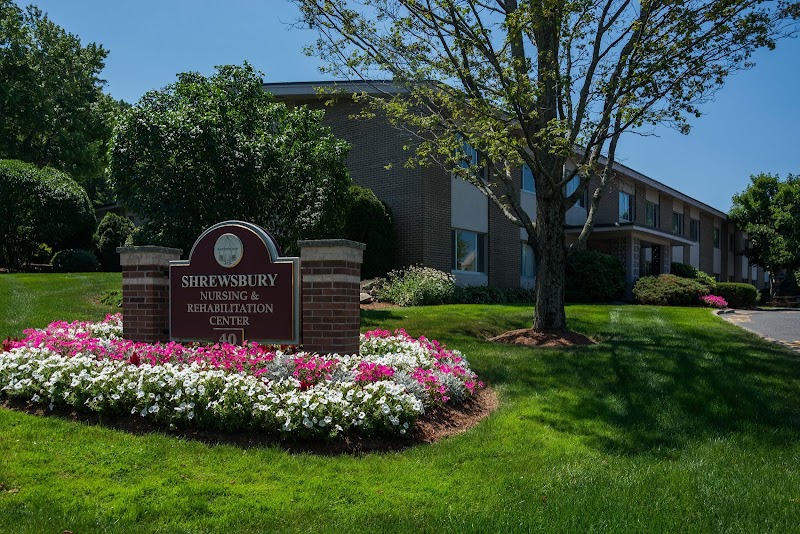
40 JULIO DRIVE, SHREWSBURY, MA 01545 (508) 845-6786
For profit - Limited Liability company 99 Beds ATLAS HEALTHCARE Data: November 2025
Trust Grade
53/100
#180 of 338 in MA
Last Inspection: November 2024

Within standard 12-15 month inspection cycle. Federal law requires annual inspections.

Overview

Shrewsbury Rehabilitation and Nursing at Southgate has a Trust Grade of C, indicating it is average compared to other nursing homes. It ranks #180 out of 338 facilities in Massachusetts, placing it in the bottom half, and #26 out of 50 in Worcester County, meaning there are only a few local options that perform better. The facility's situation appears to be worsening, as the number of issues identified has increased from 5 in 2023 to 8 in 2024. Staffing is a significant concern, with a low rating of 1 out of 5 stars; however, the turnover rate is impressively low at 0%, suggesting staff may be stable despite their numbers being inadequate. Recent inspections revealed serious deficiencies, including a failure to provide necessary assistance during a transfer, which led to a resident sustaining a significant injury, and lapses in infection control practices during a COVID-19 outbreak, demonstrating both strengths and weaknesses in the overall care provided.

Trust Score
C
53/100
In Massachusetts
#180/338
Bottom 47%
Safety Record
Moderate
Needs review
Inspections
Getting Worse
5 → 8 violations
Staff Stability
○ Average
Turnover data not reported for this facility.
Penalties
○ Average
$7,901 in fines. Higher than 60% of Massachusetts facilities. Some compliance issues.
Skilled Nurses
⚠ Watch
Each resident gets only 28 minutes of Registered Nurse (RN) attention daily — below average for Massachusetts. Fewer RN minutes means fewer trained eyes watching for problems.
Violations
⚠ Watch
21 deficiencies on record. Higher than average. Multiple issues found across inspections.
★★★☆☆
3.0
Overall Rating
★☆☆☆☆
1.0
Staff Levels
★★★★☆
4.0
Care Quality
★★★★☆
4.0
Inspection Score
Stable
2023: 5 issues
2024: 8 issues

The Good

  • 4-Star Quality Measures · Strong clinical quality outcomes
  • Full Sprinkler Coverage · Fire safety systems throughout facility
  • No fines on record

Facility shows strength in quality measures, fire safety.

The Bad

3-Star Overall Rating

Near Massachusetts average (2.9)

Meets federal standards, typical of most facilities

Federal Fines: $7,901

Below median ($33,413)

Minor penalties assessed

Chain: ATLAS HEALTHCARE

Part of a multi-facility chain

Ask about local staffing decisions and management

The Ugly 21 deficiencies on record

1 actual harm
Nov 2024 8 deficiencies
CONCERN (D)

Potential for Harm - no one hurt, but risky conditions existed

Comprehensive Assessments (Tag F0636)

Could have caused harm · This affected 1 resident

Based on record review and interview, the facility failed to complete an accurate comprehensive assessment, according to the required Resident Assessment Instrument (RAI) process in the Minimum Data S...

Read full inspector narrative →
Based on record review and interview, the facility failed to complete an accurate comprehensive assessment, according to the required Resident Assessment Instrument (RAI) process in the Minimum Data Set Assessment (MDS), for one Resident (#6) out of a total sample of 18 residents. Specifically, the facility staff failed to assess Resident #6's cognitive and mood status through the required Resident interview process when the Resident had adequate hearing, clear speech, and sometimes made him/herself understood and sometimes understood others. Findings include: Review of the Centers for Medicare and Medicare Services (CMS) Long Term Care Facility Resident Assessment Instrument (RAI) 3.0 User's Manual Version 1.18.11, dated October 2023, included the following: -Assessment Reference Date (ARD) refers to the specific endpoint for the observation (or look-back) periods in the comprehensive Minimum Data Set (MDS) assessment process. - The standard look-back period for the MDS 3.0 is 7 days, unless otherwise stated. - The interview should be conducted because the resident is at least sometimes understood verbally, in writing, or using another method, and if an interpreter is needed, one is available. - Attempt to conduct the interview with ALL residents. This interview is conducted during the look-back period of the Assessment Reference Date (ARD) and is not contingent upon item B0700, Makes Self Understood. - If the resident interview was not conducted within the look-back period (preferably the day before or the day of) the ARD, item C0100 must be coded 1, Yes, and the standard no information code (a dash -) entered in the resident interview items. - Do not complete the Staff Assessment for Mental Status items (C0700-C1000) if the resident interview should have been conducted but was not done. Resident #6 was admitted to the facility in October 2024, with diagnoses including Dementia (progressive disease with impairment in memory and functioning) with Agitation (a condition in which a person is unable to relax and be still. The person may be very tense and irritable, and become easily annoyed by small things), Anxiety Disorder (feeling of unease, such as worry or fear, that can be mild or severe/ intense, excessive, and persistent worry and fear about everyday situations), and Hallucinations (a perception of having seen, heard, touched, tasted, or smelled something that wasn't actually there). Review of the Resident #6 admission Nursing Progress Note dated 10/8/24, indicated the following: - Resident was cooperative - BIMS interview Score 0 out of a total possible 15 - BIMS interview category: severe impairment Review of Resident #6's comprehensive Minimum Data Set (MDS) Assessment, dated 10/14/24, indicated the following: - The Resident had adequate hearing. - The Resident had clear speech. - The Resident could sometimes make him/herself understood. - The Resident could sometimes understand others. - The Brief Interview for Mental Status (BIMS) should be attempted with all residents. - The BIMS was not assessed. - The Mood interview should be attempted with all residents. - The Resident's mood was not assessed. During an interview on 11/27/24 at 7:51 A.M., the MDS Nurse said that nursing staff on the floor are not trained to assess BIMS upon admission for Residents and said that the Social Worker was responsible for assessing Residents' BIMS upon admission. The MDS Nurse also said that if BIMS assessment were not completed within the time frame allowed during the assessment reference period which is 14 calendar days by CMS, then he had to indicate that the BIMS was not assessed. The MDS Nurse said that BIMS should have been assessed when Resident #6 was admitted to the facility in October 2024 and on the comprehensive MDS assessment. During an interview on 11/27/24 at 9:05 A.M., Nurse #3 said that Nurses on the floor are not trained to assess a Resident's BIMS. Nurse # 3 also said that BIMS assessment opened as part of the Nursing admission Assessment in Point Click Care (PCC, a cloud based healthcare software platform that offers electronic health records and other solutions for a variety of healthcare settings) but the Nurses were not trained to complete the BIMS with residents and that the Social Workers was responsible for the BIMS. Nurse #3 further said that Social Workers are responsible for assessing Resident's BIMS the following day after Resident's are admitted to the facility. Nurse #3 reviewed the clinical records with the surveyor which indicated Resident #6's BIMS was not assessed in October 2024, when the Resident was admitted . During an interview on 11/27/24 at 11:30 A.M., the Director of Nursing (DON) said that BIMS and Mood assessments were completed for Resident #6 after the comprehensive assessment ARD date, so the BIMS and Mood scores were not included on the comprehensive assessment.
CONCERN (D)

Potential for Harm - no one hurt, but risky conditions existed

Deficiency F0658 (Tag F0658)

Could have caused harm · This affected 1 resident

**NOTE- TERMS IN BRACKETS HAVE BEEN EDITED TO PROTECT CONFIDENTIALITY** Based on observation, record review, and interviews, the facility failed to ensure professional standards of practice for medica...

Read full inspector narrative →
**NOTE- TERMS IN BRACKETS HAVE BEEN EDITED TO PROTECT CONFIDENTIALITY** Based on observation, record review, and interviews, the facility failed to ensure professional standards of practice for medication administration for one Resident (#15) out of a total of 18 residents sampled. Specifically, the facility staff failed to administer Ativan (a medication used to treat anxiety [persistent worry and fear about everyday situations]) in accordance with the physician order. Findings include: Review of facility policy titled Medication orders, dated 5/1/2024, indicated the following: -Elements of medication order: > Date and time of the order written > The resident's full name > Name of the medication > Dosage (strength) of the medication > Frequency (how often) of the administration (provided) > Duration, if applicable. > Route (location) of administration > Type/formulation (if applicable). > Hour of administration (if applicable). > Diagnosis or indication for use. > PRN (pro re nata [as needed]) orders should also specify the condition for which they are being administered (e.g. [exempli gratia (for example)] as needed for sleep). - Documentation of medication orders: > Each medication order should be documented with the date, time and signature of the person receiving the order. The order should be recorded on the physician order sheet, and the Medication Administration Record (MAR). > Clarify the order. > If using electronic medication records, input the medication order according to the electronic health record (EHR) instructions and per facility policy. > Transcribe (to put data into written or printed form) newly prescribed medications on the MAR or treatment record or ensure the order is in the electronic MAR. Review of the facility policy titled Medication Administration, dated 5/1/24 indicated: - Medications are administered by licensed nurses . as ordered by the physician and in accordance with professional standards of practice, in a manner to prevent contamination or infection. > Ensure that the six rights of medication administration are followed: 1. Right resident 2. Right medication 3. Right dosage 4. Right route 5. Right time 6. Right documentation > Review the MAR to identify medication to be administered. > Administer medication as ordered. > Correct any discrepancies and report to nurse manager. Review of Nursing2024 Drug Handbook, Edition 44 [NAME] &Wilkins, indicated the following professional standard of practice: -The rights of medication administration include the five well known rights: 1. Right patient: ensuring the medication is given to the correct patient. 2. Right drug: ensuring the medication matches the prescribed drug. 3. Right dose: administer the correct dose. 4. Right route: administer the medication through the appropriate route. 5. Right time: administer the medication at the scheduled time or frequency. Resident #15 was admitted to the facility in September 2023 with diagnoses including Dementia (a group of symptoms affecting memory, thinking and social abilities which interferes with daily life) and Anxiety (intense, excessive, and persistent worry and fear about everyday situations). Review of the Minimum Data Set (MDS) assessment dated [DATE], indicated Resident #15 was severely cognitively impaired as evidenced by a Brief Interview for Mental Status (BIMS) score of two out of a total possible score of 15. Review of Resident #15 ' s comprehensive medical record indicted the following: -Activation of Health Care Proxy (HCP- a legally authorized person to make medical decisions on behalf of another person), effective 9/28/2023. -A comprehensive, person-centered care plan for Anxiety which indicated interventions for administering anti-anxiety medication (like Ativan) as ordered by physician, effective 10/9/24. -Physician order for Ativan 0.5 mg (mg-milligrams) by mouth every morning and bedtime for anxiety, initiated 7/29/2024. -Physician order for Ativan 0.5 mg PO (per os [by mouth]) daily (once a day) PRN as needed anxiety/agitation, initiated 11/18/24. Review of Resident #15 ' s November 2024 MAR indicated the following: -An order for Ativan oral tablet 0.5 mg - give 0.5 mg by mouth as needed for anxiety/agitation for 14 days with start date of 11/19/2024. -Documented administration of Ativan 0.5 mg PO twice a day PRN on 11/20/24 at 1:44 A.M. and 5:51 A.M. During an interview on 11/26/24 at 10:17 A.M., the Unit Manager #1 (UM#1) said Resident #15 was unaware of his/her prescribed medications due to his/her dementia. The UM#1 said that Resident #15 had increased episodes of anxiety and the physician recently ordered a daily PRN dose of Ativan, as a result. The UM said Resident #15 was given PRN Ativan twice on 11/20/24 at 1:44 A.M. and 5:51 A.M. and should not have been, because the PRN Ativan was ordered for once a day. The UM then said the PRN Ativan had been transcribed incorrectly to the MAR and did not include a frequency. The UM said medication frequency was part of the five rights of medication administration and should be included on the transcribed order. The UM said Resident #15 was high risk due to his/her dementia and too much Ativan could increase his/her confusion. During an interview on 11/27/24 at 10:45 A.M., the Director of Nursing (DON) said that orders for medication should be transcribed to the MAR by the unit nurse and include the five rights of administration which were the right resident, medication, dose, route, and frequency. The DON said that the five rights should be followed for all residents as a professional standard of practice. The DON said that all nurses are educated on transcription of orders upon hire. The DON said that the 11:00 P.M. to 7:00 A.M. shift nurses also completed a chart check to ensure that the order for Ativan was transcribed correctly but the order for Ativan had not been transcribed correctly for Resident #15 as the frequency had been omitted. The DON said that the PRN Ativan had not been administered in accordance to the Physicians order.
CONCERN (D)

Potential for Harm - no one hurt, but risky conditions existed

Pressure Ulcer Prevention (Tag F0686)

Could have caused harm · This affected 1 resident

**NOTE- TERMS IN BRACKETS HAVE BEEN EDITED TO PROTECT CONFIDENTIALITY** Based on observation, record review, and interviews, the facility failed to ensure its staff maintained professional standards o...

Read full inspector narrative →
**NOTE- TERMS IN BRACKETS HAVE BEEN EDITED TO PROTECT CONFIDENTIALITY** Based on observation, record review, and interviews, the facility failed to ensure its staff maintained professional standards of practice to prevent the development and promote healing of pressure ulcers/skin injuries for one Resident (#55) out of a total sample of 18 residents. Specifically, for Resident #55, the facility staff failed to perform a wound treatment as ordered by the physician, placing the Resident at risk for delayed wound healing. Findings include: Review of the facility policy titled Wound Treatment Management, last revised 5/1/24, indicated: -To promote healing of various types of wounds, it is the policy of this facility to provide evidence based treatments in accordance with current standards of practice and physician orders. -Wound treatments will be provided in accordance with physician orders, including; the cleansing method, type of dressing, and frequency of dressing change. -Dressings will be applied in accordance with manufacturers recommendations. Resident #55 was admitted to the facility in July 2024 with diagnoses including paraplegia (a condition that causes paralysis of the lower half of the body, including the legs, hips, stomach, and chest) and a Deep Tissue Injury (DTI: damage to tissues beneath the skin that occurs due to pressure or shear forces that can progress into large deep wounds). Review of a Minimal Data Set (MDS) assessment dated [DATE] indicated Resident #55 was cognitively intact as evidenced by a Brief Interview for Mental Status (BIMS) score of 15 out of a total possible score of 15. Review of the clinical record indicated Resident #55 had been transferred to the hospital 8/16/24 and returned to the facility 8/27/24. Further review of the clinical record indicated a Physician progress note dated 8/27/24 that indicated Resident #55 had developed a Stage IV pressure ulcer (a deep wound that extends beyond the skin layers reaching muscles, tendons, or bone). Review of the Active Physician orders dated 11/26/24 indicated the following: - Sacral ulcer: Wash with antibacterial soap and irrigate with saline, pat dry, apply Santyl (a prescription medicine that removes dead tissue from wounds so that they can start to heal properly) to wound base (the open area of the wound also known as the wound bed) followed by a damp to dry dressing, cover with border foam dressing every day and evening shift for wound healing, initiated on 10/24/24. On 11/25/24 at 11:27 A.M., the surveyor observed Nurse #2 and Unit Manager #2 (UM #2) perform a wound care treatment to Resident #55's Stage IV sacral wound. The surveyor observed UM #2 positioned on one side of Resident #55's bed, and Nurse #2 positioned on the opposite side of the bed with Resident #55 positioned on his/her side facing UM #2. The surveyor observed Nurse #2 perform hand hygiene, don clean gloves, remove the old dressing from the wound, discard the dressing, remove gloves, and perform hand hygiene. Nurse #2 then put on clean gloves, cleansed the wound as ordered and placed a clean damp gauze into the wound covering the wound base. The surveyor then observed Nurse #2 to apply Santyl around the outside of the wound with a cotton tipped applicator and place a border foam dressing over the wound. At no time did the surveyor observe Nurse #2 apply Santyl to the wound base of Resident #55's sacral wound. During an interview on 11/25/24 at 11:57 A.M., UM #2 said that she could not see what Nurse #2 did with the Santyl because she was on the opposite side of the bed. UM #2 said that the Physician's order for the wound care to Resident #55's sacral wound indicated to apply the Santyl to the wound bed and not around the wound. During an interview on 11/25/24 at 12:02 P.M., Nurse #2 said that the Physician's order for the wound care for Resident #55's sacral wound said to apply the Santyl to the wound bed. Nurse #2 said she applied the Santyl around the wound but did not apply the Santyl to the wound bed as ordered.
CONCERN (D)

Potential for Harm - no one hurt, but risky conditions existed

Accident Prevention (Tag F0689)

Could have caused harm · This affected 1 resident

Based on observation, interviews, and records reviewed, the facility failed to adequately assess wandering and elopement risk for one Resident (#83) out 18 total sampled residents which increased the ...

Read full inspector narrative →
Based on observation, interviews, and records reviewed, the facility failed to adequately assess wandering and elopement risk for one Resident (#83) out 18 total sampled residents which increased the Resident's risk for unsafe wandering and elopement. Specifically, facility staff failed to: - Accurately complete Resident #83's admission Assessment for Wandering according to the instructions provided in the facility's admission Wandering Assessment for the Resident. - Assess Resident #83's wandering risk, when the Resident exhibited changes in behavior and demonstrated exit seeking behaviors that were not present when the Resident was admitted to the facility. - Establish a resident-centered plan of care relative to wandering when Resident #83 began exhibiting wandering behaviors and seeking exit from the facility. Findings include: Review of the facility's policy titled Elopements and Wandering Residents, dated 5/1/24, indicated the following: - This facility ensures that residents who exhibit wandering behavior and/or are at risk for elopement . receive care in accordance with their person-centered plan of care addressing the unique factors contributing to wandering or elopement risk. - Wandering is random or repetitive locomotion that may be goal directed (e.g., the person appears to be searching for something such as an exit) or non-goal directed and aimless. - The facility shall establish and utilize a systematic approach to monitoring and managing residents at risk for elopement or unsafe wandering, including identification and assessment of risk, evaluation and analysis of hazards and risks, implementing interventions to reduce hazards and risks, . - Residents will be assessed for risk of elopement and unsafe wandering upon admission and throughout their stay by the interdisciplinary care plan team. - The interdisciplinary team will evaluate the unique factors contributing to risk on order to develop a person-centered care plan. - Interventions to increase staff awareness of the resident's risk, modify the resident's behavior, or to minimize risks associated with hazards will be added to the resident's care plan and communicated to appropriate staff. Resident #83 was admitted to the facility in June 2024 with diagnoses including Parkinson's Disease (movement disorder of the nervous system that worsens over time), Dementia (condition characterized by progressive or persistent loss of intellectual functioning, especially with impairment of memory and abstract thinking, and often with personality change) with Behavioral Disturbance, and Right Femur (thigh bone) Fracture. Review of Resident #83's Wandering Risk Scale Assessment, dated 6/13/24, indicated instructions for staff to complete the assessment on admission/readmission, at 72 hours, and one month later, with any change of condition, and annually for all residents. Further review of the Assessment indicated: - The Resident could follow instructions. - The Resident could move without assistance while in his/her wheelchair. - The Resident could communicate. - The Resident had no history of wandering. - The Resident had no diagnosis of Dementia/cognitive impairment; diagnosis impacting gait/mobility or strength. - The Assessment sections G (complete 72 hours post admission), H (complete at one month, ., and adhoc [when needed] screening) were not completed. - The Resident's Wandering Risk Scale Score was two (low risk). Review of Resident #83's Minimum Data Set (MDS) Assessment, dated 6/20/24, indicated the following: - The Resident was cognitively intact as evidenced by a Brief Interview for Mental Status (BIMS) score of 15 out 15 total possible points. - The Resident exhibited no wandering behaviors. - The Resident reported no mood problems. Review of Resident #83's Nurses Note, dated 7/25/24, indicated the following: - The Resident was non-compliant with safety measures. - The Resident transferred him/herself to the bathroom and bed. Review of Resident #83's Behavior Note, dated 7/25/24, indicated the following: - The Resident attended activities in the Main Dining Room. - During transport back to the Unit, the Resident refused to come back and attempted to exit. - Facility staff had difficulty redirecting the Resident. - The Resident eventually agreed to return to the Unit. - The Resident transferred him/herself and ambulated without the use of an assistive device or staff member. Review of Resident #83's clinical record did not include any evidence that: - The Resident's wandering or elopement risk was assessed when the Resident exhibited refusal to return to the Unit from the Main Dining Room. - A care plan relative to risk for wandering and elopement had been initiated for the Resident. Review of Resident #83's clinical record indicated the Resident was transferred to the hospital related to a medical change in condition on 7/28/24 and returned to the facility on 7/31/24. Further review of the clinical record did not include any evidence Resident #83's risk for wandering and elopement was assessed upon readmission to the facility on 7/31/24. Review of Resident #83's clinical record indicated the Resident was transferred to the hospital after sustaining a fall on 8/18/24 and returned to the facility on 8/19/24. Review of Resident #83's Nursing readmission Evaluation, dated 8/19/24 and completed 8/20/24, indicated the following relative to elopement risk: - The Resident was confined to chair/bed. - The Resident was unable to walk. - The Resident was not an elopement risk. Review of Resident #83's Physician Progress Note, dated 8/22/24, indicated the following: - The Resident was seen due to increasing paranoia, delusions, possible hallucinations observed by staff. - The Resident was wheeling him/herself into other residents' rooms and was intrusive. - The Resident had Parkinson's Disease and cognitive impairment. Review of Resident #83's clinical record did not include any evidence that: - The Resident had been assessed for wandering and elopement risk when the Resident exhibited wandering into other residents' rooms. - A care plan relative to wandering and elopement had been initiated for the Resident. Review of a Nurses Progress Note, dated 8/28/24, indicated the following: - The Resident exhibited delusions, hallucinations, and paranoia. - The Resident was difficult to redirect during the shift. - The Resident wanted to call 911 and stated that he/she was being held at the facility against his/her will. - The Resident stood to grab the phone. - The Resident was seeking exit. Review of a Nurses Progress Note, dated 8/29/24 at 9:13 A.M., indicated the Resident was redirected that same morning for exit seeking. Review of Resident #83's Nurses Progress Note, dated 8/29/24 at 1:45 P.M., indicated the following: - The Resident was reviewed at Risk Meeting. - The Resident had delusional, paranoid, and exit seeking behaviors. - Will assess for elopement risk. Review of Resident #83's Skilled Progress Note, dated 8/29/24, indicated the Resident wandered, sought exit, and was difficult to redirect at times. Review of Resident #83's clinical record did not include any evidence facility staff assessed the Resident's risk for elopement when the Resident exhibited exit seeking behaviors on 8/28/24 and 8/29/24, and per the recommendation of the facility's Risk Meeting held on 8/29/24. Further review of the Resident's clinical record did not include any evidence a care plan relative to the Resident's risk for wandering and elopement had been initiated. Review of Resident #83's Nurses Progress Note, dated 9/2/24, indicated the following: - The Resident was alert and confused. - Facility staff found the Resident in another resident room in the evening. - The Resident was sitting behind the closed door to the other resident room, staring at both residents in that room. Review of Resident #83's Nurses Progress Note, dated 9/17/24, indicated the following: - The Resident continually sought out staff to report that he/she did not belong among residents with Dementia. - The Resident requested to see the Social Worker to get out of here. - The Resident was redirected with little effect. Review of Resident #83's MDS Assessment, dated 9/18/24, indicated the following - The Resident was moderately cognitively impaired as evidenced by a BIMS score of 12 out of 15 total possible points. - The Resident reported feeling down, hopeless, or depressed several days during the assessment reference period for the MDS Assessment. - The Resident exhibited wandering behavior one to three days during the assessment reference period for the MDS Assessment. Review of Resident #83's Quarterly Elopement Risk Evaluation, dated 9/18/24, indicated the following: - The Resident was ambulatory or used a wheelchair. - The Resident had one or more of the following predisposing conditions: Dementia, Organic Brain Syndrome, Alzheimer's Disease, Mental Illness, Traumatic Brain Injury. - The Resident had intermittent confusion. - The Resident had poor safety/environment awareness. - The Resident's elopement risk score was 14 (10 or higher indicates high risk). - The Resident resided on the locked unit and had made no attempts to elope from the Unit. Further review of the Elopement Risk Evaluation indicated instructions as follows: If the total score is 10 or greater, the resident should be considered at high risk for elopement. A prevention protocol should be initiated immediately and documented on the care plan. Review of Resident #83's Nurses Progress Note, dated 9/30/24, indicated the following: - Facility staff observed the Resident pushing on the door from the Unit that led to the stairwell. - The Resident said that he/she had been kidnapped and was being held against his/her will. - The Resident said that he/she was going to go down the stairs or go through the door to jump out the window to leave. - The Resident was pushing aggressively on the door, setting off the door alarm. - Facility staff offered the Resident a drink and snack and offered to assist the Resident back to his/her room with no effect. - The Physician was in the facility and attempted to talk with the Resident. - The Nurse placed a wander guard (device used to alert caregivers when a Resident gets close to an exit door) on the Resident's wheelchair. Review of Resident #83's Physician Progress Note, dated 9/30/24, indicated the following: - The Resident was seen urgently by the Physician due to paranoia and agitation. - The Resident appeared very aggravated and paranoid, and not reasonable. - The Resident was transferred to the hospital for management of psychotic episode. Review of Resident #83's Nursing Elopement Risk Evaluation, dated 9/30/24, indicated the following: - The Resident was ambulatory with assistive devices. - The Resident was disoriented at all times. - The Resident exhibited purposeful exit seeking. - The Resident exhibited one elopement episode in the past three months. - A wander guard was placed on the Resident's wheelchair that same day. - The Resident's elopement risk score was 20 (high risk). Review of Resident #83's active care plan indicated the following: - The Resident was at risk for elopement related to elopement attempt, delusions. - The elopement care plan was not initiated until 9/30/24. - The Resident's Behavior Care Plan was not revised to include exit seeking behaviors until 10/8/24. On 11/21/24 at 7:59 A.M., the surveyor observed Resident #83 self mobilizing in his/her wheelchair in the hallway on the Unit. The surveyor observed Resident #83 using his/her feet and using the handrail while mobilizing in the wheelchair. The surveyor observed Resident #83 mobilize to the end of the hallway, facing the door that led to the stairwell outside of the Unit. The surveyor observed Resident #83 sit and face the door for approximately four minutes, then the Resident began to push on the door handle until the door alarm sounded. During an interview on 11/22/24, the Assistant Director of Nursing (ADON) said that she was the Nurse who responded to Resident #83's attempt to exit the Unit on 9/30/24. The ADON said that Resident #83 did not exit through the door into the stairwell, but that the Resident was pushing on the door and was threatening to leave. The ADON said that she was eventually able to redirect Resident #83 away from the door, but the Resident's behaviors continued, the Resident could not be reasoned with and required transfer to the hospital. The ADON said that she was not working at the facility when the Resident was admitted in June 2024, so she could not speak to the Resident's presentation at the time of admission. The ADON said she would have to review the Resident's clinical record to determine when the Resident should have been assessed for wandering and elopement and for when individualized interventions for wandering and elopement should have been added into the Resident's care plan. During an interview on 11/26/24 at 8:00 A.M., Unit Manager (UM) #1 said Residents were assessed for wandering and elopement risk upon admission/readmission, quarterly, annually, and if a status change occurred where a resident attempted to leave or voiced wanting to leave the facility. UM #1 said she completed an elopement assessment for Resident #83 on 8/19/24, when the Resident returned to the facility from the hospital after having had a fall. UM #1 said that at the time she completed the assessment, Resident #83 was lethargic, sleepy and bedbound, and the Resident was assessed to be not at risk for elopement. UM #1 further said that the Resident needed to gain some strength before becoming mobile again. The surveyor inquired whether Resident #83's risk for wandering and elopement should have been reassessed when the Resident exhibited exit seeking behaviors on 8/28/24, UM #1 said that she did not think the Resident had been exit seeking at that time. During an interview on 11/26/24 at 11:35 A.M., the Director of Nursing (DON) said assessments for wandering and elopement risk were to be completed for residents upon admission/readmission to the facility, quarterly, annually, and with a change in condition where exit seeking behaviors are increased from the resident's baseline exit seeking behavior. The DON said that she completed an elopement assessment and revised Resident #83's plan of care on 9/30/24 when the Resident attempted to exit the Unit and was transferred to the hospital. The DON said she would need to review Resident #83's clinical record to determine whether the Resident's wandering and elopement risk should have been assessed and a care plan relative to wandering and elopement developed prior to 9/30/24. During a follow-up interview on 11/26/24 at 4:05 P.M., the DON said she reviewed Resident #83's clinical record and that the Resident's initial Wandering Risk Scale Assessment, dated 6/13/24, should have been completed to indicate that the Resident had a diagnosis of Dementia/cognitive impairment and diagnosis impacting gait/mobility or strength since the Resident was admitted with a diagnosis of Dementia and a hip fracture. The DON also said staff should have reassessed the Resident's wandering and elopement risk when the Resident began exit seeking and again when the IDT recommended an elopement assessment be completed on 8/29/24. The DON also said that staff should have developed a plan of care with individualized interventions relative to Resident #83's wandering and exit seeking behaviors prior to 9/30/24 when the Resident required hospital transfer relative to exit seeking behaviors.
CONCERN (D)

Potential for Harm - no one hurt, but risky conditions existed

Deficiency F0761 (Tag F0761)

Could have caused harm · This affected 1 resident

Based on observation and interview, the facility failed to remove expired medications from one medication cart, out of a sample of three medication carts. Specifically, the facility failed to remove a...

Read full inspector narrative →
Based on observation and interview, the facility failed to remove expired medications from one medication cart, out of a sample of three medication carts. Specifically, the facility failed to remove and dispose two bottles of expired Ferrous Gluconate liquid (Iron Supplement), increasing the risk of non-therapeutic benefit when the medication is administered. Findings include: Review of the facility policy titled Medication Storage, revised 5/1/24, indicated: -All drugs and biologicals will be stored in locked compartments (i.e., medication carts, cabinets, drawers, refrigerators, medication rooms) . -The pharmacy and all medication rooms are routinely inspected by the consultant pharmacist for discontinued, outdated, defective, or deteriorated medications with worn, illegible, or missing labels. Review of the facility policy titled Medication Administration, revised 5/1/24, indicated: -Identify expiration date. If expired, notify nurse manager. On 11/26/24 at 10:33 A.M., the surveyor and Nurse #2 observed the medication cart on the Station 3 nursing unit to contain two bottles of Ferrous Gluconate liquid with labels that indicated expiration dates of 5/2024 and 10/2024. During an interview at the same time, Nurse #2 said the expired Ferrous Gluconate liquid medications should not have been administered to residents and should have been removed from the medication cart when they expired. Nurse #2 said she would notify the Unit Manager and have the expired medications removed from the medication cart.
CONCERN (D)

Potential for Harm - no one hurt, but risky conditions existed

Medical Records (Tag F0842)

Could have caused harm · This affected 1 resident

**NOTE- TERMS IN BRACKETS HAVE BEEN EDITED TO PROTECT CONFIDENTIALITY** Based on record review and interview, the facility failed to maintain an accurate medical record for one Resident (#34) out of a...

Read full inspector narrative →
**NOTE- TERMS IN BRACKETS HAVE BEEN EDITED TO PROTECT CONFIDENTIALITY** Based on record review and interview, the facility failed to maintain an accurate medical record for one Resident (#34) out of a total sample of 18 residents. Specifically, the facility failed to accurately document a behavioral incident by Resident #34 putting his/her roommate at risk for potential abuse. Findings include: Review of the facility policy titled Documentation in Medical Record, initiated 5/1/24, indicated: - Each residents' medical record shall contain an accurate representation of the actual experiences of the resident and include enough information to provide a picture of the resident's progress through complete, accurate, and timely documentation. - Principles of documentation include, but are not limited to: > Documentation shall be factual, objective, and resident centered. > False information shall not be documented > Record descriptive and objective information based on first hand knowledge of the assessment, observation or service provided. > Documentation shall be accurate, relevant, complete, and containing sufficient details about the resident's care and/or responses to care. Resident #34 was admitted to the facility in August 2017 with diagnoses including Dementia (progressive disease with impairment in memory and functioning), Expressive Aphasia (an acquired language disorder caused by damage to the brain's language centers, characterized by partial loss of the ability to produce language [spoken, manual, or written], although comprehension generally remains intact), Generalized Anxiety Disorder (a mental condition characterized by excessive or unrealistic anxiety about two or more aspects of life [work, social relationships, financial matters, etc.]). Review of the Minimum Data Set (MDS) assessment, dated 11/1/24, indicated: - Resident #34 had clear speech - Resident #34 was usually able to understand others and usually able to make themselves understood - Resident #34 was severely cognitively impaired as evidenced by a Brief Interview for Mental Status (BIMS) score of 0 out of a total possible of 15. - Resident #34 did not exhibit any behaviors. During an interview on 11/21/24 at 12:09 P.M., Family Member #1 said that Resident #34 had an incident with his/her roommate over the past weekend and Resident #34 got mad at her roommate. Review of the Nurses Note dated 11/17/24 at 23:02 indicated: - Resident #34 had two episodes of behavior Issues. - Resident #34 became very mean and angry. - Yelling at roommate, - Pointing finger in [roommate's] face and - Attempted to strike roommate with his/her wheelchair. - While cursing at roommate and calling him/her fowl (sic) names. - Redirected with poor effect. Review of the Witness Statement by Nurse #1, dated 11/21/24, indicated that Nurse #1 was called to the room as Resident #34 was yelling out from his/her bed. The statement indicated Resident #34 was unable to say why he/she was upset and had used foul language. The statement further indicated that Resident #34 and their roommate did not touch each other, did not make contact, and both calmed down when staff intervened. During an interview on 11/21/24 at 4:49 P.M. the Director of Nurses (DON) said that she would have expected more accurate documentation and the nursing note to reflect that the incident did not rise to the level of abuse at that time. During an interview on 11/22/24 at 9:20 A.M. Nurse #1 said that she recalled Resident #34's behavioral incident on 11/17/24. She said that she observed Resident #34, and his/her roommate seated in their beds at opposite ends of the room and that Resident #34 was calling the staff foul names, not his/her roommate, and pointing his/her finger at the staff and anyone in the room. Nurse #1 said that she did not observe any action relative to Resident #34 using his/her wheelchair to strike at his/her roommate. Nurse #1 said that when Resident #34 becomes upset, he/she will swear and use foul language. During a second interview on 11/22/24 at 1:34 P.M., the DON said that the Nurse's Progress Note about the incident on 11/17/24 was inaccurate based on the witness statement provided by Nurse #1 and that the progress note would be corrected.
MINOR (B)

Minor Issue - procedural, no safety impact

Assessment Accuracy (Tag F0641)

Minor procedural issue · This affected multiple residents

**NOTE- TERMS IN BRACKETS HAVE BEEN EDITED TO PROTECT CONFIDENTIALITY** Based on interview and records reviewed, the facility failed to accurately complete the Minimum Data Set (MDS) Assessment for on...

Read full inspector narrative →
**NOTE- TERMS IN BRACKETS HAVE BEEN EDITED TO PROTECT CONFIDENTIALITY** Based on interview and records reviewed, the facility failed to accurately complete the Minimum Data Set (MDS) Assessment for one Resident (#83) out of a total sample of 18 residents. Specifically, facility staff failed to accurately code the use of antianxiety (used to treat symptoms of anxiety [feeling of worry, nervousness, or unease, typically about an imminent event or something with an uncertain outcome] medication on one MDS Assessment for Resident #83. Findings include: Resident #83 was admitted to the facility in June 2024 with a diagnosis of Dementia with Behavioral Disturbance (progressive disease with impairment in memory and functioning that includes symptoms such as depression, anxiety, psychosis, agitation, aggression, disinhibition, and sleep disturbances). Review of Resident #83's active Physician Orders indicated the following order dated 11/12/24: - Ativan (antianxiety medication) oral tablet 0.5 milligrams (mg). - Give 0.5 mg by mouth every eight hours as needed for Anxiety/Agitation for 180 days. Review of Resident #83's MDS Assessment, dated 11/8/24, indicated the Resident received antianxiety medication during the MDS Assessment observation period (11/2/24-11/8/24). Review of Resident #83's November 2024 Medication Administration Record did not indicate any Ativan was administered to resident #83 during the observation period for the Resident's MDS assessment dated [DATE]. During an interview on 11/22/24 at 2:20 P.M., the MDS Nurse said that Resident #83 did not receive any antianxiety medication during the observation period for the MDS assessment dated [DATE] and that antianxiety medication should not have been coded on the MDS Assessment as having been taken during the observation period. The MDS Nurse further said that coding use of antianxiety medication on Resident #83's MDS Assessment, dated 11/8/24, was a coding error.
MINOR (B)

Minor Issue - procedural, no safety impact

Deficiency F0646 (Tag F0646)

Minor procedural issue · This affected multiple residents

**NOTE- TERMS IN BRACKETS HAVE BEEN EDITED TO PROTECT CONFIDENTIALITY** Based on interviews and records reviewed, the facility failed to notify the State mental health authority promptly after a signi...

Read full inspector narrative →
**NOTE- TERMS IN BRACKETS HAVE BEEN EDITED TO PROTECT CONFIDENTIALITY** Based on interviews and records reviewed, the facility failed to notify the State mental health authority promptly after a significant change in the mental condition for resident review for one Resident (#83) out of 18 total sampled residents which increased the Resident's risk for not receiving specialized services in a timely manner. Specifically, facility staff failed to notify the State mental health authority of the need for resident review when: - Resident #83 exhibited a new onset of paranoia (unwarranted or delusional belief that one is being persecuted, harassed, or betrayed by others, occurring as part of a mental condition), delusions (unshakable belief in something that is untrue; type of psychotic disorder [collection of symptoms that affect the mind, where there has been some loss of contact with reality]), and visual hallucinations (experience involving the apparent perception of something not present). - Resident #83 had newly added diagnoses of: Delusional Disorders, Paranoid Personality Disorder, and Psychotic Disorder with Delusions. - Resident #83 required treatment with an antipsychotic medication, when the Resident had not previously required antipsychotic medications use. Findings include: Resident #83 was admitted to the facility in June 2024 with a diagnosis of Dementia with Behavioral Disturbance. Review of Resident #83's Preadmission Screening and Resident Review (PASRR) Level One Screening, dated 6/13/24, indicated the following: - The Resident had not been diagnosed with Delusional Disorder, Paranoia, or Other Psychotic Disorder. - The Resident's screen for Serious Mental Illness (SMI) was negative. - A Level Two PASRR Evaluation was not indicated. Review of Resident #83's Minimum Data Set (MDS) Assessment, dated 6/20/24, indicated the Resident did not exhibit any hallucinations or delusions. Review of Resident #83's Initial Psychiatric Diagnostic Evaluation, dated 7/9/24, indicated the following: - The resident was referred for psychiatric evaluation due to concerns for adjustment, motivation, and depression. - The Resident had no known previous psychiatric history. - No psychotropic medications were in use for the Resident. - The Resident had Adjustment Disorder with Depressed Mood. Review of Resident #83's Nursing Progress Note, dated 8/28/24 and written at 2:49 P.M., indicated the Resident was alert with delusions and hallucinations. Review of Resident #83's Nursing Progress Note, dated 8/28/24 and written at 9:10 P.M., indicated the following: - The Resident was difficult to redirect during the shift. - The Resident wanted to call 911 and was seeking exit. - The Resident spoke with his/her healthcare proxy (HCP: individual designated to make healthcare decisions for one determined incapacitated) over the phone, requested the HCP contact 911, and stated that his/her phone conversation was being recorded by the FBI. - Facility staff contacted the Physician and the Physician ordered a one-time dose of Seroquel (antipsychotic medication) to be administered to the Resident. - The Physician gave approval for a repeat dose of Seroquel to be administered that same night if needed. - The Seroquel was effective for the Resident. Review of Resident #83's Skilled Progress Note, dated 8/29/24, indicated the following: - The Resident was alert and oriented, with confusion and delusions. - The Resident wandered and sought exit. - The Resident was difficult to redirect at times. Review of Resident #83's Psychiatric Nurse Practitioner Visit Note, dated 8/29/24, indicated the following: - The reasons for the Visit were paranoia, aggression, and exit seeking. - The Resident had received a one-time dose of Seroquel on 8/28/24 with good effect. - The Resident had no psychotropic medications ordered for use. - Consider starting Seroquel 12.5 mg BID (two times per day) for aggressive behaviors and distressing delusions. Further review of the Psychiatric Nurse Practitioner Visit Note indicated the recommendation for starting Seroquel was reviewed with the Physician and approved to start on 9/3/24. Review of Resident #83's Order Recap Report indicated the following: - Seroquel Oral Tablet, give 12.5 mg by mouth two times a day for Anxiety, dated 9/4/24 and discontinued 9/13/24. - Seroquel Oral Tablet, give 12.5 mg by mouth two times a day for hallucinations/delusions, dated 9/13/24 and discontinued 10/3/24. - Seroquel Oral Tablet, give 25 mg by mouth two times a day for hallucinations/delusions, dated 10/3/24 with no stop date. Review of Resident #83's September 2024 Medication Administration Record indicated Seroquel was administered to the Resident, as ordered, while the Resident was in the facility. Review of Resident #83's Diagnosis Listing Report indicated new diagnoses were added as follows: - Paranoid Personality Disorder on 9/5/24. - Delusional Disorders on 9/5/24. - Psychotic Disorder with Delusions due to Known Physiological Condition on 9/27/24. Review of Resident #83's clinical record did not indicate any evidence facility staff notified the State mental health authority of the Resident's newly indicated serious mental illness (SMI) and decline in condition. Review of Resident #83's Nurses Progress Note, dated 9/30/24, indicated the following: - Facility staff observed the Resident pushing on the door from the Unit that led to the stairwell. - The Resident said that he/she had been kidnapped and was being held against his/her will. - The Resident said that he/she was going to go down the stairs or go through the door to jump out the window to leave. - The Resident was pushing aggressively on the door, setting off the door alarm. - Facility staff offered the Resident a drink and snack and offered to assist the Resident back to his/her room with no effect. - The Physician was in the facility and attempted to talk with the Resident. - The Nurse placed a wander guard (device used to alert caregivers when a Resident gets close to an exit door) on the Resident's wheelchair. Review of Resident #83's Physician Progress Note, dated 9/30/24, indicated the following: - The Resident was seen urgently by the Physician due to paranoia and agitation. - The Resident appeared very aggravated and paranoid, and not reasonable. - The Resident was transferred to the hospital for management of psychotic episode. Review of Resident #83's clinical record indicated the following: - The Resident returned to the facility from the hospital on [DATE]. - The State mental health authority was not notified of the Resident's need for Resident Review until 10/7/24. During an interview on 11/21/24 at 3:45 P.M., Unit Manager (UM) #2 said that she had been assisting the facility with completing PASRR screenings and submissions to the State mental health authority for resident reviews during the time that Resident #83's mental condition changed, requiring the use of Seroquel for new diagnoses of Paranoid Personality Disorder and Delusional Disorders. UM #2 said that she had not been made aware of the Resident's newly added diagnoses and use of antipsychotic medication until a Consultant Social Worker alerted her of the diagnoses and use of Seroquel when the Resident returned from the hospital on [DATE]. UM #2 said that she did not complete the request for resident review through the State mental health authority until 10/7/24. During an interview on 11/22/24 at 10:42 A.M., the Consultant Social Worker (SW) said that when a resident had a change in mental condition with a newly added diagnosis of Paranoid Personality Disorder, Delusional Disorder, or Psychotic Disorder and required a change in treatment for antipsychotic use when psychotropic medications were not previously prescribed, the facility was required to promptly submit a resident review to the State mental health authorities for a Level Two PASRR Evaluation to be completed. The Consultant SW said that facility staff's submission for a resident review on 10/7/24 was not completed promptly and should have been completed when the Resident's change in condition occurred.
Dec 2023 1 deficiency
CONCERN (E)

Potential for Harm - no one hurt, but risky conditions existed

Infection Control (Tag F0880)

Could have caused harm · This affected multiple residents

Based on observations, interviews and record reviews, the facility failed to maintain an infection prevention and control program to prevent the development and transmission of communicable diseases a...

Read full inspector narrative →
Based on observations, interviews and record reviews, the facility failed to maintain an infection prevention and control program to prevent the development and transmission of communicable diseases and infections for two Residents (#1 and #3) out of a total sample of three residents and one unit (Station 1) out of three units observed. Specifically, the facility failed to: 1. Ensure the appropriate personal protective equipment (PPE - protective devices, garments, or coverings such as eye protection, gloves, and gowns, that are worn to minimize exposure to hazards that may cause injury or illness) was utilized by staff during an active Covid-19 (a disease caused by the SARS-CoV-2 virus which can be very contagious and spreads quickly) outbreak. 2. Monitor Resident's #1 and #3 for signs and symptoms of Covid-19 during an active outbreak. Findings include: Review of the facility's policy titled, Coronavirus Disease (Covid-19) - Using Personal Protective Equipment, revised September 2022 indicated but was not limited to: When caring for a resident with confirmed or suspected SARS-CoV-2 infection: - Personnel who enter the room of a resident with suspected or confirmed SARS-CoV-2 infection adhere to standard precautions and use a NIOSH-approved N-95 (a type of mask that protects the wearer from particles or from liquid contaminating the face) or equivalent or higher-level respirator, gown, gloves, and eye protection. - Disposable respirators are doffed (removed) and discarded after exiting the resident's room or care area and closing the door. - Hand hygiene is performed after removing the respirator. - Eye protection (goggles or face shield) is applied prior to entry to the resident room or care area. - Eye protection is removed after leaving the resident room or care area. - Gloves are applied upon entry to the resident room or care area. - Gloves are removed and discarded before leaving the resident room or care area, and hand hygiene performed immediately. - A clean isolation gown is donned (applied) before entry to the resident room or care area. - The gown is removed and discarded in a dedicated container for waste or linen before leaving the resident room or care area. 1. During an interview on 12/6/23 at 8:05 A.M., the Director of Nurses (DON) said the facility was currently in a Covid-19 outbreak and the staff were required to wear N-95 respirators throughout all the resident care areas. In addition, staff were required to wear full PPE (N-95 respirator, eye protection (goggles), gown and gloves) in rooms where residents were on isolation precautions for Covid-19. The DON further said that upon exiting an isolation room, staff were required to sanitize their eye protection for re-use, discard their contaminated N-95 respirator and don a new N-95 respirator upon exiting the isolation room. During an observation on the Station 1 Unit on 12/6/23 at 8:20 A.M.- 8:30 A.M., the surveyor observed CNA #1 inside a resident room which was designated an isolation room as evidenced by signs hanging outside the door. The sign read: Clean hands when entering and exiting, wear a gown, wear an N-95 respirator, wear eye protection and wear gloves. There was also a sign outside of the room with detailed steps on the proper way to don and doff PPE. The surveyor observed CNA #1 in the room assisting in setting up the resident's breakfast tray wearing an N-95 respirator and goggles, but she was not wearing a gown or gloves. The surveyor then observed CNA #1 exit the resident's room, without sanitizing her hands, changing her N-95 mask, or sanitizing her goggles. The surveyor observed CNA #1 go into the unit kitchen, using her hands which were contaminated to punch in the key code on the locked door. The CNA came out of the kitchen with a styrofoam cup with a straw, re-entered the same resident's room, delivered the drink to the resident, exited the room without sanitizing her goggles, changing her N-95 respirator, or sanitizing her hands a second time. She then immediately went into the meal cart to remove another breakfast tray, carry it down the hall and into another isolation room without stopping to sanitize her hands or put on a gown or gloves (which were all available hanging outside the resident's door) while wearing the original N-95 mask that should have been discarded and goggles that should have been sanitized. CNA #1 was observed to place the breakfast tray on the resident's overbed table, open the containers for the resident, adjust the bed height and positioned the resident to an upright position by adjusting his/her shoulders, without donning gloves or washing her hands. The surveyor observed CNA #1 sanitizing her hands and exiting the resident's room, but she did not change her N-95 mask or sanitize her goggles. During an interview on 12/6/23 at 8:26 A.M., Nurse #1 said the resident in the room where CNA #1 was assisting was on isolation precautions because he/she was infected with Covid-19 and all staff who entered the room should be wearing eye protection, N-95 respirator, gown and gloves and were required to remove their PPE upon exiting the room, discard the N-95 mask and apply a new mask and sanitize the eye protection. During an interview on 12/6/23 at 8:30 A.M., CNA #1 said she should have been wearing a gown and gloves in addition to the N-95 respirator and goggles, but she had nowhere to place the breakfast tray outside of the resident's room to put on the gown and gloves. CNA #1 said that she did not need to wear a gown and gloves if she was not performing personal care. When the surveyor relayed observations of CNA #1 going from an isolation room to the kitchen, back to the isolation room, then to the breakfast cart and into another isolation room without utilizing the appropriate PPE or sanitizing her hands between patients and locations, CNA #1 refused to answer any more questions. During an interview on 12/6/23 at 8:55 A.M., Unit Manager (UM) #1 said the two rooms that CNA #1 entered were both under isolation precautions for Covid-19 and full PPE was required including an N-95 respirator, eye protection, gown, and gloves without exception. She further said that all staff were instructed to follow the instructions on the isolation signs that were posted outside of the resident rooms. UM #1 said CNA #1 should not have entered any isolation rooms without the required PPE. 2. Review of the facility's policy titled, Coronavirus Disease (Covid-19) - Infection Prevention and Control Measures, revised September 2022 indicated but was not limited to: - This facility follows infection prevention and control practices recommended by the Centers for Disease Control and Prevention (CDC) to prevent the transmission of Covid-19 within the facility. - Facility follows Massachusetts Department of Public Health (DPH) guidelines and/or local recommendations from epidemiology. Review of the Massachusetts DPH Memorandum titled, Update to Infection Prevention and Control Considerations When Caring for Long-Term Care Residents, including Visitation Conditions, Communal Dining, and Congregate Activities dated May 10, 2023, indicated but was not limited to: - Residents included in outbreak testing or who are being tested following an exposure should be assessed for symptoms of Covid-19 during each shift. During an interview on 12/6/23 at 8:05 A.M., the DON said that all residents were currently being monitored every shift for signs and symptoms of Covid-19. During an interview on 12/6/23 at 11:20 A.M., the Infection Preventionist (IP) Nurse said Station 1 began outbreak testing on 11/26/23 and the facility followed current Massachusetts DPH guidelines regarding outbreak testing and resident monitoring. The IP further said that monitoring of residents during an outbreak included blood pressure, temperature, pulse, oxygen saturation (the amount of oxygen circulating in the blood), heart rate, respiratory rate and all other signs and symptoms of possible Covid-19 infection every shift and this was documented in the medical record. 2a. Resident #1 was admitted to the facility in February 2020 with a diagnosis of Colon Cancer and resided on Station 1. Review of the Resident's record did not indicate the Resident was monitored every shift for signs and symptoms of Covid-19 during the outbreak beginning on 11/26/23. Review of the facility line listing of Covid positive residents provided by the IP indicated that Resident #1 tested positive for Covid-19 on 12/3/23. 2b. Resident #3 was admitted to the facility in July 2023 with a diagnosis of Alzheimer's Disease and resided on Station 1. Review of the Resident's record did not indicate the Resident was monitored every shift for signs and symptoms of Covid-19 during the outbreak beginning on 11/26/23. Review of the facility line listing of Covid positive residents provided by the IP indicated the resident tested positive for Covid-19 on 12/2/23. During an interview on 12/6/23 at 11:59 A.M., the IP said Resident #1 and Resident #3 were included in the outbreak testing on Station 1 and should have been monitored for signs and symptoms of Covid-19 every shift, but they were not as required.
Sept 2023 3 deficiencies 1 Harm
SERIOUS (G) 📢 Someone Reported This

A family member, employee, or ombudsman was alarmed enough to file a formal complaint

Actual Harm - a resident was hurt due to facility failures

Accident Prevention (Tag F0689)

A resident was harmed · This affected 1 resident

**NOTE- TERMS IN BRACKETS HAVE BEEN EDITED TO PROTECT CONFIDENTIALITY** Based on observation, records reviewed and staff interviews, the facility failed to provide an adequate level of assistance to p...

Read full inspector narrative →
**NOTE- TERMS IN BRACKETS HAVE BEEN EDITED TO PROTECT CONFIDENTIALITY** Based on observation, records reviewed and staff interviews, the facility failed to provide an adequate level of assistance to prevent an avoidable accident for one Resident (#49), out of a total sample of 18 residents. Specifically, the facility staff failed to implement a necessary two-person transfer, resulting in the Resident sustaining a laceration (a deep cut or tear in skin or flesh) requiring hospital transfer and eight sutures (row of stitches holding together the edges of a wound or surgical incision) to the injury. Findings Include: Resident #49 was admitted to the facility in May 2019 with diagnoses including: Dementia (a condition characterized by progressive or persistent loss of intellectual functioning, especially with impairment of memory and abstract thinking, and often with personality change, resulting from organic disease of the brain), personal history of (healed) traumatic fracture, presence of right artificial hip joint, and history of falling. Review of the facility policy titled Care Planning: Interdisciplinary Team, revised March 2022, indicated the following: -Comprehensive person-centered care plans are based on resident assessment and developed by an interdisciplinary team (IDT). Review of the facility Unusual Event Report, dated 9/2/23, indicated the following: -On 9/2/23 at 9:15 P.M., Resident #49 sustained a laceration to his/her outer right lower extremity during transfer from his/her wheelchair into the bed. The Resident was immediately evaluated by the Nurse who updated the facility Physician and Resident's legal guardian. Resident #49 was sent to the hospital for evaluation on 9/2/23. -The skin tear to the Resident's outer right lower extremity measured 12 centimeters (cm) x 7 cm x 1 cm. -The attached written witness statement from Certified Nurses Aide (CNA) #2 indicated that the CNA transferred the Resident with assist of one when the laceration occurred. Review of the facility Incident Report Form dated 9/8/23 indicated the following: -Resident #49 returned to the facility on 9/3/23 with eight sutures to his/her right lower extremity laceration. Review of the Resident's Activities of Daily Living (ADLs) Care Plan, initiated 4/28/21 and last revised 1/27/23, indicated that the Resident had a self-care performance deficit with an inability to follow through with tasks due to confusion and Dementia. Further review of the Care Plan indicated: -the Resident needed the assistance of two staff for stand-pivot transfers. -for staff to use a gait belt (a safety device positioned around an individual's waist, used to help them move, such as from a bed to a chair) for support. Review of the Minimum Data Set Assessment (MDS) dated [DATE], indicated that Resident #49 scored 0 out of 15 on the Brief Interview for Mental Status (BIMS) assessment and had severe cognitive impairments. The MDS further indicated that: -Resident #49 required extensive assist of two staff members for bed mobility and transfers. -the Resident's balance during transitions, walking, and surface to surface transfers were not steady. -the Resident was only able to stabilize with staff assistance. Review of the September 2023 Physician's orders for Resident #49 indicated the following: -Dressing on right lower leg laceration: wash with Normal Saline (NS: a sterile salt solution), apply Xeroform (a medicated mesh gauze), cover with non-adherent pad then wrap with Kling (absorbent gauze roll). Every day shift, initiated 9/2/23. -Maintain sutures to right lower extremity until steri-strips (wound closure tape put across an incision or cut) fall off. Every shift, initiated 9/11/23. During an interview on 9/15/23 at 11:43 A.M, CNA #2 said that on 9/2/23 she was assisting Resident #49 back to bed. CNA #2 said that she pushed the footrests on the Resident's wheelchair out of the way, and in the middle of the transfer, Resident #49 began pulling on his/her wheelchair, and then CNA sat him/her in bed. The Resident stated to CNA #2 that his/her leg hurt and that was when CNA #2 noticed the skin tear. The CNA stated that she was the only staff member in the room when the incident occurred. The CNA further stated that all residents' transfer status is documented in the Care [NAME]. The CNA said that the Care [NAME] outlines how much assistance a resident would need with transferring and mobility. During an interview on 9/15/23 at 12:05 P.M., Nurse #3 said that CNA #2 immediately notified Nurse #3 of the skin tear, that the Nurse assessed the Resident, and determined that the skin tear could not be steri-stripped (wound closure tape put across a minor incision or cut). Nurse #3 contacted emergency medical services due to the extent of the skin tear injury and the Resident was transported to the emergency room. Nurse #3 stated that documentation of the Resident's transfer status was noted in the Care [NAME]. Nurse #3 showed the surveyor Resident #49's Care [NAME] in the electronic medical record, which indicated that the Resident required transfer with two staff for a stand-pivot transfer. Review of the current Care [NAME] (plan of care summary utilized by staff) indicated Resident #49 required assist of two staff during stand-pivot transfer for all functional transfers using a gait belt. On 9/19/23 at 8:17 A.M., the surveyor observed Nurse #1 perform a wound dressing treatment to Resident #49's injury site on the right lower extremity. When Nurse #1 removed the old dressing, the surveyor observed the lacerated area which was covered by several steri-strips. During an interview on 9/19/23 at 10:09 A.M., the Director of Nursing (DON) said that staff were trained upon hire to reference the Care [NAME] which documents a resident's transfer status. The DON said that at the time of the incident, CNA #2 had referenced a CNA assignment sheet which incorrectly documented Resident #49's transfer status as an assist of one staff member. The DON stated that the expectation was that staff follow the Care [NAME] when providing care for Resident #49. Please refer to F880
CONCERN (D) 📢 Someone Reported This

A family member, employee, or ombudsman was alarmed enough to file a formal complaint

Potential for Harm - no one hurt, but risky conditions existed

ADL Care (Tag F0677)

Could have caused harm · This affected 1 resident

Based on observation, record review and interview, the facility failed to ensure one Resident (#10), out of a total sample of 18 residents, who was unable to carry out activities of daily living (ADLs...

Read full inspector narrative →
Based on observation, record review and interview, the facility failed to ensure one Resident (#10), out of a total sample of 18 residents, who was unable to carry out activities of daily living (ADLs) received the necessary services to maintain good nutrition. Specifically, the facility failed to provide Resident #10 with interventions to engage in eating, when he/she was identified to have impaired cognition, terminal prognosis and an eating deficit, in addition to requiring assistance from staff to eat. Findings include: Review of the facility policy, titled Activities of Daily Living, Supporting, dated 2001 and revised March 2018, indicated: - Residents who are unable to carry out ADLs independently will receive the services necessary to maintain good nutrition . Review of the facility policy, titled Assistance with Meals, dated 2001 and revised March 2022, indicated: - Residents shall receive assistance with meals in a manner that meets the individual needs of each resident. - Facility staff will help residents who require assistance with eating according to plan of care. Resident #10 was admitted to the facility in November 2021 with diagnoses including Alzheimer's Disease and encounter for Palliative Care (patient and family-centered care that optimizes quality of life by anticipating, preventing, and treating suffering). Review of Resident #10's active Comprehensive Care Plan, revised 7/9/23, indicated the Resident had impaired cognitive function, terminal prognosis (medical prognosis that his or her life expectancy is 6 months or less if the illness runs its normal course), and an eating deficit. Further review of the Care Plan indicated: - Resident #10 had a poor appetite and caregivers were to feed the Resident as needed. - Resident #10 required assist to dependence on staff for eating. - Staff were to identify themselves with each interaction. - Staff were to face the Resident when speaking and make eye contact. - Staff were to provide the Resident with necessary cues. - Staff were to adjust provision of activities of daily living to compensate for Resident #10's changing abilities. - Staff were to encourage participation to the extent the Resident wished to participate. Review of the September 2023 Certified Nurses Aide (CNA) Flow Sheet indicated: - Resident #10 was dependent on one staff member for breakfast on 9/13/23 and that the Resident's food consumption was 0%. - Resident #10 required limited assistance from one staff member for breakfast on 9/14/23 and that the Resident's food consumption was 0-25%. On 9/13/23, between 9:01 A.M. and 9:22 A.M., the surveyor observed the following in the Station One supervised dining room: - Resident #10 was seated in his/her wheelchair, at a table, with his/her eyes closed. - Resident #10's breakfast tray was positioned on the table in front of him/her. The breakfast tray contained one cup of juice, one cup of milk, one covered mug, one piece of toast that was cut in half, and one bowl of oatmeal. All items were uncovered with exception of the mug. - There were three staff members in the dining room assisting other residents to eat, but no staff were observed to approach Resident #10 until 9:19 A.M. at which time a staff member woke the Resident and placed the cup of milk into the Resident's hand. -At 9:22 A.M., the surveyor observed Resident #10, still seated at the table in the Station One supervised dining room. The Resident's eyes were closed, his/her head was down with his/her chin positioned near his/her chest, and he/she continued to hold the cup of milk in his/her hand. Resident #10's food items, juice, and covered mug were still on the Resident's breakfast tray and no staff were observed assisting the Resident to eat. The Resident was not assisted timely or adequately during the breakfast meal, during which time not all food items provided on the tray were offered to the Resident for consumption. On 9/14/23 between 8:31 A.M. and 9:16 A.M., the surveyor observed the following in the Station One supervised dining room: - Resident #10 was seated in his/her wheelchair at the same table where he/she was observed by the surveyor the previous day. A staff member set the Resident's breakfast meal up in front of him/her, then asked the Resident if he/she was going to eat breakfast. The staff member did not make eye contact with the Resident and the Resident did not respond. - The breakfast meal provided for Resident #10 included a cup of milk, a cup of juice, a piece of coffee cake, and scrambled eggs. The staff member placed a portion of the piece of coffee cake in Resident #10's hand, and the Resident began to eat the coffee cake. The Resident finished the portion of coffee cake at 8:38 A.M. He/she did not initiate drinking or eating anything further at this time. - At 8:44 A.M., the surveyor observed Resident #10 with his/her eyes closed and head down. No staff were observed to provide cues or assistance to eat to Resident #10. - At 8:55 A.M., one staff member approached Resident #10 and attempted to provide one spoonful of oatmeal, but the Resident's eyes were closed and when the spoon touched his/her lips, the Resident automatically withdrew from it. At this time, the staff member said the Resident's name, then told the Resident it was time for breakfast. The Resident did not respond and the staff member left to assist another resident in the dining room. - At 8:57 A.M., another staff member approached and engaged with Resident #10, made eye contact with the Resident, placed the cup of milk in the Resident's hand while she said, drink your milk. Resident #10 then said, Oh and began to drink the milk. The staff member then walked away to assist another resident. The Resident did not initiate any further eating or drinking. The staff member did not re-approach Resident #10 until 9:10 A.M. at which time she removed the milk from the Resident's hand, and provided the Resident with another portion of coffee cake to hold. Once the Resident had the coffee cake in his/her hand, he/she began to eat it. - At 9:16 A.M., the surveyor observed a staff member remove Resident #10's tray which included the bowl of oatmeal, a portion of coffee cake, and the scrambled eggs (which had not been offered to the Resident). The Resident was not assisted timely or adequately during the breakfast meal, all food items provided on the tray were not offered to the Resident for consumption. During an interview on 9/14/23 at 2:00 P.M., CNA #1 said she had worked at the facility since January 2022 and that she worked regularly on Station One. CNA #1 said she knew who to assist with meals by looking around the dining room to see if anyone wasn't eating. She said if she saw that, then she knew to go sit with that resident, offer them each food item from their tray, and help them eat. CNA #1 also said she knew Resident #10 well and that the Resident did not understand verbal prompts alone due to his/her cognitive status and that he/she required physical assistance and cues along with verbal prompts to encourage eating. CNA #1 further said all residents should be offered each food item from their tray, even if they chose not to eat it, and that staff should have offered each food item to Resident #10 over the last two breakfast meals. During an interview on 9/15/23 at 9:03 A.M., the MMQ (Management Minutes Questionnaire) Nurse said that if a resident is coded on the CNA flow sheet as dependent, this meant that that the resident was fully dependent on staff and could not do the task for themselves. She said that Resident #10 was dependent on staff for ADLs and someone should have been with him/her throughout meals because the Resident was unable to feed him/her self without assistance. She also said staff should always offer all foods provided for residents, even if a resident was known to not eat well as they should still be given the opportunity to eat. During an interview on 9/15/23 at 10:48 A.M., the Speech Therapist (ST) said she had completed providing treatment to Resident #10 in May 2023 and that she also screened the Resident for current level of assistance while eating after the surveyor's inquiry to staff. The ST said Resident #10 required supervision and assistance as needed for eating and that this had not changed since she last treated the Resident. The ST said Resident #10 was a slow eater, but if the Resident did not maintain a continued pace while eating, was not engaged in the meal, and/or was not picking items up and bringing them to his/her mouth, staff were expected to intervene and provide assistance to the Resident. The ST also said staff were expected to offer all food items to the Resident that were provided on his/her tray. During an interview on 9/15/23 at 11:03 A.M., the Staff Development Coordinator (SDC) said part of her job was to educate staff on caring for residents. She said that all residents should be offered each food item from their trays and that residents who required assistance to eat were to be provided with that assistance. The SDC said staff should have offered assistance and all food items to Resident #10 during breakfast on 9/13/23 and 9/14/23, even if the Resident was known to not eat much. The SDC also said staff should have offered to assist Resident #10 with breakfast more promptly on 9/13/23 and that he/she should not have had to wait almost 20 minutes for staff intervention to offer food.
CONCERN (D) 📢 Someone Reported This

A family member, employee, or ombudsman was alarmed enough to file a formal complaint

Potential for Harm - no one hurt, but risky conditions existed

Infection Control (Tag F0880)

Could have caused harm · This affected 1 resident

Based on policy review, record review, observation and interviews, the facility failed to follow infection control guidelines relative to hand hygiene during a wound dressing change treatment for one ...

Read full inspector narrative →
Based on policy review, record review, observation and interviews, the facility failed to follow infection control guidelines relative to hand hygiene during a wound dressing change treatment for one Resident (#49), in an applicable sample of four residents, and a total sample of 18 residents. Specifically, the facility staff failed to complete required hand hygiene between glove changes during a wound dressing change to Resident #49's right lower leg laceration (a deep cut or tear in skin or flesh), increasing the Resident's risk for wound infection. Findings include: Review of the facility policy titled Wound Care last revised October 2010, indicated the following procedure: -Place all items to be used during procedure on the clean field. Arrange the supplies so they can be easily reached. -Wash and dry your hands thoroughly -Position resident properly -Put on exam gloves. Loosen tape and remove dressing. -Remove gloves and used dressing. Dispose. Wash and dry your hands thoroughly. -Put on gloves . -Clean wound per MD order -Apply treatments as indicated. [NAME] tape with initials and date and apply to dressing. Be certain all clean items are on clean field. -Discard disposable items into the designated container .Remove disposable gloves and discard into designated container. Wash and dry your hands thoroughly. Review of the September 2023 Physician's orders for Resident #49 indicated the following: -Dressing on right lower leg laceration: wash with Normal Saline (NS: a sterile salt solution), apply Xeroform (a medicated mesh gauze), cover with non-adherent pad then wrap with Kling (absorbent gauze roll). Every day shift, initiated 9/2/23. -Maintain sutures to right lower extremity until steri-strips (wound closure tape put across an incision or cut) fall off. Every shift, initiated 9/11/23. During an observation on 9/19/23 at 8:17 A.M., the surveyor observed a wound dressing treatment performed by Nurse #1 with Nurse #2 assisting, to Resident #49's right lower leg as follows: -Nurse #1 utilized hand sanitizing gel before entering the room. Nurse #1 donned gloves while Nurse #2 wore gloves and held the Resident's leg in elevation for the dressing change. -Nurse #1 removed the Kling from the Resident's leg, discarded it, and removed her gloves. The old dressing did not have visible exudate (fluid that has been forced out of the tissues or its capillaries because of inflammation or injury) and the wound bed was dry, red, with sutures on the incision site. -Nurse #1 donned new gloves (without conducting hand hygiene between glove change as required) and wet the Resident's wound with NS to remove the Xeroform which was adhered to the Resident's wound. The Nurse then removed her gloves and donned new gloves (without conducting hand hygiene) and wiped the wound bed with gauze. Nurse #1 applied Xeroform to the wound bed, followed with one non-adherent pad, and determined additional non-adherent pads were needed. Nurse #1 removed her gloves (without conducting hand hygiene) and exited the room to obtain additional supplies. -Nurse #1 re-entered the Resident's room and performed hand hygiene, donned new gloves, applied the additional non-adherent pads, and wrapped the site with Kling. Nurse #1 removed her gloves (without preforming hand hygiene) and applied tape to secure the wound dressing without donning new gloves. During an interview on 9/19/23 at approximately 8:27 A.M., Nurse #1 said that she should change her gloves between each step of the wound care procedure. She further said that she would have completed hand hygiene, but there was no hand sanitizer located near her when the Resident's wound dressing was changed. Nurse #1 said she did not perform hand hygiene after removing her gloves and before donning new gloves, as required. During an interview on 9/19/23 at 10:09 A.M., the Director of Nursing (DON) said the expectation is that staff perform hand hygiene between all glove changes when performing a wound dressing change as required in the facility wound care policy.
Aug 2023 1 deficiency
CONCERN (D)

Potential for Harm - no one hurt, but risky conditions existed

Deficiency F0883 (Tag F0883)

Could have caused harm · This affected 1 resident

Based on interview and records reviews, the facility failed to provide education, assess for eligibility, and offer Pneumococcal Vaccination for three residents (Residents #1, #3, and #4) out of a tot...

Read full inspector narrative →
Based on interview and records reviews, the facility failed to provide education, assess for eligibility, and offer Pneumococcal Vaccination for three residents (Residents #1, #3, and #4) out of a total sample of five residents. Findings include: Review of the facility policy titled Pneumococcal Vaccine, revised March 2022, indicated the following: -Prior to or upon admission, residents are assessed for eligibility to receive the Pneumococcal Vaccine series, and when indicated, are offered the vaccine series within (30) days of admission to the facility unless medically contraindicated or the resident has already been vaccinated. -Assessments of Pneumococcal Vaccination status are conducted within five (5) working days of the resident's admission if not conducted prior to admission. -Before receiving a Pneumococcal Vaccine, the resident or legal representative receives information and education regarding the benefits and potential side effects of the Pneumococcal Vaccine. (See current vaccine information statements at https://www.cdc.gov/vaccines/hcp/vis/index.htlm for educational materials). Provision of such education is documented in the resident's medical record. -Administration of the Pneumococcal Vaccines are made in accordance with current CDC recommendations at the time of vaccination. Review of the CDC website Pneumococcal Vaccine Timing for Adults greater than or equal to 65 years (cdc.gov), dated 3/15/23 indicated the following: -For adults 65 and over who have had Pneumococcal Conjugate Vaccine 13 (PCV13) and Pneumococcal Polysaccharide Vaccine 23 (PPSV23) and it has been five years or greater since the last Pneumococcal Vaccination, then the patient and the vaccine provider may choose to administer the 20-Valent Pneumococcal Conjugate Vaccine (PCV20) . 1. Resident #1 was admitted to the facility in December 2019 and was over the age of 65. Review of the Resident's immunizations indicated the Resident had received the PPSV23 on 7/16/12 and the PCV13 on 6/12/15. Further review of the Resident's medical record indicated no documentation the Resident and/or Resident's Representative had been offered, educated on, received or declined the CDC's recommended dose of PCV20. 2. Resident #3 was admitted to the facility in June 2023 and was over the age of 65. Review of the Resident's immunizations indicated the Resident had received the PPSV23 on 10/10/16 and the PCV13 on 8/5/15. Further review of the Resident's medical record indicated no documentation the Resident and/or Resident's Representative had been offered, educated on, received or declined the CDC's recommended dose of PCV20. 3. Resident #4 was admitted to the facility in October 2022 and was over the age of 65. Review of the Resident's immunizations indicated the Resident had received the PPSV23 on 10/5/13 and the PCV13 on 4/20/15. Further review of the Resident's medical record indicated no documentation the Resident and/or Resident's Representative had been offered, educated on, received or declined the CDC's recommended dose of PCV20. During an interview on 8/3/23 at 11:04 A.M., with the Infection Preventionist (IP) and Director of Nursing (DON), the IP said the facility had not begun implementation of the CDC's recommendation to offer the new Pneumococcal Vaccination (PCV20). The IP further said she was not aware of when the CDC had first recommended the new Pneumococcal Vaccination and had only recently spoken with the facility's Medical Director regarding implementation of the new Pneumococcal Vaccination.
Nov 2022 1 deficiency
CONCERN (E)

Potential for Harm - no one hurt, but risky conditions existed

Infection Control (Tag F0880)

Could have caused harm · This affected multiple residents

4. The facility failed to ensure that its staff implemented standards of practice relative to PPE and hand hygiene for two Residents (#4 and #5) who resided together in the same room, according to CDC...

Read full inspector narrative →
4. The facility failed to ensure that its staff implemented standards of practice relative to PPE and hand hygiene for two Residents (#4 and #5) who resided together in the same room, according to CDC guidelines, when both residents were identified as requiring Isolation Precautions for COVID-19. Specifically, the facility failed to ensure that one staff member: a.) removed her gown and gloves, and b.) performed hand hygiene, after coming in contact with the Residents' environment and before exiting the Residents' room, where Isolation Precautions were required. Review of the CDC document, titled Core Infection Prevention and Control Practices for Safe Healthcare Delivery in All Settings -Recommendations of the Healthcare Infection Control Practices Advisory Committee (HICPAC), dated 12/27/18, included the following for Standard Precautions: Remove and discard PPE, .upon completing a task, before leaving a patient's room or care area. Review of the facility policy titled Handwashing/Hand Hygiene, revised August 2019, included that staff were required to perform hand hygiene after contact with objects in a resident's environment and before/after entering Isolation Precaution settings. Review of the CDC document, titled Hand Hygiene in Healthcare Settings, dated 1/8/21, included that hand hygiene should be performed after contact with contaminated surfaces. Resident #5 and Resident #4 were admitted to the facility in June 2022. Review of the facility's COVID-19 tracking document included that Resident #5 tested positive for COVID-19 on 10/31/22 and that Resident #4 tested positive for COVID-19 on 11/2/22. Review of Resident #5's November 2022 Physician Orders included: Droplet Precautions, dated 10/31/22. Review of Resident #4's November 2022 Physician Orders included: Maintain Isolation Droplet/Contact Precautions every shift due to COVID-19, dated 11/2/22. On 11/10/22, between 8:50 A.M. and 9:25 A.M., the surveyor observed the following on Unit One: - Signage outside of the Residents' room which indicated that Resident #4 and Resident #5 required Isolation Precautions for COVID-19. - Certified Nurse Aide (CNA) #1 wore an N95 mask and eye protection and donned a gown and gloves, then entered the Residents' room. - Resident #4 was seated by the doorway, inside the room, and was not wearing a face mask. - CNA #1 stopped and spoke with Resident #4, then proceeded to Resident #5's side of the room and picked up the Resident's meal tray. - CNA #1 then walked through the room and exited the room into the hallway. She did not remove her gown or gloves, and she did not perform hand hygiene. - CNA #1 walked down the hall to the meal cart and placed the meal tray inside. - CNA #1 then walked from the meal cart, through the hallway where staff were present, to the hallway bathroom across from the Nurses' Station. - CNA #1 used her gloved hand to open the bathroom door, entered the bathroom,where Resident #5 and another staff member were located, and closed the door. - CNA #1 exited the bathroom and walked back toward the Residents' room, removed her gown and gloves in the hallway, placed the gown in the designated receptacle located outside of the Residents' room, and discarded her gloves. During an interview on 11/10/22 at 9:26 A.M., CNA #1 said that staff were required to wear gowns, gloves, an N95 mask, and eye protection when they entered a resident room that was marked for Isolation Precautions, and that after interacting with that environment, staff were required to remove their gowns and gloves and perform hand hygiene upon exiting the room. CNA #1 said that it was important to remove a gown and gloves after they were worn while coming in contact with a resident and/or his/her environment where Isolation Precautions were required because the gown and gloves would be considered contaminated once used. CNA #1 said that she did not remove her gown or gloves after she interacted with the Residents' environment because she was holding Resident #5's meal tray and had no place to put it down so that she could remove her PPE. CNA #1 also said that she wore the same PPE out of the Residents' room, through the hallway, and into the hallway bathroom because Resident #5 was in there, and it was Resident #5's room that she had just exited. During an interview on 11/10/22 at 9:50 A.M., the IP said that staff leaving a resident room where Isolation Precautions were implemented were required to remove their gown and gloves and perform hand hygiene when leaving the room. The IP said that CNA #1 should not have worn her gown and gloves into the hallway, to the meal cart and then into the hallway bathroom, after she exited the room of Residents #4 and #5. The IP further said that CNA #1 should have removed her gown and gloves, and performed had hygiene, as required, when she exited the room. 5. For Resident #2, the facility failed to ensure its staff implemented the facility's process relative to the use of PPE during an outbreak of COVID-19 on Unit Two. Specifically, the facility failed to ensure its staff implemented the use of: a.) eye protection during a treatment encounter with the Resident, and b.) a gown when she provided high contact care to the Resident, who was identified as negative for COVID-19 and required Enhanced PPE Precautions, when there was an active outbreak of COVID-19 on the Unit. Review of the Massachusetts Department of Public Health guidance, titled Update to Caring for Long-Term Care Residents during the COVID-19 Response, including Visitation Conditions, Communal Dining, and Congregate Activities, Appendix A: PPE Used When Providing Care to Residents in Long Term Care, dated 10/13/22, included the following for the care of COVID-19 negative residents on units with uncontrolled transmission and at facility discretion: - The Enhanced PPE sign was recommended for use outside of COVID-19 negative resident rooms. - COVID-19 negative refers to a resident who has not tested positive in the past 30 days. - Resident case means a case that was potentially acquired in the facility. - Use of a facemask (or N95 respirator or alternative if ongoing transmission on unit), face shield/goggles, gown, and gloves. Gown and glove use can be prioritized for high-contact resident care activities . - Examples of high contact resident care activities included: dressing, bathing/showering, transferring, providing hygiene, . and changing briefs or assisting with toileting. Resident #2 was admitted to the facility in November 2022. Review of the Resident's clinical record indicated no evidence that the Resident had been positive for COVID-19 within the previous 30 days. On 11/10/22, between 9:30 A.M. and 9:40 A.M., the surveyor observed the following: - Therapist #1 was in Resident #2's room and was assisting the Resident to position him/herself in their wheelchair, next to the bed, and the bathroom door was open. - The Therapist wore a facemask and gloves. She was not wearing a gown or eye protection. - Once the Therapist finished assisting the Resident to position next to the bed, she turned and closed the bathroom door, then exited the Resident's room. At this time, the surveyor also observed signage posted outside of Resident #2's room door which indicated that Enhanced Precautions were required and included the following: - The use of protection (goggles or face shield) was required for resident care encounters. - The use of a gown was required for high contact resident care. During an interview on 11/10/22 at 9:40 A.M., Therapist #1 said that there was an outbreak of COVID-19 on the Unit and that posted signage outside of resident room doors indicated what precautions staff were required to take when providing care to residents. She said that the signage posted outside of Resident #2's room door indicated PPE that was required for care with the Resident, and that she had just finished a treatment encounter with the Resident for assistance with activities of daily living, which included: bathing, dressing, toileting and personal hygiene, and transfers. When asked about PPE requirements during treatment encounters and high-contact resident care activities, Therapist #1 said that the use of a gown for high-contact care activities was not required. When asked about the use of eye protection and about the signage instructions for the use of a gown during high-contact resident care activities, Therapist #1 reviewed the sign with the surveyor. She said that the items indicated by a green check mark on the sign were required for resident encounters and that eye protection was required. Therapist #1 then removed a pair of goggles from her shirt pocket and put them on, then said that she did not wear them during her treatment encounter with Resident #2. Therapist #1 then said that, as far as she knew, she was not required to wear a gown for high-contact activities with Resident #2, or for any residents who required Enhanced PPE Precautions, because there was no green check mark next to it on the sign. She further said that she did not wear a gown when she provided high-contact care to Resident #2 on 11/10/22 because she did not think it was required. During an interview on 11/10/22 at 9:50 A.M., the IP said that the facility was experiencing an outbreak of COVID-19 on Units One and Two and that the facility process was to implement the guidance from the Massachusetts DPH relative to Enhanced PPE Precautions for COVID-19 negative residents on affected units. The IP said that all residents who were negative for COVID-19 were placed under Enhanced PPE Precautions during the outbreak period and that staff were required to wear eye protection during all treatment encounters and that they were also required to wear gowns when they provided high-contact care to those residents. The IP said that although the guidance indicated that use of gowns was at the facility's discretion for COVID-19 negative residents on affected units, it had been determined by the facility that use of gowns for these residents during high-contact care was to be implemented as a strategy to help mitigate the spread of COVID-19. The IP said that Therapist #1 should have implemented the use of eye protection and a gown, as required, during her treatment encounter with Resident #2 on 11/10/22 when she provided high-contact care activities to the Resident. Based on observation, interview and record review, the facility failed to ensure its staff adhered to professional standards and their policies/procedures relative to Personal Protective Equipment (PPE) to reduce the spread of infection, such as COVID-19, during an outbreak. Specifically, the facility staff failed to don (put on) and/or doff (remove) PPE when caring for 1.) five Residents (#4, #5, #8, #9, and #10), on two out of three Units, who had confirmed COVID-19 infections requiring Isolation/Droplet Precautions (strategies implemented to reduce the spread of infection caused through speaking, sneezing, and/or coughing), and 2.) one Resident (#2) who was negative for COVID-19 and required Enhanced PPE Precautions (an approach of targeted gown and glove use during high contact resident care activities) on one of three Units observed. Findings include: Review of the facility's Infection Control Policy and Procedure Manual, dated August 2019, included that the facility was required to be in compliance with Federal, State, and Local Laws and Professional Standards, including those from the CDC, relative to infection control practices. Review of the facility policy titled Isolation -Initiating Transmission Based Precautions, revised August 2019, indicated Transmission Based Precautions are initiated when a resident develops signs and symptoms of a transmissible infection; arrives for admission with symptoms of infection; or has a laboratory confirmed infection; and is at risk for transmitting the infection to other residents. The policy also included the following: -when Transmission Based Precautions are implemented, the Infection Preventionist (IP) or designee: --clearly identifies the type of precautions, the anticipated duration, and the PPE that must be used --determines the appropriate notification on the room entrance door and on the front of the resident's chart so that personnel and visitors are aware of the need for and type of precautions. --the signage informs staff of the type of CDC precaution(s), instructions for use of PPE, and/or instructions to see the nurse before entering the room --ensures that PPE (i.e gloves, gowns, masks, eye protection, etc) is maintained outside the resident's room so that anyone entering the room can apply the appropriate equipment --ensures that PPE and supplies needed to maintain precautions during care are in the resident's room, and --ensures that an appropriate linen barrel/hamper and waste container, with appropriate lining, are placed in or near the resident's room -Transmission Based Precautions remain in effect until the Attending Physician or the IP discontinues them, which occurs after criteria for discontinuation are met Review of the CDC document, titled Selected Options for Reprocessing Eye Protection, updated 9/30/21, included the following relative to the disinfection of eye protection: - While wearing a clean pair of gloves, carefully wipe the inside, followed by the outside of the face shield or goggles using a clean cloth saturated with neutral detergent solution or cleaner wipe. - Carefully wipe the outside of the face shield or goggles using a wipe or clean cloth saturated with EPA-registered hospital disinfectant solution. - Wipe the outside of face shield or goggles with clean water or alcohol to remove residue. - Fully dry (air dry or use clean absorbent towels). - Remove gloves and perform hand hygiene. Review of the CDC document, titled Interim Infection Prevention and Control Recommendations for Healthcare Personnel During the Coronavirus Disease 2019 (COVID-19) Pandemic, dated 9/23/22, included the following: - Healthcare personnel who enter the room of a patient with suspected or confirmed SARS-CoV-2 infection should adhere to Standard Precautions. - Care for a resident for which a NIOSH approved .facemask is indicated for PPE (for example, during the care of a resident with COVID-19 infection), the facemask should be removed and discarded after the resident care encounter and a new one should be donned. During an interview on 11/10/22 at 8:30 A.M., the IP said that the facility was experiencing an active outbreak of COVID-19 on Units One and Two. She said that the facility's process for all residents who had tested positive for COVID-19 was to place them under Isolation Precautions for 10 days following their positive test and to discontinue the precautions on the eleventh day, as long as residents met clinical criteria to discontinue the precautions. The IP also said that no residents in the facility required Isolation Precautions for anything other than COVID-19. 1. For Resident #8, the facility failed to ensure its staff removed and/or disinfected PPE as required upon exiting an Isolation Precaution room. Resident #8 was admitted to the facility in March 2020. Review of the clinical record indicated Resident #8 was placed on Isolation/Droplet Precautions on 11/3/22 for ten days due to COVID-19 infection. On 11/10/22 at 8:52 A.M., the surveyor observed Unit Manager (UM) #1 enter the Resident's room with an N95 mask, a face shield, gown and gloves donned to deliver his/her meal. Signage was posted outside of the Resident's room which indicated that Resident #8 required Isolation Precautions for COVID-19. Resident #8 was seated in a wheel chair beside the bed, was not wearing a facemask, and was observed to converse with UM #1 for a short period of time. After setting up the Resident's meal tray, UM #1 exited the Resident's room, removed her gown and gloves and discarded them in a designated receptacle outside of the room. She then performed hand hygiene, reached her hand into her pocket, retrieved a small packet from her pocket, removed the contents, and proceed to wipe the outside of her face shield. She then continued to walk down the Unit hallway, without discarding the N95 mask she wore to enter the Resident's room or disinfecting the inside of the face shield. 2. For Residents #9 and #10, the facility failed to ensure its staff removed and/or disinfected PPE as required upon exiting an Isolation Precaution room. Resident #9 was admitted to the facility in September 2018. Resident #10 was admitted to the facility in December 2018. Review of the clinical records indicated Resident #9 and Resident #10 were placed on Isolation/Droplet Precautions on 11/2/22 due to COVID-19 infections. On 11/10/22 at 8:57 A.M. through 9:05 A.M., the surveyor observed UM #1 don a gown and gloves (she already had an N95 mask and face shield in place) and enter Resident #9 and #10's room to deliver a meal tray. Signage was posted outside of the Residents' room which indicated that Resident #9 and Resident #10 required Isolation Precautions for COVID-19. At 9:05 A.M., UM #1 exited the room and discarded her gown and gloves in the designated receptacle outside of the room. She did not discard the N95 mask she was wearing or immediately disinfect the face shield that was worn within the Isolation Room. The surveyor observed UM #1 enter into the dirty utility room which was down the hallway. She opened the door shortly after entering and was observed wiping the outside of her faceshield with a wipe while standing in the doorway to the dirty utility room, and proceed down the unit hallway. During an interview on 11/10/22 at 9:05 A.M., Nurse #1 said that full PPE, which included a gown, gloves, N95 mask and eye protection, were required prior to entering a room with COVID-19 positive residents who required Isolation Precautions. She said the gloves, gown, and N95 mask would need to be discarded and the eye protection would either be discarded or disinfected with the specific disinfectant wipes which were located in the PPE bins outside of the Isolation rooms. During an interview on 11/10/22 at 9:30 A.M., UM #1 said that prior to entering a resident room with Isolation/Droplet Precautions, staff were to don full PPE which included a gown, gloves, N95 mask, and eye protection (face shield or goggles). She said upon exiting the room, facility staff were to remove their gloves, perform hand hygiene, remove their gown, then wipe their eye protection with alcohol wipes (not the approved disinfectant wipes), and then perform hand hygiene. When the surveyor asked UM #1 about when she would discard the N95 mask, she said the N95 mask would only need to be discarded if she was providing direct care to the residents who were on Isolation Precautions. When the surveyor asked UM #1 to explain what direct care was, she said direct care included activities such as washing, dressing, bathing or other tasks that would require being near the resident for an extended length of time. UM #1 said that if she was briefly entering an Isolation room to deliver a tray, she would not need to discard her N95 mask upon exiting the room. During an interview on 11/10/22 at 9:50 A.M., the IP said that there was no shortage of PPE at the facility and that staff were required to remove their gown and gloves, perform hand hygiene, and change their mask when leaving an Isolation Precaution resident room. The IP said that UM #1 should have discarded the N95 mask upon exiting the Isolation room and should not have used alcohol wipes, but should have disinfected the inside and outside of her face shield with the designated disinfectant wipes which were located at the PPE stations.
Mar 2022 7 deficiencies
CONCERN (D)

Potential for Harm - no one hurt, but risky conditions existed

Deficiency F0552 (Tag F0552)

Could have caused harm · This affected 1 resident

Based on record review and interview the facility failed to provide one Resident (#11) the right to be informed of medical treatment related to the use of an antipsychotic medication, out of 18 sample...

Read full inspector narrative →
Based on record review and interview the facility failed to provide one Resident (#11) the right to be informed of medical treatment related to the use of an antipsychotic medication, out of 18 sampled residents. Findings include: Resident #11 was admitted to the facility in April 2015. Review of the February 2022 Medication Administration Record (MAR) indicated the Resident was administered Olanzapine (antipsychotic) 2.5 milligrams (mg) daily in the morning and 7.5 mg daily at bedtime. Review of the March 2022 MAR indicated the Resident was administered Olanzapine 2.5 mg daily in the morning and 7.5 mg daily at bedtime from 3/1/22 through 3/9/22. Review of the record indicated no documentation of informed consent for the use of the antipsychotic medication was obtained since 2018. During an interview on 3/10/22 at 10:47 A.M., the day supervisor said they get the consents upon admissions and with any change in medication dosage. She said the consents would not be thinned from the medical record. She looked through the medical record and was unable to find any documentation of consent for Olanzapine since 2018.
CONCERN (D)

Potential for Harm - no one hurt, but risky conditions existed

Deficiency F0694 (Tag F0694)

Could have caused harm · This affected 1 resident

2. Resident #220 was admitted to the facility in February 2022. On 3/9/22 at 8:36 A.M., the surveyor observed the Resident in bed with a PICC in the right arm. Review of the February 2022 MAR indicate...

Read full inspector narrative →
2. Resident #220 was admitted to the facility in February 2022. On 3/9/22 at 8:36 A.M., the surveyor observed the Resident in bed with a PICC in the right arm. Review of the February 2022 MAR indicated the Resident was administered Cefazolin Sodium 2 gm intravenously IV every 12 hours from 2/11/22 through 2/28/22. Review of the March 2022 MAR indicated the Resident was administered Cefazolin Sodium 2 gm IV from 3/1/22 through 3/10/22. Review of the March 2022 active physician orders indicated an order, initiated on 2/16/2022, to change PICC dressing every seven days, measure and document external length of catheter and arm circumference above the insertion site at time of dressing change. Review of the February 2022 TAR indicated the PICC dressing was changed on 2/16/22 and 2/23/22. Review of the March 2022 TAR indicated the PICC dressing was changed 3/1/22. Review of the progress notes and skilled assessment notes dated 2/16/22, 2/23/22, and 3/1/22 did not indicate measurements of the external length of catheter or arm circumference. During an interview on 3/10/22 at 1:52 P.M., Nurse #2 said that measurements for the PICC should be documented in the progress notes or skilled assessment notes. She said that if there were no measurements documented then the PICC measurements weren't done. Based on observation, interview and record review the facility failed to provide care consistent with professional standards of practice and in accordance with the physician's orders, related to measuring the length of a Peripheral Inserted Central Catheter (PICC- a long thin tube that is advanced into the vein of the upper arm and the internal tip of the catheter is in the superior vena cava, one of the central venous system veins that carries blood to the heart), for two Residents (#120 and #220) out of two applicable sampled residents. Findings include: Review of Lippincott Nursing Procedures 2019 included but was not limited to the following: Performing a PICC dressing: use a sterile tape measure to measure the external length of the catheter hub to skin entry to make sure the catheter hasn't migrated. 1. Resident #120 was admitted to the facility in September 2020. On 3/9/22 at 8:40 A.M., the surveyor observed the Resident in bed with a PICC in the right arm. Review of the February 2022 Medication Administration Record (MAR) indicated the Resident was administered Cefazolin Sodium (antibiotic) intravenously (IV) every 8 hours from 2/26/22 through 2/28/22. Review of the March 2022 MAR indicated the Resident was administered Cefazolin Sodium 2 grams (gm) IV every 8 hours from 3/1/22 through 3/10/22. Review of the February 2022 physician's orders indicated an order to change the PICC dressing every seven days, measure/document external length of catheter and arm circumference above insertion site at time of dressing change. Review of the March 2022 Treatment Administration Record (TAR) indicated the dressing was signed off as being changed on 3/3/22. Further review indicated there was no documentation of the external length of the catheter or arm circumference. Review of the progress note, dated 3/3/22, did not indicate the external length of the catheter or arm circumference. During an interview on 3/10/22 at 10:49 A.M., the day supervisor said that the measurements for the PICC should have been documented in a note or on the TAR. The day supervisor and the surveyor reviewed the progress notes and the MARs for February and March and the day supervisor said there were no measurements documented.
CONCERN (D)

Potential for Harm - no one hurt, but risky conditions existed

Drug Regimen Review (Tag F0756)

Could have caused harm · This affected 1 resident

Based on record review and interview the facility failed to ensure a drug regimen review was completed monthly by a licensed pharmacist, for two residents (#11 and #65) out of 18 sampled residents. F...

Read full inspector narrative →
Based on record review and interview the facility failed to ensure a drug regimen review was completed monthly by a licensed pharmacist, for two residents (#11 and #65) out of 18 sampled residents. Findings include: 1. Resident #11 was admitted in April 2015. Review of the record indicated two Medication Review Records (MRR), dated 1/23/21 and 8/27/21. There were no other MRRs in the record from 2021 or 2022. 2. Resident #65 was admitted in October 2021. Review of the record indicated two MMRs, dated 1/5/22 and 2/4/22. There were no MMRs in the record for November or December 2021. During an interview on 3/10/22 at 8:20 A.M., the Director Of Nurses said they have had several different pharmacy consultants in the past year or two which had caused interruptions in the process. She said the monthly pharmacy reports should have been in the resident records.
CONCERN (D)

Potential for Harm - no one hurt, but risky conditions existed

Medication Errors (Tag F0758)

Could have caused harm · This affected 1 resident

Based on record review and interview, the facility staff failed to ensure a psychotropic medication (chemical that changes brain function and results in alteration in perception, mood, consciousness, ...

Read full inspector narrative →
Based on record review and interview, the facility staff failed to ensure a psychotropic medication (chemical that changes brain function and results in alteration in perception, mood, consciousness, cognition or behavior) that was ordered by the physician on an as needed (prn) basis, had a stop date of 14 days or that there was documentation of the rationale to extend the stop date longer than the 14 days for one sampled Resident (#41) out of a total sample of 18 residents. Findings include: Resident #41 was admitted to the facility in January 2016 with diagnoses including dementia with behavioral disturbance. Review of a current physician's order, initiated 12/27/21, indicated an order for clonazepam (anti-anxiety) 0.5 milligrams every 12 hours prn for anxiety. There was no duration for the order. Review of the physician progress notes, from 12/27/21 through 3/3/22, did not indicate a duration for the prn use of clonazepam and did not indicate a rationale for the extended use of the medication. Review of the February 2022 and March 2022 Medication Administration Records (MAR) indicated clonazepam was administered prn, two times in February and one time between 3/1/22 and 3/10/22. During an interview on 3/10/22 at 3:41 P.M. the Director of Nurses said there was no evidence of a duration for the prn clonazepam in the medical record and she could not find documentation of a rational to continue the medication beyond 14 days.
CONCERN (E)

Potential for Harm - no one hurt, but risky conditions existed

Food Safety (Tag F0812)

Could have caused harm · This affected multiple residents

Based on observation, policy review, and interview the facility failed to store food in accordance with professional standards for food safety for 3 out of 3 kitchenettes. Findings include: Review of ...

Read full inspector narrative →
Based on observation, policy review, and interview the facility failed to store food in accordance with professional standards for food safety for 3 out of 3 kitchenettes. Findings include: Review of the undated facility Food: Kitchenette policy, indicated the following: -Kitchen staff will label and date each item in the refrigerator using a 3-day window for usage. -Kitchen staff will be responsible for daily cleaning of the refrigerators, microwaves and snack areas. On 3/10/22 at 11:45 A.M., the surveyor observed Unit 1 kitchenette and the following items were in the refrigerator: -bag of grapes with an expiration date of 12/23/21 -Hi-Cal oral supplement, open, undated. -Natures Promise watermelon water, open, undated. -orange juice, half gallon jug, open, undated. During an interview on 3/10/22 at 1:31 P.M., the Day Supervisor said that the containers should have been dated when they were opened and had not been. On 3/10/22 at 1:00 P.M., the surveyor observed Unit 2 kitchenette and the following items were in the refrigerator: -Cola, open, undated -Ginger ale, open, undated -clear plastic bag with salad and salad dressing, undated -canvas bag with water bottle and food items -plastic container with red gelatin and a curdled white substance labeled with resident name, undated -butter substitute tub, open, undated -orange juice, gallon jug, open, undated During an interview on 3/10/22 at 1:37 P.M., Nurse #2 said the open containers should have been dated and had not been. She said resident items should be labeled and dated but had not been. On 3/10/22 at 12:10 P.M., the surveyor observed Unit 3 Kitchenette and the following items were found in the refrigerator: -open can of rainbow frosting with Best By date of April 2020, undated -gallon of orange juice, open, undated -half gallon of milk, open, undated -Banana Cream Chobani Complete, open, expired Feb. 12, 2022 -chocolate milk, open, expired Feb. 6, 2022 -Peppermint Coffee Mate, open, undated During an interview on 3/10/22 at 12:32 P.M. Nurse #1 said the open containers should have been dated when they were opened and had not been. She said the expired item should have been removed but had not been. During an interview on 3/10/22 at 3:06 P.M., the Food Service Director said that she cleaned the kitchenettes and made sure that the food from the facility was not expired but did not check anything that belonged to residents.
CONCERN (E)

Potential for Harm - no one hurt, but risky conditions existed

Infection Control (Tag F0880)

Could have caused harm · This affected multiple residents

Based on record review and interview, the facility failed to assess for symptoms of COVID-19 at the required frequency for Residents on one out of three units to prevent and control the spread of COVI...

Read full inspector narrative →
Based on record review and interview, the facility failed to assess for symptoms of COVID-19 at the required frequency for Residents on one out of three units to prevent and control the spread of COVID-19 during an outbreak. Findings include: Review of a Massachusetts Department of Public Health (DPH) circular letter titled Update to Caring for Long-Term Care Residents During the COVID-19 Response, dated 1/25/22, indicated residents should be asked about COVID-19 symptoms and must have their temperatures checked a minimum of one time per day. On unit(s) conducting outbreak testing, a long-term care facility should assess residents for symptoms of COVID-19 during each shift. Review of the Center for Disease Control and Prevention (CDC) website, updated 2/22/21, indicated the symptoms of COVID-19 included, but were not limited to fever or chills, cough, shortness of breath or difficulty breathing, fatigue, muscle or body aches, headache, new loss of taste or smell, sore throat, congestion or runny nose, nausea or vomiting, and diarrhea. During an interview on 3/11/22 at 10:04 A.M. the Infection Preventionist (IP) said the facility identified the start of an outbreak when one staff member and five residents tested positive on 2/24/22. She further said unit three was considered the unit where the outbreak occurred. residents #4, 7, and 10 resided on Unit 3. Resident #4: *Review of the February and March 2022 Treatment Administration Records (TAR) indicated Resident #4 was assessed for the signs and symptoms of COVID-19 twice a day. Further review indicated there was no evidence the Resident was assessed for the symptoms of COVID-19 every shift as required, during an outbreak. Resident #7: *Review of the February and March 2022 TARs indicated Resident #7 was assessed for the signs and symptoms of COVID-19 twice a day. Further review indicated there was no evidence the Resident was assessed for the symptoms of COVID-19 every shift as required during an outbreak. Resident #10 *Review of the February and March 2022 TARs indicated Resident #10 was assessed for the signs and symptoms of COVID-19 twice a day. Further review indicated there was no evidence the Resident was assessed for the symptoms of COVID-19 every shift as required during an outbreak. During an interview on 3/11/22 at 12:01 P.M., the surveyor asked the IP for a copy of the policy for screening residents for symptoms of COVID-19. The IP said there was no facility policy specific to that and that all residents were assessed for the signs and symptoms of COVID-19 per the current DPH guidance. She further said the assessments were documented on the TAR. The IP reviewed the TAR's for Residents #4, #7 and #10 with the surveyor. She said the frequency of the assessments (for the symptoms of COVID-19) should have increased to every shift during the outbreak but they had not. She further said she had been on vacation when the outbreak occurred and no one knew to increase the assessments to every shift for residents on the affected unit.
MINOR (B)

Minor Issue - procedural, no safety impact

Staffing Information (Tag F0732)

Minor procedural issue · This affected multiple residents

Based on observation and interview, the facility failed to ensure the nurse staffing information was posted daily, as required. Findings include: The surveyor was unable to locate the nurse staffing ...

Read full inspector narrative →
Based on observation and interview, the facility failed to ensure the nurse staffing information was posted daily, as required. Findings include: The surveyor was unable to locate the nurse staffing information on 3/09/22, 3/10/22, and 3/11/22. During an interview on 3/11/22 at 8:10 A.M., the Infection Preventionist said that she didn't post the daily staffing and she wasn't sure where it is. During an interview on 3/11/22 at 8:15 A.M., the Administrator said the nurse staffing information should be in the lobby and she would look into why it wasn't there. During an interview on 3/11/22 at 8:27 A.M., the Administrator said she spoke with the receptionist and she had not been posting the staffing and they had stopped doing it during Covid, and never resumed. The Administrator said it should be posted in the lobby.
Understanding Severity Codes (click to expand)
Life-Threatening (Immediate Jeopardy)
J - Isolated K - Pattern L - Widespread
Actual Harm
G - Isolated H - Pattern I - Widespread
Potential for Harm
D - Isolated E - Pattern F - Widespread
No Harm (Minor)
A - Isolated B - Pattern C - Widespread

Questions to Ask on Your Visit

  • "Can I speak with families of current residents?"
  • "What's your RN coverage like on weekends and overnight?"

Our Honest Assessment

Strengths
  • • Licensed and certified facility. Meets minimum state requirements.
Concerns
  • • 21 deficiencies on record, including 1 serious (caused harm) violation. Ask about corrective actions taken.
  • • Grade C (53/100). Below average facility with significant concerns.
Bottom line: Mixed indicators with Trust Score of 53/100. Visit in person and ask pointed questions.

About This Facility

What is Shrewsbury Rehabilitation And Nursing At Southgate's CMS Rating?

CMS assigns SHREWSBURY REHABILITATION AND NURSING AT SOUTHGATE an overall rating of 3 out of 5 stars, which is considered average nationally. Within Massachusetts, this rating places the facility higher than 99% of the state's 100 nursing homes. This mid-range rating indicates the facility meets federal standards but may have areas for improvement.

How is Shrewsbury Rehabilitation And Nursing At Southgate Staffed?

CMS rates SHREWSBURY REHABILITATION AND NURSING AT SOUTHGATE's staffing level at 1 out of 5 stars, which is much below average compared to other nursing homes.

What Have Inspectors Found at Shrewsbury Rehabilitation And Nursing At Southgate?

State health inspectors documented 21 deficiencies at SHREWSBURY REHABILITATION AND NURSING AT SOUTHGATE during 2022 to 2024. These included: 1 that caused actual resident harm, 17 with potential for harm, and 3 minor or isolated issues. Deficiencies causing actual harm indicate documented cases where residents experienced negative health consequences.

Who Owns and Operates Shrewsbury Rehabilitation And Nursing At Southgate?

SHREWSBURY REHABILITATION AND NURSING AT SOUTHGATE is owned by a for-profit company. For-profit facilities operate as businesses with obligations to shareholders or private owners. The facility is operated by ATLAS HEALTHCARE, a chain that manages multiple nursing homes. With 99 certified beds and approximately 92 residents (about 93% occupancy), it is a smaller facility located in SHREWSBURY, Massachusetts.

How Does Shrewsbury Rehabilitation And Nursing At Southgate Compare to Other Massachusetts Nursing Homes?

Compared to the 100 nursing homes in Massachusetts, SHREWSBURY REHABILITATION AND NURSING AT SOUTHGATE's overall rating (3 stars) is above the state average of 2.9 and health inspection rating (4 stars) is above the national benchmark.

What Should Families Ask When Visiting Shrewsbury Rehabilitation And Nursing At Southgate?

Based on this facility's data, families visiting should ask: "Can you walk me through typical staffing levels on day, evening, and night shifts?" "Can I visit during a mealtime to observe dining assistance and food quality?" "How do you handle medical emergencies, and what is your hospital transfer rate?" "Can I speak with family members of current residents about their experience?" These questions are particularly relevant given the below-average staffing rating.

Is Shrewsbury Rehabilitation And Nursing At Southgate Safe?

Based on CMS inspection data, SHREWSBURY REHABILITATION AND NURSING AT SOUTHGATE has a clean safety record: no substantiated abuse findings (meaning no confirmed cases of resident harm), no Immediate Jeopardy citations (the most serious violation level indicating risk of serious injury or death), and is not on the Special Focus Facility watch list (a federal program monitoring the lowest-performing 1% of nursing homes). The facility has a 3-star overall rating and ranks #1 of 100 nursing homes in Massachusetts. While no facility is perfect, families should still ask about staff-to-resident ratios and recent inspection results during their visit.

Do Nurses at Shrewsbury Rehabilitation And Nursing At Southgate Stick Around?

SHREWSBURY REHABILITATION AND NURSING AT SOUTHGATE has not reported staff turnover data to CMS. Staff turnover matters because consistent caregivers learn residents' individual needs, medications, and preferences. When staff frequently change, this institutional knowledge is lost. Families should ask the facility directly about their staff retention rates and average employee tenure.

Was Shrewsbury Rehabilitation And Nursing At Southgate Ever Fined?

SHREWSBURY REHABILITATION AND NURSING AT SOUTHGATE has been fined $7,901 across 1 penalty action. This is below the Massachusetts average of $33,158. While any fine indicates a compliance issue, fines under $50,000 are relatively common and typically reflect isolated problems that were subsequently corrected. Families should ask what specific issues led to these fines and confirm they've been resolved.

Is Shrewsbury Rehabilitation And Nursing At Southgate on Any Federal Watch List?

SHREWSBURY REHABILITATION AND NURSING AT SOUTHGATE is not on any federal watch list. The most significant is the Special Focus Facility (SFF) program, which identifies the bottom 1% of nursing homes nationally based on persistent, serious quality problems. Not being on this list means the facility has avoided the pattern of deficiencies that triggers enhanced federal oversight. This is a positive indicator, though families should still review the facility's inspection history directly.