Brandon Woods of Dartmouth
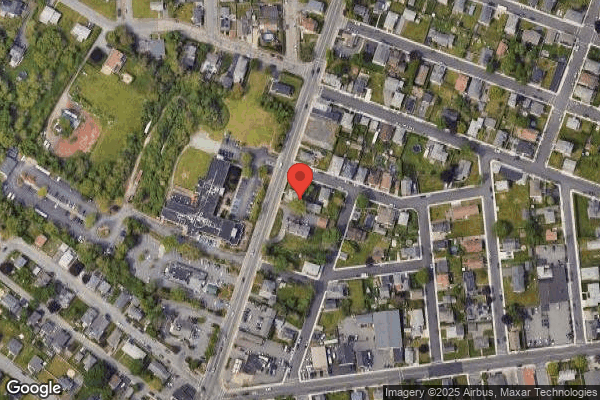
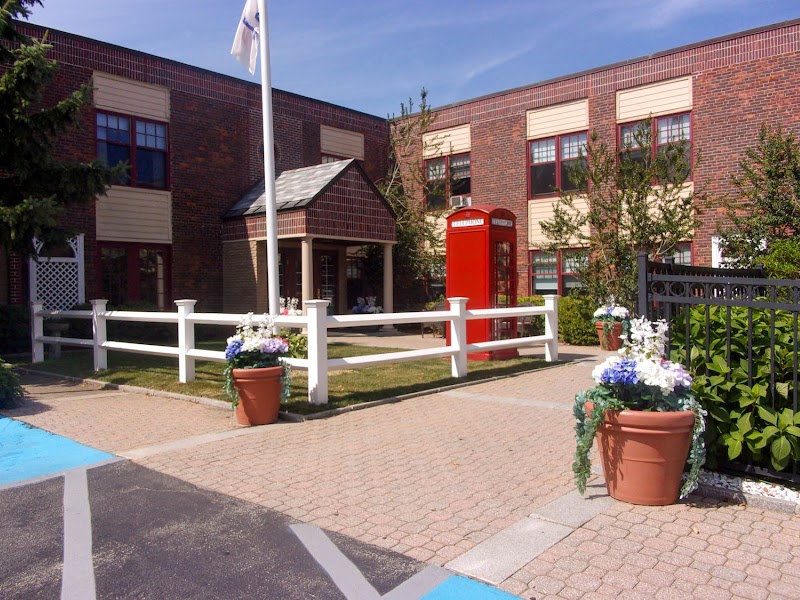
567 DARTMOUTH STREET, SOUTH DARTMOUTH, MA 02748 (508) 997-7787
For profit - Corporation 118 Beds ELDER SERVICES Data: November 2025
Trust Grade
28/100
#206 of 338 in MA
Last Inspection: February 2025

Within standard 12-15 month inspection cycle. Federal law requires annual inspections.

Overview

Brandon Woods of Dartmouth has received a Trust Grade of F, indicating significant concerns and poor quality of care, which places it in the bottom tier of nursing facilities. It ranks #206 out of 338 in Massachusetts, meaning it is in the bottom half of facilities statewide, and #14 out of 27 in Bristol County, suggesting only a few local options may be better. The facility is worsening, with the number of issues identified doubling from 5 in 2024 to 10 in 2025. Staffing is average with a rating of 3 out of 5, but a high turnover rate of 53% is concerning compared to the state average of 39%. While the facility has an average fine of $20,651, it has less RN coverage than 79% of Massachusetts facilities, which is a significant drawback as RNs are crucial for identifying issues that may be missed by CNAs. Notably, there have been serious incidents where staff failed to provide the necessary assistance for resident transfers, leading to a resident suffering a fractured hip after falling when left unattended, highlighting critical gaps in care. Additionally, another resident did not receive required dressing changes for an elbow injury, resulting in a pressure injury. Overall, while there are some strengths, the facility's significant deficiencies and trends raise considerable concerns for families considering this home for their loved ones.

Trust Score
F
28/100
In Massachusetts
#206/338
Bottom 40%
Safety Record
High Risk
Review needed
Inspections
Getting Worse
5 → 10 violations
Staff Stability
⚠ Watch
53% turnover. Above average. Higher turnover means staff may not know residents' routines.
Penalties
✓ Good
$20,651 in fines. Lower than most Massachusetts facilities. Relatively clean record.
Skilled Nurses
⚠ Watch
Each resident gets only 29 minutes of Registered Nurse (RN) attention daily — below average for Massachusetts. Fewer RN minutes means fewer trained eyes watching for problems.
Violations
⚠ Watch
36 deficiencies on record. Higher than average. Multiple issues found across inspections.
★★☆☆☆
2.0
Overall Rating
★★★☆☆
3.0
Staff Levels
★★★★☆
4.0
Care Quality
★★☆☆☆
2.0
Inspection Score
Stable
2024: 5 issues
2025: 10 issues

The Good

  • 4-Star Quality Measures · Strong clinical quality outcomes
  • Full Sprinkler Coverage · Fire safety systems throughout facility
  • No fines on record

Facility shows strength in quality measures, fire safety.

The Bad

2-Star Overall Rating

Below Massachusetts average (2.9)

Below average - review inspection findings carefully

Staff Turnover: 53%

Near Massachusetts avg (46%)

Higher turnover may affect care consistency

Federal Fines: $20,651

Below median ($33,413)

Minor penalties assessed

Chain: ELDER SERVICES

Part of a multi-facility chain

Ask about local staffing decisions and management

The Ugly 36 deficiencies on record

4 actual harm
Sept 2025 1 deficiency
CONCERN (D) 📢 Someone Reported This

A family member, employee, or ombudsman was alarmed enough to file a formal complaint

Potential for Harm - no one hurt, but risky conditions existed

Notification of Changes (Tag F0580)

Could have caused harm · This affected 1 resident

Based on records reviewed and interviews, for one of three sampled residents (Resident #1), who experienced a change in condition on 8/08/25, the Facility failed to ensure the Provider was notified.Fi...

Read full inspector narrative →
Based on records reviewed and interviews, for one of three sampled residents (Resident #1), who experienced a change in condition on 8/08/25, the Facility failed to ensure the Provider was notified.Findings include:Review of the Facility's Policy titled, Change in a Resident's Condition or Status, dated as revised, May 2017, indicated the following:-the facility shall promptly notify the resident's physician and representative of changes in the resident's medical, mental condition or status;- the nurse will notify the resident's physician when there has been a significant change in the resident's physical, emotional or mental condition;-the nurse will notify the resident's physician when there has been a need to alter the resident's medical treatment significantly;-unless otherwise instructed, the nurse will notify the resident's representative when there is a significant change in the resident's physical, mental or psychosocial status;Resident #1 was admitted to the Facility in April 2024, diagnoses included shock, sepsis, cellulitis, chronic kidney disease stage 3, acute on chronic respiratory failure with hypoxia, inflammatory liver disease, and chronic pulmonary edema.Review of an Interdisciplinary Progress Note, (written by Nurse #2) and Resident #1's Medication Administration Record (MAR), dated 8/08/25, (signed off by Nurse #2), indicated that Resident #1's Oxygen Saturation (how much oxygen is being transported through the body) level was 84% (severe hypoxemia - dangerously low oxygen level) (Normal Range: 95% - 100%). Review of an Interdisciplinary Progress Note, (written by Nurse #2), dated 8/10/25 at 5:00 A.M., indicated that Resident #1 has been using oxygen consistently and may need to be on continuous oxygen, currently utilizing oxygen at 4 Liters via nasal cannula, noted in MD binder.Review of an Interdisciplinary Progress Note, (written by Nurse #2), dated 8/10/25 at 8:47 A.M., (written by Nurse #2), indicated that Resident #1 appears to be increasingly more anxious with intermittent moments of confused statements that make little to no sense, findings noted in MD binder for review when provider is reportedly in house at start of week.During a telephone interview on 09/04/25 at 12:26 P.M., Nurse #2 said that Resident #1 was on oxygen as needed and when she checked his/her oxygen saturation, the level was 84 % (with oxygen). Nurse #2 said that it was a very low oxygen level and she increased Resident #1's oxygen Liter flow to 4 L (Liters per minute). Nurse #2 said that Resident #1 required continuous oxygen and required a higher Liter flow to maintain normal oxygen saturation levels and said this was new for him/her. Nurse #2 said that she did not notify the Physician or the Nurse Practitioner and said she left a note for the Physician in the Physician's folder about the change in condition.During a telephone interview on 9/04/25 at 12:00 P.M., the Physician said that she was not notified that Resident #1 was hypoxic and had an oxygen saturation level of 84% (with oxygen) and was not notified that he/she required a higher level of Liter flow to maintain normal oxygen saturation levels. The Physician said that Resident #1 was on oxygen as needed to maintain normal oxygen saturation levels. The Physician said that it was her expectation that nurses would notify her if a resident was hypoxic, had a low oxygen saturation level and/or required a higher Liter flow to maintain normal oxygen saturation level. The Physician said that is a significant change in condition and she expected to be notified immediately.During an interview on 9/04/25 at 1:45 P.M., the Unit Manager said that Resident #1 was on oxygen as needed and said she was unaware that Resident #1 required the use of continuous oxygen. The Unit Manager said that she was unaware that Resident #1 had a low oxygen saturation level and required a higher oxygen Liter flow to maintain normal oxygen levels. The Unit Manager said that she expected nurses to notify the Physician or NP of a low oxygen saturation level. The Unit Manager said that a low oxygen saturation level is a change in condition and should be reported to the Provider so that it can be addressed immediately.During a telephone interview on 9/04/25 at 2:04 P.M., Nurse Practitioner (NP) #1 said that she was not notified that Resident #1 had an oxygen saturation level of 84% and was not notified that he/she required a higher level of Liter flow to maintain normal oxygen saturation levels. The NP said that it was her expectation that nurses would notify her if a resident had a low oxygen saturation level and/or required a higher Liter flow to maintain normal oxygen saturation level. The NP said that is considered a significant change in condition and she should be immediately notified. Review of Resident #1's medical record indicated that there was no documentation to support that Nurse #2 notified his/her NP or Physician of Resident #1's low oxygen saturation level and requiring a higher Liter flow of oxygen.During an interview on 9/04/25 at 2:25 P.M., the Director of Nursing (DON) said she was not notified that Resident #1 had an oxygen saturation level of 84% and required a higher liter flow of oxygen to maintain normal oxygen saturation levels. The DON said that it was her expectation that nurses notify the Provider immediately of a low oxygen saturation level as well as if a resident required a higher Liter flow of oxygen to maintain normal oxygen levels. The DON said that a low oxygen saturation level and requiring a higher Liter flow of oxygen is considered a change in condition and requires immediate notification to the Provider.
Feb 2025 6 deficiencies
CONCERN (D)

Potential for Harm - no one hurt, but risky conditions existed

Food Safety (Tag F0812)

Could have caused harm · This affected 1 resident

Based on observation, record review, and interview, the facility failed to ensure professional standards of practice for food safety and sanitation to prevent the potential for foodborne illness to re...

Read full inspector narrative →
Based on observation, record review, and interview, the facility failed to ensure professional standards of practice for food safety and sanitation to prevent the potential for foodborne illness to residents. Specifically, the facility failed to discard food that was past the manufacturer's expiration and use by dates in one of three kitchenettes reviewed. Findings include: Review of the facility's policy titled Foods Brought in From an Outside Source Policy and Procedure, reviewed January 2024, indicated: - Foods or beverages brought in from the outside will be labeled with the residents' name and dated by staff with the date the item(s) are brought into the facility for storage. - Food or beverage in the original container that is past the manufacturer's expiration date will be discarded by facility staff. On 2/19/25 at 10:10 A.M, the surveyor, with the Food Service Director (FSD) present, reviewed the first floor, North Unit kitchenette and observed the following food items in the refrigerator which the FSD identified as being brought in from an outside source: -One resealable plastic bag of crab classic meat with an expiration date of 2/6/25 -One resealable plastic bag of salami with an expiration date of 2/6/25 -A bag of Halos oranges labeled use by 2/12/25. During an interview on 02/19/25 at 10:30 A.M., the FSD said there should not be expired food in the residents' refrigerator. She said any food beyond the expiration date and the use by date should have been discarded by the dietary aides. The FSD said the oranges and the meat products, which were way beyond expiration, should have been discarded. The FSD said there should be a guide for foods brought in by resident families and friends attached to the kitchenette's refrigerator door, but the sign was not there. During an interview on 02/19/25 at 11:15 A.M., Diet Aide #1 said expired food should have been discarded from the refrigerator.
CONCERN (D)

Potential for Harm - no one hurt, but risky conditions existed

Medical Records (Tag F0842)

Could have caused harm · This affected 1 resident

Based on interviews and record review, the facility failed to ensure its staff maintained accurate documentation for one Resident (#25), out of a total of 20 residents. Specifically, the facility fail...

Read full inspector narrative →
Based on interviews and record review, the facility failed to ensure its staff maintained accurate documentation for one Resident (#25), out of a total of 20 residents. Specifically, the facility failed to ensure February 2025, Medication Administration Records (MAR) accurately reflected blood sugar values and dosage of insulin administered according to physician's orders. Findings include: Review of the facility's policy titled Diabetes-Clinical Protocol, revised 12/2020, indicated but was not limited to: -The Physician will follow up on any acute episodes associated with a significant sustained change in blood sugars or significant deterioration of previous glucose control and document resident status at subsequent visits until the acute situation is resolved. -As indicated, the Physician will order appropriate lab tests (for example, periodic finger sticks) and adjust treatments based on these results. -Examples of blood glucose monitoring for various situations might include the following: -For the resident receiving insulin, monitor 3 to 4 times a day if on a sliding-scale insulin. -The Physician will authorize pertinent parameters for monitoring and reporting information related to blood sugar management. -The staff will incorporate such parameters into the Medication Administration Record (MAR) and care plan. Resident #25 was admitted to the facility in January 2025 with diagnoses including diabetes mellitus. Review of Physician's Orders included but was not limited to: -Insulin Glargine 100 unit/1 millimeter (ML) solution (Insulin Glargine, Recombinant) give 20 units subcutaneous (SQ) every day at 9 AM -Lantus Solostar 100 units/1 ML solution (Insulin Glargine, Recombinant) give 10 units SQ every night at 8 PM -Insulin Lispro 100 units/1 ML solution (Insulin Lispro, Recombinant) Sliding Scale Injection Breakfast, Lunch, Supper for Capillary Blood Glucose (CBG) 100-150 Administer 2 Units, CBG 151-200 Administer 4 Units, CBG 201-250 Administer 6 Units, CBG 251-300 Administer 8 Units, CBG 301-350 Administer 10 Units, CBG 351-400 Administer 12 Units and notify MD. -Insulin Lispro 100 units/1 ML solution (Insulin Lispro, Recombinant) Sliding Scale Injection every night at 8 PM for CBG 100-150 Administer 2 Units, CBG 151-200 Administer 4 Units, CBG 201-250 Administer 6 Units, CBG 251-300 Administer 8 Units, CBG 301-350 Administer 10 Units, CBG 351-400 Administer 12 Units and notify MD. Review of the February 2025 MAR indicated the following blood sugars were not documented on 23 occasions as evidenced by several blank boxes corresponding to the dates and times blood sugars were to be obtained as follows: 2/1/25 17:30 2/2/25 07:30, 12:00, 17:30 2/3/25 07:30, 12:00, 17:30 2/4/25 07:30, 12:00, 17:30 2/5/25 20:00 2/6/25 20:00 2/7/25 20:00 2/8/25 20:00 2/9/25 20:00 2/10/25 20:00 2/11/25 20:00 2/12/25 20:00 2/13/25 20:00 2/14/25 20:00 2/15/25 20:00 2/16/25 20:00 2/17/25 20:00 Review of the February 2025 MAR indicated the following units of insulin were not documented on 24 occasions as evidenced by several blank boxes corresponding to the dates and times insulin were to be administered as follows: 2/1/25 17:30 2/2/25 07:30, 12:00, 17:30 2/3/25 07:30, 12:00, 17:30 2/4/25 07:30, 12:00, 17:30 2/5/25 20:00 2/6/25 20:00 2/7/25 20:00 2/8/25 20:00 2/9/25 20:00 2/10/25 20:00 2/11/25 20:00 2/12/25 20:00 2/13/25 20:00 2/14/25 20:00 2/15/25 20:00 2/16/25 20:00 2/17/25 20:00 2/18/25 20:00 During an interview on 2/18/25 at 12:32 P.M., the surveyor and Nurse #2 reviewed the physician's orders for insulin. Nurse #2 said the blood sugars and amount of insulin administered would be documented on the MAR. The surveyor and Nurse #2 reviewed the MAR and noted several missing entries. Nurse #2 reviewed the transcription of the insulin orders in the MAR. Nurse #2 said it appeared that the sliding scale order for breakfast, lunch and supper was clarified on 2/5/25 to include documenting the blood sugar and amount of insulin administered. Nurse #2 said the sliding scale for the 20:00 order was not completely entered. Nurse #2 said when the order was placed in the computer the supporting documents tab was not checked off to signify documenting blood sugar or amount of insulin administered. Nurse #2 said the Nurses would only be able to sign off their initials. During an interview on 2/19/25 at 1:03 P.M., the Director of Nurses (DON) noted there was no way to indicate what the blood sugar value was or how much insulin was administered. The DON said the expectation is nurses would document blood sugar values and amount of insulin administered on the MAR and follow up with the Physician if needed.
CONCERN (D)

Potential for Harm - no one hurt, but risky conditions existed

Deficiency F0883 (Tag F0883)

Could have caused harm · This affected 1 resident

**NOTE- TERMS IN BRACKETS HAVE BEEN EDITED TO PROTECT CONFIDENTIALITY** Based on interview and record review, the facility failed to provide the Pneumococcal immunization as requested/consented in a t...

Read full inspector narrative →
**NOTE- TERMS IN BRACKETS HAVE BEEN EDITED TO PROTECT CONFIDENTIALITY** Based on interview and record review, the facility failed to provide the Pneumococcal immunization as requested/consented in a timely manner for one Resident (#56), out of a total sample size of five residents reviewed for immunizations. Findings include: Review of the Centers for Disease Control and Prevention (CDC) information sheet titled Pneumococcal Timing Vaccine Timing for Adults, dated 9/12/24, indicated the following recommendation: -If a patient has had the Pneumococcal Conjugate Vaccine-13 (PCV-13 at type of pneumococcal vaccination) at any age and Pneumococcal Polysaccharide Vaccine-23 (PPSV23 a type of pneumococcal vaccination) at or after the age of 65 after 5 years PCV-20 or PCV-21 should be offered. -Together, with the patient, vaccine providers may choose to administer PCV-20 or PCV-21 to adults = [AGE] years old who have already received PCV-13 (but not PCV-15, PCV-20, or PCV-21) at any age and PPSV-23 at or after the age of [AGE] years old. Review of the facility's policy titled Facility Vaccine Procedure, dated as revised in 12/2024, indicated but was not limited to the following: -To offer each resident/employee the recommended immunizations against Pneumonia -Obtain informed consent from each resident/responsible party to receive recommended vaccines -The licensed nurse will distribute to the resident/responsible party, information annually regarding risks/benefits of receiving any vaccine and document in the resident record, receipt of educational information and appropriate informed consent/declination of vaccine -The licensed nurse will administer the designated vaccine to all residents who have signed the informed consent requesting to be vaccinated with the vaccine Resident #56 was admitted to the facility in February 2025. Review of Resident #56's Immunization Consent form indicated the Resident consented to the Pneumococcal vaccine. Review of the medical record failed to indicate Resident #56 had been administered the Pneumococcal vaccine. Review of the Resident's Immunization record indicated the following: -Pneumococcal PCV-13 vaccine administered 11/2/18, outside of the facility -Pneumococcal PPSV-23 vaccine administered 11/4/19, outside of the facility; given after the age of 65 During an interview on 2/13/25 at 1:53 P.M., Nurse #2 said when a resident admits to the facility the admitting nurse will review the vaccine options and obtain either consent or declination for the vaccines. The consents are then given to the Infection Preventionist (IP), and the IP obtains the physician's orders and administers the vaccine. She said the facility also holds vaccine clinics for the residents. She said the IP left the position a couple of weeks ago and is not sure who will be giving the vaccines now. During an interview on 2/13/25 at 2:31 P.M., the Administrator said the facility holds vaccine clinics quarterly. He said if a resident is admitted into the facility and wants a vaccine, that is not timed with the clinic, the IP will order it from the pharmacy they use at the facility and administer it. The Administrator said whoever administers the vaccine inputs the information into the Massachusetts Immunization Information System (MIIS) for a history of immunizations and updates the medical chart accordingly. During an interview on 2/18/25 at 3:39 P.M., with the Director of Nursing (DON), IP, and Administrator, the IP said she is new to this position and will be responsible for monitoring resident and staff vaccines the facility offers going forward. The DON said the floor nurses review the vaccine risks and benefits with the residents and have the consents signed upon admission. She said they would provide the IP with a copy of the consents or declinations and the IP would obtain the physician's orders, administer the vaccine and document the information in the resident's chart. The DON said Resident #56 qualified to receive the Pneumococcal PCV-20 vaccine and the IP should have followed through and administered the vaccine.
CONCERN (E)

Potential for Harm - no one hurt, but risky conditions existed

Antibiotic Stewardship (Tag F0881)

Could have caused harm · This affected multiple residents

Based on record review and interview, the facility failed to implement an Antibiotic Stewardship Program to measure and improve how antibiotics are prescribed by clinicians and failed to complete anti...

Read full inspector narrative →
Based on record review and interview, the facility failed to implement an Antibiotic Stewardship Program to measure and improve how antibiotics are prescribed by clinicians and failed to complete antibiotic usage audit tools (line listings), which are used to track, report and evaluate antibiotic prescribing patterns in accordance with the Antibiotic Stewardship Program. Findings include: Review of the Centers for Disease Control and Prevention (CDC) guidance titled The Core Elements of Antibiotic Stewardship for Nursing Homes, undated, indicated but was not limited to the following: - The purpose of an antibiotic stewardship program is to improve the use of antibiotics in healthcare to protect patients and reduce the threat of antibiotic resistance. - Antibiotic stewardship refers to a set of commitments and actions designed to optimize the treatment of infections while reducing the adverse events associated with antibiotic use. - The CDC recommends that all nursing homes take steps to improve antibiotic prescribing practices and reduce inappropriate use. - Any action taken to improve antibiotic use is expected to reduce adverse events, prevent emergence of resistance, and lead to better outcomes for residents in this setting. Review of facility's policy titled Antibiotic Stewardship, last revised 12/2023, indicated but was not limited to the following: -Antibiotic usage and outcome data will be collected and documented using a facility-approved antibiotic surveillance tracking form. The data will be used to guide decisions for improvement of individual resident antibiotic prescribing practices and facility wide antibiotic stewardship. -All clinical infections treated with antibiotics will undergo review by the Infection Preventionist (IP), or designee -The IP will review all antibiotic starts within 48 hours to determine if continued therapy is justified, justified with needed interventions, or not justified. -At the conclusion of the review, the provider will be notified of the review findings and recommendations, and his/her response will be documented. -All resident antibiotic regimens will be documented on the facility approved antibiotic surveillance tracking form. The information gathered will include: Resident name, date symptoms appeared, name of antibiotic, start date, pathogen identified, site of infection, date of culture, stop date, total days of therapy, outcome and adverse events. During an interview on 2/18/25 at 4:04 P.M., with the Director of Nursing (DON) , Infection Preventionist (IP) and the Administrator, the surveyor reviewed monthly antibiotic surveillance tracking records, dated November 2024, December 2024, and January 2025. The records were found to be incomplete as follows: The November 2024 tracking surveillance record, signed by the IP, dated 12/2/24, had missing documentation for 24 out of 27 residents. Nineteen residents had no documented culture date, site of infection, or results. Two residents had no documented culture date or site of infection. Three residents had no documented culture date, site of infection, results or infection status (i.e.: cleared/not cleared). All 27 residents were started on an antibiotic. The December 2024 tracking surveillance record, signed by the IP, dated 1/15/25, had missing documentation for 17 out of 26 residents. Sixteen residents had no documented culture date, site of infection, or results. One resident had no documented culture date, site of infection, results or infection status (i.e.: cleared/not cleared). All 26 residents were started on an antibiotic. The January 2025 tracking surveillance record, signed by the DON, undated, had missing documentation for 15 out of the 16 residents. Four residents had no documented culture date, site of infection or results. Six residents had no documented culture date, site of infection, results, infection status, or if the illness counted as an infection. Two residents had no documented symptoms, culture date, site of infection, results or if the illness counted as an infection. Two residents had no documented culture date, site of infection results, infection status or if the illness counted as an infection. One resident had no documented results or if the illness counted as an infection. All 16 residents were started on an antibiotic. After reviewing the surveillance tracking records, the Administrator said the facility uses McGeer criteria to determine if an illness is counted as an infection on the line listing. The IP said she just took this position a few weeks ago, is currently in training and has not completed any line listings yet. The DON said she has been tracking antibiotic use in the facility since the previous IP resigned back in January 2025. The DON said she reviews the resident progress notes daily and documents antibiotic use on the line listings. She then sends the completed line listings to the lab and they calculate the facility's antibiotic use. She said she has not reviewed any antibiotic use with McGeer criteria to determine if an illness meets the criteria for an infection, and the line listings are incomplete and incorrect. The DON said she does not review antibiotic justification for use or improvement of antibiotic prescribing practices with the providers per their antibiotic stewardship policy. The DON said she recently had an in-service with the nursing staff regarding the use of McGeer criteria and is in the process of training the new IP.
CONCERN (F)

Potential for Harm - no one hurt, but risky conditions existed

Infection Control (Tag F0880)

Could have caused harm · This affected most or all residents

Based on observation, interview, and document review, the facility failed to maintain an infection prevention and control program designed to provide a safe, sanitary, and comfortable environment, and...

Read full inspector narrative →
Based on observation, interview, and document review, the facility failed to maintain an infection prevention and control program designed to provide a safe, sanitary, and comfortable environment, and to help prevent the development and potential transmission of communicable diseases and infections. Specifically, the facility failed to ensure staff implemented appropriate use of personal protective equipment (PPE) for residents placed on Isolation Precautions and ensure staff implemented appropriate use of source control PPE while on the units in the facility during a COVID-19, Influenza (FLU) and Respiratory Syncytial Virus (RSV) outbreak to help prevent the further spread of illness on three of three units observed. Findings include: Review of the facility's policy titled Infection Prevention Control, dated as reviewed 10/2024, indicated but was not limited to the following: -Standard and transmission-based precautions to be followed to prevent the spread of infections Review of the facility's policy titled Isolation - Categories of Transmission-Based Precautions, dated as revised September 2022, indicated but was not limited to the following: -Transmission-based precautions are initiated when a resident develops signs and symptoms of a transmissible infection or has a laboratory confirmed infection and is at risk of transmitting the infection to other residents. -When a resident is placed on transmission-based precautions, appropriate notification is placed on the room entrance door so that personnel and visitors are aware of the need for and the type of precaution. -The signage informs the staff of the type of CDC precaution(s), instructions for use of PPE. -When transmission-based precautions are in effect, non-critical care equipment items will be dedicated to a single resident -If re-use of items is necessary, then the items will be clean and disinfected according to current guidelines before use with another resident Review of the facility's policy titled Coronavirus COVID-19, dated as revised 1/2014, indicated but was not limited to the following: -Use of Personal Protective Equipment (PPE) -Full PPE, including N-95 respirator, eye protection, gloves, and gown should be worn per DPH and CDC guidelines for the care of any resident with known or suspected COVID-19 -If reusable goggles or face shields are used the facility must ensure appropriate cleaning and disinfection between uses according to manufacturer's instructions. -Clean and disinfect reusable equipment prior to removing from resident's room Upon entrance to the facility on 2/12/25 at 7:30 A.M., the Director of Nursing (DON) said the facility was currently undergoing an outbreak of COVID-19, FLU, and RSV. She said the facility is requiring all staff and visitors to utilize face masks and face shields or goggles while in the facility. Review of the most recent outbreak documentation provided by the DON on 2/12/25 at 8:44 A.M., indicated the facility had five residents currently positive for RSV and five residents currently positive for the FLU on North 1 unit. The facility had 10 residents currently positive for the FLU on North 2 unit. The South 2 unit currently had two residents positive for the FLU and three residents positive for COVID-19. On 2/12/25 at 9:34 A.M., the surveyor observed a table next to the elevator on the basement floor with goggles and face shields placed in an open plastic bin, and a box of face masks. Above the table a sign was posted which read - Face masks and goggles or face shields required on all units. On 2/12/25 at 9:36 A.M., the surveyor observed a staff member pushing a cart down the hallway on the North 1 unit with only a face mask in place, no goggles or face shield was worn. On 2/12/25 at 9:42 A.M., the surveyor observed a table next to the elevator on the second floor with goggles and face shields placed in an open plastic bin, and a box of face masks located next to it. Above the table a sign was posted which read - Face masks and goggles or face shields required on all units. On 2/12/25 at 9:45 A.M., the surveyor observed a hospice staff member at the nursing station on the North 2 unit wearing only a face mask, no goggles or face shield was worn. On 2/12/25 at 9:46 A.M., the surveyor observed a maintenance staff member repairing a medication cart, located on the North 2 unit, in the hallway, wearing only a face mask, no goggles or face shield was worn. During an interview on 2/12/25 at 9:49 A.M., Unit Manager (UM) #1 said everyone is required to wear a facemask and eye protection while in the facility because of the current outbreak. She said if a resident is positive for the FLU, COVID-19, or RSV, there is a sign outside of the door that says isolation precautions. UM#1 said all staff must wear a gown, gloves, eye protection and an N-95 mask (a filter mask that fits over the nose and mouth to protect against airborne particles) prior to entering the room. She said the staff does not need to change or clean eye protection when they exit an isolation room. On 2/12/25 at 9:50 A.M., the surveyor observed Certified Nursing Assistant (CNA) #1 enter a resident's room on the North 2 unit, wearing gloves, surgical face mask and goggles. The room had a sign posted in the doorway that read general PPE precaution facility with COVID cases in the last 14 days, indicating staff were required to clean hands when entering and exiting, wear a gown, mask (N-95 for aerosol generating procedures), eye protection and gloves prior to entering the room. CNA #1 made the resident's bed, doffed (removed) her gloves and exited the room. The CNA did not perform hand hygiene after removing her gloves. The CNA did not don (put on) a gown prior to entering the room. A PPE holder was located on the front of the resident's door stocked with gowns, and an alcohol-based hand sanitizer pump (ABHS) was located on the wall outside of the room to complete hand hygiene. On 2/12/25 at 9:52 A.M., the surveyor observed CNA#1 approach the doorway to another resident's room on the North 2 unit, still did not perform hand hygiene, don an N-95 mask, gown, and gloves and entered the room. The N-95 face mask was applied with one strap placed around the back of her head, and the other was left dangling in front of her face, leaving the mask loose fitting. The room had an isolation contact/droplet precaution sign posted outside the door indicating staff were required to clean hands when entering and exiting, wear eye protection, a gown, an N-95 mask, and gloves prior to entering the room. The surveyor observed CNA #1 transfer the resident from the bed to the chair and then CNA #1 returned to the PPE bin located on the door of the room. CNA #1 reached into the bin and grabbed some N-95 masks. CNA #1 was still wearing the gloves she used to transfer the resident into the chair. She then dropped two clean N-95 masks on the ground, picked up the N-95 masks from the ground and placed them back in the clean PPE holder and then returned to assist the resident. On 2/12/25 at 10:01 A.M., the surveyor observed CNA #1 doff her gown and gloves and exit the resident's room. She walked down the hallway and doffed her N-95 mask at the nursing station, performed hand hygiene and put on a surgical face mask. CNA #1 did not change or clean her goggles after exiting the isolation precaution room. During an interview on 2/12/25 at 10:04 A.M., CNA #1 and the surveyor reviewed the general PPE precaution sign together that was posted outside of the first resident's room she had entered. She said the sign is placed on all the resident doors who are not on precautions. She said it is because the facility has COVID and FLU in the building. CNA #1 said she is aware the sign says to wear a gown, but she does not have to wear a gown when entering the room. CNA said she thought she cleaned her hands when she exited the room, and before she entered another resident's room, but must have forgotten. She said when she enters a room that has an isolation precaution sign, she must wear an N-95, gown, gloves and goggles. She said she does not have to change or clean her goggles upon entering or exiting the room. During an observation with an interview on 2/12/25 at 10:20 A.M., the surveyor observed CNA #3 enter a resident's room on the South 2 unit, wearing a surgical face mask, and goggles. The room had an isolation contact/droplet precaution sign posted outside the door indicating staff were required to clean hands when entering and exiting, wear eye protection, a gown, an N-95 facemask, and gloves prior to entering the room. CNA #3 spoke with the resident and then exited the room. CNA #3 said she is only required to wear an N-95, gown and gloves when she is providing care to the residents, and since she is only speaking with them it is not required. CNA #3 said when a resident is on isolation precautions she does not have to change or clean her eye protection when exiting the room. After speaking with the surveyor, CNA #3 performed hand hygiene, donned a gown and gloves and re-entered the room. CNA #3 did not don an N-95 mask prior to entering the room. A PPE holder was located on the front of the resident's door stocked with N-95 masks. During an interview on 2/12/25 at 10:29 A.M., UM #2 said the PPE for precautions on the unit are for all staff and visitors to wear eye protection and a face mask while on the units. She said rooms with a sign posted saying isolation precautions require use of gowns, N-95 masks, gloves and eye protection to be worn upon entering. She said the general precaution sign that is placed outside of some resident rooms is confusing. She said PPE is not required to enter those rooms, and she is not sure why the sign states it is required. UM #2 said she will check with the DON for clarification. During an observation with an interview on 2/12/25 at 10:36 A.M., the surveyor observed CNA #5 approaching a resident's room on the North 1 unit wearing a surgical face mask and eye shield. CNA #5 donned a gown and gloves and entered the room. CNA #5 did not perform hand hygiene prior to donning the gloves. The room had an isolation contact/droplet precaution sign posted outside the door indicating staff were required to clean hands when entering and exiting, wear eye protection, a gown, an N-95 facemask, and gloves prior to entering the room. CNA #5 them removed her gown and gloves and exited the room. CNA #5 did not perform hand hygiene, remove her surgical face mask, or clean her face shield. A PPE holder was located on the front of the resident's door stocked with N-95 masks and face shields. A hand sanitizer dispenser was located on the wall outside of the room to complete hand hygiene. CNA #5 and the surveyor reviewed the precaution sign located outside of the room together. CNA #5 said she should have cleaned her hands prior to entering and exiting the room. She said she was never told to change her face mask or clean her face shield when leaving an isolation room. She said she should have worn an N-95 mask, On 2/12/25 at 10:37 A.M., the surveyor observed Housekeeper #1 in a resident's room on the North 1 unit, wearing gloves, surgical face mask and goggles. The room had an isolation contact/droplet precaution sign posted outside the door indicating staff were required to clean hands when entering and exiting, wear eye protection, a gown, an N-95 facemask, and gloves prior to entering the room. The housekeeper had her cleaning cart placed in front of the doorway. She was dusting the bureau, then approached her cart, placed the dirty dusting rag used in the isolation room on top of folded dusting cloths on the cart, uncovered. She took the mop off the cart, returned to the room and mopped the resident's floor. She returned the mop to the cart, removed her gloves, and proceeded down the hall with her cart. Housekeeper #1 did not perform hand hygiene, change her surgical mask or change or clean her goggles. Housekeeper #1 did not clean the mop used in the isolation precaution room. Housekeeper #1 did not don a gown, or a N-95 mask prior to entering the room. A PPE holder was located on the front of the resident's door stocked with gowns, and N-95 masks for use. During an observation with an interview on 2/12/25 at 10:42 A.M., the surveyor observed Staff member #1 exit a resident's room wearing a surgical face mask and goggles. The room had an isolation contact/droplet precaution sign posted outside the door indicating staff were required to clean hands when entering and exiting, wear eye protection, a gown, an N-95 facemask, and gloves prior to entering the room. A PPE holder was located on the front of the resident's door stocked with gowns, and N-95 masks for use. Staff member #1 said she only has to put on an N-95 mask, gown, and gloves if she is providing direct care. She said it is not required to be worn just to enter the room. During an interview with the DON, Administrator, and Infection Preventionist (IP), on 2/12/25 at 12:42 P.M., the DON said the IP is in charge of the precautions and PPE use on the units. The IP said she is new to this role, and when the outbreak started someone else was handling it and provided the education to the staff. The IP said she expects the nursing staff to monitor the PPE use on the units. The Administrator said he put into place the general PPE use signs for any residents who do not require isolation precautions, and for all staff and visitors to wear eye protection and a face mask on the units to mitigate the spread of the current outbreak of COVID-19, FLU and RSV. The Administrator said the staff are expected to follow the guidelines on the signs posted outside of the rooms. The surveyor reviewed PPE breeches observed on all units with DON, Administrator, and IP. The Administrator said the facility needs to provide further education to ensure the staff use proper PPE and include all departments. The DON said her expectations are for the staff to follow the PPE signs placed outside of the resident doors at all times. She said full PPE with N-95 facemask was required prior to entering isolation precaution resident rooms. She said eye protection must be cleaned or discarded prior to exiting the room. The DON said when an N-95 is worn, it must be applied properly to obtain a tight seal. She said once PPE is touched or dropped on the floor, it is considered dirty and must be thrown away. The DON said hand hygiene must be completed prior to entering and exiting any resident's room.
MINOR (B)

Minor Issue - procedural, no safety impact

MDS Data Transmission (Tag F0640)

Minor procedural issue · This affected multiple residents

**NOTE- TERMS IN BRACKETS HAVE BEEN EDITED TO PROTECT CONFIDENTIALITY** Based on record review and interview, the facility failed to ensure Minimum Data Set (MDS) assessments were transmitted within 1...

Read full inspector narrative →
**NOTE- TERMS IN BRACKETS HAVE BEEN EDITED TO PROTECT CONFIDENTIALITY** Based on record review and interview, the facility failed to ensure Minimum Data Set (MDS) assessments were transmitted within 14 days after a resident assessment was completed for seven Residents (#16, #38, #43, #48, #49, #52, and #84). Findings include: Review of the facility's policy titled MDS Policy and Procedure, dated as last revised 1/2025, indicated but was not limited to the following: -It is the responsibility of the MDS Coordinator to ensure required assessments are completed and electronically submitted in accordance with submission requirements in the Resident Assessment Instrument (RAI) Manual. Review of Centers for Medicare and Medicaid Services (CMS) RAI Manual, Version 3.0, indicated assessments must be transmitted (submitted and accepted) in to CMS' Internet Quality Improvement and Evaluation System (iQIES) electronically no later than 14 calendar days after the MDS completion date. 1. Resident #16 was admitted to the facility in [DATE]. a. Review of the medical record indicated he/she was admitted to hospice services on [DATE]. Review of the significant change MDS assessment, dated [DATE], indicated it was completed and signed by the RN Assessment Coordinator on [DATE]. Review of the iQIES submission data failed to indicate the MDS was transmitted and accepted. b. Review of the medical record indicated he/she expired in the facility in [DATE]. Review of the Discharge MDS assessment, dated [DATE], indicated it was completed and signed by MDS Nurse #1, a Licensed Practical Nurse (LPN) on [DATE] and failed to indicate the RN Assessment Coordinator had signed the MDS. Review of the iQIES submission data failed to indicate the MDS was transmitted and accepted. 2. Resident #38 was admitted to the facility in [DATE]. Review of the medical record indicated he/she was discharged to the community in [DATE]. Review of the Discharge MDS assessment, dated [DATE], indicated it was completed and signed by the RN Assessment Coordinator on [DATE]. Review of the iQIES submission data failed to indicate the MDS was transmitted and accepted. 3. Resident #43 was admitted to the facility in [DATE]. Review of the medical record indicated he/she expired in the facility in [DATE]. Review of the Discharge MDS assessment, dated [DATE], indicated it was completed and signed by MDS Nurse #1, an LPN on [DATE] and failed to indicate the RN Assessment Coordinator had signed the MDS. Review of the iQIES submission data failed to indicate the MDS was transmitted and accepted. 4. Resident #48 was admitted to the facility in [DATE]. Review of the medical record indicated he/she was discharged to the community in [DATE]. Review of the Discharge MDS assessment, dated [DATE], indicated it was completed and signed by the RN Assessment Coordinator on [DATE]. Review of the iQIES submission data failed to indicate the MDS was transmitted and accepted. 5. Resident #49 was admitted to the facility in [DATE]. Review of the medical record indicated he/she was discharged to the community in [DATE]. Review of the Discharge MDS assessment, dated [DATE], indicated it was completed and signed by the RN Assessment Coordinator on [DATE]. Review of the iQIES submission data failed to indicate the MDS was transmitted and accepted. 6. Resident #52 was admitted to the facility in [DATE]. Review of the medical record indicated he/she was discharged to the community in [DATE]. Review of the Discharge MDS assessment, dated [DATE], indicated it was completed and signed by the RN Assessment Coordinator on [DATE]. Review of the iQIES submission data failed to indicate the MDS was transmitted and accepted. 7. Resident #84 was admitted to the facility in [DATE]. Review of the medical record indicated he/she was discharged to the community in [DATE]. Review of the Discharge MDS assessment, dated [DATE], indicated it was completed and signed by the RN Assessment Coordinator on [DATE]. Review of the iQIES submission data failed to indicate the MDS was transmitted and accepted. During an interview on [DATE] at 12:01P.M., MDS Nurse #1 said she was an LPN and completes the MDS assessments, then the RN MDS Coordinator signs off, and they are submitted to iQIES. She said an MDS needs to be done for a significant change, a death, and a discharge, and all would need to be submitted into iQIES within 14 days. She said the MDS assessments for Residents #16, #38, #43, #48, #49, #52, and #84, were not transmitted, were late, and would have to be submitted into iQIES. During an interview on [DATE] at 12:01 P.M., the RN MDS Coordinator/MDS Nurse #2 said she was not the RN MDS Coordinator at the time these MDS assessments should have been submitted. Additionally, she said they should have been submitted into iQIES within 14 days of completion and were all late.
Jan 2025 3 deficiencies
CONCERN (D) 📢 Someone Reported This

A family member, employee, or ombudsman was alarmed enough to file a formal complaint

Potential for Harm - no one hurt, but risky conditions existed

Comprehensive Care Plan (Tag F0656)

Could have caused harm · This affected 1 resident

**NOTE- TERMS IN BRACKETS HAVE BEEN EDITED TO PROTECT CONFIDENTIALITY** Based on records reviewed and interviews, for one of three sampled residents, (Resident #1) whose Plan of Care related to Activi...

Read full inspector narrative →
**NOTE- TERMS IN BRACKETS HAVE BEEN EDITED TO PROTECT CONFIDENTIALITY** Based on records reviewed and interviews, for one of three sampled residents, (Resident #1) whose Plan of Care related to Activities of Daily Living (ADLs) indicated interventions included that he/she required continual supervision (staff member to be with him/her during entire task) with meals, the facility failed to ensure staff consistently implemented and followed interventions, when on 12/21/24, staff assistance was not provided as required, Resident #1 was served his/her lunch tray, left alone in his/her room while eating his/her meal, he/she choked on food and required the Heimlich Maneuver. Findings Include: Review of the Facility's Policy tilted, Care Planning-Comprehensive, dated as revised May 2017, indicated the following: -an individualized comprehensive care plan that includes measurable objectives and timetables to meet the resident's medical, nursing, mental and psychosocial needs is developed for each resident. -the Facility's Care Planning/Interdisciplinary Team (IDT) in coordination with the resident, his/her family or representative, develops and maintains a comprehensive care plan for each resident that identifies the highest level of functioning the resident may be expected to maintain. -each resident comprehensive care plan incorporates identified problem areas, incorporates risk factors, builds on resident's strengths, identify the professional services that are responsible for each element of care, aid in preventing or reducing declines in the resident's functional status, enhance the optimal functioning of the resident, reflect currently recognized standards of practice. -care plan interventions are designed after careful consideration of the relationship between the resident's problem areas and their causes. Resident #1 was admitted to the Facility in October 2019, diagnoses included Senile degeneration of the brain (neurological disorder that causes a decline in cognitive function), Dysphagia (difficulty swallowing), Gastro-esophageal reflux disease, feeding difficulties, Hyperlipidemia (high cholesterol), and Anxiety. Review of Resident #1's Annual Minimum Data Set (MDS), dated [DATE], indicated he/she had severe cognitive impairment. Review of Resident #1's Self Care Deficit Care Plan related to ADLs, renewed and reviewed with his/her November 2024 MDS, indicated that he/she required continual supervision with meals. Review of the Report submitted by the Facility via the Health Care Facility Reporting System (HCFRS), dated 12/21/24, indicated that at approximately 12:00 P.M. a Certified Nurse Aide (CNA) observed Resident #1 to be choking on his/her food, and he/she required the Heimlich Maneuver to dislodge the food. The Report indicated Resident #1 had not received assistance (supervision) with his/her meal (as required). Review of Resident #1's Nurse Progress Note, dated 12/23/24 (as a late entry for 12/21/24 and written by Nurse #1), indicated that Resident #1 was found by a Certified Nurse Aide (CNA) in his/her room choking while he/she was eating and this writer performed the Heimlich Maneuver, expelling a small piece of meatball from Resident #1's mouth. The Note indicated Resident #1's vital signs were taken, he/she was encouraged to cough and clear his/her throat with good effect, and he/she was then allowed to rest. During an interview on 01/15/25 at 10:04 A.M., (which included review of her written employee statement), Certified Nurse Aide (CNA) #3 said on 12/21/24, she was walking towards Resident #1's room, heard him/her struggling to cough and went into his/her room. CNA #3 said Resident #1 was sitting on the side of the bed, his/her meal tray was in front of him/her, his/her face was red and turning purple in color and she realized that he/she was choking. CNA #3 said she yelled out help he/she is choking and CNA #2 came into the room while CNA #1 went to get Nurse #1. CNA #3 said that CNA #2 got behind Resident #1, she (CNA #2) started the Heimlich Maneuver as Nurse #1 entered the room. CNA #3 said Nurse #1 and CNA #2 stood Resident #1 up, Nurse #1 took over doing the Heimlich Maneuver, and a piece of a meatball came up into his/her mouth. CNA #3 said when she entered Resident #1's room, there were no staff member present in the room supervising him/her while he/she was eating. During an interview on 01/16/25 at 2:49 P.M., (which included review of her written employee statement), Nurse #1 said Resident #1 had an order for a house chopped diet and required supervision by staff when eating his/her meals. Nurse #1 said on 12/21/24, around 12:00 P.M. she heard a CNA yelling out for help, she ran into Resident #1's room and the CNA (exact name unknown) said he/she is choking. Nurse #1 said she saw Resident #1 sitting on the side of his/her bed in distress, his/her face was red, and he/she was struggling to breathe. Nurse #1 said she stood Resident #1 up, performed the Heimlich Maneuver on him/her and a piece of meat expelled from his/her mouth. Nurse #1 said she took Resident #1's vital signs, assisted him/her into bed to rest and she notified the Administrator. Nurse #1 said that one of the CNAs had given Resident #1 his/her meal tray in his/her room and left him/her alone with his/her meal. During interviews throughout the day of the survey, on 01/14/25 with CNA #1 and CNA #2, and on 01/15/25 with CNA #3, CNA #4, and CNA #5, who all worked on Resident #1's unit, said that Resident #1 ate all meals in his/her room and required supervision by staff with eating. During an interview on 01/14/25 at 5:13 P.M., the Director of Nursing (DON) said her expectation is that residents that need assistance and/or supervision with meals that they be provided that assistance from staff and that staff did not follow Resident #1's plan of care. During an in-person interview on 01/14/25 at 5:23 P.M. and a telephone interview on 01/16/25 at 11:38 A.M., the Administrator said on 12/21/24 Nurse #1 informed him that Resident #1 had choked on his/her lunch meal and that a CNA had not assisted or stayed to supervise Resident #1 with his/her meal. The Administrator said during his investigation which included interviews with staff, he was unable to determine which staff member gave Resident #1 his/her lunch tray and left him/her unassisted in his/her room. On 01/14/25, the Facility was found to be in Past Non-Compliance and presented the Surveyor with a plan of correction which addressed the area(s) of concern as evidenced by: A. On 12/21/24, Resident #1 was assessed by the nurse, the physician and hospice nurse were notified, a new order was obtained for a chest X-ray, mechanical soft texture diet and nectar thick liquids. B. On 12/23/24, Resident #1's level of assistance with eating was updated on his/her ADL Care/[NAME] Plan and indicated he/she required 1:1 with meals, (assistance of one staff member while eating, being fed). C. 12/23/24 through 12/31/24, the Unit Managers conducted house wide audits on all units and reviewed what was indicated as each resident's current level of feeding assistance on their Care Plans/[NAME], to ensure they were accurate and up to date. D. On 12/23/24, Nursing Management provided education to all Licensed Nursing Staff on meal tray accuracy, checking and ensuring the proper level of feeding assistance, Licensed nurses are required to check each tray before each meal service to ensure residents tray is accurate according to their meal ticket and CNAs must follow residents care plan regarding provision of the correct level of assistance. E. The Nursing Department staff will conduct daily audits on verifying tray accuracy and ensuring proper level of feeding assistance for one month, then weekly for four weeks, then monthly for a minimum of two QAPI cycles. F. The results of the audits will be presented and reviewed at the quarterly QAPI meeting for a minimum of two quarters or until compliance is achieved. G. The Director of Nursing and/or designee are responsible for overall compliance.
CONCERN (D) 📢 Someone Reported This

A family member, employee, or ombudsman was alarmed enough to file a formal complaint

Potential for Harm - no one hurt, but risky conditions existed

Accident Prevention (Tag F0689)

Could have caused harm · This affected 1 resident

**NOTE- TERMS IN BRACKETS HAVE BEEN EDITED TO PROTECT CONFIDENTIALITY** Based on records reviewed and interviews, for one of three sampled residents, (Resident #1) who had a diagnosis of Dysphagia (di...

Read full inspector narrative →
**NOTE- TERMS IN BRACKETS HAVE BEEN EDITED TO PROTECT CONFIDENTIALITY** Based on records reviewed and interviews, for one of three sampled residents, (Resident #1) who had a diagnosis of Dysphagia (difficulty swallowing), required an altered textured diet and continual supervision (staff member to stay with resident during entire task) during meals, the Facility failed to ensure that he/she was provided with the necessary level of staff supervision during meals in an effort to maintain his/her safety to prevent an incident of choking. On 12/21/24, Resident #1 was served his/her lunch time meal tray in his/her room, however the staff member did not stay to provide supervision while he/she ate. Resident #1 was also served food items that were inconsistent with his/her diet orders. Resident #1 choked on the food and required the Heimlich Maneuver. Findings Include: Review of the Facility's Policy tilted Assisting the Resident with In-Room Meals, dated as revised December 2013, indicated the following: -the purpose of this procedure is to provide appropriate assistance for residents who choose to receive meals in their rooms -check the tray before serving it to the resident to be sure that it is the correct diet ordered and that the food consistency is appropriate to the resident's ability to chew and swallow Review of the Facility's Policy tilted Food and Nutrition Services, dated as revised October 2017, indicated the following: -food and nutrition services staff will inspect food trays to ensure that the correct meal is provided to each resident -if an incorrect meal is provided to a resident, nursing staff will report it to the Food Service Manager so that a new food tray can be issued Resident #1 was admitted to the Facility in October 2019, diagnoses included senile degeneration of the brain (neurological disorder that causes a decline in cognitive function), dysphagia (difficulty swallowing), gastro-esophageal reflux disease, feeding difficulties, hyperlipidemia (high cholesterol), and anxiety. Review Resident #1's Annual Minimum Data Set (MDS), dated [DATE], indicated he/she had severe cognitive impairment. Review of Resident #1's Self Care Deficit Care Plan related to ADLs, renewed and reviewed with his/her November 2024 MDS, indicated that he/she required continual supervision with meals. Review of Resident #1's Physician's Orders, dated December 2024, indicated he/she required a House regular, with foods to be chopped diet. Review of the Report submitted by the Facility via the Health Care Facility Reporting System (HCFRS), dated 12/21/24, at approximately 12:00 P.M. a Certified Nurse Aide (CNA) observed Resident #1 to be choking on his/her food, and he/she required the Heimlich Maneuver to dislodge the food. The Report indicated that Resident #1's lunch meal was not prepared by the cook according to his/her diet, nursing staff did not check his/her meal tray for accuracy according to his/her meal ticket, he/she was served the incorrect meal texture, and he/she did not receive assistance (staff supervision) with his/her meal. Review of Resident #1's Lunch meal ticket, dated 12/21/24, indicated that he/she required a House Chopped diet and noted under his/her preferences was that all meals were to be chopped. Review of Resident #1's Nurse Progress Note, dated 12/23/24 as a late entry for 12/21/24, (written by Nurse #1), indicated that Resident #1 was found by a Certified Nurse Aide (CNA) in his/her room choking while he/she was eating and Nurse #1 performed the Heimlich Maneuver, expelling a small piece of meatball from Resident #1's mouth. The Note indicated Resident #1's vital signs were taken, he/she was encouraged to cough and clear his/her throat with good effect, and he/she was then allowed to rest. During an interview on 01/15/25 at 10:04 A.M., (which included review of her written employee statement), Certified Nurse Aide (CNA) #3 said on 12/21/24 she was walking towards Resident #1's room, heard him/her struggling to cough and went into his/her room. CNA #3 said Resident #1 was sitting on the side of the bed, his/her meal tray was in front of him/her, his/her face was red and turning purple in color and she realized that he/she was choking. CNA #3 said she yelled out help he/she is choking and CNA #2 came into the room while CNA #1 went to get Nurse #1. CNA #3 said that CNA #2 got behind Resident #1, she (CNA #2) started the Heimlich Maneuver as Nurse #1 entered the room, and CNA #3 said Nurse #1 and CNA #2 stood Resident #1 up, Nurse #1 took over doing the Heimlich Maneuver on him/her and a piece of a meatball came up into his/her mouth. CNA #3 said when she entered Resident #1's room, there were no staff member in the room supervising him/her while he/she was eating. During an interview on 01/14/25 at 2:45 P.M., (which included review of her written employee statement), CNA #2 said on 12/21/24 she heard CNA #3 yell out Nurse help, Resident #1 is choking. CNA #2 said she ran to Resident #1's room and saw that he/she was in distress, his/her face was red, and he/she was not speaking. CNA #2 said Resident #1 was sitting on the side of the bed, she got behind him/her, did the Heimlich Maneuver and Resident #1 coughed up some food as Nurse #1 came into the room. CNA #2 said Nurse #1 took over and continued the Heimlich Maneuver on Resident #1 and he/she started coughing. CNA #2 said she did not see what type of food Resident #1 coughed up. During an interview on 01/16/25 at 2:49 P.M., (which included review of her written employee statement), Nurse #1 said she worked the 6:00 A.M. to 2:30 P.M. shift on 12/21/24. Nurse #1 said Resident #1 had a house chopped diet order and required staff supervision when eating meals. Nurse #1 said around 12:00 P.M. she heard a CNA yelling out for help, she ran into Resident #1's room and the CNA (exact name unknown) said he/she is choking. Nurse #1 said she saw Resident #1 sitting on the side of his/her bed in distress, his/her face was red, and he/she was struggling to breathe. Nurse #1 said she stood Resident #1 up, performed the Heimlich Maneuver on him/her and a piece of meat expelled from his/her mouth. Nurse #1 said she took Resident #1's vital signs, assisted into his/her bed to rest and said she notified the Administrator. During an interview on 01/14/25 at 3:51 P.M., the Unit Manager said when the food trucks are delivered to the units, the Nurses are responsible for checking all resident's meal tickets against the meal provided on their tray, prior to them being served to the residents, to make sure that residents are receiving the proper diet (food consistency). During interviews throughout the day of the survey, on 01/14/25 with CNA #1 and CNA #2, and on 01/15/25 with CNA #3, CNA #4, and CNA #5, who all worked on Resident #1's unit, said that Resident #1 ate all meals in his/her room and required supervision by staff with eating. During an interview on 01/14/25 at 5:13 P.M., the Director of Nursing (DON) said prior to meal trays being served to the residents, nurses are responsible for checking meal trays against resident's meal tickets to make sure they receive the correct meal. The DON said it is her expectation that all nurses check residents' meal trays before being passed to them. The DON said it is also her expectation that residents that need assistance/supervision with meals are provided the level of assistance they require from staff. During an in-person interview on 01/14/25 at 5:23 P.M. and a telephone interview on 01/16/25 at 11:38 A.M., the Administrator said on 12/21/24 Nurse #1 informed him that Resident #1 had choked on his/her lunch meal, and he started his investigation right away. The Administrator said he observed Resident #1's leftover lunch tray which contained one whole meatball still on his/her plate and his/her meal ticket on the tray indicated a house, chopped diet. The Administrator said Nurse #1 told him she had not checked Resident #1's meal tray or any of the other residents' trays at lunch prior to them being passed to residents and that a CNA had not assisted/stayed to supervise Resident #1 while he/she was eating. The Administrator said during his investigation which included interviews with staff, he was unable to determine which staff member gave Resident #1 his/her lunch tray and left him/her unassisted in his/her room. The Administrator said nurses are supposed to check all meal trays for accuracy prior to being served to residents, and that each meal is accurate according to the resident's meal ticket. On 01/14/25, the Facility was found to be in Past Non-Compliance and presented the Surveyor with a plan of correction which addressed the area(s) of concern as evidenced by: A. On 12/21/24, Resident #1 was assessed by the nurse, the physician and hospice nurse were notified, a new order was obtained for a chest X-ray, mechanical soft texture diet and nectar thick liquids. B. On 12/23/24, Resident #1's level of assistance with eating was updated on his/her ADL Care/[NAME] Plan and indicated he/she was a 1:1 feed.(assistance of one staff member to be fed). C. 12/23/24 through 12/31/24, the Unit Managers conducted a house wide audits on all units and reviewed what was indicated on each resident's current level of feeding assistance on their Care Plans/[NAME] to ensure they were accurate and up to date. D. On 12/23/24, Nursing Management provided education to all Licensed Nursing Staff on meal tray accuracy, checking and ensuring the proper level of feeding assistance: Licensed nurses are required to check each tray before each meal service to ensure residents tray is accurate according to their meal ticket and CNAs must follow residents care plan regarding provision of the correct level of assistance. E. On 12/23/24, the Assistant Food Service Director provided education to all Dietary staff on meal tray accuracy: all resident meal trays are to be checked for complete accuracy according to their meal tickets prior to the trays leaving the kitchen to be delivered. F. On 12/23/24, the Dietary Department management started daily audits on all resident's meal trays for accuracy according to their meal tickets prior to the trays leaving the kitchen to be delivered. G. On 01/02/25, the Dietician provided education to all Dietary Staff cooks on meal service/texture modifications: description of textures and how to properly prepare and serve texture modified food to residents with swallowing difficulties or dexterity issues. H. The Nursing Department staff will conduct daily audits on verifying tray accuracy and ensuring proper level of feeding assistance for one month, then weekly for four weeks, then monthly for a minimum of two QAPI cycles. I. The Dietary Department management will conduct daily audits on resident's diet orders on the meal tickets is accurate to the meal being served for one month, then weekly for four weeks, then monthly for a minimum of two QAPI cycles. J. The results of the audits will be presented and reviewed at the quarterly QAPI meeting for a minimum of two quarters or until compliance is achieved. K. The Director of Nursing, Food Service Director, and/or designees are responsible for overall compliance.
CONCERN (D) 📢 Someone Reported This

A family member, employee, or ombudsman was alarmed enough to file a formal complaint

Potential for Harm - no one hurt, but risky conditions existed

Deficiency F0805 (Tag F0805)

Could have caused harm · This affected 1 resident

Based on records reviewed and interviews, for one of three sampled residents, (Resident #1), who had a history of dysphagia (difficulty swallowing) and required an altered texture diet, the Facility f...

Read full inspector narrative →
Based on records reviewed and interviews, for one of three sampled residents, (Resident #1), who had a history of dysphagia (difficulty swallowing) and required an altered texture diet, the Facility failed to ensure meals prepared and served to him/her met his/her individual needs and physicians orders for diet. On 12/21/24 dietary staff preparing his/her lunch time meal tray did not put the correct texture of food on his/her tray, Resident #1 was observed choking on his/her food and required the Heimlich Maneuver to dislodge the food. Findings Include: Review of the Facility's Policy tilted Food and Nutrition Services, dated as revised October 2017, indicated the following: -each resident is provided with a nourishing, palatable, well-balanced diet that meets his or her daily nutritional and special dietary needs -food and nutrition services staff will inspect food trays to ensure that the correct meal is provided to each resident -if an incorrect meal is provided to a resident, nursing staff will report it to the Food Service Manager so that a new food tray can be issued Review of the Report submitted by the Facility via the Health Care Facility Reporting System (HCFRS), dated 12/21/24, indicated that on 12/21/24, at approximately 12:00 P.M. a Certified Nurse Aide (CNA) observed Resident #1 to be choking on his/her food, and he/she required the Heimlich Maneuver to dislodge the food. The Report indicated that Resident #1's lunch meal was not prepared by the cook according to his/her diet, nursing staff did not check his/her meal tray for accuracy according to his/her meal ticket and he/she was served the incorrect meal texture. Resident #1 was admitted to the Facility in October 2019, diagnoses included senile degeneration of the brain (neurological disorder that causes a decline in cognitive function), dysphagia (difficulty swallowing), gastro-esophageal reflux disease, feeding difficulties, hyperlipidemia (high cholesterol), and anxiety. Review of Resident #1's Physician's Orders, dated December 2024, indicated he/she required a House regular diet, food to be chopped. Review of Resident #1's Nutrition/Dietary Progress Note, dated 11/04/24, indicated that his/her diet order was a house regular chopped with thin liquids. During an interview on 01/14/25 at 4:14 P.M., the Dietician said Resident #1 had a diagnosis of Dysphagia and on a house chopped with thin liquid diet order. The Dietician said on 12/21/24 Resident #1 was served whole Swedish meatballs for lunch which was not appropriate for him/her because the meatballs should have been chopped up. Review of the Facility's Dietary Menu, dated 12/21/24, indicated the following meal was on the menu to be served for lunch: -Swedish meatballs, egg noodles, and carrots. Review of Resident #1's Lunch meal ticket, dated 12/21/24, indicated that he/she required a House Chopped diet and noted under his/her preferences all meals were to be chopped. During an interview on 01/14/25 at 1:03 P.M., Dietary Aide #2 said he worked 6:00 A.M. to 2:30 P.M. on 12/21/24 and called out all the residents' lunch diet orders to the Cook. Dietary Aide #2 said the lunch meal was Swedish meatballs, egg noodles, carrots and he remembered calling out Resident #1's diet order as being house chopped from his/her meal ticket to the Cook. Dietary Aide #2 said when the [NAME] handed him Resident #1's plate, he saw that the meatballs on his/her plate were whole, not chopped up and said he asked the [NAME] if the meal was appropriate for Resident #1 who had a chopped diet. Dietary Aide #2 said the [NAME] told him that it was okay to give the meal to Resident #1 and he put the plate on his/her tray in the food truck and covered it. During an interview on 01/14/25 at 1:30 P.M., the [NAME] said the Dietary Aide that is assigned to the food truck calls out resident's diets, any allergies, preferences and dislikes from their meal tickets to the Cook, the [NAME] prepares the appropriate meal plate according to the diet order called out by the Dietary Aide, and the Dietary Aide is supposed to double check the resident's meal ticket to ensure the diet order is correct prior to placing the meal plate on the tray. The [NAME] said on 12/21/24 she prepared the lunch meal which was Swedish meatballs over egg noodles with diced carrots and that Dietary Aide #2 called out the resident's diet orders to her. The [NAME] said Dietary Aide #2 did call out Resident's #1's diet as a house chopped and she told Dietary Aide #2 that chopped and regular diets would be the same set-up for the lunch meal. The [NAME] said she had been directed in the past to serve the Swedish meatballs with egg noodles meal as a regular diet and that the meatballs are not chopped up. The [NAME] said she made the decision to serve the lunch meal as a regular diet to Resident #1 and that Dietary Aide #2 that was going by her directive. The [NAME] said Resident #1's meal ticket indicated under preferences all meals chopped and that the meatballs should have been chopped up. During an interview on 01/14/25 at 4:47 P.M., the Assistant Food Service Director (AFSD) said a Dietary Aide calls out all resident's diet orders to the Cook, the [NAME] prepares the meal plate, and hands the plate back to the Dietary Aide. The AFSD said the Dietary Aide is supposed to check the meal on the plate to the resident's meal ticket to make sure the meal is correct, then places the plate on the tray in the food truck. The AFSD said Resident #1 had a house chopped diet order and on 12/21/24 he/she received whole meatballs that should have been chopped according to his/her diet order. During an interview on 01/16/25 at 2:49 P.M., (which included review of her written employee statement), Nurse #1 said she worked the 6:00 A.M. to 2:30 P.M. shift on 12/21/24. Nurse #1 said she had not checked Resident #1's lunch meal tray against his/her meal ticket before he/she received his/her tray. Nurse #1 said she had not been trained and was unaware at that time (12/21/24) that it was the nurses' responsibility to check all resident's meal trays before they received them. Nurse #1 said Resident #1 had a house chopped diet order and required continual supervision with eating his/her meals. Nurse #1 said around 12:00 P.M. she heard a CNA yelling out for help, she ran into Resident #1's room and the CNA (exact name unknown) said he/she is choking. Nurse #1 said she saw Resident #1 sitting on the side of his/her bed in distress, his/her face was red, and he/she was struggling to breathe. Nurse #1 said she stood Resident #1 up, performed the Heimlich Maneuver on him/her and a piece of meat expelled from his/her mouth. Nurse #1 said she took Resident #1's vital signs, put him/her into his/her bed to rest and said she notified the Administrator. During an interview on 01/14/25 at 5:13 P.M., the Director of Nursing (DON) said nurses are responsible for checking meal trays against resident's meal tickets to make sure they receive the correct meal and that it is her expectation that all nurses check residents' meal trays before being passed to them. During an in-person interview on 01/14/24 at 5:23 P.M. and a telephone interview on 01/16/25 at 11:38 A.M., the Administrator said on 12/21/24 Nurse #1 informed him that Resident #1 had choked on his/her lunch meal, and he started his investigation right away. The Administrator said he observed Resident #1's leftover lunch tray which contained one whole meatball still on his/her plate and his/her meal ticket on the tray indicated a house, chopped diet. The Administrator said Nurse #1 told him she had not checked Resident #1's meal tray or any of the other residents' trays at lunch prior to them being passed to residents. The Administrator said the [NAME] told him she had served Resident #1 the Swedish meatballs whole because it was her understanding that was how they should be served, and she (the Cook) said the meatballs should have been chopped according to Resident #1's diet order. The Administrator said his expectation is that Dietary staff should be verifying resident's prepared meal plates to the resident's meal ticket to ensure all residents receive the correct diet order. On 01/14/25, the Facility was found to be in Past Non-Compliance and presented the Surveyor with a plan of correction which addressed the area(s) of concern as evidenced by: A. On 12/21/24, Resident #1 was assessed by the nurse, the physician and hospice nurse were notified, a new order was obtained for a chest X-ray, mechanical soft texture diet and nectar thick liquids. B. On 12/23/24, the Assistant Food Service Director provided education to all Dietary staff on meal tray accuracy: all resident meal trays are to be checked for complete accuracy according to their meal tickets prior to the trays leaving the kitchen to be delivered. C. On 12/23/24, Nursing Management provided education to all Licensed Nursing Staff on meal tray accuracy, checking and ensuring the proper level of feeding assistance: Licensed nurses are required to check each tray before each meal service to ensure residents tray is accurate according to their meal ticket and CNAs must follow residents care plan regarding provision of the correct level of assistance. D. On 12/23/24, the Dietary Department management started daily audits on all resident's meal trays for accuracy according to their meal tickets prior to the trays leaving the kitchen to be delivered. E. On 01/02/25, the Dietician provided education to all Dietary Staff cooks on meal service/texture modifications: description of textures and how to properly prepare and serve texture modified food to residents with swallowing difficulties or dexterity issues. F. The Dietary Department management will conduct daily audits on resident's diet orders on the meal tickets are accurate to the meal being served for one month, then weekly for four weeks, then monthly for a minimum of two QAPI cycles. G. The Nursing Department staff will conduct daily audits on verifying tray accuracy by checking each tray before each meal service to ensure resident's trays are accurate according to their meal tickets for one month, then weekly for four weeks, then monthly for a minimum of two QAPI cycles. H. The results of the audits will be presented and reviewed at the quarterly QAPI meeting for a minimum of two quarters or until compliance is achieved. I. The Director of Nursing, Food Service Director, and/or designees are responsible for overall compliance.
Oct 2024 1 deficiency
CONCERN (D) 📢 Someone Reported This

A family member, employee, or ombudsman was alarmed enough to file a formal complaint

Potential for Harm - no one hurt, but risky conditions existed

Accident Prevention (Tag F0689)

Could have caused harm · This affected 1 resident

**NOTE- TERMS IN BRACKETS HAVE BEEN EDITED TO PROTECT CONFIDENTIALITY** Based on records reviewed and interviews for one of three sampled residents (Resident #1) who required the use of a mechanical l...

Read full inspector narrative →
**NOTE- TERMS IN BRACKETS HAVE BEEN EDITED TO PROTECT CONFIDENTIALITY** Based on records reviewed and interviews for one of three sampled residents (Resident #1) who required the use of a mechanical lift with the assistance of two staff members for transfers, the Facility failed to ensure his/her environment was free of accident hazards, as is possible, when on 10/02/24, as nursing staff attempted to transfer Resident #1 from a chair into his/her bed with the use of a mechanical lift, after positioning him/her in the mechanical lift sling required for use with a mechanical lift, as they started to lift him/her, one of the straps (looped end of sling pad that staff manually connect to the lift) became detached from the mechanical lift causing Resident #1 to slide out of the lift sling, he/she landed on the floor on his/her left side and immediately complained of left hip and knee pain. Finding Include: The Facility Policy titled Lifting Machine, Using a Mechanical, dated as revised July 2017, indicated the purpose of the procedure was to establish the general principles of safe lifting using a mechanical lifting device and that it was not a substitute for manufacturer's training or instructions. The Policy indicated that step four in the procedure in use of a mechanical lift included prepare the environment: -clear an unobstructed path for the lift machine; -ensure there is enough room to pivot; -position the lift near the receiving surface; and -place the lift at the correct height The Policy further indicated that step twelve and step thirteen in the procedure in use of a mechanical lift included: -make sure the sling is securely attached to the clips and that it is properly balanced -check to make sure the resident's head, neck, and back are supported -before resident is lifted, double check the security of the sling attachment -examine all hooks, clips, or fasteners -check the stability of the straps -ensure that the sling bar is securely attached and sound -lift the resident two inches from the surface to check the stability of the attachments, the fit of the sling and the weight distribution Resident #1 was admitted to the Facility in November 2020 diagnoses included atrial fibrillation (irregular heartbeat), muscle weakness, difficulty in walking, hypothyroidism, hypertension, and heart failure. Review of Resident #1's Fall Assessment, dated 07/05/2024, indicated that he/she was assessed by nursing as being at an increased risk for falls. Review of the Annual Minimum Data Set (MDS), dated [DATE], indicated Resident #1 had severe cognitive impairment and was dependent for chair/bed-to-chair transfers with the assistance of two or more staff members. Review of Resident #1's Care Plan related to Self-Care Deficit, reviewed and renewed with his/her July 2024 MDS, indicated he/she was dependent on the completion of all Activities of Daily Living (ADL) care by staff. Review of Resident #1's Resident Care [NAME], (used as a reference guide for Certified Nurse Aides (CNA's), dated 08/09/24, indicated that he/she required the use of a mechanical lift with the assistance of two staff members for transfers. Review of the Facility's Internal Investigation Report, dated 10/02/24, indicated that on 10/02/24 at 11:45 A.M. Nurse #1, CNA #1, and Hospice Aide #1 were transferring Resident #1 from a Geri-chair (recliner) to his/her bed using the mechanical lift. The Report indicated CNA #1 positioned the mechanical lift in front of Resident #1, then Hospice Aide #1 hooked the left side sling hooks to the lift and Nurse #1 hooked the right side sling hooks to the lift. The Report indicated that CNA #1 began raising Resident #1 up in the mechanical lift with the controller (remote) at which point Hospice Aide #1 removed the Geri-chair out from under Resident #1. The Report further indicated, CNA #1 moved Resident #1's feet on the left side of the mechanical lift and the lower left hook strap came undone [disconnected] from the mechanical lift. The Report indicated that Resident #1 fell onto the floor on his/her left side, and he/she complained of lower back and left leg pain. The Report indicated that Resident #1 was assessed by Nurse #1 with no apparent or visible injuries, and he/she was manually transferred into his/her bed. The Report indicated that Resident #1 was then assessed by the NP who gave an order to obtain X-rays of his/her left hip and knee. Review of Resident #1's Nurse Practitioner Note, dated 10/02/24, indicated that Resident #1 was seen as requested by nursing due to status post fall out of mechanical lift. The Note indicated per nurse (later identified as Nurse #1) Resident #1 did not have loss of consciousness (LOC), no head strike, and no visible injuries. The Note indicated that Resident #1 reported pain in his/her left hip radiating down to left knee and to obtain X-rays of his/her left hip and knee, monitor vitals, complete neurological checks per Facility policy and if he/she has abnormal vitals or worsening in condition, may send him/her to the Hospital Emergency Department (ED) and notify the provider. During an interview on 10/22/24 at 2:38 P.M., (which included review of her written statement), Certified Nurse Aide (CNA) #1 said on 10/02/24, she helped transfer Resident #1 from the Geri-chair to his/her bed. CNA #1 said she operated the mechanical lift, placed it in front of the Geri-chair then lowered the lift so Nurse #1 and Hospice Aide #1 could hook the sling pad to the lift. CNA #1 said Nurse #1 hooked the right side sling straps and Hospice Aide #1 hooked the left side sling straps to the lift. CNA #1 said she visually observed that all four sling straps were secured on the lift. CNA #1 said she announced, we are going up then started raising Resident #1 up with the mechanical lift and Hospice Aide #1 pulled the Geri-chair out from under Resident #1. CNA #1 said Nurse #1 had turned away because she was making room for the Geri-chair and when Hospice Aide #1 pulled the Geri-chair backward, the lower left sling strap came undone, Resident #1 slid off the sling pad and he/she fell on the floor landing on his/her left side. CNA #1 said that they had visually looked at the sling straps but, they should have double checked placement of the sling straps by pulling down on them to ensure they were secure on the mechanical lift before transferring Resident #1. During an interview on 10/22/24 at 1:17 P.M., (which included review of her written statement), Hospice Aide #1 said she was at the Facility on 10/02/24 and assisted Nurse #1 and CNA #1 to transfer Resident #1 from the Geri-chair into his/her bed. Hospice Aide #1 said CNA #1 was controlling the mechanical lift and placed the lift in front of Resident #1's Geri-chair. Hospice Aide #1 said she hooked the upper and lower left side sling straps to the lift and Nurse #1 hooked the upper and lower right side sling straps to the lift. Hospice Aide #1 said Nurse #1 then looked at all four sling straps and she (Nurse #1) said we are ready? Hospice Aide #1 said that CNA #1 started to raise Resident #1 up with the mechanical lift, then she and Nurse #1 pulled the Geri-chair out from under Resident #1 and Nurse #1 moved the Geri-chair out of the way. Hospice Aide #1 said as CNA #1 moved Resident #1's feet towards the left side of the lift, the lower left sling strap came off the lift and Resident #1 slid off the sling pad onto the floor. Hospice Aide #1 said that after all four sling straps were hooked to the lift, that she, Nurse #1, and CNA #1 had not done a double check to make sure the sling straps were secured to the mechanical lift. During an interview on 10/17/24 at 12:28 P.M., (which included review of her written statement), Nurse #1 said on 10/02/24 she, CNA #1, and Hospice Aide #1 were transferring Resident #1 from the Geri-chair to his/her bed. Nurse #1 said CNA #1 was controlling the mechanical lift and said she (Nurse #1) hooked the right upper and lower sling straps to the lift and Hospice Aide #1 hooked the left side sling straps to the lift. Nurse #1 said they all did a visual second check that all four lift straps were hooked to the lift and said CNA #1 then announced, we are going up! Nurse #1 said as Resident #1 was being lifted by the mechanical lift she turned away to make room for the Geri-chair that the Hospice Aide #1 was moving out from under Resident #1. Nurse #1 said she turned, grabbed the Geri-chair, moved it, and said as she turned back around, she saw Resident #1 fall to floor, landing on his/her left side. Nurse #1 said she immediately assessed Resident #1 and asked CNA #1 and Hospice #1 if he/she had hit his/her head and they replied no. Nurse #1 said Resident #1 had no visible signs of injury, but he/she was uncomfortable, so they manually transferred him/her to the bed. Nurse #1 said she re-assessed Resident #1 after he/she was put back to bed and said she then asked the NP, who was in-house, to also come assess him/her. Nurse #1 said the NP assessed Resident #1 and ordered stat X-rays of Resident #1's left hip and knee. Nurse #1 said, after the fall, she checked the lower left side sling pad straps and said the stitching on the strap hooks were intact. Nurse #1 said she could not recall if a second check on the placement of the sling straps to the lift had to be done physically. Review of the TELS Logbook Documentation Resident Lifts: Inspect mobile lifts, dated 10/03/24, (completed by Maintenance Director) indicated that all mobile lift safety inspections showed no failures or defaults (no changes from standard configuration, settings or behaviors) with the lifts. During an interview on 10/23/24 at 1:38 P.M., the Maintenance Director said he inspects all mechanical lifts in the Facility monthly for proper working order. The Maintenance Director said on 10/03/24, he inspected the mechanical lift that was used to transfer Resident #1 on 10/02/24 and said there no defaults or failures on the lift, that it was in proper working order. During an interview on 10/17/24 at 4:07 P.M., the Administrator said he was notified on 10/02/24 by the acting Director of Nursing at the time that Resident #1 fell out of the mechanical lift. The Administrator said he started an investigation and said the lower left side hook strap on the sling pad came undone from the mechanical lift while Resident #1 was being transferred. The Administrator said after Resident #1's fall, he inspected the lift sling pad, the stitching on the hook straps were intact and said there was no evidence of failure on the lift sling pad. The Administrator said he could not conclude how the hook strap actual came off (unattached) the mechanical lift, but said the most plausible reason was that the lower left hook strap was not fully secured to the hook portion on the lift. The Administrator said staff are supposed to double check that the hook straps are secure on the mechanical lift before transferring a resident. The Administrator said Nurse #1, CNA #1 and Hospice Aide #1 had not done a second check that the hook straps were secure on the mechanical lift before transferring Resident #1 and that they should have. The Administrator said it is his expectation that all Nurses, CNA's and contracted staff follow the Facility's Policy and process when using a mechanical lift to transfer a resident. On 10/17/24, the Facility was found to be in Past Non-Compliance and presented the Surveyor with a plan of correction which addressed the area(s) of concern as evidenced by: A. On 10/02/24, Resident #1 was assessed by the Nurse and NP, he/she given Motrin for complaints of left hip and knee pain and was monitored for signs and symptoms for a change in condition, B. On 10/03/24, the Administrator conducted a Facility wide audit (which included visual inspections of slings and straps) on all mechanical lift sling pads to ensure they were in good condition (26 pads were inspected, 13 pads were removed, and new pads were purchased). C. On 10/03/24, the Maintenance Director conducted a Facility wide audit (safety inspections) on all mechanical lifts for proper function/working order. D. On 10/04/24, the Unit Managers conducted a Facility wide audit (visual observations) for all residents utilizing mechanical lift for transfers to ensure that transfers were done correctly by staff. E. On 10/02/24, 10/03/24, 10/05/24, 10/09/24, 10/10/24, 10/11/24, and 10/15/24 the Staff Development Coordinator provided education to all Licensed Nursing Staff on mechanical lifts and falls with injury or suspected injury that included: -Double checking the security of the sling attachment prior to the transfer -Lifting Machine, Using a Mechanical and the Mechanical Lift Policy -Falls Policy and Procedure -Safe mobility and transfers -Mechanical lift competencies were completed for Nursing staff F. The Unit Managers will conduct daily mechanical lift transfer audits (visual observations) for seven days, then weekly for four weeks, and then monthly for two QAPI quarters. G. Nursing Management will conduct audits (visual observations) on the mechanical lift pads for any replacements required, weekly for four weeks, then monthly for two QAPI quarters. H. The Administrator and/or designee are responsible for audit results and the findings of the audits will be reviewed at the quarterly QAPI meeting for two meetings. I. The Administrator and/or designee are responsible for overall compliance.
Aug 2024 3 deficiencies 2 Harm
SERIOUS (G) 📢 Someone Reported This

A family member, employee, or ombudsman was alarmed enough to file a formal complaint

Actual Harm - a resident was hurt due to facility failures

Comprehensive Care Plan (Tag F0656)

A resident was harmed · This affected 1 resident

**NOTE- TERMS IN BRACKETS HAVE BEEN EDITED TO PROTECT CONFIDENTIALITY** Based on records reviewed and interviews, for two of three sampled residents (Resident #1 and Resident #2), whose Plans of Care ...

Read full inspector narrative →
**NOTE- TERMS IN BRACKETS HAVE BEEN EDITED TO PROTECT CONFIDENTIALITY** Based on records reviewed and interviews, for two of three sampled residents (Resident #1 and Resident #2), whose Plans of Care indicated that they required the physical assistance of two staff members with transfers and/or bed mobility, the Facility failed to ensure nursing staff consistently implemented and followed interventions identified in their Plans of Care while meeting his/her care needs. 1) On 08/05/24, Certified Nurse Aide (CNA) #2 provided care to Resident #2, who was in bed, without getting assistance from another staff member, CNA #2 left Resident #2 lying on his/her right side in bed, walked to the bathroom, heard a loud bang and found Resident #2 lying on the floor beside his/her bed on his/her left side. Resident #2 was transferred to the Hospital Emergency Department (ED) for evaluation and was diagnosed with a fractured left hip which required surgical intervention to repair. 2) On 08/03/24, CNA #1 transferred Resident #1 from his/her wheelchair into bed, without getting assistance from another staff member. Resident #1 complained of left ankle pain after the transfer, and was diagnosed by an orthopedic physician with a second or third degree (partial to complete tear of the ankle ligament) left ankle lateral sprain which required a brace for comfort. Findings include: Review of the Facility's Policy, titled Care Plans Policy, dated as revised May 2017, indicated the following: -an individualized comprehensive care plan that includes measurable objectives and timetables to meet the resident's medical, nursing, mental and psychosocial needs is developed for each resident; -the Facility's Care Planning/Interdisciplinary Team (IDT) in coordination with the resident, his/her family or representative, develops and maintains a comprehensive care plan for each resident that identifies the highest level of functioning the resident may be expected to maintain; -each resident comprehensive care plan incorporates identified problem areas, incorporates risk factors, builds on resident's strengths, identify the professional services that are responsible for each element of care, aid in preventing or reducing declines in the resident's functional status, enhance the optimal functioning of the resident, reflect currently recognized standards of practice; -care plan interventions are designed after careful consideration of the relationship between the resident's problem areas and their causes; -assessment of residents are ongoing and care plans are revised as information about the resident and the resident's condition changes; -the Care Planning/IDT team is responsible for the review and updating of care plans when there has been a significant change in the resident's conditions, when the desired outcome is not met, when the resident has been readmitted to the facility from a hospital stay and at least quarterly. Review of the Facility's Policy, titled Resident ADL Guide/[NAME], dated as reviewed December 2023, indicated the following: -CNA's are provided with a complete and updated reference source for resident care needs upon admission and throughout length of stay; -upon admission, the Resident ADL Guide [NAME] is to be completed by the Admitting Nurse to enter into Point of Care (POC) in Net Solutions (Electronic Medical Record); -ADL [NAME] are to be assigned in POC for designated CNA assignments; -CNA's are to check their residents [NAME] in POC prior to starting their assignment and refer to [NAME] in POC periodically throughout their assigned shift; -ADL [NAME]'s are to be reviewed and updated at Case Management/Care Plan meetings. 1) Resident #2 was admitted to the Facility in April 2023, diagnoses included: cerebral infarction, bilateral carotid arteries occlusion and stenosis, pneumonitis due to inhalation of food, major depressive disorder, weakness, epilepsy, respiratory failure with hypoxia and dementia. Review of the Quarterly Minimum Data Set Assessment (MDS), dated [DATE], indicated Resident #2 had moderate cognitive impairment and was totally dependent on staff with rolling from side to side in bed. Review of Resident #2's Care Plan related to Mobility, renewed and reviewed with his/her June 2024 MDS, indicated that he/she was dependent on the physical assistance of two staff members with repositioning in bed. Review of Resident #2's Resident Care Card/([NAME], (used as a reference guide by CNA's), (reviewed and updated in conjunction with his/her plan of care), indicated that he/she was dependent on the physical assistance of two staff members with bed mobility, which included turning and repositioning in bed. Review of the Facility's Internal Investigation Report, dated 08/06/24, indicated that on 08/05/24 at 9:10 P.M., a CNA was providing care to Resident #2, turned him/her over onto his/her right side in bed and proceeded to go into the bathroom to get water [leaving him/her unattended] to wash Resident #2. The Report indicated that when the CNA walked into the bathroom, she heard a bang and when she went to check on Resident #2, Resident #2 was lying on the floor beside his/her bed on his/her left side. The Report indicated that Resident #2 was observed to have a bump to the left side of his/her forehead and a bruise to his/her left ankle and left ear. The Report indicated that Resident #2 required the assistance of two staff members with care. The Report indicated that Resident #2 was transferred to the Hospital Emergency Department (ED) for evaluation and was diagnosed with a left hip fracture. Review of a Nurse Progress Note, dated 08/05/24 (written by Nurse #3) indicated that a CNA (later identified as CNA #2) called her into Resident #2's room, he/she (Resident #2) was observed on the floor and had hit his/her head on the night stand. The Note indicated that Resident #2 had a large bruise to his/her left ankle, left ear and continued to cry out. The Note indicated that 911 (Emergency Medical Services) was called and Resident #2 was transferred to the Hospital. During a telephone interview on 08/28/24 at 12:22 P.M., (which included review of her written witness statement), Nurse #3 said that on 08/05/24, another nurse notified her that Resident #2 was on the floor. Nurse #3 said she immediately ran into Resident #2's room and found him/her lying on the floor with his/her head on the foot of the bedside table, yelling out in pain. Nurse #3 said that the bed was in the high position when she walked into Resident #2's room. Nurse #3 said she asked CNA #2 what happened and said that CNA #2 told her that she was providing care to Resident #2, turned him/her on his/her right side, walked away from him/her to go get clean water in the bathroom, and he/she fell out of bed. Nurse #3 said that Resident #2 was yelling out in pain, had an abrasion to his/her left ear and a bruise to his/her left ankle. Nurse #3 said that Resident #2 required the physical assistance of two staff members with bed mobility and said CNA #2 did not follow Resident #2's plan of care. Review of CNA #2's Written Witness Statement, dated 08/05/24, indicated that she was providing care to Resident #2 in bed, turned him/her on the right side, went into the bathroom to change the water and heard a loud bang when she walked out of the bathroom and saw Resident #2 lying on the floor on his/her left side. During a telephone interview on 8/28/24 at 12:40 P.M., CNA #2 said that she was providing care to Resident #2 in bed and turned him/her on his/her right side in bed. CNA #2 said that she walked into the bathroom to get clean water and just as she was coming out of the bathroom, she heard a loud bang noise and saw Resident #2 lying on the floor on his/her left side. CNA #2 said she had taken care of Resident #2 prior to this incident, and that she knew that Resident #2 required physical assistance of two staff members with bed mobility including turning and repositioning in bed. CNA #2 said that she thought she could provide care to Resident #2, in bed, by herself. CNA #2 said she did not have another staff member with her when she provided care to Resident #2 care and said she did not follow Resident #2's plan of care. During a telephone interview on 8/29/24 at 1:20 P.M., the Unit Manager said that Resident #2 required physical assistance of two staff members with bed mobility, turning and positioning. The Unit Manager said CNA #2 provided care to Resident #2 in bed without the assistance of another staff member and did not follow Resident #2's plan of care. Review of a Hospital Discharge summary, dated [DATE], indicated that Resident #2 fell out of bed at the nursing facility and sustained an acute left intertrochanteric femoral fracture (hip). The Summary indicated that Resident #2 underwent an Open Reduction Internal Fixation (ORIF) surgical repair of his/her left hip. During an interview on 08/27/24 at 2:25 P.M., the interim Director of Nurses (DON) said that Resident #2 was totally dependent on the physical assistance of two staff members with bed mobility, turning and repositioning. The DON said that CNA #2 provided care to Resident #1 in bed without the assistance of another staff member, and Resident #2 fell out of bed and sustained a left hip fracture. The DON said that CNA #2 did not follow Resident #2's plan of care and said that it was her expectation that staff follow the plan of care. 2) Resident #1 was admitted to the Facility in August 2023 diagnoses included: sepsis, osteoarthritis of knee, acute on chronic respiratory failure, dizziness, abnormalities of gait and mobility and muscle weakness. Review of Resident #1's Annual Minimum Data Set Assessment (MDS), dated [DATE], indicated Resident #1 was totally dependent on staff with transfers. Review of Resident #1's Care Plans related to Self-Care Deficit and Fall Risk, reviewed and renewed in conjunction with his/her July 2024 MDS, indicated that he/she was dependent on the physical assistance of two staff members with transfers. Review of Resident #1's Resident Care Card/[NAME], (reviewed and updated in conjunction with his/her plan of care), indicated that he/she was dependent on the physical assistance of two staff members with transfers. Review of the Facility's Internal Investigation Report, dated 08/09/24, indicated that on 08/03/24 at approximately 7:00 P.M., a CNA was transferring Resident #1 from wheelchair to bed when Resident #1 pivoted incorrectly while transferring and twisted his/her left ankle. The Report indicated that on 08/04/24, Resident #1 complained of left ankle pain, upon assessment the left ankle was noted to be swollen and bruised, the physician was notified, and an x-ray was obtained. The Report indicated that the results of the x-ray were negative for any fracture. The Report further indicated that on 08/08/24, Resident #1 was transferred to the hospital for complaints of stomach and head pain, and that on 08/09/24, the Administrator received a report from the hospital that indicated that Resident #1 complained of left ankle pain, an x-ray was obtained and revealed a fracture to his/her left ankle. The Report indicated that on 8/16/24, Resident #1 was seen by an orthopedic surgeon, an x-ray was obtained of his/her left ankle and was negative for a fracture. The Report indicated that Resident #1 had a second or third degree left ankle lateral sprain. Review of Nurse Progress Note, dated 8/06/24 as a late entry for 08/04/24, (written by Nurse #2) indicated that Resident #1 complained of pain and screamed out in pain when left ankle was touched by nurse during assessment. The Note indicated that Resident #1's left ankle was noted to be bruised, discolored and swollen. The Note indicated that the physician was notified, ordered an x-ray of Resident #1's left ankle and ice to the left ankle. During a telephone interview on 08/28/24 at 12:54 P.M., Nurse #2 said that on 08/04/24 Resident #1 complained of left ankle pain and upon assessment his/her left ankle was bruised and swollen. Nurse #2 said she notified the physician and obtained an order for an x-ray and ice pack. Nurse #2 said that Resident #1 told her that a male CNA (later identified as CNA #1) transferred him/her to bed by himself the night before (08/03/24) and that he/she (Resident #1) twisted his/her left ankle during the transfer. Nurse #2 said that she asked CNA #1 if he had transferred Resident #1 alone and if during the transfer Resident #1 complained of pain and said CNA #1 told her that Resident #1 said Ow during the transfer. Nurse #2 said that Resident #1 requires physical assistance of two staff members with transfers and said CNA #1 did not follow his/her plan of care. Nurse #2 said that Resident #1 sustained a bad left ankle sprain during the transfer. During a telephone interview on 8/28/24 at 11:49 A.M., (which included review of his written witness statement), CNA #1 said that on 08/03/24 he transferred Resident #1 alone from his/her wheelchair into bed and that Resident #1 hit his/her left ankle on the wheelchair. CNA #1 said Resident #1 complained of left ankle pain during and after the transfer and said he reported it to the nurse. CNA #1 said that he was aware that Resident #1 required the assistance of two staff members with transfers and said he thought he could transfer Resident #1 back into bed alone without the assistance of another staff member. CNA #1 said that he did not follow Resident #1's plan of care. During a telephone interview on 08/27/24 at 12:15 P.M., (which included review of her written witness statement), Nurse #1 said that on 08/03/24, CNA #1 had reported to her that Resident #1 complained of leg pain and wanted Tylenol. but said that CNA #1 did not report to her that Resident #1 had hit his/her left ankle on the wheelchair during the transfer. Nurse #1 said that Resident #1 requires physical assistance of two staff members with all transfers. During a telephone interview on 8/29/24 at 1:20 P.M., the Unit Manager said that Resident #1 required physical assistance of two staff members with transfers. The Unit Manager said CNA #1 transferred Resident #1 without the assistance of another staff member and did not follow Resident #1's plan of care. Review of an Orthopedic Consult Report, dated 08/16/24, indicated that Resident #1 had a second or third degree left ankle lateral sprain. The Report indicated that Resident #1 was to wear a stirrup (used to increase comfort and limit movement after an injury) brace for comfort. During an interview on 08/27/24 at 2:25 P.M., the interim Director of Nurses (DON) said that Resident #1 required the physical assistance of two staff members with transfers. The DON said that CNA #1 transferred Resident #1 without the assistance of another staff member and said Resident #1 sustained a sprained left ankle during the transfer. The DON said that CNA #1 did not follow Resident #1's plan of care. On 08/27/24, the Facility was found to be in Past Non-Compliance and presented the Surveyor with a plan of correction which addressed the area(s) of concern as evidenced by: A. On 08/03/24, Resident #1 was given Tylenol for complaints of leg pain. B. On 08/04/24, Resident #1 was assessed by the nurse, physician was notified of bruising and swelling to left ankle, an x-ray was obtained, ice and Tylenol were implemented. C. On 08/05/24, Resident #2 was assessed, first aid was initiated, 911 was called and he/she was transferred to the ED for evaluation of his/her injuries. D. On 08/09/24, a full house audit was conducted by the Unit Managers of all Resident ADL/[NAME]'s and Care Plans to ensure accuracy, and that the correct level of assistance required by staff for ADL's was indicated. E. On 08/09/24, Resident #2 was re-admitted to the Facility from the hospital and his/her Plan of Care was updated. F. On 08/09/24, the Staff Development Coordinator educated Licensed Nursing Staff and CNA's on the Use of the Resident ADL Guide and Care [NAME]. G. On 8/12/24, staff nurses began observing CNA staff daily on transfers and positioning of residents per interventions identified in their plans of care. H. On 08/13/24, the Staff Development Coordinator educated Licensed Nursing Staff and CNA's on safe lifting and movement of residents. I. On 08/16/24, Resident #1's was seen by an Orthopedic Surgeon and was found to have a second or third degree left ankle sprain and new orders for a stirrup brace was implemented. J. On 08/16/24, the Facility implemented a readmission policy to ensure all paperwork is reviewed and accurate on all new admissions and readmissions. Unit Managers are responsible to complete the checklist daily at morning meeting. K. Unit Managers and/or their Designee will conduct daily audits x 90 days, then weekly thereafter on Resident Care Plans and ADL Guide/[NAME]'s to ensure accuracy. L. The results of the audits will be forwarded to the Corporate Director of Clinical Services weekly. M. The results of the audits will be brought to QAPI meeting quarterly x 3 or until the committee determines compliance. N. The Director of Nursing and/or Designee are responsible for overall compliance.
SERIOUS (G) 📢 Someone Reported This

A family member, employee, or ombudsman was alarmed enough to file a formal complaint

Actual Harm - a resident was hurt due to facility failures

Accident Prevention (Tag F0689)

A resident was harmed · This affected 1 resident

**NOTE- TERMS IN BRACKETS HAVE BEEN EDITED TO PROTECT CONFIDENTIALITY** Based on records reviewed and interviews, for two of three sampled residents (Resident #1 and Resident #2), who required the phy...

Read full inspector narrative →
**NOTE- TERMS IN BRACKETS HAVE BEEN EDITED TO PROTECT CONFIDENTIALITY** Based on records reviewed and interviews, for two of three sampled residents (Resident #1 and Resident #2), who required the physical assistance of two staff members with transfers and/or bed mobility, the Facility failed to ensure they were provided with the required level of staff assistance in an effort to prevent an accident resulting in an injury. 1) On 08/05/24, Certified Nurse Aide (CNA) #2 provided care to Resident #2 who was in bed, without getting assistance from another staff member, CNA #2 left Resident #2 lying on his/her right side in bed, walked to the bathroom, heard a loud bang and found Resident #2 lying on the floor beside his/her bed on his/her left side. Resident #2 was transferred to the Hospital Emergency Department (ED) for evaluation and was diagnosed with a fractured left hip which required surgical intervention to repair. 2) On 08/03/24, CNA #1 transferred Resident #1 from his/her wheelchair into bed, without getting assistance from another staff member, Resident #1 complained of left ankle pain after the transfer and was diagnosed by an orthopedic physician with a second or third degree (partial to complete tear of the ankle ligament) left ankle lateral sprain which required a brace for comfort. Findings include: Review of the Facility's Policy, titled Falls Policy and Procedure, dated as reviewed December 2023, indicated the following: -fall assessment will be completed upon admission/readmission, after each fall, with any change in medical condition, quarterly and annually; a score of 10 or greater indicates high risk for fall; -licensed nurse must implement interventions to promote resident safety based on the residents risk factors; -if identified as high risk, resident may be placed on the falling star program; -interventions will be added to the resident's care plan and ADL card; -any resident fall is to be reported to the nurse immediately; -resident is to be left as found, not moved until the nurse has completed the assessment; -nursing supervisor on duty shall be notified; -vital signs are to be taken for 48 hours and observations recorded in the nurses' notes; -charge nurse will notify the resident's guardian or responsible party of the fall; -the physician must be notified; -the nurse shall complete the following documentation: fall and initial assessment findings in the nurses notes, the fall in the shift report log book, conduct re-assessment of the resident's fall risk by completing a Fall Assessment, complete the Quality Assessment and Assurance Incident Report, update the care plan and ADL card to include additional falls prevention interventions implemented; - the Quality Assessment and Assurance Incident Report and Post Falls Investigation Report will be forwarded to the Director of Nursing. Review of the Facility's Policy, titled Resident Accident Reporting Procedure, dated as reviewed January 2024, indicated the following: -an accident is defined as any episode which results in visible signs of injury, any resident on the floor, witnessed falls or one in which follow-up treatment or evaluation is necessary; -Licensed Nurses complete the Quality Assessment and Assurance Incident Report; -Report only factual data as seen by yourself or the individual reporting to you; -complete pertinent resident information; -record date and time of accident; -assess resident's condition, identify any potential contributing factors to the accident; -describe in detail and to the extent known, the act and circumstances regarding the accident; -identify any witnesses, and request witness write a statement; -nurse will conduct resident assessment and document symptoms and predisposing factors; -nurse will notify the physician, responsible party and supervisor; -write a nurses note, document change of shift report, monitor and observations recorded in nurses notes for 48 hours; -address in care plan and ADL card; -document all communication with physician; -nurse will modify the care plan as necessary to include measures and interventions initiated to prevent similar accidents. 1) Resident #2 was admitted to the Facility in April 2023, diagnoses included: cerebral infarction, bilateral carotid arteries occlusion and stenosis, pneumonitis due to inhalation of food, major depressive disorder, weakness, epilepsy, respiratory failure with hypoxia and dementia. Review of the Quarterly Minimum Data Set Assessment (MDS), dated [DATE], indicated Resident #2 had moderate cognitive impairment and was totally dependent on staff with rolling from side to side in bed. Review of Resident #2's Care Plan related to Mobility, renewed and reviewed with his/her June 2024 MDS, indicated that he/she was dependent on the physical assistance of two staff members with repositioning in bed. Review of Resident #2's Resident Care Card/[NAME], (used as a reference guide by CNA's), (reviewed and updated in conjunction with his/her plan of care), indicated that he/she was dependent on the physical assistance of two staff members with bed mobility, which included turning and repositioning in bed. Review of the Facility's Internal Investigation Report, dated 08/06/24, indicated that on 08/05/24 at 9:10 P.M., a CNA was providing care to Resident #2, turned him/her over onto his/her right side in bed and proceeded to go into the bathroom [leaving him/her unattended] to get water to wash Resident #2. The Report indicated that when the CNA walked into the bathroom, she heard a bang and when she went to check on Resident #2, Resident #2 was lying on the floor beside his/her bed on his/her left side. The Report indicated that Resident #2 was observed to have a bump to the left side of his/her forehead and a bruise to his/her left ankle and left ear. The Report indicated that Resident #2 required the assistance of two staff members with care. The Report indicated that Resident #2 was transferred to the Hospital ED for evaluation and was diagnosed with a left hip fracture. Review of a Nurse Progress Note, dated 08/05/24 (written by Nurse #3) indicated that a CNA (later identified as CNA #2) called her into Resident #2's room, and he/she (Resident #2) was observed on the floor and had hit his/her head on the night stand. The Note indicated that Resident #2 had a large bruise to his/her left ankle, left ear and continued to cry out. The Note indicated that 911 (Emergency Medical Services) was called and Resident #2 was transferred to the Hospital ED. During a telephone interview on 08/28/24 at 12:22 P.M., (which included review of her written witness statement), Nurse #3 said that on 08/05/24, another nurse notified her that Resident #2 was on the floor. Nurse #3 said she immediately ran into Resident #2's room and found him/her lying on the floor with his/her head on the foot of the bedside table, yelling out in pain. Nurse #3 said that the bed was in the high position when she walked into Resident #2's room. Nurse #3 said she asked CNA #2 what happened and said that CNA #2 told her, she was providing care to Resident #2, turned him/her on his/her right side, walked away from him/her to go get clean water in the bathroom, heard a loud noise when she came out of the bathroom, that Resident #2 was on the floor and had fallen out of bed. Nurse #3 said that Resident #2 was yelling out in pain, had an abrasion to his/her left ear and a bruise to his/her left ankle. Nurse #3 said that Resident #2 required physical assistance of two staff members with bed mobility and said CNA #2 should have had another staff member present to assist her with Resident #2's care. Nurse #3 said that 911 was called and Resident #2 was transferred to the Hospital for evaluation of his/her injuries and returned to the Facility several days later with a new diagnosis of a fractured left hip. Review of CNA #2's Written Witness Statement, dated 08/05/24, indicated that she was providing care to Resident #2 in bed, turned him/her on the right side, went into the bathroom to change the water and heard a loud bang noise when she was in the bathroom. The Statement indicated that when she (CNA #2) walked out of the bathroom she saw Resident #2 lying on the floor on his/her left side. During a telephone interview on 8/28/24 at 12:40 P.M., CNA #2 said that she was providing care to Resident #2 in bed and turned him/her on his/her right side in bed. CNA #2 said that she walked into the bathroom to get clean water and just as she was coming out of the bathroom, she heard a loud bang noise and saw Resident #2 lying on the floor on his/her left side. CNA #2 said that she knew that Resident #2 required physical assistance of two staff members with bed mobility which included turning and repositioning in bed. CNA #2 said that she had taken care of Resident #2 prior to the incident and said she thought she could provide care to Resident #2 in bed by herself. CNA #2 said she did not have another staff member with her when she provided care to Resident #2. During a telephone interview on 8/29/24 at 1:20 P.M., the Unit Manager said that Resident #2 required physical assistance of two staff members with bed mobility, turning and positioning and said CNA #2 provided care to him/her without the assistance of another staff member and should not have. Review of a Hospital Discharge summary, dated [DATE], indicated that Resident #2 fell out of bed at the nursing facility and sustained an acute left intertrochanteric femoral fracture (hip). The Summary indicated that Resident #2 underwent an Open Reduction Internal Fixation (ORIF) surgical repair of his/her left hip. During an interview on 08/27/24 at 2:25 P.M., the interim Director of Nurses (DON) said that Resident #2 was totally dependent on the physical assistance of two staff members with bed mobility, turning and repositioning. The DON said that CNA #2 provided care to Resident #2 in bed without the assistance of another staff member and Resident #2 fell out of bed and sustained a left hip fracture. 2) Resident #1 was admitted to the Facility in August 2023 diagnoses included: sepsis, osteoarthritis of knee, acute on chronic respiratory failure, dizziness, abnormalities of gait and mobility and muscle weakness. Review of Resident #1's Fall Assessment, dated 07/02/24, indicated that he/she was at high risk for falls. Review of Resident #1's Annual Minimum Data Set Assessment (MDS), dated [DATE], indicated Resident #1 was totally dependent on staff with transfers. Review of Resident #1's Care Plans related to Self-Care Deficit and Fall Risk, reviewed and renewed with the completion of his/her July 2024 MS, indicated that he/she was dependent on the physical assistance of two staff members with transfers. Review of Resident #1's Resident Care Card/[NAME], (used as a reference guide by CNA's), indicated that he/she was dependent on the physical assistance of two staff members with transfers. Review of the Facility's Internal Investigation Report, dated 08/09/24, indicated that on 08/03/24 at approximately 7:00 P.M., a CNA was transferring Resident #1 from wheelchair to bed when Resident #1 pivoted incorrectly while transferring and twisted his/her left ankle. The Report indicated that on 08/04/24, Resident #1 complained of left ankle pain, upon assessment the left ankle was noted to be swollen and bruised, the physician was notified, and an x-ray was obtained. The Report indicated that the results of the x-ray were negative for any fracture. The Report indicated that on 08/08/24, Resident #1 was transferred to the hospital for complaints of stomach and head pain and on 08/09/24, the Administrator received a report from the hospital that indicated that Resident #1 complained of left ankle pain, an x-ray was obtained and revealed a fracture to his/her left ankle. The Report indicated that on 8/16/24, Resident #1 was seen by an orthopedic surgeon, an x-ray was obtained of his/her left ankle and was negative for a fracture. The Report indicated that Resident #1 had a second or third degree left ankle lateral sprain. Review of Nurse Progress Note, dated 8/06/24 as a late entry for 08/04/24, (written by Nurse #2) indicated that Resident #1 complained of pain and screamed out in pain when his/her left ankle was touched by nurse during assessment. The Note indicated that Resident #1's left ankle was noted to be bruised, discolored and swollen. The Note indicated that the physician was notified, ordered an x-ray of Resident #1's left ankle and ice to the left ankle. During a telephone interview on 08/28/24 at 12:54 P.M., Nurse #2 said that on 08/04/24 Resident #1 complained of left ankle pain and upon assessment, his/her left ankle was bruised and swollen. Nurse #2 said she notified the physician and obtained an order for an x-ray and ice pack. Nurse #2 said that Resident #1 told her that a male CNA (later identified as CNA #1) transferred him/her to bed by himself the night before (08/03/24) and that he/she (Resident #1) twisted his/her left ankle during the transfer. Nurse #2 said that she asked CNA #1 if he transferred Resident #1 alone and if during the transfer Resident #1 complained of pain and said CNA #1 told her that Resident #1 said Ow during the transfer. Nurse #2 said that Resident #1 requires the physical assistance of two staff members for transfers. During a telephone interview on 8/28/24 at 11:49 A.M., (which included review of his written witness statement), CNA #1 said that on 08/03/24 he transferred Resident #1 alone from his/her wheelchair into bed and that Resident #1 hit his/her left ankle on the wheelchair. CNA #1 said Resident #1 complained of left ankle pain during and after the transfer and said he reported it to the nurse. CNA #1 said that he was aware that Resident #1 required the assistance of two staff members with transfers and said he thought he could transfer Resident #1 back into bed alone without the assistance of another staff member. During a telephone interview on 08/27/24 at 12:15 P.M., (which included review of her written witness statement), Nurse #1 said that on 08/03/24, CNA #1 had reported to her that Resident #1 complained of leg pain and wanted Tylenol, but said that CNA #1 did not report to her that Resident #1 had hit his/her left ankle on the wheelchair during the transfer. Nurse #1 said that Resident #1 requires physical assistance of two staff members with all transfers. During a telephone interview on 8/29/24 at 1:20 P.M., the Unit Manager said that Resident #1 required physical assistance of two staff members with transfers. The Unit Manager said CNA #1 transferred Resident #1 without assistance from another staff member and should not have. Review of an Orthopedic Consult Report, dated 08/16/24, indicated that Resident #1 had a second or third degree left ankle lateral sprain. The Report indicated that Resident #1 was to wear a stirrup (used to increase comfort and limit movement after an injury) brace for comfort. During an interview on 08/27/24 at 2:25 P.M., the interim Director of Nurses (DON) said that Resident #1 required the physical assistance of two staff members with transfers. The DON said that CNA #1 transferred Resident #1 without assistance from another staff member and said Resident #1 sustained a sprained left ankle during the transfer. On 08/27/24, the Facility was found to be in Past Non-Compliance and presented the Surveyor with a plan of correction which addressed the area(s) of concern as evidenced by: A. On 08/03/24, Resident #1 was given Tylenol for complaints of leg pain. B. On 08/04/24, Resident #1 was assessed by the nurse, physician was notified of bruising and swelling to left ankle, an x-ray was obtained, ice and Tylenol were implemented. C. On 08/05/24, Resident #2 was assessed, first aid was initiated, 911 was called and he/she was transferred to the ED for evaluation of his/her injuries. D. On 08/09/24, a full house audit was conducted by the Unit Managers of all Resident ADL/[NAME]'s and Care Plans to ensure accuracy, and that the correct level of assistance required by staff for ADL's was indicated. E. On 08/09/24, Resident #2 was re-admitted to the Facility from the hospital and his/her Plan of Care was updated. F. On 08/09/24, the Staff Development Coordinator educated Licensed Nursing Staff and CNA's on the Use of the Resident ADL Guide and Care [NAME]. G. On 8/12/24, staff nurses began observing CNA staff daily on transfers and positioning of residents per interventions identified in their plans of care. H. On 08/13/24, the Staff Development Coordinator educated Licensed Nursing Staff and CNA's on safe lifting and movement of residents. I. On 08/16/24, Resident #1's was seen by the Orthopedic Surgeon and was found to have a second or third degree left ankle sprain and new orders for a stirrup brace was implemented. J. On 08/16/24, the Facility implemented a readmission policy to ensure all paperwork is reviewed and accurate on all new admissions and readmissions. Unit Managers are responsible to complete the checklist daily at morning meeting. K. Unit Managers and/or their Designee will conduct daily audits x 90 days, then weekly thereafter on Resident Care Plans and ADL Guide/[NAME]'s to ensure accuracy. L. The results of the audits will be forwarded to the Corporate Director of Clinical Services weekly. M. The results of the audits will be brought to QAPI meeting quarterly x 3 or until the committee determines compliance. N. The Director of Nursing and/or Designee are responsible for overall compliance.
CONCERN (D) 📢 Someone Reported This

A family member, employee, or ombudsman was alarmed enough to file a formal complaint

Potential for Harm - no one hurt, but risky conditions existed

Deficiency F0727 (Tag F0727)

Could have caused harm · This affected 1 resident

Based on observations, records reviewed and interviews, the facility failed to ensure there was a Registered Nurse (RN) to serve as the Director of Nurses (DON) on a full-time basis. Findings include:...

Read full inspector narrative →
Based on observations, records reviewed and interviews, the facility failed to ensure there was a Registered Nurse (RN) to serve as the Director of Nurses (DON) on a full-time basis. Findings include: During the entrance conference on 8/27/24 at 9:45 A.M., the Interim DON said they do not currently have a DON and that she has been the Interim DON since 8/11/24. The Interim DON said that she was the Staff Development Coordinator for the Facility. The Interim DON said that she was a Licensed Practical Nurse (LPN) and did not have a Registered Nurse license. Review of the Key Personnel List - Emergency Telephone Numbers for Administration, provided to the Surveyor on the day of the survey, the information specific to the Director of Nursing was left blank. During an interview on 8/27/24 at 2:00 P.M., the Administrator said that he did not request a DON waiver. The Administrator said the Facility did not have a full time RN DON currently and that the Staff Development Coordinator was the interim DON. The Administrator said he was aware that the Interim DON was an LPN and said he was aware that the DON should be an RN. The Administrator said the Facility is currently interviewing for a DON and hoped to have a DON hired soon.
Apr 2024 1 deficiency 1 Harm
SERIOUS (G) 📢 Someone Reported This

A family member, employee, or ombudsman was alarmed enough to file a formal complaint

Actual Harm - a resident was hurt due to facility failures

Deficiency F0658 (Tag F0658)

A resident was harmed · This affected 1 resident

Based on records reviewed and interviews, for one of three sampled residents (Resident #1), who required the use of a splint to secure a fracture he/she sustained to his/her right elbow, the Facility ...

Read full inspector narrative →
Based on records reviewed and interviews, for one of three sampled residents (Resident #1), who required the use of a splint to secure a fracture he/she sustained to his/her right elbow, the Facility failed to ensure he/she was provided care and treatment that met professional standards for quality of care, when after a follow-up appointment, Resident #1's orthopedic Physician Assistant (PA) made recommendations on the consult form for Nursing to remove the splint and change his/her right elbow dressing daily, until healed. However, the recommendations were not followed up on or implemented by Nursing, the dressing changes were not completed and at his/her next orthopedic follow-up appointment is was discovered that Resident #1 had developed a pressure injury to his/her right elbow. Findings include: Standard Reference: Standard of Practice Reference: Pursuant to Massachusetts General Law (M.G.L), chapter 112, individuals are given the designation of registered nurse and practical nurse which includes the responsibility to provide nursing care. Pursuant to the Code of Massachusetts Regulation (CMR) 244, Rules and Regulations 3.02 and 3.04 define the responsibilities and functions of a registered nurse and practical nurse respectively. The regulations stipulate that both the registered nurse and practical nurse bear full responsibility for systematically assessing health status and recording the related health data. They also stipulate that both the registered and practical nurse incorporated into the plan of care and implement prescribed medical regimens. The rules and regulations 9.03 defined standards of Conduct for Nurses where it is stipulated that a nurse licensed by the Board shall engage in the practice of nursing in accordance with accepted standards of practice. Resident #1 was admitted to the Facility in February 2024, diagnoses included displaced fracture of lateral end of right clavicle (collarbone), unspecified fall, chronic kidney disease stage 3, diabetes mellitus, Bell's palsy and a displaced fracture of olecranon (elbow) process intraarticular extension of right ulna (long bone in the forearm). Review of Resident #1's Norton Scale Predicting Risk of Pressure Ulcer, dated 03/04/24, indicated he/she was assessed by nursing to be at high risk for the development of pressure injuries. Review of Resident #1's admission Minimum Data Set (MDS) Assessment, dated 03/07/24, indicated that Resident #1 had moderate cognitive impairments and he/she was at increased risk for the development of pressure injuries. Review of Resident #1's Orthopedic Report of Consultation, dated 03/18/24, indicated their recommendations included the following: -Continue with posterior (used to immobilize the elbow) splint -May remove splint for gentle Active Range of Motion (AROM) and Passive Range of Motion (PROM) -Non-weight bearing of right upper extremity -Change right elbow skin tear dressing daily until healed -Follow-up in 3 weeks Review of Resident #1's Weekly Skin Assessments, dated 03/08/24, 03/19/24, 03/26/24, and 04/05/24, indicated that nursing documented that he/she did not have any skin impairments other than multiple bruised areas that were previously identified due to a fractured right clavicle and right olecranon. Review of the Report submitted by the Facility via Health Care Reporting System (HCFRS), dated 04/08/24, indicated that on 03/18/24, Resident #1 had an orthopedic appointment with orders to change right elbow skin tear dressing daily. The Report indicated that on 4/08/24 Resident #1 had another orthopedic appointment where he/she was noted to have 1 centimeter (cm) x 1 cm x 0.3 cm stage 4 (full-thickness skin loss with extensive destruction, tissue death or damage to muscle, bone or supporting structures) wound to his/her right elbow. The Report indicated Resident #1 had previously had an order for the splint to be worn on his/her right arm which stated not to remove or get the splint wet. The Report indicated that the nurse who had Resident #1 on her assignment on 3/18/24 did not follow up on the new orders {recommendations} given from the orthopedic appointment. Review of Resident #1's Nurse Progress Note, dated 3/18/24, (written by Nurse #2), indicated that he/she had a splint placed to the right arm, positive Circulation Sensation Motion (CSM) and ortho appointment. Review of Nurse #2's Written Witness Statement, dated 4/10/24, (provided to the Surveyor on the date of the survey), indicated that Resident #1 returned from an orthopedic appointment {on 3/18/24} and the consultation report was placed on the nursing desk. The Statement indicated that Nurse #2 forgot to look at the report for new orders. Review of Nurse #2's second Written Witness Statement, dated 4/11/24, (copy provided via fax to the Surveyor on 5/07/24), indicated that Resident #1 was at an orthopedic appointment {on 3/18/24} and the consultation report was placed on the unit desk. The Statement indicated that she (Nurse #2) was doing her medication pass when Resident #1 arrived back on the unit from the appointment. The Statement indicated that at the end of her (Nurse #2) shift while giving report to the overnight nurse, that her report included that Resident #1 went to an orthopedic appointment, and that she (Nurse #2) had verbalized to the overnight nurse that she had not looked at the paperwork from the orthopedic appointment. The Statement indicated that the overnight nurse agreed to review Resident #1's orthopedic consult paperwork. The Statement indicated that Nurse #2 showed the overnight nurse where the orthopedic consult paperwork was and placed the orthopedic consult paperwork in front of the computer. During a telephone interview on 05/06/24 at 2:35 P.M., Nurse #2 said that Resident #1 returned from an Orthopedic appointment on 03/18/24 with paperwork from his/her Orthopedic Consult during her shift (3:00 P.M. to 10:00 P.M.). Nurse #2 said that she placed the paperwork on the nurse's desk near the Unit Managers computer. Nurse #2 said that she was too busy at that time to review the Orthopedic Consult paperwork. Nurse #2 said that she told the overnight nurse (later identified as Nurse #1 who worked the 10:00 P.M. to 6:00 A.M. shift on 03/18/24 into 03/19/24) that Resident #1 had returned from an Orthopedic appointment, that the paperwork was at the nurse's desk and that she did not have time to review the paperwork for any new recommendations. Nurse #2 said that the next shift nurse (Nurse #1) told her that she would review the Orthopedic Consult paperwork because she had to do the 24-hour checks (reconciliation of past 24-hour physician's orders) anyway. Nurse #2 said that on 4/10/24, facility staff kept pressuring her to write a witness statement that indicated that she forgot to look at Resident #1's 03/18/24 orthopedic consult paperwork for any new orders. Nurse #2 said that the next day, on 04/11/24, she wrote another witness statement that detailed the events that occurred on 03/18/24 during her shift and gave it to a nurse manager at the facility. During an interview on 4/30/24 at 1:30 P.M., Nurse #1 (who was the overnight nurse on 03/18/24 into 03/19/24 and worked 10:00 P.M. to 6:00 A.M. and was assigned to Resident #1) said that she was not aware that Resident #1 had an orthopedic appointment the previous shift. Nurse #1 said that she was not aware that Resident #1 had an Orthopedic Consult on 3/18/24 until his/her 4/08/24 orthopedic appointment in which it was discovered that he/she had orders from the 3/18/24 appointment that were never implemented. Nurse #1 said that she did not get any report from the previous shift nurse (Nurse #2) that Resident #1 had been seen by the Orthopedic on 3/18/24. Nurse #1 said the only physician's orders that Resident #1 had prior to the 4/08/24 Orthopedic Consult was not to remove the right elbow splint, not to get the right elbow splint wet, monitor CSM and skin integrity (health of the skin). Nurse #1 said that after Resident #1 went to his/her 4/08/24 Orthopedic Follow-up Consult, she was told that he/she had recommendation orders from the 3/18/24 Orthopedic Consult that were never implemented and was told that Resident #1 had a Stage 4 pressure injury that was noted during the 4/08/24 Orthopedic visit. Review of Resident #1's Physician Interim Orders, dated 3/18/24 through 4/07/24, indicated there was no documentation to support that an order was obtained from the Physician regarding the recommendations from the Orthopedic PA related to his/her right elbow and transcribed onto his/her Treatment Administration Records (TAR). Review of Resident #1's TAR, dated 3/18/24 through 4/07/24, indicated there was no documentation to support Nursing removed his/her right arm splint and that the right elbow skin tear dressing was changed daily until healed. Further review of Resident #1's Medical Record, dated 3/18/24 through 4/07/24, indicated there were no Nursing Progress Notes with documentation to support Nursing removed his/her right arm splint and that the right elbow skin tear dressing was changed daily until healed. Review of Resident #1's Orthopedic Report of Consultation, dated 4/08/24, indicated he/she was seen for a healing displaced right olecranon fracture with noted pressure sore to his/her right elbow and had recommendations for the following: -Begin AROM and PROM to right elbow -Non-weight bearing to right elbow -Wound Clinic referral for right elbow pressure injury -Wound care for right elbow pressure injury: wet to dry dressing, change twice daily until seen by wound clinic -Follow-up with orthopedic in one week Review of Nurse Progress Note, dated 04/09/24, indicated that Resident #1's right elbow wound presented with purulent (thick discharge that usually implies an infection) substance, Nurse Practitioner (NP) was notified and Kelfex (antibiotic) 500 milligrams (mg) twice a day for 5 days was ordered. Review of Resident #1's Physician's Interim Telephone Order, dated 04/09/24, indicated to start Keflex 500 mg. twice a day, for 5 days. Review of a Physician Progress Note, dated 04/12/24, indicated that Resident #1 was currently on Keflex 500 mg. twice a day, monitor patient clinically and continue with medications as prescribed. Review of Resident #1's Orthopedic Report of Consultation, dated 4/15/24, indicated he/she was seen for a right olecranon fracture with a pressure injury present to his/her right elbow and had recommendations for the following: -AROM and PROM as tolerated -Wound Care for right elbow pressure injury: Continue wet to dry dressing and use Allevyn (foam dressing used to absorb wound exudate (drainage) dressing -Wound clinic referral and wound care per wound clinic physician -Follow-up with orthopedic in two weeks During a telephone interview on 5/06/24 at 8:40 A.M., the Orthopedic Physician Assistant (PA) said that Resident #1 was seen on 3/18/24 for a right elbow fracture. The Orthopedic PA said that Resident #1's right elbow was in a posterior splint, that a skin tear was noted, and he recommended that the splint be removed daily for AROM and PROM and for a dressing to be applied to the skin tear daily and a follow-up appointment was scheduled in 3 weeks. The Orthopedic PA said that there was no pressure injury noted to his/her right elbow at that time. The Orthopedic PA said that on 4/08/24, Resident #1 returned for his/her follow-up appointment, and it was discovered that he/she had a Stage 4 pressure injury to his/her right elbow. The Orthopedic PA said that he recommended that the splint be removed for AROM and PROM and he made recommendations for the treatment of the right elbow pressure injury which included a wound clinic consultation and a follow-up in 1 week. The Orthopedic PA said that on 4/15/24, Resident #1 returned for his/her follow-up appointment, and he made treatment changes to the right elbow pressure injury and recommended a wound clinic consultation and a follow-up appointment in 2 weeks. Review of Resident #1's Wound Clinic Report, dated 4/18/24, indicated that he/she was seen for a stage 4 pressure injury to his/her right elbow which measured 0.3 cm x 0.4 cm x 0.5 cm with undermining (erosion under the wound edges, resulting in a large wound with small opening), serosanguinous (containing both blood and serous fluid), exposed subcutaneous tissue and bone. The Report indicated that the pressure injury had a medium amount of necrotic (dead cells) tissue with a small amount of granulation (new connective tissue) and epithelialization (restoration of the damaged epithelium). The Report included recommendations for treatments and follow-up. During a telephone interview on 05/02/24 at 1:21 P.M., the Unit Manager said that Resident #1 had an orthopedic consultation on 03/18/24 that included recommendations that were not implemented. The Unit Manager said it was the responsibility of the nurse who was assigned to Resident #1 to review the consultation for any recommendations and to ensure that the recommendations were implemented. The Unit Manager said that she was not aware of any new recommendations that were made on the 03/18/24 orthopedic visit and said that she did not review Resident #1's 03/18/24 Orthopedic Consultation Report. The Unit Manager said that Resident #1 went for a follow-up orthopedic consultation on 04/08/24 and that was when she was made aware that he/she had developed a stage 4 pressure injury to his/her right elbow, and she was made aware that on 03/18/24 there were orthopedic consultation recommendations that were not implemented. The Unit Manager said that the facility did not have any specific policy and procedure on consultations. During an in-person interview on 04/30/24 at 2:35 P.M. and a follow-up telephone interview on 05/07/24 at 12:13 P.M., the Administrator said that Resident #1 was seen by the Orthopedic on 03/18/24 for his/her right elbow fracture, that recommendations were made and somehow the recommendations were missed and not implemented. The Administrator said that Resident #1 saw the Orthopedic again on 04/08/24 and it was discovered that he/she had developed a Stage 4 pressure injury to his/her right elbow. The Administrator said that it was his expectation that all consultations are reviewed by the nurse and the Unit Manager to ensure that any recommendation is implemented. The Administrator said it was the responsibility of the Unit Manager to follow up on all consultations to ensure that recommendations were implemented. On 04/30/24, the Facility was found to be in Past Non-Compliance and presented the Surveyor with a plan of correction which addressed the area(s) of concern as evidenced by: A. On 04/08/24, Resident #1 was seen by the Orthopedic with new orders for daily dressing changes to right elbow stage 4 area, posterior splint with orders to remove splint for AROM and PROM, a follow-up Orthopedic Consultation and wound clinic consultation. B. On 4/08/24, the Facility developed a Policy and Procedure on the Clinical Protocol for diagnostic test results and consultations. C. On 04/08/24 and 04/12/24, the Staff Development Coordinator educated Licensed Nursing Staff on the new Policy and Procedure - Clinical Protocol for diagnostic test results, Consultations and notification of the physician of any new orders, reviewing consultation forms, transcribing any new orders and updating the facility physician with any new order recommendations. D. On 04/12/24, a whole house audit was conducted by the Unit Managers of all resident consultation appointments since January 2024 to verify that all recommendations were followed through on by Nursing. E. On 04/12/24, Resident #1's Plans of Care were reviewed and updated with interventions related to his/her right elbow wound interventions. F. On 04/15/24, Resident #1 was seen by Orthopedic, consultation recommendations were reviewed, physician was notified, and new orders were implemented. G. On 04/18/24, Resident #1 was seen at the Wound Clinic, recommendations were reviewed, physician was notified, and new orders were implemented. H. Unit Managers and/or their Designee will conduct daily audits x 90 days, then weekly thereafter on Consultations, New Orders, Physician notification and Implementation of any new orders. I. The results of the audits will be brought to QAPI meeting quarterly x 3 or until the committee determines compliance. J. The Director of Nursing and/or Designee are responsible for overall compliance.
Dec 2023 8 deficiencies
CONCERN (D)

Potential for Harm - no one hurt, but risky conditions existed

Abuse Prevention Policies (Tag F0607)

Could have caused harm · This affected 1 resident

Based on policy review, record review, and interview, the facility failed to ensure staff implemented the facility's abuse policy for one Resident (#44), of a total sample of 20 residents. Specificall...

Read full inspector narrative →
Based on policy review, record review, and interview, the facility failed to ensure staff implemented the facility's abuse policy for one Resident (#44), of a total sample of 20 residents. Specifically, the facility failed to ensure an injury of unknown source was thoroughly investigated and reported to the Department of Public Health (DPH) within 24 hours as required. Findings include: Review of the facility's Abuse Policy, last revised April 2017, indicated but was not limited to: -Purpose: To promote prevention, protection, prompt reporting and interventions in response to alleged, suspected or witnessed abuse/neglect/exploitation of any resident. -All staff members, consultants, contractors, volunteers, and other caregivers who provide care and services on behalf of the Facility are responsible for reporting any incident that may constitute or lead to any form of abuse, neglect, exploitation of residents. -The Resident Accident Reporting Procedure (#0004) defines process for review of injury of unknown origin data in order to identify trends and/or patterns and additionally defines investigation process when an injury of unknown origin (defined as a physical injury or atypical emotional distress exhibited by a resident, for which no obvious cause has been determined is identified). -Upon the observation/allegation/formed suspicion of resident abuse, the supervising staff ensures the safety of all residents, and then initiates the investigation through recording known information on the Quality Assessment and Assurance Incident Report, and if an injury of unknown origin is identified, the Injury of Unknown Origin Investigation form. -It is the policy of the Facility to ensure that all alleged violations involving abuse, neglect, exploitation, or mistreatment, including injuries of unknown source and misappropriation of resident property are reported immediately, but no later than two hours after the allegation is made, if the events that cause the allegation involves abuse or result in serious bodily injury, or not later than 24 hours if the event that cause the allegations do not involve abuse and do not result in bodily injury, to the Executive Director and to officials (including the State Survey Agency) in accordance with state law. Review of the facility's policy titled Resident Accident Reporting Procedure, last revised 7/18/23, indicated but was not limited to: -If a resident displays any type of physical injury or atypical emotional distress for which no obvious cause can be determined (fall, accident, etc.): -A Quality Assessment & Assurance Incident Report form will be completed. -The licensed nurse is to complete the Injury of Unknown Origin Investigation. -The Director of Nursing/Nursing Supervisor will interview all pertinent staff who have provided care to the resident extending back a period of time which is reasonable in accordance with the extent and type of injury. -The Staff Interview Form-Injury of Unknown Origin is to be used to interview all staff members to ensure consistency in obtaining information. Resident #44 was admitted to the facility in October 2018 with diagnoses including cerebrovascular disease and muscle weakness. Review of the Minimum Data Set assessment, dated 9/15/23, indicated Resident #44 had severe cognitive impairment as evidenced by a Brief Interview for Mental Status score of 3 out of 15, and was dependent on staff for activities of daily living. Review of a Nurse's Note, dated 8/5/23, indicated Resident #44 was observed to have a large bruise to his/her left breast that was yellow in color and purple under the nipple. A lump was observed on the left chest. The Resident denied pain and was unable to recall the incident. The Nurse Practitioner was made aware. Review of the medical record indicated Resident #44 did not receive anticoagulant (chemical substances that prevent or reduce coagulation of blood, prolonging the clotting time) medication therapy and did not have a medical condition that would cause bruising. Review of the Healthcare Facility Reporting System (the system used by DPH for reporting incidents) on 12/20/23 at 12:15 P.M. failed to indicate the injury of unknown origin was reported to DPH as required. During an interview on 12/20/23 at 2:18 P.M., the Director of Nursing (DON) provided the surveyor with a Quality Assurance & Performance Improvement Incident Report dated 8/5/23. The report indicated that during morning care on 8/5/23 at 10:30 A.M., a certified nursing assistant (CNA) observed a large bruise to Resident #44's left breast as well as a lump to the left chest. The DON said she had no other information related to the bruise of unknown origin and an investigation was not conducted. She said she did not know if it was reported to DPH. During an interview on 12/20/23 at 2:31 P.M., the Administrator said the bruise of unknown origin was identified on a Saturday and he was not notified until the following Monday. He said there was no investigation conducted and it was not reported to DPH. He said facility policy was not followed and the bruise of unknown origin should have been reported to DPH within 24 hours and thoroughly investigated and was not.
CONCERN (D)

Potential for Harm - no one hurt, but risky conditions existed

Report Alleged Abuse (Tag F0609)

Could have caused harm · This affected 1 resident

Based on policy review, record review, and interview, the facility failed to ensure staff implemented the facility's abuse policy for one Resident (#44), of a total sample of 20 residents. Specificall...

Read full inspector narrative →
Based on policy review, record review, and interview, the facility failed to ensure staff implemented the facility's abuse policy for one Resident (#44), of a total sample of 20 residents. Specifically, the facility failed to ensure an injury of unknown source was reported to the Department of Public Health (DPH) within 24 hours as required. Findings include: Review of the facility's Abuse Policy, last revised April 2017, indicated but was not limited to: -Purpose: To promote prevention, protection, prompt reporting and interventions in response to alleged, suspected or witnessed abuse/neglect/exploitation of any resident. -All staff members, consultants, contractors, volunteers, and other caregivers who provide care and services on behalf of the Facility are responsible for reporting any incident that may constitute or lead to any form of abuse, neglect, exploitation of residents. -The Resident Accident Reporting Procedure (#0004) defines process for review of injury of unknown origin data in order to identify trends and/or patterns and additionally defines investigation process when an injury of unknown origin (defined as a physical injury or atypical emotional distress exhibited by a resident, for which no obvious cause has been determined is identified). -It is the policy of the Facility to ensure that all alleged violations involving abuse, neglect, exploitation, or mistreatment, including injuries of unknown source and misappropriation of resident property are reported immediately, but no later than two hours after the allegation is made, if the events that cause the allegation involves abuse or result in serious bodily injury, or not later than 24 hours if the event that cause the allegations do not involve abuse and do not result in bodily injury, to the Executive Director and to officials (including the State Survey Agency) in accordance with state law. Resident #44 was admitted to the facility in October 2018 with diagnoses including cerebrovascular disease and muscle weakness. Review of the Minimum Data Set assessment, dated 9/15/23, indicated Resident #44 had severe cognitive impairment as evidenced by a Brief Interview for Mental Status score of 3 out of 15, and was dependent on staff for activities of daily living. Review of a Nurse's Note, dated 8/5/23, indicated Resident #44 was observed to have a large bruise to his/her left breast that was yellow in color and purple under the nipple. A lump was observed on the left chest. The Resident denied pain and was unable to recall the incident. The Nurse Practitioner was made aware. Review of the medical record indicated Resident #44 did not receive anticoagulant (chemical substances that prevent or reduce coagulation of blood, prolonging the clotting time) medication therapy and did not have a medical condition that would cause bruising. Review of the Healthcare Facility Reporting System (the system used by DPH for reporting incidents) on 12/20/23 at 12:15 P.M. failed to indicate the injury of unknown origin was reported to DPH as required. During an interview on 12/20/23 at 2:18 P.M., the Director of Nursing (DON) provided the surveyor with a Quality Assurance & Performance Improvement Incident Report dated 8/5/23. The report indicated during morning care on 8/5/23 at 10:30 A.M., a certified nursing assistant (CNA) observed a large bruise to Resident #44's left breast as well as a lump to the left chest. The DON said she had no other information related to the bruise of unknown origin and did not know if it had been reported to DPH. During an interview on 12/20/23 at 2:31 P.M., the Administrator said the bruise of unknown origin was identified over the weekend and he was not notified until the following Monday. He said the facility policy was not followed and the bruise of unknown origin should have been reported to DPH within 24 hours and was not.
CONCERN (D)

Potential for Harm - no one hurt, but risky conditions existed

Investigate Abuse (Tag F0610)

Could have caused harm · This affected 1 resident

Based on policy review, record review, and interview, the facility failed to ensure staff implemented the facility's abuse policy for one Resident (#44), of a total sample of 20 residents. Specificall...

Read full inspector narrative →
Based on policy review, record review, and interview, the facility failed to ensure staff implemented the facility's abuse policy for one Resident (#44), of a total sample of 20 residents. Specifically, the facility failed to ensure an injury of unknown source was thoroughly investigated as required. Findings include: Review of the facility's Abuse Policy, last revised April 2017, indicated but was not limited to: -Purpose: To promote prevention, protection, prompt reporting and interventions in response to alleged, suspected or witnessed abuse/neglect/exploitation of any resident. -The Resident Accident Reporting Procedure (#0004) defines process for review of injury of unknown origin data in order to identify trends and/or patterns and additionally defines investigation process when an injury of unknown origin (defined as a physical injury or atypical emotional distress exhibited by a resident, for which no obvious cause has been determined is identified). Review of the facility's policy titled Resident Accident Reporting Procedure, last revised 7/18/23, included but was not limited to: -If a resident displays any type of physical injury or atypical emotional distress for which no obvious cause can be determined (fall, accident, etc.): -A Quality Assessment & Assurance Incident Report form will be completed. -The licensed nurse is to complete the Injury of Unknown Origin Investigation. -The Director of Nursing/Nursing Supervisor will interview all pertinent staff who have provided care to the resident extending back a period of time which is reasonable in accordance with the extent and type of injury. -The Staff Interview Form-Injury of Unknown Origin is to be used to interview all staff members to ensure consistency in obtaining information. Resident #44 was admitted to the facility in October 2018 with diagnoses including cerebrovascular disease and muscle weakness. Review of the Minimum Data Set assessment, dated 9/15/23, indicated Resident #44 had severe cognitive impairment as evidenced by a Brief Interview for Mental Status score of 3 out of 15, was dependent on staff for activities of daily living. Review of a Nurse's Note, dated 8/5/23, indicated Resident #44 was observed to have a large bruise to his/her left breast that was yellow in color and purple under the nipple. A lump was observed on the left chest. The Resident denied pain and was unable to recall the incident. The Nurse Practitioner was made aware. Review of the medical record indicated Resident #44 did not receive anticoagulant (chemical substances that prevent or reduce coagulation of blood, prolonging the clotting time) medication therapy and did not have a medical condition that would cause bruising. During an interview on 12/20/23 at 2:18 P.M., the Director of Nursing (DON) provided the surveyor with a Quality Assurance & Performance Improvement Incident Report dated 8/5/23. The report indicated during morning care on 8/5/23 at 10:30 A.M., a certified nursing assistant (CNA) observed a large bruise to Resident #44's left breast as well as a lump to the left chest. The DON said she had no other information related to the bruise of unknown origin and an investigation was not conducted. During an interview on 12/20/23 at 2:31 P.M., the Administrator said the bruise of unknown origin was identified over the weekend and he was not notified until the following Monday. He said there was no investigation conducted. He said the facility policy was not followed and the bruise of unknown origin should have been thoroughly investigated and was not.
CONCERN (D)

Potential for Harm - no one hurt, but risky conditions existed

Respiratory Care (Tag F0695)

Could have caused harm · This affected 1 resident

Based on observation, interview, policy review, and record review, the facility failed to ensure staff provided the necessary respiratory care and services in accordance with professional standards of...

Read full inspector narrative →
Based on observation, interview, policy review, and record review, the facility failed to ensure staff provided the necessary respiratory care and services in accordance with professional standards of practice for two Residents (#301 and #61), in a total sample of 20 residents. Specifically, the facility failed: 1. For Resident #301, to ensure proper care and storage of the Resident's continuous positive airway pressure (CPAP) machine (uses mild air pressure to keep breathing airways open while you sleep); and 2. For Resident #61, to ensure the oxygen concentrator (a device that pulls air from the room and filters it into purified oxygen for breathing) was maintained in a clean and sanitary manner, to help decrease the risk of contamination and infection. Findings include: Review of the facility's policy titled CPAP/BIPAP Support, revised March 2015, indicated but was not limited to the following: -Clean masks, nasal pillows, and tubing daily by placing in warm, soapy water and soaking/agitating for 5 minutes. Mild dish detergent is recommended. Rinse with warm water and allow it to air dry between uses. -Wipe machine with warm, soapy water and rinse at least once a week and as needed. 1. Resident #301 was admitted to the facility in November 2023 with diagnoses which included obstructive sleep apnea (episodes of complete collapse of airway or partial collapse with an associated decrease in oxygen saturation or arousal from sleep). Review of the Minimum Data Set (MDS) assessment, dated 12/5/23, indicated Resident #301 was cognitively intact as evidenced by a Brief Interview for Mental Status (BIMS) score of 14 out of 15 and used a CPAP machine. During an observation with interview on 12/14/23 at 8:50 A.M., the surveyor observed a CPAP machine on Resident #301's bedside table. The mask was attached to the CPAP machine and resting on top of the table, not stored in a protective bag, and potentially exposed to environmental contaminants. The large bore tubing was observed with one end attached to the back of the CPAP machine and the other resting on the floor of the Resident's room, unprotected and potentially exposed to environmental contaminants. Resident #301 said he/she used the CPAP machine for his/her breathing and didn't use it last night because it wasn't clean. Resident #301 said he/she told a nurse, but the nurse did not return so he/she didn't use it and said, I pretty much stayed up all night. On 12/14/23 at 3:20 P.M., the surveyor observed a CPAP machine on Resident #301's bedside table. The mask was attached to the CPAP machine and resting on top of the table, not stored in a protective bag, and potentially exposed to environmental contaminants. The large bore tubing was observed with one end attached to the back of the CPAP machine and the other resting on the floor of the Resident's room, unprotected and potentially exposed to environmental contaminants. During an interview on 12/14/23 at 3:35 P.M., Nurse #4 entered Resident #301's room with the surveyor and said the face mask should be stored in a plastic bag when not in use and the tubing should not be on the floor so she would have to throw it away. Nurse #4 said the equipment should be clean and ready for Resident use. During an interview on 12/20/23 at 1:50 P.M., Unit Manager #3 said when not in use, the mask should be stored in a bag and there should not have been any tubing on the floor which could present a danger of infection. She said the overnight nurse assists with the use of the CPAP machine and the equipment should be cleaned weekly and disinfected monthly. 2. Resident #61 was admitted to the facility in February 2021 with diagnoses which included pancytopenia (low levels of red blood cells, white blood cells, and platelets). On 12/14/23 at 9:47 A.M., 12/18/23 at 8:23 A.M., and 12/19/23 at 7:51 A.M., the surveyor observed Resident #61 lying in bed sleeping with a nasal cannula (NC) (lightweight tube in which one end splits into two prongs which are placed in the nostrils from which a mixture of Oxygen (O2) and air flows) in place attached to an O2 concentrator delivering 2 liters of Oxygen. The exterior of the concentrator was laden with dust. During an interview on 12/20/23 at 1:27 P.M., Nurse #6 said she was assigned to the Resident that day and the O2 concentrator gets wiped down daily by the nurse who's assigned. On 12/20/23 at 1:36 P.M., Nurse #6 entered the room with the surveyor. The O2 concentrator was in use and laden with dust. Nurse #6 said it should have been cleaned daily or as needed but it was not. During an interview on 12/20/23 at 3:01 P.M., the Director of Nursing said Oxygen/CPAP equipment should be clean and stored in a dated protective bag when not in use and Oxygen concentrators should be cleaned when visibly soiled.
CONCERN (D)

Potential for Harm - no one hurt, but risky conditions existed

Deficiency F0761 (Tag F0761)

Could have caused harm · This affected 1 resident

Based on observation, interview, and document and policy review, the facility failed to ensure staff stored all drugs and biologicals in accordance with accepted professional standards of practice. Sp...

Read full inspector narrative →
Based on observation, interview, and document and policy review, the facility failed to ensure staff stored all drugs and biologicals in accordance with accepted professional standards of practice. Specifically, the facility failed to: a. ensure all medications were stored at proper temperatures to preserve their integrity in one of four medication refrigerators reviewed; and b. ensure staff labeled one packaging box and/or its multidose vial of Tuberculin (purified protein derivative, a combination of proteins that are used in the diagnosis of tuberculosis) stored inside the 1 North Unit medication refrigerator once opened. Findings include: Review of the facility's policy titled Storage and Expiration Dating of Medications and Biologicals, revised August 2023, indicated but was not limited to the following: -Facility should record the date opened on the primary medication container (vial, bottle, inhaler) when the medication has a shortened expiration date once opened. -Facility staff may record the calculated expiration date based on the date opened on the primary medication container. -If a multi-dose vial of an injectable medication has been opened or accessed, the vial should be dated and discarded within 28 days unless the manufacturer specifies a different (shorter or longer) date for that opened vial. -Facility should ensure that medications and biologicals are stored at their appropriate temperatures according to the United States Pharmacopeia guidelines for temperature ranges. Facility staff should monitor the temperature of vaccines twice a day. -Refrigeration: 36° - 46° Fahrenheit (F) or 2° - 8° Celsius (C) -Facility should monitor the temperature of medication storage areas at least once a day. -Facilities should monitor cold storage containing vaccines two times a day per CDC [Centers for Disease Control and Prevention] guidelines. The United States Pharmacopoeia and National Formulary (USP) guidance from April 28, 2017, indicated but was not limited to the following: -Refrigerator temperature for medication storage should be controlled between 36 degrees and 46 degrees Fahrenheit. On 12/18/23 at 9:16 A.M., the surveyor reviewed the 1 North Unit medication storage room refrigerator with Nurse #7 and observed two insulin (treats diabetes) emergency kits, various insulin pens, two multidose insulin vials, eye drops, one box of tuberculin, and one box of Ozempic (semaglutide) injectable solution (used to improve blood sugar in adults with type 2 diabetes) stored inside. a. Review of the 1 North Unit December 2023 Temperature Log indicated temperatures were to be taken twice daily in the morning and in the evening with a proper refrigerator temperature of 36° to 46° degrees Fahrenheit (F). The log also indicated that if medication room refrigerator temperatures were identified as out of proper temperature range, the nurse must notify maintenance and contact the pharmacy for instructions regarding medication viability. Further review of the December 2023 Temperature Log indicated the following A.M. temperatures below range: -12/2/23, 12/7/23, 12/13/23 - 34° F -The log did not indicate maintenance or the pharmacy was notified. Review of the October 2023 and November 2023 Temperature Logs indicated the following A.M. and P.M. temperatures below range: October 2023: -10/1/23 - A.M. 34 ° F -10/2/23 and 10/3/23- A.M. and P.M. 34° F -10/4/23 - A.M. 34° F -10/10/23 - A.M. 32° F -10/15/23 and 10/17/23 - A.M. 32° F -10/18/23, 10/19/23, and 10/20/23 - 34° F -The log did not indicate maintenance or the pharmacy was notified. November 2023: -11/4/23 - A.M. 34 °F -11/13/23 - P.M. 34° F -11/22/23, 11/24/23, and 11/25/23 - A.M. 34° F -The log did not indicate maintenance or the pharmacy was notified. During an interview on 12/18/23 at 9:16 A.M., the surveyor reviewed the below range temperatures with Nurse #9 who said the temperatures for medications storage should be between 36° and 46° F. She said temperatures are checked twice a day but was not sure who was responsible for checking them. Nurse #9 said if temperatures are out of range, maintenance should be notified as out of range temperatures could cause the medications stored to not be good anymore. During an interview on 12/18/23 at 10:38 A.M., the Maintenance Director said he had not been notified by staff of below range temperatures for the 1 North Unit medication storage room refrigerator for the months of October, November, or December 2023. He said he was not aware. b. During an observation with interview on 12/18/23 at 9:16 A.M., during the 1 North Unit medication storage room refrigerator review with Nurse #9, the surveyor observed one opened packaging box of Tuberculin with a multidose vial inside that she said had been used. Neither the packaging box nor the vial was labeled with an open date or expiration date. Nurse #9 said both should have been labeled when opened and said it had a shortened expiration date and would only be good for 30 days. Nurse #9 said because she didn't know when it was opened, she'd have to get another one. During an interview on 12/18/23 at 12:44 P.M., the Director of Nursing (DON) said the Tuberculin should have been labeled when opened per policy and was only good for 30 days, so she had to replace it with a new one. The DON said the normal temperature range for medications and vaccines stored in the medication refrigerators was 36° F to 46°F and temperatures are checked twice a day. She said nurses on the A.M. and P.M. shifts were responsible for checking and, if temperatures were below range, they should have notified a supervisor or maintenance. She said the Temperature Logs did not indicate this was done. The DON further said out of range temperatures could affect the integrity of medications stored and they would not be good anymore. She said there is no one person that oversees the process that she knows of.
CONCERN (F)

Potential for Harm - no one hurt, but risky conditions existed

Deficiency F0868 (Tag F0868)

Could have caused harm · This affected most or all residents

Based on interview, policy review, and document review, the facility failed to maintain a Quality Assurance and Performance Improvement (QAPI) Committee which included the required members at their me...

Read full inspector narrative →
Based on interview, policy review, and document review, the facility failed to maintain a Quality Assurance and Performance Improvement (QAPI) Committee which included the required members at their meetings. Specifically, the facility Infection Preventionist (IP) failed to attend three of the last three quarterly QAPI meetings. Findings include: Review of the facility's policy titled Quality Assurance and Performance Improvement Procedure, dated as revised 9/25/23, indicated but was not limited to: - The facility will develop, implement and maintain an effective, comprehensive, data driven Quality Assurance and Performance Improvement program that focuses on indicators of the outcomes of care and quality of life. - The QAPI committee is held quarterly and is chaired by the Executive Director. The committee will identify systematic identification, reporting, investigation analysis and prevention of adverse events and documentation of demonstrating the development, implementation and evaluation of corrective actions or performance improvement activities. During an interview on 12/18/23 at 3:58 P.M., the IP said she had only attended one QAPI meeting since she started the position in February 2023, and said she should probably attend the QAPI meetings. Review of the QAPI Attendance Sheets, dated 2/24/23, 7/12/23 and 10/14/23, failed to indicate the IP was in attendance during the scheduled quarterly meetings held on those dates. Additional review of the Attendance Sheets failed to include an identified designated space for the IP's signature. During an interview on 12/20/23 at 4:08 P.M., the Executive Director said the QAPI committee met quarterly and said the IP did not attend the meetings. The Executive Director said the IP position fell under the nursing department which was represented at the meetings so the IP had not attended. The surveyor reviewed the federal regulation with the Executive Director which indicated the QAPI committee must include the IP.
CONCERN (F)

Potential for Harm - no one hurt, but risky conditions existed

Infection Control (Tag F0880)

Could have caused harm · This affected most or all residents

Based on observation, interview, and policy review, the facility failed to ensure staff maintained an infection control program designed to provide a safe and sanitary environment to help prevent the ...

Read full inspector narrative →
Based on observation, interview, and policy review, the facility failed to ensure staff maintained an infection control program designed to provide a safe and sanitary environment to help prevent the development and transmission of communicable diseases and infections. Specifically, the facility failed to ensure staff properly transported linens in two of two laundry room chutes to help prevent the spread of infection. Findings include: Review of the facility's policy titled Basic Procedure Manual Introduction, revised October 2019, indicated but was not limited to the following: -The following procedures are based upon a high standard of cleanliness that should be maintained in the laundry at all times. The importance of cleanliness is vital to the well-being of patients, staff, and the laundry workers themselves. -Soiled linen shall be placed in washable or disposable containers, transported in a sanitary manner, and stored in a separate, well-ventilated area in a manner to prevent contamination and odors. On 12/18/23 at 1:51 P.M., the surveyor reviewed the laundry room with the Housekeeping Manager. When two of two laundry chute doors were opened by the Housekeeping Manager, the surveyor observed numerous loose soiled linens including cloth pads, washcloths, and towels and approximately four clear plastic bags filled with soiled linens which were not securely tied. The loose soiled linens fell from the chutes and into the linen carts which were both observed to have numerous soiled loose linens inside, not secured in transport bags. During an interview on 12/18/23 at 1:58 P.M., the Housekeeping Manager said the laundry is received from the three units via laundry chutes which travel down to the laundry room exiting via only two chutes. She said staff should be tying the bags and there should not be any loose items. She said all soiled linens should be contained when passing through the laundry chutes and, even with the proper use of personal protective equipment by laundry staff, it increases the risk of cross contamination to the staff and laundry area. During an interview on 12/18/23 at 4:05 P.M., the Infection Preventionist said the facility has a laundry chute on three of three units, but the 1 North and 2 North chutes combine into one. She said all soiled linen should be contained in a bag before being placed down the chutes and there should not have been anything loose going down there.
MINOR (B)

Minor Issue - procedural, no safety impact

MDS Data Transmission (Tag F0640)

Minor procedural issue · This affected multiple residents

**NOTE- TERMS IN BRACKETS HAVE BEEN EDITED TO PROTECT CONFIDENTIALITY** Based on interview and record review, the facility failed to transmit timely, thorough completion of Minimum Data Set (MDS) asse...

Read full inspector narrative →
**NOTE- TERMS IN BRACKETS HAVE BEEN EDITED TO PROTECT CONFIDENTIALITY** Based on interview and record review, the facility failed to transmit timely, thorough completion of Minimum Data Set (MDS) assessments for the discharge of Resident #67 and the death of Resident #40. Findings include: Review of the Centers for Medicare and Medicaid Services (CMS) Long-Term Care Facility Resident Assessment Instrument 3.0 User's Manual indicated the following timelines: -Discharge assessment with return not anticipated: the MDS completion date can be no later than 14 days after the discharge date (signed section Z0500B) with a transmission date no later than 14 days after completion -Death in facility tracking record: the MDS completion date can be no later than 7 days after the discharge (death) date with a transmission no later than 14 days after the discharge (death) date. 1. Review of the medical record indicated Resident #67 was discharged from the facility on [DATE]. The electronic medical record indicated the discharge MDS assessment was signed as completed on [DATE], 112 days after discharge. During an interview on [DATE] at 11:25 A.M., the MDS Coordinator said Resident #67 was discharged on [DATE] and the discharge MDS had been missed and not completed until [DATE]. She said the MDS should have been completed within 14 days of discharge. 2. Review of the medical record indicated Resident #40 expired at the facility on [DATE]. The electronic medical record indicated the discharge MDS tracking record was signed on [DATE], 97 days after the date of death . During an interview on [DATE] at 11:25 A.M., the MDS Coordinator said Resident #40 expired on [DATE] and the tracking of the death had not been recorded on an MDS until [DATE]. She said the discharge (death) tracking record should have been completed within 7 days.
Aug 2021 13 deficiencies 1 Harm
SERIOUS (G)

Actual Harm - a resident was hurt due to facility failures

Deficiency F0692 (Tag F0692)

A resident was harmed · This affected 1 resident

Based on observations, record reviews, and interviews, the facility failed to ensure the nutritional status was maintained for one Resident (#49), out of a total sample of 19 residents. Specifically, ...

Read full inspector narrative →
Based on observations, record reviews, and interviews, the facility failed to ensure the nutritional status was maintained for one Resident (#49), out of a total sample of 19 residents. Specifically, the facility failed to address and implement the Dietitian's recommendations promptly, to provide supplements, to provide supervision and/or assistance during meals and assess his/her cognition secondary to mental status changes, in a timely manner, resulting in continued weight loss. Findings include: Resident #49 was admitted to the facility in October of 2020 with diagnoses that included traumatic brain injury. Review of the Minimum Data Set (MDS) assessment, dated 6/14/21, indicated Resident #49 scored 13 out of 15 on a Brief Interview for Mental Status (BIMS), indicating the Resident was cognitively intact. The MDS indicated the Resident required extensive assistance in transfers, dressing, bathing and eating, weight status at 146 pounds and height of 63 inches. Review of Resident #49's weight record indicated: - 5/07/21 - 144 pounds - 6/10/21 - 145 pounds - 7/09/21 - 133 pounds Review of the 7/10/21 Comprehensive Nutrition Assessment indicated Resident #49 weighed 133 pounds, was dependent and required assistance when he/she ate and drank. The assessment indicated both the Resident's physical and mental conditions affected his/her nutritional status, having had a surgery in June 2021. The assessment identified the Resident with a significant weight loss in 1 month, 12 pounds, 8 % in one month and a decline of 50% in his/her meal intake. At the time of the assessment, the Dietitian indicated Resident #49 had been delusional and is hallucinating - she questioned how this may be influencing the Resident's intake. The Dietitian considered the weight loss clinically significant and altered the plan of care. She recommended: - 120 milliliter (ml) house supplements, twice a day, - Increase supervision - assistance during meals - Assess the influence of his/her mood status is having on his/her intake - Important MD and Responsible representative be made aware. On 7/12/21, the weight record indicated a weight of 139 pounds. Review of the Dietitian's progress note, dated 7/12/21, indicated she was aware of the weight obtained on 7/12/21 of 139 pounds, a six pound gain. The Dietitian documented that the method of weighing the Resident had been inaccurate. The Dietitian documented the Resident's weight loss from June to July of 12 pounds in one month (8%) as significant and the Resident's intake had been declining. The Resident was eating only 50% of his/her meals. The Dietitian recommended nutritional supplements be started twice a day for added calories. Record review indicated the supplements were not initiated after the recommendations made on 7/10/21 and 7/12/21 and no additional weights were obtained to ascertain the accuracy of the weight obtained on 7/12/21. On 7/13/21, the Dietitian completed an Interdisciplinary Communication Form on 7/13/21 with the following recommendations: - 120 ml house supplements, twice a day, - Increase supervision - assistance during meals - Assess the influence of his/her mood status is having on his/her intake - Important MD and Responsible representative be made aware. Review of the clinical record failed to indicate the facility acted upon the recommendations, as there was no indication the Resident's Physician and responsible representative were notified of the significant weight loss and concerns associated with the weight loss, and the house supplements were not ordered. On 7/22/21, the weight record indicated the Resident was 133 pounds, a significant weight loss of 12 pounds from his/her June weight. On 7/27/21, the Dietitian completed a second Interdisciplinary Communication Form. The Dietitian identified Resident #49's significant weight loss and his/her decline in intake of 50% of his/her meals. The Dietitian documented that this was a second request and to start the supplements, to provide increased supervision at meals to prevent further weight loss and to notify the Physician and responsible representative. Review of the Nurse Practitioner (NP)'s progress note, dated 7/27/21, indicated the weight loss was addressed. The NP ordered the house supplements and requested staff to provide increased supervision at meals. Record review indicated the house supplements were not started until 8/2/21. The original recommendation was made on 7/13/21 and the second request was made on 7/27/21. There was no explanation for the delay in implementing the interventions. On 8/6/21, the weight record indicated Resident #49 weighed 131 pounds, a loss of two pounds, and indicated the Resident continued to lose weight. On 8/9/21, the Dietitian completed a third Interdisciplinary Communication Form. She identified Resident #49 having further weight loss and his/her intake remains less than 50%. She recommended super cereal for breakfast and to increase the house supplements from twice a day to three times a day. On 8/10/21 at 8:15 A.M., 8/10/21 at 12:15 P.M., on 8/11/21 at 12:00 P.M., on 8/16/21 at 8:10 A.M., on 8/17/21 at 11:50 P.M. and 8/18/21 at 12:30 P.M., the surveyor observed Resident #49 receive his/her meal in his/her room. On all days the Resident was in bed and staff brought the tray to the room, set the tray in front of the Resident and left the room. The surveyor did not observe the staff providing supervision and assistance as ordered by the Resident's Physician. On 8/10/21 at 12:15 P.M., the breakfast tray was left on the Resident's night table and in appearance the breakfast tray looked as if it had not been consumed much of it. The Resident was eating his/her lunch and said he/she did not like the meal. The Resident said he/she needed the staff, but could not reach the call light. The staff was notified of the Resident's request. Staff was not observed assisting with the Residents' meal. During an interview on 8/17/21 at 9:30 A.M., Certified Nursing Assistant (CNA) #3 and CNA #4 said the CNAs were updated on resident care such as feeding etc. with a care card. The care card provided them with a quick reference about specific resident care areas, such as feeding. The CNAs were unable to locate a care card for Resident #49 on the unit to use at the time of survey. Both CNAs said Resident #49 ate in his/her room and was a set up. Neither staff was aware of the need for supervision or assistance to prevent further weight loss. During an interview on 8/17/21 at 11:30 A.M., Unit Manager (UM) #2 said the Dietitian's recommendations were delayed and not implemented because they had been left in a folder. She said she found the recommendations in the folder and did not know why no one had addressed it sooner. UM #2 was unaware that the Resident was supposed to be supervised during meals to increase his/her intake or to be assessed for mental status changes.
CONCERN (D)

Potential for Harm - no one hurt, but risky conditions existed

Comprehensive Care Plan (Tag F0656)

Could have caused harm · This affected 1 resident

Based on record reviews and interviews, the facility failed to ensure the staff developed comprehensive care plans for two Residents (#23 and #30), out of a total sample of 19 residents. Specifically,...

Read full inspector narrative →
Based on record reviews and interviews, the facility failed to ensure the staff developed comprehensive care plans for two Residents (#23 and #30), out of a total sample of 19 residents. Specifically, the facility 1) Failed to develop a care plan for Resident #23 who was receiving weekly dialysis treatments to monitor the arterio-venous (AV) fistula graft site for signs of infection and bleeding; and 2) Failed to develop a care plan for Resident #30 who was on a fluid restriction. Findings include: 1. Resident #23 was admitted to the facility in July 2020 with a diagnosis of End Stage Renal Disease (ESRD), and was receiving dialysis via an AV fistula. Review of Resident #23's Care Plan indicated the following: -Renal failure/insufficiency, ESRD / dialysis, alteration in health management, hemodialysis three times a week, as ordered. -Medication as ordered -Labs as ordered -Dietician consult as needed -Maintain fluid restriction of 1500 ML [milliliters] -Observe for increased weakness, nausea, diarrhea, abdominal cramping, complaints of numbness and tingling which may be indicative of hyperkalemia (elevated potassium in the blood) -Observe for increased edema, dyspnea, congestion, fatigue, sudden weight gain, mental status change, increased fatigue -Provide therapeutic diet as ordered / encourage completion of protein foods / added protein During an interview on 8/17/21 at 3:28 P.M., the Assistant Director of Nurses (ADON) said the nursing staff are expected to monitor the AV fistula site daily and post dialysis treatment. During an interview on 8/17/21 at 04:23 P.M., the ADON reviewed Resident #23's care plan and said the care plan does not include the care or monitoring of the AV fistula. 2. Resident #30 was admitted to the facility in May 2021 with diagnoses that included Rheumatoid Arthritis, Gastroparesis, Diverticulitis, Bipolar Disorder, and Pancreatitis. Review of Resident #30's Minimum Data Set (MDS) assessment, dated 5/17/21, indicated the Resident had a Brief Interview for Mental Status (BIMS) of 15 out of 15, indicating the Resident is cognitively intact. Review of the Resident #30's medical record indicated a Physician's order, dated 7/1/21, for a two liter fluid restriction daily. Review of the Nurse Practitioner's progress note, dated 8/9/21, indicated to continue the two liter per day fluid restriction. On 8/17/21 at 10:45 A.M., the surveyor observed two Styrofoam cups of fluid on Resident #30's tray table. Both cups were filled with fluid. On 8/17/21 at 12:35 P.M., the surveyor observed Resident #30 eating his/her lunch. The Resident's lunch tray had one small Styrofoam cup of ginger ale, a cup of coffee, and a large Styrofoam cup filled with ice. During an interview on 8/17/21 at 12:35 P.M., Resident #30 said he/she was aware that he/she was on a fluid restriction but said he/she was not aware of how much he/she should be drinking per day. During an interview on 8/17/21 at 1:00 P.M., Certified Nursing Assistant #2 (CNA #2) said that staff know a resident is on a fluid restriction by reviewing the meal tray card. CNA #2 said the breakdown of how much fluid a resident can have per shift, is also on the meal tray card. CNA #2 said that staff document intake of fluids on the intake and output (I&O) sheet that is in a binder and located at the nurse's station. Review of Resident #30's meal tray card did not indicate that the Resident was on a fluid restriction. During an interview on 8/17/21 at 1:15 P.M., Nurse #3 said intake for fluid restrictions are documented on the I&O sheet at the nurse's desk. Nurse #3 said they watch Resident #30 throughout the shift to see what he/she is drinking. Nurse #3 said she relies on the I&O sheets to know how much the Resident is drinking. Review of the I&O sheets, dated 8/11/21, 8/16/21, and 8/17/21, indicated that documentation was not completed for fluid intake for all three shifts. There was no documentation of how much the Resident had drank for intake in a 24-hour period. Review of Resident #30's care plan, updated 8/16/21, indicated the Resident had an alteration in nutrition related to weight above desired-edema (often refuses breakfast). Interventions included the following: - monitor P.O. (by mouth) intake diet as ordered - meds and labs as ordered - monitor weight for change / gain - encourage well balanced intake - encourage sodium diet compliance - discourage snacking Review of the care plan failed to indicate interventions reflecting the fluid restriction.
CONCERN (D)

Potential for Harm - no one hurt, but risky conditions existed

Deficiency F0657 (Tag F0657)

Could have caused harm · This affected 1 resident

Based on record reviews and interviews, the facility failed to ensure that a comprehensive care plan for one Resident (#69) was reviewed and revised after his/her advance directives were changed, out ...

Read full inspector narrative →
Based on record reviews and interviews, the facility failed to ensure that a comprehensive care plan for one Resident (#69) was reviewed and revised after his/her advance directives were changed, out of a total sample of 19 residents. Findings include: Resident #69 was admitted to the facility in June 2021 with diagnoses that included heart failure and hypertension. Review of the medical record indicated Resident #69 had a Health Care Proxy, but it was not invoked. Review of Resident #69's medical record indicated Resident #69 signed an authorization form on 6/23/21, to allow an alternate party to sign paperwork for the Resident. The form gave the alternate party the authorization to sign for Advance Directives. Review of the current Physician's orders (August 2021) for Resident #69 indicated that he/she was a Full Code. Review of the Plan of Care, dated 6/24/21, indicated Resident #69 is a full code and will have his/her wishes regarding codes status supported by staff. The Plan of Care indicated the staff will resuscitate the Resident in the event of a cardiopulmonary incident. Further review of the medical record indicated a Massachusetts Medical Orders for Life Sustaining Treatment (MOLST) form, dated 6/25/21, was signed by the authorized party and the Physician. The orders are to Do Not Resuscitate (DNR) / Do Not Intubate (DNI). The care plan was not revised following the change in the Resident's advanced directives orders from a full code to DNR/DNI. During an interview on 8/18/21 at 2:10 P.M., Unit Manager #2 said the care plan was not revised after the MOLST form was completed on 6/25/21 and the Plan of Care and current Physician's orders should not identify Resident #69 as a full code.
CONCERN (D)

Potential for Harm - no one hurt, but risky conditions existed

Quality of Care (Tag F0684)

Could have caused harm · This affected 1 resident

Based on observations, record reviews, and interviews, the facility failed to provide treatment and services that adhere to professional standards of practice and failed to recognize and assess risk f...

Read full inspector narrative →
Based on observations, record reviews, and interviews, the facility failed to provide treatment and services that adhere to professional standards of practice and failed to recognize and assess risk factors placing residents at risk for specific conditions and problems for two Residents (#49 and #80), out of a total sample of 19 residents. Specifically, the facility failed 1. For Resident #49, to apply the custom fitted helmet to stabilize and protect the brain following brain surgery; and 2. For Resident #80, to implement prescribed strategies and treatments to minimize dysphagia associated complications. Findings include: 1. Resident #49 was admitted to the facility in October of 2020 with diagnoses that included traumatic brain injury and seizure disorder. Review of the Minimum Data Set (MDS) assessment, dated 6/14/21, indicated Resident #49 scored a13 out of 15 on a Brief Interview of Mental Status (BIMS), indicating the Resident was cognitively intact. The MDS indicated the Resident required extensive assistance in transfers, dressing, bathing, and eating. Record review indicated Resident #49 has a court appointed guardian. Review of Resident #49's hospital discharge record, dated 6/7/21, indicated the Resident had a traumatic brain injury in June 2020 and had a craniotomy (a neurosurgical procedure that involves removing a portion of the skull in order to relieve pressure on the underlying brain). Following the removal of the right side of the Resident's skull, the resident underwent cranioplasty (a surgical procedure that corrects the bone that is removed by replacing the bone with a synthetic material) in October 2020. The hospital discharge record indicated Resident #49 had complications related to infections and synthetic material was removed from Resident #49's skull, during the recent hospitalization. Further review of the hospital discharge records, dated 6/7/21, indicated the Resident was fitted for a helmet on 6/3/21. Following a craniotomy, a helmet is custom fitted to stabilize the brain and skull and to protect the brain from injuries, including punctures, bruises. The hospital's instructions for the helmet indicated the Resident was to wear the helmet at all times when out of bed. Review of the medical record indicated that on 6/8/21, the Nurse Practitioner assessed the Resident's surgical site and observed the Resident wearing the helmet. Further review of the current and past physician's orders, physician's progress notes, interdisciplinary notes (nursing, social service, therapy), including the most recent therapy notes (6/17/21 - 7/3/21) and plan of care indicated the facility failed to recognize the hospital's instructions for the Resident to wear a helmet. The facility failed to indicate they recognized a need to protect the Resident's skull following brain surgery and implemented interventions to address protecting the brain from injury. On 8/16/21 at 11:45 P.M., the surveyor observed Resident #49 being brought to day room and was without a helmet. During an interview on 8/17/21 at 11:30 A.M., Unit Manager #2 (UM #2) said she did not know if Resident 49's was missing part of his/her skull bone and/or needed a helmet to protect his/her head. During an interview on 8/17/21 at 2:00 P.M., the Assisted Director of Nurse (ADON) said that UM #2 was new to the unit. During an interview on 8/18/21 at 11:00 A.M., the Rehabilitation Director said she did not know anything about the Resident's helmet. She was unaware and had not recognized the risk of not protecting the Resident's brain when up and out of bed and/ or when the Resident was in motion. She said the Resident often refused therapy and therefore, services had been discontinued in July 2021. However, she could not explain why therapy had not included the helmet in their assessments. 2. Resident #80 was admitted to the facility in July 2020 with diagnoses including depression, failure to thrive, and severe malnutrition. Resident #80 was hospitalized , from 6/22/21 through 6/30/21, following a choking episode, and it was determined that he/she had a tumor in his/her throat (pharyngeal cancer). The hospital discharge records, dated 6/30/21, indicated the Resident would be made comfort care and was at a very high risk for aspiration. The Resident was discharged back to the facility with specific diet orders and instructions; diet type - dysphagia, solid texture - puree, liquid texture - thick liquids, fluid consistency - nectar thick liquids. The instructions were to feed the Resident pureed and nectar thickened foods by half teaspoon amounts, head in neutral position, allow time between boluses (bolus is single amount of food given) for multiple re-swallows. On 8/10/21 at 11:45 A.M., the surveyor observed staff bring the lunch tray into Resident #80's room. Resident #80 was observed in a Broda chair in a reclined position and was visiting with family. The staff placed the lunch on the tray table and left the room. The staff provided no instructions and provided no assistance to either the Resident or family. The surveyor observed one of the visitors, get up and start feeding Resident #80. The Resident was not re-positioned to an up-right position and the family member fed the Resident from a standing position. Review of the Minimum Data Set (MDS) assessment, dated 7/8/21, indicated Resident #80 scored 9 out of 15 on a Brief Interview for Mental Status (BIMS), indicating moderate cognitive impairment. The MDS indicated the Resident required extensive assistance in all care areas, was dependent in eating, experienced difficulty with swallowing, weight status at 80 pounds and height of 62 inches. The MDS indicated the Resident had an unplanned significant weight loss and was receiving Hospice services. The Resident's current (8/2021) diet order was house puree and thicken liquids. Review of the medical record on 8/11/21 at 8:30 A.M., including the Hospice chart, indicated the facility had developed two generic care plans to address the Resident's dysphagia (difficulty swallowing). Review of the first Plan of Care, initiated on 8/5/20 and last revised on 3/29/21, indicated the goal for the Resident to tolerate the diet and the interventions were to provide the diet, monitor the Resident's intake, allow time for meal completion and observe for signs of dehydration. Review of the second Plan of Care, initiated on 8/6/20 and last revised on 7/12/21, indicated the Resident was at risk for alteration in nutrition due to swallowing deficits, aspiration risks and poor intake. The goal was for the Resident was to be free from aspiration and the interventions were to monitor the Resident's intake, medications, labs, encourage optimal meals feed at meals, hospice and no alternate feeding. However, the two Plans of Care did not include any of the prescribed strategies and treatments recommended to minimize dysphagia associated complications such as aspiration pneumonia, choking, respiratory infections, dehydration, undernutrition/ malnutrition and decreased quality of life. On 8/17/21 at 8:00 A.M., the surveyor observed Certified Nursing Assistant (CNA) #3 feeding Resident #80 in bed. Resident #80 was not in an upright position. During an interview on 8/17/21 at 9:30 A.M., with CNA #3 and CNA#4, the surveyor asked CNA #3 how the CNAs were updated on resident care such as feeding etc. CNA #3 and CNA #4 said that each resident had a care card that provided them with a quick reference about care areas such as feeding. Review of Resident #80's care card indicated it was not updated to reflect the Resident's current status and had the wrong diet. UM #2 said the card was from when the Resident lived on another unit. On 8/17/21 at 11:45 A.M., the surveyor observed the Resident being fed by his/her family. The Resident was in bed and not in an upright position and the family was standing over the Resident. During an interview on 8/17/21 at 11:55 A.M., the UM #2 was asked about the lack of strategies and treatment found in the medical record for feeding the Resident and the observations of staff and lack of assistance provided to the family for Resident #80. UM #2 said the Resident was at risk for aspiration due to his/her tumor in his/her throat, and did not know why there was no information in the plan of care about feeding the Resident. She said she did not know if they had been educated and how the staff assisted the Resident and family during meals. She agreed that the Plan of Care should include strategies and techniques to prevent dysphagia associated complications. During the interview, the Resident's family arrived at the nurses' station and said Resident #80 was choking during the meal he/she was feeding him/her. During an interview on 8/18/21 at 11:00 A.M., the surveyor asked the Rehabilitation Director about the management of Resident #80's dysphagia and how the interdisciplinary team minimizes the associate complications, such as choking. The Rehab Director said since the Resident's return on 6/30/21, the Resident had not been re-assessed and was unaware of any strategies, interventions or education that has been implemented to minimize the risks associated with the Resident's medical condition. She said that Rehabilitation services were not initiated on re-admission. The facility had not implemented care and services for the Resident's swallowing and associated risk for choking.
CONCERN (D)

Potential for Harm - no one hurt, but risky conditions existed

Deficiency F0698 (Tag F0698)

Could have caused harm · This affected 1 resident

Based on policy review, record reviews, and interviews, the facility failed to ensure staff followed their policy and maintained effective communication between the facility and Dialysis Center consis...

Read full inspector narrative →
Based on policy review, record reviews, and interviews, the facility failed to ensure staff followed their policy and maintained effective communication between the facility and Dialysis Center consistent with professional standards for one Resident (#23), out of a total sample of 19 residents. Specifically, the facility a. Failed to document when the Resident attended dialysis, check for routine signs of infection, check for any reports from the Dialysis Center nurse, and document post-dialysis observations. b. Failed to maintain communication between the facility and the dialysis center of all pertinent information including daily communication sheets and lab results. Findings include: Resident #23 was admitted to the facility in July 2020 with diagnoses which included End Stage Renal Disease (ESRD) on dialysis. Review of the most recent Minimum Data Set (MDS) assessment, dated May 2021, indicated that Resident #23 had a Brief Interview for Mental Status (BIMS) score of 15 out of 15, indicating Resident #23 was cognitively intact. The MDS also indicated Resident #23 was on dialysis for ESRD. Review of the facility's policy titled Hemodialysis Access Care, dated September 2010, indicated the following: Care of the arterio-venous fistula (AVF): To prevent infection and/or clotting: -Check for signs of infection (warmth, redness, tenderness or edema) at the access site when performing routine care and at regular intervals. -Check potency of the site at regular intervals. Palpate the site to feel the thrill, or use a stethoscope to hear the whoosh or Bruit of blood flow through the access. -The general medical nurse should document in the resident's medical record every shift as follows: -Location of catheter -Condition of dressing (interventions if needed) -If dialysis was done during shift -Any part of report from dialysis nurse post-dialysis being given -Observations post-dialysis Review of current Physician's orders indicated the following: -Hemodialysis three times a week effective 11/17/2020. -Zyprexa 5 milligram (mg) tablet, one tablet twice a day starting 7/8/2021. -Fluvoxamine Maleate 100 mg tablet daily at bedtime starting 7/8/21. Review of Resident #23's Dialysis Communication Book from 1/22/21 to 8/18/21 (Resident #23 had 89 scheduled hemodialysis visits) indicated the following: -There were only 25 communication sheets between the facility and the Dialysis Center in the book. -One sheet had no resident information, only a request from the dietitian to send Most recent dialysis report for last month. -Six sheets were completed with resident information from the Facility and the Dialysis Center. -Seven sheets had resident information provided by the facility only. -Nine sheets had resident information provided by the Dialysis Center only. -Two sheets indicated Resident #23 refused to go to dialysis on 6/21 and 6/28/21. -No communication with change in medication on 7/8/21-addition of Zyprexa 5 mg or Fluvoxamine Maleate 100 mg and the discontinuation of Sertraline. Review of the Nursing Notes 6/1/21 thru 8/17/21 indicated the following: -Psych services recommended decreasing Sertraline to 50 mg to one time a week and start Luvox (Fluvoxamine Maleate) 50 mg daily at bedtime one time a week, increase Luvox to 100 mg, discontinue Sertraline. Increase Zyprexa to 5 mg twice daily -No documentation indicating Resident #23 attended dialysis, condition of AV fistula dressing, any report from Dialysis Center post-dialysis treatment or any post-dialysis observations. During an interview on 8/17/21 at 12:10 P.M., Resident #23 said, Truthfully, when I come back from dialysis, they don't even look at the fistula unless I tell them something is wrong. I used to bleed a lot and have pain after dialysis but not anymore. If I am bleeding, I will have them look at it. During an interview on 8/17/21 at 3:28 P.M., the Assistant Director of Nurses (ADON) said Resident #23 refuses blood work drawn at the facility, all blood work is done at dialysis and they fax over the results. The ADON said the facility maintains communication with the Dialysis Center through the communication book as well as the Dialysis Center calling post-dialysis treatment. She said the facility staff are expected to send a communication sheet filled out with every scheduled dialysis appointment that includes blood pressure, last time the resident ate, weight, medication administered that day and changes since last dialysis appointment. She said when Resident #23 returns from dialysis, there should be written communication from the Dialysis Center including residents weight, medication administered, blood pressure, any lab results and any other concerns. The ADON said if the Dialysis Center calls with a verbal report, the nursing staff should include the information in the Daily Nursing Progress Note. The ADON said any medication changes are written on the communication sheets between the facility and the Dialysis Center. The ADON reviewed the communication book and said it was incomplete. During an interview on 8/18/21 at 12:57 P.M., Unit Manager #1 said there are no recent lab results available for review at this time in Resident #23's medical record. Unit Manager #1 reviewed Resident #23's medical record and said the last lab results they have are dated 11/19/20. Unit Manager #1 said she can't find the monthly dialysis report, she does not know where they keep them.
CONCERN (D)

Potential for Harm - no one hurt, but risky conditions existed

Drug Regimen Review (Tag F0756)

Could have caused harm · This affected 1 resident

Based on record reviews and interview, the facility failed to ensure that a medication irregularity, identified during the monthly Pharmacist's Medication Regimen Review (MRR), was addressed and the r...

Read full inspector narrative →
Based on record reviews and interview, the facility failed to ensure that a medication irregularity, identified during the monthly Pharmacist's Medication Regimen Review (MRR), was addressed and the recommended changes to the Resident's medication were implemented for one Resident (#51), out of a total sample of 19 residents. Findings include: Resident #51 was admitted to the facility in June 2021, with a diagnosis of atherosclerotic heart disease (an occlusion or blockage in the arteries caused by plaque build-up). Review of Resident #51's medical record indicated that a Pharmacy Review was conducted on 6/14/21 and recommendations were made by the Consultant Pharmacist. Review of the Consultant Pharmacist's monthly Medication Regimen Review Report, dated 6/14/21, indicated that Resident #51 had a recommendation made to reevaluate the continued use of Fenofibrate (treats high lipid levels). If therapy was changed, a fasting lipid panel in four weeks was recommended and every twelve months thereafter. Further review of the recommendation indicated that the Physician accepted the recommendation with the modification for a fasting lipid profile. The Physician signed and dated the report on 6/14/21. Review of Resident #51's current Physician's Orders (August 2021) indicated an order for Fenofibrate 134 mg daily. Review of Resident #51's Medication Administration Record (MAR) for June, July and August 2021 indicated that he/she received Fenofibrate daily, despite the accepted pharmacy recommendation. During an interview on 8/17/21 at 1:26 P.M., Unit Manager #2 said, By the looks of the recommendation, the Fenofibrate should have been discontinued. She further said the nurse caring for Resident #51 should have carried out the pharmacy recommendation and discontinued the order when the recommendation was accepted by the Physician.
CONCERN (D)

Potential for Harm - no one hurt, but risky conditions existed

Deficiency F0761 (Tag F0761)

Could have caused harm · This affected 1 resident

**NOTE- TERMS IN BRACKETS HAVE BEEN EDITED TO PROTECT CONFIDENTIALITY** Based on observation and interview, the facility failed to: (1) Store all drugs and biologicals in locked compartments, and per...

Read full inspector narrative →
**NOTE- TERMS IN BRACKETS HAVE BEEN EDITED TO PROTECT CONFIDENTIALITY** Based on observation and interview, the facility failed to: (1) Store all drugs and biologicals in locked compartments, and permit only authorized personnel to have access for 1 out of 5 medication carts and 1 out of 3 medication rooms in the facility; (2) Label medications and biologicals in accordance with currently accepted professional principles, and include the appropriate accessory and cautionary instructions, and the expiration date when applicable; and (3) Return a resident's home medication, per the facility's policy and failed to ensure that all controlled substances are stored in a manner that maintains their integrity and security, per facility's policy. Findings include: Review of facility's policy titled 5.3 Storage and Expiration of Medications, Biologicals, Syringes and Needles, revised [DATE], indicated the following: - Facility should ensure that only authorized facility staff, as defined by facility, should have possession of the keys, access cards, electronic codes, or combinations which open medication storage areas. Authorized staff may include nursing supervisors, charge nurses, licensed nurses, and other personnel authorized to administer medications in compliance with applicable law. - Facility should ensure that all medications and biologicals, including treatment items, are securely stored in a locked cabinet/cart or locked medication room that is inaccessible by residents and visitors. - Facility should ensure medications and biologicals have an expiration date on the label, have not been retained longer than recommended by manufacturer or supplier guidelines. -Once any medication or biological package is opened, facility should follow manufacturers/supplier guidelines with respect to expiration dates for opened medications. Facility staff should record the date opened on the medication container when the medication has a shortened expiration date once opened. -Facility should destroy or return all discontinued, outdated/expired, or deteriorated medications or biological's in accordance with pharmacy return/destruction guidelines and other applicable law, and in accordance with Policy 8.2 (disposal/destruction of expired or discontinued medication). 1. On [DATE] at 8:50 A.M., the surveyor entered the North One Unit and observed the medication room door to be unsupervised and opened. There was no nurse present in the medication room or at the nurse's station at the time the observation. The door remained open for a total of seventeen minutes, until 9:07 A.M. Within that timeframe, a total of three staff members, including the Unit Manager, failed to secure the medication door as they passed by. On [DATE] at 3:35 P.M., the surveyor entered the North Two Unit and observed a medication cart to be unsupervised and unlocked. The top right drawer was observed to be opened and medications could be seen. Staff and residents were observed within the area of the medication cart, in front of the nurse's station. During an interview on [DATE] at 3:38 P.M., the surveyor asked Unit Manager #3 about the unlocked medication cart. She said all treatment and medication carts should be locked at all times when not in use. 2. On [DATE] at 9:35 A.M., the surveyor inspected Medication Cart #6 on the Two South Unit with Nurse #1. The surveyor observed an opened bottle of Lantus, insulin glargine injection (100 units/milliliter), in the top right drawer. There was no indication on the insulin bottle how long the bottle had been opened. According to the manufacturer's instruction, Lantus can be stored outside of the refrigerator once opened for a total of 28 days before it must be discarded. During an interview on [DATE] at 9:40 A.M., Nurse #1 said he was unsure how long the bottle of insulin had been opened and could not confirm if it had expired. He further said every time a new bottle of insulin is opened, it should be labeled with the date opened so it can be discarded appropriately. On [DATE] at 9:42 A.M., the surveyor inspected Medication Cart #6 and observed a total of eight clear, yellow capsules in a plastic cup, unlabeled, in the top right drawer. During an interview on [DATE] at 9:42 A.M., Nurse #1 said he assumed the capsules were fish oil capsules but could not be certain because they had been left by the previous nurse. Nurse #1 said medications should not be stored in an unlabeled cup. On [DATE] at 11:03 A.M., the surveyor inspected the One North Medication Room with Nurse #2. The surveyor observed an opened bottle of Tuberculin Purified Protein Derivative (Mantoux) in the medication room refrigerator. There was no indication on the bottle how long the medication had been opened. According to the manufacturer's instruction, Tuberculin can be used up to 30 days after being opened before it must be discarded. During an interview on [DATE] at 11:05 A.M., Nurse #2 said she was unsure how long the bottle had been opened and that a date should have been written on the bottle. 3. Review of the facility's policy titled 5.3 Storage and Expiration of Medications, Biological's, Syringes and Needles, revised [DATE] indicated the following: - After receiving controlled substances and adding to inventory, facility should ensure that Schedule II-V controlled substances are immediately placed in a secure storage area (i.e., a safe, self-locked cabinet, or locked room, in all cases in accordance with Applicable Law). - Facility should ensure that all controlled substances are stored in a manner that maintains their integrity and security. Review of the facility's policy titled Narcotic Policy & Procedure, revised 3/11, indicated the following: 1. Narcotic count is to be done at the end of each shift by oncoming and off-going charge nurse, including any transfer of medication cart keys. a. Oncoming and off-going nurses are to verify narcotic count on cards and match to narcotic count in narcotic book. b. Once count is completed, both nurses are to sign narcotic book to attest to the fact that the count is correct. 2. Orders are to be clearly specified by the physician. Resident #30 was admitted to the facility in 5/21 with diagnoses of which included COVID 19, sequel of other specified infectious and parasitic diseases, pain in lower leg, abnormal gait and muscle weakness. On [DATE] at 9:35 A.M., medication cart six on the Two South Unit was inspected with Nurse #1. Review of the narcotic lock box within Medication Cart #6 indicated a small, oval, purple, plastic container with three divided compartments inside. Two surveyors observed Nurse #1 remove and open the container revealing a total of twelve, orange, pill fragments. The fragments ranged in size and shape. Review of the index for the Narcotic Book located on Medication Cart #6 indicated a home medication for Resident #30 on page 110. Further review indicated that only the Resident's name, physician's name, and medication name (Klonopin) were listed at the top of page 110. The Narcotic Book, page 110, further indicated a total of seven tablets were on hand and dated [DATE] (later confirmed a date discrepancy with the Director of Nurses indicating the date should read [DATE]). The Narcotic Book failed to indicate the pharmacy name, the directions for administration, the dose and strength of the medication and if the pills were full or half tabs, per the facility's policy. During an interview on [DATE] at 9:40 A.M., Nurse #1 said the Narcotic book needs to be filled out completely and accurately. He further said by the looks of the page he would not know the dose of the medication or its indication for use. During an interview on [DATE] at 9:48 A.M., Unit Manager #1 said Resident #30 came to the facility with the purple case of Klonopin. She further said she was unclear what the procedure was when residents bring in medications from home. During an interview on [DATE] at 9:52 A.M., the Assistant Director of Nurses said typically when a resident comes into the building with narcotics, the family should come and pick them up. Review of the facility's policy titled 3.2 Medications Brought in to facility by the Resident/Family/Physician/Prescriber, revision date [DATE] indicated the following: - Facility staff should return to the resident's family any unused medication brought into facility by a resident, a resident's responsible party, or a resident's physician/prescriber. - If a resident's responsible party is not available, a facility nurse or authorized person should place the medications in a bag with the date the responsible party was notified to pick up medications. The medications should then be placed in a secure location. - If the medication is not picked up by the responsible party within thirty days, facility should destroy such medications in accordance with facility policy and applicable law. During an interview on [DATE] at 10:11 A.M., the Clinical Corporate Nurse (with the Director of Nurses present) said the responsible party should have come to pick the medications up and the medications should have never been put on count. Neither the Director of Nurses nor the Clinical Corporate Nurse could accurately identify the number of pills in the purple container, or say with certainly if seven pills or seven half pills were present.
CONCERN (D)

Potential for Harm - no one hurt, but risky conditions existed

Medical Records (Tag F0842)

Could have caused harm · This affected 1 resident

Based on record reviews and interviews, the facility failed to ensure the medical record accurately reflected the current medical orders for life sustaining treatment for one Resident (#69), out of a ...

Read full inspector narrative →
Based on record reviews and interviews, the facility failed to ensure the medical record accurately reflected the current medical orders for life sustaining treatment for one Resident (#69), out of a total sample of 19 residents. Findings include: Resident #69 was admitted to the facility in June 2021 with diagnoses that included heart failure hypertension and a urinary tract infection. Review of the current Physician's orders for Resident #69 indicated that he/she was a Full Code. Review of the Full Code care plan, dated 6/24/21 and with no revision date, indicated - Resident #69 is a full code and will have his/her wishes regarding code status supported by staff - That staff will resuscitate the resident in the event of a cardiopulmonary incident. Further review of the medical record indicated a Massachusetts Medical Orders for Life Sustaining Treatment (MOLST) form, dated 6/25/21, was signed by the authorized party and the physician. The orders are to Do Not Resuscitate (DNR) / Do Not Intubate (DNI). During an interview on 8/18/21 at 2:10 P.M., Unit Manager #2 said the medical record was not accurate.
CONCERN (D)

Potential for Harm - no one hurt, but risky conditions existed

Deficiency F0849 (Tag F0849)

Could have caused harm · This affected 1 resident

Based on record reviews, policy review, and interviews, the facility failed to develop and maintain an integrated, person centered Hospice care plan identifying coordination of care between the facili...

Read full inspector narrative →
Based on record reviews, policy review, and interviews, the facility failed to develop and maintain an integrated, person centered Hospice care plan identifying coordination of care between the facility and the Hospice provider for two Residents (#80 and #3), out of 19 sampled residents. Findings include: Review of the facility's Hospice Nursing Facility Services Agreement, dated 3/30/21, indicated: - Hospice shall develop, at the time an eligible resident is admitted into Hospice, a plan for the management and palliation of the Resident's terminal illness. - The plan is a written document which will include a detailed description of the scope and frequency of hospice services and supplies needed to meet the Resident's needs. - The Hospice shall furnish a copy of the Plan of Care to the facility at the time of the Resident's admission into Hospice. - The plan will be updated on a biweekly basis, or more frequently if deemed necessary, and a copy of the updated Hospice plan will be furnished on a biweekly basis to the facility. Review of the facility's Hospice policy statement / interpretation and implementation / procedure, revised July 2017, indicated: - Hospice services are available to residents at the end of life. - The facility and Hospice providers must have a written agreement outlining in detail the responsibilities of the facility and the hospice; and - both are held responsible for meeting the same professional standards and timeliness of service as any contracted individual or agency associated with the facility. - It is the responsibility of the hospice to manage the resident's care as it relates to the terminal illness and related conditions, including, determining the appropriate plan of care, changing the level of services, providing medical directions, providing psychosocial, spiritual and medical supplies and durable equipment. - It is the responsibility of the facility to meet the resident's personal care and nursing needs and coordination with the hospice representative. - The facility alleges it has designated the Director of Nurses to coordinate care and collaborate with hospice representatives. 1. Resident #80 was admitted in June 2020 with diagnoses which included failure to thrive, severe malnutrition, and pharyngeal cancer with dysphagia (difficulty swallowing). Review of the clinical record indicated Resident #80 was admitted to Hospice for end of life care in July 2021. Review of the Hospice Plan of Care, initiated on 7/1/21, indicated that during the Resident's course of the terminal illness, the goal is for the Resident to have optimal comfort level and dignity will be maintained. The interventions were generic and included, provide support during visits, encourage reminiscing with family, encourage socialization, arrange sources of support as requested by resident and family, encourage resident to recognize past accomplishments and assist resident to meet spiritual/ religious needs. There was no indication the facility and hospice service collaborated on the development of an appropriate plan of care for Resident #80. There was no indication the plan of care was reviewed and/or updated every two weeks, as outlined in the Hospice contract. Further review of Resident #80's clinical record on 8/11/21 at 8:30 A.M., identified a separate Hospice binder. The binder contained a list of what was to be available in the binder which included the referral to hospice, admission paperwork, supporting documentation from the facility chart, the initial hospice certification, comprehensive assessments, and a minimum of one month of each of the following: plan of care, nursing visits, social service visits, hospice aide care plans (with a minimum of the three most current), hospice aide visits, chaplain visits, reiki visits (two weeks), and companion visits (two weeks). In addition, all hospice schedules were to be posted for the facility for all hospice discipline visits with the date. The only exception was for the hospice aides' schedule, which required the schedule to be posted with the date and time. Review of Resident #80's Hospice binder failed to include written documentation detailing a description of the scope and frequency of hospice services and supplies needed to meet Resident #80's needs. The binder did not contain a plan of care, or any visits from any of the disciplines or a schedule. During an interview on 8/11/21 at 10:00 A.M., Nurse #4 said the Hospice staff have a binder where they document. She said that there is a schedule for the Hospice aides posted on the wall, but not for the other Hospice staff. Nurse #4 said she does not know when the hospice staff come to see the Resident, but Hospice is contacted by the Unit Manager when or if there is a change in condition or if the Resident needs something. Nurse #4 said she does not look at the binder. During an interview on 8/11/21 at 12:30 P.M., the surveyor observed Hospice Nurse #2 placing documents into Resident #80's Hospice binder. The surveyor asked Hospice Nurse #2 about the documents missing from the chart and Hospice Nurse #2 said the hospice binder was missing resident records and was not up-to-date. Hospice Nurse #2 said the Hospice visitation schedule had also not been available to the facility. Hospice Nurse #2 said that she was the primary nurse for the Resident and coordinated the plan of care. Hospice Nurse #2 said she met with staff regularly. However, review of the documents and visitation schedules failed to indicate the facility and hospice services coordinated services specifically for Resident #80. There were no Hospice Aide notes and the documents placed in the Hospice binder did not coincide with the resident's record. For example, the hospice chart indicated the facility and hospice met every two weeks and reviewed the services and plan of care provided to the resident. Services included a monthly physician visit, skilled nursing one to two times a week, medical social worker two to three times per month, hospice aide four to five times per week, chaplain one to three times per month and a companion four to five times per week. There was no documentation that Hospice aide and companion services were provided. During an interview on 8/18/21 at 11:00 A.M., Unit Manager #2 said Hospice staff does talk to the facility and the facility will call them during a change in condition. She said that she has seen hospice staff at some care plan meetings (quarterly), but was not aware of care plan meetings scheduled every two weeks. Unit Manager #2 said she was unaware the Resident's End of Life Plan of Care was to specifically address his/her needs and to be coordinated with the Hospice services. On 8/18/21 at 3:30 P.M., the Assistant Director of Nurses (ADON) had taken responsibility to assist surveyors with information. She provided copies of the Hospice contract but no additional information. 2. Resident #3 was admitted to the facility in October 2020 with diagnoses which included dementia, atrial fibrillation, and heart failure. Review of the clinical record indicated Resident #3 was admitted to Hospice Care in April 2021. Review of the Plan of Care for Hospice services, initiated on 4/22/21, indicated the plan of care was not resident specific; it was the same plan of care as implemented for another hospice resident. The plan of care did not identify the terminal illness and integrate hospice services. The goal for the Resident was optimal comfort level and dignity will be maintained during the course of the terminal illness. The interventions were generic such as, support during visits, encourage reminiscing with family, encourage socialization, arrange sources of support as requested by resident and family, encourage resident to recognize past accomplishments and assist resident to meet spiritual/ religious needs. The plan of care did not indicate the facility and the Hospice service had coordinated and collaborated on its development. On 8/11/21 at 9:30 A.M., the surveyor reviewed the Hospice binder for Resident #3. The Hospice binder did not include past or current written documents detailing a description of the scope and frequency of hospice services and supplies needed to meet Resident #3's needs. The binder was to contain the referral, admission paperwork, supporting documentation from the facility chart, initial certifications, comprehensive assessments, minimum of one month of each of the following; plan of care, nursing visits, social service visits, Hospice Aide care plans (with a minimum of three most current), hospice aide visits, chaplain visits, reiki visits (two weeks), companion visits (two weeks). In addition, all hospice schedules were to be posted for the facility for all hospice discipline visits with the date, and were not. On 8/11/21 at 12:30 P.M., the surveyor observed Hospice Nurse #2 placing documents into Resident #3's Hospice binder. Hospice Nurse #2 said the hospice binder was missing resident documents/ information and the Hospice visitation schedule was not provided to the facility. She said that she was the primary nurse for the Resident and coordinated the plan of care. Hospice Nurse #2 said she met with staff regularly. However, review of the documents and visitation schedules failed to indicate the facility and Hospice services coordinated services specifically for Resident #3. There were no Hospice Aide notes and the documents placed in the Hospice binder did not coincide with the Resident's record. For example, the hospice chart indicated the facility and hospice met every two weeks and reviewed the services and plan of care provided to the resident. Services included a monthly physician visit, skilled nursing one to two times a week, medical social worker two to three times per month, hospice aide four to five times per week, chaplain one to three times per month and a companion four to five times per week. There was no documentation that Hospice aide and companion services were provided.
CONCERN (E)

Potential for Harm - no one hurt, but risky conditions existed

Deficiency F0658 (Tag F0658)

Could have caused harm · This affected multiple residents

2. Resident #80 was admitted to the facility in June 2020 with diagnoses which included failure to thrive, severe malnutrition, and pharyngeal cancer with dysphagia (difficulty swallowing). Review of ...

Read full inspector narrative →
2. Resident #80 was admitted to the facility in June 2020 with diagnoses which included failure to thrive, severe malnutrition, and pharyngeal cancer with dysphagia (difficulty swallowing). Review of a Minimum Data Set (MDS) assessment, dated 7/8/21, indicated Resident #80 was receiving Hospice services. The MDS indicated Resident #80 had moderate cognitive impairment as evidenced by a Brief Interview for Mental Status (BIMS) score of 9 out of 15. The MDS indicated the Resident required extensive assistance in transfers, dressing bathing, was non-ambulatory and experienced urinary and bowel incontinence, weight status at 80 pounds and height of 62 inches. The MDS indicated the Resident was at risk for developing pressure ulcers. On 8/17/21 at 9:52 A.M. and on 8/18/21 at 1:30 P.M., the surveyor observed Resident #80 in bed. The Resident's mattress was an alternating air mattress, designed to prevent and aid in the prevention of pressure ulcers and comfort. The technology is based on the weight of the resident for optimal comfort and prevention. On 8/17/21 and 8/18/21 the surveyor observed the setting of the mattress at eight. Review of August 2021 Physician's orders, the Plan of Care and Hospice recommendations indicated there was no physician's order or Plan of Care for the air mattress. The setting for the Resident's weight was not identified and if not set correctly could cause discomfort or other adverse problems. During an interview on 8/18/21 at 2:10 P.M., Unit Manager #2 said she did not know when Resident #80 had received the air mattress and did not know anything about the mattress (including the settings). She said that Hospice must have gotten the air mattress for the Resident. Unit Manager #2 said there should be an order and a plan of care for the air mattress. During an interview on 8/18/21 at 3:25 P.M., the Assistant Director of Nurses (ADON) said that Hospice most likely got the air mattress for the Resident and that the air mattress was set by the Resident's weight. The setting was to be set at one, based on the Resident's weight, which was less than 80 pounds. The setting of eight indicated a firmer mattress. Based on record reviews and staff interviews, the facility failed to ensure services provided by the facility met professional standards of quality for two Residents (#64 and #80), out of a total sample of 19 residents. Specifically, 1. For Resident #64, the facility failed to ensure that a physician's order to discontinue a medication was transcribed properly; and 2. For Resident #80, the facility failed to obtain a physician's order prior to implementing a therapeutic mattress on the Resident's bed. Findings include: 1. Resident #64 was admitted to the facility in May 2021 with diagnoses which included a status post right hip fracture and cancer. Review of Resident #64's medical record indicated the Resident was receiving Hospice service, and that the Hospice was managing the Resident's pain caused by metastatic bone cancer. During an interview on 8/18/21 at 9:52 A.M., Hospice Nurse #1 spoke with the surveyor about Resident #64's pain and pain management measures. Hospice Nurse #1 said she spoke to the physician earlier that day, on 8/18/21, and that the physician ordered a Fentanyl Patch 75 micrograms (mcg) every 72 hours and Morphine Sulfate Elixir 5 mg, 10 mg, or 15 mg sublingually, PRN (as needed) for breakthrough pain. Further review of Resident #64's record indicated the physician ordered a Fentanyl Patch 75 mcg, every 72 hours on 8/4/21. This order remained active. Review of the Physician's orders revealed no additional orders regarding the Fentanyl Patch as of 8/18/21. During an interview on 8/18/21 at 10:30 A.M., the Assistant Director of Nursing (ADON) reviewed the Resident's record and said the Fentanyl patch had to be re-ordered because it had been discontinued by the physician on 8/5/21, because the Resident could not tolerate the change in her/his pain medications. The ADON said there was no order in the medical record to discontinue the Fentanyl Patch. The ADON reviewed the physician's orders in the medical record and said the nurse who received the telephone order failed to transcribe the physician's order. The ADON said that a telephone order should have been written in the medical record by the nurse receiving the physician's order to discontinue the Fentanyl patch.
CONCERN (E)

Potential for Harm - no one hurt, but risky conditions existed

Medication Errors (Tag F0758)

Could have caused harm · This affected multiple residents

1. Resident #80 was admitted to the facility in June 2020 with diagnoses which included failure to thrive, severe malnutrition, and pharyngeal cancer with dysphagia. Review of the Minimum Data Set (MD...

Read full inspector narrative →
1. Resident #80 was admitted to the facility in June 2020 with diagnoses which included failure to thrive, severe malnutrition, and pharyngeal cancer with dysphagia. Review of the Minimum Data Set (MDS) assessment, dated 7/8/21, indicated Resident #80 was on Hospice service. On 7/2/21, the Resident's Physician reviewed the Hospice recommendations and ordered the psychotropic (sedative) medication Ativan liquid 0.5 mg, every 4 hours, as needed for anxiety or agitation. There was no stop date included in the physician's order. On 8/9/21, the Nurse's progress note indicated the Pharmacist Consultant's recommended the Physician add a stop date to the current Ativan order and for the Resident's Physician to re-evaluate the need for the PRN Ativan. On 8/16/21, the Physician's order for the PRN Ativan was continued and the order indicated the order would be re-evaluated in 30 days. Review of the Physician's notes failed to identify and /or provide a documented rationale for the continued need for the PRN Ativan. During an interview on 8/18/21 at 2:00 P.M., Unit Manager #2 said that she spoke with the Resident's Nurse Practitioner (NP) about the PRN Ativan. She said that the NP gave a verbal order to continue the medication, but did not identify and/or provide a documented rationale for the continued need for the PRN Ativan. Unit Manager #2 said that she adds the Resident's name to her calendar to remind herself to contact the Physician to re-order the medication in 30 days. She said she was unaware the Physician had to document the reason to continue the PRN medication. 2. Resident #3 was admitted to the facility in October 2020 with diagnoses which included dementia and atrial fibrillation. Review of the Minimum Data Set (MDS) assessment, dated 4/29/21, indicated Resident #3 was receiving Hospice services. Review of the August 2021 Physician's orders indicated on 8/2/21, Resident #3 was started on the psychotropic medication Ativan 0.5 mg, two times per day, PRN / as needed / re-evaluate in 14 days. Review of the Medication Administration Record for August 2021 indicated the medication was administered seven times between 8/2/21 and 8/14/21. On 8/16/21, the Physician's order for the PRN Ativan was continued and the order indicated the order would be re-evaluated in 30 days. On 8/16/21, a Nurse's note indicated the NP had re-evaluated the medication (Ativan) and to continue with the current order. Review of the Physician's notes failed to identify and /or provide a documented rationale for the continued need for the PRN Ativan. During an interview on 8/18/21 at 2:00 P.M., Unit Manager #2 said she did not know that the practitioner had to document in the medical record the rationale for the continued need for the PRN Ativan. Unit Manager #2 said that she adds the Resident's name to her calendar to remind herself to contact the Physician to re-order the medication in 30 days. Based on record reviews and staff interviews, the facility failed to ensure that for three Residents (#80, #3, and #96), out of a total sample of 19 residents, that each resident's drug regimen remained free of unnecessary psychotropic drugs. Findings include: 3. Resident #96 was admitted to the facility in July 2021 with diagnoses that include paranoid delusions and anxiety. Review of the Minimum Data Set (MDS) assessment, dated 7/20/21, indicated Resident #96 had a Brief Interview for Mental Status (BIMS) of 10 out of 15, indicating the Resident's cognitive status is moderately impaired. Review of the medical record indicated a Physician's order, dated 8/10/21, for Trazadone (50mg tablet) give 25mg by mouth three times a day as needed (PRN). Give a half tab to equal 25mg. Regulatory guidelines state that PRN orders for psychotropic medications be limited to 14 days. Review of the physician's order did not indicate a stop date or a re-evaluation date after day 14. Review of the Medication Administration Record (MAR) did not indicate a stop date or a re-evaluation date for the medication. During an interview on 8/18/21 at 1:20 P.M., Unit Manger (UM) #3 said PRN psychotropic medications are re-evaluated every two weeks. After reviewing the Resident #96 ' s Physician ' s order, UM #3 said there should have been a stop date or an order to re-evaluate the medication.
CONCERN (F)

Potential for Harm - no one hurt, but risky conditions existed

Deficiency F0801 (Tag F0801)

Could have caused harm · This affected most or all residents

Based on staff interviews and record review, the facility failed to designate a person who would ensure the function of the department, meet the nutritional needs of all residents, and meet the minimu...

Read full inspector narrative →
Based on staff interviews and record review, the facility failed to designate a person who would ensure the function of the department, meet the nutritional needs of all residents, and meet the minimum qualifications to serve as the Director of Food and Nutrition Services. Findings include: During an interview on 8/10/21 at 10:45 A.M., the Food Manager said that although she had been working at the facility for a long time as the first cook, she accepted the position of Food Manager in December 2020. The Food Manager was aware that she did not have the accepted credentials but thought she had until the end of 2021 to obtain the credentials. The Food Manager also said that the facility Dietitian works one day a week, usually on Thursday. The Food Manager said that her food safety certificate (Servsafe) had expired in May 2021. During an interview via telephone on 8/23/21 at 10:30 A.M., the Administrator said that the Food Manager was hired by her predecessor and was aware that she did not currently meet the qualifications. The Administrator said she was under the impression that the Food Manager had until November 2021 to obtain the qualification. The Administrator also said that she was not aware the Food Manager's food safety certificate had expired. Per the Food and Drug Administration Food Code 2017, the person in charge of dietary operations is required to be food safety certified.
CONCERN (F)

Potential for Harm - no one hurt, but risky conditions existed

Deficiency F0925 (Tag F0925)

Could have caused harm · This affected most or all residents

Based on observation, record reviews, and staff interview, the facility failed to maintain an effective pest control program ensuring that the cause of the fruit flies was eliminated and the facility ...

Read full inspector narrative →
Based on observation, record reviews, and staff interview, the facility failed to maintain an effective pest control program ensuring that the cause of the fruit flies was eliminated and the facility was free of pests. Findings include: During the brief initial tour of the facility kitchen on 8/10/21 at 10:45 A.M., the surveyor observed several fruit flies flying throughout the kitchen. During an interview on 8/10/21 at 11:00 A.M., the Food Manager said that she has been asking the Maintenance Director to address the problem of fruit flies in the kitchen. On the following days of survey, 8/10, 8/11, 8/16, 8/17 and 8/18/21, surveyors observed fruit flies in the conference room, basement, service hallway, first floor dining room, main kitchen, and first floor patient care areas. On 8/11/21 at 3:45 P.M., the surveyor observed the trash compactor area/room, located off the service hallway and next to the kitchen, with the Maintenance Director. Prior to opening the door to the compactor room, the surveyor smelled a strong odor of garbage. When the Director of Maintenance opened the door to the trash compactor room there was a pungent odor of garbage and numerous fruit flies swarming around the compactor. The Maintenance Director said that the elevator and kitchen door are off the service hallway and the flies come out of the compactor area and go directly into the elevator and kitchen. The Maintenance Director said they have a pest control company that comes at least monthly to treat for pests at the facility. Review of the Pest Control reports, dated 2/18/21, 3/15/21, and 3/30/21, indicated no concerns of fruit flies. However, on 4/15/21, 5/20/21, and 6/17/21, the Pest Control Technician identified high fruit fly activity in the kitchen and a major source of fruit flies was around the compactor due to moist organic material. On 5/20/21, the Technician recommended twice monthly applications, however the next visit was on 6/17/21. On 8/17/21 the Maintenance Director provided the surveyor with 7/15/21 and 8/12/21 pest control reports. Review of the Pest Control report, dated 7/15/21, indicated the following: -The Maintenance Director reported fly activity in the compactor room. With regard to the flies, there is serious structural, sanitary and cultural deficiencies as well as understaffing. No one was available to review pest activity and potential solutions. By far the most significant factor in generating fly activity is the compactor room. This is an enclosed space containing a trash compactor that is unventilated and can be smelled from the kitchen. Large amounts of fluid collect at the bottom of the compactor. It is absolutely imperative that the trash that has been thrown on the floor, rather than in the compactor, is cleaned. It is equally imperative that good ventilation is installed, which will both dissipate the odor and make it more difficult for the flies to fly. The pest control technician documented that service frequency is too far apart to achieve control. In the kitchen, the major fruit fly larval feeding sites were the food disposal beside the three-bay sink and in the corner of the dish room. Review of the Pest Control Technician's report for service dated 8/12/21 (during survey) indicated that the compact area was again treated for fruit flies.
Understanding Severity Codes (click to expand)
Life-Threatening (Immediate Jeopardy)
J - Isolated K - Pattern L - Widespread
Actual Harm
G - Isolated H - Pattern I - Widespread
Potential for Harm
D - Isolated E - Pattern F - Widespread
No Harm (Minor)
A - Isolated B - Pattern C - Widespread

Questions to Ask on Your Visit

  • "Can I speak with families of current residents?"
  • "What's your RN coverage like on weekends and overnight?"

Our Honest Assessment

Strengths
  • • Licensed and certified facility. Meets minimum state requirements.
Concerns
  • • Multiple safety concerns identified: 4 harm violation(s). Review inspection reports carefully.
  • • 36 deficiencies on record, including 4 serious (caused harm) violations. Ask about corrective actions taken.
  • • $20,651 in fines. Higher than 94% of Massachusetts facilities, suggesting repeated compliance issues.
  • • Grade F (28/100). Below average facility with significant concerns.
Bottom line: Trust Score of 28/100 indicates significant concerns. Thoroughly evaluate alternatives.

About This Facility

What is Brandon Woods Of Dartmouth's CMS Rating?

CMS assigns Brandon Woods of Dartmouth an overall rating of 2 out of 5 stars, which is considered below average nationally. Within Massachusetts, this rating places the facility higher than 0% of the state's 100 nursing homes. A rating at this level reflects concerns identified through health inspections, staffing assessments, or quality measures that families should carefully consider.

How is Brandon Woods Of Dartmouth Staffed?

CMS rates Brandon Woods of Dartmouth's staffing level at 3 out of 5 stars, which is average compared to other nursing homes. Staff turnover is 53%, compared to the Massachusetts average of 46%.

What Have Inspectors Found at Brandon Woods Of Dartmouth?

State health inspectors documented 36 deficiencies at Brandon Woods of Dartmouth during 2021 to 2025. These included: 4 that caused actual resident harm, 30 with potential for harm, and 2 minor or isolated issues. Deficiencies causing actual harm indicate documented cases where residents experienced negative health consequences.

Who Owns and Operates Brandon Woods Of Dartmouth?

Brandon Woods of Dartmouth is owned by a for-profit company. For-profit facilities operate as businesses with obligations to shareholders or private owners. The facility is operated by ELDER SERVICES, a chain that manages multiple nursing homes. With 118 certified beds and approximately 96 residents (about 81% occupancy), it is a mid-sized facility located in SOUTH DARTMOUTH, Massachusetts.

How Does Brandon Woods Of Dartmouth Compare to Other Massachusetts Nursing Homes?

Compared to the 100 nursing homes in Massachusetts, Brandon Woods of Dartmouth's overall rating (2 stars) is below the state average of 2.9, staff turnover (53%) is near the state average of 46%, and health inspection rating (2 stars) is below the national benchmark.

What Should Families Ask When Visiting Brandon Woods Of Dartmouth?

Based on this facility's data, families visiting should ask: "Can I visit during a mealtime to observe dining assistance and food quality?" "How do you handle medical emergencies, and what is your hospital transfer rate?" "Can I speak with family members of current residents about their experience?"

Is Brandon Woods Of Dartmouth Safe?

Based on CMS inspection data, Brandon Woods of Dartmouth has a clean safety record: no substantiated abuse findings (meaning no confirmed cases of resident harm), no Immediate Jeopardy citations (the most serious violation level indicating risk of serious injury or death), and is not on the Special Focus Facility watch list (a federal program monitoring the lowest-performing 1% of nursing homes). The facility has a 2-star overall rating and ranks #100 of 100 nursing homes in Massachusetts. While no facility is perfect, families should still ask about staff-to-resident ratios and recent inspection results during their visit.

Do Nurses at Brandon Woods Of Dartmouth Stick Around?

Brandon Woods of Dartmouth has a staff turnover rate of 53%, which is 7 percentage points above the Massachusetts average of 46%. Moderate turnover is common in nursing homes, but families should still ask about staff tenure and how the facility maintains care continuity when employees leave.

Was Brandon Woods Of Dartmouth Ever Fined?

Brandon Woods of Dartmouth has been fined $20,651 across 2 penalty actions. This is below the Massachusetts average of $33,285. While any fine indicates a compliance issue, fines under $50,000 are relatively common and typically reflect isolated problems that were subsequently corrected. Families should ask what specific issues led to these fines and confirm they've been resolved.

Is Brandon Woods Of Dartmouth on Any Federal Watch List?

Brandon Woods of Dartmouth is not on any federal watch list. The most significant is the Special Focus Facility (SFF) program, which identifies the bottom 1% of nursing homes nationally based on persistent, serious quality problems. Not being on this list means the facility has avoided the pattern of deficiencies that triggers enhanced federal oversight. This is a positive indicator, though families should still review the facility's inspection history directly.