SOUTHBRIDGE REHABILITATION & HEALTH CARE CENTER

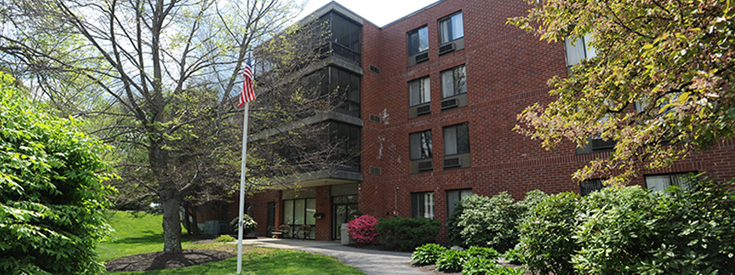
84 CHAPIN STREET, SOUTHBRIDGE, MA 01550 (508) 765-9133
For profit - Corporation 144 Beds ATHENA HEALTHCARE SYSTEMS Data: November 2025
Trust Grade
33/100
#325 of 338 in MA
Last Inspection: December 2024

Within standard 12-15 month inspection cycle. Federal law requires annual inspections.

Overview

Southbridge Rehabilitation & Health Care Center has a Trust Grade of F, which indicates significant concerns about the quality of care provided. Ranked #325 out of 338 facilities in Massachusetts, they are in the bottom half of the state for nursing homes, and #48 out of 50 in Worcester County, suggesting limited better options nearby. The situation is worsening, with the number of issues increasing from 13 in 2023 to 14 in 2024. Staffing is below average with a rating of 2 out of 5, and while turnover rates are around the state average at 41%, the facility has less RN coverage than 98% of Massachusetts facilities, which can affect the quality of care. There have been serious incidents, including a resident falling and fracturing their ankle when not assisted properly during a transfer, and concerns regarding uncomfortable water temperatures for showers, impacting residents' hygiene. Overall, while the staffing turnover is manageable, the facility struggles with significant care deficiencies and safety concerns.

Trust Score
F
33/100
In Massachusetts
#325/338
Bottom 4%
Safety Record
Moderate
Needs review
Inspections
Getting Worse
13 → 14 violations
Staff Stability
○ Average
41% turnover. Near Massachusetts's 48% average. Typical for the industry.
Penalties
✓ Good
$14,675 in fines. Lower than most Massachusetts facilities. Relatively clean record.
Skilled Nurses
⚠ Watch
Each resident gets only 12 minutes of Registered Nurse (RN) attention daily — below average for Massachusetts. Fewer RN minutes means fewer trained eyes watching for problems.
Violations
⚠ Watch
44 deficiencies on record. Higher than average. Multiple issues found across inspections.
★☆☆☆☆
1.0
Overall Rating
★★☆☆☆
2.0
Staff Levels
★☆☆☆☆
1.0
Care Quality
★★☆☆☆
2.0
Inspection Score
Stable
2023: 13 issues
2024: 14 issues

The Good

  • Full Sprinkler Coverage · Fire safety systems throughout facility
  • No fines on record
  • Staff turnover below average (41%)

    7 points below Massachusetts average of 48%

Facility shows strength in fire safety.

The Bad

1-Star Overall Rating

Below Massachusetts average (2.9)

Significant quality concerns identified by CMS

Staff Turnover: 41%

Near Massachusetts avg (46%)

Typical for the industry

Federal Fines: $14,675

Below median ($33,413)

Minor penalties assessed

Chain: ATHENA HEALTHCARE SYSTEMS

Part of a multi-facility chain

Ask about local staffing decisions and management

The Ugly 44 deficiencies on record

1 actual harm
Dec 2024 13 deficiencies
CONCERN (D)

Potential for Harm - no one hurt, but risky conditions existed

Resident Rights (Tag F0550)

Could have caused harm · This affected 1 resident

**NOTE- TERMS IN BRACKETS HAVE BEEN EDITED TO PROTECT CONFIDENTIALITY** Based on observation, record review, and interview, the facility failed to preserve the dignity of one Resident (#107) out of a ...

Read full inspector narrative →
**NOTE- TERMS IN BRACKETS HAVE BEEN EDITED TO PROTECT CONFIDENTIALITY** Based on observation, record review, and interview, the facility failed to preserve the dignity of one Resident (#107) out of a total sample of 26 residents. Specifically, the facility failed to ensure that Resident #107's wheelchair was maintained in a clean manner for use by the Resident. Findings include: Resident #107 was admitted to the facility in September 2022 with diagnoses including Dementia, generalized muscle weakness and unsteadiness on feet. Review of the Minimum Data Set (MDS) assessment dated [DATE], indicated Resident #107: -was severely cognitively impaired as evidenced by Brief Interview for Mental Status (BIMS) score of one out of a possible total score of 15 -used a wheelchair for mobility. Review of Resident #107's clinical medical record indicated the following: -An Activated Health Care Proxy (HCP- a legally appointed person that has authority to make health care decisions for someone that is unable to do so themselves), effective 3/3/21. -A comprehensive, person-centered care plan indicating a focus of impaired mobility with intervention of wheelchair use for mobility, effective 10/1/22. On 12/12/24 at 1:14 P.M., the surveyor observed Resident #107 seated in his/her wheelchair during the lunch meal. The surveyor observed dried yellow and brown debris on the left arm rest and both sides of the seat cushion of the wheelchair. The surveyor also observed a thick coating of dried debris and dust on the seat platform and lower frame of the wheelchair. On 12/16/24 at 1:33 P.M., the surveyor observed Resident #107 seated in his/her wheelchair during a group activity and the wheelchair remained with the same dried yellow and brown debris on the left arm rest and both sides of the seat cushion. The surveyor further noted the thick coating of dried debris and dust remained on the seat platform and lower frame of the wheelchair. On 12/16/24 at 2:39 P.M., the surveyor observed Resident #107 lying in bed with his/her wheelchair along the side of the bed. The surveyor observed that the wheelchair seat cushion surface had a smeared white substance, and dried yellow and brown debris on the left arm rest and both sides of the seat cushion. The surveyor further observed the thick coating of dried debris and dust on the seat platform and lower frame of the wheelchair was still present. On 12/17/24 at 1:00 P.M., the surveyor observed Resident #107 seated in his/her wheelchair and being assisted with the lunch meal by MDS Nurse #1. During an interview at the time MDS Nurse #1 said that Resident #107's wheelchair was very dirty and needed to be cleaned. MDS Nurse #1 further said that the housekeeping department is responsible for cleaning wheelchairs in the facility. On 12/17/24 at 1:51 P.M., the surveyor and the Director of Housekeeping (DOH) observed the Resident's wheelchair. During an interview at the time, the DOH said that Resident #107's wheelchair was very dirty and needed to be cleaned immediately. The DOH said he could not provide evidence of when Resident #107's wheelchair was last cleaned but cleaning should have been done on 12/5/24 when the total room cleaning had occurred but did not appear that the wheelchair had been cleaned at the time. The DOH said Resident #107's dirty wheelchair was concerning because the wheelchair was a high contact surface and could spread germs. The DOH further said that the dirty wheelchair could also be a dignity concern because it did not look good. On 12/17/24 at 1:57 P.M., the surveyor and the Infection Preventionist (IP) observed Resident #107's wheelchair. During an interview at the time, the IP said the wheelchair was dirty. The IP further said that she was concerned about the dirtiness of the Resident's wheelchair and the wheelchair needed to be cleaned. The IP said that even for residents that are unable to speak for themselves a dirty wheelchair was concern for a resident dignity. The facility did not provide evidence of policy or procedure for wheelchair cleaning to the survey team prior to the end of the survey.
CONCERN (D)

Potential for Harm - no one hurt, but risky conditions existed

Grievances (Tag F0585)

Could have caused harm · This affected 1 resident

**NOTE- TERMS IN BRACKETS HAVE BEEN EDITED TO PROTECT CONFIDENTIALITY** Based on record review and interview, the facility failed to resolve a grievance timely for one Resident (#40), out of a total s...

Read full inspector narrative →
**NOTE- TERMS IN BRACKETS HAVE BEEN EDITED TO PROTECT CONFIDENTIALITY** Based on record review and interview, the facility failed to resolve a grievance timely for one Resident (#40), out of a total sample of 26 residents. Specifically, the facility staff failed to reimburse Resident #40 timely when money was reported missing, an investigation was completed, and the grievance was resolved 80 days after the initial grievance was filed. Findings include: Review of the Grievance Policy, undated, indicated: -Upon receipt of a grievance, the staff person receiving the grievance shall immediately notify the grievance officer. -The grievance officer shall begin the grievance process by logging a summary of the grievance (if oral), the date the grievance was received and by initiating an investigation. -Review of any grievances filed should be completed within seven days. If the review cannot be completed within this timeframe, the grievance officer should communicate the status of the review and an updated time in which it is expected the review will be completed. -Upon completion of the review, the grievance officer should document the following: >A summary of the pertinent findings or conclusions regarding the grievance, >A statement as to whether the grievance was confirmed or not; and >Any corrective action taken or to be taken in response. Resident #40 was admitted to the facility in August 2021 with diagnoses including Seizure Disorder, Hypertension and Hyperlipidemia (an excess of fatty substances called lipids, largely cholesterol and triglycerides, in the blood). Review of Resident #40's Minimum Data Set (MDS) assessment dated [DATE], indicated the Resident was cognitively intact as evidenced by a Brief Interview for Mental Status (BIMS) score of 15 out of a total possible 15. During an interview on 12/12/24 at 12:29 P.M., Resident #40 said that he/she was missing $54.00 a few months ago and had noticed it when he/she returned to his/her room. The Resident further said the lock to his/her drawer was broken and he/she was missing money out of a wallet. Resident #40 said he/she had been told that the money would be replaced and that an investigation had occurred, but he/she had not received any reimbursement. Review of the Missing Item Report dated 9/30/24, indicated: -Resident #40 reported he/she was missing $54.00 which was last seen on 9/28/24. -Resident stated that the money was in a wallet and the wallet was behind a box of tissues in a locked drawer and that the drawer had been locked. -Reported to the nurse on the unit on 9/28/24. -Action taken to locate the missing item: >Checked and have been unable to find. >Stated lock was broken and maintenance fixed the broken lock on 10/1/24. -Submitted for reimbursement. During an interview on 12/18/24 at 9:11 A.M., the Administrator said that they were resolving the grievance by reimbursing the Resident and provided evidence of a Check Request Form dated 10/14/24 for $54.00. The Administrator said that she was unsure of the status of the check request as it would be processed by the corporate office and would get back to the surveyor. During a subsequent interview on 12/18/24 at 2:43 P.M., the Administrator provided an Invoice #101424 for a reimbursement check for $54.00 to Resident #40. The Administrator said that the check would be delivered to Resident #40 on 12/19/24. Review of the documentation provided to the survey team indicated that Resident #40 would receive reimbursement 80 days after the initial grievance was filed.
CONCERN (D)

Potential for Harm - no one hurt, but risky conditions existed

Respiratory Care (Tag F0695)

Could have caused harm · This affected 1 resident

**NOTE- TERMS IN BRACKETS HAVE BEEN EDITED TO PROTECT CONFIDENTIALITY** Based on observation, record review, and interview, the facility failed to provide respiratory care and services consistent with...

Read full inspector narrative →
**NOTE- TERMS IN BRACKETS HAVE BEEN EDITED TO PROTECT CONFIDENTIALITY** Based on observation, record review, and interview, the facility failed to provide respiratory care and services consistent with professional standards of practice for two Residents (#81 and #70), out of a total sample of 26 residents. Specifically, the facility failed to: 1. For Resident #81, ensure a Physician's order was in place for the use of oxygen (O2) therapy. 2. For Resident #70, ensure that oxygen therapy was administered as ordered by the Physician. Findings include: Review of the facility policy titled Oxygen Administration Nasal Cannula, revised November 2020, indicated the following: -To deliver low flow oxygen, per the physician's order (generally one to six liters per minute and 24% to 45% concentration) via nasal cannula. 1. Resident #81 was admitted to the facility in October 2020 with diagnoses including Acute Respiratory Failure with Hypoxia, morbid obesity, Chronic Obstructive Pulmonary Disease (COPD) and Congestive Heart Failure (CHF). Review of the COPD care plan indicated the following in part: -O2 via n/c (nasal cannula) as ordered per MD/PA (Medical Doctor/Physician Assistant), initiated 9/12/24. Review of the Minimum Data Set (MDS) assessment dated [DATE], indicated the Resident did use oxygen therapy while a Resident at the facility. Review of the Order Summary Report, Active Orders as of 12/17/24, indicated no Physician order in place for the use of oxygen therapy. On 12/12/24 at 12:25 P.M., the surveyor observed Resident #81 had a nasal cannula in place and was receiving O2 at 4 liters per minute (LPM). During an interview and observation on 12/17/24 at 9:22 A.M., the surveyor and UM #1 observed Resident #81 was receiving 4 LPM O2 via nasal cannula. UM #1 said that the Resident had been receiving O2 for about three months, since he/she returned from the hospital after having hypoxia. The surveyor and UM #1 reviewed the current Physician orders and found there was no oxygen order for Resident #81. When the surveyor asked UM #1 how staff knew what liter flow to set the O2 level at, UM #1 said that she was not sure how the staff knew what liter flow to set because there were no orders in place. During a follow-up interview on 12/17/24 at 9:41 A.M., UM #1 said without an order the Resident should not be receiving O2. UM #1 said after reviewing the Resident's record it appeared that the O2 order had been discontinued in October 2024, but the Resident had continued to use the O2. 2. Resident #70 was admitted to the facility in June 2023 with diagnoses including Acute Respiratory Failure with Hypoxia, shortness of breath, weakness, dependence on supplemental oxygen, COPD and Asthma. Review of the Resident #70's Care Plan, initiated 7/7/23 and revised 4/4/24, indicated the Resident had a diagnosis of COPD and shortness of breath, and included the following interventions: -Administer oxygen and monitor effectiveness by checking saturation as/if indicated, initiated 7/7/23 -Resident was unable to lie flat, causes shortness of breath, elevate the head of the bed and utilize pillows to relieve shortness of breath, initiated 10/7/24 -Resident takes rest periods as exertion causes shortness of breath, initiated 10/7/24 -Oxygen as ordered, initiated 10/7/24 Review of the MDS assessment dated [DATE], indicated Resident #70: -was cognitively intact as evidenced by a Brief Interview of Mental Status score of 15 out of a possible 15. -utilized oxygen while in the facility. Review of the December 2024 Physician's orders indicated the following: -Oxygen continuously via nasal cannula at 2 LPM, check every shift, check pulse oximetry (measures blood oxygen levels and pulse) and liters per minute, initiated 11/1/24. On 12/12/24 at 10:04 A.M., the surveyor observed Resident #70 lying in bed with the head of the bed elevated and oxygen was being administered via a nasal cannula and was set at 1.5 LPM on the oxygen concentrator. During an interview at the time, Resident #70 said he/she had been on oxygen therapy for a long time, that the nursing staff just changed the oxygen tubing, and he/she had no concerns. On 12/18/24 at 1:42 P.M., the surveyor observed the Resident lying in bed with the head of the bed elevated. Oxygen was being administered at 1 LPM via a nasal cannula and was connected to the oxygen concentrator positioned near the bed. During an interview at the time, Resident #70 said he/she was on continuous oxygen therapy and was usually on 2 LPM, but the Nurse put him/her on 1 LPM today and was having no issues (shortness of breath, difficulty breathing). The Resident said the Nurses check the oxygen and change the tubing. Review of the December 2024 Medication Administration Record (MAR) indicated oxygen was administered at 2 LPM as ordered on all shifts except the following dates/shifts: -12/2/24 on 11:00 P.M. to 7:00 A.M., oxygen was set at 15 [sic] LPM -12/9/24 on 3:00 P.M. to 11:00 P.M., oxygen was set at 3 LPM -12/11/24 on 3:00 P.M. to 11:00 P.M., oxygen was NA -12/14/24 on 7:00 A.M. to 3:00 P.M., oxygen was NA -12/16/24 on 3:00 P.M. to 11:00 P.M., oxygen was set at 3 LPM -12/17/24 on 3:00 P.M. to 11:00 P.M., oxygen was set at 3 LPM Review of the Resident's clinical record indicated no documented evidence as to the reason/rationale for the Resident's liter flow change in oxygen therapy that corresponded with the MAR documented dates/shifts. During an interview on 12/18/24 at 2:58 P.M. and 3:14 P.M., Nurse #3, who was taking care of Resident #70, said the Resident's respiratory status was stable and was monitored every shift. Nurse #3 further said the Resident was on continuous oxygen set at a flow rate of 2 LPM, which the Nurses monitor every shift. Nurse #3 said the Resident does not adjust the liter flow rate for the oxygen settings. On 12/18/24 at 3:16 P.M., the surveyor and Nurse #3 observed Resident #70. The Resident remained lying in bed and the nasal cannula was observed out of his/her nose. Nurse #3 provided verbal education to Resident #70 and was observed to re-apply the Resident's nasal cannula. The oxygen concentrator positioned near the Resident's bed was observed to be set at 1 LPM. During an interview at the time, the Resident said that he/she worked with Physical Therapy (PT) that morning. Nurse #3 said that the Resident had an order for oxygen to be administered at 2 LPM and she would look into who worked with the Resident for PT that morning to see if it was adjusted. Nurse #3 further said that the Respiratory Therapist (RT) also worked with the Resident, had last worked with the Resident on 12/12/24 and indicated he/she was tried on 1 LPM of oxygen and had an oxygen saturation level of 94%. Nurse #3 said if there were recommendations to change the Resident's oxygen liter flow rate, the RT would notify the Nurses and the Physician so that the oxygen orders could be changed. During an interview on 12/18/24 at 3:27 P.M. and 3:41 P.M., Unit Manager (UM) #1 said Resident #70 had a Physician's order to administer continuous oxygen to be set at 2 LPM. UM #1 said there was no order to titrate (adjust the flow rate of supplemental oxygen to achieve a specific target oxygen saturation level) the Resident's oxygen flow rate and that if there was a recommendation by the RT to change or titrate the oxygen flow rate, the Physician would need to be notified, agree to the change, and the oxygen order updated. UM #1 said she would follow up with the Rehabilitation Director to see if the Resident's oxygen was adjusted during PT that morning. During an interview on 12/18/24 at 4:13 P.M., the Director of Rehabilitation (DOR) said Resident #70 had therapy that morning and provided the surveyor with the Therapy Encounter Note dated 12/18/24. The DOR said the therapists who worked with Resident #70 indicated in their documentation note that the Resident was on 1 LPM of oxygen during the therapy session on 12/18/24. The DOR said the Physical and Occupational Therapists would not typically adjust a Resident's oxygen liter flow unless there was a Physician's order to titrate the flow rate.
CONCERN (D)

Potential for Harm - no one hurt, but risky conditions existed

Deficiency F0757 (Tag F0757)

Could have caused harm · This affected 1 resident

Based on interview, and record review, the facility failed to ensure that one Resident (#24) was free from the use of unnecessary medications out of a total sample of 26 residents. Specifically, the ...

Read full inspector narrative →
Based on interview, and record review, the facility failed to ensure that one Resident (#24) was free from the use of unnecessary medications out of a total sample of 26 residents. Specifically, the facility failed to ensure that Resident #24 did not receive extra doses of Insulin (medication used to control elevated blood sugar levels) when his/her blood sugar was under the 150 mg/dL (milligram per deciliter) level specified by the Physician. Findings include: Review of the facility policy titled Medication Administration by Route or Dosage, revised 3/2017, indicated the following: -Subcutaneous Injections: >Verify medication order on the Medication Administration Record (MAR). >Check against Physician order. Resident #24 was admitted to the facility in April 2017 with diagnoses including Type II Diabetes (DM- chronic condition in which the body has trouble controlling blood sugar and using it for energy). Review of Resident #24's November 2024 Physician's orders indicated: -Lantus (brand name for insulin glargine) Injection 100/milliliters (ml): Inject 50 units subcutaneously at bedtime for antidiabetic related to Type II Diabetes Mellitus without complications. Hold (do not give) if fasting blood sugar (FSBS) is less than 150 mg/dL or if resident not eating, initiated 5/15/24 and discontinued 11/15/24. -Lantus Injection 100/milliliters ml: Inject 46 units subcutaneously at bedtime for antidiabetic related to Type II Diabetes Mellitus without complications. Hold if fasting blood sugar (FSBS) is less than 150 mg/dL or if resident not eating, initiated 11/15/24. Review of Resident #24's December 2024 Physician's orders indicated: -Lantus 100/ml: Inject 46 units subcutaneously at bedtime for antidiabetic related to Type II Diabetes Mellitus without complications. Hold if fasting blood sugar (FSBS) is less than 150 mg/dL or if resident not eating, initiated 11/15/24. Review of the November 2024 MAR for Resident #24 indicated Lantus was administered on: -11/1/24 with a blood sugar of 135 mg/dL -11/3/24 with a blood sugar of 134 mg/dL -11/4/24 with a blood sugar of 138 mg/dL -11/9/24 with a blood sugar of 123 mg/dL -11/14/24 with a blood sugar of 130 mg/dL -11/15/24 with a blood sugar of 143 mg/dL -11/30/24 with a blood sugar of 107 mg/dL Review of the December 2024 MAR for Resident #24 indicated Lantus was administered on: -12/1/24 with a blood sugar of 116 mg/dL -12/10/24 with a blood sugar of 101 mg/dL -12/15/24 with a blood sugar of 130 mg/dL During an interview on 12/17/24 at 11:32 A.M., Nurse #2 reviewed Resident #24's bedtime Lantus order and said the bedtime Lantus was only to be given if the Resident had a blood sugar level of 150 mg/dL or above, if it was below 150 mg/dL the Lantus should be held. Nurse #2 said if the Resident received extra doses of Insulin, it could put him/her at risk for hypoglycemia (low blood sugar). During an interview on 12/17/24 at 1:13 P.M., Unit Manager (UM) #1 reviewed Resident #24's bedtime Lantus order and said if the Resident's blood sugar is less than 150 mg/dL, the Lantus should be held. During an interview on 12/17/24 at 1:37 P.M., UM #1 said she believed the bedtime Lantus order was written incorrectly. UM #1 said staff should have reached out to the Resident's Medical Provider to clarify the order and this had not been done. During an interview on 12/17/24 at 2:30 P.M., UM #1 said on the dates in question Resident #24 did receive the bedtime dose of Lantus even though the Resident's blood sugar levels were under 150 mg/dL and as the Physician order was written he/she should not have received those doses.
CONCERN (D)

Potential for Harm - no one hurt, but risky conditions existed

Deficiency F0761 (Tag F0761)

Could have caused harm · This affected 1 resident

Based on observation, interview, and record review, the facility failed to ensure that medications were stored in a secure and safe manner, and according to professional standards of practice in the s...

Read full inspector narrative →
Based on observation, interview, and record review, the facility failed to ensure that medications were stored in a secure and safe manner, and according to professional standards of practice in the second-floor medication storage room. Specifically, the facility failed to store Lorazepam Concentrated Oral Liquid (controlled substance medication [a drug or other substance that is tightly controlled by the government because it may be abused or cause addiction] used to treat anxiety disorders) in a safe manner when the Lorazepam was stored in a black metal box that was not fixed (could be removed) to the inside of the medication refrigerator in the second-floor medication storage room. Findings include: On 12/17/24 at 11:33 A.M., during an observation of the second-floor medication storage room, the surveyor and Unit Manager (UM) #1 observed a black metal box with a padlock located in the medication storage room refrigerator. During an interview at the time, UM #1 said that the black metal box was locked with a padlock because it contained controlled medications that required refrigeration. UM #1 then removed the black metal box from the refrigerator, placed the box on a counter and opened the box to reveal two (2) bottles of Lorazepam Concentrated Oral Liquid. The surveyor did not observe the black metal box to be fixed to the inside of the medication storage refrigerator. UM #1 said that the black box used to have a chain attaching it to the inside of the refrigerator, but there was no chain now, and the box was not attached to the refrigerator. UM #1 said she was unaware that the box containing controlled medications should have been fixed to the inside of the refrigerator. During an interview on 12/18/24 at 2:40 P.M., the Director of Nursing (DON) said that the black metal box in the medication storage refrigerator contained controlled medications and should have been fixed to the inside of the refrigerator as required.
CONCERN (D)

Potential for Harm - no one hurt, but risky conditions existed

Antibiotic Stewardship (Tag F0881)

Could have caused harm · This affected 1 resident

**NOTE- TERMS IN BRACKETS HAVE BEEN EDITED TO PROTECT CONFIDENTIALITY** Based on interview, and record review, the facility failed to implement an Antibiotic Stewardship Program for one Resident (#52)...

Read full inspector narrative →
**NOTE- TERMS IN BRACKETS HAVE BEEN EDITED TO PROTECT CONFIDENTIALITY** Based on interview, and record review, the facility failed to implement an Antibiotic Stewardship Program for one Resident (#52) out of a total sample of 26 residents. Specifically, for Resident #52, the facility failed to ensure that documentation was reviewed for signs and symptoms of infection prior to requesting an order for antibiotics from the Physician and/or Non-Physician Practitioner (NPP) and administering antibiotics for a suspected urinary tract infection (UTI). Findings include: Review of the facility policy titled Antibiotic Stewardship dated 7/2017, indicated the following: -It is the policy of this facility to treat only symptomatic infection meeting criteria, and to promote antibiotic stewardship to reduce inappropriate antimicrobial use, improve patient care outcomes and reduce possible consequences of antimicrobial use. -When symptoms of an infection are documented . Resident #52 was admitted to the facility in September 2016 with diagnoses including frontotemporal neurocognitive disorder (a form of Dementia that effects the frontal and temporal lobes), Traumatic Brain Injury, major depressive disorder, anxiety disorder, and was receiving Hospice services (care at the end of life). Review of Resident #52's December 2024 Physician's orders indicated: -Macrobid (a type of antibiotic) Oral Capsule 100 milligram (mg), Give one capsule by mouth two times a day for a UTI for five days, with a start date of 12/4/24. -Ativan (an antianxiety medication) Oral Tablet 1 mg, Give 1 mg by mouth every six hours as needed for anxiety, with a start date of 11/22/24. Review of the December 2024 Medication Administration Record (MAR) indicated Resident #52 was administered Macrobid twice daily as ordered from 12/5/24 through 12/9/24. During an interview on 12/17/24 at 8:41 A.M., Nurse #4 said she was unsure why Resident #52 was started on antibiotics and would need to ask Unit Manager (UM) #1. During an interview on 12/17/24 at 8:42 A.M., UM #1 said she was unsure why Resident #52 was on antibiotics and that she would need to go ask the Social Worker. During a follow-up interview on 12/17/24 at 8:59 A.M., UM #1 said the Resident was on Hospice services so no labs could be drawn on him/her to check for a UTI. UM #1 said the Resident had been experiencing increased episodes of behaviors including agitation and needed to be administered his/her as needed (PRN) Ativan to address the increased agitation and this could suggest a possible UTI. Review of the November 2024 MAR indicated Resident #52 had not been administered his/her PRN Ativan during the month of November. Further review of the November 2024 MAR indicated no documented behaviors. Review of the December 2024 MAR indicated Resident #52 had not been administered his/her PRN Ativan from 12/1/24 through 12/4/24. Further review of the December 2024 MAR indicated no documented behaviors from 12/1/24 through 12/4/24. Review of the Hospice Nursing assessment dated [DATE], indicated the Resident was experiencing an increase in agitation. Review of the Hospice Nursing assessment dated [DATE], indicated: -all of Resident #52's medications were to be stopped except for Ativan and Morphine (a pain medication). -this included stopping two antidepressant medications. During an interview on 12/17/24 at 10:06 A.M., the Infection Preventionist (IP) said staff should be looking for signs and symptoms of a UTI as Resident #52 was unable to verbalize if he/she was exhibiting signs of a UTI. The IP said staff should look for signs and symptoms such as pain, strong odor to the urine, dark urine, increase in urine, fever, and/or hematuria (blood in urine). The IP said she was unsure if the Resident exhibited clinical signs of a UTI and she would need to look at the Resident's chart. The IP said it was also a possibility to see a change in mental status since the Resident recently came off antidepressant medications. Review of the Nursing Progress Notes dated 11/25/24 through 12/4/24, indicated no documentation Resident #52 had increased agitation or signs and symptoms of a UTI. During an interview on 12/17/24 at 1:49 P.M., the Director of Nursing (DON) said he was unable to provide any documentation that would indicate Resident #52 was having signs and symptoms of a UTI. The DON said one Hospice Note dated 12/2/24, indicated the Resident had an increase in his/her agitation but there was no additional documentation to support the Resident had a suspected UTI as the Resident had a history of increased periods of agitation at baseline.
CONCERN (D)

Potential for Harm - no one hurt, but risky conditions existed

Deficiency F0883 (Tag F0883)

Could have caused harm · This affected 1 resident

**NOTE- TERMS IN BRACKETS HAVE BEEN EDITED TO PROTECT CONFIDENTIALITY** Based on record review, and interview, the facility failed to offer the Pneumococcal Vaccination as recommended to one Resident ...

Read full inspector narrative →
**NOTE- TERMS IN BRACKETS HAVE BEEN EDITED TO PROTECT CONFIDENTIALITY** Based on record review, and interview, the facility failed to offer the Pneumococcal Vaccination as recommended to one Resident (#104), for five applicable residents, out of a total sample of 26 residents. Specifically, the facility failed to ensure that Resident #104 was offered the Pneumococcal Conjugate Vaccine (PCV- a vaccine that helps protect against diseases caused by pneumococcal bacteria) at the time of admission or shortly thereafter, putting the Resident at risk for developing facility acquired Pneumonia. Findings include: Review of the facility document titled Procedure for Pneumococcal Vaccination of Residents indicated the following: -Each resident or their representative will be asked on admission if they have previously had any pneumococcal vaccinations and their age at the time of vaccination. The records that accompany the resident will also be used to determine immunization status. -The pneumococcal conjugate vaccine will be offered to all eligible residents . -Adults aged 65 years and older who have not previously received a pneumococcal conjugate vaccine or whose vaccination history is unknown should receive a pneumococcal conjugate vaccine . Resident #104 was admitted to the facility in October 2023 with diagnoses including Adult Failure to Thrive. Review of the Minimum Data Set (MDS) assessment dated [DATE], indicated Resident #104 was severely cognitively impaired as evidenced by a Brief Interview for Mental Status (BIMS) score of three out of a total possible score of 15. Review of Resident #104's clinical record indicated no evidence that Resident #104 had received the PCV vaccine. Review of Resident #104's Resident admission Vaccination Education Form did not indicate Resident #104 and/or the Resident Representative had been provided education for or offered the PCV vaccine. During an interview on 12/17/24 at 10:14 A.M., the Infection Preventionist (IP) said when Residents are admitted to the facility a Resident admission Vaccination Education Form is filled out with the Resident or their Representative to evaluate the Resident's immunization status. The IP said that the form indicated whether the Resident had the vaccine previously, refused the vaccine, or consented to administration of the vaccine. During a review of Resident #104's Resident admission Vaccination Education Form, the IP said that there was no evidence that Resident #104 had been administered the Pneumococcal vaccine. The IP further said that there was no evidence that Resident #104 or their Representative had been educated or offered the Pneumococcal vaccine, but they should have been offered the vaccine.
CONCERN (D)

Potential for Harm - no one hurt, but risky conditions existed

Deficiency F0909 (Tag F0909)

Could have caused harm · This affected 1 resident

Based on observation, interview, and record review, the facility failed to develop a system to conduct regular maintenance and inspections of all bed frames, mattresses, and bed rails (side rails) as ...

Read full inspector narrative →
Based on observation, interview, and record review, the facility failed to develop a system to conduct regular maintenance and inspections of all bed frames, mattresses, and bed rails (side rails) as part of a regular maintenance program to identify areas of possible entrapment for two Residents (#5 and #70) out of three applicable residents for bed rail use, out of a total sample of 26 residents. Specifically, the facility failed to: 1. For Resident #5, provide inspection documentation for the Resident's bed frame, mattress, and side rails. 2. For Resident #70, provide documentation that the Resident's bed frame, mattress, and side rails were regularly inspected. Findings include: Review of the facility policy titled Restraints: Bed Rail Safety Check, undated, indicated the following: -Regularly inspect each of the seven areas (areas between the mattress and side rails, head board, and foot board) on each bed with restraints. -Maintenance and monitoring of the bed, mattress, and accessories (such as resident/caregiver assist items) should be ongoing. 1. Resident #5 was admitted to the facility in July 2022, with diagnoses including difficulty in walking, weakness, and Osteoarthritis (degenerative joint disease). On 12/12/24 at 3:16 P.M., the surveyor observed Resident #5 lying in bed with bilateral (both sides) side rails in place on his/her bed. Review of the most recent side rail evaluation dated 9/26/24, indicated Resident #5 used quarter (¼) side rails for positioning or support bilaterally on his/her bed. 2. Resident #70 was admitted to the facility in June 2023 with diagnoses including chronic obstructive pulmonary disease (COPD), Acute Respiratory Failure with hypoxia, dependence on oxygen, and weakness. On 12/12/24 at 10:04 A.M., the surveyor observed Resident #70 lying in bed with bilateral side rails in place on his/her bed. Review of the most recent side rail evaluation dated 9/6/24, indicated Resident #70 used ¼ side rails for positioning or support bilaterally on his/her bed. During an interview on 12/18/24 at 9:40 A.M., the Maintenance Director said bed frames, mattresses, and side rails are only inspected if a new mattress is placed on a bed or if staff lets him know there is a problem with the bed. Review of the Bed System Measurement Device Test Results Worksheet Binder (Binder where the Maintenance Department documents when beds were last inspected), provided by the Maintenance Director indicated the following: -No documentation was available for when Resident #5's bed frame, mattress, and side rails were last inspected. -Documentation that Resident #70's bed frame, mattress, and side rails were last inspected on 9/4/18. During a follow-up interview on 12/18/24 at 1:11 P.M., the Maintenance Director said currently there was no program in place to regularly inspect the bed frames, mattresses, or side rails. He further said he was unable to provide any additional documentation that would show Resident #5 and Resident #70 had their bed frame, mattress, or side rails inspected recently. He said a procedure should be in place to regularly inspect the Resident's beds to ensure they are in safe working order.
CONCERN (E)

Potential for Harm - no one hurt, but risky conditions existed

Safe Environment (Tag F0584)

Could have caused harm · This affected multiple residents

**NOTE- TERMS IN BRACKETS HAVE BEEN EDITED TO PROTECT CONFIDENTIALITY** Based on observation, interview, and record review, the facility failed to provide a comfortable and homelike environment for tw...

Read full inspector narrative →
**NOTE- TERMS IN BRACKETS HAVE BEEN EDITED TO PROTECT CONFIDENTIALITY** Based on observation, interview, and record review, the facility failed to provide a comfortable and homelike environment for two Residents (#55 and #37) and on three units (Second Floor, Third Floor and Forth Floor) out of three total units observed. Specifically, the facility failed to: 1. maintain comfortable water temperatures for bathing in resident rooms and unit shower rooms, resulting in Resident #55 and #37 not receiving showers as desired and requested due to cold water temperatures. 2. maintain comfortable water temperatures in resident rooms and for three of three unit shower rooms as needed. Findings include: Review of the facility policy titled Showers, dated April 2015, indicated the following procedure: -Resident/patient will receive a shower, assisted/and given by the nursing staff as desired. -Procedure: >Prepare shower room and equipment >Run water for the shower, checking to ensure that temperature is not greater than 100-102 degrees (*) Fahrenheit (F) -Documentation: >Document the procedure Review of the facility policy titled Bathing Assisted/Partial/Personal Hygiene, dated April 2015, indicated: -Residents who need assistance to perform bathing/personal hygiene will be provided assistance. -Procedure: >Place wash basin, cleaning product, washcloth, towels, and lotion over bed table in front of resident/patient within reach. >Water temperature should be tested on inner wrist. -Documentation: >Chart bathing and personal care on designated forms. 1a. Resident #55 was admitted to the facility in February 2017 with diagnoses including Congestive Heart Failure. Review of Resident #55's Minimum Data Set (MDS) assessment dated [DATE], indicated the Resident: -was cognitively intact as evidenced by a Brief Interview for Mental Status (BIMS) score of 15 out of a total possible 15. -was dependent on staff assistance for bathing and showering, personal hygiene, and both upper and lower body bathing and dressing. During an observation and interview on 12/12/24 at 10:33 A.M., Resident #55 was observed in bed and dressed for the day with a shirt and pants on, with the head of the bed elevated and bilateral side rails in place. Resident #55 said that he/she was scheduled for showers on Mondays on the 7:00 A.M. to 3:00 P.M (7-3) shift and Thursdays on the 3:00 P.M. to 11:00 P.M. (3-11) shift and that he/she anticipated receiving a shower that evening. During an observation and interview on 12/13/24 at 8:49 A.M., Resident #55 said he/she had not received his/her scheduled shower on 12/12/24 at approximately 9:30 P.M., as there was no hot water available. Resident #55 said that he/she notified Unit Manager (UM) #1 that morning. Review of Resident #55's December 2024 Certified Nursing Assistant (CNA) Flow Sheet indicated that showers were scheduled for Thursdays on the 3-11 shift and Mondays on the 7-3 shift. Further review of the CNA Flow Sheet documentation indicated that Resident #55 refused a shower on 12/12/24. 1b. Resident #37 was admitted to the facility in May 2023 with diagnoses including Chronic Obstructive Pulmonary Disease. Review of Resident #37's MDS assessment dated [DATE], indicated the Resident: -was cognitively intact as evidenced by BIMS score of 15 out of a total possible 15. -required partial to moderate assistance by staff for personal hygiene, showering and bathing, and upper and lower body dressing and bathing. During an observation and interview on 12/12/24 at 1:05 P.M., Resident #37 was observed dressed for the day and seated in a chair at his/her bedside with oxygen in use via a nasal cannula. Resident #37 said that the facility did not have hot water for showers. Resident #37 said that he/she has chronic respiratory issues and therefore could not take cold showers. Resident #37 said he/she was scheduled to take a shower today, but refused because the water was cold. The surveyor observed the water in Resident #37's bathroom sink at the time of the interview, was hot to touch and warmed quickly. Resident #37 said the water temperatures were inconsistent, and that staff would often come to his/her room to obtain hot water for other residents at times. During an interview on 12/13/24 at 7:36 A.M., UM #1 said there have been challenges with the hot water which was discussed with the maintenance team. UM #1 said residents receive showers weekly and if there was no hot water available on the 7-3 shift, then the 3-11 shift would assist with showers. UM #1 said there were times during the day when hot water was less available and that the CNAs know the times during the day when hot water was available for residents' showers and bed baths, and in what areas of the building. During an interview on 12/13/24 at 9:08 A.M., with CNA #2 who said she regularly worked with Resident #37 and that he/she received showers on Thursdays. CNA #2 said Resident #37 had respiratory issues, required the assistance of staff with showers, and that cold water for showers could make his/her symptoms worse. CNA #2 said the facility water for resident showers could be either hot or cold, and often start hot, but do not remain hot. CNA #2 said sometimes she and other staff must go to other resident bathrooms to obtain hot water for the residents' bed baths. CNA #2 said she knew Resident #37's bathroom had a good supply of hot water and that if a resident refused a shower on her shift, she would report it to the next shift for follow-up so that they can offer the resident another opportunity to shower, and that this would be communicated on the resident shower list. 2. During an interview on 12/13/24 at 7:43 A.M., Maintenance Staff #1 said the facility administration was aware of the hot water usage. At this time, Maintenance Staff #1 demonstrated checking the water temperature in a resident bathroom near the Nurses' station on the Second Floor Unit, and the surveyor observed the water was hot to touch and warmed quickly. During an interview on 12/13/24 at 7:47 A.M., the Maintenance Director (MD) said the facility had two boilers and one mixing valve for the whole facility, and that the hot water was in use for the facility all day long by the kitchen and the nursing departments. The MD said when the kitchen was not serving meals, the dish machine was running and using hot water. The MD further said the best times for hot water availability for resident showers/bathing were in the early morning and late evening hours. During a subsequent interview on 12/13/24 at 8:06 A.M., the MD said there were areas of the building where water ran a bit colder due to the distance of those areas from the mixing valve. The MD said that he typically took temperatures in the morning several times a week, in different resident bathrooms, and in the three unit shower rooms, in addition to other areas of the facility. The MD said the water temperatures obtained in the resident bathrooms and shower rooms were between 100*F and 120*F, and should ideally be around 110*F. On 12/13/24, the following water temperature observations were made by the surveyor with temperatures taken by the Maintenance Director after running the water for two minutes: >Second Floor Unit: -1:22 P.M- Shower Room, Shower A: 111.7*F, warm -1:26 P.M.- Shower Room, Shower B: 90.0*F, lukewarm -1:31 P.M.- room [ROOM NUMBER]: 109.6*F, warm -1:35 P.M.- room [ROOM NUMBER]: 95.2*F, lukewarm -1:39 P.M.- room [ROOM NUMBER]: 82.9*F, cool -2:00 P.M.- room [ROOM NUMBER]: 80.8*F, cool >Third Floor Unit: -1:45 P.M.- Shower Room: 75.6*F, cold >Fourth Floor Unit: -1:49 P.M.- Shower Room: 77.4*F, cold -1:55 P.M.- room [ROOM NUMBER]: 82.6*F, cool During an interview on 12/13/24 at 1:49 P.M., while performing temperature checks in the Fourth Floor Unit shower room, the Maintenance Director said the 77.4*F temperature obtained was not even lukewarm. During an interview on 12/13/24 at 2:32 P.M., the Administrator said that in her time in the role of Administrator during the past month, she was not aware of any water temperature issues, resident complaints of cold showers, or cold water temperatures. During a follow-up interview on 12/17/24 at 11:12 A.M., CNA #2 said the issues with the availability of hot water remained and when she provided a bed bath to a resident in room [ROOM NUMBER] that morning, the water was barely lukewarm.
CONCERN (E)

Potential for Harm - no one hurt, but risky conditions existed

Comprehensive Care Plan (Tag F0656)

Could have caused harm · This affected multiple residents

**NOTE- TERMS IN BRACKETS HAVE BEEN EDITED TO PROTECT CONFIDENTIALITY** Based on observation, record review, and interview, the facility failed to implement the comprehensive person-centered plan of c...

Read full inspector narrative →
**NOTE- TERMS IN BRACKETS HAVE BEEN EDITED TO PROTECT CONFIDENTIALITY** Based on observation, record review, and interview, the facility failed to implement the comprehensive person-centered plan of care for two Residents (#88, #104) out of a total sample of 26 residents. Specifically, the facility failed to: 1. For Resident #88, implement the fall risk intervention for non-skid strips to the Resident's bedside and bathroom placing the Resident at risk for falls and injury. 2. For Resident #104, implement the nutritional risk intervention for a lip plate with meals placing the Resident at risk for calorie deficit. Findings include: Review of the facility policy titled Comprehensive Care Plans, date with revision date November 2017 indicated: -The facility is committed to providing residents with all the necessary care and services to enable them to achieve the highest quality of life. -Recognizing each resident as an individual, we identify and meet those needs in a resident centered environment. -Care plans are oriented toward preventing avoidable decline in clinical and functional levels services and treatment. 1. Resident #88 was admitted to the facility in February 2024 with diagnoses including weakness and Wernicke's Encephalopathy (neurological symptoms caused by low vitamin B1 levels often leading to confusion, impaired balance and weakness of eye muscles). Review of Resident #88's Minimum Data Set (MDS) assessment dated [DATE] indicated the Resident: -was severely cognitively impaired as evidenced by Brief Interview for Mental Status (BIMS) score of four out of a possible total score of 15. -required substantial/maximal assist to transfer to and from bed, chair and/or toilet. Review of Resident #88's clinical record indicated: -The Resident was at moderate to high risk for falling as evidenced by the most recent falls risk assessment, dated 12/7/24. -The Resident had been moved into his/her current room since 11/19/24. Review of Resident #88's comprehensive person-centered care plan indicated: -The Resident was at risk for falls and related injuries secondary to history of self transferring, loss of balance and landing on buttocks and refusal to ask for help with transferring. -The Resident had fall risk interventions which included non-skid strips (adhesive floor strips with non-skid surface used to prevent slipping of the foot/feet when making contact to the floor) to bedside and bathroom, effective 5/23/24. The surveyor observed Resident #88 lying in his/her bed with no non-skid strips observed at the Resident's bedside or in the bathroom on the following days: -12/12/24 at 11:45 A.M. -12/16/24 at 7:46 A.M. During an interview and observation on 12/16/24 at 11:28 A.M., Certified Nurses Aide (CNA) #1 said that he was assigned to Resident #88. The surveyor and CNA #1 observed Resident #88 lying in bed without any non-skid strips at the bedside or in the bathroom. CNA #1 said that the Resident had a history of falling. CNA #1 said that fall interventions were listed on the CNA Care [NAME] (a paper record, kept in a binder that included daily care needs for each individual resident). The surveyor and CNA #1 reviewed the CNA Care [NAME] which indicated the need for bilateral (both sides) non-skid strips to bedside and bathroom. CNA #1 said sometimes if a Resident has a room change the non-skid strips don't get put back on. CNA #1 said Resident #88 had a few room changes since being at the facility. During an interview and observation on 12/16/24 at 11:46 A.M., Nurse #1 said she was the Nurse assigned to Resident #88. The surveyor and Nurse #1 observed Resident #88 lying in bed without non-skid strips beside the bed or bathroom. Nurse #1 said that Nurses need to be familiar with care plans to prevent falls for each Resident. Nurse #1 said interventions for non-skid strips are listed on both the Resident's CNA Care [NAME] and the Resident's care plan. Nurse #1 said that the non-skid strips should be in place to prevent Resident #88 from falling but the non-skid strips were not in place. During an interview on 12/16/24 at 11:57 A.M., the Director of Nursing (DON) said that Resident #88 had several room changes since being at the facility. The DON said that all room changes are reported during morning report to all departments, including the maintenance department. The DON said that the non-skid strips should have been placed at Resident #88's bedside and bathroom to prevent injury and falls. 2. Resident #104 was admitted to the facility in October 2023 with diagnoses including Adult Failure to Thrive (a syndrome of global decline in older adults as a worsening of physical frailty that is frequently compounded by cognitive impairment, weight loss, decreased appetite or poor nutrition and inactivity) and Dementia. Review of Resident #104's Minimum Data Set (MDS) assessment dated [DATE], indicated the Resident: -was severely cognitively impaired as evidenced by Brief Interview for Mental Status (BIMS) score of three out of a possible total score of 15. -required supervision or touching assist for eating. Review of Resident #104's clinical record indicated: -The Resident had a Physician's order for regular consistency diet with thin liquids, extra sauce/gravy to all meals, Italian sausage and baked hams need to be ground, and a scoop lip plate (often called a lip plate), effective 10/27/23. Review of Resident #104's comprehensive person-centered care plan indicated: -The Resident was at risk for nutritional decline and had interventions including lip plate at all meals, last revised on 12/12/24. -The Resident had a 12-pound weight loss between November 2024 and December 2024. On 12/16/24 at 9:09 A.M., the surveyor observed facility staff setting up the breakfast tray for Resident #104 without a lip plate in place. The surveyor observed Resident #104 attempt to scoop his/her breakfast food with a spoon and then spilled breakfast foods over the edge of the plate and onto the table surface. On 12/17/24 at 9:00 A.M., the surveyor observed Resident #104 seated in the multi-purpose room on the unit eating a breakfast of two fried eggs and toast with his/her hands. The surveyor observed the Resident was not provided with a lip plate or utensils for the duration of the breakfast meal. During an observation and interview on 12/17/24 at 4:42 P.M, the surveyor and the Registered Dietitian (RD) observed Resident #104 to be served his/her evening meal tray by a staff member without a lip plate in place. The RD said the lip plate should be listed on the meal ticket to be sent from the kitchen but was not. During an interview on 12/18/24 at 10:01 A.M., the Speech Therapist (ST) said that Resident #104 was actively being treated by the ST due to his/her identified weight loss, effective 12/10/24. The ST said that Resident #104 had been ordered for a lip plate because he/she was known to knock food off his/her plate during mealtimes. The ST said that Resident #104 had been ordered for lip plate since 10/16/23, to aid in filling the utensils during mealtimes. The ST said a lip plate was ordered so that Resident #104 would not push the food off the plate and would support filling the utensil with a whole bite of food. The ST said that a calorie deficit can occur if food falls off the utensil or over the edge of the plate which could result in weight loss.
CONCERN (E)

Potential for Harm - no one hurt, but risky conditions existed

Medical Records (Tag F0842)

Could have caused harm · This affected multiple residents

**NOTE- TERMS IN BRACKETS HAVE BEEN EDITED TO PROTECT CONFIDENTIALITY** 2. Review of the facility policy titled Hyperglycemia, dated April 2015, indicated: -Hyperglycemia, or high blood sugar, is a co...

Read full inspector narrative →
**NOTE- TERMS IN BRACKETS HAVE BEEN EDITED TO PROTECT CONFIDENTIALITY** 2. Review of the facility policy titled Hyperglycemia, dated April 2015, indicated: -Hyperglycemia, or high blood sugar, is a condition that causes changes in physiological status. -Procedure if a resident has signs and symptoms of high blood sugar: >Check physician orders for specific acceptable blood glucose (sugar) range for the resident. >Perform a glucose test by finger stick: If over 400 mg/dL, recheck for accuracy. >Notify Physician immediately for further directions if blood sugar is not within the acceptable range for high parameters. -Document relevant evaluations, interventions, and resident's response to interventions in the medical record. Resident #5 was admitted to the facility in July 2022 with diagnoses including Type 2 Diabetes Mellitus (Type 2 DM) with Hyperglycemia. During an observation and interview on 12/12/24 at 3:16 P.M., the surveyor observed Resident #5 was in bed, dressed in a hospital gown, with his/her head of the bed elevated. Resident #5 said he/she had issues with high blood sugars, and he/she usually had values around 320 [mg/dL]. The Resident further said that staff check his/her blood sugars three times a day and he/she received Insulin (a hormone that controls blood sugar) after meals. Review of Resident #5 Minimum Data Set (MDS) assessment dated [DATE], indicated the Resident: -was severely cognitively impaired as evidenced by Brief Interview for Mental Status (BIMS) score of one out of a total possible 15. -received Insulin by injection seven out of seven total days during the assessment look-back period. Review of Resident #5's December 2024 Physician's orders indicated: -Insulin Lispro Injection Solution (fast-acting Insulin medication), 100 unit/ml subcutaneously (beneath the skin) before meals for DM, Inject as per sliding scale, if blood sugar is: 0 - 149 mg/dL = 0 units 150 - 199 mg/dL = 2 units 200 - 249 mg/dL = 4 units 250 - 299 mg/dL = 6 units 300 - 349 mg/dL = 8 units Greater than 350 mg/dL = 10 units -If blood sugar is lower than 60 mg/dL or greater that [sic] 350 mg/dL . Call Nurse Practitioner (NP), Physician Assistant (PA), Medical Doctor (MD)., initiated 6/19/24 -Insulin Lispro Injection Solution 100 unit/ml, Inject 30 units subcutaneously with meals for DM, initiated 6/19/24 -Insulin Glargine- Subcutaneous Solution (long-acting Insulin medication) 100 UNIT/ML (Insulin Glargine), Inject 72 units subcutaneously at bedtime for DM, initiated 11/20/24 -Jardiance Oral Tablet (medication that helps control blood sugar levels) 10 milligrams (mg), Give 1 tablet by mouth in the morning for DM, initiated 12/4/24 -Metformin HCl Oral Tablet (medication that lowers blood sugar levels) 500 mg, Give 1000 mg by mouth two times a day for DM, initiated 9/16/24 -Monitor for [signs and symptoms] of hyper/hypoglycemia, every shift, initiated 11/1/24 -Lipids (laboratory test that measures amount of fats within the blood) /Triglycerides (specific fat in the blood) /HemoglobinA1c (HgbA1c: blood test that measures average blood sugar over a two to three month period), every three months. Nursing to put lab on the following lab draw, initiated 12/3/22. Review of Resident #5's Care Plan for Diabetes initiated 6/20/24, and last revised 10/15/24, indicated the goal was for the Resident to remain free of complications from Diabetes and/or signs of hypergylcemia/ hypogylcemia (low blood sugar), and included the following interventions: -perform Accucheck (blood sugar check) per Physician order. Utilize sliding scale [insulin] as ordered, initiated 6/20/24. -signs of hyperglycemia may include clammy skin, shallow respirations, mental status or vision changes, restlessness, dizziness, or irritability, initiated 6/20/24. Review of Resident #5's Blood Sugar Summary Report provided to the survey team from 9/23/24 through 12/17/24 indicated the following blood sugar levels greater than 350 mg/dL were obtained: -10/5/24 at 12:22 P.M.: 417.0 mg/dL -10/11/24 at 5:32 P.M.: 386.0 mg/dL -10/12/24 at 5:40 P.M.: 388.0 mg/dL -10/18/24 at 5:30 P.M.: 364.0 mg/dL -10/22/24 at 5:51 P.M: 413.0 mg/dL -10/24/24 at 3:31 P.M.: 354.0 mg/dL -10/25/24 at 8:23 P.M: 422.0 mg/dL -10/26/24 at 9:50 A.M.: 399.0 mg/dL -10/30/24 at 5:10 P.M.: 391.0 mg/dL -11/2/24 at 8:48 A.M.: 366.0 mg/dL -11/3/24 at 4:24 P.M.: 436.0 mg/dL -11/5/24 at 5:48 P.M.: 358.0 mg/dL -12/5/24 at 4:44 P.M.: 360.0 mg/dL Review of the Nursing Progress Notes did not indicate evidence that the Physician/NP/PA were notified of the Resident's elevated blood sugar readings over 350 mg/dL from 10/5/24 - 12/5/24 as required. Review of the Physician's Encounter Visit Note, dated 11/20/24, indicated: -Diagnosis of Uncontrolled Diabetes with Hyperglycemia and Long- term insulin use. -Resident has history of refusing Glargine/Metformin/ regular insulin. -Continues with noncompliance with PO (by mouth) medications. -Discussed with nursing, reports patient refused all medication except insulin, non-compliant with oral DM II (Diabetes Type 2) medications . -Discussed obtaining lab work . Review of the Nursing Progress note dated 11/20/24, indicated: -Physician's Assistant in to see Resident -New orders for . HgbA1c level -Increased Lantus to 72 units Review of the Resident #5 laboratory results collected on 11/22/24 indicated the following: -Hemoglobin A1c result was 9.5 %. -Flagged as H (High). -A1c Reference Range of 4.8-5.6 %. -Signature line for ordering Physician was blank. Review of the Nursing Progress Notes did not indicate evidence that the Physician/NP/PA was notified of the Resident's elevated Hgb A1c value obtained on 11/22/24. Review of the Physician's Encounter Note dated 12/3/24, indicated: -Diabetic screening: Assess glycemic status at least quarterly in diabetic patients with A1C not under control. -No Physician documentation of review of the Hemoglobin A1C value obtained on 11/22/24. Review of the Nursing Progress Note dated 12/3/24, indicated: -New order from PA to start Jardiance 10 mg daily. -No PA documentation of review of the Hemoglobin A1C value obtained on 11/22/24. During an interview on 12/17/24 at 11:38 A.M., Nurse #2 said that Resident #5 typically tests high on his/her blood sugars, but levels have improved more recently. Nurse #2 said Resident #5 was non-compliant with taking oral medications but was compliant to have his/her blood sugars tested and accepted injectable insulin. Nurse #2 said if a Resident's blood sugar test were over 400 (mg/dL), she would contact the Physician/NPP (Non-Physician Practitioner) to discuss concerns about hyperglycemia or adjustment to the sliding scale insulin. Nurse #2 said she monitors for signs and symptoms of hyperglycemia which can include sluggishness, increased thirst, and confusion. Nurse #2 also said that when lab reports come in, she would contact the Physician to review the results and obtain any orders for change in treatment. During an interview on 12/17/24 at 1:55 P.M., Unit Manager (UM) #1 said that Resident #5 received sliding scale injectable insulin and had a standing order for injectable insulin. UM #1 further said that Resident #5 would often refuse oral medications that manage his/her diabetes, but allowed the staff to check his/her blood sugars as ordered and was accepting of the injectable insulin. When the surveyor requested evidence that the Physician was notified relative to the Resident's high blood sugars over 350 mg/dL or the HgbA1c lab value obtained on 11/22/24, UM #1 said she would follow-up with the surveyor. During an interview on 12/17/24 at 2:46 P.M., the Director of Nursing (DON) said that there was no documentation that the Physician/NPP was notified of Resident #5's high blood sugars from 10/1/24 - 12/5/24. The DON further said there was no documentation that the Physician/NPP was contacted on 11/22/24 to review the Resident's HgbA1c laboratory value, and the Physician review of the lab values should have been documented. Based on record review and interview, the facility failed to maintain complete and accurate medical records for two Resident's (#77 and #5) out of a total sample of 26 residents. Specifically, the facility failed to: 1. for Resident #77, maintain documentation relative to behavioral health services that the Resident was receiving from a consulting firm. 2. for Resident #5, document that Physician/NPP was notified when Resident #5 had a significant change in condition relative to: A) blood sugar readings greater than 350 mg/dL (milligrams per deciliter) as indicated by a Physician's order, and B) when a laboratory value for Hemoglobin A1C (test that measures the average blood sugar level over the past three months) was out of normal range and noted as high, putting the resident at risk for complications related to hyperglycemia (high blood sugar levels). Findings include: Review of the facility policy titled Consultant Services dated 4/2015, indicated the following: -A note should be recorded on the consultation form by any health care consultant who sees the resident/patient at the request of the MD or the family. The consultant should document findings and recommendations on this form. -A consultant's report or some form of documentation pertaining to the results will be retained in the clinical record. Review of the Service agreement between the facility and the Mental Health Provider, signed by the Administrator on 1/10/23 indicated the following in part: -Confidential Information: --both parties acknowledge and agree that in the course of performance under this agreement, each may have access to certain confidential information belonging to the other party including but not limited to . Patient information . -Record Keeping and Confidentiality of Medical Information: --To the extent possible both parties shall abide by all applicable federal state and local laws, rules, regulations, and standards with respect to clinical record keeping and maintenance of the confidentiality of medical records . 1. Resident #77 was admitted to the facility in February 2021 with diagnoses including Alcohol dependence, Anxiety and Bipolar Disorder. Review of the Minimum Data Set (MDS) assessment dated [DATE], indicated Resident #77 was cognitively intact as evidenced by a Brief Interview of Mental Status (BIMS) score of 15 out of 15. During an interview on 12/17/24 at 11:59 A.M., Resident #77 said that he/she meets with the Substance Use Disorder counselor monthly and also meets with a Therapist every Friday. Review of Resident #77's medical record indicated no documented evidence that the Resident was meeting with a Therapist weekly every Friday. During an interview on 12/17/24 at 2:12 P.M., Social Worker (SW) #1 said that the Therapist identified by Resident #77, works for the Nurse Practitioner's Consulting Firm that provided talk therapy to the facility residents. SW #1 said that two Therapists come into the facility from this Consulting Firm two times a week. When the surveyor asked where the documentation could be found that Resident #77 received services from the Consulting Firm, SW #1 said that the facility does not have any documentation regarding any of the Therapist visits. SW #1 said that documentation has been an ongoing conversation between the facility and the Consulting Firm.
MINOR (B)

Minor Issue - procedural, no safety impact

Assessment Accuracy (Tag F0641)

Minor procedural issue · This affected multiple residents

**NOTE- TERMS IN BRACKETS HAVE BEEN EDITED TO PROTECT CONFIDENTIALITY** Based on record review, and interview, the facility failed to ensure the Minimum Data Set (MDS) Assessment was accurately coded ...

Read full inspector narrative →
**NOTE- TERMS IN BRACKETS HAVE BEEN EDITED TO PROTECT CONFIDENTIALITY** Based on record review, and interview, the facility failed to ensure the Minimum Data Set (MDS) Assessment was accurately coded for one Resident (#84) out of a total sample of 26 residents. Specifically, the facility staff incorrectly coded Clopidogrel (an antiplatelet [prevents platelets from sticking together] medication) as an anticoagulant on the MDS. Findings include: Resident #84 was admitted to the facility in February 2021 with diagnoses including Atrial Fibrillation (an irregular heart rate which can result in poor blood flow and blood clots forming). Review of the Minimum Data Set (MDS) assessment dated [DATE] indicated Resident #84 was currently prescribed an anticoagulant (blood-thinning medication which disrupts blood clot formation). Review of Resident #84's December 2024 Physician's orders indicated: -Clopidogrel 75 mg (milligrams) PO (by mouth) in the morning. -No Physician order for an anticoagulant medication. During an interview on 12/18/24 at 12:19 P.M., the surveyor and MDS Nurse #1 reviewed the MDS dated [DATE], and MDS Nurse #1 said she had coded that the Resident was taking an anticoagulant medication. MDS Nurse #1 said she followed the Resident Assessment Instrument (RAI) Manual guidelines for coding. MDS Nurse #1 said Resident #84 was not prescribed an anticoagulant and in fact was prescribed an antiplatelet medication. MDS Nurse #1 further said she had coded the MDS incorrectly and it would need to be changed. MDS Nurse #1 said that accurate assessments were important for resident care.
MINOR (B)

Minor Issue - procedural, no safety impact

Staffing Information (Tag F0732)

Minor procedural issue · This affected multiple residents

Based on observation and interview, the facility failed to post required nurse staffing information on a daily basis. Specifically, the facility failed to include daily posting of the following: -the...

Read full inspector narrative →
Based on observation and interview, the facility failed to post required nurse staffing information on a daily basis. Specifically, the facility failed to include daily posting of the following: -the resident census information on the daily posting for the facility nurse staffing. -total number and actual hours worked by Registered Nurses (RNs), Licensed Practical Nurses (LPNs), and Certified Nurse Aides (CNAs). Findings include: On 12/15/24 at 12:30 P.M., the surveyor observed a paper posting of nurse staffing information for 12/15/24 encased in a plastic sleeve and posted on a wall in the facility lobby area. The nurse staffing information posted contained the following: -the facility name -the current date -the 7:00 A.M. to 3:00 P.M. staff scheduled to work and the shift hours assigned to each staff member. Further review of the nurse staffing information posting did not indicate the facility census number, staff scheduled to work on the 3:00 P.M. to 11:00 P.M. and 11:00 P.M. to 7:00 A.M. shifts, and the total number of hours worked by Registered Nurses (RNs), Licensed Practical Nurses (LPNs), and Certified Nurse Aides (CNAs) for all shifts. During an observation and interview on 12/16/24 at 2:24 P.M., the surveyor and the Director of Nursing (DON)observed the nurse staff posting encased in a plastic sleeve and posted on a wall in the facility lobby area. The nurse staff posting was observed to contain the facility name, the current date, the 7:00 A.M. to 3:00 P.M. staff, and the shift hours assigned to each staff member. The nurse staff posting did not contain the facility census information or the total number of hours worked by Registered Nurses (RNs), Licensed Practical Nurses (LPN's), and Certified Nurse Aides (CNAs). The DON said that the nurse staff posting was a reference for the staff coming into work so that they knew which nursing unit they were are assigned to for that particular shift. The DON further said that the nurse staff posting did not contain the facility census information or the total hours worked for the staff and he was unaware of all the requirements for the nurse staff posting.
Dec 2024 1 deficiency
CONCERN (D) 📢 Someone Reported This

A family member, employee, or ombudsman was alarmed enough to file a formal complaint

Potential for Harm - no one hurt, but risky conditions existed

Notification of Changes (Tag F0580)

Could have caused harm · This affected 1 resident

Based on records reviewed and interviews, for one of three sampled residents (Resident #1), who experienced a change in health status, and had an activated Health Care Proxy (HCP), the Facility failed...

Read full inspector narrative →
Based on records reviewed and interviews, for one of three sampled residents (Resident #1), who experienced a change in health status, and had an activated Health Care Proxy (HCP), the Facility failed to ensure nursing notified his/her Health Care Agent (HCA) in a timely manner, when on 11/22/24, Resident #1 required administration of oxygen therapy during the overnight shift due to low oxygen saturation levels, that was new for him/her, however his/her HCA was not notified until the day shift, when he/she was transferred to the Hospital Emergency Department (ED) for evaluation. Findings include: -Review of the Facility Policy, Titled Your Rights and Protections as a Nursing Home Resident, undated, indicated that the Health Care Agent must be notified when the following occurs: -Your physical, mental, or psychosocial status starts to get worse. -You have a life-threatening condition. -Your treatment needs to change significantly Resident #1 was admitted to the Facility in June 2024, diagnoses include prostate cancer, dementia, type 2 diabetes mellitus, and chronic kidney disease. Review of Resident #1's Medical Record indicated Resident #1's Health Care Proxy was permanently invoked on June 14, 2024. Review of Resident #1's Nurse Progress Note, dated 11/22/24 at 7:53 A.M., indicated his/her oxygen saturation level was 85 percent (normal range 90 - 96%) on room air during the night and oxygen was applied by nursing at 2 liters/minute via nasal cannula. The Note indicated nursing called the on-call provider during the night and new orders were received for oxygen at 2 liters/minute via nasal cannula. Review of Resident #1's Physician's Orders, dated 11/22/24, indicated he/she had a new order for Oxygen 2 liters/minute via nasal cannula every shift. Review of Resident #1's Medical Record indicated there was no documentation to support that Resident #1's HCA was notified of his/her change in condition with the need for oxygen therapy, that occurred on 11/22/24 on the night shift. During a telephone interview on 12/03/24 at 12:44 P.M., Nurse #1 said that he did not notify Resident #1's HCA of his/her condition change and need for oxygen, but said he should have. Nurse #1 said the change in condition occurred overnight, and he should have called in the morning. Nurse #1 said the HCA became aware Resident #1 was on oxygen therapy when visiting him/her on 11/22/24. During an interview on 12/03/24 at 2:00 P.M., the Director of Nurses (DON) said that it is the Facility's expectation when there is a condition change in a resident, that the Health Care Agent will be notified in a timely manner.
Oct 2023 12 deficiencies
CONCERN (D)

Potential for Harm - no one hurt, but risky conditions existed

Deficiency F0583 (Tag F0583)

Could have caused harm · This affected 1 resident

Based on observation and interview the facility failed to ensure that resident identifying information on the medication cart computer screen was secured when the Nurse stepped away from the cart. Fi...

Read full inspector narrative →
Based on observation and interview the facility failed to ensure that resident identifying information on the medication cart computer screen was secured when the Nurse stepped away from the cart. Findings include: Review of the facility policy titled Medication Storage Room/Medication Cart Policy dated February 2018 included: -The medication cart is to be kept locked at all time (s) when not in use by the Nurse. On 10/24/23 at 4:05 P.M., the surveyor observed Nurse #3 stepping away from an unattended medication cart on the second floor and leaving the computer screen containing Resident identifiable information open and easily viewed by anyone in the vicinity. During an interview on 10/24/23 at 4:08 P.M., when Nurse #3 returned to the medication cart, he said that he should have closed the computer screen before walking away.
CONCERN (D)

Potential for Harm - no one hurt, but risky conditions existed

Transfer Requirements (Tag F0622)

Could have caused harm · This affected 1 resident

Based on record review and interview the facility failed to maintain the documented clinical transfer paperwork to the hospital in the resident's medical record as required for three Residents (#35, #...

Read full inspector narrative →
Based on record review and interview the facility failed to maintain the documented clinical transfer paperwork to the hospital in the resident's medical record as required for three Residents (#35, #40 and #96) out of a total sample of 26 residents. Specifically, the facility failed to maintain the appropriate documentation in Resident's (#35, #40 and 96) clinical record that had been communicated to the receiving health care provider to ensure a safe and effective transition of care. Findings include: 1. Resident #35 was admitted to the facility in September 2021 with diagnoses including Quadriplegia (paralysis of all four limbs) and a Traumatic Brain Injury (TBI- head injury that causes serious problems with brain functioning ranging from mild to severe). Review of Resident #35's progress note dated 10/20/23 indicated that Resident #35 had the following low (normal parameters - upper: 90-120/ lower: 60 - 80) blood pressure readings: -62/39 mmHg (millimeters of mercury- measurement) (left arm) -97/55 mmHg (left leg) -85/50 mmHg (left arm) -88/58 mmHg (left arm) Further review of the 10/20/23 progress note indicated that Resident #35 was ordered by the Physician's Assistant (PA) to be transferred to the hospital. Review of Resident #35's clinical record did not include documentation of a transfer summary containing the required clinical documentation. 2. Resident #40 was admitted to the facility in February 2023 with diagnoses including heart disease and Schizoaffective Disorder (a combination of Schizophrenia symptoms, such as hallucinations or delusions, and mood disorder symptoms such as Depression or mania). Review of Resident #40's progress note dated 7/14/23 indicated that the Resident had requested to be sent to the emergency room (ER) due to burning with urination and was transferred to the hospital. Further review of Resident #40's clinical record did not include a transfer summary containing the required clinical documentation. 3. Resident #96 was admitted to the facility in April 2021 with diagnoses including Type 2 Diabetes Mellitus (a form of Diabetes Mellitus that is characterized by high blood sugar, insulin resistance, and relative lack of insulin) and Bipolar Disorder (a mental illness that causes extreme mood swings, from high to low, that affect energy, thinking, and behavior). Review of Resident #96's progress note dated 10/3/23 indicated that the Resident had been transferred to the hospital due to elevated tachycardia (fast heart rate), lethargy (lack of energy), and weakness. Further review of Review of Resident #96's clinical record did not include a transfer summary containing the required clinical documentation. During an interview on 10/23/23 at 1:13 P.M., Unit Manager (UM) #1 said that she was unable to locate evidence of transfer paperwork for residents transferred to the hospital on her unit. UM #1 also said that there is form that gets printed out and sent with the residents to the hospital. UM #1 was unable to provide the surveyor with documentation of the form for review when it was requested. During an interview on 10/23/23 at 2:22 P.M., the Director of Nurses (DON) said that he was not aware that the clinical transfer paperwork was required to become part of the resident's clinical record. The DON also said that the facility does not keep a copy of the transfer forms they send with the resident to the hospital.
CONCERN (D)

Potential for Harm - no one hurt, but risky conditions existed

Transfer Notice (Tag F0623)

Could have caused harm · This affected 1 resident

**NOTE- TERMS IN BRACKETS HAVE BEEN EDITED TO PROTECT CONFIDENTIALITY** Based on record review, and interview, the facility failed to notify the Resident, the Resident Representative and the Ombudsman...

Read full inspector narrative →
**NOTE- TERMS IN BRACKETS HAVE BEEN EDITED TO PROTECT CONFIDENTIALITY** Based on record review, and interview, the facility failed to notify the Resident, the Resident Representative and the Ombudsman of the Resident's transfer from the facility to the hospital in writing as required for two Residents (#78 and #117), out of a total sample of 26 residents. Findings include: Review of the facility policy titled Discharge Planning dated August 2018 indicated the following: -Social Services will ensure systems are implemented to provide written notification to the resident/responsible party prior to transfer/discharge in accordance with Massachusetts Department of Public Health (DPH). - In the event of unplanned transfer to an acute care setting, notice will be provided in writing to the resident/responsible party as soon as practical. 1. Resident #78 was admitted to the facility in October 2020. Review of the Resident's clinical progress notes indicated that the Resident was transferred to the hospital on 6/26/23 but did not indicate that the Resident and/or Resident Representative and the Ombudsman were notified of the transfer verbally or in writing. During an interview on 10/23/23 at 1:22 P.M., the Social Worker (SW) said that the Resident was transferred and admitted to the hospital on [DATE]. She also said that she was unable to show any evidence that a transfer notice had been provided to the Resident and/or Resident Representative, or the Ombudsman when the transfer occurred. The SW said that a written transfer notice should have been provided but it was not as required. 2. Resident #117 was admitted to the facility in June 2023. Review of the Resident's clinical progress notes indicated that the Resident was transferred and admitted to the hospital on [DATE] but did not indicate that the Resident and/or Resident Representative or the Ombudsman were notified of the transfer verbally or in writing. During an interview on 10/24/23 at 9:38 A.M., the Director of Nurses (DON) said that the Resident was transferred and admitted to the hospital on [DATE]. He also said that he was unable to show any evidence that a transfer notice had been provided to the Resident and/or the Resident Representative, or the Ombudsman when the transfer occurred. The DON said that a written transfer notice should have been provided but it was not, as required.
CONCERN (D)

Potential for Harm - no one hurt, but risky conditions existed

Deficiency F0625 (Tag F0625)

Could have caused harm · This affected 1 resident

**NOTE- TERMS IN BRACKETS HAVE BEEN EDITED TO PROTECT CONFIDENTIALITY** Based on record review, policy review and interviews the facility failed to issue the written Bed Hold Policy as required to thr...

Read full inspector narrative →
**NOTE- TERMS IN BRACKETS HAVE BEEN EDITED TO PROTECT CONFIDENTIALITY** Based on record review, policy review and interviews the facility failed to issue the written Bed Hold Policy as required to three Residents (#35, #78 and #117) and/or their Representatives, out of a total sample of 26 residents. Findings include: Review of the facility policy for the Reservation of Beds, last revised 11/8/2016, indicated: -this facility will reserve the bed of a hospitalized resident or resident on a leave of absence (LOA) in accordance with facility policies and state and federal regulations. -the facility will reserve the bed of a hospitalized Medicaid resident for up to twenty days provided that the facility does not receive information that the resident is not expected to return to the facility at the same level of care within the twenty-day period. 1. Resident #35 was admitted to the facility in September 2021 with diagnoses including Quadriplegia (paralysis of all four limbs) and a Traumatic Brain Injury (TBI- a head injury that causes serious problems with brain functioning ranging from mild to severe). Review of Resident #35's progress note dated 10/20/23, indicated that the Resident had been transferred as ordered by the facility's Physician's Assistant (PA) due to acute medical symptoms and was subsequently admitted to the hospital. Further review of the clinical record indicated that Resident #35 had been issued a Notice of Intent Not to Readmit Resident Following Hospitalization form that was hand delivered to the Resident on 10/20/23 at 10:40 P.M. and a copy of the Bed Hold Policy had not been issued as required. During an interview on 10/25/23 at 10:02 A.M., Social Worker (SW) #1 said that when a resident becomes acutely ill, she issues a transfer notice, Bed Hold and notifies the Ombudsman. She also said that she did not issue the transfer notice or Bed Hold because she thought that the issuance of the Notice of Intent Not to Readmit Resident Following Hospitalization superseded these forms. 2. Resident #78 was admitted to the facility in October 2020, with diagnoses including Renal Insufficiency (a condition in which the kidneys lose the ability to remove waste and balance fluid), Encephalopathy (a broad term used for any brain disease that alters brain function or structure) and Depression. Review of the clinical record indicated that Resident #78 was transferred and subsequently admitted to the hospital on [DATE], for Hyperkalemia (elevated levels of potassium in the blood) and emergent Hemodialysis (treatment used to filter toxins, waste and extra water from the body). Further review of the clinical record did not indicate any evidence that the Bed Hold and Readmissions Policy was provided to the Resident and/or Resident Representative. During an interview on 10/23/23 at 1:22 P.M., the Social Worker (SW) said that Resident #78 was transferred and admitted to the hospital on [DATE]. She said that she was unable to show any evidence that a Bed Hold and Readmissions Policy had been provided to the Resident and/or the Resident Representative when the transfer occurred. The SW also said that a Bed Hold and Readmissions Policy should have been provided but it was not as required. 3. Resident #117 was admitted to the facility in June 2023 with diagnoses that included End Stage Renal Disease (ESRD - condition in which the kidneys no longer function as they should). Review of the clinical record indicated that Resident #117 was transferred and subsequently admitted to the hospital on [DATE], for a Change in Mental Status. Further review of the clinical record did not indicate any evidence that the Bed Hold and Readmissions Policy was provided to the Resident and/or Resident Representative. During an interview on 10/24/23 at 9:38 A.M., the Director of Nurses (DON) said that Resident #117 was transferred and admitted to the hospital on [DATE]. He said that he was unable to show any evidence that a Bed Hold and Readmissions Policy had been provided to the Resident and/or the Resident Representative when the transfer occurred. The DON also said that a Bed Hold and Readmissions Policy should have been provided but it was not as required.
CONCERN (D)

Potential for Harm - no one hurt, but risky conditions existed

Deficiency F0694 (Tag F0694)

Could have caused harm · This affected 1 resident

Based on observation, record review and interview, the facility failed to provide care for a Peripherally Inserted Central Catheter (PICC- a long catheter inserted through a peripheral vein and into t...

Read full inspector narrative →
Based on observation, record review and interview, the facility failed to provide care for a Peripherally Inserted Central Catheter (PICC- a long catheter inserted through a peripheral vein and into the central vascular system to administer intravenous [IV] treatments over a long period of time) for one applicable Resident (#20), in a total sample of 26 residents. Specifically, the facility staff failed to ensure that weekly PICC line dressing and measurements were obtained as ordered to monitor for infection, infiltration (when fluid leaks out into the tissues under the skin) and migration (movement). Findings include: Review of the facility's policy, Midline/Extended Dwell Catheter Dressing Change dated January 2022, included: -The IV therapy order for care and maintenance is required. -Dressing changes will occur according to the IV Order Form and when the dressing is compromised (drainage/moisture observed, loose, soiled). Resident #20 was admitted to the facility in September 2023 with diagnoses including Acute Osteomyelitis (inflammation of the bone caused by infection) in the right shoulder, cutaneous abscess (pus collection under the skin) of the right upper limb (arm) and Enterocolitis (an inflammation of the digestive tract, involving the small intestine and colon) due to Clostridium Difficile (c-diff: highly contagious bacterium that causes diarrhea and inflammation of the colon). Review of the medical record indicated the Resident had a double lumen (two separate tubings and caps) PICC line placed in the left upper arm. Review of the Physician's order dated 9/22/23, indicated the following: -Change PICC line dressing once weekly. -Obtain measurements and document in PCC (Point Click Care - cloud-based software) every evening shift, every Friday for PICC line management. Review of the Treatment Administration Record (TAR) dated October 2023, indicated that the PICC line dressing was changed on the 3:00 P.M. to 11:00 P.M. shift, on the following dates: -10/13/23 -10/20/22 There was no documentation of measurements in the TAR, Medication Administration Record (MAR) or Progress Notes for PICC line dressing changes on 10/6/23 and 10/13/23. On 10/22/23 at 8:15 A.M., the surveyor observed Resident #20 lying in bed with a left upper arm double lumen PICC line in place. The PICC line dressing was dated 10/8/23. During an interview and observation on 10/23/23 at 10:15 A.M., Nurse #2 said the dressing was dated 10/8/23. Nurse #2 said the dressing should have been changed weekly and that it had not been changed for over two weeks. Nurse #2 further said there was no indication that measurements had been obtained to monitor for migration or infiltration of the PICC line. During an interview on 10/23/23 at 2:15 P.M., the Infection Preventionist (IP) said the facility's policy is to change PICC line dressing weekly, monitor the PICC line site for any signs and symptoms of infection, obtain weekly measurements and document in the Resident's clinical record. The IP further said the order in the TAR had been signed as completed but the dressing had not been changed nor measurements obtained for 10/13/23 and 10/20/23. During an interview on 10/23/23 at 2:20 P.M., Director of Nursing (DON) said that Resident #20's PICC line dressing had not been changed as ordered by the Physician and should have been. Refer to F842.
CONCERN (D)

Potential for Harm - no one hurt, but risky conditions existed

Deficiency F0698 (Tag F0698)

Could have caused harm · This affected 1 resident

Based on observation, record review, policy review and interview, the facility failed to provide care consistent with professional standards for one Resident (#117), who required Hemodialysis (a proce...

Read full inspector narrative →
Based on observation, record review, policy review and interview, the facility failed to provide care consistent with professional standards for one Resident (#117), who required Hemodialysis (a process for purifying blood of a person whose kidneys are not working normally, also referred to as dialysis) out of a total sample of 26 residents. Specifically, the facility staff failed to maintain ongoing communication and collaboration with the dialysis facility regarding dialysis care and services. Findings include: Review of the facility policy titled Hemodialysis dated April 2015 indicated the following: -To provide comprehensive care to residents/patients that receive hemodialysis treatments. -Communication between the facility and the hemodialysis treatment center will occur using a communication book/sheet that consist of: a. Vital Signs. b. A copy of the Medication Administration Record (MAR). c. Any change in condition from the last hemodialysis treatment i.e. changes in weight, medications, behavior, appetite and falls. d. Documentation will be completed prior to dialysis treatment. e. The communication book/sheet will be reviewed upon return from dialysis. Resident #117 was admitted to the facility in June 2023 with a diagnosis of dependence on Hemodialysis. Review of the current Physician's orders indicated the following: -Dialysis M-W-F, pickup around 10:30 A.M. During an interview on 10/23/23 at 7:51 A.M., Unit Manager (UM) #1 said that Resident #117 goes to dialysis on Mondays, Wednesdays and Fridays. She said that the facility staff fill out a communication form before each dialysis treatment, and place it in the book that the Resident takes to dialysis treatments. UM #1 also said the dialysis center will send a separate communication form back to the facility with information from the dialysis treatment. She said the communication book is a way for the facility to communicate the resident's status with the dialysis center. Review of the clinical record indicated that Resident #117 attended dialysis treatments on the following dates: -9/4/23 -9/6/23 -9/15/23 -9/20/23 -9/22/23 -9/27/23 -10/9/23 -10/11/23 -10/13/23 -10/18/23 -10/20/23 Review of Resident #117's dialysis communication book indicated that 10 out of 11 opportunities had no facility communication forms provided to the dialysis facility for the Resident's dialysis treatments for the period between 9/4/23 through 10/20/23 (the communication form was provided for 9/20/23). During an interview on 10/23/23 at 11:55 A.M., UM #1 said that she could not provide evidence that the facility provided communication forms to the dialysis facility for each of the Resident's dialysis treatments as required, but they should have provided a communication form.
CONCERN (D)

Potential for Harm - no one hurt, but risky conditions existed

Drug Regimen Review (Tag F0756)

Could have caused harm · This affected 1 resident

Based on interviews and records reviewed, the facility failed to ensure that records were reviewed monthly by a consultant Pharmacist and monthly Medication Regimen Review (MRR) recommendations were r...

Read full inspector narrative →
Based on interviews and records reviewed, the facility failed to ensure that records were reviewed monthly by a consultant Pharmacist and monthly Medication Regimen Review (MRR) recommendations were reviewed timely and implemented as required for two residents (#40 and #62) out of a total sample of 26 residents. Specifically, 1. For Resident #40, the facility failed to ensure that the Pharmacy recommendations were reviewed by a Physician as required. 2. For Resident #62, that documentation of recommendations during a monthly MRR were maintained and that recommendations were submitted to the Physician for review. Findings include: Review of the facility policy titled Consultant Services, last revised April 2015, indicated the following: -The Facility will identify and facilitate consultant services to meet the resident's needs, to ensure optimum care for each resident through consultant services. -The charge Nurse will notify the attending Physician of findings and he/she can then order the specific treatments as outlined by the consultant. -A consultant's report or some form of documentation pertaining to the results will be retained in the clinical record. 1. Resident #40 was admitted to the facility in February 2023 with diagnoses including Heart Disease and Schizoaffective Disorder (a combination of Schizophrenia symptoms, such as hallucinations or delusions, and mood disorder symptoms such as Depression or mania). Review of Resident #40's Consultant Pharmacist Recommendation to Prescriber form dated 1/9/23, indicated the following: >Nursing Staff reported a fall on 12/24/22. >A review of medications indicates the resident is receiving the following which may cause or contribute to falls. >Please evaluate necessity and potential contribution of each medication. >If no change is indicated, please note medical necessity and potential risk versus therapeutic benefit of current therapy in next progress note: -Baclofen (muscle relaxant) -Isosorbide Mononitrate Extended Release (antianginal - for chest pain) -Tamsulosin (alpha-1-Adrenoceptor Antagonists - relaxes bladder muscles) -Oxycodone (opioid) -Cyclobenzaprine (muscle relaxant) -Reglan (gastrointestinal- heart burn) -Morphine (opioid) -Clonazepam (benzodiazepine- seizures or panic) -Trazodone (antidepressant) -Melatonin (sleep aid) -Neurontin (anticonvulsant) -Seroquel (antipsychotic) >Suggest monitoring orthostatic (low blood pressure [BP] that happens when standing up from a sitting or lying position) blood pressure for the next three days and report systolic (upper BP parameter measured when the heart beats) changes greater than 20 mmHg (millimeters of mercury) or diastolic (lower BP parameter measured when the heart rests between beats) changes greater than 10 mmHg to the Prescriber. Review of Resident #40's clinical record failed to indicate that the Consultant Pharmacist recommendation had been reviewed by a Physician. During an interview on 10/24/23 at 2:28 P.M., Corporate Staff #1 said that the Physician had not been notified of the Pharmacy recommendation, as required. During an interview on 10/24/23 at 3:12 P.M., the Director of Nurses (DON) said the facility had been having trouble obtaining the Pharmacy recommendations from the Consulting Pharmacy company and that the Physician had not seen or addressed the MRR recommendations.
CONCERN (D)

Potential for Harm - no one hurt, but risky conditions existed

Medication Errors (Tag F0758)

Could have caused harm · This affected 1 resident

Based on interview and record review, the facility failed to implement a Physician order for one Resident (#120), out of a total sample of 26 residents. Specifically, the facility failed to transcribe...

Read full inspector narrative →
Based on interview and record review, the facility failed to implement a Physician order for one Resident (#120), out of a total sample of 26 residents. Specifically, the facility failed to transcribe an order for Effexor 75 milligrams (mg) to be discontinued after the Psychiatrist ordered the change and the Nurse Practitioner (NP) agreed with the change recommendation. Findings include: Resident #120 was admitted to the facility in June 2023 with diagnoses including Dementia (a group of symptoms that affects memory, thinking and interferes with daily life) and Major Depressive Disorder (MDD- is a mental disorder characterized by at least two weeks of pervasive low mood, low self-esteem, and loss of interest or pleasure in normally enjoyable activities.) Review of Resident #120's Behavioral Health Group note dated 7/12/23, indicated the following: -Start patient on Trazodone (antidepressant and sedative) 25 mg by mouth twice a day. -Discontinue Effexor (antidepressant) at this time. Review of the Nursing Note dated 7/19/23, indicated: -Psychiatry in to see patient with recommendation. -NP okayed recommendation. -Health Care Proxy (HCP) updated, will be in to sign consent. Review of the Nursing Note dated 10/24/23, indicated the following: -this writer spoke with NP in regard to Psychiatry recommendations on 7/12/23 to start Trazodone and discontinue Effexor, which was not discontinued. -NP gave an order to continue Effexor 75 mg every other day for two weeks, then discontinue it. Review of the October 2023 Physician's orders indicated: -Effexor 75 mg daily in the morning. Review of the October 2023 Medication Administration Record (MAR) indicated: -Effexor 75 mg daily was administered daily as ordered from 10/1/23 through 10/24/23. During an interview on 10/25/23 at 11:03 A.M., the Director of Nursing (DON) said that Resident #120 was seen by Psychiatry on 7/12/23, and the recommendation to discontinue Effexor was not followed-up on as required.
CONCERN (D)

Potential for Harm - no one hurt, but risky conditions existed

Medical Records (Tag F0842)

Could have caused harm · This affected 1 resident

Based on observation, record review and interview, the facility failed to maintain accurate medical records for one Resident (#20) out of a total sample of 26 residents. Specifically, the facility st...

Read full inspector narrative →
Based on observation, record review and interview, the facility failed to maintain accurate medical records for one Resident (#20) out of a total sample of 26 residents. Specifically, the facility staff signed off on the Treatment Administration Record (TAR) that a Peripherally Inserted Central Catheter (PICC- a long catheter inserted through a peripheral vein then into the central vascular system to administer intravenous (IV) treatments over a long period of time) line dressing was changed, when it had not been changed for the Resident. Findings include: Resident #20 was admitted to the facility in September 2023 with diagnoses including Acute Osteomyelitis (inflammation of the bone cause by infection) in the right shoulder, cutaneous abscess (pus collection under the skin) of the right upper limb (a functional unit of the upper body) and Enterocolitis (an inflammation of the digestive tract, involving the small intestine and colon) due to Clostridium Difficile (c-diff: highly contagious bacterium that causes diarrhea and inflammation of the colon). Review of the medical record indicated Resident #20 had a double lumen (two separate tubing and caps) PICC line placed in the left upper arm. Review of the Physician's order dated 9/22/23, indicated the following orders: -Change PICC line dressing once weekly. -Obtain measurements and document in PCC (Point Click Care) every evening shift, every Friday for PICC line management. Review of the Treatment Administration Record (TAR) dated October 2023, documented that PICC line dressing changes had been completed on 10/13/23 and 10/20/22 on the 3:00 P.M. to 11:00 P.M. shift. On 10/23/23 at 9:00 A.M., the surveyor observed Resident #20 lying in bed with a left upper arm double lumen PICC line in place, and a dressing that was dated 10/8/23 (indicating the last PICC line dressing change). During an interview on 10/23/23 at 10:15 A.M., the surveyor and Nurse #2 observed the dressing and Nurse #2 confirmed that the dressing was dated 10/8/23. During an interview on 10/23/23 at 2:20 P.M., the Director of Nursing (DON) said the Nurses had initialed the TAR to indicate the treatment to the PICC line had been completed on 10/13/23 and 10/20/23, but the dressing changes were not done. The DON also said the documentation on the TAR was not accurate and that the Nurses should not have documented that the dressing was changed on 10/13/23 and 10/20/22.
CONCERN (E)

Potential for Harm - no one hurt, but risky conditions existed

Assessment Accuracy (Tag F0641)

Could have caused harm · This affected multiple residents

**NOTE- TERMS IN BRACKETS HAVE BEEN EDITED TO PROTECT CONFIDENTIALITY** Based on record review, and interview, the facility failed to accurately code Minimum Data Set (MDS) assessments for four Reside...

Read full inspector narrative →
**NOTE- TERMS IN BRACKETS HAVE BEEN EDITED TO PROTECT CONFIDENTIALITY** Based on record review, and interview, the facility failed to accurately code Minimum Data Set (MDS) assessments for four Residents (#87, #94, #121, and #25) out of a total sample of 26 residents. Specifically, the facility staff failed to accurately code: 1. for falls for Resident's #87 and #94 2. for visual acuity for Resident #121 3. for administration of antipsychotic medication for Resident #25 Findings include: 1a. Resident #87 was admitted to the facility in June 2023 with a diagnosis that included a history of falling. Review of the Resident's Fall Report dated 8/24/23, indicated the following: -Resident was sitting in a chair and scooted out of chair. -Resident landed on his/her coccyx area in front of the chair. -Fall was witnessed, no injuries reported. Review of the Resident's MDS dated [DATE], section J indicated that the Resident had no falls since the prior assessment on 7/20/23. During an interview on 10/24/23 at 8:13A.M., the MDS Nurse said that the MDS dated [DATE], section J was coded inaccurately and should have indicated that the Resident sustained a fall since the last MDS assessment on 7/20/23 as required. 1b. Resident #94 was admitted to the facility in April 2023 with diagnoses including difficulty walking and weakness. Review of the Resident's Progress Notes dated 4/19/23, indicated the following: -Patient was found sitting on the floor in the hallway. -Patient denied pain. Review of the Resident's Progress Notes dated 6/19/23, indicated the following: -CNA found the Resident's body (bottom half) in his/her bed, with his/her head on the floor. -red mark approximately 2 centimeters (cm) round was noted to [sic] the right side of his/her forehead. Review of the Resident's MDS dated [DATE], section J indicated that the Resident had one fall with no injury. During an interview on 10/24/23 at 8:13A.M., the MDS Nurse said that the MDS dated [DATE], section J was coded inaccurately and should have indicated that the Resident had two falls since the last MDS assessment on 4/18/23. 2. Resident #121 was admitted to the facility in September 2023 with a diagnosis of cortical blindness (the total or partial loss of vision in a normal appearing eye caused by damage to the brain). Review of the Resident's admission paperwork including a history and physical (H&P) dated 9/13/23, indicated that the Resident had a diagnosis of cortical blindness. Review of the Resident's MDS dated [DATE], section B indicated that the Resident had adequate vision. During an interview on 10/24/23 at 12:21 P.M., the MDS Nurse said that the MDS dated [DATE], section B was coded inaccurately and should have indicated Resident #121 has impaired vision. 3. Resident #25 was admitted to the facility in February 2019 with diagnoses including Schizophrenia (a mental disorder characterized by continuous or relapsing episodes of psychosis) and anxiety. Review of the Resident's current Physician's orders included: -Perphenazine (an antipsychotic medication) tablet 2 mg (milligrams) Give 6 mg by mouth two times a day (BID) related to Schizophrenia . start date 10/24/22. Review of the August 2023 Medication Administration Record (MAR) indicated that the Perphenazine was administered BID each day as ordered. Review of the Resident's MDS dated [DATE], section N did not indicate any administration of antipsychotic medication. During an interview on 10/24/23 at 8:32 A.M. the MDS Nurse said that the Resident's MDS dated [DATE], section N should have indicated antipsychotic medication used 7 days, but it did not. The MDS Nurse said that this was a coding error.
CONCERN (E)

Potential for Harm - no one hurt, but risky conditions existed

Deficiency F0712 (Tag F0712)

Could have caused harm · This affected multiple residents

Based on record review and interview, the facility failed to ensure that two residents (#62 and #90), in a total sample of 26 residents, were seen by a Physician for required visits. Specifically, th...

Read full inspector narrative →
Based on record review and interview, the facility failed to ensure that two residents (#62 and #90), in a total sample of 26 residents, were seen by a Physician for required visits. Specifically, the attending Physician failed to conduct required visits at least every 30 days for the first 90 days after admission and at least 60 days thereafter, with alternate visits by a Nurse Practitioner (NP). Findings Include: 1. Resident #62 was admitted to the facility in December 2022 with diagnoses including Bipolar Disorder, generalized Anxiety Disorder, major Depression, and Dementia with Lewy Body (a type of progressive Dementia that leads to a decline in thinking, reasoning and independent function). Review of the medical record indicated the following visits: -12/8/22 by the Nurse Practitioner -12/15/22 by the Nurse Practitioner -12/20/22 by the Nurse Practitioner -12/30/22 by the Nurse Practitioner -1/3/23 by the Nurse Practitioner -1/9/23 by the Physician -1/10/23 by the Nurse Practitioner -1/31/23 by the Physician -2/14/23 by the Nurse Practitioner Further review indicated no evidence of progress notes reflecting NP or Physician visits after 2/14/23. During an interview with the Physician on 10/24/23 at 3:59 P.M., he stated that he and the Nurse Practitioner document visitation notes in an alternate electronic medical record (EMR) system. The visit notes are then sent via fax to the facility to be added to the resident's medical records. During an interview with the Administrator on 10/24/23 at 4:15 P.M., he stated that the Physician and Nurse Practitioner (NP) will send documentation of visit notes via fax to the facility and the notes would be faxed separately to the associated floors where the residents are located. He further stated that when documentation arrives on the floors, it would be reviewed by nursing staff or unit managers for additional follow-up. The Administrator said he spoke with the NP, who was not available for interview, and that there was a technical issue with the facility receiving the faxed Physician and NP visitation notes. The facility failed to provide evidence of additional NP and/or Physician's visits prior to the conclusion of the survey. 2. Resident #90 was admitted to the facility in March of 2023 with diagnoses including Cerebral Vascular Accident (CVA- an interruption of blood flow to the brain causing brain cells to die), Renal Insufficiency (poor kidney function), Diabetes Mellitus (DM - a group of diseases that result in too much sugar in the blood), Epilepsy (a brain disorder that causes recurring unprovoked seizures) and Gastrostomy Tube (a tube inserted through the abdomen into the stomach that provides nutrition to people who have difficulty eating). Review of the clinical record indicated the Resident received a visit from the Nurse Practitioner (NP) on 4/27/23 and again on 9/15/23. Further review of the clinical record did not indicate any evidence that the Resident received an initial comprehensive visit from the Physician or a NP or Physician's visit in the following months: -May 2023 -June 2023 -July 2023 -August 2023 During an interview on 10/24/23 at 2:32 P.M., the Director of Nurses (DON) said that Resident #90 is required to be seen by the Nurse Practitioner or Physician every sixty days and that when a resident receives a visit from the Nurse Practitioner or Physician, a progress note should be written and placed into the clinical record. The DON said that he could not provide any evidence or progress notes indicating Resident #90 had been seen by a Nurse Practitioner or Physician during the months of May 2023 through August 2023, as required.
CONCERN (E)

Potential for Harm - no one hurt, but risky conditions existed

Deficiency F0761 (Tag F0761)

Could have caused harm · This affected multiple residents

**NOTE- TERMS IN BRACKETS HAVE BEEN EDITED TO PROTECT CONFIDENTIALITY** Based on observation, policy review, and interview the facility failed to ensure that medications were stored and labeled approp...

Read full inspector narrative →
**NOTE- TERMS IN BRACKETS HAVE BEEN EDITED TO PROTECT CONFIDENTIALITY** Based on observation, policy review, and interview the facility failed to ensure that medications were stored and labeled appropriately for two of six applicable medication carts, and that medications were labeled appropriately for one of three applicable medication storage rooms. Specifically, the facility staff failed to: 1. Store and secure medication in the medication cart before stepping away from the medication cart. 2. Label [NAME]-dose vials of medication at the time that the vial was first opened. Findings include: Review of the facility policy titled Medication Administration - Oral dated June 2015 indicated that Medication carts are always locked when unattended. Review of the facility policy titled Medication Storage Room/Medication Cart Policy dated February 2018 included: -Medications are stored primarily in a locked mobile medication cart which is accessible only to licensed nursing personnel. -The medication cart is to be kept locked at all time (s) when not in use by the Nurse. Review of the facility policy titled Open Injectable Storage and Handling, undated, included: -Multiple dose vials of medications that are opened shall have the start (opening) date indicated on them . -Tuberculin Purified Protein Derivative (Mantoux) Tubersol shall be maintained no longer than 30 days or the manufacturer's expiration date on the vial, whichever is shorter. 1a. On 10/24/23 at 4:05 P.M., the surveyor observed that the medication cart on the second floor was unlocked while unattended, with a medication cup containing three medications sitting on the top of the cart, and easily accessible for a Resident to take. During an interview on 10/24/23 at 4:08 P.M., when Nurse #3 returned to the medication cart. Nurse #3 was observed with a computer mouse in his hand which he said was not working so he walked away to fix it. Nurse #3 said that he should have taken the medication off of the top of the cart, locked the cart and closed the computer screen before walking away. 1b. On 10/23/23 at 7:51 A.M., on the fourth floor unit B side, the surveyor observed Nurse #1 step away from the secured medication cart in the hallway and enter a resident room to administer medication out of the view of the medication cart. The surveyor observed unsecured medications left on the top of the cart. The unsecured medications included: -1 bottle of Acidophilus Probiotic 10 milligram (mg) tablets -1 bottle of Multi-Vitamin supplement tablets -1 bottle of Cranberry supplements 450 mg tablets -1 bottle of Docusate Sodium 100 mg softgels -1 clear plastic medicine cup with one white round tablet in it which the Nurse identified as Lasix 40 mg During an interview on 10/23/23 at 7:55 A.M., Nurse #1 said that he should have secured the medications in the medication cart before he stepped away from the cart but he had not done so. During an interview on 10/23/23 at 9:23 A.M., the Director of Nurses (DON) said that all medications should be secured in the medication cart before the Nurse steps away from the cart. 2. On 10/24/23 at 10:20 A.M., the surveyor observed in the fourth floor unit medication storage room refrigerator, open, undated multi-dose vials of: -Tuberculin Purified Protein Derivative (Mantoux) (Tubersol) (medication used to test for exposure to tuberculosis), multi-dose vials of 10 tests. -Influenza Vaccine afluria Quadrivalent 5 milliliters, multi-dose vial. During an interview on 10/24/23 at 10:25 A.M., Nurse #1 said that the vials should have been dated when they were opened but they had not been. Nurse #1 said that the vials could only be used for 30 days past the opening date, but he could not determine when the vials had been opened so he was going to discard them. During an interview on 10/24/23 at 10:30 A.M., the DON said that when a multi-dose vial was opened, the vial should be labeled with the date opened and then discarded according to the policy for that medication. The DON said that once a multi-dose vial of Tubersol or Influenza vaccine are opened they must be discarded after 30 days.
May 2023 1 deficiency 1 Harm
SERIOUS (G) 📢 Someone Reported This

A family member, employee, or ombudsman was alarmed enough to file a formal complaint

Actual Harm - a resident was hurt due to facility failures

Accident Prevention (Tag F0689)

A resident was harmed · This affected 1 resident

**NOTE- TERMS IN BRACKETS HAVE BEEN EDITED TO PROTECT CONFIDENTIALITY** Based on records reviewed and interviews, for one of three sampled residents (Resident #1), who was cognitively intact, had a hi...

Read full inspector narrative →
**NOTE- TERMS IN BRACKETS HAVE BEEN EDITED TO PROTECT CONFIDENTIALITY** Based on records reviewed and interviews, for one of three sampled residents (Resident #1), who was cognitively intact, had a history of repeated falls, was assessed by nursing as being at risk for falls, and who required an extensive assist of two staff members during transfers, the Facility failed to ensure he/she was provided with the necessary level of staff assistance during the transfer to maintain his/her safety, in an effort to prevent incidents or accidents resulting in an injury. On 4/18/23 at approximately 8:00 P.M., Certified Nurse Aide (CNA) #2 attempted to transferred Resident #1 from his/her wheelchair to the toilet without having another staff member present to assistance her, Resident #1 fell to the bathroom floor, fractured his/her right distal fibula (lower ankle bone), and was admitted to the Hospital, where he/she required surgical intervention to repair the fracture. Findings include: Review of the Facility's Policy, titled Falls Management, dated 4/2015, indicated that the Facility will: - Determine a resident's risk for falls, this information includes a fall risk evaluation and rehabilitation information. - The Interdisciplinary team will implement an appropriate individualized care plan based on the fall risk evaluation score. - A fall risk care plan will be developed to implement a safety plan. - Residents at risk on subsequent fall evaluations will be evaluated in accordance with nursing, medical and rehabilitation needs. Resident #1 was admitted in October 2019, diagnoses included a history of recurrent falls, a transmetatarsal amputation (mid foot), generalized muscle weakness, bipolar illness and chronic obstructive pulmonary disease. Resident #1's Quarterly Minimum Data Set (MDS), dated [DATE], indicated he/she was cognitively intact, required an extensive two-person physical assist for bed mobility, and transfers, was non-ambulatory, and was not steady when moving from a seated to a standing position, only able to stabilize with staff assistance. Resident #1's Falls Care Plan, dated as revised 3/02/23, indicated he/she was at risk for falls, interventions included to reinforce Resident #1's safety awareness, lock brakes on bed and wheelchair before transferring, and he/she was educated to call for assistance prior to transfers. Resident #1's Mobility Care Plan, dated as revised 3/10/23, indicated he/she has impaired functional mobility related to behavior, illness and poor motivation, and his/her updated intervention, (written by the Occupational Therapist) indicated for transfers to provide a two-person physical assistance. Review of Resident #1's Occupational Therapist Note, dated 3/10/23, indicated that Resident #1 transferred with good hand and foot placement for stand pivot transfers. The Note also indicated to discontinue his/her mechanical lift transfer orders and to upgrade his/her status to physical assistance of two staff members for transfers. Review of Resident #1's Fall Risk Assessment, dated 4/06/23, indicated Resident #1 was at risk for falls. During an interview on 5/09/23 at 1:38 P.M., the Occupational Therapist said Resident #1 was evaluated by her on 3/10/23, for his/her ability to participate in transfers, that he/she had recently fallen on 3/09/23, while trying to self-transfer, and that no injuries occurred at that time. The Occupational Therapist said even with education and reinforcement with how to transfer, Resident #1 was still unsafe and he/she required a two-person physical assist for safe transfers. The Occupational Therapist said she communicated with the Nursing staff on 3/10/23, Resident #1's level of assistance needed for transfers. The Occupational Therapist said she updated Resident #1's Rehabilitation Care Plan (the Mobility Care Plan), for transfers to discontinue the mechanical lift transfer (with a two-person assist) and that he/she required a physical assist of two persons (without a mechanical lift). The Occupational Therapist said Resident #1 was never a one person assist for transfers, that he/she was always needed two-person physical assistance with transfers. The Occupational Therapist said that Resident #1 had a partial left foot amputation which throws off his/her balance, that Resident #1's transfers were unsafe, and he/she had poor balance with impulsive behaviors which would increase his/her potential for falls. Review of Resident #1's Nursing Progress Note, dated 4/19/23 (a late entry) at 12:49 A.M., indicated that (on 4/18/23 at approximately 8:00 P.M.), Nurse #1 heard screaming and Resident #1 was on the bathroom floor with CNA #2 present, Resident #1 had fallen and his/her leg was hurting. Nurse #1 discussed with Resident #1 about going to the Hospital multiple times and he/she initially refused to be transferred to the Hospital. Resident #1 was medicated with pain medication as needed. Review of Resident #1's Nursing Progress Note, dated 4/19/23 at 3:39 A.M., written by the Nursing Supervisor, indicated Resident #1 was transferred to the Hospital after he/she complained of severe pain in his/her right leg (from the fall on 4/18/23 at approximately 8:00 P.M.) and requested to be evaluated in the Emergency Department. Review the Facility's Internal Investigation Report, dated 4/19/23, indicated that on 4/18/23 at approximately 8:00 P.M., the Nurse (Nurse #1) heard screaming, Resident #1 was found on the bathroom floor, the CNA (CNA #2) was with Resident #1. The CNA (CNA #2) stated that the fall occurred when CNA #2 attempted to transfer Resident #1 to the toilet from his/her wheelchair without a second person to assist. Resident #1 stated that his/her right leg was hurting and that he/she was initially offered to be transferred to the Hospital, and that later, during the 11:00 P.M. to 7:00 A.M. shift, Resident #1 requested to be transferred to the Hospital for severe pain. The Investigation indicated that although Resident #1's Care Plan's were up to date and accurate, that the Resident Care Card that the CNAs used and followed for the resident's care needs, had inaccurate information. The Investigation indicated that Resident #1's CNA Care Card (including level of assistance for transfers) had indicated that Resident #1 was an assist of one (person for transfers) instead of two (persons for transfers). Review of CNA #1's Witness Statement, dated 4/20/23, related to Resident #1's fall on 4/18/23, indicated she had updated the CNA Assignment Sheets for Resident #1's from a two-person assist with a mechanical lift to an extensive one-person (physical) assist. The Statement indicated when CNA #1 made out the assignments sheets for the other CNA's, she made a typo (error) and documented that Resident #1 was an extensive assist of one (person) instead of extensive assist of two (persons). During an interview on 5/09/23 at 2:25 P.M., CNA #1 that said when Resident #1 was evaluated by Rehabilitation (the Occupational Therapist) on 3/10/23, that the Occupational Therapist said that Resident #1 was upgraded from a two person assist with a mechanical lift to a two-person physical assist without a mechanical lift. CNA #1 said she incorrectly updated Resident #1's CNA Assignment sheet, (not the CNA Care Card) for his/her transfer ability to a physical assist of one person, instead of a physical assist of two. Review of CNA #2's Witness Statement, undated for Resident #1's fall on 4/18/23, indicated, she was asked by Resident #1 for help to go to the bathroom, (she performed a one-person physical assist). Resident #1 started to stand up and (at the grip bar on the wall) and he/she went right down on the floor, she (CNA #2) heard his/her right ankle crack, Resident #1's shin hit the heater, and he/she said he/she was in pain. During an interview on 5/09/23 at 1:10 P.M. with Certified Nurse Aide (CNA #2) said she had followed the CNA Care Card on 4/18/23 for Resident #1's transfer requirements. CNA #2 on that day the Care Card indicated to transfer him/her with a one-person physical assist. CNA #2 showed the Surveyor that on the updated Care Card, dated 4/25/23, that there was the partially erased number one that had been written on the Card Care with the incorrect number for staff assistance with transfers, that there had been a one not a two indicated for Resident #1's physical assist needs for transfers. CNA #2 said that on 4/18/23, immediately prior to his/her fall in his/her bathroom, she had pushed (assisted) Resident #1 to stand up by holding the grip bar for a transfer to the toilet and then she stood by the back of Resident #1's wheelchair, and that no one was on either side of Resident #1 to physically assist with the transfer to the toilet (and support Resident #1 if he/she lost his/her balance). CNA #2 said Resident #1 went down to the floor with folded legs. CNA #2 said she heard a crack and Resident #1 screamed and he/she had a visible bump on his/her right lower leg. Review of the current Certified Nursing Aide (CNA) Care Card, dated as effective 4/25/23 (updated after the fall)now indicated that Resident #1's transfer status and toileting needs were dependent with a two-person physical assist for transfers. During an interview on 5/10/23 at 11:45 A.M., Resident #1 said that when he/she fell on 4/18/23 (at approximately 8:00 P.M.), he/she knew his/her right leg was broken, that it sounded like two snaps in his/her lower leg and then he/she felt the excruciating pain within the whole leg. Resident #1 said he/she may have initially denied that his/her leg was broken and that was why he/she declined to be transferred to the Hospital, but said he/she decided later (during the 11:00 P.M. to 7:00 A.M. shift) to be transferred to the Hospital. Review of Resident #1's Hospital Emergency Department (ED) Physician's Progress Note, dated 4/19/23, indicated Resident #1 was transferred to the ED on 4/19/23, when on 4/18/23 at 8:00 P.M., Resident #1 reported he/she fell in the bathroom and hit his/her right knee. On physical examination Resident #1 had a gross deformity of his/her right lower leg with internal rotation and excessive inward rotation (indicators of a fracture). X-ray results indicated, his/her right distal fibula (lower ankle bone) was fractured which required surgical repair. During an interview on 5/09/23 at 7:55 A.M., the Director of Nursing (DON) said that his expectation was that all of Resident #1's transfers were to be completed with a two-person physical assist. The DON said that their investigation determined that it was mistakenly documented on the CNA Care Card that Resident #1 was a one-person physical assist with transfers instead of a two-person physical assist, and that CNA #2 then followed the CNA Care Card requirements with the incorrect level of assistance with transfers. On 5/10/2023, the Facility presented the Surveyor with a Plan of Correction that addressed the areas of concern identified in this survey; the Plan of Correction provided is as follows: A. Resident #1's fall was investigated thoroughly and following the incident, the findings were as follows: The CNA Care Card and the CNA assignments did not reflect Resident #1's level of care (assistance) for transfers correctly. Resident #1's Care plan, CNA Care Card and CNA assignment sheets were reviewed. B. The Interdisciplinary team met and updated CNA Care Cards at care plan meeting to reflect recommendations by Therapy with transfers and ADL's. C. On 4/25/2023 staff education was completed by Nursing Admin staff on the care plan process with the following departments: MDS, Nursing Department, Social Services, Activity Department and Rehab Department. D. On 5/05/2023 additional staff education was completed by Nursing Admin staff on the CNA Care Card process with the following departments: Social Services, Rehab Department, Activity Department, and the Nursing Department to ensure that staff review plan of care prior to entering the residents room and providing the correct level of staff supervision or assistance required. E. The Director of Nursing monitored all care plan meetings weekly for 2 weeks, then will monitor monthly for 3 months. F. The Director of Nursing will do a facility wide audit to make sure all the care plans and Care Cards match and facility wide audits weekly for 2 weeks, then monthly for 3 months. G. On 4/27/2023, a Quality Assurance Performance Improvement (QAPI) meeting was conducted and will be held quarterly. There will be weekly risk meetings, they will continue to identify at risk patients during care plan meetings. More staff in place to monitor systems, continued education on CNA assignments and level of care. H. The CNA assignment sheets were changed to remove level of care and this information will be focused in one location, sheets will be updated at care plan meetings or as needed by the MDS coordinator. I. CNA assignments are kept in a binder with the assignment and Care Cards for all residents. J. The Rehab Department created a communication binder which has been distributed to each floor, reflecting any changes in resident level of care. Education on the care card updating process will go through the interdisciplinary team. K. A second Root Cause Analysis has been added, regarding who will continue monitoring of Care Cards, assignments, updates and compliance. L. The Director of Nursing and/or designee are responsible for overall compliance.
Sept 2022 17 deficiencies
CONCERN (D)

Potential for Harm - no one hurt, but risky conditions existed

Resident Rights (Tag F0550)

Could have caused harm · This affected 1 resident

Based on observation, interview, and record review, the facility and its staff failed to ensure dignity was provided for two Residents (#102 and # 114), out of a total sample of 25 residents. Specific...

Read full inspector narrative →
Based on observation, interview, and record review, the facility and its staff failed to ensure dignity was provided for two Residents (#102 and # 114), out of a total sample of 25 residents. Specifically: 1) For Resident #102, dignity relative to providing appropriate clothing, and 2) For Resident #114, privacy relative to a urinary catheter drainage bag. Findings include: 1. For Resident #102 the facility failed to ensure its staff assisted in providing clothing to maintain his/her dignity. Resident #102 was admitted to the facility in August 2022. Review of the Minimum Data Set (MDS) Assessment, dated 8/26/22, indicated Resident #102 was cognitively intact as evidenced by a Brief Interview of Mental Status (BIMS) score of 14 out of 15, and required extensive assistance of two staff with personal hygiene and dressing. Review of a Social Worker Progress Note, dated 9/12/22, indicated Resident #102 told the Social Worker that he/she needed clothes and that the Social Worker was going to follow up with the Resident's family. On 9/20/22 at 2:33 P.M., the surveyor observed Resident #102 lying in bed dressed in a hospital gown and non-skid socks. The hospital gown had an orange colored substance on the front of the gown. On 9/21/22 at 12:13 P.M., the surveyor observed Resident #102 seated on the edge of the bed, dressed in a hospital gown, with his/her upper and lower back exposed. The Resident did not have any undergarments on, which could be observed upon entering the room. During an interview at the time of the observation, Resident #102 said that he/she had pajama bottoms and a white shirt that were sent to laundry and never returned, and did not have any other clothes at the facility. On 9/22/22 at 9:35 A.M. and 9:55 A.M., the surveyor observed the Resident being assisted by facility staff into the hallway in a wheelchair while dressed in a hospital gown and non-skid socks. On 9/22/22 at 3:09 P.M., the surveyor observed Resident #102 seated on the edge of the bed, dressed in a hospital gown and non-skid socks. The back of the hospital gown was open, and his/her back was exposed and visible upon entering the room. During an interview on 9/23/22 at 9:12 A.M., Certified Nurse Aide (CNA) #7 said she had not seen any clothing for Resident #102 and had not seen him/her dressed since admission to the facility. She said that the Resident told her that he/she had a shirt and pajama bottom but she had not seen them. CNA #7 also said that the facility had a rack of donated clothes but she thought they could not be used since the pandemic. On 9/23/22 at approximately 11:00 A.M., the surveyor observed Resident #102 seated in a wheel chair, dressed in a hospital gown with non-skid socks in the day room with numerous other Residents. During an interview on 9/23/22 at 12:43 P.M., Social Worker #1 said that she was not aware whether Resident #102 had clothing items (pajama pants and shirt) upon admission but said that if a Resident did not have clothes, the facility had donated clothing that could be utilized. She further said that if the donated clothes did not fit the Resident, the facility should continue to look at other options, and would check with the Rehabilitation (Rehab) Department to see if pants/other items could be ordered. 2. For Resident #114, the facility failed to provide a privacy bag for a urinary drainage bag. Resident #114 was admitted to the facility in September 2021. During the following observations on: -9/20/22 at 9:08 A.M. -9/21/22 at 9:12 A.M. -and 9/22/22 at 8:33 A.M., the surveyor observed Resident #114 lying in bed. A urinary drainage bag was observed on the right side of the bed that was visible from the hallway and contained yellow liquid. During an interview on 9/23/22 at 12:33 P.M., the Staff Development Coordinator (SDC) said that all urinary drainage bags should have a privacy bag on at all times. She said that this would be a dignity concern if a privacy bag was not on the urinary drainage bag.
CONCERN (D)

Potential for Harm - no one hurt, but risky conditions existed

Deficiency F0552 (Tag F0552)

Could have caused harm · This affected 1 resident

Based on interview and record review, the facility and its staff failed to ensure one Resident (#102), out of a total sample of 25 residents, was informed of and participated in his/ her treatment pla...

Read full inspector narrative →
Based on interview and record review, the facility and its staff failed to ensure one Resident (#102), out of a total sample of 25 residents, was informed of and participated in his/ her treatment plan. Specifically, the facility and its staff failed to obtain informed consent for psychiatric services, and ensure the Resident/ Resident Representative was informed in advance by the Physician of the risks and benefits of the proposed care of treatment relative to the administration of psychotropic medications (medications that affect mood/behaviors). Findings include: Resident #102 was admitted to the facility in August 2022 with diagnoses including Anxiety Disorder, Metabolic Encephalopathy (chemical imbalance in the blood which affects the brain and lead to personality changes), Psychosis, Major Depressive Disorder and Parkinson's Disease. Review of the Social Service Trauma Informed Care Screening Tool, dated 8/22/22, indicated Resident #102 had previous trauma but when he/she was asked if he/she would like to discuss these feelings with a professional the Resident indicated no on the screening tool. Further review of the Screening Tool indicated the Social Worker referred the Resident to the behavioral health provider for further follow up. Review of the Practitioner Progress Note, dated 8/23/22, indicated: -the Resident had delirium/psychosis, which was multifactorial, -requested psychiatric follow up while in the facility, -and to continue with the following psychotropic medications: Trazodone (antidepressant), Klonopin (sedative that can treat seizures, panic, or anxiety disorders), and Olanzapine (Antipsychotic medication used to treat mental disorders). Review of the Physicians Orders, dated 8/23/22, indicated an order for Resident #102 to see the facility Psychiatric team relative to anxiety and adjustment disorders. Further review of the Physician's Orders indicated the Resident was prescribed the following medications: -Olanzapine 5 milligrams (mg) daily at bedtime -Trazodone 25 mg at bedtime -Klonopin 0.5 mg daily as needed (PRN) Review of the Minimum Data Set (MDS) Assessment, dated 8/26/22, indicated that Resident #102: -was cognitively intact as evidenced by a Brief Interview of Mental Status (BIMS) score of 14 out of 15 -had behavioral symptoms not directed towards others that interfered with his/her care and participation in activities/social interactions -disrupted care or living environment of others, -and received three days of antipsychotic and antidepressant medication during the assessment reference period. Review of the clinical record indicated the consultant psychiatric team evaluated Resident #102 on the following dates: 8/30/22, 9/13/22 and 9/20/22. Review of the medical record indicated no documented evidence that Resident #102 gave consent for Psychiatric services. Review of the Consultant Request for Service form for behavioral health indicated the form was blank and did not indicate Resident #102 consented to receive behavioral services. Review of the Informed Consent for Psychotropic Administration forms for Klonopin, Olanzapine and Trazodone indicated the Resident's Health Care Proxy (HCP) gave verbal consent for the administration of the medication on 8/22/22, even though the Resident's HCP was not invoked (make decisions on another person's behalf). Further review of the clinical record indicated a Physician's Order to start Nuplazid (antipsychotic medication used to treat hallucinations and delusions associated with Parkinson's Disease) 34 mg. daily in the morning on 9/21/22. Review of the September Medication Administration Record indicated the medication was administered to Resident #102 on 9/22/22. Review of the clinical record did not indicate documented evidence that informed consent for the administration of Nuplazid had been obtained for Resident #102 prior to administration. On 9/20/22 at 2:33 P.M., the surveyor observed Resident #102 lying in bed dressed in a hospital gown with his/her feet off the right side of the bed. During an interview at the time of the observation, the Resident said that he/she was on Day 54 at the facility and that previously he/she was able to walk and now could no longer ambulate. During the interview, the Resident stated how the people were out to hurt him/ her, that the FBI/CIA knew him/her and that cult members would beat him/her up. The Resident also asked numerous times where he/she was and what room was he/she in. During a review of the unsigned consents in Resident #102's clinical record on 9/23/22 at 10:50 A.M., the Unit Secretary said that paperwork including consents for services like Psychiatric services should be signed by the Resident/Resident Responsible Party upon admission. She further said that a Resident could not be seen by the consultant Psychiatric services group without a consent for treatment and a Physician's order. During an interview on 9/23/22 at 10:56 A.M., the Director of Nurses (DON) said that the facility staff, which included the Physician and the Social Worker, should have assessed Resident #102 in order to determine if he/she was able to make informed decisions about his/her care and if it was determined that the Resident was not able, the HCP should be invoked. He further said that Psychiatric services should not have evaluated the Resident without first obtaining consent by either the Resident or the invoked HCP/ Responsible Party. In addition, the DON said that psychotropic medications could not be administered until written informed consent was obtained by the Resident or the Responsible Party. Refer to F 740
CONCERN (D)

Potential for Harm - no one hurt, but risky conditions existed

Deficiency F0638 (Tag F0638)

Could have caused harm · This affected 1 resident

Based on record review and interview the facility failed to ensure its staff completed a Quarterly Minimum Data Set (MDS) assessment for one Resident (#8), in a total sample of 25 residents. Findings ...

Read full inspector narrative →
Based on record review and interview the facility failed to ensure its staff completed a Quarterly Minimum Data Set (MDS) assessment for one Resident (#8), in a total sample of 25 residents. Findings include: Resident #8 was admitted to the facility in March 2020. Review of the electronic health record (EHR) on 9/22/22 at 10:03 A.M. indicated the Resident had not had a Quarterly MDS assessment completed since 6/8/22. During an interview on 9/22/22 at 10:15 A.M. the Regional MDS Nurse said the Quarterly MDS for the Resident had been missed, and not completed.
CONCERN (D)

Potential for Harm - no one hurt, but risky conditions existed

Comprehensive Care Plan (Tag F0656)

Could have caused harm · This affected 1 resident

Based on observation, interview, and record review the facility failed to ensure its staff followed a Physician's order for the use of bilateral circulation boots (aids in increasing blood flow), for ...

Read full inspector narrative →
Based on observation, interview, and record review the facility failed to ensure its staff followed a Physician's order for the use of bilateral circulation boots (aids in increasing blood flow), for one Resident (#18), in a total sample of 25 residents. Findings include: Resident # 18 was admitted to the facility in October 2021 with Peripheral Vascular Disease (PVD-a blood circulation disorder). Review of the Physician's Order, dated 7/8/22, indicated an order for circulation boots, bilaterally twice a day. During an observation/interview on 9/20/22 at 8:36 A.M., the surveyor observed the Resident in bed, without bilateral circulation boots on. Resident #18 said that he/she was supposed to be wearing circulation boots, but he/she had not worn them for a long time. On 9/21/22 at 2:11 P.M., the surveyor observed Resident #18 in bed. He/she was not wearing the circulation boots. During an interview on 9/21/22 at 2:49 P.M., Certified Nurses Assistant (CNA) #3 said Resident #18 was supposed to be wearing circulation boots, but he/she had not worn them in a long time. During an interview on 9/21/22 at 3:19 P.M., Unit Manager (UM) #1 said the circulation boots had been broken and had been re-ordered. She further said she was not sure how long Resident #18 had been without them. During an interview on 9/21/22 at 3:36 P.M., UM #1 reviewed the medical record and said the plan of care for the use of the circulation boots was not followed as ordered.
CONCERN (D)

Potential for Harm - no one hurt, but risky conditions existed

Deficiency F0676 (Tag F0676)

Could have caused harm · This affected 1 resident

**NOTE- TERMS IN BRACKETS HAVE BEEN EDITED TO PROTECT CONFIDENTIALITY** Based on observation, interview, and record review the facility failed to ensure its staff provided one Resident (#100) care and...

Read full inspector narrative →
**NOTE- TERMS IN BRACKETS HAVE BEEN EDITED TO PROTECT CONFIDENTIALITY** Based on observation, interview, and record review the facility failed to ensure its staff provided one Resident (#100) care and services to address a hearing problem. Specifically, when the Resident's comprehensive assessment indicated a decline, and the Resident had consented to be seen for audiology services. Findings include: Resident #100 was admitted to the facility in October 2021. Review of the Physician's orders indicated an order dated 10/6/21, for an audiology consult as needed. Review of a Request for Service form, signed by the Resident on 10/6/21, indicated the Resident requested to be seen for audiology services. Review of the Minimum Data Set (MDS) assessment, dated 10/12/21, indicated the Resident was cognitively intact as evidenced by a Brief Interview of Mental Status (BIMS) Score of 15 out of 15, hearing was adequate without hearing aids. Review of the MDS assessment, dated 2/9/22, indicated the Resident was cognitively intact as evidenced by a BIMS score of 15 and had minimal difficulty hearing and did not use hearing aids for the assessment. Review of the MDS assessment dated [DATE] indicated the Resident was cognitively intact as evidenced by a BIMS score of 15 and had moderate difficulty hearing and did not use hearing aids during the assessment. During an interview on 9/20/22 at 11:10 A.M., the Resident said he/she was very hard of hearing and could not understand what the surveyor was asking. He/she said he/she didn't have hearing aids. During a follow up interview on 9/21/22 at 3:11 P.M., the Resident said he/she never had hearing aids and cannot recall if he/she had ever seen a doctor for his/her hearing. During an interview on 9/22/22 at 11:24 A.M., Unit Manager (UM) #1 said Resident #100 had never been referred to an audiologist.
CONCERN (D)

Potential for Harm - no one hurt, but risky conditions existed

Pressure Ulcer Prevention (Tag F0686)

Could have caused harm · This affected 1 resident

Based on observation, interview and record review the facility failed to ensure its staff implemented their policy for skin care, for one Resident (#61), out of a total sample of 25 residents. Specifi...

Read full inspector narrative →
Based on observation, interview and record review the facility failed to ensure its staff implemented their policy for skin care, for one Resident (#61), out of a total sample of 25 residents. Specifically failure to appropriately monitor and document a decline in skin integrity, resulting in a Stage II (partial thickness loss of skin with exposed dermis) Pressure Ulcer to the Resident's right buttock. Findings include: Review of the facility policy for Skin and Wounds, revised 8/2022, indicated the following: -All Residents will have a body audit to address any skin issues on a weekly basis. If an alteration in skin integrity is identified (bruise, pressure injury, rash reddened area .) it will be documented on the Weekly Skin Audit form. Monitoring of any area will continue until area is resolved. -If a new area is discovered, the Charge Nurse is responsible to start appropriate documentation and notify the Unit Manager (UM) or Supervisor. -Report suspicious rash to the Resident's Physician and family. Resident #61 was admitted to the facility in June 2022. Review of a Minimum Data Set (MDS) assessment, dated 7/20/22, indicated: - the Resident was cognitively intact as evidenced by a Brief Interview of Mental Status (BIMS) score of 13 out of 15 -required extensive assistance of two staff for bed mobility -was frequently incontinent of bladder -had no pressure ulcers but was at risk of developing them Review of the Instructions for the Weekly Skin Audit indicated the following: -Indicate skin injuries/ulcers such as pressure ulcers, venous insufficiency/ischemia ulcers .bruises, abrasions, lacerations and abnormal skin discoloration. -Comment on skin color, moisture, temperature, integrity, and turgor as appropriate. Review of the admission Weekly Skin Audit, completed on 6/8/22, indicated a new non-pressure area described as a peripheral line on the Resident's right arm, which had resolved. Subsequent Weekly Skin Audits dated 7/16/22, 7/23/22, 7/30/22, 8/7/22, 8/13/22, 8/20/22, 8/27/22, 9/3/22, 9/10/22 and 9/17/22 all indicated no new skin problems, and were signed by a Licensed Nurse. During an interview on 9/21/22 at 8:59 A.M., Resident #61 said he/she was not getting out of bed. The Resident said his/her right buttock was sore. During an interview on 9/21/22 at 9:01 A.M., Unit Manager (UM) #1 said the Resident's right buttock was red and frail, but intact. She said the Certified Nurses' Aides (CNA) were applying barrier cream and the nurses were monitoring once a week. During an interview and observation on 9/21/22 at 10:57 A.M., the surveyor, accompanied by CNA #6, entered the Resident's room to observe the Resident's buttocks during care. CNA #6 said she was familiar with the Resident and worked about twice a week on the unit where the Resident resided. CNA #6 said she noticed the Resident's buttocks were red and frail a few weeks ago, and that the nursing staff were aware as far as she knew. The surveyor observed the Resident's skin on the right buttock to be red, moist, and very frail. A Stage II pressure area (partial thickness skin loss) was observed in the central area of the right buttock, surrounded by red, frail, moist skin. CNA #6 said she had observed the pressure ulcer previously, but was not sure exactly when, and it had been an area of concern for a couple of weeks. She said the CNA staff were treating the area with barrier cream, and had been for awhile. During an interview on 9/21/22 at 11:15 A.M., Nurse #1 said she was not aware of the decline in the Resident's skin until that day. She said the CNA staff were applying the treatment, which was barrier cream. Nurse #1 said the Resident's buttocks have always been frail as far as she could recall. Nurse #1 thought the Nurse Practitioner (NP) had been informed but did not know when. She said the nurses were not administering any treatment. During an interview on 9/21/22 at 11:32 A.M., UM #1 said she only became aware of the pressure ulcer today and would let the NP know. On 9/21/22 at 1:41 P.M., CNA #6 asked to speak to the surveyor. CNA #6 said she thought about what she had said to the surveyor and wanted to clarify what she had said. She said she had cared for Resident #61 yesterday and did not notice the pressure ulcer at that time, but said the Resident's skin had been very red and frail for the past few weeks. During an interview on 9/21/22 at 2:16 P.M., UM #1 said it was reported to her that the Resident's buttock was red and frail about two to three weeks ago. She said the nursing staff were monitoring the area weekly, but the Weekly Skin Audits did not reflect that the Resident's buttocks were red and frail, and all the audits said no skin impairments. UM #1 said no redness had been previously documented. She had notified the NP that morning of the new pressure ulcer. She could not provide documentation that the NP had been notified up until the Resident had a pressure ulcer, or that the nursing staff had been monitoring/documenting the condition of the Resident's buttocks weekly. During an interview on 9/21/22 at 2:31 P.M., Resident #61 said he/she was happy she was getting a new treatment because he/she had been sore for weeks.
CONCERN (D)

Potential for Harm - no one hurt, but risky conditions existed

Deficiency F0687 (Tag F0687)

Could have caused harm · This affected 1 resident

Based on observation, interview, and record review, the facility failed to ensure its staff provided Podiatry care for one Resident (#382) out of 25 sampled residents. Findings include: Resident #382...

Read full inspector narrative →
Based on observation, interview, and record review, the facility failed to ensure its staff provided Podiatry care for one Resident (#382) out of 25 sampled residents. Findings include: Resident #382 was re-admitted to the facility in August 2021. Review of the clinical record indicated the Resident signed an authorization to receive Podiatry services on 3/1/22. Review of the Minimum Data Set (MDS) assessment, dated 6/22/22, indicated the Resident was cognitively intact as evidenced by Brief Interview for Mental Status (BIMS) score of 15 out of 15. During an observation and interview on 9/22/22 at 1:33 P.M., the surveyor observed the Resident lying in bed. The Resident's toenails were long, thick and yellow. The Resident said he/she had not been seen by a Podiatrist in a long time and he/she needed their toenails cut. Review of the clinical record indicated no Podiatry visits for the Resident. During an interview on 9/22/22 at 1:40 P.M., Unit Manager (UM) #1 reviewed the clinical record and said there was no evidence the Resident had been seen by a Podiatrist.
CONCERN (D)

Potential for Harm - no one hurt, but risky conditions existed

Deficiency F0740 (Tag F0740)

Could have caused harm · This affected 1 resident

Based on observation, interview, and record review, the facility and its staff failed to ensure one Resident (#102), out of a total sample of 25 residents, received the necessary behavioral health car...

Read full inspector narrative →
Based on observation, interview, and record review, the facility and its staff failed to ensure one Resident (#102), out of a total sample of 25 residents, received the necessary behavioral health care and services. Specifically, failure to provide ordered intervention to treat episodes of psychosis as evidenced by auditory hallucinations and delirium that resulted in hospitalization. Findings include: Resident #102 was admitted to the facility in August 2022 with diagnoses including: Anxiety Disorder, Metabolic Encephalopathy (chemical imbalance in the blood which affects the brain and lead to personality changes), Psychosis, Major Depressive Disorder, Post Traumatic Stress Disorder (PTSD) and Parkinson's Disease. Review of a Practitioner Progress Note, dated 8/23/22, indicated Resident #102: - had hyperactive delirium during his/her hospitalization which slowly improved. -was on medications to treat his/her anxiety (Trazodone-antidepressent and Klonopin-sedative) and PTSD and Psychosis (Olanzapine-antipsychotic). -and indicated an order to follow up with psychiatric services while at the facility. Review of the Medicare Note, dated 8/23/22, indicated Resident #102 had clear speech and could understand but went off topic numerous times during interview, episodes of paranoia and delusions were observed and a referral for psychiatric services was ordered by the Physician. Review of the August 2022 Physician's Orders indicated orders, dated 8/22/22 and 8/23/22, for Resident #102 to be seen by psychiatric services. Review of a Speech Therapy Progress Note, dated 8/25/22, indicated Resident #102 was evaluated and presented with significant inattention and paranoia, delusions and hallucinations with perserverative (repetitive and continuous behavior) and rapid speech. The Therapist indicated in the note that the Resident would benefit from 24-hour supervision and recommended a STAT (immediately/without delay) psychiatric evaluation. Review of a Psychiatric Services Note, dated 8/30/22, indicated Resident #102 was evaluated for an initial visit and presented with significant psychosis including auditory hallucinations, delusions and paranoia during the examination. The Practitioner indicated the following recommendations: -continue to monitor mood, affect and behaviors -redirect as needed and avoid confrontation -consider switching the Resident from Olanzapine 5 mg. at HS (bedtime) to Nuplazid (antipsychotic) 17 mg. daily and continue to monitor for worsening delusions/hallucinations -when starting Nuplazid, start at 17 mg. daily, decrease Olanzapine from 5 mg. to 2.5 mg. at HS -follow up in seven days Review of the Practitioner Progress Note, dated 9/2/22, indicated: - the Resident was seen for auditory hallucinations and delusions. -he/she was examined and reported that someone at the facility was putting drugs in his/her food to make him/her sleep, the boss man is trying to hurt him/her. -had intermittent confusion, conversations with loose associations and erratic thoughts that were difficult to redirect. The Practitioner reviewed the Psychiatric Services recommendations and gave an order to decrease Olanzapine from 5. mg to 2.5 mg. at HS and start Nuplazid 17 grams daily. Review of the September 2022 Physician's Orders indicated the medication changes were initiated: -Olanzapine was decreased from 5 mg. to 2.5 mg. on 9/7/22 (five days after the Practitioner gave the order) -Nuplazid 17 grams was added daily on 9/8/22 (six days after the Practitioner gave the order) Review of the September 2022 Medication Administration Record (MAR) indicated the Nuplazid 17 grams was marked as 9 (other/see nurse's notes) from 9/8/22 through 9/13/22 and 6 (hospitalized ) on 9/14/22 through 9/16/22). Review of corresponding Electronic (EMAR) Notes from 9/8/22 through 9/13/22 indicated the Nuplazid 17 mg. daily was not administered because the medication was on order/not available. Review of the clinical record indicated that the Physician was notified on 9/13/22 that the Nuplazid was not administered as ordered, 11 days after the medication was originally ordered by the Physician/Practitioner. Review of a Nurse's Note, dated 9/4/22, indicated the Resident had occasional delusions stating that people were putting something in his/her beverages. Review of a Nurse's Note, dated 9/6/22, indicated Resident #102 was screaming and yelling, stating that someone was in his/her window trying to kill him/her. Review of a Nurse's Note, dated 9/7/22, indicated the Resident was yelling help, burglar! and when staff went to his/her room, the Certified Nurses' Aide (CNA) found the Resident crawling on the floor confused and when asked what he/she was doing, stated the Resident said I was trying to crawl away from the burglar. Review of Nurses' Notes, dated 9/8/22, indicated the Resident continued with intermittent confusion and delusions, stated he/she was seeing fire burning towards him/her and believed that someone was sneaking something into his/her food/fluids. Review of a Social Worker (SW) Note, dated 9/12/22, indicated Resident #102 stated he/she believed his/her room was being recorded via microphone and video, was being drugged using food and fluids and that he/she was assaulted by four nurses while at the hospital. Review of a Psychiatric Services Note, dated 9/13/22 (fourteen days after the initial visit), indicated the Resident continued with significant delusions and paranoia as previously described during last visit and that the recommendation to start Nuplazid was not followed. The Practitioner indicated the Olanzapine was reduced from 5 mg. to 2.5 mg. at HS, that nursing was instructed to start the Resident on Nuplazid 34 mg. daily for symptoms of psychoses related to Parkinson's Disease and a follow up would be conducted in seven days. Review of a Nurses' Notes, dated 9/13/22 indicated: - the Psychiatric Physician's Assistant (PA) recommended a new dose for Nuplazid 34 mg -that the nurse attempted to obtain consent for the medication -the Resident refused to consent to the medication and that he/she was his/her own responsible party Subsequent notes indicated the Resident remained in bed believing he/she was paralyzed and unable to walk, was found attempting to get out of bed several times, was agitated, refused scheduled medications and was hallucinating stating everything is on fire and you are trying to kill me. The Nurse Practitioner (NP) was updated and gave an order to administer Seroquel (an antipsychotic medication) 50 mg. one time, the Resident refused and stated I'm gonna hurt myself by throwing myself on the floor and continued to climb to the floor while screaming. The Physician was updated and gave an order to send the Resident to the hospital for evaluation of mental status changes. Review of the Hospital paperwork, dated 9/13/22, indicated that the Resident was evaluated in the Emergency Department and was not able to answer questions appropriately and was unaware of his/her surroundings. Further review of the Hospital paperwork indicated a Section 12 form (emergency restraint and hospitalization for a person posing risk of serious harm by reason of mental illness and allows for an individual to be brought against his/her will to the hospital for evaluation) was completed for unspecified psychosis indicating the Resident posed a very substantial risk of physical impairment/injury related to his/her paranoia about people trying to murder him/her, and was transferred for inpatient evaluation at another hospital. Review of the clinical record indicated Resident #102 was readmitted back to the facility on 9/17/22. On 9/20/22 at 2:33 P.M., the surveyor observed the Resident lying diagonally on his/her bed dressed in a hospital gown with his/her lower legs/feet extending over the side of the bed. During an interview at this time, the Resident said that he/she was unable to walk anymore, that people were hurting him/her, cult members would beat him/her up and that the mafia/CIA/FBI know about him/her. The Resident proceeded to ask the surveyor numerous times where he/she was and what room he/she was in. During an interview and review of the clinical record on 9/23/22 at 10:56 A.M., the Director of Nurses (DON) said he spoke with the Psychiatric Services Practitioner on 9/12/22 relative to the Nuplazid medication dosage not being available in 17 mg. dose as recommended on 8/30/22. He said that the ball was dropped for this Resident and that he cannot speak to the delayed response relative to the psychiatric recommendations.
CONCERN (D)

Potential for Harm - no one hurt, but risky conditions existed

Deficiency F0757 (Tag F0757)

Could have caused harm · This affected 1 resident

**NOTE- TERMS IN BRACKETS HAVE BEEN EDITED TO PROTECT CONFIDENTIALITY** Based on interview and record review, the facility failed to ensure its staff monitored for side effects and adverse reactions t...

Read full inspector narrative →
**NOTE- TERMS IN BRACKETS HAVE BEEN EDITED TO PROTECT CONFIDENTIALITY** Based on interview and record review, the facility failed to ensure its staff monitored for side effects and adverse reactions to psychotropic medications (medications that affect mood and behavior) for one Resident (#125) out of a total sample of 25 residents. Findings include: Resident #125 was admitted to the facility in October 2017 with Alzheimer's Dementia. Review of the Minimum Data Set (MDS) assessment dated [DATE], indicated a Brief Interview of Mental Status (BIMS) could not be completed as the Resident was rarely understood, the staff assessment indicated the Resident had severe cognitive impairment, had little interest in doing things, and was feeling/appearing down/tired/no energy/sleeping too much, had behaviors not directed towards others, and was on antipsychotics (drugs that treat psychosis: delusions, hallucinations, paranoia and disordered thought) and antidepressants (drugs that treat depression) on a scheduled basis. Review of the September 2022 Physician's Orders indicated the following orders: -Behavior monitoring (start date 7/11/19) -Celexa (a drug used to treat depression) 20 mg. tab one tablet in the morning for 90 days (start date 7/15/22) -Seroquel (an antipsychotic drug used to treat depression and bipolar disorder) 125 mg. tablet three times a day for Dementia/anxiety disorder (start date 8/10/22) -Trazodone HCL (a drug used to treat depression and decrease anxiety and insomnia) 25 mg. by mouth every 12 hours as needed for behavior disturbance (start date 8/22/22) Review of a Behavioral Health note dated 8/6/22 indicated: - that as needed (PRN) Trazodone was recommended for breakthrough behaviors for agitation/confusion -a gradual dose reduction (GDR) of the medications (Seroquel and Celexa) was not indicated at this time due to the risk of increased psychiatric symptoms and aggression -and that both mood/behavior and antipsychotic monitoring should be done. Review of the nursing care plan Psychotropic drug use related to Alzheimer's Dementia, initiated 10/25/17, indicated to monitor for the effectiveness of psychotropic drugs, observe for any signs or symptoms of drug related adverse effects, and mood/behavioral issues and document every shift. Review of the August 2022 Medication Administration Record (MAR) indicated Resident #125 received the Celexa and Seroquel daily as ordered. There was no documented evidence that the Resident was monitored for the side effects of psychotropic medications. Review of the September 2022 MAR indicated Resident #125 received Celexa and Seroquel daily as ordered, and two doses of the PRN Trazodone were administered (9/3/2022 and 9/17/2022). There was no documented evidence that the Resident was monitored for the side effects of psychotropic medications. During an interview on 9/22/22 at 2:24 P.M., Nurse #7 said that a Resident on psychotropic medications should be monitored for psychotropic medication side effects and this should be documented in the medical record. During a subsequent interview on 9/22/22 at 2:53 P.M., after reviewing the Resident's record, Nurse #7 said the monitoring for psychotropic medication side effects was not done for Resident #125 as required.
CONCERN (D)

Potential for Harm - no one hurt, but risky conditions existed

Deficiency F0772 (Tag F0772)

Could have caused harm · This affected 1 resident

Based on interview and record review the facility failed to ensure its staff obtained laboratory services, as ordered by the Physician, for one Resident (#48), out of 25 sampled residents. Findings i...

Read full inspector narrative →
Based on interview and record review the facility failed to ensure its staff obtained laboratory services, as ordered by the Physician, for one Resident (#48), out of 25 sampled residents. Findings include: Resident #48 was admitted to the facility in June 2020. Review of a Psychiatric consult, dated 8/2/22, indicated the following recommendations: -start Depakote 125 milligrams (mg) by mouth every morning for symptoms of agitation/anger. -Two weeks following the initiation of Depakote, obtain Depakote levels for evaluation. Review of the medication insert for Depakote indicated the following: -Depakote may interact with drugs capable of enzyme induction; check drug levels periodically in the early course of therapy. Review of the August 2022 Medication Administration Record (MAR) indicated the Resident was administered Depakote 125 mg. by mouth daily from 8/6/22 through 8/31/22. Review of the September 2022 MAR indicated the Resident was administered Depakote 125 mg. by mouth daily from 9/1/22 through 9/20/22. Further review indicated the dosage was increased to 250 mg. by mouth daily on 9/21/22. Review of the August 2022 Physician's orders, indicated an order to obtain the Depakote level on 8/19/22. Review of the clinical record indicated no evidence that the Depakote level was obtained. During an interview on 9/21/22 at 1:28 P.M., Unit Manager (UM) #1 reviewed the Physician's orders with the surveyor and said there was an order for a Depakote level to be drawn on 8/19/22. UM #1 said she did not know what happened and she would look into it. During an interview on 9/21/22 at 1:36 P.M., UM #1 said she called the Laboratory and was told the Resident refused the blood draw on 8/19/22. UM #1 reviewed the clinical record and said there was no documentation that the Resident refused and no evidence that the Physician was notified of the refusal.
CONCERN (D)

Potential for Harm - no one hurt, but risky conditions existed

Deficiency F0886 (Tag F0886)

Could have caused harm · This affected 1 resident

Based on record review and interview the facility failed to ensure that its staff performed outbreak testing at the required frequency on one unit (fourth floor) out of two applicable units. Specifica...

Read full inspector narrative →
Based on record review and interview the facility failed to ensure that its staff performed outbreak testing at the required frequency on one unit (fourth floor) out of two applicable units. Specifically, the facility staff failed to perform outbreak testing every three days for Resident #31 and Resident #282 on the fourth floor as required after a staff member tested positive on 9/6/22, with an outbreak of 11 positive COVID-19 cases among the Residents on the unit. Findings include: Review of the Massachusetts Department of Public Health (DPH) guidance, Update to Caring for Long-Term Care Residents during the COVID-19 Response, including Visitation Conditions, Communal Dining, and Congregate Activities, dated 6/10/22, indicated the following: -Long-term care facilities are required to perform surveillance testing of all staff in accordance with DPH Guidance: Updates to Long-Term Care Surveillance Testing and outbreak testing of residents and staff as soon as possible. -If the long-term care facility, identifies that the resident or staff member's first exposure occurred less than 2 days ago, then they should wait to test until 2 days after any exposure, if known As outlined in the checklist in Appendix B, once a new case is identified in a facility, following the requisite outbreak testing, long-term care facilities should test all residents and staff at least every three days on the affected unit until the facility goes seven days without a new case and then once per week until the facility goes 14 days without a new case unless a DPH epidemiologist directs otherwise. -If no additional cases are identified in the first seven days of outbreak testing, it is not necessary to continue weekly testing until day 14. -Residents and staff who are recovered from COVID-19 in the last 90 days can be excluded from this testing. In addition, facilities should immediately test any symptomatic resident or staff member. During an interview on 9/20/22 at 7:59 A.M., the Staff Development Coordinator (SDC) said a COVID-19 outbreak started in the facility on 9/6/22. She said there were currently four COVID-19 positive Residents on the second floor and four COVID-19 positive Residents on the fourth floor. She said the second and fourth floor were in outbreak testing mode with the most recent positive cases identified on 9/19/22. During an interview on 9/20/22 at 4:30 P.M., the SDC said a Certified Nurse Aide (CNA), that worked on the fourth floor, tested positive for COVID-19 on 9/6/22. She said outbreak testing was initiated on 9/7/22 for Residents and staff on the fourth floor. The SDC said the outbreak spread to the second floor when a Resident on that unit developed symptoms and tested positive for COVID-19 on 9/7/22. She said outbreak testing was documented in each Residents' medical record. The SDC said the former Director of Nurses was the acting Infection Preventionist (IP) at the onset of the outbreak and she had no evidence that communication occurred between the DON and the epidemiologist at DPH. 1. Resident #31 was admitted to the facility in July 2022 and resided on the fourth floor. Review of the September 2022 nurses notes showed there was no evidence of outbreak testing for Resident #31 between 9/6/22 and 9/12/22 (when the resident tested positive for COVID-19). 2. Resident #282 was admitted to the facility in September 2022 and resided on the fourth floor. Review of the September 2022 nurses notes indicated there was no evidence of outbreak testing for Resident #282 between 9/8/22 and 9/14/22 (when the Resident tested positive). Review of the facility outbreak testing logs for the fourth floor, provided by the IP, only showed evidence of testing on 9/18/22. The Infection Preventionist said she had no additional logs to provide evidence of outbreak testing performed on the fourth floor between 9/6/22 and 9/18/22 for Residents #31 and #282.
CONCERN (D)

Potential for Harm - no one hurt, but risky conditions existed

Deficiency F0888 (Tag F0888)

Could have caused harm · This affected 1 resident

Based on observation, policy review, and interview, the facility failed to ensure that its staff implemented their contingency plan for two unvaccinated staff (Certified Nurses' Aide/CNA #1 and Rehabi...

Read full inspector narrative →
Based on observation, policy review, and interview, the facility failed to ensure that its staff implemented their contingency plan for two unvaccinated staff (Certified Nurses' Aide/CNA #1 and Rehabilitation Staff #1). Specifically, during an interview, CNA #1 said she had provided direct care to Residents infected with COVID-19 while she was negative for COVID-19. A surveyor observed Rehabilitation Staff #1 providing direct care to a COVID-19 positive resident. Findings include: Review of the facility COVID-19 Employee Exemption Policy, revised 3/16/22, included but was not limited to the following: -Staff members who have a medical or religious exemption must not provide direct care for residents who are confirmed or suspected to be infected with COVID-19, are immunocompromised or are not fully vaccinated. -Staff members who have a medical or religious exemption will be required to quarantine per Centers for Disease Prevention and Control (CDC) guidance after close contact or exposure to someone with COVID-19. Review of the Staff Vaccination Matrix indicated CNA #1 and Rehabilitation Staff #1 had non-medical exemptions and were unvaccinated. During an interview on 9/20/22 at 7:59 A.M., the Staff Development Coordinator (SDC) said a COVID-19 outbreak had started on 9/6/22. She said there were currently four COVID-19 positive Residents on the second floor and four COVID-19 positive Residents on the fourth floor. She said the second and fourth floor were in outbreak testing mode with the most recent positive cases identified on 9/19/22. 1. Review of the 9/22/22 Nursing Schedule indicated CNA #1 was scheduled for the 11:00 P.M. to 7:00 A.M. shift on the second floor. During an interview on 9/22/22 at 7:05 A.M., CNA #1 said she had just finished her shift on the second floor. CNA #1 said she had tested positive for COVID-19 recently (on 9/12/22) and had just returned to work after her isolation period. When the surveyor asked if she had provided direct care to COVID-19 positive residents during the current outbreak (prior to 9/12/22), she said yes and that no one had ever arranged her assignment to avoid providing direct care to unvaccinated, immunocompromised residents, and no one had ever made her aware of the policy. During an interview on 9/22/22 at 2:52 P.M., the surveyor reviewed the facility staff vaccination policy and contingency plan with the Administrator and he said he would need to revisit the policy. He said he was not aware that unvaccinated staff (with exemptions) were providing direct care to COVID-19 positive residents, until it was brought to his attention earlier in the day when the Rehabilitation Manager told him that a surveyor brought it to her attention.
CONCERN (E)

Potential for Harm - no one hurt, but risky conditions existed

Notification of Changes (Tag F0580)

Could have caused harm · This affected multiple residents

Based on observation, interview and record review, the facility failed to ensure its staff notified the Physician about changes for four Residents (#48, #30, #44 and #61). Specifically, 1) For Residen...

Read full inspector narrative →
Based on observation, interview and record review, the facility failed to ensure its staff notified the Physician about changes for four Residents (#48, #30, #44 and #61). Specifically, 1) For Resident #48, a laboratory test not obtained as ordered by the Physician. 2) For Resident #30, being dropped off for an appointment and left unattended at a closed dialysis center. 3) For Resident #44, obtaining a prescription needed to refill a controlled narcotic medication, and 4) For Resident #61, reporting and obtaining appropriate treatment for a change in skin condition. Findings include: 1. For Resident #48 the facility failed to ensure its staff notified the Physician that the Depakote (medication that can be used as a mood stabilizer) level was not obtained as ordered. Resident #48 was admitted to the facility in June 2020. Review of the August 2022 Medication Administration Record (MAR) indicated the Resident was administered Depakote 125 mg by mouth daily from 8/6/22 through 8/31/22. Review of the September 2022 MAR indicated the Resident was administered Depakote 125 mg by mouth daily from 9/1/22 through 9/20/22. Further review indicated the dosage was increased to 250 mg by mouth daily on 9/21/22. Review of the August 2022 Physician's orders indicated an order to obtain the Depakote level on 8/19/22. Review of the clinical record indicated no evidence that the Depakote level was obtained. During an interview on 9/21/22 at 1:28 P.M., Unit Manager (UM) #1 reviewed the Physician's orders with the surveyor and said there was an order for a Depakote level to be drawn on 8/19/22. UM #1 said she did not know what happened and she would look into it. During an interview on 9/21/22 at 1:36 P.M., UM #1 said she called the Laboratory and was told the Resident refused the blood draw on 8/19/22. UM #1 reviewed the clinical record and said there was no documentation that the Resident refused and no evidence that the Physician was notified of the refusal. Refer to F 772 2. Resident #30 was admitted to the facility in October 2021 with diagnoses including: Chronic Kidney Disease (CKD) Stage 5, difficulty in walking, unsteadiness on feet, repeated falls and dependence on renal dialysis (treatment for kidney failure). Review of a Minimum Data Set (MDS) assessment, dated 6/29/22, indicated Resident #30 required an extensive assist of two people for toilet use and transfers, did not ambulate and required extensive assistance for locomotion (wheelchair). Review of a Dialysis Center Communication Note, dated 9/17/22, indicated Resident #30 was left outside of the dialysis facility at 5:30 A.M., and the facility did not open for services until 5:45 A.M. Review of the September 2022 Physicians Orders indicated dialysis ordered on Tuesday, Thursday, and Saturday with a 5:00 A.M., pick up. During an interview on 9/21/22 at 3:49 P.M., UM #1 said that Resident #30 was left outside of the closed dialysis center alone on 9/17/22 at 5:30 A.M. She reviewed the progress notes from 9/17/22 and said the Physician was not notified, nor was an investigation initiated. During an interview on 9/22/22 at 1:57 P.M., the Director of Nurses (DON) said that he had a conversation with the transportation company about Resident #30 being left alone, unaccompanied, outside of the closed dialysis center. He said the Physician should have been notified. 3. Resident # 44 was admitted to the facility in February 2021. On 9/21/22 at 9:21 A.M., the surveyor observed Resident #44 at the nurses' station asking Nurse #2 for his/her Suboxone (a medication used to treat opioid dependence/addiction). He/she said he/she would get sick if he/she didn't receive it. Nurse #2 told the Resident the medication was not available. Review of the September 2022 Physicians Order Summary Report indicated the following order: Buprenorphine HCL-Naloxone HCL (Suboxone) Film 8-2 milligrams (mg.), give 1 sublingually (under the tongue) two times a day for substance abuse. During an interview on 9/21/22 at 2:05 P.M., Resident #44 said he/she had still not received Suboxone and was not feeling good. Review of the September 2022 Medication Administration Record (MAR) indicated the Suboxone had not been administered on 9/21/22 at 8:00 A.M., as ordered. During an interview on 9/21/22 at 2:53 P.M., Nurse #2 said Resident #44 was last administered Suboxone on 9/20/22 at 8:00 P.M. She said she would speak to the Unit Manager about the missed medication. During an interview on 9/21/22 at 3:15 P.M., UM #2 said she obtained a new order from the Nurse Practitioner to check vital signs every four hours until Resident #44 was administered the Suboxone medication. During an interview on 9/21/22 at 3:54 P.M., UM #2 said that the pharmacy had received the Suboxone Prescription from the Doctor and would be sending it to the facility as soon as possible. See F780 4. Resident #61 was admitted to the facility in June 2022. During an interview on 9/21/22 at 8:59 A.M., Resident #61 said he/she was not getting out of bed. The Resident said his/her right buttock was sore. During an interview on 9/21/22 at 9:01 A.M., UM) #1 said the Resident's right buttock was red and frail, but intact. She said the Certified Nurses' Aides (CNA) were applying barrier cream and the Nurses were monitoring once a week. During an interview and observation on 9/21/22 at 10:57 A.M., the surveyor, accompanied by CNA #6, entered the Resident's room to observe the Resident's buttocks during care. CNA #6 said she was familiar with the Resident and worked about twice a week on the unit where the Resident resided. CNA #6 said she noticed the Resident's buttocks were red and frail a few weeks ago, and that the nursing staff were aware as far as she knew. The surveyor observed the Resident's skin on the right buttock to be red, moist, and very frail. A Stage II pressure area (partial thickness skin loss) was observed in the central area of the right buttock, surrounded by red, frail, moist skin. , During an interview on 9/21/22 at 11:15 A.M., Nurse #1 said she wasn't aware of the decline in the Resident's skin until that day. She said the CNA staff were applying the treatment, which was barrier cream. Nurse #1 said the Resident's buttocks have always been frail as far as she could recall. Nurse #1 thought the Nurse Practitioner (NP) had been informed but didn't know when. She said the Nurses were not administering any treatment, but the CNA staff were applying a barrier cream. During an interview on 9/21/22 at 11:32 A.M., UM #1 said she only became aware of the pressure ulcer today and would let the NP know. On 9/21/22 at 1:41 P.M., CNA #6 asked to speak to the surveyor. CNA #6 said the Resident's skin had been very red and frail for the past few weeks. During an interview on 9/21/22 at 2:16 P.M., UM #1 said it was reported to her that the Resident's buttock was red and frail about two to three weeks ago. She said the nursing staff were monitoring the area weekly, but the Weekly Skin Audits did not reflect that the Resident's buttocks were red and frail, and all the audits said no skin impairments. UM #1 said no redness had been previously documented. She had notified the NP that morning of the new pressure ulcer. She could not provide documentation that the NP had been notified that the Resident's buttocks had been red and frail, or that the NP had been notified of any issue until the Resident developed a pressure ulcer. UM #1 also could not provide documentation that the nursing staff had been monitoring and/or documenting the condition of the Resident's buttocks. See F686
CONCERN (E)

Potential for Harm - no one hurt, but risky conditions existed

Free from Abuse/Neglect (Tag F0600)

Could have caused harm · This affected multiple residents

Based on observation, interview, and record review, the facility and its staff failed to ensure water temperatures were sustained at comfortable and safe levels for Resident showers on three of three ...

Read full inspector narrative →
Based on observation, interview, and record review, the facility and its staff failed to ensure water temperatures were sustained at comfortable and safe levels for Resident showers on three of three units. The facility and its staff also failed to adequately address Resident concerns regarding cold showers. Findings include: Review of a Resident Council Concern Follow Up form, dated 9/7/22, indicated there was a complaint from the Resident Council about cold showers on the second and fourth floors. The Maintenance Director responded on the same form, and signed that the issue had been addressed on 7/8/22, indicating he had checked the water temperatures on the second and fourth floors and they were 87 degrees. The form was not specific as to which floor was 87 degrees, or if both floors were the same temperature. The form went on to state that the Maintenance Director turned the temperature of the water up and it measured 103 degrees. Review of the Hot Water Temperature Logs specifically for showers and bathroom shower temperatures, from 8/23/22 to 9/27/22, indicated the following: -8/26/22 Second floor shower was 102 degrees -9/6/22 Fourth floor shower bathroom was 102.2 degrees -9/6/22 Second floor shower was 102.2 degrees -9/7/22 Third floor shower bathroom was 99.7 degrees -9/9/22 Fourth floor shower was 103.5 degrees -9/9/22 Fourth floor shower bathroom was 106.2 degrees -9/12/22 Second floor bathroom was 103.8 degrees -9/12/22 Third floor shower was 102.9 degrees -9/13/22 Second floor showered was 104 degrees -9/13/22 Forth floor shower was 96.8 degrees -9/15/22 Forth floor shower was 102.8 degrees 9/16/22 Second floor shower was 99.8 degrees 9/19/22 Second floor shower was 104.7 degrees 9/19/22 Third floor shower was 101.1 degrees 9/19/22 Fourth floor shower was 101.2 degrees 9/20/22 Fourth floor shower was 99.4 degrees 9/22/22 Third floor shower bathroom was 99.8 degrees 9/23/22 Second floor shower was 107.1 degrees 9/23/22 Fourth floor shower was 107.1 degrees During an interview on 9/20/22 at 8:30 A.M., with Resident #18 on the second floor, he/she said he/she hadn't showered in about two weeks because the water was too cold. During an interview on 9/22/22 at 8:41 A.M., Certified Nurses' Aide (CNA) #3 said that Resident #18 had not taken a shower for about two weeks because he/she complained that the water was too cold. On 9/23/22 between 9:50 A.M. and 10:22 A.M. the surveyor accompanied Maintenance Staff #1 while doing water temperatures in various parts of the facility, on all three units. The temperatures ranged from 93.4 degrees in the third floor shower to 107.8 in the second floor shower. Maintenance staff said he would have to make adjustments for the lower temperatures. In addition, Maintenance Staff #1 said he routinely rechecked temperatures later in the day but did not document them. During an interview on 9/23/22 at 12:33 P.M., the Maintenance Director said it was an ongoing battle to maintain the hot water temperatures and said it was some kind of cross connection problem. He said he was not aware of any contractor coming into the facility to fix it. The Maintenance Director said he was aware the Residents were complaining and had addressed the Resident Councils' complaints. He said they test the water five days a week, Monday through Friday. There was no evidence that temperatures were checked on the weekends. When the water temperatures are low, they adjust a mixing valve, but adjusting one floor for low temperatures, often causes another floor to become too hot. During an interview on 9/23/22 at 1:21 P.M., Resident #128 said the issue with the cold water has been going on a long time. He/she said he/she was not able to shower as frequently as he/she would like to because the water was either cold or lukewarm. During an interview on 9/23/22 at 1:26 P.M., Resident #2 said the water has been better for about two weeks, but it was cold before that. During an interview on 9/23/22 at 1:53 P.M. with the Administrator, the surveyor discussed the interview with the Maintenance Director. The Administrator said adjusting the mixing valves daily was not a sustainable solution to the cold water problem. The Administrator spoke to the Maintenance Director on the phone and stated the Maintenance Director said the water temperatures must be between 110 degrees and 120 degrees. In addition, fixing one floor for cold water, often caused another floor to become too hot. The Administrator said the Maintenance Director told him adjusting the mixing valves was sustaining the water temperatures. The surveyor pointed out that there was no documentation of temperature checks after the adjustments to substantiate this, nor were water temperature checks done on weekends. The Administrator telephoned the Regional Plant Manager who said he had been in to fix the problem himself back sometime in July. But other than that, no contractor had been in to address the problem. In addition, the Administrator said he knew about the issue before 9/7/22, the date of the Resident Council concern. He thought the issue was fixed and wasn't aware it had been an ongoing problem or that the Residents still had complaints about cold showers since then.
CONCERN (E)

Potential for Harm - no one hurt, but risky conditions existed

Accident Prevention (Tag F0689)

Could have caused harm · This affected multiple residents

Based on observation, interview, and record review, the facility and its staff failed to ensure the resident environment was as free of accident hazards as possible for five Residents (#5, #26, #54, #...

Read full inspector narrative →
Based on observation, interview, and record review, the facility and its staff failed to ensure the resident environment was as free of accident hazards as possible for five Residents (#5, #26, #54, #48 and #102), out of a total sample of 25 residents. Specifically, 1) Failing to provide adequate supervision by trained personnel, and the necessary assistive devices to prevent accidents during a smoking activity for three residents (#5, #26 and #54). 2) Failure to ensure a smoking evaluation was completed for one Resident (#48), and 3) Failure to ensure a fall prevention care plan related to floor mats was implemented for one Resident (#102). Findings include: 1. For Residents #5, #26, and #54, the facility and its staff failed to ensure adequate supervision by trained personal during smoking. The facility staff also failed to ensure that the smoking care plan was adhered to in relation to adequate supervision and the use of smoking aprons (flame retardant apron used to prevent burns), in addition to the smoking schedule, to provide a safe smoking activity. Review of the facility policy titled Smoking Policy, undated, indicated the following: -residents who desire to smoke will be asked to review and sign the smoking policy attesting that they will adhere to the guidelines set forth by the facility. -residents who smoke will be evaluated quarterly to ensure they are capable of continuing to smoke without presenting a danger to themselves or others -The need for assistive devices or safety devices will be identified and noted in the Resident's individualized care plan -Smoking will take place under the supervision of a staff member and will be permitted at scheduled times A. Resident # 5 was admitted to the facility in June 2022 with muscle weakness following a Cerebrovascular Accident (CVA-a stroke). Review of the Smoking Evaluation and Safety screen dated 7/19/22 indicated the Resident needed routine smoking supervision to ensure safety. Review of the current smoking care plan, dated 9/21/22, indicated the Resident needed supervision when smoking and required the use of a protective smoking apron (a flame retardant apron, placed over the clothing and used to prevent burn injury) to ensure a safe smoking activity. B. Resident #26 was admitted to the facility in January 2021 with muscle weakness and hemiplegia (paralysis on one side of the body) following a CVA. Review of the Smoking Evaluation and Safety Screen, dated 9/16/22, indicated Resident #26 wished to smoke at the facility, had no physical impairments but had cognitive impairment that may affect understanding of the smoking agreement, and needed routine supervision during scheduled smoking activity. Review of Resident #26's smoking care plan, dated 2/17/22, indicated that the Resident's safety would be monitored during smoking and that the use of a protective smoking apron was needed to ensure a safe smoking activity. C. Resident #54 was admitted to the facility in March 2022 with muscle weakness. Review of the Smoking Evaluation and Safety Screen, dated 9/19/22, indicated the Resident must use a smoking apron to ensure safety while smoking. During observation of the smoking activity on 9/21/22 at 9:00 A.M., the surveyor observed Residents #5, #26 and #54 as the Smoking Attendant (SA) #1 provided cigarettes from each Resident's personal supply and lit the cigarettes. The Residents smoked their cigarettes without wearing the smoking aprons. At 9:15 A.M., the surveyor observed SA #2 enter the smoking area and proceed to put smoking aprons on Residents #5, #26 and #54. She also separated the Residents who were not socially distanced and closed the door to the dining room. During an interview at 9:15 A.M., SA #1 said there were smoking aprons on the cart but there was no indication in the smoking book on who needed to use them, so she didn't know. She said she was asked to oversee the smoking group until the regular smoking attendant (SA #2) arrived at the facility. During an interview on 9/21/22 at 9:22 A.M., SA #2 said Residents #5, #26 and #54 have smoking aprons as part of their smoking care plan but they were not wearing them as required, when she arrived to the smoking area. She further said there was nothing in the smoking book that indicated who needed to wear an apron during smoking and there should have been. She said that SA #1 had not been trained to oversee the smoking activity and did not know what was required. During a subsequent interview on 9/21/22 at 1:49 P.M., SA #2 stated there were multiple issues with the smoking session this morning: -the door was propped open and it was to remain closed during the smoking activity. -there were Residents from both group one and group two out smoking at the same time, so there were too many smokers outside at the same time to be able to watch safely. -She said there were nine smokers outside this morning and there were only supposed to be seven. -She said the Residents were not properly distanced. -Residents who have smoking aprons as part of their care plan (#5, #26, and #54), did not have them on as required. During an interview on 9/21/22 at 3:26 P.M., the Director of Nurses (DON) said the smoking aprons should be worn by those who have them as part of their smoking care plan, and the two smoking groups were supposed to be separated so the Residents could be socially distanced and safely watched by the attendant, but that was not done, as required. See F880 3. For Resident #102, the facility and its staff failed to implement a fall intervention as care planned. Resident #102 was admitted to the facility in August 2022. Review of the Mininum Data Set (MDS) Assessment, dated 8/26/22, indicated that Resident #102: - was cognitvely intact as evidenced by a Brief Interview of Mental Status (BIMS) score of 14 out of 15. - had highly impaired vision. -had behavioral symptoms not directed towards others that interfered with his/her care and participation in activities/social interactions. -disrupted care or living environment of others. -required extensive assistance from staff with transfers, ambulation, toileting and personal hygiene. Review of the Risk for Falls Care Plan, initiated 8/22/22, indicated Resident #102: -was at increased risk for falls related to antipsychotic medication use (medication used to treat psychosis or severe mental disorders where thoughts and emotions are impaired). -impaired gait and delirium (disturbed state of mind that occurs in fever, intoxication and other disorders and is characterized by restlessness, illusions, and incoherence of thought and speech). The following interventions were added to address the risk: physical therapy, occupational therapy and mental health referrals as needed and to monitor fall risk screen to identify risk factors. Review of a Nurse's Progress Note, dated 9/7/22, indicated Resident #102 was found kneeling on the floor in his/her room by the Certified Nurses' Aide (CNA). The Resident was assessed, was noted to be very confused and hoyer (mechanically) lifted off the floor. Review of the Fall Care Plan, updated 9/7/22, to include: -a medical work up including obtaining lab work and a urine specimen to rule out infection -addition of medication to assist with bowel protocol -referral to psychiatric services. Review of the Nurse's Progress Note, dated 9/13/22, indicated the Resident was found attempting to get out of bed numerous times and was redirected with difficulty, was hallucinating and threatened to throw him/herself on the floor. The Physician was updated and gave a new order to add a padded mat to the floor for safety. Review of the Fall Care Plan, updated on 9/13/22, indicated an intervention for the Resident to have a padded mat on the floor to the window side of the room. Review of the 9/2022 Physician's Orders, indicated an order initiated on 9/13/22 to add a padded mat to the floor on the window side (of the bed). On 9/20/22 at 2:33 P.M., the surveyor observed Resident #102 lying in bed with his/her feet off the bed and towards the window side of the room. There was no padded mat on the floor side of the bed, and the surveyor did not observe any padded mat within the room. On 9/21/22 at 12:13 P.M., the surveyor observed the Resident seated on the edge of the bed. There was no padded mat on the window side of the bed, and the surveyor did not observe any padded mat within the room. On 9/22/22 at 8:39 A.M. and 3:09 P.M., the surveyor observed the Resident seated at the edge of the right side of the bed (next to the window). There was no padded mat on the floor, and the surveyor did not observe any padded mat within the room. Review of a Nurse's Progress Note, dated 9/23/22 at 7:47 A.M., indicated Resident #102 was observed by the CNA's at 6:00 A.M. crawling on the floor yelling Help, Murder The Resident was assisted off the floor and put back to bed. On 9/23/22 at 8:39 A.M., the surveyor observed Resident #102 lying in bed with his/her eyes open. There was no padded mat on the floor of the window side of the bed, or anywhere within the Resident's room. CNA #7 was observed to enter the room at this time and asked if the Resident was ready to get up. During an interview on 9/23/22 at 9:12 A.M., CNA #7 said that she frequently worked with Resident #102. She said he/she required maximum assistance with care and that she was not aware of any safety concerns for the Resident. During an interview and observation of the Resident's room on 9/23/22 at 10:44 A.M., the Staff Development Coordinator said there was no padded mat in the Resident's room as care planned. CNA #7, who was also present in the room during the observation, said she was not aware there was supposed to be a padded mat for Resident #102. 2. For Resident #48 the facility failed to ensure its staff did quarterly smoking assessments for two out of the last four quarters. Review of the facility's undated Smoking Policy, indicated the following: -Residents who smoke will be evaluated for their ability to smoke safely upon admission, and quarterly as indicated by any significant changes in condition. Resident #48 was admitted to the facility in June 2020. Review of the Minimum Data Set (MDS) assessment, dated 7/13/22, indicated the Resident was cognitively intact as evidenced on the Brief Interview for Mental Status (BIMS) score of 15 out of 15. During an interview on 9/20/22 at 1:43 P.M., the Resident said he/she smoked regularly. Review of the clinical record indicated a smoking assessment was done on 7/8/21 and not again until 4/8/22, (quarterly assessments were missed on 10/8/21 and 1/8/22). During an interview on 9/21/22 at 2:39 P.M., Unit Manager (UM) #1 said the smoking assessments should have been done quarterly and were not.
CONCERN (E)

Potential for Harm - no one hurt, but risky conditions existed

Deficiency F0760 (Tag F0760)

Could have caused harm · This affected multiple residents

Based on record review and interview the facility failed to ensure its staff prevented significant medications errors for two Residents (#2 and #44), out of 25 sampled residents. Specifically, 1) Not ...

Read full inspector narrative →
Based on record review and interview the facility failed to ensure its staff prevented significant medications errors for two Residents (#2 and #44), out of 25 sampled residents. Specifically, 1) Not checking a Fingerstick Blood Sugar (FSBS- blood sample to obtain sugar level) at the physician ordered time for Resident #2, to determine if insulin is needed, and 2) Omission of a controlled narcotic medication for Resident #44, that resulted in withdrawal symptoms. Findings include: 1. Resident #2 was admitted to the facility in June 2022 with diagnosis of Diabetes Mellitus (DM). Review of the September 2022 Physician's Orders, indicated the following: -Obtain FSBS three times a day at 0800 (8:00 A.M.), 1300 (1:00 P.M.) and 1700 (5:00 P.M.) -Administer Humalog 100 units (u)/milliliter (ml) insulin (fast acting) subcutaneously (under the skin) three times a day per sliding scale (dependant on FSBS readings) as follows: * 70-149 = 0 units * 150-200 = 2 units * 201-250 = 3 units * 251-300 = 4 units * 301-350 = 5 units * 351-400 = 6 units * 401-450 = 7 units * 451 and over = 8 units and call Physician Review of the September 2022 Medication Administration Record (MAR) indicated the Resident's FSBS was checked at 2000 (8:00 P.M.) instead of 5:00 P.M., as ordered, from 9/1/22 through 9/20/22. Further review of the MAR indicated the Resident was administered Humalog insulin per sliding scale 15 out of 21 days based on those 8:00 P.M. FSBS levels, that were not done at the time ordered by the Physician. The FSBS to determine how much insulin the Resident needed was not done at 5:00 P.M., the ordered time. During an interview on 9/23/22 at 11:17 A.M., Nurse #7 reviewed the MAR and the Physician's orders with the surveyor. Nurse #7 said the order was for the FSBS and sliding scale insulin to be done at 8:00 A.M., 1:00 P.M., and 5:00 P.M., because the FSBS was supposed to be checked around meal times. She said she did not know why it was put on the MAR to check the FSBS at 8:00 P.M. instead of 5:00 P.M. Nurse #7 said she could see the Resident had received insulin around bed time instead of dinner time. 2. Resident #44 was admitted to the facility in February 2021 with a diagnosis of substance use disorder. Review of the policy titled, Medication Error Reporting, dated April 2015, included but was not limited to the following: - A licensed nurse makes an immediate evaluation of the resident in relation to the nature of the error. -Medication Error Report is to be completed immediately after an error is discovered to ensure proper follow-up. During an observation on 9/21/22 at 9:21 A.M., the surveyor observed Resident #44 at the nurse's station asking Nurse #2 for his/her Suboxone (a medication used to treat opioid dependence/addiction). The Resident said he/she would get sick if he/she did not receive it. Nurse #2 said that she did not have the medication available because the pharmacy had not delivered it. Resident #44 said he/she had not received Suboxone since 8:00 P.M. the previous night and was observed asking if the medication could be borrowed from someone else. Review of the September 2022 Physicians Order Summary Report indicated an order for Buprenophine HCL-Naloxone HCL (Suboxone) Film 8-2 milligrams (mg.), give 1 film sublingually two times a day for substance abuse. Review of the September 2022 Medication Administration Record (MAR) indicated Suboxone had not been administered on 9/21/22 at 8:00 A.M., as ordered. During an interview on 9/21/22 at 2:05 P.M., Resident #44 said he/she had not received Suboxone as yet, was not feeling good, and needed the medication. Particles that looked like vomit was observed on the front of the Resident's shirt. During an interview on 9/21/22 at 2:53 P.M., Nurse #2 said Resident #44 was last administered Suboxone on 9/20/22 at 8:00 P.M. She said they needed to get a prescription from the Physician and were trying. She then said she would speak to Unit Manager (UM) #1 about the missed medication and about a plan because the Resident was getting sick. During an interview on 9/21/22 at 2:58 P.M., UM #2 said she spoke to the NP. The NP said only the Physician could write the prescription for Suboxone. UM #2 said the NP reached out to the Physician around 2:00 P.M. to inform him of the need for the Suboxone prescription. When the NP was informed that it appeared the Resident had vomited, she said she would reach out to the Physician to see what could be given to the Resident, or what else could be done. The surveyor asked what the process was for ordering controlled substances, such as Suboxone. UM #2 said that when seven days or less of the medication was available, the facility had a clip board with a sticker that was placed for a refill and the Physician's order could be sent electronically. UM #2 said the Physician was in once a week, and the NP could check the clip board as well. UM #2 said she would reach out to the pharmacy to see when the prescription was sent to the pharmacy. On 9/21/22 at 3:05 P.M., UM #2 said she called the pharmacy and they had not received a prescription for Suboxone. She said she called the NP again who said she would reach out to the Physician. The NP wrote an order for Zofran to relieve the Resident's vomiting. During an interview on 9/21/22 at 3:15 P.M., UM #2 said she obtained a new order from the Nurse Practitioner (NP) to check vital signs every four hours until Resident #44 was administered the Suboxone. During an interview on 9/21/22 at 3:54 P.M., UM #2 said that the pharmacy had received the Suboxone prescription from the Physician and would be sending it to the facility as soon as possible. UM #2 said they had not completed a Medication Error Report regarding the omission of the Resident's Suboxone.
CONCERN (E)

Potential for Harm - no one hurt, but risky conditions existed

Infection Control (Tag F0880)

Could have caused harm · This affected multiple residents

4. Resident #5 was admitted to the facility in June 2022. During an observation of the smoking activity on 9/21/22 at 9:00 A.M., the surveyor observed Resident #5 wheel out to the supervised smoking a...

Read full inspector narrative →
4. Resident #5 was admitted to the facility in June 2022. During an observation of the smoking activity on 9/21/22 at 9:00 A.M., the surveyor observed Resident #5 wheel out to the supervised smoking area, remove his/her face mask, obtain a cigarette and a lighter from Smoking Attendant (SA) #1, and position him/herself between two other Residents who were also actively smoking and were not wearing masks. There was less than one-foot distance between Resident #5 and the other Residents. As the observation continued, the surveyor observed a second Smoking Attendant (SA) #2 arrive at 9:15 A.M., she instructed Resident #5 to position him/herself away from the other residents, and applied a smoking apron on the Resident. Resident #5 donned the apron and moved to an area that was at least 10 feet away from the other residents. SA #2 said to the surveyor, at the time of the observation, that Resident #5 was COVID-19 positive and should have been distanced from the other residents. She said she knew which Residents were COVID-19 positive by checking the line listing every day when she arrived at the facility. During an observation of the smoking activity on 9/21/22 at 1:16 P.M., the surveyor observed five Residents waiting in the dining room to go out in the second smoking group. Resident #5 was observed to be wheeled into the dining room by a CNA, to wait for his/her smoking group to go out to the smoking area. When the CNA left the area, Resident #5 was observed to lower his/her face mask exposing his/her nose and mouth. He was situated about 6 feet away from the other residents who were waiting, they were talking together, and there were no staff present. The surveyor observed Resident #5 take a used tissue out of his/her pocket and throw it on one of the tables in the dining area. At 1:24 P.M., the surveyor observed Resident #5 place the N95 mask over his/her mouth and nose when SA #2 entered the dining room to retrieve the residents in the second smoking group. Resident #5 had a smoking apron placed on him/her by SA #2. On 9/21/22 at 1:46 P.M., the Smoking Attendant assisted residents to enter the dining room area after removing the smoking aprons. The surveyor observed SA #2 as she removed Resident #5's smoking apron and placed the apron into the smoking cart with the other aprons and wheeled him/her into the dining area away from the other residents. Review of a nursing progress note, dated 9/19/22 and timed 1:11 P.M., indicated Resident #5 tested positive for COVID-19. Review of care plan titled Resident wishes to smoke indicated the Resident needed supervision during the smoking activity and was to use a smoking apron provided by the facility. During an interview on 9/21/22 at 1:49 P.M., SA #2 said there were multiple issues with the smoking session that morning: -there were residents from both group one and group two and there were too many smokers outside as a result, -there were nine smokers outside that morning and there were only supposed to be seven, -the residents were not properly distanced and that Resident #5 was COVID-19 positive, unmasked for smoking, and was in close proximity to other residents, and - smoking aprons were returned to the cart after use and she was unsure if they needed to be cleaned or washed between uses. During an interview on 9/21/22 at 3:26 P.M., the Director of Nurses (DON) said the smoking aprons should be worn by residents who have them as part of their smoking care plan and should have been cleaned between uses, especially the one used by the COVID-19 positive Resident, but he was unsure of the cleaning instructions. He said the COVID-19 positive Resident was not compliant with mask wearing and infection control measures, and further said the two smoking groups were separated to keep the numbers down so they can be appropriately distanced and watched by the smoking attendant and that was not done as required. During a subsequent interview on 9/21/22 at 4:35 P.M., the DON said he looked up the manufacturer's care instructions for the smoking aprons and that they could be disinfected with spray cleaner, but that was not done. 7. The facility failed to ensure that staff donned and doffed the required PPE for rooms identified as Isolation Precautions relative to a COVID-19 positive resident(s) or for rooms identified as Enhanced Precautions on the Fourth Floor Unit, as required. A. On 9/20/22 at 8:32 A.M. through 8:44 A.M., the surveyor observed Rehabilitation (Rehab) Staff #2 enter a room with Enhanced Precautions signage. A PPE bin was outside of the room and the Enhanced Precautions signage indicated the following: -hand gel prior to entering room -don gown with high contact care and change between residents -don mask, eye protection -don gloves and change between residents with high contact care Rehab Staff #2 was observed to don gloves, had on an N95 mask and eye protection, and enter the room with the vitals machine. Rehab Staff #2 assisted the Resident in the first bed with his/her bed covers, provided assistance to sit up from lying to sitting position, and placed a blood pressure (BP) cuff around the Resident's arm in order to obtain a Blood Pressure (BP) reading. The surveyor then observed Rehab Staff #2 leave the resident in the first bed and walk over to the resident in the second bed and provide hands on assistance to transfer from the bed to the recliner which was positioned next to the bed. She did not doff her gloves, conduct hand hygiene or don new gloves, as required between residents. Rehab Staff #2 assisted the resident in the second bed by applying a house coat and then went back to the resident in the first bed, removed the blood pressure cuff from the resident, and assisted him/her back to bed by lifting his/her legs onto the bed and covering him/her up with the blankets. Rehab Staff #2 then removed her gloves, conducted hand hygiene and exited the room with the vitals machine. The surveyor observed Rehab Staff #2, as she placed the used vitals machine in the nurse's station, near the back wall and walked away. The surveyor did not observe Rehab Staff #2 disinfect the vitals machine after use as required. During an interview on 9/20/22 at 9:27 A.M., Rehab Staff #2 said that gowns were only supposed to be worn for residents who were positive for COVID-19. She said that the residents who are on Enhanced Precautions only required gloves with direct care and that gowns were not required. During a follow up interview on 9/20/22 at 9:42 A.M., Rehab Staff #2 said that she asked numerous staff about the PPE requirements for the rooms indicating Enhanced Precautions and received different answers but she said she thought that a mask, eye protection and gloves were required if providing direct care. She further said that if she entered a room indicating Isolation Precautions, she would need to don a gown in addition to the mask, gloves and eye protection because she was unvaccinated. When the surveyor asked about the cleaning/disinfecting of shared equipment like the vitals machine, Rehab Staff #2 said that shared equipment was supposed to be cleaned with bleach wipes after every use. During an interview on 9/20/22 at 9:31 A.M., CNA #4 said that full PPE (gown, gloves, mask, eye protection) are required for rooms that indicate Enhanced Precautions if direct care was being provided. She said that the gown and gloves would need to be discarded and hand hygiene conducted and new gown/gloves donned before assisting another resident within the same room. B. On 9/20/22 at 8:41 A.M., the surveyor observed Unit Manager (UM) #2 enter a room with Isolation signage to deliver a meal tray. UM #2 had an N95 mask and eye protection donned, but did not donn a gown and gloves prior to entering the room. The surveyor observed UM #2 exit the room, conduct hand hygiene but did not doff her N95 mask nor clean or doff her eye protection upon exiting room. The surveyor observed UM #2 continue to pass resident meal trays in other resident rooms with the same N95 mask and eye protection in place. C. On 9/20/22 at 9:54 A.M., the surveyor observed CNA #5 exit a room with Isolation Precautions signage wearing an N95 mask and eye shield in place. CNA #5 did not doff the N95 mask and shield prior to exiting room as required. D. On 9/20/22 at 10:33 A.M., the surveyor observed Social Worker (SW) #1 enter a room with Isolation Precautions signage in place. SW #1 had an N95 mask and eye protection (goggles) donned, but did not don a gown and gloves prior to entering the room. The surveyor observed SW #1 exit the room with the same N95 mask and eye protection, perform hand hygiene, walk to the unit kitchenette and return to the same Isolation room and enter the room without donning a gown and gloves. SW #1 was observed to exit the room shortly after without doffing her N95 mask and disinfecting her eye protection. During an interview immediately following the observation at 10:38 A.M., SW #1 said the Resident in the room that she was observed entering was COVID-19 positive. She said that prior to entering the room she would need to have an N95 mask and eye protection on, and upon exiting the room, she would need to perform hand hygiene. SW #1 said that because she did not provide direct care, she would not have to don a gown and gloves prior to entering the room. When the surveyor asked if she would need to discard her N95 mask and disinfect her eye protection after entering/leaving the Isolation room, SW #1 said she would not need to. E. On 9/20/22 at 10:45 A.M., the surveyor observed Rehab Staff #1 enter a resident room indicating Isolation Precautions. Rehab Staff #1 had an N95 mask in place only and did not have on eye protection, a gown, and gloves prior to entering the room. The surveyor observed Rehab Staff #1 exit the room shortly after without doffing the N95 mask. During an interview immediately following the observation, Rehab Staff #1 said that she went in to talk with the resident who was COVID-19 positive. She said that she should have put on full PPE but did not. Immediately following the interview, the surveyor observed Rehab Staff #1 don a gown, gloves and re-enter the room, without changing her N95 mask and donning eye protection, as required. At 10:53 A.M., the surveyor observed Rehab Staff #1 exit the room with the N95 mask in place, perform hand hygiene without discarding the N95 mask and walk down the hallway. F. During an interview on 9/20/22 at 10:53 A.M., Nurse #5 said that prior to entering an Isolation room, the facility staff would need to don full PPE which is a gown, gloves, eye protection and N95 mask because someone in the room is positive for COVID-19. She said that the gown and gloves would need to be discarded prior to exiting the room, but the N95 mask and eye protection did not, and hand hygiene would need to be completed. During an interview on 9/20/22 at 9:48 A.M., the Staff Development Coordinator (SDC) said that full PPE was required for residents on Enhanced Precautions if direct care was being provided. She said for residents on Isolation Precautions, staff are required to don full PPE prior to entering the room and everything including the N95 mask would be discarded prior to exiting room, hand hygiene conducted and new mask, eye protection would be applied upon exiting. 8. For Resident #2, the facility failed to ensure appropriate cleaning and disinfection was completed in a unit bathroom after use by a COVID positive Resident. Resident #2 was admitted to the facility in August 2022. Review of the clinical record indicated Resident #2 tested positive for COVID-19 infection on 9/13/22 and was tested again on 9/19/22 and 9/21/22 with continued positive results. On 9/22/22 at 8:18 A.M., the surveyor observed an Isolation Precautions signage and PPE bin outside of Resident #2's room. On 9/22/22 at 9:36 A.M., the surveyor observed Resident #2 wearing an N95 mask and self propelling down the hallway in a wheelchair. The Resident went to the unit bathroom across from the nurses station, entered the bathroom while leaving the wheelchair outside in the hallway. At 9:50 A.M., the Resident was observed exiting the bathroom and continue towards the unit elevator and conversed with CNA #4, who was in the hallway. The surveyor observed the unit bathroom on 9/22/22 at 9:56 A.M., and did not observe any supplies in the bathroom to clean/disinfect between use. During an interview on 9/22/22 at 10:03 A.M., Nurse #6 said that Resident #2 liked to use the unit bathroom because the one in his/her room was smaller. When the surveyor asked about the Resident's COVID-19 status, Nurse #6 said that he/she should be recovered now and can be out of the room after Day 5 as long as he/she wore an N95 mask. Nurse #6 said that there was no special cleaning that needed to occur in the bathroom after use. On 9/22/22 at 1:34 P.M., the surveyor observed Resident #2 seated in a wheel chair by the nurses station with facility staff. The Resident did not have a mask in place. After a short period, the Resident self propelled down the hallway and into his/her room. During an interview on 9/22/22 at 1:50 P.M., Resident #2 said that he/she had COVID-19, was on Day 10 but was still testing positive. Resident #2 said that he/she could be out of the room but needed to wear an N95 mask. When the surveyor asked about utilizing the bathroom in the hallway across from the nurses station, Resident #2 said he/she always used the bathroom in the hallway across from the nursing station because it was cleaner and he/she liked it better. Resident #2 said he/she was not given any instruction on what to do after he/she used the unit bathroom relative to cleaning. During an interview on 9/23/22 at 1:00 P.M., the Staff Development Coordinator (SDC) said that any resident who is COVID-19 positive should be encouraged to stay in their rooms, but if they come out, they should be wearing an N95 mask. She further said that if a resident who was COVID-19 positive was using a shared bathroom outside of his/her room, the facility staff would need to disinfect the bathroom after use. The SDC said that she was not aware that Resident #2 utilized the unit bathroom across from the nurses station. Based on observation, interview, and record review, the facility and its staff failed to follow appropriate infection control guidance to prevent the spread of COVID-19 infections. Specifically, 1) Failure to appropriately monitor vital signs for two Residents (#31 and #111), in a total sample of five residents during a COVID-19 outbreak, 2) Failure to implement appropriate infection control measures related to personal protective equipment (PPE) used for COVID-19 positive residents in isolation during a medication pass, 3) Failure to appropriately use the required PPE items during meal distribution to residents in isolation rooms, 4) Failure to appropriately distance one COVID-19 positive Resident (#5) from other residents during smoking times and disinfect smoking aprons after use, 5) Failure of staff to adhere to isolation precautions for resident rooms identified as COVID-19 positive, 6) Failure to follow appropriate infection control measures during wound care for one Resident (#100), 7) Failure by staff to don and doff the appropriate PPE for Isolation and Enhanced Precaution rooms, and disinfect medical equipment between resident use, and 8) Failure to appropriately clean and disinfect a communal bathroom located in the unit hallway used by Resident #2 who was COVID-19 positive. Findings include: The Centers for Disease Prevention and Control indicated on their website, in the Guidelines for Interim Infection Prevention and Control During COVID-19 disease 2019 pandemic, the following: -Implement source control: the use of respirators or well-fitting facemasks or cloth masks to cover a person's mouth and nose to prevent spread of respiratory secretions when they are breathing, talking, sneezing, or coughing. -All non-dedicated, non-disposable medical equipment used for a COVID-19 positive patient should be cleaned and disinfected according to manufacturer's instructions and facility policies before use on another patient. -Limit transport and movement of the patient outside of the room to medically essential purposes. -Take measures to limit crowding in communal spaces, such as scheduling appointments to limit the number of patients in waiting rooms or treatment areas. 1. The facility failed to ensure that its staff monitored residents for the signs and symptoms of COVID-19 at the required frequency on the affected units during an outbreak. Review of the Massachusetts Department of Public Health (DPH) guidance, Update to Caring for Long-Term Care Residents during the COVID-19 Response, including Visitation Conditions, Communal Dining, and Congregate Activities, dated 6/10/22, indicated the following: -Residents should be asked about COVID-19 symptoms (e.g., cough, shortness of breath, or sore throat, myalgia, chills, or new onset loss of smell or taste and a fever) and must have their temperatures checked a minimum of one time per day. On unit(s) conducting outbreak testing, a long-term care facility should assess residents for symptoms of COVID-19 during each shift. During an interview on 9/20/22 at 7:59 A.M., the Staff Development Coordinator (SDC) said a COVID-19 outbreak had started in the facility on 9/6/22. She said there were currently four COVID-19 positive residents on the second floor unit and four COVID-19 positive residents on the fourth floor unit. She said the second and fourth floor were in outbreak testing mode with the most recent positive cases identified on 9/19/22. Review of Resident #31's September 2022 Treatment Administration Record (TAR) indicated the Resident was not monitored for the signs and symptoms of COVID-19 every shift during the outbreak (from 9/6/22 through 9/22/22) on the fourth floor unit where he/she resided. Review of Resident #111's September 2022 TAR indicated the Resident was not monitored for the signs and symptoms of COVID-19 every shift during the outbreak (from 9/10/22 through 9/22/22) on the second floor unit where he/she resided. During an interview on 9/20/22 at 4:30 P.M., the SDC said a Certified Nurses' Aide (CNA), who worked on the fourth floor, tested positive for COVID-19 on 9/6/22. She said outbreak testing was initiated on the fourth floor unit on 9/7/22. The SDC said the outbreak spread to the second floor unit when a Resident on that unit (who smoked in the supervised smoking area and often visited other units) developed symptoms and tested positive for COVID-19 on 9/7/22. The SDC said the nurses assessed COVID-19 negative residents for the signs and symptoms of COVID-19 daily and monitored vitals every four hours for positive residents. She said evidence of the COVID-19 screenings were documented in the TAR and evidence of the outbreak testing was documented in the nursing notes. When the surveyor asked the SDC if the Residents were monitored for the signs and symptoms of COVID-19 every shift during outbreak testing, she said no and further said she was not aware of that requirement. 2. During an observation on 9/21/22 at 9:20 A.M., the surveyor observed Nurse #1 passing medications in a room on the second floor unit that was posted with an isolation sign. The sign indicated an N95 mask, gown, gloves and eye protection were required to enter the room. Nurse #1 stood in the doorway of the room at her medication cart while wearing only a surgical mask, to prepare the medications for the occupants of the room. The surveyor observed that the Nurse did not don the required Personal Protective Equipment (PPE- an isolation gown, gloves, eye protection and an N95 mask) when she entered the room and did not change the surgical mask when exiting the room. The surveyor inquired about the status of the residents in the room and Nurse #1 said one of the Residents was positive for COVID-19 and on isolation. When the surveyor asked the Nurse what PPE was required to enter an isolation room, she said she should have changed to an N95 mask before entering the room. When the surveyor asked if a gown, gloves and eye protection were required, Nurse #1 said only when providing direct care. The surveyor reviewed the isolation sign with the Nurse and she said she should have worn full PPE to enter the room but she had not. During an interview on 9/22/22 at 1:10 P.M., the Infection Preventionist (IP) said an isolation gown, gloves, N95 mask and eye protection, were required to enter an isolation room. She further said, prior to exiting the isolation room, the disposable gown and gloves must be removed and placed in the trash. She said the N95 should be disposed of and replaced with a new mask. She said eye wear must be disposed of or sanitized. 5. On 9/21/22 at 8:35 A.M., the surveyor observed Nurse #2 exit a Resident room that had an Isolation Precaution sign outside of the door. The sign indicated to wear PPE: gown, gloves, eye protection and N95 mask to enter the room. It also indicated to remove all of the PPE prior to exiting the room. Nurse #2 exited the room, still wearing the N95 mask. When the surveyor asked why she had not removed the N95 mask as the sign indicated, Nurse #2 said there were no surgical masks nearby to change into. 6. For Resident #100 the facility failed to ensure its staff maintained infection control during wound care. Resident #100 was admitted to the facility in October 2021. Review of the September 2022 Physician's Orders indicated to wash the pressure ulcer on midline lower back with wound cleanser, pat dry, apply Alginate (used for wound drainage) to wound bed, followed by a foam dressing. Change twice daily and as needed for drainage or soilage. On 9/23/22 at 12:00 P.M., the surveyor observed Nurse #3 do the following when providing wound care the the pressure ulcer on the Resident's lower back: -Nurse #3 cleaned the bed side table with a bleach wipe and allowed it to dry. She placed the wound cleanser, a package of Alginate, a foam dressing, a box of gloves, hand sanitizer, and a bag of gauze pads on the bed side table. -Nurse #3 performed hand hygiene, donned (applied) gloves, and placed the Resident on his/her right side. -Nurse #3 removed the dressing on the Resident's lower back, which had a moderate amount of serosanguineous (thin, water, pink tinged) drainage. -Nurse #3 removed her gloves, performed hand hygiene, donned new gloves and reached into the bag of gauze pads with her gloved hand. -She then sprayed the gauze pad with the wound cleanser, cleansed the wound (considered dirty), then reached into the bag of gauze (considered clean) with her contaminated gloved hand to get another gauze pad to wipe the wound dry. She repeated this three times. -Nurse #3 then doffed (removed) her gloves, performed hand hygiene, donned new gloves and applied Alginate to the wound bed, then covered it with a foam dressing. -Nurse #3 doffed the gloves, performed hand hygiene, then brought all of the supplies out to the treatment cart (located in the hallway outside of the Resident's room) and put them in the treatment cart drawers. When the surveyor questioned if she should put the items back in the treatment cart, Nurse #3 said she should not put any contaminated items in the treatment cart with other supplies. When the surveyor asked if she knew she had reached into the clean bag of gauze pads repeatedly, with contaminated gloves, she said she did not realize she did that. 3. During an observation on 9/22/22 at 8:21 A.M., Certified Nurses Assistant (CNA) #2 entered a Resident's room with a breakfast tray wearing a blue surgical mask despite a precaution cart outside of the room and an isolation sign hanging outside of the room. She then proceeded to get another breakfast tray from the meal cart in the hallway and was observed entering a different Resident's room wearing a blue surgical mask despite the isolation sign that was on the outside of the door and the precaution cart in front of the door. During an interview on 9/22/22 at 8:28 A.M., CNA #2 said that she did not put on any additional Personal Protective Equipment (PPE), when entering either room. She further said that she was not sure why the Residents in those rooms were on isolation precautions and that she did not read the sign outside the door before entering to deliver the breakfast trays. During an interview on 9/22/22 at 8:55 A.M., Unit Manager #1 said that when a Resident is on isolation precautions the staff must perform hand hygiene, wear an N95 mask, a gown, goggles/or face shield and gloves when entering the room and remove it when leaving the room. She further said the staff should have followed the precautions listed on the isolation signs.
Understanding Severity Codes (click to expand)
Life-Threatening (Immediate Jeopardy)
J - Isolated K - Pattern L - Widespread
Actual Harm
G - Isolated H - Pattern I - Widespread
Potential for Harm
D - Isolated E - Pattern F - Widespread
No Harm (Minor)
A - Isolated B - Pattern C - Widespread

Questions to Ask on Your Visit

  • "Can I speak with families of current residents?"
  • "What's your RN coverage like on weekends and overnight?"

Our Honest Assessment

Strengths
  • • 41% turnover. Below Massachusetts's 48% average. Good staff retention means consistent care.
Concerns
  • • 44 deficiencies on record, including 1 serious (caused harm) violation. Ask about corrective actions taken.
  • • $14,675 in fines. Above average for Massachusetts. Some compliance problems on record.
  • • Grade F (33/100). Below average facility with significant concerns.
Bottom line: Trust Score of 33/100 indicates significant concerns. Thoroughly evaluate alternatives.

About This Facility

What is Southbridge Rehabilitation & Health's CMS Rating?

CMS assigns SOUTHBRIDGE REHABILITATION & HEALTH CARE CENTER an overall rating of 1 out of 5 stars, which is considered much below average nationally. Within Massachusetts, this rating places the facility higher than 0% of the state's 100 nursing homes. A rating at this level reflects concerns identified through health inspections, staffing assessments, or quality measures that families should carefully consider.
How is Southbridge Rehabilitation & Health Staffed?

CMS rates SOUTHBRIDGE REHABILITATION & HEALTH CARE CENTER's staffing level at 2 out of 5 stars, which is below average compared to other nursing homes. Staff turnover is 41%, compared to the Massachusetts average of 46%. This relatively stable workforce can support continuity of care.

What Have Inspectors Found at Southbridge Rehabilitation & Health?

State health inspectors documented 44 deficiencies at SOUTHBRIDGE REHABILITATION & HEALTH CARE CENTER during 2022 to 2024. These included: 1 that caused actual resident harm, 41 with potential for harm, and 2 minor or isolated issues. Deficiencies causing actual harm indicate documented cases where residents experienced negative health consequences.
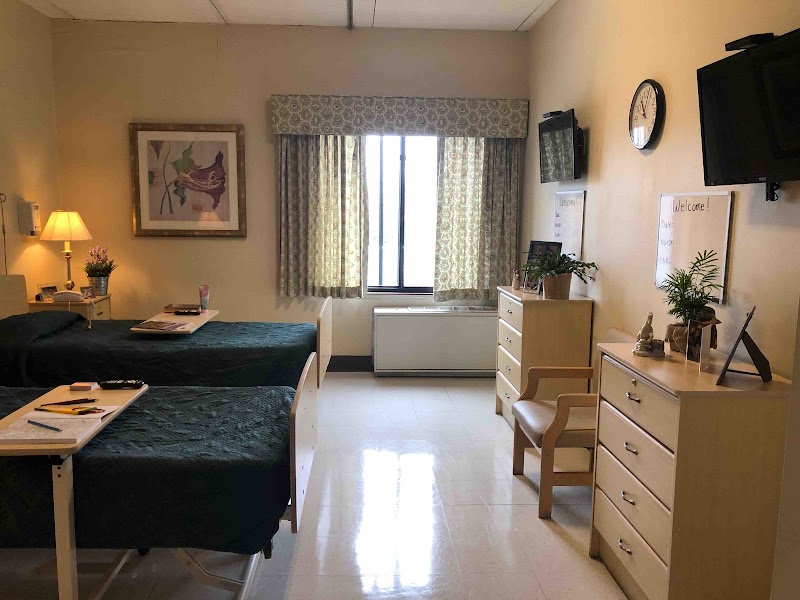
Who Owns and Operates Southbridge Rehabilitation & Health?

SOUTHBRIDGE REHABILITATION & HEALTH CARE CENTER is owned by a for-profit company. For-profit facilities operate as businesses with obligations to shareholders or private owners. The facility is operated by ATHENA HEALTHCARE SYSTEMS, a chain that manages multiple nursing homes. With 144 certified beds and approximately 135 residents (about 94% occupancy), it is a mid-sized facility located in SOUTHBRIDGE, Massachusetts.
How Does Southbridge Rehabilitation & Health Compare to Other Massachusetts Nursing Homes?

Compared to the 100 nursing homes in Massachusetts, SOUTHBRIDGE REHABILITATION & HEALTH CARE CENTER's overall rating (1 stars) is below the state average of 2.9, staff turnover (41%) is near the state average of 46%, and health inspection rating (2 stars) is below the national benchmark.

What Should Families Ask When Visiting Southbridge Rehabilitation & Health?

Based on this facility's data, families visiting should ask: "Can you walk me through typical staffing levels on day, evening, and night shifts?" "Can I visit during a mealtime to observe dining assistance and food quality?" "How do you handle medical emergencies, and what is your hospital transfer rate?" "Can I speak with family members of current residents about their experience?" These questions are particularly relevant given the below-average staffing rating.

Is Southbridge Rehabilitation & Health Safe?

Based on CMS inspection data, SOUTHBRIDGE REHABILITATION & HEALTH CARE CENTER has a clean safety record: no substantiated abuse findings (meaning no confirmed cases of resident harm), no Immediate Jeopardy citations (the most serious violation level indicating risk of serious injury or death), and is not on the Special Focus Facility watch list (a federal program monitoring the lowest-performing 1% of nursing homes). The facility has a 1-star overall rating and ranks #100 of 100 nursing homes in Massachusetts. While no facility is perfect, families should still ask about staff-to-resident ratios and recent inspection results during their visit.

Do Nurses at Southbridge Rehabilitation & Health Stick Around?

SOUTHBRIDGE REHABILITATION & HEALTH CARE CENTER has a staff turnover rate of 41%, which is about average for Massachusetts nursing homes (state average: 46%). Moderate turnover is common in nursing homes, but families should still ask about staff tenure and how the facility maintains care continuity when employees leave.

Was Southbridge Rehabilitation & Health Ever Fined?

SOUTHBRIDGE REHABILITATION & HEALTH CARE CENTER has been fined $14,675 across 1 penalty action. This is below the Massachusetts average of $33,226. While any fine indicates a compliance issue, fines under $50,000 are relatively common and typically reflect isolated problems that were subsequently corrected. Families should ask what specific issues led to these fines and confirm they've been resolved.

Is Southbridge Rehabilitation & Health on Any Federal Watch List?

SOUTHBRIDGE REHABILITATION & HEALTH CARE CENTER is not on any federal watch list. The most significant is the Special Focus Facility (SFF) program, which identifies the bottom 1% of nursing homes nationally based on persistent, serious quality problems. Not being on this list means the facility has avoided the pattern of deficiencies that triggers enhanced federal oversight. This is a positive indicator, though families should still review the facility's inspection history directly.