MARIAN MANOR OF TAUNTON


33 SUMMER STREET, TAUNTON, MA 02780 (508) 822-4885
Non profit - Corporation 116 Beds DIOCESAN HEALTH FACILITIES Data: November 2025
Trust Grade
55/100
#165 of 338 in MA
Last Inspection: March 2025

Within standard 12-15 month inspection cycle. Federal law requires annual inspections.

Overview

Marian Manor of Taunton has a Trust Grade of C, which means it is average, positioned in the middle of the pack. It ranks #165 out of 338 nursing homes in Massachusetts, placing it in the top half of facilities in the state, and #13 out of 27 in Bristol County, indicating that only a few local options are better. The facility's trend is improving, as they have reduced reported issues from seven in 2024 to five in 2025. Staffing is a strength, with a 4 out of 5-star rating and RN coverage that exceeds 94% of state facilities, although the turnover rate is 47%, which is average for Massachusetts. While there have been no financial fines, there were serious incidents, including a resident suffering a leg fracture after an elevator door closed on them and concerns about medication storage and the quality of food served to residents. Overall, Marian Manor has strengths in staffing and RN coverage but still faces challenges with safety and food quality.

Trust Score
C
55/100
In Massachusetts
#165/338
Top 48%
Safety Record
Moderate
Needs review
Inspections
Getting Better
7 → 5 violations
Staff Stability
⚠ Watch
47% turnover. Above average. Higher turnover means staff may not know residents' routines.
Penalties
✓ Good
No fines on record. Clean compliance history, better than most Massachusetts facilities.
Skilled Nurses
✓ Good
Each resident gets 65 minutes of Registered Nurse (RN) attention daily — more than 97% of Massachusetts nursing homes. RNs are the most trained staff who catch health problems before they become serious.
Violations
⚠ Watch
27 deficiencies on record. Higher than average. Multiple issues found across inspections.
★★★☆☆
3.0
Overall Rating
★★★★☆
4.0
Staff Levels
★☆☆☆☆
1.0
Care Quality
★★★★☆
4.0
Inspection Score
Stable
2024: 7 issues
2025: 5 issues

The Good

  • 4-Star Staffing Rating · Above-average nurse staffing levels
  • Full Sprinkler Coverage · Fire safety systems throughout facility
  • No fines on record

Facility shows strength in staffing levels, fire safety.

The Bad

3-Star Overall Rating

Near Massachusetts average (2.9)

Meets federal standards, typical of most facilities

Staff Turnover: 47%

Near Massachusetts avg (46%)

Higher turnover may affect care consistency

Chain: DIOCESAN HEALTH FACILITIES

Part of a multi-facility chain

Ask about local staffing decisions and management

The Ugly 27 deficiencies on record

1 actual harm
Aug 2025 1 deficiency 1 Harm
SERIOUS (G) 📢 Someone Reported This

A family member, employee, or ombudsman was alarmed enough to file a formal complaint

Actual Harm - a resident was hurt due to facility failures

Accident Prevention (Tag F0689)

A resident was harmed · This affected 1 resident

**NOTE- TERMS IN BRACKETS HAVE BEEN EDITED TO PROTECT CONFIDENTIALITY** Based on records reviewed and interviews, for one of three sampled residents, (Resident #1), the facility failed to ensure his/h...

Read full inspector narrative →
**NOTE- TERMS IN BRACKETS HAVE BEEN EDITED TO PROTECT CONFIDENTIALITY** Based on records reviewed and interviews, for one of three sampled residents, (Resident #1), the facility failed to ensure his/her environment was free of accident hazards as possible, when on 06/28/25, while activity staff were assisting residents onto the elevator after an activity, they did not lock the elevator, which would have kept the door in the open position, as Resident #1 entered the elevator the door began to close and hit him/her causing him/her to fall into the elevator. Resident #1 complained of severe left leg pain and was transported to the Hospital Emergency Department (ED) for evaluation. Resident #1 was diagnosed with a left intertrochanteric fracture (break in the upper part of the thigh bone (femur), was admitted and underwent surgical intervention to repair the fracture.Findings include:Review of the Facility Policy titled, Fall Prevention Program, dated October 2024, indicated the following:-each resident will be assessed for risk factors and predisposition for falling using the Facility Fall Risk Assessment Form;-residents who experience a fall will have a Fall Risk Assessment completed by the Nurse Manager/Supervisor or designee on duty at the time of the fall which includes a detailed nurse's note, an incident report and incident investigation follow-up;-the Nurse Manager/designee will review the fall prevention/incident interventions/staff educations with all staff;-physician and family members will be notified by the nurse on duty at the time a resident falls.Review of the Facility Policy tilted, Accidents and Incidents Investigation, undated, indicated the following:-begin an investigation: what happened to the resident, who was involved with the resident, how did this happen and how can we prevent this from happening again;-interview the resident, the caregivers, the recreation staff;-observe the environment where the resident was found;-assist the resident and staff with completion of statements;-review all statements and ensure all questions have been addressed;-director of nurses (DNS) reviews accidents and incidents;-DNS reviews if staff performed duties according to standard of practice;-DNS ensures there is a plan so that the problem will not continue to occur.Review of the Facility Policy titled, Formal Investigation Guidelines, dated March 2025, indicated the following:-incidents have many causes including unsafe conditions, unsafe acts such as not following procedures;Resident #1 was admitted to the Facility in October 2015, diagnoses included bipolar disorder, hypertension, major depressive disorder, anxiety, chronic kidney disease, hypothyroidism and cataracts.Review of Resident #1's Quarterly Minimum Data Set (MDS) Assessment, dated 04/15/25, indicated that he/she was alert, oriented and independent with ambulation.Review of the Report submitted by the Facility via the Health Care Facility Reporting System (HCFRS), dated 06/28/25, indicated that at 11:00 A.M, Resident #1 was ambulating into the first-floor elevator after activities, lost his/her balance and fell onto his/her left side in the doorway of the elevator. The Report indicated that the fall was witnessed by an activities staff member. The Report indicated that Resident #1 complained of left hip and leg pain, the Nurse Practitioner and Health Care Agent were notified, and he/she was transferred to the Hospital Emergency Department (ED) for evaluation. The Report indicated that Resident #1 was admitted to the hospital, was diagnosed with a left intertrochanteric fracture and had an Open Reduction Internal Fixation (ORIF, surgical procedure to repair broken bones with hardware) of his/her left hip.Review of Resident #1's Hospital Discharge summary, dated [DATE], indicated that Resident #1 presented to the ED after a fall at the nursing home. The Summary indicated that Resident #1 had a left intertrochanteric femur fracture resulting from the fall and underwent an ORIF surgical procedure. The Summary indicated that Resident #1 also had mild anemia secondary to the hip fracture and subsequent surgery.During a telephone interview on 08/19/24 at 11:25 A.M., Family Member #1 said that Resident #1 told him/her on 6/28/25 that while he/she was walking into the elevator, the elevator door closed and hit him/her, causing him/her to fall into the elevator. Family Member #1 said that no one from Facility Administration told him/her that the elevator door closing and hitting Resident #1 was the reason why Resident #1 fell. Review of Activity Assistant #1's Written Witness Statement, dated 06/28/25, indicated that at approximately 11:10 A.M., Resident #1 was walking into the elevator when he/she lost his/her balance and fell to the floor.During an interview on 08/19/25 at 12:00 P.M., Activity Assistant #1 said that on 6/28/25, as Resident #1 walked into the elevator, the elevator door started to close, hit Resident #1 on his/her right arm, he/she lost his/her balance and fell to the floor of the elevator onto his/her left side. Activity Assistant #1 said she was behind Resident #1 transporting another Resident into the elevator when Resident #1 walked into the elevator. Activity Assistant #1 said that she should have locked the elevator (door stays in the open position) while she was transporting residents into the elevator so the elevator door would not close. Activity Assistant #1 said, on the day of the incident, she did not lock the elevator so that the elevator door would not close. Review of the Nursing Supervisor's Written Witness Statement, dated 6/28/25, indicated that at approximately 11:10 A.M., she was called to the elevator on the first floor to assess a resident who had fallen in the elevator. The Statement indicated that upon assessment, Resident #1 was sitting upright in the doorway of the elevator leaning up against the left side of the elevator with his/her whole body aligned to the left side. The Statement indicated that Resident #1 complained of severe pain and grabbed onto his/her left lower extremity and upon assessment, his/her left lower extremity was slightly internally rotated. The Statement indicated that his/her Health Care Agent (HCA), the Nurse Practitioner (NP) and Emergency Medical Services (EMS) were notified, and Resident #1 was transferred to the ED for evaluation of his/her injuries.During an interview on 8/19/25 at 2:15 P.M., the Nursing Supervisor said that she was called to the first floor front elevator area because Resident #1 had fallen. The Nursing Supervisor said that upon arrival, Resident #1 was leaning on the left side of the elevator doorway/floor on his/her left side. The Nursing Supervisor said that Resident #1 complained of left hip pain and wanted to call his/her daughter. The Nursing Supervisor said that Resident #1 spoke to his/her daughter on the telephone in Spanish. The Nursing Supervisor said that she then spoke to Resident #1's daughter (who translated what Resident #1 had said) on the telephone and said that Resident #1's daughter told her that Resident #1 said that no one held the elevator door open, the elevator door closed and hit him/her causing him/her to fall while he/she was walking into the elevator.The Nursing Supervisor said that Activity Assistant #1 told her that Resident #1 was walking into the front elevator when the elevator door closed, hit him/her and caused him/her to fall onto the elevator floor. The Nursing Supervisor said that she notified the Director of Nurses of what Activity Assistant #1 and Resident #1's daughter told her had happened. The Nursing Supervisor said that the front elevator door was not in the locked position when the fall occurred and said that the elevator should always be in the locked position so that the elevator remains open while residents are being transported into or out of the elevator. During a telephone interview on 08/21/25, the Director of Therapeutic Activities said that she was on vacation when Resident #1 fell. The Director of Therapeutic Activities said that when she returned to work, the Administrator and Activity Assistant #1 told her that when Resident #1 walked into the front elevator, the elevator door hit him/her and caused him/her to fall into the elevator. The Director of Therapeutic Activities said that the elevator should be locked if there is a lengthy time that it needs to remain open to transport residents in and out of the elevator. The Director of Therapeutic Activities said that she was not aware of any written facility policy or procedure regarding locking the elevator during resident transport, but that staff knew they needed to lock the elevator.Review of an Elevator Invoice and Repair Document, dated 6/04/25, indicated that the front elevator was not level with basement floor and was shutdown. The Document indicated that the doors were found out of adjustment, doors were realigned and readjusted entire operation including clutch retraction, elevator was tested extensively and returned to service.Review of an Elevator Invoice and Repair Document, dated 6/24/25, indicated furnish and install new contactor. The Document indicated retro-fit new accelerating contactor in place of old unit, lengthened wires and rewired, elevator was tested extensively and returned to service.During an in-person interview on 08/19/25 at 2:00 P.M. and a subsequent telephone interview on 8/26/25 at 9:48 A.M., the Director of Facility Operations said that he was never informed by Administration or anyone that a fall had occurred in the front elevator. The Director of Facility Operations said he was unaware of any resident incidents involving the front elevator. The Director of Facility Operations said that the front elevator was repaired a few times in June 2025, once because the elevator was not level with the floor when it stopped and the second was due to the elevator door not closing and remaining in the open position.The Director of Facility Operations also said a relay was installed so that the elevator door would open if it sensed something was in the way. The Director of Facility Operations said that the elevator should be locked when residents are being transported on and off the elevator so that the elevator remains open and the elevator door does not close.During an interview on 08/19/25 at 3:20 P.M., the Director of Nursing (DON) said that she received a call from the Nursing Supervisor that Resident #1 had lost his/her balance while walking into the front elevator and fell. The DON said that she asked the Nursing Supervisor if there was anything wrong with the front elevator and said she was told by the Nursing Supervisor that there was nothing wrong with the front elevator. The DON said that she notified the Director of Facility Operations of the fall involving the front elevator.The DON said that Resident #1's Family Member told her that Resident #1 told him/her that the elevator door struck him/her and caused him/her to fall. The DON said that she was not informed by any staff member that the elevator door hit Resident #1 and caused him/her to fall and said that it was inconclusive if the elevator door hit Resident #1. The DON said she did not know if the elevator was locked at the time of the incident. The DON said that it was her expectation that the elevator be locked so that the elevator remains open and the elevator door does not close when residents are being transported on and off the elevator.During an interview on 08/19/25 at 3:55 P.M., the Administrator said that she was informed that Resident #1 fell in the front elevator and witness statements were obtained. The Administrator said that she was informed that Resident #1 walked into the elevator, lost his/her balance and fell in the elevator. The Administrator said that she did not know how Resident #1 fell, that she was not present during the fall. The Administrator said that it was her expectation that the elevator be locked so that the elevator remains open and the elevator door does not close when residents are being transported on and off the elevator. The Administrator said she did not know if the elevator door was locked during the 6/28/25 incident.
Mar 2025 4 deficiencies
CONCERN (D)

Potential for Harm - no one hurt, but risky conditions existed

Notification of Changes (Tag F0580)

Could have caused harm · This affected 1 resident

Based on record review and interview, the facility failed to ensure staff notified the Physician of medication recommendations for one Resident (#15), out of a sample of 15 residents. Specifically, th...

Read full inspector narrative →
Based on record review and interview, the facility failed to ensure staff notified the Physician of medication recommendations for one Resident (#15), out of a sample of 15 residents. Specifically, the facility failed to notify the Physician and/or Nurse Practitioner, in a timely manner, of the Psychiatric Nurse Practitioner (PNP)'s recommendations to increase Remeron (an antidepressant medication) dosage and implement a Gradual Dose Reduction (GDR) for Lexapro (an anti-anxiety medication), resulting in a 43-day delay in implementing the recommendations. Findings include: Resident #15 was admitted to the facility in June 2019 with diagnoses that included Alzheimer's disease, dementia, anxiety disorder, and major depressive disorder. Review of Resident #15's Psychiatric Nurse Practitioner (PNP) progress note/consult, dated 11/25/24, indicated but was not limited to the following: -Recommend GDR Lexapro (escitalopram). -Increase Remeron (mirtazapine) to decrease depression/enhance appetite. Review of Nurse Practitioner (NP) Encounter Notes, dated 12/11/24, 12/20/24, and 12/31/24, indicated but was not limited to: -Reviewed medications; escitalopram 10 mg (filled 6/29/22), escitalopram 5 mg (filled 9/1/24), mirtazapine 15 mg (filled 9/1/24). The NP's Encounter notes failed to address the PNP's recommendations to increase Remeron and implement a GDR of Lexapro made on 11/25/24. Review of a Physician's Encounter note, dated 12/18/24, indicated but was not limited to: -Reviewed medications; escitalopram 10mg (filled 6/29/22), escitalopram 5mg (filled 9/1/24), mirtazapine 15mg (filled 9/1/24). The Physician's Encounter note failed to address the PNP's recommendations to increase Remeron and implement a GDR of Lexapro made on 11/25/24. Review of the NP's Encounter note, dated 1/10/25, indicated but was not limited to: -Reviewed medications; escitalopram 10mg (filled 6/29/22), escitalopram 5mg (filled 9/1/24), mirtazapine 15mg (filled 9/1/24). -Assessment/Plan: Major depressive disorder, 1/7/25- Seen by Psych services and recommending GDR of Lexapro to 10mg and increase in Mirtazapine to 22.5mg. Order written and patient to be monitored for behavioral changes. Further review of the medical record failed to indicate that there were additional PNP notes after 11/25/24. Review of Resident #15's November 2024 through January 2025 Medication Administration Records (MARs) indicated he/she was administered the following medications as ordered: -Escitalopram oxalate, 5mg, 3 tabs once a day, (dated 9/6/23-1/7/25); -Escitalopram oxalate, 5mg, 2 tabs (=10mg) once a day, (dated 1/7/25 - open ended); -Mirtazapine, 15mg, at bedtime, dated (dated 6/15/23 - 1/7/25). -Mirtazapine, 15mg, administer three half tabs (22.5mg) at bedtime, dated (dated 1/8/25-1/10/25). -Mirtazapine, 45mg, administer 1 half tab (22.5mg) at bedtime, dated (dated 1/10/25-open ended). Review of Resident #15's current Physician's Orders indicated but were not limited to the following: -Escitalopram oxalate, 5mg, 2 tabs to equal 10mg, once a day, 1/7/25; -Mirtazapine, 45mg, 1 half tab (22.5mg), at bedtime, 1/10/25. During an interview on 3/10/25 at 9:33 A.M., Nurse #3 said the PNP sends recommendations electronically to the Director of Nursing (DON) or Unit Manager who then places recommendations into the Physician's and/or NP's folder for review. Nurse #3 reviewed Resident #15's 11/25/24 PNP's recommendations and medication orders and said there was a big gap in time between the recommendation and implementation of the orders for Remeron and Lexapro. Nurse #3 said the change in Unit Managers for that unit might have contributed to the lapse in communication. During an interview on 3/10/25 at 9:45 A.M., the DON said the PNP emails reports and recommendations to the DON, Administrator, and MDS nurse. The DON reviewed the PNP's 11/25/24 recommendations for Resident #15. The DON was unsure why there was a 43-day delay in implementing the PNP's recommendations for Remeron and Lexapro. During a telephonic interview on 3/10/25 at 11:55 A.M., the Physician said he expected the facility to notify him or the NP in a timely fashion of any consultant recommendations. During a telephonic interview on 3/10/25 at 12:13 P.M., the PNP said recommendations are emailed to the DON, Administrator, and supervisors, and the Assistant Administrator and Social Services also received the emails since there were no unit supervisors in place currently. The PNP said there are rarely any issues with sending these emails or the facility receiving them. The PNP said she could not recall specifically why her Remeron or Lexapro recommendations were implemented 43 days after the recommendations were made. During an interview on 3/10/25 at 3:00 P.M., the DON said she was able to locate the PNP's 11/25/24 recommendations in her email. The DON said the Unit Manager, who was no longer at the facility, was responsible for printing the recommendations from the email and placing them into the Physician's and NP's folders for review. The DON said she was unsure why there was such a delay in getting the recommendations to the Physician/NP. During a telephonic interview on 3/11/25 at 2:25 P.M., the NP said she receives consultant recommendations in her folder located on the units. The NP said she aims to address consultant recommendations in a timely manner and was unsure why she became aware of the PNP's 11/25/24 recommendations to increase Resident #15's Remeron and implement a GDR for his/her Lexapro in January. The NP said there was a new Unit Manager in place when the PNP made the recommendations which could have affected when the NP received the recommendations. The NP said she and the PNP have increased direct communication with each other to lessen notification delays.
CONCERN (D)

Potential for Harm - no one hurt, but risky conditions existed

Deficiency F0658 (Tag F0658)

Could have caused harm · This affected 1 resident

**NOTE- TERMS IN BRACKETS HAVE BEEN EDITED TO PROTECT CONFIDENTIALITY** Based on observations, interviews, and records reviewed for two Residents (#19 and #48) of 15 sampled residents, the facility fa...

Read full inspector narrative →
**NOTE- TERMS IN BRACKETS HAVE BEEN EDITED TO PROTECT CONFIDENTIALITY** Based on observations, interviews, and records reviewed for two Residents (#19 and #48) of 15 sampled residents, the facility failed to ensure care was provided to residents in accordance with professional standards of practice. Specifically, the facility failed: 1. For Resident #19, to ensure a prescriber's order for Dycem (a thin, rubberlike material known for its non-slip material, used to reduce the likelihood of sliding or shifting) to wheelchair was implemented to prevent falls; and 2. For Resident #48, to follow the prescriber's orders for 1:1 (one to one) assistance and encouragement with meals. Findings include: Review of [NAME], Manual of Nursing Practice 11th edition, dated 2019, indicated the following: -The professional nurse's scope of practice is defined and outlined by the State Board of Nursing that governs practice. Review of the Massachusetts Board of Registration in Nursing Advisory Ruling on Nursing Practice, dated as revised April 11, 2018, indicated the following: -Nurse's Responsibility and Accountability: Licensed nurses accept, verify, transcribe, and implement orders from duly authorized prescriber that are received by a variety of methods (i.e., written, verbal/telephone, standing orders/protocols, pre-printed order sets, electronic) in emergent and non-emergent situations. Licensed nurses in a management role must ensure an infrastructure is in place, consistent with current standards of care, to minimize error. 1. Resident #19 was admitted to the facility in April 2019 with diagnoses including chronic pain syndrome and diabetes mellitus. Review of the Minimum Data Set (MDS) assessment, dated 1/22/25, indicated Resident #19 was cognitively intact as evidenced by a Brief Interview for Mental Status (BIMS) score of 15 out of 15. Further review of the MDS assessment indicated he/she had two or more falls without injury since the previous MDS assessment. Review of Resident #19's current Physician's Orders indicated but was not limited to: -Dycem to wheelchair at all times, check placement every shift, dated 11/19/24 Review of Resident #19's care plans indicated he/she was at high risk for falls due to impaired mobility and medication use. Further review of his/her care plans indicated interventions to prevent falls which included: -Please ensure I have dysem [sic] on my wheelchair (I remove the dysem [sic] from my chair when I want to), dated 11/21/24 Review of the Medication Administration Record (MAR) for 1/15/25 and 1/16/25 the order for Resident #19's Dycem was signed off every shift indicating the Dycem had been in place. Review of Resident #19's progress note, dated 1/16/25 and created by Nurse #1, indicated but was not limited to: -At approximately 7:45 P.M., Resident #19 was observed sitting in front of his/her wheelchair, stating that he/she slipped out of the chair because the Dycem had been stolen from his/her room. -Dycem was applied to the wheelchair after he/she was observed on the floor. During an interview on 3/6/25 at 12:29 P.M., Nurse #2 said Resident #19 had multiple falls and the interventions to prevent further falls were listed on his/her MAR to inform the nurses of his/her safety precautions. Nurse #2 said one of Resident #19's interventions included Dycem to his/her wheelchair. During a telephonic interview on 3/6/25 at 11:52 A.M., Nurse #1 said she was the Nurse assigned to Resident #19 on 1/16/25 when he/she sustained a fall. Nurse #1 said Resident #19 told her the Dycem was missing from his/her wheelchair and when she checked the wheelchair the Dycem was not in place. Nurse #1 said she tried to contact the rehabilitation department to get more Dycem for Resident #19, but nobody was there and she was unable to get more Dycem at that time. Nurse #1 said later in the shift, Resident #19 fell from his/her wheelchair. During an interview on 3/10/25 at 8:35 A.M., Resident #19 said the day he/she fell from their wheelchair, the facility staff was aware the Dycem was missing because he/she had told them it was missing from his/her wheelchair. Resident #19 said the Dycem had been missing for a day or so. During an interview on 3/6/25 at 4:08 P.M., Nurse #5 said when Resident #19 fell on 1/16/25 at approximately 7:45 P.M., she did not see the Dycem on the wheelchair. During an interview on 3/10/25 at 11:01 A.M., the Director of Nurses (DON) said Resident #19 had several falls and often would refuse interventions and would remove the Dycem from his/her wheelchair at times. The DON said that if the management team was made aware that the Dycem was not in place on 1/16/25, they would have ensured that it was reapplied to promote safety and prevent falls. 2. Resident #48 was admitted to the facility in April 2022 with diagnoses including adult failure to thrive, malnutrition and legal blindness. Review of the MDS assessment, dated 12/18/24, indicated Resident #48 had moderate cognitive impairment as evidenced by a BIMS score of 12 out of 15. Further review of the MDS assessment indicated he/she received setup or clean-up assistance when eating. Review of Resident #48's current Physician's Orders included but was not limited to: -Please provide 1:1 assist and encouragement with meals, dated 11/6/24 Review of Resident #48's nursing progress note, dated 11/4/24, indicated nursing assisted the resident with dinner and he/she ate 100% of soup, drank 100% of his/her milkshake, ate pie that his/her son had provided and a chocolate candy bar. Further review of the progress note indicated that Resident #48 was typically just a set-up for meals but would benefit from 1:1 feeding. Review of Resident #48's Provider Encounter Note, dated 11/6/24, indicated but was not limited to: -Review of Systems: Patient would benefit from 1:1 assistance with meals -Assessment/Plan: Adult failure to thrive syndrome: Will request 1:1 assistance at meals as he/she eats better when he/she is assisted -Discussion Notes: Nursing reporting he/she does better with meals with assistance and encouragement. Will request that he/she be provided with 1:1 assist at meals Review of Resident #48's Provider Encounter Note, dated 12/6/24, indicated but was not limited to: -Review of Systems: Patient would benefit from 1:1 assistance at meals. Now receiving assistance for meals -Assessment/Plan: Discussed on-going need for assistance at meals with nursing. Son concerned that he/she had been eating well and is now not eating. On the following dates and times of survey, the surveyor observed Resident #48 alone in his/her room eating a meal: -3/4/25 at 8:45 A.M. -3/5/25 at 12:12 P.M. -3/6/25 at 8:28 A.M. -3/6/25 at 12:26 P.M., and -3/10/25 at 8:32 A.M. Review of the March 2025 Medication Administration Record (MAR) indicated but was not limited to: -On March 4th, 5th, and 6th, the nursing staff had signed the order acknowledging Resident #48 had required 1:1 assistance and encouragement with meals. During an interview on 3/6/25 at 2:12 P.M., Certified Nursing Assistant (CNA) #1 said Resident #48 required set-up assistance for meals and to be oriented to his/her tray because he/she was legally blind. CNA #1 said Resident #48 did not receive 1:1 assistance with meals. During an interview on 3/6/25 at 12:31 P.M., Nurse #2 said Resident #48 was a very picky eater and his/her intake depended on his/her mood. Nurse #2 said Resident #48 needed set-up assistance and to be told where everything on his/her plate was because he/she was legally blind, but he/she did not need 1:1 assistance with meals. During an interview on 3/6/25 at 1:49 P.M., Nurse #4 said the Nurse Practitioner wrote the order for 1:1 assistance and encouragement with meals because Resident #48's intake would be improved. During an interview on 3/6/25 at 2:04 P.M., Nurse Practitioner #1 said she wrote the order for Resident #48 to have 1:1 encouragement and assistance with meals because he/she was losing weight and does much better with encouragement. Nurse Practitioner #1 said she spoke with nursing at the time who said when said when Resident #48 was assisted with meals he/she would consume most of their meal. During an interview on 3/10/25 at 11:01 A.M., the Director of Nurses (DON) said the order for 1:1 assistance with meals for Resident #48 was not initiated because he/she was at risk for aspiration, but because he/she was legally blind. The DON said that staff would orient the resident to his/her tray and he/she was able to feed himself/herself.
CONCERN (D)

Potential for Harm - no one hurt, but risky conditions existed

Deficiency F0868 (Tag F0868)

Could have caused harm · This affected 1 resident

Based on interview and document review, the facility failed to maintain a Quality Assurance and Performance Improvement (QAPI) Committee which included the required members at their meetings. Specific...

Read full inspector narrative →
Based on interview and document review, the facility failed to maintain a Quality Assurance and Performance Improvement (QAPI) Committee which included the required members at their meetings. Specifically, the facility Medical Director and Director of Nurses (DON) each failed to attend one of five Quarterly QAPI meetings reviewed. Findings include: Review of the facility's policy titled Quality Assurance on Performance Improvement (QAPI) Program, dated as revised 4/2024, indicated but was not limited to: -A facility must maintain a Quality Assessment and Assurance provision at 42 CFR, Part 483.75 (0) Quality Assessment and Assurance: 1. A facility must maintain a Quality Assessment and Assurance Committee consisting of: (i) the Director of Nursing Services; (ii) A physician designated by the facility; and (iii) At least 3 other members of facility's staff Review of the facility's QAPI Attendee sign-in sheets for January 2024 indicated the Medical Director was not in attendance. Review of the facility's QAPI Attendee sign-in sheets for July 2024 indicated the DON was not in attendance. During an interview on 3/10/25 at 1:59 P.M., the Administrator reviewed the January and July 2024 QAPI attendance sheets and said that the Medical Director was not present for the January 2024 QAPI meeting and must have been on vacation and the DON was not present for the July 2024 QAPI meeting and may have been on vacation at that time.
MINOR (B)

Minor Issue - procedural, no safety impact

Assessment Accuracy (Tag F0641)

Minor procedural issue · This affected multiple residents

Based on record review and interview, the facility failed to ensure the Minimum Data Set (MDS) assessment was complete and accurate to reflect the status of one Resident (#27), out of a sample of 15 r...

Read full inspector narrative →
Based on record review and interview, the facility failed to ensure the Minimum Data Set (MDS) assessment was complete and accurate to reflect the status of one Resident (#27), out of a sample of 15 residents. Specifically, the facility failed: a. To ensure an MDS was accurately coded for a fall with major injury, and b. To ensure the use of a bed alarm was accurately coded on all MDS assessments. Findings include: The facility's policy titled Policy and Procedures within the Nursing Documentation Department for MDS, revised 12/2024, indicated but was not limited to the following: -The RAI (Resident Assessment Instrument) manual is our policy and procedure manual for MDS. Review of the Centers for Medicare & Medicaid Services (CMS) Long-Term Care Facility Resident Assessment Instrument 3.0 User's Manual, dated 10/2024, indicated but was not limited to the following: 1) J1800: Any Falls Since Admission/Entry or Reentry or Prior Assessment (OBRA (Omnibus Budget Reconciliation Act) or Scheduled PPS (Prospective Payment System)), whichever is more recent -If this is not the first assessment/entry or reentry, the review period is from the day after the ARD (Assessment Reference Date) of the last MDS assessment to the ARD of the current assessment. -Code 0, no: if the resident has not had any fall since the last assessment. -Code 1, yes: if the resident has fallen since the last assessment. Continue to Number of Falls Since Admission/Entry or Reentry or Prior Assessment (OBRA or Scheduled PPS) item (J1900), whichever is more recent. 2) P0200: Alarms -An alarm is any physical or electronic device that monitors resident movement and alerts the staff, by either audible or inaudible means, when movement is detected, and may include bed, chair and floor sensor pads, cords that clip to the resident's clothing, motion sensors, door alarms, or elopement/wandering devices. -Code 0, not used: if the device was not used during the 7-day look-back period. -Code 1, used less than daily: if the device was used less than daily. -Code 2, used daily: if the device was used on a daily basis during the look-back period. a. Resident #27 was admitted to the facility in July 2024 with diagnoses including dementia and traumatic subdural hemorrhage (bleeding in the space around the brain after a head injury. Review of Resident #27's medical record indicated that the Resident sustained a fall on 12/21/24. The Resident required transfer to the hospital for further evaluation. Imaging completed at the hospital indicated the Resident had age-indeterminate right fifth and seventh rib fractures and likely acute compression fractures of the thoracic spine (T1 through T3). The facility reported the fall with injury to the Massachusetts Department of Public Health via the Health Care Facility Reporting System (HCFRS). Review of the most recent MDS assessment, dated 1/22/25, indicated but was not limited to the following: -Section J - Health Conditions J1800. Has the resident had any falls since admission or the prior assessment (OBRA or PPS), whichever is more recent? No During an interview on 3/10/25 at 12:46 P.M., the MDS Nurse said that Resident #27's medical record did indicate the Resident sustained a fall on 12/21/24. The MDS Nurse said that the fall with major injury should have been coded on the Resident's 1/22/25 MDS assessment but was not. b. Review of Resident #27's current Physician's Orders indicated but was not limited to the following: -Alarms: *Bed Alarm* Ensure alarm is on and functioning every shift (order date 7/30/24) Review of Resident #27's Care Plan indicated but was not limited to the following: Problem: Resident is at risk for falls due to: decreased mobility I fell on 7/29/24 trying to put my slippers on and did not call for assistance Approach: Evaluate need for bed alarm was applied after my fall 7/29/24. Please ensure it is in place and working correctly (approach start date 7/29/24) Review of Section P (Restraints) of the Resident #27's MDS assessments, dated 8/4/24, 11/1/24, and 1/22/25, indicated that a bed alarm was not used. During an interview on 3/10/25 at 11:38 A.M., Nurse #3 said that Resident #27 utilizes bed and chair alarms as part of his/her fall prevention care plan. During an interview on 3/10/25 at 12:34 P.M., the Director of Nurses said that Resident #27 utilizes bed and chair alarms. During an interview on 3/10/25 at 12:46 P.M., the MDS Nurse said that Resident #27 had an order in place for a bed alarm since July 2024 and the alarm should have been coded on the Resident's 8/4/24, 11/1/24, and 1/22/25 MDS assessments.
Jan 2024 7 deficiencies
CONCERN (D)

Potential for Harm - no one hurt, but risky conditions existed

Safe Environment (Tag F0584)

Could have caused harm · This affected 1 resident

Based on observation and interview, the facility failed to ensure residents in one of four dining rooms experienced a comfortable and homelike dining experience. Findings include: During dining obse...

Read full inspector narrative →
Based on observation and interview, the facility failed to ensure residents in one of four dining rooms experienced a comfortable and homelike dining experience. Findings include: During dining observations made on 1/11/24 and 1/12/24, the surveyors observed the following in the dining areas: On 1/11/24 at 8:41 A.M., the surveyor observed five residents seated in wheelchairs in the third-floor dining room. - Two residents were seated at a table facing the wall and a television, which was tuned into a news station. - Two residents were seated at a table on the opposite side of the room, facing the wall. - One resident was seated at a table in the middle of the room, facing out towards the window. - All residents were seated with their backs to each other. - All meals were served on trays to all the residents. - One staff member was observed to be checking their cell phone when the surveyor entered the dining room. On 1/11/24 at 12:05 P.M., the surveyor observed nine residents seated in wheelchairs in the third-floor dining room. - Two residents were seated at a table facing the wall and a television, which was tuned into a news station. - Two residents were seated at a table on the opposite side of the room, facing towards the wall, with lunch meals served on trays - Three residents were seated at a table in the middle of the room. One resident was facing out toward the window with the lunch meal served on the tray. One resident was facing out toward the room and was assisted by a staff member to eat the lunch meal. One resident was facing out toward the room without a lunch meal in place. - Two residents were seated at a table behind the door, facing the wall without lunch meals in place. During an interview on 1/11/24 at 12:06 P.M., Certified Nurse Aide (CNA) #2 said the two residents seated behind the door had lunch meals which arrived on the second food truck. CNA #2 said the staff tried to separate residents in the dining room who required assistance with feeding so not all trays arrived on the unit at the same time. On 1/11/24 at 12:25 P.M., the surveyor observed the main dining room. -There were residents seated at five tables with glass tops and tablecloths. - All residents were served lunch by staff from the steam table, all meals were removed from trays and plates were placed in front of all residents. - All residents were seated around the table, facing each other. - Staff were observed walking throughout the dining room, assisting residents as needed. - The dining room was observed to be nicely decorated with pleasant music playing in the background. On 1/12/24 at 11:57 A.M., the surveyor observed six residents seated in wheelchairs in the third-floor dining room. - Two residents were seated at a table facing the wall and a television, which was tuned into a news station. One resident was eating lunch, while the other resident waited for their lunch. - One resident was seated at the table behind the door without a lunch meal. - One resident was seated at the table in the middle of the room and was being assisted by a staff member to eat the lunch meal. - Two residents were seated at the table on the opposite side of the room, facing towards the wall without lunch meals. During an interview on 1/12/24 at 12:32 P.M., the Staff Development Educator said the dining environment in the third-floor dining room was not homelike as several residents were without lunch trays as other residents ate their lunch. The Staff Development Educator said the third floor Unit Manager recently left the position which attributed to the current dining experience for the residents. During an interview on 1/18/24 at 3:15 P.M., the Administrator was made aware of the surveyor's observations of the dining experience provided to the residents. The Administrator said all residents should be provided with a homelike, comfortable, and dignified experience.
CONCERN (D)

Potential for Harm - no one hurt, but risky conditions existed

Comprehensive Care Plan (Tag F0656)

Could have caused harm · This affected 1 resident

Based on record review, policy review, and staff interview, the facility failed to develop a comprehensive person-centered care plan for two Residents (#22 and #55), out of a total sample of 19 reside...

Read full inspector narrative →
Based on record review, policy review, and staff interview, the facility failed to develop a comprehensive person-centered care plan for two Residents (#22 and #55), out of a total sample of 19 residents. Specifically, the facility failed: 1. For Resident #22, to ensure staff developed a care plan for the Resident's use of an external catheter device (condom catheter) (urinary collection device with a tube that goes to a collection bag); and 2. For Resident #55, to ensure staff developed a care plan that addressed a cancerous lesion on the Resident's left forearm. Findings include: Review of the facility's policy titled Comprehensive Care Plan, revised July 2023, indicated but was not limited to the following: -All homes will develop and implement a comprehensive person-centered care plan for each resident, consistent with the resident right that includes measurable objectives and timeframes to meet a resident's medical, nursing, and mental and psychosocial needs that are identified in the comprehensive assessment. -The comprehensive care plan must describe the services that are to be furnished to attain or maintain the resident's highest practical physical, mental, and psychosocial well-being as required. -A comprehensive care plan must be reviewed and revised by the interdisciplinary team after each assessment, including both the comprehensive and quarterly review assessment. 1. Resident #22 was admitted to the facility in July 2023 with diagnoses including urinary retention, benign prostatic hypertension (prostate gland enlargement that can cause urination difficulty), chronic kidney disease, urinary tract infection, and left ureteral stent placement in 2020. Review of the Minimum Data Set (MDS) assessment, dated 10/10/23, indicated Resident #22 had moderate cognitive impairment as evidenced by a Brief Interview for Mental Status (BIMS) score of 10 out of 15 and had an indwelling catheter device (a soft tube that is inserted into the bladder to drain the urine). Review of Physician's Orders indicated the following: -Apply condom catheter at bedtime once a day at 19:00 (7:00 P.M.), 12/8/23 -Condom catheter applied daily at 7:00 P.M., to remain on 24 hours daily, changed daily at 7:00 P.M., 1/4/24 Review of the January 2024 Medication Administration Record (MAR) indicated Resident #22's condom catheter was applied at 7:00 P.M. for 15 out of 15 days. Review of Resident #22's comprehensive care plans failed to include any documented evidence that the facility developed a care plan which addressed the Resident's current use of a condom catheter along with measurable objectives and timeframes to meet the Resident's needs. During an interview on 1/17/24 at 3:23 P.M., the surveyor reviewed the medical record with Nurse #5 who said Resident #22 used to have a Foley catheter but now has a condom catheter. She said there was no care plan in place for the use of the condom catheter but there should be. During an interview on 1/18/24 at 8:45 A.M., Unit Manager (UM) #1 said the order for the condom catheter was placed on 12/8/23 and should have been care planned by now but wasn't. During an interview on 1/18/24 at 1:20 P.M., the Director of Nursing (DON) said there wasn't a care plan developed for the condom catheter but should have been and the UM was ultimately responsible for initiating it. 2. Resident #55 was admitted to the facility in December 2022 and had diagnoses including malignant neoplasm of bronchus or lung, secondary neoplasm of the lung, and malignant neoplasm of the pancreas. Review of Resident #55's Physician's Progress Note, dated 12/27/22, indicated Resident #55 had a suspicious lesion on his/her left forearm and had a dermatology appointment scheduled. Review of the MDS assessment, dated 10/4/23, indicated Resident #55 had moderate cognitive impairment as evidenced by a BIMS score of 12 out of 15. During an observation with interview on 1/11/24 at 12:26 P.M., the surveyor observed a large oval, crusted, discolored, and raised area on the Resident's left forearm approximately 4 inches in length x 3 inches wide. The lesion was uncovered and open to air. Resident #55 said the area was a sore and had been there a while, about a year. Review of Physician's Orders indicated the following: -Left upper extremity normal saline wash, pat dry followed by bacitracin twice a day, 9/28/23 Review of a Skin Note, dated 12/25/23, indicated Resident #55 had a dried, cancerous area to the left forearm. Review of Resident #55's comprehensive care plans failed to include any documented evidence that the facility developed a care plan which addressed the lesion on the Resident's left forearm along with measurable objectives and timeframes to meet the Resident's needs. During an interview on 1/17/24 at 3:18 P.M., Nurse #5 said Resident #55 had a cancerous tumor on his/her left forearm and was receiving wound treatments. During an interview on 1/18/24 at 12:03 P.M, the surveyor reviewed Resident #55's medical record with UM #1 who said there wasn't a care plan for the Resident's lesion but there should be. She said the care plan would have included the problem identified, goals, interventions, and how they would evaluate or assess outcomes. During an interview on 1/18/24 at 1:14 P.M., the DON said the lesion should have been care planned but was not.
CONCERN (E)

Potential for Harm - no one hurt, but risky conditions existed

Deficiency F0761 (Tag F0761)

Could have caused harm · This affected multiple residents

**NOTE- TERMS IN BRACKETS HAVE BEEN EDITED TO PROTECT CONFIDENTIALITY** Based on observation, interview, and policy review, the facility failed to ensure staff stored and properly labeled all drugs an...

Read full inspector narrative →
**NOTE- TERMS IN BRACKETS HAVE BEEN EDITED TO PROTECT CONFIDENTIALITY** Based on observation, interview, and policy review, the facility failed to ensure staff stored and properly labeled all drugs and biologicals in accordance with accepted professional standards of practice. Specifically, the facility failed to: 1. Ensure staff properly labeled all drugs and biologicals stored in 2 of 4 medication carts once opened; and 2. Ensure staff safely and securely stored all medications in 1 of 2 medication storage rooms and 2 of 4 medication carts. Findings include: Review of the facility's policy titled Medication Storage in the Facility, revised [DATE], indicated but was not limited to the following: -Medication rooms, carts, and medication supplies are locked when not in use or in direct view of persons with authorized access. -All medications dispensed by the pharmacy are stored in the container with the pharmacy label. -Certain medications or package types, such as multiple dose injectable vials, ophthalmics, once opened, require an expiration date shorter than the manufacturer's expiration date to ensure medication purity and potency. -When the original seal of a manufacturer's container or vial is initially broken, the container or vial will be dated. The nurse shall place a date opened sticker on the medication (if dedicated area not on label/container and enter the date opened and the new date of expiration). The expiration date of the vial or container will be 30 days unless the manufacturer recommends another date or regulations/guidelines require different dating (see Appendix 5-Medications with Shortened Expiration Dates). Review of the facility's policy titled, Medications with Shortened Expiration Dates, revised [DATE], indicated but was not limited to the following: -Lantus Solostar (insulin glargine) (injection that helps manage blood sugar levels) pen, 28 days from open or out of refrigerator -Novolog (insulin aspart) (injection used to treat diabetes) flexpen, 28 days from open or out of refrigerator -Fluticasone Propionate HFA (nasal spray used to relieve seasonal and year-round allergic and non-allergic nasal symptoms), 12 months from open -Refresh eye drops (soothes and relieves eyes from dryness), 90 days from open 1a. 2nd Floor Medication Cart, A-Side On [DATE] at 8:04 A.M., the surveyor reviewed the 2nd floor medication cart, A-Side, with Nurse #3 and observed the following: One Lantus Solostar kwik pen, 100 units (U)/milliliter (ml) -seal broken indicating it had been used, not in packaging container -not labeled with the minimum including the medication name (generic and/or brand), prescribed dose, strength, the resident's name, and route of administration along with appropriate instructions and precautions -not labeled with the date opened or shortened expiration date One bottle of Refresh liquigel lubricant eye drops, 0.5 fluid (f) ounces (oz.), 15 ml, inside the packaging box -packaging box opened; bottle's seal broken -packaging box and bottle not labeled with the date opened or shortened expiration date During an interview on [DATE] at 8:04 A.M., Nurse #3 said the Lantus Solostar pen had been used for a resident but was not labeled. She said although it was in a compartment assigned to a specific resident's room number, she could not be sure that it was the resident's if it did not have a pharmacy label on it. Nurse #3 said it should have been labeled with the resident's name, dose, date opened, and the date when it expires. She said she could not be sure but thought it expired 28 days after opening. Nurse #3 also said the Refresh eye drops had been used for a resident and should have been labeled with the date when opened and the expiration date. She said she wasn't sure but thought it was good for 30 days. b. 3rd Floor Medication Cart, A-Side On [DATE] at 8:58 A.M., the surveyor reviewed the 3rd floor medication cart, A-Side, with Nurse #2 and observed the following: One bottle of Refresh liquigel lubricant eye drops, 0.5 fluid oz., 15 ml, inside the packaging box -packaging box opened; bottle's seal broken -packaging box and bottle not labeled with the date opened or shortened expiration date One Novolog flexpen -seal broken, not in packaging container -not labeled with the date when opened or shortened expiration date Two bottles of Fluticasone Propionate HFA nasal spray, 50 micrograms -not labeled with the dates when opened or shortened expiration dates During an interview on [DATE] at 8:58 A.M., Nurse #2 said the medications had all been used and should have been labeled with the dates when opened and new expiration dates. She said the Refresh eye drops and Novolog flex pen were only good for 28 days after opening and the nasal spray was good for 60 days after opening. 2a. On [DATE] at 2:07 P.M. and 3:16 P.M., the surveyor observed the 3rd floor medication room door unlocked, opened, and unattended by staff. No staff were in direct view of the medication room. b. On [DATE] at 8:18 A.M., the surveyor observed the top drawer of the 2nd floor medication cart, B-Side, to be slightly open. No staff were present or in direct sight of the cart. The surveyor was able to open the top drawer of the medication cart where various over the counter medications were stored. The remaining drawers were in the locked position. Nurse #13 approached the cart approximately one minute later. During an interview on [DATE] at 8:22 A.M., Nurse #13 said she was assigned to the cart and said it was locked that she knew of, but maybe the top drawer wasn't closed all the way prior to the cart being locked. Nurse #13 said regardless, all the drawers should have been locked when unattended. c. On [DATE] at 11:50 A.M., the surveyor observed a medication cart parked on the backside of the 2nd floor unit unlocked and unattended, which resulted in the surveyor having access to the medication cart contents. At 11:51 A.M., the surveyor observed Nurse #1 exit from the rest room near the medication cart and walk past the medication cart into the dining room. Nurse #1 returned to the medication cart for a bottle of hand sanitizer which was on the top of the cart for another staff member, and then left the area. The medication cart remained unlocked and unattended. At 11:52 A.M., Staff Member #1 walked on to the unit and stood near the medication cart with the surveyor. At 11:55 A.M., Unit Manager #1 walked up to the medication cart and locked the cart. During an interview on [DATE] at 11:56 A.M., Unit Manager #1 said when the medication cart was not in use, the cart should be brought to the front of the unit where it could be observed and supervised at all times. Unit Manager #1 said the medication cart should always be locked when not in attendance by a nurse. During an interview on [DATE] at 11:58 A.M., Nurse #1 said the medication cart should always be locked. During an interview on [DATE] at 9:58 A.M., the Director of Nursing (DON) said once medications are opened, staff need to label them with the date when opened and the expiration date. She said multiuse medications including insulins, eye drops, and nasal sprays all had shortened expirations with the purpose being for stabilization of the medications and they would only be good for a certain time. She said the Lantus Solostar pen would only be good for 28 days and should have had a pharmacy label on it, the Refresh eye drops were only good for 90 days after opening, and the Fluticasone nasal spray was good for 12 months after opening. She said the expectation was for staff to label the outside of the packaging box as well as the contents inside, but it's been a constant battle with staff to do this. The DON said the medication carts and medication storage rooms should be locked when unattended and, even if there's mechanical failure, it was still up to the nurses to ensure safe and secure storage.
CONCERN (E)

Potential for Harm - no one hurt, but risky conditions existed

Deficiency F0804 (Tag F0804)

Could have caused harm · This affected multiple residents

Based on observation, interview, and test tray results, the facility failed to provide food that was palatable, attractive, and at a safe and appetizing temperature. Specifically, multiple residents v...

Read full inspector narrative →
Based on observation, interview, and test tray results, the facility failed to provide food that was palatable, attractive, and at a safe and appetizing temperature. Specifically, multiple residents voiced concerns regarding the quality and temperatures of the food provided by the facility. Findings include: During the initial tour of the 3rd floor unit on 1/11/24 at 10:30 A.M., multiple residents voiced complaints regarding the palatability of their meals as follows: -Resident #11 described the food as Iffy and not to his/her satisfaction. -Resident #50 said that the Food leaves little to be desired. -Resident #19 complained that the food is not always warm. -Resident #36 said the food's cold. -Resident #41 said The food is not always warm. That's my only complaint. During an interview on 1/10/24 at 4:42 P.M., the Ombudsman said that he frequently received complaints from residents regarding the temperatures and the quality of the food. During the Resident Group Meeting on 1/12/24 at 1:33 P.M., attended by 17 residents, many of the residents voiced complaints that the food was not great, sometimes terrible, and the flavor of the food was not always appealing. On 1/16/24, on the 3rd floor, the surveyor conducted a test tray of the lunch meal. At 12:09 P.M., the test tray was placed in the food truck and transported to the 3rd floor. At 12:23 P.M., the test tray (last tray) was removed from the food truck and immediately tested by the surveyor and the Food Service Supervisor (FSS). The test tray results were as follows: -Balsamic chicken-100 degrees Fahrenheit (F), tepid and dry to taste. -Mixed vegetables-120 degrees F, lukewarm and acceptable to taste -Rice-100 degrees F, tepid and bland to taste. -Milk-50 degrees F, cool to taste (not cold). During an interview on 1/16/24 at 12:30 P.M., the FSS said that the test tray temperatures/palatability should have been warmer and more appealing. On 1/17/24, on the 3rd floor, the surveyor conducted a test tray of the breakfast meal. At 8:12 A.M., the test tray was placed in the food truck and left the kitchen. The truck arrived on the 3rd floor at 8:15 A.M. At 8:33 A.M., the test tray (last tray) was removed from the food truck and immediately tested by the surveyor and FSS. The test tray results were as follows: -Scrambled eggs- 109 degrees F, tepid and bland to taste. -Sausage-109 degrees F, tepid to taste, taste satisfactory -Cream of wheat-117 degrees F, lukewarm and acceptable to taste -Orange juice-48 degrees F, cool to taste (not cold) -Milk-50 degrees F, cool to taste (not cold) -Coffee-142 degrees F, hot to taste During an interview on 1/17/24 at 8:40 A.M., the FSS said that the test tray temperatures and palatability of the meal were not acceptable. She said that the delay in staff distributing the meal trays to residents timely contributed to the unsatisfactory meal temperatures/palatability of the meal.
CONCERN (E)

Potential for Harm - no one hurt, but risky conditions existed

Infection Control (Tag F0880)

Could have caused harm · This affected multiple residents

2. On 1/16/24 at 7:54 A.M., the surveyor observed Nurse #4 preparing medications for a resident. Nurse #4 tore open the plastic medication packet to access the contents inside and, while doing so, one...

Read full inspector narrative →
2. On 1/16/24 at 7:54 A.M., the surveyor observed Nurse #4 preparing medications for a resident. Nurse #4 tore open the plastic medication packet to access the contents inside and, while doing so, one medication tablet fell out of the packet and onto the top of her medication cart. Nurse #4 used the outer surface of the packet to pick up the tablet. She then placed it into a medication cup and administered it to the resident. During an interview on 1/16/24 at 8:17 A.M., Nurse #4 said she should have disposed of the medication tablet and gotten a new one to avoid potential cross-contamination from the outer packaging and/or top of her medication cart. During an interview on 1/17/24 at 9:00 A.M., the Infection Preventionist (IP) said Nurse #4 should have used a paper towel on the top of her medication cart because the facility was using a new pharmacy with a whole new process and pills could drop out of the medication packets. She said because of this, staff should use a napkin or something on top of the cart in case that happens. The IP said Nurse #4 should not have used the outside surface of the packaging and should have worn gloves. She said she could not guarantee the top of the medication cart was disinfected prior and that's why nurses should use the paper towel per the pharmacy's suggestion. During an interview on 1/17/24 at 9:54 A.M., the Director of Nursing (DON) said if pills fall out of the medication packets and onto the top of the medication cart they should be discarded, and another tablet obtained. Based on observation, interview, and policy review, the facility failed to ensure staff maintained an infection control program designed to provide a safe and sanitary environment to help prevent the development and potential spread of infections. Specifically, the facility failed to: 1. Ensure staff properly performed hand washing during COVID-19 testing to prevent the potential spread of infection; and 2. Ensure staff prepared and administered medications in a safe and sanitary manner. Findings include: 1. Review of the facility's Anterior Nasal Swab Collection Competency Skills, undated, indicated but was not limited to the following: - Disinfect the surface where you will open the collection. Remove and lay out content of the kit. - Wash hands with soap and water. If soap and water are not available, use hand sanitizer. - Remove the swab from the package. Do not touch the soft end with your hands or anything else. - Insert the entire soft end of the swab into your nostril no more ¾ of an inch into your nose. - Slowly rotate the swab, gently pressing against the inside of your nostril at least four times for a total of 15 seconds. Get as much nasal discharge as possible on the soft end of the swab. - Using the same swab, repeat the steps in the other nostril with the same end of the swab. - Insert the swab into bottom hole and firmly push upwards so that the swab tip is visible in the top hole. - Rotate swab shaft three times to the right. Do not remove swab. - Peel off adhesive liner from the right edge of the test card. Read the result in the window 15 minutes after closing. - Appropriately wash with soap and water or use hand sanitizer if soap and water is not available, when done. On 1/12/24 from 7:04 A.M. to 8:00 A.M., the surveyor observed four nurses and seven Certified Nursing Assistants (CNA) fail to perform hand hygiene before and after self-Binax-Now testing for COVID-19. The surveyor observed that Staff #1, recording the results, did not perform hand hygiene after touching the dirty testing cards. On 1/12/24 from 2:45 P.M. to 3:16 P.M., the surveyor observed four nurses, and nine CNAs fail to perform hand hygiene before and after self- Binax-Now testing for COVID-19. The surveyor observed that Staff #1, recording the results, did not perform hand hygiene after touching the dirty testing cards. On 1/16/24 from 2:45 P.M. to 3:16P.M., the surveyor observed three nurses and seven CNAs fail to perform hand hygiene after self- Binax-Now testing for COVID-19. On 1/16/24 from 4:08 P.M. to 4:28 P.M., the surveyor observed one CNA and three dietary aides fail to perform hand hygiene before and after self- Binax-Now testing for COVID-19. During an interview on 1/17/24 at 10:39 A.M., the infection control preventionist said upon arrival to the front lobby, staff are to perform hand hygiene, apply mask, sign in, then perform the self- Binax-Now testing. She said her expectation is that staff should not be handling contaminated Binax-Now cards without sanitizing their hands and/or wearing gloves. She said the policy is to wash your hands before and after testing, and after discarding the dirty Binax-Now cards.
MINOR (B)

Minor Issue - procedural, no safety impact

Transfer Notice (Tag F0623)

Minor procedural issue · This affected multiple residents

Based on record review, policy review, and interview, the facility failed to ensure written notice for transfer and discharge was provided to the Resident and/or Resident Representative prior to hospi...

Read full inspector narrative →
Based on record review, policy review, and interview, the facility failed to ensure written notice for transfer and discharge was provided to the Resident and/or Resident Representative prior to hospital transfer for one Resident (#32), out of a total sample of 19 residents. Findings include: Review of the facility's policy titled 30 Day Notice of Intent to Transfer or Discharge Resident and Discharges, revised 07/15, indicated the following: -The transfer or discharge is necessary to meet the resident's welfare, and the resident's welfare cannot be met in the facility as documented by the resident's physician. Review of the medical record indicated Resident #32 was admitted to the facility in April 2023 with diagnoses which included anemia, cerebral infarction (stroke), type two diabetes mellitus, and chronic obstructive pulmonary disease. Review of the most recent Minimum Data Set (MDS) assessment, dated 1/17/24, indicated Resident #32 was severely cognitively impaired as evidenced by a Brief Interview for Mental Status (BIMS) score of 6 out of 15. Review of the electronic medical record census history indicated Resident #32 was transferred to the Hospital Emergency as followed: 6/27/23 change in condition exhibiting signs and symptoms of congested lung sounds; 11/27/23 Resident displayed signs and symptoms of abdominal pain while at a GI appointment and was transferred to an acute care hospital for an evaluation; and 12/26/23 Resident's weekly laboratory (hemoglobin) results were abnormal, new order obtained to transfer to an acute care hospital for evaluation and possible admission. Further review of the medical record failed to indicate a Notice of Transfer/Discharge was issued for each transfer to Resident #32 or his/her Representative. During an interview on 1/18/24 at 12:37 P.M., Unit Manager #1 said the Notice of Transfer/Discharge should be done when a resident is sent to the hospital and in this case, they were not done.
MINOR (B)

Minor Issue - procedural, no safety impact

Deficiency F0625 (Tag F0625)

Minor procedural issue · This affected multiple residents

Based on policy review, record review, and interview, the facility failed to provide written notification of the bed hold policy to the Resident and/or Resident Representative prior to transfer to the...

Read full inspector narrative →
Based on policy review, record review, and interview, the facility failed to provide written notification of the bed hold policy to the Resident and/or Resident Representative prior to transfer to the hospital for one Resident (#32), out of a total sample of 19 residents. Findings include: Review of the facility's policy titled Bed Hold and Notice, undated, indicated but was not limited to: - Residents on Medicaid are entitled when they are transferred to a hospital or for medical leave of absence. - During this period, the resident is permitted to return and resume residence in the facility. Resident #32 was admitted to the facility in April 2023 with diagnoses which included anemia, cerebral infarction, type two diabetes mellitus, and chronic obstructive pulmonary disease. Review of the electronic medical record census history indicated Resident #32 was transferred to the Hospital Emergency as followed: 6/27/23 change in condition displayed signs and symptoms of congested lung sounds, 11/24/23 medical leave of absence (MLOA) admitted to the hospital after planned paracentesis; 11/27/23 Resident displayed signs and symptoms of abdominal pain while at a GI appointment and was transferred to an acute care hospital for an evaluation; and 12/26/23 Resident's weekly laboratory (hemoglobin) results were abnormal, new order obtained to transfer to an acute care hospital for evaluation and possible admission. During an interview on 1/18/24 at 12:37 P.M., Unit Manager #1 said nurses should know about the process of bed hold. Unit Manager #1 said the bed hold policy and notice were not done in this case. During an interview on 01/18/24 at 2:13 P.M., the Social Worker said nurses are responsible for completing a bed hold. The Social Worker said the bed holds were not done for Resident #32. During an interview on 01/18/24 at 3:24 P.M., the Director of Nurses said she was not aware the bed holds were not provided to Resident #32 and/or their Resident Representative.
Sept 2023 1 deficiency
CONCERN (D) 📢 Someone Reported This

A family member, employee, or ombudsman was alarmed enough to file a formal complaint

Potential for Harm - no one hurt, but risky conditions existed

Abuse Prevention Policies (Tag F0607)

Could have caused harm · This affected 1 resident

Based on interviews and records reviewed, for two of three sampled residents (Residents #1 and #2) the Facility failed to ensure staff consistently implemented the Facility Abuse Prohibition Policy wh...

Read full inspector narrative →
Based on interviews and records reviewed, for two of three sampled residents (Residents #1 and #2) the Facility failed to ensure staff consistently implemented the Facility Abuse Prohibition Policy when Nurse #2 observed a potentially sexually inappropriate interaction between the two residents, and did not immediately separated them. On 9/15/23, Nurse #2 saw Resident #1 in Resident #2's room, standing at Resident #2's bedside holding up Resident #2's leg. Resident #2 who was in bed, was not wearing an incontinence brief, and the lower half of his/her body was not covered by a sheet or a blanket, therefore leaving him/her exposed. Nurse #2 did not immediately separate Resident #1 and Resident #2, in accordance with Facility Policy, and did not attempt to remove Resident #1 from Resident #2's room at that time, but instead went to the nurses station and asked Nurse #1 for help, therefore leaving Resident #2 at risk for potential for abuse. Findings include: The Facility Abuse Prohibition Policy and Procedure, undated, indicated that residents would be immediately protected from alleged abuse. Review of Resident #1's most recent Minimum Data Set Assessment, dated 7/18/23, indicated his/her memory skills were intact. Review of Resident #2's most recent Minimum Data Set Assessment, dated 8/08/23, indicated his/her memory skills were impaired. Review of the report submitted by the Facility via the Health Care Facility Reporting System, dated 9/15/23, indicated the Charge Nurse (Nurse #2) reported she walked by Resident #2's room and observed Resident #1 (who was in his/her wheelchair) sitting close to Resident #2, who was lying in bed. The Report indicated Resident #1 was observed holding up Resident #2's leg, and Resident #2's brief was off and laying on the bed. The Report indicated that when Resident #1 was asked what he/she was doing, that he/she replied I know I was wrong but I did not have sex with him/her, I was kissing him/her goodbye, and that Resident #1 then started to cry. The Report further indicated that Resident #1 was immediately removed from the room. However, further review of the HCFRS report and documentation submitted by the facility as part of their internal investigation, which included written witness statements from the Charge Nurse (Nurse #2 ) and Nurse #1, who worked the evening shift on 9/15/32, indicated there was conflicting information regarding the facility's report that the residents were immediately separated. Review of Nurse #2's (who was the Charge Nurse that evening) written Witness Statement, dated 9/15/23, indicated she was walking in the hallway by Resident #2's room and saw Resident #1 sitting in his/her wheelchair close to Resident #2, who was in bed. The Statement indicated Resident #2 was on his/her back with no covers on and his/her incontinent brief was in the bed. The Statement indicated she (Nurse #2) saw Resident #1 holding Resident #2's leg up in the air. The Statement further indicated that she (Nurse #2) was very upset and went to get the other nurse (Nurse #1) and when they (Nurse #2 and #1) arrived at Resident #2's room, Resident #1 was wheeling him/herself out of the room and was crying. Review of Nurse #1's written Witness Statement, dated 9/15/23, indicated that Nurse #2 came to her (Nurse #1) and stated words to the effect of, come see what I just saw. The Statement indicated that she (Nurse #1) immediately went with the other nurse (Nurse #2) to Resident #2's room, and that Resident #1 was wheeling him/herself out of the room and was crying. During an interview on 10/17/23 at 3:15 P.M., Nurse #2 said that on 9/15/23, (during the 3:00 P.M. to 11:00 P.M. shift) when she walked passed Resident #2's room she saw Resident #1 at Resident #2's bedside, close to the bed. Nurse #2 said that Resident #2 was in bed on his/her back, he/she was dressed in a house gown (johnny) with nothing (no sheet or blanket) else covering him/her and he/she was not wearing an incontinence brief. Nurse #2 said that Resident #1 was holding Resident #2's leg (had his/her hands on Resident #2's lower leg) and was lifting Resident #2's leg off the mattress. Nurse #2 said that she asked Resident #1 what he/she was doing and that Resident #1 said words to the effect of he/she was kissing Resident #2 goodnight. Nurse #2 said she left Resident #2's room (leaving Resident #1 in Resident #2's room) and went to get Nurse #1. During an interview on 10/12/23 at 3:50 P.M., Nurse #1 said that on 9/15/23 at approximately 8:10 P.M. Nurse #2 approached her at the nurses station and asked for her help. Nurse #1 said that she followed Nurse #2 to Resident #2's room and observed Resident #1 exiting Resident #2's room. Nurse #1 said that Resident #2 was attempting to get out of bed and that she noted Resident #2's incontinence brief was laying on his/her bed. Review of the Facility's Floor Plan for the third floor Unit where Residents #1 and #2 resided indicated that the Unit consisted of two parallel corridors with a hallway between them where the nurses station was located. The Floor Plan indicated that Resident #2's room was at the far end of one of the corridors. The Floor Plan indicated that the path from Resident #2's room to the nurses station required walking past two other resident rooms, turning right and passing the elevator, the elevator lobby and the activity room, before reaching the nurses station. During an interview on 10/17/23 at 11:30 A.M., the Director of Facility Operations said that the approximate distance between Resident #2's room and the nurses station was 73 feet. During an interview with the Director of Nurses (DON) on 10/17/23 at 12:15 P.M., said the expectation of staff is that they implement and follow the facility abuse policy. The DON said that on 9/15/23, she interviewed Nurse #2 about the incident in which Resident #1 was at Resident #2's bedside. The Director of Nurses said that Nurse #2 told her that after finding Resident #1 at Resident #2's bedside, she separated them. However this was inconsistent with the Nurse #2's and Nurse #1's written witness statement and interviews, during which they both indicated that instead of immediately separating Resident #1 and Resident #2, Nurse #2 went to the nursing station and asked Nurse #1 for help, and they went Resident #2's room together.
Feb 2022 14 deficiencies
CONCERN (D)

Potential for Harm - no one hurt, but risky conditions existed

Abuse Prevention Policies (Tag F0607)

Could have caused harm · This affected 1 resident

Based on policy review, record review, and interview, the facility failed to ensure staff implemented the facility policy by not thoroughly investigating and reporting a bruise of unknown origin to th...

Read full inspector narrative →
Based on policy review, record review, and interview, the facility failed to ensure staff implemented the facility policy by not thoroughly investigating and reporting a bruise of unknown origin to the Department of Public Health (DPH) for one Resident (#11), out of a total sample of 15 residents. Findings include: Review of the facility's Abuse Prohibition Policy & Procedure, undated, and Incident Reporting Policy and Procedure, undated, included but were not limited to: It is the policy of the Diocesan Health Facilities that abuse prohibition is comprehensively enforced, as defined Freedom from Abuse, Neglect, and Exploitation (42 Code of Federal Regulations 483.12) - Report all alleged injuries of unknown source to all pertinent agencies as required and take all necessary corrective actions as defined in Freedom from Abuse, Neglect, and Exploitation. An injury should be classified as an injury of unknown source when the source of the injury was not observed by any person, or the source of the injury could not be explained by the resident; and the injury is suspicious because of the extent of the injury or the location of the injury (not generally vulnerable to trauma). -All Resident injuries of unknown origin must be investigated according to DPH policy. Resident #11 was admitted to the facility in August 2021 with diagnoses including Alzheimer's dementia. Review of the Minimum Data Set (MDS) assessment, dated 11/26/21, indicated Resident #11 had severe cognitive impairment as evidenced by a Brief Interview for Mental Status score of 1 out of 15. Review of a Resident Incident Report, dated 1/8/22, indicated a bruise to Resident #11's right eyelid was identified by a Certified Nursing Assistant (CNA). The investigation included two statements from CNAs that were on the unit; one of which indicated that nurses on the unit had been aware of the area to the Resident's right eyelid. The investigation failed to include any nursing statements. Review of the Health Care Facility Reporting System (a web-based system that health care facilities must use to report incidents and allegations of abuse, neglect, and misappropriation) on 2/18/22 at 2:30 P.M., failed to indicate the bruise of unknown origin to Resident #11's right eyelid was reported to DPH as required. During an interview on 2/23/22 at 2:36 P.M., the Assistant Director of Nursing (ADON) and the surveyor reviewed the incident report. The ADON said the bruise of unknown origin identified on Resident #11's right eyelid on 1/8/22 was not thoroughly investigated and not reported to DPH according to facility policy.
CONCERN (D)

Potential for Harm - no one hurt, but risky conditions existed

Report Alleged Abuse (Tag F0609)

Could have caused harm · This affected 1 resident

Based on policy review, record review, and interview, the facility failed to ensure staff reported a bruise of unknown origin within two hours to the Department of Public Health (DPH) for one Resident...

Read full inspector narrative →
Based on policy review, record review, and interview, the facility failed to ensure staff reported a bruise of unknown origin within two hours to the Department of Public Health (DPH) for one Resident (#11), out of a total sample of 15 residents. Findings include: Review of the facility's Abuse Prohibition Policy & Procedure, undated, and Incident Reporting Policy and Procedure, undated, included but were not limited to: It is the policy of the Diocesan Health Facilities that abuse prohibition is comprehensively enforced, as defined Freedom from Abuse, Neglect, and Exploitation (42 Code of Federal Regulations 483.12) - Report all alleged injuries of unknown source to all pertinent agencies as required as defined in Freedom from Abuse, Neglect, and Exploitation. An injury should be classified as an injury of unknown source when the source of the injury was not observed by any person, or the source of the injury could not be explained by the resident; and the injury is suspicious because of the extent of the injury or the location of the injury (not generally vulnerable to trauma). Resident #11 was admitted to the facility in August 2021 with diagnoses including Alzheimer's dementia. Review of the Minimum Data Set (MDS) assessment, dated 11/26/21, indicated Resident #11 has severe cognitive impairment as evidenced by a Brief Interview for Mental Status score of 1 out of 15. Review of a Resident Incident Report, dated 1/8/22, indicated a bruise to Resident #11's right eyelid was identified by a Certified Nursing Assistant (CNA). Review of the Health Care Facility Reporting System (a web-based system that health care facilities must use to report incidents and allegations of abuse, neglect, and misappropriation) on 2/18/22 at 2:30 P.M., failed to indicate that the bruise of unknown origin to Resident #11's right eyelid was reported to DPH as required. During an interview on 2/23/22 at 2:36 P.M., the Assistant Director of Nursing (ADON) and the surveyor reviewed the incident report. The ADON said the bruise of unknown origin identified on Resident #11's right eyelid on 1/8/22 was not reported to DPH according to facility policy and regulation.
CONCERN (D)

Potential for Harm - no one hurt, but risky conditions existed

Investigate Abuse (Tag F0610)

Could have caused harm · This affected 1 resident

Based on policy review, record review, and interview, the facility failed to ensure staff thoroughly investigated a bruise of unknown origin for one Resident (#11), out of a total sample of 15 residen...

Read full inspector narrative →
Based on policy review, record review, and interview, the facility failed to ensure staff thoroughly investigated a bruise of unknown origin for one Resident (#11), out of a total sample of 15 residents. Findings include: Review of the facility's Abuse Prohibition Policy & Procedure, undated, and Incident Reporting Policy and Procedure, undated, included but was not limited to: It is the policy of the Diocesan Health Facilities that abuse prohibition is comprehensively enforced, as defined Freedom from Abuse, Neglect, and Exploitation (42 Code of Federal Regulations 483.12) -All Resident injuries of unknown origin must be investigated according to DPH policy. Resident #11 was admitted to the facility in August 2021 with diagnoses including Alzheimer's dementia. Review of the Minimum Data Set (MDS) assessment, dated 11/26/21, indicated Resident #11 has severe cognitive impairment as evidenced by a Brief Interview for Mental Status score of 1 out of 15. Review of a Resident Incident Report, dated 1/8/22, indicated a bruise to Resident #11's right eyelid was identified by a Certified Nursing Assistant (CNA). The investigation included two statements from CNAs that were on the unit; one of which indicated that nurses on the unit had been aware of the area to the Resident's right eyelid. The investigation failed to include any nursing statements. During an interview on 2/23/22 at 2:36 P.M., the Assistant Director of Nursing (ADON) and the surveyor reviewed the incident report. The ADON said the investigation of the bruise of unknown origin identified on Resident #11's right eyelid was not thoroughly investigated and should have included statements from the nurses on the unit.
CONCERN (D)

Potential for Harm - no one hurt, but risky conditions existed

Comprehensive Care Plan (Tag F0656)

Could have caused harm · This affected 1 resident

Based on observation, interview, and record review, the facility failed to ensure that staff developed and/ or implemented a comprehensive, person-centered care plan for two Residents (#47, #34), out ...

Read full inspector narrative →
Based on observation, interview, and record review, the facility failed to ensure that staff developed and/ or implemented a comprehensive, person-centered care plan for two Residents (#47, #34), out of a total sample of 15 residents. Specifically, the facility failed 1.) For Resident #47, to develop a care plan to address the care and treatment of a urinary tract infection (UTI); and 2.) For Resident #34, to implement the care plan by failing to provide continuous supervision during all meals, per the physician's order. Findings include: 1.) Resident #47 was admitted to the facility in April 2021. The Resident was currently diagnosed as having a UTI. Review of the most recent Minimum Data Set (MDS) assessment, dated 1/21/22, indicated the Resident had a Brief Interview for Mental Status (BIMS) score of 7 out of 15, indicating the Resident has severe cognitive impairment. Further review of the MDS indicated the Resident was frequently incontinent of urine. Review of the medical record indicated Resident #47 had a Physician's Order, dated 2/20/22, for Amoxicillin (antibiotic) 500 milligrams twice a day, for the care and treatment of a UTI. Review of Resident #47's interdisciplinary care plans indicated there was no documented evidence that the facility developed a care plan that addressed the care and treatment of a UTI. During an interview on 2/22/22 at 3:15 P.M., the Assistant Director of Nurses (ADON) said that a care plan should have been developed for the care and treatment of the UTI. 2.) Resident #34 was admitted to the facility in June 2019 with diagnoses that included dementia, legal blindness, and dysphagia. Review of the recent Minimum Data Set (MDS) assessment, dated 12/20/21, indicated Resident #34 scored a 14 out of 15 on his/her Brief Interview for Mental Status (BIMS), indicating he/she was cognitively intact; was visually impaired and required extensive assistance in most of his/her activities of daily living. During an interview on 2/16/22 at 10:00 A.M., Resident #34 said the staff brought his/her meals to the room and left it on the tray table, and then the staff would return later and take the tray away. The surveyor observed Resident #34 in bed with his/her breakfast tray. Resident #34 had food spilled on his/her chest, on the bed linens and two dishes were overturned. Review of the current Physician's Orders specified the Resident was to be provided supervision with all meals. Review of Resident #34's Aspiration and Choking Care Plan, dated 6/30/21 and revised on 12/29/21, indicated the Resident required continuous supervision for all meals. On 2/17/22 at 8:40 A.M. and at 12:41 P.M., and on 2/23/22 at 12:40 P.M., the surveyor observed Resident #34 alone in his/her room and eating his/her meals. The surveyor did not observe the facility staff provide continuous supervision as outlined in his/her plan of care. During an interview on 2/23/22 at 1:00 P.M., Nurse #7 said the Resident was not and has not been provided continuous supervision during meals.
CONCERN (D)

Potential for Harm - no one hurt, but risky conditions existed

Accident Prevention (Tag F0689)

Could have caused harm · This affected 1 resident

**NOTE- TERMS IN BRACKETS HAVE BEEN EDITED TO PROTECT CONFIDENTIALITY** Based on observation, record review, and interviews, the facility failed to ensure staff provided residents an environment free ...

Read full inspector narrative →
**NOTE- TERMS IN BRACKETS HAVE BEEN EDITED TO PROTECT CONFIDENTIALITY** Based on observation, record review, and interviews, the facility failed to ensure staff provided residents an environment free from accident hazards on one of two units, and for two Residents (#11 and #51), out of a total sample of 15 residents. Specifically, the facility 1. Failed to secure hazardous items left out in residents' rooms that were easily accessible to wandering residents on Unit 2; and failed to provide adequate supervision and implement new safety measures for hazardous items at the unit's nursing station after Resident #11 learned to bypass the locked screen; and 2. Failed to implement interventions identified in fall investigations to prevent future falls for Resident #51. Findings include: 1. Resident #11 was admitted to the facility in August 2021 with diagnoses including Alzheimer's dementia. Review of the Minimum Data Set (MDS) assessment, dated 11/26/21, indicated Resident #11 has severe cognitive impairment as evidenced by a Brief Interview for Mental Status score of 1 out of 15. Review of the medical record indicated on 10/18/21, Resident #11 was found by facility staff to have ingested Noxzema cleansing cream. Review of the incident investigation indicated the facility would keep his/her environment free of all toxic items. On 2/22/22 at 9:35 A.M., the surveyor, while seated at the nursing station on Unit 2, observed Resident #11 approach the nursing station and remove a locked retractable screen that blocked the entrance to the nursing station. The Resident wandered behind the nursing desk and rummaged through items on the desk. The surveyor observed a screwdriver, bottles of hand sanitizer, and Clorox Germicidal Bleach Wipes on the desk. The surveyor alerted Certified Nursing Assistant (CNA) #2 who redirected the Resident out from behind the nursing station. CNA #2 said that Resident #11 figured out how to unlock the safety screen a while ago and has observed him/her unlock it several times. On 2/23/22 at 10:26 A.M., the surveyor observed the following items in resident rooms (doors were open) unsecured, and easily accessible to wandering residents: -room [ROOM NUMBER]- 1 can of shaving cream, 1 bottle of deodorant, 1 bottle of Nuvel Body Lotion -room [ROOM NUMBER]: bottle of moisture lotion on bureau -room [ROOM NUMBER]: Febreze air freshener spray on bureau -room [ROOM NUMBER]: bottle of mouthwash -room [ROOM NUMBER]: large bottle of Vaseline body lotion -room [ROOM NUMBER]: pair of scissors During an interview on 2/23/22 at 1:25 P.M., Nurse #2 said that Resident #11 knows how to release the locked screen and goes behind the nursing station regularly. Nurse #1 said hazardous items should not be out and accessible to Resident #11. 2. Resident #51 was admitted to the facility in January 2020 with diagnoses including difficulty walking and a history of falls. Review of the Minimum Data Set assessment, dated 1/12/22, indicated Resident #51 had severe cognitive impairment as evidenced by a Brief Interview for Mental Status score of 3 out of 15, and had one fall since the prior assessment. Review of the medical record indicated Resident #51 had a fall on 9/21/21. The incident report and investigation indicated the Resident slid out of a recliner chair in his/her room and fell onto the floor. New interventions included application of gripper strips in front of the recliner. Further review of the medical record indicated that Resident #51 had a fall out of bed on 10/21/21. Staff found the Resident on the floor at the bedside. New interventions included application of a bed alarm. The Resident had another fall out of bed on 10/22/21. The investigation indicated that the bed alarm intervention was not in place. On 2/16/22 at 12:27 P.M., the surveyor observed Resident #51 sitting in his/her bed. A gray cord was observed dangling from the Resident's mattress and was lying on the floor. The cord had a connector piece at the end and was not connected to anything. A large recliner was noted across from the Resident's bed. There were no gripper strips applied to the floor in front of the recliner. On 2/17/22 at 8:31 A.M., 10:21 A.M., and 1:38 P.M., the surveyor observed Resident #51 lying in bed. A gray cord was observed dangling from the Resident's mattress and was lying on the floor. There were no gripper strips applied to the floor in front of the recliner. On 2/18/22 at 10:00 A.M., the surveyor observed Resident #51 lying in bed. A gray cord was observed dangling from the Resident's mattress and was lying on the floor. There were no gripper strips applied to the floor in front of the recliner. On 2/18/22 at 11:00 A.M., the surveyor observed a gray cord attached to a white alarm box placed on the Resident's bed. None of the three indicator lights on the alarm box were illuminated. There were no gripper strips applied to the floor in front of the recliner. During an interview on 2/18/22 at 11:06 A.M., Nurse #7 and the surveyor inspected the alarm box. Nurse #7 removed the back cover from the box and said that there were no batteries in it, and the alarm was not functional. Nurse #7 said maintenance did not apply gripper strips to the floor in front of the Resident's recliner.
CONCERN (D)

Potential for Harm - no one hurt, but risky conditions existed

Incontinence Care (Tag F0690)

Could have caused harm · This affected 1 resident

Based on record review, observation, and staff interviews, the facility a.) Failed to ensure a resident entering the facility with a urinary catheter had a clinical condition documenting that cathete...

Read full inspector narrative →
Based on record review, observation, and staff interviews, the facility a.) Failed to ensure a resident entering the facility with a urinary catheter had a clinical condition documenting that catheterization was necessary; and b.) Failed to provide care and services required to prevent urinary tract infections for one Resident (#49), out of a total of 15 sampled residents. Findings include: Resident #49 was admitted to the facility in May 2021 with diagnoses which included End Stage Renal Failure and diabetes. Review of the Minimum Data Set (MDS) assessment, dated 11/20/21, indicated a Brief Interview for Mental Status (BIMS) score of 15 out of 15, indicating the Resident was cognitively intact. The MDS indicated the Resident was continent of bowel and had a urinary catheter. a.) Review of the Bowel and Bladder assessment, dated 5/16/21 and 5/20/21, indicated the urinary catheter was inserted during Resident #49's hospitalization and prior to his/her admission to the facility. The assessment indicated the catheter had been inserted for comfort. The Resident's bladder history indicated prior to his/her hospitalization, he/she was continent of his/her bladder and had been able to recognize and respond to bladder urges. Review of the Urinary Catheter Care Plan, initiated on 5/20/21 and last revised on 11/20/21, indicated the Resident had a urinary catheter, placed at the hospital for comfort. The goal stated the Resident did not want urinary infections. The interventions included catheter care, assess the resident for symptoms of infection, prescribe medications for infection and comfort, encourage fluids. Record review failed to indicate a clinical condition was identified for the ongoing use of a urinary catheter. There were no additional assessments following the 5/20/21 assessment and no treatment plans or interventions developed. During an interview on 2/22/22 at 2:50 P.M., Unit Manager (UM) #1 said the urinary catheter was for comfort. She said she did not know if there was a clinical condition. Nurse #1 was asked by UM #1 about the protocol for urinary catheter use. Nurse #1 said there needed to be a medical reason and ongoing assessments. Nurse #1 and UM #1 were unable to identify the reason for the ongoing use of the urinary catheter or additional assessment. b.) According to the Agency for Healthcare Research and Quality (AHRQ), drainage bags should be kept below the level of the bladder and off the floor at all times to avoid the risk of infection (March 2017). On 2/16/22 at 10:00 A.M., the surveyor observed Resident #49 seated in a chair in his/her room. The Resident's catheter continuous drainage (CD) bag was attached to a walker and the bag sat directly on the floor. On 2/17/22 at 9:13 A.M. and at 12:41 P.M., the Resident's CD bag was attached to a walker and the CD bag sat directly on the floor. On 2/22/22 at 2:15 P.M. and on 2/23/22 at 9:00 A.M. and at 12:30 P.M., the Resident's CD bag was attached to a walker and sat directly on the floor. Review of the Nurse's Note, dated 2/22/22, indicated the physician ordered a urinalysis (lab test) to rule out a urinary tract infection. During an interview on 2/22/22 at 2:50 P.M., UM #1 said the CD bag should not be placed directly on the floor for infection control reasons. She said she was unaware the Resident was being assessed for a urinary tract infection, as there was no current physician's order. UM #1 said she would look into it, but provided no additional information. During an interview on 2/23/22 at 1:30 P.M., the Assistant Director of Nurses said residents should be clinically assessed for catheters and there should be documentation for the use of the catheter in the medical record. She said CD bags should be placed in a protective bag and should be placed below resident's bladder and not on the floor, but off the floor.
CONCERN (D)

Potential for Harm - no one hurt, but risky conditions existed

Deficiency F0742 (Tag F0742)

Could have caused harm · This affected 1 resident

2. Resident #15 was admitted to the facility in February 2021 with diagnoses including dementia. On 9/20/21, the Resident's physician determined he/she had sustained loss of his/her capacity to make ...

Read full inspector narrative →
2. Resident #15 was admitted to the facility in February 2021 with diagnoses including dementia. On 9/20/21, the Resident's physician determined he/she had sustained loss of his/her capacity to make health care decisions and the health care proxy was invoked. Review of the Minimum Data Set (MDS) assessment, dated 12/1/21, indicated Resident #15 has severe cognitive impairment as evidenced by a score of 6 out of 15 on the Brief Interview for Mental Status. The MDS indicated the Resident displays inattention, is easily distracted, and has difficulty keeping track of what is being said to him/her. During an interview on 2/16/22 at 10:11 A.M., Resident #15 was pleasant and confused. The Resident was unable to say how long he/she had resided at the facility, or why he/she was there. During an interview on 2/18/22 at 11:50 A.M., Resident #15 had no recollection of meeting the surveyor two days prior. The Resident spoke about having children, but he/she was unable to remember their names. Review of the medical record indicated the following Physician's Orders: -Evaluate and treat: Pinnacle Health management for 90 days and re-evaluate -Continue 1:1 psychotherapy once every two weeks for 12 weeks Review of the medical record indicated an 8/19/21 treatment plan (unsigned) that indicated Resident #15 was being seen for anxiety, depression, and adjustment issues. Interventions identified by the therapist included but was not limited to: -Will teach Resident four coping strategies and distraction strategies to use to decrease anxiety when feeling anxious. Progress will be monitored and documented. -Will instruct Resident how to find one to two new ways to take good memories into the future while letting go of the emotion of the pain and depressed mood. Goals of treatment included but were not limited to: -Long term goal: The Resident will report complete alleviation of depressed mood and anxiety. -Short term goal: The Resident will learn and practice four coping and distraction strategies to use when anxious/depressed to help decrease anxiety/depression; the Resident will find one to two new ways to take the good memories into the future while letting go of the emotion of the pain; and the Resident will be able to identify and explain personalized causes of depression. Review of the medical record indicated Psychiatric Therapist's progress notes, dated 9/23/21, 9/30/21, 10/7/21, 10/14/21, 11/4/21, and 11/13/21. There were no other psychotherapy notes in the medical record. The therapist failed to acknowledge the Physician's determination that Resident #15 was incompetent to make health care decisions on 9/20/21 and re-evaluate the Resident's ability to participate in psychotherapy. In addition, none of the therapist's progress notes included documentation of monitoring the Resident's progress toward either short term or long term goals utilizing coping strategies outlined on the treatment plan. Review of Interdisciplinary Care Plans failed to indicate a plan of care was developed to address any of Resident #15's psychosocial needs including anxiety, depression, and adjustment issues. During an interview on 2/22/22 at 4:15 P.M., the Social Worker said the consultant Psychiatric Therapist meets with Resident #15 to discuss his/her feelings, and adjustment issues. She said she did not know what behavioral techniques were being taught to the Resident and did not know what the goals of treatment are. The Social Worker said the Resident is cognitively impaired, has very poor short term memory, and cannot remember his/her children's names when they come to visit. The Social Worker said it would be very difficult for the Resident to implement any strategies suggested by the therapist because of his/her cognitive impairment. Based on record review and staff interview, the facility failed to ensure that for two Residents (#49 and #15), out of a sample of 15 residents, that care and treatment was provided in accordance with Professional Standards of Practice. Specifically, 1. For Resident #49, the facility failed to ensure the facility's psychiatric consultant, who provided one to one (1:1) psychotherapy, developed a treatment plan which identified individualized, person-centered, and measurable goals of treatment; and 2. For Resident #15, the facility failed to ensure the consultant Psychotherapist developed and implemented an appropriate treatment plan to address the Resident's needs, failed to integrate a psychosocial plan of care, and failed to ensure he/she was capable of participating in 1:1 psychotherapy. Findings include: 1. Resident #49 was admitted to the facility in May 2021 with diagnoses which included depression, anxiety, and insomnia. Review of the Minimum Data Set (MDS) assessment, dated 11/20/21, indicated a Brief Interview for Mental Status (BIMS) score of 15 out of 15, indicating the Resident was cognitively intact. Review of the Physician's Orders included the following: - psychiatric evaluation and treatment as indicated (initiated 10/29/21), and - 1:1 psychotherapy 1-2 times per week for 12 weeks (initiated on 11/4/21). Review of the facility's psychiatric Nurse Practitioner (NP) consultant's Initial Psychological Assessment documentation, dated 6/24/21, indicated Resident #49 was referred for services to address depression, anxiety, and insomnia exhibited by the Resident. Further review of the assessment indicated the Resident was oriented to person, place, and time, and was having worsening symptoms that included excessive worrying, worsening fatigue, irritability, and sadness. The Treatment Plan developed by the NP clinician was as follows: 1. Psychopharmacy medications, that included an anti-depressant and anti-anxiety medications, 2. Utilize behavioral interventions, 3. Monitor for adverse side effects, and 4. 1:1 psychotherapy. On 8/5/21, the Psychiatric Therapist initiated an evaluation titled Complete Evaluation/ Biopsychosocial Assessment. The assessment indicated Resident #49 was referred for treatment for his/her anxiety, restlessness, insomnia, depression, and to provide direction of the Resident's end of life care. The treatment plan failed to include individualized, person-centered, measurable short term and long term goals of therapy. Additionally, the facility failed to integrate a treatment plan, that included psychiatric services for medication, behavioral and 1:1 services and failed to identify the Resident's anxiety, depression, and insomnia in a plan of care. Review of the Psychiatric Therapist's progress note, dated 9/9/21, indicated the Resident's case was transferred to the clinician. The Psychiatric Therapist indicated the Resident was irritable, frustrated, and angry. The Psychiatric Therapist indicated she provided a lot of support. No treatment plan was developed, only that she would continue to meet with Resident for 1:1 psychotherapy one to two times per week for 12 weeks. Review of the Psychiatric Therapist's Progress Notes, dated 9/16/21, 9/23/21, 9/30/21, 11/18/21, 12/23/21, and 12/20/21, indicated the Resident continued to exhibit symptoms of anxiety, depression, and anxiety. The clinician did not evaluate and develop a treatment plan and did not document the Resident's progression of the 1:1 visits. The Psychiatric Therapist did not identify any recommendations or plans for treatment. Review of the Psychiatric NP Consultant's Progress Notes, dated 10/15/21, 1/14/22, and 2/4/22, indicated Resident #49 presents with a flat, inattentive, minimally communicative and unhappy affect. The progress notes indicated Resident #49's symptoms of sadness, insomnia, apprehension/anxiety have worsened. The progress notes indicated Resident #49 has excessive worrying and increased problems with insomnia. The NP's recommendation included medication management, continue 1:1 psychotherapy and encourage individual and group activities. The NP's treatment plan did not get integrated into the Resident's plan of care. During observations and interviews on 2/16/22 at 10:11 A.M., on 2/17/22 at 9:13 A.M., and on 2/22/22 at 2:15 P.M., Resident #49 was alone in his/her room with the door shut. The lights in the room were off during two of the three visits and the curtains drawn. Resident #49 was sitting in a recliner, eyes shut, and arousable. Resident #49's affect was not bright and repeated he/she was tired. During an interview on 2/22/22 at 2:15 P.M., the Social Worker said the consultant Psychiatric Therapist meets with Resident #49 to discuss his/her feelings. She said she was not sure when or how often the Psychiatric Therapist develops and reviews a treatment plan. She said she was unaware that the services were not integrated into the plan of care for the Resident's psychosocial well-being. She said she did not know what treatment plan had been developed, as the initial assessment (8/5/21) was incomplete.
CONCERN (D)

Potential for Harm - no one hurt, but risky conditions existed

Drug Regimen Review (Tag F0756)

Could have caused harm · This affected 1 resident

Based on record review and staff interview, the facility failed to ensure that the licensed Pharmacist's medication regimen review recommendation was addressed timely for one Resident (#33), out of a ...

Read full inspector narrative →
Based on record review and staff interview, the facility failed to ensure that the licensed Pharmacist's medication regimen review recommendation was addressed timely for one Resident (#33), out of a total sample of 15 residents. Findings include: Resident #33 was admitted to the facility in June 2020 with diagnoses including adult failure to thrive. Review of the medical record indicated a Pharmacist Recommendation was completed for Resident #33 on 11/28/21 with the following recommendation: -Resident with current orders for Docusate Sodium (Colace-stool softener) 100 milligrams (mg) twice daily. In order to optimize medication administration times, consider changing Colace administration from twice daily, to 100 mg, 2 tablets (200 mg) at bedtime. The Pharmacy Recommendation was signed by the Nurse Practitioner, but it was not dated. Review of Physician's and Nurse Practitioner's Progress Notes, dated 12/1/21, 12/22/21, 12/28/21, and 1/10/22, failed to indicate that the 11/28/21 Pharmacy recommendation was reviewed. A 1/11/22 Nurse Practitioner's Progress Note indicated that the pharmacy recommendation was reviewed. A new order was written to discontinue the current Colace order and start Colace 200 mg at bedtime on 1/11/22 (more than 43 days after the recommendation was made). During an interview on 2/23/22 at 1:25 P.M., Nurse #2 said the process for addressing pharmacy recommendations is that the pharmacy recommendations are placed in the Physician's folder on a shelf at the nurses' station. When the physicians come into the building, they review the recommendations and either agree or decline them and will write new orders if necessary. She said that sometimes the physicians have a lot of recommendations to look through, and this one must have gotten missed.
CONCERN (D)

Potential for Harm - no one hurt, but risky conditions existed

Deficiency F0757 (Tag F0757)

Could have caused harm · This affected 1 resident

**NOTE- TERMS IN BRACKETS HAVE BEEN EDITED TO PROTECT CONFIDENTIALITY** Based on record review and staff interviews, the facility failed to ensure that antibiotics were not administered without adequa...

Read full inspector narrative →
**NOTE- TERMS IN BRACKETS HAVE BEEN EDITED TO PROTECT CONFIDENTIALITY** Based on record review and staff interviews, the facility failed to ensure that antibiotics were not administered without adequate indication for their use for one Resident (#51), out of a total sample of 15 residents. Findings include: Review of [NAME] Pharmaceuticals website indicated that Rocephin (antibiotic) should be used only to treat or prevent infections that are proven or strongly suspected to be caused by bacteria. Precautions in prescribing Rocephin in the absence of a proven or strongly suspected bacterial infection or a prophylactic indication is unlikely to provide benefit to the patient and increases the risk of the development of drug-resistant bacteria. Resident #51 was admitted to the facility in January 2020 with diagnoses including dementia. Review of the Minimum Data Set (MDS) assessment, dated 1/12/22, indicated Resident #51 had severe cognitive impairment as evidenced by a Brief Interview for Mental Status score of 3 out of 15, and was continent of bladder. Review of the medical record indicated the following signed physician's telephone order initiated 10/26/21: Rocephin 1 gram (gm), use 2.1 milliliter (mL) Lidocaine to reconstitute, inject IM (intramuscularly) once a day for five days. Review of the October 2021 Medication Administration Record indicated that Resident #51 was administered Rocephin 1 gram reconstituted with 2.1 mL of Lidocaine as ordered by the physician from 10/26/21 to 10/30/21. Further review of the medical record failed to indicate that laboratory testing was conducted to detect infection to prove or strongly suspect that Resident #51 had an infection as an indication for its use. During an interview on 2/23/22 at 2:36 P.M., the Assistant Director of Nursing said the Nurse Practitioner should not have prescribed the antibiotic medication without first having received diagnostic laboratory results and should have followed accepted infection criteria.
CONCERN (D)

Potential for Harm - no one hurt, but risky conditions existed

Deficiency F0761 (Tag F0761)

Could have caused harm · This affected 1 resident

Based on observation, interview, and facility policy review, the facility failed to ensure that all medications were properly labeled and stored to ensure the safe administration of medications. Speci...

Read full inspector narrative →
Based on observation, interview, and facility policy review, the facility failed to ensure that all medications were properly labeled and stored to ensure the safe administration of medications. Specifically, the facility failed to ensure staff followed facility policy and acceptable standards of practice for pre-pouring and storing medications. Findings include: Review of the facility's policy titled Medication Administration - General Guidelines, dated 2/2019, indicated the following: - When medications are administered by mobile cart taken to the resident's location, medications are administered at the time they are prepared. Medications are not pre-poured either in advance of the med pass or for more than one resident at a time. During the Medication Administration observation on 2/17/22 at 8:34 A.M., the surveyor observed Nurse #4 preparing medications for a resident. The nurse separated the capsules into a separate clear plastic cup, which included Depakote (an anti-convulsant used to treat behaviors) and Gabapentin (an anti-convulsant used to treat neuropathic pain). At the time of preparation, the patient was unable to take the medications prepared. The surveyor then observed Nurse #4 take the plastic cup full of medications and place them in the top drawer of the medication cart, lock the cart, and begin passing breakfast trays. During an interview on 2/17/22 at 8:36 A.M., Nurse #4 said she did not want to waste the medications, so she placed the medications in the drawer to be used later, when the resident was able to take the medications. The plastic cup was unlabeled, undated, and did not provide the necessary cautionary instructions. During the interview, Nurse #4 reopened the top drawer of the medication cart, and an additional clear plastic cup with pre-poured medications was observed. Nurse #4 said they were medications for another resident who was also unavailable to take medications when prepared. The plastic cup was observed to have two large white pills, a small red capsule, and an oblong, light yellow capsule inside. Nurse #4 said she assumed since she knew what the pills were, it was okay to keep them in the medication cart until ready to administer. During an interview on 2/17/22 at 8:43 A.M., the Unit Manager said pre-poured medications should never be kept in the medication cart. The medications should be administered or destroyed.
CONCERN (D)

Potential for Harm - no one hurt, but risky conditions existed

Deficiency F0773 (Tag F0773)

Could have caused harm · This affected 1 resident

Based on interview and record review, the facility failed to ensure a physician was notified of a laboratory result that fell outside of the clinical reference range for one Resident (#26), out of a t...

Read full inspector narrative →
Based on interview and record review, the facility failed to ensure a physician was notified of a laboratory result that fell outside of the clinical reference range for one Resident (#26), out of a total sample of 15 residents. Findings include: Resident #26 was admitted to the facility in October 2010 with diagnoses that included heart failure and chronic kidney disease. Review of the Nurse Practitioner's (NP) Progress Note, dated 2/10/22, indicated labs would be drawn on the next scheduled lab day. Further review of the medical record did not indicate any current laboratory results. During an interview on 2/22/22 at 2:08 P.M., Nurse #5 said lab results are not always put in the medical record. She said that most times the lab results are put in a folder so the NP can review them. A lab result for Resident #26, dated 2/15/22, was located in the NP folder and was reviewed by the surveyor and Nurse #5. The lab results indicated a PRO-BNP (a blood test that helps with the diagnosis of Congestive Heart Failure) level of 2525.0, indicating an abnormal high level. A normal level for a PRO-BNP ranges from 0.0-449.0. During an interview on 2/22/22 at 2:25 P.M., Nurse #5 said the labs had not yet been reviewed by the physician or the NP, a total of seven days since the lab results were obtained. Review of the Nurses' Progress Notes indicated no evidence of documentation that the physician or NP were notified of the lab results. During an interview on 2/22/22 at 3:27 P.M., the Assistant Director of Nurses said lab results should be reported to the physician or NP on the day the lab results are obtained.
CONCERN (E)

Potential for Harm - no one hurt, but risky conditions existed

Deficiency F0658 (Tag F0658)

Could have caused harm · This affected multiple residents

Based on observation, staff interview, and medical record review, the facility failed to ensure that staff met professional standards of practice for eight Residents (#47, #26, #39, #51, #15, #49, #52...

Read full inspector narrative →
Based on observation, staff interview, and medical record review, the facility failed to ensure that staff met professional standards of practice for eight Residents (#47, #26, #39, #51, #15, #49, #52, and #34), out of a total sample of 15 residents. Specifically, the facility failed: 1.) For Resident #47, to ensure a physician's order was obtained prior to using a catheter to obtain a urine sample; 2.) For Resident #26, to follow a physician's order to apply pressure relieving booties, and failed to obtain a physician's order prior to implementing an alternating pressure relieving mattress to the Resident's bed; 3.) For Resident #39, to follow physician's orders to apply pressure relieving booties; 4.) For Resident #51, to ensure a bed alarm was applied to the Resident's bed as ordered by the physician, and failed to ensure that documentation was accurate on the Treatment Administration Record (TAR); 5.) For Resident #15, to ensure a physician's order was obtained prior to sending him/her out to the hospital for evaluation; 6.) For Resident #49, to follow physician's orders for 15-minute safety checks of the Resident; 7.) For Resident #52, to: a.) ensure the staff followed a physician's order to apply the Resident's TED (thromboembolism-deterrent) stockings daily, (TED stocking help stop blood clots from developing); and b.) transcribe medications properly and administer the medications per the physician's orders; and 8.) For Resident #34, to provide continuous supervision during all meals, per the physician's order, and document accurately. Findings include: 1.) Resident #47 was admitted to the facility in April 2021 with diagnoses that included Alzheimer's disease, Chronic Obstructive Pulmonary Disease (COPD), and arthritis. Review of the most recent Minimum Data Set (MDS) assessment, dated 1/21/22, indicated the Resident had a Brief Interview for Mental Status (BIMS) score of 7 out of 15, indicating the Resident had severe cognitive impairment. Further review of the MDS indicated the Resident is frequently incontinent of urine. Review of Resident #47's Nurse Progress Notes, dated 2/17/22, indicated a urine sample was obtained for a UA C&S (urinalysis, culture, and sensitivity) (a urine test to identify infection) via a catheter (a soft, thin tube used to pass urine from the body). Review of the February 2022 Physician's Orders indicated an order, dated 2/16/22, to obtain a urine for a UA C&S. There was no documented evidence there was a physician's order to obtain the urine using a catheter. During an interview on 2/22/22 at 1:40 P.M., Nurse #5 said a physician's order must be obtained prior to using a catheter to collect a urine sample from a resident. 2.) Resident #26 was admitted to the facility in October 2010 with diagnoses that included cerebrovascular disease, dementia, and peripheral vascular disease. Review of the most recent MDS assessment, dated 12/22/21, indicated the Resident was at risk for the development of pressure ulcers. Review of Resident #26's February 2022 Physician's Orders indicated the following: -Heels: open Heel booties to both feet at all times, may remove for hygiene -Heelzup cushion- at all times when in bed to off-load [distribute the load to other areas which are not susceptible to pressure] the heels -Quilted plaid bootie to the left heel at all times On 2/16/22 at 11:34 A.M., the surveyor observed Resident #26 sitting in a Broda chair (positioning chair). He/she did not have booties on his/her heels. On 2/17/22 at 3:27 P.M., the surveyor observed Resident #26 lying in bed. The Resident's mattress was an alternating air mattress (a mattress designed to help prevent and aid in the prevention of pressure ulcers and comfort). The technology is based on the weight of the resident for optimal comfort and prevention. The surveyor observed the setting of the mattress to be at 125 pounds. On 2/22/22 at 10:20 A.M., the surveyor observed Resident #26 sitting up in his/her Broda chair. He/she did not have booties on his/her heels. On 2/22/22 at 2:00 P.M., the surveyor observed Resident #26 lying in bed. The alternating air mattress was set at 125 pounds. He/she did not have booties on to both heels and heels were not elevated on the Heelzup cushion. Further review of the medical record indicated there was no Physician's Order for the alternating air mattress. During an interview on 2/22/22 at 2:08 P.M., Nurse #5 said there must be a physician's order for the Resident to have an air mattress on their bed. Nurse #5 said the mattress is adjusted by weight. Nurse #5 said the Resident should have his/her booties on at all times and should have the Heelzup cushion while in bed. Further review of the medical record indicated the Resident's most recent weight, dated 2/9/22, was 180.6 pounds. Based on the Resident's weight, the setting of 125 pounds for the alternating air mattress was incorrect. During an interview on 2/22/22 at 3:27 P.M., the Assistant Director of Nurses (ADON) said the Resident should have his/her booties on at all times and the Heelzup cushion while in bed. The ADON said there should be a physician's order for the air mattress and that it should indicate the setting of the mattress. 3.) Resident #39 was admitted to the facility in April 2019 with diagnoses that included hypertension, cerebrovascular disease, and adult failure to thrive. Review of the most recent MDS assessment, dated 1/5/22, indicated the Resident had a BIMS of 14 out of 15 indicating the Resident was cognitively intact. Further review of the MDS indicated the Resident was at risk for the development of pressure ulcers. Review of the February 2022 Physician's Orders indicated the following: -Booties- apply to bilateral feet when in bed On 2/16/22 at 11:57 A.M., the surveyor observed Resident #39 lying in bed. He/she did not have booties on. On 2/22/22 at 10:55 A.M., the surveyor observed Resident #39 lying in bed. He/she did not have booties on. On 2/23/22 at 9:40 A.M. the surveyor observed Resident #39 lying in bed. He/she did not have booties on. During an interview on 2/23/22 at 9:40 A.M., Resident #39 said staff never put the booties on him/her. During an interview on 2/23/22 at 11:34 A.M., Certified Nursing Assistant #4 said the Resident has not had booties for a while. During an interview on 2/23/22 at 11:40 A.M., Nurse #8 said that if a resident had a physician's order for booties, they would be applied per the order. She said if the booties were not available or were not put on the Resident, the nurse would document on the Treatment Administration Record (TAR) that the booties were not applied and why the booties were not applied. Nurse #8 said Resident #39 does not like to wear the booties. Review of the medical record did not indicate any documented evidence that the Resident was refusing to wear the booties. Review of the February 2022 TAR indicated staff were documenting the application of booties daily between 2/1/22-2/21/22. 4. Resident #51 was admitted to the facility in January 2020 with diagnoses including difficulty walking and a history of falls. Review of the MDS assessment, dated 1/12/22, indicated Resident #51 had severe cognitive impairment as evidenced by a BIMS score of 3 out of 15, and had one fall since the prior assessment. Review of the medical record indicated the following Physician's Order, initiated 11/1/21: - bed alarm at all times when in bed. On 2/16/22 at 10:27 A.M., the surveyor observed Resident #51 lying in bed. A dark gray wire was observed sticking out from underneath the blanket, dangling down the edge of the bed, and was lying on the floor. The wire had a plastic connector on the end and was not connected to anything. On 2/17/22 at 8:31 A.M. and 1:38 P.M., the surveyor observed Resident #51 lying in bed. A gray cord was observed dangling onto the floor and not connected to anything. On 2/18/22 at 10:00 A.M., the surveyor observed Resident #51 lying in bed sleeping. A gray cord was observed dangling onto the floor and not connected to anything. On 2/18/22 at 11:00 A.M., the surveyor observed an alarm box on the edge of Resident #51's bed with the dark gray cord connected to it. None of the three indicator lights were illuminated to indicate that the unit had power. Review of February 2022 TAR indicated the bed alarm was in place as ordered by the physician on the dates and times of the Surveyor's observation of the device not in place. During an interview on 2/18/22 at 11:45 A.M., Unit Manager #1 said staff should not have documented that the bed alarm was in place and functioning when it was not. 5. Resident #15 was admitted to the facility in February 2021 with diagnoses including chronic kidney disease. Review of a Nursing Progress Note, dated 2/19/22, indicated Resident #15 complained of a headache, feeling dizzy, left flank pain, and abdominal discomfort. The nurse contacted the physician who gave a verbal order to send the Resident to the hospital for evaluation. Further review of the medical record failed to indicate a written physician's order to send the Resident to the hospital was in the medical record. During an interview on 2/23/22 at 1:25 P.M., the surveyor and Nurse #2 reviewed the Resident's medical record. She said after speaking to the physician, she should have written a telephone order to send Resident #15 to the hospital for evaluation. 6. Resident #49 was admitted to the facility in May 2021 with diagnoses that included renal failure, diabetes, and hypertension. Review of the February 2022 Physician's Orders indicated the Resident was to be checked for safety every 15 minutes. On 2/16/22 at 10:20 A.M., the surveyor observed a Stop sign attached to the two door jams and a chair placed directly in front of Resident #49's room. The chair was attached to the guard rail with a gait belt, and there was a sign posted on the door stating, DO NOT REMOVE CHAIR IN FRONT OF DOOR (UNIT MANAGER). The door to the room was shut. On 2/16/22 at 10:20 A.M., the surveyor observed Resident #49 asleep in an oversized chair and the room was dark and the lights were not on. The Resident's breakfast was in front of him/her, his/her catheter continuous drainage (CD) bag was attached to tube that was inserted in the resident and then stretched across the floor and attached to a walker. Resident #49's oxygen tubing was draped along the floor and between the oxygen concentrator, the bed, and the chair. The Resident's bed was covered with personal items, including snacks, hygiene products, and paper. On 2/16/22, 2/17/22, 2/18/22, 2/22/22 and 2/23/22 at various times of the days, multiple surveyors observed Resident #49. Resident #49's door was shut during all observations and the chair blocking entrance to the room and the posting remained in place. Surveyors made frequent observations of the Resident and the condition of his/her room. At no time did the surveyors observe staff check Resident #49 every 15 minutes for safety. Review of Resident #49's medical record failed to indicate the staff were conducting the physician ordered safety checks. During an interview on 2/22/22 at 2:50 P.M., Unit Manager #1 said she wasn't sure why the interventions for safety were not documented. She said the treatment should have been included on the Medication Administration Record (MAR) or added to the certified nursing staff's assignments. During an interview on 2/23/22 at 1:00 P.M., Nurse #7 said she was unaware the physician had ordered 15-minute safety checks for Resident #49. 7. Resident #52 was admitted to the facility in January 2020 with diagnoses that included atrial fibrillation, heart failure, and chronic obstructive pulmonary disease. a.) Review of the Physician's Orders indicated TED stockings were to be applied every morning and removed before bed. On 2/16/22 at 1:30 P.M., the surveyor observed Resident #52 in his/her room and was up and dressed and not wearing the TED stockings. On 2/17/22 at 12:50 P.M., the surveyor observed Resident #52 in his/her room and was up and dressed and not wearing the TED stockings. On 2/22/22 at 2:20 P.M., the surveyor observed Resident #52 in his/her room, was up, dressed, visiting with a family member, and not wearing the TED stockings. On 2/23/22 at 1:00 P.M., the surveyor observed Resident #52 in his/her room and not wearing the TED stockings. Review of the MAR for January 2022 and February 2022 indicated the nursing staff signed that the TED stockings had been applied and removed daily, including 2/16/22, 2/17/22, 2/22/22, and 2/23/22. During an interview on 2/23/22 at 1:00 P.M., Nurse #7 said the nursing staff are responsible for applying the Resident's TED stockings daily. Nurse #7 said this is confirmed by their signatures on the MAR. The surveyor shared the observations of Resident #52 not wearing the TED stockings. b.) Record review of the Physician's Orders for Resident #52 and of the November 2021 through February 2022 MARs indicated the following: - From 11/1/21 - 1/21/22, the blood pressure medication, Metoprolol Tartrate 25 milligrams (mg), was to be administered twice a day, and to hold if the systolic blood pressure (SBP) was less than 100 or the apical pulse and/or heart rate (AP/HR) was less than 60. Review of the November 2021, December 2021, and January (1- 21) 2022 MARs indicated the medication was administered 11 times when the AP/HR and the SBP were outside of the vital sign parameters, and the medication should not have been administered. On two occasions, the medication was held when the AP/HR and the SBP were within the vital sign parameters and the medication should have been administered. On 1/21/22, the Nurse Practitioner wrote a new order and decreased the Metoprolol Tartrate from 25 mg to 12.5 mg, twice a day, and to hold if the systolic blood pressure (SBP) was less than 100 or the apical pulse and/or heart rate (AP/HR) was less than 60. Review of the January (21-31) and February (1-22) 2022 MARs indicated the medication was administered one time, when the AP/HR and the SBP were outside of the vital sign parameters. However, on 65 occasions, and prior to the administration of the medication, the Resident's AP/HR was not obtained, and the medication was administered without the vital signs. The order to obtain the AP/HR prior to administration of the medication had been transcribed into the order but not onto the MAR. During an interview on 2/23/22 at 1:30 P.M., the Assistant Director of Nurses said the medications should have been administered as ordered by the physician. Further review of the Physician's Orders for Resident #52 included the following: -Meclizine (an antihistamine that is used to treat or prevent dizziness and or used to treat symptoms of vertigo, dizziness or spinning sensation) 12.5 mg, three times per day as needed/ PRN, start date 11/7/21 On 12/15/21, the NP's progress note indicated the Physical Therapist reported Resident #52 complained of vertigo and fatigue when ambulating in the hallway. The NP suggested the staff administer the PRN Meclizine prior to Resident #52 receiving physical therapy. Review of the Nurse's Note, dated 12/15/21, indicated the NP had assessed the Resident's dizziness when receiving physical therapy. The nurse's note indicated the medication Meclizine was to be administered prior to physical therapy. The staff transcribed the order as follows, Meclizine 12.5 mg daily, administer 20 minutes prior to therapy. The order was not transcribed to include to administer the PRN medication dose. Record review indicated Resident #52's physical therapy was discontinued (stopped) on 12/24/21. Review of the December 2021 (16-31) MAR indicated the medication was administered daily or 16 times and seven times after his/her physical therapy had stopped. Review of the January 2022 and February (1-16) 2022 MAR indicated the medication was administered 47 times, after Resident #52's physical therapy had stopped. On 1/7/22, the NP ordered Meclizine 12.5 mg daily. Review of the NP's progress note, dated 1/12/22, indicated she scheduled the medication because staff were not administering the PRN dose of the medication and the Resident's dizziness was affecting his/her overall condition. Review of the January (7-31) and February (1-16) 2022 MARs indicated the medication was administered a total of 80 times. During an interview on 2/23/22 at 11:00 A.M., the ADON and surveyor reviewed Resident #52's medical record. She said that she was not aware of the medication being administered after his/her physical therapy had ended. She said that staff should have clarified the order with the NP and administered the PRN as directed by the NP. 8. Resident #34 was admitted to the facility in June 2019 with diagnoses that included dementia, legal blindness, and dysphagia. Review of the recent Minimum Data Set (MDS) assessment, dated 12/20/21, indicated Resident #34 scored a 14 out of 15 on his/her Brief Interview for Mental Status (BIMS), indicating he/she was cognitively intact; was visually impaired and required extensive assistance in most of his/her activities of daily living. During an interview on 2/16/22 at 10:00 A.M., Resident #34 said the staff brought his/her meals to the room and left it on the tray table, and then the staff would return later and take the tray away. Review of the current Physician's orders specified the Resident was to be provided supervision with all meals. Review of Resident #34's aspiration and choking care plan, dated 6/30/21 and revised on 12/29/21, indicated the Resident required continuous supervision for all meals. On 2/17/22 at 8:40 A.M. and at 12:41 P.M., and on 2/23/22 at 12:40 P.M., the surveyor observed Resident #34 alone in his/her room and eating his/her meals. The surveyor did not observe the facility staff provide continuous supervision per the physician's order. Review of Resident #34's Medication Administration Records for January 2022 and February 2022 indicated the nursing staff documented three times a day that the Resident was provided continuous supervision with his/her three meals. During an interview on 2/23/22 at 1:00 P.M., Nurse #7 said Resident #34 was not and has not been provided continuous supervision during meals.
CONCERN (E)

Potential for Harm - no one hurt, but risky conditions existed

Respiratory Care (Tag F0695)

Could have caused harm · This affected multiple residents

3.) Resident #47 was admitted to the facility in April 2021 with diagnoses that included Chronic Obstructive Pulmonary Disease (COPD). Review of the most recent Minimum Data Set (MDS) assessment, date...

Read full inspector narrative →
3.) Resident #47 was admitted to the facility in April 2021 with diagnoses that included Chronic Obstructive Pulmonary Disease (COPD). Review of the most recent Minimum Data Set (MDS) assessment, dated 1/21/22, indicated the Resident had a Brief Interview for Mental Status (BIMS) score of 7 out of 15, indicating the Resident had severe cognitive impairment. On 2/16/22 at 12:00 P.M., the surveyor observed Resident #47 lying in bed receiving oxygen. The oxygen tubing was noted to be connected to the concentrator, with a nasal cannula in the Resident's nostrils. The concentrator was on and set at 3 liters/minute. The surveyor inspected the tubing and observed that the tubing was not dated or labeled. On 2/22/22 at 2:21 P.M., the surveyor observed Resident #47 lying in bed receiving oxygen. The oxygen tubing was noted to be connected to the concentrator, with a nasal cannula in the Resident's nostrils. The concentrator was on and set at 3 liters/minute. The surveyor inspected the tubing and observed that the tubing was not dated or labeled. Review of the February 2022 Physician's Orders indicated the following: - change oxygen tubing and filter weekly on Tuesday 11:00 P.M.-7:00 A.M. - oxygen at 3 liters/minute via n/c (nasal cannula) continuously Review of the February 2022 Treatment Administration Record failed to indicate any documented evidence that the oxygen tubing was changed. Review of the February 2022 Nursing Progress Notes failed to indicate any documented evidence that the oxygen tubing was changed. During an interview on 2/22/22 at 1:45 P.M., Nurse #5 said that oxygen tubing is changed weekly. She said the tubing should be dated and labeled when changed. Based on policy review, observation, record review, and interview, the facility failed to ensure that respiratory equipment was managed in accordance with professional standards of practice for four Residents (#7, #33, #47, and #49), out of a total sample of 15 residents. Findings include: Review of the facility's policy titled Use of Oxygen Concentrators, last reviewed 10/20/21, included but was not limited to: -oxygen cannula [small, flexible tube that contains two open prongs intended to sit just inside your nostrils to deliver oxygen] or mask will be changed weekly and as needed -oxygen tubing will be dated and labeled 1. Resident #7 was admitted to the facility in November 2019 with diagnoses including congestive heart failure and shortness of breath. Review of the medical record indicated the following Physician's Orders: -Albuterol Sulfate solution for nebulization, 2.5 milligrams/ 3 milliliters inhalation four times a day (2/1/21) -Change nebulizer tubing every week on 11:00 P.M.-7:00 A.M. shift. *Must label tubing with the date (10/12/21) -Oxygen at 2 liters per minute continuously via nasal cannula (11/2/21) -Change and date new oxygen tubing weekly (12/5/21) On 2/16/22 at 9:54 A.M., the surveyor observed Resident #7 sleeping in a reclined Broda chair (positioning chair) in his/her room. The oxygen tubing was noted to be connected to the concentrator, with a nasal cannula in place in the Resident's nostrils. The concentrator was on and set to a flow rate of 2 liters/minute. The surveyor inspected the oxygen tubing and noted that there was no label fastened to it to ascertain when it was last changed. On 2/17/22 at 8:27 A.M., the surveyor observed Resident #7 in his/her room seated in a Broda chair. The oxygen tubing was noted to be connected to the concentrator, with a nasal cannula in place. There was no label fastened to it to ascertain when it was last changed. On 2/18/22 at 11:56 A.M., the surveyor observed Resident #7 in the elevator. The oxygen tubing was noted to be connected to a portable oxygen tank, with a nasal cannula in place. The surveyor inspected the oxygen tubing and noted that there was no label fastened to it to ascertain when it was last changed. 2. Resident #33 was admitted to the facility in June 2020 with diagnoses including chronic obstructive pulmonary disease. Review of the medical record indicated the following Physician's Orders: -Oxygen at 2 liters/minute continuously via nasal cannula (9/24/21) -Change and date new oxygen tubing weekly on 11:00 P.M.-7:00 A.M. shift (12/5/21) On 2/16/22 at 10:08 A.M., the surveyor observed Resident #33 lying in bed sleeping. The oxygen tubing was noted to be connected to the concentrator, with a nasal cannula in the Resident's nostrils. The concentrator was on and set to a flow rate of 2 liters/minute. The surveyor inspected the oxygen tubing and noted that there was no label fastened to it to ascertain when it was last changed. On 2/17/22 at 10:22 A.M., the surveyor observed Resident #33 seated in a Broda chair in his/her room. The oxygen tubing was noted to be connected to the concentrator, with a nasal cannula in place. There was no label fastened to it to ascertain when it was last changed. On 2/18/22 at 9:59 A.M., the surveyor observed Resident #33 lying in bed awake. The oxygen tubing was noted to be connected to the concentrator, with a nasal cannula in place. There was no label fastened to it to ascertain when it was last changed. On 2/22/22 at 11:38 A.M., the surveyor and Assistant Director of Nursing (ADON) inspected Residents #7 and #33's oxygen tubing. The ADON said that she could not easily determine when the tubing was last changed, and staff should date and label the tubing. 4. Resident #49 was admitted to the facility in May 2021 with diagnoses that included congestive heart failure, coronary artery disease, and is oxygen dependent with shortness of breath. Review of the Minimum Data Set (MDS) assessment, dated 11/20/21, indicated a Brief Interview for Mental Status (BIMS) score of 15 out of 15, indicating the Resident was cognitively intact. Review of the current Physician's Orders, dated February 2022, indicated: - nasal cannula tubing, long green tubing, and filter, change and date new oxygen tubing weekly on every Tuesday night - oxygen at 2.5 liters/minute to maintain oxygen saturation greater than 90% every shift On 2/16/22 at 10:20 A.M., the surveyor observed Resident #49 sitting up in his/her oversized chair with oxygen on. The oxygen tubing was noted to be connected to the concentrator with a nasal cannula in place in the Resident's nostrils. The concentrator was turned on and was set to a flow rate of 2.5 liters/minute. A long, green tubing was attached to the nasal cannula and was draped on the floor from the concentrator to the Resident. The Resident's continuous draining catheter bag was on the floor next to the oxygen tubing. The surveyor inspected the oxygen tubing and did not observe it to have any labeled documentation of date and time tubing was last changed. On 2/17/22 at 9:13 A.M. and 12:35 P.M., the surveyor observed Resident #49 sitting up in his/her oversized chair in his/her room with oxygen on. The surveyor inspected the oxygen tubing and did not observe any labeled documentation of when the tubing was last changed. The oxygen concentrator was set at 2.5 liters/minute. On 2/22/22 at 2:15 P.M., the surveyor observed Resident #49 sitting in his/her chair with the oxygen on. The surveyor inspected the oxygen tubing and did not observe any labeled documentation of when the tubing was last changed. During an interview on 2/23/22 at 1:45 P.M., the Assistant Director of Nurses said staff were to label the oxygen tubing when they change it.
CONCERN (E)

Potential for Harm - no one hurt, but risky conditions existed

Infection Control (Tag F0880)

Could have caused harm · This affected multiple residents

**NOTE- TERMS IN BRACKETS HAVE BEEN EDITED TO PROTECT CONFIDENTIALITY** Based on observation, interview, and policy review, the facility failed to maintain an infection prevention and control program ...

Read full inspector narrative →
**NOTE- TERMS IN BRACKETS HAVE BEEN EDITED TO PROTECT CONFIDENTIALITY** Based on observation, interview, and policy review, the facility failed to maintain an infection prevention and control program designed to provide a safe, sanitary, and comfortable environment and to help prevent the development and transmission of communicable diseases and infections, including COVID-19. Specifically, the facility failed to: 1) Ensure that during a facility outbreak of COVID-19, the use of personal protective equipment (PPE), including eye protection, gowns, and gloves, were being used for high contact patient care per facility policy; and 2) Ensure that COVID-19 PCR (polymerase chain reaction) outbreak testing was conducted in a manner that is consistent with current standards of practice established by State and Federal agencies to maintain proper infection control and follow universal precautions for testing material. Findings include: Review of the facility's policy titled Policies & Procedures during the COVID-19 Outbreak, undated, indicated the following: -The facility follows the guidelines of the Department of Public Health (DPH), CDC (Centers for Disease Control and Prevention), and CMS (Centers for Medicare and Medicaid Services) regarding COVID-19. Review of the DPH Memorandum, titled Update to Caring for Long-Term care Residents during the COVID-19 Response, dated 1/25/22 indicated the following: -Personal Protective Equipment: -Long-term care facilities should ensure all staff are using appropriate PPE when they are interacting with residents and in alignment with DPH and CDC guidance. All long-term care facility personnel should wear a facemask while they are in the facility and eye protection during resident encounters. -Full PPE, including N95 respirator or alternative, eye protection, gloves, and gown, should be worn per DPH and CDC guidelines for the care of any resident with known or suspected COVID-19. If any resident (not in quarantine due to being a new admission) or staff are confirmed to be COVID-19 positive within the past fourteen days, healthcare personnel should wear gowns and gloves for high contact care of all residents who are not up to date with COVID-19 vaccine or recovered from COVID-19 in the last 90 days, on affected units. 1) During an interview on 2/16/22 at 8:14 A.M., the Infection Preventionist (IP) said the facility staff is expected to wear a surgical mask only on the units and during patient care. During an interview on 2/16/22 at 11:28 A.M., the IP said the most recent staff member to test positive for COVID-19 was on 2/10/22. The IP said the positive staff member worked as a staff nurse on Unit 2 on 2/9/22, and was considered to have provided direct patient care, including the administration of medications and treatments, just seven days prior. A facility is considered in a COVID-19 outbreak when one or more new staff or resident case is identified within the facility within the past 14 days. During the initial screening process on 2/16/22, the surveyors observed the following: - On 02/16/22 at 10:05 A.M., the surveyor observed two facility staff members wearing surgical masks (no face shield) on Unit 2, near room [ROOM NUMBER]. The two staff were observed entering and exiting resident rooms. Upon exiting room [ROOM NUMBER] neither staff members were observed performing hand hygiene. The hand sanitizer, attached to the wall near room [ROOM NUMBER] was empty of anti-bacterial sanitizer. - On 02/16/22 at 10:30 A.M., the surveyor observed two facility staff members wearing surgical masks (no face shields, no gowns, and no gloves) transfer a Resident from a wheelchair to a stationary chair. The two staff were observed providing physical assistance and direct contact with the Resident. After, the Resident was placed in the chair, the two staff lifted the Resident and placed an alarm system under him/her, which required direct physical contact with the Resident. The two staff completed the transfer and were observed exiting the dayroom, neither of the two staff were observed performing hand hygiene. - On 2/16/22 at 10:49 A.M., the surveyor observed two facility staff in Resident #52 's room. The door of the room was opened to reveal two staff wearing surgical masks (no face shields, no gowns, and no gloves) and performing direct physical care. One of the two facility staff was observed handling soiled linen and trash without PPE. During an interview on 02/16/22 at 01:38 P.M., the IP said after reviewing the guidance staff should be wearing eye protection, masks, and full PPE with high contact care. She said she had reached out to the state epidemiology department to discuss the outbreak but did not discuss the type of PPE the staff should be wearing during the outbreak. 2. On 2/18/22 at 10:54 A.M., the surveyor observed a facility staff member wearing a face shield, surgical mask, and gloves (no N95 and no gown), approach a resident seated in the hallway and perform a nasal swab. After performing the test, she removed her gloves and placed them in an open, clear plastic bag that was tied to the side of the cart. During an interview on 2/18/22 at 10:56 A.M., the facility staff member identified herself as working in medical records (MR). She said that she was conducting COVID-19 PCR (polymerase chain reaction) outbreak testing of all but two residents on Unit 2. On 2/18/22 at 10:58 A.M., the surveyor observed the MR staff push the COVID-19 testing supply cart down the hallway toward the elevator. At this time, Resident #11 was walking down the hallway toward her. Two Certified Nursing Assistant's held the resident's hands while the MR staff performed the nasal swab. The MR staff had neither a N95 mask nor a gown on. The two CNAs were not wearing N95 masks, gowns, or gloves while the test was being performed. After performing the test, she removed her gloves and placed them in an open, clear plastic bag that was tied to the side of the cart. During an interview on 2/18/22 at 11:45 A.M., Unit Manager #2 said she observed the MR staff member performing COVID-19 PCR tests on the unit wearing inappropriate PPE but did not intervene. She said that in addition to eye protection and gloves, staff should have worn a gown and an N95 mask while performing the testing.
Understanding Severity Codes (click to expand)
Life-Threatening (Immediate Jeopardy)
J - Isolated K - Pattern L - Widespread
Actual Harm
G - Isolated H - Pattern I - Widespread
Potential for Harm
D - Isolated E - Pattern F - Widespread
No Harm (Minor)
A - Isolated B - Pattern C - Widespread

Questions to Ask on Your Visit

  • "Can I speak with families of current residents?"
  • "What's your RN coverage like on weekends and overnight?"

Our Honest Assessment

Strengths
  • • No fines on record. Clean compliance history, better than most Massachusetts facilities.
Concerns
  • • 27 deficiencies on record, including 1 serious (caused harm) violation. Ask about corrective actions taken.
  • • Grade C (55/100). Below average facility with significant concerns.
Bottom line: Mixed indicators with Trust Score of 55/100. Visit in person and ask pointed questions.

About This Facility

What is Marian Manor Of Taunton's CMS Rating?

CMS assigns MARIAN MANOR OF TAUNTON an overall rating of 3 out of 5 stars, which is considered average nationally. Within Massachusetts, this rating places the facility higher than 99% of the state's 100 nursing homes. This mid-range rating indicates the facility meets federal standards but may have areas for improvement.

How is Marian Manor Of Taunton Staffed?

CMS rates MARIAN MANOR OF TAUNTON's staffing level at 4 out of 5 stars, which is above average compared to other nursing homes. Staff turnover is 47%, compared to the Massachusetts average of 46%.

What Have Inspectors Found at Marian Manor Of Taunton?

State health inspectors documented 27 deficiencies at MARIAN MANOR OF TAUNTON during 2022 to 2025. These included: 1 that caused actual resident harm, 23 with potential for harm, and 3 minor or isolated issues. Deficiencies causing actual harm indicate documented cases where residents experienced negative health consequences.
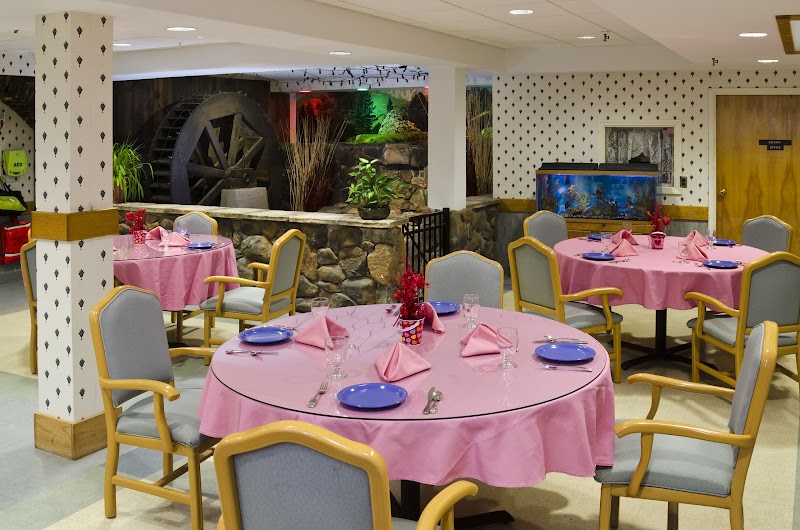
Who Owns and Operates Marian Manor Of Taunton?

MARIAN MANOR OF TAUNTON is owned by a non-profit organization. Non-profit facilities reinvest revenue into operations rather than distributing to shareholders. The facility is operated by DIOCESAN HEALTH FACILITIES, a chain that manages multiple nursing homes. With 116 certified beds and approximately 60 residents (about 52% occupancy), it is a mid-sized facility located in TAUNTON, Massachusetts.
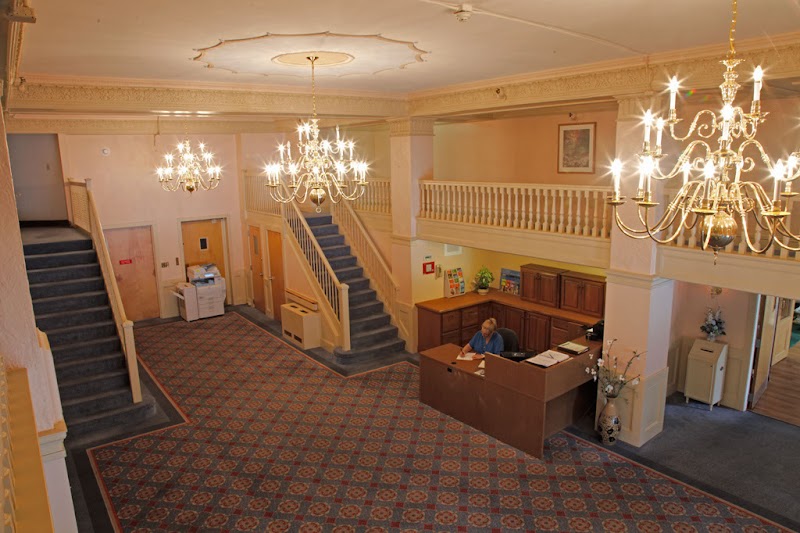
How Does Marian Manor Of Taunton Compare to Other Massachusetts Nursing Homes?

Compared to the 100 nursing homes in Massachusetts, MARIAN MANOR OF TAUNTON's overall rating (3 stars) is above the state average of 2.9, staff turnover (47%) is near the state average of 46%, and health inspection rating (4 stars) is above the national benchmark.

What Should Families Ask When Visiting Marian Manor Of Taunton?

Based on this facility's data, families visiting should ask: "Can I visit during a mealtime to observe dining assistance and food quality?" "How do you handle medical emergencies, and what is your hospital transfer rate?" "Can I speak with family members of current residents about their experience?"

Is Marian Manor Of Taunton Safe?

Based on CMS inspection data, MARIAN MANOR OF TAUNTON has a clean safety record: no substantiated abuse findings (meaning no confirmed cases of resident harm), no Immediate Jeopardy citations (the most serious violation level indicating risk of serious injury or death), and is not on the Special Focus Facility watch list (a federal program monitoring the lowest-performing 1% of nursing homes). The facility has a 3-star overall rating and ranks #1 of 100 nursing homes in Massachusetts. While no facility is perfect, families should still ask about staff-to-resident ratios and recent inspection results during their visit.

Do Nurses at Marian Manor Of Taunton Stick Around?

MARIAN MANOR OF TAUNTON has a staff turnover rate of 47%, which is about average for Massachusetts nursing homes (state average: 46%). Moderate turnover is common in nursing homes, but families should still ask about staff tenure and how the facility maintains care continuity when employees leave.

Was Marian Manor Of Taunton Ever Fined?

MARIAN MANOR OF TAUNTON has no federal fines on record. CMS issues fines when nursing homes fail to meet care standards or don't correct problems found during inspections. The absence of fines suggests the facility has either maintained compliance or corrected any issues before penalties were assessed. This is a positive indicator, though families should still review recent inspection reports for the full picture.

Is Marian Manor Of Taunton on Any Federal Watch List?

MARIAN MANOR OF TAUNTON is not on any federal watch list. The most significant is the Special Focus Facility (SFF) program, which identifies the bottom 1% of nursing homes nationally based on persistent, serious quality problems. Not being on this list means the facility has avoided the pattern of deficiencies that triggers enhanced federal oversight. This is a positive indicator, though families should still review the facility's inspection history directly.