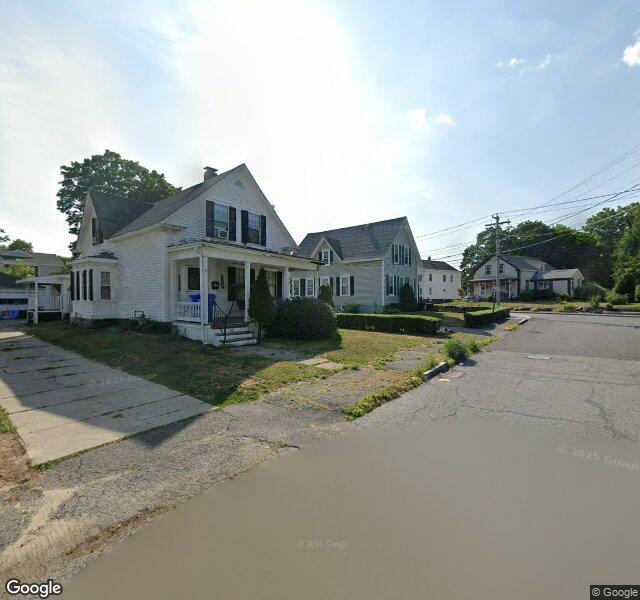
REGALCARE AT TAUNTON

68 DEAN STREET - REAR, TAUNTON, MA 02780 (508) 824-1467
For profit - Corporation 100 Beds REGALCARE Data: November 2025 4 Immediate Jeopardy citations
Trust Grade
0/100
#318 of 338 in MA
Last Inspection: May 2025

Inspected within the last 6 months. Data reflects current conditions.

Overview

RegalCare at Taunton has received a Trust Grade of F, indicating significant concerns regarding its overall quality and care, which places it in the bottom tier of nursing homes. With a state rank of #318 out of 338, it is firmly in the bottom half of facilities in Massachusetts, and at #23 out of 27 in Bristol County, there are only a few local options that are better. The facility's situation is worsening, with issues increasing from 13 in 2024 to 16 in 2025. Staffing is below average with a rating of 2 out of 5 stars and a turnover rate of 47%, which is concerning as it affects the continuity of care. Additionally, the facility has incurred $342,260 in fines, which is higher than 99% of Massachusetts facilities, signaling serious compliance problems. Critical incidents highlighted by inspectors include a failure to properly manage the medication regimen for a resident with a heart transplant, resulting in 40 missed doses of a vital immunosuppressant. This oversight led to the resident's emergent hospitalization due to organ rejection. Another finding indicated that licensed nursing staff were not competent in managing immunosuppressant therapy, which further contributed to the resident's health crisis. While staffing issues and high fines are significant weaknesses, families should weigh these concerns against any strengths the facility may present.

Trust Score
F
0/100
In Massachusetts
#318/338
Bottom 6%
Safety Record
High Risk
Review needed
Inspections
Getting Worse
13 → 16 violations
Staff Stability
⚠ Watch
47% turnover. Above average. Higher turnover means staff may not know residents' routines.
Penalties
○ Average
$342,260 in fines. Higher than 56% of Massachusetts facilities. Some compliance issues.
Skilled Nurses
⚠ Watch
Each resident gets only 24 minutes of Registered Nurse (RN) attention daily — below average for Massachusetts. Fewer RN minutes means fewer trained eyes watching for problems.
Violations
⚠ Watch
36 deficiencies on record. Higher than average. Multiple issues found across inspections.
★☆☆☆☆
1.0
Overall Rating
★★☆☆☆
2.0
Staff Levels
★★☆☆☆
2.0
Care Quality
★☆☆☆☆
1.0
Inspection Score
Stable
2024: 13 issues
2025: 16 issues

The Good

  • Full Sprinkler Coverage · Fire safety systems throughout facility
  • No fines on record

Facility shows strength in fire safety.

The Bad

1-Star Overall Rating

Below Massachusetts average (2.9)

Significant quality concerns identified by CMS

Staff Turnover: 47%

Near Massachusetts avg (46%)

Higher turnover may affect care consistency

Federal Fines: $342,260

Well above median ($33,413)

Significant penalties indicating serious issues

Chain: REGALCARE

Part of a multi-facility chain

Ask about local staffing decisions and management

The Ugly 36 deficiencies on record

4 life-threatening 1 actual harm
May 2025 2 deficiencies 1 Harm
SERIOUS (G) 📢 Someone Reported This

A family member, employee, or ombudsman was alarmed enough to file a formal complaint

Actual Harm - a resident was hurt due to facility failures

Free from Abuse/Neglect (Tag F0600)

A resident was harmed · This affected 1 resident

Based on records reviewed and interviews, for one of three sampled residents (Resident #1), who had severe cognitive impairment, the Facility failed to ensure he/she was free from abuse from a staff m...

Read full inspector narrative →
Based on records reviewed and interviews, for one of three sampled residents (Resident #1), who had severe cognitive impairment, the Facility failed to ensure he/she was free from abuse from a staff member, when on 03/30/25, Resident #1 became combative during care and in response to his/her behaviors, Certified Nurse Aide (CNA) #2, told Resident #1 if he/she hit her again, she would hit him/her back. CNA #2 hit Resident #1 on the top of his/her left hand twice. The incident was witnessed by another staff member who was assisting with Resident #1's care. A cognitively intact person would experience pain and mental anguish after being hit by a caregiver. Findings include: Review of the Facility's Policy titled Abuse Prohibition, dated as revised 3/2025, indicated the following: -each resident has the right to be free from verbal, sexual, physical and mental abuse, neglect, corporal punishment, involuntary seclusion, and misappropriation of their property; every resident in the facility will always be treated with respect and dignity -it is the goal of this facility to foster an environment that recognizes the worth, specialties and uniqueness of all individuals --abuse is the willful infliction of injury, unreasonable confinement, intimidation, or punishment with resulting physical harm, pain or mental anguish to a resident -physical abuse includes, but not limited to, hitting, slapping, pinching, kicking and control of behavior through corporal punishment of a resident Review of the Report submitted by the Facility via the Health Care Facility Reporting System (HCFRS), dated 03/30/25, indicated that Resident #1 was being combative during incontinence care. The Report indicated that during the provision of care to Resident #1, CNA #1 reported that [in response to Resident #1 hitting her] CNA #2 said to Resident #1 If you hit me again, I will hit, you back. The Report further indicated that CNA #1 witnessed CNA #2 forcibly grab Resident #1's left arm and slap the back of his/her left hand two times. Resident #1 was admitted to the Facility in May 2021, diagnoses included dementia, anxiety disorder, and major depressive disorder. Review of Resident #1's Quarterly Minimum Data Set (MDS) Assessment, dated 01/17/25, indicated that he/she had severe cognitive impairment. Although Resident#1's impaired cognition minimized his/her understanding of the incident, an unimpaired individual would have experienced physical pain and mental anguish after being treated by a caregiver in this manner. During an interview on 05/22/25 at 12:29 P.M., (which included review of her written witness statement) CNA #1 said around 5:00 A.M., she and CNA #2 were providing care to Resident #1. CNA #1 said Resident #1 became combative, hit CNA #2 several times and he/she called her (CNA #2) a racial slur. CNA #1 said CNA #2 became frustrated and told Resident #1, If you hit me again, I will hit, you back. CNA #1 said CNA #2 then forcefully grabbed Resident #1 by his/her left wrist, slapped the top of his/her left hand twice and Resident #1 yelled out Ow. CNA #1 said it was not a tap it was a hard slap because she heard the slapping noise when CNA #2 hit Resident #1's left hand. During an interview on 05/28/25 at 9:46 A.M., (which included review of her written witness statement, sent to the facility via email) CNA #2 said around 5:00 A.M., she and another CNA (later identified as CNA #1) were providing care to Resident #1, and he/she became verbally and physically combative. CNA #2 said Resident #1 told her to Get out, get out, I do not want you, and that he/she called her (CNA #2) a racial slur. CNA #2 said Resident #1 hit her right arm and that she told him/her Not to do that! and that she said to him/her If you hit me again, I will hit, you back. CNA #2 said Resident #1 then hit her again, kicked her left breast and said that in response she (CNA #2) tapped the top of Resident #1's left hand. CNA #2 said Resident #1 did not make a sound and moved his/her hand. During an interview on 05/22/25 at 3:19 P.M., (which included review of her written witness statement) Nurse #1 said on 03/30/25 she worked from 3:00 A.M. to 3:00 P.M. and around 5:00 A.M. she heard Resident #1 yelling at staff while they were providing care. Nurse #1 said Resident #1 could be physically and verbally combative with care. Nurse #1 said she was starting her medication pass and said she did not go to Resident #1's room. During an interview on 05/21/25 at 2:44 P.M., the Director of Nursing (DON) said that on 03/30/25 around 9:19 A.M. Nurse #1 notified her that CNA #1 reported that she had witnessed CNA #2 slap Resident #1 on the hand. The DON said she started her investigation, told Nurse #1 to notify the Police, and she notified the scheduler to remove CNA #2 from the schedule pending investigation. The DON said CNA #1 told her Resident #1 was being combative during care, that she (CNA #1) heard CNA #2 tell Resident #1 If you hit me again, I will hit you back, that Resident #1 hit CNA #2 again, and that she (CNA #1) observed CNA #2 grab Resident #1's left arm and slap the back (top side) of his/her left hand twice. The DON said CNA #2 told her Resident #1 was combative, hitting her, and called her (CNA #2) a racial slur. The DON said CNA #2 said she only tapped the back (top side) of Resident #1's left hand, and that she (CNA #2) had told him/her If you are going to hit me, I am going to hit, you back. The DON said the facility substantiated the allegation of abuse and that CNA #2 was terminated.
CONCERN (D) 📢 Someone Reported This

A family member, employee, or ombudsman was alarmed enough to file a formal complaint

Potential for Harm - no one hurt, but risky conditions existed

Abuse Prevention Policies (Tag F0607)

Could have caused harm · This affected 1 resident

Based on records reviewed and interviews, for one of three sampled residents (Resident #1), who had severe cognitive impairment, the Facility failed to ensure staff implemented and followed their Abus...

Read full inspector narrative →
Based on records reviewed and interviews, for one of three sampled residents (Resident #1), who had severe cognitive impairment, the Facility failed to ensure staff implemented and followed their Abuse Identification and Reporting Policy, when on 03/30/25 during the night shift, Certified Nurse Aide (CNA) #1 witnessed CNA #2 slap Resident #1's hand while providing care to him/her. CNA #1 did not immediately report the allegation of physical abuse to the nurse on duty as required and did not do so, until four hours after witnessing the incident. Findings include: Review of the Facility's Policy titled Abuse Identification and Reporting, dated as revised 3/ 2022, indicated the following: -identify any event that may be potential abuse, neglect, involuntary seclusion, or misappropriation of resident property -any suspected allegation of abuse shall be immediately reported to the administrator or his/her designee Review of the Report submitted by the Facility via the Health Care Facility Reporting System (HCFRS), dated 03/30/25, indicated that on 03/30/25 Resident #1 was being combative during incontinence care. During the provision of care to Resident #1, CNA #1 reported that [in response to Resident #1 hitting her] CNA #2 stated to Resident #1 If you hit me again, I will hit, you back. The Report further indicated that CNA #1 witnessed CNA #2 forcibly grab Resident #1's left arm and slap the back of his/her left hand two times. Resident #1 was admitted to the Facility in May 2021, diagnoses included dementia, anxiety disorder, and major depressive disorder. Review of Resident #1's Quarterly Minimum Data Set (MDS) Assessment, dated 01/17/25, indicated that he/she had severe cognitive impairment. During an interview on 05/22/25 at 3:19 P.M., (which included review of her written statement) Nurse #1 said on 03/30/25 she worked from 3:00 A.M. to 3:00 P.M. and around 5:00 A.M. she heard Resident #1 yelling at staff while they were providing care. Nurse #1 said she was not aware of any physical abuse by CNA #2 at that time. Nurse #1 said after CNA #1's shift ended (7:00 A.M.), she (CNA #1) came back to the Facility around 9:00 A.M. Nurse #1 said CNA #1 reported to her (Nurse #1) then that CNA #2 had hit the back of Resident #1's hand (could not recall which hand) during care. Nurse #1 said she immediately notified the Director of Nursing (DON). During an interview on 05/22/25 at 12:29 P.M., (which included review of her written statement) CNA #1 said around 5:00 A.M., her and CNA #2 were providing care to Resident #1. CNA #1 said Resident #1 became combative, hit CNA #2 several times and called her (CNA #2) a racial slur. CNA #1 said CNA #2 became frustrated and told Resident #1, If you hit me again, I will hit, you back. CNA #1 said CNA #2 then forcefully grabbed Resident by his/her left wrist, slapped the top of his/her left hand twice and Resident #1 yelled out Ow. CNA #1 said she became anxious about what she saw and that she did not report the incident to the Nurse on duty. CNA #1 said she went home after the end of her shift (7:00 A.M.) but knew that she was supposed to report what she had observed. CNA #1 said she went back to the Facility around 9:00 A.M. and told Nurse #1 that CNA #2 had slapped Resident #1's left hand while she (CNA #1) and CNA #2 were providing care to him/her. During an interview on 05/21/25 at 2:44 P.M., the Director of Nursing (DON) said that on 03/30/25 around 9:19 A.M. Nurse #1 notified her that CNA #1 reported that she had witnessed CNA #2 slap Resident #1's hand. The DON said she started her investigation, told Nurse #1 to notify the Police, and she notified the scheduler to remove CNA #2 from the schedule pending investigation. The DON said CNA #1 did not immediately report the incident to Nurse #1 per Facility Policy. The DON said her expectation is that all staff immediately report any concern for potential abuse, and that they should notify the Administrator or DON.
May 2025 14 deficiencies 4 IJ
CRITICAL (J)

Immediate Jeopardy (IJ) - the most serious Medicare violation

Deficiency F0710 (Tag F0710)

Someone could have died · This affected 1 resident

**NOTE- TERMS IN BRACKETS HAVE BEEN EDITED TO PROTECT CONFIDENTIALITY** Based on record review, interview, and observation, the facility failed to ensure a physician and/or the physician assistant (PA...

Read full inspector narrative →
**NOTE- TERMS IN BRACKETS HAVE BEEN EDITED TO PROTECT CONFIDENTIALITY** Based on record review, interview, and observation, the facility failed to ensure a physician and/or the physician assistant (PA) provided supervision and oversight for the care of one Resident (#40) with a known history of an organ transplant, out of a total sample of 18 residents, who required the daily use of tacrolimus (Prograf, an immunosuppressant medication used to prevent transplanted organ rejection). Specifically, the physician and PA failed to: 1. Identify that tacrolimus was discontinued after a recent hospitalization, resulting in a total of 40 missed doses; and 2. Address and intervene on abnormal tacrolimus level laboratory values, leading to the Resident's emergent hospitalization for organ transplant rejection surveillance and medication management. Findings include: Review of the facility's policy titled Labs and Diagnostics, revised 4/2022, indicated, but was not limited to, the following: -Assessment and Recognition 1. The physician will identify and order diagnostic and lab testing based on diagnostic and monitoring needs. -Physician Responses 1. Time frames. A physician will respond within an appropriate time frame, based on the request from nursing staff and the clinical significance of the information. a. A physician should respond within one hour regarding a lab result requiring immediate notification, and by the end of the next office day to a non-emergency message regarding non-immediate lab test notification with a request for response. b. If the Attending or Covering Physician does not respond to immediate notification within an hour, the nursing staff should contact the Medical Director for assistance. When necessary to help explain clinical decisions, a physician or mid-level practitioner should document the basis for conclusions about how the results were addressed; for example, at the next scheduled or interim visit. Resident #40 was admitted to the facility in January 2024 with diagnoses including stroke, heart failure, and heart transplant. Review of the Minimum Data Set (MDS) assessment, dated 3/30/25, indicated Resident #40 was cognitively intact, as evidenced by a Brief Interview for Mental Status score of 15 out of 15, was dependent on staff for activities of daily living, and had diagnoses including heart failure and organ transplant. Review of Resident #40's medical record indicated that Resident #40 was hospitalized in February 2025. Review of the hospital After Visit Summary, dated 2/27/25, indicated, but was not limited to, the following: -Resident #40 was admitted to the hospital in February 2025 for heart failure exacerbation and some of his/her medications had changed, including tacrolimus. -Resident #40's tacrolimus level laboratory result, obtained via a blood draw from the Resident on 2/26/25, was 6.4 nanograms per milliliter (ng/ml). The Resident's goal tacrolimus level was 4-6 ng/ml -Upon discharge, the Resident should start taking tacrolimus 2 milligrams (mg) each day at 9 A.M. and 3 mg each day at 9 P.M. The dosing was reduced from the Resident's previous dosing (3 mg twice daily) due to elevated tacrolimus levels noted during his/her hospital stay. -A tacrolimus level should be obtained and sent to the hospital's heart failure team on 3/3/25 and the heart failure team would provide recommendations for ongoing dosing of tacrolimus. Review of Resident #40's current Physician's Orders indicated the following: - Fax tacrolimus level results to [fax number redacted] every month between the 7th and the 11th of every month for immunosuppressive therapy (order start date 7/10/24). Further review indicated the fax number was directed to Resident #40's cardiologist's office. -No tacrolimus was prescribed to the Resident from 2/28/25 until 3/19/25. -Review of the current Physician's Orders failed to indicate an order for a tacrolimus level on 3/3/25 as indicated in the Resident's hospital After Visit Summary 2/27/25. Review of Resident #40's laboratory results indicated, but was not limited to, the following: -On 3/6/25, the Resident had a tacrolimus level drawn (three days after the recommended draw date). The tacrolimus level resulted low at 1.2 ng/ml on 3/11/25 at 4:06 P.M. and were marked as reviewed by the PA on 3/13/25 at 12:45 P.M. There was no additional documentation or new orders from the PA entered in the Resident's record at that time. Review of Resident #40's February 2025 and March 2025 Medication Administration Record indicated the Resident missed 40 doses of tacrolimus that he/she should have received in the facility from 2/27/25 through 3/19/25. Review of Resident #40's Progress Notes indicated, but was not limited to, the following: -On 2/27/25, a progress note was entered by the PA. The note indicated that the Resident had a prolonged hospitalization for CHF exacerbation and urinary tract infection and that the Resident's history was significant for organ transplant. The medication list, included in the PA's progress note, indicated the Resident was taking tacrolimus 1 mg two capsules in the morning. The PA's note failed to identify the change in the Resident's tacrolimus regimen to include the additional dose of 3 mg each day at 9 P.M. Additionally, the PA's progress note failed to indicate the follow-up tacrolimus level monitoring to be drawn on 3/3/25, as recommended by the hospital. -On 2/28/25, a progress note was entered by the physician. The physician documented in her note that the Resident was transferred to the hospital on February 22 and returned to the facility on February 27. The physician indicated the Resident was hospitalized due to change in mental status, nausea, and tremors and was treated with antibiotics for a urinary tract infection. The physician indicated the Resident was on immunosuppression with prednisone and tacrolimus and was at high risk of complications and infections. The medication list, included in the physician's note, indicated the Resident was taking tacrolimus 1 mg two capsules in the morning. The physician's note failed to identify the change in the Resident's tacrolimus regimen to include the additional dose of 3 mg each day at 9 P.M. Additionally, the physician's progress note failed to indicate the follow-up tacrolimus level monitoring to be drawn on 3/3/25, as recommended by the hospital. -On 3/19/25, a progress note was entered by the physician. The physician's note indicated the nursing notes, vital signs, and medications available in the Resident's electronic health record (EHR), prior external notes, and hospital discharge summary were reviewed. The physician documented that the Resident had received an organ transplant in 2021 and that she was contacted by the Cardiology RN in regard to Resident #40's low tacrolimus level of 1.2 ng/ml. The note indicated the Cardiology RN had discussed the Resident's medication regimen with staff at the facility and it appeared that the Resident had missed his/her tacrolimus since he/she was readmitted to the facility on [DATE] and was supposed to receive tacrolimus twice daily. The physician confirmed with nursing staff that the Resident had not received the tacrolimus and was later informed that the Cardiology RN had called the facility and recommended the Resident be transferred to the hospital for intravenous steroid treatment. Despite the documentation written in the physician's progress note, the medication list included in the progress note again indicated the Resident was taking tacrolimus 1 mg two capsules in the morning and provided no indication of the 9 P.M. tacrolimus dose the Resident should have received but did not. Review of documentation received from Resident #40's consulting cardiology team indicated that on 3/19/25, the Cardiology RN spoke with the Resident's physician at the facility and the physician was unaware of the critical tacrolimus lab value and discontinuation of tacrolimus. During a telephonic interview on 5/7/25 at 1:01 P.M., the physician said the Resident's tacrolimus didn't make it onto his/her medication list at the facility. The physician said the medication was to be used to prevent organ rejection as the Resident had received an organ transplant. The physician said she was made aware of the omission on 3/19/25 when she was informed by the Cardiology RN at the hospital. The physician could not recall being contacted about Resident #40's tacrolimus lab results on 3/11/25, despite being reviewed by the PA. During a telephonic interview on 5/7/25 at 1:39 P.M., the PA said he was aware of the medication error and had seen Resident #40 in between his/her readmission to the facility on 2/27/25 and transfer back to the hospital on 3/19/25. The PA said he could not recall when he was made aware of the medication error but if he had been aware of it before the Resident was transferred back to the hospital, he would have restarted the medication at that time. The PA said that he was aware the Resident's tacrolimus level had resulted low on 3/11/25, and said the results should be faxed to cardiologist for review. The PA said he was unaware if the results had been sent to the cardiologist because that is something the nursing staff would do and he did not follow up with nursing to ensure the results were communicated to the Resident's cardiologist. The PA further said he was unaware the Resident had not received the medication at the time the lab value was obtained. During a subsequent interview with record review on 5/8/25 at 1:48 P.M., the PA said he did not recall the date that he became aware of Resident #40's abnormal tacrolimus level in March 2025, but thought it was around the same time the Resident went out to the hospital and the nurses called him for the order to transfer the Resident. The PA said he reviewed the lab but would not make changes to the Resident's tacrolimus regimen despite abnormal tacrolimus levels because the Resident's tacrolimus labs and dosing are managed by the cardiology office. The PA said the results of the Resident's labs drawn at the facility are forwarded to the cardiology office by the facility staff and the cardiologist will review and make any new dosing recommendations, which he or the Resident's attending physician would then review. Further review of Resident #40's medical record failed to indicate that the PA or physician adequately reviewed the hospital discharge/cardiology recommendations or followed up with nursing to ensure the resident's medical care was supervised by the facility's physician services. Refer to F760
CRITICAL (J)

Immediate Jeopardy (IJ) - the most serious Medicare violation

Deficiency F0726 (Tag F0726)

Someone could have died · This affected 1 resident

Based on observation, record review, and interviews, the facility failed to ensure licensed nursing staff were competent in immunosuppressant drug therapy resulting in: a. failure to identify the adve...

Read full inspector narrative →
Based on observation, record review, and interviews, the facility failed to ensure licensed nursing staff were competent in immunosuppressant drug therapy resulting in: a. failure to identify the adverse discontinuation of a necessary immunosuppressant medication (tacrolimus) for the prevention of organ rejection for one Resident (#40) in a sample of 18 residents; and b. failure to communicate with the practitioner about abnormally low tacrolimus level laboratory results for Resident #40, readmitted to the facility with a known history of heart transplant, resulting in emergent hospitalization in March 2025 for transplanted organ rejection surveillance and medication regimen adjustments. Findings include: Review of the Facility Assessment, updated 4/25/25 and reviewed by the QAPI Committee on 4/28/25, indicated: -Services and Care We Offer Based on our Residents' Needs Medications: Awareness of any limitations of administering medications Administration of medications that residents need Management of medical conditions: Assessment, early identification of problems/deterioration, management of medical and psychiatric symptoms and conditions such as heart failure -Staff training/education and competencies Once the new staff member has completed the classroom orientation, they are partnered with a member to learn the specifics of their role. The mentor trains and completes a competency check list to assure the staff has received the proper training and can perform the necessary tasks related to their role and according to [Facility Name's] standards. Once competency is evaluated and successfully completed, they can assume their position autonomously. If any deficits are identified, additional training is provided. The staff is then provided with regular in-service opportunities and evaluations at least annually, to identify any additional dementia training, and a corporate compliance review. Review of the facility's policy titled Change in Condition in a Resident Status, effective 3/2017, indicated, but was not limited to, the following: -The Nurse will notify the resident's Attending Physician or On-Call Physician when there has been: *A need to alter the resident's medical treatment significantly *Abnormal laboratory reports *A need to transfer the resident to a hospital/treatment center Review of the facility's policy titled Labs and Diagnostics, revised 4/2022, indicated, but was not limited to, the following: -Review by Nursing Staff 1. A nurse will review all results. -Deciding How Urgently to Contact the Physician 1. A nurse will identify the urgency of communicating with the Attending Physician based on physician request, the seriousness of any abnormality, and the individual's current condition. 2. A nurse will try to determine whether the test was done a. As a routine screen or follow-up; b. To assess a condition change or recent onset of signs and symptoms; or c. To monitor a drug level. -Identifying Situations that Warrant Immediate Notification Nursing staff will consider the following factors to help identify situations requiring prompt physician notification concerning lab or diagnostic test results. 1. The physician has requested to be notified as soon as a result is received. 2. The result is something that should be conveyed to a physician regardless of other circumstances (that is, the abnormal result is problematic regardless of any other factors). -Determining the Reason for Testing 1. If the results do not meet the preceding criteria for immediate notification, then the nursing staff will review why the test was obtained, as well as the resident's current clinical status including the presence of any signs or symptoms. -Options for Physician Notification 1. A physician can be notified by phone, fax, voicemail, e-mail, pager, or a telephone message to another person acting as the physician's agent (for example, office staff). a. Facility staff should document information about when, how, and to whom the information was provided and the response. This should be done in the Progress Notes section of the medical record and not on the lab results report, because test results should be correlated with other relevant information such as the individual's overall situation, current symptoms, advance directives, prognosis, etc. -Physician Responses 1. Time frames. A physician will respond within an appropriate time frame, based on the request from nursing staff and the clinical significance of the information. a. A physician should respond within one hour regarding a lab result requiring immediate notification . and by the end of the next office day to a non-emergency message regarding non-immediate lab test notification with a request for response b. If the Attending or Covering Physician does not respond to immediate notification within an hour, the nursing staff should contact the Medical Director for assistance. Resident #40 was admitted to the facility in January 2024 with diagnoses including stroke, heart failure, and organ transplant. a. Review of Resident #40's medical record indicated that Resident #40 was hospitalized in February 2025. Review of the hospital After Visit Summary, dated 2/27/25, indicated, but was not limited to, the following: -Resident #40 was admitted to the hospital in February 2025 for heart failure exacerbation and some of his/her medications had changed, including tacrolimus. -Upon discharge, the Resident should start taking tacrolimus 2 milligrams (mg) each day at 9 A.M. and 3 mg each day at 9 P.M. The dosing was reduced from the Resident's previous dosing (3 mg twice daily) due to elevated tacrolimus levels noted during his/her hospital stay. Review of documentation received from Resident #40's consulting heart failure team indicated at time of discharge from the hospital back to the facility on 2/27/25, the Resident was prescribed tacrolimus 1 mg - Take 2 mg daily at 9 A.M. and take 3 mg daily at 9 P.M. Review of Resident #40's Medication Reconciliation, dated 2/27/25, indicated the Resident's list of medications from the facility prior to hospitalization (his/her home medication list) and the Discharge Summary were reviewed and indicated that potential clinically significant medication issues were identified. The document failed to indicate what the discrepancies were or the provider's resolutions for the discrepancies. -On 2/27/25, an order was obtained from the physician via phone for Tacrolimus 1 mg oral capsule - Give 3 capsule [sic] by mouth at bedtime AND Give 2 capsule by mouth one time a day. The order was transcribed on 2/27/25 at 4:03 P.M. Further review of the Physician's Orders indicated the order was subsequently discontinued on 2/27/25 at 6:05 P.M. Review of Resident #40's Physician's Orders indicated no tacrolimus was prescribed to the Resident from 2/28/25 until 3/19/25. Review of Resident #40's February 2025 and March 2025 Medication Administration Records (MAR) indicated the Resident missed 40 doses of tacrolimus that he/she should have received in the facility from 2/27/25 through 3/19/25. Review of Nurse #1 and Nurse #2's staff education files during the extended survey on 5/8/25 failed to indicate there was previous education completed on immunosuppressant medication. Nurse #2 was working on Resident #40's unit and assigned to Resident #40's care during survey. During an interview on 5/7/25 at 1:25 P.M., Regional Nurse Consultant #1 said she had been acting as Director of Nursing (DON) at the facility from 12/24/24 until the new DON started at the facility on 3/14/25. Regional Nurse Consultant #1 said that when a resident is admitted /readmitted to the facility, the nurse entering the resident's physician's orders reviews the hospital discharge records and medications and then reviews those medications with the resident's provider at the facility. Regional Nurse Consultant #1 said there is a Medication Reconciliation assessment completed in the electronic health record by the nurse after the medications have been reviewed with the provider. Regional Nurse Consultant #1 said if there is a medication that they recognize a resident is no longer prescribed, they need to make note of it. During an interview on 5/7/25 at 3:22 P.M., Nurse #2, Nurse #3, and Nurse #4, working on the unit where Resident #40 resides, said they could not recall any education pertaining to Resident #40 or his/her immunosuppressant medication regimen. During an interview on 5/8/25 at 11:36 A.M., the surveyor reviewed the facility's education binder with the SDC and she said that records of all in-service training she conducted were in the binder. In-service training records in the education binder failed to include in-service training on immunosuppressant medication use/monitoring prior to 3/18/25. b. Review of Resident #40's medical record indicated that Resident #40 was hospitalized in February 2025. Review of the hospital After Visit Summary, dated 2/27/25, indicated, but was not limited to, the following: -Resident #40 was admitted to the hospital in February 2025 for heart failure exacerbation and some of his/her medications had changed, including tacrolimus. -A tacrolimus level should be obtained and sent to the hospital's heart failure team on 3/3/25 and the heart failure team would provide recommendations for ongoing dosing of tacrolimus. Review of documentation received from Resident #40's consulting heart failure team indicated, but was not limited to, the following: -The Resident's tacrolimus level on 2/26/25 was 6.4 ng/ml (goal level was 4-6 ng/ml). A tacrolimus level drawn 2/27/25 remained pending at time of discharge and the facility was to send a tacrolimus level on 3/3/25 to the heart failure team for follow-up and dosing recommendations. Review of Resident #40's Physician's Orders failed to indicate that an order was obtained for a tacrolimus level on 3/3/25 related to abnormal tacrolimus level and tacrolimus dosing adjustments during hospitalization as indicated in the Resident's hospital After Visit Summary 2/27/25. Review of Resident #40's medical record indicated that on 3/6/25, the Resident had a tacrolimus level drawn (three days after the recommended draw date). The tacrolimus level resulted low at 1.2 ng/ml on 3/11/25 at 4:06 P.M. and were marked as reviewed by the Physician Assistant (PA) on 3/13/25 at 12:45 P.M. The medical record failed to indicate the lab values were received by or reviewed with the heart failure team for recommendations for ongoing dosing of tacrolimus prior to 3/18/25. Review of Resident #40's Progress Notes indicated: -On 3/19/25 at 3:05 P.M., the facility nurse documented that the Resident's cardiologist requested the Resident be transferred to the emergency room at the hospital affiliated with the consulting heart failure team due to the Resident not having immunosuppressant drugs for the last two weeks. The Progress Note indicated the Resident was stable at the time of transfer. Review of the facility's education binder on 5/8/25 failed to indicate there was in-service education conducted on provider notification of abnormal lab results or communication with consulting providers. Review of Nurse #1 and Nurse #2's staff education files during the extended survey on 5/8/25 failed to indicate there was previous education completed on laboratory reporting. Nurse #1 and Nurse #2 currently work on Resident #40's unit. On 5/7/25, the surveyor attempted a phone interview with former First Floor Unit Manager #1, the nurse that admitted Resident #40. She has since resigned from the facility and did not return the surveyor's call. During an interview on 5/7/25 at 3:22 P.M., Nurse #2, Nurse #3, and Nurse #4, working on the unit where Resident #40 resides, said they could not recall any education pertaining to Resident #40. During an interview on 5/8/25 at 11:36 A.M., the surveyor reviewed the facility's education binder with the SDC and she said that records of all in-service training she conducted were in the binder. In-service training records in the education binder failed to include in-service training on immunosuppressant medication use/monitoring or laboratory reporting prior to 3/18/25. Refer to F760
CRITICAL (J)

Immediate Jeopardy (IJ) - the most serious Medicare violation

Drug Regimen Review (Tag F0756)

Someone could have died · This affected 1 resident

Based on record review and interviews, the facility failed to ensure for one Resident (#40), out of a total sample of 18 residents, an admission Medication Regimen Review (AMRR) was completed by the C...

Read full inspector narrative →
Based on record review and interviews, the facility failed to ensure for one Resident (#40), out of a total sample of 18 residents, an admission Medication Regimen Review (AMRR) was completed by the Consultant Pharmacist upon readmission to the facility and an irregularity was identified. Specifically, the Consultant Pharmacist failed to identify the discontinuation of Resident #40's immunosuppressant medication and, as a result, Resident #40 (a heart transplant recipient) missed 40 doses of tacrolimus (Prograf, an immunosuppressant medication used to prevent transplanted organ rejection) and required emergent hospitalization and medication adjustments during and after hospitalization. Findings include: Review of the facility's policy titled Reconciliation of Medications on Admission, revised 3/22, indicated, but was not limited to, the following: -Medication reconciliation is the process of comparing pre-discharge medications to post-discharge medications by creating an accurate list of both prescription and over the counter medications that includes the drug name, dosage, frequency, route, and indication for use for the purpose of preventing unintended changes or omissions at transition points in care. -Medication reconciliation reduces medication errors and enhances resident safety by ensuring that the medications the resident needs and has been taking continue to be administered without interruption, in the correct dosages and routes, during the admission/transfer process. -Medication reconciliation helps to ensure that medications, routes and dosages have been accurately communicated to the Attending Physician and care team. -Using an approved medication reconciliation form or other record, list all medications from the medication history, the discharge summary, the previous MAR (Medication Administration Record) (if applicable), and the admitting orders (sources). -List the dose, route, and frequency for all medications. -Review the list carefully to determine if there are discrepancies/conflicts. Resident #40 was admitted to the facility in January 2024 with diagnoses including stroke, heart failure, and heart transplant. Review of the Minimum Data Set (MDS) assessment, dated 3/30/25, indicated Resident #40 was cognitively intact, as evidenced by a Brief Interview for Mental Status score of 15 out of 15, was dependent on staff for activities of daily living, and had diagnoses including heart failure and organ transplant. Review of Resident #40's medical record indicated that Resident #40 was hospitalized in February 2025. Review of the hospital After Visit Summary, dated 2/27/25, indicated, but was not limited to, the following: -Resident #40 was admitted to the hospital in February 2025 for heart failure exacerbation and some of his/her medications had changed, including tacrolimus. -Resident #40's tacrolimus level laboratory result, obtained via a blood draw from the Resident on 2/26/25, was 6.4 nanograms per milliliter (ng/ml). The Resident's goal tacrolimus level was 4-6 ng/ml -Upon discharge, the Resident should start taking tacrolimus 2 milligrams (mg) each day at 9 A.M. and 3 mg each day at 9 P.M. The dosing was reduced from the Resident's previous dosing (3 mg twice daily) due to elevated tacrolimus levels noted during his/her hospital stay. -A tacrolimus level should be obtained and sent to the hospital's heart failure team on 3/3/25 and the heart failure team would provide recommendations for ongoing dosing of tacrolimus. Review of Resident #40's Medication Reconciliation, dated 2/27/25 and completed by nursing, indicated the Resident's list of medications from the facility prior to hospitalization (his/her home medication list) and the Discharge Summary were reviewed and indicated that potential clinically significant medication issues were identified. The document failed to indicate what the discrepancies were or the provider's resolutions for the discrepancies. Review of Resident #40's Physician's Orders indicated that on 2/27/25, an order was obtained from the physician via phone for Tacrolimus 1 mg oral capsule - Give 3 capsule [sic] by mouth at bedtime AND Give 2 capsule by mouth one time a day. The order was transcribed on 2/27/25 at 4:03 P.M. Further review of the Physician's Orders indicated an order was entered to discontinue the medication on 2/27/25 at 6:05 P.M. Review of Resident #40's medical record failed to indicate that an AMRR had been completed by a Consultant Pharmacist after the Resident returned to the facility from the hospital on 2/27/25, and there was no indication of a pharmacy review of Resident #40's record from the date of his/her return to the facility until 3/8/25. Review of Resident #40's February 2025 and March 2025 Medication Administration Record indicated the Resident missed 40 doses of tacrolimus that he/she should have received in the facility from 2/27/25 through 3/19/25. Review of Resident #40's Progress Notes indicated: -On 2/27/25, an Order Note entered by nursing indicated an order for Tacrolimus 1 mg - Give 3 capsules by mouth at bedtime and 2 capsules by mouth one time a day was entered and was outside of the recommended dose or frequency (the usually dosing regimen per the note is 3 to 46.5386 capsules two times per day) -On 2/27/25 at 11:48 P.M., the nurse at the facility documented that the Resident had been treated at the hospital for altered mental status and his/her medications were confirmed by the PA. -The Progress Notes failed to indicate that the physician's order for tacrolimus was discontinued on 2/27/25 or why the medication was discontinued. -On 3/8/25, the Resident's medication regimen was reviewed by the pharmacy consultant and no irregularities were noted. Review of a Medication Incident and Discrepancy Report Form, dated 3/19/25, indicated that on 2/27/25, Resident #40's tacrolimus had been discontinued in error by a previous employee at the facility. A Performance Improvement Plan (PIP) attached to the Medication Incident and Discrepancy Form indicated medication was not administered for a resident on tacrolimus and the root cause was the medication was entered in the electronic health record incorrectly as it was entered as a one-time order. The Medication Incident and Discrepancy Report Form and PIP failed to indicate that the pharmacy's AMRR had not been completed after Resident #40's readmission to the facility on 2/27/25 or that the Consultant Pharmacist's monthly MRR did not identify the discontinuation of the Resident's immunosuppressant medication. During an interview on 5/7/25 at 7:58 A.M., Resident #40 said that he/she had been sent to the hospital at the end of March because he/she had missed doses of his/her anti-rejection medication and the transplant doctor wanted him/her to be monitored. Resident #40 said he/she underwent testing at the hospital and everything was okay and he/she returned to the facility. Resident #40 said he/she did not know how much medication was missed or why. During a telephonic interview on 5/7/25 at 11:35 A.M., the Consultant Pharmacist said that a different pharmacist is assigned to review admission/readmission MRRs. The Consultant Pharmacist said that he cannot recall being notified of medication errors at the facility. During an interview on 5/7/25 at 1:08 P.M., the Regional Pharmacy Manager said the AMRRs are not conducted by the Consultant Pharmacist who conducts the routine monthly Medication Regimen Reviews (MRRs) and that there is an additional Consultant Pharmacist who only completes the AMRRs for the facility. The Regional Pharmacy Manager said that he had conducted an audit and concluded that the AMRRs were not completed consistently in February and March 2025. The Regional Pharmacy Manager said that the AMRRs should be completed within 72 hours of a resident's admission/readmission to the facility. The Regional Pharmacy Manager said that Resident #40 had returned to the facility on 2/27/25, but no AMRR had been completed within 72 hours of his/her readmission. The Regional Pharmacy Manager said that when he reviewed Resident #40's record, a tacrolimus order was in place for only one day and there was a discrepancy between the hospital discharge orders and facility's admission orders for the Resident. The Regional Pharmacy Manager said that had an AMRR been completed, this discrepancy would have been identified at that time. The Regional Pharmacy Manager said that tacrolimus is a medication used to prevent organ rejection and blood levels of the medication are monitored routinely to ensure dosing of the medication is therapeutic. The Regional Pharmacy Manager said Resident #40 had missed 20 days of his/her twice daily tacrolimus doses and that this put the Resident at higher risk for organ rejection. During an interview on 5/7/25 at 4:52 P.M., Regional Nurse Consultant #1 said that she is copied on an email from the pharmacy containing a report of all Medication Regimen Reviews completed for the facility when they are completed. Regional Nurse Consultant #1 said that she was made aware of the inconsistent completion of AMRRs in February and March 2025 by the Regional Pharmacy Manager on 5/7/25. During a subsequent telephonic interview on 5/08/25 at 9:00 A.M., the Regional Pharmacy Manager said that there are consultant pharmacists who complete the monthly medication regimen reviews (MRRs) and other consultant pharmacists that only complete the AMRRs. The Regional Pharmacy Manager said that when he receives the AMRRs, he reviews a report called the Action Summary from the facility's electronic health record and reviews the residents' date of admission/readmission and the date the AMRR was completed to ensure AMRRs are completed within 72 hours of admission/readmission. The Regional Pharmacy Manager said that when he was doing the audit for the facility at the end of March, he noted that the AMRRs had not been completed as required in February and March 2025. The Regional Pharmacy Manager said that the facility's corporate nursing leadership (Regional Nurse #3) was notified of the issue at the beginning of April 2025. The surveyor attempted to contact Regional Nurse #3, but she was unable to be reached. Refer to F760
CRITICAL (J)

Immediate Jeopardy (IJ) - the most serious Medicare violation

Deficiency F0760 (Tag F0760)

Someone could have died · This affected 1 resident

**NOTE- TERMS IN BRACKETS HAVE BEEN EDITED TO PROTECT CONFIDENTIALITY** Based on document review and interviews, the facility failed to ensure for one Resident (#40), out of a total sample of 18 resid...

Read full inspector narrative →
**NOTE- TERMS IN BRACKETS HAVE BEEN EDITED TO PROTECT CONFIDENTIALITY** Based on document review and interviews, the facility failed to ensure for one Resident (#40), out of a total sample of 18 residents, to ensure he/she was free from a significant medication error when the Resident's immunosuppressant medication was discontinued in error. As a result, Resident #40 missed 40 doses of tacrolimus (Prograf, an immunosuppressant medication used to prevent transplanted organ rejection) and required emergent hospitalization and medication adjustments during and after hospitalization. Findings include: Review of the facility's policy titled Reconciliation of Medications on Admission, revised 3/22, indicated, but was not limited to, the following: -Medication reconciliation is the process of comparing pre-discharge medications to post-discharge medications by creating an accurate list of both prescription and over the counter medications that includes the drug name, dosage, frequency, route, and indication for use for the purpose of preventing unintended changes or omissions at transition points in care. -Medication reconciliation reduces medication errors and enhances resident safety by ensuring that the medications the resident needs and has been taking continue to be administered without interruption, in the correct dosages and routes, during the admission/transfer process. -Medication reconciliation helps to ensure that medications, routes and dosages have been accurately communicated to the Attending Physician and care team. -Using an approved medication reconciliation form or other record, list all medications from the medication history, the discharge summary, the previous MAR (Medication Administration Record) (if applicable), and the admitting orders (sources). -List the dose, route, and frequency for all medications. -Review the list carefully to determine if there are discrepancies/conflicts. Review of the facility's policy titled Aftercare of Heart Transplant, effective 4/17, indicated, but was not limited to, the following: -After a heart transplant, a comprehensive aftercare plan is crucial for long-term success and involves ongoing monitoring for rejection, infection, and medication side effects, as well as adherence to lifestyle modifications and regular follow-up appointments. This includes taking immunosuppressant medications, adhering to a prescribed exercise program, and maintaining a healthy diet. -This policy applies to all adult patients who have undergone a heart transplant and are currently more than three years post-transplant. -All heart transplant recipients post-transplant must receive individualized, evidence-based follow-up care focusing on immunosuppressive management, cardiovascular health, infection surveillance, malignancy screening, and psychosocial well-being. -Immunosuppressive Management *Maintain lowest effective dose of maintenance immunosuppression (e.g. tacrolimus, mycophenolate, prednisone) *Monitor for long-term side effects: nephrotoxicity (deterioration in kidney function due to toxic substances), hypertension (high blood pressure), diabetes, dyslipidemia (abnormal levels of fats in the blood) *Evaluate for medication adherence at every visit -Documentation and Communication *All assessments and interventions must be documented in the patient's electronic health record (EHR). *Coordinate care with primary care providers and other specialists. -Quality Assurance *Annual review of resident outcomes (graft survival, complications, hospitalizations) *Compliance audits on follow-up scheduling and lab monitoring Resident #40 was admitted to the facility in January 2024 with diagnoses including stroke, heart failure, and heart transplant. Review of the Minimum Data Set (MDS) assessment, dated 3/3/25, indicated Resident #40 was cognitively intact, as evidenced by a Brief Interview for Mental Status score of 15 out of 15, was dependent on staff for activities of daily living, and had diagnoses including heart failure and organ transplant. Review of Resident #40's medical record indicated that Resident #40 was hospitalized in February 2025. Review of the hospital After Visit Summary, dated 2/27/25, indicated, but was not limited to, the following: -Resident #40 was admitted to the hospital in February 2025 for heart failure exacerbation and some of his/her medications had changed, including tacrolimus. -Upon discharge, the Resident should start taking tacrolimus 2 milligrams (mg) each day at 9 A.M. and 3 mg each day at 9 P.M. The dosing was reduced from the Resident's previous dosing (3 mg twice daily) due to elevated tacrolimus levels noted during his/her hospital stay. Review of Resident #40's Medication Reconciliation, dated 2/27/25, indicated the Resident's list of medications from the facility prior to hospitalization (his/her home medication list) and the Discharge Summary were reviewed and indicated that potential clinically significant medication issues were identified. The document failed to indicate what the discrepancies were or the provider's resolutions for the discrepancies. Review of Resident #40's Physician's Orders indicated on 2/27/25, an order was obtained from the physician via phone for Tacrolimus 1 mg oral capsule - Give 3 capsule [sic] by mouth at bedtime AND Give 2 capsule by mouth one time a day. The order was transcribed on 2/27/25 at 4:03 P.M. Further review of the Physician's Orders indicated the order was subsequently discontinued on 2/27/25 at 6:05 P.M. No tacrolimus was prescribed to the Resident from 2/28/25 until 3/19/25. Review of Resident #40's February 2025 and March 2025 Medication Administration Record indicated the Resident missed 40 doses of tacrolimus that he/she should have received in the facility from 2/27/25 through 3/19/25. Review of Resident #40's Progress Notes indicated but was not limited to: -On 2/27/25, an Order Note entered by nursing indicated an order for Tacrolimus 1 mg - Give 3 capsules by mouth at bedtime and 2 capsules by mouth one time a day was entered and was outside of the recommended dose or frequency (the usually dosing regimen per the note is 3 to 46.5386 capsules two times per day) -On 2/27/25, a progress note was entered by the physician assist (PA). The medication list, included in the PA's progress note, indicated the Resident was taking tacrolimus 1 mg two capsules in the morning. The PA's note failed to identify the change in the Resident's tacrolimus regimen to include the additional 3 mg each day at 9 P.M. -On 2/27/25 at 11:48 P.M., the nurse at the facility documented that the Resident had been treated at the hospital for altered mental status and his/her medications were confirmed by the PA. -On 2/27/25 at 11:56 P.M., the nurse at the facility indicated the Resident's medication list was faxed to the hospital and receipt was confirmed. -On 2/28/25, a progress note was entered by the physician. The physician documented in her note that the Resident was transferred to the hospital on February 22 and returned to the facility on February 27. The physician indicated the Resident was hospitalized due to change in mental status, nausea, and tremors and was treated with antibiotics for a urinary tract infection. The physician indicated the Resident was on immunosuppression with prednisone and tacrolimus and was at high risk of complications and infections. The medication list, included in the physician's note, indicated the Resident was taking tacrolimus 1 mg two capsules in the morning. The physician's note failed to identify the change in the Resident's tacrolimus regimen to include the additional 3 mg each day at 9 P.M. -On 3/8/25, the Resident's medication regimen was reviewed by the pharmacy consultant and no irregularities were noted. -On 3/19/25, a progress note was entered by the physician. The physician's note indicated the nursing notes, vital signs, and medications available in the Resident's electronic health record (EHR), prior external notes, and hospital discharge summary were reviewed. The physician documented that the Resident had received an organ transplant in 2021 and that she was contacted by the hospital's Transplant Coordinator in regard to his/her low tacrolimus level of 1.2 ng/ml. The note indicated the Transplant Coordinator had discussed the Resident's medication regimen with staff at the facility and it appeared that the Resident had missed his/her tacrolimus since he/she was readmitted to the facility on [DATE] and was supposed to receive tacrolimus twice daily. The physician confirmed with nursing staff that the Resident had not received the tacrolimus and was later informed that the Transplant Coordinator had called the facility and recommended the Resident be transferred to the hospital for intravenous steroid treatment. Despite the documentation written in the physician's progress note, the medication list again indicated the Resident was only taking tacrolimus 1 mg two capsules in the morning. -On 3/19/25 at 3:05 P.M., the facility nurse documented that the Resident's cardiologist requested the Resident be transferred to the emergency room at the hospital affiliated with the consulting heart failure team due to the Resident not having immunosuppressant drugs for the last two weeks. The Progress Note indicated the Resident was stable at the time of transfer. Further review of Resident #40's Progress Notes failed to indicate that the physician's order for tacrolimus was discontinued on 2/27/25 or why the medication was discontinued. Review of documentation received from Resident #40's consulting heart failure team indicated, but was not limited to, the following: -At time of discharge from the hospital back to the facility on 2/27/25, the Resident was prescribed tacrolimus 1 mg - Take 2 mg daily at 9 A.M. and take 3 mg daily at 9 P.M. The Resident's tacrolimus level on 2/26/25 was 6.4 ng/ml (goal level was 4-6 ng/ml). A tacrolimus level drawn 2/27/25 remained pending at time of discharge and the facility was to send a tacrolimus level on 3/3/25 to the heart failure team follow-up and dosing recommendations. -On 2/27/25, 3/4/25, 3/5/25, and 3/18/25 the Cardiology Registered Nurse (RN) documented that she called the facility to request the Resident's medication list and lab results be faxed to the cardiology office. The Cardiology RN indicated that she had difficulty reaching a nurse or provider at the facility -On 3/19/25, the Cardiology RN documented that the Resident's labs and medication list were faxed on 3/18/25. The Cardiology RN noted that the labs were drawn on 3/6/25 and the tacrolimus level was 1.2 ng/ml after the dose had been decreased to 2 mg in the A.M. and 3 mg in the P.M. The Cardiology RN reviewed the medication list and no tacrolimus was noted. -On 3/19/25, the Cardiology RN documented that she contacted the Resident's physician at the facility and the physician was unaware of the critical value and discontinuation of tacrolimus and would call back with confirmation. -On 3/19/25 the consulting cardiologist requested to coordinate a hospital admission for the Resident for further testing (transthoracic echocardiogram - a non-invasive test that uses ultrasound to create images of the heart, and possible biopsy - a procedure that involves taking a sample of tissue to examine it more closely). Review of Resident #40's hospital Discharge summary, dated [DATE], indicated, but was not limited to, the following: -The Resident presented to the hospital from the facility with recent history of missed immunosuppression doses and was admitted for rejection surveillance. -The Resident was found to have tacrolimus trough (the lowest level of the drug in the body) of 1.5 ng/ml. TTE and blood work for rejection was reassuring and the heart failure team deferred inpatient heart biopsy. -The Resident was discharged with his/her tacrolimus dosing increased to achieve tacrolimus trough to goal level of 4-6 ng/ml, recommendations for weekly labs including tacrolimus level every Friday for two weeks, prednisone taper for empiric transplant rejection therapy, and changes to his/her insulin regimen due to high blood sugar levels while on prednisone. Review of a Medication Incident and Discrepancy Report Form, dated 3/19/25, indicated that on 2/27/25, Resident #40's tacrolimus had been discontinued in error by a previous employee at the facility. The Form indicated that the Resident's transplant clinic had noted the medication was missing from the Resident's medication list. In the section of the Form titled Outcome of Investigation, it is noted that the medication was not administered and was entered as a one-time administration. During an interview on 5/7/25 at 7:58 A.M., Resident #40 said that he/she had been sent to the hospital at the end of March because he/she had missed doses of his/her anti-rejection medication and the transplant doctor wanted him/her to be monitored. Resident #40 said he/she underwent testing at the hospital and everything was okay and he/she returned to the facility. Resident #40 said he/she did not know how much medication was missed or why. During an interview on 5/7/25 at 12:24 P.M., the Staff Development Coordinator (SDC) said that on 3/19/25, former First Floor Unit Manager #2 approached her and informed her that the hospital had called asking about the Resident's tacrolimus regimen and that he/she was supposed to be on tacrolimus two times daily because he/she had received an organ transplant. The SDC said she was not familiar with the Resident's medication regimen at the time but reviewed his/her record and confirmed that the order for tacrolimus was initially entered but then was discontinued. The SDC said the hospital instructed the facility to monitor the Resident's tacrolimus level and ensure the Resident received his/her medications. The SDC said she did not have further involvement in the situation and that former First Floor Unit Manager #2 handled all further communication with the hospital and the Resident's providers. The SDC said former First Floor Unit Manager #2 was new to the position at the time and no longer worked at the facility. During a telephonic interview on 5/7/25 at 1:01 P.M., the Physician said the Resident's tacrolimus didn't make it onto his/her medication list at the facility. The Physician said the medication was to be used to prevent organ rejection as the Resident had received an organ transplant. The Physician said she was made aware of the omission on 3/19/25 when she was informed by the Cardiology RN at the hospital. During an interview on 5/7/25 at 1:25 P.M., Regional Nurse Consultant #1 said she had been acting as Director of Nursing at the facility from 12/24/24 until the new Director of Nursing started at the facility on 3/14/25. Regional Nurse Consultant #1 said that when a resident is admitted /readmitted to the facility, the nurse entering the resident's physician's orders reviews the hospital discharge records and reviews the medications and then reviews those medications with the resident's provider at the facility. Regional Nurse Consultant #1 said there is a Medication Reconciliation assessment completed in the electronic health record by the nurse after the medications have been reviewed with the provider. Regional Nurse Consultant #1 said the pharmacy also completes a medication review when a resident is admitted /readmitted to the facility. Regional Nurse Consultant #1 said that when a medication error is identified, an incident report is completed and a root cause analysis is done. Regional Nurse Consultant #1 said that in regard to this specific medication error, former First Floor Unit Manager #2 was notified of the error first and then she notified Regional Nurse Consultant #1. Regional Nurse Consultant #1 said she spoke with the Cardiology RN who reported that a medication list had been sent to her and that tacrolimus was not on the Resident's medication list. Regional Nurse Consultant #1 said the Cardiology RN requested to know when the Resident had last received the medication and that his/her tacrolimus level was below goal range. Regional Nurse Consultant #1 said she had reviewed Resident #40's record and identified that the order entered on 2/27/25 was entered as a one-time dose, maybe due to a glitch, and he/she had not received the medication since then. Regional Nurse Consultant #1 said that staff at the facility had not identified the medication error prior to being notified by the Cardiology RN on 3/19/25. Regional Nurse Consultant #1 said that the Cardiology RN notified the facility that the Resident should be transferred to the hospital for admission for rejection surveillance. Regional Nurse Consultant #1 said as a result of the medication error, staff at the facility were reeducated on the process for medication reconciliation and that if there is a medication that they recognize a resident is no longer prescribed, they need to make note of it. During a telephonic interview on 5/7/25 at 1:39 P.M., the Physician Assistant (PA) said he was aware of the medication error and had seen Resident #40 in between his/her readmission to the facility on 2/27/25 and transfer back to the hospital on 3/19/25. The PA said he could not recall when he was made aware of the medication error but if he had been aware of it before the Resident was transferred back to the hospital, he would have restarted the medication at that time. The PA said he did not recall giving an order to discontinue the Resident's tacrolimus on 2/27/25. The PA said he was unaware if the results had been sent to the cardiologist because that is something the nursing staff would do and he did not follow up with nursing to ensure the results were communicated to the Resident's cardiologist. The PA further said he was unaware the Resident had not received the medication at the time the lab value was obtained. The PA said that he was aware the Resident's tacrolimus level had resulted low on 3/11/25, but was not aware the Resident had not received the medication. During an interview on 5/7/25 at 1:59 P.M., the Regional Director of Operations said that when a medication error is discovered, the Director of Nursing at the facility would oversee the investigation, education, follow-up, and any disciplinary action that may occur as a result. The Regional Director of Operations said that when there is no Director of Nursing at the facility, a Regional Nurse Consultant would be assigned to the position until a new Director of Nursing is hired. The Regional Director of Operations said that he was not aware of the medication error before being informed by the survey team on 5/7/25. During a telephonic interview on 5/7/25 at 2:03 P.M., the Cardiology RN said that Resident #40 has been followed by the cardiology team at the hospital since receiving an organ transplant years prior. She said that Resident #40 is seen every three to six months for routine clinic visits and the cardiology team communicates with the facility to obtain an updated medication list periodically, such as when the Resident returns to the facility after a hospitalization. The Cardiology RN said that after Resident #40 was discharged from the hospital on 2/27/25, she reached out to the facility that day to request an updated medication list and labs. The Cardiology RN said she ran into extensive hurdles when trying to contact a nurse or provider at the facility and attempted calls on 3/4/25, 3/5/25, and 3/18/25. The Cardiology RN said she had reviewed the medication list and tacrolimus level on 3/19/25 and noted that the Resident's tacrolimus level was virtually undetectable at 1.2 ng/ml and that the lab had been drawn on 3/6/25 and resulted on 3/11/25, but she had not been notified of the abnormal result prior. The Cardiology RN said she placed a call to the facility on 3/19/25 and spoke with a nurse who reported the medication had been discontinued on 2/27/25. The Cardiology RN said the Resident had gone a significant amount of time without the anti-rejection medication before she was able to speak with someone at the facility. The Cardiology RN said there was no follow-through by the facility staff and she encountered many barriers when trying to get an updated medication list from the facility. The Cardiology RN said the reason a medication list is requested is so the cardiology team can ensure the Resident is taking the anti-rejection medication and that the medication error would have been caught sooner and avoided a hospital admission if the information had been sent to her sooner. The Cardiology RN said that the medication error could have caused organ transplant rejection, which can be irreversible and could have resulted in a severe outcome. The Cardiology RN said that as a result of the medication error, the Resident required a weeklong hospital admission, testing, and intravenous steroid infusions. The surveyor attempted to contact former First Floor Unit Manager #2, but she was unable to be reached and was no longer employed at the facility.
CONCERN (D)

Potential for Harm - no one hurt, but risky conditions existed

Deficiency F0645 (Tag F0645)

Could have caused harm · This affected 1 resident

Based on interview and record review, the facility failed to accurately complete a Level I Pre-admission Screening and Resident Review (PASARR) for one Resident (#35), out of a total sample of 18 resi...

Read full inspector narrative →
Based on interview and record review, the facility failed to accurately complete a Level I Pre-admission Screening and Resident Review (PASARR) for one Resident (#35), out of a total sample of 18 residents, resulting in Resident #35 being admitted to the facility without the determination of whether he/she screened positive for intellectual disability (ID)/developmental disability (DD) or serious mental illness (SMI) requiring further evaluation. Findings include: Resident #35 was admitted to the facility in February 2025 with diagnoses including post-traumatic stress disorder (PTSD), major depressive disorder, and anxiety disorder. Review of Resident #35's Minimum Data Set (MDS) assessments indicated he/she scored a 15 out of 15 on the Brief Interview for Mental Status (BIMS) indicating the Resident was cognitively intact. Further review of the assessments listed multiple other mental health diagnoses upon admission to the facility. Review of Resident #35's Level I PASARR indicated: -The Level I PASARR was submitted for review after admitting into the facility. -The Resident subsequently required a Level II PASARR evaluation to be completed. Review of the Resident's record indicated that a Level II PASARR evaluation was completed on 3/4/25 and the Resident met the criteria for SMI and specialized services and/or behavioral health services were required to meet the needs of the Resident while in the nursing facility. During an interview on 5/6/25 at 11:59 A.M., Social Worker #1 said the Level I PASARR should be completed prior to a resident's admission to ensure that the facility is able to meet the needs of the residents. Social Worker #1 said she was not here at the time Resident #35 was admitted and was unable to find documentation the Level I PASARR was submitted prior to Resident #35's admission to the facility. During an interview on 5/6/25 at 3:54 P.M., the Director of Operations said there was no additional information or evidence to provide to indicate the Level I PASARR was completed prior to admission. He said it is the expectation for staff to complete Level I PASARRs for residents before they are admitted into the facility.
CONCERN (D)

Potential for Harm - no one hurt, but risky conditions existed

Comprehensive Care Plan (Tag F0656)

Could have caused harm · This affected 1 resident

Based on observation, interview, and record review, the facility failed to implement the person-centered plan of care for two Residents (#20 and #69), out of 18 sampled residents. Specifically, the fa...

Read full inspector narrative →
Based on observation, interview, and record review, the facility failed to implement the person-centered plan of care for two Residents (#20 and #69), out of 18 sampled residents. Specifically, the facility failed to:1. Implement the care plan for Resident #20 which indicated that the Resident required two staff for all care; and 2. Follow the plan of care for Resident #69 to wear eyeglasses.Findings include:1. Resident #20 was admitted to the facility in June 2023 with diagnoses including but not limited to cerebral infarction.Review of Resident #20's care plan indicated but was not limited to:Focus: Behavior problems, sexually inappropriate and accusatory, revised 8/1/23;Goal: Resident will have fewer episodes of accusations and sexually inappropriate statements, revised 5/24/24;Interventions: 2 people always, date initiated 8/1/23.On 5/5/25 at 9:23 A.M., the surveyor observed Resident #20 in their wheelchair being brought out of his/her room by Certified Nursing Assistant (CNA) #3.During an interview with observation on 5/5/25 at 9:23 A.M., CNA #3 said she completed the Resident's care by herself, and that the Resident hadn't had any recent behaviors that she was aware of. She said she had recently provided care to him/her by herself before with no issues.During an interview on 5/6/25 at 8:33 A.M., Unit Manager #1 said Resident #20 still required two people for all care because he/she had a history of accusatory behaviors and could be sexually inappropriate. She said, as an example, the Resident would say staff did something that they didn't do, therefore two people for all care was to protect the Resident and the staff providing care from unfounded accusations. During an interview with on 5/6/25 at 8:38 A.M., CNA #4 said she took care of the Resident last week by herself on the 7 A.M. to 3 P.M. shift and most recently she had cared for the Resident on the 3 P.M. to 11 P.M. shift by herself. She said the Resident was very nice and she had no issues providing care to the Resident by herself with no other staff present.During an interview on 5/6/25 at 12:10 P.M., the Director of Nurses (DON) said CNAs should have access to the information in the electronic health record regarding residents who require two staff members and staff should be following a resident's care plan at all times. The DON said she expected staff to implement Resident #20's care plan requiring two staff members present at all times during Resident care. 2. Resident #69 was admitted to the facility in February 2024.Review of the Minimum Data Set (MDS) assessment, dated 2/21/25, indicated Resident #69 scored 8 out of 15 on the Brief Interview for Mental Status (BIMS), indicating he/she had a moderate cognitive impairment. Review of the MDS indicated Resident #69 had impaired vision and wore corrective lenses.During an interview on 5/4/25 at 10:15 A.M., Resident #69 said he/she could not see the surveyor because they did not have their glasses and was not sure where they were.Review of a care plan for Resident #69, initiated on 2/17/24, indicated Resident #69 had impaired visual function, with a goal of using appropriate visual devices (glasses) to promote participation in activities of daily living and other activities with a target date of 5/22/25. The care plan indicated the following interventions: ensuring glasses are available to support participation in activities, ensure Resident is wearing glasses which are clean, free from scratches and in good repair and to report any damage to the nurse and family. On 5/5/25 at 11:30 A.M., the surveyor observed Resident #69 in the unit day room, not wearing eyeglasses.During an interview on 5/5/25 at 12:05 P.M., CNA #1 said she was the assigned CNA for the Resident on this day. She said the staff switch assignments every month and had just switched in May and could not recall if Resident #69 wore glasses.During an interview on 5/5/25 at 12:06 P.M., CNA #2 said she was familiar with Resident #69 and could not recall if the Resident wore glasses.During an interview on 5/5/25 at 1:15 P.M., Unit Manager #1 said she had been the Unit Manager on this unit for about a year and a half. Unit Manager #1 said Resident #69 did not wear glasses. When the surveyor inquired about the care plan and the MDS indicating Resident #69 wore glasses, the Unit Manager said the Resident has glasses but does not wear them and the glasses must be in the Resident's room.During an interview on 5/5/25 at 1:40 P.M., Unit Manager #1 said she looked in the Resident's room and was unable to locate the Resident's glasses and would need to call the Resident's son to follow up. She said the staff do not keep eyeglasses in the medication cart and she was not sure where else they could be. The surveyor inquired about plastic drawers on the desk at the nurses' station, one with a drawer labeled glasses. She said those were glasses that were unlabeled so they were not sure who they belonged to. The surveyor opened the drawer labeled scrap paper and found four pairs of glasses, one labeled with a current resident's name. The surveyor opened the drawer labeled glasses and found 7 pairs of glasses, one labeled with a current resident's name. During an interview on 5/5/25 at 5:00 P.M., the Unit Manager said she spoke with the Resident's son who said the Resident's glasses had been missing and he would like assistance in getting the Resident a new pair. The Unit Manager said at care plan meetings the team reviews family concerns or any issues that have occurred throughout the quarter but they do not review each individual care plan. She said she, as the unit manager, will add a new target date to the care plans, but must have missed that Resident #69 had glasses.During an interview on 5/5/25 at 6:55 P.M., the son/Health Care Proxy of Resident #69 said the Resident had been at the facility for a little over a year. He said the Resident was wearing eyeglasses until about 2 months ago when the eyeglasses went missing; he could not be sure of the exact timeframe. He said he had come in one day and the glasses were gone; he had left a note for Unit Manager #1, had asked the staff, had checked with laundry and was unable to locate the glasses. He said he felt the facility was working on finding the glasses or replacing them, but he was not sure what the plan was.
CONCERN (D)

Potential for Harm - no one hurt, but risky conditions existed

Deficiency F0712 (Tag F0712)

Could have caused harm · This affected 1 resident

2. Resident #30 was admitted to the facility in November 2020 with diagnoses which included type 2 diabetes mellitus with diabetic neuropathy, dysarthria following cerebral infarct, hemiplegia and hem...

Read full inspector narrative →
2. Resident #30 was admitted to the facility in November 2020 with diagnoses which included type 2 diabetes mellitus with diabetic neuropathy, dysarthria following cerebral infarct, hemiplegia and hemiparesis, pain, and major depressive disorder.Review of Physician progress notes and assessments indicated Resident #30 had not been seen by a Physician during the timeframe of 6/4/24 through 12/19/24, for a total of 199 days.During an interview on 5/7/25 at 9:00 A.M., the RDO reviewed Resident #30's Physician's notes and said the Physician must see residents every 60 days; visits can alternate between the Physician and NP/PA. The RDO said during the 199-day period from June to December 2024, Resident #30 was not visited by the Physician every 60 days and visits during that time did not alternate between the Physician and the NP/PA. The RDO said the Resident should have been seen more frequently by the Physician. Based on document review and interview, the facility failed to ensure residents were provided Physician/Nurse Practitioner (NP)/Physician's Assistant (PA) visits every 30 days within the first 90 days of admission and then every 60 days thereafter for two Residents (#65 and #30), out of a total sample of 18 residents. Specifically, the facility failed: 1. For Resident #65, to ensure the Resident was seen by a Physician within 30 days of his/her admission to the facility; and2. For Resident #30, to ensure required visits alternated between the Physician and NP.Findings include: Review of the facility's policy titled Physician Services and Discipline Recommendations, dated as revised March 2022, indicated but was not limited to the following: Policy Statement: The medical care of each resident is under the supervision of a Licensed Physician;Policy Interpretation and Implementation:-The physician will perform pertinent, timely medical assessments; provide adequate, timely information about the resident's condition and medical needs; visit the resident at appropriate intervals; and ensure adequate alternative coverage;-Physician visits, frequency of visits, emergency care of residents, etcetera, are provided in accordance with current Omnibus Budget Reconciliation Act (OBRA, a series of laws passed by Congress which set minimum standards of care for nursing homes) regulations and facility policy.1. Resident #65 was admitted to the facility in June 2024 with diagnoses which included spinal cord injury and paraplegia.Review of Resident #65's physician progress notes and assessments indicated he/she had not been seen by a physician until 11/8/24, five months after his/her admission. On 5/6/25 at 4:49 P.M., the Regional Director of Operations provided the surveyor with Resident #65's provider notes. Review of the provider notes failed to include a physician visit prior to 11/8/24.During an interview on 5/7/25 at 9:05 A.M., the Regional Director of Operations (RDO) said there was no evidence Resident #65 had been seen by a physician prior to 11/8/24 and the facility had no additional documentation to provide. The RDO said new admissions should be seen by a physician within 30 days.
CONCERN (D)

Potential for Harm - no one hurt, but risky conditions existed

QAPI Program (Tag F0867)

Could have caused harm · This affected 1 resident

**NOTE- TERMS IN BRACKETS HAVE BEEN EDITED TO PROTECT CONFIDENTIALITY** Based on document review and interview, the facility failed to ensure that the Quality Assurance Committee developed and impleme...

Read full inspector narrative →
**NOTE- TERMS IN BRACKETS HAVE BEEN EDITED TO PROTECT CONFIDENTIALITY** Based on document review and interview, the facility failed to ensure that the Quality Assurance Committee developed and implemented an effective Performance Improvement Plan (PIP), including a corrective action plan with effective monitoring for delayed laboratory result reporting, readmission medication reconciliation, and pharmacy admission Medication Regimen Review (AMRR) after admission/readmission. Findings include: Review of the facility's policy titled Quality Assurance Performance Improvement, revised 4/2022, indicated, but was not limited to, the following: -The facility has a Quality Assurance/Performance Improvement (QAPI) Program which systematically monitors, analyzes, and improves its performance to improve resident outcomes. -The QAPI committee will consist of the Administrator, Director of Nursing Services, a physician designated by the center and at least three other members of the facility staff. These additional members may include representation from nursing, dietary, housekeeping, laundry, maintenance, health information management, activities, and staff education. -Our QAPI plan addresses: *Clinical Care monitor existing QI/Q (Quality Improvement/Quality) results, intention monitors for falls, medication errors, pressure ulcers, incident reports, infection reports. Center Leadership, including, but not limited to Administrator and Director of Nursing meets at least quarterly with Medical Director and others to address care concerns. -Review of State/National and past facility measures will be used to benchmark for improvement in all areas. These benchmarks will be reviewed at least quarterly, and reported to the QAPI Committee on a quarterly basis. -The Administrator is responsible and accountable for developing, leading, and closely monitoring a QAPI program. *Input is obtained from facility staff on a quarterly basis through members of the QAPI Committee through ongoing dialogue with employees. Department heads are responsible for talking to their employees before reporting into QAPI. Residents and families have input through resident and family committee or queries. *The input given is acted upon and brings QAPI to life in the facility. Concerns are brought up when a certain department or task is not hitting benchmark. The concern is discussed and an action plan is developed. -The information gathered is analyzed and compared to benchmarks and/or targets established by the facility. Resident #40 was admitted to the facility in January 2024 with diagnoses including stroke, heart failure, and organ transplant. Review of Resident #40's Physician's Orders indicated, but was not limited to, the following: -Fax Tacrolimus, CBC w/ diff (Complete Blood Count, a blood test that measures various components of your blood, helping to diagnose and monitor numerous health conditions), and CMP (Comprehensive Metabolic Panel, a blood test that measures 14 different substances in your blood, providing important information about your body's metabolism and the functioning of various organs, particularly the liver and kidneys), results to [fax number redacted] every shift starting on the 7th and ending on the 11th of every month for immunosuppressive therapy (order start date 7/10/24) -On 2/27/25, an order was obtained from the physician via phone for Tacrolimus 1 mg oral capsule - Give 3 capsule [sic] by mouth at bedtime AND Give 2 capsule by mouth one time a day. The order was transcribed on 2/27/25 at 4:03 P.M. Further review of the Physician's Orders indicated a phone order was obtained from the Physician Assistant (PA) to discontinue the medication on 2/27/25 at 6:05 P.M. -No tacrolimus was prescribed to the Resident from 2/28/25 until 3/19/25. -The Physician's Orders failed to indicate an order was obtained for a tacrolimus level on 3/3/25 related to abnormal tacrolimus level and tacrolimus dosing adjustments during hospitalization as indicated in the Resident's hospital After Visit Summary 2/27/25. Further review of Resident #40's medical record indicated that on 3/6/25, the Resident had a tacrolimus level drawn (3 days after the recommended draw date). The tacrolimus level resulted low at 1.2 ng/ml on 3/11/25 at 4:06 P.M. and were marked as reviewed by the Physician Assistant (PA) on 3/13/25 at 12:45 P.M. The medical record failed to indicate the lab values were faxed to the heart failure team for recommendations for ongoing dosing of tacrolimus. Review of Resident #40's Progress Notes indicated that on 3/19/25, a Progress Note was entered by the physician. The medication list in the physician's note indicated the Resident was taking tacrolimus 1 mg two capsules in the morning. The physician's note indicated the nursing notes, vital signs, and medications available in the Resident's electronic health record (EHR), prior external notes, and hospital discharge summary were reviewed. The physician documented that the Resident had received an organ transplant in 2021 and she was contacted by the hospital's Transplant Coordinator in regards to his/her low tacrolimus level of 1.2 ng/ml. The note indicated the Transplant Coordinator had discussed the Resident's medication regimen with staff at the facility and it appeared the Resident had missed his/her tacrolimus since he/she was readmitted to the facility on [DATE] and was supposed to receive tacrolimus twice daily. The physician confirmed with nursing staff the Resident had not received tacrolimus and was later informed that the Transplant Coordinator had called the facility and recommended the Resident be transferred to the hospital for intravenous steroid treatment. Review of Resident #40's medical record failed to indicate that an admission Medication Regimen Review (AMRR) had been completed by a Consultant Pharmacist after the Resident returned to the facility from the hospital on 2/27/25. Review of a Medication Incident and Discrepancy Report Form, dated 3/19/25, indicated on 2/27/25, Resident #40's tacrolimus had been discontinued in error by a previous employee at the facility. The Form indicated that the Resident's transplant clinic had noted the medication was missing from the Resident's medication list. In the section of the Form titled Outcome of Investigation, it is noted the medication was not administered and was entered as a one-time administration. A Performance Improvement Plan (PIP) attached to the Medication Incident and Discrepancy Form indicated medication was not administered for a resident on tacrolimus and the root cause was the medication was entered in the electronic health record incorrectly as it was entered as a one-time order. Recommendation/Action Steps on the PIP indicated all other residents on medication were reviewed to ensure that no medications were entered incorrectly, the physician and patient were aware, the transplant clinic was aware, education was provided to nursing staff, an interdisciplinary team (IDT) meeting was held to review new admission medications vs. discharge summary or new orders to ensure medications were not missed, the Resident was sent to the emergency room for evaluation, and medication errors would be tracked. An Education Sheet included with the Medication Incident and Discrepancy Form indicated education was provided on going through medications with patient and family member/HCP (health care proxy) on 3/20/25. During an interview on 5/7/25 at 1:25 P.M., Regional Nurse Consultant #1 said she had been acting as Director of Nursing at the facility from 12/24/24 until the new Director of Nursing started at the facility on 3/14/25. Regional Nurse Consultant #1 said after the medication error had been identified, she had reviewed Resident #40's record and identified that the order entered on 2/27/25 was entered as a one-time dose, maybe due to a glitch. Regional Nurse Consultant #1 said as a result of the medication error, staff at the facility were reeducated on the process for medication reconciliation and if there is a medication they recognize a resident is no longer prescribed, they need to make note of it. During a telephonic interview on 5/7/25 at 2:03 P.M., the Cardiology RN said that Resident #40 has been followed by the cardiology team at the hospital since receiving an organ transplant years prior. She said that Resident #40 is seen every three to six months for routine clinic visits and the cardiology team communicates with the facility to obtain labs and an updated medication list periodically, such as when the Resident returns to the facility after a hospitalization. The Cardiology RN said that after Resident #40 was discharged from the hospital on 2/27/25, she reached out to the facility that day to request an updated medication list and labs. The Cardiology RN said she ran into extensive hurdles when trying to make contact with a nurse or provider at the facility. The Cardiology RN said she had received the medication list and tacrolimus level on 3/19/25 and noted that the Resident's tacrolimus level was virtually undetectable at 1.2 ng/ml and that the lab had been drawn on 3/6/25 and resulted on 3/11/25, but she had not been notified of the abnormal result prior. The Cardiology RN said the Resident had gone a significant amount of time without the anti-rejection medication before she was able to speak with someone at the facility. The Cardiology RN said there was no follow-through by the facility staff and she encountered many barriers when trying to get an updated medication list and lab results from the facility. The Cardiology RN said that the medication error could have caused organ transplant rejection, which can be irreversible and could have resulted in a severe outcome. The Cardiology RN said that as a result of the medication error, the Resident required a weeklong hospital admission, testing, and intravenous steroid infusions. On 5/7/25 at 3:22 P.M., the surveyor reviewed the 3/20/25 Education Sheet included with the Medication Incident and Discrepancy Form with nurses on the First Floor unit. Nurse #4 reviewed the Education Sheet confirmed her signature was on it. Nurse #4 said she thought the education was related to explaining the medication regimen to a resident at time of discharge from the facility and it was a general education, not specific to a certain resident. Nurse #4 said if the education was specific to a resident, the resident's initials would be on the Education Sheet and there were no initials on the 3/20/25 Education Sheet. Nurse #2 said he did not recall any education or in-servicing specifically related to Resident #40 and his/her medications. On 5/7/25 at 3:30 P.M., the surveyor reviewed the 3/20/25 Education Sheet with Unit Manager #1. Unit Manager #1 reviewed the Education Sheet and confirmed her signature was on it. Unit Manager #1 said she thought the education was related to when a Resident or their family member wanted the staff to review the Resident's medications with them. Unit Manager #1 said if the education was specific to a resident, the resident's initials would be on the Education Sheet and there were no initials on the 3/20/25 Education Sheet. Unit Manager #1 said she did not recall any education being done on admission/readmission medication reconciliation procedures. During an interview on 5/8/25 at 10:52 A.M., the Regional Director of Operations said the PIP implemented as a result of the identified medication error was reviewed at the last monthly QAPI meeting. The Medication Incident and Discrepancy Report Form and PIP failed to indicate the facility had failed to obtain the Resident's tacrolimus level on 3/3/25 as recommended in the hospital After Visit Summary, failed to ensure the abnormal tacrolimus level results reported to the facility on 3/11/25 and reviewed by the PA on 3/13/25 were addressed, failed to indicate a breakdown in communication between facility staff and the Resident's consulting cardiology clinic, and failed to indicate the pharmacy AMRR had not been completed after the Resident returned to the facility on 2/27/25. The PIP also failed to include any identified benchmarks or targets established by the facility for monitoring of performance improvement activities.
CONCERN (E)

Potential for Harm - no one hurt, but risky conditions existed

Deficiency F0565 (Tag F0565)

Could have caused harm · This affected multiple residents

Based on a resident group meeting, interviews, and record reviews, the facility failed to ensure concerns from the Resident Council were thoroughly documented to ensure the residents felt their concer...

Read full inspector narrative →
Based on a resident group meeting, interviews, and record reviews, the facility failed to ensure concerns from the Resident Council were thoroughly documented to ensure the residents felt their concerns were acted upon timely and included the facility response to the group. Findings include: Review of the facility's policy titled Grievance, revised 3/22, indicated but was not limited to the following: The Resident Council is an additional forum within the facility for voicing complaints/grievances. Complaints/grievances received from this council will be acted upon by this procedure. Review of Resident Council minutes, dated 11/21/24 through 4/30/25, indicated residents voiced concerns with long call bell wait times at five out of six Resident Council meetings held. Review of the Resident Council resolution plan, dated 11/21/24, indicated audits were ongoing with no additional follow-up noted. The facility was unable to provide Resident Council resolution or follow-up for call light concerns identified in the January minutes and February minutes. During an interview on 5/5/25 at 11:14 A.M., the Resident Council President said he/she does not feel the resident group meetings are productive. He/She has said they have served as the president of the council for over a year and the most discussed concern continues to be long call bell wait times. He/She said they were not aware of any follow-up from the concerns raised at the Resident Council meetings. On 5/5/25 at 1:00 P.M., the surveyor held a group meeting with six residents in attendance. The residents shared the following information: -The concern regarding call bell wait times was brought up every month with no resolution, improvement, or follow-up from the staff on what the facility was doing to reduce call bell wait times. During an interview on 5/5/25 at 1:55 P.M., the Activities Director said if follow up was required after the meetings, she would complete a Resident Council Follow-up form and give it to the department responsible for completing. She said she would expect that the department would follow up with the Residents regarding the response. She said she could not answer any questions about Resident Council group meetings prior to 4/30/25 as she was not working at the facility. During an interview on 5/7/25 at 12:20 P.M., the Director of Operations said he expected the grievance policy to be followed completely and expected staff to follow-up on concerns brought forth at the Resident Council meetings.
CONCERN (E)

Potential for Harm - no one hurt, but risky conditions existed

Grievances (Tag F0585)

Could have caused harm · This affected multiple residents

Based on interview, observation, and document review, the facility failed to ensure residents had the right to voice and formulate grievances, have those grievances responded to promptly, and be provi...

Read full inspector narrative →
Based on interview, observation, and document review, the facility failed to ensure residents had the right to voice and formulate grievances, have those grievances responded to promptly, and be provided a resolution to their grievance. Specifically, the facility failed to: 1. Investigate and address voiced grievances; and 2. Ensure residents had access to grievance/concern forms to submit grievances anonymously, should they choose not to alert a staff member to their concern. Findings include: Review of the facility's policy titled Grievance, last revised 3/2022, indicated but was not limited to: -The resident and/or resident representative will be made aware of the right to voice grievances orally, in writing, and anonymously. -If a resident, and/or health care representative, or another interested family member of a resident has a complaint, a staff member should encourage and assist the resident, or person acting on the resident's behalf, to file a written grievance with the facility using the Grievances/Complaint Report form. -Grievances and complaints may be submitted orally or in writing. The resident, and/or health care representative, or the person filing the grievance or complaint on behalf of the resident, should be encouraged to sign written complaints or grievances. If the person filing the grievance is anonymous or wishes to remain anonymous, confidentiality will be maintained, to the extent possible. During a tour of the facility on 5/5/25 at 8:00 A.M., the surveyor was unable to find any information regarding the grievance process posted in resident care areas. The surveyor observed information regarding how to file grievance in the main lobby which was not accessible to all residents. Review of the facility grievance binder on 5/4/25 at 2:30 P.M., indicated the last grievance was resolved on 3/31/25. On 4/7/25 at 1:00 P.M., the surveyor held a resident group meeting with six residents, representing each of the facility's two units, in attendance. The residents said they had not seen any postings about the grievance process and did not know how to file a grievance. The residents said the only way they knew how to submit a grievance was to report the problem to a staff member. One resident said he/she thought they saw grievance forms by the elevator but was not sure and did not know who the grievance officer was. During an interview on 5/5/25 at 4:37 P.M., the Administrator said he had been in the Administrator role for about one month and was unsure about the grievance process prior to his tenure. The Administrator said he expected any staff member responsible for resolving a grievance to follow up with residents about that grievance and to discuss the outcome. The Administrator said the facility's grievance officer and the person responsible for keeping track of the grievance process was the social worker. During an interview on 5/6/25 at 11:09 A.M., the Ombudsman said she reported concerns and grievances to administration, however, she was unsure if reported concerns were being addressed or handled as a grievance. The Ombudsman said the facility had not provided her with any updates or resolutions for the concerns she reported. The Ombudsman said, similarly, the residents she had been communicating with were also not updated on their reported concerns and grievances. During an interview on 5/6/25 at 11:59 A.M., the Social Worker said the Administrator was the grievance officer for the building. The Social Worker said she gave resident concerns and grievance forms to the Administrator. During an interview on 5/5/25 at 1:55 P.M., the Activities Director said she was unsure who the facility grievance officer was, and she was unsure who was responsible for providing residents with grievance updates and resolutions.
CONCERN (E)

Potential for Harm - no one hurt, but risky conditions existed

Administration (Tag F0835)

Could have caused harm · This affected multiple residents

Based on records reviewed and interviews, the facility failed to ensure it provided appropriate administrative oversight specific to clinical management when a Resident (#40) did not receive his/her t...

Read full inspector narrative →
Based on records reviewed and interviews, the facility failed to ensure it provided appropriate administrative oversight specific to clinical management when a Resident (#40) did not receive his/her tacrolimus (Prograf, an immunosuppressant medication used to prevent transplanted organ rejection) after readmission from the hospital in February 2025, resulting in abnormally low laboratory results and the Resident required emergent hospitalization and medication adjustments during and after hospitalization. Specifically, the facility administration failed to:1. Ensure effective systems were in place for education, and training for licensed staff to ensure competent, safe, and effective resident care related to medication reconciliation, laboratory result reporting and communication with consulting providers;2. Ensure an admission Medication Regimen Review (AMRR) was completed for Resident #40 upon return to the facility after a hospitalization, resulting in Resident #40 missing a total of 40 doses of tacrolimus; and3. Ensure a medication error was fully investigated and brought all components of the error, including missed laboratory values and AMRR, to the Quality Assurance Performance Improvement Committee.Findings include:1. Resident #40 was admitted to the facility in January 2024 with diagnoses including stroke, heart failure, and heart transplant.Review of Resident #40's medical record indicated that Resident #40 was hospitalized in February 2025 for heart failure exacerbation and some of his/her medications had changed, including tacrolimus. A tacrolimus level should be obtained and sent to the hospital's heart failure team on 3/3/25 and the heart failure team would provide recommendations for ongoing dosing of tacrolimus.Further review of the medical record for Resident #40 indicated the following:-Resident #40's Medication Reconciliation, dated 2/27/25, indicated potential clinically significant medication issues were identified. The document failed to indicate what the issues were or the provider's resolutions for the issues.-Review of Resident #40's February 2025 and March 2025 MAR indicated the Resident missed 40 doses of tacrolimus that he/she should have received in the facility from 2/27/25 through 3/19/25.-Resident #40's laboratory results indicated that on 3/6/25 (3 days after the recommended lab draw date), the Resident had a tacrolimus level drawn. The tacrolimus level resulted low at 1.2 ng/ml (nanograms per milliliter) on 3/11/25 at 4:06 P.M. The results were reviewed by the cardiology office on 3/19/25, 8 days after the results were reported to the facility.-Review of Resident #40's medical record failed to indicate an AMRR had been completed by a Consultant Pharmacist after the Resident returned to the facility from the hospital on 2/27/25.During an interview on 5/7/25 at 1:25 P.M., Regional Nurse Consultant #1 said she had been acting as Director of Nursing at the facility from 12/24/24 until the new Director of Nursing started at the facility on 3/14/25. Regional Nurse Consultant #1 said when a resident is admitted /readmitted to the facility, the nurse entering the resident's physician's orders reviews the hospital discharge records and medications and then reviews those medications with the resident's provider at the facility. Regional Nurse Consultant #1 said there is a Medication Reconciliation assessment completed in the electronic health record by the nurse after the medications have been reviewed with the provider. Regional Nurse Consultant #1 said nursing staff are supposed to call and report labs to the Attending Physician or their designee and that specifically for Resident #40, the labs are also reported to the cardiology office.Review of the facility's education binder on 5/8/25 failed to indicate there was in-service education conducted on medication reconciliation, provider notification of abnormal lab results or communication with consulting providers before 3/18/25.During an interview on 5/08/25 at 11:36 A.M., the surveyor reviewed the facility's education binder with the Staff Development Coordinator (SDC). The SDC said that medication reconciliation in-servicing was conducted on 3/20/25 after discovery of a medication error but failed to provide evidence of medication reconciliation training conducted prior.2. Review of Resident #40's medical record indicated that Resident #40 was hospitalized in February 2025 for heart failure exacerbation and some of his/her medications had changed, including tacrolimus.During a telephonic interview on 5/08/25 at 9:00 A.M., the Regional Pharmacy Manager said when he was doing an audit for the facility at the end of March, he noted that the AMRRs had not been completed as required in February and March 2025. The Regional Pharmacy Manager said the facility's Corporate nursing leadership (Regional Nurse #3) was notified of the issue at the beginning of April 2025 by his supervisor.During an interview on 5/7/25 at 1:25 P.M., Regional Nurse Consultant #1 said she was unaware of any MRR or AMRR discrepancies or concerns back in March or April, despite her being in the acting role of Director of Nurses.During an interview on 5/7/25 at 11:35 A.M., the Consultant Pharmacist said communication with the facility had been challenging lately because there has been a lot of turnover in management. The Consultant Pharmacist said he usually includes Regional Nurse Consultant #1 on the email that includes his report and recommendations because he is not sure who is covering. The Consultant Pharmacist said the facility's responsiveness to recommendations fluctuates from month to month. The Consultant Pharmacist said that readmissions are reviewed by another pharmacist who completes the AMRR. The Consultant Pharmacist said he could not say that he had been notified of medication errors at the facility.The surveyor attempted to contact the Regional Nurse #3, but she was unable to be reached.3. Review of a Medication Incident and Discrepancy Report Form, dated 3/19/25, indicated on 2/27/25, Resident #40's tacrolimus had been discontinued in error by a previous employee at the facility. A Performance Improvement Plan (PIP) was attached to the Medication Incident and Discrepancy Form and indicated medication was not administered for a resident on tacrolimus and the root cause was the medication was entered in the electronic health record incorrectly as it was entered as a one-time order. Recommendation/Action Steps on the PIP indicated all other residents on medication were reviewed to ensure that no medications were entered incorrectly, the physician and patient were aware, the transplant clinic was aware, education was provided to nursing staff, an interdisciplinary team (IDT) meeting was held to review new admission medications vs. discharge summary or new orders to ensure medications were not missed, the Resident was sent to the emergency room for evaluation, and medication errors would be tracked.The PIP failed to identify that an admission Medication Regimen Review had not been completed by the pharmacy after the Resident returned from the hospital on 2/27/25 or that the facility staff failed to ensure the Resident's cardiology office was aware of the abnormal tacrolimus level results prior to the Cardiology RN's request for information on 3/18/25.During an interview on 5/7/25 at 1:08 P.M., the Regional Pharmacy Manager said he had conducted an audit and concluded that the AMRRs were not being completed consistently in February and March 2025. The Regional Pharmacy Manager said that the AMRRs should be completed within 72 hours of a resident's admission/readmission to the facility. The Regional Pharmacy Manager said Resident #40 had returned to the facility on 2/27/25, but no AMRR had been completed within 72 hours of his/her readmission. The Regional Pharmacy Manager said that had an AMRR been completed, this discrepancy would have been identified at that time. The Regional Pharmacy Manager said Resident #40 had missed 20 days of his/her twice daily tacrolimus doses and that this put the Resident at higher risk for organ rejection.During an interview on 5/7/25 at 1:25 P.M., Regional Nurse Consultant #1 said after the medication error had been identified, she had reviewed Resident #40's record and identified that the order entered on 2/27/25 was entered as a one-time dose, maybe due to a glitch. Regional Nurse Consultant #1 further said the pharmacy should complete a medication review when a resident is admitted /readmitted to the facility. Regional Nurse Consultant #1 said staff at the facility had not identified the medication error prior to being notified by the Cardiology RN on 3/19/25. Regional Nurse Consultant #1 said nursing staff are supposed to call and report labs to the Attending Physician or their designee, and that specifically for Resident #40, the labs are also reported to his/her cardiology office.During an interview on 5/7/25 at 1:59 P.M., the Regional Director of Operations said when a medication error is discovered, the Director of Nursing at the facility would oversee the investigation, education, follow-up, and any disciplinary action that may occur as a result. The Regional Director of Operations said when there is no Director of Nursing at the facility, a Regional Nurse Consultant would be assigned to the position until a new Director of Nursing is hired. The Regional Director of Operations said he was not aware of the medication error before being informed by the survey team on 5/7/25.During a subsequent interview on 5/8/25 at 1:29 P.M., Regional Nurse Consultant #1 said that she did not report Resident #40's medication error to the governing body because she had handled the situation as a part of the governing body.Refer to F867
MINOR (B)

Minor Issue - procedural, no safety impact

Deficiency F0638 (Tag F0638)

Minor procedural issue · This affected multiple residents

Based on Minimum Data Set (MDS) assessment review and staff interview, the facility failed to ensure staff completed the Quarterly MDS assessment within the required timeframe for five Residents (#49,...

Read full inspector narrative →
Based on Minimum Data Set (MDS) assessment review and staff interview, the facility failed to ensure staff completed the Quarterly MDS assessment within the required timeframe for five Residents (#49, #63, #1, #4, and #27), out of five residents reviewed for overdue assessments. Findings include: The MDS is part of the U.S. federally mandated process for clinical assessment of all residents in Medicare or Medicaid-certified nursing homes. It is a core set of screening, clinical and functional status elements, including common definitions and coding categories, which forms the foundation of a comprehensive assessment. A Quarterly MDS assessment is considered timely if the Assessment Reference Date (ARD) of the Quarterly MDS is completed within 92 days of the most recent OBRA Assessment reference date (Admission, Annual, Quarterly, or a Significant Change in Status Assessment), and the completion date must be no later than 14 days after the ARD. 1. Resident #49 was admitted to the facility in April 2021. Review of Resident #49's quarterly MDS assessment, dated 3/19/25, indicated it was not completed until 5/1/25, a total of 30 days late. 2. Resident #63 was admitted to the facility in September 2023. Review of Resident #63's quarterly MDS assessment, dated 3/19/25, indicated it was not completed until 5/1/25, a total of 30 days late. 3. Resident #1 was admitted to the facility in January 2023. Review of Resident #1's quarterly MDS assessment, dated 3/26/25, indicated it was not completed until 5/4/25, a total of 26 days late. 4. Resident #4 was admitted to the facility in July 2022. On 5/5/25, the surveyor reviewed Resident #4's quarterly MDS assessment, dated 4/2/25, which indicated the assessment had not been completed. 5. Resident #27 was admitted to the facility in October 2023. On 5/5/25, the surveyor reviewed Resident #27's quarterly MDS assessment, dated 3/26/25, which indicated the assessment had not been completed. During an interview on 5/5/25 at 1:00 P.M., the Regional Nurse reviewed the MDS assessments and said the assessments for Residents #49, #63, #1, #4, and #27 had not been completed within 14 days of the ARD. The Regional MDS Nurse said quarterly MDS assessments should be completed within 14 days of the ARD.
MINOR (B)

Minor Issue - procedural, no safety impact

Staffing Information (Tag F0732)

Minor procedural issue · This affected multiple residents

Based on observation and interview, the facility failed to ensure nurse staffing information which included the current date and actual hours worked per shift for licensed and unlicensed staff includi...

Read full inspector narrative →
Based on observation and interview, the facility failed to ensure nurse staffing information which included the current date and actual hours worked per shift for licensed and unlicensed staff including Registered Nurses (RN), Licensed Practical Nurses (LPN), and Certified Nurse Aides (CNA) was posted daily as required. Findings include: On 5/4/25 at 7:46 A.M. and 10:23 A.M., the surveyor observed a nurse staffing document posted in the main lobby on top of the receptionist's desk. Review of the Nurse staffing document indicated it was dated 5/2/25. During an interview on 5/7/25 at 3:25 P.M., the Receptionist said the Scheduler leaves the completed nurse staff documents at the desk for the receptionist to change out each morning. The Receptionist said the Nurse staffing document should be updated every morning. During an interview on 5/7/25 at 3:39 P.M., the Scheduler said she was responsible for preparing the nurse staffing document and leaves the completed documents at the receptionist desk. The Scheduler said on Friday evenings she prepares the weekend sheets and leaves them for whoever is working Saturday and Sunday mornings. The Scheduler said the documents should be changed out first thing in the morning.
MINOR (C)

Minor Issue - procedural, no safety impact

Deficiency F0944 (Tag F0944)

Minor procedural issue · This affected most or all residents

Based on documentation review and interview, the facility failed to provide training and education to all their staff to outline elements and goals of the facility's Quality Assurance Performance Impr...

Read full inspector narrative →
Based on documentation review and interview, the facility failed to provide training and education to all their staff to outline elements and goals of the facility's Quality Assurance Performance Improvement (QAPI) program. Findings include: Review of the facility's policy titled Quality Assurance Performance Improvement, revised 4/2022, indicated, but was not limited to, the following: -Small group education sessions on QAPI are provided to all caregivers working in the building. QAPI is also part of orientation for new staff members joining the team. -Administrator is responsible to ensure ongoing orientation, education and training on QAPI. In addition, as part of annual evaluations, staff members are expected to answer questions regarding performance improvement and how QAPI is used in operations of the facility. Review of five education records (including the electronic training system) for direct care staff, which included two nurses, a unit manager, a social worker, and the staff development coordinator, failed to indicate QAPI training had been completed for five out of the five education records reviewed. During an interview on 5/8/25 at 11:18 A.M., Nurse #1 said she was not familiar with the facility's QAPI program. She said she was not sure what the goals of the program were or what her role in it was. She said she had not received any training on the QAPI program. During an interview on 5/8/25 at 11:20 A.M., Unit Manager #2 said she attended the QAPI meetings but could not recall any in-servicing or education she completed in relation to the process. During an interview on 5/8/25 at 11:28 A.M., the Social Worker said she completed all her training online and there was not any information related to the QAPI program during orientation or after she was hired. During an interview on 5/8/25/ at 1:59 P.M., Nurse #2 said he had not received any training or orientation to the QAPI program. During an interview on 5/8/25 at 11:59 A.M., the Staff Development Coordinator said she recently attended orientation upon hire in February 2025 and did not recall completing any training on the facility's QAPI program. She said that she believed there was a slide in the orientation PowerPoint presentation that informed staff of the program but could not recall any details. The Staff Development Coordinator said she did not review QAPI with staff during orientation.
Oct 2024 1 deficiency
CONCERN (D) 📢 Someone Reported This

A family member, employee, or ombudsman was alarmed enough to file a formal complaint

Potential for Harm - no one hurt, but risky conditions existed

Deficiency F0658 (Tag F0658)

Could have caused harm · This affected 1 resident

Based on records reviewed and interviews for two of three sampled residents' (Resident #1 and #2) who were both assessed as requiring psychiatric interventions and evaluations, the Facility failed to ...

Read full inspector narrative →
Based on records reviewed and interviews for two of three sampled residents' (Resident #1 and #2) who were both assessed as requiring psychiatric interventions and evaluations, the Facility failed to ensure nursing staff provided care and services that met professional standards of quality, when recommendations made by psychiatric services for both residents, were not followed up on timely by nursing. Findings include: Review of the Facility Policy titled Physician Services and Discipline Recommendations, dated as revised 3/2022, indicated that the medical care of each resident is under the supervision of a licensed physician. The Policy indicated that the attending physician will determine the relevance of any recommended interventions form any discipline, however in not obligated to accept these recommendations if he/she has clinically valid reason for not doing so. 1) Resident #1 was admitted to the Facility in June 2024, diagnoses include Parkinson's Disease, metabolic encephalopathy (a problem in the brain caused by a chemical imbalance in the blood), Urinary Tract Infection (UTI), and hypokalemia (low levels of potassium in the blood). Review of Resident #1's Physician's Order, dated 09/08/24, indicated to administer Hydroxyzine HCl (antihistamine, can be used to control anxiety and tension caused by nervous and emotional conditions) tablet 50 milligrams (mg), give 50 mg by mouth two times a day. Review of Resident #1's Initial Psychiatric Consult, dated 09/23/24, indicated he/she had been referred for a psychiatric evaluation related to a generalized anxiety disorder and the use of Melatonin and Hydroxyzine. The Consult (written by the Psychiatric Nurse Practitioner) also indicated the following medication recommendation: -Start Sertraline (Zoloft, an antidepressant) 25 mg daily for anxiety. Review of Resident #1's Medical Records, dated 09/23/24 through 10/31/24, indicated that there was no documentation to support that his/her physician had been notified of the psychiatric consult recommendation. 2) Resident #2 was admitted to the Facility in May 2019, diagnoses include dementia, malnutrition, anxiety, depression, and psychotic mood disturbance. Review of Resident #2's Physician Order, dated 07/19/24, indicated that his/her Health Care Proxy had been activated. Review of Resident #2's Initial Psychiatric Consult, dated 09/23/24, indicated to he/she had been referred for a psychiatric evaluation related to insomnia, psychotic disturbances, and adjustment disorder and the use of Trazadone (antidepressant) for sundowning. The Consult (written by the Psychiatric Nurse Practitioner) also indicated the following medication recommendation: -Add Citalopram (Celexa, antidepressant) 10 mg daily for depression. Review of Resident #2's Medical Record, dated from 09/23/24 through 10/08/24, indicated that there was no documentation to support that his/her physician had been notified of the psychiatric consult recommendation prior to 10/09/24, when his/her Physician conducted a visit. Review of Resident #2's Physician Progress Note, dated 10/09/24 (16 days after the recommendation had been made), indicated that he/she had been seen by a psychiatric provider (09/23/24) who had recommended adding Celexa to his/her medication regimen and the Physician agreed with the recommendation to add Celexa. During an interview on 10/31/24 at 1:51 P.M., Nurse #2 said that recommendations made by any provider, including psychiatric services, get e-mailed to the management team, management prints out the recommendations and gives them to the Unit Manager to follow through with. During an interview on 10/31/24 at 2:14 P.M., the Unit Manager said that she did not know that there were recommendations that had not been followed up on for Resident #1. The Unit Manager said that all recommendations get e-mailed to the Director of Nurses (DON) or the Unit Manager and then the Unit Manager or a Nurse will follow through with contact the Provider and address any recommendations. During an interview on 10/31/24 at 1:35 P.M., the Director of Nurses (DON) said that she did not know that the psychiatric recommendations for Resident #1 had not been addressed. The DON said that it is the Facility's expectation that all recommendations from any provider, including psychiatry, are sent to me by e-mail and then are given to the Unit Manager to follow up with the resident's provider in a timely manner.
Jun 2024 12 deficiencies
CONCERN (D)

Potential for Harm - no one hurt, but risky conditions existed

Notification of Changes (Tag F0580)

Could have caused harm · This affected 1 resident

Based on record review and interviews, the facility failed to notify the physician of a significant change in the resident's physical, mental, or psychosocial status, for one Resident (#14), out of 17...

Read full inspector narrative →
Based on record review and interviews, the facility failed to notify the physician of a significant change in the resident's physical, mental, or psychosocial status, for one Resident (#14), out of 17 sampled residents. Specifically, for Resident #14, the facility failed to notify his/her physician of significant weight loss. Findings include: Review of the facility's policy titled Weight Management, dated as revised 4/22, indicated but was not limited to: -Weight change is defined as any unplanned weight gain or loss as follows: +/- 5% weight change in 1 month, +/- 7.5% weight change in 3 months, +/- 10% weight change in 6 months. -Reweighs should be done with a discrepancy of =/> [SIC] 5 pounds or at the recommendation of the dietitian or nursing. Reweighs should be done within 24 hours. -The MD and family/responsible party will be notified of any significant weight gain/loss and this notification will be documented in the nurses' notes. Review of the facility's policy titled Change of Condition in a Resident Status, dated 3/17, indicated but was not limited to: -The facility shall notify the resident, his or her Attending Physician, and representative (sponsor) of changes in the resident's medical/mental condition -The nurse will notify the resident's Attending Physician or On-Call Physician when there has been a significant change in the resident's physical/emotional/mental condition -A significant change of condition is a decline or improvement in the resident's status that: requires interdisciplinary review and/or revision to the care plan -Notifications will be made of a change occurring in the resident's medical/mental condition or status -The Nurse will record in the resident's medical record information relative to changes in the resident's medical/mental condition or status Resident #14 was admitted to the facility in March 2024 with the following diagnoses: adult failure to thrive (weight loss of more than 5%, decreased appetite, poor nutrition, and physical inactivity), gastric paresis (delayed emptying of the stomach) and lymphedema (tissue swelling caused by an accumulation of fluid typically drained through the body's lymphatic system). Review of the Minimum Data Set (MDS) assessment, dated 3/15/24, indicated Resident #14 was cognitively intact as evidenced by a Brief Interview for Mental Status (BIMS) score of 15 out of 15, was 64 inches tall and weighed 177 pounds. Further review of the MDS indicated Resident #14 had not experienced weight loss or weight gain and had not received speech therapy. Review of Resident #14's Physician's Orders indicated but was not limited to: -Regular diet and texture diet with thin liquids, dated 3/11/24 -May be seen by psych as indicated, dated 3/11/24 -Lasix (diuretic) 20 milligrams (mg) daily, dated 3/12/24 -Prosource (a protein supplement) two times a day, dated 3/28/24 -House Supplement (a nutrition supplement) daily in morning, dated 5/22/24 Review of Resident #14's care plan indicated: -Focus: Resident #14 was at risk for nutrition decline related to major depressive disorder, chronic kidney disease, lymphedema, hypertension and hyperlipidemia, dated 3/11/24 and revised 3/14/24 -Goal: Resident will tolerate diet and texture/consistency to maintain nutrition status, have fluid balance and have stable weight through next review, dated 3/11/24 and revised 3/28/24 -Interventions: Notify Registered Dietitian/ MD (Doctor of Medicine) of significant weight changes, dated 3/11/24 revised 3/14/24 Review of Resident #14's electronic medical record weights indicated: -5/3/24 = 170.2 (Sitting) -5/6/24 = 166.6 (Mechanical Lift) -5/13/24 = 158 (Mechanical Lift) -5/15/24 = 161.2 (Sitting) -5/20/24 at 8:19 A.M.= 155 (Sitting) -5/20/24 at 8:41 P.M. = 155 (Mechanical Lift) -5/27/24 = 152 (Mechanical Lift) Further review of Resident #14's medical record indicated: -On 5/3/24, the resident weighed 170.2 pounds and on 5/13/24, the resident weighed 158 pounds which is a -7.17 % loss. Review of the Physician/Nurse Practitioner (NP) Communication Binder failed to indicate any evidence of provider notification on 5/13/24 when Resident #14's weight indicated a significant weight loss. During an interview on 6/3/24 at 8:20 A.M., Nurse #2 said when a resident had a change in his/her condition the facility staff would leave a note in the Physician/NP Communication Binder for them to review at their next visit. During an interview on 5/30/24 at 4:36 P.M., NP #1 said he was not aware of Resident #14's weight loss until one week ago. NP #1 said when he saw Resident #14 on 5/16/24 he documented his/her weight as stable and was unaware of the weight loss at the time. NP #1 said the Resident has a history of lymphedema, but his/her swelling had been stable and had not changed. During a telephonic interview on 6/3/24 at 8:03 A.M., Physician #1 said usually the facility leaves a note in a Communication Binder or verbally notifies him when a resident has experienced significant weight loss. Physician #1 said he was only made aware of Resident #14's weight loss about 10 days ago when he and NP #1 were discussing the Resident's plan of care. During an interview on 5/31/24 at 9:03 A.M., the Staff Development Coordinator (SDC) and surveyor reviewed Resident # 14's weight record and the SDC confirmed the Resident had a significant weight loss as of 5/13/24. The surveyor and the SDC reviewed the Resident's electronic medical record and found no documented evidence that the Physician/NP were notified of the significant weight loss. During an interview on 5/31/24 at 12:22 P.M., Unit Manager #1 said Resident #14's weight loss was noted in the communication book on 5/22/24. She said any issues for the Physician/NP are written in the book, the physician looks at it and places a check mark next to it to indicate it has been read. She pulled out a 3-ringed binder and flipped to a page with an entry dated 5/22/24 identified as weekly weight concerns with the Resident's name and a down arrow and the number 15 since 5/3/24. There was no check mark next to the entry for Resident #14 to indicate the Physician/NP had reviewed the information. During an interview on 5/30/24 at 4:30 P.M., the Director of Nurses (DON) said Resident #14 had a general decline in condition and had progressively worsened. The DON said she could not speak to his/her weight loss but if a provider was notified it should be documented in the Resident's record.
CONCERN (D)

Potential for Harm - no one hurt, but risky conditions existed

Free from Abuse/Neglect (Tag F0600)

Could have caused harm · This affected 1 resident

Based on observations, interviews, and record review, the facility failed to ensure residents were provided care and services to meet their care needs and were free from neglect for two Residents (#9 ...

Read full inspector narrative →
Based on observations, interviews, and record review, the facility failed to ensure residents were provided care and services to meet their care needs and were free from neglect for two Residents (#9 and #35) out of a total sample of 17 residents. Specifically, the facility failed to ensure staff responded to the Residents' call lights in a timely manner to provide assistance with care needs. Findings include: Review of the facility's policy titled Answering Call Lights, dated 3/2022, indicated but was not limited to: -The purpose of this procedure is to respond to the resident's requests and needs. -Answer the resident's call light as soon as possible. -Turn off the signal light. -Do what the resident asks of you, if permitted. If you are uncertain as to whether or not a request can be fulfilled or if you cannot fulfill the resident's request, ask the nurse supervisor for assistance. -If you have promised the resident you will return with an item or information, do so promptly. 1. Resident #9 was admitted to the facility in January 2024 and had diagnoses including Multiple Sclerosis (MS- a chronic, typically progressive disease involving damage to the sheaths of nerve cells in the brain and spinal cord, whose symptoms may include numbness, impairment of speech and of muscular coordination, blurred vision, and severe fatigue). Review of the Minimum Data Set (MDS) assessment, dated 5/14/24, indicated Resident #9 was cognitively intact as evidenced by a Brief Interview for Mental Status (BIMS) score of 15 out of 15, and required partial/moderate staff assistance with bed to chair transfers and personal hygiene. On 5/30/24 at 8:55 A.M., the surveyor observed the call light illuminated above the doorway to Resident #9's room. At 9:07 A.M., the surveyor heard the Resident calling out, Hello. Hello. During an interview on 5/30/24 at 9:11 A.M., Resident #9 said he/she pressed the call light at 8:50 A.M., and no one has come to his/her room yet. The Resident said he/she would like a plastic bin containing personal hygiene items that is across the room so he/she can clean up his/her upper body. The Resident said he/she wants to be as independent as possible and is bed bound due to his/her diagnosis of MS and relies on staff to bring him/her these items. On 5/30/24 at 9:13 A.M., the surveyor observed a Certified Nursing Assistant (CNA) walking down the hallway with a cart containing several water cups. The CNA stopped at Resident #9's door, entered the room, shut off the call light, and exited the room. During an interview on 5/30/24 at 9:17 A.M., Resident #9 said the CNA that delivered the water shut off the call light and said she would get someone to assist her. She said they do that all the time. They come in and shut off the light and say they will come back and it takes a very long time for them to return and sometimes they don't come back. On 5/30/24 at 9:19 A.M., the surveyor observed Regional Staff #3 enter Resident #9's room, speak to the Resident and exit the room. During an interview on 5/30/24 at 9:22 A.M., Resident #9 said Regional Staff #3 told him/her she would look for someone to help her. At 5/30/24 at 9:30 A.M., the surveyor observed a CNA enter Resident #9's room and provided him/her with a basin containing personal hygiene supplies, 40 minutes after the Resident pressed the call light for assistance. 2. Resident #35 was admitted to the facility in January 2023 and had diagnoses including hemiplegia (paralysis that affects one side of the body) and hemiparesis (one-sided muscle weakness) following a stroke. Review of the MDS assessment, dated 4/10/24, indicated Resident #35 was cognitively intact as evidenced by a BIMS score of 14 out of 15, was frequently incontinent of both bowel and bladder, and required substantial/maximum staff assistance with toileting. On 5/30/24 at 8:55 A.M., the surveyor observed the call light illuminated above the doorway to Resident #35's room. During an observation with interview on 5/30/24 at 9:13 A.M., Resident #35 said he/she pressed the call light at 8:45 A.M. because he/she has to go to the bathroom, and no one has come yet. At 9:14 A.M., the surveyor observed a CNA pushing a cart containing several water cups at the Resident's doorway. She asked the Resident if he/she wanted water. The Resident declined and the CNA left. The light above the Resident's door was still illuminated. The CNA did not ask the Resident if he/she needed anything else. On 5/30/24 at 9:23 A.M., the surveyor observed Regional Staff #3 enter Resident #35's room, speak to the Resident and exit the room. During an interview on 5/30/24 at 9:29 A.M., Resident #35 said he/she told Regional Staff #3 that he/she needed assistance to go to the bathroom and get dressed for the day. The Resident said he/she had already soiled him/herself. On 5/30/24 at 9:33 A.M., the surveyor observed CNA #4 enter the Resident's room with towels and told the Resident she was there to assist him/her with care, 48 minutes after the Resident pressed the call light for assistance. During an interview on 5/30/24 at 9:35 A.M., the surveyor shared observations of Residents #9 and #35's long call bell wait times with the Director of Nursing (DON). The DON said any staff member can answer a call light and should do so timely when they see it illuminated.
CONCERN (D)

Potential for Harm - no one hurt, but risky conditions existed

Respiratory Care (Tag F0695)

Could have caused harm · This affected 1 resident

**NOTE- TERMS IN BRACKETS HAVE BEEN EDITED TO PROTECT CONFIDENTIALITY** Based on observation, record review, and interviews, the facility failed to ensure for one Resident (#18), out of a sample of 17...

Read full inspector narrative →
**NOTE- TERMS IN BRACKETS HAVE BEEN EDITED TO PROTECT CONFIDENTIALITY** Based on observation, record review, and interviews, the facility failed to ensure for one Resident (#18), out of a sample of 17 residents, that respiratory care was provided consistent with professional standards of practice. Findings include: Review of the facility's policy titled Oxygen Use, dated 4/2017, indicated but was not limited to: Preparation 1. Verify that there is a physician's order for this procedure. Review the physician's orders or facility protocol for oxygen administration. 2. Review the resident's care plan to assess for any special needs of the resident. 3. Assemble the equipment and supplies as needed. Equipment and Supplies The following equipment and supplies will be necessary when performing this procedure. -Humidifier bottle Documentation After completing the oxygen set up or adjustment, the following information should be recorded in the resident's medical record: 1. The date and time that the procedure was performed. 2. The name and title of the individual who performed the procedure. 3. The rate of oxygen flow, route, and rationale. 4. The frequency and duration of treatment. [NAME] NURSING PROCEDURES, 8th edition oxygen .all oxygen delivery systems should be checked at least once each day -verify the practitioner's order for the oxygen therapy, because oxygen is considered a medication or therapy and should be prescribed -assess the patient frequently for signs and symptoms of hypoxia, such as restlessness, decreased level consciousness, increased heart rate, arrhythmias, perspiration, dyspnea, use of accessory muscles, yawning or flared nostrils, cyanosis, and cool, clammy skin, obtain vital signs, as needed. DOCUMENTATION record the date and time of oxygen administration, the type of delivery device, the oxygen flow rate, the patient's vital signs, skin color, respiratory effort and breath sounds. Resident #18 was admitted to the facility in December 2012 with diagnoses including chronic obstructive pulmonary disease (COPD-lung disease causing restricted airflow and breathing problems) and congestive heart failure (a long-term condition that happens when your heart can't pump blood well enough to give your body a normal supply). Review of the Minimum Data Set (MDS) assessment, dated 4/25/24, indicated Resident #18 was cognitively intact as evidenced by a Brief Interview for Mental Status score of 13 out of 15, and received oxygen therapy. During an observation with interview on 5/28/24 at 9:44 A.M., the surveyor observed Resident #18 sitting upright in bed. An oxygen concentrator was at the bedside, was on and set to a liter flow of 1.5 liters per minute. Oxygen tubing was attached to the concentrator (no humidifier cup in place) and was connected to a nasal cannula (small, flexible tube that contains two open prongs intended to sit just inside your nostrils) that was in place in the Resident's nose. Resident #18 said he/she uses the oxygen continuously. On 5/29/24 at 12:05 P.M., the surveyor observed Resident #18 seated in a wheelchair at the bedside eating lunch. An oxygen concentrator was at the bedside, was on and set to a liter flow of 1.5 liters per minute. Oxygen tubing was attached to the concentrator (no humidifier cup in place) and was connected to a nasal cannula that was in place in the Resident's nose. Review of Resident #18's Physician's Orders indicated but was not limited to: -Oxygen at 2 liters/minute via nasal cannula to maintain O2 saturation above 90%. Humidifier to oxygen. Administer at bedtime. Check O2 saturation and effectiveness. (6/26/23) -Oxygen at 0-2 liters/minute to maintain O2 saturation above 92%. Check O2 saturation, and effectiveness every shift (9/14/23). Review of comprehensive care plans indicated but was not limited to: Focus: At risk for ineffective breathing and activity tolerance related to chronic bronchitis, CHF. Has coughing spells and increased shortness of breath at times (11/18/22) Interventions: Oxygen at 2 liters/min via NC to maintain O2 saturation equal to or greater than 90%. Administer at bedtime due to desaturation at night (11/18/22) Goal: Will not experience any respiratory/cardiac complications through next review (target date: 8/14/24). Review of the May 2024 Treatment Administration Record (TAR) indicated nursing staff signed off that Resident #18 was receiving humidified oxygen at 2 liters per minute on the dates and times the surveyor observed non-humidified oxygen at 1.5 liters per minute. During an interview with observation on 5/30/24 at 9:45 A.M., Nurse #3 and the surveyor observed Resident #18 sitting upright in bed. An oxygen concentrator was at the bedside, was on and had no humidification. Oxygen tubing was attached to the concentrator and was connected to a nasal cannula that was in place in the Resident's nose. Nurse #3 said the oxygen liter flow was set to 1.5 liters and there was no humidifier cup in place. The nurse reviewed the physician's orders and TAR in the electronic medical record and confirmed that there were two different orders for oxygen: one with humidified oxygen at 2 liters at bedtime, and one order for 0-2 liters with no humidification for day and evening. She said the Resident has been using oxygen continuously and she needs to review and clarify the orders with the physician to determine which order he wants the Resident to use.
CONCERN (D)

Potential for Harm - no one hurt, but risky conditions existed

Deficiency F0698 (Tag F0698)

Could have caused harm · This affected 1 resident

Based on interview, record review, and policy review, the facility failed to ensure staff implemented dialysis care and services consistent with professional standards of practice and comprehensive ca...

Read full inspector narrative →
Based on interview, record review, and policy review, the facility failed to ensure staff implemented dialysis care and services consistent with professional standards of practice and comprehensive care plan for one of one Resident (#11) receiving dialysis, out of a total sample of 17 residents. Specifically, the facility failed to provide ongoing communication between the nursing facility and dialysis facility. Findings include: Review of the facility's policy titled Care of Resident with End-Stage Renal Disease, last revised April 2022, indicated but was not limited to: - Policy: Resident with end-stage renal disease (ESRD) will be cared for according to currently recognized standards of care. Resident #11 was admitted to the facility in November 2020 with diagnoses including diabetes mellitus and dependence on renal dialysis. Review of the Minimum Data Set (MDS) assessment, dated 5/5/24, indicated Resident #11 was cognitively intact as evidenced by a Brief Interview for Mental Status (BIMS) score of 15 out of 15. Review of the May 2024 Physician's Orders indicated the following: - Dialysis on Monday, Wednesday, and Friday (11/2/23) - Dialysis: May go to the Dialysis Center on Monday, Wednesday, and Friday. Dialysis center to change scheduled days around holidays. Review of Resident #11's care plan Potential for complications related to hemodialysis for diagnosis of End Stage Renal Failure, last revised 11/2/23, indicated but not limited to: - Communicate with dialysis center regarding medication diet and lab results (date initiated 11/1/23) - Dialysis days: Monday, Wednesday, Friday (last revised 11/2/23) During an interview on 5/28/24 at 9:52 A.M., Resident #11 said he/she would go to dialysis three times a week, on Monday, Wednesday, and Fridays. Resident #11 said he/she would take a lunch, a drink, and a communication book with him/her when he/she would go to dialysis. Review of the Dialysis Communication Form indicated the following areas were To be completed by the Skilled Nursing Care Facility but were not limited to: - Resident's Name - Date - Time of last meal - Medications given with the last 4 hours - Any problems since last treatment - Pertinent information: (dentist and other appointments, etc. (etcetera) with dates) - Completed by Review of the Dialysis Communication Book and the Dialysis Communication Forms, in use by the facility for Resident #11, on 5/29/24, indicated but was not limited to the following: - 2/21/24, the form failed to include Resident #11's time of last meal, medications given in the last four hours, any problems since the last treatment, pertinent information, and who completed the form. - 2/23/24, the form failed to include Resident #11's time of last meal, medications given in the last four hours, any problems since the last treatment, pertinent information, and who completed the form. - 2/26/24, the form failed to include Resident #11's time of last meal, medications given in the last four hours, any problems since the last treatment, pertinent information, and who completed the form. - 3/11/24, the form failed to include Resident #11's time of last meal, medications given in the last four hours, any problems since the last treatment, pertinent information, and who completed the form. - 3/22/24, the facility failed to include a Dialysis Communication Form - 3/27/24, the form failed to include Resident #11's name, time of last meal, medications given in the last four hours, any problems since the last treatment, pertinent information, and who completed the form. - April, undated, 2024, the form failed to include Resident #11's name, complete date of treatment, time of last meal, medications given in the last four hours, any problems since the last treatment, pertinent information, and who completed the form. - 4/22/24, the form failed to include Resident #11's time of last meal, medications given in the last four hours, any problems since the last treatment, pertinent information, and who completed the form. - 4/24/24, the form failed to include Resident #11's name, time of last meal, medications given in the last four hours, any problems since the last treatment, pertinent information, and who completed the form. - 5/15/24, the form failed to include Resident #11's name, time of last meal, medications given in the last four hours, any problems since the last treatment, pertinent information, and who completed the form. Review of Resident #11's nurses' note failed to indicate the facility called the Dialysis Center on the above days and gave verbal communication. During an interview on 5/30/24 at 7:51 A.M., Nurse #1 said Resident #11 went out to dialysis on Monday, Wednesday, and Friday. Prior to going out to dialysis the nurse would fill out the To be completed by Skilled Nursing Care Facility section on the Dialysis Communication Form in the Dialysis Communication Binder. The surveyor and Nurse #1 reviewed the Dialysis Communication Form. Nurse #1 said the expectation was for the communication sheets to be filled out by the nurse, but they were not. During an interview on 5/30/24 at 11:33 A.M., Nurse #4 said the nurse taking care of Resident #11 on his/her dialysis day would be responsible for filling out the top half of the dialysis communication sheet. Nurse #4 and the surveyor reviewed the dialysis sheets for the days above. Nurse #4 said the dialysis communication sheets should have been filled out, but they were not. During an interview on 5/30/24 at 4:02 P.M., the Director of Nursing (DON) said Resident #11 would go to dialysis three times a week on Mondays, Wednesdays, and Fridays. The DON said Resident #11 would take the Dialysis Communication Book with him/her. During an interview on 5/30/24 at 5:00 P.M., Regional Nurse #1 said nurses should communicate with the Dialysis Center either via phone or via the communication form. If via phone there should be a note in the chart. During an interview on 5/30/24 at 5:37 P.M., the DON said the expectation was for the nurses to have fully filled out the dialysis communication form. During an interview on 6/3/24 at 9:56 A.M., Unit Manager (UM) #1 said the dialysis book should include the Resident's name, what time he/she ate breakfast, medications given, medication changes, any issues or change in condition since the last dialysis session. UM #1 said the communication forms should not have been left blank. On 5/30/24 at 11:57 A.M., the surveyor placed a call to the Dialysis Center a message was left but there was no call back at the time of exit.
CONCERN (D)

Potential for Harm - no one hurt, but risky conditions existed

Drug Regimen Review (Tag F0756)

Could have caused harm · This affected 1 resident

Based on record review and interview, the facility failed to ensure the consultant pharmacist identified and reported an incomplete medication order for Trazodone (antidepressant) during the monthly d...

Read full inspector narrative →
Based on record review and interview, the facility failed to ensure the consultant pharmacist identified and reported an incomplete medication order for Trazodone (antidepressant) during the monthly drug regimen review for one Resident (#31), out of a total sample of 17 residents. Findings include: Resident #31 was admitted to the facility in November 2021 and had diagnoses including anxiety and depression. Review of the Minimum Data Set assessment, dated 5/14/24, indicated Resident #31 had severe cognitive impairment as evidenced by a Brief Interview for Mental Status score of 00 out of 15, and received psychotropic medication daily. Review of the medical record indicated the following Physician's Order: -Trazodone HCI, give 0.5 tablet by mouth one time a day related to depression, anxiety. Give 1/2 tab=25 milligrams (mg) once daily (8/25/22) Review of the medical record, including pharmacy consultant notes and reports, failed to indicate the pharmacist identified and reported to the physician the incomplete order for Trazodone. During a telephone interview on 6/3/24 at 10:47 A.M., the consultant pharmacist reviewed Resident #31's medication orders. He said the physician's order for Trazodone, give 0.5 mg one time a day, initiated on 8/25/22 was not written correctly and should include the strength of the tablet to be split because Trazodone comes in several strengths. He said this type of error is something he should have identified during his monthly medication reviews and he did not.
CONCERN (E)

Potential for Harm - no one hurt, but risky conditions existed

Deficiency F0565 (Tag F0565)

Could have caused harm · This affected multiple residents

Based on review of the Resident Council meeting minutes, grievance book review, policy review, and interviews, the facility failed to ensure residents rights to: a. Participate in Resident Council was...

Read full inspector narrative →
Based on review of the Resident Council meeting minutes, grievance book review, policy review, and interviews, the facility failed to ensure residents rights to: a. Participate in Resident Council was promoted and residents were not impeded or prevented from participating in Resident Council meetings; and b. Have grievances brought forward through Resident Council acted upon promptly and resolved to the residents' satisfaction within 3-5 working days of the grievance filing date, per the facility's policy. Findings include: During an interview on 5/29/24 at 12:56 P.M., the Activity Director (AD) said she coordinates monthly Resident Council meetings and documents the meeting minutes. The AD said she hoped that more residents would come to Resident Council meetings, but she was told by the previous AD that only alert and oriented residents are allowed to participate in Resident Council, and not everyone is invited. She said she invites residents she thinks would be good and sometimes nursing staff will tell her who would be appropriate to attend. The AD said she was not aware that every resident has the right to participate in Resident Council. She said when concerns come up during the meetings, she does not fill out a grievance form. She said she fills out a form called a Resident Council Resolution Plan and provides it to the appropriate department head to address. She said the residents have ongoing complaints about long call light response times. The AD said that she will read the department head's response to the issue at the next monthly Resident Council meeting. During an interview on 5/30/24 at 11:28 A.M., Regional Staff #4 said that all residents in the facility have the right to participate in Resident Council and should be invited to do so. a. During an interview on 5/31/24 at 8:30 A.M., Resident #38 said he/she was not aware of the Resident Council but would like to attend the next meeting. During an interview on 5/31/24 at 9:15 A.M., Resident #19 said he/she didn't know anything about the Resident Council but would love to go to the meetings. During an interview on 5/31/24 at 9:29 A.M., Resident #32 said he/she has attended a Resident Council meeting before but has not gone since. The Resident said he/she would like a reminder when the next meeting is because he/she would like to go. b. During an interview on 5/29/24 at 3:17 P.M., the Director of Nursing (DON) said the facility does not have a Resident Council policy and the Resident Council is included in the Grievance policy. Review of the facility's policy titled Grievance, dated 4/2017, indicated but was not limited to: Policy: -The facility will support each resident's right to voice grievances and ensure that after a grievance has been received, the Grievance Official will collaboratively work with the team members to resolve the issue and provide written grievance decisions to the resident and/or resident's family. Guidelines: -The Administrator is identified as the Grievance Official responsible for oversight of the grievance process in the facility. This included responsibility for reviewing and tracking grievances, leading any investigations, ensuring that grievances and/or complaints are confirmed or not confirmed and that a written grievance decision has been provided to the person filing the grievance. Procedure: -If a grievance is submitted orally, the facility employee taking the grievance must write it up on the grievance report form. The written grievance decisions will include: -The date the grievance was received. -A summary statement of the resident's grievance. -The steps taken to investigate the grievance. -A summary of the pertinent findings or conclusions regarding the resident's concerns. -A statement as to whether the grievance was confirmed or not confirmed. -Any corrective action is taken or to be taken by the facility as a result of the grievance. -The date the written decision was issued. -This report will be completed by the Administrator, within 3-5 working days of the receipt of the grievance or complaint with the facility. -The Resident Council is an additional forum within the facility for voicing complaints/grievances. Complaints/grievances received from this Council will be acted upon by this procedure. Review of the Resident Council Minutes, dated 2/6/24, indicated four residents participated in the meeting and brought forward the following grievances: 1. One resident complained that he/she waited one hour (from 4:50 A.M. to 5:50 A.M.) for staff to answer the call light. 2. Lunch trays have been coming up late. 3. Residents complained that sheets feel stiff. Resident Council Resolution Plan forms were attached to the minutes and indicated: 1. Unit Manager #1 would re-educate Certified Nursing Assistants on call light response. No education documentation was included. 2. Dietary staff indicated during service trays, the phones ring a lot causing the line to stop. 3. Laundry staff indicated the linen company was notified and they said they would look into it. Further review of the Resident Council minutes and Grievance book failed to indicate grievances brought forward through Resident Council were documented on grievance forms and all grievances were addressed and resolved within 3-5 days according to facility policy. Review of the Resident Council Minutes, dated 4/2/24, indicated four residents participated in the meeting and brought forward the following grievances: 1. Call lights are not being answered on time (repeated complaint). 2. Coffee not hot enough. 3. Resident complained he/she is missing all of his/her socks. 4. Resident complained his/her pants were dyed. Resident Council Resolution Plan forms were attached to the minutes and indicated: 1. Unit Manager #1 would educate staff about answering call lights timely. Education attached indicated one nurse and one CNA were educated on answering call lights promptly. 2. No documentation was attached to indicate the residents' complaint of coffee not hot enough was addressed. 3. Laundry staff indicated the resident's socks need to be separated by the CNAs. 4. No documentation was attached to indicate the residents' complaint that his/her pants were dyed was addressed. Further review of the Resident Council minutes and Grievance book failed to indicate grievances brought forward through Resident Council were documented on grievance forms and all grievances were addressed and resolved within 3-5 days according to facility policy. Review of the Resident Council Minutes, dated 5/7/24, indicated three residents participated in the meeting and brought forward the following grievances: 1. Waiting too long to get call lights answered (repeated complaint). 2. One resident's roommate asked for ice water. The curtain was opened and the resident was exposed. 3. Coffee not hot (repeated complaint). Resident Council Resolution Plan forms were attached to the minutes and indicated: 1. Unit Manager #1 would remind staff to answer call lights within a timely manner. No education documentation was attached. 2. No documentation was attached to indicate the residents' complaint of being exposed when the curtain was opened was addressed. 3. No documentation was attached to indicate the residents' complaint of coffee not hot enough was addressed. Further review of the Resident Council minutes and Grievance book failed to indicate grievances brought forward through Resident Council were documented on grievance forms and addressed and resolved within 3-5 days according to facility policy. On 5/29/24 at 1:00 P.M., the surveyor held a Resident Group meeting with three residents in attendance. The surveyor reviewed grievances identified in the 2/6/24 through 5/7/24 Resident Council minutes as listed above. The residents said they are frustrated because they never hear follow-up about the issues they bring up during the Resident Council meetings. They said long call light wait times is an issue that has come up repeatedly during monthly Resident Council meetings, are unresolved and continue to be a problem. One resident said he/she has paralysis and is dependent on staff for assistance and was left in bed until 11:00 A.M. today. Another resident said he/she is completely dependent on staff and the long response time to the call light has resulted in soiling him/herself. One resident said when he/she presses the call light, staff just walk by the room. During an interview on 6/3/24 at 9:37 A.M., Social Worker #1 (SW #1) said both she and the Administrator work together to implement the grievance process. She said grievances raised during the Resident Council are brought to each department head, addressed and the Administrator signs off on it. SW #1 reviewed grievances from Resident Council minutes from 2/6/24 through 5/7/24 and the grievance book. She was unable to find any grievance forms for the grievances identified during the Resident Council meetings that would demonstrate the grievances were addressed and resolved within 3-5 days according to facility policy. During an interview on 6/3/24 at 9:50 A.M., the Administrator said he has worked at the facility for 30 days and has not been involved with any grievances yet. During an interview on 6/3/24 at 9:50 A.M., Unit Manager #1 said the Activity Director tells her verbally about any issues that are brought up during Resident Council meetings. She said she does education and fills out a Resolution Plan form and signs it. She said she does not complete a grievance form and does not follow up with the residents with the resolution. Unit Manager #1 said she has conducted staff education on call light response, but has not done any audits to ensure the effectiveness of the education. At the time of the exit conference on 6/3/24, no further documentation was provided to the survey team. Refer to F600
CONCERN (E)

Potential for Harm - no one hurt, but risky conditions existed

Deficiency F0658 (Tag F0658)

Could have caused harm · This affected multiple residents

2. Resident #23 was admitted to the facility in June 2023 with the following diagnoses: dementia, hemiplegia affecting left, non-dominant side, depression, and anxiety. Review of the MDS assessment, d...

Read full inspector narrative →
2. Resident #23 was admitted to the facility in June 2023 with the following diagnoses: dementia, hemiplegia affecting left, non-dominant side, depression, and anxiety. Review of the MDS assessment, dated 5/16/24, indicated Resident #23 was moderately cognitively impaired as evidenced by a BIMS score of 12 out of 15 and had adequate hearing with no hearing aids. Review of Resident #23's Physician's Orders indicated but was not limited to: -Debrox Otic Solution (medication used to treat earwax buildup). Instill 5 drops in both ears two times a day for hard of hearing for 5 days. To be administered in bilateral ears. Start date: 5/21/24, 0900. Review of Resident #23's May 2024 Medication Administration Record (MAR) indicated the following for the Debrox Otic Solution: -The MAR was blank on 5/21/24 for both the 0900 administration and the 1700 administration. -The MAR was checked on 5/22/24, 5/23/24, 5/24/24, and 5/25/24 for the 0900 and 1700 administrations. Further review of Resident #23's May 2024 MAR indicated he/she was scheduled to receive ten doses of Debrox Otic solution, however, he/she had only received eight doses. During an interview on 5/28/24 at 9:39 A.M., Resident #23 said his/her hearing is so diminished they feel like they're dead. The Resident asked for the surveyor to yell in his/her ear so they could hear the surveyor. Resident #23 said yelling in his/her ear was not working and requested for the surveyor to write questions on paper for the Resident to read. During an interview on 5/29/24 at 12:50 P.M., Resident #23's daughter said the Resident's hearing had declined in recent weeks and she would like for the facility to address the Resident's hearing sooner than later. During an interview on 5/29/24 at 4:00 P.M., the Physician said his expectation was for Resident #23 to receive the Debrox twice daily for five days, for a total of ten doses, as stated in the order. During an interview on 5/29/24 at 4:08 P.M., Nurse #7 said the Debrox Otic Solution should have been started on 5/21/24, for a total of 10 doses, per the Physician's order. Nurse #7 said the MAR for the Debrox Otic Solution was blank on 5/21/24, indicating the Debrox Otic Solution was not administered on 5/21/24 per the Physician's order and the Resident received eight out of ten doses of the medication. During an interview on 5/29/24 at 4:08 P.M., Nurse #7 said she could not find documentation pertaining to the 5/21/24 administration or non-administration of Resident #23's Debrox Otic Solution in the electronic health record (EHR) or in any of the Resident's paper records. During an interview on 5/30/24 at 9:24 A.M., Nurse #4 said the MAR indicated that Resident #23 did not receive their Debrox Otic Solution on 5/21/24 as indicated in the Physician's order. During an interview on 5/30/24 at 2:02 P.M., the DON said Resident #23's Debrox Otic Solution was ordered on 5/20/24 and administration of the medication was to start on 5/21/24. The DON said the blank MAR on 5/21/24 for the Debrox Otic Solution indicated Resident #23 did not receive the medication for the five days as ordered by the Physician.Based on observations, interviews, and records reviewed, for three residents (Resident #216, #23, and #31) of 17 sampled residents, the facility failed to maintain professional standards of practice. Specifically, the facility failed: 1. For Resident #216, to document comprehensive weekly skin assessments; 2. For Resident #23, to ensure medication was administered as ordered by the Physician; and 3. For Resident #31, to ensure a physician's order for Trazodone (antidepressant) was complete and included the strength of the medication ordered. Findings include: Standard of Practice Reference: Pursuant to Massachusetts General Law (M.G.L.), chapter 112, individuals are given the designation of registered nurse and practical nurse which includes the responsibility to provide nursing care. Pursuant to the Code of Massachusetts Regulation (CMR) 244, Rules and Regulations 3.02 and 3.04 define the responsibilities and functions of a Registered nurse and Practical nurse respectively. The regulations stipulate that both the registered nurse and practical nurse bear full responsibility for systematically assessing health status and recording the related health data. They also stipulate that both the registered nurse and practical nurse incorporate into the plan of care, and implement prescribed medical regimens. A nurse licensed by the Board shall not administer any prescription drug or non-prescription drug to any person in the course of nursing practice except as directed by an authorized prescriber. A nurse licensed by the Board shall document the handling, administration, and destruction of controlled substances in accordance with all federal and state laws and regulations and in a manner consistent with accepted standards of practice. 1. Review of the facility's policy titled Pressure Ulcer/Injury Risk Assessment, dated as revised 3/22, indicated but was not limited to: -the following information should be recorded in the resident's medical record utilizing facility forms: -any change in the residents condition, if identified -the condition of the resident's skin (i.e., the size and location of any red or tender areas), if identified -initiation of a pressure or non-pressure form related to the type of alteration in skin if new skin alteration noted Resident #216 was admitted to the facility in April 2024 with the following diagnoses: bacteremia (a bacterial infection in the blood stream) and atrial fibrillation (a quivering or irregular heartbeat). Review of the Minimum Data Set (MDS) assessment, dated 4/27/24, indicated Resident #216 was moderately cognitively impaired as evidenced by a Brief Interview for Mental Status (BIMS) score of 8 out of 15 and had a stage two pressure injury (partial-thickness loss of skin with exposed dermis, presenting as a shallow open ulcer) that he/she was admitted with. Review of Resident #216's current Physician's Orders indicated but was not limited to: -Bilateral buttocks - Moisture Associated Skin Damage (MASD, inflammation and erosion of the skin caused by prolonged exposure to moisture and its contents), soap and water wash, skin prep to peri (surrounding) skin, collagen powder (used to promote wound healing) to entire area and cover with zinc paste (used to promote wound healing) daily and as needed, dated 5/15/24 -Weekly skin check Thursdays 3-11, dated 4/23/24 Review of Resident #216's weekly skin observation tool indicated but was not limited to: -4/24/24: skin intact = no, open area on coccyx (tailbone)/sacral (bone at the end of the spine) area -5/9/24: skin intact= no, description = sacrum, stage 2 pressure ulcer -5/16/24: skin intact = no, description = other, open area to coccyx -5/23/24: skin intact = no, description = coccyx, area present to coccyx Further review of Resident #216's weekly skin observation tools failed to indicate the size and/or a description of the open area. Review of Resident #216's Wound Consultant's Progress Notes indicated but were not limited to: -5/14/24, MASD to bilateral buttocks that measured 9 centimeters (cm) in length by 4.5 cm in width with no depth, scant serosanguinous (fluid containing serum and blood) drainage, and no odor -5/28/24, MASD to bilateral buttocks that measured 9 centimeters (cm) in length by 4.5 cm in width with no depth, no drainage, and no odor During an interview on 5/29/24 at 12:36 P.M., Resident #216 said he/she had a raw area on his/her buttocks but believed it was improving. During an interview on 5/30/24 at 9:38 A.M., Nurse #2 said head to toe skin assessments were completed weekly and documented in the resident record. Nurse #2 said any noted skin impairment should include a description of the area including the quality of the surrounding area, measurements of the open area, whether or not there was drainage, and what the wound bed looked like. Nurse #2 said impaired skin should be documented thoroughly so the staff can monitor the wound progress. During an interview on 5/30/24 at 12:19 P.M., Nurse #6 said complete skin assessments should be conducted weekly. Nurse #6 said when a resident had impaired skin the nurse should document what the skin looks like including a description of the wound, the skin around the wound, any drainage, and measurements. During an interview on 5/30/24 at 2:25 P.M., the Director of Nurses (DON) said the expectation was for full skin assessment to be completed weekly with skin checks. The DON said if skin was impaired the expectation was for the nurse to document a full description of the wound. 3. Review of the facility's policy titled Physician Order, dated 4/2022, indicated but was not limited to: -Medication Orders-When recording orders for medication, specify the type, route, dosage, frequency and strength of the medication ordered. Resident #31 was admitted to the facility in November 2021 and had diagnoses including bi-polar disorder, depression, and anxiety. Review of the MDS assessment, dated 5/14/24, indicated Resident #31 had severe cognitive impairment as evidenced by a BIMS score of 0 out of 15, and received psychotropic medication daily. Review of the medical record indicated the following Physician's Order: -Trazodone HCI, give 0.5 tablet by mouth one time a day related to depression, anxiety. Give 1/2 tab=25 milligrams (mg) once daily (8/25/22) During an interview on 5/30/24 at 2:25 P.M., Nurse #1 reviewed Resident #31's medication orders and said the order for Trazodone (give 0.5 tablet by mouth one time a day; Give 1/2 tab=25 mg once daily) was incomplete and should include the strength of the medication ordered. During an interview on 5/30/24 at 2:30 P.M., Nurse #4 reviewed Resident #31's medication orders and said the order for Trazodone (give 0.5 tablet by mouth one time a day; Give 1/2 tab=25 mg once daily) was incomplete and should include the strength of the medication ordered. During interviews on 5/30/24 at 4:13 P.M. and 5:33 P.M., the DON said the order for Trazodone (give 0.5 tablet by mouth one time a day; Give 1/2 tab=25 mg once daily) was incomplete and should include the strength of the medication ordered. The DON said the incomplete order should have been picked up when nursing conducts 24-hour order checks and it was not.
CONCERN (E)

Potential for Harm - no one hurt, but risky conditions existed

Deficiency F0712 (Tag F0712)

Could have caused harm · This affected multiple residents

4. Resident #15 was admitted to the facility in January 2024 with the following diagnoses: dementia and diabetes mellitus. Review of the medical record indicated Resident #15 was seen by the Physician...

Read full inspector narrative →
4. Resident #15 was admitted to the facility in January 2024 with the following diagnoses: dementia and diabetes mellitus. Review of the medical record indicated Resident #15 was seen by the Physician, as evidenced by a Physician Progress Note, on 2/5/24. Further review of Resident #15's medical record indicated there was a 118-day span since the last physician visit and the date of survey completion (6/3/24). Further review of Resident #15's medical record indicated no evidence of a Physician progress notes to indicate Physician visits were conducted as required. During an interview on 6/3/24 at 8:03 A.M., Physician #1 said he and Nurse Practitioner (NP) #1 alternate visits every 90 days for long term residents and document their visit directly into the resident's electronic record. Physician #1 said he and the NP keep track of the resident visits. During an interview on 5/30/24 at 4:14 P.M., the Director of Nurses (DON) said the Physicians and NP's keep track of the visit schedule and document their visit in the electronic medical record. The DON said the expectation was for residents to be seen every 30 days for the first 90 days after admission and then at least every 60 days. Based on records reviewed and interviews, for four Residents (#15, #17, #18, and #31), of 17 sampled residents, the facility failed to ensure the Resident was seen by the physician at least every 30 days for the first 90 days after admission and at least every 60 days thereafter, with alternate visits by a nurse practitioner as indicated. Findings include: Review of the facility's policy titled Physician Services and Discipline Recommendations, dated as revised 3/2022, indicated but was not limited to: -The physician will perform pertinent, timely medical assessments; prescribe an appropriate medical regimen; provide adequate, timely information about the resident's condition and medical needs; visit the resident at appropriate intervals; and ensure adequate alternative coverage. -Physician orders and progress notes shall be maintained in accordance with current OBRA regulations and facility policy. 1. Resident #17 was admitted to the facility in December 2019 and had diagnoses including dementia (group of symptoms that affect memory, thinking and interferes with daily life) and diabetes mellitus (chronic, metabolic disease characterized by elevated levels of blood glucose (or blood sugar), which leads over time to serious damage to the heart, blood vessels, eyes, kidneys and nerves). Review of the Minimum Data Set (MDS) assessment, dated 5/9/24, indicated Resident #17 had severe cognitive impairment as evidenced by a Brief Interview for Mental Status (BIMS) score of 00 out of 15. Review of the medical record indicated Resident #1 was last seen by the Physician, as evidenced by a Physician Progress Note, on 1/13/24. Further review of Resident #17's medical record indicated there was a 143-day span between the last physician visit and the date of survey completion (6/3/24). Further review of Resident #17's medical record failed to indicate evidence of any additional Physician progress notes to indicate Physician visits were conducted as required. 2. Resident #18 was admitted to the facility in December 2012 and had diagnoses including congestive heart failure (a long-term condition that happens when your heart can't pump blood well enough to give your body a normal supply) and atrial fibrillation (an irregular, often rapid heart rate that commonly causes poor blood flow). Review of the most recent MDS assessment, dated 4/25/24, indicated Resident #18 was cognitively intact as evidenced by a BIMS score of 13 out of 15, and received an anticoagulant (blood thinning medication) and a diuretic (a type of drug that causes the kidneys to make more urine). Review of the medical record indicated Resident #18 was last seen by the Physician, as evidenced by a Physician Progress Note, on 11/20/23. Further review of Resident #18's medical record indicated there was a 197-day span between the last physician visit and the date of survey completion (6/3/24). Further review of Resident #18's medical record failed to indicate evidence of any additional Physician progress notes to indicate Physician visits were conducted as required. 3. Resident #31 was admitted to the facility in November 2021 and had diagnoses including dementia, deep vein thrombosis (occurs when a blood clot (thrombus) forms in one or more of the deep veins in the body, usually in the legs) and diabetes mellitus. Review of the MDS assessment, dated 5/14/24, indicated Resident #31 had severe cognitive impairment as evidenced by a BIMS score of 00 out of 15, and received insulin (used to treat diabetes) injections, anticoagulant and psychotropic medications daily. Review of the medical record indicated Resident #31 was last seen by the Physician, as evidenced by a Physician Progress Note, on 12/13/23. Further review of Resident #31's medical record indicated there was a 174-day span between the last physician visit and the date of survey completion (6/3/24). Further review of Resident #31's medical record failed to indicate evidence of any additional Physician progress notes to indicate Physician visits were conducted as required.
CONCERN (E)

Potential for Harm - no one hurt, but risky conditions existed

Deficiency F0847 (Tag F0847)

Could have caused harm · This affected multiple residents

Based on record review and interview, the facility failed to ensure the Arbitration Agreement presented to residents as part of the admission packet was explained to the resident and his/her represent...

Read full inspector narrative →
Based on record review and interview, the facility failed to ensure the Arbitration Agreement presented to residents as part of the admission packet was explained to the resident and his/her representative in a form and manner that he/she understands for six of six Arbitration Agreements reviewed. Findings include: During an interview on 5/28/24 at 1:35 P.M., Regional Staff #4 said they only have Arbitration Agreements signed from 2022 moving forward when the building was purchased from another company. During an interview on 5/28/24 at 2:00 P.M., the Director of Admissions (DOA) provided a bed board document that listed all residents that have signed the Arbitration Agreement. She said she has a few more residents that need to sign the agreement. Review of the document indicated 67 of 69 residents in the facility had signed the Arbitration Agreement. Review of six of six facility documents titled Arbitration Agreement indicated: -Resident #218 signed the agreement on 5/28/24 -Resident #3 signed the agreement on 4/11/24 -Resident #167 signed the agreement on 5/9/24 -Resident #118 signed the agreement on 5/28/24 -Resident #166's representative signed the agreement on 5/22/24 -Resident #9 signed the agreement on 1/15/24 During an interview on 5/28/24 at 2:28 P.M., Resident #218 said an Arbitration Agreement was not explained to him/her and that it does not sound familiar and probably would not sign something like that. During an interview on 5/28/24 at 2:30 P.M., Resident #3 said he/she was not familiar with an Arbitration Agreement and that it does not ring a bell, but probably would sign it if it was presented to him/her. During an interview on 5/30/24 at 10:56 A.M., Resident #167 said he/she doesn't remember being informed about or signing an Arbitration Agreement. During an interview on 5/30/24 at 3:45 P.M., Resident #118 said he/she signed a bunch of paperwork a few days ago and showed the surveyor a packet of papers in a red folder. Inside the red folder was a copy of the Arbitration Agreement, signed by the Resident on 5/28/24. The Resident said she did not understand what arbitration was and it wasn't explained to him/her. The Resident said he/she didn't know what they were signing. A telephone call was placed to Resident #166's Representative on 5/30/24 at 11:07 A.M. with no return call. During an interview on 5/31/24 at 12:15 P.M., Resident #9 said he/she remembers signing paperwork at admission, but an Arbitration Agreement wasn't explained and he/she would not have signed it. During an interview on 5/31/24 at 1:01 P.M., the Director of Admissions (DOA) said all residents in the building have signed the Arbitration Agreement. She said she goes over admission documents including the Arbitration Agreement with every residents within 3 days of admission. She said she tells every resident/representative that they are waiving their right to a jury, they have 30 days to revoke the agreement and it is binding if not revoked, and that a location will be agreed upon by both parties. She said she does not explain that signing the document is not a condition of admission to the facility or that the residents/representatives are waiving their right to resolve a dispute by trial in a court. The DOA said there is no separate document that residents/representatives can sign to acknowledge they understand the agreement without signing to enter into the agreement. During an interview on 5/31/24 at 1:35 P.M., the Administrator said he has worked at the facility for only 30 days and was not familiar with the facility's process for Arbitration Agreements.
CONCERN (E)

Potential for Harm - no one hurt, but risky conditions existed

Deficiency F0848 (Tag F0848)

Could have caused harm · This affected multiple residents

Based on document review and interview, the facility failed to ensure their arbitration agreement specifically provides for the selection of a neutral arbitrator and neutral venue that is convenient t...

Read full inspector narrative →
Based on document review and interview, the facility failed to ensure their arbitration agreement specifically provides for the selection of a neutral arbitrator and neutral venue that is convenient to both parties. Findings include: Review of the Arbitration Agreement in use by the facility failed to indicate the residents or their representatives had the right to a neutral arbitrator and neutral venue agreed upon by both parties. During an interview on 5/31/24 at 1:01 P.M., the Director of Admissions reviewed the Arbitration agreement in use by the facility and said she could not find any language in the agreement that reflects the selection of a neutral arbitrator and neutral venue to be agreed upon by both parties. During an interview on 5/31/24 at 2:00 P.M., the Admissions Director provided the surveyor with an updated version of the Arbitration Agreement (updated May 2024) that went into effect 5/28/24, that provides for the selection of a neutral arbitrator and neutral venue that is convenient to both parties.
CONCERN (F)

Potential for Harm - no one hurt, but risky conditions existed

Food Safety (Tag F0812)

Could have caused harm · This affected most or all residents

Based on observation, policy review, and interview, the facility failed to follow their policy and professional standards of practice for food safety and sanitation to prevent the potential spread of ...

Read full inspector narrative →
Based on observation, policy review, and interview, the facility failed to follow their policy and professional standards of practice for food safety and sanitation to prevent the potential spread of foodborne illness to residents who are at high risk. Specifically, the facility failed to: 1. Ensure the main kitchen was maintained in a sanitary condition; 2. Ensure food items were properly labeled and dated in the main kitchen refrigerators; 3. Ensure food items were properly stored in the main kitchen walk-in refrigerator; and 4. Ensure staff practiced proper hand hygiene to prevent cross contamination (transfer of pathogens from one surface to another) and to ensure appropriate hand drying provisions in one of two handwashing stations in the main kitchen. In addition, to ensure the use of gloves was limited to a single use task. Findings include: 1. Review of the 2022 Food Code by the Food and Drug Administration (FDA), revised 1/2023, indicated but was not limited to the following: 3-305.11 (A) Except as specified in paragraphs (B) and (C) of this section, food shall be protected from contamination by storing the food (1) in a clean, dry location. 4-602.11 (D) Equipment is used for storage of packaged or unpackaged food such as a reach-in refrigerator and the equipment is cleaned at a frequency necessary to preclude accumulation of soil residues. 4-602.13 Nonfood-contact surfaces of equipment shall be cleaned at a frequency necessary to preclude accumulation of soil residues. 6-501.12 (A) Physical facilities shall be cleaned as often as necessary to keep them clean. Review of the facility's policy titled 7.28 Cleaning Schedules, dated 9/1/23, indicated but was not limited to the following: -Each Dining Services Department will have a planned program to assure consistent, effective sanitation practices. -Cleaning will be done daily, weekly, monthly, or as need within the dietary department. All assignments will follow the proper procedures listed in this manual. Review of the facility's policy titled 7.0 Sanitation Policy, dated 9/1/23, indicated but was not limited to the following: -It is the policy of this facility that the sanitation of all facilities complies with all State, Local, and Federal guidelines. -Kitchen cleaning duties will be assigned and supervised by the Food Service Director (FSD) or designee. Review of the facility's policy titled 7.1 Refrigerator/Condenser Fans, dated 9/1/23, indicated but was not limited to the following: - The walk-in refrigerators will be cleaned monthly or as needed. -Walk-In a) Move racks in the unit one at a time. Transfer foods from the shelves and clean the rack with warm water and detergent. If heavily soiled power washer may be used. Sanitize all shelving, let air dry. Replace rack. Repeat steps until entire Walk-In has been cleaned. Review of the facility's policy titled 7.5 Floors, dated 9/1/23, indicated but was not limited to the following: -It is the policy of this facility that the floor areas be maintained in a clean and sanitary manner. The floors are to be swept and mopped between each meal period during the day or as needed. -All kitchen, refrigerator and storeroom floors are first swept. -A section of the floor is mopped with the cleaning solution, scrubbing stubborn sections with an abrasive pad as you go. Review of the facility's policy titled 5.9 Food Storage, dated 9/1/23, indicated but was not limited to the following: -Refrigerators and freezers shall be kept clean at all times, and should be on a daily, weekly, and monthly cleaning schedule as assigned. On 5/28/24 at 8:10 A.M., the surveyor observed, in the walk-in refrigerator, four four-tiered shelving units holding opened boxes of fresh vegetables, prepared foods covered with plastic wrap, and packaged and boxed food items. The surveyor made the following sanitation observations of the walk-in refrigerator: -each shelving unit with small black spots on the top, sides, and underside of each shelf and on corner posts. -some of the black spots were raised and fuzzy. -brown/green colored buildup on several shelving unit wheels. -black colored buildup and crumb-like buildup in the interior corners and crevices of the walk-in refrigerator. On 5/29/24 at 4:46 P.M., the surveyor observed, in the walk-in refrigerator, four of four shelving units with black spots on the top, sides, and underside of each shelf and on corner posts. The surveyor observed a black colored buildup along the interior, concave area where the freezer light switch was located. On 5/30/24 at 7:45 A.M., the surveyor observed, in the walk-in refrigerator, four four-tiered shelving units holding opened boxes of fresh vegetables, prepared foods covered with plastic wrap, and packaged and boxed food items. The surveyor made the following sanitation observations of the walk-in refrigerator: -each shelving unit with black spots on the top, sides, and underside of each shelf and on corner posts. -some of the black spots were raised and fuzzy. -one opened box of fresh celery, exposed, stored under shelving with black spots on its underside. -one container of prepared lettuce and sliced tomato, loosely covered with plastic wrap, stored under shelving with black spots on its underside. -one shelf with red-yellow colored spillage that had brownish black, fuzzy spots on top of it. -brown/green colored buildup on several shelving unit wheels. -black colored buildup and crumb-like build up in the interior corners and crevices of the walk-in refrigerator. During an interview on 5/30/24 at 7:45 A.M., the Food Service Director (FSD) said the walk-in is cleaned before each food delivery and the black spots should not be there. The FSD said kitchen staff had not been documenting their cleaning tasks since she started in February, but said she visually inspects the kitchen areas for cleanliness. During an interview on 5/30/24 at 8:15 A.M., the surveyor observed the cleanliness and sanitation of the walk-in refrigeration with the Regional FSD. The Regional FSD said he expected shelving in the walk-in refrigerator to be without black spots and debris, and for shelving to be cleaned on a regular basis and as needed. On 6/3/24 at 7:35 A.M., the FSD said the walk-in refrigerator shelves were power washed on 5/30/24. The surveyor subsequently observed, in the presence of the FSD, four of four shelves in the walk-in refrigerator still with areas with substantial amounts of black spots, especially on the underside of the shelving, metal posts, and corner crevices, as well as brown/green colored buildup on the unit wheels. The FSD said the shelves should be power washed again to remove the remaining black spots and buildup. On 6/3/24 at 7:35 A.M., the surveyor also observed the inlet that housed the freezer light switch with a similar amount of black buildup as observed in previous days. The surveyor was able to wipe off the black buildup with finger. The FSD said the inlet should be cleaned of black buildup. 2. Review of the 2022 Food Code by the FDA, revised January 2023, indicated but was not limited to the following: 3-501.17 Ready-to-Eat, Time/Temperature Control for Safety Food, Date Marking. (A) Except when packaging food using a reduced oxygen packaging method as specified under § 3-502.12, and except as specified in paragraphs (E) and (F) of this section, refrigerated, ready-to-eat, time/temperature control for safety food prepared and held in a food establishment for more than 24 hours shall be clearly marked to indicate the date or day by which the food shall be consumed on the premises, sold, or discarded when held at a temperature of 41°Fahrenheit (F) or less for a maximum of 7 days. The day of preparation shall be counted as Day One. Review of the facility's policy titled 5.9 Food Storage, dated 9/1/23, indicated but was not limited to the following: -Prepared foods in the refrigerator shall be kept covered, labeled, and dated. Review of the facility's policy titled Dietary Services, dated 4/29/20, indicated but was not limited to the following: -Foods will be properly labeled with name of product and date of production. -Foods will be date marked with the name of the product, the date of the production or opening. Refer to the Quick Reference List for discard date. Dispensed products will be discarded after 72 hours. On 5/28/24 at 8:10 A.M., the surveyor made the following observations: Walk-in refrigerator -One container of ground food, undated, labeled ground. -One opened container of Lactaid milk, undated; manufacturer's directions indicated product must be used within 14 days after opening. -One opened cottage cheese container, undated. -15 pre-poured cups of milk and juice, undated. Reach-in refrigerator #1 -One tray of plated pears, undated. -One tray of plated applesauce, undated. Reach-in refrigerator #2 -One opened bag of parmesan cheese, undated. On 5/29/24 at 7:55 A.M., the surveyor made the following observations: Walk-in refrigerator -Cooked rice, undated. -A mixture of cooked ground meat and peas, dated 5/26, no label. -Mashed potato and ground meat, undated, no label. Reach-in refrigerator #1 -Tray of plated applesauce, undated. -Tray of plated pudding, undated. -One pie with three-quarters remaining, undated, no label. -Several bowls of super pudding, undated, no label. On 5/30/24 at 8:04 A.M., the surveyor observed, in reach-in refrigerator #1, trays of plated desserts and fruit, undated. The FSD said the items in reach-in refrigerator #1 and all prepared, plated, and poured food and drink should be dated. During an interview on 5/30/24 at 8:15 A.M., the Regional FSD said all prepared, plated, and poured food and drink should be labeled and dated. 3. Review of the 2022 Food Code by the FDA, revised January 2023, indicated but was not limited to the following: 3-302.11 Packaged and Unpackaged Food - Separation, Packaging, and Segregation. (A) Food shall be protected from cross contamination by: (1) Except as specified in (1)(d) below or when combined as ingredients, separating raw animal foods during storage, preparation, holding, and display from: (a) Raw ready-to-eat food including other raw animal food such as fish for sushi or molluscan shellfish, or other raw ready-to-eat food such as fruits and vegetables, (b) Cooked ready-to-eat food, and (c) Fruits and vegetables before they are washed. (2) Except when combined as ingredients, separating types of raw animal foods from each other such as beef, fish, lamb, pork, and poultry during storage, preparation, holding, and display by: (a) Using separate equipment for each type, or (b) Arranging each type of food in equipment so that cross contamination of one type with another is prevented. 3-305.11 Food Storage. (A) Except as specified in (B) and (C) of this section, food shall be protected from contamination by storing the food: (1) In a clean, dry location; (2) Where it is not exposed to splash, dust, or other contamination. On 5/28/24 at 8:10 A.M., the surveyor observed in the walk-in refrigerator one slotted metal pan containing bags of thawing, raw chicken. Dietary Staff #2 said she was thawing the chicken for lunch. On 5/28/24 at 8:10 A.M., the surveyor observed one unopened box of fully-cooked pulled pork stored next to the bags of thawing, raw chicken, and one box of fully-cooked ham stored on the shelf below and directly underneath the bags of thawing, raw chicken. Upon further inspection, the surveyor observed liquid dripping from the slotted tray containing the bags of thawing, raw chicken onto the box that contained packages of fully-cooked ham inside. During an interview on 5/30/24 at 7:45 A.M., the FSD said she expects raw food to be stored on the bottom shelf of the walk-in refrigerator and in a container that prevents leakage and cross-contamination. 4. Review of the 2022 Food Code by the FDA, revised January 2023, indicated but was not limited to the following: 2-301.11 Clean Condition. Food employees shall keep their hands and exposed portions of their arms clean. 2-301.12 Cleaning Procedure. (A) Except as specified in (D) of this section, food employees shall clean their hands and exposed portions of their arms, including surrogate prosthetic devices for hands or arms for at least 20 seconds, using a cleaning compound in a handwashing sink that is equipped as specified under § 5- 202.12 and Subpart 6-301. (B) food employees shall use the following cleaning procedure in the order stated to clean their hands and exposed portions of their arms, including surrogate prosthetic devices for hands and arms: (1) Rinse under clean, running warm water; (2) Apply an amount of cleaning compound recommended by the cleaning compound manufacturer; (3) Rub together vigorously for at least 10 to 15 seconds while: (a) Paying particular attention to removing soil from underneath the fingernails during the cleaning procedure, and (b) Creating friction on the surfaces of the hands and arms or surrogate prosthetic devices for hands and arms, finger tips, and areas between the fingers; (4) Thoroughly rinse under clean, running warm water; and (5) Immediately follow the cleaning procedure with thorough drying using a method as specified under § 6- 301.12. (C) To avoid re-contaminating their hands or surrogate prosthetic devices, food employees may use disposable paper towels or similar clean barriers when touching surfaces such as manually operated faucet handles on a handwashing sink or the handle of a restroom door. 2-301.14 When to Wash. Food employees shall clean their hands and exposed portions of their arms as specified under § 2-301.12 immediately before engaging in food preparation including working with exposed food, clean equipment and utensils, and unwrapped single-service and single-use articles and: (F) During food preparation, as often as necessary to remove soil and contamination and to prevent cross contamination when changing tasks. 2-301.15 Where to Wash. Food employees shall clean their hands in a handwashing sink or approved automatic handwashing facility and may not clean their hands in a sink used for food preparation or ware washing, or in a service sink or a curbed cleaning facility used for the disposal of mop water and similar liquid waste. 6-301.12 Hand Drying Provision. Each handwashing sink or group of adjacent handwashing sinks shall be provided with: (A) Individual, disposable towels; (B) A continuous towel system that supplies the user with a clean towel; or (C) A heated-air hand drying device; or (D) A hand drying device that employs an air-knife system that delivers high velocity, pressurized air at ambient temperatures. On 5/28/24 at 8:10 A.M., the surveyor observed two handwashing stations in the main kitchen; one station in the kitchen area (handwashing station #1) and one station in the dish room (handwashing station #2). The surveyor observed the paper towel dispenser at handwashing station #1 had a push mechanism necessary to dispense paper towels. The surveyor experienced difficulty dispensing paper towels from the dispenser at handwashing station #1, as the dispenser lever would get stuck and the paper towels did not dispense smoothly and fully. On 5/28/24 at 8:10 A.M., the surveyor observed handwashing station #2 had no hand drying provisions in the vicinity. On 5/30/24 at 7:45 A.M., the surveyor informed the FSD of their experience with the paper towel dispenser at handwashing station #1 and that it would not dispense paper towels. The FSD said the dispenser was broken and maintenance was notified. The surveyor observed near handwashing station #1 a roll of paper towels lying on its side on a nearby prep table. On 5/30/24 at 8:15 A.M., the surveyor observed Dietary Staff #2 wash her hands in the food prep sink with no hand soap. On 5/30/24 at 8:20 A.M., the surveyor observed Dietary Staff #1 washing his hands at the handwashing station, using his washed hands to turn off the faucet and pump the paper towel dispenser. On 5/30/24 at 8:50 A.M., the surveyor observed Dietary Staff #2, with gloved hands, touch the underside of a garbage lid, then turn the faucet on at the food prep sink using the same gloved hands. Dietary Staff #2 proceeded to touch food containers, spice containers, and parchment paper wearing the same gloves that made contact with the underside of the garbage lid. On 5/30/24 at 8:55 A.M., the surveyor observed Dietary Staff #2 washing her hands at the handwashing station, using her washed hands to turn off the faucet and pump the paper towel dispenser. Dietary Staff #2 then donned disposable gloves and returned to the food prep area. On 5/30/24 at 8:55 A.M., the surveyor observed the FSD washing her hands at the handwashing station, using her washed hands to pump the paper towel dispenser. On 5/30/24 at 10:52 A.M., the surveyor observed the FSD washing her hands at the handwashing station, using her washed hands to turn off the faucet and pump the paper towel dispenser. On 5/30/24 at 11:17 A.M., the surveyor observed Dietary Staff #2 washing her hands at the handwashing station, using her washed hands to turn off the faucet. On 5/30/24 at 11:37 A.M., the surveyor observed Dietary Staff #2 washing her hands at the handwashing station, using her washed hands to turn off the faucet. On 5/30/24 at 12:05 P.M., the surveyor observed the FSD answering the kitchen phone, printing meal tickets, cutting meal tickets with scissors, then proceeding to tray line, without washing hands, to place domes on plates using bare hands which made contact with the inside of the domes. During an interview on 5/30/24 at 7:56 A.M., Dietary Staff #1, #2, and #5 said they use the handwashing station #2 and walk to handwashing station #1 to use the paper towel dispenser. Dietary Staff #1 said the paper towel dispenser at handwashing station #2 had been taken down a while ago. During an interview on 6/3/24 at 7:35 A.M., Dietary Staff #3 said she uses the handwashing station to wash her hands and walks to handwashing station #1 to dispense paper towels to dry her hands. During an interview on 6/3/24 at 10:46 A.M., the FSD said all kitchen staff need to wash their hands and don new gloves when returning to their work area. The FSD said the proper way to wash hands is to pump the paper towel dispenser prior to washing hands, lather hands with soap and wash with warm water for 15 seconds, use the dispensed paper towel to dry hands and as a barrier to turn off the faucet. The FSD said all kitchen staff should be washing their hands at handwashing stations using this method. The FSD said there should be a paper towel dispenser at handwashing station #2, and the paper towel dispenser at handwashing station #1 should be replaced with a properly functioning unit.
MINOR (B)

Minor Issue - procedural, no safety impact

Assessment Accuracy (Tag F0641)

Minor procedural issue · This affected multiple residents

Based on record review and interview, the facility failed to accurately complete the Minimum Data Set (MDS) assessment for one Resident (#11), out of 17 sampled residents and for one Resident (#65), o...

Read full inspector narrative →
Based on record review and interview, the facility failed to accurately complete the Minimum Data Set (MDS) assessment for one Resident (#11), out of 17 sampled residents and for one Resident (#65), out of 2 closed records. Specifically, the facility failed: 1. For Resident #11, to ensure dialysis was accurately coded on the MDS; and 2. For Resident #65, to ensure the discharge status was accurately reflected on the MDS. Findings include: Review of the facility's policy titled MDS (Minimum Data Set), last revised May 2017, indicated but was not limited to: - Policy: In compliance with federal and state regulations, each resident shall have a comprehensive assessment of his/her functional capacity recorded on a designated MDS form and electronically submitted to State Department of Health as per federal and state regulations and the Resident Assessment Instruments. 1. Resident #11 was admitted to the facility in November 2024 with diagnoses including diabetes mellitus (a disease in which the body does not control the amount of glucose (a type of sugar) in the blood) and dependence on renal dialysis. Review of the Minimum Data Set (MDS) assessments, dated 2/4/24 and 5/5/24, Section O, failed to indicate Resident #11 received dialysis. During an interview on 5/30/24 at 11:27 A.M., MDS Nurse #1 said Resident #11 received dialysis. MDS Nurse #1 indicated the MDS assessments, dated 2/4/24 and 5/5/24, should have indicated Resident #11 received dialysis. During an interview on 6/3/24 at 9:48 A.M., Regional Nurse #1 said the expectation is for the MDS to accurately represent the Resident. Regional Nurse #1 said the MDS for Resident #11 should have indicated that he/she received dialysis.2. Resident #65 was admitted to the facility in April 2024 and had diagnoses including diabetes mellitus. Review of the medical record indicated Resident #65 was discharged home with medication and services on 5/5/24. Review of the MDS assessment, dated 5/5/24, indicated Resident #65 was discharged to an acute hospital and not discharged home with services. During an interview on 6/3/24 at 9:57 A.M., MDS Nurse #1 reviewed the Resident's medical record and confirmed the 5/5/24 discharge MDS was inaccurate and needed to be modified to reflect that the Resident was discharged home with services.
Jan 2023 7 deficiencies
CONCERN (D)

Potential for Harm - no one hurt, but risky conditions existed

Abuse Prevention Policies (Tag F0607)

Could have caused harm · This affected 1 resident

**NOTE- TERMS IN BRACKETS HAVE BEEN EDITED TO PROTECT CONFIDENTIALITY** Based on policy review, record review, and interview, the facility failed to ensure staff implemented the facility's abuse polic...

Read full inspector narrative →
**NOTE- TERMS IN BRACKETS HAVE BEEN EDITED TO PROTECT CONFIDENTIALITY** Based on policy review, record review, and interview, the facility failed to ensure staff implemented the facility's abuse policy for two Residents (#31 and #27), out of a total sample of 19 residents. Specifically, the facility failed to: 1. For Resident #31, follow their policy and ensure an allegation of abuse was thoroughly investigated and was reported to the Department of Public Health (DPH) within two hours; and 2. For Resident #27, ensure the allegation of misappropriation was reported to the DPH within two hours. Findings include: Review of the facility's policy titled Patient Protection and Response Policy for Allegations/Incidents of Abuse, Neglect, Misappropriation of Property and Exploitation, dated as revised December 2017, indicated but was not limited to the following: -Abuse, Neglect, Misappropriation of Patient Property and exploitation will not be tolerated by anyone, including staff, patients, consultants, volunteers, family members or legal guardians, friends, visitor or any other individual in this center. The patient has the right to be free from abuse, neglect, misappropriation of patient property, and exploitation. -Section 5: Identification Policy: -Any patient event that is reported to any partner by patient, family, other partner or any other person will be considered an allegation of either abuse, neglect, misappropriation of patient property or exploitation. -Section 6: Reporting Policy: -Any partner having either direct or indirect knowledge of any event that might constitute abuse, neglect, misappropriation of patient property or exploitation must report the event immediately, but no later than 2 hours after forming the suspicion if the events that cause the suspicion involve abuse or result in serious bodily injury, or not later than 24 hours if the events that cause the suspicion do not result in abuse or serious bodily injury. -All allegations of possible abuse, neglect, misappropriation of patient property or exploitation will be immediately assessed to determine the appropriate direction of the investigation. -It is the policy of this facility that abuse allegations (abuse, neglect, exploitation or mistreatment, including injuries of unknown source and misappropriation of resident property) are reported per Federal and State Law. The facility will ensure that all alleged violations involving abuse, neglect, exploitation or mistreatment, including injuries of unknown source and misappropriation of resident property, are reported immediately, but not later than 2 hours after the allegation is made. -Procedure: All alleged violations and all substantiated incidents will be reported immediately to the Administrator or her/his designated representative and to other officials in accordance with State and Federal law (including to the State survey and certification agency). -Section A: Internal Investigation Policy: -All events reported as possible abuse, neglect, or misappropriation of patient property will be investigated to determine whether the alleged abuse, neglect, misappropriation of patient property or exploitation did or did not take place. The Administrator or Director of Nurses will determine the direction of the investigation once notified of alleged incident. 1. Resident #31 was admitted to the facility in December 2016 with diagnoses which included hypertensive heart disease with heart failure, chronic pain, and major depressive disorder. Review of the Minimum Data Set (MDS) assessment, dated 9/12/22, indicated Resident #31 scored a 13 out of 15 on the Brief Interview for Mental Status, indicating he/she was cognitively intact. Review of a Nursing Note, dated 9/19/22, indicated at approximately 11:00 P.M., Resident #31 rang the call light. Resident #31 was found lying in bed grasping tightly to the privacy curtain and the call light cord. Resident #31 was speaking very fast in Portuguese, and staff were unable to address his/her needs. The Audio Translator was obtained via the iPad. The Interpreter assisted in translating for Resident #31. Resident #31 said to the Interpreter, something is wrong in this house, the men just came in and hurt him/her, and he/she is nervous they will come again. During an interview on 1/24/23 at 2:15 P.M., Nurse Manager #1 said she was unaware of any incident involving Resident #31. The surveyor and Nurse Manager #1 reviewed the nursing note dated 9/19/22. Nurse Manager #1 said staff should have reported any suspected abuse allegations to nurse management. During an interview on 1/24/23 at 4:38 P.M., the Director of Nurses was unable to provide an investigation for Resident #31 for the month of September 2022. The surveyor and the Director of Nurses reviewed the nursing note written 9/19/22. The Director of Nurses said she was unaware of the incident. The Director of Nurses said the allegation should have been investigated and reported. On 1/24/23, the surveyor reviewed the Health Care Facility Reporting System (a web-based system that health care facilities use to report allegations of abuse), from 9/19/22 through 1/23/23, which failed to indicate that any reports were generated regarding the allegation of abuse involving Resident #31. 2. For Resident #27, the facility failed to ensure an allegation of misappropriation of personal property identified through review of the facility's service recovery log was reported to the Department of Public Health per the facility policy. Resident #27 was admitted to the facility in March 2019 with diagnoses which included hypotension, depression, and anxiety. Review of the Minimum Data Set (MDS) assessment, dated 11/11/22, indicated Resident #27 had a Brief Interview for Mental Status score of 5 out of 15, which indicated the Resident had severe cognitive impairment. Review of the Service Recovery Log, dated 1/2022 through 1/2023, indicated a Service Recovery Report dated 8/16/22. The service recovery report indicated Resident #27's family member reported the Resident was missing a charm necklace, crucifix, and a medallion with the image of the Virgin [NAME] worth at least $300.00. Continued review of the Service Recovery Report indicated Resident #27's family member provided documentation to the facility which indicated the missing jewelry was worth approximately $2,156.88. Subsequent review of the Service Recovery Report included investigative statements from several staff members who did not recall seeing the Resident with the jewelry. The report also included Inventory of Personal Belongings sheets which failed to include any of the missing items documented on the sheets. Review of the Date of Resolution section on the Service Recovery Report indicated the family wanted reimbursement for the missing items. Review of the Summarize Action Taken section on the Service Recovery Report indicated the customer agreed to $900 and the facility issued a check for that amount. During an interview on 1/26/23 at 1:23 P.M., the Director of Nurses said she did not have a reportable incident for Resident #27 related to missing property. The Director of Nurses and the surveyor reviewed the Service Recovery Report dated 8/16/22. The Director of Nurses said the Service Recovery Report was completed by an administrator who was no longer employed by the facility and said the incident would be considered misappropriation and should have been reported per policy. Review of the Health Care Facility Reporting System (system used by facility's to report suspected abuse/misappropriation), dated 8/16/22 through 1/26/23 failed to indicate a report was filed on behalf of Resident #27's grievance related to missing property.
CONCERN (D)

Potential for Harm - no one hurt, but risky conditions existed

Quality of Care (Tag F0684)

Could have caused harm · This affected 1 resident

Based on interview and record review, the facility failed to provide one Resident (#41) with an effective bowel management program and dietary options to assist with ongoing constipation concerns, out...

Read full inspector narrative →
Based on interview and record review, the facility failed to provide one Resident (#41) with an effective bowel management program and dietary options to assist with ongoing constipation concerns, out of a total sample of 19 residents. Findings include: Resident #41 was admitted to the facility in November 2022 with diagnoses which included hereditary motor and sensory neuropathy, lack of coordination, and endometrium cancer. Review of the Minimum Data Set (MDS) assessment, dated 12/23/22, indicated Resident #41 scored a 15 out of 15 on the Brief Interview for Mental Status, indicating he/she was cognitively intact. During an interview on 1/24/23 at 12:00 P.M., Resident #41 said he/she was trying to get home so he/she could get better food to help fix his/her constipation problem. The Resident said since he/she was admitted to the facility, he/she had a constipation problem which had not been well managed by the doctor. Resident #41 said he/she continued to have weekly difficultly moving his/her bowels and at times it was painful. The Resident said the staff focus on giving him/her medication to treat the constipation, but the medication upsets his/her stomach, and he/she feels the iron caused more constipation, so he/she refused them. The Resident said he/she was agreeable to taking daily Colace and Senna but would like holistic options like kale shakes or other healthy shakes along with more fresh fruits and vegetables. Resident #41 said he/she eventually goes to the bathroom, it is always a large, hard, painful bowel movement and on a few occasions the nurses have had to massage it out. During a subsequent interview on 1/25/23 at 12:13 P.M., Resident #41 said he/she made an appointment with an outside gastroenterologist (a physician that specializes in digestive issues) to try to manage the ongoing constipation. Resident #41 said, since coming to the facility, staff had not been able to regulate his/her bowels and he/she had not met with the dietitian to discuss dietary options. Review of the current Physician's Orders indicated but was not limited to the following: - Ferrous Sulfate (iron) 325 milligrams (mg) give one tablet one time a day effective on admission. - Fleet enema (laxative) once every 24 hours as needed for bowel movement effective since admission. - Hemorrhoid suppository, one suppository rectally every six hours as needed for hemorrhoids effective since admission - Colace (stool softener) one capsule 100 mg two times a day for constipation effective 12/22/22. - Lactulose (laxative) solution give 60 ml by mouth every 12 hours as needed for constipation. - Milk of Magnesia suspension (laxative) 400 mg/5 ml give 30 ml every 24 hours as needed for constipation effective since admission. - Polyethylene Glycol (laxative) 3350 kit give 17 grams by mouth as needed for constipation effective 12/21/22. - Senna (laxative/stool softener) 8.6 mg give two tablets by mouth at bedtime for constipation effective since admission. - Bisacodyl suppository 10 mg as needed for constipation effective date since admission. Review of Resident #41's Medication Administration Record (MAR) and nursing notes indicated the Resident was administered the following medication for 1/1/23 through 1/27/23: - Ferrous Sulfate (iron) 325 mg: Held one time, refused 15 times and administered 11 times - Fleet enema: Administered one time - Hemorrhoid suppository: Not administered - Colace 100 mg: Administered as prescribed twice daily - Lactulose solution give 60 ml: Not administered - Milk of Magnesia suspension 400 mg/5 ml: Not administered - Polyethylene Glycol (laxative) 3350 kit give 17 grams: Not administered - Senna 8.6 mg: Administered prescribed daily - Bisacodyl suppository: Administered four times Review of Resident #41's current care plan indicated but was not limited to: - Resident is at risk for constipation related to decreased mobility, history of constipation with hemorrhoids. - Resident will have no signs of constipation through next review April 2023. - Administer bowel medications as ordered by MD/NP. - Encourage fluid intake every shift. - Monitor bowel sounds, signs and symptoms of constipation. - Monitor resident for signs and symptoms of abdominal pain, distension, nausea, vomiting, lack of appetite, straining, rectal bleeding. - Update MD for resident changes in condition. Review of the Nurse Practitioner #1's Progress Note, dated 12/13/22, indicated but was not limited to: - Continues to note constipation, though he/she moved his/her bowels today and is feeling better. Review of Nurse Practitioner #1's Progress Note, dated 12/22/22, indicated but was not limited to: - Resident complains of increased constipation. - Resident currently receiving Senna 8.6 mg two tabs at night, Miralax 17 grams daily as needed for constipation. - Will add Colace 100 mg twice daily Review of Nurse Practitioner #1's Progress Note, dated 1/23/23, indicated but was not limited to: - Resident has been consistently refusing iron. - Will obtain labs for review to see if changes can be made to iron dosing. Review of Physician #1's Monthly Progress Note, dated 1/16/23, indicated but was not limited to: - Resident needs to be monitored for any signs of decline such as poor intake, weight loss or dehydration. Continue to follow-up with dietary for needed supplements and continue supportive care. Review of the Nursing Notes for January 2023 indicated but were not limited to the following: - 1/13/23 at 12:43 P.M., Complaints of chronic constipation, Nurse practitioner aware no new orders. Resident reports that he/she moved his/her bowels yesterday and reports the bowel movement is hard, dry and difficult to pass. - 1/13/23 at 10:52 P.M., Resident complained of constipation. Verified Resident has not had a recent bowel movement and offered Milk of Magnesia and Lactulose. Resident declined all offered medications, stating it doesn't help. Resident stated he/she needed a suppository and stimulation to have a bowel movement. Since Resident declined all offers, a suppository was given, and a small amount of bowel noted in the lower rectum. Effect still pending. - 1/15/23, Resident complains of constipation, requesting digital stimulation to initiate bowel movement. Resident refused iron medication due to constipation. Resident complaining about diet states this is the reason I am constipated. Resident refused lunch requesting only broth because it would add to his/her constipation. As needed bowel medication offered, resident requested a suppository only, stating only thing that seems to be working. Resident explained that the nurse could call his/her sibling to confirm he/she has chronic constipation. Resident medicated with a suppository with medium results. - 1/17/23, Refused iron medication and stated it makes him/her constipated. Education provided no effect. - 1/21/23, Refusing iron due to constipation fear. - 1/23/23 at 3:48 P.M., Resident refused iron. Resident sitting on commode with hard stool in rectum. Resident put back to bed enema was administered. - 1/23/23 at 9:27 P.M., Resident able to have small bowel movement this evening. - 1/25/23, Refusing iron due to constipation fears. - 1/27/23, Refusing iron due to constipation fears. Review of January 2023 Weekly Bowel Movement Documentation indicated the following: - 1/1/23 through 1/7/23: Resident's name was not on the list, no bowel documentation available. - 1/8/23 through 1/14/23: Resident had no entries 8th, 9th, and 10th. No bowel movement (BM)11th, 12th, 13th, and 14th. - 1/15/23 through 1/21/23: 15th small BM times 2, no BM 16th, 17th, 18th, medium BM 19th, medium BM 20th and large and small BM 21st. - 1/22/23 through 1/28/23: 22nd no BM, 23rd large BM, 24th, 25th and 26th no BM, No entries for 27th and 28th. Review of the Comprehensive Nutritional Evaluation, dated 11/23/22, did not indicate Resident #41's food preferences or home supplement practices were reviewed. Further review of the medical record indicated there was no additional consultation or progress notes by the dietitian since the Comprehensive Nutritional Evaluation done at the time of admission. During an interview on 1/27/23 at 9:09 A.M., Unit Manager (UM) #1 said Resident #41 was put on multiple bowel medications at the time of admission and additional bowel medications were added, like Colace and Miralax (Polyethylene Glycol). UM #1 said Resident #41 still had bowel difficulties, but he/she often refused the bowel medications prescribed by the doctor. She said Resident #41 had made an appointment to see a gastroenterologist to evaluate his/her ongoing problem with constipation. UM #1 said she was not aware if there had been any dietary interventions put in place to help with Resident #41's constipation problems. During an interview on 1/27/23 at 9:44 A.M., Nurse Practitioner (NP) #1 said Resident #41 was on a bowel regime of medications but often refused them. She said Resident #41 had not stayed with any plan of treatment long enough to see if it was effective. NP #1 said she was not aware of dietary interventions in place at this time. During an interview on 1/27/23 at 12:15 P.M., the Dietitian said she was unaware Resident #41 had issues with constipation and was interested in dietary alternatives. She said Resident #41 was evaluated upon admission, but had not been re-evaluated since and there had been no dietary recommendations made.
CONCERN (D)

Potential for Harm - no one hurt, but risky conditions existed

Medication Errors (Tag F0758)

Could have caused harm · This affected 1 resident

Based on record review, policy review, and interview, the facility failed to ensure targeted behaviors and signs and symptoms of side effects were adequately monitored to evaluate the effectiveness of...

Read full inspector narrative →
Based on record review, policy review, and interview, the facility failed to ensure targeted behaviors and signs and symptoms of side effects were adequately monitored to evaluate the effectiveness of psychotropic medication to promote or maintain the resident's highest practicable mental, physical, and psychosocial well-being for one Resident (#28), out of a total sample of 19 residents. Findings include: Review of the facility's policy titled Psychotropic Medication Use, revised 7/22, indicated but was not limited to: -A psychotropic medication is any medication that affects brain activity associated with mental processes and behavior. -Residents, families and/or the representative are involved in the medication management process. Psychotropic medication management includes indications for use, dose (including duplicate therapy), duration, adequate monitoring for efficacy and adverse consequences, and preventing, identifying and responding to the adverse consequences. Resident #28 was admitted to the facility in December 2022 with diagnoses which included dementia, mood disturbance, anxiety, and major depressive disorder. Review of the Minimum Data Set (MDS) assessment, dated 12/14/22, indicated Resident #28 had a Brief Interview for Mental Status (BIMS) score of 10 out of 15, which indicated he/she had moderately impaired cognition. Review of the current Physician's Orders for Resident #28 indicated: -Lorazepam (antianxiety) 0.5 milligrams (mg) by mouth two times per day, dated 12/9/22 -Quetiapine Fumarate (antipsychotic) 100 mg by mouth three times per day, dated 12/9/22 -Risperidone Microspheres Extended-Release Suspension Reconstituted (antipsychotic) 50 mg injection every 14 days, dated 1/10/23 -Sertraline (antidepressant) 100 mg by mouth daily, dated 12/22/22 Review of Resident #28's Medication Administration Record (MAR) for December 2022 and January 2023 indicated he/she received psychotropic medications per the physician's order. Review of Resident #28's Treatment Administration Record (TAR) for December 2022 and January 2023 failed to indicate he/she was monitored for side effects of the psychotropic medications being administered. Review of Resident #28's Treatment Administration Record (TAR) for December 2022 and January 2023, failed to indicate he/she was monitored for behaviors related to depression which required the use of antidepressant medication. During an interview on 1/27/23 at 12:20 P.M., the Director of Nurses said the side effects for administration of psychotropic medications and the behaviors for administration of antidepressants medications were not being monitored for Resident #28. The Director of Nurses said behavior monitoring and side effects should be monitored for each class of psychotropic medications and orders for such should be in the resident record.
CONCERN (E)

Potential for Harm - no one hurt, but risky conditions existed

Deficiency F0658 (Tag F0658)

Could have caused harm · This affected multiple residents

**NOTE- TERMS IN BRACKETS HAVE BEEN EDITED TO PROTECT CONFIDENTIALITY** 3. Review of the facility's policy titled Prevention of Pressure Injuries, revised 4/20, indicated but was not limited to: - Ass...

Read full inspector narrative →
**NOTE- TERMS IN BRACKETS HAVE BEEN EDITED TO PROTECT CONFIDENTIALITY** 3. Review of the facility's policy titled Prevention of Pressure Injuries, revised 4/20, indicated but was not limited to: - Assess the resident on admission (within eight hours) for existing pressure injury risk factors. Repeat the risk assessment weekly and upon any changes in condition. - Conduct a comprehensive skin assessment upon (or soon after) admission, with each risk assessment, as indicated according to the resident's risk factors, and prior to discharge. Resident #68 was admitted to the facility in August 2022 with diagnoses which included dementia, diabetes mellitus, and diabetic neuropathy. Review of the Minimum Data Set (MDS) assessment, dated 10/26/22, indicated Resident #68 had a Brief Interview for Mental Status (BIMS) score of zero out of 15, which indicated he/she had severe cognitive impairment. During a telephonic interview on 1/24/23 at 1:20 P.M., Resident Representative #1 said Resident #68 frequently had rashes in his/her peri area. Review of potential alteration in Skin Integrity Care Plan for Resident #68 included an intervention for skin assessments weekly, dated 10/8/22. Review of the current Physician's Orders for Resident #68 failed to indicate an order for weekly skin assessments. Review of the medical record indicated the last completed skin assessment for Resident #68 was completed on 9/10/22. During an interview on 1/25/23 at 12:15 P.M., Unit Manager #1 said the expectation was for skin assessments to be completed weekly and documented in the electronic medical record. During an interview on 1/25/23 at 4:23 P.M., the Director of Nurses (DON) said Resident #68's weekly skin assessments had not been completed. The DON said Resident #68 did not have a physician's order in place to prompt the completion of the skin assessment and there should have been an order in place. Based on interview and record review, the facility failed to meet professional standards of practice for three Residents (#41, #12, and #68), out of a total sample of 19 residents. Specifically, the facility failed: 1. For Resident #41, to monitor the Resident's fluid input and output (I&O) to ensure the physician's order of 1,500 milliliters (ml) daily fluid restriction was being followed; 2. For Resident #12, to obtain urine culture sensitivity results from the hospital to ensure the Resident was receiving the appropriate antibiotic; and 3. For Resident #68, to ensure a physician's order was in place to ensure weekly skin assessments were conducted to monitor the Resident's skin integrity. Findings include: 1. Resident #41 was admitted to the facility in November 2022 with diagnoses which included hereditary motor and sensory neuropathy, lack of coordination, and endometrium cancer. Review of the Minimum Data Set (MDS) assessment, dated 12/23/22, indicated Resident #41 scored a 15 out of 15 on the Brief Interview for Mental Status, indicating he/she was cognitively intact. During an interview on 1/24/23 at 12:00 P.M., Resident #41 said he/she was on a fluid restriction, but then staff stopped it even though it was still on his/her diet slip. The Resident felt he/she needed to drink more fluids to help the constipation issue, not less fluids. The Resident said he/she drank three of those plastic containers of water a day, pointing to the plastic container on the overbed tray table. The surveyor viewed the plastic container which was a 32-ounce (946.4 ml) container. The Resident said he/she had already finished one container of water today and would have a certified nursing assistant (CNA) or nurse fill it two more times. Review of the Hospital Discharge summary, dated [DATE], indicated but was not limited to the following: - Resident's lab work was suggestive of syndrome of inappropriate anti-diuretic hormone secretion (SIADH -causes the body to retain too much water), likely triggered in the setting of his/her neurologic disease. Resident was started on salt tabs and fluid restriction and his/her basic metabolic panel (BMP) blood test should be monitored for resolution of hyponatremia (low sodium in blood) with these interventions. Review of the current Physician's Orders, indicated but was not limited to the following: Fluid restriction orders: - Regular diet, thin liquids, fluid restriction: Amount 1,500 ml/24 hours for diet, effective 12/20/22. - Resident is on 1,500 ml fluid restriction daily. Dietary 720 ml, nursing 780 ml, effective 1/25/23. Review of Resident #41's current care plan indicated there was no care plan to address Resident #41's fluid restriction and/or monitoring Resident's I&O. Review of Nurse Practitioner #1's Progress Note, dated 12/19/22, indicated but was not limited to: - Resident re-admitted from the hospital. - Resident had been started on salt tabs and fluid restriction due to hyponatremia. - Iron deficiency, Continue ferrous sulfate 325 mg (iron supplement). Review of Nurse Practitioner #1's Progress Note, dated 12/20/22, indicated but was not limited to: - Sodium results low (128) on labs. - Resident is receiving sodium 1 gram, three times a day. - There was a recommendation to have fluid restriction in place from hospital stay. Will start fluid restriction 1,500 ml oral per day. Review of Physician #1's Monthly Progress Note, dated 1/16/23, indicated but was not limited to: - Resident needs to be monitored for any signs of decline such as poor intake, weight loss or dehydration. Continue to follow-up with dietary for needed supplements and continue supportive care. Review of a Nursing Progress Note, dated 12/20/22 at 11:47 A.M., indicated Resident #41 returned from the hospital with recommendations for fluid restriction, NP #2 aware. Fluid restriction 1,500 ml/day. Patient aware and in agreement. Review of a Nursing Progress Note, dated 12/20/22 at 1:14 P.M., indicated Resident was put on fluid restriction because of sodium level. Resident educated about restriction. During an interview on 1/27/23 at 9:44 A.M., NP #1 said she ordered a fluid restriction on 12/20/22 when the Resident returned from the hospital because his/her sodium was low and Resident #41 should have been on a fluid restriction since return from the hospital. NP #1 said she thought he/she was still on the fluid restriction and the nurses were monitoring it. During an interview on 1/27/23 at 9:44 A.M., the Assistant Director of Nurses (ADON) said it was her expectations if a resident was on a fluid restriction the nurses would monitor the resident's I&O on the Medication Administration Report (MAR). She reviewed Resident #41's MAR and there was no record that the Resident's I&O were monitored. The ADON said there was no other binder on the unit where the nurses would record that information. 2. Resident #12 was admitted to the facility in March 2022 with diagnoses which included chronic obstructive pulmonary disease, pneumonia, and urinary tract infection. A review of the Hospital Emergency Department Document, dated 11/16/22, indicated but was not limited to the following: - Resident was currently on Levaquin (antibiotic) for treatment of pneumonia. - Review of Resident's labs including urinalysis, which showed pyuria (pus) with nitrates. - Resident has a prior history of clostridium difficile colitis (C. diff). Discharge plan: - Physician discussed treatment options with Resident's family member and Resident will be placed on Keflex (antibiotic) for the next five days pending urine culture. - These results should be discussed with primary care doctor at the skilled nursing facility. - Resident should be monitored closely related to a history of C. Diff. Review of Resident #12's medical record indicated the hospital urinalysis sensitivity report was not available for review. Review of a Nursing Note, dated 11/16/22, indicated but was not limited to the following: - All medications verified by Nurse Practitioner #2. - Resident #12 diagnosed with urinary tract infection (UTI) and was prescribed Keflex 500 milligram (mg) four times a day by the emergency room doctor. - Resident had a history of C-Diff possibly consider increasing his/her dose of probiotic, added to NP #1 book for review. Review of Nursing Notes, dated 11/16/22 through 11/20/22, indicated staff failed to obtain and communicate to the physician or nurse practitioner the results of the hospital urinalysis sensitivity report. During an interview on 1/26/23 at 12:41 P.M., the Infection Control Nurse said Resident #12 went out to the emergency room and was diagnosed with urinary tract infection and started on Keflex for five days. She said she was unable to find the hospital sensitivity report in the medical record and she had called over to the hospital to obtain the sensitivity report. Review of the Hospital Urinalysis Sensitivity Report, dated 11/19/22, obtained from the hospital on 1/26/23, indicted, but was not limited to the following: - Urine culture: Mixed flora count 20,000 cfu/ml. - Mixed culture probable contamination. Please repeat if clinically indicated. During an interview on 1/27/23 at 9:10 A.M., the Assistant Director of Nurses (ADON) said it was her expectation if a Resident was admitted or re-admitted with outstanding lab reports, the nurses should follow up and obtain those results. She said for Resident #12, the nurses should have followed up with the hospital and obtained the sensitivity report to ensure the resident was on the right antibiotic. During an interview on 1/27/23 at 9:44 A.M., the Nurse Practitioner (NP) said Resident #12 returned from the emergency room with a urinary tract infection and was on Keflex from the hospital. The NP said she was never provided with the urinalysis sensitivity report from the hospital, and this was the first time she reviewed it. The NP said it looked like the sample was contaminated.
CONCERN (E)

Potential for Harm - no one hurt, but risky conditions existed

Deficiency F0804 (Tag F0804)

Could have caused harm · This affected multiple residents

Based on observations, interviews, and test tray results, the facility failed to ensure food was prepared by methods which conserved nutritional value, flavor, appearance, palatability, and appetizing...

Read full inspector narrative →
Based on observations, interviews, and test tray results, the facility failed to ensure food was prepared by methods which conserved nutritional value, flavor, appearance, palatability, and appetizing temperatures for two of four meals served. Findings include: During a telephonic interview on 1/24/23 at 1:20 P.M., Family Member #1 said, Food is a concern, last night it was just lettuce with cottage cheese on top of peaches and another meal was scrambled eggs that looked like vomit. During an interview on 1/24/23 at 11:58 A.M., Resident #13 said he/she had concerns with the food being cold and not always tasty. During an interview on 1/24/23 at 12:10 P.M., Resident #35 said his/her only complaint was the food was not always tasty. During an interview on 1/24/23 at 12:14 P.M., Resident #50 said sometimes the food is not always hot. During an interview on 1/24/23 at 9:43 A.M., the Food Service Manager (FSM) said the plate warmer is broken, but the parts are ordered. She said the dietary staff are heating the plates in the oven to170 degrees Fahrenheit until the plate warmer is fixed. On 1/26/23 at 5:05 P.M., the surveyor observed [NAME] #1 as he was preparing the mashed potatoes. [NAME] #1 poured the dry potato mix into boiling water and whisked the potatoes. [NAME] #1 then placed the potatoes on the steam table. The surveyor did not observe any seasonings added to the potatoes during preparation During an observation on 1/26/23 at 5:08 P.M., the FSM started to plate the first dish for the evening meal service. The plates being used for dinner service had not been pre-warmed in the oven and were at room temperature. The FSM put a scoop of shaved steak in a roll, sprinkled shredded cheese on top of the shaved steak from a bag and then covered the dish. Dietary staff placed the dish on the meal truck to be delivered to the resident unit. The FSM completed tray line service for the first truck to be delivered to the residents at 5:24 P.M. The surveyor requested a test tray be added to the first truck. On 1/26/23 at 5:23 P.M., the surveyor observed two test tray meals assembled, the first tray was the house main entree which included shaved steak and cheese sub sandwich. The second tray consisted of the puree meal which included chicken, mashed potatoes and mixed vegetables. Also on the tray were milk, coffee, and fresh fruit. The first food truck left the kitchen at 5:25 P.M., and arrived on Unit two at 5:27 P.M., the first tray was removed at 5:32 P.M. and tray service was completed at 5:41 P.M. The surveyor, with the Infection Control Nurse present, evaluated the test trays for palatability and temperature and the results were as follows: House dinner: - Shaved steak sandwich registered at 102 degrees Fahrenheit (F), very tepid in temperature and the cheese was observed to be only partially melted on top of the steak. The steak was bland in taste. - Farm House Chowder was left off the tray. Puree meal: - Chicken registered at 115.3 degrees F, tepid in temperature and taste was adequate. - Mashed potatoes registered at 116.1 degrees F, tepid in temperature and was bland in taste. - Vegetable was light pale brown and registered at 114.1 degrees F, tepid in temperature, bland in flavor and unable to distinguish the type of vegetable served. Beverages: Milk registered at 38.7 degrees F. Coffee registered at 146 degrees F. Dessert: Fresh fruit melon was served chilled. The surveyor validated the residents' concerns that the food was bland and not served at an appetizing temperature. During an interview on 1/27/23 at 11:55 A.M., the FSM said she understood the temperatures were low and the palatability of all the food served during the evening meal on 1/26/23 was a concern. The FSM said she was aware the cheese on the shaved steak sandwiches were not fully melted and identified the puree vegetable was a mixture of peas and carrots. In addition, she said the mashed potatoes were prepared with no seasoning and that was not the way they were supposed to be prepared.
CONCERN (F)

Potential for Harm - no one hurt, but risky conditions existed

Food Safety (Tag F0812)

Could have caused harm · This affected most or all residents

Based on observation and interview, the facility failed to follow professional standards of practice for food safety and sanitation to prevent the potential spread of foodborne illness to residents wh...

Read full inspector narrative →
Based on observation and interview, the facility failed to follow professional standards of practice for food safety and sanitation to prevent the potential spread of foodborne illness to residents who are at high risk. Specifically, the facility failed to: 1. Ensure food was stored, labeled, dated and maintained under sanitary conditions in the main kitchen walk-in refrigerator; 2. Maintain a clean and sanitary workstation during meal preparation; 3. Handle ready to eat food (food which does not require cooking or further preparation prior to consumption) utilizing proper hand hygiene to prevent cross contamination; and 4. Ensure the cleanliness of the main kitchen floor was maintained. Findings include: 1. On 1/24/23 at 8:30 A.M., during the initial tour of the main kitchen, the surveyor made the following observations in the walk-in refrigerator: - Large metal container which contained an open bag of cubed cheese, two packages of sliced pepperoni (one bag was not sealed), and a bag of open grapes. The inside bottom of the metal container was wet with a clear liquid. The contents of the metal container were not labeled or dated. - Small metal container of sliced peaches was covered with plastic wrap. The top of the plastic wrap had a clear liquid which had collected on the top. - Container of sour cream with an expiration date of 1/16/23. - Two cans of whipped cream with expiration dates of 12/29/22. - Plastic container half filled with a brown substance was not labeled or dated. During an interview on 1/24/23 at 8:40 A.M., Dietary Aide #1 said all the food in the refrigerator should be labeled and dated and there should be no food that is expired. The surveyor and Dietary Aide #1 observed the walk-in refrigerator and viewed the sour cream and whipped cream with expired dates. Dietary Aide #1 said the expired items should be removed and all food should be sealed, labeled, and dated. Dietary Aide #1 said he did not know why the bin of cheese, pepperoni, and grapes were in the refrigerator. During an interview on 1/24/23 at 9:43 A.M., the Food Service Manger (FSM) said the expired food should not be in the refrigerator and the Activity Department staff left the container of cheese, grapes and pepperoni in the refrigerator. 2. On 1/26/23 at 4:30 P.M., the surveyor entered the main kitchen to observe the evening meal service. The surveyor observed the main cooking and food preparation area to be disorganized and cluttered. The surveyor made the following observations: - [NAME] #2 was wearing his outside jacket while preparing food. The front of the jacket was visibly dirty. - The food prep table, directly across from the stove was observed to be cluttered with the following items: Cook #2's red ear bud (the other red ear bud was in his ear), cell phone, cup of white pudding with a spoon in it, open bag of bread rolls, open bag of shredded cheese, the blade from the food processor with visible remnants of steak, and a soiled white towel On 1/26/23 at 4:40 P.M., the surveyor observed [NAME] #2 go through a doorway to the location of the milk chest, reached inside a box on top of the milk chest, removed two handfuls of raw shaved steak and walked to the stove. Upon seeing the surveyor, [NAME] #2 turned around and returned the two handfuls of raw steak to the box and exited the kitchen to the outdoors. The surveyor observed red liquid leaking out of the bottom of the box on top of the milk chest. During a subsequent observation, [NAME] #2 and the FSM entered the food service area and started cleaning and organizing by removing items from the food prep table, including the stove and the steam table. During an interview on 1/26/23 at 4:45 P.M., the FSM said [NAME] #2 should not be wearing his outdoor jacket while prepping food, the prep table should not have had all those items on the table including the ear bud, phone, and the dessert. The FSM viewed the box of steak and the red leaking liquid and said the cook should not have the food out on the milk chest because of the possibility of cross contamination. 3. On 1/26/23 at 5:05 P.M., the surveyor observed [NAME] #1 wearing gloves while he prepared dry mashed potatoes, handling the pan, the whisk, and the container of dry mashed potatoes. [NAME] #1 then transferred the potatoes to the steam table as he moved steam table covers around. [NAME] #1 then brought the dirty pan into the dish room and then removed a pan of steak from the oven and placed it on the steam table. [NAME] #1 was observed still wearing the same pair of gloves. [NAME] #1 then went and handled all six steak sandwiches that had been sitting on the rolling rack with his gloved hands and moved the sandwiches to a cookie sheet. During an interview on 1/26/23 at 5:05 P.M., [NAME] #1 said he was just re-heating the steak sandwiches because they had been sitting out for a while. During an interview on 1/26/23 at 5:06 P.M., the FSM was informed of the surveyor's observation. The FSM said to [NAME] #1, You should have changed your gloves and washed your hands before handling the steak sandwiches, or words to that effect. 4. On 1/26/23 at 4:30 P.M., the surveyor entered the main kitchen and observed the kitchen floor to be dirty with visible food particles on the floor. On 1/27/23 at 8:01 A.M., the surveyor entered the kitchen and observed the main kitchen floor to be dirty with the same visible particles of food identified the previous evening on 1/26/23. During an interview on 1/27/23 at 8:03 A.M., [NAME] #2 and Dietary Aide #2 said the floor was not cleaned last night. They both said the floor should be cleaned after every meal.
MINOR (B)

Minor Issue - procedural, no safety impact

MDS Data Transmission (Tag F0640)

Minor procedural issue · This affected multiple residents

Based on Minimum Data Set (MDS) assessment review and staff interview, the facility failed to encode and electronically transmit MDS data to the Centers for Medicare and Medicaid Service (CMS) process...

Read full inspector narrative →
Based on Minimum Data Set (MDS) assessment review and staff interview, the facility failed to encode and electronically transmit MDS data to the Centers for Medicare and Medicaid Service (CMS) processing system, for one Resident (#59), out of one resident assessment reviewed. Findings include: A discharge MDS is required any time a resident is discharged from the facility. Facilities are required to encode and transmit (submitted and accepted into the QIES ASAP system) the MDS electronically no later than 14 calendar days after the MDS completion date. Resident #59 was admitted to the facility in August 2022 with diagnoses which included congestive heart failure and hypertension and was discharged from the facility on 9/14/22. Review of the MDS assessments indicated a discharge MDS had not been transmitted to CMS. During an interview on 1/26/23 at 2:13 P.M., the MDS Coordinator said the facility recently changed over the electronic medical record system and the discharge MDS assessment had not been submitted as required.
Understanding Severity Codes (click to expand)
Life-Threatening (Immediate Jeopardy)
J - Isolated K - Pattern L - Widespread
Actual Harm
G - Isolated H - Pattern I - Widespread
Potential for Harm
D - Isolated E - Pattern F - Widespread
No Harm (Minor)
A - Isolated B - Pattern C - Widespread

Questions to Ask on Your Visit

  • "What changes have you made since the serious inspection findings?"
  • "What safeguards are in place to prevent abuse and neglect?"
  • "Can I speak with families of current residents?"
  • "What's your RN coverage like on weekends and overnight?"

Our Honest Assessment

Strengths
  • • Licensed and certified facility. Meets minimum state requirements.
Concerns
  • • Multiple safety concerns identified: Federal abuse finding, 4 life-threatening violation(s), Special Focus Facility, 1 harm violation(s), $342,260 in fines. Review inspection reports carefully.
  • • 36 deficiencies on record, including 4 critical (life-threatening) violations. These warrant careful review before choosing this facility.
  • • $342,260 in fines. Extremely high, among the most fined facilities in Massachusetts. Major compliance failures.
  • • Grade F (0/100). Below average facility with significant concerns.
Bottom line: This facility has a substantiated abuse finding. Extreme caution advised. Explore alternatives.

About This Facility

What is Regalcare At Taunton's CMS Rating?

CMS assigns REGALCARE AT TAUNTON an overall rating of 1 out of 5 stars, which is considered much below average nationally. Within Massachusetts, this rating places the facility higher than 0% of the state's 100 nursing homes. A rating at this level reflects concerns identified through health inspections, staffing assessments, or quality measures that families should carefully consider.

How is Regalcare At Taunton Staffed?

CMS rates REGALCARE AT TAUNTON's staffing level at 2 out of 5 stars, which is below average compared to other nursing homes. Staff turnover is 47%, compared to the Massachusetts average of 46%. RN turnover specifically is 76%, which is notably high. RNs provide skilled clinical oversight, so turnover in this role can affect medical care quality.

What Have Inspectors Found at Regalcare At Taunton?

State health inspectors documented 36 deficiencies at REGALCARE AT TAUNTON during 2023 to 2025. These included: 4 Immediate Jeopardy (the most serious level, indicating potential for serious harm or death), 1 that caused actual resident harm, 26 with potential for harm, and 5 minor or isolated issues. Immediate Jeopardy findings are rare and represent the most serious regulatory concerns. They require immediate corrective action.

Who Owns and Operates Regalcare At Taunton?

REGALCARE AT TAUNTON is owned by a for-profit company. For-profit facilities operate as businesses with obligations to shareholders or private owners. The facility is operated by REGALCARE, a chain that manages multiple nursing homes. With 100 certified beds and approximately 69 residents (about 69% occupancy), it is a mid-sized facility located in TAUNTON, Massachusetts.

How Does Regalcare At Taunton Compare to Other Massachusetts Nursing Homes?

Compared to the 100 nursing homes in Massachusetts, REGALCARE AT TAUNTON's overall rating (1 stars) is below the state average of 2.9, staff turnover (47%) is near the state average of 46%, and health inspection rating (1 stars) is much below the national benchmark.

What Should Families Ask When Visiting Regalcare At Taunton?

Based on this facility's data, families visiting should ask: "What changes have been made since the serious inspection findings, and how are you preventing similar issues?" "What safeguards and monitoring systems are in place to protect residents from abuse or neglect?" "Can you walk me through typical staffing levels on day, evening, and night shifts?" "Can I visit during a mealtime to observe dining assistance and food quality?" These questions are particularly relevant given the facility's Immediate Jeopardy citations, the substantiated abuse finding on record, and the below-average staffing rating.

Is Regalcare At Taunton Safe?

Based on CMS inspection data, REGALCARE AT TAUNTON has documented safety concerns. The facility has 1 substantiated abuse finding (meaning confirmed case of resident harm by staff or other residents). Inspectors have issued 4 Immediate Jeopardy citations (the most serious violation level indicating risk of serious injury or death). The facility is currently on the Special Focus Facility watch list (a federal program monitoring the lowest-performing 1% of nursing homes nationwide). The facility has a 1-star overall rating and ranks #100 of 100 nursing homes in Massachusetts. Families considering this facility should ask detailed questions about what corrective actions have been taken since these incidents.

Do Nurses at Regalcare At Taunton Stick Around?

REGALCARE AT TAUNTON has a staff turnover rate of 47%, which is about average for Massachusetts nursing homes (state average: 46%). Moderate turnover is common in nursing homes, but families should still ask about staff tenure and how the facility maintains care continuity when employees leave.

Was Regalcare At Taunton Ever Fined?

REGALCARE AT TAUNTON has been fined $342,260 across 1 penalty action. This is 9.4x the Massachusetts average of $36,501. Fines at this level are uncommon and typically indicate a pattern of serious deficiencies, repeated violations, or failure to correct problems promptly. CMS reserves penalties of this magnitude for facilities that pose significant, documented risk to resident health or safety. Families should request specific documentation of what issues led to these fines and what systemic changes have been implemented.

Is Regalcare At Taunton on Any Federal Watch List?

REGALCARE AT TAUNTON is currently an SFF Candidate, meaning CMS has identified it as potentially qualifying for the Special Focus Facility watch list. SFF Candidates have a history of serious deficiencies but haven't yet reached the threshold for full SFF designation. The facility is being monitored more closely — if problems continue, it may be added to the official watch list. Families should ask what the facility is doing to address the issues that led to this status.