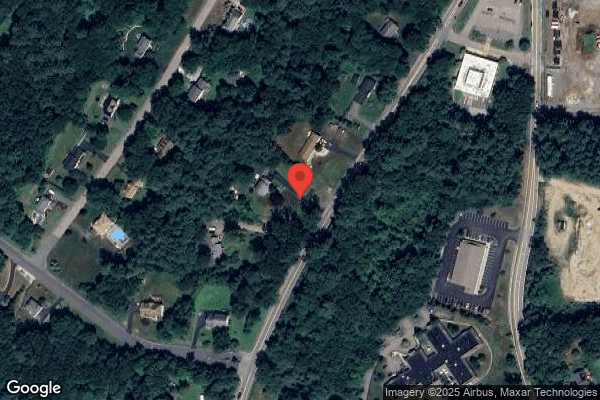


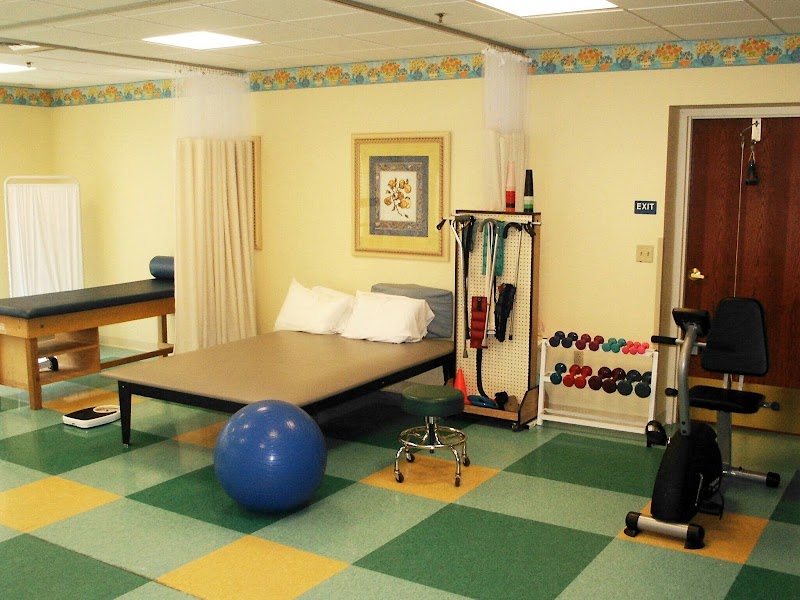

LYDIA TAFT HOUSE

60 QUAKER HIGHWAY, UXBRIDGE, MA 01569 (508) 278-9500
For profit - Corporation 53 Beds REHABILITATION ASSOCIATES Data: November 2025
Trust Grade
95/100
#39 of 338 in MA
Last Inspection: August 2024

Within standard 12-15 month inspection cycle. Federal law requires annual inspections.

Overview

Lydia Taft House in Uxbridge, Massachusetts has a Trust Grade of A+, which means it is considered an elite facility, ranking among the best in the state. It ranks #39 out of 338 nursing homes in Massachusetts, placing it in the top half, and #7 out of 50 in Worcester County, indicating it is one of the better options locally. The facility is improving, having reduced issues from 10 in 2023 to 0 in 2024, which is a positive trend. Staffing is a strong point with a perfect 5/5 rating and a turnover rate of just 24%, much lower than the state average, which suggests that staff are experienced and familiar with the residents. However, there are some weaknesses; recent inspections found concerns with infection control practices, such as not properly cleaning a high-risk kitchen ice machine and failing to notify families about COVID-19 cases in a timely manner. Additionally, there were issues with maintaining safe hot water temperatures, which could pose burn risks for residents. Overall, while Lydia Taft House has many strengths, families should be aware of these specific concerns when considering care for their loved ones.

Trust Score
A+
95/100
In Massachusetts
#39/338
Top 11%
Safety Record
Low Risk
No red flags
Inspections
Getting Better
8 → 0 violations
Staff Stability
✓ Good
24% annual turnover. Excellent stability, 24 points below Massachusetts's 48% average. Staff who stay learn residents' needs.
Penalties
✓ Good
No fines on record. Clean compliance history, better than most Massachusetts facilities.
Skilled Nurses
○ Average
Each resident gets 40 minutes of Registered Nurse (RN) attention daily — about average for Massachusetts. RNs are the most trained staff who monitor for health changes.
Violations
○ Average
10 deficiencies on record. Average for a facility this size. Mostly minor or procedural issues.
★★★★★
5.0
Overall Rating
★★★★★
5.0
Staff Levels
★★★☆☆
3.0
Care Quality
★★★★☆
4.0
Inspection Score
Stable
2023: 8 issues
2024: 0 issues

The Good

  • 5-Star Staffing Rating · Excellent nurse staffing levels
  • Low Staff Turnover (24%) · Staff stability means consistent care
  • Full Sprinkler Coverage · Fire safety systems throughout facility
  • No fines on record
  • Staff turnover is low (24%)

    24 points below Massachusetts average of 48%

Facility shows strength in staffing levels, staff retention, fire safety.

The Bad

Chain: REHABILITATION ASSOCIATES

Part of a multi-facility chain

Ask about local staffing decisions and management

The Ugly 10 deficiencies on record

May 2023 7 deficiencies
CONCERN (D)

Potential for Harm - no one hurt, but risky conditions existed

Deficiency F0685 (Tag F0685)

Could have caused harm · This affected 1 resident

Based on record review, policy review and interviews, the facility failed to arrange an Optometry appointment for one Resident (#33) out of a total sample of 12 residents. Specifically, the facility f...

Read full inspector narrative →
Based on record review, policy review and interviews, the facility failed to arrange an Optometry appointment for one Resident (#33) out of a total sample of 12 residents. Specifically, the facility failed to address the Resident's vision impairment. Findings include: Review of the facility policy titled Dental, Vision, Hearing and Podiatry Services, undated, indicated that the facility will ensure that all resident's/patient's dental, vision, hearing and podiatry needs are addressed. Resident #33 was admitted to the facility in July 2019 with a diagnosis of Glaucoma (a group of eye conditions that can cause blindness). During an interview on 5/1/23 at 10:00 A.M., Resident #33 told the surveyor that he/she had not seen the eye doctor since his/her admission to the facility. The Resident further said that he/she did not think the reading glasses they currently used were adequate. Review of Resident #33's record revealed: -Resident #33 signed a consent to receive Eye Care Services on 3/9/21. -Resident #33's activated Health Care Proxy (HCP- the legal document used to tell medical providers who should make decisions about care if you are not competent to do so) signed a consent for Eye Care Services on 3/17/22. -no documented evidence that Resident #33 had been seen for Eye Care Services. Review of the Minimum Data Set (MDS) assesment, dated 4/4/23, indicated that Resident #33 had a vision impairment, used corrective lenses, and had a diagnosis of Glaucoma. Review of Resident #33's care plan for impaired vision, dated 4/28/23, indicated interventions to monitor for worsening vision loss and Optometry consult as indicated. Review of Resident #33's Physician's orders for May 2023 indicated an order for Optometrist consult as needed with a start date of 9/20/18. During an interview on 5/2/23 at 7:38 A.M., Nurse #1 said that all residents should receive vision services if they have an eye issue such as Glaucoma. During an interview on 5/2/23 at 8:47 A.M., Nurse #1 said that Resident #33 should have received vision services and that he/she did not.
CONCERN (D)

Potential for Harm - no one hurt, but risky conditions existed

Medical Records (Tag F0842)

Could have caused harm · This affected 1 resident

**NOTE- TERMS IN BRACKETS HAVE BEEN EDITED TO PROTECT CONFIDENTIALITY** Based on observation, record review, and interview, the facility failed to maintain an accurate clinical record for one Resident...

Read full inspector narrative →
**NOTE- TERMS IN BRACKETS HAVE BEEN EDITED TO PROTECT CONFIDENTIALITY** Based on observation, record review, and interview, the facility failed to maintain an accurate clinical record for one Resident (#8) out of a total sample of 12 residents. Specifically, facility staff failed to maintain an accurate record relative to: a. the Resident's use of CPAP [continuous positive airway pressure]: machine that uses a predetermined pressure to keep the airways open during sleep) and b. the Resident's physical status when his/her Diazepam (medication used to treat anxiety) was not administered due to the Resident being sedated. Findings include: Resident #8 was admitted to the facility in July 2019 with diagnoses of Chronic Obstructive Pulmonary Disease (COPD - disease that causes airflow blockage and breathing related problems) and anxiety disorder. a. The facility staff failed to maintain an accurate clinical record for Resident #8 relative to the Resident's use of a CPAP machine during hours of sleep and the Resident's Medical Orders for Life Sustaining Treatment (MOLST) indicated not to CPAP. Review of the Resident's MOLST, dated 6/4/2019, included: Do Not Use Non-Invasive Ventilation (e.g. CPAP). Review of an active Physician's order, initiated 2/27/21, included: Resident to wear CPAP at hs (hour of sleep) when in bed. Review of the Minimum Data Set Assessment (MDS), dated [DATE], indicated Resident #8 was cognitively intact as evidenced by a Brief Interview for Mental Status (BIMS) of 13 out of 15. Review of the Advance Directive Care Plan, dated 3/24/23, included: Complete new MOLST if [Resident] wants to make changes. On 5/2/23 at 9:02 A.M., the surveyor observed Resident #8 lying awake in bed. There was a CPAP machine with tubing on the night stand to the left side of the Resident's bed, next to the window. At this time, Resident #8 said he/she used the CPAP when he/she slept because of his/her history of Sleep Apnea and COPD. During an interview on 5/3/23 at 11:45 A.M. Nurse #1 said Resident #8 used a CPAP because he/she had Sleep Apnea. Nurse #1 said Resident #8 needed to use the CPAP machine when he/she slept so that he/she would not stop breathing. Nurse #1 said she thought the information on the MOLST was only used if the Resident required transfer to the hospital and did not think the Resident's choice to use the CPAP needed to be reflected on the MOLST, even though the Resident used a CPAP machine to sustain breathing while sleeping. b. The facility staff failed to maintain an accurate medical record for Resident #8 relative to his/her physical status when his/her Diazepam (medication used to treat anxiety) was not administered due to the Resident being sedated. Review of Resident #8's April 2023 Physician's orders included: Diazepam five milligram (mg) tablet; give one tablet by mouth three times daily . Review of Resident #8's April 2023 Medication Administration Record (MAR) included that the Resident's scheduled 2:00 P.M. dose of Diazepam was not administered on 4/16/23 due to the Resident being too sedated. Further review of the MAR indicated this entry was made at 1:32 P.M. on 4/16/23. Review of the Nurse Note, dated 4/16/23 and entered into the record at 1:55 P.M., indicated: - Resident #8 was alert and oriented at baseline, able to make needs known with clear and concise speech . - All medications were administered as ordered. Review of the clinical record included no evidence the Physician was contacted relative to Resident #8's Diazepam being held due to the Resident being sedated. During an interview on 5/3/23 at 1:02 P.M., Nurse #1 said if a resident appeared sedated and medication needs to be held, the Nurse is required to contact the Physician/Nurse Practitioner (NP) to alert them of the resident's status, that the medication needed to be held, and to obtain further instruction. She further said the Nurse was required to document thisinformation in the resident's medical record. Nurse #1 said the NP had been notified of the need to hold Resident #8's Diazepam on 4/16/23 due to the Resident being sedated and the NP did not provide any new orders at that time. Nurse #1 said the Nurse's Note written on 4/16/23 did not accurately reflect Resident #8's condition, as required. She further said the Nurse's Note should have reflected the communication with the NP, and the results of that communication, but it did not.
CONCERN (E)

Potential for Harm - no one hurt, but risky conditions existed

Accident Prevention (Tag F0689)

Could have caused harm · This affected multiple residents

**NOTE- TERMS IN BRACKETS HAVE BEEN EDITED TO PROTECT CONFIDENTIALITY** Based on observation, policy review, and interview, the facility failed to ensure its staff provided an environment as free of a...

Read full inspector narrative →
**NOTE- TERMS IN BRACKETS HAVE BEEN EDITED TO PROTECT CONFIDENTIALITY** Based on observation, policy review, and interview, the facility failed to ensure its staff provided an environment as free of accident hazards as possible, relative to hot water temperatures, in two out of three resident unit hallways. Specifically, the facility failed to ensure its staff provided safe hot water temperatures in resident care areas when the facility water temperature was increased for running the dish machine, which also increased the water temperature on resident units, increasing the risk for injury of accidental burns. Findings include: Review of the undated Water Temperature Policy provided by the facility included: - Water temperatures in resident areas are maintained at temperatures between 106 and 120 degrees Fahrenheit (F). - Temperatures are set at the water source to assure adequate and comfortable temperature levels in resident areas. Review of the Resident Bed List Report provided by the facility, dated 5/1/23, indicated there were a total of 14 residents housed in the unit hallway containing rooms 10 through 19. Further review of the report indicated there were a total of eight residents housed in the unit hallway containing rooms 30 through 39. On 5/2/23 at 10:38 A.M., the surveyor observed the dish machine during its wash cycle in the facility's main kitchen. The temperature gauge on the front of the dish machine indicated the temperature was running at 110 degrees F. At this time, the Maintenance Director said the dish machine was a low temp machine and was required to wash at a temperature of 120 degrees F. The Maintenance Director said he just needed to make an adjustment to the water temperature in the back room and give it a few minutes, then he could run the dish machine again. The surveyor then observed the Maintenance Director enter the Mechanical Room and adjust a valve at a box on the wall. The Maintenance Director said that the valve he adjusted would increase the temperature of the water for the dish machine. The Maintenance Director further said the valve also controlled the hot water that fed the resident units. When asked whether adjusting the valve would increase a risk for resident water becoming too hot, the Maintenance Director said, it shouldn't. On 5/2/23 at 11:50 A.M., the surveyor entered room [ROOM NUMBER]'s bathroom. The surveyor turned on the hot water and placed their hand under the running water. The surveyor was unable to keep their hand under the running water due to it being too hot. During an interview on 5/2/23 at 11:53 A.M., the Maintenance Director said he checked water temperatures in resident rooms regularly and that he would check the water temperature at that time. The Maintenance Director then turned on the hot water at the sink in the bathroom of room [ROOM NUMBER] and placed a thermometer in the water, but he could not get the thermometer to turn on. The Maintenance Director then said the thermometer was not working. He then placed his hand under the running water briefly, removed his hand from under the running water, and said it was way too hot and that it needed to be adjusted. During a follow-up interview on 5/2/23 at 12:04 P.M., the Maintenance Director said he had to adjust the water temperature for resident areas by turning the valve in the Mechanical Room down and that once the water was run through the system, the temperature would decrease. The Maintenance Director then said he obtained another thermometer and would proceed to check water temperatures in resident areas with the surveyor. The following water temperatures were obtained: - room [ROOM NUMBER]: 129 degrees F - room [ROOM NUMBER]: 125 degrees F At this time, the Maintenance Director said the hot water for the resident units increased when he adjusted the mixing valve in the Mechanical Room to increase the water temperature for the dish machine. He said the water temperature in the resident areas was too hot and needed to be adjusted down for safety.
CONCERN (E)

Potential for Harm - no one hurt, but risky conditions existed

Food Safety (Tag F0812)

Could have caused harm · This affected multiple residents

Based on observation, policy review, and interview, the facility failed to adhere to food storage requirements in the main kitchen and dining room nourishment kitchen, and practiced standard sanitary ...

Read full inspector narrative →
Based on observation, policy review, and interview, the facility failed to adhere to food storage requirements in the main kitchen and dining room nourishment kitchen, and practiced standard sanitary procedures during food handling. Specifically, the facility staff failed to: 1. Label, date, and seal open food items meant for resident consumption in the main kitchen's dry storage area and refrigerator, 2. seal open food items stored in the dining room nourishment kitchen, and 3. wear hair restraints to fully cover hair during food handling and meal service. Findings include: Review of the facility's Dry Storage Areas Policy, dated 2008, included the following: -Dry storage areas will be kept in a condition which protects stored foods from infestation. -Containers with tight fitting covers should be used for storing cereal, grain products, dried vegetables, and broken lots of bulk food. Review of the facility policy for practicing standard sanitary procedures in the kitchen, undated, indicated: -All kitchen employees will practice standard sanitary procedures. -All employees shall wear hair restraints. 1. The facility failed to ensure its staff labeled, dated, and sealed open food items meant for resident consumption in the main kitchen's dry storage area and refrigerator. During the initial kitchen walk through on 5/1/23 at 7:49 A.M., the surveyor observed the following opened, unlabeled and undated food items in the dry storage area and refrigerator: -1 bag of corn flakes, folded shut -1 large unsealed bag of potato chips (open to air) -1 used whipped topping piping bag with dirty tip laying on a shelf2. The facility failed to ensure its staff adhered to sanitary food handling practices in the facility's dining room and main kitchen, to reduce the risk for food contamination and foodborne illness, when staff prepared and handled food items meant for resident consumption. On 5/2/23 at 8:54 A.M., the surveyor observed the following during point of service meal distribution in the facility's dining room: - The [NAME] wore a hair restraint that did not fully cover her hair; the hair restraint extended to approximately the base of the Cook's skull and her hair extended out from under the hair restraint to the base of her neck. - Nursing staff read the meal tickets off to the [NAME] and the [NAME] loaded resident plates with food items read to her by the Nursing staff. - The [NAME] handed the loaded plates containing resident food to the Nursing staff. The food was not covered and the Nursing staff did not wear hair restraints. - The Nursing staff carried the food from the steam table area to a table in the dining room where they placed the plates on trays, then covered the food. - Nursing staff also stood at a counter top next to the steam table, poured dry cereal into bowls and poured drinks, then applied covers to the bowls and cups. - Nursing staff exited the dining room with the trays and delivered them to resident rooms. On 5/2/23 at 11:02 A.M., the surveyor observed the [NAME] handling food in the facility's main kitchen. The [NAME] removed a tray of chicken from the oven, placed it on the counter and inserted a thermometer into one of the pieces of chicken. The [NAME] wore a hair restraint that did not fully cover her hair; the hair restraint extended to approximately the base of the Cook's skull and her hair extended out from under the hair restraint to the base of her neck. At this time, the Food Service Director (FSD) said the [NAME] was supposed to have her hair fully covered when handling food, as required. 3. The facility failed to ensure its staff adhered to dry food storage requirements in the facility's dining room nourishment kitchen, in order to reduce risk for foodborne illness and infestation. On 5/2/23 at 9:00 A.M., the surveyor observed the following in the facility's dining room nourishment kitchen cabinet: - One large open bag of potato chips, approximately one quarter full. There was a tear in the bag that extended from the top of the bag approximately one quarter of the way down the bag. The top of the bag was folded over, but was not sealed. - One four pound bag of cane sugar, less than one quarter full, open to air On 5/2/23 at 10:30 A.M., the surveyor observed the following in the facility's main kitchen: - Two bags of dry cereal, approximately half-full and unsealed. Neither bag of dry cereal was labeled or dated. - Two covered plastic containers containing dry cereal, approximately one quarter full, undated. - Two packages of English muffins with a 'fresh through' date of 4/29/23 stored on the bread rack. During an interview on 5/2/23 at 10:35 A.M., the FSD said food packages were to be labeled, dated, and sealed after being opened. The FSD said the potato chips and cane sugar should have been sealed after they were opened and stored in the cabinet in the facility's dining room nourishment kitchen. He also said the bags of dry cereal stored in the main kitchen's dry storage area should have been labeled, dated, and sealed after they were opened and that the plastic containers of dry cereal should have been labeled and dated, as required. The FSD said the English muffins with a fresh through date of 4/29/23 could still be used for resident consumption as long as it looked okay and the [NAME] inspected it prior to serving. He said the fresh through date didn't really matter because they grilled the English muffins before serving them to residents.
CONCERN (E)

Potential for Harm - no one hurt, but risky conditions existed

Deficiency F0886 (Tag F0886)

Could have caused harm · This affected multiple residents

**NOTE- TERMS IN BRACKETS HAVE BEEN EDITED TO PROTECT CONFIDENTIALITY** Based on record review and interview, the facility failed to implement requirements relative to outbreak testing and return to w...

Read full inspector narrative →
**NOTE- TERMS IN BRACKETS HAVE BEEN EDITED TO PROTECT CONFIDENTIALITY** Based on record review and interview, the facility failed to implement requirements relative to outbreak testing and return to work testing criteria, in order to prevent the spread of infection, when the facility experienced an outbreak of COVID-19. Specifically, the facility failed to: 1. Initiate outbreak testing timely for one staff (Nurse #2), out of three sampled staff, 2. Complete outbreak testing every 48 hours until the facility went 7 days without a new case for three Residents (#17, #33 and #46), out of a sample of three residents, and 3. Document a negative test result for one staff member (Employee #1) prior to his/her return to work after testing positive for COVID-19. Findings include: 1. The facility failed to initiate required COVID-19 outbreak testing for Nurse #2 after Employee #1 tested positive for COVID-19 while working at the facility on 4/1/23. Review of facility policy COVID-19 Prevention and Control dated 3/14/23, indicated the following: -Once a new case is identified, the facility should initiate outbreak testing. Outbreak testing should include: -Testing exposed staff and residents on the affected unit(s) must take place as soon as possible. If the long-term care facility, identifies that the resident or staff member's first exposure occurred less than 24 hours ago, then they should wait to test until, but not earlier than 24 hours after any exposure, if known . Review of Employee #1's timecard indicated that he/she worked at the facility on 4/1/23 from 6:38 A.M., to 11:53 A.M. Review of the facility's surveillance line listing, dated 4/8/2023, indicated Employee #1 tested positive for COVID-19 on 4/1/23. Review of Nurse #2's timecard indicated that he/she worked at the facility on 4/1/23, 4/2/23, and 4/3/23. Review of the facility's Weekly Employee COVID-19 Testing Log, dated 4/2/23 through 4/8/23, indicated no evidence that Nurse #2 completed initial outbreak testing for COVID-19 24 hours after exposure (4/2/23) and that he/she was not tested until 4/3/23. Further review of the Log indicated only three staff members were tested for COVID-19 on 4/2/23. During an interview on 5/2/23 at 4:02P.M., the Director of Nursing (DON) said when Employee #1 tested positive for COVID-19 on 4/1/23, outbreak testing was initiated due to the Employee working in an area where he/she interacted with multiple staff and residents, and they could not contact trace. The surveyor and the DON reviewed the Weekly Employee COVID-19 Testing Logs from 4/2/23 through 4/8/23. The DON said initial outbreak testing was not completed for Nurse #2 on 4/2/23, but it should have been. No evidence that initial outbreak testing began for all staff on 4/2/23, as required, was provided prior to the end of the recertification survey. 2. The facility staff failed to complete outbreak testing for three Residents (#17, #33 and #46) every 48 hours for seven days until no new positive cases were identified, as required, during a COVID-19 outbreak. Review of the Centers for Disease Control and Prevention (CDC) document, titled Strategies to Mitigate Healthcare Personnel Staffing Shortages, dated 9/23/22, included that Day 0 was: a. the date symptoms first appeared for individuals symptomatic and positive for COVID-19, or b. the date of a positive test for an asymptomatic individual. Review of the facility policy COVID-19 Prevention and Control dated 3/14/23, indicated the following: -Once the facility has completed the requisite initial outbreak testing ., the facility should test staff and residents every 48 hours on the affected unit(s) until the facility goes seven days without a new case or a DPH epidemiologist directs otherwise . Review of the facility's surveillance line listing, dated 4/8/2023, indicated Employee #1 tested positive for COVID-19 on 4/1/23. Review of the clinical records for Residents #17, #33 and #46 indicated they had been tested for COVID-19 on 4/2/23 (day one), 4/4/23 (day three), and 4/6/23 (day five), but included no evidence they had been tested on [DATE] (day seven), as required, to complete a seven-day period with no new positive cases of COVID-19. The facility's staff provided no evidence that an Epidemiologist provided direction for alternate testing instructions. During an interview on 5/2/23 at 1:03P.M., the DON said Employee #1 was symptomatic and tested positive for COVID-19 on 4/1/23. She said the facility initiated outbreak testing of all residents on Day 1 (4/2/23), and continued on Day 3 (4/4/23) and Day 5 (4/6/23), and there were no additional positive cases. The DON was unable to provide evidence that COVID-19 testing was completed every 48 hours, including testing on 4/8/23, as required, to complete a seven-day period with no new positive cases of COVID-19 for Residents #17, #33 and #46. 3. The facility staff failed to ensure that Employee #1, who had been positive for COVID-19, returned to work with a documented negative test for COVID-19, as required. Review of the facility Covid-19 Prevention and Control policy, dated 3/14/23, indicated: Review of the facility Procedure for Staff and Resident testing, undated, indicated: -Facility staff can be tested elsewhere (e.g by another employer) if it is completed in the same timeframe and the results are documented by the facility. Review of the facility's Surveillance Line Listing, dated 4/8/2023, indicated one positive COVID-19 cases among staff from 4/1/23- 4/8/23. Employee #1 was listed as a positive Covid-19 case on 4/1/23. Review of Employee #1's time-card indicated he/she worked on 4/1/23 and returned to work on 4/7/23. Review of the facility weekly COVID-19 staff testing logs from 4/2/23 through 4/8/23 indicated that Employee #1 was listed as NA (Not Applicable). During an interview on 5/3/23 at 12:41 P.M., the Administrator said there was no documented evidence as required, that a negative COVID-19 test result was obtained prior to Employee #1 returning to work.
CONCERN (F)

Potential for Harm - no one hurt, but risky conditions existed

Infection Control (Tag F0880)

Could have caused harm · This affected most or all residents

Based on interview and policy review, the facility failed to ensure that an infection prevention and control program was implemented in order to provide a sanitary environment and help prevent the dev...

Read full inspector narrative →
Based on interview and policy review, the facility failed to ensure that an infection prevention and control program was implemented in order to provide a sanitary environment and help prevent the development and transmission of communicable diseases. Specifically, the facility failed to ensure its staff followed an infection prevention and control cleaning program for an area identified as high risk (the kitchen ice machine) for the potential presence of Legionella (a bacteria that can grow and multiply in moist areas of a building water system and cause lung infections) within the facility. Review of the facility policy, Legionella Water Management Program (Legionella), undated, indicated the following: -Kitchen ice machine: clean monthly per the manufacturer's instructions. Review of the Equipment Maintenance Log, Ice Machine, undated, indicated the following dates of inspection: -January 12, 2022 -April 13, 2022 -July 12, 2022 -October 12, 2022 -December 12, 2022 -March 15, 2023 During an interview on 5/2/23 at 4:05 P.M., the Maintenance Director said the kitchen ice machine was cleaned quarterly and was not cleaned monthly as indicated in the Water Management Program.
CONCERN (F)

Potential for Harm - no one hurt, but risky conditions existed

Deficiency F0885 (Tag F0885)

Could have caused harm · This affected most or all residents

Based on record review and interview, the facility failed to notify residents, families, and/or resident representatives of COVID-19 positive staff cases that occurred in the facility by 5:00 P.M., th...

Read full inspector narrative →
Based on record review and interview, the facility failed to notify residents, families, and/or resident representatives of COVID-19 positive staff cases that occurred in the facility by 5:00 P.M., the next calendar day during the recent COVID-19 outbreak in April 2023, as required. Findings include: Review of the Centers for Medicare and Medicaid Services Interim Final Rule Updating Requirements for Notification of Confirmed or Suspected COVID-19 Cases of Residents and Staff in Nursing Homes, Reference: QSO-20-29-NH dated May 6, 2022, indicated: - 3) Inform residents, their representatives, and families of those residing in facilities by 5 P.M., the next calendar day following the occurrence of either a single confirmed infection of COVID-19, or three or more residents or staff with new-onset of respiratory symptoms occurring within 72 hours of each other . Review of the facility's Positive Result COVID Employees list, dated 4/8/2023, indicated one positive COVID-19 case among staff on 4/1/23. During an interview on 5/2/23 at 4:02 P.M., the Director of Nursing (DON) said facility staff would contact resident families and representatives via telephone to inform them about positive COVID-19 cases and that a nursing note would be written in the resident's medical record to indicate that this occurred. She further said that there was no notification for the COVID-19 positive case, as required, during the April 2023, COVID-19 outbreak.
Jan 2023 1 deficiency
CONCERN (D) 📢 Someone Reported This

A family member, employee, or ombudsman was alarmed enough to file a formal complaint

Potential for Harm - no one hurt, but risky conditions existed

Deficiency F0561 (Tag F0561)

Could have caused harm · This affected 1 resident

Based on records reviewed and interviews for one of three sampled residents (Resident #1), who was cognitively intact, and dependent on two staff members for transfers, the Facility failed to ensure R...

Read full inspector narrative →
Based on records reviewed and interviews for one of three sampled residents (Resident #1), who was cognitively intact, and dependent on two staff members for transfers, the Facility failed to ensure Resident #1's right to self-determination was honored and that staff supported his/her choices, when on 11/16/22, sometime in the early morning, during the 11:00 P.M. to 7:00 A.M. shift, Resident #1 requested help to get out of bed because he/she was uncomfortable, Certified Nurse Aide #2 did not honor his/her request, and told Resident #1 he/she could not get out of bed. Findings include: Review of the Facility's Policy titled, Your Rights and Protections as a Nursing Home Resident, undated and included in the Facility's admission Packet, indicated that as a Nursing Home Resident there are certain rights and protections under Federal and State Law that help ensure residents get the care and services they need. The Policy indicated residents have the following rights: - self-determination and the right to make their own schedule, and the right to decide when they go to bed and when they rise in the morning, - the right to be treated with dignity and respect, - the right to participate in decisions that affect care, and - the right to be free of interference, coercion, discrimination, and reprisal from the Facility in exercising his/her rights. Resident #1 was admitted to the Facility in September 2022, diagnoses included cervical (neck) spinal stenosis (narrowing of the spinal canal) polyneuropathy (peripheral nerve damage), gastro-esophageal reflux disease, and acute respiratory failure. Review of Resident #1's Minimum Data Set (MDS) Significant Change Assessment, dated 10/06/22, indicated Resident #1 was cognitively intact, exhibited no behavioral symptoms, and the right to choose his/her own bedtime was very important to him/her. Review of Resident #1's Comprehensive Care Plans related to Pain and Activities of Daily Living (ADLs), dated 10/27/22, indicated Resident #1 reported moderate to severe pain secondary to spinal stenosis and neuropathy, and staff should reposition for comfort. The Care Plan also indicated Resident #1 was dependent for transfers. Review a written Interview with Resident #1 conducted by the Director of Social Services on 11/16/22, indicated Resident #1 said that on 11/16/22 at approximately 3:30 A.M. he/she wanted to get into his/her wheelchair, CNA #2 was not happy about this request, and sat Resident #1 up in bed (elevated head of bed) instead of getting him/her out of bed, as requested. During an interview on 01/11/23 at 12:42 P.M., the Director of Social Services said Resident #1 was able to make his/her needs known. The Director said Resident #1 told her he/she was pissed off because he/she wanted to get into his/her wheelchair and CNA #2 refused to assist him/her to get out of bed and into his/her wheelchair as requested. The Director said if a resident asks to get out of bed, he/she should be allowed to do so, regardless of what time it is. During an interview on 01/11/23 at 10:55 A.M., and review of CNA #2's written Witness Statement, undated, CNA #2 said she cared for Resident #1 during the night shift that began 11/15/22 at 11:00 P.M., and ended on 11/16/22 at 7:00 A.M. CNA #2 said she could not remember the exact time, but that early in the morning, Resident #1 told her he/she wanted to get out of bed. CNA #2 said she did not get Resident #1 out of bed because it was very busy, and she was not familiar with Resident #1's routine. CNA #2 said Resident #1 was upset with her all night because she told Resident #1 that he/she could not get out of bed. During an interview on 01/12/23 at 1:47 P.M., CNA #3 said she worked the night shift that began 11/15/22 at 11:00 P.M., and ended on 11/16/22 at 7:00 A.M. on Resident #1's unit, but said she was not assigned to Resident #1. CNA #3 said Resident #1 required an assist of two staff members for transfers, and said CNA #2 never asked her for help to get Resident #1 out of bed during the shift. During an interview on 01/12/23 at 11:35 A.M. and review of CNA #1's written Witness Statement, dated 11/16/22, CNA #1 said Resident #1 was dependent for transfers and repositioning because he/she was not able to move much on his/her own. CNA #1 said on 11/16/22, sometime in the afternoon, while she provided care for Resident #1, Resident #1 reported to her that early that morning (11/16/22), he/she asked a CNA (later identified as CNA #2) to get him/her out of bed because he/she was uncomfortable. CNA #1 said Resident #1 reported to her that CNA #2 told him/her that he/she could not get out of bed and refused to help get him/her up. CNA #1 said she reported this to a nurse immediately. During an interview on 01/20/23, Nurse #2 said as far as she can recall, CNA #2 had not asked her about Resident #1 getting out of bed early in the morning on 11/16/22. Nurse #2 said if Resident #1 had wanted to get out of bed, he/she had the right to get up regardless of what time it was. During an interview on 01/11/23 at 11:57 A.M., Nursing Supervisor #1 said Resident #1 was able to make his/her needs known. Nursing Supervisor #1 said Resident #1 had the right to get out of bed anytime he/she wanted, even if it was not his/her normal routine to get up early in the morning. During an interview on 01/11/23 at 2:45 P.M., the Director of Nurses (DON) said if Resident #1 wanted to get out of bed, he/she had the right to get out of bed and should have been allowed to, but he/she was not. .
Dec 2021 2 deficiencies
CONCERN (D)

Potential for Harm - no one hurt, but risky conditions existed

Respiratory Care (Tag F0695)

Could have caused harm · This affected 1 resident

Based on observation, record review, and interview the facility failed to properly store nebulizer (a small machine that turns liquid medicine into a mist and has a hose that goes from the machine to ...

Read full inspector narrative →
Based on observation, record review, and interview the facility failed to properly store nebulizer (a small machine that turns liquid medicine into a mist and has a hose that goes from the machine to either a face mask or a mouthpiece) equipment when not in use, for two residents (#25 and #29) out of 12 sampled residents. Findings include: 1. Resident #25 was admitted to the facility in April 2021. Review of the December 2021 physician's orders indicated arfortmoterol tartrate 15 microgram (mcg)/2 milliliter (ml) inhale 2 ml via nebulizer twice a day, and to administer budesonide 0.5 mcg/2ml inhale 2 ml via nebulizer once a day at night. Review of the December 2021 Medication Administration Record (MAR) indicated the resident received the nebulizer treatments as ordered from 12/1/21 through 12/7/21. On 12/03/21 at 9:28 A.M., the surveyor observed the Resident in his/room eating breakfast. The Resident had audible congestion, and was coughing phlegm into a tissue. The nebulizer machine was on the window sill and the mouthpiece was uncovered. On 12/03/21 at 2:09 P.M., the surveyor observed the nebulizer machine on the window sill with the mouthpiece uncovered. On 12/07/21 at 8:05 A.M., the surveyor observed the Resident asleep in bed. The nebulizer machine was on the window sill with the mouthpiece uncovered. 2. Resident #29 was admitted to the facility in November 2021 with diagnosis including respiratory failure. Review of the December 2021 physician's orders indicated albuterol sulfate (2.5 mg /3 ml) 0.083% nebulization solution- inhale 1 vial via nebulizer every 8 hours as needed for shortness of breath. Review of the December 2021 MAR indicated the Resident was administered the nebulizer treatment on 12/4, 12/5, 12/6, and 12/7/21. On 12/03/21 at 7:56 A.M., the surveyor observed the nebulizer machine on the window sill with the facemask laying directly on the sill, uncovered. On 12/07/21 at 8:15 A.M., the surveyor observed the nebulizer facemask and tubing laying on top of the night stand, uncovered. On 12/07/21 at 8:19 A.M., the surveyor and nurse #1 observed both Resident #25 and Resident #29's nebulizer equipment. Nurse #1 said the nebulizer equipment should be placed in bags when not in use. Review of the facility's undated policy titled, Administering Medications through a Small Volume Nebulizer, indicated the following: -Purpose of the procedure is to safely and aseptically administer aerolized particles of medication into the resident's airway. -When treatment is complete, turn off nebulizer and disconnect T-piece, mouthpiece and medication cup. -When equipment is completely dry, store in a plastic bag with the resident's name and date on it.
CONCERN (E)

Potential for Harm - no one hurt, but risky conditions existed

Food Safety (Tag F0812)

Could have caused harm · This affected multiple residents

Based on observation, interview, and policy review the facility failed to store food in accordance with professional standards for food service safety. Findings include: On 12/3/21 at 7:19 A.M., the ...

Read full inspector narrative →
Based on observation, interview, and policy review the facility failed to store food in accordance with professional standards for food service safety. Findings include: On 12/3/21 at 7:19 A.M., the surveyor observed the following items not labeled and dated: -In the walk-in freezer: *one open bag of crab meat *one open bag of chicken breasts *one open package of hot dogs -In the walk-in refrigerator: *one open package of sliced cheese *one open large container of yogurt On 12/07/21 at 7:37 A.M., the surveyor observed the following items not labeled and dated: -In the walk-in freezer: *one open bag of chicken breasts *one open package of raviolis *one open package of waffles *one open package of beef patties -Under the prep table was a large plastic bin of flour with no label or date. During an interview on 12/7/21 at 7:45 A.M., Dietary Aide #1 and [NAME] #1 said anything that was open should have been labeled and dated. Review of the facility's policy for food storage, dated 2008, indicated the following: -Policy: Food is stored by methods designed to prevent contamination. *Plastic containers with tight-fitting covers must be used for storing flour .all containers must be legible and accurately labeled. *Refrigeration: all foods should be covered, labeled and dated *Frozen foods: all foods should be covered, labeled and dated
Understanding Severity Codes (click to expand)
Life-Threatening (Immediate Jeopardy)
J - Isolated K - Pattern L - Widespread
Actual Harm
G - Isolated H - Pattern I - Widespread
Potential for Harm
D - Isolated E - Pattern F - Widespread
No Harm (Minor)
A - Isolated B - Pattern C - Widespread

Questions to Ask on Your Visit

  • "Can I speak with families of current residents?"
  • "What's your RN coverage like on weekends and overnight?"

Our Honest Assessment

Strengths
  • • Grade A+ (95/100). Above average facility, better than most options in Massachusetts.
  • • No major safety red flags. No abuse findings, life-threatening violations, or SFF status.
  • • No fines on record. Clean compliance history, better than most Massachusetts facilities.
  • • 24% annual turnover. Excellent stability, 24 points below Massachusetts's 48% average. Staff who stay learn residents' needs.
Concerns
  • • No significant concerns identified. This facility shows no red flags across CMS ratings, staff turnover, or federal penalties.
Bottom line: Generally positive indicators. Standard due diligence and a personal visit recommended.

About This Facility

What is Lydia Taft House's CMS Rating?

CMS assigns LYDIA TAFT HOUSE an overall rating of 5 out of 5 stars, which is considered much above average nationally. Within Massachusetts, this rating places the facility higher than 99% of the state's 100 nursing homes. This rating reflects solid performance across the metrics CMS uses to evaluate nursing home quality.

How is Lydia Taft House Staffed?

CMS rates LYDIA TAFT HOUSE's staffing level at 5 out of 5 stars, which is much above average compared to other nursing homes. Staff turnover is 24%, compared to the Massachusetts average of 46%. This relatively stable workforce can support continuity of care.

What Have Inspectors Found at Lydia Taft House?

State health inspectors documented 10 deficiencies at LYDIA TAFT HOUSE during 2021 to 2023. These included: 10 with potential for harm.

Who Owns and Operates Lydia Taft House?

LYDIA TAFT HOUSE is owned by a for-profit company. For-profit facilities operate as businesses with obligations to shareholders or private owners. The facility is operated by REHABILITATION ASSOCIATES, a chain that manages multiple nursing homes. With 53 certified beds and approximately 47 residents (about 89% occupancy), it is a smaller facility located in UXBRIDGE, Massachusetts.

How Does Lydia Taft House Compare to Other Massachusetts Nursing Homes?

Compared to the 100 nursing homes in Massachusetts, LYDIA TAFT HOUSE's overall rating (5 stars) is above the state average of 2.9, staff turnover (24%) is significantly lower than the state average of 46%, and health inspection rating (4 stars) is above the national benchmark.

What Should Families Ask When Visiting Lydia Taft House?

Based on this facility's data, families visiting should ask: "Can I visit during a mealtime to observe dining assistance and food quality?" "How do you handle medical emergencies, and what is your hospital transfer rate?" "Can I speak with family members of current residents about their experience?"

Is Lydia Taft House Safe?

Based on CMS inspection data, LYDIA TAFT HOUSE has a clean safety record: no substantiated abuse findings (meaning no confirmed cases of resident harm), no Immediate Jeopardy citations (the most serious violation level indicating risk of serious injury or death), and is not on the Special Focus Facility watch list (a federal program monitoring the lowest-performing 1% of nursing homes). The facility has a 5-star overall rating and ranks #1 of 100 nursing homes in Massachusetts. While no facility is perfect, families should still ask about staff-to-resident ratios and recent inspection results during their visit.

Do Nurses at Lydia Taft House Stick Around?

Staff at LYDIA TAFT HOUSE tend to stick around. With a turnover rate of 24%, the facility is 21 percentage points below the Massachusetts average of 46%. Low turnover is a positive sign. It means caregivers have time to learn each resident's needs, medications, and personal preferences. Consistent staff also notice subtle changes in a resident's condition more quickly. Registered Nurse turnover is also low at 17%, meaning experienced RNs are available to handle complex medical needs.

Was Lydia Taft House Ever Fined?

LYDIA TAFT HOUSE has no federal fines on record. CMS issues fines when nursing homes fail to meet care standards or don't correct problems found during inspections. The absence of fines suggests the facility has either maintained compliance or corrected any issues before penalties were assessed. This is a positive indicator, though families should still review recent inspection reports for the full picture.

Is Lydia Taft House on Any Federal Watch List?

LYDIA TAFT HOUSE is not on any federal watch list. The most significant is the Special Focus Facility (SFF) program, which identifies the bottom 1% of nursing homes nationally based on persistent, serious quality problems. Not being on this list means the facility has avoided the pattern of deficiencies that triggers enhanced federal oversight. This is a positive indicator, though families should still review the facility's inspection history directly.