LANESSA EXTENDED CARE

751 SCHOOL STREET, WEBSTER, MA 01570 (508) 949-1334
For profit - Partnership 96 Beds ATHENA HEALTHCARE SYSTEMS Data: November 2025
Trust Grade
10/100
#294 of 338 in MA
Last Inspection: February 2025

Within standard 12-15 month inspection cycle. Federal law requires annual inspections.

Overview

Lanessa Extended Care in Webster, Massachusetts has received a Trust Grade of F, indicating significant concerns about the quality of care provided. With a state rank of #294 out of 338 facilities, they fall in the bottom half, and county rank of #46 out of 50 suggests limited local options for better care. The situation is worsening, with issues increasing from 5 in 2024 to 25 in 2025. Staffing is below average with a rating of 2/5 stars and a turnover rate of 34%, which is better than the state average but still concerning. Additionally, the facility has incurred $119,962 in fines, higher than 89% of Massachusetts facilities, indicating ongoing compliance problems. There are serious incidents reported, including a failure to properly monitor a resident after a fall, resulting in a significant arm fracture, and a lack of proper care for a resident with a gastrostomy tube, leading to dehydration and the need for IV fluids. While there are some strengths, such as lower staff turnover, the overall picture reveals multiple serious health and safety issues that families should carefully consider.

Trust Score
F
10/100
In Massachusetts
#294/338
Bottom 14%
Safety Record
High Risk
Review needed
Inspections
Getting Worse
5 → 25 violations
Staff Stability
○ Average
34% turnover. Near Massachusetts's 48% average. Typical for the industry.
Penalties
✓ Good
$119,962 in fines. Lower than most Massachusetts facilities. Relatively clean record.
Skilled Nurses
⚠ Watch
Each resident gets only 29 minutes of Registered Nurse (RN) attention daily — below average for Massachusetts. Fewer RN minutes means fewer trained eyes watching for problems.
Violations
⚠ Watch
70 deficiencies on record. Higher than average. Multiple issues found across inspections.
★☆☆☆☆
1.0
Overall Rating
★★☆☆☆
2.0
Staff Levels
★★★☆☆
3.0
Care Quality
★☆☆☆☆
1.0
Inspection Score
Stable
2024: 5 issues
2025: 25 issues

The Good

  • Full Sprinkler Coverage · Fire safety systems throughout facility
  • No fines on record
  • Staff turnover below average (34%)

    14 points below Massachusetts average of 48%

Facility shows strength in fire safety.

The Bad

1-Star Overall Rating

Below Massachusetts average (2.9)

Significant quality concerns identified by CMS

Staff Turnover: 34%

12pts below Massachusetts avg (46%)

Typical for the industry

Federal Fines: $119,962

Well above median ($33,413)

Significant penalties indicating serious issues

Chain: ATHENA HEALTHCARE SYSTEMS

Part of a multi-facility chain

Ask about local staffing decisions and management

The Ugly 70 deficiencies on record

3 actual harm
Jun 2025 2 deficiencies
CONCERN (D) 📢 Someone Reported This

A family member, employee, or ombudsman was alarmed enough to file a formal complaint

Potential for Harm - no one hurt, but risky conditions existed

Comprehensive Care Plan (Tag F0656)

Could have caused harm · This affected 1 resident

**NOTE- TERMS IN BRACKETS HAVE BEEN EDITED TO PROTECT CONFIDENTIALITY** Based on records reviewed and interviews for one of three sampled residents (Resident # 1), who developed a pressure related inj...

Read full inspector narrative →
**NOTE- TERMS IN BRACKETS HAVE BEEN EDITED TO PROTECT CONFIDENTIALITY** Based on records reviewed and interviews for one of three sampled residents (Resident # 1), who developed a pressure related injury on his/her right wrist area and required wound care, the Facility failed to ensure nursing developed and implemented a comprehensive person-centered care plan with interventions, treatment goals and outcomes that addressed his/her wound care needs. Findings include: Review of the Facility's Policy titled, Comprehensive Care Plans, dated November 2017, indicated that: - the Facility provides individualized, person-centered care which is reflected in each resident's care plan. To facilitate the creation of such plans, the Facility performs a comprehensive assessment on all residents. - the care plan will include an assessment of residents' strengths and needs. - the care plans are oriented toward preventing avoidable decline in clinical and functional levels. Review of the Facility's Policy titled, Condition: Significant Change, dated April 2015 indicated that: -In the event of a significant status change, the resident will be re-evaluated to amend the Care Plan. Resident #1 was admitted to the Facility in September 2021 diagnoses included dementia, chronic kidney disease, anemia, and a recent fractured right humerus. Review of Resident #1's Hospital Discharge summary, dated [DATE], indicated Resident #1 sustained a closed right distal humerus ( long bone in upper arm) fracture from a fall and his/her right arm was placed in an immobilizer (splint) and sling and he/she had a follow up with the orthopedic surgeon scheduled in one week to assess candidacy for possible open reduction surgery. Review of Resident #1's Pressure Injury Evaluation, dated 5/28/25, indicated he/she had a new stage 3 pressure injury measuring 0.2 centimeters (cm) x 0.2 cm x 0.1 cm on his/her right wrist and treatment orders were obtained. Review of the Orthopedic Surgeons Consult Note dated 6/03/25, indicated Resident#1 had a pressure injury over the right ulnar styloid (wrist) area with 1-to-2-millimeter depth, no bone or tendon was exposed, and recommended a splint above the wrist area, pressure injury treatment, with follow-up in one week. Further review of the Consult Note indicated surgery was not recommended. Review of Resident #1's Medical Record from 05/28/25 through 06/10/25, indicated there was no documentation to support a Care Plan related to his/her new Pressure Injury with interventions, treatment, goals and outcomes, had been developed and implemented by nursing to meet his/her wound care needs by nursing. During an interview on 06/10/25 at 1:04 P.M., the Unit Manager said she discovered the pressure injury on Resident #1's right wrist on 5/28/25 and obtained treatment orders. The Unit Manager said she did not update Resident #1's Care plan and said she should have. During an interview on 06/10/25 at 1:47 P.M., the Director of Nurses (DON) said Resident #1 did not have a Pressure Injury Care Plan in place and said it is the Facility's expectation that the Nursing ensure all care plans are updated, including when there is a change in condition.
CONCERN (D) 📢 Someone Reported This

A family member, employee, or ombudsman was alarmed enough to file a formal complaint

Potential for Harm - no one hurt, but risky conditions existed

Quality of Care (Tag F0684)

Could have caused harm · This affected 1 resident

**NOTE- TERMS IN BRACKETS HAVE BEEN EDITED TO PROTECT CONFIDENTIALITY** Based on interviews and records reviewed, for one of three sampled residents (Resident #1), who sustained a right distal humerus...

Read full inspector narrative →
**NOTE- TERMS IN BRACKETS HAVE BEEN EDITED TO PROTECT CONFIDENTIALITY** Based on interviews and records reviewed, for one of three sampled residents (Resident #1), who sustained a right distal humerus (long bone in upper arm ) fracture that would potentially need surgical intervention to treat, and who required a one week follow up appointment with his/her Orthopedic Surgeon, the Facility failed to ensure he/she was provided with quality care and services when transportation services were not properly arranged for several of his/her follow up appointments, which resulted in more than a months delay in him/her being seen and evaluated by an Orthopedic Surgeon. Findings include: Review of Resident #1's medical record indicated that he/she was admitted to the Facility during September 2021 and his/her diagnoses included dementia, chronic kidney disease, anemia, and a recent fractured right humerus. Review of the Hospital Discharge summary, dated [DATE], indicated that Resident #1 was hospitalized for a right distal humerus fracture, had an immobilizer splint placed on the right arm and a sling and was to be seen for follow up by the Orthopedic Surgeon in one week. The Discharge Summary indicated the Orthopedic Surgeon would evaluate candidacy for an open reduction surgery on Resident #1 at the follow up appointment. During an interview on 6/09/25 at 2:40 P.M., the Reporter said Resident #1's Orthopedic Surgeons' one week follow-up appointment was scheduled for 4/29/25, but the facility had to cancel it due to transportation issues, that it was rescheduled for 5/21/25, then canceled again by the facility and rebooked for 5/27/25. The Reporter said the 5/27/25 appointment was also canceled due to transportation issues. The Reporter said Resident #1 was finally seen by the Orthopedic Surgeon on 6/3/25, almost six weeks later. During an interview on 6/10/25 at 11:02 A.M., the Transportation Scheduler said Resident #1 required a wheelchair van and the transportation company sent a car for the initial follow up visit to the Orthopedic Surgeon on 4/29/25 and for the second appointment on 5/21/25 the van was late. The Scheduler said transportation issues occurred again for the 5/27/25 appointment, resulting in cancellation of that appointment. Review of the Regional Transit Authority Provider Request for Transportation (PT-1) Forms for Resident #1, dated 4/24/25, 4/29/25, and 5/21/25, indicated that the transportation request form did not include that a wheelchair van was specifically requested by the facility on the form. During an interview on 6/10/25 at 1:30 P.M., the Director of Social Services said the facility has had transportation issues involving Resident #1 and his/her appointments, and said that they have since changed their transportation services/process. During an interview on 6/10/25 at 1:47 P.M., the Director of Nursing (DON) said Resident #1 required a follow up appointment with the Orthopedic Surgeon in one week after admission and required a wheelchair van to be transported to the clinic for his/her follow-up appointment. The DON said staff had not been able to arrange for Resident #1 to be transported to the clinic for the follow up with the Orthopedic Surgeon in a vehicle equipped for a wheelchair resulting in there being a delay in his/her follow up appointment. The DON said that the Facility had been having transportation issues with their previous provider and has since changed to using another process/provider service to book necessary transportation. During an interview on 6/10/25 at 1:40 P.M., the Administrator said the facility implemented a new process to book transportation for the residents, it has been in place for one month due to the previous transportation concerns.
Feb 2025 23 deficiencies
CONCERN (D)

Potential for Harm - no one hurt, but risky conditions existed

Deficiency F0551 (Tag F0551)

Could have caused harm · This affected 1 resident

Based on record review, and interview, the facility failed to provide notification to the invoked Health Care Proxy (HCP) and obtain consent for the use of psychotropic medications for one Resident (#...

Read full inspector narrative →
Based on record review, and interview, the facility failed to provide notification to the invoked Health Care Proxy (HCP) and obtain consent for the use of psychotropic medications for one Resident (#23) out of a total sample of 18 residents. Specifically, the facility failed to obtain informed consent and provide information regarding the risks and benefits of the medication use to Resident #23's HCP prior to the administration of Ativan (psychotropic medication used for anxiety). Findings include: Review of the facility's Psychotropic Medication Informed Consent Policy, dated February 2016 indicated the following: -Prior to administering psychotropic medication, the facility shall obtain the informed written consent of the resident, the resident's health care proxy or the resident's guardian. Informed written consent shall be obtained on a form approved by the DPH. The written consent form shall be kept in the resident's medical record. -Informed written consent shall include the following information: >The purpose of administering the psychotropic medication, >The prescribed dosage and >Any known effect or side effect of the psychotropic medication. -Documentation of informed consent for prescribing psychotropic medication including but not limited to, drugs that treat depression, anxiety disorders, or attention deficit/hyperactivity disorder. -These procedures are required each time a new or renewed prescription falls outside the dosage range to which the resident or resident's representative previously consented, or once a year, whichever is shorter. Resident #23 was admitted to the facility in January 2024, with diagnoses including Idiopathic Gout, Chronic Kidney Disease Stage 3B and Major Depressive Disorder. Review of Resident #23's Physician orders for November 2024, indicated the following: -Physician's order obtained on 11/2/24 for Ativan 0.5 mg by mouth every six hours as needed (PRN) for anxiety or agitation. -Ativan was administered on 11/9/24 for agitation. Review of Resident #23's Medical Record indicated the following: -the Health Care Proxy (HCP) was invoked on 7/20/24. -no evidence of Psychotropic Medication consent from the HCP for the medication Ativan. During an interview on 1/30/25 at 1:20 P.M., Unit Manager (UM) #1 said that every psychotropic medication requires consent from the responsible party prior to being administered. UM #1 further said that there was no consent located in the medical record and the Ativan medication was given without consent. During an interview on 1/30/25 at 2:04 P.M., the Director of Nursing (DON) said Resident #23 did not have the necessary consent for Ativan, prior to administration of the medication. The DON said that the facility policy includes obtaining consent prior to giving the medication and this did not occur.
CONCERN (D)

Potential for Harm - no one hurt, but risky conditions existed

Deficiency F0554 (Tag F0554)

Could have caused harm · This affected 1 resident

Based on interview, and record review, the facility failed to assess one Resident (#79) out of a total sample of 18 residents, for the clinical appropriateness to self-administer medications. Specific...

Read full inspector narrative →
Based on interview, and record review, the facility failed to assess one Resident (#79) out of a total sample of 18 residents, for the clinical appropriateness to self-administer medications. Specifically, for Resident #79, the facility failed to complete an assessment for the appropriateness and safety of self-administration of medications when an order was received to leave a Benadryl cream at the Resident's bedside. Findings include: Review of the facility's policy titled Self-Administration of Medications, dated July 2015 indicated: -Evaluate the resident's cognitive, physical, and visual ability to self-administer medications. -Complete the Self Administration Evaluation and document whether the resident can safely self-medicate or is unable to safely self-medicate. If the resident can't safely self-medicate, document the reason why. -Inform the resident/responsible party of the decision. -Update the care plan for self-medication to include where the medication will be stored, documentation of self-administration, and location of the drug administration. -Perform resident education of all required self-medication protocols and document any education. -Mark the MAR (Medication Administration Record) for each medication being self-administered for daily compliance monitoring purposes. (Indicate that the resident has self-administered). -If there is a change in the resident's status, re-evaluate his/her ability to continue self-administration of medications, as this right may be withdrawn if the resident can no longer safely self-administer medications. Resident #79 was admitted to the facility in September 2024 with diagnoses including Asthma and Chronic Obstructive Pulmonary Disease (COPD). Review of the Minimum Data Set (MDS) Assessment, dated 12/6/24, indicated Resident #79 was cognitively intact as evidenced by a Brief Interview of Mental Status (BIMS) score of 15 out of 15. Review of Resident #79's January 2025 Physician's orders indicated: -Obtain a consult for genital issues, dated 1/24/25. -Benadryl Cream 1% to genital area every 6 hours as needed (PRN), may leave at bedside, dated 12/19/24. Review of the clinical record indicated no documented evidence that an evaluation was completed initially and thereafter to assess Resident #79 for the self-administration of the Benadryl cream. On 1/30/25 at 8:57 A.M., the surveyor and Unit Manager (UM) #1 reviewed Resident #79's clinical record. UM #1 said he was unable to find an evaluation for Resident #79 to self-administer the Benadryl cream. UM #1 further said if a resident requested to self-administer medications, an evaluation would be completed by the nursing staff before a Physician's order was obtained for the specific medications to be self-administered. UM #1 said a self-administration of medications assessment should have been completed before the order was obtained to leave the Benadryl cream at the Resident's bedside, but this was not done. During an interview on 1/31/25 at 2:18 P.M., the Clinical Nurse Specialist said a self-administration medication assessment should been completed for Resident #79 for the Benadryl cream, but it was not.
CONCERN (D)

Potential for Harm - no one hurt, but risky conditions existed

Deficiency F0565 (Tag F0565)

Could have caused harm · This affected 1 resident

Based on interview, and record review, the facility failed to act upon, provide timely responses, and document written responses and rationale to grievances of resident care and services brought to fa...

Read full inspector narrative →
Based on interview, and record review, the facility failed to act upon, provide timely responses, and document written responses and rationale to grievances of resident care and services brought to facility administration by the Resident Council. Specifically, the facility failed to: A) address grievances related to staffing levels on the 11:00 P.M.- 7:00 A.M. shift when reported in Resident Council Meeting on 12/18/24. B) document response and rationale when concerns with staffing levels on 11:00 P.M.- 7:00 A.M. shift were reported in Resident Council Meeting on 1/21/25. Findings include: Review of the facility Grievance Policy, undated, indicated the following: -The facility will make prompt efforts to resolve any grievances . -The facility will appoint a grievance officer who will be responsible for overseeing the grievance process including: >Receiving and tracking grievances to conclusion >Conducting any necessary investigations >Issuing written grievance decisions to the resident if requested Residents will be notified individually or through postings in prominent locations through the facility of the following: >The right to file a grievance orally or in writing >A reasonable expected time frame for completing review of the grievance >The right to obtain a written decision regarding his or her grievances >Contact information of independent entities with whom grievances may be filed .(i.e Ombudsman [a person who investigates, reports on, and helps settle complaints]) -The grievance officer shall begin the grievance process by logging a summary of the grievance (if oral), the date the grievance was received and by initiating an investigation. -Review of any grievances filed should be completed within seven days. If the review cannot be completed within this timeframe, the grievance officer should communicate the status of the review and an updated time in which it is expected the review will be completed. -Upon completion of the review, the grievance officer should document the following: a. The date the grievance was received. b. A summary of the resident's grievance. c. Steps taken to investigate the grievance. d. A summary of the pertinent findings or conclusions regarding the grievance. e. A statement as to whether the grievance was confirmed or not. f. Any corrective action taken or to be taken in response. During an interview on 1/28/25 at 8:49 A.M., the Ombudsman said that he recently attended a Resident Council Meeting and residents said there were not enough nursing staff on the 11:00 P.M.- 7:00 A.M. shift and that the residents had to wait to be changed or cleaned up. Review of the Resident Council Minutes on 12/18/24 indicated the following: -Nine residents were in attendance -The Ombudsman was in attendance -Residents stated that on the 11:00 P.M.- 7:00 A.M. shift they do not get changed all night except right before their A [sic] shift is over in the morning. -Meeting minutes were reviewed and signed by the Activities Director and the facility Administrator. -Review of the Resident Council Minutes for 12/18/24 provided to the survey team failed to indicate evidence of a Resident Council Concern Follow Up Form or additional response relative to the staffing concerns on the 11:00 P.M.- 7:00 A.M. shift. Review of the Resident Council Minutes on 1/21/25 indicated the following: -Ten residents were in attendance -Residents stated that their medication is passed late sometimes and they need more CNAs, there are not enough. -Meeting minutes were reviewed and signed by the Activities Director and the facility Administrator. Review of the Resident Council Concern Follow Up Form, dated 1/21/25, indicated: -Concern was for Nursing -Nature of the concern: Residents stated their meds are passed late and they need more CNAs. -Department Head solution: Staff shortage, working to get more staff. -Form was signed by the Resident Council President, Department Head, Activities Director, and Administrator on 1/22/25 -Further review of the Resident Council Concern Follow Up Form did not indicate that a response and rationale for the response was provided to the Resident Council as required. During a group interview with the Resident Council members on 1/28/25 at 10:07 A.M., nine residents participated in the meeting from the Windsor Unit and stated the following: -The Activities Director takes notes regarding grievances or concerns from Resident Council meetings and provides the notes to the Department Heads and the Administrator. -The Department Heads will respond to the Activities Director and the Administrator signs off on the concern. -The Ombudsman was responsive, involved, and attended Resident Council Meetings. -On the 11:00 P.M.- 7:00 A.M. shift, the facility usually only has two staff members on each unit. -The facility had tried to hire people but Residents were told that the positions were hard to fill. -The 11:00 P.M.- 7:00 A.M. staff were often regularly scheduled staff, not agency staff. -Residents felt the staffing issue was ongoing and unresolved. -4 out of the 9 residents stated they had waited for more than 30 minutes for assistance from CNAs (Certified Nursing Assistants) on the 11:00 P.M.- 7:00 A.M. shift at times. -3 out of the 9 residents stated they had waited for more than 60 minutes for assistance from CNAs on the 11:00 P.M.- 7:00 A.M. shift at times. Review of actual worked nursing schedules with daily unit census data (number of residents residing on a given unit on a given day) provided to the survey team indicated the following staffing levels: -1/13/25: Total Census 86 A) Elmwood Unit: Census- 41. > 11:00 P.M.- 7:00 A.M. shift: 1 CNA and 1 Nurse B) Windsor Unit: Census- 45. > 11:00 P.M.- 7:00 A.M. shift: 2 CNAs and 1 Nurse - 1/16/25: Total Census 85 A) Elmwood Unit: Census- 43 > 11:00 P.M.- 7:00 A.M. shift: 1 CNA and 1 Nurse B) Windsor Unit: Census- 42 > 11:00 P.M.- 7:00 A.M. shift: 2 CNAs and 1 Nurse - 1/19/25: Total Census 84 A) Elmwood Unit: Census- 42 > 11:00 P.M.- 7:00 A.M. shift: 1 CNA from 11:00 P.M. to 5:45 A.M., and 1 Nurse B) Windsor Unit: Census- 42 > 11:00 P.M.- 7:00 A.M. shift: 2 CNAs and 1 Nurse During an interview on 1/18/25 at 4:09 P.M., The Activities Director (AD) said that she will complete a Resident Council Concern Form documenting any issues or grievances brought up in the Resident Council Meeting. The AD said she gives the forms to the department heads right away to notify them of the issue and to get a response. The AD said that she recalled filling out a Resident Council Concern Form on 12/18/24 about the staffing concern on the 11:00 P.M.- 7:00 A.M. shift, but she was unable to locate the form. During an interview on 1/29/25 at 10:02 A.M., the surveyor met with the Clinical Nurse Specialist (CNS) and the Administrator. The CNS said that they have received grievances relative to staffing and that staffing had come up a couple of times in Resident Council. The CNS further said the facility responded to the Resident Concern on 1/22/25 and that the issues were mostly during morning time medication pass, and the facility adjusted their staffing model in response to cover medication administration by Nursing. At the time, the surveyor, the Administrator, and the CNS reviewed the staffing information on 1/13/25, 1/16/25, and 1/19/25. The CNS said they staff for two CNAs on each unit (Elmwood and Windsor, total of 4 CNAs) for the 11:00 P.M.- 7:00 A.M. shift and that the Elmwood unit has residents who have more acute needs and require a higher level of care. The CNS said that three CNAs in the facility from 11:00 P.M. to 7:00 A.M. is not appropriate for a census of 84 and the staffing plan is for four CNAs in the facility. During an interview at the time, the Administrator said that she was aware that a CNA had no-called, no-showed on 1/13/25, 1/16/25, and 1/19/25. The Administrator further said she was not aware that only 3 CNAs had worked the 11:00 P.M.- 7:00 A.M. shift those days or that the shifts had not been filled. The surveyor requested any evidence of the response to the 12/18/24 Resident Council concern relative to the 11:00 P.M.- 7:00 A.M. shift staffing. During an interview on 1/29/25 at 4:04 P.M., the Administrator said that she does not have evidence that the staffing concern from the 12/18/24 Resident Council was addressed. The Administrator said she treats the Resident Council concerns as grievances, and the staffing concern should have been addressed and was not. No additional evidence was provided to the survey team at time of survey exit relative to response to the Resident Council concerns on 12/18/24 or 1/21/25. Please refer to F725
CONCERN (D)

Potential for Harm - no one hurt, but risky conditions existed

Deficiency F0578 (Tag F0578)

Could have caused harm · This affected 1 resident

Based on record review, and interview, the facility failed to accurately execute Advance Directives for two Residents (#41 and #234) out of a total sample of 18 residents. Specifically, the facility ...

Read full inspector narrative →
Based on record review, and interview, the facility failed to accurately execute Advance Directives for two Residents (#41 and #234) out of a total sample of 18 residents. Specifically, the facility failed to: 1. For Resident # 41, ensure that the MOLST (Massachusetts Medical Order for Life-Sustaining Treatment) form was valid and reflected the signature of Resident #41's invoked (made active by a Physician) Health Care Proxy (HCP- the person chosen as the healthcare decision maker when the individual is unable to do so for themself) after the Physician had determined that the Resident lacked the capacity for informed medical decision making. 2. For Resident #234, ensure that the MOLST form was valid and reflected the signature of the Resident who maintained his/her capacity for informed medical decision making. Findings include: Review of the facility policy for MOLST, dated August 2015, indicated: -the admitting nurse will note the existence of the MOLST form on the admissions assessment and review the form for completeness (e.g. signed by the resident/patient or legally recognized health care agent, and by a qualified health care provider) and confirm with the resident/patient, if possible, or the resident's legally recognized health care agent, the MOLST form in hand has not been revoked or superseded by a subsequent MOLST form. A completed, fully executed MOLST form is a valid medical order, and is immediately actionable. -a qualified health care provider, preferably a registered nurse or social worker, may conduct an initial review of the MOLST with the resident/patient, or if the resident/patient lacks decision-making capacity the legally recognized health care agent, within the first required 14 day assessment period as part of the comprehensive assessment and care planning process. -The MOLST will be reviewed by the facility interdisciplinary team during the quarterly care planning conference, anytime there is a significant change in the resident's condition, or if the resident/patient lacks decision making capacity, if the legally recognized health care agent requests it. 1. Resident #41 was admitted to the facility in November 2022, with diagnoses including toxic encephalopathy and seizure disorder. Review of Resident #41's clinical record indicated: -a MOLST form signed on 3/14/23 by Resident #41's HCP. -a HCP activation form dated 8/23/24 after the MOLST form had been signed by the HCP. -no evidence that the MOLST form had been re-addressed with Resident #41's HCP after their facility admission and before the surveyor brought it to the attention of the facility. During an interview on 1/28/25 at 3:41 P.M., Social Worker (SW) #1 said that the MOLST form for Resident #41 was not valid as it had been signed by the HCP before the Resident had been deemed incapacitated by his/her Physician. 2. Resident #234 was admitted to the facility in January 2025 with diagnoses including Psychosis and Hypertension. Review of Resident #234's clinical record indicated: -a MOLST form signed on 5/16/22 by Resident #234's HCP prior to his/her admission to the facility. -no evidence of a HCP activation form or Physician's order for HCP activation to validate the HCP's signing of the MOLST form. -no evidence that the MOLST form had been re-addressed with Resident #234 after his/her facility admission and before the surveyor brought it to the attention of the facility. During an interview on 1/28/25 at 3:36 P.M., SW #1 said the MOLST form from 5/16/22 was not valid and that a new MOLST form should have been completed with Resident #234 and it had not been.
CONCERN (D)

Potential for Harm - no one hurt, but risky conditions existed

Deficiency F0582 (Tag F0582)

Could have caused harm · This affected 1 resident

**NOTE- TERMS IN BRACKETS HAVE BEEN EDITED TO PROTECT CONFIDENTIALITY** Based on interview, and record review, the facility failed to ensure that the Notice of Medicare Non-Coverage (NOMNC: notice iss...

Read full inspector narrative →
**NOTE- TERMS IN BRACKETS HAVE BEEN EDITED TO PROTECT CONFIDENTIALITY** Based on interview, and record review, the facility failed to ensure that the Notice of Medicare Non-Coverage (NOMNC: notice issued to a resident who is receiving benefits under Medicare Part A when all covered services end) and/or Skilled Nursing Facility Advanced Beneficiary Notice of Non-coverage (SNF ABN: notice issued to a resident when a facility determines the beneficiary no longer qualifies for Medicare Part A skilled services and the resident has not used all his/her Medicare benefit days) were accurately issued for three Residents (#483, #63, #34) out of a total sample of 18 residents. Specifically, the facility failed to: 1. For Resident #483: >issue a NOMNC with Provider contact information inserted above the title of form. >provide the NOMNC two days prior to discharge. 2. For Resident #63: >provide a NOMNC with Provider contact information inserted above the title of form. >provide paper copies of NOMNC to responsible party. >obtain signature on the SNF ABN form, indicating the responsible party received and understood the information. 3. For Resident #34: >provide the NOMNC with Provider contact information inserted above the title of form. >provide paper copies of NOMNC to the responsible party. >obtain signature on the SNF ABN form, indicating the responsible party received and understood the information. Findings include: Review of Form Instructions for the Notice of Medicare Non-Coverage (NOMNC) Centers for Medicare and Medicaid Services (CMS -10123), indicated the following: -The name, address, and telephone number, of the provider that delivers the notice must appear above the title of the form. The provider's registered logo may be used. -The NOMNC must be delivered at least two calendar days before Medicare covered services end or the second to last day of service if care is not being provided daily. -Regardless of whether a paper or electronic version is issued and regardless of whether the signature is digitally captured or manually penned, the beneficiary must be given a paper copy of the NOMNC, with the required beneficiary-specific information inserted, at the time of electronic notice delivery. -The date of the conversation is the date of the receipt of the notice. Confirm the telephone contact by written notice mailed on that same date. Review of the Advance Beneficiary Notice of Non-coverage (ABN) OMB Approval Number: 0938-0566, indicated the following: -The ABN must be reviewed with the beneficiary or his/her representative and any questions raised during that review must be answered before it is signed. -The ABN must be delivered far enough in advance that the beneficiary or representative has time to consider the options and make an informed choice. Employees or subcontractors of the notifier may deliver the ABN. ABNs are never required in emergency or urgent care situations. Once all blanks are completed and the form is signed, a copy is given to the beneficiary or representative. In all cases, the notifier must retain a copy of the ABN delivered to the beneficiary on file. -The beneficiary (or representative) must sign the notice to indicate that he or she has received the notice and understands its contents. If a representative signs on behalf of a beneficiary, he or she should write out representative in parentheses after his or her signature. The representative's name should be clearly legible or noted in print. -The beneficiary (or representative) must write the date he or she signed the ABN. If the beneficiary has physical difficulty with writing and requests assistance in completing this blank, the date may be inserted by the notifier. 1. Resident #483 was admitted to the facility in December 2024. Review of Resident #483's clinical record indicated: -the Resident was his/her own responsible party. -the Resident was discharged home on [DATE]. -the Resident had a planned discharge to home, as evidenced by a nursing progress note dated 12/13/24, that indicated: >the Resident's family member asked to speak with staff about discharge planning. >the interdisciplinary team was working on setting up services for discharge. Review of the NOMNC form for Resident #483 indicated: -Resident #483's last covered day (LCD) of Medicare Part A service was on 12/16/24. -Resident #483 had a planned discharge to home which was initiated by the facility. -Provider contact information did not appear above the title of the form. -Resident #483 was not given the NOMNC form two calendar days prior to LCD and signed the NOMNC form on 12/16/24, the same day as discharge. 2. Resident #63 was admitted to the facility in October 2023 Review of Resident #63's medical record indicated: -The Resident's HCP was invoked on 10/27/23. -Resident #63 received Medicare Part A Skilled Services which started on 12/24/24. -Resident #63 had a LCD of Part A Services on 1/16/25. -Resident #63 remained in the facility after the LCD on 1/16/25. Review of the NOMNC form for Resident #63 indicated: -Resident #63's LCD of Medicare Part A Services was on 1/16/25. -Provider contact information did not appear above the title of the form. -Resident #63's Responsible party was notified of LCD on 1/14/25 by phone and a message was left. -Provider emailed the NOMNC form to the Responsible Party on 1/14/25. -Provider did not mail the NOMNC form or request return receipt by mail. Review of the Skilled Nursing Facility SNF ABN form indicated the following: -The signature box for Patient or Authorized Representative indicating they had received and understand the notice, was unsigned. 3. Resident #34 was admitted to the facility in November 2024. Review of Resident #34's medical record indicated: -Resident #34 had a legal Guardian who was their responsible party. -Resident #34 received Medicare Part A Skilled Services Episode which started on 12/19/24. -Resident #34 had a LCD of Part A Services on 1/5/25. -The Resident remained in the facility after the completion of his/her Medicare Part A stay. Review of NOMNC form indicated: -Medicare Part A Services ended on 1/5/25. -Provider contact information did not appear above the title of the form. -Provider staff person called the Resident's Responsible party on 1/3/25 at 2:00 P.M. to notify them of the Resident's LCD of 1/5/25. -Provider staff person emailed the NOMNC form. -Provider staff person did not mail the NOMNC form. Review of the Skilled Nursing Facility SNF ABN form indicated the following: -The signature box for Patient or Authorized Representative indicating they had received and understand the notice, was unsigned. During an interview on 1/28/25 at 3:57 P.M, the Social Worker (SW) said that she should have filled out the Provider information at the top of the NOMNC forms for Residents #483 and #63, but she did not. The SW said she did not realize the facility needed to provide the Resident or Responsible Party with a copy of the NOMNC form and did not mail a copy of the NOMNC forms to the responsible parties for Resident #63 and #34 but had emailed them instead. The SW said she did not receive a signed copy of the NOMNC forms from the responsible parties for Resident's #63 and #34. The SW said she was not aware the Patient or Responsible Party needed to sign the SNF ABN form and could not provide evidence this was done for Resident's #63 and #34. The SW said that she refers to the CMS guidelines for NOMNC and ABN completion to ensure that they are done properly.
CONCERN (D)

Potential for Harm - no one hurt, but risky conditions existed

Safe Environment (Tag F0584)

Could have caused harm · This affected 1 resident

**NOTE- TERMS IN BRACKETS HAVE BEEN EDITED TO PROTECT CONFIDENTIALITY** Based on observation, record review, and interview, the facility failed to maintain a clean, comfortable, and homelike environme...

Read full inspector narrative →
**NOTE- TERMS IN BRACKETS HAVE BEEN EDITED TO PROTECT CONFIDENTIALITY** Based on observation, record review, and interview, the facility failed to maintain a clean, comfortable, and homelike environment for one Resident (#54) out of a total sample size of 18 residents. Specifically, the facility failed to maintain Resident's #54 wheelchair in a clean and sanitary manner when the Resident was dependent on the wheelchair for mobility and the wheelchair was visibly soiled. Findings include: Resident #54 was admitted to the facility in October 2023 with diagnoses including Unspecified Abnormalities of Gait, Mobility and Weakness. Review of the Resident's Minimum Data Set (MDS) assessment dated [DATE] indicated Resident #54: -was severely cognitively impaired as evidenced by a Brief Interview for Mental Status (BIMS) score of 00 out of a total possible score of 15. -was dependent for wheelchair mobility. Review of the Comprehensive Person-Centered Care Plan for Resident #54 indicated: -Resident #54 had impaired mobility and required intervention of a wheelchair for a mobility device. On 1/27/25 at 11:12 A.M., the surveyor observed Resident #54 seated in the day room in his/her wheelchair with the bilateral arm rests coated in a white splattered substance and dried brown debris. On 1/29/25 at 11:29 A.M., the surveyor observed Resident #54 seated in his/her wheelchair while in the small multipurpose room. The wheelchair remained with the bilateral arm rests coated in a white splattered substance and dried brown debris. On 1/30/25 at 8:57 A.M., the surveyor observed Resident #54 seated in the day room in his/her wheelchair and the bilateral arm rests remained coated in a white splattered substance and dried brown debris. During an interview on 1/30/25 at 3:00 P.M., Certified Nurses Aide (CNA) #5 said he was assigned to the Resident today. The surveyor and CNA #5 observed Resident #54's wheelchair and CNA #5 said the wheelchair was dirty. CNA #5 said that wheelchairs should be cleaned weekly by housekeeping. CNA #5 said that all staff could and should wipe up spills when they occur. CNA #5 said that housekeeping services would come and clean any equipment if asked but that he had not contacted housekeeping during his shift to clean the wheelchair and should have. During an interview on 1/30/25 at 3:20 P.M., the Housekeeping Director (HD) said that wheelchair cleaning should be performed weekly on Wednesdays. The HD said that wheelchair cleaning had not been done in the past week due to staff illness and no replacement staff had been assigned to complete wheelchair cleaning last week. The surveyor and the HD observed Resident #54's wheelchair and the HD said the wheelchair was dirty and in need of cleaning. The HD was unable to provide evidence that Resident #54's wheelchair had been cleaned over the past 30 days. The HD said that she has tried to promote a clean, home-like, and comfortable environment for all Residents, but the wheelchair was not okay, and she would not want to sit in it. During an interview on 2/3/25 at 2:00 P.M., the Administrator said that there was no facility policy for wheelchair cleaning, but that wheelchair cleaning should be done every two weeks and/or when needed.
CONCERN (D)

Potential for Harm - no one hurt, but risky conditions existed

Deficiency F0658 (Tag F0658)

Could have caused harm · This affected 1 resident

**NOTE- TERMS IN BRACKETS HAVE BEEN EDITED TO PROTECT CONFIDENTIALITY** Based on record review, and interview, the facility failed to provide care and services that met professional standards of pract...

Read full inspector narrative →
**NOTE- TERMS IN BRACKETS HAVE BEEN EDITED TO PROTECT CONFIDENTIALITY** Based on record review, and interview, the facility failed to provide care and services that met professional standards of practice for two Residents (#56 and #51) out of a total sample of 18 residents. Specifically, the facility failed to: 1. For Resident #56, schedule a urology appointment when the Resident had been discharged back to the facility from the hospital with a kidney stone and related infection. 2. For Resident #51, implement a Physician order for a Pulmonary Consultation to evaluate the Resident for clinical symptoms and Chronic Obstructive Pulmonary Disease (COPD). 3. For Resident #51, implement the Physician's orders for weekly weight monitoring. Findings include: Review of the facilty Policy and Procedure for Consultant Services dated April 2015, indicated: >The organization will identify and facilitate consultant services to meet the Resident's needs, to ensure optimum care for each resident/patient through their consultant services. >The licensed charge nurse will obtain an order for the consultant. All Consultation orders should specify why the order is being requested. >Once the consultant has been identified by the MD and after the family has been notified and given permission for the consult, the staff will call the consultant to notify him/her of the request and document response in the medical record. Review of the Board of Registration in Nursing Advisory, Ruling on Nursing Practice, titled: Accepting, Verifying, Transcribing and implementing Prescriber orders. Issued 9/22/93, revised 4/11/18, indicated: -Nurse's Responsibility and Accountability: >Licensed Nurses accept, verify, transcribe, and implement orders from duly authorized Prescribers that are received by a variety of methods (i.e., written, verbal/telephone, standing orders/protocols, pre-printed order sets, electronic) in emergent and non-emergent situations. >Licensed Nurses in a management role must ensure an infrastructure is in place, consistent with current standards of care, to minimize error. >The paramount importance of patient safety must be reflected in practices that are specific to the setting and circumstance. 1. Resident #56 was admitted to the facility in March 2022 with diagnoses including Major Neurocognitive Disorder. Review of the Minimum Data Set (MDS) assessment dated [DATE] indicated Resident #56: -was severely cognitively impaired as evidenced by a Brief Interview for Mental Status (BIMS) score of zero out of a total possible score of 15. Review of Resident 56's hospital discharge summary indicated a primary diagnosis of kidney stone and antibiotics were prescribed. Further review of the hospital discharge summary indicated that an appointment should be scheduled with the Urologist as soon as possible for a diagnosis of left kidney stone. Review of a Nursing admission Progress Note dated 12/25/24 at 8:13 P.M., indicated Resident #56 returned from the hospital with a diagnosis of a left kidney infection due to the presence of a kidney stone and had been prescribed antibiotic therapy. Further review of the Nursing admission Progress Note indicated that medications and laboratory orders had been verified with the on-call Medical Provider. Review of a Nursing admission Progress Note dated 12/25/24 at 9:38 P.M., indicated that a follow-up appointment should be scheduled as soon as possible to see the Urologist per hospital report. Further review of Resident #56's clinical record did not indicate that the urology appointment had been scheduled as required for the Resident. During an interview on 1/30/25 at 11:19 A.M., Nurse #5 said when a Resident returns from the hospital, the Physician is notified and all medications, orders, and recommendations are reviewed at that time and documented by the Nurse in the admission progress notes. Nurse #5 said that any appointments listed in the hospital discharge summary are scheduled one to two days after a Resident returns from the hospital and entered into the unit appointment book once they are scheduled. Nurse #5 said that she could not find any evidence in the clinical record that the urology appointment had been addressed with the Physician or scheduled for follow-up. Nurse #5 said that Resident #56's urology appointment had been overlooked. 2. Resident #51 was admitted to the facility in July 2021, with diagnoses including Cerebral Vascular Accident (CVA), Hypertension (HTN), Morbid Obesity, and Diabetes Mellitus Type 2 (DM II). Review of the most recent Minimum Data Set (MDS) Assessment indicated Resident #51 was cognitively intact as evidenced by a Brief Interview for Mental Status (BIMS) score of 15 out of a possible 15 points. Review of Resident #51's clinical record included a Nursing Progress Note dated 5/28/24, that indicated the Resident: -complained of coughing a lot -cough was reported to the Nurse Practitioner (NP) -new order obtained for Prednisone (corticosteroid) 40 milligrams (mg) by mouth (PO) BID x 5 days -start Mucinex (expectorant) 400 mg PO every 8 hours as needed for cough for 3 days -may have a pulmonary consult due to Chronic Obstructive Pulmonary Disease (COPD) and worsening needs Review of the NP progress note dated 5/28/24 indicated: -History: the patient requested cough medicine and reports chronic cough I have COPD -Physical Exam Respiratory: Diminished B/L (bilaterally), faint expiratory wheezes, no crackles -Plan: for cough - patient reports a history of COPD but no documentation of this diagnosis in the past >start Prednisone 40 mg a day for question of asthma or COPD >Pulmonary Consult for question of a diagnosis of COPD >not on medications Review of Resident #51's January 2025 Physician's orders indicated in the consult section, undated, the following: -Pulmonary Consult for Chronic Obstructive Pulmonary Disease (COPD) >Further review of the clinical record indicated no evidence that a Pulmonary Consult was obtained for Resident #51 as ordered. During an interview on 2/3/25 at 10:44 A.M., the Clinical Nurse Specialist (CNS) said she spoke with the NP on 1/31/25 regarding a follow-up on the Pulmonology Consult and the NP recommended the Resident be scheduled for a non-emergent Pulmonary Consult. The CNS said someone should have followed through with the original recommendation on 5/28/24 but they did not. 3. Review of the facility policy, Weights, dated August 2015, indicated the following: >Residents are weighed weekly x4: residents/patients with MD order for weekly weights. >Residents will be weighed monthly, unless clinically indicated. >Weights are documented in the resident's/patient's medical record and/or weight book. Resident #51 was admitted to the facility in July 2021 with diagnoses including Cerebral Vascular Accident (CVA), Hypertension (HTN), Morbid Obesity, and Diabetes Mellitus Type II (DM II). Review of the most recent Minimum Data Set (MDS) assessment dated [DATE] indicated the Resident: -was cognitively intact as evidenced by a Brief Interview for Mental Status (BIMS) score of 15 out of a possible 15 points. -had diagnoses of Hypertension, Morbid Obesity, and Diabetes. -was prescribed a Diuretic (medication to help the body get rid of extra fluids, used to treat high blood pressure, edema, and other conditions). Review of the Resident #51's Nutrition Care Plan, initiated 11/3/21 and revised 1/2/25, indicated: >Monitor/evaluate weight/weight changes date, initiated 11/3/21. >Obtain weights as ordered and record date, initiated 5/11/22. Review of Resident #51's December 2024 Physician's orders indicated the Resident was prescribed the following Diuretic medications: >Lasix 20 milligrams (mg) three tablets (60 mg) daily by mouth, once daily, initiated 5/21/24 (increase in lower extremity edema) >Hydrochlorothiazide 25 mg tablet by mouth, once daily, initiated 7/23/21 Review of the Resident's December 2024 Medication Administration Record (MAR) indicated the Resident was administered the medications as ordered by the Physician from 12/1/24 - 12/31/24. Further review of the Resident's clinical record indicated the following Physician's orders: -Weigh weekly, initiated 12/2/24 Review of Resident #51's December 2024 MAR and Treatment Administration Record (TAR) indicated no documentation of weekly weights as ordered by the Physician on 12/2/24. Review of Resident #51's Weight Report for December 2024 indicated the Resident had one recorded weight: -12/10/24: weight 345.6 pounds. Review of the January 2025 Physician's orders for Resident #51 indicated: >Weight daily, notify Nurse Practitioner (NP) if greater than 3 pounds, order not dated >Lasix 20 milligrams (mg) three tablets (60 mg) daily by mouth, once daily, initiated 5/21/24 >Hydrochlorothiazide 25 mg tablet by mouth, once daily, initiated 7/23/21 Review of Resident #51's Physician Progress Note dated 1/3/25, indicated the plan for Hypertension, Heart disease with CHF and Lower Extremity Edema was to: - .continue with Hydrochlorothiazide 25 mg daily - .continue with Furosemide (Lasix) 60 mg daily -continue to monitor vital signs. Review of the January 2025 MAR and January 2025 TAR indicated that no weights had been recorded for the month. Review of the January 2025 Weight Report indicated the Resident had one recorded weight: -1/17/25: weight 349.3 pounds. During an interview on 2/3/25 at 8:02 A.M., the Director of Nursing (DON) said the Certified Nurses Aides (CNA) weigh the Residents and report the weight to the Resident's Nurse. The DON said the Nurse should then record the weight in the electronic medical record (EMR) or on the MAR/TAR. The DON said these are the only two places resident weights are recorded. The surveyor and the DON reviewed Resident #51's clinical record, and the DON said she was unaware Resident #51 had a current Physician's order for daily weights or a past order for weekly weights in December 2024. The DON said whatever the Resident's current Physician's order for weights is, that it should be completed as ordered by the Physician and documented on the MAR/TAR or in the electronic medical record. The DON said based on the current orders in Resident #51's medical record, staff were not weighing the Resident as ordered. During an interview on 2/3/25 at 10:32 A.M., the Clinical Nurse Specialist (CNS) said she was unable to determine where the order for daily weights had come from on the January 2025 orders. The CNS said the NP had updated the order in December 2024 for weekly weights. The CNS said she had spoken to the NP who would evaluate the Resident and determine what weights were appropriate for the Resident. During an interview on 2/3/25 at 10:46 A.M., the NP said she believed she had requested weekly weights for Resident #51 in December 2024 to assess for any weight changes but did not remember writing an order for daily weights in January 2025. The NP said she was going to assess the Resident to establish the appropriate weighing schedule for him/her.
CONCERN (D)

Potential for Harm - no one hurt, but risky conditions existed

Accident Prevention (Tag F0689)

Could have caused harm · This affected 1 resident

Based on observation, record review, and interview, the facility failed to provide a smoking environment that was free of accidental hazards for one Resident (#62), out of a total sample size of 18 re...

Read full inspector narrative →
Based on observation, record review, and interview, the facility failed to provide a smoking environment that was free of accidental hazards for one Resident (#62), out of a total sample size of 18 residents. Specifically, the facility failed to ensure that Resident #62 was appropriately supervised during smoking activity when the Resident was assessed as needing supervision, placing the Resident at risk of accident and/or injury. Findings include: Review of the facility policy titled Smoking; revised November 2020 indicated but was not limited to the following: -It is the policy of the facility to provide a healthy and safe environment for residents, staff, and visitors by limiting the use of tobacco smoking materials on its campus. -Purpose is to afford residents the privilege of smoking while maintain a safe and clean environment within the policy of this facility, that also is respectful to the non-smoker. <Residents who smoke will be evaluated for their ability to smoke safely upon admission, quarterly, and as dictated by any significant change in condition, to ensure that they continue to be capable of smoking and use smoking materials without presenting a danger to themselves or others. The need for assistive and/or safety devices will be identified and noted on the resident's individualized care plan. <Smoking will be permitted at scheduled times .The facility reserves the right to make changes to the designated times if/or when necessary, residents will be notified of such. <Smoking will take place under the supervision of a staff member. Resident #62 was admitted to the facility in August 2023 with diagnoses including nicotine dependence and Dementia. Review of Resident #62's most recent Smoking Evaluation and Safety Screen dated 10/22/24, indicated: -The Resident required routine supervision during scheduled smoking activity to ensure the Resident was safe during smoking. Review of Resident #62's Comprehensive Person-Centered Care Plan, last revised 2/27/24, indicated: -The Resident was assessed for smoking and was assessed for supervision level: Supervised. -The Resident will smoke safely at the designated areas and a scheduled time. -The Resident required monitoring for safety during smoking. On 1/27/25 at 11:15 A.M., the surveyor observed Resident #62 was seated in a chair and smoking a cigarette outside of the building in the designated smoking area at the front of the facility. The surveyor observed a male staff member was present outside in the designated smoking area. During an interview at the time, the male staff member identified himself as the facility's resident smoking supervisor. The smoking supervisor said that the Residents who smoke always required supervision during the scheduled smoking times for safety reasons. The smoking supervisor was then observed leaving the smoking area to assist another resident in a wheelchair back to the nursing unit, leaving Resident #62 unsupervised while he/she was actively smoking a cigarette. Upon returning to the smoking area, the smoking supervisor said that the resident in the wheelchair needed assistance to get back to the nursing unit because it was cold outside. On 1/28/25 at 9:10 A.M., the surveyor observed Resident #62 seated in a chair in the smoking area holding a burning cigarette and smoking without any staff member present in the designated smoking area. The surveyor observed the smoking supervisor exit the facility via the front door and enter the smoking area thereafter. During an interview at the time, the smoking supervisor said that he was the staff member assigned to the 9:00 A.M. smoking time. During a follow-up interview on 1/29/25 at 9:23 A.M., the smoking supervisor said that smoke times are about 15 minutes long. The smoking supervisor said that his main responsibility is to supervise the smoking supplies and the residents for the whole time, so the residents do not get hurt, such as a burn or fall. During an interview on 1/29/25 at 12:05 P.M., the Administrator and Director of Nursing (DON) said that routine supervision for smoking meant that a Resident required supervision by a staff member at all times while cigarettes were being smoked. The Administrator said it was her expectation that the smoking supervisor was to monitor the entire duration of the smoking time and not leave residents unattended.
CONCERN (D)

Potential for Harm - no one hurt, but risky conditions existed

Incontinence Care (Tag F0690)

Could have caused harm · This affected 1 resident

**NOTE- TERMS IN BRACKETS HAVE BEEN EDITED TO PROTECT CONFIDENTIALITY** Based on observation, interview, and record review, the facility failed to provide treatment in accordance with professional sta...

Read full inspector narrative →
**NOTE- TERMS IN BRACKETS HAVE BEEN EDITED TO PROTECT CONFIDENTIALITY** Based on observation, interview, and record review, the facility failed to provide treatment in accordance with professional standards of practice relative to an indwelling urinary catheter for one Resident (#34) out of a total sample of 18 residents. Specifically, the facility failed to: -reassess Resident #34's indwelling catheter status upon re-admission when the Resident was hospitalized with indwelling urinary catheter associated complications. -obtain a Physician order to include the current indwelling urinary catheter size required for the Resident. -update the Resident's Indwelling Catheter Care Plan to reflect the Resident's current indwelling catheter status. Findings include: Review of the facility's policy titled Urinary Catheter Insertion (Indwelling), dated April 2015, indicated an indwelling urinary catheter would be inserted when the resident's clinical condition demonstrates necessity by a licensed nurse, as ordered by the physician. Resident #34 was admitted to the facility in February 2023 with diagnoses including Dementia, Obstructive and Reflux Uropathy, Benign Prostatic Hypertrophy (BPH), other Hydronephrosis, and Stage Four Chronic Kidney Disease. Review of Resident #34's Indwelling Urinary Catheter Care Plan, initiated 7/29/24 and revised 11/27/24, indicated: -The Resident had an indwelling urinary catheter, size 14 French (Fr: French scale or system used to size catheters) with a 10 milliliter (ml) balloon. -Change Foley (type of indwelling urinary catheter) . per MD (physician) order. Review of Resident #34's Minimum Data Set (MDS) Assessment, dated 12/23/24, indicated: -The Resident was severely cognitively impaired as evidenced by a Brief Interview for Mental Status (BIMS) score of four out of 15 total possible points. -The Resident required partial/moderate assistance for perineal hygiene. -The Resident had an indwelling urinary catheter. Review of Resident #34's January 2025 Physician orders, dated 1/13/25, indicated: -Foley Cath (catheter) # (size) 16 Fr -Balloon 10 ml. -Change Foley Catheter (Coude [type of catheter with a curved tip]) once a month . -Irrigate Foley Catheter with 60 ml NS (normal saline) as needed for blockage or leakage. -Replace Foley Catheter as needed for blockage or leakage. Review of Resident #34's January 2025 Treatment Administration Record (TAR) indicated staff changed the Resident's indwelling urinary catheter on 1/22/25 as follows: -Coude cath (catheter). -16 Fr, 10 ml balloon. Review of Resident #34's Nursing Progress Note, dated 1/24/25, indicated: -The Resident's Foley bag was full and draining bloody drainage. -Foley was flashed [sic]. -A new Foley was changed. -The new Foley was not patent. -The Resident was confused and started shaking. -A new order was obtained to send the Resident to the ER (emergency room). Review of Resident #34's Hospital Discharge summary, dated [DATE], indicated: -The Resident had experienced hematuria (blood in the urine). -The Resident's indwelling catheter was changed to a size 24 Fr with a 10 ml balloon. Review of Resident #34's Nursing Progress Note, dated 1/27/25, indicated: -The Resident returned to the facility from the hospital. -The Resident was diagnosed with a urinary tract infection (UTI) and was being treated with antibiotic medication. -The facility staff updated the Nurse Practitioner (NP) on the Resident's return to the facility and his/her medication. Further review of the Nursing Progress Note did not include any evidence that the Resident's current indwelling urinary catheter status had been assessed. On 1/31/25 at 2:00 P.M., the surveyor observed Nurse #3 exit Resident #34's room. During an interview at the time, Nurse #3 said that he had observed Resident #34's indwelling urinary catheter and the Resident currently had a size 24 Fr with 10 ml balloon indwelling urinary catheter in place. Nurse #3 said that staff would be required to change the Resident's indwelling urinary catheter if the catheter became blocked or if it leaked and was not able to be flushed. Nurse #3 further said if the urinary catheter needed to be changed, it would have to be changed to a size 16 Fr with 10 ml balloon because that was what was indicated in the Physician order. Nurse #3 also said that information in the Resident's care plan relative to catheter size should match the information on the Physician order. Nurse #3 said that the Unit Manager (UM) was responsible to review the Resident's Hospital Discharge Summary, obtain new orders relative to the urinary catheter, and complete an indwelling urinary catheter assessment. When the surveyor requested to speak to UM #2, Nurse #3 said that UM #2 was not working at the facility on 1/31/25. During an interview on 1/31/25 at 3:05 P.M., the Clinical Nurse Specialist (CNS) said that no re-admission assessment and no indwelling urinary catheter assessment had been completed for Resident #34 when the Resident returned from the hospital on 1/27/25. The CNS also said there were no orders in place for Resident #34's current indwelling urinary catheter size. The CNS said that it was important to ensure the proper size urinary catheter was ordered for the Resident and that changing the urinary catheter from a size 24 Fr to a size 16 Fr could result in complications, such as obstruction.
CONCERN (D)

Potential for Harm - no one hurt, but risky conditions existed

Deficiency F0725 (Tag F0725)

Could have caused harm · This affected 1 resident

Based on interview and record review, the facility failed to maintain sufficient nursing staff to provide care to residents on one unit (Elmwood) out of two sampled nursing units, when no staffing wai...

Read full inspector narrative →
Based on interview and record review, the facility failed to maintain sufficient nursing staff to provide care to residents on one unit (Elmwood) out of two sampled nursing units, when no staffing waivers were in place. Specifically, the facility failed to: -ensure sufficient qualified nursing staff were available to provide care and respond to resident's basic needs on the 11:00 P.M. to 7:00 A.M. (night) shift. -ensure that positions are filled timely when there are staff call outs. -schedule the type and level of staff that reflect the expectations described in the facility assessment. Findings include: Review of the Facility Assessment, dated July 2024, indicated: -Total Number of beds: 96 -Windsor Unit: >Short term rehab unit/long term care with 49 Beds. >Residents on the unit are short term rehab services, medication management. >Some residents do transition to long term care and are at a higher functioning level. -Elmwood Unit: >Secure long term care unit with 47 beds. >Residents often transition to this unit for long term care. >Most residents have advanced cognitive loss such as dementia, Alzheimer's and are total care for ADLs (Activities of Daily Living- activities related to personal care which include bathing, dressing, grooming and eating). -Staffing Needs: A) Licensed nurses providing direct care: the facility will make every effort to meet the CMS required 3.58 ppd (hours of direct care per patient per day) for direct care nursing staffing levels taking into consideration resident acuity and need to the extent possible. B) Nurses Aides: the facility will make every effort to meet the CMS required 3.58 ppd for direct care nursing staffing levels taking into consideration resident acuity and need to the extent possible. During the Entrance Conference on 1/27/25 at 8:51 A.M., the Administrator and Clinical Nurse Specialist (CNS) said there were no nurse staffing waivers in place. Review of the Resident Council Minutes on 12/18/24 indicated: -Residents stated that on the 11:00 P.M. - 7:00 A.M. (night) shift they do not get changed all night except right before their A [sic] shift is over in the morning. Review of the Resident Council Minutes on 1/21/25 indicated: -Residents stated that their medication is passed late sometimes and they need more CNAs (Certified Nurses Aides), there are not enough CNAs. Review of the Resident Council Concern Follow Up form, dated 1/21/25, indicated: -Nature of the concern: Residents stated their meds are passed late and they need more CNAs. -Department Head solution: Staff shortage, working to get more staff. During a group interview with the Resident Council members on 1/28/25 at 10:07 A.M, nine Residents from the Windsor Unit participated in the meeting and stated the following: -On the 11:00 P.M.- 7:00 A.M. shift, the facility usually only has two staff members on each unit. -The facility had tried to hire people but Residents were told that the positions were hard to fill. -The 11:00 P.M.- 7:00 A.M. staff were often regularly scheduled staff, not agency staff. -Residents felt the staffing issue was ongoing and unresolved. -4 out of 9 Residents said they had waited for more than 30 minutes for assistance from CNAs on the 11:00 P.M.- 7:00 A.M. shift. -3 out of 9 Residents said they had waited for more than 60 minutes for assistance from CNAs on the 11:00 P.M.- 7:00 A.M. shift. Review of actual worked nursing schedules with daily unit census data (number of residents residing on a given unit on a given day) provided to the survey team indicated the following staffing levels: -1/13/25: Total Census 86 A) Elmwood Unit: Census- 41. >11:00 P.M.- 7:00 A.M. shift: 1 CNA and 1 Nurse B) Windsor Unit: Census- 45. >11:00 P.M.- 7:00 A.M. shift: 2 CNAs and 1 Nurse -1/16/25: Total Census 85 A) Elmwood Unit: Census- 43 >11:00 P.M.- 7:00 A.M. shift: 1 CNA and 1 Nurse B) Windsor Unit: Census- 42 >11:00 P.M.- 7:00 A.M. shift: 2 CNAs and 1 Nurse -1/19/25: Total Census 84 A) Elmwood Unit: Census- 42 >11:00 P.M.- 7:00 A.M. shift: 1 CNA from 11:00 P.M. to 5:45 A.M., and 1 Nurse B) Windsor Unit: Census- 42 >11:00 P.M.- 7:00 A.M. shift: 2 CNAs and 1 Nurse Review of the Census and Conditions of Residents Report dated 1/29/25, indicated: -91 residents in total. -35 (38%) residents were dependent for toilet use. -22 (24%) residents were dependent for transferring. -30 (33%) residents were dependent for dressing. -18 (20%) residents were dependent for bathing. -66 (73%) residents were occasionally or frequently incontinent of bladder. -34 (37%) residents were occasionally or frequently incontinent of bowel. -45 (49%) residents had diagnoses of Dementia or Alzheimer's Disease. During an interview on 1/28/25 at 3:15 P.M., the facility Scheduler said that she bases staffing on the facility census and the residents' acuity of care. The Scheduler said the Elmwood Unit is a dementia unit and residents there are more acute, and she will staff an extra CNA on that unit to assist. The Scheduler said she staffs the facility for four CNAs per unit (8 total in house) for the 7:00 A.M. to 3:00 P.M. and 3:00 P.M. to 11:00 P.M. shifts, and two CNA's on each unit (4 total in house) for the 11:00 P.M. to 7:00 A.M. shift. The surveyor and the Scheduler reviewed staffing schedules for 1/13/25, 1/16/25, and 1/19/25. The Scheduler said that on those three shifts, four CNA's were originally scheduled, but one CNA staff was a no-call/no-show on each of those shifts and only three CNAs worked. The Scheduler said she was alerted to the no-call/no-shows and staff absences the day after they occurred. The Scheduler further said that if staff call out with enough notice to her, she will attempt to fill the shift by asking to see if staff could stay late or come in early to cover. The Scheduler said she ends her day at 3:30 P.M. and if she is not available in the facility to assist when a call out occurs outside of her hours, she said that Nurses would try to see if someone from the second shift could remain and assist. The Scheduler further said that the staff members that were no-call/no-shows on the identified dates were facility staff, not agency or contracted staff. Review of the staffing schedules indicated CNA #2 worked 11:00 P.M. to 7:00 A.M. shift on the Windsor unit on 1/13/25 and 1/19/25. During an interview on 1/19/25 at 6:33 A.M., CNA #2 said that usually there are two CNA's assigned to each unit on the 11:00 P.M. to 7:00 A.M. shift. CNA #2 said recently there have been CNA call outs or no-call/no-show on the Elmwood unit. CNA #2 said when that happens, they will float a CNA between the two units, and that CNA will help and change the heavy wetters and then they will try to keep everyone safe. CNA #2 said if there are two CNA's on each unit, on the 11:00 P.M. to 7:00 A.M. shift they will do two rounds of assist at night, but if there is only one CNA on the unit, the CNA's will only change the heavy wetters. CNA #2 said that staff call outs on the 11:00 P.M. to 7:00 A.M. shift happen late at night around 10:30 P.M. and staff in house are unable to find coverage. Review of the staffing schedules indicated CNA #1 worked 11:00 P.M. to 7:00 A.M. shift on the Elmwood Unit on 1/16/25. During an interview on 1/29/25 at 6:39 A.M., CNA #1 said she usually works on the 11:00 P.M. to 7:00 A.M. shift on the Elmwood unit. CNA #1 said that many residents are not able to make their needs known and need staff assistance with bathing, toileting, and dressing. CNA #1 said that she has worked with only one CNA overnight on the Elmwood unit. CNA #1 said when there is a no-call/no-show, they try to have staff from the prior shift stay late or make calls to see if staff can pick up (shifts). CNA #1 said if they are unable to get a CNA to come in, CNA staff from the other unit will float and help do resident rounds overnight to toilet and change residents as needed. CNA #1 further said that working with only 1 CNA is very difficult. Review of the staffing schedules indicated Nurse #1 worked 11:00 P.M. to 7:00 A.M. shift on the Windsor Unit on 1/13/25 and 1/19/25 and the Elmwood Unit on 1/16/25. During an interview on 1/29/25 at 6:43 A.M., Nurse #1 said that she often works on the Elmwood unit and typically for 11:00 P.M. to 7:00 A.M. shifts on both units. Nurse #1 said there were several times recently where a CNA no-called/no-showed and they were unable to get replacement coverage. Nurse #1 said that when it was her and one CNA, they would each take a hallway to monitor. Nurse #1 said that it was difficult to provide care to residents on the Elmwood Unit with only one Nurse and one CNA, and they try to make sure that residents are safe and monitor them as able to prevent falls and respond to call lights. Nurse #1 said that they have had issues recently with specific staff that continue to call out or no-show. Nurse #1 said that she has not seen management staff come into the facility during off hours or that staffing practices have changed to address the call-outs/no-shows. During an interview on 1/29/25 at 10:02 A.M., with the Clinical Nurse Specialist (CNS) and the Administrator, the CNS said that they have received grievances relative to staffing and that staffing had come up a couple of times in Resident Council. The CNS further said the facility responded to the Resident Concern on 1/22/25 and that the issues were mostly during morning time medication pass. The CNS said the facility adjusted their staffing model in response to cover medication administration by Nursing. The surveyor, Administrator, and CNS reviewed the staffing information on 1/13/25, 1/16/25, and 1/19/25. The CNS said they staff for two CNAs on each unit (Elmwood and Windsor, total of 4 CNAs) for the 11:00 P.M.- 7:00 A.M. shift and that the Elmwood Unit has residents who have more acute needs and require a higher level of care. The CNS said that three CNAs in the facility from 11:00 P.M. to 7:00 A.M. is not appropriate for a census of 84 and the staffing plan is for four CNAs in the facility. The surveyor, the CNS, and the Administrator, reviewed the Facility Assessment staffing data indicating 3.58 ppd staffing levels for Nurses and CNAs and the CNS said that the assessment was accurate relative to resident acuity levels and staffing needs. The surveyor requested evidence of the ppd staffing levels for 1/13/25, 1/16/25, and 1/19/25. At the time, the Administrator said that she was aware that a CNA had no-called no-showed on 1/13/25, 1/16/25, and 1/19/25, but she was not aware that only 3 CNAs had worked the 11:00 P.M.- 7:00 A.M. shift those days or that the shifts had not been filled. The facility did not provide evidence of the facility ppd staffing level calculation for 1/13/25, 1/16/25, and 1/19/25 to the survey team at time of the survey exit.
CONCERN (D)

Potential for Harm - no one hurt, but risky conditions existed

Deficiency F0726 (Tag F0726)

Could have caused harm · This affected 1 resident

Based on interview, and record review, the facility failed to ensure that competency in skills and techniques necessary to provide resident care were demonstrated for one Certified Nurses Aide (CNA [#...

Read full inspector narrative →
Based on interview, and record review, the facility failed to ensure that competency in skills and techniques necessary to provide resident care were demonstrated for one Certified Nurses Aide (CNA [#3]), out of a total of five staff reviewed. Specifically, for CNA #3, the facility failed to ensure that annual competency training with demonstrated competency in the skills and techniques necessary to care for residents' needs was completed for 2024 as required. Findings include: Review of the Facility Assessment Tool, dated July 2024, indicated but was not limited to the following: -Staff training/education and competencies: Required in-service training for nurses' aides. In-service training must: >Be sufficient to ensure the continuing competence of nurse aides but must be no less than 12 hours per year. >Include dementia management training and resident abuse prevention training >Address areas of weakness as determined in nurses' aides performance reviews and facility assessment and may address the special needs of residents as determined by the facility staff. >For nurses' aides providing services to individuals with cognitive impairments, also address the care of the cognitively impaired. Review of CNA #3's employee record did not indicate that a CNA competency evaluation for 2024 was completed as required. During an interview on 1/19/25 at 4:06 P.M., the Administrator said she was unable to provide evidence that CNA #3 had completed a CNA competency evaluation. The surveyor requested the facility policy relative to CNA competency evaluations from the Administrator. The facility did not provide any evidence of a CNA Annual Competency policy to the survey team at time of survey exit.
CONCERN (D)

Potential for Harm - no one hurt, but risky conditions existed

Deficiency F0740 (Tag F0740)

Could have caused harm · This affected 1 resident

**NOTE- TERMS IN BRACKETS HAVE BEEN EDITED TO PROTECT CONFIDENTIALITY** 2. Resident #23 was admitted to the facility in June 2024 with diagnoses including Major Depressive Disorder and Congestive Hear...

Read full inspector narrative →
**NOTE- TERMS IN BRACKETS HAVE BEEN EDITED TO PROTECT CONFIDENTIALITY** 2. Resident #23 was admitted to the facility in June 2024 with diagnoses including Major Depressive Disorder and Congestive Heart Failure (CHF). Review of the Resident #23's clinical record indicated: -care planning for depression and psychosocial well-being and coping related to accepting their own limitations, adjustment to nursing center placement, loss of past roles/status and withdrawal from care and activities, with the intervention for psychiatric consultation and follow-up as needed, last revised 11/11/24. -a Physician's Progress Note dated 12/18/24, with the recommendation to have the Resident followed up by the in-house Psychiatric team for Depression. -a Social Worker Progress Note dated 12/27/24, indicating that the Resident has had thoughts of hurting him/herself a few times in the past two weeks, thoughts of allowing themselves to fall, expressing anger towards their family and that a referral would be made to the Psychiatric team by the Social Worker. -Physician's orders for January 2025 listing the following: Sertraline (anti-depressant medication) 50 milligrams (mg) every morning, Remeron (anti-depressant medication) 7.5 mg at bedtime and Ativan (anti-anxiety medication) 0.5 mg every 6 hours as needed and a standing order for Psychiatry Consult as needed. -no documented evidence at the time of survey that the Resident had been seen by the Psychiatric team since the Physician's recommendation or Social Worker recommendations were documented in December 2024. Review of Resident #23's Minimum Data Set (MDS) assessment dated [DATE], indicated the Resident: -was cognitively intact as evidenced by a score of 14 out of 15 points on the Brief Interview for Mental Status (BIMS) assessment. -reported symptoms of Depression, trouble sleeping, fatigue, feeling bad about themselves and thoughts of being better off dead/self-harm. -had been experiencing verbal behaviors towards others, other behaviors (physical symptoms such as hitting or scratching self, pacing, rummaging, public sexual acts, disrobing in public, throwing or smearing food or bodily wastes, or verbal/vocal symptoms like screaming, disruptive sounds), wandering and rejection of care. During an interview on 1/29/25 at 2:55 P.M., Social Worker (SW) #1 said that Resident #23 should have been referred for Behavioral Health follow-up as she had indicated in the Social Work Progress Note and as indicated by the Physician in his progress note but the Resident was not followed up. The SW also said that she had reviewed notes by the facility's Consulting Psychiatric Team and mobile crisis team and Resident #23 had not been seen since the recommendation had been made in December 2024 to the time of survey. Based on record review, and interview, the facility failed to provide the necessary Behavioral Health care and services to attain or maintain the highest practicable mental, and psychosocial well-being for two Residents (#51 and #23) out of a total sample size of 18 residents. Specifically, the facility failed to ensure that the Residents (#51 and #23) received follow-up Behavioral Health Services after recommendations for continued follow-up visits were made by the Provider. Findings include: Review of the facilities policy on consultant services dated April 2015 indicated: >The facility will identify and facilitate consultant services to meet the resident's need, to ensure optimum care for each resident/patient consultant services. 1. Resident #51 was admitted to the facility in July 2021 with diagnoses including Cerebral Vascular Accident (CVA), Major Depressive Disorder, and Generalized Anxiety Disorder. Review of the most recent Minimum Data Set (MDS) assessment dated [DATE] indicated: -The Resident was cognitively intact as evidenced by a Brief Interview for Mental Status (BIMS) score of 15 out of a possible 15 points. -The Resident reported he/she had little interest or pleasure in doing things nearly every day and feeling down or depressed nearly every day. -The Resident had verbal behaviors 1-3 days and other behavioral symptoms 1-3 days. Review of Resident #51's plan of care, initiated 7/26/21 and last revised 1/2/25, indicated: -The Resident had episodes of anxiety/history of anxiety with intervention for Psych evaluation and follow-up as needed for medication management and counseling, initiated 7/26/21. -The Resident had behavioral problems of being verbally abusive, history of sexually inappropriate behaviors, socially inappropriate behaviors and rejection of care, initiated 7/15/22. -The Resident used psychotropic medications related to pain and depression, with interventions to consult Psych services as needed, initiated 9/19/22. -The Resident had diagnoses of depression and anxiety and was at risk for alteration in mood with intervention to refer to Psych services PRN (as needed), initiated 1/17/23. -The Resident had an alteration in psychosocial well being related to loss of past roles and withdrawn from care and activities with intervention for Psych consult PRN, initiated 7/20/24. Review of the initial Psychiatric Evaluation dated 3/12/24 indicated the following: -Resident had diagnoses including Anxiety Disorder and Major Depressive Disorder -Resident was prescribed Neurontin (anti-convulsant used as a mood stabilizer) and Duloxetine (anti-depressant medication). -Resident demonstrated behaviors with staff including yelling and swearing. -Resident reported low motivation and named his/her current situation to be the trigger. -Clinician will follow and remain supportive. -Plan: 1. Continue with current medications. 2. Monitor, document for depression. 3. Will follow for medication management every 3 months and as needed. Review of the Social Service Progress Note dated 1/23/25, indicated the Resident was last seen by Psychiatric Services in April 2024 and Social Work followed up regarding another visit and the Resident refused. During an interview on 1/30/25 at 11:36 A.M., Resident #51 said he/she remembered seeing someone from Behavioral Health Services sometime around last March (2024), but he/she does not remember them ever coming back. During an interview on 1/30/25 at 1:02 P.M., the Social Worker (SW) said a Psychiatric Service Consultant comes to the facility every Tuesday. The SW said the referral process for Psychiatric Services is to have nursing tell the SW of the need for referral, and the SW maintains a list of who needs to be seen, and reviews the list with the Psychiatric Services Provider when they come in the facility. The SW said she spoke with Resident #51 on 1/23/25 about receiving Psychiatric Services and the Resident declined. The SW said she would review her paperwork for evidence any further Psych Services were offered to the Resident prior to her meeting with Resident #51 on 1/23/25. The SW further said that the note about the Resident being seen in April 2024 was incorrect, and the Resident was seen in March 2024. During an interview on 2/3/24 at 11:13 A.M., the SW said she had no evidence Resident #51 had any follow-up Psychiatric Services after his/her initial evaluation on 3/12/24. The SW said the Resident should have been seen or offered to be seen by Psychiatric Services before 1/23/25, to address the recommendations for 3-month follow-up from the initial evaluation, but he/she had not been offered additional Psychiatric Services.
CONCERN (D)

Potential for Harm - no one hurt, but risky conditions existed

Medication Errors (Tag F0758)

Could have caused harm · This affected 1 resident

**NOTE- TERMS IN BRACKETS HAVE BEEN EDITED TO PROTECT CONFIDENTIALITY** Based on interview, and record review, the facility failed to ensure that psychotropic medications (medication that affect the m...

Read full inspector narrative →
**NOTE- TERMS IN BRACKETS HAVE BEEN EDITED TO PROTECT CONFIDENTIALITY** Based on interview, and record review, the facility failed to ensure that psychotropic medications (medication that affect the mind, emotions and behavior) administered were necessary for one Resident (#27) out of five applicable residents reviewed, out of a total sample of 18 residents. Specifically, the facility failed to ensure: -For Resident #27, that the obtained consent from the Resident's Health Care Proxy (HCP) for the use of psychotropic medications was necessary when the Informed Consent for Psychotropic Administration was obtained from and signed by another residents' HCP. Findings include: Review of the facility policy titled Psychotropic Medication Management, dated April 2015, indicated: -Each resident's drug regimen will be free from unnecessary drugs. Administration of psychoactive medications will focus on the individual needs of the resident and will be prescribed only when necessary and clinically indicated to treat specific conditions and symptoms as diagnosed and documented. -Notify resident or responsible party of initiation of psychoactive medication. Ensure that supportive diagnoses and target behaviors are documented and clearly identify the use of the medication is necessary and warranted. -Notify resident or responsible party of initiation of psychoactive medications, and with any changes to dose, and document in record. -Review should include verification that adequate indications for use of the psychotropic medication exist, the medications are not being used for extended duration and residents are free of duplicate therapy. Resident #27 was admitted to the facility in October 2023, with diagnoses including Post Traumatic Stress Disorder (PTSD), Cirrhosis, increased ammonia level, hallucinations and Altered Mental Status. Review of the Minimum Data Set (MDS) assessment dated [DATE], indicated Resident #27: -was moderately, cognitively impaired as evidenced by a Brief Interview for Mental Status (BIMS) score of 10 out of a total possible score of 15. -had a diagnosis of Delusional Disorder and Bipolar Disorder. -had a Health Care Proxy (HCP). -HCP was invoked (evaluation of capacity by a Physician that indicates a resident is unable to make medical decisions) prior to the Resident's admission to the facility. -was taking anti-psychotic and anti-depressant medications. -was taking anti-psychotic medication on a routine basis. Review of the Physician Documentation for Resident Incapacity, dated 9/22/23, indicated: -Resident #27 lacked capacity to make medication decisions due to Progressive Dementia. -Duration of the incapacity was indefinite. Review of Resident #27's January 2025 Medication Administration Record (MAR) indicated that the Resident had received: -Trazodone (antidepressant medication) 100 milligram (mg) tablets daily at bedtime, initiated 12/24/24. -Buspirone (antianxiety medication) 20 mg three times a day, initiated 12/24/24. Review of Resident #27's Informed Consent for Psychotropic Administration indicated that the consent for Trazodone and Buspirone medications were signed by an individual other than the HCP on 11/21/24. During an interview on 1/29/25 at 11:01 A.M., Unit Manager (UM) #2 said she was unsure who had signed the consents for the Trazodone and Buspirone medications. During an interview on 1/30/25 at 3:02 P.M., the surveyor and the Clinical Nurse Specialist (CNS) reviewed Resident #27's consents. The CNS said the consent for Trazodone and Buspirone was signed by another residents' HCP, and not Resident #27's HCP. The CNS said that the consents should have been signed by the appropriate HCP, but they were not.
CONCERN (D)

Potential for Harm - no one hurt, but risky conditions existed

Medical Records (Tag F0842)

Could have caused harm · This affected 1 resident

Based on observation, interview, and record review, the facility failed to maintain complete and accurate medical records for one Resident (#24) out of a total sample of 18 residents. Specifically, th...

Read full inspector narrative →
Based on observation, interview, and record review, the facility failed to maintain complete and accurate medical records for one Resident (#24) out of a total sample of 18 residents. Specifically, the facility failed to maintain accurate documentation of meal intake percentages by Certified Nurse Aides (CNAs) when Resident #24 was identified as being at risk for weight loss. Findings include: Review of the facility policy titled, Nursing Documentation, dated 2/2016 indicated: -The nursing personnel documents information related to the resident's condition and care provided in the resident's medical record. Resident #24 was admitted to the facility in April 2023 with diagnoses including Alcohol Dependence, Traumatic Fracture, COPD and Muscle Weakness. Review of Resident #24's Clinical Progress notes indicated: -11/27/24 - Dietary Risk Meeting: >Resident admitted to risk on 11/20/24 .weight 153.6, weight loss 8.5% over 30 days and 10.9% over 90 days, >Resident re-weight 11/20/24: 159.4, weight loss 5% over 30 days . -12/11/24 - Dietary Risk Meeting: >Resident admitted to risk on 11/20/24 .weight 153.6, weight loss 8.5%, re-weigh completed, clarified weight 159.4 on 11/20/24, weight loss 5% over 30 days >weight completed 12/4/24 -163.2, stable, continue care planning . Review of Resident #24's Weights Tab in PCC (Point Click Care) indicated the following: -9/1/24: weight 169.3 pounds (lbs.) -11/20/24: 159.4 lbs. -12/4/24: 163.2 lbs. -12/25/24: 151.2 lbs. (weight loss of 18.1 lbs. from 9/1/24). Review of Resident #24's Documentation Survey Reports v2 (Certified Nurses Aides [CNA] flowsheets) for November 2024 through January 2025 indicated the following Meal Intake Documentation: -November 2024: 39 out of 90 opportunities for meal documentation were left blank. -December 2024: 35 out of 93 opportunities for meal documentation were left blank. -January 2025: 25 out of 90 opportunities for meal intake documentation were left blank. During an interview on 1/31/25 at 9:41 A.M., Unit Manager (UM) #2 said CNAs are expected to document meal intakes after every meal, but this was not done. During an interview on 1/31/25 at 11:14 A.M., the Dietician said he would review the meal intake documentation for residents identified with weight loss. The Dietician further said he would interview the residents and ask staff about how the Residents ate. The Dietician said he would not base his interventions solely on the meal intake documentation since the meal intake documentation had not been completely documented.
CONCERN (D)

Potential for Harm - no one hurt, but risky conditions existed

Infection Control (Tag F0880)

Could have caused harm · This affected 1 resident

**NOTE- TERMS IN BRACKETS HAVE BEEN EDITED TO PROTECT CONFIDENTIALITY** Based on observation, interview, and record review, the facility staff failed to maintain infection control practices per profes...

Read full inspector narrative →
**NOTE- TERMS IN BRACKETS HAVE BEEN EDITED TO PROTECT CONFIDENTIALITY** Based on observation, interview, and record review, the facility staff failed to maintain infection control practices per professional standards for three Residents (#7, #47 and #11) out of a total sample of 18 residents. Specifically, the facility failed to: 1. For Resident #7, appropriately provide care for a urinary drainage bag that was not in use when the Resident interchanged the urinary drainage bags for daytime and nighttime use, placing him/her at risk for contamination and infection. 2. For Resident #47, assist with hand hygiene prior to eating, following the Resident's participation in a group activity when his/her hands were visibly soiled, placing the Resident at risk for contamination and infection. 3. For Resident #11, maintain Enhanced Barrier Precautions (EBP) while providing high contact care during a bolus feeding (administering a dose of formula through a feeding tube using a catheter syringe [syringe without a needle]) procedure, placing the Resident at risk for transmission of organisms. Findings include: 1. Review of the Wound, Ostomy and Continence Nurses Society Resource Guide 2015 -Care and Management of Patients with Urinary Catheters: A Clinical Guide ([NAME] et al., 2012; Gould et al., 2009; [NAME] et al., 2010, pg 15), indicated: -Urinary Drainage Bag Decontamination: >A closed system is considered the best way to prevent infection but if a closed system is interrupted, replace it with a new drainage bag or refer to facility policies for decontamination of the drainage bag. >There is insufficient evidence to support either daily single use or multiuse drainage bags for the reduction of CAUTI (catheter-associated urinary tract infection) rates > After cleaning drainage bag, air-dry the bag. After disinfection, cap the drainage bag tubing between uses, and disinfect the end of the tubing before reconnecting it to the catheter. Resident #7 was admitted to the facility in April 2011 with diagnoses including Obstructive Uropathy, and Urinary Tract Infection. Review of the Minimum Data Set (MDS) assessment dated [DATE], indicated Resident #7: -was cognitively intact as indicated by a score of 15 out of a total score of 15 on the Brief Interview for Mental Status (BIMS) assessment. -was dependent for hygiene as well as toileting. -had an indwelling urinary catheter. Review of Resident #7's February 2024 Physician's orders indicated: -The Resident had a Foley catheter (type of urinary catheter) 16 French (Fr) with 30 ml (milliliter) balloon. -The Resident may use leg bag (a small drainage bag worn on the leg to collect urine from the Foley Catheter). -The Resident required Foley catheter care every shift and as needed (PRN). -The Resident required drainage bag changes weekly on Wednesday. Review of Resident #7's Care Plan last revised on 11/21/24, indicated: -The Resident had a Foley catheter. -The Resident used a leg bag when out of bed. -The Resident was at risk for infection due to catheter use. -Staff were to provide the Resident with Foley catheter care per policy. On 1/27/25 at 8:59 A.M., the surveyor observed two urinary drainage bags containing small quantities of yellow liquid and dated 1/22/25, hanging on the left sided handrail next to the toilet bowl in Resident #7's bathroom. Both drainage bags were observed to be making contact with the bathroom wall and were not secured in a storage bag. On 1/30/25 at 2:46 P.M., the surveyor observed one urinary drainage bag dated 1/29/25, hanging on the left sided handrail and making contact with the wall in Resident #7's bathroom. The urinary drainage bag was observed to contain a small volume of yellow liquid in the tubing and was not secured in a storage bag. On 2/3/25 at 8:35 A.M., the surveyor and Certified Nurses Aide (CNA) #5 observed a urinary drainage bag dated 1/29/25, which contained a small volume of red liquid in the tubing in Resident #7's bathroom. The urinary drainage bag was hanging on the left sided handrail making contact with the wall and not secured in a storage bag. During an interview at the time, CNA #5 said that he was caring for Resident #7, that the urinary drainage bag hanging in the bathroom belonged to Resident #7, and the urinary drainage bag was touching the wall and contained red urine. CNA #5 said that Resident #7 uses a smaller urinary drainage bag during the day and the larger urinary drainage bag, which is used at night, is kept in the bathroom when not in use. CNA #5 said that Resident #7 was dependent on staff to care for the urinary drainage bags. CNA #5 said that before the urinary drainage bag was hung on the handrail in the bathroom, he had wiped the tip with alcohol and replaced the cap for storage. CNA #5 said that the CNA staff do not rinse out the urinary drainage bags or tubing before hanging them in the bathroom when not in use. CNA #5 said that a storage bag should be used when storing the urinary drainage bag so that germs cannot get on the urinary drainage bag. CNA #5 said he did not use a storage bag today but should have. On 2/3/25 at 9:17 A.M., the surveyor and Nurse #3 observed a urinary drainage bag dated 1/29/25, which contained a small volume of red liquid in the tubing in Resident #7's bathroom. The urinary drainage bag was hanging on the left sided handrail and in a clear plastic storage bag. During an interview at the time, Nurse #3 said that the urinary drainage bag/tubing contained red urine, and that he was the Nurse caring for Resident #7 today. Nurse #3 said that the urinary drainage bag and its tubing should have been rinsed with soap and water before being put into the clear plastic storage bag because the residual urine could cause bacteria to grow and create a possible infection. During an interview on 2/3/25 at 9:22 A.M., the Infection Preventionist (IP) said that urinary drainage bags, when not in use, should be cleaned with soap and water, allowed to dry and then placed in a storage bag to prevent contamination with bacteria. During an interview on 2/3/25 at 10:09 A.M., the Clinical Nurse Consultant said the facility did not have a policy or procedure for urinary drainage bag cleaning and storage, but the standard of practice would be to rinse with soap and water, allow to dry, and then store in plastic bag for protection against contaminants. 2. Resident #47 was admitted to the facility in June 2021 with diagnoses including Dementia and Weakness. Review of Resident #47's most recent Minimum Data Set (MDS) assessment dated [DATE] indicated that Resident #47: -was severely cognitively impaired as evidenced by a Brief Interview for Mental Status (BIMS) score of zero out of a total possible score of 15. -required supervision level assistance for eating. -was dependent on facility staff for personal hygiene which included hand washing. On 1/28/25 at 12:04 P.M., the surveyor observed Resident #47 participating in a group activity board game with two other residents and Activity Aide (AA) #2. Resident #47 was observed to be touching game pieces and the game board with his/her hands that were coated with a dried brown substance around and under the nail beds of both hands and down the index finger of the right hand. On 1/28/25 at 12:10 P.M., the surveyor observed AA #1 serve Resident #47 a beverage mug that was accepted by the Resident. Resident #47 was observed sipping the beverage from the mug at the time. On 1/28/25 at 1:10 P.M., the surveyor observed AA #1 serve Resident #47 his/her lunch meal. Resident #47 was observed to pick up the fork via the right hand which remained coated with a dried brown substance around and under the nail beds and down the index finger. When the surveyor asked AA #1 whether Resident #47 was in need of hand hygiene prior to eating the meal, AA #1 said that facility staff never cleans a Residents' hands before a meal because the Residents get washed up with morning care only. AA #1 said that Resident #47 had gone directly to meal service following the group activity without being assisted with hand hygiene and that the Resident's hands were visibly soiled with an unidentifiable brown substance. AA #1 said that the Resident's hands should have been cleaned before eating because germs and bacteria could get into Resident #47's mouth and make him/her sick. During an interview on 1/28/25 at 2:02 P.M., the Director of Nursing (DON) said that she would expect hand hygiene to be provided prior to meals for all residents with alcohol hand sanitizer or if hands were visibly soiled hands should be washed with soap and water. The DON said that hand hygiene prior to meals is important in the prevention of nosocomial infections. 3. Review of the facility policy for Enhance Barrier Precautions (EBP), undated, indicated the following: -Enhanced Barrier Precautions require the use of gown and gloves for certain residents during specific high contact resident care activities in which there is an increased risk for transmission of multidrug-resistant organisms. -High contact resident care activities include bathing/showering, providing hygiene, dressing, transferring, linen changes, toileting device care and wound care. -Signage will be posted on the door or wall outside of the resident room indicating the need for enhanced barrier precautions, the required personal protective equipment (PPE), and the high-contact resident care activities that require the use of gown and gloves. -carts with appropriate PPE will be placed outside the resident's room. Resident #11 was admitted to the facility in December 2019, with diagnoses including Cerebral Palsy and Dysphagia. Review of Resident #11's Comprehensive Person-Centered Care Plan last revised 1/24/24, indicated: -the Resident had an increased susceptibility for infection related to G-tube (feeding tube) -educate resident/family regarding reason for enhanced barrier precautions -Enhanced Barrier Precautions as ordered Review of the Resident's Minimum Data Set (MDS) assessment dated [DATE], indicated that Resident #11: -was severely cognitively impaired and unable to complete the Brief Interview for Mental Status (BIMS) exam. -was dependent on staff for all Activities of Daily Living (ADL's). -required artificial feeding. Review of Resident #11's January 2025 Physician's orders indicated: -Jevity 1.5 calorie, 474 milliliters (ml) bolus via PEG (feeding tube) three times daily -Enhanced Barrier Precautions every shift On 1/29/25 at 12:00 P.M., the surveyor observed that there was no PPE cart located outside of Resident #11's room. The surveyor also observed there was EBP signage posted outside of Resident #11's room which indicated: >for Everyone: -to cleanse hands before entering and when leaving the room. >for Providers and Staff: -wear gloves and a gown for high contact resident care activities including device care or use: central line, urinary catheter, feeding tube, tracheostomy. On 1/29/25 at 12:08 P.M., the surveyor observed the following during a bolus feeding procedure to Resident #11 performed by Nurse #2 in the Resident's room: -Nurse #2 transferred the Resident in his/her wheelchair into the room without wearing gloves or a gown. -Nurse #2 lifted up the Resident's shirt and touched the feeding tube without wearing gloves. -Nurse #2 put on gloves after performing hand hygiene and performed the remainder of the bolus feeding without wearing a gown while providing feeding tube care to the Resident. During an interview on 1/29/25 at 1:08 P.M., Nurse #2 said that she should have worn a gown and gloves before entering the room as instructed on the EBP sign and she did not. During an interview on 1/29/25 at 1:11 P.M., Unit Manager (UM) #1 said that for residents on EBP all staff should perform hand hygiene, wear a gown and put on gloves prior to entering the resident's room.
CONCERN (E)

Potential for Harm - no one hurt, but risky conditions existed

Assessment Accuracy (Tag F0641)

Could have caused harm · This affected multiple residents

**NOTE- TERMS IN BRACKETS HAVE BEEN EDITED TO PROTECT CONFIDENTIALITY** Based on interview, and record review, the facility failed to accurately complete Minimum Data Set (MDS) Assessments for one dis...

Read full inspector narrative →
**NOTE- TERMS IN BRACKETS HAVE BEEN EDITED TO PROTECT CONFIDENTIALITY** Based on interview, and record review, the facility failed to accurately complete Minimum Data Set (MDS) Assessments for one discharged Resident (#82) out of three closed records reviewed, and for four Residents (#235, #38, #54, and #51) out of a total sample of 18 active resident records reviewed. Specifically, the facility failed to: 1. For Resident #82, code Hospice services on the Resident's Significant Change in Status Assessment (SCSA) when the Resident received Hospice services while at the facility. 2. For Resident #235, code that the Resident was taking antipsychotic, antidepressant, antianxiety, and anticoagulant medications when staff administered these medications to the Resident during the observation period for the MDS Assessment, while the Resident was at the facility. 3. For Resident #38, code that the Resident was taking an opioid medication when staff administered the medication to the Resident during the observation period for the MDS Assessment. 4. For Resident #54, ensure that the Minimum Data Set (MDS) Assessment was accurately coded related to Resident #54's use of psychotropic medication. 5. For Resident #51, code that the Resident was taking an antidepressant medication when staff administered the medication to the Resident during the observation period for the MDS Assessment. Findings include: 1. Review of the Centers for Medicare and Medicaid Services (CMS) Long-Term Care Facility Resident Assessment Instrument (RAI) 3.0 User's Manual, dated October 2023, indicated the following: -Special treatments, procedures, and programs included Hospice services. -Special treatments, procedures, and programs performed for a resident, while the resident was in the facility and within the previous 14 days, were to be recorded on the MDS assessment. Resident #82 was admitted to the facility in January 2023 with diagnoses of Dementia and End Stage Renal Disease (ESRD). Review of Resident #82's clinical record indicated the Resident was admitted to Hospice Services on 12/16/24. Review of Resident #82's SCSA, dated 12/18/24, did not indicate that the Resident received Hospice Services while in the facility and within the previous 14 days of the 12/18/24 ARD (Assessment Reference Date). During an interview on 2/3/25 at 11:45 A.M., MDS Nurse #1 said that Resident #82's SCSA was not accurately coded. MDS Nurse #1 said that the Resident's SCSA should have indicated that Hospice Services were provided to Resident #82 during the observation period for the assessment. MDS Nurse #1 said that the MDS Assessment should have been accurately coded to ensure appropriate delivery of care for the Resident's needs. 2. Review of the Centers for Medicare and Medicaid Services (CMS) Long-Term Care Facility Resident Assessment Instrument 3.0 User's Manual, dated October 2023, indicated the following relative to medications: -The intent of the items in this section is to record the number of days, during the last seven days (or since admission/entry or reentry if less than seven days) that . select medications were received by the resident. -Review the resident's medication administration records for the seven day look-back period (or since admission/entry or reentry if less than seven days). Resident #235 was admitted to the facility in January 2025 with diagnoses including delirium, Compression Fracture, Acute Embolism and Thrombosis of Deep Veins, and Traumatic Brain Injury (TBI). Review of Resident #235's MDS Assessment, dated 1/15/25, did not indicate the Resident took anticoagulant, antidepressant, antipsychotic, and antianxiety medications during the look-back period for the MDS Assessment. Review of Resident #235's January 2025 Medication Administration Record (MAR) indicated the Resident received the following medications during the seven day look back period between his/her admission to the facility and the ARD of the MDS assessment dated [DATE]: -Apixaban (anticoagulant medication), six days. -Trazodone (antidepressant medication,) six days. -Haloperidol (antipsychotic medication,) six days. -Lorazepam (antianxiety medication), four days. During an interview on 1/29/25 at 3:41 P.M., MDS Nurse #2 said that Resident #235 received anticoagulant, antidepressant, antipsychotic, and antianxiety medications during the look-back period for the MDS assessment dated [DATE]. MDS Nurse #2 said that the Resident's MDS Assessment was coded inaccurately and should have been coded to indicate that the Resident received anticoagulant, antidepressant, antipsychotic, and antianxiety medications during the look-back period for the Assessment. 3. Resident #38 was admitted to the facility in August 2024 with diagnoses including chronic back pain and Neuropathy. Review of the Minimum Data Set (MDS) assessment dated [DATE], indicated Resident #38 was cognitively intact as evidenced by a Brief Interview for Mental Status (BIMS) score of 15 out of a total possible score of 15. Review of the January 2025 Physician's orders for Resident #38 indicated: -Tramadol HCL (opioid medication used to treat moderate to severe pain) tab 100 mg (milligrams) - two half tabs (100 mg) by mouth every six hours, initiated 12/13/24. Review of the January 2025 Medication Administration Record (MAR) indicated Resident #38 was administered Tramadol HCL as ordered by the Physician. Further review of the MDS assessment dated [DATE] did not indicate Resident #38 had been accurately coded for the prescribed Tramadol HCL medication. During an interview on 1/29/25 at 2:06 P.M., MDS Nurse #2 said that the MDS dated [DATE] had been coded inaccurately. MDS Nurse #2 said that Resident #38 had been receiving Tramadol HCL and the MDS should have been coded for use of the opioid medication. MDS Nurse #2 said she would modify the 1/10/25 MDS information to reflect the opioid medication for Resident #38. 4. Resident #54 was admitted to the facility in October 2023 with diagnoses including Dementia with other behavioral disturbances, Mood Disturbance and Anxiety. Review of Resident #54's Comprehensive Person-Centered Care Plan, last revised 11/11/24, indicated: -The Resident used psychotropic medications (medications that affect a person's mental status). Review of the Resident's clinical medical record indicated: -The Resident was prescribed and administered Trazodone (antidepressant medication) 25 mg (milligrams) by mouth daily at bedtime, effective 10/21/23. -The Resident was prescribed and administered Prozac (antidepressant medication) 20 mg by mouth daily, effective 10/31/23. -The Resident was prescribed and administered Seroquel (antipsychotic medication) 12.5 mg by mouth daily at bedtime, effective 9/10/24. Review of Resident #54's most recent Minimum Data Set (MDS) assessment dated [DATE], did not indicate that the Resident utilized psychotropic medications. During an interview on 1/30/25 at 8:00 A.M., MDS Nurse #1 said the facility followed the RAI Manual for coding and was aware that Resident #54 was prescribed psychotropics. MDS Nurse #1 said she did not believe the psychotropic medications needed to be coded as the psychotropic medications had not been newly prescribed in the last seven days. MDS Nurse #1 said that she would need to consult with her supervisor to clarify. During an interview on 1/30/25 at 4:30 P.M., the Clinical Nurse Specialist (CNS) said the 1/10/25 MDS Assessment for Resident #54 was not coded correctly as the prescribed psychotropic medications should have been included but they were not. The CNS said that MDS coding should be accurate as it is an assessment which assists in developing the plan of care and services required for the Resident. 5. Resident #51 was admitted to the facility in July 2021 with diagnoses including Cerebral Vascular Accident (CVA), Major Depressive Disorder, and Generalized Anxiety Disorder. Review of Resident #51's January 2025 Physician's orders indicated the Resident: -was ordered Cymbalta (antidepressant) 20 mg one capsule by mouth, twice daily, initiated 7/31/21. Review of Resident #51's January 2025 MAR indicated the Resident was administered the Cymbalta medication as ordered by the Physician during the month of January. Review of the Physician Progress Note dated 1/3/25, indicated the Resident should continue with Cymbalta as part of the treatment plan for Depression. Review of the Resident's most recent MDS dated [DATE], indicated the Resident was not taking an antidepressant medication. During an interview on 2/3/25 at 8:50 A.M., MDS Coordinator #1 said the MDS Assessment completed in January 2025 should have been coded yes for antidepressants and it was not.
CONCERN (E)

Potential for Harm - no one hurt, but risky conditions existed

Deficiency F0760 (Tag F0760)

Could have caused harm · This affected multiple residents

Based on interview, and record review, the facility failed to ensure that one Resident (#23) out of a total sample of 18 residents, was free from a significant medication error when an order for twice...

Read full inspector narrative →
Based on interview, and record review, the facility failed to ensure that one Resident (#23) out of a total sample of 18 residents, was free from a significant medication error when an order for twice daily Allopurinol (medication used to prevent Gout pain - caused by a high uric acid level in the blood, leading to joint pain and inflammation) was not accurately transcribed to a new monthly Medication Administration Record (MAR). Specifically, for Resident #23, the facility failed to ensure that the Allopurinol medication order for twice daily administration was accurately transcribed to a new month's MAR, resulting in decreased Allopurinol medication administration to once a day, and increasing the Resident's risk for gout pain not being appropriately managed. Findings include: Review of the Facility policy titled Physician Orders- Transcription, dated April 2015, indicated: -All written physician's orders or telephone orders must be duly noted and accurately transcribed by licensed nursing staff. -Carefully transcribe orders as written to MAR and/or Treatment Administration Record (TAR). Resident #23 was admitted to the facility in January 2024, with diagnoses including Idiopathic Gout and Major Depressive Disorder. Review of Resident #23's Pain Care Plan, initiated on 1/15/24, indicated the Resident had potential for pain related to decreased mobility and included the following interventions: -Administer pain medications as ordered. -Assess characteristics of pain: location, severity of a scale from 0-10. -Discuss with resident factors that precipitate pain and what may reduce it. Review of Resident #23's Gout Care Plan, initiated on 7/25/24, indicated the Resident had a diagnosis of Gout and had potential for pain and decreased mobility, with the following interventions initiated: -Medications as prescribed. Observe for effectiveness and side effects, report to MD (Medical Doctor) as needed. -Observe for joint swelling, decreased mobility. Review of the Hospice Care Plan, initiated on 9/11/24, indicated the following interventions initiated: -Administer pain medication and other medications per MD orders. Review of the Resident #23's Hospice record indicated: -The Resident was admitted to Hospice Services on 9/14/24. -The Hospice Nursing assessment, dated 12/27/24, indicated the Resident had complaints of increased Gout pain and recommended the Allopurinol be increased to twice a day. -The Hospice Interdisciplinary Note, dated 12/31/24, indicated that the Resident had been having increased Gout pain in bilateral (both) heels and recommended increasing the Resident's Allopurinol to 100 mg twice a day. -Physician's orders, dated 12/27/24, indicated Allopurinol 100 mg po (by mouth) twice a day. Review of the Minimum Data Set (MDS) Assessment, dated 12/27/24, indicated Resident #23: -was cognitively intact as evidenced by a Brief Interview of Mental Status (BIMS) score of 14 out of 15. -was able to make his/herself understood. -was receiving Hospice services. Review of Resident #23's December 2024 MAR indicated: -Allopurinol 100 mg once a day was administered from 12/1/24 -12/27/24. -Allopurinol 100 mg once a day was discontinued on 12/27/24, and was increased to Allopurinol 100 mg twice day. -Allopurinol 100 mg twice a day was administered from 12/27/24 -12/31/24. Review of the January 2025 MAR indicated: -Allopurinol 100 mg once a day was administered from 1/1/25 through 1/29/25. During an interview on 1/30/24 at 12:10 P.M., with Nurse #4 present, Resident #23 said he/she was having 4 out of 10 (4/10) gout pain in the left leg, and the gout pain would come and go, but had been worse lately. Resident #23 said the gout pain was quiet. During an interview at the time, Nurse #4 said that Resident #23 was receiving Allopurinol for gout pain once a day and that she was not aware the Allopurinol medication had been increased to twice a day. During an interview on 1/30/25 at 12:23 P.M., Unit Manager (UM) #1 said a new Physician's order written on 12/27/24 to increase Allopurinol to twice a day was posted (transcribed) on the December 2024 MAR but was not posted on the January 2025 MAR that was available from the pharmacy for editing. UM #1 further said the reason the new order was not posted on the January 2025 MAR was because the double check system for editing did not occur but should have. UM #1 said it was a medication error. UM #1 said that Resident #23 is on the Allopurinol medication for gout pain and could potentially have worsening pain if this medication was not given as ordered. During an interview on 1/30/25 at 2:04 P.M., the Clinical Nurse Specialist (CNS) said the Allopurinol medication error occurred because of a transcription error that occurred during the end of month editing in December 2024. The CNS said it is the responsibility of the Nurse receiving a Physician's order, to double post the orders on the old MAR and new MAR, and it is the responsibility of the UM's to double check for accuracy, but this did not occur.
CONCERN (E)

Potential for Harm - no one hurt, but risky conditions existed

Deficiency F0805 (Tag F0805)

Could have caused harm · This affected multiple residents

Based on observation, interview, and record review, the facility failed to ensure four of four residents with a Physician ' s order for pureed texture diet received chicken at the lunch meal that was ...

Read full inspector narrative →
Based on observation, interview, and record review, the facility failed to ensure four of four residents with a Physician ' s order for pureed texture diet received chicken at the lunch meal that was a pureed consistency (altered diet in which foods are ground and strained to a smooth soft pudding like consistency free of lumps or texture making them easier to chew and swallow). Findings include: Review of the facility US Foods Diet Guide last updated 3/19/21, indicated the following: -National Dysphagia Diet (NDD) Level 1: Pureed is designed for people who have moderate to severe dysphagia and reduced ability to protect their airway. -NDD Level 1 diet consists of pureed and cohesive foods in pudding-like consistency. Review of the facility Dining Services Assistant Job Description dated April 2013, indicated the following: -The primary purpose of your position is to provide assistance in all dining service functions as directed and in accordance with established dining services policies and procedures. -Major Duties and responsibilities include to follow therapeutic diet cards as ordered by the Physician. Review of the facility's [NAME] Job Description, dated April 2013, indicated the following: -The [NAME] was required to prepare food in accordance with current applicable Federal, State and Local standards, guidelines and regulations . -Must be able to cook a variety of foods in large quantities. -Follow therapeutic diets ordered by the Physician. Review of the Facility Assessment, dated July 2024, indicated services and care for nutrition were provided by the facility and included: -Individualized dietary requirements. -Specialized diets. Review of the facility's lunch menu for 1/28/25 indicated baked chicken was the main entree to be served for the noon time lunch meal. On 1/28/25 at 12:21 P.M., surveyor #2 observed the following in the Windsor Unit Dining Room: -Two containers of the same white ground meat and one container of whole chicken on the steam table. During an interview at the time, Dietary Aide (DA) #1 said that one container of the white ground meat was for residents requiring a ground diet and the other container of white ground meat was supposed to be pureed. DA #1 said the meat that was supposed to be pureed was not pureed, that it should have been more soupy and should not look ground. The white ground meat that was supposed to be pureed was served to the residents. On 1/28/25 at 12:28 P.M., surveyor #1 observed the following in the facility's Main Dining Room: -The FSD placed covered metal containers of food into the steam table. -One of the metal containers was approximately half full of finely shredded white meat. During an interview at the time, the FSD said that the container of finely shredded white meat was pureed chicken. During an interview on 1/28/25 at 12:53 P.M., on the Windsor Unit, the Regional FSD said that the pureed chicken had not been prepared correctly, and that it was more ground consistency than it was pureed. During an interview on 1/28/25 at 4:22 P.M., the FSD said that there were four residents at the facility who required puree textured foods and the FSD provided a list of the residents to the survey team. The FSD said the chicken prepared and served for residents requiring puree textured foods at the noon time meal that same day should have been checked prior to the food being sent from the kitchen and being provided to the residents. The FSD said that the chicken prepared and served to residents requiring puree textured foods was not prepared and served in a form that was pureed. The FSD also said that the chicken should not have been served to residents requiring puree textured foods, but the chicken was served to the residents. Review of the list of residents requiring puree textured foods provided to the survey team by the FSD on 1/28/25 indicated Resident's #7, #16, #32, and #234 required pureed textured foods. During an interview on 1/29/25 at 9:52 A.M., the [NAME] said that as the Cook, she was responsible to ensure that all foods were prepared to the proper texture prior to leaving the kitchen. The [NAME] said that she did not check the consistency of the pureed chicken after it was prepared and before it was delivered to the residents. The [NAME] said that the pureed food should be the consistency of baby food. During an interview on 1/29/25 at 10:16 A.M., the Speech Therapist (ST) said that puree textured food was the most restrctive texture and was to be prepared as a blenderized baby food texture. The ST said that puree textured food was prepared for some residents at the facility with decreased ability to process food in their mouths. The ST said that puree textured food should be smooth, moist, and should not come apart. The ST said the puree textured chicken prepared for lunch on 1/28/25 should have been a moist baby food consistency.
CONCERN (E)

Potential for Harm - no one hurt, but risky conditions existed

Food Safety (Tag F0812)

Could have caused harm · This affected multiple residents

Based on observation, and interview, the facility failed to maintain sanitary conditions in the facility kitchen and dining areas and follow safe sanitation and food handling practices while storing a...

Read full inspector narrative →
Based on observation, and interview, the facility failed to maintain sanitary conditions in the facility kitchen and dining areas and follow safe sanitation and food handling practices while storing and serving food to prevent the risk of foodborne illness in accordance with professional standards for food service safety. Specifically the facility failed to: 1. Ensure staff stored a multi use thickening agent in the facility's main kitchen in a safe and sanitary manner. 2. Ensure staff stored food at the proper and safe holding temperature on the steam table prior to serving the food to residents on the Windsor Unit. 3. Ensure staff labeled and stored food in a sanitary and safe manner in the facility kitchen and unit nourishment kitchens and maintained the facility dishwasher at the proper temperature for sanitization of dishware. Findings include: Review of the facility policy titled Dietary Department Guidelines, revised 1/2014, indicated: -The facility must store, prepare and distribute food under sanitary conditions. -The Dietary Department Supervisor will oversee the entire dietary program in collaboration with the dietician, including the purchase, storage, preparation, and serving of food to residents, employees and visitors as indicated. She or he also will supervise the cleaning and sanitizing of dishware and utensils, as well as the cleaning of the physical dietary plant. -The dietary department will be maintained in a clean and sanitary manner to prevent foodborne illness. -Food items should be labeled and dated to allow for rotation of supplies. -All items stored in the refrigerator will be covered, labeled with the contents and the date. All potentially hazardous foods must be discarded within 3 calendar days after the date prepared. -Refrigerator temperatures will be monitored regularly, and logs will be maintained of all temperatures. -All frozen food will be stored below 0 degrees. Freezer temperatures will be monitored regularly, and logs will be maintained of all temperatures. -Steam tables will keep foods at proper temperature and will be maintained in a safe, sanitary condition. -All food preparation equipment, dishes, and utensils must be maintained in a clean, sanitary and safe manner and used and repaired according to the manufacturer's recommendations. -Dishwasher will not be overfilled and will reach wash temperatures of at least 160 degrees, or according to the manufacturer specifications/instructions. Rinse temperatures will reach at least 180 degrees, or according to the manufacturer specifications/instructions. -Ice machines will be sanitized during manufacture and dispensing of ice and will be cleaned as per manufacturer's recommendations. -All areas of the Dietary Department will be cleaned on a regular schedule. Logs/schedules will be kept of cleaning tasks as they are completed. Review of the facility policy titled Use & Storage of Food Brought in by family or visitors, dated November 2016, indicated: -All food items that are already prepared by the family or visitor brought in, must be labeled with content and date. >The facility may refrigerate, label and date prepared items in the nourishment refrigerator. >The prepared food must be consumed by the resident within 3 days. Review of the facility policy titled Personal Food Policy, dated November 2016, indicated: -Dietary aides are responsible for monitoring the temperatures of all nourishment refrigerators daily to ensure they are at 41 degrees or below. Freezers must be cold enough to keep food frozen solid to the touch (approximately 0 degrees F). If temperatures are noted to be out of range, staff must immediately notify maintenance and dispose of any items that may be contaminated. -Dietary aides are responsible for checking nourishment refrigerators daily and discarding any unused refrigerated food after 3 days. 1. Review of the facility policy titled Dietary Department Guidelines, revision date 1/2014 indicated: -The facility must store .food under sanitary conditions. During the initial main kitchen tour on 1/27/25 at 7:15 A.M., the surveyor observed a large, wheeled, white plastic container approximately half full of a white powder. The large, wheeled, white plastic container had a clear plastic sliding lid that was slid back into the open position exposing white powder and light brown debris scattered on the surface of the white powder. The large, wheeled, white container also had a carboard box that contained black trash bags on top of the clear plastic sliding door that was open. During an interview at the time, the surveyor and the [NAME] observed the open container of white powder with brown debris on the surface and the [NAME] said that the white powder was Thick-It (a cornstarch-based powder used to thicken liquids for residents with swallowing difficulty) and was used to thicken liquids which are served from the kitchen at all meal times. The [NAME] said that the scattered brown debris on the surface of the Thick-It were pieces of cardboard from the cardboard box stored above that must have fallen in while the container lid was open. The [NAME] said she was unaware of how long the container lid had been left open but that the Thick-It was contaminated and should be discarded immediately. During a follow-up observation and interview on 1/27/25 at 1:11 P.M., the surveyor and the FSD observed the white, wheeled, container of Thick-it with cardboard scattered on the surface. The FSD said that the Thick-It should have been covered to prevent contamination from the cardboard. The FSD said he was made aware of the contaminated Thick-it earlier in the day but had not yet discarded it but probably should do it soon. The FSD said that the cardboard might be dangerous if ingested by a Resident. 2. Review of the Facility Policy titled Dietary Department Guidelines, revision date 1/2014, indicated: -The facility must store, prepare and distribute food under sanitary conditions. <Hot cooked foods will be held at temperatures above 140 Fahrenheit (F). Food temperatures will be monitored regularly, and logs maintained of temperatures. <Any food item that becomes contaminated .or when held at unsafe temperatures, etc., will be immediately discarded. Review of the dietary service food menu titled Fall/Winter 2024 - 2025, dated 11/14/24, indicated: -Lunch service Main Entree was Meat Lasagna on Monday 1/27/25. During an interview and observation in the main kitchen on 1/27/25 at 1:11 P.M., the FSD said that the main entree served for lunch was a meat lasagna. The surveyor and the FSD observed the meal temperature tracking sheet from the Windsor Unit steam table dated 1/27/25. The meal temperature tracking sheet from the steam table on the Windsor Unit indicated that the beginning service temperature of the main entree meat lasagna was 134 Fahrenheit (F). The FSD said that the residents had been served the meat lasagna on the Windsor Unit at lunch time. The FSD said that the main entree should only have been served between 135 -140 F and the Dietary Aide should have returned the meat lasagna to the kitchen to reheat but did not. The FSD said that when foods are not held at the proper temperature, it was a concern due to food safety. 3. On 1/28/25 at 11:45 A.M., the surveyor observed the following in the facility's Main Kitchen: -The stand-up freezer and refrigerator had crumbs and dried frozen substances on the bottom shelves. -Movable carts that contained clean silverware, boxes of bread, and clean water pitchers, had visible crumbs, drips and dried substances on the shelf surfaces and the outside of the carts. -The ice machine had a broken vent with a thick, brown, crusted, dust-like substance adhering to the vent. -Dry storage containers holding oats and Thick-It powder with crusted, dried brown substances on the clear top, under the lid, and in the lid slider. -The dry storage room had a black substance on the floor underneath the food. -A bag of egg noodles on a shelf in the dry storage area, opened and undated. -The walk-in refrigerator had a large puddle of liquid on the floor. -Movable carts transporting food from the kitchen to the dining areas had visible crumbs, spatter, drips and dried substances on the shelf surfaces, underneath food trays and on the outside of the carts. -Steam tables on the two Units and in the Main Dining Room had crusted and dried substances on the inside of steam tables, and on the front glass. -Dried debris and crumbs were in the cabinet door runner, underneath the steam table. During an interview on 1/28/25 at 11:45 A.M., the FSD said the dietary staff should be wiping out and cleaning the refrigerator and freezer weekly or as needed, but a cleaning log is not kept. The FSD said the ice machine should be kept clean, the outside wiped down by dietary staff as needed, cleaned monthly by the dietary staff, then professionally every three months. The FSD said he was not sure what the black substance was on the floor in the dry storage area, but said it looked like mold spots and he was unsure how long it had been there. The FSD said the bag of egg noodles should not have been left opened and undated and he was unsure of how long the egg noodles had been left open. The FSD also said that the walk-in refrigerator has had some standing liquid on the floor, on and off for a few months, and he did not think it had been reported to maintenance or an outside company for evaluation. The FSD said the dietary staff are responsible for wiping down the portable food carts in between uses, but the carts that were transporting food and holding clean items did not appear very clean and he could see the visible drips, crumbs and debris. The FSD further said there was no cleaning schedule in place. The FSD said that no cleaning schedule had been developed, and no cleaning logs had been maintained to indicate when equipment in the facility's main kitchen, main dining room, unit dining rooms and unit kitchenettes had been cleaned. On 1/28/25 at 2:20 P.M., the surveyor observed DA #2 was using the high temperature hot water sanitizer machine and running dishes through the machine. There was a wash in progress and temperature for two observed wash cycles was 139 degrees. During an interview on 1/28/25 at 2:30 P.M., DA #2 said that she has always been told the wash cycle should not be less than 137 degrees. During an interview on 1/28/25 at 2:32 P.M., the Regional FSD said the dish machine's wash cycle should be a minimum of 150 degrees. The Regional FSD said he did not know where the current dishwasher temperature log was located and provided the surveyor with temperature logs dated from 2023. On 1/28/25 at 4:49 P.M., the surveyor and the FSD observed the unit kitchenettes and found the following: >Windsor Unit: -The refrigerator temperature was 47 degrees and had milk, yogurts, and health shakes stored in the refrigerator. During an interview at the time, the FSD said the refrigerator temperatures should be kept below 42 degrees but was not. The FSD said that it is the dietary department's responsibility to maintain/stock the kitchenettes and to check the refrigerator and freezer temperatures. The FSD said the temperature logs are kept in the dietary office and that he would alert the maintenance department that the refrigerator/freezer temperatures were not in required ranges. On 1/29/25 at 2:45 P.M., the surveyor and Regional FSD observed the unit kitchenettes and found the following: >Windsor Unit: -Refrigerator temperature was 48 degrees with milk products and health shakes in the refrigerator. During an interview at the time, the Regional FSD said he was unaware the refrigerator and freezer temperatures were out of range from the previous day. The Regional FSD said they should have been looked at by maintenance, and food products/ drinks should have been removed and checked right away. The Regional FSD placed a new thermometer in the refrigerator and adjusted the temperature dial. The Regional FSD said the refrigerator should be kept at or below 41 degrees but was not. The surveyor observed that the refrigerator temperature decreased to 41 degrees but the Regional FSD was unable to say if the temperature decrease was due to the adjusted refrigerator temperature dial or if the thermometer was incorrect.
CONCERN (F)

Potential for Harm - no one hurt, but risky conditions existed

Pharmacy Services (Tag F0755)

Could have caused harm · This affected most or all residents

Based on record review, and interview, the facility failed to maintain accurate records of controlled substance medications management and reconciliation for four locked medication carts on two Units ...

Read full inspector narrative →
Based on record review, and interview, the facility failed to maintain accurate records of controlled substance medications management and reconciliation for four locked medication carts on two Units (Elmwood Unit and Windsor Unit). Specifically, the facility failed to: -maintain accurate records of controlled substance medications that had been removed from locked medication carts and stored in the DON's office while awaiting disposal/ destruction. -maintain accurate records of controlled substance medications that were awaiting disposal/destruction for a period of six months. Findings include: Review of the facility policy titled, Disposal of Medications and Medication Related Supplies, revised December 2019, indicated: -Medications included in the Drug Enforcement Administration (DEA) classification as controlled substances are subject to special handling, storage, disposal, and recordkeeping in the facility in accordance with federal and state laws and regulations. -All controlled substances remaining in the facility after a resident has been discharged , or the order is discontinued, are disposed of in the facility by the administrator, director of nursing and/or consultant pharmacist. -Accountability records for controlled substances that are disposed of or destroyed are maintained with the unused supply until it is destroyed or disposed of and then stored for five years or per applicable law or regulation. On 1/28/25 at 10:15 A.M., during a medication administration observation of the Elmwood Unit medication cart one, the surveyor reviewed the controlled substance medication documentation labeled Book #1 with Unit Manager (UM) #2. The surveyor observed that narcotic medications had been removed from the controlled substance medication book and had been signed by two staff members as removed from count since 8/16/24. Further review of the controlled substance documentation in Book #1 did not indicate that the controlled substance medications had been destroyed. On 1/28/25 at 11:00 A.M., on the Elmwood Unit on the medication cart two, the surveyor and UM #2 observed the controlled substance medication documentation Book #2, which indicated twenty (20) entries of controlled substance medications that had been removed from medication cart two by two Nurses from 8/16/24 - 11/24/24. Further review of the controlled substance documentation in Book #2 did not indicate that the controlled substance medications had been destroyed. On 1/28/25 at 12:15 P.M., on the Windsor Unit, the surveyor and UM #1 reviewed a medication cart and the controlled substance medication documentation labeled Book #3. UM #1 said the documentation in the controlled substance medication book indicated that controlled substance medications had been released from the medication cart by the Nurse on duty to the Director of Nursing (DON) for destruction. Further review of the controlled substance medication documentation in Book #3 did not indicate when the controlled substance medications had been destroyed. On 1/28/25 at 12:19 P.M., the surveyor and UM #1 reviewed the second medication cart on the Windsor unit where the controlled substance medication documentation book was labeled Book #4. The controlled substance medication book was worn in appearance and the book reference number was unable to be identified. The surveyor observed there were four pages in the controlled substance medication documentation book that indicated the controlled substance medications had been released from the medication cart and signed off by the DON on 11/26/24. Further review of the controlled substance medication documentation in Book #4 did not indicate that the controlled substance medications had been documented as being destroyed. During an interview on 1/28/25 at 12:38 P.M., the DON said the controlled substance medications had been removed from the medication carts for destruction and remained under double lock and key in her office. The DON further said she was unsure how long the controlled substance medications in her office had been waiting for destruction. During an interview on 1/28/25 at 1:05 P.M., the Clinical Nurse Specialist (CNS) said the controlled substance medications had been removed from the medication carts for destruction and that the controlled substance medications were under double lock and key but had not been destroyed for six months. The CNS said the last time controlled substance medications were destroyed by the facility was 5/31/24. During an interview on 1/29/25 at 10:00 A.M., with the CNS, the DON, and the Administrator, the CNS said the controlled substance medications were in bags but there was no record of the controlled substance medications that had been removed from the Nurse's controlled substance medication carts. The CNS said the controlled substance medications that were removed from the Nurses' medication carts had not been recorded on a controlled substance disposal record. During an observation at the time, the surveyor observed five large bags containing controlled substance medications in the DON's office. The surveyor observed the following total of 80 different controlled substance medications in the five large bags in the DON's office: -multiple cards of Tramadol (opioid pain medication) for multiple residents -multiple vials of Lorazepam (antianxiety medication) for multiple residents -multiple cards of Oxycodone (opioid pain medication) for multiple residents -multiple vials of Morphine Sulfate liquid (opiate narcotic pain medication) for multiple residents -multiple cards of Lorazepam tablets for multiple residents -multiple tablets of Hydromorphone (opioid pain medication) for multiple residents -multiple cards of Phenobarbital (barbiturate medication) for multiple residents -multiple doses of Lyrica (used to treat nerve pain) for multiple residents -multiple doses of Clonazepam (antianxiety) for multiple residents -Fentanyl patches (opiod pain medication) for multiple residents -multiple doses of Ambien medication (sedative medication) for multiple residents -multiple doses of Dilaudid medications (opioid medication) for multiple residents During a follow-up interview on 1/29/25 at 3:15 P.M., the CNS said the controlled substance medications that were removed from the medication carts should have been recorded on the controlled substance medication disposal record with the dates of removal from the medication cart, the amount of medication removed per resident, the resident's name, and the type of medication removed. The CNS said the facility did not have a controlled substance medication disposal record in place.
CONCERN (F)

Potential for Harm - no one hurt, but risky conditions existed

Deficiency F0925 (Tag F0925)

Could have caused harm · This affected most or all residents

Based on observation, interview, and record review, the facility failed to maintain an effective pest control program to ensure that the facility was free of pests on one Unit (Windsor) and the facili...

Read full inspector narrative →
Based on observation, interview, and record review, the facility failed to maintain an effective pest control program to ensure that the facility was free of pests on one Unit (Windsor) and the facility's Main Dining Room. Specifically, the facility failed to: -obtain routine pest control services. -obtain pest control services when staff and residents at the facility identified fruit flies in the facility's Main Dining Room and on the Windsor Unit. Findings include: Review of the facility's Pest Control Services Agreement with [Contracted Pest Control Company], dated 1/15/20, indicated the following: -Inspection and treatment for pests would be provided at least 12 times per year. -Areas of service included the exterior perimeter of the facility, common areas, kitchen and food preparation areas, dining areas, storage areas, restrooms, laundry, and resident rooms upon request. -The technician was to check in on each visit and maintain the pest control log book. Review of the facility's Pest Control Service Reports indicated: -Pest control services were provided to the facility 11 times during 2024 (not 12 times as indicated in the Pest Control Services Agreement). -The last pest control service visit to the facility was on 10/29/24 to re-treat the kitchen and dishwasher areas for fruit fly prevention. Review of the facility's Pest Control Log indicated: -the Administrator had observed fruit flies in the facility's Main Dining Room and Main Kitchen on 11/19/24. -no evidence that pest control services were obtained relative to fruit flies in the facility's Main Dining Room and Main Kitchen. On 1/27/25, between 9:45 A.M. and 9:51 A.M., surveyor #5 observed a few small, winged insects, lying dead on towels on the windowsill in Resident #25's room. During an interview at the time, Resident #25 said he/she had noticed small flies in the room and that the small flies would come and go. On 1/28/25, between 11:20 A.M. and 11:47 A.M., surveyor #1 observed the following in the facility's Main Kitchen: -a small, winged fly flying in front of the stand-up freezer. -a small, winged fly flying in the hallway between the food preparation area and the dry storage room. -a small, winged fly flying over egg salad sandwiches being made by the Cook. -The [NAME] waved her hand at the small, winged fly and said, Get out of here!. During an interview at the time with the Food Service Director (FSD) and the Cook, the FSD said that the facility had a problem with fruit flies a few months prior, and he didn't notice any problems with fruit flies currently in the Main Kitchen. The [NAME] then said that she did not see fruit flies often in the Main Kitchen. On 1/28/25 at 2:20 P.M., surveyor #1 observed a small, winged fly flying in the FSD's office, located in the facility's Main Kitchen and one small, winged fly flying in the hallway, just outside of the FSD's office (in the hallway between the food preparation area and the dry storage room). During an interview on 1/28/25 at 3:29 P.M., the Administrator said that the facility did not have a policy for pest control and that the facility did have a pest control agreement with a pest control company. The Administrator said that routine pest control services were supposed to be provided monthly and that the facility could call the pest control company for additional visits as needed, if pests were observed in the facility. The Administrator said that the last date the pest control company had been to the facility was on 10/29/24 and that the pest control company had provided treatment for fruit flies on that date. The Administrator said that she observed fruit flies in the facility's Main Kitchen and Main Dining Room in November 2024 and that she entered the observations into the Pest Control Log. The Administrator further said that no one at the facility followed up with the pest control company relative to the sightings of fruit flies and that no pest control services had been obtained by the facility since 10/29/24.
MINOR (B)

Minor Issue - procedural, no safety impact

Comprehensive Assessments (Tag F0636)

Minor procedural issue · This affected multiple residents

Based on interview, and record review, the facility failed to complete a Minimum Data Set (MDS) Assessment in a timely manner for one Resident (#82) out of three Residents reviewed in a closed record ...

Read full inspector narrative →
Based on interview, and record review, the facility failed to complete a Minimum Data Set (MDS) Assessment in a timely manner for one Resident (#82) out of three Residents reviewed in a closed record sample. Specifically, the facility failed to complete a significant change in status assessment (SCSA) by the fourteenth calendar day after the determination that a significant change in the Resident's status had occurred. Findings include: Review of the Centers for Medicare and Medicaid Services (CMS) Long-Term Care Facility Resident Assessment Instrument 3.0 User's Manual, dated October 2023, indicated the following relative to timing for a SCSA: -An SCSA is required to be performed when a terminally ill resident enrolls in a hospice program. -The ARD (Assessment Reference Date) must be less than or equal to 14 days after the determination that the criteria for an SCSA are met (determination date plus 14 calendar days). -The MDS completion date could be no later than the fourteenth calendar day after determination that significant change in resident's status occurred (determination date plus 14 calendar days). Resident #82 was admitted to the facility in January 2023 with diagnoses including End Stage Renal Disease (ESRD) and Dementia. Review of Resident #82's clinical record indicated the following: -The Resident was admitted to Hospice on 12/16/24 resulting in a significant change in status and change in plan of treatment. -A SCSA with an ARD of 12/18/24 was completed on 1/5/25. -Review of the SCSA demonstrated that the assessment was completed 20 days after determination that a significant change in the Resident's status occurred on 12/16/24. During an interview on 2/3/25 at 11:45 AM, MDS Nurse #1 said that the SCSA was not completed until 1/5/25 and that the Assessment was completed late. MDS Nurse #1 said that the Assessment should have been completed timely to ensure services provided to the Resident to meet the Resident's needs.
MINOR (C)

Minor Issue - procedural, no safety impact

Staffing Information (Tag F0732)

Minor procedural issue · This affected most or all residents

Based on observation, and interview, the facility failed to post nursing staff data daily, at the start of each shift, relative to licensed and unlicensed nursing staff directly responsible for reside...

Read full inspector narrative →
Based on observation, and interview, the facility failed to post nursing staff data daily, at the start of each shift, relative to licensed and unlicensed nursing staff directly responsible for resident care per shift. Specifically, the facility failed to post nursing staff data that included: -total number and the actual hours worked for Registered Nurses (RNs), Licensed Practical Nurses (LPNs), Certified Nurse Aides (CNAs) -resident census. Findings include: On 1/28/25 at 8:13 A.M., the surveyor observed the daily staffing information dated 1/28/25 posted on a dry-erase board mounted on the wall next to the front desk and in the lobby area by the front door and accessible to residents and visitors. The staffing information posted on the dry-erase board indicated the following: Day: RN -1, LPN-3, CNA - 8 Afternoon: RN - 1, LPN-3, CNA-8 Night: RN -1, LPN - 1, CNA - 4 Further review of the daily staffing information posted did not indicate the total number and the actual hours worked for licensed and unlicensed staff and the facility resident census. During an interview on 1/28/25 at the time, the Receptionist said that she updated the staffing dry erase board every morning based on the daily staffing schedule provided to her by the Scheduler. During an interview on 1/28/25 at 3:15 P.M., the Scheduler said she provides staffing information to the receptionist on the number of RNs, LPNs, and CNAs that are scheduled from the printed facility staffing data maintained by the Scheduler. The surveyor and the Scheduler reviewed the regulatory requirements for documentation of staff postings to include the actual hours scheduled and the facility census and the Scheduler said that she was not aware of the regulation to include hours worked and facility census, and would include that information in the daily staff posting moving forward.
Apr 2024 5 deficiencies
CONCERN (D) 📢 Someone Reported This

A family member, employee, or ombudsman was alarmed enough to file a formal complaint

Potential for Harm - no one hurt, but risky conditions existed

Deficiency F0603 (Tag F0603)

Could have caused harm · This affected 1 resident

Based on records reviewed and interviews, for two of four sampled residents (Resident #1 who had a history of exit seeking and routinely wandered the unit during the evening shift and Resident #4, his...

Read full inspector narrative →
Based on records reviewed and interviews, for two of four sampled residents (Resident #1 who had a history of exit seeking and routinely wandered the unit during the evening shift and Resident #4, his/her roommate who was also ambulatory) the Facility failed to ensure that they were free from involuntary seclusion by being confined to their room by staff, when on 01/12/24 from approximately 9:30 P.M. to 11:30 P.M., a plastic bag was tied from the door handle of Resident #1 and Resident #4's room to the handrail in the hallway outside their room, by Certified Nurse Aide (CNA) #1 who admitted to doing it in order to prevent Resident #1 from exiting his/her room to wander the unit and exit seek. Findings include: Review of the Facility Policy titled Abuse, Neglect and Exploitation, dated as implemented February 2023, indicated the Facility will implement policies and procedures to prevent and prohibit all types of abuse, neglect, misappropriation of resident property, and exploitation. Further review of the policy indicated it included the following definition of involuntary seclusion: the separation of a resident from other residents or from his/her room or confinement to his/her room against the resident's will or the will of the resident's legal representative. Review of the Facility's Investigation Narrative, dated 01/22/24, indicated that during a review of clinical notes on 01/15/24, it was noted that staff found a plastic bag tied around the door handle to Resident #1's room. The Narrative indicated that Certified Nurse Aide (CNA) #1, said that she tied the plastic bag around the door handle to lock Resident #1's room and keep him/her safe while she (CNA#1) attended to another resident. Resident #1 was admitted to the Facility in November 2021, diagnoses included unspecified dementia, adult failure to thrive, weakness and other abnormalities of gait and mobility. Review of Resident #1's Annual Minimum Data Set (MDS) assessment, dated as completed 10/27/23, indicated he/she was severely cognitively impaired with a score of 6 out of 15 on the Brief Interview for Mental Status (BIMS, scores indicate: 0-7 severe cognitive impairment, 8-12 moderate cognitive impairment, and 13-15 cognitively intact). Further review of the MDS indicated Resident #1 ambulated independently, required the use of a walker, and had wandering behaviors that occurred four to six days a week. Review of Resident #1's Behavior Care Plan, dated 11/17/23, indicated he/she wandered and was at risk of eloping from the facility. Care Plan interventions included providing diversional activities and redirection when exit seeking. Review of Resident #1's Nurse Progress Note, dated 01/13/24 and time stamped 7:07 A.M., indicated at 11:30 P.M. (1/12/24), a CNA notified Nurse #1 that a plastic bag was around this resident's door. The Note indicated staff removed the bag, and both residents in the room were safe. Resident #4 was admitted to the Facility in August 2021, diagnoses included unspecified dementia, and delusional disorders. Review of Resident #4's Quarterly MDS assessment, dated as completed 10/27/23, indicated he/she was severely cognitively impaired with a score of 2 out of 15 on the BIMS. Further review of the MDS indicated Resident #4 transferred and ambulated with supervision and did not require an assistive device. During a telephone interview on 04/03/24 at 2:59 P.M., Certified Nurse Aide (CNA) #1 (which also included a review of her written witness statement dated 01/15/24) said she worked the 3:00 P.M. to 11:00 P.M. (evening) shift on 01/12/24 on the Elmwood Unit that housed several residents with dementia that wandered and had exit seeking behaviors. CNA #1 said the unit was short staffed that evening, with only two CNAs after 8:00 P.M. to care for over 40 residents. CNA #1 said that evening, Resident #1 had been wandering and setting off the exit door alarms. CNA #1 said she was the only staff member on the unit from around 9:00 P.M. to 9:30 P.M., while Nurse #1 and CNA #3 went on break at the same time. CNA #1 said that during that time, one of her assigned residents needed incontinence care, so she put Resident #1 in his/her room with his/her roommate (Resident #4) who was asleep, and tied the door shut with a plastic bag for safety reasons, to keep Resident #1 from coming out of his/her room, wandering, and potentially exiting the facility. CNA #1 further said that she did not untie the bag from Resident #1's door at any time after 9:30 P.M. and she said the door was still tied shut 90 minutes later at 11:00 P.M., when she exited the facility at the end of her shift. During a telephone interview on 04/05/24 at 12:24 P.M., Certified Nurse Aide (CNA) #2 (which also included a review of her written witness statement dated 01/13/24) said that Resident #1 often wandered in the hallway during both the evening and night shifts. CNA #2 said Resident #1 was independent using a rolling walker and he/she would often walk in the hall and go in and out of his/her room to rest or have a snack. CNA #2 said Resident #4 stayed in bed and did not come out of his/her room unless encouraged by staff. Although Resident #4 did not have a history of wandering, had Resident #4 decided that night to get out of bed and leave his/her room, he/she therefore also had the potential to be affected by being involuntarily confined to his/her room. CNA #2 said she worked the 11:00 P.M. to 7:00 A.M. shift (starting on 01/12/24 into 1/13/24) and while she was checking on her assigned residents, at approximately 11:30 P.M., she observed that Resident #1's door was tied shut with a plastic bag. CNA #2 said one end of the plastic bag was tied to the door handle and the other end of the plastic bag was tied to the adjacent handrail, preventing the door from being opened. CNA #2 said she saw the door handle move as though a resident in the room was trying to open it. CNA #2 said she immediately alerted Nurse #1 and CNA #3 and they opened the door, finding Resident #1 in the room, standing just behind the door. CNA #2 said that Resident #1 did not appear upset or agitated, CNA #2 said that Resident #4 was asleep in bed. During a telephone interview on 04/03/24 at 2:15 P.M., Certified Nurse Aide (CNA) #3 (which also included a review of his written witness statement dated 01/13/24) said he worked a double shift on 1/12/24, from 3:00 P.M. to 7:00 A.M. on 01/13/24, on the Elmwood unit. CNA #3 said Resident #1 regularly wandered up and down the hall during the evening shift and opened all the doors, including the alarmed exit doors. CNA #3 said that around 11:30 P.M., CNA #2 asked him to help her untie a plastic bag that was fastened to Resident #1's door. CNA #3 said the door was tied shut with a plastic bag, from the door handle to the handrail, in a way that would prevent it from being opened. CNA #3 said the plastic bag was difficult to remove. CNA #3 said that when CNA #2 opened the door, Resident #4 was asleep but Resident #1 was awake and he/she did not appear distressed. CNA #3 said he did not notice the door was tied shut until CNA #2 pointed it out to him around 11:30 P.M., because he was working in another area. Review of Nurse #1's written statement, dated 01/12/24, indicated she was notified by a CNA that a plastic bag was tied on Resident #1's door handle and when the CNA removed the bag both residents in the room (Resident #1 and Resident #4) were safe inside. The Surveyor was unable to interview Nurse #1 as she did not respond to the Department of Public Health's telephone or letter requests for an interview. During a telephone interview on 04/03/24 at 2:15 P.M., Nurse #2 (which also included a review of her written witness statement dated 01/13/24) said that on 01/12/24, sometime around 11:30 P.M., Nurse #1 told her that staff had found Resident #1's door tied shut with a plastic bag. Nurse #2 said she asked both CNA #2 and CNA #3 if they knew who tied the door shut, and they both said they did not know who was responsible. Nurse #2 said she told Nurse #1 it was a reportable incident. During a telephone interview on 04/05/24 at 8:48 A.M., Director of Nurses (DON) #1 said that on the morning of 01/15/24, she discovered a nurse progress note in Resident #1's record, dated 01/13/24, that indicated a bag was found on his/her door. DON #1 said the note was confusing due to a lack of details, so she spoke with Nurse #1 and Nurse #2 for clarification, at approximately 7:30 A.M., that day before they left at the end of their overnight shift. DON #1 said that both Nurses told her that on 01/12/24 at approximately 11:30 P.M., the door to Resident #1's room was found tied shut for an undetermined amount of time. DON #1 said CNA #1 told her that she became overwhelmed when the other staff on the unit took a break at the same time, so she tied the door closed to Resident #1's room to keep her safe while she attended to another resident on her assignment. During an interview on 04/03/24 at 3:47 P.M., the Administrator said the Facility's investigation substantiated an allegation of involuntary seclusion based on statements from staff and an interview with CNA #1 where she admitted to tying Resident #1's door closed to keep him/her from exiting the room.
CONCERN (D) 📢 Someone Reported This

A family member, employee, or ombudsman was alarmed enough to file a formal complaint

Potential for Harm - no one hurt, but risky conditions existed

Abuse Prevention Policies (Tag F0607)

Could have caused harm · This affected 1 resident

Based on records reviewed and interviews, for two of four sampled residents (Resident #1 and Resident #4), the Facility failed to ensure staff implemented and followed their Abuse Policy related to th...

Read full inspector narrative →
Based on records reviewed and interviews, for two of four sampled residents (Resident #1 and Resident #4), the Facility failed to ensure staff implemented and followed their Abuse Policy related to the need to immediately report an allegation of involuntary seclusion to the Administrator or designee, when on 01/13/24, Nurse #1 and Nurse #2 became aware during the overnight shift, that the door to a bedroom occupied by two ambulatory residents was tied shut, preventing them from exiting the room at will. However, although both Nurse #1 and Nurse #2 were both aware of the incident, the Facility Administration was not made aware of the incident until 01/15/23 (two days later), when Director of Nurses (DON) #1 spoke with Nurse #1 and Nurse #2 after discovering a progress note about the incident. Findings include: Review of the Facility Policy titled Abuse, Neglect and Exploitation, dated as implemented February 2023, indicated the Facility will implement policies and procedures to prevent and prohibit all types of abuse, neglect, misappropriation of resident property, and exploitation. The Policy indicated the following definition of Involuntary Seclusion: the separation of a resident from other residents or from his/her room or confinement to his/her room against the resident's will or the will of the resident's legal representative. Further review of the Policy indicated the facility will have written procedures that include reporting of all alleged violations to the administrator, state agency, adult protective services and to all other required agencies (e.g., law enforcement when applicable) within specified timeframes: a) Immediately, but not later than two hours after the allegation is made, if the events that cause the allegation involve abuse or serious bodily injury, Or b) Not later than 24 hours if the events that cause the allegation do not involve abuse and do not result in serious bodily injury. Review of the Facility's Investigation Narrative, dated 01/22/24, indicated that during a review of clinical notes on 01/15/24, it was noted that staff found a plastic bag tied around the door handle to Resident #1's room (which he/she shared with Resident #4). The Narrative indicated that Certified Nurse Aide (CNA) #1, said that she tied the plastic bag around the door handle to lock Resident #1's room and keep him/her safe while she (CNA#1) attended to another resident. During a telephone interview on 04/05/24 at 12:24 P.M., Certified Nurse Aide (CNA) #2 said that while she was checking on her assigned residents at approximately 11:30 P.M., during the start of the overnight shift on 01/12/24, she observed that Resident #1's door was tied shut with a plastic bag, while he/she was in the room along with Resident #4, his/her roommate. CNA #2 said she immediately reported the incident to Nurse #1, who came to observe the situation, along with CNA #3. Although Resident #4 did not have a history of wandering, had Resident #4 decided that night to get out of bed and leave his/her room, he/she would have also been affected by being involuntarily confined to his/her room. CNA #2 said that when she and CNA #3 untied the bag and opened the door, Resident #1 was in the room, standing just behind the door and Resident #4 was in bed asleep. CNA #2 said that Resident #1 typically wandered the unit during the evening and overnight shifts. CNA #2 said Resident #4 usually stayed in bed during the night and said he/she did not leave the room unless encouraged by staff. Review of Nurse #1's Written Witness Statement, dated 01/12/24, indicated a CNA reported that a bag was tied to the door handle of Resident #1's room. The Statement indicated both residents were safe inside. The Surveyor was unable to interview Nurse #1 as she did not respond to the Department of Public Health's telephone and letter requests for an interview. During a telephone interview on 04/03/24 at 2:15 P.M., Nurse #2 said that on 01/12/24, sometime after 11:30 P.M., Nurse #1 told her that staff had found Resident #1's door tied shut with a plastic bag. Nurse #2 said she asked both CNA #2 and CNA #3 to complete witness statements about the incident. Nurse #2 said she told Nurse #1 that the incident was suspected abuse and it needed to be reported to administration. Although Nurse #2 was also aware of the incident, told Nurse #1 that it needed to be reported, and instructed the CNA's to write statements, Nurse #2 also did not make sure Administration was made aware of the incident. During a telephone interview on 04/05/24 at 8:48 A.M., Director of Nurses (DON) #1 said that on the morning of 01/15/24 she discovered a nurse progress note in Resident #1's record, dated 01/13/24, that indicated a bag was found on his/her door. DON #1 said the note was confusing due to a lack of detail, so she spoke with Nurse #1 and Nurse #2, at approximately 7:30 A.M. for clarification, before they left at the end of their overnight shift. DON #1 said that both Nurses told her that on 01/12/24, at approximately 11:30 P.M., the door to Resident #1's room was found tied shut (by a plastic bag) for an undetermined amount of time. DON #1 said that neither Nurse #1 or Nurse #2 reported the incident to Facility Administration as required, therefore, the investigation was not initiated until 01/15/24, placing other residents at risk for abuse. During an interview on 04/03/24 at 3:47 P.M., the Administrator said the expectation when abuse is suspected by a staff member, is for the staff to report it to their supervisor immediately. The Administrator said the Supervisor's responsibility is to immediately notify the administrator or the DON. The Administrator said Nurse #1 should have notified administration of the incident immediately on 01/12/24
CONCERN (D) 📢 Someone Reported This

A family member, employee, or ombudsman was alarmed enough to file a formal complaint

Potential for Harm - no one hurt, but risky conditions existed

Report Alleged Abuse (Tag F0609)

Could have caused harm · This affected 1 resident

Based on records reviewed and interviews, for two of four sampled residents (Resident #1 and Resident #4), the Facility failed to ensure that an allegation of involuntarily seclusion, was reported to ...

Read full inspector narrative →
Based on records reviewed and interviews, for two of four sampled residents (Resident #1 and Resident #4), the Facility failed to ensure that an allegation of involuntarily seclusion, was reported to the Department of Public Health (DPH) within two hours, as required, per Federal Regulations and Facility policy. When on 01/15/24 at approximately 7:30 A.M., Director of Nurses (DON) #1 became aware of an incident that occurred on 01/12/24, where the door to the bedroom occupied by Resident #1 and Resident #4 was found to be tied shut, however the incident was not reported that day to DPH until 6:07 P.M., more than ten hours later. Findings include: Review of the Facility Policy titled Abuse, Neglect and Exploitation, dated as implemented February 2023, indicated the Facility will implement policies and procedures to prevent and prohibit all types of abuse, neglect, misappropriation of resident property, and exploitation. The Policy indicated the following definition of Involuntary Seclusion: the separation of a resident from other residents or from his/her room or confinement to his/her room against the resident's will or the will of the resident's legal representative. Further review of the Policy indicated the facility will have written procedures that include reporting of all alleged violations to the administrator, state agency, adult protective services and to all other required agencies (e.g., law enforcement when applicable) within specified timeframes: a) Immediately, but not later than two hours after the allegation is made, if the events that cause the allegation involve abuse or serious bodily injury, Or b) Not later than 24 hours if the events that cause the allegation do not involve abuse and do not result in serious bodily injury. Review of Resident #1's Nurse Progress Note, dated 01/13/24 at 7:07 A.M., indicated at 11:30 P.M., a CNA notified Nurse #1 that a plastic bag was around this resident's door. The Note indicated staff removed the bag and both residents in the room were safe. During an interview on 04/03/24 at 3:47 P.M., the Administrator said she first heard about the 1/12/24 incident on 01/15/24, during the morning meeting. The Administrator said the former Director of Nurses (DON #1) was responsible for reporting the incident to DPH. The Administrator said any incident involving abuse must be reported to DPH within two hours. Review of the Report submitted by the Facility via the Health Care Facility Reporting System (HCFRS), dated as submitted on 01/15/24 at 6:07 P.M., indicated that DON #1 reported an incident to DPH, that occurred on 01/12/24 at 11:30 P.M., when CNA #2 found that the door to a room occupied by Resident #1 and Resident #4, was tied shut. The Report indicated that CNA #1 said she tied the door shut to keep Resident #1 safe in his/her room while she attended to another resident. Further review of the Report indicated DON #1 submitted the HCFRS report of the incident greater than 10 hours after she learned of the incident on 01/15/24, when she interviewed Nurse #1 and Nurse #2 at 7:30 A.M., that morning. During a telephone interview on 04/05/24 at 8:48 A.M., Director of Nurses (DON) #1 said that on the morning of 01/15/24 she discovered a nurse progress note in Resident #1's record, dated 01/13/24, that indicated a bag was found on his/her door. DON #1 said the note was confusing due to a lack of detail, so she spoke with Nurse #1 and Nurse #2 for clarification, at approximately 7:30 A.M., before they left at the end of their overnight shift. DON #1 said both the Nurses told her that on 01/12/24 at approximately 11:30 P.M., CNA #2 reported that the door to a room occupied by Resident #1 and Resident #4 was tied shut, preventing the residents from exiting the room at will. DON #1 said that Nurse #2 told her that both CNA #2 and CNA #3 had denied knowing who tied the door shut. DON #1 said that on 01/15/24 at 3:00 P.M., when CNA #1 arrived for work, she interviewed her about the incident. DON #1 said that CNA#1 told her that she had tied the door closed to prevent Resident #1 from exiting his/her room and to keep him/her safe. The DON said she reported the incident to DPH later that evening.
CONCERN (D) 📢 Someone Reported This

A family member, employee, or ombudsman was alarmed enough to file a formal complaint

Potential for Harm - no one hurt, but risky conditions existed

Accident Prevention (Tag F0689)

Could have caused harm · This affected 1 resident

Based on records reviewed and interviews, for one of three sampled residents (Resident #2), who had dementia and was known by staff to wander the hallways and exhibited exit seeking behaviors, the Fac...

Read full inspector narrative →
Based on records reviewed and interviews, for one of three sampled residents (Resident #2), who had dementia and was known by staff to wander the hallways and exhibited exit seeking behaviors, the Facility failed to ensure that Resident #2 was provided with an adequate level of staff supervision, in an effort to maintain his/her safety to prevent an elopement. On 03/11/2024, at some point during the day shift, unbeknownst to staff, Resident #2 exited the Facility, unit staff only became aware of the elopement after Resident #2's lunch tray was left untouched, and staff could not locate him/her. Resident #2 was found later that same day by the police, seated on the side of a road, four miles from the Facility. Findings include: Review of the Facility's policy titled Elopement, dated July 2015, indicated the Facility would maintain a process to screen all residents for risk of elopement, implement preventative strategies for those identified at risk, institute measures for resident identification at the time of admission, and conduct missing resident procedures, as warranted. Resident #2 was admitted to the secured unit (alarms at all exit doors) of the Facility in December 2023, diagnoses included dementia, anxiety disorder, and history of traumatic brain injury (TBI). Review of Resident #2's Elopement and Wandering Risk assessments, dated 12/22/23 and 01/25/24, indicated Resident #2 was at risk for wandering and elopement. Review of Resident #2's admission Minimum Data Set (MDS) assessment, dated 12/28/23, indicated he/she was moderately cognitively impaired with a Brief Interview for Mental Status (BIMS) score of 9, (0-7 indicates severe cognitive impairment, 8-12 indicates moderate cognitive impairment, 13-15 indicates cognitively intact). The MDS also indicated that Resident #2 had wandering behavior for one to three days during the seven day look back period. Review of Resident #2's wandering care plan, with a revision date of 01/18/24, indicated Resident #2 expressed desires to go home, moved without regard to his/her safety, paced and roamed in an out of resident rooms and tried to leave the Facility. Review of Resident #2's Nurse Progress Note, dated 01/13/24, indicated that around 9:00 P.M., Resident #2 became increasingly agitated and banged on the doors (to exit the unit) and was asking to return to the hospital where he/she had previously been treated in. The Note indicated that Resident #2 pushed the door (leading to the lobby) until it opened and walked across the lobby to the other nursing unit. Review of Resident #2's Nurse Progress Note, dated 02/12/24 at 3:33 P.M., indicated Resident #2 had been exit seeking all shift and managed to get outside. The Note indicated Resident #2 was escorted back to the unit, and that Resident #2 said he/she wanted to return to the hospital he/she had previously been treated in. Review of the Facility's Investigation Report, dated 03/18/24, indicated that on 03/11/24, at approximately 2:15 P.M., staff could not locate Resident #2. The Report indicated that Resident #2 was last seen at approximately 11:45 A.M. when he/she was observed by a staff member Physical Therapy Assistant (PTA) #1, pushing a handle on the door used to exit the unit. The Report indicated that PTA #1 did not notify nursing (that Resident #2 was exit seeking) or redirect Resident #2 away from the exit door. The Report indicated that at approximately 2:00 P.M., Certified Nurse Aide (CNA) #7 alerted the nurse on the unit (Nurse #4) that Resident #2 was not in his/her room. The Report indicated that at approximately 2:15 P.M., a Dr. Hunt code (a Facility wide code to alert staff of a missing resident and to implement their search policy) was called, the staff searched the grounds of the Facility and 911 was notified. The Report indicated that the local police department notified the Facility at approximately 2:45 P.M. on 03/11/24, that Resident #2 had been located. Review of the Police Report, indicated Resident #2 was located on 03/11/24 (time not specified), seated on the side of the road, more than four miles away from the Facility. The Report indicated that due to Resident #2 being outside for several hours, and the wind chill, Resident #2 was transported to the Hospital Emergency Department (ED) for an evaluation. Review of Resident #2's Hospital ED Report, dated 03/11/24, indicated he/she presented with cold exposure but was stable and returned to the Facility. During a telephone interview on 04/03/24 at 1:09 P.M., Physical Therapy Assistant (PTA) #1 said that on 03/11/24, at approximately 11:00 A.M., she observed Resident #2 push the handle on a door used to exit the unit. PTA #1 said the alarm on the door sounded, which appeared to startle Resident #2, who then sat down on a chair in the hallway, near the exit door. PTA #1 said that in hindsight, she should have alerted the nursing staff on the unit that Resident #2 was exit seeking before she (PTA #1) left the unit. During an interview on 04/03/24 at 1:31 P.M., Nurse #4 said she was on duty on 03/11/24 for the 7:00 A.M. to 3:00 P.M shift and Resident #2 was on her assignment. Nurse #4 said that on 03/11/24 around lunchtime (exact time unknown), Resident #2's daughter called to speak with Resident #2. Nurse #4 said she went to Resident #2's room but he/she was not in the room and Nurse #4 said she assumed that Resident #2 was in his/her bathroom, but she (Nurse #4) did not check the bathroom. Nurse #4 said that later in the shift (exact time unknown), she was alerted by CNA #7 that Resident #2 had not touched his/her lunch tray. Nurse #4 said she went to Resident #2's room and he/she was not in his/her room or bathroom. Nurse #2 said a code Dr. Hunt was called. During a telephone interview on 04/11/24 at 1:40 P.M., CNA #7 said that Resident #2 was on her assignment for the 7:00 A.M. to 3:00 P.M. shift on 03/11/24. CNA #7 said that she provided care to Resident #2 that morning (exact time unknown). CNA #7 said she did not know who delivered Resident #2's lunch tray to him/her. CNA #7 said she noticed around 1:50 P.M. that Resident #2 was not in his/her room and that his/her lunch tray was untouched. CNA #2 said she alerted Nurse #4 and a code Dr. Hunt was called. CNA #7 said that Resident #2 was exit seeking almost all of the time and would hang around the exit doors of the unit. During an interview on 04/03/24 at 2:56 P.M., CNA #5 said she had observed Resident #2 attempt to exit the unit fairly regularly through the main doors on the unit (leading to the lobby) and that Resident #2 would attempt to leave with other people who were exiting the unit. During an interview on 04/03/24 at 3:03 P.M., CNA #6 said that she had observed Resident #2 attempt to exit the unit, bang on the doors that lead outside, and would try to follow people outside. CNA #6 said Resident #2 was observed in the lobby about one month ago and they were able to redirect him/her back onto his/her unit. During an interview on 04/03/24 at 11:05 A.M., Nurse #5 said Resident #2 was known to exit seek. Nurse #5 said they had to be careful because the exit doors on the unit (leading to the lobby) did not shut quickly enough and that Resident #2 would try to sneak out with the other residents when they went outside for their supervised smoke breaks. During an interview on 04/03/24 at 4:18 P.M., the Administrator said that Resident #2 probably exited through the unit's main door (leading to the lobby) because their investigation revealed that visitors knew the code to enter and exit the unit, and Resident #2 could have been mistaken for a visitor, making it possible for him/her to exit the unit with other visitors. The Administrator said no one except for staff members should have the code to enter or exit the secured unit. The Administrator said it was her expectation that any staff who observed a resident exit seeking, would notify the nursing staff on the unit, in an effort to prevent a resident elopement.
CONCERN (D) 📢 Someone Reported This

A family member, employee, or ombudsman was alarmed enough to file a formal complaint

Potential for Harm - no one hurt, but risky conditions existed

Deficiency F0725 (Tag F0725)

Could have caused harm · This affected 1 resident

Based on records reviewed and interviews, for two of four sampled residents (Resident #1 and Resident #2) the Facility failed to ensure they provided sufficient nursing staff so that the care and safe...

Read full inspector narrative →
Based on records reviewed and interviews, for two of four sampled residents (Resident #1 and Resident #2) the Facility failed to ensure they provided sufficient nursing staff so that the care and safety needs of the residents were adequately met, when on 01/12/24 during the evening shift, Resident #2 was able to wander off the locked unit he/she resided on, and that same night, Certified Nurse Aide (CNA) #1 admitted to securing the door to Resident #1's room to prevent him/her from exiting his/her room to wander and exit seek while she attended to another resident, because the unit was short staffed. Findings include: Review of the Facility Policy titled Abuse, Neglect and Exploitation, dated as implemented February 2023, indicated the following: - Identifying, correcting, and intervening in situations in which abuse, neglect, exploitation and/or misappropriation of resident property is more likely to occur with deployment of trained and qualified, registered, licensed, and certified staff on each shift in sufficient numbers to meet the needs of residents, and assure that the staff assigned have the knowledge of the individual residents' care needs and behavioral symptoms. - Assuring an assessment of the resources needed to provide care and services to all residents is included in the facility assessment. - Assigning responsibility for the supervision of staff on all shifts for identifying inappropriate staff behaviors. - Involuntary seclusion: the separation of a resident from other residents or from his/her room or confinement to his/her room against the resident's will or the will of the resident's legal representative. Review of the Facility's Assessment, dated 10/27/23, indicated the Facility was licensed for 96 beds and the average daily census was 88. The Facility Assessment indicated their staffing needs were at 3.58 nurses per patient day (PPD) and 3.58 CNAs PPD, using the Mass Health guidelines. The Facility Assessment indicated the Elmwood long term care unit housed residents with mid to late-stage Dementia, and many required frequent staff interactions and/or interventions to maintain safety. Review of the Daily Census, dated 01/12/24, indicated there were two Resident Units in the Facility. - Elmwood, which had 47 available beds, and the census was 40. - Windsor, which had 49 available beds, and the census was 42. Review of the Nursing Schedule for 01/12/24, indicated the following facility staffing totals: - 4 CNAs and 2 nurses worked on the 7:00 A.M. to 3:00 P.M. shift. - 4.6 CNAs and 3 nurses worked on the 3:00 P.M. to 11:00 P.M. shift. - 4 CNAs and 2 nurses worked on the 11:00 P.M. to 7:00 A.M. shift. Further review of the Schedule for 01/12/24, indicated for the 3:00 P.M. to 11:00 P.M. shift on the Elmwood unit, it was staffed as follows to care for the 40 residents: - 2 CNAs from 3:00 P.M. to 11:00 P.M. - 1 CNA from 3:00 P.M. to 8:00 P.M. - 1 Nurse from 3:00 P.M. to 11:00 P.M. - 1 Community Nurse shared between two units between 3:00 P.M. and 11:00 P.M. Review of an email from the Administrator to the Surveyor, dated 04/10/24, indicated the facility staffing on 01/12/24 was 1.836 PPD for both nurses and CNAs (below the facility's assessed need of 3.58 PPD). 1.) Resident #1 was admitted to the Facility in November 2021, diagnoses included unspecified dementia, adult failure to thrive, weakness and other abnormalities of gait and mobility. Review of Resident #1's Annual Minimum Data Set (MDS) assessment, dated as completed 10/27/23, indicated he/she was severely cognitively impaired with a score of 6 out of 15 on the Brief Interview for Mental Status (BIMS, scores indicate: 0-7 severe cognitive impairment, 8-12 moderate cognitive impairment, and 13-15 cognitively intact). Further review of the MDS indicated Resident #1 ambulated independently, required the use of a walker, and had wandering behaviors that occurred four to six days a week. Review of Resident #1's Behavior Care Plan, dated 11/17/23, indicated he/she wandered and was at risk of eloping from the facility. Care Plan interventions included providing diversional activities and redirection when exit seeking. Review of Resident #1's Nurse Progress Note, dated 01/13/24 and time stamped 7:07 A.M., indicated at 11:30 P.M. a CNA notified Nurse #1 that a plastic bag was around this resident's door. The Note indicated staff removed the bag, and both residents in the room were safe. Review of the Facility's Investigation Narrative, dated 01/22/24, indicated that during a review of clinical notes on 01/15/24, it was noted that staff found a plastic bag tied around the door handle to Resident #1's room. The Narrative indicated that CNA #1, said that she tied the plastic bag around the door handle to lock Resident #1's room to keep him/her safe while she (CNA#1) attended to another resident. During an interview on 04/03/24 at 2:59 P.M., Certified Nurse Aide (CNA) #1 said that on 01/12/24, during the evening shift, the Facility was severely understaffed. CNA #1 said three CNAs worked on the Elmwood Unit (secure unit), but one of the CNAs was only scheduled to work until 8:00 P.M., leaving only two CNAs to care for 40 residents, on the unit until 11:00 P.M. CNA #1 said she was alone on the unit with 40 residents and became overwhelmed when several residents were exhibiting wandering and exit seeking behaviors, from around 9:00 P.M. to 9:30 P.M., while Nurse #1 and CNA #3 went on break at the same time. CNA #1 said one resident had packed his/her clothes in a trash bag and he/she wanted to go home. CNA #1 said that Resident #1 had been wandering, exit seeking, and setting off the alarms to the exit doors. CNA #1 said she locked Resident #1 in his/her room by tying the door shut with a plastic bag so that he/she could not exit the room, to prevent him/her from wandering and to keep him/her safe while she provided incontinence care to another resident. CNA #1 further said that while she was working alone on the unit, Resident #2 wandered off the unit through the locked doors, and he/she was found on the Windsor Unit. CNA #1 said that Resident #2 was returned to the Unit by CNA #3, who was on break. 2.) Resident #2 was admitted to the secured unit (alarms at all exit doors) of the Facility in December 2023, diagnoses included dementia, anxiety disorder, and history of traumatic brain injury (TBI). Review of Resident #2's admission MDS assessment, dated 12/28/23, indicated he/she was moderately cognitively impaired with a BIMS score of 9 out of 15. The Assessment also indicated that Resident #2 had wandering behavior for one to three days during the seven day look back period. Review of Resident #2's Elopement and Wandering Risk assessments, dated 12/22/23 and 01/25/24, indicated Resident #2 was at risk for wandering and elopement. Review of Resident #2's wandering care plan, with a revision date of 01/18/24, indicated Resident #2 expressed desires to go home, moved without regard to safety, paced and roamed in and out of resident rooms and tried to leave the Facility. Review of Resident #2's progress note, dated 01/13/24, indicated at around 9:00 P.M. he/she became increasingly agitated after talking to his/her daughter on the phone, and he/she was banging on the door, demanding to go to [specific hospital]. The Note indicated Resident #2 pushed the locked door until it released and walked over to the Windsor Unit. The Note indicated a male CNA walked with Resident #2 and sat with him/her until he/she calmed down. During an interview on 04/03/24 at 03:47 P.M., The Administrator said their assessed staffing need for the Facility is 3.58 PPD for nurses and for CNAs, but staffing the Facility has been a challenge and they have not been successful in achieving that level of PPD. The Administrator said that during the 3:00 P.M. to 11:00 P.M. shift there should be two nurses and four CNAs scheduled per unit. The Administrator said that on 0/12/24 there was one nurse and two CNAs on the Windsor unit, one nurse and 2.6 CNAs on the Elmwood unit, and one nurse split between both units. The Administrator further said that staff should alternate break times, especially when the facility is short staffed. The Administrator said the Facility's investigation, of the incident that occurred on 01/12/24, involving CNA #1 tying Resident #1's door closed, was substantiated as involuntary seclusion, and insufficient staffing was determined to be a contributing factor.
Nov 2023 15 deficiencies 1 Harm
SERIOUS (G)

Actual Harm - a resident was hurt due to facility failures

Tube Feeding (Tag F0693)

A resident was harmed · This affected 1 resident

**NOTE- TERMS IN BRACKETS HAVE BEEN EDITED TO PROTECT CONFIDENTIALITY** Based on observations, interviews, record and policy reviews, the facility failed to ensure that one Resident (#79) of one appli...

Read full inspector narrative →
**NOTE- TERMS IN BRACKETS HAVE BEEN EDITED TO PROTECT CONFIDENTIALITY** Based on observations, interviews, record and policy reviews, the facility failed to ensure that one Resident (#79) of one applicable resident, in a total sample of 19 residents, who received enteral nutrition (method of delivering nutrition through the stomach or the small intestine) via a gastrostomy tube (G-tube: tube inserted through the abdomen into the stomach to provide nutrition) received care and services to prevent complications. Specifically, the facility failed to ensure that all pertinent Physician's orders were implemented relative to the G-tube, that fluids were administered and monitored to maintain acceptable parameters of hydration, resulting in clinical signs of dehydration and need for the administration of intravenous fluids (IV fluids: specially formulated liquids that are injected into a vein to prevent or treat dehydration) for the Resident. Findings include: Review of the facility policy titled Enteral Feeding, dated April 2015, indicated enteral feeding provides an alterative method of nutritional support via a G-tube . and is used to enhance and maintain nutritional status when there is an inability to take adequate nutrients orally. The policy also included the following: - Check the Physician's order for formula, rate of administration, and water flushes. - Aspirate (medical procedure that removes something from the area of the body) stomach contents to check for residual (amount of liquid drained from the stomach following the administration of enteral feed). - Hold the feeding for residual amount as designated by Physician's orders. - Set desired flow rate on the pump and start feeding. - Record intake, flush, and free water volume administered. Review of the facility policy titled Intake and Output (I&O) Monitoring, dated April 2015, indicated I&O will be monitored, as indicated by the resident's hydration status, risk of dehydration, and/or per Physician's order. The policy also included the following: - I&O will be monitored initially for 72 hours after a resident is admitted or readmitted . Continued monitoring may be required based on the resident's risk factors for dehydration, as outlined in the Hydration policy, or based on the results of the Dehydration Evaluation, if conducted. - I&O is documented for each shift, beginning with the 11:00 P.M. to 7:00 A.M. shift - I&O is totaled daily by the 3:00 P.M. to 11:00 P.M. shift Nurse and the 24 hour totals are transcribed to the Medication Administration Record (MAR). Review of the facility policy titled Hydration, dated April 2015, indicated at risk residents will be reviewed and will be provided with interventions to promote hydration based on the resident's physical and mental abilities, resident/responsible party's wishes pertaining to hydration and quality of life. The policy also included: - Residents identified for a potential at risk for dehydration will be placed on I&O monitoring until adequate hydration status is achieved or until I&O monitoring is no longer clinically indicated. - Registered Dietitian (RD)/Physician/Licensed Nurse will determine the minimum fluid needs range. - Implement interventions to promote hydration based on the resident's needs. - If the resident has consumed less than their estimated needs for three consecutive days, complete a dehydration evaluation. - Notify the Physician and resident/responsible party of abnormal dehydration evaluation findings. - Establish, implement, and revise, as necessary, a plan of care for any resident at risk for dehydration. Review of https://www.merckmanuals.com/home/hormonal-and-metabolic-disorders/electrolyte-balance/hypernatremia-high-level-of-sodium-in-the-blood article, included the following: -In hypernatremia, the level of sodium in blood is too high -Hypernatremia involves dehydration, which can have many causes, including not drinking enough fluids . -Blood tests are done to measure the sodium level -Usually, fluids are given intravenously to slowly reduce the sodium level in the blood Resident #79 was admitted to the facility in October 2023 with diagnoses including Traumatic Brain Injury (TBI: brain dysfunction resulting from a sudden, external, physical injury to the head), Gastrostomy tube status, and Dysphagia (difficulty swallowing). Review of the Baseline Care Plan, initiated on 10/6/23, indicated Resident #79 had a decline in activities of daily living (ADLs: fundamental skills to care for oneself which includes bathing, mobility, eating) and had a feeding tube. Review of the Minimum Data Set (MDS) assessment dated [DATE], indicated Resident #79: -had moderate cognitive impairment as obtained through staff interview. -was dependent on staff for eating and oral hygiene. -had significant weight loss (5 percent (%) or more in a month or 10% or more in six months) that was not prescribed by the Physician. -was receiving tube feeding that provided greater than (>) 51% needs and > 501 milliliters (mls) or more of fluids during the reference period. Review of the Physician/Telephone orders for the following dates and times included the following: -10/5/23 Osmolite 1.5 (type of enteral feeding) 55 mls per hour with 150 mls water every 6 hours, obtain admission labs which included: Basic Metabolic Panel (BMP) -10/6/23 Diet: NPO (nothing by mouth), bed upright 30 degrees at all times, aspiration precautions, strict oral care every shift and as needed (PRN) -10/17/23 Osmolite 1.5 at 55 mls per hour for 24 hours, document mls infused every shift -10/19/23 Water flushes 245 mls (increased from 150 mls) water every six hours via G-tube -10/26/23 Osmolite 1.5 at 70 mls/hour for 20 hours via G-tube, up at 2:00 P.M. and down at 10:00 A.M., 60 mls water before initiating enteral feeding and after completion. - 11/6/23 Check G-tube placement prior to medication administration - 11/6/23 Check residuals [not legible] 15 - 11/6/23 Flush 30 mls water before and after medications - 11/6/23 Elevate the Resident's bed 30-45 degrees at all times - 11/7/23 One liter of IV fluids at 80 mls/hour - 11/7/23 Repeat BMP lab work STAT (immediately) after fluid administration - 11/7/23 Increase water flushes to 175 mls/hour (decreased from the previous 250 mls) Review of the November 2023 Physician's orders included the following: - NPO - Strict oral care every shift and as needed - Treatment to G-tube site: monitor for signs/symptoms of infection every shift - Bed upright, 30 degrees at all times - Aspiration precautions Review of the clinical record included the following lab work obtained on the following dates: - 10/10/23 Blood Urea Nitrogen (BUN: waste product that kidneys remove from blood; normal levels = 10-24): 26 H (high) - 10/10/23 Creatinine (efficiency of kidneys; normal levels = 0.7 - 1.5): 1.0 - 10/10/23 Sodium (Na: measures amount of sodium in the blood; normal levels = 133 - 145): 140 - 10/24/23 BUN: 22 (within normal range) - 10/24/23 Creatinine: 0.9 (within normal range) - 10/24/23 Sodium: 137 (within normal range) - 11/4/23 BUN: 36 (high) - 11/4/23 Creatinine: 1.1 (within normal limits) - 11/4/23 Sodium: 152 (high) - 11/7/23 BUN: 44 (high) - 11/7/23 Creatinine 1.1 (within normal limits) - 11/7/23 Sodium: 159 (high) Review of the October 2023 Medication Administration Records (MARs) and Treatment Administration Records (TARs) did not include instructions for fluid flushes when administering medications, nor I&O information. Review of the November 2023 MAR and TAR included the following orders: - NPO, Tube feed 70 mls/hour over 20 hours (did not indicate the type of enteral formula) - Strict oral care every shift and as needed - Treatment to G-tube site: monitor for signs/symptoms of infection every shift - Aspiration precautions - Bed upright, 30 degrees at all times Review of the RD Progress Note dated 10/19/23, indicated Resident #79 was sent to the hospital on [DATE] after he/she had a syncopal episode (loss of consciousness) while being weighed and was noted to be dry (another term to indicate dehydrated) while in the Emergency Department. The RD recommended increasing the water flushes from 150 mls to 245 mls every six hours to provide a total of 1,985 mls of water (including water present in the enteral feeding and the water flushes). Review of the RD Progress Note dated 10/26/23, indicated Resident #79 had a significant weight loss of 5.2% over a three-week period. Recommendation was made to change the enteral feeding to Osmolite 1.5 at 70 mls per hour over 20 hours, up at 2:00 P.M. and down at 10:00 A.M., with 60 mls water before initiating and after discontinuing feeding. The RD also recommended to continue the 245 mls water flushes every 6 hours to provide 100% estimated nutritional needs. Review of the Tube Feeding Care Plan, initiated 10/17/23 and revised 11/2/23, indicated Resident #79 was dependent on tube feeding as a nutrition source, and included the following interventions: - Check placement of the G-tube site every shift and as needed, as ordered - Ensure the Resident's head of the bed is greater than 30 degrees while tube feeding is infusing - Provide water flushes as ordered - Monitor tolerance to tube feeding, may check residuals as needed, if the residual is less than 500 mls, may re-instill, if residual is greater than 500 mls, hold tube feeding and contact the Physician . - Provide Osmolite 1.5 at 70 mls/hour over 20 hours - Monitor the Resident's weights and labs as needed On 11/5/23 at 10:31 A.M., the surveyor observed Resident #79 lying in bed with eyes open, with both knees bent and legs exposed. The Resident was very thin in appearance and the skin on his/her legs/feet were dry. A tube feeding machine was observed to the right of the Resident's bed and was not running. An unlabeled bag containing brown liquid was hanging from the tube feeding pole and was dated 11/5/23: 6:00 A.M. Another clear bag containing clear fluid was also hanging from the tube feeding pole and was dated 11/5/23: 6:00 A.M. On the following dates and times, the surveyor observed Resident #79 lying in bed, the head of the bed elevated, and the tube feeding was infusing (running) at 70 mls/hour with 250 mls flush every 0 hours (not 6 hours as recommended). -11/5/23 at 4:50 P.M., (the tube feed bag was dated 11/5/23: 6:00 A.M., and the water flush bag was dated 11/5/23: 6:00 A.M). -11/6/23 at 8:19 A.M., (the tube feed bag was dated 11/6/23: 6:00 A.M [with 800 mls observed], and the water flush bag was dated 11/5/23: 6:00 A.M). -11/6/23 at 3:19 P.M., (the tube feed bag was dated 11/6/23: 6:00 A.M.[with 600 mls observed], and the water flush bag was dated 11/5/23: 6:00 A.M). -11/7/23 at 7:36 A.M., (the tube feed bag was dated 11/6/23: 7:00 A.M., to 3:00 P.M.[with 700 mls observed], and the water flush bag was dated 11/6/23: 7:00 A.M. to 3:00 P.M). On 11/6/23 at 10:58 A.M., the surveyor observed Nurse #2 provide oral care to the Resident with Certified Nurses Aide (CNA) #3. The Resident's mouth was observed to have numerous discolored teeth, his/her tongue was patchy and his/her lips had pieces of dry skin present. During the oral care procedure, Resident #79 was observed to close his/her mouth and suck on the toothette (disposable oral care swabs). During an interview at the time, Nurse #2 said Resident #79 was trying to drink the liquid on the toothette. When the surveyor asked her to assess the condition of the Resident's mouth, Nurse #2 said his/her lips and mouth were dry and that his/her tongue was patchy. Nurse #2 further said there were dry patches on the roof of the Resident's mouth and that he/she did not take anything by mouth and was tube fed. On 11/7/23 at 8:09 A.M., the surveyor with Nurse #2 observed Resident #79. Nurse #2 said the Resident was receiving G-tube feedings of Osmolite 1.5 at 70 mls/hour. She said the tube feeding was started at 2:00 P.M. and runs until 10:00 A.M. the next day. She said that anytime medications are given, 30 mls of water are administered before and after the medication administration and that residuals are checked on the day shift when the tube feeding was taken down. Nurse #2 said that residuals should be checked every shift. When the surveyor asked where the residuals were documented, Nurse #2 said she thought it was documented in the MAR. When the surveyor asked about the tube feeding pump set up, Nurse #2 said that the tube feeding and flushes are programmed by the night shift when the bag was replaced with a new bag. She further said that everything was programmed into the machine so the tube feeding formula and water flushes were automatically administered. During an interview on 11/7/23 at 2:52 P.M., the Physician said hydration has been an issue for Resident #79. He said that the Resident's water flushes were increased, he/she had poor skin turgor (elasticity of the skin, ability for it to change shape and return back to normal) and dry skin. When the Physician reviewed the Resident's lab work from 11/4/23, he said that the Resident was not receiving enough fluids and he would increase his/her water flushes. On 11/8/23 at 7:27 A.M., the surveyor and Nurse #10, who worked the 11:00 P.M. to 7:00 A.M. shift, observed Resident #79. Nurse #10 said she hung the Resident's bag of water and tube feeding at 2:30 A.M., and that the tube feeding pump flushes the water by itself. The surveyor observed the Resident lying in bed with eyes closed. Both the clear bags containing the tube feeding and the water flushes were dated 11/8/23, had approximately 1000 mls of fluid, and did not have a time or any other label noted. The tube feeding pump was set to infuse at 70 mls/hour with 175 water flush every 0 hours. The surveyor observed IV fluids were being infused via a peripheral line (a small catheter that is placed through the skin and into the vein to provide fluids) set at 80 mls/hour and was dated 11/7/23: 3:00 P.M. to 11:00 P.M. On 11/8/23 at 9:55 A.M., the surveyor and Nurse #2 observed Resident #79. Nurse #2 said the tube feeding pump was set to flush fluids every six hours and it was recently increased from 150 mls to 175 mls. The surveyor reviewed the pump settings with Nurse #2, and asked why the pump indicated the flushes were set to 175 mls every 0 hours. Nurse #2 said it should be set to administer fluids every 6 hours. The surveyor observed that the clear bag the water flushes still had approximately 1000 mls of fluid (same amount as previously observed). The surveyor reviewed the November 2023 MAR with Nurse #2 who said the Resident's water flushes were not transcribed into the MAR and they should be. During a subsequent interview on 11/8/23 at 11:19 A.M., Nurse #2 said that Resident #79 was not receiving his/her water flushes as ordered and the tube feeding pump was not programmed correctly. She said the Resident's tube feeding orders and water flushes should be transcribed into the MAR but they were not. She also said that residual amounts should also be recorded in the MAR, but they were not. Nurse #2 said the Resident's mouth was very dry and that he/she had crusty dried material on the upper roof of his/her mouth. Nurse #2 reviewed Resident #79's Physician's orders with the surveyor at this time and said the water flushes should have been programmed at 175 mls/hour, but were not. She said prior to this new order, the Resident should have been receiving 245 mls of water flushes every 6 hours, and that all of the Resident's orders should be a part of the MAR, but they are not. She further said that intake and output should be monitored for this Resident, in the I&O book, and that the Nurses should be checking and reviewing this information. Review of Resident #79's Intake and Output Documentation indicated the following: -10/5/23 - 10/9/23, 10/13/23, 10/16/23- 10/20/23, 10/23/23- 10/25/23, 10/28/23 and 10/30/23- 11/5/23: no documented evidence that intake was monitored. -10/10/23 -10/12/23: intake monitored on the 7:00 A.M. to 3:00 P.M. shift, no other shifts had intakes documented. -10/14/23 - 10/15/23: intake monitored on the 11:00 P.M. to 7:00 A.M. and the 7:00 A.M. to 3:00 P.M. shifts, no tube feeding amounts documented on the 3:00 to 11:00 shift, nor did any shift indicate amount of water administered during the shifts. -10/21/23 - 10/22/23, 10/26/23 - 10/27/23, 10/29/23: intake monitored on the 11:00 P.M. to 7:00 A.M. shift, no other shifts had intakes documented, nor did any shift indicate amount of water administered during the shifts. During an interview on 11/8/23 at 11:51 A.M., the Director of Nurses (DON) said that Nurse #2 spoke with her about Resident #79 and indicated that he/she was not receiving the water flushes as ordered by the Physician. The DON said the Resident could be dehydrated if not receiving the fluids that were ordered by the Physician and further said that the Resident's labs indicated he/she was dehydrated. On 11/8/23 at 12:23 P.M., the surveyor reviewed Resident #79's chart with the Registered Dietitian. The RD said that any resident receiving tube feeding would be assessed on admission. She said that there should be Physician's orders that include the type of formula, the rate of infusion, the water flushes, and a standing order to obtain residuals with information on what amount would need to be obtained to hold the tube feeding and to contact the Physician. The RD reviewed the I&O documentation, and said that the Resident's intakes were not being documented, and that she would expect to see the amount of the tube feeding formula and water flushes documented for each shift. She further said this information was important so that she could assess to see if the Resident was getting the amount of tube feeding and water flushes as indicated in the orders and if these amounts needed to be adjusted. On 11/8/23 at 1:22 P.M., the surveyor and the DON reviewed the Resident's chart. The DON said that the Physician's orders should be in place relative to the enteral feeding, including the type of tube utilized, orders indicating the tube feeding formula, rate of the feeding, whether it was continuous or intermittent, care of the G-tube, monitoring the insertion site, and amount and frequency of water flushes. The DON further said that residents who are on enteral feeding should have Physician's orders for intake and output monitoring and orders for the frequency of oral care. The DON said the orders for the amount and frequency of water flushes, instructions on residuals and checking the placement of the G-tube should be in the MAR, but they were not. The DON said I&O's would be monitored to assess the amount of tube feeding and water administered and compared to the resident's output to ensure adequate hydration status. She said that lab work would also be assessed as well as urine output, and an assessment of the resident's oral cavity to ensure it was not dry. The DON reviewed the I&O documentation for Resident #79 and said the intakes were not consistently being documented, and she was unable to assess how much nutrition and hydration the Resident received based on the I&O documentation, and she should be able to. She reviewed the November 2023 MAR for Resident #79 and said the orders in place for the tube feeding were not complete and did not include the type of formula, the rate of infusion and the water flushes as required.
CONCERN (D)

Potential for Harm - no one hurt, but risky conditions existed

Notification of Changes (Tag F0580)

Could have caused harm · This affected 1 resident

Based on observations, interviews, policy and record review, the facility failed to ensure the Physician was notified of a significant weight change and recommendations for scheduled appointments for ...

Read full inspector narrative →
Based on observations, interviews, policy and record review, the facility failed to ensure the Physician was notified of a significant weight change and recommendations for scheduled appointments for one Resident (#79), out of a total sample of 19 residents. Specifically, the facility failed to notify the Physician when Resident #79 had: A) recommendations for a Computerized Tomography scan (CT: X-ray images taken from different angles of the body to create a cross sectional image of the bones, blood vessels, and soft tissue). B) an appointment to replace his/her gastrostomy tube (G-tube: tube inserted through the belly that brings nutrition directly to the stomach). C) a significant weight loss (weight change of 5 percent (%) or more in one month, 7.5% or more in three months or 10% or more in six months). Findings include: Resident #79 was admitted to the facility in October 2023 with diagnoses including Traumatic Brain Injury (TBI: TBI: brain dysfunction resulting from a sudden, external, physical injury to the head), G-tube status, and Dysphagia (difficulty swallowing). Review of the Minimum Data Set (MDS) Assessment, dated 10/11/23, indicated Resident #79 had moderate cognitive impairment as obtained from staff interview, was dependent for eating and toileting, had significant weight loss that was not prescribed by the Physician, and was receiving nutrition and hydration via a feeding tube (medical device used to provide nutrition). A) Review of a Nurse's Note dated 10/20/23, indicated a Neurosurgery Appointment was booked for 10/26/23 at 10:00 A.M Review of the Resident's clinical record did not indicate the details of the 10/26/23 Neurosurgery Appointment. B) Review of a Nurse's Note dated 10/20/23, indicated Resident #79 had pulled out his/her G-tube and was sent to the hospital. Review of a subsequent Nurse's Note dated 10/20/23, indicated the Resident returned approximately an hour later with a new G-tube in place. Review of the After Visit Summary from the Hospital dated 10/20/23, indicated a 16 French (unit of measure that indicated the size of the tube's diameter) Foley Catheter (flexible tube) was placed to be used temporarily as a G-Tube. The Summary indicated that the Resident would require a permanent replacement with a formal G-Tube. Review of the Resident's clinical record indicated no documented evidence that a referral was made for a permanent G-Tube after the Resident's hospitalization on 10/20/23 for a G-Tube replacement. On 11/6/23 at 3:19 P.M., the surveyor observed Resident #79 lying in bed. The Resident's abdomen was exposed and enteral feeding was observed infusing through his/her abdomen through a tube. The surveyor observed some redness around the tube's insertion site. On 11/7/23 at 9:24 A.M., the surveyor reviewed the Resident's clinical record with Nurse #2. Nurse #2 said the Resident still had the 16 French Foley Catheter which was functioning as his/her G-Tube, and that she was not aware of any scheduled appointment to replace the current tube with a permanent G-Tube. Nurse #2 further said the Neurosurgeon had requested that Resident #79 have a CT scan prior to his/her next appointment, and could recall this information because she accompanied the Resident on the 10/26/23 Neurosurgery appointment. Nurse #2 reviewed the appointment book located on the unit and said she did not see that any appointments were scheduled for a CT scan or for placement of a permanent G-Tube for Resident #79. Nurse #2 was unable to locate the consult form from the Neurosurgeon Appointment on 10/26/23. Nurse #2 said that if there were recommendations made relative to Resident #79, the Nurse would relay the information to the Provider and the information should be documented in a progress note. During an interview, on 11/7/23 at 11:55 A.M., the Regional Clinical Specialist provided the requested Neurosurgeon Consult Form dated 10/26/23. Review of the form indicated recommendations for Resident #79 to have a CT scan and a follow-up Neurosurgery appointment booked. The Regional Clinical Specialist said that neither appointment was booked, and should have been. She said that the Neurosurgeon Consult Form should have been put into the Providers Communication Book, so they were made aware of the recommendations but the Neurosurgeon Consult Form was found in medical records, so it was never reviewed by the Provider. C) Review of the facility policy titled Weights, dated August 2015, included the following: - If a significant weight loss or gain is identified, the Interdisciplinary Team (IDT), Registered Dietitian (RD), Physician and family are notified. Review of the November 2023 Physician's orders included the following: - NPO (nothing by mouth) - Obtain weights weekly for four weeks, then monthly Review of the Nutrition Care Plan, initiated on 10/17/23, included the following interventions: - Monitor and evaluate weight and weight changes - Obtain weights as ordered and record - Notify the RD, family and the Physician of significant weight changes Review of Resident #79's clinical record indicated weights were obtained on the following dates: - 10/6/23: 139.4 pounds (lbs.) - 10/25/23: 132.2 lbs. There was no documented evidence that weights were obtained for Resident #79 during the weeks of: - 10/8/23 through 10/14/23 - 10/15/23 through 10/21/23 - After 10/25/23 On 11/5/23 at 10:31 A.M., the surveyor observed Resident #79 lying in bed with his/her eyes open. The Resident was very thin in appearance. During an interview on 11/8/23 at 11:19 A.M., the surveyor and Nurse #2 reviewed the Resident's weights, and Nurse #2 said that any three pound change would require a re-weigh within 24 hours, and if accurate, the Physician and RD would be notified. Review of the clinical record indicated no documented evidence that a re-weigh occurred after the 10/25/23 weight of 132.2 lbs. During an interview on 11/8/23 at 12:09 P.M., the RD said Resident #79 had a significant weight loss (5 percent (%) or more in one month, 7.5% or more in 3 months and 10% or more in 6 months) and that the nursing staff would notify the Physician of the significant weight change. During an interview on 11/7/23 at 2:52 P.M., the Physician said he was not notified of Resident #79's significant weight loss and should have been. He further said he was not notified of the recommendations from the Neurosurgeon Appointment on 10/26/23 for a CT scan or a follow-up appointment, and that he was also not notified of the recommendation from the Resident's hospital visit on 10/20/23, that indicated he/she would require placement of a permanent G-tube. The Physician said those recommendations should be put in the Provider Communication Book so they could be reviewed.
CONCERN (D)

Potential for Harm - no one hurt, but risky conditions existed

Comprehensive Care Plan (Tag F0656)

Could have caused harm · This affected 1 resident

**NOTE- TERMS IN BRACKETS HAVE BEEN EDITED TO PROTECT CONFIDENTIALITY** 2. Resident #43 was admitted to the facility in August 2022 with a diagnoses including Seborrheic Dermatitis (a common skin cond...

Read full inspector narrative →
**NOTE- TERMS IN BRACKETS HAVE BEEN EDITED TO PROTECT CONFIDENTIALITY** 2. Resident #43 was admitted to the facility in August 2022 with a diagnoses including Seborrheic Dermatitis (a common skin condition that causes scaly patches and red skin, mainly on the scalp, face, upper chest and back). Review of the Medical Record indicated a Physician's Telephone order dated 4/27/23, that requested a Dermatology (doctor specializing in skin, hair, and nails) consult for diagnosis of severe Seborrheic Dermatitis. Further review of the Physician Progress Notes indicated the following: - 5/11/23- Treat with specialty shampoo and cream. Dermatology consult. - 7/31/23- Dermatology consult is pending. Continue with shampoo and cream, this was reviewed with nursing as it does not appear he/she is getting topical treatments as needed and ordered. - 10/10/23- Treat with specialty shampoo and cream. Dermatology consult. - 10/17/23- Treat with specialty shampoo and cream. Dermatology consult. Review of the MDS assessment dated [DATE], indicated Resident #43 was cognitively intact as evidenced by a Brief Interview for Mental Status (BIMS) score of 12 out of a total of 15. During an observation and interview on 11/5/23 at 10:34 A.M., the surveyor observed Resident #43 seated near the nurses station. The skin on his/her face was noted to be red, flaky, and dry. The Resident stated that he/she had a skin condition and that the staff help apply a specialty cream to his/her face. On 11/7/23 at 8:49 A.M., the surveyor observed that the Resident remained with red flaky areas on his/her face and a significant amount of dandruff on the neck and chest area of his/her sweatshirt. During an interview on 11/7/23 at 10:24 A.M., the Medical Record staff stated that the Resident had not been seen by a Dermatologist. During an interview on 11/7/23 at 2:27 P.M., Nurse #2 said the Resident was followed by the Wound Clinic Specialist to address his/her skin needs and that she was not aware of any Dermatology consults. Review of the Medical Record Wound Specialist Notes did not indicate any documentation related to Resident #43's diagnosis of Seborrheic Dermatitis, treatment recommendations related to the skin condition or Dermatology consult. On 11/8/23 at 9:55 A.M., the surveyor observed that the Resident's skin remained with red and flaky areas. The surveyor requested documentation from the Director of Nurses (DON) that the Resident had been seen by a Dermatologist or that a Dermatology appointment had been scheduled, as indicated by the 4/27/23 Physician's orders and subsequent Physician Progress Notes documentation. No documentation was provided by the facility as requested through the end of the survey. Based on observations, interviews, records and policy review, the facility failed to ensure that Physician orders were implemented for three Residents (#51, #79 and #43), out of a total sample of 19 residents. Specifically, the facility failed to: 1. ensure that weights were obtained as ordered by the Physician for Resident's #51 and #79 2. ensure a Dermatology Consult was obtained as ordered by the Physician for Resident #43 Findings include: Review of the facility policy titled Weights, dated August 2015, included the following: -Residents will be weighed at the discretion of the Interdisciplinary Team -Residents will be weighed monthly, unless clinically indicated -Weights are documented in the resident's medical record . 1a. Resident #51 was admitted to the facility in November 2019, with diagnoses including Dementia (progressive and persistent loss of intellectual functioning, especially with impairment of memory) and Dysphagia (difficulty swallowing). Review of the Minimum Data Set (MDS) Assessment, dated 9/3/23, indicated Resident #51 had severe cognitive impairment as evidenced by a Brief Interview of Mental Status (BIMS) score of 6 out of 15, required supervision with eating and was on a mechanically (texture modification for ease of chewing/swallowing) and therapeutically (meal plan that controls the intake of certain foods or nutrients) altered diet. Review of the November 2023 Physician's orders included the following: -weights monthly on the 1st and the 15th. Review of the clinical record indicated weights for Resident #51 were obtained on the following dates: 5/2/23, 6/1/23, 7/13/23, 8/3/23, 9/7/23, and 11/7/23. Further review of the clinical record indicated no documented evidence that weights were obtained in the months of October 2023 or April 2023, nor was there documented evidence that the weights were obtained twice monthly as ordered by the Physician. During an interview on 11/8/23 at 9:20 A.M., Certified Nurses Aide (CNA) #1 said that the CNAs receive a list from the Nurse indicating the residents who need to have weights obtained. She said the weights are primarily obtained during the 7:00 A.M. to 3:00 P.M. shift and if they are not completed, are obtained on the 3:00 P.M. to 11:00 P.M. shift. CNA #1 further said that after the weights are obtained, the CNAs return the list back to the Nurse who then enters the weights into the electronic clinical record. During an interview on 11/8/23 at 11:19 A.M., Nurse #2 said weights were obtained monthly for all residents unless there was an order to not weigh the resident, for example, residents who were on Hospice services. The surveyor and Nurse #2 reviewed Resident #51's weights and Nurse #2 said that weights were not obtained in October 2023. On 11/8/23 at 11:57 A.M., the surveyor and the Registered Dietitian (RD) reviewed Resident #51's clinical record. She said the frequency of obtaining resident weights was ordered by the Physician. The RD said she would make recommendations for the frequency of obtaining resident weights based on who was determined to be at risk. The RD said that Resident #51 had a Physician's order to obtain his/her weights twice monthly on the 1st and the 15th, and that the weights were not obtained twice monthly as ordered. The RD said there were no weights obtained in April 2023 or October 2023. The RD further said there was no evidence that the Resident refused to be weighed and that she was not aware of Resident #51 refusing to be weighed. 1b. Resident #79 was admitted to the facility in October 2023 with diagnoses including Traumatic Brain Injury (TBI: brain dysfunction caused by an outside force, usually a violent blow to the head), Gastrostomy Status (G-Tube: a surgical procedure used to insert a tube through the abdomen and into the stomach), and Dysphagia (difficulty swallowing). Review of the facility policy titled Weights, dated August 2015, included the following: -Newly admitted residents are weighed weekly for four weeks -Weights are documented in the resident's medical record . Review of the MDS assessment dated [DATE], indicated Resident #79 had moderate cognitive impairment as obtained from staff interview, was dependent for eating and toileting, had significant weight loss that was not prescribed by the Physician, was receiving nutrition and hydration via a feeding tube (medical device used to provide nutrition). Review of the November 2023 Physician's orders included the following: - NPO (nothing by mouth) - Obtain weights weekly for four weeks then monthly Review of the Tube Feeding Care Plan, initiated on 10/17/23, included the following interventions: - Monitor the Resident's weights and labs as needed (PRN) - Weekly weights for four weeks upon admission and PRN . Review of the Nutrition Care Plan, initiated on 10/17/23, included the following interventions: - Monitor and evaluate weight and weight changes - Obtain weights as ordered and record Review of Resident #79's clinical record indicated weights were obtained on the following dates: -10/6/23: 139.4 pounds (lbs.) -10/25/23: 132.2 lbs. There was no documented evidence that weights were obtained for Resident #79 during the weeks of: -10/8/23 through 10/14/23 -10/15/23 through 10/21/23 -after 10/25/23 On 11/5/23 at 10:31 A.M., the surveyor observed Resident #79 lying in bed with his/her eyes open. The Resident was very thin in appearance. During an interview on 11/6/23 at 3:33 P.M., CNA #3 said that Resident#79's weights are documented in the Electronic Health Record. During an interview on 11/8/23 at 11:19 A.M., Nurse #2 said weights are obtained monthly for all residents unless there was an order to not weigh the resident, for example, residents who are on Hospice services. She said she was not aware that Resident #79 was supposed to be weighed weekly since admission for four weeks. The surveyor and Nurse #2 reviewed the Resident's weights and she said that the weights were not obtained weekly, as ordered. During an interview on 11/8/23 at 12:09 P.M., the RD said Resident #79's weights were not obtained as ordered by the Physician. She said she needed to see the weekly weights to ensure ensure the Resident was receiving adequate nutrition since he/she was receiving G-tube feedings. The RD said that Resident #79 had a significant weight loss (5 percent (%) or more in one month, 7.5% or more in 3 months or 10% or more in 6 months). She said she increased Resident #79's G-tube feedings for calories and protein on 10/26/23, but because there were no updated weights since 10/25/23, she was unsure if the intervention has been effective.
CONCERN (D)

Potential for Harm - no one hurt, but risky conditions existed

Deficiency F0730 (Tag F0730)

Could have caused harm · This affected 1 resident

Based on record review and interview, the facility failed to ensure that annual performance reviews were completed as required for two out of four Certified Nurses Aides (CNAs). Specifically, the fac...

Read full inspector narrative →
Based on record review and interview, the facility failed to ensure that annual performance reviews were completed as required for two out of four Certified Nurses Aides (CNAs). Specifically, the facility failed to ensure that expectations, individual performance and training requirements were communicated to two CNAs through the annual performance appraisal process. Findings include: Review of the policy, titled Employee Performance Appraisals, dated February 2010, indicated: -Properly done performance appraisals demonstrate that this facility is seriously committed to helping its employees develop their full potential. It is a time when Supervisors/Department Heads can communicate essential information to employees about their jobs, their future, and employees can express their hopes, aspirations, and needs to their supervisors. -Accuracy in deriving a decision regarding employee appraisals can only be achieved through regular documentation. By directly observing the performance of your staff on a day-to-day basis, you will be able to record specific examples of behavior. Keep records on all employees, noting both good and bad. -Documentation, communication to employees and actions taken should be in harmony with one another. -Evaluations can bring reality into line with expectation, enable you to reward good performance and improve substandard work. Review of employee records on 11/8/23, indicated that two out of four CNA employee records did not include documentation that annual performance appraisals had been completed. During an interview on 11/8/23, at 10:39 A.M., the Director of Nurses (DON) said two out of the four CNA employee records reviewed did not have annual preformance appraisals completed and they should have been. The DON further said that two out of four performance reviews have been overdue since March 2023.
CONCERN (D)

Potential for Harm - no one hurt, but risky conditions existed

Drug Regimen Review (Tag F0756)

Could have caused harm · This affected 1 resident

Based on record reviews, policy reviews, and interviews, the facility failed to ensure that Pharmacy recommendations were addressed by the attending Physician for two Residents (#33 and #53), out of a...

Read full inspector narrative →
Based on record reviews, policy reviews, and interviews, the facility failed to ensure that Pharmacy recommendations were addressed by the attending Physician for two Residents (#33 and #53), out of a total sample of 19 residents. Specifically, the facility failed: 1. For Resident #33, to report the Pharmacy recommendations to the attending Physician pertaining to orders needed for a psychotropic (medication that affects a person's mental state) medication. 2. For Resident #53, to report the Pharmacy recommendations to the attending Physician pertaining to an anti-nausea medication. Findings include: Review of the facility's policy, titled Consultant Services, dated 4/2015, indicated the following: -A note should be recorded on the consultation form by any health care consultant who sees the resident/patient at the request of the MD or the family. The Consultant should document findings and recommendations on this form. -The charge Nurse will then notify the attending Physician of the findings and he/she can then order the specific treatments as outlined by the consultant. -A Consultant's report or some form of documentation pertaining to the results will be retained in the clinical record. 1. Resident #33 was admitted to the facility in December 2022 with diagnoses of insomnia (sleeplessness, disorder where people have trouble sleeping) and Bipolar Disorder (a mental disorder with periods of Depression and periods of abnormally elevated mood). Review of the Pharmacist Consultant Recommendation dated 12/29/22, indicated the following: -Please update the initial order for the psychotropic PRN (as needed) medication Chlorpromazine (a medication used to treat schizophrenia, bipolar disorder, and acute psychosis). -Initial psych (psychiatric) medication PRN orders should be written for 14 days only, then re-evaluate by the Prescriber to consider extending PRN duration. Review of Resident #33's medical record did not indicate that the Physician was notified, or that the Physician responded to the Pharmacist Consultant recommendations. During an interview on 11/7/23 at 1:05 P.M., the Director of Nurses (DON) said the Pharmacist Consultant recommendation was never given to the attending Physician for review and that it should have been. 2. Resident #53 was admitted to the facility in July 2021 with a diagnoses including Morbid Obesity (a condition with body mass index higher than 35 - excessive weight gain) and Gastroesophageal Reflux Disease (GERD-digestive disease in which stomach acid irritates the lining of the throat). Review of the Pharmacist Consultant Recommendation dated 9/30/23, indicated the following: -This Resident continues on Metoclopramide (medication used to treat nausea and vomiting) 5 milligrams (mg) twice daily. -Suggest evaluate the Resident's current condition and would question to trial a taper (reduce dosage) or discontinuation of Metoclopramide at this time and continue to monitor. Review of the Resident's November 2023 Physician's orders included Metoclopramide 5 mg twice daily, initiated 3/9/2022. Review of the Resident's Medication Administration Record (MAR) for the month of November 2023 indicated that the Metoclopramide 5 mg was administered to the Resident twice daily, as ordered. Review of the clinical record indicated no documented evidence that the Physician responded to the Pharmacist Consultant's Recommendations from 9/30/23. During an interview on 11/8/23 at 1:50 P.M., the DON said she would expect that the Pharmacy Consultant Recommendation dated 9/30/23, for Resident #53 would have been brought to the attention of the Physician for approval or denial, but there was no indication that it was reviewed and addressed by the attending Physician as required.
CONCERN (D)

Potential for Harm - no one hurt, but risky conditions existed

Medication Errors (Tag F0758)

Could have caused harm · This affected 1 resident

**NOTE- TERMS IN BRACKETS HAVE BEEN EDITED TO PROTECT CONFIDENTIALITY** Based on interviews and records review, the facility failed to ensure that the use of as needed (PRN) medications were appropria...

Read full inspector narrative →
**NOTE- TERMS IN BRACKETS HAVE BEEN EDITED TO PROTECT CONFIDENTIALITY** Based on interviews and records review, the facility failed to ensure that the use of as needed (PRN) medications were appropriately evaluated for two Residents (#58 and #79) out of a total sample of 19 residents. Specifically, 1) For Resident #58, that an as needed (PRN) psychotropic medication (medications that are used to treat a variety of conditions and affect mood, behavior and perceptions) was limited to 14 days and was re-evaluated for continued use by the Provider. 2) For Resident #79, that a PRN antipsychotic medication (class of medications that are used to manage psychosis [a severe mental condition in which thoughts and emotions are so affected that contact is lost with external reality]) was limited to 14 days. Findings include: 1) Resident #58 was admitted to the facility in March 2022 with diagnoses including Dementia (a type of cognitive decline that leads to a decline in thinking, reasoning, and independent function), Major Depression, Anxiety, and mixed obsessional thoughts and acts. Review of the Minimum Data Set (MDS) assessment dated [DATE], indicated Resident #58 had severe cognitive impairment as determined by staff interview, and demonstrated behaviors of rejecting of care and wandering. Review of the October 2023 and November 2023 Physician's orders included the following: -Ativan (antianxiety medication) 0.5 milligrams (mg) PRN, initiated 8/16/23 Review of the October 2023 Medication Administration Record (MAR) indicated Ativan was administered twice in October. Review of the clinical record indicated no documented evidence that the PRN Ativan order had been reviewed every 14 days for continued use, as required. During an interview on 11/7/23 at 10:40 A.M., the Director of Nurses (DON) said medications were reviewed during the resident care plan meetings and if there was excessive use of a PRN medication or the medication was not utilized, the Physician would be updated. The DON said she was not aware of the specific timeframes for the use of PRN psychotropic medications. During a follow-up interview on 11/8/23 at 1:20 P.M., the DON said that an assessment should have been conducted for the continued use of the PRN Ativan for Resident #58 and that the PRN order should not be in place for more than 14 days. 2) Resident #79 was admitted to the facility in October 2023 with diagnoses including Traumatic Brain Injury (TBI: brain dysfunction caused by an outside force, usually a violent blow to the head). Review of the MDS assessment dated [DATE], indicated Resident #79 exhibited moderate cognitive impairment as determined by staff interview and had altered levels of consciousness that fluctuated. Review of the October 2023 and November 2023 Physician's orders included the following: -Seroquel (antipsychotic medication) 25 mg twice daily PRN for increased agitation, initiated 10/6/23 Review of the October 2023 and November 2023 MARs indicated the PRN Seroquel was administered once October and once in November. During an interview on 11/7/23 at 1:39 P.M., Social Worker (SW) #1 said the PRN antipsychotic medication should be re-evaluated every 14 days for continued use. During an interview on 11/7/23 at 2:52 P.M., the Physician said the PRN antipsychotic medications are only to be ordered for 14 days and then need to be reviewed and re-ordered.
CONCERN (D)

Potential for Harm - no one hurt, but risky conditions existed

Unnecessary Medications (Tag F0759)

Could have caused harm · This affected 1 resident

Based on observation, record review and interview, the facility staff failed to ensure a medication error rate of less than five percent (%) for one Resident (#60), out of four residents, out of 34 op...

Read full inspector narrative →
Based on observation, record review and interview, the facility staff failed to ensure a medication error rate of less than five percent (%) for one Resident (#60), out of four residents, out of 34 opportunities. Specifically, the medication error rate was observed to be 11.76%, when four scheduled medications were administered beyond the required timeframe of one hour after the scheduled time. Findings include: Review of the policy titled, Medication Administration-General Guidelines, dated 2017, included, but not limited to the following: -Medications are administered as prescribed in accordance with good nursing principles and practices and only administered by persons legally authorized to do so. Personnel authorized to administer medications do so only after they have been properly oriented to the facility's medication distribution system (procurement, storage, handling, and administration). The facility has sufficient staff and a medication distribution system to ensure safe administration of medications with unnecessary interruptions. -Five Rights- Right resident, right drug, right dose, right route, and right time, are applied for each medication being administered. Resident #60 was admitted to the facility in June 2021 with diagnoses including Diabetes Mellitus (a chronic, metabolic disease characterized by elevated levels of blood glucose (or blood sugar)) and Dementia. Review of the Minimum Date Set (MDS) Assessment, dated 9/19/23, indicated the Resident had severe cognitive impairment as evidenced by a Brief Interview of Mental Status (BIMS) assessment score of two out of 15. Review of the Medication Administration Record (MAR), dated November 2023, indicated Resident #60 had the following medications ordered for administration: -Metformin 500 milligrams (mg), (used to treat Diabetes) two tablets at 8 A.M. and 8 P.M. -Metoprolol 25 mg, (used to treat heart failure) one-half tablet at 8 A.M. and 8 P.M. -Midodrine 2.5 mg, (used to treat low blood pressure) one tablet at 8 A.M. and 8 P.M. -Humalog Insulin (used to treat diabetes) five units subcutaneously (injected under the skin) at 7:30 A.M., 11:30 A.M. and 4:30 P.M., with meals. On 11/7/23 at 9:49 A.M., the surveyor observed a medication administration pass with the Assistant Director of Nurses (ADON). The ADON administered the following medications to Resident #60: -Metformin 500 mg two tablets by mouth (given 1 hour 49 minutes after ordered time). -Metoprolol 25 mg one-half tablet by mouth (given 1 hour 49 minutes after ordered time). -Midodrine 2.5 mg one tablet by mouth (given 1 hour 49 minutes after ordered time). On 11/7/23 at 9:53 A.M., the surveyor observed the ADON administer Humalog Insulin 5 units subcutaneously (under the skin) to Resident #60 (administered 2 hours 23 minutes after ordered time). During an interview on 11/7/23 at 10:07 A.M., the ADON said that she administered the Metformin, Metoprolol, Midodrine, and Humalog Insulin beyond the required timeframe of one hour after the scheduled time. The ADON said that she usually works on the Windsor Unit but three to four days a week the facility was unable to get four nurses, or if there was a call out, she would work on a medication cart on both units. During an interview on 11/8/23 at 11:00 A.M., the Director of Nurses (DON) said the late medication administration was a medication error.
CONCERN (D)

Potential for Harm - no one hurt, but risky conditions existed

Medical Records (Tag F0842)

Could have caused harm · This affected 1 resident

**NOTE- TERMS IN BRACKETS HAVE BEEN EDITED TO PROTECT CONFIDENTIALITY** Based on record review and interviews, the facility failed to maintain accurate medical records for one Resident (#37), out of a...

Read full inspector narrative →
**NOTE- TERMS IN BRACKETS HAVE BEEN EDITED TO PROTECT CONFIDENTIALITY** Based on record review and interviews, the facility failed to maintain accurate medical records for one Resident (#37), out of a total sample of 19 residents. Specifically, the facility failed to maintain accurate records related to activities participation and refusals of participation. Findings include: Resident #37 was admitted to the facility in August 2020 with diagnoses including unspecified Dementia (a type of cognitive decline that leads to a decline in thinking, reasoning, and independent function), Psychotic Disturbance (a mental disorder characterized by a disconnection from reality), and mood disturbance with anxiety. Review of the MDS assessment dated [DATE], indicated that Resident #37 was able to make his/herself usually understood and could usually understand during communication with others. During an interview on 11/5/23 at 12:49 P.M., Family Member #2 said when they visited the facility, Resident #37 was always in his/her room and never in the day room or participating in group activities. The Family Member said Resident #37 was very social and they did not know if the facility staff brought the Resident to any activities. Review of the October 2023 Documentation Survey Report for Activity Tasks indicated the following days without documentation of participation in any activity by Resident #37: 10/1/23, 10/3/23, 10/5/23, 10/11/23, 10/14/23, 10/18/23, 10/19/23, 10/20/23, 10/21/23, 10/24/23, 10/26/23, 10/27/23, 10/28/23. During an interview on 11/6/23 at 8:10 A.M., the Activities Director said they offer individualized and customized programs such as sensory stimulation programs, in addition to exercise, movies, manicures, bingo, and religious activities. The Activities Director further said that activity staff will do one-to-one visits with residents to engage with them as needed. She said that staff will document in the electronic medical record (EMR) any one-to-one visits and participation in any activities. During an interview on 11/6/23 at 11:27 A.M., Activities Assistant #2 said that she documents any activity participation in the EMR and there was an option to document if a resident refused to participate in any activities that were offered. During a subsequent interview on 11/6/23 at 12:09 P.M., the Activities Director said that during the identified dates on the Documentation Survey Report for Activity Tasks in October, the Resident was watching television in his/her room but staff did not accurately document the Resident's activity status or that an alternate activity was offered, which the Resident refused.
CONCERN (D)

Potential for Harm - no one hurt, but risky conditions existed

Deficiency F0868 (Tag F0868)

Could have caused harm · This affected 1 resident

Based on record review and interview, the facility failed to ensure that all required staff members attended the scheduled Quality Assurance Performance Improvement (QAPI) meeting, as required. Speci...

Read full inspector narrative →
Based on record review and interview, the facility failed to ensure that all required staff members attended the scheduled Quality Assurance Performance Improvement (QAPI) meeting, as required. Specifically, the facility Infection Preventionist (IP) failed to attend two of the last five quarterly QAPI meetings. Findings include: Review of the facility policy titled Quality Assurance Performance Improvement (QAPI) Plan, dated 2019, indicated the following: -The Quality Assurance committee members are the Medical Director or his/her designee, the Director of Nursing (DON), the Infection Preventionist (IP), and at least three other staff members, one whom is the Administrator, Owner, or Board Member. -Committee meetings are held on a monthly basis at a minimum. The committee shall maintain written meeting agendas, minutes, attendance records, and QAPI program progress reports. Review of the attendance sheets from 10/31/22 and 4/24/23 did not indicate the Infection Preventionist was in attendance during the scheduled quarterly meetings held on those dates. During an interview on 11/8/23 at 2:02 P.M., the Administrator said that the Infection Preventionist was not in attendance during the October 2022 and April 2023 scheduled quarterly meetings, as required.
CONCERN (D)

Potential for Harm - no one hurt, but risky conditions existed

Deficiency F0883 (Tag F0883)

Could have caused harm · This affected 1 resident

Based on policy review, record review, and interview, the facility failed to ensure that its staff administered the Influenza Vaccine as required, after obtaining consent for one Resident (#12), out o...

Read full inspector narrative →
Based on policy review, record review, and interview, the facility failed to ensure that its staff administered the Influenza Vaccine as required, after obtaining consent for one Resident (#12), out of five applicable residents. Findings include: Review of the facility policy titled Immunization of Residents, undated, indicated the following: -The resident or the resident's legal representative will be provided education regarding the pros and cons of the vaccine prior to administration. -Administer Influenza Vaccine (0.5 milliliter) in the deltoid muscle and document vaccination in the Medication Administration Record (MAR). If the vaccine was not given, record the reason(s) for non-receipt of the vaccine (i.e., medical contraindication, resident refusal). Resident #12 was admitted to the facility in December 2019 with a diagnosis of Cerebral Palsy (a condition marked by impaired muscle coordination (spastic paralysis) and/or other disabilities, typically caused by damage to the brain before or at birth). Review of the Resident Annual Influenza Education form dated 10/23/23, indicated the Resident's legal representative had received education and consented to administration of the Influenza Vaccine. Review of the Medication Administration Records (MARs) for October 2023 and November 2023 indicated no evidence Resident #12 had received the Influenza Vaccine. Review of the Nurse's Progress Notes, dated 10/23/23 through 11/8/23, indicated no evidence the Resident had a contraindication to or had refused the Influenza Vaccine. During an interview on 11/8/23 at 11:06 A.M., the Director of Nurses (DON) said she was not aware that the Resident had not received the Influenza Vaccine until she was interviewed by the surveyor. The DON said the vaccine should have been administered as required, after the consent had been received.
CONCERN (E)

Potential for Harm - no one hurt, but risky conditions existed

Incontinence Care (Tag F0690)

Could have caused harm · This affected multiple residents

**NOTE- TERMS IN BRACKETS HAVE BEEN EDITED TO PROTECT CONFIDENTIALITY** Based on observations, interviews, record and policies reviewed, the facility failed to ensure care and services were provided f...

Read full inspector narrative →
**NOTE- TERMS IN BRACKETS HAVE BEEN EDITED TO PROTECT CONFIDENTIALITY** Based on observations, interviews, record and policies reviewed, the facility failed to ensure care and services were provided for one Resident (#79) of two applicable residents with catheters, out of a total sample of 19 residents, who had an indwelling urinary catheter (flexible tube inserted into the bladder to allow for urine flow). Specifically, the facility failed to: -obtain Physician's orders for the care of the Resident's catheter, including irrigation orders and changing the urinary drainage bag. -accurately monitor urinary output. -ensure that an assessment was completed to determine rationale for continued use of the urinary catheter. Findings include: Review of the facility policy titled Urinary Catheter Care, dated April 2015, included the following: -Ensure the catheter tubing was secured . to prevent urinary tract infections caused by urinary reflux, always keep the drainage bag below the level of the resident's bladder. -Position the tubing for straight drainage. Review of the facility policy titled Intake and Output (I&O) Monitoring, dated April 2015, included the following: -I&O was documented for each shift, beginning with the 11:00 P.M. to 7:00 A.M. shift -I&O was totaled daily by the 3:00 P.M. to 11:00 P.M. shift Nurse and the 24-hour totals are transcribed into the Medication Administration Record (MAR). Resident #79 was admitted to the facility in October 2023 with diagnoses including Traumatic Brain Injury (TBI: brain dysfunction caused by a sudden, external, physical injury to the head) and Chronic Kidney Disease (CKD - condition in which the kidneys are damaged and cannot filter blood as well as they should). Review of the Physician's/Telephone orders dated 10/5/23, included the following: -Catheter 18 French (Fr- unit of measurement for the size of the diameter of the tubing), 10 milliliter (ml - unit of measure) balloon Review of the Baseline Care Plan dated 10/6/23, indicated that Resident #79 had a urinary catheter and included the following interventions: - Catheter care - I&O Review of the Chronic Renal Failure Care Plan, initiated 10/6/23, included the following interventions: - Monitor I&O Review of the Minimum Data Set (MDS) assessment dated [DATE], indicated Resident #79 had moderate cognitive impairment as obtained through staff interview, had upper range of motion deficits on both sides, was dependent on staff with toileting and personal hygiene, and had an indwelling urinary catheter. Review of the Catheter Care Plan initiated 10/19/23, included the following interventions: -Catheter care every shift and as needed (PRN) -Change catheter and bag per the Physician's Order -Catheter as per the Physician's order -Monitor output . Review of the November 2023 Physician's orders included the following: -Catheter care every shift Further review of the November 2023 Physician's orders did not indicate: -Size of the Resident's catheter -Instructions for irrigation (procedure to open a blocked catheter by inserting Normal Saline [NS: mixture of sodium chloride and water] into the tubing to remove the blockage) -Instructions on how often to change the urinary catheter drainage bag Review of the October 2023 and November 2023 Medication Administration Records (MARs) and Treatment Administration Records (TARs) did not indicate any orders for irrigation of the urinary catheter nor how often to change the urinary catheter drainage bag. Review of the clinical record did not indicate documented evidence of a diagnosis or an assessment to support the use of the urinary catheter. Review of Resident #79's I&O Documentation indicated the following: -10/5/23 through 10/9/23: no documented evidence that output was monitored -10/10/23: output (not totaled) 1,800 mls -10/11/23 through 10/12/23: no documented evidence that output was monitored -10/14/23: output (not totaled) 1,650 mls, no amount provided for the 3:00 P.M. to 11:00 P.M. shift -10/15/23: output (not totaled) 1,050 mls, no amount provided for the 3:00 P.M. to 11:00 P.M. shift -10/16/23 through 10/18/23: no documented evidence that output was monitored -10/19/23: output (not totaled) 250 mls, no amounts provided for the 7:00 P.M. to 3:00 P.M. or 3:00 P.M. to 11:00 P.M. shifts -10/20/23: no documented evidence that output was monitored -10/21/23: output (not totaled) 700 mls, no amounts provided for the 7:00 P.M. to 3:00 P.M. or 3:00 P.M. to 11:00 P.M. shifts -10/22/23 through 10/25/23: no documented evidence that output was monitored -10/26/23: output (not totaled) 600 mls, no amounts provided for the 7:00 P.M. to 3:00 P.M. or 3:00 P.M. to 11:00 P.M. shifts -10/27/23: output (not totaled) 600 mls, no amounts provided for the 7:00 P.M. to 3:00 P.M. or 3:00 P.M. to 11:00 P.M. shifts -10/28/23: no documented evidence that output was monitored -10/29/23: output (not totaled) 600 mls, no amounts provided for the 7:00 P.M. to 3:00 P.M. or 3:00 P.M. to 11:00 P.M. shifts -10/30/23: output (not totaled) 1,050 mls, no amounts provided for the 3:00 P.M. to 11:00 P.M. or the 11:00 P.M. to 7:00 A.M. shifts -10/31/23 through 11/1/23: no documented evidence that output was monitored -11/2/23: output (not totaled) 600 mls, no amounts provided for the 7:00 P.M. to 3:00 P.M. or 3:00 P.M. to 11:00 P.M. shifts -11/3/23: no documented evidence that output was monitored -11/4/23: output (not totaled) 1,450 mls, no amount provided for the 11:00 P.M. to 7:00 A.M. shift -11/5/23: output (not totaled) 1,350 mls, no amounts provided for the 3:00 P.M. to 11:00 P.M. or the 11:00 P.M. to 7:00 A.M. shifts On 11/6/23 at 3:19 P.M., the surveyor observed Resident #79 lying in bed with his/her eyes open and his/her Representative was seated at the bedside. The surveyor did not observe a urinary bedside drainage bag on either side of the Resident's bed. During an interview at the time, the Resident's Representative said the Resident had worked with therapy that morning and had a leg drainage bag in place. During an interview on 11/6/23 at 3:29 P.M., Certified Nurses Aide (CNA) #3 said Resident #79 required total care from staff relative to personal care. She said that he/she was changed from a urinary bedside drainage bag to a leg drainage bag during the day and would be changed back to a urinary bedside drainage bag at night. CNA #3 said that the Resident was not able to tolerate being out of bed for long periods of time and was in bed most of the time. Review of the Physician's/Telephone orders dated 11/6/23, included the following: -Urinary catheter care every shift -Change urinary catheter if needed, if not draining after irrigation -Replace the urinary drainage bag monthly -Call the Physician if the urinary catheter does not drain after replacement On 11/7/23 at 7:36 A.M., the surveyor observed Resident #79 lying in bed with eyes slightly open. The surveyor did not observe a urinary bedside drainage bag on either side of the Resident's bed. On 11/7/23 at 8:17 A.M., the surveyor and Nurse #2 observed Resident #79. The Resident was observed lying in bed with his/her eyes open. There was no urinary bedside drainage bag observed on either side of the Resident's bed. During an interview at the time, Nurse #2 said that she did not observe the bedside urinary drainage bag, but said that maybe the Resident was changed to a leg bag already. Nurse #2 was observed to lift the Resident's bed sheets and said that the Resident's urinary catheter was not in place and that he/she must have pulled it out. She further said the urinary catheter will need to be replaced and that she thought the Resident's urinary catheter size was 18 Fr with a 5 ml balloon, but would have to check. During a subsequent interview on 11/7/23 at 9:34 A.M., Nurse #2 said that she was not sure when the Resident's urinary catheter was removed and that she checked to see if they had a replacement for his/her urinary catheter and there were none in the facility that were the correct size. During an interview on 11/8/23 at 11:19 A.M., Nurse #2 said the Resident's intake and output should be monitored and checked by the nurses daily and that the facility had an I & O book where the information was kept. She said that the size of the Resident's urinary catheter and the urinary output from the catheter should be documented in the MAR or TAR, but upon reviewing the Resident's clinical record, Nurse #2 said that this information was not documented. She further said that there should be Physician's orders for irrigating the Resident's catheter but there was none. Nurse #2 also said that a leg drainage bag should only be in place when Resident #79 was out of bed and that it should be changed to a bedside urinary drainage bag when he/she was lying in bed because the urinary drainage bag needed to be below the Resident's bladder. During an interview on 11/8/23 at 8:27 A.M., the Director of Nurses (DON) said that a Urinary Catheter Assessment should have been completed on admission and it was not. The DON further said that a rationale for the use of the urinary catheter should have been identified on admission but was not. During a subsequent interview on 11/8/23 at 1:22 P.M., the DON said Resident #79 should have the following orders in place relative to his/her urinary catheter: -Urinary catheter size (including tubing and balloon size) and rationale for use -Intake and output -Urinary catheter care to be provided every shift and as needed -Irrigation orders The DON reviewed Resident #79's Physician's orders and said that additional orders were not added until 11/6/23, and should have been present on admission. The DON also reviewed the I&O documentation and said they were incomplete.
CONCERN (E)

Potential for Harm - no one hurt, but risky conditions existed

Infection Control (Tag F0880)

Could have caused harm · This affected multiple residents

Based on observations, interviews, record and policy reviews, the facility failed to adhere to infection control practices to reduce the potential transmission of infection for one Resident (#25), out...

Read full inspector narrative →
Based on observations, interviews, record and policy reviews, the facility failed to adhere to infection control practices to reduce the potential transmission of infection for one Resident (#25), out of a total sample of 19 residents, and for one unit out of two units observed. Specifically, the facility failed to ensure that: 1) the appropriate personal protective equipment (PPE) was worn by staff for Resident #25, who was identified as requiring Enhanced Barrier Precautions (EBP-used in addition to standard precautions to prevent the transmission of multi-drug resistant organisms [MDROs]) 2) facility staff appropriately cleaned and disinfected medical equipment after resident use, specifically a glucose monitoring device (meter used to test the concentration of glucose in the blood and is performed by piercing the skin to draw blood and then applying the blood to a test strip) on the Elmwood Unit. Findings include: 1) Review of the facility's policy titled Enhanced Barrier Precautions, undated, indicated the following: -It is the policy of this facility to implement enhanced barrier precautions for preventing transmission of novel or targeted MDROs. -Enhanced barrier precautions require the use of a gown (a protective clothing covering that is used to prohibit the spread of disease-causing organisms) and gloves for certain residents during specific high-contact resident care activities in which there is an increased risk for transmission of MDROs. -High contact resident care activities include wound care. -Orders for enhanced barrier precautions will be obtained for residents with wounds. Resident #25 was admitted to the facility in July 2021, with a diagnosis of a chronic Stage Four Pressure Ulcer of the Sacrum (area at the base of the spine). Review of the November 2023 Physician's orders, indicated the following: -Irrigate sacral wound with normal saline, apply Medi-honey wound gel (a type of gel dressing used to promote wound healing), and Alginate (a type of dressing used to absorb liquid from wounds), then cover with bordered gauze, change daily. Review of the Care Plan, initiated 9/27/23, indicated the following: -Infection: Resident is at risk for resistant micro-organism infection secondary to wound. -Intervention - Enhanced Barrier Precautions (EBP). On 11/6/23 at 1:10 P.M., during a dressing change observation, the surveyor observed the Assistant Director of Nurses (ADON) perform a sacral wound dressing change on Resident #25. The ADON did not wear a protective gown as indicated on the EBP sign posted at the entrance to the room, while performing the wound dressing change. During an interview on 11/6/23 at 2:57 P.M., the ADON said she did not wear a gown while performing the dressing change on Resident #25's wound because she did not realize the Resident was on enhanced barrier precautions. 2) Review of the facility policy titled Glucose Monitoring Equipment, dated October 2018, indicated the following: -Blood glucose monitoring equipment will be cleaned with bleach wipes before and after use. On 11/7/23 at 9:02 A.M., during medication administration pass, the surveyor observed the ADON obtain a blood glucose reading and return the blood glucose meter to the medication cart without cleaning and disinfecting the glucose meter. During an interview and observation on 11/7/23 at 10:10 A.M., the ADON said that she had wiped the blood glucose meter with an alcohol wipe. The ADON removed the glucose meter from the medication cart and demonstrated how she had cleaned the blood glucose meter using an alcohol wipe. During a follow-up interview on 11/7/23 at 10:15 A.M., when the surveyor asked about the facility policy, the ADON said she should have used a bleach wipe to clean and disinfect the blood glucose meter.
CONCERN (F)

Potential for Harm - no one hurt, but risky conditions existed

Deficiency F0725 (Tag F0725)

Could have caused harm · This affected most or all residents

**NOTE- TERMS IN BRACKETS HAVE BEEN EDITED TO PROTECT CONFIDENTIALITY** Based on observations, record reviews and interviews, the facility failed to ensure that sufficient nursing staff were available...

Read full inspector narrative →
**NOTE- TERMS IN BRACKETS HAVE BEEN EDITED TO PROTECT CONFIDENTIALITY** Based on observations, record reviews and interviews, the facility failed to ensure that sufficient nursing staff were available to provide care and services to the meet the needs of four Residents (#40, #39, #47 and #78) on two Units (Windsor and Elmwood), out of two units observed. Specially, the facility failed to ensure that: 1) For Resident #40, scheduled medications were provided within the required timeframe. 2) For Resident #39, nursing staff were available to assess and medicate for pain as needed. 3) For Resident's #47 and #78, adequate staff were available to assist with the toileting needs. 4) adequate staff were available to assist with meals and dining. Findings include: Review of the Payroll -Based Journal data for Quarter Three (April 1 - June 30, 2023) indicated excessively low weekend staffing. Review of the Facility Assessment Tool dated 10/27/23, indicated the facility capacity was 96 total residents on two units. The Windsor Unit capacity was 49 residents and the Elmwood Unit capacity was 47 residents. The average daily census was 88 residents. The facility assessment further indicated the following: -The Elmwood long term care unit houses a majority of residents with mid to late-stage Dementia (a type of cognitive decline that leads to a decline in thinking, reasoning, and independent function), and many require frequent staff interactions and/or interventions to maintain safety. -Staffing needs are adjusted based upon census and current daily resident needs. -When the facility is short staffed, the facility will utilize nursing agencies and staff from sister facilities. Review of the Resident Council Meeting Minutes for September 2023 indicated the following: -On 9/19/23, one of five residents reported that the Community Nurse isn't working [sic] because he/she gets medications late and the Certified Nurse Aides (CNAs) are frustrated because some residents require more help and others get limited time being assisted. -On 9/21/23, the facility responded that the issues had been resolved by speaking to Nurses about time management and that some residents will require more assistance than others. 1) Resident #40 was admitted to the facility in November 2021, and resided on the Windsor Unit. Review of the Minimum Data Set (MDS) assessment dated [DATE], indicated the Resident scored 13 out of a total score of 15 on the Brief Interview for Mental Status (BIMS) Assessment indicating he/she was cognitively intact. During an interview on 11/5/23 at 12:05 P.M., Resident #40 said he/she gets his/her pills late when the facility uses a Community Nurse. The Resident said that the Community Nurse goes back and forth between the two units all day and night. During an interview on 11/7/23 at 10:07 A.M., the surveyor observed a medication pass with the Assistant Director or Nurses (ADON) who was working as the Community Nurse. The ADON said she had administered medications beyond the required timeframe of one hour after the scheduled time. She further said that three to four days a week, the facility was unable to get four nurses in order to staff two nurses per unit, and the Community Nurse would split their time between the Elmwood and Windsor Units, working a medication cart on each unit. 2) Resident #39 was admitted to the facility in April 2022, and resided on the Windsor Unit. Review of the MDS assessment dated [DATE], indicated the Resident scored 15 out of a total score of 15 on the BIMS Assessment indicating he/she was cognitively intact. During an interview on 11/5/23 at 10:22 A.M., the Resident said that he/she needed Tylenol (medication used for pain) at night for arthritis pain and rang the call bell. Resident #39 said there was only one Nurse on that night, and the Nurse was on the other side of the facility, and he/she did not get the requested Tylenol until the next morning. 3a.) Resident #47 was admitted to the facility in June 2023, and resided on the Windsor Unit. Review of the MDS assessment dated [DATE], indicated the Resident scored 13 out of a total score of 15 on the BIMS Assessment indicating he/she was cognitively intact. During an interview on 11/5/23 at 10:36 A.M., Resident #47 said the facility was very short handed and he/she had to wait for an hour for the call bell to be answered. Resident #47 said there was a close call recently where he/she almost did not make it to the bathroom. He/she said the staffing was worse on the 3:00 P.M. to 11:00 P.M. and 11:00 P.M. to 7:00 A.M. shifts. 3b.) Resident #78 was admitted to the facility in September 2023, and resided on the Elmwood unit. Review of the MDS assessment dated [DATE], indicated the Resident scored 4 out of a total score of 15 on the BIMS assessment indicating that he/she was severely cognitively impaired. The MDS further indicated that the Resident was frequently incontinent of bowel and bladder and required partial to moderate assistance with his/her toileting needs. On 11/6/23 at 9:13 A.M., the surveyor observed Resident #78 lower his/her pants and urinate on the floor of the Elmwood unit. There were no staff members visible on the unit to assist the Resident with toileting. On 11/6/23 at 2:53 P.M., the surveyor observed Resident #78 lower his/her pants in an alcove near the nurses station. The surveyor alerted staff, who were unaware of the Resident's actions and did not intervene until alerted by the surveyor. On 11/7/23 at 10:05 A.M., the surveyor observed Resident #78 get up from a chair near the nurses station, walk down the hall, and lower his/her pants. No direct care staff were observed in the area to assist the Resident with toileting. On 11/8/23 at 10:53 A.M., the surveyor observed Resident #78 walk down the hall and lower his/her pants. The surveyor was able to alert a CNA to provide assistance to the Resident. Review of the facility staff schedule, dated 11/4/23 (Saturday), 11:00 P.M -7:00 A.M shift indicated: no CNA assigned to the Elmwood Unit, with a unit census of 40 residents. On 11/5/23 (Sunday), at 7:00 A.M., the surveyor observed the Windsor Unit to be staffed with one Licensed Nurse and two CNAs, with a unit census of 42 residents. On 11/5/23 (Sunday), at 8:05 A.M., the surveyor observed the Elmwood Unit to be staffed with one Licensed Nurse and three CNAs. At 8:17 A.M., the Assistant Director of Nurses (ADON) was observed to arrive on the unit as the Community Nurse, and was assigned to provide care to residents on both units. During an interview on 11/5/23 at 3:06 P.M., the DON said the facility had only one CNA on the schedule for the 11/4/23 (Saturday), 11:00 P.M. -7:00 A.M. shift for both Elmwood and Windsor Units and that the second CNA did not arrive to the unit until 4:00 A.M. The DON said the facility expectation was to have four (4) CNAs on the 11:00 P.M. -7:00 A.M. shift. The DON further said the facility is expected to have eight (8) CNAs on 7:00 A.M. -3:00 P.M. shift, and six (6) CNAs on the 3:00 P.M.-11:00 P.M. shift but it had been difficult staffing the shifts. On 11/6/23 (Monday) at 9:50 A.M., the surveyor observed the Windsor Unit to be staffed with one Licensed Nurse and three CNAs, with a unit census of 42 Residents. On 11/6/23 (Monday), at 9:27 A.M., the surveyor observed the Elmwood Unit to be staffed with one Licensed Nurse and three CNAs, with unit census of 40 residents. The ADON was observed to be assigned as the Community Nurse to provide care to Residents on both units. 4) On 11/5/23 at 8:05 A.M. through 8:50 A.M., the following observations took place during the breakfast meal tray pass on the Elmwood unit: - 8:05 A.M., the surveyor observed breakfast carts delivered to the Unit. Numerous residents were up and seated near the nurses station. - 8:14 A.M., the surveyor observed a Nurse checking the meal trays and a CNA remove cups off the nurses station and add them to the beverage cart. The surveyor alerted the Nurse and CNA that the cups were observed being collected by a resident and were no longer clean. - 8:20 A.M. the Assistant Director of Nurses (ADON) began to assist residents to the dining room. A second Nurse began checking trays on the second meal cart. - 8:37 A.M., the surveyor observed the meal tray pass begin. - 8:50 A.M. the surveyor observed the last meal tray being delivered to a resident at Table four in the Unit Dining room. Forty-five minutes had elapsed from the time the breakfast cart was delivered to the unit and the time the last resident received their meal tray. During an interview on 11/6/23 at 9:27 A.M., CNA #2, who was present on 11/5/23 during the 7:00 A.M. to 3:00 P.M. shift on the Elmwood Unit, said there were three CNAs scheduled for this date and that the breakfast meal service went better that day because Administration and Activities staff were present to assist. Administration and Activities staff were not present during the weekend. CNA #2 said that there was no change in the assistance that was needed for residents during the weekend versus during the week and that the assistance provided for residents should be the same no matter what day it was. CNA #2 said the Elmwood Unit has a lot of residents with Dementia and the majority of them needed increased care and assistance. She further said many of the residents have behaviors and there was not enough staff to provide the care to the residents in a way that they deserved, and that the bare minimum was being provided. CNA #2 said when the Unit had 5-6 CNAs, the residents cared for very well. During an interview on 11/6/23 at 9:27 A.M., CNA #3, who worked on the Elmwood Unit, said that on the days there are three CNAs scheduled, they would each have to care for 17 residents. She said that the majority of the residents require assistance with personal care needs and assistance with meals, and that the CNAs are scrambling to try to get done what needs to get done. CNA #3 said she did not feel like she had the time to provide good resident care, she said that the priority was safety first and then basic cleaning of the residents. She further said that this concern has been addressed with Administration but nothing has been done. During an interview on 11/7/23 at 2:06 P.M., with CNA #2 on the Elmwood Unit, reported there were four CNAs scheduled that day, normally there are three CNAs. She said that three CNAs is the norm, and further said they have lots of call outs on 3:00 P.M. to 11:00 P.M. shifts and the facility tries to mandate them to stay and she will sometimes stay until after dinner to help. CNA #2 said if there are three CNAs scheduled and one calls out, they will work with two CNAs. She said that it was challenging as the residents on the Elmwood unit are behavioral and difficult to redirect or have high care needs. During an interview on 11/8/23 at 11:29 A.M., Nurse #1 said there used to be two Nurses on each unit, but it had been changed to one Nurse on each unit and a Community Nurse that takes a medication cart on both units. Nurse #1 said there used to be more staff. She said the Windsor unit usually has just two CNAs for the day shift on the weekends which was not enough staff to give the needed care. She said that she does not see agency staff at the facility very often but there might be a Contract Nurse on the 11:00 P.M. to 7:00 A.M. shift. She further said that she knew of two Nurses that been mandated (not allowed to leave at the end of the shift) to stay three times in the past couple of weeks. During an interview on 11/8/23 at 6:34 A.M., CNA #5 said he worked most of the night shifts by himself on the Elmwood Unit but since the survey started there had been two CNAs working each night. CNA #5 said he would only be able to do one set of care rounds and respond to call lights as needed when working alone. During an interview on 11/8/23 at 8:44 A.M., the Facility Administrator said staffing has been an area of concern for the facility. During an interview, on 11/8/23 at 12:20P.M., the Director of Nurses (DON) said the facility did not have a Staff Development Coordinator (SDC) and had been utilizing sister facilities to complete the required education and staff in-services. During a subsequent interview on 11/8/23 at 1:42 P.M., the DON said the 3:00 P.M. to 11:00 P.M. Nurse supervisor position had been vacant for some time. Refer to F726
CONCERN (F)

Potential for Harm - no one hurt, but risky conditions existed

Deficiency F0726 (Tag F0726)

Could have caused harm · This affected most or all residents

Based on interview and record review, the facility failed to ensure that the nursing staff completed training as outlined in the Facility Assessment Tool. Specifically, -the facility failed to provid...

Read full inspector narrative →
Based on interview and record review, the facility failed to ensure that the nursing staff completed training as outlined in the Facility Assessment Tool. Specifically, -the facility failed to provide documentation that staff competencies were completed for six (Nurse's #2, #5, #6, #7, #8 and #10) out of seven staff training records reviewed. -the facility could not verify that current licensed nursing staff (Nurse's #4, #2, #5, #6, #7, #8 and #10) had completed their required annual competencies. Findings include: Review of the Facility Assessment Tool, most recent revision undated, indicated but was not limited to the following: Staff training/education and competencies: -Orientation includes conducting separate competencies for our Nurses and Certified Nurses Aides (CNAs) -All mandatory training and competencies are completed annually and/or PRN (as needed). -Competency requirements met at time of Orientation and Yearly for Nurses include glucose, pulse oximetry, occult blood testing, injection safety, insulin pen, IV, pump, pain assessment, wound dressing for Registered Nurse (RN)/Licensed Practical Nurse (LPN), mechanical lift, mechanical lift sit-to-stand, Personal Protective Equipment (PPE), handwashing (soap and water), audit for Nurse medication pass. -Facility must have sufficient nursing staff with the appropriate competencies and skills sets to provide nursing and related services to assure resident safety and attain or maintain the highest practicable physical, mental, psychosocial well-being of each resident, as determined by resident assessments and individual plans of care, and considering the number, acuity, and diagnoses of the facility's resident population. Review of the staff employee files indicated the following: 1) Review of Nurse #4, indicated no competencies completed since May 2022. 2) Review of Nurse #2, indicated no competencies completed as required. 3) Review of Nurse #5, indicated no competencies completed as required. 4) Review of Nurse #6, indicated no competencies completed as required. 5) Review of Nurse #7, indicated no competencies completed as required. 6) Review of Nurse #8, indicated no competencies completed as required. 7) Review of Nurse #10, indicated no competencies completed as required. During an interview on 11/8/23 at 12:30 P.M., the Administrator said there were no competencies for Nurse #2, Nurse #5, Nurse #6, Nurse #7, Nurse #8, and Nurse #10. The Administrator said Nurse #4 was overdue for the required yearly competencies. The Administrator further said the competencies should have been completed but they were not.
MINOR (B)

Minor Issue - procedural, no safety impact

Assessment Accuracy (Tag F0641)

Minor procedural issue · This affected multiple residents

**NOTE- TERMS IN BRACKETS HAVE BEEN EDITED TO PROTECT CONFIDENTIALITY** Based on record reviews and interviews, the facility failed to accurately complete the Minimum Data Set (MDS) Assessment for two...

Read full inspector narrative →
**NOTE- TERMS IN BRACKETS HAVE BEEN EDITED TO PROTECT CONFIDENTIALITY** Based on record reviews and interviews, the facility failed to accurately complete the Minimum Data Set (MDS) Assessment for two Residents (#37 and #43), out of a total sample of 19 residents. Specifically, the facility failed to: 1) complete a Brief Interview for Mental Status (BIMS) exam and Mood Interview for Resident #37 2) accurately code the use of an antipsychotic (used to treat psychosis) medication for Resident #43 Findings include: 1) Resident #37 was admitted to the facility in August 2020 with diagnoses including unspecified Dementia (a type of cognitive decline that leads to a decline in thinking, reasoning, and independent function), Psychotic Disturbance (a collection of symptoms that affect the mind, where there has been some loss of contact with reality), Mood Disturbance with Anxiety (feelings of distress, sadness or symptoms of Depression, and anxiety). Review of the MDS assessment dated [DATE], indicated Resident #37 was able to make themselves usually understood and could usually understand during communication with others. Further review of the MDS Assessment indicated the Resident was coded as rarely to never understood and rarely to never understands in communication with others during a Brief Interview for Mental Status (BIMS) and Patient Health Questionnaire-9 (PHQ9-an assessment of mood and depressive symptoms). During an observation on 11/6/23 at 9:52 A.M., Resident #37 was observed in the day room, interacting with an activity staff member during a one-to-one activity. During an interview on 11/6/23 at 10:15 A.M., Certified Nurses Aide (CNA) #3 said that Resident #37 was able to engage in simple conversation and enjoyed one-to-one interactions. During an interview on 11/6/23 at 9:30 A.M., the surveyor and with Corporate Social Worker (SW) #1 reviewed the Communication, BIMS, and Mood sections of the MDS assessment dated [DATE]. Corporate SW #1 stated that the interviews for BIMS and PHQ9 should have been conducted with the Resident based on his/her communication ability and then documented if the Resident was unable to complete the interview. During an interview on 11/6/23 at 11:01 A.M., the surveyor reviewed the MDS assessment dated [DATE] with the MDS Nurse who stated the BIMS and PHQ9 interviews were not attempted for the Resident but should have been as he/she is able to make him/herself understood. 2) Resident #43 was admitted to the facility in August 2022 with diagnoses including Psychotic Disorder with hallucinations (a mental health disorder characterized by seeing or hearing things that are not real), Parkinson's Disease, Depression, and Agoraphobia with Panic Disorder (an anxiety disorder that involves intense fear and anxiety of any place or situation where escape might be difficult). Review of the September 2023 Medication Administration Record (MAR) indicated the Resident received Nuplazid (an antipsychotic medication used for treatment of hallucinations and delusions [a belief or altered reality that is held despite evidence to the contrary] associated with Parkinson's Disease psychosis) on the following days: 9/11/23, 9/12/23, 9/13/23, 9/14/23, 9/15/23, 9/16/23, 9/17/23, and 9/18/23. Review of the MDS assessment dated [DATE], indicated that Resident #43 did not receive any antipsychotic medications during the seven day look-back period (9/11/23 - 9/18/23). During an interview on 11/7/23 at 1:56 P.M., the surveyor reviewed the September 2023 MAR with the MDS Nurse. She stated that Nuplazid was classified as an atypical antipsychotic medication which was incorrectly coded as an antipsychotic medication on the MDS assessment dated [DATE], and it should have been coded accurately as required.
Sept 2023 1 deficiency
CONCERN (D) 📢 Someone Reported This

A family member, employee, or ombudsman was alarmed enough to file a formal complaint

Potential for Harm - no one hurt, but risky conditions existed

Deficiency F0727 (Tag F0727)

Could have caused harm · This affected 1 resident

Based on records reviewed and interviews, the Facility failed to ensure that staffing included the services of a Registered Nurse (RN) for a minimum of 8 consecutive hours a day, 7 days a week as requ...

Read full inspector narrative →
Based on records reviewed and interviews, the Facility failed to ensure that staffing included the services of a Registered Nurse (RN) for a minimum of 8 consecutive hours a day, 7 days a week as required, when during June 15, 2023 through July 15, 2023, the facility had no RN coverage for several days, for an entire 24 hour period. Findings include: Review of the Facility's nursing schedules dated Thursday, June 15, 2023 through Saturday, July 15, 2023 indicated there was no Register Nurse coverage during the day, evening or night shift for the following days: - Saturday, June 17, 2023. - Sunday, June 18, 2023. - Saturday, June 24, 2023. - Sunday, June 25, 2023. - Saturday, July 1, 2023. - Sunday, July 2, 2023. - Tuesday, July 4, 2023. - Saturday, July 8, 2023. - Sunday, July 9, 2023. - Saturday, July 15, 2023. During interview on 9/25/23 at 2:54 P.M., the Director of Nursing said she was aware of the Registered Nurse (RN) requirement of one RN for 8 consecutive hours, for each 24 hour period and said the facility had not met that requirement for the dates identified by the surveyor.
Sept 2022 24 deficiencies 2 Harm
SERIOUS (G)

Actual Harm - a resident was hurt due to facility failures

Deficiency F0657 (Tag F0657)

A resident was harmed · This affected 1 resident

Based on record review, observation and interview, the facility failed to ensure that its staff revised the care plan for one Resident (#5) out of 19 sampled residents after he/she sustained an unwitn...

Read full inspector narrative →
Based on record review, observation and interview, the facility failed to ensure that its staff revised the care plan for one Resident (#5) out of 19 sampled residents after he/she sustained an unwitnessed fall on 8/29/22 and had a subsequent unwitnessed fall of similar circumstances on 8/31/22 that resulted in an impacted proximal humerus fracture [A proximal humerus fracture is a break of the upper part of the bone of the arm (humerus)]. Findings include: Resident #5 was admitted to the facility in November 2015, with diagnoses including Dementia without behavioral disturbance, anxiety, Alzheimer's Disease, mild cognitive impairment, and moderate intellectual disability. Review of a Minimum Data Set (MDS) assessment, dated 8/17/22, indicated Resident #5 had severe cognitive impairment as evidenced by a score of 8 out of 15 on the Brief Interview for Mental Status (BIMS). The MDS assessment also indicated the Resident required supervision with one assist for toileting and transfers. Review of the Nursing Note, dated 8/29/22, indicated Resident #5 had a fall in his/her room next to the bed. He/she stated that he/she was not going anywhere. He/she also said they, hit their head a little. Review of the Fall Incident Report & Investigation, dated 8/29/22, indicated that at 10:45 P.M., Resident #5 was observed lying on the floor beside the bed, close to the wall and said he/she was not going anywhere, he/she just slipped off the bed. The Incident Report was incomplete with blank areas. There was no documentation of immediate interventions or that the care plan was updated. Review of the current comprehensive care plan for falls, indicated that no new interventions were subsequently added after the first fall on 8/29/2022. On 8/31/22 at 9:33 A.M., the surveyor observed Resident #5 in bed with a bruise to the right side of his/her head. During an interview on 8/31/22 at 9:36 A.M., Resident #5 said he/she fell out of bed last night. Review of the Progress Note, dated 8/31/22, indicated that the Resident was found around 2:20 A.M. in his/her room on the floor laying in a supine position at the end of the bed. The Nurse documented that a lump was noted on the upper right forehead and the Resident was guarding the right upper extremity (arm) and saying that it hurt. The Resident was sent to the emergency room (ER) for evaluation. Review of a subsequent Progress Note, dated 8/31/22, indicated the Resident had returned from the ER with a new diagnosis of a right impacted proximal humerus fracture. During an interview on 9/02/22 at 2:33 P.M., The surveyor and the Director of Nurses (DON) discussed how the unwitnessed falls on 8/29/22 and on 8/31/22 occurred under similar circumstances. When the surveyor asked the DON what interventions were put in place after the fall on 8/29/22 to prevent any further falls, the DON said that no new interventions or care plan revisions were initiated after the first fall. She said following the fall on 8/31/22 the Resident was sent to the ER where a diagnosis of a right proximal humerus fracture was given. ***Refer to F689
SERIOUS (H)

Actual Harm - a resident was hurt due to facility failures

Accident Prevention (Tag F0689)

A resident was harmed · This affected multiple residents

**NOTE- TERMS IN BRACKETS HAVE BEEN EDITED TO PROTECT CONFIDENTIALITY** Based on observation, interview, record review and policy review, the facility failed to ensure that its staff maintained a haza...

Read full inspector narrative →
**NOTE- TERMS IN BRACKETS HAVE BEEN EDITED TO PROTECT CONFIDENTIALITY** Based on observation, interview, record review and policy review, the facility failed to ensure that its staff maintained a hazard free environment for five Residents (#5, #55, #136, #19, and #25) out of a total of 19 sampled residents and in one out of two medication rooms, resulting in an injury for one Resident (#5). Specifically, For Resident #5 the facility failed to ensure that its staff performed neurological checks, completed a comprehensive fall investigation, and developed and implemented new fall interventions after an unwitnessed fall, resulting in a subsequent fall, a hospital admission and a diagnosed impacted proximal humerus (arm) fracture. 2) For Resident #55 and #136 the facility failed to ensure that its staff provided the required supervision with eating. 3) For Residents #19 and #25 the facility failed to ensure its staff completed an assessment and care plan for smoking safety. 4) The facility staff also failed to ensure that medications were a) secured for one Resident (#136) and b) for one out of two medication storage rooms. Findings include: 1. For Resident #5 the facility failed to ensure that its staff performed neurological checks, developed and implemented immediate interventions and revised a fall care plan with interventions after an unwitnessed fall from bed on 8/29/22, where the Resident said he/she hit their head. The Resident had a second fall on 8/31/22 under similar circumstances resulting in an impacted proximal humerus fracture. Review of the facility policy titled, Falls Management, revised August 2018, indicated the following: - The interdisciplinary team will develop, initiate, and implement an appropriate individualized care plan based on the fall risk evaluation score. -Neurological checks (to assess for any medical or cognitive changes) to be documented on the neurological flow sheet for 72 hours in the following circumstances, resident/patient states that he/she hit head, physical evidence resident hit head and an unwitnessed fall if the resident is an unreliable historian. Resident #5 was admitted to the facility in November 2015, with diagnoses including Dementia without behavioral disturbance, anxiety, Alzheimer's Disease, mild cognitive impairment, and moderate intellectual disability. Review of a Minimum Data Set (MDS) assessment dated [DATE], indicated Resident #5 had a severe cognitive impairment as evidenced by a score of 8 out of 15 on the Brief Interview for Mental Status (BIMS). The MDS assessment also indicated that the Resident required supervision with one assist for toileting and transfers. Review of the Nursing Note dated, 8/29/22, indicated Resident #5 had a fall at the bedside and that he/she hit their head a little. Review of the 8/29/2022 Fall Incident Report & Investigation indicated that at 10:45 P.M., Resident #5 had an unwitnessed fall and was found lying on the floor bedside, close to the wall and that he/she just slipped off the bed. The Incident Report was incomplete with the following blank areas: -Was MD notified? -Was therapy department notified? -Was the care plan/care card updated? -What was the intervention to prevent further occurrence? Review of the medical record indicated there was no evidence of falls, pain, skin or neurological assessments that were completed in response to the fall that occurred 8/29/22. Review of the care plan for fall prevention indicated no new interventions were added after the fall on 8/29/2022. Further review indicated no new interventions since 11/23/2018. During an interview on 9/2/22 at 2:33 P.M., the Director of Nursing (DON) said that on 8/29/22 staff reported finding Resident #5 on the floor after an unwitnessed fall. She further said that for an unwitnessed fall, neurological assessments should be initiated, as well as assessments for pain, skin and falls risk and there was no evidence that any of those were done. She further said the expectation was for the incident reports to be completed without blanks; neurological assessments to be completed; the care plan should be updated with new interventions and the Physician should be notified. She further said that there was no evidence that the care plan had been updated with new interventions or that the Physician had been notified of the fall or that the assessments for neurological pain, skin and risk for fall assessments were completed. On 8/31/22 at 9:33 A.M., the surveyor observed Resident #5 in bed with a bruise to the right side of his/her head. During an interview on 8/31/22 at 9:36 A.M., Resident #5 said he/she fell out of bed last night. Review of a Progress Note, dated 8/31/22 at 7:52 A.M., indicated, that Resident #5 sustained a fall and was found lying on the floor in a supine position at the end of the bed. A lump was noted on upper right forehead and positive range of motion to all extremities except his/her right arm. Resident stating it hurt and guarding the extremity (arm). Review of a Progress Note, dated 8/31/22 at 12:53 P.M., indicated that the Resident was sent to the emergency room (ER) for evaluation after having two falls, noting his/her right forehead was bruised and with swelling. Review of a Progress Note, dated 8/31/22 at 3:25 P.M., indicated the Resident returned from the ER with a new diagnosis of a right proximal humerus (arm) fracture. During an interview on 9/02/22 at 2:33 P.M., The surveyor and the DON discussed how the unwitnessed falls on 8/29/22 and on 8/31/22 occurred under similar circumstances. When the surveyor asked the DON what interventions were put in place after the fall on 8/29/22 to prevent a further fall, the DON said that no new interventions or care plan revisions were initiated after the first fall. She said following the fall on 8/31/22 the Resident was sent to the ER where a diagnosis of a right proximal humerus fracture was given. 2. For Resident #55 the facility failed to ensure that its staff provided the required supervision during meals. Resident #55 was admitted to the facility in March 2018 with diagnoses including unspecified severe protein calorie malnutrition, unspecified Dementia without behavioral disturbance, legally blind, and dysphagia oropharyngeal phase (difficulty swallowing). Review of a Speech Language Pathology (SLP) Discharge summary, dated [DATE], indicated the following discharge recommendations: -Diet recommendations: Dysphagia ll diet, ground textures (no bread), ground solids, pureed fruits and vegetables. -Recommend continual supervision and assistance in the carry over of the recommended swallowing guidelines to decrease the risks associated aspiration and to improve mealtime intake percentages. -Intake protocol: sit upright at 90 degrees and remain upright for at least 30 minutes after mealtime. Allow increased time between bites and sips and use a second swallow. Take turns with liquids and solids. No straws. Encourage no talking while food is in the mouth. Bring attention to mealtime activity. -Swallowing: provide 1:8 continual supervision -Self feeding: 1:8 continual Supervision. Review of an MDS assessment, dated 7/13/22, indicated Resident #55 was severely cognitively impaired as evidence by a score of 5 out of 15 on the Brief interview for Mental Status (BIMS). Review of a Physician's interim order, dated 7/15/22, indicated a change from independent with eating to supervised. Review of a Nurses note, dated 7/18/22, indicated the Dietician was in to see Resident #55 due to new orders for supervision at meals. Review of the Resident Care Card, dated 7/19/22, indicated the Resident required continual supervision 1:8 with meals. On 8/31/22 at 8:50 A.M., the surveyor observed Resident #55 in bed, sitting up with breakfast prepped on the bedside table. The Resident (and roommate) were alone in the room eating breakfast. Resident #55 had eaten less than 25 percent of the meal and was playing with the eggs on his/her tray. The Resident's roommate went down the hall and told Certified Nurse Aide (CNA) #4 that the Resident was playing with his/her food. CNA #4 went to the room and removed the breakfast tray. On 9/2/22 at 8:20 A.M., the surveyor observed Resident #55 sitting up in bed eating breakfast. There were no staff in the room. The nearest staff was at the other end of the hall assisting another Resident in their room. 09/2/22 at 9:02 A.M., the surveyor observed a staff member come to collect the breakfast tray from Resident #55. The Resident indicated he/she no longer wanted to eat and did not like the food. The surveyor observed that staff had not entered the Resident's room since prior to 8:20 A.M and provided no supervision with the breakfast meal. During an interview on 9/2/22 at 9:05 A.M., CNA #3 said that Resident #55 required extensive assistance to total care with most Activities of Daily Living (ADLs). He further said the Resident usually ate on his/her own and often refused help. CNA #3 said he set up the tray for breakfast and tried to help but the Resident wouldn't allow it, so he left. During an interview on 9/6/22 at 11:15 A.M., Speech and Language Pathologist (SLP) #1 said she reviewed the SLP Discharge summary, dated [DATE], and said it showed that Resident #55 required a dysphagia diet with continual supervision for swallowing strategies to decrease the risk of aspiration (when food or fluids are inhaled into the lungs). When the surveyor asked SLP #1 how she would define 1:8 supervision she said it meant that the resident should eat in a supervised area and there should be no more than a 1 staff member to 8 resident ratio. When the surveyor asked if someone requiring 1:8 continual supervision was safe to eat alone in their room, she said no, that would not meet the definition of continual supervision. 3. For Resident #136 the facility failed to ensure its staff provided supervision with eating. Resident #136 was admitted to the facility in August 2022. Review of the SLP Evaluation and Plan of Treatment, with certification date 8/23/22 through 9/21/22, indicated the following: -Goal: To decrease the risks associated with aspiration -Reason for Referral: difficulty swallowing -Dentician: edentulous (no teeth) -Analysis: Behaviors impacting safety: decreased insight regarding concerns related to dysphagia. -Diet recommendations: Dysphagia 2-ground textures -Intake Protocol: Swallowing: 1:8 (staff to resident ratio) continual supervision. Self Feeding: 1:8 continual supervision. -Impressions: Moderate oropharyngeal dysphagia, with decreased oral phase breakdown of solids, resulting in episodes of throat clearing and coughing during intake. Review of the care plan indicated the Resident had swallowing difficulty related to edentulous status and the goal was to be free from aspiration. The interventions included the following: -During meals and after each meal check for signs of pocketing food in oral cavity. -During meals and after each meal: observe for signs and symptoms of aspiration. -Provide safe swallow strategies per SLP: feed slowly, alternate solids and liquids, offer small bites and sips, provide verbal/tactile cues when necessary to encourage the Resident to chew and swallow each bite. -Resident requires close supervision at meals. Review of the CNA care card indicated the Resident required continual supervision 1:8 for eating and was to eat in the dining room. Review of the August 2022 CNA Documentation Report indicated the Resident was coded as eating independently with set up from staff (no supervision) from 8/22/22 through 8/31/22. On 8/31/22 at 8:34 A.M., the surveyor observed Resident #136 eating a piece of toast alone in his/her room. The breakfast tray had another piece of plain toast, hot cereal, milk, and juice. On 9/01/22 at 12:38 P.M., the surveyor observed the Resident eating lunch alone in his/her room. On 9/02/22 9:10 A.M., the surveyor observed the Resident eating breakfast alone in his/her room. During an interview on 9/02/22 at 9:30 A.M., CNA #1 said she took care of the Resident. She said the Resident ate alone in his/her room for meals, and was independent. CNA #1 reviewed the care card and said that it indicated the Resident needed 1:8 supervision for eating. She said no one told her the Resident needed supervision for eating and the communication in the building was awful. CNA #1 said if the Resident needed supervision then he/she should have been having his/her meals in the large dining room on the unit because that's where they put the residents who needed supervision or assistance at meals. 4. For Resident #19 the facility failed to ensure that its staff did a smoking assessment and developed an individualized care plan related to smoking. Review of the facility's policy for Smoking, dated November 2020, indicated it was the policy of the facility to provide a healthy and safe environment for residents, staff and visitors. The purpose of the policy was to afford residents the opportunity to smoke while maintaining a safe and clean environment. Further review indicated the procedure included the following: -The facility will review the smoking policy with residents and/or the responsible parties upon admission. -Residents who smoke will be evaluated for their ability to smoke safely upon admission, quarterly and as dictated by any significant change in condition, to ensure that they continue to be capable of smoking and use smoking materials without presenting a danger to themselves or others. The need for assistive and/or safety devices will be identified and noted in the residents individualized care plan. Resident #19 was admitted to the facility in June 2022. Review of an MDS assessment, dated 6/14/22, indicated the Resident had moderate cognitive impairment as evidenced by a score of 10 out of 15 on the BIMS. Review of a Nursing Progress Note, dated 7/10/22, indicated the Resident was found with a cigarette lighter in his/her pocket when he/she requested to go outside to smoke. The Resident said he/she had the lighter for a while and the Resident also had a cigarette in his/her pocket. The Nurse documented that she took the items away and would leave a message for the Resident's family to not give these items directly to the Resident as they could be a fire hazard. During an interview on 8/31/22 at 9:18 A.M., Resident #19 said he/she went out to smoke four times per day and the staff held onto the cigarettes and lighter. Review of the clinical record indicated the Smoking Evaluation and Safety Screen was completed on 8/31/22 (survey start date). Review of the clinical record indicated a care plan for smoking was developed on 8/31/22. On 9/01/22 at 9:49 A.M., the surveyor observed the Resident smoking in the supervised smoke group. During an interview on 9/01/22 at 10:57 A.M., Nurse #1 said the Resident had been smoking since shortly after admission (end of June 2022). She said she had caught him/her several times with cigarettes or a lighter and had to provide education to the Resident and the Resident's family. During an interview on 9/01/22 at 1:49 P.M., the Regional Clinical Specialist said the smoking assessment and care plan for smoking weren't done until yesterday (8/31/22) and should have been done when the Resident began smoking. 5. For Resident #25 the facility failed to ensure that its staff performed a smoking safety evaluation and developed a smoking care plan on admission, when the Resident actively smoked. Resident #25 was admitted to the facility in March 2022 with diagnoses including Chronic Obstructive Pulmonary Disease (COPD) and dependence on Oxygen. Review of the Physician's orders indicated an order, initiated 3/16/22, for Oxygen as needed at 2 liters/minute via nasal cannula to maintain oxygen above 90 percent for a diagnosis of hypoxia (absence of oxygen to sustain bodily functions). Review of the Nursing progress notes indicated the following: -3/19/22 The Resident asked several staff to allow him/her to make his/her own cigarettes. The Resident was taken out to smoke at smoking times. -3/24/22 The Resident was rolling his/her cigarettes. -5/10/22 The Resident was constantly looking for someone to take him/her out to smoke and needed education on the smoking times. -5/11/22 The Resident was constantly looking for someone to take him/her outside to smoke and was educated about smoking times. -5/14/22 The Resident was anxious at times, wanting to go out and smoke. Review of the record indicated smoking evaluations were completed on 5/13/22 and 9/2/22. Further review indicated the Resident had been smoking since admission, but the record showed no evidence that a smoking safety evaluation was completed prior to 5/13/22. Review of the smoking care plan showed it was not initiated until 6/24/22 and indicated the Resident required supervision with smoking. During an interview on 9/7/22 at 4:14 P.M., the DON reviewed the assessments and care plan with the surveyor and said smoking assessments should be done on admission and then quarterly. She said the Resident had been an active smoker since admission in March 2022 but she was unable to find evidence that a smoking evaluation was completed prior to 5/13/22. She also said the care plan was not initiated until 6/24/22 but should have been initiated in March 2022. She said she could not speak to why the evaluation and care plan were not done on admission because she was not working at the facility at that time. 6. The facility failed to ensure that its staff safely secured medications on the Elmwood Unit (secured unit). Specifically, a) Medication was left unsecured at the bedside for one Resident (#136) and b) Leaving the medication room unlocked. Review of the Facility Assessment indicated the facility had two units and the Elmwood Unit houses more advanced cognitively impaired individuals. Review of the facility's Medication Storage Room/Medication Cart Policy, dated February 2018, indicated the following: -Medications are stored primarily in a locked mobile medication cart which is accessible only to licensed nursing personnel. -Storage for other medications will be limited to a locked medication room. a. For Resident #136 the facility failed to ensure its staff kept the environment free from hazards, regarding an inhaler that was not stored safely and securely, observed at the bedside of the Resident. Resident #136 was admitted to the facility in August 2022 with diagnoses including Interstitial Pulmonary/Lung Disease (ILD - groups of conditions that cause scarring of the lungs). On 8/31/22 at 8:36 A.M., the surveyor observed a Symbicort inhaler on the Resident's over the bed table. The Resident told the surveyor it was new and that he/she used it twice a day. On 9/01/22 at 8:26 A.M., the surveyor observed the Resident asleep in bed and the Symbicort inhaler on the over the bed table. On 9/01/22 at 9:40 A.M., Nurse #1 and the surveyor observed the Symbicort inhaler on the Resident's over the bed table. Nurse #1 said the Resident should not have the inhaler and she took it out of the Resident's room. Review of the August 2022 Physician's orders did not indicate an order to self-administer medications. b. On 9/01/22 at 9:45 A.M., the surveyor observed Activities Assistant (AA) #1 exit the medication room holding two cigarettes. The surveyor asked how she got into the medication room and AA #1 said the medication room was unlocked so she just went in to get the Resident's cigarettes for the smoking group. AA #1 said they often left the medication room unlocked because the Nurses knew they had to go in and out throughout the day to get the cigarettes. On 9/01/22 at 10:36 A.M., the surveyor observed the medication room was unlocked. On 9/01/22 at 1:21 P.M., the surveyor observed Nurse #1 enter the medication room without using a key. During an interview on 9/01/22 at 1:38 P.M., Nurse #1 said the medication room should always be locked.
CONCERN (D)

Potential for Harm - no one hurt, but risky conditions existed

Deficiency F0552 (Tag F0552)

Could have caused harm · This affected 1 resident

Based on policy review, record review and interview, the facility failed to ensure that its staff obtained written consent, including education on the risk and benefits of proposed care related to the...

Read full inspector narrative →
Based on policy review, record review and interview, the facility failed to ensure that its staff obtained written consent, including education on the risk and benefits of proposed care related to the use of an anti-psychotic medication, for one Resident (#19), out of 19 sampled residents. Findings include: Review of the facility's policy for Psychotropic Medication Informed Consent, dated February 2016, indicated that prior to administering a psychotropic medication, the facility shall obtain the informed written consent of the Resident, the Resident's Health Care Proxy (HCP) or the Resident's guardian. The written consent form shall be kept in the Resident's medical record. Resident #19 was admitted to the facility in June 2022 with diagnosis including Traumatic Brain Injury (TBI). Review of the September 2022 Physician's orders indicated to administer Risperidone (anti-psychotic) one milligram (mg) by mouth daily, initiated on 6/9/22. Review of the clinical record indicated no written consent, including education on the risk and benefits, for the use of Risperidone. During an interview on 9/01/22 at 1:49 P.M., the Regional Clinical Specialist said they did not obtain written consent or review the risks and benefits of Risperidone when the medication was started as required.
CONCERN (D)

Potential for Harm - no one hurt, but risky conditions existed

Notification of Changes (Tag F0580)

Could have caused harm · This affected 1 resident

**NOTE- TERMS IN BRACKETS HAVE BEEN EDITED TO PROTECT CONFIDENTIALITY** Based on record reviews and interviews, the facility failed to ensure its staff notified the Physician about missed medications ...

Read full inspector narrative →
**NOTE- TERMS IN BRACKETS HAVE BEEN EDITED TO PROTECT CONFIDENTIALITY** Based on record reviews and interviews, the facility failed to ensure its staff notified the Physician about missed medications for one Resident (#35) and a fall for one Resident (#5) out of a total of 19 sampled residents. Specifically, 1) The facility failed to notify the Physician that: a) Resident #35 missed four consecutive administrations of an antipsychotic in July 2022, and b) 17 consecutive administrations of an antipsychotic and 15 consecutive administrations of a statin (cholesterol lowering medication) in August 2022. 2) The facility also failed to notify the Physician when Resident #5 had a fall on 8/29/22. Findings include: 1. For Resident #35 the facility failed to ensure that its staff notified the Physician of medication omissions in July and August of 2022. Resident #35 was admitted in June 2022 with diagnoses including Bipolar Disorder and a personal history of suicidal behavior. Review of the Physician's orders indicated the following orders: -Caplyta 42 milligrams (mg), one capsule by mouth at bedtime (initiated 7/8/22). -Cymbalta (antidepressant) 60 mg, one tablet by mouth daily (initiated 6/27/22). -Atvorstatin 10 mg, one tablet by mouth at bedtime (initiated 6/27/22). Review of the medication insert for Caplyta 42 mg included, but was not limited to the following: Monitor all antidepressant-treated patients for any indication for clinical worsening and emergence of suicidal thoughts and behaviors, especially during the initial few months of drug therapy, and at times of dosage changes. Review of the July 2022 Medication Administration Record (MAR) showed: -there were no entries for the administration of Caplyta at 8:00 P.M., on 7/9/22, 7/12/22, 7/24/22, 7/25/22, and 7/26/22. -There were no comments on the back of the MAR referring to Caplyta. Review of the August 2022 MAR indicated the following: -blank or circled entries for the administration of Atvorstatin at 9:00 P.M., on 8/10/22, 8/13/22 through 8/16/22, and 8/24/22. The comments on the back of the MAR contained one entry, dated 8/15/22, that indicated Atvorstatin was not available. -Between 8/10/22 and 8/25/22 the Atvorstatin medication was signed off as being administered on 8/11/22, 8/12/22, 8/16/22, 8/17/22, 8/19/22 through 8/23/22, and on 8/25/22. -Further review of the August 2022 MAR indicated blank or circled entries for the administration of Caplyta at 8:00 P.M. from 8/10/22 through 8/26/22 (17 consecutive days). Review of documentation provided by Pharmacist #1 to the surveyor indicated the following: -A pharmacy delivery manifest indicated Caplyta (antipsychotic) 42 mg, quantity of 14, had been delivered on 7/9/22 at 3:16 A.M. -A pharmacy delivery manifest indicated Atvorstatin (used to treat elevated cholesterol) 10 mg, quantity of 30, had been delivered on 7/10/22 at 10:23 P.M. -A pharmacy delivery manifest indicated Caplyta 42 mg, quantity of 7, had been delivered on 7/26/22 at 8:37 P.M. -A pharmacy back order for Caplyta 42 mg, 7 out of 14 pills owed on 7/26/22. -A pharmacy refill request form indicated the facility requested a refill for Atvorstatin 10 mg and Caplyta 42 mg on 8/25/22. -A pharmacy delivery manifest indicated Atvorstatin 10 mg, quantity of 30, and Caplyta 42 mg, quantity of 14, had been delivered on 8/26/22 at 3:06 A.M. During a phone interview on 9/2/22 at 10:34 A.M., Pharmacist #1 said that the pharmacy delivered Caplyta 42 mg capsules, quantity 14, on 7/9/22 at 3:16 A.M. She said that Caplyta should have been due for a refill on 7/23/22 but a refill had not been requested by the facility until 7/25/22. She said 7 capsules of Caplyta were delivered on 7/26/22, with the remaining 7 capsules delivered on 7/27/22. Pharmacist #1 said the Caplyta would have been due for a refill again by 8/10/22 but the refill had not been requested by the facility until 8/25/22. She said 14 capsules were delivered to the facility on 8/26/22 at 3:06 A.M. Pharmacist #1 further said that the pharmacy delivered 30 Atvorstatin 10 mg pills on 7/10/22. She said that the Atvorstatin should have been due for a refill by 8/10/22 but a refill request was not called in by the facility until 8/25/22 and was delivered on 8/26/22. (indicating there was no Atvorstatin available at the facility to administer to Resident #35 between 8/10/22 and 8/26/22) During an interview on 9/2/22 at 1:54 P.M., the Director of Nurses (DON) said she was not aware of any medication omissions for Resident #35 and would need to investigate. Review of the communication logbook (utilized by nursing to communicate with the practitioners) and progress notes for July and August 2022 indicated there was no evidence of any communication to the Physician related to medication omissions or prescription issues for Resident #35. During an interview on 9/7/22 at 10:30 A.M., the surveyor and the DON reviewed the July and August 2022 MARs and the documentation provided by Pharmacist #1. The DON said that based on comparison of the MAR against the pharmacy records Caplyta was not available for 4 days in July 2022 (from 7/23/22 through 7/26/22) and 17 days in August of 2022 (from 8/10/22 through 8/26/22) and Atvorstatin was not available for 15 days in August 2022 (from 8/10/22 through 8/25/22) because the facility staff had not requested refills in a timely manner. The DON said the expectation was that medication refill requests were made five days in advance to prevent medications from running out before the refill is delivered. She also said the Physician should be notified of medication omissions. When the surveyor asked if the DON had evidence the Physician had been notified of the medication omissions outlined above, she said she had no evidence that the Physician had been notified until the surveyor brought the omissions to her attention on 9/2/22. 2. For Resident #5 the facility failed to ensure that its staff notified the Physician after the Resident had an unwitnessed fall and said that he/she hit their head. Resident #5 was admitted to the facility in November 2015, with diagnoses including Dementia without behavioral disturbance, anxiety, Alzheimer's Disease, mild cognitive impairment, and moderate intellectual disability. During an observation on 8/31/22 at 9:33 A.M., the surveyor observed Resident #5 was in bed and had a bruise to the right side of his/her head. During an interview on 8/31/22 at 9:36 A.M., Resident #5 said he/she fell out of bed last night. Review of a Minimum Data Set (MDS) assessment dated [DATE], indicated Resident #5 had a severe cognitive impairment as evidenced by a score of 8 out of 15 on the Brief Interview for Mental Status (BIMS). The MDS assessment also indicated the Resident required supervision with one assist for toileting and transfers. Review of Resident #5's Comprehensive Care Plan related to falls, initiated 10/12/2017, revised 9/30/2020, indicated but was not limited to the following interventions: -report falls to the Physician and responsible party, initiated 10/12/2017 Review of the 8/29/2022 Fall Incident Report & Investigation indicated that at 10:45 P.M., Resident #5 had an unwitnessed fall and was found lying on the floor bedside, close to the wall and that he/she just slipped off the bed. Further review indicated the question 'was MD (Physician) notified' was left blank. Review of the Nursing Note dated, 8/29/22 indicated, Resident #5 had a fall at the bedside and said he/she hit their head a little. During an interview on 9/02/22 at 2:33 P.M., the Director of Nursing (DON) said that on 8/29/22 staff indicated they found Resident #5 on the floor after an unwitnessed fall. She said that there was no evidence that the Physician had been notified of the fall. She further said the expectation was for the Physician to be notified after a fall. ***Refer to F 656 ***Refer to F 689 ***Refer to F 760
CONCERN (D)

Potential for Harm - no one hurt, but risky conditions existed

Grievances (Tag F0585)

Could have caused harm · This affected 1 resident

Based on record review and interview, the facility failed to ensure that its staff followed the facility grievance policy and made prompt efforts to resolve a grievance for one Resident (#35), out of ...

Read full inspector narrative →
Based on record review and interview, the facility failed to ensure that its staff followed the facility grievance policy and made prompt efforts to resolve a grievance for one Resident (#35), out of a total of 19 sampled Residents. Specifically, the facility staff failed to notify the grievance officer of a grievance form filed by a family member on 7/8/22, and there was no evidence an attempt had been made to resolve the grievance. Findings include: Review of the facility grievance policy, revised November 2016, included but was not limited to the following: -Residents have the right to voice grievances without discrimination or reprisal or fear of discrimination or reprisal. Such grievances may include issues with care or treatment that has been received or not received, the behavior of staff or other residents and other concerns regarding the resident's stay at the facility. -Upon receipt of the grievance, the staff person receiving the grievance shall immediately notify the grievance officer. -The grievance officer shall begin the grievance process by logging a summary of the grievance (if oral), and date the grievance was received and by initiating an investigation. Review of Resident #35's medical record indicated there was a copy of a facility grievance form that was filed in a plastic sleeve in the Physician order section of the chart. The top of the grievance form was complete, but the follow up portion was left blank. The form was dated as received on 7/8/22 and did not indicate the name of the staff member who received the form. The form indicated a family member of Resident #35 had concerns about staffing levels, lack of availability of an on-call Physician and they alleged residents are left waiting for pain meds. The form also indicated a request to transfer the Resident closer to Boston within six months. During an interview on 9/2/22 at 12:30 P.M., Social Worker (SW) #1 said she was the grievance officer. She said anyone could fill out a grievance form and give it to her and it was her responsibility to follow up. SW #1 said she involved the Administrator if the grievance involved missing money, misappropriation of funds or related to potential abuse. The surveyor reviewed the above-mentioned grievance form and the grievance logbook with SW #1. She said she had not been notified about the grievance from 7/8/22. She said she supposed it might have been completed by the family member and handed to a staff member. She said a staff member may have put it in the chart for the Physician to see, since there was a concern related to the on-call Physician. SW#1 further said that in order to maintain privacy, the form should not have been filed in the record and should have been given to her for follow-up. She said that while she had been working on discharge planning options with Resident #35 as part of the care plan, she had no evidence that an investigation had been initiated for the other concerns.
CONCERN (D)

Potential for Harm - no one hurt, but risky conditions existed

Deficiency F0645 (Tag F0645)

Could have caused harm · This affected 1 resident

Based on record review and interview, the facility failed to ensure that its staff completed a Preadmission Screening and Resident Review (PASRR- a federal and state required process that is used to i...

Read full inspector narrative →
Based on record review and interview, the facility failed to ensure that its staff completed a Preadmission Screening and Resident Review (PASRR- a federal and state required process that is used to identify evidence of serious mental illness (SMI) and/or intellectual or developmental disabilities in all individuals seeking admission to a nursing facility), in a timely manner, for one Resident (#44) with a SMI, out of 19 sampled residents. Findings include: Resident #44 was admitted to the facility in June 2021 with diagnoses including Bipolar Disorder, Borderline Personality Disorder, and Post Traumatic Stress Disorder (PTSD). Review of the PASRR Level I Screening, dated 6/29/21, indicated the Resident had a positive SMI screen, but a Level II PASRR Evaluation (used to confirm if the individual has SMI and, if so, whether the individual requires a nursing facility level of care and specialized services) was not indicated at that time due to Exempted Hospital Discharge (maximum 30 calendar days). Further review indicated if the nursing facility determined that the Resident's stay would exceed the 30-day exemption period, the nursing facility must complete Section G on the form and submit Level I Screening to the Deparment of Mental Health (DMH) no later than the 28th calendar day from admission. Review of the clinical record did not indicate another PASRR Level I was ever completed once the nursing facility determined the Resident would exceed the 30 day exemption period. During an interview on 8/31/22 at 2:09 P.M., the Director of Social Services said the Resident should have had a Level II screening done, but it was missed.
CONCERN (D)

Potential for Harm - no one hurt, but risky conditions existed

Respiratory Care (Tag F0695)

Could have caused harm · This affected 1 resident

Based on observation, interview, record review, and policy review the facility failed to ensure that its staff provided care consistent with professional standards for one Resident (#52) out of a tota...

Read full inspector narrative →
Based on observation, interview, record review, and policy review the facility failed to ensure that its staff provided care consistent with professional standards for one Resident (#52) out of a total sample of 19 residents. Specifically, the facility staff failed to change the oxygen tubing as ordered for Resident #52. Findings include: Review of the facility policy titled, Oxygen Administration Nasal Cannula, dated November 2020, indicated to replace, and date cannula tubing weekly or when visibly soiled or damaged. Resident #52 was admitted to the facility in October 2021, with diagnosis including Chronic Obstructive Pulmonary Disease, (COPD) and Emphysema (a condition affecting the alveoli (air sacs) of the lungs, where they are abnormally inflated with air, making it harder to breathe). On 8/31/22 at 8:05 A.M., the Surveyor observed Resident #52 lying in bed with oxygen at 2.5 liters per minute (l/min) administered via nasal cannula (N/C). The oxygen tubing had a date of 3/9 marked on a piece of secured tape. Review of the August 2022 Physician Orders indicated: - Oxygen at 2-3 (l/min) via Nasal Cannula (N/C) continuously for a diagnosis of COPD -Change and date Oxygen tubing weekly on Wednesday 11:00P.M., to 7:00A.M., shift. During an interview on 8/31/22 at 8:10 A.M., the surveyor showed Nurse # 5 the oxygen tubing had not been changed since 3/9. Nurse #5 said that the expectation was to change the oxygen tubing weekly, and the procedure was to initial and date the equipment after changing it.
CONCERN (D)

Potential for Harm - no one hurt, but risky conditions existed

Deficiency F0697 (Tag F0697)

Could have caused harm · This affected 1 resident

Based on observation, record review and interview, the facility failed to ensure that its staff monitored pain and assessed the effectiveness of pain interventions for one Resident (#35) out of a tota...

Read full inspector narrative →
Based on observation, record review and interview, the facility failed to ensure that its staff monitored pain and assessed the effectiveness of pain interventions for one Resident (#35) out of a total sample of 19 residents. Specifically, the facility staff did not assess Resident #35's pain every shift as ordered and did not have documented evidence they assessed the effectiveness of pain interventions after each occurrence as indicated on the care plan. Findings include: Resident #35 was admitted to the facility in June 2022 with diagnoses including low back pain unspecified, bilateral primary Arthritis of the hips, pain in the left knee, displaced transverse fracture of the left patella (knee cap), subsequent encounter for closed fracture with delayed healing, and Fibromyalgia (disorder that affects muscle and soft tissue characterized by chronic muscle pain, tenderness, fatigue and sleep disturbances). Review of a Minimum Data Set (MDS) assessment, dated 7/3/22, indicated Resident #35 was cognitively intact as evidenced by a score of 14 out of 15 on a Brief Interview for Mental Status (BIMS). Further review of the MDS assessment indicated the Resident triggered for frequent pain, defined by the Resident as moderate per the verbal scale. During an interview on 8/31/22 at 8:44 A.M., Resident #35 said he/she was admitted to the facility for short term rehabilitation after a fall. The Resident said he/she had frequent knee and back pain and was awaiting surgery to remove knee hardware. The Resident said his/her pain was not managed and he/she had difficulty sleeping. During an interview on 8/31/22 at 9:00 A.M., Resident #35 approached the surveyor in the hall and said the facility was very short staffed. The Resident said there was often only one Nurse to pass medications on the Windsor Unit (census of 47) and pain medications were usually late. Review of the July 2022 Medication Administration Record (MAR) indicated a transcribed order to assess Resident #35's pain level by documenting Are you in pain? Yes_ No_ and quantifying pain using the 0-10 pain scale. -The MAR showed the Resident complained of pain on 14 out of 31 days on the 7:00 A.M. to 3:00 P.M. shift, as indicated by yes, but there was no 0 to 10 pain scale documented. -The pain assessment was not completed for the remaining 17 out of 31 days on the 7:00 A.M. to 3:00 P.M. shift. -The pain assessment was not completed on 8 out of 31 days on the 3:00 P.M. to 11:00 P.M. shift -The pain assessment was not completed on 11 out of 31 days on the 11:00 P.M. to 7:00 A.M. shift. Review of the August 2022 MAR indicated a transcribed order to assess Resident #35's pain level by documenting Are you in pain? Yes_ No_ and quantifying pain using the 0-10 pain scale. -The MAR showed the Resident complained of pain on 5 out of 31 days on the 7:00 A.M. to 3:00 P.M. shift, as indicated by yes, but there was no 0 to 10 pain scale documented. -The pain assessment was not completed (left blank) for the remaining 25 out of 31 days on the 7:00 A.M. to 3:00 P.M. shift. -The pain assessment was not completed on 7 out of 31 days on the 3:00 P.M. to 11:00 P.M. shift -The pain assessment was not completed on 9 out of 31 days on the 11:00 P.M. to 7:00 A.M. shift. Further review of the MAR indicated a transcribed order for Percocet (narcotic pain reliever) 10-325 milligrams (mg) one tablet four times a day as needed for back pain, that was administered 37 times in 31 days. Review of the comments on the back of the MAR and the corresponding nurses notes showed there was no documentation that indicated if the medication was effective for 36 out of the 37 times the Percocet was administered. Review of the pain care plan, initiated 6/27/22 and revised on 7/9/22, indicated Resident #35 had pain related to impaired mobility, right knee fracture with delayed healing, fibromyalgia, back pain and migraines. The goal was that the Resident would report relief of pain with treatment/medications as ordered, for each occurrence until next review. Interventions included: administer pain medications as ordered and assess characteristics of pain, pain location and severity on a scale of 0 to 10. During an interview on 9/6/22 at 10:08 A.M. the Director of Nurses (DON) said the Nurses should assess Resident #35's pain level using the 0 to 10 pain scale on every shift as ordered and then document it on the MAR. She reviewed the MAR and said she had no evidence the pain was being assessed as ordered. She further said the Nurses should assess and document the effectiveness of Percocet with each administration but said she had no evidence that had been done.
CONCERN (D)

Potential for Harm - no one hurt, but risky conditions existed

Medication Errors (Tag F0758)

Could have caused harm · This affected 1 resident

Based on record review and interview, the facility failed to ensure that its staff did not administer a psychotropic medication, specifically an anti-psychotic medication, without an appropriate diagn...

Read full inspector narrative →
Based on record review and interview, the facility failed to ensure that its staff did not administer a psychotropic medication, specifically an anti-psychotic medication, without an appropriate diagnosis, for one Resident (#78) out of 19 sampled residents. Findings include: Resident #78 was admitted to the facility in July 2022 with diagnoses including unspecified Dementia with behavioral disorder, depression, and anxiety. Review of the Minimum Data Set (MDS) assessment, dated 8/4/22, indicated the Resident had severe cognitive impairment as evidenced by a score of 6 out of 15 on the Brief Interview for Mental Status (BIMS). Review of a Physician's Assistant (PA) note, dated 8/1/22, indicated there were no new concerns other than the Resident was impulsive and attempted to leave the facility. -The Resident would be started on Seroquel (anti-psychotic) 12.5 milligrams (mg) three times a day due to impulsivity. -Further review indicated no documentation that the addition of the medication was reviewed with the Resident's Representative. Review of the Informed Consent for Pyschotropic Administration Form, dated 8/1/22, indicated the Resident was issued a form for an anti-depressant medication instead of an anti-psychotic medication, (the risks and benefits differ between these classes of medications). The Resident signed the consent form on 8/1/22. Review of the clinical record indicated the Resident's Health Care Proxy (HCP) was invoked on 8/3/22 due to Dementia. During an interview on 9/02/22 at 11:37 A.M., the Director of Nurses (DON) said that the staff should have provided the Resident and the HCP with the anti-psychotic consent form and not the anti-depressant consent form. During an interview on 9/02/22 at 12:47 P.M., the DON said the Resident was behavioral at the beginning of his/her admission to the facility and was started on Seroquel. When the surveyor asked if there was an appropriate diagnosis for the use of Seroquel, the DON said they usually catch a missing diagnosis when the Pharmacist did the monthly review, but it was missed for this Resident.
CONCERN (E)

Potential for Harm - no one hurt, but risky conditions existed

Safe Environment (Tag F0584)

Could have caused harm · This affected multiple residents

Based on observation and interview, the facility failed to ensure that its staff maintained a clean, homelike environment in the two out of two resident shower rooms, located on each unit. Specificall...

Read full inspector narrative →
Based on observation and interview, the facility failed to ensure that its staff maintained a clean, homelike environment in the two out of two resident shower rooms, located on each unit. Specifically, the tile, grout and caulk in both resident showers were covered with a black mold/mildew like substance, impacting the care of one Resident (#41). During an interview on 8/31/22 at 9:10 A.M., Resident #41 said he/she refused to use the shower on the Windsor Unit because it had black mold in it. The Resident said staff offered to take him/her to the shower on the Elmwood Unit but the Resident said it was not clean and it smelled bad. Resident #41 further said there was usually one housekeeper to clean both units (census of 91) five days a week and no one to cover the remaining two days. On 8/31/22 at 4:27 P.M., the surveyor observed there was a black mildew-like substance on the tile, grout and caulk in the Windsor Unit shower. The black substance was in the seam where the floor met the wall and between the tiles extending up from the floor. On 8/31/22 at 4:32 P.M., the surveyor observed the Elmwood Unit shower room with Certified Nurse Aide (CNA) #2. The shower had just been used and the room had a strong, unpleasant odor. There was a black mildew-like substance in the seam where the floor of the shower met the walls and the substance extended up the wall between the tiles. CNA #2 said it was the housekeeping's responsibility to clean the showers, but they were always short staffed. Review of the facility housekeeping schedule for 8/21/22 through 9/3/22 (provided to the survey team at entrance conference) showed two out of three housekeeping positions were unfilled. The only housekeeper on the schedule was Housekeeper #1. On 8/31/22 at 4:30 P.M., the Administrator and the surveyor toured the Windsor Unit shower room. The Administrator said the showers had been scrubbed, but were permanently stained. She said the plan was to replace them and that she would provide the surveyor with the invoices. Review of a document provided by the Administrator, titled Authorization for Capital Improvement Expense, indicated she had made a request on 4/28/22 to replace both showers. Review of the form indicated the project was quoted but not approved or signed off by the Corporate Director of Purchasing or the Corporate Director of Facilities and Project Management. On 8/31/22 at 4:49 P.M., the surveyor returned to the shower on the Windsor Unit with the Administrator and the surveyor demonstrated the black substance was able to be scraped off the tile and grout, indicating that it could be cleaned and needed to be cleaned. During an interview on 9/2/22 at 10:14 A.M., Housekeeper #1 said she worked five days a week and usually worked alone because they were short on housekeepers. When the surveyor asked if there was a housekeeper that was assigned to the Elmwood Unit, she said sometimes someone from the sister facility came to assist, but she was often alone. She further said that when she was the only housekeeper on duty she only had time to go to the Elmwood Unit to empty the trash. When asked about cleaning the black substance in the showers, Housekeeper #1 said she cleaned the shower every day but did not have a scrub brush. She showed the surveyor she cleaned the shower with a flat swiffer style mop that did not get into the grooves between the tile. She said it won't come off with that, it needs a deep clean with a scrub brush.
CONCERN (E)

Potential for Harm - no one hurt, but risky conditions existed

Comprehensive Care Plan (Tag F0656)

Could have caused harm · This affected multiple residents

**NOTE- TERMS IN BRACKETS HAVE BEEN EDITED TO PROTECT CONFIDENTIALITY** 3. For Resident #35 the facility failed to ensure that its staff provided Atvorstatin (cholesterol lowering medication) as order...

Read full inspector narrative →
**NOTE- TERMS IN BRACKETS HAVE BEEN EDITED TO PROTECT CONFIDENTIALITY** 3. For Resident #35 the facility failed to ensure that its staff provided Atvorstatin (cholesterol lowering medication) as ordered by the Physician when a refill was not requested in a timely manner, resulting in the medication being omitted for 15 consecutive days between 8/10/22 and 8/25/22. Resident #35 was admitted to the facility in June 2022. Review of the August 2022 Physician's Orders indicated a current order, initiated 6/27/22, for Atvorstatin 10 milligrams (mg), one tablet by mouth at bedtime. Review of the August 2022 Medication Administration Record (MAR) indicated: -blank or circled entries on the administration of Atvorstatin at 9:00 P.M. on 8/10/22, 8/13/22 through 8/16/22, and on 8/24/22. -The comments on the back of the MAR contained one entry, dated 8/15/22, that indicated Atvorstatin was not available. -Further review of the MAR indicated that between 8/10/22 and 8/25/22, the medication was signed off as being administered on 8/11/22, 8/12/22, 8/16/22, 8/17/22, 8/19/22 through 8/23/22, and on 8/25/22. Review of documentation provided by Pharmacist #1 to the surveyor indicated the following: -A pharmacy delivery manifest indicated Atvorstatin 10 mg, quantity of 30, had been delivered on 7/10/22 at 10:23 P.M. -A pharmacy refill request form indicated the facility requested a refill for Atvorstatin 10 mg on 8/25/22. -A pharmacy delivery manifest indicated Atvorstatin 10 mg, quantity of 30, had been delivered on 8/26/22 at 3:06 A.M. During a phone interview on 9/2/22 at 10:34 A.M., Pharmacist #1 said that the pharmacy delivered 30 Atvorstatin 10 mg pills on 7/10/22. She said that supply would have needed to be refilled 8/10/22 but a refill request was not called in by the facility until 8/25/22 and was delivered on 8/26/22, (indicating there was no Atvorstatin available at the facility to administer to Resident #35 between 8/10/22 and 8/26/22). During an interview on 9/2/22 at 1:54 P.M., the Director of Nurses (DON) said she was not aware of any medication omissions for Resident #35 and would need to investigate. During an interview on 9/7/22 at 10:30 A.M., the surveyor and DON reviewed the August 2022 MAR and documentation provided by Pharmacist #1 with the DON. She said that Atvorstatin 10 mg was not available in the emergency medication kit and was not allowed to be diverted from another resident's supply. The DON said the expectation was that medication refill requests should be made five days in advance to prevent medications from running out before the refill is delivered. She said she had no evidence that Resident #35 was administered Atvorstatin 10 mg as ordered at bedtime between 8/10/22 and 8/25/22, resulting in 15 consecutive days where the medication was not administered. 4. For Resident #23 the facility failed to ensure that its staff accurately documented that Tylenol Arthritis 650 mg was administered as ordered. Review of the Policy dated June 2015, and titled, Medication Administration- Oral indicated the following. -Document medication administration Resident #23 was admitted to the facility in April 2019 with a diagnosis that includes Osteoarthritis. During an interview on 8/31/22 at 8:40 A.M., Resident #23 said that sometimes they run out of medications, and it takes time for them to come in. The Resident said, Last week they ran out of Tylenol for my arthritis. Review of a Minimum Date Set (MDS) assessment dated [DATE], indicated Resident #23 was cognitively intact as evidenced by a score of 15 out of 15 on the Brief Interview for Mental Status (BIMS). Review of the August 2022 MAR indicated Tylenol Arthritis 650 mg by mouth at 6:00 A.M., was not initialed/ documented as being administered on 8/29/22, 8/30/22 and 8/31/22. During an interview on 9/01/22 at 10:52 A.M., Nurse #3 reviewed the August 2022 MAR and said that Tylenol Arthritis 650 mg by mouth three times a day was not signed off as administered for the 6:00 A.M., scheduled dose for 8/29/22, 8/30/22 and 8/31/22. She said since it was not signed off, she would not be able to determine if the medication was given. Based on record review and interview, the facility failed to ensure that its staff followed the plan of care for four Residents (#83, #78, #35 and #23) out of 19 sampled residents. Specifically, 1) Implementation to monitor blood glucose levels for one Resident (#83), 2) Implementation to monitor weekly weights for one Resident (#78), and 3) Administration of a Physician ordered medication for two Residents (#35), and 4) Resident (#23). Findings include: 1. For Resident #83 the facility failed to ensure that its staff monitored finger stick blood sugars (FSBS- used to determine blood glucose levels) as ordered. Resident #83 was admitted to the facility in August 2022 with diagnosis including Diabetes Mellitus (DM). Review of the August 2022 Physician's orders indicated to check the FSBS four times per day. Review of the August 2022 Medication Administration Record (MAR) indicated that the FSBS was not checked 33 out of 110 times that it was scheduled to be checked. During an interview on 9/06/22 at 10:08 A.M., the Director of Nurses (DON) reviewed the MAR with the surveyor and said that she could see there were several times that the FSBS was not done as ordered and they needed to streamline the process. 2. For Resident #78 the facility failed to ensure that its staff monitored weekly weights. Resident #78 was admitted to the facility in July 2022. Review of the July 2022 Physician's orders indicated to weigh the Resident weekly for four weeks and then begin monthly weights. Review of the August 2022 Treatment Administration Record (TAR) indicated the Resident was weighed on 8/5/22 and no further weights were obtained. During an interview on 9/2/22 at 12:52 P.M., the DON reviewed the TAR and said the weights should have been done weekly as ordered, and they were not.
CONCERN (E)

Potential for Harm - no one hurt, but risky conditions existed

Deficiency F0658 (Tag F0658)

Could have caused harm · This affected multiple residents

Based on policy review, record review, and interview the facility failed to ensure that its staff provided professional standards of quality care for one Resident (#83) out of 19 sampled residents. Sp...

Read full inspector narrative →
Based on policy review, record review, and interview the facility failed to ensure that its staff provided professional standards of quality care for one Resident (#83) out of 19 sampled residents. Specifically, staff failed to rotate subcutaneous (SC-layer of skin directly below the dermis) injection sites for the administration of insulin. Failure to do so could result in hard lumps of extra fatty deposits at the injection sites. Findings include: Review of the American Diabetes Association website indicated the following: Don't inject insulin in the exact same place each time .if insulin is injected near the same place each time, hard lumps of extra fatty deposits may develop. Review of the facility's policy for Medication Administration of SC Injections, dated March 2017, indicated the following: -Insulin injection sites rotated within the same anatomic region for consistent absorption. -Document site and rotate site. 1. Resident #83 was admitted to the facility in August 2022 with diagnosis including Diabetes Mellitus (DM). Review of the August 2022 Physician's orders indicated to administer Lantus Solostar 100 units (u)/milliliter (mL) 65 units SC every 12 hours (8:00 A.M. and 8:00 P.M.) Review of the August 2022 Medication Administration Record (MAR) indicated no documentation of the insulin injection sites to ensure site rotation. During an interview on 9/06/22 at 10:08 A.M., the Director of Nurses (DON) reviewed the August 2022 MAR and said the staff should have documented the insulin injection sites to ensure they were rotated, and she could see that had not been done.
CONCERN (E)

Potential for Harm - no one hurt, but risky conditions existed

Deficiency F0675 (Tag F0675)

Could have caused harm · This affected multiple residents

Based on observation, record review and interview the facility failed to ensure that its staff offered the necessary care and services to get out of bed to the wheelchair on a daily basis for one Resi...

Read full inspector narrative →
Based on observation, record review and interview the facility failed to ensure that its staff offered the necessary care and services to get out of bed to the wheelchair on a daily basis for one Resident (#55) out of a total of 19 sampled residents. Specifically, there was no evidence that Resident #55 was offered the opportunity to get out of bed on 26 days in July 2022 and 21 days in August 2022. Findings include: Resident #55 was admitted to the facility in March 2018 with diagnoses including Cerebral Infarction (Stroke), unspecified Dementia without behavioral disturbance and legal blindness. Review of a Minimum Data Set (MDS) assessment, dated 7/13/22, indicated Resident #55 had severe cognitive impairment as evidenced by a score of 5 out of 15 on the Brief Interview for Mental Status (BIMS). Further review of the MDS assessment indicated the following for the seven day look back period: -Transfers (how resident moves between surfaces including to or from: bed, chair, wheelchair, standing position) was coded as Activity did not occur. -Surface to surface transfers (transfer between bed and chair or wheelchair) was coded as Activity did not occur. -Mobility devices (walker, cane, wheelchair) was coded as none of the above used Review of the Resident Care Card, dated 7/19/22, indicated the Resident required a mechanical lift for transfers, was non-ambulatory and had a standard wheelchair. On 8/31/22 at 8:50 A.M. the surveyor observed Resident #55 was in bed eating breakfast. On 8/31/22 at 1:30 P.M. and 3:30 P.M. the surveyor observed Resident #55 was in bed. On 9/1/22 at 11:15 A.M. the surveyor observed Resident #55 was seated in a wheelchair, on top of a mechanical lift pad, by the nurses station. The Resident ate lunch by the nurses station in a wheelchair and appeared to be positioned in good alignment. The surveyor did not observe any leaning or sliding down in the wheelchair for the duration of the meal. During an interview on 9/1/22 at 12:27 P.M., Resident #35 approached the surveyor in the hallway and said, that is the first time I have seen my roommate (Resident #55) out of bed, since I got here. (Resident #35 was admitted in June 2022. Review of an MDS assessment, dated 7/3/22 indicated Resident #35 was cognitively intact as evidenced by a score of 14 out of 15 on the BIMS). On 9/1/22 at 4:25 P.M. the surveyor observed Resident #55 was in bed sleeping. Review of the July and August 2022 Certified Nurse Aide (CNA) flowsheets indicated Resident #55 was transferred and up in the wheelchair on only 5 out of 31 days in July 2022 and 10 out of 31 days in August 2022. All the remaining days/shifts were marked Not Applicable. During an interview on 9/2/22 at 9:05 A.M., CNA #3 said the Resident required a mechanical lift to get out of bed and total care for getting dressed. When the surveyor reviewed the CNA flow sheets with him and asked how often he/she got out of bed he said rarely. CNA #3 further said Resident #55 often slept all day and if he/she was sleeping he did not approach the Resident to get up out of bed. During an interview on 9/2/22 at 2:00 P.M., the Director of Nursing said the Resident sometimes refused to get out of bed. The surveyor reviewed the care plan and flow sheets with the DON. The DON said she had no evidence the Resident refused to get out of bed in July and August because the flow sheets indicated Not Applicable (NA) versus Resident Refused (RR). She reviewed the care plan and said there was no evidence of a problem on the care plan indicating the Resident was bed bound or needed encouragement to get out of bed. She said the staff should have encouraged the Resident to get out of bed daily with care and should have documented any refusals.
CONCERN (E)

Potential for Harm - no one hurt, but risky conditions existed

Deficiency F0687 (Tag F0687)

Could have caused harm · This affected multiple residents

Based on policy review, record review and interview, the facility failed to ensure that its staff provided diabetic foot care, to prevent complications of the feet related to Diabetes Mellitus, for tw...

Read full inspector narrative →
Based on policy review, record review and interview, the facility failed to ensure that its staff provided diabetic foot care, to prevent complications of the feet related to Diabetes Mellitus, for two Residents (#44 and #68) out of 19 sampled residents. Findings include: Review of the facility's policy for Diabetic Foot Care, dated June 2015, indicated the policy was to provide diabetic foot care by a qualified nursing staff and foot condition is noted, and changes reported, as warranted. 1. Resident #44 was admitted to the facility in June 2021 with diagnosis including Diabetes Mellitus and diabetic neuropathy (nerve damage that most often affects the legs and feet). Review of the July 2022 and August 2022 Physician's orders did not indicate an order to provide diabetic foot care. Review of the July 2022 and August 2022 Treatment Administration Records (TARs) did not indicate diabetic foot care was provided. During an interview on 9/1/22 at 7:04 A.M., the Director of Nurses (DON) reviewed the July 2022 and August 2022 Physician's orders and said there should have been an order to do diabetic foot care daily and she didn't see one. She reviewed the July 2022 and August 2022 TARs and said there was no evidence diabetic foot care was provided. 2. Resident #68 was admitted to the facility in July 2022 with diagnosis including Diabetes Mellitus (DM). Review of the August 2022 Physician's orders did not indicate an order to provide diabetic foot care. Review of the August 2022 TAR did not indicate diabetic foot care was provided. During an interview on 9/01/22 at 8:59 A.M., Nurse #2 reviewed the August 2022 TAR and said the order for the daily diabetic foot care must have dropped off when the Resident was re-admitted from the hospital. She said it had been in place for July 2022.
CONCERN (E)

Potential for Harm - no one hurt, but risky conditions existed

Deficiency F0694 (Tag F0694)

Could have caused harm · This affected multiple residents

Based on observation, record review and interview, the facility failed to ensure that its staff provided care and services of a midline (a long catheter inserted into the upper arm with tip located ju...

Read full inspector narrative →
Based on observation, record review and interview, the facility failed to ensure that its staff provided care and services of a midline (a long catheter inserted into the upper arm with tip located just below the axilla, used for administration of intravenous (IV) medications), specifically related to flushing the midline before and after IV medication administration, for one Resident (#68) out of 19 sampled residents. Findings include: Resident #68 was admitted to the facility in July 2022. Review of the clinical record indicated the Resident was started on two IV antibiotics, Ceftriaxone and Flagyl, on 8/24/22 for the treatment of osteomyelitis (bone infection). Review of the August 2022 Infusion Medication Administration Record (MAR) indicated the following orders: -Ceftriaxone one gram (gm) IV every 24 hours -Metronidazole one gm IV every 8 hours -Flush midline before medication administration with 10 milliliters (ml) of normal saline (NS) -Flush midline after medication administration with 10 ml of NS and 5 ml (10 units/ml) of Heparin (to prevent blood clots). Further review of the Infusion MAR indicated the flushes were signed off as being completed two out of 29 scheduled IV medication doses. On 8/31/22 at 8:54 A.M., the surveyor observed the Resident in bed with a midline in the left upper arm. During an interview on 9/01/22 at 8:59 A.M., Nurse #2 reviewed the Infusion MAR and said they were supposed to sign off when they did the IV flushes, she said there were only two flushes documented on the MAR and there was no evidence that the flushes were done as ordered. During an interview on 9/02/22 at 8:08 A.M., Nurse #7 said she had already hung the current dose and she flushed the line with NS before and should flush it with NS when the medication was done infusing, (she did not indicate she would use Heparin flush as ordered).
CONCERN (E)

Potential for Harm - no one hurt, but risky conditions existed

Deficiency F0711 (Tag F0711)

Could have caused harm · This affected multiple residents

**NOTE- TERMS IN BRACKETS HAVE BEEN EDITED TO PROTECT CONFIDENTIALITY** 3. Resident #55 was admitted to the facility in March 2018. Review of the clinical record indicated Resident #55 was seen by the...

Read full inspector narrative →
**NOTE- TERMS IN BRACKETS HAVE BEEN EDITED TO PROTECT CONFIDENTIALITY** 3. Resident #55 was admitted to the facility in March 2018. Review of the clinical record indicated Resident #55 was seen by the NP on 5/4/22. Review of the Physician's orders indicated the last signed orders were May 2022. Further review indicated the Physician had not signed the Resident's orders for August 2022, as required. 4. Resident #25 was admitted to the facility in March 2021. Review of the Physician's orders indicated the last signed orders were May 2022. Further review indicated the Physician had not signed the Resident's orders for August 2022, as required. During an interview on 9/6/22 at 3:50 P.M., the Regional Clinical Specialist said Resident #55 and Resident #25 should have been seen by a Physician (alternating with the NP) within 60 days of last visit by the NP and orders should have been signed with that visit (August 2022) as required. ****Refer to F 712 Based on record review and interview, the facility staff failed to ensure that Physician visits were complete. Specifically, that orders were signed and dated, for four Residents (#19, #44, #55, and #25) out of four applicable sampled residents. Findings include: 1. Resident #19 was admitted to the facility in June 2022. Review of the clinical record indicated the Resident was seen by the Nurse Practitioner (NP) on 6/10/22 and by the Physician on 6/21/22. Review of the Physician's orders indicated the last signed orders were June 2022. Further review indicated the Physician or NP had not signed the Resident's orders for July 2022 or August 2022, as required. During an interview on 9/6/22 at 3:59 P.M., the Regional Clinical Specialist said Resident #19 should have been seen by a Physician or NP every 30 days since admission [DATE]) and orders should have been signed with each required visit. 2. Resident #44 was admitted to the facility in June 2021. Review of the clinical record indicated the Physician orders were not signed in May 2022, June 2022, July 2022, or August 2022. During an interview on 9/6/22 at 3:59 P.M., the Regional Clinical Specialist said Resident #44 should have been seen by a Physician or NP/Physician's Assistant (PA) between March 2022 and August 2022, and the orders should have been signed with each required visit.
CONCERN (E)

Potential for Harm - no one hurt, but risky conditions existed

Deficiency F0712 (Tag F0712)

Could have caused harm · This affected multiple residents

**NOTE- TERMS IN BRACKETS HAVE BEEN EDITED TO PROTECT CONFIDENTIALITY** 3. Resident #55 was admitted to the facility in March 2018. Review of the clinical record indicated Resident #55 was seen by the...

Read full inspector narrative →
**NOTE- TERMS IN BRACKETS HAVE BEEN EDITED TO PROTECT CONFIDENTIALITY** 3. Resident #55 was admitted to the facility in March 2018. Review of the clinical record indicated Resident #55 was seen by the NP on 5/4/22. Further review indicated no Physician or NP visits were done within 60 days of the last visit. 4. Resident #25 was admitted to the facility in March 2021. Review of the clinical record indicated Resident #55 was seen by the NP on 5/18/22. Further review indicated no Physician or NP were done within 60 days of the last visit. During an interview on 9/6/22 at 3:50 P.M., the Regional Clinical Specialist said Resident #55 and Resident #25 should have been seen by a Physician (alternating with the NP) within 60 days of the last visit by the NP . Based on record review and interview, the facility staff failed to ensure Physician visits were done in the required intervals for four Residents (#19, #44, #55 and #25), out of four applicable sampled residents. Findings include: 1. Resident #19 was admitted to the facility in June 2022. Review of the clinical record indicated the Resident was seen by the Nurse Practitioner (NP) on 6/10/22 and by the Physician on 6/21/22. Further review indicated no Physician or NP visits were done in July 2022 or August 2022, as required. During an interview on 9/6/22 at 3:59 P.M., the Regional Clinical Specialist said Resident #19 should have been seen by a Physician or NP every 30 days since admission [DATE]). 2. Resident #44 was admitted to the facility in June 2021. Review of the clinical record indicated the Resident was seen by the Physician on 3/23/22 and by the Physician's Assistant (PA) on 8/17/22. There were no visits between March 2022 and August 2022. During an interview on 9/6/22 at 3:59 P.M., the Regional Clinical Specialist said Resident #44 should have been seen by a Physician or NP/PA between March 2022 and August 2022.
CONCERN (E)

Potential for Harm - no one hurt, but risky conditions existed

Deficiency F0727 (Tag F0727)

Could have caused harm · This affected multiple residents

Based on record review and interview, the facility failed to ensure that its staffing included a Registered Nurse (RN) for a minimum of 8 hours a day, 7 days a week, as required. Specifically, the fac...

Read full inspector narrative →
Based on record review and interview, the facility failed to ensure that its staffing included a Registered Nurse (RN) for a minimum of 8 hours a day, 7 days a week, as required. Specifically, the facility had no RN coverage over three days between 7/28/22 and 8/31/22. Findings include: Review of the facility's nursing schedule from 7/28/22 to 8/31/22 indicated that there was no RN coverage on 8/6/22, 8/20/22 and 8/21/22. During an interview on 8/31/22 at 3:47 P.M., the Director of Nurses said that the requirement for RN coverage in the facility is one RN for 8 hours, for each 24-hour period, but there was no RN coverage for the 8/6/22, 8/20/22 and 8/21/22, dates as required.
CONCERN (E)

Potential for Harm - no one hurt, but risky conditions existed

Deficiency F0760 (Tag F0760)

Could have caused harm · This affected multiple residents

Based on record review and interview the facility failed to ensure that its staff kept one Resident (#35), out of a total of 19 sampled residents, free from significant medication errors. Specifically...

Read full inspector narrative →
Based on record review and interview the facility failed to ensure that its staff kept one Resident (#35), out of a total of 19 sampled residents, free from significant medication errors. Specifically, the facility did not request a refill for Caplyta (antipsychotic medication) in a timely manner on two different occasions resulting in the medication not being available to be administered to the Resident as ordered for four consecutive days in July 2022 and 17 consecutive days in August 2022. Findings include: Resident #35 was admitted to the facility in June 2022 with diagnoses including Bipolar Disorder and a personal history of suicidal behavior. Review of the medication insert for Caplyta 42 milligrams (mg) included, but was not limited to the following: -Monitor all antidepressant-treated patients for any indication for clinical worsening and emergence of suicidal thoughts and behaviors, especially during the initial few months of drug therapy, and at times of dosage changes. Review of the Physician's orders indicated the following orders: -Caplyta 42 mg, one capsule by mouth at bedtime (initiated 7/8/22). -Cymbalta (antidepressant) 60 mg, one tablet daily (initiated 6/27/22) Review of the July 2022 Medication Administration Record (MAR) indicated: -blank entries for the administration of Caplyta at 8:00 P.M., on 7/9/22, 7/12/22, 7/24/22, 7/25/22, and 7/26/22. -There were no comments on the back of the MAR referring to Caplyta. Review of the August 2022 MAR indicated blank or circled entries for the administration of Caplyta at 8:00 P.M. from 8/10/22 through 8/26/22 (17 consecutive days). Review of documentation provided by Pharmacist #1 to the surveyor indicated the following: -A pharmacy delivery manifest indicated Caplyta 42 mg, quantity of 14, had been delivered on 7/9/22 at 3:16 A.M. -A pharmacy delivery manifest indicated Caplyta 42 mg, quantity of 7, had been delivered on 7/26/22 at 8:37 P.M. -A pharmacy back order for Caplyta 42 mg, 7 out of 14 pills owed on 7/26/22. -A pharmacy refill request form indicated the facility requested a refill for Caplyta 42 mg on 8/25/22. -A pharmacy delivery manifest indicated Caplyta 42 mg, quantity of 14, had been delivered on 8/26/22 at 3:06 A.M. During a phone interview on 9/2/22 at 10:34 A.M., Pharmacist #1 said that the pharmacy delivered Caplyta 42 mg capsules, quantity 14, on 7/9/22 at 3:16 A.M. She said that supply needed to be refilled on 7/23/22 but a refill request (for Caplyta 42 mg, quantity 14 capsules), was not called in by the facility until 7/25/22. She said 7 capsules were delivered on 7/26/22, with the remaining 7 capsules delivered on 7/27/22. Pharmacist #1 said the Caplyta would needed to be refilled again by 8/10/22 but the refill was not requested by the facility until 8/25/22. She said 14 capsules were delivered to the facility on 8/26/22 at 3:06 A.M. During an interview on 9/2/22 at 1:54 P.M., the Director of Nurses (DON) said she was not aware of any medication omissions for Resident #35 and would need to investigate. During an interview on 9/7/22 at 10:30 A.M., the surveyor and the DON reviewed the July and August 2022 MARs and the documentation provided by Pharmacist #1. The DON said that based on comparison of the MAR against the pharmacy records, Caplyta was not available for 4 days in July 2022 (from 7/23/22 through 7/26/22) and 17 days in August of 2022 (from 8/10/22 through 8/26/22) because facility staff had not requested a refill in a timely manner. The DON said the expectation was that medication refill requests should be made five days in advance to prevent medications from running out before the refill is delivered by the pharmacy. ***Refer to F842
CONCERN (E)

Potential for Harm - no one hurt, but risky conditions existed

Medical Records (Tag F0842)

Could have caused harm · This affected multiple residents

Based on record review and interview the facility failed to ensure that its staff maintained complete and accurate medical records for medication administration for one sampled Resident (#35) out of a...

Read full inspector narrative →
Based on record review and interview the facility failed to ensure that its staff maintained complete and accurate medical records for medication administration for one sampled Resident (#35) out of a total of 19 sampled Residents. Specifically, the facility staff failed to document the administration of an antipsychotic medication, and inaccurately documented that another routine medication was administered, when the medication was not available in the facility during the documented administration time period. Findings include: Resident #35 was admitted to the facility in June 2022 with diagnoses including Bipolar Disorder and a personal history of suicidal behavior. Review of the Physician's orders indicated the following orders: -Caplyta 42 milligrams (mg), one capsule by mouth at bedtime (initiated 7/8/22). -Atvorstatin 10 mg, one tablet by mouth at bedtime (initiated 6/27/22). Review of the July 2022 Medication Administration Record (MAR) showed: -There were no entries for the administration of Caplyta at 8:00 P.M., on 7/9/22, 7/12/22 and 7/28/22. -There were no comments on the back of the MAR referring to Caplyta. Review of the August 2022 MAR indicated: -Blank or circled entries for the administration of Atvorstatin at 9:00 P.M., on 8/10/22, 8/13/22 through 8/16/22, and for 8/24/22. -The comments on the back of the MAR contained one entry, dated 8/15/22, that indicated Atvorstatin was not available. -Between 8/10/22 and 8/25/22 the medication was signed off as being administered on 8/11/22, 8/12/22, 8/16/22, 8/17/22, 8/19/22 through 8/23/22, and on 8/25/22. Review of documentation provided by Pharmacist #1 to the surveyor indicated the following: -A pharmacy delivery manifest indicated Atvorstatin (used to treat elevated cholesterol) 10 mg, quantity of 30, had been delivered on 7/10/22 at 10:23 P.M. -A pharmacy refill request form indicated the facility requested a refill for Atvorstatin 10 mg and Caplyta 42 mg on 8/25/22. -A pharmacy delivery manifest indicated Atvorstatin 10 mg, quantity of 30 had been delivered on 8/26/22 at 3:06 A.M. During a phone interview on 9/2/22 at 10:34 A.M., Pharmacist #1 said that the pharmacy delivered 30 Atvorstatin 10 mg pills on 7/10/22. She said that the Atvorstatin should have been due for a refill by 8/10/22 but a refill request was not called in by the facility until 8/25/22 and was delivered on 8/26/22 (indicating there was no Atvorstatin available at the facility to administer to Resident #35 between 8/10/22 and 8/26/22). During an interview on 9/7/22 at 10:30 A.M., the Surveyor and the DON reviewed the July and August 2022 MARs and the documentation provided by Pharmacist #1. The DON said that based on comparison of the July 2022 MAR against the pharmacy records Caplyta was available on 7/9/22, 7/12/22 and 7/28/22 and she was not sure why it was not signed off on the MAR to indicate if it was administered. The DON also said that comparison of the August 2022 MAR against the pharmacy records showed the the Atvorstatin was signed off as being administered on 8/11/22, 8/12/22, 8/16/22, 8/17/22, 8/19/22 through 8/23/22, and on 8/25/22, when the medication was not available in the facility during that time period. She said the July 2022 MAR for Caplyta was incomplete and the August 2022 MAR for Atvorstatin was inaccurate (for the dates outlined above).
CONCERN (E)

Potential for Harm - no one hurt, but risky conditions existed

Deficiency F0868 (Tag F0868)

Could have caused harm · This affected multiple residents

Based on interview and document review the facility staff failed to ensure that its Quality Assessment and Performance Improvement (QAPI) committee was composed of the required members. Specifically, ...

Read full inspector narrative →
Based on interview and document review the facility staff failed to ensure that its Quality Assessment and Performance Improvement (QAPI) committee was composed of the required members. Specifically, there was no evidence the Medical Director or his/her designee was at the quarterly QAPI meetings held on 10/15/2021 and 1/26/22, and there was no evidence the Director of Nurses (DON) was at the quarterly QAPI meetings held on 10/15/21, 1/26/22 and 4/26/22. Review of the attendance sheet for the quarterly QAPI meeting held on 10/15/21 showed there was no evidence the DON and the Medical Director or his/her designee participated in the meeting. Review of the attendance sheet for the quarterly QAPI meeting held on 1/26/22 showed there was no evidence the DON and the Medical Director or his/her designee participated in the meeting. Review of the attendance sheet for the quarterly QAPI meeting held on 4/26/22 showed there was no evidence the DON participated in the meeting. During an interview on 9/7/22 at 10:15 A.M. the Administrator reviewed the attendance sheets with the surveyor and said the former Medical Director did not actively participate in the QAPI committee. She further said the former DON was absent from the meetings on 10/15/21 and 1/26/22 and the DON position was vacant at the time of the 4/26/22 meeting, and there was no designee present at the meetings.
CONCERN (E)

Potential for Harm - no one hurt, but risky conditions existed

Deficiency F0943 (Tag F0943)

Could have caused harm · This affected multiple residents

Based on policy review, document review and interview, the facility failed to ensure that all of its staff participated in mandatory training on abuse, neglect, and exploitation prevention for five ou...

Read full inspector narrative →
Based on policy review, document review and interview, the facility failed to ensure that all of its staff participated in mandatory training on abuse, neglect, and exploitation prevention for five out of five sampled current employees. Specifically, the facility had no process in place to track attendance, and ensure all staff participated in the required training and no evidence that those who had participated were assessed to determine if the training had been effective. Findings include: Review of the facility Abuse Prohibition Policy, dated September 2020, indicated the following: -All employees will be provided an educational program regarding abuse prohibition practices. -Educational programs shall include the following information: Definition of abuse, definition of exploitation, definition of misappropriation of resident property, definition of neglect, appropriate methods to manage residents with behavioral symptoms, and mechanisms for staff to report allegations of abuse without reprisal. -The initial education/training of personnel will be provided during general orientation. -Programs relating to all of the above topics will be provided at least annually or more often as deemed necessary. During an interview on 9/6/22 at 1:05 P.M., the Administrator said abuse training was supposed to be done on hire, yearly and with any abuse related incidents that were required to be reported to the state agency. The survey team asked the Administrator to provide evidence of training on abuse, neglect, and exploitation prevention as referenced above. Review of an inservice attendance sheet, provided by the Administrator and dated 9/1/22, indicated training was provided to staff (one day after survey entrance) on abuse definitions, the reporting requirement, prevention and the facility abuse prohibition policy. The sheet did not indicate who provided the training (that section was left blank) and there were no post tests to indicate if the training had been effective. She said the training had been provided due to an allegation of abuse. During an interview on 9/7/22 at 8:18 A.M., the Administrator said the Staff Development Coordinator (SDC- responsible for staff training) position was not filled and had been vacant for approximately six months. She further said the Director of Nurses (DON) and Assistant Director of Nurses (ADON) were covering the SDC role until the position was filled. The surveyors provided the Administrator with the names of five sampled current employees and asked for evidence of the required abuse training provided within the past year (prior to survey). During an interview on 9/7/22 at 9:53 A.M., the DON provided the employee education records for the five sampled employees. The surveyors reviewed the records and there was no evidence the required abuse trainings were provided. The DON said a retired employee had been helping them get caught up on employee trainings. She further said there was no system to track training. She said she had no way to determine if all staff had received the required training in the last 12 months.
CONCERN (F)

Potential for Harm - no one hurt, but risky conditions existed

Deficiency F0725 (Tag F0725)

Could have caused harm · This affected most or all residents

Based on observations, record review, and interviews, the facility failed to ensure its staff provided sufficient licensed Nurse staffing levels on two out of two resident units, based on the facility...

Read full inspector narrative →
Based on observations, record review, and interviews, the facility failed to ensure its staff provided sufficient licensed Nurse staffing levels on two out of two resident units, based on the facility census, resident daily needs, and in accordance with the Facility Assessment Tool. Specifically, lack of appropriate staffing levels reported by Resident #23 and Resident #35. Findings include: On 8/31/22 at 8:31 A.M., the surveyor observed one licensed Nurse working on the Windsor Unit on the 7:00 AM to 3:00 PM (day) shift. Review of the facility Detailed Census Report, dated 9/1/22, indicated that the facility housed 91 residents and that the facility capacity for residents was 96. During an interview on 8/31/22 at 8:40 A.M., Nurse #3 said that she worked by herself the previous weekend on the Windsor Unit and that she typically worked alone once to twice a week. Nurse #3 said that when this occurred, resident treatments, doctors' recommendations, and completion of medication and treatment administration records were missed. During an interview on 8/31/22 at 8:50 A.M., Resident #23 said the Windsor Unit had been short staffed, with only two Certified Nurse Aides (CNAs) over the last few days on the 7:00 a.m. to 3:00 P.M. and 3:00 P.M. to 11:00 P.M. shifts. During an interview on 8/31/22 at 9:00 A.M., Nurse #2 said she often needed to stay late after her shift as there were no staff to relieve her and that this happened an average of three times per week. Nurse #2 also said that when this occurred, it was difficult to get documentation completed in a timely manner. During an interview on 8/31/22 at 9:00 A.M., Resident #35 approached a surveyor in the hall and said the facility was very short staffed. The Resident said there was often only one Nurse to pass medications on the Windsor Unit (current census of 47) and pain medications were usually late. During an interview on 8/31/22 at 9:07 A.M., Nurse #1 said that it had been tough for her to get all resident medications passed and complete all her documentation due to the lack of licensed Nurse staffing. Review of the Facility Assessment Tool, undated, indicated that staffing needs were adjusted based on census and current daily needs .Administrative nursing staff would assist with feeding, toileting, transportation and/or with challenging behavioral residents daily, or as needed. Further review of the Facility Assessment Tool indicated that two Nurses were required on each unit for both the 7:00 A.M. to 3:00 P.M (day) shift and 3:00 P.M. to 11:00 P.M. (evening) shift each day. Review of the facility's daily staffing sheets, from 7/28/22 through 8/31/22, indicated that licensed Nurse staffing requirements were not met, according to the needs of the residents and the Facility Assessment in comparison with the actual licensed Nurse schedules for 20 shifts. Specifically, one licensed Nurse instead of two worked on each Unit to care for all residents as follows: - On the Windsor Unit on 8/13/22, 8/14/22, 8/27/22, and 8/28/22 on the day shift - On the Windsor Unit on 7/28/22, 7/30/22, 8/13/22, 8/17/22, 8/22/22, 8/27/22, and 8/28/22 on the evening shift - On the Elmwood Unit on 8/13/22, 8/14/22, 8/27/22, and 8/28/22 on the day shift - On the Elmwood Unit on 8/3/22, 8/14/22, 8/17/22, 8/22/22, 8/27/22, and 8/28/22 on the evening shift During an interview on 9/1/22 at 8:10 A.M., the Director of Nurses said that the facility did not have enough Nurses to meet the needs of the residents at the facility as documented in the Facility Assessment Tool.
CONCERN (F)

Potential for Harm - no one hurt, but risky conditions existed

Infection Control (Tag F0880)

Could have caused harm · This affected most or all residents

Based on record review and interview, the facility failed to ensure that its staff assessed residents and individuals entering the facility for signs and symptoms of COVID-19 (a virus that causes a re...

Read full inspector narrative →
Based on record review and interview, the facility failed to ensure that its staff assessed residents and individuals entering the facility for signs and symptoms of COVID-19 (a virus that causes a respiratory disease) each shift during an outbreak as required. The facility also failed to ensure that their Legionella management program was updated as required. Specifically, 1) During outbreak testing on the Elmwood Unit, the staff failed to assess for COVID-19 symptoms each shift for two Residents (#46 and #47) out of a total of three residents sampled. 2) The facility also failed to ensure that two Hospice staff entering the facility were screened for symptoms of COVID-19 and exposure to others with suspected or confirmed COVID-19 infection as required, and 3) The facility failed to update their Legionella program as required. Findings include: Review of the Massachusetts Department of Public Health (DPH) guidance titled Update to Caring for Long-Term Care Residents during the COVID-19 Response, including Visitation Conditions, Communal Dining, and Congregate Activities, dated 6/10/22, included the following: Screening of All Individuals: -Residents should be asked about COVID-19 symptoms and must have their temperatures checked a minimum of one time per day. On unit(s) conducting outbreak testing, a long-term care facility should assess residents for symptoms of COVID-19 during each shift. - Long-term care facilities should be screening all individuals entering the facility, including healthcare personnel and visitors, for symptoms. In accordance with previously issued guidance, every facility must establish a process to ensure everyone arriving at the facility is assessed for symptoms of COVID-19 . and exposure to others with suspected or confirmed SARS-Co V-2 infection (COVID-19). 1) During outbreak testing on the Elmwood Unit the staff failed to assess two Residents (#46 and #47) each shift for COVID-19 symptoms. During an interview on 8/31/22 at 9:00 A.M., the Director of Nurses (DON) said that the Elmwood Unit had been in outbreak testing since 8/27/22, due to a staff member that had worked on the Elmwood Unit, testing positive for COVID-19 at the end of their shift on 8/27/22. Resident #46 was admitted to the facility in April 2022, and was residing on the Elmwood unit in August 2022. Resident #47 was admitted to the facility April 2021, and was residing on the Elmwood unit in August 2022. Review of the current Physician's orders for both Resident #46 and Resident #47 indicated the following: -evaluate and document every shift temperature -evaluate and document every shift shortness of breath Y-yes N-no -evaluate and document every shift sore throat Y-yes N-no -evaluate and document every shift weakness Y-yes N-no -evaluate and document every shift new loss of taste/smell Y-yes N-no -evaluate and document every shift cough Y-yes N-no -evaluate and document every shift nausea/vomiting Y-yes N-no -evaluate and document every shift loose stool Y-yes N-no Review of the Medication Administration Records (MAR) and Nurses notes for August 2022 for both Resident #46 and Resident #47 indicated that on the 7:00 A.M. to 3:00 P.M. shift from 8/28/22 through 8/30/22, there were no evaluations of temperature, shortness of breath, sore throat, weakness, new loss of taste/smell, cough, nausea/vomiting, or loose stool. During an interview on 9/1/22 at 10:10 A.M., the DON said that the Elmwood Unit had been in outbreak testing since 8/27/22. The DON said that the public health guidelines and the Physician's orders all indicated every shift monitoring for temperature and COVID-19 symptoms during a COVID-19 outbreak on the affected unit. The DON said that the expectation was that during a COVID-19 outbreak, the residents on the affected unit would be monitored for temperature and COVID-19 symptoms every shift. The surveyor and the DON reviewed the MAR's for Resident #46 and Resident #47 from 8/28/22 through 8/30/22, and the DON acknowledged that there were omissions for the temperature and COVID-19 symptom monitoring, but there should not have been. The DON said that she could not provide any evidence that every shift monitoring of temperature and COVID-19 symptoms occurred for Resident #46 and Resident #47 from 8/28/22 through 8/30/22 as required. 2) During an interview on 9/1/22 at 1:00 P.M., the Administrator said that two Hospice vendor staff; Hospice Staff #1 and Hospice Staff #2, had both been in the facility to provide direct care services to the hospice residents on 8/31/22. Review of the facility COVID-19 Visitor/Provider/Vendor Questionnaire log and the COVID-19 Employee Questionnaire log dated 8/30/22 through 9/1/22 did not include any screening information for Hospice Staff #1 or Hospice Staff #2. During an interview on 9/1/22 at 1:30 P.M., Hospice staff #2 said that she did work at the facility on 8/31/22 but did not fill out the COVID-19 Visitor/Provider/Vendor Questionnaire log at the reception desk. She said that she knew that she was supposed to fill it out but did not fill out the form. During an interview on 9/1/22 at 1:40 P.M., the Director of Nurses (DON) said that the expectation was that the hospice vendors as well as all vendors were expected to stop at the reception desk to be screened for COVID-19 symptoms before entering the facility. The COVID-19 Visitor/Provider/Vendor Questionnaire and the COVID-19 Employee Questionnaire logs from the front reception desk dated 8/30/22 through 9/1/22 were made available for the DON to review. The DON was not able to provide any evidence that Hospice Staff #1 or Hospice Staff #2 had completed the required screening for COVID-19 symptoms before they entered the facility on 8/31/22. 3. The facility failed to ensure that its staff assessed the building for areas susceptible to Legionella as required. Review of the Centers for Disease Control (CDC) website indicated Legionella bacteria can cause a serious type of pneumonia called Legionnaires' disease. It can become a health concern when it grows and spreads in human-made building water systems including showerheads and sink faucets, cooling towers, hot water tanks and heaters, large plumbing systems. After Legionella grows and multiplies in a building water system, water containing Legionella can spread in droplets small enough for people to breathe in. Review of the facility's policy for Legionella, dated November 2018, indicated the facility would conduct an annual water program assessment with a qualified contractor. Review of the Annual Water Plan indicated it had not been reviewed since 1/7/21. During an interview on 9/07/22 at 11:19 A.M., the Maintenance Director said the facility has a contracted company come in annually. He said a new company was hired and came in on 8/24/22 for the first time to test water samples from a few different sites in the building. He said he did not have a specific building assessment/plan from the new company. During an interview on 9/07/22 at 11:34 A.M., the Regional Maintenance Specialist said they had not updated the Legionella assessment or plan for this particular facility since January 2021 and he understood it was a concern.
Understanding Severity Codes (click to expand)
Life-Threatening (Immediate Jeopardy)
J - Isolated K - Pattern L - Widespread
Actual Harm
G - Isolated H - Pattern I - Widespread
Potential for Harm
D - Isolated E - Pattern F - Widespread
No Harm (Minor)
A - Isolated B - Pattern C - Widespread

Questions to Ask on Your Visit

  • "Can I speak with families of current residents?"
  • "What's your RN coverage like on weekends and overnight?"

Our Honest Assessment

Strengths
  • • 34% turnover. Below Massachusetts's 48% average. Good staff retention means consistent care.
Concerns
  • • Multiple safety concerns identified: 3 harm violation(s), $119,962 in fines. Review inspection reports carefully.
  • • 70 deficiencies on record, including 3 serious (caused harm) violations. Ask about corrective actions taken.
  • • $119,962 in fines. Extremely high, among the most fined facilities in Massachusetts. Major compliance failures.
  • • Grade F (10/100). Below average facility with significant concerns.
Bottom line: Trust Score of 10/100 indicates significant concerns. Thoroughly evaluate alternatives.

About This Facility

What is Lanessa Extended Care's CMS Rating?

CMS assigns LANESSA EXTENDED CARE an overall rating of 1 out of 5 stars, which is considered much below average nationally. Within Massachusetts, this rating places the facility higher than 0% of the state's 100 nursing homes. A rating at this level reflects concerns identified through health inspections, staffing assessments, or quality measures that families should carefully consider.
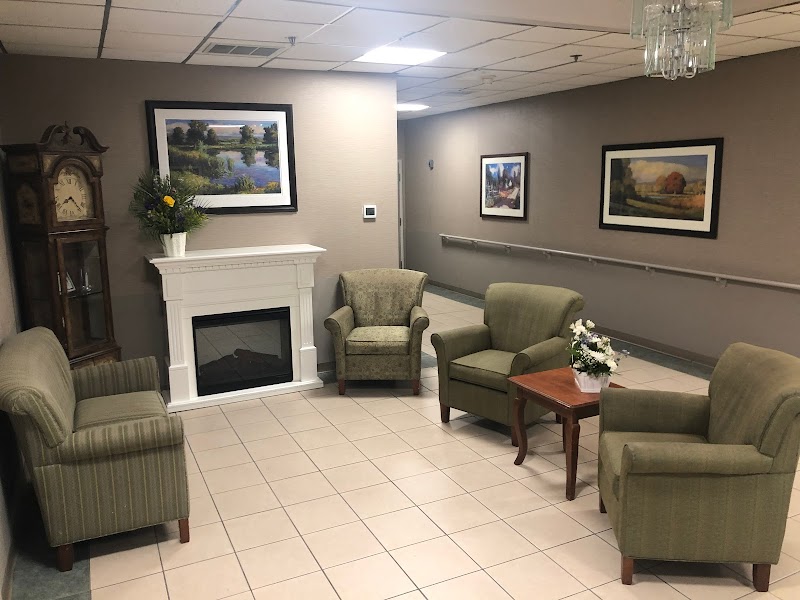
How is Lanessa Extended Care Staffed?

CMS rates LANESSA EXTENDED CARE's staffing level at 2 out of 5 stars, which is below average compared to other nursing homes. Staff turnover is 34%, compared to the Massachusetts average of 46%. This relatively stable workforce can support continuity of care.

What Have Inspectors Found at Lanessa Extended Care?

State health inspectors documented 70 deficiencies at LANESSA EXTENDED CARE during 2022 to 2025. These included: 3 that caused actual resident harm, 64 with potential for harm, and 3 minor or isolated issues. Deficiencies causing actual harm indicate documented cases where residents experienced negative health consequences.
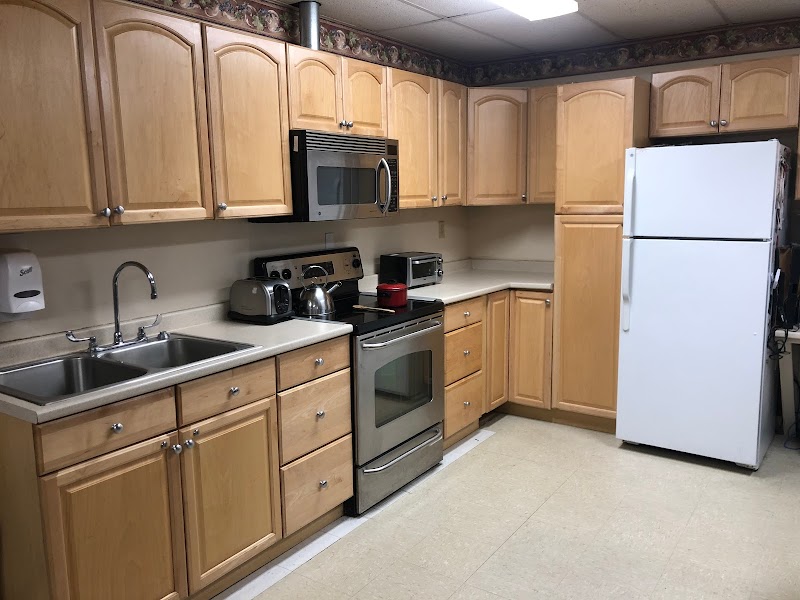
Who Owns and Operates Lanessa Extended Care?

LANESSA EXTENDED CARE is owned by a for-profit company. For-profit facilities operate as businesses with obligations to shareholders or private owners. The facility is operated by ATHENA HEALTHCARE SYSTEMS, a chain that manages multiple nursing homes. With 96 certified beds and approximately 89 residents (about 93% occupancy), it is a smaller facility located in WEBSTER, Massachusetts.
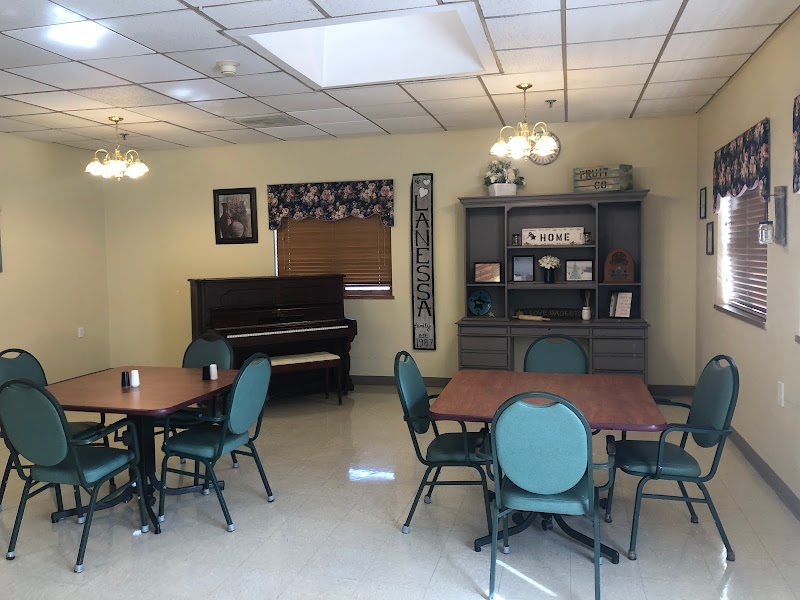
How Does Lanessa Extended Care Compare to Other Massachusetts Nursing Homes?

Compared to the 100 nursing homes in Massachusetts, LANESSA EXTENDED CARE's overall rating (1 stars) is below the state average of 2.9, staff turnover (34%) is significantly lower than the state average of 46%, and health inspection rating (1 stars) is much below the national benchmark.

What Should Families Ask When Visiting Lanessa Extended Care?

Based on this facility's data, families visiting should ask: "Can you walk me through typical staffing levels on day, evening, and night shifts?" "Can I visit during a mealtime to observe dining assistance and food quality?" "How do you handle medical emergencies, and what is your hospital transfer rate?" "Can I speak with family members of current residents about their experience?" These questions are particularly relevant given the below-average staffing rating.

Is Lanessa Extended Care Safe?

Based on CMS inspection data, LANESSA EXTENDED CARE has a clean safety record: no substantiated abuse findings (meaning no confirmed cases of resident harm), no Immediate Jeopardy citations (the most serious violation level indicating risk of serious injury or death), and is not on the Special Focus Facility watch list (a federal program monitoring the lowest-performing 1% of nursing homes). The facility has a 1-star overall rating and ranks #100 of 100 nursing homes in Massachusetts. While no facility is perfect, families should still ask about staff-to-resident ratios and recent inspection results during their visit.

Do Nurses at Lanessa Extended Care Stick Around?

LANESSA EXTENDED CARE has a staff turnover rate of 34%, which is about average for Massachusetts nursing homes (state average: 46%). Moderate turnover is common in nursing homes, but families should still ask about staff tenure and how the facility maintains care continuity when employees leave.

Was Lanessa Extended Care Ever Fined?

LANESSA EXTENDED CARE has been fined $119,962 across 1 penalty action. This is 3.5x the Massachusetts average of $34,278. Fines at this level are uncommon and typically indicate a pattern of serious deficiencies, repeated violations, or failure to correct problems promptly. CMS reserves penalties of this magnitude for facilities that pose significant, documented risk to resident health or safety. Families should request specific documentation of what issues led to these fines and what systemic changes have been implemented.

Is Lanessa Extended Care on Any Federal Watch List?

LANESSA EXTENDED CARE is not on any federal watch list. The most significant is the Special Focus Facility (SFF) program, which identifies the bottom 1% of nursing homes nationally based on persistent, serious quality problems. Not being on this list means the facility has avoided the pattern of deficiencies that triggers enhanced federal oversight. This is a positive indicator, though families should still review the facility's inspection history directly.