WEBSTER MANOR REHABILITATION & HEALTH CARE CENTER

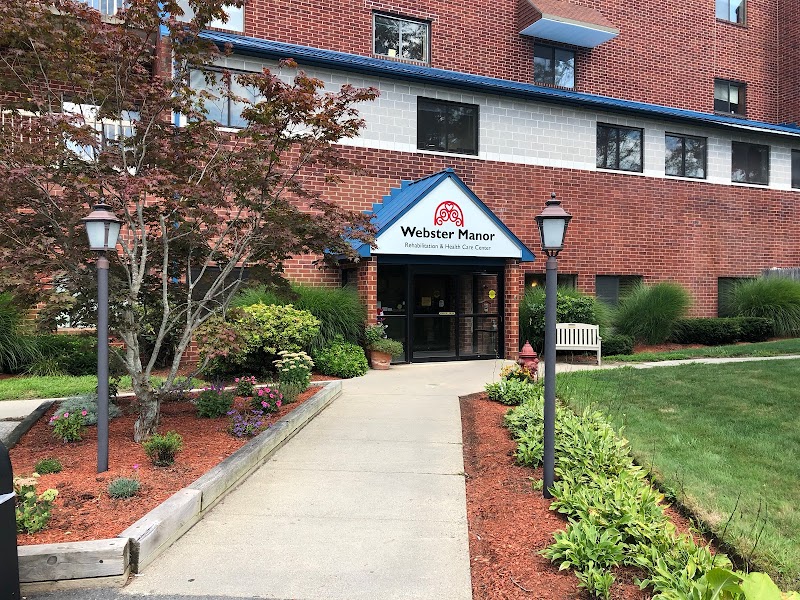
745 SCHOOL STREET, WEBSTER, MA 01570 (508) 949-0644
For profit - Corporation 135 Beds ATHENA HEALTHCARE SYSTEMS Data: November 2025
Trust Grade
43/100
#259 of 338 in MA
Last Inspection: April 2025

Within standard 12-15 month inspection cycle. Federal law requires annual inspections.

Overview

Webster Manor Rehabilitation & Health Care Center has a Trust Grade of D, indicating below-average quality and some concerns about care. It ranks #259 out of 338 nursing homes in Massachusetts, placing it in the bottom half of facilities, and #41 out of 50 in Worcester County, suggesting limited options for better local care. The facility's trend is stable, with 13 issues reported consistently over the past two years. Staffing is a relative strength, with a 3/5 star rating and a turnover rate of 31%, which is lower than the state average, indicating some staff stability. However, the facility has faced $14,203 in fines, which is average, and there have been serious deficiencies, including a resident suffering a second-degree burn due to improper care with a hot compress and failure to properly store medications at correct temperatures, raising concerns about safety and compliance.

Trust Score
D
43/100
In Massachusetts
#259/338
Bottom 24%
Safety Record
Moderate
Needs review
Inspections
Holding Steady
13 → 13 violations
Staff Stability
○ Average
31% turnover. Near Massachusetts's 48% average. Typical for the industry.
Penalties
✓ Good
$14,203 in fines. Lower than most Massachusetts facilities. Relatively clean record.
Skilled Nurses
✓ Good
Each resident gets 42 minutes of Registered Nurse (RN) attention daily — more than average for Massachusetts. RNs are trained to catch health problems early.
Violations
⚠ Watch
41 deficiencies on record. Higher than average. Multiple issues found across inspections.
★★☆☆☆
2.0
Overall Rating
★★★☆☆
3.0
Staff Levels
★★★☆☆
3.0
Care Quality
★★☆☆☆
2.0
Inspection Score
Stable
2024: 13 issues
2025: 13 issues

The Good

  • Full Sprinkler Coverage · Fire safety systems throughout facility
  • No fines on record
  • Staff turnover below average (31%)

    17 points below Massachusetts average of 48%

Facility shows strength in fire safety.

The Bad

2-Star Overall Rating

Below Massachusetts average (2.9)

Below average - review inspection findings carefully

Staff Turnover: 31%

15pts below Massachusetts avg (46%)

Typical for the industry

Federal Fines: $14,203

Below median ($33,413)

Minor penalties assessed

Chain: ATHENA HEALTHCARE SYSTEMS

Part of a multi-facility chain

Ask about local staffing decisions and management

The Ugly 41 deficiencies on record

1 actual harm
Apr 2025 13 deficiencies
CONCERN (D)

Potential for Harm - no one hurt, but risky conditions existed

Resident Rights (Tag F0550)

Could have caused harm · This affected 1 resident

Based on observations, interviews, and record reviews, the facility failed to provide dignified experiences on two occasions during the survey period for one Resident (#119) out of a total sample of 2...

Read full inspector narrative →
Based on observations, interviews, and record reviews, the facility failed to provide dignified experiences on two occasions during the survey period for one Resident (#119) out of a total sample of 26 residents. Specifically, the facility failed to: -ensure that Resident #119 was clothed so that his/her arm, chest, and back were not exposed while the Resident was sitting in a common area, on two separate occasions, when the Resident was dependent upon staff for dressing. -provide Resident #119 with a dignified dining experience during one noon time meal, relative to drink preferences and assistance for eating when the Resident was dependent on staff for assistance with eating. Findings include: Review of the facility's policy titled Food and Dining Service, dated April 2015, indicated: -Table service is provided for all residents who can and will eat at the table, including wheelchair residents to help them maintain as normal a living pattern as possible. Resident #119 was admitted to the facility in March 2025 with diagnoses including bilateral conductive hearing loss, bilateral visual loss, Attention-Deficit Hyperactivity Disorder (ADHD), and Dementia. Review of Resident #119's person-centered Care Plan, initiated 3/31/25, indicated the following: -has ADL (activities of daily living) deficits and was at risk for nutritional decline relative to Dementia. -determine Resident's food/beverage preferences/eating patterns. -consistent assignments when possible. -explain all procedures and purpose prior to performing task . Review of Resident #119's Nutrition Assessment, dated 4/1/25, indicated the Registered Dietician (RD) assessed the Resident's nutritional status through speaking with facility staff and observing the Resident after the Resident had eaten. On 4/6/25, between 11:02 A.M. and 11:13 A.M., the surveyor observed the following in the Lake Unit Dining Room: -Resident #119 was sitting in a wheelchair, his/her bottom scooted forward on the seat, and his/her back positioned away from the wheelchair backrest. -Resident #119 wore a hospital gown that was open in the back, the ties on the hospital gown were not tied and the Resident's back was exposed. -The lower front of the Resident's hospital gown was positioned on top of the Resident's lap. -The Resident's outer thighs and hips were exposed, and the Resident's incontinence brief was visible. -Four other residents were in the dining room. -No staff were present in the Dining Room at the time. -Several staff members were observed in the hallway. -Resident #119's exposed back could be seen from the hallway outside of the Lake Unit Dining Room. -At 11:13 A.M., Certified Nurses Aide (CNA) #2 entered the Lake Unit Dining Room and approached Resident #119. -CNA #2 exited the room, retrieved a blanket from the linen cart in the hallway, then returned to the Resident and placed the blanket over the Resident's lap. -CNA #2 repositioned Resident #119's hospital gown to cover his/her back but did not tie the ties. During an interview on 4/6/25 at 11:15 A.M., CNA #2 said Resident #119 had been sitting in the Lake Unit Dining Room since breakfast that morning. CNA #2 said the Resident's hospital gown was not tied in the back and his/her back was exposed. CNA #2 said that she retrieved a blanket for the Resident because the Resident was cold. On 4/7/25, between 12:16 P.M. and 1:07 P.M., the surveyor observed the following: -Two staff members assisted Resident #119 from his/her bed into his/her wheelchair. -Resident #119 wore a hospital gown that was open in the back; the ties on the hospital gown were not tied and the Resident's upper back was exposed. -One staff member placed a blanket over Resident #119's lap, then transported the Resident to the Lake Unit Dining Room. -Resident #119 sat at a table with one other Resident (#76), and there were three other residents, one visitor, and three staff members in the dining room. -CNA #10 placed Resident #119's lunch meal on the table in front of the Resident. -Resident #119 did not initiate feeding him/herself and CNA #10 began to assist the Resident to eat at 12:34 P.M. -At 12:33 P.M. Nurse #7 offered coffee to Resident #76, and Resident #119 said, Coffee, yes. -Nurse #7 asked Resident #119 if he/she wanted cream and sugar in the coffee, and the Resident did not respond. -Nurse #7 said she would have to figure out how the Resident wanted his/her coffee, then exited the room. -At 12:37 P.M., Nurse #7 returned to the Dining Room with a cup of black coffee and placed it on the table in front of Resident #119, then placed some sugar packets on the table next to the coffee. At this time, Nurse #7 said, I really don't know how [Resident #119] wants [his/her] coffee to CNA #10. -At 12:53 P.M., CNA #10 stopped assisting Resident #119 to eat, stood up and said she would be right back. -At 12:56 P.M., CNA #1 sat next to Resident #119 and began assisting him/her to eat. -Resident #119's hospital gown had slipped off the Resident's right shoulder and his/her right shoulder, upper arm, and upper back were exposed. -CNA #1 continued to assist Resident #119 to eat and did not adjust the Resident's gown. -At 1:06 P.M., CNA #1 left Resident #119, who was still eating, to assist another resident in the room. -Resident #119's right upper arm and back remained exposed. -At 1:07 P.M. another staff member sat next to Resident #119 and began assisting the Resident to eat. -The Resident's right upper arm and upper back remained exposed until 1:07 P.M., when the staff member assisting him/her to eat at that time repositioned the Resident's hospital gown. -CNA #10 was observed entering and exiting resident rooms in the hallway, visible from the Dining Room, and collecting meal trays. -During the lunch mealtime, Resident #119 did not consume the coffee provided by Nurse #7. During an interview on 4/7/25 at 1:15 P.M., CNA #1 said she did not know why CNA #10 left and did not return to assist Resident #119 with his/her lunch meal. CNA #1 said that CNA #10 said she would be right back, and that CNA #10 never returned to the Dining Room. CNA #1 said she sat with Resident #119 to assist the Resident to eat because the Resident's meal had already started, and no one was assisting him/her to eat. CNA #1 said she had to assist another resident in the Dining Room, so she had to leave Resident #119 to assist the other resident. CNA #1 said when she got up to assist the other resident, another staff member sat to assist Resident #119. CNA #1 said Resident #119 should have been provided with consistent assistance of one staff member to eat during the lunch meal that day because it would have been better for the Resident. CNA #1 also said the Resident's hospital gown should have been tied in the back so that his/her body was covered properly. During an interview on 4/7/25 at 4:45 P.M., the Registered Dietician (RD) said she reviews food preferences for all new admissions, upon admission, with the residents, and with their Health Care Proxy (HCP) if the residents were unable to answer for themselves. The RD said Resident #119 was admitted to the facility in March 2025 and that she had not yet reviewed food preferences for the Resident. The RD said she thought Resident #119 communicated primarily in Spanish. During an interview on 4/8/25 at 10:56 A.M., Nurse #2 said Resident #119 was fluent in English and Spanish and that the Resident could understand both languages. Nurse #2 said the Resident had the ability to understand what was being communicated to him/her and that the Resident's ability to respond was impaired. Nurse #2 said staff were to always ask the Resident about his/her preferences, and if the Resident was unable to respond, then staff were to ask the Resident's HCP. Nurse #2 also said the Resident's HCP had not brought any clothing in for the Resident as yet and staff were dressing the Resident in a hospital gown. Nurse #2 said the Resident was dependent on staff for dressing and that staff should ensure the Resident's body was properly covered.
CONCERN (D)

Potential for Harm - no one hurt, but risky conditions existed

Safe Environment (Tag F0584)

Could have caused harm · This affected 1 resident

**NOTE- TERMS IN BRACKETS HAVE BEEN EDITED TO PROTECT CONFIDENTIALITY** 3. During the initial screening process on 4/6/25 the following was observed on the [NAME] Unit: -room [ROOM NUMBER]: significa...

Read full inspector narrative →
**NOTE- TERMS IN BRACKETS HAVE BEEN EDITED TO PROTECT CONFIDENTIALITY** 3. During the initial screening process on 4/6/25 the following was observed on the [NAME] Unit: -room [ROOM NUMBER]: significant damage to the wall was observed, including a large gouge in the lower portion of the wall and an area where baseboard wall trim had been pulled off the wall, crumbling dry wall and insulation were observed where the wall met the floor. -room [ROOM NUMBER]: Red dried substance observed on the wall near the window. The resident who resided in the room said a staff member had opened a ketchup packet last week and the ketchup squirted onto the wall by accident and no one had bothered to clean it up. On 4/7/25 from 2:40 P.M. to 3:26 P.M., the following was observed on the [NAME] Unit: -room [ROOM NUMBER]: significant damage to the wall and baseboard was still present. -room [ROOM NUMBER]: Red dried substance remained on the wall near the window. -room [ROOM NUMBER]: A bedside table with dried dark brown debris on the frame, and an area of the wall with drywall repair that was unpainted. During an interview at the time, the resident who resided in the room said someone patched the wall a few months ago but never came back to paint over the patch. The Resident Representative (RR) said he/she visited the resident often, that the resident had been at the facility for over a year, and the RR had not seen anyone wipe down the resident's bedside table where the dark brown substance on the frame was located. On 4/9/25 from 8:35 A.M. to 8:50 A.M., the surveyor and the Housekeeping Director observed the following: -room [ROOM NUMBER]: Red dried substance remained on the wall near the window. -room [ROOM NUMBER]: A Bedside table remained with dried dark brown substance on the frame. During an interview at the time, the Housekeeping Director said the wall in room [ROOM NUMBER] was dirty and needed to be wiped down and the bedside table frame in room [ROOM NUMBER] was dirty and needed to be cleaned. The Housekeeping Director said any staff in the building can let the housekeeping staff know when areas in a resident room needed to be cleaned but the housekeeping staff should also be wiping all surfaces each time they do the daily room cleaning in a room. Review of The Daily Cleaning Checklist provided by the Housekeeping Director indicated the following daily tasks were part of the cleaning routine: -Wipe clean the bedside table from top to bottom. -Wipe down walls. On 4/10/25 from 8:35 A.M. to 9:02 A.M., the surveyor and the Maintenance Director observed the following: -room [ROOM NUMBER]: significant damage remained to the wall. -room [ROOM NUMBER]: drywall repair area that remained unpainted. During an interview at the time, the Maintenance Director said the wall in room [ROOM NUMBER] was in need of repairs. The Maintenance Director said no one had made him or any maintenance staff aware that there was significant damage to the wall and any staff member could notify maintenance when a repair was needed. The Maintenance Director said room [ROOM NUMBER] had a repair done on the drywall but he was unsure how long ago the repair was completed. The Maintenance Director said he would expect maintenance staff to fix the drywall and return within a couple of days to paint the repair. The Maintenance Director said the facility did not have any specific environmental rounds to observe rooms to make sure they were in good repair and homelike, he relied on staff to let him and the maintenance staff know when repairs were needed. Based on observations, interviews, and record reviews, the facility failed to maintain a clean and homelike environment for two Residents (#38 and #86), out of a total sample size of 26 residents, and for one Unit ([NAME] Unit), out of three units observed. Specifically, 1. For Resident #38, the facility staff failed to maintain the Resident's wheelchair in a clean and sanitary manner when the Resident was dependent on the wheelchair use for mobility and the wheelchair was visibly soiled. 2. For Resident #86, the facility staff failed to maintain the Resident's wheelchair in a clean and sanitary manner when the Resident was dependent on the wheelchair for mobility and the wheelchair was visibly soiled. 3. For the [NAME] Unit, the facility failed to ensure resident care equipment and the building were maintained in clean condition and good repair. Findings include: Review of the facility policy titled Cleaning of Wheelchairs and GeriChairs (a specialized geriatric chair), undated, included but was not limited to: -In many facilities these items (Wheelchairs/GeriChairs) are the responsibility of Nursing. If so, Environmental Services may be asked to provide cleaning chemicals or equipment. -If these items are the responsibility of Environmental Services, the first step .to arrange to get wheelchairs or Geri Chairs from the residents at a convenient time for the resident. >Materials needed: Pressure washer, Germicide, Brush/sponge, Rags, Buckets. -Steps to do job: a. Set up schedule to collect, wash, dry and return chairs. b. Arrange with nursing to get chairs from residents. c. Take chairs to an open area- basement or a shower room- use a pressure washer or scrub by hand with brush or sponge and germicide solution. d. rinse thoroughly and dry completely with rags (especially seats and wheels). -Additional information: <Proper cleaning procedures prevent the spread of infection. Review of the facility Housekeeping Cleaning Schedule, dated 6/2009 included but was not limited to the following: -Tasks: Wheelchairs. -Method: Germicidal. -Frequency: Bi-monthly. 1. Resident #38 was admitted to the facility in September 2021 with diagnoses including Osteoarthritis, muscle weakness, unsteadiness on feet, and difficulty in walking. Review of Resident #38's April 2025 Physician's orders included but was not limited to: -Health Care Proxy (HCP- appointed person who can make health care decisions for a person that was unable to do so themselves) activated, effective 9/29/21. Review of the Resident's Minimum Data Set (MDS) Assessment, dated 12/11/24, indicated Resident #38: -was unable to participate in a Brief Interview for Mental Status (BIMS) as evident by a score of 99. -was unable to walk 10 feet due to medical condition or safety concern. -used a manual wheelchair. -was dependent on another person for wheelchair mobility. Review of Resident #38's Comprehensive Person-Centered Care Plan included: -has impaired functional mobility related to disease process and required an intervention of a wheelchair for a mobility device, revised 3/25/25. On 4/6/25 at 9:08 A.M., the surveyor observed Resident #38 seated in a wheelchair in the [NAME] Unit hallway. The left-sided fabric leg rest cover on the Resident's wheelchair was stained with a dried white substance. The surveyor also observed the Resident's wheelchair seat and seat cushion had dried white and brown debris present. The surveyor observed Resident #38 seated in a wheelchair in the [NAME] Unit multipurpose room and the left-sided fabric leg rest cover on the Resident's wheelchair was stained with a dried white substance. The surveyor further observed the Resident's wheelchair seat and seat cushion had dried white and brown debris present on the following dates: -4/7/25 at 11:22 A.M. -4/8/25 at 10:00 A.M. 2. Resident #86 was admitted to the facility in August 2023 with diagnoses including weakness and abnormal posture. Review of Resident #86's April 2025 Physician's orders included but was not limited to: -Guardianship (legally appointed person that was responsible for the care of someone unable to manage their own affairs), effective 1/22/25. Review of the Resident's MDS Assessment, dated 2/19/25, indicated Resident #86: -has severe cognitive impairment as evident by a BIMS score of six out of a total possible score of 15. -was unable to walk 10 feet due to medical condition or safety concern. -used a manual wheelchair. -was dependent on another person for wheelchair mobility. Review of Resident #86's comprehensive person-centered care plan included: -Resident #86 had impaired functional mobility related to disease process/condition and required intervention of a wheelchair for a mobility device, revised 10/11/23. On 4/6/25 at 5:05 P.M., the surveyor observed Resident #86 seated in a wheelchair in the [NAME] Unit hallway. The surveyor observed the Resident's right-sided wheelchair arm rest had a dried white and brown substance which continued down the length of the right-hand side of the wheelchair and onto the wheelchair seat cushion. The surveyor also observed a dried brown piece of banana on the back of the Resident's wheelchair seat. On 4/7/25 at 8:49 A.M., the surveyor observed Resident #86 seated in a wheelchair in the multipurpose room on the [NAME] Unit. The Resident's right-sided wheelchair arm rest was observed with dried white and brown substance which continued down the length of the right-hand side of the wheelchair and on the wheelchair seat cushion. The surveyor also observed a dried brown piece of banana on back of the Resident's wheelchair seat. On 4/8/25 at 11:11 A.M., the surveyor observed Resident #86 seated in a wheelchair in his/her bedroom and the right-sided wheelchair arm rest remained with dried white and brown substance which continued down the length of the right-hand side of the wheelchair and on the wheelchair seat cushion. The surveyor observed that a dried brown piece of banana also remained on the back of the Residents' wheelchair seat. During an interview on 4/8/25 at 10:42 A.M., the Housekeeping Manager said the facility did not have a resident wheelchair cleaning schedule. The Housekeeping Manager said he thought the nursing staff might be responsible for cleaning the resident's wheelchairs. The surveyor and the Housekeeping Manager observed Resident #38's and Resident #86's wheelchairs. The Housekeeping Manager said both Resident #38's and Resident #86's wheelchairs were dirty with dried spills and food debris and should have been cleaned. The Housekeeping Manager said that spills and food debris should be cleaned from the Resident wheelchairs when they occur and should not be left to be done by the housekeeping staff only. During an interview on 4/8/25 at 11:05 A.M., the Staff Development Coordinator (SDC) said that resident wheelchairs should be cleaned weekly and as needed. The SDC said the housekeeping department should be cleaning the resident's wheelchairs. The surveyor and the SDC observed the wheelchairs of Resident #36 and #86. The SDC said both Resident #36's and Resident #86's wheelchairs were very dirty with dried food debris and splatters and should be cleaned. During an interview on 4/8/25 at 11:20 A.M., the Director of Nursing (DON) said the housekeeping department was responsible to powerwash the resident's wheelchairs monthly. The DON said nursing staff should wipe spills on resident wheelchairs as they occur, but that deep cleaning should be done monthly and as needed by the housekeeping department. During a follow-up interview on 4/8/25 at 12:45 P.M., the Housekeeping Manager said housekeeping was responsible for cleaning the resident's wheelchairs. The Housekeeping Manager said all resident wheelchairs should be cleaned at least twice a month per the facility policy. The Housekeeping Manager said residents should not have to sit in dirty wheelchairs because nobody would want to sit in a dirty wheelchair. The Housekeeping Manager said the wheelchairs for Resident #38 and Resident #86 were not sanitary or homelike. The Housekeeping Manager was unable to provide evidence of when the wheelchairs for Resident #38 and Resident #86 were last cleaned.
CONCERN (D)

Potential for Harm - no one hurt, but risky conditions existed

Comprehensive Care Plan (Tag F0656)

Could have caused harm · This affected 1 resident

Based on observations, interviews, and record reviews, the facility failed to implement a person-centered care plan relative to feeding strategies for one Resident (#98), out of a total sample size of...

Read full inspector narrative →
Based on observations, interviews, and record reviews, the facility failed to implement a person-centered care plan relative to feeding strategies for one Resident (#98), out of a total sample size of 26 residents. Specifically, for Resident #98, the facility staff failed to provide appropriate supervision during meals placing Resident #98 at risk for aspiration (entrance of food, liquid or other substance into a person's airway and lungs instead of being swallowed into the esophagus). Findings include: Review of the facility policy titled Aspiration Precautions, dated April 2015, included but was not limited to: -Aspiration Precautions will be utilized to reduce the risk of aspiration of food or liquid into a resident's lungs. <A resident with significant risk of aspiration, which is not completely controlled by current diet modifications, will require Aspiration Precautions by the Interdisciplinary Team (IDT). <Resident's needing Aspiration Precautions will be individualized. <The resident must be assessed by the Speech Language Pathologist (SLP) for the Aspiration Precautions to be discontinued. <Develop a plan of care with feeding strategies per SLP recommendation and include on care plan as warranted. Resident #98 was admitted to the facility in March 2022 with diagnoses including Dysphagia (difficulty swallowing foods or liquids) following Cerebral Infarction (stroke) and Pneumonitis due to Inhalation of Food and Vomit. Review of the most recent Minimum Data Set (MDS) Assessment, dated 3/5/25 indicated Resident #98: -has moderate cognitive impairment as evidenced by a Brief Interview of Mental Status (BIMS) score of 12 out of a total possible score of 15. -required supervision or touching assistance for eating. -received a mechanically altered diet. Review of Resident #98's April 2025 Physician's orders included but was not limited to: -Regular Diet: puree consistency, dysphagia level 1 texture (all foods must be pureed or blended to a smooth, homogenous consistency like pudding), honey thick liquids consistency, no straws, continual supervision 1:8 (one staff member to eight residents) ratio, effective 1/31/25. -Maintain Aspiration Precautions: 1:8 supervised PO (Per Os-by mouth) intake, no straws, every shift, effective 2/5/25. -May crush all appropriate medications according to guidelines, effective 3/1/22. -Give medications by mouth one at a time with pudding every shift, effective 9/9/22. Review of the Resident's Care Card, revision date 10/11/24, included but was not limited to: <Supervised dining. <During meals and after each meal observe for signs and symptoms of aspiration: coughing, tearing, runny nose, wet vocal tone, difficulty breathing, pocketing food. Review of the Comprehensive Person-Centered Care Plan indicated Resident #98: -has swallowing difficulty related to abnormal swallow study, coughing, drooling, respiratory failure, and aspiration pneumonia with interventions including supervised dining, last revised 2/12/25. -has an Activity of Daily Living (ADL) deficit with interventions including supervised eating, last revised 10/30/23. On 4/6/25 at 9:36 A.M., the surveyor observed that the privacy curtain to Resident #98's bed was pulled closed to the foot of the bed and the bed was out of view from the hallway. The surveyor entered the room and observed from the foot of the bed that Resident #98 was reclining in his/her bed behind the closed privacy curtain and the head of the bed was raised. Resident #98 was observed to be eating bites of oatmeal at the time. The surveyor did not observe any staff present in the Resident's room while the breakfast meal was being consumed. During an interview on 4/7/25 at 9:02 A.M., Nurse #5 said she was the Nurse caring for Resident #98. Nurse #5 said Resident #98 had a Physician's ordered diet of Level 1 dysphagia diet, puree consistency with honey thick liquids with a 1:8 ratio for staff supervision. Nurse #5 said Resident #98 was supposed to be out of bed and supervised by staff for meals while eating but sometimes the Resident refused to get out of bed. Nurse #5 said Resident #98 needed to be supervised by staff when eating because the Resident was at risk for aspiration. The surveyor and Nurse #5 observed that Resident #98 was behind a closed privacy curtain, out of view from the hallway, and in bed eating breakfast without a staff member present. Nurse #5 said that the staff member who delivered the Resident's meal tray should not have left the meal tray alone with the Resident. Nurse #5 said she was unable to identify which staff member had delivered the meal tray to Resident #98. Nurse #5 said that staff should be following Resident #98's Physician's orders and care plan for supervision at meals. During an interview on 4/8/25 10:37 A.M., the Speech Therapist (ST) said she provided the recommendations for supervision for meal intake for Resident #98 due to the Resident's aspiration risk. The ST said the Resident should be supervised by staff with all food intake due to aspiration risk. On 4/9/25 at 9:48 A.M., the surveyor observed the Resident lying upright in bed behind a closed privacy curtain and out of view from the hallway. The Resident had a meal tray containing pudding and oatmeal and was observed to be taking bites of oatmeal from a spoon. The surveyor did not observe a staff member present in the Resident's room while he/she was eating. During an interview on 4/9/25 at 9:49 A.M., Certified Nurses Aide (CNA) #6 said she had delivered the breakfast tray to the Resident. CNA #6 said the Resident required a puree diet with thickened liquids due to aspiration precautions and that the Resident should not be left unattended with food or fluids. CNA #6 said she had supervised the Resident at breakfast time, and the Resident had refused for CNA #6 to remove the breakfast tray when it was time for her to leave. CNA #6 said the meal tray should not have been left with the Resident. CNA #6 further said that the Nurse should have been told when the Resident refused to allow the tray to be removed because the Resident could choke. During an interview on 4/9/25 at 9:51 A.M., Nurse #5 said she was the Nurse for Resident #98. Nurse #5 said CNA #6 should have told the Nurse when the Resident refused to have his/her meal tray collected. Nurse #5 said Resident #98 should not be left unattended with food due to a risk of aspiration.
CONCERN (D)

Potential for Harm - no one hurt, but risky conditions existed

Incontinence Care (Tag F0690)

Could have caused harm · This affected 1 resident

**NOTE- TERMS IN BRACKETS HAVE BEEN EDITED TO PROTECT CONFIDENTIALITY** Based on observations, interviews, and record reviews, the facility failed to provide treatment in accordance with professional ...

Read full inspector narrative →
**NOTE- TERMS IN BRACKETS HAVE BEEN EDITED TO PROTECT CONFIDENTIALITY** Based on observations, interviews, and record reviews, the facility failed to provide treatment in accordance with professional standards of practice relative to an indwelling urinary catheter (a thin, flexible tube inserted into the bladder to drain urine outside the body) for one Resident (#3) out of a total sample of 26 residents. Specifically, the facility failed to: -obtain a Physician order that included the accurate size indwelling urinary catheter required for the Resident, when the ordered and inserted catheter sized were different. -ensure the Resident had a leg bag to promote mobility and dignity/privacy when the Resident was out of bed. -provide Enhanced Barrier Precaution (EBP) during ADL (activities of daily living - washing, bathing, grooming) care of the Resident. Findings include: Review of the facility's policy titled, Urinary Leg Bag, dated April 2015, indicated: -The use of the leg bag for urinary catheter drainage is permitted whenever necessary to promote mobility, ease of ambulation, and resident/patient dignity and self-esteem. -Urinary catheter bags should be kept in privacy bags to maintain resident's dignity/privacy. Review of the facility's policy titled, Urinary Catheter Insertion (Indwelling), dated April 2015, indicated that an indwelling urinary catheter will be inserted when the resident/patient clinical condition demonstrates necessity by a licensed nurse, as ordered by the Physician. Review of the Centers for Disease Control and Prevention (CDC) guidelines for Proper Techniques for Urinary Catheter Maintenance, reviewed at https://www.cdc.gov/infection-control/hcp/cauti/summary-of-recommendations.html, indicated the following: -Use Standard Precautions, including the use of gloves and gown as appropriate, during any manipulation of the catheter or collecting system. -Maintain a closed drainage system. Review of the CDC guidelines for Implementation of Personal Protective Equipment (PPE) Use in Nursing Homes to Prevent Spread of Multidrug-resistant Organisms (MDROs). Retrieved from: https://www.cdc.gov/long-term-care-facilities/hcp/prevent-mdro/PPE.html, revised, 7/12/2022. indicated the following: >Enhanced Barrier Precautions (EBP) are an infection control intervention designed to reduce transmission of resistant organisms that employs targeted gown and glove use during high contact resident care activities. >Enhanced Barrier Precautions included the following: -Providers and Staff must wear gloves and a gown for the following High-Contact Resident Care Activities: -Dressing -Bathing/Showering -Transferring -Changing Linens -Providing Hygiene -Changing briefs or assisting with toileting -Device care or use: central line, urinary catheter, feeding tube, tracheostomy, wound care. Resident #3 was admitted to the facility in December 2024 with diagnoses including Chronic Systolic Heart Failure, Rhabdomyolysis, Altered Mental Status, Acute Kidney Failure and Neuromuscular Dysfunction of Bladder. Review of Resident #3's Hospital Discharge summary, dated [DATE], indicated: -discharge diagnoses included Urinary Tract Infection (UTI), Urinary Retention, Stroke with Expressive Aphasia and Urethral Catheter 16 French (Fr). -urinary culture contained greater than >100,000 CFU/ML (significant urinary tract infection) of Pseudomonas Aeruginosa (a bacterial infection). -continue on Levaquin (antibiotic) for 5 days relative to Urinary Tract Infection treatment. Review of Resident #3's clinical record indicated the following active Physician orders: -Indwelling Foley (urinary) catheter size 16 Fr, 10 ml (milliliter) balloon (bulb - a fluid filled balloon at the end of the indwelling urinary catheter that is inflated to prevent the indwelling urinary catheter from dislodging) every shift for retention, dated 3/31/25. -Foley catheter care every shift, dated 3/31/25. -Enhanced Barrier Precaution related to Foley catheter every shift, dated 4/4/25. Review of Resident #3's Foley Catheter Care Plan, revised 4/1/25, indicated: -has a Foley catheter related to neurogenic bladder. -catheter care every shift. -Leg bag when out of bed. Review of Resident #3's Nursing Progress Note dated 4/2/25 at 2:08 P.M., indicated: -Foley catheter was removed and the Resident could not void. -Nurse inserted a Foley catheter 16 Fr, 10 ml balloon. Review of the Minimum Data Set (MDS) Assessment, dated 1/2/25, indicated Resident #3: -was moderately cognitively impaired as evidenced by a Brief Interview for Mental Status (BIMS) score of eight out of 15 total possible points. -has an indwelling urinary catheter. -was dependent on staff for toilet hygiene. On 4/6/25 at 8:15 A.M., the surveyor observed Resident #3 lying in bed in his/her room. The surveyor observed clear catheter tubing, extending out from under the bed covers, was connected to a urinary drainage bag. The surveyor observed that the tubing was draining clear light-yellow urine and there was no signage indicating the Resident was on EBP. The surveyor further observed that there was no Personal Protective Equipment (PPE) near or around the Resident's care area. On 4/6/25 at 8:20 A.M., the surveyor observed the Infection Preventionist (IP) and Unit Manager (UM) #1 walk around the unit placing EBP signs at residents' doors. During an interview at the time, the IP said she was walking around to place EBP signs at the residents' doors to alert the nursing staff to wear gowns and gloves for residents that needed high contact care. The IP said all residents who have a central line, urinary catheter, feeding tube, tracheostomy, and required wound care would need to be on EBP. During an interview on 4/6/25 at 9:00 A.M., the IP said Resident #3 should have been on EBP since his/her re-admission from the hospital but he/she was not on EBP. On 4/6/25 at 9:16 A.M., the surveyor observed CNA #4 perform ADL care for Resident #3, without donning (putting on) a gown. During an interview on 4/6/25 at 9:25 A.M., CNA #4 said she did not know that Resident #3 was on EBP. CNA #4 said she should have had a gown on, but she did not. On 4/7/25 at 10:08 A.M., the surveyor observed Resident #3 seated in a wheelchair in the dining area. The Resident's Foley catheter tubing was visible and observed with light yellow urine. On 4/8/25 at 8:53 A.M., the surveyor observed Resident #3 seated in the dining area having breakfast. The Resident's Foley catheter tubing was hanging underneath his/her wheelchair with light yellow urine visible in the tubing. On 4/8/25 at 9:04 A.M., the surveyor and Nurse #3 observed Resident #3's Foley catheter. Nurse #3 said Resident #3 should have been provided a leg bag for urinary drainage, for privacy and dignity, but he/she was not provided a leg bag. Nurse #3 further said Resident #3's current Foley catheter size was 16 Fr with 5 ml balloon. Nurse #3 said Resident #3's Physician's order indicated 16 Fr with 10 ml balloon and that the order and the actual catheter size the Resident had inserted did not match.
CONCERN (D)

Potential for Harm - no one hurt, but risky conditions existed

Respiratory Care (Tag F0695)

Could have caused harm · This affected 1 resident

**NOTE- TERMS IN BRACKETS HAVE BEEN EDITED TO PROTECT CONFIDENTIALITY** 3. Review of the facility policy titled CPAP/BiPAP Management, revised 4/25, indicated the following: -CPAP or BiPap System/Mac...

Read full inspector narrative →
**NOTE- TERMS IN BRACKETS HAVE BEEN EDITED TO PROTECT CONFIDENTIALITY** 3. Review of the facility policy titled CPAP/BiPAP Management, revised 4/25, indicated the following: -CPAP or BiPap System/Machine Cleaning >Wipe machine off twice monthly with damp cloth. >Replace disposable filters per manufacturer guidelines. >Clean non-disposable filters weekly and replace when needed. >Use warm soapy water and let air dry before inserting back into machine. -Headgear >Wash as needed. -Mask and Nasal Pillows >Wash daily with mild detergent (rinse thoroughly with warm water to remove all detergent and residue, air dry). -Tubing >Wash bi-monthly with mild detergent or white vinegar solution, rinse with warm water and air dry between uses. -Humidifier: >Change distilled water daily right before bed . >Clean chamber weekly and let air dry. Documentation -Document on the individual's treatment sheet or nursing progress note his/her response to CPAP . -Add the wearing and cleaning routine of equipment to the Treatment Administration Record (TAR) Storage -When .CPAP not in use, mask will be stored in a bag at resident bedside. Resident #35 was admitted to the facility in April 2022 with diagnoses including Obstructive Sleep Apnea (OSA). Review of the most recent comprehensive Minimum Data Set (MDS) Assessment, dated 4/18/24, indicated Resident #35 scored a 14 out of 15 on the Brief Interview of Mental Status (BIMS) indicating he/she was cognitively intact. On 4/6/25 at 8:26 A.M., the surveyor observed a CPAP machine on Resident #35's nightstand and the CPAP mask laying on the nightstand, not in a bag, and with dried debris all over the mask. The surveyor further observed that the CPAP humidifier chamber had dried white material all along the edges, brown stains on the bottom of the chamber, and white debris floating in the water. During an interview at the time, Resident #35 said he/she wore his/her CPAP every night. Resident #35 further said staff did not clean his/her CPAP equipment regularly and he/she could not recall the last time that staff had cleaned or changed out his/her CPAP equipment. Review of Resident #35 April 2025 Physician's orders indicated the following order: -CPAP to be worn daily at bedtime, remove in the AM (morning) with a start date of 11/2/22. Review of Resident #35's March 2025 Treatment Administration Record (TAR) indicated Resident #35 wore his/her CPAP daily as ordered in the month of March 2025. Review of Resident #35's April 2025 TAR indicated Resident #35 wore his/her CPAP daily from 4/1/25 through 4/6/25. During an interview on 4/7/25 at 8:23 A.M., Nurse #3 said Resident #35 wore his/her CPAP every night. The surveyor and Nurse #3 reviewed Resident #35's April 2025 TAR and Nurse #3 said nursing staff was documenting daily that the Resident wore his/her CPAP to bed and that it was removed in the morning when the Resident got up for the day. Nurse #3 said when a Resident has a CPAP, Physician's orders should be in place for the care and services of the CPAP equipment such as daily changing of the water, regular cleaning of the CPAP mask and hose, and when the CPAP equipment needed to be replaced. Nurse #3 reviewed Resident #35's Physician's orders and said there were no orders in place for the care and services of Resident #35's CPAP so she could not be sure when the Resident's CPAP equipment had last been cleaned. On 4/7/25 at 8:30 P.M., the surveyor and Nurse #3 observed Resident #35's CPAP equipment and the following was observed: -CPAP mask was laying directly on the nightstand and had dried debris all over the mask. -The humidifier chamber had large white dried particles of debris in the water chamber area, significant buildup of debris along the edges of the water chamber, and brown stains on the bottom of the water chamber. During an interview at the time, Nurse #3 said it did not appear Resident #35's CPAP had been cleaned in some time, and been cleaned regularly due to the amount of buildup and debris in the water chamber and mask. Nurse #3 said the CPAP mask should be stored in a bag when not in use and not laying directly in contact with the Resident's nightstand. Nurse #3 said not properly cleaning a Resident's CPAP equipment could put the Resident at risk for an increased chance of acquiring a respiratory infection. Based on observations, interviews, and record reviews, the facility failed to provide respiratory care and services consistent with professional standards of practice for three Residents (#123, #69, and #35) out of a total sample of 26 residents. Specifically, 1. For Resident #123, the facility failed to: -ensure that the oxygen concentrator was set at two (2) liters per minute (LPM) as ordered by the Physician. -ensure there was an indication for the use of oxygen. -ensure the staff provided a new nasal cannula to the Resident after his/her previous nasal cannula was contaminated after laying on the Resident's bedroom floor. 2. For Resident #69, to ensure a clean and sanitary oxygen concentrator (a device used to deliver supplemental oxygen) gross particle air intake filter in accordance with manufacturers guidelines placing the Resident at risk for impaired oxygen supply delivery and contamination. 3. For Resident #35, ensure Physician's orders were in place for the care and services of a Continuous Positive Airway Pressure (CPAP) machine and that proper infection control practices were maintained for the Resident's CPAP to reduce contamination and risk of respiratory infection. Findings include: 1. Review of the AARC (American Association for Respiratory Care) Clinical Practice Guideline, updated 2014: https://www.aarc.org/wp-content/uploads/2014/08/08.07.1063.pdf indicates: -All oxygen must be prescribed and dispensed in accordance with federal, state, and local laws and regulations. -Oxygen is a medical gas and should only be dispensed in accordance with all federal, state, and local laws and regulations. -Undesirable results or events may result from noncompliance with Physicians' orders or inadequate instruction for oxygen therapy. -There is a potential in some spontaneously breathing hypoxemic patients with hypercapnia [high carbon dioxide levels in the blood) and chronic obstructive pulmonary disease (COPD) that oxygen administration may lead to an increase in PaCO2. -Equipment, maintenance and supervision: >All oxygen delivery equipment should be checked at least once daily . >Facets to be assessed include proper function of the equipment, prescribed flowrates, remaining liquid or compressed gas content, and backup supply. Review of facility policy titled Oxygen Administration, revised April 2015, indicated: -deliver low flow oxygen rates and concentration, per the Physician's order. -set oxygen flow rate to the prescribed liters flow per minute. -verify oxygen is flowing through the tips of the cannula. -replace and date cannula and tubing weekly or when visibly soiled or damaged. Resident #123 was admitted to the facility in December 2024 with diagnoses including Dementia with Psychotic Disturbance, anxiety, legal blindness, weakness and Alzheimer's Disease. Review of the Minimum Data Set (MDS) assessment dated [DATE], indicated Resident #123: -was severely cognitively impaired as evidence by a Brief Interview for Mental Status (BIMS) score of one out of 15 possible points. -was receiving oxygen therapy. -was dependent on staff for activities of daily living (ADL - washing, bathing, grooming) care. Review of Resident #123's April 2025 Physician's orders indicated: -Oxygen continuously via nasal cannula at 2 liters per minute (LPM) every day shift, started on 2/13/25 Review of Resident #123's Person-Centered Care Plan failed to indicate any evidence that included oxygen use and/or corresponding diagnosis for use. On 4/6/25 at 11:50 A.M., the surveyor observed that Resident #123 was seated in a wheelchair in the dining room. The Resident was observed with a nasal cannula in his/her nostrils that was connected to a portable oxygen concentrator which was attached to the Resident's wheelchair. The surveyor observed that the dial flow to the oxygen concentrator was set at zero. During an interview at the time, Unit Manager (UM) #1 said that the oxygen concentrator should be set at 2 LPM. On 4/6/25 at 12:15 P.M., the surveyor observed there was a stationary oxygen concentrator in Resident #123's bedroom with a nasal cannula connected to the oxygen concentrator. The surveyor observed that the nasal cannula was dated 3/31/25, and laying directly on the bedroom floor. On 4/6/25 at 1:45 P.M., the surveyor observed Resident #123 lying in bed. The surveyor observed that the Resident was receiving oxygen flow via nasal cannula set at 2 LPM, with the soiled nasal cannula tubing that was previously laying on the floor and dated 3/31/25. During an interview on 4/6/25 at 2:34 P.M., Certified Nurses Aide (CNA) #5 said she had picked up the oxygen tubing with the nasal cannula laying on the floor and placed the nasal cannula in Resident #123's nostrils. During an interview at the time, the Infection Preventionist (IP) said CNA #5 should have thrown away the used nasal cannula tubing and applied a new nasal cannula tubing for the Resident. During an interview on 4/8/25 at 8:10 A.M., the Assistant Director of Nursing (ADON) said Resident #123 was admitted to the hospital in February for Shortness of Breath (SOB) and Pneumonia. The ADON said the facility staff should have obtained the diagnosis for the use of Resident #123's oxygen but they had not. The ADON said the Interdisciplinary Team (IDT) should have developed a care plan for the use of oxygen, but they had not. 2. Review of the facility policy titled Oxygen Concentrators, undated, included the following: -Objective: To provide the patient and facility with cost effective alternative to high pressure cylinders and or liquid oxygen vessel. <Never obstruct the inlet filter's flow of air from the room. <The inlet should be wiped clean of dust, minimally once a week, or more often, if needed. Review of the New Life Elite oxygen concentrator user manual, dated 8/2012, included but was not limited to: -The air intake gross particle filter prevents dust and other airborne particles from entering the oxygen concentrator unit. -Cleaning, Care and Proper Maintenance: <Do not operate the unit without the air intake gross particle filter in place. <At least one time each week, wash the air intake gross particle filter, which is located in the back of the unit. Follow these steps to properly clean the air intake filter: 1. Remove the filter and wash it in a warm solution of soap and water. 2. Rinse filter thoroughly, and remove excess water with a soft, absorbent towel. Ensure the filter is dry before replacing it. 3. Replace the dry filter to the back of the unit. Resident #69 was admitted to the facility in May 2023, with diagnoses including Chronic Obstructive Pulmonary Disease (COPD) and Respiratory Failure. Review of the Minimum Data Set (MDS) Assessment, dated 2/25/25, indicated that Resident #69: -was cognitively intact as indicated by a Brief Interview for Mental Status (BIMS) score of 13 out of a total possible score of 15. -was receiving oxygen therapy. Review of Resident #69's April 2025 Physician's orders included but was not limited to: -oxygen via nasal cannula to maintain SpO2 (measure of oxygen in the blood as a percentage of the maximum oxygen the blood could carry) greater than 92%. Call Provider if oxygen above 4 liters per minute (LPM) to maintain SpO2 as needed, effective 6/19/24. -change oxygen tubing every Sunday on (11:00 P.M.- 7:00 A.M.) every night shift, effective 2/27/24. Review of Resident #69's Comprehensive Person-Centered Care Plan included but was not limited to: -The Resident had a diagnosis of Respiratory Failure with interventions including administration of oxygen, initiated 8/14/24. The surveyor observed Resident #69 seated in a wheelchair at the bedside with oxygen flowing at 2 LPM via nasal cannula from an AirSep New Life Elite oxygen concentrator and the oxygen concentrator was observed to have a thick coating of dark gray dust on the air intake gross particle filter on the following: -4/6/25 at 8:03 A.M. -4/6/25 at 3:46 P.M. -4/7/25 at 8:39 A.M. During an interview on 4/7/25 at 10:30 A.M., Nurse #5 said she was the Nurse providing care for Resident #69. Nurse #5 said oxygen tubing should be changed, and the oxygen concentrator wiped clean on the night shift (11:00 P.M.-7:00 A.M.) every Sunday for all residents that received oxygen therapy. The surveyor and Nurse #5 observed Resident #69's air intake gross particle filter on the oxygen concentrator. Nurse #5 said the Resident's air intake gross particle filter on the oxygen concentrator was coated in dust and should be cleaned. Nurse #5 said she did not know the process for cleaning the filter because cleaning should be done on the night shift. During an interview on 4/7/25 at 11:00 A.M., the Regional Infection Preventionist (IP) said oxygen concentrator filters should be cleaned by the nursing department weekly per the manufacturers guidelines to prevent equipment malfunction.
CONCERN (D)

Potential for Harm - no one hurt, but risky conditions existed

Deficiency F0744 (Tag F0744)

Could have caused harm · This affected 1 resident

Based on observations, interviews, and record reviews, the facility failed to provide appropriate treatment and services for one Resident (#79), out of a total sample of 26 residents, who was diagnose...

Read full inspector narrative →
Based on observations, interviews, and record reviews, the facility failed to provide appropriate treatment and services for one Resident (#79), out of a total sample of 26 residents, who was diagnosed with Dementia, to attain or maintain his/her highest practicable physical, mental, and psychosocial well-being. Specifically, the facility failed to provide diversional interventions for Resident #79, according to the Resident's interests, when the Resident repeatedly paced the hallways of the Lake Unit and repeatedly vocalized, he/she did not know what to do. Findings include: Resident #79 was admitted to the facility in February 2025 with diagnoses including Dementia. Review of Resident #79's Care Plan indicated the following: -Resident is at risk to try to leave the nursing Unit, attempting to leave the facility, pacing, roaming/wandering in/out of peer rooms, initiated 2/5/25 and revised 2/17/25. -Encourage participation in positive meaningful activity programs of choice (2/5/25). -Establish and maintain daily routine to meet physical needs (2/5/25). -Ambulates with continual supervision (2/6/25). -The Resident had behavior problems related to diagnosis of Dementia, wandering, refusing care, and cursing (initiated 2/17/25). -Address wandering behavior by walking with or attempt to redirect from inappropriate area, engage in divisional [sic] activity (2/17/25). -Anticipate care needs and provide them before the Resident becomes overly stressed. -Offer materials of interest for independent leisure activity (2/18/25). -Offer to go with Resident just to take a look (2/18/25). Review of Resident #79's Minimum Data Set (MDS) Assessment, dated 2/11/25, indicated the Resident was severely cognitively impaired as evidenced by a Brief Interview for Mental Status (BIMS) score of four out of 15 total possible points. Review of Resident #79's admission Recreation Assessment, dated 2/8/25 and completed 2/18/25, indicated the Resident had current interests in the following areas: -Games/cards. -Arts/crafts. -Exercise. -Music -Watching television/movies. -Talking/conversing. -Social events. -Observing nature. Further review of the admission Recreation Assessment indicated the Resident's decision-making ability was severely impaired and that the Resident's short and long term memory were poor. On 4/6/25, between 8:15 A.M. and 8:40 A.M., the surveyor observed Resident #79 repeatedly pace up and down the hall on the Lake Unit and repeatedly verbalize that he/she did not know what to do. During this time, the surveyor observed three different staff members direct the Resident to sit in a chair in the hallway on three different occasions. No diversional activity was offered to the Resident. Each time the Resident sat down, staff walked away and the Resident stood back up, paced the hallway, and verbalized that he/she did not know what to do. On 4/6/25, between 9:30 A.M. and 10:00 A.M., the surveyor observed Resident #79 repeatedly pace up and down the hall on the Lake Unit and repeatedly verbalize that he/she did not know what to do. During this time, the surveyor observed two different staff members direct the Resident to sit in a chair in the hallway. No diversional activity was offered to the Resident. Each time the Resident sat down, staff walked away, and the Resident stood back up, paced the hallway, and verbalized that he/she did not know what to do. The surveyor observed the Resident begin to pace more quickly and rub his/her face with his/her hands. On 4/7/25 at 12:10 P.M., the surveyor observed Resident #79 repeatedly pace up and down the hall on the Lake Unit. The Resident made vocalizations as follows: - I don't know what to do. - I don't know where to go. - Jesus Christ, I'm just going to throw everybody out of this place (in a louder voice with a furrowed brow). During this time, the surveyor observed the Resident use his/her hands to rub his/her face. On 4/7/25 at 2:11 P.M., the surveyor observed Resident #79 pacing back and forth in the hallway on the Lake Unit. As Resident #79 passed by another resident, the other resident yelled out loudly. The surveyor then observed Resident #79 move away from the resident who yelled out. Resident #79 furrowed his/her brow and said, These people scare me. I can't be near them. The surveyor then observed Resident #79 to continue pacing the hall. On 4/7/25 at 2:14 P.M., the surveyor observed the following: -Resident #79 pacing in the hall on the Lake Unit. -Resident #79 spoke to staff and residents as he/she paced. -Resident #79 stopped next to another resident in the hall and began talking to the resident and asked the resident where he/she should go. -The other resident shook his/her head and used his/her right hand to make a waving motion toward Resident #79. -Nurse #2 was in the hallway at this time, standing at the med cart, in close proximity to and with her back toward Resident #79. -CNA staff were observed entering and exiting resident rooms in the same area where Resident #79 was. -No staff were observed interacting with Resident #79 during this time and no staff offered any diversional activity. -Resident #79 then stepped away from the resident who waved his/her hand and entered another resident's room and sat on the bed. On 4/8/25 at 11:45 A.M., the surveyor observed Resident #79 pacing in the hallway on the Lake Unit. At this time, the surveyor said hello to Resident #79. Resident #79 then looked at the surveyor and said, I'm just not sure where I am supposed to be. I'm just walking here. The Resident then shook his/her head while waving his/her hands in the air and continued to pace up and down the hallway. During an interview on 4/8/25 at 4:10 P.M., Nurse #2 said Resident #79 has Dementia and that the Resident paced and wandered on the Unit. Nurse #2 said Resident #79 did attend activities when they were scheduled, and that the Resident did not always stay at the activities due to his/her attention span being short and needing to stay busy. Nurse #2 said it was important to provide Resident #79 with redirection and diversional activities when the Resident paced and wandered. Nurse #2 said she knew the Resident would engage in tasks including folding towels/face cloths and word searches as the Resident had demonstrated this activity interest since being at the facility. Nurse #2 said that just instructing the Resident to sit was not an effective diversional activity. Nurse #2 said staff on the Unit should have attempted to provide diversional activities of interest to meet the needs of the Resident when the Resident paced the hall and inquired about what to do.
CONCERN (D)

Potential for Harm - no one hurt, but risky conditions existed

Deficiency F0806 (Tag F0806)

Could have caused harm · This affected 1 resident

**NOTE- TERMS IN BRACKETS HAVE BEEN EDITED TO PROTECT CONFIDENTIALITY** Based on observations, interviews, and record reviews, the facility failed to provide preferred food items for one Resident (#60...

Read full inspector narrative →
**NOTE- TERMS IN BRACKETS HAVE BEEN EDITED TO PROTECT CONFIDENTIALITY** Based on observations, interviews, and record reviews, the facility failed to provide preferred food items for one Resident (#60) out of a total sample of 26 residents. Specifically, the facility failed to provide the Resident's preferred food items for two consecutive meals when the preferred food items were to be provided, as indicated on the Resident's meal tray card. Findings include: Review of the facility's policy titled Food and Dining Service, dated April 2015, indicated the following: -In regard to likes and dislikes, whenever a resident expresses these, the nurse makes out a change in dietary needs form indicating the resident's feelings and this is forwarded to the Dining Services Department. -These preferences are recorded. Resident #60 was admitted to the facility in December 2023 with diagnoses including Diabetes and Protein-Calorie Malnutrition. Review of Resident #60's Minimum Data Set (MDS) assessment dated [DATE], indicated the Resident was cognitively intact as evidenced by a Brief Interview for Mental Status (BIMS) score of 15 out of 15 total possible points. Review of Resident #60's Physician order, dated 4/2/25, indicated: -Magic Cup, two times a day for significant weight loss (wild berry). During an interview on 4/6/25 at 10:51 A.M., Resident #60 said he/she did not like the eggs served for breakfast at the facility and that he/she was supposed to get cottage cheese instead of the eggs. Resident #60 said the cottage cheese was not always provided. On 4/9/25 at 9:15 A.M., the surveyor reviewed Resident #60's meal tray card which indicated the following items were to be provided with the Resident's breakfast meal: -Fruit cup. -Cereal. -Cottage Cheese. At this time, the surveyor observed the following on Resident #60's breakfast meal tray while the Resident was eating: -Two slices of raisin toast. -One muffin. -Eggs. The fruit cup, cereal, and cottage cheese were not present on the Resident's breakfast tray. During an interview at the time, Resident #60 said he/she had not been consistently getting preferred items on his/her meal trays, and he/she did not know why. On 4/9/25 at 12:55 P.M., the surveyor reviewed Resident #60's meal tray card which indicated the following items were to be provided with the Resident's lunch meal: -Fruit cup. -Cottage Cheese. -Magic Cup (berry flavor). At this time, the surveyor observed the following on Resident #60's lunch meal tray while the Resident was eating: -Chicken breast. -Rice. -Mashed potatoes with gravy on the side. -Jello. -Magic Cup (chocolate flavor). The meal tray did not include a fruit cup, cottage cheese and the preferred flavor Magic Cup. During an interview at the time, Resident #60 said he/she did not get the preferred items of a fruit cup and cottage cheese. Resident #60 said he/she was a picky eater and would not eat the chocolate flavored Magic Cup because the chocolate taste was fake. During an interview on 4/9/25 at 3:52 P.M., the Food Service Director (FSD) said Residents were supposed to receive the food items indicated on their meal tray tickets. The FSD said there were difficulties with ordering specific food items at times and that if the food items could not be obtained, the items would be substituted according to the resident's dietary needs and preferences. The FSD said she did not realize until that morning, after the breakfast tray line started, that the facility did not have cottage cheese. The FSD said she contacted the facility next door, and the facility next door provided cottage cheese before the breakfast tray line was completed. The FSD further said she does not know why the Resident did not receive cottage cheese since it had been obtained from another facility. The FSD also said that the facility had not been able to obtain berry flavored Magic Cups recently, so chocolate was being provided which is why Resident #60 received a chocolate flavored Magic Cup instead of berry flavored with lunch on 4/9/25. The FSD said she had not spoken with the Dietician relative to a substitute for the berry flavored Magic Cup or with the Resident relative to a possible other flavor preference. The FSD also said the facility did have fruit cups available for both the breakfast and lunch meals on 4/9/25, so the Resident should have received a fruit cup at both meals, as indicated on the Resident's meal tray card.
CONCERN (D)

Potential for Harm - no one hurt, but risky conditions existed

Deficiency F0813 (Tag F0813)

Could have caused harm · This affected 1 resident

Based on observations, interviews, and record reviews, the facility failed to have an effective policy which addressed the reheating of residents' food brought into the facility in accordance with pro...

Read full inspector narrative →
Based on observations, interviews, and record reviews, the facility failed to have an effective policy which addressed the reheating of residents' food brought into the facility in accordance with professional standards to ensure food safety. Specifically, the facility failed to provide a working thermometer and adequate reheating instructions to reheat residents' food brought into the facility by family to an internal temperature of 165 degrees Fahrenheit (F) to prevent potential foodborne illnesses. Findings include: Review of the facility policy titled Personal Food Policy, dated November 2016, indicated the following: -Facility staff will assist residents with accessing the nourishment kitchens, and with accessing and proper heating any personal food. -Staff will refer to the Reheating Chart (included with this policy) for specific reheating instructions. -Staff will use a thermometer to ensure the food is reheated adequately . -In order to assist family and visitors to understand safe food handling practice for microwave usage refer to the United States Department of Agriculture (USDA) Cooking Safely in the Microwave Oven (included). -Any questions regarding safe food handling should be directed to the nursing supervisor or food and nutrition supervisor. Review of the Reheating Chart included in the policy indicated the following: -Beverages >1 serving (1 cup) at room temperature - reheat 30-45 seconds -Note: Serving temperatures at point of service is 165 F Review of the USDA Cooking Safely in the Microwave Oven included in the policy failed to indicate specific instructions for the reheating of beverages. On 4/7/25 at 9:07 A.M., on the Tapestry Unit, the surveyor observed the Activities Director (AD) reheating a large paper cup with coffee in the kitchenette microwave. When the AD was done reheating the coffee she exited the kitchenette, started to walk to the unit dining room. The surveyor intervened and asked the AD about reheating the beverage. The AD said she had reheated the cup of coffee for a resident, that the resident's family member had brought in. The AD said she did not take the temperature of the coffee after she reheated it and was unsure what temperature a reheated beverage should be. The AD said if the beverage was too hot, it risked the Resident accidentally being burned. The surveyor and the AD to the kitchenette and located a thermometer on top of the microwave. The AD cleaned the thermometer and attempted to take the temperature of the coffee but the thermometer only read LL. The AD said she would need to speak with the kitchen staff to find out what temperature a reheated beverage should be and left the unit to go to the kitchen. During an interview on 4/7/25 at 9:18 A.M., the AD returned to the unit kitchenette with a new thermometer. The AD said Certified Nurses Aide (CNA) #5 told her reheated beverages should be between 160-180 F. The surveyor and the AD observed a sign posted on the unit kitchenette door which indicated the following: >Reheating Food in Microwave -Place food in microwave save plate/container. -Heat food item for 1 minute on high heat. -Use caution when handling plate/container. -Once heated place thermometer in the center of the food item. -The temperature should read 150-165 Fahrenheit .[sic] The AD said she was unsure if the sign was the proper instructions and temperature for reheating beverages and she had reheated the beverage to 99 F, which she showed the surveyor on the new thermometer she brought up from the kitchen. During an interview on 4/7/25 at 9:33 A.M., with the FSD and the Regional FSD, the Regional FSD said a Reheating Chart should be posted in the unit kitchenette and it was not. The FSD said the sign on the unit kitchenette door should indicate it was also for reheating beverages and it should be updated so staff was aware that it was correct instructions and temperature for reheating food and liquid. The FSD observed the thermometer that was initially in the unit kitchenette and the thermometer read LL and the FSD said the thermometer was in need of new batteries. The FSD said there was no regular process in the facility for staff to check if the thermometers on the units were in working order and someone should be checking to make sure they worked. Both the FSD and the Regional FSD said they were unaware of what training non-dietary staff are provided in regards to the reheating of food brought in by families. During an interview on 4/8/25 at 10:48 A.M., the Staff Development Coordinator (SDC) said during orientation the reheating of food brought in by families should be reviewed. The education should include proper reheating directions, temperature taking, and where to find the thermometer and instructions in the unit kitchenettes. The surveyor asked to be provided with documentation to show the AD and CNA #5 had education regarding the safe and proper reheating of food and the SDC said she would see if she could find documentation. During a follow-up interview on 4/8/25 at 3:53 P.M., the SDC said she was unable to provide any documentation to show the AD and CNA #5 had received any form of education regarding the safe and proper reheating of food brought in by families.
CONCERN (D)

Potential for Harm - no one hurt, but risky conditions existed

Deficiency F0887 (Tag F0887)

Could have caused harm · This affected 1 resident

**NOTE- TERMS IN BRACKETS HAVE BEEN EDITED TO PROTECT CONFIDENTIALITY** Based on record reviews, and interview, the facility failed to ensure an updated COVID-19 immunization was administered for one ...

Read full inspector narrative →
**NOTE- TERMS IN BRACKETS HAVE BEEN EDITED TO PROTECT CONFIDENTIALITY** Based on record reviews, and interview, the facility failed to ensure an updated COVID-19 immunization was administered for one Resident (#20) of five applicable residents, out of a total sample of 26 residents. Specifically, the facility failed to administer an updated 2024-2025 COVID-19 immunization for Resident #20 when the Resident had been previously immunized, was not up-to-date with the COVID-19 immunization, and consented to receive the updated 2024-2025 COVID-19 immunization, increasing the Resident's risk for COVID-19 infection. Findings include: Review of the facility's policy titled MA Coronavirus (COVID-19), undated, indicated the following: -The facility follows the professional standards and recommendations set forth by the Centers for Disease Control (CDC), CMS, and State health care agencies regarding Coronavirus. -The facility will follow all CDC and State specific guidance for vaccination . Review of the CDC guidance titled Staying Up to Date with COVID-19 Vaccines, dated 1/7/25 and found at https://www.cdc.gov/covid/vaccines/stay-up-to-date.html indicated the following: -It is especially important to get your 2024-2025 COVID-19 vaccine if you are: >ages 65 and older. >are at high risk for severe COVID-19. >Are living in a long-term care facility. -Vaccine protection decreases over time, so it is important to get your 2024-2025 COVID-19 vaccine. -COVID-19 vaccines are updated to give you the best protection from the currently circulating strains. Resident #20 was admitted to the facility in February 2023 with diagnoses including Acute Respiratory Failure with Hypoxia, Chronic Obstructive Pulmonary Disease (COPD), and Asthma. Review of Resident #20's clinical record indicated the following: -The Resident was greater than [AGE] years of age. -The Resident's most recent dose of COVID-19 immunization was 11/3/22. -A signed consent, dated 10/2/24, for the Resident to receive the 2024-2025 COVID-19 immunization. Review of the facility's Resident COVID-19 Immunization Audit, undated, indicated the following relative to Resident #20's COVID-19 immunization status: -The Resident's most recent does of COVID-19 immunization was received by the Resident on 11/3/22. -The Resident was not up to date for COVID-19 immunization. During an interview on 4/10/25 at 11:25 A.M., the IP in Training said that she was newly hired into the Infection Prevention role at the facility and that the designated IP was providing her with training for the position. The IP in Training said Resident #20 was not up-to-date for COVID-19 immunization and had consented to receive the 2024-2025 COVID immunization, but the updated COVID-19 immunization had not been administered for the Resident. The IP in training said the updated COVID-19 immunization should have been administered to Resident #20 when consent was obtained for the immunization to be administered.
CONCERN (E)

Potential for Harm - no one hurt, but risky conditions existed

Deficiency F0725 (Tag F0725)

Could have caused harm · This affected multiple residents

Based on observations, interviews, and record reviews, the facility failed to provide sufficient nursing staff on two resident Units (Lake Unit and Tapestry Unit) out of three resident units, to attai...

Read full inspector narrative →
Based on observations, interviews, and record reviews, the facility failed to provide sufficient nursing staff on two resident Units (Lake Unit and Tapestry Unit) out of three resident units, to attain/maintain the highest physical, mental, and psychosocial well-being of each resident. Specifically, the facility failed to: -Provide sufficient nursing staff to ensure all residents on the Lake Unit, including Resident #119, were provided with timely morning activity of daily living (ADL) care. -Provide sufficient nursing staff to ensure all residents on the Lake and Tapestry Units were provided timely medication administration. Findings include: Review of the Facility Assessment, last reviewed 3/26/25, indicated the following: -The facility's capacity was 135 with an average daily census of 124.87 residents. -For bathing, the facility had an average of 79 residents requiring assistance of one to two staff and an average of 35 residents who were dependent on staff. -For dressing, the facility had an average of 86 residents requiring assistance of one to two staff and an average of 24 residents who were dependent on staff. -For transfers, the facility had an average of 84 residents requiring assistance of one to two staff and an average of 14 residents who were dependent on staff. -For toileting, the facility had an average of 74 residents requiring assistance of one to two staff and an average of 29 residents who were dependent on staff. -ADL care included: bathing/showers, mouth care, dressing, eating . -Mobility care included: transfers, ambulation . -Mental health and behavior care included: .identify and implement interventions to help support individuals with issues such as dealing with anxiety, care of someone with cognitive impairment, . -Medication care included: administration of medications that residents need. -The facility utilized a staffing calculator based on daily census to provide safe staffing ratios. -For staffing, the facility would take into consideration resident acuity and need to the extent possible. Review of the facility's Lake Unit Midnight Census Report, dated 4/6/25 (indicating the census for 4/7/25) indicated there were 42 residents actively residing on the Lake Unit. Review of the facility's Nursing Staff Schedule for 4/7/25 indicated the following: -The total required number of Certified Nurse Aides (CNAs) for the day (7:00 A.M.-3:00 P.M.) shift =14.0. -The total number of assigned CNAs for the day shift =11.1. -Three CNAs were assigned to work on the Lake Unit for the day shift. -The total required number of Licensed Nurses for the day shift = 6.0. -The total number of assigned Licensed Nurses for the day shift = 6.0 (two Nurses were assigned to the Lake Unit). -The total number of Resident Care Assistants required for 8:00 A.M. through 4:00 P.M. = 1.0. -The total number of Resident Care Assistants assigned for 8:00 A.M. through 4:00 P.M. = 0.0. 1. Resident #119 was admitted to the facility in March 2025 with diagnoses including history of Traumatic Brain Injury (TBI), Dementia, Dysphagia, and weakness. On 4/7/25, between 8:40 A.M. and 9:33 A.M., surveyor #2 observed the following from outside of Resident #119's room: -Resident #119 was lying in bed with the head of the bed slightly elevated and his/her eyes closed. -At 8:54 A.M., a CNA entered Resident #119's room with the Resident's breakfast tray. -The CNA placed the breakfast tray on a table at the foot of the bed, stated the Resident's name, then entered the bathroom to wash her hands and exited the room. -A different CNA (#1) entered the Resident #119's room at 9:26 A.M. (32 minutes after the Resident's breakfast tray was delivered to the Resident's room) at which time CNA #1 woke and repositioned the Resident, then began assisting the Resident to eat. -CNA #1 exited the room at 9:33 A.M. (seven minutes after initiating feeding assistance for Resident #119) carrying the Resident's breakfast tray. -The Resident remained in bed with his/her head elevated and was observed to be chewing the food that was in his/her mouth. During an interview at the time, CNA #1 said that Resident #119 had eaten his/her oatmeal and consumed approximately half of his/her milk, and did not consume any of the main breakfast entree. During an interview on 4/7/25 at 10:12 A.M., with surveyor #2 and Nurse #2, Nurse #2 said the day shift began with two CNAs to care for 45 residents (45 was the Unit's capacity; census on the Unit was 42) and that the third CNA assigned for the day shift did not start working on the Unit until about 7:30 A.M. Nurse #2 said she felt bad that the CNAs did not have enough time to feed the Residents. Nurse #2 said Resident #119 was a slow eater but always ate all of his/her meals. Nurse #2 said if the staff had enough time, Resident #119 would have eaten all of his/her breakfast. During an interview on 4/7/25 at 10:21 A.M., with surveyor #2 and CNA #1, CNA #1 said there were three CNAs scheduled to work on the Lake Unit. CNA #1 further said at this time she still had five residents to provide morning ADL care to and two residents to provide showers for. On 4/7/25 at 12:04 P.M., surveyor #1 observed Resident #119 lying in bed with the head of the bed elevated and the Resident's eyes were open. During an interview on 4/7/25 at 12:15 P.M., with surveyor #1 and Nurse #7, Nurse #7 said that she was the supervisor on the Lake Unit. Nurse #7 said some residents were still in bed and that staff were running a bit behind. Nurse #7 said it was a busy day, and she did not know if any staff had called out of work that day. On 4/7/25, between 12:16 P.M. and 1:14 P.M., surveyor #1 observed the following from outside of Resident #119's room: -Two staff members entered Resident #119's room and closed the door. -Staff opened the Resident's door at 12:19 P.M. and the surveyor observed that Resident #119 was sitting up in his/her wheelchair. -The Resident was wearing a hospital gown with ties in the back that were not tied. -The back of the Resident's hospital gown was open, and the Resident's upper back was exposed. -One staff member assisted Resident #119 down the hallway toward the Dining Room. -The Resident was served his/her lunch meal at 12:31 P.M. and CNA #10 began assisting Resident #119 to eat at 12:34 P.M. -At 12:53 P.M., while Resident #119 was still eating, CNA #10 stood up and said she would be right back. -CNA #10 proceeded to leave the Dining Room. -At 12:56 P.M., CNA #1 sat next to Resident #119 and assisted the Resident with eating. CNA #10 had not returned. -The surveyor observed CNA #10 entering and exiting resident rooms in the hallway closest to the Dining room, carrying resident meal trays and placing them back into the meal cart. -At 1:06 P.M., CNA #1 stopped assisting Resident #119 to eat and attended to another resident in the Dining room. -At 1:07 P.M. another staff member sat next to Resident #119 and assisted the Resident with eating. -The Resident finished eating at 1:14 P.M. During an interview on 4/7/25 at 1:15 P.M., with surveyor #1 and CNA #1, CNA #1 said there were three CNAs working on the Lake Unit that day on the 7:00 A.M. through 3:00 P.M. (day) shift. CNA #1 said they were supposed to be staffed with four CNAs for the day shift on the Unit and that when they were staffed with three CNAs, the CNAs were unable to complete resident morning ADL care timely. CNA #1 said there were several residents who required assistance of two staff for transfers and several residents who required assistance for bathing and dressing. CNA #1 said if there had been another CNA on the Unit, all morning ADL care would have been provided for the residents by 11:00 A.M., and the residents would have been out of bed before lunch. CNA #1 said she still had one resident remaining to assist with showering. CNA #1 said she normally would have completed the shower for the resident before lunch, and that because only three CNAs were working, she was not able to provide the resident's shower in the morning. CNA #1 said all ended up working out because the resident who still needed a shower did not feel well in the morning, and he/she was agreeable to shower later in the day. CNA #1 said the CNAs on the Lake Unit also had responsibilities for answering the call lights timely, providing drinks, snacks, and toileting assistance for residents as well as assisting residents who smoke to the smoking area. CNA #1 said that late morning care provided to residents, including Resident #119, was not due to preferences of the residents and that it was due to having three CNAs to care for 42 residents. During an interview on 4/10/25 at 9:33 A.M.,with surveyor #1 and the Scheduler, the Scheduler said that the facility uses a staffing calculator to determine nursing staff levels and that resident acuity is not cnsidered when determining staffing needs. The Scheduler said the numbers on the schedule indicated as required were for the whole facility and not separated by unit. The Scheduler said it was the facility's responsibility to determine how to distribute the staff within the facility. The Scheduler said there were CNA callouts for the day shift on 4/7/25, and that one of the callouts came in the evening before (4/6/25). When surveyor #1 asked how the facility attempted to fill the CNA callout spots, the Scheduler said she messaged two CNAs in the morning on 4/7/25 and she thought the supervising Nurse who worked the prior evening had made some calls. The Scheduler said she did not have time to contact any other staff in the morning on 4/7/25 because she was pulled to work as a CNA on the Tapestry Unit from 8:00 A.M. until 9:00 A.M. The Scheduler said she would need to contact the supervising Nurse who took the CNA callout on 4/6/25 for the 4/7/25 day shift to see whether the Nurse made attempts to contact other staff to come in and work. The Scheduler also said the three CNAs assigned to work on the Lake Unit had punched in on time, so she did not understand why the Lake Unit would only have had two CNAs working at the start of the day shift on 4/7/25. At the time, surveyor #1 and the Scheduler reviewed the daily nursing staff schedule for 4/7/25 as follows: -CNAs required: 14.0 -CNAs assigned: 11.1. During a follow-up interview on 4/10/25 at 10:48 A.M., with surveyor #1 and the Scheduler, the Scheduler said that the supervising Nurse did not attempt to contact any staff to fill the CNA callout received for the 4/7/25 day shift. The Scheduler also said she found out that CNA #1, who was assigned to work on the Lake Unit for the day shift on 4/7/25, punched in on time that day but did not arrive on the Lake Unit until about 7:20 A.M. which was why the Lake Unit only had two CNAs at the start of the day shift on 4/7/25. During an interview on 4/10/25 at 11:09 A.M., with surveyor #1 and the Director of Nursing (DON), the DON said that the Lake Unit was very busy. The DON said the Lake Unit was usually staffed with three CNAs on the day shift and if there was a need, a fourth CNA would be assigned by pulling a CNA from another Unit. The DON said she had not heard of any issues that indicated nursing staff were not able to get their work done timely on the Lake Unit when staffed with three CNAs. The DON said the facility had a large per diem CNA pool and that the Scheduler would have been responsible to place calls on 4/7/25 in an attempt to get staff to come in and fill the spots where CNAs had called out. The DON said there was a Resident Care Assistant (RCCA) assigned to work the day shift on the Lake Unit, but the RCCA was also out. The DON said she was not aware the RCCA was not working on 4/7/25 until about 11:00 A.M. The DON said acuity of the residents is considered when determining where to place assigned staff and if staff on the Lake Unit had communicated they were having difficulty getting their work done on 4/7/25, this would have been addressed so that the residents' needs could be met. 2. On 4/7/25 at 10:12 A.M., during a medication administration observation of Nurse #2 on the Lake Unit, surveyor #2 observed the following: -Nurse #2 stopped the medication administration process and toileted residents. -Nurse #2 stopped the medication administration (twice), answered resident call lights, and provided care as needed. During an interview at the time, surveyor #2 asked Nurse #2 why most of the residents medication administration screens were Red and Nurse #2 said that she was very late with the resident medication administration. Nurse #2 said she had to stop the medication administration to deliver breakfast trays, assist with feeding the residents, assist the CNAs to answer call lights, and toilet the residents as needed. Nurse #2 said they had started the shift with two CNAs for 45 Residents on the Lake Unit (capacity of the Unit was 45, census on the Unit was 42, with mixed rehab and long-term care residents). Nurse #2 said the third CNA assigned to work the day shift did not show up on the Unit until about 7:30 A.M. Nurse #2 said she still had five residents who had morning medications to be administered and they were all late. On 4/7/25 at 10:48 A.M., during a medication administration observation of Nurse #4 on the Tapestry Unit Side One by surveyor #2, Nurse #4 said that she was very late with the medication administration. Nurse #4 said the Tapestry Unit had been very busy with delivering breakfast trays, assisting residents to eat, and constantly redirecting wandering residents to ensure the residents' safety. Nurse #4 said there were two Nurses on the Tapestry Unit with four CNAs, but the intermittent redirection of residents caused a delay in the medication administration. Nurse #4 said she had eight residents waiting to receive their morning medications that were due at 9:00 A.M. On 4/7/25 at 11:09 A.M., during a medication administration observation of Nurse #3 on the Tapestry Unit, Side Two by surveyor #2, Nurse #3 said that she had two residents waiting to receive their 9:00 A.M. medications. Nurse #3 said it was very difficult to complete medication administration timely due to the required, frequent redirection of residents. Nurse #3 said the Nurses had to stop medication administration to assist with feeding residents. Nurse #3 said one Nurse and two CNAs had to stay in the dining room to monitor breakfast safety while the other Nurse and two CNAs remained on the floor to assist the other residents who were eating in their bedrooms and redirect wandering residents for safety. During an interview on 4/7/25 at 2:05 P.M., with surveyor #2 and the Director of Nursing (DON), the DON said that she was aware that sometimes the residents' behaviors could cause a delay in the medication administration and that the Corporation was auditing the medication administration to liberalize the times of the medication administration. The DON said nursing department staffing is based on the residents' ratios and the facility Scheduler managed the staffing ratios. The DON further said she knew two CNAs had called out for the morning shift on the Tapestry Unit but was unaware if attempts had been made to replace the two CNA call outs. During an interview on 4/7/25 at 3:11 P.M., the Scheduler said she worked as CNA sometimes when there was a need to do so. The Scheduler said two CNAs had called out for the morning shift on the Tapestry Unit, and that she needed to assist on the Tapestry Unit as a fourth CNA for one hour until one CNA arrived on the Tapestry Unit at 8:00 A.M. The Scheduler said she did not have time to call other staff members to see if they could come in and work. The Scheduler said she was unaware that the third CNA assigned to the Lake Unit did not arrive on the Lake Unit until 7:30 A.M.
CONCERN (E)

Potential for Harm - no one hurt, but risky conditions existed

Deficiency F0804 (Tag F0804)

Could have caused harm · This affected multiple residents

**NOTE- TERMS IN BRACKETS HAVE BEEN EDITED TO PROTECT CONFIDENTIALITY** Based on observation, interviews, and record reviews, the facility failed to serve food that was palatable, and at a safe and ap...

Read full inspector narrative →
**NOTE- TERMS IN BRACKETS HAVE BEEN EDITED TO PROTECT CONFIDENTIALITY** Based on observation, interviews, and record reviews, the facility failed to serve food that was palatable, and at a safe and appetizing temperature on one Unit ([NAME] Unit) out of three units observed. Findings include: During the initial screening process on 4/6/25 the following comments were made by Residents relative to the food served at the facility: -Hot food is always cold. Staff do not offer to reheat the food. -Hot food is never hot, it is always cold. Staff do offer to warm it up in microwave but then everything is over cooked. -Hot food is cold by the time it is served to him/her in his/her room. -Hot food comes lukewarm at times but is most often cold. -Never get hot meals. -Food comes lukewarm. During the Resident Council meeting held on 4/7/25 from 11:00 A.M. to 11:50 A.M., 12 of the 24 Resident's in attendance said the hot food served at the facility is often served cold. Review of the 1/28/25 Resident Council Meeting minutes indicated the Residents expressed food was cold. Review of the Resident Council Concern Follow-Up, dated 2/28/25, indicated the Food Services Directors' (FSD) response to the 1/28/25 concern of the food being cold: Cooks temp food before we start serving. On 4/8/25 at 9:18 A.M., the surveyor completed a test tray during the breakfast meal on the [NAME] Unit with the Regional FSD and the following temperatures and palatability was observed: -French toast 96.2 degrees Fahrenheit (F), cold to taste -Scrambled eggs 95.1 F, cold to taste -Sausage link 97.6 F, cold to taste -Ground sausage 94 F, cold to taste -Puree sausage 97.7 F, cold to taste During an interview following the test tray observation, the Regional FSD said food should be palatable and at an appetizing temperature when it is served. The Regional FSD said he would expect hot food temperatures to be higher than what they were served at today. During an interview on 4/8/25 at 9:27 A.M., Nurse #1 said many residents in the facility complain regularly that the hot food is served cold and often times staff have to reheat the food in the unit microwave. During an interview on 4/8/25 at 1:17 P.M., the FSD said she was aware there have been concerns from the Residents in the past relative to cold food and she had done test trays but would need to look for the documentation. The FSD said food should be served a palatable temperature, hot food should be hot and cold food should be cold. The FSD said hot food does not leave the kitchen under 165 Fahrenheit (F) and the temperature should not fall significantly by the time the food reaches the units. During a follow-up interview on 4/8/25 at 2:22 P.M., the FSD provided documentation from one test tray completed for each meal on the Tapestry Unit on 8/6/24 and two test trays completed for the breakfast meal on the Tapestry Unit on 1/22/25. The FSD was unable to provide any documentation to show test trays had been done on the [NAME] Unit or that any test trays had been done after the Resident Council had voiced concerns about cold food during the 1/28/25 Resident Council Meeting. The FSD said one day of test trays in August 2024 and one day of test trays in January 2025 was not sufficient and test trays should have been on going to assess the reasons why food was being delivered cold to the units.
CONCERN (E)

Potential for Harm - no one hurt, but risky conditions existed

Food Safety (Tag F0812)

Could have caused harm · This affected multiple residents

Based on observations, interviews, and record reviews, the facility failed to store, prepare, distribute and serve food in accordance with professional standards for food service safety. Specifically...

Read full inspector narrative →
Based on observations, interviews, and record reviews, the facility failed to store, prepare, distribute and serve food in accordance with professional standards for food service safety. Specifically, the facility failed to: -Maintain meal carts and coffee carts in a sanitary manner for meal service for residents. -Maintain the plate warmer in a clean and sanitary manner prior to housing plates in the plate warmer for meal service to residents. -Prepare coffee for residents in a sanitary manner. -Maintain the stand-up refrigerator and stand-up freezer in a clean and sanitary manner for food storage. Findings include: Review of the facility's Dietary Department Guidelines, dated January 2014, indicated the following: -The facility must store, prepare, and distribute food under sanitary conditions. -The Dietary Department will be maintained in a clean and sanitary manner to prevent food borne illness. -All areas of the Dietary Department will be cleaned on a regular schedule. -Logs/schedules will be kept of cleaning tasks as they are completed. On 4/6/25 between 7:20 A.M. and 8:00 A.M., the surveyor observed the following in the facility's Main Kitchen: -The meal carts were lined up with their doors open in the food service area. -The meal carts contained resident trays for breakfast including the residents' meal cards, napkins, and silverware. -The inside and outside walls and the floor of each meal cart had spattered, dried, white and brown debris. -Dietary Staff #1 filled two large, insulated, spouted beverage containers with coffee from the countertop coffee maker while the large, insulated, spotted beverage containers were on the floor. During an interview at the time, Dietary Aide #1 said he was filling the coffee containers for the residents' breakfast. -Two stacked milk crates covered with spattered, dried white, tan, and brown debris were positioned on the floor between the two large, insulated, spouted beverage containers while the container was being filled with coffee. -The openings of the spouts were positioned just above the floor. -A rolling two-shelf cart containing one crumpled surgical mask, one foam cup with a cover and straw that contained some liquid, and a meal tray containing partially eaten food items was next to the coffee station. -The plate warmer was on and held two separate stacks of plates in the food preparation area. -The top of the plate warmer had several areas white, tan, and brown debris. Some of the debris resembled food crumbs. -The stand-up refrigerator and stand-up freezer contained items for resident consumption and had spattered white and brown debris on the floors, inside walls, and outside doors. -The tray line began. On 4/6/25 at 8:09 A.M., the surveyor observed the first breakfast meal cart and three-shelf coffee cart on the Lake Unit as follows: -The breakfast meal cart contained resident meal trays. -The inside and outside walls and the floor of the meal cart had spattered, dried, white and brown debris. -The coffee cart held one large, insulated, spouted beverage container of coffee, a tray of coffee mugs, a container of hot water, packets of creamer, and packets of sugar. -The shelves and handle of the coffee cart had spattered, dripped, dried white and brown debris. -Staff served the residents their meals and hot drinks from the lunch meal cart and coffee cart. On 4/7/25 at 12:03 P.M., the surveyor observed the first lunch meal cart and a three-shelf coffee cart delivered to the Lake Unit from the facility Main Kitchen as follows: -The lunch meal cart contained resident meal trays. -The inside and outside walls and the floor of the meal cart still had spattered, dried, white and brown debris. -The coffee cart held one large, insulated, spouted beverage container of coffee, a tray of coffee mugs, a container of hot water, packets of creamer, and packets of sugar. -The shelves and handle of the coffee cart had spattered, dripped, dried white and brown debris. -Staff served the residents their meals and hot drinks from the lunch meal cart and coffee cart. On 4/7/25 at 12:24 P.M., the surveyor observed the second lunch meal cart on the Lake Unit, outside of the Lake Unit Dining Room. The Resident meal trays were being passed, and the meal cart was observed to have spattered, dried, white and brown debris on the inside walls, floor, and outside walls of the cart. During an interview on 4/7/25 at 3:00 P.M., with the Food Service Director (FSD) and Regional FSD, the FSD said there was no established cleaning schedule for items in the Main Kitchen and there were no logs maintained to indicate when cleaning in the Main Kitchen occurred. The FSD said the meal carts were supposed to be cleaned between meal services and as needed and that resident meals should not be stored in and served from meal carts that are not clean. The FSD said the stand-up refrigerator and freezer should not have spattered debris inside of them, where resident food is stored. The FSD also said the two-shelf cart containing a meal tray from a previous meal, surgical mask and foam cup should not have been in the Main Kitchen where the coffee was being made and that the cart should have been brought directly into the Dish Room. The FSD also said the plate warmer should not have had dried debris and crumbs on it while storing clean plates for resident use. The FSD said the two stacked milk crates in the coffee making area were there for dietary staff to place the two large, insulated, spouted beverage containers on while transferring coffee from the coffee maker into the container. The FSD said the purpose of the milk crates was to keep the beverage containers off the floor. The FSD said there was no evidence relative to when food storage and distribution items in the Main Kitchen were last cleaned and the Regional FSD said a cleaning schedule would need to be developed.
CONCERN (E)

Potential for Harm - no one hurt, but risky conditions existed

Deficiency F0883 (Tag F0883)

Could have caused harm · This affected multiple residents

**NOTE- TERMS IN BRACKETS HAVE BEEN EDITED TO PROTECT CONFIDENTIALITY** Based on record reviews, and interviews, the facility failed to ensure that Pneumococcal immunizations were offered and administ...

Read full inspector narrative →
**NOTE- TERMS IN BRACKETS HAVE BEEN EDITED TO PROTECT CONFIDENTIALITY** Based on record reviews, and interviews, the facility failed to ensure that Pneumococcal immunizations were offered and administered for two Residents (#12 and #20) of five applicable residents, out of a total sample of 26 residents. Specifically, the facility failed to: 1. Offer Pneumococcal immunization for Resident #12 when the Resident had been previously immunized and was not up-to-date with Pneumococcal immunization, which increased the Resident's risk for Pneumococcal disease. 2. Administer Pneumococcal immunization for Resident #20 when the Resident had been previously immunized, was not up-to-date with the Pneumococcal immunization, and consented to Pneumococcal immunization, which increased the Resident's risk for Pneumococcal disease. 3. Offer and administer Pneumococcal immunizations for each resident who was eligible for, and not up to date with Pneumococcal immunization, which increased each resident's risk for Pneumococcal disease. Findings include: Review of the facility policy titled Procedure of Pneumococcal Vaccination of Residents indicated the following: -Over age [AGE], prior vaccination received one dose of PCV13: recommend pneumococcal vaccine 1 dose of PCV20 or 1 dose of PCV21 at least 1 year after the last PCV13 dose. Review of the CDC guidance titled Pneumococcal Vaccine Recommendations, dated 10/26/24, indicated the following for individuals [AGE] years of age and older: -Administer PCV (Pneumococcal Conjugate Vaccine) 15 (Pneumococcal immunization that protects against 15 types of Pneumococcal disease), PCV20 (Pneumococcal immunization that protects against 20 types of Pneumococcal disease), or PCV21 (Pneumococcal immunization that protects against 21 types of Pneumococcal disease), for all adults 50 years or older: -Who have never received any Pneumococcal Conjugate Vaccine. -Whose previous vaccination history is unknown. -If PCV13 only has been administered, administer PCV20 or PCV21 at least one year later. -If PCV15 is used, administer a dose of PPSV23 at least one year later. -The minimum interval is 8 weeks and can be considered in adults with an immunocompromising condition. -If PCV20 or PCV21 is used, a dose of PPSV23 is not indicated. 1. Resident #12 was admitted to the facility in January 2023 and was over the age of 50. Review of Resident #12's Resident admission Vaccination Education Form, dated 1/11/23, failed to indicate documentation the Resident and/or Resident Representative had been offered a pneumonia vaccine, educated and provided with written information on the risks and benefits of the pneumonia vaccine, or if they consented or declined to have/update their pneumonia vaccinations. Review of the Massachusetts Immunization Information Sheet (MIIS) for Resident #12 provided by the facility indicated the following: -Resident #12 received the pneumococcal conjugate vaccine (PCV) 13 on 9/22/17. -Resident #12 received an unspecified Pneumococcal vaccine on 8/3/09. During an interview on 4/9/25 at 11:30 A.M., the Director of Nursing (DON) said pneumonia vaccination and education should have been offered at the time the Resident was admitted to the facility and she would need to look and see if Resident #12 was eligible and if so if he/she had been offered pneumococcal vaccination at the time he/she was admitted to the facility. During a follow-up interview on 4/9/25 at 12:21 P.M., the DON said Resident #12 was not up-to-date on the current recommended pneumonia vaccination and she was unable to find any documentation the Resident and/or Resident Representative was offered an updated pneumonia vaccine since being admitted to the facility. 2. Resident #20 was admitted to the facility in February 2023 and was greater than [AGE] years of age. Review of Resident #20's clinical record indicated the following: -The Resident received one dose of PCV13 on 5/10/11. -A signed consent dated 10/2/24, for the Resident to receive the PCV20. Further review of Resident #20's clinical record failed to indicate any evidence the PCV20 immunization had been administered to the Resident or that the immunization was medically contraindicated for the Resident. 3. Review of the facility's Resident Pneumococcal Vaccine Initial Audit, printed 4/9/25, indicated the following: -A total of 75 residents in the facility eligible for Pneumococcal immunization were not up-to-date with Pneumococcal immunization. -Updated Pneumococcal immunizations had not yet been offered to the 75 residents. During an interview on 4/9/25 at 2:50 P.M., the Infection Preventionist (IP) in Training said that she was newly hired into the Infection Prevention role at the facility and that the designated IP was providing her with training for the position. The IP in Training said that there was no tracking in place relative to resident Pneumococcal immunizations when she started working in Infection Prevention at the facility, so she and the IP completed an audit of all residents' Pneumococcal immunization status and eligibility on 3/28/25. The IP in Training said Resident #20 was not up-to-date for Pneumococcal immunization and had consented to receive the Pneumococcal immunization, but an updated Pneumococcal immunization had not been administered for the Resident. The IP in Training also said the facility did have some supply of Pneumococcal immunization available for administration to residents. The IP in Training further said the facility had not yet offered any of the residents identified as not up-to-date for the Pneumococcal immunization on the Resident Pneumococcal Vaccine Audit with an updated Pneumococcal immunization.
Mar 2024 13 deficiencies
CONCERN (D)

Potential for Harm - no one hurt, but risky conditions existed

Deficiency F0604 (Tag F0604)

Could have caused harm · This affected 1 resident

**NOTE- TERMS IN BRACKETS HAVE BEEN EDITED TO PROTECT CONFIDENTIALITY** Based on observation, record review and interview, the facility failed to monitor and assess the use of equipment being used as ...

Read full inspector narrative →
**NOTE- TERMS IN BRACKETS HAVE BEEN EDITED TO PROTECT CONFIDENTIALITY** Based on observation, record review and interview, the facility failed to monitor and assess the use of equipment being used as restraint for one Resident (#69) out of a total sample of 25 residents. Specifically, the facility staff failed to: -For Resident #69, conduct individualized monitoring and ongoing assessments for the use of a seat harness/ pelvic belt (used to secure the body in a wheelchair to prevent slumping or falling out of the chair) and a positioning wedge cushion (mobility accessory that is designed to improve posture and relieve pressure on certain body areas) after identifying the equipment were being used as restraints. Findings include: Review of the facility's Physical Management Policy, revised 2018, indicated: -It is the policy of this facility to utilize restraints only when clinically justifiable to treat the resident medical condition while maintaining the resident's highest practicable level of physical and psychological well-being. -The need for a restraint will be evaluated by the interdisciplinary team (IDT) and this recommendation will be reviewed with the resident and/or responsible party. -A restraint is defined as any manual, mechanical or physical device, material, or equipment attached to or adjacent to the body that the individual cannot remove easily which restricts freedom of movement or normal access to one's body. -When a resident's condition indicates that an intervention is necessary for safety or positioning, all alternatives to restraints will be tried first and documented in the nurses notes and/or in care plan. All restraints will have a specific Physician order to include: -Type of Device. -How often device is to be used and duration of use. -Frequency of checking and removing - minimum for every two (2) hours. Resident #69 was admitted to the facility in May 2018, with a diagnosis of Huntington's Disease (progressive breakdown of the nerve cells of the brain causing wide impact on a person's functional abilities and usually results in movement, thinking (cognitive) and psychiatric symptoms). On 2/27/24 at 8:49 A.M., the surveyor observed Resident #69 in the dining area in a [specialty] wheelchair (type of wheelchair that offers tilt and recline options and assists with positioning) with a seat harness between his/her legs on his/her thighs. The wheelchair was observed to be tilted back slightly and a foot buddy (cushioned mold used for support, skin protection and comfort of calf, ankle, and foot) was on the chair. Resident #69 was observed moving his/her legs around and was slumped down in the chair. Review of Resident #69's Minimum Data Set (MDS) assessment dated [DATE], indicated that he/she was dependent on staff for all activities of daily living (ADLs: fundamental skills required to independently care for oneself, such as eating, bathing, and mobility). Review of the February 2024 Physician's orders indicated the following: -Foot buddy and bilateral leg supports on him/her when sitting in the [specialty] wheelchair. -Monitor skin integrity every day and evening shift when in the [specialty] chair as this is considered a restraint-Release [seat harness/ leg supports] every two hours and reposition. -Positioning wedge when in bed - Reposition and release every two hours. Review of the February 2024 Treatment Administration Record (TAR) indicated the following orders: -Foot buddy and bilateral leg supports on him/her when sitting in the [specialty] chair. -Monitor skin integrity every day and evening shift when in the [specialty] chair as this is considered a restraint -Release every two hours and reposition. Further review of the February 2024 TAR indicated that: >Physician orders for foot buddy and to monitor skin integrity were signed off as completed for the month of February 2024: -once (daily) on the 7:00 A.M. - 3:00 P.M. (Day) shift (not every 2 hours as ordered). -once (daily) on the 3:00 P.M. - 11:00 P.M. (Evening) shift (not every 2 hours as ordered). >the restraints were not released and the Resident was not repositioned every two hours as ordered. Review of the Restraint Evaluation dated 2/1/24, indicated the following: -Other device currently in use. -It is the determination of the IDC (Interdisciplinary Care) Team that the devices constitute a restraint. Review of the Resident Position Sheet dated February 2024, indicated: -that positioning was not documented as being done between the hours of 4:00 P.M. - 11:00 P.M. for the month of February -no documentation that positioning was done between the hours of 8:00 A.M. - 4:00 P.M. from 2/1/24 through 2/27/24. During an interview on 2/29/24 at 12:10 P.M., after reviewing the medical record, Nurse #6 said that Resident #69 was in the [specialty] chair for safety due to Huntington's Disease because he/she moves around a lot. Nurse #6 said Resident #69 had a belt cushion that he/she used to prevent him/her from falling out of the chair, but that it was not a restraint and that staff reposition the Resident every 2 - 4 hours. The surveyor and Nurse #6 reviewed the medical record and Nurse #6 said that the order to release the bilateral leg support actually comes up on the TAR for twice a shift and not every 2 hours (as ordered by the Physician). Review of a Physical Therapy (PT) Note dated 7/31/23, indicated: -Resident currently positioned in [specialty] chair with pelvic belt and padding. -He/she exhibits increased accessory movements due to a diagnosis of Huntington's Disease. -Resident is optimally positioned at this time. Review of Resident #69's care plan titled Foot Buddy and Bilateral Leg Supports, revised 8/12/21, indicated the following: -Foot buddy and Bilateral leg supports are a restraint, and they prevent him/her from sliding out of the [specialty] chair but he/she was not able to rise independently - Release every two hours with supervision when in chair, not safe without 1:1 -Wedge Cushion to be used in bed - Release and reposition every two hours. Review of Resident #69's clinical record failed to provide documentation of ongoing monitoring and assessments pertaining to the continued use of the seat harness/leg supports and the positioning wedge cushions which the facility staff identified that the equipment were being used as restraints. During an interview on 2/29/24 at 1:56 P.M., Certified Nurses Aide (CNA) #2 said that she does not release the bilateral leg restraints. CNA #2 also said that she was not aware that Resident #69 was supposed to be repositioned every 2 hours when the restraint was released. During an interview and record review on 2/29/24 at 2:32 P.M., the Assistant Director of Nurses (ADON) said that for Resident #69, the facility had determined that the leg straps (seat harness) was considered a restraint. The ADON further said that staff were supposed to be releasing the leg straps/ seat harness every 2 hours. The ADON reviewed the medical record and said that although the restraint was to be released every 2 hours and the Resident repositioned, there was no place to document this information in the medical record. The ADON said that Resident #69 also used wedges while in bed, which was also considered a restraint, and that the facility staff would evaluate the wedge cushion for safety. The ADON said that the restraint evaluations were completed quarterly and when Resident #69 was in the bed, he/she was assessed every 2 hours and repositioned. The ADON was unable to provide the surveyor with any documentation that the seat harness/leg straps and wedge cushions were being monitored and assessed as ordered for use as restraints.
CONCERN (D)

Potential for Harm - no one hurt, but risky conditions existed

PASARR Coordination (Tag F0644)

Could have caused harm · This affected 1 resident

Based on interview and record review, the facility failed to re-submit a Level I Preadmission Screening and Resident Review (PASRR- is a federal requirement to help ensure that individuals are not ina...

Read full inspector narrative →
Based on interview and record review, the facility failed to re-submit a Level I Preadmission Screening and Resident Review (PASRR- is a federal requirement to help ensure that individuals are not inappropriately placed in nursing homes for long term care. PASRR requires that: 1) all applicants to a Medicaid-certified nursing facility be evaluated for serious mental disorder (SMI) and/or intellectual disability (ID), 2) be offered the most appropriate setting for their needs [in the community, a nursing facility, or acute care setting], and 3) receive the services they need in those settings) when it was identified that one Resident (#104) out of a total sample of 25 residents, had a SMI. Findings include: Review of the MassHealth Nursing Facility Bulletin 169, dated October 2021, provided by the facility as their policy, indicated the following: -A Level I screening identifies whether an applicant for admission to a nursing facility has, or may have, ID, Developmental Disability (DD), and or SMI. -If the resident has a positive Level I screening, the screener must refer the individual to the appropriate PASRR authority for a Level II evaluation or abbreviated Level II evaluation as applicable unless the individual satisfies all of the criteria for an exempted hospital discharge (EHD). -When an individual who resides in a nursing facility has experienced a significant change or the individual is newly identified as having a condition that may impact the individual's PASRR disability status, the appropriateness of the individual's nursing facility placement, or the individual's need for specialized services the facility must submit an updated PASRR Level I screening form . Resident #104 was admitted to the facility in March 2022 with diagnoses that include: Hemiplegia (paralysis of one side of the body) and Hemiparesis (muscle weakness or partial paralysis on one side of the body) following cerebral infarction (stroke: damage to tissues in the brain due to a loss of oxygen to the area). Review of Resident #104's Diagnosis Report dated 2/29/24, indicated the following diagnoses were added to the medical record: -Major Depressive Disorder (a serious mood disorder involving one or more episodes of intense psychological depression or loss of interest or pleasure) on 10/7/22. -Mood Disorder due to known physiological condition, unspecified (a mental health condition that primarily affects your emotional state ) on 3/2/22. -Cannabis Abuse (the continued use of cannabis despite clinically significant impairment) on 4/20/23. Review of Resident #104's Level I PASRR dated 3/1/22, indicated that the Resident had no diagnoses of SMI. Further review of the Resident's medical record indicated no documentation that the Level I PASRR was updated and re-submitted for an additional Resident Review (a review that assesses the need for a more in-depth assessment: Level II evaluation) when the diagnoses of Major Depressive Disorder was added on 10/7/22 and Cannabis Abuse was added on 4/20/23. During an interview on 2/28/24 at 1:28 P.M., the Director of Social Services reviewed the PASRR Level I assessment for Resident #104 and said that the Level I assessment was completed on 3/1/22, and that it did not reflect any SMI. The Director of Social Services further said that Resident #104 should have had a PASRR Level I assessment resubmitted to reflect the diagnosis of a Mood Disorder and SUD.
CONCERN (D)

Potential for Harm - no one hurt, but risky conditions existed

Deficiency F0657 (Tag F0657)

Could have caused harm · This affected 1 resident

**NOTE- TERMS IN BRACKETS HAVE BEEN EDITED TO PROTECT CONFIDENTIALITY** Based on record review and interview, the facility failed to failed to review and revise the care plan with the interdisciplinar...

Read full inspector narrative →
**NOTE- TERMS IN BRACKETS HAVE BEEN EDITED TO PROTECT CONFIDENTIALITY** Based on record review and interview, the facility failed to failed to review and revise the care plan with the interdisciplinary team (IDT) and include the participation of the Resident and/or Resident Representative (RR) in care planning for one Resident (#93), out of a total sample of 25 residents. Specifically, the facility failed to schedule a quarterly care plan meeting as required for Resident #93, and facilitate the Resident and/or RR's participation to review and revise the plan of care. Findings include: Review of the facility policy titled, Comprehensive Care Plan revised 2017 indicated the following: -The Interdisciplinary team (IDT) develops a comprehensive care plan for each resident that includes measurable objectives and timelines to accommodate preferences, special medical, nursing and psychosocial needs identified in the Resident Assessment Instrument (RAI) and IDT. -The care plan is evaluated and revised as needed, but at least quarterly. Resident #93 was admitted to the facility in September 2023, with diagnoses including Hypertension (high blood pressure). Review of the Resident's Health Care Proxy (HCP: person designated to make health care decisions if determined the Resident was unable to do so) form dated 9/21/23, provided evidence that the form was signed by the Resident, appointing a HCP. Review of the Minimum Data Set (MDS) assessment dated [DATE], indicated the Resident had moderate cognitive impairment as evidenced by a score of 9 out of 15 on the Brief Interview for Mental Status (BIMS) assessment. Review of Resident #93's care plan indicated revisions were last completed on 9/28/23, for the following: -Alteration in elimination related to incontinence -Impaired cognition -Discharge -Orientation and Adjustment to the facility -Advanced Directives Review of Resident #93's clinical record included no evidence that: -the Resident's quarterly care plan meeting was held as required in January 2024. -the Resident's care plans were reviewed with the IDT. -the Resident/RR participated or were invited to participate in the quarterly care plan meeting. During an interview on 2/28/24 at 1:41 P.M., with the Director of Social Services (DSS), the surveyor and the DSS reviewed the medical record and the DSS said that Resident #93 was unavailable due to hospitalization on the day of the scheduled care plan meeting. The DSS further said that she should have rescheduled the care plan meeting upon the Resident's return to the facility but she did not reschedule the care plan meeting as required.
CONCERN (D)

Potential for Harm - no one hurt, but risky conditions existed

Deficiency F0740 (Tag F0740)

Could have caused harm · This affected 1 resident

**NOTE- TERMS IN BRACKETS HAVE BEEN EDITED TO PROTECT CONFIDENTIALITY** Based on record and policy review, and interview, the facility failed to provide the necessary Behavioral Health care and servic...

Read full inspector narrative →
**NOTE- TERMS IN BRACKETS HAVE BEEN EDITED TO PROTECT CONFIDENTIALITY** Based on record and policy review, and interview, the facility failed to provide the necessary Behavioral Health care and services to attain or maintain the highest practicable mental, and psychosocial well-being for one Resident (#52) out of a total sample of 25 residents. Specifically, the facility staff failed to provide Behavioral Health Services for Resident #52 when he/she displayed behavioral symptoms. Findings include: Resident #52 was admitted to the facility in August 2014 with diagnoses including Vascular Dementia (the loss of cognitive functioning, thinking, remembering, and reasoning, to such an extent that it interferes with a person's daily life and activities), other Behavioral Disturbance (in Dementia are often globally described as agitation including verbal and physical aggression, wandering, and hoarding), and Major Depressive Disorder (a serious mood disorder involving one or more episodes of intense psychological depression or loss of interest or pleasure). Review of the Minimum Data Set (MDS) assessment dated [DATE], indicated that the Resident had intact cognition as indicated by a Brief Interview for Mental Status (BIMS) score of 15 out of 15. Further review of the MDS Assessment, indicated Resident #52 had: -Verbal behavioral symptoms directed towards others (e.g., threatening others, screaming at others, cursing at others) and that the behavior of this type occurred one to three days within the seven-day lookback period. -Other behavioral symptoms not directed towards others (e.g., physical symptoms such as hitting or scratching self, pacing, rummaging, public sexual acts, disrobing in public, throwing, or smearing food or bodily wastes, or verbal/vocal symptoms like screaming, disruptive sounds) and these behaviors occurred four to six days within the seven-day lookback period. Review of the Behavioral Health Visit Request/Follow-up Log indicated that Resident #52 was last seen by Psychiatric Services on 4/4/23 regarding behavioral health services. Review of the care plan initiated on 5/14/18, indicated the following: -History of Depression with symptoms including but not limited to changes in mood and loss of interest in activities. The intervention is listed as psychological consult and follow up date initiated 5/14/2018. -Resident has behavior problem related to diagnosis Dementia with psychosis and Depression. -Socially inappropriate behaviors: yells out -Verbally abuse behaviors: yells, screams, curses, accusatory statements, exit seeks, threatens -Physical behaviors: aggression, hits, breaks, throws objects, attempts to grab another resident's shoulder . -Resident will have fewer episodes of yelling out, yelling, screaming, cursing, accusatory statements, exit seeking, threatening behaviors, acts of aggression, hitting, breaking, throwing objects, attempting to grab another residence shoulder through next review date with a date initiated of 5/14/18, and revised on 1/23/24. -Resident will accept care and assistance from staff through the next review with a date initiated of 1/7/22, and revised 1/23/24. -Investigate and monitor need for psychological psychiatric support. Provide services as ordered by the Physician, initiated 5/14/18. Review of the Documentation Survey Report v2, dated January 2024, indicated the following: -Behavior: disruptive, socially inappropriate; occurred 11 times. -Behavior: physically abusive; occurred 1 time. -Behavior verbally abusive; occurred 9 times. Review of the Documentation Survey Report v2, dated February 2024, indicated the following: -Behavior: disruptive, socially inappropriate; occurred 14 times -Behavior: physically abusive; occurred 2 times. -Behavior verbally abusive; occurred 13 times. Review of the February 2024 Physician's orders indicated: -May have Psychiatric Services, with a start date of 11/11/22. During an interview on 2/28/24 at 1:28 P.M., the Director of Social Services (DSS) reviewed the medical record and said that Resident #52 was last seen by Psychiatry services on 4/4/23. The DSS further said that a new Psychiatric service started in the facility in July 2023 but due to an oversight, Resident #52 was not on the list to be seen. The DSS said Resident #52 should have been seen by Psychiatry services, for him/her to continue with behavioral health treatment.
CONCERN (D)

Potential for Harm - no one hurt, but risky conditions existed

Unnecessary Medications (Tag F0759)

Could have caused harm · This affected 1 resident

Based on observation, record and policy review, and interview, the facility failed to maintain a medication pass error rate of less than five percent (%) for two Residents (#224 and #4), out of three ...

Read full inspector narrative →
Based on observation, record and policy review, and interview, the facility failed to maintain a medication pass error rate of less than five percent (%) for two Residents (#224 and #4), out of three applicable residents, out of 36 opportunities of medication administration observation. Specifically, the medication error rate was observed to be 5.56% when: 1) For Resident #224, the facility staff prepared the incorrect dosage of a medication requiring the surveyor to intervene to prevent the wrong dose from being administered. 2) For Resident #4, the facility staff administered medications beyond the required timeframe of one hour after the scheduled dosing time and close to the next scheduled administration time. Findings include: Review of the facility policy titled Medication by Route or Dosage, revised March 2017, indicated the following: -Verify Medication order on Medication Administration Record (MAR). -Check against Physician Order -Identify Resident -Explain procedure 1. On 2/29/24 at 8:45 A.M., the surveyor observed Nurse #4 prepare and administer the following medications to Resident #224: -Iron (mineral supplement) 325 mg (milligram) - 1 tablet -Lisinopril (medication used to lower blood pressure) 2.5 mg -1 tablet -Magnesium Oxide (mineral supplement) 400 mg -1 tablet -Tamsulosin (Alpha blocker used for Prostatic Hypertension) 0.4 mg - 1 tablet -Multivitamin 1 tablet -Metformin (used to reduce blood glucose [sugar]) 500 mg - 1 tablet -Lispro (type of Insulin used for reducing glucose) 2 units for a blood sugar of 212 (millgrams per deciliter [mg/dL]) -Trulicity (medication used to control blood sugar levels) - Unavailable from the Pharmacy and was not administered. -Acidophilus (probiotic- used to aid in good bacterial growth) 4 capsules administered. Review of Resident #224's February 2024 Physician's orders indicated: -9:00 A.M., Iron 325 mg -1 tablet -9:00 A.M., Lisinopril 2.5 mg- 1 tablet -9:00 A.M., Magnesium Oxide 400 mg - 1 tablet -9:00 A.M., Tamsulosin 0.4 mg - 1 tablet -9:00 A.M., Multivitamin -1 tablet -9:00 A.M., Metformin 500 mg- 1 tablet -9:00 A.M., Acidophilus- 4 capsules -9:00 A.M., Trulicity Injector 0.75mg/0.5 ml (milliliter) inject 1.5milliliter (ml) -8:00 A.M., Lispro 2 units for a blood sugar of 200-249 mg/dL. On 2/29/24 at 8:30 A.M., the surveyor observed Nurse #4 prepare the following medication for Resident #224: -5 capsules of Acidophilus. During an interview at the time, the surveyor asked Nurse #4 how many capsules of the Acidophilus medication Resident #224 should receive and Nurse #4 said four capsules. Nurse #4 then recounted the Acidophilus and removed the extra Acidophilus capsule from the medication administration cup. Nurse #4 said that she miscounted the medication, and that the Resident should only receive four capsules of the Acidophilus medication . 2. On 2/29/24 at 10:49 A.M., the surveyor observed Nurse #8 prepare and administer the following medications to Resident #4: -Loratadine (antihistamine, used to treat allergies) 10 mg- 1 tablet -Colace (laxative, used to treat constipation) 100 mg- 1 tablet -Ferrous Sulfate (mineral, used to supplement iron) 325 mg- 1 tablet -Fish oil (used as a dietary supplement) 1000 mg- 1 capsule -Bupropion (antidepressant, used to treat depression) 75 mg- 1 tablet -Plavix (used to prevent blood clots) 75 mg- 1 tablet -Eliquis (used to prevent blood clots) 5 mg- 1 tablet -Zetia (used to lower cholesterol) 10 mg- 1 tablet -Pepcid (acid reducer, used to treat acid reflux) 40 mg- 1 tablet -Lasix (diuretic, used to reduce extra fluid in the body) 40 mg- 1 tablet -Keppra (anticonvulsant, used to treat seizures) 500 mg- 1 tablet -Lisinopril (used to lower blood pressure) 2.5 mg- 1 tablet -Metoprolol XL (Beta Blockers, used to treat high blood pressure) 25 mg ER (extended release) - 1 tablet -Ranolazine (used to treat chronic chest pain) 500 mg ER- 1 tablet -Protonix (used for stomach acid reduction) 20 mg- 1 tablet -Protonix 20 mg- 1 tablet -Zofran (used for nausea) 4 mg- 1 tablet -Oxycodone (used for pain) 5 mg- 1 tablet Review of Resident #4's February 2024 Physician's orders indicated the following medication dosing times: -9:00 A.M., Loratadine 10 mg- 1 tablet -9:00 A.M and 9:00 P.M., Colace 100 mg- 1 tablet -9:00 A.M., Ferrous Sulfate, 325 mg- 1 tablet -9:00 A.M., Fish oil 1000 mg- 1 capsule -9:00 A.M., 1300 (1:00 P.M.), and 2000 (8:00 P.M.), Bupropion 75 mg- 1 tablet -9:00 A.M., Plavix 75 mg- 1 tablet -9:00 A.M., Eliquis 5 mg- 1 tablet -9:00 A.M., Zetia 10 mg- 1 tablet -9:00 A.M., Pepcid 40 mg- 1 tablet -9:00 A.M., Lasix 40 mg- 1 tablet -9:00 A.M., and 2100 (9:00P.M.) Keppra 500 mg - 1 tablet [1000 mg] -9:00 A.M., Lisinopril 2.5 mg- 1 tablet -9:00 A.M., Metoprolol XL 25 mg ER- 1 tablet -9:00 A.M., and 2100 Ranolazine 500 mg ER- 1 tablet -9:00 A.M., Protonix 20 mg- 1 tablet -9:00 A.M., Protonix 20 mg- 1 tablet -11:30 A.M., Zofran 4 mg- 1 tablet -12:00 P.M., Oxycodone 5 mg- 1 tablet Review of the February 2024, Medication Administration Audit Report, indicated the following: -Bupropion 75 mg - 1 tablet was administered at 10:33 A.M., and again at 13:31 (1:31 P.M.) on 2/29/24, when the February 2024 Physician's orders indicated that the Bupropion 75 mg medication was to be administered at 9:00 A.M., 1:00 P.M.,(4 hours apart) and 8:00 P.M.(7 hours apart). During an interview on 2/29/24 at 1:48 P.M., Nurse #8 said that when a medication was scheduled more than once a day and she administers the first dose an hour later than the scheduled time, she would try to adjust the time that the next dose was administered so that it was not being given so close together. Nurse #8 further said that she does not notify the Physician when the medication is given late and close together, and that giving medication too close together could be a problem for certain medications but she was not sure which medications.
CONCERN (D)

Potential for Harm - no one hurt, but risky conditions existed

Medical Records (Tag F0842)

Could have caused harm · This affected 1 resident

**NOTE- TERMS IN BRACKETS HAVE BEEN EDITED TO PROTECT CONFIDENTIALITY** Based on record review and interview, the facility failed to ensure the accuracy of the Advanced Directive (an individual's wish...

Read full inspector narrative →
**NOTE- TERMS IN BRACKETS HAVE BEEN EDITED TO PROTECT CONFIDENTIALITY** Based on record review and interview, the facility failed to ensure the accuracy of the Advanced Directive (an individual's wishes regarding medical treatment), in the medical record of one Resident (#93) out of a total sample of 25 residents. Specifically, the Advanced Directive documented in the electronic health record (EHR) conflicted with Resident #93's health care proxy (HCP) wishes as indicated on the Massachusetts Medical Orders for Life Sustaining Treatment (MOLST - a medical order form that converts an individual's wishes regarding life-sustaining treatment into medical orders). Findings include: Resident #93 was admitted to the facility in [DATE] with diagnoses including Hypertension (high blood pressure). Review of the Resident's Incapacity Pursuant to Massachusetts HCP Act dated [DATE], provided evidence that the Resident lacked the capacity to make and communicate healthcare decisions. Review of the Resident's HCP form dated [DATE], indicated that the form was signed by the Resident appointing a HCP. Review of Resident #93's MOLST form dated [DATE], indicated that in the event of cardiac or pulmonary arrest the Resident should not be resuscitated (Do Not Resuscitate/DNR - do not perform cardiopulmonary resuscitation also known as CPR, in the event the heart stops beating). The form was signed by the Resident's HCP on [DATE]. Review of the Minimum Data Set (MDS) assessment dated [DATE], indicated the Resident had moderate cognitive impairment as evidenced by a score of 9 out of 15 on the Brief Interview for Mental Status (BIMS) Assessment. Review of the February 2024 Physician's orders indicated that Resident #93 was a Full Code (if a person's heart stopped beating and/or they stopped breathing, all resuscitation procedures will be provided to keep them alive), initiated on [DATE]. During an interview on [DATE] at 8:39 A.M., Nurse #2 said that if a Resident was in medical distress, had no pulse and was not breathing, that she would review the code status in the EHR and initiate cardiac pulmonary resuscitation (CPR) if they were a full code. Nurse #2 further said that if she was not near the computer, she would go to the MOLST form in the medical record for the information on the resident's code status and that she would expect the EHR and MOLST form code status to be the same. During an interview on [DATE] at 9:10 A.M., Nurse #3 reviewed Resident #93's medical record and said that the MOLST form was signed on [DATE] by the HCP and was signed [DATE] by the Physician. Nurse #3 said that the MOLST form indicated that Resident #93 was a DNR. Nurse #3 reviewed the EHR record and said that the Physician's order indicated that Resident #93 was a full code status. Nurse #3 further said that the information was contradictory and that if something happened to Resident #93 right now, she would be wasting time trying to figure out to correct code status. Nurse #3 further said that she would call the Physician to find out if she could provide CPR, if needed. During an interview on [DATE] at 2:32 P.M., the Assistant Director of Nurses (ADON) said that the resident's code status was reviewed on admission. The ADON said if the code status changed after admission, the facility staff would complete a new MOLST form and update the EHR. The ADON further said that the code status in the EHR should be the same as the code status indicated on the MOLST form.
CONCERN (D)

Potential for Harm - no one hurt, but risky conditions existed

Infection Control (Tag F0880)

Could have caused harm · This affected 1 resident

**NOTE- TERMS IN BRACKETS HAVE BEEN EDITED TO PROTECT CONFIDENTIALITY** Based on observation, interview, record and policy review, the facility failed to adhere to infection control standards in order...

Read full inspector narrative →
**NOTE- TERMS IN BRACKETS HAVE BEEN EDITED TO PROTECT CONFIDENTIALITY** Based on observation, interview, record and policy review, the facility failed to adhere to infection control standards in order to prevent or control the transmission of infections for one Resident (#41) in a total sample of 25 residents. Specifically, the facility staff failed to ensure that Isolation Precautions (actions implemented in addition to standard precautions based upon means of transmission) remained in effect for the required duration for Resident #41, after the Resident tested positive for COVID-19. Findings include: Review of the facility policy titled Coronavirus (COVID-19) Policy, updated 5/16/23, indicated: -The facility would follow the most current Massachusetts Department of Public Health (MA DPH) guidelines to include MA DPH's memorandum titled Update to Caring for Long-Term Care Residents during the COVID-19 Response. -Discontinuation of Isolation Precautions would be determined on a case-by-case basis, in conjunction with . state . national . health authorities. Review of the MA DPH memorandum titled Update to Infection Prevention and Control Considerations when Caring for Long Term Care Residents, including Visitation Conditions, Communal Dining, and Congregate Activities, dated 5/10/23, indicated: -This memorandum replaced MA DPH's memorandum titled Caring for Long-Term Care Residents during the COVID-19 Response. -Residents with COVID-19 could be released from isolation after five days from symptom onset: >if afebrile (without a fever) for at least 24 hours. >any symptoms have improved, and they have a negative viral test collected on Day 5 or later. >if asymptomatic, after five days from specimen collection date of the positive COVID-19 test and have a negative viral test collected on Day 5 or later. Review of the Centers for Disease Control and Prevention (CDC) guidance titled Ending Isolation and Precautions for People with COVID-19: Interim Guidance, dated 8/22/23, indicated the following recommendations for ending Isolation Precautions: -Isolation can be discontinued at least 5 days after symptom onset (Day 0 is the day symptoms appeared, and Day 1 is the next full day thereafter) . -Isolation can be discontinued at least 5 days after the first positive viral test (Day 0 is the date the specimen was collected for the positive test, and Day 1 is the next full day thereafter). Resident #41 was admitted to the facility in December 2023, with diagnoses of Paralytic Ileus (the muscles or nerve signals that trigger food movement have stopped working, and the food in the intestines stop moving resulting in a blocked intestine) and Schizophrenia (a mental disorder that is a disorienting and often frightening condition, causing the individual to lose touch with reality and their ability to tell what is real and what is not, and characterized by continuous or relapsing episodes of psychosis). Review of the medical record indicated that the Resident was sent to the emergency room (ER) for shortness of breath and difficulty breathing on 2/23/24. The Resident was diagnosed with Covid-19 and Pneumonia on 2/23/24 (Day Zero) while at the Emergency Room. On 2/27/24 at 12:22 P.M. and 2:28 P.M., the surveyor observed Resident #41 seated on his/her bed and that the door to the Resident's room was open. The surveyor also observed the following signs were posted at the Resident's bedroom door: Isolation Precautions, Droplet Precautions, and Contact Precautions. The instructions on the Isolation Precautions sign indicated that staff should: -Clean Hands -wear Gown, N95 Respirator, Eye protection, Gloves -Keep Door Closed. On 2/28/24 at 8:20 A.M. and 9:30 A.M., the surveyor observed Resident #41 seated on his/her bed and the Resident's bedroom door was open. The surveyor observed that Isolation Precautions, Droplet Precautions, and Contact Precautions signs were still posted at the Resident's bedroom door. On 2/28/24 at 12:42 P.M., the surveyor observed Resident #41 reclining in bed, and the Resident's bedroom door was open. The surveyor also observed that the Isolation Precautions sign was changed to EBP (Enhanced Barrier Precautions) signage. The EBP sign indicated that staff should: -perform hand hygiene -wear gowns and gloves for high contact resident care Further review of the EBP Precautions indicated N95 masks and eye protection were not required. During an interview on 2/28/24 at 2:10 P.M. the surveyor and the Infection Preventionist (IP) reviewed the clinicial record for Resident #41. The IP said that Isolation Precautions were implemented for the Resident when he/she returned from the ER on [DATE]. The IP said the Resident was tested today (2/28/24) as part of the Day 5 protocol, that the test was negative and the Resident would come off the Isolation Precautions tomorrow (2/29/24). The surveyor reported the findings of the 2/28/24 at 12:42 P.M. that the Isolation Precautions signage was changed to EBP. The IP said this was not correct, that the plan for discontinuing Isolation Precautions should have occurred the next day (tomorrow - 2/29/24).
CONCERN (E)

Potential for Harm - no one hurt, but risky conditions existed

Safe Environment (Tag F0584)

Could have caused harm · This affected multiple residents

**NOTE- TERMS IN BRACKETS HAVE BEEN EDITED TO PROTECT CONFIDENTIALITY** Based on observation, interview and policy review, the facility failed to ensure a homelike environment relative to the resident...

Read full inspector narrative →
**NOTE- TERMS IN BRACKETS HAVE BEEN EDITED TO PROTECT CONFIDENTIALITY** Based on observation, interview and policy review, the facility failed to ensure a homelike environment relative to the resident dining experience on three of out three Units ([NAME] Unit, Tapestry Unit, and Lakeside Unit) dining rooms. Specifically, the facility staff failed to ensure that: -Residents seated together at the same table were served timely in the [NAME] Unit Dining Room, Tapestry Unit Dining Room and Lakeside Unit Dining Room. -Staff were seated while assisting residents with their meals in the [NAME] Unit Dining Room, Tapestry Unit Dining Room and Lakeside Unit Dining Room. Findings include: Review of the facility policy titled Food and Dining Service, dated April 2015, indicated table service is provided for all residents who can and will eat at the table including wheelchair residents to help maintain as normal a living pattern as possible. Review of the facility policy titled Food First- Nutrition, dated August 2015, included the following: -Residents will receive nourishing, attractive meals to meet individual nutritional and special needs. -This will be done while providing a positive dining experience to enhance the resident's/patient's quality of life and respect his/her rights. This will be monitored and evaluated by the administrative staff to ensure positive outcomes. -Meals will be served in a comfortable, safe and home-like environment -Meals times are closely observed, and all resident/patient meals are served promptly On 2/27/24 from 12:28 P.M. through 12:50 P.M., on the [NAME] Unit Dining Room, the surveyor observed the following during the lunch meal: -18 residents were seated at nine dining tables -Ten residents were provided their meals and eight residents were not. -Six residents were seated at tables with residents who were eating or being assisted by staff to eat. -Certified Nurses Aide (CNA) #5 was standing beside a resident while assisting him/her with the meal. -At 12:41 P.M., one resident, who was seated with two other residents (who had already received their meals and were eating), was observed to get up from the table and leave the dining room. The surveyor observed the staff in the dining room tell the resident that the meal cart containing his/her meal should be arriving shortly but he/she continued to leave the dining room. -At 12:45 P.M., the second meal truck arrived on the unit. -At 12:50 P.M. (22 minutes later), all residents in the dining room had received their meals. Several of the residents who had previously received their meals were finished eating while others had just received their meals. On 2/28/24 from 8:24 A.M. through 8:42 A.M., on the Tapestry Unit Dining Room, the surveyor observed the following during the breakfast meal: -all residents but two of the residents present had received their meals. -At 8:34 A.M., one of the residents was attempting to leave the dining room while stating everyone is eating but me -At 8:42 A.M., (18 minutes later), the two residents previously without a meal were served their meal. On 2/28/24 from 8:42 A.M. through 8:53 A.M., the surveyor observed CNA #3 was standing while assisting a resident in the [NAME] Unit Dining Room during the breakfast meal. On 2/28/24 at 12:42 A.M., on the Lakeside Unit Dining Room, the surveyor observed CNA #6 was standing next to a resident while assisting him/her with the lunch meal. On 2/29/24 from 8:18 A.M. through 8:55 A.M., on the [NAME] Unit Dining Room, the surveyor observed the following during the breakfast meal: -Ten residents were present in the dining room. -Meals were provided to six of the residents, while four residents did not have their meals provided. -One resident was observed seated at a table without a meal, while another resident at the same table had a meal and was actively eating. -At 8:37 A.M., the second meal truck arrived on the unit. Five additional residents were observed entering the dining room. -At 8:41 A.M., the resident seated at the table with another resident who was not yet served their meal, had finished eating their breakfast meal. -At 8:42 A.M., the meal truck arrived to the dining room. -At 8:55 A.M., (37 minutes later), all of the residents had received their breakfast meal trays. On 2/29/24 from 12:33 P.M. through 1:07 P.M., on the Tapestry Unit Dining Room, the surveyor observed the following during the lunch meal: -14 residents were observed in the dining room, eight residents had received their meals and six residents did not have their meals provided. -At 12:50 P.M., several of the residents were observed to have finished their meals while others remained without a meal being provided. One resident who had not yet been served their lunch meal was observed to leave the dining room. -At 12:52 P.M., CNA #7 was observed standing while assisting a resident with his/her meal. During an interview on 2/29/24 at 12:57 P.M., CNA #7 said that she was not aware that she should not be standing while assisting residents with their meals. CNA #7 further said the meals for the residents that were not currently eating were located on the second meal truck which had just arrived to the unit. CNA #7 said this was usual for the meal service in the dining room, with some residents being served with the first meal truck while the other residents meals were on the second meal truck. -At 1:06 P.M. (33 minutes later), all of the residents had been served their meals. During an interview on 2/29/24 at 1:18 P.M., the Staff Development Coordinator (SDC) said that she assists with resident meal tray pass on all of the three units whenever needed. The SDC said that residents seated in the dining room were not served at the same time when seated at the same table with other residents and should be. The SDC further said that residents seated in the dining room should be served their meals at the same time but some of the meals are on the first meal trucks while other meals were on the second meal truck. During an interview on 3/1/24 at 12:59 P.M., the Assistant Director of Nurses (ADON) said there have been issues identified with the resident meal pass in the [NAME], Tapestry, and Lakeside Units dining rooms. The ADON further said that facility staff should not be standing while assisting residents with their meals and should be at the resident's eye level.
CONCERN (E)

Potential for Harm - no one hurt, but risky conditions existed

Deficiency F0804 (Tag F0804)

Could have caused harm · This affected multiple residents

**NOTE- TERMS IN BRACKETS HAVE BEEN EDITED TO PROTECT CONFIDENTIALITY** 3a) On 2/29/24 at 11:41 A.M., the surveyor requested from Dietary Aide #2 that test trays be sent on the last meal truck on each...

Read full inspector narrative →
**NOTE- TERMS IN BRACKETS HAVE BEEN EDITED TO PROTECT CONFIDENTIALITY** 3a) On 2/29/24 at 11:41 A.M., the surveyor requested from Dietary Aide #2 that test trays be sent on the last meal truck on each of the three units along with a calibrated thermometer. The surveyor reviewed the temperature logs and the following temperatures were obtained prior to meal service: -main entree (meatloaf): 187 degrees F -ground entree: 176 degrees F -pureed entree: 176 degrees F -alternate entree (chicken): 182 degrees F -noodles: 170 degrees F -mashed potatoes: 177 degrees F -gravy/sauce: 184 degrees F -main vegetables: 190 degrees F -pureed vegetables: 172 degrees F -regular soup: 170 degrees F -pureed soup: 179 degrees F -coffee: 181 degrees F -milk: 37 degrees F On 2/29/24 at 12:41 P.M., the test tray arrived on the [NAME] Unit. The last tray on the truck was served to a resident at 12:53 P.M. The test tray was then conducted in the presence of Nurse #6 with the following results: -Mashed potato: registered at 131.2 degrees F, was lukewarm, flavor was bland. -Meat Loaf: 122 degrees F, was lukewarm -Broccoli: registered at 110 degrees F, cold, flavor was bland. -Milk: registered at 46 degrees F, warm. Based on observation, interview and document review, the facility failed to ensure that resident meals were palatable, attractive, and provided to residents within appetizing and acceptable temperatures for one Resident (#74) and on two of three units observed. Specifically, the facility staff failed to: 1) For Resident #74, provide food that was palatable and at an appetizing temperature. 2) Respond to and address Resident Council concerns pertaining to food service. 3) Serve Resident meals timely, to preserve meal temperatures as indicated by test tray results. Findings include: Review of the facility document titled Reheating Chart, undated, indicated the serving temperatures at point of service (when the meal was received) was 135 degrees Fahrenheit (F) for hot food items. 1) Resident #74 was admitted to the facility in June 2021. Review of the Minimum Data Set (MDS) assessment dated [DATE], indicated the Resident was moderately impaired as evidenced by a score of 12 out of 15 on the Brief Interview of Mental Status (BIMS) assessment and was able to make him/herself understood. During an interview and observation on 2/27/24 at 9:17 A.M., Resident #74 said that he/she did not get syrup or apple juice on their breakfast tray and should have. The Resident said that he/she did not want to eat the pancakes without syrup. The surveyor requested the assistance of Nurse #7 in hearing Resident #74's meal concerns. The Resident explained to Nurse #7 that he/she did not receive any syrup or apple juice on his/her breakfast tray. Resident #74 further said that many of the meals were cold. He/she said that the staff take a long time to deliver the food, so the meals sit in the carts getting cold. Resident #74 said that he/she has gone to the Resident Council meeting once or twice but felt that nothing was ever resolved, so he/she stopped going to the meetings. 2) Review of the Resident Council Meeting Minutes for the months of October 2023, November 2023, December 2023 and January 2024 all indicated the following: -October 24, 2023: Food is cold. -November 21, 2023: >Food is cold and ongoing. >Weekends are bad, some plates have barely any food. >Beef stew should be served in a bowl not on a plate. -December 19, 2023: > Food is cold. >Weekends and weekday suppers are not getting silverware, drinks, desserts etc. on the trays. -January 23, 2024: Food is cold. On 2/28/24 at 10:35 A.M., a Resident Council meeting was held with 21 residents in attendance. Resident #100 said that the Food Service Director has come to the meetings in the past, however it does not make a difference. Resident #4 said that residents can ask staff to heat up the food but there are just too many residents, everyone would be asking. Resident #4 said that the residents have made suggestions to the facility on how to improve the food temperature, but the response has been we can't afford to do that. The majority residents in attendance at the Resident Council meeting were in agreement that the food was often cold during most meals. 3b) On 2/29/24 at 12:57 P.M., the second meal truck arrived on the Tapestry Unit. At 1:06 P.M., the last resident meal tray was served. At 1:07 P.M., the surveyor obtained the test tray from the meal truck and the following temperatures were obtained in the presence of Nurse #7: -pureed meatloaf with gravy: 118.9 degrees F, was lukewarm to taste -pureed green beans: 124.1 degrees F, was cold and bland -pureed mashed potatoes with gravy: 119.4 degrees F, was lukewarm to taste -plastic container of apple juice (no cup was provided): 54 degrees F, cool to taste -container of chocolate ice cream: 28.6 degrees F, was soupy and melted around the edges and on the top During an interview on 2/29/24 at 1:10 P.M., Nurse #7 said that the temperatures of the resident meal trays usually range between 118-125 degrees F. Nurse #7 further said that the numerous residents have requested to have their meals heated up because they wanted the food to be hotter. During an interview on 3/1/24 at 1:55 P.M., the surveyor reviewed the results from the test trays with the Administrator. The Administrator said that hot foods should be provided to the residents around 135 degrees F and the cold foods should be around 40 degrees F when served. The Administrator further said that he was aware of the resident concerns related to food temperatures, had recently completed a satisfaction survey with the residents and was still looking into this concern.
CONCERN (E)

Potential for Harm - no one hurt, but risky conditions existed

Deficiency F0883 (Tag F0883)

Could have caused harm · This affected multiple residents

**NOTE- TERMS IN BRACKETS HAVE BEEN EDITED TO PROTECT CONFIDENTIALITY** Based on interview, record and policy review, the facility failed to ensure that the Pneumococcal Vaccine was reviewed, offered ...

Read full inspector narrative →
**NOTE- TERMS IN BRACKETS HAVE BEEN EDITED TO PROTECT CONFIDENTIALITY** Based on interview, record and policy review, the facility failed to ensure that the Pneumococcal Vaccine was reviewed, offered and/or administered to three Residents (#6, #33 and # 67) out of five applicable residents, out of a total sample of 25 residents. Specifically, the facility staff failed to: 1. For Resident #6 and #33, offer the Pneumococcal Vaccine (PCV) after a consent had been obtained, placing the Residents at risk for contracting facility acquired Pneumonia. 2. For Resident #67, assess, review and/or offer the Pneumococcal Vaccination to the Resident and/or his/her Representative. Findings include: Review of the facility policy titled Immunization of Resident, undated, indicated the following: -All eligible residents will be offered the influenza and pneumococcal vaccines unless medical contraindicated Review of the facility policy titled Procedure for Pneumococcal Vaccination of Residents dated 1/28/22, indicated the following: -Each resident or their responsible party will be asked on admission if they have previously had any pneumococcal vaccination and their age at the time of vaccination. The records that accompany the resident will also be used to determine immunization status. Review of the Centers for Disease Control & Prevention (CDC) website Pneumococcal Vaccine Timing for Adults greater than or equal to 65 years (cdc.gov), dated 9/21/23, indicated the following: -Based on shared clinical decision-making, adults 65 years or older have the option to get Pneumococcal Conjugate Vaccine (PCV) 20 if they have received PCV13 (but not PCV15 or PCV20) at any age and Pneumococcal Polysaccharide Vaccine (PPSV) 23 at or after the age of [AGE] years old. 1a. Resident #6 was admitted to the facility in October 2023, with diagnoses of Atrial Fibrillation (Afib- irregular, rapid heartbeat that can lead to blood clots and other heart related complications), Hypertension (high blood pressure), and was over the age of 65. Review of the Minimum Data Set (MDS) assessment dated [DATE], indicated Resident #6 was moderately cognitively impaired as evidenced by Brief Interview of Mental Status (BIMS) score of 12 out of a total score of 15. Review of Resident #6's clinical record indicated the Resident was under Guardianship (a person appointed by the court to make decisions on behalf of someone else) and the Guardian had signed a consent for the Resident to receive Pneumococcal Vaccination on 10/20/23. Further review of the Resident's clinical record did not indicate that the Resident had received the Pneumococcal Vaccine. 1b. Resident #33 was admitted to the facility in August 2023, with diagnoses including: Chronic Obstructive Pulmonary Disease (COPD - condition where airflow is obstructed resulting in difficulty or discomfort with breathing), Congestive Heart Failure (CHF - when the heart is unable to pump blood effectively resulting in fluid build-up in the feet, arms, lungs and other organs), and over the age of 65. Review of the MDS assessment dated [DATE], indicated Resident #33 was moderately cognitively impaired as evidenced by a BIMS score of 10 out of a total score of 15. Review of Resident #33's clinical record indicated the Resident's Health Care Proxy (HCP- the person chosen as the healthcare decision maker when the individual is unable to do so for themself) was invoked (put into effect). During an interview on 2/28/24 at 8:35 A.M., Resident #33's HCP said he/she could not remember the last time the Resident received the Pneumococcal Vaccine. The HCP said he/she had signed a consent for the Resident to receive the Pneumococcal Vaccination if the facility determined that the Resident needed the vaccine. During an interview on 3/1/24 at 9:02 A.M., the Infection Preventionist (IP) said Resident #33's HCP had given consent for the Resident to receive the Pneumococcal Vaccine on 10/25/23. The IP said Resident #33 last received the PPSV23 Vaccine on 3/14/14. The IP further said that the facility staff had not offered the Pneumococcal Vaccine to Resident #6 or Resident #33. 2) Resident #67 was admitted to the facility in October 2023, with diagnoses that included: Parkinson's Disease (a chronic degenerative disorder of the central nervous system) and chronic pulmonary edema (a condition where fluid accumulates in lung tissues causing shortness of breath, wheezing, and coughing up blood), and was over the age of 65. Review of the Resident's immunization record indicated that Resident #67 received the following vaccinations: -Prevnar13 on 6/4/15 -PPV23 on 11/30/07 During an interview on 2/28/24 at 2:12 P.M., the IP said that when a resident is admitted to the facility either the Director of Nurses (DON), nursing supervisor or the IP will look the resident up in the immunization registry to learn what immunizations they may have had in the past. The IP said the resident will be offered any immunization updates if they are needed and based on eligibility. During a follow-up interview on 2/28/24 at 5:02 P.M., the IP said that she reviewed Resident #67's record and determined that the Resident could have been offered (was eligible for) the PCV20 vaccine upon admission but the vaccine was not offered to the Resident
CONCERN (F)

Potential for Harm - no one hurt, but risky conditions existed

Deficiency F0761 (Tag F0761)

Could have caused harm · This affected most or all residents

Based on observation, interview and policy review, the facility failed to store medications and biologicals under the proper temperature controls as required on two units (Lake Unit and Tapestry Unit)...

Read full inspector narrative →
Based on observation, interview and policy review, the facility failed to store medications and biologicals under the proper temperature controls as required on two units (Lake Unit and Tapestry Unit) of three units in the facility. Specifically, the facility staff failed to ensure that medications and biologicals requiring refrigeration were stored within the required temperature range of 36° F (Fahrenheit) to 46°F. Findings include: Review of the facility's policy titled Storage of medications, dated 2017, indicated but was not limited to: -Medications and biologicals are stored at their appropriate temperatures and humidity according to the United States Pharmacopeia guidelines for temperature ranges. -Medications requiring refrigeration are kept in a refrigerator at a temperature between 36°F to 46°F with a thermometer to allow temperature monitoring. On 2/29/24 at 8:27 A.M., during the medication administration observation with Nurse #4, the surveyor and Nurse #4 entered the medication room on the first floor to retrieve a refrigerated medication Acidophilus (probiotic). The surveyor observed that the refrigerator had a temperature of 56°F. Nurse #4 said that she would not use the Acidophilus from the refrigerator because the temperature was too high. Nurse #4 said she would reach out to the Pharmacy and ask what to do with the remaining medications in the refrigerator. Nurse #4 further said that the medications could get expired from the temperature being too high. The surveyor observed that the label on the refrigerator indicated that the temperature should be between 36°F to 46°F. During an interview on 2/29/24 at 8:30 A.M., Unit Manager (UM) #1 said that she would call the facility Maintenance staff to check the temperature of the refrigerator. On 2/29/24 at 9:03 A.M., the surveyor observed that the refrigerator still had a temperature of 56°F. During an interview on 2/29/24 at 9:15 A.M., UM #1 said that she would call the Pharmacy about the medications in the refrigerator because the temperature was out of the required range (for medication storage). Review of the February 2024 Medication Refrigerator Temperature log for the Lake Unit included the following days that the temperature was documented to be 34°F (lower than the required range of 36°F to 46°F): -2/14/24 through 2/18/24, 2/21/24, 2/23/24, and 2/25/24 Review of the February 2024 Medication Refrigerator Temperature log for the Tapestry Unit included the following days with the temperature higher than the required range of 36°F to 46°F: >Temperature of 47°F: -2/29/24 day shift -3/1/24 day shift >Temperature of 48°F: -Day shift on 2/13/24, 2/14/24, 2/17/24, 2/20/24, 2/22/24 and 2/27/24 -Evening shift on 2/21/24 and 2/25/24 >Temperature of 50°F -Evening shift on 2/13/24 -2/15/24, 2/19/24, 2/26/24 and 2/27/24 >Temperature of 52°F -Evening shift on 2/17/24 >Temperature of 54°F -Evening shift on 2/18/24 On 3/1/24 at 9:10 A.M., the surveyor and Nurse #8 observed the medication refrigerator on the Tapestry Unit. The surveyor observed that the medication refrigerator temperature was 47° F. The surveyor and Nurse #8 then reviewed the March 2024 Temperature Log Sheet. Nurse #8 said the medication refrigerator temperature was out of range and that it should be between 36°F to 46°F. Nurse #8 further said that she would notify Maintenance staff that the refrigerator was not working and would let the manager know. During an interview on 3/1/24 at 9:45 A.M., Maintenance Staff #1 said that he was aware of the issues with the temperature in the medication refrigerator on the Tapestry Unit, but was unaware of any issues with the refrigerator temperatures on the Lakeside Unit. Maintenance Staff #1 further said that if there was a maintenance issue, the unit staff put in a work order to the computer software system, which then alerts the Maintenance staff to the problem being reported. Maintenance Staff #1 further said that he receives work orders all the time for the refrigerator in Tapestry Unit medication room. During an interview on 3/1/24 at 10:15 A.M., the Director of Maintenance said that when a work order is received for temperature issues with the refrigerators in the medication rooms that maintenance will adjust the knob on the back of the refrigerator and then they will recheck the temperature again 30-40 minutes later. The Director of Maintenance said if the temperatures do not go into range the Maintenance staff would just keep adjusting the temperatures and rechecking the refrigerator for compliance. Review of the February 2024 Maintenance Work Orders for the third-floor medication room refrigerator indicated the following: -On 2/6/24 at 12:42 A.M., temperature at 46°F at 7:48 A.M., the updated status indicated set to canceled. -On 2/13/24 at 12:33 A.M., temperature was reported at 46°F at 7:51 A.M., the updated status indicated set to canceled. -On 2/14/24 at 7:28 A.M., temperature was reported at 50°F at 9:20 A.M., the updated status indicated set to canceled. -On 2/14/24 at 8:10 A.M., temperature was reported to be 50°F at 8:26 A.M., the updated status indicated set to canceled. -On 2/15/24 at 2:24 A.M., temperature was reported to be 50°F at 8:07 A.M., the updated status indicated set to completed. -On 2/22/24 at 1:13 A.M., temperature was reported to be 48°F at 7:43 A.M., the updated status indicated set to canceled. -On 2/28/24 at 4:44 A.M., temperature was reported to be 50°F at 8:08 A.M., the updated status indicated set to canceled. On 3/1/24 at 10:18 A.M., the surveyor and Nurse #7 observed the Tapestry Unit medication room refrigerator temperature to be 50°F. The following medications were observed in the refrigerator: -1 bottle Insulin Lispro (insulin) -1 bottle Insulin Glargine Pen(insulin) -1 bottle Humalog (insulin) -3 bottles Humalog Pens (insulin) -4 bottles Trulicity (antihyperglycemic) -1 bottle Lantus Solos INJ Pen (insulin) -1 bottle Novolog Pen (insulin) -2 bottles Amoxicillin (antibiotic) bottles -2 bottles Shingrix (Zoster vaccine) -1 bottle Boostrix (Tdap vaccine) Injection -1 bottle of Tamiflu (used to treat symptoms of the flu vaccine) -1 bottle of Probiotic (food supplement) -1 bottle of Arformoterol (bronchodilator) -3 bottles of Omeprazole (gastric acid reducer) -1 bottle of Influenza (vaccine) During an observation on 3/1/24 at 11:08 A.M., the surveyor and UM #1 reviewed the refrigerator in the medication room on the Lakeside Unit and the following medications in the refrigerator: -2 bottles of Acidophilus (probiotic) -1 Ativan (antianxiety medication) kit -1 Trulicity -3 bottles Lantus -1 bottle Humalog -3 bottles of Insulin Lispro -1 bottle of Admelog (insulin) -2 bottle of Latanoprost eye drops -1 bottle of Insulin Glargine -3 Humalog Kwik Pens -2 bottle of Shingrix Vaccine -1 Mounjaro (insulin) Pen -1 RSV (Respiratory Syncytial Virus -Vaccine) Injection -2 Intravenous Vancomycin (antibiotic) 1/25 gm bags -1 bottle of PPD (Tuberculosis vaccination) solution Review of the storage instructions for the medications in the Tapestry and Lakeside Unit medication refrigerators indicated that all medications were recommended to be stored at temperatures of 36°F to 46°F.
MINOR (B)

Minor Issue - procedural, no safety impact

Assessment Accuracy (Tag F0641)

Minor procedural issue · This affected multiple residents

**NOTE- TERMS IN BRACKETS HAVE BEEN EDITED TO PROTECT CONFIDENTIALITY** Based on interview and record review, the facility failed to ensure that Minimum Data Set (MDS) assessments were accurately comp...

Read full inspector narrative →
**NOTE- TERMS IN BRACKETS HAVE BEEN EDITED TO PROTECT CONFIDENTIALITY** Based on interview and record review, the facility failed to ensure that Minimum Data Set (MDS) assessments were accurately completed to reflect the status for two Residents (#64 and #69), in a total sample of 25 residents. Specifically, the facility staff failed to accurately reflect on the MDS assessment: 1. For Resident #64, to document that the Resident had a visual impairment of Diabetic retinopathy (damage to the delicate blood vessels in the retina caused by poorly controlled blood glucose (sugar) levels in patients with Diabetes). 2. For Resident #69, to document that the Resident had a facility identified restraint during the seven-day lookback period. Findings include: 1. Resident #64 was admitted to the facility in December 2022, with a diagnosis of ESRD (End Stage Renal Disease -when one's kidneys no longer work as they should to filter waste and excess fluids from the blood) and Diabetes with ophthalmic complication retinopathy. Review of the MDS assessment dated [DATE], Section B: Hearing, Speech, and Vision (B1000), documented that Resident #64 did not have a visual impairment. Further review of the MDS assessment dated [DATE], indicated that the Resident was cognitively intact as evidenced by a score of 14 out of 15 on the Brief Interview for Mental Status (BIMS) assessment. During an interview on 2/27/24 at 10:23 A.M., Resident #64 said that he/she was blind, and when looking at the television (TV) next to him/her could only read the word Tide with a full screen picture of the cleaning product. Resident #64 said that staff help him/her to set up his/her meals. Resident #64 said he/she mostly listens to TV as he/she cannot see what is on the TV and he/she is working with a state agency for more vision services while in the facility. Review of the Resident's care plan indicated a care plan for Difficulty Seeing due to Legal Blindness initiated on 12/7/22. During an interview on 3/1/24 at 10:55 A.M., the MDS Nurse said that Section B1000 on Resident #64's annual MDS assessment for 12/5/23, was not correct. The MDS Nurse said she was aware that Resident #64 had vision issues and the MDS entry was an oversight, that Resident #64 does have an impairment, and the documentation in B1000 was incorrect. 2. Resident #69 was admitted to the facility in May 2018 with a diagnosis of Huntington's Disease (progressive breakdown of the nerve cells of the brain causing wide impact on a person's functional abilities and usually resulting in movement, thinking (cognitive) and psychiatric disorders). Review of the February 2024 Physician's orders indicated the following: -Foot buddy and bilateral leg supports on him/her when sitting in the [specialty] chair (a specialized wheelchair that assists with positioning). -Monitor skin integrity every day and evening shift when in the [specialty] chair as this was considered a restraint- Release every two hours and reposition. -positioning wedge when in bed - Reposition and release every two hours. Review of the Restraint Evaluation, dated, 2/1/24, indicated the following: -Other device currently in use -It is the determination of the IDC (Interdisciplinary Care) Team that the devices constitutes a restraint. Review of the MDS assessment dated [DATE], Section P: Restraints, did not include documentation that Resident #69 had a restraint within the seven-day lookback period. On 2/29/24 at 10:01 A.M., the surveyor and the MDS Nurse reviewed the 2/1/24 MDS Assessment. The MDS Nurse said that the MDS Assessment did not accurately reflect Resident #69's use of restraints in the seven-day lookback period as he/she did have restraints in place.
MINOR (B)

Minor Issue - procedural, no safety impact

Deficiency F0868 (Tag F0868)

Minor procedural issue · This affected multiple residents

Based on interview and record review, the facility failed to ensure that all required members of the QAPI (Quality Assurance and Performance Improvement) Committee participated in quarterly QAPI meeti...

Read full inspector narrative →
Based on interview and record review, the facility failed to ensure that all required members of the QAPI (Quality Assurance and Performance Improvement) Committee participated in quarterly QAPI meetings. Specifically, the facility failed to ensure that the facility Infection Preventionist (IP) attended and participated in four out of five quarterly QAPI meetings reviewed. Findings include: Review of the facility Quality Assurance and Performance Improvement Policy, undated, states the QAA Committee shall be interdisciplinary and must be composed of, at a minimum: -the Director of Nursing (DON) -the Medical Director or his/her designee -the Infection Preventionist (IP) -and at least three other staff, one of whom must be the facility's Administrator, Owner, Board Member, or other individual in a leadership role who has knowledge of facility systems and the authority to change those systems. Review of the quarterly QAPI meeting attendance sheets, provided by the facility, included no evidence that the IP attended the following quarterly meetings as required: -1/25/23 -7/26/23 -10/25/23 -1/31/24 During an interview on 3/1/24 at 2:10 P.M., the Administrator said the IP was a required QAPI committee member. The surveyor and the Administrator reviewed the QAPI meeting attendance sheets, and the Administrator said the facility did not have an IP in January 2023, so there was no IP was present for the Quarterly QAPI Meeting held on 1/25/23. The Administrator also said that the facility currently had an IP, but the IP did not attend the QAPI meetings on 7/26/23, 10/25/23 and 1/31/24 as required.
Jun 2023 1 deficiency
CONCERN (D) 📢 Someone Reported This

A family member, employee, or ombudsman was alarmed enough to file a formal complaint

Potential for Harm - no one hurt, but risky conditions existed

Deficiency F0557 (Tag F0557)

Could have caused harm · This affected 1 resident

Based on records reviewed and interviews, for one of three sampled residents (Resident #1), who had a history of a cognitive communication deficits with severe cognitive impairment, the Facility faile...

Read full inspector narrative →
Based on records reviewed and interviews, for one of three sampled residents (Resident #1), who had a history of a cognitive communication deficits with severe cognitive impairment, the Facility failed to ensure he/she was treated in a dignified and respectful manner, when at 10:30 P.M. on 05/25/23, Certified Nurse Aide (CNA) #1 yelled at Resident #1 when she found him/her lying on a fall mattress extension, adjacent to his/her bed. Findings include: Review of the Facility Employee Code of Conduct, undated, indicated staff will treat all residents with respect and dignity and provide care that is both necessary and appropriate. The Code of Conduct also indicated staff would respect the resident's confidentiality and privacy and strive to treat residents in a manner that preserves their dignity, autonomy, and self-esteem. Resident #1 was admitted to the Facility in April 2023, diagnoses included cognitive communication deficit, seizure disorder and general anxiety disorder. Resident #1's most recent Minimum Data Set (MDS) Assessment, dated 05/02/23, indicated his/her cognitive skills for daily decision making were severely impaired. The Assessment also indicated Resident #1 required extensive assistance from two staff members for transfers and activities of daily living. Review of Resident #1's At Risk for Falls Care Plan, dated as revised 05/05/23, indicated he/she was at an increased risk for falls due to impaired mobility, seizure disorder and cognitive delay. Interventions identified for Resident #1 included a floor height bed with mat extensions to allow Resident #1 to change position to the mats. Review of the Report submitted by the Facility via the Health Care Facility Reporting System (HCFRS), dated 05/26/23, indicated that while staff were performing rounds on 05/25/23 at approximately 10:30 P.M., CNA #2 and CNA #3 heard CNA #1 yell at Resident #1, using words to the effect of, Goddammit, you are on the floor again! Who does this? The Report indicated CNA's behavior towards Resident #1 was rude and abrupt. During an interview on 06/15/23 at 1:09 P.M., Certified Nurse Aide (CNA) #3 (which also included a review of her written witness statement dated 05/25/23) said she worked on the first floor, during the 3:00 P.M. to 11:00 P.M. shift on 05/25/23 and was in the hall near Resident #1's room at around 10:30 P.M., when she heard CNA #1 yell words to the effect of, you are off the bed again, who does this? During an interview on 06/14/23 at 3:00 P.M., Certified Nurse Aide (CNA) #2 (which also included a review of his written witness statement dated 05/25/23) said that while he was exiting the Dirty Utility Room across the hall from Resident #1's room, on 05/25/23 at around 10:30 P.M., he heard CNA #1 yell Goddammit [Resident #1] you are on the floor again? Who does this? During an interview on 06/15/23 at 3:40 P.M., Certified Nurse Aide (CNA) #1 (which also included a review of her written witness statement dated 05/25/23) said she was floated (transferred) during the evening shift on 05/25/23, to the short-term rehabilitation unit, where the residents were unfamiliar to her, after the shift-to-shift report had already occurred. CNA #1 said she was not aware that Resident #1 had mattress extensions on each side of his/her bed as a safety measure because he/she repeatedly rolled around and became restless in bed. CNA #1 said she became stressed, when Resident #1 had placed himself/herself on the mattress extension for the third time that evening and said she yelled 'goddammit at Resident #1, out of frustration. CNA #1 said she should not have directed her frustration at Resident #1 and should not have yelled at him/her. During an interview on 06/14/23 at 4:04 P.M., the Director of Nurses (DON) said that CNA #1 should have reached out to a nurse and asked them to give a report on her assigned residents. The DON further said that when CNA #1 became frustrated, she should have stepped away to regroup or take a break rather than verbally direct her frustrations at Resident #1. During an interview on 06/14/23 at 4:30 P.M., the Administrator said that he reviewed the incident involving CNA #1 and Resident #1 that occurred on 05/25/23, with the DON, and they concluded that CNA #1 had not treated Resident #1 with dignity and respect during her interaction with him/her.
Jan 2023 1 deficiency 1 Harm
SERIOUS (G) 📢 Someone Reported This

A family member, employee, or ombudsman was alarmed enough to file a formal complaint

Actual Harm - a resident was hurt due to facility failures

Accident Prevention (Tag F0689)

A resident was harmed · This affected 1 resident

Based on records reviewed and interviews, for one of three sampled residents (Resident #1), the Facility failed to ensure that he/she was provided with adequate preventative care measures during an ap...

Read full inspector narrative →
Based on records reviewed and interviews, for one of three sampled residents (Resident #1), the Facility failed to ensure that he/she was provided with adequate preventative care measures during an application of and treatment with a hot compress, in an effort to maintain his/her safety to prevent an incident resulting in an injury, when nursing staff did not follow facility policy on how to heat the compress, but instead heated the moist compress in the microwave, applied it to his/her back, and as a result Resident #1 sustained a second-degree burn (burn that affects both the epidermis and second layer of skin (dermis), may cause swelling, red and white blotchy skin, blisters may develop, and pain can be severe) to the area. Findings include: The Facility policy, titled warm soaks, dated 4/2015, indicated Nursing staff would inspect the resident's skin prior to application of a warm soak, wet an appropriately sized dressing with warm water, apply to the area for the prescribed length of time, and inspect the resident's skin after the soak. The Facility policy, titled warm compress, dated 4/2015, indicated nursing staff would moisten the compress with the prescribed solution or heated water, apply the compress to the site to be treated for the time specified, and would check the resident's skin beneath the compress for blanching or erythema (signs of burns). The Facility's Protocol, titled Reheating Food in the Microwave, undated, indicated staff would use caution when handling the plate or container after reheating food in the microwave. The Facility's Investigation Report, dated 12/21/22, indicated Resident #1 had a physician's order for moist compresses to a boil at his/her left scapula. The Investigation Report indicated the Facility's findings were that nursing staff placed the compresses in the microwave, applied them directly to Resident #1's skin. Resident #1 was admitted to the Facility in January 2021, diagnoses included neuropathy, chronic kidney disease, and obesity. Resident #1's medical record indicated he/she had a physician's order, dated 11/28/22, for warm moist compress to be applied to the mass on left back side for 10 to 20 minutes twice daily for wound healing. Resident #1's Weekly Skin Audit, dated 12/19/22, indicated he/she had a blister caused by a hot compress noted on his/her left scapula area. Resident #1's Non- Pressure Wound Evaluation, dated 12/19/22, indicated he/she had a blister at his/her left scapula that was Facility acquired, and measured 3 centimeters (cm) by 2 cm. Review of the Nurse Practitioner's Progress Note, dated 12/21/22, indicated Resident #1 had a second degree (partial thickness of the skin) burn to his/her left scapula where nursing staff had been applying warm compresses to treat a mass on his/her back. During interview on 01/04/23 at 1:03 P.M., Nurse #1 said that on 12/18/22 she had heated a moist facecloth in the microwave for 30 seconds, wrapped it in another towel, and placed it on Resident #1's left scapula. Nurse #1 said that this was how she was told to apply warm compresses. Nurse #1 said she was not aware of Resident #1's burn until the next time she worked. During interview on 01/04/23 at 2:15 P.M., Nurse Supervisor #2 said her practice for applying warm compresses was to moisten a facecloth and microwave it for 20 to 30 seconds, wrap it in a towel, then apply to the Resident's skin. Nurse Supervisor #2 said she was the person who told Nurse #1 how to apply warm compress. During interview on 01/04/23 at 11:46 A.M., the Nurse Practitioner said that on 12/21/22 she assessed Resident #1's left scapula area and saw epithelialized tissue with old skin surrounding it, which was evidence of a blister from a burn. The Nurse Practitioner said Resident #1 told her he/she thought nursing staff used the microwave to heat the compress. The Nurse Practitioner said she would expect nursing staff to follow Facility policy regarding warm compresses, and not use the microwave, as it can become too hot. During interview at 8:15 A.M., the Assistant Director of Nurses said the Reheating of Food in Microwave Protocol warned staff to use caution when handling the plate or container after heating food in the microwave because the microwave could make the plate or container so hot it could cause burns. During interview on 01/04/23 at 10:14 A.M., The Director of Nurses (DON) said nursing staff should moisten a moist compress using the warm water from the sink faucet, and never use the microwave to heat moist compresses as it can become too hot and cause burns.
Oct 2022 13 deficiencies
CONCERN (D)

Potential for Harm - no one hurt, but risky conditions existed

Resident Rights (Tag F0550)

Could have caused harm · This affected 1 resident

**NOTE- TERMS IN BRACKETS HAVE BEEN EDITED TO PROTECT CONFIDENTIALITY** 2.) Resident #13 was admitted to the facility in March 2021 with diagnoses including Dementia (a major neurocognitive disorder) ...

Read full inspector narrative →
**NOTE- TERMS IN BRACKETS HAVE BEEN EDITED TO PROTECT CONFIDENTIALITY** 2.) Resident #13 was admitted to the facility in March 2021 with diagnoses including Dementia (a major neurocognitive disorder) and retention of urine (inability to voluntarily empty the bladder completely or partially). Review of the facility policy for Using Urinary Catheter Drainage Bags, last revised 7/2017, indicated that urinary catheter bags should be kept in privacy bags or may utilize a fig leaf drainage bag system to maintain the residents dignity/privacy. Review of the Minimum Data Set (MDS) assessment dated [DATE], indicated that Resident #13 had a moderate cognitive impairment as evidenced by a Brief Interview of Mental Status (BIMS) score of 9 out of 15. Further review of the MDS indicated that the Resident had an indwelling catheter and required extensive assistance with toilet use. On 9/28/22 at 12:15 P.M., the surveyor observed Resident #13 sitting in a wheelchair in the hallway. There was no privacy bag covering the catheter drainage bag. The bag and its contents were clearly visible to anyone walking by the Resident. On 10/03/22 at 9:16 A.M., the surveyor observed Resident #13 sitting in a wheelchair in the hallway. There was no privacy bag covering the catheter drainage bag. During an interview on 10/3/22 at 9:19 A.M., Nurse #2 said that the drainage bag should have a privacy cover. On 10/5/22 at 8:08 A.M., the surveyor observed Resident #13 sitting in a wheelchair in the doorway of his/her bedroom. There was no privacy bag covering the catheter drainage bag. During an interview on 10/5/22 at 8:12 A.M., Nurse #5 said that the drainage bag should have a privacy cover. Based on observation, interview, and record review, the facility failed to ensure that its staff provided dignified experiences for two Residents (#88 and #13) out of a sample of 27 total residents.Specifically, the facility failed to ensure that its staff provided: 1) A dignified verbal interaction with Resident #88 when the Resident was yelling, and 2) A privacy cover for Resident #13's urinary catheter (tube inserted into the bladder to drain urine) drainage bag, when the bag was exposed, containing urine, and visible for others to see. Findings include: Review of the facility policy, titled Resident's Rights, undated, included that each resident had the right to: - a dignified existence - privacy concerning accommodations and medical treatment 1. For Resident #88, the facility failed to ensure that its staff provided a dignified verbal interaction between the Resident and Certified Nurse Aide (CNA) #5 when the Resident was yelling and the CNA yelled in return at the Resident. Resident #88 was admitted to the facility in June 2015 with diagnoses including Aphasia (loss of ability to understand or express speech, caused by damage to the brain), severe major depressive disorder, anxiety, and Dementia. Review of Resident #88's active comprehensive care plan included the following: - The Resident had a behavior problem, episodes/history of anxiety, impaired cognition, and depression. - Staff were to explain care to the Resident in advance, in terms he/she could understand, observe the Resident's behaviors and, if indicated, remind the Resident that he/she would be on time and was okay, and speak slowly, and clearly, explaining all procedures. On 9/28/22 at 7:35 A.M., the surveyor entered the Tapestry Unit and immediately heard Resident #88 yelling, I gotta go!, repetitively. The surveyor then heard CNA #5 yelling repetitively to stop yelling. Upon reaching the Resident's room, the surveyor observed the door to the room was open. CNA #5 stood near the foot of Resident #88's bed and Nurse #6 stood in the doorway to the Resident's room. CNA #5 then yelled, Oh my God, I am right here! while facing the Resident. The Resident continued to yell. During an interview on 10/3/22 at 8:03 A.M., Nurse #6 said that she was present and observed the verbal interaction between CNA #5 and Resident #88 on 9/28/22. Nurse #6 said that Resident #88 yelled frequently, that CNA #5 should not have yelled back at the Resident, and that yelling at the Resident was undignified. During an interview on 10/3/22 at 8:30 A.M., CNA #5 said that Resident #88 yelled often. CNA #5 said that when the Resident started yelling on the morning of 9/28/22, she was assisting the other resident in the room and had tried to tell Resident #88 that she would be right with him/her when she was done caring for the other resident. CNA #5 said that Resident #88 continued to yell, she became frustrated and that was when she yelled back at the Resident to try and get the Resident to listen to her. CNA #5 said that she realized she should not have yelled at Resident #88 afterward, and that this was an undignified response to the Resident.
CONCERN (D)

Potential for Harm - no one hurt, but risky conditions existed

Deficiency F0552 (Tag F0552)

Could have caused harm · This affected 1 resident

Based on interview, and record review, the facility failed to ensure its staff informed the Health Care Proxy (HCP- designated person to make medical decisions on behalf of the resident if determined ...

Read full inspector narrative →
Based on interview, and record review, the facility failed to ensure its staff informed the Health Care Proxy (HCP- designated person to make medical decisions on behalf of the resident if determined by the Physician to be incapacitated) of one Resident (#108) out of a total of 27 residents, of the risks and benefits of proposed care. Facility staff also failed to obtain consent prior to the administration of a psychotropic medication (one that alters mood/behavior). Findings include: Review of the facility policy titled Psychotropic Medication Management, dated April 2015, included the following: -obtain a Physician's Order for each psychoactive medication. -notify the resident or responsible party of the initiation of the psychoactive medication, and with any changes to the dose, and document in the record. Resident # 108 was admitted to the facility in September 2022, with diagnoses including altered mental status, Major Depression and Dementia. Review of the facility Smoking Evaluation and Safety Screen, completed 9/2/22, indicated Resident #108 was a non-smoker. Review of a Psychiatric Evaluation and Consultation, dated 9/23/22, indicated Resident #108 was evaluated for psychiatric needs, mood, sleep, thought process and coping abilities. The Practitioner indicated that the Resident was a non-smoker and had been having issues with confusion and agitation due to his/her diagnosis of Dementia with confusion/sun-downing and had problematic behaviors like grabbing at staff and throwing items. The Practitioner recommended adding: Nicotine 7 milligrams (mg) every 24 hours transdermally (applied to the skin) for mood in order to mitigate aggressive behaviors. Review of the active Physician's Orders included the following: -activate the Resident's HCP on 9/8/22 -Nicotine Patch 24 hour, apply transdermally daily for agitation and Dementia, initiated 9/27/22. Review of the 9/2022 Medication Administration Record (MAR) indicated the Nicotine Patch was applied as ordered on 9/29/22. Review of the clinical record indicated no documented evidence that Resident #108's HCP was notified of the Practitioner's recommendation to add the Nicotine Patch, or any evidence that the risks/benefits were discussed and that the HCP provided consent to start the medication. During an interview and review of the clinical record on 10/04/22 at 11:42 A.M., Unit Manager (UM) #1 said that she was unaware of the Psychiatric Practitioner's recommendation to add the Nicotine patch and that the Resident was a nonsmoker. UM #1 further said that if a medication was prescribed to help manage/reduce behaviors then informed consent would need to be obtained by the Resident's HCP prior to administering. UM #1 reviewed the clinical record and said that she was unable to find that consent was obtained for the administration of the Nicotine Patch.
CONCERN (D)

Potential for Harm - no one hurt, but risky conditions existed

Deficiency F0561 (Tag F0561)

Could have caused harm · This affected 1 resident

Based on interview, and record review, the facility failed to ensure its staff promoted one Resident's (#84) choice to consume a beverage of preference, out of a total sample of 27 residents. Specific...

Read full inspector narrative →
Based on interview, and record review, the facility failed to ensure its staff promoted one Resident's (#84) choice to consume a beverage of preference, out of a total sample of 27 residents. Specifically, the facility failed to ensure its staff contacted Resident #84's activated healthcare proxy (HCP) and Physician to determine whether the Resident could consume wine after the Resident verbally expressed his/her preference for wine. Findings include: Review of the facility policy, titled Resident's Rights, undated, included that each resident had the right to .self-determination . Resident #84 was admitted to the facility in May 2022. During an interview on 9/28/22 at 10:36 A.M., Resident #84 said that he/she had a preference for wine and that he/she had requested wine to drink while at the facility. Resident #84 said that he/she saw other residents receive wine and that when he/she asked for wine, staff provided cranberry juice and told the Resident it was wine. Resident #84 said that this occurred on multiple occasions and that one time when this occurred, he/she became very upset and threw the cranberry juice at a staff member. Review of Resident #84's clinical record included no information relative to the Resident's preference or request to consume wine, or that the Resident's HCP and Physician were consulted regarding his/her preference to receive wine. During an interview on 10/3/22 at 10:01 A.M., Certified Nurse Aide (CNA) #4 said that she was aware that Resident #84 had requested wine whenever he/she saw his/her roommate have cranberry juice because the Resident thought that his/her roommate was being provided with wine. CNA #4 said there was an incident about one month prior when the Resident requested wine, staff provided cranberry juice and told him/her it was wine, and the Resident became upset, throwing the cranberry juice out into the hallway. During an interview on 10/3/22 at 11:21 A.M., Nurse #6 said that when a resident requested to have beverages containing alcohol, the Nurse would be required to consult the HCP and Physician and that the Physician would determine whether the resident could have alcohol. She said that if the Physician determined the resident could have alcohol, an order would be obtained. Nurse #6 said that Resident #84 requested wine whenever he/she saw his/her roommate had cranberry juice because the Resident thought it was wine. Nurse #6 said that on one day that she had recently worked, Resident #84 became upset when he/she received cranberry juice after requesting wine and that he/she threw it into the hallway. Nurse #6 said that she was unsure whether the Resident could have wine, that she did not consult the HCP or Physician regarding the Resident's request for wine, and that as far as she knew, no one else had consulted them, as required. During an interview on 10/3/22 at 11:49 A.M., the Social Worker said that staff should have consulted the Physician as required, to determine whether Resident #84 could have wine when the Resident verbally expressed his/her preference for wine.
CONCERN (D)

Potential for Harm - no one hurt, but risky conditions existed

Deficiency F0578 (Tag F0578)

Could have caused harm · This affected 1 resident

**NOTE- TERMS IN BRACKETS HAVE BEEN EDITED TO PROTECT CONFIDENTIALITY** Based on record reviews, and interviews, the facility failed to ensure that its staff completely and accurately executed, update...

Read full inspector narrative →
**NOTE- TERMS IN BRACKETS HAVE BEEN EDITED TO PROTECT CONFIDENTIALITY** Based on record reviews, and interviews, the facility failed to ensure that its staff completely and accurately executed, updated, and documented the wishes of three Residents (#44, #108 and #36) out of a total sample of 27 residents, and their designated Health Care Proxy (HCP- an appointed individual to legally make medical decisions on a person's behalf if he/she became unable to do so) regarding advanced directives (a written statement of a person's wishes regarding medical treatment). Specifically, 1) The facility and its staff failed to include the resident representative for Resident #44 in the decision making process for advanced directives of life sustaining treatment and did not accurately record the advanced directives in the resident's record, 2) failed to properly and accurately execute and document the advanced directives for life sustaining treatment in the resident's record for Resident #108, and 3) also failed to ensure that staff identified and contacted Resident #36's appointed health care agent for making health care decisions and/or notification of change in condition and facilitated Resident/Physician determination to appoint a different health care agent when previously appointed HCP could no longer fulfill the requirements of that role. 1. For Resident #44 the facility failed to ensure that its staff included the resident representative in the decision making process for advanced directives of life sustaining treatment and did not accurately record the advanced directives in the Resident's record. Resident #44 was admitted to the facility in [DATE] with diagnoses including: unspecified Dementia, without behavioral disturbance, psychotic disturbance, mood disturbance, and anxiety. Review of the facility policy titled Medical Orders for Life-Sustaining Treatment (MOLST), dated [DATE] included: -the MOLST form is a medical order form that converts an individual's wishes regarding life-sustaining treatment into Medical Orders -Once the MOLST form is completed, it must be signed by the resident/patient, or if the resident/patient lacks decision-making capacity the resident's/patient's legally recognized health care agent, AND the attending health care provider. Review of a Health Care Proxy (HCP-a document that names someone you trust as your proxy, or agent, to express your wishes and make health care decisions for you) dated [DATE] was signed by the resident appointing his/her relative to act as his/her agent if he/she became incapacitated. Review of the Resident's clinical record included a MOLST form dated [DATE] signed by the resident and the Health Care Practitioner indicating that the resident wished to be resuscitated (to be revived from unconsciousness or apparent death) in the event that he/she became unresponsive. Further review of the Resident's clinical record provided evidence that on [DATE] the Health Care Practitioner completed a form titled Documentation of Resident Incapacity, invoking (making active) the HCP. Review of the Resident's Care Plan, reviewed/revised [DATE], included the following: -per the MOLST form the Resident is a Full Code (wished to be resuscitated) -HCP is on file and invoked -review advanced directives with the Resident and/or the healthcare decision maker (HCP) quarterly -Resident has impaired cognition related to Dementia Review of the Resident's current Physician's Orders as of [DATE], indicated: -Advanced Directives per current MOLST: FULL CODE initiated [DATE] -Invoke Health Care Proxy initiated [DATE] Review of a Health Care Provider progress note dated [DATE] indicated that the Provider had a discussion with the Resident regarding being resuscitated if he/she became unresponsive. The Provider noted that the Resident declined any resuscitation attempts and the Provider noted that they signed and dated a revised MOLST form with the Resident. There was no indication that the Resident's Representative who was the invoked HCP was consulted in any way. There was no indication of an update to the Physician's orders or the care plan for the Resident. Review of a MOLST form signed on [DATE] by the Resident and the Health Care Provider indicated that if the Resident was in cardiac or respiratory arrest (sudden loss of heart function, breathing, and unconsciousness) that resuscitation should not be attempted. During an interview on [DATE] at 10:45 A.M., the Assistant Director of Nursing (ADON) said that in an emergency the staff would refer to the Resident's chart on the unit to confirm the Resident's advanced directive wishes by reviewing the MOLST form on file in the Resident's chart. During an interview on [DATE] at 11:00 A.M., the ADON confirmed that the MOLST form indicating not to perform resuscitation dated [DATE], signed by the Resident and the Health Care Provider was located in the front of the Resident's chart. The ADON confirmed that the Resident's HCP was invoked on [DATE]. She said that she had spoken to the Resident's invoked HCP and he/she was not aware of the current MOLST form status and requested the ADON ignore the MOLST form that the Resident signed on [DATE] and continue to honor the MOLST form indicating for a Full Code that was signed on [DATE]. The ADON said that the Health Care Provider should not have completed a new MOLST form with just the input of the Resident on [DATE], but should have discussed wishes for advanced directives directly with the HCP which was invoked on [DATE]. 3. For Resident #36, the facility failed to ensure that its staff identified the appointed Health Care Agent to contact for health care decision making and notification of change in condition, according to the Resident's activated Health Care Proxy (HCP). Resident #36 was admitted to the facility in [DATE]. Review of the Massachusetts (MA) HCP, dated [DATE], indicated Resident #36 had appointed a Health Care Agent and an Alternate Health Care Agent to make all health care decisions for him/her if he/she was unable to make them for him/herself. Review of the Document of Resident Incapacity Pursuant to MA HCP Activation, MA General Law (M.G.L.), c.210 indicated that Resident #36's HCP was activated by the Physician on [DATE] due to progressive, moderate Dementia. Review of a Social Service Progress Note, dated [DATE], included that Resident #36's appointed Health Care Agent reported that he/she felt unable to focus on the resident's care and that the Alternate Health Care Agent appointed by the resident was also unavailable to make health care decisions for the resident. During an interview on [DATE] at 2:13 P.M., Resident #36's appointed Health Care Agent said that he/she had spoken with staff at the facility over one year ago to ask that the Resident's HCP be changed, but that this had not been done yet, and that the Alternate Health Care Agent appointed by the Resident was unavailable to make health care decisions for the Resident. Resident #36's appointed Health Care Agent said that he/she had identified a specific individual that he/she requested the facility defer to for making health care decisions. The appointed Health Care Agent also said that facility staff still called him/her regarding health care decisions and notification of change in condition for Resident #36, but when he/she was unable to perform the role of Health Care Agent, he/she would request that staff contact the specific individual he/she identified to defer to. During an interview on [DATE] at 2:50 P.M., the Social Worker (SW) said that in [DATE], Resident #36's appointed Health Care Agent had communicated that he/she felt unable to focus on the resident's care, and that the Alternate Health Care Agent had not been available to act on behalf of the resident since that time. The SW said that the appointed Health Care Agent was able to perform the role for making health care decisions for Resident #36 sometimes, but that this was inconsistent, and that when he/she was unable, staff at the facility would contact the individual specified by the appointed Health Care Agent. The SW further said that the individual specified by the appointed Health Care Agent was not designated as an Alternate Health Care Agent by the Resident and was not listed on the MA HCP. The SW said that if a resident's HCP was activated and required a change in appointed Health Care Agent, the Physician would determine whether the resident had the cognitive capacity to appoint a different Health Care Agent, but that this had not been done for Resident #36. During an interview on [DATE] at 1:59 P.M., the SW said that there should have been an appointed Health Care Agent that was consistently able to make health care decisions, and for the facility staff to notify relative to change in condition for Resident #36, as required but there was not. Findings include: 2. For Resident #108, the facility staff failed to ensure that advanced directives were honored relative to his/her code status. Resident #108 was admitted to the facility in [DATE]. Review of the 9/2022 Physician's Orders, initiated [DATE], indicated Resident #108 was a Full Code. Review of the Physician's Orders, dated [DATE], indicated for Resident #108's HCP to be invoked (activated). Review of a Nurse's Progress Note, dated [DATE], indicated a telephone call was placed to the Resident's HCP who stated he would like to change the Resident's advanced directives from a Full Code status to Do Not Resuscitate (DNR), Do Not Intubate (DNI- do not provide artificial breathing assistance via tube inserted into the nose/mouth or throat), do not provide dialysis, intravenous (IV- into the vein) fluids or artificial nutrition. Review of two separate MOLST forms one signed and dated on [DATE], by the HCP only, and one signed on [DATE], by the Physician only, indicated that Resident's #108 advanced directives were DNR, DNI, do not provide dialysis, IV fluids or artificial nutrition. Review of the Physician/Practitioner Progress Notes, dated [DATE] and [DATE], indicated Resident #108 was a Full Code. During an interview on [DATE] at 9:51 A.M., Nurse #3 said Resident #108 was a Full Code and that if she were to come upon him/her to find not responsive and not breathing, she would need to initiate cardiopulmonary resuscitation (CPR- emergency procedure to restore a person's heartbeat and breathing after one or both have stopped). When the surveyor asked how Nurse #3 knew this information, Nurse #3 said that she looked at the Physician's Orders within the Electronic Medical Record (EMR). She further said that the Physician's Orders and the chart containing the Advanced Directives (MOLST) should match. During an interview on [DATE] at 11:39 A.M., Unit Manager (UM) #1 said that Resident #108's Physician's Orders and the signed copies of the MOLST forms did not match. She said that once the HCP completed and returned the new MOLST form indicating a change in the Resident's code status from Full Code to DNR/DNI, no dialysis/artificial nutrition/IV hydration, the Physician should have also signed the form and the order for the resident's Advanced Directives should be changed. UM #1 said she would take care of it immediately, and that it should have been addressed previously.
CONCERN (D)

Potential for Harm - no one hurt, but risky conditions existed

Notification of Changes (Tag F0580)

Could have caused harm · This affected 1 resident

Based on observation, interview, and record review, the facility failed to ensure that its staff provided notification of a change in condition for two Residents (#84 and #53) to the Physician/Non-Phy...

Read full inspector narrative →
Based on observation, interview, and record review, the facility failed to ensure that its staff provided notification of a change in condition for two Residents (#84 and #53) to the Physician/Non-Physician Practitioner (NPP). Specifically, the facility failed to ensure that its staff notified the Physician/NPP of a change in condition when: 1) Resident #46 expressed thoughts to facility staff of self-harm and wanting to die, and 2) migration [displaced- could be associated with various complications such as catheter malfunction, perforation (hole made by piercing), hemorrhage (bleeding), thrombosis (clot), infection, and stenosis (narrowing of the vein)] of Resident #53's peripherally inserted central catheter (PICC- long flexible thin tube put into a vein in the upper arm used to deliver medications and fluids) line, resulting in inability to provide ordered antibiotic therapy and requiring another invasive (procedure that enters the body, usually by cutting or puncturing the skin) procedure. Findings include: 1. For Resident #46, the facility failed to ensure that its staff notified the Physician/NPP of a change in condition when the Resident expressed thoughts to facility staff of self-harm and/or wanting to die. Review of the facility policy, titled Condition: Significant Change, dated April 2015, included the following: - The Physician .would be notified by the Nurse in the event of a change in condition. - The notification would be documented in the clinical record. - In the event of a significant status change, the resident would be re-evaluated at the interdisciplinary care plan conference to amend the care plan. - A determination would be made for additional interdisciplinary re-assessments to appropriately reflect the new status. Review of the facility policy, titled Suicide Attempt or Threats, dated November 2019, included the following: - Take all allegations seriously. - The Charge Nurse will notify the supervisor and attending physician. - A staff member will be assigned to stay with the resident on a one-to-one basis until the resident is seen by psychiatry or sent to the Emergency Department (ED). Resident #46 was admitted to the facility in February 2021 with diagnoses including anxiety, delirium (confused thinking and reduced awareness of surroundings), psychotic disturbance (illness characterized by a disconnection from reality), and mood disturbance. Review of a Social Service Progress Note, dated 4/27/22, included that Resident #46 had expressed that he/she had thoughts of self-harm on a daily basis and that he/she thought about ways of dying. Review of a Minimum Data Set (MDS) Assessment, dated 4/28/22, included that Resident #46 reported the following during the 14 day observation period: - thoughts that he/she would be better off dead or thoughts of hurting him/herself 12 to 14 days. Review of a Social Service Progress Note, dated 9/1/22, included that Resident #46 said he/she wished that he/she was dead and requested help. Review of Resident #46's clinical record indicated no evidence that the attending Physician/Non-Physician Practitioner had been notified of the Resident's expressions of thoughts of self-harm, being better off dead, ways of dying, and wishing that he/she was dead. During an interview on 10/4/22 at 11:15 A.M., the NPP said that if a resident he provided services to expressed thoughts of self-harm, staff would be required to notify him so that they could implement a process immediately to ensure the resident's safety. The NPP said that he definitely had not been notified by staff at the facility that Resident #46 expressed thoughts of self-harm, being better off dead, ways of dying, and wishing that he/she was dead. The NPP further said that he should have been notified when this occurred so that the Resident could have been assessed for safety and interventions for monitoring to be put into place until it was determined whether the Resident could remain safely in the facility. During an interview on 10/4/22 at 3:20 P.M., the Director of Nursing (DON) said that the Physician/NPP should have been notified, as required, of Resident #46's change in condition when he/she expressed thoughts of self-harm, being better off dead, ways of dying, and wishing that he/she was dead, but that this did not occur. Please Refer to F740 2. For Resident #53, the facility failed to notify the Physician of a change in status of a Peripherally Inserted Central Catheter (PICC- thin flexible tube that is inserted into a vein in the upper arm and is guided into a large vein above the right side of the heart) which was providing intravenous (IV- into the vein) antibiotic therapy. Review of the Infusion Therapy Order form, undated, indicated the following considerations for catheter care related to PICCs: -document total catheter length (total length of the PICC tubing) and external catheter length (length of the PICC tubing from the insertion site on the body to the catheter hub) -document the external catheter length weekly with dressing change and as needed (PRN) Review of Nursing Critical Care, dated September 2008, indicated the following: -At each dressing change, document the external catheter length; if it's changed, the internal tip location also has changed. If this change is significant, the altered tip location could increase the risk of complications such as vein thrombosis (blood clot) and dysrhythmias (abnormal rhythm in the brain or heart) . Resident #53 was admitted to the facility in September 2022. Review of the September 2022 Physician's Orders indicated the following: -Ertapenem Sodium Solution Reconstituted 1 gram (gm), use 1 gm intravenously in the evening for Extended-spectrum beta-lactamases (ESBL- enzymes produced by certain bacteria that are resistant to specific antibiotics) in the urine (initiated 9/21/22) -document external migration of PICC every 8 hours (initiated 9/21/22) Review of the clinical record indicated the external catheter length of the PICC line was measured at 0 centimeters (cm) on 9/20/22. Review of the September 2022 Medication Administration Record (MAR) indicated the external migration of the PICC line was measured as 1.5 cm at 10:00 P.M. on 9/24/22, and also at 6:00 A.M. and 2:00 P.M. on 9/25/22. Review of a Nurse's Progress Note, dated 9/25/22 at 4:14 P.M., indicated that the Nurse was unable to flush (clearing IV lines to prevent blockages and to keep the line clean) the PICC line as required. Review of a Nurse's Progress Note, dated 9/25/22 at 11:09 P.M., indicated the PICC was occluded (blocked) and was unable to be flushed. The Physician was updated and ordered Cathflo (medication that is indicated in the restoration of function to central venous access device that has become occluded due to a blood clot). The IV team arrived, was unable to clear the blockage with Cathflo and removed the PICC line. The Physician was updated and ordered a midline catheter be placed and one was placed by the IV team in the Resident's left upper arm. During an interview on 10/04/22 at 8:50 A.M., Nurse #1 said that Resident #53 had orders to monitor the PICC line's external catheter length for migration. Nurse #1 said that when she went to provide the infusion for the IV antibiotic therapy on 9/25/22, the PICC line would not flush and that she noticed when measuring the external catheter length, the length had increased so she knew that there was a problem. During an interview and review of the clinical record on 10/04/22 at 9:15 A.M. and 1:01 P.M., Unit Manager (UM) #1 said that when a resident was admitted on an IV antibiotic and had a PICC line in place, Physician orders would be obtained for flushing and monitoring the site including assessing for external catheter migration. She said that if the PICC line external catheter length had increased, the Physician would need to be notified. UM #1 said that the clinical documentation indicated that the external catheter increased since admission for Resident #53 and that the Physician should have been notified of the increase. Review of the clinical record indicated no documented evidence that the Physician was notified of the increase in the external catheter length prior to the PICC line blockage. During an interview on 10/05/22 at 8:45 A.M., the Director of Nurses said if the physician was notified of the PICC line change of status relative to the increase in the external catheter length, there would be documentation that the notification had occurred.
CONCERN (D)

Potential for Harm - no one hurt, but risky conditions existed

Abuse Prevention Policies (Tag F0607)

Could have caused harm · This affected 1 resident

Based on observation, interviews, and record reviews, the facility failed to ensure that its staff implemented their abuse prohibition policy for two Residents (#88 and #179) out of 27 total sampled r...

Read full inspector narrative →
Based on observation, interviews, and record reviews, the facility failed to ensure that its staff implemented their abuse prohibition policy for two Residents (#88 and #179) out of 27 total sampled residents. Specifically, the facility failed to ensure that its staff implemented: 1) the facility's established immediate action plan when Nurse #6 failed to ensure Resident #88's safety and remove Certified Nurse Aide (CNA) #5 from the resident's room and care during an incident of alleged verbal abuse, and 2) the facility's established process for reporting when Resident #179 reported alleged sexual abuse between a staff member and a resident. Findings include: Review of the facility policy, titled Abuse Prohibition Policy, dated September 2020, included the following: - Each resident has the right to be free from abuse, mistreatment, neglect, exploitation, and misappropriation of his/her personal property. - It is the facility's responsibility to identify, correct, and intervene in situations where abuse, mistreatment, neglect, exploitation, and/or misappropriation occurs. - All staff may report abuse without fear of retaliation. - Supervisory personnel are responsible to ensure that the initial investigation regarding the incident occurs timely and appropriate interventions are put into place to ensure resident safety or protect from additional harm. - Immediate action includes to remove the resident from the alleged abuser or the alleged abuser from the resident, notify the nursing supervisor, provide any necessary interventions to ensure the resident's safety and well-being, provide emotional support and reassurance to the resident. - Notify the Administrator and/or Director of Nursing, interview the resident when possible, obtain written statements from the employee and residents that may have witnessed the event, and place the employee on administrative leave pending completion of the investigation . 1. For Resident #88, the facility failed to ensure that its staff implemented the facility's Abuse Prohibition Policy for immediate action to ensure the Resident's safety by removing CNA #5 from proximity of the Resident and allowing the CNA to provide direct care, behind closed doors, after Nurse #6 witnessed CNA #5 yelling at the Resident. Resident #88 was admitted to the facility in June 2015 with diagnoses including Aphasia, severe major depressive disorder, anxiety, and Dementia. On 9/28/22 at 7:35 A.M., the surveyor entered the Tapestry Unit and immediately heard Resident #88 yelling repetitively, I gotta go! The surveyor then heard CNA #5 yelling back repetitively at the Resident to stop yelling. Upon reaching the Resident's room, the surveyor observed the door to the room was open. CNA #5 stood near the foot of Resident #88's bed and Nurse #6 stood in the doorway to the Resident's room. CNA #5 then yelled, Oh my God, I am right here! while facing the Resident. The Resident continued to yell. At this time, the surveyor inquired if everything was alright. CNA #5 and Nurse #6 looked at the surveyor, Nurse #6 said yes, and began to close the door, staying in the room with the Resident and CNA #5. Nurse #6 then opened the door and exited the room without CNA #5, closed the Resident's room door, and entered the hallway. During an interview on 9/28/22 at 7:37 A.M., Nurse #6 said that CNA #5 was still in the room with Resident #88 and that she was providing personal care to the Resident. When asked whether CNA #5 should still have been in the room with the Resident, Nurse #6 said no. She also said that the verbal interaction between CNA #5 and Resident #88 was not appropriate, and that the CNA should not have yelled at the Resident. Nurse #6 further said that it may have been verbal abuse. Nurse #6 then said that she should have removed CNA #5 from the Resident's room, then asked the surveyor if she should send the CNA home. The surveyor asked the Nurse if that was the facility process when something like this occurred and Nurse #6 then removed CNA #5 from Resident #88's room. The surveyor immediately left the Unit to notify facility administration of the incident. During an interview on 9/28/22 at 7:50 A.M., the Assistant Director of Nursing (ADON) said that staff on the Tapestry Unit did not implement the facility policy relative to abuse prohibition and that Nurse #6 should have immediately ensured Resident #88's safety and removed CNA #5 from the Resident. During an interview on 10/3/22 at 8:03 A.M., Nurse #6 said that if a staff member observed alleged abuse, then the staff member's immediate response would be to ensure the resident's safety. She also said that the alleged abuser should be removed from the resident and sent home pending investigation by facility administration to determine whether abuse had occurred. Nurse #6 said that her responsibility as a nurse supervisor on the Unit would be to immediately ensure the resident's safety, remove the alleged abuser from the resident and send them home, then report to administration so that they could investigate the incident. Nurse #6 said that this is what she should have done when she observed CNA #5 yell at Resident #88 on 9/28/22, but she did not. 2. For Resident #179, the facility failed to ensure the staff implemented their Abuse Prohibition Policy relative to an alleged sexual encounter. Resident #179 was admitted to the facility in September 2022. During an interview on 9/28/22 at 2:46 P.M., Resident #179 said that he/she witnessed an incident on 9/23/22 when participating in group exercise that was occurring in the dining room on the unit. Resident #179 said that Rehabilitation Staff #1, who was assisting another resident who was a part of the group, told Rehabilitation Staff #2 that she was feeling the resident's buttocks up while touching the resident. Resident #179 said he/she was uncomfortable by the interaction and reported the incident to Nurse #1 the following day (9/24/22). Resident #179 said that when he/she told Nurse #1 about the incident, Nurse #1 told him/her to report it to Nurse #9 who was working on the other side of the unit. Resident #179 said that he/she reported the incident to Nurse #9. Resident #179 said that nothing had been done about his/her concern about the incident, and that no one had followed up with him/her. During an interview on 9/28/22 at 2:58 P.M., Nurse #1 said that she and Nurse #9 both worked on 9/24/22. Nurse #1 said that she did recall Resident #179 reporting an incident that had occurred with the Rehabilitation Staff and a resident during the exercise group, and that because she was a newer employee in the facility, she asked Resident #179 to report the incident to Nurse #9, because she was unsure of what the protocol was at the facility. During an interview on 9/28/22 at 3:20 P.M., the surveyor asked the Administrator if he was aware of any incident that was reported by Resident #179 on 9/24/22. The Administrator said he was not aware of any reported incidents by Resident #179. The surveyor relayed Resident #179's reported concern about the observed incident that occurred during group exercise. During an interview on 9/29/22 at 11:00 A.M., the Director of Nurses (DON) said that facility administration was not made aware of Resident #179's allegation until the surveyor reported it on 9/28/22. She further said that an investigation was started after it was reported, and that although there had been mandatory training on the Abuse Protocol, there continued to be a need for education especially with the newer staff who are not sure of what their roles/responsibles are. During an interview on 9/29/22 at 1:44 P.M., the Administrator said that when Resident #179 reported the alleged concern to the Nurse #1 and Nurse #9 on 9/24/22, the expectation would be that the Nurses would immediately report the incident to administration so that it could be investigated.
CONCERN (D)

Potential for Harm - no one hurt, but risky conditions existed

Deficiency F0657 (Tag F0657)

Could have caused harm · This affected 1 resident

Based on record review, and interview, the facility failed to ensure that its staff included one Resident (#120) and/or the Resident Representative out of a total sample of 27 residents, in the care p...

Read full inspector narrative →
Based on record review, and interview, the facility failed to ensure that its staff included one Resident (#120) and/or the Resident Representative out of a total sample of 27 residents, in the care planning process as required. Specifically, the facility staff failed to include Resident #120 and/or their Resident Representative in the last two quarterly multidisciplinary Care Conference meetings, neglecting to communicate care planning information to the appropriate party. Findings include: Review of the facility policy titled Comprehensive Care Plans revised November 2017, included: -Care plans reflect resident preferences . -Care plans are a combination of The resident and/or family goals for treatment . Resident #120 was admitted to the facility in December 2020 with diagnoses including: Dementia (a loss of thinking ability, memory, attention, and other mental abilities), anxiety, and major Depression. Review of the Resident's record indicated a Health Care Proxy (HCP - a document with which an individual appoints an agent to legally make decisions on their behalf) was completed on 12/14/2020 and invoked (made active) by the Physician on 12/18/2020. Review of the Resident's care plan for impaired cognition initiated 12/22/2020, indicated that there was an HCP on file and that the HCP was invoked. Review of the Resident's quarterly Multidisciplinary Care Conference meeting forms, dated 6/9/2022 and 9/8/2022, showed evidence that section K for Resident and family involvement was left blank. During an interview on 10/03/22 at 3:30 P.M., the Social Worker (SW) said that she did include the Resident in the care plan meetings and that she recalled going to his/her room for the meetings. The SW stated that she must not have filled in the Multidisciplinary Care Conference note to include the Resident's participation. When asked by the surveyor, the SW said that she did not recall the family being invited to the meeting or participating in the care plan meeting and that the Resident was his own person (the resident maintains his capacity for informed medical decision making). The SW and the surveyor reviewed the activated Health Care Proxy dated 12/18/2020 which was included in the electronic record. The SW said that she did not realize that the Resident's HCP was activated, but if she had known she would have included the HCP in the Care Conference meetings. The SW said that if the HCP was invoked then that designated person (HCP) was supposed to be included in the care planning process.
CONCERN (D)

Potential for Harm - no one hurt, but risky conditions existed

Deficiency F0687 (Tag F0687)

Could have caused harm · This affected 1 resident

Based on observation, interview, and record review, the facility failed to ensure its staff obtained necessary Podiatry (foot care) services for one Resident (#9) out of a total sample of 27 residents...

Read full inspector narrative →
Based on observation, interview, and record review, the facility failed to ensure its staff obtained necessary Podiatry (foot care) services for one Resident (#9) out of a total sample of 27 residents, resulting in neglected foot care. Findings include: Resident #9 was admitted to the facility in June 2022 with diagnoses including: Type II Diabetes Mellitus, Idiopathic Peripheral Autonomic Neuropathy (damage to peripheral nerves where a cause cannot be determined), and Left Hemiplegia (paralysis of one side of the body). On 9/28/22 at 11:11 A.M., the surveyor observed Resident #9 remove both shoes from his/her feet while seated in a wheelchair. The surveyor also observed that the toenails on the Resident's left foot were trimmed, but the toenails on the Resident's right foot were overgrown and long. Review of the Resident record indicated a consent for Podiatry services to be provided by Associated Foot Specialists signed by the Resident on 8/25/22. Further review of the record indicated no Physician order for podiatry services. During an interview on 10/3/22 at 2:46 P.M., CNA #7 said that she assisted the Resident to get dressed that morning and noticed the Resident's toenails were very long on the right foot and trimmed on the left foot. She also said that about a month ago another staff member trimmed the Resident's left toenails but but did not trim the Resident's right toenails because the staff member was told by a nurse that resident toenails can only be trimmed by a Podiatrist. During an interview on 10/3/22 at 3:37 P.M., Nurse #7 said that the nurses let the scheduler know which residents need to be seen by the Podiatrist and the scheduler puts them in the book. During an interview on 10/3/22 at 3:38 P.M., the scheduler said that she is in charge of putting residents on the list for podiatry services. She also said Resident #9 was on the list to be seen by the Podiatrist on 9/30/22. On 10/4/22 at 11:24 A.M., the surveyor and Nurse #8 observed Resident #9's right foot and Nurse #8 said that the toenails on the right foot were way too long. She also said that if a resident needed to be seen by the Podiatrist nursing staff would call the scheduler to have the resident put on the podiatry list. During an interview on 10/4/22 at 11:51 A.M., the Director of Nurses (DON) said she did not know why the Resident was not seen by the Podiatrist last Friday but the Resident should have been seen.
CONCERN (D)

Potential for Harm - no one hurt, but risky conditions existed

Deficiency F0694 (Tag F0694)

Could have caused harm · This affected 1 resident

Based on observations, interviews, and record review the facility failed to ensure its staff followed professional standards of practice related to the proper care of a Peripherally Inserted Central C...

Read full inspector narrative →
Based on observations, interviews, and record review the facility failed to ensure its staff followed professional standards of practice related to the proper care of a Peripherally Inserted Central Catheter (PICC- thin flexible tube that is inserted into a vein in the upper arm and is guided into a large vein above the right side of the heart) and Midline Catheter (a tube inserted into the the peripheral vein in the upper arm with the internal tip located near the armpit/axilla) used for intravenous (IV- into the vein) antibiotic therapy for one Resident (#53), out of a total sample of 27 residents. Specifically, the facility staff failed to A) ensure a change in the external catheter length of a PICC was documented accurately and changes reported to the Physician per standards of practice, and B) to ensure monitoring and flush orders were in place for the care of a Midline catheter. Findings include: Review of the facility Infusion Therapy Order form provided to the surveyor by the facility, undated, included the following considerations for catheter care related to PICCs and Midlines: -minimum flush all lumens including if unused lumen- 10 milliliters (mls) at least every 12 hours and as needed (PRN). -document the external catheter length weekly with dressing change and as needed (PRN). Review of Nursing Critical Care, dated September 2008, indicated the following: -At each dressing change, document the external catheter length; if it's changed, the internal tip location also has changed. If this change is significant, the altered tip location could increase the risk of complications such as vein thrombosis (blood clot) and dysrhythmias (abnormal rhythm in the brain or heart) . Review of the facility policy titled Initiation of IV Therapy, dated January 2022, indicated the purpose was to assure optimal coordination and delivery of prescribed infusion therapy to achieve desired outcomes for a resident and included that all infusion therapy will be comprehensively documented in the following: -nursing notes -infusion therapy flow sheet -infusion medication administration record (MAR) . Resident #53 was admitted to the facility in September 2022 with diagnosis including: extended-spectrum beta-lactamases (ESBL- enzymes produced by certain bacteria that are resistant to specific antibiotics) in the urine and acute cystitis (inflammation/infection of the urinary bladder). Review of the hospital transfer paperwork indicated Resident #53 had a double lumen PICC line placed in his/her right upper arm with a total catheter length of 43 centimeters (cm) and an external catheter length of 0 cm, and placement of the PICC line was verified prior to use. Review of the September 2022 Physician's Orders indicated the following: -Ertapenem Sodium Solution Reconstituted 1 gram (gm), use 1 gm intravenously in the evening for ESBL the urine (initiated 9/21/22 through 9/29/22) -document external migration of PICC every 8 hours (initiated 9/21/22 through 9/25/22) -monitor double lumen PICC line and flush both lumens with 10 units normal saline every 8 hours (initiated 9/21/22 through 9/25/22) Review of the September 2022 Medication Administration Record (MAR) indicated the external migration of the PICC line was measured as the following: 9/21/22 at 2:00 P.M. was 1 9/21/22 at 10:00 P.M. was 0 9/22/22 at 6:00 A.M. was 0 9/22/22 at 2:00 P.M. was 1 9/22/22 at 10:00 P.M. was 0 9/23/22 at 6:00 A.M. was 0 9/23/22 at 2:00 P.M. was 1 9/23/22 at 10:00 P.M. was 0 9/24/22 at 6:00 A.M. was 0 9/24/22 at 2:00 P.M. was 1 9/24/22 at 10:00 P.M. was 1.5 9/25/22 at 6:00 A.M. was 1.5 9/25/22 at 2:00 P.M. was 1.5 Review of the clinical record indicated no documented evidence that the variances in the external catheter lengths were identified and reported to the Physician for follow-up orders. Further review of the MAR indicated no documenation for the baseline external catheter length for the PICC. Review of a Nurse's Progress Note, dated 9/25/22 at 4:14 P.M., indicated that the nurse was unable to flush the PICC as ordered. Review of a Nurse's Progress Note, dated 9/25/22 at 11:09 P.M., indicated the PICC was occluded (blocked) and was unable to be flushed. The Physician was updated and ordered Cathflo (medication that is indicated in the restoration of function to central venous access device that has become occluded due to a blood clot). The IV team arrived, was unable to clear the occclusion with Cathflo, and removed the PICC line. The Physician was updated and gave an order for the placement of a Midline, which was placed by the IV team in the Resident's left upper arm for continued antibiotic administration. Review of the September 2022 Physician's Orders indicated no monitoring or flush orders for the newly placed Midline from 9/25/22 onwards. Review of the September 2022 MAR indicated the IV antibiotic Ertapenem was administered as ordered from 9/26/22 through 9/29/22. Further review of the MAR indicated no documented evidence that the Midline catheter was flushed since its placement on 9/25/22. On 9/28/22 at 11:57 A.M., the surveyor observed Resident #53 seated in a wheelchair in his/her room. An IV line was observed in his/her left upper arm with a dressing that was dated 9/26/22. During an interview at the time of the observation, Resident #53 said that he/she previously had a PICC line which became clogged so a Midline was placed for IV antibiotics therapy. Review of a Nurse's Progress Note, dated 10/1/22, indicated the Resident's IV antibiotic treatment was completed and the midline on his/her left upper arm was present and had no signs of infection. On 10/04/22 at 8:48 A.M., the surveyor observed Resident #53 seated in a wheel chair in his/her room. A Midline was observed in his/her left upper arm with a dressing that was dated 10/2/22. During an interview, Resident #53 said that the IV antibiotic was completed and that he/she would like to have the Midline taken out. He/she further said that the Physician ordered additional blood work prior to having it removed. During an interview on 10/04/22 at 8:50 A.M., Nurse #1 said that there was currently no care/services for the Resident's Midline that had been in place and that she did not provide any care to the Midline on her shift. She further said that when the PICC line was in place, there were specific orders for flushing and monitoring the external catheter length for changes/migration. During an interview on 10/04/22 at 9:15 A.M. and 1:01 P.M., Unit Manager (UM) #1 said that when a resident was admitted on IV antibiotics, the type of line needed to be determined, and that there should be orders for monitoring and flushing the IV as per the facility protocol/Physician's orders. UM #1 said when a PICC line was placed, the external catheter length should be known if and if there were changes in the measurements, the Physician should be notified. During a review of the September 2022 MAR with UM #1, she said that there should be Physician's Orders in place for flushing and monitoring the Midline when it was placed from 9/25/22 and onward but there were not.
CONCERN (D)

Potential for Harm - no one hurt, but risky conditions existed

Deficiency F0740 (Tag F0740)

Could have caused harm · This affected 1 resident

**NOTE- TERMS IN BRACKETS HAVE BEEN EDITED TO PROTECT CONFIDENTIALITY** Based on observation, interview, and record review, the facility failed to ensure that its staff provided two Residents (#46 and...

Read full inspector narrative →
**NOTE- TERMS IN BRACKETS HAVE BEEN EDITED TO PROTECT CONFIDENTIALITY** Based on observation, interview, and record review, the facility failed to ensure that its staff provided two Residents (#46 and #84) out of 27 total sampled residents, with needed behavioral health care, in accordance with their comprehensive assessments, plans of care, and standards of practice. Specifically, the facility failed to ensure that its staff: 1) provided a qualified Practitioner to assess Resident #46 and develop/implement a plan of care for the Resident's safety when he/she expressed feelings of self-harm and wanting to die, and 2) obtained a Physician order for consultant Psychiatric services to evaluate Resident #84 prior to these services being provided to the Resident while at the facility. Findings include: 1. For Resident #46, the facility failed to ensure that its staff a) provided a qualified Practitioner to assess the Resident's safety, or b) developed and implemented a plan of care to address self-harm, after the Resident expressed thoughts to facility staff of self-harm and wanting to die. Review of the facility policy, titled Suicide Attempt or Threats, dated November 2019, included the following: - Take all allegations seriously. - Ensure the resident's immediate safety. - Place the resident on one-to-one. - The Charge Nurse will notify the supervisor and attending physician. - A staff member will be assigned to stay with the resident on a one-to-one basis until the resident is is seen by psychiatry or sent to the Emergency Department (ED). - Physician orders will be followed; the resident will be sent to the ED as needed or seen in the facility by a psychiatric practitioner to determine if the resident can safely remain in the facility, needs to be transferred to a psychiatric facility and/or requires one to one behavior monitoring. - Documentation of all events will be written in the nursing notes. - A care plan will be implemented. Resident #46 was admitted to the facility in February 2021 with diagnoses including: anxiety, delirium, psychotic disturbance, and mood disturbance. Review of the Mood Care Plan, revised 4/4/22, included the following: - Resident #46 was at risk for alteration in mood. - Symptoms of alteration in mood included anxiety/apprehension, agitation/restlessness, and delusions. - Interventions included .document symptoms and any changes in mood or behavior . Review of the Behavior Care Plan, revised 4/27/22, included the following: - Resident #46 had a behavior problem. - Behaviors included yelling, pushing during care, seeking attention, refusal of care, and delusions. - Interventions included .to investigate/monitor need for psychological/psychiatric support . Review of a Social Service Progress Note, dated 4/27/22, included that Resident #46 had expressed that he/she had thoughts of self-harm on a daily basis and that he/she thought about ways of dying. Review of an Minimum Data Set (MDS) Assessment, dated 4/28/22, included that Resident #46 reported the following during the 14 day observation period: - thoughts that he/she would be better off dead or thoughts of hurting him/herself 12 to 14 days. Further review of the MDS indicated that mood triggered for care planning and that the decision was not to proceed with a care plan because the Resident's mood was already addressed in his/her care plan. Review of an MDS Assessment, dated 7/28/22 included that Resident #46 reported the following during the 14 day observation period: - feeling down/depressed/hopeless two to six days. - being tired/having little energy and trouble concentrating seven to 11 days. Review of a Social Service Progress Note, dated 9/1/22, included that Resident #46 said he/she wished that he/she was dead and requested help. Review of Resident #46's clinical record indicated no evidence that a qualified Practitioner assessed the Resident for safety or that the Resident was placed on one-to-one observation until he/she was seen by Psychiatry or sent to the ED. There was no evidence that the Resident's care plan had been updated to address potential for self-harm when the Resident expressed thoughts of self-harm on 4/27/22 or wishing he/she was dead on 9/1/22. There was no evidence that monitoring for self-harm had been implemented. During an interview on 10/4/22 at 11:15 A.M., the Non-Physician Practitioner (NPP) said that if a resident expressed thoughts of self-harm, then monitoring for self-harm would need to be implemented to ensure the Resident's safety and that this should be included in the resident's clinical record. The NPP said that if a resident was assessed to have a plan to commit self-harm, then he/she would need to be sent to the ED/hospital to be evaluated. During an interview on 10/4/22 at 11:46 A.M., the Psychiatric Physician Assistant (PA) said that if a resident expressed thoughts of self-harm but was assessed for safety and did not have a specific plan for self-harm, then staff should increase monitoring through use of interventions including bringing the resident out of his/her room to the Nurses' Station for observation and providing increased frequency for checking on the resident to ensure safety. The Psychiatric PA also said that if a resident was assessed to have a specific plan for self-harm, then he/she would need to be sent to the ED/hospital. During an interview on 10/4/22 at 3:20 P.M., the Social Worker (SW) said that if a resident expressed thoughts of self-harm, she would interview the resident and would stop in to see the resident for a few days to see how they were doing. The SW said that she visited Resident #46 on 4/28/22, after the Resident had expressed thoughts of self-harm on 4/27/22, and on 9/1/22 when the Resident expressed wanting to die. The SW said that she thought the Resident had no intent to harm him/herself, but that he/she was struggling with loss and was just frustrated with his/her condition. The SW also said that given Resident #46's responses relative to self-harm and/or being better off dead when his/her mood was assessed for the MDS assessment dated [DATE] as well as his/her expressing thoughts of self-harm and wanting to die on 4/27/22 and 9/1/22, the care plan should have been revised to include monitoring and interventions for self-harm, but it was not. The SW also said that the services of a qualified Practitioner should have been obtained to determine that Resident #46 was not at risk for acting on his/her thoughts of self-harm, but this had not been done. During an interview on 10/5/22 at 1:20 P.M., the Assistant Director of Nurses (ADON) said that staff did not implement the facility policy for suicide attempts or threats for Resident #46 when he/she expressed feelings of self-harm, being better off dead and dying, but that they should have. 2. For Resident #84, the facility failed to ensure its staff obtained a Physician order for consultant Psychiatric services to be provided prior to the Resident receiving consultant Psychiatric services while at the facility. Review of the facility policy, titled Consultant Services, dated April 2015, included the following: - The facility used their own consultants for psychiatry services. - Consent (permission) was required for consultant psychiatry services. - The Licensed Charge Nurse would obtain an order for the consult. Resident #84 was admitted to the facility in May 2022. Review of Resident #84's clinical record included the following: - A Skilled Nursing Facility Consent to Treat, dated 5/13/22, indicated that Resident #84 consented to receive medical care as ordered by his/her Physician. - No evidence that a Physician order had been obtained for the Resident to receive consultant Psychiatric services. Review of Resident #84's clinical record indicated that the Resident received a Psychiatric Evaluation and Consultation through a consultant service on 5/25/22 and 6/28/22. During an interview on 10/4/22 at 9:58 A.M., the Social Worker said that all residents are usually admitted to the facility with a standing Physician order for consultant Psychiatric services. She said that Resident #84 received consultant Psychiatric services while at the facility and that he/she should have had a Physician order for this service, but no order had been obtained.
CONCERN (D)

Potential for Harm - no one hurt, but risky conditions existed

Deficiency F0885 (Tag F0885)

Could have caused harm · This affected 1 resident

Based on document review, and interview, the facility failed to ensure its staff notified Resident Representatives and families of positive COVID-19 staff cases in the facility by 5:00 P.M. the next c...

Read full inspector narrative →
Based on document review, and interview, the facility failed to ensure its staff notified Resident Representatives and families of positive COVID-19 staff cases in the facility by 5:00 P.M. the next calendar day during the month of September 2022, as required. Findings include: Review of the facility policy titled COVID-19 Pandemic Resident and Staff Testing last revised 3/16/22 indicated the following: Residents, Representatives and Families must be notified of every confirmed case of a resident or staff member and/or if a group of three or more residents or staff have a new onset of respiratory symptoms within 72 hour period (referred to as a cluster), by 5:00 P.M. the next calendar day after the occurrence. During an interview on 9/29/22 at 11:44 A.M., the Infection Preventionist said that the Administrator is in charge of sending out an email blast to families and representatives when there is positive COVID-19 cases in the facility. On 9/29/22 at 2:00 p.m., the surveyor and the Administrator reviewed the email notification that was sent to Resident Representatives and families dated 9/28/22. The Administrator said that there was no email sent to Resident Representatives or families last week when the staff nurse tested positive for COVID-19 on 9/22/22. He said he just sent this email last night.
CONCERN (E)

Potential for Harm - no one hurt, but risky conditions existed

Infection Control (Tag F0880)

Could have caused harm · This affected multiple residents

**NOTE- TERMS IN BRACKETS HAVE BEEN EDITED TO PROTECT CONFIDENTIALITY** Based on observation, interview, and record review, the facility failed to ensure its staff implemented infection control measur...

Read full inspector narrative →
**NOTE- TERMS IN BRACKETS HAVE BEEN EDITED TO PROTECT CONFIDENTIALITY** Based on observation, interview, and record review, the facility failed to ensure its staff implemented infection control measures according to State guidelines when the facility was in a COVID-19 outbreak period. Specifically, the facility failed to ensure staff implemented isolation precautions, when there was a positive staff case of COVID-19 identified within the previous 14 days, on nursing units where residents resided, with some residents not up to date (UTD) with their COVID-19 vaccines. Findings include: Review of the Massachusetts Department of Public Health (DPH) Guidance titled Update to Caring for Long-Term Care Residents During the COVID-19 Response, dated June 10 2022, indicated the following: If any resident or staff are confirmed to be COVID-19 positive within the past fourteen days, healthcare personnel should wear gowns and gloves for high contact care of all residents who are not up to date with COVID-19 vaccine or recovered from COVID-19 in the last 90 days, on affected units. Up to date (UTD) means the resident has received all doses in the primary series and all boosters recommended when eligible. During an interview on 9/28/22 at 7:35 A.M., the Infection Preventionist said that two staff members had recently tested positive for COVID-19. One staff nurse, who worked on the second floor [NAME] unit, tested positive on 9/22/22 and one staff CNA, who worked on the third floor Tapestry unit, tested positive on 9/27/22. She also said no COVID-19 positive residents had been identified. Review of the resident vaccination status list, provided by the facility, indicated there were eight unvaccinated Residents in the facility and twenty-two not UTD Residents in the facility. Upon further review, the resident vaccination status list indicated that one unnvaccinated Resident and three Residents who were not UTD resided on the third floor Tapestry unit. On 9/29/22 at 11:44 A.M., the surveyor observed no quarantine signage posted outside any of the Resident rooms on the third floor Tapestry unit who were unvaccinated and not UTD with vaccines. During an interview on 9/29/22 at 11:44 A.M., on the third floor Tapestry unit, the Infection Preventionist said she did not know which residents on the unit were not UTD with the COVID-19 vaccine. She also said that there were no quarantine precautions put into place for Residents who are unvaccinated or not UTD with the COVID-19 vaccine. During an interview on 10/3/22 at 11:19 A.M., the Infection Preventionist said Residents who are not vaccinated or not UTD with the COVID-19 vaccine should have been placed on quarantine precautions when the COVID-19 positive staff member was first identified on 9/22/22.
CONCERN (F)

Potential for Harm - no one hurt, but risky conditions existed

Deficiency F0886 (Tag F0886)

Could have caused harm · This affected most or all residents

**NOTE- TERMS IN BRACKETS HAVE BEEN EDITED TO PROTECT CONFIDENTIALITY** Based on interview, and record review the facility failed to ensure its staff performed COVID-19 outbreak testing for residents ...

Read full inspector narrative →
**NOTE- TERMS IN BRACKETS HAVE BEEN EDITED TO PROTECT CONFIDENTIALITY** Based on interview, and record review the facility failed to ensure its staff performed COVID-19 outbreak testing for residents and staff as required, to stop the spread of infection. Findings include: Review of the COVID-19 Outbreak Checklist found in Appendix B of the Massachusetts Department of Public Health guidance titled Update to Caring for Long-Term Care Residents During the COVID-19 Pandemic Response, including, Visitation Conditions, Communal Dining and Congregate Activities, dated 6/10/22, indicated the following: If the facility identifies one new resident or staff case then the facility should take the following steps to mitigate any further transmission: -Testing all staff and all residents on affected units must take place as soon as possible. -If the long term care facility identifies that the resident or staff member's first exposure occurred less than two days ago then they should wait to test, but not earlier than two days after exposure if known. Review of the facility policy titled COVID-19 Pandemic Resident and Staff Testing indicated the following: -Upon Identification of a single new case of COVID-19 infection in any staff or residents, testing should begin immediately. -Staff and residents that test negative should be retested every three days to seven days until testing identifies no new cases of COVID-19 infection . During an interview on 9/28/22 at 7:35 A.M., the Infection Preventionist said a staff nurse who works on the [NAME] unit tested COVID-19 positive on 9/22/22 and a CNA who works on the Tapestry unit left work on 9/25/22 with symptoms and tested positive for COVID-19 on 9/27/22. The IP also said that the facility is not in outbreak testing because outbreak testing is only triggered when there is a new resident case identified, not when a new staff case is identified. During an interview on 9/28/22 at 12:17 P.M., the Infection Preventionist said that she is going to start testing all the residents and staff today for COVID-19. She said she did not test all the residents and staff right away and every three days according to the guidance, but that she should have tested residents and staff according to the guidance.
Understanding Severity Codes (click to expand)
Life-Threatening (Immediate Jeopardy)
J - Isolated K - Pattern L - Widespread
Actual Harm
G - Isolated H - Pattern I - Widespread
Potential for Harm
D - Isolated E - Pattern F - Widespread
No Harm (Minor)
A - Isolated B - Pattern C - Widespread

Questions to Ask on Your Visit

  • "Can I speak with families of current residents?"
  • "What's your RN coverage like on weekends and overnight?"

Our Honest Assessment

Strengths
  • • 31% turnover. Below Massachusetts's 48% average. Good staff retention means consistent care.
Concerns
  • • 41 deficiencies on record, including 1 serious (caused harm) violation. Ask about corrective actions taken.
  • • $14,203 in fines. Above average for Massachusetts. Some compliance problems on record.
  • • Grade D (43/100). Below average facility with significant concerns.
Bottom line: Trust Score of 43/100 indicates significant concerns. Thoroughly evaluate alternatives.

About This Facility

What is Webster Manor Rehabilitation & Health's CMS Rating?

CMS assigns WEBSTER MANOR REHABILITATION & HEALTH CARE CENTER an overall rating of 2 out of 5 stars, which is considered below average nationally. Within Massachusetts, this rating places the facility higher than 0% of the state's 100 nursing homes. A rating at this level reflects concerns identified through health inspections, staffing assessments, or quality measures that families should carefully consider.
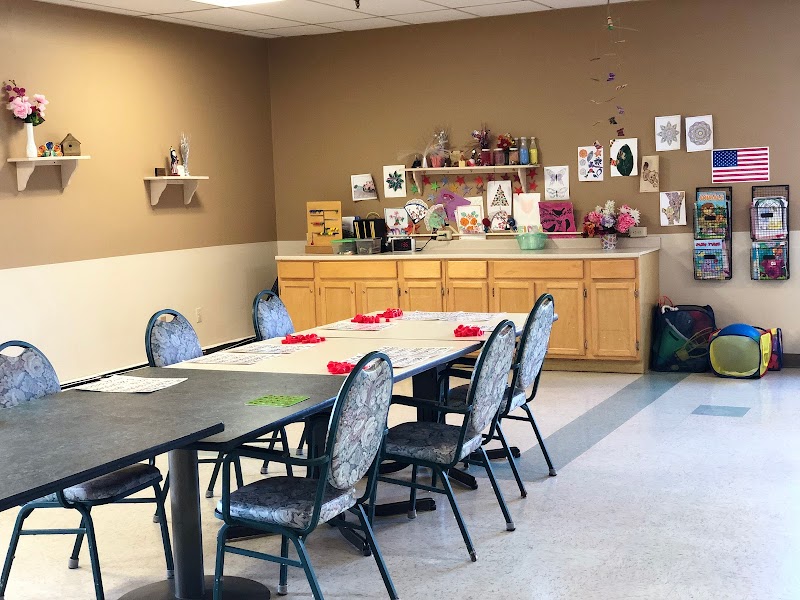
How is Webster Manor Rehabilitation & Health Staffed?

CMS rates WEBSTER MANOR REHABILITATION & HEALTH CARE CENTER's staffing level at 3 out of 5 stars, which is average compared to other nursing homes. Staff turnover is 31%, compared to the Massachusetts average of 46%. This relatively stable workforce can support continuity of care.

What Have Inspectors Found at Webster Manor Rehabilitation & Health?

State health inspectors documented 41 deficiencies at WEBSTER MANOR REHABILITATION & HEALTH CARE CENTER during 2022 to 2025. These included: 1 that caused actual resident harm, 38 with potential for harm, and 2 minor or isolated issues. Deficiencies causing actual harm indicate documented cases where residents experienced negative health consequences.
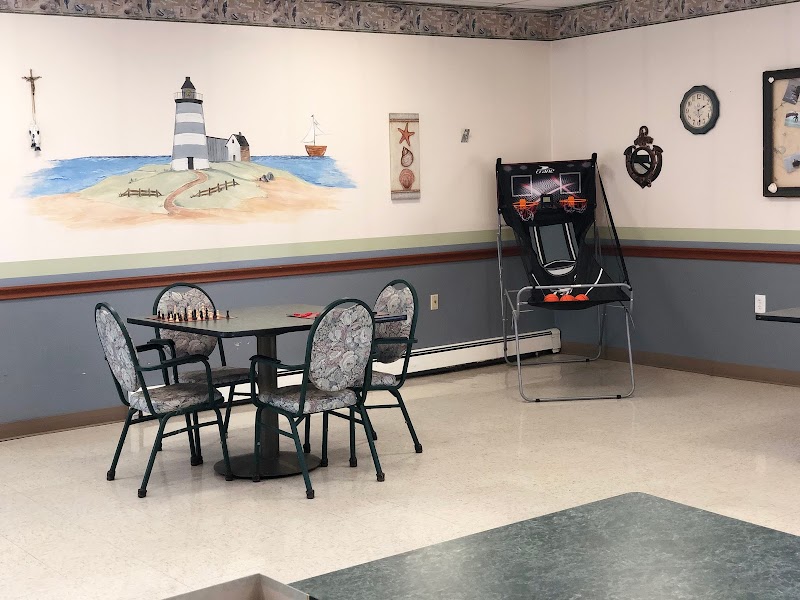
Who Owns and Operates Webster Manor Rehabilitation & Health?

WEBSTER MANOR REHABILITATION & HEALTH CARE CENTER is owned by a for-profit company. For-profit facilities operate as businesses with obligations to shareholders or private owners. The facility is operated by ATHENA HEALTHCARE SYSTEMS, a chain that manages multiple nursing homes. With 135 certified beds and approximately 125 residents (about 93% occupancy), it is a mid-sized facility located in WEBSTER, Massachusetts.
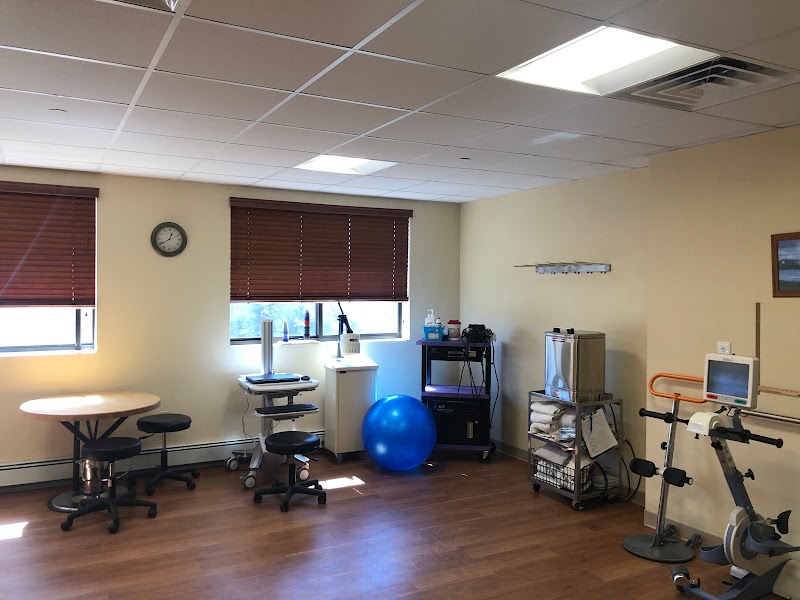
How Does Webster Manor Rehabilitation & Health Compare to Other Massachusetts Nursing Homes?

Compared to the 100 nursing homes in Massachusetts, WEBSTER MANOR REHABILITATION & HEALTH CARE CENTER's overall rating (2 stars) is below the state average of 2.9, staff turnover (31%) is significantly lower than the state average of 46%, and health inspection rating (2 stars) is below the national benchmark.

What Should Families Ask When Visiting Webster Manor Rehabilitation & Health?

Based on this facility's data, families visiting should ask: "Can I visit during a mealtime to observe dining assistance and food quality?" "How do you handle medical emergencies, and what is your hospital transfer rate?" "Can I speak with family members of current residents about their experience?"

Is Webster Manor Rehabilitation & Health Safe?

Based on CMS inspection data, WEBSTER MANOR REHABILITATION & HEALTH CARE CENTER has a clean safety record: no substantiated abuse findings (meaning no confirmed cases of resident harm), no Immediate Jeopardy citations (the most serious violation level indicating risk of serious injury or death), and is not on the Special Focus Facility watch list (a federal program monitoring the lowest-performing 1% of nursing homes). The facility has a 2-star overall rating and ranks #100 of 100 nursing homes in Massachusetts. While no facility is perfect, families should still ask about staff-to-resident ratios and recent inspection results during their visit.

Do Nurses at Webster Manor Rehabilitation & Health Stick Around?

WEBSTER MANOR REHABILITATION & HEALTH CARE CENTER has a staff turnover rate of 31%, which is about average for Massachusetts nursing homes (state average: 46%). Moderate turnover is common in nursing homes, but families should still ask about staff tenure and how the facility maintains care continuity when employees leave.

Was Webster Manor Rehabilitation & Health Ever Fined?

WEBSTER MANOR REHABILITATION & HEALTH CARE CENTER has been fined $14,203 across 1 penalty action. This is below the Massachusetts average of $33,221. While any fine indicates a compliance issue, fines under $50,000 are relatively common and typically reflect isolated problems that were subsequently corrected. Families should ask what specific issues led to these fines and confirm they've been resolved.

Is Webster Manor Rehabilitation & Health on Any Federal Watch List?

WEBSTER MANOR REHABILITATION & HEALTH CARE CENTER is not on any federal watch list. The most significant is the Special Focus Facility (SFF) program, which identifies the bottom 1% of nursing homes nationally based on persistent, serious quality problems. Not being on this list means the facility has avoided the pattern of deficiencies that triggers enhanced federal oversight. This is a positive indicator, though families should still review the facility's inspection history directly.