OAKDALE REHABILITATION & SKILLED NURSING CENTER
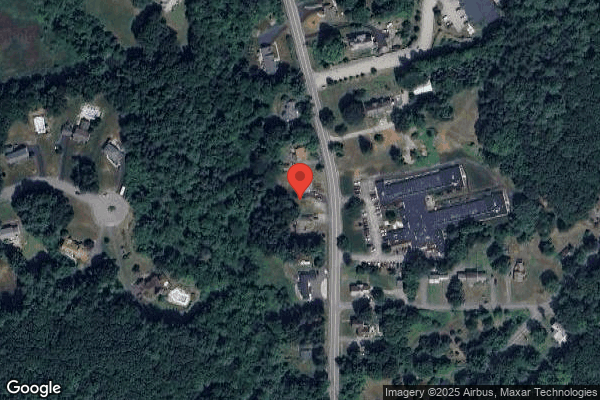
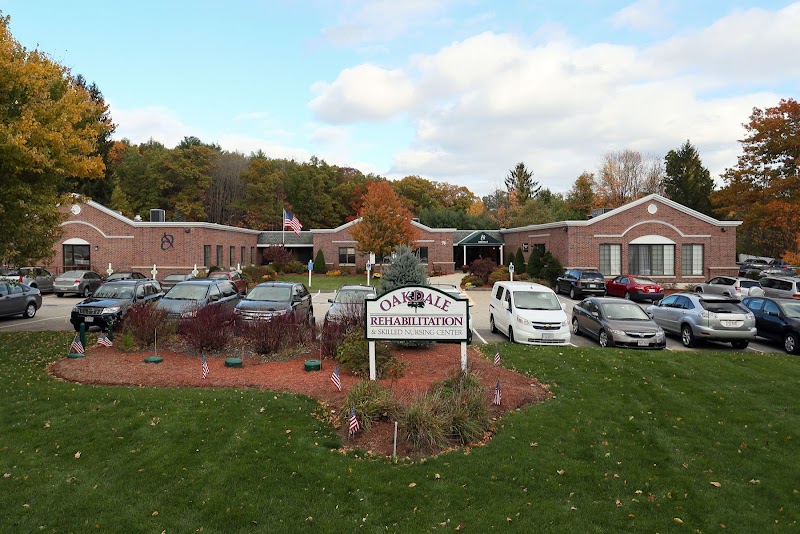
76 NORTH MAIN STREET, WEST BOYLSTON, MA 01583 (508) 835-6076
For profit - Limited Liability company 92 Beds Independent Data: November 2025
Trust Grade
75/100
#111 of 338 in MA
Last Inspection: June 2025

Inspected within the last 6 months. Data reflects current conditions.

Overview

Oakdale Rehabilitation & Skilled Nursing Center has a Trust Grade of B, indicating it is a good choice for families seeking care. It ranks #111 out of 338 nursing homes in Massachusetts, placing it in the top half of facilities in the state, and #17 out of 50 in Worcester County, meaning only 16 local options are better. The facility is improving, with reported issues decreasing from 6 in 2022 to 5 in 2025. While staffing is an average 3 out of 5 stars with a concerning turnover rate of 68%, it does provide more registered nurse coverage than 84% of other Massachusetts facilities, which is a positive aspect. However, specific incidents raised during inspections included failing to adequately test residents for COVID-19 during an outbreak, not maintaining the dignity of a resident with a urinary catheter, and not providing the correct diet texture for a resident, which could lead to health risks. Overall, while there are notable strengths, families should consider the identified weaknesses carefully.

Trust Score
B
75/100
In Massachusetts
#111/338
Top 32%
Safety Record
Low Risk
No red flags
Inspections
Getting Better
6 → 5 violations
Staff Stability
⚠ Watch
68% turnover. Above average. Higher turnover means staff may not know residents' routines.
Penalties
✓ Good
No fines on record. Clean compliance history, better than most Massachusetts facilities.
Skilled Nurses
✓ Good
Each resident gets 46 minutes of Registered Nurse (RN) attention daily — more than average for Massachusetts. RNs are trained to catch health problems early.
Violations
⚠ Watch
11 deficiencies on record. Higher than average. Multiple issues found across inspections.
★★★★☆
4.0
Overall Rating
★★★☆☆
3.0
Staff Levels
★★★☆☆
3.0
Care Quality
★★★★☆
4.0
Inspection Score
Stable
2022: 6 issues
2025: 5 issues

The Good

  • Full Sprinkler Coverage · Fire safety systems throughout facility
  • No fines on record

Facility shows strength in fire safety.

The Bad

Staff Turnover: 68%

21pts above Massachusetts avg (46%)

Frequent staff changes - ask about care continuity

Staff turnover is elevated (68%)

20 points above Massachusetts average of 48%

The Ugly 11 deficiencies on record

Jun 2025 5 deficiencies
CONCERN (D)

Potential for Harm - no one hurt, but risky conditions existed

Resident Rights (Tag F0550)

Could have caused harm · This affected 1 resident

Based on observation, interview, and record review, the facility failed for one Resident (#187), with an indwelling urinary catheter (Foley Catheter/Foley - a tube placed through the urethra into the ...

Read full inspector narrative →
Based on observation, interview, and record review, the facility failed for one Resident (#187), with an indwelling urinary catheter (Foley Catheter/Foley - a tube placed through the urethra into the bladder to drain urine), out of a total sample of 19 residents, to maintain his/her Foley catheter in a privacy bag to maintain their dignity. Findings include: Review of Agency for Healthcare Research and Quality (AHRQ) article titled Catheter Care and Maintenance, published March 2017, retrieved from: https://www.ahrq.gov/hai/quality/tools/cauti-ltc/modules/implementation/education-bundles/indwelling-urinary-catheter-use/catheter-care/slides.html indicated: -Residents sometimes prefer leg bags, which can improve mobility and dignity Resident #187 was admitted to the facility in June 2025 with a diagnosis of Malignant Neoplasm of the Prostate. Review of Resident #187's Brief Interview for Mental Status Evaluation completed on 6/8/25 indicated that the Resident was cognitively intact with a score of 15 out of 15. On 6/8/25 at 9:33 A.M., the surveyor observed Certified Nurse Aide (CNA) #1 ambulate Resident #187 in the Resident's room. The Resident's Foley catheter was not covered in a privacy bag. During an observation with interview on 6/8/25 at 4:14 P.M., the surveyor observed Resident #187 seated in a chair in his/her room watching television. The Foley catheter drainage bag was not observed in a privacy bag. The Resident did not have a leg bag. Resident #187 said the facility staff had not offered him/her a leg bag and that he/she wanted one. Review of Resident #187's June 2025 Physician's Orders indicated: - Assure urinary drainage and privacy bag, keep off the floor every shift for dignity, initiated 6/5/25. - Change leg bag weekly on bath/shower day, initiated 6/5/25. During an observation with interview on 6/9/25 at 6:53 A.M., the surveyor and the Rehab Director observed Resident #187's Foley catheter during morning care and the drainage bag was not in a privacy bag. The Rehab Director said the Foley catheter was not in a privacy bag and it should have been. During an interview on 6/9/25 at 7:02 A.M., Unit Manager (UM) #1 said Resident #187's Foley catheter should have been in a privacy bag, but it was not. UM #1 further said the Resident should have a leg bag when he/she was out of bed, but this has not been done. During an interview on 6/9/25 at 8:42 A.M., the Director of Nursing Services (DON) said when Resident #187 was admitted to the facility, the Resident's Foley catheter bag should have been switched to the facility's specific urinary drainage bag as that would have allowed for the drainage bag to be covered and maintained for privacy and dignity. The DON said the facility staff failed to change Resident #187's Foley catheter drainage bag to the Assure urinary drainage and privacy bag as ordered by the Physician.
CONCERN (D)

Potential for Harm - no one hurt, but risky conditions existed

Deficiency F0692 (Tag F0692)

Could have caused harm · This affected 1 resident

**NOTE- TERMS IN BRACKETS HAVE BEEN EDITED TO PROTECT CONFIDENTIALITY** Based on observation, interview, and record review, the facility failed to provide appropriate care and nutrition services relat...

Read full inspector narrative →
**NOTE- TERMS IN BRACKETS HAVE BEEN EDITED TO PROTECT CONFIDENTIALITY** Based on observation, interview, and record review, the facility failed to provide appropriate care and nutrition services relative to an altered texture diet for one Resident (#14), out of a total sample of 19 residents. Specifically, the facility failed to provide Resident #14 with thickened beverages in accordance with the Resident's plan of care, placing Resident #14 at risk for swallowing complications. Findings include: Review of the facility's policy titled Therapeutic Diets, undated, indicated the following: -A therapeutic diet is considered a diet ordered by a physician, practitioner or dietitian as part of treatment for a disease or clinical condition, to modify specific nutrients in the diet or to alter the texture of a diet i.e.: altered consistency diet -A therapeutic diet must be prescribed by the resident's attending physician (or non-physician provider) The attending physician may delegate this task to a registered or licensed dietitian as permitted by state law -If a mechanically altered diet is ordered the provider will specify the texture modification Resident #14 was admitted to the facility in November 2023 with diagnoses including Dysphagia (difficulty swallowing), unspecified and Cerebral Infarction due to Thrombosis. Review of the Minimum Data Set (MDS) assessment, dated 5/16/25, indicated Resident #14 was cognitively intact as evidenced by a Brief Interview for Mental Status (BIMS) score of 13 out of 15. Review of Resident #14's active Physician's Orders, dated 6/9/25, indicated the following order initiated 6/18/24: -No Added Salt (NAS) diet, Ground texture, Nectar thick Consistency, no hard dry bread, no mixed consistencies, no fruit with high water content allowed on diet. Review of a Nutritional Risk Assessment, dated 5/12/25, indicated Resident #14 was prescribed a ground texture diet with nectar thickened liquids. Review of a Speech Language Pathology (SLP) Discharge summary, dated [DATE] through 5/2/25, indicated that Resident #14 required a minced moist diet with mildly thickened liquids. On 6/8/25 at 9:14 A.M., the surveyor observed Resident #14 seated in bed with a breakfast meal in front of him/her. The surveyor observed a clear plastic cup one quarter full of cranberry juice and a plastic mug one half full of hot tea. Resident #14 said the tea wasn't warm but he/she liked it anyway. The surveyor observed that both the cranberry juice and the tea were of a thin, regular consistency. On 6/9/25 at 12:32 P.M., the surveyor and Unit Manager #2 (UM #2) observed Resident #14's lunch meal tray together. UM #2 said that she saw an issue with the beverages on the Resident's meal tray. UM #2 said Resident #14 required nectar thickened liquids and that the two cups of hot tea on the Resident's meal tray were not thickened to the appropriate consistency. UM #2 further said that Resident #14 had a physician's order for nectar thick consistency beverages and Resident #14 should not have been provided with any beverages that were not thickened as ordered. During a follow up interview on 6/9/25 at 3:18 P.M., the SLP said during the evaluation of Resident #14 she noted the Resident would cough occasionally while drinking thin consistency beverages because the thin consistency beverages moved too fast down the Resident's throat and end up going the wrong way into the windpipe. She said it is safer for Resident #14 to have nectar thick consistency beverages because they don't move as quickly down his/her throat and that Resident #14 should not have had any thin consistency beverages provided on his/her meal trays.
CONCERN (D)

Potential for Harm - no one hurt, but risky conditions existed

Respiratory Care (Tag F0695)

Could have caused harm · This affected 1 resident

Based on observation, interview, and record review, the facility failed to provide respiratory care and services in accordance with professional standards of practice for two Residents (#188 and #10),...

Read full inspector narrative →
Based on observation, interview, and record review, the facility failed to provide respiratory care and services in accordance with professional standards of practice for two Residents (#188 and #10), out of a total sample of 19 residents. Specifically, 1. For Resident #188, the facility failed to ensure that Physician orders with the appropriate liter flow were obtained for oxygen use when the Resident was being administered oxygen. 2. For Resident #10, the facility failed to obtain active Physician orders for the use of PRN (as needed) oxygen with the required liter flow when the Resident was being administered PRN oxygen. Findings include: Review of the facility's policy titled Oxygen, dated 2001, indicated: -Verify that there is a Physician's order for this procedure. -Review the Physician's orders for oxygen administration. Review of the AARC (American Association for Respiratory Care) Clinical Practice Guideline, updated 2014: https://www.aarc.org/wp-content/uploads/2014/08/08.07.1063.pdf indicates: -All Oxygen must be prescribed and dispensed in accordance with federal, state, and local laws and regulations. -Oxygen is a medical gas and should only be dispensed in accordance with all federal, state, and local laws and regulations. -Undesirable results or events may result from noncompliance with Physicians' orders or inadequate instruction for Oxygen therapy. -There is a potential in some spontaneously breathing hypoxemic patients with hypercapnia [high carbon dioxide levels in the blood) and chronic obstructive pulmonary disease that oxygen administration may lead to an increase in PaCO2. -Equipment maintenance and supervision: >All oxygen delivery equipment should be checked at least once daily >Facets to be assessed include proper function of the equipment, prescribed flowrates, remaining liquid or compressed gas content, and backup supply. 1. Resident #188 was admitted to the facility in April 2025 with diagnoses including Chronic Obstructive Pulmonary Disease (COPD), Acute Respiratory Failure with Hypoxia and Pleural Effusions. Review of the Minimum Data Set (MDS) assessment, dated 5/16/25, indicated Resident #188: -was cognitively intact as evidenced by a Brief Interview for Mental Status (BIMS) score of 15 out of 15. -was dependent on staff for activities of daily living (ADLs - bathing, grooming, dressing, hygiene). -required the use of oxygen related to shortness of breath (SOB). During an interview on 6/8/25 at 9:45 A.M., Resident #188 said he/she required the use of oxygen but was not sure of the rate (liter flow) of the oxygen being administered. Resident #188 further said he/she was recently hospitalized with hypoxia (low oxygen in the blood) and needed to use oxygen. The surveyor observed the oxygen liter flow was set at 1 liter per minute (LPM) on the oxygen concentrator. Review of Resident #188's June 2025 Physician's orders failed to indicate any oxygen orders and the prescribed liter flow of oxygen to be administered to the Resident. Review of Resident #188's Respiratory Care Plan, initiated 5/9/25, indicated the Resident required the use of oxygen related to altered respiratory status, difficulty breathing related to COPD, Acute Respiratory Failure with Hypoxia and was dependent on oxygen. On 6/10/25 at 6:52 A.M., the surveyor observed Resident #188 lying in bed asleep with the nasal cannula in place in his/her nostrils. The surveyor also observed that the oxygen concentrator was turned off. During an interview at the time, Resident #188 said that he/she was not aware the oxygen had been shut off and how long the oxygen had been turned off. During an interview on 6/10/25 at 7:05 A.M., Nurse #1 said he was the Nurse that worked on the 11:00 P.M. to 7:00 A.M. shift (night shift). Nurse #1 said the Resident's oxygen concentrator was turned off when he came on shift and Nurse #1 had not turned the Resident's oxygen on. During an interview on 6/10/25 at 7:25 A.M., Unit Manager (UM) #1 said Resident #188 required the use of Oxygen. UM #1 said she was not aware the Resident's oxygen was turned off. UM #1 further said that Resident #188 did not have a Physician's order for the use of oxygen. During a follow-up interview on 6/10/25 at 9:45 A.M., UM #1 said Resident #188 did not have a Physician's order for the use of oxygen and that the Resident required oxygen and had been using the oxygen. UM #1 said there should have been a Physician's order but there was not. During an interview on 6/10/25 at 11:05 A.M., the Director of Nursing (DON) said the Physician should have been notified by the facility staff to obtain oxygen orders based on the Resident's need but that had not been done. 2. Resident #10 was admitted to the facility in September 2023, with diagnoses including COPD, Congestive Heart Failure (CHF), Obstructive Sleep Apnea, and Obesity Hypoventilation Syndrome. Review of the MDS assessment, dated 5/23/25, indicated Resident #10: -was cognitively intact as evidenced by a BIMS score of 15 out of 15 -utilized oxygen -utilized a non-mechanical ventilator Review of Resident #10's active Physician's Orders indicated the following: -C-PAP is to be worn at night. Please ensure it is on, every night shift related to Dependence of Supplemental oxygen, document if refused, initiated 11/15/23. -C-PAP with Home settings @ bedtime, attach 2 liters oxygen, at bedtime for OSA. Please fill cannister with distilled water Daily, initiated 9/8/23. Further review of Resident #10's June 2025 Physican's orders failed to indicate any order for the use of intermittent oxygen, and the prescribed liter flow to administer PRN oxygen. Review of the Physician's Progress Note, dated 5/2/25 at 19:34 (7:34 P.M.), indicated: -Resident was recently hospitalized for CHF exacerbation and returned 5/1/25. -Resident was admitted with acute infection as well as CHF exacerbation. -Resident had chronic hypoxia due to COPD, CHF, and obesity hypoventilation syndrome. -He/she required 3 Liters (L) of supplemental Oxygen on admission to the hospital and is now saturating well on room air following treatment of fluid overload. -He/she uses nocturnal Oxygen 2L with CPAP overnight. -He/she is on 1 to 2L nasal cannula at baseline with intermittent daytime use and continuous overnight use with CPAP. On 6/8/25 at 9:05 A.M., the surveyor observed Resident #10 lying in bed with a CPAP machine connected to an oxygen concentrator which was running and set at 2 LPM. During an interview at the time, the Resident said that staff assist him/her in donning (putting on) the CPAP at night and removing it in the morning. Review of Resident #10's medical record indicated the following: -Nursing Skilled Note on 5/6/25 at 5:50 A.M.: on Oxygen at 2L (liters) via nasal cannula. -Nurse Practitioner (NP) Progress Notes documenting on intermittent daytime O2 [oxygen] on: >5/9/25 at 9:15 A.M. [late entry] >5/21/25 at 10:18 A.M. >5/22/25 at 13:40 (1:40 P.M.) >5/28/25 at 18:41 (6:41 P.M.) >6/5/25 at 11:52 A.M. -Nursing Shift Note on 6/8/25 at 14:30 (2:30 P.M.): O2 (Oxygen) used to good effect (no liter flow was documented). Further review of Resident #10's medical record failed to indicate any NP orders for the use of intermittent daytime oxygen and the prescribed liter flow, when the NP documentation indicated oxygen was used intermittently from 5/9/25 through 6/5/25. On 6/10/25 at 9:38 A.M., the surveyor and Nurse #2 observed Resident #10 lying in bed and wearing oxygen via nasal cannula. During an interview at the time, Resident #10 said he/she was tired today. The surveyor observed Nurse #2 obtain pulse oximetry measurements from each hand, reading between 86% and 87%. Nurse #2 said that she would clarify the MD order for PRN oxygen use as sometimes the MD order has a range of liter flow rates and includes parameters for SPO2 (oxygen saturation) levels. The surveyor and Nurse #2 reviewed Resident #10's chart and Nurse #2 said there were no MD orders in place for supplemental oxygen (daytime use). Nurse #2 said based on her observation and assessment from this morning, the Resident had an acute change in condition and O2 SATS were below 90%. Nurse #2 said that typical nursing practice is to provide PRN oxygen at 2 LPM. During an interview on 6/10/25 at 9:48 A.M., UM #2 said when PRN oxygen is administered there should be a Physician's order in place. During a follow-up interview on 6/10/25 at 11:02 A.M., UM #2 said that Resident #10 did not have current orders for oxygen usage and there should have been.
CONCERN (D)

Potential for Harm - no one hurt, but risky conditions existed

Food Safety (Tag F0812)

Could have caused harm · This affected 1 resident

Based on observation and interview, the facility failed to follow professional standards of practice for food safety and sanitation to prevent foodborne illness to residents. Specifically, the facilit...

Read full inspector narrative →
Based on observation and interview, the facility failed to follow professional standards of practice for food safety and sanitation to prevent foodborne illness to residents. Specifically, the facility failed to: 1. Ensure that food items were stored properly labeled and dated as required; and 2. Ensure that the dietary staff were wearing hair coverings in the kitchen while preparing food. Findings include: 1. Review of the facility policy titled Food Storage, dated 2017, indicated: -All containers must be legible and accurately labeled and dated. -Food should be dated as it is placed on shelves if required by state regulation -Leftover food will be stored in covered containers or wrapped carefully and securely. Each item will be clearly labeled and dated before being refrigerated. Leftover food is used within 7 days or discarded as per the 2013 Federal Food Code. (Also see policy on Use of Leftovers later in this chapter.) Check state regulations as state regulations may allow shorter time frames for use of leftovers. -All foods should be covered, labeled and dated. All foods will be checked to assure that foods (including leftovers) will be consumed by their safe use by dates, or frozen (where applicable), or discarded. During the initial tour of the facility kitchen on 6/8/25 at 7:10 A.M., the surveyor observed the following: In the stand-up refrigerator: -One plate of green peppers, covered not labeled and dated. -One plastic cup with dressing, covered not labeled and dated. -One metal container of tuna salad, covered not labeled and dated. -One metal container of ham salad, covered not labeled and dated. -One metal container of cooked meat, covered not labeled and dated -Two prepared salads, covered not labeled and dated. -Four fruit cups, covered not labeled and dated. In the walk-in refrigerator: - Seafood packaged in plastic and sealed, not labeled or dated. On the shelf below the food prep table: -Four sandwiches wrapped and labeled but not dated. During an interview on 6/8/25 at 7:35 A.M., Dietary Staff #1 said all the items in the refrigerators should have been labeled and dated. 2. Review of the facility's policy and procedure titled Food Safety and Sanitation (undated) indicated: -Beard nets are required when facial hair is visible During the initial tour of the facility kitchen on 6/8/25 at 7:10 A.M., the surveyor observed two of three dietary staff with beards preparing food and not wearing beard coverings. During an observation on 6/9/25 at 8:24 A.M., the surveyor observed a dietary aide with a full beard, covering his cheeks and neck, leave the dining room and enter the kitchen. The surveyor went into the kitchen and observed the dietary aide plating food from the food line with no beard covering in place. During an interview on 6/9/25 at 8:30 A.M., the Food Service Director (FSD), said the dietary aide should have been wearing a beard covering and was not. During an observation on 6/9/25 at 8:53 A.M., the surveyor observed the same dietary aide enter the dining area wearing a beard covering that was covering his cheeks but not pulled down over his chin and neck to cover his beard completely. He was observed handing food items to staff. During an observation on 6/11/25 at 11:16 A.M., surveyors observed three dietary staff members with beards preparing food. None of the three staff members observed were wearing beard coverings. During an interview on 6/11/25 at 11:20 A.M., the FSD said the staff members should have been a wearing beard covering while they were preparing the food.
CONCERN (D)

Potential for Harm - no one hurt, but risky conditions existed

Infection Control (Tag F0880)

Could have caused harm · This affected 1 resident

Based on observation, interview, and record review, the facility failed to implement infection control practices in accordance with professional standards to prevent the potential spread of infection ...

Read full inspector narrative →
Based on observation, interview, and record review, the facility failed to implement infection control practices in accordance with professional standards to prevent the potential spread of infection for one Resident (#187), out of a total sample of 19 residents. Specifically, the facility staff failed to ensure the required personal protective equipment (PPE) was adhered to when Resident #187 was admitted with a surgical abdominal wound and an indwelling urinary catheter (Foley Catheter/Foley - a tube placed through the urethra into the bladder to drain urine) that required Enhanced Barrier Precautions, increasing the Residents' risk for infection and preventing the potential spread of multidrug-resistant organisms (MDROs) during high-contact resident care activities. Findings include: Review of Centers for Disease Control and Prevention (CDC) Guideline for Frequently Asked Questions (FAQs) about Enhanced Barrier Precautions in Nursing Homes, revised June 28, 2024, retrieved from, https://www.cdc.gov/long-term-care-facilities/hcp/prevent-mdro/faqs.html indicated: - Enhanced Barrier Precautions are an infection control intervention designed to reduce transmission of multidrug-resistant organisms (MDROs) in nursing homes. - Enhanced Barrier Precautions involve gown and glove use during high-contact resident care activities for residents known to be colonized or infected with a MDRO as well as those at increased risk of MDRO acquisition (e.g., residents with wounds or indwelling medical devices). - Enhanced Barrier Precautions expand the use of gown and gloves beyond anticipated blood and body fluid exposures. They focus on use of gown and gloves during high-contact resident care activities that have been demonstrated to result in transfer of MDROs to hands and clothing of healthcare personnel, even if blood and body fluid exposure is not anticipated. - Enhanced Barrier Precautions are recommended for residents known to be colonized or infected with a MDRO as well as those at increased risk of MDRO acquisition (e.g., residents with wounds or indwelling medical devices). - Standard Precautions still apply while using Enhanced Barrier Precautions. For example, if splashes and sprays are anticipated during the high-contact care activity, face protection should be used in addition to the gown and gloves. Resident #187 was admitted to the facility in June 2025 diagnosis of Malignant Neoplasm of Prostate, Surgical Abdomen Wound with a Wound Vac and Foley catheter. Review of Resident #187's Brief Interview for Mental Status Evaluation completed on 6/8/25 indicated that the Resident is cognitively intact with a Brief Interview for Mental Status score of 15 out of a total of 15. On 6/8/25 at 9:27 A.M., the surveyor observed Certified Nurse Aide (CNA) #1 holding Resident #187's Foley catheter drainage bag and also holding onto the Resident while the Resident was ambulating to the bathroom. CNA #1 was not wearing an isolation gown. There was a sign outside the Resident's room indicating the Resident was on Enhanced Barrier Precaution (EBP). During an interview on 4/8/25 at 9:27 A.M., CNA #1 said she was not aware that Resident #187 was on EBP. On 6/8/25 at 9:33 A.M., the surveyor observed two staff members enter Resident #187's room with no PPE and close the door. At 9:36 A.M., CNA #3 exited the Resident's room and said she should have worn a gown and gloves before entering the Resident's room, but she did not. At the same time CNA #2 exited the room. CNA #2 said she was a new CNA at the facility and was in training. CNA #2 said she assisted Resident #187 off the toilet, and into his/her bed but was not aware she needed to wear a gown during the high contact care. During an interview on 6/9/25 at 7:45 A.M., the Infection Preventionist/Staff Development Coordinator (IP/SDC) said the CNAs had been educated on Enhanced Barrier Precaution. IP/SDC further said the CNAs should have adhered to the EBP sign at the door to Resident #187, but they did not.
Nov 2022 6 deficiencies
CONCERN (D)

Potential for Harm - no one hurt, but risky conditions existed

Deficiency F0578 (Tag F0578)

Could have caused harm · This affected 1 resident

Based on record reviews, and interviews, the facility failed to ensure that its staff accurately executed the wishes for two Residents (#72 and #81), out of a total sample of 18 residents, and their d...

Read full inspector narrative →
Based on record reviews, and interviews, the facility failed to ensure that its staff accurately executed the wishes for two Residents (#72 and #81), out of a total sample of 18 residents, and their designated Health Care Proxy (HCP-the legal document used to inform medical providers who should make decisions about care if an individual is not competent to do so) regarding advance directives (a written statement of an individual's wishes regarding medical treatment), resulting in no documented directions for an emergent status change. Specifically, 1) the facility failed to offer the opportunity to formulate an advance directive for one Resident (#72) after his/her HCP had been deactivated, and 2) failed to ensure that advance directive decisions were made by the activated HCP for one Resident (#81) who had been deemed as lacking the capacity for informed medical decision making. Review of the facility policy for Advance Directives, dated 3/25/18, included the following: -During the admission process and ongoing throughout a resident's stay, the facility would provide each resident with written information regarding his or her rights under Federal and State laws to formulate an advance directive. -Individuals have the right to make his or her own decisions about advance directives until they are deemed no longer capable of making these decisions. -Lack of capacity would be determined by a resident's Physician through activation of the HCP. Findings Include: 1) Resident #72 was admitted to the facility in November 2021. Review of Resident #72's Massachusetts Medical Order for Life-Sustaining Treatment (MOLST), dated 11/10/21, was signed by his/her HCP. Review of the clinical record indicated that on 1/10/22, the Physician had de-activated the HCP and deemed Resident #72 to have capacity to make medical decisions on his/her own behalf. Review of the clinical record indicated no evidence that Resident #72 had been provided with the opportunity to formulate an advance directive after his/her HCP had been de-activated by the Physician. During an interview on 11/9/22 at 1:30 P.M., Social Worker #1 said that Resident #72 had not been offered the opportunity to formulate an advance directive as required. 2) Resident #81 was admitted to the facility in January 2022. Review of the clinical record indicated a Documentation of Resident Incapacity form Pursuant to Massachusetts Health Care Proxy Act M.G.L.C201D for Resident #81 signed by the Physician on 1/5/22. Further review of the clinical record indicted that the MOLST form had been signed by Resident #81 on 1/27/22, after he/she had been deemed by the Physician to be incapable of making informed medical decisions. During an interview on 11/9/22 at 4:39 P.M., Social Worker #1 and Social Worker #2 said that the MOLST form in Resident #81's chart was not valid. No further information on correcting this issue had been provided by the Social Workers to this surveyor during the survey period.
CONCERN (D)

Potential for Harm - no one hurt, but risky conditions existed

Deficiency F0625 (Tag F0625)

Could have caused harm · This affected 1 resident

Based on record review, and interview the facility failed to ensure the opportunity to pay privately for a bed-hold was offered to one Resident/Resident Representative (#86), prior to a hospital trans...

Read full inspector narrative →
Based on record review, and interview the facility failed to ensure the opportunity to pay privately for a bed-hold was offered to one Resident/Resident Representative (#86), prior to a hospital transfer, out of 3 applicable sampled residents, resulting in termination of skilled rehabilitation services. Findings include: Resident #86 was admitted to the facility in August 2022. Review of a progress note, dated 9/5/22, indicated the Resident was sent to the emergency room for an evaluation. Review of a progress note, dated 9/6/22, indicated the Resident would not be on a bed-hold due to lack of a contract between the facility and the Resident's insurance company. The Resident was discharged from the facility on 9/5/22. During an interview on 11/09/22 at 1:51 P.M., Social Worker (SW) #1 said the Resident was admitted for short term rehabilitation only, due to the facility not having a contract with the Resident's insurance company. SW #1 said when the Resident was transferred to the hospital, the insurance company said they had only agreed to pay for the skilled care and would not offer a bed hold. The surveyor asked if the Resident or the Resident's Representative was given the opportunity to pay privately to hold the bed and SW#1 said that no one had that conversation with the Resident or Resident Representative. SW #1 said once they found out that the insurance company would not pay for the bed-hold, they discharged the Resident.
CONCERN (D)

Potential for Harm - no one hurt, but risky conditions existed

Tube Feeding (Tag F0693)

Could have caused harm · This affected 1 resident

Based on observation, record review, and interview, the facility failed to ensure its staff provided appropriate care and services to one Resident (#52) with a Gastrostomy tube (G-tube - a tube that i...

Read full inspector narrative →
Based on observation, record review, and interview, the facility failed to ensure its staff provided appropriate care and services to one Resident (#52) with a Gastrostomy tube (G-tube - a tube that is placed directly into the stomach through an abdominal wall incision for enteral administration of food, fluids and medication), out of a total sample of 18 residents. Specifically, the facility failed to: 1) measure and document G-tube residual (the amount of stomach contents remaining in the stomach following administration of an enteral feed and used to monitor gastric emptying), and 2) provide appropriate treatment to the abdominal wall G-tube incision site. Findings include: Resident #52 was admitted to the facility in March 2017 with diagnoses including Gastrostomy tube, Aspiration (when food backs up from the stomach and enters the lungs), and Colonic Illeus (when the colon can not move to push food and waste from the body) On 11/9/22 at 1:10 P.M., the surveyor observed the Resident asleep in bed with tube feeding, labeled Osmolite 1.5 and dated 11/9/22, infusing through his/her G-tube at 75 mililiters (ml) an hour via an electronic delivery device. 1. Review of the Facility Policy titled Tube Feedings, undated, indicated the following: - Tubing changes, tube placement and residual checks will be noted on the Medication Administration Record (MAR). Review of the November 2022 MAR indicated the following Physician order: - Verify enteral tube placement and document residual every shift. Further review of the MAR indicated check marks along with staff initials documented for each shift in the spaces corresponding to the order but no fluid volume measurement for residuals was documented. 2. Review of the November 2022 Treatment Administration Record indicated no Physician order for monitoring and treatment of the G-tube surgical incision site. During an interview and record review on 11/14/22 at 1:43 P.M., the Unit Manager (UM) for the Oak unit said that she could not find any documentation of G-tube residuals being recorded. She said staff should be documenting the amount of residual on the MAR. She also said that she could not find an order for the care of the Resident's G-tube incision site but that there should be an order in place.
CONCERN (D)

Potential for Harm - no one hurt, but risky conditions existed

Deficiency F0757 (Tag F0757)

Could have caused harm · This affected 1 resident

Based on record review, and interview, the facility staff failed to ensure that one Resident (#19) was free from unnecessary doses of an opioid medication, out of a total sample of 18 residents. Findi...

Read full inspector narrative →
Based on record review, and interview, the facility staff failed to ensure that one Resident (#19) was free from unnecessary doses of an opioid medication, out of a total sample of 18 residents. Findings include: Resident #19 was admitted to the facility in September 2022 with a diagnosis of Chronic Back Pain. Review of the October 2022 and November 2022 Medication Administration Records (MAR) indicated the following Physician order: -Oxycodone HCL tablet 5 mg (milligrams) give 2.5 mg by mouth every 6 hours as needed (PRN) for moderate - severe pain (pain scale 4-10) Review of the October 2022 and November 2022 MARs for Resident #19 indicated the following: -Oxycodone 2.5 mg was administered on 10/21/22 for a documented pain level of zero -Oxycodone 2.5 mg was administered on 10/27/22 for a documented pain level of 3 -Oxycodone 2.5 mg was administered on 10/29/22 for a documented pain level of zero -Oxycodone 2.5 mg was administered on 11/3/22 for a documented pain level of 3 During an interview, and record review on 11/14/22 at 1:55 P.M., the Unit Manager (UM) for the Oak unit said that the Resident was administered the PRN Oxycodone for documented pain levels less than 4 but that the resident should not have been administered the medication.
CONCERN (D)

Potential for Harm - no one hurt, but risky conditions existed

Infection Control (Tag F0880)

Could have caused harm · This affected 1 resident

Based on policy review, record review, and interview, the facility failed to ensure that one Resident (#9), out of three applicable sampled residents, was monitored for signs and symptoms of COVID-19 ...

Read full inspector narrative →
Based on policy review, record review, and interview, the facility failed to ensure that one Resident (#9), out of three applicable sampled residents, was monitored for signs and symptoms of COVID-19 during an outbreak, to prevent the spread of infection. Findings include: Review of the Commonwealth of Massachusetts Executive Office of Health and Human Services Department of Public Health Memorandum, dated 10/13/22, titled: Update to Caring for Long-Term Care Residents during the COVID-19 Response, including Visitation Conditions, Communal Dining, and Congregate Activities indicated the following: -On unit(s) conducting outbreak testing, a long-term care facility should assess residents for signs and symptoms of COVID-19 during each shift. Review of the facility's Long-Term Care Respiratory Surveillance Line List, indicated a Resident on the Laurel Unit tested positive for COVID-19 on 10/26/22. Resident #9 was admitted to the facility in April 2018 and resided on the Laurel Unit. Review of Resident #9's October 2022 Medication and Treatment Administration Records (MAR/TAR) indicated no evidence that the Resident was monitored for signs and symptoms of COVID-19 as required, during the unit's outbreak period. During an interview on 11/9/22 at 11:12 A.M., the Infection Preventionist (IP) said the facility did not have orders in place to monitor for signs and symptoms of COVID-19 every shift during an outbreak.
CONCERN (E)

Potential for Harm - no one hurt, but risky conditions existed

Deficiency F0886 (Tag F0886)

Could have caused harm · This affected multiple residents

**NOTE- TERMS IN BRACKETS HAVE BEEN EDITED TO PROTECT CONFIDENTIALITY** Based on test log review, and interview, the facility failed to ensure that its staff tested residents for COVID-19 at the appro...

Read full inspector narrative →
**NOTE- TERMS IN BRACKETS HAVE BEEN EDITED TO PROTECT CONFIDENTIALITY** Based on test log review, and interview, the facility failed to ensure that its staff tested residents for COVID-19 at the appropriate frequency, when the facility was experiencing an outbreak of COVID-19. Specifically, staff failed to conduct testing of residents every 48 hours as required, on a unit with COVID-19 outbreak to stop the spread of infection. Findings include: Review of the Commonwealth of Massachusetts Executive Office of Health and Human Services Department of Public Health Memorandum, dated 10/13/22, titled: Update to Caring For Long-Term Care Residents during the COVID-19 Response, including Visitation Conditions, Communal Dining, and Congregate Activities, indicated the following: -Once a new case is identified in the facility, following the requisite outbreak testing, the facility should test exposed residents and staff at least every 48 hours on the affected unit until the facility goes seven days without a new case then once per week until the facility goes 14 days without a new case. Review of the facility's Long Term Care Respiratory Surveillance Line List, indicated a Resident on the Laurel Unit tested positive for COVID-19 on 10/26/22. Review of the Resident Test Logs for October and November 2022, indicated all residents on the Laurel Unit were tested on [DATE], 10/30/22, and 11/2/22 (not the every 48 hours, as required). During an interview on 11/9/22 at 11:12 A.M., the Infection Preventionist (IP) said she thought they were supposed to test every three days and that is what they had been doing all along.
Understanding Severity Codes (click to expand)
Life-Threatening (Immediate Jeopardy)
J - Isolated K - Pattern L - Widespread
Actual Harm
G - Isolated H - Pattern I - Widespread
Potential for Harm
D - Isolated E - Pattern F - Widespread
No Harm (Minor)
A - Isolated B - Pattern C - Widespread

Questions to Ask on Your Visit

  • "Why is there high staff turnover? How do you retain staff?"
  • "Can I speak with families of current residents?"
  • "What's your RN coverage like on weekends and overnight?"

Our Honest Assessment

Strengths
  • • No major safety red flags. No abuse findings, life-threatening violations, or SFF status.
  • • No fines on record. Clean compliance history, better than most Massachusetts facilities.
Concerns
  • • 11 deficiencies on record. Higher than average. Multiple issues found across inspections.
  • • 68% turnover. Above average. Higher turnover means staff may not know residents' routines.
Bottom line: Generally positive indicators. Standard due diligence and a personal visit recommended.

About This Facility

What is Oakdale Rehabilitation & Skilled Nursing Center's CMS Rating?

CMS assigns OAKDALE REHABILITATION & SKILLED NURSING CENTER an overall rating of 4 out of 5 stars, which is considered above average nationally. Within Massachusetts, this rating places the facility higher than 99% of the state's 100 nursing homes. This rating reflects solid performance across the metrics CMS uses to evaluate nursing home quality.
How is Oakdale Rehabilitation & Skilled Nursing Center Staffed?

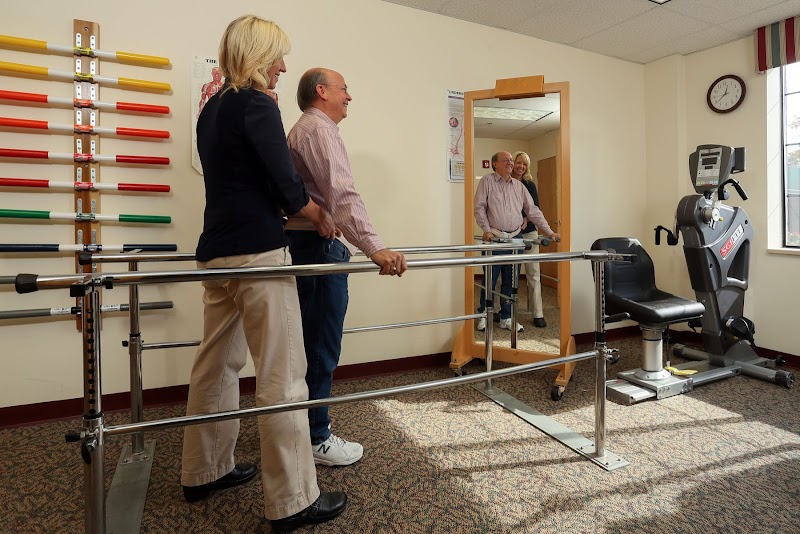
CMS rates OAKDALE REHABILITATION & SKILLED NURSING CENTER's staffing level at 3 out of 5 stars, which is average compared to other nursing homes. Staff turnover is 68%, which is 21 percentage points above the Massachusetts average of 46%. High turnover can affect care consistency as new staff learn residents' individual needs.

What Have Inspectors Found at Oakdale Rehabilitation & Skilled Nursing Center?

State health inspectors documented 11 deficiencies at OAKDALE REHABILITATION & SKILLED NURSING CENTER during 2022 to 2025. These included: 11 with potential for harm.
Who Owns and Operates Oakdale Rehabilitation & Skilled Nursing Center?

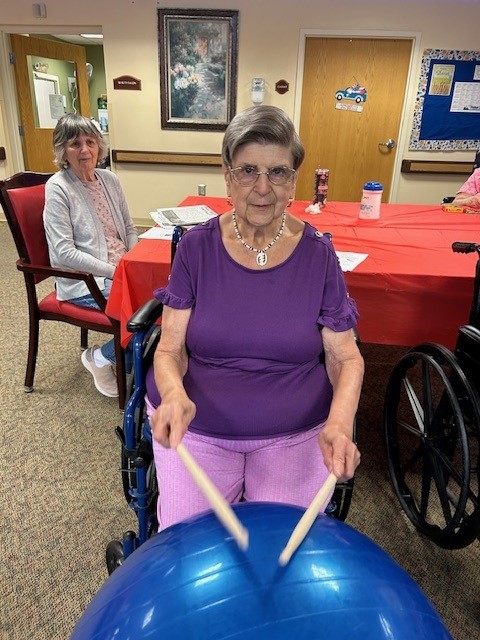
OAKDALE REHABILITATION & SKILLED NURSING CENTER is owned by a for-profit company. For-profit facilities operate as businesses with obligations to shareholders or private owners. The facility operates independently rather than as part of a larger chain. With 92 certified beds and approximately 85 residents (about 92% occupancy), it is a smaller facility located in WEST BOYLSTON, Massachusetts.
How Does Oakdale Rehabilitation & Skilled Nursing Center Compare to Other Massachusetts Nursing Homes?

Compared to the 100 nursing homes in Massachusetts, OAKDALE REHABILITATION & SKILLED NURSING CENTER's overall rating (4 stars) is above the state average of 2.9, staff turnover (68%) is significantly higher than the state average of 46%, and health inspection rating (4 stars) is above the national benchmark.

What Should Families Ask When Visiting Oakdale Rehabilitation & Skilled Nursing Center?

Based on this facility's data, families visiting should ask: "How do you ensure continuity of care given staff turnover, and what is your staff retention strategy?" "Can I visit during a mealtime to observe dining assistance and food quality?" "How do you handle medical emergencies, and what is your hospital transfer rate?" "Can I speak with family members of current residents about their experience?" These questions are particularly relevant given the facility's high staff turnover rate.

Is Oakdale Rehabilitation & Skilled Nursing Center Safe?

Based on CMS inspection data, OAKDALE REHABILITATION & SKILLED NURSING CENTER has a clean safety record: no substantiated abuse findings (meaning no confirmed cases of resident harm), no Immediate Jeopardy citations (the most serious violation level indicating risk of serious injury or death), and is not on the Special Focus Facility watch list (a federal program monitoring the lowest-performing 1% of nursing homes). The facility has a 4-star overall rating and ranks #1 of 100 nursing homes in Massachusetts. While no facility is perfect, families should still ask about staff-to-resident ratios and recent inspection results during their visit.

Do Nurses at Oakdale Rehabilitation & Skilled Nursing Center Stick Around?

Staff turnover at OAKDALE REHABILITATION & SKILLED NURSING CENTER is high. At 68%, the facility is 21 percentage points above the Massachusetts average of 46%. High turnover means new staff may not know residents' individual needs, medications, or preferences. It can also be disorienting for residents, especially those with dementia who rely on familiar faces. Families should ask: What is causing the turnover? What retention programs are in place? How do you ensure care continuity during staff transitions?

Was Oakdale Rehabilitation & Skilled Nursing Center Ever Fined?

OAKDALE REHABILITATION & SKILLED NURSING CENTER has no federal fines on record. CMS issues fines when nursing homes fail to meet care standards or don't correct problems found during inspections. The absence of fines suggests the facility has either maintained compliance or corrected any issues before penalties were assessed. This is a positive indicator, though families should still review recent inspection reports for the full picture.

Is Oakdale Rehabilitation & Skilled Nursing Center on Any Federal Watch List?

OAKDALE REHABILITATION & SKILLED NURSING CENTER is not on any federal watch list. The most significant is the Special Focus Facility (SFF) program, which identifies the bottom 1% of nursing homes nationally based on persistent, serious quality problems. Not being on this list means the facility has avoided the pattern of deficiencies that triggers enhanced federal oversight. This is a positive indicator, though families should still review the facility's inspection history directly.