QUABOAG REHABILITATION & SKILLED CARE FACILITY
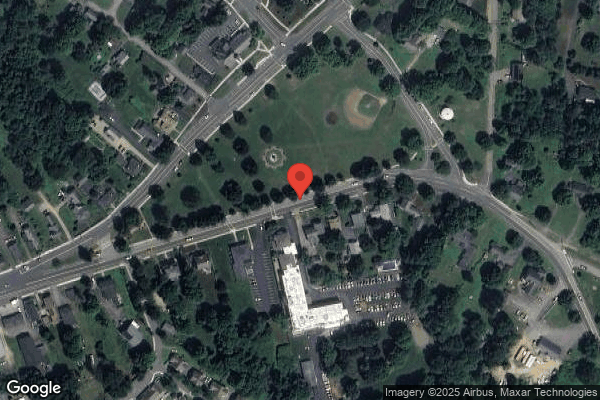
47 EAST MAIN STREET, WEST BROOKFIELD, MA 01585 (508) 867-7716
Non profit - Corporation 166 Beds ASCENTRIA CARE ALLIANCE Data: November 2025
Trust Grade
90/100
#46 of 338 in MA
Last Inspection: May 2025

Inspected within the last 6 months. Data reflects current conditions.

Overview

Quaboag Rehabilitation & Skilled Care Facility has received an excellent Trust Grade of A, meaning they are highly recommended for care. Ranking #46 out of 338 in Massachusetts places them in the top half of facilities in the state, and they are #8 out of 50 in Worcester County, indicating only seven local options are better. The facility's trend is improving, with issues declining from seven in 2024 to just two in 2025, suggesting they are addressing past problems. Staffing is a strength here with a rating of 4 out of 5 stars and a turnover rate of 39%, which is on par with the state average, indicating stability among caregivers. Notably, there have been no fines recorded, which is a positive sign, but there are some areas of concern; for instance, a resident was verbally disrespected by staff, and nursing care for catheter management was not consistently performed according to professional standards. While the facility excels in certain respects, families should be aware of these specific incidents that reflect areas needing improvement.

Trust Score
A
90/100
In Massachusetts
#46/338
Top 13%
Safety Record
Low Risk
No red flags
Inspections
Getting Better
7 → 2 violations
Staff Stability
○ Average
39% turnover. Near Massachusetts's 48% average. Typical for the industry.
Penalties
✓ Good
No fines on record. Clean compliance history, better than most Massachusetts facilities.
Skilled Nurses
○ Average
Each resident gets 38 minutes of Registered Nurse (RN) attention daily — about average for Massachusetts. RNs are the most trained staff who monitor for health changes.
Violations
○ Average
9 deficiencies on record. Average for a facility this size. Mostly minor or procedural issues.
★★★★★
5.0
Overall Rating
★★★★☆
4.0
Staff Levels
★★★☆☆
3.0
Care Quality
★★★★★
5.0
Inspection Score
Stable
2024: 7 issues
2025: 2 issues

The Good

  • 4-Star Staffing Rating · Above-average nurse staffing levels
  • Full Sprinkler Coverage · Fire safety systems throughout facility
  • No fines on record
  • Staff turnover below average (39%)

    9 points below Massachusetts average of 48%

Facility shows strength in staffing levels, fire safety.

The Bad

Staff Turnover: 39%

Near Massachusetts avg (46%)

Typical for the industry

Chain: ASCENTRIA CARE ALLIANCE

Part of a multi-facility chain

Ask about local staffing decisions and management

The Ugly 9 deficiencies on record

Nov 2024 2 deficiencies
CONCERN (D) 📢 Someone Reported This

A family member, employee, or ombudsman was alarmed enough to file a formal complaint

Potential for Harm - no one hurt, but risky conditions existed

Deficiency F0557 (Tag F0557)

Could have caused harm · This affected 1 resident

Based on records reviewed and interviews, for one of three sampled residents (Resident #1) who could make his/her needs known, the Facility failed to ensure he/she was treated in a dignified and respe...

Read full inspector narrative →
Based on records reviewed and interviews, for one of three sampled residents (Resident #1) who could make his/her needs known, the Facility failed to ensure he/she was treated in a dignified and respectful manner, when on 09/30/24 at approximately 6:50 P.M., Certified Nurse Aide (CNA) #1 removed Resident #1's meal tray from his/her room, despite his/her protests that he/she had not finished eating, and spoke to him/her in a loud and inappropriate manner. Several residents who were in the unit's common areas were also subjected to having to listen to CNA #1's verbal outbursts of profanity. Findings include: Review of the Facility Policy titled Resident Rights, dated as revised 05/27/22, indicated that employees shall treat all residents with kindness, respect and dignity. Resident #1 was admitted to the Facility in September 2023, diagnoses included dementia with behavioral disturbances, anxiety disorder, and major depressive disorder. Resident #1's Annual Minimum Data Set (MDS) Assessment, dated 09/19/24, indicated Resident #1 was cognitively intact with a score of 13 out of 15 on the Brief Interview for Mental Status (BIMS, scores indicate: 0-7 severe cognitive impairment, 8-12 moderate cognitive impairment, and 13-15 cognitively intact). Review of a Facility Investigation Report, undated, indicated that on 09/30/24 at approximately 6:50 P.M., Dietary Aide #1 witnessed CNA #1 take Resident #1's meal tray despite his/her objection. The Report indicated that when Resident #1 told CNA #1 that he/she had not finished eating, CNA #1 responded, you should have been eating instead of complaining about other residents. The Report indicated that a few minutes later, Resident #1 asked CNA #1 for food because he/she was hungry, and CNA #1 told him/her you should have eaten when it was available, you are not getting any food tonight. Further review of the Report indicated the Administrator called the unit and spoke with CNA #1 immediately after the incident and when she mentioned the need for an internal investigation, CNA #1 responded loudly, don't fucking bother, I quit. During an interview on 11/05/24 at 2:10 P.M., Resident #1 could not recall having any kind of altercations with staff. The Surveyor was unable to interview Certified Nurse Aide (CNA) #1 as she did not respond to the Department of Public Health's telephone or letter requests for an interview. During an interview on 11/05/24 at 4:10 P.M., Dietary Aide #1 (which also included a review of her Written Witness Statement dated 09/30/24) said she was in the hallway near Resident #1's room, at approximately 6:50 P.M., when she heard CNA #1 tell Resident #1, in a demeaning tone of voice, that he/she should have been eating instead of complaining about other residents. Dietary Aide #1 said that CNA #1 removed Resident #1's unfinished meal tray from his/her room despite his/her protest. Dietary Aide #1 said that Resident #1 followed CNA #1 into the hallway with his/her wheelchair, he/she asked CNA #1 for food and he/she told her that he/she had not eaten. Dietary Aide #1 said that CNA #1 told Resident #1 that he/she should have eaten earlier when the food was available to him/her. Dietary Aide #1 said that when CNA #1 spoke to Resident #1 she was demeaning and spoke very loudly, shouting at times. During an interview on 11/05/24 at 3:10 P.M., Certified Nurse Aide (CNA) #2 said that while he was providing care to another resident, a few doors away from Resident #1's room, during the evening shift on 09/30/24, he heard Resident #1 asking for food. CNA #2 said he heard CNA #1 shout at Resident #1 that he/she should have eaten his/her food earlier when he/she had the fucking chance. CNA #2 said that he heard Dietary Aide #1 ask CNA #1, Why are you talking to [Resident #1] that way? CNA #2 said he entered the hallway immediately after the altercation and observed CNA #1 yelling and swearing near the nurses' station in the presence of several residents. During a telephone interview on 11/06/24 at 7:19 A.M., Nurse #1 said that just before 7:00 P.M. on 09/30/24, she heard CNA #1 swearing in a loud angry voice at the end of the hall, near Resident #1's room. Nurse #1 said Dietary Aide #1 reported that she had witnessed an altercation involving Resident #1 and CNA #1. Nurse #1 said she immediately called the Administrator in Training (AIT) to report the altercation. Nurse #1 said that when CNA #1 spoke with the AIT on the phone, she swore and shouted in an angry tone, I fucking quit. Nurse #1 said she escorted CNA #1 out of the Facility. Nurse #1 said that CNA #1's use of profanity and her verbally inappropriate outburst had occurred in the presence of several residents in the adjacent common area. Nurse #1 said that after she escorted CNA #1 out of the Facility, she spoke with Resident #1 who was visibly upset, tearful, but that he/she couldn't verbalize what had happened during the altercation, due to his/her dementia. Nurse #1 said the only thing Resident #1 had clearly said was I have never seen anything as bad as that. During an interview on 11/05/24 at 4:28 P.M., the Administrator in Training (AIT) said she received a call on 09/30/24 at approximately 7:00 P.M., from Nurse #1 who reported an altercation involving CNA #1 and Resident #1. The AIT said that she told CNA #1, over the telephone, that she would be suspended pending an internal investigation. The AIT said CNA #1 got very upset, began swearing and told her, I fucking quit. The AIT said she waited on the telephone while Nurse #1 escorted CNA#1 out of the building. The AIT said Resident #1 was given a replacement meal immediately after the incident. The AIT further said that based on the results of the Facility's investigation, CNA #1's employment was terminated for her unprofessional manner.
CONCERN (D) 📢 Someone Reported This

A family member, employee, or ombudsman was alarmed enough to file a formal complaint

Potential for Harm - no one hurt, but risky conditions existed

Deficiency F0658 (Tag F0658)

Could have caused harm · This affected 1 resident

Based on records reviewed and interviews for one of three sampled residents (Resident #2), who required a Foley catheter (a flexible tube that drains urine from the bladder into a collection bag outsi...

Read full inspector narrative →
Based on records reviewed and interviews for one of three sampled residents (Resident #2), who required a Foley catheter (a flexible tube that drains urine from the bladder into a collection bag outside the body, the facility failed to ensure Resident #2 was provided with nursing care and treatment that met professional standards for quality, when Nursing staff did not follow up with his/her Urologist (a medical doctor who specializes in the diagnosis and treatment of diseases and conditions of the urinary tract) after he/she missed a scheduled appointment to have his/her catheter changed, to obtain a new appointment or new orders for when it needed to be changed. Findings include: Pursuant to Massachusetts General Law (M.G.L.), chapter 112, individuals are given the designation of Registered Nurse and Practical Nurse which includes the responsibility to provide nursing care. Pursuant to the Code of Massachusetts Regulations (CMR) 244, Rules and Regulations 3.02 and 3.04 define the responsibilities and function of a Registered Nurse and Practical Nurse, respectively. The regulations stipulate that both the Registered Nurse and Practical Nurse bear full responsibility for systematically assessing health status and recording the related health data. They also stipulate that both the Registered Nurse and Practical Nurse incorporate into the plan of care and implement prescribed medical regimens. The Rules and Regulations 9.03 define the Standards of Conduct for Nurses where it is stipulated that a nurse licensed by the Board shall engage in the practice of nursing in accordance with accepted standards of practice. Resident #2 was admitted to the Facility in February 2024, diagnoses included Urinary Retention, chronic Foley catheter (a flexible tube that drains urine from the bladder into a collection bag outside the body), and recurrent urinary tract infections. During a telephone interview on 11/1/24 at 10:22 A.M., Family Member #1 said she brought Resident #2 to his/her Urologist in May 2024, and during that visit, the Urologist inserted a Coude catheter (a type of catheter with a slightly curved tip which allows the catheter to bypass obstructions and navigate spaces). Family Member #1 said the Urologist told her that the catheter should be changed monthly. Family Member #1 said the Facility Nurses did not follow through with this recommendation. Review of Resident #2's Medical Record which included a Urology Office Visit note, dated 05/21/24, indicated the following: - Resident #2 recently had urinary retention after a hip fracture three months ago, is immobile, cannot get up to go to the bathroom and has a Foley catheter in place. - Urinary retention likely due to deconditioning and immobility. Per family wishes, Foley catheter reinserted today as they believe going to the toilet poses a fall risk for Resident #2. - Plan: Return in one month for Foley catheter change with the Nurses. Further review of Resident #2's Medical Record indicated there was no documentation to support that the Resident visited the Urologist in June 2024. During an interview on 11/05/24 at 2:00 P.M., the Regional Nurse said he located a Nursing Progress Note dated 06/21/24 authored by a Unit Manager no longer employed at the facility. The Progress Note indicated the following: This writer received an email from Resident #2's daughter regarding a cancellation she had to make for the Urologist and asked if we could call regarding a catheter change. Family has concerns as it is an uncomfortable procedure for Resident #2, and he/she often gets combative during the change. This writer called and spoke to a staff member at the Urology office who said he would message the Urologist and ask. The Urology staff member was advised that we [facility staff] are capable of changing the catheter here if it is the recommendation. However, further review of Resident #2's medical record indicated there was no documenation to support the previous Unit Manager or one of the unit nurse's received or made a follow-up call to Resident #2's Urologist. During an interview on 11/05/24 at 3:30 P.M., Unit Manager #1 said if a Nurse was awaiting a call back from the Urology office and did not receive a response, the Nurse should have called the Urology office back again for further direction, given that Resident #2 was supposed to have had the catheter changed at the Urology office. During an interview on 11/05/24 at 3:54 P.M., Unit Manager #2 said it was Facility policy not to do monthly catheter changes unless Urology requested or recommended to do so. Unit Manager #2 looked in the appointment book and saw that Resident #2 was scheduled to visit the Urologist on 06/17/24. Upon reviewing the Nursing Progress Note, dated 06/21/24, Unit Manager #2 said Nursing staff should have attempted to call Urology again to ensure Resident #2 had a solid plan in place for his/her catheter maintenance, if he/she was unable to go to the office. During a telephone interview on 11/06/24 at 11:25 A.M., the Nurse Practitioner (NP) said she was unaware Resident #2's Urologist recommended changing the catheter monthly, but had she known, she would have ensured an order was in place to do so. The Regional Nurse said he was unable to find evidence of any further communication between the Facility Nurses and the Urologist, and no evidence that Resident #2's catheter was ever changed at the Facility after his/her Urology appointment on 05/21/24.
Apr 2024 5 deficiencies
CONCERN (D)

Potential for Harm - no one hurt, but risky conditions existed

Incontinence Care (Tag F0690)

Could have caused harm · This affected 1 resident

**NOTE- TERMS IN BRACKETS HAVE BEEN EDITED TO PROTECT CONFIDENTIALITY** Based on interview, record and policy review, the facility failed to provide appropriate care and services according to professi...

Read full inspector narrative →
**NOTE- TERMS IN BRACKETS HAVE BEEN EDITED TO PROTECT CONFIDENTIALITY** Based on interview, record and policy review, the facility failed to provide appropriate care and services according to professional standards of practice for a suprapubic catheter (an indwelling urinary catheter placed directly into the bladder through the abdomen) for one Resident (#32) out of a total sample of 27 residents. Specifically, for Resident #32, the facility staff failed to provide suprapubic catheter care and services as ordered by the Physician to prevent catheter related complications when the catheter was leaking and was not flushed (manual injection with normal saline to clean or clear the catheter) and/or changed as indicated. Findings include: Review of the facility policy titled Indwelling Foley Catheter, dated 7/13/22 indicated: -Indwelling catheters will be used and maintained in accordance with scientifically based guidelines and accepted standards of nursing practice. Review of the Lippincott Nursing Procedure - 9th Edition (2023) Indwelling Catheter Care indicated the following: -Inspect the urinary catheter system for disconnections and leakage, because a sterile, continuously closed system is required to reduce the risk of catheter associated urinary tract infection (CAUTI). -Replace the catheter and drainage system using sterile no-touch technique (the practice of avoiding contamination by not touching key elements) when a break in sterile technique, disconnection, or leakage occurs. Review of the Center for Disease Control and Prevention (CDC) Guideline for Prevention of CAUTI, dated 2009, section III, titled Proper Techniques for Urinary Catheter Maintenance indicated the following: -If breaks in aseptic technique, disconnection, or leakage occur, replace the catheter and collecting system using aseptic technique and sterile equipment. Resident #32 was admitted to the facility May 2023 with diagnoses of Obstructive and Reflux Uropathy (a disorder of the urinary tract that occurs due to obstructed urinary flow causing a backup of urine into the kidneys) and history of recurrent urinary tract infection with Extended Spectrum Beta Lactamase (ESBL - an enzyme found in some strains of bacteria that causes a resistance to many antibiotics) Review of the Minimum Data Set (MDS) assessment dated [DATE], Section H-Bladder and Bowel, indicated the Resident had an indwelling catheter. Review of the April 2024 Physician's orders indicated the following: -Change suprapubic Foley (a brand name indwelling urinary catheter) catheter, size 16 French - 10 cubic centimeter (cc) [NAME] and drainage bag as needed when there is an indication or prior to obtaining a urine specimen, initiated 1/15/24. -irrigate urinary suprapubic catheter with 60 milliliters (ml) sterile water as needed for blockage/leakage, initiated 1/15/24. Review of the Nurse Progress Notes dated 2/4/24 at 6:45 A.M., indicated the following: -Resident Foley leaking: >tubing cleaned and balloon emptied >advanced and balloon inflated with NS (normal saline). During an interview on 4/23/24 at 12:22 P.M., Unit Manager (UM) #1 said that if the Resident's catheter was leaking or not draining, she would try to flush the catheter and if flushing the catheter did not work, she would reposition the suprapubic tube. UM #1 explained repositioning the tube process as deflating the balloon and moving the tube while checking to see if urine started to flow. UM #1 said she did not see a Physician's order for repositioning the suprapubic tube and she was not sure if repositioning the suprapubic tube was indicated in the facility policy. During an interview on 4/23/24 at 3:23 P.M., Regional Nurse #2 said that if the urinary catheter was leaking or not draining correctly, the Nurse should have checked the outside of the catheter tubing for kinks, flushed [with 60 ml sterile water] and changed the catheter as ordered by the Physician.
CONCERN (D)

Potential for Harm - no one hurt, but risky conditions existed

Drug Regimen Review (Tag F0756)

Could have caused harm · This affected 1 resident

Based on interview and record review, the facility failed to ensure that a medication regimen review recommendation was completed timely for one Resident (#56) out of a total sample of 27 residents. ...

Read full inspector narrative →
Based on interview and record review, the facility failed to ensure that a medication regimen review recommendation was completed timely for one Resident (#56) out of a total sample of 27 residents. Specifically for Resident #56, the facility failed to ensure that a Consultant Pharmacist recommendation to complete an Abnormal Involuntary Movement Scale (AIMS - a rating scale designed to measure involuntary movement known as tardive dyskinesia (TD) which can be a side effect from a person receiving antipsychotic medication) was completed timely. Findings include: Resident #56 was admitted to the facility in August 2023 with a diagnosis of Psychophysical Visual Disturbances (visual hallucinations). Review of the October 2023 and November 2023 Physician orders indicated Resident #56 was prescribed Risperidone (antipsychotic medication that can cause TD) 1 milligram (mg) twice daily, with a start date of 10/6/23. Review of the October 2023 and November 2023 Medication Administration Records (MARs) indicated the Resident received the Risperidone medication daily as prescribed. Review of the December 2023 Physician's orders indicated that Resident #56 was prescribed Risperidone 0.5 mg twice daily, with a start date of 10/6/23. Review of the December 2023 MAR indicated that the Resident received the Risperidone daily as prescribed. Review of the Consultant Pharmacist's progress notes dated 10/5/23, 11/7/23, and 12/5/23, indicated the following recommendation: -Please provide an initial AIMS assessment for this Resident to establish a baseline Risperdal (brand name for Risperidone) therapy. Review of the Consultant Pharmacist's Medication Regimen Review: Listing of Residents Reviewed with No Recommendations dated 10/9/23, indicated Resident #56 had no October Pharmacy recommendation made. Review of the Consultant Pharmacist Nursing Recommendation (indicated for nursing staff), dated 11/9/23 indicated the following recommendation: -Please provide an initial AIMS assessment for this resident to establish a baseline for Risperdal therapy. Further review of the Consultant Pharmacist Nursing Recommendation indicated no documentation that nursing had addressed the Consultant Pharmacist's recommendation made on 11/9/23. Review of the Consultant Pharmacist Nursing Recommendation, dated 12/6/23 indicated the following recommendation: -Please provide an initial AIMS assessment for this resident to establish a baseline for Risperdal therapy. Further review of the Consultant Pharmacist Nursing Recommendation indicated that an AIMS assessment was completed 12/13/23, and nursing staff initialed and dated the Consultant Pharmacist Nursing Recommendation on 12/13/23. During an interview on 4/22/24 at 2:16 P.M., the Director of Nurses (DON) said she was unsure why there was conflicting information (that there was no Pharmacy recommendation for October when a Pharmacy recommendation was made on 10/5/23) between the Consultant Pharmacist Progress Note dated 10/5/23, and the Consultant Pharmacist's Medication Regimen Review: Listing of Residents Reviewed with No Recommendations, dated 10/9/23. The DON said the Unit Manager on each unit should review the Consultant Pharmacist Progress Note after each visit and she was unsure why the recommendation in the 10/5/23 Consultant Pharmacist Progress Note was not identified by nursing. The DON further said she had no documentation to show the Consultant Pharmacist Nursing Recommendation dated 11/9/23 had ever been completed as recommended. The DON said Pharmacist recommendations should be addressed within a week of the recommendations being received and nursing staff should have documented on the Consultant Pharmacist Nursing Recommendation that the recommendation had been reviewed and the recommendation had been implemented. The DON said she had no documentation to show that an AIMS assessment had been completed in October 2023 and November 2023 as recommended by the Consultant Pharmacist.
CONCERN (D)

Potential for Harm - no one hurt, but risky conditions existed

Deficiency F0757 (Tag F0757)

Could have caused harm · This affected 1 resident

**NOTE- TERMS IN BRACKETS HAVE BEEN EDITED TO PROTECT CONFIDENTIALITY** Based on record review and interview, the facility failed to ensure that the medication regimen was free from unnecessary drugs ...

Read full inspector narrative →
**NOTE- TERMS IN BRACKETS HAVE BEEN EDITED TO PROTECT CONFIDENTIALITY** Based on record review and interview, the facility failed to ensure that the medication regimen was free from unnecessary drugs for one Resident (#80) out of a total sample of 27 residents. Specifically, the facility staff failed to: -ensure that Resident #80 was free from an excessive dose of medication when an antibiotic (medication used to treat bacterial infection) medication that was Physician ordered to be given for five doses, resulted in the Resident being administered six doses in error. Findings include: Review of the facility's policy titled Medication Orders, revised January 2018, indicated the following: -Medication orders specify the quantity or duration (length of therapy). -Any dose or order that appears inappropriate considering the resident's age, condition, allergies, or diagnosis is verified by nursing with the available provider. -The prescriber is contacted by nursing to verify or clarify an order . if the directions are confusing. Resident #80 was admitted to the facility in April 2024 with diagnoses including Urinary Tract Infection (UTI: bacterial infection of the urinary tract) and Pyelonephritis (kidney infection in one or both kidneys). Review of the Minimum Data Set (MDS) assessment dated [DATE], indicated Resident #80 was cognitively intact as evidenced by a Brief Interview of Mental Status (BIMS) score of 15 out of a total 15. Review of the hospital discharge record dated 4/17/24, indicated Cefpodoxime Proxetil (antibiotic used to treat bacterial infections) 200 milligram (mg) tablet, take one tablet by mouth two times a day for a total of five doses. Review of the April 2024 Physician's order initiated 4/17/24, indicated Cefpodoxime Proxetil Tablet 200 mg, give 1 tablet by mouth every 12 hours for Pyelonephritis for a total of five doses. Review of the April 2024 Medication Administration Record (MAR), indicated that Cefpodoxime Proxetil Tablet 200 mg, was initialed as being administered for the following six doses: -4/17/24 at 9:00 P.M. -4/18/24 AT 9:00 A.M. -4/18/24 AT 9:00 P.M. -4/19/24 AT 9:00 A.M. -4/19/24 AT 9:00 P.M. -4/20/24 AT 9:00 A.M. During an interview on 4/24/24 at 7:35 A.M., the Director of Nurses (DON) said she would review Resident #80's Physician's orders and the MAR when the surveyor indicated the Resident was given more than the ordered dose of medication. During a follow-up interview on 4/24/24 at 9:28 A.M., Regional Nurse #1 said that Resident #80 received 6 doses of the antibiotic medication instead of the Physician ordered 5 doses and that it was an error.
CONCERN (D)

Potential for Harm - no one hurt, but risky conditions existed

Medication Errors (Tag F0758)

Could have caused harm · This affected 1 resident

Based on interview and record review, the facility failed to ensure that a PRN (as needed) psychotropic medication (medication that affect brain activity) was limited to 14 days for one Resident (#43)...

Read full inspector narrative →
Based on interview and record review, the facility failed to ensure that a PRN (as needed) psychotropic medication (medication that affect brain activity) was limited to 14 days for one Resident (#43) out of a total sample of 27 residents. Specifically, the facility failed to ensure a PRN order for Lorazepam (brand name Ativan - antianxiety medication) for Resident #43, was limited to 14 days. Findings include: Review of the facility policy titled Psychotropic Medication Use, dated July 2022, indicated the following: -PRN orders for psychotropic medications are limited to 14 days. -For psychotropic medication that are not antipsychotics: *If the Prescriber or Attending Physician believes it is appropriate to extend the PRN order beyond 14 days, he or she will document the rationale for extending the use and include the duration for the PRN order. Resident #43 was admitted to the facility in March 2024 with diagnoses of Insomnia (sleep disorder with trouble falling and/or staying asleep) and Anxiety (feeling of unease, such as worry or fear, that can be mild or severe/ intense, excessive, and persistent worry and fear about everyday situations). Review of the April 2024 Physician's orders indicated the following order: -Lorazepam 0.5 milligram (mg), give 0.5 mg by mouth every eight hours as needed (PRN) for anxiety .with a start date of 3/23/24 and no stop date. Review of the March 2024 Medication Administration Record (MAR) indicated Resident #43 was administered the PRN Lorazepam medication three times during the month of March. Review of the April 2024 MAR indicated Resident #43 was administered the PRN Lorazepam 15 times during the month of April. During an interview on 4/22/24 at 9:58 A.M., Nurse #1 said Resident #43 had an order for PRN Lorazepam and the Resident utilized the medication as prescribed in both March and April. Nurse #1 further said all orders for PRN psychotropic medications should be limited to 14 days. Nurse #1 said the Physician or Nurse Practitioner (NP) should have re-evaluated the continued need for the PRN psychotropic medication and this had not been done as required for Resident #43.
CONCERN (D)

Potential for Harm - no one hurt, but risky conditions existed

Infection Control (Tag F0880)

Could have caused harm · This affected 1 resident

Based on observation, interview and policy review, the facility failed to ensure that Transmission Based Precautions (TBP: for patients who are known or suspected to be infected or colonized with infe...

Read full inspector narrative →
Based on observation, interview and policy review, the facility failed to ensure that Transmission Based Precautions (TBP: for patients who are known or suspected to be infected or colonized with infectious agents which require additional control measures to effectively prevent transmission) were in place and adhered to by staff in order to minimize the potential spread of infection for on one unit (Unit 2) out of four units observed. Specifically, the facility failed to ensure that staff donned (put on) the required Personal Protective Equipment (PPE) while caring for a resident that identified as requiring Contact Precautions (infection control intervention designed to reduce the transmission of organisms that can be spread by direct contact). Findings include: Review of the facility policy titled, Transmission Based Precautions, reviewed 10/10/22, included but was not limited to: -Contact Precautions - direct contact with the skin, or indirect contact with contaminated surfaces and physical transfer of organisms (usually on the hands of health care workers) from an infected or colonized person to a susceptible host. Use Contact Precautions for residents with known or suspected infections or evidence of syndromes that represent an increased risk for contact transmission. >Clean, non-sterile gloves will be worn when providing direct care (changing clothing, toileting, bathing, dressing changes, etc.) to residents. >Gloves should be worn when handling items potentially contaminated by antibiotic resistant microorganism (ARMs). This may include items such as bedside tables, over-bed tables, bed rails, bathroom fixtures, television, and bed controls . >During the course of providing care to residents, gloves will be changed after having contact with infective material that may contain high concentrations of microorganisms (fecal material, wound drainage). >Don gown upon entry into the room and remove gown and observe hand hygiene before leaving the resident care environment. >In addition, a clean, non-sterile gown with long sleeves will be worn if direct care (bathing, lifting) will be provided or when substantial contact with secretions/excretions (incontinence care, linen changes) is anticipated. >Gowns should also be worn when body contact with environmental surfaces and items in the room that may be contaminated is anticipated. -Enhanced Barrier Precautions (EBP) - refers to the use of gown and gloves during high-contact resident care activities .When contact precautions do not otherwise apply, enhanced precautions may be used for high-contact resident care activities. Examples bathing/showering, dressing, transferring, providing hygiene, changing linens, changing briefs, assisting with toileting, wound or device care. On 4/18/24 at 9:35 A.M., the surveyor observed Certified Nurses Aide (CNA) #1 providing care to a resident in a room labeled with two separate precaution signs hanging outside the door. The surveyor observed that one sign indicated Contact Precautions in yellow and the second sign indicated Enhanced Barrier Precautions in orange. The surveyor also observed colored stickers next to the resident names outside the door with Bed A having an orange dot and Bed B having a yellow dot. The surveyor observed that CNA #1 who was not wearing a gown, was wearing blue gloves and carried a plastic basin into the bathroom, filled the basin with water and carried it back to the resident in Bed B's bedside. CNA #1 told the resident in Bed B that she was there to wash him/her up for the day. CNA #1 was observed moving around the resident's bed, behind the privacy curtains, and body often rubbing against the privacy curtains while providing personal care to the resident. The surveyor then observed CNA #1, still without a gown, and wearing blue gloves, carrying the basin full of water and the resident's eyeglasses back to the bathroom. The surveyor heard water running in the bathroom, observed CNA #1 carry the eyeglasses back to the resident and continued to provide direct personal care. The surveyor then observed CNA #1 open and close the resident's dresser drawers as well as remove a clean incontinence briefs from a bag on the floor in front of the dresser, and carry the briefs to the resident behind the privacy curtain, while still wearing the blue gloves that had been used to provide direct care to the resident. At 9:54 A.M., the surveyor observed CNA #1 carry a bag of soiled linens from the resident's bedside, place the bag on the floor, removed the blue gloves, sanitize her hands and exit the resident's room with the bag of soiled linens. The surveyor observed CNA #1 return to the resident's room, without donning a gown or gloves and was further observed leaning her elbows on the resident's overbed table while talking to the resident. During an interview on 4/18/24 at 9:56 A.M., CNA #1 said the resident in Bed B was on transmission-based precautions and she should have been wearing a gown while providing personal care. CNA #1 said she should not have opened the resident's drawers while wearing the same gloves she had used to provide personal care. During an interview on 4/18/24 at 10:00 A.M., Unit Manager (UM) #2 said the resident in Bed B that CNA #1 was providing personal care to was on Contact Precautions for Multi-Drug Resistant Organism (MDRO), specifically extended-spectrum beta lactamase (ESBLs - enzymes found in some strains of bacteria that cannot be killed by many antibiotics doctors use to treat infections) in his/her urine. UM #2 said that staff should wear a gown and gloves when providing direct care to this resident.
Jan 2023 1 deficiency
CONCERN (D)

Potential for Harm - no one hurt, but risky conditions existed

Infection Control (Tag F0880)

Could have caused harm · This affected 1 resident

Based on observation, interview, and record review, the facility failed to ensure that its staff adhered to Isolation Precautions (measures put into place to reduce transmission of microorganisms) to ...

Read full inspector narrative →
Based on observation, interview, and record review, the facility failed to ensure that its staff adhered to Isolation Precautions (measures put into place to reduce transmission of microorganisms) to minimize the risk of spreading infectious diseases for one Resident (#1), out of 2 applicable residents, identified as having COVID-19 infection. Specifically, Housekeeper #1 failed to ensure: A) the required personal protective equipment (PPE) was utilized prior to entering and while within the Residents room, and B) PPE was appropriately discarded upon exiting the room. Findings include: Review of the Massachusetts Department of Public Health (DPH) Memorandum titled: Comprehensive Personal Protective Equipment (PPE) Guidance, dated 4/12/22, indicated that DPH had updated the comprehensive guidance, based upon the Centers for Disease Control and Prevention (CDC) recommendations, to clarify the PPE that health care personnel (HCP) use in clinical care areas and in other non-clinical areas in health care facilities. HCP refers to all paid and unpaid persons serving in healthcare settings and emergency medical services (EMS) who have the potential for direct or indirect exposure to patients or infectious materials including: -body substances -contaminated medical supplies, devices, and equipment -contaminated environmental surfaces; or contaminated air The memorandum also included the following: - a fit-tested N95 filtering face piece respirator or alternative, eye protection, isolation gown and gloves are to be used when caring for patients with suspected or confirmed COVID-19 or confirmed exposure to COVID-19. -Facilities should eliminate the practice of reuse of N95 respirators. N95 respirators should always be discarded after doffing (removing), such as when leaving a patient room, during a break or when eating or drinking. -Respirators contaminated with blood, respiratory or nasal secretions, or other bodily fluids must be discarded immediately. Review of the CDC Interim Infection Prevention and Control Recommendations for Healthcare Personnel During the Coronavirus Disease 2019 (COVID-19) Pandemic, updated 9/23/22, indicated the following: -HCP who enter the room of a patient with suspected or confirmed SARS-CoV-2 infection should adhere to Standard Precautions and use a NIOSH-approved particulate respirator with N95 filters or higher, gown, gloves, and eye protection (i.e., goggles or a face shield that covers the front and sides of the face). Review of the facility list of residents who have tested positive for COVID-19, provided by the Administrator shortly after entrance, indicated Resident #1 was identified as positive on 12/26/22 during routine testing. Resident #1 was admitted to the facility in May 2022. Review of the clinical record indicated Resident #1 tested positive for COVID-19 infection and was placed on Isolation Precautions for ten days on 12/26/22. During an observation on 1/4/23 at 10:23 A.M., the surveyor observed the door to Resident #1's room was closed, Isolation Precaution signage was on the outside of the door and a cart with PPE including N95 masks, gloves, face shields and gowns was positioned outside of the room. The Isolation Signage indicated the following: -Stop. Isolation Droplet/Contact Precautions in addition to Standard Precautions, staff and Providers MUST: -clean hands when entering and exiting -wear a gown (change between each resident), N95 Respirator, eye protection (goggles or face shield) and gloves (change between each resident). During an observation on 1/4/23 at 1:08-1:10 P.M., the surveyor observed Housekeeper#1 enter Resident#1's room with an N95 mask and gown in place, but she was not wearing eye protection. Housekeeper #1 was observed to mop within the room while the Resident was present. Housekeeper #1 was then observed to remove her gown, conduct hand hygiene and exit the Resident's room and walk down the hallway, without disposing of her N95 mask. During an interview on 1/14/23 at 1:15 P.M., Housekeeper #1 said that a gown, gloves, an N95 mask and eye protection were required to be worn prior to entering a room with Isolation signage. Housekeeper # 1 said she put on gloves when she was in the Resident's room but forgot to wear eye protection. When the surveyor asked Housekeeper #1 about removal of the N95 mask upon exiting the Resident's room, she said she did not think that the N95 masks needed to be removed after exiting a room on Isolation Precautions. Housekeeper #1 and the surveyor inspected the cart positioned outside of Resident #1's room and observed that there were numerous N95 masks, gloves, gowns and eye shields available. During an interview on 1/4/23 at 1:28 P.M., the surveyor spoke with the Administrator about the observation and he said that facility staff were to wear full PPE which consisted of gown, gloves, N95 masks and eye protection prior to entering a room on Isolation Precautions. He further said that all PPE, including the N95 mask, needed to be removed prior to exiting the room and a new mask put on upon exiting the room.
Nov 2022 1 deficiency
CONCERN (D)

Potential for Harm - no one hurt, but risky conditions existed

Incontinence Care (Tag F0690)

Could have caused harm · This affected 1 resident

Based on observation, interview, and record review, the facility failed to ensure its staff provided care and services for one Resident (#40), out of a total sample of 27 residents, with an indwelling...

Read full inspector narrative →
Based on observation, interview, and record review, the facility failed to ensure its staff provided care and services for one Resident (#40), out of a total sample of 27 residents, with an indwelling (left in place) urinary catheter, according to Physician's orders and professional standards. Specifically, the facility staff failed to: 1) document in the Resident's clinical record that a urine specimen was obtained by staff when it had been ordered by the Physician, and 2) change the Resident's indwelling urinary catheter prior to collecting a urine specimen, according to professional standards and as ordered by the Physician. Findings include: Review of the current IDSA (Infectious Disease Society of America) Guidelines for Evaluation of Fever and Infection in Older Adult Residents of Long-Term Care Facilities (2009) indicated the following: -If the resident has an indwelling urethral catheter, a specimen should be obtained from a freshly placed indwelling catheter prior to the initiation of antimicrobial therapy to help guide treatment. Resident #40 was admitted to the facility in April 2022 with diagnoses including: Benign Prostatic Hyperplasia (BPH-enlargement of the prostate gland that can cause urine flow blockage), Hydronephrosis (a blockage in the tube that connects the kidney and the bladder), and neuromuscular dysfunction (lack of bladder control due to brain or nerve problems) of the bladder. During an observation on 11/16/22 at 10:49 A.M., the surveyor observed Resident #40 lying in bed with an indwelling urinary catheter (also referenced as Foley catheter) drainage bag hanging from the bedframe, covered with a blue privacy bag. Review of the November 2022 Treatment Administration Record (TAR) for Resident #40 indicated the following Physician order initiated on 4/26/22: Change Foley Catheter (indwelling urinary catheter) #18 FR (French) 10 ml. (milliliter) balloon and drainage bag . prior to obtaining a urine specimen. Review of the Physician Telephone Orders indicated the following order dated 11/10/22: -Obtain urinalysis and CNS (C & S: Culture and Sensitivity Specimen) from Foley. -Further review of the order included no specific instruction relative to how the specimen was to be obtained according to professional standards until the surveyor inquired. Review of the clinical record indicated no evidence that a urinalysis with culture and sensitivity was obtained as ordered on 11/10/22. During an interview, and record review on 11/21/22 at 12:20 P.M., Unit Manager (UM) #1 said that if Resident #40's Foley catheter was changed, it would be documented on the TAR next to the Physician's order. UM #1 reviewed the November 2022 TAR with the surveyor and said there was no evidence to indicate the Resident's Foley catheter had been changed. During an interview on 11/21/22 at 12:32 P.M., Nurse #1 said she had obtained the urine specimen from Resident #40 on 11/10/22 but did not document it on the TAR as required. She also said she changed the Foley catheter drainage bag prior to collecting the urine specimen but did not change the Foley catheter itself and obtained the urine specimen directly from the drainage bag (not from the Foley catheter). During an interview on 11/21/22 at 1:46 P.M., the Infection Preventionist (IP) said that if a Resident had a Foley catheter and needed to have a urine specimen collected, then the Foley catheter should be changed prior to a urine specimen being obtained. She said that if a urine specimen was collected from a Foley catheter that was already in place, the urine specimen would be considered contaminated by the old catheter tubing.
Understanding Severity Codes (click to expand)
Life-Threatening (Immediate Jeopardy)
J - Isolated K - Pattern L - Widespread
Actual Harm
G - Isolated H - Pattern I - Widespread
Potential for Harm
D - Isolated E - Pattern F - Widespread
No Harm (Minor)
A - Isolated B - Pattern C - Widespread

Questions to Ask on Your Visit

  • "Can I speak with families of current residents?"
  • "What's your RN coverage like on weekends and overnight?"

Our Honest Assessment

Strengths
  • • Grade A (90/100). Above average facility, better than most options in Massachusetts.
  • • No major safety red flags. No abuse findings, life-threatening violations, or SFF status.
  • • No fines on record. Clean compliance history, better than most Massachusetts facilities.
  • • 39% turnover. Below Massachusetts's 48% average. Good staff retention means consistent care.
Concerns
  • • No significant concerns identified. This facility shows no red flags across CMS ratings, staff turnover, or federal penalties.
Bottom line: Generally positive indicators. Standard due diligence and a personal visit recommended.

About This Facility

What is Quaboag Rehabilitation & Skilled Care Facility's CMS Rating?

CMS assigns QUABOAG REHABILITATION & SKILLED CARE FACILITY an overall rating of 5 out of 5 stars, which is considered much above average nationally. Within Massachusetts, this rating places the facility higher than 99% of the state's 100 nursing homes. This rating reflects solid performance across the metrics CMS uses to evaluate nursing home quality.

How is Quaboag Rehabilitation & Skilled Care Facility Staffed?

CMS rates QUABOAG REHABILITATION & SKILLED CARE FACILITY's staffing level at 4 out of 5 stars, which is above average compared to other nursing homes. Staff turnover is 39%, compared to the Massachusetts average of 46%. This relatively stable workforce can support continuity of care.

What Have Inspectors Found at Quaboag Rehabilitation & Skilled Care Facility?

State health inspectors documented 9 deficiencies at QUABOAG REHABILITATION & SKILLED CARE FACILITY during 2022 to 2024. These included: 9 with potential for harm.

Who Owns and Operates Quaboag Rehabilitation & Skilled Care Facility?

QUABOAG REHABILITATION & SKILLED CARE FACILITY is owned by a non-profit organization. Non-profit facilities reinvest revenue into operations rather than distributing to shareholders. The facility is operated by ASCENTRIA CARE ALLIANCE, a chain that manages multiple nursing homes. With 166 certified beds and approximately 136 residents (about 82% occupancy), it is a mid-sized facility located in WEST BROOKFIELD, Massachusetts.

How Does Quaboag Rehabilitation & Skilled Care Facility Compare to Other Massachusetts Nursing Homes?

Compared to the 100 nursing homes in Massachusetts, QUABOAG REHABILITATION & SKILLED CARE FACILITY's overall rating (5 stars) is above the state average of 2.9, staff turnover (39%) is near the state average of 46%, and health inspection rating (5 stars) is much above the national benchmark.

What Should Families Ask When Visiting Quaboag Rehabilitation & Skilled Care Facility?

Based on this facility's data, families visiting should ask: "Can I visit during a mealtime to observe dining assistance and food quality?" "How do you handle medical emergencies, and what is your hospital transfer rate?" "Can I speak with family members of current residents about their experience?"

Is Quaboag Rehabilitation & Skilled Care Facility Safe?

Based on CMS inspection data, QUABOAG REHABILITATION & SKILLED CARE FACILITY has a clean safety record: no substantiated abuse findings (meaning no confirmed cases of resident harm), no Immediate Jeopardy citations (the most serious violation level indicating risk of serious injury or death), and is not on the Special Focus Facility watch list (a federal program monitoring the lowest-performing 1% of nursing homes). The facility has a 5-star overall rating and ranks #1 of 100 nursing homes in Massachusetts. While no facility is perfect, families should still ask about staff-to-resident ratios and recent inspection results during their visit.

Do Nurses at Quaboag Rehabilitation & Skilled Care Facility Stick Around?

QUABOAG REHABILITATION & SKILLED CARE FACILITY has a staff turnover rate of 39%, which is about average for Massachusetts nursing homes (state average: 46%). Moderate turnover is common in nursing homes, but families should still ask about staff tenure and how the facility maintains care continuity when employees leave.

Was Quaboag Rehabilitation & Skilled Care Facility Ever Fined?

QUABOAG REHABILITATION & SKILLED CARE FACILITY has no federal fines on record. CMS issues fines when nursing homes fail to meet care standards or don't correct problems found during inspections. The absence of fines suggests the facility has either maintained compliance or corrected any issues before penalties were assessed. This is a positive indicator, though families should still review recent inspection reports for the full picture.

Is Quaboag Rehabilitation & Skilled Care Facility on Any Federal Watch List?

QUABOAG REHABILITATION & SKILLED CARE FACILITY is not on any federal watch list. The most significant is the Special Focus Facility (SFF) program, which identifies the bottom 1% of nursing homes nationally based on persistent, serious quality problems. Not being on this list means the facility has avoided the pattern of deficiencies that triggers enhanced federal oversight. This is a positive indicator, though families should still review the facility's inspection history directly.