BEAUMONT REHAB & SKILLED NURSING CTR - WESTBORO
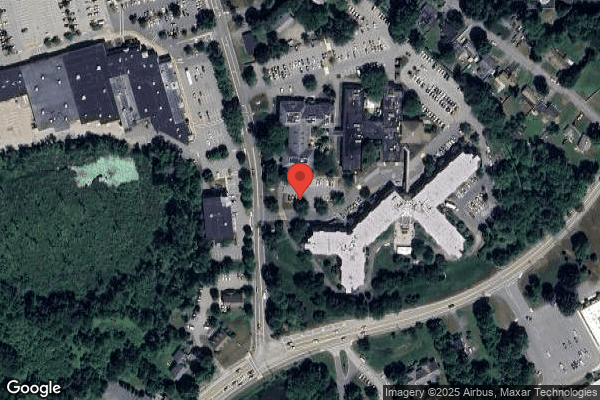

3 LYMAN STREET, WESTBOROUGH, MA 01581 (508) 366-9933
For profit - Partnership 152 Beds Independent Data: November 2025
Trust Grade
70/100
#71 of 338 in MA
Last Inspection: December 2024

Within standard 12-15 month inspection cycle. Federal law requires annual inspections.

Overview

Beaumont Rehab & Skilled Nursing Center in Westborough, Massachusetts, has a Trust Grade of B, indicating it is a good choice for care. It ranks #71 out of 338 facilities in the state, placing it in the top half, and #12 out of 50 in Worcester County, meaning only one local option is better. The facility is improving, with issues reducing from 12 in 2023 to 5 in 2024. While staffing is rated average with a turnover of 45%, there are no fines on record, which is a positive sign. However, there have been some concerns, such as instances of inadequate infection control practices and failure to properly assess the use of physical restraints for certain residents, highlighting areas that need attention despite the overall positive rating.

Trust Score
B
70/100
In Massachusetts
#71/338
Top 21%
Safety Record
Low Risk
No red flags
Inspections
Getting Better
12 → 5 violations
Staff Stability
○ Average
45% turnover. Near Massachusetts's 48% average. Typical for the industry.
Penalties
✓ Good
No fines on record. Clean compliance history, better than most Massachusetts facilities.
Skilled Nurses
⚠ Watch
Each resident gets only 28 minutes of Registered Nurse (RN) attention daily — below average for Massachusetts. Fewer RN minutes means fewer trained eyes watching for problems.
Violations
⚠ Watch
23 deficiencies on record. Higher than average. Multiple issues found across inspections.
★★★★☆
4.0
Overall Rating
★★★☆☆
3.0
Staff Levels
★★★☆☆
3.0
Care Quality
★★★★☆
4.0
Inspection Score
Stable
2023: 12 issues
2024: 5 issues

The Good

  • Full Sprinkler Coverage · Fire safety systems throughout facility
  • No fines on record
  • Staff turnover below average (45%)

    3 points below Massachusetts average of 48%

Facility shows strength in fire safety.

The Bad

Staff Turnover: 45%

Near Massachusetts avg (46%)

Typical for the industry

The Ugly 23 deficiencies on record

Dec 2024 5 deficiencies
CONCERN (D)

Potential for Harm - no one hurt, but risky conditions existed

Deficiency F0604 (Tag F0604)

Could have caused harm · This affected 1 resident

Based on observation, interview, and record review, the facility failed to ensure that a device utilized for one Resident (#38), was assessed when used as a physical restraint, for one applicable Resi...

Read full inspector narrative →
Based on observation, interview, and record review, the facility failed to ensure that a device utilized for one Resident (#38), was assessed when used as a physical restraint, for one applicable Resident who had nephrostomy tubes (tubes that drain urine from the kidneys into drainage bags), out of a total sample of 27 residents. Specifically, the facility failed to assess Resident #38 for the need of an abdominal binder (wide compression belt that encircles the abdomen) to cover Resident #38's nephrostomy sites to prevent him/her from pulling on the nephrostomy tubes. Findings include: Review of the facility's policy titled Physical Restraints, last revised 10/28/15, indicated: -it is the policy of this facility to use a physical restraint on a resident when alternatives have failed, and it is required by a medical symptom. Every effort will be made to use the least restrictive device with the goal of reducing or eliminating the restraint as soon as possible. -a physical restraint is defined as any manual method or physical or mechanical device, material, or equipment attached or adjacent to a resident's body that the individual cannot remove easily which restricts freedom of movement or normal access to one's body. -Physical restraints may include but are not limited to the following: siderails, clip belts, seat belts, Velcro belts, soft lap bars, waist restraints, cardiac/geri chair (specialized reclining mobility chair for older adults who need extra support and comfort), lap trays, wrist restraints. -When a resident demonstrates consistent medical symptoms with risk for injury, an assessment will be made and alternatives to restraint use will be discussed and tried, and the resident will be monitored by nursing. -if alternatives have failed and a resident remains at risk because of a specific medical system, an assessment will take place with the members of the team to discuss the least restrictive device that can be used for the least amount of time. Resident #38 was admitted to the facility in March 2024 with diagnoses including acute kidney failure (a sudden decline in the functioning of the kidneys which might be reversed), hydronephrosis (condition of increased urine in the kidneys that causes swelling) and Dementia. Review of Resident #38's current Physician's orders for December 2024 included: -May use abdominal binder to hold drain tubes in place as a safety precaution, three times a day: 7:00 A.M. to 3:00 P.M., 3:00 P.M. to 11:00 P.M., 11:00 P.M. to 7:00 A.M., start date of 10/8/24. Review of Resident #38's Treatment Administration Record (TAR) from October 2024 to December 2024 indicated that the Resident utilized the abdominal binder on the following days: -daily from 10/8/24 to 10/31/24 -daily from 11/1/24 to 11/23/24, and 11/28/24 to 11/30/24 -daily from 12/1/24 to 12/4/24 Review of Resident #38's Activities of Daily Living (ADL) care plan last revised 10/17/24, indicated that the Resident required assistance of one person for both upper body and lower body dressing. Review of the Minimum Data Set (MDS) Assessment, dated 12/2/24, indicated Resident #38: -was cognitively impaired as evidenced by a Brief Interview for Mental Status (BIMS) score of 6 out of 15. -required substantial/maximal assistance (helper does more than half the effort) for both upper body and lower body dressing. Review of Resident #38's clinical record did not provide any documented evidence of assessment of the abdominal binder restraint until 12/4/24, when the surveyor brought it to the facility's attention. On 12/4/24 at 8:57 A.M., the surveyor observed Nurse #2 attempt to fasten the abdominal binder around the Resident's abdomen. Resident #38 was observed with ace bandages wrapped around his/her abdomen and the nephrostomy bags were loose and had fallen on the Resident's mattress. Resident #38 was observed to be unsteady on his/her feet while attempting to use the rolling walker to steady him/herself. The surveyor then observed Nurse #2 request additional assistance from the Certified Nurses Aide (CNA) to place the abdominal binder on safely and successfully. During an interview at the time, Nurse #2 said that Resident #38 removes his/her restraints frequently and the restraints have gotten lost in the past requiring the need for additional binders. During an interview on 12/4/24 at 2:50 P.M., Nurse #3 said that the abdominal binder is used to prevent Resident #38 from touching the nephrostomy entry sites as he/she has dislodged the tubes in the past and required hospitalization. Nurse #3 also said that an assessment had not been completed for the use of the abdominal restraint, and an assessment should have been completed to determine if the Resident could remove it easily. During an interview on 12/5/24 at 9:10 A.M., the Director of Nursing (DON) said that there was never an assessment for the restraint when the abdominal binder was applied, but there should have been an assessment completed.
CONCERN (D)

Potential for Harm - no one hurt, but risky conditions existed

PASARR Coordination (Tag F0644)

Could have caused harm · This affected 1 resident

**NOTE- TERMS IN BRACKETS HAVE BEEN EDITED TO PROTECT CONFIDENTIALITY** Based on record review, and interview, the facility failed to ensure that a Level II [comprehensive evaluation that identifies t...

Read full inspector narrative →
**NOTE- TERMS IN BRACKETS HAVE BEEN EDITED TO PROTECT CONFIDENTIALITY** Based on record review, and interview, the facility failed to ensure that a Level II [comprehensive evaluation that identifies the specialized services required] Preadmission Screening and Resident Review (PASARR- evaluation done if it was determined by the Level I [initial pre-screening] screen that a resident had an intellectual or developmental disability and/or serious mental illness [SMI] and if a resident was in need of additional support services at the facility) screen was submitted for one Resident (#36), out of a total sample of 27 residents. Specifically, for Resident #36, the facility staff failed to request a Level II PASARR evaluation when the Resident demonstrated an increase in behavioral, psychiatric, and mood-related symptoms resulting in a change to the Resident's plan of care. Findings include: Resident #36 was admitted to the facility in September 2023 with diagnoses including Bipolar Disorder (chronic mood disorder characterized by manic, hypomanic and depressive episodes, Depression and Anxiety. Review of Resident #36's PASARR Level I screen dated 9/18/23, indicated that he/she had a history of a mood disorder and did not meet criteria for SMI, therefore a Level II PASARR evaluation was not needed. Review of Resident #36's Minimum Data Set (MDS) assessment dated [DATE], indicated that the Resident: -was cognitively intact as evidenced by a Brief interview of Mental Status (BIMS) score of 14 out of a possible score of 15. -had exhibited verbal behavior symptoms directed at others (e.g., threatening others, screaming at others, cursing at others). -the exhibited behaviors were worse when compared to the previous MDS assessment. Review of Resident #36's Psychosocial/Behavioral Care Plan last revised 9/27/24, indicated that the Resident needed monitoring and support for increased Anxiety and depressive symptoms. Review of Resident #36's clinical record indicated: -a Neurological Psychiatric Evaluation note dated 10/30/24, endorsing the Resident's long complex history of Depression, Anxiety, and panic with content related to the death of their child, functional decline and difficulty with loss of independence. The Neurological Psychiatric Evaluation note also references the Resident's somatic anxiety complaints with prominent escalation at night where he/she will often have bad nightmares or wake in panic with his/her heart racing. -that the Resident had been prescribed Prazosin (a medication used to treat high blood pressure and nightmares caused by PTSD - [Post Traumatic Stress Disorder: a mental and behavioral disorder that develops from having experienced a traumatic event, causing flashbacks, nightmares and severe anxiety]) on 11/1/24. -that the Resident has started a new order for Buspar (anti-anxiety medication) on 11/14/24. -that he/she had received a new diagnosis of PTSD on 11/15/24 due to experiencing nightmares. -the Resident had his/her prescription for Buspar increased from 10 milligrams (mg) twice a day to 10 mg three times a day on 11/22/24. -that the Resident had been prescribed an as needed (PRN) dose of Buspar from 10/26/24 to 11/19/24 for Anxiety. Review of Resident #36's Treatment Administration Record (TAR) for October 2024 and November 2024 indicated that the Resident utilized the PRN Buspar medication in addition to the standing orders (three times daily) of the Buspar medication on: -10/23/24 at 1:48 A.M. -10/25/24 at 2:19 A.M. -11/8/24 at 7:32 A.M. -11/13/24 at 10:20 A.M. -11/14/24 at 11:13 A.M. Further review of the Resident's medical record failed to indicate that the Level I PASARR was updated and re-submitted for an additional Resident Review when new mental health diagnoses were identified on 11/15/24. During an interview on 12/4/24 at 2:21 P.M., Social Worker (SW) #1 said that the Level I screen should have been re-submitted when the Resident was diagnosed with PTSD, and it had not been. SW #1 also said that the facility did not have a PASARR policy. During an interview on 12/5/24 at 10:19 P.M., Nurse Practitioner (NP) #1 said that she had diagnosed Resident #36 with PTSD and prescribed him/her the Prazosin to help him/her sleep because he/she had been experiencing nightmares.
CONCERN (D)

Potential for Harm - no one hurt, but risky conditions existed

Deficiency F0699 (Tag F0699)

Could have caused harm · This affected 1 resident

Based on interview and record review, the facility failed to develop a comprehensive Trauma Informed Care Plan for one Resident (#36), out of a total sample of 27 residents. Specifically, for Residen...

Read full inspector narrative →
Based on interview and record review, the facility failed to develop a comprehensive Trauma Informed Care Plan for one Resident (#36), out of a total sample of 27 residents. Specifically, for Resident #36, the facility failed to complete an assessment and ensure that a comprehensive Trauma Informed Care Plan was developed relative to the Resident's history of Post-Traumatic Stress Disorder (PTSD). Findings include: Review of the facility's policy for Trauma Informed Care, last revised 5/2020, indicated: -acknowledging that trauma is widespread and can affect anyone, and understanding how it can manifest in behaviors and presentations. -care plan will be developed to communicate this history and how it impacts the individualized care of the resident. -all staff members receive comprehensive training in trauma informed care principles and practices. -regularly monitoring the effectiveness of trauma-informed practices and making necessary adjustments. Resident #36 was admitted to the facility in September 2023 with diagnoses including Bipolar Disorder and depressive episodes, Depression, and Anxiety. Review of the Minimum Data Set (MDS) assessment, dated 9/13/24, indicated that Resident #36: -was cognitively intact as evidenced by a Brief interview of Mental Status (BIMS) score of 14 out of a possible score of 15. -exhibited verbal behavior symptoms directed at others (e.g., threatening others, screaming at others, cursing at others). -exhibited behaviors were worse when compared to the previous MDS assessment. Review of a Neurological Psychiatric Evaluation Note dated 10/30/24, for Resident #36 indicated: -long complex history of Depression, Anxiety, and panic. -content related to the death of his/her child, functional decline and difficulty with loss of independence. -somatic anxiety complaints with prominent escalation at night where he/she often had bad nightmares or awakened in panic with his/her heart racing. Review of Resident #36's clinical record indicated: -that the Resident had been prescribed Prazosin for nightmares caused by PTSD on 11/1/24. -that the Resident received a new diagnosis of PTSD on 11/15/24 due to experiencing nightmares. -no assessment had been completed relative to the Resident's history or triggers of PTSD after he/she had received the new diagnosis. -that the Resident was started on a new order for Buspar (anti-anxiety medication) on 11/14/24. -the Resident had the prescription for Buspar increased from 10 milligrams (mg) twice a day to 10 mg three times a day on 11/22/24. -that the Resident had been prescribed a PRN (as needed) dose of Buspar for Anxiety from 10/26/24 to 11/19/24. Review of Resident #36's Treatment Administration Record (TAR) for October 2024 and November 2024 indicated that the Resident has utilized the PRN Buspar medication in addition to the standing orders of the Buspar medication on the dates: -10/23/24 -10/25/24 -11/8/24 -11/13/24 -11/14/24 Review of the Resident's Comprehensive Care Plan indicated no documentation that a Trauma Informed Care Plan had been developed for Resident #36. During an interview on 12/4/24 at 3:31 P.M., Social Worker (SW) #1 said that a new Trauma assessment should have been completed once the facility had become aware of the PTSD diagnosis and it was not. SW #1 said that the new diagnosis of PTSD had not been communicated to her. SW #1 also said that a Trauma Informed Care Plan should have been developed with interventions for the Resident's diagnosis of PTSD and it was not. During an interview on 12/5/24 at 10:19 P.M., Nurse Practitioner (NP) #1 said that she had diagnosed Resident #36 with PTSD and prescribed him/her the Prazosin medication to help him/her sleep because he/she had been experiencing nightmares. During a follow-up interview on 12/5/24 at 10:09 A.M., SW #1 said that Resident #36's child had passed away because of an accident, which caused the Resident to have difficulty sleeping at night.
CONCERN (D)

Potential for Harm - no one hurt, but risky conditions existed

Pharmacy Services (Tag F0755)

Could have caused harm · This affected 1 resident

**NOTE- TERMS IN BRACKETS HAVE BEEN EDITED TO PROTECT CONFIDENTIALITY** Based on observation and interview, the facility failed to accurately and safely provide pharmaceutical services pertaining to t...

Read full inspector narrative →
**NOTE- TERMS IN BRACKETS HAVE BEEN EDITED TO PROTECT CONFIDENTIALITY** Based on observation and interview, the facility failed to accurately and safely provide pharmaceutical services pertaining to the administration of routine medications for one Resident (#40), out of a total of five resident medication administration observations. Specifically, the facility failed to ensure that Resident #40's Furosemide (medication used to treat high blood pressure, heart failure and build-up of fluid in the body) medication: -was dispensed from the pharmacy. -was administered in the correct dose to the Resident when the facility staff used a higher dose medication tablet and broke the higher dose tablet to obtain the ordered dose. Findings include: Review of the facility's policy titled, General Guidelines for Medication Administration, revised August 2020, indicated: -At a minimum, the 5 Rights - right resident, right drug, right dose, right route and the right time should be applied to all medication administration and reviewed at three steps in the process of preparation. -Select the medication, check the label, container, and contents for integrity, and compare the medication against the Medication Administration Record (MAR) by reviewing the five rights. -Prepare the dose by removing the dose from the container and verifying it against the label and the MAR by reviewing the five rights. -Prior to the administration of any medication, the medication and dosage schedule on the resident's MAR are compared with the medication label. If the label and MAR are different and the container has not already been flagged indicating a change in directions, or if there is any other reason to question the dosage or directions, the physician's orders are checked for the correct dosage schedule. -Splitting of tablets should be avoided and every attempt should be made to obtain an alternate dosage form, medication, or dosing schedule to avoid splitting. -Since unscored tablets may not be accurately broken, their use is discouraged. -Medications supplied for one resident are never administered to another resident. Resident #40 was admitted to the facility in August 2024 with diagnoses of Heart Failure and Hypertension. Review of the Minimum Data Set (MDS) assessment dated [DATE], indicated Resident #40: -was cognitively intact as evidenced by a Brief Interview for Mental Status (BIMS) score of 14 out of 15. Review of Resident #40's December 2024 Physician's orders indicated: -9:00 A.M., Aspirin 81 mg, 1 tablet once a day, started 8/28/24. -8:00 A.M., D- Mannose 2000 mg, 4 tablets once a day, started 11/13/24. -8:00 A.M., Multivitamin tablet, 1 tablet, once a day, started 7/22/24. -8:00 A.M., Vitamin D3, 25 mg, 2 tablets once a day, started 7/22/24. -8:00 A.M., Folate 1 mg, 1 tablet once a day, started 10/23/24. -8:00 A.M., Eliquis 5 mg tablet, 1 tablet twice a day, started 7/22/24. -8:00 A.M., Thera Cran 1 capsule, once a day, started 11/13/24. -8:00 A.M., Furosemide 10 mg tablet, 1 tablet once a day, started 11/20/24. -9:00 A.M., Spironolactone 25 mg tablet, 1 tablet once a day, started 9/4/24. On 12/4/24 at 9:56 A.M., the surveyor observed Nurse #1 prepare and administer the following medications to Resident #40: -Aspirin 81 milligrams (mg), 1 tablet -D-Mannose 2000 mg (4 tablets) -Multivitamins with Minerals, 1 tablet -Vitamin D3 25 microgram (mcg) 2 tablets -Folic Acid 1 mg, 1 tablet -Eliquis 5 mg, 1 tablet -Thera Cran, 1 capsule -Spironolactone 25 mg, 1 tablet Nurse #1 handed the medications to Resident #40, and the Resident asked Nurse #1 where the Furosemide medication was. Nurse #1 said that she would have to locate a dose since the Furosemide medication had not been delivered from the pharmacy. During an interview on 12/4/24 at 10:14 A.M., Nurse #1 said the Furosemide medication was a new order from 11/20/24. Nurse #1 said she was unsure how the medication had been administered to Resident #40, because the Furosemide medication was not available in the medication cart for the Resident. During an interview on 12/4/24 at 10:31 A.M., the Director of Nursing (DON) said there was no indication the Furosemide medication had been removed from the facility Pyxis (automated medication dispensing system). The DON said that the Furosemide medication had not been delivered from the pharmacy since it was ordered on 11/20/24. During an interview on 12/4/24 at 10:38 A.M., Resident #40 said the facility staff would bring a Furosemide 20 mg tablet and break the medication tablet in his/her presence and then administer the Furosemide medication to him/her. During a follow-up interview on 12/4/24 at 10:39 A.M., Nurse #1 said she worked the previous day on 12/3/24, and borrowed the Furosemide 20 mg medication from another resident. Nurse #1 said she had broken the 20 mg tablet of Furosemide medication to administer 10 mg to Resident #40. During an interview on 12/4/24 at 11:03 A.M., the DON said the facility staff should not borrow medication from one resident to administer to another resident. The DON further said the facility staff should not break the Furosemide medication in half to administer to Resident #40, because the Resident could receive an inaccurate amount of the medication. During a follow-up interview on 12/5/24 at 9:32 A.M., the DON showed the surveyor the Resident's Medication Delivery Manifest which indicated that the 20 mg tabs of the Furosemide medication was delivered to the Resident on 12/5/24 at 3:03 A.M. The DON said the order for the 10 mg Furosemide medication never got to the pharmacy.
MINOR (B)

Minor Issue - procedural, no safety impact

MDS Data Transmission (Tag F0640)

Minor procedural issue · This affected multiple residents

**NOTE- TERMS IN BRACKETS HAVE BEEN EDITED TO PROTECT CONFIDENTIALITY** Based on record review, and interview, the facility failed to ensure that a Minimum Data Set (MDS) assessment was transmitted wi...

Read full inspector narrative →
**NOTE- TERMS IN BRACKETS HAVE BEEN EDITED TO PROTECT CONFIDENTIALITY** Based on record review, and interview, the facility failed to ensure that a Minimum Data Set (MDS) assessment was transmitted within the required timeframe after the completion date for one Resident (#46), out of one applicable resident, out of a total sample of 27 residents. Specifically, for Resident #46, a discharge MDS assessment was not transmitted within 14 days of the MDS assessment completion date as required. Findings include: Review of the Centers for Medicare and Medicaid (CMS) MDS 3.0 Resident Assessment Instrument (RAI) Manual, dated [DATE], indicated: -Non-comprehensive MDS assessments (OBRA- required non comprehensive MDS assessments include a select number of MDS items, but not completion of the CAA process [Care Area Assessments- items coded on the MDS to identify problems, needs or strengths] and care planning) must be transmitted to IQIES (Internet Quality Improvement and Evaluation- web based system that is used to transmit data to CMS) no later than 14 calendar days after the MDS completion date. Resident #46 was admitted to the facility in [DATE] with a diagnosis of unspecified Dementia. Review of Resident #46's clinical record indicated: -the Resident expired at the facility on [DATE], while under the care of Hospice services. -a non-comprehensive discharge MDS was completed for Resident #46 on [DATE]. -no evidence was found in the clinical record to indicate that the discharge MDS completed on [DATE] was ever transmitted to IQIES, as required. During an interview on [DATE] at 2:56 P.M., MDS Nurse #1 said the facility followed the RAI Manual to determine when to complete and submit MDS assessments. MDS Nurse #1 further said that Resident #46's discharge MDS assessment was completed on [DATE], and should have been transmitted within 14 days of completion to IQIES, but it had never been transmitted.
Sept 2023 12 deficiencies
CONCERN (D)

Potential for Harm - no one hurt, but risky conditions existed

Notification of Changes (Tag F0580)

Could have caused harm · This affected 1 resident

**NOTE- TERMS IN BRACKETS HAVE BEEN EDITED TO PROTECT CONFIDENTIALITY** Based on record review and interview the facility failed to notify the Physician when medications were not administered for one ...

Read full inspector narrative →
**NOTE- TERMS IN BRACKETS HAVE BEEN EDITED TO PROTECT CONFIDENTIALITY** Based on record review and interview the facility failed to notify the Physician when medications were not administered for one Resident (#283) out of a total sample of 30 residents. Specifically, the facility staff failed to notify the Physician when medications were not administered as ordered upon the Resident's admission to the facility, and prior to Renal Dialysis treatments. Findings include: Review of the facility policy titled Medication Administration-General Guidelines effective February 2019 indicated the following: -Medications are administered in accordance with written orders of the prescriber. -If a dose of regularly scheduled medication is withheld, refused, not available, or given at a time other than the scheduled time, the space provided on the front of the Medication Administration Record (MAR) for that dosage administration is initialed and circled. -If an electronic MAR is used, documentation of the unadministered dose is done as instructed by procedures for use of the eMAR system. An explanatory note is entered on the reverse side of the record. -If three consecutive or multiple doses, as established by facility policy, of a vital medication are withheld, refused, or not available the Physician is notified. -Nursing documents the notification and Physician response. Resident #283 was admitted to the facility in September 2023 with diagnoses including Endocarditis (an infection of the heart lining), Renal Cancer, Diabetes Mellitus, and Renal Dialysis (a treatment used when the kidneys no longer function properly to remove waste and extra fluid from the body). Review of the Nursing Clinical Data admission assessment dated [DATE], indicated Resident #283 was moderately cognitively impaired as evidenced by a Brief Interview for Mental Status (BIMS) score of ten out of a total possible score of 15. Review of the September 2023 Physician's orders indicated the following: -Glipizide tablet, extended release 24 hours, 2.5 milligrams (mg) oral, once a day at 9:00 A.M. -Losartan tablet 100 mg oral, at bedtime, 8:00 P.M. -Minoxidil tablet 2.5 mg oral, at bedtime, 8:00 P.M. -Pravastatin tablet 40 mg oral, once a day, 8:00 A.M. -Reno Caps one capsule oral once a day, 8:00 A.M. -Ropinirole tablet 0.25 mg tablet, give 0.75 mg oral once a day, 9:00 A.M. -Sevelamer Carbonate tablets 800 mg two tablets, 1,600 mg, oral with breakfast and supper twice a day. 8:00 A.M. and 4:00 P.M. -Tamsulosin capsule 0.4 mg oral twice a day 8:00 A.M. and 4:00 P.M -Vitamin D3 capsule 25 mcg (microgram) oral once a day 8:00 A.M. -Zolpidem tablet 10 mg oral at bedtime 8:00 P.M. -Allopurinol 100 mg tablet, give 50 mg, ½ tablet, oral once a day, 8:00 A.M. -Miralax Powder 17 grams oral once a day at 9:00 A.M. -Nystatin Suspension 100,000 units per milliliter (ml) 5 mi oral three times a day 8:00 A.M., 2:00 P.M. and 8:00 P.M. -Prilosec tablet, delayed release, 20 mg oral once a day at 9:00 A.M. Review of the September 2023 MAR for Resident #283 indicated the following: -Documentation in the spaces for 9/24/23 on the MAR corresponding to three medications scheduled to be administered at 8:00 P.M. (Losartan, Minoxidil, Zolpidem), reflected three letters encased by parentheses. Further review indicated documentation in the corresponding comment/reason space of the MAR for each of the three medications: the medications were not administered, and the drug/item was not available. -Documentation in the spaces for 9/25/23 on the MAR corresponding to five medications scheduled to be administered at 8:00 A.M. (Allopurinol, Reno Caps, Pravastatin, Sevelamer Carbonate, Tamsulosin), two medications scheduled to be administered at 9:00 A.M. (Glipizide, Ropinirole), and one medication scheduled to be administered at 8:00 P.M. (Minoxidil), reflected three initials encased by parentheses. Further review indicated documentation in the corresponding comment/reason space of the MAR for each medication: that the medications were not administered, and drug/item was not available. -Documentation in the spaces for 9/26/23 on the MAR corresponding to seven medications scheduled to be administered at 8:00 A.M. (Alopurinol, Reno Caps, Pravastatin, Vitamin D3, Nystatin, Sevelamer Carbonate, Tamsulosin) and five medications scheduled to be administered at 9:00 A.M. (Amlodipine, Glipizide, Prilosec, Ropinirole, Miralax), reflected three initials encased by parentheses. Further review indicated documentation in the corresponding comment/reason space of the MAR for each medication: reflecting that the medication was not administered, and the Resident was unavailable, out for dialysis. Review of the September 2023 progress notes provided no evidence that the Physician had been notified that medications were not administered as ordered for Resident #283 on the following consecutive dates: 9/24/23, 9/25/23 and 9/26/23. During an interview and MAR review on 9/28/23 at 9:21 A.M., the surveyor and Unit Manager (UM) #2 reviewed the medication administration documentation on the September 2023 MAR for Resident #283. UM#2 said that when a medication is not administered to a resident the Nurse will document his/her initials encased in a parentheses in the space on the MAR corresponding to the medication. She further said that the Nurse will document the reason the medication is not administered in the comment space corresponding to the medication. UM#2 said that Resident #283 was admitted to the facility in the afternoon on 9/24/23, and that no medications were administered to the Resident because his/her medications were not available from the Pharmacy until some time on 9/25/23. UM #2 said that medications were not administered to Resident #283 on 9/26/23 because the Resident went to Renal Dialysis and was out of the facility. She said if medications are not available or cannot be administered as ordered, the Nurse should notify the Physician and document the communication with the Physician in the progress notes. UM #2 said there was no documentation in the Resident's record that the Physician was notified of the medications that were not administered to Resident #283 for 9/24/23, 9/25/23 or 9/26/23, but there should have been.
CONCERN (D)

Potential for Harm - no one hurt, but risky conditions existed

Deficiency F0658 (Tag F0658)

Could have caused harm · This affected 1 resident

Based on observation, policy review and interview, the facility failed to ensure professional standards of quality were maintained during observation of a medication pass for one Resident (#45), out o...

Read full inspector narrative →
Based on observation, policy review and interview, the facility failed to ensure professional standards of quality were maintained during observation of a medication pass for one Resident (#45), out of eight applicable residents, in a total sample of 30 residents. Specifically, -for Resident #45, the facility staff failed to follow professional standards related to crushing enteric coated (EC-special coating that prevent dissolving by stomach acids but allows release of the medication in the intestine) medications prior to administration. Findings include: Review of the facility policy titled, Medication Administration-General Guidelines dated 2/2019, included, but not limited to: -Tablet Crushing/Capsule Opening: Crushing tablets may require a Physician's order, per facility policy. -The Physician order for crushing medications should be included in the Medication Administration Record (MAR) so that all personnel administering medications are aware of this need Review of the Long-Term AdviseERR (Journal for The Institute for Safe Medication Practices), April 2017, Volume 5 Issue 4, indicated the following: -Enteric-coated (EC) tablets should not be crushed or split. The enteric coating prevents the drug inside from being destroyed by stomach acid, delaying the drug's release until it reaches the small intestine. -Crushing or splitting these tablets will release the drug into the stomach, where it may be broken down and not absorbed, or may cause gastric intestine (GI) irritation Resident #45 was admitted to the facility in October 2022 with diagnoses including Gastro-Esophageal Reflux Disease (GERD-a chronic digestive disease in which stomach acid irritates the esophagus/food pipe lining) without Esophagitis (inflammation that damages the tube running from the throat to the stomach). Review of the September 2023 Physician's orders indicated: -Multivitamin (MVI), one tablet daily -Enteric Coated Aspirin (ASA) 81 milligram (mg), one tablet daily On 9/28/23 at 9:15 A.M., during an observation of a medication administration pass, Nurse #4 removed one Enteric Coated ASA 81 mg tablet from a container and one MVI tablet (which had a dark reddish, hard coating) from a container, placed both in a plastic pouch and crushed them. Nurse #4 emptied the contents of the pouch into a medication cup and mixed the contents with applesauce. He then administered the crushed medications with applesauce to Resident #45. During an interview on 9/28/23 at 9:18 A.M., Nurse #4 said that he crushed the enteric coated ASA and MVI tablets. He said he did not see a Physician order in the MAR to crush medications. He further said the ASA was enteric coated and should not have been crushed. The surveyor and Nurse #4 reviewed the label of the MVI container together and found there was no documentation on the label indicating MVI tablets could be crushed. Nurse #4 said the MVI tablet should not have been crushed. During an interview on 9/28/23 at 1:00 P.M., with Unit Manager #1, she said that a Physician order needs to be in place to crush medications.
CONCERN (D)

Potential for Harm - no one hurt, but risky conditions existed

Deficiency F0676 (Tag F0676)

Could have caused harm · This affected 1 resident

**NOTE- TERMS IN BRACKETS HAVE BEEN EDITED TO PROTECT CONFIDENTIALITY** Based on observations, interviews and record review, the facility failed to provide treatment, care, and services as required fo...

Read full inspector narrative →
**NOTE- TERMS IN BRACKETS HAVE BEEN EDITED TO PROTECT CONFIDENTIALITY** Based on observations, interviews and record review, the facility failed to provide treatment, care, and services as required for one Resident's (#77), out of a total sample of 30 residents. Specifically, the facility staff failed to respond timely to Resident #77's request to use the bathroom, when the Resident required assistance from staff with activities of daily living (ADLs). Findings include: Resident #77 was admitted to the facility in September 2023 with the following diagnoses: nondisplaced left hip fracture (when broken bones do not separate), subsequent encounter for closed fracture (broken bone with the skin still intact) with routine healing, difficulty walking, unspecified fracture of the lower end of left radius (one of the two bones in the forearm) and unspecified falls. Review of the most recent Minimum Data Set (MDS) assessment dated [DATE], indicated: -Resident #77 was cognitively intact as evidenced by a Brief Interview for Mental Status (BIMS) score of 14 out of 15. -required assistance with ADLs including toileting and one physical assistance of staff for toileting. Review of Resident #77's care plan dated 9/6/23, indicated that . -the Resident required assistance with ADLs due to deconditioning (negative psysiological change following a period of inactivity, bedrest or sedentary[inactive] lifestyle), diagnoses of impaired mobility related to left hip fracture, left arm and leg pain. -required toilet assist of one staff member to wheelchair to and from commode over toilet and wall grab bars with a toileting plan every two hours or as needed . On 9/27/23 at 7:36 A.M., the surveyor observed Resident #77 asking Unit Secretary #1(who was in the Resident's room informing him/her that breakfast would be arriving soon) to use the bathroom before he/she ate his/her breakfast. Unit Secretary #1 responded that she could not toilet the Resident but would ask a Certified Nurses Aide (CNA) to come in and provide the care. The surveyor observed Unit Secretary #1 put on the call light for the Resident. On 9/27/23 at 8:15 A.M., the surveyor observed a CNA enter Resident #77's room, deliver the breakfast tray and exit the room while the call light was still on. On 9/27/23 at 8:25 A.M., the surveyor observed Unit Secretary #1 talking to staff members in the hallway who were still passing breakfast trays, asking for one of the staff to toilet Resident #77. The surveyor heard one staff member respond to Unit Secretary #1 and said that they could not toilet the Resident while they were still passing breakfast trays. On 9/27/23 at 8:30 A.M., the surveyor observed a staff member enter the Resident's room and the call light was turned off. During an interview on 9/27/23 at 8:36 A.M., Unit Secretary #1 told the surveyor that Resident #77 had requested to use the bathroom before breakfast. Unit Secretary #1 said she assisted the Resident to put the call light on while she left the Resident's room to find a staff member. Unit Secretary #1 said she located staff members who informed her they could not toilet residents while they were passing breakfast trays. Unit Secretary #1 said she later reminded the assigned CNA (#4) again, who responded that she could not toilet residents until all the breakfast trays are passed. During an interview on 9/27/23 at 8:54 A.M., Unit Manager (UM) #2 said that CNA #4 was assigned to Resident #77, and should have stopped passing the meal trays and toileted the Resident when she was notified that the he/she needed toileting. During an interview on 9/27/23 at 9:54 A.M., Resident #77 said that he/she wears a brief (an incontinent protective pad) for fear of wetting his/herself, due to the delay in staff's response to his/her bathroom needs. Resident #77 further said that a CNA had placed him/her on a bed pan over 45 minutes ago, promised to return, and had not returned. During an interview on 9/27/23 at 9:56 A.M., UM #2 said the assigned CNA #4 had been escorted out of the building and relieved of their shift but the staff was not aware that Resident #77 needed assistance. During an interview on 9/27/23 at 12:01 P.M., the Director of Nursing (DON) and the Administrator said CNA #4 should have assisted Resident #77 when he/she requested assistance, but had not. During an interview on 9/27/23 at 12:39 P.M., the Administrator said she met with Resident #77 and would follow through with the facility grievance protocol. The Administrator said Resident #77 should have received the needed assistance but was not provided with ADL care as requested and required.
CONCERN (D)

Potential for Harm - no one hurt, but risky conditions existed

Deficiency F0679 (Tag F0679)

Could have caused harm · This affected 1 resident

Based on observations, record review, and interview the facility failed to assess, provide, and implement activities of the Resident's choice for one Resident (# 77) out of a total sample of 30 reside...

Read full inspector narrative →
Based on observations, record review, and interview the facility failed to assess, provide, and implement activities of the Resident's choice for one Resident (# 77) out of a total sample of 30 residents. Specifically, the facility staff failed to assess Resident #77 for activities preferences, provide meaningful activities designed to meet his/her interests and support his/her physical, mental, and psychosocial well-being. Findings include: Resident #77 was admitted to the facility in September 2023 with the following diagnoses: nondisplaced intertrochanteric fracture of the left femur, subsequent encounter for closed fracture with routine healing, difficulty walking, unspecified fracture of the lower end of left radius, unspecified falls. Review of the most recent Minimum Data Set (MDS) assessment, dated 9/12/23, indicated that Resident #77 was cognitively intact as evidenced by a Brief Interview for Mental Status (BIMS) score of 14 out of 15 and required assistance with activities of daily living (ADLs). Further reviewof the medical record indicated that the Resident was not interviewed for activity preferences. Review of the clinical record indicated that there was no care plan for activity preferences. On 9/26/23 at 10:35 A.M., the surveyor observed Resident #77 lying in bed, on his/her back looking up at the ceiling. Resident #77 said he/she had never been approached by any Activity Staff to offer meaningful activities of his/her choice, and was very bored. On 9/27/23 at 2:00 P.M., the surveyor observed Resident #77 lying in bed, awake, eyes wide open, and his/her television was off. During an interview on 9/27/23 at 2:15 P.M., the Administrator said the facility does not have Activity Staff to provide services to the residents on the Rehabilitation Unit. During an interview on 9/27/23 at 4:11 P.M., Additional Staff #1 (Nurse Consultant) said there was no indication that Resident #77 had been assessed for preferences in meaningful activities (as required for the completion of the MDS assessment). Additional Staff #1 reviewed the RAI (Resident Assessment Instrument) manual and said that the interview for activity preference should have been completed and was not. During an interview 9/27/23 at 4:33 P.M., the Administrator said Resident #77 should have been assessed for preferences in meaningful activities, but he/she was not. She further said Resident #77 should have been assessed for preferences and provided activities of his/her choice, but he/she was not.
CONCERN (D)

Potential for Harm - no one hurt, but risky conditions existed

Deficiency F0740 (Tag F0740)

Could have caused harm · This affected 1 resident

**NOTE- TERMS IN BRACKETS HAVE BEEN EDITED TO PROTECT CONFIDENTIALITY** Based on observations, record review, and interviews, the facility failed to provide Behavioral Health Services for one Resident...

Read full inspector narrative →
**NOTE- TERMS IN BRACKETS HAVE BEEN EDITED TO PROTECT CONFIDENTIALITY** Based on observations, record review, and interviews, the facility failed to provide Behavioral Health Services for one Resident (#91) out of a total sample of 30 residents. Specifically, the facility failed to provide the necessary Behavioral Health care and services to attain or maintain the highest practicable physical, mental, and psychosocial well-being for a resident identified with a history of suicidal ideation, and a documented suicide attempt while in the facility resulting in hospitalization. Findings Include: Review of the Facility Policy titled Behavior Management Program, last revised 11/1/2010, indicated the following: -Resident's with behaviors that are problematic and/or dangerous for themselves or others will be identified. -Staff should look for triggers of previous circumstances that lead up to the problematic behavior. -The Interdisciplinary Team can develop a Care Plan for the behavior. The team should review the Minimum Data Set Assessment and psychotropic medications, and use all possible sources to assess and develop the plan of care. -The Interdisciplinary Team should develop specific individualized approaches. -Assessment, planning, intervention, and evaluation are a continuous process. This process must be carefully completed to truly provide a therapeutic approach with behavioral issues. Resident #91 was admitted to the facility in July 2023 with diagnoses including Parkinson's Disease (central nervous system disorder that affects movement, often including tremors), Obsessive-Compulsive Disorder (disorder in which a person experiences uncontrollable and recurring thoughts [obsessions], engages in repetitive behaviors [compulsions] or both), Anxiety Disorder, Depression, and Suicidal Ideations (a broad term used to describe a range of contemplations, wishes, and preoccupations with death and suicide). Review of the Resident Progress Notes indicated the following: -Social Services Note: dated 7/12/23 at 9:43 A.M., the Resident voiced thoughts that he/she would be better off dead. -Nursing Note: dated 7/12/23 at 6:30 P.M., the Resident was transferred to the emergency room (ER) for evaluation. -Nursing Note: dated 8/5/23 at 1:13 P.M., the Resident returned to the facility. -MDS Coordinator Note: dated 8/9/23 at 4:28 P.M., the Resident said to the staff member that he/she had tried to use a blanket to kill him/herself and then wrapped a call light cord around his/her neck in the presence of the staff member. -Nursing Note: dated 8/9/23 at 4:43 P.M., the Resident was transferred to the hospital for evaluation. -Nursing Note: dated 8/31/23 at 8:15 A.M., the Resident returned to the facility. -Social Services Note: on 9/7/23 at 9:50 A.M., documented that the Resident reported ongoing depressive symptoms. Review of Resident #91's Minimum Data Set (MDS) assessment dated [DATE], documented that he/she scored 8 out of 15 points on the Brief Interview for Mental Status (BIMS) assessment indicating that the Resident had moderate cognitive impairment. Further review of the MDS documented he/she reported symptoms of Depression, trouble sleeping, fatigue, trouble concentrating, and experienced hallucinations (a perception of having seen, heard, touched, tasted, or smelled something that was not actually there). Review of the Resident's Comprehensive Care Plan indicated the following: -The Resident has a diagnosis of Depression requiring Psychiatric medication use initiated on 7/11/23, and included an approach to initiate Psychiatric Services as indicated. -The Resident has behaviors related to Parkinson's Disease with possible underlying Dementia initiated on 8/31/23, and included an approach for a Psychiatric Services Consult. -The Resident is at risk for suicide related to decreased functioning secondary to Parkinson's Disease and Depression initiated on 9/26/23, and included the approach if the resident expresses suicidal ideation to obtain a Psychiatric Consult as needed. Further Review of the Medical Record indicated the following: -Resident #91 was trying to get connected with Psychiatric services in the community but that had not occurred at the time of admission to the nursing facility. -No documentation of negative or suicidal thoughts as issues prior to admission to the nursing facility. -No evidence was documented that the Resident was provided with Psychiatric Consults or Behavioral Health Services to support his/her psychosocial well-being upon return to the facility following two hospitalizations for mental health evaluations. No Psychiatric Consult was ordered as indicated in the plan of care for the witnessed suicide attempt. -Review of the Behavioral Health Referral form indicated a request was made on 8/31/23 for a Behavioral Health Consult however the Resident was not seen as there was no Behavioral Health Service consent form in place. -Consent form for Behavioral Health Services was completed on 9/20/23. -No evidence was documented at the time of survey that Resident #91 had received any Psychiatric or Behavioral Health services since his/her admission to the facility. During an interview on 9/28/23 at 11:11 A.M., Social Worker (SW) #2 reviewed the Behavioral Health Referral form with the surveyor and said that the Resident was requested to be seen by the Behavioral Health Service on 8/31/23, but was not evaluated a Behavioral Health practioner due to a lack of a consent form. SW #2 stated she would contact Behavioral Health Service about the status of the consent. During an interview on 9/28/23 at 12:03 P.M., SW #2 said that the Behavioral Health Service did not have a consent form on file for Resident #91, and he/she had not been provided with any Behavioral Health Services.
CONCERN (D)

Potential for Harm - no one hurt, but risky conditions existed

Drug Regimen Review (Tag F0756)

Could have caused harm · This affected 1 resident

Based on record review, policy review and interview, the facility failed to implement a Consultant Pharmacist recommendation for one Resident (#86) out of 5 residents reviewed, out of a total sample o...

Read full inspector narrative →
Based on record review, policy review and interview, the facility failed to implement a Consultant Pharmacist recommendation for one Resident (#86) out of 5 residents reviewed, out of a total sample of 30 residents. Specifically, the facility staff failed to implement a Consultant Pharmacist recommendation, agreed upon by the attending Physician for uric acid serum levels to monitor the results of medication therapy for Resident #86. Findings include: Review of the facility policy titled, Consultant Pharmacists Reports dated February 2019, indicated: - all non-urgent recommendations must be addressed/reviewed within 30 days of the Consultant's monthly visit. Resident #86 was admitted to the facility in July 2022 with diagnoses including: Acute Kidney Failure (when the kidneys suddenly become unable to filter waste from the blood, indicated by increased serum levels of urea and creatinine) and Gout (when urate [normal body waste broken down from uric acid] builds up in the joints, causing pain and swelling). Review of a document titled, Note to Attending Physician/Prescriber dated 4/13/23, indicated: -the Consultant Pharmacist recommended ordering a uric acid serum level (laboratory blood test) to monitor current therapy for the medication Allopurinol (a mediation used to decrease high uric acid levels). Further review of the Note to Attending Physician/Prescriber indicated that the Physician agreed with the Consultant Pharmacist recommendation and signed that they agreed on 6/5/23. Review of Resident #86's clinical record did not indicate that the Consultant Pharmacist recommendation had been implemented. During an interview on 9/27/23 at 3:10 P.M., Unit Manager (UM) #1 said that the Pharmacist recommendation, that had been agreed upon by the Physician, had not been completed and should have been.
CONCERN (D)

Potential for Harm - no one hurt, but risky conditions existed

Deficiency F0760 (Tag F0760)

Could have caused harm · This affected 1 resident

Based on observation, record review and interview, the facility failed to ensure a significant medication error did not occur for one Resident (#37), out of a total sample of 30 residents. Specifical...

Read full inspector narrative →
Based on observation, record review and interview, the facility failed to ensure a significant medication error did not occur for one Resident (#37), out of a total sample of 30 residents. Specifically, the facility failed to ensure Paxlovid (an oral antiviral pill) used to treat Covid-19 (an infectious respiratory illness) was available for administration. Findings include: Review of the eight rights of medication administration, Nursing 2022 Drug Handbook, Wolters Kluwer, page 17, included, but is not limited to: -the right drug -the right patient -the right dose -the right time -the right route -the right reason -the right response -the right documentation Resident #37 was admitted to the facility in September 2023 with diagnoses including Pneumothorax (an accumulation of blood in the space that surrounds each lung) and Diabetes Mellitus (a group of diseases that result in too much sugar in the blood) Review of the Minimum Data Set (MDS) assessment indicated that Resident #37 was cognitively intact as evidenced by a score of 15 out of 15 on the Brief Interview for Mental Status (BIMS) assessment. Review of a Physician's order dated 9/26/23, indicated for Paxlovid 300/100 twice a day (BID) for 5 days. On 9/27/23 at 8:10 A.M., the surveyor observed a medication administration pass with Nurse #5. Nurse #5 said the ordered Paxlovid was not available for administration. Review of the medical record on 9/28/23, indicated a Nurse's Note dated 9/27/23, that Nurse #5 notified the Physician about the unavailability of the Paxlovid medication, and the Physician said to administer the Paxlovid upon delivery to the facility at 1:00 P.M Review of the September 2023 Medication Administration Record (MAR) indicated Nurse #5 administered Paxlovid (Nirmatrelvir [150 mg x 2] - Ritonavir [100 mg]) dose. On 9/28/23 at 9:25 A.M., the surveyor and Unit Manager (UM) #2 reviewed the label on Resident #37's Paxlovid medication container. The instructions on the label indicated to take one Nirmatrelvir 150 mg and one Ritonavir 100 mg tablet together twice daily (BID). The box contained four blisters cards. Each blister card held two Nirmatrelvir 150 mg tablets and two Ritonavir 100 mg tablets. UM #2 said the directions listed on the label were incorrect. She further said there were not enough doses on each blister card to equal the ordered doses. During a telephone interview on 9/28/23 at 10:15 A.M., Nurse #5 said she administered the Paxlovid on 9/27/23 at 1:00 P.M. when it arrived from the pharmacy. She said she gave the Resident one Nirmatrelvir 150 mg tablet and one Ritonavir 100 mg tablet. She said that she worked a double shift (7:00 A.M. to 3:00 P.M. and 3:00 P.M. to 11:00 P.M.) on 9/27/23. Nurse #5 further said she realized the Paxlovid 8:00 P.M. dose on 9/27/23 was not available as ordered, and she omitted the 8:00 P.M. dose. She further said the 1:00 P.M. dose that she administered was the incorrect dose and not the Paxlovid 300/100 dose, as ordered.
CONCERN (D)

Potential for Harm - no one hurt, but risky conditions existed

Deficiency F0761 (Tag F0761)

Could have caused harm · This affected 1 resident

**NOTE- TERMS IN BRACKETS HAVE BEEN EDITED TO PROTECT CONFIDENTIALITY** 2. Resident #86 was admitted to the facility in July 2022 with diagnoses including Sepsis (blood infection) and metabolic Enceph...

Read full inspector narrative →
**NOTE- TERMS IN BRACKETS HAVE BEEN EDITED TO PROTECT CONFIDENTIALITY** 2. Resident #86 was admitted to the facility in July 2022 with diagnoses including Sepsis (blood infection) and metabolic Encephalopathy (brain function disturbance caused by toxins or diseases in the body). Review of Resident #86's Minimum Data Set (MDS) assessment dated [DATE], revealed that he/she had a Brief Interview of Mental Status (BIMS) score of 3 out of 15, indicating severe cognitive impairment. On 9/26/23 at 12:06 P.M., the surveyor observed an unlabeled tube of Collagenase Santyl cream (an ointment used to remove damaged tissue from chronic skin ulcers or severely burned areas) on Resident #86's bedside table. On 9/27/23 at 8:22 A.M., the surveyor observed an unlabeled tube of Collagenase Santyl cream on Resident #86's bedside table. On 9/27/23 at 8:31 A.M., the surveyor and Nurse #1 observed the unlabeled tube of Collagenase Santyl cream on Resident's 86's bedside table. Nurse #1 removed the tube from the room and locked it in the medication cart on the unit. During an interview on 9/27/23 at 8:31 A.M., Nurse #1 said that the medication should not have been in the Resident's room and should have been locked up. Nurse#1 also said that it was dangerous because the Resident could have ingested the cream, just like a child. Based on observation, record review and interview, the facility failed to ensure the appropriate storage and safety of medications per professional standards. Specifically, the facility staff failed to ensure: 1. drugs and biologicals were ordered and safely stored for one out of two Medication Storage Rooms. 2. medication was safely stored for one Resident (#86), out of a total sample of 30 residents. Findings include: Review of the facility policy, titled, Storage of Medications, dated 2/2019, included, but not limited to: -Medications and biologicals are stored safely, securely, and properly, following manufacturer's recommendations or those of the supplier. -The medication supply is accessible only to licensed personnel, pharmacy personnel, or staff members lawfully authorized to administer medications. -Medications requiring refrigeration are kept in a refrigerator at temperatures between 35 and 46 degrees F with a thermometer to allow temperature monitoring. Review of the facility policy, titled, Emergency Pharmacy Service and Emergency Kits, dated 2/2019, indicated, but not limited to: -The emergency supply is maintained in a designated area (S), along with a list of supply contents and expiration date (s). -The nurse records the medication use from the emergency kit on the medication order/use form and calls the pharmacy for replacement of the kit/dose and/or flags the kit with a color-coded lock to indicate need for replacement of kit/dose as soon as possible after the medication has been administered. 1. During an inspection on 9/28/23 at 7:30 A.M., of the [NAME] Unit Medication Storage Room with Unit Manager (UM) #2, the surveyor and UM #2 were able to walk into the room as the door was unlocked. The following items were observed: -On the counter was a white bag that contained Metformin ( medication used to treat Diabetes Mellitus [a group of diseases that result in too much sugar in the blood]) -10 tablets, and Citalopram (an antidepressant) - 9 tablets. -The medication refrigerator thermometer had a reading of zero degrees Fahrenheit (F). -The refrigerator contained many resident specific insulins and medications. -The Coumadin Emergency Kit (E-Kit) was opened and the log form in the kit indicated there were (5) Coumadin tablets removed, with the last removal documented on 9/21/23. During an interview on 9/28/23 at 7:40 A.M., UM #2 said the door to the Medication Storage Room gets stuck sometimes and it should have been locked. She said the refrigerator temperature reading of 0 degrees F was too high. UM #2 said the Metformin and Citalopram tablets should have been stored in the Pixus System (an automated medication dispensing machine) upon arrival from the Pharmacy and not left on the counter. She said the Coumadin E-Kit log form should have been faxed to the Pharmacy in order for a replacement E-Kit to be delivered to the facility. UM #2 said she could not find any evidence that the form was faxed to the Pharmacy and a replacement Coumadin E-kit was not delivered as required.
CONCERN (D)

Potential for Harm - no one hurt, but risky conditions existed

Medical Records (Tag F0842)

Could have caused harm · This affected 1 resident

Based on observations, record reviews, and interviews, the facility failed to maintain complete, accurate, and readily accessible medical records for three Residents (#39, #122, and #37), out of a tot...

Read full inspector narrative →
Based on observations, record reviews, and interviews, the facility failed to maintain complete, accurate, and readily accessible medical records for three Residents (#39, #122, and #37), out of a total sample of 30 residents. Specifically, the facility staff failed to: 1. ensure for Resident #39, accurate and complete documentation of the interdisciplinary care plan meetings. 2. ensure for Resident #122, an accurate Physician medication order for Paxlovid ([an oral antiviral pill] used to treat Covid-19 [an infectious respiratory illness]) was prescribed. 3. ensure for Resident #37, a Physician order for Paxlovid was transcribed correctly in the Medication Administration Record (MAR). Findings include: 1. Resident #39 was admitted to the facility in October 2019 with diagnoses that included: Dementia due to Alzheimer's disease (a progressive disease that destroys memory and other important mental functions) and widespread lytic bony lesions (areas of bone destruction that result in holes). Review of the facility policy titled, Care Planning, effective 11/28/18, indicated the following: -The mechanics of how the Interdisciplinary Team (IDT) meets it's responsibilities in the development of the IDT care plan (face to face, teleconference, written communication, etc.) is at the discretions of the Executive Directors and Director of Nursing (DON). Review of the facility Minimum Data Set (MDS) and care plan meeting schedule indicated the following: -1/24/23 care plan meeting -4/27/23 care plan meeting -7/27/23 care plan meeting -9/7/23 care plan meeting Further review of the medical record did not contain evidence that care plan meetings for Resident #39 were documented by the IDT. During an interview on 9/28/23 at 4:23 P.M., the DON said the MDS Department provides the care plan meeting schedule to the IDT based on the MDS schedule. During an interview on 9/28/23 at 8:18 A.M., the Quality Assurance (QA) Nurse said that the process is for the MDS Department to schedule care plan meetings which would be facilitated by the IDT. The QA Nurse said that the identified care plan meetings were held, but there is no documentation on record of the IDT meetings. 2. Resident #122 was admitted to the facility in August 2023 with diagnoses including Parkinson's Disease (a disorder of the central nervous system that affects movement, often including tremors) and Dementia (a decline in cognitive abilities that impacts a person's ability to perform everyday activities). Review of the September 2023 Monthly Physician orders indicated an order for Paxlovid tablets dose pack, 300 milligram (mg) (150 mg x 2) - 100 mg, give one tablet twice a day (BID). On 9/28/23 at 11:16 A.M., UM #2 showed the surveyor a container of Resident #122's Paxlovid dose pack. On the box was a Pharmacy label indicating Paxlovid 300-100, take one tablet by mouth twice daily. The box contained blister cards that indicated each card contained four tablets of Nirmatrelvir 150 milligram (mg) and two tablets of Ritonavir 100 mg. UM #2 said the Physician order and the label on the box were incorrect as the amount that needed to be administered was two-Nirmatrelvir 150 mg tablets and one-Ritonavir 100 mg tablet to equal the doses (300/100) that were ordered by the Physician. 3. Resident #37 was admitted to the facility in September 2023 with diagnoses including Pneumothorax (an accumulation of blood in the space that surrounds each lung) and Diabetes Mellitus (a group of diseases that result in too much sugar in the blood). Review of the Minimum Data Set (MDS) assessment indicated the Resident was cognitively intact as evidenced by a score of 15 out of 15 on the Brief Interview for Mental Status (BIMS) assessment. Review of a Physician's order dated 9/26/23, indicated for Paxlovid 300/100 twice a day (BID) for 5 days. Review of the Prescription order dated 9/27/23, indicated Paxlovid (Nirmatrelvir-Ritonavir) tablets, dose pack, 300 mg (150 mg x 2) - 100 mg, one tablet orally. On 9/28/23 at 9:25 A.M., the surveyor and UM #2 reviewed the Prescription order and the label on Resident #37's Paxlovid medication container. The instructions on the label indicated to take one-Nirmatrelvir 150 mg tablet and one-Ritonavir 100 mg tablet together twice daily. The box contained four blisters cards. Each blister card held two-Nirmatrelvir 150 mg tablets and two-Ritonavir 100 mg tablets. UM #2 said the directions listed on the label were incorrect. She said there were not enough doses in each blister card to equal the ordered doses. She further said the order was transcribed incorrectly as one tablet (150 mg) would not equal the dose (300 mg) the Physician prescribed for the Paxlovid.
CONCERN (F)

Potential for Harm - no one hurt, but risky conditions existed

Infection Control (Tag F0880)

Could have caused harm · This affected most or all residents

**NOTE- TERMS IN BRACKETS HAVE BEEN EDITED TO PROTECT CONFIDENTIALITY** d) Review of the Centers for Disease Control Interim Guidelines for Collecting and Handling of Clinical Specimens for COVID-19 T...

Read full inspector narrative →
**NOTE- TERMS IN BRACKETS HAVE BEEN EDITED TO PROTECT CONFIDENTIALITY** d) Review of the Centers for Disease Control Interim Guidelines for Collecting and Handling of Clinical Specimens for COVID-19 Testing, updated July 2022, indicated the following: -For healthcare providers collecting specimens or working within six feet of patients suspected to be infected with SARS-CoV-2, maintain proper infection control and use recommended personal protective equipment (PPE), which includes an N95 or higher-level respirator (or facemask if a respirator is not available), eye protection, gloves and a gown. -For healthcare providers who are handling specimens, but are not directly involved in collection (e.g. handling self-collected specimens) and not working within six feet of a patient, follow standard precautions. Review of the facility policy titled Hand Hygiene effective 11/28/2019 indicated: -All staff will perform hand hygiene procedures to prevent the spread of infection to other personnel, residents and visitors. This applies to all staff working in all locations within the facility. -Hand Hygiene should be performed when hands are soiled or touching a contaminated surface, after coming in contact with body fluids, dressings, mucous membranes, and hands are not visibly soiled (i.e. handling sputum containers, .) On 9/27/23 at 8:09 A.M., the surveyor observed an overbed table in the documentation area of the [NAME] unit with a box of COVID-19 testing devices open on the table, and three used testing devices placed on the bare table. There were no hand hygiene supplies or personal protective equipment observed in the testing area. The surveyor then observed a staff member enter the testing area, retrieve a testing device from the box, open the device and self-swab both nares with ungloved hands. The staff member then closed the testing device and placed it on the bare table with the other used testing devices. The staff member then reached back into the testing device box and retrieved a small white capped bottle of liquid, and then left the testing area. During an interview with the Infection Control Nurse at the time, she said that testing days were Wednesdays and Saturdays. The Infection Control Nurse did not provide an answer when the surveyor asked whether staff should be performing hand hygiene while self-testing for COVID-19. 2. Review of the Massachusetts Department of Public Health (DPH) Guidance titled Update to Infection Prevention and Control Considerations When Caring for Long-Term Care Residents, Including Visitation Conditions, Communal Dining and Congregate Activities, dated May 10, 2023 indicated the following: -Once a new case (COVID-19) is identified in a facility, following outbreak testing, long-term care facilities should test exposed residents and staff at least every 48 hours on the affected unit until the facility goes seven days without a new case unless a DPH epidemiologist directs otherwise. Review of the COVID-19 surveillance documentation provided by the facility indicated the first COVID-19 positive staff member associated with the current outbreak was identified on 9/20/23 on the [NAME] Unit. Further review indicated the first COVID-19 positive resident associated with the current outbreak was identified on 9/23/23 on the [NAME] Unit. The facility did not identify COVID-19 positive residents or staff on any other nursing unit. Review of the timecard documentation provided by the facility indicated that Certified Nurses Assistant (CNA #2) worked the following shifts: -9/20/23 7:00 A.M. to 3:00 P.M. [NAME] Unit -9/21/23 7:00 A.M. to 3:00 P.M. [NAME] Unit -9/23/23 7:00 A.M. to 3:00 P.M. [NAME] Unit -9/24/23 7:00 A.M. to 3:00 P.M. [NAME] Unit -9/25/23 7:00 A.M. to 3:00 P.M. [NAME] Unit -9/26/23 7:00 A.M. to 3:00 P.M. [NAME] Unit Review of the COVID-19 testing log documentation indicated that CNA #2 was tested for COVID-19 on the following date: 9/23/23. During an interview on 9/27/23 at 9:39 A.M., CNA #2 said that he/she worked on the [NAME] Unit last week. He/she said they were tested for COVID-19 on Saturday 9/23/23 because he/she was working on the [NAME] Unit and it was a testing day. He/she said they did not get tested on [DATE] because he/she worked upstairs on the [NAME] Unit. He/she also said that he/she worked again on the [NAME] Unit on 9/26/23 but was told that he/she did not have to test until today (9/27/23) because today is a testing day. During an interview and record review on 9/28/23 at 8:31 A.M., the surveyor, the Administrator and the Infection Control Nurse reviewed the facility timecard punch documentation and the facility COVID-19 testing log documentation for CNA #2. The Infection Control Nurse said that the facility cannot always keep staff working on the same nursing unit all the time. She said that CNA #2 should have been tested for COVID-19 prior to working his/her shift on the [NAME] Unit on 9/25/23, and as part of outbreak testing procedure, but he/she was not tested as required. Based on observation, policy and record review and interview, the facility failed to adhere to infection control guidelines to prevent contamination and the spread of infection. Specifically, the facility staff failed to: 1.a) don (put on) gloves when handling medications. b) ensure a medical supply bag was placed in a clean area. c) ensure handwashing occurred after doffing (remove) gloves. d) ensure proper COVID-19 (an infectious respiratory illness) staff testing procedure. 2. to perform COVID-19 testing for staff and residents in a manner consistent with infection control standards and perform COVID-19 testing for staff timely as required. Findings include: 1. Review of the facility policy titled, Hand Hygiene, dated 11/28/19, included, but not limited to: -The use of gloves does not replace hand hygiene. If your task requires gloves, perform hand hygiene prior to donning gloves, and immediately after removing gloves. a) On 9/27/23 at 7:25 A.M., during a medication administration pass, the surveyor observed Nurse #3 remove a Tums (an antacid) tablet from a container with bare hands and place it into a medication cup for administration. During an interview on 9/27/23 at 7:28 A.M., Nurse #3 said she did not wear gloves prior to removing the Tums from the container as required. b) On 9/27/23 at 8:30 A.M., during an observation on the [NAME] Unit, the surveyor observed a Laboratory Phlebotomist (a medical professional who is trained to perform blood draws) place a large gray insulated bag on the hallway carpeted floor in front of the nurses station. The Phlebotomist then walked away from the nurses station leaving the bag on the floor. Numerous staff members were observed to walk around the bag but did not move it to another location. During an interview on 9/27/23 at 8:35 A.M., Unit Manager (UM) #2 opened the bag and indicated that it contained clean supplies for blood specimen collection. She said the bag should not have been placed and left on the carpeted hallway floor. c) On 9/27/23 at 8:45 A.M., during a medication administration pass, the surveyor observed Nurse #5 exit a COVID-19 positive resident room. Nurse #5 doffed (removed) her Personal Protective Equipment (PPE-specialized clothing worn for protection against infectious materials) which was a gown, eye protection, gloves, mask and discarded them. She did not sanitize her hands after doffing her gloves and before donning new gloves. Nurse #5 donned (put on) a new mask and gloves and wiped down items she used in the resident's room which consisted of a stethoscope, blood pressure cuff, oxygen saturation fingertip monitor (a machine that determines blood oxygen saturation levels) and a thermometer. She placed these items in a clear plastic zippered bag. During an interview at the time, Nurse #5 said she did not sanitize her hands after doffing her gloves and before donning a new pair of gloves as required. On 9/28/23 at 9:15 A.M., during a medication administration pass, the surveyor observed Nurse #4 doffed his gloves after administering medications and did not sanitize or wash his hands. During an interview at the time, Nurse #4 said he did not sanitize his hands after doffing his gloves as required.
MINOR (B)

Minor Issue - procedural, no safety impact

Comprehensive Assessments (Tag F0636)

Minor procedural issue · This affected multiple residents

Based on record review and interview, the facility failed to ensure that two Comprehensive Minimum Data Set (MDS) Assessments were completed timely as required for one Resident (#25) out of a total sa...

Read full inspector narrative →
Based on record review and interview, the facility failed to ensure that two Comprehensive Minimum Data Set (MDS) Assessments were completed timely as required for one Resident (#25) out of a total sample of 30 residents. Findings include: Review of the Centers for Medicare and Medicaid Services (CMS) Resident Assessment Instrument (RAI) version 3.0 Manual dated 9/8/23, https://www.cms.gov/medicare/quality/nursing-home-improvement/resident-assessment-instrument-manual indicated that the MDS assessment must be completed no later than 14 days after the Assessment Reference Date (ARD). Review of Resident #25's clinical record indicated: -The MDS with an ARD of 2/22/23, had not been completed until 3/20/23 (greater than 14 days). -The MDS with an ARD of 8/15/23, had not been completed until 8/31/23 (greater than 14 days). During an interview on 9/28/23 at 11:53 A.M., the MDS Nurse said that the MDS's were completed late and not within the required timeframes.
MINOR (B)

Minor Issue - procedural, no safety impact

MDS Data Transmission (Tag F0640)

Minor procedural issue · This affected multiple residents

Based on record review and interview the facility failed to transmit a significant change Minimum Data Set (MDS) Assessment timely as required for one Resident (#25) out of a total sample of 30 reside...

Read full inspector narrative →
Based on record review and interview the facility failed to transmit a significant change Minimum Data Set (MDS) Assessment timely as required for one Resident (#25) out of a total sample of 30 residents. Findings include: Review of the Centers for Medicare and Medicaid Services (CMS) Resident Assessment Instrument (RAI) version 3.0 Manual dated 9/8/23, https://www.cms.gov/medicare/quality/nursing-home-improvement/resident-assessment-instrument-manual indicated that the MDS assessment must be transmitted no later than 14 days after the completion date to CMS. Review of Resident #25's clinical record indicated that Resident #25 had a significant change MDS completed on 8/31/23. Further review of the clinical record indicated that that the MDS completed on 8/31/23 had not been transmitted to CMS within the 14 days as required. During an interview on 9/28/23 at 11:53 A.M., the MDS Nurse said that the MDS completed on 8/31/23 had not been transmitted as required until the surveyor brought it to the facility's attention on 9/28/23.
Mar 2022 6 deficiencies
CONCERN (D)

Potential for Harm - no one hurt, but risky conditions existed

Deficiency F0692 (Tag F0692)

Could have caused harm · This affected 1 resident

2. Resident #355 was admitted to the facility in March of 2022 with diagnoses including diverticulitis (inflammation of the intestines causing abdominal pain, nausea, diarrhea, and generalized weaknes...

Read full inspector narrative →
2. Resident #355 was admitted to the facility in March of 2022 with diagnoses including diverticulitis (inflammation of the intestines causing abdominal pain, nausea, diarrhea, and generalized weakness). Review of the current physician orders indicated an order for Daily Weights, at 8:00 A.M., initiated on 3/13/22. Review of the physician progress notes dated 3/15/22, indicated Resident #355 had two episodes of diarrhea, poor intake of food and drink by mouth, and to monitor daily weights. Review of the physician progress notes dated 3/16/22, indicated Resident #355 had FTT (Failure to Thrive) (a state of decline manifested by weight loss, decreased appetite, decreased nutrition and activity), abdominal pain and diarrhea. Further review indicated to continue daily weights. Review of the Treatment Administration History record, and corresponding treatment documentation under the section titled Daily Weights, indicated no daily weights recorded for 3/13/22, 3/14/22, 3/15/22, 3/18/22, and 3/21/22. During an interview on 3/22/22 at 12:45 P.M., Nurse #3 and the surveyor reviewed the daily weight documentation for Resident #355. Nurse #3 said the daily weights weren't done like they were supposed to be done. Based on record review, policy review, and interview, the facility failed to monitor the weight of two Residents (#48 and #355) out of 26 sampled residents. Findings include: 1. Resident #48 was admitted to the facility in April 2018. Review of a Minimum Data Set (MDS) assessment, dated 12/21/21, indicated the Resident had a weight loss of 5% or more in the last month or loss of 10% or more in the last 6 months. Review of a physician's order, dated 3/8/22, indicated to obtain a weekly weight from dialysis on Wednesdays. Review of the Dialysis Communication Forms for March 2022 indicated no weights were documented. Review of the March 2022 Medication Administration Record (MAR) indicated the Resident's weight had not been obtained since 3/2/22. Review of the annual nutrition assessment, dated 3/21/22, indicated the Resident had a significant weight loss of -16.3% in six months. Weight on 3/2/22 112.9 pounds (lbs), x 30 day ago 117.4 lbs., x 90 days ago 119.7 lbs., x 180 days ago 134.9 lbs. Review of the facility policy, Obtaining Resident Weights, dated 4/10/20, indicated the following: -Residents determined to be at risk will be weighed more frequently. -The facility is responsible for obtaining correct weights on a regular basis, and for keeping accurate records. -Nursing staff will follow acceptable procedure to obtain accurate weights and record them appropriately in electronic medical record. During an interview on 3/22/22 at 10:49 A.M., Nurse #2 said that it had been an on going issue with the dialysis center to get the Resident's weight. She said she thought she left a voicemail for the dialysis center requesting the Resident's weight on 3/11/22, but didn't write a progress note to reflect that. She said that it was important for them to know the weight but the follow through is made more difficult because the Resident returns to the facility from dialysis, at the change of shift. She said the Resident should be weighed every week because it was important to have an accurate weight.
CONCERN (D)

Potential for Harm - no one hurt, but risky conditions existed

Deficiency F0700 (Tag F0700)

Could have caused harm · This affected 1 resident

**NOTE- TERMS IN BRACKETS HAVE BEEN EDITED TO PROTECT CONFIDENTIALITY** Based on observation, interview, and record review the facility failed to obtain informed consent for the use of side rails for ...

Read full inspector narrative →
**NOTE- TERMS IN BRACKETS HAVE BEEN EDITED TO PROTECT CONFIDENTIALITY** Based on observation, interview, and record review the facility failed to obtain informed consent for the use of side rails for one Resident (#355) out of a total sample of 26 residents. Findings include: Resident #355 was admitted to the facility in March 2022. Review of the current physician orders indicated an order for one quarter length bilateral top side rails, with mesh covers, to aid with repositioning, initiated on 3/11/22. On 3/22/22 at 9:09 A.M., on the 2 A [NAME] unit, the surveyor and the Assistant Director of Nurses (ADON) observed Resident #355 in bed with one quarter length bilateral top side rails, with mesh covers. Review of the facility policy titled Bed Safety, effective 11/28/17, indicated: - If side rails are used there shall be an interdisciplinary assessment. - The staff shall obtain consent for use of side rails from the resident or resident's legal representative. - Before the use of side rails for any reason the staff shall inform the resident and family about the benefits and potential hazards associated with side rails. Review of the facility Side Rail Assessment and Consent form for Resident #355 did not indicate the name of the Resident or Resident's Legal Representative consenting to side rail use, but instead indicated the abbreviation N/A (not applicable) in the place of the person consenting to side rail use. During an interview on 3/22/22 at 1:50 P.M., the Director of Nurses (DON) said that the reason that N/A was entered on the Side Rail Assessment and Consent form in the place of the Resident or Resident's Legal Representative was because the Side Rail Assessment and Consent form was not the actual consent for side rail use. The DON said she would provide the surveyor with the actual signed side rail consent form for Resident #355. During an interview on 3/22/22 at 3:10 P.M., the DON said that she could not provide evidence of another signed consent form for side rail use for Resident #355.
CONCERN (D)

Potential for Harm - no one hurt, but risky conditions existed

Drug Regimen Review (Tag F0756)

Could have caused harm · This affected 1 resident

**NOTE- TERMS IN BRACKETS HAVE BEEN EDITED TO PROTECT CONFIDENTIALITY** Based on record review and interview, the facility failed to ensure that the Drug Regimen Review was acted on for one Resident (...

Read full inspector narrative →
**NOTE- TERMS IN BRACKETS HAVE BEEN EDITED TO PROTECT CONFIDENTIALITY** Based on record review and interview, the facility failed to ensure that the Drug Regimen Review was acted on for one Resident (#124) out of 26 sampled residents. Findings include: Resident #124 was admitted to the facility on [DATE] with the diagnosis of unspecified dementia with behavioral disturbance. Review of the Physician Orders, dated March 2022, indicated that Resident #124 was prescribed quetiapine (anti-psychotic medication) 25 milligram (mg) at bedtime. Review of the Physician's Orders indicated that the start date of quetiapine 25 mg at bedtime was 11/18/20. Review of the Medication Administration Record (MAR) dated March 2022 indicated that Resident #124 was administered quetiapine 25 mg daily form 3/1/22-3/16/22. Review of the pharmacist recommendations dated 11/29/21 indicated quetiapine 25 mg at bedtime had been ordered since 11/18/20 and recommended a decrease in dose. During an interview on 3/18/22 at 11:15 A.M. the Unit Manager #1 said the Nurse Practitioner should have addressed the recommendation and did not.
CONCERN (D)

Potential for Harm - no one hurt, but risky conditions existed

Medication Errors (Tag F0758)

Could have caused harm · This affected 1 resident

Based on record review and interview, the facility failed to ensure that one Resident (#124) out of 26 sampled residents, received a gradual dose reduction (GDR) for a psychotropic drug, unless clinic...

Read full inspector narrative →
Based on record review and interview, the facility failed to ensure that one Resident (#124) out of 26 sampled residents, received a gradual dose reduction (GDR) for a psychotropic drug, unless clinically contraindicated. Findings include: Resident #124 was admitted to the facility in November 2020 with the diagnosis of unspecified dementia with behavioral disturbance. Review of the Physician Orders dated March 2022 indicated that Resident #124 was prescribed Quetiapine (anti-psychotic medication) 25 milligram (mg) at bedtime. Review of the Physician's Orders indicated that the start date of Quetiapine 25 mg at bedtime was 11/18/20. Review of the Medication Administration Record (MAR) dated March 2022 indicated that Resident #124 was administered Quetiapine 25 mg daily from 3/1/22-3/16/22. Review of the Physician Progress Note, dated 12/3/21, listed prescribed medications including Quetiapine 25 mg at bedtime. No contraindication to a GDR was documented. Review of the Nurse Practitioner (NP) Progress Note, dated 2/9/22, indicated Resident #124 continued Seroquel (brand name for Quetiapine) at HS (bedtime). No contraindication to GDR was documented. During an interview on 3/18/22 at 11:15 A.M., Unit Manager #1 said the NP should have ordered a GDR or have documented contraindications to dose reduction and did not.
CONCERN (E)

Potential for Harm - no one hurt, but risky conditions existed

Food Safety (Tag F0812)

Could have caused harm · This affected multiple residents

**NOTE- TERMS IN BRACKETS HAVE BEEN EDITED TO PROTECT CONFIDENTIALITY** 2. On 3/21/22 at 9:22 A.M., during an observation of the 2 A [NAME] unit kitchenette, the surveyor and Nurse #3 observed multipl...

Read full inspector narrative →
**NOTE- TERMS IN BRACKETS HAVE BEEN EDITED TO PROTECT CONFIDENTIALITY** 2. On 3/21/22 at 9:22 A.M., during an observation of the 2 A [NAME] unit kitchenette, the surveyor and Nurse #3 observed multiple areas of dried brown liquid on the top and bottom shelves of the refrigerator and dark visible areas of debris on the refrigerator door shelving. Nurse #3 said that the refrigerator should be a lot cleaner and that he/she would ask housekeeping to wipe down the refrigerator. Based on observation, interview and policy review the facility failed to: A.) properly sanitize cookware and, B.) properly store food in the kitchen and in 3 out of 4 unit kitchenette refrigerators, in accordance with professional standards for food service safety. Findings include: A). The facility failed to test the level of chemical sanitizer in the three-compartment sink to ensure cookware was sanitized according to the manufacturer's guidelines. Review of a facility policy titled Sanitation and Infection Control, dated 1/1/2010, included but was not limited to the following: *Procedures will be in place to ensure that any manually washed dish and cookware items are clean and sanitary. *Sink 3 Sanitize: 1. Measure the appropriate amount of sanitizing chemical into the appropriate amount of water (following the manufacturer's guidelines). 2. Test the sanitizing solution in the sink using the manufacturer's suggested test strips to assure the appropriate level. 3. Place the dishes in the sanitizing sink . 4. Allow dishes to air dry . On 3/18/22, during a tour of the kitchen at 11:20 A.M., the surveyor observed the three-compartment sink actively being used to manually wash pots, pans and utensils. The Food Service Director (FSD) said they used chemical sanitizer in the three-compartment sink to manually wash cookware items. The surveyor asked FSD to test the sanitizer parts per million (ppm). The FSD said he was new to the facility and he recently noticed they did not have any testing strips to test for the proper level of chemical sanitizer used for the three-compartment sink. He pointed to a container of test strips near the sink and said he had obtained the wrong type of strips and that they did not work with the type of sanitizer being used. The FSD further said he did not have any testing logs to show the surveyor how often the ppm of the sanitizer was checked. When the surveyor asked the FSD how he could ensure pots and pans were properly sanitized he said he would get the proper testing strips and said he would send cookware items through the dishwasher in the meantime. On 3/18/22 at 1:38 P.M., the surveyor observed a dietary staff member washing pots, pans, and cooking utensils in the three-compartment sink. The surveyor asked the FSD if he had obtained the correct testing strips. The FSD said he did not have the right testing strips yet and would be establishing a tracking system for testing the ppm of the three-compartment sink next week. During an interview on 3/18/22 at 1:50 P.M., the Administrator said she was not aware the three-compartment sink was being utilized when the level of the chemical sanitizer could not be tested to ensure dishware was properly sanitized. During an interview on 3/18/22 at 2:12 P.M., the Administrator said the expectation when using the three-compartment sink was to test the sanitizing solution to ensure proper sanitization. She further said the FSD obtained the proper test strips after the issue had been brought to her attention by the surveyor. B). The facility failed to properly store food in the kitchen and in 3 out of 4 kitchenette refrigerators. 1. On 3/16/22 at 7:35 A.M., during a tour of the kitchen, the surveyor observed the following: *Triple door fridge in tray line area: several open, undated items including cole slaw dressing, Italian dressing and a white salad dressing. *Freezer (walk-in): box of frozen [NAME], open and undated. The plastic packaging was wide open and the [NAME] was exposed to the air. Bags of tortellini and cookie dough undated. During an interview on 3/16/22 at 7:45 A.M., Dietary Staff #1 removed the items (noted above) from the freezer and said all items in the freezer should have been securely wrapped and dated when opened. He further said the salad dressings in the refrigerator should have been labeled and dated when opened. 2. On 3/16/22 at 8:38 A.M. during a tour of the Dementia Specialty Care Unit refrigerator in the dining room, the surveyor observed the following: * a cup of iced coffee from a local food chain, with a lid and a straw, not labeled or dated. *several bottles of juice and soda open and undated. *a dish of white creamy substance, not labeled and dated. During an interview on 3/16/22 at 9:11 A.M., Nurse #1 observed the contents of the refrigerator with the surveyor and said the iced coffee was a staff member's and should not have been in the refrigerator. She further said the beverages should have been labeled and dated. She removed a plastic wrapped dish of a white creamy substance and said it was either sour cream or whipped topping and should have been labeled and dated. During an interview on 3/22/22 at 10:41 A.M., the FSD said a dietary staff member was assigned to check the stock in the kitchenette refrigerators on the units and was also supposed to check the refrigerator temperatures and ensure food items were labeled, dated and disposed of as needed. The FSD and the Administrator said they could not locate a policy for labeling and dating food items in the refrigerators or freezers but the expectation was that all food items in the kitchen and kitchenettes were labeled and dated when opened. 3. During an observation and interview on 3/22/22 at 8:31 A.M. the surveyor and the Chief Nursing Officer observed the kitchenette on the [NAME] Unit. The refrigerator had a plastic bag that contained various lunch items. The bag was not labeled or dated. The Chief Nursing Officer said that she thought it was an employee's lunch. During an interview on 3/22/22 at 8:51 A.M., the Director of Clinical Services said she identified the employee who's lunch it was, she said the employees weren't supposed to store their food in the resident's refrigerator and all food was supposed to be labeled and dated.
MINOR (B)

Minor Issue - procedural, no safety impact

Deficiency F0582 (Tag F0582)

Minor procedural issue · This affected multiple residents

**NOTE- TERMS IN BRACKETS HAVE BEEN EDITED TO PROTECT CONFIDENTIALITY** Based on record review and interview, the facility failed to issue an Advanced Beneficiary Notice (ABN: notice to the beneficiar...

Read full inspector narrative →
**NOTE- TERMS IN BRACKETS HAVE BEEN EDITED TO PROTECT CONFIDENTIALITY** Based on record review and interview, the facility failed to issue an Advanced Beneficiary Notice (ABN: notice to the beneficiary of his/her potential liability for payment) for two out of three applicable Residents (#108, #144), at the termination of skilled Medicare Part A benefits, as required. Findings include: 1. Resident # 108 was admitted on [DATE]. Review of the Skilled Nursing Facility (SNF) Beneficiary Protection Notification indicated Resident #108 utilized his/her Medicare Part A from 1/25/22 to 3/10/22 and remained in the facility. Review of Beneficiary Protection Notification provided by the facility indicated that Resident #108 was not provided with ABN notice as required. 2. Resident #144 was admitted on [DATE]. Review of the SNF Beneficiary Protection Notification indicated Resident #144 utilized his/her Medicare Part A benefits from 2/18/22 to 3/5/22 and remained in the facility. Review of Beneficiary Protection Notification provided by the facility indicated that Resident #144 was not provided with ABN notice as required. During an interview on 3/22/22 at 1:41 P.M. the Nurse Case Manager said that she did not provide the ABN for Resident #108 and #144. She said that her understanding was that it was not required for these two residents.
Understanding Severity Codes (click to expand)
Life-Threatening (Immediate Jeopardy)
J - Isolated K - Pattern L - Widespread
Actual Harm
G - Isolated H - Pattern I - Widespread
Potential for Harm
D - Isolated E - Pattern F - Widespread
No Harm (Minor)
A - Isolated B - Pattern C - Widespread

Questions to Ask on Your Visit

  • "Can I speak with families of current residents?"
  • "What's your RN coverage like on weekends and overnight?"

Our Honest Assessment

Strengths
  • • No major safety red flags. No abuse findings, life-threatening violations, or SFF status.
  • • No fines on record. Clean compliance history, better than most Massachusetts facilities.
  • • 45% turnover. Below Massachusetts's 48% average. Good staff retention means consistent care.
Concerns
  • • 23 deficiencies on record. Higher than average. Multiple issues found across inspections.
Bottom line: Mixed indicators with Trust Score of 70/100. Visit in person and ask pointed questions.

About This Facility

What is Beaumont Rehab & Skilled Nursing Ctr - Westboro's CMS Rating?

CMS assigns BEAUMONT REHAB & SKILLED NURSING CTR - WESTBORO an overall rating of 4 out of 5 stars, which is considered above average nationally. Within Massachusetts, this rating places the facility higher than 99% of the state's 100 nursing homes. This rating reflects solid performance across the metrics CMS uses to evaluate nursing home quality.

How is Beaumont Rehab & Skilled Nursing Ctr - Westboro Staffed?

CMS rates BEAUMONT REHAB & SKILLED NURSING CTR - WESTBORO's staffing level at 3 out of 5 stars, which is average compared to other nursing homes. Staff turnover is 45%, compared to the Massachusetts average of 46%. This relatively stable workforce can support continuity of care. RN turnover specifically is 62%, which is notably high. RNs provide skilled clinical oversight, so turnover in this role can affect medical care quality.

What Have Inspectors Found at Beaumont Rehab & Skilled Nursing Ctr - Westboro?

State health inspectors documented 23 deficiencies at BEAUMONT REHAB & SKILLED NURSING CTR - WESTBORO during 2022 to 2024. These included: 19 with potential for harm and 4 minor or isolated issues.

Who Owns and Operates Beaumont Rehab & Skilled Nursing Ctr - Westboro?

BEAUMONT REHAB & SKILLED NURSING CTR - WESTBORO is owned by a for-profit company. For-profit facilities operate as businesses with obligations to shareholders or private owners. The facility operates independently rather than as part of a larger chain. With 152 certified beds and approximately 145 residents (about 95% occupancy), it is a mid-sized facility located in WESTBOROUGH, Massachusetts.

How Does Beaumont Rehab & Skilled Nursing Ctr - Westboro Compare to Other Massachusetts Nursing Homes?

Compared to the 100 nursing homes in Massachusetts, BEAUMONT REHAB & SKILLED NURSING CTR - WESTBORO's overall rating (4 stars) is above the state average of 2.9, staff turnover (45%) is near the state average of 46%, and health inspection rating (4 stars) is above the national benchmark.

What Should Families Ask When Visiting Beaumont Rehab & Skilled Nursing Ctr - Westboro?

Based on this facility's data, families visiting should ask: "Can I visit during a mealtime to observe dining assistance and food quality?" "How do you handle medical emergencies, and what is your hospital transfer rate?" "Can I speak with family members of current residents about their experience?"

Is Beaumont Rehab & Skilled Nursing Ctr - Westboro Safe?

Based on CMS inspection data, BEAUMONT REHAB & SKILLED NURSING CTR - WESTBORO has a clean safety record: no substantiated abuse findings (meaning no confirmed cases of resident harm), no Immediate Jeopardy citations (the most serious violation level indicating risk of serious injury or death), and is not on the Special Focus Facility watch list (a federal program monitoring the lowest-performing 1% of nursing homes). The facility has a 4-star overall rating and ranks #1 of 100 nursing homes in Massachusetts. While no facility is perfect, families should still ask about staff-to-resident ratios and recent inspection results during their visit.

Do Nurses at Beaumont Rehab & Skilled Nursing Ctr - Westboro Stick Around?

BEAUMONT REHAB & SKILLED NURSING CTR - WESTBORO has a staff turnover rate of 45%, which is about average for Massachusetts nursing homes (state average: 46%). Moderate turnover is common in nursing homes, but families should still ask about staff tenure and how the facility maintains care continuity when employees leave.

Was Beaumont Rehab & Skilled Nursing Ctr - Westboro Ever Fined?

BEAUMONT REHAB & SKILLED NURSING CTR - WESTBORO has no federal fines on record. CMS issues fines when nursing homes fail to meet care standards or don't correct problems found during inspections. The absence of fines suggests the facility has either maintained compliance or corrected any issues before penalties were assessed. This is a positive indicator, though families should still review recent inspection reports for the full picture.

Is Beaumont Rehab & Skilled Nursing Ctr - Westboro on Any Federal Watch List?

BEAUMONT REHAB & SKILLED NURSING CTR - WESTBORO is not on any federal watch list. The most significant is the Special Focus Facility (SFF) program, which identifies the bottom 1% of nursing homes nationally based on persistent, serious quality problems. Not being on this list means the facility has avoided the pattern of deficiencies that triggers enhanced federal oversight. This is a positive indicator, though families should still review the facility's inspection history directly.