WESTBOROUGH HEALTHCARE


8 COLONIAL DRIVE, WESTBOROUGH, MA 01581 (508) 366-9131
For profit - Limited Liability company 117 Beds NEXT STEP HEALTHCARE Data: November 2025
Trust Grade
35/100
#260 of 338 in MA
Last Inspection: November 2024

Within standard 12-15 month inspection cycle. Federal law requires annual inspections.

Overview

Westborough Healthcare has received a Trust Grade of F, indicating significant concerns about the quality of care provided. Ranking #260 out of 338 facilities in Massachusetts places it in the bottom half of the state, and #42 out of 50 in Worcester County means there are only a few local options that are better. Although the facility is reportedly improving, having reduced issues from 17 in 2024 to just 1 in 2025, there are still serious concerns about care practices. Staffing is average, with a 45% turnover rate, and while RN coverage is also average, the facility has faced $28,772 in fines, which is concerning. Specific incidents include a failure to activate a resident's health care directive, and a serious case of physical abuse involving a staff member hitting a resident, highlighting both the need for better oversight and adherence to care policies.

Trust Score
F
35/100
In Massachusetts
#260/338
Bottom 24%
Safety Record
Moderate
Needs review
Inspections
Getting Better
17 → 1 violations
Staff Stability
○ Average
45% turnover. Near Massachusetts's 48% average. Typical for the industry.
Penalties
✓ Good
$28,772 in fines. Lower than most Massachusetts facilities. Relatively clean record.
Skilled Nurses
○ Average
Each resident gets 38 minutes of Registered Nurse (RN) attention daily — about average for Massachusetts. RNs are the most trained staff who monitor for health changes.
Violations
⚠ Watch
39 deficiencies on record. Higher than average. Multiple issues found across inspections.
★★☆☆☆
2.0
Overall Rating
★★☆☆☆
2.0
Staff Levels
★★★☆☆
3.0
Care Quality
★★☆☆☆
2.0
Inspection Score
Stable
2024: 17 issues
2025: 1 issues

The Good

  • Full Sprinkler Coverage · Fire safety systems throughout facility
  • No fines on record
  • Staff turnover below average (45%)

    3 points below Massachusetts average of 48%

Facility shows strength in fire safety.

The Bad

2-Star Overall Rating

Below Massachusetts average (2.9)

Below average - review inspection findings carefully

Staff Turnover: 45%

Near Massachusetts avg (46%)

Typical for the industry

Federal Fines: $28,772

Below median ($33,413)

Moderate penalties - review what triggered them

Chain: NEXT STEP HEALTHCARE

Part of a multi-facility chain

Ask about local staffing decisions and management

The Ugly 39 deficiencies on record

2 actual harm
Apr 2025 1 deficiency
CONCERN (D) 📢 Someone Reported This

A family member, employee, or ombudsman was alarmed enough to file a formal complaint

Potential for Harm - no one hurt, but risky conditions existed

Medical Records (Tag F0842)

Could have caused harm · This affected 1 resident

Based on records reviewed and interviews, for one of three sampled residents (Resident #1), the Facility failed to ensure they maintained a complete and accurate medical record related to his/her Adva...

Read full inspector narrative →
Based on records reviewed and interviews, for one of three sampled residents (Resident #1), the Facility failed to ensure they maintained a complete and accurate medical record related to his/her Advanced Directives, when after Resident #1 was found unresponsive, without a pulse, nursing was unable to readily locate and identify his/her code status. Findings include: Review of the Facility's Policy, titled Advance Directives, dated 01/2024, indicated: - information about whether the resident has executed an advance directive shall be displayed in the medical record. Resident #1 was admitted to the Facility in August 2024, diagnoses included Cerebrovascular Accident (stroke) with Hemiplegia (paralysis on one side of the body), Chronic Atrial Fibrillation, Diabetes Mellitus and Dysphagia (difficulty swallowing). Review of Resident #1's Physician's Orders, dated March 2025, indicated his/her Advanced Directives/Code status, was not identified or documented. Review of the Nurse Practitioner Progress Note, dated 03/26/25, indicated Resident #1 was a Full Code. During a telephone interview on 04/10/25 at 10:56 A.M., Nurse #1 said after Resident #1 was found on 03/31/25, unresponsive and not breathing, she went to check his/her medical record for his/her code status. Nurse #1 said Resident #1 did not have a completed Medical Orders for Life-Sustaining Treatment (MOLST) form and when she checked his/her Physician's Orders and Medical Record, she could not find his/her code status and because he/she had been very sick, thought he/she was a Do Not Resuscitate (DNR). Nurse #1 said she obtains the information she needs to care for the residents assigned to her from their Physician's Orders. During an interview on 04/10/25 at 10:12 A.M., the Director of Social Services said Resident #1 entered their facility from the hospital without a MOLST and until one was completed, that he/she was considered a Full Code. The Director of Social Services said the facility was working on Resident #1's MOLST form and were waiting for his/her Health Care Agent's signature. . During an interview on 04/10/25 at 12:51 P.M., the Assistant Director of Nursing (ADON) said Resident #1 entered the facility without a MOLST and that residents are considered a Full code until their MOLST form is completed. The ADON said the Physician's Orders should have identified Resident #1's code status and in this case it did not. During an interview on 04/10/25 at 1:14 P.M., the Director of Nursing (DON) said the facility discovered during their investigation into the events on 03/31/25, and determined that the Resident's Code status was not prominently displayed in Resident #1's Medical Record and were also not identified in the Physician's Orders. On 04/10/25, the Facility presented the Surveyor with a Plan of Correction that addressed the areas of concern identified in this survey; the Plan of Correction provided is as follows: A. Resident #1 no longer resides at the facility. B. On 3/31/25, a Facility wide audit was initiated by the Nursing Administration on all residents' Electronic Medical Records (EMR) to ensure a code status order was present and any records found without a code status order were corrected immediately. C. Audits, related to Code Status/Advanced Directives, will be conducted by the DON or designee weekly for four weeks, to ensure compliance with code status and physician orders. D. On 03/31/25, a Facility-wide audit was initiated by the Nursing Administration to ensure that residents with a MOLST and Code status orders in the EMR matched Social Service Records and any discrepancies discovered were corrected immediately. E. The Director of Nursing or designee will review all new admission orders the next day to ensure a Physician's Order for Code status has been entered in the EMR, and reviews will be conducted for four weeks. F. On 3/31/25, education of licensed Nursing and Certified Nurse Aides (CNA) staff was initiated by the ADON on the Code Blue Policy, which included location of MOLST form and/or Code Status in EMR. G. Code Blue drills were conducted by the ADON daily on various shifts for reinforcement of the education provided for seven days and were continued at unannounced intervals on all shifts for four weeks and results will be reported at the next QAPI meeting. H. On 04/01/25, a Quality Assurance Performance Improvement (QAPI) meeting was conducted, concern areas discussed included immediate response and ongoing monitoring plan to sustain compliance with MOLST and MD orders for Advanced Directives, and results of the Audits. I. On 04/04/25, the Facility completed the Education of all licensed nursing staff on the correct process for Advanced Directive Order Entry in Point Click Care (PCC) to ensure data entry/code status shows on Resident's header in PCC. J. The Director of Nursing and/or Designee are responsible for overall compliance.
Nov 2024 16 deficiencies
CONCERN (D)

Potential for Harm - no one hurt, but risky conditions existed

Deficiency F0583 (Tag F0583)

Could have caused harm · This affected 1 resident

**NOTE- TERMS IN BRACKETS HAVE BEEN EDITED TO PROTECT CONFIDENTIALITY** Based on observation, and interview, the facility failed to provide privacy and confidentiality for one Resident (#26), out of a...

Read full inspector narrative →
**NOTE- TERMS IN BRACKETS HAVE BEEN EDITED TO PROTECT CONFIDENTIALITY** Based on observation, and interview, the facility failed to provide privacy and confidentiality for one Resident (#26), out of a total sample of 19 residents. Specifically, for Resident #26, the facility staff failed to ensure that personal privacy of the Resident's own body was maintained while providing personal care when he/she was observed to be naked. Findings include: Review of the facility policy titled Resident's Rights; last revised January 2024 indicated: -a dignified existence (a life where on is treated with respect, has the autonomy to make choices about their life, valued for their worth, regardless of their circumstances, allowing them to fulfil their potential and live with a sense of self-respect and self-worth). -privacy and confidentiality. Resident #26 was admitted to the facility in June 2024, with diagnoses including Schizoaffective Disorder (a combination of Schizophrenia and mood disorders), Bipolar Disorder (a mental health condition that causes extreme mood swings that include emotional highs [mania or hypomania] and lows [depression]), Unspecified Psychosis (a group of symptoms that indicate a person has lost touch with reality: hallucinations, delusions, disordered thinking or speaking, unusual beliefs or thoughts), Major Depressive Disorder (symptoms lasting greater than two weeks of a persistently low or depressed mood and a loss of interest in activities that a person used to enjoy), and Cognitive Communication Deficit (difficulty with communication that is caused by an underlying impairment in cognition or how someone thinks). Review of the Minimum Data Set (MDS) assessment dated [DATE], indicated that Resident #26: -was cognitively intact as evidenced by a Brief Interview for Mental Status (BIMS) exam of score of 15 out of 15. -was dependent on staff for activities of daily living (ADLs) care (bathing, dressing, grooming). On 11/12/24 at 9:37 A.M., the surveyor was standing in Resident #26's doorway with an open room door and observed the Resident was lying in his/her bed naked and being washed by Certified Nurses Aide (CNA) #3. The surveyor observed that there were two other residents lying in their beds in the room. The surveyor further observed the two other residents were awake and could visualize Resident #26 being washed in his/her bed and naked because Resident #26's privacy curtain was not closed. On 11/12/24 at 9:42 A.M., the surveyor observed another resident walk in and out of Resident #26's room while the door remained opened. During an interview on 11/12/24 at 9:54 A.M., CNA #3 said he was not aware the door was open while he provided personal care to Resident #26. CNA #3 said he should have pulled the privacy curtain closed, but he did not. During an interview on 11/13/24 at 10:02 A.M., the Director of Nursing (DON) said staff were expected to provide privacy to the Resident during ADL care.
CONCERN (D)

Potential for Harm - no one hurt, but risky conditions existed

Safe Environment (Tag F0584)

Could have caused harm · This affected 1 resident

Based on observation, record review, and interview, the facility failed to ensure a clean, homelike environment on one unit (Spruce Unit) out of three resident care units. Specifically, the facility ...

Read full inspector narrative →
Based on observation, record review, and interview, the facility failed to ensure a clean, homelike environment on one unit (Spruce Unit) out of three resident care units. Specifically, the facility failed to maintain the environment in a clean and homelike manner when the source of lingering odors of stale urine and unclean body odors in the Spruce Unit hallway were not adequately addressed and resolved. Findings include: The surveyors observed the following on the Spruce Unit: -On 11/12/24 at 9:15 A.M., the hallway outside of the Day Room had a strong odor of stale urine and unclean body odor. -On 11/13/24 at 7:58 A.M., the hallway outside of the resident rooms had a strong odor of stale urine and unclean body odor. -On 11/14/24 at 9:22 A.M., the hallway outside of the Day room had a strong odor of stale urine and unclean body odor. During an interview and observation with the Maintenance Director on 11/14/24 at 10:02 A.M., the Maintenance Director said that the Spruce Unit had a noticeable smell of body odor and urine while standing in the hallway outside of the Day room. The Maintenance Director also said that staff may have become accustomed to the smell and that it is more noticeable when you enter the unit from another floor. During an interview on 11/14/24 at 10:14 A.M., the Housekeeping Department Manager (HDM) said that the smell of body odor and urine is noticeable on the Spruce Unit. The HDM also said that she believed the odor becomes amplified when the heat gets turned on during the colder months and that the Spruce Unit has more incontinent (having no or insufficient voluntary control over urination or defecation) residents which is also a contributing factor. The HDM said that she had three housekeepers a day assigned for a complete room of the day cleaning schedule for each unit and the HDM provided the surveyor with the cleaning schedule. The HDM said that the strong odors have not improved since this cleaning schedule had been implemented on the Spruce Unit however. On 11/14/24 at 1:45 P.M., the surveyor observed the hallway outside of the residents rooms remained with a strong odor of stale urine and unclean body odor on the Spruce Unit. On 11/18/24 at 8:56 A.M., the surveyor observed the hallway outside of the Day Room remained with a strong odor of unclean body odor and stale urine on the Spruce Unit.
CONCERN (D)

Potential for Harm - no one hurt, but risky conditions existed

PASARR Coordination (Tag F0644)

Could have caused harm · This affected 1 resident

**NOTE- TERMS IN BRACKETS HAVE BEEN EDITED TO PROTECT CONFIDENTIALITY** Based on record review, and interview, the facility failed to coordinate an assessment with the Preadmission Screening and Resid...

Read full inspector narrative →
**NOTE- TERMS IN BRACKETS HAVE BEEN EDITED TO PROTECT CONFIDENTIALITY** Based on record review, and interview, the facility failed to coordinate an assessment with the Preadmission Screening and Resident Review (PASARR - a federal requirement to help ensure that individuals who have a mental disorder or intellectual disabilities are not inappropriately placed in nursing homes for long term care) program for one Resident (#44) out of a total sample of 19 residents. Specifically, the facility failed to complete a new Level I PASARR Assessment when Resident #44 had a significat change in status with a new diagnosis of Delusional Disorders (a belief in something that is untrue) following a psychiatric hospitalization and was started on treatment with an antipsychotic medication (medication used to treat symptoms of mental illness, including delusions - false convictions about something that is not real or shared by other people). Findings include: Resident #44 was admitted to the facility in June 2021 with a diagnosis of Major Depressive Disorder (a mental disorder characterized by low mood, low self-esteem, and loss of interest or pleasure in normally enjoyable activities) and dependence on renal dialysis (a treatment that removes excess water, toxins, and solutes from the blood when the kidneys are no longer able to function properly). Review of the Resident's clinical record included a Preadmission Screening and Resident Review Level I assessment completed the day before admission to the facility. The Level I screening was positive and identified a diagnosis of Mood which included Major Depression as the only documented diagnosis of serious mental illness. Review of the Minimum Data Set (MDS) assessment dated [DATE]: -did not indicate that the Resident had a serious mental illness -included Depression as the only mental health diagnosis Review of the Resident's clinical record progress notes included a nursing note dated 9/10/21 that indicated: -original leave [sic] reason being altered mental status. -returned from hospital stay with course of tx (treatment) of psyche with new medications .Zyprexa (an antipsychotic medication used to treat symptoms of mental illness) . Review of the Resident's Behavioral Health Group clinical report dated 9/22/21 indicated: -the Resident had been recently transferred and admitted to the hospital directly from the renal dialysis appointment for mental status changes. -while at the hospital the Resident was started on Zyprexa. -the Resident was hospitalized for mental status changes, delusions, anxiety, and agitation. -the Resident returned to the facility with an order for Zyprexa 0.25 mg (mg - milligrams a unit of measure in the metric system equal to one-thousandth of a gram) by mouth daily. Review of the Resident's clinical record diagnosis list included a diagnosis of Delusional Disorders added on 9/22/21. Further review of the Resident's clinical record did not indicate that a new Level I Screening had been completed for the Resident, or referral for a Level II PASRR (an in depth evaluation to determine need, appropriate setting, and a set of recommendations for services to inform the individual's plan of care) evaluation as required. During an interview on 11/13/24 at 10:40 A.M., Social Worker (SW) #1 said that she was unable to provide evidence that a new Level I PASRR screen was submitted, or that a referral for a Level II evaluation was requested from the PASRR office, when the Resident returned from a psychiatric hospitalization on 9/10/21 with a new diagnosis of Delusional Disorder and an order for antipsychotic medication. SW #1 said that a new Level I evaluation and referral for a Level II evaluation should have been completed but it had not been.
CONCERN (D)

Potential for Harm - no one hurt, but risky conditions existed

Deficiency F0645 (Tag F0645)

Could have caused harm · This affected 1 resident

Based on interview, and record review, the facility failed to ensure that a Preadmission and Resident Review Level (initial PASRR - initial pre-screening completed prior to admission to a Nursing Faci...

Read full inspector narrative →
Based on interview, and record review, the facility failed to ensure that a Preadmission and Resident Review Level (initial PASRR - initial pre-screening completed prior to admission to a Nursing Facility that assess for Serious Mental Illness [SMI] or Developmental Disabilities [DD]) screen was completed prior to admission to the facility for two Residents (#20 and #30) out of a total sample of 19 residents. Specifically, 1. For Resident #20, the facility failed to ensure the PASRR was completed accurately to reflect a psychiatric hospitalization. 2. For Resident #30, the facility failed to ensure that a Level I screen was completed prior to admission to the facility when the Resident had active diagnoses of mental disorders. Findings include: Review of the Preadmission Screening and Resident Review (PASRR) process retrieved from: https://www.mass.gov/preadmission-screening-and-resident-review-pasrr indicates the federal- and state-required process is designed to, among other things, identify evidence of serious mental illness (SMI) and/or intellectual or developmental disabilities (ID/DD) in all individuals (regardless of source of payment) seeking admission to Medicaid- or Medicare-certified nursing facilities. The PASRR process begins with a Level I Preadmission Screen, which is designed to identify all individuals seeking admission to a nursing facility that have, or may have, SMI and/or ID/DD. If the Level I screener suspects that the screened individual has SMI and/or ID/DD, he/she refers that individual to the appropriate PASRR authority for a Level II evaluation. The Level II evaluator confirms whether the individual has SMI and/or ID/DD and, if so, whether the individual requires a nursing facility level of care and specialized services. 1. Resident #20 was admitted to the facility in June 2019, with diagnoses including Alcohol Abuse, Depression (a mental health disorder characterized by persistently depressed mood or loss of interest in activities, causing significant impairment in daily life), Anxiety (feeling of unease, such as worry or fear, that can be mild or severe/ intense, excessive, and persistent worry and fear about everyday situations), Psychotic disorder with delusions (a fixed, or false conviction in something that is not real or shared by other people), Manic episode (extreme change in mood, that can lead to extreme agitation or irritability), and Dementia (a group of conditions characterized by impairment of at least two brain functions, such as memory and loss of judgment). Review of Resident #20's PASRR Level I screen dated 4/2/19, indicated the Resident did not have one or more inpatient psychiatric hospitalizations. During an interview on 11/13/24 at 2:15 P.M., Social Worker (SW) #1 said the Level I PASRR was filled out incorrectly as Resident #20 had an in-patient psychiatric stay and was admitted to the facility from an in-patient psychiatric hospital. 2. Resident #30 was admitted to the facility in February 2016, with diagnoses including Delusional Disorder (a mental health disorder with one or more firmly held false beliefs that persist for at least one month), Unspecified Psychosis (severe mental condition in which thought and emotions are so affected that contact is lost with external reality) and Dementia. Review of Resident #30's medical record failed to indicate that a Level I PASRR had been completed prior to admission to the facility. During an interview on 11/18/24 at 10:02 A.M., SW #2 said Resident #30's Level I PASRR had not been completed, and should have been completed prior to the Resident's admission to the facility.
CONCERN (D)

Potential for Harm - no one hurt, but risky conditions existed

Deficiency F0658 (Tag F0658)

Could have caused harm · This affected 1 resident

Based on record review, and interview, the facility failed to meet professional standards of practice pertaining to Polysomnography (sleep study) for one Resident (#10), out of a total sample of 19 Re...

Read full inspector narrative →
Based on record review, and interview, the facility failed to meet professional standards of practice pertaining to Polysomnography (sleep study) for one Resident (#10), out of a total sample of 19 Residents. Specifically, for Resident #10, the facility failed to implement a Physician's order to obtain a sleep study to diagnose Obstructive Sleep Apnea (pauses in breathing during sleep, associated with partial or complete collapse of the throat and airway) resulting in delayed interventions and treatments for the Resident based on the sleep study results. Findings include: Review of the Board of Registration in Nursing Advisory, Ruling on Nursing Practice, titled: Accepting, Verifying, Transcribing and implementing Prescriber orders. Issued 9/22/93, revised 4/11/18, indicated: -Nurse's Responsibility and Accountability: >Licensed Nurses accept, verify, transcribe, and implement orders from duly authorized Prescribers that are received by a variety of methods (i.e., written, verbal/telephone, standing orders/protocols, pre-printed order sets, electronic) in emergent and non-emergent situations. >Licensed Nurses in a management role must ensure an infrastructure is in place, consistent with current standards of care, to minimize error. >The paramount importance of patient safety must be reflected in practices that are specific to the setting and circumstance. >Determination of individual client/resident/patient allergy must be included in each situation. Resident #10 was admitted to the facility in December 2023, with diagnoses including Morbid Obesity (when the person's weight is found to be more than 80 - 100 pounds above the individual's ideal body weight), Congestive Heart Failure (CHF- caused when the heart is unable to pump blood effectively resulting in fluid build-up in the lungs, arms, feet and other organs), and Chronic Obstructive Pulmonary Disease ( COPD: chronic lung disease that causes obstructed airflow from the lungs and leads to respiratory problems including difficulty breathing, shortness of breath and wheezing). Review of the Resident's MDS Assessment, completed 9/12/24, indicated Resident #10: -was severely cognitively impaired as evidenced by a Brief Interview for Mental Status (BIMS) score of 2 out of a possible 15. -received Oxygen therapy. -was dependent for bathing, dressing, and bed mobility, and required a Hoyer lift (a device that helps caregivers move a person from one place to another when the person cannot move themselves) for transfers. Review of the Resident's clinical record indicated the Resident's Health Care Proxy (HCP- the person chosen as the healthcare decision maker when the individual is unable to do so for themself) was not invoked (put into effect). Review of Resident #10's care plan initiated 12/11/23 and revised 11/3/24 indicated the Resident: -had altered respiratory status/difficulty breathing related to obesity and diagnoses of COPD. -Care plan goals included to maintain the Resident's Pulse Oximetry above 90%. -will maintain a normal breathing pattern as evidenced by normal respirations, normal skin color and regular respiratory pattern. -interventions included Administer medications as ordered and monitor for signs and symptoms of respiratory distress. Review of Resident #10's clinical record indicated an active Physician's order was written on 3/12/24, for a sleep study for Obstructive Sleep Apnea. Further review of the clinical record showed no evidence that the Resident had a sleep study completed. During an interview on 11/14/24 at 1:51 P.M., the Director of Nursing (DON) said she was unable to find any evidence that anyone had scheduled an appointment for a sleep study for Resident #10 or that the Resident had participated in a sleep study. During an interview on 11/14/24 at 2:13 P.M., with the DON and the Director of Clinical Operations (DOC) #1, DOC #1 said there was no policy for implementing or following Physician's orders. The DON said if a Physician had written an order for a consult (Consultation), the Nurse transcribing the Physician's order was responsible for making sure the order was implemented. The DON said in the case of Resident #10, the Nurse who transcribed the order should have made an appointment for the sleep study prescribed by the Physician. The DON said the Physician's order for Resident #10 to have a sleep study should have been followed through with and an appointment for the sleep study should have been made for the Resident. During an interview on 11/18/24 at 7:48 A.M., Resident #13 said they did not remember anyone recommending a sleep study. Resident #13 said he/she knew what a sleep study was, and he/she have never had one since being in the facility. The Resident further said he/she would participate in a sleep study if the doctor ordered one.
CONCERN (D)

Potential for Harm - no one hurt, but risky conditions existed

ADL Care (Tag F0677)

Could have caused harm · This affected 1 resident

**NOTE- TERMS IN BRACKETS HAVE BEEN EDITED TO PROTECT CONFIDENTIALITY** 2. Resident #82 was admitted to the facility in November 2023 with diagnoses including Right Above the Knee Amputation (AKA: a s...

Read full inspector narrative →
**NOTE- TERMS IN BRACKETS HAVE BEEN EDITED TO PROTECT CONFIDENTIALITY** 2. Resident #82 was admitted to the facility in November 2023 with diagnoses including Right Above the Knee Amputation (AKA: a surgical procedure to remove the leg above the knee joint) and Non-Traumatic Subdural Hemorrhage (a type of brain bleed that happens without any prior trauma or pathology). Review of the Minimum Data Set (MDS) Assessment, dated 8/21/24, indicated Resident #82: -was moderately cognitively impaired as evidenced by a Brief Interview for Mental Status (BIMS) score of 9 points out of 15. -has no instances of rejections of care. Review of Resident #82's ADL care plan indicated the Resident required extensive to total dependent assist for hygiene, bathing, dressing. Review of the Resident's care [NAME] (an overview of a resident's care needs) indicated the Resident was an extensive assist of one person to total dependence with hygiene, bathing and dressing. During an interview and observation on 11/12/24 at 9:38 A.M., the surveyor observed Resident #82 was dressed in a shirt and shorts, and the Resident's hair was sticking up on the right side of his/her head and he/she had facial hair growth on the cheeks, chin, and neck. During an interview at the time, the Resident said the Certified Nurses Aides (CNAs) only removed his/her facial hair when they felt like it and if he/she asked the CNAs to remove the facial hair, the CNAs would not always assist with his/her facial hair removal. On 11/13/24 at 8:28 A.M., the surveyor observed the Resident lying in bed and his/her hair was disheveled and sticking up in multiple directions, and facial hair growth remained on his/her cheeks, chin, and neck. The surveyor observed that the Resident was wearing a gray shirt from the previous day which had one large dark stain on the front of the shirt. During an interview at the time, the Resident said he/she was going to ask the Nurses to have his/her facial hair removed that morning. Resident #82 said his/her clothes had not been changed from the previous day and that he/she was still waiting to be washed up for the day. On 11/13/24 at 11:32 A.M., the surveyor observed Resident #82 was lying in bed, and was still wearing the gray shirt with a dark stain on the front. The surveyor observed the Resident's hair remained disheveled, was sticking out in all directions, and the facial hair growth on his/her cheeks, chin, and neck was still present. During an interview at the time, the Resident said he/she was still waiting to be washed up and have his/her clothes changed. On 11/13/24 at 4:12 P.M., the surveyor observed the Resident was still wearing the gray shirt with a dark stain on the front, his/her hair was disheveled and sticking up in all directions and he/she remained with facial hair on his/her cheeks, chin and neck. During an interview at the time, the Resident said he/she had not been washed up as yet today. Resident #82 said he/she asked to have the facial hair removed but no one came as yet to help him/her. During an interview on 11/14/24 at 9:06 A.M., CNA #4 said Resident #82 needed help with all of his/her Activities of Daily Living (ADLs). CNA #4 said she lets the Resident do as much as he/she can, and then CNA #4 will finish what care the Resident cannot complete. CNA #4 said that the Resident needed help with all parts of their ADL care except for feeding which the Resident completes independently. CNA #4 said the Resident never refused ADL care. During an interview on 11/14/24 at 9:10 A.M., Nurse #5 said Resident #82 needed help with all care including bathing, dressing and personal hygiene/grooming. Nurse #5 said the CNA's have a [NAME] to tell them how much assistance Resident #82 needed with ADLs. Nurse #5 said if anything changes with the Resident's care needs, the Nurses will tell the CNA's during morning report. Nurse #5 said the Resident did not refuse ADL care. Nurse #5 said the Resident should have assistance every day with ADLs. Nurse #5 said the Resident should have been provided assistance with facial hair removal when the Resident requested, and should have his/her clothes changed daily. Nurse #5 said he would speak to the CNA who was providing care for Resident #82 to make sure the Resident's facial hair was removed and he/she had clean clothes. Based on observation, interview, and record review, the facility failed to ensure two Residents (#69 and #82) out of a total sample of 19 residents were provided assistance with personal hygiene care and services. Specifically, the facility failed to ensure that: 1. Resident #69 was offered and/or provided with grooming assistance for nail care when the Resident required partial/moderate (staff does less than half the effort) assistance of staff. 2. Resident #82 was offered and/or provided grooming assistance timely for hair care, facial hair care, and personal care when the Resident required total dependence (full staff performance of an activity with no participation by resident) of staff for hygiene, bathing, and dressing. Findings include: Review of the facility policy for Activities of Daily Living (ADLs - important tasks you do on a regular basis to take care of your body and overall well-being), Supporting last revised 11/2024, indicated: -appropriate care and services will be provided for residents who are unable to carry out ADLS independently, with the consent of the resident and in accordance with the plan of care, including appropriate support and assistance with . hygiene (bathing, dressing, grooming and oral care) -Interventions to improve or minimize a resident's functional abilities will be in accordance with the resident's assessed needs, preferences, stated goals and recognized standards of practice 1. Resident #69 was admitted to the facility in January 2023, with diagnoses including Age Related Cognitive Decline and Adult Failure to Thrive (a syndrome of global decline in older adults as a worsening of physical frailty that is frequently compounded by cognitive impairment, weight loss, decreased appetite or poor nutrition and inactivity). Review of the Minimum Data Set (MDS) assessment dated [DATE], indicated Resident #69: -was severely cognitively impaired as evidenced by a Brief Interview of Mental Status (BIMS) score of 3 out of 15 -had no behaviors. -required partial/moderate assistance with personal hygiene including grooming needs. Review of Resident #69's ADL care plan, last revised 11/2/24, indicated: -the Resident will receive assistance needed in ADL activities -grooming: total dependence with staff assist of 1 -report changes in ADL self-performance to Nurse Review of Resident #69's November 2024 Physician's orders indicated: -a weekly shower, skin evaluation, nail care, vital signs, Nurse note - every evening shift, every Tuesday, start date 1/23/24. Review of Resident #69's Treatment Administration Record (TAR) for November 2024 indicated that the Resident received showers and nail care on 11/5/24 and 11/12/24. Review of Resident #69's Behavior Tracking Log for November 2024 did not indicate any documented behaviors from 11/1/24 through 11/14/24. Review of Resident #69's clinical record indicated no documented evidence that the Resident refused care relative to grooming or personal hygiene. On 11/12/24 at 8:36 A.M., the surveyor observed Resident #69 sleeping in his/her wheelchair in the Day room on the Spruce Unit. The surveyor observed that the Resident's fingernails were approximately 1/4 inch long and had a black substance underneath the fingernails on both of his/her hands. On 11/13/24 at 8:02 A.M., the surveyor and the Director of Nursing (DON) observed Resident #69 sleeping in his/her bed in a hospital gown. The surveyor and the DON observed that the Resident's fingernails had a black substance underneath the untrimmed nails on both of his/her hands. During an interview at the time, the DON said that Resident #69's fingernails should have been cleaned and trimmed and the fingernails had not been cleaned or trimmed. During an interview on 11/13/24 at 8:14 A.M., Nurse #7 said that the Resident should be receiving nail care on his/her shower days. On 11/13/24 at 1:59 P.M., the surveyor observed Resident #69 lying in bed, sleeping in a hospital gown. The surveyor observed that the Resident's fingernails remained untrimmed and with a black substance underneath the nails of both his/her hands. On 11/14/24 at 9:01 A.M., the surveyor observed Resident #69 sitting in bed in a hospital gown and eating breakfast with his/her bare hands. The surveyor observed that the fingernails on both of the Resident's hands remained untrimmed, and a black substance was still present underneath the fingernails nails on both of his/her hands.
CONCERN (D)

Potential for Harm - no one hurt, but risky conditions existed

Accident Prevention (Tag F0689)

Could have caused harm · This affected 1 resident

Based on observation, interview, and record review, the facility failed to maintain an environment that is free of accidents and hazards for one Resident (#18) out of a total sample of 19 residents. S...

Read full inspector narrative →
Based on observation, interview, and record review, the facility failed to maintain an environment that is free of accidents and hazards for one Resident (#18) out of a total sample of 19 residents. Specifically, for Resident #18, the facility failed to: -ensure that potentially hazardous smoking materials were stored in a secure area, and not inappropriately and insecurely stored in Resident #18's bedroom when both a stationary oxygen concentrator and portable oxygen concentrator were also stored and utilized in his/her bedroom putting the Resident and other residents at risk for accidental injury when there was easy access to the smoking materials. Findings include: Review of the facility's Policy titled Smoking Policy- Residents, established 11/2017 and last reviewed 3/2024 indicate the following: This facility shall establish and maintain safe resident smoking practices. -Oxygen use is prohibited in smoking areas. -Any smoking-related concerns will be noted in the resident care plan. -Residents are not allowed to keep lighters with them. Resident #18 was admitted to the facility in September 2024, with diagnoses including Metabolic Encephalopathy (a change in how the brain works caused by a chemical imbalance in the blood), Emphysema unspecified (a chronic lung condition where air is abnormally present in the lungs causing shortness of breath), Chronic Obstructive Pulmonary Disease with (acute) exacerbation (COPD: a chronic lung disease that causes obstructed airflow from the lungs and leads to respiratory problems including difficulty breathing, shortness of breath and wheezing, with an acute worsening of symptoms that lasts for several days), and dependence on supplemental oxygen. Review of Resident #18's Minimum Data Set (MDS) Assessment, dated 9/12/24, indicated that the Resident was moderately cognitively intact as evidenced by a Brief Interview for Mental Status (BIMS) score of 12 out of 15. Review of Resident #18's Smoking Evaluation, dated 10/12/24, indicated the following: -smokes. -can demonstrate smoking technique: holding cigarette, safe ability to get a cigarette, cigar, etc. lit safely by another (smoking supervisor), extinguishing and safe disposal of cigarette, etc. -was able to communicate that they understand smoking materials are for their own personal use. -was able to communicate that they understand smoking materials are for the use in designated smoking areas & must be stored in the facility's designated storage area (smoking box). -understands and agrees to use identified protective equipment while smoking, if indicated. -was currently evaluated to be a safe smoker under current facility policy. The Resident/Responsible party understands that they may not be permitted to smoke on the premises if future evaluations reveal that it is not safe. -was an independent smoker. -was independent with lighting cigarette. During an interview and observation on 11/13/24 at 3:15 P.M., Resident #18 said he/she had been independently going outside to smoke with no staff members and/or supervision. The Resident also said that he/she was never told that staff were supposed to supervise him/her when he/she go outside to smoke. The surveyor observed that the Resident had cigarettes and lighter in his/her room and the Resident said that he/she kept the lighter and cigarettes in their possession. Resident #18 further said that he/she store the lighter and cigarettes in a brown paper bag in the drawer of the nightstand in their room. Resident #18 said that nobody had told him/her to store the lighter and cigarette in any other place. During an interview and observation on 11/13/24 at 3:18 P.M., the Unit Manager (UM) said that the staff did a smoking evaluation on Resident #18 and assessed the Resident's ability to light his/her own cigarettes, hold the cigarette his/herself and that he/she did not require staff to light his/her cigarettes for him/her. The UM also said that the Resident does not need to be supervised by staff, but when he/she returned to the floor, his/her cigarettes and lighter were to be stored inside the medication cart and locked by nursing staff for safety. The surveyor observed the UM enter Resident #18's room at this time and ask the Resident about the storage of his/her cigarettes and lighter. The Resident said he/she kept the cigarettes and lighter in his/her possession in a brown bag inside their nightstand drawer. During an interview on 11/13/24 at 3:35 P.M., the UM said when the Resident was admitted to the facility, the Resident was not smoking. The UM said the Resident went to the hospital and when he/she returned from the hospital in October 2024, he/she was smoking. On 11/14/24 at 7:39 A.M., the surveyor observed the Resident lying in bed with eyes closed. The surveyor observed that a portable oxygen concentrator was located on the nightstand table next to a pack of cigarettes and a lighter. The surveyor observed the UM and a Nurse enter and then exit the Resident's room. The surveyor observed that the pack of cigarettes and lighter and portable oxygen concentrator remained on the Resident's nightstand table. On 11/14/24 at 7:43 A.M., the surveyor observed the Administrator enter the Resident's room and discussed the facility policy on storage of smoking materials with Resident #18. The Administrator was observed informing the Resident that cigarettes and lighters were to be locked up in the medication cart for safety and storage. The Administrator also said to the Resident that the staff will label the smoking materials with Resident's name for safe keeping and will replace if the materials were missing. The Administrator educated the Resident that it is the facility policy that his/her cigarettes and lighter are to be kept in a secure and locked area for safe keeping. The surveyor observed the Administrator remove the cigarettes and lighter materials from Resident #18's room including the brown paper bag that contained the additional cigarette materials. During an interview at the time, the Administrator said that the Resident should not have the cigarettes and smoking materials on their possession or in his/her room especially since Resident #18 is using oxygen.
CONCERN (D)

Potential for Harm - no one hurt, but risky conditions existed

Incontinence Care (Tag F0690)

Could have caused harm · This affected 1 resident

**NOTE- TERMS IN BRACKETS HAVE BEEN EDITED TO PROTECT CONFIDENTIALITY** Based on observation, record review, and interview, the facility failed to provide care and services according to professional s...

Read full inspector narrative →
**NOTE- TERMS IN BRACKETS HAVE BEEN EDITED TO PROTECT CONFIDENTIALITY** Based on observation, record review, and interview, the facility failed to provide care and services according to professional standards of practice pertaining to an indwelling urinary catheter (a flexible tube inserted into the urethra to the bladder to drain urine outside of the body) for one Resident (#64) of two applicable residents, out of a total sample of 19 residents. Specifically, the facility failed to obtain Physician's orders, develop a plan of care, maintain and/or monitor Resident #64's indwelling urinary catheter. Findings include: Resident #64 was admitted to the facility in October 2023, with diagnoses including benign prostatic hypertrophy (prostate gland enlargement that can cause urination difficulty), retention of urine (condition that occurs when a person is unable to empty their bladder completely or partially of urine), and mild cognitive impairment (slight decline in mental abilities). Review of the Resident's clinical record included a Nursing Evaluation of the bladder completed on 10/10/24 which indicated that the Resident had a urinary catheter in place. Review of Resident #64's Minimum Data Set (MDS) assessment dated [DATE], indicated that the Resident had an indwelling urinary catheter and was diagnosed with obstructive uropathy (a structural or functional hindrance of normal urine flow). Review of the Resident's clinical record included a Nursing Progress Note dated 11/6/24, which indicated a Brief Interview for Mental Status (BIMS) Evaluation was completed. The BIMS score was 15 out of 15 indicating that the Resident was cognitively intact. Review of the Resident's Care Plan last revised 11/10/24, did not include any goals or interventions for the care and maintenance of an indwelling urinary catheter. During an interview on 11/12/24 at 10:56 A.M., the Resident said that they had a urinary catheter in place, and there was a urine drainage bag strapped to their left leg to collect the urine. Resident #64 said that no one can see the drainage bag because it was beneath the leg of their pants. The Resident said he/she empty the urinary drainage bag his/herself into the toilet. Resident #64 said he/she did not remember the staff ever caring for his/her urinary catheter. Review of the Resident #64's Physician's orders as of 11/13/24, did not provide evidence of any orders for the care and maintenance of an indwelling urinary catheter. During an interview on 11/18/24 at 10:30 A.M., the Director of Clinical Relations #2 said that she was unable to provide any evidence that the facility staff had put any care and services in place for the care of Resident #64's indwelling urinary catheter. The Director of Clinical Relations #2 further said that the indwelling urinary catheter was identified on the MDS assessment dated [DATE], and the Nursing Evaluation dated 10/10/24, but no Physician's orders were obtained and no plan of care was put in place, but should have been.
CONCERN (D)

Potential for Harm - no one hurt, but risky conditions existed

Deficiency F0726 (Tag F0726)

Could have caused harm · This affected 1 resident

Based on observation, and interview, the facility failed to ensure that the appropriate competencies and skills related to medication administration and storage were maintained by one Nurse (#1). Spe...

Read full inspector narrative →
Based on observation, and interview, the facility failed to ensure that the appropriate competencies and skills related to medication administration and storage were maintained by one Nurse (#1). Specifically, the facility failed to ensure that Nurse #1 did not pre-pour the residents medications and store the pre-poured medications in the bottom of the medication cart to administer at a later time. Findings include: On 11/13/24 at 4:30 P.M., during an observation of the Hickory Nursing Unit medication cart with the Nursing Supervisor, the surveyor observed the following in the bottom drawer of the medication cart: -2 cups of crushed medications with no name, date or label. -1 pre-poured liquid medication in a cup with no name, date or label. During an interview on 11/13/24 at 4:34 P.M., Nurse #1 said she had pre-poured two residents' nighttime medications and was waiting to administer the medications to the residents with their meals at supper time. Nurse #1 said that she would pre-pour the residents' nighttime medications and mix the medications in the resident's meal at supper time. Nurse #1 identified the unlabeled and undated cups with the two residents' medications, and listed the following medications: >One cup of crushed medications contained: -Gabapentin (medication used to treat seizures and pain) -Topamax (medication used to treat seizures and migrains) -Remeron (medication used to treat major depressive disorder) -Trazodone (medication used to treat depression, anxiety or a combination of depression and anxiety) Nurse #1 said she had pre-poured and crushed the resident's nighttime medications (Gabapentin, Topamax, Remeron, Trazadone) to put in his/her meals as that was the only way the resident would take his/her medication. >The second cup of crushed medications contained: -Lorazepam (medication used to relieve anxiety or treat insomnia) -Tramadol (medication used to treat pain) >The cup of liquid medication contained: -Valproic Sodium (medication used to treat epilepsy) During an interview on 11/13/24 at 4:55 P.M., the Nursing Supervisor said the Nurses were not supposed to pre-pour the residents medications to be administered at a later time. During an interview on 11/14/24 at 10:02 A.M., the Director of Nursing (DON) said Nurses were expected not to pre-pour medications for multiple residents. The surveyor and the DON reviewed the annual competency evaluation completed in January 2024 for Nurse #1. The DON said Nurse #1 was hired on 2/17/23 as a Per Diem (as needed) Nurse but worked in the facility every Wednesday and Friday on the 7:00 A.M. to 3:00 P.M. (Day) and 3:00 P.M. to 11:00 P.M. (Evening) shifts every week. Please Refer to F755
CONCERN (D)

Potential for Harm - no one hurt, but risky conditions existed

Pharmacy Services (Tag F0755)

Could have caused harm · This affected 1 resident

Based on observation and interview, the facility failed to accurately and safely provide pharmaceutical services pertaining to administering and storing medications on one of three medication carts ob...

Read full inspector narrative →
Based on observation and interview, the facility failed to accurately and safely provide pharmaceutical services pertaining to administering and storing medications on one of three medication carts observed. Specifically, the facility failed to ensure that medications were not pre-poured in medication cups and the pre-poured medication and medication cups stored in the medication cart prior to being administered to residents. Findings include: Review of the facility policy titled, Administration Procedures for All Medications, revised August 2020 indicated: -Once removed from the package or container, unused or partial doses should be disposed of in accordance with the medication policy. -If the medication is a controlled substance, the procedure for destruction of controlled substances should be followed. Review of the facility policy titled, Storage of Medications, revised August 2020, indicated: -The provider pharmacy dispenses medications in containers that meet regulatory requirements, medications are kept in these containers. -All medications dispensed by the pharmacy are stored in the pharmacy container with the pharmacy label. On 11/13/24 at 4:30 P.M., during an observation of the Hickory Nursing Unit medication cart with the Nursing Supervisor, the surveyor observed the following: -2 cups of crushed medications with no name, date, or label. -1 pre-poured liquid medication with no name, date, or label. During an interview on 11/13/24 at 4:34 P.M., Nurse #1 said she had pre-poured two residents' nighttime medications and was waiting to administer the medications to the residents with their meals at supper time. Nurse #1 said that she would pre-pour the residents' nighttime medications and mix them in the resident's meal at supper time. During an interview on 11/13/24 at 4:55 P.M., the Nursing Supervisor said the Nurses were not supposed to pre-pour residents medications and administer the medications at a later time. During an interview on 11/14/24 at 10:02 A.M., the Director of Nursing (DON) said the Nurses were not expected to pre-pour medications for multiple residents.
CONCERN (D)

Potential for Harm - no one hurt, but risky conditions existed

Unnecessary Medications (Tag F0759)

Could have caused harm · This affected 1 resident

Based on observation, record review, and interview, the facility failed to ensure it was free of a medication error rate of five percent (5%) or greater when one Nurse (#2) of one Nurse observed durin...

Read full inspector narrative →
Based on observation, record review, and interview, the facility failed to ensure it was free of a medication error rate of five percent (5%) or greater when one Nurse (#2) of one Nurse observed during the medication pass procedure, made five errors in 35 opportunities, for a total medication error rate of 15.15%, impacting one Resident (#2) out of five residents observed, out of a total sample of 19 residents. Specifically, for Resident #2, Nurse #2 failed to: 1. Administer the correct dose of Ferrous Sulfate Elixir (Iron) as ordered. 2. Administer the correct form of Ferrous Sulfate Elixir as ordered. 3. Administer the following medications as ordered: Glycolax Powder (stool softener)/ Levetiracetam Solution (antiseizure medication)/Artificial Tears Solution (eye drops)/Ocean Spray Nasal Solution. 4. Administer the correct form of Omeprazole suspension as ordered. 5. Individually crush and administer all the medications separately. Findings include: Review of the facility policy titled Administration Procedures for All Medications, revised August 2020, indicated: -Medications will be administered in a safe and effective manner. -Prior to removing the medication from the container, check the label against the order on the Medication Administration Record (MAR), -note any supplemental labeling that applies such as volume of liquid, shake well. Review of the facility policy titled Enteral Tube Medication Administration, revised August 2020, indicated: -Check the MAR to confirm the order. -Note the medication dose. -Crush each immediate-release tablet, one at a time into a fine power and dissolve in at least 15 milliliters (ml) of warm purified or sterile water. -Administer each medication separately and flush the tubing between each medication. Resident #2 was admitted to the facility in February 2024, with diagnoses including Cardiovascular Disease (heart disease), Hemiplegia (paralysis of one side of the body) and Hemiparesis (muscle weakness or partial paralysis on one side of the body) affecting Right Dominant Side, Intracranial Injury (pressure in the skull caused by brain swelling as a result of injury), Traumatic Brain Injury (TBI - a form of acquired brain injury that occurs when a sudden trauma causes damage to the brain) and Gastrostomy Tube (G-tube: a tube that is placed directly into the stomach through an abdominal wall incision for the enteral [passing through the gastrointestinal tract] administration of food, fluids, and medication). Review of Resident #2's November 2024 Physician orders indicated: -Flush g-tube with 5 milliliter (ml) of water between each medication, start 2/20/24. -Tylenol 325 mg (milligrams) tablet, give 2 tablets via g-tube, two times a day, start 6/3/20 -Artificial Tears Solution 0.4%, two drops in both eyes, two times a day for dry eye syndrome, start 3/31/20 -Aspirin 81 mg tablet, one tablet on Monday, Wednesday and Friday, start 5/19/24 -Ferrous Sulfate Elixir 220 mg/ 5 ml, give 7 ml via g-tube one time a day, start 5/11/23 -Levetiracetam Solution 100 mg/ml, give 15 ml via g-tube, every 12 hours, start 7/10/20 -Metoprolol Tartrate 12.5 mg via g-tube, two times a day, start 7/3/24 -Multivitamin with Minerals tablet, 1 tablet daily, start 6/4/20 -Omeprazole Suspension 2 mg/ml, 10 ml daily, start 7/12/22 -Glycolax powder 17 grams (gm), daily, start 11/9/23. -Ocean Spray Nasal Solution, 1 spray into each nostril, two times a day, start 10/14/22 On 11/13/24 at 10:35 A.M., the surveyor observed Nurse #2 prepare and administer the following medications to Resident #2. -Ferrous Sulfate 325 milligrams (mg) tablet, 1 tablet -Omeprazole Capsule 20 mg, 1 capsule -Tylenol 325 mg, 2 tablets -Aspirin 81 mg tablet, 1 tablet -Multivitamin with mineral tablet, 1 tablet -Metoprolol 25 mg tablet, ½ tablet Nurse #2 prepared the medications by removing the Omeprazole capsule from the rest of the medications in the medication cup with her ungloved finger. Nurse #2 crushed all the tablets together, then opened the Omeprazole capsule and poured into the rest of the crushed medications. Nurse #2 mixed the medications together and administered the medications to Resident #2 via the G-tube (a small flexible tube that is surgically inserted into the stomach through the abdomen to provide nutrition, fluids and medication). Review of Resident #2's November 2024 MAR indicated that on 11/13/24 at 10:35 A.M., the following medications were signed off as being administered: -Aspirin 81 mg -Ferrous Sulfate Elixir 220 mg -Glycolax powder 17 gm -Multivitamin with minerals -Omeprazole Suspension -Tylenol 325 mg (2) tablets -Artificial Tears Solution -Levetiracetam Solution -Metoprolol tablet -Ocean Spray Nasal Solution During an interview on 11/13/24 at 11:45 A.M., Nurse #2 said she had not given the Omeprazole suspension, and the Ferrous Sulfate Elixir as ordered by the Physician. Nurse #2 said she omitted the Levetiracetam solution and had not followed the Physician orders for the medications. Nurse #2 said she had crushed all the medications and administered the medications together in Resident #2's G-tube. During an interview at the time, the Director of Nursing (DON) said Nurse #2 did not follow the Physician's orders for Resident #2, and should have followed the orders. The DON also said Nurse #2 made medication errors.
CONCERN (E)

Potential for Harm - no one hurt, but risky conditions existed

Transfer Requirements (Tag F0622)

Could have caused harm · This affected multiple residents

**NOTE- TERMS IN BRACKETS HAVE BEEN EDITED TO PROTECT CONFIDENTIALITY** 2. Resident #18 was admitted to the facility in September 2024, with diagnoses including Metabolic Encephalopathy (a change in h...

Read full inspector narrative →
**NOTE- TERMS IN BRACKETS HAVE BEEN EDITED TO PROTECT CONFIDENTIALITY** 2. Resident #18 was admitted to the facility in September 2024, with diagnoses including Metabolic Encephalopathy (a change in how the brain works due to a chemical imbalance in the blood), Emphysema unspecified (a chronic lung condition where air is abnormally present in the lungs causing shortness of breath), Chronic Obstructive Pulmonary Disease with (acute) exacerbation (COPD: a chronic lung disease that causes obstructed airflow from the lungs and leads to respiratory problems including difficulty breathing, shortness of breath and wheezing, with an acute worsening of symptoms that lasts for several days), and dependence on supplemental oxygen. Review of Resident #18's Minimum Data Set (MDS) assessment dated [DATE] indicated that the Resident was moderately cognitively impaired as evidenced by a Brief Interview for Mental Status (BIMS) score of 12 out of 15. Review of a Nursing Progress Note dated 9/21/24, indicated: -the Resident fell when attempting to utilize the commode next to the bed and hit their head. Resident was noted with increased confusion and was sent out to the emergency room (ER). Review of a MDS (Minimum Data Set) discharge tracking record dated 9/21/24, indicated that the Resident was discharged from the facility, return anticipated. Review of a MDS entry tracking record dated 9/27/24, indicated that Resident#18 had returned to the facility. Review of the Resident's clinical record did not provide any evidence of necessary medical transfer information being provided to the hospital when the Resident was transferred to the hospital on 9/21/24. During an interview on 11/18/24 at 11:33 A.M., SW #2 said that she was unable to provide any evidence that the required medical information was sent on 9/21/24, when the Resident was transferred to the hospital. 3. Resident #39 was admitted to the facility in October 2023, with diagnoses including Chronic Respiratory Failure with Hypoxia (a condition that occurs when the lungs cannot provide enough oxygen to the body or remove enough carbon dioxide from the body, identified with symptoms of trouble breathing and fatigue and need for supplemental oxygen), Chronic Kidney Disease (when the kidneys are damaged and cannot filter blood the way that it should) and Psychotic Disorder with Delusions (a mental disorder characterized by a fixed, or false conviction in something that is not real or shared by other people). Review of Resident #39's clinical record indicated the following: -a nursing progress note that indicated on 9/6/24, the Resident was transferred to the hospital after the Resident had expressed not feeling comfortable in the facility. -MDS discharge tracking record dated 9/6/24, indicated that the Resident was discharged from the facility with anticipated return. -a nursing progress noted that indicated on 9/7/24, that the Resident had been admitted with diagnoses of Shortness of Breath (uncomfortable feeling of not being able to breathe deeply or normally) and Congestive Heart Failure (CHF - caused when the heart is unable to pump blood effectively resulting in fluid build-up in the lungs, arms, feet and other organs). -MDS entry tracking record dated 9/10/24, indicating that the Resident had returned to the facility. -a nursing progress note dated 9/10/24, indicating that the Resident had returned to the facility from the hospital. Further review of Resident #39's clinical record did not include any evidence that any discharge paperwork with specific instructions for the care of the Resident was sent to the hospital on 9/6/24 by the facility. During an interview on 11/14/24 at 11:08 A.M., Corporate Nurse #1 said she was unable to provide evidence that the facility had provided the required necessary information to the hospital on 9/6/24 when Resident #39 was transferred to the hospital. 4. Resident #11 was admitted to the facility in May 2019, with diagnoses including personal history of traumatic brain injury (a head injury causing damage to the brain by external force or mechanism) and muscle weakness. Review of Resident #11's Nursing Progress Note dated 10/20/24, indicated that the Resident had been transferred to the hospital after shaking in his/her wheelchair and falling to the ground. Further review of Resident #11's clinical record did not include any evidence that the following information was provided to the receiving hospital when the Resident was transferred: -Contact information of the Practitioner responsible for the care of the Resident. -Resident Representative information including contact information. -Advanced Directive information. -All special instructions or precautions for ongoing care, as appropriate. -All other necessary information, . as applicable, to ensure a safe and effective transition of care. During an interview on 11/13/24 at 12:47 P.M., SW #1 said she could not find any evidence that the transfer paperwork had been completed for Resident #11's hospital transfer or that the required paperwork had been sent to the receiving facility. SW #1 also said that the required paperwork should have been completed but it had not been. During an interview on 11/14/24 at 3:01 P.M., SW #2 said that she was unable to locate a transfer summary for Resident #11's hospital transfer after searching through the Resident's clinical record. 5. Resident #29 was admitted to the facility in September 2024, with diagnoses including chronic heart failure (when the heart is unable to pump blood as it should resulting in fluid buildup in the feet, arms, lungs and other organs) and atrial fibrillation (A-fib: irregular, rapid heartbeat that can lead to blood clots and other heart related complications). Review of the Resident #29's Nursing Progress Note dated 11/7/24 indicated that the Resident was transferred to the hospital for chest pain and difficulty breathing. Further review of Resident #29's clinical record did not include any evidence that the following information was provided to the receiving hospital when the Resident was transferred: -Contact information of the practitioner responsible for the care of the Resident. -Resident Representative information including contact information. -Advanced Directive information. -All special instructions or precautions for ongoing care, as appropriate. -All other necessary information, . as applicable, to ensure a safe and effective transition of care. During an interview on 11/18/24 at 9:09 A.M., the Director of Clinical Operations #2 said that the transfer paperwork for Resident #29 had not been completed by the nursing staff for the hospital transfer, that it should have been completed but it was not. Based on record review, and interview, the facility failed to ensure that the required transfer documentation was completed and the required transfer documentation communicated the appropriate information to the receiving health care institution for five Residents (#64, #18, #39, #11 and #29), out of a total sample of 19 residents. Specifically, the facility failed to ensure that Residents #64, #18, #39, #11, and #29, were transferred to the hospital with important information relative to the Residents' medical histories and the reasons for transfer, putting the Residents at risk for complications and adverse events upon transfer to the hospital. Findings include: 1. Resident #64 was admitted to the facility in October 2023, with diagnoses of Benign Prostatic Hypertrophy (prostate gland enlargement that can cause urination difficulty), Retention of urine (a condition that makes it difficult to empty the bladder), and mild cognitive impairment (slight decline in mental abilities). Review of the Resident's clinical record included the following: -a nursing progress note that indicated on 9/25/24 the Resident was transferred to the hospital for evaluation of difficulty swallowing. -MDS (Minimum Data Set) discharge tracking record dated 9/25/24, indicated that the Resident was discharged from the facility, return anticipated. -MDS entry tracking record dated 10/9/24, indicating that the Resident had returned to the facility. -a nursing progress note dated 11/6/24, indicated a Brief Interview for Mental Status (BIMS) Evaluation was completed with a of 15 out of 15, indicating that the Resident was cognitively intact. Further review of the Resident's clinical record did not include any evidence that any discharge paperwork that included the Resident's Advanced Directives (legal documents that provide instructions for medical care and only go into effect if you are unable to communicate your own wishes), any specific instructions or precautions for ongoing care, required clinical documentation, and/or Provider (Physician/Medical Doctor) information was completed and communicated to the hospital for the transfer on 9/25/24. During an interview on 11/14/24 at 2:00 P.M., Social Worker (SW) #2 said that she was unable to provide any evidence that the facility had provided the required necessary information to the hospital on 9/25/24 when the Resident was transferred to the hospital.
CONCERN (E)

Potential for Harm - no one hurt, but risky conditions existed

Deficiency F0625 (Tag F0625)

Could have caused harm · This affected multiple residents

**NOTE- TERMS IN BRACKETS HAVE BEEN EDITED TO PROTECT CONFIDENTIALITY** 2. Resident #18 was admitted to the facility in September 2024. Review of the Resident's clinical record included the following...

Read full inspector narrative →
**NOTE- TERMS IN BRACKETS HAVE BEEN EDITED TO PROTECT CONFIDENTIALITY** 2. Resident #18 was admitted to the facility in September 2024. Review of the Resident's clinical record included the following: -review of the Resident's MDS Assessment, dated 9/21/24, indicated that the Resident was transferred to the hospital from the facility, return anticipated. -Resident #18 returned to the facility on 9/27/24. Review of the Resident's clinical record indicated no documented evidence that Bed-Hold information was provided to the Resident and/or their Representative when he/she was transferred to the hospital on 9/21/24. During an interview on 11/18/24 at 11:33 A.M., SW #2 said she was unable to provide any evidence that the Resident and/or their Representative was provided with information relative to Bed-Hold notices when the Resident was transferred to the hospital on 9/21/24. 3. Resident #39 was admitted to the facility in October 2023. Review of Resident #39's clinical record indicated the following: -MDS discharge tracking record dated 9/6/24, indicated that the Resident was discharged from the facility with anticipated return. -MDS entry tracking record dated 9/10/24, indicating that the Resident had returned to the facility. Further review of Resident #39 clinical record did not include any evidence that the Resident and/or their Representative was provided with a written Bed-Hold notice, upon the Resident's transfer to the hospital on 9/6/24. During an interview on 11/14/24 at 11:08 A.M., Corporate Nurse #1 said she was unable to provide evidence that the facility had provided the required Bed-Hold information to the Resident and/or their Representative when the Resident was transferred and admitted to the hospital on [DATE]. 4. Resident #11 was admitted to the facility in May 2019. Review of Resident #11's Nursing Progress Note dated 10/20/24, indicated that the Resident had been transferred to the hospital. Further review of the Medical Record indicated no evidence the Resident and/or Resident Representative received a Notice of Bed-Hold Policy when he/she was hospitalized on [DATE]. During an interview on 11/13/24 at 12:47 P.M., SW #1 said that she could not find any evidence that the Bed-Hold paperwork had been completed for Resident #11's hospital transfer. SW #1 also said that the Bed-Hold paperwork should have been completed but it had not been. During an interview on 11/14/24 at 3:01 P.M., SW #2 said that she was unable to locate the Bed- Hold policy for Resident #11's hospital transfer after searching through the Resident's clinical record. 5. Resident #29 was admitted to the facility in September 2024. Review of the Resident #29's Nursing Progress Note dated 11/7/24, indicated that the Resident was transferred to the hospital. Further review of the medical record indicated no evidence the Resident and/or their Resident Representative received a Notice of Bed-Hold Policy when he/she was hospitalized on [DATE]. During an interview of 11/18/24 at 9:09 A.M., the Director of Clinical Operations #2 said that the Bed-Hold paperwork for Resident #29 had not been completed by the nursing staff for the hospital transfer, that it should have been completed but it was not. Based on record review, and interview, the facility failed to provide a Notice of Bed-Hold Policy at the time of transfer to a hospital or shortly thereafter for five Residents (#64, #18, #39, #11, and #29) and/or their Representatives, out of a total sample of 19 residents. Specifically, the facility staff failed to provide Resident's #64, #18, #39, #11, and #29) and/or their Representatives with written notification relative to Bed-Holds when the Residents were transferred from the facility to the hospital and were expected to return to the facility. Findings include: Review of the facility policy titled Bed Holds/Returns, dated 11/2017 and revised 11/2024, included that prior to transfers out of the facility, residents or resident representatives will be informed in writing of the bed-hold and return policy. 1. Resident #64 was admitted to the facility in October 2023. Review of the Resident's clinical record included the following: -MDS (Minimum Data Set) discharge tracking record dated 8/20/24, indicated that the Resident was discharged from the facility, return anticipated. -MDS entry tracking record dated 8/27/24, indicating that the Resident had returned to the facility. Further review of the Resident's clinical record did not include any evidence that the Resident or their Representative was provided with a written Bed-Hold notice, upon the Resident's transfer to the hospital on 8/20/24. During an interview on 11/14/24 at 2:00 P.M., Social Worker (SW) #2 said that she was unable to provide any evidence that the facility provided the required Bed-Hold information to the Resident and/or their Representative when the Resident was transferred and admitted to the hospital on [DATE].
CONCERN (E)

Potential for Harm - no one hurt, but risky conditions existed

Respiratory Care (Tag F0695)

Could have caused harm · This affected multiple residents

**NOTE- TERMS IN BRACKETS HAVE BEEN EDITED TO PROTECT CONFIDENTIALITY** Based on observation, interview, and record review, the facility failed to provide respiratory care and services consistent with...

Read full inspector narrative →
**NOTE- TERMS IN BRACKETS HAVE BEEN EDITED TO PROTECT CONFIDENTIALITY** Based on observation, interview, and record review, the facility failed to provide respiratory care and services consistent with professional standards of practice for three Residents (#18, #10 and #13), out of a total sample of 19 Residents. Specifically, the facility failed to: 1. For Resident #18, obtain Physician's orders for oxygen administration or the maintenance of oxygen and respiratory equipment. 2. For Resident #10, and Resident #13, maintain the Resident's oxygen concentrators (medical device that uses air in the atmosphere, filters it, and delivers concentrated oxygen) and filters in a clean, safe, functioning manner. Findings include: Review of facility policy titled Oxygen Administration, dated 11/2012, and reviewed 1/2024, indicated the following: The purpose of this procedure is to provide guidelines for safe oxygen administration: -Verify that there is a physician's order in place. -Review the Physician's order or facility protocol for oxygen administration. -Assemble the equipment and supplies as needed. -Vital signs if applicable -Lung sounds if applicable -Oxygen saturation, if applicable -Store the tubing in a plastic bag as able, marked with date -After completing the oxygen setup or adjustment, the following information should be recorded in the resident's medical record as warranted: >The date and time of administration. >The name and title of the individual who administered. >The rate of oxygen flow, route. Review of the AARC (American Association for Respiratory Care) Clinical Practice Guideline, updated 2014: https://www.aarc.org/wp-content/uploads/2014/08/08.07.1063.pdf indicated the following: -All oxygen must be prescribed and dispensed in accordance with federal, state, and local laws and regulations. -Oxygen is a medical gas and should only be dispensed in accordance with all federal, state, and local laws and regulations. -Undesirable results or events may result from noncompliance with Physicians' orders or inadequate instruction for oxygen therapy. -Initial and ongoing patient clinical assessment of oxygen patients should be performed by licensed and/or credentialed respiratory therapists. -There is a potential in some spontaneously breathing hypoxemic patients with hypercapnia and chronic obstructive pulmonary disease that oxygen administration may lead to an increase in partial pressure of carbon dioxide (PaCO2). -Care plans should be developed at the initiation of oxygen therapy based on the needs of the individual patient and updated as necessary. Equipment maintenance and supervision indicated the following: -All oxygen delivery equipment should be checked at least once daily -Facets to be assessed include proper function of the equipment, prescribed flowrates, remaining liquid or compressed gas content, and backup supply. 1. Resident #18 was admitted to the facility in September 2024, with diagnoses including Emphysema unspecified (a chronic lung condition where air is abnormally present in the lungs causing shortness of breath), Chronic Obstructive Pulmonary Disease with (acute) exacerbation (COPD: a chronic lung disease that causes obstructed airflow from the lungs and leads to respiratory problems including difficulty breathing, shortness of breath and wheezing, with an acute worsening of symptoms that lasts for several days), and dependence on supplemental oxygen. Review of Minimum Data Set (MDS) Assessment, dated 9/12/24, indicated Resident #18: -was moderately cognitively intact as evidenced by a Brief Interview for Mental Status (BIMS) score of 12 out of 15. -had been receiving oxygen therapy during the reference period. Review of Resident #18's October 2024, and November 2024, Physician orders did not indicate any orders for oxygen administration or the care and services of oxygen and respiratory equipment. Further review of Resident #18's hospital Discharge summary dated [DATE], indicated the Resident had a diagnosis of COPD and was receiving on 3- 4 LPM (liters per minute: the flow rate) home O2 (oxygen). Review of Resident #18's Nursing Progress Notes indicated the following: -9/6/24: 4 LPM of O2 via NC (nasal cannula: thin flexible tube that provides supplemental oxygen through the nose via nasal prongs) in use. -9/12/24: SpO2 (oxygen saturation: measure of oxygen in the blood as a percentage of the maximum oxygen the blood could carry) - 96% on 2 LPM of O2 -9/18/24: SpO2 - 96% on 2 LPM of O2. -11/3/24 at 7:13 A.M.: O2 was utilized during the shift -11/5/24: the Resident was complaining of discomfort to his/her nose with the O2 -11/10/24: 2 LPM of O2 at bedtime (HS) The surveyor observed Resident #18 lying in bed with oxygen being administered by nasal cannula set at 2 LPM via a stationary oxygen concentrator on the following dates: -On 11/12/24 at 9:06 A.M. -On 11/13/24 at 7:46 A.M. The surveyor observed that the oxygen tubing in use by the Resident was not labeled with a date. The surveyor further observed a portable oxygen concentrator laying on the floor with the oxygen tubing and nasal cannula attached to the portable concentrator also laying on the floor and not labeled or dated. During an interview and observation on 11/13/24 at 3:09 P.M., Nurse #3 said she was assigned to provide care for Resident #18. The surveyor observed Nurse #3 pick up the oxygen tubing attached to the stationary concentrator and administering oxygen to the Resident, from the Resident's bed and the tubing was dated 11/12/24, on two different sections of the oxygen tubing. The surveyor and Nurse #3 observed the portable oxygen concentrator and the attached oxygen tubing and nasal cannula laying on the floor of the Resident's room and was not dated or labeled. Nurse #3 said that the oxygen tubing should not laying on the floor. During an interview on 11/13/24 at 3:15 P.M., the Resident said that he/she used his/her portable oxygen concentrator and tubing that morning to go to the Day Room. The Resident said that the tubing for the portable concentrator was his/hers from home and had not been changed since his/her admission to the facility. The Resident said that the oxygen tubing on the stationary concentrator was changed last night. During an interview on 11/13/24 at 3:18 P.M., the Unit Manager (UM) #1 said that she believed that the Resident had their oxygen ordered on an as needed basis (PRN - pro re nata) and that the Resident usually used oxygen at night. UM #1 also said that there was usually an order set put in place upon admission for all residents who utilize oxygen. UM #1 also said she was not in the facility when Resident #18 was re-admitted but remembered seeing Resident #18 being re-admitted with oxygen and saw the Resident utilizing oxygen when he/she was re-admitted . Further review of the medical record did not indicate an order set for oxygen ordered for Resident #18. During an interview on 11/14/24 at 11:18 A.M., the Director of Nursing (DON) said when the Resident was admitted to the facility the first time, the Resident was using oxygen and then left the facility. The DON said that the Resident has been in and out of the facility many times, and did not have oxygen orders when he/she was re-admitted but should have orders for oxygen administration put in place. 2a. Resident #10 was admitted to the facility in December 2023, with diagnoses including Morbid Obesity (when the person's weight is found to be more than 80 - 100 pounds above the individual's ideal body weight), Congestive Heart Failure (CHF- caused when the heart is unable to pump blood effectively resulting in fluid build-up in the lungs, arms, feet and other organs), and Chronic Obstructive Pulmonary Disease ( COPD: chronic lung disease that causes obstructed airflow from the lungs and leads to respiratory problems including difficulty breathing, shortness of breath and wheezing). Review of the Minimum Data Set (MDS) Assessment, completed 9/12/24, indicated Resident #10: -was receiving Oxygen therapy -had no instances of rejection of care. -had severe cognitive impairment as evidenced by a Brief Interview for Mental Status (BIMS) score of 2 out of a possible 15 points. Review of Resident #10's care plan initiated 12/11/23 and last revised 11/3/24, indicated the Resident had altered respiratory status/difficulty breathing related to obesity and diagnoses of COPD. Care plan goals included: -maintain the Resident's Pulse Oximetry (SpO2) above 90% -the Resident will maintain a normal breathing pattern as evidenced by normal respirations, normal skin color and regular respiratory pattern. -Interventions included to administer medications as ordered and monitor for signs and symptoms of respiratory distress. Review of the Resident's November 2024 Physician's orders indicated: -Wipe down (oxygen) concentrator and clean filter weekly, every night shift every Sunday, initiated 2/15/24. -Oxygen at 0-3 liters per minute via nasal cannula, continuous, to maintain SpO2 88 - 92%, initiated 3/5/24. Review of Resident #10's November 2024 Treatment Administration Record (TAR) indicated the oxygen concentrator, and filter had been signed off as being cleaned on 11/3/24 and 11/10/24. On 11/12/24 8:51 A.M., the surveyor observed the filters on either side of the oxygen concentrator to be coated in dust. The surveyor also observed that the oxygen concentrator had a layer of dust at the base and the wheels. During an interview on 11/14/24 3:45 P.M., the Resident said he/she could not recall the staff ever cleaning his/her oxygen concentrator. During an interview on 11/14/24 3:46 P.M., Nurse #6 said she was responsible for cleaning Resident #10's oxygen concentrator the last two Sundays and that she signed the TAR that cleaning was completed on 11/3/24 and 11/10/24. Nurse #6 said she takes the filter out and cleans the filter and changes and dates the oxygen tubing during the cleaning process. When the surveyor asked Nurse #6 her process for cleaning the concentrator filter, Nurse #6 was initially unable to locate the filters on the oxygen concentrator. When the surveyor pointed out the filters that were observed, Nurse #6 demonstrated how she cleaned the filters by removing them from the concentrator and brushing and picking the dust off the filters and into the trash barrel. When the surveyor asked if Nurse #6 felt the filter was clean enough after completing the cleaning she demonstrated, she said no, the filters should be cleaned more thoroughly. 2b. Resident #13 was admitted to the facility in January 2019, with diagnoses including Chronic Obstructive Pulmonary Disease, Chronic Respiratory Failure (a condition that occurs when the lungs cannot provide enough oxygen to the body or remove enough carbon dioxide from the body, identified with symptoms of trouble breathing and fatigue) and Dyspnea (difficult labored breathing or shortness of breath). Review of the Resident's MDS Assessment, completed 10/14/24, indicated: -Resident #13 was cognitively intact as evidenced by a BIMS score of 15 out of a possible 15. -Resident #13 was receiving oxygen therapy. -Resident #13 had no instances of rejection of care. Review of Resident #13's care plan initiated on 1/8/19 and revised 11/1/24, indicated: -the Resident had a focus area of respiratory alteration in gas exchange related to COPD, Dyspnea, and Respiratory Failure with hypoxia, and obstructive sleep apnea (a condition where sleep is interrupted by abnormal breathing). -interventions including administering oxygen per Physician's order. Review of Resident #13's November 2024 Physician's orders indicated: -Wipe down (oxygen) concentrator and clean filter weekly every night shift, every Sunday for infection control, initiated 2/14/24. -Oxygen from 1-3 liters to maintain oxygen saturations at 90% or above via nasal cannula. Titrate oxygen from 5-15 liters via non-rebreather or simple mask to maintain oxygen saturation at 90% if cannot maintain (oxygen saturation)send to emergency department for further evaluation, initiated 5/9/24. Review of Resident #13's November 2024 TAR indicated the oxygen concentrator, and filter had been cleaned on 11/3/24 and 11/10/24 by Nurse #6. On 11/12/24 at 9:01 A.M., the surveyor observed that Resident #13's oxygen concentrator had copious amounts of dust and dark gray smudges on the front and back panels of the device as well as the bottom and around the wheels. On 11/13/24 at 8:14 A.M., the surveyor observed the Resident's oxygen concentrator to have dust and a sticky film with stuck dirt and debris on the bottom and back, and dark gray stains, splatter, and smudges on the front and back of the device. On 11/13/24 at 12:32 P.M., the surveyor and Unit Manager (UM) #1 observed Resident #10 and Resident #13's oxygen concentrators. UM #1 said the oxygen concentrators and filters needed to be cleaned and it was embarrassing that they were not cleaned. UM #1 said the oxygen concentrators should be cleaned for infection control to keep bacteria from growing on the machine and the Resident breathing in the bacteria and causing an infection. UM #1 said the Nurse on duty was responsible for cleaning the machines per the schedule established by the Physician's order or as needed (PRN). UM #1 said if the Nurses were unable to clean the oxygen concentrators and filters, the Director of Nursing (DON) should be notified. During an interview on 11/14/24 at 3:57 P.M., the DON said the procedure for cleaning the oxygen concentrators and filters was to wipe the concentrators down with disinfecting wipes on the day the Physician's order specifies. The DON said the Nurses should be removing the filters and washing with water and allowing them to dry and then be put back on the concentrator. The DON said if the cleaning was not done, it should be passed on to the next Nurse to complete. The DON said there should be no dust or debris on the filters or on the Resident's concentrators.
CONCERN (E)

Potential for Harm - no one hurt, but risky conditions existed

Staffing Information (Tag F0732)

Could have caused harm · This affected multiple residents

Based on record review, and interview, the facility failed to post the required nurse staffing information daily. Specifically, the facility failed to: -post the total number and actual hours worked...

Read full inspector narrative →
Based on record review, and interview, the facility failed to post the required nurse staffing information daily. Specifically, the facility failed to: -post the total number and actual hours worked by the following categories of licensed and unlicensed nursing staff directly responsible for resident care per shift: Registered Nurses (RN), Licensed Practical Nurses (LPN) or Licensed Vocational Nurses (LVN), and Certified Nurses Aides (CNA). -maintain a copy of the staffing records for 18 months as required. Findings include: During the facility survey, the surveyor observed the nurse staffing information was posted in the front lobby at the elevator on the following days: -11/12/24 -11/13/24 -11/14/24 -11/15/24 -11/18/24 The surveyor observed that the nurse staffing postings did not include the total number of hours and actual hours worked by the following categories of licensed and unlicensed nursing staff directly responsible for resident care per shift: RNs, LPNs, LVNs, and CNAs. During an interview on 11/18/24 at 8:03 A.M., the Director of Clinical Operations (DCO) #2 said there was no facility policy for posting staffing. During an interview on 11/18/24 at 8:10 A.M., the facility Scheduler said she posts the schedule for the day in the lobby and the schedule was not posted anywhere else in the facility. The Scheduler said she did not know she was supposed to post the actual and total number of hours worked by licensed and unlicensed nursing staff directly responsible for resident care per shift. During an interview on 11/18/24 at 8:48 A.M., the Administrator said he was unaware that the actual and total number of hours worked by licensed and unlicensed nursing staff directly responsible for resident care per shift needed to be on the staff posting. The Administrator also said he was unaware the staff posting needed to be kept on file for 18 months. The Administrator said he only had postings for 11/15/24, 11/16/24, and 11/17/24, available for review. The Administrator said the staff postings were thrown away after a few days have gone by.
CONCERN (E)

Potential for Harm - no one hurt, but risky conditions existed

Food Safety (Tag F0812)

Could have caused harm · This affected multiple residents

Based on observation, and interview, the facility failed to adhere to safe food practices to prevent contamination of food and beverage items intended for resident consumption in the facility's main k...

Read full inspector narrative →
Based on observation, and interview, the facility failed to adhere to safe food practices to prevent contamination of food and beverage items intended for resident consumption in the facility's main kitchen. Specifically, the facility failed to implement safe food practices in the main kitchen relative to: -discarding food that was spoiled. -labeling/dating, storage guidelines. -maintaining the facility kitchen in a clean, sanitary, and free of dust and debris manner. Findings include: Review of the facility policy titled Food and Supply Storage Department: Dietary and Hospitality, last revised 6/2018, included the following: -Refrigerated TCS Foods (Time/Temperature Control for Safety- are perishable items that require specific time and temperature controls to limit bacterial growth and reduce risk of foodborne illness, i.e. meat, eggs, dairy products, cut fruits and vegetables) -ready to eat foods prepared on site that is held longer than 24 hours should be properly labeled and dated with the common name, the preparation date (day 1) and use by date (maximum of 7 days .) -food products that are opened and not completely used: transferred from its original package to another storage container; or prepared at the facility and stored should be labeled as to its contents and used by dates. -Discard food that exceeds their use-by date or expiration date, is damaged, is spoiled, has the time and the temperature danger zone requirements, or incorrectly stored such that it is unsafe, or its safety is uncertain. Review of the Food and Drug Administration (FDA) Food Code, dated January 2023, included the following: -Equipment, Food-Contact Surfaces, Nonfood-Contact Surfaces, and Utensils. (A) Equipment food-contact surfaces and utensils shall be clean to sight and touch. (B) The food-contact surfaces of cooking equipment and pans shall be kept free of encrusted grease deposits and other soil accumulations. (C) Nonfood-contact surfaces of equipment shall be kept free of an accumulation of dust, dirt, food residue, and other debris. During an initial walk-through of the facility kitchen on 11/12/24 at 7:18 A.M., the surveyor and Dietary Staff #1 observed the following: >the walk-in Refrigerator: -a large box of cucumbers and lemons that were covered in mold -an unlabeled and undated metal container of a brown sauce covered in mold -an unlabeled and undated metal container with white cooked meat -an unlabeled tray of individual containers of a white creamy substance >the reach-in Refrigerators: -six trays of unlabeled and undated individual containers of pudding in refrigerator #1 -two unlabeled and undated large containers of juice -four trays of unlabeled and undated individual containers of pudding in refrigerator #2 -two trays of unlabeled and undated individual containers of fruit >dry storage area: -an opened and resealed devil's food cake mix, undated -an opened and resealed brownie mix, undated -an opened and resealed 10-pound bag of macaroni, undated -an opened and resealed 10-pound bag of penne, undated -an opened and resealed bag of breadcrumbs, undated -a delivery truck/cart with cleans cups covered in food debris and a splattered white substance that had brown flecks in it. -a container of six black bananas During an interview on 11/12/24 at 7:36 A.M., Dietary Staff #1 said that the spoiled food, and unlabeled and undated items should have been thrown away in the trash. Dietary Staff #1 also said that the items should have been labeled or dated and they had not been. During an interview on 11/12/24 at 11:40 A.M., the Food Service Director (FSD) said that the spoiled items should have been thrown away and they had not been. The FSD also said that all the unlabeled items and undated items should have been labeled and dated and they were not and should have been discarded. The FSD said that the delivery truck/cart should have been cleaned and it was not cleaned.
Sept 2024 1 deficiency
CONCERN (D) 📢 Someone Reported This

A family member, employee, or ombudsman was alarmed enough to file a formal complaint

Potential for Harm - no one hurt, but risky conditions existed

Deficiency F0561 (Tag F0561)

Could have caused harm · This affected 1 resident

**NOTE- TERMS IN BRACKETS HAVE BEEN EDITED TO PROTECT CONFIDENTIALITY** Based on records reviewed and interviews for one of three sampled residents (Resident #2), who had a legal guardianship in place...

Read full inspector narrative →
**NOTE- TERMS IN BRACKETS HAVE BEEN EDITED TO PROTECT CONFIDENTIALITY** Based on records reviewed and interviews for one of three sampled residents (Resident #2), who had a legal guardianship in place, which was updated on [DATE] to include the right to make decisions regarding Advanced Directive with an elected code status of Do Not Resuscitate (DNR, medical order which instructs healthcare providers not to do cardiopulmonary resuscitation, in the event of cardiac or respiratory arrest) the Facility failed to ensure that new physician's orders were obtained, so in the event of cardiac or respiratory arrest, staff did not attempt to resuscitate him/her. Findings include: Review of the Facility's Policy titled Resident Rights, dated 01/2024, indicated all residents would be treated with kindness, respect, and dignity. Review of the Facility's Policy titled Advanced Directives, dated 01/2024, indicated the following: -Advanced Directive is a written instruction, recognized by State law, relating to the provisions of health care when the individual is incapacitated. -Advanced Directives will be respected in accordance with state law and facility policy. -Do Not Resuscitate indicates that, in the case of respiratory or cardiac failure, the resident, legal guardian, health care agent, or representative has directed that no cardiopulmonary resuscitation or other life sustaining treatments or methods are to be used. Review of the Facility's Policy titled Code Blue, dated 10/2023, indicated CPR will not be initiated if there is a valid Do Not Resuscitate order or MOLST form indicating DNR. On [DATE], at approximately 10:00 A.M., Resident #2 was found unresponsive, was assessed by nursing to be without pulse or respiration, nursing verified his/her code status by checking his/her Medical Order for Life Sustaining Treatment (MOLST), determined he/she was a full code (a medical directive to indicate full resuscitation in the absence of breathing or heartbeat), immediately intervened and initiated life saving measures including starting chest compressions for CPR and activating 911. CPR was unsuccessful, and Resident #2 was pronounced dead at the Facility. Immediately following Resident #2's code, nursing determined Resident #2's Guardianship (a legal role that gives someone the authority to make decisions for another person) had been expanded on [DATE] to include a Do Not Resuscitate directive, which was not reflected on his/her current MOLST form. Resident #2 was admitted to the Facility in February 2024, diagnoses included Alzheimer's Disease and depression. Review of Resident #2's Decree and Order of Appointment of Guardian for an Incapacitated Person, dated [DATE], indicated the court authorized treatment for the following treatment or action: -Do Not Resuscitate (DNR), Do Not Intubate (DNI), Care and Comfort Measures, Consent for hospice and/or palliative care. Review of Resident #2's Physician's Orders for the month of [DATE] indicated he/she was a Full Code status. Review of Resident #2's Advanced Directives Care Plan, reviewed with the previous Quarterly Minimum Data Set (MDS) assessment dated [DATE], indicated his/her Advanced Directives were in effect and would be honored, and the Advanced Directive could be changed if the resident or the appointed health care representative changed their mind about medical care. Review of Resident #2's medical record included a blank MOLST form, placed inside of a red tinted plastic folder, with an attached index card which read Full Code-Guardian in Place. Review of Resident #2's Nurse Progress Note, dated [DATE], indicated Resident #2 was noted to have no pulse, CPR was initiated, code blue and 911 was called, when Emergency Medical Services (EMS) arrived, they took over CPR. Review of Nurse #1's Written Statement, undated, indicated she was alerted that Resident #2 was laying in bed unresponsive, with no respirations, no breath, no pulse via carotid (neck artery), and no signs of life, at which time Nurse #1 initiated CPR (administered chest compressions). During a telephone interview on [DATE] at 9:32 A.M., Nurse #1 said that on [DATE] around 10:00 A.M. she was alerted by a Certified Nurse Aide that Resident #2 was unresponsive. Nurse #1 said she worked at the Facility through a nurse staffing agency and was unfamiliar with Resident #2. Nurse #1 said she immediately went to Resident #2's room and brought his/her medical record with her. Nurse #1 said she found a blank MOLST form in Resident #2's medical record along with an index card that referenced Resident #2 had a guardian in place. Nurse #1 said that because the MOLST form was blank, she initiated CPR and was later assisted by the Assistant Director of Nurses and a (former) Director of Nurses until EMS arrived. Nurse #1 said it was her understanding that if a MOLST form was blank, CPR was to be initiated. During an interview on [DATE] at 2:51 P.M., the Assistant Director of Nurses (ADON) said that on [DATE] around 10:05 A.M. she was asked to assess Resident #2. The ADON said she did not check Resident #2's code status herself. The ADON said she assisted nursing with CPR until EMS arrived. The ADON said that following the code blue, the staff found a Social Worker Progress Note in Resident #2's medical record which indicated the Guardian had an upcoming court date to change Resident #2's Advanced Directive from full code to DNR. During a telephone interview on [DATE] at 9:00 A.M., the (former) Director of Nurses (DON) said that she was in the Facility on [DATE] and was called to assist in Resident #2's code. The DON said that she and another nurse checked Resident #2's medical record and there was a blank MOLST form along with an index card which read Full Code, Guardian in Place. The DON said nursing continued CPR for Resident #2, but it was unsuccessful. The DON said there were many staffing changes, including in the Social Services Department, at the time of Resident #2's code. The DON said the multiple staffing changes contributed to the Facility not having the most up to date guardianship, which included the DNR order, for Resident #2 at the time of his/her code. During a telephone interview on [DATE] at 11:50 A.M., Social Worker #3 said she left her position at the Facility on [DATE]. Social Worker #3 said she was familiar with Resident #2 and was aware of the plan to expand his/her Guardianship. Social Worker #3 said Resident #2's expanded guardianship was not received by the Facility as of [DATE] and that it usually took one week from the court date. During an interview on [DATE] at 3:05 P.M., Social Worker #2 said her company was contracted by the Facility in [DATE] and she was familiar with Resident #2's incident on [DATE]. Social Worker #2 said the expanded guardianship which indicated to change Resident #2's Advanced Directives from full code to DNR had not been received by the Facility. Social Worker #2 said the Guardianships were tracked by the Social Services Department but due to the multiple staffing changes at the Facility, it was difficult to determine where in the system the problem occurred. During an interview on [DATE] at 3:23 P.M., the Director of Clinical Operations said she was notified that following Resident #2's code blue the staff discovered he/she was a DNR and he/she should not have received CPR. The Director said the Facility determined they never received a copy of the expanded guardianship that was done on [DATE], which indicated to change Resident #2's Advanced Directives from full code to DNR. The Director said if the Facility had received the information, the new order for the DNR would have been in place and honored.
Oct 2023 1 deficiency
CONCERN (D) 📢 Someone Reported This

A family member, employee, or ombudsman was alarmed enough to file a formal complaint

Potential for Harm - no one hurt, but risky conditions existed

Abuse Prevention Policies (Tag F0607)

Could have caused harm · This affected 1 resident

Based on records reviewed and interviews for three of seven sampled Employee Personnel Records (Certified Nurse Aide (CNA) #1, CNA #2, and Nurse #2, who were all contracted to work at the facility thr...

Read full inspector narrative →
Based on records reviewed and interviews for three of seven sampled Employee Personnel Records (Certified Nurse Aide (CNA) #1, CNA #2, and Nurse #2, who were all contracted to work at the facility through a staffing agency), the Facility failed to ensure that Massachusetts Nurse Aide Registry (NAR) checks were conducted prior to their date of employment at the facility, in accordance with their Abuse Policy. Findings include: Review of the Facility's Policy and Procedure titled Abuse: Screening, dated December 2017, indicated the following: -all employees will be screened to rule out a history of abuse, neglect, or mistreating resident. This includes attempting to obtain information from previous employers and/or current employers, and checking with appropriate licensing boards and registries, and -the Nurse Aide Registry is checked prior to employment for all facility employees. Review of the Staffing Agency Agreement between the Facility and Staffing Agency #1, dated 03/15/22, indicated that the Agency hereby represents that she/he has complied with all Federal, State, and local laws regarding business permits, licenses, reporting requirements, tax withholding requirements, and other legal requirements of any kind that may be required to carry out the services completed by this Agreement and shall provide proof of same upon request by the Client (Facility). Review of Certified Nurse Aide #1, (Agency Staff Member) employee file, indicated his date of hire with the Agency was 12/15/22, and the date he first worked in the Facility was 12/20/22. There was no documentation to support that a NAR check had been completed prior to CNA #1 working at the facility. Review of Certified Nurse Aide #2, (Agency Staff Member) employee file, indicated her date of hire with the Agency was 10/13/22, and the date she first worked in the Facility, was 10/26/22. There was no documentation to support that a NAR check had been completed prior to CNA #2 working at the facility. Review of Nurse #2's, (Agency Staff Member) employee file, indicated her date of hire with the Agency was 12/06/22, and the date she first worked in the Facility was 12/28/22. There was no documentation to support that a NAR check had been completed prior to Nurse #2 working at the facility. During a telephone interview on 11/09/23 at 4:45 P.M. Staffing Agency #1's Owner confirmed the dates of hire and the dates agency staff (CNA #1, CNA #2, and Nurse #2) were first assigned to and worked in the Facility. During the survey, the Facility, who was in communication with Staffing Agency #1, was unable to provide documentation to support that Massachusetts NAR checks were conducted prior to their dates of hire, for staff members they had been contracted out to the Facility (CNA #1, CNA #2, and Nurse #2). During an interview on 10/19/23 at 1:28 P.M., the Administrator said he talked to Staffing Agency #1 that hired CNA #1, CNA #2, and Nurse #2, and said he was told that there was no documentation to support that they had conducted NAR checks on CNA #1 or CNA #2 prior to hire. The Administrator said that Staffing Agency #1 also told him that they completed NAR checks on CNA #1 and CNA #2 only after an allegation of abuse was made against CNA #1 on 9/29/23. The Administrator said that Staffing Agency #1 told him they did not conduct an NAR check on Nurse #2 until the day of Survey (10/19/23) because she was not a CNA, she was a nurse, and therefore they (Staffing Agency #1) said it was not required. The Administrator said he was aware that NAR checks must be completed as part of the hiring process on all staff regardless of their position, and said he would no longer be using Staffing Agency #1 since they did not adhere to their contract with the Facility.
Aug 2023 7 deficiencies 1 Harm
SERIOUS (G)

Actual Harm - a resident was hurt due to facility failures

Deficiency F0578 (Tag F0578)

A resident was harmed · This affected 1 resident

**NOTE- TERMS IN BRACKETS HAVE BEEN EDITED TO PROTECT CONFIDENTIALITY** 2. Resident #91 was admitted to the facility in [DATE] with diagnoses including Alzheimer's Disease and Dementia. Review of the ...

Read full inspector narrative →
**NOTE- TERMS IN BRACKETS HAVE BEEN EDITED TO PROTECT CONFIDENTIALITY** 2. Resident #91 was admitted to the facility in [DATE] with diagnoses including Alzheimer's Disease and Dementia. Review of the Resident's HCP (HCP- a document with which a person appoints an agent to legally make health care decisions on their behalf) indicated that the document was signed by the Resident on [DATE]. Review of the clinical record included a MOLST form signed by the Resident's HCP dated [DATE]. There was no evidence in the medical record that the HCP was ever invoked (made active). During an interview on [DATE] at 10:10 A.M., Nurse #1 said that she was unable to find any evidence in the Resident's clinical record to indicate that the HCP was ever invoked. During an interview on [DATE] at 11:10 A.M., the Director of Nurses (DON) told the surveyor that the HCP should not have signed the MOLST form, and that the HCP was never invoked. Based on record review and interview, the facility failed to implement advance directives and follow policies pertaining to advance directives for two Residents (#48 and #91) out of a total sample of 24 residents. Specifically, the facility staff failed to: 1. For Resident #48, follow the advance directive for a Do Not Resuscitate (DNR - a medical order issued by a physician or other authorized non-physician practitioner that directs healthcare providers not to administer CPR [cardiopulmonary resuscitation] in the event of cardiac or respiratory arrest), and provided CPR, with resulting hospitalization, rib fractures, and uncontrolled pain. 2. For Resident #91, allow the Resident to formulate his/her own advance directive when the Resident's healthcare proxy (HCP- a document with which a person appoints an agent to legally make health care decisions on their behalf) completed a MOLST (Medical Order for Life Sustaining Treatment) form for the Resident when the HCP was not invoked (made active). Findings include: Review of the facility policy, titled Advance Directives, dated [DATE], included the following: -Information about whether or not a resident has executed an advance directive shall be displayed prominently in the medical record. -An advance directive is a written instruction, such as a living will or durable power of attorney for health care, recognized by State law, relating to the provisions of health care when the individual is incapacitated. -DNR indicates that, in case of respiratory or cardiac failure, the resident, legal guardian, health care proxy, or representative (sponsor) has directed that no CPR or other life-sustaining treatments or methods are to be used. -Advance directives will be respected in accordance with state law and facility policy. -If a resident is incapacitated and unable to receive information about his or her right to formulate and advance directive, the information may be provided to the resident's legal representative. 1. Resident #48 was admitted to the facility in [DATE] with diagnoses including Dementia and failure to thrive (FTT-downward change in growth and weight). Review of Resident #48's Advance Directive Care Plan, initiated [DATE], included: -Follow MOLST form as ordered, dated [DATE]. -Implement and honor Guardianship, dated [DATE]. Review of the Commonwealth of Massachusetts Order Appointing Temporary Guardian for an Incapacitated Person, in the interest of Resident #48, dated [DATE] indicated the Resident's Guardian had been authorized to consent to advance directives, including DNR, for the Resident. Review of the Commonwealth of Massachusetts Decree and Order of Appointment of Guardian for an Incapacitated Person, dated [DATE], included: - The Court authorized treatment of Resident #48, with treatment or action of authority, for the Guardian to consent to advance directives including DNR . - The appointed Guardian was permanent. Review of a Social Service Note, dated [DATE], included: -Guardianship became permanent this quarter and remains in place . -Court provided EOL (end of life) orders to allow Resident #48's advance directives to be changed and he/she is now DNR . Review of Resident #48's [DATE] Physician's orders included an order, revised [DATE] and discontinued [DATE], for: -Guardianship -DNR . Review of a Nursing Note, dated [DATE], indicated the following: -Nursing was unable to arouse Resident #48 and the Resident was verified pulseless. -Team was unable to locate MOLST and two-person CPR was initiated successfully from 17:00 (5:00 P.M.) through 17:09 (5:09 P.M.). -Paramedics arrived on-scene and transported the Resident to [Hospital] for further evaluation . Review of Resident #48's Hospital Discharge summary dated [DATE], included the following: -A CT (computed tomography- computerized x-ray imaging procedure) of the Resident's chest was performed and indicated the upper abdomen had normal bones and chest wall, no osseous lesions. -A CT of the Resident's abdomen revealed: Acute bilateral lower rib fractures, likely sequela of recent CPR. Review of Resident #48's clinical record indicated the Resident returned to the facility on [DATE]. Review of a Physician's Order, dated [DATE] at 11:00 P.M., indicated: -administer 975 milligrams (mg) of Acetaminophen (over the counter medication for relief of pain) to the Resident every eight hours. -Scheduled times for administration were 7:00 A.M., 3:00 P.M., and 11:00 P.M. Review of Resident #48's [DATE] Medication Administration Record indicated facility staff administered Acetaminophen as ordered on [DATE]. Review of a Nurse Practitioner (NP) Progress Note, dated [DATE], included: - Resident #48 was admitted to the hospital on [DATE] for acute syncopal (loss of consciousness/passing out) episode and unresponsiveness. - CPR was performed and the Resident sustained bilateral lower rib fractures. - The Resident was experiencing rib pain. - The Resident's rib pain was poorly controlled despite 975 mg of APAP (Acetaminophen). - Will order Lidocaine (numbing medication) patch and PRN (pro re nata: as the situation demands/as needed) Tramadol (prescription medication used to treat moderate to severe pain) 25 mg every eight hours as needed. On [DATE], between the hours of 9:30 A.M. and 11:55 A.M., the surveyor observed Resident #48 lying in bed, dressed in a hospital gown. During an interview on [DATE] at 12:30 P.M., the Staff Development Coordinator (SDC) said that the facility's process to identify a resident's advance directive was for staff to refer to the directive indicated on each resident's MOLST form, and that MOLST forms were filed in the residents' paper records on the units. The SDC then said she observed a Nurse in the dining room with Resident #48 on [DATE], when the Resident was identified as unresponsive. The SDC also said the Resident was without pulse or respiration at that time. The SDC said she proceeded to Resident #48's paper record to locate the MOLST form, but when she opened the record, the MOLST form, labeled with the Resident's name, was blank. The SDC said she then attempted to access the Resident's electronic health record (EHR) to locate either a scanned copy of a completed MOLST form or a Physician order relative to resuscitation status, but the system was down, so she could not access the Resident's EHR. The SDC said that because the MOLST was blank and the computer was not accessible, an executed advance directive for DNR could not be verified, so CPR was initiated. The SDC said CPR was successful and Resident #48 had been resuscitated, was awake with pulse and respiration, but that the Resident's condition was uncertain, and the SDC was unsure of the condition of the Resident's ribs, so the Resident was transferred to the hospital for evaluation. During an interview on [DATE] at 1:01 P.M., the Director of Nursing (DON) said staff at the facility had a misunderstanding that residents with appointed Guardians could not have a MOLST completed. The DON said that residents who had court appointed Guardians granted authority to execute advance directives for the residents should all have completed MOLST forms in their records and accessible to staff. The DON said Resident #48's Guardian had been granted authority to execute an advance directive for the Resident, and the advance directive was for DNR. The DON said a MOLST form should have been completed with the instruction for staff to have access to on [DATE], but it was not. During an interview on [DATE] at 1:15 P.M., the Physician said at the time the Court ordered Guardianship was granted to include authorization for treatment of Resident #48, to consent to advance directives, the Guardian elected DNR for the Resident. During an interview on [DATE] at 2:08 P.M., the Social Worker (SW) said Resident #48's Court appointed Guardian was authorized to enter into an advance directive for DNR on a temporary basis on [DATE], then as a permanent Guardian on [DATE], and that the Guardian expressed the choice to elect DNR. The SW further said Resident #48's advance directive was DNR when the Resident was found unresponsive, without pulse, and resuscitated by staff on [DATE]. During an interview on [DATE] at 11:56 A.M., Certified Nurse Aide (CNA) #1 said prior to the Resident's episode on [DATE], when CPR was provided, he/she would often be up in his/her wheelchair during the day, and in the dining room singing. CNA #1 said Resident #48 did not get out of bed as yet on [DATE] because he/she was not doing well and had too much pain. CNA #1 further said Resident #48's pain seemed to be in his/her ribs as he/she would facially grimace, and guard (muscles tighten up around an injured area) and point to his/her ribs when being repositioned or provided with care. During an interview on [DATE] at 1:35 P.M., the NP said at the time Resident #48's Guardian was authorized to enter an advance directive for the Resident, the Guardian elected for DNR. The NP said that prior to the Resident having received CPR at the facility, she treated the Resident for knee pain, and she did not recall the Resident ever having rib pain. The NP said since the Resident's return to the facility, he/she presented with palpable (touch or feel that is intense) pain to the outer chest wall. The NP said the initial order for 975 mg of Acetaminophen every eight hours did not control Resident #48's rib pain, so she ordered Tramadol and a Lidocaine patch in addition to the scheduled Acetaminophen, in an attempt to control the Resident's pain.
CONCERN (D)

Potential for Harm - no one hurt, but risky conditions existed

Notification of Changes (Tag F0580)

Could have caused harm · This affected 1 resident

Based on observation, record review and interview, the facility failed to consult the Physician regarding the need to alter treatments for one Resident (#70) out of a total sample of 24 total resident...

Read full inspector narrative →
Based on observation, record review and interview, the facility failed to consult the Physician regarding the need to alter treatments for one Resident (#70) out of a total sample of 24 total residents. Specifically, the facility failed to consult with the Physician regarding Hospice recommendations to: -Change the size of the Resident's indwelling urinary catheter/ Foley catheter (catheter that is inserted into the bladder through the urethra to drain urine) when the catheter was leaking urine. -Change the treatment provided to care for the Resident's left buttock Stage 3 (full-thickness loss of skin, in which subcutaneous fat may be visible in the ulcer and granulation tissue and epibole [rolled wound edges] are often present. Slough and/or eschar [necrotic tissue] may be visible but does not obscure the depth of tissue loss) pressure ulcer (PU) when Therahoney (a medication used to debride non-viable tissue) was recommended for care of the Resident's PU. Findings include: Review of the facility policy, titled Hospice Services, dated April 2018, included: -Facility staff would communicate with Hospice representative and other healthcare providers participating in the provision of care for the terminal illness, related conditions, and other conditions, to ensure quality of care for each resident and family. -Facility staff would ensure communication with the Hospice medical director, the resident's attending physician, and other practitioners participating in the provision of care to the resident as needed to coordinate the Hospice care with the medical care provided by other physicians. Resident #70 was admitted to the facility in June 2023 with a diagnosis of Cancer, Adult Failure to Thrive (FTT), Hydronephrosis (when a kidney has an excess of fluid due to a backup of urine, often caused by an obstruction in the upper part of the urinary tract) with renal (kidney) and ureteral (ureter: tubes that carry urine from the kidneys to the bladder) calculus (solid material) obstruction. Review of Resident #70's Potential Alteration in Skin Integrity Care Plan, initiated 6/30/23, included: - Follow MD (Medical Doctor) orders for skin care and treatments (utilize best practice guidelines). Review of Resident #70's most recent Minimum Data Set (MDS) assessment, dated 7/4/23, indicated the following: - The Resident was cognitively intact as evidenced by a Brief Interview for Mental Status (BIMS) score of 15 out of 15 possible points. - The Resident had an indwelling urinary catheter. - The Resident had moisture associated skin damage (MASD- results when the skin has prolonged or continuous exposure to excessive moisture). - The Resident was receiving Hospice (a comprehensive set of services identified and coordinated by an interdisciplinary group (IDG) to provide for the physical, psychosocial, spiritual, and emotional needs of a terminally ill patient and/or family members) care. Review of Resident #70's July 2023 Treatment Administration Record (TAR) included the following treatment orders: -Clean intergluteal MASD, pat dry, apply antifungal cream. -Update Nurse Practitioner (NP)/MD of any changes (e.g. skin opening), initiated 6/29/23 and discontinued 7/21/23. Review of a Hospice Nursing Note, dated 7/17/23, indicated: - Resident has new stage three (skin damage extends through the skin into deeper tissue) on his/her buttocks. - Wound care: left buttocks wash with wound cleanser. Pat dry. Apply Calcium Alginate. Cover with OptiFoam. Change three times a week and PRN (pro re nata: as the situation demands/as needed) for soilage/dislodgement. Review of a Physician's order, initiated 7/20/23 and discontinued 7/25/23, indicated: -Wash with normal saline (wound cleanser), pat dry. -Apply calcium alginate (used to absorb fluid from wounds while providing a physiologically moist environment), to wound bed, three open areas. -Cover with OptiFoam (absorbent, non-adhesive foam dressing) or dry protective dressing (DPD). -Report worsening signs/symptoms to Hospice or NP/MD, every 72 hours for wound to left buttock, initiated 7/20/23 and discontinued 7/25/23. Review of a Hospice Nursing Note, dated 7/24/23, included a new recommendation for: left buttocks wash with wound cleanser. Pat dry. Apply Flagyl 500 milligrams (mg), crushed to wound bed. Then apply Therahoney, cover with calcium alginate cover with OptiFoam. Change daily and PRN for soilage/dislodgement. Review of two separate Physician's orders, dated 7/27/23, indicated: -Foley catheter 18 French (Fr: catheter size)/30 milliliter (ml) continuous to drainage bag .every shift for monitoring, initiated 7/27/23. -Wash left buttock with MASD cleanser, pat dry. -Apply Calcium Alginate to wound bed, three open areas. -Crush and apply Flagyl. -Cover with OptiFoam or dry protective dressing (DPD). -Report worsening signs/symptoms to Hospice or MD/Nurse Practitioner (NP), dated 7/27/23. On 7/27/23 at 10:21 A.M., the surveyor observed Resident #70 seated in a wheelchair at the bedside in his/her room. The Resident had a towel inserted between his/her upper thighs. An indwelling urinary catheter tube and drainage bag were laying on top of the Resident's bed. During the observation, Resident #70 said he/she required an indwelling urinary catheter, but it was not in place at that time because it was leaking and needed to be replaced. The Resident also said his/her urinary catheter had been leaking more lately, and he/she was unsure why. Review of a Nursing Note dated 7/28/23, indicated the Hospice Nurse recommended a change of Resident #70's Foley catheter size from an 18 Fr to a 20 Fr. On 8/2/23 at 7:45 A.M., the surveyor observed Resident #70 lying in his/her bed. The Resident wore a hospital gown that covered his/her body from the shoulders to both upper thighs, and an incontinence brief was visible between the Resident's upper thighs. The surveyor also observed a Foley catheter tube exiting the left inguinal (groin) area of the Resident's incontinence brief. The Foley catheter tube was positioned under the Resident's thigh and connected to a Foley catheter drainage bag, which was connected to the bedframe. During the observation, Resident #70 said his/her catheter was still leaking and that he/she had to wear an incontinence brief to absorb the urine. Resident #70 further said his/her urinary catheter had not been changed since 7/27/23 (indicating that the Foley catheter size had not been updated). During an interview on 8/2/23 at 9:18 A.M., Nurse #2 said Resident #70 had been experiencing a lot of urinary leakage from his/her catheter and that she knew the Hospice Nurse made a recommendation to increase the size of Resident #70's Foley catheter from an 18 Fr to a 20 Fr in order to reduce the Resident's risk for urinary leakage. Nurse #2 said she was unsure whether this had been communicated to the Physician or implemented for the Resident. During a follow-up interview on 8/2/23 at 10:50 A.M., Nurse #2 said she checked the size of Resident #70's indwelling Foley catheter and that it was an 18 Fr. During an interview on 8/2/23 at 9:46 A.M., the Hospice Nurse said Resident #70 was on her caseload and that the Resident had been having urinary leakage from his/her urinary catheter. The Hospice Nurse said she spoke with Nursing staff the previous week and recommended a change in catheter size from an 18 Fr to a 20 Fr to reduce urinary leakage. The Hospice Nurse said it was important to reduce the risk for urinary leakage as the Resident had an area of MASD on his/her left buttock that had worsened and was now re-classified as a Stage 3 PU, and it was important to keep the Resident's skin clean and dry. The Hospice Nurse also said she had recently recommended a change in treatment to the Resident's Stage 3 pressure ulcer to include Therahoney, and that this was necessary for debridement as the Resident had non-viable tissue in the wound bed. The Hospice Nurse said when she made recommendations, Nursing staff at the facility was supposed to consult with the Physician to obtain orders for the recommendations made. Review of Resident #70's clinical record included no evidence the Physician was consulted regarding the Hospice Nurse's recommendations relative to changing the Resident's catheter size and the wound treatment, as required. During an interview on 8/2/23 at 11:57 A.M., the Director of Nursing (DON) said the Physician had not been consulted regarding the Hospice Nurse's recommendations to change Resident #70's catheter size from an 18 Fr to a 20 Fr, or to add Therahoney to the Resident's treatment order for care of his/her Stage 3 pressure ulcer as required, until after the surveyor inquired on 8/2/23.
CONCERN (D)

Potential for Harm - no one hurt, but risky conditions existed

ADL Care (Tag F0677)

Could have caused harm · This affected 1 resident

Based on observations, record reviews and interviews, the facility failed to provide assistance with Activities of Daily Living (ADLs) for one Resident (#92) out of a total sample of 24 residents. Sp...

Read full inspector narrative →
Based on observations, record reviews and interviews, the facility failed to provide assistance with Activities of Daily Living (ADLs) for one Resident (#92) out of a total sample of 24 residents. Specifically, the facility staff failed to provide ADL assistance to Resident #92, a dependent resident who was incontinent of bowels and stool. Findings include: Review of the facility's policy, titled Activities of Daily Living (ADLs) Supporting, revised 9/2019, indicated the following: -Residents will be provided with care, treatment, and services to ensure that their activities of daily living (ADLs) do not diminish unless the circumstances of their clinical condition(s) demonstrate that diminishing ADLs are unavoidable. -Appropriate care and services will be provided for residents who are unable to carry out ADLs independently, with the consent of the resident and in accordance with the plan of care, including appropriate support and assistance with hygiene (bathing, dressing, grooming, and oral care), elimination (toileting). Resident #92 was admitted to the facility in May 2023 with diagnoses including Dementia. Review of the most recent Minimum Data Set (MDS) assessment, dated 6/7/23 indicated the Resident had moderate cognitive impairment as evidenced by a Brief Interview for Mental Status (BIMS) score of 12 out of 15, and further MDS coding indicated the following: -Delusions, verbal behavioral symptoms directed towards others -wandering -One-person physical assist for toilet use, personal hygiene -Totally dependent for bathing -Frequently incontinent of bowel and bladder, not on toileting program Review of the Activities of Daily Living (ADL) care plan, initiated, 5/22/23 indicated: -Toilet use: extensive assist of one -Grooming: extensive assist of one On 7/28/23 at 8:16 A.M., the surveyor observed Resident #92 walking back and forth in the hallway on the third floor, with a smell of feces. On 7/28/23 at 8:36 A.M., the surveyor observed Resident #92 walking to his/her room, Nurse #4 followed Resident to his/her room, offered him/her a drink. Nurse #4 brought the Resident out of his/her room and directed him/her to the dining room, while the Resident continued to smell of feces. On 7/28/23 at 8:40 A.M., the surveyor observed Resident #92 walking towards Nurse #4 at the nurse's station, and requested to be taken home. Nurse #4 redirected Resident #92 to wait in the dining room, by pointing his finger to the dining room. The surveyor observed staff redirecting the Resident, no incontinence care was provided, and the Resident still had an odor of feces. On 7/28/23 8:46 A.M., the surveyor observed Resident #92 walking back to Nurse #4, and requesting to go home, with the foul odor of feces on him/her. Nurse #4 followed the Resident to his/her room, then to the bathroom. Nurse #4 and the Resident exited the Resident's room and he/she continued to have the foul odor of feces. On 7/28/23 at 8:51 A.M., the surveyor observed stool running down Resident #92's legs and entering his/her sneakers while he/she continued to ambulate in the hallway. The surveyor observed Certified Nursing Aide (CNA) #2 bring the Resident to the room to provide incontinent care. During an interview on 7/28/23 at 9:10 A.M., Nurse #4 said it was a busy time and all attention was on ensuring the breakfast trays had been passed but he was not aware the Resident needed to be changed. During an interview on 7/28/23 at 9:21 A.M., C.N.A. #2 said she was aware that Resident #92 had frequent episodes of diarrhea and needed to be changed. During an interview on 7/28/23 at 2:02 P.M., the Director of Nursing (DON), said staff are expected to provide incontinent care to all residents as soon as it was noted, but they did not.
CONCERN (D)

Potential for Harm - no one hurt, but risky conditions existed

Quality of Care (Tag F0684)

Could have caused harm · This affected 1 resident

**NOTE- TERMS IN BRACKETS HAVE BEEN EDITED TO PROTECT CONFIDENTIALITY** Based on observation, interview and record review, the facility failed to ensure one Resident (#88) was provided with treatment ...

Read full inspector narrative →
**NOTE- TERMS IN BRACKETS HAVE BEEN EDITED TO PROTECT CONFIDENTIALITY** Based on observation, interview and record review, the facility failed to ensure one Resident (#88) was provided with treatment and care, in accordance with professional standards of practice, relative to treatment of an upper abdominal surgical site. Specifically, the facility failed to identify and provide needed education and supplies to Resident #88, for treatment of his/her upper abdominal surgical Gastrostomy tube (G-tube) site and allowed the Resident to self-perform a treatment to the site that was not ordered by the Physician. Findings include: Review of the facility policy, titled Wound Care, dated March 2019, indicated: -The purpose of this procedure is to provide guidelines for the care of wounds to promote healing. -Verify that there is a Physician's order for this procedure. -Assemble the equipment and supplies as needed. Resident #88 was admitted to the facility in May 2022 with a diagnosis of Gastrostomy Status (G-tube: tube that is placed directly into the stomach through an abdominal wall incision for administration of food, fluids, and medications). Review of Resident #88's Potential Alteration in Skin Integrity Care Plan, initiated 5/11/22 and revised 5/4/23, indicated: - Follow Physician orders for skin care and treatments. - Resident/family education as needed. Review of a Minimum Data Set (MDS) assessment dated [DATE], indicated Resident #88 was cognitively intact, as evidenced by a Brief Interview for Mental Status (BIMS) score of 13 out of 15 total possible points. Review of Resident #88's Post-Surgical Wound Care Plan dated 8/1/23, indicated the Wound Physician saw the Resident on 8/22/23 and to follow all orders for treatment and skin care of affected areas. Review of Resident #88's G-tube Site Dressing Care Plan, dated 8/4/23 and revised 8/18/23, indicated: -The Resident was able to perform his/her own G-tube site dressing changes. -Supplies would be provided to the Resident. Review of Resident #88's Specialty Physician Wound Evaluation and Management Summary, dated 8/22/23, indicated: -Resident #88 had a wound on his/her upper abdomen, status post dislodgement of G-tube. -The individualized treatment plan recommendation was to provide Lidocaine (medication used to treat pain) gel 2% with dressing change, and Alginate Calcium with Silver (medication that is highly absorbent and effective against a broad spectrum of microorganisms) primary dressing and a gauze island with border (medium absorption felt dressing with a nonstick pad and mild adhesive border) secondary dressing, once daily. -The Resident's plan of care was discussed with a Nursing staff member. Review of Resident #88's August 2023 Physician's orders indicated the following for treatment of the Resident's upper abdomen surgical wound, ordered 8/22/23 with a start date of 8/23/23: -Wash with normal saline (NS) -pat dry -apply Alginate Calcium with Silver daily -gauze island with border daily -apply Lidocaine gel with dressing change . During an interview on 8/30/23 at 11:45 A.M., Resident #88 said he/she had a G-tube inserted approximately 16 months prior, that it had dislodged recently, and that he/she underwent a surgical procedure to insert a new G-tube. Resident #88 said the G-tube site was the only open wound on his/her upper abdomen, that he/she provided his/her own treatment to the G-tube site, and all the supplies needed to perform the dressing change were in his/her room. Resident #88 said the Wound Physician saw him/her on a weekly basis and applied a dressing with Silver to the G-tube site when he saw the Resident, but no one other than the Wound Physician had ever provided him/her with a dressing containing Silver. The Resident said no staff at the facility assisted him/her in completing the G-tube site dressing change as he/she did this independently, daily or every other day, depending on whether he/she thought it needed to be done. On 8/30/23 between 11:45 A.M. and 12:00 P.M., the surveyor observed Resident #88 seated upright in his/her bed. The following supplies/equipment were also observed: -one open box of individually packaged bifurcated (divided into two branches) gauze pads -a sealed plastic bag containing rolls of tape -an open box of individually packaged Isopropyl Alcohol pads -and a pair of scissors resting on top of a rolling bedside table which was positioned to the left side of the resident, next to the bed. No NS or Alginate Calcium with Silver was observed on the Resident's bedside table or anywhere in the room. The Resident lifted the front of his/her shirt up above the chest area and the surveyor observed a G-tube that exited the Resident's left of midline upper abdomen. No other wounds were observed on the Resident's upper abdomen by the surveyor. The Resident then removed two bifurcated gauze pads from the site of the G-tube; the dressing that was adjacent to the Resident's skin under the outer G-tube disc (device to prevent the feeding tube from moving) had drainage that was pink and grey in color and approximately the size of a nickel. The Resident took one packaged Isopropyl Alcohol pad from a box on the bedside table, opened it, and wiped the skin around the surgical G-tube site using the alcohol pad. The Resident then removed a Lidocaine gel pen from a bag on his/her bed and applied Lidocaine gel to the wound at the G-tube site and said it helped to reduce pain when he/she performed the dressing change. The Resident capped the Lidocaine gel pen, placed it back in the bag and retrieved two bifurcated gauze pads from the box on the bedside table and opened them. The Resident placed one bifurcated gauze pad under the disc of the G-tube, against his/her skin, and secured it with medical tape. The Resident then placed the second bifurcated gauze pad over the disc of the G-tube, so that it covered the initial dressing placed and secured it in place with medical tape. The Resident said this was the dressing he/she applied each time the dressing needed to be changed. The Resident said no other supplies had been provided by staff to complete his/her dressing change, but if other supplies were required and provided, he/she would use them. During an interview on 8/30/23 at 12:15 P.M., Nurse #6 said Resident #88 performed his/her own upper abdomen surgical G-tube site dressing and that there were no special instructions for the dressing. Nurse #6 said the dressing required the use of bifurcated gauze pads and no medicated dressings were required. Nurse #5 interjected at that time and said the Resident required Bacitracin (over the counter topical antibiotic ointment) to be provided to the upper abdomen surgical G-tube site, and that the Resident performed his/her own dressing change. During an interview on 8/30/23 at 2:15 P.M., the Director of Nursing (DON) said Resident #88 performed his/her own dressing change for the upper abdomen surgical G-tube site. The DON said the Wound Physician saw the Resident weekly and that recommendations from the Wound Physician had been approved and ordered by the Resident's Physician. The DON said the order indicated to wash the site with NS, pat dry, apply Alginate Calcium with Silver, apply gauze, and cover with an island border dressing. The DON said the dressing change was to be completed daily and that when the dressing was ordered, staff should have educated the Resident on the treatment plan and provided him/her with the proper supplies to complete the ordered dressing change, as required. Please refer to F689
CONCERN (D)

Potential for Harm - no one hurt, but risky conditions existed

Incontinence Care (Tag F0690)

Could have caused harm · This affected 1 resident

**NOTE- TERMS IN BRACKETS HAVE BEEN EDITED TO PROTECT CONFIDENTIALITY** Based on observation, record review and interview, the facility failed to provide indwelling Foley catheter (a drainage tube tha...

Read full inspector narrative →
**NOTE- TERMS IN BRACKETS HAVE BEEN EDITED TO PROTECT CONFIDENTIALITY** Based on observation, record review and interview, the facility failed to provide indwelling Foley catheter (a drainage tube that is inserted into the urinary bladder through the urethra, is left in place, and is connected to a closed collection system to drain urine) care, per professional standards of practice for three Residents (#9, #17 and #70) out of a total sample of 24 residents. Specifically, For Resident's #9, #17 and #70, the facility staff failed to ensure that the Residents received the right size of Foley catheter based on the Physician's orders and care plan. Findings include: Review of the facility policy, titled Foley Catheter Insertion, revised 4/2018, indicated: -Verify that there is a Physician's order for this procedure -Document the size of the Foley Catheter inserted and the amount of fluid used to inflate the balloon. Review of the facility's policy, titled Using the Care Plan, revised 4/2018 indicated: -Documentation must be consistent with the resident's care plan -Changes in the resident's condition must be reported to the Minimum Data Set (MDS) Assessment Coordinator so that a review of the resident's assessment and care plan can be made 1. Resident #9 was admitted to the facility in June 2019 with the following diagnoses: Cerebrovascular vasospasm (a brain blood vessel narrowing blocking blood flow), vasoconstriction (constriction of blood vessels in the muscle walls) and neuromuscular dysfunction of the bladder (a dysfunction where the nerves and the muscles do not work together in the bladder). Review of Resident #9's Treatment Administration Record (TAR) dated July 2023, indicated: -Foley Catheter 18 French (Fr) and 20 milliliters (ml) balloon was inserted 7/25/23. Review of Resident #9's care plan, initiated 7/1/19 and revised 1/19/21 indicated: -Indwelling urinary catheter 18 Fr and 10 ml balloon. On 8/1/23 at 2:03 P.M., the surveyor observed Resident #9's Foley catheter with Nurse #5. Nurse #5 said the Resident's Foley catheter had been leaking and was about to be changed. Nurse #5 showed the surveyor the size of the Foley catheter the Resident had in place which was 20 Fr and 30 ml balloon. On 8/1/23 at 3:47 P.M., the surveyor observed the Director of Nursing (DON) enter Resident #9's room with two nurses. The surveyor observed the DON deflate Resident #9's Foley catheter balloon and removed 26 mls of fluid. The DON then proceeded to replace the Foley catheter with a 18 Fr catheter and 30 ml balloon and instilled 30 mls of fluid into the balloon. During an interview on 8/1/23 at 4:30 P.M., the DON said that the facility had no Foley catheter that measured 18 Fr and 20 ml balloon and said he had received an order from the Medical Doctor (MD) to replace the Foley catheter but had not documented it yet. 2. Resident #17 was admitted to the facility in July 2019 with a diagnosis of Neurogenic Bladder (loss of bladder control due to brain, spinal cord, or nerve problems). Review of Resident #17's Physician's orders dated August 2023 included Foley catheter 18 Fr and 10 ml balloon. Review of Resident #17's care plan, initiated 7/9/19 and revised 11/4/19 indicated: -Resident had an indwelling Foley catheter 16 Fr and 10 ml balloon. On 8/1/23 at 2:00 P.M., the surveyor observed the Resident's Foley catheter with Nurse #5. Nurse #5 said Resident #17's catheter was size 18 Fr and 30 ml balloon. During an interview on 8/1/23 at 2:38 P.M., Nurse #5 said Resident #17's Foley catheter size should be 18 Fr and 10 ml balloon, but it was not. During an interview on 8/1/23 at 4:30 P.M., the DON said all residents should have the right size Foley catheters in place based on Physician's orders and must match the care plan, but Resident's #17 did not. 3. Resident #70 was admitted to the facility in June 2023 with a diagnosis of Hydronephrosis (when a kidney has an excess of fluid due to a backup of urine, often caused by an obstruction in the upper part of the urinary tract) with renal (kidney) and ureteral (ureter-tubes that carry urine from the kidneys to the bladder) calculus (solid material) obstruction. Review of Resident #70's Minimum Data Set (MDS) assessment dated [DATE], indicated the following: - The Resident was cognitively intact as evidenced by a Brief Interview for Mental Status (BIMS) score of 15 out of 15 possible points. - The Resident had an indwelling urinary catheter. - The Resident was receiving Hospice (a comprehensive set of services identified and coordinated by an interdisciplinary group (IDG) to provide for the physical, psychosocial, spiritual, and emotional needs of a terminally ill patient and/or family members) care. Review of Resident #70's Indwelling Urinary Catheter Care Plan, initiated 6/30/23, included the following: - The goal was for the Resident not to develop any complications associated with catheter usage through the next review, with a target date of 10/9/23. - Secure catheter. On 7/27/23 at 10:21 A.M., the surveyor observed Resident #70 seated in a wheelchair at the bedside in his/her room. The Resident had a towel inserted between his/her upper thighs. An indwelling urinary catheter tube and drainage bag were laying on the Resident's bed. During the observation, Resident #70 said he/she required an indwelling urinary catheter, but it was not in place at that time because it was leaking and needed to be replaced. The Resident also said his/her urinary catheter had been leaking more lately, and he/she was unsure why. Review of the July 2023 Physician's orders included an order, initiated 7/27/23 for: -Foley catheter 18 French (Fr: catheter size)/30 milliliter (ml) continuous to drainage bag .every shift for monitoring. Review of a Nursing Note, dated 7/27/23, indicated: -Resident #70's Foley catheter was leaking. -The Resident's Foley catheter was flushed and patent, but still leaking, and the Resident was incontinent. -A new Foley catheter was inserted, 18 Fr/30 cc, and leakage remained. -NP (nurse practitioner) ordered to .update Hospice. Review of a Nursing Note dated 7/27/23, indicated a call was placed to Hospice and the Hospice Nurse would evaluate Resident #70 the following day. Review of a Nursing Note dated 7/28/23, indicated the Hospice Nurse recommended a change of Resident #70's Foley catheter size from an 18 Fr to a 20 Fr. Review of Resident #70's clinical record included no evidence the Physician was consulted regarding the Hospice Nurse's recommendation to change the Resident's Foley catheter size from 18 Fr to 20 Fr. On 8/2/23 at 7:45 A.M., the surveyor observed Resident #70 lying on his/her bed. The Resident wore a hospital gown that covered his/her body from the shoulders to both upper thighs, and an incontinence brief was visible between the Resident's upper thighs. The surveyor also observed a Foley catheter tube exiting the left groin area of the Resident's incontinence brief. The Foley catheter tube was positioned under the Resident's thigh and connected to a Foley catheter drainage bag which was connected to the bedframe. The Foley catheter tube was not secured. During the observation, Resident #70 said his/her catheter was still leaking and that he/she had to wear an incontinence brief to absorb the urine. The Resident also said he/she felt the catheter tubing pull when he/she moved and transferred, and that the catheter seemed to leak most when he/she got up out of bed. Resident #70 further said he/she did not know how staff secured the catheter tubing and that his/her catheter had not been changed since 7/27/23. During an interview on 8/2/23 at 9:18 A.M., Nurse #2 said Resident #70 had been experiencing a lot of urinary leakage from his/her catheter and that a larger size catheter would reduce leakage. Nurse #2 also said it was important to secure the catheter tube to reduce the risk for dislodgement of the catheter if it got pulled. Nurse #2 said when Hospice Nurses recommended treatment changes, the facility Nurse receiving the recommendation was supposed to consult the Physician or Nurse Practitioner (NP) regarding the recommendation. Nurse #2 also said Hospice recommendations were typically approved unless there was clinical rationale not to order what was recommended. Nurse #2 said she knew the Hospice Nurse made a recommendation to increase the size of Resident #70's Foley catheter from an 18 Fr to a 20 Fr in order to reduce the Resident's risk for urinary leakage, but she was unsure whether this had been implemented. During a follow-up interview on 8/2/23 at 10:50 A.M., Nurse #2 said she checked the size of Resident #70's indwelling Foley catheter and that it was an 18 Fr. During an interview on 8/2/23 at 9:46 A.M., the Hospice Nurse said Resident #70 was on her caseload and that the Resident had been having urinary leakage from his/her urinary catheter. The Hospice Nurse said she spoke with Nursing staff the previous week and recommended a change in catheter size from an 18 Fr to a 20 Fr to reduce urinary leakage. The Hospice Nurse also said the catheter tubing should be secured to reduce the risk for dislodgement. During an interview on 8/2/23 at 11:57 A.M., the Director of Nursing (DON) said the Physician had not been consulted regarding the Hospice Nurse's recommendation to change Resident #70's catheter size from an 18 Fr to a 20 Fr as required, until after the surveyor's inquiry. The DON said that once the Physician was consulted, he agreed with the recommendation. The DON also said Resident #70's catheter tubing should have been secured to avoid pulling and potential dislodgement, as required per the Resident's care plan.
CONCERN (D)

Potential for Harm - no one hurt, but risky conditions existed

Medical Records (Tag F0842)

Could have caused harm · This affected 1 resident

Based on record review and interview, the facility failed to maintain complete and accurate medical records for two Residents (#32 and #62) out of a total sample of 24 residents. Specifically, the fa...

Read full inspector narrative →
Based on record review and interview, the facility failed to maintain complete and accurate medical records for two Residents (#32 and #62) out of a total sample of 24 residents. Specifically, the facility failed to maintain accurate medical record of Resident #32 and Resident #62's advanced directives. Findings include: Review of the facility's policy titled, Advanced Directives, revised 11/2017, included: -The plan of care for each resident will be consistent with his or her documented treatment preferences and/or advance directive. -Modify the care plan as appropriate, providing all other appropriate services (i.e., those that will allow him or her to maintain the highest practicable physical, mental, and psychosocial well-being). -The resident's attending Physician will clarify and present any relevant medical issues and decisions to the resident or legal representative as the resident's condition changes in an effort to clarify and adhere to the resident's wishes. 1. Resident #32 was admitted to the facility in November 2022 with a diagnosis of Metabolic Encephalopathy (alteration in consciousness caused by chemical imbalance in the blood). Review of the Physician's orders dated July 2023, indicated that Resident #32 was a full code (if a person's heart stopped beating and/or they stopped breathing, all resuscitation procedures will be provided to keep them alive). Review of the Massachusetts Medical Orders for Life-Sustaining Treatment (MOLST) form indicated Resident #32 was: -Do Not Resuscitate (DNR) -Do Not Intubate (DNI) and Ventilate (DNV) -Do Not Use Non-Invasive Ventilation -Do Not Transfer to the Hospital (DNH) Review of the Advance Directives Care Plan, initiated 11/16/22 and revised 7/28/23, indicated Resident #32 was DNR/DNI, Full Code. 2. Resident #62 was admitted to the facility in August 2022 with the following diagnoses: Psychotic Disturbance, Dementia (memory impairment). Review of the Physician's orders dated July 2023, indicated that Resident #62 was a full code. Review of the MOLST form indicated Resident #62 was (DNR), (DNI) and (DNH). Review of Resident #62's Advance Directives Care Plan, initiated 8/30/22 and revised 7/28/23, indicated honor MOLST, Full Code. During an interview on 8/1/23 at 12:03 P.M., the Director of Nursing (DON) said based on facility policy the Physician's order for advanced directives should match the MOLST form and the care plan, but they did not.
CONCERN (E)

Potential for Harm - no one hurt, but risky conditions existed

Accident Prevention (Tag F0689)

Could have caused harm · This affected multiple residents

Based on observation, interview and record review, the facility failed to provide an environment that was free of accidental hazards, for five Residents (#88, #45, #42, #70 #104 and #54) out of a tota...

Read full inspector narrative →
Based on observation, interview and record review, the facility failed to provide an environment that was free of accidental hazards, for five Residents (#88, #45, #42, #70 #104 and #54) out of a total sample of 24 residents. Specifically, the facility failed to: 1. For Resident #88, assess for the ability to safely self-perform g-tube (gastrostomy tube- a tube placed through an opening into the stomach from the abdominal wall, made surgically for the introduction of food) care when the Resident cut off his/her g-tube with scissors while performing an unsupervised dressing change. 2. For Resident's #45, #42, #70, and #104, provide proper receptacles for the disposal of cigarette butts and proper storage of smoking materials. 3. For Resident #54, assess for the ability to self-administer medications when medications were left unsecured at the Resident's bedside and stored in the Resident's Dialysis Communication Book. Findings include: 1. Resident #88 was admitted to the facility in May 2022 with diagnoses including Gastrostomy, muscle weakness, and anxiety. Review of the facility's policy, titled Gastrostomy/Jejunostomy Site Care, revised 11/2017, included: -The purposes of this procedure are to promote cleanliness and to protect the gastrostomy or jejunostomy site from irritation, breakdown and infection. Review of facility's policy, titled Enteral Nutrition, revised 9/2019, included: When the resident is fed by tube: -Nursing staff is assigned to specific enteral feeding responsibilities. These may include but are not limited to: >proper placement of the feeding tube. >monitoring for feeding complications along with taking corrective action if complications are identified. >providing appropriate care of the tube and tube site. Review of the most recent Minimum Data Set (MDS) assessment, dated 7/11/23, indicated that Resident #88 was cognitively intact as evidenced by a Brief Interview for Mental Status (BIMS) score of 13 out of 15, and required assistance with activities of daily living (ADLs). On 7/27/23 at 12:23 P.M., the surveyor observed Resident #88 sitting upright in bed. The Resident said he/she had cut off his/her g-tube with scissors thinking he/she was using a clamp (clasp used for holding things together). The Resident informed the surveyor that he/she did his/her own g-tube dressings. The surveyor observed two sharp scissors on the Resident's bedside table, along with two boxes of drain sponges, a roll of tape, and a clamp. Review of the medical records did not indicate that assessments and/or education had been provided for Resident #88 to perform his/her own dressing changes. During an interview on 7/28/23 at 2:00 P.M., Nurse #4 said that Resident #88 preferred to do his/her own dressing changes to the g-tube site, but Nurse #4 was not certain if an assessment had been performed and/or education provided for the Resident to be able to do so. On 8/1/23 at 10:42 A.M., the surveyor observed Resident #88 perform dressing changes to the g-tube stoma (opening in the body) site. The Resident said the rest of the g-tube tube had fallen off on 7/28/23 after the balloon had deflated. The surveyor observed two scissors and a clamp at the Resident's bedside. During an interview on 8/1/23 at 11:35 A.M., the Director of Nursing (DON) said Resident #88 should have been assessed for self-performing g-tube dressings, but was not. The DON said when the g-tube fell off on 7/28/23, the staff should have sent the Resident to the hospital for the g-tube to be replaced but he/she was not sent to the hospital. The DON further said the scissors should have been removed from the Resident's room, but they were not. 2. For Residents #45, #42, #70, and #104, the facility failed to provide a safe environment for smoking when they did not provide proper smoking receptacles for the Residents to discard their cigarette butts after smoking, and failed to store these Residents' smoking materials properly, according to the facility's smoking policy. Review of the facility policy, titled Smoking Policy - Residents, dated November 2017, included the following: - This facility shall establish and maintain safe resident smoking practices. - Metal containers, with self-closing cover devices, are available in smoking areas. - Residents who have independent smoking privileges are not permitted to keep cigarettes, . and other smoking materials in their possession. Review of the facility list of resident smokers, provided by the facility on 7/27/23, indicated four Residents (#45, #42, #70, and #104) who resided in the facility, on the Second Floor, actively smoked independently. Resident #45 was admitted to the facility in October 2022. Resident #42 was admitted to the facility in April 2023. Resident #70 was admitted to the facility in June 2023. Resident #104 was admitted to the facility in June 2023. During an interview on 8/1/23 at 10:16 A.M., Nurse #2 said she worked consistently on the Second Floor and that some residents on the Second Floor went outside to smoke independently. Nurse #2 said she was unsure where the cigarettes and lighters were stored and that she had never provided cigarettes or lighters to any residents prior to them going outside to smoke. On 8/1/23 at 3:36 P.M., the surveyor observed Resident #45 and Resident #42 seated in the smoking area outside of the facility. Both Residents were actively smoking. There were two open coffee cans on the ground that were approximately half full of cigarette butts, and one of the cans was observed to have visible smoke coming up from it into the air. During an interview at the time of observation, Resident #42 said he/she was able to smoke independently at the facility and that he/she maintained possession of his/her cigarettes and lighter in his/her room. Resident #45 also said he/she smoked independently and maintained his/her own cigarettes and lighter in his/her possession. Resident #45 then said the coffee cans were starting to fill up with cigarette butts, so he/she would have to ask someone to empty them. During an interview on 8/1/23 at 4:06 P.M., the Administrator said the Nurses were supposed to keep all residents' smoking supplies and that the residents were supposed to request them from the Nurse when going outside to smoke. The Administrator said no residents should have smoking materials in their rooms because it was considered a safety risk. The Administrator also said the open coffee cans were not proper receptacles for disposing of cigarette butts and he was not sure why they were in use rather than a proper smoking receptacle. During an interview on 8/2/23 at 7:38 A.M., the Social Worker (SW) said she met with all four Residents (#45, #42, #70, and #104) who smoked and that all four Residents had smoking materials stored in their rooms, but they should not have had them. 3. Resident #54 was admitted to the facility in June 2021. Review of the facility policy, titled Safety and Supervision of Residents, dated April 2018, included: - Residents have the right to self-administer medications if the interdisciplinary team has determined that it is clinically appropriate and safe for the resident to do so. - Each resident's mental and physical abilities would be assessed to determine whether self-administering medications is clinically appropriate for the resident. Review of the facility policy, titled Storage of Medications, dated August 2020, included: - Medications are stored safely, securely, and properly . - The medication supply is accessible only to licensed nursing personnel, pharmacy personnel, or staff members lawfully authorized to administer medications. Review of the Minimum Data Set (MDS) assessment, dated 6/13/23, indicated Resident #54 was cognitively intact as evidenced by a Brief Interview for Mental Status (BIMS) score of 15 out of 15, and that the Resident received dialysis. Review of Resident #54's most recent Self Medication Evaluation dated 6/13/23, indicated the Resident had been evaluated and was not safe to self-administer medications. On 8/2/23 at 10:30 A.M., the surveyor observed a Dialysis Communication Book, labeled with Resident #54's name, on a shelf at the nurses' station. Inside the front cover of the book was a small, clear zip-lock bag, stapled to the inside book cover, that contained one blue and white capsule and one small white pill. During an interview on 8/2/23 at 10:43 A.M., Resident #54 said he/she took a sandwich for lunch and two pills with him/her when he/she went to dialysis. The Resident said that one pill was a phosphorous binder and one pill was for nausea, and that they needed to be taken before he/she ate lunch. Resident #54 further said he/she had dialysis the day prior (8/1/23) and was not scheduled for dialysis on 8/2/23. During an interview on 8/2/23 at 10:50 A.M., Nurse #3 said staff sent Resident #54 to dialysis with a bagged lunch and his/her phosphorous binding and anti-nausea medications. Nurse #3 also said that Resident #54 was required to self-administer the medication while at dialysis. The Director of Nursing (DON) was also present at the time and observed the medication stored inside the front cover of the Resident's Dialysis Communication Book. The DON said the medication should not have been stored unsecured in the front cover of the Resident's Dialysis Communication Book at the nurses' station. When asked about medication the surveyor observed on Resident #54's bedside table, the DON said he would have to look into whether the Resident had been assessed to self-administer medications. During an interview on 8/2/23 at 11:57 A.M., the DON said that prior to 8/2/23, Resident #54 had not been assessed as safe to self-administer medications. During an interview on 8/2/23 at 3:33 P.M., the Dialysis Nurse said Resident #54 did bring medications with him/her to dialysis and that dialysis staff did not administer medications. The Dialysis Nurse said they could provide verbal reminders for residents to take their medication, but the residents were required to self-administer the medications.
Mar 2023 2 deficiencies 1 Harm
SERIOUS (G) 📢 Someone Reported This

A family member, employee, or ombudsman was alarmed enough to file a formal complaint

Actual Harm - a resident was hurt due to facility failures

Free from Abuse/Neglect (Tag F0600)

A resident was harmed · This affected 1 resident

Based on records reviewed, review of surveillance camera video footage, and interviews, for one of three sampled residents (Resident #1) who had severe cognitive impairment and was dependent on staff ...

Read full inspector narrative →
Based on records reviewed, review of surveillance camera video footage, and interviews, for one of three sampled residents (Resident #1) who had severe cognitive impairment and was dependent on staff for care, the Facility failed to ensure he/she was free from physical abuse, when on 03/05/23,Certified Nurse Aide (CNA) #2 physically abused Resident #1, as evidenced by review of the Facility's surveillance camera video footage from 03/05/23 during the day shift which showed Resident #1 coming out of his/her room, CNA #2 then approaches Resident #1 to redirect him/her back into the room, when Resident #1 does not comply, CNA #2 reaches out with his left hand pushes Resident #1's right shoulder and then with an open right hand, CNA #2 slaps Resident #1 on the left side of his/her face/head. Findings include: Review of the Facility's Policy titled, Abuse Prohibition, dated as revised December 2017, indicated that each resident has the right to be free from verbal, sexual, physical, and mental abuse. The Policy indicated that physical abuse includes, but is not limited to, hitting, slapping, pinching, kicking, and so on. The Policy also indicated that every resident will be treated with dignity and respect at all times. Review of the Facility's Investigation Report, undated, indicated that on 3/06/23 at approximately 6:00 P.M., CNA #1 reported to the Staff Development Coordinator (SDC) that he had concerns regarding an incident that occurred on 3/05/23 involving Resident #1 and CNA #2. The Report indicated that CNA #1 said the cameras near Resident #1's room should be checked for possible abuse on 3/05/23 between 8:00 and 8:30 A.M. The Report indicated that surveillance camera video footage revealed that CNA #2 pushed and slapped Resident #1, and that the Facility validated an isolated occurrence of abuse. Review of a Police Report, dated 3/06/23, indicated that while watching the video, it is apparent that a male (later identified as CNA #2) was signaling at Resident #1 in attempts to get him/her back into his/her room. The Report indicated that at this point, CNA #2 pushed Resident #1's right shoulder, and then slapped him/her across the face with an open hand. The Report indicated that an Elder Abuse Report was filed, and that CNA #2 would be charged with assault and battery. Resident #1 was admitted to the Facility in December 2022, diagnoses included vascular dementia and difficulty walking. Review of a Fall Risk Evaluation, dated 12/09/22, indicated Resident #1 was at high risk for falls. Review of Resident #1's admission Minimum Set Data (MDS) Assessment, dated 12/14/22, indicated he/she had severe cognitive impairment and required assistance of one person to walk in his/her room and hallway. Review of Resident #1's Communication Care Plan, dated 12/22/22, indicated he/she had a communication problem related to dementia, and included the following interventions: -anticipate and meet needs, -ensure/provide a safe environment, and -monitor for physical/nonverbal indicators of discomfort or distress and follow up as needed. Review of Resident #1's Psychosocial Care Plan, dated as reviewed and renewed with the 12/14/22 MDS, indicated staff should: -help resident cope by suggesting possible solutions to conflict, and -honor resident preferences and choices whenever possible. During an interview on 03/21/23 at 2:14 P.M., the Administrator said the surveillance camera video footage system was very old, and the time stamp was inaccurate, and that the time stamp was ahead by at least 80 minutes or more. The Surveyor reviewed Facility surveillance camera video footage with the Administrator who identified the resident and staff seen on the video. The footage dated and time stamped 03/05/23 from 10:30:33 to 10:31:05, illustrated the following: 10:30:33 Resident #1 begins to walk out of his/her room, CNA #2 walks out of another room and approaches him/her. 10:30:43 CNA #2 motions with his right arm/hand and points toward Resident #1's room as if directing him/her to go back into his/her room. 10:30:47 CNA #2 is standing in front of Resident #1 in his/her doorway and he pushes the room door open with his right hand. Resident #1 continues to walk toward CNA #2 attempting to leave his/her room. 10:30:48 CNA #2 puts his left hand on Resident #1's right shoulder. 10:30:49 CNA #2 steps back with his left foot, which widened his stance, and then pushes Resident #1's left shoulder with his right hand. Resident #1 body responds with a whiplash-type movement, but he/she remained in a standing position. CNA #2 draws his entire right arm back, then swings the arm in a forward motion, and strikes Resident #1 with his right open hand across the left side of Resident #1's face/head. 10:31:05 CNA #1 steps out into the hallway from another room and looks down the hallway toward CNA #2 and Resident #1, who at the time are both standing in the hallway in front of Resident #1's room, and are no longer visibly engaged in an altercation. During an interview on 03/29/23 at 1:04 P.M. and review of CNA #1's written Witness Statement, dated 03/07/23, CNA #1 said that on 03/05/23 sometime between 8:00 A.M. and 8:30 A.M., he was in the room next to Resident #1's room caring for another resident when he heard an argument between Resident #1 and CNA #2. CNA #1 said he also heard a noise that sounded like a slap, and said he heard Nurse #1 ask CNA #2 what was happening. CNA #1 said he then stepped out into the hallway to see what was going on and said he saw CNA #2 and Resident #1 standing near each other in the hallway, and that was all. CNA #1 said he did not see CNA #2 push or slap Resident #1, but said he heard them arguing and then heard a noise that sounded like a slap. CNA #1 said he asked CNA #2 if he slapped Resident #1 and CNA #2 said yes, he had. CNA #1 said he did not report his suspicion of abuse to anyone until later that night (unsure of the time), when he said he told Nurse #1 that CNA #2 was rough with Resident #1. CNA #1 said Nurse #1 did not respond to his concern. CNA #1 said he assumed Nurse #1 witnessed the altercation between Resident #1 and CNA #2, since he heard her ask CNA #2 what was happening during the altercation, so he thought she would report it. CNA #1 said he was not sure that Nurse #1 reported the altercation to administration, and said he called the supervisor (later identified as the SDC) the next day at approximately 6:00 P.M. to report his suspicions of abuse and to tell her to check the surveillance camera video footage. Review of a written Interview conducted by the Director of Nurses (DON) with CNA #1, dated 03/09/23, indicated CNA #1 said that on 03/05/23 at approximately 8:00 A.M. to 8:30 A.M., he heard shouting in the hallway and a noise that sounded like a slap, and said he then stepped out into the hallway to see what was happening. The Interview indicated that CNA #1 said he asked CNA #2 what was happening and he said CNA #2 told him that Resident #1 threw water at him. The Interview indicated that CNA #1 did not visually witness any part of the incident, but said Nurse #1 was in the hallway and that CNA #1 said he heard Nurse #1 ask CNA #2 what was going on. Further review of the Interview indicated that CNA #1 said he brought his suspicions of abuse involving Resident #1 to Nurse #1 at approximately 2:30 P.M. that same day (03/05/23), and said Nurse #1 did not have a response. The Interview indicated that CNA #1 said on 03/06/23 at approximately 6:00 P.M., he called and notified the SDC of his suspicions of abuse. During an interview on 03/21/23 at 11:45 A.M. and review of the Staff Development Coordinator (SDC's) written Witness Statement, the SDC said CNA #1 called her on 03/06/23 at 5:59 P.M. and reported that on 03/05/23 there was an incident that occurred between CNA #2 and Resident #1 where he heard a noise that sounded like a slap and an argument, but did not see it. The SDC said CNA #1 suggested she look at the surveillance camera video footage from between 8:00 A.M. and 8:30 A.M. on 03/05/23, to see what happened. Review of Nurse #1's written Witness Statement, dated 03/07/23 indicated she worked on 03/05/23, and no one reported an incident of abuse to her. Review of Nurse #1's written Witness Statement, dated 03/09/23, indicated that on 03/05/23 at 10:00 P.M., CNA #1 told her that a staff member was rough with a resident. During an interview on 03/21/23 at 1:30 P.M., Nurse #1 said she was working on 03/05/23 during the day shift on Resident #1's unit and that she did not see or hear an argument take place between Resident #1 and CNA #2, and did not hear a noise that sounded like a slap. Nurse #1 said CNA #1 told her that CNA #2 was rough with Resident #1, but he did not say when, and that she did not ask when, and did not ask for details. Nurse #1 said she did not follow up with CNA #1, but should have. Nurse #1 said she did not do a skin check on Resident #1, and did not report the allegation of potential abuse to administration, but said she should have. Although the Administrator was not able to speak with CNA #2 in person or on the phone, he provided the Surveyor with a written transcript of voicemail messages that CNA #2 left in response to his attempted phone calls, dated 03/09/23, which indicated the following: - 9:51 A.M. I am sorry for what happened. - 10:13 A.M. I am really sorry for what happened. I was with Resident #1 and he/she was trying to do something. I don't remember exactly what, but he/she was trying to come out of his/her room. I was trying to redirect him/her but he/she would not listen. Resident #1 then threw water at me, and I was trying to stop him/her, but I went too fast and swung back. I was shocked because I had no intention of doing anything bad. During an interview on 03/21/23 at 12:31 P.M., Certified Nurse Aide (CNA) #2 said that on 03/05/23 sometime in the morning, around breakfast, Resident #1 was walking around without his/her walker, so he was trying to convince him/her to go back into his/her room so he/she would not fall. CNA #2 said he reacted so quickly because Resident #1 tried to throw something at him. CNA #2 said he hit Resident #1 on the arm, not in the face. CNA #2 said he is a master at his job, and he had no intention of harming Resident #1. During an interview on 03/21/23 at 1:51 P.M., the Director of Nurses (DON) said he watched the video footage and it showed that CNA #2 pushed Resident #1 backward with his left hand and then CNA #2 drew his right arm back and slapped Resident #1 across the face with his right hand. The DON said physical abuse was substantiated since it was all captured on the video camera. During an interview on 03/21/23 at 2:25 P.M., the Administrator said the SDC notified him of the potential abuse allegation on 03/06/23 at 6:00 P.M. The Administrator said he returned to the Facility and suspended CNA #2 immediately, watched the surveillance camera video footage, and then called the Police. The Administrator said that upon watching the video footage, he substantiated an allegation of physical abuse, he alerted CNA #2's staffing agency of the incident, and would not allow CNA #2 to return to the Facility.
CONCERN (D) 📢 Someone Reported This

A family member, employee, or ombudsman was alarmed enough to file a formal complaint

Potential for Harm - no one hurt, but risky conditions existed

Abuse Prevention Policies (Tag F0607)

Could have caused harm · This affected 1 resident

Based on records reviewed and interviews, for one of three sampled residents (Resident #1), who had severe cognitive impairment, the Facility failed to ensure staff implemented and followed their Abus...

Read full inspector narrative →
Based on records reviewed and interviews, for one of three sampled residents (Resident #1), who had severe cognitive impairment, the Facility failed to ensure staff implemented and followed their Abuse Policy when Certified Nurse Aide (CNA) #1 became aware of an incident of potential verbal and physical abuse involving Resident #1 and a staff member (later identified as CNA #2) on 03/05/23 between 8:00 A.M. and 8:30 A.M., but waited and notified Nurse #1 later that afternoon, then neither CNA #1 or Nurse #1 immediately notified the Executive Director or his/her designee of the allegation, per Facility Policy, but waited until 03/06/23 at 6:00 P.M. to notify someone in Administration, therefore placing other residents at risk for potential abuse, and Resident #1 for continued abuse. Findings include: Review of the Facility's Policy, dated as revised 12/2017, indicated the following: -Any suspected allegation of abuse shall be immediately reported to the Executive Director or his/her designee. -The Executive Director or his/her designee will take immediate action to ensure resident safety. -If the suspected perpetrator is an employee, the employee will be immediately placed on administrative leave (suspended) pending completion of the investigation. Resident #1 was admitted to the Facility in December 2022, diagnoses included vascular dementia and difficulty walking. Review of Resident #1's admission Minimum Set Data (MDS) Assessment, dated 12/14/22, indicated he/she had severe cognitive impairment and required assistance of one person to walk in his/her room and hallway. Review of the Facility's Investigation Report, undated, indicated that on 3/06/23 at approximately 6:00 P.M., CNA #1 reported to the Staff Development Coordinator (SDC) that he had concerns regarding an incident that occurred on 3/05/23 involving Resident #1 and CNA #2. The Report indicated that CNA #1 said the cameras near Resident #1's room should be checked for possible abuse on 3/05/23 between 8:00 and 8:30 A.M. The Report indicated that surveillance camera video footage revealed that CNA #2 pushed and slapped Resident #1, and that the Facility validated an isolated occurrence of abuse. Review of surveillance camera video footage provided by the Facility, indicated that on 03/05/23, Resident #1 was seen walking out of his/her room, when CNA #2 approached him/her and was waving his arm/hand as if gesturing for Resident #1 to go back into his/her room. Resident #1 was seen not complying with CNA #2's directions to return to his/her room, when CNA #2 pushed Resident #1's right shoulder with his left hand and then slapped Resident #1 on the left side of his/her face/head with open his (CNA #2's) right hand. During an interview on 03/29/23 at 1:04 P.M. and review of CNA #1's written Witness Statement, dated 03/07/23, CNA #1 said that on 03/05/23 sometime between 8:00 A.M. and 8:30 A.M., he was in a room next to Resident #1's room caring for another resident when he heard an argument between Resident #1 and CNA #2. CNA #1 said he also heard a noise that sounded like a slap, and said he heard Nurse #1 ask CNA #2 what was happening. CNA #1 said he then stepped out into the hallway to see what was going on and said he saw CNA #2 and Resident #1 standing near each other in the hallway, and that was all. CNA #1 said he did not see CNA #2 push or slap Resident #1, but said he heard them arguing and then heard a noise that sounded like a slap. CNA #1 said he asked CNA #2 if he slapped Resident #1 and CNA #2 said yes, he had. CNA #1 said he did not report his suspicion of abuse to anyone until later that night (unsure of the time), when he said he told Nurse #1 that CNA #2 was rough with Resident #1. CNA #1 said Nurse #1 did not respond to his concern. CNA #1 said he assumed Nurse #1 witnessed the altercation between Resident #1 and CNA #2, since he heard her ask CNA #2 what was happening during the altercation, so he thought she would report it. CNA #1 said he was not sure that Nurse #1 reported the altercation to administration, and said he called the supervisor (later identified as the SDC) the next day at approximately 6:00 P.M. to report his suspicions of abuse. During an interview on 03/21/23 at 11:45 A.M. and review of the SDC's written Witness Statement, the Staff Development Coordinator (SDC) said CNA #1 called her on 03/06/23 at 5:59 P.M. and reported to her that on 03/05/23 there was an incident that occurred between CNA #2 and Resident #1 where he (CNA #1) heard a slap and an argument but did not see it, and told the SDC he suspected abuse. The SDC said CNA #1 suggested she look at the surveillance camera video footage between 8:00 A.M. and 8:30 A.M. on 03/05/23 outside Resident #1's room. Review of Nurse #1's written Witness Statement, dated 03/07/23, indicated that she worked on 03/05/23, and no one reported an incident of abuse to her. Review of Nurse #1's written Witness Statement, dated 03/09/23, indicated that on 03/05/23 at 10:00 P.M., CNA #1 told her that a staff member was rough with Resident #1, and indicated there had been no further conversation about the allegation. During an interview on 03/21/23 at 1:30 P.M., Nurse #1 said she was working on 03/05/23 during the day shift on Resident #1's unit and that she did not see or hear an argument take place between Resident #1 and CNA #2 and did not hear a noise that sounded like a slap. Nurse #1 said CNA #1 told her that CNA #2 was rough with Resident #1, but he did not say when, that she did not ask when, and did not ask for details. Nurse #1 said she did not follow up with CNA #1, but should have. Nurse #1 said she did not do a skin check on Resident #1, and did not report the allegation of potential abuse to administration, but said she should have. During an interview on 03/21/23 at 1:51 P.M., the Director of Nurses (DON) said he was notified of the abuse allegation involving CNA #2 and Resident #1 on 3/06/23 at approximately 6:20 P.M. and said the Administrator covered the initial investigation over the weekend and he began his role in the investigation on 03/07/23. The DON said CNA #1 should have called the Executive Director immediately once he suspected that CNA #2 abused Resident #1 on 03/05/23 between 8:00 A.M. and 8:30 A.M. The DON said CNA #1 told Nurse #1 sometime later in the day (was unsure of exact time) that CNA #2 had been rough with Resident #1 in the morning on 03/05/23, but Nurse #1 did not ask CNA #1 for details, and did not report the allegation to Administration. The DON said Nurse #1's initial written statement indicated she had not been notified of any potential abuse on 03/05/23, but said Nurse #1 later changed her Statement to indicate that CNA #1 told her on 03/05/23 that CNA #2 had been rough with Resident #1 earlier in the day on 03/05/23. The DON said the abuse was substantiated since it was all captured on the surveillance video. The DON said the video showed that CNA #2 pushed Resident #1 backward with his left hand, then he drew his right arm back and slapped Resident #1 across the face with his right hand. During an interview on 03/21/23 at 2:25 P.M., the Executive Director said all allegations of abuse should be reported to him immediately. The Director said that on 03/06/23 at 6:00 P.M., the SDC notified him that CNA #1 had just notified her of an allegation of potential abuse involving Resident #1 and CNA #2 that allegedly occurred on 03/05/23 between 8:00 A.M. and 8:30 A.M. The Director said he returned to the Facility and immediately suspended CNA #2. The Director said CNA #1 should have called him immediately after he suspected CNA #2 abused Resident #1, but he did not. The Director said when CNA #1 reported the suspected abuse to Nurse #1, on 03/05/23, she should have called him (Director) to report also, but she did not. The Director said he watched the video camera surveillance footage and was able to substantiate that CNA #2 physically abused Resident #1 on 03/05/23 between 8:00 A.M. and 8:30 A.M. The Director said that because Administration had not been notified immediately, CNA #2 worked the remainder of the 7:00 A.M. to 3:00 P.M. shift and the 3:00 P.M. to 11:00 P.M. on 03/05/23, and also worked 3:00 P.M. to 6:00 P.M on 03/06/23, after his altercation with Resident #1. The Director said both CNA #1 and Nurse #1 should have reported the allegation of abuse to him immediately, but they did not, which put all resident at risk for abuse and Resident #1 at risk for the potential for continued abuse.
Nov 2021 11 deficiencies
CONCERN (D)

Potential for Harm - no one hurt, but risky conditions existed

Assessment Accuracy (Tag F0641)

Could have caused harm · This affected 1 resident

Based on interview and record review, the facility failed to code a Minimum Data Set (MDS) assessment correctly for a fall with an injury for one Resident (#82), out of a total sample of 18 residents....

Read full inspector narrative →
Based on interview and record review, the facility failed to code a Minimum Data Set (MDS) assessment correctly for a fall with an injury for one Resident (#82), out of a total sample of 18 residents. Findings include: Review of a Nurse's Note, dated 9/24/21, indicated Resident #82 had sustained a fall, was sent to the emergency department, and was treated for a head laceration. Review of the MDS assessment, dated 11/1/21, failed to indicate the Resident had a fall with an injury since the last MDS assessment, dated 8/2/21. During an interview on 11/19/21 at 10:00 A.M., the Regional MDS Nurse said that the 11/1/21 MDS was coded incorrectly.
CONCERN (D)

Potential for Harm - no one hurt, but risky conditions existed

Deficiency F0655 (Tag F0655)

Could have caused harm · This affected 1 resident

Based on interview and record review, the facility failed to complete a baseline care plan for one Resident (#137) within 48 hours of admission relative to urinary incontinence and pain, out of a tota...

Read full inspector narrative →
Based on interview and record review, the facility failed to complete a baseline care plan for one Resident (#137) within 48 hours of admission relative to urinary incontinence and pain, out of a total sample of 18 residents. Findings include: Resident #137 was admitted to the facility in September 2021. Review of the Minimum Data Set (MDS) assessment, dated 10/1/21, indicated the Resident had frequent pain and was always incontinent of bladder. Section V of the MDS indicated a care plan would be developed for each area. Review of the clinical record indicated no care plan for neither pain nor urinary incontinence had been developed within 48 hours of admission as required. During an interview on 11/19/21 at 10:00 A.M., the Regional MDS Nurse said no 48 hour baseline care plan had been developed for pain or urinary incontinence.
CONCERN (D)

Potential for Harm - no one hurt, but risky conditions existed

Comprehensive Care Plan (Tag F0656)

Could have caused harm · This affected 1 resident

3. For Resident #76, the facility failed to develop and implement a plan of care for a wound. Resident #76 was admitted to the facility in July 2019. On 11/17/21 at 1:35 P.M., the surveyor observed a ...

Read full inspector narrative →
3. For Resident #76, the facility failed to develop and implement a plan of care for a wound. Resident #76 was admitted to the facility in July 2019. On 11/17/21 at 1:35 P.M., the surveyor observed a dressing on the Resident's right elbow. There was no evidence of any date or initials visible on the dressing. Review of the Resident's November 2021 Physician's Orders showed no evidence of any orders for care to the Resident's right elbow. Review of the Treatment Administration Record (TAR) for November 2021 showed no indication for the care or monitoring of the Resident's right elbow. Review of the Resident's Care Plan, in place on 11/18/21, did not include any goal or intervention for the care of the Resident's right elbow. Review of the Resident's Progress Note, dated 11/12/21, indicated a fall with injury to the right elbow. No other updated progress notes referencing the Resident's right elbow were identified. Review of an Incident Report, dated 11/12/21, indicated a fall with a laceration to the right elbow .immediate action taken .laceration on right elbow clean with normal saline water and optifoam dressing (an all-in-one dressing for fluid handling) place on it. continue to monitor . The incident report indicated that a plan of care would be initiated and the care plan would be updated. Review of the facility's policy titled Skin Tears, revised 6/2020, indicated, but is not limited to: -The purpose of this procedure is to guide the prevention and treatment of abrasions, skin tears, and minor breaks in the skin -Obtain a physician's order as needed -Review the Resident's care plan, current orders, and diagnoses to determine resident needs. -Check the treatment record Review of the facility's policy titled Wound Care, revised 3/2019, indicated, but is not limited to: -Verify that there is a physician's order for this procedure. -Review the resident's care plan During an interview on 11/22/21 at 10:18 A.M., Nurse #1 said that the Resident fell last week and she was aware of the wound to the Resident's right elbow but is not sure what the treatment is. After reviewing the physician's orders and the treatment record, Nurse #1 said that there is no order in place to check, document, or change the dressing to the right elbow. When asked when the dressing was changed last, Nurse #1 said she couldn't tell because the dressing was not dated. Nurse #1 said that she will need to speak with the physician to get an order to treat the area because it is open and needs something. During an interview on 11/22/21 at 3:10 P.M., the Director of Nurses (DON) acknowledged that the Resident sustained a wound to the right elbow during a fall on 11/12/21. The DON said the expectation is that an order for wound care would have been written and then a treatment would have been listed on the TAR for staff to perform. The DON was unable to say what treatment was being performed and what the status of the wound area was at present. The DON further said that the nursing staff should have made notations regarding the status of the open area on the Resident's right elbow but she was unable to provide any evidence of this. Based on observation, record review, and interview, the facility failed to develop and/or implement the plan of care for three sampled Residents (#18, #50, and #76), out of a total sample of 18 residents, related to eye drops, blood pressure checks and a wound. Findings include: 1. For Resident #18, the facility failed to administer gel eye drops four times a day as ordered by the physician. Resident #18 was admitted to the facility in August 2021 with diagnoses including primary open-angle glaucoma, bilateral, indeterminate stage (progressive vision loss due to damage of the optic nerve). Review of a Minimum Data Set (MDS) assessment, dated 8/24/21, indicated Resident #18 was cognitively intact as evidenced by a score of 15 out of 15 on the Brief Interview for Mental Status (BIMS). During an interview on 11/17/21 at 9:05 A.M., Resident #18 said he/she had not been administered gel eye drops for the past two days because the facility had run out. Resident #18 further said he/she was prescribed the drops four times a day by the eye doctor. Resident #18 said the function of the gel drops was to prevent the glaucoma drops (a separate eye medication) from running out of his/her eyes. Resident #18 pointed to his/her lower lids, showing the surveyor how the lower lids drooped. Resident #18 further said he/she was concerned because the eye doctor had told him/her that he/she would need eye surgery if the drops did not help. On 11/17/21 at 10:41 A.M., the surveyor observed Resident #18 come out into the hallway and yell (in an angry tone) to Nurse #3, Can I get my eye drops sometime between now and Christmas? Review of the November 2021 Physician's Orders Summary indicated an order for Carbomethylcellulose Sodium Gel 1%- Instill one drop in both eyes four times a day. Review of the November 2021 Medication Administration Record (MAR) indicated the Carbomethylcellulose Sodium Gel was signed off as administered four times per day on 11/15/21, 11/16/21, and 11/17/21. During an interview on 11/18/21 at 7:27 A.M., the surveyor asked Nurse #3 if Resident #18's Carbomethylcellulose Sodium Gel eye drops had run out. Nurse #3 opened the medication cart and looked for the Resident's supply of the eye drops. Nurse #3 said he could not find any of the gel eye drops for the Resident, in the medication cart. Nurse #3 then opened the electronic MAR and showed the surveyor that the eye gel had been reordered on 11/11/21, but said he did not know the status of the drops. He said he would later check the medication room. During an interview on 11/18/21 at 7:41 A.M., Nurse #2 looked in the computer and said the gel eye drops appeared to be on order and said there should be no interruption in administration of the drops because they were an over the counter item and they probably had some available in house. She said maybe Nurse #3 did not know where to look. She said she would look into it further. During an interview on 11/18/21 at 7:52 A.M., Resident #18 said it was the third day in a row that he/she had not received the gel eye drops. During an interview on 11/18/21 at 7:54 A.M., Nurse #3 said he was unable to find Resident #18's gel eye drops in the medication room. He said maybe the delay was related to insurance coverage. On 11/18/21 at 8:25 A.M., the surveyor observed the receptionist deliver a paper bag from a local pharmacy. The receptionist told Nurse #2 that they were the eye drops she had requested. Nurse #2 told the surveyor they did not have any eye drops in house so they had just gotten the eye drops from a local pharmacy. During an interview on 11/18/21 at 8:27 A.M., Nurse #3 said Resident #18 ran out of gel eye drops about two days ago when he was administering them. Nurse #3 said proper procedure was to document an 8 on the MAR to indicate the medication was not administered. When the surveyor reviewed the MAR and showed Nurse #3 that it indicated a check mark as if the drops had been administered 4 times per day over the last 2 days he said that was marked in error because the drops had run out two days ago. 2. For Resident #50, the facility failed to follow a physician's order to take a blood pressure prior to the administration of a medication. Resident #50 was admitted to the facility in September 2021 with diagnoses including congestive heart failure. Review of the November 2021 Physician's Orders indicated to administer Midodrine HCL 5 milligram (mg) tablet- give three tablets by mouth three times a day for heart failure and hold for systolic (measures the force your heart exerts on the walls of your arteries each time it beats) blood pressure greater than 120 millimeters of mercury (mm Hg- standard measurement of blood pressure). Review of the October 2021 MAR indicated Midodrine 15 mg by mouth was administered 73 out of 90 scheduled doses and the blood pressure was not recorded prior to administration of any doses given. Review of the November 2021 MAR indicated Midodrine 15 mg by mouth was administered 45 out of the 54 scheduled doses, and the blood pressure was recorded 20 out of 45 doses administered. During an interview on 11/19/21 at 8:15 A.M., Nurse #4 reviewed the MARs and said she didn't understand why the blood pressures hadn't been recorded. She said they should have been recorded and she didn't know why they weren't.
CONCERN (D)

Potential for Harm - no one hurt, but risky conditions existed

Deficiency F0679 (Tag F0679)

Could have caused harm · This affected 1 resident

Based on observation, record review, and interview, the facility failed to provide activities based on the comprehensive assessment and resident preferences for one Resident (#42), out of a total samp...

Read full inspector narrative →
Based on observation, record review, and interview, the facility failed to provide activities based on the comprehensive assessment and resident preferences for one Resident (#42), out of a total sample of 18 residents. Findings include: Resident #42 was admitted in June 2019 with diagnoses including hemiplegia and hemiparesis (paralysis and weakness) following other cerebrovascular disease (stroke) affecting the left non dominant side, and muscle contractures, multiple sites. Review of the Activity Care Plan, revised 7/6/21, indicated an intervention to provide one to one (1:1) visits 2 to 3 times per week. The care plan also indicated that music was played for Resident #42 during 1:1 visits at least two times per week and that touch and sensory objects were provided. Review of the most recent comprehensive Minimum Data Set (MDS) assessment, dated 9/9/21, indicated Resident #42's activity preferences were listening to music, being around animals, doing things in groups of people, going outdoors and participating in religious activities and practices. Review of an Activity Assessment, dated 9/9/21, indicated the Resident had a television in the room. On 11/17/21 at 9:21 A.M., the surveyor observed Resident #42 awake in bed with the head of the bed elevated and appeared restless, rubbing his/her left hand. There was no music playing and the Resident did not have a television within sight (the roommate's TV was located on Resident #42's paralyzed side and out of view). The curtain was drawn between Resident #42 and the TV. The Resident did not have any sensory or touch objects and the surveyor did not observe a radio in the room. On 11/18/21 at 1:29 P.M., the surveyor observed Resident #42 sitting in bed with the head of the bed up. The Resident was awake and rubbing his/her hands. There was no music playing. Resident #42's roommate had a television on but it was not visible to Resident #42 and the volume was very low. The Resident did not have any sensory or touch objects. On 11/18/21 at 2:02 P.M., the surveyor observed Resident #42 in bed. The Resident's roommate had a TV playing with the volume low and the curtain was drawn (blocking view of the TV). Resident #42 appeared restless and did not have music playing or any touch/sensory objects. On 11/18/21 at 3:48 P.M., the surveyor observed Resident #42 in the large third floor activity room at the end of the hall. The Resident was seated in a reclining wheelchair, parallel to the window. There was no group activity going on or music playing and the television was on at the opposite end of the room. The Resident had a stuffed animal tucked under the left arm to position the (contracted) elbow. On 11/19/21 at 10:56 A.M., the surveyor observed Resident #42 in bed. There was no music playing and no TV. During an interview on 11/19/21 at 9:05 A.M., the Activity Director said the activity staff documented daily in the electronic record when 1:1 visits, independent activities and group visits were provided. She further said there was a handwritten log kept by activities that indicated anything done from the activity cart. Review of the September, October, and November 2021 activity documentation indicated there was no evidence of 1:1 visits 2 to 3 times per week as care planned. There also was no evidence of participation in music based activities. During an interview on 11/19/21 at 1:18 P.M., the Activity Director reviewed the September, October, and November 2021 activity documentation with the surveyor and said she did not have evidence that 1:1 visits were provided to Resident #42, 2 to 3 times per week as care planned. The Activity Director said she also did not have evidence that music was provided to the Resident as care planned. When the surveyor inquired about touch and sensory objects that were provided, she said that usually was a prayer shawl that was placed on the Resident. When the surveyor inquired about the TV reflected in the activity assessment and activity logs, she said that it was her understanding she could mark off TV in the MDS because the roommate had one in the room. When the surveyor pointed out that Resident #42 could not see the TV, turn toward the TV and that the roommates curtain was often drawn, she said the TV provided background noise for Resident #42. The Activity Director further said she had the staff play instruments from time to time during 1:1 visits but that was not done on a regular basis. The Activity Director said she had been at the facility less than 6 months and it was her goal to provide more 1:1 room visits, but she had a staffing challenge that she hoped would resolve soon.
CONCERN (D)

Potential for Harm - no one hurt, but risky conditions existed

Incontinence Care (Tag F0690)

Could have caused harm · This affected 1 resident

Based on interview, policy review, and record review, the facility failed to ensure one Resident (#137) who was incontinent of bladder, received appropriate treatment and services to restore as much b...

Read full inspector narrative →
Based on interview, policy review, and record review, the facility failed to ensure one Resident (#137) who was incontinent of bladder, received appropriate treatment and services to restore as much bladder function as possible, out of a total sample of 18 residents. Findings include: Resident #137 was admitted to the facility in September 2021. Review of the facility's policy for Urinary Continence and Incontinence-Assessment and Management, established in 4/2018, indicated the following: As appropriate, based on assessing the category and causes of incontinence, the staff will provide scheduled toileting, prompted voiding or other interventions to try and manage incontinence. Review of the Minimum Data Set (MDS) assessment, dated 10/1/21, indicated the Resident was cognitively intact as evidenced by a Brief Interview for Mental Status (BIMS) score of 13 out of 15, had clear speech and was able to make self understood, had not had a trial of a toileting program (scheduled toileting, prompted voiding, or bladder training) attempted and was always incontinent of urine. Review of a Bowel and Bladder Evaluation, dated 9/25/21, indicated the Resident was incontinent of urine, had frequent urinary tract infections, was incontinent of urine-initiate voiding diary. No comment or documentation indicated anything regarding the Resident's inability to participate in a bladder program. Review of the clinical record indicated no voiding diary had been completed. During an interview on 11/17/21 at 9:16 A.M., Resident #137 said he/she was unable to get to the bathroom and was incontinent of urine. He/she said he/she wore briefs, and there was nothing he/she could do because of back pain. Review of the Care Plan for Urinary Incontinence indicated the care plan was implemented on 10/8/21. The care plan interventions were to check and change the Resident every two hours, provide incontinence care and report changes in bladder status. During an interview on 11/18/21 at 10:00 A.M., Nurse #2 said she had checked the clinical record and could not find that the facility had completed a voiding diary as indicated on the bowel and bladder evaluation.
CONCERN (D)

Potential for Harm - no one hurt, but risky conditions existed

Deficiency F0698 (Tag F0698)

Could have caused harm · This affected 1 resident

Based on interview and record review, the facility failed to ensure one Resident (#50) on hemodialysis (process for the removal of waste and fluid from the blood while circulated outside of the body) ...

Read full inspector narrative →
Based on interview and record review, the facility failed to ensure one Resident (#50) on hemodialysis (process for the removal of waste and fluid from the blood while circulated outside of the body) received the care and services consistent with the care plan, out of one applicable sampled resident. Findings include: Resident #50 was admitted to the facility in September 2021 with a diagnosis of end stage renal disease dependent on renal dialysis. Review of the November 2021 Physician's Orders indicated the Resident went to dialysis every Tuesday, Thursday, and Saturday. Further review indicated the Resident was ordered the following: -Midodrine 5 milligrams (mg) give three tablets three times a day for heart failure and hold for systolic blood pressure (measures the force your heart exerts on the walls of your arteries each time it beats) blood pressure greater than 120 millimeters of mercury (mm Hg- standard measurement of blood pressure). -Sevelamer Carbonate Tablet 800 mg give one tablet by mouth before meals ., must give with meals. Review of the October 2021 Medication Administration Record (MAR) indicated the Resident did not receive the 1:00 P.M. scheduled doses of Midodrine and Sevelamer Carbonate on any of the scheduled dialysis days, (except on 10/23/21). All of the other doses were marked as not given due to Resident out of the facility. Review of the November 2021 MAR indicated the Resident did not receive the 12:00 P.M. scheduled doses of Midodrine and Sevelamer Carbonate on any of the scheduled dialysis days, (except on 11/2/21, 11/6/21, and 11/13/21). All of the other doses were marked as not given due to Resident out of the facility. During an interview on 11/19/21 at 8:15 A.M., Nurse #4 reviewed the MARs and said that the Resident didn't get the afternoon dose of Midodrine on the days he/she goes to dialysis because he/she gets back to the facility way too late to give it. During an interview on 11/19/21 at 8:27 A.M., Nurse #4 said she didn't send any medications with the Resident to the dialysis center. She said the Resident does take a lunch with him/her. Nurse #4 reviewed the Sevelamer Carbonate order which indicated to take prior to meals and said it was held on days of dialysis even though the order wasn't specific to that.
CONCERN (D)

Potential for Harm - no one hurt, but risky conditions existed

Unnecessary Medications (Tag F0759)

Could have caused harm · This affected 1 resident

Based on record review, observation, and interview, the facility failed to ensure that the medication pass had an error rate of less than 5%. Two of three nurses observed failed to administer medicati...

Read full inspector narrative →
Based on record review, observation, and interview, the facility failed to ensure that the medication pass had an error rate of less than 5%. Two of three nurses observed failed to administer medications, as ordered, for two of five Residents (#39 and #28). The medication error rate was calculated at 6.9% with 29 opportunities for error. Findings include: 1. Resident #39 was admitted to the facility in September 2021. Review of the Physician's Orders indicated to administer Aspirin Enteric Coated (a barrier applied to oral medication that prevents its dissolution or disintegration in the gastric environment) delayed release 81 milligrams- give one tablet by mouth one time a day for anticoagulation (blood thinning) related to atrial fibrillation (an irregular, often rapid heart rate that commonly causes blood flow). On 11/18/21 at 7:14 A.M., the surveyor observed Nurse #7 administer Aspirin chewable 81 mg to Resident #39, the Resident swallowed all of the medications (including the chewable aspirin) whole. During an interview on 11/18/21 at 7:50 A.M., Nurse #7 said she should have administered the enteric coated delayed release not the chewable version. 2. Resident #28 was admitted to the facility in August 2021 with a diagnosis which included dysphagia (difficulty swallowing) and the Resident had a gastric tube (g-tube: inserted through the wall of the abdomen directly into the stomach and can be used to give medications, nutrients, fluids). Review of the Physician's Orders indicated the Resident was to take nothing by mouth (NPO). Further review indicated to flush the g-tube with 5 milliliters (ml) of water between each medication. On 11/18/21 at 7:14 A.M., the surveyor observed Nurse #7 administer the following medications via the g-tube: -Amiodarone 100 mg one tablet (for ventricular tachycardia- irregular heartbeat. Review of package insert indicated this medication should not be chewed or crushed.) -Eliquis 5 mg one tablet crushed (for atrial fibrillation) -Famotidine 20 mg one tablet crushed (for gastro-esphogeal reflux disease) -Glycopyrrolate 1 mg one tablet crushed (for increased secretions) During an interview on 11/18/21 at 1:48 P.M., Nurse #7 said that she would need to clarify the order, she thought she could mix all of the medications together. During an interview on 11/18/21 at 3:54 P.M., Nurse #7 said she didn't realize she signed off on the Medication Administration Record as administering 5 ml of water after each medication because that wasn't what she did.
CONCERN (D)

Potential for Harm - no one hurt, but risky conditions existed

Infection Control (Tag F0880)

Could have caused harm · This affected 1 resident

Based on observation and interview, the facility failed to maintain infection control measures related to the care of a glucometer (machine used to read glucose level), during a medication pass. Find...

Read full inspector narrative →
Based on observation and interview, the facility failed to maintain infection control measures related to the care of a glucometer (machine used to read glucose level), during a medication pass. Findings include: Resident #66 was admitted to the facility in August 2021 with diagnoses including Diabetes Mellitus. Review of the November 2021 Physician's Orders indicated to check a finger stick blood sugar (a blood sample obtained from the finger and put on a test strip which goes into the glucometer to determine glucose reading) before each meal and administer insulin per sliding scale order. On 11/18/21 at 4:30 P.M., the surveyor observed Nurse #5 enter Resident #66's room to obtain the finger stick blood sugar. Nurse #5 had a small plastic basket that held lancets, alcohol pads, and the glucometer. The surveyor observed Nurse #5 wipe the Resident's finger with an alcohol pad, then use the lancet to prick the skin and obtain a blood sample which was placed on the test strip inside the glucometer. Nurse #5 then discarded the test strip and placed the contaminated glucometer back into the basket with the lancets and alcohol pads. Review of the Centers for Disease Control and Prevention website indicated if blood glucose meters must be shared, the device should be cleaned and disinfected after each use. During an interview on 11/18/21 at 5:00 P.M., Nurse #5 said he should have disinfected the glucometer before putting it back in the basket with the other items.
CONCERN (D)

Potential for Harm - no one hurt, but risky conditions existed

Deficiency F0883 (Tag F0883)

Could have caused harm · This affected 1 resident

Based on record review and interview, the facility failed to provide the pneumococcal vaccine to one Resident (#28), out of five applicable residents. Findings include: Resident #28 was admitted to t...

Read full inspector narrative →
Based on record review and interview, the facility failed to provide the pneumococcal vaccine to one Resident (#28), out of five applicable residents. Findings include: Resident #28 was admitted to the facility in August 2021. Review of the Immunization Consent form indicated the Resident's Health Care Proxy signed a consent, on 9/1/21, to administer the pneumococcal vaccination to the Resident. Review of the Minimum Data Set (MDS) assessment, dated 9/6/21, indicated the Resident was not assessed if pneumococcal vaccination was up-to-date and did not assess why it wasn't administered. During an interview on 11/19/21 at 11:05 A.M., the Staff Development Coordinator said she was unable to find any records to indicate the Resident received the pneumococcal vaccine.
CONCERN (E)

Potential for Harm - no one hurt, but risky conditions existed

Deficiency F0761 (Tag F0761)

Could have caused harm · This affected multiple residents

**NOTE- TERMS IN BRACKETS HAVE BEEN EDITED TO PROTECT CONFIDENTIALITY** Based on observation, interview, and policy review, the facility failed to (1.) properly store medications in three out of thre...

Read full inspector narrative →
**NOTE- TERMS IN BRACKETS HAVE BEEN EDITED TO PROTECT CONFIDENTIALITY** Based on observation, interview, and policy review, the facility failed to (1.) properly store medications in three out of three medication carts; and (2.) secure unattended medications during a medication pass. Findings include: Review of the facility's policy for Storage of Medications, dated [DATE], indicated the following: Policy: The facility shall store all drugs and biologicals in a safe, secure, and orderly manner. -The facility shall not use discontinued, outdated, or deteriorated drugs or biologicals. -Drugs for external use shall be clearly marked as such and shall be stored separately from other medication. -Compartments (including carts) containing drugs and biologicals shall be locked when not in use and items shall not be left unattended if open or otherwise potentially available to others. 1(a). On [DATE] at 3:37 P.M., the surveyor observed Medication Cart A on the second floor with Nurse #4, and the following items were found: -One package of Hydrogel (used for wound care) -One bottle of biological air freshener -One bottle of [NAME] castor oil ammonium (open and not labeled with a specific resident name) -One bottle of lactate lotion (open and not labeled with a specific resident name) -One bottle of Povidine Solution with expiration date 10/2021 (open and not labeled with a specific resident name) None of the items listed above were stored separately or separated from medications that were taken by mouth. During an interview on [DATE] at 3:40 P.M., Nurse #4 said the items should have been labeled and kept in the treatment cart. She said the Povidine Solution should have been thrown out since it was expired. 1(b). On [DATE] at 3:46 P.M., the surveyor observed Medication Cart B on the second floor with Nurse #5 and the following items were found: -One vial of Humulin R insulin with open date of [DATE] and expiration date of [DATE] -One tube of Santyl (used to debride wounds) not stored separately and placed next to several inhalers -One bottle of carbamide peroxide ear wax drops (open and not labeled with a specific resident name) During an interview on [DATE] at 3:50 P.M., Nurse #5 said the insulin should have been discarded, the Santyl should have been stored in the treatment cart, and the ear wax drops should have been labeled with a specific resident name since the bottle was open. 1(c). On [DATE] at 11:44 A.M., the surveyor observed Medication Cart A with Nurse #6 and the following item was found: -One tube of Voltaren 1% arthritic cream (open and not labeled with a specific resident name) During an interview on [DATE] at 11:47 A.M., Nurse #6 said the tube should have been labeled with a specific resident name since it was open. 2. On [DATE] at 4:30 P.M., the surveyor observed Nurse #5 prepare medications for Resident #66. Nurse #5 left a vial of Humalog insulin on top of the unlocked medication cart and proceeded to the Resident's room to administer the medication. During an interview on [DATE] at 5:00 P.M., Nurse #5 said he should not have left the insulin or medication cart unattended and unlocked.
CONCERN (E)

Potential for Harm - no one hurt, but risky conditions existed

Food Safety (Tag F0812)

Could have caused harm · This affected multiple residents

Based on observation, interview, and policy review, the facility failed to ensure that open food items were stored in a manner to maintain safety and sanitation. Findings include: Review of the facili...

Read full inspector narrative →
Based on observation, interview, and policy review, the facility failed to ensure that open food items were stored in a manner to maintain safety and sanitation. Findings include: Review of the facility's policy for Food Supply and Storage, revised 6/18/21, indicated the following: Food products that are opened and not completely used; transferred from its original package to another storage container; or prepared at the facility and stored should be labeled as to its contents and use by dates. On 11/17/21 at 7:37 A.M., during the initial inspection of the kitchen, the surveyor observed the following in the dry food storage room: -An open plastic bag of cracker crumbs not labeled with contents or use by date. -A large plastic container of chocolate chips, labeled as jello, with no use by date. -An open, clear plastic bag of vanilla cookie wafers not labeled with contents or use by date. -An open, clear plastic bag of bread crumbs not labeled with contents or use by date. -An open, clear plastic bag of a cake or muffin type mix, not labeled with contents or use by date. -An empty container of yogurt with a plastic spoon in it on the same shelf as food items. -A bag of French's crispy fried onions opened and unsealed. On 11/18/21 at 11:10 A.M., during a second inspection of the kitchen, the surveyor, accompanied by the Food Service Director (FSD), observed the same items above, which still remained unlabeled with no use by date. The container of yogurt and the crispy fried onions had been removed. In addition, an open package of raspberry jello was observed with no use by date, as well as a package of open dry noodles with no use by date. The FSD said that all foods should be labeled with a use by date when they are opened.
Understanding Severity Codes (click to expand)
Life-Threatening (Immediate Jeopardy)
J - Isolated K - Pattern L - Widespread
Actual Harm
G - Isolated H - Pattern I - Widespread
Potential for Harm
D - Isolated E - Pattern F - Widespread
No Harm (Minor)
A - Isolated B - Pattern C - Widespread

Questions to Ask on Your Visit

  • "Can I speak with families of current residents?"
  • "What's your RN coverage like on weekends and overnight?"

Our Honest Assessment

Strengths
  • • 45% turnover. Below Massachusetts's 48% average. Good staff retention means consistent care.
Concerns
  • • 39 deficiencies on record, including 2 serious (caused harm) violations. Ask about corrective actions taken.
  • • $28,772 in fines. Higher than 94% of Massachusetts facilities, suggesting repeated compliance issues.
  • • Grade F (35/100). Below average facility with significant concerns.
Bottom line: Trust Score of 35/100 indicates significant concerns. Thoroughly evaluate alternatives.

About This Facility

What is Westborough Healthcare's CMS Rating?

CMS assigns WESTBOROUGH HEALTHCARE an overall rating of 2 out of 5 stars, which is considered below average nationally. Within Massachusetts, this rating places the facility higher than 0% of the state's 100 nursing homes. A rating at this level reflects concerns identified through health inspections, staffing assessments, or quality measures that families should carefully consider.

How is Westborough Healthcare Staffed?

CMS rates WESTBOROUGH HEALTHCARE's staffing level at 2 out of 5 stars, which is below average compared to other nursing homes. Staff turnover is 45%, compared to the Massachusetts average of 46%. This relatively stable workforce can support continuity of care. RN turnover specifically is 62%, which is notably high. RNs provide skilled clinical oversight, so turnover in this role can affect medical care quality.

What Have Inspectors Found at Westborough Healthcare?

State health inspectors documented 39 deficiencies at WESTBOROUGH HEALTHCARE during 2021 to 2025. These included: 2 that caused actual resident harm and 37 with potential for harm. Deficiencies causing actual harm indicate documented cases where residents experienced negative health consequences.

Who Owns and Operates Westborough Healthcare?

WESTBOROUGH HEALTHCARE is owned by a for-profit company. For-profit facilities operate as businesses with obligations to shareholders or private owners. The facility is operated by NEXT STEP HEALTHCARE, a chain that manages multiple nursing homes. With 117 certified beds and approximately 92 residents (about 79% occupancy), it is a mid-sized facility located in WESTBOROUGH, Massachusetts.
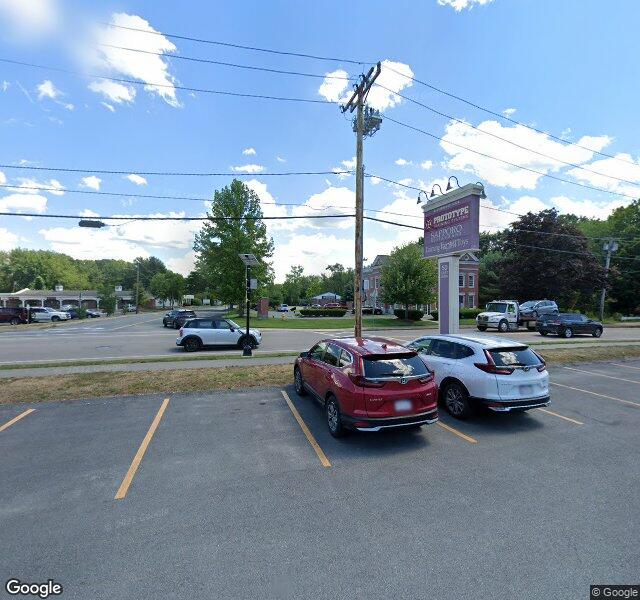
How Does Westborough Healthcare Compare to Other Massachusetts Nursing Homes?

Compared to the 100 nursing homes in Massachusetts, WESTBOROUGH HEALTHCARE's overall rating (2 stars) is below the state average of 2.9, staff turnover (45%) is near the state average of 46%, and health inspection rating (2 stars) is below the national benchmark.

What Should Families Ask When Visiting Westborough Healthcare?

Based on this facility's data, families visiting should ask: "Can you walk me through typical staffing levels on day, evening, and night shifts?" "Can I visit during a mealtime to observe dining assistance and food quality?" "How do you handle medical emergencies, and what is your hospital transfer rate?" "Can I speak with family members of current residents about their experience?" These questions are particularly relevant given the below-average staffing rating.

Is Westborough Healthcare Safe?

Based on CMS inspection data, WESTBOROUGH HEALTHCARE has a clean safety record: no substantiated abuse findings (meaning no confirmed cases of resident harm), no Immediate Jeopardy citations (the most serious violation level indicating risk of serious injury or death), and is not on the Special Focus Facility watch list (a federal program monitoring the lowest-performing 1% of nursing homes). The facility has a 2-star overall rating and ranks #100 of 100 nursing homes in Massachusetts. While no facility is perfect, families should still ask about staff-to-resident ratios and recent inspection results during their visit.

Do Nurses at Westborough Healthcare Stick Around?

WESTBOROUGH HEALTHCARE has a staff turnover rate of 45%, which is about average for Massachusetts nursing homes (state average: 46%). Moderate turnover is common in nursing homes, but families should still ask about staff tenure and how the facility maintains care continuity when employees leave.

Was Westborough Healthcare Ever Fined?

WESTBOROUGH HEALTHCARE has been fined $28,772 across 2 penalty actions. This is below the Massachusetts average of $33,367. While any fine indicates a compliance issue, fines under $50,000 are relatively common and typically reflect isolated problems that were subsequently corrected. Families should ask what specific issues led to these fines and confirm they've been resolved.

Is Westborough Healthcare on Any Federal Watch List?

WESTBOROUGH HEALTHCARE is not on any federal watch list. The most significant is the Special Focus Facility (SFF) program, which identifies the bottom 1% of nursing homes nationally based on persistent, serious quality problems. Not being on this list means the facility has avoided the pattern of deficiencies that triggers enhanced federal oversight. This is a positive indicator, though families should still review the facility's inspection history directly.