BLACKSTONE VALLEY HEALTH AND REHABILITATION

447 HILL STREET, WHITINSVILLE, MA 01588 (508) 570-4908
For profit - Individual 123 Beds Independent Data: November 2025
Trust Grade
60/100
#135 of 338 in MA
Last Inspection: April 2025

Within standard 12-15 month inspection cycle. Federal law requires annual inspections.

Overview

Blackstone Valley Health and Rehabilitation has a Trust Grade of C+, indicating it is slightly above average but not without its issues. It ranks #135 out of 338 facilities in Massachusetts, placing it in the top half, and #20 out of 50 in Worcester County, meaning there are only 19 local options that are better. Unfortunately, the facility's performance is worsening, with reported issues increasing from 5 in 2024 to 11 in 2025. Staffing is a concern, with a low rating of 2 out of 5 stars and a turnover rate of 54%, significantly higher than the state average, which can affect the continuity of care. While there are no fines recorded, which is positive, the RN coverage is lower than 80% of state facilities, meaning there may be fewer registered nurses available to catch potential issues. Specific incidents include a failure to treat a resident's serious pressure ulcer according to professional standards, not submitting required evaluations for residents showing changes in mental health, and not involving a resident’s family in care planning as required. Overall, while there are some strengths, such as the absence of fines, the facility has several significant weaknesses that families should consider carefully.

Trust Score
C+
60/100
In Massachusetts
#135/338
Top 39%
Safety Record
Low Risk
No red flags
Inspections
Getting Worse
5 → 11 violations
Staff Stability
⚠ Watch
54% turnover. Above average. Higher turnover means staff may not know residents' routines.
Penalties
✓ Good
No fines on record. Clean compliance history, better than most Massachusetts facilities.
Skilled Nurses
⚠ Watch
Each resident gets only 24 minutes of Registered Nurse (RN) attention daily — below average for Massachusetts. Fewer RN minutes means fewer trained eyes watching for problems.
Violations
⚠ Watch
28 deficiencies on record. Higher than average. Multiple issues found across inspections.
★★★☆☆
3.0
Overall Rating
★★☆☆☆
2.0
Staff Levels
★★☆☆☆
2.0
Care Quality
★★★☆☆
3.0
Inspection Score
Stable
2024: 5 issues
2025: 11 issues

The Good

  • Full Sprinkler Coverage · Fire safety systems throughout facility
  • No fines on record

Facility shows strength in fire safety.

The Bad

3-Star Overall Rating

Near Massachusetts average (2.9)

Meets federal standards, typical of most facilities

Staff Turnover: 54%

Near Massachusetts avg (46%)

Higher turnover may affect care consistency

The Ugly 28 deficiencies on record

Apr 2025 11 deficiencies
CONCERN (D)

Potential for Harm - no one hurt, but risky conditions existed

PASARR Coordination (Tag F0644)

Could have caused harm · This affected 1 resident

**NOTE- TERMS IN BRACKETS HAVE BEEN EDITED TO PROTECT CONFIDENTIALITY** Based on record review, and interview, the facility failed to ensure that a Level II [comprehensive evaluation that identifies t...

Read full inspector narrative →
**NOTE- TERMS IN BRACKETS HAVE BEEN EDITED TO PROTECT CONFIDENTIALITY** Based on record review, and interview, the facility failed to ensure that a Level II [comprehensive evaluation that identifies the specialized services required] Preadmission Screening and Resident Review (PASARR- evaluation done if it was determined by the Level I [initial pre-screening] screen that a resident had an intellectual or developmental disability and/or serious mental illness [SMI] and if a resident was in need of additional support services at the facility) screen was submitted for two Residents (#93) and (#74), out of a total sample of 25 residents. Specifically, for Resident's #93 and #74, the facility failed to request a Level II PASARR evaluation when both Residents demonstrated a change in psychosocial condition requiring emergency mental health intervention. Findings include: 1. Resident #93 was admitted to the facility in May 2024 with diagnoses including Anxiety Disorder, Depression, and Post Traumatic Stress Disorder (PTSD). Review of Resident #93's PASARR Level I screen dated 5/17/24, indicated: -a negative screen -that he/she did not meet criteria for SMI -therefore a Level II PASARR evaluation was not needed Review of the Minimum Data Set (MDS) assessment dated [DATE], indicated that Resident #93: -was moderately cognitively impaired as evidenced by a Brief Interview of Mental Status (BIMS) score of 11 out of a possible score of 15. -had expressed feelings of Depression during the look back period. -was prescribed antipsychotic and antidepressant medications. Review of Resident #93's clinical record indicated: -A Nursing Progress Note dated 7/2/24, that indicated the Physician ordered the Resident to be transferred to the hospital emergency room due to the Resident making a suicidal statement. -A Social Service Progress Note dated 11/12/24, that documented the Resident had expressed feelings of sadness and suicidal ideation to the Consulting Psychiatrist. The facility Physician had been notified and agreed to send the Resident to the Emergency Department for further evaluation. -A Consulting Psychiatrist Note dated 11/12/24, that recommended the Resident be put on one-on-one support and that the Resident agreed to assessment in (hospital) Emergency Department and was sent via medical transport. Further review of the Resident #93's medical record failed to indicate that the Level I PASARR was updated and re-submitted for an additional Resident Review and Level II evaluation following the Resident's change in psychosocial condition requiring emergency mental health interventions in July 2024 and November 2024. During an interview on 4/24/25 at 3:26 P.M., Social Worker (SW) #1 said that an updated Level I should have been submitted to the DMH PASARR office after Resident #93 expressed suicidal ideation (SI) in July 2024 and November 2024, but the Level I screen was not updated and submitted. 2. Resident #74 was admitted in June 2024 with diagnoses including Major Depressive Disorder, Anxiety and Depression. Review of the Resident #74's Level I Preadmission Screening and Resident Review (PASRR) dated 6/12/24, indicated: -he/she had a history of Mood Disorder and Anxiety/Panic Disorder. Review of Resident #74's Level II PASRR determination letter, dated 6/28/24, indicated: -the Resident did not meet criteria for Serious Mental Illness. -no further PASRR involvement was required. Review of Resident #74's Nursing Progress Notes indicated: -On 1/31/25: Resident #74 was agitated and stated to a Certified Nurses Aide (CNA) If I don't get out of here, I will kill myself. When the Resident was approached by the Nurse, the Resident was yelling and agitated and verbalized intentions to kill him/herself. The Nurse Practitioner (NP) was notified, and the Resident was sent out to the hospital for evaluation. -On 2/1/25: a call was placed to the hospital and Resident #74 was admitted for the night for observation. -On 2/1/25: the Resident returned from the hospital with no medication recommendations. Resident #74 started stating to staff he/she wanted to kill him/herself, was yelling and exit seeking. The Physician was notified and ordered Resident #74 be sent out to the hospital for evaluation. -On 2/1/25: Resident #74 returned to facility. Review of the Social Service Progress Notes dated 2/3/25, indicated Resident #74 returned from the hospital and was scheduled to see Behavioral Health Services. The Social Worker followed up with the Resident regarding negative statements that were made by the Resident and indicated that Resident #74 had made no further statements regarding suicidal ideation. Review of the hospital discharge paperwork dated 1/31/25, indicated the Resident was seen for feeling suicidal. Review of Resident #74's Comprehensive Care Plan indicated a focus area initiated on 2/4/25, for a history of suicidal ideation statements. During an interview on 4/24/25 at 3:26 P.M., SW #1 said that the change in status related to the hospitalization for suicidal ideation for Resident #74 should have been reported to the PASRR office, but it had not been.
CONCERN (D)

Potential for Harm - no one hurt, but risky conditions existed

Deficiency F0657 (Tag F0657)

Could have caused harm · This affected 1 resident

**NOTE- TERMS IN BRACKETS HAVE BEEN EDITED TO PROTECT CONFIDENTIALITY** Based on interview, and record review, the facility failed to ensure that the Resident and/or Resident Representative was provid...

Read full inspector narrative →
**NOTE- TERMS IN BRACKETS HAVE BEEN EDITED TO PROTECT CONFIDENTIALITY** Based on interview, and record review, the facility failed to ensure that the Resident and/or Resident Representative was provided the right to participate in the care plan process for one Resident (#46), out of a total sample of 25 residents. Specifically, the facility failed to ensure that quarterly care plan meetings were conducted as required for Resident #46. Findings include: Review of the facility policy titled Resident Assessment and Care Planning Policies and Procedures, last revised February 2022, included the following: -Residents and their families .are invited to attend and participate in the resident's assessment and care planning conferences (admission, quarterly, annual, and significant change in status). -A timely advance notice of the care planning conference is provided to the resident and interested family members. -Social services maintain a record of such notices. -Attendance will be taken and kept in the resident's record. -All care plans will be reviewed with the attendees for further input, revisions, and approval by the clinical team and the resident/representative. -If the resident or designated representative cannot attend, they will be contacted by the social services staff or designee either in person, by phone, or by mail to be given a review of the information discussed in the meeting. -This event will be documented in the resident's record. Resident #46 was admitted to the facility in February 2020, with diagnoses including Chronic Obstructive Pulmonary Disease (COPD) and chronic pain syndrome. Review of the MDS (Minimum Data Set) assessment dated [DATE], indicated that Resident #46 was cognitively intact as evidenced by a Brief Interview of Mental Status (BIMS) score of 14 out of 15. During an interview on 4/23/24 at 8:16 A.M., Resident #46 said that the facility has not had a care plan meeting with him/her recently. Resident #46 further said that he/she was unaware of what his/her plan of care was. Review of the MDS Schedule for Resident #46 indicated that the Resident had care plan meetings scheduled for August 2024 and February 2025. Review of Resident #46's clinical record failed to indicate documented evidence that the Resident/Resident Representative participated in the care planning process or that the interdisciplinary team (IDT) met quarterly to review the plan of care, as required in August 2024 and February 2025. Further review of the clinical record failed to indicate any care plan meetings or refusals to participate in the meetings by the Resident/Resident Representative were documented in August 2024 and February 2025. During an interview on 4/24/24 at 3:23 P.M., Social Worker (SW) #1 said that Resident #46's care plan meeting should have been held in August 2024 and February 2025, but they had not been. SW #1 also said that the meetings should have been added to the MDS care plan meeting schedule but they had not been. During an interview on 4/28/25 at 12:15 P.M., the Assistant Director of Nurses (ADON) said that they were unable to locate evidence or signature pages that the care plan meetings were held for Resident #46 for August 2024 and February 2025.
CONCERN (D)

Potential for Harm - no one hurt, but risky conditions existed

Accident Prevention (Tag F0689)

Could have caused harm · This affected 1 resident

**NOTE- TERMS IN BRACKETS HAVE BEEN EDITED TO PROTECT CONFIDENTIALITY** 2. Resident #113 was admitted to the facility in February 2025 with diagnoses including Unspecified Dementia unspecified severit...

Read full inspector narrative →
**NOTE- TERMS IN BRACKETS HAVE BEEN EDITED TO PROTECT CONFIDENTIALITY** 2. Resident #113 was admitted to the facility in February 2025 with diagnoses including Unspecified Dementia unspecified severity with other behavioral disturbance and Anxiety Disorder Unspecified. Review of the facility policy titled Wandering/Missing Residents, effective 8/2022, included the following: -Purpose: To provide a safe and secure environment to protect residents from elopement. -Policy: It is the policy of (the facility) that the safety and well-being of all residents with the potential for wandering are ensured. -If it is determined, through assessment, that a resident has a potential for wandering, the Resident Care Plan will reflect this behavior with all disciplines aware of the need for his/her monitoring. -A picture of all elopement risk residents is also located on each unit's nursing station and front desk and updated routinely with any changes. Review of the Resident's clinical record included an Elopement Risk Evaluation completed upon admission to the facility in February 2025 which indicated: -the Resident was cognitively impaired with poor decision-making skills. -the Resident had a pertinent diagnosis of Dementia .Anxiety Disorder. -the Resident ambulates independently without the use of an assistive device. -the Resident verbally expressed a desire to go home, has been observed packing his/her belongings up to go home and/or stays near the exit doors/elevators from the unit. -the Resident wanders aimlessly throughout the building. -the Resident had been recently admitted . -the Resident was considered at risk for elopement. Further Review of the Elopement Risk Evaluation failed to indicate whether or not the Resident's picture had been added to the facility's Elopement Risk Book, and no evidence of any further Elopement Risk Evaluations being completed for the Resident. Review of the Minimum Data Set (MDS) assessment dated [DATE] indicated that Resident #113 was severely cognitively impaired as evidenced by a Brief Interview for Mental Status (BIMS) score of three out of 15 possible points. Further review of the Resident's clinical record indicated: -Physician's order to monitor the Resident for wandering behavior each shift, initiated upon admission to the facility, -Care Plan indicating that the Resident was an elopement risk/wanderer, initiated 2/24/25. Review of the Certified Nursing Assistant (CNA) Behavior/Intervention Monthly Flow Records for the months of February 2025, March 2025, and April 2025, indicated the Resident demonstrated wandering behavior on all days. Further Review of the CNA Behavior/ Intervention Monthly Flow Records indicated there were four days during the three month review period with no CNA documentation noted. Review of the Wandering Resident/Elopement Risk List and Binder with resident pictures located at the facility front desk and unit nurses' station failed to show the Resident's name and photograph to identify Resident #113 for Wandering/Elopement. During an interview on 4/24/25 at 11:44 A.M., Nurse #1 said that the Resident did wander around the unit and that the residents who were evaluated to be at risk for elopement would be included in the Elopement Binder. Nurse #1 said that a resident's risk for elopement was determined by completing an Elopement Risk Evaluation. Nurse #1 said that she had completed the Elopement Risk Evaluation for the Resident on the day the Resident was admitted to the facility. Nurse #1 said that after reviewing the Resident's Elopement Risk Evaluation now, she realized that she should have completed the evaluation to indicate that the Resident would be added to the Red Elopement Risk Binder. Nurse #1 said that she was unsure if the Resident's picture and information were ever added to the Elopement Risk Binder but they should have been. During an interview on 4/24/25 at 12:05 P.M., Receptionist #1 said that the Elopement Binder was located at the front desk. She reviewed the Elopement Binder with the surveyor and confirmed that the Resident was not included in the Elopement Binder. The front page which listed the residents who were considered at risk for elopement did not include the Resident's name, nor was there a photograph of the Resident found in the Elopement Binder. During an interview on 4/24/25 at 3:40 P.M., the Director of Nursing (DON) said that residents were placed in the Elopement Book when they were identified as at risk for elopement per the Elopement Risk Evaluation. She said that Resident #113 was evaluated upon admission to the facility as an elopement risk and his/her name and picture should have been added to the Wandering/Elopement Risk List Red Binder that was located at the front desk and the nurses' stations. Based on record reviews, and interviews, the facility failed to ensure two Residents (#32 and #113) out of a total sample of 25 residents, remained free from accidents and hazards. Specifically, 1. For Resident #32, the facility failed to secure smoking materials at the nurses station after the Resident participated in smoking activities, ensure the Resident disposed of smoking materials safely, and perform one out of three quarterly Safe Smoking Assessments. 2. For Resident #113, the facility failed to include the Resident's name and photograph as part of the Wandering Resident Red Binder located at the facility front desk and unit nurses' stations, when the Resident was evaluated as being at risk for elopement. Findings include: 1. Review of the facility policy titled: Facility Smoking, effective date January 2025, indicated the following: -The purpose of this policy is to protect residents' rights while ensuring the highest level of safety for both residents and staff from the serious consequences that may result from fire and/or smoking activities as well as dangers of exposure to secondhand smoke. -All residents who express the desire to smoke have a Safe Smoking Assessment performed at that time, on admission, readmission, quarterly, and with any change in cognitive or physical function. -The Safe Smoking Assessment evaluates the resident's cognitive abilities, judgement, manual dexterity, and mobility. -Residents are to dispose of smoking materials properly in provided non-combustible smoking receptacles, then when the session is ended these smoking materials will be emptied by the staff into a metal self closing container. -All resident smokers are responsible for following the facility policy and procedures for safe smoking. Resident #32 was admitted to the facility in August 2022 with diagnoses including Major Depressive Disorder and Adult Failure to Thrive. Review of the Minimum Data Set (MDS) assessments, dated 10/24/24 and 1/22/25, indicated Resident #32: -was cognitively intact as evidenced by a Brief Interview for Mental Status (BIMS) score of 14 out of a total possible score of 15. -was a smoker. On 4/23/25 at 8:20 A.M., the surveyor observed Resident #32 seated on the edge of the bed in his/her room and a rolling walker with a storage compartment positioned next to the bed. The surveyor also observed smoking materials including a cigarette box, a lighter, and multiple used cigarettes inside the storage compartment of the rolling walker. During an interview at the time, Resident #32 said he/she usually gives the smoking materials to the Nurse to be kept at the nurses station but he/she had been out to smoke earlier that morning and was planning to go to out smoke again, so he/she kept the smoking materials in the storage compartment of the rolling walker. Resident #32 also said that he/she likes to save used cigarettes. During an interview on 4/23/25 at 8:22 A.M., Nurse #6 said that Resident #32 should not have any smoking materials in his/her possession. Nurse #6 was then observed to retrieve the smoking materials from Resident #32. During an interview on 4/24/25 at 9:53 A.M., Unit Manager (UM) #1 said that residents are required to adhere to the facility policy regarding smoking. UM #1 said that all smoking materials should have been kept at the nurses station and when the residents want to go and smoke, they come to the desk and get their smoking materials. UM #1 said Resident #32 should not store his/her smoking materials and used cigarettes in the storage compartment of the rolling walker because it was a fire hazard. Review of the MDS submission schedule for Resident #32 indicated the following: -7/27/25: Quarterly MDS submitted and accepted -10/24/24: Annual MDS submitted and accepted -1/22/25: Quarterly MDS submitted and accepted Review of Resident #32's clinical record indicated a facility smoking safety screen was completed 7/22/24 and identified Resident #32 as safe to smoke with supervision. The clinical record further indicated a facility smoking safety screen completed 1/31/25 that identified Resident #32 as safe to smoke independently. Further review of Resident #32's clinical record failed to indicate that a facility smoking safety screen had been completed between the completion of the 7/27/24 facility smoking safety screen and the 1/22/25 facility safe smoking screen. During an interview on 4/28/25 at 11:35 A.M., the Director of Nursing (DON) said that Resident #32 began to smoke about four or five months ago. The DON said that smoking safety screens were completed initially when a Resident indicates wanting to smoke and then quarterly as part of the MDS assessment. During a follow-up interview on 4/28/25 at 3:58 P.M., the DON said Resident #32 had a smoking safety screen completed on 7/22/24 and 1/31/25, but could not provide evidence that a smoking safety screen had been completed quarterly. During an interview and policy review at the same time, the Assistant Director of Nurses (ADON) said that a smoking safety screen should have been completed in October 2024 with the quarterly MDS assessment, but was not completed.
CONCERN (D)

Potential for Harm - no one hurt, but risky conditions existed

Deficiency F0692 (Tag F0692)

Could have caused harm · This affected 1 resident

**NOTE- TERMS IN BRACKETS HAVE BEEN EDITED TO PROTECT CONFIDENTIALITY** Based on observation, interview, and record review, the facility staff failed to ensure appropriate care and services were provi...

Read full inspector narrative →
**NOTE- TERMS IN BRACKETS HAVE BEEN EDITED TO PROTECT CONFIDENTIALITY** Based on observation, interview, and record review, the facility staff failed to ensure appropriate care and services were provided for one Resident (#45) out of a total sample of 25 residents, when the Resident was identified as being at risk for altered nutrition status. Specifically, for Resident #45, the facility failed to perform a nutritional assessment when the Resident was admitted to the facility and implement interventions thereafter when the Resident was identified as having experienced a significant weight loss. Findings include: Review of the facility policy titled: Nutrition/Weight Policy, effective 12/1/24, indicated the following: -When weights demonstrate undesired trends, or progressive insidious weight change, or significant weight change (gains or losses) the licensed nurse will document the weight change in the EMR (Electronic Medical Record). -The threshold for significant unplanned and undesired weight change (loss/gain) will be based on the following criteria: a. 1 month -5% weight loss/gain is significant; greater than 5% is severe. b. 3 months -7.5% weight loss/gain is significant; greater than 7.5% is severe. c. 6 months -10% weight loss/gain is significant; greater than 10% is severe. -The Dietician is responsible for monitoring residents, making recommendations and documenting in the medical record, including problems, progress, care plan. Resident #45 was admitted to the facility in February 2025 with diagnoses including Multiple Sclerosis, dysphagia, and Major Depressive Disorder. Review of the Minimum Data Set (MDS) assessment dated [DATE], indicated Resident #45 was moderately cognitively impaired as evidenced by a Brief Interview for Mental Status (BIMS) score of 12 out of a total possible score of 15. Review of Resident #45's Care Plan for Nutritional Risk, initiated 2/21/25, indicated: -was at nutritional risk due to chronic medical condition significant for MS (Multiple Sclerosis), impaired self-feeding, and increased caloric needs due to uncontrolled spastic movements. -The care plan interventions included the following: >Regular diet. >Monitor and record meal intake. >Obtain and monitor lab work as ordered. >RD (Registered Dietician) to evaluate and make diet change recommendations, PRN (pro-re nata - as needed). Review of the clinical record failed to indicate any Nutritional Assessments had been completed by the Dietician for Resident #45. Review of the facility Weight Record for Resident #45 indicated the following weight measurements: -2/19/2025: 129.0 lbs. (pounds) -2/25/2025: 125.6 lbs. -3/5/2025: 126.2 lbs. -3/12/2025: 122.6 lbs. -3/28/2025: 118.8 lbs. -4/4/2025: 117.4 lbs. Further review of Resident #45's weight record indicated the Resident experienced a 7.5% weight loss (severe) from 3/5/25 to 4/4/25 and a 9.8% weight loss (severe) from 2/19/25 to 4/4/25. Review of Resident #45's Nursing Progress Note, dated 4/6/25, indicated: -the Physician was in to see the Resident -weights were reviewed -a new order for a dietary consult. Review of Resident #45's Physician Progress Note, dated 4/8/25, indicated weight loss, poor PO (per-os-by mouth) intake, and a dietary evaluation was requested to assess malnutrition. Review of the facility documentation titled At Risk Meeting for Resident #45 indicated: -4/3/25 weight: 118.8 lbs., and no intervention documented. -4/10/25 weight: 117.4 lbs., and no intervention documented. Further review of Resident #45's clinical record failed to indicate that any progress notes or nutritional assessments had been entered by the Dietician. During an interview on 4/28/25 at 10:06 A.M., the Dietician said that when a resident was admitted to the facility, a Nutritional Assessment should be completed within a day or two of the admission. The Dietician said when Resident #45 was admitted to the facility she did not complete a Nutritional Assessment and one should have been completed. The Dietician also said that no Nutritional Assessment had been completed at any time for Resident #45 since he/she has been residing in the facility. The Dietician said she could not recall if nursing had made her aware of Resident #45's weight loss. The Dietician further said she had not reviewed Resident #45's weight record and was not aware that the Resident had experienced a significant weight loss, but she should have reviewed Resident #45's record and been aware of the weight loss. During an interview on 4/28/25 at 10:14 A.M., Unit Manager (UM) #1 said that when resident weights are obtained by the Certified Nurses Aide (CNA), they are reported to the Nurse and the Nurse enters the weight directly into the electronic medical record (EMR). UM #1 said if the Nurse identifies an issue with the resident weight, then the Nurse is expected to notify the Dietician and Physician via phone call of the weight issue and document the notification in the progress notes. UM #1 said the Nurses occasionally make her aware of a weight issue but not all the time. UM #1 further said that Resident #45 had been discussed weekly during the At Risk Meeting where his/her appetite and weights were reviewed. UM #1 said that she was not made aware of Resident #45's weight loss and said that Resident #45 was a picky eater.
CONCERN (D)

Potential for Harm - no one hurt, but risky conditions existed

Respiratory Care (Tag F0695)

Could have caused harm · This affected 1 resident

**NOTE- TERMS IN BRACKETS HAVE BEEN EDITED TO PROTECT CONFIDENTIALITY** Based on observations, interviews, and record reviews, the facility failed to provide respiratory care and services consistent w...

Read full inspector narrative →
**NOTE- TERMS IN BRACKETS HAVE BEEN EDITED TO PROTECT CONFIDENTIALITY** Based on observations, interviews, and record reviews, the facility failed to provide respiratory care and services consistent with professional standards of practice for two Residents (#36 and #93) out of a total sample of 25 residents. Specifically, 1. for Resident #36, the facility failed to ensure a clean and sanitary oxygen concentrator (device used to deliver supplemental oxygen) filters in accordance with the manufacturers' guidelines when the air intake gross particle filter was observed with a thick coating of dust, placing the Resident at risk of equipment malfunction and inhaling dust particulate matter. 2. for Resident #93, the facility failed to maintain the Resident's oxygen concentrator filter as required, placing the Resident at risk for impaired oxygen supply delivery and inhaling contaminated oxygen. Findings include: Review of the Invacare Platinum XL II user manual dated, 8/9/06, indicated: -Remove each filter and clean at least once a week depending on environmental conditions. Note: Environmental conditions that may require more frequent cleaning of the filters, include but are not limited to: high dust, air pollutants, etc. -Clean the cabinet filters with a vacuum cleaner or wash in warm soapy water and rinse thoroughly. -Dry the filters thoroughly before installation. Caution do not operate the concentrator without the filters installed. Review of the New Life Elite Airsep user manual, last revised February 2014, indicated: -Clean the air inlet gross particle filter with warm soapy water between each patient's use. -Clean this filter at least once per week, depending on the environment, during normal operation. Review of the AARC (American Association for Respiratory Care) Clinical Practice Guideline, updated 2014: https://www.aarc.org/wp-content/uploads/2014/08/08.07.1063.pdf indicates: -All oxygen must be prescribed and dispensed in accordance with federal, state, and local laws and regulations. -Oxygen is a medical gas and should only be dispensed in accordance with all federal, state, and local laws and regulations. -Undesirable results or events may result from noncompliance with Physicians' orders or inadequate instruction for oxygen therapy. -Equipment, maintenance and supervision: >All oxygen delivery equipment should be checked at least once daily . >Facets to be assessed include proper function of the equipment, prescribed flowrates, remaining liquid or compressed gas content, and backup supply. Review of facility policy titled Equipment Change/Disinfection, effective April 2022, indicated: -All respiratory equipment, if not disposable, will be sanitized after a patient's use and before storing. -Oxygen concentrators: rinse and dry the external filter weekly and as needed when visibly dusty. Wipe down the concentrator when visibly dusty or soiled. 1. Resident #36 was admitted to the facility in February 2024, with diagnoses including Encephalopathy and Obstructive Sleep Apnea (OSA). Review of the Minimum Data Set (MDS) assessment dated [DATE], indicated Resident #36: -was severely cognitively impaired as evidence by a Brief Interview for Mental Status (BIMS) score of 0 out of 15 possible points. -was receiving oxygen therapy. -was dependent on staff for activities of daily living (ADL - washing, bathing, grooming) care. Review of Resident #36's April 2025 Physician's orders indicated: -Change or clean oxygen air exchange grid weekly, every night shift, every Tuesday, initiated 12/17/24. -Change oxygen tubing, humidifier bottle and rinse filter weekly on Tuesday 11-7 shift, every night shift every Tuesday, initiated 11/26/24. -Oxygen at 1-5 Liters continuously via nasal cannula (thin, flexible tube that wraps around the head, with two prongs that fit inside the nostrils to provide a steady flow of oxygen from an oxygen supply) to maintain pulse oximeter above 90% (list Physician parameters). -May use portable oxygen when out of room, initiated 11/24/24. Review of Resident #36's April 2025 Treatment Administration Record (TAR) indicated that the Resident's air exchange grid had been changed/cleaned and that the oxygen filter had been rinsed on: -4/1/25 -4/8/25 -4/15/25 -4/22/25 On 4/23/25 at 8:54 A.M., the surveyor observed Resident #36 lying in bed with a nasal cannula in his/her nostrils connected to an oxygen concentrator (New Life Elite Airsep). The surveyor observed a bottle of sterile water on the floor next to the concentrator and the oxygen concentrator was observed to have a thick coating of dark gray dust on the air intake gross particle filter. During an interview at the time, Resident #36 said that he/she was having difficulty breathing. On 4/24/25 at 8:01 A.M., the surveyor observed Resident#36 lying in bed with a nasal cannula in his/her nostrils, that was connected to an oxygen concentrator with a thick coating of dark gray dust on the air intake gross particle filter. During an interview at the time, Resident #36 said that he/she continues to have trouble with his/her breathing. On 4/28/25 at 7:39 A.M., the surveyor and Nurse #4 observed Resident #36's oxygen concentrator. The oxygen concentrator's air intake gross particle filter was observed covered in a thick coating of gray dust. During an interview at the time, Nurse #4 said that the filter on the oxygen concentrator should be cleaned every week, and it had not been. Nurse #4 also said that the bottle of sterile water should not have been on the floor, as the oxygen concentrator has a space for the water bottle to be stored. 2. Resident #93 was admitted to the facility in May 2024, with diagnoses including Chronic Diastolic Heart Failure, unsteadiness on feet and history of falls. Review of the Minimum Data Set (MDS) Assessment, dated 2/18/25, indicated that Resident #93: -was moderately cognitively impaired as indicated by a Brief Interview for Mental Status (BIMS) score of 11 out of a total possible score of 15. -was receiving oxygen therapy. -was receiving partial/moderate assistance from staff for activities of daily living (ADL - washing, bathing, grooming) care. Review of Resident #93's April 2025 Physician's orders indicated: -Oxygen at (1-2) Liters as needed via nasal cannula, maintain pulse oximeter above 90%. May use portable oxygen when out of room, start date 11/1/24 -Change or clean oxygen air exchange grid weekly, every night shift every Tuesday, start date 5/21/24 -Change oxygen tubing and rinse filter weekly on Tuesday during the 11-7 shift, every night shift, start date 5/21/24 Review of Resident #93's April 2025 TAR indicated that the Resident's air exchange grid had been changed/cleaned and that the oxygen filter had been rinsed on: -4/1/25 -4/8/25 -4/15/25 -4/22/25 On 4/23/25 at 8:04 A.M., the surveyor observed Resident #93 sitting in a chair next to his/her bed. The surveyor further observed Resident #93's nasal cannula laying on his/her bed, connected to an oxygen concentrator (Invacare Platinum XL II) with a removable filter located on the left side covered with a thick coating of gray dust. During an interview at the time, Resident #93 said that he/she only uses oxygen at night during sleep. On 4/24/25 at 8:41 A.M., the surveyor observed Resident #93 lying in bed with nasal cannula in his/her nostrils and connected to the oxygen concentrator. The surveyor observed the filter on the left side of the oxygen concentrator remained covered in a thick layer of gray dust. During an interview at the time, Resident #93 said while looking at the filter on the concentrator, I don't want to breathe that in. On 4/28/25 at 7:33 A.M., the surveyor and Nurse #4 observed that Resident #93's oxygen concentrator remained with the removable air filter covered in a thick coating of gray dust. During an interview at the time, Nurse #4 said that the filter on the oxygen concentrator should be cleaned weekly, and it appeared to have not been cleaned in a long time as the coating of dust was thick.
CONCERN (D)

Potential for Harm - no one hurt, but risky conditions existed

Drug Regimen Review (Tag F0756)

Could have caused harm · This affected 1 resident

Based on interview, and record review, the facility failed to ensure Medication Regimen Reviews (MRRs) were responded to and/or implemented timely for one Resident (#34), out of five applicable reside...

Read full inspector narrative →
Based on interview, and record review, the facility failed to ensure Medication Regimen Reviews (MRRs) were responded to and/or implemented timely for one Resident (#34), out of five applicable residents reviewed for unnecessary medications, out of a total sample of 25 residents. Specifically, for Resident #34, the facility failed to ensure that duplicate recommendations from the Consultant Pharmacist were reviewed and responded to by the Provider and/or nursing staff, and that orders were implemented timely relative to: -obtaining a Vitamin D level made on 5/3/24, 6/2/24, and 7/2/24. -discontinuation of Loratadine (antihistamine medication) made on 10/2/24, 11/4/24, 12/6/24, and 1/2/25. Findings include: Review of the facility policy titled Drug Regimen Review, dated 4/2022, indicated the following: -Consultant Pharmacist reviews the medication regimen of each active resident at least monthly -Findings and recommendations are reported to the Director of Nurses (DON) and the Medical Director. -The Consultant Pharmacist documents the date each medication regimen review is completed in the residents' medical record .and briefly notes the findings. -The Consultant Pharmacist documents all potential or actual significant nursing documentation problems found relating to medications and communicates them in writing to the DON and the Medical Director. -The facility maintains copies of completed reports on file and according to facility policy . Resident #34 was admitted to the facility in May 2024 with diagnoses including Dementia and Chronic Kidney Disease (CKD). Review of the Consultant Pharmacist Progress Notes indicated the following repeated recommendations: -5/3/24: recommend Vitamin D level -6/2/24: recommend Vitamin D level -7/2/24: recommend Vitamin D level Review of the Resident's clinical record failed to indicate documented evidence of the Consultant Pharmacist's recommendation dated 5/3/24, or if the recommendation was reviewed and/or responded by the Provider. Further review of the Resident's clinical record indicated the Provider reviewed and consented to the Consultant Pharmacist's recommendation (dated 6/2/24) on 6/11/24. There was no documented evidence that the Consultant Pharmacist's recommendation to check Resident #34's Vitamin D level was implemented until after the MRR dated 7/2/24 (which was reviewed and consented to by the Provider again on 7/3/24) and a Vitamin D level was obtained on 7/5/24. Review of the Consultant Pharmacist Progress Notes indicated the following repeated recommendations: -10/2/24: to the Medial Doctor (MD) - Recommend continued need for Loratadine medication. -11/4/24: to Nursing - Recommend follow through with Consultant Pharmacist's recommendation to discontinue Loratadine. -12/6/24: to Nursing - Recommend follow through with Consultant Pharmacist's recommendation to discontinue Loratadine. -1/2/25: to Nursing - Recommend follow through with Consultant Pharmacist's recommendation to discontinue Loratadine. Review of Resident #34's clinical record indicated the Consultant Pharmacist's MRR dated 10/2/24 was reviewed and the Provider agreed to discontinue the Resident's Loratadine medication on 10/8/24. There was no documented evidence of the MRRs dated 11/4/24, 12/6/24, and 1/2/25. Further review of the clinical record indicated the Loratadine was not discontinued until 2/4/25. During an interview on 4/25/25 at 3:31 P.M., the surveyor requested evidence from the DON of the Consultant Pharmacist MRRs not located in the Resident's record, dated 5/3/24, 11/4/24, 12/6/24, and 1/2/25. On 4/25/25 at 4:12 P.M., the surveyor and the DON reviewed Resident #34's clinical record. During an interview at the time, the DON said she was unable to find evidence that the Resident's Vitamin D level was drawn sooner than 7/5/24, when the recommendation to draw the Vitamin D level was agreed to by the Provider on 6/11/24 and 7/3/24. The DON said she was unable to find the corresponding MRR request for the Vitamin D level dated 5/3/24. The DON further said she was unable to find the corresponding MRRs dated 11/4/24, 12/6/24, and 1/2/25, for Resident #34. The DON said the Consultant Pharmacist's Recommendations were emailed directly to the Unit Manager (UM), who was currently on vacation, printed out, and put in the Provider's Communication Book. The DON said once the Provider responds to the MRR, the order is implemented if applicable, and the MRR is scanned into the Resident's electronic medical record. The DON said she would expect that there would not be repeated requests made by the Consultant Pharmacist and that recommendations made would be responded to timely by the facility staff. The DON said nursing staff should be checking the Provider's Communication Book every shift for new orders and communication. The DON further said her expectation was when the Provider agreed with the Consultant Pharmacist's Recommendations, nursing would implement those orders immediately. The DON said if the Consultant Pharmacist makes recommendations for Nursing, those recommendations should also be addressed immediately. During a follow-up interview on 4/25/25 at 4:37 P.M., the DON said she was unable to say why the Loratadine medication was not discontinued on 10/18/24 when the Provider agreed to discontinue the medication. Please refer to F757
CONCERN (D)

Potential for Harm - no one hurt, but risky conditions existed

Deficiency F0757 (Tag F0757)

Could have caused harm · This affected 1 resident

Based on interview and record review, the facility failed to ensure one Resident (#34) was not administered unnecessary medications, of five applicable residents reviewed for unnecessary medications, ...

Read full inspector narrative →
Based on interview and record review, the facility failed to ensure one Resident (#34) was not administered unnecessary medications, of five applicable residents reviewed for unnecessary medications, out of a total sample of 25 residents. Specifically, the facility failed to ensure the Consultant Pharmacist Recommendation to discontinue scheduled Loratadine (antihistamine medication), that was approved by the Provider on 10/8/24, was discontinued and Resident #34 continued to receive the scheduled doses of the medication until it was discontinued on 2/4/25 (over three months later). Findings include: Resident #34 was admitted to the facility in May 2024 with diagnoses including Dementia and Chronic Kidney Disease (CKD). Review of the Consultant Pharmacist Progress Notes indicated the following repeated recommendations: -10/2/24: to the Medial Doctor (MD) - Recommend continued need for Loratadine medication -11/4/24: to Nursing - Recommend follow through with Consultant Pharmacist's Recommendation to discontinue Loratadine. -12/6/24: to Nursing - Recommend follow through with Consultant Pharmacist's Recommendation to discontinue Loratadine. -1/2/25: to Nursing- Recommend follow through with Consultant Pharmacist's Recommendation to discontinue Loratadine. Review of Resident #34's clinical record indicated the Consultant Pharmacist's MRR dated 10/2/24 was reviewed and the Provider agreed to discontinue the Resident's Loratadine medication on 10/8/24. Review of a Nurse's Progress Note, dated 10/9/24, indicated the Provider reviewed the Consultant Pharmacist's Recommendation to discontinue Loratadine and was in agreement. Review of October 2024 through February 2025 Medication Administration Records (MARs) indicated Resident #34: -was administered Loratadine 10 milligrams (mg) daily as ordered, with the following exceptions: >10/17/24 >10/21/24 through 10/29/24, due to the Resident being hospitalized . -was discontinued on 2/4/25. On 4/25/25 at 4:12 P.M., the surveyor and the Director of Nursing (DON) reviewed Resident #34's clinical record. During an interview at the time, the DON said the Consultant Pharmacist's Recommendations were emailed directly to the Unit Manager (UM), (who was currently on vacation), printed out, and put in the Provider's Communication Book. The DON said once the Provider responds to the MRR, the order is implemented, if applicable, and the MRR is scanned into the Resident's electronic medical record (EMR). The DON said she would expect that recommendations made by the Consultant Pharmacist would be responded to timely by the facility staff. The DON said nursing staff should be checking the Provider's Communication Book every shift for new orders and communication. The DON further said her expectation was when the Provider agreed with the Consultant Pharmacist's Recommendations, nursing would implement those orders immediately. The DON said if the Consultant Pharmacist makes recommendations for Nursing, those recommendations should also be addressed immediately. During a follow-up interview on 4/25/25 at 4:37 P.M., the DON said she was unable to say why the Loratadine was not discontinued on 10/8/24 when the Provider agreed to discontinue the medication. The DON said she understood the concern relative to unnecessary medication administration.
CONCERN (D)

Potential for Harm - no one hurt, but risky conditions existed

Unnecessary Medications (Tag F0759)

Could have caused harm · This affected 1 resident

Based on observation, interview and record review, the facility failed to maintain a medication pass error rate of less than five percent (%) for two Residents (#11 and #47), out of five applicable re...

Read full inspector narrative →
Based on observation, interview and record review, the facility failed to maintain a medication pass error rate of less than five percent (%) for two Residents (#11 and #47), out of five applicable residents, out of 29 medication pass opportunities. The medication error rate was observed to be 6.9%. Specifically, 1. For Resident #11, the Resident was administered the wrong medication dosage form when a Ferrous Sulfate tablet was administered and Ferrous Sulfate Oral Solution was ordered. 2. For Resident #47, the Resident was administered the incorrect dosage of Fish Oil when 2000 mg (milligrams) of Fish Oil was administered and 1000 mg of Fish Oil was ordered. Findings include: Review of the facility policy titled Medication and Treatment Orders, effective June 2022, indicated the following: -Policy: Orders for medications and treatments will be consistent with principles of safe and effective order writing. -Medications shall be administered only upon the written order of physician/NP/PA licensed in MA. Review of the facility policy titled Specific Medication Administration Procedures, effective January 2024, indicated the following: -Policy: To administer medications in a safe and effective manner. -Review the Five (5) Rights of Medication Administration three (3) times: 1) Prior to removing the medication package/container from the cart/drawer. 2) Prior to removing the medication from the container. 3) After the dose has been prepared and before returning the medication to storage. 1. Resident #11 was admitted to the facility in April 2023, with diagnoses including unspecified sequelae of Cerebral Infarction, hemiplegia and hemiparesis following Cerebral Infarction affecting right dominant side, Dysphagia oral phase, and Adult Failure to Thrive. Review of Resident #11's Physician's orders dated 4/24/25, indicated the following: -Ferrous Sulfate Oral Solution 220 ([44 Fe] [Iron]) milligrams (mg)/5 milliliter (ml) (Ferrous Sulfate). Give 7.5 ml via G-Tube (a tube that is placed directly into the stomach through an abdominal wall incision for the enteral [passing through the gastrointestinal tract] administration of food, fluids, and medication) in the morning for supplement. 7.5 ml = 330 mg. Start date 4/10/25. On 4/24/25 at 9:40 A.M., during a medication administration pass, the surveyor observed Nurse #2 prepare (including crushing) and administer the following medication to Resident #11 via G-Tube: -Ferrous Sulfate 325 mg [65] one tablet. Review of Resident #11's April 2025 Medication Administration Record (MAR), indicated: -Nurse #2 electronically signed that he had administered Ferrous Sulfate Solution 220 (44 Fe) mg/5 ml (Ferrous Sulfate) 7.5 ml via G-Tube at 9:00 A.M. on 4/24/25. During an interview on 4/24/25 at 2:14 P.M., Nurse #2 said that the Physician order indicated to administer Ferrous Sulfate Oral Solution 330 mg, and he administered Ferrous Sulfate in tablet form Resident #11 via G-Tube. Nurse #2 said that he should have administered Ferrous Sulfate Oral Solution but had not done so. 2. Resident #47 was admitted to the facility in November 2023, with diagnoses including normal pressure hydrocephalus, Parkinson's Disease without dyskinesia without mention of fluctuations, Atherosclerotic Heart Disease of native coronary artery without Angina Pectoris, presence of Coronary Angioplasty implant and graft, and unspecified Dementia unspecified severity with other behavioral disturbance. Review of Resident #47's Physician's orders dated 4/28/25, indicated the following: -Fish Oil Oral Capsule 500 mg (Omega-3 Fatty Acids). Give 2 capsules [total = 1000 mg] by mouth one time a day for supplement. Start date 1/25/24. On 4/28/25 at 8:40 A.M., during a medication administration pass, the surveyor observed Nurse #3 prepare and administer Fish Oil 1000 mg Oral Capsule, two capsules [total = 2000 mg] administered to Resident #47 by mouth. Review of Resident #47's April 2025 Medication Administration Record (MAR), indicated the following: -Nurse #3 electronically signed that she administered two capsules of Fish Oil Oral Capsule 500 mg (Omega-3 Fatty Acids) by mouth at 8:00 A.M. on 4/28/25. During an interview on 4/28/25 at 10:50 A.M., Nurse #3 said that the Physician order indicated to administer Fish Oil 500 mg, two capsules, and that she administered Fish Oil 1000 mg, two capsules. Nurse #3 said that she should have administered one -1000 mg capsule of Fish Oil, but had instead administered two -1000 mg capsules of Fish Oil.
CONCERN (D)

Potential for Harm - no one hurt, but risky conditions existed

Food Safety (Tag F0812)

Could have caused harm · This affected 1 resident

Based on observation, and interview, the facility failed to follow professional standards of practice for food safety and sanitation in the facility's main kitchen to prevent contamination and the pot...

Read full inspector narrative →
Based on observation, and interview, the facility failed to follow professional standards of practice for food safety and sanitation in the facility's main kitchen to prevent contamination and the potential spread of foodborne illnesses. Specifically, the facility failed to ensure that food items stored in the walk-in refrigerator in the facility main kitchen area were properly labeled and dated as required. Findings include: Review of the 2022 Food Code by the U.S. Food and Drug Administration (FDA) indicated but was not limited to: -501.17 Ready-to-Eat, Time/Temperature Control for Safety Food, Date Marking. (A) Except when Packaging Food using a Reduced Oxygen Packaging method as specified under §3-502.12, and except as specified in (E) and (F) of this section, refrigerated, READY-TO-EAT, TIME/TEMPERATURE CONTROL FOR SAFETY FOOD prepared and held in a FOOD ESTABLISHMENT for more than 24 hours: > shall be clearly marked to indicate the date or day by which the FOOD shall be consumed on the premises, sold, or discarded when held at a temperature of 5ºC (41ºF) or less for a maximum of 7 days. >The day of [Food] preparation shall be counted as Day 1. Review of the facility policy titled Dietary - Food Storage effective 2/2022 indicated the following: -Refrigerated Storage: Prepared foods will be kept, covered, labeled with contents and dated. -Leftover poultry, fish, eggs, or meat products must not be stored more than 48 hours at refrigerator temperatures. On 4/23/25 at 7:17 A.M., the surveyor and the Food Service Director (FSD) observed the following in the main kitchen walk in refrigerator: -one large stainless steel mixing bowl containing ham salad, that was unlabeled and undated. -one open clear plastic bag containing cubed chicken, that was unlabeled and undated. -one open clear plastic container containing halved tomatoes, that was unlabeled and undated. -one open clear plastic container containing sliced cucumbers, that was unlabeled and undated. -one open clear plastic container containing diced onions, that was unlabeled and undated. During an interview immediately following the observation, the FSD said that all food items in the refrigerator were supposed to be labeled and dated with the date the food item was first opened. The FSD further said that the undated food items in the refrigerator should have been discarded.
CONCERN (D)

Potential for Harm - no one hurt, but risky conditions existed

Deficiency F0825 (Tag F0825)

Could have caused harm · This affected 1 resident

Based on record review, and interview, the facility failed to ensure that specialized rehabilitation services were provided to assist in maintaining the highest practicable level functioning for one R...

Read full inspector narrative →
Based on record review, and interview, the facility failed to ensure that specialized rehabilitation services were provided to assist in maintaining the highest practicable level functioning for one Resident (#74) out of a total sample size of 25 residents. Specifically, for Resident #74, the facility failed to ensure that Physical Therapy (PT) Evaluations were completed timely as ordered by the Physician for symptoms of bilateral knee pain and stiffness. Findings include: Resident #74 was admitted to the facility in June 2024 with diagnoses including bilateral primary Osteoarthritis of the knees. Review of the Facility Policy titled Scope of Services, Rehabilitation, revised February 2022 indicated: -Residents are screened and/or evaluated by Physical, Occupational and Speech Therapy according to demonstrated need in a specific area -Such therapy encompasses examination and analysis of patients to maximize functional independence: >A therapy screen to assess the need for skilled service >An initial evaluation and assessment of the patient prior to provision of services >A determination and development of treatment goals and plans in accordance with the residents' stated wishes/choices, diagnosis and prognosis with a treatment plan established to meet both the patient and therapist's goals Review of the most recent Minimum Data Set (MDS) Assessment, dated 3/13/25, indicated Resident #74: -received scheduled pain medication. -participated in the pain interview with responses including: >frequently having pain that interferes with sleep. >occasionally having pain that interferes with day-to-day activities. >a pain level of 4/10 (4 out of 10). Review of Resident #74's clinical record indicated the following: -The Resident had a Consultation on 10/8/24 with an Orthopedic Physician. The Orthopedic Physician gave a referral for PT to evaluate and treat for bilateral knee Osteoarthritis, 2-3 times a week for a duration of 6-8 weeks. -no evidence that a PT evaluation had been completed related to the Orthopedic Physician's referral given on 10/8/24. -a request for a rehabilitation screen from the facility nursing department dated 2/10/25, due to increased pain in the Resident's bilateral knees (four months after the initial Physician's referral). -a Physician's order on 2/11/25 to obtain a PT evaluation for bilateral knee stiffness/pain. Review of a Rehabilitation Screen signed and dated by Rehabilitation Staff #1 on 2/24/25, indicated that Resident #74: -was approached on 2/12/25 for a skilled PT evaluation but the Resident was not feeling well due to nausea and diarrhea -Occupational Therapy (OT) evaluation would be completed that week. Review of the Occupational Therapy Evaluation completed for Resident #74 on 2/26/25, indicated: -no assessment of knee pain or stiffness. Review of Resident #74's clinical record failed to indicate evidence the Resident was re-approached by Physical Therapy for a PT evaluation after symptoms of nausea and diarrhea had resolved. During an interview on 4/28/25 at 10:39 A.M., Rehabilitation Staff #1 said she was not aware the Resident had been seen by an Orthopedic Physician in October 2024 or that there had been a PT referral from the Orthopedic Physician. Rehab Staff #1 said she was not in the facility at that time, and she would look for any evidence that Resident #74 had been seen by a PT. Rehab Staff #1 said Resident #74 was not seen by PT in February 2025, the Resident was evaluated by Occupational Therapy for a decline in function even though the order was specified for PT to address knee pain and stiffness. Rehab Staff #1 said that the Rehabilitation Department may have been short staffed at the time the order for PT was written. The surveyor and Rehab Staff #1 reviewed the Occupational Therapy documentation, and Rehab Staff #1 said there was no assessment of knee stiffness or pain on the OT Evaluation as indicated in the Physician's order for Physical Therapy on 2/11/25. During a follow-up interview on 4/28/25 at 10:55 A.M., Rehab Staff #1 said she had no evidence that Resident #74 had been seen by PT in October 2024 to address the referral from the Orthopedic Physician written on 10/8/24. Rehab Staff #1 said Resident #74 should have been seen by a Physical Therapist as ordered by the Physician at that time but had not been seen.
CONCERN (D)

Potential for Harm - no one hurt, but risky conditions existed

Infection Control (Tag F0880)

Could have caused harm · This affected 1 resident

Based on observation, and interview, the facility failed to adhere to infection prevention and control standards of multi-resident use medical equipment to prevent the development and transmission of ...

Read full inspector narrative →
Based on observation, and interview, the facility failed to adhere to infection prevention and control standards of multi-resident use medical equipment to prevent the development and transmission of communicable diseases and infections for one Resident (#108), out of a total sample of 25 residents. Specifically, the facility staff failed to clean and disinfect a blood glucose monitor (BGM- device used to measure the amount of glucose [sugar] in a person's blood) after using the BGM to obtain a blood glucose level for Resident #108 and before storing in the medication cart with clean equipment. Findings Include: Review of the facility policy titled: Disinfecting Shared Resident Equipment indicated the following: -It is the policy of the facility to clean/disinfect shared equipment in order to decrease the risk of infection. -Disinfecting all resident shared equipment with the method recommended depending on the object's intended use and type of contamination will be done routinely. On 4/24/25 at 9:41 A.M., during a medication administration observation, the surveyor observed Nurse #5 obtain a blood glucose level on Resident #108 using a BGM. The surveyor observed Nurse #5 take the BGM back to the medication cart, place the BGM on top of the medication cart and documented the blood glucose level in Resident #108's electronic medical record. Nurse #5 was then observed to place the BGM on top of other equipment inside the drawer of the medication cart. During an interview on 4/24/25 at 9:50 A.M., Nurse #5 said she forgot to clean the BGM after she used the monitor on Resident #108. Nurse #5 said she should have cleaned and disinfected the BGM before putting it back into the medication cart with the other clean equipment. During an interview on 4/24/25 at 9:53 A.M., Unit Manager (UM) #1 said that all shared resident care equipment should be cleaned and disinfected between each resident use. UM #1 said that Nurse #5 should have cleaned and disinfected the BGM after she used it to obtain a blood glucose level on Resident #108, and before placing the BGM into the medication cart. During an interview on 4/29/25 at 9:24 A.M., the Infection Preventionist (IP) said that Nurses were expected to clean and disinfect the BGM with either a purple top disinfectant wipe or a bleach wipe after each use to prevent the spread of infection.
Feb 2024 5 deficiencies
CONCERN (D)

Potential for Harm - no one hurt, but risky conditions existed

Incontinence Care (Tag F0690)

Could have caused harm · This affected 1 resident

**NOTE- TERMS IN BRACKETS HAVE BEEN EDITED TO PROTECT CONFIDENTIALITY** Based on observation, interview, and record review, the facility failed to provide Foley catheter (also known as a urinary cathe...

Read full inspector narrative →
**NOTE- TERMS IN BRACKETS HAVE BEEN EDITED TO PROTECT CONFIDENTIALITY** Based on observation, interview, and record review, the facility failed to provide Foley catheter (also known as a urinary catheter - a flexible tube inserted into the bladder to drain urine outside of the body) care related to infection control prevention for one Resident (#64) out of a total sample of 24 residents. Specifically, the facility staff failed to change Resident #64's Foley catheter drainage bag when the Physician ordered weekly catheter drainage bag changes, and the Resident was on Contact Precautions (intended to prevent transmission of infectious agents) for Vancomycin Resistant Enterococcus (VRE- bacterial infection resistant to the Vancomycin antibiotic) in the urine. Findings include: Review of the facility's policy titled Indwelling Urinary Catheter, dated 2/2022, indicated: -Change catheters and drainage bags based on clinical indications such as infection. Resident #64 was admitted to the facility in October 2023 with diagnoses including Retention of Urine (inability to completely empty the bladder of urine) and Obstructive and Reflux Uropathy (this occurs when urine cannot drain through the urinary tract). Review of the Minimum Data Set (MDS) assessment dated [DATE], indicated Resident #64 was severely cognitively impaired as evidenced by a Brief Interview for Mental Status (BIMS) score of four out of 15. Further review of the MDS Assessment indicated he/she had an indwelling urinary catheter. Review of Resident #64's January 2024 Physician's orders included the following: -Foley catheter care every shift, dated 10/16/23 -Empty Foley catheter every shift, dated 10/16/23 -Change Foley catheter bag every 7 days on night shift, dated 10/20/23 -Vancomycin HCL (medication used to treat bacterial infection) Oral Capsule 125 milligrams (mg) every 6 hours for 14 days, dated 1/23/24 -Contact Precautions for VRE in the urine, dated 1/23/24 Review of Resident #64's Care Plan indicated: -The Resident had a Urinary Tract Infection related to Proteus Mirabilis (a specific type of bacterial infection in the urine) and VRE in the urine, revised 1/23/24. -The Resident had a Foley Catheter related to large rectal tumor which is blocking/compressing the bladder outlet and preventing urination causing retention, initiated 9/12/23. Review of Resident #64's January 2024 Treatment Administration Record (TAR) indicated that the Foley catheter drainage bag had been changed on 1/19/24 and 1/26/24. On 2/1/24 at 4:08 P.M., the surveyor and Certified Nurses Aide (CNA) #1 observed Resident #64's Foley catheter drainage system. During an interview at the time, CNA #1 said the Resident's Foley catheter drainage bag was last changed on 1/16/24. CNA #1 also said the catheter drainage bag should have been changed weekly but was not. During an interview on 2/1/24 at 4:41 P.M., Unit Manager (UM) #2 said that the Foley catheter drainage bag had not been changed since 1/16/24 and should have been changed as ordered. UM #2 reviewed the January 2024 TAR at this time and said the 1/19/24 and 1/26/24 entries on the TAR were inaccurate. During an interview on 2/1/24 at 5:33 P.M., the Director of Nurses (DON) said the nursing staff were expected to change the catheter drainage bag weekly as ordered by the Physician, but the staff did not change the Foley catheter drainage bag as required.
CONCERN (D)

Potential for Harm - no one hurt, but risky conditions existed

Deficiency F0698 (Tag F0698)

Could have caused harm · This affected 1 resident

**NOTE- TERMS IN BRACKETS HAVE BEEN EDITED TO PROTECT CONFIDENTIALITY** Based on record and policy review, and interviews, the facility failed to provide care and services consistent with professional...

Read full inspector narrative →
**NOTE- TERMS IN BRACKETS HAVE BEEN EDITED TO PROTECT CONFIDENTIALITY** Based on record and policy review, and interviews, the facility failed to provide care and services consistent with professional standards for one Resident (#73) out of a total sample of 24 residents, who required renal dialysis (also known as hemodialysis: a life-saving treatment that filters waste products and excess fluid when the kidneys stop working). Specifically, the facility staff failed to ensure accurate and complete communication with the dialysis facility for Resident #73's dialysis appointments as required. Findings include: Review of the facility policy for Caring for a Hemodialysis Resident, effective January 2023, indicated: -It is the policy of the facility that hemodialysis residents are monitored and assessed following the current professional practices that supports the resident's safety and care unless otherwise ordered by the Physician. -Vital signs should be taken and documented on the dialysis form (and in the resident's record) before the resident goes to dialysis at the floor's regular schedule. Resident #73 was admitted to the facility in November 2020 with a diagnosis of End Stage Renal Disease (ESRD - a condition where the kidneys has reached an advanced state of loss of function). Review of Resident #73's Physician's orders for January 2024 indicated: -Ensure dialysis book is up to date with medication list, any labs, and face sheet before dialysis. -Obtain vital signs and input into electronic medical record (EMR) and on dialysis communication slip before dialysis. Nights (shift staff) to complete for 10 A.M. pick up time, one time every Monday, Wednesday, Friday for dialysis monitoring. -Record Post Dialysis dry weight and vital signs into EMR from Dialysis Communication Book, assess and document for bruit/thrill (bruit - audible sound determined via stethoscope/ thrill - vibration that is felt when palpating the skin over an AV [arteriovenous - surgical connection between an artery and vein] fistula) and the condition of dialysis port upon return from dialysis. Review of Resident #73's Minimum Data Set (MDS) assessment dated [DATE], indicated that Resident #73 was cognitively intact as evidence by a Brief Interview for Mental Status (BIMS) score of 14 out of 15. Further review of the MDS indicated that the Resident was receiving dialysis treatments. During an interview on 1/20/24 at 9:11 A.M., Resident #73 said that he/she attended and received dialysis services every Monday, Wednesday, and Friday. Review of Resident #73's dialysis communication binder did not indicate that the communication forms had been completed as ordered for the following dates that dialysis services had been provided: Monday: 1/1/24, 1/22/24 Wednesday: 1/3/24, 1/10/24, 1/17/24 Friday: 1/26/24 During an interview on 1/31/24 at 1:47 P.M., Nurse #5 said that nursing staff is expected to complete the communication form in Resident #73's dialysis communication book prior to the Resident leaving for dialysis and that the information is clinically important for the dialysis center to be aware of. During an interview on 1/31/24 at 2:29 P.M., the Director of Nurses (DON) said that it is the expectation for nursing staff to complete the dialysis communication form in the dialysis binder prior to the Resident being sent to the dialysis center so that the dialysis center staff can have a baseline (condition taken at an early time point and used for comparison over time to look for changes) on the Resident's medical status. During an interview on 2/1/24 at 10:44 A.M., the DON said that the dialysis communication forms should have been completed for the missing dates identified by the surveyor, and they had not been completed.
CONCERN (D)

Potential for Harm - no one hurt, but risky conditions existed

Deficiency F0742 (Tag F0742)

Could have caused harm · This affected 1 resident

**NOTE- TERMS IN BRACKETS HAVE BEEN EDITED TO PROTECT CONFIDENTIALITY** Based on record and policy review, and interview, the facility failed to provide mental health services for one Resident (#48) o...

Read full inspector narrative →
**NOTE- TERMS IN BRACKETS HAVE BEEN EDITED TO PROTECT CONFIDENTIALITY** Based on record and policy review, and interview, the facility failed to provide mental health services for one Resident (#48) out of a total sample of 24 residents, with a documented history of Depression and Anxiety. Specifically, the facility staff failed to: 1. provide timely Behavioral Health Services for Resident #48 who was expressing psychosocial distress following the death of their roommate. 2. follow the facility suicidal ideation (thinking about or planning suicide) policy when Resident #48 had expressed suicidal ideation to staff members. Findings include: 1. Review of the facility policy for Behavioral Services, effective October 2023, indicated that any resident who identified as exhibiting any behavior or has an order for psychoactive (medication that affects how the brain works) medications is .referred to the facility contracted Behavioral Services vendor for follow-up. Resident #48 was admitted to the facility in June 2013, with diagnoses including Depression (a mental health disorder characterized by persistently depressed mood or loss of interest in activities, causing significant impairment in daily life) and Anxiety (feeling of unease, such as worry or fear, that can be mild or severe). Review of Resident #48's care plan for mood, last revised 11/29/23, indicated an intervention to refer to Psych [sic] if appropriate. Review of Resident #48's most recent Minimum Data Set (MDS) assessment dated [DATE], indicated that the Resident was diagnosed with Depression and Anxiety. Further review of the MDS assessment indicated that Resident #48 was prescribed an antidepressant medication. Review of Resident #48's January 2024 Physician's orders indicated: -Lexapro (antidepressant medication) 5 milligrams (mg) daily for a diagnosis of Major Depressive Disorder, start date 6/25/20 -an order to be seen by psych [sic] services as needed, start date 7/22/20. Review of Resident #48's progress notes indicated that the Resident had been notified on 11/24/23 of their roommate's passing and that the Resident became very upset, requiring comfort and support by staff. During a Resident Council Meeting on 1/31/24 at 10:16 A.M., Resident #48 said that he/she had been grieving the loss of his/her roommate and would appreciate some help with receiving counseling services. Review of Resident #48's clinical record did not indicate that the Resident had been seen by the contracted Behavioral Health Services since 2021. Further review of the clinical record indicated that the Resident was only referred for Behavioral Health Services on 1/31/24, after the surveyor brought the Resident's concern to the facility's attention. During an interview on 1/31/24 at 3:24 P.M., Social Worker (SW) #1 said that the Resident should have been seen by the contracted Behavioral Health Services team following the death of his/her roommate and he/she was not seen. 2. Review of the facility policy for Suicide Precautions, effective November 2022, indicated that when a Resident expressed an intent to commit suicide: -immediately report potential suicidal behavior to the Nursing Supervisor and the attending Physician. -obtain Physician's orders for suicide precautions, psychiatric consultation, and transfer to another facility. Review of Resident #48's progress notes indicated that on 11/17/23, the Resident expressed to nursing staff wanting to take a pill to end it all. Further review of the progress notes indicated that the facility Social Worker (SW) was notified of the Resident's suicidal statement and provided comfort and support, but no further evidence was indicated that the Physician or Nursing Supervisor had been notified, that a psychiatric referral had been made or that the Resident had been transferred out of the facility for evaluation. During an interview on 1/31/24 at 3:24 P.M., SW #1 (identified as the SW on the 11/17/23 progress notes) said that she did not follow the facility policy after Resident #48 had made the suicidal ideation statement. SW #1 also said that she should have contacted the Physician, Nursing Supervisor and the mental health team to determine if the Resident was safe and she did not do so.
CONCERN (D)

Potential for Harm - no one hurt, but risky conditions existed

Deficiency F0868 (Tag F0868)

Could have caused harm · This affected 1 resident

Based on interview and record review, the facility failed to ensure that all required members of the QAPI Committee participated in quarterly QAPI meetings. Specifically, the facility failed to ensure...

Read full inspector narrative →
Based on interview and record review, the facility failed to ensure that all required members of the QAPI Committee participated in quarterly QAPI meetings. Specifically, the facility failed to ensure that the facility Infection Preventionist (IP) attended and participated in two out of four quarterly QAPI meetings reviewed. Findings include: Review of the Quarterly QAPI Meeting Attendance Sheet provided by the facility, dated 10/19/23, included no evidence that the IP attended the quarterly meeting. Review of the Quarterly QAPI Meeting Attendance Sheet provided by the facility, dated 1/18/24, included no evidence that the IP attended the quarterly meeting. During an interview on 2/2/24 at 1:50 P.M., the Administrator said the IP was a required QAPI Committee member. The surveyor and the Administrator reviewed the QAPI Meeting Attendance Sheets and the Administrator said the facility did not have an IP in October 2023, so no IP was present for the Quarterly QAPI Meeting held on 10/19/23. The Administrator also said the facility currently had an IP, and that he/she provided a report for the QAPI Committee to review at the Quarterly QAPI Meeting held on 1/18/24, but the IP did not attend the Meeting.
CONCERN (E)

Potential for Harm - no one hurt, but risky conditions existed

Pressure Ulcer Prevention (Tag F0686)

Could have caused harm · This affected multiple residents

Based on observation, interview, and record review, the facility failed to provide treatment consistent with professional standards of practice, to promote healing and reduce risk for infection, for o...

Read full inspector narrative →
Based on observation, interview, and record review, the facility failed to provide treatment consistent with professional standards of practice, to promote healing and reduce risk for infection, for one Resident (#75) out of a total sample of 24 residents, with a Stage Three (full-thickness loss of skin) pressure ulcer (localized damage to the skin and/or underlying soft tissue usually over a bony prominence) on the sacrum (large flat bone in the lower part of the spine). Specifically, the facility staff failed to implement recommendations from the Wound Consultant, made over four consecutive weekly wound consults, with recommendations reviewed and approved by the Physician to apply Skin Prep (water-proof liquid that forms a transparent film over the skin for protection) to the periwound (tissue surrounding a wound) of Resident #75's sacral wound. Findings include: Resident #75 was admitted to the facility in December 2023 with Venous Insufficiency (a condition in which veins fail to return blood efficiently to the heart), Adult Failure to Thrive (a syndrome of global decline in older adults as a worsening of physical frailty that is frequently compounded by cognitive impairment), Dementia (a group of conditions characterized by impairment of at least two brain functions, such as memory and loss of judgment), and a Stage Three Pressure Ulcer to the sacrum. Review of a Physician's Order, dated 12/6/23, indicated the following for Resident #75: -May have wound team consult. Review of Resident #75's Nursing admission Skin Assessment, dated 12/7/23, indicated the following: -A pressure ulcer was identified on the Resident's coccyx (tailbone: tiny bones joined with the sacrum). -The Resident's skin was fragile and thin. -Moisture Associated Skin Damage (MASD: caused by prolonged exposure to various sources of moisture) was present on the sacrum and coccyx. -The Wound Team would assess the Resident. Review of Resident #75's Minimum Data Set (MDS) Assessment, dated 12/13/23, indicated the following: -The Resident had severe cognitive impairment as evidenced by a Brief Interview for Mental Status (BIMS) score of two out of 15 total points. -The Resident was always incontinent of urine and bowel. -The Resident was at risk for pressure ulcers. -The Resident had one unstageable deep tissue injury (DTI: Intact skin with localized area of persistent non-blanchable (does not turn white when pressed) deep red, maroon, purple discoloration due to damage of underlying soft tissue which results from intense and/or prolonged pressure and shear forces at the bone-muscle interface) and MASD. Review of Resident #75's Wound Consult, dated 12/13/23, indicated: -The Resident had a DTI of the sacrum. -The recommended wound dressing was for Alginate (type of natural dressing used to absorb wound fluid) and foam to the sacral wound, to be changed daily and as needed. Further review of the 12/13/23 Wound Consult indicated it had been reviewed by the Physician. Review of a Physician's Order, dated 12/13/23, indicated: -Wash with wound cleanser, pat dry, apply cut to fit Alginate followed by foam dressing . Review of Resident #75's Wound Consult, dated 1/3/24, indicated: -The Resident had a cluster of DTI pressure ulcers on the sacrum. -The periwound was moderately macerated (soft, fragile skin resulting from prolonged exposure to moisture). -The Wound Consultant debrided (removal of devitalized tissue and foreign matter from a wound to improve or facilitate the healing process) the Resident's wound. -The post treatment diagnosis was: Stage Three Pressure Ulcer of the Sacrum. -The recommended wound dressing was: 1. Alginate and foam to the sacral wound, to be changed daily and as needed. 2. Skin Prep to the periwound daily. Further review of the Wound Consult indicated the Physician reviewed the Consult and agreed with the Wound Consultant's recommendations for Alginate and foam dressing to the sacral wound and Skin Prep to the periwound. Review of Resident #75's Physician Progress Note, dated 1/7/24 indicated: . sacral decubitus ulcer (bedsore or pressure ulcer) - continue care as per the Wound Consultant. Review of Resident #75's Wound Consults, dated 1/10/24, 1/17/24, and 1/24/24 indicated: -The Resident's wound had moderate serous (watery, clear, or slightly yellow/tan/pink fluid that has separated from the blood and presents as drainage) exudate (any fluid that has been forced out of the tissues or its capillaries because of inflammation or injury). -The periwound had moderate maceration. -Application of Skin Prep to the periwound was recommended. Further review of the 1/10/24, 1/17/24, and 1/24/24 Wound Consults indicated they had been reviewed by the Physician. Review of Resident #75's Physician Progress Note, dated 1/29/24, indicated: . sacral decubitus ulcer - continue care as per the Wound Consultant. On 1/30/24 at 10:17 A.M., the surveyor observed Resident #75 lying in bed, on an air mattress. During an interview at the time, the Resident said he/she had a wound on his/her bottom, that the Wound Consultant came weekly to assess the wound, and that he/she thought it was getting better, but that he/she was not sure. Resident #75 also said he/she was unsure how long the wound had been present on his/her bottom, and was unsure whether it was acquired prior to coming to the facility. Review of Resident #75's Wound Consult, dated 1/31/24, indicated: -The Resident's wound had moderate serous exudate. -The periwound had moderate maceration. -Application of Skin Prep to the periwound was recommended. Review of Resident #75's January 2024 and February 2024 Physician orders included no evidence Skin Prep to the Resident's periwound had been implemented, as recommended by the Wound Consultant, and as reviewed and agreed to by the Physician. On 2/1/24 at 11:34 A.M., the surveyor observed Nurse #6 complete Resident #75's sacral wound treatment dressing change. When the Nurse removed the old dressing, there was no drainage observed from the wound, but the periwound was observed to be macerated. Nurse #6 cleansed the wound with wound cleanser, patted it dry, and applied cut to fit Alginate and a foam dressing. Nurse #6 did not apply any Skin Prep to the periwound. During an interview on 2/2/24 at 12:47 P.M., the Wound Nurse said the Wound Consultant came in weekly for wound rounds with residents that required wound consults and that either the Wound Nurse or one of the other Nurses would accompany the Wound Consultant during wound rounds. The Wound Nurse said the Nurse who accompanied the Wound Consultant would provide a copy of wound consults completed to the residents' Physicians in a binder on the unit, so the Physicians could review the recommendations made. The Wound Nurse said if the Wound Consultant recommendations for treatment changed, the Nurse would be responsible to contact the Physician and alert the Physician the recommendation had changed and to obtain new orders. The Wound Nurse also said the purpose of using Skin Prep on a resident's skin was to protect the skin from breaking down. The surveyor reviewed with the Wound Nurse the Wound Consultant's recommendations from January 2024 to apply Skin Prep to Resident #75's periwound and the Wound Nurse said she could not recall any reason this would not have been implemented for the Resident. During an interview on 2/2/24 at 1:16 P.M., the Physician said the Wound Consultant was very knowledgeable and she always agreed with their recommendations. The Physician said staff at the facility were supposed to call her if the Wound Consultant recommended a change in treatment so that orders for the change could be obtained. The Physician also said staff at the facility left Wound Consultant reports for her in a binder on the units so she could review the Consultant's recommendations. The Physician further said if she initialed the Wound Consult, this meant she agreed with the recommendations made by the Wound Consultant. The Physician reviewed the Wound Consults at this time with the surveyor and said the use of Skin Prep to the periwound of Resident #75's sacral wound should have been implemented when the recommendation was made by the Wound Consultant and the Physician initialed the Consult.
Jul 2022 12 deficiencies
CONCERN (D)

Potential for Harm - no one hurt, but risky conditions existed

Resident Rights (Tag F0550)

Could have caused harm · This affected 1 resident

Based on observations and interviews, the facility failed to ensure its staff provided one Resident (#53) with a dignified experience, out of a total sample of 22 residents. Specifically, the facility...

Read full inspector narrative →
Based on observations and interviews, the facility failed to ensure its staff provided one Resident (#53) with a dignified experience, out of a total sample of 22 residents. Specifically, the facility failed to ensure its staff provided: 1) A clean wheelchair for Resident #53 to use when he/she was out of bed, and 2) When he/she was seated in a common area, where other residents and staff were present. Findings include: On 7/20/22 at 10:47 A.M., the surveyor observed a wheelchair in Resident #53's room, positioned at the foot of the Resident's bed, labeled with the Resident's name. Resident #53 was in bed. The right side of the wheelchair, right wheel, and top of the wheelchair cushion all contained dried, white, spattered, and smeared debris. Underneath the cushion, there was dried food debris and wet milk on the wheelchair seat. The bottom of the cushion had dried food debris adhered to it. On 7/25/22 at 9:33 A.M., the surveyor observed Resident #53 in bed in his/her room and the Resident's wheelchair was positioned at the foot of the bed. The right side of the wheelchair, right wheel, and top of the wheelchair cushion still had dried, white, spattered, and smeared debris on them. Underneath the cushion, there was still dried food debris on the wheelchair seat, and the milk was now dried and adhered to the seat of the chair. The bottom of the cushion still had dried food debris adhered to it. On 7/25/22, during the noon time meal on the Mingen Way Unit, the surveyor observed Resident #53 seated in his/her wheelchair at a table in the common dining area. Other residents and staff were present in the area. The right side of the Resident's wheelchair and chair wheel had dried, white, spattered, and smeared debris on them. On 7/26/22 at 8:45 A.M., the surveyor observed Resident #53 in bed in his/her room and the Resident's wheelchair was positioned at the foot of the bed. The right side of the wheelchair, right wheel, and top of the wheelchair cushion still had dried, white, spattered, and smeared debris on them. Underneath the cushion, there was still dried food debris, and dried milk adhered to the wheelchair seat. The bottom of the cushion still had dried food debris adhered to it. During an interview on 7/26/22 at 9:04 A.M., Certified Nurse Aide (CNA) #5 said that the housekeeping department was responsible for cleaning resident wheelchairs weekly, on Tuesday evenings, for the Mingen Way unit. CNA #5 said that Resident #53's wheelchair would be scheduled to be cleaned that night and that it should have been cleaned on the previous Tuesday evening. She said that if it had been cleaned on the previous Tuesday evening (7/19/22), it should not have debris on the side of the chair or wheelchair wheel, and that food and drink debris should not have been on top of and under the wheelchair seat cushion when the surveyor observed the wheelchair on 7/20/22. CNA #5 also said that if a Resident's wheelchair got dirty between scheduled cleanings, then unit staff should clean the chair. She said that, for dignity, Resident #53's wheelchair should have been cleaned before seating the Resident in it but this was not done. During an interview on 7/26/22 at 11:10 A.M., the Housekeeping Supervisor said resident wheelchairs from the Mingen Way Unit were scheduled to be cleaned that evening. She said that Resident #53's wheelchair would be cleaned then and that it was last cleaned a couple of weeks prior. The Housekeeping Supervisor said that staff should alert housekeeping or maintenance if a resident's wheelchair needed to be cleaned outside of the scheduled timeframe. She also said that she had not been notified by staff, prior to the surveyor inquiry on 7/26/22, about the Resident's wheelchair needing to be cleaned. The Housekeeping Supervisor said that she had observed Resident #53's wheelchair condition and that it was really bad. She said that staff should have notified her or someone in maintenance that it needed to be cleaned. During an interview on 7/26/22 at 11:20 A.M., the Maintenance Director said that if a wheelchair needed cleaning, then the process was for staff to notify someone in housekeeping or maintenance. He said that staff notify maintenance of this need by either completing a request in the maintenance logbook or by calling him on the walkie talkie. The Maintenance Director said that prior to the surveyor inquiring about Resident #53's wheelchair condition, he had not been notified that it needed to be cleaned.
CONCERN (D)

Potential for Harm - no one hurt, but risky conditions existed

Deficiency F0578 (Tag F0578)

Could have caused harm · This affected 1 resident

**NOTE- TERMS IN BRACKETS HAVE BEEN EDITED TO PROTECT CONFIDENTIALITY** Based on record review and interview, the facility failed to ensure its staff accurately identified advance directives relative ...

Read full inspector narrative →
**NOTE- TERMS IN BRACKETS HAVE BEEN EDITED TO PROTECT CONFIDENTIALITY** Based on record review and interview, the facility failed to ensure its staff accurately identified advance directives relative to life sustaining treatment for one Resident (#97) out of a total sample of 22 residents. Specifically, the facility failed to ensure its staff accurately identified the wishes of the Resident and/or his/her invoked health care proxy (HCP- advanced medical directive in the form of a legal document designating another person to make health care decisions when a person is deemed incapable of making their own decisions) relative to whether or not the Resident wished to be a full code (resuscitated - action taken to revive someone from death, and/or intubated/ventilated - action taken to cause air to enter into one's body when they cannot breathe on their own) in the event that his/her heart stopped and/or he/she was in respiratory distress. Findings include: Review of the facility's policy titled, HCP and Medical Orders for Life Sustaining Treatment (MOLST) Forms, dated February 2022 included the following: - The intent was to support the resident in the continuity of their previous and current decisions related to the determination of whom they have identified as their health care decision maker in the event they were no longer able to speak for themselves as well as for the identification of decisions regarding life sustaining decisions. - The MOLST is a medical order form that converts an individual's wishes regarding life sustaining treatment and resuscitative measures into medical orders. - The MOLST is designed to be a portable, valid, and immediately actionable medical order consistent with the individual's wishes and current medical condition. Resident #97 was admitted to the facility in [DATE]. Review of a Physician Order, dated [DATE], indicated to follow the MOLST for advance directives. Review of the Advance Directives Care Plan, initiated [DATE], included to honor the MOLST. Review of Resident #97's clinical record included no evidence of a completed MOLST form. Review of a Physician Progress Note, dated [DATE], included that the Resident's HCP was invoked and that the Resident's advance directive was Do Not Resuscitate (DNR). During an interview on [DATE] at 2:00 P.M., Unit Manager (UM) #1 said that staff were required to refer to residents' MOLST forms relative to life sustaining treatment and resuscitative measures in the event that a resident's heart stopped, and that if a resident did not have a completed MOLST form, then they would be treated as a full code. The UM said that residents' MOLST forms were in the Physician Order Book at the Nurses' station. UM #1 then reviewed the Physician Order Book and was unable to locate a completed MOLST form for Resident #97. She then accessed the computer and said that the completed MOLST should have been scanned into the Resident's electronic health record (EHR), but she was unable to locate it there either. UM #1 then said that since there was no MOLST immediately available, the Resident would be treated as a full code if his/her heart stopped. UM #1 then reviewed the Physician Progress Note from [DATE] and said that the Resident's code status was actually Do Not Resuscitate (DNR). She further said that a completed MOLST form should have been available and that she would have to contact the HCP and Physician to have a MOLST form completed and clarify the Resident's wishes for life sustaining treatment.
CONCERN (D)

Potential for Harm - no one hurt, but risky conditions existed

Notification of Changes (Tag F0580)

Could have caused harm · This affected 1 resident

Based on observation, record review, and interview, the facility failed to ensure its staff notified the Physician/non Physician Practitioner and health care proxy (HCP) about a non-pressure related c...

Read full inspector narrative →
Based on observation, record review, and interview, the facility failed to ensure its staff notified the Physician/non Physician Practitioner and health care proxy (HCP) about a non-pressure related change in skin condition for one Resident (#97) out of 22 total sampled residents. Specifically, the facility failed to ensure its staff notified the Physician/non Physician Practitioner and HCP when Resident #97 developed a non-pressure related opening in his/her skin, on the right knee. Findings include: Review of the facility's policy titled, Change in a Resident's Condition or Status and Notification, dated April 2022, included the following: - The facility would promptly notify the resident, his/her attending physician, and resident representative (consistent with their authority) of changes in the residents medical .condition and/or status . - The nurse supervisor/charge nurse shall be notified of a change in the resident's condition .that may serve as an early warning sign of clincal events .including but not limited to .deterioration in the resident's physical .condition . and instructions to notify the physician of changes in the resident's condition. - Except in medical emergencies, notifications will be made within 24 hours of a change occurring in the resident's medical condition. Resident #97 was admitted to the facility in June 2022 with a diagnosis of Peripheral Vascular Disease (PVD - a systemic disorder of narrowed blood vessels that can lead to wounds/skin ulcers). Review of the Skin Integrity Care Plan, initiated 6/2/22, included that Resident #97 had potential for alteration in skin integrity relative to .PVD. Review of a Physician Order, dated 6/7/22, included that the Resident's health care proxy (HCP) was invoked (made active) as of 6/6/22. Review of the Nursing admission Assessment, signed 6/27/22, included that Resident #97 presented with redness to his/her skin on the buttocks. No other alteration in skin integrity was included in the assessment, and the assessment indicated that the Resident's skin was otherwise normal in color and turgor (elasticity or firmness), and warm/equal/dry in temperature. Review of Skin Observation Tools, dated 7/1/22, 7/8/22, and 7/15/22, indicated that no new skin injuries or wounds were identified. Previously identified skin injury/wound (s) included that the Resident's bilateral buttocks were red and intact and that there was old scabbing to both knees. On 7/20/22 at 11:37 A.M., the surveyor observed Resident #97 seated on the edge of his/her bed, with a visitor sitting to his/her right side in a chair at the bedside. The Resident's legs were exposed, and a white square adhesive dressing was on the Resident's right knee. The dressing was not dated and there was a dark substance that could be seen through the dressing that appeared to be dried blood. During the observation, the Resident's visitor identified him/herself as one of the Resident's children and said that he/she visited often. The Visitor said that he/she saw the dressing on the Resident's leg but did not know what happened that resulted in the Resident requiring a dressing. The Visitor then told the surveyor that he/she was not the Resident's health care proxy (HCP), but that his/her sibling was, and provided the HCP's contact information. The surveyor exited the Resident's room and called the HCP without any response. Review of the Nurse Notes from time of admission to the facility through 7/21/22 included no evidence that the Physician or HCP had been notified of a change in skin condition for Resident #97. On 7/21/22 at 2:14 P.M., the surveyor observed Resident #97 seated at the Nurses' station, legs exposed, with an open wound, triangular in shape with clear and blood tinged drainage, to the right lateral inferior aspect of the Resident's knee. During an interview on 7/21/22 at 2:15 P.M., Unit Manager (UM) #1 said that if a resident had a change in skin condition, staff were to notify the Nurse/ Nurse supervisor and that the Nurse/ Nurse supervisor was required to assess the skin change. She said that the Nurse/ Nurse supervisor would then report the change to the Physician, obtain new orders for treatment, and notify the HCP of the change, if the HCP was invoked. UM #1 said that she noticed that Resident #97 had a dressing on his/her right knee that day, but that she was not aware of a change in the Resident's skin condition prior to seeing the dressing. UM #1 said that she needed to assess the Resident's skin, then contact the physician and HCP to notify them of the change in condition. She further said that there was no evidence this had been done when the change in skin condition was initially identified as required, but it should have been.
CONCERN (D)

Potential for Harm - no one hurt, but risky conditions existed

Comprehensive Care Plan (Tag F0656)

Could have caused harm · This affected 1 resident

Based on observation, record review, and interview the facility failed to ensure its that staff implemented the plan of care for two Residents (#44 and #97) out of a total sample of 22 residents. Spec...

Read full inspector narrative →
Based on observation, record review, and interview the facility failed to ensure its that staff implemented the plan of care for two Residents (#44 and #97) out of a total sample of 22 residents. Specifically ensuring facility staff implemented: 1) Physician's orders for Resident #44 to be out of bed (OOB) for all meals, and 2) The Physician order of no added salt with meals for Resident #97. Findings include: 1. For Resident #44 the facility staff failed to implement the plan of care to ensure that the Resident was out of bed for all meals as ordered by the Physician. Resident #44 was admitted to the facility in August 2018 with diagnoses including: muscle weakness, cerebral infarction (disrupted blood flow to the brain which causes brain damage), and dysphagia - oropharyngeal phase (difficulty swallowing foods or liquids occurring in the mouth and/or throat). Review of the Resident's clinical record nursing note indicated that on 10/25/21 at approximately 9:45 A.M., the Resident was observed choking on his/her breakfast and staff intervened to clear the Resident's throat. Review of the Physician's orders indicated: OOB for all meals before meals for aspiration, order date 10/25/2021, start date 10/26/21. Review of the Resident's Physician's orders for December 2021 indicated: -OOB for all meals before meals for aspiration, order date 10/25/2021. Review of the Resident's Nurse's note dated 12/10/21 indicated that the Resident experienced a choking/coughing incident while eating his/her lunch in bed. Review of the Resident's Certified Nursing Assistant (CNA) Care Card indicated: -Out of Bed for All Meals! Review of the Training and Education Sign In Sheet titled Safe Swallowing regarding (Resident #44) initiated 5/5/22 indicated: -Patient should eat meals in the dining room - sit fully upright 90 degrees in his/her chair. Review of the Resident's Physician's orders as of 7/25/2022 indicated: -OOB for all meals, before meals for aspiration, order date 10/25/2021. On 7/25/22 at 9:04 A.M. the surveyor observed the Resident lying in bed. The Resident was being fed by CNA #4. During an interview on 7/25/22 at 9:35 A.M., CNA #4 told the surveyor that the Resident should get out of bed for breakfast but they didn't get the Resident up yet, so she just fed the Resident in bed. During an interview on 7/25/22 at 1:04 P.M. Nurse #2 told the surveyor that the Physician's order indicated that the Resident should be out of bed for all meals. Nurse #2 said she was aware that the Resident was still in bed during breakfast that day but that the Resident usually had his/ her breakfast while still in bed. During an interview on 7/25/22 at 1:37 P.M. the Director of Nurses (DON) said that the expectation was that the Resident would get OOB for all meals as ordered by the Physician. The DON was not able to show any evidence of refusals by the Resident to get out of bed for 12/10/21 or 7/25/22. The DON said that the staff should have ensured that the Resident was out of bed for all meals, but they did not. 2. For Resident #97, the facility failed to ensure its staff implemented the Physician order for no added salt with meals. Resident #97 was admitted to the facility in June 2022 with diagnoses including chronic Congestive Heart Failure (CHF- progressive heart disease that affects the pumping action of the heart muscles) and Hypertension (high blood pressure). Review of the Nutrition Care Plan, initiated 6/6/22, included that Resident #97 had a nutritional problem and that staff were to provide the Resident with the diet ordered by the Physician. Review of a Physician Order, dated 6/27/22, included no salt packet diet. On 7/21/22 from 1:00 P.M. through 1:06 P.M., the surveyor observed Resident #97 seated at a dining table in the common dining area. There was a plate with pureed food items on the table in front of the Resident. Certified Nurse Aide (CNA) #5 sat next to the Resident, opened two small packets, one salt and one pepper, and poured the contents of the packets over the Resident's food. CNA #5 then began to assist the Resident to eat. At this time, CNA #5 said that she knew the Resident well, that she assisted him/her to eat often, and that she usually put salt and pepper on the Resident's food. She also confirmed that she put salt on the Resident's food prior to assisting him/her to eat for the current meal. CNA #5 said that if the Resident was not allowed to have salted food, she was unaware. During an interview on 7/21/22 at 1:18 P.M., Unit Manager (UM) #1 said that residents were to be served meals according to their diet orders and that no other food items were to be provided to them other than what was served according to their meal tray cards. UM #1 said that she was unsure whether staff should have put salt on Resident #97's food, but that she would check. During an interview on 7/21/22 at 2:06 P.M., UM #1 said that Resident #97 had an order for a no salt packet diet and that staff should not have added salt to his/her food at the lunchtime meal on 7/21/22.
CONCERN (D)

Potential for Harm - no one hurt, but risky conditions existed

Deficiency F0657 (Tag F0657)

Could have caused harm · This affected 1 resident

Based on record reviews and interviews, the facility failed to ensure its staff developed care plans within seven days of the completion of comprehensive Minimum Data Set (MDS) assessments for one Res...

Read full inspector narrative →
Based on record reviews and interviews, the facility failed to ensure its staff developed care plans within seven days of the completion of comprehensive Minimum Data Set (MDS) assessments for one Resident (#80) out of 22 active resident records reviewed, and for one discharged Resident (#74) out of three discharged Resident records reviewed. Specifically, the facility failed to ensure its staff: 1) Developed a care plan relative to falls for Resident #80, when these areas were triggered on the Residents' comprehensive MDS assessments and the plan was indicated to proceed with developing care plans, and 2) Developed care plans relative to urinary incontinence and cognitive loss/dementia for Resident #74. Findings include: Review of the facility's policy titled, Resident Assessment (MDS) and Care Planning Policies and Procedures, undated, included the following: - The care plan/interdisciplinary team would develop comprehensive .care plans for each resident. - Comprehensive care plans would include measurable objectives and timetables to meet the medical, nursing, and psychological needs of residents. - The resident's comprehensive care plan would be developed within seven days of MDS completion, or within 21 days after the resident's admission, whichever occurred first. 1. Resident #80 was admitted to the facility in October 2021. Review of the comprehensive MDS Assessment, dated 10/11/21, indicated that the Resident triggered for the care area of falls and the decision was to proceed with developing a care plan for this area. Review of the clinical record indicated that the care plan relative to falls had not been developed within seven days of the completion of the comprehensive MDS Assessment. Further review of the clinical record indicated that the care plan for falls had not been developed until 7/19/22. During an interview on 7/26/22 at 11:24 A.M., the MDS Nurse said that a care plan relative to falls should have been developed for Resident #80 within seven days of completion of the comprehensive MDS Assessment or within 21 days of admission to the facility, but that this was not done until 7/19/22. Please refer to F689 2. Resident #74 was admitted to the facility in June 2021. Review of the comprehensive MDS Assessment, dated 6/22/22, indicated that the Resident triggered for care areas of urinary incontinence and cognitive loss/Dementia, and that the decision was to proceed with developing care plans for these areas. Review of the clinical record included no evidence that care plans with measurable objectives and timetables had been developed for the Resident's needs relative to urinary incontinence or cognitive loss/Dementia. During an interview on 7/26/22 at 1:26 P.M., the MDS Nurse said that there was no evidence that care plans relative to urinary incontinence or cognitive loss/Dementia had been developed as required, for Resident #74.
CONCERN (D)

Potential for Harm - no one hurt, but risky conditions existed

Quality of Care (Tag F0684)

Could have caused harm · This affected 1 resident

Based on observations, interviews, and record review, the facility failed to ensure its staff provided quality of care relative to a non-pressure related change in skin for one Resident (#97) out of a...

Read full inspector narrative →
Based on observations, interviews, and record review, the facility failed to ensure its staff provided quality of care relative to a non-pressure related change in skin for one Resident (#97) out of a total sample of 22 residents. Specifically, the facility failed to ensure its staff: a) Assessed the Resident's non-pressure related skin change, and b) Obtained treatment orders, when the non-pressure related skin alteration was identified on the Resident's right lower extremity. Findings include: Review of the facility's Skin Care Program and Protocols, dated April 2022, included the following: - The purpose of skin assessment and surveillance included supporting early detection and interventions for all skin problems. - Wound treatment protocols were established to facilitate wound healing and to prevent infection. - All treatments required a physician order as well as appropriate documentation. - For venous ulcers, staff were to 1) notify the physician and report the location and size of the wound, characteristics of the wound and surrounding tissue, and odor, drainage, callus formation around the wound, 2) obtain an order for treatment, and 3) document the treatment order obtained from the physician. Resident #97 was admitted to the facility in June 2022 with a diagnosis of Peripheral Vascular Disease (PVD - a systemic disorder of narrowed blood vessels that can lead to wounds/skin ulcers). Review of the Skin Integrity Care Plan, initiated 6/2/22, included that Resident #97 had potential for alteration in skin integrity relative to .PVD. Review of the Nursing admission Assessment, signed 6/27/22, included that Resident #97 presented with redness to his/her skin on the buttocks. No other alteration in skin integrity was included in the assessment, and the assessment indicated that the Resident's skin was otherwise normal in color and turgor (elasticity or firmness), and warm/equal/dry in temperature. Review of a Skin Observation Tool, dated 7/1/22, indicated that no new skin injuries or wounds were identified. Further review of the Skin Observation Tool indicated that the Resident had new abrasion (s), but included no description for the location/size/appearance of the abrasion (s), that the Resident's bilateral buttocks were red and intact, and that there was old scabbing to the Resident's left and right knees. Review of a Physician Progress Note, dated 7/7/22, included the Resident had no rashes or new skin lesions. Review of Skin Observation Tools, dated 7/1/22, 7/8/22, and 7/15/22 indicated that no new skin injuries or wounds were identified. Previously identified skin injury/wound (s) included the Resident's bilateral buttocks were red and intact and that there were old scabbed areas to both knees. On 7/20/22 at 11:37 A.M., the surveyor observed Resident #97 seated on the edge of his/her bed. The Resident's legs were exposed, and a white square adhesive dressing was on the Resident's right knee. The dressing was not dated and there was a dark substance that could be seen through the dressing that appeared to be dried blood. On 7/21/22 at 10:56 A.M. and 12:28 P.M., the surveyor observed Resident #97 seated at a table in the common activity/dining area, legs exposed, with the same white square adhesive dressing on his/her right knee. On 7/21/22 at 2:14 P.M., the surveyor observed Resident #97 seated at the Nurse's station, legs exposed, with an open wound, triangular in shape with clear and blood tinged drainage, to the right lateral inferior aspect of the Resident's knee. Review of the clinical record indicated no evidence that the wound to the Resident's right knee had been assessed or that the Physician/non Physician practitioner had been notified of the wound, or that treatment orders had been obtained. There was no Physician order in the clinical record to apply an adhesive dressing to the Resident's right knee. During an interview on 7/21/22 at 11:00 A.M., Nurse #1 said that she noticed that the Resident had a dressing on his/her right knee and that she reviewed the treatment orders to see what care and services needed to be provided, but that there was no treatment order recorded relative to the Resident's right knee. Nurse #1 then said that she would need to assess the Resident's skin and, if a wound was present, call the Physician to obtain a treatment order. Nurse #1 said that she did not know when the current dressing was applied to Resident #97's right knee since it was her first day working on the unit and she was unable to locate documentation of this in the Resident's record. During an interview on 7/21/22 at 2:15 P.M., Unit Manager (UM) #1 said that if a resident had a change in skin condition, staff were to notify the Nurse and that the Nurse was required to assess the skin change. She said that the Nurse would then report the change to the Physician/ non - Physician practitioner, obtain new orders for treatment, and notify the HCP of the change, if the HCP was invoked. UM #1 said that she noticed that Resident #97 had a dressing on his/her right knee that day, but she was not aware of a change in the Resident's skin condition prior to seeing the dressing, and that she could not identify when the change in skin condition occurred. She also said that there was no treatment order in place for the dressing that had previously been applied to Resident #97's right knee. UM #1 said that she removed the dressing and that there was an open wound on the Resident's right knee that should have been assessed when it was identified by staff at the facility. UM #1 further said that there was no evidence that the Resident's change in skin condition had been assessed when it was identified or that treatment orders had been obtained for care and services of the wound. Review of the Weekly Wound Management Tool, dated 7/21/22, included that the Resident had a new venous wound on his/her right knee that measured 1.7 centimeters (cm) in length by 1.2 cm in width, and 0.2 cm in depth and that the treatment required Alginate kling (dressing used on wounds to help maintain moisture and protect the wound from bacterial infections). During a follow-up interview on 7/25/22 at 10:27 A.M., UM #1 said that Resident #97's wound was assessed after the surveyor inquired about it and that it was determined to be a venous wound. She further said that the wound should have been assessed and treatment orders obtained from the Physician/non-Physician practitioner when it was identified, but it was not.
CONCERN (D)

Potential for Harm - no one hurt, but risky conditions existed

Pressure Ulcer Prevention (Tag F0686)

Could have caused harm · This affected 1 resident

Based on record review and interview, the facility failed to ensure its staff provided appropriate care and services relative to a pressure wound for one Resident (#262) out of a total sample of 22 re...

Read full inspector narrative →
Based on record review and interview, the facility failed to ensure its staff provided appropriate care and services relative to a pressure wound for one Resident (#262) out of a total sample of 22 residents. Specifically, the facility failed to ensure its staff obtained a Physician order for the treatment of a pressure wound on the Resident's left buttock. Findings include: Resident #262 was admitted to the facility in July 2022 with a diagnosis of left hip fracture with surgical repair. During an interview on 7/20/22 at 9:05 A.M. with Resident #262, the Resident said I have a sore on my bottom Review of a facility Skin Observation Tool dated 7/17/2022 indicated the Resident had a left buttock pressure wound that measured 0.5 cm (centimeters) in length, 1.0 cm in width, and 0.25 cm in depth. Review of the Resident's record did not indicate there was a treatment order in place for the left buttock pressure wound identified on the facility Skin Observation Tool. During an interview on 7/25/22 at 1:33 P.M., Nurse #4 said that the Resident had a pressure wound on his/her left buttock. He also said there were no Physician orders in place for treatment of the left buttock pressure wound but that there should be a wound care treatment order in place.
CONCERN (D)

Potential for Harm - no one hurt, but risky conditions existed

Accident Prevention (Tag F0689)

Could have caused harm · This affected 1 resident

Based on observation, record review, and interview, the facility failed to ensure its staff provided one Resident (#80) with an environment as free of accident hazards as possible, out of 22 total sam...

Read full inspector narrative →
Based on observation, record review, and interview, the facility failed to ensure its staff provided one Resident (#80) with an environment as free of accident hazards as possible, out of 22 total sampled residents. Specifically, the facility failed to ensure its staff: a) Assessed the Resident's risk for entrapment relative to the use of bed rails, and b) Identified the Resident's risk for entrapment/injury and assessed the Resident for adequate assistive devices while positoned in bed, when facility staff placed a bedside night stand against the bed at the base of the bed rail, as an assistive device for security and to prevent falls. Findings include: Review of the facility's policy titled, Bed Safety/Entrapment Prevention, dated February 2022, included the following: - It was the policy of the facility that the highest level of safety would be maintained at all times. - Potential entrapment zones included: within the rail, under the rail between rail supports or next to a single rail support, between the rail and mattress, under the rail at the ends of the rail, .between the end of the rail and the side edge of the head board ., and between the head board and mattress. - All beds would be initially measured for safety to prevent entrapment by the maintenance department and documented on the Room Bed Log. Review of the facility's policy titled, Falls, dated April 2022, included the following: - Upon admission and quarterly, all residents would have a fall assessment completed. - For residents at high risk for potential falls, scoring nine or higher, prevention should be initiated immediately and documented on the care plan. Review of a Fall Risk Assessment, dated 10/5/21, indicated that Resident #80's fall risk score was 10 (high risk for falls). There was no evidence that quarterly fall risk assessments were completed for the Resident after 10/5/21. Review of a Nursing Evaluation for Use of Bed Rails, dated 12/28/21, indicated that Resident #80 would benefit from the use of 1/4 length bed rails for safety, security, and to maintain independence. The assessment also indicated that the Resident had a fear of falling out of bed and that use of the bed rails would assist the Resident to turn side to side, move up and down, and pull self from laying to a sitting position. Further review of the assessment indicated that use of the 1/4 length bed rails would not prevent the Resident from rolling out of bed. Review of a Physician Order, dated 12/28/21, indicated that the Resident could use two 1/4 length upper bed rails for bed mobility, positioning, and transfers. Review of the Falls Care Plan indicated it was not developed until 7/19/22, that the Resident was at risk for falls related to decreased mobility, and included the following interventions: - Anticipate and meet the Resident's needs. - Ensure that the Resident wears appropriate footwear. - Follow the facility fall protocol. - Physical therapy evaluate and treat as ordered or as needed. - The Resident needs a safe environment with floors free from spills and/or clutter, adequate glare-free light, a working and reachable call light, the bed in low position at night, and personal items within reach. Review of the clinical record indicated no evidence that the Resident had been assessed for interventions specific to his/her fear of falling out of bed. On 7/20/22 at 8:18 A.M., the surveyor observed Resident #80 lying in bed with bilateral 1/4 length bed rails in the up position. The bed was in a lowered position and there was a scoop mattress (a special type of mattress with raised sides which may be employed as a fall prevention measure) on the bed. The surveyor also observed the bedside nightstand positioned against the right side of the Resident's bed, at the base of the 1/4 bed rail. The drawers of the nightstand were positioned parallel to the Resident's body and faced the wall and contained bathing supplies and a pair of eye glasses. There was also a rolling bedside table positioned against the left side of the bed, at the base of the 1/4 bed rail. There were no personal items either on the top of the nightstand or on the rolling bedside table during the observation. During an interview on 7/20/22 at 8:32 A.M., Certified Nurse Aide (CNA) #1 said that staff provided Resident #80 with 1/4 length bed rails, the night stand against the right side of the bed, and the rolling bedside table against the left of the bed, for safety and security. CNA #1 also said that if staff removed the nightstand from the side of the bed, the Resident would attempt to self - transfer and could fall. During an interview on 7/25/22 at 10:39 A.M., CNA #2 said that Resident #80 used 1/4 length bed rails as assistive devices to roll in bed, and that he/she liked them on the bed for security. CNA #2 also said that Resident #80 was able to use the rails to roll him/herself in the bed, had a fear of falling, and that if he/she reached too far, he/she could roll out of bed. When asked what the facility's process was for staff to follow when implementing safety devices, CNA #2 said that she had always provided the nightstand at the side of Resident #80's bed and that the Nurse was aware. During an interview on 7/25/22 10:41 A.M. Unit Manager (UM) #1 said that devices used for resident safety and to prevent falls were required to be assessed for use for each resident, to ensure effectiveness and that they did not pose a risk to the Resident. UM #1 said that when a resident was assessed by nursing to benefit from the use of bed rails, the maintenance department was to be notified so that entrapment risk could be assessed. UM #1 also said that she was not aware that staff were positioning the bedside nightstand against Resident #80's bed when he/she was in bed, and that the Resident had not been assessed for entrapment risk relative to the position of the nightstand. She also said that interventions other than placing the nightstand against the bed should have been trialed/ assessed to address the Resident's fear of falling out of bed. During an interview on 7/25/22 at 11:40 A.M., the Maintenance Director said that the facility process was for the Nurse to notify the maintenance department, once a resident had been assessed to require/benefit from the use of bed rails, to inspect for bed rail entrapment risk prior to the resident using the bed rails. The surveyor reviewed the Room Bed Logs for 2021 and 2022 with the Maintenance Director, and there was no evidence that potential entrapment zones had been assessed for the bed rails in use on Resident #80's bed until April 2022. The Maintenance Director said that this should have been completed when the bed rails were implemented on 12/28/21, but there was no evidence this had been done.
CONCERN (D)

Potential for Harm - no one hurt, but risky conditions existed

Respiratory Care (Tag F0695)

Could have caused harm · This affected 1 resident

**NOTE- TERMS IN BRACKETS HAVE BEEN EDITED TO PROTECT CONFIDENTIALITY** Based on observations, record review and interview, the facility failed to ensure that its staff provided care consistent with p...

Read full inspector narrative →
**NOTE- TERMS IN BRACKETS HAVE BEEN EDITED TO PROTECT CONFIDENTIALITY** Based on observations, record review and interview, the facility failed to ensure that its staff provided care consistent with professional standards related to the changing of oxygen tubing, for one Resident (#105) out of a total sample of 22 residents. Findings include: Review of the facility policy titled Equipment Change/Disinfection, dated 4/2022, indicated to date oxygen concentrator equipment when changed or cleaned. Resident #105 was admitted to the facility in March of 2022 with diagnoses including: Schizophrenia (a serious mental illness), panic disorder and Chronic Obstructive Pulmonary Disease (COPD - a chronic lung disease). Review of the Minimum Data Set (MDS) assessment dated [DATE], indicated the Resident had shortness of breath and required assistance with his/her activities of daily living (ADLS). Review of the physician's orders for July of 2022 indicated that Resident #105 was prescribed Oxygen at 2-3 liters per minute (LPM) via nasal cannula to maintain a blood oxygen saturation level of 88 percent (start date 4/20/22) and that the oxygen tubing was to be changed weekly on Tuesday during the 11 P.M. to 7 A.M. shift (start date 3/29/22). Review of Resident #105's care plan for oxygen therapy and altered respiratory status indicated an intervention for Oxygen to be given per Physician's order. On 7/20/22 at 9:35 A.M., the surveyor observed Resident #105's oxygen tubing, attached to a concentrator with a date of 7/5/22 labeled on a piece of paper to secure it. On 7/21/22 at 9:11 A.M., the surveyor observed Resident #105's oxygen tubing, attached to a concentrator with a date of 7/5/22 labeled on a piece of tape to secure it. During an interview on 7/21/22 at 9:13 A.M., Nurse #3 said that oxygen tubing was expected to be changed weekly and the tubing had not been changed as required.
CONCERN (D)

Potential for Harm - no one hurt, but risky conditions existed

Medical Records (Tag F0842)

Could have caused harm · This affected 1 resident

Based on observation, record review, and interview the facility failed to ensure that its staff accurately documented when the Resident was out of bed (OOB) for meals on the Medication Administration ...

Read full inspector narrative →
Based on observation, record review, and interview the facility failed to ensure that its staff accurately documented when the Resident was out of bed (OOB) for meals on the Medication Administration Record (MAR) for one Resident (#44) out of a total sample of 22 residents. Findings include: Resident #44 was admitted to the facility in August 2018 with diagnoses including: muscle weakness, cerebral infarction (disrupted blood flow to the brain which causes brain damage), and dysphagia - oropharyngeal phase (difficulty swallowing foods or liquids occurring in the mouth and/or throat). Review of the Resident's Physician's orders for December 2021 indicated: -OOB for all meals before meals for aspiration, order date 10/25/2021. Review of the MAR for December 2021 indicated that on 12/10/21, the Resident was OOB at 11:00 A.M. before meals. Review of the Resident's Nurse's note dated 12/10/21 indicated that the Resident was observed eating lunch in bed. Review of the Resident's Physician's orders dated 7/25/2022 indicated: -OOB for all meals, before meals for aspiration, order date 10/25/2021. Review of the Resident's July 2022 MAR indicated that the Resident was out of bed on 7/25/22 at 7:30 A.M. On 7/25/22 at 9:04 A.M. the surveyor observed the Resident lying in bed. The Resident was being fed by CNA #4. During an interview on 7/25/22 at 9:35 A.M., CNA #4 told the surveyor that the Resident should get out of bed for breakfast, but they didn't get the Resident up as yet, so she just fed the Resident in bed. During an interview on 7/25/22 at 1:04 P.M. Nurse #2 told the surveyor that the Physician's order indicated the Resident should be out of bed for all meals. Nurse #2 said she was aware that the Resident was still in bed during breakfast that day but that she checked the order off as administered (Resident OOB) by mistake. Nurse #4 said that the Resident usually had his/ her breakfast while still in bed so it confused her. During an interview on 7/25/22 at 1:37 P.M. the Director of Nurses (DON) said that the expectation was that the Resident would get OOB for all meals, and the Nurse will check off the order on the MAR as administered. The DON said that if the Resident refused to get out of bed, the staff should document the refusal in the notes. The DON was not able to show any evidence of refusals by the Resident to get out of bed for 12/10/21 or 7/25/22. The DON said that the documentation by the Nurses indicating that the Resident was out of bed for lunch on 12/10/21 and for breakfast on 7/25/22 were documentation errors.
CONCERN (D)

Potential for Harm - no one hurt, but risky conditions existed

Infection Control (Tag F0880)

Could have caused harm · This affected 1 resident

**NOTE- TERMS IN BRACKETS HAVE BEEN EDITED TO PROTECT CONFIDENTIALITY** Based on observation, record review and interview the facility failed to ensure that its staff wore personal protective equipmen...

Read full inspector narrative →
**NOTE- TERMS IN BRACKETS HAVE BEEN EDITED TO PROTECT CONFIDENTIALITY** Based on observation, record review and interview the facility failed to ensure that its staff wore personal protective equipment (PPE), specifically a gown, as required to prevent the spread of infection for one Resident (#54) out of a total sample of 22 residents. Findings include: Review of Facility Policy titled Isolation and Infection Precautions Contact Precautions, dated 2/2022, indicated to use contact precautions for specific residents known or suspected to be infected or colonized with epidemiologically important microorganisms that can be transmitted by direct contact with resident, or indirect contact with environmental surfaces or resident-care items in the resident's environment. Further review of the policy indicated to wear a gown when entering the room if you anticipate that your clothing will have substantial contact with the resident, environmental surfaces, or items in the resident's room. Resident #54 was admitted to the facility in December 2021 with diagnoses including: Atrial Fibrillation (Afib - an irregular heart rhythm), Diabetes Type 2 and Hypertension (high blood pressure in the arteries). Review of Resident #54's Minimum Data Set (MDS) assessment dated [DATE] indicated that the Resident required extensive assistance from staff with activities of daily living (ADLs) and was severely, cognitively impaired. Review of Resident #54's Physicians orders for 7/18/22 indicated contact precautions for MRSA (Methicillin Resistant Staphylococcus Aureus) in Nares (nostril), every shift for 7 days from 7/18/22 (start date) until end date of 7/25/22. Review of Resident #54's care plans for 7/18/22 indicated a care plan for MRSA in nares, revised 7/18/22, with intervention for contact precautions. On 7/20/22 at 9:48 A.M., the surveyor observed therapy staff #1 enter Resident #54's room and assist the Resident with his/her wheelchair without donning a gown. There was signage on the Resident's door indicating that a resident in the room was on transmission-based precautions (TBP). The staff member apologized to the surveyor when it was indicated to her that there was contact precaution signage on the door. The therapy staff said that she was unaware the Resident was on precautions. During an interview on 7/20/22 at 9:50 A.M., Nurse #1 said that the expectation when entering Resident #54's room was to wear gloves, gown and a mask as the Resident was diagnosed with Methicillin Resistant Staphylococcus Aureus (MRSA) which is a type of drug-resistant staph infection) in the nares (nostrils).
CONCERN (D)

Potential for Harm - no one hurt, but risky conditions existed

Deficiency F0886 (Tag F0886)

Could have caused harm · This affected 1 resident

Based on interview and record review the facility staff failed to perform weekly polymerase chain reaction testing (PCR- a type of COVID-19 test) or BinaxNOW ag card testing (rapid testing) per the fa...

Read full inspector narrative →
Based on interview and record review the facility staff failed to perform weekly polymerase chain reaction testing (PCR- a type of COVID-19 test) or BinaxNOW ag card testing (rapid testing) per the facility protocol for 2 staff members (#1 and #4) out of 4 sampled staff members. Findings include: Review of the Massachusetts Department of Public Health Memo, titled Updates to Caring for Long Term Care Residents During the COVID-19 Response, dated 6/10/2022, indicate that Long Term Care (LTC) facility personnel must be screened at the beginning of every shift. Review of the facility's policy for COVID-19 Prevention and Control, revised 3/30/22, indicated that the facility will conduct weekly surveillance testing of all staff regardless of their vaccination status. Further review indicates that the facility will perform BinaxNOW test kits for individuals entering the facility who are not regularly reporting staff. Review of the timecard for staff # 1 indicated that she worked in the facility on: -7/11/22 from 7 A.M. to 7 P.M. -7/12/22 from 7 A.M. to 7 P.M. -7/13/22 from 7 A.M. to 7 P.M. -7/15/22 from 7 A.M. to 3 P.M. Review of the COVID testing logs showed no evidence that staff #1 had COVID testing from 7/10/22 to 7/16/22. During an interview on 7/26/22 at 10:09 A.M., the Infection Control Nurse informed the surveyor that it was the expectation for all direct care staff to PCR test on Thursday. She said that staff member #1 did not PCR test for the week worked (7/11/22 to 7/15/22) as required. Review of the timecard for contracted staff #4 indicated that she had last worked in the facility on 5/31/22. During an interview on 7/26/22 at 12:15 P.M., the Infection Control Nurse informed the surveyor that she was unable to locate the negative BinaxNOW test in her logs, for the last date contract staff #4 worked.
Understanding Severity Codes (click to expand)
Life-Threatening (Immediate Jeopardy)
J - Isolated K - Pattern L - Widespread
Actual Harm
G - Isolated H - Pattern I - Widespread
Potential for Harm
D - Isolated E - Pattern F - Widespread
No Harm (Minor)
A - Isolated B - Pattern C - Widespread

Questions to Ask on Your Visit

  • "Can I speak with families of current residents?"
  • "What's your RN coverage like on weekends and overnight?"

Our Honest Assessment

Strengths
  • • No major safety red flags. No abuse findings, life-threatening violations, or SFF status.
  • • No fines on record. Clean compliance history, better than most Massachusetts facilities.
Concerns
  • • 28 deficiencies on record. Higher than average. Multiple issues found across inspections.
Bottom line: Mixed indicators with Trust Score of 60/100. Visit in person and ask pointed questions.

About This Facility

What is Blackstone Valley's CMS Rating?

CMS assigns BLACKSTONE VALLEY HEALTH AND REHABILITATION an overall rating of 3 out of 5 stars, which is considered average nationally. Within Massachusetts, this rating places the facility higher than 99% of the state's 100 nursing homes. This mid-range rating indicates the facility meets federal standards but may have areas for improvement.
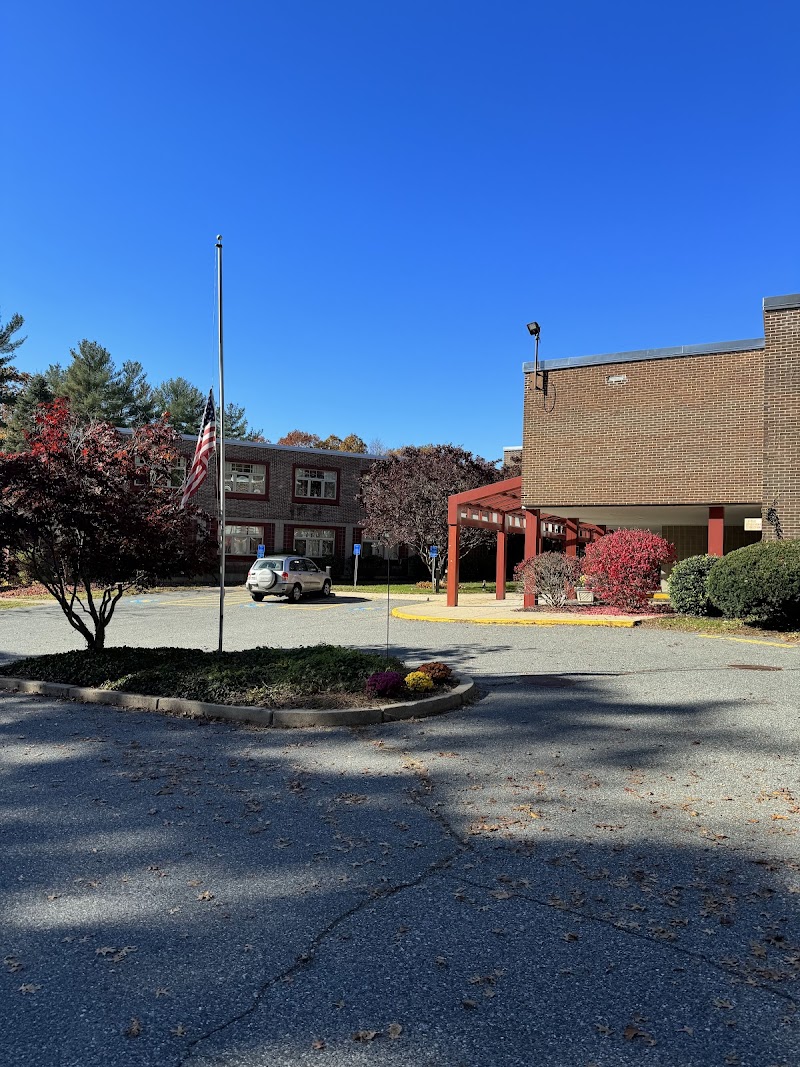
How is Blackstone Valley Staffed?

CMS rates BLACKSTONE VALLEY HEALTH AND REHABILITATION's staffing level at 2 out of 5 stars, which is below average compared to other nursing homes. Staff turnover is 54%, compared to the Massachusetts average of 46%. RN turnover specifically is 74%, which is notably high. RNs provide skilled clinical oversight, so turnover in this role can affect medical care quality.

What Have Inspectors Found at Blackstone Valley?

State health inspectors documented 28 deficiencies at BLACKSTONE VALLEY HEALTH AND REHABILITATION during 2022 to 2025. These included: 28 with potential for harm.

Who Owns and Operates Blackstone Valley?

BLACKSTONE VALLEY HEALTH AND REHABILITATION is owned by a for-profit company. For-profit facilities operate as businesses with obligations to shareholders or private owners. The facility operates independently rather than as part of a larger chain. With 123 certified beds and approximately 116 residents (about 94% occupancy), it is a mid-sized facility located in WHITINSVILLE, Massachusetts.

How Does Blackstone Valley Compare to Other Massachusetts Nursing Homes?

Compared to the 100 nursing homes in Massachusetts, BLACKSTONE VALLEY HEALTH AND REHABILITATION's overall rating (3 stars) is above the state average of 2.9, staff turnover (54%) is near the state average of 46%, and health inspection rating (3 stars) is at the national benchmark.

What Should Families Ask When Visiting Blackstone Valley?

Based on this facility's data, families visiting should ask: "Can you walk me through typical staffing levels on day, evening, and night shifts?" "Can I visit during a mealtime to observe dining assistance and food quality?" "How do you handle medical emergencies, and what is your hospital transfer rate?" "Can I speak with family members of current residents about their experience?" These questions are particularly relevant given the below-average staffing rating.

Is Blackstone Valley Safe?

Based on CMS inspection data, BLACKSTONE VALLEY HEALTH AND REHABILITATION has a clean safety record: no substantiated abuse findings (meaning no confirmed cases of resident harm), no Immediate Jeopardy citations (the most serious violation level indicating risk of serious injury or death), and is not on the Special Focus Facility watch list (a federal program monitoring the lowest-performing 1% of nursing homes). The facility has a 3-star overall rating and ranks #1 of 100 nursing homes in Massachusetts. While no facility is perfect, families should still ask about staff-to-resident ratios and recent inspection results during their visit.

Do Nurses at Blackstone Valley Stick Around?

BLACKSTONE VALLEY HEALTH AND REHABILITATION has a staff turnover rate of 54%, which is 8 percentage points above the Massachusetts average of 46%. Moderate turnover is common in nursing homes, but families should still ask about staff tenure and how the facility maintains care continuity when employees leave.

Was Blackstone Valley Ever Fined?

BLACKSTONE VALLEY HEALTH AND REHABILITATION has no federal fines on record. CMS issues fines when nursing homes fail to meet care standards or don't correct problems found during inspections. The absence of fines suggests the facility has either maintained compliance or corrected any issues before penalties were assessed. This is a positive indicator, though families should still review recent inspection reports for the full picture.

Is Blackstone Valley on Any Federal Watch List?

BLACKSTONE VALLEY HEALTH AND REHABILITATION is not on any federal watch list. The most significant is the Special Focus Facility (SFF) program, which identifies the bottom 1% of nursing homes nationally based on persistent, serious quality problems. Not being on this list means the facility has avoided the pattern of deficiencies that triggers enhanced federal oversight. This is a positive indicator, though families should still review the facility's inspection history directly.