BLAIRE HOUSE OF WORCESTER
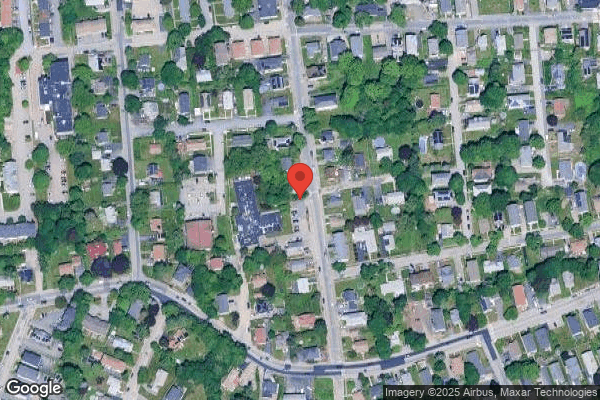
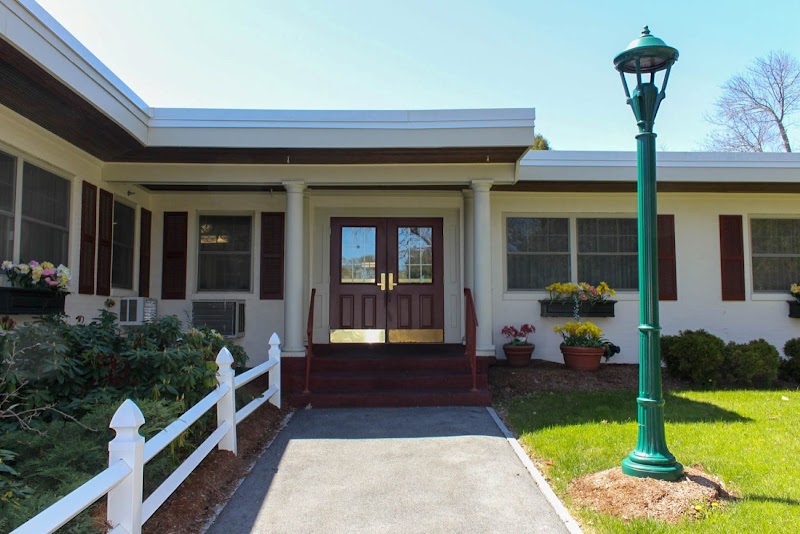
116 HOUGHTON STREET, WORCESTER, MA 01604 (508) 791-5543
For profit - Corporation 75 Beds ELDER SERVICES Data: November 2025
Trust Grade
58/100
#136 of 338 in MA
Last Inspection: June 2024

Within standard 12-15 month inspection cycle. Federal law requires annual inspections.

Overview

Blaire House of Worcester has a Trust Grade of C, which means it is average-neither great nor terrible. It ranks #136 out of 338 nursing homes in Massachusetts, placing it in the top half of facilities in the state, and #21 out of 50 in Worcester County, indicating only 20 local options perform better. The facility's performance trend is stable, with five issues reported in both 2023 and 2024. Staffing is a concern, rated only 1 out of 5 stars, with a 46% turnover rate, which aligns with the state average but suggests potential instability. Additionally, the home has $13,095 in fines, which is average but still implies some compliance issues. However, there are strengths to note: the health inspection rating is 4 out of 5 stars, showing good compliance in that area. Yet, there are significant weaknesses, such as a serious incident where a resident fell during a Hoyer lift transfer due to improper procedure, leading to a head injury that required staples. Other findings included failures to complete necessary background checks for staff and a lack of infection surveillance for several residents, indicating areas where care could improve. Overall, families should weigh these strengths and weaknesses carefully when considering Blaire House for their loved ones.

Trust Score
C
58/100
In Massachusetts
#136/338
Top 40%
Safety Record
Moderate
Needs review
Inspections
Holding Steady
5 → 5 violations
Staff Stability
⚠ Watch
46% turnover. Above average. Higher turnover means staff may not know residents' routines.
Penalties
○ Average
$13,095 in fines. Higher than 51% of Massachusetts facilities. Some compliance issues.
Skilled Nurses
⚠ Watch
Each resident gets only 22 minutes of Registered Nurse (RN) attention daily — below average for Massachusetts. Fewer RN minutes means fewer trained eyes watching for problems.
Violations
⚠ Watch
18 deficiencies on record. Higher than average. Multiple issues found across inspections.
★★★☆☆
3.0
Overall Rating
★☆☆☆☆
1.0
Staff Levels
★★★☆☆
3.0
Care Quality
★★★★☆
4.0
Inspection Score
Stable
2023: 5 issues
2024: 5 issues

The Good

  • Full Sprinkler Coverage · Fire safety systems throughout facility
  • No fines on record

Facility shows strength in fire safety.

The Bad

3-Star Overall Rating

Near Massachusetts average (2.9)

Meets federal standards, typical of most facilities

Staff Turnover: 46%

Near Massachusetts avg (46%)

Higher turnover may affect care consistency

Federal Fines: $13,095

Below median ($33,413)

Minor penalties assessed

Chain: ELDER SERVICES

Part of a multi-facility chain

Ask about local staffing decisions and management

The Ugly 18 deficiencies on record

1 actual harm
Oct 2024 1 deficiency
CONCERN (D) 📢 Someone Reported This

A family member, employee, or ombudsman was alarmed enough to file a formal complaint

Potential for Harm - no one hurt, but risky conditions existed

Deficiency F0604 (Tag F0604)

Could have caused harm · This affected 1 resident

Based on interviews and records reviewed, for one of three sampled residents (Resident #1) who was alert, disoriented, unable to make his/her needs known and was dependent on staff for transfers betwe...

Read full inspector narrative →
Based on interviews and records reviewed, for one of three sampled residents (Resident #1) who was alert, disoriented, unable to make his/her needs known and was dependent on staff for transfers between surfaces, dressing and hygiene, the Facility failed to ensure Resident #1 was free from the use of physical restraint when, on 9/24/24 around 7:20 A.M., the Scheduler and the Activity Director observed Resident #1, who was seated in a wheelchair at a table in the dayroom with a gait belt around him/her that was also wrapped around the back of the wheelchair. The gait belt was clasped closed behind the wheelchair, unable to be removed or unlocked by Resident #1 and therefore restraining his/her ability to get up, if desired. Findings include: Review of the Facility Policy titled Device/Restraints Policy & Procedure, effective 10/10/00, indicated the resident has the right to be free from physical restraints imposed for the purposes of discipline and convenience and not required to treat the resident's medical condition. The Policy defined physical restraint to include any manual method, physical or mechanical device, material or equipment that is attached or adjacent to the resident's body, that the individual cannot remove easily which restricts freedom of movement or normal access to one's body. Review of Resident #1's clinical record indicated that he/she was admitted to the Facility during September 2024 and his/her diagnoses included dementia, brief psychotic disorder and generalized anxiety disorder. Review of Resident #1's most recent admission Minimum Data Set Assessment, dated 9/21/24, indicated his/her cognitive patterns were severely impaired, he/she did not ambulate and he/she was dependent on the assistance of staff members when transferring between surfaces and for dressing and hygiene. Resident #1's Care Plan related to Falls, dated as initiated 9/23/24, indicated that Resident #1's risk for falling and for significant injury would be minimized daily. Additional interventions, dated as initiated 9/23/24, indicated staff were to remind and encourage Resident #1 to call for assist prior to transfer and ambulation. Review of the report submitted by the Facility via the Health Care Facility Reporting System (HCFRS), dated 9/24/24, indicated that a staff member reported that Resident #1 was sitting in a wheelchair restrained with a gait belt. During a telephone interview on 10/22/24 at 1:00 P.M., the Activity Director said that on 9/24/24 around 7:00 A.M. she arrived to the Facility and went to her office which was adjacent to the day room (on the Unit where Resident #1 resided). The Activity Director said that after leaving her belongings in her office, she turned on the television in the day room. The Activity Director said Resident #1 was seated in his/her wheelchair at a table facing the television. The Activity Director said that as she walked closer to Resident #1, she saw that there was gait belt around Resident #1 and his/her wheelchair, and it was latched closed behind the wheelchair back. The Activity Director said that she went closer to Resident #1 and saw that although the gait belt was across Resident #1's torso, his/her shirt was pulled over the belt so that it was not visible from the front. The Activity Director said that she saw the Scheduler in the hallway and asked her to come into the day room. During an interview on 10/21/24 at 11:00 A.M., the Scheduler said that, on 9/24/24, around 7:00 A.M., the Activity Director called her into the day room where Resident #1 was seated in his/her wheelchair at a table. The Scheduler said that the Activity Director showed her that there was a gait belt around Resident #1 and his/her wheelchair and it was latched closed behind the back of the wheelchair. The Scheduler said that she removed the gait belt and reported the incident to Nurse #1, Nurse #2 and the Director of Nursing. During an interview on 10/21/24 at 1:00 P.M., the Director of Nursing said that on 9/24/24 the Scheduler reported that Resident #1 had been found with a gait belt around him/her in a wheelchair, latched closed behind Resident #1's back. The Director of Nursing said that she initiated an internal investigation including obtaining Written Witness Statements from the Facility staff members on duty during the 11:00 P.M. to 7:00 A.M. shift starting on 9/23/24 and ending on 9/24/24 and the staff members on duty during the 7:00 A.M. to 3:00 P.M. shift on 9/24/24. The Director of Nursing said, and review of the Written Witness Statements indicated, that none of the staff members on duty during the 11:00 P.M. to 7:00 A.M. shift starting on 9/23/24 and ending on 9/24/24 saw the gait belt around Resident #1 and the wheelchair, or admitted they had applied it. During interviews on: -10/21/24 at 11:45 A.M. with Nurse #1, -10/21/24 at 1:55 P.M. with Certified Nurse Aide (CNA) #1, and -10/21/24 at 3:30 P.M. with CNA #2, they said the following: Nurse #1, CNA #1 and CNA #2, said they were the staff working on Resident #1's unit during the 11:00 P.M. to 7:00 A.M. starting on 9/23/24 and ending on 9/24/24. They said Resident #1 was restless during the shift and CNA #1 spent much of the shift seated in the doorway of his/her room monitoring him/her. CNA #1 and CNA #2 said that they provided incontinence care to Resident #1 between 5:30 A.M. and 6:00 A.M. and left him/her seated in his/her room in his/her wheelchair. CNA #1, CNA #2 and Nurse #1 said they did not see the gait belt around Resident #1 or the wheelchair, they all denied putting it there, and said they did not know who applied it. The Director of Nursing said that while interviewing staff members about the gait belt found around Resident #1's wheelchair, she learned that, on 9/24/24 around 6:30 A.M., CNA #3 had dressed Resident #1 at his/her bedside and brought him/her from his/her bedroom to the day room. During an interview on 10/21/21 at 1:30 P.M., CNA #3 said that she arrived to the facility on 9/24/24 around 6:30 A.M. and one of her first tasks was to dress Resident #1 and bring him/her to the day room. CNA #3 said that when she entered Resident #1's room, she found Resident #1 in his/her wheelchair, at the foot of his/her bed. CNA #3 said that Resident #1 was dressed in pants, one sock and a johnny. CNA #3 said that because the johnny was knotted in the back, she lifted it over Resident #1's head to remove it rather than untying it. CNA #3 said that she dressed Resident #1 in loose blouse and wheeled him/her to the day room in his/her wheelchair. CNA #3 said that later in the morning she learned that Resident #1 had been found in the day room with a gait belt around him/her and latched closed behind the back of the wheelchair. CNA #3 said that she did not apply the gait belt around Resident #1. CNA #3 said that she did not see the gait belt around Resident #1 and the wheelchair when she changed Resident #1's shirt. CNA #3 said that because Resident #1 had been provided with incontinence care and was already dressed in pants and transferred to the wheelchair by staff members on the 11:00 P.M. to 7:00 A.M. shift, she did not have to transfer or position Resident #1 in the wheelchair. CNA #3 said it was possible that the gait belt was around Resident #1 and the wheelchair and latched closed behind the back of the wheelchair when she changed Resident #1 from the johnny into a blouse and she did not see it. Although Nurse #1, CNA #1, CNA #2 and CNA #3 all denied putting the gait belt around Resident #1 in the wheelchair, thereby restricting his/her movement, they were the staff members working on the unit during that time and were assigned to his/her care, Resident #1 was totally dependent on staff for care and physically incapable of doing it. On 10/21/24 the Facility was found to be in past non-compliance. The Facility provided the Surveyor with a plan of correction which addressed the concern as evidenced by: A. On 9/24/24, skin and pain assessments were completed by the Unit Manager for Resident #1 without findings of injury related to the alleged incident. B. On 9/24/24, the Administrator/Director of Nursing suspended CNAs #1, #2 and #3 pending the outcome of their investigation and requested that the Agency no longer assign Nurse #1 shifts at the Facility. C. Between 9/24/24 and 10/02/24, nursing staff reviewed and updated Resident #1's care plan concerns regarding behavioral symptoms and falls prevention, to include interventions such as use of gerichair or Broda chair. D. On 9/24/24, Resident #1 was evaluated by Behavioral Health Services with recommendations made and on 9/27/24, Resident #1 was examined by the Physician. E. On 9/25/25, the Facility Social Worker met with Resident #1 to offer on-going support. F. Between 9/24/24 and 9/27/24, all Facility staff were trained on the Facility Patient Abuse Policy and prohibitions on restraints. G. The Director of Nursing, Unit Manager and Case Manager continue to make rounds of the Facility Units 3 to 5 times daily, on all shifts, observing for proper uses of devices and equipment. Observation findings are reviewed with clinical team members during the daily clinical meeting. H. Results of the Internal Investigation and observations made during rounds will be reviewed during the the Facility QAPI Meetings. I. The Administrator/designee are responsible for overall compliance.
Jun 2024 3 deficiencies
CONCERN (E)

Potential for Harm - no one hurt, but risky conditions existed

Abuse Prevention Policies (Tag F0607)

Could have caused harm · This affected multiple residents

Based on interview and record review, the facility failed to ensure documentation was available to show that Nurse Aide registry checks were completed for three Staff Members (#1, #2, and #3), out of ...

Read full inspector narrative →
Based on interview and record review, the facility failed to ensure documentation was available to show that Nurse Aide registry checks were completed for three Staff Members (#1, #2, and #3), out of five staff members personnel files reviewed. Specifically the facility failed to provide documentation that showed Nurse Aide registry checks were completed for screening of Staff Members #1, #2, and #3, prior to the staff members working with residents in the facility. Findings include: Review of the facility policy titled Abuse Prevention Policies and Procedures, revised 4/17, indicated the following: -All applicants for employment shall provide professional references. -The facility shall conduct application reference checks to the extent possible. -In addition, the facility will conduct further screening (s) as required including but not limited to Board of Nursing license verification, Nurse Aide Registry . 1. Review of Staff Member #1's personnel record indicated that Staff Member #1 had been working at the facility since February 2024. Further review of Staff Member #1's personnel record indicated no documentation that a Nurse Aide registry check had been performed prior to him/her starting work in the facility. 2. Review of Staff Member #2's personnel record indicated that Staff Member #2 had been working at the facility since June 2024. Further review of Staff Member #2's personnel record indicated no documentation a Nurse Aide registry check had been performed prior to him/her starting work in the facility. 3. Review of Staff Member #3's personnel record indicated that Staff Member #3 had been working at the facility since June 2023. Further review of Staff Member #3's personnel record indicated no documentation a Nurse Aide registry check had been performed prior to him/her starting work in the facility. During an interview on 6/27/24 at 11:37 A.M., the Human Resources (HR) Staff Member said Nurse Aide registry checks should be performed on all staff members prior to them working in the facility. The HR Staff Member said she was unable to provide any documentation to show Staff Member's #1, #2, and #3 had Nurse Aide registry checks performed prior to the Staff Members working in the facility. The HR Staff Member further said there should have been documentation in each of the staff member's personnel records to show Nurse Aide registry checks were performed and there was not.
CONCERN (E)

Potential for Harm - no one hurt, but risky conditions existed

Infection Control (Tag F0880)

Could have caused harm · This affected multiple residents

Based on observation, interview, record and policy review, the facility failed to ensure that infection surveillance was implemented for skin infections requiring medical intervention for eight Reside...

Read full inspector narrative →
Based on observation, interview, record and policy review, the facility failed to ensure that infection surveillance was implemented for skin infections requiring medical intervention for eight Residents (#9, #8, #52 #2, #45, #59, #20, and #61) out of a total sample of 20 residents. Specifically, the facility failed to track and trend skin disorders in order to assess/evaluate rashes that developed for Resident's (#9, #8, #52 #2, #45, #59, #20, and #61), and to implement strategies to minimize the potential risk of transmission of infections. Findings include: Review of the facility policy titled Surveillance for Infections, revised September 2017, indicated the Infection Preventionist (IP) will conduct ongoing surveillance for Healthcare-Associated Infections (HAIs) and other epidemiologically significant infections that have substantial impact on potential resident outcomes and that may require Transmission-Based Precautions (TBP: infection control measures used in addition to standard precautions for patients who may be infected with certain infectious agents) and other preventative interventions. The policy included the following: -The purpose of the surveillance of infections is to identify both individual cases and trends of epidemiologically significant organisms and HAIs, to guide appropriate interventions, and to prevent future infections. -The criteria for such infections are based on the current standard definitions of infections. -Infections that will be included in routine surveillance include those with: >evidence of transmissibility in a healthcare environment >available processes and procedures that prevent or reduce the spread of infection >clinically significant morbidity or mortality associated with infection (for example: pneumonia, urinary tract infections .) >pathogens associated with serious outbreaks (for example: Norovirus, influenza, scabies .) -Infections that may be considered in surveillance include those with limited transmissibility in a healthcare environment; and/or limited prevention strategies -Nursing Staff will monitor residents for signs and symptoms that may suggest infection, according to the current criteria and definitions of infection, and will document and report suspected infections to the Charge Nurse as soon as possible -If a communicable disease outbreak is suspected, this information will be communicated to the Charge Nurse and the IP immediately. -The Charge Nurse will notify the Attending Physician and the IP of suspected infections. >The IP and the Attending Physician will determine if laboratory tests are indicated, and whether special precautions are warranted. >The IP will determine if the infection is reportable. >The Attending Physician and interdisciplinary team (IDT) will determine the treatment plan for the resident. Review of the facility policy titled Infection Prevention Control, revised October 2020, indicated the purpose of the policy was to maintain an infection control and prevention program designed to provide a safe, sanitary, and comfortable environment and to help prevent the development and transmission of communicable diseases and infection. The policy indicated the infection prevention and control program will include the following: -System for preventing, identifying, reporting, investigating and controlling infections and communicable disease for all residents, staff . -System of surveillance designed to identify possible communicable diseases or infections before they can spread to other persons in the facility -When and whom possible incidents of communicable diseases or infection should be reported -Standard and Transmission-Based Precautions (TBP) to be followed to prevent the spread of infections Review of the Centers of Disease Control and Prevention (CDC) Core Infection Prevention and Control Practices for Safe Healthcare Delivery in All Settings, dated 4/12/24, indicated the following: -Adherence to infection prevention and control practices is essential to providing safe and high quality patient care across all settings where healthcare is delivered -Monitor the incidence of infections that may be related to care provided at the facility and act on the data and use information collected through surveillance to detect transmission of infectious agents in the facility. -Develop and implement systems for early detection and management (e.g. use of appropriate infection control measures, including isolation precautions, Personal Protective Equipment or PPE) of potentially infectious persons . -Implement additional precautions (i.e.Transmission-Based Precautions) for patients with documented or suspected diagnoses where contact with the patient, their body fluids, or their environment presents a substantial transmission risk despite adherence to Standard Precautions -Implement Transmission-Based Precautions based on the patient's clinical presentation and likely infection diagnoses (e.g. syndromes suggestive of transmissible infections such as diarrhea, meningitis, fever and rash, respiratory infection) as soon as possible after the patient enters the healthcare facility (including reception or triage areas in emergency departments, ambulatory clinics or Physicians' offices) then adjust or discontinue precautions when more clinical information becomes available (e.g. confirmatory laboratory results). During the initial pool process conducted on 6/25/24 at 9:40 A.M., the surveyor observed Resident #9 ambulating in the hallway. The Resident approached the surveyor and asked the surveyor to look at his/her body and started to disrobe the shirt that he/she was wearing, stating he/she was very itchy. The surveyor observed the Resident to be scratching at his/her upper chest. The surveyor was able to re-direct the Resident and said that she would notify the Nurse of his/her itchiness and have them assess him/her. The surveyor immediately notified the Nurse who was present a few feet away of the Resident's concern relative to itchiness. On 6/25/24 from 2:40 P.M. through 4:28 P.M., the surveyor observed Resident #9 dressed and seated in a stationary chair in the day room with numerous other residents during activities. He/she was observed to be frequently rubbing his/her back against the back of the stationary chair as well as scratching his/her right lower abdomen, upper chest, left leg, left knee and face. While Resident #9 was seated in the day room during the activities of coloring and pet videos with facility staff, the surveyor observed other residents to be intermittently scratching their arms, back and/or stomach. One resident who was seated at a table in a stationary chair coloring with another resident, was observed to take a colored pencil and use it to scratch his/her upper back repeatedly and then place the colored pencil back on the table. Another Resident (#8), who was seated in a stationary chair during the activity, was observed to continuously scratch his/her stomach and at one point, lifted up his/her shirt exposing the abdomen which had multiple red, open dime sized areas which he/she was scratching. A Certified Nurses Aide (CNA) approached Resident #8 and assisted him/her out of the day room while stating that he would inform the Nurse about the Resident's itchiness. On 6/26/24 at 7:27 A.M. through 7:58 A.M., the surveyor observed Resident #9 seated in a stationary chair in the day room with other residents during the breakfast meal. The Resident was observed to get up during the meal and state that he/she was itchy all over. A CNA was observed to approach the Resident at the time and tell the Resident that he could apply some lotion for the itchy skin, and redirected the Resident back to his/her breakfast tray. During the observation, the Resident was scratching his/her chest, upper arms and lower legs. During an interview on 6/26/24 at 10:15 A.M., Unit Manager (UM) #1 said that the NP evaluated Resident #9 today and put in orders relative to his/her rash. UM #1 said the Resident had been complaining of being itchy all over his/her skin, the NP was notified, assessed the Resident and gave new orders for treatment today. UM #1 said that she completed a skin assessment on the Resident today and there were no open areas or raised bumps, but there were areas on the Resident's underarms and legs that were irritated and red from scratching. On 6/26/24 at 3:50 P.M., the surveyor observed Resident #52 enter the dining room, sit on a stationary chair, remove his/her left sock and scratch his/her left lower leg and feet repeatedly. The surveyor observed that the Resident's lower leg had numerous bumps and/or red open areas on the ankle, upper toes and between the toes. The surveyor also observed multiple red areas/bumps on his/her arms. UM #1 entered the dining room and also observed Resident #52. When the surveyor asked about the Resident's skin and observed itchiness, UM #1 said that Resident #52 has had a rash about three weeks ago and UM #1 said she thought the incidences of resident rashes started with Resident #52. UM#1 said Resident #52 had Triamcinolone cream to treat the rash previously, but it looked like he/she still had the rash. UM #1 said she was not aware of the Resident's current rash and would check in with the Resident's Nurse. When the surveyor asked UM #1 about her reference to the rash starting with Resident #52, and if there was any more information or tracking/trending of the resident rashes, UM #1 said she was unsure if anyone was tracking the residents with rashes. On 6/26/24 at 4:25 P.M., the surveyor reviewed the observations of numerous residents with itchiness, scratching of skin and observations of rashes with the Director of Nursing (DON). The DON said she was aware that there were residents who have had rashes, the Providers were aware, and treatments have been ordered. The DON said the clinical team met daily, reviewed resident progress notes and discussed resident conditions so follow-up could occur. During an interview on 6/27/24 at 10:18 A.M., the DON said she reviewed the clinical records for Resident's #9 and #52. The DON said upon review, there was not much documentation relative to the skin concern/rash for Resident #9. The DON said Resident #52 was noted yesterday (6/26/24) to have a rash that was itchy and spreading and the rash required a treatment. The DON said the facility completed an audit and identified eight residents who had skin concerns related to rashes. The DON further said that the facility was aware of some of the residents identified and that 6 of the 8 residents with rashes had treatments in place. The DON said one of the treatments prescribed for one of the residents was not working so they had requested that the Provider assess for a new treatment. The DON said the facility had not been tracking the presence of resident rashes to identify if there were trends. The DON further said that the NP was coming to assess Resident #8 today. Review of the List of Residents with Rashes, provided by the DON on 6/27/24, indicated the following Residents were impacted: -Resident #9 -Resident #8 -Resident #52 -Resident #2 -Resident #45 -Resident #59 -Resident #20 -Resident #61 During an interview on 6/27/24 at 12:26 P.M., the NP said that he assessed Resident #8 relative to his/her rash. The NP said Resident #8 had the rash for months, that the initial occurrence of the rash started with Resident #8. The NP said Resident #8's current rash was a re-occurrence, was previously treated with a steroid cream which made it worse, so he was going to change the treatment. When the surveyor asked about whether the rash could be transmittable, the NP said that it could be bacterial which could be transmitted to others. The NP said Resident #8 was placed on Contact Precautions, which would be difficult to maintain because he/she was mobile and frequently touching things, and that new medication/treatment orders were added for the treatment of his/her rash. The NP further said the facility had provided him with a list of residents identified with rashes to be reviewed today, that he was aware that there have been several residents who have developed rashes and was not aware if there was any tracking and/or trending of the resident rashes. During an interview on 6/27/24 at 2:00 P.M., the DON said the facility had not tracked the occurrence of resident rashes and had no line listing for infections other than for COVID-19, Influenza or for other infections requiring antibiotics. During an interview on 6/27/24 at 2:39 P.M., CNA #1 said there were several residents on his assignment who have itchy rashes and have been observed to be scratching. CNA #1 said one of the Residents (#38) had a rash on his/her arms and back a few weeks ago which has since resolved, and currently two residents (Resident #55, who was not identified on the list provided to the survey team by the DON, and Resident #61) had rashes on their chest, back and hands. When the surveyor asked about what the process was for identifying skin conditions, CNA #1 said if he observed any resident scratching or had skin rashes/irritation, he would notify the Nurse. During an interview on 6/27/24 at 2:45 P.M., CNA #2 said there were three Residents on his assignment with rashes (Resident's #9, #35 and #52). CNA #2 said these Residents were itchy, had rashes that are red and bleed from scratching. CNA #2 further said that if he observed any change in a resident's skin conditions, he would notify the Nurse. During an interview on 6/27/24 at 2:50 P.M., CNA #3 said that she noticed that there were residents who say they are itchy or are observed to be itchy and scratching their skin. CNA #3 said when she observes this, she would notify the Nurse. When the surveyor asked if there were residents that had rashes/itchy skin, CNA #3 said Resident #8 and Resident #9 currently had itchy rashes. During an interview on 6/27/24 at 3:51 P.M., the surveyor discussed with the DON that several staff were interviewed and reported resident rashes (Resident's #38, #55 and #35) who were not included on the list provided to the survey team. The DON said she would follow-up with the staff and the Residents not on the list, to assess their skin. The DON further said that the facility was continuing to work with the Providers and the Epidemiologist.
CONCERN (E)

Potential for Harm - no one hurt, but risky conditions existed

Deficiency F0883 (Tag F0883)

Could have caused harm · This affected multiple residents

3. Resident #14 was admitted to the facility in May 2023 with diagnoses including Dementia, Chronic Obstructive Pulmonary Disease (COPD-a condition of the lungs that causes decreased air flow and brea...

Read full inspector narrative →
3. Resident #14 was admitted to the facility in May 2023 with diagnoses including Dementia, Chronic Obstructive Pulmonary Disease (COPD-a condition of the lungs that causes decreased air flow and breathing problems), Dysphagia (difficulty swallowing), Heart Failure (when the heart can no longer pump blood as well as it should resulting in fluid buildup in the feet, arms, lungs and other organs) and was over the age of 65. Review of the MIIS record provided by the facility indicated the following Pneumococcal Vaccination history: -PCV 13 administration date of 10/24/18. Review of the Pneumococcal Vaccination Informed Consent Form indicated Resident #14 's Representative consented for the Resident to receive the Pneumococcal Vaccination in accordance with CDC recommendations on 5/5/23. Review of the June 2024 Physician's orders included the following: -May receive PPSV 23 Vaccine in accordance with CDC current recommended immunization schedule for adults with documented informed consent and if not otherwise contraindicated, initiated 5/9/23. Review of the Resident's clinical and immunization record indicated no documented evidence the Resident had received any Pneumococcal Vaccinations after consent was obtained on 5/5/23. Review of the CDC Pneumovax Advisor tool indicated the following recommendation for Resident #14: -Give one dose of PCV 20 or, -Give a second dose of PPSV 23 During an interview on 6/26/24 at 2:01 P.M., the DON/Infection Control Preventionist (ICP) said Resident #14 had been due for the PCV 20 Vaccination. The DON/ICP said the PCV 20 Vaccination was administered today and should have been administered shortly after consent was obtained. During an interview on 6/27/24 at 11:17 A.M., the Nurse Practitioner (NP) #1 said he had received information from the DON relative to residents and their Pneumococcal Vaccination status this week. NP #1 said he was reviewing the resident list and was utilizing the CDC recommendations in order to determine the type of Pneumococcal Vaccination required for the residents who were due to receive them. Based on interview, record and policy review, the facility failed to offer Pneumococcal Vaccinations as recommended for three Residents (#42, #56, and #14) out of five applicable Residents, out of a total sample of 20 residents, putting the Residents at risk for developing facility acquired Pneumonia. Specifically, the facility failed to ensure that Pneumococcal Vaccinations were offered, received, or declined to Resident's #42, #56 and #14 per Physician's orders and after obtaining consent from the Residents and/or their Representatives. Findings include: Review of the CDC (Centers for Disease Control) website: Pneumococcal Vaccine Timing for Adults greater than or equal to 65 years (cdc.gov), dated 3/15/23, indicated but was not limited to the following: -For adults 65 and over who have not had any prior Pneumococcal Vaccines, then the patient and Provider may choose Pneumococcal Conjugate Vaccine (PCV) 20 or PCV15 followed by Pneumococcal Polysaccharide Vaccine (PPSV) 23 one year later. -For adults 65 and over who has had Pneumococcal Conjugate Vaccine 13 (PCV 13) and Pneumococcal Polysaccharide Vaccine 23 (PPSV 23), and it has been 5 years or greater since the last Pneumococcal Vaccination, then the patient and the vaccine Provider may choose to administer the 20-Valent Pneumococcal Conjugate Vaccine (PCV 20). Review of the Facility Vaccine Procedure, revised 11/2023, indicated but was not limited to: -The licensed Nurse under the direction of the Director of Nursing (DON) will administer recommended immunization to residents/employees -Obtain informed consent from each resident, responsible party .to receive recommended vaccinations. -The licensed Nurse will obtain a Physician order .and administer the vaccine per the Physician order. -The licensed Nurse will administer the designated vaccine to all residents who have signed the informed consent requesting to be vaccinated. 1. Resident #42 was admitted to the facility in November 2023 with a diagnosis of Dementia (a group of conditions characterized by impairment of at least two brain functions, such as memory and loss of judgment) and was over the age of 65. Review of the Pneumonia Vaccine Informed Consent Form located in the Resident's chart indicated that the Resident's Representative consented for the Resident to receive the Pneumococcal Vaccine on 12/17/23. Review of the Resident's Medical Record indicated the following Physician's orders: -May receive Pneumococcal Conjugate 13 Valent (PCV 13) vaccine in accordance with CDC current recommended immunization schedule for adults, with documented informed consent and if not otherwise contraindicated, initiated 11/25/23 -May receive Pneumococcal Polysaccharide 23 Valent (PPSV 23) vaccine in accordance with CDC current recommended immunization schedule for adults with documented informed consent and if not otherwise contraindicated, initiated 11/29/23 Review of the Resident's immunization history in the facility's electronic health record (EHR) indicated no evidence the Resident received any Pneumococcal Vaccinations. Review of the MIIS (Massachusetts Immunization Information System) record provided by the facility indicated no history of Resident #42 ever having received a Pneumococcal Vaccination. Review of the CDC Pneumovax Advisor tool indicated the following recommendation for Resident #42 based on his/her history of Pneumococcal Vaccination: -Give one dose of PCV15 or PCV 20. If PCV 20 is used, the Pneumococcal Vaccinations are complete. Review of the Medical Record failed to indicate Resident #42 had a medical contraindication to or had been offered, received, or declined the appropriate Pneumococcal Vaccination. 2. Resident #56 was admitted to the facility in June 2023, with a diagnosis of Dementia and was over the age of 65. Review of the Pneumonia Vaccine Informed Consent Form located in the Resident's chart indicated the Resident's Representative consented for Resident #56 to receive the Pneumococcal Vaccine on 6/6/23. Review of the Resident's Medical Record indicated the following Physician's orders: -May receive Pneumococcal Conjugate 13 Valent (PCV 13) vaccine in accordance with CDC current recommended immunization schedule for adults, with documented informed consent and if not otherwise contraindicated, initiated 6/7/23 -May receive Pneumococcal Polysaccharide 23 Valent (PPSV 23) vaccine in accordance with CDC current recommended immunization schedule for adults with documented informed consent and if not otherwise contraindicated, initiated 6/7/23 Review of the Resident's immunization history in the facility's EHR did not indicate evidence that the Resident received any Pneumococcal Vaccination. Review of the MIIS (Massachusetts Immunization Information System) record provided by the facility indicated no history of Resident #56 ever having received a Pneumococcal Vaccination. Review of the CDC Pneumovax Advisor tool indicated the following recommendation for Resident #56 based on his/her history of Pneumococcal Vaccination: -Give one dose of PCV15 or PCV 20. If PCV 20 is used, the Pneumococcal Vaccinations are complete. Review of the Medical Record failed to indicate that Resident #56 had a medical contraindication to or had been offered, received, or declined the appropriate Pneumococcal Vaccination. During an interview on 6/26/24 at 1:55 A.M., the DON said both Resident #42 and #56 did not receive Pneumococcal Vaccinations until today, after the surveyor inquired as to whether the required immunizations had ever been provided to the Residents. The DON further said that both Residents should have received the vaccinations shortly after consenting, and it should not have taken this long for them to have received the vaccinations.
Jan 2024 1 deficiency 1 Harm
SERIOUS (G) 📢 Someone Reported This

A family member, employee, or ombudsman was alarmed enough to file a formal complaint

Actual Harm - a resident was hurt due to facility failures

Accident Prevention (Tag F0689)

A resident was harmed · This affected 1 resident

**NOTE- TERMS IN BRACKETS HAVE BEEN EDITED TO PROTECT CONFIDENTIALITY** Based on records reviewed and interviews for one of three sampled residents (Resident #1) who required the use of a Hoyer lift (...

Read full inspector narrative →
**NOTE- TERMS IN BRACKETS HAVE BEEN EDITED TO PROTECT CONFIDENTIALITY** Based on records reviewed and interviews for one of three sampled residents (Resident #1) who required the use of a Hoyer lift (mechanical lift system used to transfer a medically dependent person from point A to point B) with the assistance of two staff members for transfers from bed to chair, the Facility failed to ensure he/she was provided with the necessary assistance during a Hoyer lift transfer. On 12/22/23, prior to attempting to transfer Resident #1 by the Hoyer lift, the two certified nurse aides (CNA's) had not checked to see if the lower straps of the Hoyer lift sling/pad were properly connected to the Hoyer, and as they started to raise Resident #1 up, he/she slid out of the sling/pad, fell to the floor and hit his/her head. Resident #1 was transferred to the Hospital Emergency Department (ED) for evaluation and was diagnosed with a laceration (open wound) to the back of his/her head related to the fall, which required two staples to close. Findings Include: The Facility Policy titled Lifting Machine, Using a Mechanical, dated as revised July 2017, indicated the purpose of the procedure is to establish the general principles of safe lifting using a mechanical lifting device and that it not a substitute for manufacturer's training or instructions. The Policy indicated steps in the procedure that included: -Measure the resident for proper sling size and purpose, according to manufacturer's instructions. -Make sure the sling is securely attached to the clips and that it is properly balanced. -Check to make sure the resident's head, neck, and back are supported. -Before resident is lifted, double check the security of the sling attachment. -Examine all hooks, clips, or fasteners. -Lift the resident two inches from the surface to check the stability of the attachments, the fit of the sling and the weight distribution. Resident #1 was admitted to the Facility in November 2013, diagnoses included Alzheimer's, Dementia, Muscle weakness, Abnormalities of gait and mobility, Abnormal posture, and Osteoarthritis. Review of Resident #1's Fall Assessment, dated 11/02/2023, indicated that he/she was at increased risk for falls. Review of Resident #1's Annual Minimum Data Set (MDS), dated [DATE], indicated that he/she was severely cognitively impaired and dependent for chair/bed-to-chair transfers with the assistance of two or more staff members. Review of Resident #1's Care Plan related to Mobility, reviewed and renewed with his/her November 2023 MDS, indicated that he/she required the use of a Hoyer lift with the assistance of two staff members for transfers related to impaired balance. Review of the Facility Incident Report, dated 12/22/23, indicated at approximately 8:45 A.M. Resident #1 was being transferred from bed to chair, he/she slid from (slid out of) the mechanical lift sling/pad onto the floor and sustained a laceration to the back of his/her head. The Report indicated Resident #1's Physician was notified, and he/she was sent to the Hospital ED for evaluation. Review of Certified Nurse Aide (CNA) #1's written Witness Statement, dated 12/22/23, indicated that at approximately 8:45 A.M., she (CNA #1) and CNA #2 were transferring Resident #1 from his/her bed using the Hoyer lift, he/she slid down from (slid out of) the Hoyer lift, fell on the floor hitting his/her head and they called the nurse in charge for help. The Surveyor was unable to interview CNA #1, as she did not respond to the Department of Public Health's telephone or letter requests for an interview. Review of CNA #2's written Employee Witness Statement, dated 12/22/23, indicated that she (CNA #2) and CNA #1 were transferring Resident #1 using the Hoyer lift and they forgot to crisscross the straps on the Hoyer sling/pad, Resident #1 slid from (slid out of) the Hoyer sling/pad, they both (CNA #2 and CNA #1) lowered him/her to the floor, suddenly he/she hit his/her head and they called for the nurse in charge. During an interview on 01/04/24 at 12:11 P.M., CNA #2 said that on 12/22/23, CNA #1 asked her (CNA #2) to assist her (CNA #1) to transfer Resident #1 from the bed to his/her chair with the Hoyer lift. CNA #2 said that CNA #1 had placed the Hoyer lift sling/pad under Resident #1, then they each hooked one side of the upper and lower straps of the sling/pad to the hooks of the Hoyer lift. CNA #2 said that CNA #1 raised the Hoyer lift, and as they started to move the Hoyer lift over to Resident #1's chair, he/she started to slide out of the sling/pad. CNA #2 said they tried to lower him/her to the floor but Resident #1 slid out the sling/pad, landed on the floor and hit the back of his/her head on the floor. CNA #2 said that she and CNA #1 called the nurse for help. CNA #2 said it all happened so fast. CNA #2 said she realized after Resident #1 had slid out of the Hoyer sling/pad onto the floor, that they had not crisscrossed the lower straps of the sling/pad before hooking the straps to the Hoyer lift. CNA #2 said the CNA's had been trained on how to use the Hoyer lift and how to attach the sling/pad, and said that they both (CNA #2 and CNA #1) forgot to do it that day. CNA #2 said they should have checked the placement of the sling/pad straps before transferring Resident #1, to make sure they were attached correctly. During an interview on 01/04/24 at 1:04 P.M., Nurse #1 said that on 12/22/23 around 8:45 A.M., CNA #1 called her to Resident #1's room because there was an emergency. Nurse #1 said when she went to Resident #1's room, she observed him/her lying on his/her back on the floor next to his/her bed, Nurse #1 said the Hoyer sling/pad was hanging from the Hoyer lift, and that CNA #2 was supporting Resident #1's head off the floor. Nurse #1 said she assessed Resident #1, and that he/she had a laceration on the back of his/her head that was bleeding, and she obtained an order to send him/her to the Hospital Emergency Department for evaluation. Review of the Hospital ED Notes and Discharge summary, dated [DATE], indicated Resident #1 had a fall while being transferred, fell, hit his/her head, had sustained a laceration that was 4 centimeters (cm) in length and 2 millimeters (mm) in depth to his/her posterior scalp and the wound was closed with two staples. During interview on 01/03/24 at 2:54 P.M., the Director of Nursing (DON) said she was notified on 12/22/2023 by Nurse #1 that Resident #1 had slid out the Hoyer lift sling/pad while being transferred by two CNA's, and had landed on the floor, hitting the back of his/her head and sustained a laceration. The DON said she investigated Resident #1's incident, and determined the type of lift pad used to transfer Resident #1 was called a divided leg lift sling/pad. The DON said for that type of lift sling/pad, the lower straps needed to be crisscrossed (to support each leg individually) prior to being attached to the lift. The DON said that CNA #1 and CNA #2 had not crisscrossed the lower straps of the sling/pad when they attached them to the hooks to the Hoyer lift, which caused Resident #1 to slide out of the lift sling/pad and onto the floor. The DON said that both CNA's (CNA #1 and CNA #2) had received training and knew how to use the Hoyer lift and how to attach the sling/pads correctly to the lift. The DON said that she expects all CNAs to attach Hoyer lift sling/pads correctly to the Hoyer lift and then double check to make sure they are attached correctly before transferring a resident.
Mar 2023 5 deficiencies
CONCERN (D)

Potential for Harm - no one hurt, but risky conditions existed

Comprehensive Care Plan (Tag F0656)

Could have caused harm · This affected 1 resident

**NOTE- TERMS IN BRACKETS HAVE BEEN EDITED TO PROTECT CONFIDENTIALITY** Based on observation, record review, and interview, the facility failed to ensure that its staff implemented a plan of care for ...

Read full inspector narrative →
**NOTE- TERMS IN BRACKETS HAVE BEEN EDITED TO PROTECT CONFIDENTIALITY** Based on observation, record review, and interview, the facility failed to ensure that its staff implemented a plan of care for one Resident (#12), out of a total sample of 15 residents. Specifically, the facility failed to implement a Physician's order and care plan intervention for the use of an AFO (Ankle-Foot Orthoses - an orthopedic appliance, brace or splint devised to control, limit, or assist foot and ankle motion and provide leg support). Findings include: Review of the facility policy for Care Planning- Comprehensive, last revised 5/2017, indicated that the Residents have the right to receive the services and/or items included in the plan of care. Resident #12 was admitted to the facility in January 2023 with diagnoses including the need for assistance with personal care, age related physical debility, and weakness. Review of Resident #12's Minimum Data Set Assessment (MDS), dated [DATE], revealed that the Resident had a Brief Interview of Mental Status (BIMS) exam score of 3 out of 15 indicating severe cognitive impairment and that he/she received extensive assistance for dressing [how resident puts on, fastens and takes off all items of clothing, including donning (putting on)/removing a prosthesis (an artificial device that replaces a missing body part) or TED hose (stockings that help to prevent blood clots and leg swelling)]. Review of Resident #12's Physician's order, dated 2/28/23, indicated to apply the AFO to the right leg and monitor the skin from 7:00 A.M. to 3:00 P.M., until signs and symptoms improve. Review of Resident #12's [NAME], dated 3/7/23, indicated that staff need to apply the AFO to right leg when assisting the Resident with Activities of Daily Living. On 3/6/23 at 9:55 A.M., the surveyor observed Resident #12 sitting in his/her room. The AFO was not applied to the Resident's right leg. On 3/7/23 at 10:24 A.M., the surveyor observed Resident #12 sitting in his/her room. The AFO was not applied to the Resident's right leg. During an interview on 3/7/23 at 11:11 A.M., Nurse #1 accompanied the surveyor to Resident #12's room and observed the Resident in the room. Nurse #1 said that the AFO should have been applied to Resident #12's right leg as ordered, but it was not. She was unable to locate the AFO in the room and said that it might be with a staff member in the therapy department.
CONCERN (D)

Potential for Harm - no one hurt, but risky conditions existed

Accident Prevention (Tag F0689)

Could have caused harm · This affected 1 resident

**NOTE- TERMS IN BRACKETS HAVE BEEN EDITED TO PROTECT CONFIDENTIALITY** Based on observation, record review, and interview, the facility failed to ensure that its staff provided an environment that re...

Read full inspector narrative →
**NOTE- TERMS IN BRACKETS HAVE BEEN EDITED TO PROTECT CONFIDENTIALITY** Based on observation, record review, and interview, the facility failed to ensure that its staff provided an environment that remained as free of accident hazards as possible and utilized assistive devices to prevent accidents for one Resident (#34), out of a total sample of 15 residents. Specifically, the facility staff failed to utilize a mechanical lift for transferring Resident #34 as ordered by the Physician and according to the plan of care. Findings include: Resident #34 was admitted to the facility in April 2021 with diagnoses including unspecified Dementia, Osteoarthritis (a type of degenerative joint disease), and Peripheral Neuropathy (weakness, numbness, and pain from nerve damage). Review of March 2023 Physician's Orders indicated to utilize a mechanical lift for all transfers for Resident #34, initiated 9/26/2022. Review of the [NAME] (a brief overview of each resident's care) for Resident #34 indicated that for Activity and Weight Bearing to use a mechanical lift for all transfers. On 3/7/23 at 12:00 P.M., the surveyor observed Certified Nursing Assistant (CNA) #1 enter the Resident's room with two other staff members. The Resident was in bed when the staff entered the room, and no mechanical lift could be seen in the room. CNA #1 closed the bedroom door. The surveyor remained directly outside the Resident's door and did not see a mechanical lift being brought to the room. The Resident's door opened and CNA #1 and the two other staff members exited the room bringing the Resident, who was now sitting in a recliner chair, into the hallway. When the surveyor asked how the Resident was transferred to the recliner chair, CNA #1 said that she transferred the Resident to the recliner chair with the assistance of the other two staff members. When the surveyor asked if a mechanical lift was used, CNA #1 said no, and further said that she was not aware that staff were supposed to use a mechanical lift to transfer the Resident. During an interview on 3/7/23 at 1:30 P.M., the Director of Nursing (DON) said that the Resident was unable to bear any weight and that the staff should always use a mechanical lift for all transfers for the Resident per the Physician's Orders, [NAME], and plan of care.
CONCERN (D)

Potential for Harm - no one hurt, but risky conditions existed

Deficiency F0692 (Tag F0692)

Could have caused harm · This affected 1 resident

**NOTE- TERMS IN BRACKETS HAVE BEEN EDITED TO PROTECT CONFIDENTIALITY** Based on observation, record review and interview, the facility failed to ensure its staff provided adequate nutritional and hyd...

Read full inspector narrative →
**NOTE- TERMS IN BRACKETS HAVE BEEN EDITED TO PROTECT CONFIDENTIALITY** Based on observation, record review and interview, the facility failed to ensure its staff provided adequate nutritional and hydration services, according to their plan of care, for one Resident (#51), out of a total sample of 15 residents. Specifically, for Resident #51, who was identified as a nutritional risk and had an unplanned weight loss of greater than 5%, the facility staff failed to: 1) offer a breakfast and lunch meal on 3/7/23 2) implement weekly weight monitoring 3) adequately implement an order for fluid intake to maintain proper hydration and health and notify the Physician when that order had not been implemented, and 4) Notify the responsible party or family of the Resident's significant unplanned weight loss Findings include: Review of the facility policy titled Resident Nutritional Policy and Procedure Weight Monitoring, last reviewed 5/2018, indicated the Director of Nurses (DON) will ensure Physician orders are implemented and the family/responsible party is notified regarding a significant change. Resident #51 was admitted to the facility in August of 2022 with a diagnosis of Dementia. Review of the Minimum Data Set (MDS) assessment, dated 2/16/23, indicated the Resident was severely cognitively impaired as evidenced by a Brief Interview for Mental Status (BIMS) score of one out of a total possible score of 15. Review of the Resident's Physician orders for February 2023 indicated the following: -TwoCal HN (a high nutrition liquid supplement drink), 120 mls (milliliters), three times a day, initiated on 12/8/22 -House Ground diet, thin liquids, Super cereal at breakfast, initiated 12/16/22 -Encourage by mouth fluids to 1800 mls per day, initiated on 2/3/23 Review of the Resident's current Physician orders for March 2023 indicated the following: - TwoCal HN Suspension,120 mls, four times a day initiated on 2/10/23 - House Liquefied Puree diet, thin liquids, Super cereal at breakfast, initiated 3/2/23 - Encourage by mouth (orally) fluids to 1800 ml/day, daily, initiated on 3/2/23 Review of the Resident's care plan, last revised 2/21/23, indicated Resident #51 was at risk for weight loss related to a diagnosis of Dementia, weight less than ideal body weight on admission, refuses a meal at times and had a significant weight loss for 1 month on 2/20/23. Further review of the care plan indicated the following interventions: - Dietary supplement as ordered, initiated 8/19/22 - Monitor weights weekly, initiated 8/19/22 - Encourage high protein foods, encourage fluids with meals and nourishment pass, initiated 1/26/23 - Resident is primarily fed as needed and as Resident allows, initiated 2/21/23 Further review of the clinical record and documentation by the Dietitian, on the facility interdisciplinary communication form dated 2/9/23, indicated: -the Resident had a significant weight loss of 12.2% for one month -weight measurement changes had decreased from 82 pounds to 72 pounds -the Resident often had poor intake during meals. Documentation in the Quarterly Nutrition assessment dated [DATE] indicated the Resident's Ideal Body Weight (IBW) was 90 - 110 pounds. 1) On 3/7/23 at 7:50 A.M., the surveyor observed Resident #51 in bed with the head of the bed elevated. The Resident appeared cachectic (loss of body weight and muscle mass), and his/her lips looked dry and cracked. The surveyor did not observe a breakfast tray or fluids at the Resident's bedside or in the Resident's room. On 3/7/23 at 8:30 A.M., the surveyor did not observe a breakfast tray in the Resident's room. On 3/7/23 at 11:43 A.M., the surveyor observed Resident #51 in bed, the surveyor did not observe a lunch tray in the Resident's room. On 3/7/23 at 12:50 P.M., the surveyor did not observe a lunch tray in the Resident's room and the Resident remained in bed. During an interview on 3/7/23 at 2:20 P.M., Certified Nursing Assistant (CNA) #1 said that she worked at the facility as a regular full-time employee. She said the Resident needed to be fed but the Resident refused to eat most of the time. She said she did not bring a breakfast tray or lunch tray to the Resident today. She said she did not assist the Resident with any meals today because he/she refused to eat most of the time and because the Resident received Ensure (supplement) from the nurse. 2) Review of the weight measurement summary report provided by the facility indicated the following weights for Resident #51: -1/4/23: 82 pounds -2/6/23: 72 pounds -2/14/23: 71 pounds -2/24/23: 71 pounds -3/6/23: 68 pounds No weekly weights were documented in the clinical record for the weeks between 1/4/23 and 2/6/23. 3) Review of the Medication Administration Record (MAR) for February 2023 did not show any evidence that the Resident had received 1800 mls per day of fluid hydration as ordered. Review of the Treatment Administration Record (TAR) for March 2023 did not show any evidence that the Resident had received 1800 mls of fluid hydration per day as ordered. Review of the Progress notes for February 2023 and March 2023 did not show any evidence the Physician was notified the Resident had not received the 1800 mls per day of fluid hydration as ordered. 4) Further review of the progress notes for February 2023 and March 2023 did not indicate that the Resident's Representative or family had been notified of the Resident's significant weight loss that was identified on 2/9/23 by the interdisciplinary team. During an interview and record review on 3/8/23 at 11:28 A.M., Unit Manager (UM) #1 said that she did not know why Resident #51 was not provided with a breakfast and lunch tray on 3/7/23 but he/she should have been provided with the meal trays. She said there should be no meal intake percentages recorded for 3/7/23 for breakfast or lunch because the Resident did not receive those meals. UM #1 said she could not find any documentation on the Resident's MAR or TAR for February 2023 or March 2023 related to the amount of fluid the Resident had received. She said that the nurses should have documented the amount of fluid the Resident was drinking each shift in the spaces next to the fluid order on the MAR or TAR but they did not document the amount of fluid. UM #1 further said that she could not find any documentation in the Resident's record indicating that the Physician was made aware the Resident was not receiving the 1800 mls per day as ordered. She said the Physician should have been notified the first day the order was not met. UM #1 also said there was also no evidence in the Resident's record that the Resident's Representative or family had been notified of the Resident's significant weight loss identified on 2/9/23. During a telephone interview on 3/9/23 at 9:02 A.M., with the Dietitian, she said that she worked in the facility ten hours a week and was familiar with Resident #51. She said that she first identified a significant weight loss for the Resident on 2/9/23 and documented her findings on an Interdisciplinary Communication form. The Dietician further said she was aware that the Resident had gone from 1/4/23 to 2/6/23, without having a weekly weight measurement done. She said that the Resident's last weight measurement on 3/6/23 was 68 pounds. She said she monitors the Resident's meal intake status by looking at the facility meal intake report but was unable to verify the amount of the TwoCal HN supplement the Resident received because the nurses did not document the amount of the supplement taken by the Resident but they should have documented the amount.
CONCERN (D)

Potential for Harm - no one hurt, but risky conditions existed

Deficiency F0883 (Tag F0883)

Could have caused harm · This affected 1 resident

**NOTE- TERMS IN BRACKETS HAVE BEEN EDITED TO PROTECT CONFIDENTIALITY** Based on record review and interview, the facility failed to ensure its staff provided a Pneumococcal (serious infection caused ...

Read full inspector narrative →
**NOTE- TERMS IN BRACKETS HAVE BEEN EDITED TO PROTECT CONFIDENTIALITY** Based on record review and interview, the facility failed to ensure its staff provided a Pneumococcal (serious infection caused by bacteria called Streptococcus pneumoniae, or pneumococcus) Vaccination, according to Centers for Disease Control and Prevention (CDC) recommendations, for one Resident (#12) out of five applicable sampled residents. Specifically, the facility failed to ensure its staff provided the Resident with one dose of Pneumococcal Vaccine, when informed written consent had been obtained for the vaccine and the Resident was due for the dose to be up to date with his/her pneumococcal vaccine status, based on CDC recommendations. Findings include: Review of the CDC Pneumococcal Disease Risk Factors and how it Spreads, dated 9/1/20, included the following: -Adults 65 years or older are at increased risk for Pneumococcal disease. -Adults of all ages are also at increased risk for Pneumococcal disease if they have alcoholism or liver disease. Review of the CDC Pneumococcal Vaccine Timing for Adults, dated 2/8/23, included: -For adults [AGE] years of age or older who received a dose of pneumococcal polysaccharide (PPSV23: one type of vaccine used to prevent pneumococcal disease) at any age, to be considered up to date with Pneumococcal vaccination, one dose of PCV (pneumococcal conjugate: type of vaccine to prevent Pneumococcal disease) 15 or PCV20 should be administered greater than or equal to one year following the administration of the dose of PPSV23. Resident #12 was admitted to the facility in January 2023 with a diagnosis of alcoholic cirrhosis of the liver. Review of the Pneumococcal Vaccination Informed Consent for Residents, dated 1/11/23, indicated informed written consent had been obtained for Resident #12 to receive Pneumococcal Vaccination in accordance with CDC recommendations. Review of the March 2023 Physician's Orders for Resident #12 included an active order, dated 1/9/23, as follows: May receive pneumococcal conjugate (used to prevent pneumococcal disease) .vaccine in accordance with CDC current recommended immunization schedule for adults, with documented informed consent, and if not otherwise contraindicated . Review of the Resident's clinical record indicated he/she was over the age of 65 years. Further review of the record included no evidence a Pneumococcal Vaccine had been provided for Resident #12 since informed consent was obtained, or that any Pneumococcal Vaccine had ever been received historically by the Resident. The record also included no evidence that Pneumococcal Vaccination had been identified as contraindicated for the Resident. During an interview on 3/8/23 at 8:36 A.M., the Infection Preventionist (IP) said Pneumococcal Vaccines were offered to residents based on current CDC guidance. The IP reviewed the Resident's record and said there was no indication in the record that Resident #12 had ever received a Pneumococcal Vaccine. The IP then reviewed the Massachusetts Immunization Information System (MIIS) Vaccine Administration Record for Resident #12 and said he/she had received a dose of PPSV23 on 4/4/11. The IP further said she would have to investigate whether the Resident was due for an additional dose of Pneumococcal Vaccine and would get back to the surveyor. During a follow-up interview on 3/8/23 at 1:30 P.M., the IP said she spoke with the Resident's Non-Physician Practitioner (NPP) and the NPP said the PCV20 should have been administered since it had been 11 years since the Resident's last Pneumococcal Vaccine dose.
MINOR (B)

Minor Issue - procedural, no safety impact

MDS Data Transmission (Tag F0640)

Minor procedural issue · This affected multiple residents

Based on record review and interview, the facility failed to ensure its staff completed Minimum Data Set (MDS) assessment timely for one Resident (#46), out of a total sample of 15 residents. Specifi...

Read full inspector narrative →
Based on record review and interview, the facility failed to ensure its staff completed Minimum Data Set (MDS) assessment timely for one Resident (#46), out of a total sample of 15 residents. Specifically, the facility failed to ensure its staff completed the Entry Tracking Record within seven days of the Resident's re-entry to the facility, as required. Findings include: Review of the Centers for Medicare and Medicaid (CMS) Services Resident Assessment Instrument Version 3.0 Manual, dated October 2019, included that Entry Tracking Records were to be completed no later than seven calendar days following a resident's entry date to the facility. Resident #46 was admitted to the facility in April 2022. Review of the Resident's clinical record indicated the following: -The Resident was discharged from the facility on 9/13/22 and re-entered the facility on 9/18/22. -An Entry Tracking Record MDS Assessment had been completed with an assessment reference date of 9/18/22. Review of Section Z Assessment Administration for the Entry Tracking Record, dated 9/18/22, indicated the Assessment was not completed until 9/29/22 (more than seven calendar days following the Resident's re-entry to the facility). During an interview on 3/8/23 at 10:23 A.M., the MDS Nurse said entry tracking records were required to be completed no later than seven days following the day a resident re-entered the facility. She said the Entry Tracking Record dated 9/18/22 was not completed until 9/29/22, which was more than seven days following the Resident's re-entry date to the facility, and she did not know why it was not completed timely.
Dec 2021 8 deficiencies
CONCERN (D)

Potential for Harm - no one hurt, but risky conditions existed

Comprehensive Care Plan (Tag F0656)

Could have caused harm · This affected 1 resident

2. For Resident #34 the facility failed to ensure a restraint was released as ordered. Resident #34 was admitted to the facility in April 2021 with diagnoses including dementia with behavioral distur...

Read full inspector narrative →
2. For Resident #34 the facility failed to ensure a restraint was released as ordered. Resident #34 was admitted to the facility in April 2021 with diagnoses including dementia with behavioral disturbances and abnormalities of gait and mobility. Review of the record indicated the following orders: *Velcro alarm seat belt restraint in scoot chair when out of bed due to inability to recognize limitations, poor safety awareness, unsteady gait, bumping into things, secondary to dementia with behavioral disturbances. May release and reposition every 2 hours, during meals, activities, care and as needed (prn). (Initiated 9/15/21 and discontinued 12/6/21) *Velcro alarm seat belt restraint in scoot chair when out of bed due to . May release and reposition every 2 hours, for activities, care. Do not release restraint during meals. (Initiated 12/6/21, active order) On 12/10/21 02:01 PM the surveyor observed Resident #34 in an activity with 2 other residents and Activity Assistant #1 at the same table. The staff member was seated directly next to Resident #34 during the activity and the resident's belt was fastened (not released). On 12/10/21 at 2:39 P.M., Resident #34 was still at the table in his/her scoot chair, during an activity, with the Velcro seatbelt fastened. The surveyor asked Activity Assistant #1 if the seat belt was supposed to be released during activities and she said she did not know, but if it was on she usually took it off. The surveyor showed the activity assistant that the belt was fastened and she said she had not noticed it was on. Review of the Resident's Restraints by Day Chart reflective from 11/14/21 through 12/14/21, indicated there was no evidence that Resident #34's seat belt restraint had been checked or released every 2 hours between 8:00 A.M. and 6:00 P.M. on 12/3/21, 12/4/21 and 12/7/21. (the 2 hour blocks on the form were blank for those dates/times) During an interview on 12/14/21 at 1:32 P.M. the UM reviewed the 9/15/21 and 12/6/21 restraint orders and said the restraint should have been released every two hours, during care and during activities. The UM reviewed the record and said she could not find evidence that Resident #34's restraint had been checked or released during the time periods referenced above. She further said if a restraint was not used, the documentation should have indicated that with a dash (--) and if the restraint was checked and released it should have been indicated by an X. She she had no evidence the restraint was checked or released during the reviewed time frames, as ordered. Based on policy review, record review, observation, and interview, the facility failed to implement the plan of care related to the use of restraints for two Residents (#28 and #34), out of three applicable sampled residents. Findings include: Review of the facility's Device/Restraints Policy and Procedure, dated 4/2017, indicated the following: Purpose: .When the use of restraints is indicated, the facility must use the least restrictive alternative for the least amount of time. Procedure: If a restraint is necessary, staff are releasing and repositioning the resident at least every two hours unless specified otherwise in the resident's care plan. 1. For Resident #28, the facility failed to apply the restraint as ordered and failed to ensure it was released every two hours. Resident #28 was admitted to the facility in October 2021 with diagnoses including dementia with behavioral disturbances, history of falling, and Parkinson's disease. Review of the December 2021 physician's orders indicated an order, initiated on 11/18/21, to apply clip belt seatbelt in Geri chair when out of bed due to poor safety awareness, unsteady gait, perpetual rising motion out of Geri chair and inability to recognize limitations .release and reposition every two hours and as needed, meals and activities. Review of the care plan indicated the Resident required a clip belt restraint in the Geri chair, intervention dated 11/22/21, indicated to release the restraint for meals and activities. On 12/9/21 at 3:29 P.M., the surveyor observed the Resident seated in a Geri chair in his/her room with clip belt around his/her waist. On 12/10/21 at 9:30 A.M., the surveyor observed the Resident in the dining room, seated in the Geri chair with the clip belt around his/her waist. On 12/10/21 at 10:58 A.M., the surveyor observed the Resident in a different dining room, reclined in a Geri chair with the clip belt around his/her waist, watching Mass on TV. On 12/14/21 at 9:00 A.M., the surveyor observed the Resident seated in a semi reclined Geri chair in his/her room with no clip belt in place. On 12/14/21 at 9:26 A.M., the surveyor observed the Resident seated in a semi reclined Geri chair in his/her room with no clip belt in place. On 12/14/21 at 9:27 A.M., Certified Nurse Aide (CNA) #1 said the Resident didn't need the clip belt because he/she wasn't having behaviors. When the surveyor asked how often the belt was supposed to be released when it was in use, CNA #1 said it depended on the Resident's behaviors. CNA #1 proceeded to apply the belt on the Resident. Review of the Resident's Restraints by Day Chart, reflective from 11/17/21 through 12/14/21, indicated no documented evidence of the restraint being checked every hour or released every two hours, as ordered. During an interview on 12/14/21 at 9:37 A.M., the Unit Manager (UM) said the staff was supposed to document the restraint release in the CNA electronic record. UM and the surveyor reviewed the Resident's Restraints by Day Chart and the UM said the staff began to document the restraint release on 12/13/21. During an interview on 12/14/21 at 10:13 A.M., the UM said the staff should have been documenting the release of the restraint since the restraint was initiated and they had not.
CONCERN (D)

Potential for Harm - no one hurt, but risky conditions existed

Deficiency F0727 (Tag F0727)

Could have caused harm · This affected 1 resident

Based on document review and interview, the facility failed to use the services of a Registered Nurse (RN) for at least eight consecutive hours a day, seven days per week on one out of four sampled we...

Read full inspector narrative →
Based on document review and interview, the facility failed to use the services of a Registered Nurse (RN) for at least eight consecutive hours a day, seven days per week on one out of four sampled weeks. Findings include: Review of the nursing schedule for Sunday, December 11, 2021 indicated there was no RN scheduled. During an interview on 12/11/21 at 11:30 A.M. the Nursing Scheduler said there was no RN scheduled to work on 12/11/21. During a follow up interview on 12/11/21 at 11:40 A.M. the Administrator said she did not have evidence there was an RN that worked 8 hours on 12/11/21.
CONCERN (D)

Potential for Harm - no one hurt, but risky conditions existed

Food Safety (Tag F0812)

Could have caused harm · This affected 1 resident

Based on observation, interview, and policy review, the facility failed to ensure that the unit refrigerator was maintained at the proper temperature and that the food items were dated and labeled app...

Read full inspector narrative →
Based on observation, interview, and policy review, the facility failed to ensure that the unit refrigerator was maintained at the proper temperature and that the food items were dated and labeled appropriately for 1 out of 1 nourishment refrigerators. Findings include: On 12/13/21 at 11:58 A.M., during a review of the nourishment refrigerator, with Nurse #1, located in the nurses station, the surveyor observed the following: -the thermometer registered at 50 degrees -a sandwich wrapped in a plastic bag indicated a name but no date noted on the bag -a Magic Cup (a fortified frozen dessert) which indicated on the label that it should be stored frozen, was observed in the refrigerator section, and was soft to the touch -a pie in the freezer that was labeled with a name but no date was evident -a plastic bottle labeled as water, but filled 1/3 of the way with a white liquid, no date evident During an interview on 12/13/21 at 11:58 A.M., Nurse #1 said that she thought the refrigerator had previously been unplugged and that is why it was so warm. Nurse #1 said the sandwich should have been dated and that the family often brought that resident a sandwich and the staff had stored it there for him. She said the Magic Cup belonged in the freezer. Nurse #1 said that she didn't know what the liquid was in the water bottle but that it looked like milk. During an interview on 12/13/21 at 12:25 P.M., the Administrator said that the refrigerator on the unit was not for resident food, and that none of the food found should have been there. Review of the facility policy titled Food Rotation Policy dated 03/2021, indicated: -Label and date food items -Food should be stored at the proper temperature -identify the expiration date on the food Please refer to F-813
CONCERN (D)

Potential for Harm - no one hurt, but risky conditions existed

Infection Control (Tag F0880)

Could have caused harm · This affected 1 resident

Based on observation, interview, and policy review the facility failed to ensure infection control practices were implemented during a medication pass. Findings include: During an observation of a me...

Read full inspector narrative →
Based on observation, interview, and policy review the facility failed to ensure infection control practices were implemented during a medication pass. Findings include: During an observation of a medication pass on 12/10/21 at 8:40 A.M., the surveyor observed Nurse #1 prepare medications for Resident #60. During the preparation, nurse #3 had placed several pills into one medication cup. She took a spoon and began to separate them, according to which ones could be crushed and which ones had to be manually opened (capsules). As she transferred some pills from one cup to the other, she dropped three of them onto the top of the medication cart. She then picked them up (from the contaminated surface of the medication cart) and placed them into a medication cup. Nurse #1 proceeded to take the capsules, and open them with ungloved hands, into a different cup. Nurse #1 told the surveyor she needed to remove one of the pills (Enteric Coated Aspirin 325 milligrams) in the medication cup that held the whole pills because she realized it was the wrong dose. Nurse #1 took a spoon and retrieved the Enteric Coated Aspirin. She then unscrewed the cap of the Enteric Coated Aspirin bottle to put the tablet back in the bottle (after it had been in with several other medications). The surveyor intervened and Nurse #1 discarded the tablet. During an interview on 12/10/21 at 8:42 A.M., nurse #1 said she should have worn gloves when she opened the capsules. She said she didn't know the top of the medication cart was considered dirty. Review of the facility's policy, General Dose Preparation and Medication Administration, dated 1/1/13, indicated the following: -Facility staff should not touch the medication when opening a bottle or unit dose package. -If medication which is not in a protective container is dropped, facility staff should discard it according to facility policy.
CONCERN (E)

Potential for Harm - no one hurt, but risky conditions existed

Unnecessary Medications (Tag F0759)

Could have caused harm · This affected multiple residents

Based on record review, observation and interview, the facility failed to ensure that the medication pass had an error rate of less than 5%. One of two nurses observed failed to administer medications...

Read full inspector narrative →
Based on record review, observation and interview, the facility failed to ensure that the medication pass had an error rate of less than 5%. One of two nurses observed failed to administer medications, as ordered, for two of three residents (#17 and #60). The medication error rate was calculated at 6.67% with 30 opportunities for error. Findings include: 1. Resident #17 was admitted to the facility in June 2011 with diagnoses including hypertension (elevated blood pressure). Review of the December 2021 physician's orders indicated to administer metoprolol (for treatment of hypertension) 25 milligram (mg) tablet- give 1/2 tablet (12.5) mg oral twice a day, hold for systolic blood pressure (how much pressure blood exerts against artery walls) less than 100 and heart rate less than 60 (beats per minute). During a medication pass observation on 12/10/21 at 7:26 A.M., the surveyor observed nurse #1 administer medications, including the metoprolol, to Resident #17. Nurse #1 did not take the Resident's blood pressure or heart rate prior to administration. 2. Resident #60 was admitted to the facility in October 2019. Review of the December 2021 physician's orders indicated to administer Toprol (for treatment of hypertension) XL 25 mg - give 1 1/2 tablets (37.5 mg) daily. Hold for heart rate less than 60. During a medication pass observation on 12/10/21 at 8:18 A.M., the surveyor observed nurse #1 administer medications, including Toprol XL, to Resident #60. Nurse #1 did not take the Resident's heart rate prior to administration. During an interview on 12/10/21 at 8:54 A.M., Nurse #1 said she did not take either of the resident's vital signs prior to administering the medications. She said she would take them now.
CONCERN (E)

Potential for Harm - no one hurt, but risky conditions existed

Deficiency F0813 (Tag F0813)

Could have caused harm · This affected multiple residents

Based on interview the facility failed to have a policy regarding the use and storage of foods brought to residents by family and other visitors to ensure safe and sanitary storage, handling, and cons...

Read full inspector narrative →
Based on interview the facility failed to have a policy regarding the use and storage of foods brought to residents by family and other visitors to ensure safe and sanitary storage, handling, and consumption. Findings include: During an interview on 12/14/21 at 3:15 P.M., the Administrator said that the facility did not have a policy regarding the use and storage of foods brought to the residents by family and other visitors.
MINOR (B)

Minor Issue - procedural, no safety impact

Transfer Notice (Tag F0623)

Minor procedural issue · This affected multiple residents

**NOTE- TERMS IN BRACKETS HAVE BEEN EDITED TO PROTECT CONFIDENTIALITY** 3. Resident #60 was admitted to the facility in October 2019. Review of the progress notes indicated the Resident was transferre...

Read full inspector narrative →
**NOTE- TERMS IN BRACKETS HAVE BEEN EDITED TO PROTECT CONFIDENTIALITY** 3. Resident #60 was admitted to the facility in October 2019. Review of the progress notes indicated the Resident was transferred to the Hospital 9/15/21. Review of the Clinical Record indicated no evidence that transfer/discharge notices were provided to the Resident/Resident Representative or the Office of the State Ombudsman as required. During an interview on 12/14/21 at 2:38 P.M., the Administrator said that she could not provide any transfer/discharge notices for Resident #60. Based on policy review, record review, and interview, the facility failed to notify the Resident/Resident representative in writing for the reason of transfer/discharge, and failed to send a notice to the Office of the State Long-Term Care Ombudsman for three residents (#25, #58, and #60) out of 16 sampled residents. Findings include: Review of the facility's policy, Notification of Transfer/Discharge and Bed Hold, dated 4/2019, indicated the following: Purpose: To ensure proper notification to resident and/or responsible party concerning transfer/discharge and bed hold. Nursing Responsibilities: At the time of any transfer of a resident from the facility, the nursing staff is responsible to issue the following documents to the resident: -A 3 part Nursing Transfer/Discharge Notice -The facility's Bed Hold Policy Social Service Responsibilities: A copy of the Nursing Transfer/Discharge Notice and the Facility Bed Hold Policy is kept in the resident's chart and in the business office file. 1. Resident #25 was admitted to the facility in April 2016. Review of the progress notes indicated the Resident was transferred to the hospital on [DATE]. Review of the clinical record indicated no evidence that transfer/discharge notices were provided to the Resident/Resident representative or the Office of the State Ombudsman. 2. Resident #58 was admitted to the facility in November 2021. Review of the progress notes indicated the Resident was transferred to the hospital on [DATE] and 11/30/21. Review of the clinical record indicated no evidence that transfer/discharge notices were provided to the Resident/Resident representative or the Office of the State Ombudsman. During an interview on 12/10/21 at 12:02 P.M., the Administrator said she was unable to find any of the required notices of transfer for Resident #25 and Resident #58.
MINOR (B)

Minor Issue - procedural, no safety impact

Deficiency F0625 (Tag F0625)

Minor procedural issue · This affected multiple residents

**NOTE- TERMS IN BRACKETS HAVE BEEN EDITED TO PROTECT CONFIDENTIALITY** 3. Resident #60 was admitted to the facility in October 2019. Review of the progress notes indicated the Resident was transferre...

Read full inspector narrative →
**NOTE- TERMS IN BRACKETS HAVE BEEN EDITED TO PROTECT CONFIDENTIALITY** 3. Resident #60 was admitted to the facility in October 2019. Review of the progress notes indicated the Resident was transferred to the Hospital 9/15/21. Review of the Clinical Record indicated no evidence that the bedhold policy was provided to the Resident/Resident Representative as required. During an interview on 12/14/21 at 2:38 P.M., the Administrator said that she was unable to find any notice of bedhold documentation for Resident #60. Based on policy review, record review, and interview, the facility failed to provide the Resident/Resident representative the bed hold notice upon transfer to the hospital as required, for three residents (#25, #58, and #60) out of 16 sampled residents. Findings include: Review of the facility's policy, Notification of Transfer/Discharge and Bed Hold, dated 4/2019, indicated the following: Purpose: To ensure proper notification to resident and/or responsible party concerning transfer/discharge and bed hold. Nursing Responsibilities: At the time of any transfer of a resident from the facility, the nursing staff is responsible to issue the following documents to the resident: -A 3 part Nursing Transfer/Discharge Notice -The facility's Bed Hold Policy Social Service Responsibilities: A copy of the Nursing Transfer/Discharge Notice and the Facility Bed Hold Policy is kept in the resident's chart and in the business office file. 1. Resident #25 was admitted to the facility in April 2016. Review of the progress notes indicated the Resident was transferred to the hospital on [DATE]. Review of the clinical record indicated no evidence that the bed hold policy was provided to the Resident/Resident representative. 2. Resident #58 was admitted to the facility in November 2021. Review of the progress notes indicated the Resident was transferred to the hospital on [DATE] and 11/30/21. Review of the clinical record indicated no evidence that the bed hold policy was provided to the Resident/Resident representative. During an interview on 12/10/21 at 12:02 P.M., the Administrator said she was unable to find any of the required notices of transfer for Resident #25 and Resident #58.
Understanding Severity Codes (click to expand)
Life-Threatening (Immediate Jeopardy)
J - Isolated K - Pattern L - Widespread
Actual Harm
G - Isolated H - Pattern I - Widespread
Potential for Harm
D - Isolated E - Pattern F - Widespread
No Harm (Minor)
A - Isolated B - Pattern C - Widespread

Questions to Ask on Your Visit

  • "Can I speak with families of current residents?"
  • "What's your RN coverage like on weekends and overnight?"

Our Honest Assessment

Strengths
  • • Licensed and certified facility. Meets minimum state requirements.
Concerns
  • • 18 deficiencies on record, including 1 serious (caused harm) violation. Ask about corrective actions taken.
  • • $13,095 in fines. Above average for Massachusetts. Some compliance problems on record.
  • • Grade C (58/100). Below average facility with significant concerns.
Bottom line: Mixed indicators with Trust Score of 58/100. Visit in person and ask pointed questions.

About This Facility

What is Blaire House Of Worcester's CMS Rating?

CMS assigns BLAIRE HOUSE OF WORCESTER an overall rating of 3 out of 5 stars, which is considered average nationally. Within Massachusetts, this rating places the facility higher than 99% of the state's 100 nursing homes. This mid-range rating indicates the facility meets federal standards but may have areas for improvement.

How is Blaire House Of Worcester Staffed?

CMS rates BLAIRE HOUSE OF WORCESTER's staffing level at 1 out of 5 stars, which is much below average compared to other nursing homes. Staff turnover is 46%, compared to the Massachusetts average of 46%. This relatively stable workforce can support continuity of care. RN turnover specifically is 70%, which is notably high. RNs provide skilled clinical oversight, so turnover in this role can affect medical care quality.

What Have Inspectors Found at Blaire House Of Worcester?

State health inspectors documented 18 deficiencies at BLAIRE HOUSE OF WORCESTER during 2021 to 2024. These included: 1 that caused actual resident harm, 14 with potential for harm, and 3 minor or isolated issues. Deficiencies causing actual harm indicate documented cases where residents experienced negative health consequences.

Who Owns and Operates Blaire House Of Worcester?

BLAIRE HOUSE OF WORCESTER is owned by a for-profit company. For-profit facilities operate as businesses with obligations to shareholders or private owners. The facility is operated by ELDER SERVICES, a chain that manages multiple nursing homes. With 75 certified beds and approximately 67 residents (about 89% occupancy), it is a smaller facility located in WORCESTER, Massachusetts.

How Does Blaire House Of Worcester Compare to Other Massachusetts Nursing Homes?

Compared to the 100 nursing homes in Massachusetts, BLAIRE HOUSE OF WORCESTER's overall rating (3 stars) is above the state average of 2.9, staff turnover (46%) is near the state average of 46%, and health inspection rating (4 stars) is above the national benchmark.

What Should Families Ask When Visiting Blaire House Of Worcester?

Based on this facility's data, families visiting should ask: "Can you walk me through typical staffing levels on day, evening, and night shifts?" "Can I visit during a mealtime to observe dining assistance and food quality?" "How do you handle medical emergencies, and what is your hospital transfer rate?" "Can I speak with family members of current residents about their experience?" These questions are particularly relevant given the below-average staffing rating.

Is Blaire House Of Worcester Safe?

Based on CMS inspection data, BLAIRE HOUSE OF WORCESTER has a clean safety record: no substantiated abuse findings (meaning no confirmed cases of resident harm), no Immediate Jeopardy citations (the most serious violation level indicating risk of serious injury or death), and is not on the Special Focus Facility watch list (a federal program monitoring the lowest-performing 1% of nursing homes). The facility has a 3-star overall rating and ranks #1 of 100 nursing homes in Massachusetts. While no facility is perfect, families should still ask about staff-to-resident ratios and recent inspection results during their visit.

Do Nurses at Blaire House Of Worcester Stick Around?

BLAIRE HOUSE OF WORCESTER has a staff turnover rate of 46%, which is about average for Massachusetts nursing homes (state average: 46%). Moderate turnover is common in nursing homes, but families should still ask about staff tenure and how the facility maintains care continuity when employees leave.

Was Blaire House Of Worcester Ever Fined?

BLAIRE HOUSE OF WORCESTER has been fined $13,095 across 1 penalty action. This is below the Massachusetts average of $33,210. While any fine indicates a compliance issue, fines under $50,000 are relatively common and typically reflect isolated problems that were subsequently corrected. Families should ask what specific issues led to these fines and confirm they've been resolved.

Is Blaire House Of Worcester on Any Federal Watch List?

BLAIRE HOUSE OF WORCESTER is not on any federal watch list. The most significant is the Special Focus Facility (SFF) program, which identifies the bottom 1% of nursing homes nationally based on persistent, serious quality problems. Not being on this list means the facility has avoided the pattern of deficiencies that triggers enhanced federal oversight. This is a positive indicator, though families should still review the facility's inspection history directly.