CHRISTOPHER HOUSE OF WORCESTER
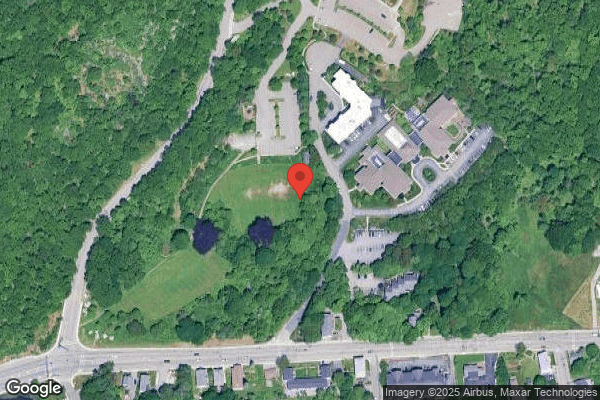

10 MARY SCANO DRIVE, WORCESTER, MA 01605 (508) 754-3800
Non profit - Corporation 156 Beds Independent Data: November 2025
Trust Grade
53/100
#149 of 338 in MA
Last Inspection: June 2024

Within standard 12-15 month inspection cycle. Federal law requires annual inspections.

Overview

Christopher House of Worcester has a Trust Grade of C, which means it is average and falls in the middle of the pack among nursing homes. It ranks #149 out of 338 facilities in Massachusetts, placing it in the top half, and #22 of 50 in Worcester County, indicating that only one local option is better. The facility appears to be improving, as the number of issues reported decreased from 9 in 2023 to 6 in 2024. Staffing is a strength here, with a rating of 4 out of 5 stars and a turnover rate of 39%, which aligns with the state average, indicating that staff members tend to stay longer. However, there are some serious concerns, including a recent incident where a resident was transferred using a mechanical lift by a single staff member instead of the required two, resulting in a fall and serious injuries. Additionally, the facility struggled with infection control practices, failing to implement necessary precautions that could help prevent the spread of communicable diseases. Overall, while there are positive aspects regarding staffing, families should be aware of the serious incidents and ongoing compliance issues.

Trust Score
C
53/100
In Massachusetts
#149/338
Top 44%
Safety Record
Moderate
Needs review
Inspections
Getting Better
9 → 6 violations
Staff Stability
○ Average
39% turnover. Near Massachusetts's 48% average. Typical for the industry.
Penalties
✓ Good
$21,512 in fines. Lower than most Massachusetts facilities. Relatively clean record.
Skilled Nurses
○ Average
Each resident gets 38 minutes of Registered Nurse (RN) attention daily — about average for Massachusetts. RNs are the most trained staff who monitor for health changes.
Violations
⚠ Watch
17 deficiencies on record. Higher than average. Multiple issues found across inspections.
★★★☆☆
3.0
Overall Rating
★★★★☆
4.0
Staff Levels
★★☆☆☆
2.0
Care Quality
★★★☆☆
3.0
Inspection Score
Stable
2023: 9 issues
2024: 6 issues

The Good

  • 4-Star Staffing Rating · Above-average nurse staffing levels
  • Full Sprinkler Coverage · Fire safety systems throughout facility
  • No fines on record
  • Staff turnover below average (39%)

    9 points below Massachusetts average of 48%

Facility shows strength in staffing levels, fire safety.

The Bad

3-Star Overall Rating

Near Massachusetts average (2.9)

Meets federal standards, typical of most facilities

Staff Turnover: 39%

Near Massachusetts avg (46%)

Typical for the industry

Federal Fines: $21,512

Below median ($33,413)

Minor penalties assessed

The Ugly 17 deficiencies on record

2 actual harm
Jun 2024 3 deficiencies
CONCERN (D)

Potential for Harm - no one hurt, but risky conditions existed

Pressure Ulcer Prevention (Tag F0686)

Could have caused harm · This affected 1 resident

Based on interview, record and policy review, the facility failed to ensure that one Resident (#130) of four applicable residents reviewed, out of a total sample of 29 residents, received care and ser...

Read full inspector narrative →
Based on interview, record and policy review, the facility failed to ensure that one Resident (#130) of four applicable residents reviewed, out of a total sample of 29 residents, received care and services for his/her pressure ulcer (a wound, usually over a bony prominence, that is caused by unrelieved pressure to the area) in accordance with professional standards. Specifically, the facility failed to ensure a wound care recommendation from the hospital, that was approved by the facility Nurse Practitioner (NP) was implemented placing the Resident at risk for worsening of his/her pressure ulcer. Findings include: Resident #130 was admitted to the facility in April 2024 with diagnoses of Stage 4 Pressure Ulcer (a wound, usually over a bony prominence, that is caused by unrelieved pressure to the area and extends to muscle, tendon and or bone tissue), and Quadriplegia (paralysis, or inability to move below the neck including the arms and legs). Review of the Hospital After Visit Summary dated 5/29/24, for re-admission to the facility included a wound care recommendation to: -wash Resident #130's wound thoroughly with warm soap and water -pat dry -apply Santyl (an ointment used to help remove dead tissue from a wound) to the wound base -followed by saline moistened kerlix (type of bandage wrap) -and cover wound with square Mepilex (type of self-adhering foam dressing). Review of the Nurse's Progress Note (late entry) dated 5/29/24 at 10:14 A.M., indicated until a repeat debridement (procedure where dead tissue is removed from a wound either by surgical means or chemical means) was completed, the Resident should undergo twice a day Santyl wet-to-dry dressings (a dressing where bandage is moistened and then applied to wound and allowed to dry, causing dead tissue to adhere to the bandage and then be removed from the wound bed). Further Review of the Nurse's Progress Note dated 5/29/24 at 10:27 P.M., indicated that all of the hospital orders were reviewed with NP #1 and no new orders were obtained. Review of the Physician's orders dated 5/29/24 and discontinued 6/13/24, included: -an order for a treatment to the Resident's right ischium (an area over the back of the right hip) open area: >wash with soap and water then pat dry >apply Santyl to the wound bed >apply Triad (a zinc-based cream that provides a moisture barrier) to peri-wound (skin/area surrounding the wound) >followed by biatain (a type of self-adhering foam dressing) twice a day Review of the Wound Observation Records for the right ischium indicated deterioration of the wound as evidenced by the following: >5/29/24 at 11:01 A.M.- the wound healing status was documented as stable with light exudate (drainage from wound) that had no odor. Stage of the wound (how significant or bad the wound is with 1 being the least significant, 4 being the most significant and unstageable being unable to see the base of the wound) documented as Stage 2 >6/3/24 at 4:09 P.M.- the wound healing status was documented as stable with heavy exudate that had no odor. Stage of the wound documented as unstageable. >6/10/24 at 10:02 A.M.- the wound healing status was documented as declining with heavy exudate and odor documented as foul. Stage of the wound documented as unstageable. Review of the clinical record for Resident #130 indicated no evidence that the hospital discharge recommendation for wound care on 5/29/24 at 10:14 A.M., which included twice daily Santyl wet-to-dry dressing was implemented upon the Resident's re-admission to the facility. During an observation of the wound on 6/12/24 at 12:05 P.M. with UM #1, the wound was noted with a strong odor. The surveyor observed that the wound bed (the bottom of the wound) had a significant area (approximately 75% of the wound) with yellowish brown colored necrotic (dead) tissue. The surveyor observed that the remainder of the wound had healthy appearing red tissue and undermining (the tissue under the edge of the wound becomes eroded causing an open pocket underneath the skin extending out from the wound). The surveyor further observed UM #1 providing dressing care that included the following: -UM #1 cleansed the wound with soap and water -patted the wound dry -applied Santyl to the wound bed -applied Triad cream to the periwound -then covered the entire area with a biatain dressing The surveyor did not observe UM #1 applying the Santyl wet-to-dry dressings during the dressing care provided at the time of the observation. During an interview on 6/13/24 at 12:06 P.M., NP #1 said he would have given the order to implement whatever the hospital recommended for wound care on admission as he would not have seen the wound on the day of admission. During an interview on 6/13/24 at 4:34 P.M., the surveyor and the admission Nurse reviewed the hospital recommendations and current Physician order for wound care. The admission Nurse said that the hospital recommendations included using saline soaked kerlix as part of the dressing, but that this was not part of the Resident's current wound care orders. The surveyor and the admission Nurse reviewed her personal notes that were written the day of the Resident's re-admission. The admission Nurses's personal notes included the hospital recommendation for wound care and the use of saline soaked kerlix and indicated that the admission Nurse reviewed the hospital recommendations for wound care with NP #1 when she wrote the admission Nursing Progress Note. The admission Nurse further said she took the orders for Resident #130's wound care on admission from NP #1, but that the Nursing Supervisor helped her that evening and put in the orders for her. The admission Nurse said that as the Nurse who took the orders it was her responsibility to ensure the orders were implemented correctly. The admission Nurse said that the facility uses 24-hour chart checks, and the night shift Nurse will check the orders for each resident on their unit for the previous day after midnight to ensure they were entered correctly. The admission Nurse said that the Nursing Supervisor and Unit Manager also review new admissions as well, to ensure orders are entered correctly. During an interview on 6/13/24 at 5:01 P.M., the surveyor and the Nursing Supervisor reviewed the hospital recommendations and current Physician's order for wound care for Resident #130. The Nursing Supervisor said she failed to enter the wet-to-dry portion of the Santyl dressing order upon the Resident's re-admission to the facility, and that this could have impacted the healing of the wound. During an interview on 6/14/23 at 1:38 P.M., the Director of Nursing (DON) said if a Nurse took an order to follow the hospital recommendation it was that Nurse's responsibility to ensure the order was entered correctly into the Resident's clinical record. The DON further said that if an order was obtained not to follow the hospital recommendation, it should have been documented in a progress note in the Resident's clinical record. The DON said that the night Nurse and Unit Manager (UM) would review orders for admissions and if there was a variance identified during the review, the person completing the review should have contacted the Provider (Physician, NP or Physician's Assistant) to verify which order should have been implemented and document the outcome of the conversation with the Provider in the Resident's clinical record as well as update the order if indicated.
CONCERN (D)

Potential for Harm - no one hurt, but risky conditions existed

Infection Control (Tag F0880)

Could have caused harm · This affected 1 resident

Based on observation, interview, record and policy review, the facility failed to adhere to infection control standards in order to prevent the potential transmission of communicable diseases and infe...

Read full inspector narrative →
Based on observation, interview, record and policy review, the facility failed to adhere to infection control standards in order to prevent the potential transmission of communicable diseases and infections within the facility for two Residents (#130 and #241), out of a total sample of 29 residents. Specially, the facility failed to: 1) For Resident #130, ensure that staff performed hand hygiene after the removal of gloves during a dressing change procedure placing the Resident at risk for infection in his/her wound. 2) For Resident #241, ensure that staff: a) wore the required Personal Protective Equipment (PPE-items used to prevent the spread of infection such as gowns, gloves, face masks) and/or wore the required PPE correctly while caring for the Resident, placing others at risk for exposure to a communicable disease (a disease or infection that is easily spread from one individual to another). b) changed a urinary catheter drainage bag (a bag used to collect urine) after it had been disconnected from the Foley Catheter (a thin, flexible tube placed through the urethra [the small tube that carries urine from the bladder to outside the body] and into the bladder) after the Resident was found self-ambulating, and positioned his/her urinary catheter drainage bag off the floor, to prevent the risk of infection. Findings include: Review of the facility policy titled Hand Hygiene dated 1/28/19, indicated but was not limited to the following: -Handwashing (cleaning the hands with soap and water) is required in the case of a resident with Clostridium Difficile (C-diff: an infection of the bowels that is considered a communicable disease and causes diarrhea) -Decontaminate hands if moving from a contaminated body site to a clean body site. Review of the facility policy titled Contact Precautions dated 1/28/19, indicated but was not limited to the following: -Contact Precautions, in addition to standard precautions are set in place for residents known or suspected to have serious illnesses easily transmitted by direct resident contact or by contact with items in the resident's environment. -Hand hygiene should be completed prior to donning (putting on) gloves -Gloves should be worn when entering the room and while providing care for a resident -A gown should be worn when entering the room if it is anticipated that clothing will have substantial contact with the resident, environmental surfaces Review of the facility policy titled Wound Care dated 2/9/24 indicated but was not limited to the following: -Perform hand hygiene, before and after wound care, even if gloves are worn, after removal of PPE including if gloves are changed during the procedure. -Gloves should be changed, and hand hygiene performed when moving from dirty to clean tasks. 1) Resident #130 was admitted to the facility in April 2024 with diagnoses of Stage 4 Pressure Ulcer (a wound, usually over a bony prominence, that is caused by unrelieved pressure to the are and extends to muscle, tendon and or bone tissue), and Quadriplegia (paralysis, or inability to move, below the neck including arms and legs). On 6/12/24 at 12:05 P.M., the surveyor observed the following during a wound care procedure for Resident #130: -Unit Manager (UM) #1 cleansed the wound with soap and water, removed her gloves and applied a new pair of gloves without performing hand hygiene, then proceeded to rinse the wound with water. -During the same wound care observation, UM #1 began to apply the dressing covering the wound, removed her gloves and put on a new pair of gloves without performing hand hygiene, and then returned and finished securing the dressing. During an interview on 6/14/24 at 11:45 A.M., the facility Staff Development Coordinator (SDC) said when gloves are changed, hand hygiene should be performed to prevent contamination of the gloves and potential spread of infection. 2a) Resident #241 was admitted to the facility in June 2024, with diagnoses including urinary tract infection (UTI: bacterial infection of the urinary tract), Enterocolitis (inflammation in both intestines at once, often caused by severe infections) due to Clostridium Difficile (C-Diff: a bacterium that causes an infection of the colon [the longest part of the large intestine]. Symptoms can range from diarrhea to life-threatening damage to the colon). Review of Resident #241's medical record indicated a Physician's order to maintain Contact Precautions for C-diff with a start date of 6/7/24. On 6/14/23 at 8:35 A.M., the surveyor observed Certified Nurses Aide (CNA) #1 in Resident #241's room. CNA #1 was observed not wearing a gown or gloves and was assisting the Resident to organize his/her bedside table. The surveyor observed CNA #1 pick up the Resident's breakfast tray, exit the room, place the tray on the tray caddy and then proceed to the nurses station where she began to work without washing her hands. During an interview following the observation, the surveyor and CNA #1 reviewed the Contact Precautions sign that was hanging outside Resident #241's doorway. CNA #1 said the sign indicated she should have worn a gown and gloves to go into the Resident's room and provide care of any kind. CNA #1 also said she should have washed her hands when she left the room before having contact with the nurses' station. On 6/14/24 at 9:21 A.M., Rehabilitation Services Staff (Rehab Staff) #1 was observed in Resident #241's room completing rehabilitation exercises with the Resident. Rehab Staff #1 had on gloves and a gown however the gown ties at the waist were observed to be untied, with the gown falling away from Rehab Staff #1's clothing and person while she was assisting the Resident with his/her exercises. The surveyor and the facility Staff Development Coordinator (SDC) observed Rehab Staff #1 while still working with the Resident in his/her room. The SDC said Rehab Staff #1's gown should have been tied at the waist. The SDC further said there was a concern with the untied gown that Rehab #1 could become contaminated while caring for Resident #241 and the infection could spread to others. 2b) Review of the Centers for Disease Control and Prevention (CDC) Guideline for Prevention of CAUTI (catheter associated urinary tract infection), dated 2009, section III, titled Proper Techniques for Urinary Catheter Maintenance indicated the following: -If breaks in aseptic (free from contamination caused by harmful bacteria, viruses, or other microorganisms) technique, disconnection, or leakage occur, replace the catheter and collecting system using aseptic technique and sterile equipment. Review of the Lippincott Nursing Procedure - 9th Edition (2023) Indwelling Catheter Care indicated the following: -Inspect the urinary catheter system for disconnections and leakage, because a sterile, continuously closed system is required to reduce the risk of catheter associated urinary tract infection. -Replace the catheter and drainage system using sterile no-touch technique (the practice of avoiding contamination by not touching key elements of the system) when a break in sterile technique, disconnection, or leakage occurs. Review of the facility policy for Urinary Catheters, last revised 11/1/23, indicated that nursing will insert and remove catheters using aseptic techniques and sterile equipment. Review of Resident #241's Physician's orders for June 2024 indicated the following: -Urinary bedside drainage bag and leg bag: change with each use, discard used bag and re-connect catheter using a new bag per protocol, initiated 6/7/24. -Urinary bedside drainage bag to be changed to a leg bag during the day as Resident allows, to use a new bag with each bag change with each use, discard used bag and re-connect catheter using new bag per protocol, initiated 6/7/24. Review of Resident #241's Nursing Progress Notes indicated that on 6/10/24 at 6:41 A.M., the Resident was found by Nurse #2 and had walked away from the catheter drainage bag causing it to disconnect. Further review of the Nursing Progress Notes indicated that Nurse #2 had reconnected the bag but the notes did not indicate that a new catheter bag had been placed. The surveyor observed Resident #241 lying in bed with the catheter drainage bag on the floor during the following dates and times: -6/11/24 at 9:17 A.M. -6/12/24 at 8:06 A.M. During an interview on 6/12/23 at 1:58 P.M., Nurse #3 said that a new drainage bag should have been placed after the drainage bag became disconnected from the urinary catheter. Nurse #3 also said that the catheter drainage bags should have been hanging from the Resident's bed frame and off the floor for infection control purposes. During an interview on 6/13/24 at 8:14 A.M., Nurse #2 said when the Resident's urinary catheter tubing disconnected on 6/10/24, she had used an alcohol wipe to sterilize the tube prior to re-connecting it to the drainage bag. Nurse #2 said that she should have changed the urinary drainage bag after it had become dislodged but did not do so as required.
CONCERN (E)

Potential for Harm - no one hurt, but risky conditions existed

Deficiency F0883 (Tag F0883)

Could have caused harm · This affected multiple residents

**NOTE- TERMS IN BRACKETS HAVE BEEN EDITED TO PROTECT CONFIDENTIALITY** Based on interview, record and policy review, the facility failed to ensure that the Pneumococcal (bacterial infection caused by...

Read full inspector narrative →
**NOTE- TERMS IN BRACKETS HAVE BEEN EDITED TO PROTECT CONFIDENTIALITY** Based on interview, record and policy review, the facility failed to ensure that the Pneumococcal (bacterial infection caused by streptococcus pneumoniae/ pneumococci, that can range from ear and sinus infections to Pneumonia and blood stream infections) Vaccination was administered to two Residents (#35, and #81) for five applicable residents, out of a total sample of 29 residents. Specifically, the facility staff failed to: 1. identify whether Resident #35 was up to date with Pneumococcal Vaccinations, administer the Pneumococcal Vaccine when the Resident was not up to date, and determine whether he/she was eligible to receive the Pneumococcal Vaccine when the Resident/Representative consented to receive the vaccination. 2. identify whether Resident #81 was up to date with Pneumococcal Vaccinations, administer the Pneumococcal Vaccine when the Resident was not up to date, and determine whether he/she was eligible to receive the Pneumococcal Vaccine when the Resident/Representative consented to receive the vaccination thereby increasing the risk for facility acquired Pneumococcal infections. Findings include: Review of the facility's policy, titled Vaccines for Residents, dated November 2023, indicated nursing will: -Assess the immunization status of the resident. -Obtain a consent for vaccines. If the resident has been previously immunized, the information is documented. -Provide education materials to the resident/representative. Review of CDC guidelines titled Pneumococcal Vaccination Timeline for Adults, dated 3/15/23, indicated the following for adults aged 65 years and older: -Make sure your patients are up to date with Pneumococcal Vaccination. -If no Pneumococcal doses have been received, administer either one dose of PCV20 (Pneumococcal Conjugate Vaccine/ Prevnar 20: vaccine used to protect against 20 types of pneumococcal bacteria that commonly cause serious infections) or one dose of PCV15 (Pneumococcal Conjugate Vaccine 15-valent: vaccine used to protect against 15 types of pneumococcal bacteria that commonly cause serious infections in adults) followed by one dose of PPSV23 (Pneumovax 23: vaccine used to help protect against serious infections caused by 23 types of pneumococcal bacteria) no earlier than one year following the administration of the prior PCV15 dose. -If one dose only of PCV13 (Prevnar 13: vaccine used to protect against 13 types of pneumococcal bacteria that commonly cause serious infections) has been received at any age, one dose of PCV20 or PPSV23 should be administered no earlier than one year following the administration of the prior PCV13 dose. 1. Resident #35 was admitted to the facility in March 2023 with diagnoses including: Chronic Obstructive Pulmonary Disease (COPD- a chronic inflammatory lung disease that causes restricted airflow from the lungs and difficulty breathing) and Hypertensive Heart and Chronic Kidney Disease (CKD) without Heart Failure, Stage 3a (a group of medical problems that results when there is unmanaged high blood pressure for a prolonged time, with Stage 3a [CKD - mild to moderate loss of kidney function]). Review of Resident #35's medical record indicated the Resident was over [AGE] years of age. Review of Resident #35's Immunization Consent Form, dated and signed by the Resident on 3/2/23, indicated that Resident #35 consented to the administration of the Pneumococcal Vaccine. Review of Resident #35's Vaccination Administration Record, printed and provided by the facility on 6/14/24, indicated that the Resident received one dose of PCV13 on 7/1/2015. Further review of Resident #35's Immunization Report indicated no evidence the Resident had ever received any other dose of Pneumococcal Vaccination. 2. Resident #81 was admitted to the facility in October 2021 with diagnoses including: Diabetes Mellitus (DM - disease in which the body's ability to produce or respond to the hormone insulin is impaired, resulting in elevated blood glucose [sugar] levels in the blood). Review of Resident #81's medical record indicated the Resident was over [AGE] years of age. Review of Resident #81's Minimum Data Set (MDS) assessment dated [DATE], indicated the Resident was cognitively impaired as evidenced by a Brief Interview for Mental Status (BIMS) score of 99 indicating the Resident interview not successful. Review of Resident #81's Immunization Consent Form, dated and signed by the Resident Representative (RR) on 10/13/21, indicated the Resident/RR wished to have Resident #81 receive the Pneumococcal Vaccine if it was indicated. Review of Resident #81's Vaccine Administration Report, printed and provided by the facility on 6/14/24, indicated that the Resident received one dose of PCV13 on 7/31/2019. During an interview on 6/14/24 11:30 A.M., the Infection Preventionist (IP) said she began working as the IP in June 2024 and the facility follows CDC requirements for immunizations. The IP further said she has not audited residents for the need for Pneumococcal Vaccines since starting in her position. During a follow-up interview on 6/14/24 12:30 P.M., the IP said she located additional vaccination information in the Massachusetts Immunization Information System (MIIS) for Residents #35 and #81. The surveyor and the IP reviewed the facility's Pneumococcal Vaccine Policy and Immunization Records for Residents #35 and #81. The IP said she had not had the opportunity to assess each Residents' Pneumococcal Vaccination status. The IP further said Resident's #35 and #81 were eligible to receive another dose of Pneumococcal Vaccination per CDC guidelines and this should have been offered based on the Resident and/or Representative consenting to receive the vaccination.
Mar 2024 3 deficiencies 2 Harm
SERIOUS (G) 📢 Someone Reported This

A family member, employee, or ombudsman was alarmed enough to file a formal complaint

Actual Harm - a resident was hurt due to facility failures

Comprehensive Care Plan (Tag F0656)

A resident was harmed · This affected 1 resident

**NOTE- TERMS IN BRACKETS HAVE BEEN EDITED TO PROTECT CONFIDENTIALITY** Based on records reviewed and interviews for one of three sampled residents (Resident #1), whose comprehensive plan of care indi...

Read full inspector narrative →
**NOTE- TERMS IN BRACKETS HAVE BEEN EDITED TO PROTECT CONFIDENTIALITY** Based on records reviewed and interviews for one of three sampled residents (Resident #1), whose comprehensive plan of care indicated he/she required the use of a Hoyer lift (mechanical mobility aid that supports a person's body weight to allow movement from one surface to another) with assistance of two staff members for all transfers, the Facility failed to ensure staff implemented and followed interventions in his/her care plan, when on 03/12/24, Certified Nurse Aide (CNA) #1 transferred Resident #1 from his/her wheelchair into bed with a Hoyer lift, without another staff member present to assist him. Resident #1 fell to the floor onto his/her knees then fell forward landing on his/her face. Resident #1 was transferred to the Hospital Emergency Department (ED) and diagnosed with a laceration, head injuries and fractures. Findings include: Review of the Facility's Policy, Care Planning and Assessment of Resident, with a reviewed date of 11/14/19, indicated the purpose of the assessment is to identify the resident's current health status, needs, and to develop an individualized interdisciplinary plan of care to address those needs and facilitate continuity of care. Review of the Report submitted by the Facility via the Health Care Facility Reporting System (HCFRS) dated 03/19/24, indicated that on 03/12/24 at approximately 9:00 P.M., Resident #1 was observed lying in bed with a bloody nose and a large purple hematoma on his/her forehead with a 0.5 centimeter (cm) laceration. The Report indicated that during a transfer from Resident #1's wheelchair to the bed, the mechanical sling came loose, and Resident #1 fell on his/her knees, falling face forward (on the floor). The Report indicated that he/she was transferred to the Hospital Emergency Department (ED) and was found to have a small acute subdural hematoma (a pool of blood between the brain and the skull), small acute subarachnoid hemorrhage (bleeding in the space between the brain and the tissue covering the brain), and bilateral [NAME] II fractures (a pyramid shaped fracture along the nasal bridge which causes separation of the midface from the skull base). Review of Resident #1's Hospital ED Report, dated 03/12/24, indicated Resident #1 sustained the following injuries from a fall at the Facility: -small subdural hematoma -small subarachnoid hemorrhage -bilateral [NAME] II fracture with fracture line passing through the frontal nasal sutures (cranial suture between the frontal and nasal bones), bilateral nasal bones, lateral walls of maxillary sinus (part of nasal cavity), and inferior orbital rim (bone behind the lower eye lid) -extensive scalp edema in the frontal region (forehead), frontal scalp hematoma at the midline with overlying laceration Resident #1 was admitted to the Facility in December 2018, diagnoses included Alzheimer's Disease and unspecified (location of) osteoarthritis. Review of Resident #1's Quarterly Minimum Data Set (MDS) Assessment, dated 03/06/24, indicated he/she had long and short-term memory impairments, significant impairment for decision making ability, was dependent for chair/bed-to-chair transfers with the assistance of two or more staff members, and had sustained no falls in the previous quarter. Review of Resident #1's Falls Care Plan, with an edited date of 03/04/24, indicated he/she required a Hoyer lift with the assistance of two staff members for all transfers. Review of Resident #1's care [NAME] (used by the CNAs to determine individual care needs) indicated he/she required a Hoyer lift with the assistance of two staff members for all transfers and was non-ambulatory. Review of the Facility Investigation, which included written statements provided by staff, indicated that at approximately 9:00 P.M. on 03/12/24, CNA #1 reported to Nurse #1 that Resident #1 was in bed with a bloody nose. The Investigation indicated Nurse #1 observed Resident #1 lying in bed with a bloody nose and a large purple hematoma on his/her forehead with a 0.5 cm laceration. The Investigation indicated that Nurse #1 applied a cold pack to Resident #1's forehead and pressure to stop the bleeding (nose) and notified the Nursing Supervisor who called 911 to transfer Resident #1 to the Hospital ED. The Investigation also indicated that on 03/12/24 at approximately 9:30 P.M., the Director of Nurses (DON) conducted a telephone interview with CNA #1 who said that during Resident #1's transfer (from the wheelchair to the bed), the mechanical lift pad became loose and Resident #1 fell on his/her knees, face forward. Furthermore, the Investigation indicated that CNA #1 said he had not known that Resident #1 was injured before he transferred him/her off the floor and put him/her in bed. Review of a Nurse Progress Note, dated 03/12/24 at 10:39 P.M., (written by Nurse #1), indicated that he was called to Resident #1's room (by CNA #1) at approximately 9:10 P.M. The Note indicated he observed him/her with a bloody nose and a forehead hematoma with a laceration. The Note indicated Nurse #1 called for a supervisor immediately, 911 was called and Resident #1 was transferred to the Hospital ED. During an interview on 03/27/24 at 3:13 P.M., (which included review of his written statement), Nurse #1 said that on 03/12/24 at approximately 9:00 P.M., CNA #1 told him that Resident #1 had a bloody nose. Nurse #1 said that he went to Resident #1's room and observed him/her lying in bed with blood coming out of both nostrils. Nurse #1 said he also observed a small cut on Resident #1's forehead along with a purple bruise that went over his/her eyes, down the front of his/her nose, and under his/her eyes. Nurse #1 said he applied pressure to Resident #1's nose but could not get the bleeding to stop. Nurse #1 said he also applied an ice pack to his/her forehead. Nurse #1 said that he noticed blood on the floor in Resident #1's room. Review of a Nurse Progress Note dated 03/12/24 at 10:29 P.M., (written by the Nursing Supervisor), indicated that once Resident #1 left the Facility, the Nursing Supervisor interviewed CNA #1. The Note indicated that CNA #1 told the Nursing Supervisor that when he transferred Resident #1 from the wheelchair to the bed, he/she fell forward onto the floor face down. During an interview on 03/27/24 at 3:32 P.M., the Nursing Supervisor (which included review of her written statement), said she interviewed CNA #1 and he told her that he used the Hoyer lift by himself, to transfer Resident #1 from the wheelchair to bed, and that while he was lifting him/her, Resident #1 fell to the floor face first. The Nursing Supervisor said that CNA #1 told her that he then put Resident #1's bed in the lowest position and moved him/her (did not specify how) from the floor back into the bed without any assistance and without getting a nurse to assess Resident #1 immediately following the fall. The Nursing Supervisor said that she observed smeared dried blood on Resident #1's floor, between the wall and his/her bed. Review of the CNA #1 written Witness Statement, dated 03/12/24, indicated that on 03/12/24 at 8:30 P.M., he transferred Resident #1 from the wheelchair to the bed using the Hoyer lift. The Statement indicated as he (CNA #1) lifted Resident #1, the Hoyer pad became loose and Resident #1 fell onto his/her knees and hit his/her head. The Statement indicated that CNA #1 did not think Resident #1 appeared injured and he transferred him/her into bed (from the floor). During telephone interviews on 03/28/24 at 8:29 A.M. and 3:49 P.M., CNA #1 said that Resident #1 was on his assignment for the 3:00 P.M. to 11:00 P.M. shift on 03/12/24. CNA #1 said he was familiar with Resident #1, had often taken care of him/her and knew he/she required the use of a Hoyer lift for all transfers. CNA #1 said that he usually gets another staff member to assist him with Resident #1 during transfers, but had not that night. CNA #1 said he transferred Resident #1 by himself that night, both before and after the fall. CNA #1 said he knew he was supposed to have another staff member with him for assistance with mechanical lift transfers, but said he had not done so. CNA #1 said he was putting Resident #1 to bed and as he transferred him/her from the wheelchair with the Hoyer lift, the straps to the Hoyer pad became loose and Resident #1 fell forward knees first, then hit his/her head. CNA #1 said he had only lifted Resident #1 a few inches off the wheelchair before he/she fell to the floor. CNA #1 said after the fall, he then used the Hoyer lift to transfer Resident #1 off the floor and put him/her back into bed. During an interview on 03/28/24 at 10:55 A.M., the Director of Nurses (DON) said that her investigation indicated that CNA #1 had not gotten assistance from another staff member to help transfer Resident #1 from the wheelchair to the bed and then from the floor to the bed (after the fall). The DON said that CNA #1 should have followed Resident #1's care plan and should have requested and obtained assistance from another staff member to transfer Resident #1. The DON said that all mechanical lift transfers required two person assists. .
SERIOUS (G) 📢 Someone Reported This

A family member, employee, or ombudsman was alarmed enough to file a formal complaint

Actual Harm - a resident was hurt due to facility failures

Accident Prevention (Tag F0689)

A resident was harmed · This affected 1 resident

**NOTE- TERMS IN BRACKETS HAVE BEEN EDITED TO PROTECT CONFIDENTIALITY** Based on records reviewed and interviews for one of three sampled residents (Resident #1), who required the use of a Hoyer lift ...

Read full inspector narrative →
**NOTE- TERMS IN BRACKETS HAVE BEEN EDITED TO PROTECT CONFIDENTIALITY** Based on records reviewed and interviews for one of three sampled residents (Resident #1), who required the use of a Hoyer lift (mechanical mobility aid that supports a person's body weight to allow movement from one surface to another) with assistance of two staff members for all transfers, the Facility failed to ensure he/she was provided with the necessary level of staff assistance to maintain his/her safety and prevent an incident/accident resulting in an injury, when on 03/12/24, while Certified Nurse Aide (CNA) #1 transferred Resident #1 from his/her wheelchair into bed without another staff member present to assist him. Resident #1 fell to the floor onto his/her knees then fell forward landing on his/her face. Resident #1 was transferred to the Hospital Emergency Department (ED) and diagnosed with a head laceration, head injuries and multiple facial fractures. Findings include: Review of the Facility's Policy, titled Mechanical Lifts, with a revision date of 1/25/22, indicated the following: -To provide safe transfers for residents. -With two assists, inspect and obtain appropriate sling (pad) for the type of mechanical lift. -Place a sling under the resident in bed and attach all four sling points. -Slowly raise resident off the bed, position over the seating device and slowly lower the resident to the seating device for proper positioning. -Follow the same procedure to return the resident to bed. Review of the Report submitted by the Facility via the Health Care Facility Reporting System (HCFRS), dated 03/19/24, indicated that on 03/12/24 at approximately 9:00 P.M., Resident #1 was observed lying in bed with a bloody nose and a large purple hematoma on his/her forehead with a 0.5 centimeter (cm) laceration. The Report indicated that during a transfer from Resident #1's wheelchair to the bed, the mechanical sling came loose, and Resident #1 fell on his/her knees, falling face forward (to the floor). The Report indicated that he/she was transferred to the Hospital Emergency Department (ED) and was found to have a small acute subdural hematoma (a pool of blood between the brain and the skull), small acute subarachnoid hemorrhage (bleeding in the space between the brain and the tissue covering the brain), and bilateral [NAME] II fractures (a pyramid shaped fracture along the nasal bridge which causes separation of the midface from the skull base). Review of the Facility Investigation, which included written statements provided by staff, indicated that at approximately 9:00 P.M. on 03/12/24, CNA #1 reported to Nurse #1 that Resident #1 was in bed with a bloody nose. The Investigation indicated Nurse #1 observed Resident #1 lying in bed with a bloody nose and a large purple hematoma on his/her forehead with a 0.5 cm laceration. The Investigation indicated that Nurse #1 applied a cold pack to Resident #1's forehead and pressure to stop the bleeding (from his/her nose) and notified the Nursing Supervisor, who called 911, to transfer Resident #1 to the Hospital ED. Review of Resident #1's Hospital ED Report, dated 03/12/24, indicated Resident #1 sustained the following injuries from a fall at the Facility: -small subdural hematoma -small subarachnoid hemorrhage -bilateral [NAME] II fracture with fracture line passing through the frontal nasal sutures (cranial suture between the frontal and nasal bones), bilateral nasal bones, lateral walls of maxillary sinus (part of nasal cavity), and inferior orbital rim (bone behind the lower eye lid) -extensive scalp edema in the frontal region (forehead), frontal scalp hematoma at the midline with overlying laceration Resident #1 was admitted to the Facility in December 2018, diagnoses included Alzheimer's Disease and unspecified (location of) osteoarthritis. Review of Resident #1's Quarterly Minimum Data Set (MDS) Assessment, dated 03/06/24, indicated he/she had long and short-term memory impairments, significant impairment for decision making ability, was dependent for chair/bed-to-chair transfers with the assistance of two or more staff members, and had sustained no falls in the previous quarter. Review of Resident #1's Falls Care Plan, with an edited date of 03/04/24, indicated he/she required a Hoyer lift with the assistance of two staff members for all transfers. Review of Resident #1's care [NAME] (used by the CNAs to determine individual care needs) indicated he/she required a Hoyer lift with the assistance of two staff members for all transfers and he/she was non-ambulatory. Review of a Nurse Progress Note, dated 03/12/24 at 10:39 P.M., (written by Nurse #1), indicated that he was called to Resident #1's room (by CNA #1) at approximately 9:10 P.M. The Note indicated he observed Resident #1 with a bloody nose and a forehead hematoma with a laceration. The Note indicated Nurse #1 called for a supervisor immediately, 911 was called and Resident #1 was transferred to the Hospital ED. During an interview on 03/27/24 at 3:13 P.M., (which included review of his written statement), Nurse #1 said that on 03/12/24 at approximately 9:00 P.M., CNA #1 told him that Resident #1 had a bloody nose. Nurse #1 said that he went to Resident #1's room and observed him/her lying in bed with blood coming out of both nostrils. Nurse #1 said he also observed a small cut on Resident #1's forehead along with a purple bruise that went over his/her eyes, down the front of his/her nose, and under his/her eyes. Nurse #1 said he applied pressure to Resident #1's nose but could not get the bleeding to stop. Nurse #1 said he also applied an ice pack to his/her forehead. Nurse #1 said that he noticed blood on the floor in Resident #1's room. Review of a Nurse Progress Note dated 03/12/24 at 10:29 P.M., (written by the Nursing Supervisor), indicated that she was called to Resident #1's room at approximately 9:10 P.M. and she observed him/her lying in bed on his/her back with an active bloody nose and a moderate amount of fresh blood. The Note indicated that she also observed him/her to have a large purple hematoma to the center of his/her forehead and slight bruising around both of his/her eyes and that his/her nose appeared swollen and tender to touch. The Note indicated that Nurse #1 provided first aid and she (the Nursing Supervisor) called 911. Further review of the Note indicated that once Resident #1 left the Facility, the Nursing Supervisor interviewed CNA #1. During an interview on 03/27/24 at 3:32 P.M., the Nursing Supervisor (which included review of her written statement), said on the evening of 03/12/24 she received a call from Nurse #1 that there was an emergency on his unit. The Nursing Supervisor said she immediately went to Nurse #1's unit and then to Resident #1's room where she observed Resident #1 lying in bed with a bloody nose and a hematoma that covered most of his/her forehead with a small laceration in the center of the hematoma. The Nursing Supervisor said she also observed bruising under both Resident #1's eyes and swelling in the nasal area. The Nursing Supervisor said that once Resident #1 was transferred to the Hospital ED, she started her investigation. The Nursing Supervisor said she interviewed CNA #1 and he told her that he used the Hoyer lift by himself, to transfer Resident #1 from the wheelchair to bed, and that while he was lifting him/her, he/she fell to the floor face first. The Nursing Supervisor said that CNA #1 told her that he then put Resident #1's bed in the lowest position and moved him/her (did not specify how) from the floor into the bed without any assistance and without getting a nurse to assess Resident #1 immediately following the fall. The Nursing Supervisor said that she observed smeared dried blood on Resident #1's floor, between the wall and his/her bed. Review of the CNA #1 written Witness Statement, dated 03/12/24, indicated that on 03/12/24 at 8:30 P.M., he transferred Resident #1 from the wheelchair to the bed using the Hoyer lift. The Statement indicated as he (CNA #1) lifted Resident #1, the Hoyer pad became loose and Resident #1 fell onto his/her knees and hit his/her head. The Statement indicated that CNA #1 did not think Resident #1 appeared injured and he transferred him/her back into bed (from the floor). During telephone interviews on 03/28/24 at 8:29 A.M. and 3:49 P.M., CNA #1 said that Resident #1 was on his assignment for the 3:00 P.M. to 11:00 P.M. shift on 03/12/24. CNA #1 said he was familiar with Resident #1 and had often taken care of him/her. CNA #1 said he knew he was supposed to have someone else with him while doing the mechanical lift transfer, and said he usually got another staff member to assist when transferring Resident #1, but said he had not that night. CNA #1 said as he transferred Resident #1 from the wheelchair with the Hoyer lift, the straps to the Hoyer pad became loose and Resident #1 fell forward knees first, then hit his/her head. CNA #1 said he had only lifted Resident #1 a few inches off the wheelchair before he/she fell to the floor. CNA #1 said that he forgot to add to his written statement, which he provided to the Facility, that after the fall he used the Hoyer lift (by himself) to transfer Resident #1 up off the floor and put him/her into the bed. CNA #1 said that he noticed Resident #1 was bleeding when he/she was on the floor and said he transferred Resident #1 off of the floor by himself because no other staff members were around. CNA #1 said that he cleaned the blood off Resident #1's floor before he notified Nurse #1 that Resident #1 had fallen and had a bloody nose. During an interview on 03/28/24 at 10:55 A.M., the Director of Nurses (DON) said that she was notified on 03/12/24 by the Nursing Supervisor that Resident #1 sustained injuries which included a bloody nose and bruise to the forehead and around his/her eyes. The DON said that she conducted a telephone interview with CNA #1 on 03/12/24 following the incident and that CNA #1 was tight lipped and said that the Hoyer pad came loose and that was how Resident #1 fell to the floor. The DON said that her investigation indicated that CNA #1 had not gotten assistance from another staff member to help transfer Resident #1 from the wheelchair to the bed and then from the floor to the bed (after the fall). The DON said that CNA #1 should have requested assistance from another staff member to transfer Resident #1. The DON said that all mechanical lift transfers required two person assists. .
CONCERN (D) 📢 Someone Reported This

A family member, employee, or ombudsman was alarmed enough to file a formal complaint

Potential for Harm - no one hurt, but risky conditions existed

Quality of Care (Tag F0684)

Could have caused harm · This affected 1 resident

**NOTE- TERMS IN BRACKETS HAVE BEEN EDITED TO PROTECT CONFIDENTIALITY** Based on records reviewed and interviews for one of three sampled residents (Resident #1), who on 03/12/24, experienced a fall t...

Read full inspector narrative →
**NOTE- TERMS IN BRACKETS HAVE BEEN EDITED TO PROTECT CONFIDENTIALITY** Based on records reviewed and interviews for one of three sampled residents (Resident #1), who on 03/12/24, experienced a fall to the floor during a transfer with the Hoyer lift (mechanical mobility aid that supports a person's body weight to allow movement from one surface to another), the Facility failed to ensure he/she was provided with quality of care that met acceptable standards of practice, when after the fall despite noting that while Resident #1 was on the floor he/she was bleeding from his/her nose, Certified Nurse Aide (CNA) #1 transferred Resident #1 off the floor and put him/her in bed, before notifying nursing so Resident #1 could be assessed for injuries. Resident #1 was transferred that evening to the Hospital Emergency Department (ED) for an evaluation and was diagnosed with a laceration, head injuries and fractures. Findings include: Review of the Facility's policy, Fall Procedure, with a revision date of 09/08/21, indicated the objective was to provide appropriate intervention, evaluation, documentation, and care plan adjustment and in the event of a fall the Licensed Nurse will conduct a physical assessment of the resident. Review of the Report submitted by the Facility via the Health Care Facility Reporting System (HCFRS) dated 03/19/24, indicated that on 03/12/24 at approximately 9:00 P.M., Resident #1 was found with a bloody nose and a large purple hematoma on his/her forehead with a 0.5 centimeter (cm) laceration. The Report indicated that during a transfer from his/her wheelchair to the bed, the mechanical lift sling came loose, and Resident #1 fell on his/her knees, falling face forward (to the floor). The Report indicated that he/she was transferred to the Hospital Emergency Department (ED) and was found to have a small acute subdural hematoma (a pool of blood between the brain and the skull), small acute subarachnoid hemorrhage (bleeding in the space between the brain and the tissue covering the brain) and bilateral [NAME] II fractures (a pyramid shaped fracture along the nasal bridge which causes separation of the midface from the skull base). Resident #1 was admitted to the Facility in December 2018, diagnoses included Alzheimer's Disease and unspecified (location of) osteoarthritis. Review of Resident #1's Quarterly Minimum Data Set (MDS) Assessment, dated 03/06/24, indicated he/she had long and short-term memory impairments, significant impairment for decision making ability, was dependent for chair/bed-to-chair transfers with the assistance of two or more staff members, and had sustained no falls in the previous quarter. Review of Resident #1's Hospital ED Report, dated 03/12/24, indicated Resident #1 sustained the following injuries from a fall at the Facility: -small subdural hematoma -small subarachnoid hemorrhage -bilateral [NAME] II fracture with fracture line passing through the frontal nasal sutures, bilateral nasal bones, lateral walls of maxillary sinus, and inferior orbital rim. -extensive scalp edema in the frontal region, frontal scalp hematoma at the midline with overlying laceration Review of a Nurse Progress Note, dated 03/12/24 at 10:39 P.M., (written by Nurse #1), indicated that he was called to Resident #1's room (by CNA #1) at approximately 9:10 P.M. because Resident #1 had a bloody nose. The Note indicated he (Nurse #1) observed Resident #1 with a bloody nose and a forehead hematoma with a laceration. The Note indicated Nurse #1 called for a supervisor immediately, 911 was called and Resident #1 was transferred to the Hospital ED. During an interview on 03/27/24 at 3:13 P.M., (which included review of his written statement), Nurse #1 said that on 03/12/24 at approximately 9:00 P.M., CNA #1 told him that Resident #1 had a bloody nose. Nurse #1 said that he went to Resident #1's room and observed him/her lying in bed with blood coming out of both nostrils. Nurse #1 said he also observed a small cut on Resident #1's forehead along with a purple bruise that went over his/her eyes, down the front of his/her nose, and under his/her eyes. Nurse #1 said that he also noticed blood on the floor in Resident #1's room. Nurse #1 said he asked CNA #1 what happened, but that CNA #1 did not respond. Review of a Nurse Progress Note dated 03/12/24 at 10:29 P.M., (written by the Nursing Supervisor), indicated that she was called to Resident #1's room at approximately 9:10 P.M. and she observed him/her lying in bed on his/her back with an active bloody nose and a moderate amount of fresh blood. The Note indicated that she also observed him/her to have a large purple hematoma to the center of his/her forehead and slight bruising around both of his/her eyes and that his/her nose appeared swollen and tender to touch. Further review of the Note indicated that once Resident #1 left the Facility, the Nursing Supervisor interviewed CNA #1. The Note indicated that CNA #1 told her that when he transferred Resident #1 from the wheelchair to the bed, he/she fell forward onto the floor face down. During an interview on 03/27/24 at 3:32 P.M., the Nursing Supervisor (which included review of her written statement), said on the evening of 03/12/24, that once Resident #1 was transferred to the Hospital ED, she started her investigation. The Nursing Supervisor said she interviewed CNA #1, and he told her that he used the Hoyer lift by himself, to transfer Resident #1 from the wheelchair to bed, and that while he was lifting him/her, he/she fell to the floor face first. The Nursing Supervisor said that CNA #1 told her that he then put Resident #1 back into bed without getting a nurse to assess Resident #1 immediately following the fall. The Nursing Supervisor said that she had observed smeared dried blood on Resident #1's floor, between the wall and his/her bed. Review of CNA #1 written Witness Statement, dated 03/12/24, indicated that at 8:30 P.M., he (CNA #1) transferred Resident #1 from the wheelchair to the bed using the Hoyer lift. The Statement indicated as he (CNA #1) lifted Resident #1, the Hoyer pad became loose and he/she fell onto his/her knees and hit his/her head. The Statement indicated that CNA #1 did not think Resident #1 appeared injured and he transferred (did not specify how) him/her into bed (from the floor). During telephone interviews on 03/28/24 at 8:29 A.M. and 3:49 P.M., CNA #1 said that Resident #1 was on his assignment for the 3:00 P.M. to 11:00 P.M. shift on 03/12/24. CNA #1 said he was familiar with Resident #1 and often took care of him/her. CNA #1 said he was putting Resident #1 to bed and as he transferred him/her from the wheelchair with the Hoyer lift, the straps to the Hoyer pad became loose and Resident #1 fell forward, knees first, then hit his/her head. CNA #1 said he had lifted Resident #1 a few inches off the wheelchair before he/she fell to the floor. CNA #1 said that he noticed Resident #1 was bleeding when he/she was on the floor, and said he transferred Resident #1 off the floor by himself and put him/her in bed because no other staff members were around. CNA #1 said he knew he was supposed to call the nurse immediately after a resident fell, and that he knew a resident should not be moved until the nurse assesses them. CNA #1 said he used the the Hoyer lift to transfer Resident #1 off the floor and put him/her into bed. CNA #1 said that he then cleaned the blood off Resident #1's floor before he went and notified Nurse #1 that Resident #1 had a bloody nose and had fallen. Review of the Facility Investigation, including written statements by staff, indicated that at approximately 9:00 P.M. on 03/12/24, CNA #1 reported to Nurse #1 that Resident #1 was in bed with a bloody nose. Nurse #1 observed Resident #1 lying in bed with a bloody nose and a large purple hematoma on his/her forehead with a 0.5 cm laceration. The Investigation indicated that Nurse #1 applied a cold pack to Resident #1's forehead and pressure to stop the bleeding (from his/her nose) and notified the Nursing Supervisor who called 911 to transfer Resident #1 to the Hospital ED. The Investigation also indicated that on 03/12/24 at approximately 9:30 P.M., the Director of Nurses (DON) conducted a telephone interview with CNA #1, who said that during Resident #1's transfer (from the wheelchair to the bed), the mechanical lift sling (pad) became loose, and Resident #1 fell on his/her knees, face forward. Furthermore, the investigation indicated CNA #1 said he did not know that Resident #1 was injured before he transferred him/her from the floor to the bed and when asked why he transferred Resident #1 off the floor before notifying a nurse, CNA #1 did not respond. However, the statement made by CNA #1 to the DON during the facility's investigation, that he did not know Resident #1 was injured before transferring him/her off the floor after the fall and putting him/her in bed, conflicted with what CNA #1 said during an interview with the surveyor, in which CNA #1 said he noticed Resident #1 was bleeding when he/she was on the floor and he cleaned the blood off Resident #1's floor before he went to notify the nurse. During an interview on 03/28/24 at 10:55 A.M., the Director of Nurses (DON) said that she was notified on 03/12/24 by the Nursing Supervisor that Resident #1 sustained injuries which included a bloody nose and bruise to the forehead and around his/her eyes. The DON said that she conducted a telephone interview with CNA #1 on 03/12/24 following the incident and said CNA #1 was tight lipped and told her that the Hoyer pad came loose and that was how Resident #1 fell to the floor. The DON said that her investigation indicated that CNA #1 did not get assistance from another staff member to transfer Resident #1 from the wheelchair to the bed and then from the floor to the bed. The DON said that CNA #1 should have requested assistance of another staff member to transfer Resident #1 and that staff were not supposed to transfer a resident off the floor who had fallen, until a nurse assessed him/her for injury.
Feb 2023 9 deficiencies
CONCERN (D)

Potential for Harm - no one hurt, but risky conditions existed

Deficiency F0655 (Tag F0655)

Could have caused harm · This affected 1 resident

Based on record review and interview, the facility failed to ensure its staff developed a baseline care plan within 48 hours of admission to the facility for one Resident (#1), out of 26 total sampled...

Read full inspector narrative →
Based on record review and interview, the facility failed to ensure its staff developed a baseline care plan within 48 hours of admission to the facility for one Resident (#1), out of 26 total sampled residents. Specifically, the facility failed to ensure its staff developed a baseline care plan, or completed a comprehensive care plan in its place for Resident #1, within 48 hours of the Resident's admission to the facility to include the following: the Resident's a) risk for falls when the Resident had a history of repeated falls and sustained a fracture of the seventh thoracic (upper and middle part of the back) vertebra and b) provide communication for Resident's needs when a language barrier was present. Findings include: Review of the facility's policy, titled 48 Hour Baseline Care Plan, dated 8/2/18, included the following: - The objective was to promote continuity of care and communication among staff and residents/families. - A baseline care plan would be developed for each resident within 48 hours of admission. - The baseline care plan would address the most important problems or high-risk conditions .and be utilized as a guide for care until the comprehensive interdisciplinary care plan was developed. Resident #1 was admitted to the facility in December 2022 with diagnoses including Alzheimer's Disease and repeated falls. Review of the Nurse Practitioner Visit Note, dated 12/15/22, included the following: - Resident #1 was Spanish speaking. - The Resident had a history of repeated falls and fell prior to admission where the Resident experienced an acute fracture of the thoracic spine. Review of the Baseline Care Plan, initiated 12/19/22, included no information relative to the Resident's risk for falls or interventions that were required for the Resident's immediate healthcare needs related to falls. Further Review of the Baseline Care Plan included the Resident was of Spanish culture, but no information was included relative to the Resident's needs for communication. Review of the Resident's active Comprehensive Care Plan indicated the Fall Care Plan and Communication Care Plan were not developed until 12/21/22 (more than 48 hours after the Resident's admission to the facility). During an interview on 2/17/23 at 8:22 A.M., Unit Manager (UM) #3 said baseline care plans did not need to be completed for residents who were admitted for long term care. UM #3 said no baseline care plan had been completed for Resident #1 because he/she had been admitted for long term care. She also said Resident #1 could follow some English instructions but that he/she was primarily Spanish speaking. During an interview on 2/17/23 at 2:00 P.M., the Director of Nursing (DON) said staff were required to develop baseline care plans for all residents within 48 hours of being admitted to the facility. The DON said Resident #1 should have had a baseline care plan developed within 48 hours of his/her admission to the facility and that it should have included the Resident's risk for falls and communication needs, but this had not been completed, as required.
CONCERN (D)

Potential for Harm - no one hurt, but risky conditions existed

Comprehensive Care Plan (Tag F0656)

Could have caused harm · This affected 1 resident

Based on observations, record reviews, and interviews, the facility failed to ensure that its staff implemented the plan of care for two Residents (#95 and #60), out of a total of 26 sampled residents...

Read full inspector narrative →
Based on observations, record reviews, and interviews, the facility failed to ensure that its staff implemented the plan of care for two Residents (#95 and #60), out of a total of 26 sampled residents. Specifically, the facility staff failed to follow the plan of care for: 1) the application of TED Stockings (compression stockings used to gently squeeze the lower extremities to improve blood flow in the veins of the legs) for Resident #95, and 2) implementation of a perimeter mattress for Resident #60. Findings include: 1) For Resident #95 the facility failed to follow the plan of care for the application of TED stockings. Resident #95 was admitted to the facility in January 2021 with diagnoses including Hypertension (high blood pressure) and Atrial Fibrillation (abnormal heart rhythm). Review of the Minimum Data Set (MDS) Assessment, dated 11/16/2022, indicated Resident #95 was cognitively intact as evidenced by a Brief Interview for Mental Status (BIMS) score of 14 out of a total possible score of 15. Review of the Resident's clinical record progress notes indicated on 2/6/23 that the Resident was seen by the N.P. (Nurse Practitioner) this morning, new order for TED stockings to (be) applied in the A.M.(morning) and removed in the evening. Review of the Resident's Physician's Orders for February 2023 included: TED stockings, special instructions: apply to bilateral lower extremities in the morning and remove in the evening .start date 2/6/2023. Review of the Resident's care plan, edited 2/6/23, indicated that the Resident should have TED stockings. Review of the Resident's Treatment Administration Record (TAR) for February 2023, indicated that TED stockings were applied every morning from 2/6/23 through 2/15/23. During observations on 2/14/23 at 8:59 A.M., and at 3:00 P.M., the surveyor observed that the Resident was not wearing any TED stockings as ordered and care planned. During an observation and interview on 2/15/23 at 9:53 A.M., the surveyor observed that the Resident was not wearing any TED stockings. The Resident told the surveyor that he/she never wears TED stockings. During an interview and observation on 2/15/23 at 1:50 P.M., Nurse #1 said that the Resident had an order for TED stockings, and Nurse #1 had signed for the stockings today. Nurse #1 said that she believed that the Resident was wearing the stockings. During an observation with Nurse #1 and the surveyor, it was determined that the Resident was not wearing TED stockings. The Resident told Nurse #1 and the surveyor that he/she had not worn TED stockings in a very long time. Nurse #1 said that the TED stockings should have been applied but they were not.2. For Resident #60, the facility failed to ensure the staff implemented a fall intervention as care planned and as ordered by the Physician. Resident #60 was admitted to the facility in January 2023 with diagnoses including repeated falls and hip fracture. Review of the MDS Assessment, dated 1/20/23, indicated: -Resident #60 was cognitively intact as evidenced by a BIMS score of 13 out of 15 -required extensive assistance of two staff with bed mobility, transfers and toileting -had a history of falls with fracture prior to admission. Review of the Nurse's Progress Note, dated 2/3/23, indicated moaning was heard from the Resident's room at 3:30 A.M. The facility staff went to check on the Resident and found him/her sitting on the floor holding on to the bed rail while leaning against the bed. The Nurse indicated that the Resident's care plan was updated to add a perimeter mattress. Review of the Falls Care Plan, revised on 2/3/23, indicated Resident #60 was at an increased risk of falls and included the following intervention: Perimeter mattress to the Resident's bed. Review of the February 2023 Physician's Orders indicated an order initiated 2/3/23 for a perimeter mattress (wedge shaped foam form a sensory reminder at mattress edges). During an observation on 2/15/23 at 9:05 A.M., the surveyor observed Resident #60 lying in bed eating breakfast. The Resident was lying on a regular mattress and was not on a perimeter mattress, as care planned and as ordered by the Physician. During an observation on 2/16/23 at 9:26 A.M., the surveyor observed Resident #60 lying in bed on a regular mattress. The mattress was not a perimeter mattress, as care planned and as ordered by the Physician. During an observation on 2/16/23 at 12:45 P.M., the surveyor observed two men applying a perimeter mattress to Resident #60's bed. During an interview on 2/16/23 at 4:09 P.M., the Assistant Director of Nurses (ADON) said the perimeter mattress was placed on the Resident's bed today. She further said that she was not sure why it was not put on the Resident's bed prior to this day, but that it was an intervention that was should have been added on 2/3/23 after the Resident had fallen. During an interview on 2/17/23 at 8:00 A.M., the Director of Maintenance said that he was unaware of a request to change Resident #60's mattress until yesterday, and that if he was notified previously to change the mattress, it may have been missed. He further that the facility had plenty of perimeter mattresses available since 2/3/23.
CONCERN (D)

Potential for Harm - no one hurt, but risky conditions existed

Pressure Ulcer Prevention (Tag F0686)

Could have caused harm · This affected 1 resident

**NOTE- TERMS IN BRACKETS HAVE BEEN EDITED TO PROTECT CONFIDENTIALITY** Based on observation, interviews, and record review, the facility failed to ensure its staff provided care consistent with profe...

Read full inspector narrative →
**NOTE- TERMS IN BRACKETS HAVE BEEN EDITED TO PROTECT CONFIDENTIALITY** Based on observation, interviews, and record review, the facility failed to ensure its staff provided care consistent with professional standards of practice to prevent pressure ulcers (injury to the skin and underlying tissue resulting from prolonged pressure on the skin) from developing and promote healing of a pressure ulcer that had developed for one Resident (#20), out of three applicable residents who had pressure ulcers, out of a total sample of 26 residents. Specifically, the facility staff failed to: 1) perform weekly skin assessments when the Resident was identified as being at risk for developing pressure ulcers, and 2) provide treatment to a pressure ulcer that included adequate infection control practices. Findings include: 1) The facility failed to ensure its staff performed weekly skin assessments when the Resident was identified as being at risk for developing pressure ulcers. Resident #20 was admitted to the facility in September 2022 with a diagnosis of a wedge compression fracture (an injury to the spine in which the vertebrae (spine bones) are broken by either a crushing or wedging injury). Review of the Minimum Data Set (MDS) Assessment, dated 1/11/2023, indicated the Resident was cognitively intact as evidenced by a Brief Interview for Mental Status (BIMS) score of 15 out of a total possible score of 15. Further review of the MDS Assessment indicated the Resident was at risk for the development of pressure ulcers and required limited assistance of two persons for bed mobility. Review of the facility policy titled Skin Assessment and Care, last revised 8/26/2022, indicated the following: -All patients/residents are assessed for risk of developing skin breakdown or pressure ulcers on admission and weekly thereafter. Review of the January 2023 Physician Orders indicated an order initiated on 11/21/2022 for the following: -Weekly skin checks. -Document on the observation form of weekly skin assessments. -Go to Resident tab and look for observation, then add observation and fill out weekly on Mondays (11:15 P.M. - 7:15 A.M.) Review of the February 2023 Physician Orders indicated an order initiated on 2/14/2023 for the following: -Weekly skin checks. -Document on the observation form of weekly skin assessments. -Go to Resident tab and look for observation, then add observation and fill out weekly on Tuesdays (7:15 A.M. - 3:15 P.M.) Review of the clinical record for Resident #20 indicated: -documented weekly skin assessments for the weeks of: 11/21/22, 12/5/22 and 1/2/23. -no evidence of any documentation that weekly skin observation were completed for the weeks of: 11/28/22, 12/12/22, 12/19/22, 12/26/22, 1/9/23, 1/16/23, 1/23/23, 1/30/23 and 2/6/23. During an interview on 2/16/23 at 10:00 A.M., Unit Manager #1 (UM#1) said that weekly skin assessments were done on the Resident's bath days. She said that Resident #20 came to the [NAME] unit from another unit on 1/10/23 and that his/her bath day was now on Tuesdays. During a review of the clinical record with the surveyor, UM#1 said that the only weekly skin observations in the record were dated 11/22/22, 12/6/22 and 1/3/23, and there was no further documentation evidence that any other weekly skin observations forms were completed as ordered. During an interview on 2/16/23 at 12:15 P.M., the Director of Nurses (DON) said that weekly skin observation forms were not completed as ordered for Resident #20, but they should have been completed. 2) The facility failed to ensure its staff performed pressure ulcer care that included adequate infection control practices. Review of a Progress Note, dated 2/13/23 at 1:59 P.M., indicated Resident #20 had the presence of a 10 centimeter (cm) by (x) 9 cm dark purple, dark red, non-blanchable (term indicating decreased blood flow) area near the left and right buttock and coccyx (tail bone). Review of the Resident's Physician's Orders indicated an order initiated 2/13/23 for the following: Right gluteal fold (upper portion of the thigh and lower portion of the buttock) and coccyx area: -cleanse with warm soapy water, pat dry. -use hydrophilic wound dressing (a wound dressing that comes in a cream form). -cover with Biotin dressing every three days or as needed if soiled. During an observation on 2/16/23 at 9:15 A.M., the surveyor observed Nurse #1 perform wound care for Resident #20 with the following process: -Nurse #1 performed hand hygiene (HH) and put on non-sterile gloves and removed the old dressing from the Resident's coccyx area. -She then removed dirty gloves, performed HH, and donned (put on) clean non-sterile gloves. -Nurse #1 then took the cap off the wound cleanser bottle and placed clean gauze over the mouth of the bottle. She then tipped the bottle upside down to moisten the gauze. -Nurse #1 cleaned the wound, which now appeared to have two open areas, with the moistened gauze. She measured the open areas of the wound at that time. -She then squeezed a large amount of the hydrophilic wound dressing cream to her gloved hand and then applied the hydrophilic wound dressing cream to the entire wound surface with her gloved hand. -Nurse #1 took off the dirty gloves, performed HH, donned clean non-sterile gloves and secured the Biotin dressing over the hydrophilic wound dressing cream. During an interview on 2/16/23 at 10:10 A.M., Nurse #1 said that she usually applies the hydrophilic wound dressing cream to wounds with her gloved hand. She said she uses an applicator when she applies different wound treatments, but does not use an applicator to apply the hydrophilic wound dressing cream. During an interview on 2/16/23 at 10:29 A.M., the DON said Nurse #1 should not have used her gloved hand to apply the hydrophilic wound dressing cream to the Resident's wound and that Nurse #1 should have used an applicator to apply the hydrophilic wound dressing cream.
CONCERN (D)

Potential for Harm - no one hurt, but risky conditions existed

Accident Prevention (Tag F0689)

Could have caused harm · This affected 1 resident

Based on observations and interview, the facility failed to ensure its staff secured and locked one medication cart on one of four units. Specifically, Nurse #2 left an unlocked and unattended medicat...

Read full inspector narrative →
Based on observations and interview, the facility failed to ensure its staff secured and locked one medication cart on one of four units. Specifically, Nurse #2 left an unlocked and unattended medication cart on the Hillside Unit and also provided instruction for an unauthorized Employee to access the cart to retrieve medication. Findings include: Review of the Centers of Medicare & Medicaid Services (CMS) Medication Storage and Labeling Pathway, revised February 2017, indicated the following: .In accordance with State and Federal laws, the facility must store all drugs and biologicals in locked compartments under proper temperature controls, and permit only authorized personnel to have access to the keys . During an observation on 2/16/23 at 9:31 A.M. through 9:47 A.M., the surveyor observed Nurse #2 enter Resident #183's room and close the door. The medication cart was observed positioned outside of the Resident's room in the hallway outside. At 9:36 A.M., the surveyor observed the Respiratory Therapist (RT) knock on the door to the Resident's room and ask Nurse #2 for medications for another resident. Nurse #2 was observed to tell the RT the location of the requested medications and said that the medication cart should be unlocked. The surveyor observed the RT open the bottom drawer of the medication cart, take medications out of the medication cart and close the drawer. Nurse #2 was not observed in close proximity of the medication cart, and remained behind the closed Resident bedroom door. During an interview at this time, the surveyor asked the RT if the medication cart was unlocked, and she said yes. The surveyor remained with the unlocked, unattended medication cart until Nurse #2 exited Resident #183's room at 9:47 A.M. During an interview at that time, Nurse #2 said that she was a regular agency nurse at the facility and worked one to two times weekly. When the surveyor asked if the medication cart located in the hallway was unlocked, Nurse #2 said it was and the surveyor observed her locking the cart. She further said medication carts that are unattended should be locked at all times. Nurse #2 said that the RT administers respiratory treatments for residents on the floor, so she left the cart unlocked so the RT could retrieve the medications. During an interview on 2/16/23 at 9:53 A.M., the RT said that she administers the respiratory treatments in the morning for residents on the Hillside Unit. When the surveyor asked about the process for obtaining the respiratory treatments, the RT said that she would ask the nurses for the medications because the medication carts are locked. She further said that when she asked Nurse #2 for the respiratory medications that morning, Nurse #2 told her the medication cart was unlocked so she went into the unlocked medication cart to retrieve them. During an interview on 2/16/23 at 9:56 A.M., the surveyor relayed the observation to Unit Manager (UM) #2. UM #2 said that when the RT needed respiratory medications, she was supposed to ask the nurse because the nurse had the key to get into the medication cart. She further said that medication cart should be locked when unattended and not in use.
CONCERN (D)

Potential for Harm - no one hurt, but risky conditions existed

Deficiency F0700 (Tag F0700)

Could have caused harm · This affected 1 resident

2. For Resident #1, the facility failed to ensure its staff: a) assessed the Resident for risk of entrapment from bed rails, and b) reviewed the risks and benefits and obtained informed consent for th...

Read full inspector narrative →
2. For Resident #1, the facility failed to ensure its staff: a) assessed the Resident for risk of entrapment from bed rails, and b) reviewed the risks and benefits and obtained informed consent for the use of bed rails prior to the use of bilateral 1/4 bed rails on the Resident's bed. Resident #1 was admitted to the facility in December 2022 with diagnoses including Alzheimer's Disease and repeated falls. During an observation on 2/14/23 at 11:30 A.M., the surveyor observed Resident #1 lying in bed with bilateral 1/4 bed rails in the upward position. During an observation on 2/17/23 at 11:00 A.M., the surveyor observed Resident #1 lying in bed with bilateral 1/4 bed rails in the upward position. A family member was visiting with the Resident at this time and said the Resident used the rails when being assisted to move into and get out of the bed. During an interview on 2/17/23 at 11:41 A.M., Unit Manager (UM) #3 said if a resident required or could benefit from the use of bed rails, an assessment, including risk for entrapment would be completed, risks/benefits would be reviewed, and informed consent would be obtained from the Resident/HCP. UM #3 said she would have to look into whether this had been completed for Resident #1. During a follow-up interview on 2/17/23 at 1:00 P.M., UM #3 said that no assessment had been completed or informed consent obtained relative to the use of bed rails for Resident #1 prior to bed rails being provided for the Resident's use, as required. Based on observations, interviews, and record reviews, the facility failed to ensure its staff assessed and obtained informed consent for the use of bed rails for two Residents (#185 and #1), out of a total sample of 26 residents. Findings include: Review of the facility policy titled Bed Rails, revised 10/2/22, indicated that prior to the use of one quarter (1/4) bed rails, the facility will complete an assessment, offer and attempt an alternative of no bed rails, ensure correct installation, and obtain a signed informed consent. The policy also included the following: -a bed rail assessment will be completed for entrapment risk . -nursing will offer and attempt alternatives of no bed rails to resident/Health Care Proxy (HCP- designated person to assist in health care decisions) -maintenance will ensure bed dimensions are appropriate for resident size and weight, follow the manufacturer's recommendations for using and maintaining bed rails and as the resident's condition warrants -the resident/HCP will sign an informed consent which will include the discussion of the risks/benefits and alternatives to bed rails. Signed consent will be filed in the medical record. 1. Resident #185 was admitted to the facility in February 2023 with diagnoses including Dementia and COVID-19 infection. Review of the Minimum Data Set (MDS) Assessment, dated 2/7/23, indicated Resident #185 had severe cognitive impairment as evidenced by a Brief Mental Status (BIMS) score of 3 out of 15 and required extensive assistance of one staff with bed mobility. During observations on 2/16/23 at 10:59 A.M., and 2/17/23 at 12:21 P.M., the surveyor observed Resident #185 lying in a low bed with bilateral 1/4 bed rails in place. Review of Resident #185's clinical record indicated no documented evidence that an assessment was completed, or that signed consent was obtained from the Resident and/or the Resident's HCP prior to the use of the bed rails. During an interview and review of Resident #183's medical record on 2/17/23 at 12:03 P.M., the Assistant Director of Nurses (ADON) said that when bed rails were to be utilized, an evaluation would be completed, signed consent would be obtained, and that this information would be located in the Resident's clinical record. Upon reviewing the medical record with the surveyor, the ADON said that there was no bed rail evaluation nor was a consent obtained for the bed rail use for Resident #185. She further said that there were room changes that occurred when the Resident was found to be positive with COVID-19, and that this could have been the reason the bed rails were in place and should not have been.
CONCERN (E)

Potential for Harm - no one hurt, but risky conditions existed

Medical Records (Tag F0842)

Could have caused harm · This affected multiple residents

3. For Resident #95 the facility staff inaccurately documented the application of TED stockings (compression stockings used to gently squeeze the lower extremities to improve blood flow in the veins o...

Read full inspector narrative →
3. For Resident #95 the facility staff inaccurately documented the application of TED stockings (compression stockings used to gently squeeze the lower extremities to improve blood flow in the veins of the legs). Resident #95 was admitted to the facility in January 2021, with diagnoses of Hypertension (HTN) and Chronic Kidney Disease (CKD), Stage III. Review of the Minimum Data Set (MDS) Assessment, dated 11/16/2022, indicated Resident #95 was cognitively intact as evidenced by a Brief Interview for Mental Status (BIMS) score of 14 out of a total possible score of 15. Review of the Resident's clinical record progress notes indicated on 2/6/23 that the Resident was seen by the N.P. (Nurse Practitioner) this morning, new order for TED stockings to (be) applied in the A.M. (morning) and removed in the evening. Review of the Resident's Physician's Orders for February 2023 included .TED stockings, special instructions: apply to bilateral lower extremities in the morning and remove in the evening .start date 2/6/2023. Review of the Resident's care plan, edited 2/6/23, indicated that the Resident should have TED stockings. Review of the Resident's Treatment Administration Record (TAR) for February 2023, indicated that TED Stockings were applied every morning from 2/6/23 through 2/15/23. During observations on 2/14/23 at 8:59 A.M., and at 3:00 P.M., the surveyor observed that the Resident was not wearing any TED stockings. During an observation on 2/15/23 at 9:53 A.M., the surveyor observed that the Resident was not wearing any TED stockings. The Resident told the surveyor that he/she never wears the TED stockings. During an interview and observation on 2/15/23 at 1:50 P.M., Nurse #1 said that the Resident had an order for TED stockings, and she had signed for the stockings today. Nurse #1 said that she believed that the Resident was wearing the stockings. During an observation with Nurse #1 and the surveyor, it was identified that the Resident was not wearing TED stockings. The Resident told Nurse #1 and the surveyor that he/she had not worn TED stockings in a very long time. Nurse #1 said that the TEDS stockings were documented as applied but the stockings had not been applied. 4. For Resident #112 the facility staff inaccurately documented the use of ESBL precautions. Resident #112 was admitted to the facility in January 2023 with a diagnosis of ESBL in the urine. Review of the Resident's Physician's Orders for February 2023 included: ESBL in urine, maintain precautions at all times, every shift, start date 1/19/23. Review of the Resident's Treatment Administration Record (TAR) indicated that the ESBL precautions were in place from 1/19/23 through 2/14/23 every shift as ordered. Review of the Resident's Care Plan created 1/25/23 indicated that the Resident had ESBL in the urine, to administer current treatment and ESBL precautions as ordered. During observations on 2/14/23 at 11:23 A.M., and 2/15/23 at 11:24 A.M., the surveyor observed the Resident lying in bed. There were no precaution signs posted, nor PPE supplies and waste receptacles available at the Resident's doorway. During an interview on 2/15/23 at 11:25 A.M., Rehabilitation Services Staff #1 said that she had been working with the Resident regularly for transfers and toileting and there have never been any special precautions in place that she was aware of, and currently the therapy staff were just using standard precautions for the Resident which included a mask and gloves. During an interview on 2/15/23 at 2:00 P.M., Certified Nursing Assistant (CNA) #1 said that the Resident was not on any special precautions because she was not sick. The CNA further said that she had provided care for the Resident today including bathing, dressing, and incontinent care tasks. CNA #1 said that she did not wear a gown but only used a face mask and gloves when caring for the Resident. During an interview on 2/15/23 at 2:10 P.M., Nurse #1 said that the Resident was not on any special precautions. Nurse #1 and the surveyor reviewed the Physician's Orders which indicated that the Resident had a current order for ESBL precautions. Further review of the TAR indicated that the nurses initialed that ESBL precautions were in place every shift. Nurse #1 said that she did initial that the ESBL precautions were in place on the 14th and 15th of February for the 7:00 A.M. to 3:00 P.M. shift, but the ESBL precautions were not in place. When asked what precautions should be in place for an order that said ESBL precautions, Nurse #1 said that it would be contact precautions which meant that the staff should wear a gown and gloves when giving direct care such as transfers, bathing and dressing care to the Resident. Nurse #1 then hung a contact precaution sign at the Resident's doorway and began to set up PPE supplies. Based on observations, interviews, and record reviews, the facility failed to ensure its staff maintained a complete and/or accurate medical record for four Residents (#60, #85, #95 and #112), out of a total sample of 26 residents. Findings include: 1. For Resident #60, the facility failed to ensure its staff maintained an accurate medical record relative to the documentation of application and/or the administration of a) heel lift boots and b) contact precautions for Extended Spectrum Beta-Lactamase (ESBL- enzyme found in bacteria that cause infections that are resistant to many types of antibiotics). Resident #60 was admitted to the facility in January 2023, with diagnoses including Right Hip Fracture, falls and Urinary Tract Infections (UTI). Review of the February 2023 Physician's Orders included the following: -heel lift boots- at all times, may remove periodically for skin observations and hygiene every shift, initiated 1/14/23 -contact precautions for ESBL in the urine every shift, initiated 1/16/23 During observations on 2/15/23 at 9:05 A.M., and 2/16/23 at 9:26 A.M., the surveyor observed Resident #60 lying in bed with non-skid socks in place. There was no precautions signage outside of the Resident's room indicating he/she was on contact precautions and required personal protective equipment (PPE) with care. Review of the February 2023 Medication and Treatment Administration Records indicated the heel lift boots and contact precautions for ESBL were signed off by the nurses as administered from 2/14/23 through 2/15/23. During interview on 2/16/23 at 4:21 P.M., the Assistant Director of Nurses (ADON) said that Resident #60 had a diagnosis of ESBL in his/her urine prior to admission to the facility. She said that a urine culture was obtained on 1/18/23, was negative for ESBL and that the contact precautions should have been discontinued at that time. She further said that there should not be an order for heel lift boots to be on at all times, and that this order was probably obtained when the Resident transferred to the facility. The ADON said that the nursing staff should not have signed off that these orders were administered when they were not, and that the orders for the ESBL and heel lift boots needed to be discontinued/adjusted. 2. For Resident #85, the facility failed to ensure the Physician's Orders were accurate relative to his/her code status. Resident #85 was admitted to the facility in January 2023, with diagnoses of Hypertension (HTN) and malnutrition. Review of the February Physician's Orders included the following orders initiated on 1/26/23: -Full Code Status (administer life sustaining treatment/care if the heart was to stop, including cardiopulmonary resuscitation) -Do Not Intubate/Do Not Resuscitate (DNR/DNI-do not provide life sustaining treatment including chest compressions or intubation) Review of the clinical record indicated a Massachusetts Orders for Life-Sustaining Treatment (MOLST) form was completed on 10/14/22 which indicated Resident #85 was DNR/DNI. During an interview and review of the Resident's clinical record on 2/15/23 at 8:47 A.M., Nurse #3 said that there were conflicting orders relative to the Resident's code status in the Physician's Orders. During a follow-up interview on 2/15/23 at 10:42 A.M., Nurse #3 said that Resident #85 was DNR/DNI, and that the Physician's Orders were not accurate and needed to be modified.
CONCERN (E)

Potential for Harm - no one hurt, but risky conditions existed

Deficiency F0886 (Tag F0886)

Could have caused harm · This affected multiple residents

Based on interview and record review, the facility failed to ensure its staff conducted the required COVID-19 outbreak testing for residents on one out of four units, when the facility was experiencin...

Read full inspector narrative →
Based on interview and record review, the facility failed to ensure its staff conducted the required COVID-19 outbreak testing for residents on one out of four units, when the facility was experiencing an outbreak of COVID-19. Specifically, the facility failed to ensure its staff tested all residents on the Brookside Unit for 1) initial requisite outbreak testing when all residents with potential exposure could not be determined, and 2) every 48 hours following initial requisite outbreak testing until the Unit went seven days with no new positive cases after one Employee (#1) had worked on the Unit, became symptomatic, and tested positive, for COVID-19. Findings include: Review of The Commonwealth of Massachusetts (MA) Executive Office of Health and Human Services (EOHHS) Department of Public Health (DPH) memorandum, titled Update to Caring for Long-Term Care Residents during the COVID-19 Response, including Visitation Conditions, Communal Dining, and Congregate Activities, dated 10/13/22, included the following relative to outbreak testing: - Once a new case is identified, the facility should initiate outbreak testing. - Testing exposed .residents on the affected unit(s) must take place as soon as possible . - Once the facility has completed the requisite initial outbreak testing ., the facility should test staff and residents every 48 hours on the affected unit(s) until the facility goes seven days without a new case or a DPH epidemiologist directs otherwise. Review of The Commonwealth of MA EOHHS DPH memorandum, titled Updates to Long-Term Care Surveillance and Outbreak Testing, dated 12/1/22, included: If staff testing results indicate a positive COVID-19 staff member who worked while potentially infectious, then the provider must conduct outbreak testing of all potentially exposed residents .to ensure there are no additional cases . Review of the undated Surveillance Testing Program Policy provided by the facility included the following: If staff testing results indicate a positive COVID-19 staff member who worked while potentially infectious, then the facility must conduct outbreak testing of all potentially exposed residents .to ensure there are no additional cases . Review of Employee #1's January 2023 timecard indicated Employee #1 worked at the facility on 1/6/23. Review of the facility's Long Term Care Respiratory Surveillance Line List indicated Employee #1 worked on the Brookside Unit, was symptomatic with cough and myalgia (body ache), and tested positive for COVID-19 on 1/6/23. Review of the Nurse Shift to Shift Report Log, dated 1/6/23, included that 14 Residents (#1, #2, #3, #28, #30, #54, #58, #75, #84, #88, #89, #114, #115, and #120) on the Brookside Unit were tested for COVID-19 on 1/6/23. Further review of the Log did not indicate any other residents on the Brookside Unit were tested at that time for COVID-19. Review of the above mentioned Residents' clinical records included no evidence that any of these Residents were tested for COVID-19 every 48 hours, following the initial outbreak testing, to ensure no additional cases of COVID-19 occurred over the seven day period following Employee #1's positive test on 1/6/23. During an interview on 2/15/23 at 10:28 A.M., the Assistant Director of Nursing (ADON) identified herself as one of the designated Infection Preventionists at the facility. The ADON said that the facility had been experiencing an outbreak of COVID-19 and that there were positive COVID-19 resident cases on the Brookside Unit. During a follow-up interview on 2/15/23 at 2:24 P.M., the ADON said a COVID-19 outbreak would be identified if a resident tested positive, but if an employee tested positive, this would not necessarily be considered an outbreak of COVID-19. The ADON said the facility used a contact tracing method for testing when an employee tested positive for COVID-19, so if the positive employee provided direct care, his/her resident assignment would be tested, but no other residents on the unit would need to be tested. The ADON said she considered Employee #1 testing positive on 1/6/23 to be an isolated case, not an outbreak of COVID-19, even though the Employee worked as a Certified Nurse Aide on the Brookside Unit, and provided direct resident care that same day. During an interview on 2/16/23 at 8:29 A.M., the Director of Nursing (DON) said the facility used a contact tracing method for COVID-19 testing when an employee tested positive for COVID-19, so if an employee tested positive, their resident assignment would also be tested, but other residents on the unit would not be tested. The DON said only Residents on Employee #1's assignment on 1/6/23 were tested for COVID-19 after the Employee tested positive. The DON said those Residents should have been provided with follow-up COVID-19 testing every 48 hours until the Unit went seven days without another positive case, but this was not done, as required. The DON also said transmission of COVID-19 could not be prevented on the Brookside Unit once it was identified because most residents on the Unit could not be isolated or adhere to infection control practices. The DON said that in looking back at the COVID-19 outbreak on the Brookside Unit, given that most residents could not be isolated or adhere to infection control practices, all residents should have been included in the initial outbreak testing that occurred on 1/6/23 as there was potential that other residents on the Unit had been exposed. She also said all residents on the Unit should have been tested every 48 hours after 1/6/23, until no new cases were identified for seven days, but this was not done.
CONCERN (F)

Potential for Harm - no one hurt, but risky conditions existed

Infection Control (Tag F0880)

Could have caused harm · This affected most or all residents

Based on observations, interviews, record and policy reviews, the facility failed to ensure that its staff implemented an infection prevention and control program in order to provide a sanitary enviro...

Read full inspector narrative →
Based on observations, interviews, record and policy reviews, the facility failed to ensure that its staff implemented an infection prevention and control program in order to provide a sanitary environment and help prevent the development and transmission of communicable diseases. Specifically, the facility failed to ensure its staff: 1) implemented a surveillance plan to identify the potential presence of Legionella (a bacteria that can grow and multiply in moist areas of a building water system and cause lung infections) within the facility, 2) implemented contact precautions for one Resident (#3), with a diagnosis of Extended Spectrum Beta-Lactamase (ESBL- enzyme found in bacteria that cause infections that are resistant to many types of antibiotics), 3) adhered to the Centers of Disease Control & Prevention (CDC) and Massachusetts Department of Public Health (MA DPH) guidance relative to work exclusion after one Employee (#1) tested positive for COVID -19 infection, and 4) minimized the risk of transmission of infections by implementing the required Personal Protective Equipment (PPE) for one Resident (#183) who tested positive for COVID-19 infection and was on Isolation Precautions. Findings include: 1. Review of the facility policy, Legionella Water Management Plan, indicated the following: -Flush all showers monthly. This will be documented. -Flush hot water storage tanks yearly. This will be documented. During an interview on 2/17/23 at 2:18 P.M., the Administrator reviewed the water management book with the surveyor and said that flushing the hot water tanks yearly to identify the presence of Legionella had not been conducted, as per the facility policy and Legionella Water Management Plan. She further said that it was determined by an outside contractor that this should not be done due to potential safety concerns. The Administrator said that the current Legionella Water Management Plan was not accurate, needed to be reviewed and revised and had not been done for over a year and a half. When the surveyor asked how often the interdisciplinary team should meet and review the Legionella Water Management Plan, the Administrator said at a minimum, it should be reviewed annually. 2. For Resident #112 the facility staff failed to implement ESBL precautions as ordered by the Physician. Review of the facility policy titled Contact Precautions revised 1/28/2019, indicated: -contact precautions, in addition to standard precautions are set in place for residents known or suspected to have serious illnesses easily transmitted by direct resident contact or by contact with items in the resident's environment. -Hand Hygiene should be completed prior to donning (putting on) gloves, and after removal of gloves. -Gloves should be worn when entering the room and while providing care for a resident. -Gowns should be worn when entering the room if it is anticipated that clothing will have substantial contact with the resident. Review of facility policy titled Discontinuing Isolation Precautions for MDRO (Multi-drug resistant organisms - bacteria that have become resistant to certain antibiotics) revised 8/17/2021 indicated: - isolation precautions may be discontinued after treatment - obtain MD (medical doctor) order to discontinue precautions Review of the Contact Precaution Signage undated, indicated that staff must perform hand hygiene and put on a gown and gloves before entering a resident room. Resident #112 was admitted to the facility in January 2023 with a diagnosis of ESBL in the urine. Review of the Resident's Physician's orders for February 2023 included: -Xifaxan (a broad spectrum antibiotic) 550 milligrams by mouth twice a day to treat bacterial infection Ecoli, start date 1/19/23 open ended -ESBL in urine, maintain precautions at all times, start date 1/19/23 open ended Review of the Resident's Medication Administration Record (MAR) indicated that the Xifaxan was administered as ordered 1/19/23 through 2/14/23. Review of the Resident's Treatment Administration Record (TAR) indicated that the ESBL precautions were in place from 1/19/23 through 2/14/23 every shift as ordered. Review of the Resident's Care Plan created 1/25/23 indicated that the Resident had ESBL in the urine, to administer current treatment and ESBL precautions as ordered. During observations on 2/14/23 at 11:23 A.M., and 2/15/23 at 11:24 A.M., the surveyor observed the Resident lying in bed. There were no precaution signs posted, nor PPE supplies or waste receptacles available at the Resident's doorway. During an interview on 2/15/23 at 11:25 A.M., Rehabilitation Services Staff #1 said that she had been working with the Resident regularly for transfers and toileting and there have never been any special precautions in place that she was aware of, and currently the therapy staff were just using standard precautions for the Resident which included mask and gloves. During an interview on 2/15/23 at 2:00 P.M., Certified Nursing Assistant (CNA) #1 said that the Resident was not on any special precautions because he/she was not sick. The CNA further said that she had provided care for the Resident today including bathing, dressing, and incontinent care tasks. CNA #1 said that she did not wear a gown but only used a face mask and gloves when caring for the Resident. During an interview on 2/15/23 at 2:10 P.M., Nurse #1 said that the Resident was not on any special precautions. Nurse #1 and the surveyor reviewed the Physician's orders which indicated that the Resident had a current order for ESBL precautions. Further review of the TAR indicated that the nurses initialed that ESBL precautions were in place every shift. Nurse #1 said that she did initial that ESBL precautions were in place on the 14th and 15th of February for the 7:00 A.M. to 3:00 P.M. shift each day but the ESBL precautions were not in place. When asked what precautions should be in place for an order that said ESBL precautions, Nurse #1 said that it would be contact precautions. Nurse #1 said that contact precautions meant that the staff should wear a gown and gloves when giving direct care such as transfers, bathing and dressing care to the Resident. During an interview on 2/16/23 at 2:07 P.M., the Director of Nursing (DON) said that ESBL precautions and contact precautions meant the same thing. She further said that she was not aware that the Resident was currently being treated for an infection and that there was an active order for ESBL precautions. She said that the precautions should have been in place if there was an order and the Resident was currently being treated. 3. The facility failed to ensure its staff adhered to infection surveillance requirements for one Employee (#1) during a facility outbreak of COVID-19. Specifically, the facility failed to ensure its staff adhered to return to work guidelines when Employee #1 tested positive for COVID-19 and was allowed to return to work earlier than the required timeframe for exclusion from work. Review of the CDC guidelines, titled Ending Isolation and Precautions for People with COVID-19: Interim Guidance, dated 8/31/22, indicated: Day zero is the date one's symptoms appear or when a specimen resulting in a positive test is collected. Review of The Commonwealth of Massachusetts (MA) Executive Office of Health and Human Services DPH Guidance for Health Care Personnel (HCP) with SARS-CoV2 Infection or Exposure, dated 10/13/22, included the following: - An isolating HCP who had COVID-19 symptoms may return to work: - After five days have passed since the first positive test was taken; AND - symptoms have substantially improved, including being fever-free, for 24 hours; AND - the HCP received a negative test on Day five or later. Review of the undated COVID-19 Return to Work Guidelines for HCP Policy provided by the facility included that the facility's protocols were dependent upon current DPH guidelines. Review of the facility's Long Term Care Respiratory Surveillance Line List indicated Employee #1 was symptomatic, with cough and myalgia (body ache), and tested positive for COVID-19 on 1/6/23. Review of Employee #1's January 2023 timecard indicated the following: - Employee #1 worked at the facility on 1/6/23 (Day zero). - Employee #1 returned to work at the facility on 1/10/23 (Day four since being symptomatic and testing positive for COVID-19). During an interview on 2/16/23 at 8:39 A.M., the DON said if an employee required exclusion from work due to testing positive for COVID-19, the employee would be excluded from work until five days passed since either testing positive or being symptomatic for COVID-19. The DON said the employee would be able to test again after five days passed and, if a negative test was obtained, the employee could return to work on Day six. The DON further said Employee #1 did not meet the requirements for return to work as the Employee was allowed to return to work on Day four following a positive test for COVID-19. The DON also said Employee #1 should have been restricted from work until Day 6 (1/12/23) as long as a negative test had been obtained on Day five. Please refer to F886 4. For Resident #183, the facility failed to ensure its staff adhered to Isolation Precautions by wearing the required PPE in order to reduce and/or minimize the spread of COVID-19 infection. Review of the clinical record indicated Resident #183 tested positive for COVID-19 infection on 2/14/23. During an observation on 2/15/23 at 9:29 A.M., the surveyor observed Resident #183 was transferred to another room, and that Isolation Precautions signage was placed on the closed door to the room which indicated the following: -Stop, Isolation Droplet/Contact Precautions -In addition to Standard Precautions, staff and providers MUST: -clean hands when entering & exiting -gown (change between each resident) -N95 respirator -eye protection (goggles or face shield) -gloves (change between each resident) -keep door closed (unless safety concern or not on a physically separate unit) PPE was observed on an over-the-door rack with compartments which was hung on the outside of Resident #183's room and contained N95 masks, gowns, multiple sizes of gloves and face shields. During an observation on 2/16/23 at 9:31 A.M., the surveyor observed Nurse #2 enter Resident #183's room with a gown, gloves and N95 mask in place. Nurse #2 was not wearing eye protection. At 9:36 A.M., Nurse #2 was observed to open the door to the room to converse with the Respiratory Therapist. At this time, the surveyor asked Nurse #2 what PPE was required upon entering the Resident's room. Nurse #2 said that she needed to wear a gown, gloves and an N95 mask prior to entering the room. When the surveyor asked about eye protection, Nurse #2 said that she was caring for Resident #183's roommate (who was recovered) therefore she did not have to put on eye protection. She further said that when she provided care to Resident #183 (who was positive for COVID-19 and resided in the same room) she would have to put on eye protection. The surveyor and Nurse #2 reviewed the Isolation Precaution signage outside of Resident #183's room, and Nurse #2 was encouraged to speak with the Unit Manager (UM). During an interview on 2/16/23 at 9:56 A.M., Unit Manager (UM) #2 said that the staff are expected to put on a gown, gloves, an N95 mask and eye protection prior to entering an Isolation Precaution room. She further said even if there was a COVID positive and recently recovered and/or negative resident in the same room, staff were required to wear all the required PPE prior to entering the room because there was a COVID positive resident.
CONCERN (F)

Potential for Harm - no one hurt, but risky conditions existed

Deficiency F0909 (Tag F0909)

Could have caused harm · This affected most or all residents

Based on interviews and documentation review, the facility failed to ensure its staff completed annual inspections of all bed frames, mattresses and bed rails as part of the regular maintenance progra...

Read full inspector narrative →
Based on interviews and documentation review, the facility failed to ensure its staff completed annual inspections of all bed frames, mattresses and bed rails as part of the regular maintenance program to identify areas of possible entrapment on four of four units. Findings include: During an interview and review of the annual bed inspections forms for all units on 2/17/23 at 8:00 A.M., the Director of Maintenance said that bed assessments and entrapment evaluations are conducted annually for all resident beds as part of the preventative maintenance program. The Director of Maintenance was able to provide the bed assessments from 2019 through 2021 but was unable to provide documented evidence that the annual inspections of the resident beds were completed in 2022. The Director of Maintenance said he did not recall if the bed assessments were completed in 2022, and that the facility did not have policy related to this process, but verbalized to the surveyor that inspection of resident beds including assessing for entrapment was to be conducted annually and when a mattress was changed/replaced. During an interview on 2/17/23 at 12:37 P.M., the Administrator said that there was no documented evidence that the annual bed inspections and assessments were completed in 2022, as required.
Oct 2020 2 deficiencies
CONCERN (D)

Potential for Harm - no one hurt, but risky conditions existed

Accident Prevention (Tag F0689)

Could have caused harm · This affected 1 resident

**NOTE- TERMS IN BRACKETS HAVE BEEN EDITED TO PROTECT CONFIDENTIALITY** Based on observation, record review, and interview, the facility failed to ensure staff maintained adequate supervision and assi...

Read full inspector narrative →
**NOTE- TERMS IN BRACKETS HAVE BEEN EDITED TO PROTECT CONFIDENTIALITY** Based on observation, record review, and interview, the facility failed to ensure staff maintained adequate supervision and assistance devices to prevent accidents for one sampled resident (#91) in a total sample of 24 residents. Findings include: Review of the facility's Fall Procedure Policy, revised 09/06/18, indicated the following; -Provide appropriate intervention, evaluation, documentation and care plan adjustment in the event of a fall. -Licensed Nurse will investigate cause of the fall and adjust the environment to prevent a reoccurrence. -The fall committee makes recommendations, changes/ intervention to the care plan and Certified Nursing Assistant (CNA) [NAME]. For Resident #91, facility staff failed to ensure resident's bathroom door lock was engaged and Russian signage was on the resident's bathroom door when the resident sustained 2 falls in the bathroom. Resident #91 was admitted to the facility in February 2010 with diagnoses including history of falls, hemiplegia (muscle weakness and/or paralysis) of the left side and abnormal posture. Review of the resident's fall care plan, start date 09/14/15, indicated the following intervention: -Slide lock to bathroom door and sign on the door to the bathroom for the resident to ask for help, dated 06/08/20. Review of the clinical record indicated Resident #91 sustained 9 falls (one with major injury) between 11/10/19 and 08/07/20. Review of the quarterly Minimum Data Set (MDS) assessment, dated 06/03/20, indicated Resident #91 had impaired short and long term memory, had moderately impaired cognition, required extensive assistance with transfers, toileting and personal hygiene, did not ambulate, had no alarms and had 2 or more falls without injury. Review of the resident's Fall Risk Assessment, dated 06/03/20, indicated a score of 23; scores greater than 13 indicate a high fall risk. Review of the facility's Safety Events-Fall Incident report, dated 06/07/20, indicated Resident #91 sustained an unwitnessed fall without injury on 06/07/20 at 7:45 P.M. The report indicated the resident was found in the bathroom, lying on his/her right side. Further review of the report indicated the new interventions added were to place a sign (in Russian) on the bathroom door for resident to ask for help before going to the toilet and to place a slide lock on the bathroom door. Review of the facility's Safety Events-Fall Incident report, dated 06/20/20, indicated Resident #91 sustained an unwitnessed fall without injury on 06/19/20 at 8:15 P.M. The report indicated the resident was found in the bathroom, lying on his/her back. Further review of the report indicated the resident was attempting to use the bathroom independently. The new intervention added was to have staff offer toileting before bedtime between 7:00 and 8:00 P.M., as he/she allows. The report did not indicate if the slide lock was engaged and there was a sign, in Russian, on the bathroom, at the time of the fall. Review of the facility's Safety Events-Fall Incident report, dated 08/07/20, indicated Resident #91 sustained an unwitnessed fall without injury on 08/07/20 at 9:30 A.M. The report indicated the resident was found in the bathroom, lying on his/her back. Further review indicated the new intervention added was to have a signage to the bathroom door to ensure the slide lock is engaged and re-educate the staff to ensure the door is locked to deter the resident from self-toileting. The report did not indicate if the slide lock was engaged and if there was a sign, in Russian, on the bathroom at the time of the fall. On 10/07/20 at 2:56 P.M., the surveyor observed Resident #91 sitting in a wheelchair in his/her room. He/she was observed leaning far forward from the wheelchair reaching for something near the bed. On 10/9/20 at 2:05 P.M., the surveyor, Nurse #1 and Unit Manager #1 observed Resident #91 in his/her room sitting in the wheelchair. He/she was agitated and pulling on the bathroom door handle. The slide lock was engaged at this time, but there was no sign (in Russian) on the bathroom door telling the resident to ask for help before using the toilet. Nurse #1 and Unit Manager #1 said there was no sign on the bathroom (in Russian), but it should have been there. During an interview on 10/09/20 at 3:33 P.M., the Administrator and Director of Nurses (DON) said the resident was a high fall risk and was non-compliant at times. The DON said the door to the resident's bathroom should have been locked when the resident sustained two falls in the bathroom. The Administrator said she asked staff to reapply a sign, in Russian, to the bathroom door as it was not there in the morning when she looked in the resident's room. She said the sign should have been there when the surveyor was in her room this afternoon and was unsure why it was not there. She also said the sign should have been on the bathroom door at the time of the falls. At 4:22 P.M., the DON said the Russian sign was found inside the resident's bathroom and not on the door, as care planned.
CONCERN (E)

Potential for Harm - no one hurt, but risky conditions existed

Food Safety (Tag F0812)

Could have caused harm · This affected multiple residents

**NOTE- TERMS IN BRACKETS HAVE BEEN EDITED TO PROTECT CONFIDENTIALITY** Based on observation, document review, and interview, the facility failed to ensure staff maintained appropriate requirements re...

Read full inspector narrative →
**NOTE- TERMS IN BRACKETS HAVE BEEN EDITED TO PROTECT CONFIDENTIALITY** Based on observation, document review, and interview, the facility failed to ensure staff maintained appropriate requirements relative to the storage, distribution and service of food in accordance with professional standard for food service safety. Findings include: Review of the facility's Dishmachine Temperature Policy, dated August 2016, indicated the following; -Wash temperature will not be less than 150 degrees Fahrenheit (F). -Dishmachine temperatures are to be checked regularly (not less than 3 times per shift) by diet aides assigned to work the dishmachine, for accuracy. -If temperatures are less than standard, the following procedure is to be used: -Immediately stop dishmachine functions. -Notify Dietary Manager or supervisor on duty. -Notify Maintenance Supervisor. -Strip all trucks; stack dishes. -Wash trays manually in three bay sink, using proper chemicals and air dry. -Wash trucks. -Take out trash and clean kitchen and dish room. -Do not resume operation until temperatures reach adequate levels. Review of the facility's Dishmachine Temperature Record Form, undated, indicated the following: -Wash temperature 150 degrees F, and if the temperatures are not correct let the cook know Review of the dishmachine Installation Instructions [NAME] indicated the following for the facility's high temperature dish machine: -Wash tank minimum temperature 150 degrees F. During a tour of the kitchen with Dietary Supervisor on 10/7/20 at 11:30 A.M., the following dishmachine wash temperatures were observed during consecutive cycles: -144 degrees F, 142 degrees F, 142 degrees F, 142 degrees F, and 140 degrees F. Dishware was not being run through the machine at this time. The Dietary Supervisor said the wash temperature should be 180 degrees F. Review of the facility Dishmachine Temperature Record, dated October 2020, indicated the following: -10/1/20 supper wash temperature was recorded as 132 degrees F. -10/4/20 supper wash temperature was recorded as 130 degrees F. -10/5/20 supper wash temperature was recorded as 140 degrees F. -10/6/20 supper wash temperature was recorded as 140 degrees F. During a second tour of the kitchen on 10/08/20 at 9:20 A.M. the following observations were made in the dishroom -The Dietary Supervisor said the dishmachine was ready for staff to begin washing dishes from the breakfast meal. She ran several empty dish racks through the machine so the surveyor could observe the wash temperatures. The following wash temperatures were observed at this time: 152 degrees F, 150 degrees F, 148 degrees F, 146 degrees F and 145 degrees F -At 9:45 A.M., three Dietary Aides were preparing to begin running breakfast dishes through the dishmachine. Diet Aide #2 recorded the wash temperature as 140 degrees F. Diet Aide #2 said the first truck of dishes being run through the dishmachine was from the COVID-19 Unit. The following wash temperatures were observed at this time: 134 degrees F, 132 degrees F, 132 degrees F and 134 degrees F At this time the surveyor requested the Dietary Supervisor observe the dish machine's wash temperatures. She said they were running below 150 degrees F and they should be 150 degrees F or higher (she said she was mistaken when she said the wash temperature should have been 180 degrees F yesterday). During an interview on 10/08/20 at 10:52 A.M., the Administrator said the present plan was to switch to all paper and use regular silverware which would be cleansed and sanitized in the three compartment sink after use. During an interview on 10/08/20 2:52 P.M., the Food Service Director said staff should have notified someone when the dish machine's wash temperatures were below 150 degrees F, as required. She said there was a system breakdown.
Understanding Severity Codes (click to expand)
Life-Threatening (Immediate Jeopardy)
J - Isolated K - Pattern L - Widespread
Actual Harm
G - Isolated H - Pattern I - Widespread
Potential for Harm
D - Isolated E - Pattern F - Widespread
No Harm (Minor)
A - Isolated B - Pattern C - Widespread

Questions to Ask on Your Visit

  • "Can I speak with families of current residents?"
  • "What's your RN coverage like on weekends and overnight?"

Our Honest Assessment

Strengths
  • • 39% turnover. Below Massachusetts's 48% average. Good staff retention means consistent care.
Concerns
  • • 17 deficiencies on record, including 2 serious (caused harm) violations. Ask about corrective actions taken.
  • • $21,512 in fines. Higher than 94% of Massachusetts facilities, suggesting repeated compliance issues.
  • • Grade C (53/100). Below average facility with significant concerns.
Bottom line: Mixed indicators with Trust Score of 53/100. Visit in person and ask pointed questions.

About This Facility

What is Christopher House Of Worcester's CMS Rating?

CMS assigns CHRISTOPHER HOUSE OF WORCESTER an overall rating of 3 out of 5 stars, which is considered average nationally. Within Massachusetts, this rating places the facility higher than 99% of the state's 100 nursing homes. This mid-range rating indicates the facility meets federal standards but may have areas for improvement.

How is Christopher House Of Worcester Staffed?

CMS rates CHRISTOPHER HOUSE OF WORCESTER's staffing level at 4 out of 5 stars, which is above average compared to other nursing homes. Staff turnover is 39%, compared to the Massachusetts average of 46%. This relatively stable workforce can support continuity of care.

What Have Inspectors Found at Christopher House Of Worcester?

State health inspectors documented 17 deficiencies at CHRISTOPHER HOUSE OF WORCESTER during 2020 to 2024. These included: 2 that caused actual resident harm and 15 with potential for harm. Deficiencies causing actual harm indicate documented cases where residents experienced negative health consequences.

Who Owns and Operates Christopher House Of Worcester?

CHRISTOPHER HOUSE OF WORCESTER is owned by a non-profit organization. Non-profit facilities reinvest revenue into operations rather than distributing to shareholders. The facility operates independently rather than as part of a larger chain. With 156 certified beds and approximately 143 residents (about 92% occupancy), it is a mid-sized facility located in WORCESTER, Massachusetts.

How Does Christopher House Of Worcester Compare to Other Massachusetts Nursing Homes?

Compared to the 100 nursing homes in Massachusetts, CHRISTOPHER HOUSE OF WORCESTER's overall rating (3 stars) is above the state average of 2.9, staff turnover (39%) is near the state average of 46%, and health inspection rating (3 stars) is at the national benchmark.

What Should Families Ask When Visiting Christopher House Of Worcester?

Based on this facility's data, families visiting should ask: "Can I visit during a mealtime to observe dining assistance and food quality?" "How do you handle medical emergencies, and what is your hospital transfer rate?" "Can I speak with family members of current residents about their experience?"

Is Christopher House Of Worcester Safe?

Based on CMS inspection data, CHRISTOPHER HOUSE OF WORCESTER has a clean safety record: no substantiated abuse findings (meaning no confirmed cases of resident harm), no Immediate Jeopardy citations (the most serious violation level indicating risk of serious injury or death), and is not on the Special Focus Facility watch list (a federal program monitoring the lowest-performing 1% of nursing homes). The facility has a 3-star overall rating and ranks #1 of 100 nursing homes in Massachusetts. While no facility is perfect, families should still ask about staff-to-resident ratios and recent inspection results during their visit.

Do Nurses at Christopher House Of Worcester Stick Around?

CHRISTOPHER HOUSE OF WORCESTER has a staff turnover rate of 39%, which is about average for Massachusetts nursing homes (state average: 46%). Moderate turnover is common in nursing homes, but families should still ask about staff tenure and how the facility maintains care continuity when employees leave.

Was Christopher House Of Worcester Ever Fined?

CHRISTOPHER HOUSE OF WORCESTER has been fined $21,512 across 2 penalty actions. This is below the Massachusetts average of $33,294. While any fine indicates a compliance issue, fines under $50,000 are relatively common and typically reflect isolated problems that were subsequently corrected. Families should ask what specific issues led to these fines and confirm they've been resolved.

Is Christopher House Of Worcester on Any Federal Watch List?

CHRISTOPHER HOUSE OF WORCESTER is not on any federal watch list. The most significant is the Special Focus Facility (SFF) program, which identifies the bottom 1% of nursing homes nationally based on persistent, serious quality problems. Not being on this list means the facility has avoided the pattern of deficiencies that triggers enhanced federal oversight. This is a positive indicator, though families should still review the facility's inspection history directly.