LUTHERAN REHABILITATION AND SKILLED CARE CENTER


26 HARVARD STREET, WORCESTER, MA 01609 (508) 754-8877
Non profit - Corporation 150 Beds ASCENTRIA CARE ALLIANCE Data: November 2025
Trust Grade
83/100
#38 of 338 in MA
Last Inspection: August 2024

Within standard 12-15 month inspection cycle. Federal law requires annual inspections.

Overview

Lutheran Rehabilitation and Skilled Care Center has a Trust Grade of B+, indicating it is recommended and above average in quality. It ranks #38 out of 338 facilities in Massachusetts, placing it in the top half, and #6 out of 50 in Worcester County, which means there are only five local options that are better. The facility is improving, having reduced its issues from three in 2023 to none in 2024. Staffing is an area of concern, with a 3/5 star rating and a turnover rate of 39%, which is average for the state. However, there are some serious weaknesses, including a notable incident where a resident developed a pressure injury and needed surgery due to inadequate care in following their treatment plan. Additionally, there were concerns about kitchen sanitation practices that could have increased the risk of foodborne illness. On a positive note, the facility has excellent health inspection and quality measure ratings, indicating strong overall care.

Trust Score
B+
83/100
In Massachusetts
#38/338
Top 11%
Safety Record
Moderate
Needs review
Inspections
Getting Better
3 → 0 violations
Staff Stability
○ Average
39% turnover. Near Massachusetts's 48% average. Typical for the industry.
Penalties
✓ Good
$7,901 in fines. Lower than most Massachusetts facilities. Relatively clean record.
Skilled Nurses
⚠ Watch
Each resident gets only 26 minutes of Registered Nurse (RN) attention daily — below average for Massachusetts. Fewer RN minutes means fewer trained eyes watching for problems.
Violations
⚠ Watch
11 deficiencies on record. Higher than average. Multiple issues found across inspections.
★★★★★
5.0
Overall Rating
★★★☆☆
3.0
Staff Levels
★★★★★
5.0
Care Quality
★★★★★
5.0
Inspection Score
Stable
2023: 3 issues
2024: 0 issues

The Good

  • 5-Star Quality Measures · Strong clinical quality outcomes
  • Full Sprinkler Coverage · Fire safety systems throughout facility
  • No fines on record
  • Staff turnover below average (39%)

    9 points below Massachusetts average of 48%

Facility shows strength in quality measures, fire safety.

The Bad

Staff Turnover: 39%

Near Massachusetts avg (46%)

Typical for the industry

Federal Fines: $7,901

Below median ($33,413)

Minor penalties assessed

Chain: ASCENTRIA CARE ALLIANCE

Part of a multi-facility chain

Ask about local staffing decisions and management

The Ugly 11 deficiencies on record

1 actual harm
Feb 2023 3 deficiencies 1 Harm
SERIOUS (G) 📢 Someone Reported This

A family member, employee, or ombudsman was alarmed enough to file a formal complaint

Actual Harm - a resident was hurt due to facility failures

Quality of Care (Tag F0684)

A resident was harmed · This affected 1 resident

**NOTE- TERMS IN BRACKETS HAVE BEEN EDITED TO PROTECT CONFIDENTIALITY** Based on records reviewed and interviews, for one of three sampled residents (Resident #1), who required the use of a splint to ...

Read full inspector narrative →
**NOTE- TERMS IN BRACKETS HAVE BEEN EDITED TO PROTECT CONFIDENTIALITY** Based on records reviewed and interviews, for one of three sampled residents (Resident #1), who required the use of a splint to secure a fracture he/she sustained to his/her right arm, the Facility failed to ensure he/she was provided care and treatment that met professional standards of practice, when after a follow-up appointment, Resident #1's orthopedist recommended that Nursing remove the splint daily for hygiene. However, the recommendation were not implemented by Nursing and he/she developed a pressure injury and osteomyelitis in his/her right elbow, and required surgical intervention. Findings include: Standard Reference: Standard of Practice Reference: Pursuant to Massachusetts General Law (M.G.L), chapter 112, individuals are given the designation of registered nurse and practical nurse which includes the responsibility to provide nursing care. Pursuant to the Code of Massachusetts Regulation (CMR) 244, Rules and Regulations 3.02 and 3.04 define the responsibilities and functions of a registered nurse and practical nurse respectively. The regulations stipulate that both the registered nurse and practical nurse bear full responsibility for systematically assessing health status and recording the related health data. They also stipulate that both the registered and practical nurse incorporated into the plan of care and implement prescribed medical regimens. The rules and regulations 9.03 defined standards of Conduct for Nurses where it is stipulated that a nurse licensed by the Board shall engage in the practice of nursing in accordance with accepted standards of practice. Resident #1 was admitted to the Facility in November 2022, diagnoses included Fracture of shaft (a break of the thigh bone between the hip and the knee) of left femur, Dementia, severe, with other behavioral disturbances, Hypertension, Gastro-esophageal reflux disease, Osteoarthritis, Iron deficiency anemia, Hypothyroidism, Hyperlipidemia, and Bilateral Sensorineural hearing loss. Review of Resident #1's Norton Scale Predicting Risk of Pressure Ulcer, dated, 11/16/22, indicated he/she was assessed by nursing to be at high risk for the development of pressure injuries. Review of Resident #1's admission Minimum Data Set (MDS) Assessment, dated 11/23/22, indicated that Resident #1 had severe cognitive impairments and he/she was at increased risk for developing pressure injuries. Review of Resident #1's Orthopedic Report of Consultation, dated 1/10/23, indicated he/she had recommendations for the following: -No skin issues were noted -Active Range of Motion (AROM) and Passive Range of Motion (PROM) right shoulder -Elbow splint removal for hygiene -Weight bearing with assisted transitions only with splint on -Should use right arm to feed him/herself Review of Resident #1's Weekly Skin Audit dated, 1/14/23, indicated that nursing documented that he/she did not have any skin impairments. Review of the Report submitted by the Facility via Health Care Reporting System (HCFRS), dated 1/18/23, indicated that on 1/17/23 upon removal of Resident #1's posterior (back side) splint to his/her right arm he/she had an open area to his/her elbow which was red, warm, and swollen. The Report indicated the Nurse Practitioner ordered Resident #1 to be seen at the Hospital for evaluation and he/she was diagnosed with cellulitis of his/her right elbow, placed on antibiotics and an anterior (front side) splint was applied to the right elbow. Review of Resident #1's Nurse Progress Note, dated 1/17/23, indicated that the writer (identified as Nurse #1) and the Unit Manager removed Resident #1's splint from his/her right upper extremity (RUE)/elbow and there was an approximate area 2.0 centimeters (cm) x 2.0 cm x 0.5 cm noted with pocketing, odor, moderate drainage at the site and his/her skin was red and warm. The Note indicated Nurse #1 notified the Nurse Practitioner and ordered Resident #1 to be sent to the Emergency Department (ED) for evaluation. Review of Resident #1's Nurse Progress Note, dated 1/18/23, indicated that he/she returned from the ED and was diagnosed with Cellulitis of his/her right upper limb, Keflex (antibiotic to treat bacterial infection) and Bactrim (antibiotic to treat bacterial infection) were ordered, change dressing daily to his/her right elbow and return to ED for worsening of infection. The Note indicated to follow up with in house Nurse Practitioner for new wound treatment orders. Review of Resident #1's Wound Consultation, dated 1/18/23, indicated he/she had a Stage 4 pressure injury (full thickness wound`) located on his/her right elbow related to the medical device (splint). Review of Resident #1's Orthopedic Report of Consultation, dated 1/20/23, indicated he/she was seen for the Stage 4 pressure injury to his/her right elbow. The Consultation indicated the following findings and recommendations: -Right olecranon pressure injury with osteomyelitis -Incision, bursectomy, and bone debridement on Monday (1/23/23) -Discontinue antibiotics -Wound care; clean wound with hydrogen H2O2 (hydrogen peroxide) and apply dry sterile dressing and elbow pad every day -No sling or splint -No Physical Therapy Review of Resident #1's Physician Interim Orders, indicated there was no documentation to support that an order was obtained from the Physician regarding the recommendations for the Orthopedist related to his/her right elbow and transcribed by the Unit Manager onto his/her Treatment Administration Records (TAR). Review of Resident #1's Facility TAR, dated 1/10/2023 through 1/17/2023, indicated there was no documentation to support his/her right arm splint was removed for hygiene. Further review of Resident #1's Medical Record indicated there were no Nursing Progress Notes with documentation to support Nursing removed his/her right arm splint for hygiene and to assess his/her skin condition beneath the arm splint. During an interview on 2/14/23 at 3:16 P.M., Nurse #1 said that on 1/17/23, he and the Unit Manager removed Resident #1's right arm splint to check his/her skin integrity and upon removing the splint he saw an open area, with foul smelling moderate serosanguineous (fluid yellowish/pink in color) drainage on his/her right elbow and it was red and warm to touch. Nurse #1 said he notified the Nurse Practitioner and said orders were obtained for a treatment to Resident #1's right elbow and to send him/her to the ED for evaluation. Nurse #1 said there was no order on Resident #1's January TAR to remove his/her right arm splint for hygiene and said the only treatments were to monitor Circulation, Sensation, and Movement (CSM) and skin integrity (health of the skin) to his/her right upper extremity every shift. Nurse #1 said he was not aware of the recommendation orders from Resident #1's Orthopedic Consult follow up visit on 1/10/23. During an interview on 2/22/23 at 4:39 P.M., Nurse #2 said that (upon admission Resident #1 did not have an order to remove his/her right arm splint for hygiene) and said she was monitoring CSM and skin integrity to his/her right elbow as ordered. Nurse #2 said she could not recall being told by the Unit Manager or the day Nurse at the change of shift that Resident #1 had new orders to remove his/her arm splint for hygiene. Nurse #2 said she could not remember what interventions were on Resident #1's plan of care for his/her right arm splint and if there was no order to remove the splint then it most likely would not be on his/her plan of care. During an interview on 2/16/23 at 3:24 P.M., the Unit Manager said that on 1/17/23, Resident #1's Family Member asked her if anyone had looked at his/her skin under the arm splint and said she and Nurse #1 went to inspect Resident #1's skin. The Unit Manager said she observed Nurse #1 remove his/her right arm splint and they found an open area on his/her right elbow and said there was redness around the area. The Unit Manager said Nurse #1 notified the Nurse Practitioner and she immediately reported the findings to the Director of Nurses (DON). The Unit Manager said Resident #1's initial Physician orders were not to remove his/her right arm splint and on 1/10/23 he/she returned from an Orthopedic Consult visit with recommendation orders to remove his/her arm splint for hygiene. The Unit Manager said she signed Resident #1's Orthopedic Consult on 1/10/23 and verified recommendations with the Nurse Practitioner to obtain orders. The Unit Manager said that she was responsible for writing Physician orders and transcribing the orders onto Resident #1's January TAR. The Unit Manager said she wrote a Physician's order and transcribed the orders onto Resident #1's TAR and said that the sheet from his/her TAR's probably got lost. However, Review of Resident #1's medical record indicated that there was no documentation to support that on 1/10/23 the Unit Manager wrote a Physician order, transcribed the new recommendation orders to Resident #1's January TAR or that she updated his/her plan of care on 1/10/23. Review of Resident #1's Hospital Discharge summary, dated [DATE], indicated that Resident #1 had an intercondylar distal humerus fracture, which was splinted and due to prolonged splinting, an olecranon ulcer subsequently formed. The Summary indicated that on 1/23/23 Resident #1 was taken to the Operating Room (OR) for right elbow bursectomy, and debridement of olecranon osteomyelitis and he/she was transferred to the Post-Anesthesia Care unit (PACU) for recovery. The Summary indicated Resident #1's right elbow incision was closed with sutures, he/she received a course of Intravenous (IV) antibiotics during his/her hospitalization and he/she was discharged back to the facility on 2/02/23. During an interview on 2/14/23 at 3:18 P.M., the Director of Nurses (DON) said that the Facility's Investigation started when the Unit Manager reported to her that after removing Resident #1's right arm splint, an open wound was noted on his/her right elbow, and he/she was sent to the Emergency Department (ED) for evaluation. The DON said Resident #1 returned from an Orthopedic Consult on 1/10/23 with new recommendation orders and to remove his/her right arm splint for hygiene. The DON said review of Resident #1's medical record indicated that a Physician order to remove the splint for hygiene, per the Orthopedist recommendations, although the order was obtained, the order was not transcribed onto his/her TAR and the plan of care was not updated. The DON said it was the responsibility of the Unit Manager to write the Physician's order, transcribe the new orders onto Resident #1's TAR and update his/her plan of care and said that the Unit Manager had not followed through with the Facility's process for Consult recommendations which includes, reviewing the consult, verifying new recommendations/orders with the Physician and or Nurse Practitioner, writing a Physician's order, transcribing the orders to resident's TAR, and update the plan of care. The DON said she expects all Nurses who receives a resident's Consultation Report to follow the Facility's process. On 02/14/23, the Facility was found to be in Past Non-Compliance and presented the Surveyor with a plan of correction which addressed the area(s) of concern as evidenced by: A. On 1/17/23, Resident #1 was transferred to the Hospital for an evaluation, and returned to the facility with new orders for an antibiotics for diagnosis of cellulitis, daily dressing changes to right elbow area and anterior splint with orders to remove splint every shift to inspect his/her skin and pain managed with prescribed pain medication. B. On 1/18/23, Resident #1, and all residents residing in the facility, had a full body skin checks conducted by Nurse Management Staff to verify that no other skin areas were present. C. On 1/18/23, Resident #1 was seen by the Wound Care Specialist in the facility and new dressings orders were confirmed with the Nurse Practitioner. D. On 1/18/23 - 1/20/23, Resident #1's Plans of Care were reviewed and update with interventions related to his/her right humerus fracture. E. On 1/18/23 to 1/24/23, the Staff Development Coordinator, educated Licensed Nursing Staff on the care requirements for Resident #1's splinted right arm. F. On 1/20/23, all residents that utilize splints were reviewed by Nursing Management to verify splints are applied as ordered and no skin issues were identified related to splint usage. G. On 1/22/23, an audit of residents requiring splints/braces was completed by Nursing Management to verify all orders were reflected in the current Care Plan, skin intact, and Certified Nurse Aide (CNA) care card is updated. H. On 1/23/23, an audit was conducted by Nursing Management to review Consult Reports for the past 30 days to verify that all recommendations were followed through. I. From 1/18/23-1/24/23, the Staff Development Coordinator, provided education was provided to Licensed Nursing staff on the requirement to review consultation paperwork thoroughly and ensure all recommendations are followed through and communicated appropriately to staff. J. From 1/18/23-1/24/23, the Staff Development Coordinator provided education was provided to Licensed Nursing staff and Certified Nurse Aides (CNAs') regarding the following: -the implementation and use of a communication binder that will be kept at Nursing Stations for staff to review changes to resident plans of care. - the need for staff to inquire about care needs, such as splints if unaware of a residents plan of care. - the facility process for skin checks, including skin under splints and other medical devices that are to be removed and if not to be removed inspect the surrounding skin area of the medical device. K. The Unit Manager is currently out of the Facility and will be re-educated by Nursing Management upon her return. L. On 1/19/23 Education was provided to the Rehabilitation Department by the Rehabilitation Manager regarding the expectation that education will be provided to staff when a resident has a new splint or brace ordered. M. On 1/18/23, The Facility implemented a new process, that all consult sheets from the previous day will be brought to morning meeting for team review to verify all recommendations were followed through and telephone order slips will be reviewed at morning meeting to verify correct order transcription into the Point Click Care (PCC) computer system. N. The Quality Assurance Nurse and/or Designee will conduct daily audits x2 weeks, then weekly x30 days, and monthly thereafter on all residents that utilize splints and braces to verify Physician orders are followed for the wearing schedule, including skin checks, CNA care cards are up to date, skin is intact, and Nursing Care Plans are correct. The results of the audits will be brought to QAPI meeting quarterly until the committee determines compliance. O. The Director of Nursing and/or Designee are responsible for overall compliance.
CONCERN (D) 📢 Someone Reported This

A family member, employee, or ombudsman was alarmed enough to file a formal complaint

Potential for Harm - no one hurt, but risky conditions existed

Comprehensive Care Plan (Tag F0656)

Could have caused harm · This affected 1 resident

Based on records reviewed and interviews for one of three sampled residents (Resident #1), who was admitted with a supracondylar fracture (near the elbow) of the right humerus (long bone in the upper ...

Read full inspector narrative →
Based on records reviewed and interviews for one of three sampled residents (Resident #1), who was admitted with a supracondylar fracture (near the elbow) of the right humerus (long bone in the upper arm) that was immobilized with a splint and who was assessed by nursing to be at increased risk for the development of pressure injuries, the Facility failed to ensure that Resident #1's comprehensive individual Plans of Care related to Activities of Daily Living and Potential for Pressure Ulcers, were updated after an Orthopedic Consultation and identified and described recommendations for interventions staff were to implement and follow in an effort to maintain his/her skin integrity. Findings include: The Facility Policy titled Care Plans, Comprehensive Person-Centered, dated as revised 6/6/22, indicated that a comprehensive person-centered care plan that includes measurable objectives and timetables to meet the resident's physical, psychosocial, and functional needs would be developed and implemented for each resident. The Policy indicated the Interdisciplinary Team (IDT) will develop and implement a comprehensive, person-centered care plan for each resident, must review and update the care plan and describe the services that are to be furnished to attain or maintain the resident highest practicable physical, mental, and psychosocial well-being. The Facility Policy titled Prevention of Pressure Injuries, dated as revised April 2020, indicated the purpose is to provide information regarding identification of pressure injury risk factors. And interventions for specific risk factors and review the residents' care plan and identify the risk factors as well as the intervention. The Policy indicated that Device-Related Pressure injuries should be monitored regularly for comfort and signs of a pressure related injury and prevention measures associated with specific devices and to consult current clinical practices. Resident #1 was admitted to the Facility in November 2022, diagnoses included Fracture of shaft (a break of the thigh bone between the hip and the knee) of left femur, Dementia, severe, with other behavioral disturbances, Hypertension, Gastro-esophageal reflux disease, Osteoarthritis, Iron deficiency anemia, Hypothyroidism, Hyperlipidemia, and Bilateral Sensorineural hearing loss. Review of Resident #1's Norton Scale Predicting Risk of Pressure Ulcer, dated, 11/16/22, indicated he/she was assessed by nursing to be at high risk for the development of pressure injuries. Review of Resident #1's admission Minimum Data Set (MDS) Assessment, dated 11/23/22, indicated that Resident #1 had severe cognitive impairments and he/she was at increased risk for developing pressure injuries. Review of Resident #1's Orthopedic Report of Consultation, dated 1/10/23, indicated he/she had recommendations for the following: -No skin issues were noted -Active Range of Motion (AROM) and Passive Range of Motion (PROM) right shoulder -Elbow splint removal for hygiene -Weight bearing with assisted transitions only with splint on -Should use right arm to feed him/herself Review of Resident #1's Plan of Care related to Activities of Daily Living and Potential for Pressure Ulcer indicated there was no documentation to support his/her plan of care was updated with interventions identified from his/her Orthopedic Consult visit on 1/10/23. During an interview on 2/22/23 at 4:39 P.M., Nurse #2 said that (upon admission Resident #1 did not have an order to remove his/her right arm splint for hygiene) and said she was monitoring Circulation, Sensation, and Movement (CSM) and skin integrity (health of the skin) to his/her right elbow as ordered on his/her Treatment Administration Record (TAR). Nurse #2 said she could not recall being told by the Unit Manager or the day Nurse at the change of shift that Resident #1 had new orders to remove his/her arm splint for hygiene. Nurse #2 said she could not remember what interventions were on Resident #1's plan of care for his/her right arm splint and if there was no order to remove the splint then it most likely would not be on his/her plan of care. During an interview on 2/16/23 at 3:24 P.M., the Unit Manager said Resident #1's initial Physician orders were not to remove his/her right arm splint and on 1/10/23 he/she returned from an Orthopedic Consult visit with recommendations with instructions to remove his/her arm splint for hygiene. The Unit Manager said she signed Resident #1's Orthopedic Consult from 1/10/23 and verified the recommendations with the Nurse Practitioner and obtained new treatment orders. The Unit Manager said that she was responsible for writing his/her Physician orders and transcribing the orders onto Resident #1's January TAR. The Unit Manager said she wrote a Physician's order and transcribed the orders onto Resident #1's TAR and said that the sheet from his/her TAR's probably got lost. The Unit Manager said she could not remember if she updated his/her plan of care. During an interview on 2/14/23 at 3:18 P.M., the Director of Nurses (DON) said that Resident #1 returned from an Orthopedic Consult with new recommendations to remove his/her right arm splint for hygiene. The DON said Nursing did not transcribe the new Physician's order onto his/her TAR and the plan of care was not updated. The DON said it was the responsibility of the Unit Manager to write the Physician's order, transcribe the new orders onto Resident #1's TAR and update his/her plan of care. The DON said the Unit Manager did not follow through with the Facility's process for consult recommendations which includes, reviewing the consult, verifying new recommendations/orders with the Physician and or Nurse Practitioner, writing a Physician's order, transcribing the orders to resident's TAR, writing a progress note, and update the plan of care. On 02/14/23, the Facility was found to be in Past Non-Compliance and presented the Surveyor with a plan of correction which addressed the area(s) of concern as evidenced by: A. On 1/17/23, Resident #1 was transferred to the Hospital for an evaluation, and returned to the facility with new orders for an antibiotics for diagnosis of cellulitis, daily dressing changes to right elbow area and anterior splint with orders to remove splint every shift to inspect his/her skin and pain managed with prescribed pain medication. B. On 1/18/23, Resident #1, and all residents residing in the facility, had a full body skin checks conducted by Nurse Management Staff to verify that no other skin areas were present. C. On 1/18/23, Resident #1 was seen by the Wound Care Specialist in the facility and new dressings orders were confirmed with the Nurse Practitioner. D. On 1/18/23 - 1/20/23, Resident #1's Plans of Care were reviewed and update with interventions related to his/her right humerus fracture. E. On 1/18/23 to 1/24/23, the Staff Development Coordinator, educated Licensed Nursing Staff on the care requirements for Resident #1's splinted right arm. F. On 1/20/23, all residents that utilize splints were reviewed by Nursing Management to verify splints are applied as ordered and no skin issues were identified related to splint usage. G. On 1/22/23, an audit of residents requiring splints/braces was completed by Nursing Management to verify all orders were reflected in the current Care Plan, skin intact, and Certified Nurse Aide (CNA) care card is updated. H. On 1/23/23, an audit was conducted by Nursing Management to review Consult Reports for the past 30 days to verify that all recommendations were followed through. I. From 1/18/23-1/24/23, the Staff Development Coordinator, provided education was provided to Licensed Nursing staff on the requirement to review consultation paperwork thoroughly and ensure all recommendations are followed through and communicated appropriately to staff. J. From 1/18/23-1/24/23, the Staff Development Coordinator provided education was provided to Licensed Nursing staff and Certified Nurse Aides (CNAs') regarding the following: -the implementation and use of a communication binder that will be kept at Nursing Stations for staff to review changes to resident plans of care. - the need for staff to inquire about care needs, such as splints if unaware of a residents plan of care. - the facility process for skin checks, including skin under splints and other medical devices that are to be removed and if not to be removed inspect the surrounding skin area of the medical device. K. The Unit Manager is currently out of the Facility and will be re-educated by Nursing Management upon her return. L. On 1/19/23 Education was provided to the Rehabilitation Department by the Rehabilitation Manager regarding the expectation that education will be provided to staff when a resident has a new splint or brace ordered. M. On 1/18/23, The Facility implemented a new process, that all consult sheets from the previous day will be brought to morning meeting for team review to verify all recommendations were followed through and telephone order slips will be reviewed at morning meeting to verify correct order transcription into the Point Click Care (PCC) computer system. N. The Quality Assurance Nurse and/or Designee will conduct daily audits x2 weeks, then weekly x30 days, and monthly thereafter on all residents that utilize splints and braces to verify Physician orders are followed for the wearing schedule, including skin checks, CNA care cards are up to date, skin is intact, and Nursing Care Plans are correct. The results of the audits will be brought to QAPI meeting quarterly until the committee determines compliance. O. The Director of Nursing and or Designee, are responsible for overall compliance.
CONCERN (D) 📢 Someone Reported This

A family member, employee, or ombudsman was alarmed enough to file a formal complaint

Potential for Harm - no one hurt, but risky conditions existed

Medical Records (Tag F0842)

Could have caused harm · This affected 1 resident

Based on records reviewed and interviews for one of three sampled residents (Resident #1), the Facility failed to ensure they maintained a complete and accurate medical record, when recommendations fo...

Read full inspector narrative →
Based on records reviewed and interviews for one of three sampled residents (Resident #1), the Facility failed to ensure they maintained a complete and accurate medical record, when recommendations for new treatment orders from his/her Orthopedic Consultation, despite being reviewed and approved by the Nurse Practitioner, were not transcribed onto Resident #1's Treatment Administration Record (TAR) and his/her Care Plans were not updated with new interventions. Findings include: Resident #1 was admitted to the Facility in November 2022, diagnoses included Fracture of shaft (a break of the thigh bone between the hip and the knee) of left femur, Dementia, severe, with other behavioral disturbances, Hypertension, Gastro-esophageal reflux disease, Osteoarthritis, Iron deficiency anemia, Hypothyroidism, Hyperlipidemia, and Bilateral Sensorineural hearing loss. Review of Resident #1's Orthopedic Report of Consultation, dated 1/10/23, indicated he/she had recommendations for the following: -No skin issues were noted -Active Range of Motion (AROM) and Passive Range of Motion (PROM) right shoulder -Elbow splint removal for hygiene -Weight bearing with assisted transitions only with splint on -Should use right arm to feed him/herself Review of Resident #1's Physician Interim Orders, dated January 2023, indicated there was no documentation to support that an order related to the recommendations from the Orthopedist regarding his/her right elbow was written by the Unit Manager. Review of Resident #1's Facility Treatment Administration Records (TAR), dated 1/10/2023 through 1/17/2023, indicated there was no documentation to support his/her right arm splint was removed for hygiene. Further review of Resident #1's Medical Record indicated there was no documentation to support Nursing staff removed his/her right arm splint for hygiene and/or to assess his/her skin condition underneath the splint. Review of Resident #1's Plan of Care related to Activities of Daily Living and Potential for Pressure Ulcer indicated there was no documentation to support his/her plans of care was updated with interventions identified from his/her Orthopedic Consult visit on 1/10/23. During an interview on 2/14/23 at 3:16 P.M., Nurse #1 said he was not aware of the Orthopedic recommendation for orders from Resident #1's follow up Orthopedic visit on 1/10/23. During an interview on 2/22/23 at 4:39 P.M., Nurse #2 said she could not recall being told by the Unit Manager or the day Nurse at the change of shift, that Resident #1 had new orders to remove his/her arm splint for hygiene. During an interview on 2/16/23 at 3:24 P.M., the Unit Manager said she signed Resident #1's Orthopedic Consult on 1/10/23 and verified recommendation for orders with the Nurse Practitioner and said that she was responsible for writing his/her Physician orders and transcribing the orders onto Resident #1's January TAR. The Unit Manager said she wrote a Physician's order and transcribed the orders onto Resident #1's TAR and said that the page with the order from his/her TAR's probably got lost. The Unit Manager said she could not remember if she updated his/her plan of care. However, Review of Resident #1's medical record indicated that there was no documentation to support that the Unit Manager wrote a Physician order, transcribed the new orders to Resident #1's January TAR or that she updated his/her plans of care on 1/10/23. During an interview on 2/14/23 at 3:18 P.M., the Director of Nurses (DON) said that Resident #1 returned from an Orthopedic Consult on 1/10/23 with new recommendation for orders to remove his/her right arm splint for hygiene and said there was no written Physician's order, that the orders were not transcribed onto his/her TAR, and the plans of care were not updated. The DON said it was the responsibility of the Unit Manager to write the Physician's order, transcribe the new orders onto Resident #1's TAR, and update his/her plan of care. The DON said the Unit Manager did not follow through with the Facility's process for consult recommendations which included, reviewing the consult, verifying new recommendations/orders with the Physician and or Nurse Practitioner, writing a Physician's order, transcribing the orders to resident's TAR, writing a progress note, and update the plan of care. On 02/14/23, the Facility was found to be in Past Non-Compliance and presented the Surveyor with a plan of correction which addressed the area(s) of concern as evidenced by: A. On 1/18/23 and 1/20/23 Resident #1's Physician treatment orders were verified by the Physician, orders were written and transcribed onto his/her TAR's. B. Resident #1's Physician Plan of Care was updated 1/18/23-1/20/23 with all interventions related to his/her right humerus fracture. C. The Unit Manager is currently out of the Facility and will be re-educated by Nursing Management upon her return. D. On 1/22/23, an audit of residents requiring splints/braces was completed by Nursing Management to verify all orders were reflected in the current Care Plan, and Certified Nurse Aide (CNA) care card is updated. E. On 1/23/23, an audit was conducted by Nursing Management to review Consult Reports for the past 30 days to verify that all recommendations were followed through. F. On 1/18/23 through 1/24/23, Education was provided to Licensed staff by the Staff Development Coordinator on the requirement to review consultation paperwork thoroughly and ensure all recommendations are followed through. G. On 1/18/23, the Facility implemented process change in which that all consult sheets from the previous day will be brought to morning meeting for team review to verify all recommendations were followed through and telephone order slips will be reviewed at morning meeting to verify correct order transcription into the Point Click Care (PCC) computer system. H. The Quality Assurance Nurse and/or Designee will conduct daily audits x2 weeks, then weekly x30 days, and monthly thereafter, on all residents that utilize splints/braces and Physician orders are followed, CNA care cards are up to date, and Nursing Care Plans are correct. The audit results will be brought to QAPI meeting quarterly until the committee determines compliance. I. The Director of Nursing and/or Designee are responsible for overall compliance.
Jul 2021 8 deficiencies
CONCERN (D)

Potential for Harm - no one hurt, but risky conditions existed

Transfer Notice (Tag F0623)

Could have caused harm · This affected 1 resident

Based on record review and interview, the facility failed to ensure a transfer notice was sent to the Office of the State Long-Term Ombudsman for two residents (#55 and #38), out a total sample of 19 ...

Read full inspector narrative →
Based on record review and interview, the facility failed to ensure a transfer notice was sent to the Office of the State Long-Term Ombudsman for two residents (#55 and #38), out a total sample of 19 residents. Findings include: 1. Resident #55 was admitted to the facility in September of 2020. Review of the clinical record, indicated the Resident was transferred to the hospital on 3/24/21 for medical care and was admitted . Further review of the record indicated A Notice of Intent to Transfer, dated 3/24/21, was completed. 2. Resident #38 was admitted to the facility in November of 2020. Review of the clinical record, indicated the Resident was transferred to the hospital on 3/1/21 for medical care and was admitted . Further review of the record indicated A Notice of Intent to Transfer, dated 3/1/21, was completed. During an interview on 7/16/21, Social Worker #1 said there was no evidence the Office of the State Long-Term Ombudsman was notified of Resident #38's, nor Resident #55's transfer, as required. She said she contacted the facility's Ombudsman and was told they had not received either transfer notice.
CONCERN (D)

Potential for Harm - no one hurt, but risky conditions existed

Comprehensive Care Plan (Tag F0656)

Could have caused harm · This affected 1 resident

Based on record review and interview, the facility failed to ensure the plan of care was followed for one resident (#68), out a total sample of 19 residents. Findings include: Resident # 68 was admitt...

Read full inspector narrative →
Based on record review and interview, the facility failed to ensure the plan of care was followed for one resident (#68), out a total sample of 19 residents. Findings include: Resident # 68 was admitted to the facility in May of 2017 with diagnoses of chronic diastolic heart failure, chronic kidney disease and morbid obesity. Review of a Physician's Order, dated 5/17/21, indicated; Increase weights to daily, update the physician or nurse practitioner for gain of 3 pounds (lbs.) in one day or weight gain of 5 lbs. in one week. Review of the May 2021 Medication Administration Record (MAR) and the May 2021 Weight and Vital Summary, indicated no documented weights on 5/20/21, 5/22/21 and 5/28/21. Review of the June 2021 Weight and Vital Summary, indicated no documented weights for 6/2/21 through 6/6/21, 6/9/21, 6/10/21, 6/12/21, 6/13/21, 6/16/21 through 6/26/21, 6/28/21 and 6/29/21. Review of the July 2021 MAR and July 2021 Weights and Vitals Summary, indicated no documented weights on 7/1/21, 7/3/21, 7/5/21, 7/6/21, 7/8/21, 7/14/21, and 7/15/21. During an interview on 7/16/21 at 11:27 A.M., Unit Manager #1 said Resident #68 would refuse daily weight checks at times, but that was documented on the MARs or the Weight and Vital Summary sheet. She said Resident #68 should have been weighted daily as ordered but was not.
CONCERN (D)

Potential for Harm - no one hurt, but risky conditions existed

Deficiency F0658 (Tag F0658)

Could have caused harm · This affected 1 resident

Based on document review, record review, observation and interview, the facility failed to maintain Professional Standards of Care related to checking placement of a Gastrostomy Tube (G-Tube) (a tube ...

Read full inspector narrative →
Based on document review, record review, observation and interview, the facility failed to maintain Professional Standards of Care related to checking placement of a Gastrostomy Tube (G-Tube) (a tube inserted through the abdomen that brings nutrition directly to the stomach) for one Resident (#69) out of a total sample of 19 residents. Findings included: Review of an article in the Journal of Parenteral and Enteral Nutrition titled ASPEN (American Society of Enteral and Parenteral Nutrition) Safe Practices for Enteral Nutrition Therapy, dated 11/4/16, indicated the following: -The auscultatory method of tube tip placement confirmation is unreliable (listening to the sound of air, via stethoscope, injected into an enteral device, G-Tube, to assess for correct placement of the end of the tube). Do not rely on the auscultatory method alone to differentiate between gastric and respiratory placement or gastric and small bowel placement. Resident #69 was admitted to the facility in August of 2013 with diagnoses including a Colostomy (a surgically created opening in the abdomen to divert a section of the bowel for the elimination of stool, usually created to bypass a diseased portion of the colon). Resident #69 had a G-Tube placed in 2018. Review of the Physician Orders, dated July 2021, indicated the following: -Diet: NPO (Latin for nothing by mouth) -PEG Tube (a type of G-Tube) #20 French (a measurement of tube diameter)/7-10ml balloon (a balloon is used to hold the G-Tube in place to prevent the tube from falling out). -Multiple medications due at 9 A.M. including Metformin (a drug to reduce the production of glucose used to prevent or lower the blood sugar in type 2 diabetes) tab 1000 milligrams, give one tablet by G-Tube twice daily at 9 A.M. and 9 P.M . -Crush and mix medications with 5 milliliters (ml) water, flush each medication with 10 ml water. -Check G-Tube residual prior to bolus at 6 A.M. and 8 P.M., Hold if greater than 200 ml and notify Medical Doctor/Nurse Practitioner. -Jevity 1.5 (a type of formula for G-Tube feeding) Give 240ml via G-Tube three times daily at 10 A.M., 1 P.M., and 5 P.M. -Jevity 1.5 240ml via G-Tube at 8 P.M. -Jevity 1.5 480ml via G-Tube at 6 A.M. On 7/15/21 at 9:45 A.M., the surveyor observed the medication pass and observed Nurse #2 enter Resident #69's bedroom to administer the medication and bolus feeding. Nurse #2 indicated she would check G-Tube placement prior to administering meds and fluids and, used a 60 cubic centimeter (cc) syringe to insert air into the G-Tube while she listened to the Resident's abdomen with a stethoscope. She pulled back on the plunger of the syringe to check for residual (feeding left over from the previous feeding), stated there was no residual, and administered a water flush, followed by the medications and bolus feedings as ordered. During an interview, at the time of the medication pass, the surveyor asked Nurse #2 why she had inserted the air into the Resident's stomach. Nurse #2 said that was how she was trained to check for placement of a G-Tube by the facility. Nurse #3 said she also checked placement of a G-Tube by inserting air. During an interview on 7/15/21 at 10:49 A.M., the Director of Nurses said air auscultation should no longer be used to confirm placement of a G-Tube prior to the administration of medications and fluids.
CONCERN (D)

Potential for Harm - no one hurt, but risky conditions existed

Deficiency F0698 (Tag F0698)

Could have caused harm · This affected 1 resident

Based on record review and interview, the facility failed to ensure the plan of care was followed for one resident (#74) receiving dialysis services, out a total sample of 19 residents. Findings inclu...

Read full inspector narrative →
Based on record review and interview, the facility failed to ensure the plan of care was followed for one resident (#74) receiving dialysis services, out a total sample of 19 residents. Findings include: Resident # 74 was admitted to the facility in October of 2019 with diagnoses including chronic kidney disease and Diabetes Mellitus. Review of the June 2021 Physician's Orders indicated: dialysis treatment on Monday, Wednesday and Friday, pick up time at 3:00 P.M. Review of a Physician's Order, dated 6/11/21, indicated: Ferrous Sulfate (iron) tablet, 325 milligrams (mg), give one tablet by mouth twice daily with meals at 8:00 A.M. and 5:00 P.M. Review of the July 2021 Medication Administration Record (MAR) indicated the medication was administered at 5:00 P.M. on 7/5/12 and 7/12/21, and documented as not administered at 5:00 P.M. as ordered on 7/2/21, 7/7/21 and 7/9/21 (all of these dates are days of dialysis treatment for the resident). During an interview on 7/14/21 at 9:45 A.M., Nurse #1 said the Ferrous Sulfate should not have been scheduled at 5:00 P.M. on Mondays, Wednesdays and Fridays, as the Resident was out of the facility at that time to receive dialysis treatment. During an interview on 7/14/21 at 9:50 A.M., Unit Manager #2 said the Ferrous Sulfate should not have been documented as administered at 5:00 P.M. on the days of dialysis treatments. She also said nursing should have notified the Physician when the medication was not administered as ordered but did not.
CONCERN (D)

Potential for Harm - no one hurt, but risky conditions existed

Deficiency F0700 (Tag F0700)

Could have caused harm · This affected 1 resident

**NOTE- TERMS IN BRACKETS HAVE BEEN EDITED TO PROTECT CONFIDENTIALITY** Based on policy review, record review, observation and interview, the facility failed to ensure that ongoing assessments were co...

Read full inspector narrative →
**NOTE- TERMS IN BRACKETS HAVE BEEN EDITED TO PROTECT CONFIDENTIALITY** Based on policy review, record review, observation and interview, the facility failed to ensure that ongoing assessments were completed for the use of bedrails for one Resident (#69), out of a total sample of 19 residents. Findings included: Review of the facility policy Bed Rail Use, dated 11/1/17 and last reviewed 2/3/20, indicated that the facility will document ongoing need for the use of a bedrail through regular reassessment via the reassessment within Point Click Care, the electronic medical record. Resident #69 was admitted to the facility in August of 2013 with a diagnosis of Dementia. Review of the most recent Quarterly Minimum Data Set, dated [DATE], indicated the Resident has cognitive impairment as evidenced by a score of 10 out of 15 on the Brief Interview for Mental Status, has had falls since admission and requires extensive assistance for bed mobility. On 7/15/2021 at 8:47 A.M., the surveyor observed Resident #69 in his/her room, in bed with eyes closed. There were half side rails in use on Resident #69's bed. Review of Resident #69's assessments indicated quarterly assessments for the use of side rails, the most recent assessments were dated December 2020. During an interview on 7/15/21 at 3:30 P.M., the Director of Nurses said that side rail assessments are completed quarterly. She said Resident #69's side rail assessments were not done for March and June 2021, as required.
CONCERN (D)

Potential for Harm - no one hurt, but risky conditions existed

Deficiency F0761 (Tag F0761)

Could have caused harm · This affected 1 resident

Based on policy review, observation and interview, the facility failed to ensure that an opened vial of insulin was labeled in accordance with Professional Standards, including expiration date, in one...

Read full inspector narrative →
Based on policy review, observation and interview, the facility failed to ensure that an opened vial of insulin was labeled in accordance with Professional Standards, including expiration date, in one medication cart out of the two medication carts observed. Findings included: Review of the facility's pharmacy policy titled Medication Storage in the Facility, effective 9/1/13, indicated that once a multidose vial of medication has been opened, a date opened sticker should be placed on the medication vial and the date opened and the new date of expiration entered on the sticker. It also indicated the new expiration date of the vial or container will be thirty days unless regulations/guidelines require different dating. On 07/15/21 at 2:50 P.M., the surveyor observed the medication storage on the third floor unit and observed an opened vial of Levemir insulin in one of the drawers in Medication Cart A. A pharmacy generated label was on the vial as well as a yellow sticker with fields for date opened, discard date and nurse's initials. The fields on the yellow sticker were blank. There was a handwritten marking of 7/2 in black magic marker on the pharmacy label; the rest of the label was printed. During an interview, at the time of the observation, Nurse#4 said that opened vials of insulin are to have the dates sticker applied and completed to indicate the date opened and the date to discard and the nurse's initials and this was not done, as required. She stated that opened vials of insulin are only good for 28 days and she could not tell when the vial had been opened based on the information on the pharmacy label. During an interview on 7/15/21 at 3:02 P.M., the Assistant Director of Nurses verified that the sticker was not completed with the nurse's initials, the date opened and the date to be discarded and that it should have been done, as required. She said she could not tell when the vial had been opened based on the information present on the pharmacy label.
CONCERN (D)

Potential for Harm - no one hurt, but risky conditions existed

Medical Records (Tag F0842)

Could have caused harm · This affected 1 resident

**NOTE- TERMS IN BRACKETS HAVE BEEN EDITED TO PROTECT CONFIDENTIALITY** 4. For Resident #91, the facility failed to accurately document the correct discharge status on a Discharge Minimum Data Set (MD...

Read full inspector narrative →
**NOTE- TERMS IN BRACKETS HAVE BEEN EDITED TO PROTECT CONFIDENTIALITY** 4. For Resident #91, the facility failed to accurately document the correct discharge status on a Discharge Minimum Data Set (MDS). Resident #91 was admitted in April of 2021. Review of Discharge MDS, dated [DATE], indicated Resident #91 discharged to an Acute hospital on 6/2/21. Review of the Nursing Progress Notes, dated 6/2/21, indicated Resident #91 discharge to her son's home in the community. During an interview on 7/19/21 at 11:21 A.M., Consulting Staff #1 said she had reviewed Resident #91's Medical Record and Resident #91 discharged to the community with her son. She further said the MDS was documented inaccurately and it should have been coded as discharge to Community. Based on record review and interview, the facility failed to ensure the medical record was complete and accurate for four Residents (#20, #55, #74 and #91), out a total sample of 19 residents. Findings include: 1. For Resident #20, the facility failed to ensure complete and accurate documentation on the Medication Administration Record (MAR). Resident #20 was admitted to the facility in April of 2019 with diagnoses including Dementia. Review of the June 2021 Physician's Orders indicated the following: -Zyprexa (antipsychotic medication) 5 milligrams (mg), one tablet by mouth daily at 8:30 A.M. and 2.5 mg at bedtime, 8:30 P.M. (original date ordered 11/23/20). -Colace (stool softener) 100 mg, give one capsule by mouth twice daily, 9:00 A.M. and 5:00 P.M., (original date ordered 4/17/19). -Acetaminophen (pain reliever) 325 mg, give two tablets by mouth twice daily, 8:30 A.M. and 8:30 P.M. (original date ordered 10/20/20). -Buspirone (antianxiety medication) 10 mg, give one tablet by mouth twice daily, 8:30 A.M. and 8:30 P.M. (original date ordered 8/11/20). -Losartan Potassium (blood pressure medication) 100 mg, give one half tab by mouth twice daily, 8:30 A.M. and 8:30 P.M. (original date ordered 8/10/20). -Metoprolol Succinate (blood pressure medication) 25 mg extended release, give one tablet by mouth at 5:00 P.M. -Mirtazapine (antidepressant medication) 15 mg, give one tablet by mouth at bedtime, 8:30 P.M., (original date ordered 3/17/20). Review of the July 2021 MAR indicated no documentation of medication administration for the following dates: -Zyprexa 5 mg at 8:30 A.M. on 7/4/21 and 2.5 mg at 8:30 P.M. on 7/9/21. -Colace 100 mg at 5:00 P.M. on 7/9/21 and 7/15/21. -Acetaminophen 650 mg at 8:30 P.M. on 7/9/21. -Buspirone 10 mg at 8:30 P.M. on 7/9/21. -Losartan Potassium 50 mg at 8:30 P.M. on 7/9/21. -Metoprolol Succinate 25 mg at 5:00 P.M. on 7/9/21. -Mirtazapine 15 mg at 8:30 P.M. on 7/9/21. During an interview on 7/16/21 at 9:35 A.M., Unit Manager (UM) #2 said nursing should have documented on the MAR when the above medications were administered, but had not. She said the Resident had likely been administered the medications as ordered, but the July 2021 MAR documentation was incomplete. 2. For Resident #55, the facility failed to ensure the care and service of the Foley catheter was carried over to the July 2021 Physician's Orders. Resident #55 was admitted to the facility in November of 2020 with diagnoses including adult failure to thrive. Review of the clinical record review indicated Resident #55 was admitted to the facility with a Foley catheter and had a history of urinary retention, failed voiding trials and worsening pressure areas. Review of the July 2021 Physician's Orders, indicated no ordered care and services for the Foley Catheter. Review of the July 2021 Medication Administration Record indicated care and services were being provided for the Foley catheter. During an interview on 7/15/21 12:24 P.M., the Director of Nurse said, after reviewing the July 2021 Physician's Order, there was an error made during editing from June to July 2021 and the orders were omitted, but should not have been. She said the care and services were being provided. 3. For Resident #74, the facility failed to ensure care and service of an internal jugular (IJ) catheter used for dialysis was accurate for the July 2021 Physician's Orders. Resident #74 was admitted to the facility in October of 2019 with a diagnosis of chronic kidney disease. Review of the clinical record indicated the Resident was hospitalized [DATE] through 6/9/21 and was readmitted to the facility with a left chest wall IJ tunneled catheter to be used when receiving dialysis treatments. Review of the June 2021 Physician's Orders indicated the following (when the Resident was readmitted from the hospital): Dialysis access site: IJ tunneled permacath, monitor for hemorrhage or occlusion, port capped and clamped. Review of a Physician's Order, dated 6/30/21, indicated the following: Keep left arteriovenous (AV) fistula (an abnormal connection between an artery and vein) cover with a 4 by 4 dressing, monitor for signs and symptoms of infections and check bruit/thrill (rumbling sound/sensation) each shift. Review of the July 2021 Physician's Orders did not include the IJ tunneled dialysis access site. Review of the July 2021 Treatment Administration Record (TAR) indicated care in service were in place for the AV fistula. During an interview on 7/14/21 at 9:45 A.M., Nurse #1 said the Resident's AV fistula was not being used yet for dialysis treatment. He said, after reviewing the July Physician's Orders and TARs, that the documentation was incomplete for the IJ tunneled catheter. He said the documentation for the care and service for the IJ tunnel catheter was unclear. During an interview on 7/14/21 at 3:09 P.M., the Director of Nurses said the July Physician's Orders and TARs for the care and services for the IJ tunneled catheter were incomplete and it appeared to be an error with editing, She said the Resident did continue receive monitoring of the IJ tunneled catheter site monitor each shift.
CONCERN (E)

Potential for Harm - no one hurt, but risky conditions existed

Food Safety (Tag F0812)

Could have caused harm · This affected multiple residents

Based on policy review, observation and interview, the facility failed to ensure that kitchen sanitation and food/beverage storage was in accordance with Professional Standards for Food Service Safety...

Read full inspector narrative →
Based on policy review, observation and interview, the facility failed to ensure that kitchen sanitation and food/beverage storage was in accordance with Professional Standards for Food Service Safety to minimize the risk for food borne illness. Findings include: Review the facility's Food Safety Requirement Policy, dated 11/01/18, indicated the following: -The facility should follow proper sanitation and food handling practices to prevent the outbreak of food borne illness. -Food and beverages brought in for residents: Food requiring refrigeration will be received by the facility designees for proper and immediate storage, including labeling and dating. Review of the facility's Infection Control: Dietary Policy, dated 2015, indicated the following for food storage: -Food is labeled and dated to allow for rotation of supplies. On 7/14/21 on 7:48 A.M., the surveyor observed the following concerns during the initial tour of the kitchen: -Dried food particles were stuck to the clean pot storage rack -The following 2 items were stored on a shelf near the stove, open to the air and undated: *16 ounce (oz.) boxes of baking soda and corn starch *3 pound (lbs.) box of salt -The following 5 spices were stored on a shelf near the stove and were open to air: *Onion powder *Paprika *Lemon *Pepper seasoning *Cinnamon -A large clear container containing a bag of food thickener had no date when opened -The large can opener was dirty with dried food particles -The large mixer was dirty with dried food splatter -The large covered food blender, not in use, was stored with free standing water inside of it -The following 1 gallon bottles, stored on a lower shelf near a food preparation area, were left undated opened: *Apple cider vinegar *Red wine vinegar *Vanilla extract *Masala cooking wine *White cooking wine -The following 32 oz. bottles, stored on shelf in a food preparation area, were left undated when opened: *Browning and seasoning sauce *Almond extract -The following items stored on shelf in the main kitchen area were open to the air and/or had no dates when opened: *Two 15 oz. bag of cheese puffs *5 lbs. bag of sugar *16 oz. bags potato chips and corn chips *3 lbs. bag of brown sugar *Two 16 oz. bags of gluten free ziti *16 oz. jar of peanut butter Also on this same shelf was a 20 oz. container of strawberry jelly that was open (1/2 full), that had no date when opened and the label indicated to refrigerate when opened. -The walk-in freezer floor had dirty food items on it. On a shelf was a dirty ice cream scoop stored on top of a large container of ice cream. On 7/16/21 at 9:34 A.M., the surveyor observed the nourishment kitchen on the Dementia Care Unit. The following items in the refrigerator were not labeled with a resident's name and/or the date received by the facility: *7.5 ounce (oz.) can straw soda seltzer *Two 12 oz. bottles of Pepsi Zero *Two 7.5 oz. cans of Coke Zero *Two 18 oz. packets of sliced cheese *Five 7.5 oz. cans of Pepsi Zero *One 20 oz. bottle of diet root beer The following items in the freezer had no resident's name and/or date when brought into the facility: *Two 45 oz. containers of ice cream *2 boxes of frozen juice bars Located in a cabinet, a 16 oz. jar of peanut butter was observed to not be dated as to when it was opened and a 20 oz. container of strawberry jelly that was not dated when opened. The strawberry jelly label indicated to refrigerate when opened. During an interview on 7/16/21 at 9:52 A.M., Unit Manager #2 said any resident's food and drink brought by a visitor has to be labeled with the resident's name and date when brought in. She said the items noted above did not have the proper labeling, but should have. On 7/16/21 at 12:01 P.M., the surveyor observed the following concerns during a second tour of the kitchen: -The same 1 gallon jugs of cooking wines, vinegars and vanilla extract remained undated when opened -The same 3 lbs. box of salt was still open to the air and undated when opened -A bucket of sanitizing solution used for cleaning was tested and the test strip indicated the solution was at approximately 50 parts per million (ppm), not the required 200 ppm. During an interview on 7/16/21 at 1:35 P.M., the Food Service Director said all food items should have been labeled and dated when opened. She said she understood the sanitation and food storage concerns and would address them with her staff.
Understanding Severity Codes (click to expand)
Life-Threatening (Immediate Jeopardy)
J - Isolated K - Pattern L - Widespread
Actual Harm
G - Isolated H - Pattern I - Widespread
Potential for Harm
D - Isolated E - Pattern F - Widespread
No Harm (Minor)
A - Isolated B - Pattern C - Widespread

Questions to Ask on Your Visit

  • "Can I speak with families of current residents?"
  • "What's your RN coverage like on weekends and overnight?"

Our Honest Assessment

Strengths
  • • Grade B+ (83/100). Above average facility, better than most options in Massachusetts.
  • • 39% turnover. Below Massachusetts's 48% average. Good staff retention means consistent care.
Concerns
  • • 11 deficiencies on record, including 1 serious (caused harm) violation. Ask about corrective actions taken.
Bottom line: Generally positive indicators. Standard due diligence and a personal visit recommended.

About This Facility

What is Lutheran Rehabilitation And Skilled's CMS Rating?

CMS assigns LUTHERAN REHABILITATION AND SKILLED CARE CENTER an overall rating of 5 out of 5 stars, which is considered much above average nationally. Within Massachusetts, this rating places the facility higher than 99% of the state's 100 nursing homes. This rating reflects solid performance across the metrics CMS uses to evaluate nursing home quality.
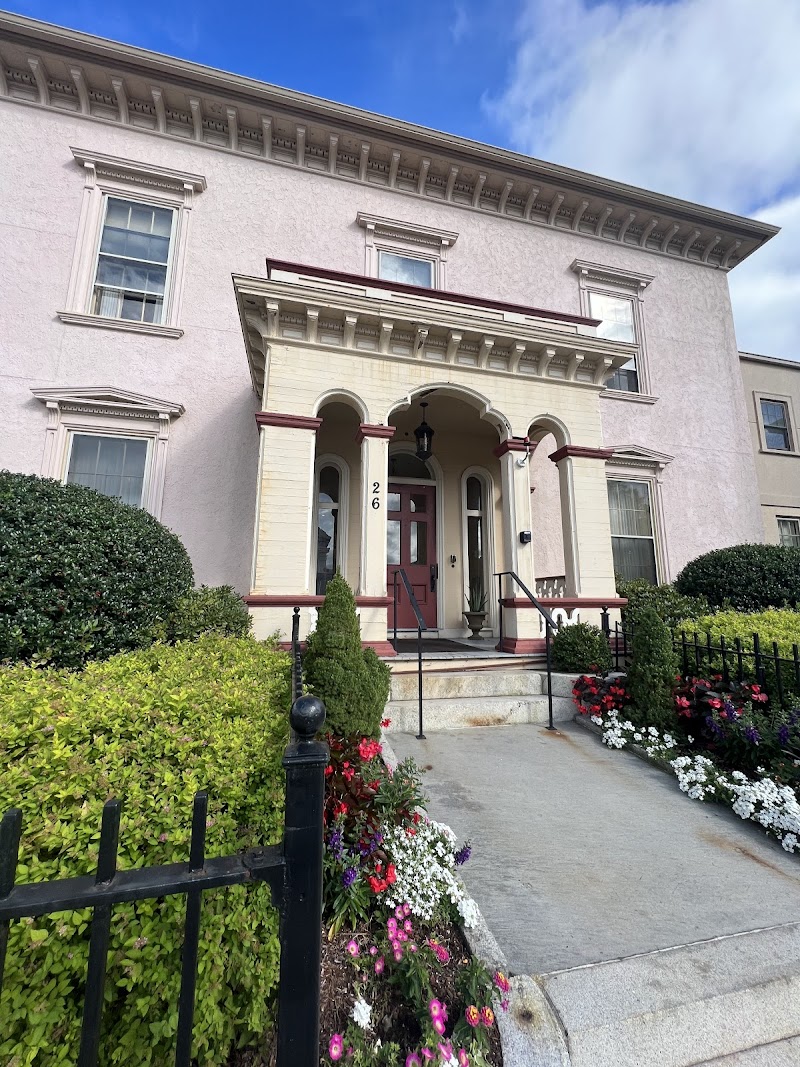
How is Lutheran Rehabilitation And Skilled Staffed?

CMS rates LUTHERAN REHABILITATION AND SKILLED CARE CENTER's staffing level at 3 out of 5 stars, which is average compared to other nursing homes. Staff turnover is 39%, compared to the Massachusetts average of 46%. This relatively stable workforce can support continuity of care.

What Have Inspectors Found at Lutheran Rehabilitation And Skilled?

State health inspectors documented 11 deficiencies at LUTHERAN REHABILITATION AND SKILLED CARE CENTER during 2021 to 2023. These included: 1 that caused actual resident harm and 10 with potential for harm. Deficiencies causing actual harm indicate documented cases where residents experienced negative health consequences.
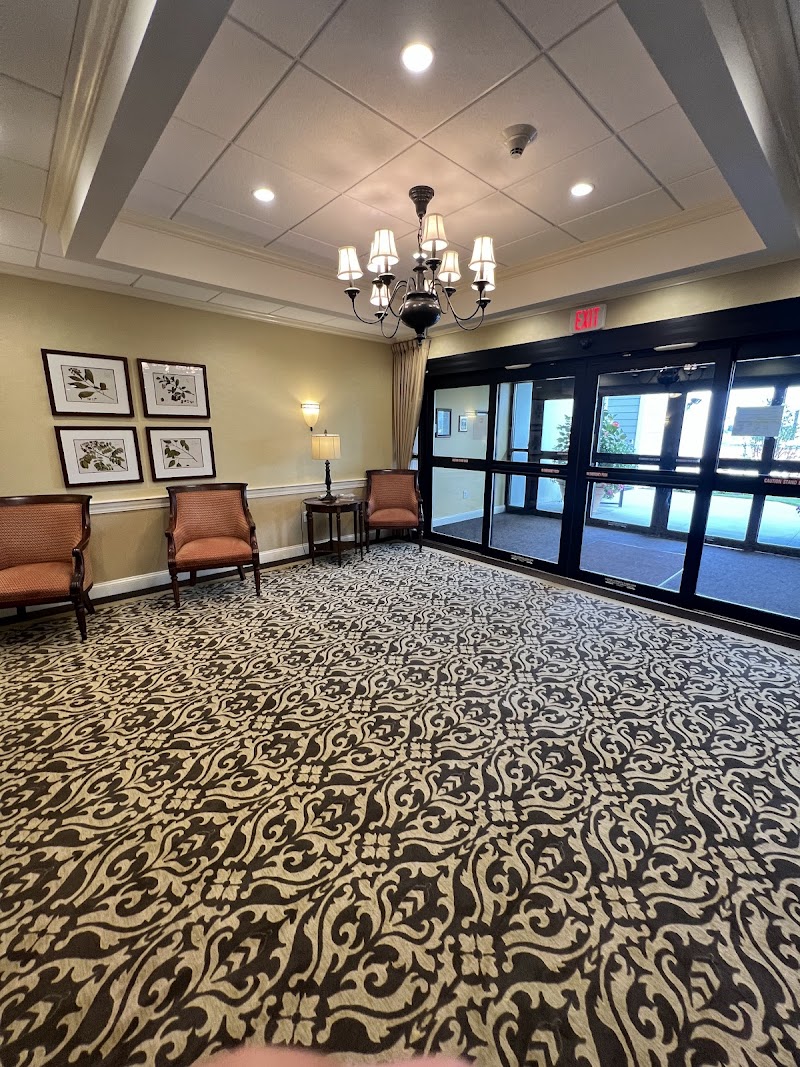
Who Owns and Operates Lutheran Rehabilitation And Skilled?

LUTHERAN REHABILITATION AND SKILLED CARE CENTER is owned by a non-profit organization. Non-profit facilities reinvest revenue into operations rather than distributing to shareholders. The facility is operated by ASCENTRIA CARE ALLIANCE, a chain that manages multiple nursing homes. With 150 certified beds and approximately 103 residents (about 69% occupancy), it is a mid-sized facility located in WORCESTER, Massachusetts.
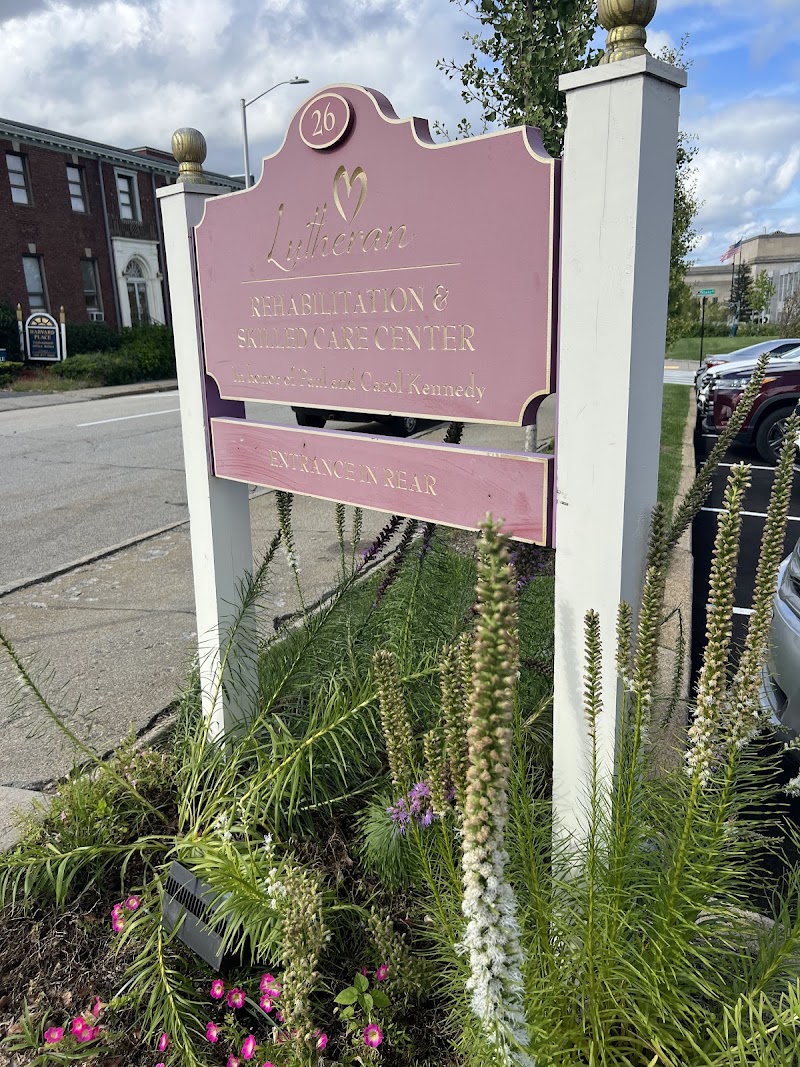
How Does Lutheran Rehabilitation And Skilled Compare to Other Massachusetts Nursing Homes?

Compared to the 100 nursing homes in Massachusetts, LUTHERAN REHABILITATION AND SKILLED CARE CENTER's overall rating (5 stars) is above the state average of 2.9, staff turnover (39%) is near the state average of 46%, and health inspection rating (5 stars) is much above the national benchmark.

What Should Families Ask When Visiting Lutheran Rehabilitation And Skilled?

Based on this facility's data, families visiting should ask: "Can I visit during a mealtime to observe dining assistance and food quality?" "How do you handle medical emergencies, and what is your hospital transfer rate?" "Can I speak with family members of current residents about their experience?"

Is Lutheran Rehabilitation And Skilled Safe?

Based on CMS inspection data, LUTHERAN REHABILITATION AND SKILLED CARE CENTER has a clean safety record: no substantiated abuse findings (meaning no confirmed cases of resident harm), no Immediate Jeopardy citations (the most serious violation level indicating risk of serious injury or death), and is not on the Special Focus Facility watch list (a federal program monitoring the lowest-performing 1% of nursing homes). The facility has a 5-star overall rating and ranks #1 of 100 nursing homes in Massachusetts. While no facility is perfect, families should still ask about staff-to-resident ratios and recent inspection results during their visit.

Do Nurses at Lutheran Rehabilitation And Skilled Stick Around?

LUTHERAN REHABILITATION AND SKILLED CARE CENTER has a staff turnover rate of 39%, which is about average for Massachusetts nursing homes (state average: 46%). Moderate turnover is common in nursing homes, but families should still ask about staff tenure and how the facility maintains care continuity when employees leave.

Was Lutheran Rehabilitation And Skilled Ever Fined?

LUTHERAN REHABILITATION AND SKILLED CARE CENTER has been fined $7,901 across 1 penalty action. This is below the Massachusetts average of $33,158. While any fine indicates a compliance issue, fines under $50,000 are relatively common and typically reflect isolated problems that were subsequently corrected. Families should ask what specific issues led to these fines and confirm they've been resolved.

Is Lutheran Rehabilitation And Skilled on Any Federal Watch List?

LUTHERAN REHABILITATION AND SKILLED CARE CENTER is not on any federal watch list. The most significant is the Special Focus Facility (SFF) program, which identifies the bottom 1% of nursing homes nationally based on persistent, serious quality problems. Not being on this list means the facility has avoided the pattern of deficiencies that triggers enhanced federal oversight. This is a positive indicator, though families should still review the facility's inspection history directly.