NOTRE DAME LONG TERM CARE CENTER
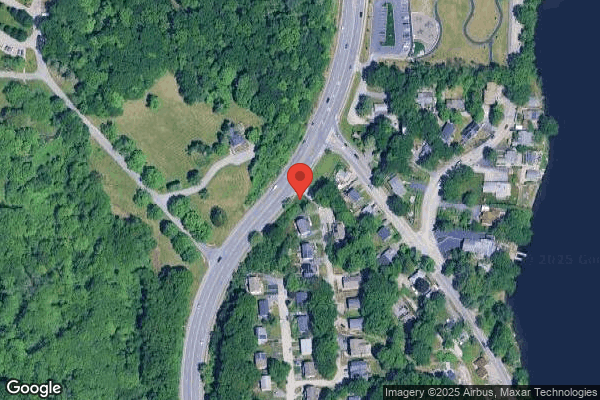

559 PLANTATION STREET, WORCESTER, MA 01605 (508) 852-3011
Non profit - Corporation 123 Beds Independent Data: November 2025
Trust Grade
78/100
#110 of 338 in MA
Last Inspection: February 2025

Within standard 12-15 month inspection cycle. Federal law requires annual inspections.

Overview

Notre Dame Long Term Care Center in Worcester, Massachusetts, has a Trust Grade of B, indicating it is a good option for families seeking care, but there is still room for improvement. The facility ranks #110 out of 338 in the state, placing it in the top half, and #16 out of 50 in Worcester County, meaning there are only a few local options that are better. Unfortunately, the facility is worsening, with issues increasing from 1 in 2024 to 3 in 2025. Staffing ratings are average at 3 out of 5 stars, with a turnover rate of 30%, which is below the state average, showing that staff generally remain in their roles. However, there is concerning RN coverage, with less than 94% of facilities in the state, which means residents may not receive adequate oversight for their care. Specific incidents noted in inspections include the failure to remove expired medications from medication carts, which poses a risk to residents' safety, and lapses in infection control during a COVID-19 outbreak, such as not using proper hand hygiene and personal protective equipment. There was also a finding that a nurse lacked the necessary skills for providing wound care, which raises concerns about the quality of care provided. While the absence of fines suggests that the facility is not facing serious compliance issues, these findings highlight significant areas for improvement in ensuring resident safety and care quality.

Trust Score
B
78/100
In Massachusetts
#110/338
Top 32%
Safety Record
Low Risk
No red flags
Inspections
Getting Worse
1 → 3 violations
Staff Stability
✓ Good
30% annual turnover. Excellent stability, 18 points below Massachusetts's 48% average. Staff who stay learn residents' needs.
Penalties
✓ Good
No fines on record. Clean compliance history, better than most Massachusetts facilities.
Skilled Nurses
⚠ Watch
Each resident gets only 19 minutes of Registered Nurse (RN) attention daily — below average for Massachusetts. Fewer RN minutes means fewer trained eyes watching for problems.
Violations
⚠ Watch
16 deficiencies on record. Higher than average. Multiple issues found across inspections.
★★★★☆
4.0
Overall Rating
★★★☆☆
3.0
Staff Levels
★★★★☆
4.0
Care Quality
★★★★☆
4.0
Inspection Score
Stable
2024: 1 issues
2025: 3 issues

The Good

  • 4-Star Quality Measures · Strong clinical quality outcomes
  • Low Staff Turnover (30%) · Staff stability means consistent care
  • Full Sprinkler Coverage · Fire safety systems throughout facility
  • No fines on record
  • Staff turnover is low (30%)

    18 points below Massachusetts average of 48%

Facility shows strength in quality measures, staff retention, fire safety.

The Bad

No Significant Concerns Identified

This facility shows no red flags. Among Massachusetts's 100 nursing homes, only 1% achieve this.

The Ugly 16 deficiencies on record

Feb 2025 3 deficiencies
CONCERN (D)

Potential for Harm - no one hurt, but risky conditions existed

Deficiency F0726 (Tag F0726)

Could have caused harm · This affected 1 resident

Based on observation, and interview, the facility failed to ensure that a Licensed Nurse (Nurse #2) had the specific competencies and skill sets necessary to provide wound care for one Resident (#84)....

Read full inspector narrative →
Based on observation, and interview, the facility failed to ensure that a Licensed Nurse (Nurse #2) had the specific competencies and skill sets necessary to provide wound care for one Resident (#84). Specifically, the facility failed to ensure that Nurse #2 had the knowledge, competency and skills relative to infection control practices when providing wound care for Resident #84. Findings include: Review of the facility policy titled, Competency, undated, indicated: -Facility would ensure all nursing staff maintain high standards of patient care and safety. -Each nurse is responsible for maintaining their competency through training, evaluation, and professional development. -Nurses are required to periodically demonstrate continued proficiency in their roles through assessments, evaluations or skills check. -Common areas assessed include clinical skills, patient care, medication administration, infection control practices, communication skills and ethical decision-making. -Nurses undergo regular performance evaluations where their competencies are assessed by supervisors or managers. -All competency assessments, training activities, and evaluations are documented to ensure transparency and accountability. Review of the facility policy titled Enhanced Barrier Precautions, dated 2001, revised August 2022, included but was not limited to: -Enhanced barrier precautions (EBPs) are used as an infection prevention and control intervention to reduce the spread of multi-drug-resistant organisms (MDROs) to residents. -EBPs employ targeted gown and glove use during high contact resident care activities when contact precautions do not otherwise apply. -EBPs are indicated (when contact precautions do not otherwise apply) for residents with wounds and/or indwelling medical devices regardless of MDRO colonization. Review of the facility policy titled Handwashing/Hand Hygiene, dated 2001, indicated: -All personnel are trained and regularly in-serviced to the importance of hand hygiene in preventing the transmission of healthcare-associated infections . -Hand hygiene is indicated immediately after glove removal. Resident #84 was admitted to the facility in March 2024 with diagnoses including Unstageable Pressure Ulcer to coccyx and Methicillin Resistant Staphylococcus Aureus (MRSA) Infection. Review of Resident #84's February 2024 Physician orders indicated: -Unstageable pressure ulcer on coccyx (a small triangular-shaped bone located at the bottom of the spine), clean with normal saline, pat dry, apply Santyl (used to remove damaged tissue from chronic skin ulcers), pack with Calcium Alginate (wound exudate absorbing agent) then cover with a silicone border foam dressing daily, initiated on 1/24/25. On 2/11/25 at 10:05 A.M., the surveyor observed the following during a wound care observation for Resident #84: -An Enhanced Barrier Precaution (EBP) sign at the Resident's door indicating the Resident was on precautions. -Nurse #2 washed her hands with soap and water in the Resident's bathroom, then donned (put on) a gown and gloves. -Nurse #2 repositioned the Resident to his/her side, and removed the old wound dressing. -Nurse #2 doffed (removed) her gloves, did not wash or sanitize her hands, and donned new gloves. -Nurse #2 cleansed the Resident's wound bed with wound cleanser, pat dried the wound, doffed her gloves, did not wash or sanitize her hands, and donned new gloves. -Nurse #2 reached into her pocket and took out scissors, did not disinfect the scissors, then cut a piece of Calcium Alginate and placed the piece of Calcium Alginate on the overbed table. -Nurse #2 doffed her gloves, did not wash or sanitize her hands, and donned new gloves. -Nurse #2 applied Santyl to the Resident's wound bed, then applied the Calcium Alginate. -Nurse #2 doffed her gloves, did not wash or sanitize her hands, reached into her pocket and took out a pen, then donned new gloves. -Nurse #2 opened the silicone foam protective dressing, dated the foam dressing, put the pen back in her pocket and applied the foam dressing to the Resident's wound. -Nurse #2 doffed the old gloves, did not wash or sanitize her hands, donned new gloves, then repositioned the Resident. -Nurse #2 removed a trash bag from the Resident's bedside table and dropped the trash bag in the Resident's bathroom trash can, doffed her gloves, did not wash or sanitize her hands, donned new gloves and assisted the Certified Nurses Aide (CNA) with transferring the Resident out of bed. During an interview on 2/11/25 at 10:48 A.M., Nurse #2 said she thought washing her hands with soap and water in the beginning was sufficient when completing Resident 84's wound care. During an interview on 2/11/25 at 10:58 A.M., the Infection Preventionist (IP)/Staff Development Coordinator (SDC) said she had not performed nursing competency relative to infection control during wound care with the Nurses and she should have. During a follow-up interview on 2/11/25 at 11:35 A.M., Nurse #2 said she should have cleaned or sanitized her hands between removing gloves, but she had not. Please Refer to F880
CONCERN (D)

Potential for Harm - no one hurt, but risky conditions existed

Deficiency F0810 (Tag F0810)

Could have caused harm · This affected 1 resident

**NOTE- TERMS IN BRACKETS HAVE BEEN EDITED TO PROTECT CONFIDENTIALITY** Based on observation, record review, and interview, the facility failed to provide Adaptive Eating Equipment for one Resident (#...

Read full inspector narrative →
**NOTE- TERMS IN BRACKETS HAVE BEEN EDITED TO PROTECT CONFIDENTIALITY** Based on observation, record review, and interview, the facility failed to provide Adaptive Eating Equipment for one Resident (#75) out of a total sample of 23 residents. Specifically, the facility failed to provide built-up handled adaptive utensils for meals as required to preserve Resident #75's current level of function during meals. Findings include: Review of the facility policy titled Adaptive Equipment, undated, indicated: -Adaptive equipment for meal service in a nursing home is designed to help residents with varying physical abilities eat independently, safely, and comfortably. -Built-up Handle Utensils: These have thicker handles to make gripping easier for people with limited hand strength or dexterity . Resident #75 was admitted to the facility in April 2021 with diagnoses including Unspecified Dementia and Muscle Weakness (Generalized). Review of the Resident's Activities of Daily Life (ADL) care plan, revised 6/3/24, included an intervention for eating of .Black Silverware .during meals. Review of the Nutritional Risk Assessment, dated 12/4/24, indicated that the Resident required an intervention of black handled utensils. Review of the Resident's Nutrition Care Plan, revised 12/4/24, included an intervention of adaptive equipment with meals. Review of the most recent Minimum Data Set (MDS) Assessment, dated 12/6/24, indicated that the Resident was severely cognitively impaired as evidenced by a Brief Interview for Mental Status (BIMS) score of 3 out of 15 possible points. Review of the Resident's Occupational Therapy (OT) Discharge summary, dated [DATE], indicated: - .instructed patient and primary caregivers in use of adaptive utensils in order to preserve current level of function . On 2/7/25 at 9:05 A.M., the surveyor observed Resident #75 lying in bed, with a breakfast meal tray set-up in front of him/her. The diet slip on the tray indicated that adaptive equipment including Black Silverware was required. The surveyor observed the silverware on the breakfast meal tray was silver in color and of standard size, and the food served on the plate included scrambled eggs. The surveyor further observed the Resident attempt to feed himself/herself the eggs using the spoon provided, but when the Resident picked up the spoon with scrambled eggs on it, the spoon tipped and the scrambled eggs spilled onto the Resident's chest. Review of Resident #75's Certified Nurses Aide (CNA) [NAME], dated 2/10/25, indicated that the CNA should ensure the Resident was provided with Black silverware for meals. On 2/10/25 at 8:45 A.M., the surveyor and Nurse #1 observed the Resident feeding himself/herself in bed. The Resident's breakfast meal included scrambled eggs, home fries, a muffin, and orange juice in a clear plastic cup. The silverware observed on the meal tray was silver in color and of standard size. The Resident was observed attempting to use the silver handled spoon to feed himself/herself some scrambled eggs. The Resident was unable to keep the eggs on the spoon, he/she grabbed both ends of the spoon to steady it, but was unable to get the spoon to his/her mouth. The Resident then grabbed the eggs with his/her hand and put the eggs in his/her mouth. The surveyor and Nurse #1 reviewed the diet slip located on the breakfast tray, dated 2/10/25, which indicated Adaptive Equipment: Black Silverware. During an interview at the time, Nurse #1 said that Resident #75 required the black handled utensils to be able to feed himself/herself, because the black handled utensils were built-up and easier to grab. During an interview on 2/10/25 at 9:00 A.M., CNA #1 said Resident #75 required the black handled utensils because those utensils were built up and easier for him/her to grasp. CNA #1 said that if the Resident did not get those utensils at meals it was a mistake because the diet slip said to provide them. CNA #1 said that the adaptive equipment required was highlighted in yellow on the diet slip and the staff serving the breakfast trays were supposed to check any special needs before serving the meal tray. During an interview on 2/12/25 at 1:00 P.M., the Staff Development Coordinator (SDC) said that the staff were trained in meal tray delivery, and the adaptive equipment listed on the diet slip should be provided. The SDC said that both the CNA and the Licensed Nurse should check each meal tray before delivery to the residents, to ensure that the correct diet and adaptive devices have been provided.
CONCERN (D)

Potential for Harm - no one hurt, but risky conditions existed

Infection Control (Tag F0880)

Could have caused harm · This affected 1 resident

Based on observation, interview, and record review, the facility failed to adhere to infection control standards of practice for two Residents (#103 and #84) out of a total sample of 23 residents, inc...

Read full inspector narrative →
Based on observation, interview, and record review, the facility failed to adhere to infection control standards of practice for two Residents (#103 and #84) out of a total sample of 23 residents, increasing the risk of contamination and the spread of infection to the Residents and other residents within the facility. Specifically, the facility failed to: 1. For Resident #103, ensure that staff appropriately followed Enhanced Barrier Precautions (EBP's: the use of protective gowns and gloves during high contact care activities that may provide opportunity for transmission of medication resistant organisms through staff hands and/or clothing), while providing high contact care. 2. For Resident #84, ensure that staff adhered to infection control standards and hand hygiene practices while performing wound care. Findings include: Review of the facility policy titled Enhanced Barrier Precautions, dated 2001, revised August 2022, included but was not limited to: -Enhanced barrier precautions (EBPs) are used as an infection prevention and control intervention to reduce the spread of multi-drug resistant organisms (MDROs) to residents. -EBPs employ targeted gown and glove use during high contact resident care activities when contact precautions do not otherwise apply. -gloves and gown are applied prior to performing the high contact resident care activity -examples of high contact care activities requiring the use of gown and gloves for EBPs include: device care or use (central line, urinary catheter (a device inserted into the bladder to drain urine), feeding tube, tracheostomy/ventilator, etc.) -EBPs are indicated (when contact precautions do not otherwise apply) for residents with wounds and/or indwelling medical devices regardless of MDRO colonization. 1. Resident #103 was admitted to the facility in September 2024 with diagnoses including Age Related Cognitive Decline, other specified Disorders of the Kidney and Ureter, and Type 2 Diabetes Mellitus with other Circulatory Complications. Review of Resident #103's Care Plan for Enhanced Barrier Precautions, initiated 12/9/24, included: -Enhanced Barrier Precautions related to implanted medical device. -High risk for MDRO transmission Resident with an implanted medical device - Foley catheter (urinary catheter). Review of Resident #103's Care Plan for Hospice, initiated 1/13/25, included: -All aspects of care to be coordinated with the Hospice Care Team. Review of Resident #103's Minimum Data Set (MDS) Assessment, dated 1/17/25, indicated that the Resident: -was moderately cognitively impaired as evidenced by a Brief Interview for Mental Status (BIMS) score of 4 out of a possible 15 points. -had an indwelling urinary catheter. -required substantial/maximal assistance with personal hygiene. -was now under the care of Hospice services. Review of Resident #103's Physician's orders for February 2025 included: -16 Fr (Fr-French a metric size of a catheter) 10 ml (milliliters) Foley (urinary) catheter to continuous drainage every shift, start date 12/6/24 -Enhanced Barrier Precautions r/t (related to) Foley catheter every shift, start 12/9/24 -Admit to Hospice services via Hospice, as of 1/12/25 On 2/7/25 at 11:11 A.M., the surveyor observed an Enhanced Barrier Precaution sign posted outside Resident #103's doorway, which indicated: -Providers and staff must also wear gloves and a gown for the following High-Contact Resident Care Activities Device care or use: central line, urinary catheter, feeding tube, tracheostomy. On 2/10/25 at 9:00 A.M., the surveyor observed an EBP sign in the Resident's doorway, PPE supplies, and a waste receptacle at the doorway. Upon entering the room the surveyor observed Hospice Staff #1 standing beside the Resident's bed and was not wearing a gown. The surveyor observed Hospice Staff #1 adjust the Resident's urinary catheter drainage bag and tubing. Hospice Staff #1 was observed to adjust the Resident's blankets. Hospice Staff #1 told the surveyor that she was about to provide morning care for Resident #103. During an interview on 2/10/25 at 9:05 A.M., Hospice Staff #1 said that she had not noticed the Enhanced Barrier Precaution sign posted outside the Resident's doorway, and was not sure the sign was there when she first entered the Resident's room. Hospice Staff #1 said that the Resident had been on Hospice services for about two months and she cared for the Resident about two times each week. Hospice Staff #1 said that she last cared for the Resident last week. Hospice Staff #1 said that she had never worn a gown to care for the Resident. Hospice Staff #1 said that she was not exactly sure what Enhanced Barrier Precautions stood for but after reading the sign it seemed she should have been wearing a gown when she cared for the Resident. Hospice Staff #1 said that she had been trained on putting on Personal Protective Equipment (PPE) but she just made a mistake because she did not see the sign. During an interview on 2/10/25 at 9:10 A.M., Nurse #1 said that the Resident was on EBP because he/she had an indwelling urinary catheter. Nurse #1 said that the Resident had been on EBP since before entering onto Hospice Services just over one month ago. Nurse #1 said that anyone providing direct care to the Resident should wear a gown and gloves. Nurse #1 said that Hospice Staff #1 should not have provided care for the Resident's urinary catheter without wearing a gown. During an interview on 2/12/25 at 1:00 P.M., the Staff Development Coordinator (SDC) said that the expectation was that the Hospice Staff were trained in precautions and use of PPE. The SDC said that Hospice Staff #1 should have donned (put on) a gown before she provided direct care to the Resident. Review of the facility policy titled Handwashing/Hand Hygiene, dated 2001, indicated: -All personnel are trained and regularly in-serviced on the importance of hand hygiene in preventing the transmission of healthcare-associated infections. -Personnel are educated regarding ways to prevent contact dermatitis and other skin irritations and provided with supplies that support healthy hand skin. -Hand hygiene is indicated immediately after glove removal. Resident #84 was admitted to the facility in March 2024 with diagnoses including Unstageable Pressure Ulcer to coccyx and Methicillin Resistant Staphylococcus Aureus (MRSA) Infection. Review of Resident #84's Minimum Data Set (MDS) Assessment, dated 12/6/24, indicated that the Resident: -was moderately cognitively impaired as evidenced by a Brief Interview for Mental Status (BIMS) Score of 8 out of a possible 15 points. -was dependent on staff for his/her Activities of Daily Living (ADL - washing, grooming and dressing) care. Review of Resident #84's February 2024 Physician orders indicated: -Unstageable pressure ulcer on coccyx (a small triangular-shaped bone located at the bottom of the spine), clean with normal saline, pat dry, apply Santyl, pack with Calcium Alginate then cover with a silicone border foam dressing daily, initiated 1/24/25. On 2/11/25 at 10:05 A.M., the surveyor observed the following during a wound care procedure for Resident #84: -An Enhanced Barrier Precaution (EBP) sign at the Resident's door indicating the Resident was on precautions. -Nurse #2 washed her hands with soap and water in the Resident's bathroom, then donned a gown and gloves. -Nurse #2 repositioned the Resident to his/her side, and removed the old wound dressing. -Nurse #2 doffed (removed) her gloves, did not wash or sanitize her hands, and donned new gloves. -Nurse #2 cleansed the Resident's wound bed with wound cleanser, pat dried the wound, doffed her gloves, did not wash or sanitize her hands, and donned new gloves. -Nurse #2 reached into her pocket and took out scissors, did not disinfect the scissors, then cut a piece of Calcium Alginate and placed the piece of Calcium Alginate on the table. -Nurse #2 doffed her gloves, did not wash or sanitize her hands, and donned new gloves. -Nurse #2 applied Santyl to the Resident's wound bed, then applied the Calcium Alginate. -Nurse #2 doffed her gloves, did not wash or sanitize her hands, reached into her pocket and took out a pen, then donned new gloves. -Nurse #2 opened the silicone foam protective dressing, dated the foam dressing, put the pen back in her pocket and applied the foam dressing to the Resident's wound. -Nurse #2 doffed the old gloves, did not wash or sanitize her hands, donned new gloves, then repositioned the Resident. -Nurse #2 removed a trash bag from the Resident's bedside table and dropped the trash bag in the Resident's bathroom trash can, doffed her gloves, did not wash or sanitize her hands, donned new gloves and assisted the Certified Nurses Aide (CNA) with transferring the Resident out of bed via hoyer lift. During an interview on 2/11/25 at 10:48 A.M., Nurse #2 said she thought washing her hands with soap and water before initiating the dressing change was enough to complete the wound care. During a follow-up interview on 2/11/25 at 11:35 A.M., Nurse #2 said she should have cleaned or sanitized her hands between removing gloves, but she did not.
Nov 2024 1 deficiency
CONCERN (D) 📢 Someone Reported This

A family member, employee, or ombudsman was alarmed enough to file a formal complaint

Potential for Harm - no one hurt, but risky conditions existed

Comprehensive Care Plan (Tag F0656)

Could have caused harm · This affected 1 resident

Based on records reviewed and interviews, for one of three sampled residents (Resident #1), who had recently sustained a fractured left tibia (lower leg) of unknown origin and whose comprehensive plan...

Read full inspector narrative →
Based on records reviewed and interviews, for one of three sampled residents (Resident #1), who had recently sustained a fractured left tibia (lower leg) of unknown origin and whose comprehensive plan of care indicated he/she required assistance of two staff members for bed mobility, the Facility failed to ensure staff consistently implemented followed this interventions, therefore placing the resident at risk for potential injury. Findings include: Review of the Facility's policy, titled Care Plans- Comprehensive, dated 10/2010, indicated an individualized comprehensive care plan that included measurable objectives and timetables to meet the resident's medical, nursing, mental and psychological needs would be developed for each resident. Resident #1 was admitted to the Facility in June 2021, diagnoses included poly-osteoarthritis (multiple joints with arthritis that occurs when flexible tissue at the ends of bones wears down) and frontotemporal neurocognitive disorder (dementia affecting the front and temporal lobes of the brain). Review of Resident #1's Quarterly Minimum Data Set (MDS) assessment, dated 09/06/24, indicated he/she had long and short-term memory impairment with severely impaired decision-making ability, was non-ambulatory, and was dependent on staff for bed mobility (rolling side to side) and bed to chair transfers. Review of Resident #1's Activities of Daily Living (ADL) care plan related to dementia and impaired mobility, reviewed and renewed with his/her September 2024 MDS, indicated that interventions include the need for two staff members for assistance with bed mobility. Review of Resident #1's Nurse Progress Notes, dated 10/31/24, indicated Resident #1 moaned in pain when his/her left leg was touched during morning personal care. The Notes included Resident #1 had an x-ray to the left tibia which indicated there was a fracture. Review of the Report submitted by the Facility via the Health Care Facility Reporting System (HCFRS), dated 11/01/24, indicated Resident #1 moaned in pain when a staff member attempted to put his/her left leg compression stocking on the morning of 10/31/24. The Report indicated Resident #1's x-ray confirmed a fractured left tibia. Further review of the Report indicated the Facility was unable to determine how Resident #1 sustained the left tibia fracture. Review of Resident #1's Certified Nurse Aide (CNA) flow sheet for the month of October 2024 indicated on the evening shift (3:00 P.M. through 11:00 P.M.) on 10/30/24, CNA #1 coded (documented) that she provided one assist for repositioning at 1600 (4:00 P.M.), 1800 (6:00 P.M.), 2000 (8:00 P.M.), and 2200 (10:00 P.M.). During an interview on 11/20/24 at 3:56 P.M., Certified Nurse Aide (CNA) #1 said she usually worked the day or evening shift and was familiar with Resident #1. CNA #1 said she provided Resident #1 with incontinent care and repositioning, when Resident #1 was in bed, without the assistance of another staff member. CNA #1 said she knew Resident #1 required assistance of two staff members for [mechanical] lift transfers, but nothing else. Further review of the Flow Sheet indicated on the night shift (11:00 P.M. through 7:00 A.M.) on 10/30/24, CNA #5 coded (documented) that she provided one assist for repositioning at 0000 (midnight), 0200 (2:00 A.M.), 0400 (4:00 A.M.), and 0600 (6:00 A.M.). During a telephone interview on 11/20/24 at 9:24 A.M., Certified Nurse Aide (CNA) #5 said that she usually worked the night shift and was familiar with Resident #1. CNA #5 said she did not need help from other staff members to reposition or change Resident #1. CNA #5 said I do it myself. During a telephone interview on 11/21/24 at 9:48 A.M., Nurse #3 said he was the nurse on duty for the night shift on 10/30/24 and was familiar with Resident #1. Nurse #3 said he had never been called to assist other staff with Resident #1's personal care. During a telephone interview on 11/22/24 at 1:10 P.M., the Director of Nurses (DON) said her expectation was that staff always followed each resident's plan of care.
Dec 2023 7 deficiencies
CONCERN (D)

Potential for Harm - no one hurt, but risky conditions existed

Deficiency F0578 (Tag F0578)

Could have caused harm · This affected 1 resident

**NOTE- TERMS IN BRACKETS HAVE BEEN EDITED TO PROTECT CONFIDENTIALITY** Based on record review, policy review and interview, the facility failed to execute Advance Directives (written documents that i...

Read full inspector narrative →
**NOTE- TERMS IN BRACKETS HAVE BEEN EDITED TO PROTECT CONFIDENTIALITY** Based on record review, policy review and interview, the facility failed to execute Advance Directives (written documents that instructs health care providers of the decisions for specific medical treatment if a person was unable to speak or lacked the capacity to make decisions for themselves) for one Resident (#318), out of a total sample of 24 residents. Specifically, for Resident #318, the facility staff failed to ensure that Advanced Directives on a completed (prior to facility admission) Massachusetts Medical Order for Life-Sustaining Treatment (MOLST) form were honored per the Resident's wishes. Findings include: Review of the facility policy for MOLST, undated, indicated that Residents admitted with a completed MOLST form: -Upon admission the nurse will note the existence of the MOLST FORM and review the form for completeness. A completed MOLST is a legal medical order and is immediately actionable. -The MOLST should be copied, and the date of the copy written on the form. This copy and the original MOLST form should be put in the Advance Directive section of the patient/resident chart. -When the attending physician's orders are verified, the order for MOLST instructions will be written, it is the attending physician's responsibility to review this order with respect to the patient/resident's wishes and goals of care. -If Do Not Resuscitate is indicated on the MOLST the facility procedures for Do Not Resuscitate will be followed. -The initial review and any discussion about continuing, revising or revoking the MOLST should be documented in the medical record. Resident #318 was admitted to the facility in [DATE] with diagnoses including right arm fracture and history of falls. Review of Resident #318's clinical record indicated Resident had no orders pertaining to Advanced Directives. During an interview on [DATE] at 9:15 A.M., Unit Manager (UM) #3 said there were no orders for Resident #318 pertaining to Advanced Directives and since there were no orders, the Resident was a full code (meaning that CPR [cardiopulmonary resuscitation] and intubation [inserting a breathing tube] would be performed should his/her heart stop and if unable to breathe on his/her own). Further review of the Resident's hospital discharge paperwork indicated Resident #318 had a signed MOLST form completed in the hospital and dated [DATE], which stated he/she desired to be Do Not Resuscitate, Do Not Intubate (DNR/DNI - do not perform CPR/ do not insert a breathing tube). During a follow-up interview on [DATE] at 4:04 P.M., UM #3 said the admission Nurse should have reviewed the MOLST paperwork with the admitting Physician and obtained an order for DNR/DNI, but this was not done as required.
CONCERN (D)

Potential for Harm - no one hurt, but risky conditions existed

Comprehensive Care Plan (Tag F0656)

Could have caused harm · This affected 1 resident

Based on observation, interview, record and policy review, the facility failed to implement an individualized plan of care for one Resident (#5), out of a total sample of 24 residents. Specifically, ...

Read full inspector narrative →
Based on observation, interview, record and policy review, the facility failed to implement an individualized plan of care for one Resident (#5), out of a total sample of 24 residents. Specifically, for Resident #5 who was identified as being at nutritional risk, the facility staff failed to ensure that weekly weights were obtained per Physician order and the nutrition care plan. Findings include: Review of the facility's policy titled, Weight Monitoring Program, revised 1/12, indicated: -There will be a systematic and interdisciplinary approach to monitoring resident weights. -All new admissions will be weighed on admission and at least weekly unless the Physician order states otherwise. -When transferring residents between units, resident weight will be re-weighed/reconciled in comparison to the previous weight whenever necessary. Resident #5 was admitted to the facility in March 2023 with diagnoses including Abdominal Aortic Aneurysm without rupture (AAA- an enlargement of the aorta [the main blood vessel that delivers blood to the body] at the level of the abdomen), Acute Kidney Failure (a condition in which the kidneys suddenly cannot filter waste from the blood), Hypertension (high blood pressure), and Dysphagia (difficulty swallowing). Review Resident #5's Nutrition Care Plan revised 9/29/23, indicated the Resident was at nutritional risk due to Dysphagia with a need for mechanically altered diet texture and included the following intervention: obtain weight as ordered. Review of the Resident's Physician's orders dated 11/16/23, indicated to obtain a weights weekly, on shower days - every evening shift on Fridays. Review of Resident #5's weight record indicated that no weights had been recorded since 10/26/23. During an interview on 12/14/23 at 9:22 A.M., Nurse #6 said that all residents are weighed weekly on their shower days. The surveyor and Nurse #6 reviewed the weight documentation and Nurse #6 said Resident #5 had not been weighed weekly as ordered by the Physician. During an interview on 12/14/23 at 10:08 A.M., Unit Manager #3 said that Resident #5 should have been weighed weekly but he/she was not weighed weekly as required.
CONCERN (D)

Potential for Harm - no one hurt, but risky conditions existed

Respiratory Care (Tag F0695)

Could have caused harm · This affected 1 resident

**NOTE- TERMS IN BRACKETS HAVE BEEN EDITED TO PROTECT CONFIDENTIALITY** Based on observations, interviews, record and policy review, the facility failed to ensure that required Physician orders were i...

Read full inspector narrative →
**NOTE- TERMS IN BRACKETS HAVE BEEN EDITED TO PROTECT CONFIDENTIALITY** Based on observations, interviews, record and policy review, the facility failed to ensure that required Physician orders were in place for the administration of Oxygen therapy for one Resident (#55), of three applicable residents receiving Oxygen, out of a total sample of 24 residents. Specifically, the facility staff failed to ensure that Physician orders that included the concentration of Oxygen, the method of Oxygen delivery, the frequency of use and the indications for supplemental Oxygen were in place for Resident #55. Findings include: Review of the facility policy titled Oxygen Administration, revised October 2010, indicated the purpose of the procedure was to provide guidelines for safe Oxygen administration and included: -verify that there is a Physician's order for the procedure -review the Physician's orders or facility protocol for Oxygen administration -review the resident's care plan to assess for any special needs Resident #55 was admitted to the facility in August 2023 with a diagnosis of Congestive Heart Failure (CHF- chronic condition where the heart is unable to pump blood efficiently to the rest of the body). Review of the Minimum Data Set (MDS) assessment dated [DATE], indicated the Resident had moderate cognitive impairment as evidenced by a Brief Interview of Mental Status (BIMS) score of 12 out of 15 and did not require any special treatments including Oxygen therapy during the assessment reference period. On 12/12/23 at 4:00 P.M., the surveyor observed Resident #55 seated in a stationary chair in his/her room. Oxygen was being administered to Resident #55 via a nasal cannula (pronged tube inserted into the nose to allow Oxygen flow) which was connected to an oxygen concentrator (device that filters room air into Oxygen and then delivers the Oxygen to the patient) set at a flow rate of 3.5 liters per minute (LPM: flow rate of Oxygen delivery). The surveyor observed the Resident intermittently coughing and during an interview at the time said that he/she was not feeling well and will be better once he/she was able to get the junk out of his/her lungs. Review of the Resident's December 2023 Physician's orders and active Care Plan did not indicate any orders for the use of Oxygen including the liter flow rate to be administered, whether the use should be continuous or PRN (as needed) and monitoring parameters (including oxygen saturation levels) as required. Review of a Nurse Practitioner (NP) Progress Note dated 12/12/23, indicated Resident #55 was informed of chest X-Ray results and for him/her to continue Oxygen therapy. On 12/13/23 at 9:44 A.M., the surveyor observed Resident #55 seated in a stationary chair in his/her room. Oxygen was being administered via a nasal cannula which was set at a flow rate of 3.5 LPM and was connected to an oxygen concentrator in the room. On 12/13/23 at 2:10 P.M., the surveyor observed the Resident lying in bed with his/her eyes closed. Oxygen was being administered via nasal cannula and the oxygen concentrator was set at a flow rate between 3.5 LPM and 4 LPM. Review of a NP Progress Note dated 12/13/23, indicated Resident #55 was not able to tolerate being on room air (without Oxygen therapy) and was on 2 LPM of Oxygen. On 12/14/23 at 9:10 A.M., the surveyor observed Resident #55 reclining in an upright position in bed. Oxygen was being administered via a nasal cannula with the oxygen concentrator set at a flow rate of 3.5 LPM. On 12/14/23 at 10:22 A.M., the surveyor and Nurse #6 observed Resident #55 lying in bed with Oxygen being administered at 3.5 LPM via nasal cannula through the oxygen concentrator. Nurse #6 said the Resident had been on a flow rate of 3.5 LPM and had an oxygen saturation level (measurement of oxygen available in the blood with normal levels being between 95-100 percent [%]) of 92%. Nurse #6 further said that she was unsure of what the Resident's Physician's orders indicated for the flow rate of Oxygen but she would check for that information. On 12/14/23 at 10:29 A.M., the surveyor and Unit Manager (UM) #3 reviewed Resident #55's clinical record. UM #3 said that there were no Physician's orders for the administration of Oxygen therapy for Resident #55. She further said that Resident #55 was started on Oxygen on 12/12/23, when his/her oxygen saturation level was measured to be in the 80's range. UM #3 said at that point, orders should have been obtained for the use of Oxygen and included the goal of oxygen saturation level, range of Oxygen liter flow to be used, and the care and services needed for Oxygen administration.
CONCERN (D)

Potential for Harm - no one hurt, but risky conditions existed

Deficiency F0805 (Tag F0805)

Could have caused harm · This affected 1 resident

Based on observation, record review and interview, the facility failed to provide accomodations to meet the specific dietary needs of one Resident (#318) out of a total sample of 24 residents. Specif...

Read full inspector narrative →
Based on observation, record review and interview, the facility failed to provide accomodations to meet the specific dietary needs of one Resident (#318) out of a total sample of 24 residents. Specifically, the facility staff failed to accommodate the individualized request for Resident #318 to have his/her food items cut-up prior to receiving his/her meals, as the Resident had an arm injury that made it difficult to be independent with cutting food items. Findings include: Review of the facility policy titled Interdepartmental Notification of Diet (Including Changes and Reports), revised October 2008, indicated the following: -Nursing Services shall notify the Food Services Department of a resident's diet orders, including any changes in the resident's diet, meal service, and food preferences. -When a new resident is admitted , or a diet has been changed, the Nurse Supervisor shall ensure that the Food Services Department receives written notice of the diet order. Resident #318 was admitted to the facility in December 2023 with a diagnosis of Displaced Fracture of Surgical Neck of Right Humerus (the largest bone of the upper extremity that defines the arm). On 12/13/23 at 8:15 A.M., the surveyor observed Resident #318 sitting in a chair next to his/her bed. The surveyor observed the Resident's right arm in a sling (provides arm support and immobilization). During an interview at the time, Resident #318 said he/she had a concern that was brought to the attention of the Dietitian but had not been resolved. The Resident said he/she had requested that food items be cut-up because his/her right arm was broken and he/she had to utilize a sling, but the request had not been done. Resident #318 further said that he/she found it difficult to cut-up food items with only the use of his/her left arm. The surveyor observed that the Resident received his/her breakfast tray at 8:30 A.M., and the tray included french toast that was not cut-up as requested. Review of Resident #318's Nutrition Follow-up Note dated 12/11/23, indicated nursing requested that the kitchen provide a cut-up diet texture to ensure that Resident #318 received his/her foods in a form that he/she could handle. Recommended to change the diet texture to cut-up. Review of Resident #318's Nursing Progress Note, dated 12/11/23, indicated a new dietary recommendation: add cut-up foods to diet. During an interview on 12/13/23 at 10:15 A.M., Unit Manager (UM) #3 said she was not aware that Resident #318 was having difficulty cutting his/her food items as required. During an interview on 12/13/23 at 12:51 P.M., the Dietitian said she had spoken to the nursing staff about Resident #318's concern and had written a recommendation for nursing staff to fill out a communication slip to the dietary department requesting for food items to be cut-up. During an interview on 12/13/23 at 12:53 P.M., the Food Service Manager (FSM) said she had not received any communication from the nursing staff pertaining to Resident #318's request for food items to be cut-up. During a follow-up interview on 12/13/23 at 1:05 P.M., the Dietitian said Resident #318 should have received his/her meals cut-up from the kitchen, but this had not been done as required.
CONCERN (D)

Potential for Harm - no one hurt, but risky conditions existed

Deficiency F0883 (Tag F0883)

Could have caused harm · This affected 1 resident

**NOTE- TERMS IN BRACKETS HAVE BEEN EDITED TO PROTECT CONFIDENTIALITY** 2a. Resident #74 was admitted to the facility in October 2020 with diagnoses including Alzheimer's Disease (a common form of Dem...

Read full inspector narrative →
**NOTE- TERMS IN BRACKETS HAVE BEEN EDITED TO PROTECT CONFIDENTIALITY** 2a. Resident #74 was admitted to the facility in October 2020 with diagnoses including Alzheimer's Disease (a common form of Dementia that affects memory, thinking and behavior) and chronic cough. Review of the Resident's Physician's orders for December 2023 indicated an order to receive Pneumovax, dated 10/26/20. Review of Resident #74's clinical record did not indicate that the Resident had been offered education or administration of the Pneumococcal Vaccine since his/her admission in 2020. 2b. Resident #83 was admitted to the facility in July 2022 with diagnoses including Alzheimer's Disease and Chronic Obstructive Pulmonary Disease (COPD- a type of progressive lung disease characterized by long term respiratory problems and limited airflow). Review of the Resident's Physician's orders for December 2023 did not indicate any orders to receive the Pneumococcal Vaccine. Review of Resident #83's clinical record did not indicate that the Resident had been offered education or administration of the Pneumococcal Vaccine since their admission in 2022. During an interview on 12/15/23 at 11:27 A.M., the IP reviewed the vaccinations for Residents #74 and 83. The IP said that she was unaware of the updated CMS guidance. The IP further said that the Residents should have been offered the Pneumococcal Vaccine. Based on interview, record and policy review, the facility failed to ensure the policy relative to Pneumococcal Vaccinations was revised and up to date with current Centers of Disease Control and Prevention (CDC) recommendations.The facility also failed to provide the Pneumococcal Vaccine for one Resident (#27) and assess two Residents (#74 and #83), out of five applicable residents, for the eligibility to receive or decline the Pneumococcal Vaccine, placing them at risk for contracting facility acquired Pneumonia. Specifically, the facility failed to: 1) ensure that staff administered the Pneumococcal Vaccine after consent was obtained and there was no history of previous Pneumococcal Vaccinations for Resident #27. 2) provide education on the Pneumococcal Vaccine, assess for eligibility and offer the vaccine based on the CDC recommendations for Residents #74 and #83. Findings include: Review of the facility policy titled Pneumococcal Vaccination, revised 11/25/19, indicated: -There were two types of Pneumococcal Vaccinations -The CDC recommends Pneumococcal Conjugate Vaccines (PCV), PVC13, for all adults 65 and older and people less than 65 with certain medical conditions -The CDC recommends the Pneumococcal Polysaccharide 23 Vaccine (PPSV23) for for all adults 65 or older people with certain medical conditions or who smoke less than [AGE] years of age. -Each resident is offered a Pneumococcal vaccine unless medically contraindicated, or resident/resident representative refuses or the resident has already been immunized. -After assessment and practitioner recommendation, a second Pneumococcal Vaccination may be given after five years following the first unless medical contraindications or refusal. -upon admission a licensed Nurse will provide education using the current Pneumococcal Vaccine Information Sheet (VIS) to all residents -a licensed Nurse will offer the Pneumococcal Vaccine to all current and new residents year round (it can be administered anytime during the year) -A Physician's order and consent of the resident/resident representative is required prior to vaccine administration. -if the vaccination status is unknown, the resident should receive the vaccine Review of the CDC Pneumococcal Vaccine Timing for Adults Schedule, dated 3/15/23, indicated the following: -Adults greater than or equal to [AGE] years of age who have not received any previous Pneumococcal Vaccination should receive either the Pneumococcal Conjugate Vaccines (PCVs, specifically PCV15 and PCV20). If the PCV15 was administered, a dose of PPSV23 should be administered greater or equal to one year later. -If the PPSV23 only was previously received at any age: administer either the PCV20 or the PCV15 greater than or equal to one year later -If the PCV13 only was previously received at any age: administer either the PCV20 or the PPSV23 greater than or equal to one year later -If the PCV13 was previously administered at any age and the PPSV23 previously administered prior to [AGE] years of age: administer either the PVC20 or PPSV23 greater than or equal to 5 years after previous doses. -If the PCV13 was previously administered at any age and the PPSV23 was administered at or after the age of 65: the PVC20 can be administered greater than or equal to 5 years after the previous doses. 1. Resident #27 was admitted to the facility in February 2020 with diagnoses including Type II Diabetes (a medical condition that affects how the body processes blood sugar), Cerebrovascular Accident (CVA: damage to the brain due to interrupted blood flow), and was over the age of 65. Review of the clinical record indicated the Resident/Resident Representative consented to the administration of the Pneumococcal Vaccine on 2/10/20. Review of the Massachusetts Immunization Information System (MIIS) Sheet, located in the clinical record and dated 8/11/22, indicated no documented evidence that the Pneumococcal Vaccine was administered. Review of the Minimum Data Set (MDS) assessment dated [DATE], indicated the Resident did not have a Pneumococcal Vaccine that was up to date and that the vaccine status was not assessed. Review of the December 2023 Physician's orders included the following: -may have the Pneumovax (type of Pneumococcal vaccine) . Review of Resident #27's clinical record indicated no evidence that he/she had or refused the Pneumococcal Vaccine. During an interview on 12/14/23 at 1:45 P.M., the Infection Preventionist (IP) said that vaccines including the Pneumococcal Vaccine were reviewed when a resident was admitted to the facility.The IP further said if the resident/resident representative indicated they would like to have the vaccine administered, a consent was completed, the VIS was provided and the Physician was updated to obtain the order to administer the vaccine. She said the consent was signed for Resident #27 to receive the Pneumococcal Vaccine on 2/10/20, and the vaccine should have been administered.
CONCERN (E)

Potential for Harm - no one hurt, but risky conditions existed

Pharmacy Services (Tag F0755)

Could have caused harm · This affected multiple residents

Based on observation, policy review and interview, the facility failed to accurately and safely ensure that routine and emergency medications and pharmaceutical services were provided to meet the need...

Read full inspector narrative →
Based on observation, policy review and interview, the facility failed to accurately and safely ensure that routine and emergency medications and pharmaceutical services were provided to meet the needs of each facility resident. Specifically, the facility staff failed to ensure that: 1. expired medications were removed from the medication carts on two units (West and Harmony Village) out of three units observed. 2. three open medication Emergency Box Kits on one unit (South) were re-ordered as required. Findings include: 1. Review of the facility policy titled, Medication Storage in the Facility, dated 2017, indicated: -Outdated, contaminated, or deteriorated medications and those in containers that are cracked, soiled, or without secure closures are immediately removed from inventory, disposed of according to the procedures for medication disposal. -All expired medications will be removed from the active supply and destroyed in the facility, regardless of the amount remaining. Review of the facility polity titled, Medication Cart Cleaning, undated, indicated: -All medication Carts will be cleaned weekly on the 11:00 P.M. to 7:00 A.M. (11-7) shift. -All Medication Carts will be checked for expired medications weekly on the 11-7 shift. -All Medication Carts will be cleaned and organized weekly on the 11-7 shift. On 12/12/23 at 3:42 P.M., the surveyor and Nurse #2 observed the medication cart on the [NAME] Unit. Hydroxyzine (medication used to treat high blood pressure) medication containing one tablet for one resident, with an expiration date of 10/20/23, was found in the medication cart. During an interview at the time, Nurse #2 said the Hydroxyzine medication had expired and should have been removed from the medication cart. On 12/12/23 at 4:18 P.M., the surveyor and Nurse #4 observed the medication cart on the Harmony Village Unit. The surveyor observed a resident's medication card that contained two capsules of Doxycycline (antibiotic) medication, with an expiration date of 11/20/23. The resident's name was deleted with a black marker. During an interview at the time, Nurse #4 said the card of expired medication should have been removed from the medication cart, but this was not done as required. During an interview on 12/12/23 at 4:35 P.M., Unit Manager (UM) #3 said the expired medications should have been removed from the medication cart, but they were not removed as required. 2. Review of the facility policy titled Emergency Boxes (EBOX), undated, included: -Each EBOX will be locked with a tamper resistant lock indicating if the box has been opened. -Each box that is opened needs to be returned to the pharmacy for replenishment. -When reordering EBOX, the Nurse will use the usage form provided by the pharmacy located inside each corresponding EBOX This will ensure the EBOX are kept at par. During an interview and review on 12/12/23 at 4:37 P.M., of the medication storage room on the South Unit with Unit Manager (UM) #2, the surveyor observed that three out of five EBOX kits were not sealed. The following EBOX kits: a) Insulin, (medication used to regulate blood sugar) b) Intravenous [IV] therapy (therapy performed or occurring within or entering by way of a vein) c) Narcan (medication used to treat a narcotic overdose in an emergency situation) were open with no indication of what had been removed from the kit, on what date, or for which resident. There was also no documentation evidence that any of the three open EBOX kits had been re-ordered from the pharmacy. UM #2 said that the Insulin kit was missing a Lispro (a fast acting type of Insulin) Insulin pen but she was not aware of when or for whom it was removed. She said that the Insulin EBOX kit only stocks one Lispro pen, so there was none currently available in the facility in the event of an emergency, as no other medication storage room had EBOX kits. When the surveyor asked about the facility policy for opening EBOX kits, UM #2 said when an EBOX kit was opened, the staff member removing the medication should record on the sheet what item was removed, when it was removed, and for whom it was used, then the EBOX kit should be re-ordered from the pharmacy. UM #2 was unable to show the surveyor any evidence that the three open EBOX kits were re-ordered from the pharmacy as required. During an interview on 12/13/23 at 11:19 A.M., the Director of Nurses (DON) said that the expectation was that if a Nurse opens an EBOX kit, the Nurse should fill out the form to indicate what medication was taken, by whom, and for which resident. The DON said that the Nurse should also call the pharmacy to notify them that the EBOX kit had been opened and that a fax request to have the EBOX kit replaced by the pharmacy was being sent. The DON could not provide any evidence to the surveyor that this process had been done for the three open EBOX kits on the South unit.
CONCERN (E)

Potential for Harm - no one hurt, but risky conditions existed

Infection Control (Tag F0880)

Could have caused harm · This affected multiple residents

**NOTE- TERMS IN BRACKETS HAVE BEEN EDITED TO PROTECT CONFIDENTIALITY** Based on observation, interview, policy and record review, the facility failed to adhere to infection control standards for thre...

Read full inspector narrative →
**NOTE- TERMS IN BRACKETS HAVE BEEN EDITED TO PROTECT CONFIDENTIALITY** Based on observation, interview, policy and record review, the facility failed to adhere to infection control standards for three Residents (#98, #171 and #70) who tested positive for COVID-19, on three out of three units observed, and for one Resident (#75) during treatment and care of a wound, out of a total sample of 24 residents. Specifically, the facility staff failed to ensure: 1. For Residents (#98 and #171), that staff performed appropriate hand hygiene and wore personal protective equipment (PPE) when caring for COVID-19 positive residents, to mitigate the spread of infection during a COVID-19 outbreak in the facility. 2. For Resident #70, that staff implemented Isolation Precautions and posted appropriate signage outside of the Resident's room after they tested positive for COVID-19. 3. For Resident #75, that the staff performed hand hygiene during a pressure ulcer wound care procedure. Findings include: Review of the facility policy for Infection Control Personal Protective Equipment Policy, last revised 10/7/21, indicated that PPE will be provided to and worn by all personnel as appropriate. Review of the facility policy for Infection Control Transmission Based Precautions (TBP), undated, indicated: -Transmission based precautions recommendations from . the Massachusetts Department of Public Health (DPH) are used as guidelines for procedures. Review of the Massachusetts Memorandum titled Comprehensive PPE Guidance, dated 5/5/23, included: -PPE for patients with suspected or confirmed COVID-19 -DPH recommends that a fit tested N95 filtering facepiece respirator or alternative and eye protection be used when caring for patients with suspected or confirmed COVID-19 -N95 respirators should always be discarded after doffing (removing), such as when leaving a room. -Disposable eye protection should be discarded when it is removed for any reason; it should not be reused. Reusable eye protection should be cleaned and disinfected when visibly soiled and after removal/doffing. -Nonsterile, disposable isolation gowns, which are used for routine patient care in healthcare settings, are appropriate for use by health care personnel (HCP) when caring for patients with suspected or confirmed COVID-19 when there is any contact with potentially infectious material. -Gloves should be worn when there is any contact with potentially infectious material. HCP should perform hand hygiene prior to donning (putting on) and after doffing gloves. Review of the Isolation Precaution sign utilized by the facility indicated the following: -STOP. Special Droplet/Contact Precautions in addition to Standard Precautions. Staff and Providers Must: -Clean hands when entering and exiting. -Gown - Change between each resident. -N95 Respirator. -Eye Protection (goggles or face shield). -Gloves - Change between each resident. 1a. Resident #98 was admitted to the facility in October 2021 with diagnoses including Dementia (a decline in cognitive abilities that impacts a person's ability to perform everyday activities) and COVID-19, and resided on the Harmony Village Unit. Review of the clinical record indicated Resident #98 tested positive for COVID-19 infection on 12/4/23. On 12/13/23 at 8:29 A.M., the surveyor observed Certified Nurses Aide (CNA) #2 entering Resident #98's room wearing a surgical mask. CNA #2 was not observed to perform hand hygiene prior to entering or after exiting the Resident's room, and also did not don any PPE (gown, gloves, N95 mask or eye protection) that was indicated on the signage posted outside of the room. During an interview on 12/13/23 at 8:57 A.M., CNA #2 said that she should have performed hand hygiene and put on goggles, N95 mask, gown, gloves prior to entering Resident's #98 room and she did not. CNA #2 also said that she should have performed hand hygiene after exiting the room but she did not do so as required. On 12/13/23 at 9:21 A.M., the surveyor observed CNA #1 exiting Resident #98's room with an unsecured N95 mask with the bottom strap hanging in front of her face. CNA #1 was observed to be wearing a surgical mask underneath the N95 mask, and was not wearing eye protection. During an interview at the time, CNA #1 said that she should not be wearing a surgical mask underneath the N95 mask and that she should have been wearing eye protection and she was not. On 12/14/23 at 9:04 A.M., the surveyor observed Housekeeping Staff #1 enter Resident #98's room. Housekeeping Staff #1 did not perform hand hygiene prior to entering or exiting the Resident's room, and also did not don all of the PPE that was indicated on the signage posted outside of the Resident's room and was available for use within the cabinet outside of the room. Housekeeping Staff #1 was observed to have a N95 mask on, donned gloves after entering the room, doffed the gloves in the Resident's bathroom and then exited the room. Housekeeping Staff #1 did not change his mask as required after exiting the room. During an interview on 12/14/23 at 9:19 A.M., the Infection Preventionist (IP) said that Housekeeping Staff #1 should have performed hand hygiene, donned all the required PPE prior to entering Resident #98's room, doffed all PPE in the trash receptacle outside of the room, performed hand hygiene and then put on a new mask. 1b. Review of the facility matrix, provided by facility administration on 12/12/23 of the Recertification Survey, indicated Resident #171 was on Transmission Based Precautions (TBP) for a COVID-19 infection. On 12/14/23 at 12:14 P.M., the surveyor observed the following signage posted outside of Resident #171's room: -Stop. Special Droplet/Contact Precaution signage in addition to Standard Precautions -Only essential personnel should enter this room -Everyone Must: (including visitors, doctors, and staff): --clean hands when entering and leaving the room --wear mask --wear eye protection (face shield or goggles) --gown and glove at the door --keep door closed On 12/14/23 at 12:14 P.M., the surveyor observed CNA #3 exit Resident #171's room with a gown, gloves and N95 mask in place. CNA #3 had regular eyeglasses on, and was not wearing eye protection. The surveyor observed CNA #3 remove her gown, gloves and N95 mask and perform hand hygiene. During an interview at the time, CNA #3 said she thought her regular eyeglasses counted as eye protection so she did not put on a face shield or goggles prior to entering the Resident's room. When the surveyor asked CNA #3 about disinfection of reusable equipment, she said that she would use alcohol wipes to disinfect her eyeglasses. During an interview on 12/14/23 at 12:26 P.M., the IP said that full PPE which included gown, gloves, an N95 mask and eye protection should be worn prior to entering a COVID-19 positive resident room. The IP further said that eye protection included goggles or a face shield, and that regular eyeglasses did not count as PPE because it did not protect exposure completely around the eye. The IP said if reusable eye protection was used, then it needed to be disinfected with the appropriate product (Super Sani- Cloth Germicidal Disposable Wipes) and that alcohol wipes were not appropriate for cleaning and disinfecting reusable equipment for COVID-19 positive rooms. 2. Resident #70 was admitted to the facility in November 2023, was diagnosed with COVID-19 on 12/6/23, and resided on the South Unit. Review of the facility matrix, provided by the facility on 12/12/23, indicated Resident #70 was on Transmission Based Precautions for a COVID-19 infection. On 12/12/23 at 11:07 A.M., the surveyor observed the following signage posted outside of Resident #70's room: -Stop. Quarantine: Droplet and Contact Precautions in addition to Standard Precautions -Only essential personnal should enter this room -Everyone Must: (including visitors, doctors, and staff): -- clean hands when entering and leaving the room --wear a mask --wear eye protection (face shield or goggles) --gown and glove for high contact care . --keep door closed when performing an aerosol generating procedure During an interview on 12/13/23 at 7:59 A.M., the IP said the TBP signage for Resident #70 was changed to the Special Droplet/Contact Precaution signage which indicated that all persons have to don full PPE (N95 mask, eye protection, gown and gloves) prior to entering the Resident's room. She further said the Resident was retested for COVID-19 on 12/11/23 and remained positive so the Special Droplet/Contact Precautions needed to remain in place. The IP said the Quarantine signage that was placed in error outside the Resident's room, was intended for someone exposed to the virus but had not yet tested positive and was not appropriate signage for Resident #70. 3. Review of the facility policy titled Dry/Clean Dressings, revised February 2014, indicated the purpose of the procedure was to provide guidelines for the application of dry, clean dressings. The policy included the following: -Verify that there was a Physician's order for the procedure -clean the bedside stand. Establish a clean field. -Place the clean equipment on the clean field -Tape a biohazard bag on the bedside table or use a waste basket below the clean field -Position the resident and adjust clothing to provide access to affected area -wash and dry hands thoroughly (perform hand hygiene) -put on clean gloves -remove soiled dressing and discard . -perform hand hygiene -open dry, clean dressing .touching only the exterior surfaces ., label and date and place on clean field -using clean technique, open other products . -perform hand hygiene -put on gloves and assess the wound and surrounding area. Cleanse the wound, pat dry and apply ordered dressing -discard disposable items . -perform hand hygiene -make the resident comfortable . -clean the bedside stand -perform hand hygiene Resident #75 was admitted to the facility in November 2019 with a diagnoses including Alzheimer's Disease (progressive mental deterioration of the brain that affects memory, thinking and behavior) and change in skin texture. Review of the Minimum Data Set (MDS) assessment dated [DATE], indicated Resident #75 had severe cognitive impairment as evidenced by staff interview, was at risk for pressure ulcers (injury to the skin from prolonged pressure) and had one unstagable pressure ulcer (full thickness injury in which the base is not visible due to accumulated dead skin cells) present during the assessment reference period. Review of the December 2023 Physician's orders included the following: -weekly wound measurement on Wednesdays, initiated 10/24/23 -Apply Santyl (prescription ointment that removes dead tissue from wounds) 250 unit/gram apply to the right elbow every day and evening shift -clean the right elbow with normal saline (mixture of sodium chloride and water) -dry -apply small amount of Santyl ointment to the wound center -apply Maxsorb (specialized wound dressing) with silver wrap with non-stick dressing -and wrap with kling x times a day, initiated 11/7/23 On 12/13/23 at 11:27 A.M., the surveyor observed wound care provided by Nurse #1 as follows: -a bedside stand had a towel and needed supplies placed on it -Nurse #1 washed and dried her hands, donned gloves and assisted the Resident's right arm out of his/her clothing to allow access to the wound -Nurse #1 removed her gloves, donned new gloves without performing hand hygiene, and opened supplies that had been placed on the bedside stand. -Nurse #1 then removed the Resident's old dressing and discarded it. -Nurse #1 removed her gloves and donned new gloves without performing hand hygiene, then cleansed the Resident's wound, measured the wound, performed the ordered treatment to the wound, discarded gloves and then performed hand hygiene. During an interview on 12/13/23 at 11:50 A.M., Nurse #1 said that hand hygiene should occur after removing gloves and prior to donning new gloves but she forgot to do this for two opportunities during the wound care procedure. During an interview on 12/13/23 at 1:07 P.M., the surveyor reviewed the wound observation with the IP and the Director of Nurses (DON). The IP said that after removing gloves, hand hygiene should be performed prior to donning new gloves.
May 2022 5 deficiencies
CONCERN (D)

Potential for Harm - no one hurt, but risky conditions existed

Resident Rights (Tag F0550)

Could have caused harm · This affected 1 resident

Based on observation, record review and interview, the facility failed to ensure the staff treated one Resident (#77), with dignity and respect relative to responding in a timely manner to the Residen...

Read full inspector narrative →
Based on observation, record review and interview, the facility failed to ensure the staff treated one Resident (#77), with dignity and respect relative to responding in a timely manner to the Resident's requests for assistance, out of a total of 24 sampled residents. Findings include: Resident #77 was admitted to the facility in January 2021 with diagnoses including hemiplegia (weakness or the inability to move on one side of the body) following a cerebral infarction (stroke) effecting right dominant side, dysphasia (impairment in the production of speech resulting from brain disease or damage) following cerebral infarction and dementia. Review of Resident #77's fall care plan, initiated on 2/9/21, indicated that the Resident needs a prompt response to all requests for assistance. On 5/25/22 at 10:37 A.M., Resident #77 could be heard from the hallway saying hello repeatedly. The surveyor was unable to observe the Resident from the hallway as the curtain was pulled and obstructed the view of the Resident, calling out from the second bed. The surveyor entered the room and observed the Resident sitting in his/her wheelchair between the bed and the window, holding a pink drink in a small plastic cup. The call bell was not visible. The surveyor observed the following on 5/25/22: -10:41 A.M. an employee walked by the Resident as he/she continued to say, hello from behind the curtain. -10:43 A.M. The Resident said, I don't know what's what .hello .hello hello. -10:45 A.M. an employee walked by Resident's room and the nurse was observed in the hallway passing medications. The Resident continued to call out hello, now increasing his/her volume. No response by staff. -10:46 A.M. The Resident continued to loudly say, hi hi .hi .hi. An employee could be seen a few doors away, leaning on the wall utilizing a facility tablet. The same staff walked by the Resident's room as the Resident loudly said hi hi hi. -10:49 A.M. Three employees walked by the Resident's room as the he/she loudly said, hiiiiiiiiiiii. -10:49 A.M. One employee entered the room. Resident #77 wanted someone to take the cup he/she was holding. The employee took the cup, emptied the contents of the cup and left the room. The Resident continued to sit behind the curtain in a wheelchair and the call bell was not within reach. -10:51 A.M. The Resident continued to loudly say, hi .hello. -10:52 A.M. The Resident said, please please come .come hello hi. -10:58 A.M. Unit Manager (UM) #1 entered the Resident's room as he/she had continued to call out and asked how she could assist. The Resident asked what time it was, the UM responded, placed the call bell within reach, opened the curtain and provided a snack. -11:02 A.M. Resident was no longer calling out. During an interview on 5/25/22 at 11:14 A.M., UM #1 said she went into the Resident's because she heard the Resident calling out. She said the Resident wanted to know what time it was. UM #1 said that she moved the call bell to be within reach of the Resident as the call bell was not within reach, as required. She continued to say that the Resident has a special call bell due to her visual impairment. She also said that the Resident likes to see what is going on around him/her as his/her vision field is poor and pulled the curtain open, so that he/she could see. She said the curtain should have been pulled open so the Resident could see, and it was not. On 5/25/22 at 11:17 A.M. the surveyor observed that the Resident was no longer calling out. Refer to F558
CONCERN (D)

Potential for Harm - no one hurt, but risky conditions existed

Deficiency F0558 (Tag F0558)

Could have caused harm · This affected 1 resident

Based on observation, record review and interview, the facility staff failed to ensure access to a call light for one Resident (#77), out of a total of 24 sampled residents. Findings include: Resident...

Read full inspector narrative →
Based on observation, record review and interview, the facility staff failed to ensure access to a call light for one Resident (#77), out of a total of 24 sampled residents. Findings include: Resident #77 was admitted to the facility in January 2021 with diagnoses including hemiplegia (weakness or the inability to move on one side of the body) following a cerebral infarction (stroke) effecting right dominant side, dysphasia (impairment in the production of speech resulting from brain disease or damage) following cerebral infarction and dementia. Review of Resident #77's fall care plan, initiated on 2/18/21, indicated the following: -Be sure the Resident's call light is within reach and encourage the Resident to use it for assistance. -The Resident needs a prompt response to all requests for assistance. Review of Resident #77 activities of daily living care plan, initiated on 2/9/21, indicated staff to pin the call light to the Resident's bed or keep in easy reach. On 5/25/22 at 10:37 A.M., Resident #77 could be heard from the hallway saying hello repeatedly. The surveyor was unable to observe the Resident from the hallway as the curtain was pulled and obstructed the view of the Resident, calling out from the second bed. The surveyor entered the room and observed the Resident sitting in his/her wheelchair between the bed and the window, holding a pink drink in a small plastic cup. The call bell was not visible. On 5/25/22 at 10:49 A.M. the surveyor observed an employee enter the Resident's room as he/she had continued to call out. Resident #77 wanted someone to take the cup he/she was holding. The employee took the cup, emptied the contents of the cup and left the room. The Resident continued to sit behind the curtain in a wheelchair and the call bell was not within reach. On 5/25/22 at 10:58 A.M., the surveyor observed Unit Manager (UM) #1 enter the Resident's room as he/she had continued to call out and ask how she could assist. The Resident asked what time it was. The UM responded, placed the call bell within reach, opened the curtain and provided a snack. On 5/25/22 at 11:02 A.M., the surveyor observed that the Resident was no longer calling out. During an interview on 5/25/22 at 11:14 A.M. the UM said she went into the Resident's because she heard the Resident calling out. She said the Resident wanted to know what time it was. The UM said that she moved the call bell to be within reach of the Resident as it was not and should have been. She continued to say that the Resident had a special call bell due to his/her visual impairment.
CONCERN (D)

Potential for Harm - no one hurt, but risky conditions existed

Comprehensive Care Plan (Tag F0656)

Could have caused harm · This affected 1 resident

Based on observation, interview, and record review the facility failed to ensure staff implemented a doctor's order for weekly skin checks resulting in bruising not being identified and documented for...

Read full inspector narrative →
Based on observation, interview, and record review the facility failed to ensure staff implemented a doctor's order for weekly skin checks resulting in bruising not being identified and documented for one resident (#7) out of 24 sampled residents. Findings Include: Review of the facility policy titled Skin Assessment and Surveillance, undated, indicated the following: Licensed Nurses are responsible for ensuring each resident's skin is checked once a week and results of the skin check are documented on the resident's individual weekly skin assessment form in the treatment administration record (TAR). Resident #7 was admitted to the facility February 2022 with diagnoses including Parkinson's Disease and Type 2 Diabetes Mellitus. On 5/25/22 at 9:41 A.M., the surveyor observed that Resident #7 had quarter sized bruises on each forearm. Review of the May 2022 Physicians Orders indicated an order to complete weekly skin checks and document findings on Fridays 3:00-11:00 P.M. shift, with a start date of 2/10/22. Review of the Skin care plan indicated an intervention of weekly skin checks with a start date of 2/21/22. Review of the last two Weekly Skin Assessments dated 5/12/22 and 5/19/22 indicated no new skin issues and no documentation that the Resident had any rashes, bruises, skin tears, reddened areas, surgical sites, pressure areas, or other skin conditions present at the time the skin assessment was completed. On 5/31/22 at 10:07 A.M., the surveyor observed Resident #7 still had quarter sized bruises on each forearm. Review of the May TAR indicated a skin assessment was due to be completed on 5/26/22. There was no documented evidence that the skin assessment had been completed. Review of the Nursing Notes dated from 5/25/22 through 5/31/22 indicated no documentation that the Resident had bruising on his/her forearms and no documentation on why the weekly skin assessment was not completed on 5/26/22. During an interview on 5/31/22 at 10:12 A.M., Nurse #2 said Resident #7 had an order for weekly skin assessments. She further said when a nurse completes a skin check they look for bruising, open areas, and any changes to a resident's skin and then documents it on the weekly skin assessment. Nurse #2 said the resident should have had a weekly skin assessment completed on 5/26/22 which would have identified the bruising on his/her forearms, but the weekly skin assessment had not been completed as ordered and there was no documentation in the nursing notes why the skin assessment was not completed. During an interview on 5/31/22 at 11:00 A.M., Unit Manager #2 said Resident #7 should have had a weekly skin assessment completed on 5/26/22 and it was not completed, as required.
CONCERN (D)

Potential for Harm - no one hurt, but risky conditions existed

Deficiency F0760 (Tag F0760)

Could have caused harm · This affected 1 resident

Based on observation, interviews and record review, the facility failed to ensure staff implemented a physician's order to assess heart rate and blood pressure prior to the administration of a blood p...

Read full inspector narrative →
Based on observation, interviews and record review, the facility failed to ensure staff implemented a physician's order to assess heart rate and blood pressure prior to the administration of a blood pressure medication for one Resident (#108) out of a total of 24 sampled residents, potentially putting the Resident at risk for hypotension (low blood pressure). Findings include: Resident #108 was admitted to the facility in January 2021 with a diagnosis of hypertension. Review of the facility policy, Administering Medications included the following: - The following information must be checked/verified for each resident prior to administering medications: allergies to medications and vital signs, if necessary. Review of the May 2021 Physician's Orders included the following: - Losartan Potassium Tablet (a medication used to treat high blood pressure), 50 milligrams (mg), give 50 mg by mouth one time a day, with the following parameters: hold for systolic blood pressure (the first number of a blood pressure reading that indicates the pressure caused by the heart contracting and pushing out the blood) less than 100 millimeters of mercury (mm Hg) or heart rate less than 60 beats per minute, initiated 2/3/21. During an observed medication pass on 5/31/22 at 8:30 A.M., the surveyor observed the medication card that indicated both heart rate and blood pressure parameters were included with the Losartan order. Nurse #3 said that the Resident's vital signs are only checked weekly on shower days. She reviewed the order in the computer and said there were no parameters ordered relative to the Resident's Losartan medication and administered the medication without first assessing his/her blood pressure and heart rate. On 5/21/22 at 10:02 A.M., Unit Manager #1 reviewed Resident #108's medication orders with the surveyor and said the Physician's order indicated there were parameters in place and the nurse should have assessed the Resident's blood pressure and heart rate prior to administering his/her Losartan. On 5/31/22 at 10:20 A.M., Nurse #3 said she should have assessed the Resident's heart rate and blood pressure prior to administering his/her Losartan as ordered.
CONCERN (D)

Potential for Harm - no one hurt, but risky conditions existed

Medical Records (Tag F0842)

Could have caused harm · This affected 1 resident

Based on interview and record review the facility failed ensure staff accurately record weights for one resident (#58) out of 24 sampled residents. Findings Include: Review of the facility policy titl...

Read full inspector narrative →
Based on interview and record review the facility failed ensure staff accurately record weights for one resident (#58) out of 24 sampled residents. Findings Include: Review of the facility policy titled Weight Monitoring Program, revised 1/12, indicated the following: Nursing Services will log the weight on the Weight Record. If there is a greater than three-pound (lbs) weight variance weekly or greater than five-lbs weight variance monthly, the resident must be re-weighed within 24 hours . Resident #58 was admitted to the facility January 2010 with a diagnoses of Vascular Dementia with Behavioral Disturbance. Review of the Resident's Weight Summary indicated the following weights: 4/21/22-220.6 lbs 4/28/22-143.4 lbs 5/12/22-141.4 lbs 5/19/22-220.0 lbs During an interview on 5/26/22 at 12:44 P.M., Unit Manager #2 said if there was a 5-lbs. change in weight the nurse should have questioned the change. She said there was a discrepancy in the weights recorded for Resident #58, and that the Resident should have been reweighed, the nurse should have verified if the wheelchair weight was subtracted from the total weight, and the accurate weight documented, and that was not completed, as required.
Understanding Severity Codes (click to expand)
Life-Threatening (Immediate Jeopardy)
J - Isolated K - Pattern L - Widespread
Actual Harm
G - Isolated H - Pattern I - Widespread
Potential for Harm
D - Isolated E - Pattern F - Widespread
No Harm (Minor)
A - Isolated B - Pattern C - Widespread

Questions to Ask on Your Visit

  • "Can I speak with families of current residents?"
  • "What's your RN coverage like on weekends and overnight?"

Our Honest Assessment

Strengths
  • • No major safety red flags. No abuse findings, life-threatening violations, or SFF status.
  • • No fines on record. Clean compliance history, better than most Massachusetts facilities.
  • • 30% annual turnover. Excellent stability, 18 points below Massachusetts's 48% average. Staff who stay learn residents' needs.
Concerns
  • • 16 deficiencies on record. Higher than average. Multiple issues found across inspections.
Bottom line: Generally positive indicators. Standard due diligence and a personal visit recommended.

About This Facility

What is Notre Dame Long Term's CMS Rating?

CMS assigns NOTRE DAME LONG TERM CARE CENTER an overall rating of 4 out of 5 stars, which is considered above average nationally. Within Massachusetts, this rating places the facility higher than 99% of the state's 100 nursing homes. This rating reflects solid performance across the metrics CMS uses to evaluate nursing home quality.

How is Notre Dame Long Term Staffed?

CMS rates NOTRE DAME LONG TERM CARE CENTER's staffing level at 3 out of 5 stars, which is average compared to other nursing homes. Staff turnover is 30%, compared to the Massachusetts average of 46%. This relatively stable workforce can support continuity of care.

What Have Inspectors Found at Notre Dame Long Term?

State health inspectors documented 16 deficiencies at NOTRE DAME LONG TERM CARE CENTER during 2022 to 2025. These included: 16 with potential for harm.

Who Owns and Operates Notre Dame Long Term?

NOTRE DAME LONG TERM CARE CENTER is owned by a non-profit organization. Non-profit facilities reinvest revenue into operations rather than distributing to shareholders. The facility operates independently rather than as part of a larger chain. With 123 certified beds and approximately 112 residents (about 91% occupancy), it is a mid-sized facility located in WORCESTER, Massachusetts.
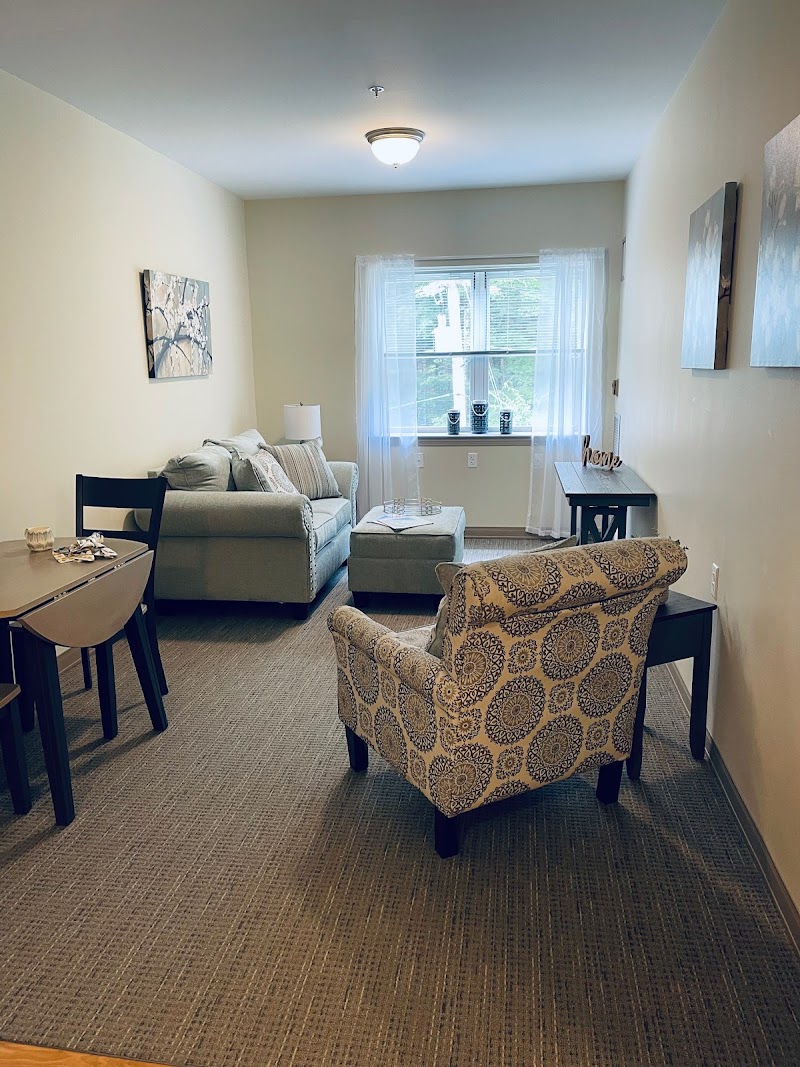
How Does Notre Dame Long Term Compare to Other Massachusetts Nursing Homes?

Compared to the 100 nursing homes in Massachusetts, NOTRE DAME LONG TERM CARE CENTER's overall rating (4 stars) is above the state average of 2.9, staff turnover (30%) is significantly lower than the state average of 46%, and health inspection rating (4 stars) is above the national benchmark.

What Should Families Ask When Visiting Notre Dame Long Term?

Based on this facility's data, families visiting should ask: "Can I visit during a mealtime to observe dining assistance and food quality?" "How do you handle medical emergencies, and what is your hospital transfer rate?" "Can I speak with family members of current residents about their experience?"

Is Notre Dame Long Term Safe?

Based on CMS inspection data, NOTRE DAME LONG TERM CARE CENTER has a clean safety record: no substantiated abuse findings (meaning no confirmed cases of resident harm), no Immediate Jeopardy citations (the most serious violation level indicating risk of serious injury or death), and is not on the Special Focus Facility watch list (a federal program monitoring the lowest-performing 1% of nursing homes). The facility has a 4-star overall rating and ranks #1 of 100 nursing homes in Massachusetts. While no facility is perfect, families should still ask about staff-to-resident ratios and recent inspection results during their visit.

Do Nurses at Notre Dame Long Term Stick Around?

Staff at NOTRE DAME LONG TERM CARE CENTER tend to stick around. With a turnover rate of 30%, the facility is 16 percentage points below the Massachusetts average of 46%. Low turnover is a positive sign. It means caregivers have time to learn each resident's needs, medications, and personal preferences. Consistent staff also notice subtle changes in a resident's condition more quickly.

Was Notre Dame Long Term Ever Fined?

NOTRE DAME LONG TERM CARE CENTER has no federal fines on record. CMS issues fines when nursing homes fail to meet care standards or don't correct problems found during inspections. The absence of fines suggests the facility has either maintained compliance or corrected any issues before penalties were assessed. This is a positive indicator, though families should still review recent inspection reports for the full picture.

Is Notre Dame Long Term on Any Federal Watch List?

NOTRE DAME LONG TERM CARE CENTER is not on any federal watch list. The most significant is the Special Focus Facility (SFF) program, which identifies the bottom 1% of nursing homes nationally based on persistent, serious quality problems. Not being on this list means the facility has avoided the pattern of deficiencies that triggers enhanced federal oversight. This is a positive indicator, though families should still review the facility's inspection history directly.