REGALCARE AT WORCESTER
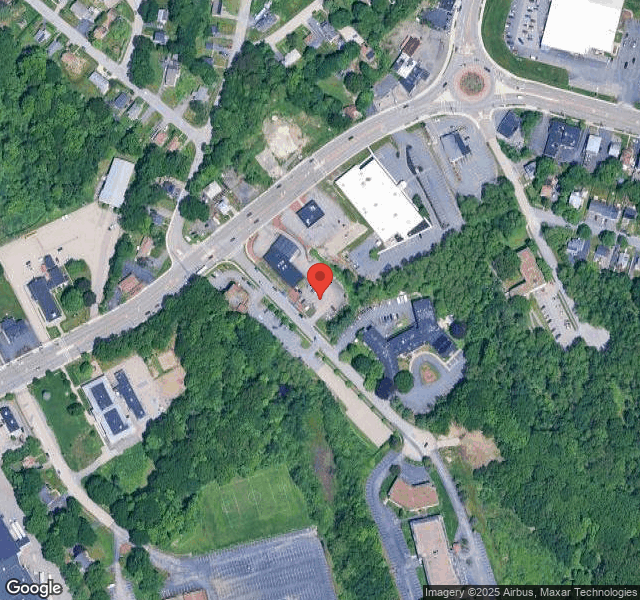
25 ORIOL DRIVE, WORCESTER, MA 01605 (508) 852-3330
For profit - Corporation 160 Beds REGALCARE Data: November 2025
Trust Grade
50/100
#241 of 338 in MA
Last Inspection: April 2025

Within standard 12-15 month inspection cycle. Federal law requires annual inspections.

Overview

RegalCare at Worcester has a Trust Grade of C, which means it is average and placed in the middle of the pack among nursing homes. With a state rank of #241 out of 338 facilities in Massachusetts, it falls in the bottom half, and it ranks #40 out of 50 in Worcester County, meaning only nine local options are better. The facility is currently worsening, with issues increasing from 7 in 2024 to 10 in 2025. Staffing is a relative strength, with a turnover rate of 34%, which is lower than the state average, but the RN coverage is concerning, being less than that of 92% of Massachusetts facilities. While there have been no fines, which is positive, there have been concerning incidents, such as failing to inform families of COVID-19 infections in a timely manner and not providing privacy for residents during council meetings, highlighting areas where improvement is needed alongside its strengths.

Trust Score
C
50/100
In Massachusetts
#241/338
Bottom 29%
Safety Record
Low Risk
No red flags
Inspections
Getting Worse
7 → 10 violations
Staff Stability
○ Average
34% turnover. Near Massachusetts's 48% average. Typical for the industry.
Penalties
✓ Good
No fines on record. Clean compliance history, better than most Massachusetts facilities.
Skilled Nurses
⚠ Watch
Each resident gets only 20 minutes of Registered Nurse (RN) attention daily — below average for Massachusetts. Fewer RN minutes means fewer trained eyes watching for problems.
Violations
⚠ Watch
31 deficiencies on record. Higher than average. Multiple issues found across inspections.
★★☆☆☆
2.0
Overall Rating
★★★☆☆
3.0
Staff Levels
★☆☆☆☆
1.0
Care Quality
★★★☆☆
3.0
Inspection Score
Stable
2024: 7 issues
2025: 10 issues

The Good

  • Full Sprinkler Coverage · Fire safety systems throughout facility
  • No fines on record
  • Staff turnover below average (34%)

    14 points below Massachusetts average of 48%

Facility shows strength in fire safety.

The Bad

2-Star Overall Rating

Below Massachusetts average (2.9)

Below average - review inspection findings carefully

Staff Turnover: 34%

12pts below Massachusetts avg (46%)

Typical for the industry

Chain: REGALCARE

Part of a multi-facility chain

Ask about local staffing decisions and management

The Ugly 31 deficiencies on record

May 2025 2 deficiencies
CONCERN (D) 📢 Someone Reported This

A family member, employee, or ombudsman was alarmed enough to file a formal complaint

Potential for Harm - no one hurt, but risky conditions existed

Pressure Ulcer Prevention (Tag F0686)

Could have caused harm · This affected 1 resident

**NOTE- TERMS IN BRACKETS HAVE BEEN EDITED TO PROTECT CONFIDENTIALITY** Based on records reviewed and interviews, for one of three sampled residents (Resident #1), who upon admission had specific phys...

Read full inspector narrative →
**NOTE- TERMS IN BRACKETS HAVE BEEN EDITED TO PROTECT CONFIDENTIALITY** Based on records reviewed and interviews, for one of three sampled residents (Resident #1), who upon admission had specific physician's orders for treatment of his/her pressure injury, the facility failed to ensure that the treatment orders transcribed and provided by nursing were appropriate and adequate to treat his/her wound. Findings include: Review of the Facility's policy titled Pressure Ulcer/Injuries Overview, with a revision date of 03/2022, indicated the following: -Pressure Ulcer/Injury refers to localize damage to the skin and/or underlying soft tissue usually over a bony prominence or related to a medical or other device. -Debridement is the removal of devitalized/necrotic tissue and foreign matter from a wound to improve or facilitate the healing process. Debridement methods may include a range of treatments such as the use of enzymatic dressings to surgical debridement in order to remove tissue or matter from a wound to promote healing. Resident #1 was admitted to the facility in April 2025, diagnoses included End Stage Renal Disease with dependence on dialysis (a life-saving treatment that filters waste products and excess fluid when the kidneys stop working), Stage IV (full thickness skin and tissue loss with exposed muscle, tendon, ligament, cartilage or bone in the wound, slough and/or eschar/dead tissue may be visible) sacrum pressure injury, and diabetes mellitus. Review of Resident #1's Hospital Discharge summary, dated [DATE], indicated he/she had a Stage IV sacral pressure injury and to continue wound care which consisted of Collagenase Topical (medication used to treat severe burns or pressure injuries in adults, helps to remove dead skin tissue and aid in wound healing) 250 units per gram ointment that was to be applied daily. Review of Resident #1's admission Nursing Evaluation, dated 04/03/25 and signed by Nurse #5, indicated Resident #1 had a pressure injury on the coccyx [sacral area]. Review of Resident #1's Nursing Progress Note, dated 04/04/25 and written by Nurse #1, indicated he/she had a sacral wound which measured 4.4 centimeters (cm) x 8.5 cm, wash area with normal saline, pat dry, and apply dry protective dressing (DPD) until seen by the Physician. During a telephone interview on 05/06/25 at 12:50 P.M., Nurse #5 said he was the nurse on duty for the 3:00 P.M. through 11:00 P.M. shift on 04/03/25 and completed the admission Nursing Evaluation for Resident #1. Nurse #5 said it was protocol to follow the wound treatment orders that were listed on the Hospital Discharge Summary. Nurse #5 said he was the only nurse on that night so he may not have entered Resident #1's wound treatment orders but that the next shift nurse could pick-up any orders that may have been missed. Review of Resident #1's Initial admission History and Physical, dated 04/05/25 and signed by Physician #1, indicated Resident #1 had multiple wounds including a Stage IV sacral wound and the plan included wound care and pressure relief. During a telephone interviews on 05/06/25 at 12:15 P.M. and 05/07/25 at 11:40 A.M., Nurse #1 said she was Resident #1's nurse for the day shift (7:00 A.M. through 3:00 P.M.) on 04/04/25. Nurse #1 said she did not reference Resident #1's Hospital Discharge Summary when she notified Resident #1's provider to obtain wound care treatment orders. Nurse #1 said she did not remember what Resident #1's wound looked like but said the facility's protocol was to put a treatment order in place until the resident could be evaluated by the Facility's Wound Nurse Practitioner (NP). Review of Resident #1's Treatment Administration Record (TAR) for the month of April 2025, indicated Resident #1 received wound care to his/her sacrum which consisted of the following: normal saline wash and a DPD, which was applied daily from 04/05/25 through 04/07/25. During a telephone interview on 05/07/25 at 9:00 A.M., Physician #1 said he was in the facility on 04/05/25 to complete Resident #1's Initial History and Physical. Physician #1 said he did not visualize Resident #1's wound but knew that he/she had a quite advanced pressure injury. Physician #1 said he expected nursing staff to refer to the Hospital Discharge Summary when requesting wound care treatment orders and thought Resident #1 was receiving Collagenase to his/her [sacral] wound because that was what he/she received in the Hospital. Physician #1 said it was their fault that the correct treatment was not initiated. During a telephone interview on 05/08/25 at 10:32 A.M., the Director of Nurses (DON) said the facility's protocol was to follow the wound care treatment orders listed on the Hospital Discharge Summary until the resident could be seen by the facility's Wound Nurse Practitioner (NP). The DON said the Wound NP comes to the facility weekly but Resident #1 was transferred to the hospital before the Wound NP was able to assess his/her wound. The DON said Normal Saline with a DPD would not be the standard of care for the treatment of a Stage IV pressure injury and the wound treatment orders on Resident #1's Hospital Discharge Summary should have been implemented.
CONCERN (D) 📢 Someone Reported This

A family member, employee, or ombudsman was alarmed enough to file a formal complaint

Potential for Harm - no one hurt, but risky conditions existed

Deficiency F0698 (Tag F0698)

Could have caused harm · This affected 1 resident

**NOTE- TERMS IN BRACKETS HAVE BEEN EDITED TO PROTECT CONFIDENTIALITY** Based on records reviewed and interviews, for one of three sampled residents (Resident #1), who required hemodialysis (a life-sa...

Read full inspector narrative →
**NOTE- TERMS IN BRACKETS HAVE BEEN EDITED TO PROTECT CONFIDENTIALITY** Based on records reviewed and interviews, for one of three sampled residents (Resident #1), who required hemodialysis (a life-saving treatment that filters waste products and excess fluid when the kidneys stop working) three times a week for end stage renal disease (ESRD), the facility failed to ensure Resident #1 received the care and services consistent with his/her care plan, when Resident #1 missed a dialysis session because of a transportation issue and miscommunication with the dialysis center, he/she went four days without receiving dialysis and when he/she was transported to the dialysis center for treatment, he/she required Hospital transfer due to a change in status. Findings include: Review of the Facility's Policy, titled Care of Resident with End Stage Renal Disease, dated as revised 4/2022, indicated the following: -Residents with ESRD will be cared for according to currently recognized standards of care. -If a resident has been identified in need of hemodialysis, the resident will receive dialysis treatment from a Dialysis Facility. -Transportation to and from an off-site [dialysis treatment] location will be arranged by the nursing staff. Resident #1 was admitted to the facility in April 2025, diagnoses included ESRD with dependence on dialysis, Stage IV (full thickness tissue skin and tissue loss with exposed muscle, tendon, ligaments, cartilage or bone in the ulcer; slough and/or eschar/dead tissue may be visible) sacrum pressure injury, and Diabetes Mellitus. Review of Resident #1's Hospital Discharge summary, dated [DATE], indicated he/she was to continue with hemodialysis every Monday, Wednesday, and Friday. Review of Resident #1's admission Nursing Evaluation, dated 04/03/25, indicated Resident #1 received his/her most recent dialysis treatment on (Wednesday) 04/02/25. Review of Resident #1's Nursing Progress Note, dated (Friday) 04/04/25, indicated Nurse #1 received a call from Resident #1's Dialysis Center because he/she did not attend the dialysis treatment scheduled for that morning. The Note indicated that Resident #1 was re-scheduled to receive dialysis on (Saturday) 04/05/25. During a telephone interview on 05/07/25 at 10:08 A.M., the Dialysis Center's Clinical Manager said she notified the Facility on (Friday) 04/04/25 that there were no openings to accommodate Resident #1 until his/her next scheduled dialysis treatment on (Monday) 04/07/25. The Clinical Manager said she was confused when Resident #1 arrived at the Dialysis Center on (Saturday) 04/05/25 because there was no scheduled dialysis treatment for him/her that day. The Clinical Manager said when Resident #1 arrived at the Dialysis Center on (Monday) 04/07/25, he/she was unstable, confused, and lethargic, therefore, he/she was transferred to the Hospital ED for evaluation. Review of Resident #1's Nursing Progress Note, dated 04/05/25, indicated Resident #1 was transported to the Dialysis Center but they did not have an opening to accommodate Resident #1 and he/she was transported back to the facility [without having received dialysis treatment]. The Note indicated that a Nurse Practitioner was notified and advised that Resident #1 remain at the facility until his/her scheduled dialysis treatment on Monday (04/07/25). During a telephone interview on 05/06/25 at 9:13 A.M., the Facility's admission Liaison said the Facility was aware of Resident #1's pending admission several days prior to him/her being admitted to the facility and that nursing was responsible for booking transportation to his/her dialysis treatments. During an interview on 05/06/25 at 3:15 P.M., the Assistant Director of Nurses said it was her understanding that Resident #1's family member booked his/her transportation for the scheduled dialysis treatments. During a telephone interview on 05/07/25 at 10:00 A.M., the Customer Service Representative at the Transportation Company said the first transportation booking for Resident #1 in April 2025 was for a pick up at the facility on (Saturday) 04/05/25. Review of Resident #1's Medication Administration Record (MAR) for the month of April 2025 indicated his/her physician's order to attend dialysis three days a week on Monday, Wednesday, Friday with a transport pick up time of 6:30 A.M., was not obtained by the nursing staff until 04/09/25 (several days after Resident #1's admission to the facility and two days after he/she was transferred to the Hospital ED). During a telephone interview on 05/08/25 at 10:32 A.M., the Director of Nurses (DON) said that it was her understanding that Resident #1's family had set up transportation for him/her to attend their dialysis treatments, but usually the Unit Managers booked transportation for the residents who required dialysis services. The DON said that Resident #1's physician's orders for dialysis should have been put in place at the time of his/her admission to the facility. The DON said that the whole admission process [for Resident #1] was a mess from the start.
Apr 2025 8 deficiencies
CONCERN (D)

Potential for Harm - no one hurt, but risky conditions existed

Tube Feeding (Tag F0693)

Could have caused harm · This affected 1 resident

**NOTE- TERMS IN BRACKETS HAVE BEEN EDITED TO PROTECT CONFIDENTIALITY** Based on observation, interview, and record review, the facility failed to provide necessary care and services relative to enter...

Read full inspector narrative →
**NOTE- TERMS IN BRACKETS HAVE BEEN EDITED TO PROTECT CONFIDENTIALITY** Based on observation, interview, and record review, the facility failed to provide necessary care and services relative to enteral feeding (providing nutrition directly into the stomach/intestines through a feeding tube), for one Resident (#114) out of a total sample of 25 residents. Specifically, for Resident #114, the facility failed to record the total amount of administered enteral feeding as ordered by the Physician, and perform weekly weight monitoring with the Resident experiencing a significant weight loss over a one-month period. Findings include: Review of the facility policy titled Weight Management last revised 4/2022, indicated: -Weights will be done weekly for the first four weeks and then monthly unless otherwise recommended by the Dietician or RN. -Weekly weights should be done on residents who are (identified) as high nutritional risk. -Weight change is defined as any unplanned weight gain or loss as follows: >+/- 5% weight change in one month >+/- 7.5% weight change in 3 months >+/- 10% weight change in 6 months Review of the facility policy titled Enteral Nutrition, last revised 4/2022, indicated: -The Registered Dietician completed the Nutrition Care Process to include: -calculations of estimated energy, protein and fluid requirements -recommendations as needed for alternative formulas, rates, or amounts of the formula or water to meet the resident's needs -monitoring of weight .tolerance to feeding and oral food/fluid intakes (if applicable) Resident #114 was admitted to the facility in March 2025, with diagnoses including Traumatic Brain Injury (TBI), Acute Respiratory Failure, Dysphagia, Gastrostomy Status (G-tube - a flexible tube inserted through the abdomen and stomach to deliver nutrition, fluids and medication directly to the stomach). Review of the Minimum Data Set (MDS) assessment dated [DATE], indicated Resident #114 was severely cognitively impaired as evidenced by a Brief Interview for Mental Status (BIMS) score of five out of a total possible score of 15. On 4/15/25 at 9:57 A.M., the surveyor observed Resident #114 lying in bed and enteral formula being administered via a feeding controller pump set at 75 milliliters/hour (ml/hr). Review of the active Physician orders dated 4/17/25, indicated: -NPO (nothing per os-nothing by mouth) diet, initiated 3/13/25 -Enteral feed order, Jevity 1.2 cal @75 ml/hr x 20 hours until 1500 ml total infused, down at 1300 hours (1:00 P.M.) and up at 1700 hours (5:00 P.M.), Document total amount of enteral feed infused every day shift, initiated 3/13/25 Review of Resident #114's Comprehensive Nutritional Evaluation dated 3/13/25, indicated: -recommendation to initiate weekly weight monitoring x 4 weeks. -goal to maintain weight within 5% of current body weight and experience no significant weight changes. Review of Resident #114's weight record indicated the following weights: -3/13/25: 148.9 pounds -4/7/25: 132.4 pounds -Further review of Resident #114's weight record failed to indicate that weekly weights were obtained for four weeks. Review of Resident #114's Nutrition/Dietary Progress Note dated 4/7/25, indicated the Resident experienced a significant weight loss of 11.1% over a one-month period. Review of Resident #114's March 2025 and April 2025 Medication Administration Record (MAR) failed to indicate documentation recording the total amount of enteral formula that was administered to the Resident during the day shift as ordered. During an interview on 4/17/25 at 9:15 A.M., the Dietician said that it is important to know exactly how much enteral formula Resident #114 received because the amount of enteral formula was specifically calculated based on the Resident's height, weight and nutritional requirements. The Dietician said that all newly admitted residents were placed on weekly weights for four weeks and then if the weights were stable, the resident was moved to monthly weight monitoring. The Dietician said that all weights were documented on the weight record in the electronic medical record. The surveyor and the Dietician reviewed Resident #114's weight record and the Dietician said that there was no evidence that weekly weight monitoring had been performed for the Resident, but should have been. The Dietician further said that the amount of enteral formula that had been administered to Resident #114 had not been documented as ordered but should have been documented.
CONCERN (D)

Potential for Harm - no one hurt, but risky conditions existed

Deficiency F0761 (Tag F0761)

Could have caused harm · This affected 1 resident

**NOTE- TERMS IN BRACKETS HAVE BEEN EDITED TO PROTECT CONFIDENTIALITY** Based on observation, record review, and interview, the facility failed to ensure that medications were secure and inaccessible ...

Read full inspector narrative →
**NOTE- TERMS IN BRACKETS HAVE BEEN EDITED TO PROTECT CONFIDENTIALITY** Based on observation, record review, and interview, the facility failed to ensure that medications were secure and inaccessible to unauthorized persons, for one Resident (#91), out of a total sample of 25 residents. Specifically, for Resident #91, the facility failed to ensure that medications prepared for the Resident was handled in a safe and secure manner, when Nurse #3 left medications reconstituted in a cup of coffee, with Certified Nurses Aide (CNA) #4, and instructions that CNA #4 ensure the Resident consumed the coffee/ medications, and Nurse #3 did not remain with the Resident to ensure safe medication administration. Findings include: Review of the facility's policy titled Oral Medication Administration, effective April 2017 and last revised April 2022, indicated the following: -The purpose of this procedure is to provide guidelines for safe administration of oral medications. -Verify that there is a Physician's medication order for this procedure. -If the resident cannot hold his or her own medications, place the cup near the lips and gently introduce each medicine one at a time, followed by a sip of water. Do not rush the resident. -Remain with the resident until all medications have been taken. Resident #91 was admitted to the facility in March 2022, with diagnoses including Dementia, Major Depressive Disorder, Anxiety Disorder, Gastro-Esophageal Reflux Disease without Esophagitis, and Unspecified Blepharitis Unspecified Eye. Review of Resident #91's recent MDS assessment dated [DATE], indicated the Resident was severely cognitively impaired as evidenced by a Brief Interview for Mental Status (BIMS) score of four out of a possible 15 points. Review of Resident #91's April 2025 Physician's orders indicated the following: -Amlodipine Besylate Tablet 10 milligrams (mg), Give 1 tablet by mouth one time a day for hypertension (HTN), initiated 3/2/22. -Multivitamin Tablet (Multiple Vitamin), Give 1 tablet by mouth one time a day for supplement, initiated 3/2/22. -Pepcid Oral Tablet 20 mg (Famotidine), Give 1 tablet by mouth two times a day related to Gastroesophageal reflux disease without esophagitis, initiated 2/27/23. -Trazodone HCL Oral Tablet 50 mg (Trazodone HCL), Give 25 mg by mouth two times a day related to Major Depressive, Recurrent, Unspecified, give ½ tab in A.M. & 2:00 P.M., initiated 2/19/24. -Valproic Acid Solution 250 mg/5 milliliters (ml), Give 375 mg by mouth two times a day for Mood Disorders related to Unspecified Dementia, Unspecified Severity, with Other Behavioral Disturbance [7.5 ml per dose equals 375 mg], initiated 3/19/25. -May crush allowable Meds, initiated 3/2/22. Review of Resident #91's 4/16/25, Medication Administration Record (MAR) indicated Nurse #3's initials that Amlodipine Besylate, Multivitamin, Pepcid, Trazodone, and Valproic Acid medications were administered to the Resident as ordered by the Physician. Review of Resident #91's Nursing Evaluation: Medication Reconciliation/Self-Admin [administration] of Meds, dated 3/31/25 indicated: -Resident wishes not to administer his/her own medications. -No documentation that Resident #91 was able to self-administer his/her scheduled medications prescribed by the Physician. On 4/16/25 at 8:21 A.M., the surveyor observed Nurse #3 enter the dining room on Unit 4. The surveyor observed Nurse #3 holding a small plastic medication cup containing a pink liquid, a clear pill crush bag containing a powered substance, and a spoon. The surveyor observed Nurse #3 approach Resident #91 who was seated in a wheelchair at the dining table. The surveyor also observed CNA #4 seated in a stationary chair at the table next to Resident #91. Nurse #3 was observed mixing the pink liquid substance and the powered substance into Resident #91's cup of coffee. The surveyor observed Nurse #3 instruct CNA #4 to ensure that Resident #91 drank the coffee because the cup of coffee contained Resident #91's medications. Nurse #3 was observed exiting the dining room and leaving the cup of coffee containing the medications unattended with CNA #4. During an interview on 4/16/25 at 8:23 A.M., CNA #4 said that Nurse #3 told the CNA that she mixed medications in Resident #91's cup of coffee and for CNA #4 to ensure that Resident #91 drank the coffee. During an interview on 4/16/25 at 8:24 A.M., Nurse #3 said that she reconstituted medication into Resident #91's cup of coffee and instructed CNA #4 to ensure that Resident #91 drank the coffee because the cup contained Resident's #91's morning scheduled medications. Nurse #3 said that she thought instructing CNA #4 to ensure that the Resident drank the coffee was okay. On 4/16/25 at 8:26 A.M., the surveyor observed Nurse #3 standing next to the medication cart at the nurses station and out of direct line of sight from Resident #91 who was seated in the dining room. The surveyor observed Resident #91 pick up the cup of coffee, bring it to his/her lips to drink. Nurse #3 was not observed to re-enter the dining room. During a follow-up interview on 4/16/25 at 8:32 A.M., CNA #4 said that Nurse #3 did not return to the dining room to remove the cup of coffee containing Resident #91's medication. CNA #4 said that the Resident consumed the coffee without Nurse #3 present. During an interview on 4/16/25 at 9:49 A.M., the Assistant Director of Nursing (ADON) said that residents have a Physician order to crush medications and to mix with the fluid of choice. The ADON said that Nurse #3 should have stayed with the Resident when she reconstituted the medications with the cup of coffee. The ADON said that Nurse #3 should have ensured that the Resident consumed the medication dose ordered by the Physician prior to exiting the dining room. The ADON said that the expectation for nursing staff during medication administration was to remain with residents to ensure that medications are administered as ordered. The ADON said the medications should not have been left with CNA's to be administered to Residents as CNA's were not identified as Licensed Nurses.
CONCERN (D)

Potential for Harm - no one hurt, but risky conditions existed

Dental Services (Tag F0791)

Could have caused harm · This affected 1 resident

**NOTE- TERMS IN BRACKETS HAVE BEEN EDITED TO PROTECT CONFIDENTIALITY** Based on record review, interview, and observation, the facility failed to provide routine dental services for one Resident (#29...

Read full inspector narrative →
**NOTE- TERMS IN BRACKETS HAVE BEEN EDITED TO PROTECT CONFIDENTIALITY** Based on record review, interview, and observation, the facility failed to provide routine dental services for one Resident (#29) out of a total sample of 25 residents. Specifically, for Resident #29, the facility failed to schedule a follow-up appointment for dental care in a timely manner which resulted in a delay in dental care and increased risk for oral pain and infection. Findings include: Review of the facility policy titled Dental Services, last revised January 2025, indicated: -Routine and 24-hour emergency dental services are provided to our residents through: >a contract agreement with a licensed dentist that comes to the facility monthly >referral to the resident's personal dentist >referral to community dentists >referral to other health care organizations that provide dental services -Selected dentists must be available to provide follow-up care. Failure of a dentist to provide follow-up services will result in the facility's right to use its consultant dentist to provide the resident's dental needs -Social Services Representative will assist residents with appointments Resident #29 was admitted to the facility in March 2015 with diagnoses including Dementia and muscle weakness. Review of the Minimum Data Set (MDS) assessment dated [DATE], indicated that Resident #29: -was cognitively intact as evidenced by a Brief Interview for Mental Status (BIMS) score of 13 out of a possible total score of 15. -reported frequent moderate pain [sic] within the last five days. Review of Resident #29's Medical Record indicated: -an activated Healthcare Proxy (HCP), effective 2/20/23. -the HCP signed a consent for Dental services, effective 2/20/23. Review of Resident #29's Dental Group Consultant Sheet dated 6/21/23, unsigned indicated: -Patient needs extractions will reschedule with proxy (HCP) permission. Review of Resident #29's Dental Group Consultant Sheet dated 8/31/23, signed by the Dental Hygienist indicated: -Patient was having trouble with pain during treatment. -Patient will need a deep clean. -Patient will need to see the Doctor for treatment plan for decay. During an interview on 4/15/25 at 8:49 A.M., Resident #29 said that his/her back tooth was sore and that he/she had seen the Dentist in the past, but had not seen the Dentist for a while. During an interview on 4/16/25 at 1:46 P.M., Unit Manager (UM) #1 said that Resident #29's dental care recommendations should have been followed up on and they were not. UM #1 also said that a dental appointment had been canceled, and had never been rescheduled but should have been.
CONCERN (D)

Potential for Harm - no one hurt, but risky conditions existed

Infection Control (Tag F0880)

Could have caused harm · This affected 1 resident

**NOTE- TERMS IN BRACKETS HAVE BEEN EDITED TO PROTECT CONFIDENTIALITY** Based on observation, interview, and record review, the facility failed to adhere to infection control standards of practice for...

Read full inspector narrative →
**NOTE- TERMS IN BRACKETS HAVE BEEN EDITED TO PROTECT CONFIDENTIALITY** Based on observation, interview, and record review, the facility failed to adhere to infection control standards of practice for one Resident (#48) out of a total sample of 25 residents, increasing the risk of contamination and the spread of infections within the facility. Specifically, for Resident #48, the facility staff failed to appropriately follow Enhanced Barrier Precautions (EBP's: the use of protective gowns and gloves during high contact care activities that may provide opportunity for transmission of medication resistant organisms through staff hands and/or clothing), while providing high contact care to the Resident during ADLs (Activities of Daily Living: such as bathing, dressing, grooming, personal hygiene) when providing high contact care to the Resident. Findings include: Review of the facility policy titled Enhanced Barrier Precautions (EBP), last revised September 2022, indicated the following: -Enhanced barrier precautions are infection prevention intervention designed to reduce the transmission of multidrug-resistant organisms (MDROs) in the facility. >The precautions involve gown and glove use during high contact care activities for residents known to be colonized or infected with an MDRO, as well as those with an increased risk of contracting an MDRO. -Use of Enhanced Barrier Precautions includes, but not limited to residents, with indwelling medical devices or wounds (regardless of MDRO colonization or infection status) . -Examples of indwelling medical devices include central lines, urinary catheters, feeding tubes, and tracheostomies/ventilators. -Examples of high contact care activities include dressing, bathing/showering, transferring, providing hygiene, changing linens, changing briefs or assisting with toileting, device care or use, and wound care. Resident #48 was admitted to the facility in March 2022 with diagnoses including Neuromuscular Dysfunction of Bladder and Cerebral Palsy. Review of the Minimum Data Set (MDS) assessment dated [DATE], indicated Resident #48: -was cognitively intact as evidenced by a Brief Interview for Mental Status (BIMS) score of 15 out of a total possible 15. -has an indwelling catheter (Foley) in place. Review of Resident #48's April 2025 Physician's orders indicated: -Enhanced Barrier Precautions related to (r/t) Foley, every shift, initiated 1/4/25. Review of Resident #48's Plan of Care for Enhanced Barrier Precautions, initiated 1/18/23 and revised 2/7/25, indicated the Resident was on EBP for suprapubic catheter care. On 4/15/25 from 9:24 A.M. to 9:33 A.M., the surveyor observed the following: -Signage outside of Resident #48's room, attached to the room name plate, indicating Enhanced Barrier Precautions (EBP). The EBP sign indicated: >Perform hand hygiene before and after patient contact, contact with environment, and after removal of PPE (Personal Protective Equipment). >Wear gown and gloves prior to these activities: *During High Contact Care Activities: *Dressing *Bathing/Showering *Transferring *Providing hygiene *Changing linens *Changing briefs or assisting with toileting *Device Care or use of a device (i.e central lines, urinary catheters, feeding tubes, tracheostomies, ventilators). -Clear storage bin with PPE including gloves and clean disposable blue gowns outside of the room. -Black trash bin outside of the room. >9:24 A.M.: -Nurse #1 was observed standing at the medication cart across the hall from Resident #48's room. -Staff Development Coordinator (SDC) was observed standing in the hall near Resident #48's room and assisting staff collecting breakfast trays. -Certified Nurses Aide (CNA) #1 and CNA #2 were observed to don gloves, did not don gowns, and entered Resident #48's room with a mechanical lift and closed the door for privacy. >9:29 A.M.: -CNA #1 was observed to open the door to reposition the mechanical lift in the room and Resident #48 was observed lifted in the mechanical lift. -CNA #1 and CNA #2 were observed wearing gloves, but were not observed wearing gowns. >9:33 A.M.: -CNA #1 was observed exiting the Resident's room with the mechanical lift, removed her gloves, and disposed of the gloves in the black trash bin. During an interview on 4/15/25 at 9:33 A.M., CNA #1 said that she was not sure what the signage outside of Resident #48's room indicated, or to which resident in the room the signage applied. During an interview on 4/15/25 at 9:37 A.M., with Nurse #1 and the SDC, Nurse #1 said that Resident #48 was on EBP due to use of an indwelling catheter. The surveyor and the SDC reviewed the signage outside of Resident #48's room, and the SDC said the sign indicated that staff should wear a gown and gloves when providing care to the Resident. The SDC said that CNA #1 and CNA #2 should have worn gowns and gloves when providing care to Resident #48. During an interview on 4/15/25 at 10:20 A.M., Resident #48 was observed in bed and dressed for the day. The Resident said that he/she had a urinary catheter in place and that sometimes the urinary catheter did leak urine. During an interview on 4/17/25 at 9:52. A.M., the Infection Control Nurse/Assistant Director of Nursing (ADON) said that residents who have wounds, ostomies, catheters, or tracheostomies would be on EBP and the facility has signage outside of the resident rooms that require EBP. The ADON said that if any staff are unsure of the signage or which PPE to wear, they can ask the Unit Nurse. The ADON further said that CNA #1 was a recent hire in the past 90 days, had completed her orientation process, and that she should have been wearing a gown and gloves when providing care to Resident #48. The surveyor requested evidence of staff education to CNA #1 relative to infection control. Review of the Education Record for CNA #1 indicated the following: -Education on Hand Hygiene and PPE donning observation was completed on 1/29/25. -Education regarding Enhanced Barrier Precautions was completed on 2/5/25.
CONCERN (E)

Potential for Harm - no one hurt, but risky conditions existed

Deficiency F0565 (Tag F0565)

Could have caused harm · This affected multiple residents

Based on interview and record review, the facility failed to provide privacy for residents during Resident Council meetings. Specifically, the facility failed to provide a private meeting space for R...

Read full inspector narrative →
Based on interview and record review, the facility failed to provide privacy for residents during Resident Council meetings. Specifically, the facility failed to provide a private meeting space for Resident Council meetings where facility staff was not using the meeting space area as a conduit to other building areas during times when Resident Council meetings were in progress. Findings include: Review of the facility's Residents Rights located in the admission Packet, undated indicated: -You have the right to organize and participate in Resident groups in the facility. -You have the right to privacy in accommodations, in receiving personal and medical care and treatment, in written and telephone communications, in visits, and meetings with family and Resident groups. During the Resident Group meeting held on 4/16/25 at 11:00 A.M., the surveyor interviewed 15 residents who were in attendance: -10 of the 15 Residents in attendance said that the space provided by the facility was not private and that staff frequently cut through the space during their meetings to get to other units in the building. -The Resident Council President said that this was the first time in a long time that the group had had privacy during their meeting. The surveyor observed that the Resident Council group meeting space that was reserved by the facility staff was divided by a hallway running down the middle, with two sets of double doors that were closed on either end. During an interview on 4/16/25 at 1:54 P.M., the Activities Director (AD) said that she was responsible for helping the Residents organize the Resident Council meetings. The AD said that in 2024, the Resident Council meetings had been interrupted by staff walking through the hallway approximately four times. The AD also said that staff should not have been present at the Resident Council meetings because the Residents wanted their privacy, and privacy had not been respected.
CONCERN (E)

Potential for Harm - no one hurt, but risky conditions existed

Safe Environment (Tag F0584)

Could have caused harm · This affected multiple residents

**NOTE- TERMS IN BRACKETS HAVE BEEN EDITED TO PROTECT CONFIDENTIALITY** Based on observations, and interviews, the facility failed to maintain a homelike environment on two units (Unit 2 and Unit 4) o...

Read full inspector narrative →
**NOTE- TERMS IN BRACKETS HAVE BEEN EDITED TO PROTECT CONFIDENTIALITY** Based on observations, and interviews, the facility failed to maintain a homelike environment on two units (Unit 2 and Unit 4) out of four resident units. Specifically, the facility failed to: -On Unit 2, maintain eight out of 22 resident rooms and the activity room in a safe, clean, comfortable and homelike environment. -On Unit 4, ensure that 19 out of 19 resident rooms were maintained in a safe, clean, comfortable and homelike environment. Findings include: Review of the facility policy titled, Resident Rights: Accommodation of Needs and Preferences and Homelike Environment, not dated, indicated: -that the facility will provide a safe, clean, comfortable and homelike environment. On 4/15/25 from 2:49 P.M. to 3:08 P.M., on Unit 2, the following was observed in Resident Rooms and the Activity Room by Surveyor #1: room [ROOM NUMBER]- Gouges in the wall behind the headboard of one resident's bed. room [ROOM NUMBER]- The room nightlight was nonfunctional. room [ROOM NUMBER]- The bathroom door and both closet doors had large gouges, scrapes, and holes. room [ROOM NUMBER]- The closet door had a deep hole and the wall had gouges and scrapes. room [ROOM NUMBER]- The bathroom sink was clogged, the wall underneath the window had gouges, scrapes, and holes, and the heating vent was dented with the ends exposed and uncovered. room [ROOM NUMBER]- The wall had scrapes with missing paint behind the headboard of one resident's bed. room [ROOM NUMBER]- The wall had scrapes with missing paint behind the headboard of one bed. room [ROOM NUMBER]- The night light was missing a cover with the lightbulb and wiring exposed. Activity/Unit Dining Room- The wall had gouges and scrapes. On 4/15/25 from 3:10 P.M to 3:36 P.M., on Unit 4, the following was observed in Resident rooms by Surveyor #2: room [ROOM NUMBER]- Gouges in the wall, the wallpaper was torn, and one window had silver utility tape on the edges. Rooms 402, 403, 404, and 405 - had gouges in the wall behind one resident's bed. room [ROOM NUMBER]- Gouges in the wall behind one resident's bed, torn wallpaper, and a lightbulb with an exposed lightbulb in the hallway outside of the room. room [ROOM NUMBER]- The wall behind the door had a hole from the door handle. room [ROOM NUMBER]- Gouges in the wall behind one resident's bed. room [ROOM NUMBER]- Gouges in the wall behind one resident's bed and a hole in the plastic trim. room [ROOM NUMBER]- Gouges in the wall and the wallpaper was ripped behind one resident's bed. room [ROOM NUMBER]- The wall had a hole with an exposed wire, gouges in the wall behind one resident's bed, and the wallpaper was ripped. room [ROOM NUMBER]- Gouges in the wall behind one resident's bed. room [ROOM NUMBER]- The wall had holes behind both resident's beds. room [ROOM NUMBER]- The wall behind the door had a hole from the door handle, and a missing electrical outlet cover. room [ROOM NUMBER]- Gouges in the wall behind one resident's bed, the floor was missing a floor tile, and the wallpaper was ripped. room [ROOM NUMBER]- Gouges in the wall behind one resident's bed, the wall had a hole behind the bathroom door from the door handle, and the wallpaper was ripped. room [ROOM NUMBER]- The wall had holes behind both resident's beds. room [ROOM NUMBER]- The wall had scrapes behind both resident's beds and the wallpaper was ripped. room [ROOM NUMBER]- The wall had scrapes behind one resident's bed, the base board trim had a hole, and the wallpaper was ripped. During an interview on 4/16/25 at 9:11 A.M., with surveyor #1 and Unit Manager (UM) #1, UM #1 said she was the manager for both Units 2 and 4. UM #1 said when there are maintenance issues identified, she will document a maintenance request in the log book on the unit. UM #1 said any staff are able to put requests in the log book and that the Maintenance Director is responsive and rounds on the units. UM #1 showed surveyor #1 where the Maintenance log book is kept at the nurses stations. Surveyor #1 and UM #1 reviewed the log book and failed to find any maintenance requests for repairs to walls, doors, lights, or electrical outlets documented for Rooms 201, 203, 206, 207, 211, 216, 217, 218, or the Activity/Dining Room. During an interview on 4/16/25 at 9:40 A.M., with surveyor #1, the Administrator and the Director of Clinical Operations, the Administrator said that the Maintenance Director was newly promoted into the position and works with the Regional Maintenance Director for support in the role. The Director of Clinical Operations said the facility is hiring for a second maintenance department staff member and other staff to complete painting projects. On 4/16/25 at 10:58 A.M., surveyor #1, the Maintenance Director and the Director of Clinical Operations toured Unit 2 and reviewed Rooms 201, 203, 206, 207, 211, 216, 217, 218, and the Activity/Dining Room. The Maintenance Director said he was aware of the need for repair to the wall in room [ROOM NUMBER] but that materials needed to be ordered for the repair. The Maintenance Director said that nursing staff put maintenance requests in the log books on each unit and he will do rounds in the morning, midday, and at the end of each day to check the books. The Maintenance Director said if there were immediate or emergent needs, nursing staff can contact him directly and he is easily available. Surveyor #1, the Maintenance Director, and the Director of Clinical Operations reviewed the last 90 days of maintenance logs for Units 2 and 4 and failed to find any documented requests relative to the damaged areas observed in the resident rooms. On 4/16/25 at 11:00 A.M., surveyor #1 conducted a Resident Council Group with 14 residents in attendance, who resided on four out of four units. During an interview at the time, 12 of the 14 residents in attendance said there were issues with the facility environment and problems such as holes in the walls, broken heating vents, and bathrooms needing repairs. The residents expressed frustration that these issues continued, and nothing happens. During an interview on 4/17/25 at 1:05 P.M., with surveyor #1, the Administrator said that the current facility renovation and remodeling project was partially complete and included future plans to remodel Unit 2 and Unit 4. The Administrator further said there was no quality improvement (QI) project relative to repairs or improving the environment on Unit 2 and Unit 4 prior to the survey team entrance.
CONCERN (E)

Potential for Harm - no one hurt, but risky conditions existed

Accident Prevention (Tag F0689)

Could have caused harm · This affected multiple residents

Based on observations, and interviews, the facility failed to maintain a safe and sanitary smoking environment for residents, staff, and visitors. Specifically, the facility failed to: -Ensure that p...

Read full inspector narrative →
Based on observations, and interviews, the facility failed to maintain a safe and sanitary smoking environment for residents, staff, and visitors. Specifically, the facility failed to: -Ensure that proper signage was visible to designate resident smoking areas. -Ensure residents were smoking in the designated smoking areas and not on the facility sidewalks and driveways. -Ensure residents were safely disposing of cigarette materials/refuse in the designated receptacles to prevent the risk of starting a fire when cigarettes were thrown near shrubs, mulch and on the ground with other trash. Findings include: Review of the facility policy titled, Smoking, effective April 2017 Revised March 2022, indicated: -This facility shall establish and maintain safe resident smoking practices. -Smoking is only permitted in designated resident smoking areas, which are located outside of the building. -Metal containers with self-closing cover devices are available in smoking areas. -Ashtrays are emptied only into designated receptacles. On 4/16/25 between 10:02 A.M. - 10:27 A.M., surveyor #1 observed the following: -Ten residents smoking on the sidewalk along the left side of the building. -Several chairs, a fire extinguisher and three covered cigarette receptacles were located in the sidewalk area. -Three residents were observed to be smoking in the circular driveway in front of the facility main entrance. -A No Smoking sign was observed on the right side of the lawn next to the facility main entrance. -The ground surrounding the front entrance was observed with copious amounts of cigarette butts thrown on the ground. -The cigarette butts and other smoking associated trash were observed along the sidewalk of the circular driveway, in the landscaped area in front of the covered porch around the shrubbery and mulch, and on the grass and sidewalk surrounding the chairs on the left side of the building where the ten residents were observed smoking. -Four residents in the designated smoking area were observed throwing their cigarettes on the ground when they were done smoking. -Three residents in the circular driveway were also observed throwing their cigarettes on the ground. -The Staff Aide supervising the resident smokers was not observed directing the residents to use the covered cigarette receptacles to dispose of their cigarettes. -No staff intervention was observed when the residents did not dispose of their cigarettes in the covered cigarette receptacles. During an interview at the time, the Administrator said the smoking area is regularly cleaned, but the residents are always out smoking, and it was difficult to keep up and keep the area clean. The Administrator said the residents should be using the cigarette receptacles to dispose of their cigarettes and the staff supervising smoking should be directing the residents to dispose of the cigarettes in the appropriate covered receptacles. On 4/16/25 between 10:29 A.M. - 10:37 A.M., surveyor #2 observed the following: -The covered porch area next to the main entrance of the facility had three chairs, a bench, a table and a fire extinguisher. -Multiple cigarette butts were observed on the lawn next to the facility main entrance and on the circular driveway. -One resident sitting in the designated smoking area which had 3 smoking receptacles and several chairs. -Cigarette butts were observed on the ground in the designated smoking area. -Residents were observed throwing cigarettes on the ground instead of disposing in the smoking receptacles. During an interview on 4/17/25 at 12:20 P.M., the Administrator said when there is inclement weather the residents smoke on the covered patio next to the facility main entrance. The Administrator said he considers both areas, the covered porch by the main entrance and the sidewalk area at the end of the driveway on the left side of the building, as designated smoking areas, and that was where the residents should be smoking. The Administrator said the No Smoking sign only pertains to the right side of the area by the main entrance. The Administrator said there was no signage to designate smoking areas because all the residents know where the smoking areas were located, and smoking designated area signs were not needed.
MINOR (B)

Minor Issue - procedural, no safety impact

Assessment Accuracy (Tag F0641)

Minor procedural issue · This affected multiple residents

**NOTE- TERMS IN BRACKETS HAVE BEEN EDITED TO PROTECT CONFIDENTIALITY** Based on record reviews, and interviews, the facility failed to accurately code a Minimum Data Set (MDS) Assessment for one Resi...

Read full inspector narrative →
**NOTE- TERMS IN BRACKETS HAVE BEEN EDITED TO PROTECT CONFIDENTIALITY** Based on record reviews, and interviews, the facility failed to accurately code a Minimum Data Set (MDS) Assessment for one Resident (#102), out of a total sample of 25 residents. Specifically, the facility failed to: 1. For Resident #102, accurately code that the Resident used corrective lenses during the MDS observation period putting the Resident at risk for not receiving required vision care and services. Findings include: Review of the Centers for Medicare and Medicaid Services (CMS) Long-Term Care Facility Resident Assessment Instrument (RAI) User's Manual version 1.19.1 dated October 2024, indicated the following: >Hearing, Speech and Vision: Document whether the resident is comatose, the resident's ability to hear, understand, and communicate with others and the resident's ability to see objects nearby in their environment. >Corrective Lenses: -Decreased ability to see can limit the enjoyment of everyday activities and can contribute to social isolation and mood and behavior disorders. -Many residents who do not have corrective lenses could benefit from them, and others have corrective lenses that are not sufficient. 1. Resident #102 was admitted to the facility in November 2023 with diagnoses including Chronic Systolic (Congestive) Heart Failure, Chronic Kidney Disease, Type 2 Diabetes Mellitus, and other Vascular Syndromes of Brain in Cerebrovascular Disease. Review of Resident #102's Optometry Evaluation, dated 10/8/24, indicated: -Resident was alert, oriented to person and place. -Resident has Cataract -Glasses Dispensed +2.25 Near [sic] Review of the MDS assessment dated [DATE], indicated Resident #102: -was moderately cognitively impaired as evidenced by a Brief Interview for Mental Status (BIMS) score of nine out of a possible 15 points. -had adequate vision and saw fine detail, such as regular print in newspapers/books. -did not use corrective lenses (contacts, glasses, or magnifying glass). During an interview on 4/15/25 at 9:28 A.M., Resident #102 said he/she wears eyeglasses. The surveyor observed two pairs of eyeglasses laying on the Resident's nightstand next to his/her bed. During an interview on 4/17/25 at 12:03 P.M., the Corporate MDS Nurse said that she was unaware that Resident #102 wears eyeglasses. The Corporate MDS Nurse said she would investigate, and get back to the surveyor. During a follow-up interview on 4/17/25 at 12:19 P.M., the Corporate MDS Nurse said that Resident #102 wears eyeglasses, and was not coded for corrective lenses in error on the MDS assessment dated [DATE]. The Corporate MDS Nurse said the MDS should be coded as corrective lenses used. Surveyor: [NAME], [NAME]
Jan 2024 7 deficiencies
CONCERN (D)

Potential for Harm - no one hurt, but risky conditions existed

Deficiency F0552 (Tag F0552)

Could have caused harm · This affected 1 resident

**NOTE- TERMS IN BRACKETS HAVE BEEN EDITED TO PROTECT CONFIDENTIALITY** Based on interview, record and policy review, the facility failed to ensure the resident's right to make healthcare decisions fo...

Read full inspector narrative →
**NOTE- TERMS IN BRACKETS HAVE BEEN EDITED TO PROTECT CONFIDENTIALITY** Based on interview, record and policy review, the facility failed to ensure the resident's right to make healthcare decisions for one Resident (#8) out of a total sample of 21 residents. Specifically, the facility failed to obtain written informed consent prior to administering a psychotropic (any drug that affects behavior, mood, thoughts, or perception) medication, including providing education on the risks and benefits of proposed care related to the use of the medication. Findings Include: Review of the facility policy titled Psychotropic Medication, revised April 2022, indicated the following: -Purpose is to administer and monitor the effects of psychoactive (also known as psychotropic) medications when prescribed. -Guidelines include: <Obtaining a Physician's order and an appropriate diagnosis is required for all psychoactive medications. <An informed consent from the resident (or legally authorized individual in the case of resident incompetence) is required for the administration of psychoactive medication. <The Interdisciplinary Team assesses and monitors the appropriateness, effectiveness, and side effects associated with psychoactive medications. <The resident, and when indicated, the family or responsible person, will be included in this process prior to administration of the dose. Resident #8 was admitted to the facility in August 2021 with diagnoses including Schizoaffective Disorder with Bipolar type (a mental illness where the individual experiences stimuli that are not there, ideas that are not based in reality, as well as mood disorder with episodes of mania and sometimes Depression), Major Depressive Disorder (disorder characterized by persistently depressed mood and long term loss of pleasure or interest in life), and Generalized Anxiety Disorder (severe, ongoing anxiety that interferes with daily activities). Review of the Minimum Data Set (MDS) assessment dated [DATE], indicated: -Resident #8 had moderately impaired cognition as evidenced by Brief Interview for Mental Status (BIMS) score of 10 out of total of 15. -experienced mood symptoms of feeling depressed, having negative thoughts of self, and trouble concentrating. Review of the Psychiatric Services Note on 3/17/23, indicated Resident #8 was experiencing increased anxiety and behavioral disturbances, and recommended: -initiating Carbamazepine (a medication use to treat certain types of seizures and Bipolar Disorder) at 100 milligrams (mg) twice a day for 3 days -then increasing to Carbamazepine 200 mg twice a day for 4 days -then on Day 8 increase Carbamazepine to 400 mg twice a day Review of the Physician's Progress Note dated 3/21/23, indicated the Resident had low mood and Anxiety and was started on Carbamazepine as recommended by Psychiatric Services. Review of the March 2023 Physician's orders indicated: -Carbamazepine, give 100 mg by mouth two times a day for Anxiety for 3 days (initiated 3/21/23) -Carbamazepine, give 200 mg by mouth two times a day for Anxiety for 4 days (initiated 3/24/23) -Carbamazepine, give 400 mg by mouth two times a day for Anxiety (initiated 3/28/23) Review of January 2024 Physician's orders indicated: -Carbamazepine oral tablet, give 400 mg by mouth two times a day for Anxiety (initiated 3/28/23) Review of the March 2023 through December 2023, and January 2024 Medication Administration Records (MAR) indicated Resident #8 received the Carbamazepine medication as ordered, from 3/21/2023 through 1/3/2024. Review of the clinical record did not show evidence that a written Informed Consent for Psychotropic Administration for the use of Carbamazepine was obtained and signed by Resident #8 prior to administration of the medication. During an interview on 1/3/24 at 11:36 A.M., the surveyor and Unit Manager (UM) #1 reviewed the January 2024 Physician's orders and UM #1 said that Resident #8 started on Carbamazepine on 3/21/23 and the Physician orders read that it was prescribed for Anxiety. UM #1 said that an informed consent for the medication should have been obtained prior to the administration but was not obtained, as required.
CONCERN (D)

Potential for Harm - no one hurt, but risky conditions existed

Deficiency F0658 (Tag F0658)

Could have caused harm · This affected 1 resident

Based on interviews, record and policy review, the facility failed to arrange for services or care that accepted standards of quality dictate should have been provided for one Resident (#65) out of a ...

Read full inspector narrative →
Based on interviews, record and policy review, the facility failed to arrange for services or care that accepted standards of quality dictate should have been provided for one Resident (#65) out of a total sample of 21 residents, to aid in treating Tardive Dyskinesia (TD - abnormal movements in the face, tongue, or other body parts that cannot be controlled). Specifically, for Resident #65, the facility staff failed to communicate Behavioral Health recommendations to the Physician so an increased dosage of the medication, Ingrezza (used to treat -TD) could be initiated to manage TD symptoms for the Resident. Findings include: Review of the facility policy, Abnormal Involuntary Movement (AIM), dated 4/2022 indicated the following: -A rating of 2 or higher on the AIMS scale is evidence of Tardive Dyskinesia (TD). Review of the facility policy, Physician Services and Discipline Recommendations dated 3/2022, indicated the following: -The attending Physician will determine the relevance of any recommended interventions from any discipline. -The Physician is not obligated to accept these recommendations if he or she has clinically valid reason for not doing so. Resident #65 was admitted to the facility in July 2021 with diagnoses including drug-induced Sub-acute Dyskinesia, Schizoaffective Disorder Bipolar type (a mental health disorder with a combination of Schizophrenia symptoms, such as hallucinations or delusions, and mood disorder symptoms, such as Depression or mania), Major Depressive Disorder (MDD - depression that affects how you feel, think and behave and can lead to a variety of emotional and physical problems), and Anxiety (an abnormal and overwhelming sense of apprehension and fear often marked by physical signs). Review of the Resident's medical record indicated use of the following psychotropic (medication that affects mental activity, behavior, perception or mood) medications: -Escitalopram (class of antidepressants called selective serotonin reuptake inhibitors (SSRIs), used to treat depression). -Trazodone (class of antidepressants called selective serotonin reuptake inhibitors (SSRIs), used to treat depression). -Mirtazapine (class of antidepressants called selective serotonin reuptake inhibitors (SSRIs), used to treat depression). -Ativan- (anti-anxiety medication that belongs to a class of drugs known as benzodiazepines [are depressants that produce sedation and hypnosis, relieve anxiety and muscle spasms, and reduce seizures]) -Buspirone- (class of medications called anxiolytics and used to treat anxiety disorders or the short-term treatment of symptoms of anxiety). Further review of the Resident's medical record indicated a current Physician's order for Ingrezza 60 milligram (mg), initiated 6/5/23, at bedtime related to drug induced Sub-acute Dyskinesia. Review of the Informed Consent Form dated 7/3/23, indicated Ingrezza with a dose of 80 mg/day, and was signed by the Health Care Proxy (HCP). Review of the AIMS scale, dated 11/27/23, indicated a score of 2. Review of the Behavioral Health Care Team's Certified Nurse Practitioner (CNP) progress note dated 12/14/23, indicated: -Resident #65 exhibits abnormal facial movements -Severity: Moderate -Recommendation to increase the Resident's Ingrezza dose to 80 mg daily. Review of the AIMS report, dated 12/14/23, with a score of 16, indicated mild symptoms for: -Facial and oral movements: >Muscles of Facial Expression >Lips and Perioral (around the mouth) Area >Jaw >Tongue -Global Judgement: >Severity of abnormal movements overall >Incapacitation due to abnormal movements >Patient's awareness of abnormal movements - Aware, mild distress (score of 2 [out of 5]) Review of the Care Plan Psychotropic Medication Use, dated 8/17/21, indicated the following: -Resident will be free from signs and symptoms of adverse consequences of psychotropic drug use through next review. -Consult Psychiatric services as needed -Monitor for effectiveness of psychotropic drug -Observe for any signs or symptoms of drug related consequences -Update Nurse Practitioner (NP)/Medical Doctor (MD) of any signs or symptoms Review of the Social Worker (SW) Progress Note dated 12/15/23, indicated Resident #65 was followed by Behavioral Health and was last seen on 12/14/23 with recommendations to adjust the Ingrezza dosage. During an interview on 1/3/24 at 2:52 P.M., SW #1 said that the facility had been unable to contact the Health Care Proxy (HCP) to sign the consent for the increased dose of Ingrezza to 80 mg. When the surveyor and SW #1 reviewed the current Ingrezza consent signed by the HCP, she said that she was not aware that the consent was signed for up to 80 mg of Ingrezza. SW #1 further said that she was not sure why the medication dosage increase was not initiated, as the Nursing Department would handle that. During an interview on 1/4/24 at 8:20 A.M., Unit Manager (UM) #1 said the Ingrezza 80 mg was not started due to the facility being unable to contact the Health Care Proxy (HCP) to have them sign the consent. When the surveyor reviewed the medical record with UM #1, she said that the consent was signed for Resident #65 to receive up to 80 mg daily of Ingrezza. UM #1 further said that she did not realize that the consent was for a dosage up to 80 mg. During a follow-up interview on 1/4/24 at 10:44 A.M., UM #1 said when the Behavioral Health Care Team makes a recommendation, she (UM #1) would reach out to the Physician to get a verbal order if the Physician agrees with the recommendation. UM #1 said that she had previously reached out to the Provider/ Physician regarding the increased medication dosage and was just waiting for the HCP consent to start the dosage increase. UM #1 said she could not provide documentation that the Physician was notified of the Behavioral Health Care Team recommendations or that the Physician order was given to increase the Ingrezza to 80 mg/day, as they were waiting for the consent to be signed by the HCP.
CONCERN (D)

Potential for Harm - no one hurt, but risky conditions existed

Deficiency F0691 (Tag F0691)

Could have caused harm · This affected 1 resident

**NOTE- TERMS IN BRACKETS HAVE BEEN EDITED TO PROTECT CONFIDENTIALITY** Based on interview and record review, the facility failed to provide care and services for an ileostomy (a surgically made openi...

Read full inspector narrative →
**NOTE- TERMS IN BRACKETS HAVE BEEN EDITED TO PROTECT CONFIDENTIALITY** Based on interview and record review, the facility failed to provide care and services for an ileostomy (a surgically made opening that connects the lower end of the small intestine to the abdominal wall. Through the abdominal wall opening, or stoma, the lower intestine is stitched into place. A wafer [a dressing that surrounds the stoma] is applied to the surrounding skin and allows for a bag/pouch to be attached to collect stool) appliance per professional standards, for one Resident (#13) out of a total sample of 21 residents. Specifically, the facility staff did not change the ileostomy bag and appliance (baseplate [or wafer] where the bag/pouch attaches) as required. Findings include: Resident #13 was admitted to the facility in February 2020 with diagnoses including ileostomy and Schizoaffective Disorder. Review of the Minimum Data Set (MDS) assessment dated [DATE], indicated that Resident #13 was cognitively intact as evidenced by a Brief Interview for Mental Status (BIMS) score of 15 out of a total score of 15. Review of the current Physician's orders indicated the following orders relative to ileostomy care: -May change ileostomy bag and appliance as needed. Order initiated 3/23/23 -Monitor ileostomy site every shift. Order initiated 2/5/2020. Recommended ileostomy care found at: https://my.clevelandclinic.org/health/treatments/22496-ostomy indicates: -dependent on the type of pouch system - will need to change the bag every three to seven days or some bags are designed to be changed daily. When changing the bag, be sure to: >Wipe away any mucous on the stoma. >Use warm water, mild soap and a washcloth to clean the skin around the stoma. (Avoid soaps with fragrances and oils.) >Rinse the skin well. >Dry the area completely. -In addition to keeping the stoma clean, be sure to examine it daily to ensure it looks normal. -If changes in the stoma size, color or shape, is noticed, notify the healthcare provider immediately. During an interview on 1/2/24 at 8:45 A.M., Resident #13 said that the Nurses took care of his/her ileostomy appliance. During an interview on 1/3/24 at 11:30 A.M., Nurse #4 said that the Certified Nurses Aides (CNAs) change the Resident's ileostomy appliance and empty the ileostomy bag. Nurse #4 said Resident #13's ileostomy appliance was changed two to three times per week. When the surveyor asked for documentation of the ileostomy appliance changes, Nurse #4 said she did not know where the ileostomy care was documented because she has never looked for the documentation of care. Review of the Medication Administration Record (MAR) and Treatment Administration Record (TAR) for November 2023, December 2023 and January 2024 indicated no documented evidence that Resident #13's ileostomy appliance had been changed. Review of the progress notes for November 2023, December 2023 and January 2024 indicated no evidence that Resident #13's ileostomy appliance had been changed. During an interview on 1/3/24 at 2:09 P.M., the Director of Nurses (DON) said that the CNAs were permitted to empty the ileostomy bag/ pouch but the CNAs were not permitted to change the ileostomy appliance. The DON said that a Nurse should change the ileostomy appliance and document the appliance change on the TAR and that the ileostomy appliance should be changed according to professional standards and on an as needed (PRN) basis. The DON also said that she was not sure how long an ileostomy appliance should stay in place according to professional standards. The surveyor and the DON reviewed the Resident's medical record and the DON said that there was no evidence that Resident #13's ileostomy appliance had been changed during November 2023, December 2023 and current date in January 2024. The DON said the ileostomy appliance should have been changed as required and the appliance change should have been documented.
CONCERN (D)

Potential for Harm - no one hurt, but risky conditions existed

Respiratory Care (Tag F0695)

Could have caused harm · This affected 1 resident

Based on observation, interview, policy and record review, the facility failed to provide respiratory care services as ordered for one Resident (#29), out of one applicable resident, in a total sample...

Read full inspector narrative →
Based on observation, interview, policy and record review, the facility failed to provide respiratory care services as ordered for one Resident (#29), out of one applicable resident, in a total sample of 21 residents. Specifically, the facility staff failed to change Resident #29's oxygen (O2) tubing weekly, as ordered by the Physician putting the Resident at risk for sinus and airway infections resulting from contaminated equipment. Findings include: Review of the facility's policy titled Oxygen Use; revised April 2022 indicated: -Verify that there is a Physician's order. -Review the Physician's orders or facility protocol for Oxygen administration. -Review the residents care plan to assess any special needs of the resident. Resident #29 was admitted to the facility in December 2021 with diagnoses including Chronic Obstructive Pulmonary Disease (COPD - lung disease that makes it difficult to breathe) and Shortness of Breath (SOB - difficult or labored breathing). Review of Resident #29's Physician's orders dated 9/25/23, included the following order: -change O2 tubing weekly on Sunday night, 11:00 P.M. - 7:00 A.M. shift. Review of Resident #29's Respiratory Care Plan initiated 9/25/23, indicated the Resident had difficulty breathing related to a diagnosis of COPD and to administer and monitor effectiveness of drugs affecting respiratory status. On 1/2/24 at 9:45 A.M., the surveyor observed Resident #29 in his/her room, lying in bed with eyes closed. The Resident was receiving Oxygen at a flow rate of 2 liters per minute (LPM - the amount of Oxygen delivered liter per minute) via a nasal cannula (pronged tube inserted into the nose). The surveyor observed that the O2 tubing connected to the oxygen concentrator (device that pulls air from the environment and filters into Oxygen for delivery to a patient) was dated 11/8/23. On 1/3/24 at 9:55 A.M., the surveyor observed Resident #29 lying in his/her bed. The Resident was receiving Oxygen at 2 LPM via a nasal cannula and the O2 tubing was observed to be dated 11/8/23. On 1/3/24 at 11:05 A.M., the surveyor and Nurse #1 observed Resident #29's oxygen equipment. During an interview at the time, Nurse #1 said the Resident's O2 tubing should have been changed weekly, but it had not been changed as required. During an interview on 1/3/23 at 11:45 A.M., Unit Manager (UM) #1 said Resident #29's O2 tubing was last changed on 11/8/23 and should have been changed weekly as ordered by the Physician but this was not done.
CONCERN (D)

Potential for Harm - no one hurt, but risky conditions existed

Deficiency F0727 (Tag F0727)

Could have caused harm · This affected 1 resident

Based on interview and record review, the facility failed to provide coverage by a Registered Nurse (RN) for at least eight consecutive hours a day for seven days a week, as required. Specifically, t...

Read full inspector narrative →
Based on interview and record review, the facility failed to provide coverage by a Registered Nurse (RN) for at least eight consecutive hours a day for seven days a week, as required. Specifically, the facilty was not able to provide evidence that a Registered Nurse (RN) was scheduled and worked for a minimum of eight hours on Saturday, 12/30/2023. Findings include: Review of the facility's daily nursing schedule provided by Administration to the surveyor, indicated for the period 12/1/23 to 12/31/23, that no RN had not been scheduled to work on Saturday 12/30/23. During an interview on 1/2/24 at 11:05 A.M., the Director of Nurses (DON) said that she had been experiencing difficulty with hiring RN's at the facility. During an interview on 1/2/23 at 11:16 A.M., the facility Scheduler said that there was no RN coverage provided by the facility on Saturday 12/30/23, as required.
CONCERN (D)

Potential for Harm - no one hurt, but risky conditions existed

Food Safety (Tag F0812)

Could have caused harm · This affected 1 resident

Based on observation, interview and policy review, the facility failed to store and serve food in accordance with professional standards for food safety in two out of the three nourishment kitchens. ...

Read full inspector narrative →
Based on observation, interview and policy review, the facility failed to store and serve food in accordance with professional standards for food safety in two out of the three nourishment kitchens. Specifically, the facility failed to properly label and date resident food items, discard perishable foods by the sell by date, and maintain a clean microwave to prevent contamination and the risk of food-borne infections. Findings include: Review of the facility policy for Food Brought into the Facility, dated April 2017, indicated: -perishable foods must be stored and identified with Resident's name, food item and use by date. -the nursing staff is responsible for discarding perishable foods on or before the use by date. On 1/3/24 at 9:12 A.M., the surveyor and the Food Service Director (FSD) observed the following: Nourishment Kitchen #2: -microwave with a black caked-on substance that was flaking off the edges of the appliance -two staff lunch bags (identified by the FSD) -one subway sandwich, partially exposed to air with no date in the refrigerator -an unlabeled and undated bag containing two used storage containers in the refrigerator Nourishment Kitchen #3: -one Resident's bag of sliced cheese with a sell-by date of 12/29/23 - four bags of resident (labeled) food in the freezer (dated July 2023) with no use by date. - two staff lunch bags (identified by the FSD) During an interview on 1/3/24 at 9:17 A.M., the FSD said that all the Resident's food items should have been labeled and dated, that all the undated, unlabeled and expired items should have been thrown away, and they had not been as required. The FSD also said that the staff lunch bags and food belonging to staff should not be stored in the Resident's Nourishment Kitchen refrigerator.
CONCERN (D)

Potential for Harm - no one hurt, but risky conditions existed

Infection Control (Tag F0880)

Could have caused harm · This affected 1 resident

Based on observation, interview, record and policy review, the facility failed to maintain appropriate infection control measures related to a wound dressing change for one Resident (#46) out of a tot...

Read full inspector narrative →
Based on observation, interview, record and policy review, the facility failed to maintain appropriate infection control measures related to a wound dressing change for one Resident (#46) out of a total sample of 21 residents. Specifically, the facility staff failed to perform hand hygiene as required between glove changes during a wound dressing change for Resident #46, putting the resident at risk for contamination and infection of the wound. Findings include: Review of the facility policy titled Dressings, Dry/Clean, revised 3/2022, included: -pull glove over dressing and discard into plastic bag or receptacle -perform hand hygiene and apply new gloves -remove dirty gloves, perform hand hygiene, put clean gloves on Review of the facility policy titled Hand Hygiene, revised 4/2022, included: -This facility considers hand hygiene the primary means to prevent the spread of infections. -Use an alcohol-based hand rub .or soap and water .after removing gloves -Hand hygiene is the final step after removing and disposing of personal protective equipment -The use of gloves does not replace hand washing/hand hygiene. -Integration of glove use along with routine hand hygiene is recognized as the best practice for preventing health-care associated infections. Resident #46 was admitted to the facility in December 2020 with diagnoses including complications of a skin graft, and encounter for surgical after care following surgery on the skin and subcutaneous tissue of the left knee. Review of the January 2024 Physician's orders, order date 1/3/24 included: -Cleanse left knee open area with Wound Cleanser, pat dry. -Apply Alginate (gel-forming agent obtained from seaweed and used for wound healing) f/b (followed by) border DSG (dressing) daily and PRN (as needed) for soilage until resolved, every day shift. On 1/3/24 at 9:54 A.M., the surveyor observed Nurse #2 perform the dressing change procedure on Resident #46's left knee. During the procedure, Nurse #2 removed his soiled gloves two times and then re-applied clean gloves. The surveyor did not observe Nurse #2 performing hand hygiene between the changing of gloves for both glove change occurrences. During an interview on 1/3/24 at 10:06 A.M., Nurse #2 said that he did not perform hand hygiene in between glove changes but should have done so. Nurse #2 further said that he was aware that each time gloves are changed, hand hygiene should be performed.
Jun 2022 14 deficiencies
CONCERN (D)

Potential for Harm - no one hurt, but risky conditions existed

Comprehensive Care Plan (Tag F0656)

Could have caused harm · This affected 1 resident

**NOTE- TERMS IN BRACKETS HAVE BEEN EDITED TO PROTECT CONFIDENTIALITY** 3. Resident #117 was admitted to the facility in February 2021 with a diagnoses including quadriplegia (paralysis of arms and le...

Read full inspector narrative →
**NOTE- TERMS IN BRACKETS HAVE BEEN EDITED TO PROTECT CONFIDENTIALITY** 3. Resident #117 was admitted to the facility in February 2021 with a diagnoses including quadriplegia (paralysis of arms and legs) and pressure ulcer. Review of the Minimum Data Set (MDS) assessment dated [DATE] indicated the Resident was cognitively intact as evidenced by a Brief Interview of Mental Status (BIMS) score of 15 out of a maximum score of 15. Review of the Resident's weight records indicated the following: 1/5/22 -192.2 pounds (lbs.) 2/7/22 - 166.4 lbs. 3/6/22 - 161.9 lbs. 4/29/22 - 157.0 lbs. 5/11/22 - 165.4 lbs. Review of the current physician orders indicated an order initiated on 9/8/21 for weekly weights every day shift, every Wednesday. Review of the Nutrition care plan initiated 3/1/21 indicated an intervention of: weights per policy or as ordered by the physician. Review of the May 2022 Treatment Administration Record (TAR) indicated no documentation of weekly weights being done for the Resident per the physician's order. During an interview on 6/7/22 at 10:55 A.M., Unit Manager (UM) #2 said she didn't know the Resident had weekly weights ordered and could not provide evidence that the Resident had been weighed weekly during May 2022 as ordered. Based on record review and interview the facility staff failed to implement the plan of care for two Residents (#52 and #117) out of a total sample of 25 residents, specifically for Resident #52 a medication was not administered as ordered by the physician, and for Resident #52 and #117 weights were not recorded as per the care plan. Findings include: 1. Resident #52 was admitted to the facility in April 2022 with diagnoses including cerebral infarction (a lack of blood supply to brain cells which can cause parts of the brain to die), hemiplegia (paralysis on one side of the body), diabetes, and diseases of the pulmonary (lung) vessels. Review of the Resident's physician's orders as of 6/1/22 included: -Paxlovid (an antiviral medication) Tablet Therapy Pack 20 x 150 Milligrams (MG) & 10 x 100 MG Give 300 MG by mouth two times a day for COVID-19 for 5 days. Order date 5/27/22, start date 5/28/22, and end date 6/2/22. Review of the Resident's Medication Administration Record (MAR) dated May 2022 indicated: -May 28 9:00 A.M. medication administered -May 28 5:00 P.M. medication not available -May 29 9:00 A.M. medication not available -May 29 5:00 P.M. medication not available -May 30 9:00 A.M. medication not available -May 30 5:00 P.M. medication not available -May 31 9:00 A.M. medication administered -May 31 5:00 P.M. medication not available Review of the Resident's MAR dated June 2022 indicated: -June 1 9:00 A.M. medication not available -June 1 5:00 P.M. medication administered Review of the Resident's progress notes indicated: -5/29/22 9:23 A.M. Paxlovid .pharmacy to deliver -5/30/22 8:34 A.M. Paxlovid .med not available, pharmacy will deliver. -5/30/22 5:42 P.M. Paxlovid .meds. not available pharmacy notify. -5/31/22 5:42 P.M. Paxlovid .not available pending pharmacy delivery -6/1/22 8:25 A.M. Paxlovid pharmacy aware facility aware pcp (primary care physician) aware During an interview on 6/02/22 at 4:50 P.M. Unit Manager (UM) #1 said the Paxlovid medication was never delivered to the facility from the pharmacy. She said the doctor was notified that the medication was never delivered but cannot provide evidence that the doctor was notified. The UM said that this was an oversight and the doctor should have been notified with the communication documented. 2. Resident #52 was admitted to the facility in April 2022 with diagnoses including cerebral infarction, hemiplegia, diabetes, and diseases of the pulmonary vessels. Review of the Resident's physician's orders upon admission to the facility dated 4/4/22 included: -Obtain residents weight and height upon admission, document in PCC (Point Click Care electronic medical record) -weekly weights times 4 weeks Review of the Resident's clinical record showed no evidence of any weight measurements in the month of April 2022, and one weight in May dated 5/3/2022. Review of the Resident's admission note dated 4/4/22 showed a blank space where the admission weight should have been recorded. Review of the Resident's progress notes dated 4/4/22 through 5/3/22 did not indicate any reason or refusal for weight not to be measured as ordered. During an interview on 6/02/22 at 8:30 A.M. Unit Manager (UM) #1 said she didn't know why the Resident wasn't weighed on admission, or weekly after admission, but he/she should have been weighed. The UM said that she could only find one weight for the Resident in the clinical record and it was from May 3, 2022.
CONCERN (D)

Potential for Harm - no one hurt, but risky conditions existed

Deficiency F0657 (Tag F0657)

Could have caused harm · This affected 1 resident

Based on record review, observation and interview, the facility staff failed to revise the care plan within 7 days after a significant change assessment, for one Resident (#76) out of 25 sampled resid...

Read full inspector narrative →
Based on record review, observation and interview, the facility staff failed to revise the care plan within 7 days after a significant change assessment, for one Resident (#76) out of 25 sampled residents. Findings include: Resident #76 was admitted to the facility in May 2017. Review of the nurse ' s progress note, dated 4/4/22, indicated that an x ray was done on 4/3/22 and showed a right humerus (the long bone in the upper arm) fracture. Review of the Minimum Data Set (MDS) with an assessment reference date (ARD) 4/14/22, indicated the resident sustained multiple falls, one with major injury. Further review indicated the Resident had a primary diagnosis of displaced fracture of the upper end of the right humerus, initial encounter for closed fracture. Review of the Occupational Therapy (OT) Evaluation and Plan of Treatment, dated 4/27/22, indicated the Resident ' s prior level of function was as follows: -ambulation: independent with rolling walker -bathing, dressing, toileting: independent Further review of the resident ' s current level of function indicated the following: -Max A x1 (patient is able to perform 25% of the activity, but less than 50% and requires weight bearing assistance from one caregiver to complete) with the following: -Lower Body (LB) dressing -Upper Body (UB) dressing -Toileting -Bathing Review of the Physical Therapy (PT) Treatment Encounter Note, dated 5/7/22, indicated the Resident ' s current level of function was as follows: -transfers: with minimum assist (Min A) to moderate, maximum assist (Mod/Max A) -bed mobility: can fluctuate from stand by assist (SBA) to minimum assist (Min A) secondary to fatigue Review of the care plan for activities of daily living, with an initiated date of 5/1/2017 and goal date of 7/27/22, indicated the following interventions: -bed mobility: independent -transfer: independent -walking: independent with walker -locomotion: independent with walker -dressing: assist x1 -grooming: independent -eating: independent toilet: independent bathing: assist x 1 with increased fatigue/weakness On 06/02/22 at 10:02 A.M., the surveyor observed the Resident in bed sleeping with blanket over his/her head. The Resident had a walker near the side of the bed. On 06/03/22 at12:09 P.M., the surveyor observed the Resident sitting on the side of his/her bed eating lunch independently after the meal was set up. During an interview on 06/07/22 at 02:42 P.M., Certified Nurse Aide (CNA) # 5 said the Resident refused help sometimes, was a total assist with care, and needed assistance with walking. CNA #5 and the surveyor reviewed the electronic health record (EHR), for the activities of daily living care plan, with a date initiated 5/1/2017 and goal date of 7/27/22, that reflected the Resident was independent for most care. CNA # 5 said the care plan did not reflect the care (he/she) needed or that was provided, and it must have been a mistake. During an interview on 6/07/22 at 3:03 P.M., the MDS nurse said that the significant change assessment was completed because the Resident had a fallen and broke their shoulder. She said the care plans were supposed to be updated manually by either nursing staff or the MDS nurse after an MDS assessment was completed. After reviewing the EHR with the surveyor, the MDS nurse said the Resident ' s current care plan did not reflect the care that was needed and she couldn ' t see where it was updated after the comprehensive assessment. She said if someone was providing care for a resident, they would go to the care plan to find out how to provide the care.
CONCERN (D)

Potential for Harm - no one hurt, but risky conditions existed

Quality of Care (Tag F0684)

Could have caused harm · This affected 1 resident

Based on observation, interview and record review, the facility staff failed to provide one Resident (#100) out of 25 sampled residents with (1.) care and services related to skin breakdown, and (2.) ...

Read full inspector narrative →
Based on observation, interview and record review, the facility staff failed to provide one Resident (#100) out of 25 sampled residents with (1.) care and services related to skin breakdown, and (2.) an adequate sized bed. Findings include: Resident #100 was admitted to the facility in May 2022 with diagnoses including obesity and Diabetes Mellitus. Review of a Minimum Data Set (MDS) assessment, dated 5/11/22, indicated the Resident was 72 inches tall and weighed 269 pounds. 1. Review of a progress note, dated 5/5/22, indicated the Resident was admitted to the facility and had excoriated (worn off, abraded skin) buttocks, with mushy tissue. Review of care plan for skin integrity, dated 5/6/22, indicated the Resident has suspected Deep Tissue Injury (DTI) on admission with a red, excoriated sacrum. Goal was to show evidence of wound healing through next review. Interventions included: to follow physician orders for skin care and treatment. Review of weekly skin assessment, dated 5/12/22, indicated red, excoriated buttocks. Review of weekly skin assessment, dated 5/20/22, indicated excoriated coccyx. Review of weekly skin assessment, dated 5/27/22, indicated excoriated coccyx. Review of weekly skin assessment, dated 6/3/22, indicated excoriated coccyx. Review of the June 2022 physician's orders indicated no treatment for the coccyx or buttocks. During an interview on 6/07/22 at 9:01 A.M., Unit Manager (UM) #2 said the Resident had no open areas and she thought they were using a barrier cream to the Resident's buttocks. During an interview on 6/07/22 at 9:02 A.M., Certified Nurse Aide (CNA) #2 said she was taking care of the Resident and he/she had no open areas. She said they used to use a cream but now they use a powder per the Resident's request. She wasn't sure what kind of powder. During an interview on 6/07/22 at 9:13 A.M., UM #2 reviewed the June 2022 physician's orders and said there was an order for powder. The surveyor pointed out that the order read to apply Miconazole Nitrate Powder 2% to groin area (not buttocks or coccyx) every day and evening shift for redness. The surveyor asked if she could find any treatments for the coccyx/buttocks excoriations and UM #2 had no response. On 6/07/22 at 9:45 A.M., the surveyor observed the Resident's buttocks and coccyx area with UM #2, CNA #2 and CNA #4. The buttocks and coccyx were darkened red with scattered excoriated areas. There was a large slit (no one measured it during the observation), to the right lower buttock area. UM#2 said she thought it was at least 7 to 8 centimeters (cm) long, and 1-2 cm wide. The wound bed was beefy red with no drainage. CNA #4 said it had been there for a few days and he had told one of the nurses about it. CNA #4 said he never applied anything to the Resident's skin because the nurses do the treatments. UM #2 said there were no treatments in place for the excoriated area or the large slit. She said the nurse should have followed up on it and didn't. 2. On 6/01/22 at 10:36 A.M., the surveyor observed the Resident in bed, laying on an air mattress set to 325. His/her feet were pointed outwards with the soles of feet pressed flat up against the foot board. On 6/07/22 at 7:58 A.M., the surveyor observed the Resident in bed, laying on an air mattress set to 325, both soles of feet were pressed flat against the foot board. On 6/07/22 at 8:53 A.M., the surveyor observed the Resident in bed, with both soles of feet against the top edge of the foot board and his/her right arm dangling off the bed, almost touching the floor. The Resident told the surveyor the bed was much too short and that he/she wanted a bigger bed. During an interview on 6/07/22 at 9:55 A.M., UM #2 said that the she never noticed the bed was too small for the Resident but she would see if she could order him/her a bariatric sized one. Refer to F 687
CONCERN (D)

Potential for Harm - no one hurt, but risky conditions existed

Deficiency F0740 (Tag F0740)

Could have caused harm · This affected 1 resident

**NOTE- TERMS IN BRACKETS HAVE BEEN EDITED TO PROTECT CONFIDENTIALITY** Based on record review and interview the facility failed to ensure that staff provided the necessary behavioral health services ...

Read full inspector narrative →
**NOTE- TERMS IN BRACKETS HAVE BEEN EDITED TO PROTECT CONFIDENTIALITY** Based on record review and interview the facility failed to ensure that staff provided the necessary behavioral health services and individualized approaches to care directed toward understanding, preventing, relieving, and/or accommodating a resident's distress or loss of abilities related to suicidal ideation and long-term care placement for one Resident (#81) in a total sample of 25 residents. Findings include: Resident #81 was admitted to the facility in April 2022 with diagnoses including unspecified dementia with behavioral disturbance and adult failure to thrive. Review of a Minimum Data Set (MDS) assessment, dated 4/27/22, indicated cognition, mood and behavior were not assessed. Review of a Nursing assessment dated [DATE] indicated Resident #81 was alert and oriented x 3, communicated verbally with clear speech and was able to understand and be understood. Review of an ancillary service consent form, dated 4/21/22, indicated Resident #81 consented to behavioral health services. Review of a Consultant Pharmacist Recommendations to Prescriber form, dated 4/23/22, indicated a recommendation to consider a psychology (psych) consult to review the appropriateness of the use of Zyprexa (antipsychotic) and/or possible decrease in dosage. Further review of the form indicated it was signed by the physician (undated) and the physician agreed with the recommendation for a psych consult. Review of a Health Care Proxy invocation form, dated 5/2/22 indicated the Resident's HCP had been invoked. Review of a nurse's note, dated 5/4/22, indicated a family member called and told social services that Resident #81 said he/she wanted to kill himself/herself if he/she had to stay at the nursing home permanently. The Resident further said he/she felt tricked into coming to the facility. Further review of the nurse's notes indicated the Resident was very angry and refused to go with the emergency medical technicians (EMT) to the hospital for a psychological evaluation. Review of the record indicated Resident #81 was sent out to the hospital on 5/4/22 per Section 12 of Chapter 123 of the Massachusetts General Laws (controls the admission of an individual to a general or psychiatric hospital for psychiatric evaluation and, potentially, treatment. Section 12(a) allows for an individual to be brought against his or her will to such a hospital for evaluation). Further review of the record indicated the Resident returned to the facility on 5/5/22 but the surveyor was unable to find a discharge summary from the hospital or any discharge recommendations in the medical record. Review of a nurse's note, dated 5/7/22, indicated the Resident expressed anger about being sent to the hospital on 5/4/22 and was resistant to taking medications, requiring the nurse to reapproach four times. Review of a physician's progress note, dated 5/10/22 indicated the Resident had arguments with family that day and said the Resident did not wish to stay at the facility and did not believe he/she had dementia. Further review of the note indicated psych consult as needed. Review of a care plan meeting note, dated 5/11/22, indicated the Resident was having a difficult transition to long-term care and had recently required Section 12 to the hospital for suicidal ideation. The note further indicated that Zyprexa was increased upon return and the Resident was being followed by psychiatry. Review of a nurse's note, dated 5/11/22, indicated the HCP was updated regarding the Zyprexa dose changes and that psych would review the medication changes. Review of an entry in the behavioral health services communication binder, dated 5/11/22, indicated a request from nursing for psych services to see Resident #81 due to a recent increase in antipsychotic medication and the Resident needs to talk with someone regarding anger issues. The entry was initialed by behavioral health, but not dated. Review of a nurse's note, dated 5/12/22, indicated the Resident was screaming and cursing at staff and threw his/her walker and everything on the bedside table. The note further indicated the Resident verbally threatened the nurse. During an interview on 6/1/22 at 9:09 A.M., Resident #81 complained to the surveyor about being at the facility and said he/she wanted to go home. The Resident said he/she was angry that he/she was dumped at the facility. Review of the record indicated there was no evidence of a psych consult in response to the physician approved pharmacy recommendation on 4/23/22 or the request by nursing on 5/11/22. Review of Resident #81's care plan indicated there were no problem areas, goals or interventions to address suicidal ideation, difficulty with long-term care placement or mood and behavior. During an interview on 6/3/22 at 11:45 A.M., Nurse #1 reviewed both the paper and electronic record with the surveyor and said she could not find evidence that a psych consult had been provided to Resident #81 as recommended on 4/23/22 and on 5/11/22 (referenced above). She reviewed the behavioral health services communication binder and said the 5/11/22 referral was initialed by the nurse practitioner (NP) but she found no documented evidence that a visit had occurred or if there were any recommendations. Nurse #2 also reviewed the record for evidence of discharge recommendations from the hospital on 5/5/22 and was not able to find them. She referred the surveyor to the medical records and social services for further assistance. During an interview on 6/3/22 at 11: 50 A.M. the Medical Records Clerk said she was unable to find any discharge recommendations from the Section 12 hospital transfer on 5/5/22. During an interview on 6/3/22 at 11:55 A.M. the Director of Social Services reviewed the care plan and said she could not find evidence of any goals or interventions to address the Resident's suicidal ideation or difficulty dealing with long-term placement. She said the suicidal ideation and difficulty with long-term placement should have been part of the interdisciplinary care plan for Resident #81. When the surveyor asked what the recommendations were, from the Section 12 transfer to the hospital for a psych evaluation on 5/5/22, she said she was not aware of any recommendations and was unable to locate a discharge summary from the hospital. During an interview on 6/3/22 at 2:16 P.M. the Director of Social Services said she located a form that indicated the Resident consented to behavioral health services on 4/21/22. She further said she called the behavioral health services provider and said they told her they had no record of the Resident consenting to services, no record the Resident was referred for a psych consult, and no documentation that any behavioral health services had been provided to Resident #81. The Director further said documentation from behavioral health consults generally went to the Director of Nursing (DON) via email to be printed and filed. She said she checked with the DON and there was no documentation of a consult being provided.
CONCERN (D)

Potential for Harm - no one hurt, but risky conditions existed

Drug Regimen Review (Tag F0756)

Could have caused harm · This affected 1 resident

Based on record review and interview the facility failed to ensure that staff acted upon pharmacy recommendations, that were approved by the physician, for a psychiatry (psych) consult to review the a...

Read full inspector narrative →
Based on record review and interview the facility failed to ensure that staff acted upon pharmacy recommendations, that were approved by the physician, for a psychiatry (psych) consult to review the appropriateness of psychotropic medications and/or consider a possible decrease in dosages, for three Residents (#59, #81 and #39) in a total sample of 25 residents. Findings include: 1. For Resident #59 the facility staff failed to provide a psych consult recommended by the pharmacist and approved by the physician, to review the appropriateness of Seroquel (antipsychotic) and/or consider a possible decrease in dosage if warranted. Resident #59 was admitted to the facility in April 2022 with diagnoses including bipolar disease and dementia. Review of an ancillary service consent form, dated 4/11/22, indicated Resident #59 consented to behavioral health services. Review of a Consultant Pharmacist Recommendations to Prescriber form, dated 4/23/22, indicated a recommendation to consider a psych consult to review the appropriateness of the use of Seroquel and/or possible decrease in dosage. Further review of the form indicated it was signed by the physician (undated) and the physician agreed with the recommendation for a psych consult. Review of the record indicated there was no documented evidence a psych consult had been provided. During an interview on 6/7/22 at 8:51 A.M., Nurse #1 said the process for obtaining a psych consult was to make an entry in the behavioral health services binder to communicate the referral to the behavioral health nurse practitioner (NP). Nurse #1 reviewed the communication binder with the surveyor and said there was no evidence the referral had been logged in the binder. Nurse #1 further said that when the NP provided resident visits she completed documentation offsite and sent it to the Director of Nurses (DON) to be added to the medical record. Nurse #2 said he followed up with the DON and she had no evidence the Resident had received a psych consult as recommended. 2. For Resident #81 the facility staff failed to provide a psych consult recommended by the pharmacist and approved by the physician, to review the appropriateness of Zyprexa (antipsychotic) and to consider a possible decrease in dosage if warranted. Resident #81 was admitted to the facility in April 2022 with diagnoses including unspecified dementia with behavioral disturbance and adult failure to thrive. Review of an ancillary service consent form, dated 4/21/22, indicated Resident #81 consented to behavioral health services. Review of a Consultant Pharmacist Recommendations to Prescriber form, dated 4/23/22, indicated a recommendation to consider a psych consult to review the appropriateness of the use of Zyprexa and/or possible decrease in dosage. Further review of the form indicated it was signed by the physician (undated) and the physician agreed with the recommendation for a psych consult. During an interview on 6/3/22 at 11:45 A.M., Nurse #1 reviewed both the paper and electronic record with the surveyor and said she could not find evidence that a psych consult had been provided to Resident #81 as recommended. She reviewed the behavioral health services communication binder and said there was a referral logged on 5/11/22 that was initialed by the NP but she did not see any documented evidence of a consult. She referred the surveyor to the Social Services Director for further assistance. During an interview on 6/3/22 at 2:16 P.M. the Director of Social Services said she located a form that indicated the Resident consented to behavioral health services on 4/21/22. She further said she called the behavioral health services provider and said they told her they had no record of the Resident consenting to services, no record the Resident had been referred for a psych consult, and no documentation that any services had been provided to Resident #81. 3. For Resident #39 the facility staff failed to provide a psych consult recommended by the pharmacist and approved by the physician, to review the appropriateness or a decrease in the dosage if warranted for Zyprexa, Valium (antianxiety), trazodone (antidepressant). Resident #39 was admitted to the facility in March 2022 with diagnoses including, dementia with behavioral disturbance, delusional disorders, schizophrenia, and generalized anxiety disorder. Review of a Consultant Pharmacist Recommendations to Prescriber form, dated 4/23/22, indicated a recommendation to consider a psych consult to review the appropriateness of the use of Zyprexa, Valium, trazodone and/or possible decrease in dosage. Further review of the form indicated the physician agreed with the recommendation for a psych consult. Review of the record indicated there was no documented evidence a psych consult had been provided. During an interview on 6/7/22 at 3:52 P.M., Nurse #2 reviewed the Consultant Pharmacist Recommendations to Prescriber form with the surveyor. She said all requests for psych consults were supposed to be logged in the behavioral health communication book. Nurse #2 said she reviewed the communication book and did not find evidence the referral was communicated. Nurse #2 reviewed both the paper and electronic record with the surveyor and said she could not find evidence that a psych consult had been provided to Resident #39 as recommended.
CONCERN (D)

Potential for Harm - no one hurt, but risky conditions existed

Medication Errors (Tag F0758)

Could have caused harm · This affected 1 resident

Based on interview and record review, the facility failed to ensure staff did not administer an unnecessary psychotropic medication, specifically an anti-anxiety medication, to one Resident (#61) out ...

Read full inspector narrative →
Based on interview and record review, the facility failed to ensure staff did not administer an unnecessary psychotropic medication, specifically an anti-anxiety medication, to one Resident (#61) out of 25 sampled residents. Finding include: Resident #61 was admitted to the facility in April 2021 with diagnosis including epilepsy. Review of the June 2022 physician's orders, indicated to administer Klonopin (anti-anxiety) 0.5 milligrams (mg) via gastric tube (g-tube) every 12 hours as needed for seizure. Review of April 2022 MAR indicated the Resident was administered Klonopin 0.5 mg via g-tube on 4/5/22, 4/6/22, 4/9/22 (twice), 4/10/22, 4/12/22, 4/13/22, 4/16/22, 4/19/22, 4/24/22, 4/26/22, and 4/28/22 for seizure activity. Review of the physician's note, dated 4/19/22, indicated the last seizure activity was 2/24/22. Review of the May 2022 MAR indicated the Resident was administered Klonopin 0.5 mg via g-tube on 5/2/22, 5/3/22, 5/4/22, 5/5/22 for seizure activity. Review of the progress notes for 5/2/22 through 5/5/22 indicated no reports of seizure activity. During an interview on 6/02/22 at 4:50 P.M., Unit Manager #2 reviewed the April 2022 and May 2022 MARs and said she knew the Resident had occasional seizures but also had a lot of anxiety. She said she could see the order stated to use the Klonopin prn (as needed) for seizures but maybe that wasn't accurate, it could have been for anxiety.
CONCERN (D)

Potential for Harm - no one hurt, but risky conditions existed

Deficiency F0825 (Tag F0825)

Could have caused harm · This affected 1 resident

Based on interview and record review the facility failed to provide specialized rehabilitative services, specifically speech-language pathology, for one Resident (#61) out of 25 sampled residents, and...

Read full inspector narrative →
Based on interview and record review the facility failed to provide specialized rehabilitative services, specifically speech-language pathology, for one Resident (#61) out of 25 sampled residents, and one Resident (#125) out of 3 sampled closed records. Findings include: 1. Resident #61 was admitted to the facility in April 2021 with diagnoses including dysphagia (difficulty swallowing) and dependence on tube feeding. Review of the June 2022 physician's orders, indicated to administer Osmolite (liquid nutrient) 1.2 at 90 milliliters (ml) per hour for 18 hours per day via gastrostomy tube (g-tube). Further review indicated the Resident was on a NPO (nothing by mouth) diet. Review of a Physician's Assistant (PA) note, dated 4/13/22, indicated the Resident told the PA that he/she would like to be able to eat real food. The Resident would need a barium swallow (an imaging test to determine if food or liquid is entering the lungs) and because there was no Speech Language Pathologist (SLP) in the building, the Resident would have to be sent to an area hospital for the test. Review of a Care Plan Meeting note, dated 4/27/22, indicated the Resident had improved cognitively and nutritionally and the Health Care Proxy was eager to bring him/her home. The Resident would have a MBS (Modified Barium Swallow) done that week to evaluate whether it was feasible to transition off tube feeds. The Resident expressed a desire to eat. Will follow up after MBS for further discharge planning. Review of a progress note, dated 5/3/22, indicated the Resident went to the hospital for the MBS. Review of the Short Form Referral from the outpatient MBS, dated 5/3/22, indicated there was no aspiration and they recommended to continue to work with SLP for further diet advancement. Review of the clinical record indicated SLP services were not provided. During an interview on 6/02/22 at 4:37 P.M., Unit Manager (UM) #2 said the Resident was sent out for the MBS because there was no speech therapy in house. She said she wasn't sure how long they haven't had a SLP but it had been awhile. During an interview on 6/02/22 at 5:11 P.M., UM #2 reviewed the clinical record and said a physician's order to refer to SLP was never written when the Resident returned from the MBS on 5/3/22 and should have been. She said speech services had not been provided. 2. Resident #125 was admitted to the facility in April 2022. Review of a physician's order, dated 5/10/22, indicated to obtain a speech evaluation due to food pocketing. Review of a progress note, dated 5/10/22, indicated the nurse called an outpatient office to book a speech consult. The outpatient office would contact the facility with an appointment if the Resident qualified. Review of the clinical record indicated no speech services were provided to the Resident. During an interview on 6/07/22 at 3:27 P.M., UM #3 said that they couldn't find anyone to provide the SLP services and that's why the Resident never got them.
CONCERN (D)

Potential for Harm - no one hurt, but risky conditions existed

Medical Records (Tag F0842)

Could have caused harm · This affected 1 resident

2. Resident #52 was admitted to the facility in April 2022 with diagnoses including cerebral infarction (a lack of blood supply to brain cells which can cause parts of the brain to die), hemiplegia (p...

Read full inspector narrative →
2. Resident #52 was admitted to the facility in April 2022 with diagnoses including cerebral infarction (a lack of blood supply to brain cells which can cause parts of the brain to die), hemiplegia (paralysis on one side of the body), diabetes, and diseases of the pulmonary (lung) vessels. Review of the Resident's physician's orders as of 6/1/22 included: -Paxlovid (an antiviral medication) Tablet Therapy Pack 20 x 150 Milligrams (MG) & 10 x 100 MG Give 300 MG by mouth two times a day for covid-19 for 5 days. Order date 5/27/22, start date 5/28/22, and end date 6/2/22. Review of the Resident's Medication Administration Record (MAR) dated May 2022 indicated: -May 28 9:00 A.M. medication administered -May 28 5:00 P.M. medication not available -May 29 9:00 A.M. medication not available -May 29 5:00 P.M. medication not available -May 30 9:00 A.M. medication not available -May 30 5:00 P.M. medication not available -May 31 9:00 A.M. medication administered -May 31 5:00 P.M. medication not available Review of the Resident's MAR dated June 2022 indicated: -June 1 9:00 A.M. medication not available -June 1 5:00 P.M. medication administered During an interview on 6/02/22 at 4:50 P.M. unit manager (UM) #1 said that the Paxlovid medication was never delivered to the facility from the pharmacy. She said that the Paxlovid documented as administered on the MAR on 5/28/22, 5/31/22, and 6/1/22 was in error. Based on interview and record review, the facility failed to ensure the clinical records for two residents (#27 and #52) were readily accessible relative to monthly weights, and accurate, relative to the documentation of the administration of a medication, in a total sample of 25 residents. Findings include: 1. Resident #27 was admitted to the facility in September 2021. Review of the resident's weight record indicated the resident had not been weighed between 1/4/22, when he/she weighed 172.4 pounds, and 5/20/22, when he/she weighed 162.6 pounds. Review of the physician's current orders indicated the resident was to be weighed monthly. On 6/1/22 at 4:58 P.M. during an interview with Unit Manager (UM) #3, she said that Nurse #4 keeps the resident weights on a clip board which is not accessible to the rest of the staff. UM #3 said she did not know where the clipboard was but would ask Nurse #4 about it in the morning. On 6/2/22 at 12:47 P.M. during an interview with Nurse #4, she said Resident #27's weight was taken but not documented in the clinical record. Nurse #4 said she documents the weights on a clipboard but that she was the only one who knew where the clipboard was. She said the weights should be documented in the clinical record.
CONCERN (E)

Potential for Harm - no one hurt, but risky conditions existed

Deficiency F0687 (Tag F0687)

Could have caused harm · This affected multiple residents

Based on interview and record review the facility failed to ensure staff provided one Resident (#100) proper foot care, out of 25 sampled residents. Findings include: Resident #100 was admitted to th...

Read full inspector narrative →
Based on interview and record review the facility failed to ensure staff provided one Resident (#100) proper foot care, out of 25 sampled residents. Findings include: Resident #100 was admitted to the facility in May 2022 with diagnosis including Diabetes Mellitus. Review of the facility's policy, Diabetic Care, dated 4/2017, indicated the following: -The staff will identify and report complications such as foot infections, skin ulcerations .staff will perform daily foot care to ensure foot concerns are addressed. Review of the May 2022 Treatment Administration Record (TAR) indicated no daily diabetic foot care (DFC) was provided from 5/5/22 through 5/31/22. Review of the June 2022 TAR indicated no daily DFC was provided from 6/1/22 through 6/5/22. During an interview on 6/7/22 at 9:32 A.M., Unit Manager #2 reviewed the TARs and said that DFC should be done nightly and it should have been on the TARs since the start of the Resident's admission, and she didn't know why it wasn't.
CONCERN (E)

Potential for Harm - no one hurt, but risky conditions existed

Accident Prevention (Tag F0689)

Could have caused harm · This affected multiple residents

**NOTE- TERMS IN BRACKETS HAVE BEEN EDITED TO PROTECT CONFIDENTIALITY** 3. The facility staff failed to maintain laundry dryers in the laundry area presenting a potential for fire. Review of the facil...

Read full inspector narrative →
**NOTE- TERMS IN BRACKETS HAVE BEEN EDITED TO PROTECT CONFIDENTIALITY** 3. The facility staff failed to maintain laundry dryers in the laundry area presenting a potential for fire. Review of the facility policy titled Cleaning Laundry Room revised 11/28/2017 indicated: -Daily .clean dryer Review of the manufacturer's instructions for the Alliance [NAME] dryer undated indicated that for Tumble Dryers: -this appliance must not be activated without lint/foam filter -to avoid fire and explosion, keep surrounding areas free of flammable and combustible products. Regularly clean the dryer drum and exhaust tube should be cleaned periodically by competent maintenance personnel. Daily remove piled up dust from filter and inside of filter compartment. On 6/6/22 at 10:50 A.M. the surveyor, and the housekeeping manager observed the lint traps in 2 of the 4 dryers to have excessive build up of lint in the traps. Review of the current monthly lint trap cleaning log indicated the dryer lint traps should be cleaned every 2 hours. Further review of the log on 6/6/22, indicated no documentation that the dryer lint traps had been cleaned for the previous four consecutive days. During an interview on 6/6/22 at 10:52 A.M. the housekeeping manager said he did not recall the last time he reviewed the lint trap log or when he last inspected the lint traps. He said the expectation was that the lint traps would be cleaned every two hours and that it would be documented on the log, but that had not been done. 2. The facility staff failed to ensure Resident #15 was assessed for safety with smoking. Resident #15 was admitted to the facility in March 2022 with diagnoses including Dementia. Review of a Minimum Data Set (MDS) assessment, dated 3/22/22, indicated the Resident had severe cognitive impairment as evidenced by a score of 7 out of 15 on a Brief Interview for Mental Status (BIMS). Review of a list of residents that smoke, provided by the facility, indicated Resident #15 was a smoker. On 6/3/22 at 11:26 A.M. surveyor observed Resident #15 returned from smoking with a staff member. The staff member returned a lighter to the nurse at the desk. Review of the record indicated there was no smoking assessment for Resident #15. During an interview on 6/07/22 at 9:04 A.M. the Director of Social Services said there was no evidence that a smoking evaluation had been completed on Resident #15 as required. Based on observation, interview and record review, the facility failed to ensure staff: (1) provided adequate supervision during smoking for one Resident (#36), (2) failed to evaluate risks associated with smoking for one Resident (#15), and (3) failed to maintain two out of four laundry dryers per manufacturer's guidelines. Findings include: Review of the facility's Smoking Policy, dated March 2022, indicated the following: -The resident will be evaluated on admission to determine if he or she is a smoker or non-smoker. If a smoker, the evaluation will include the ability to smoke safely with or without supervision (per a completed Safe Smoking Evaluation). -Residents are not permitted to give smoking articles to other residents. 1. For Resident #36 the facility failed to provide adequate supervision during smoking. Resident #36 was admitted to the facility in February 2020. Review of the Smoking Evaluation, dated 3/21/22, indicated the following: -the Resident smoked safely and did not burn clothing. -the Resident required supervision when smoking. Review of the Minimum Data Set (MDS) assessment, dated 3/22/22, indicated the Resident had severe cognitive impairment as evidenced by a score of 10 out of 15 on the Brief Interview for Mental Status (BIMS). During an interview on 6/01/22 at 11:00 A.M., the Resident said he/she went out to smoke several times a day, but was out of cigarettes so wasn't going out that day. The surveyor observed two small, round, burn holes on his/her right pant leg. On 6/02/22 at 1:35 P.M., the surveyor observed the smoking group. Certified Nurse Aide (CNA) #2 began to hand out the cigarettes to the residents, and as she did, the residents proceeded out to the unsupervised patio area. CNA #2 told the surveyor that she held onto the cigarettes and the lighters for the residents. The surveyor observed a resident light Resident #36's cigarette with a lighter that he/she had in his/her possession. Unit Manager (UM) #2 made the same observation and proceeded out to the patio and took the lighter away. During an interview on 6/02/22 at 1:40 P.M., UM #2 said that the residents go out of the facility sometimes and they can't keep them from buying things like lighters. She said it was a constant issue so they always needed to be watching. On 6/07/22 at 9:15 A.M., the surveyor observed Resident #36 dressed in pants, shirt, and jacket. There were multiple small, round, burn holes in both legs of the pants and the jacket. On 6/07/22 at 10:06 A.M., the surveyor observed the smoke group. A staff member handed Resident #36 a cigarette and the Resident proceeded to the unsupervised patio area where he/she used another resident's lit cigarette to light his/her own. UM #2 followed the residents out and said Resident #36 wasn't supposed to light his/her cigarette. During an interview on 6/07/22 at 10:18 A.M., UM #2 said she had done the smoking assessments and that she had not noticed the burn holes on the resident's clothes. She said that the residents shouldn't be lighting each other's cigarettes but it's like they had a mind of their own.
CONCERN (E)

Potential for Harm - no one hurt, but risky conditions existed

Garbage Disposal (Tag F0814)

Could have caused harm · This affected multiple residents

Based on observation and interview, the facility failed to ensure staff maintained safe sanitation practices to properly dispose garbage by failing to ensure the garbage dumpsters remained covered. F...

Read full inspector narrative →
Based on observation and interview, the facility failed to ensure staff maintained safe sanitation practices to properly dispose garbage by failing to ensure the garbage dumpsters remained covered. Findings include: - On 06/01/22 at 08:33 A.M., the survey team observed the dumpster covers were open on 1 out of 2 dumpsters. - On 06/03/22 08:30 A.M., the survey team observed the dumpster covers were open on 1 out of 2 dumpsters. - On 06/03/22 12:51 P.M., the survey team observed both dumpsters covers were open. - On 06/07/22 10:47 A.M., the survey team observed both dumpsters covers were open. During an interview on 06/01/22 at 04:25 P.M. with the Administrator, the surveyor observed from the Administrator's office window, that the dumpster was uncovered. When the surveyor asked the Administrator about the dumpster being uncovered, she said the dumpsters contained both trash and recycling and that staff often left them open.
CONCERN (F)

Potential for Harm - no one hurt, but risky conditions existed

Deficiency F0885 (Tag F0885)

Could have caused harm · This affected most or all residents

Based on record review and interview, the facility failed to ensure staff informed residents, their representatives, and their families by 5:00 P.M. the next calendar day following the occurence of a ...

Read full inspector narrative →
Based on record review and interview, the facility failed to ensure staff informed residents, their representatives, and their families by 5:00 P.M. the next calendar day following the occurence of a single confirmed COVID-19 infection in the facility as required. Findings include: Review of the Centers for Medicare and Medicaid Services Interim Final Rule Updating Requirements for Notification of Confirmed and Suspected COVID-19 cases among Residents and staff in Nursing Homes, Reference: QSO-20-29-NH dated May 6, 2020 indicated: (3) Inform residents, their representatives, and families of those residing in facilities by 5 p.m. the next calendar day following the occurrence of either a single confirmed infection of COVID-19, or three or more residents or staff with new-onset of respiratory symptoms occurring within 72 hours of each other . Review of the facility policy titled Coronavirus Prevention and Control dated 4/17 indicated: the Administrator is identified as the Emergency Response Communications Coordinator who is responsible for disseminating information to the staff, residents and family regarding information about the virus, the status of COVID-19 in the facility and the impact on facility operations . Resident # 52 was admitted to the facility in April 2022. Review of the Resident's clinical record showed evidence of a positive result for COVID-19 dated 5/27/22. Review of an email from the Administrator to the Residents, families, Guardians and Responsible parties dated June 1, 2022 indicated .inform you that two of our residents and staff tested positive for COVID-19 on 5/23/22 and 5/25/22 . During an interview on 6/02/2022 at 4:50 P.M. the Administrator said that she was responsible for notifications to the residents, families, and representatives regarding the status of any COVID infection in the facility. The Administrator said that she sends emails out with any notifications and usually send them out within 1 to 5 days after any new infection of COVID-19 was identified. The Administrator confirmed that the email sent on June 1, 2022 was the first notification sent out to the residents, families, Guardians and Responsible parties with information about a newly identified case of COVID-19 in the facility which she also confirmed was actually identified on 5/27/22. The Administrator confirmed that the notification was sent out at least four days after she was aware of the newly identified COVID-19 infection in the facility.
CONCERN (F)

Potential for Harm - no one hurt, but risky conditions existed

Deficiency F0886 (Tag F0886)

Could have caused harm · This affected most or all residents

Based on record review and interview the facility failed to ensure that staff were tested for COVID-19, based on parameters for outbreak testing, for 2 staff members out of a total of 8 staff members ...

Read full inspector narrative →
Based on record review and interview the facility failed to ensure that staff were tested for COVID-19, based on parameters for outbreak testing, for 2 staff members out of a total of 8 staff members sampled. Findings include: Review of the Centers for Medicare and Medicaid Services Memorandum reference #QSO-20-38-NH revised 3/10/2022, indicated: -Upon identification of a single new case of COVID-19 infection in any staff or residents, testing should begin immediately. Facilities have the option to perform outbreak testing through two approaches, contact tracing or broad-based (e.g. facility-wide) testing. Resident # 52 was admitted to the facility in April 2022. Review of the Resident's clinical record showed evidence of a positive result for COVID-19 dated 5/27/22. Review of the time card for CNA #7 indicated that she worked at the facility on: -5/28/22 from 11:02 P.M. to 7:11 A.M. -5/30/22 from 3:00 P.M. to 10:51 P.M. Review of the COVID testing logs showed no evidence of any COVID testing for CNA #7 from 5/27/22 through 5/31/22 Review of the time card for CNA #8 indicated that she worked at the facility on: -5/28/22 from 6:51 A.M. to 3:00 P.M. -5/29/22 from 7:02 A.M. to 3:04 P.M. -5/30/22 from 7:05 A.M. to 2:57 P.M. Review of the COVID testing logs showed no evidence of any COVID testing for CNA #8 from 5/27/22 through 5/31/22 During an interview on 6/7/22 at 3:23 P.M. the Infection Control Preventionist (ICP) said that the facility was in outbreak testing from 5/27/22 through 5/31/22 and that the facility tested all staff members. The ICP said that a new case of COVID infection was identified on 5/27/22 and all staff were expected to be tested before they worked in the facility beginning 5/27/22. She said that the facility was following the most current guidelines from the federal government. The ICP was unable to provide evidence of COVID testing for CNA #7 or CNA #8 for the time period of 5/27/22 through 5/31/22. The ICP acknowledged that CNA #7 and CNA #8 did work at the facility between the dates of 5/27/22 and 5/31/22.
MINOR (B)

Minor Issue - procedural, no safety impact

Deficiency F0625 (Tag F0625)

Minor procedural issue · This affected multiple residents

Based on record review and interview the facility staff failed to provide a bed-hold notice upon transfer from the facility as required for two residents (#18 and #97) out of a total sample of 25 resi...

Read full inspector narrative →
Based on record review and interview the facility staff failed to provide a bed-hold notice upon transfer from the facility as required for two residents (#18 and #97) out of a total sample of 25 residents. Findings include: 1. Resident #18 was admitted to the facility in March 2021. Review of the Resident's record indicated a transfer to the hospital 8/9/21 and 4/4/22. Further review of the Resident's record showed no evidence that bed-hold notices were provided to the resident or resident representative on 8/9/21 or 4/4/22. During an interview on 6/7/22 at 11:28 A.M., Social Worker #1 said she could not provide evidence that bed-hold notices were provided to the resident or resident representative as required. 2. Resident #97 was admitted to the facility in July 2021. Review of the Resident's record indicated a transfer to the hospital 4/6/22. There was no evidence in the record that a bed-hold notice was provided to the resident or resident representative on 4/6/22. During an interview on 6/7/22 at 9:58 A.M., Social Worker #1 said she could not provide evidence that a bed-hold notice was provided to the resident or resident representative as required.
Understanding Severity Codes (click to expand)
Life-Threatening (Immediate Jeopardy)
J - Isolated K - Pattern L - Widespread
Actual Harm
G - Isolated H - Pattern I - Widespread
Potential for Harm
D - Isolated E - Pattern F - Widespread
No Harm (Minor)
A - Isolated B - Pattern C - Widespread

Questions to Ask on Your Visit

  • "Can I speak with families of current residents?"
  • "What's your RN coverage like on weekends and overnight?"

Our Honest Assessment

Strengths
  • • No major safety red flags. No abuse findings, life-threatening violations, or SFF status.
  • • No fines on record. Clean compliance history, better than most Massachusetts facilities.
  • • 34% turnover. Below Massachusetts's 48% average. Good staff retention means consistent care.
Concerns
  • • 31 deficiencies on record. Higher than average. Multiple issues found across inspections.
  • • Grade C (50/100). Below average facility with significant concerns.
Bottom line: Mixed indicators with Trust Score of 50/100. Visit in person and ask pointed questions.

About This Facility

What is Regalcare At Worcester's CMS Rating?

CMS assigns REGALCARE AT WORCESTER an overall rating of 2 out of 5 stars, which is considered below average nationally. Within Massachusetts, this rating places the facility higher than 0% of the state's 100 nursing homes. A rating at this level reflects concerns identified through health inspections, staffing assessments, or quality measures that families should carefully consider.
How is Regalcare At Worcester Staffed?

CMS rates REGALCARE AT WORCESTER's staffing level at 3 out of 5 stars, which is average compared to other nursing homes. Staff turnover is 34%, compared to the Massachusetts average of 46%. This relatively stable workforce can support continuity of care. RN turnover specifically is 58%, which is notably high. RNs provide skilled clinical oversight, so turnover in this role can affect medical care quality.

What Have Inspectors Found at Regalcare At Worcester?

State health inspectors documented 31 deficiencies at REGALCARE AT WORCESTER during 2022 to 2025. These included: 29 with potential for harm and 2 minor or isolated issues.
Who Owns and Operates Regalcare At Worcester?

REGALCARE AT WORCESTER is owned by a for-profit company. For-profit facilities operate as businesses with obligations to shareholders or private owners. The facility is operated by REGALCARE, a chain that manages multiple nursing homes. With 160 certified beds and approximately 116 residents (about 72% occupancy), it is a mid-sized facility located in WORCESTER, Massachusetts.
How Does Regalcare At Worcester Compare to Other Massachusetts Nursing Homes?

Compared to the 100 nursing homes in Massachusetts, REGALCARE AT WORCESTER's overall rating (2 stars) is below the state average of 2.9, staff turnover (34%) is significantly lower than the state average of 46%, and health inspection rating (3 stars) is at the national benchmark.

What Should Families Ask When Visiting Regalcare At Worcester?

Based on this facility's data, families visiting should ask: "Can I visit during a mealtime to observe dining assistance and food quality?" "How do you handle medical emergencies, and what is your hospital transfer rate?" "Can I speak with family members of current residents about their experience?"

Is Regalcare At Worcester Safe?

Based on CMS inspection data, REGALCARE AT WORCESTER has a clean safety record: no substantiated abuse findings (meaning no confirmed cases of resident harm), no Immediate Jeopardy citations (the most serious violation level indicating risk of serious injury or death), and is not on the Special Focus Facility watch list (a federal program monitoring the lowest-performing 1% of nursing homes). The facility has a 2-star overall rating and ranks #100 of 100 nursing homes in Massachusetts. While no facility is perfect, families should still ask about staff-to-resident ratios and recent inspection results during their visit.

Do Nurses at Regalcare At Worcester Stick Around?

REGALCARE AT WORCESTER has a staff turnover rate of 34%, which is about average for Massachusetts nursing homes (state average: 46%). Moderate turnover is common in nursing homes, but families should still ask about staff tenure and how the facility maintains care continuity when employees leave.

Was Regalcare At Worcester Ever Fined?

REGALCARE AT WORCESTER has no federal fines on record. CMS issues fines when nursing homes fail to meet care standards or don't correct problems found during inspections. The absence of fines suggests the facility has either maintained compliance or corrected any issues before penalties were assessed. This is a positive indicator, though families should still review recent inspection reports for the full picture.

Is Regalcare At Worcester on Any Federal Watch List?

REGALCARE AT WORCESTER is not on any federal watch list. The most significant is the Special Focus Facility (SFF) program, which identifies the bottom 1% of nursing homes nationally based on persistent, serious quality problems. Not being on this list means the facility has avoided the pattern of deficiencies that triggers enhanced federal oversight. This is a positive indicator, though families should still review the facility's inspection history directly.