ST FRANCIS REHABILITATION & NURSING CENTER
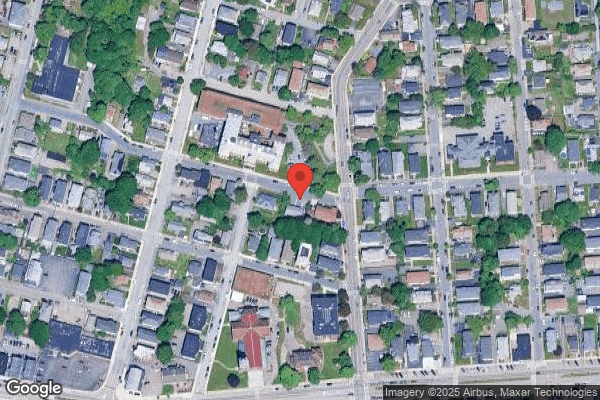

101 PLANTATION STREET, WORCESTER, MA 01604 (508) 755-8605
For profit - Limited Liability company 137 Beds Independent Data: November 2025
Trust Grade
38/100
#183 of 338 in MA
Last Inspection: August 2024

Within standard 12-15 month inspection cycle. Federal law requires annual inspections.

Overview

St. Francis Rehabilitation & Nursing Center has received a Trust Grade of F, indicating significant concerns and a poor overall quality of care. Ranking #183 out of 338 facilities in Massachusetts places it in the bottom half, while it stands at #27 out of 50 in Worcester County, meaning there are better options nearby. The facility is on an improving trend, reducing issues from 8 in 2024 to just 1 in 2025. Staffing is below average with a 2/5 rating, but the turnover rate is good at 0%, suggesting that staff are staying long-term. However, there are serious issues to note: one resident suffered a second-degree burn due to improper meal tray preparation, and another resident who had a Do Not Resuscitate order was mistakenly resuscitated, resulting in multiple rib fractures. While there are some strengths, the facility's serious deficiencies and poor trust grade warrant careful consideration.

Trust Score
F
38/100
In Massachusetts
#183/338
Bottom 46%
Safety Record
High Risk
Review needed
Inspections
Getting Better
8 → 1 violations
Staff Stability
○ Average
Turnover data not reported for this facility.
Penalties
✓ Good
$19,175 in fines. Lower than most Massachusetts facilities. Relatively clean record.
Skilled Nurses
○ Average
Each resident gets 41 minutes of Registered Nurse (RN) attention daily — about average for Massachusetts. RNs are the most trained staff who monitor for health changes.
Violations
⚠ Watch
25 deficiencies on record. Higher than average. Multiple issues found across inspections.
★★★☆☆
3.0
Overall Rating
★★☆☆☆
2.0
Staff Levels
★★★★★
5.0
Care Quality
★★☆☆☆
2.0
Inspection Score
Stable
2024: 8 issues
2025: 1 issues

The Good

  • 5-Star Quality Measures · Strong clinical quality outcomes
  • Full Sprinkler Coverage · Fire safety systems throughout facility
  • No fines on record

Facility shows strength in quality measures, fire safety.

The Bad

3-Star Overall Rating

Near Massachusetts average (2.9)

Meets federal standards, typical of most facilities

Federal Fines: $19,175

Below median ($33,413)

Minor penalties assessed

The Ugly 25 deficiencies on record

4 actual harm
Aug 2025 1 deficiency
CONCERN (D) 📢 Someone Reported This

A family member, employee, or ombudsman was alarmed enough to file a formal complaint

Potential for Harm - no one hurt, but risky conditions existed

Free from Abuse/Neglect (Tag F0600)

Could have caused harm · This affected 1 resident

Based on records reviewed and interviews, for one of three sampled residents (Resident #1), who was severely cognitively impaired and had a history of wandering in his/her wheelchair, the Facility fai...

Read full inspector narrative →
Based on records reviewed and interviews, for one of three sampled residents (Resident #1), who was severely cognitively impaired and had a history of wandering in his/her wheelchair, the Facility failed to ensure he/she was free from physical abuse by a staff member, when on 07/19/25, Certified Nurse Aide (CNA) #1, after seeing Resident #1 exiting another resident's room with an object in his/her hands, that did not belong to him/her, CNA #1 slapped his/her hand and grabbed the object away from him/her, all of which was captured on video by a visitor.Findings include:Review of the Facility's Policy titled Abuse Prohibition Guideline, dated as revised 10/24/22, indicated the policy was to maintain a zero tolerance for any form of abuse or neglect of a resident. The Policy indicated the Facility would assure that staff uses caring, ethical, and professional behavior in all relationships with residents.Further review of the Policy indicated the definition of Physical Abuse included but was not limited to hitting, slapping, pinching, and kicking.Review of the Facility's Internal Investigation Summary, undated, indicated that on 07/19/25, a visitor video recorded their family member (a resident) during a meal, with their phone. The Summary indicated that a few days later, the Visitor discovered the video had captured an altercation between a resident and a staff member. The Summary indicated the Visitor shared the video footage of the altercation with the Director of Social Services during a meeting on 07/24/25 at approximately 1:02 P.M. The Summary indicated the video footage showed the following:- Resident #1 was sitting in his/her wheelchair in another resident's bedroom doorway, across from where the Visitor was recording with her phone. - CNA #1 approached Resident #1 and made contact with the top of his/her (Resident #1) left hand, using her right hand, and repeatedly told him/her Stop, stop, stop. - CNA #1 took a glass cross from Resident #1's hands. - Resident #1 did not appear to react and instead self-propelled his/her wheelchair away from CNA #1. The Summary indicated that Resident #1 did not have any bruises, marks or pain following the incident, and had full range of motion in his/her hand.The Summary further indicated that CNA #1 told the Director of Nursing (DON) that she tapped Resident #1's hand and then grabbed the glass cross from his/her hands, because he/she had been in another resident's room going through their belongings and she thought the glass cross did not belong to him/her. The Summary indicated CNA #1 was suspended pending investigation on 07/24/25 and later terminated on 07/31/25. Resident #1 was admitted to the Facility in September 2020, diagnoses included moderate unspecified dementia and osteoarthritis of the left hand. Resident #1 resided in the Memory Care Unit.Resident #1's Quarterly Minimum Data Set (MDS) Assessment, dated 06/26/25, indicated Resident #1 was severely cognitively impaired with a score of 1 out of 15 on the Brief Interview for Mental Status (BIMS, scores indicate: 0-7 severe cognitive impairment, 8-12 moderate cognitive impairment, and 13-15 cognitively intact). The Assessment indicated Resident #1 exhibited wandering behavior 1 to 3 days per week, during the assessment period.Review of Resident #1's Behavior Care Plan, dated as reviewed 07/10/25, indicated Resident #1 had episodes of wandering the halls looking for a new room. Interventions identified for Resident #1 included redirection using a diversional activity when he/she was agitated about his/her room and offering prayer books, visits and musical programs of interest. During an interview on 08/05/25 at 12:58 P.M., Certified Nurse Aide #2 said that she worked full time in the Memory Care Unit and often provided care to Resident #1. CNA #2 said that Resident #1 sometimes wandered into other resident rooms and took their belongings. CNA #2 further said that Resident #1 generally responded well to redirection and would often release objects in his/her hands when engaged or reapproached. Review of Certified Nurse Aide (CNA) #1's Written Witness Statement, dated 07/24/25, indicated that CNA #1 stated she tapped Resident #1's hand and grabbed the cross from him/her. The Surveyor was unable to interview CNA #1 as she did not respond to the Department of Public Health's telephone or letter requests for an interview. During a telephone interview on 08/05/25 at 2:25 P.M., the Director of Social Services said that during a meeting on 07/24/25, a Visitor showed her a video that unknowingly captured an incident that occurred between a staff member and a resident. The Director of Social Services said that when she watched the video, she was able to identify the staff member as CNA #1 and the resident as Resident #1. The Director of Social Services said the video showed Resident #1 sitting in the doorway of another resident's room, holding a glass cross in his/her hands. The Director of Social Services said that CNA #1 came into view, slapped the top of Resident #1's hand and said repeatedly Stop, stop, stop. The Director of Social Services said that CNA #1 then pulled the glass cross from Resident #1's hands. The Director of Social Services said the incident was immediately reported, and the video was shared with the Director of Nursing, the Administrator and Law Enforcement. The Director of Social Services said she subsequently requested that the Visitor delete the video to preserve Resident #1's privacy. During an interview on 08/05/25 at 3:06 P.M., the Administrator said that she was notified of the incident by the Director of Social Services on 07/24/25 and observed in the video that CNA #1 struck Resident #1's hand and took a glass cross from him/her. During an interview on 08/05/25 at 2:45 P.M., the Director of Nurses (DON) said that on 07/24/25 the Director of Social Services informed her of an altercation between CNA #1 and Resident #1 which had been captured on video by a visitor. The DON said she reviewed the footage and observed CNA #1 strike Resident #1's hand before removing a glass cross from him/her. The DON said that Resident #1 did not appear to react to the incident and showed no signs of injury or distress at the time or in the days that followed. The DON said that during the Facility's Internal Investigation it was determined that there were no direct witnesses to the 07/19/24 incident, and the only evidence was the video footage that was provided by the Visitor. The DON said that based on the review of this footage, the Facility substantiated the allegation of physical abuse, and CNA #1's employment was terminated on 07/31/25.
Aug 2024 7 deficiencies
CONCERN (D)

Potential for Harm - no one hurt, but risky conditions existed

Resident Rights (Tag F0550)

Could have caused harm · This affected 1 resident

Based on observation, interview and policy review, the facility failed to provide a dignified dining experience for one Resident (#97) out of total sample of 24 residents. Specifically, the facility ...

Read full inspector narrative →
Based on observation, interview and policy review, the facility failed to provide a dignified dining experience for one Resident (#97) out of total sample of 24 residents. Specifically, the facility staff remained standing while assisting Resident #97 during a breakfast meal. Findings include: Review of the facility policy titled Dining Guideline, last revised November 2017, indicated the following: -the goals of the dining experience are to enhance the individual's quality of life through person centered dining and providing person centered care and attention. -staff will listen, pay attention, and converse with each individual. On 8/5/24 at 8:30 A.M., the surveyor observed Certified Nurses Aide (CNA) #3 assisting Resident #97 with the breakfast meal while standing over the Resident who was seated in his/her wheelchair in the third-floor unit dining room. On 8/5/24 at 8:36 A.M., the surveyor and Nurse #2 observed CNA #3 assisting Resident #97 with the breakfast meal while standing over the Resident who was seated in his/her wheelchair in the third-floor unit dining room. During an interview at the time Nurse #2 said that CNA #3 should not have been standing over Resident #97 while assisting him/her with the breakfast meal. Nurse #2 said staff should be seated when the staff assist residents with their meals. During an interview on 8/5/24 at 8:38 A.M., CNA #3 said that she was standing over Resident #97 assisting him/her with breakfast because she does not like to sit down. CNA #3 said that she was supposed to be seated next to Resident #97 while assisting him/her with breakfast so that she could have eye contact and converse with the Resident. During an interview on 8/6/24 at 7:30 A.M., the Director of Nursing (DON) said staff should be seated while assisting residents with meals for dignity purposes. The DON also said that CNA #3 should have been seated next to Resident #97 while she assisted him/her with the breakfast meal.
CONCERN (D)

Potential for Harm - no one hurt, but risky conditions existed

Deficiency F0572 (Tag F0572)

Could have caused harm · This affected 1 resident

Based on observation, interview, policy and record review, the facility failed to provide ongoing review of residents rights and services to residents during the residents stay, for six Residents who ...

Read full inspector narrative →
Based on observation, interview, policy and record review, the facility failed to provide ongoing review of residents rights and services to residents during the residents stay, for six Residents who attended Resident Council. Specifically, the facility failed to conduct ongoing review of resident's rights and services with six Residents who attended monthly Resident Council meetings in the facility. Findings include: Review of the facility policy titled Resident Rights and Responsibilities Guideline, revised 5/25/22, indicated that the facility informs the Resident both orally and in writing, in a language that the Resident understands, of his/her rights and rules and regulation governing Resident conduct and responsibilities during their stay in the facility. Review of the Resident Council Meeting minutes for 2023 - 2024 failed to indicate that any resident rights had been reviewed during the Resident Council meetings that were held within the time period. On 8/5/24 at 11:02 A.M., the surveyor held a group meeting with six residents who had attended the Resident Council meetings. The Resident group said that the facility held monthly Resident Council meetings on a regular basis. The Resident group also said that no facility staff had reviewed their rights with them during these monthly Resident Council meetings. During observations on 8/5/24 and 8/6/24, on the third floor units where most of the Resident Council attendees reside, the surveyor did not see any written postings of Resident Rights and Services. During an interview on 8/6/24 at 9:23 A.M., the Administrator said that the staff holding Resident Council meetings had not been reviewing resident rights with the Resident Council Residents. The Administrator also said that the facility staff should have been doing this, but could not provide evidence that the staff in the facility had been reviewing residents rights and services with any of the Resident Council Residents.
CONCERN (D)

Potential for Harm - no one hurt, but risky conditions existed

Safe Environment (Tag F0584)

Could have caused harm · This affected 1 resident

**NOTE- TERMS IN BRACKETS HAVE BEEN EDITED TO PROTECT CONFIDENTIALITY** Based on observation and interview, the facility failed to ensure a clean, safe, comfortable, and homelike environment for one R...

Read full inspector narrative →
**NOTE- TERMS IN BRACKETS HAVE BEEN EDITED TO PROTECT CONFIDENTIALITY** Based on observation and interview, the facility failed to ensure a clean, safe, comfortable, and homelike environment for one Resident (#21) out of a total sample of 24 residents. Specifically, the facility failed to ensure that Resident #21's wheelchair was provided with preventative and routine maintenance and maintained in a clean, safe and homelike condition. Findings include: Resident #21 was admitted to the facility in June 2012, with diagnoses including Dementia (a group of conditions characterized by the impaired ability to remember, think, or make decisions that interferes with everyday activities), Cerebral Infarction (stroke: damage to tissues in the brain caused by blood clots, disrupted blood supply and restricted oxygen supply to the specific area), and need for assistance with personal care. Review of Resident #21's Minimum Data Set (MDS) assessment dated [DATE], indicated the Resident had a severe cognitive impairment as he/she was unable to complete the Brief Interview for Mental Status (BIMS) assement. Further review of the MDS indicated that he/she was dependent onstaff for Activities of Daily Living (ADLs- an individual's daily self-care activities). On 8/1/24 at 9:09 A.M., the surveyor observed Resident #21 sitting in a tilt and space (allows the seated person to maintain the correct posture while being tilted so pressure is distributed evenly across the body) wheelchair in the day room. The surveyor observed that Resident #21's wheelchair had areas that were covered in food debris, the left arm pad was worn enough to view the exposed padding underneath, the right-side pad next to his/her leg was torn exposing a large area of blue foam and the footrest extender was ripped with exposed white padding. On 8/5/24 at 8:14 A.M., the surveyor observed Resident #21 sitting in a tilt and space wheelchair in the day room. The surveyor observed that Resident #21 was sitting in the wheelchair that still had areas covered in food debris, the left arm pad with the exposed padding underneath, the right-side pad that was torn and exposing a large area of blue foam next to his/her leg and the footrest extender that was ripped with exposed white padding. The facility was unable to provide a preventative maintenance policy or cleaning policy for wheelchairs when the surveyor requested this information. The facility was also unable to provide a routine maintenance schedule for wheelchairs during the duration of the recertification survey. During an interview on 8/5/24 at 8:16 A.M., Unit Manager (UM) #1 said that depending on the type of concern, the Rehabilitation or Maintenance staff will manage the repair of wheelchairs in the facility. UM #1 also said that staff are expected to report a wheelchair concern into an electronic work order computer system called Tels after they see it. During an interview of 8/5/24 at 9:56 A.M., the Director of Nursing (DON) said that the facility staff are taught during their general new employee orientation training to put a wheelchair concern into the Tels system to generate a work order. Review of the facility's work orders summary dated 6/1/24 to 8/4/24, did not indicate that any facility staff had reported that Resident #21's wheelchair had been dirty and in a state of disrepair. During an interview on 8/5/24 at 1:08 P.M., the surveyor and Maintenance Staff #2 observed Resident #21's wheelchair in his/her bedroom. Maintenance Staff #2 said that he had not been made aware of the damage to Resident #21's chair and that it should have been repaired. During an interview on 8/5/24 at 1:15 P.M., Rehabilitation Staff #1 said that the wheelchair should have been cleaned and repaired, however Resident #21 was not receiving rehabilitation services at the time so the Rehabilitation staff had been unaware of the damage to the wheelchair.
CONCERN (D)

Potential for Harm - no one hurt, but risky conditions existed

Comprehensive Care Plan (Tag F0656)

Could have caused harm · This affected 1 resident

**NOTE- TERMS IN BRACKETS HAVE BEEN EDITED TO PROTECT CONFIDENTIALITY** Based on interview, record and policy review, the facility failed to develop a comprehensive care plan for the use of anticoagul...

Read full inspector narrative →
**NOTE- TERMS IN BRACKETS HAVE BEEN EDITED TO PROTECT CONFIDENTIALITY** Based on interview, record and policy review, the facility failed to develop a comprehensive care plan for the use of anticoagulant (also known as blood thinner: used to prevent or treat blood clots in blood vessels and the heart) and antiplatelet (prevents platelets from sticking together and decreasing the body's ability to form blood clots) medications for two Residents (#8 and #78), out of a total sample of 24 residents. Specifically, the facility failed to: 1) develop a care plan for Resident #8 for Clopidogrel Bisulfate (Plavix: antiplatelet medication) that addressed the risks, potential side effects, and monitoring associated with the use of the medication. 2) develop a care plan for Resident #78 for Apixaban (Eliquis: anticoagulant medication) that addressed the risks, potential side effects, and monitoring associated with the use of the medication. Findings include: Review of the facility policy titled Anticoagulation Use Guideline revised 7/28/22, indicated the following: -the staff and Physician will monitor for possible complications in individuals who are being anticoagulated (being administered anticoagulant medications) and will manage related problems. -if an individual on anticoagulant therapy shows signs of excessive bruising, hematuria (blood in urine), hemoptysis (blood in sputum) or other evidence of bleeding, the Nurse will discuss the situation with the Physician before giving the next scheduled dose of anticoagulant. -the Physician will order measures to address any complications, including holding or discontinuing the anticoagulant (medication) as indicated 1) Resident #8 was admitted to the facility in May 2016, with diagnoses including Peripheral Vascular Disease (PVD: a circulatory condition in which narrowed blood vessels reduce blood flow to the limbs) and Cerebral Vascular Accident (CVA/Stroke: interruption of blood flow to part of the brain). Review of the Minimum Data Set (MDS) assessment dated [DATE], indicated Resident #8 was severely cognitively impaired as evidenced by a Brief Interview for Mental Status (BIMS) score of three out of a total score of 15. Review of the August 2024 Physician's orders indicated the following: -Clopidogrel Bisulfate 75 mg (milligrams), give one tablet by mouth one time a day related to Peripheral Vascular Disease, start date 6/18/18. Review of the August 2024 Medication Administration Record (MAR) indicated that Clopidogrel Bisulfate had been administered as ordered from 8/1/24 through 8/5/24. Review of Resident #8's clinical record indicated no evidence that a plan of care which included the risks, potential complications and monitoring for the medication use was developed for the Clopidogrel Bisulfate medication. 2) Resident #78 was admitted to the facility in March 2024 with a diagnosis of Cerebral Infarction (Stroke: damage to tissues in the brain caused by blood clots, disrupted blood supply and restricted oxygen supply to the specific area). Review of the Minimum Data Set (MDS) assessment dated [DATE], indicated Resident #78 was cognitively intact as evidenced by a Brief Interview for Mental Status (BIMS) score of 15 out of a total score of 15. Review of the August 2024 Physician orders indicated the following: -Apixaban Oral Tablet 5 mg, give one tablet by mouth two times a day, start date 6/19/24. Review of the August 2024 Medication Administration Record (MAR) indicated that Apixaban had been administered as ordered from 8/1/24 through 8/5/24. Review of Resident #78's clinical record indicated no evidence that a plan of care was developed for the Apixaban medication which included the risks, potential complications and monitoring for the medication use. During an interview on 8/06/24 at 7:30 A.M., the Director of Nurses (DON) said that every resident who was prescribed an anticoagulant medication should have a care plan in place for monitoring complications and side effects of the medication. The DON said that Resident #8 and Resident #78 did not have a care plan in place that included monitoring for potential complications and risks associated with the use of the anticoagulant medication, but they should have had a care plan in place.
CONCERN (D)

Potential for Harm - no one hurt, but risky conditions existed

ADL Care (Tag F0677)

Could have caused harm · This affected 1 resident

**NOTE- TERMS IN BRACKETS HAVE BEEN EDITED TO PROTECT CONFIDENTIALITY** Based on observation, interview, policy and record review, the facility failed to ensure that activities of daily living (ADL's-...

Read full inspector narrative →
**NOTE- TERMS IN BRACKETS HAVE BEEN EDITED TO PROTECT CONFIDENTIALITY** Based on observation, interview, policy and record review, the facility failed to ensure that activities of daily living (ADL's- activities related to personal care which include bathing, dressing, grooming, and eating) were provided for one Resident (#316), out of a total sample of 24 residents. Specifically, the facility failed to ensure that personal care relative to grooming was provided for Resident #316 who required the assistance of staff for care. Findings include: Review of the facility policy titled: ADL Support Guideline, last revised 7/18/22, indicated: -Residents will be provided with care, treatment, and services as appropriate to maintain or improve their ability to carry out activities of daily living (ADL's). -Residents who are unable to carry out activities of daily living independently will receive the services necessary to maintain good nutrition, grooming and personal oral hygiene. -Appropriate care and services will be provided for residents unable to carry out ADL's independently . including appropriate support and assistance with .Hygiene (bathing, dressing, grooming and oral care). Resident #316 was admitted to the facility in July 2024, with diagnoses including Dementia (a group of conditions characterized by impairment of at least two brain functions, such as memory and loss of judgment) and Alzheimers disease (a progressive disease beginning with mild memory loss and leading to the loss of the ability to carry on a conversation and respond to the environment, involves parts of the brain that control thought, memory, and language), and need for assistance with personal care. Review of the Resident's ADL care plan, last updated on 7/25/24, indicated Resident #316 had an ADL self-care performance deficit and the Resident required substantial/maximum assistance for personal hygiene and mobility. Review of the Resident #316's Certified Nurses Aide (CNA) [NAME] (a brief overview of a Resident's care needs) indicated that the Resident required assistance for personal hygiene (grooming). During an interview and observation on 8/1/24 at 10:29 A.M., the surveyor observed Resident #316 with long facial hair and hair above the Resident's upper lip. Resident #316 said that he/she needed the facial hair to be shaved, that no one had offered to assist with this, and he/she needed help with shaving. The surveyor observed that the Resident had long facial hair and hair above the upper lip during the following observations: -8/1/24 at 10:29 A.M. -8/5/24 at 12:22 P.M. -8/6/24 at 1:23 P.M. Review of CNA care documentation for August 2024 indicated that ADL care was provided to Resident #316 with assistance from staff on: -8/1/24. -8/5/24. -8/6/24. Review of the clinical record did not indicate any refusals of ADL care by Resident #316. During an interview on 8/6/24 at 12:37 P.M., Nurse #1 said all residents, male or female should be provided a shave with ADL care daily if they wanted one (shave). During an interview on 8/6/24 at 12:34 P.M., CNA #1 said all residents should be offered to shave as part of ADL care and that shaving is important because it makes residents feel better, look better, and is part of the delivery of care. During an interview on 8/6/24 at 1:21 P.M., the Director of Nursing (DON) said that delivery of shaving care daily, is important to all residents because shaving is part of routine ADL care.
CONCERN (D)

Potential for Harm - no one hurt, but risky conditions existed

Respiratory Care (Tag F0695)

Could have caused harm · This affected 1 resident

**NOTE- TERMS IN BRACKETS HAVE BEEN EDITED TO PROTECT CONFIDENTIALITY** Based on observation, interview, policy and record review, the facility failed to provide respiratory care and services consiste...

Read full inspector narrative →
**NOTE- TERMS IN BRACKETS HAVE BEEN EDITED TO PROTECT CONFIDENTIALITY** Based on observation, interview, policy and record review, the facility failed to provide respiratory care and services consistent with professional standards of practice for one Resident (#48), out of a total sample of 24 residents. Specifically, the facility failed to ensure that Resident #48's oxygen concentrator (a medical device used to deliver supplemental oxygen) was maintained in a clean and sanitary manner to prevent contamination, the spread of infection and device malfunction when dust and debris was not being approppriately cleaned from the top rear air intake vent of the device. Findings include: Review of the AARC (American Association for Respiratory Care) Clinical Practice Guideline, updated 2014: https://www.aarc.org/wp-content/uploads/2014/08/08.07.1063.pdf indicates: >Equipment maintenance and supervision: -All oxygen delivery equipment (concentrators, liquid systems, and cylinders) should be checked at least once daily -Facets to be assessed include proper function of the equipment -should be serviced and maintained in accordance with the manufacturer specifications and consistent with all federal, state, and local laws and regulations. Review of the user manual for Resident #48's oxygen concentrator dated 2017: CAIRE_Companion5 UserManual.pdf (caireinc.com) indicated: -Warning: Do not allow either the air intake or the air outlet vents to become blocked. Do not drop or insert any objects into any openings on the device. This can cause the oxygen concentrator to overheat and impair performance. -Select a location for the device that avoids the intake of smoke, fumes and pollutants. Correct placement of the device should allow intake of air through the three air intake locations at the top rear and underneath the [device]cabinet and allow for exhaust air to freely leave the exhaust vent at the bottom left of the device. -DO NOT block the air intake locations (top rear or underneath) or the exhaust vent (back bottom left and right). Resident #48 was admitted to the facility in January 2024, with diagnoses including COPD (Chronic Obstructive Pulmonary Disease- a chronic inflammatory lung disease that causes restrictive air flow and breathing problems) and Asthma (a condition in which airways narrow and swell [inflammation] making it difficult to breathe). Review of Resident #48's comprehensive care plan, last revised 5/9/24, indicated the Resident: -has altered respiratory status and difficulty breathing due to diagnoses of COPD exacerbation (increase in severity), Asthma and Congestive Heart Failure (CHF- caused when the heart is unable to pump blood effectively resulting in fluid build-up in the lungs, arms, feet and other organs). -an intervention to be maintained at their respiratory baseline with a patent (open) airway and unlabored respiration. -an intervention to provide support to the Resident to mitigate the risks related to aspiration up to including death. Review of the Minimum Data Set (MDS) assessment dated [DATE], indicated Resident #48 was moderately cognitively impaired as evidenced by a Brief Interview for Mental Status (BIMS) score of 10 out of a total score of 15. Further review of the MDS assessment indicated that Resident #48 was dependent on staff for Activities of Daily Living (ADLs) and received oxygen therapy. Review of Resident #48's Physician's orders for August 2024, included: -Oxygen at 1.5 Liters via nasal cannula (a thin flexible tube that provides supplemental oxygen to patients through the nose via nasal prongs) continuous (delivered around the clock) every shift, start date 7/7/24 -Clean concentrator filter every day shift, every Thursday AND as needed (PRN), start date 8/21/23 Review of Resident #48's Treatment Administration Record for July 2024, indicated that the Resident's oxygen concentrator filter was cleaned on the following dates: -7/4/24 -7/11/24 -7/18/24 -7/25/24 On 8/1/24 at 9:28 A.M., the surveyor observed Resident #48 lying in bed with oxygen in use via nasal cannula. The surveyor also observed that the Resident's oxygen concentrator was dirty, with a thick layer of grey dust and two dried liquid spill stains with hair stuck to the spills on the top rear intake vent of the device. On 8/5/24 at 8:33 A.M., the surveyor observed that Resident #48's oxygen concentrator remained dirty with the thick layer grey dust and dried liquid spill stains with hair stuck to the spills on the top rear intake vent of the device. On 8/5/24 at 12:59 P.M., the surveyor and Unit Manager (UM) #1 observed Resident #48's oxygen concentrator in the Resident's room. UM #1 said the concentrator should have a filter on it, that the filter appears to be missing and there is a thick grey dusty coating on the area where the filter is supposed to be placed. During an interview on 8/5/24 at 1:48 P.M., the Respiratory Therapist (RT) said that Resident #48's oxygen concentrator did not require a filter and that the concentrator should have been cleaned every Thursday. The RT also said that she did not know the last time the oxygen concentrator had been cleaned and that it did not appear to have been cleaned recently. During an interview on 8/5/24 at 3:00 P.M., the Director of Nursing (DON) said that Resident #48's oxygen concentrator did not require a filter and an error had been made on the Physician's orders. The DON also said that the oxygen concentrators should be cleaned weekly and Resident #48's concentrator had not been cleaned.
CONCERN (D)

Potential for Harm - no one hurt, but risky conditions existed

Deficiency F0887 (Tag F0887)

Could have caused harm · This affected 1 resident

2. Resident #100 was admitted the facility in January 2024, with a diagnosis of Cerebral Infarction (Stroke: damage to tissues in the brain caused by blood clots, disrupted blood supply and restricted...

Read full inspector narrative →
2. Resident #100 was admitted the facility in January 2024, with a diagnosis of Cerebral Infarction (Stroke: damage to tissues in the brain caused by blood clots, disrupted blood supply and restricted oxygen supply to the specific area). Review of Resident #100's clinical record indicated: -The Resident had an invoked Health Care Proxy (HCP). -The Resident had received COVID-19 vaccine doses, prior to his/her admission to the facility, on the following dates: 2/26/21, 3/27/21, and 11/9/21. -The Resident's HCP had signed a consent form on 12/1/23 for the administration of the COVID-19 vaccine. -No evidence the Resident had been administered an updated 2023-2024 COVID-19 vaccine. During an interview on 8/6/24 at 10:27 A.M., the Assistant Director of Nurses (ADON) said that Resident #100 should have received the updated 2023-2024 COVID-19 vaccine but he/she had not received the updated vaccine. Based on record review and interview, the facility failed to ensure that COVID-19 vaccination was offered and administered, according to professional standards, for two Residents (#101 and #100) out of five applicable residents, in a total sample of 24 residents. Specifically, the facility staff failed to: 1. offer the COVID-19 vaccine to Resident #101 when the Resident had received previous doses of the COVID-19 vaccine, the COVID-19 vaccine was not medically contraindicated for the Resident, and the Resident was not up to date with his/her COVID-19 vaccinations. 2. administer the COVID-19 vaccine to Resident #100 when the Resident had received previous doses of the COVID-19 vaccine, was not up to date with the COVID-19 vaccine and the Resident's Healthcare Proxy (HCP: individual identified to make medical decisions for someone who cannot make medical decisions for themselves) signed consent for the Resident to receive the COVID-19 vaccine. Findings include: Review of the Centers for Disease Control and Prevention (CDC) guidelines titled Staying Up to Date with COVID-19 Vaccines, dated 7/3/23, indicated the following: -CDC recommends the 2023-2024 updated COVID-19 vaccines-Pfizer-BioNTech, Moderna, or Novavax - to protect against serious illness from COVID-19. -Everyone aged 5 years and older should get 1 dose of an updated COVID-19 vaccine to protect against serious illness from COVID-19. -People aged 65 years and older who received 1 dose of any updated 2023-2024 COVID-19 vaccine (Pfizer-BioNTech, Moderna or Novavax) should receive 1 additional dose of an updated COVID-19 vaccine at least 4 months after the previous updated dose. -People who are up to date have lower risk of severe illness, hospitalization and death from COVID-19 than people who are unvaccinated or who have not completed the doses recommended for them by CDC. 1. Resident #101 was admitted to the facility in November 2023, with diagnoses including Dementia (a group of conditions characterized by impairment of at least two brain functions, such as memory and loss of judgment) and personal history of COVID-19 infection. Review of Resident #101's clinical record indicated: -The Resident had been assigned a legal Guardian (a court appointed person who makes important personal and healthcare decisions for an adult who lacks the capacity to make their own decisions). -The Resident received COVID-19 vaccine doses, prior to his/her admission to the facility, on the following dates: 1/16/21, 2/6/21, 10/14/21, and 4/14/22. -No evidence that Resident #101 had been offered an updated 2023-2024 COVID-19 vaccine. -No evidence that an updated 2023-2024 COVID-19 vaccine was medically contraindicated for the Resident. During an interview on 8/2/24 at 10:48 A.M., the Staff Development Coordinator (SDC) said she oversaw vaccinations for the residents at the facility, that she would meet with residents and would contact Resident Representatives shortly after residents were admitted to the facility to offer COVID-19 vaccines. The SDC said Resident #101 was due for his/her first dose of the updated 2023-2024 COVID-19 vaccine when he/she was admitted to the facility in November 2023. The SDC said she could provide no evidence that an updated COVID-19 vaccine had been offered for Resident #101 because she had not contacted the Resident's Guardian to obtain consent.
Apr 2024 1 deficiency 1 Harm
SERIOUS (G) 📢 Someone Reported This

A family member, employee, or ombudsman was alarmed enough to file a formal complaint

Actual Harm - a resident was hurt due to facility failures

Accident Prevention (Tag F0689)

A resident was harmed · This affected 1 resident

**NOTE- TERMS IN BRACKETS HAVE BEEN EDITED TO PROTECT CONFIDENTIALITY** Based on records reviewed and interviews, for one of three sampled residents (Resident #1), who required the use of adaptive equ...

Read full inspector narrative →
**NOTE- TERMS IN BRACKETS HAVE BEEN EDITED TO PROTECT CONFIDENTIALITY** Based on records reviewed and interviews, for one of three sampled residents (Resident #1), who required the use of adaptive equipment (a double handled mug) for beverages due to hand tremors, as well as staff assistance with set-up for meals, the Facility failed to ensure he/she received adequate staff assistance during meal service related to the nurses' inspection of meal trays for appropriateness of the meal, as well as for the inclusion of necessary adaptive equipment per each resident's meal ticket, prior to the meal tray being delivered and served to the resident, in an effort to prevent an incident/accident resulting in an injury. On 03/30/24, Resident #1's dinner tray was not checked by nursing prior to being served as required, the tray did not include his/her required double handled mug and his/her hot beverage was served in a Styrofoam cup. Resident #1 spilled the hot beverage on his/her thigh, which resulted in him/her sustaining a second degree burn (a partial thickness burn that affects the first and second layers of skin), which required treatment. Findings include: Review of the (undated) Facility Policy titled Food Tray Accuracy and Delivery, indicated the following: -A licensed nurse or qualified designee will check each resident tray prior to distributing to the resident to ensure that the name and room number of the resident are accurate and verify that the items on the plate or tray match the meal ticket for accuracy of the ordered diet, allergies and necessary adaptive equipment. -If the meal tray is missing necessary equipment the member of the nursing department or qualified professional will report it to the Food Service Manager so that the missing items can be provided prior to distributing the resident tray. Review of the Report submitted by the Facility via the Health Care Facility Reporting System (HCFRS), dated 04/05/24, indicated that on 03/30/24, Resident #1 was served his/her dinner, which included hot coffee, with paper products (Styrofoam cups) instead of his/her double handled mug. Resident #1 spilled the hot coffee on his/her left thigh and sustained a (second degree) burn which was deep pink with blisters at the edges. Review of the Investigation Report Form, dated 03/30/24 at 7:47 P.M., indicated that Resident #1 accidentally spilled hot coffee on his/her left thigh when he/she poured coffee from one cup (Styrofoam cup) to another cup and his/her hands were shaking. The Investigation indicated that Resident #1 did not report the incident immediately (instead waited approximately two hours). Resident #1 was admitted to the Facility in July 2023, diagnoses included Parkinsonism (an umbrella term that refers to brain conditions that cause tremors, slow movements, stiffness and rigidity) and diabetes mellitus with polyneuropathy (causes decreased sensation). Review of Resident #1's Quarterly Minimum Data Set (MDS) Assessment, dated 01/09/24, indicated he/she scored a 15 out of 15 on his/her Brief Interview for Mental Status (BIMS) Assessment (0-7 suggests severe cognitive impairment, 8-12 suggests moderately impaired cognition, and 12-15 suggests a resident is cognitively intact). The MDS also indicated he/she required staff assistance for meal set-up. Review of Resident #1's meal ticket (in place at time of incident on 03/30/24), indicated it included his/her name, diet, preferences and that he/she required adaptive equipment, a two handled covered mug. Review of Resident #1's Nutrition Care Plan, with goal date of 07/09/24, indicated he/she required a double handled mug with a spout. During an interview on 04/25/24 at 1:20 P.M., [NAME] #1 said she was on duty on 03/30/24 for the second shift (11:30 A.M. through 8:00 P.M.) and the kitchen was short staffed. [NAME] #1 said she called the Food Service Director (FSD) for instruction, and said the FSD told her to use paper products for the dinner meal (instead of regular plates, silverware, mugs etc). Cook #1 said that at that time (03/30/24), she was unaware that resident specific adaptive equipment was to be provided even when the Facility implemented the use of paper products instead of regular dishware. [NAME] #1 said that no resident specific adaptive equipment was provided to the residents during the dinner meal on 03/30/24. During an interview on 04/25/24 at 1:35 P.M., the Food Service Director (FSD) said that he instructed [NAME] #1 to use paper products for the dinner meal on 03/30/24. The FSD said that resident specific adaptive equipment should still be provided to residents who require it, even when the Facility chooses to use paper products instead of regular dishware. The FSD said Resident #1 required a two handled mug for beverages, however for the dinner meal on 03/30/24, he/she was provided a Styrofoam cup for his/her hot coffee. During an interview on 04/25/24 at 1:58 P.M., Nurse #1 said she was on duty for the 3:00 P.M. to 11:00 P.M. shift on 03/30/24. Nurse #1 said she did not check the resident's dinner meal trays for accuracy of diets, texture, or adaptive equipment, prior to the meals being distributed to the residents that night. Nurse #1 said she had not been trained to do so and at that time (03/30/24) she was unaware that it was nursing's responsibility. Nurse #1 said that Resident #1 reported, a couple hours (exact time unknown) after dinner, that he/she spilled hot coffee on his/her left thigh during dinner. Nurse #1 said she provided first aid, notified the Nurse Practitioner to obtain treatment orders, and also notified the Director of Nurses. Nurse #1 said the skin on Resident #1's left thigh was deep red with blisters forming at the edges. Review of Resident #1's physician's orders indicated he/she had a new order, dated 3/30/24, for Silvadene Cream 1% (topical antibiotic used for burns) to be applied to his/her left thigh burn twice daily. During an interview on 04/25/24 at 2:42 P.M., Certified Nurse Aide (CNA) #1 said Resident #1 was on her assignment on 03/30/24 for the 3:00 P.M. to 11:00 P.M. shift. CNA #1 said she delivered Resident #1's tray to him/her and said although she knew Resident #1 required a two handled mug for beverages, he/she instead was provided a Styrofoam cup for hot coffee. CNA #1 said she had not seen the nurse(s) check the resident dinner trays (for accuracy) on 03/30/24, prior to the CNA's delivering them that night. Review of Resident #1's care [NAME] (in place at time of incident on 03/30/24, used by Certified Nurse Aides to determine individual care needs) indicated he/she required a doubled handled mug with spout. During an interview on 04/25/24 at 3:34 P.M., the Director of Nurses (DON) said that the nurse(s) on the unit should have checked each resident's meal tray for accuracy prior to the meal tray being provided to a resident. The DON said that on 03/30/24, the nurse(s) should have notified kitchen staff that Resident #1 did not have his/her double handled mug on his/her dinner meal tray. On 04/25/24, the Facility was found to be in Past Non-Compliance and presented the Surveyor with a plan of correction which addresses the areas of concern as evidenced by: A) 03/30/24, Resident #1 was assessed by nursing, new orders were obtained for Silvadene Cream 1% (topical antibiotic used for burns) to be applied to his/her left thigh burn twice daily. B) 04/01/24 through 04/07/24, the Assistant Director of Nurses educated all licensed staff that nurses must check meal trays for correct diet consistency and adaptive equipment prior to the trays being given to the residents. C) 04/01/24 through 04/07/24, the Assistant Director of Nurses educated all licensed staff that when delivering residents meal trays, staff must offer to assist residents with setting up their tray such as opening cartons, cutting food, and pouring drinks. D) 04/01/24 through 04/09/24, the Food Service Director and Kitchen Manager educated the dietary staff on providing adaptive equipment to residents even when using Styrofoam and paper products. E) 04/03/24, the Food Service Director and the Administrator began an audit visualizing adaptive equipment against each resident's meal ticket on the resident's meal trays. F) 04/10/24, weekly audits were initiated related to adaptive equipment use and meal tickets, audits will continue times four weeks, then monthly times three weeks, will be conducted by the Administrator, Food Service Director, Food Service Manager, Assistant Director of Therapy, Therapy Assistants, Unit Nurse Managers and Nursing Shift Supervisors. G) The results of the weekly audits will be brought to Quality Assurance Performance Improvement (QAPI) monthly times three months or until substantial compliance is achieved. H) The Director of Nurses and/or designee are responsible for overall compliance.
Sept 2023 4 deficiencies 3 Harm
SERIOUS (G) 📢 Someone Reported This

A family member, employee, or ombudsman was alarmed enough to file a formal complaint

Actual Harm - a resident was hurt due to facility failures

Deficiency F0561 (Tag F0561)

A resident was harmed · This affected 1 resident

**NOTE- TERMS IN BRACKETS HAVE BEEN EDITED TO PROTECT CONFIDENTIALITY** Based on records reviewed and interviews for one of three sampled residents (Resident #1), whose Advanced Directives and Physici...

Read full inspector narrative →
**NOTE- TERMS IN BRACKETS HAVE BEEN EDITED TO PROTECT CONFIDENTIALITY** Based on records reviewed and interviews for one of three sampled residents (Resident #1), whose Advanced Directives and Physician's Order indicated his/her elected code status was Do Not Resuscitate (DNR, medical order written by a physician, which instructs healthcare providers not to do cardiopulmonary resuscitation, in the event of cardiac or respiratory arrest) the Facility failed to ensure nursing staff honored his/her right to self-determination related to his/her choice of Advanced Directives. On [DATE], at approximately 8:30 A.M., Resident #1 was found unresponsive, was assessed by nursing to be without a pulse or respirations, and without verifying his/her code status, nursing staff immediately intervened and initiated life saving measures including starting chest compressions for CPR and activating the 911. Nursing then determined Resident #1 was a DNR and CPR was stopped, however Resident #1 had been resuscitated. Resident #1 was transferred to the Hospital Emergency Department, was diagnosed with 6th and 7th right rib fractures, as well as a second degree heart block, was admitted to the Hospital for four days, and then returned to the Facility. Findings include: The Facility Policy, titled Resident Rights and Responsibilities Guidelines, dated [DATE], indicated staff would uphold the residents' right to self-determination. The Facility Policy, titled Advance Directives, dated [DATE], indicated the Facility would honor the advance directives of the resident or their legal representative according to state and federal laws, guidelines, and regulations, and defined the following: -Advanced Directive was defined as a written instruction, recognized by State law, relating to the provisions of health care when the individual is incapacitated. -Do Not Resuscitate indicated that, in the case of respiratory or cardiac failure, the resident or representative has directed that no cardiopulmonary resuscitation (CPR) or other life saving methods were to be used. The Facility Policy, titled Do Not Resuscitate Guideline, dated 11/2020, indicated the Facility would honor a resident's right to withhold Cardiopulmonary Resuscitation and related emergency measures to maintain life functions when there was a Do Not Resuscitate order in effect. The Facility Policy, titled Cardiopulmonary Resuscitation (CPR) Guideline, dated [DATE], indicated Licensed Nurses and other designated staff were educated to initiate CPR unless a valid Do Not Resuscitate (DNR) order was in place. Resident #1 was admitted to the Facility in [DATE], diagnoses included dementia, malignant neoplasm of the brain, and bone density disorder. Review of Resident #1's Massachusetts Medical Orders for Life Sustaining Treatment (MOLST) Form, dated and signed by Resident #1 on [DATE], indicated he/she was a Do Not Resuscitate (DNR), Do Not Intubate (DNI), and to transfer to the Hospital. Review of Resident #1's Advance Directives Care Plan, dated [DATE], indicated he/she had Advanced Directives and they would be honored by staff. Review of Resident #1's Physician's Order, dated [DATE], (related to his/her Advanced Directives) indicated nursing staff were to refer to his/her MOLST. Review of the Nurse Progress Note, dated [DATE], indicated Resident #1 was found to be unresponsive sitting in his/her room in his/her wheelchair, a code blue was called, and he/she was transferred to the Hospital Emergency Department. Review of the Hospital Discharge summary, dated [DATE], indicated Resident #1 was admitted to the Hospital via the emergency room on [DATE], was diagnosed with a second-degree heart block and 6th and 7th right rib fractures. Review of Unit Manager #1's Written Witness Statement, undated, indicated she was alerted that Resident #1 was unresponsive, and did not have a palpable pulse. The Statement indicated staff assisted Resident #1 to bed, at which time she (Unit Manager #1) initiated CPR (administered chest compressions) while another nurse checked Resident #1's chart for his/her code status, it was discovered that he/she was a DNR/DNI, and she stopped CPR. During interview on [DATE] at 10:16 A.M., Unit Manager #1 said that on [DATE] at 8:30 A.M., she was alerted by a Certified Nurse Aide that Resident #1 was unresponsive. Unit Manager #1 said she ran to Resident #1's room, saw that he/she was slumped over in his/her wheelchair, was limp, pale, had no observable respirations, and she could not feel a radial (wrist) pulse. Unit Manager #1 said she instructed staff to transfer Resident #1 to his/her bed, to call a code blue, and asked what his/her code status was, to no one in particular. Unit Manager #1 said once Resident #1 was in bed, she checked again for respirations and a radial pulse, and when she assessed that he/she had neither, she administered 30 chest compressions. Unit Manager #1 said that right when she completed the 30 chest compressions, someone yelled out that Resident #1 was a DNR. Unit Manager #1 said she stopped doing chest compressions and that Resident #1 became responsive, pushed her hand away, and was talking in a low voice. Unit Manager #1 said she thought the protocol was to initiate CPR and then stop if it was discovered that a resident was a DNR. Unit Manager #1 said she felt afterwards as though she had not honored Resident #1's wishes to be a DNR, and said she felt bad that he/she had fractured ribs as a result of the chest compressions. During interview on [DATE] at 11:56 A.M., the Director of Nurses (DON) said that on [DATE], she responded to the overhead code blue page, and when she arrived at Resident #1's room, he/she was unresponsive in his/her wheelchair, staff transferred him/her to bed, and Unit Manager #1 administered chest compressions. The DON said soon after chest compressions were started, someone yelled that Resident #1 was a DNR, chest compressions were stopped, and Resident #1 was observed to be responsive at that time. The DON said Resident #1 was then transferred to the Hospital emergency room via 911. The DON said chest compressions should not have been performed on Resident #1 as he/she had Advance Directives in place and a signed MOLST which indicated he/she was a DNR.
SERIOUS (G) 📢 Someone Reported This

A family member, employee, or ombudsman was alarmed enough to file a formal complaint

Actual Harm - a resident was hurt due to facility failures

Comprehensive Care Plan (Tag F0656)

A resident was harmed · This affected 1 resident

**NOTE- TERMS IN BRACKETS HAVE BEEN EDITED TO PROTECT CONFIDENTIALITY** Based on records reviewed and interviews for one of three sampled residents (Resident #1), whose Comprehensive Person Centered P...

Read full inspector narrative →
**NOTE- TERMS IN BRACKETS HAVE BEEN EDITED TO PROTECT CONFIDENTIALITY** Based on records reviewed and interviews for one of three sampled residents (Resident #1), whose Comprehensive Person Centered Plan of Care indicated staff were to honor his/her Advance Directives, which indicated he/she was a Do Not Resuscitate (DNR, medical order written by a physician, it instructs healthcare providers not to do cardiopulmonary resuscitation in the event of cardiac or respiratory arrest), the Facility failed to ensure the staff implemented and followed interventions identified in his/her plan of care related to his/her Advanced Directives, when on [DATE], at approximately 8:30 A.M., after being found unresponsive, and assessed by nursing to be without a pulse or respirations, nursing staff immediately intervened and initiated Cardiopulmonary Resuscitation (CPR) in an attempt to resuscitate him/her, and activated the 911, without first verifying his/her code status. Resident #1 was resuscitated by nursing, was transferred to the Hospital Emergency Department for evaluation, was diagnosed with 6th and 7th right rib fractures, as well as second degree heart block, was admitted to the Hospital for four days, and then returned to the Facility. Findings include: The Facility policy, titled, Care Plan Guideline, dated [DATE], indicated the Facility would develop an individualized plan of care for each resident, and staff were responsible for implementation of the plan. The Facility Policy, titled Advance Directives, dated [DATE], indicated the Facility would honor the advance directives of the resident or their legal representative according to state and federal laws, guidelines, and regulations, and defined the following: -Do Not Resuscitate indicated that, in the case of respiratory or cardiac failure, the resident or representative has directed that no cardiopulmonary resuscitation (CPR) or other life saving methods were to be used. Resident #1 was admitted to the Facility in [DATE], diagnoses included dementia, malignant neoplasm of the brain, and bone density disorder. Review of Resident #1's Massachusetts Medical Orders for Life Sustaining Treatment (MOLST) Form, dated and signed by Resident #1 on [DATE], indicated he/she was a Do Not Resuscitate (DNR), Do Not Intubate (DNI), and to transfer to the Hospital. Review of Resident #1's Advance Directives Care Plan, dated [DATE], indicated he/she had Advanced Directives and they would be honored by staff. Review of Resident #1's Physician's Order, dated [DATE], (related to his/her Advanced Directives) indicated nursing staff were to refer to his/her MOLST. Review of the Nurse Progress Note, dated [DATE], indicated Resident #1 was found to be unresponsive sitting in his/her room in his/her wheelchair, a code blue was called, and he/she was transferred to the Hospital Emergency Department. Review of the Hospital Discharge summary, dated [DATE], indicated Resident #1 was admitted to the Hospital via the emergency room on [DATE], was diagnosed with a second-degree heart block and 6th and 7th right rib fractures. Review of Unit Manager #1's Written Witness Statement, undated, indicated she was alerted that Resident #1 was unresponsive, and did not have a palpable pulse. The Statement indicated staff assisted Resident #1 to bed, at which time she (Unit Manager #1) initiated CPR (administered chest compression) while another nurse checked Resident #1's chart for his/her code status, it was discovered that he/she was a DNR/DNI, and she (Unit Manager #1) stopped CPR. During interview on [DATE] at 10:16 A.M., Unit Manager #1 said that on [DATE] at 8:30 A.M., she was alerted by a Certified Nurse Aide that Resident #1 was unresponsive. Unit Manager #1 said she ran to Resident #1's room, saw that he/she was slumped over in his/her wheelchair, was limp, pale, had no observable respirations, and she could not feel a radial (wrist) pulse. Unit Manager #1 said she instructed staff to transfer Resident #1 to his/her bed, to call a code blue, and asked what his/her code status was, to no one in particular. Unit Manager #1 said once Resident #1 was in bed, she checked again for respirations and a radial pulse, and when she assessed that he/she had neither, she administered 30 chest compressions. Unit Manager #1 said that right when she completed the 30 chest compressions, someone yelled out that Resident #1 was a DNR. Unit Manager #1 said she stopped doing chest compressions and that Resident #1 became responsive, pushed her hand away, and was talking in a low voice. During interview on [DATE] at 11:56 A.M., the Director of Nurses (DON) said that on [DATE], she responded to the overhead code blue page, and when she arrived at Resident #1's room, he/she was unresponsive in his/her wheelchair, staff transferred him/her to bed, and Unit Manager #1 began CPR and administered chest compressions. The DON said soon after chest compressions were started, someone yelled that Resident #1 was a DNR, chest compressions were stopped, but that Resident #1 was observed to be responsive. The DON said chest compressions should not have been performed on Resident #1 as his/her plan of care indicated he/she had Advance Directives in place and a signed MOLST which indicated he/she was a DNR.
SERIOUS (G) 📢 Someone Reported This

A family member, employee, or ombudsman was alarmed enough to file a formal complaint

Actual Harm - a resident was hurt due to facility failures

Deficiency F0658 (Tag F0658)

A resident was harmed · This affected 1 resident

**NOTE- TERMS IN BRACKETS HAVE BEEN EDITED TO PROTECT CONFIDENTIALITY** Based on records reviewed and interviews, for one of three sampled residents (Resident #1), whose Advanced Directives indicated ...

Read full inspector narrative →
**NOTE- TERMS IN BRACKETS HAVE BEEN EDITED TO PROTECT CONFIDENTIALITY** Based on records reviewed and interviews, for one of three sampled residents (Resident #1), whose Advanced Directives indicated he/she was a Do Not Resuscitate (DNR, medical order written by a physician, it instructs healthcare providers not to do cardiopulmonary resuscitation in the event of cardiac or respiratory arrest), the Facility failed to ensure services provided by nursing met professional standards of practice, when nursing initiated life saving measures including performing Cardiopulmonary Resuscitation on a resident who was a DNR. On [DATE], at approximately 8:30 A.M., Resident #1, was found unresponsive, was assessed by nursing to be without a pulse or respirations, and nursing immediately intervened and initiated life saving measures in an attempt to resuscitate him/her, including starting CPR (administering chest compressions) and activating 911, without verifying his/her code status. Resident #1 was resuscitated, transferred to the Hospital Emergency Department for evaluation, was diagnosed with 6th and 7th rib rib fractures, as well as second degree heart block, was admitted to the Hospital for four days, and then returned to the Facility. Findings include: Standard Reference: Standard of Practice Reference: Pursuant to Massachusetts General Law (M.G.L), chapter 112, individuals are given the designation of registered nurse and practical nurse which includes the responsibility to provide nursing care. Pursuant to the Code of Massachusetts Regulation (CMR) 244, Rules and Regulations 3.02 and 3.04 define the responsibilities and functions of a registered nurse and practical nurse respectively. The regulations stipulate that both the registered nurse and practical nurse bear full responsibility for systematically assessing health status and recording the related health data. They also stipulate that both the registered and practical nurse incorporated into the plan of care and implement prescribed medical regimens. The rules and regulations 9.03 defined standards of Conduct for Nurses where it is stipulated that a nurse licensed by the Board shall engage in the practice of nursing in accordance with accepted standards of practice. Review of the Massachusetts Board of Registration in Nursing Advisory Ruling on Nursing Practice, Titled Nursing Practice and Cardiopulmonary Resuscitation, dated as revised 12/2018, indicated that as a Standard of Nursing Practice, the nurse licensed by the Board is expected to engage in the practice of nursing in accordance with accepted standards of practice. It is the Board's position that these standards, in the context of practice in all settings where health care is delivered require initiating cardiopulmonary resuscitation when a patient has been found unresponsive and has not yet been declared dead by a provider authorized pursuant to M.G.L. c. 46, § 9, except when the patient has a current, valid Do Not Resuscitate order/status. It further indicated, that for the purpose of this Advisory Ruling, the licensed nurse must, at a minimum, attain and maintain the following competencies through successful completion of entry-level nursing education programs or continuing education experiences, the nurse's role in obtaining accurate information about the DNR status of all assigned patients. The Facility Policy, titled Do Not Resuscitate Guideline, dated 11/2020, indicated the Facility would honor a resident's right to withhold Cardiopulmonary Resuscitation and related emergency measures to maintain life functions when there was a Do Not Resuscitate order in effect. The Facility Policy, titled Cardiopulmonary Resuscitation (CPR) Guideline, dated [DATE], indicated Licensed Nurses and other designated staff were educated to initiate CPR unless a valid Do Not Resuscitate (DNR) order was in place. Resident #1 was admitted to the Facility in [DATE], diagnoses included dementia, malignant neoplasm of the brain, and bone density disorder. Review of Resident #1's Massachusetts Medical Orders for Life Sustaining Treatment (MOLST) Form, dated and signed by Resident #1 on [DATE], indicated he/she was a Do Not Resuscitate (DNR), Do Not Intubate (DNI), and to transfer to the Hospital. Review of Resident #1's Advance Directives Care Plan, dated [DATE], indicated he/she had Advanced Directives and they would be honored by staff. Review of Resident #1's Physician's Order, dated [DATE], (related to his/her Advanced Directives) indicated nursing staff were to refer to his/her MOLST. Review of the Nurse Progress Note, dated [DATE], indicated Resident #1 was found to be unresponsive sitting in his/her room in his/her wheelchair, a code blue was called, and he/she was transferred to the Hospital Emergency Department. Review of the Hospital Discharge summary, dated [DATE], indicated Resident #1 was admitted to the Hospital via the emergency room on [DATE], was diagnosed with a second-degree heart block and 6th and 7th right rib fractures. Review of Unit Manager #1's Written Witness Statement, undated, indicated she was alerted that Resident #1 was unresponsive, and did not have a palpable pulse. The Statement indicated staff assisted Resident #1 to bed, at which time she (Unit Manager #1) initiated CPR (administered chest compression) while another nurse checked Resident #1's chart for his/her code status, it was discovered that he/she was a DNR/DNI, and she (Unit Manager #1) stopped CPR. During interview on [DATE] at 10:16 A.M., Unit Manager #1 said that on [DATE] at 8:30 A.M., she was alerted by a Certified Nurse Aide that Resident #1 was unresponsive. Unit Manager #1 said she ran to Resident #1's room, saw that he/she was slumped over in his/her wheelchair, was limp, pale, had no observable respirations, and she could not feel a radial (wrist) pulse. Unit Manager #1 said she instructed staff to transfer Resident #1 to his/her bed, to call a code blue, and asked what his/her code status was, to no one in particular. Unit Manager #1 said once Resident #1 was in bed, she checked again for respirations and a radial pulse, and when she assessed that he/she had neither, she administered 30 chest compressions. Unit Manager #1 said that right when she completed the 30 chest compressions, someone yelled out that Resident #1 was a DNR. Unit Manager #1 said she stopped doing chest compressions and that Resident #1 became responsive, pushed her hand away, and was talking in a low voice. Unit Manager #1 said she thought the protocol was to initiate CPR and stop it if it was discovered that a resident was a DNR. During interview on [DATE], Respiratory Therapist (RT) #1 said she was a certified Basic Life Support instructor, and said she conducted training for the staff at the Facility. RT #1 said the current standard of practice in a Long-Term Care Facility that staff were to check the resident's code status before administering any life saving measures including CPR and said that was what she taught facility staff during CPR trainings. RT #1 said nursing staff should not have administered chest compressions to Resident #1, as he/she had a valid MOLST that indicated he/she was a DNR. During interview on [DATE] at 11:56 A.M., the Director of Nurses (DON) said that on [DATE], she responded to the overhead code blue page, and when she arrived at Resident #1's room, he/she was unresponsive in his/her wheelchair, staff transferred him/her to bed, and Unit Manager #1 administered chest compressions. The DON said soon after chest compressions were started, someone yelled that Resident #1 was a DNR, chest compressions were stopped, and Resident #1 was observed to be responsive at that time. The DON said Resident #1 was then transferred to the Hospital Emergency Department via 911. The DON said that at the time of Resident #1's code blue, she misunderstood the current standard of practice and thought that staff were to begin CPR, and to discontinue it if a valid DNR order was discovered. The DON said that since that day, she was re-educated to the current standards of practice and said chest compressions should not have been performed on Resident #1 as he/she had Advance Directives in place and a signed MOLST which indicated he/she was a DNR.
CONCERN (D) 📢 Someone Reported This

A family member, employee, or ombudsman was alarmed enough to file a formal complaint

Potential for Harm - no one hurt, but risky conditions existed

Medical Records (Tag F0842)

Could have caused harm · This affected 1 resident

**NOTE- TERMS IN BRACKETS HAVE BEEN EDITED TO PROTECT CONFIDENTIALITY** Based on records reviewed and interviews, for one of three sampled residents, (Resident #1), who on [DATE] was found unresponsiv...

Read full inspector narrative →
**NOTE- TERMS IN BRACKETS HAVE BEEN EDITED TO PROTECT CONFIDENTIALITY** Based on records reviewed and interviews, for one of three sampled residents, (Resident #1), who on [DATE] was found unresponsive and for whom nursing staff initiated life saving measures (initiated cardiopulmonary resuscitation by administering chest compressions), the Facility failed to ensure they maintained a complete and accurate medical record when there was no nursing documentation in Resident #1's Medical Record related to the administration of chest compressions. Findings include: The Facility Policy, titled Charting and Documentation Guideline, dated 11/2017, indicated: - All services provided to the resident, or any changes in the resident's medical, physical, functional or psychological condition, would be documented in the resident's medical record. - Documentation would include treatments or services performed and events, incidents or accidents involving the resident. - Documentation would be complete and accurate. Resident #1 was admitted to the Facility in [DATE], diagnoses included dementia, malignant neoplasm of the brain, and bone density disorder. Review of Unit Manager #1's Written Witness Statement, undated, indicated she was alerted that Resident #1 was unresponsive, and did not have a palpable pulse. The Statement indicated staff assisted Resident #1 to bed, at which time she (Unit Manager #1) initiated Cardiopulmonary Resuscitation (CPR). Review of the Nurse Progress Note, dated [DATE], indicated Resident #1 was found to be unresponsive sitting in his/her room in his/her wheelchair, a code blue was called, he/she presented with hypotension (low blood pressure), bradycardia (slower than normal heart rate) and was transferred to the Hospital Emergency Department. Further review of Resident #1's medical record indicated there was no documentation to support Unit Manager #1's assessments that Resident #1 had no radial pulse or observable respirations, or that he/she received CPR (chest compressions) on [DATE], and that Resident #1 had become responsive after she administered CPR to him/her. There was no nurse progress note or incident note related to the event by Unit Manager #1, which included her assessments of Resident #1 or that she initiated and then stopped CPR. During interview on [DATE] at 10:16 A.M., Unit Manager #1 said that on [DATE] at 8:30 A.M., she was alerted by a Certified Nurse Aide that Resident #1 was unresponsive. Unit Manager #1 said she ran to Resident #1's room, saw that he/she was slumped over in his/her wheelchair, was limp, pale, had no observable respirations, and she could not feel a radial (wrist) pulse. Unit Manager #1 said she instructed staff to transfer Resident #1 to his/her bed, said once Resident #1 was in bed, she checked again for respirations and a radial pulse, and when she assessed him/her there was neither, so she administered 30 chest compressions. Unit Manager #1 said that right when she completed the 30 chest compressions, someone yelled out that Resident #1 was a DNR, and she stopped doing chest compressions. Unit Manager #1 said that Resident #1 then became responsive, pushed her hand away, and was talking in a low voice. During interview on [DATE] at 1:07 P.M., Unit Manager #1 said that on [DATE], she should have documented her full assessment of Resident #1 in his/her medical record, including that chest compressions were administered. During interview on [DATE] at 2:07 P.M., the Director of Nurses (DON) said Unit Manager #1's assessment that Resident #1 was without a pulse or respirations and that chest compressions were administered should have been documented in his/her medical record.
Apr 2023 8 deficiencies
CONCERN (D)

Potential for Harm - no one hurt, but risky conditions existed

Comprehensive Care Plan (Tag F0656)

Could have caused harm · This affected 1 resident

Based on record review and interview the facility failed to ensure that its staff implemented the plan of care for one Resident (#114) out of a total sample of 25 residents. Specifically, the facilit...

Read full inspector narrative →
Based on record review and interview the facility failed to ensure that its staff implemented the plan of care for one Resident (#114) out of a total sample of 25 residents. Specifically, the facility failed to complete weekly weights for the Resident as indicated in the care plan. Findings include: Resident #114 was admitted to the facility in November 2022. Review of the Resident's Minimum Data Set (MDS) assessment, dated 11/16/22, section L indicated that the Resident had no natural teeth or tooth fragment(s) (-edentulous). Review of the Resident's current care plan last reviewed 2/28/23 indicated: - Focus - edentulous with no dentures at the SNF (skilled nursing facility), created 11/28/22. - Goal - patient will be able to tolerate diet ordered and have no significant weight loss x (times) 90 days, created 11/28/22. - Intervention - monitor weights every week, created 11/28/22. Review of the Resident's clinical record documented 11/9/22, indicated that the Resident weighed 173.8 pounds at admission. Further review of the Resident's clinical record indicated that the Resident had only been weighed one time for the month of March 2023. -2/6/23 weight 160.2 pounds -2/13/23 weight 159.4 pounds -2/20/23 weight 158.8 pounds -3/6/23 weight 158.9 pounds -4/3/23 weight 156.2 pounds During an interview on 4/10/23 at 2:15 P.M., Nurse #1 said that the care plan indicated to weigh the Resident weekly, but after reviewing the recorded weights, the Resident was only weighed one time in March 2023. The nurse said that the Resident's name was not on the list for weekly weights but should have been. Nurse #1 said that the Resident should have been weighed weekly but had not been.
CONCERN (D)

Potential for Harm - no one hurt, but risky conditions existed

Deficiency F0685 (Tag F0685)

Could have caused harm · This affected 1 resident

Based on interview and record review, the facility failed to ensure its staff provided adequate care and services related to vision for one Resident (#51) out of a total sample of 25 residents. Speci...

Read full inspector narrative →
Based on interview and record review, the facility failed to ensure its staff provided adequate care and services related to vision for one Resident (#51) out of a total sample of 25 residents. Specifically, the facility staff failed to follow the recommendations of an Optometrist for a follow up vision appointment and treatment for Resident #51. Findings include: Resident #51 was admitted to the facility in January 2022. During an interview on 4/5/23 at 9:24 A.M., Resident #51 said that he/she was going blind because of cataracts (clouding of the normally clear lens) and the staff were not doing anything to treat him/her. Review of the clinical record indicated the Resident was seen by an Optometrist on 12/22/2022 and was determined to have a cataract of the right eye. Review of the documentation from the Optometrist indicated a recommendation/referral for the Resident to have further evaluation for possible surgery or medication. Further review of the clinical record showed no evidence that the Resident ever received the follow-up care as recommended by the Optometrist. During an interview on 4/10/23 at 4:42 P.M., the Director of Nurses (DON) said that she could not provide any evidence that the Resident received any follow- up care as recommended by the Optometrist, but the Resident should have received the follow up care.
CONCERN (D)

Potential for Harm - no one hurt, but risky conditions existed

Dental Services (Tag F0791)

Could have caused harm · This affected 1 resident

Based on observation, interview, and record review, the facility failed to schedule a follow-up dental appointment for one Resident (#27) out of a total sample of 25 residents. Specifically, facility...

Read full inspector narrative →
Based on observation, interview, and record review, the facility failed to schedule a follow-up dental appointment for one Resident (#27) out of a total sample of 25 residents. Specifically, facility staff failed to schedule a dental appointment for Resident #27 to have two teeth extracted after the Resident was assessed by the Dental Consultant, extractions were recommended, and consent had been obtained for the procedure. Findings include: Resident #27 was admitted to the facility in April 2011. Review of the Resident's authorization form for the Dental program, dated 9/24/11, indicated signed consent to participate in the Dental program for examinations, cleanings, and fillings as needed. Review of an active Physician's order, initiated 5/30/20, indicated: May be seen by Dentist as needed. Review of a Dental Consult, dated 11/7/22, indicated: - The Resident had rampant decay. - Tooth #14 had irreversible pulpitis with symptomatic acute apical perodonitis. - Tooth #14 was recommended to be extracted. - Tooth #2 was recommended to be extracted. Review of the Consent for Extraction, dated 11/7/22, indicated consent for the tooth extractions was obtained on 11/15/22. Review of the Resident's clinical record included no evidence the Resident's teeth had been extracted. During an interview on 4/6/23 at 1:33 P.M., Unit Manager (UM) #1 reviewed Resident #27's clinical record and said the Dental Consultant recommended extracting two of the Resident's teeth. UM #1 reviewed the Resident's clinical record and said she located no evidence the dental procedure to extract the Resident's teeth had occurred and that she needed to call the Dental Consultant to determine whether this had been done. During a follow-up interview on 4/6/23 at 1:43 P.M., UM #1 said she spoke with the Dental Consultant's office and found that the Resident's teeth had not been extracted, as recommended, because the office never received the consent form from the facility and the appointment had not been scheduled. UM #1 reviewed the signed Consent for Extraction and said it looked like it had been faxed to the Dental Consultant, but the appointment was never scheduled. On 4/6/23 at 1:51 P.M., the surveyor observed UM #1 examining (look into) Resident #27's mouth. UM #1 said the Resident still had both teeth in his/her mouth that were recommended to be extracted in November 2022. UM #1 said facility staff should have realized that an appointment had never been scheduled for the Resident to have his/her teeth extracted and they should have followed-up with the Dental Consultant to ensure this was done, but they did not.
CONCERN (D)

Potential for Harm - no one hurt, but risky conditions existed

Infection Control (Tag F0880)

Could have caused harm · This affected 1 resident

Based on policy review, observation, and interview, the facility failed to maintain adequate infection control practices in the laundry area to prevent cross contamination. Specifically, the facility...

Read full inspector narrative →
Based on policy review, observation, and interview, the facility failed to maintain adequate infection control practices in the laundry area to prevent cross contamination. Specifically, the facility failed to ensure its staff: 1) kept soiled linens in a bag prior to putting them down a laundry chute, and 2) kept clean items out of the soiled laundry area. Findings include: Review of the facility's policy dated 9/5/17, and titled, Description of Steps in the Laundry Process, indicated the following: -Soiled linen containers should be lined with an impervious (waterproof) liner. Do not allow soiled linens to simply be dropped into a container. -Soiled linen must never come in contact with clean linen. During a tour of the laundry area on 4/5/23 at 8:24 A.M., with Laundry Aide (LA) #1, the surveyor observed three bins at the bottom of the laundry chute. One bin had several pieces of soiled linens, including soiled towels and hospital gowns, that were not in a bag. One bin was labeled clean linen and had a cover on it. The clean linen bin was at the bottom of the laundry chute next to the two bins that stored soiled linens. LA #1 said the soiled linens were supposed to come down the laundry chute in a bag, but that did not always happen. During an interview on 4/5/23 at 8:30 A.M., the District Laundry Manager removed the cover from the clean linen bin, which stored several pillows. The District Laundry Manager said clean laundry items should not be stored in the soiled laundry area, including the bin of clean pillows.
CONCERN (E)

Potential for Harm - no one hurt, but risky conditions existed

Notification of Changes (Tag F0580)

Could have caused harm · This affected multiple residents

Based on record review and interview, the facility failed to ensure its staff notified the Physician/Non-Physician Practitioner (NPP: a Nurse Practitioner, clinical Nurse Specialist, or Physician Assi...

Read full inspector narrative →
Based on record review and interview, the facility failed to ensure its staff notified the Physician/Non-Physician Practitioner (NPP: a Nurse Practitioner, clinical Nurse Specialist, or Physician Assistant) of the unavailability and multiple missed doses of an ordered medication for one Resident (#4) out of 25 total sampled residents. Specifically, the facility failed to notify the Physician/NPP when ordered doses of Fondaparinux Sodium Solution (injectable blood thinning medication used to treat and prevent blood clots) were unavailable and not administered to Resident #4 as ordered, for a documented history of Deep Vein Thrombosis (DVT- a blood clot located in a deep vein) and chronic Pulmonary Embolism (PE- a condition where one or more arteries in the lungs becomes blocked by a blood clot), increasing his/her risk for development of blood clots. Findings include: Review of the facility's policy, titled Medication Related Errors, dated January 2022, included the following: - In the event of an administration error, facility staff should follow facility policy relating to medication administration errors. - An example of medication administrations errors included omission errors. - An omission error is when the facility fails to administer an ordered dose to the resident, unless refused by the resident or not administered because of recognized contraindication. - Facility staff were to notify the Physician/Prescriber and obtain further instructions and/or orders. Facility staff were to monitor the resident in accordance with the Physician's/Prescriber's instructions. Resident #4 was admitted to the facility in March 2022 with diagnoses including a history of DVT and chronic PE. Review of a Minimum Data Set (MDS) Assessment, dated 3/7/23, included that Resident #4 was cognitively intact as evidenced by a Brief Interview for Mental Status (BIMS) score of 13 out of a total possible score of 15. Review of an active Physician's order, dated 3/25/22, indicated: Fondaparinux Sodium Solution 2.5 milligrams (mg)/0.5 milliliters (ml) Inject 0.5 ml subcutaneously (injected in the fatty tissue, just under the skin) one time a day to prevent blood clots. Review of the January 2023 Medication Administration Record (MAR) indicated the ordered daily dose of Fondaparinux Sodium Solution was not administered to Resident #4 on the following consecutive dates: 1/29/23, 1/30/23, and 1/31/23. The code charted on the MAR for these dates was 9, which indicated the reason for not administering the ordered dose as Other/See Nurse Notes. Review of the Nurse Progress Notes between 1/29/23 and 1/31/23 indicated no evidence that facility staff notified the Physician/NPP that the Fondaparinux Sodium Solution had not been administered to Resident #4 as ordered on 1/29/23, 1/30/23, and 1/31/23. Review of the February 2023 MAR indicated the ordered daily dose of Fondaparinux Sodium Solution was not administered to Resident #4 on 2/13/23, 2/17/23, and 2/18/23. The code charted on the MAR for these dates was 9, which indicated the reason for not administering the ordered dose was Other/See Nurse Notes. Review of the Nurse Progress Notes for 2/13/23, 2/17/23, and 2/18/23 included no evidence that facility staff notified the Physician/NPP that the Fondaparinux Sodium Solution had not been administered to Resident #4 as ordered on 2/13/23, 2/17/23, and 2/18/23. During an interview on 4/7/23 at 8:34 A.M., Resident #4 said there were days in February 2023 that he/she did not receive his/her blood thinning medication and that no alternate treatment interventions were provided. During an interview on 4/7/23 at 10:38 A.M., Nurse #3 said if a resident's blood thinning medication was not administered as ordered, the Nurse was required to notify the Physician/NPP and in the event that the resident's treatment needed to be altered, the Nurse would obtain instructions from the Physician/NPP for alternative medication or treatment. Nurse #3 said if this occurred, the Nurse was required to document this in the resident's clinical record. During an interview on 4/7/23 at 10:47 A.M., Unit Manager (UM) #1 said Fondaparinux Sodium Solution was ordered for Resident #4 as a blood thinner to prevent blood clots. UM #1 said missed doses of blood thinning medications could increase the resident's risk for developing blood clots. UM #1 also said if a blood thinning medication was not administered to a resident as ordered, the Nurse was required to notify the Physician/NPP. UM #1 further said, when notifying the Physician/NPP, the Nurse would be required to obtain alternate care instructions. UM #1 reviewed Resident #4's clinical record at this time and said she could locate no evidence that facility staff notified the Physician/NPP that Fondaparinux Sodium Solution had not been administered to the Resident as ordered from 1/29/23 through 1/31/23, and on 2/13/23, 2/17/23, and 2/18/23, as required. During an interview on 4/7/23 at 11:09 A.M., the DON said if a blood thinning medication was not administered to a resident as ordered, the Nurse would be required to notify the Physician/NPP and to obtain further instructions/orders for care of the Resident. The DON said she had not been made aware that ordered daily doses of Fondaparinux Sodium Solution had not been administered to Resident #4 between 1/29/23 and 1/31/23, and on 2/13/23, 2/17/23, and 2/18/23. The DON said facility staff should have adhered to the facility's process for notifying the Physician/NPP in the event that alternative treatment was required, but they did not. Please Refer to F760.
CONCERN (E)

Potential for Harm - no one hurt, but risky conditions existed

Incontinence Care (Tag F0690)

Could have caused harm · This affected multiple residents

**NOTE- TERMS IN BRACKETS HAVE BEEN EDITED TO PROTECT CONFIDENTIALITY** Based on observation, record review and interview, the facility failed to ensure its staff provided appropriate care and service...

Read full inspector narrative →
**NOTE- TERMS IN BRACKETS HAVE BEEN EDITED TO PROTECT CONFIDENTIALITY** Based on observation, record review and interview, the facility failed to ensure its staff provided appropriate care and services for three Residents (#88, #77, and #114), who required an indwelling urinary catheter (a tube placed through the urethra into the bladder to drain urine), out of a total sample of 25 residents. Specifically, the facility staff failed to ensure that the indwelling urinary catheter tubings for Residents #88, #77, and #114 were securely placed as required to prevent possible dislodgement and trauma. Findings include: Review of the facility policy titled Catheter Care, Urinary effective 6/2021 indicated the following: - Assess the need for a leg strap to reduce friction and movement at the insertion site as the resident allows. Note: catheter tubing should be strapped to the resident's inner thigh. 1) Resident #88 was admitted to the facility in July 2021 with a diagnosis of Obstructive and Reflex Uropathy (structural or functional hindrance of normal urine flow). Review of the Minimum Data Set (MDS) assessment dated [DATE] indicated Resident #88 was cognitively intact as evidenced by a Brief Interview for Mental Status (BIMS) score of 15 out of a total possible score of 15. During an observation and interview on 4/6/23 at 1:28 P.M., the surveyor observed that there was no device securing the indwelling catheter tubing to the Resident's thigh. The Resident said that a long time ago, when he/she was first admitted , there was a strap on his/her thigh that held the tube but when the strap got dirty the staff took it off and taped the tubing to his/her thigh with an adhesive device. The Resident said the adhesive device fell off quickly and there has not been any other securement device put in place. Review of the current Physician orders for Resident #88 indicated the following: - May have anchored Foley Catheter (indwelling urinary catheter) 18 fr (French) with 10 ml (milliliter) balloon, initiated 1/10/23. - Ensure catheter is secure with securement device every shift, initiated on 12/9/22. - Change indwelling urinary catheter anchor weekly and as needed every night shift every Wednesday, initiated 1/18/23. Review of the current care plan for Resident #88 indicated a care plan focus for Foley Catheter and an intervention to ensure catheter is secure with securement device, created 12/9/22. During an observation and interview on 4/10/23 at 2:17 P.M., the surveyor and Nurse #2 observed that there was no indwelling urinary catheter tubing securement device securing the tubing to the Resident's thigh. Nurse #2 said there should have been a strap securing the tubing to the Resident's thigh as ordered. 2) Resident #77 was admitted to the facility in November 2022 with a diagnosis of retention of urine (when the bladder does not completely empty during urination). Review of the April 2023 Physician's orders included: -Change indwelling urinary catheter anchor weekly and as needed, initiated 1/16/23. -May have anchored Foley Catheter (indwelling) 16F (French) with 10 balloon, initiated 11/8/22. Review of Resident #77's care plan indicated that the Resident had a urinary catheter with an intervention for care and treatment per current MD (Medical Doctor) orders initiated 11/8/22. During an observation and interview on 4/10/23 at 2:02 P.M., with CNA #2, the Resident was observed sitting in a wheelchair with a urinary catheter tube coming out from under his/her clothing attached to a drainage bag which was hooked to the back of the wheelchair. When asked if there was an anchor device on the Resident's leg to secure the catheter tubing, CNA #2 said no there was no anchoring device on the Resident's leg. CNA #2 further said that she could not remember ever seeing an anchoring device securing the catheter tubing to the Resident's leg. During an interview on 4/10/23 at 2:15 P.M., Nurse #1 said that she was not aware that there was an order for an anchor strap for the Resident's catheter tubing. Nurse #1 reviewed the Physician's orders and said that there was actually an order to replace the anchor strap weekly on Wednesdays on the night shift, but she hadn't noticed it because she works during the day. Nurse #1 further said and there was no order in place to check the anchor strap each shift but there should have been. Nurse #1 said that the Resident should have an anchoring device to secure the catheter tubing to his/her leg but there wasn't one. 3) Resident #114 was admitted to the facility in November 2022 with a diagnosis of acute urine retention (when the bladder does not completely empty during urination). Review of the April 2023 Physician's orders included: -change indwelling urinary catheter anchor weekly and as needed -may have anchored Foley Catheter 14Fr (French) with 10cc (cubic centimeter) balloon During an observation and interview on 4/10/23 at 2:05 P.M., with CNA #1, the Resident was observed sitting in a wheelchair with a urinary catheter tube coming out from under his/her clothing attached to a drainage bag which was hooked to the back of the wheelchair. When asked if there was an anchor device on the Resident's leg to secure the catheter tubing, CNA #1 said no there was no anchoring device on the Resident's leg. CNA #1 further said that she could not remember ever seeing an anchoring device to secure the catheter tubing to the Resident's leg. During an interview on 4/10/23 at 2:15 P.M., Nurse #1 said that she was not aware that there was an order for an anchor strap for the Resident's catheter tubing. Nurse #1 reviewed the Physician's orders and said that there was an order to replace the anchor strap weekly on Wednesdays on the night shift, but she didn't notice it because she works during the day. Nurse #1 further said and there was no order in place to check the anchor strap each shift but there should have been, and that the Resident should have an anchoring device to secure the catheter tubing to his/her leg but there wasn't one.
CONCERN (E)

Potential for Harm - no one hurt, but risky conditions existed

Deficiency F0757 (Tag F0757)

Could have caused harm · This affected multiple residents

Based on observation, interview, and record review, the facility failed to ensure one Resident (#27) out of a total sample of 25 residents, was free from unnecessary medications. Specifically, facilit...

Read full inspector narrative →
Based on observation, interview, and record review, the facility failed to ensure one Resident (#27) out of a total sample of 25 residents, was free from unnecessary medications. Specifically, facility staff administered prophylactic (intended to prevent disease) antibiotic medication treatment to Resident #27 for seven consecutive days to prepare the Resident for a dental procedure that did not occur. Findings include: Resident #27 was admitted to the facility in April 2011. Review of a Dental Consult, dated 11/7/22, included: - The Resident required two tooth extractions (removal of teeth). - Amoxicillin (antibiotic medication) 500 milligrams (mg) TID (three times a day) for seven days prior to extracting teeth was recommended. Review of a Physician Order, dated 11/8/22, indicated: Amoxicillin tablet 500 mg by mouth three times a day for tooth extraction for seven days. Review of the November 2022 Medication Administration Record (MAR) indicated Amoxicillin was administered to the Resident as ordered for seven days. Review of the Consent for Extraction, dated 11/7/22, indicated consent for the tooth extractions was obtained on 11/15/22. Review of the Resident's clinical record included no evidence that the Resident's teeth were extracted. During an interview on 4/6/23 at 1:33 P.M., Unit Manager (UM) #1 reviewed Resident #27's clinical record and said the Dental Consultant recommended treating the Resident with Amoxicillin in November 2022 in preparation for extracting two of the Resident's teeth. UM #1 said the Resident received the Amoxicillin as ordered, but she located no evidence that the dental procedure occurred as planned. UM #1 said she would have to call the Dental Consultant to determine whether the extractions had been completed. During a follow-up interview on 4/6/23 at 1:43 P.M., UM #1 said she spoke with the Dental Consultant office and that the Resident's teeth had not been extracted, as recommended, because the office never received the consent form from the facility and the appointment had not been scheduled. The UM further said the purpose of the Amoxicillin was to treat the Resident prophylactically, to prepare for the dental extractions, but this did not occur. On 4/6/23 at 1:51 P.M., the surveyor observed UM #1 look into Resident #27's mouth. UM #1 said the Resident still had both teeth in his/her mouth that were recommended to be extracted in November 2022. UM #1 said staff should have realized that the Resident was receiving Amoxicillin in preparation for having teeth extracted and should have followed up with the Dental Consultant to schedule the appointment. She further said if the Resident was not going to have his/her teeth extracted, it would not be necessary for the Resident to be treated with Amoxicillin. Please Refer to F791.
CONCERN (E)

Potential for Harm - no one hurt, but risky conditions existed

Deficiency F0760 (Tag F0760)

Could have caused harm · This affected multiple residents

Based on record review and interview, the facility failed to ensure one Resident (#4) out of 25 total sampled residents,was free of significant medication errors. Specifically, facility staff failed ...

Read full inspector narrative →
Based on record review and interview, the facility failed to ensure one Resident (#4) out of 25 total sampled residents,was free of significant medication errors. Specifically, facility staff failed to implement necessary action when daily administration of Fondaparinux Sodium Solution was: a) ordered by the Physician/NPP, and b) omitted from the Resident's medication administration for three consecutive days in January 2023, two consecutive days and one non-consecutive day in February 2023, when the Resident had a documented history of a DVT and chronic PE, increasing his/her risk for development of blood clots. Findings include: Review of the facility's policy, titled Medication Related Errors, dated January 2022, included the following: - In the event of an administration error, facility staff should follow facility policy relating to medication administration errors. - An example of medication administrations errors included omission errors. - An omission error is when the facility fails to administer an ordered dose to the resident, unless refused by the resident or not administered because of recognized contraindication. - Facility staff were to notify the Physician/Prescriber and obtain further instructions and/or orders. Facility staff were to monitor the resident in accordance with the Physician's/Prescriber's instructions. Resident #4 was admitted to the facility in March 2022 with diagnoses including history of DVT and chronic PE. Review of a Minimum Data Set (MDS) Assessment, dated 3/7/23, included that Resident #4 was cognitively intact as evidenced by a Brief Interview for Mental Status (BIMS) score of 13 out of a total possible 15 points. Review of an active Physician's order, dated 3/25/22, indicated: Fondaparinux Sodium Solution 2.5 mg/0.5 ml Inject 0.5 ml subcutaneously one time a day for prevention of blood clots. Review of the January 2023 MAR indicated the ordered daily dose of Fondaparinux Sodium Solution was not administered to Resident #4 on the following consecutive dates: 1/29/23, 1/30/23, and 1/31/23. The code charted on the MAR for these dates was 9, which indicated the reason for not administering the ordered dose as Other/See Nurse Notes. Review of the January 2023 Nurse's Notes included the following: - A Nurse's Note, dated 1/29/23 that indicated: med not in cart, awaiting pharmacy. - A Nurse's Note, dated 1/30/23 that indicated: unavailable, pharmacy called. - A Nurse's Note, dated 1/31/23 that indicated: unavailable. Further review of Nurse's Progress Notes between 1/29/23 and 1/31/23 indicated no evidence that the Physician/NPP had been consulted regarding the omitted doses of Fondaparinux Sodium Solution or advice on alternative medication and treatment. Review of the February 2023 MAR indicated the ordered daily dose of Fondaparinux Sodium Solution was not administered to Resident #4 on 2/13/23, 2/17/23, and 2/18/23. The code charted on the MAR for these dates was 9, which indicated the reason for not administering the ordered dose was Other/See Nurse Notes. Review of the February 2023 Nurse's Notes included the following: - A Nurse's Note, dated 2/13/23 that indicated: unavailable, pharmacy called. - A Nurse's Note, dated 2/17/23 that indicated: the Resident did not have his/her doses of Fondaparinux that morning. The Nurse called the pharmacy, the pharmacy said it was too soon to refill and could not be refilled until 2/18/23. - A Nurse's Note, dated 2/18/23 that indicated: unavailable. Further review of the Nurse's Progress Notes for 2/13/23, 2/17/23, and 2/18/23 included no evidence the Physician/NPP had been consulted regarding the omitted doses of Fondaparinux Sodium Solution or advice on alternative medication and treatment. During an interview on 4/7/23 at 8:34 A.M., Resident #4 said there were days in February 2023 that he/she did not receive his/her blood thinning medication because it ran out. He/she said this happened sometimes and he/she just had to wait until the medication was received at the facility for it to be administered. During an interview on 4/7/23 at 10:38 A.M. Nurse #3 said if a resident's medication was unavailable, the Nurse was required to call the pharmacy. If the pharmacy told the Nurse they could not fill the medication because it was too soon, the Nurse would be required to notify the Director Nursing (DON) so the DON could complete an override form. Nurse #3 said once the override form was completed, it would be faxed to the pharmacy so the pharmacy could refill the medication. Nurse #3 said if they were unable to obtain the medication from the pharmacy, the Nurse would be required to contact the Physician/NPP so that instruction for alternative medication or treatment could be implemented. During an interview on 4/7/23 at 10:47 A.M., Unit Manager (UM) #1 said Fondaparinux Sodium Solution was ordered for Resident #4 as a blood thinner to prevent blood clots. UM #1 said missed doses of blood thinning medications could increase the resident's risk for developing blood clots. UM #1 also said if a blood thinning medication was not available for a resident, the Nurse would be required to call the Physician/NPP and obtain alternate care instructions. UM #1 reviewed Resident #4's clinical record at this time and said she could locate no evidence that the Physician/NPP had been consulted for alternate care instructions for the Resident when the medication was unavailable. During an interview on 4/7/23 at 11:09 A.M., the DON said if a medication was unavailable for a resident at the facility, the Nurse was required to notify her and an override form would be completed so the medication could be obtained. She also said if a medication could not be obtained, the Nurse would be required to call the Physician/NPP to obtain alternate care instructions for the Resident. The DON said she had not been made aware that ordered daily doses of Fondaparinux Sodium Solution had not been administered as ordered and were unavailable to Resident #4 between 1/29/23 and 1/31/23, and on 2/13/23, 2/17/23, and 2/18/23. The DON said facility staff should have adhered to the facility's process for obtaining the medication and communicating with the Physician/NPP, but they did not.
Jan 2023 1 deficiency
CONCERN (E)

Potential for Harm - no one hurt, but risky conditions existed

Infection Control (Tag F0880)

Could have caused harm · This affected multiple residents

Based on observation, interview, and record review, the facility failed to ensure its staff: 1) implemented return to work practice standards for six employees (#1, #2, #3, #4, #5, and #6) out of a to...

Read full inspector narrative →
Based on observation, interview, and record review, the facility failed to ensure its staff: 1) implemented return to work practice standards for six employees (#1, #2, #3, #4, #5, and #6) out of a total sample of 11 employees, and 2) performed proper hand hygiene during a meal pass on one out of four units. Specifically, the facility failed to ensure its staff properly monitored the time frame six employees were required to remain excluded from work after testing positive for COVID-19, allowing the Employees to return to work earlier than the required timeframe. Measures to prevent the spread of infection were not implemented by Nurse #1, who failed to perform required hand hygiene prior to passing resident meal trays, after repeatedly touching and adjusting her facemask. Findings include: 1. The facility failed to ensure its staff implemented return to work practice standards for Employees #1, #2, #3, #4, #5, and #6, when they failed to properly monitor the time frame the employees were required to remain excluded from work after testing positive for COVID-19, by allowing the employees to return to work earlier than the required time frame. Review of the facility policy dated 6/28/22 and titled: COVID-19 Employee Surveillance Testing Guideline, included that facility staff were to adhere to Centers for Disease Control and Prevention (CDC) and Massachusetts (MA) Department of Public Health (DPH) guidelines relative to exclusion from and return to work criteria, when employees were identified as positive for COVID-19. Review of the CDC guidance, titled Ending Isolation and Precautions for People with COVID-19: Interim Guidance, dated 8/31/22, included the following relative to recommendations for ending isolation for COVID-19: - Isolation can be discontinued at least five days after symptom onset (day zero is the day symptoms appeared, and day one is the next full day thereafter) if fever has resolved for at least 24 hours (without taking fever-reducing medications) and other symptoms are improving. - For asymptomatic individuals, Isolation can be discontinued at least five days after the first positive viral test (day zero is the date the specimen was collected for the positive test, and day one is the next full day thereafter). Review of the CDC guidance dated 9/23/22, titled Interim Guidance for Managing Healthcare Personnel with SARS-CoV-2 Infection or Exposure to SARS-CoV-2, included that healthcare personnel (HCP) could return to work after 10 days had passed if testing was not performed or if the HCP tested positive at days five through seven Review of The Commonwealth of MA Executive Office of Health and Human Services DPH memorandum, titled Guidance for HCP with SARS-CoV2 Infection or Exposure, dated 10/13/22, included: - An isolating HCP who had COVID-19 symptoms may return to work: 1) after five days have passed since the first positive test was taken; AND 2) symptoms have substantially improved, including being fever-free, for 24 hours; AND 3) the HCP received a negative test (antigen) on day five or later. - An isolating HCP who has been asymptomatic and is isolating may return to work after five days once the HCP received a negative test (antigen) on day five or later. During an interview on 1/3/23 at 8:00 A.M., the Director of Nursing (DON) said the facility was experiencing an outbreak of COVID-19 and there were staff members excluded from work at that time due to having tested positive for COVID-19. The DON said she would review the records to let the surveyor know when the outbreak began. During an interview on 1/3/23 at 11:30 A.M., the DON said the COVID-19 outbreak began at the facility on 12/10/22 and that there were employees who were being excluded from work due to testing positive for COVID-19. The DON said Nurse #2 was tracking employee exclusion from work and return to work criteria. Review of the facility's December 2022 and January 2023 employee tracking log for work exclusion and facility records of employee timecards indicated the following: - Employee #1 tested positive for COVID-19 on 12/15/22 (day zero) and returned to work on 12/20/22 (one day earlier than the five full days passed since testing positive for COVID-19). - Employee #2 was symptomatic, tested positive for COVID-19 on 12/16/22 (day zero) and returned to work on 12/21/22 (one day earlier than the five full days passed since testing positive for COVID-19). - Employees #3 and #4 were symptomatic, tested positive for COVID-19 on 12/22/22 (day zero) and returned to work on 12/27/22 (one day earlier than the five full days passed since testing positive for COVID-19). - Employee #5 was symptomatic, tested positive for COVID-19 on 12/18/22 (day zero), continued to test positive on days five and seven, and returned to work on 12/28/22 (one day earlier than the 10 full days passed since testing positive for COVID-19). - Employee #6 was symptomatic, tested positive for COVID-19 on 12/23/22 (day zero) and tested positive again on day five. There was no evidence that he/she was tested again after day five, and the employee returned to work on 1/2/23 (one day earlier than the 10 full days passed since testing positive for COVID-19). During an interview on 1/3/23 at 1:05 P.M., Nurse #2 said she tracked the employees' exclusion from work and return to work criteria when they tested positive for COVID-19. Nurse #2 said when employees tested positive for COVID-19, they were given rapid tests so they could test themselves at home in order to identify when they could return to work. She said if they had a negative test on day five after testing positive for COVID-19, they could return to work the following day, which was day six, but if employees continued to test positive on day five or later, they would be required to stay out of work for 10 days and could return on day 11. Nurse #2 further said when she tracked employees' exclusion from work, she considered the date of their test to be day one, not day zero, and she did not think that the employees in question had been allowed to return to work earlier than the required time frame. During an interview on 1/3/23 at 2:52 P.M., with the Infection Preventionist (IP) and the DON, the IP said employees excluded from work due to COVID-19 infection could return to work on day six as long as they were fever-free for at least 24 hours, symptoms improved, and had obtained a negative COVID-19 test on day five. The DON said the process was for employees to test themselves at home, using rapid test kits provided by the facility, and if their tests were negative, they were to provide evidence of the results to Nurse #2 prior to being allowed to return to work. The DON said when monitoring work exclusion and return to work criteria, they had been counting employee test dates as day one, but should have counted them as day zero, so Employees #1, #2, #3, and #4 were allowed to return to work one day earlier than they should have. She also said there was no evidence that Employee #5 or Employee #6 tested negative for COVID-19 prior to Day 10, when they returned to work, and that they should not have returned until Day 11. The DON further said that the employee tracking process for return to work was not done properly and needed to be corrected. 2. The facility failed to ensure Nurse #1 performed proper hand hygiene when she repeatedly touched and adjusted her facemask while passing resident meal trays on the 4 [NAME] Union Station Unit. During a tour of the 4 [NAME] Union Station Unit on 1/3/23 at 8:25 A.M., the surveyor observed Nurse #1 wearing a facemask that was lowered below her nose. Nurse #1 readjusted her facemask numerous times by lifting it up and placing it over her nose while distributing breakfast trays to the residents. She did not cleanse or sanitize her hands each time she touched or readjusted her mask. Review of the facility policy titled, Transmission Based Precautions Guidelines, revised 4/24/20, included but was not limited to: - The facemask should be removed and discarded if soiled or damaged - The healthcare personnel take care not to touch their facemask. If they touch the mask, immediately perform hand hygiene. During an interview on 1/3/23 at 8:30 A.M., Nurse #1 said she did not need to cleanse her hands after touching her facemask as she did not touch her mouth. During an interview on 1/3/23 at 1:11 P.M., the Director of Nursing (DON) said Nurse #1 did not follow the proper facemask guidelines when she touched and readjusted her mask and did not cleanse her hands.
Jun 2021 3 deficiencies
CONCERN (D)

Potential for Harm - no one hurt, but risky conditions existed

Incontinence Care (Tag F0690)

Could have caused harm · This affected 1 resident

Based on observation, record review, and interview, the facility failed to ensure staff provided care and services, related to Foley catheter (tube used to drain urine), for one Resident (#24) out of ...

Read full inspector narrative →
Based on observation, record review, and interview, the facility failed to ensure staff provided care and services, related to Foley catheter (tube used to drain urine), for one Resident (#24) out of two applicable sampled residents. Findings include: Resident #24 was admitted to the facility in January of 2015 with a diagnosis of obstructive uropathy (a condition in which the flow of urine is blocked). Review of Resident #24's Minimum Data Set assessment, dated 3/18/21, indicated that the Resident's Brief Interview of Mental Status score was 13 out of 15, indicating that the Resident was cognitively intact. During an observation and interview on 6/16/21 at 8:56 A.M., the surveyor observed Resident #24 sitting in a wheelchair beside his/her bed and was observed to have a urinary catheter. Resident #24 said that he/she had a urinary catheter since 2014 and that he/she had some problems with the catheter clogging recently at the facility, but could not recall the exact date. Resident #24 further said that he/she went to a specialist to have the catheter changed but could not recall the last time that he/she went for an appointment. Review of an active Physician Order, dated 2/24/20, indicated that Resident #24's catheter was required to be changed every 6 weeks in urology (branch of medicine concerned with disorders of the urinary system). Review of Resident #24's record on 6/16/21 indicated the following: - A urology After Visit Summary, dated 3/16/21, which indicated that Resident #24 was scheduled for an upcoming office visit on 4/13/21 - A communication from the urology office, dated 4/14/21, that Resident #24 had missed his/her scheduled appointment with the urologist on 4/13/21, and the need to promptly reschedule the visit - No documented evidence that Resident #24 had seen the urologist since 3/16/21 - No documented evidence that Resident #24's appointment had been rescheduled after missing the 4/13/21 scheduled appointment During an interview on 6/16/21 at 4:40 P.M., Nurse #1 said that staff at the facility used to change Resident #24's catheter, but that it had become difficult to reinsert after removing it due to the Resident's medical condition and that Resident #24 needed to have the catheter changed by the Urologist. During this interview, Nurse #1 reviewed the record with the surveyor and said that there was an active Physician Order, dated 2/24/20, for Resident #24 to have his/her catheter changed every 6 weeks by the Urologist. Nurse #1 further said that she found no documented evidence that Resident #24 had been to the Urologist, or that his/her catheter had been changed, since 3/16/21. During this interview, Nurse #1 reviewed the unit's appointment book and said that the scheduled appointment for 4/13/21 had not been entered on the calendar. Nurse #1 said that she thought that was why Resident #24 missed the scheduled appointment. Nurse #1 further said that once the facility was notified of the missed appointment, it should have been rescheduled, but it was not. During an interview on 4/21/21 at 7:23 A.M., the Director of Nursing (DON) said that Resident #24 was seen by urology on 3/16/21 for a catheter change, and that the Resident missed his/her scheduled appointment on 4/13/21. The DON said that Resident #24's catheter had not been changed since 3/16/21, but that it should have been changed every 6 weeks, as required, per the Physician Order. The DON further said that Resident #24's urology appointment had not been rescheduled when the facility was notified of the Resident's missed appointment, but it should have been.
CONCERN (E)

Potential for Harm - no one hurt, but risky conditions existed

Food Safety (Tag F0812)

Could have caused harm · This affected multiple residents

Based on observation and interview, the facility failed to ensure staff maintained a sanitary kitchen environment. Findings include: On 6/16/21 at 7:28 A.M. and 6/18/21 at 7:30 A.M, the surveyor obser...

Read full inspector narrative →
Based on observation and interview, the facility failed to ensure staff maintained a sanitary kitchen environment. Findings include: On 6/16/21 at 7:28 A.M. and 6/18/21 at 7:30 A.M, the surveyor observed the kitchen and there were two large areas with cracked, crumbling floor tiles adjacent to the tray service line and in the dish room. The floors appeared dirty, with dirt filling the cracks in the floor. During an interview on 6/18/21 at 7:45 A.M., the Food Service Director said she was aware of the broken tiles and said they needed to be replaced.
CONCERN (F)

Potential for Harm - no one hurt, but risky conditions existed

Deficiency F0801 (Tag F0801)

Could have caused harm · This affected most or all residents

Based on interview, the facility failed to designate a person to serve as the Food Service Director (FSD), who met the regulatory requirements, when a full time dietician was not employed. Findings in...

Read full inspector narrative →
Based on interview, the facility failed to designate a person to serve as the Food Service Director (FSD), who met the regulatory requirements, when a full time dietician was not employed. Findings include: During an interview on 6/16/21 at 7:21 A.M., the FSD said that she had been in the role of FSD since 6/1/21 and that she did not have any of the required certifications or a qualifying degree. She further said she had just enrolled in an FSD certification program. She also said that the dietician only came a couple of days each week. During an interview on 6/18/21 at 9:10 A.M., the Administrator said that the FSD was not certified, and that the dietician worked part time, around 24 hours each week.
Understanding Severity Codes (click to expand)
Life-Threatening (Immediate Jeopardy)
J - Isolated K - Pattern L - Widespread
Actual Harm
G - Isolated H - Pattern I - Widespread
Potential for Harm
D - Isolated E - Pattern F - Widespread
No Harm (Minor)
A - Isolated B - Pattern C - Widespread

Questions to Ask on Your Visit

  • "Can I speak with families of current residents?"
  • "What's your RN coverage like on weekends and overnight?"

Our Honest Assessment

Strengths
  • • Licensed and certified facility. Meets minimum state requirements.
Concerns
  • • Multiple safety concerns identified: 4 harm violation(s). Review inspection reports carefully.
  • • 25 deficiencies on record, including 4 serious (caused harm) violations. Ask about corrective actions taken.
  • • $19,175 in fines. Above average for Massachusetts. Some compliance problems on record.
  • • Grade F (38/100). Below average facility with significant concerns.
Bottom line: Trust Score of 38/100 indicates significant concerns. Thoroughly evaluate alternatives.

About This Facility

What is St Francis Rehabilitation & Nursing Center's CMS Rating?

CMS assigns ST FRANCIS REHABILITATION & NURSING CENTER an overall rating of 3 out of 5 stars, which is considered average nationally. Within Massachusetts, this rating places the facility higher than 99% of the state's 100 nursing homes. This mid-range rating indicates the facility meets federal standards but may have areas for improvement.
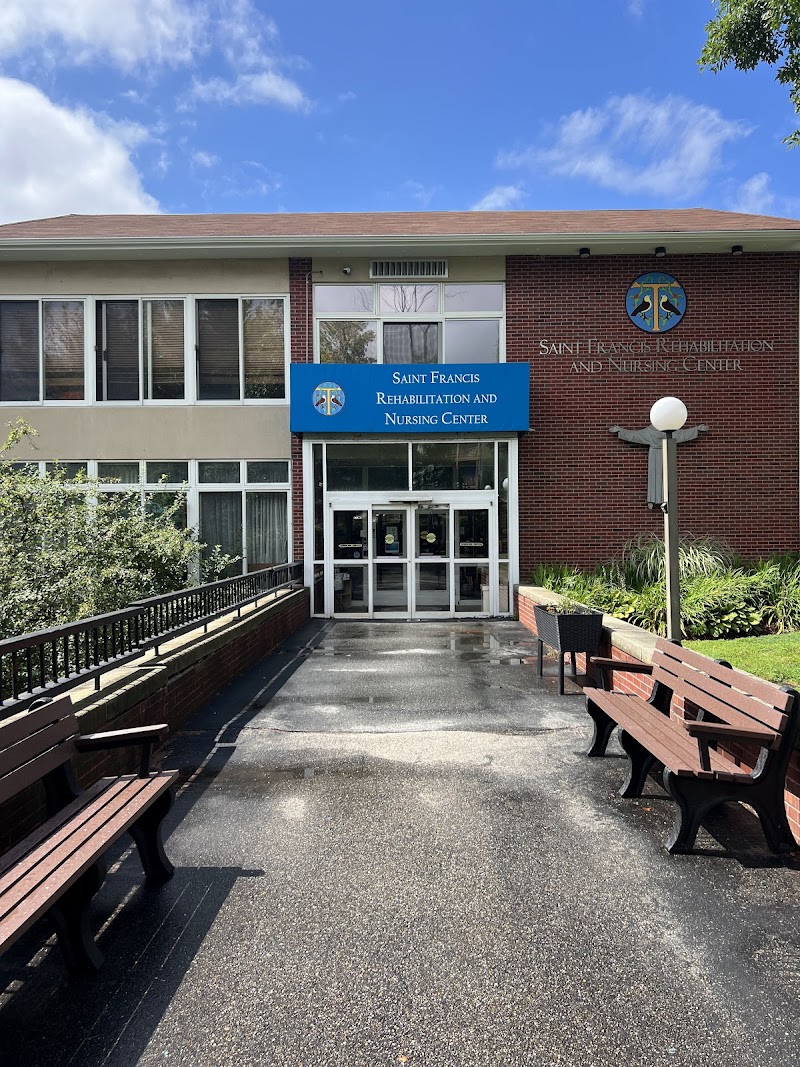
How is St Francis Rehabilitation & Nursing Center Staffed?

CMS rates ST FRANCIS REHABILITATION & NURSING CENTER's staffing level at 2 out of 5 stars, which is below average compared to other nursing homes.

What Have Inspectors Found at St Francis Rehabilitation & Nursing Center?

State health inspectors documented 25 deficiencies at ST FRANCIS REHABILITATION & NURSING CENTER during 2021 to 2025. These included: 4 that caused actual resident harm and 21 with potential for harm. Deficiencies causing actual harm indicate documented cases where residents experienced negative health consequences.
Who Owns and Operates St Francis Rehabilitation & Nursing Center?

ST FRANCIS REHABILITATION & NURSING CENTER is owned by a for-profit company. For-profit facilities operate as businesses with obligations to shareholders or private owners. The facility operates independently rather than as part of a larger chain. With 137 certified beds and approximately 118 residents (about 86% occupancy), it is a mid-sized facility located in WORCESTER, Massachusetts.
How Does St Francis Rehabilitation & Nursing Center Compare to Other Massachusetts Nursing Homes?

Compared to the 100 nursing homes in Massachusetts, ST FRANCIS REHABILITATION & NURSING CENTER's overall rating (3 stars) is above the state average of 2.9 and health inspection rating (2 stars) is below the national benchmark.

What Should Families Ask When Visiting St Francis Rehabilitation & Nursing Center?

Based on this facility's data, families visiting should ask: "Can you walk me through typical staffing levels on day, evening, and night shifts?" "Can I visit during a mealtime to observe dining assistance and food quality?" "How do you handle medical emergencies, and what is your hospital transfer rate?" "Can I speak with family members of current residents about their experience?" These questions are particularly relevant given the below-average staffing rating.

Is St Francis Rehabilitation & Nursing Center Safe?

Based on CMS inspection data, ST FRANCIS REHABILITATION & NURSING CENTER has a clean safety record: no substantiated abuse findings (meaning no confirmed cases of resident harm), no Immediate Jeopardy citations (the most serious violation level indicating risk of serious injury or death), and is not on the Special Focus Facility watch list (a federal program monitoring the lowest-performing 1% of nursing homes). The facility has a 3-star overall rating and ranks #1 of 100 nursing homes in Massachusetts. While no facility is perfect, families should still ask about staff-to-resident ratios and recent inspection results during their visit.

Do Nurses at St Francis Rehabilitation & Nursing Center Stick Around?

ST FRANCIS REHABILITATION & NURSING CENTER has not reported staff turnover data to CMS. Staff turnover matters because consistent caregivers learn residents' individual needs, medications, and preferences. When staff frequently change, this institutional knowledge is lost. Families should ask the facility directly about their staff retention rates and average employee tenure.

Was St Francis Rehabilitation & Nursing Center Ever Fined?

ST FRANCIS REHABILITATION & NURSING CENTER has been fined $19,175 across 2 penalty actions. This is below the Massachusetts average of $33,271. While any fine indicates a compliance issue, fines under $50,000 are relatively common and typically reflect isolated problems that were subsequently corrected. Families should ask what specific issues led to these fines and confirm they've been resolved.

Is St Francis Rehabilitation & Nursing Center on Any Federal Watch List?

ST FRANCIS REHABILITATION & NURSING CENTER is not on any federal watch list. The most significant is the Special Focus Facility (SFF) program, which identifies the bottom 1% of nursing homes nationally based on persistent, serious quality problems. Not being on this list means the facility has avoided the pattern of deficiencies that triggers enhanced federal oversight. This is a positive indicator, though families should still review the facility's inspection history directly.