ST MARY HEALTH CARE CENTER
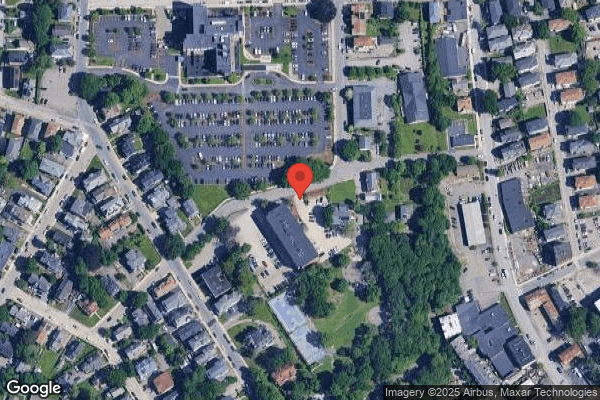
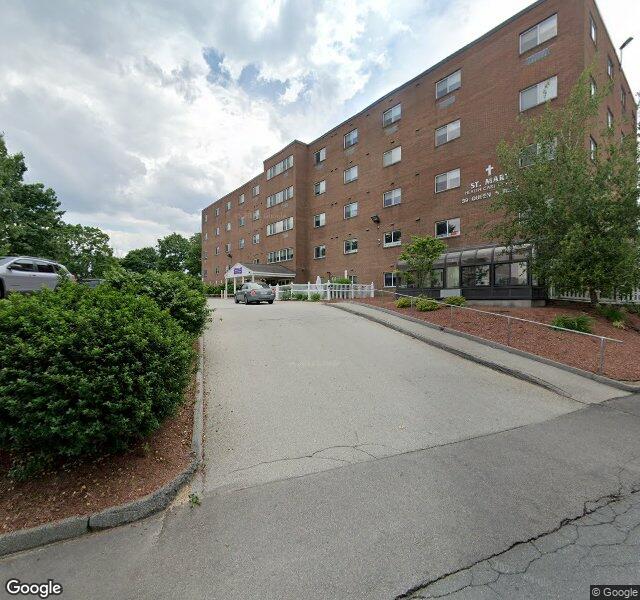
39 QUEEN STREET, WORCESTER, MA 01610 (508) 753-4791
Non profit - Corporation 172 Beds COVENANT HEALTH Data: November 2025
Trust Grade
60/100
#185 of 338 in MA
Last Inspection: December 2024

Within standard 12-15 month inspection cycle. Federal law requires annual inspections.

Overview

St. Mary Health Care Center has a Trust Grade of C+, indicating it is slightly above average among nursing homes. It ranks #185 out of 338 facilities in Massachusetts and #28 out of 50 in Worcester County, placing it in the bottom half of both state and county rankings. The facility is improving, with issues decreasing from 9 in 2024 to just 1 in 2025. Staffing is a strength, rated 4 out of 5 stars with a turnover rate of 34%, which is better than the state average, suggesting staff are familiar with the residents. However, there are some concerns, including specific incidents where staff failed to follow infection control guidelines, leading to potential risks of COVID-19 transmission, and reports of disrespectful treatment by a nurse towards residents, highlighting areas needing attention. Overall, while there are notable strengths, families should weigh these against the reported issues to make an informed decision.

Trust Score
C+
60/100
In Massachusetts
#185/338
Bottom 46%
Safety Record
Low Risk
No red flags
Inspections
Getting Better
9 → 1 violations
Staff Stability
○ Average
34% turnover. Near Massachusetts's 48% average. Typical for the industry.
Penalties
✓ Good
No fines on record. Clean compliance history, better than most Massachusetts facilities.
Skilled Nurses
○ Average
Each resident gets 30 minutes of Registered Nurse (RN) attention daily — about average for Massachusetts. RNs are the most trained staff who monitor for health changes.
Violations
⚠ Watch
31 deficiencies on record. Higher than average. Multiple issues found across inspections.
★★★☆☆
3.0
Overall Rating
★★★★☆
4.0
Staff Levels
★★★☆☆
3.0
Care Quality
★★★☆☆
3.0
Inspection Score
Stable
2024: 9 issues
2025: 1 issues

The Good

  • 4-Star Staffing Rating · Above-average nurse staffing levels
  • Full Sprinkler Coverage · Fire safety systems throughout facility
  • No fines on record
  • Staff turnover below average (34%)

    14 points below Massachusetts average of 48%

Facility shows strength in staffing levels, fire safety.

The Bad

3-Star Overall Rating

Near Massachusetts average (2.9)

Meets federal standards, typical of most facilities

Staff Turnover: 34%

11pts below Massachusetts avg (46%)

Typical for the industry

Chain: COVENANT HEALTH

Part of a multi-facility chain

Ask about local staffing decisions and management

The Ugly 31 deficiencies on record

Jun 2025 1 deficiency
CONCERN (E) 📢 Someone Reported This

A family member, employee, or ombudsman was alarmed enough to file a formal complaint

Potential for Harm - no one hurt, but risky conditions existed

Deficiency F0557 (Tag F0557)

Could have caused harm · This affected multiple residents

**NOTE- TERMS IN BRACKETS HAVE BEEN EDITED TO PROTECT CONFIDENTIALITY** Based on records reviewed and interviews, for 5 of 5 sampled residents (Residents #1, #2, #3, #4 and #5), who were alert and abl...

Read full inspector narrative →
**NOTE- TERMS IN BRACKETS HAVE BEEN EDITED TO PROTECT CONFIDENTIALITY** Based on records reviewed and interviews, for 5 of 5 sampled residents (Residents #1, #2, #3, #4 and #5), who were alert and able to made their needs known, the Facility failed to ensure they were treated in a dignified and respectful manner, when they all reported that Nurse #1 responded to their request for assistance with yelling, rudeness and disrespect. Findings include: Review of the Facility Resident Rights Policy, undated, indicated residents had the right to be treated with dignity and respect in full recognition of their individuality and to receive services with reasonable accommodations to individual needs and preferences. Review of the Report submitted by the Facility via the Health Care Facility Reporting System (HCFRS), dated 6/13/25, indicated that 5 residents (Residents #1, #2, #3, #4 and #5) reported that Nurse #1 withheld medications, used a curt or aggressive tone of voice, threw medications on the resident's table and/or yelled at them. Resident #1 was admitted to the Facility in June of 2023 and his/her diagnoses included Alzheimer's Disease, osteoarthritis and vertigo. Resident #1's Quarterly Minimum Data Set Assessment (MDS), dated [DATE] indicated his/her cognitive patterns were intact, with a Brief Interview for Mental Status (BIMS) score of 15 out of a possible 15 (13-15 suggest intact cognition, 8-12 suggests moderate impairment, and 0-7 suggests severe impairment). Resident #2 was admitted to the Facility in February of 2023 and his/her diagnoses included dementia and generalized anxiety disorder. Resident #2's Quarterly MDS, dated [DATE] indicated his/her cognitive patterns were intact, with a BIMS score of 15 out of a possible 15. Resident #3 was admitted to the Facility in April of 2025 and his/her diagnoses included dementia, major depressive disorder and anxiety disorder. Resident #3's admission MDS, dated [DATE] indicated his/her cognitive patterns were moderately impaired, with a BIMS score of 10 out of a possible 15. Resident #4 was admitted to the Facility in August of 2022 and his/her diagnoses included hemiparesis and hemiplegia following subarachnoid hemorrhage and anxiety disorder. Resident #4's Quarterly MDS, dated [DATE] indicated his/her cognitive patterns were intact, with a BIMS score of 15 out of a possible 15. Resident #5 was admitted to the Facility in July of 2024 and his/her diagnoses included major depressive disorder and anxiety disorder. Resident #5's Quarterly MDS, dated [DATE] indicated his/her cognitive patterns were intact, with a BIMS score of 15 out of a possible 15. During in-person interviews on: - 6/23/25 at 11:20 A.M. with Resident #4, - 6/23/25 at 11:35 A. M with Resident #3, - 6/23/25 at 11:46 A. M with Resident #5, - 6/23/25 at 11:56 A. M with Resident #1, and - 6/23/25 at 1:55 P.M with Resident #2, they said the following: The residents' all said when they requested assistance from Nurse #1 during the 11:00 P.M. to 7:00 A.M., she yelled at them and was rude. Resident #1 said that when he/she asked Nurse #1 for things, Nurse #1's tone of voice in response was sharp, brusque and dismissive. Resident #2 said Nurse #1 was awful to deal with, yelled at him/her and always responded to requests for medication by stating it was not time. Resident #3 said he/she recalled an incident in which Nurse #1 screamed and yelled at him/her and was mean in response to his/her request for medications. Resident #4 said Nurse #1 hollered at him/her, spoke to him/her with disrespect and made him/her feel afraid to ask for things. Resident #4 said that Nurse #1 routinely yelled at another resident in the hallway for taking off their clothes, loud enough for him/her (Resident #4) to hear. Resident #3 and Resident #4 said that when Nurse #1 brought them their medications, she threw them or banged them on the bedside table, instead of placing them in their hand. Resident #5 said that he/she had an incident in which Nurse #1 interrupted two CNAs providing care to him/her following an episode of incontinence and that Nurse #1 lashed out at him/her, telling him/her that he/she needed to use the bed pan, and that Nurse #1 did so in an angry tone of voice. During an interview on 6/25/25 at 3:35 P.M. by telephone, Nurse #3 said that residents had spoke to him about Nurse #1 coming on too strong and raising her voice. Nurse #3 said although residents had not specifically told him that Nurse #1 was disrespectful or rude, he said she thought Nurse #1 was strong willed and didn't realize when she crossed the line in her interactions with residents. During an interview on 6/25/25 at 3:45 P.M. by telephone, Nurse #4 said that Residents #2 and #4 told her that Nurse #1 yelled and wasn't very approachable. During a telephone interview on 6/27/25 at 12:46 P.M., the Nurse Supervisor said that she only worked alongside Nurse #1 at 11:00 P.M., for the change of shift. The Nurse Supervisor said that routinely, Nurse #1 would arrive and would remove Resident #6 from the nurses' station where she (Nurse Supervisor) had positioned him/her for supervision and monitoring. The Nurse Supervisor said that as soon as Nurse #1 arrived, she would grab Resident #6's wheelchair and abruptly move it from the nurses station, stating you don't belong here, in a reprimanding, loud tone of voice. During an interview on 6/30/35 at 11:28 A.M. by telephone, Certified Nurse Aide (CNA) #5 said that she worked during the 11:00 P.M. to 7:00 A.M. shift with Nurse #1. CNA #5 said that Nurse #1 lacked compassion, was annoyed by any resident's request and spoke rudely and condescendingly to residents. During an interview on 7/02/25 at 12:00 P.M. Nurse #1 said that she did not yell at, speak rudely to or disrespect residents. Nurse #1 said she thought resident's complaints may have been influenced by her strict adherence to medication times. Nurse #1 said that she spoke in a loud tone of voice because her voice was low and resident's were hard of hearing. Although Nurse #1 said she was not disrespectful, her statement seems suspect given the consistent corroborating statements of residents and staff. On 6/23/25 the Facility was found to be in past non-compliance and provided the Surveyor with a plan of correction which addressed the area of concern as evidenced by: A. The Facility terminated Nurse #1 on 6/18/25. B. On 6/15/25, the Director of Social Services met with Residents #1, #2, #3, #4 and #5 to offer support and reassurance, and continue to meet with them as needed. C. On 6/15/25, the Director of Social Services and Clinical Manager conducted interviews of residents capable of being interviewed who were cared for by Nurse #1 to assess for other impacted residents. D. On 6/20/25 and on-going, the Facility Staff Development Coordinator initiated training of all staff on Resident Rights and mechanisms for reporting concerns. E. The Facility recognizes that all residents have the potential to be effected by the Rights Rights concern area identified, they will continue to offer support to residents and additional staff education as needed. F. On 6/19/25, the Facility Leadership initiated a Quality Improvement Project to improve staff knowledge regarding reporting and resident rights, which was presented during the QAPI meeting and will continue to be discussed until substantial compliance is met. G. The Administrator and/or Designee are responsible for overall compliance.
Dec 2024 9 deficiencies
CONCERN (D)

Potential for Harm - no one hurt, but risky conditions existed

Deficiency F0637 (Tag F0637)

Could have caused harm · This affected 1 resident

**NOTE- TERMS IN BRACKETS HAVE BEEN EDITED TO PROTECT CONFIDENTIALITY** Based on interview, and record review, the facility failed to identify and complete in the required time frame, a Minimum Data S...

Read full inspector narrative →
**NOTE- TERMS IN BRACKETS HAVE BEEN EDITED TO PROTECT CONFIDENTIALITY** Based on interview, and record review, the facility failed to identify and complete in the required time frame, a Minimum Data Set (MDS) for a Significant Change in Status Assessments (SCSA) for two Residents (#9 and #34) out of a total sample of 21 residents. Specifically, the facility failed to: 1. For Resident #9, complete a SCSA within 14 days after the Resident had a decline in bowel functioning, bladder functioning, and a new pressure injury. 2. For Resident #34, complete a SCSA within 14 days after the Resident was admitted to a Hospice program. Findings include: Review of the Long-Term Care Facility Resident Assessment Instrument 3.0 User's Manual, Version 1.19.1 dated October 2024 indicates: -A significant change is a major decline or improvement in a resident's status that: >Will not normally resolve itself without intervention by staff or by implementing standard disease-related clinical interventions, the decline is not considered self-limiting. >Impacts more than one area of the resident's health status. >Requires interdisciplinary review and/or revision of the care plan. -The SCSA is appropriate when: >There is determination that a significant change (either improvement or decline) in a resident's condition from their baseline has occurred as indicated by comparison of the resident's current status to the most recent comprehensive assessment and any subsequent quarterly assessments. >A SCSA is required to be performed when a terminally ill resident enrolls in a hospice program (Medicare-certified or State-licensed hospice provider) or changes hospice providers and remains a resident at the nursing home. The Assessment Reference Date (ARD) must be within 14 days from the effective date of the hospice election (which can be the same or later than the date of the hospice election statement, but not earlier than). A SCSA must be performed regardless of whether an assessment was recently conducted on the resident. This is to ensure a coordinated plan of care between the hospice and nursing home is in place. Review of the facility policy titled admission Criteria, dated 2/2024, indicated: -Definition of a Significant Change - A major decline or improvement in an individual's status that: a. In the case of a decline, will not normally resolve itself without intervention by staff or by implementing standard disease-related clinical interventions, the decline is not considered self-limiting. b. Impacts more than one area of the resident's health status. c. Requires interdisciplinary review or revision of the care plan . 1. Resident #9 was admitted to the facility in October 2020. Review of Resident #9's MDS assessment dated [DATE], indicated: -Resident #9 was frequently incontinent of bladder function -Resident #9 was frequently incontinent of bowel function -Resident #9 had no pressure injury Review of Resident #9's most recent MDS assessment dated [DATE], indicated the following: -Resident #9 was always incontinent of bladder function -Resident #9 was always incontinent of bowel function -Resident #9 had a Stage 3 pressure injury During an interview on 12/18/24 at 9:18 A.M., MDS Nurse #1 said that Resident #9 should have had a Significant Change MDS Assessment completed during the most recent assessment period with an Assessment Reference Date (ARD) of 1/2/24, when facility staff identified a decline in bowel function, a decline in bladder function, and a change in skin condition with the development of a Stage 3 pressure injury. 2. Resident #34 was admitted to the facility in August 2021. Review of Resident #34's clinical record indicated the Resident had a Physician's order to admit to Hospice services effective 9/10/24. Review of the Resident's MDS Assessments indicated no SCSA was completed within 14 days of Resident #34 signing onto Hospice services. Further review of the Resident's clinical record the MDS Nurse Progress Notes dated 11/19/24, indicated: -The Resident had experienced a significant change related to signing on to Hospice services on 9/9/24. -A SCSA was not completed within the required time frame per guidelines. -A SCSA was initiated on 11/19/24 to capture the Resident's current status and ensure accurate planning. During an interview on 12/17/24 at 11:59 A.M., the MDS Nurse said the SCSA was late and was not done within the 14 days as required because she was unaware of the start of Hospice services. The MDS Nurse said the significant change MDS should have been completed within 14 days of the Resident's sign on to Hospice, but it was not completed.
CONCERN (D)

Potential for Harm - no one hurt, but risky conditions existed

PASARR Coordination (Tag F0644)

Could have caused harm · This affected 1 resident

Based on record review, and interview, the facility failed to coordinate an assessment with the Preadmission Screening and Resident Review (PASRR - a federal requirement to help ensure that individual...

Read full inspector narrative →
Based on record review, and interview, the facility failed to coordinate an assessment with the Preadmission Screening and Resident Review (PASRR - a federal requirement to help ensure that individuals who have a mental disorder or intellectual disabilities are not inappropriately placed in nursing homes for long term care) program for two Residents (#13 and #84) out of a total sample of 21 residents. Specifically, the facility failed to complete a new Level I PASRR Assessment for: 1. For Resident #13, when there was a significant change in status on two dates with behavioral changes identified, new diagnoses of Major Depressive Disorder on 11/30/23 and Delusional Disorders on 7/30/24, were added to the Resident's clinical record, and adjustments to the Resident's psychotropic medication and plan of care were made. 2. For Resident #84, when there was a significant change in status on 2/8/22 with behavioral changes identified, a new diagnosis of Psychotic Disorder with delusions due to known physiological condition was added to the Resident's clinical record, and adjustments to the Resident's antipsychotic medication and plan of care were made. Findings include: Review of the facility policy titled admission Criteria, reviewed 2/2024, included: -The facility will notify the State mental health authority or State intellectual disability authority, as applicable, promptly after a significant change in the mental or physical condition of a resident who has mental health illness or intellectual disability for resident review. -Definition of Significant Change- A major decline or improvement in an individual's status that Requires interdisciplinary review or revision of the care plan May result in a positive Level I Screening for SMI (SMI-Serious Mental Illness) or may result in a change in previous PASRR determinations. 1. Resident #13 was admitted to the facility in July 2023 with diagnoses including Dementia and Diabetes. Review of the PASRR assessment completed for the Resident on the day of admission to the facility, indicated that the Resident did not have any documented SMI. Review of the Resident's clinical record included a list of diagnoses which indicated: -Major Depressive Disorder was added on 11/30/23 -Delusional Disorders was added on 7/30/24 Review of the Resident's Behavioral Health Consultant Progress Notes indicated: >11/30/23: -may benefit from antidepressant for management of Depression -Primary Diagnosis: Major Depressive Disorder -Recommend to start Zoloft (antidepressant medication) 25 milligrams (mg) by mouth daily for Depression. >12/28/23: -chief complaint Depression -managed with .Zoloft 25 mg, seen today following medication changes -plan to continue current medication regime, recommend to document mood . >8/29/24: -Diagnosis of Delusional Disorders -Target symptoms: agitation, behavioral disturbance -managed with Zyprexa (antipsychotic medication - a class of drugs used to treat symptoms of psychosis, including hallucinations, delusions, and Dementia) 2.5 mg QAM (each morning) + 5 mg HS (at hour of sleep). During an interview on 12/17/24 at 11:25 A.M., the Social Worker (SW) said that the Resident should have had a new Level I PASRR screening done when a new SMI was identified and added to the Resident's diagnosis profile. The SW said that a new PASRR Level I screen should have been submitted to the PASRR Portal on 11/30/23 when a diagnosis of Major Depressive Disorder was added to the Resident's diagnosis list, and on 7/30/24 when a diagnosis of Delusional Disorder was added to the Resident's diagnosis list, but the PASRR screen had not been submitted. 2. Resident #84 was admitted to the facility in December 2021 with diagnoses including Unspecified Dementia with behavioral disturbance and Failure to Thrive. Review of the PASRR assessment completed for the Resident on the day of admission to the facility, indicated that the Resident did not have any documented SMI. Review of a Physician's order dated 2/8/22, indicated to add a diagnosis of Psychotic Disorder with Delusions due to known physiological condition. Review of the Resident's clinical record included a list of diagnoses which indicated: -Psychotic Disorder with delusions due to known physiological condition was added on 2/9/22 Review of the Resident's clinical record included: -Nursing Progress Note dated 2/9/22, Olanzapine (antipsychotic medication) 5 milligrams (mg) by mouth every morning and at bedtime -Physician Progress Note dated 2/19/22 .much better adjusted now .patient is on Zyprexa (OLANZapine). During an interview on 12/17/24 at 11:44 A.M., the Social Worker (SW) said that the Resident should have had a new Level I PASRR screening done when a new SMI was identified and added to the Resident's diagnosis profile. The SW said the Resident should have had a new PASRR Level I screening submitted when the new diagnosis of Psychotic Disorder with delusions due to known physiological condition was added to the Resident's diagnoses profile on 2/9/22, but the screen had not been done.
CONCERN (D)

Potential for Harm - no one hurt, but risky conditions existed

Accident Prevention (Tag F0689)

Could have caused harm · This affected 1 resident

**NOTE- TERMS IN BRACKETS HAVE BEEN EDITED TO PROTECT CONFIDENTIALITY** Based on observation, record review, and interview, the facility failed to ensure the environment was free from accidents and ha...

Read full inspector narrative →
**NOTE- TERMS IN BRACKETS HAVE BEEN EDITED TO PROTECT CONFIDENTIALITY** Based on observation, record review, and interview, the facility failed to ensure the environment was free from accidents and hazards for one Resident (#24) out of a total sample of 21 residents. Specifically, the facility failed to ensure hazardous items (razor blades) were not stored on the Resident's bedside table and easily accessible to Resident #24, who had a history of suicidal ideation (thoughts or ideas centered around death or self-harm) and other cognitively impaired residents on the unit. Findings include: Review of the facility policy for Behavioral Health Services, last reviewed February 2024 , indicated: -the facility will provide, and residents will receive behavioral health services as needed to attain the highest practicable physical, mental and psychosocial well-being in accordance with the comprehensive assessment and plan of care. -staff must promote dignity, autonomy, privacy, socialization and safety as appropriate for each resident and are trained in ways to support residents in distress. Review of Resident #24's medical record indicated the Resident had a Guardian (a court appointed person who makes important personal and healthcare decisions for an adult who lacks the capacity to make their own decisions) in place since 9/28/20. Resident #24 was admitted to the facility in January 2023 with diagnoses including Anxiety, Major Depressive Disorder and Cognitive Communication deficit. Review of Resident #24's clinical record revealed a Nurses Progress Note written by the Director of Nursing (DON) dated 2/12/24 that indicated: -the Resident has broken a fork with a plan to harm him/herself. -the Resident's room had been searched and all utensils, razors and clippers had been removed from the room. -the intervention was to provide plastic utensils for all meals and that the Nurses were to provide the Resident with razors or nail clippers. Review of the Minimum Data Set (MDS) assessment dated [DATE], indicated Resident #24 had moderate cognitive impairment as evidenced by a Brief Interview of Mental Status (BIMS) score of 10 out of 15. Review of the Resident #24's care plans last reviewed 11/12/24, indicated: -the Resident has a court appointed Guardian. -the Resident is dependent on staff for physical needs due to cognitive deficits. -the Resident has an ADL self-care performance and mobility deficit. -the Resident requires skin inspection every week and during care. Observe for redness, open areas, scratches, cuts, bruises and report changes to the Nurse. -on 2/12/24, the Resident verbalized making weapon out of a fork, related to Depression and suicidal ideation. -the Resident has a history of making accusations towards staff, sexually harassing the opposite gender and making inappropriate comments towards others. -an intervention to monitor the Resident for change in behavior/mood/cognition, hallucinations/delusions, social isolation, suicidal thoughts, withdrawal. -an intervention to monitor/document/report as needed any risk for harm to self: suicidal plan, past attempt at suicide, risky actions (stockpiling pills, saying goodbye to family, giving away possessions or writing a note), intentionally harmed or tried to harm self, refusing to eat or drink, refusing meds or therapies, sense of hopelessness or helplessness, impaired judgment or safety awareness. Review of the Nurse-to-Nurse Report sheet provided to the surveyor on 12/12/24 indicated that Resident #24 had a history of suicidal ideation and should have plastic silverware at all meals. On 12/12/24 at 11:26 A.M., the surveyor observed three disposable razor blades laying on top of Resident #24's bedside dresser. During an interview at the time, Unit Manager (UM) #1 said that the razors should not have been at the Resident's bedside as he/she has made a shiv (a handcrafted weapon resembling a knife) in the past. UM #1 was observed removing the three disposable razor blades from the Resident's room. During an interview on 12/16/24 at 2:07 P.M., the DON said that the disposable razors should not have been on Resident #24's bedside table. Please Refer to F742
CONCERN (D)

Potential for Harm - no one hurt, but risky conditions existed

Deficiency F0742 (Tag F0742)

Could have caused harm · This affected 1 resident

**NOTE- TERMS IN BRACKETS HAVE BEEN EDITED TO PROTECT CONFIDENTIALITY** Based on record review, and interview, the facility failed to provide mental health services for one Resident (#24) out of a tot...

Read full inspector narrative →
**NOTE- TERMS IN BRACKETS HAVE BEEN EDITED TO PROTECT CONFIDENTIALITY** Based on record review, and interview, the facility failed to provide mental health services for one Resident (#24) out of a total sample of 21 residents, with a documented history of mental health concerns. Specifically, the facility failed to assess Resident #24's mental health status in timely manner after he/she expressed a plan to self-harm. Findings include: Review of the facility policy for Suicide Threats, last reviewed 2/2024, indicated: -Resident suicide threats shall be taken seriously and addressed appropriately. -all nursing personnel and other staff involved in caring for the resident shall be informed of the suicide threat and instructed to report changes in the resident's behavior immediately. -as indicated, a psychiatric consultation or transfer for emergency psychiatric evaluation may be initiated. -if the resident remains in the facility, staff will monitor the resident's mood and behavior and updated care plans accordingly, until a physician has determined the risk does not appear to be present. -staff shall document details of the situation objectively in the Resident's record. Review of the facility policy for Behavioral Health Services, last reviewed 2/2024, indicated: -the facility will provide, and residents will receive behavioral health services as needed to attain the highest practicable physical, mental and psychosocial well-being in accordance with the comprehensive assessment and plan of care. -staff must promote dignity, autonomy, privacy, socialization and safety as appropriate for each resident and are trained in ways to support residents in distress. Resident #24 was admitted to the facility in January 2023 with diagnoses including Anxiety, Major Depressive Disorder and Cognitive Communication deficit. Review of Resident #24's medical record indicated he/she had a Guardian in place since 9/28/20. Review of the Minimum Data Set (MDS) assessment dated [DATE], indicated Resident #24 had moderate cognitive impairment as evidenced by a Brief Interview of Mental Status (BIMS) score of 10 out of 15. Review of Resident #24's care plans last reviewed 11/12/24, indicated the Resident: -has a court appointed Guardian. -is dependent on staff for physical needs due to cognitive deficits. -has an ADL self-care performance and mobility deficit. -requires skin inspection every week and during care. Observe for redness, open areas, scratches, cuts, bruises and report changes to the Nurse. -on 2/12/24, the Resident verbalized making a weapon out of a fork, related to Depression and suicidal ideation. -the Resident has a history of making accusations towards staff, sexually harassing the opposite gender and making inappropriate comments towards others. -an intervention to monitor the Resident for change in behavior/mood/cognition; hallucinations/delusions; social isolation, suicidal thoughts, withdrawal. -an intervention to monitor/document/report as needed any risk for harm to self: suicidal plan, past attempt at suicide, risky actions (stockpiling pills, saying goodbye to family, giving away possessions or writing a note), intentionally harmed or tried to harm self, refusing to eat or drink, refusing med or therapies, sense of hopelessness or helplessness, impaired judgment or safety awareness. Review of Resident #24's clinical record with a Nurses Progress Note written by the Director of Nursing (DON) dated 2/12/24, that indicated: -the Resident has broken a fork with a plan to harm him/herself. -the Resident's room had been searched and all utensils, razors and clippers had been removed from the room. -the intervention was to provide plastic utensils for all meals and that the nurses were to provide him/her with razors or nail clippers. -the DON made a verbal contract with the Resident for safety (term used to describe an agreement between a patient and a clinician to reduce the risk of self-harm or suicide). -the DON notified the Physician and the Physician would meet with the Resident. -that Psychiatric services would meet with the Resident. Further review of Resident #24's clinical record indicated that the Resident was not seen/assessed by the Physician or Psychiatric services until 2/15/24, three days after the Resident indicated suicidal expression. During an interview on 12/16/24 at 2:07 P.M., the DON said that the Resident had been assessed for safety. The DON also said that she had been concerned that Resident #24 would harm another person as well as him/herself. The facility was unable to provide documentation that the Resident had been assessed for risk of self-harm by a Clinician prior to 2/15/24, and any evidence that the Resident had been continuously monitored for safety. During an interview on 12/17/24 at 11:32 A.M., Social Worker (SW) #1 said that when a Resident expresses wanting to self-harm that the expectation is to provide one-on-one supervision with the Resident until they can be seen by the Consulting Psychiatric team to be assessed for risk and safety. SW #1 also that that if the Resident cannot be seen onsite in the building, then the Resident should be sent out for a psychological evaluation at the hospital. During an interview on 12/18/24 at 11:38 A.M., Physician #1 said that she had not been present in the facility when Resident #24 had expressed suicidal ideation and that the DON had notified her of the Resident's state. Physician #1 also said that Resident #24 had a long history of mental health concerns, paranoid delusions, a history of suicidal ideation, and had been sent out to the hospital by Physician #1 in the past for suicidal statements.
CONCERN (D)

Potential for Harm - no one hurt, but risky conditions existed

Pharmacy Services (Tag F0755)

Could have caused harm · This affected 1 resident

Based on observation, and interview, the facility failed to ensure that pharmaceutical services (including procedures that assure the accurate acquiring, receiving, dispensing, and administering of al...

Read full inspector narrative →
Based on observation, and interview, the facility failed to ensure that pharmaceutical services (including procedures that assure the accurate acquiring, receiving, dispensing, and administering of all drugs and biologicals) were available to meet the needs of each resident in the facility for two medication storage rooms (Fourth and Fifth Floor Units). Specifically, the facility failed to ensure that Insulin (medication used to treat Diabetes) emergency medication kits (E-Kits) were re-ordered and replaced timely by the Pharmacy after being opened. Findings Include: Review of the facility Pharmacy policy titled Emergency Kit Policy & Procedure dated 01/01/2024, indicated the following: -A portable emergency kit or kits shall be made available for immediate administration of a medication not otherwise obtainable in the time required. The emergency kits are not a source of supplemental supply but are for emergency use. -The nurse will complete a full record of the drug withdrawal from the emergency kit on the emergency kit usage log. The pharmacy copy of this log is placed inside the emergency kit and is returned to the pharmacy with the kit after use. -The pharmacy shall be notified (by fax back sheet, or E-Kit pickup call) of the use of the emergency kit prior to the next scheduled delivery. -The pharmacy must exchange open emergency kits during the next business day after the kit is opened. Kits are not exchanged on holidays or outside of regular Monday thru Friday business days. -The pharmacy will send a new emergency kit and pick up the used one within the next routine day of business. On 12/17/24 at 8:38 A.M., the surveyor and Nurse #2 observed the Fifth Floor Medication Storage Room. Nurse #2 identified the Emergency Insulin kit was opened and had medication receipts dated 7/22/24 and 12/15/24, indicating the Insulin E-Kit was opened on 7/22/24 and medications had been removed on 7/22/24 and 12/15/24. During an interview at the time, Nurse #2 said that the Insulin E-kit had been opened on 7/22/24. Nurse #2 inventoried the open kit and said that a Humalog Quick Pen (rapid acting insulin) had been removed on 7/22/24 and Lantus Insulin (long-acting insulin) had been removed on 12/15/24. Nurse #2 said whenever an E-Kit is opened, the Nurse fills out a medication receipt for what was removed and sends it to the Pharmacy for re-ordering on the same day. Nurse #2 further said that a new E-kit usually gets delivered within a day of re-ordering. Nurse #2 was unable to provide evidence that the Insulin E-kit had been re-ordered from the Pharmacy after being opened on 7/22/24 and said that is should have been ordered but was not. On 12/17/24 at 9:24 A.M., the surveyor and Nurse #3 observed the Fourth Floor Medication Storage Room. Nurse #3 identified the Insulin E-kit was opened and had a medication receipt dated 12/10/24, indicating that the E-kit was opened, and medication was removed on 12/10/24. During an interview at the time, Nurse #3 said that the Insulin E-kit was open and then inventoried the contents of the kit and said that Glargine Insulin (long-acting, synthetic version of insulin) was removed on 12/10/24. Nurse #3 was unable to provide evidence that the E-kit had been re-ordered from the Pharmacy, and that it should have been re-ordered when it was opened on 12/10/24. Nurse #3 said whenever an E-kit is opened, it should be re-ordered the same day and usually is delivered by the Pharmacy the next day. Nurse #3 also said that if the E-kit is not delivered the next day, it is the Nurses' responsibility to call the Pharmacy and further request the E-kit get delivered to have the medications on hand in case of an emergency.
CONCERN (D)

Potential for Harm - no one hurt, but risky conditions existed

Deficiency F0772 (Tag F0772)

Could have caused harm · This affected 1 resident

**NOTE- TERMS IN BRACKETS HAVE BEEN EDITED TO PROTECT CONFIDENTIALITY** Based on record review, and interview, the facility failed to provide laboratory services for one Resident, (#33), out of a tota...

Read full inspector narrative →
**NOTE- TERMS IN BRACKETS HAVE BEEN EDITED TO PROTECT CONFIDENTIALITY** Based on record review, and interview, the facility failed to provide laboratory services for one Resident, (#33), out of a total sample of 21 residents. Specifically, the facility failed to obtain blood tests every three months for Resident #33 as ordered by the Resident's Physician. Findings include: Review of the facility policy Lab and Diagnostic Test Results - Clinical Protocol, Reviewed February of 2024 indicated: -The physician will identify, and order diagnostic and lab testing based on the resident's diagnostic and monitoring needs. -The staff will process test requisition and arrange for tests. Resident #33 was admitted to the facility in November 2017 with diagnoses including Schizophrenia, Major Depressive Disorder and Benign Prostatic Hyperplasia. Review of Resident #33's most recent Minimum Data Set (MDS) assessment dated [DATE], indicated the Resident was moderately cognitively impaired as evidenced by a Brief Interview for Mental Status (BIMS) score of nine out of 15 points. Review of Resident #33's clinical record indicated: -An active Physician's order dated 12/6/21, to check fingerstick blood sugar (FSBS), white blood cell count (WBC), absolute neutrophil count (ANC), Basic Metabolic panel (BMP) this month and every three months. -A WBC and BMP blood draw had been completed on 9/20/24. -The clinical record showed no evidence the ANC and FSBS had been completed since 12/6/21, or that the WBC and BMP had been completed on any date other than the 9/20/24 blood draw. During an interview on 12/17/24 at 8:38 A.M., the Unit Manager (UM) said an active order for labs such as the ones written for Resident #33 should have been completed or clarified with the Physician whether the labs were still needed. During an interview on 12/17/24 at 9:53 A.M., the Director of Nursing (DON) said the order for blood tests for Resident #33 was still active as of 12/16/24. The DON was unable to provide evidence that the ANC, FSBS, WBC and BMP labs were drawn as ordered for Resident #33.
CONCERN (D)

Potential for Harm - no one hurt, but risky conditions existed

Deficiency F0776 (Tag F0776)

Could have caused harm · This affected 1 resident

**NOTE- TERMS IN BRACKETS HAVE BEEN EDITED TO PROTECT CONFIDENTIALITY** Based on record review, and interview, the facility failed to provide or obtain diagnostic services for one Resident (#4) out of...

Read full inspector narrative →
**NOTE- TERMS IN BRACKETS HAVE BEEN EDITED TO PROTECT CONFIDENTIALITY** Based on record review, and interview, the facility failed to provide or obtain diagnostic services for one Resident (#4) out of a total sample of 21 residents. Specifically, the facility failed to provide electrocardiogram (EKG- a test which records the electrical activity of the heart through repeated cardiac cycles) testing every six months for Resident #4 as ordered by the Resident's Physician for monitoring of antipsychotic medication use. Findings include: Review of the facility policy Lab and Diagnostic Test Results - Clinical Protocol, Reviewed February 2024 indicated: -The physician will identify, and order diagnostic and lab testing based on the resident's diagnostic and monitoring needs. -The staff will process test requisition and arrange for tests. Resident #4 was admitted to the facility in January 2022 with diagnoses including Unspecified Systolic Congestive Heart Failure, Major Depressive Disorder, and Borderline Personality Disorder. Review of Resident #4's most recent Minimum Data Set (MDS) assessment dated [DATE] indicated the Resident: -was significantly cognitively impaired as evidenced by a Brief Interview for Mental Status (BIMS) score of 3 out of 15 points. -had heart failure -was taking an antipsychotic medication. Review of Resident #4's clinical record indicated: -The Resident had an active order dated 7/10/22 for an EKG, repeat every six months: on psychotropic medications. -No evidence found in the clinical record that any EKGs had been completed During an interview on 12/17/24 at 8:40 A.M., the Unit Manager (UM) said the orders for Resident #4 to have an EKG every six months should have been being completed or clarified with the Physician whether they were still needed. The UM said the Resident had an EKG in 2023 but she was unable to confirm if any other EKGs had been performed since 2023. The UM said she spoke with the Resident's Physician and clarified the order for the EKGs and an EKG was going to be scheduled for the Resident. During an interview on 12/17/24 at 9:53 A.M., the Director of Nursing (DON) said the order for the Resident to receive an EKG every six months was an active order as of 12/16/24. The DON was unable to provide evidence that any EKGs were completed in the last year. The DON said the orders for the EKG had been clarified with the Physician. Review of the Active Physician's orders for Resident #4 dated 12/17/24, indicated the Resident should receive an EKG every three months: report results to the Physician.
CONCERN (D)

Potential for Harm - no one hurt, but risky conditions existed

Infection Control (Tag F0880)

Could have caused harm · This affected 1 resident

Based on observation, interview, and record review, the facility failed to adhere to infection control standards to prevent the potential transmission of communicable diseases and infections for one R...

Read full inspector narrative →
Based on observation, interview, and record review, the facility failed to adhere to infection control standards to prevent the potential transmission of communicable diseases and infections for one Resident (#9) out of a total sample of 21 residents. Specifically, the facility failed to ensure that staff performed proper hand hygiene between glove changes while providing wound care to Resident #9 to prevent contamination and the spread of infections. Findings include: Review of the facility policy titled Hand Hygiene Policy, dated 1/1/24 - 12/31/24 indicated: -Hand Hygiene: cleaning your hands with either antiseptic hand rubs (i.e. alcohol-based hand sanitizer including foam or gel) or by handwashing (with soap and water). -The Centers of Disease Control (CDC) and Prevention Hand Hygiene Guidelines in Healthcare Settings will be followed: 1. Alcohol-based hand sanitizers are the preferred method for hand hygiene, as it reduces the number of microorganisms on hands. Hand Sanitizers must be 60-95% alcohol. >When to wash with alcohol-based sanitizer: -before and after glove use -before and after procedure or treatment administration 2. Using gloves does not replace the need for hand hygiene. Integration of glove use along with routine hand hygiene is recognized as the best practice for preventing healthcare-associated infections. Resident #9 was admitted to the facility in October 2020, with diagnoses including Alzheimer's Disease, Atrial Fibrillation, and Congestive Heart Failure. Review of Resident #9's Comprehensive Care Plan indicated: -Resident has a MASD (Moisture Associated Skin Disorder)/Stage 4 (pressure injury that extends to muscle, tendon, or bone) Sacro-Coccyx from ulcer related to disease process, history of ulcers, immobility and diagnosis of protein-calorie malnutrition, effective 10/11/23 -Risk for infection related to sacro-coccyx wound with an intervention to maintain Enhanced Barrier Precautions (EBP: an infection control intervention designed to reduce transmission of multidrug resistance organisms that employs targeted gown and glove use during high contact resident care activities) every shift for close contact until wound is healed, effective 10/2/24 Review of Resident #9's December 2024 Physician orders indicated: -Maintain Enhanced Barrier Precautions (EBP) every shift: May discontinue precautions once wound is resolved. -Treatment for Sacro-coccyx wound: 1) Cleanse with wound cleanser spray 2) Pat dry with gauze 3) Lightly pack wound with Iodoform packing strip (an antimicrobial packing) 4) skin prep (fast drying liquid skin protectant) peri-wound (surrounding area of the wound) and wound edges 6) Cover with white border gauze BID (twice a day) and as needed (PRN) for soilage On 12/18/24 at 8:05 A.M., the surveyor observed Nurse #1 and CNA #2 provide the following wound care for Resident #9's sacro-coccyx wound: -Nurse #1 and CNA #2 performed proper hand hygiene prior to entering room and put on (donned) gown and gloves. -Nurse #1 and CNA #2 assisted the Resident into a right-side lying position. -Nurse #1 removed (doffed) her gloves and donned new gloves without performing hand hygiene. -Nurse #1 doffed Resident #9's brief, removed her gloves and put on new gloves without performing hand hygiene. -Nurse #1 doffed the soiled dressing and disposed of it. She then doffed her gloves and donned new gloves without performing hand hygiene. -Nurse #1 assessed the wound, by touching the wound and surrounding tissue. She then doffed her gloves and donned new gloves without performing hand hygiene. -Nurse #1 told the surveyor that she needed to measure the wound, removed the sterile Q-Tip's from the nearby table, removed one Q-Tip from the package, put the other Q-Tip's back onto the nearby table, and used the sterile wrapping to measure the wound. -Nurse #1 doffed her gloves and donned new gloves on without performing hand hygiene. -Nurse #1 picked up her supplies off the nearby table and cleansed the wound according to the Physician orders. -Nurse #1 went into the bathroom and performed hand hygiene with soap and water and donned new gloves. -Nurse #1 dried the wound, doffed her gloves and donned new gloves without performing hand hygiene. -Nurse #1 applied skin prep to the wound according to the Physician orders, then doffed her gloves and doffed new gloves without performing hand hygiene. -Nurse #1 used her scissors from the nearby table to cut the Iodoform packing to size and applied the dressing to the wound according to Physician orders. -Nurse #1 doffed her gloves and reapplied new gloves without performing hand hygiene. -Nurse #1 applied the white border foam dressing according to Physician orders and doffed her gloves and used hand sanitizer. During an interview on 12/18/24 at 8:25 A.M., Nurse #1 said that she should have either used hand sanitizer or soap and water in between taking off her gloves and applying new gloves. Nurse #1 said that she did not perform hand hygiene appropriately throughout the procedure which puts the Resident at risk for developing an infection. During an interview on 12/18/24 at 9:48 A.M., the Director of Nursing (DON) said that Nurse #1 should have performed hand hygiene throughout the procedure whenever gloves were removed and prior to putting on clean gloves, according to the recommended Hand Hygiene guidelines and facility policy.
MINOR (C)

Minor Issue - procedural, no safety impact

Staffing Information (Tag F0732)

Minor procedural issue · This affected most or all residents

Based on record review, and interview, the facility failed to post the required nurse staffing information daily. Specifically, the facility failed to: -post the total number and actual hours worked...

Read full inspector narrative →
Based on record review, and interview, the facility failed to post the required nurse staffing information daily. Specifically, the facility failed to: -post the total number and actual hours worked by the following categories of licensed and unlicensed nursing staff directly responsible for resident care per shift: >Registered Nurses (RN), >Licensed Practical Nurses (LPN) or Licensed Vocational Nurses (LVN), >and Certified Nurses Aides (CNA). -maintain a copy of the staffing records for 18 months as required. Findings include: During the facility survey, the surveyor observed that the nurse staffing information was posted in the front lobby on the following days: -12/12/24 -12/16/24 -12/17/24 The surveyor observed that the nurse staffing postings did not include the total number of hours and actual hours worked by the following categories of licensed and unlicensed nursing staff directly responsible for resident care per shift: RNs, LPNs, LVNs, and CNAs. On 12/17/24, the surveyor requested copies of the nurse staffing information for the month of December 2024 which was provided by the facility Administrator. Review of all the nurse staff postings provided by the facility for the month of December 2024 did not include the total number of hours and actual hours worked by the following categories of licensed and unlicensed nursing staff directly responsible for resident care per shift: RNs, LPNs, LVNs, and CNAs. During an interview on 12/17/24 at 1:53 P.M., the Administrator said he was unaware that the actual and total number of hours worked by licensed and unlicensed nursing staff directly responsible for resident care per shift needed to be on the nursing staff posting. The Administrator also said the facility has not been maintaining the posted daily staffing for 18 months as required and they should have been.
Oct 2023 8 deficiencies
CONCERN (D)

Potential for Harm - no one hurt, but risky conditions existed

Resident Rights (Tag F0550)

Could have caused harm · This affected 1 resident

Based on observations and interviews, the facility failed to ensure that two Residents (#367 and #86), out of a total sample of 25 residents on one (Unit Three) of three units observed were afforded d...

Read full inspector narrative →
Based on observations and interviews, the facility failed to ensure that two Residents (#367 and #86), out of a total sample of 25 residents on one (Unit Three) of three units observed were afforded dignity during dining. Specifically, the facility failed to: 1. Provide appropriate clothing for Resident #367 to prevent exposure of his/her backside and incontinence briefs; and 2. Sit while assisting Resident #86 to eat during a meal. Findings include: 1. Resident #367 was admitted to the facility in October 2023 with diagnoses including dementia (a condition where problems with memory or other types of thinking make it hard for a person to do everyday activities by themselves), bipolar disorder (a mental illness that causes severe mood swings), and anxiety. Review of Resident #367's Activities of Daily Living (ADL) Comprehensive Care Plan, initiated 10/9/23, indicated the Resident had a self-care performance deficit related to dementia, bipolar disorder, and anxiety. Further review of the Care Plan indicated that: -Resident #367 will be assisted by staff to choose simple comfortable clothing that enhances the Resident's ability to dress self. -Allowed sufficient time for dressing and undressing. On 10/13/23 at 9:55 A.M., the surveyor observed Resident #367 coming out of the dining area and proceeding into the hallway in front of the nurses' station. The Resident was observed to be wearing a hospital gown that was open in the back and exposing his/her incontinence briefs. Nurse #2 had a brief conversation with Resident #367, and he/she went back into the dining area. Review of the October 2023 Certified Nurse Aide (CNA) Flow Sheet indicated: -On 10/13/23 from 7:00 A.M. through 3:00 P.M. shift, Resident #367 required extensive assistance by one staff member for dressing. On 10/13/23 at 10:36 A.M., the surveyor observed that Resident #367 was still in the dining room, in his/her hospital gown, with the back open and exposing his/her incontinence briefs. During an interview at the time, Nurse #2 said that Resident #367 should have been covered with another hospital gown or a robe so that his/her backside and brief would not be showing until the staff were able to get him/her dressed. 2. Resident #86 was admitted to the facility in March 2021 with diagnoses including Alzheimer's disease (a condition where problems with memory or other types of thinking make it hard for a person to do everyday activities by themselves). Review of Resident #86's Nutrition Comprehensive Care Plan, initiated 10/6/23, indicated Resident #86 had inadequate intake related to excessive energy expenditure associated with cognitive and functional declines attributed to dementia. Further review of the Care Plan indicated that: -Resident #86 was dependent on staff for all meals. On 10/17/23 at 9:02 A.M., the surveyor observed Nurse #4 standing over Resident #86 and feeding him/her breakfast while the Resident was seated in a geriatric chair in the hall outside of the main dining area. During an interview on 10/17/23 at 9:09 A.M., Nurse #4 said that staff usually either stand or sit when they are assisting Resident #86 with eating. Nurse #4 further said that sometimes the staff are rushed, and they will just stand to assist residents with meals. Nurse #4 said that Resident #86 was dependent on staff for assistance with his/her meals.
CONCERN (D)

Potential for Harm - no one hurt, but risky conditions existed

Notification of Changes (Tag F0580)

Could have caused harm · This affected 1 resident

Based on interviews, and policy and records reviewed, the facility failed to notify the Physician in a timely manner, of the unavailability and multiple missed doses of the antipsychotic medication Ri...

Read full inspector narrative →
Based on interviews, and policy and records reviewed, the facility failed to notify the Physician in a timely manner, of the unavailability and multiple missed doses of the antipsychotic medication Risperidone (a medication used to treat the symptoms of psychosis- a symptom of losing touch with reality) for one Resident (#102), out of a total sample of 25 residents. Specifically, the facility failed to notify the Physician so an alternate medication could be considered when multiple doses of the prescribed medication Risperidone were not administered to Resident #102. Findings include: Review of the facility's policy for Guidelines for Notifying Physicians of Clinical Problems, last revised September 2017, indicated that the Physician should be notified as soon as possible .: -If it involves a medication with significant side effects, risks, or adverse consequences. -If the nature of the medication or severity of the reaction to the medication warrants discussion with the Physician. Resident #102 was admitted to the facility in October 2022 with diagnoses including psychotic disorder with hallucinations and adjustment disorder with anxiety. Review of the current Physician's Orders indicated an order for Risperidone 0.5 milligrams (mg) give one tablet by mouth three times a day (TID) for behavior disturbance. Review of Resident #102's Medication Administration Record (MAR) for May 2023 and June 2023 indicated to See Progress Notes for the following dates: -5/20/23 -5/22/23 -5/29/23 -5/30/23 -6/1/23 -6/6/23 Review of Resident #102's progress notes indicated the following related to the Resident's Risperidone administration: -5/20/23 at 14:07: Risperidone tablet 0.5 mg, give 1 tablet by mouth three times a day for behavior disturbance. -5/22/23 at 20:21: Awaiting arrival from Pharmacy. -5/25/23 at 15:22: Call placed to the pharmacy regarding a refill on the Risperidone order. The Resident remains at baseline this shift . a few episodes of anxious behavior, but easily redirectable. -5/26/23 at 15:32: Call placed to pharmacy regarding refill on the Risperidone order . the Resident is alert and pleasant. Few episodes in the morning with anxiousness easily re-directable. -5/29/23 at 20:29: Medication is not available. Pharmacy called. -5/30/23 at 13:08: Call placed to the Pharmacy regarding refill on Risperidone order . The Resident had anxious behaviors this shift . hard to redirect hanging onto staff members, excessive mouth chattering and non-sensical rambling. Difficulty to redirect. -5/30/23 at 14:53: Medication not available Pharmacy called. -6/1/23 at 14:28: Medication unavailable. -6/6/23 at 20:12: Awaiting from Pharmacy. Further review of Resident #102's progress notes failed to indicate that the Physician had been notified of the missed Risperidone medication doses. During an interview on 10/16/23 at 1:52 P.M., the Physician said that he had not been notified that Resident #102 had missed the prescribed doses of Risperidone in May 2023 and June 2023. During an interview on 10/16/23 at 4:17 P.M., the Director of Nurses (DON) said that she was unable to provide evidence that the Physician had been notified of the missed medication doses in the Resident's record. During an interview on 10/17/23 at 3:27 P.M., the Pharmacy Representative said that the Risperidone had initially been ordered on 4/20/23 but the Pharmacy had not dispensed the medication to the facility until 6/7/23 due to an issue with the Resident's insurance.
CONCERN (D)

Potential for Harm - no one hurt, but risky conditions existed

Deficiency F0645 (Tag F0645)

Could have caused harm · This affected 1 resident

**NOTE- TERMS IN BRACKETS HAVE BEEN EDITED TO PROTECT CONFIDENTIALITY** Based on interview and records reviewed, the facility failed to refer one Resident (#34) for a Preadmission Screening and Reside...

Read full inspector narrative →
**NOTE- TERMS IN BRACKETS HAVE BEEN EDITED TO PROTECT CONFIDENTIALITY** Based on interview and records reviewed, the facility failed to refer one Resident (#34) for a Preadmission Screening and Resident Review (PASSAR- a federal requirement to help ensure individuals are not inappropriately placed in long term care) Level II evaluation (an in-depth evaluation of a person who has a positive Level I screen (a preadmission screening process used to determine if a person has a diagnosis or suspected diagnosis of developmental disabilities/related conditions or mental illness) for mental illness (MI), intellectual disability, or related condition to determine if they require specialized services, out of a total sample of 25 residents. Specifically, the facility failed to refer Resident (#34) for a Level II evaluation when the Resident had documented diagnoses of mental illness and had experienced limitations in major life activities within the six months prior to the facility admission. (A positive Level 1 screen necessitates an in-depth evaluation of the individual, by the state-designated authority, known as Level II PASARR, which must be conducted prior to admission to the facility). Findings include: Resident #34 was admitted to the facility in April 2023 with diagnoses including generalized anxiety disorder, major depressive disorder, and post-traumatic stress disorder (PTSD- mental health condition that develops following a traumatic event characterized by intrusive thoughts about the incident, recurrent distress/anxiety, flashback, and avoidance of similar situations). Review of Resident #34's Discharge summary, dated [DATE], indicated that the Resident had been diagnosed with mental illness and experienced limitations in major life activities (i.e., interpersonal functioning-serious difficulty interacting and/or communicating effectively with others: illogical comments, fear of strangers, frequently isolating or avoiding others, excessive irritability, easily upset or anxious, hallucinations; concentration and adaptation to change). Further review of the Discharge Summary indicated Resident #34 had become increasingly aggressive towards family members and attempted to throw his/herself down the stairs. During an interview on 10/17/23 at 9:23 A.M., Social Worker #1 said that based on Resident #34's hospital discharge paperwork, a Level II evaluation should have been requested and it was not.
CONCERN (D)

Potential for Harm - no one hurt, but risky conditions existed

Deficiency F0685 (Tag F0685)

Could have caused harm · This affected 1 resident

Based on interview and records reviewed, the facility failed to ensure one Resident (#97), out of a total sample of 25 residents, was scheduled for a medical appointment to obtain needed services. Spe...

Read full inspector narrative →
Based on interview and records reviewed, the facility failed to ensure one Resident (#97), out of a total sample of 25 residents, was scheduled for a medical appointment to obtain needed services. Specifically, the facility failed to schedule a follow up consultation appointment with a glaucoma specialist after a recommendation from the facility eye doctor. Findings include: Resident #97 was admitted to the facility in November 2022 with diagnoses of glaucoma (a condition where the eye's optic nerve, which provides information to the brain, is damaged with or without raised intraocular pressure) and macular degeneration (a vision impairment resulting from deterioration of the central part of retina, a thin layer at the back of the eye on the inner side). Review of the medical record for Resident #97 indicated that the Resident was seen in the facility by the Ophthalmologist (a Physician who specializes in diagnosing and treatment of disorders of the eye) on 5/23/23, with the following recommendations: -no glasses are recommended, -monitor intraocular pressure [IOP- measurement of the fluid pressure inside the eye that can help diagnose current eye disorders]. -recommend consult with Glaucoma Specialist; follow-up: 3-4 months; -referral: Ophthalmology consult (Glaucoma Specialist); please refer patient to his/her outside Glaucoma Specialist due to borderline IOP in the right eye and increased cupping (increases in cupping or nerve fiber loss indicate poorly controlled glaucoma) both eyes, (OU). -will recommend he/she goes back to his/her Glaucoma Specialist for further testing and comparison to baseline tests. Review of the medical record for Resident #97 indicated no documented evidence that a follow up appointment was scheduled with the Glaucoma/ Ophthalmologist Specialist, as recommended. Review of the Schedule Appointment Book on the Unit did not indicate that a follow up Ophthalmology appointment had been made for Resident #97. Review of Resident #97's active Comprehensive Care Plan titled Potential for Decline in Vision related to Glaucoma, initiated 5/23/23, indicated the Resident will have no indications of acute eye problems through the review date. Further review of the Care Plan indicated: - arrange consultation with eye care practitioner as needed for follow up. During an interview on 10/17/23 at 9:26 A.M., Nurse #4 said that she was unable to provide any documentation that an appointment was scheduled for Resident #97 with the Glaucoma/ Ophthalmologist Specialist and that there was no consultation form in the record or an appointment scheduled in the calendar book and should have been.
CONCERN (D)

Potential for Harm - no one hurt, but risky conditions existed

Respiratory Care (Tag F0695)

Could have caused harm · This affected 1 resident

Based on observation, interview, and policy and records reviewed, the facility failed to provide respiratory care in accordance with professional standards of practice for one Resident (#103), out of ...

Read full inspector narrative →
Based on observation, interview, and policy and records reviewed, the facility failed to provide respiratory care in accordance with professional standards of practice for one Resident (#103), out of one applicable sampled resident, in a total sample of 25 residents. Specifically, the facility failed to change Resident #103's oxygen (O2) tubing on a routine basis or place signage outside the Resident's room to indicate Oxygen was in use. Findings include: Resident #103 was admitted to the facility in January 2023 with a diagnosis of asthma (a condition that can cause difficulty breathing). Review of the facility's policy titled Oxygen Administration, undated, indicated the following: -Place an Oxygen in Use sign in a designated place on or over the resident's bed. -Check the tubing connected to the Oxygen cylinder to assure that it is free of kinks. -Place an Oxygen in Use sign on the outside of the room entrance door. -Periodically re-check water level in humidifying jar. Review of Resident #103's Physician's Order, initiated on 1/19/23, indicated the following: -Oxygen: Continuous O2 at 2 liters per minute via nasal cannula (a medical device to provide supplemental oxygen therapy to people who have lower oxygen levels), to maintain O2 saturation of 90 and above during hours of sleep every evening and night shift for shortness of breath. Review of Resident #103's Oxygen Therapy Care Plan, initiated 1/19/23, indicated that the Resident had oxygen therapy related to ineffective gas exchange (a disruption of the oxygen and carbon dioxide exchange in the lung tissue). Requires Oxygen at 2 liters continuous at night. Review of the Minimum Data Set (MDS) assessment, dated 7/25/23, indicated Resident #103 had a Brief Interview for Mental Status (BIMS) score of 15 out of 15, indicating that the Resident was cognitively intact. On 10/13/23 at 7:25 A.M., the surveyor observed Resident #103 lying in bed in his/her room. There was an oxygen concentrator positioned next to the left side of the bed. It was powered on and set at two liters per minute (LPM) of flow. The oxygen tubing with nasal cannula was attached to the humidified bottle connected to the oxygen concentrator. The Resident was wearing the nasal cannula and said that he/she used Oxygen at hour of sleep. The Resident said the oxygen tubing was not changed routinely and only changed when he/she felt the tubing was too hard in his/her nose and then would ask staff to change the tubing. The Resident said he/she would alert staff when the humidified bottle was empty, and staff would come and replace the humidified canister. The surveyor observed the Resident's room and there was no signage indicating Oxygen was in use. The surveyor observed the outside of the Resident's room from the hallway, and observed no signage that indicated Oxygen was in use. On 10/13/23 11:45 A.M., the surveyor observed Resident #103 sitting in a chair in his/her room and the oxygen tubing was wrapped around the side rail on the bed. On 10/17/23 at 8:32 A.M., the surveyor observed oxygen tubing under the Resident #103's pillow. The Resident said he/she had no way of securing tubing without the oxygen tubing being on the floor. During an interview on 10/17/23 at 8:66 A.M., Unit Manager (UM) #1 said there should have been an order to change the oxygen tubing weekly which would have prompted the 11:00 P.M. to 7:00 A.M. nursing staff to change the tubing weekly. UM #1 said if the tubing had been changed, there would have been a date on the tubing but there was not. UM #1 further said there should have been an Oxygen in use identifier in the room and at the door to enter the room, but there was not.
CONCERN (E)

Potential for Harm - no one hurt, but risky conditions existed

ADL Care (Tag F0677)

Could have caused harm · This affected multiple residents

B. Third Floor Unit: Resident #78 was admitted to the facility in September 2023 with diagnoses including dementia (a condition where problems with memory or other types of thinking make it hard for a...

Read full inspector narrative →
B. Third Floor Unit: Resident #78 was admitted to the facility in September 2023 with diagnoses including dementia (a condition where problems with memory or other types of thinking make it hard for a person to do everyday activities by themselves) and Diabetes Mellitus Type II and resided on the Third Floor Unit. Review of the Minimum Data Set (MDS) assessment, dated 9/26/23, indicated that Resident #78: -was never/rarely understood as evidenced by a Brief Interview for Mental Status (BIMS) not being attempted. -cognitive skills for daily decision making was coded as moderately impaired - decisions poor, cues/supervision required. Further review of the MDS assessment indicated Resident #78 required extensive assistance of one staff for eating. Review of Resident #78's active ADL Comprehensive Care Plan, revised 9/27/23, indicated the Resident had functional impairment in activity and poor safety awareness and was unaware of self-care needs. Further review of the Care Plan indicated: -Resident #78 usual performance with eating is assistance of one staff. Review of the October 2023 Certified Nurse Aide (CNA) Flow Sheet indicated: -Resident #78's food consumption was coded as -97- not applicable for breakfast on 10/13/23. During an interview on 10/13/23 at 12:42 P.M., Nurse # 2 said that Resident #78 did not get his/her breakfast that morning and that the Staff nurses were supposed to make sure that all the residents were receiving their meals. During an interview on 10/17/23 at 4:30 P.M., the Staff Development Coordinator (SDC) said resident meal passes were not individually assigned to staff members and that all staff passing meal trays would assist to ensure all residents were offered their meals. The SDC said Resident #78 usually ate everything and it was expected that any staff member passing meal trays would have offered the Resident his/her breakfast meal, as required, on 10/13/23. Based on observations, interviews, and policy and records reviewed, the facility failed to ensure feeding assistance was provided for eight Residents (#4, #15, #40, #47, #55, #56, #76 and #78) who resided on two of the three units observed. Specifically, the facility failed to ensure timely meal assistance was provided when the meal had been served for residents determined to need assistance from staff. Findings include: Review of the facility's policy titled Activities of Daily Living (ADL), Supporting, revised March 2018, indicated the following: -Appropriate care and services will be provided for residents who are unable to carry out ADLs independently, with the consent of the resident and in accordance with the plan of care, including appropriate support and assistance with: dining (meals and snacks) Review of the facility's policy titled The Dining Experience, dated 2021, indicated the dining experience will be person centered with the purpose of enhancing each individual's quality of life and being supportive of each individual's needs during dining and also included the following: -staff will provide cueing, prompting, or assistance as needed in order to maintain, improve, and prevent decline in eating ability -appropriate staff will assist as needed to assure adequate intake of foods and fluids at the meal -individuals will be assisted promptly and in a timely manner after the meal arrives -individuals who need extensive assistance will be seated in appropriate dining areas A. Fourth Floor Unit: Review of the Feeding Assistance Level Report, provided by Fourth Floor Unit Manager (UM) #1, on 10/17/23, indicated Residents #4, #15, #40, #47, #55, #56 and #76 required assistance from staff during meals. Review of the Minimum Data Set (MDS) assessment, dated 10/10/23, indicated Resident #4 had severe cognitive impairment as evidenced by a Brief Interview of Mental Status (BIMS) score of 3 out of 15. Review of the MDS assessment, dated 9/12/23, indicated Resident #15 had severe cognitive impairment as evidenced by a BIMS score of 6 out of 15 and required extensive assistance with meals. Review of the MDS assessment, dated 7/26/23, indicated Resident #40 had severe cognitive impairment as evidenced by a BIMS score of 3 out of 15 and required extensive assistance with meals. Review of the MDS assessment, dated 9/26/23, indicated Resident #47 had severe cognitive impairment as evidenced by staff interview and required extensive assistance with meals. Review of the MDS assessment, dated 7/13/23, indicated Resident #55 had severe cognitive impairment as evidenced by a BIMS score of 3 out of 15 and required supervision/physical assistance with meals. Review of the MDS assessment, dated 8/22/23, indicated Resident #56 had severe cognitive impairment as evidenced by staff interview and required extensive assistance with meals. Review of the MDS assessment, dated 7/11/23, indicated Resident #76 had severe cognitive impairment as evidenced by staff interview and required extensive assistance with meals. On 10/13/23 from 8:12 A.M. through 9:24 A.M., the surveyor observed the breakfast meal in the Fourth Floor Unit Dining Room. Four residents were present including Residents #47 and #76, who were seated in specialized wheelchairs positioned at a dining room table. At 8:43 A.M., breakfast meals were provided by the facility staff to two of the residents seated in the dining room, they left the dining room and they began to eat. Residents #47 and #76 were not provided their meals. There were no staff observed in the dining room during this time. At 9:20 A.M., the surveyor observed Resident #47 and Resident #76's breakfast meals located on the meal cart outside of the dining room which had not yet been passed. At 9:24 A.M. (approximately 45 minutes later), the surveyor observed two Certified Nurse Aides (CNAs) provide Resident #47 and #76 with their breakfast and provide assistance in feeding them. On 10/13/23 from 12:14 P.M. through 12:54 P.M., the surveyor observed the lunch meal in the Fourth Floor Unit Dining Room. Five residents were present in the Dining Room including Residents #47 and #76. At 12:38 P.M., all of the residents were provided their lunch meal trays and three of the residents seated in the Dining Room were observed to be eating. Resident #47 and #76 were observed seated at a Dining Room table in specialized chairs, were provided with covered lunch trays and were not provided assistance. No staff were observed in the Dining Room at this time. At 12:54 P.M., two staff were observed entering the Dining Room and assisting Resident #47 and Resident #76 with their lunch trays. The surveyor observed that the three other residents present in the Dining Room had finished eating their lunch meal. On 10/17/23 from 12:32 P.M. through 1:40 P.M., the surveyor observed the lunch meal on the Fourth Floor Unit and the following was observed: -At 12:32 P.M., Resident # 40 was observed in his/her room seated in a slightly reclined wheelchair. An overbed table was positioned in front of the Resident and his/her lunch tray was observed covered, untouched, and placed in front of him/her. There were no staff present in the room. Resident #40's roommate was observed seated in the room and was eating his/her lunch meal which had also been provided. At 1:07 P.M., Resident #40 remained in the same position with his/her lunch tray covered. Staff were observed to walk by this Resident's room numerous times. During an observation and interview on 10/17/23 at 1:22 P.M., together the surveyor and UM #1 observed Resident #40 who remained in his/her room seated in a wheelchair with his/her untouched covered lunch tray. At this time, UM #1 said Resident #40 required total assistance from staff during meals. At 1:29 P.M., (approximately one hour later), the surveyor observed a CNA assisting Resident #40 with his/her lunch meal. -At 12:32 P.M., the surveyor observed that eight residents were present in the Fourth Floor Unit Dining Room. Seven of the residents had their lunch meals provided, while one resident did not. Resident #47, Resident #56, Resident #15 and Resident #4 had meals placed in front of them and were not eating. There were no staff observed in the room. At 12:42 P.M., a CNA entered the Dining Room and assisted Residents #15 and Resident #4. At 12:52 P.M., the resident seated who had not been provided a lunch meal was served by Nurse #1. At 12:54 P.M., Residents #47 was assisted by Nurse #1. Resident #56 was seated at the same table as Resident #47, had a covered lunch meal positioned in front of him/her, and was not assisted. At 1:02 P.M., (30 minutes after being provided his/her meal) Resident #56 was assisted by Nurse #1 with his/her lunch meal. -At 12:56 P.M., the surveyor observed Resident #55's covered, untouched lunch meal tray on top of the meal cart located outside of the Unit Dining Room (the meal cart was present on the Unit at 12:32 P.M.). At 1:05 P.M., the Resident's lunch tray was collected by a CNA and put on a bin outside of the Resident's room. At 1:09 P.M., (approximately 40 minutes after the cart had been delivered), the CNA was observed to enter Resident #55's room and assist in feeding him/her. During an interview on 10/17/23 at 4:34 P.M., the Staff Development Coordinator (SDC) said that on the Fourth Floor, meals are passed to the resident rooms and then distributed to the Unit Dining Rooms. She said if a resident required assistance with their meal, assistance should be provided within 30 minutes of the resident receiving the meal. During an interview on 10/17/23 at 5:14 P.M., UM #1 said the residents who are seated in the front Unit Dining Room required assistance of two CNAs with one nurse occasionally checking in. She further said the residents seated in the dining room should be served at the same time and provided assistance but that this had not occurred more recently.
CONCERN (F)

Potential for Harm - no one hurt, but risky conditions existed

Infection Control (Tag F0880)

Could have caused harm · This affected most or all residents

Based on observations, interviews, and policy and records reviewed, the facility failed to adhere to infection control guidelines to prevent contamination and the potential spread of infection. Specif...

Read full inspector narrative →
Based on observations, interviews, and policy and records reviewed, the facility failed to adhere to infection control guidelines to prevent contamination and the potential spread of infection. Specifically, the facility failed to: 1. Ensure that staff doffed (removed) personal protective equipment (PPE) when exiting a COVID-19 positive resident's room; and 2a. Ensure PPE was doffed as required after exiting a COVID positive resident room (Resident #55), and b. that social distancing was maintained for one Resident (#21), who was identified as having COVID-19, and was seated in the Unit Dining Room with other residents who were COVID-19 negative putting the other residents at increased risk for transmission of the virus. Findings include: 1. Review of the Commonwealth of Massachusetts Memorandum titled Update to Infection Prevention and Control Considerations When Caring for Long-Term Care Residents, including Visitation Conditions, Communal Dining, and Congregate Activities, dated May 10, 2023, included but was not limited to: -Use of PPE - Effective May 12, 2023, all health care personnel (HCP) should return to using PPE, including face masks as indicated, as part of transmission-based precautions, in accordance with DPH return to work guidance and as outlined in their health care facility infection prevention and control policies and procedures. Universal source control (masking) in the facility is no longer required, but all long-term care facility personnel should wear required PPE when caring for patients with suspected or confirmed COVID-19, consistent with the DPH Comprehensive PPE Guidance. Review of the Massachusetts Memorandum titled Comprehensive PPE Guidance, dated May 5, 2023, included but was not limited to: -PPE for patients with suspected or confirmed COVID-19 -DPH recommends that a fit-tested N95 filtering facepiece respirator or alternative and eye protection be used when caring for patients with suspected or confirmed COVID-19. -N95 respirators should always be discarded after doffing, such as when leaving a room. -Disposable eye protection should be discarded when it is removed for any reason, it should not be reused. Reusable eye protection should be cleaned and disinfected when visible soiled and after removal/doffing. -Nonsterile, disposable patient isolation gowns, which are used for routine patient care in healthcare settings, are appropriate for use by HCP when caring for patients with suspected or confirmed COVID-19 when there is any contact with potentially infectious material. -Gloves should be worn when there is any contact with potentially infectious material. HCP should perform hand hygiene prior to donning and after doffing gloves. Review of the Facility Bed Board document, dated 10/17/23, identified the COVID-19 positive resident rooms. Review of the Isolation sign posted at the doorway of the COVID-19 positive resident rooms included the following: -STOP In addition to Standard Precautions Staff and Providers Must -Clean hands when entering and exiting -Gown - Change between each resident -N95 Respirator -Eye protection (goggles or face shield) -Gloves - change between each resident On 10/17/23 at 8:15 A.M., the surveyor observed Certified Nursing Assistant (CNA) #1 enter a COVID positive room and set up a breakfast tray on the bedside table for a resident. CNA #1 was wearing an N95 mask, but was not wearing a gown, gloves, or eye protection. When CNA #1 exited the room, the surveyor did not observe him doff his mask or perform hand hygiene. The surveyor noted that there was an Isolation sign and cabinet with PPE supplies at the entrance to room. During an interview on 10/17/23 at 8:24 A.M., CNA #1 told the surveyor that he had not worn a gown, gloves or eye protection when entering the COVID positive room because he did not notice the sign or PPE supply bin outside the doorway of the room. CNA #1 said that he had performed hand hygiene out of the view of the surveyor but did not doff his mask. He said that he should have worn a gown, gloves, and eye protection in the COVID positive room but he hadn't. He also said that no one told him to doff his mask when exiting the COVID positive rooms. During an interview on 10/17/23 at 12:15 P.M., the IP said that the CNA that was assisting the COVID positive resident with their breakfast tray should have been wearing an N95 mask, gown, gloves, and eye protection while in the room. The IP said the facility was following the Commonwealth of Massachusetts Memorandum titled Update to Infection Prevention and Control Considerations When Caring for Long-Term Care Residents, including Visitation Conditions, Communal Dining, and Congregate Activities, dated May 10,2023. 2. On 10/12/23, the survey team was notified that one of the three units (Unit 5) had six COVID-19 positive residents. On 10/13/23 at 7:38 A.M., the surveyor entered the Fourth Floor Unit and was notified by Unit Manager (UM) #1 that there was a resident who resided on the Unit who tested positive for COVID-19, and that they were currently in the process of testing all of the residents. UM #1 further said that additional residents had been identified as COVID-19 positive on the Fourth Floor Unit. During an interview on 10/13/23 at 2:15 P.M., the IP said that she was currently testing residents for COVID-19 infection on Unit Four. She said that the residents were encouraged to stay in their rooms regardless of COVID-19 status, and if they were out of their rooms, they were encouraged to wear face masks. The IP said group activities and communal dining had been stopped on the affected units to minimize transmission. The IP said that although residents who were identified as positive for COVID-19 were instructed to isolate in their rooms, they had a right to leave their rooms but need to be encouraged to wear a face mask and be socially distanced from others. The IP further said that signage had been posted in the lobby, the elevators and in the stairwells prior to entering the Unit to indicate the PPE requirement on the Unit (wearing of an N95 mask while on the Unit). a. On 10/13/23 at 9:28 A.M., the surveyor observed Resident #55 in his/her room seated at the edge of the bed. An Isolation/Droplet Precautions sign, a PPE bin containing gloves, gowns, N95 masks and face shields, and a trash bin were observed located outside of the Resident's room. On 10/13/23 at 11:34 A.M., UM #1, who had an N95 mask in place, was observed to don a gown, gloves and eye protection and enter the Resident's room. Shortly after, two CNAs donned full PPE and entered the room to assist UM #1. At 12:09 P.M., UM #1 and the two CNAs were observed to exit Resident #55's room and upon exiting removed their gown and gloves and dispose of them in the trash bin outside of Resident #55's room, conduct hand hygiene and walk down the hallway. Neither the UM nor the CNAs removed their N95 masks after exiting the room, as required. On 10/13/23 at 12:09 P.M., the surveyor observed another CNA within the Resident's room wearing an N95 mask, eye protection, gown, and gloves in place. At 12:55 P.M., the CNA was observed to remove her gown and gloves, dispose of them in the trash bin located outside of the room, but did not remove her N95 mask or conduct hand hygiene. During an interview on 10/17/23 at 10:32 A.M., UM #1 said that Resident #55 was the first resident on the Fourth Floor Unit identified as COVID-19 positive. She said that they conducted testing on all the residents on the Unit and identified an additional four residents as having COVID-19. UM #1 said the facility had no shortage of PPE supplies, including N95 masks and that an N95 mask, gown, gloves, and eye protection were to be worn prior to entering a COVID-19 positive resident room. She further said that upon leaving the COVID-19 positive room, staff were to remove their gloves and gown and disinfect their eye protection with bleach wipes. UM #1 said they had always been instructed not to doff their N95 masks upon exiting a COVID-19 positive room because that could expose them to the COVID-19 virus. When asked what would be done for a resident on Isolation/Droplet Precautions that was not identified as COVID-19, UM #1 said that all the PPE, including the N95 mask would be removed. The surveyor discussed observations from 10/13/23 with staff exiting Resident #55's room without doffing their N95 masks and UM #1 said that they have always been instructed not to. On 10/17/23 at 1:09 P.M., the surveyor observed a CNA #1 deliver Resident #55's lunch meal in his/her room. The CNA was observed to have an N95 mask in place, donned a gown, gloves and face shield and enter the Resident's room. At 1:12 P.M., the surveyor observed CNA #1 in the adjoining room. The resident in that room was identified as not having COVID-19 and he/she was observed in the room and was eating lunch. The CNA was still wearing the same gown, face shield and N95 mask as was worn in Resident #55's room. During an interview on 10/17/23 at 1:14 P.M., CNA #1 said that he provided the lunch meal to Resident #55 but needed to replace his gloves and there were none in the Resident's room. He said he went into the other resident's room through the adjoining bathroom to get the gloves that he needed and then returned back into Resident #55's room to assist with the lunch meal. During an interview on 10/17/23 at 1:22 P.M., UM #1 said that staff should not enter a COVID-19 negative room with the PPE worn in a COVID-19 positive room. During an interview on 10/17/23 at 1:36 P.M., CNA #1 said that he should not be in a COVID-19 positive room and then go into a COVID-19 negative room with the same PPE in place. CNA #1 said that when he left a COVID-19 positive room, he was supposed to remove his gloves and gown and then sanitize his eye protection with the sanitizer located in the resident's bathroom. He further said he did not remove the N95 mask upon exiting a COVID-19 positive resident room. b. On 10/17/23 at 12:32 P.M. through 1:42 P.M., the surveyor observed the lunch meal in the Fourth Floor Unit Dining Room. Eight residents were seated in the room, including Resident #21 who was seated in a stationary chair in the middle of the room. An overbed table was positioned in front of him/her. All the residents had been provided with their lunch meals, except Resident #21. None of the residents had face masks in place and there were no staff present in the room. At 12:46 P.M., Nurse #1 collected Resident #21's lunch meal which was located on the meal cart. She approached the surveyor and asked if she should don a gown, gloves and eye protection when delivering Resident #21's lunch tray because he/she was COVID-19 positive. She further said that if the Resident was in his/her room, she would don full PPE prior to entering, but was unsure what to do since he/she was seated in the communal dining area with other residents. The surveyor encouraged Nurse #1 to follow up with administration. At 12:52 P.M., Nurse #1, wore full PPE (gown, gloves, N95 mask and eye protection) and provided Resident #21 his/her lunch tray. After providing the meal, Nurse #1 removed her gown, gloves, but did not remove her N95 mask, and discarded them in a trash bin outside of resident's room down the hallway. She was observed to disinfect her eye protection with the bleach wipes, conduct hand hygiene and returned to the Unit Dining Room to assist another resident seated in the room with his/her meal. During the observation, a resident who was seated in a wheelchair and had Oxygen (O2) applied via a nasal cannula (pronged tube inserted into the nose to deliver Oxygen therapy), was observed within close proximity (within arms reach) of Resident #21. During an observation of the Fourth Floor Unit Dining Room on 10/17/23 at 1:22 P.M., UM #1 said Resident #21 was COVID-19 positive and the other residents located in the Dining Room were negative for COVID-19. She said Resident #21 was a safety concern so he/she was put in the Dining Room for increased supervision. UM #1 said that the negative residents should not be in close proximity of Resident #21 and that they should be socially distanced. She further said that the residents, including Resident #21, should be wearing face masks when not eating. On 10/17/23 at 1:35 P.M., the surveyor observed Resident #21 seated in the Unit Dining Room with five other residents. A surgical mask was observed below Resident #21's chin and the Resident was no longer eating. Five other residents were observed in the room and there was no staff present. At 1:40 P.M., two CNAs entered the Dining Room and assisted two residents with their lunch meal. At 1:42 P.M., Resident #21 was observed to actively cough, wipe his/her nose with his/her bare hand, and spit on the floor in the Unit Dining Room. The two CNAs did not encourage Resident #21 to wear his/her mask, offer tissues or encourage the Resident to conduct hand hygiene. During an interview on 10/17/23 at 4:34 P.M., the IP said that residents who were COVID-19 positive were encouraged to eat in their rooms. She said if there was a safety concern, they should be seated in the Dining Room for increased supervision, but they should be socially distanced from other residents, should be wearing masks when not eating and that frequent hand hygiene should be offered.
MINOR (C)

Minor Issue - procedural, no safety impact

Staffing Information (Tag F0732)

Minor procedural issue · This affected most or all residents

Based on observation and interview, the facility failed to ensure its staff posted the daily Nursing staffing data with current information. Findings include: On 10/16/23 at 7:00 A.M., the surveyor o...

Read full inspector narrative →
Based on observation and interview, the facility failed to ensure its staff posted the daily Nursing staffing data with current information. Findings include: On 10/16/23 at 7:00 A.M., the surveyor observed the facility's posting for daily Nursing staffing in the facility entrance. The daily Nursing staffing posting was dated 10/13/23. There was no evidence that the required daily Nursing staffing had been posted on 10/14/23, 10/15/23, or 10/16/23, as required. During an interview on 10/17/23 at 8:28 A.M., the Staff Scheduler said that she was responsible for updating the Nursing staff posting daily. She said that she did not update the staff posting for 10/14/23, 10/15/23, or 10/16/23, as required.
Mar 2022 13 deficiencies
CONCERN (D)

Potential for Harm - no one hurt, but risky conditions existed

Abuse Prevention Policies (Tag F0607)

Could have caused harm · This affected 1 resident

Based on record review and interview the facility failed to ensure that staff implemented the policy to investigate an injury of unknown origin for one Resident (#21) out of 22 sampled residents. Fin...

Read full inspector narrative →
Based on record review and interview the facility failed to ensure that staff implemented the policy to investigate an injury of unknown origin for one Resident (#21) out of 22 sampled residents. Findings include: Resident #41 was admitted to the facility in March 2020. Review of a progress note, dated 3/5/21, indicated that during a skin assessment the Resident was noted to have a bruise on the left inner arm that measured 7 centimeters (cm) x 6 cm. The nurse practitioner, Director of Nurses (DON) and unit manager were all notified. Review of a progress note, dated 3/9/21, indicated the bruise to left arm increased. The main bruise measurement was 9.5 cm x 8 cm, second bruise above the main bruise was 3.5 cm x 2.5 cm, and the third bruise below the second one is 4.5 cm x 2.5 cm on the posterior (back) side of the elbow. New measurements were reported to the unit manager and the supervisor. Review of the Minimum Data Set (MDS) assessment, dated 3/9/21, indicated the Resident had severe cognitive impairment as evidenced by a score of 6 out of 15 on the Brief Interview for Mental Status. Review of the facility's policy for Abuse, Neglect, Mistreatment and Misappropriation of Property Prevention/Reporting Policy and Procedure, dated 7/9/20, indicated the following: -It is the policy that all staff members promptly report any incident or suspected incident of resident abuse, neglect, mistreatment, exploitation, or misappropriation of property, including injuries of unknown source. -Facility staff will receive training on abuse prohibition, to include how to recognize signs and symptoms of abuse/neglect including but not limited to: bruises not consistent with history of cause (injuries of unknown source). -All reports of abuse, including injuries of unknown origin (bruises, skin tears) shall be investigated promptly by facility management. -The Administrator, DON (or designee) will coordinate gathering information for purposes of investigation on all alleged incidents. During an interview on 3/02/22 at 3:24 P.M., the Assistant DON said they were unable to locate an investigation for the bruise that appeared on 3/5/21. During an interview on 3/03/22 at 9:23 A.M., the DON said that she has no recollection of the bruise that appeared on 3/5/21. She said she would have investigated it had she known about it. Refer to F 609
CONCERN (D)

Potential for Harm - no one hurt, but risky conditions existed

Report Alleged Abuse (Tag F0609)

Could have caused harm · This affected 1 resident

Based on record review and interview the facility failed to report to the Department of Public Health (DPH), an injury of unknown origin for one Resident (#21) out of 22 sampled residents. Findings i...

Read full inspector narrative →
Based on record review and interview the facility failed to report to the Department of Public Health (DPH), an injury of unknown origin for one Resident (#21) out of 22 sampled residents. Findings include: Resident #21 was admitted to the facility in March 2020. Review of a progress note, dated 3/5/21, indicated that during a skin assessment the Resident was noted to have a bruise on the left inner arm that measured 7 centimeters (cm) x 6 cm. The nurse practitioner, Director of Nurses (DON) and unit manager were all notified. Review of a progress note, dated 3/9/21, indicated the bruise to left arm increased. The main bruise measurement was 9.5 cm x 8 cm, second bruise above the main bruise was 3.5 cm x 2.5 cm, and the third bruise below the second one is 4.5 cm x 2.5 cm on the posterior (back) side of the elbow. New measurements were reported to the unit manager and the supervisor. Review of the Minimum Data Set (MDS) assessment, dated 3/9/21, indicated the Resident had severe cognitive impairment as evidenced by a score of 6 out of 15 on the Brief Interview for Mental Status. Review of the facility's policy for Abuse, Neglect, Mistreatment and Misappropriation of Property Prevention/Reporting Policy and Procedure, dated 7/9/20, indicated the following: -It is the policy that all staff members promptly report any incident or suspected incident of resident abuse, neglect, mistreatment, exploitation, or misappropriation of property, including injuries of unknown source. -Facility staff will receive training on abuse prohibition, to include how to recognize signs and symptoms of abuse/neglect including but not limited to: bruises not consistent with history of cause (injuries of unknown source). -An alleged violations all substantiated incidents of any form of abuse or suspicious injuries of unknown origin will be reported to the state agency as required by State and Federal regulations. -If an incident or allegation is considered reportable, the Administrator or designee will make initial report to State Agency (via the Health Care Reporting System/HCFRS). Review of the HCFRS report did not indicate the injury of unknown source was reported to the DPH. During an interview on 3/02/22 at 3:24 P.M., the Assistant DON said they were unable to locate an investigation for the bruise that appeared on 3/5/21. During an interview on 3/03/22 at 9:23 A.M., the DON said that she has no recollection of the bruise that appeared on 3/5/21. She said she would have investigated and reported it had she known about it.
CONCERN (D)

Potential for Harm - no one hurt, but risky conditions existed

Deficiency F0655 (Tag F0655)

Could have caused harm · This affected 1 resident

Based on record review and interview, the facility failed to develop a baseline care plan, or a comprehensive care plan in its place, within 48 hours of admission, to meet the immediate care needs of ...

Read full inspector narrative →
Based on record review and interview, the facility failed to develop a baseline care plan, or a comprehensive care plan in its place, within 48 hours of admission, to meet the immediate care needs of one Resident (#9) out of 22 total sampled residents. Findings include: Review of the facility's policy titled, Care Plans - Preliminary, undated, included the following: - A preliminary care plan would be developed within 48 hours of the resident's admission to the facility, to assure that the resident's immediate care needs were met and maintained. - The preliminary care plan would be used until the staff could conduct the comprehensive assessment and develop an interdisciplinary care plan. Resident #9 was admitted to the facility in August 2021 with diagnoses including Multiple Sclerosis (a disease in which results in nerve damage and disrupts communication between the brain and body), history of falling, and neuromuscular dysfunction of the bladder (when a person cannot control their bladder due to nerve problems). Review of a Minimum Data Set (MDS) Assessment, dated 8/23/21, included that Resident #9: - required extensive assistance of one staff for dressing - required total dependence of two staff for transfers - required supervision and set up for eating - did no walk - required extensive assistance of two staff for bed mobility and toilet use - had an indwelling urinary catheter and was always incontinent of bowel Review of the Resident's record indicated that the baseline care plan was not developed within 48 hours of admission to the facility, and there was no evidence that a copy of the baseline care plan was provided to the Resident or his/her representative, as required. Further review of the record indicated that the comprehensive care plan, to include activities of daily living (ADL: self care) performance deficit and risk for falls, was not developed until 9/27/21. The comprehensive care plan to include the use of an indwelling catheter was not developed until 3/2/22. During an interview on 3/3/22 at 8:14 A.M., the MDS Nurse said that all residents should have a baseline care plan developed within 48 hours of admission to the facility that included, but was not limited to, their ADL status and needs, risk for falls, and bowel and bladder status. The MDS Nurse reviewed the Resident's record during the interview and said that Resident #9's Baseline Care Plan was not completed within 48 hours of admission to the facility. She further said that a comprehensive care plan to include the Resident's ADL status and needs, risk for falls, and bowel and bladder status was not developed in place of the baseline care plan, as required.
CONCERN (D)

Potential for Harm - no one hurt, but risky conditions existed

Comprehensive Care Plan (Tag F0656)

Could have caused harm · This affected 1 resident

Based on record review and interview, the facility failed to ensure that staff implemented the plan of care for one Resident (#35) relative to obtaining a urology consult, and for one Resident (#69) r...

Read full inspector narrative →
Based on record review and interview, the facility failed to ensure that staff implemented the plan of care for one Resident (#35) relative to obtaining a urology consult, and for one Resident (#69) relative to monitoring vital signs every shift, out of a total sample of 22 residents. Findings include: 1. Resident #35 was admitted to the facility in November 2020 with a diagnosis of acute kidney failure (a condition where kidneys suddenly cannot filter waste from the blood). Review of the record included a Physician's Order, dated 1/30/22, to obtain a urology consult due to vaginal bleeding with urination. Further review of the record indicated no documented evidence that a urology consult had been obtained, as ordered. 2. Resident #69 was admitted to the facility in April 2021 with diagnoses including chronic kidney disease (longstanding disease of the kidneys affecting their ability to filter waste from the blood) with dependence on renal dialysis (medical treatment used to remove excess water and toxins from the blood when the kidneys can no longer perform this function) and hypertension (high blood pressure). Review of the current Dialysis Care Plan, initiated 4/19/21 and with a goal target date of 4/18/22, included that Resident #69's vital signs were to be monitored every shift. Review of the Care Conference Meeting Sign In document, dated 2/3/22, indicated that Resident #69's care plan had been reviewed and updated with the interdisciplinary team on 2/3/22. Review of the clinical record indicated no documented evidence that Resident #69's vital signs had been monitored every shift, since 2/3/22, as indicated in the care plan. During an interview on 3/22/22 at 1:38 P.M., Unit Manager (UM) #3 said that there was no evidence that a urology consult had been scheduled for Resident #35, as ordered, or that vital signs had been monitored every shift since 2/3/22 for Resident #69, as indicated in the care plan.
CONCERN (D)

Potential for Harm - no one hurt, but risky conditions existed

Deficiency F0692 (Tag F0692)

Could have caused harm · This affected 1 resident

Based on record review, observation, and interview the facility failed to provide nutritional supplements and interventions to prevent weight loss for one Resident (#43) out of 22 sampled residents. ...

Read full inspector narrative →
Based on record review, observation, and interview the facility failed to provide nutritional supplements and interventions to prevent weight loss for one Resident (#43) out of 22 sampled residents. Findings include: Resident #43 was admitted to the facility in December 2021. Review of the Minimum Data Set (MDS) assessment, dated 12/21/21, indicated the Resident had severe cognitive impairment as evidenced by a score of 3 out of 15 on the Brief Interview for Mental Status, required set up and supervision for eating, and weighed 134 pounds (lbs.). Review of the clinical record indicated the following weights: 12/15/21- 134.4 lbs. 12/20/21- 130.6 lbs. 12/29/21- 129.4 lbs. 1/10/22- 127.8 lbs. 1/17/22- 124. 8 lbs. 1/24/22- 124.4 lbs. 1/31/22- 122.8 lbs. 2/7/22- 121.2 lbs. 2/18/22- 119 lbs. 2/24/22- 117.8 lbs. 2/28/22- 119.2 lbs. Review of the care plan for unintentional weight loss related to dementia and wandering, indicated the following: The Resident will maintain adequate nutritional status as evidenced by maintaining within (10%) of Usual Body Weight 125 to 134 pounds, no signs and symptoms of malnutrition, and consuming at least 3 meals daily through review date. Goal date of 3/21/22. Review of the Registered Dietician (RD) note, dated 1/31/22, indicated the Resident's weight appeared to be stabilizing - 124 lbs. this week after significant weight loss x 1 month of distractibility, need for extensive cueing with meals. Observed accepting ensure pudding and magic cup well when provided. Ordered for finger foods, however intake remained poor. Took 100% Ensure Clears (liquid nutritional supplement), will increase to 8 ounces (oz) twice daily. Continue to monitor weekly for now. Review of an undated, signed physician's interim order, indicated to increase Ensure Clears to 8 oz twice a day. Encourage with 10:00 A.M. and 2:00 P.M. snack. Review of RD note, dated 2/20/22, indicated the Resident's weights continued to decline, significant loss of 12 lbs. since admission in setting of little interest in food or snacks most of the time. Increased Ensure Clears to 8 oz three times a day, continue to encourage intake of ensure pudding and magic cups between meals. Finger foods to be presented in bowls as a trial for improving intakes. Review of RD note, dated 2/27/22, indicated the Resident continued with poor intakes even with significant encouragement from staff. Good intake of Ensure Clears. Clarify increased to 8 oz three times a day. Food not arriving in bowls as ordered, discussed with dietary. Review of the physician's orders indicated an order written on 2/28/22 to increase Ensure Clears to 8 oz three times a day due to continued weight loss. Review of the February 2022 Medication Administration Record (MAR) indicated the Resident received Ensure Clears 4 oz twice daily from 2/1/22 through 2/28/22, (the increase to 8 oz twice a day should have been implemented on 2/1/22 and the increase to 8 oz three times a day should have been implemented on 2/20/22). On 3/01/22 at 9:46 A.M., the surveyor observed the Resident eating breakfast in his/her room, the Resident was trying to put a large piece of bacon on his/her fork but was unable to complete the task. The french toast and large strips of bacon were served on a plate, not a bowl, as indicated in the RD note. During an interview on 3/03/22 at 8:41 A.M., the RD said she was aware of the resident's weight loss and had been involved in his/her care. She said she was unaware that the orders for Ensure Clears had not been followed through on 1/31/22 or 2/20/22. She said the undated order for Ensure Clears 8 oz twice a day should have been dated for 1/31/22. She said she couldn't say if she would have changed the treatment plan if she had known the orders had not been implemented. The surveyor asked if the kitchen had been sending the Resident's food in bowls as she had requested and the RD said no. She said she was aware the Resident continued to lose weight. On 3/03/22 at 9:03 A.M., the surveyor observed the Resident in the dining room being assisted by Certified Nurse Aide (CNA) #1. The staff had already thrown out the Resident's meal ticket so the surveyor was unable to observe the directives on the ticket. The Resident had a large plate of tater tots and bacon. CNA #1 said the meal was new for the Resident, they were trying finger foods like tater tots. CNA #1 said the Resident always got his/her food on a plate and not in bowls.
CONCERN (D)

Potential for Harm - no one hurt, but risky conditions existed

Drug Regimen Review (Tag F0756)

Could have caused harm · This affected 1 resident

2. For Resident #35, the facility failed to respond to two pharmacy review recommendations. Resident #35 was admitted to the facility in November 2020 with a diagnosis of atrial fibrillation (an irreg...

Read full inspector narrative →
2. For Resident #35, the facility failed to respond to two pharmacy review recommendations. Resident #35 was admitted to the facility in November 2020 with a diagnosis of atrial fibrillation (an irregular heart rate that causes poor blood flow). Review of the clinical record included Consultant Pharmacy Progress Notes, dated 12/21/21 and 1/23/22 which indicated: Medication orders reviewed. See pharmacy report for comment. Review of the Pharmacy Reports, dated 12/22/21 and 1/23/22, indicated to suggest adding orders to monitor the Resident for signs/symptoms of bruising/bleeding daily to monitor Eliquis (medication used to prevent serious blood clots which could cause bruising/bleeding) order. Review of the clinical record indicated no evidence that the pharmacy recommendations had been reviewed or acted on until the surveyor inquired about them on 3/2/22. During an interview on 3/2/22 at 4:30 P.M., Unit Manager (UM) #3 said that if the Consultant Pharmacist made recommendations following completion of a medication regimen review, he/she would send an additional report to the facility within a few days of completing the review. UM #3 said that she was unaware that the Consultant Pharmacist had made recommendations on 12/21/21 or 1/23/22 prior to speaking with the surveyor and that the recommendations dated 12/22/21 and 1/23/22 were not reviewed or responded to until 3/2/22. She further said that the pharmacy recommendations should have been reviewed and acted on when they were provided to the facility from the Consultant Pharmacist, but they were not. Based on record reviews and interview, the facility failed to ensure staff addressed the pharmacist recommendations for two residents (#84 and #35) out of 22 sampled residents. Findings include: 1. Resident #84 was admitted to the facility in November 2021. Review of the progress notes indicated the pharmacist reviewed the Resident's medications on 12/21/21, 1/23/22, and 2/20/22 and directed the reader to see the pharmacy report for comment. Review of the clinical record indicated no evidence of pharmacy reports for the dates listed above. During an interview on 3/02/22 at 10:45 A.M., Unit Manager (UM) #1 provided the surveyor with the recommendation from February 2022 and said they were unable to find the pharmacist's recommendations for December 2021 and January 2022. She said the Director of Nurses (DON) went through all of her emails and was unable to locate them. UM #1 said when the pharmacist writes the note to see report for comment it means there are recommendations to be followed up on. During an interview on 3/02/22 at 12:04 P.M., UM #1 provided the pharmacy recommendations from December 2021 and February 2022 (facility unable to provide January 2022 recommendation). She said the DON had to search through her emails to find them. Review of the pharmacist's recommendations, titled Note to Attending Physician/Prescriber, dated December 2021 and February 2022, indicated the following: The Resident is currently on the antipsychotic Seroquel as needed (PRN). PRN antipsychotic orders cannot exceed 14 days and require direct prescriber evaluation and continuation. Please consider: -Discontinue PRN Seroquel -New order for PRN Seroquel (include duration and rationale) -Adjust routine order to . Further review indicated the December 2021 recommendation was not signed by a physician/prescriber, the January 2022 recommendation was not provided by the facility, and the February 2022 recommendation was signed by a physician on 3/2/22 (day of survey). Refer to F 758
CONCERN (D)

Potential for Harm - no one hurt, but risky conditions existed

Medication Errors (Tag F0758)

Could have caused harm · This affected 1 resident

Based on record review and interview, the facility failed to ensure an order for an as needed (PRN) antipsychotic medication had a stop date after 14 days and rationale documented to continue the PRN ...

Read full inspector narrative →
Based on record review and interview, the facility failed to ensure an order for an as needed (PRN) antipsychotic medication had a stop date after 14 days and rationale documented to continue the PRN dose with a stop date for one Resident (#84) out of 22 sampled residents. Findings include: Resident #84 was admitted to the facility in November 2021. Review of the March 2022 physician's orders indicated an order for Quetiapine Fumarate (Seroquel) give 25 milligrams by mouth every 8 hours as needed (PRN) for agitation related to major depressive disorder. Review of the Pharmacy Requisition report indicated the order for Quetiapine Fumarate PRN had been in place since 11/24/21 with no stop date after 14 days and an assessment of the resident by the prescriber after 14 days and rationale documented why to continue the PRN dose. During an interview on 3/02/22 at 10:45 A.M., Unit Manager #1 said the plan was to keep the PRN order in place until the gradual reduction was complete. She said she would bring the concern to the physician.
CONCERN (D)

Potential for Harm - no one hurt, but risky conditions existed

Medical Records (Tag F0842)

Could have caused harm · This affected 1 resident

Based on record review and interview, the facility failed to, in accordance with professional standards and practices, maintain medical records on each resident that are complete; accurately documente...

Read full inspector narrative →
Based on record review and interview, the facility failed to, in accordance with professional standards and practices, maintain medical records on each resident that are complete; accurately documented; readily accessible; and systematically organized, for one Resident (#89) out of 22 sampled residents. Finding include: Resident # 89 was admitted in April 2018. Review of the medical record indicated that Resident #89's daughter was the Health Care Proxy (HCP) and Guardian, and the HCP was invoked in April 2018. Review of the Health Status Note, dated 12/31/21, indicated; Advance Directives- the daughter changed her mind and Resident is now FULL CODE (12/21/2021). Review of the Health Status Note, dated 1/26/22, indicated; Advanced Directives-Do Not Resuscitate/Do Not Intubate (DNR/DNI). Review of the Health Status Note, dated 2/27/22, indicated; Advanced Directives-Daughter has changed her mind and Resident is now FULL CODE (12/21/2021). During an interview on 3/3/22 at 10:03 A.M., Nurse #1 said that Resident #89 was a DNR. Review of the Order Review Report indicated that Resident #89 had a DNR order in place from 1/25/20 until 3/3/2022 (when the inaccuracy was discussed with the Unit Manager (UM) #1). During an interview on 3/3/22 at 10:08 A.M., UM #1 said the Resident was a Full Code. Upon review of the medical record UM #1 said the Physician's order was DNR. UM #1 said the order had not been changed to Full Code as requested by the HCP/Guardian and should have been.
CONCERN (D)

Potential for Harm - no one hurt, but risky conditions existed

Infection Control (Tag F0880)

Could have caused harm · This affected 1 resident

Based on observation, interview and record review, the facility failed to 1). assess for symptoms of COVID-19 at the required frequency for two Residents (#71 and #72) out of three applicable resident...

Read full inspector narrative →
Based on observation, interview and record review, the facility failed to 1). assess for symptoms of COVID-19 at the required frequency for two Residents (#71 and #72) out of three applicable residents, to prevent and control the spread of COVID-19 during an outbreak and 2). properly handle and transport soiled laundry so as to prevent the spread of infection. Findings include: Review of a Massachusetts Department of Public Health (DPH) circular letter titled Update to Caring for Long-Term Care Residents During the COVID-19 Response, dated 1/25/22, indicated residents should be asked about COVID-19 symptoms and must have their temperatures checked a minimum of one time per day. On unit(s) conducting outbreak testing, a long-term care facility should assess residents for symptoms of COVID-19 during each shift. Review of the CDC website, updated 2/22/21, indicated the symptoms of COVID-19 included, but were not limited to fever or chills, cough, shortness of breath or difficulty breathing, fatigue, muscle or body aches, headache, new loss of taste or smell, sore throat, congestion or runny nose, nausea or vomiting, and diarrhea. 1. The facility failed to assess Residents #71 and #72 for symptoms of COVID-19 during each shift as required during an outbreak. During an interview on 3/3/22 at 11:30 A.M. the Director of Nurses (DON) said the facility identified the start of an outbreak when two staff members tested positive on 12/21/21. She further said all three units were considered part of the outbreak. Review of the resident outbreak testing results, for the recent outbreak, indicated 17 residents tested positive for COVID-19 between 1/17/22 and 2/3/22. Resident #71: *Review of the January and February 2022 Treatment Administration Records (TAR) indicated Resident #71 was assessed for the signs and symptoms of COVID-19 twice a day. Further review indicated there was no evidence the Resident was assessed for the symptoms of COVID-19 every shift as required, during an outbreak. Resident #72: *Review of the January and February 2022 TARs indicated Resident #72 was assessed for the signs and symptoms of COVID-19 twice a day. Further review indicated there was no evidence the Resident was assessed for the symptoms of COVID-19 every shift as required during an outbreak. *Review of the record indicated Resident #72 tested positive for COVID-19 on 2/3/22. During an interview on 3/3/22 at 1:50 P.M., the DON said all residents were assessed for the signs and symptoms of COVID-19 per the DPH guidance. She further said the assessments were documented on the TAR. The DON said she had no evidence that Resident #71 and #72 were assessed for the symptoms of COVID-19 every shift during the recent outbreak as required. 2. The facility failed to minimize dispersion of aerosols (viruses, bacteria, fungi, and pollen) from contaminated laundry when using the laundry chute. On 3/2/22 at 9:17 A.M. the surveyor observed a staff member put unbagged soiled laundry down the laundry chute on the third floor. On 3/2/22 at 3:12 P.M. the surveyor toured the laundry area with the Laundry Supervisor and observed the rolling cart, positioned at the base of the laundry chute was full of unbagged soiled linens (including hospital gowns, sheets, towels and incontinence soaker pads). The Laundry Supervisor said loose dirty laundry should not have been placed in the chute. She further said the units were supplied with bags and all linen should have been bagged before putting it in the chute. Review of the facility policy, revised October 2019, titled Laundry and Bedding, Soiled, indicated the following: *Place contaminated laundry in a bag or container at the location where it is used and do not sort or rinse at the location of use. *Place and transport contaminated laundry in bags or containers in accordance with established policies governing the handling and disposal of contaminated items. Further review of the policy indicated there was no policy or procedure for the use of a laundry chute. The Laundry Supervisor and the Infection Preventionist were unable to provide the surveyor with a policy or procedure that addressed the use of a laundry chute.
CONCERN (D)

Potential for Harm - no one hurt, but risky conditions existed

Deficiency F0887 (Tag F0887)

Could have caused harm · This affected 1 resident

2. For Resident #35, the facility failed to provide documented evidence that education was provided to the Resident relative to the benefits or potential side effects of the COVID-19 vaccine prior to ...

Read full inspector narrative →
2. For Resident #35, the facility failed to provide documented evidence that education was provided to the Resident relative to the benefits or potential side effects of the COVID-19 vaccine prior to administering it to the Resident. Resident #35 was admitted to the facility in November 2020. Review of the record indicated that the Resident's HCP was not invoked and that he/she made his/her own medical decisions. Review of a Minimum Data Set Assessment, dated 12/13/21, indicated that Resident #35 was cognitively intact, as evidenced by a Brief Interview for Mental Status score of 15 out of 15. Review of the clinical record indicated that Resident #35 received the COVID-19 booster vaccine on 10/20/21, and that there was no documented evidence that the Resident was provided with education relative to the benefits or potential side effects of the COVID-19 vaccine prior to administration. During an interview on 3/2/22 at 5:00 P.M., Resident #35 said that he/she had to sign a consent for the COVID-19 vaccine, but that he/she did not have an opportunity to read any of the writing on the consent form prior to staff removing it after he/she signed it. Resident #35 also said that staff did not provide him/her with any verbal education relative to the COVID-19 prior to administering it. During an interview on 3/3/22 at 10:46 A.M., the Infection Preventionist (IP) said that she located no documented evidence that Resident #35 was provided with education relative to the benefits or potential side effects of the COVID-19 vaccine prior to administration, as required. Based on record review and interview the facility failed to ensure the medical record included documented evidence that the resident or resident representative had the opportunity to accept or refuse a COVID-19 vaccine for one Resident (#50) and failed to document in the record that the resident or resident representative was provided education regarding the benefits and potential risks associated with the COVID-19 vaccine for two residents (#50 and #35) out of 10 sampled residents. Findings include: 1. For Resident #50 the facility failed to document in the record that the resident representative had the opportunity to accept or refuse a COVID-19 vaccine and failed to document in the record that the resident representative was provided education regarding the benefits and potential risks associated with the COVID-19 vaccine. Resident #50 was admitted to the facility in March 2015. Review of the record indicated the Resident's Health Care Proxy (HCP) was activated 8/2/19. Review of the record indicated Resident #50 was administered a booster dose of the COVID-19 vaccine on 10/20/21. Further review of the record indicated there was no documented evidence that the resident representative had the opportunity to accept or refuse a COVID-19 vaccine and there was no documentation in the record that the resident representative was provided education regarding the benefits and potential risks associated with the COVID-19 vaccine. During an interview on 3/2/22 at 1:30 P.M. Unit Manager (UM) #2 said the procedure was to provide education to the resident/resident representative and obtain consent prior to administering any vaccine. She further said the expectation was that consent and education would be documented in the resident's medical record. She said she could not find documented evidence in the record that the resident representative was provided education on the risks and benefits of the COVID-19 vaccine and did not have documented evidence that the representative consented to the booster vaccine.
CONCERN (E)

Potential for Harm - no one hurt, but risky conditions existed

Deficiency F0657 (Tag F0657)

Could have caused harm · This affected multiple residents

Based on interviews and record reviews, the facility failed to review care plans with the interdisciplinary team following the completion of Minimum Data Set (MDS) assessments for four Residents (#9, ...

Read full inspector narrative →
Based on interviews and record reviews, the facility failed to review care plans with the interdisciplinary team following the completion of Minimum Data Set (MDS) assessments for four Residents (#9, #35, #64, and #69) out of 22 total sampled residents. Findings include: 1. For Resident #35, the facility failed to complete an interdisciplinary team review of the Resident's care plan, following the completion of one MDS assessment, to include the input of the Resident and/or his/her representative. Resident #35 was admitted to the facility in November 2020. Review of a MDS Assessment, dated 12/13/21, indicated that Resident #35 was cognitively intact, as evidenced by a Brief Interview for Mental Status (BIMS) score of 15 out of 15. During an interview on 3/1/22 at 9:14 A.M., Resident #35 said that he/she had not had any care plan meetings with the interdisciplinary team since his/her admission to the facility. Review of the clinical record included that a MDS Assessment was completed on 12/13/21. Further review of the clinical record indicated no documented evidence that Resident #35's comprehensive care plan was reviewed by the interdisciplinary team, to include the input of the Resident and/or his/her representative, following completion of the MDS Assessment. During an interview on 3/2/22 at 4:45 P.M., the Administrator said that he located evidence that an interdisciplinary care plan review meeting was held on 12/16/21, but that there was no evidence whether the Resident and/or his/her representative were invited to attend. During an interview on 3/3/22 at 1:50 P.M., the Consultant Social Worker (SW) said that she located no evidence that Resident #35 and or his/her representative were invited to attend the interdisciplinary care plan review that occurred on 12/16/21, as required. 2. For Resident #69, the facility failed to complete an interdisciplinary team review of the Resident's care plan, following the completion of one MDS assessment. Resident #69 was admitted to the facility in April 2021. Review of the clinical record indicated that a MDS Assessment was completed on 4/23/21. Further review of the clinical record indicated no documented evidence that the care plan was reviewed by the interdisciplinary team with the input of the Resident and/or his/her representative, following completion of the MDS Assessment. During an interview on 3/3/22 at 1:50 P.M., the Consultant SW said that she located no evidence that Resident #69's care pan had been reviewed by the interdisciplinary team following completion of the MDS Assessment, dated 4/23/21, as required. 3. For Resident #9, the facility failed to complete interdisciplinary team reviews of the Resident's care plan following the completion of two MDS assessments. Resident #9 was admitted to the facility in August 2021. Review of the clinical record included that MDS assessments were completed for Resident #9 on 8/23/21 and 11/23/21. Review of a Minimum Data Set (MDS) Assessment, dated 11/23/21, included that Resident #9 was cognitively intact, as evidenced by a BIMS score of 14 out of 15. During an interview on 3/1/22 at 12:16 P.M., Resident #9 said that he/she had not been included in an interdisciplinary care plan review meeting since his/her admission to the facility. Review of the Resident's clinical record indicated no documented evidence that the care plan was reviewed by the interdisciplinary team following completion of MDS assessments on 8/23/21 and 11/23/21. During an interview on 3/3/22 at 1:50 P.M., the Consultant SW said that there was no evidence that the interdisciplinary team reviewed Resident #9's care plan following the MDS assessments completed on 8/23/21 or 11/23/21, as required. 4. For Resident #64, the facility failed to complete an interdisciplinary team review of the Resident's care plan, following the completion of one MDS assessment. Resident #64 was admitted to the facility in November 2021. Review of a MDS Assessment, dated 11/28/21, indicated that Resident #64 was cognitively intact, as evidenced by a BIMS score of 15 out of 15. During an interview on 3/1/22 at 10:30 A.M., Resident #64 said that he/she had not had a care plan meeting with the interdisciplinary team since his/her admission to the facility. Review of the clinical record indicated that a MDS Assessment was completed on 11/28/21 for Resident #64. Further review of the record indicated no documented evidence that the Resident's care plan was reviewed by the interdisciplinary team following completion of the MDS Assessment. During an interview on 3/3/22 at 1:50 P.M., the Consultant SW said that she located no evidence that the Resident and/or his/her representative were included in an interdisciplinary review of Resident #64's care plan, or that an interdisciplinary review of the Resident's care plan occurred following completion of the MDS Assessment, dated 11/28/21, as required.
CONCERN (E)

Potential for Harm - no one hurt, but risky conditions existed

Food Safety (Tag F0812)

Could have caused harm · This affected multiple residents

**NOTE- TERMS IN BRACKETS HAVE BEEN EDITED TO PROTECT CONFIDENTIALITY** 2. The facility failed to adhere to cold food storage requirements in one out of three unit kitchenettes. Review of the facility...

Read full inspector narrative →
**NOTE- TERMS IN BRACKETS HAVE BEEN EDITED TO PROTECT CONFIDENTIALITY** 2. The facility failed to adhere to cold food storage requirements in one out of three unit kitchenettes. Review of the facility's policy titled, Food Storage, dated 2021, included the following relative to frozen foods: - All foods were required to be dated. - All foods would be checked to assure that they would be consumed by their safe use by dates or discarded. - All foods must be stored upon delivery On 3/3/22 at 10:09 A.M., the surveyor observed the following in the kitchenette on the fifth floor: - seven Lactaid ice cream cups in the freezer, undated - one Lactaid ice cream cup resting on a snack cart, not in the freezer During an interview on 3/3/22 at 10:17 A.M., the Food Service Director (FSD) said that the snack cart had been delivered to the fifth floor kitchenette at 10:00 A.M., and that if the Lactaid ice cream cup on the cart was not going to be distributed to the resident it was sent for right away, then it should have been stored in the freezer. At this time, the FSD and the surveyor observed that the Lactaid ice cream cup was still resting on the snack cart. The FSD said that the seven Lactaid ice cream cups in the freezer did not have safe use by dates on them, so they should have been dated, but they were not. The FSD said that he did not know how long they had been in the freezer, and that they should have been discarded. Based on observation, document review and interview, the facility failed to store and serve food, and maintain proper hand hygiene, in accordance with professional standards for food safety to help minimize the risk of food borne illnesses. Findings include: Review the facility's Proper Use of Glove Policy, dated September 2005, indicated the following; Wash your hands before putting them on and when changing to fresh pair of gloves. Change gloves before beginning a different task. Review of the facility's Food Storage Policy and Procedure, dated 2021, indicated the following; Plastic containers with tight-fitting covers or sealable plastic bags will be used for storing grain products, sugar, dried vegetables and broken lots of bulk food or opened packages. All containers or storage bags will be legibly and accurately labeled and dated. Review of the facility's Food Temperatures Policy and Procedure, dated 2021, indicated the following; The temperature of all food items will be taken and properly recorded prior to service of each meal. Temperatures will be taken periodically to assure hot foods stay above 135 degrees Fahrenheit (F) and cold foods stay below 41 degrees F during the holding and plating process and until food leaves the service area. During a second tour of the kitchen on 3/2/22 at 11:22 A.M., the following concerns were observed: -A trash can was uncovered near a food preparation area, but was not being used. -Several adaptive dish plates were stacked together, one on top of another, and were wet. The surveyor observed staff plating lunch meals on these dishes. -The surveyor observed staff serving the lunch meals. Diet Staff #1 said the meal serve had started around 11:00 A.M. The surveyor reviewed the food temperature log for the lunch meal and it did not include all food and beverages being served. The following items had no documented temperatures; buttered noodles, pureed noodles, mixed vegetables (summer squash and cauliflower), fortified mashed potatoes, fortified tomato soup, regular tomato soup, chicken noodle soup, gravy, pureed macaroni and cheese and hot and cold beverages. -Review of the facility's Time/Temperature Food Preparation Log for 3/1/22 indicated the following: -Breakfast: no documented temperatures for hot and cold beverages. -Lunch: no documented temperatures for altered texture foods, soups, dessert and hot and cold beverages. -Dinner: no documented temperatures for altered textured foods and hot and cold beverages. -The surveyor observed Diet Staff #1 serving the meal from the steam table. The surveyor observed him leave the meal service area several times, handle non-food items with his gloved hands and then return to steam table to serve where the surveyor observed him handling food with the same gloved hands. The surveyor also observed him adjusting his face mask and wiping his gloved hands on his apron. When the surveyor observed him doff his gloves at times during the meal service, he did not wash his hands or perform hand hygiene before donning clean gloves. -On a storage shelf below a food preparation table, the following items had no date when opened, and some required refrigeration: -A gallon of pancake syrup, one fourth full, -a gallon of cooking [NAME], half full, -a 32 ounce (oz) bottle of lemon juice, two thirds full, and the label indicated to refrigerate after opening, -a gallon of teriyaki sauce, three fourths full, and the label indicated to refrigerate after opening, -two one gallon containers of soy sauces (one was one fourth full and the other was half full), and required refrigeration after opening, -a gallon of apple cider vinegar, -a five pound box of milk powder, -a 32 oz bag of brown sugar, three fourths full, -a ten pound bag of elbow macaroni, half full, and was wide open to air, and a ten pound of spaghetti. -The meat slicer was dirty with food debris and dust. -In dry food storeroom, a 30 pound bag of dried lentils had no date when opened and was wide open to the air. During an interview on 3/2/22 at 12:45 P.M., both the Food Service Director and the Corporate District Manager said all food should be labeled with a date when opened, both said staff hands should washed between doffing and donning gloves, both said gloves needed to be changed between non-food and food handling tasks and both said all food and beverages being served should have a temperature taken before meal service and the temperatures needed to be documented.
CONCERN (E)

Potential for Harm - no one hurt, but risky conditions existed

Deficiency F0883 (Tag F0883)

Could have caused harm · This affected multiple residents

**NOTE- TERMS IN BRACKETS HAVE BEEN EDITED TO PROTECT CONFIDENTIALITY** 4. For Resident #35, the facility failed to provide documented evidence that education was provided to the Resident relative to ...

Read full inspector narrative →
**NOTE- TERMS IN BRACKETS HAVE BEEN EDITED TO PROTECT CONFIDENTIALITY** 4. For Resident #35, the facility failed to provide documented evidence that education was provided to the Resident relative to the benefits or potential side effects of the influenza and pneumococcal vaccines prior to administering the vaccines. Resident #35 was admitted to the facility in November 2020. Review of the record indicated that the Resident's HCP was not invoked and that he/she made his/her own medical decisions. Review of a MDS Assessment, dated 12/13/21, indicated that Resident #35 was cognitively intact, as evidenced by a Brief Interview for Mental Status score of 15 out of 15. Review of the clinical record indicated the following: - Resident #35 received the pneumococcal vaccine while at the facility on 3/5/21 - Resident #35 received the annual influenza vaccine while at the facility on 11/3/21 - No documented evidence that Resident #35 was provided with education relative to the benefits or potential side effects of the influenza or pneumococcal vaccines prior to administration During an interview on 3/2/22 at 5:00 P.M., Resident #35 said that he/she had to sign a consent for the influenza and pneumococcal vaccines, but that he/she did not have an opportunity to read any of the writing on the consent form prior to staff removing it after he/she signed it. Resident #35 also said that staff did not provide him/her with any verbal education relative to the vaccines prior to administering them. During an interview on 3/3/22 at 10:46 A.M., the Infection Preventionist (IP) said that she located no documented evidence that Resident #35 was provided with education relative to the benefits or potential side effects of the influenza or pneumococcal vaccines prior to their administration, as required. Based on record review and interview the facility failed to ensure the medical record included documentation that indicated the Resident and/or Resident's representative were provided education regarding the benefits and potential side effects of influenza and/or pneumococcal immunization for four Residents ( #50, #23, #64 and #35); and that the resident either received the influenza and/or pneumococcal immunizations or did not receive the immunizations due to medical contraindications or refusal for two Residents (#23 and #64) out of a total of 10 sampled residents. Findings include: Review of an undated facility policy titled Influenza Vaccine included but was not limited to the following: *All residents and employees who have no medical contraindications to the vaccine will be offered the influenza vaccine annually to encourage and promote the benefits associated with vaccinations against influenza. *The facility shall provide pertinent information about the significant risks and benefits of vaccines to staff and residents (or residents' legal representatives); for example, risk factors that have been identified for specific age groups or individuals with risk factors . * .Residents admitted between October 1 and March 31 each year will be offered the vaccine within five working days . *Prior to the vaccination, the resident (or resident's legal representative) will be provided information and education regarding the benefits and potential side effects of the influenza vaccine. Provision of such education shall be documented in the resident's medical record. *A resident's refusal of the vaccine shall be documented in the medical record. Review of a facility policy titled Pneumococcal Vaccinations, dated 1/4/02, included but was not limited to the following: *Pneumococcal vaccine is offered to all persons who have unknown vaccination status, and persons who have not received the vaccine within five years (and were less than [AGE] years of age at the time of vaccination). *After determining that the vaccine has not been given to a new resident, the unit manager or charge nurse obtains an order for the vaccine from the physician or nurse practitioner and obtains a signed consent from the resident/responsible party. *After the resident has been vaccinated, record the vaccination on the Medication Administration Record, individual immunization sheet and immunization tracking form to be given to the infection control nurse. 1. For Resident #50 the facility failed to ensure the medical record included documentation that indicated the Resident's Representative was provided education regarding the benefits and potential side effects of influenza immunization. Resident #50 was admitted to the facility in March 2015. Review of the record indicated the Resident's Health Care Proxy (HCP) was activated 8/2/19. Review of an immunization consent form, dated 10/19/21, indicated the HCP consented to the influenza vaccine for Resident #50. Further review indicated the record had no documented evidence that the HCP was provided education regarding the benefits and potential side effects of influenza immunization. Review of the record indicated Resident #50 was administered an influenza vaccine on 10/20/21. During an interview on 3/2/22 at 1:30 P.M., Unit Manager (UM) #2 said the procedure was to provide education to the resident/resident representative prior to administering any vaccine. She further said the expectation was that education would be documented in the resident's medical record. She said she could not find documented evidence in the medical record that Resident #50's HCP was provided education on the risks and benefits of the influenza immunization. 2. For Resident #23 the facility failed to ensure the medical record included documentation that indicated the Resident or Resident's representative was provided education regarding the benefits and potential side effects of influenza immunization; and that the Resident either received the influenza immunization or did not receive the immunization due to medical contraindications or refusal. Resident #23 was admitted to the facility in June 2017. Review of the record indicated there was no evidence documented in the medical record that indicated the Resident or Resident's representative was provided education regarding the benefits and potential side effects of influenza immunization. Further review of the record indicated there was no documented evidence the Resident either received the influenza immunization or did not receive the immunization due to medical contraindications or refusal. During an interview on 3/3/22 at 3:27 P.M. the Director of Nurses (DON) said the expectation was that all education, consents and vaccine administrations were to be documented in the medical record. She reviewed Resident #23's record and said she found no documentation in the record that the Resident or Resident Representative was educated on the benefits and potential side effects of influenza immunization. She further said she could not find evidence the Resident either received the influenza immunization or refused the influenza immunization for the current flu season. 3. For Resident #64 the facility failed to ensure the medical record included documentation that indicated the Resident or Resident's representative was provided education regarding the benefits and potential side effects of pneumococcal immunization; and that the Resident either received the pneumococcal immunization or did not receive the immunization due to medical contraindications or refusal. Resident #64 was admitted to the facility in November 2021. Review of an undated immunization consent form indicated the HCP consented to the pneumococcal vaccine for Resident #64. Further review of the record indicated there was no documented evidence that the HCP was provided education regarding the benefits and potential side effects of pneumococcal immunization. Review of the record indicated there was no documented evidence that the Resident either received the pneumococcal immunization or did not receive the influenza immunization due to medical contraindications or refusal. Review of a Minimum Data Set Assessment (MDS), dated [DATE], indicated the pneumococcal immunization was not offered. During an interview on 3/3/22 at 3:27 P.M. the DON said she reviewed Resident #23's record and found no documented evidence that the Resident or Resident Representative was educated on the benefits and potential side effects of the pneumococcal immunization. She further said she could not find evidence the Resident either received or refused the pneumococcal immunization.
Understanding Severity Codes (click to expand)
Life-Threatening (Immediate Jeopardy)
J - Isolated K - Pattern L - Widespread
Actual Harm
G - Isolated H - Pattern I - Widespread
Potential for Harm
D - Isolated E - Pattern F - Widespread
No Harm (Minor)
A - Isolated B - Pattern C - Widespread

Questions to Ask on Your Visit

  • "Can I speak with families of current residents?"
  • "What's your RN coverage like on weekends and overnight?"

Our Honest Assessment

Strengths
  • • No major safety red flags. No abuse findings, life-threatening violations, or SFF status.
  • • No fines on record. Clean compliance history, better than most Massachusetts facilities.
  • • 34% turnover. Below Massachusetts's 48% average. Good staff retention means consistent care.
Concerns
  • • 31 deficiencies on record. Higher than average. Multiple issues found across inspections.
Bottom line: Mixed indicators with Trust Score of 60/100. Visit in person and ask pointed questions.

About This Facility

What is St Mary Health's CMS Rating?

CMS assigns ST MARY HEALTH CARE CENTER an overall rating of 3 out of 5 stars, which is considered average nationally. Within Massachusetts, this rating places the facility higher than 99% of the state's 100 nursing homes. This mid-range rating indicates the facility meets federal standards but may have areas for improvement.

How is St Mary Health Staffed?

CMS rates ST MARY HEALTH CARE CENTER's staffing level at 4 out of 5 stars, which is above average compared to other nursing homes. Staff turnover is 34%, compared to the Massachusetts average of 46%. This relatively stable workforce can support continuity of care.

What Have Inspectors Found at St Mary Health?

State health inspectors documented 31 deficiencies at ST MARY HEALTH CARE CENTER during 2022 to 2025. These included: 29 with potential for harm and 2 minor or isolated issues.

Who Owns and Operates St Mary Health?

ST MARY HEALTH CARE CENTER is owned by a non-profit organization. Non-profit facilities reinvest revenue into operations rather than distributing to shareholders. The facility is operated by COVENANT HEALTH, a chain that manages multiple nursing homes. With 172 certified beds and approximately 115 residents (about 67% occupancy), it is a mid-sized facility located in WORCESTER, Massachusetts.

How Does St Mary Health Compare to Other Massachusetts Nursing Homes?

Compared to the 100 nursing homes in Massachusetts, ST MARY HEALTH CARE CENTER's overall rating (3 stars) is above the state average of 2.9, staff turnover (34%) is significantly lower than the state average of 46%, and health inspection rating (3 stars) is at the national benchmark.

What Should Families Ask When Visiting St Mary Health?

Based on this facility's data, families visiting should ask: "Can I visit during a mealtime to observe dining assistance and food quality?" "How do you handle medical emergencies, and what is your hospital transfer rate?" "Can I speak with family members of current residents about their experience?"

Is St Mary Health Safe?

Based on CMS inspection data, ST MARY HEALTH CARE CENTER has a clean safety record: no substantiated abuse findings (meaning no confirmed cases of resident harm), no Immediate Jeopardy citations (the most serious violation level indicating risk of serious injury or death), and is not on the Special Focus Facility watch list (a federal program monitoring the lowest-performing 1% of nursing homes). The facility has a 3-star overall rating and ranks #1 of 100 nursing homes in Massachusetts. While no facility is perfect, families should still ask about staff-to-resident ratios and recent inspection results during their visit.

Do Nurses at St Mary Health Stick Around?

ST MARY HEALTH CARE CENTER has a staff turnover rate of 34%, which is about average for Massachusetts nursing homes (state average: 46%). Moderate turnover is common in nursing homes, but families should still ask about staff tenure and how the facility maintains care continuity when employees leave.

Was St Mary Health Ever Fined?

ST MARY HEALTH CARE CENTER has no federal fines on record. CMS issues fines when nursing homes fail to meet care standards or don't correct problems found during inspections. The absence of fines suggests the facility has either maintained compliance or corrected any issues before penalties were assessed. This is a positive indicator, though families should still review recent inspection reports for the full picture.

Is St Mary Health on Any Federal Watch List?

ST MARY HEALTH CARE CENTER is not on any federal watch list. The most significant is the Special Focus Facility (SFF) program, which identifies the bottom 1% of nursing homes nationally based on persistent, serious quality problems. Not being on this list means the facility has avoided the pattern of deficiencies that triggers enhanced federal oversight. This is a positive indicator, though families should still review the facility's inspection history directly.