WEST SIDE HOUSE LTC FACILITY
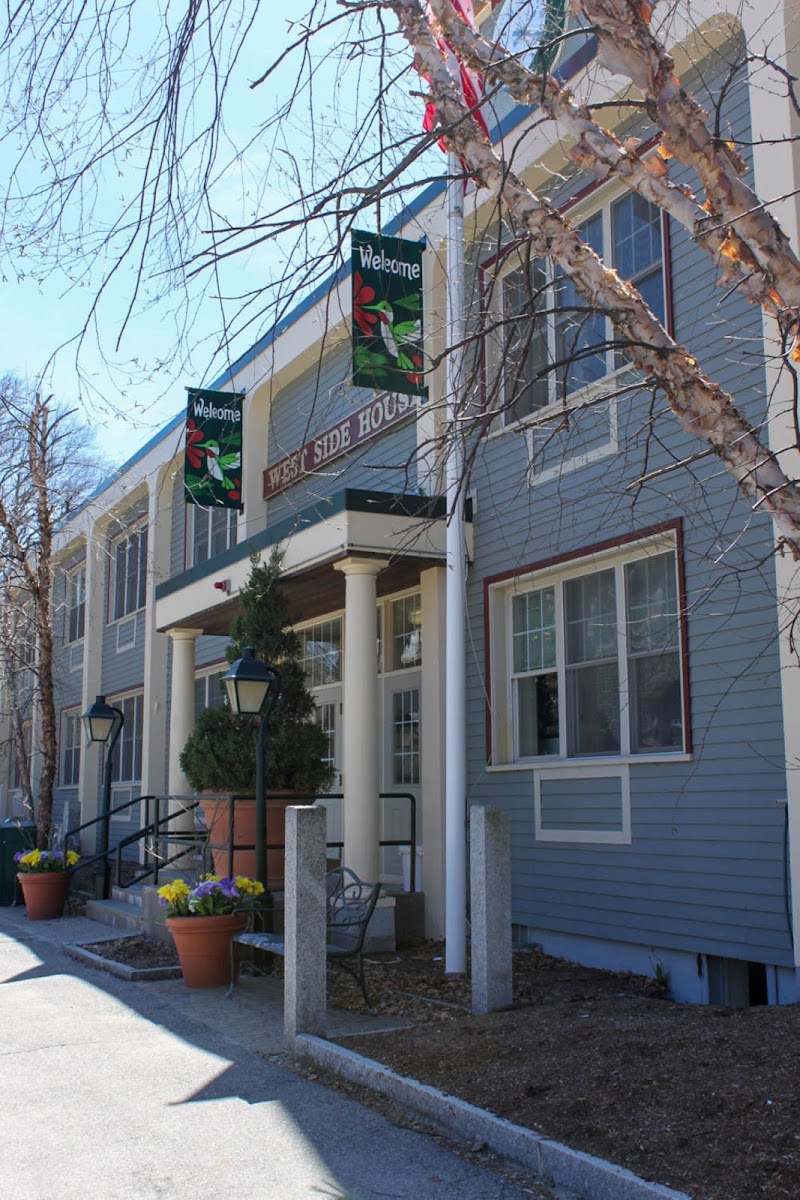
35 FRUIT STREET, WORCESTER, MA 01609 (508) 752-6763
For profit - Corporation 91 Beds ELDER SERVICES Data: November 2025
Trust Grade
60/100
#192 of 338 in MA
Last Inspection: December 2024

Within standard 12-15 month inspection cycle. Federal law requires annual inspections.

Overview

West Side House Long-Term Care Facility in Worcester, Massachusetts has a Trust Grade of C+, indicating it is slightly above average but not exceptional. It ranks #192 out of 338 facilities in the state, placing it in the bottom half, and #29 of 50 in Worcester County, meaning there are better local options available. The facility is showing improvement, with the number of issues decreasing from 8 in 2023 to 5 in 2024. Staffing is a concern, with only 1 out of 5 stars and less RN coverage than 92% of Massachusetts facilities, which could impact care quality. Specific incidents noted by inspectors include failures in food safety protocols, such as not monitoring food temperatures properly and unsafe food storage practices, which poses risks to residents' health. On the positive side, the facility has not incurred any fines and has relatively low staff turnover at 39%, suggesting some stability among staff members.

Trust Score
C+
60/100
In Massachusetts
#192/338
Bottom 44%
Safety Record
Low Risk
No red flags
Inspections
Getting Better
8 → 5 violations
Staff Stability
○ Average
39% turnover. Near Massachusetts's 48% average. Typical for the industry.
Penalties
✓ Good
No fines on record. Clean compliance history, better than most Massachusetts facilities.
Skilled Nurses
⚠ Watch
Each resident gets only 22 minutes of Registered Nurse (RN) attention daily — below average for Massachusetts. Fewer RN minutes means fewer trained eyes watching for problems.
Violations
⚠ Watch
29 deficiencies on record. Higher than average. Multiple issues found across inspections.
★★★☆☆
3.0
Overall Rating
★☆☆☆☆
1.0
Staff Levels
★★★☆☆
3.0
Care Quality
★★★★☆
4.0
Inspection Score
Stable
2023: 8 issues
2024: 5 issues

The Good

  • Full Sprinkler Coverage · Fire safety systems throughout facility
  • No fines on record
  • Staff turnover below average (39%)

    9 points below Massachusetts average of 48%

Facility shows strength in fire safety.

The Bad

3-Star Overall Rating

Near Massachusetts average (2.9)

Meets federal standards, typical of most facilities

Staff Turnover: 39%

Near Massachusetts avg (46%)

Typical for the industry

Chain: ELDER SERVICES

Part of a multi-facility chain

Ask about local staffing decisions and management

The Ugly 29 deficiencies on record

Dec 2024 4 deficiencies
CONCERN (D)

Potential for Harm - no one hurt, but risky conditions existed

Deficiency F0604 (Tag F0604)

Could have caused harm · This affected 1 resident

**NOTE- TERMS IN BRACKETS HAVE BEEN EDITED TO PROTECT CONFIDENTIALITY** Based on observation, interview, and record review, the facility failed to ensure the right of residents to be free from physica...

Read full inspector narrative →
**NOTE- TERMS IN BRACKETS HAVE BEEN EDITED TO PROTECT CONFIDENTIALITY** Based on observation, interview, and record review, the facility failed to ensure the right of residents to be free from physical restraints for one Resident (#2) out of a total sample of 14 residents. Specifically, for Resident #2, the facility failed to: -appropriately assess and re-assess the use and the need for a wheelchair seat belt used as a restraint when the Resident was seated in the wheelchair. -obtain informed consent and review the risk/benefits with the Resident's Representative for the use of the wheelchair seat belt, which was used to prevent Resident #2 from sliding off the wheelchair, increasing the potential risk of accidental falls and injury. Findings include: Review of the facility policy titled Device/Restraints Policy and Procedure, revised April 2017, indicated it was the policy of the facility to ensure each resident attains/maintains the highest practicable well-being in an environment that improves functional status and ability. The policy also included the following: -every resident has the right to be free from any physical or chemical restraints imposed for purposes of discipline or convenience . -when the use of restraints is indicated, the facility will use the least restrictive alternative for the least amount of time and document ongoing evaluation of the need for the restraints. -physical restraints are any manual method or physical or mechanical device, material, or equipment attached or adjacent to the resident's body that the individual cannot remove easily which restricts freedom of movement or normal access to one's body. -physical restraints may include, but are not limited to, leg restraints, arm restraints, hand mitts, soft ties or vests, lap cushions and lap trays that the resident cannot remove easily. -also included as restraints are facility practices that meet the definition of a restraint, such as: >using the side rails that keep a resident from voluntarily getting out of bed. >tucking in or using velcro to hold a sheet, fabric, or clothing tightly so that a resident's movement is restricted. >placing a chair or bed so close to a wall that the wall prevents the resident from rising out of the chair or voluntarily getting out of the bed. >using a device in conjunction with a chair, such as trays, tables, bars or belts, that the resident cannot remove easily, that prevent the resident from rising. -removes easily means that the manual method, device, material, or equipment can be removed intentionally by the same manner as it was applied by the staff (e.g., side rails are put down, not climbed over) considering the resident's physical condition and ability to accomplish the objective . -convenience is defined as any action taken by the facility to control a resident's behavior or manage a resident's behavior with a lesser amount of effort by a facility and not in the resident's best interest. -freedom of movement means any change in place or position for the body or any part of the body that the person is physically able to control. -before initiating any device that has a potential to act as a restraint, the licensed nursing staff shall determine the necessity of initiating a device/restraint by completing the Device/Physical Restraint Assessment Form. -The Device/Physical Assessment will include the medical justification, risk factor and potential complication. The form is forwarded to the licensed nursing staff to review with the resident and next of kin or responsible party. -The restraint policy is reviewed, and authorization is obtained. -In the event the resident is confused and unable to sign the authorization, a verbal authorization will be obtained from the next of kin or legal guardian until written authorization is obtained. -The team will assure the process is complete and the restraint will be added onto the resident's care plan and ADL guide/[NAME]. -The Device/Physical Restraint Assessment form is then filed in the resident's chart. -There must be written, signed, and dated physician's orders for devices/physical restraints, and all orders must be reviewed and signed with each required physician's visit. -The need for the continued device/restraint or restraint reduction trials will be conducted quarterly with the MDS review, while restraints are being used. Resident #2 was admitted to the facility in March 2019, with diagnoses including Non-Alzheimer's Dementia, Traumatic Brain Injury (TBI), Major Depressive Disorder, and Anxiety. Review of Minimum Data Set (MDS) assessment dated [DATE], indicated Resident #2 was severely cognitively impaired as evidenced by a Brief Interview of Mental Status (BIMS) score of 3 out of 15. On 12/26/24 at 9:29 A.M., the surveyor observed Resident #2 seated in a wheelchair with a seat belt on while in the dining area after the breakfast meal. During an interview at the time, the Resident said he/she kept the seat belt on for safety. On 12/26/24 at 9:32 A.M., the surveyor and the Unit Manager (UM) observed Resident #2 seated in a wheelchair with the seat belt on while in the dining room. During an interview at the time, the UM said Resident #2 preferred the seat belt on him/her while seated for fear of falling or sliding out of the chair. Review of Resident #2's December 2024 clinical record did not indicate any assessments for the use of the seat belt while the Resident is in the wheelchair. During an interview on 12/26/24 at 12:44 A.M., the Director of Nursing (DON) said there was no assessment indicating the need/use of the wheelchair seat belt. During an interview on 12/26/24 at 2:07 A.M., the Rehabilitation Director and the DON said Resident #2 was admitted to the facility in 2019 with his/her own wheelchair with the seat belt. The Rehabilitation Director and the DON said Resident #2 had not been assessed for the seat belt, neither had there been a Physician's order or consent from the Resident's Guardian for the use of the seat belt in the wheelchair. During a follow-up interview on 12/27/24 at 1:05 P.M., the DON said Resident #2 should have been assessed for the use of the seat belt, but the assessment had not been done. The DON said if the seat belt were to be used, the Resident's Guardian would need to be educated on the seat belt use, consent would have to be obtained, a Physician's order for the use of the seat belt would need to be in place, and the seat belt use as a restraint would need to be reviewed periodically.
CONCERN (D)

Potential for Harm - no one hurt, but risky conditions existed

Infection Control (Tag F0880)

Could have caused harm · This affected 1 resident

**NOTE- TERMS IN BRACKETS HAVE BEEN EDITED TO PROTECT CONFIDENTIALITY** Based on observation, interview, and record review, the facility failed to adhere to infection control standards of practice dur...

Read full inspector narrative →
**NOTE- TERMS IN BRACKETS HAVE BEEN EDITED TO PROTECT CONFIDENTIALITY** Based on observation, interview, and record review, the facility failed to adhere to infection control standards of practice during a bolus feeding (a method of tube feeding administering a dose of the formula through a feeding tube using a catheter syringe [syringe without a needle]) procedure for one Resident (#51) out of a total sample of 14 residents. Specifically, for Resident #51, the facility failed to: -appropriately follow Enhanced Barrier Precautions (EBP's: the use of protective gowns and gloves during high contact care activities that may provide opportunity for transmission of medication resistant organisms through staff hands and/or clothing), when providing high contact care for the Resident, increasing the risk of contamination and spreading infections to the Resident and other residents within the facility. -perform hand hygiene procedure as required between glove changes while providing care. -open/pierce a Jevity (therapeutic nutrition) container foil in a sanitary manner. Findings include: Review of the facility policy for Enteral (passing through the intestines) Tube Feeding via Syringe (Bolus), last revised November 2018 indicated: -use aseptic technique (refers to the manner of handling, preparing, and storing medications and injection equipment/supplies (e.g., syringes, needles) to prevent microbial contamination and infection) when preparing and administering enteral feedings -wash hands and dry thoroughly -wear clean gloves -remove gloves and discard into designated container -wash your hands Review of the facility policy titled Enhanced Barrier Precautions (EBP), last Revised August 2022, indicated the following: -EBP's are used as an infection prevention and control intervention to reduce the spread of multi-drug-resistant organisms (MDROs) to Residents. -gloves and gowns are applied prior to performing high contact resident care activity >examples of high contact resident care activities requiring the use of gown and gloves for EBP's include: -dressing -bathing/showering -transferring -providing hygiene -changing linens -changing briefs or assisting with toileting -device care or use (central line, urinary catheter, feeding tube, tracheostomy/ventilator -wound care >EBP's remain in place for the duration of the resident's stay or until . the discontinuation of the indwelling medical device that places them at increased risk. >Signs are posted on the door or wall outside the resident's room indicating the type of precautions and Personal Protective Equipment (PPE) required. Resident #51 was admitted to the facility in February 2024, with diagnoses including Adult Failure to Thrive and Dysphagia. Review of the Resident's Minimum Data Set (MDS) assessment dated [DATE], indicated that Resident #51: -was cognitively intact as evidenced by a score of 15 out of a total score of 15 on the Brief Interview for Mental Status (BIMS) exam. -had symptoms of a swallowing disorder, holding food in the mouth/cheeks or residual food in the mouth after meals. -had weight loss of 5% or more in a month or 10% or more in 6 months. Review of Resident #51's December 2024 Physician's orders indicated: -24 French (a universal gauge system to measure the size of catheters) gastrostomy [g-tube] placed 12/13/24 -every shift check g-tube (feeding tube) placement, dated 12/13/24 -Jevity 1.5 calorie, 120 milliliters (ml) via enteral tube every 4 hours, start date 12/20/24 -Resident to sit up during g-tube feeding. Have head of bed elevated to 45 degrees and sit up at least 1 hour after the feeding, start date 12/13/24 Review of Resident #51's Comprehensive Person-Centered Care Plan dated 12/18/24, indicated: -that the Resident needs a feeding tube due to malnutrition and weight loss. -Enhanced Barrier Precautions every shift On 12/26/24 at 9:38 A.M., the surveyor observed EBP signage posted outside of Resident #51's room which indicated: >for Everyone: -to cleanse hands before entering and when leaving the room. >for Providers and Staff: -wear gloves and a gown for high contact resident care activities including device care or use: central line, urinary catheter, feeding tube, tracheostomy On 12/26/24 at 9:42 A.M., the surveyor observed the following while Nurse #1 performed a bolus feeding to Resident #51 in the Resident's room: -Nurse #1 removed (doffed) her gloves and did not perform hand hygiene after taking off the gloves. -Nurse #1 removed a set of keys from her pocket, using one key to pierce the foil barrier of the Jevity container to access the tube feed formula. -Nurse #1 provided a water flush, then bolus feeding and then another water flush to Resident #51without wearing the required gloves during the entire high contact treatment. During an interview immediately following the observation on 12/26/24 at 10:01 A.M., Nurse #1 said that she should have washed her hands after removing the gloves, that she should not have used a key to open the Jevity bottle and that she should have worn gloves while administering the feeding and water flushes to Resident #51, but she did not. During an interview on 12/26/24 at 10:54 A.M ., the Director of Nursing (DON) said that Nurse #1 should have worn gloves while administering the bolus feeding and water flushes to Resident #51. The DON also said that Nurse #1 should not have used a key to open the Jevity container and should have washed her hands after removing her gloves.
CONCERN (F)

Potential for Harm - no one hurt, but risky conditions existed

Food Safety (Tag F0812)

Could have caused harm · This affected most or all residents

Based on observation, and interview, the facility failed to follow professional standards of practice for food safety in the main kitchen to prevent the potential spread of foodborne illnesses to resi...

Read full inspector narrative →
Based on observation, and interview, the facility failed to follow professional standards of practice for food safety in the main kitchen to prevent the potential spread of foodborne illnesses to residents who are at high risk. Specifically, the facility failed to ensure food temperatures were taken and documented prior to meal service in the facility's main kitchen to ensure the food temperatures were within acceptable parameters for food safety. Findings include: Review of the facility policy titled Food Temperature Testing, dated July 2013, indicated the following: -Temperature of food items in the steam table are to be taken at the beginning of service and at the end of service using the following method: a. Sanitize thermometers by cleaning with alcohol wipes. b. Insert the thermometer into food items in steam table. Take reading and document on Daily Temperature Checklist for Meal Service form after temperature plateaus. -Temperatures are to be taken from the steam table for all three meals on a daily basis. During a kitchen observation on 12/27/24, the surveyor observed the following: -11:20 A.M., the steam table contained the following items: >Whole baked fish >Pureed fish >Rice Pilaf >Mashed potato >Whole carrots >Ground carrots >Pureed carrots >Gravy -a pan of Barbecued pulled pork on the stove top. On 12/27/24 at 11:35 A.M., the surveyor observed the cook (Dietary Staff #2) begin to plate food from the steam table. The surveyor did not observe food temperatures being taken of the food on the steam table prior to the beginning of meal service. On 12/27/24 at 11:51 A.M., the surveyor and Dietary Staff #1 reviewed the Daily Temperature Checklist for Meal Service and found that no food temperatures had been documented on 12/27/24 for the breakfast or lunch meals. Dietary Staff #1 asked Dietary Staff #2 about the food temperatures missing from the Daily Temperature Checklist. Dietary Staff #2 said that she had a bad habit of not writing down the temperatures when she takes them but that she had taken the food temperatures for breakfast and lunch meals, and she remembered them. During an interview following the observation on 12/27/24 at 11:51 A.M., Dietary Staff #1 said that food temperatures should be taken, and the temperatures written on the Daily Temperature Checklist prior to tray line start. Dietary Staff #1 further said that all of the food temperatures from breakfast and lunch looked like too much information to remember. Review of the Daily Temperature Checklist for Meal Service forms dated 12/1/24 through 12/27/24 indicated the following meal temperatures were not taken: -12/1/24: no dinner meal temperatures -12/5/24: no breakfast, lunch or dinner temperatures -12/6/24: no breakfast, lunch or dinner temperatures -12/9/24: no dinner temperatures -12/15/24: no breakfast, lunch or dinner temperatures -12/16/24: no dinner temperatures -12/20/24: no dinner temperatures -12/27/24: no breakfast or lunch temperatures During an interview on 12/27/24 at 1:05 P.M., Dietary Staff #2 said that her routine was to check the food temperatures when the food was done. Dietary Staff #2 said that food temperatures were taken because bacteria could grow in food and result in foodborne illness. Dietary Staff #2 further said that the temperature of food in a steam table should be taken because sometimes steam tables are unreliable and the temperature of the food items could drop. During an interview on 12/27/24 at 1:31 P.M., the Food Service Director (FSD) said food temperatures should be taken three times, when the food was done cooking, when the food was placed on the steam table, and right before the meal service starts. The FSD said she had educated the Cooks about this, and that it was her responsibility to check to see that the Cooks check the food temperatures and record the results, but this had not been done.
MINOR (B)

Minor Issue - procedural, no safety impact

Assessment Accuracy (Tag F0641)

Minor procedural issue · This affected multiple residents

**NOTE- TERMS IN BRACKETS HAVE BEEN EDITED TO PROTECT CONFIDENTIALITY** Based on interview, and record review, the facility failed to accurately complete the Minimum Data Set (MDS) Assessment for one ...

Read full inspector narrative →
**NOTE- TERMS IN BRACKETS HAVE BEEN EDITED TO PROTECT CONFIDENTIALITY** Based on interview, and record review, the facility failed to accurately complete the Minimum Data Set (MDS) Assessment for one Resident (#19) out of a total sample of 14 residents. Specifically, for Resident #19, the facility staff failed to accurately code the use of an antipsychotic medication on one MDS Assessment. Findings include: Resident #19 was admitted to the facility in December 2024 with diagnoses including Paranoid Delusions. Review of Resident #19's December 2024 Physician orders indicated the following order dated 12/6/24: -Zyprexa (antipsychotic medication) 5 milligram (mg) oral. -Give 5 mg every night at 9 P.M. Review of Resident #19's MDS Assessment, dated 12/12/24, did not indicate that the Resident received the antipsychotic medication during the MDS Assessment observation period (12/6/24 - 12/12/24). Review of Resident #19's December 2024 Medication Administration Record (MAR) indicated the Zyprexa medication was administered to Resident #19 during the observation period for the Resident's MDS assessment dated [DATE]. During in interview on 12/27/24 at 9:14 A.M., the MDS Nurse said that Resident #19 received the Zyprexa medication during the observation period for the MDS assessment dated [DATE]. The MDS Nurse said that the antipsychotic medication should have been coded on the MDS Assessment as having been taken during the observation period. The MDS Nurse further said that the use of antipsychotic medication should have been coded on Resident #19's MDS assessment dated [DATE], but it was not.
Nov 2024 1 deficiency
CONCERN (D) 📢 Someone Reported This

A family member, employee, or ombudsman was alarmed enough to file a formal complaint

Potential for Harm - no one hurt, but risky conditions existed

Abuse Prevention Policies (Tag F0607)

Could have caused harm · This affected 1 resident

**NOTE- TERMS IN BRACKETS HAVE BEEN EDITED TO PROTECT CONFIDENTIALITY** Based on interviews and records reviewed, for two of three sampled residents (Residents #1 and #2), who were severely cognitivel...

Read full inspector narrative →
**NOTE- TERMS IN BRACKETS HAVE BEEN EDITED TO PROTECT CONFIDENTIALITY** Based on interviews and records reviewed, for two of three sampled residents (Residents #1 and #2), who were severely cognitively impaired and had court ordered legal guardianships in place, the Facility failed to ensure that staff implemented and followed the Facility Abuse Prohibition Policy when, on 10/17/24, although Nurse #1 and Nurse #2 were made aware of an allegation of abuse, that Resident #1 was at Resident #2's bedside engaged in a sexual act, neither of them reported the allegation to the Director of Nursing or Administrator, and as a result, they were not made aware until more than 12 hours later, when Nurse #3 became aware and reported the allegation. Findings include: Review of the Facility Policy titled Abuse Prevention Policies and Procedures, revised 4/2017, indicated that all staff members are responsible for reporting incidents that may constitute or lead to any form of resident abuse, neglect, mistreatment, exploitation or misappropriation. The Policy indicated that upon observation of potential/alleged resident abuse, the observing staff member is required to intervene, stop the potential/alleged abuse, and report to their supervisor. Review of the Facility Reporting Resident Neglect/Abuse Policy, dated 4/2017, indicated that when notified that a staff member believes that a Facility resident has been abused, the supervisor will notify the Administrator/Director of Nursing Services. Review of the Report submitted by the Facility via the Health Care Facility Reporting System (HCFRS), dated 10/18/24, indicated that staff members reported that on 10/17/24 around 7:00 P.M., Resident #2 was observed lying in bed with his/her pants and underwear pulled down and Resident #1 was sitting in his/her wheelchair at the bedside, resting his/her head in the area of Resident #2's exposed genitalia. Resident #1's clinical record indicated he/she was admitted to the Facility during March of 2019 and his/her diagnosis included dementia, traumatic brain injury and depression. Review of Resident #1's Minimum Data Set (MDS) Assessment, dated 10/03/24 indicated that his/her cognitive patterns were severely impaired. Resident #1's clinical record indicated that the court appointed a legal guardian for him/her in June of 2019. Resident #2's clinical record indicated he/she was admitted to the Facility during May of 2023 and his/her diagnosis included metabolic encephalopathy, traumatic brain injury, depression and HIV. Review of Resident #2's MDS Assessment, dated 10/03/24 indicated that his/her cognitive patterns were moderately impaired. Resident #2's clinical record indicated that the court appointed a legal guardian for him/her in March of 2024. During a telephone interview on 11/15/24 at 1:20 P.M., Certified Nurse Aide (CNA) #1 said that on 10/17/24 around 7:00 P.M., she entered Resident #2's room via the adjoining bathroom and saw Resident #2 on his/her bed with his/her pants and underwear pulled down and his/her genitalia was exposed. CNA #1 said Resident #1 was seated in his/her wheelchair next to Resident #2's bed with his/her head on Resident #2's genitalia moving up and down. CNA #1 said that when she entered the room, Resident #1 moved his/her head away from Resident #2 and Resident #2 pulled his/her shirt down. CNA #1 said that she went back through the adjoining room and told CNAs #2 and CNA #3 what she saw. During telephone interviews on 11/16/24 at 10:40 A.M. with CNA #2 and 11/20/24 at 3:10 P.M. with CNA #3 they said the following: On 10/17/24 around 7:00 P.M., CNA #1 told them that something sexual was going on between Residents #1 and #2 in Resident #2's room. They went into Resident #2's room and saw Resident #2 in his/her bed and Resident #1 seated in his/her wheelchair next to Resident #2's bed. CNA #2 and CNA #3 said Residents #1 and #2 told them that they were watching television. CNAs #1, #2 and #3 said that they told Nurse #1 what CNA #1 witnessed between Residents #1 and #2. During an interview on 11/20/24 at 8:10 A.M. by telephone, Nurse #1 said that on 10/17/24 after dinner, CNA #2 told her that CNA #1 said Resident #1 was in Resident #2's room. Nurse #1 said that when Resident #1 came to the nurses' station she asked him/her what he/she had been doing in Resident #2's room and he/she said that they were playing cards. Nurse #1 said that later on during the 3:00 P.M. to 11:00 P.M. shift, CNA #2 told her that although Resident #2 had been in bed and covered by blankets when staff saw Resident #1 beside his/her bed, when staff later pulled back Resident #2's blankets, they saw that Resident #2 was naked. Review of Nurse #1's Written Witness Statement, dated 10/18/24, indicated that on 10/17/24 around 7:00 P.M., CNA #1 told her that she went into Resident #2's room and saw a sexual act taking place. Nurse #1's Written Witness Statement indicated that Resident #1 was invited to the nurses' station and reported that he/she and Resident #2 were playing cards. Nurse #1 said that CNAs #1, #2 and #3 did not tell her that a sexual act taking place between Resident #1 and Resident #2 on 10/17/24, however when she came to the facility on [DATE] she learned that there was an allegation that there had been sexual contact between Resident #1 and Resident #2 on 10/17/24 and she wrote about that in her Written Witness Statement. Although Nurse #1 said CNAs #1, #2 and #3 did not tell her that a sexual act took place between Residents #1 and #2, her statement contradicts the statements made by CNAs #1, #2 and #3 and her (Nurse #1's) Written Witness Statement. During a telephone interview on 11/18/24 at 11:00 A.M., Nurse #2 said that on 10/17/24 around 9:00 P.M., CNA #1 told her that she had gone into Resident #2's room and seen Resident #1 performing oral sex on Resident #2. Nurse #2 said that CNA #1 told her that she had already reported the incident to Nurse #1. Nurse #2 said that she did not report CNA #1's statement to the Director of Nursing or the Administrator. During an interview on 11/06/24 at 9:30 A.M., the Director of Nursing said that around 12:00 P.M. on 10/18/24, Nurse #3 reported to her that staff members were discussing an incident (an alleged sexual act between Residents #1 and #2) which had taken place during the 3:00 P.M. to 11:00 P.M. shift on 10/17/24. The Director of Nursing said that she initiated an investigation and determined that there had been an incident in which CNA #1 observed an interaction between Residents #1 and #2 which may have been sexual in nature. The DON said that although CNAs #1 and #2 reported the incident to Nurse #1 and Nurse #2 during the 3:00 P.M. to 11:00 P.M. shift, they did not immediately notify her or the Administrator. The Director of Nursing said that when she became aware of the alleged incident more than 12 hours later, she reported it to the Administrator.
Sept 2023 8 deficiencies
CONCERN (D)

Potential for Harm - no one hurt, but risky conditions existed

Deficiency F0637 (Tag F0637)

Could have caused harm · This affected 1 resident

**NOTE- TERMS IN BRACKETS HAVE BEEN EDITED TO PROTECT CONFIDENTIALITY** Based on interview and records reviewed for one Resident (#7) out of a total sample of 13 residents, the facility failed to comp...

Read full inspector narrative →
**NOTE- TERMS IN BRACKETS HAVE BEEN EDITED TO PROTECT CONFIDENTIALITY** Based on interview and records reviewed for one Resident (#7) out of a total sample of 13 residents, the facility failed to complete a Significant Change in Status Assessment (SCSA) Minimum Data Set (MDS) assessment within the required 14 days. Findings include: Review of the Centers for Medicare and Medicaid (CMS), Resident Assessment Instrument Manual (RAI-dictions used to code an MDS) dated [DATE], indicated the following: -The Assessment Reference Date (ARD) must be within 14 days from the effective date of the hospice elections (which can be the same or later than the date of the hospice election statement, but not earlier than.). -The MDS completion date .must be no later than 14 days from the ARD .and no later than 14 days after the determination that the criteria for a Significant Change in Status Assessment (SCSA) were met. Resident #7 was admitted to the facility in May 2022. Review of the Resident's medical record indicated the Resident elected Hospice services on 9/6/22. Review of the SCSA MDS indicated an ARD of 9/15/22 and a completion date of 9/29/22, 23 days after the ARD. During an interview on 9/6/23 at 3:29 P.M., the MDS Nurse said the SCSA MDS should have been completed within 14 days of 9/6/22 when the Resident elected Hospice services, and this was not done, as required.
CONCERN (D)

Potential for Harm - no one hurt, but risky conditions existed

Deficiency F0679 (Tag F0679)

Could have caused harm · This affected 1 resident

**NOTE- TERMS IN BRACKETS HAVE BEEN EDITED TO PROTECT CONFIDENTIALITY** Based on observation, interview, and records reviewed, the facility failed to implement a resident-centered, meaningful, and eng...

Read full inspector narrative →
**NOTE- TERMS IN BRACKETS HAVE BEEN EDITED TO PROTECT CONFIDENTIALITY** Based on observation, interview, and records reviewed, the facility failed to implement a resident-centered, meaningful, and engaging activity program for one Resident (#23) out of a total sample of 13 residents. Specifically, the facility failed to ensure that staff offered and encouraged engagement in activities identified as being preferences for Resident #23. Findings include: Resident #23 was admitted to the facility in October 2016 with diagnoses including Unspecified Dementia and Major Depressive Disorder. Review of the Minimum Data Set (MDS) assessment dated [DATE], indicated the Resident was severely cognitively impaired and needed assistance with activities of daily living (ADLs- include bathing, showering, dressing, getting in and out of bed or a chair, walking, toileting and eating). Review of the most recent Activity Assessment, dated 1/9/23, indicated the Resident's current preferences for hobbies/interests included: -exercise/sports -watching TV -ball toss groups. Further review of the Activity Assessment indicated that staff will encourage and inform the Resident to participate in group activities related to music, ball toss, fishing, and reminiscing. Review of the Activities Care Plan initiated 4/7/20, indicated the following interventions initiated on 6/26/23: -Staff will provide engaging and stimulating activities of interest including relaxation music, 1:1 activities such as staff reminiscing about sports, and fishing. On 9/6/23 the surveyor made the following observations: -From 9:05 A.M. to 10:03 A.M., the surveyor observed the Resident in the day room on the 2nd floor. He/she was asleep in his/her wheelchair in the back of the day room with no other residents nearby. There were no activities occurring in the day room and the television in the day room was off. -At 10:03 A.M., an Activities staff member entered the day room and passed out the facility's newspaper, The Daily Chronicle. The Activities staff member did not provide The Daily Chronicle to the Resident and did not engage or try to interact with the Resident, who was still asleep at the time. -From 10:05 A.M. to 10:20 A.M., an Activities staff member offered refreshments to the residents in the day room. Resident #23 who remained asleep, was not offered a drink nor did the Activities staff member attempt to engage the Resident. -From 1:07 P.M. to 1:26 P.M., an Activities staff member passed out word search activities to residents in the day room. The Activities staff member did not offer a word search to the Resident, nor did they attempt to engage or talk with the Resident during the activity. At the time the Resident was awake and alert. He/she kept pushing his/her wheelchair back and forth from the table in front of him/her to the wall that was behind him/her. He/she was visibly stuck and unable to move from the small area between the wheelchair and the table and the Activities staff member did not provide any assistance or conversation to the Resident. -From 1:26 P.M. to 1:42 P.M., the Resident remained in the day room and had again fallen asleep in his/her wheelchair. -From 2:15 P.M. to 2:43 P.M., an Activities staff member engaged residents in the day room playing ball toss. Resident #23 remained asleep in the day room and the Activities staff member made no attempts to wake the Resident up or engage the Resident in the ball toss. On 9/7/23 the surveyor made the following observations: -From 7:32 A.M. to 7:58 A.M., the Resident was observed in his/her room. He/she was up in his/her wheelchair and dressed. Resident #23 repeatedly pushed his/her wheelchair back and forth in the room bumping into one wall behind him/her and then moving forward and bumping into the wall in front of him/her. There was no television, radio, or other diversional activities observed in the Resident's room. -From 7:58 A.M. to 8:40 A.M., the Resident was positioned in the hallway. He/she continually moved his/her wheelchair throughout the hallway. The Resident continuously bumped his/her wheelchair back and forth between the walls in the hallway. No staff members interacted verbally with the Resident or offered any diversional activities, the staff only assisted in moving his/her wheelchair out of their way or out of the way of other residents in the hallway. -At 8:40 A.M. the Resident was brought into the day room for breakfast. He/she was seated at a table with another resident and two staff members who were assisting the residents to eat. Resident #23 had a staff member positioned in front of him/her from 8:40 A.M. until 9:10 A.M., to assist with eating. The staff member made no attempt to provide cues, verbally encourage or engage the Resident during the entire time she was assisting Resident #23 with eating. During an interview on 9/7/23 at 9:20 A.M., Occupational Therapist (OT) #1 said the Resident benefitted from having snacks and drinks when he/she was restless. During an interview on 9/7/23 at 9:39 A.M., the Activities Director (AD) said the Resident needed 1:1 activities, which included sensory activities and reminiscing about fishing and sports. She stated he/she should have these 1:1 activities around 10:00 A.M. daily, with an Activities staff member, at the time the staff passed out The Daily Chronicle and refreshments. She further said the Resident should have been offered a refreshment during the refreshment activity and staff should have tried to engage the Resident by having a conversation with him/her. The AD also said staff should have attempted to wake the Resident up and involve him/her in ball toss. During a follow-up interview on 9/7/23 at 9:53 A.M., the AD said every time the Activities staff enter the day room where the Resident spends most of his/her time, they should attempt to engage him/her with conversation and/or explain to him/her what was happening for activities at that moment. The AD further said a care plan had not been developed for diversional activities for the Resident when he/she was in his/her room.
CONCERN (D)

Potential for Harm - no one hurt, but risky conditions existed

Drug Regimen Review (Tag F0756)

Could have caused harm · This affected 1 resident

Based on observations, interviews and records reviewed for two residents (Residents #26 and #30) out of a total sample of 13 residents, the facility failed to ensure recommendations made by the Consul...

Read full inspector narrative →
Based on observations, interviews and records reviewed for two residents (Residents #26 and #30) out of a total sample of 13 residents, the facility failed to ensure recommendations made by the Consultant Pharmacist during a monthly Medication Regimen Review (MRR) were reviewed timely and implemented as required. Specifically, 1. For Resident #26, the facility staff failed to implement recommendations for medication dosage adjustment and obtain lab work to monitor lipid levels and liver function timely. 2. For Resident #30, the facility staff failed to obtain lab work to monitor lipid levels timely. Findings include: Review of the facility's policy titled Medication Regimen Review, revised 8/17/23, indicated, but was not limited to: -The attending Physician should address the Consultant Pharmacist's recommendation no later than their next scheduled visit to the facility to assess the resident, either 30 or 60 days per applicable regulation. 1. Resident #26 was admitted to the facility in October 2018 with the following diagnoses: Dementia and status post Cerebral Vascular Accident (CVA-damage to the brain from interruption of its blood supply due to either a blocked artery or bursting of a blood vessel) Review of the Pharmacist's Consultation Report dated 3/9/23 indicated the following: -Resident #26 receives a statin (a type of cholesterol [a type of fat in the blood] lowering medication). -Rosuvastatin Calcium 10 milligrams (mg). Give one tablet by mouth every night at 8:00 P.M. -The Resident's serum triglycerides (a certain type of fat in the blood) concentrations are persistently high, reported as 276 mg/deciliter (dL) on 2/7/23. -Please reevaluate and consider the need to increase Rosuvastatin Calcium or decrease the Seroquel (an antipsychotic medication which may contribute to increased fat in the blood) for a trial as it (the Seroquel) may be contributing. -If therapy is changed, please monitor a fasting lipid level (a test that measures different fats in the blood) in four weeks, every year thereafter and liver function tests at baseline and clinically indicated thereafter. Further review of the Pharmacist's Consultation Report dated 3/9/23 indicated the facility's Physician's Assistant (PA) did not review and respond to the recommendations until 6/19/23, more than three months (90 days) after the MRR recommendations were made. 2. Resident #30 was admitted to the facility in December 2018 with the following diagnoses: Dementia and Hyperlipidemia (high levels of fat particles in the blood). Review of the Pharmacist's Consultation Report dated 3/9/23 indicated the following: -Resident #30 receives Olanzapine (an antipsychotic medication) and Atorvastatin (a medication used to lower cholesterol). -Please monitor fasting lipid panel on the next convenient lab day and at least annually thereafter. Further review of the Pharmacist's Consultation Report indicated the facility's PA did not review and respond to the recommendation until 6/19/23, more than three months (90 days) after the MRR recommendations were made. During an interview on 9/7/23 at 10:53 A.M., the Nurse/Regional Clinical Educator said the PA receives Consultant Pharmacist Reports directly from the Pharmacist either the same day or the day following the MRR. In addition, the Pharmacist sends the reports directly to the facility's Director of Nursing (DON), Administrator, and the Nursing Support Specialist. She further said that the Pharmacist and the facility were aware there had been delays relative to the PA responding to the Pharmacist recommendations. The Nurse/Regional Clinical Educator said the PA did not address the recommendations made for both Resident #26 and Resident #30 timely which resulted in pertinent lab work being delayed.
CONCERN (D)

Potential for Harm - no one hurt, but risky conditions existed

Deficiency F0761 (Tag F0761)

Could have caused harm · This affected 1 resident

Based on observations, interviews and policy review, the facility failed to ensure that medications were stored in a safe and secure manner and medication storage rooms were maintained in a sanitary m...

Read full inspector narrative →
Based on observations, interviews and policy review, the facility failed to ensure that medications were stored in a safe and secure manner and medication storage rooms were maintained in a sanitary manner. Specifically, facility staff: -stored Heparin flushes in an unlocked drawer of a resident's nightstand with availability to any resident having access to the room. - were using and storing personal food containers in the medication storage room, with risk of spilled contents and contamination. Findings include: Review of the facility's policy titled Storage of Medications, revised April 2007, indicated, but was not limited to: -The nursing staff shall be responsible for maintaining medication storage and preparation areas in a clean, safe, and sanitary manner. -Compartments containing drugs and biologicals shall be locked when not in use shall not be left unattended if open or otherwise potentially available to others. -Drugs shall be stored in an orderly manner in cabinets, drawers, carts, or automatic dispensing systems. On 9/6/23 at 2:50 P.M., the surveyor and Nurse #3 observed several 5 milliliter (ml) syringes of Heparin Lock Flush Solution (a preparation of Heparin Sodium [a blood thinning medication] mixed with Sodium Chloride [saline] intended to keep an intravenous line [IV-a soft flexible tube placed inside a vein] free from clogging) in the top drawer of a Resident's nightstand. Nurse #3 quickly removed the syringes from the Resident's room and said the medication should not have been left in the Resident's drawer because it could be dangerous for the Resident. During an inspection of the Unit 1 medication storage room on 9/7/23 at 9:50 A.M., with Nurse #1, the surveyor observed a silver travel cup containing a tea bag on the medication room shelf. Nurse #1 said the cup should not have been stored in the medication room because of risk for contamination in the medication storage area.
CONCERN (D)

Potential for Harm - no one hurt, but risky conditions existed

Medical Records (Tag F0842)

Could have caused harm · This affected 1 resident

Based on interview and records reviewed for one Resident (#23) out of a total sample of 13 residents, the facility failed to ensure an accurate medical record was maintained relative to Physician's or...

Read full inspector narrative →
Based on interview and records reviewed for one Resident (#23) out of a total sample of 13 residents, the facility failed to ensure an accurate medical record was maintained relative to Physician's orders for the care and services of a Foley urinary catheter (tubing inserted into the bladder to that allows urine to drain outside the body). Findings include: Review of the facility policy titled Foley Catheter Insertion ., revised October 2010, indicated the following: -Verify there is a Physician's order in place for catheter insertion (procedure) -Document the size of the Foley catheter inserted . Resident #23 was admitted to the facility in October 2016 with a diagnosis of urinary retention (inability for the bladder to fully empty). Review of the September 2023 Physician's orders indicated the following orders: -Change Foley catheter monthly 16 French (Fr-the size of the catheter tube) 10 milliliter (ml) balloon (a device that is inflated in the urinary bladder to hold the catheter in place) with a start date of 10/18/22. Further review of the September 2023 Physician's orders indicated the following additional order: -Change 14 Fr 10ml indwelling Foley catheter monthly on the 1st .with a start date of 10/28/22. Review of the September 2023 Treatment Administration Record (TAR) indicated on 9/1/23 the Nurse signed off that the Resident's catheter was changed, and the Nurse signed off on the 14 Fr order as the size used for the catheter change. During an interview on 9/6/23 at 2:27 P.M., Unit Manager (UM) #1 said there should only be one order in place for changing the Resident's catheter monthly, but she was unsure which size Foley urinary catheter was correct and would need to investigate which was the correct size. She further said if the Resident has two orders in place this could be confusing, and the Resident could have excess catheter changes each month which would put the Resident at risk for infection. During an interview on 9/6/23 at 2:37 P.M., Nurse #1 said that she observed the Resident's catheter, and the Resident currently had a 16 Fr catheter inserted. During an interview on 9/6/23 at 3:39 P.M., the Nurse/Regional Clinical Educator said the Resident should not have had two orders in place for monthly Foley urinary catheter changes. She further said the order for the 14 Fr Foley catheter was incorrect and the Resident used a 16 Fr catheter. She additionally said when the Nurse changed the Resident's catheter on 9/1/23 the documentation was incorrect as a 16 Fr catheter was inserted and the Nurse should not have signed off on inserting a 14 Fr catheter.
CONCERN (E)

Potential for Harm - no one hurt, but risky conditions existed

Unnecessary Medications (Tag F0759)

Could have caused harm · This affected multiple residents

Based on observations, interviews and records reviewed, the facility failed to maintain a medication pass error rate of less than five percent (%). Specifically, the medication error rate was observe...

Read full inspector narrative →
Based on observations, interviews and records reviewed, the facility failed to maintain a medication pass error rate of less than five percent (%). Specifically, the medication error rate was observed to be 31.03%, for two Residents (#34 and #18), out of three applicable residents, out of 29 opportunities. 1. For Resident #34, medication errors occurred relative to the administration of medications not given within the required timeframe. 2. For Resident #18, medication errors occurred relative to the administration of medications not given within the required timeframe and omitting a prescribed medication. Findings include: Review of the facility policy titled, General Dose Preparation and Medication Administration dated 1/1/22, indicated, but was not limited to the following: -Verify each medication administered: >is the correct medication >at the correct dose >at the correct route >at the correct rate >at the correct time >for the correct resident, as set forth in the facilities medication administration schedule. 1. Resident #34 was admitted to the facility in June 2020 with the following diagnosis: traumatic subdural hemorrhage (SDH-bleeding within layers of the brain) with loss of consciousness. On 9/6/23 at 11:00 A.M., the surveyor observed a medication administration pass for Resident #34 with Nurse #2. Nurse #2 administered the following medications: -Prilosec 20 mg (milligram), 1 capsule given -Neurontin 800 mg, 1 tablet given -Tylenol 500 mg, 2 tablets given -Baclofen 10 mg, 1 tablet given -Seroquel 100 mg, 1 tablet given Review of the September 2023 Monthly Physician's orders indicated the following: -8:00 A.M., Prilosec 20 mg, 1 capsule (give 30-60 minutes before meals) -8:00 A.M., Neurontin 800 mg, 1 tablet three times daily at (8:00 A.M., 12:00 P.M., and 4:00 P.M.) -9:00 A.M., Tylenol 1000 mg, twice daily at (9:00 A.M., 5:00 P.M.) -9:00 A.M., Baclofen 10 mg, 1 tablet twice daily at (9:00 A.M., 5:00 P.M.) -9:00 A.M., Seroquel 100 mg, 1 tablet twice daily at (9:00 A.M., 5:00 P.M.) Review of the Medication and Treatment History indicated the following: -Prilosec 20 mg was signed off as administered at 10:58 A.M. (not given before breakfast) -Neurontin 800 mg was signed off as administered at 10:58 A.M. (greater than 2 hours after the ordered time to be given) -Tylenol 500 mg was signed off as administered at 10:59 A.M. (incorrect dose documented, given almost 2 hours after the ordered time) -Baclofen 10 mg was signed off as administered at 11:00 A.M. (given 2 hours after the ordered time) -Seroquel 100 mg was signed off as administered at 11:00 A.M. (given 2 hours after the ordered time) During an interview on 9/6/23 at 11:08 A.M., Nurse #2 said that she was currently passing Resident #34's morning medications. She said that it is a heavy medication pass and she is still learning the floor. Nurse #2 said that because the Neurontin was late and it is ordered three times a day, she will give the next dose later in the afternoon around 1:00-2:00 P.M. She further said that she knows that the Prilosec should have been given before breakfast and that some of the medications were administered late. 2. Resident #18 was admitted to the facility in August 2022 with diagnoses including: Hypertension (high blood pressure), Dementia and Bipolar disorder (extreme mood changes) On 9/6/23 at approximately 11:10 A.M., the surveyor observed a medication administration pass for Resident #18 with Nurse #2. Nurse #2 administered the following medications: -Cyanocobalamin (B12) 500 mcg (microgram), 1 tablet given -Oxybutynin 5 mg, 1 tablet given -Oxcarbazepine 300 mg, 1 tablet given Review of the September 2023 Monthly Physician's orders indicated the following: -8:00 A.M., Cyanocobalamin (B12) 500 mcg 1 tablet daily -9:00 A.M., Oxybutynin Chloride 5 mg 1 tablet twice daily (9:00 A.M., and 5:00 P.M.) -9:00 A.M., Oxcarbazepine 300 mg 1 tablet twice daily (9:00 A.M., and 5:00 P.M.) -10:00 A.M., Polyethylene [sic] 3350 17 grams/1 dose in 8 ounces of liquid daily. Review of the Medication and Treatment History indicated the following: -Cyanocobalamin (B12) was signed off as administered at 11:11 A.M. (greater than 2 hours after the ordered time to be given) -Oxybutynin Chloride was signed off as administered at 11:11 A.M. (greater than 2 hours after the ordered time to be given) -Oxcarbazepine was signed off as administered at 11:12 A.M. (given greater than 2 hours after the ordered time) -Polyethylene [sic] 3350 17grams/1 dose in 8 ounces was signed off as administered at 11:21 A.M. (was not observed given during the medication pass administration) During an interview on 9/6/23 at 11:20 A.M., Nurse #2 said she administered Cyanocobalamin (B12), Oxybutynin Chloride, and Oxcarbazepine beyond the one hour required timeframe. She further said she did not administer Polyethylene [sic] 3350 17 grams as ordered. During an interview on 9/7/23 at 10:42 A.M., the Nurse/Regional Clinical Educator said that the nurses are responsible for administering medications one hour before to one hour after the scheduled time. She further said that the Nurse is responsible to reassess their workload and prioritize accordingly. She said that the Nurse should contact the Doctor if medications are not given as ordered. The Nurse/Regional Clinical Educator further said that there are no policies available but that the Nurse should use critical judgement.
CONCERN (E)

Potential for Harm - no one hurt, but risky conditions existed

Deficiency F0883 (Tag F0883)

Could have caused harm · This affected multiple residents

**NOTE- TERMS IN BRACKETS HAVE BEEN EDITED TO PROTECT CONFIDENTIALITY** 2a. Resident #17 was admitted to the facility in April 2019 and was over the age of 65. Review of the MIIS provided by the faci...

Read full inspector narrative →
**NOTE- TERMS IN BRACKETS HAVE BEEN EDITED TO PROTECT CONFIDENTIALITY** 2a. Resident #17 was admitted to the facility in April 2019 and was over the age of 65. Review of the MIIS provided by the facility, indicated a PPSV23 vaccine was administered on 1/15/2019. Further review of Resident #17's clinical record indicated that there was no documented evidence that he/she had been educated, assessed for eligibility, and offered any additional Pneumococcal Vaccinations per the facility policy and CDC recommendations. 2b. Resident #4 was admitted to the facility in August 2016 and was over the age of 65. Review of the MIIS provided by the facility, indicated that no Pneumococcal Vaccines had been administered. Further review of Resident #4's clinical record indicated that Pneumonia vaccinations had been received on 9/2/09 and 2/22/16 and there was no documented evidence that he/she had been educated, assessed for eligibility, and offered any additional Pneumococcal Vaccinations per the facility policy and CDC recommendations. During an interview on 9/7/23 at 1:46 P.M., the Director of Nursing (DON) said there was no evidence that Resident #30 received the requested Pneumococcal Vaccination and no evidence that Residents #17 and #4 were educated, assessed for eligibility, and offered the Pneumococcal Vaccine. Based on interviews and records reviewed for three Residents (#30, #17, and #4) out of five sampled residents for immunizations, the facility failed to offer or provide Pneumococcal Vaccinations as required. Specifically, the facility staff failed to: 1. Provide a Pneumococcal Vaccination for one Resident (#30) after the Resident's Representative requested the vaccination. 2. Provide education, assess for eligibility, and offer Pneumococcal Vaccinations per facility policy and the Centers for Disease Control and Prevention (CDC) recommendations to two Residents (#17 and #4) and/or their Representatives. Findings include: Review of the CDC website Pneumococcal Vaccine Timing for Adults greater than or equal to [AGE] years of age (cdc.gov) dated 3/15/23, indicated the following: For adults 65 and over who has had Pneumococcal Conjugate Vaccine 13 (PCV13) and Pneumococcal Polysaccharide Vaccine 23 (PPSV23), and it has been 5 years or greater since the last Pneumococcal Vaccination, then the patient and the vaccine provider may choose to administer the 20-Valent Pneumococcal Conjugate Vaccine (PCV20) . Review of the facility's policy titled Vaccination of Residents, revised 8/2016, indicated but was not limited to: -All residents will be offered vaccines that aid in preventing infectious diseases unless the vaccine is medically contraindicated, or the resident has already been vaccinated. -Prior to receiving vaccinations, the resident or legal representative will be provided information and education regarding the benefits and potential side effects of the vaccination. 1. Resident #30 was admitted to the facility in December 2018 and was over the age of 65. Review of the Resident's medical record included a Pneumococcal Vaccination Informed Consent for Residents form signed and dated 4/18/21, by the Resident's Representative and witnessed by a staff member that indicated the Resident's Representative requested that Resident #30 receive the Pneumococcal Vaccination. Review of the Resident's vaccination history provided by the facility indicated no evidence the Resident received the Pneumococcal Vaccination. Review of the MIIS (Massachusetts Immunization Information System) provided by the facility, indicated that no Pneumococcal Vaccines had been administered to Resident #30. Further review of the Resident's medical record indicated no evidence that the Resident ever received the vaccination.
CONCERN (F)

Potential for Harm - no one hurt, but risky conditions existed

Food Safety (Tag F0812)

Could have caused harm · This affected most or all residents

Based on observations, interviews and policy review, the facility failed to maintain professional standards for safe and sanitary food storage in the main kitchen and in two out of two kitchenettes. ...

Read full inspector narrative →
Based on observations, interviews and policy review, the facility failed to maintain professional standards for safe and sanitary food storage in the main kitchen and in two out of two kitchenettes. Findings include: Review of the facility policy titled Food Rotation Policy, dated 3/2023, indicated the following: -Label and date food items on food delivery day. Review of the 2022 United States Food and Drug Administration Food Code indicated the following: >Food shall be protected from contamination by storing the food: -In a clean, dry location. -Where it is not exposed to splash, dust, or other contamination. -At least 15 centimeters (six inches) above the floor. >Time/Temperature control for safety, cold holding: -Except during preparation, cooking, or cooling, or when time is used as the public health control, food shall be maintained at 5°Celsius (41°Fahrenheit) or less. On 9/5/23 from 7:55 A.M. to 8:15 A.M., the surveyor conducted an initial tour of the kitchen with [NAME] #1 and observed the following: -In the dry storage area, three bags of open pasta were undated. -In the walk-in refrigerator there were two packages of undated sliced deli cheese, and one bag of cheese with visible mold. -In the main cooking area there was a plastic container that contained flour, the cover of the container was partially open, and a radio was partially in the container and was touching the inside walls of the container. -In the main cooking area there was a reach-in refrigerator that contained an energy drink, an open bottle of water, two pieces of candy, and a half-consumed chocolate bar. -In the main cooking area there was a chest freezer containing frozen food with a significant amount of ice buildup. -In the dishwasher room there were two chest freezers containing frozen food. Both chest freezers had a significant amount of ice buildup. One had so much ice built up, the top of the freezer did not close properly. At the end of the initial kitchen tour on 9/5/23 at 8:15 A.M., Dietary Staff #1 said: -the three bags of pasta should have been labeled with the date they were opened so staff knew when to use them by, -the cheese in the walk-in refrigerator should have been labeled with a date and the moldy cheese should have been thrown away. -the three chest freezers should not have a significant amount of ice buildup in them and should be defrosted and cleaned. -the energy drink, bottle of water, candy, and half consumed chocolate bar in the reach-in refrigerator belonged to staff, and staff food and drink should not be stored in a refrigerator that was used for resident food. During an interview on 9/7/23 at 2:25 P.M., the Dietitian said all items in the kitchen should be labeled with a date when they are opened. She said the facility had labels that should be used on all food items but the staff in the kitchen were not consistent in using the labels. The Dietitian also said that staff should be monitoring that food in the kitchen was labeled weekly but when asked by the surveyor, was unable to provide any documentation that staff was completing weekly checks of the food. She additionally said there should be a schedule to clean the kitchen and that included defrosting the freezers but she was unsure when this was done last as there was no documentation to track how often the kitchen was deep cleaned. 2. During a second walk through of the kitchen on 9/6/23 at 1:20 P.M., the surveyor observed one of two chest freezers (on the right) in the dishwasher room to have large amounts of ice buildup inside and around the rim of the freezer, resulting in the lid not closing tightly. It was noted that the freezer contained food. Additionally, the hinges on the freezer lid did not work properly, so when the lid was opened, it separated and fell off. On 9/6/23 at 1:45 P.M, the surveyor observed the following in the kitchenettes located on each unit: Unit One refrigerator: -Plastic milk container with a sell by date of 9/2/23 -A plastic cup with iced coffee (labeled with a name that was not a resident) -Food/drink debris on the bottom shelf, in the drawers and on the door shelves Unit Two refrigerator: -Plastic milk container with a sell by date of 9/2/23 During a follow-up observation and interview on 9/6/23 at 1:50 P.M., the Maintenance Director said that the facility used the TELS system (a program utilized for staff to communicate concerns regarding broken equipment) to communicate any issues. He said that it is checked two times a day and was unaware that the freezer needed to be addressed as he had not received a notification through the TELS system. During an interview on 9/6/23 at 1:55 P.M., Dietary Staff #1 said that the Dietary department was responsible for maintaining the two kitchenettes located on the units. She said that staff food or drinks should not be kept in the refrigerators. Together Dietary Staff #1 and the surveyor reviewed photos taken on 9/6/23 from each of the unit kitchenettes. She said that both milks (one in each refrigerator) had a sell by date of 9/2/23 and should not have been in there. She said that the dietary staff restock the refrigerators every morning, should remove items that are outdated or that do not belong and clean the refrigerators. She said that the refrigerator on Unit One needed to be cleaned as there was spillage on the bottom shelf and the shelves on the door. Lastly, she said that the plastic cup filled with iced coffee in the refrigerator on Unit One was labeled with a name that was not that of a resident in the facility and should not have been in there. During an interview on 9/7/23 at 1:05 P.M., the Administrator said that he was unable to provide a facility policy or a cleaning schedule regarding areas in the facility that the Dietary Department was responsible for, including the kitchenettes and the kitchen.
Feb 2022 16 deficiencies
CONCERN (D)

Potential for Harm - no one hurt, but risky conditions existed

Deficiency F0604 (Tag F0604)

Could have caused harm · This affected 1 resident

Based on observation, interview, and record review, the facility failed to document on going re-evaluation of the need for a restraint, and failed to document ongoing re-evaluation of the need for res...

Read full inspector narrative →
Based on observation, interview, and record review, the facility failed to document on going re-evaluation of the need for a restraint, and failed to document ongoing re-evaluation of the need for restraint reduction for one Resident (#23), out of a total of 14 sampled residents. Findings include: Resident #23 was admitted to the facility in September 2020 with diagnoses including dementia with behavioral disturbances, traumatic brain injury (TBI) and anxiety disorder. Review of the Minimum Data Set (MDS) assessments (dated 8/24/21 and 11/18/21) indicated a trunk restraint was used daily while in the chair. The MDS also indicated Resident #23's short-term and long-term memory were impaired and the Resident's ability to make every day decisions about tasks or activities of daily living was severely impaired. Review of the facility Device/Restraints Policy and Procedure, last revised 4/2017, indicated: - The need for continued device/restraint or restraint reduction trials will be conducted quarterly with the MDS review, while restraints are being used. - Physical restraint elimination trials will be conducted at least quarterly at the time of the MDS assessment. Review of the record indicated a Physician's order, initiated 5/5/21, for use of a pelvic restraint while up in wheelchair due to a history of falls with self transfers, unsteady gait, decreased safety awareness, and potential to cause harm to self related to TBI. Further review of the record indicated a Device/Physical Restraint Assessment and a Restraint Reduction Form dated 5/5/2021. No subsequent Physical Restraint or Restraint Reduction Assessments were documented in the record. On 1/27/22 at 9:55 A.M., the surveyor observed Resident #23 seated in a wheelchair at the bedside with a pelvic restraint in place. On 1/31/22 at 9:41 A.M., the surveyor observed Resident #23 seated in a wheelchair in his/her room with a pelvic restraint in place. During an interview on 2/1/22 at 11:42 A.M., the Corporate Nurse said that Restraint Assessments and Restraint Reduction Forms should be done quarterly. She said that the only Restraint Assessment and Restraint Reduction Form done for Resident #23 was dated 5/5/21, but that there should have been assessments for every quarter that Resident #23 had a restraint in place.
CONCERN (D)

Potential for Harm - no one hurt, but risky conditions existed

Deficiency F0637 (Tag F0637)

Could have caused harm · This affected 1 resident

Based on observation, record review and interview, the facility failed to determine a significant change in physical condition for one Resident (#24) out of 14 sampled residents. Findings include: Re...

Read full inspector narrative →
Based on observation, record review and interview, the facility failed to determine a significant change in physical condition for one Resident (#24) out of 14 sampled residents. Findings include: Resident #24 was admitted to the facility in December 2018. Review of a progress note, dated 1/08/22, indicated the Resident returned from the hospital with a diagnosis of left humerus (upper arm) fracture. Review of the Occupational Therapy (OT) Evaluation and Plan of Treatment, dated 1/26/22, indicated the Resident's prior level of function was as follows: -toileting hygiene: independent -toilet transfers: independent -upper body dressing: set up or clean-up assistance -lower body dressing: supervision or touching assistance Review of the care plan for Self Care Deficit, with goal date 2/02/22, indicated the following interventions: -provide set-up for completion of upper body bathing and grooming -break tasks into simple steps -allow adequate time for resident to complete tasks, assist as necessary Review of the care plan for risk of falls, with goal date 2/01/22, indicated the following interventions: -Staff to assist ambulation to all meals with rolling walker. Review of the care plan for bladder incontinence, with goal date 2/01/22, indicated the following interventions: -toilet twice a shift and as needed On 1/27/22 at 4:37 P.M., the surveyor observed the Resident laying in bed with their left arm in a sling and a brace to the left shoulder. On 1/28/22 at 7:40 A.M., the surveyor observed the Resident seated at the side of his/her bed with a sling on the left arm. During an interview on 1/28/22 at 2:05 P.M., Certified Nurse Aide (CNA) #3 said she knew the Resident well and took care of him/her prior to the fracture. She said the Resident used to walk with a walker but now he/she can't. CNA #3 said the Resident used to be incontinent of urine only in the morning but then would be dry the rest of the day because he/she could take him/herself to the bathroom. CNA #3 said that the Resident now has to wait for staff to help walk him/her and so he/she is incontinent of urine most of the day. CNA #3 said she doesn't dress the Resident anymore because of the left arm sling, so she dresses the Resident in a johnny (hospital gown). During an interview on 2/01/22 at 9:28 A.M., CNA #2 said the Resident has needed more help with dressing, transfers, and ambulation. She said the Resident used to be able to do things with only minimal supervision/assist. During an interview on 2/01/22 at 2:17 P.M., the rehabilitation director said nursing was responsible to track the resident's status' and determine if they have had a decline. She said there was only one OT that can do the evaluation and he was recently out of work due to an illness so that's probably why the evaluation wasn't done until 1/26/22. During an interview on 2/01/22 at 2:30 P.M., CNA #2 said that the Resident used to be continent of urine but is now incontinent because he/she cannot ambulate him/herself to the bathroom. CNA #2 said that the Resident used his/her good hand on the walker and then the CNA gently placed the Resident's left hand on the walker for ambulation. CNA #2 said she had to provide a lot of assistance to help the Resident ambulate since his/her left arm was in a sling. During an interview on 2/01/22 at 2:43 P.M., the Infection Preventionist said that it was likely that the CNAs didn't communicate the Resident's decline to nursing. He said if nursing had known about the decline, they would have brought that information to morning meeting where all of the interdisciplinary team is, and if that had happened, the Minimum Data Set (MDS) assessment department would have gotten involved to determine if a significant change should be done. He said it was an obvious breakdown in communication and this wasn't the way things were supposed to go. During an interview on 2/01/22 at 3:13 P.M., the MDS nurse she said that if the Resident had a decline in 2 or more ADLs she would do a significant change assessment. She said she was told the Resident was more incontinent of urine. The MDS nurse said that normally there is a Director of Nurses, Assistant Director Of Nurses, or nurse manager to pull these things together. She said that the Resident's decline had not come up in morning meeting but that she isn't there every day. The Certified Occupational Therapy Assistant (COTA) was unavailable for interview. The surveyor left a voicemail on 2/02/22 at 10:49 A.M. at the number the facility provided. The phone call was not returned. Refer to F 657
CONCERN (D)

Potential for Harm - no one hurt, but risky conditions existed

Assessment Accuracy (Tag F0641)

Could have caused harm · This affected 1 resident

Based on record review and interviews, the facility failed to ensure staff accurately coded the Minimum Data Set (MDS) assessments related to falls for one Resident (#25) out of 14 sampled residents. ...

Read full inspector narrative →
Based on record review and interviews, the facility failed to ensure staff accurately coded the Minimum Data Set (MDS) assessments related to falls for one Resident (#25) out of 14 sampled residents. Findings include: Resident # 25 was admitted to the facility in September 2016. Review of the Minimum Data Set (MDS) assessment, with reference date of 8/24/21, indicated that the Resident had not fallen since the prior assessment. Review of the Interdisciplinary Progress Notes (IPN), dated 6/26/21, indicated the Resident was observed on the floor in front of the left side of his/her bed. Review of the MDS assessment, with the reference date of 11/18/21, indicated the Resident had not fallen since the prior assessment. Review of the IPN dated 10/4/21 indicated the Resident had a fall, no apparent injuries noted. Review of the IPN dated 11/6/21, indicated a staff member observed the Resident sitting on the bathroom floor. Review of the IPN dated 11/16/21 indicated the Resident attempted to self-transfer to wheelchair and slid to the floor. During an interview on 2/1/21 at 3:00 P.M., the MDS coordinator said that the MDS assessments on 8/24/21 and 11/18/21 were not coded accurately for falls.
CONCERN (D)

Potential for Harm - no one hurt, but risky conditions existed

Comprehensive Care Plan (Tag F0656)

Could have caused harm · This affected 1 resident

Based on observation, record review, and interview the facility failed to implement a care plan intervention for one Resident (#24) out of 14 sampled residents. Findings include: Resident #24 was adm...

Read full inspector narrative →
Based on observation, record review, and interview the facility failed to implement a care plan intervention for one Resident (#24) out of 14 sampled residents. Findings include: Resident #24 was admitted to the facility in December 2018. Review of the care plan for risk of peer to peer altercation, with goal date of 4/11/22, indicated an intervention to use a stop sign to entrance doorway of room. On 1/27/22 at 4:37 P.M., the surveyor observed the Resident in bed, the stop sign was not in the doorway. On 1/28/22 at 7:40 A.M., the surveyor observed the Resident seated at the side of his/her bed. The stop sign was not in the doorway. On 2/01/22 at 9:21 A.M., the surveyor observed the Resident laying in bed. There was no stop sign in the doorway. During an interview on 2/01/22 at 9:28 A.M., Certified Nurse Aide (CNA) #2 said the Resident was well known to her and that she didn't know a stop sign was supposed to be in use for him/her. During an interview on 2/01/22 at 10:27 A.M., nurse #3 reviewed the care plan with the surveyor and said she didn't know there was supposed to be a stop sign in use. She said that it probably didn't get communicated to staff and if the intervention doesn't go to the electronic medication administration record, they (the staff) don't see it.
CONCERN (D)

Potential for Harm - no one hurt, but risky conditions existed

Deficiency F0657 (Tag F0657)

Could have caused harm · This affected 1 resident

Based on observation, record review and interview, the facility failed to revise the care plan following a change in condition, for one Resident (#24) out of 14 sampled residents. Findings include: R...

Read full inspector narrative →
Based on observation, record review and interview, the facility failed to revise the care plan following a change in condition, for one Resident (#24) out of 14 sampled residents. Findings include: Resident #24 was admitted to the facility in December 2018. Review of a progress note, dated 1/08/22, indicated the Resident returned from the hospital with a diagnosis of left humerus (upper arm) fracture. Review of the January 2022 physician's orders indicated an order for non-weight bearing (NWB) status to left arm, initiated 1/8/22. Review of the Occupational Therapy (OT) Evaluation and Plan of Treatment, dated 1/26/22, indicated the Resident's prior level of function was as follows: -toileting hygiene: independent -toilet transfers: independent -upper body dressing: set up or clean-up assistance -lower body dressing: supervision or touching assistance Further review indicated the Resident's current level of functions was as follows: -toileting hygiene: partial/moderate assist -toilet transfer: partial/moderate assist -upper body dressing: partial/moderate assist -lower body dressing: substantial/maximal assist Review of the care plan for Self Care Deficit, with goal date 2/02/22, indicated the following interventions: -provide set-up for completion of upper body bathing and grooming -break tasks into simple steps -allow adequate time for resident to complete tasks, assist as necessary Further review indicated there were no new interventions or revisions to this care plan since 8/10/21. Review of the care plan for risk of falls, with goal date 2/01/22, indicated the following interventions: -Staff to assist ambulation to all meals with rolling walker. Further review indicated there were no new interventions or revisions to this care plan since 2/25/20. Review of the care plan for bladder incontinence, with goal date 2/01/22, indicated the following interventions: -toilet twice a shift and as needed Further review indicated there were no new interventions or revisions to this care plan since 1/21/20. On 1/27/22 at 4:37 P.M., the surveyor observed the Resident laying in bed with left arm in a sling and a brace to the left shoulder. On 1/28/22 at 7:40 A.M., the surveyor observed the Resident seated at the side of his/her bed with a sling on the left arm. During an interview on 1/28/22 at 2:05 P.M., Certified Nurse Aide (CNA) #3 said she knew the Resident well and took care of him/her prior to the fracture. She said the Resident used to walk with a walker but now he/she can't. CNA #3 said the Resident used to be incontinent of urine only in the morning but then would be dry the rest of the day because he/she could take him/herself to the bathroom. CNA #3 said that the Resident now has to wait for staff to help walk him/her and so he/she is incontinent of urine most of the day. CNA #3 said she doesn't dress the Resident anymore because of the left arm sling, so she dresses the Resident in a johnny (hospital gown). During an interview on 2/01/22 at 9:28 A.M., CNA #2 said the Resident has needed more help with dressing, transfers, and ambulation. She said the Resident used to be able to do things with only minimal supervision/assist. During an interview on 2/01/22 at 2:30 P.M., CNA #2 said that the Resident used to be continent of urine but is now incontinent because he/she cannot ambulate him/herself to the bathroom. CNA #2 said she had to provide a lot of assistance to help the Resident ambulate since his/her left arm was in a sling. During an interview on 2/02/22 at 9:24 A.M., the Director of Nurses (DON) said it's up to the nurses to put in new care plans if they are needed. She reviewed the CNA care card and said that the NWB status should have been on the care card and care plan, along with any changes to the Resident's Activities of Daily Living (ADL) function.
CONCERN (D)

Potential for Harm - no one hurt, but risky conditions existed

Deficiency F0658 (Tag F0658)

Could have caused harm · This affected 1 resident

Based on record review and interview the facility failed to ensure that staff followed standards of practice for rotation of injection sites for insulin for one Resident (#12) in a total sample of 14 ...

Read full inspector narrative →
Based on record review and interview the facility failed to ensure that staff followed standards of practice for rotation of injection sites for insulin for one Resident (#12) in a total sample of 14 residents. Findings include: Resident #12 was admitted to the facility in October 2013 with diagnoses including diabetes mellitus. Review of the December 2022 Physician Orders summary, indicated an order initiated 5/6/20, for Lantus Insulin Glargine (long-acting insulin) 100 units (u) / 1 milliliter (ml), administer 10 units subcutaneous daily. Review of the administration guidelines for Lantus Glargine 100 u/ml indicated the following: Change (rotate) your injection sites within the area you chose with each dose to reduce your risk of getting pitted or thickened skin (lipodystrophy) and skin with lumps (localized cutaneous amyloidosis) at the injection sites. Do not use the same spot for each injection or inject where the skin is pitted, thickened, lumpy, tender, bruised, scaly, hard, scarred or damaged. During an interview on 2/1/22 at 8:17 A.M. the Infection Preventionist told the surveyor that injection sites were documented in the Medication Administration Record (MAR). He said the injection site should be rotated with each administration and the site of the injection should be documented in the MAR. He said the nurse should reference the previous injection site on the MAR to ensure the same site is not used. Review of the January 2022 MAR indicated Resident #12 was administered Lantus daily as ordered. Further review indicated the injection site was not documented for 31 out of 31 administrations. During an interview on 2/1/22 at 3:30 P.M. the Director of Nurses said she reviewed the January MARs for Resident #12 and said she could not find evidence that the insulin injection sites were rotated because they were not documented.
CONCERN (D)

Potential for Harm - no one hurt, but risky conditions existed

Medical Records (Tag F0842)

Could have caused harm · This affected 1 resident

Based on interview and record review the facility failed to maintain a complete and accurate record for two Residents (#14 and #44) in a total of 14 sampled residents. Findings include: 1. For Reside...

Read full inspector narrative →
Based on interview and record review the facility failed to maintain a complete and accurate record for two Residents (#14 and #44) in a total of 14 sampled residents. Findings include: 1. For Resident #14 the facility failed to maintain a complete record regarding a transfer discharge. During an interview on 1/27/22 at 11:11 A.M., Resident #14 said he/she was sent to the hospital recently against his/her will. Review of a nurses note, dated 1/22/22, indicated the nurse practitioner gave the order to section 12 Resident #14 (transfer the resident involuntarily) to the hospital when he/she became verbally and physically aggressive. There was no indication in the note that the resident representative had been notified that Resident #14 had been sent to the hospital for evaluation. Further review of the nurses notes indicated the Resident returned to the facility on 1/23/22. Review of Section 12 of Chapter 123 of the Massachusetts General Laws indicated the law controls the admission of an individual to a hospital for psychiatric evaluation and allows for an individual to be admitted to a psychiatric unit for up to three business days against the individual's will or without the individual's consent. The section 12 request is documented on the Application for an Authorization of Temporary Involuntary Hospitalization form. Review of the record did not indicate evidence that an Application for an Authorization of Temporary Involuntary Hospitalization was completed by the nurse practitioner and there was no order in the chart. Review of the record indicated there was no physician's order to send Resident #14 out to the hospital and there was no evidence of an Application for an Authorization of Temporary Involuntary Hospitalization. Further review indicated there were no progress notes from the physician or nurse practitioner that indicated the resident's need to be sent to the hospital for evaluation. During an interview on 2/2/22 at 7:51 A.M. the Infection Preventionist reviewed the chart and said he found no evidence of an order to send the resident out to the hospital on 1/22/22 and could find no evidence of an Application for an Authorization of Temporary Involuntary Hospitalization. He said there should have been a telephone order for the resident to be sent out and there should have been a copy of the Application for an Authorization of Temporary Involuntary Hospitalization completed by the nurse practitioner in the record. He further said the expectation was that the nurse who handled the transfer should have filed that information in the record. During an interview on 2/2/22 at 10:36 A.M. Administrator #1 said did not have evidence of an order to discharge the resident or an Application for an Authorization of Temporary Involuntary Hospitalization in the record. 2. For Resident #44 the facility failed to maintain an accurate record for advanced directives Resident #44 was admitted to the facility in August 2016. Review of the record indicated Resident #44 had a legal guardian. Review of the January 2022 Physician Orders summary indicated an order for advanced directives, initiated on 3/11/20, to follow the MOLST (Medical Orders for Life-Sustaining Treatment) as directed. Review of the record indicated there was no MOLST. During an interview on 2/1/22 at 3:55 P.M., the surveyor asked Nurse #3 what the process was to determine the code status for a resident. Nurse #3 said she looked in the chart for a MOLST and if there was no MOLST she would look to the physician's orders for the advanced directive. Nurse #3 reviewed the Resident #44's record and said there was no MOLST in the record. When she reviewed the physician's order (that indicated to follow the MOLST) she said it was confusing because she was not sure if the resident had a MOLST and it had been misplaced or if the order was inaccurate. During an interview on 2/2/22 at 9:45 A.M. the Corporate Nurse said Resident #44 did not have a MOLST in place because the guardian did not have the authority to establish the advanced directives. When the surveyor asked why the order said to refer to the MOLST, the Corporate Nurse responded that legally the default would be a full code if there was no order for an advanced directive.
CONCERN (D)

Potential for Harm - no one hurt, but risky conditions existed

Deficiency F0919 (Tag F0919)

Could have caused harm · This affected 1 resident

Based on record review, observations and interviews, the facility failed to ensure a resident call system was in place for one resident (#25) out of 14 sampled residents. Findings include: Resident #2...

Read full inspector narrative →
Based on record review, observations and interviews, the facility failed to ensure a resident call system was in place for one resident (#25) out of 14 sampled residents. Findings include: Resident #25 was admitted to the facility in September 2016. Review of the current mobility care plan, with the goal date of 2/1/22, indicated Resident #25 had impaired mobility related to low back pain, muscle weakness, difficulty walking. Interventions included to keep the call light within reach. On 01/28/22 at 1:22 P.M., the surveyor observed the bedside area of Resident #25 did not have evidence of a resident call system. There was no cord attached to the wall mounted call light system to allow the Resident to utilize it to alert staff of the need for assistance. CNA #4 was asked to demonstrate how the Resident would use the call system. CNA #4 looked for the call light and said that it was not in the room. CNA #4 said she did not know why it is like that. No other call system was present in the room. On 2/2/22 at 11:59 A.M., the surveyor observed Resident #25 in bed. There was no evidence of a resident call system. The Infection Preventionist (IP) was interviewed and said Resident #25 should have a call light. The IP went to the bedside area of Resident #25 and said that no resident call system was present in the room. The IP asked Resident #25 what happened to his/her call light, and he/she responded that the second shift broke it. Resident #25 stated that he/she would like a call light.
CONCERN (F)

Potential for Harm - no one hurt, but risky conditions existed

Deficiency F0727 (Tag F0727)

Could have caused harm · This affected most or all residents

2. The facility failed to designate an RN to act as the DON on a full-time basis. During the entrance conference on 1/27/22 at 8:40 A.M. Administrator #2 said there were no staffing waivers in place. ...

Read full inspector narrative →
2. The facility failed to designate an RN to act as the DON on a full-time basis. During the entrance conference on 1/27/22 at 8:40 A.M. Administrator #2 said there were no staffing waivers in place. She further said the facility employed a consultant DON that worked two days per week. Administrator #2 said she was currently covering while Administrator #1 was out. During an interview on 1/28/22 at 10:36 A.M. the Corporate Nurse said the DON worked on Mondays and Wednesdays and was only part-time. She said it was the best coverage they could get. During a phone interview with Administrator #1 on 1/28/22 at 12:31 P.M the surveyor asked how long the facility had been without a full-time DON. Administrator #1 said there had not been a full-time DON since his start as the administrator in August 2021. He further said he could not speak to the period of time before he started. Based on observation, record review and interview, the facility failed to: (1.) ensure the services of a registered nurse (RN) were used for at least 8 consecutive hours a day, 7 days a week and (2.) ensure a Director of Nurses (DON) was employed on a full time basis. Findings include: 1. The facility failed to ensure the services of an RN were used for at least 8 consecutive hours a day, 7 days a week. Review of the last two weeks of January 2022 nursing schedules indicated no RN was scheduled on 1/16/22, 1/18/22, 1/25/22, 1/29/22, and 1/30/22. During an interview on 2/02/22 at 9:56 A.M., Administrator #1 said he did not have evidence that a RN worked on 1/16/22, 1/18/22, 1/29/22, and 1/30/22, as required. He said he still needed to check on the other dates in question. During an interview on 2/02/22 at 10:38 A.M., Administrator #1 said he did not have evidence that a RN worked on 1/25/22, as required.
CONCERN (F)

Potential for Harm - no one hurt, but risky conditions existed

Food Safety (Tag F0812)

Could have caused harm · This affected most or all residents

Based on observation, interview, and policy review the facility failed: (1.) to store food in accordance with professional standards for food service safety, and (2.) to monitor temperatures in the ...

Read full inspector narrative →
Based on observation, interview, and policy review the facility failed: (1.) to store food in accordance with professional standards for food service safety, and (2.) to monitor temperatures in the kitchen refrigerators and freezers and the nourishment kitchen refrigerator. Findings include: Review of the facility's policy for Food Rotation, dated 3/2021, indicated the following: Purpose: To ensure food is stored and rotated properly. Procedure: -Food should be stored at proper temperature. -Maintain temperature log for refrigerator and freezer -Identify the expiration date on the food -Inspect dates and labels on food weekly 1. The facility failed to ensure that staff stored food in accordance with professional standards for food service and safety. On 1/27/22 at 7:53 A.M., the surveyor observed the following in the kitchen walk-in refrigerator: *open bottle of hot sauce with expiration date 11/28/21 *open bottle of mayonnaise with expiration date 11/22/21 On 2/1/22 at 7:32 A.M., the surveyor observed the following: - In the kitchen walk-in refrigerator: *open bottle of hot sauce with expiration date 11/28/21 * two open bottles of mayonnaise with expiration date 11/22/21 * two open containers of apple sauce not labeled or dated * a bag of imitation crab meat with use by label 1/23/22 During an interview on 2/01/22 at 7:55 A.M., the Food Service Supervisor (FSS) said the crab meat won't be used and everything in the refrigerator should have been labeled and dated. She said the expired items would be thrown out. 2. The facility failed to ensure that staff monitored and recorded temperatures in the kitchen walk- in refrigerator and milk refrigerator, two kitchen freezers, and one nourishment kitchen refrigerator. On 2/1/22 at 8:30 A.M., the surveyor observed no thermometers in the two kitchen freezers. During an interview on 2/01/22 at 8:39 A.M., the FSS said she ordered thermometers for the two freezers but they weren't in yet. The surveyor requested the temperature logs for all of the freezers and refrigerators in the kitchen. During an interview on 2/01/22 at 8:50 A.M., the FSS said she had no temperature logs for the any of the kitchen refrigerators or freezers for January 2022. On 2/1/22 at 3:00 P.M., the surveyor observed the nourishment kitchen refrigerator (located on the unit to store resident's food items) and was unable to locate a temperature log for the refrigerator. During an interview on 2/01/22 at 3:44 P.M., the FSS said that she has no temperature logs for the nourishment kitchen refrigerator. She said she had no temperature logs for any of the freezers or refrigerators in the facility, for the last 3 months.
CONCERN (F)

Potential for Harm - no one hurt, but risky conditions existed

Infection Control (Tag F0880)

Could have caused harm · This affected most or all residents

Based on observation, record review and interview the facility failed to ensure staff implemented the required infection control practices to prevent and control the spread of COVID-19 during an outbr...

Read full inspector narrative →
Based on observation, record review and interview the facility failed to ensure staff implemented the required infection control practices to prevent and control the spread of COVID-19 during an outbreak related to (1.) proper use of personal protective equipment (PPE) on one out of one units, (2.) assessment for symptoms of COVID-19 for three residents (#4, #14, and #7), (3.) screening of individuals entering the building and, (4.) proper hand hygiene during a dressing change for one Resident (#25) in a total of 14 sampled residents. Findings include: Review of the facility policy titled Infection Prevention Control, revised October 2020, indicated the infection control guidelines of the Massachusetts Department of Public Health (DPH) and Centers for Disease Control and Prevention (CDC) are the primary source of information relied upon for guidance in preventing the transmission of any infections within the facility. During the entrance conference on 1/27/22 at 8:40 A.M., the Infection Preventionist (IP) said the facility was in the midst of a COVID-19 outbreak for staff and residents. He said the outbreak began on 12/27/21 when three staff members tested positive. He further said there were positive COVID-19 cases among residents in the facility. 1. The facility failed to implement infection control guidelines for donning (putting on) and doffing (removing) PPE between residents based on their COVID-19 status (specifically isolation gowns and N95 respirators). On 1/27/22 at 11:03 A.M. the surveyor observed Housekeeper #1 enter an isolation room (occupied by two COVID-19 positive residents) in full PPE. Housekeeper #1 emptied an overflowing bin of contaminated isolation gowns into a trash bag and exited the isolation room without removing the isolation gown, gloves or N95 mask. The housekeeper then re-entered the room to bring a clean trash bag and again exited the isolation room without removing the gown, gloves or N95 mask. The surveyor observed Housekeeper #1 remove the gloves and isolation gown in the hallway and disposed of them in her cart, she did not change the N95 mask before entering another resident's room (not marked isolation). On 1/28/22 from 9:25 A.M. through 10:00 A.M. the surveyor observed one side of the unit that was behind closed fire doors. There were stations to don and doff PPE on both sides of the doors. The surveyor observed that all staff members in the hall behind the closed doors were wearing isolation gowns, N95 masks and eye protection in the hallway. The surveyor reviewed the Resident COVID-19 Status List (provided by the IP) and the list indicated that while that section of the unit was behind closed fire doors, it was not a dedicated COVID-19 unit and housed residents that were COVID-19 positive, negative and recovered. The following observations/interviews were made by the surveyor on the portion of the unit behind closed doors: -9:29 A.M. The surveyor observed a housekeeper enter and exit resident rooms wearing the same reusable yellow gown. The Housekeeper went from an isolation room to a room occupied by COVID-19 negative residents, without changing her isolation gown or N95 mask. -9:34 A.M. The surveyor observed Activity Staff #1 pass out a newsletter and converse with residents in their rooms. She was observed going room to room while still wearing the same PPE (regardless of resident COVID-19 status). During an interview with Activity Staff #1 she said it was her understanding that it was a dedicated COVID-19 unit and that required eye protection and an N95 mask at all times. She further said she had to don an isolation gown when she entered the unit and remove it when she left the unit. She said she was not aware that she had to change PPE between residents. -9:37 A.M. The surveyor observed Certified Nurse Aide (CNA) #2 exit an isolation room without doffing the isolation gown and N95. The CNA then entered the room of a COVID-19 negative resident, while wearing the same PPE. -9:43 A.M. The surveyor observed CNA #1 document at a wall kiosk while wearing an isolation gown, eye protection and an N95. The bottom elastic of the N95 mask was not around his head, but tucked into the mask. He told the surveyor that side of the unit was a positive unit and PPE did not need to be changed from room to room. -9:47 A.M. The surveyor observed Nurse #2 enter an isolation room to provide medications. When the nurse exited the room at 9:53 A. M. he did not remove his gown or change his N95 mask before exiting the room and walked back to the medication cart at the end of the hall. Nurse #2 then entered another resident room that was not marked isolation, still wearing the same PPE. -9:57 A.M. During an interview, Nurse #2 said that all the residents behind the fire doors were either COVID-19 positive, recovered or exposed. When the surveyor asked what he meant by exposed, Nurse #2 said he considered the negative resident to be exposed because there were COVID-19 positive residents in the surrounding rooms and it was difficult to keep the residents in their rooms. He further said that was why they had implemented wearing gowns in the hall. When the surveyor asked Nurse #2 when PPE was supposed to be changed, he said the isolation gown had to be removed before exiting the fire doors. He said they did not need to change the PPE between residents unless it became soiled. He said the N95 was worn for the entire shift unless it became visibly soiled. During an interview on 1/28/22 at 11:35 A.M. the IP said the residents behind the fire doors were either COVID-19 positive or had recently recovered from COVID-19. When the surveyor asked about the status of the 6 residents (on the closed side of the unit) that were indicated as COVID-19 negative (on the list the IP provided) he said they were considered exposed. He said they were considered exposed because they were in rooms adjacent to COVID-19 isolation rooms. When the surveyor asked the IP about isolation gowns observed in the hallway, he said gowns were allowed in the hallway because many of the residents often left their rooms and came into physical contact with staff in the hallway. He further said PPE should have been changed between residents and when leaving the unit. When the surveyor inquired about the plan for cohorting the IP referred the surveyor to the administrator. During a phone interview on 1/28/22 at 12:31 P.M. Administrator #1 said the status of the residents behind the fire doors was a mix of COVID-19 positive, recovered and negative. He said the negative residents were considered exposed or somewhat exposed. When the surveyor asked the administrator what he meant by somewhat exposed he said they were on a side of the unit with COVID-19 positive residents that did not always stay in their rooms. He said multiple room changes had been made in attempt to make a dedicated COVID-19 positive unit but some residents resisted moving and they had difficulty cohorting COVID-19 positive residents due to bed limitations. He said he then decided to isolate residents in place and closed the fire doors on the side of the unit where the majority of COVID-19 positive cases were located. On 1/31/22 at 9:56 A.M., the surveyor observed the Minimum Data Set (MDS) Nurse enter a COVID-19 isolation room with an N95 mask in place and don a yellow isolation gown and gloves. Upon exiting the isolation room the MDS nurse doffed the gloves and yellow isolation gown but did not doff the N95 mask. During an interview the MDS Nurse said that she wore the same N95 mask with all residents and that she did not change her mask going in and out of COVID -19 isolation rooms. Review of a DPH circular letter titled Update to Caring for Long-Term Care Residents During the COVID-19 Response, dated 1/25/22, indicated the following guidance for the use of PPE: *COVID-19-Positive Residents: Full PPE upon room entry to include fit-tested N95 respirator or alternative, Face Shield/Goggles, Gown and Gloves. Gown and gloves must be changed between residents. *COVID-19 Negative* Residents who are not up to date with COVID-19 vaccine or recovered from COVID-19 in the last 90 days when there are resident or staff case(s) identified within the last 14 days on the unit: Facemask, Face Shield/Goggles, Gown and Gloves. Gown and glove use can be prioritized for high-contact resident care activities. Gown and gloves must be changed between residents. Review of a DPH circular letter titled Comprehensive Personal Protective Equipment (PPE) Guidance, dated 1/21/22, indicated the following guidance for the use of respirators: Health care organizations and providers that are caring for high numbers of patients with suspected or confirmed COVID-19, or confirmed exposures to COVID-19 during high rates of community transmission may choose to adopt any of the following principles when caring for patients in the same cohort (i.e. all confirmed COVID-19 cases): Utilize the same N95 respirator or other acceptable alternate product between multiple patient encounters provided that the N95 respirator or acceptable alternative is always discarded after doffing, during a break, when eating or drinking or when contaminated with blood, respiratory or nasal secretions, or other bodily fluids. Reuse the same N95 respirator or acceptable alternate product over the course of an entire shift; N95 respirators or acceptable alternative must be discarded if non-intact or contaminated with blood, respiratory or nasal secretions, or other bodily fluids. Utilize the same eye protection between multiple patient encounters provided that the eye protection is clean and disinfected after doffing, or when contaminated with blood, respiratory or nasal secretions, or other bodily fluids. During an interview on 2/2/22 at 2:35 P.M. the Director of Nurses (DON) said staff were recently educated on PPE use from the updated DPH guidance and should have been changing PPE in between residents as required. 2. The facility failed to assess Residents #4, #14 and #7 for the signs and symptoms of COVID-19 each shift as required during an outbreak. Review of a DPH circular letter titled Update to Caring for Long-Term Care Residents During the COVID-19 Response, dated 1/25/22, indicated residents should be asked about COVID-19 symptoms and must have their temperatures checked a minimum of one time per day. On unit(s) conducting outbreak testing, a long-term care facility should assess residents for symptoms of COVID-19 during each shift. Review of the CDC website, updated 2/22/21, indicated the symptoms of COVID- 19 included, but were not limited to fever or chills, cough, shortness of breath or difficulty breathing, fatigue, muscle or body aches, headache, new loss of taste or smell, sore throat, congestion or runny nose, nausea or vomiting, and diarrhea. During an interview on 2/1/22 at 1:29 P.M. the DON said that all residents were assessed for the symptoms of COVID-19 every shift. She said the documentation of those assessments were on the Medication Administration Record (MAR) or the Treatment Administration Record (TAR) in each resident's record. -Resident #4: *Review of the facility Resident COVID-19 Vaccine Roster (the facility's tracking log for resident vaccination status) indicated Resident #4 was not fully vaccinated (had not received the primary series of COVID-19 vaccines). *Review of the January 2022 MAR and TAR indicated there was no evidence that Resident #4 was assessed for the symptoms of COVID-19 every shift. *Review of the facility COVID-19 resident status list (provided by the IP) indicated Resident #4 tested positive for COVID-19 on 1/12/22. -Resident #14: *Review of the facility Resident COVID-19 Vaccine Roster indicated Resident #14 was not fully vaccinated against COVID-19. *Review of the January 2022 MAR and TAR indicated there was no evidence that Resident #14 was assessed for the symptoms of COVID-19 every shift. *Review of the facility COVID-19 resident status list, indicated Resident #14 tested positive for COVID-19 on 1/21/22. -Resident #7: *Review of the January 2022 MARs and TARs indicated there was no evidence that Resident #7 was assessed for the symptoms of COVID-19 every shift. *Review of the facility COVID-19 resident status list, indicated Resident #7 tested positive for COVID-19 on 1/12/22. During an interview on 2/2/22 at 12:37 P.M., the DON said she had reviewed the records for Residents #4, #14 and #7 and had no evidence that they were assessed for the symptoms of COVID-19 every shift as required. 3. The facility failed to ensure all individuals entering the building were screened for signs and symptoms of COVID-19 as required. Review of the DPH guidance issued 1/25/22 titled Update to Caring for Long-Term Care Residents during the COVID-19 Response indicated that every facility must establish a process to ensure everyone arriving at the facility is assessed for symptoms of COVID-19 (cough, shortness of breath, or sore throat, myalgia, chills, or new onset loss of smell or taste and a fever), and exposure to others with suspected or confirmed SARS-CoV-2 infection. On 1/27/22 at 7:00 A.M. the DPH surveyors arrived at the facility. The facility was locked and required a staff member to permit entrance to the building. A staff member answered the bell at 7:04 A.M. and led the surveyors to an unoccupied activity room on the first floor, without screening the surveyors for symptoms of COVID-19. At 7:34 A.M. Nurse #1 entered the building and a surveyor alerted the nurse that the surveyor team had not been screened for COVID-19. Nurse #1 said there was usually a receptionist available for screening and said the survey team should have been screened upon entrance to the facility. During the entrance conference on 1/27/22 at 8:40 A.M., Administrator #2 and the IP said that all individuals required screening for COVID-19 symptoms when entering the building. They further said there should have been someone at the reception area to provide the screening, and since there was not, the staff member that let the team into the facility should have performed the screening. 4. For Resident #25 the facility failed to provide proper hand hygiene during a dressing change. Resident #25 was admitted to the facility in September 2016. Review of the clinical record indicated that Resident #25 had an unstageable deep tissue injury (DTI), full thickness wound to the right heel. (An injury when there isn't an open wound but the tissues beneath the surface have been damaged). Review of the Physician's Order, dated January 2022, indicated the following. Treatment to the unstageable DTI of the right heel full thickness, apply skin prep (liquid film-forming dressing) followed by ABD (highly absorbent gauze pad), gauze roll, and tape, done daily at 9:00 A.M. Review of the facility policy, Dressings, Dry/Clean, dated September 2013, indicated the following: Steps in Procedure Steps 6-9 6. Put on clean gloves. Loosen tape and remove soiled dressing. 7. Pull glove over dressing and discard into plastic or biohazard bag. 8. Wash and dry your hands thoroughly. 9. Open dry, clean dressing(s) by pulling corners of the exterior wrapping outward, touching only the exterior surface. On 1/28/22 at 9:10 A.M. the surveyor observed the dressing change to the right heel, performed by the IP. The IP removed the old dressing, applied skin prep, followed by ABD pad and gauze roll. Hand hygiene was not performed after removal of the old dressing. During an interview on 1/28/22 at 9:25 A.M., the IP said that he should have performed hand hygiene after removal of the old dressing.
CONCERN (F)

Potential for Harm - no one hurt, but risky conditions existed

Deficiency F0909 (Tag F0909)

Could have caused harm · This affected most or all residents

Based on record review, observation and interviews, the facility failed to ensure inspection of all bed frames, mattresses, and bed rails, as part of a regular maintenance program to identify areas of...

Read full inspector narrative →
Based on record review, observation and interviews, the facility failed to ensure inspection of all bed frames, mattresses, and bed rails, as part of a regular maintenance program to identify areas of possible entrapment for two residents (#25, #18) out of 14 sampled residents. Findings include: Review of the facility's Bed Rail Policy, dated 11/2017, indicated: section 3, Installation and Maintenance of Bed Rails. When installing bed rails the facility should: -Ensure the bed's dimensions are appropriate for the resident. -Confirm that the bed rails to be installed are appropriate for the size and weight of the resident using the bed. -Install the bed rail using the manufacturer's instructions to ensure proper fit. -Inspect and regularly check the mattress and bed rails for areas of possible entrapment. -Regardless of the mattress width, length, and /or depth, the bed frame, bed rail, and mattress should leave no gap wide enough to entrap a resident's head or body. 1. Resident #25 was admitted to the facility September 2016. Review of the January 2022 Physician Orders indicated the following: -bilateral half side rails in bed for assist with mobility and transfer -Air Mattress setting at #4. Review of the progress note, dated 4/12/21, indicated the Resident received a new air mattress. Review of the Bed Rail Assessment, dated 11/10/21, indicated that one-half partial rail; upper left and upper right were recommended at all times when the Resident is in bed. On 1/27/22 at 9:55 A.M., 1/28/22 at 7:37 A.M., 1/28/22 at 11:15 A.M., 2/1/22 at 9:00 A.M., and 2/1/22 at 11:03 A.M., the surveyor observed Resident # 25 in bed with bilateral half side rails up in the raised position. An air mattress was in place. 2. Resident #18 was admitted to the facility May 2020. Review of the January 2022 Physician Orders indicated the following: - two half side rails to help aid in mobility. Review of the Bed Rail Assessment, dated 5/19/21, indicated that half partial rail; upper left and upper right were recommended at all times when the Resident is in bed. On 1/27/22 at 9:02 A.M., 1/28/22 at 7:41 A.M., 1/28/22 at 1:29 P.M., and 2/2/22 at 7:58 A.M., the surveyor observed Resident #18 in bed with bilateral half side rails up in the raised position. During an interview on 2/2/22 at 2:25 P.M., Administrator #1 provided a Bed Rail Audit binder. Review of the Bed Rail Audit Binder indicated that all bed inspections (facility wide) had been done between April 2019 and May 2019. Administrator #1 said he was unsure how often the bed inspections were done and that the maintenance department was responsible for bed inspections. He said no one from the maintenance department was available to speak with the surveyors at that time. During an interview on 2/2/22 at 2:37 P.M., the corporate nurse said she was unable to determine if the Bed Rail audits from 2019 were still applicable today. She did not know how many residents in the building had side rails. She was not aware of a system for bed or side rail inspections.
MINOR (B)

Minor Issue - procedural, no safety impact

Deficiency F0582 (Tag F0582)

Minor procedural issue · This affected multiple residents

Based on record review, and interview, the facility failed to issue a Notice of Medicare Non-Coverage (NOMNC, a notice to the beneficiary of his/her right to an expedited review of a service terminati...

Read full inspector narrative →
Based on record review, and interview, the facility failed to issue a Notice of Medicare Non-Coverage (NOMNC, a notice to the beneficiary of his/her right to an expedited review of a service termination) and an Advanced Beneficiary Notice (ABN, a notice to the beneficiary of his/her potential liability for payment) as required for two out of three applicable Residents (#23 and #45) at the termination of skilled Medicare Part A benefits. Findings include: Resident #23 was admitted to the facility in September 2020. The Resident's last covered day of Medicare Part A service was 7/13/21 and the Resident remained in the facility. Review of the information provided by the facility indicated there was no evidence that a NOMNC or an ABN was provided to the to the Resident/Resident Representative as required. Resident #45 was admitted to the facility in March 2020. The Resident's last covered day of Medicare Part A service was 1/17/22 and the Resident remained in the facility. Review of the information provided by the facility indicated that the NOMNC and the ABN, signed and dated 1/22/22, were not provided to the Resident/Resident Representative prior to the termination of Medicare Part A service as required. During an interview with the Social Worker on 2/2/22 at 9:33 A.M., she said the required notices were not issued at the end of Medicare Part A services for Resident #23. She further said that while the NOMNC and the ABN were issued for Resident #45, they were not issued prior to the end of Skilled Part A services as required.
MINOR (B)

Minor Issue - procedural, no safety impact

Transfer Notice (Tag F0623)

Minor procedural issue · This affected multiple residents

Based on record review and interview the facility failed to provide written notification of a transfer to the resident/resident representative for one Resident (#14) in a total sample of 14 residents....

Read full inspector narrative →
Based on record review and interview the facility failed to provide written notification of a transfer to the resident/resident representative for one Resident (#14) in a total sample of 14 residents. Findings include: Resident #14 was admitted to the facility in November 2020 with diagnoses including schizophrenia, bipolar disorder and dementia with behavioral disturbance. Review of a nurses note, dated 1/22/22, indicated the nurse practitioner gave the order to section 12 Resident #14 to the hospital when he/she became verbally and physically aggressive. (Section 12 of Chapter 123 of the Massachusetts General Laws controls the admission of an individual to a hospital for psychiatric evaluation and allows for an individual to be admitted to a psychiatric unit for up to three business days against the individual's will or without the individual's consent.) Review of the record indicated there was no evidence that a transfer/discharge notice had been issued to the resident/resident representative as required. During an interview on 2/2/22 at 7:51 A.M., the Infection Preventionist reviewed the record and said he could not find evidence that a transfer/discharge notice had been issued for the 1/21/22 hospital transfer. He further said the resident was not his/her own responsible person and the notice should have been sent to the resident's representative by the nurse that was on duty at the time. During an interview on 2/2/22 at 10:37 A.M. Administrator #1 said he had no evidence a written transfer/discharge notice had been issued to Resident #14's representative related to the 1/21/22 hospital transfer.
MINOR (C)

Minor Issue - procedural, no safety impact

Deficiency F0620 (Tag F0620)

Minor procedural issue · This affected most or all residents

Based on document review and interview, the facility failed to provide residents a notice of fees for services provided by the facility, prior to time of admission. Findings include: Review of the adm...

Read full inspector narrative →
Based on document review and interview, the facility failed to provide residents a notice of fees for services provided by the facility, prior to time of admission. Findings include: Review of the admission packet indicated there was no fee schedule (i.e. daily rate of care, ancillary service rates, hair dresser fee, etc.) as part of the packet. During an interview on 2/2/22 at 8:45 A.M., Social Worker #1 said she was responsible for processing the admissions paperwork with the residents. She further said a list of fees was not part of the admission packet and she did not have access to one to provide it. She said if a resident or representative had a question related to any fees, she would direct them to the business office. During an interview on 2/2/22 at at 8:49 A.M. the Corporate Nurse said the facility did not currently have business office staff. She further said the business office manager left six weeks ago and corporate personnel filled in as needed. The Corporate Nurse said there was no set schedule for the business office coverage and that they came to the facility as needed. When the surveyor asked for a copy of the current list of fees the Administrator said the fees had recently been updated and he would need to request a copy from the corporate office. During an interview on 2/2/22 at 8:49 A.M. Administrator #1 said there was no list of fees in the admission packet and he had no evidence that a list was provided to new admissions so he had contacted the corporate office to obtain one.
MINOR (C)

Minor Issue - procedural, no safety impact

Staffing Information (Tag F0732)

Minor procedural issue · This affected most or all residents

Based on observation, record review and interview, the facility failed to ensure nurse staffing information was posted daily, as required. Findings include: On 2/1/22 the surveyor was unable to locat...

Read full inspector narrative →
Based on observation, record review and interview, the facility failed to ensure nurse staffing information was posted daily, as required. Findings include: On 2/1/22 the surveyor was unable to locate the posting of the daily nurse staffing information. On 2/2/22 the surveyor was unable to locate the posting of the daily nurse staffing information. During an interview on 2/2/22 at 7:32 A.M., Human Resource (HR) staff #1 said the daily nurse staffing was kept in a binder at the front entrance and it was his job to post the daily nurse staffing. Review of the binder indicated the daily nurse staffing information had not been posted since 1/28/22. HR #1 said he had been very busy with other responsibilities and had not filled out the required posting since 1/28/22.
Understanding Severity Codes (click to expand)
Life-Threatening (Immediate Jeopardy)
J - Isolated K - Pattern L - Widespread
Actual Harm
G - Isolated H - Pattern I - Widespread
Potential for Harm
D - Isolated E - Pattern F - Widespread
No Harm (Minor)
A - Isolated B - Pattern C - Widespread

Questions to Ask on Your Visit

  • "Can I speak with families of current residents?"
  • "What's your RN coverage like on weekends and overnight?"

Our Honest Assessment

Strengths
  • • No major safety red flags. No abuse findings, life-threatening violations, or SFF status.
  • • No fines on record. Clean compliance history, better than most Massachusetts facilities.
  • • 39% turnover. Below Massachusetts's 48% average. Good staff retention means consistent care.
Concerns
  • • 29 deficiencies on record. Higher than average. Multiple issues found across inspections.
Bottom line: Mixed indicators with Trust Score of 60/100. Visit in person and ask pointed questions.

About This Facility

What is West Side House Ltc Facility's CMS Rating?

CMS assigns WEST SIDE HOUSE LTC FACILITY an overall rating of 3 out of 5 stars, which is considered average nationally. Within Massachusetts, this rating places the facility higher than 99% of the state's 100 nursing homes. This mid-range rating indicates the facility meets federal standards but may have areas for improvement.

How is West Side House Ltc Facility Staffed?

CMS rates WEST SIDE HOUSE LTC FACILITY's staffing level at 1 out of 5 stars, which is much below average compared to other nursing homes. Staff turnover is 39%, compared to the Massachusetts average of 46%. This relatively stable workforce can support continuity of care.

What Have Inspectors Found at West Side House Ltc Facility?

State health inspectors documented 29 deficiencies at WEST SIDE HOUSE LTC FACILITY during 2022 to 2024. These included: 24 with potential for harm and 5 minor or isolated issues.

Who Owns and Operates West Side House Ltc Facility?

WEST SIDE HOUSE LTC FACILITY is owned by a for-profit company. For-profit facilities operate as businesses with obligations to shareholders or private owners. The facility is operated by ELDER SERVICES, a chain that manages multiple nursing homes. With 91 certified beds and approximately 49 residents (about 54% occupancy), it is a smaller facility located in WORCESTER, Massachusetts.

How Does West Side House Ltc Facility Compare to Other Massachusetts Nursing Homes?

Compared to the 100 nursing homes in Massachusetts, WEST SIDE HOUSE LTC FACILITY's overall rating (3 stars) is above the state average of 2.9, staff turnover (39%) is near the state average of 46%, and health inspection rating (4 stars) is above the national benchmark.

What Should Families Ask When Visiting West Side House Ltc Facility?

Based on this facility's data, families visiting should ask: "Can you walk me through typical staffing levels on day, evening, and night shifts?" "Can I visit during a mealtime to observe dining assistance and food quality?" "How do you handle medical emergencies, and what is your hospital transfer rate?" "Can I speak with family members of current residents about their experience?" These questions are particularly relevant given the below-average staffing rating.

Is West Side House Ltc Facility Safe?

Based on CMS inspection data, WEST SIDE HOUSE LTC FACILITY has a clean safety record: no substantiated abuse findings (meaning no confirmed cases of resident harm), no Immediate Jeopardy citations (the most serious violation level indicating risk of serious injury or death), and is not on the Special Focus Facility watch list (a federal program monitoring the lowest-performing 1% of nursing homes). The facility has a 3-star overall rating and ranks #1 of 100 nursing homes in Massachusetts. While no facility is perfect, families should still ask about staff-to-resident ratios and recent inspection results during their visit.

Do Nurses at West Side House Ltc Facility Stick Around?

WEST SIDE HOUSE LTC FACILITY has a staff turnover rate of 39%, which is about average for Massachusetts nursing homes (state average: 46%). Moderate turnover is common in nursing homes, but families should still ask about staff tenure and how the facility maintains care continuity when employees leave.

Was West Side House Ltc Facility Ever Fined?

WEST SIDE HOUSE LTC FACILITY has no federal fines on record. CMS issues fines when nursing homes fail to meet care standards or don't correct problems found during inspections. The absence of fines suggests the facility has either maintained compliance or corrected any issues before penalties were assessed. This is a positive indicator, though families should still review recent inspection reports for the full picture.

Is West Side House Ltc Facility on Any Federal Watch List?

WEST SIDE HOUSE LTC FACILITY is not on any federal watch list. The most significant is the Special Focus Facility (SFF) program, which identifies the bottom 1% of nursing homes nationally based on persistent, serious quality problems. Not being on this list means the facility has avoided the pattern of deficiencies that triggers enhanced federal oversight. This is a positive indicator, though families should still review the facility's inspection history directly.