WORCESTER REHABILITATION & HEALTH CARE CENTER
119 PROVIDENCE STREET, WORCESTER, MA 01604 (508) 860-5000
For profit - Partnership 160 Beds ATHENA HEALTHCARE SYSTEMS Data: November 2025 1 Immediate Jeopardy citation
Trust Grade
8/100
#338 of 338 in MA
Last Inspection: May 2025

Inspected within the last 6 months. Data reflects current conditions.

Overview

Worcester Rehabilitation & Health Care Center currently holds a Trust Grade of F, which indicates significant concerns about the quality of care provided, placing it in the lowest tier of facilities. It ranks #338 out of 338 in Massachusetts, meaning it is at the very bottom of the state’s nursing home options, and #50 out of 50 in Worcester County, suggesting there are no better local alternatives. While the facility is showing some improvement, with issues decreasing from 27 in 2024 to 9 in 2025, the overall situation remains troubling. Staffing is rated average with a 33% turnover rate, which is better than the state average, but the facility has incurred fines totaling $92,963, which is higher than 80% of Massachusetts facilities, indicating repeated compliance issues. Specific incidents of concern include a resident being able to leave the facility unnoticed, resulting in potential elopement risk, and another resident suffering second-degree burns due to improperly reheated food. These incidents reflect both serious safety concerns and the need for improved care protocols.

Trust Score
F
8/100
In Massachusetts
#338/338
Bottom 1%
Safety Record
High Risk
Review needed
Inspections
Getting Better
27 → 9 violations
Staff Stability
○ Average
33% turnover. Near Massachusetts's 48% average. Typical for the industry.
Penalties
✓ Good
$92,963 in fines. Lower than most Massachusetts facilities. Relatively clean record.
Skilled Nurses
○ Average
Each resident gets 33 minutes of Registered Nurse (RN) attention daily — about average for Massachusetts. RNs are the most trained staff who monitor for health changes.
Violations
⚠ Watch
56 deficiencies on record. Higher than average. Multiple issues found across inspections.
★☆☆☆☆
1.0
Overall Rating
★★★☆☆
3.0
Staff Levels
★☆☆☆☆
1.0
Care Quality
★★☆☆☆
2.0
Inspection Score
Stable
2024: 27 issues
2025: 9 issues

The Good

  • Full Sprinkler Coverage · Fire safety systems throughout facility
  • No fines on record
  • Staff turnover below average (33%)

    15 points below Massachusetts average of 48%

Facility shows strength in fire safety.

The Bad

1-Star Overall Rating

Below Massachusetts average (2.9)

Significant quality concerns identified by CMS

Staff Turnover: 33%

13pts below Massachusetts avg (46%)

Typical for the industry

Federal Fines: $92,963

Well above median ($33,413)

Moderate penalties - review what triggered them

Chain: ATHENA HEALTHCARE SYSTEMS

Part of a multi-facility chain

Ask about local staffing decisions and management

The Ugly 56 deficiencies on record

1 life-threatening 2 actual harm
May 2025 9 deficiencies
CONCERN (D)

Potential for Harm - no one hurt, but risky conditions existed

Deficiency F0552 (Tag F0552)

Could have caused harm · This affected 1 resident

**NOTE- TERMS IN BRACKETS HAVE BEEN EDITED TO PROTECT CONFIDENTIALITY** Based on interview, and record review, the facility failed to ensure that one Resident (#133) out of a total sample of 27 reside...

Read full inspector narrative →
**NOTE- TERMS IN BRACKETS HAVE BEEN EDITED TO PROTECT CONFIDENTIALITY** Based on interview, and record review, the facility failed to ensure that one Resident (#133) out of a total sample of 27 residents, was afforded the ability to review/sign documents pertaining to his/her medical care. Specifically, the facility failed to ensure that Resident #133, who was identified as his/her own person and was able to make his/her own decisions, was able to review and sign documentation relative to Advanced Directives (life sustaining measures that can be taken when a person's heart stops or they fail to breathe on their own), psychotropic medication, vaccination education, and ancillary services that could be provided while at the facility. Findings include: Review of the facility document titled, admission Procedure, last reviewed April 2005, indicated: -Prior to or upon admission the Admissions Coordinator will provide each resident and/or responsible party with written information regarding the resident's rights under state law to make decisions regarding his or her medical care, including the right to accept or refuse treatment and to formulate advance directives. -The advance directive status of each resident will be reviewed at their resident care conference. -In the event that the resident has not executed an advanced directive, and the Interdisciplinary Team (IDT) along with the resident's physician determine that the resident is capable of executing an advance directive (i.e. is no longer incapacitated), the social worker will provide the resident with this information. -This will be documented in the resident's medical record. Resident #133 was admitted to the facility in February 2025 with diagnoses including hemiplegia and gastrostomy (G-tube). Review of the Resident's clinical record included the following: -Request for Services Form for consent or declination for audiology (hearing services), eye care, podiatry (foot care services), dental, and Behavioral Health, which was completed, all services were requested and the consent was signed by the Resident's Representative on 2/25/25. -Resident admission Vaccination Education Form for the Influenza, Pneumococcal Conjugate and COVID-19 vaccines, all vaccines were declined and signed by the Resident's Representative on 2/25/25. -Informed Consent Forms for the administration of psychotropic medication were signed by the Resident's Representative on 2/24/25. -MOLST (Medial Orders for Life Sustaining Treatment) Form completed and signed by the Resident's Representative on 2/25/25. Further review of Resident #133's clinical record indicated that Resident #133's Healthcare Proxy (HCP) was not invoked (put into effect, was not dependent on a designated person to make medical and health care decisions) by the Physician/Medical Provider since his/her admission to the facility. Review of the Minimum Data Set (MDS) assessment dated [DATE], indicated Resident #133: -has a mild cognitive impairment as evidenced a Brief Interview of Mental Status (BIMS) score of 11 out of 15. -understood and does speak English as well as Spanish. Review of Resident #133's Social Service Interim Progress Note dated 3/11/25, indicated the Resident: -had a care plan conference on 3/11/25, -was seen by the facility's psychiatric team with no new recommendations, and -the HCP understood that the Resident had not been invoked. During an interview on 5/14/25 at 12:44 P.M., Social Worker (SW) #1 said that upon the Resident's admission she had confirmed with the hospital that Resident #133's HCP had not been activated and that he/she had the capacity for informed medical decision making. SW #1 also said that the MOLST Form and Consent Forms should not have been signed by the Resident's HCP on admission, but should have been signed by the Resident, but they were not signed by the Resident. During an interview on 5/14/25 at 4:51 P.M., the Assistant Director of Nursing (ADNS) said that the facility should have had Resident #133 sign all of his/her consents upon admission, but they had not done so.
CONCERN (D)

Potential for Harm - no one hurt, but risky conditions existed

Deficiency F0558 (Tag F0558)

Could have caused harm · This affected 1 resident

Based on observations, interviews, and record review, the facility failed to provide appropriate access to the call light for one Resident (#88) out of a total sample size of 27 residents. Specifical...

Read full inspector narrative →
Based on observations, interviews, and record review, the facility failed to provide appropriate access to the call light for one Resident (#88) out of a total sample size of 27 residents. Specifically, for Resident #88, the facility staff failed to place the Resident's call light within his/her reach, putting Resident #88 at risk of falls, and being unable to request staff assistance when needed. Findings include: Review of the facility policy titled Resident's Rights, undated, indicated Residents have the right: -To have [their] personal preferences reasonably accommodated. -To have all reasonable requests responded to promptly. Review of the facility policy titled, Call Lights; Use Of, dated April 2015, indicated: -All facility resident/patients will have a call light or alternative communication device within his/her reach when unattended. -Answer all call lights, promptly whether or not you are assigned to the resident/patient. -Answer all call lights, in a prompt, calm, courteous manner. -When providing care to residents/patients be sure to position the call light conveniently, telling/showing the resident/patient where the call light is located. -Orient all new residents/patients to the call light at the bedside as well as the call light in the bathroom, and shower/tub rooms. Resident #88 was admitted to the facility in April 2025, with diagnoses including abnormalities of gait and mobility, weakness, and Hypertension (HTN). Review of the Minimum Data Set (MDS) Assessment, dated 4/15/25, indicated Resident #88: -was cognitively intact as evidenced by a Brief Interview f or Mental Status (BIMS) score of 15 out of a possible score of 15. -was understood by others and understand others. -has adequate hearing, adequate vision, and clear speech. Review of Resident #88's Comprehensive Person-Centered Care Plan, initiated 4/11/25 and revised 5/1/25, indicated the Resident was at risk for falls with an intervention to have the call light within reach. On 5/14/25 at 8:27 A.M., the surveyor observed Resident #88 lying in bed in his/her bedroom. The surveyor observed the call light hanging on the wall on the left side of the Resident's bed and out of reach of the Resident. the surveyor further observed Resident #88 was alone in his/her bedroom with no evidence of a roommate. During an interview on 5/14/25 at 12:32 P.M., Resident #88 said that he/she needed a call light so he/she can call for staff help if needed. The surveyor observed the Resident was alone in his/her room, with the call light hanging on the wall, out of reach of the Resident who was lying in bed. Resident #88 said he/she uses the call light to get assistance from staff when needed. Resident #88 said he/she was unable to locate the call light at this time. The surveyor and the Resident observed the call light hanging on the wall to the left of the Resident. Resident #88 said that he/she was unable to reach the call light on the wall while lying in bed, if he/she needed to call staff for assistance. On 5/14/25 from 12:30 P.M. through 12:50 P.M., the surveyor observed a staff member enter Resident #88's room and exit the room with the Resident's lunch tray in the staff member hands. The surveyor returned to the Resident's room and observed that the call light was hanging on the wall behind the head of the Resident's bed, away from the Resident, and not within the Resident's reach. On 5/14/25 at 1:15 P.M., the surveyor and Certified Nurses Aide (CNA) #1 entered Resident #88's room and reviewed the placement of Resident #88's call light in his/her bedroom which remained hanging on the wall behind the head of the Resident's bed. CNA #1 said that the call light should have been within Resident #88's reach to ensure that the Resident can use the call light to call for staff assistance. CNA #1 further said that ensuring that the call light was within the Resident 's reach was important so Resident #88 could call for assistance if needed to ensure safety. CNA #1 also said that Resident #88 was able to utilize a call light to call for staff assistance, if the call light was within the Resident's reach. During an interview on 5/14/25 at 1:43 P.M., the Director of Nursing (DON) said that the expectation for CNA's was that call lights were always placed within the Resident's reach after care and each time staff enter or leave the room to provide assistance for the residents. The DON further said that the nursing staff should ensure that all residents had access to their call lights. The DON said call lights should be within reach of the residents to ensure the residents safety and ability to access staff in order to have their needs met.
CONCERN (D)

Potential for Harm - no one hurt, but risky conditions existed

Deficiency F0685 (Tag F0685)

Could have caused harm · This affected 1 resident

**NOTE- TERMS IN BRACKETS HAVE BEEN EDITED TO PROTECT CONFIDENTIALITY** Based on interview, and record review, the facility failed to ensure that assistive devices to maintain vision were acquired for...

Read full inspector narrative →
**NOTE- TERMS IN BRACKETS HAVE BEEN EDITED TO PROTECT CONFIDENTIALITY** Based on interview, and record review, the facility failed to ensure that assistive devices to maintain vision were acquired for one Resident (#118) out of a total sample of 27 residents. Specifically, for Resident #118, the facility failed to ensure that a prescription for necessary glasses was filled, as recommended by the Optometrist (Eye Doctor). Findings include: Review of the facility policy titled Consultant Services, dated April 2015, indicated: -[The facility] will identify and facilitate consultant services to meet the resident's needs, to ensure optimum care for each resident/patient through consultant services. -The charge nurse will notify the attending physician of findings and he/she can then order the specific treatments as outlined by the consultant. -A consultant's report or some form of documentation pertaining to the results will be retained in the clinical record. Resident #118 was admitted to the facility in January 2024, with diagnoses including Paranoid Schizophrenia, Type 2 Diabetes without complications, and Essential (primary) Hypertension. Review of the Resident's clinical record included evidence of the appointment of a Legal Guardian, dated 6/21/23. Further review of the Resident's clinical record included a consent for an Eye Care Consultation, signed by the Resident's Guardian on 3/21/24. Review of the Eye Care Consultation report dated 10/17/24, indicated: -Pt (patient) reports blurry vision in the distance. -Personal Ocular History .myopia (near sightedness); Diabetes Type 2, without complications, retinopathy, hypertensive, history of wearing soft CLs (contact lenses). -Visual acuity uncorrected right 20/40, left 20/25. -No Glasses. -Assessment: >Diabetes Type 2, without complications, both eyes, >retinopathy, hypertensive, mild, both eyes, >Myopia, both eyes. -Recommendations: New Glasses Recommended, to be delivered upon approval. -Plan: Monitor blood sugars, Monitor Blood Pressure, New distance glasses. -Action Required by Nursing Home Staff: Glasses required, encourage part-time use for distance, New order for glasses. -The Consultation Report included a prescription for eyeglasses, dated 10/17/24 that expires on 10/17/26. Review of the Resident's Progress Notes included a Social Service Note dated 10/23/24, which indicated: -Resident is UTD (up to date) with routine eye/dental care. -Team to follow-up with recommendation for part-time glasses. Review of the most recent Minimum Data Set (MDS) dated [DATE], indicated Resident #118: -was cognitively intact as evidenced by a Brief Interview of Mental Status (BIMS) score of 15 out of 15 possible points. -did not have any eye glasses. Review of the Physician's orders for Resident #118 included: -Yearly eye examination -Reason: Diabetes Mellitus, dated 5/9/25. During an interview on 5/13/25 at 9:52 A.M., Resident #118 said that he/she needed glasses for distance, but did not have any eye glasses. During an interview on 5/19/25 at 1:33 P.M., the Director of Nursing (DON) said that the staff should have followed up on the recommendation made by the eye doctor to fill the prescription for eyeglasses last October but the staff had not done so. The DON said that it was the Unit Managers' responsibility to review the Consultants' Notes and notify the Doctor of recommendations for follow through. The DON was unable to provide evidence that any facility staff had followed through on the recommendation for Resident #118 to get the needed prescription eye glasses.
CONCERN (D)

Potential for Harm - no one hurt, but risky conditions existed

Deficiency F0688 (Tag F0688)

Could have caused harm · This affected 1 resident

**NOTE- TERMS IN BRACKETS HAVE BEEN EDITED TO PROTECT CONFIDENTIALITY** Based on record review, and interviews, the facility failed to ensure that one Resident (#103) out of a total sample of 27 resid...

Read full inspector narrative →
**NOTE- TERMS IN BRACKETS HAVE BEEN EDITED TO PROTECT CONFIDENTIALITY** Based on record review, and interviews, the facility failed to ensure that one Resident (#103) out of a total sample of 27 residents, with limited range of motion (ROM) received appropriate care and services to maintain and/or improve their mobility function. Specifically, the facility staff failed to implement a functional mobility program to have staff walk with Resident #103 as recommended by PT (Physical Therapy) upon discharge from skilled services, which resulted in an avoidable reduction in ROM and mobility for the Resident. Findings include: Resident #103 was admitted to the facility in January 2025 with diagnoses including Type II Diabetes with diabetic neuropathy, Myasthenia Gravis without acute exacerbation, and difficulty walking. Review of the Minimum Data Set (MDS) assessment, dated 4/10/25, indicated Resident #103: -was cognitively intact as evidenced by a Brief Interview for Mental Status score of 15 out of a possible 15. -had lower extremity impairments on both sides, utilized a wheelchair, and walking had not been attempted due to medical condition or safety concerns during the lookback period. -received Physical and Occupational Therapies during the assessment period. On 5/13/25 at 11:26 A.M., the surveyor observed Resident #103 in bed and dressed for the day. During an interview at the time, Resident #103 said that he/she was having some swelling to his/her legs and that staff were supposed to walk with him/her daily. Resident #103 further said that he/she had been discharged from rehabilitation services about two weeks prior with the plan for staff to walk with him/her daily. On 5/14/25 at 10:30 A.M., the surveyor observed Resident #103 reclining in bed with the head of the bed elevated. During an interview at the time, Resident #103 said that he/she witnessed a conversation while he/she was on services with Physical Therapy, between a Physical Therapist (PT) and a Certified Nurses Aide (CNA) where the PT staff educated the CNA about walking with the Resident daily. Resident #103 said that he/she did not walk to the bathroom at this time, he/she utilized a brief instead of the toilet, and that staff do not walk with him/her to the bathroom. Resident #103 said that no staff have walked with him/her since he/she was discharged from rehabilitation services. Review of Resident #103's Order Summary Report Active Orders as of 4/1/25, indicated the following Physician's orders: -PT Physical Therapy 3x/wk for 4 weeks for LE (lower extremity) therex (therapeutic exercise), theract (therapeutic activity), gait, NMR (neuromuscular re-education), Pt/staff education and safety, initiated 2/20/25. Review of Resident #103's Physical Therapy Treatment Encounter Notes indicated the following: -4/24/25: Gait training on unit with Contact Guard Assist/Stand By Assist, 300 feet. Inservice on ambulation on unit with 1st shift CNA's with rollator. -4/28/25: Completed functional mobility training with Contact Guard Assist, sit to stand and transfers with rollator use. Contact Guard Assist for gait training on the unit. Staff in-service completed. [Resident] is communicated on Discharge, in agreement. Review of Resident #103's Physical Therapy Discharge summary, dated [DATE], indicated the following: -Dates of service: 2/17/25 - 4/28/25 -[Resident] was seen for skilled PT to address strength, balance, and mobility deficits. -[Resident] requires Contact Guard Assist/Stand By Assist for safe sit to stand, transfers, and gait training with rollator use. -Staff in-service completed on ambulation. -[Resident] and Caregiver training: safe transfers and gait. -Prognosis to Maintain Current Level of Function = good with staff follow through. -Discharge Recommendations: Out of Bed and ambulation. Review of the Inservice Training document, dated 4/24/25, indicated: -Rehabilitation Services presented education for Resident #103's walking on the unit. -[Resident] to walk on unit with rollator with gait belt 300 feet or as tolerated holding onto belt or standby assist for safety with verbal cues for upright posture. -4 CNA's and one unidentified staff, including CNA #2, signed and dated the education form on 4/24/25. Review of Resident #103's CNA Care Card dated 4/1/25, indicated Not Applicable relative to the Resident's transfer needs or walking any distance. Review of Resident #103's CNA Documentation Survey Report for April 2025 and May 2025 failed to indicate that the Resident was transferred to the toilet, walked on any uneven surfaces, or walked a specific distance from 4/28/25 through 5/14/25. Review of Resident #103's Nursing Progress Notes failed to indicate any documentation of the Resident being offered to walk with staff or that a plan of care was updated for staff to walk with the Resident. During an interview on 5/14/25 at 10:57 A.M., CNA #2 said that she knew Resident #103 well and that the Resident was not safe to walk with her at this time. CNA #2 said that the Resident is not able to walk to the bathroom now. CNA #2 said that typically therapy staff make recommendations so that a Resident can walk with staff and if CNA #2 had questions, she would feel comfortable speaking with the Rehabilitation Staff for clarification. CNA #2 said that if staff walk with a resident, such as if a resident walked to the toilet, it would be documented in the resident's record. CNA #2 said that she did not recall participating in any in-service or education relative to Resident #103 walking recently, but she had in the past. During an interview on 5/14/25 at 2:13 P.M., Rehabilitation Staff Member #1 said that when a resident is discharged from Rehabilitation Services with a walking plan, it would be considered a functional mobility plan. Rehabilitation Staff Member #1 further said rehab staff would do caregiver education to staff about the resident's level of functioning and maximum ability to perform tasks. The surveyor and Rehabilitation Staff Member #1 reviewed the In-Service Form dated 4/24/25, and Rehabilitation Staff Member #1 said the form was evidence of education provided to staff for Resident #103's functional mobility program. During an interview on 5/14/25 at 3:13 P.M., Rehabilitation Staff Member #2 said that she was the Physical Therapist who worked with Resident #103 and completed his/her discharge from rehabilitation services. Rehabilitation Staff #2 said that at the time of discharge on [DATE], Resident #103 was able to transfer and was walking at a Contact Guard level. Rehabilitation Staff #2 said that an in-service and education was provided to nursing staff. Rehabilitation Staff #2 said the Resident needed encouragement, was able to make his/her needs known, expressed understanding of the rehabilitation plan, and he/she had been able to ambulate with a rollator and walk between 150 - 300 feet at time of discharge. The surveyor and Rehabilitation Staff #2 reviewed the In-Service documentation and Rehabilitation Staff #2 said that a Physical Therapy Assistant (PTA) had provided the education to nursing staff on 4/24/25, and the form was how that education was documented. During an interview on 5/15/25 at 1:29 P.M., the Director of Nursing (DON) said that a resident's Care Card is how a resident's level of functioning and care plan is communicated to the nursing staff and would indicate if a resident walked with assistance by staff. The DON further said that when staff education was provided on 4/24/25, Resident #103's Care Card should have been updated so that the Resident could have walked with staff assistance as recommended by Physical Therapy, but the Resident had not been walked as recommended.
CONCERN (D)

Potential for Harm - no one hurt, but risky conditions existed

Deficiency F0694 (Tag F0694)

Could have caused harm · This affected 1 resident

Based on observation, record review, and interview, the facility failed to provide peripherally inserted central catheter (PICC: flexible tube inserted through a vein in one's arm and passed through t...

Read full inspector narrative →
Based on observation, record review, and interview, the facility failed to provide peripherally inserted central catheter (PICC: flexible tube inserted through a vein in one's arm and passed through to the larger veins near the heart, used to deliver medications intravenously [IV]) care and services in accordance with professional standards of practice and plan of care for one Resident (#137) of two applicable residents receiving IV treatment via PICC, out of a total sample of 27 residents. Specifically, for Resident #137, the facility staff failed to measure the external length of the PICC weekly, as ordered by the Physician to prevent the risk of inadvertent PICC migration and catheter related complications. Findings include: Review of the Lippincott Manual of Nursing Practice, 11th Edition, dated 2021, included the following for documentation relative to PICC line migration and dressing changes: -Use a sterile measuring tape or incremental markings on the catheter to measure the external length of the catheter from hub to skin entry to make sure that the catheter has not migrated. -Measure upper arm circumference when clinically indicated to assess for the presence of edema and deep vein thrombosis (DVT: blood clot in a deep vein), take the measurement four inches (10 centimeters) above the antecubital fossa (area of transition between the forearm and upper arm) and compare this measurement to the baseline. Review of the facility policy, titled Midline/Extended Dwell Catheter Needleless Connector Change, effective January 2022, indicated: -Needleless connector will be changed according to the IV therapy order: upon admission, at least every seven days and as needed for any complications. Review of the facility policy for Midline/Extended Dwell Catheter Dressing Change, dated January 2022, indicated: -To provide specific intervals and technique for midline or extended dwell catheter dressing changes. -The IV therapy order for care and maintenance is required - dressing changes will occur according to the intravenous (IV) Order Form -If the catheter migrates out during the dressing change DO NOT re-insert the migrated catheter. -With each assessment of the Vascular Access Devices (VAD), presence of the following at a minimum should be included: >External catheter length. Review of the ProCare Infusion Therapy Order Forms, dated 3/25/25 and 4/24/25, for a vascular PICC indicated the following considerations for catheter care: -Document catheter length and external catheter length. -Document baseline arm circumference and as needed. -Document external catheter length weekly with dressing change and as needed. Resident #137 was admitted to the facility in March 2025 with diagnoses including acute and subacute endocarditis and severe sepsis with septic shock. Review of Resident #137's Comprehensive Care Plan, last revised 4/17/25, indicated: -receiving IV therapy for endocarditis and was receiving antibiotics. -An intervention to change IV tubing per policy and as needed. -IV as ordered. Review of the Minimum Data Set (MDS) assessment, dated 4/25/25, indicated Resident #137: -was cognitively intact as evidenced by a Brief Interview for Mental Status (BIMS) score of 13 out of 15 points. -was receiving IV antibiotic medication. -had a central line in place. Review of Resident #137's May 2025 Physician's orders indicated: -measure external catheter length on admission, weekly with dressing change and as needed, every day shift every Wednesday for maintenance, dated 4/24/25. Review of Resident #137's April 2025 and May 2025 Treatment Administration Records (TARs) indicated the Resident's PICC line dressing was changed but the external length of the catheter was not documented on: -4/3/25 -5/7/25 -5/14/25 Further review of the April 2025 and May 2025 TARs indicated that the PICC line dressing had not been changed, nor the external length of the catheter measured on 4/30/25. During an interview on 5/13/25 at 8:59 A.M., Resident #137 said that his/her PICC line dressing had only been changed once since he/she was admitted to the facility in March 2025. During an interview on 5/15/25 at 11:13 A.M., the Director of Nursing (DON) said that for Resident #137, the weekly measurements for the PICC line were not being done but they should have been. The DON also said that it is important to check the measurements weekly to ensure that the PICC line did not migrate and cause medical complications to the Resident.
CONCERN (D)

Potential for Harm - no one hurt, but risky conditions existed

Deficiency F0740 (Tag F0740)

Could have caused harm · This affected 1 resident

Based on record review, and interview, the facility failed to provide the necessary Behavioral Health care and services to attain or maintain the highest practicable mental, and psychosocial well-bein...

Read full inspector narrative →
Based on record review, and interview, the facility failed to provide the necessary Behavioral Health care and services to attain or maintain the highest practicable mental, and psychosocial well-being for one Resident (#30) out of a total sample of 27 residents. Specifically, the facility failed to ensure that Resident #30 received follow-up Behavioral Health Services after recommendations for continued psychiatric follow-up visits were made by the Provider for a Resident with known mental illness, who demonstrated behaviors, was prescribed psychotropic medications, and who required emergency mental health evaluation for suicidal ideation (SI). Findings include: Review of the facility policy titled Consultant Services, dated April 2015, indicated: -The facility routinely uses their own consultants in the following specialty areas - psychiatry, dental, optometry, and podiatry. -Once the consultant is identified by the Physician . the staff will call the consultant to notify him/her of the request and document response in the medical record. -A consultant's report or some form of documentation pertaining to results will be retained in the clinical record. Resident #30 was admitted to the facility in April 2025 with diagnoses including Post Traumatic Stress Disorder (PTSD), Schizoaffective Disorder, bi-polar type, Borderline Personality Disorder, Depressive Disorder, and Generalized Anxiety Disorder. Review of Resident #30's Progress Notes included a Clinician Progress Note dated 4/17/25, which indicated: -The Resident was recently admitted to the hospital for suicidal ideation and exacerbation of bi-polar symptoms. -Plans include ongoing psychiatric management. -Will benefit from psychiatric follow-up in house. Review of the most recent Minimum Data Set (MDS) Assessment, dated 4/23/25, indicated Resident #30: -was cognitively intact as evidenced by a Brief Interview for Mental Status (BIMS) score of 13 out of a possible 15 points. -reported he/she had little interest or pleasure in doing things and feeling down or depressed for two to six days during the MDS two-week look back period. -had verbal behaviors, other behavioral symptoms and rejected care for one to three days during the MDS seven-day look back period. -received antipsychotic and antidepressant medication. Review of Resident #30's clinical record indicated: -Request for Service Form signed by the Resident on 4/17/25, for Behavioral Health Services. -A Nursing Progress Note dated 4/19/25, that indicated the Resident discharged from the facility Against Medical Advice (AMA) and called his/her own ambulance for pick up (Director of Nursing [DON] and Nurse Practitioner[NP] notified). -A Nursing Progress Note dated 4/20/25, that indicated the Resident had returned to the facility from the hospital after evaluation for suicidal ideation. -Physician's order for psychiatric consultation and treatment as indicated, order date 4/20/25. -Care plan for Alteration in Mood exhibited by signs and symptoms of depression and anxiety with an intervention to refer to psychiatric services as needed. -Care plan for a History of Trauma with the potential for re-traumatization by triggers that include talking about his/her past history, with an intervention to refer the Resident for psychiatric services for added support as needed. During an interview on 5/13/25 at 9:06 A.M., Resident #30 said that he/she wanted to see a Specialist from the Psychiatric Consultant Team and that he/she had not seen one since he/she has been in the facility. Review of Resident #30's clinical record failed to indicate that the Resident had been seen by the facility's Consultant Psychiatric Services to date. During an interview on 5/14/25 at 12:37 P.M., Social Worker (SW) #1 said that Resident #30 should have been referred to the Consultant Psychiatric Team, but the Resident had not been referred. During an interview on 5/14/25 at 12:57 P.M., the Medical Records Staff said that all new residents should be referred to for Behavioral Health Services upon admission to the facility. The Medical Records Staff also said that Resident #30 should have been referred for Behavioral Health follow up, but had not been referred.
CONCERN (D)

Potential for Harm - no one hurt, but risky conditions existed

Pharmacy Services (Tag F0755)

Could have caused harm · This affected 1 resident

Based on record review, and interviews, the facility failed to maintain accurate records of controlled substances (drugs or chemicals that the government regulates for its manufacture, possession, and...

Read full inspector narrative →
Based on record review, and interviews, the facility failed to maintain accurate records of controlled substances (drugs or chemicals that the government regulates for its manufacture, possession, and use, that are classified into schedules based on their potential for abuse) for one Unit (5th Floor) out of four units reviewed. Specifically, for the 5th Floor Unit, the facility staff failed to maintain accurate documentation in the Controlled Substance Register (Narcotic Book), relative to the recording of prescription numbers and receipt dates being recorded on the individual pages when a new controlled medication was entered into the Register or the information for a medication was transferred from one page to another. Findings include: Review of the facility policy titled Narcotics (Massachusetts & Rhode Island), dated April 2015, included: -Medications included in the Drug Enforcement Administration (DEA) classification as controlled substances are subject to special handling and record keeping in the facility, in accordance with Federal and State laws and regulations and require narcotic book documentation as follows. -Pages: <Head top of each page - Use blue/black ink. <Prescription number and date of prescription. <Indicate if medication is new, from e-Kit, or transferred on right upper page. <Prescription number needed to be check[ed] each time [a new] card [was] received. Update as needed. This number changes periodically after a certain number of refills, for non C-II narcotics. -Transfer from one page to another: <At top right of new page, indicate page transferred from . <Head new page completely. -Receiving Narcotics: <Log in Narcotic Book. <If new, head top of page completely . <If previous order, check prescription number and update if needed. -Auditing <The Narcotic Book should be audited on a consistent basis. On 5/14/25 at 10:33 A.M., the surveyor and Nurse #1 reviewed the Controlled Substance Log on the 5th Floor Unit. Review of the Controlled Substance Log failed to provide evidence that the headings of each page were completed with prescription numbers, fill dates, and transfer page numbers. Nurse #1 said that when there was a change of page for a medication in the Controlled Substance Log, the Nurse must fill out the heading on the new page with the page number the medication was transferred from, the prescription number, and the filled on date. The surveyor and Nurse #1 reviewed the Control Log pages where a transfer to another page had occurred and none of the headings reviewed had been filled out for prescription number, and date that the prescription had been filled. Nurse #1 said that the headings should have been completely filled in with prescription numbers, filled on dates, and pages numbers but they had not been completed. During an interview on 5/14/25 at 2:11 P.M., the Director of Nursing (DON) said when controlled medications were received from the pharmacy the prescription number and date filled were logged into the Controlled Medication Log. The DON said that when the page number was changed in the Controlled Medication Log, the prescription number and date filled must be transferred to the new page. The DON said that the headings of each page in the Controlled Medication Log should be complete to include the prescription number and date the prescription was filled.
CONCERN (D)

Potential for Harm - no one hurt, but risky conditions existed

Medical Records (Tag F0842)

Could have caused harm · This affected 1 resident

**NOTE- TERMS IN BRACKETS HAVE BEEN EDITED TO PROTECT CONFIDENTIALITY** Based on interviews, and record reviews, the facility failed to maintain a complete and accurate clinical record for one Residen...

Read full inspector narrative →
**NOTE- TERMS IN BRACKETS HAVE BEEN EDITED TO PROTECT CONFIDENTIALITY** Based on interviews, and record reviews, the facility failed to maintain a complete and accurate clinical record for one Resident (#133) out of a total sample of 27 residents. Specifically, for Resident #133, the facility failed to accurately document the daily total amount of administered enteral feeding. Findings include: Review of the facility policy titled Enteral Feeding, dated April 2015, indicated: -Check physician order for formula, rate and water flushes. -Document procedure in the resident's medical record. -Record intake, flush and free water volume administered. Review of the facility policy titled Nursing Documentation, dated February 2016, indicated: -The licensed nursing personnel documents information related to the resident's condition and care provided in the resident's medical record. -Notes should be clear, concise, and not subject to misinterpretation. -Treatments: the type and resident/patient response. Resident #133 was admitted to the facility in February 2025 with diagnoses including hemiplegia and gastrostomy. Review of the Minimum Data Set (MDS) assessment dated [DATE], indicated Resident #133: -has a mild cognitive impairment as evidenced a Brief Interview of Mental Status (BIMS) score of 11 out of 15. -has a gastrostomy. Review of Resident #133's Care Plans, last revised 3/19/25, indicated that the Resident had a gastric feeding tube because of a diagnosis of Cerebrovascular Accident (CVA). Review of the May 2025 Physician's orders indicated: -Enteral feed order two times a day for nutrition, Administer Glucerna 1.5 calorie at 100 milliliters (ml) an hour for 14 hours (6:00 P.M. to 8:00 A.M.) via feed pump. Flush with 30 ml free water before and after cycle, start date 2/25/25. -Change G-Tube (gastrostomy tube) feeding system every 24 hours (bag, tubing and syringe), start date 2/25/25. Review of the Medication Administration Records (MARs) and Treatment Administration Records (TARs) for April 2025 and May 2025 failed to indicate the total amount of enteral formula that Resident #133 was administered daily. During an interview on 5/15/25 at 11:27 A.M., the Dietician said that the facility staff should have documented Resident #133's enteral fluid intake so that she knows how much the Resident was consuming daily but the staff had not accurately documented the enteral fluid intake. During an interview on 5/15/25 at 11:53 A.M., the Assistant Director of Nursing (ADNS) said that the facility staff had not been documenting Resident #133's total enteral fluid intake but they should have been. The ADNS was also unable to locate evidence that the Resident's daily intake was being documented elsewhere in the Resident's clinical record.
CONCERN (D)

Potential for Harm - no one hurt, but risky conditions existed

Infection Control (Tag F0880)

Could have caused harm · This affected 1 resident

Based on observations, and interviews, the facility failed to maintain appropriate hygiene practices while serving meals in the dining room, on one Unit (1st Floor) out of four Units observed. Specifi...

Read full inspector narrative →
Based on observations, and interviews, the facility failed to maintain appropriate hygiene practices while serving meals in the dining room, on one Unit (1st Floor) out of four Units observed. Specifically, the facility failed to ensure that staff distributing food during the lunch meal on the 1st Floor dining room performed appropriate hand hygiene during the meal service to prevent contamination and the spread of foodborne illnesses. Findings include: Review of the facility policy titled Hand Hygiene, April 2015, indicated: -To protect residents/patient from health care associated infections. >Equipment: -Soap. -Warm running water. -Paper towels. >Hand Sanitizing: -Alcohol-based hand rub. Dining Service Staff Training, Revised May 2015, indicated but was not limited to: >Poor personal hygiene and cross contamination. >The key to serving safe food is to handle it safely. Remember that hand washing is the single most important measure to prevent food borne illness. Review of the facility Dietary Department Guidelines, undated, included but was not limited to: -The facility must distribute food under sanitary conditions. -Dietary employees will comply with all basic personal health requirements. -All dietary department workers must observe good personal hygiene. -Handwashing sinks will be available, and all employees will be required to wash hands on entering the dietary department and as frequently as needed between tasks. On 5/15/25 at 12:18 P.M., during a dining observation in the 1st Floor Unit dining room, the surveyor observed the following: -9 Staff members were in the dining room assisting with meal service. Staff observed included -1 Medical Record personnel (MR), 3 Activity Assistants (AA), 5 Dietary Aides. -A drink station including coffee, pitchers of juices, water, sealed juices, carbonated beverages, coffee mugs, and glasses stored in a metal container on top of ice. -The beverage cart was observed positioned next to the exit door in the dining room. -Two alcohol-based hand hygiene dispensers were observed fixed on the wall, a sink with soap, paper towels, and a trash container were located at the back of the dining room. -Resident meals were plated from the steam table by the cook onto resident plates at the back of the dining room. The cook was observed wearing gloves and a hair restraint. -2 Dietary Aides were at the steam table placing meals, meal tickets, and utensils on resident meal trays. -3 additional Dietary Aides were observed standing in the dining room. - AA#1, AA#2, AA#3, and 1 Medical Record Personnel were serving meal trays to residents seated at the tables. -Drinks were being served to the residents from the drink station by AA #1, AA #2, and AA #3 in between serving residents with meals. -AA #1 and AA #2 were observed to clear the used utensils, plates, and cups on two tables, wiped the tables with a paper towel, and placed the dirty plates, cups, and tableware in the dirty bins positioned on the right side of the dining room with ungloved hands and did not perform hand hygiene after handling the dirty dishware. -AA#1 and AA #2 were observed to return to the steam table and continued serving other residents meal items with no hand hygiene performed after the tables were cleaned and dirty dishware handled with ungloved hands. -AA#1, AA#2, and AA#3 were observed pouring and serving beverages, clearing plates, cups, and other dirty utensils from the tables with no hand hygiene performed between serving beverages to the residents and handling dirty dishware. -1 Dietary Aide entered the dining room and placed a container on the table positioned next to the steam table with individual ice cream covered in the container with ice underneath the ice cream. -The surveyor observed AA #1, AA #2, and AA #3 approach the container with the ice cream, open the container, removed ice creams and served residents the ice creams without performing hand hygiene first. During an interview on 5/15/25 at 12:50 P.M., Medical Record Personnel (MR) #1 said that she had been educating all the Activity Assistants during lunch services that it was important for all staff to perform hand hygiene during dining service. MR #1 further said that all the Activity Assistant staff members were aware of the importance of sanitizing their hands in between serving residents. Medical Record #1 also said that all the Activity Assistants were educated not to clean dirty tables or handle any dirty plates from residents while dining service was in process, until the meals service was completed. During an interview on 5/15/25 at 1:40 P.M., the Director of Nursing (DON) said that the expectation for all staff, including nursing and activity assistants, during dining services was that all staff are to sanitize their hands in between serving the meals to residents. The DON said that the dining room on the 1st Floor has alcohol base hand sanitizer on the wall and a sink with soap and paper towels for staff use. The DON also said that when staff remove dirty plates and tables in the dining room during meal service, staff should use gloves, clean the table, then remove the gloves, and perform hand hygiene after removing their gloves. The DON further said that performing hand hygiene during meals was important to prevent infection control and spreading germs to residents. During an interview on 5/16/25 at 8:20 A.M., the Infection Preventionist (IP) said that all staff members regardless of their discipline and/or department within the facility were trained on hand hygiene upon hire. The IP also said there was an ongoing education on hand hygiene and all staff were trained again during the annual training. The IP further said that all three Activity Assistant staff members in the dining room during the lunch meal services were new hires who had been trained in hand hygiene during meals and coffee activities upon hire. The IP said that performing hand hygiene in between serving residents is important to prevent the spread of germs to other residents.
Oct 2024 9 deficiencies
CONCERN (D) 📢 Someone Reported This

A family member, employee, or ombudsman was alarmed enough to file a formal complaint

Potential for Harm - no one hurt, but risky conditions existed

Deficiency F0687 (Tag F0687)

Could have caused harm · This affected 1 resident

**NOTE- TERMS IN BRACKETS HAVE BEEN EDITED TO PROTECT CONFIDENTIALITY** Based on records reviewed and interviews for one of three sampled residents (Resident #1), who was at risk for developing Diabet...

Read full inspector narrative →
**NOTE- TERMS IN BRACKETS HAVE BEEN EDITED TO PROTECT CONFIDENTIALITY** Based on records reviewed and interviews for one of three sampled residents (Resident #1), who was at risk for developing Diabetes-related foot complications, with physician's orders for diabetic foot care, the Facility failed to ensure Resident #1 received proper care and treatment to maintain good foot health. Findings include: Review of the Facility policy titled, Diabetic Foot Care, dated June 2015 indicated but was not limited to: - Diabetic foot care is provided by qualified nursing staff. Foot condition is noted and changes reported as warranted. - Nurse to contact physician for podiatry consult regarding trimming of nails. - Podiatry will be scheduled to trim toenails. - Report any irregularities to charge nurse. - Document all appropriate information in medical record including foot assessment. - Assessment will be completed on admission and with routine skin assessment. - Any pertinent findings should be reported to physician and/or appropriate practitioner. Resident #1 was admitted to the facility in April 2019 with diagnoses including Type 2 Diabetes and Dementia. During a telephone interview on 09/27/24 at 1:40 P.M., Witness #1 said Witness #2 contacted him and sent a video Witness #2 recorded at the facility of Resident #1's feet and said Resident #1's toenails looked like vulture's claws. Witness #1 said Resident #1's toenails were long, discolored, and curled over the tops of his/her toes. Witness #1 also said family had been in to visit Resident #1 previously, but he/she always had socks and shoes on so they would not have noticed if his/her toenails were overgrown. Witness #1 said Resident #1 required help from staff for everything except for eating and was unable to put his/her own socks on because he/she was unable to dress him/herself. Witness #1 said Resident #1 was always very particular about his/her appearance, never had any problems with his/her feet and would be very upset if he/she realized what his/her feet looked like. During a telephone interview on 09/27/24 at 3:30 P.M., Witness #2 said during a visit on 05/14/24, Resident #1 wanted to rest in bed, so he tried to make Resident #1 comfortable by removing his/her socks, and it was then he noticed the toenails on both of his/her feet were so long, they had grown far beyond the tips of his/her toes, were curling downward and sideways towards his/her pinky toe. Witness #2 said he told a Nurse (exact name unknown), and said the Nurse acted like she had no idea Resident #1's nails were that long, and did not offer any resolution at that time. Witness #2 said that as far as he knew, the Facility staff did not do anything about this until Witness #1 contacted the facility five to six weeks ago. Witness #2 said he was never made aware that the Resident had repeatedly refused any type of foot care and had he known, he would have tried to intervene in some way. Review of Resident #1's Quarterly Minimum Data Set Assessment (MDS) dated [DATE] indicated Resident #1 required maximum assistance from staff members with all his/her activities of daily living (ADLs) except for eating and ambulation and that the Resident was severely cognitively impaired. Review of Resident #1's ADL Care Plan, reviewed with the most recent Quarterly MDS Assessment, indicated that Resident had an ADL Deficit related to Dementia with behavioral disturbance, required assistance with bathing, grooming, and toileting and could be combative with care. Review of Resident #1's Care Plan related to non-compliance, reviewed with the most recent Quarterly MDS Assessment, indicated the Resident became very combative due to Dementia with behavioral disturbance. Resident #1's The Care Plan also indicated to inform the Resident about risks of non-compliance and to discuss with Resident his/her objections, reasons, fears, and ideas. Review of Resident #1's Behavior Care Plan, reviewed with the most recent Quarterly MDS Assessment indicated the Resident was verbally abusive and physically abusive/combative with care. The Care Plan also indicated redirecting the Resident with food and activities when agitated, explaining to the Resident why his/her behavior is unacceptable, to identify stressors that may be contributing to his/her inappropriate behavior. Review of Resident #1's Diabetes Care Plan, reviewed with the most recent Quarterly MDS Assessment, indicated the Resident required diabetic foot care and Podiatry consult, as ordered. Review of an e-mail, dated 10/01/24 at 6:05 P.M., (provided by Social Worker #1), addressed to Social Worker #1 from the contracted agency that provided Podiatry care to the Facility indicated their electronic medical record system only went back to October 2021 and any documentation related to Resident #1 refusing foot care was no longer available. The e-mail further said Resident #1 was placed on the Do Not Treat for Podiatry list on 10/02/21 due to repeated refusals. Review of the contracted Podiatrist Visit Summary, dated 09/03/24 indicated Resident #1 was on the schedule to be treated, however was not treated with the reason documented as being No Time. During an observation and interview on 10/01/24 at 11:30 A.M., Certified Nurse Aide (CNA) 1, along with Surveyor #1, approached Resident #1 while he/she was lying in bed under the covers. CNA #1 asked Resident #1 if he/she would allow us to look at his/her feet. Resident #1 did not respond verbally; however, he/she maintained eye contact with CNA #1. CNA #1 then removed the Resident's covers and explained what she was going to do. Resident #1 started to move away slightly; however, CNA #1 then offered him/her a package of cookies. CNA #1 said Resident #1 can be resistant to care; however, he/she usually responds well and allowed care if offered a snack. Resident #1 happily took the cookies and began eating them while allowing CNA #1 to remove his/her socks and position and handle his/her feet to allow Surveyor #1 to observe the condition of them. Resident #1 tolerated CNA #1's handling and positioning of his/her feet to allow the surveyor to assess their condition very well, the whole time enjoying his/her cookies. Resident #1 allowed CNA #1 to then re-apply his/her socks and covers with no resistance or combativeness. CNA #1 said Resident 1 had Diabetes and diabetic foot care should be provided daily to the him/her. During an interview on 10/01/24 at 2:30 P.M., Unit Manager #1 said Resident #1 required assistance from staff for all personal care, had Diabetes and required diabetic foot care to be performed by the Nurse every evening (3:00 P.M. - 11:00 P.M.) shift. Unit Manager #1 said after the nurse performed diabetic foot care, they were supposed sign it off on the Treatment Administration Record (TAR). Unit Manager #1 said Resident #1 could be resistant to care but staff attempted to redirect his/her behavior and said snacks helped to calm Resident #1 down. Unit Manager #1 said that the contracted Podiatrist attempted several times to provide foot care to Resident #1 in the past, however after Resident #1 refused multiple times, he/she was removed from their list. Unit Manager #1 said she had recently learned from the Facility's Medical Records Coordinator when she reached out to and requested Resident #1 be placed on the Podiatry list, that he/she had refused care. Unit Manager #1 further said these refusals occurred prior to her working at the facility which was almost two years ago. Surveyor #1 asked Unit Manager #1 if she knew how long Resident #1 had gone without having his/her nails cut and Unit Manager #1 said she did not know. Unit Manager #1 said that because nurses were not allowed to cut toenails at the facility, they referred residents' foot care to the contracted Podiatrist. Unit Manager #1 said staff should have been notifying Resident #1's representative, the Nurse Practitioner and/or Physician if Resident #1 refused treatment as well as document the refusals in a Progress Note, and then said she did not know if any of them had ever been notified that Resident #1 had refused foot care. During an interview on 10/02/24 at 11:40 A.M., Nurse #1 said she knew Resident #1 and was not aware he/she had excessively long toenails. Surveyor #1 asked Nurse #1 who was responsible for performing diabetic foot care and how often it should be completed. Nurse #1 said both the CNAs and Nurses provided diabetic foot care weekly on residents' shower days. Nurse #1 said that diabetic foot care included looking at the resident's feet, making sure the feet were clean and dry and if they found something like thick calluses or wounds, they notified the Nurse Practitioner. Nurse #1 said that Nurses were not allowed to cut residents' toenails and if they noticed they were long, they put the resident on the list for the Podiatrist to visit. Surveyor #1 reviewed the e-mail from the contracted Podiatrist provided by the Facility's Social Worker that indicated Resident #1 was placed on the contracted Podiatrist Do Not Treat list effective 10/02/21 due to Resident #1 refusing care and asked Nurse #1 what happened when a resident repeatedly refuses care. Nurse #1 said the Resident's Representative, the Physician and/or the Nurse Practitioner were to be notified, and the Nurse was supposed to write a Progress Note to document the refusals. Nurse #1 said if Resident #1 refused to have his/her toenails cut, nursing staff should have attempted different interventions for him/her to accept care and that Resident #1 should not have gone months without foot care, especially since he/she had Diabetes. Nurse #1 further said to the best of her knowledge, she had never contacted Resident #1's representative or Nurse Practitioner to notify them of Resident #1 refusing foot care. During an interview on 10/02/24 at 12:16 P.M., CNA #2 said she regularly cared for Resident #1 and that Resident #1 required assistance from staff for bathing/showering, dressing, and incontinent care. CNA #2 said that she cleaned, dried and moisturized Resident #1's feet well and did this either in the shower room or in the Resident's room. CNA #2 said she recalled Resident #1's toenails to be very long and curled over the tops of his/her toes, but CNAs were not allowed to cut toenails, so she informed the Nurse, but did not recall which one. CNA #2 said Resident #1 tried to refuse care because he/she did not understand what was being done to him/her, but if she simply explained to Resident #1 what she was doing, he/she allowed her to provide care. CNA #2 said that Resident #1's behaviors of refusing care did not include physical violence such as kicking or hitting and that he/she would just stiffen up and try to physically pull away from the staff member. During a telephone interview on 10/03/24 at 4:33 P.M., CNA #3 said she knew Resident #1 and that Resident #1 required assistance of staff for all his/her personal care. CNA #3 said that Resident #1 could be resistant to care occasionally and that sometimes two CNAs had to provide care to Resident #1. CNA #3 said when Resident #1 refused care, he/she would try to get up and move out of the caregivers' reach and sometimes put his/her hands up to attempt to push caregivers away but would never yell, hit or kick the caregivers. CNA #3 said that when Resident #1 started to behave in this way, she would just try to talk to the him/her. CNA #3 said she would tell Resident #1 she needed to do something, and explain to him/her why, and Resident #1 would then accept the care. CNA #3 said that CNAs were not allowed to cut residents' toenails, but if she noticed they were long, she always let the Nurse know so they could get the resident on the Podiatry list. Review of Resident #1's Podiatrist Progress Note dated 09/16/24 indicated the following: - Reason for visit: Initial exam; Atherosclerosis (build-up of fats, cholesterol and other substances in and on the artery walls which can obstruct blood flow) of the extremities with increased risk of infection, Onychomycosis (a nail fungus that causes thickened, brittle, crumbly or ragged nails), - Progress Note: Initial exam and evaluation performed, reviewed chart and medical history, debrided nails (a procedure that removes diseased or infected tissue from nail bed and surrounding area) to patient's tolerance. - Non-professional treatment is hazardous to the patient. - Nail thickness is four millimeters, reduced to two millimeters after procedure. - Trimmed calluses x 4 to patient's tolerance without incident During a telephone interview on 10/03/24 at 10:20 A.M., the Podiatrist said he saw Resident #1 on 09/16/24 because he was told by facility staff that somebody filed a complaint regarding the condition of Resident #1's feet. The Podiatrist said Resident #1's toenails had already been trimmed before his visit, however the Resident had significant callous formation on both feet. The Podiatrist said he knew Resident #1's nails were not cut by a Podiatrist because if they had, that person would have also addressed the thick calluses present on the his/her feet. Surveyor #1 asked the Podiatrist what he meant in his progress note that indicated, Non-Professional treatment is hazardous for the patient. The Podiatrist said Resident #1 had Diabetes and because of this, he/she would be at a very high risk for diabetic-related complications such as increased risk of infection, slow healing and chronic wounds that could result in amputation of the toes or feet. The Podiatrist said that often a well-meaning person may accidentally nick or cut a toe while trimming a resident's toenails or filing calluses which could introduce bacteria into the area, which could then cause an infection, and it was important that Diabetics receive meticulous foot care and maintenance. The Podiatrist said that when he provided care to Resident #1, the Nurse was present and he/she very accepting of care and not combative or resistant. During an interview on 10/02/24 at 1:00 P.M., the Administrator said the issue of Resident #1's toenails was brought to his attention in August 2024 via a telephone call from Resident #1's family member. The Administrator said that he assessed the Resident's toenails and found them to be very long, thick and scaly and he cut them immediately. The Administrator said Resident #1's toenails were so long and thick they required the use of large nail clippers to cut them effectively. Prior to the Administrator cutting the Resident's toenails, the Administrator said Unit Manager #1 told him that Resident #1 was combative with care, however he said he found that Resident #1 was not combative at all when he cut his/her nails. Surveyor #1 asked the Administrator how long it had been since Resident #1's toenails had been cut and the Administrator said he could not speculate on the amount of time that had passed. The Administrator said there was no documentation in Resident #1's medical record to support that Resident #1 had refused foot care multiple times, that the contracted Podiatrist ceased visiting the Resident due to multiple refusals and or that Resident #1's Representative had been notified of the Resident's refusals. The Administrator said he, himself failed to document the foot care he provided to the Resident in his/her medical record. During an interview on 10/02/24 at 3:15 P.M., the Director of Nurses (DON) said that Nurses were allowed to cut residents' toenails, however if a resident had Diabetes, they should be referred to the contracted Podiatrist for care. The DON said that Nurses were responsible for performing diabetic foot care and were to document this on the Treatment Administration Record (TAR). The DON said if Resident #1 repeatedly refused care, staff should have re-approached him/her and attempted to come up with interventions that would allow staff to complete the necessary care. The DON said that if Resident #1 repeatedly refused care, the Nurse should have notified the Resident's Representative, the Nurse Practitioner and/or Physician and documented the refusal in a Progress Note. Surveyor #1 asked the DON if a resident should go for months without foot care and the DON said they should not. During a follow-up interview on 10/02/24 at 4:36 P.M., the DON said she reviewed Resident #1's medical record, which included his/her Care Plans and Progress Notes and was unable to find any documentation to support that Resident #1 repeatedly refused foot care, or that his/her Representative, Nurse Practitioner and/or Physician were notified of Resident #1's refusals of foot care. The DON said there were not personalized interventions on Resident #1's care plan related to ADL care, Diabetic foot care or Behaviors. .
CONCERN (D) 📢 Someone Reported This

A family member, employee, or ombudsman was alarmed enough to file a formal complaint

Potential for Harm - no one hurt, but risky conditions existed

Deficiency F0692 (Tag F0692)

Could have caused harm · This affected 1 resident

Based on records reviewed and interviews for one of three sampled residents (Resident #2), who was assessed to be at risk for nutritional decline secondary to wound healing needs, anemia, multiple foo...

Read full inspector narrative →
Based on records reviewed and interviews for one of three sampled residents (Resident #2), who was assessed to be at risk for nutritional decline secondary to wound healing needs, anemia, multiple food allergies, multiple food preferences, and who had planned weight loss goals, the Facility failed to ensure Resident #2's nutritional status including body weight, were accurately assessed and monitored appropriately by nursing and per facility policy, as a result Resident #2 experienced an undesired weight gain in three months. Findings include: Review of the Facility Policy titled Weights, dated 08/2015, indicated the following: -Newly admitted residents are weighed weekly for four weeks and monthly thereafter. -All weight loss/gain of five pounds on a resident weighing 100 lbs. or more requires a reweigh for verification. -Weights are documented in the resident's medical record. -If a significant weight loss/gain is identified (greater than 5% in 30 days or 10% in 6 months), the Interdisciplinary Team, Dietician, Physician and Family are notified. Resident #2 was admitted to the Facility in July 2024, diagnoses included status post left below the knee amputation and iron deficiency anemia. Review of Resident #2's Nutritional Assessment, dated 07/11/24, indicated Resident #2 weighed 150 lbs. Review of Resident #2's Nutrition Care Plan, dated 07/11/24, indicated Resident #2 was at risk for nutritional decline related to a recent below the knee amputation, anemia, multiple food allergies, multiple food preferences, dislike of protein sources and hyperlipidemia (abnormally high amounts of fat in the blood). The care plan goals included for Resident #2 to maintain a stable weight without significant changes and (achieve) a 5% weight loss of body weight (8 lbs.). The Care Plan included the following interventions: -Notify the Registered Dietician (RD), family and physician of significant weight changes -Obtain weights as ordered and record Review of Resident #2's Treatment Administration Record (TAR) for the months of July and August 2024 indicated he/she had a physician's order to obtain his/her weight on admission and for four consecutive weeks post admission then reassess every Monday for four weeks. The TARs indicated that although Resident #2's weight was recorded on 07/08/24, no weights were entered on 07/15/24, 07/22/24, 07/29/24, or during the month of August 2024. Review of Resident #2's TAR for the month of September 2024, indicated there was no physician's order to obtain weights, despite the Facility's policy of obtaining monthly weights for all residents unless otherwise indicated. Review of the Dietician's Progress Note, dated 09/25/24, indicated Resident #2 reported to the Registered Dietician (RD) that he/she gained weight since admission. The Note indicated Resident #2 expressed a desire to lose weight and the RD reviewed basic meal and snack planning with a goal for gradual weight loss. During an interview on 10/02/24 at 9:33 A.M., the Registered Dietician (RD) said she was notified by Resident #2 that he/she requested to be seen, because Resident #2 felt he/she had gained weight. The RD said she requested staff to obtain Resident #2's weight that day (09/25/24) and that was when his/her significant weight gain of nearly 40 lbs. was identified. The RD said it was the Facility's policy to obtain a resident's weight on admission, then weekly thereafter for four weeks, then monthly unless otherwise indicated. The RD said she did not know why staff had not obtained Resident #2's weights as ordered. The RD said that once Resident #2's significant weight gain was identified, she provided him/her with education for healthy choices of meals and snacks. The RD said she checked the electronic medical record for identified weight triggers (gains or losses), but only the weights that were obtained and recorded would register. Review of Resident #2's weight record indicated the following: 07/05/24- 150 lbs. 07/08/24- 150 lbs. 09/25/24- 184.6 lbs. 10/01/24- 188 lbs. During an interview on 10/02/24 at 10:28 A.M., Resident #2 said he/she had gained almost 40 lbs. since his/her admission to the Facility, that he/she had never weighed that much in his/her whole life and he/she was unhappy with the weight gain. During an interview on 10/02/24 at 3:39 P.M., Unit Manager #2 said it was the Facility's policy to obtain a resident's weight on admission to the Facility, then weekly for four weeks, then monthly thereafter unless otherwise indicated. Unit Manager #2 said the resident weights were kept on a form on the resident unit, that the Certified Nurse Aides (CNAs) were responsible to obtain and record the resident's weight and then nursing was responsible to enter the weight into the resident's electronic medical record (EMR). Unit Manager #2 said that because Unit 3 was busy, either he, or the Assistant Director of Nurses (ADON) would enter the weights into each resident's EMR, not the charge nurse. Unit Manager #2 reviewed Resident #2's Treatment Administration Records for the months of July, August, and September 2024 and said he did not know why Resident #2's weights were not obtained, as ordered. Unit Manager #2 said there should have been a physician's order to obtain Resident #2's weights monthly as of September 2024. Unit Manager #2 said part of the problem may have been how nursing entered the physician's orders into the EMR upon Resident #2's admission to the Facility. Unit Manager #2 said for any resident weights with a discrepancy of less than or greater than 5 lbs., the Registered Dietician and Physician were to be notified. During an interview on 10/02/24 at 4:24 P.M., the Director of Nurses (DON) said it was her expectation that resident's weights were obtained by staff as ordered by the physician. The DON said she did not know the weights for Resident #2 were not obtained as ordered and they needed to do better.
CONCERN (D) 📢 Someone Reported This

A family member, employee, or ombudsman was alarmed enough to file a formal complaint

Potential for Harm - no one hurt, but risky conditions existed

Deficiency F0924 (Tag F0924)

Could have caused harm · This affected 1 resident

Based on observations and interview, for one of four resident units (Unit 3) the Facility failed to ensure the handrail in the corridor between the Nurse's Station and the Nourishment Kitchen, was sec...

Read full inspector narrative →
Based on observations and interview, for one of four resident units (Unit 3) the Facility failed to ensure the handrail in the corridor between the Nurse's Station and the Nourishment Kitchen, was secured to the wall. Finding include: During an environmental tour on 10/02/24 at 12:10 P.M., Surveyor #2 observed the handrail in the corridor on Unit 3, between the Nurses Station and Nourishment kitchen was loose and unattached from the wall, which created a gap between the end of the railing and the wall, posing a potential safety hazard to residents. During an interview on 10/02/24 at 1:25 P.M. the Administrator said all handrails should be secured to the wall.
CONCERN (E) 📢 Someone Reported This

A family member, employee, or ombudsman was alarmed enough to file a formal complaint

Potential for Harm - no one hurt, but risky conditions existed

Grievances (Tag F0585)

Could have caused harm · This affected multiple residents

Based on records reviewed and interviews, the Facility failed to ensure that resident grievances related to services provided by the Dietary Department, including reports of cold food, were addressed ...

Read full inspector narrative →
Based on records reviewed and interviews, the Facility failed to ensure that resident grievances related to services provided by the Dietary Department, including reports of cold food, were addressed and resolved by the Facility in a timely manner, when review of the last two months of Resident Council Meeting minutes, and interviews with residents, indicated there were still ongoing and unresolved resident concerns. Findings include: Review of the Facility's Policy for Resident Council, with a revision date of October 2015, indicated the following: Policy: -The Recreation Department will provide support and assistance in the formation of a Resident Council. The residents will have an opportunity to express their concerns or grievances, contribute ideas and make recommendations regarding the operation of the home. Procedure: -Notify Department Heads in writing of concerns that come up during the meeting. -Retain a copy of the resolution that addresses each concern. Report submitted by the Facility via the Health Care Facility Reported System (HCFRS), dated 08/15/24, indicated the Facility's dishwasher was no longer functioning, a new dishwasher had been delivered and was waiting installation. The Report included the Facility's plan to wash, rinse, and sanitize the dishes in the interim. On 10/01/24 the surveyor obtained written permission from the Resident Council President to review the Resident Council Meeting Minutes from the previous three months. Review of the Facility's Resident Council Meeting Minutes, dated 08/22/24, indicated five residents attended the meeting and under the Realm of Food Services the Minutes indicated that residents stated the food was cold. Further review of the Minutes indicated the concerns were forwarded to the Food Service Director (FSD). Review of the Resident Council Concern Follow-Up Form, dated 08/22/24, indicated the residents stated the food was cold, the FSD responded that the new dishwasher would be installed in the next few weeks, dietary would serve food as hot as possible and meal trays would be passed quickly. The Form included a resolution date of 08/22/24 and was signed by the FSD and Administrator. Review of the Facility's Resident Council Meeting Minutes, dated 09/19/24, indicated seven residents attended the meeting and under the Realm of Food Services the Minutes indicated that the residents stated the food was cold. Further review of the Minutes indicated the concerns were forwarded to the FSD. Review of the Resident Council Concern Follow-up Form, dated 09/19/24, indicated the residents complained the food was cold at dinner, the FSD responded that the dishwasher was currently being installed and the dietary staff were serving the residents meals on Styrofoam and once the dishwasher was installed, they would go back to serving the meals on regular plates. The Form included a resolution date of 09/19/24 and was signed by the FSD and Administrator. On 10/01/24 at 7:53 A.M., Surveyor #2 observed the breakfast meal on Unit 3. The meals were served on and covered with, Styrofoam plates. During interviews on 10/01/24 at 7:53 A.M., 8:59 A.M. and 10/02/24 at 10:15 A.M. and 10:28 A.M. with Non-sampled Resident's #2, #3, #7, #8, #9 and Resident #2 regarding the food served at the facility, they said hot food items were usually cold and that meals had been served on Styrofoam for the last few months. During an interview on 10/02/24 at 4:41 P.M., the Food Service Director (FSD) said he had received complaints of cold food through the Resident Council and said the cold food concern would be resolved once the new dishwasher was installed. The FSD said he did not do any test meal trays or change any protocols in an effort to resolve the residents' concern of cold food. During a telephone interview on 10/04/24 at 12:00 P.M., the Administrator said he had received the Resident Council Follow-Up forms in August and September 2024 and was aware residents had stated the food was often cold. The Administrator said he had not anticipated that the new dishwasher would take so long to install and that the installation had been delayed because it required a custom fit. The Administrator said they had tried to use regular plates and wash them after each meal but it was a daunting, unsustainable task, so they went back to serving all resident meals on Styrofoam plates.
CONCERN (F) 📢 Someone Reported This

A family member, employee, or ombudsman was alarmed enough to file a formal complaint

Potential for Harm - no one hurt, but risky conditions existed

Safe Environment (Tag F0584)

Could have caused harm · This affected most or all residents

**NOTE- TERMS IN BRACKETS HAVE BEEN EDITED TO PROTECT CONFIDENTIALITY** Based on observations (which included taking photographs), interviews and records reviewed, for four of four resident units, the...

Read full inspector narrative →
**NOTE- TERMS IN BRACKETS HAVE BEEN EDITED TO PROTECT CONFIDENTIALITY** Based on observations (which included taking photographs), interviews and records reviewed, for four of four resident units, the facility failed to ensure it provided a safe, clean, comfortable and homelike environment for it's residents, when during the course of the survey observations conducted in common areas, resident rooms, and resident care areas, there was obvious signs of various stages of disrepair, aging and unclean conditions, on flooring, walls, ceilings and windows, all of which were in areas accessed and utilized by residents in their daily lives, and were either unsafe, in need of immediate repair and/or created potentially hazardous conditions, none of which supported that a homelike environment was being provided for facility residents. Findings include: The Facility was unable to provide the surveyors with any policies related to the maintenance of a clean, homelike environment or pest control. During an environmental tour of Unit 5 on 10/01/24 at 7:50 A.M., Surveyor #1 observed the following: Wall between main elevators on Unit 5 had black streaks, gouges and chipped/peeling paint, and the vinyl baseboard was stained with black streaks. room [ROOM NUMBER] - Bathroom light did not turn on with wall switch and there was exposed spackle under bathroom sink. Bed A -wall adjacent to the bathroom was heavily damaged with gouges and chipped paint. -Vinyl baseboard around perimeter of room was pulling away from the wall exposing black, grimy wall underneath, and instead of being secured with adhesive, it was secured by nails which created multiple gaps between the nails where wall underneath was exposed. -Built up brownish-rust colored grime on floor behind the room's main entry door. -Vertical crack leaving a gap in wall along entry wall. -Window drape liners were shredded and shedding white fibers when moved. -Exposed round head and flat head screws were in the wall. -Section of baseboard heater was missing in the bathroom exposing a sharp top edge. room [ROOM NUMBER] - Large patch and numerous smaller patches of rust and chipped paint along top of floor heating/air conditioning unit and wall mounted heating/air conditioning unit. -Area of grime/rust all along the floor underneath and on the floor heating/air conditioning unit. -Exposed metal hanging brackets on wall above heating/air conditioning unit. room [ROOM NUMBER] - Bed B -dresser was missing drawer handle on bottom right-hand draw. -Exposed metal hanging brackets on the wall. Bed A - had an exposed flat head screw in wall above the dresser. room [ROOM NUMBER] - Bathroom with exposed spackle on the wall above the baseboard heater. -Plywood that covered the bathtub with puddle of liquid on it. -Entry wall to room was badly damaged with gouges, stains, black streaks and damaged spackle. -Exposed flat head screws protruded from the wall above the television. room [ROOM NUMBER] - Closet with damaged/missing slats. room [ROOM NUMBER] - Entry door to the room with chipped paint exposing pink color underneath. -Bathroom baseboard heater was rusty and coming apart. Bed A - wall between bathroom and bed badly damaged, gouged with black streaks, chipping, and exposed spackle. -Window blinds were broken. -Heating/air conditioning unit front cover panel was disconnected from unit. -Wall behind the television had an unpainted outline of the former television wall mount and damaged wall/wallpaper. room [ROOM NUMBER]- Bed A - wall between bathroom and the bed was heavily damaged and gouged with black streaks and exposed spackle. Bed B - wall contained an exposed, protruding flat head screw that protruded from the wall, which was heavily damaged with gouges and exposed spackle. -The top portion of the vinyl baseboard was pulling away from wall creating a gap. room [ROOM NUMBER] - Front of heater/air conditioning panel was disconnected/unsecured. -Exposed round head screw protruded from the wall. room [ROOM NUMBER] - Walls in the room were gouged/damaged with exposed spackle, front of heater/air conditioning panel was disconnected/unsecured. room [ROOM NUMBER] - Broken window blinds, with missing slats. -Non-Sampled (NS) Resident #11 said the broken blinds with missing slats created a glare for him/her, so he/she made his/her own valances which were hanging sideways from the corner from the left-hand window. -The wall surrounding the emergency call light housing was damaged with drywall anchors exposed and chipped paint. room [ROOM NUMBER] - There were two pink basins with standing water under the sink, as well as a puddle of water on the floor next to the basins in the bathroom and the toilet that did not flush effectively. Non-sampled Resident #10 said the bathroom sink leaked, filling one basin per day, and he/she said he/she kept the second basin as a back-up. NS Resident #10 said the sink had been leaking for weeks and he/she had told facility staff, but nobody had come to repair the leak. In addition, NS Resident #10 demonstrated to Surveyor #1 that the toilet does not flush effectively, by placing a piece of toilet paper in the bowl. After he/she flushed the toilet three times, the toilet paper remained in the bowl. -The wall that separated the bathroom from Bed A and door jamb was heavily chipped, contained exposed spackle, and had black scrape marks extending the length of the wall. -There was broken linoleum tile exposing brown flooring underneath approximately eight inches long by two inches wide and adjacent linoleum tile was cracked. -There were missing slats and a missing knob on the closet, as well as a rusty heater in the bathroom. room [ROOM NUMBER] - Emergency call light housing was hanging out of the wall, attached only by electrical wire inside the wall, there was exposed spackle on walls and adhesive Command strips were stuck in various places on the wall. room [ROOM NUMBER]- Bed A- wall between bathroom and the bed was heavily damaged with chips, black scrape marks, cracks, and the corner edge of the wall contained a gap extending up the wall from the baseboard approximately two feet in height. -There were exposed roundhead screws that protruded from the wall. -The floor transition between the bathroom tile and linoleum in the room entrance was heavily soiled with a thick black substance. -The bathroom door jamb was damaged. room [ROOM NUMBER] -Bed A wall was soiled with brownish, red splatters and drip marks. -Blank wall plate (a protective plate used to cover electrical hazards) had the bottom right corner missing exposing electrical box underneath. -The wall over the heating unit had chipped and peeling paint. During an environmental tour of Unit 4 on 10/01/24 at 2:57 P.M., Surveyor #1 observed the following: room [ROOM NUMBER] - Dresser missing top right-hand drawer. The drawer was located in the bathroom on the plywood covered bathtub with a metal drawer track resting inside the drawer. -Heater/air conditioning unit was loose/pulling away from wall. room [ROOM NUMBER] - Broken closet door louvers/slats. room [ROOM NUMBER] - Bed B wall was damaged and the wall alongside left window had peeling paint, spackle and torn wallpaper on top edge. -There were no screens in the windows and drape liners were shredded and torn. room [ROOM NUMBER] - Bathroom ceiling had brown water stains surrounding ceiling vent. -Persistent water damage was present as evidenced by layers of spackle surrounding vent and brown water stains bleeding through repaired areas. -Lower portion of wall next to the bed was gouged with chipped paint and there was an oval shaped hole in linoleum next to bed. -Wall behind the bed was severely damaged with alternating areas of chipped, peeling paint, there was a thick gray-blue substance on the wall and there was exposed spackle. -Nightstand had drawers that did not align, leaving a large gap above the top drawer. Bed B's footboard was removed from the bed and leaning against dresser. -There were various insects in the room (round black bugs and long, orange-colored bugs). -Windows lacked screens, drapes on the right hand window only secured on the right side causing them to droop. -Adhesive Command strips were adhered to the wall. -Exposed round head screws protruded from the wall, and vinyl baseboard was peeling off the wall next to the room entrance. room [ROOM NUMBER] - Bathroom heater/baseboard had peeling paint, jagged edges with rust exposed and missing end cap. -Bathroom walls with chipped and peeling paint. -Wall at the entry to the room had gouges, black streaks and chipped paint. -Windows were without screens. -Vinyl baseboard was missing along lower edges of the wall exposing broken plaster/drywall and a hole in the wall. room [ROOM NUMBER] - Bed B television was mounted behind the bed. NS Resident #12 said the television has never worked since he/she has been there, and he/she did not know why it was mounted where he/she could not view it. -The floor in front of heating/air conditioner unit was stained yellow, top of heating/air conditioner unit was covered in rust along the air ducts and windows had no screens. -There were no knobs on the closet doors. -The light over the bed did not have a pull chain to turn on the light. -There were screw holes in the walls. -The corners of floors in room contained a built up debris. Bed A -there was stained black linoleum behind the nightstand, and there was an alive, orange-colored insect crawling on the floor. -The toilet in the bathroom was missing a bolt, the toilet itself was loose and therefore not secured to the floor properly. The mirror in the bathroom was hanging crooked with the right-hand side much lower than the left side. -The bathroom wall was damaged and had peeling paint and the bathroom floor tiles were stained black. -The baseboard heater contained exposed rust, peeling paint and was missing an end-cap. room [ROOM NUMBER] - Windows were without screens. -There was a raised area of cracked linoleum 12 inches from the back wall of the room approximately 30 inches across and one inch wide with a crumbly brown substance exposed within the crack. -A padded fall mat (used to protect residents in the event of a fall) next to the bed, the vinyl edges were peeling away from the foam. -There was a broken metal handle on the top drawer of the nightstand containing a rough edge. -There was an electrical outlet without a cover and an exposed round head screw extending from the wall. room [ROOM NUMBER] - Bed A -call bell cord was laden with black grime. During an environmental tour on Unit 2 on 10/01/24 , Surveyor #2 observed the following: -room [ROOM NUMBER]- Bathroom ceiling was peeling around the vent, which was surrounded with unfinished spackle. -room [ROOM NUMBER]- Light fixture upon entry to the resident room with a yellow stain and dead insects inside of the fixture. -room [ROOM NUMBER]- Bathroom ceiling with large area of unfinished spackle, and a large brownish stain with gouged area adjacent to the ceiling vent. -room [ROOM NUMBER]- Window blinds with brown stains. -The heating unit was pulling away from the wall, leaving a jagged edge along the wall and a space between the wall and the heating unit. -The base of the heating unit had a jagged edge along the floor and was not firmly attached to the wall. -The back of the toilet had a pool of brown liquid surrounding the base of the pipe which connected the toilet to the wall. During an environmental tour on Unit 2 on 10/02/24, Surveyor #2 observed the following: -room [ROOM NUMBER]- The bathroom door kick-plate had black gouges and the bottom corner was peeling away from the door, leaving a jagged edge between the door and the plate. -The exposed corner of the wooden bathroom door was blackened. -The resident's closet doors had large scratches with chipped paint going across the bottom of both doors. -room [ROOM NUMBER]- Bed A ceiling tile had a large brownish, gray stain. The ceiling tile next to it was not flush to the drop grid suspension, leaving a space between the ceiling and the drop grid suspension. During an environmental tour on Unit 3 on 10/01/24, Surveyor #2 observed the following: -room [ROOM NUMBER]- Bed A floor had large dark areas of grime and was very sticky when standing or walking on it. -There was no threshold (transition) between the bathroom floor and flooring in the room. -The wall and bathroom door frame were separated from each other, creating a space between the wall and the frame. -The bathroom ceiling had a large, gouged area on the ceiling adjacent to the ceiling vent. -room [ROOM NUMBER]- Light fixture upon entry to the resident room had a large brown stain with dead insects inside of the fixture. -room [ROOM NUMBER]- Bathroom ceiling had a large hole, hanging piece of plaster, and unfinished spackle around the ceiling vent. Several pieces of the bathroom ceiling material had fallen onto the bathroom floor. -The baseboard heater in the bathroom had rust on the top and a broken cover. -room [ROOM NUMBER]- Bathroom ceiling had scattered brownish stains. Unfinished spackle surrounded the ceiling vent. -Residents' clothes were hung along the shower curtain pole under the ceiling which was in disrepair. -room [ROOM NUMBER]- Bathroom ceiling had brownish stains and unfinished, peeling spackle surrounding the ceiling vent. During an environmental tour on Unit 3 on 10/02/24, Surveyor #2 observed the following: -room [ROOM NUMBER]- Ceiling tile adjacent to the window had a large brown stain. -Bed A -ceiling tile had several circular stains, the center was dark brown, and the periphery was gray stained. -The ceiling tile across from Bed A had a brown circular stain in the bottom left corner. -The wall along the entry to the room had a large gouge that went across half the wall, adjacent to the vent on the lower portion of the wall. -The bathroom door had multiple large, deep gouges along the kick-plate, and the door jamb had gouges and missing pieces of plaster on both sides. -The ceiling on the inside of the resident's closet had a hole, approximately two inches wide, that went around the base of the sprinkler head. -There was a dead, brownish colored insect on the closet floor. -The handrail in the hallway next to the elevator was broken off, leaving a jagged edge on either side. -The walls next to the elevator were gouged and dirty. During a group interview on 10/02/24 at 1:25 P.M., with the Administrator, Director of Housekeeping and the Plant Manager, they said the following. The Administrator said he did not do environmental rounds with the Plant Manager or the Director of Housekeeping, but said if he noticed any issues of concern or things that required repairs, he would reach out to either the Plant Manager or the Director of Housekeeping. The Administrator said he did not keep written logs of any requests he had made related to the Facility's environmental needs. Surveyor #1 and Surveyor #2 reviewed their findings from their environmental tours, including sharing showing them the photos that were taken of each concern area. After reviewing all the photos, Surveyor #1 and Surveyor #2 asked the Administrator, Plant Manager and the Director of Housekeeping if they provided a safe, clean, homelike environment for the Residents. The Administrator said, we could do better and the Plant Manager shook his head and said no.
CONCERN (F) 📢 Someone Reported This

A family member, employee, or ombudsman was alarmed enough to file a formal complaint

Potential for Harm - no one hurt, but risky conditions existed

Food Safety (Tag F0812)

Could have caused harm · This affected most or all residents

Based on observations and interviews, for four out of four nursing units Nourishment Kitchens and in the facility's main kitchen, specifically the dish room, the Facility failed to ensured they mainta...

Read full inspector narrative →
Based on observations and interviews, for four out of four nursing units Nourishment Kitchens and in the facility's main kitchen, specifically the dish room, the Facility failed to ensured they maintained a sanitary environment related to food storage/preparation, which placed all residents at risk for food-borne illness. Findings include: Review of the Facility Policy titled, Cleaning Procedures, Revised 05/12 indicated: - All areas of the Dietary Department will be cleaned on a regular schedule. Review of the Facility Dietary Department Guidelines, undated, indicated but was not limited to: - All food preparation equipment, dishes and utensils must be maintained in a clean, sanitary and safe manner and used and repaired according to manufacturer's recommendations. - All food items should be labeled and dated . Review of the Facility Policy titled, Personal Food Policy, dated 04/28/19 indicated but was not limited to: - All personal food items brought into the facility must be in airtight packaging or covered storage containers to keep bacteria out. - The staff person receiving the personal food shall label the container with the date it was brought into the facility (or date of preparation, if known) and the name of the Resident receiving it. - No personal food may be brought to the facility kitchen. - Any perishable items that are found outside of the refrigerator or unlabeled shall be discarded unless it can be verified that the food has not been out for more than two hours. On 10/01/24 at 9:00 A.M., Surveyor #2 observed the following in the Nourishment kitchen on Unit 3: - Peeling wallpaper behind the microwave area. The edges of the peeled wallpaper were brown and thick. - The corner crease of the wallpaper between the counter and the cabinets had a brown stain from the bottom of the cabinet to the top of the counter. - The wallpaper was separated at the seams under the hand sanitizer pump station with heavily gray stained wallpaper adjacent to the sanitizer pump. - There was a large flap of peeling wallpaper under the counter, near the trash bin. The backside of the peeled wallpaper had black specks and brown stains. The wall had large gray stains. - The kick-plate under the cabinets was separated from the cabinet, creating a one-half inch space. - The ceiling tiles in the corner of the room were not flush, creating a visible space between the ceiling tile and the wall. - A large brownish gray stain covered two ceiling tiles over the counter top. - A large grayish brown stain went from the ceiling down the corner of the wall. - The light fixture contained debris and dead insects. - The corner pieces of wallpaper from the top of the cabinet to the ceiling were peeling off. On 10/01/24 at 2:22 P.M., Surveyor #2 observed the following in the Nourishment kitchen on Unit 2: - Three ceiling tiles above the alcove next to the countertop had large brown stains. - The bottom half of the wall behind the door had large areas of cracked spackle. - The corner of the floor behind the door contained a thick, black pile of dirt. - A large area of wallpaper along the wall was peeling along the seam, with the seam edges stained black. On 10/02/24 at 10:15 A.M., Surveyor #1 observed the following in the Nourishment Kitchen on Unit 4: - Refrigerator - Bottom shelf contained a plastic beverage cup and plastic bowl of fruit in a plastic bag, unlabeled and undated. -There was a plastic container of assorted food and bowl of food loosely covered with torn aluminum foil inside a plastic bag, unlabeled and undated. - Top shelf had a plastic container with an orange lid containing unidentified food, unlabeled and undated. - Inside door had a white plastic squeeze bottle with a reddish/pink residue on the top and around the neck of the bottle, with an unidentified (unlabelled) reddish pink liquid inside the bottle. - Microwave - inside top of unit was worn away with patches of a black, crusty substance that when touched, fell onto the glass turntable below. - Counter top area, there was a bag of various items, including a bottle of prescription medication, Styrofoam cup with tea bags unlabeled and undated, and an empty plastic beverage cup with white lid containing pink stains and brown specks. - Cabinet contained an opened, unlabeled and undated bottle of chili sauce, and an opened unlabeled and undated container of peanut butter. - Wall above cabinet had peeling, torn wallpaper stained yellow adjacent to the ceiling, and wallpaper was also torn and peeling adjacent to the cabinet below with edge lifted creating a gap along the right side of the cabinet. - Ceiling tile adjacent to the wall, was lifted creating a one-half inch gap on the wall above the cabinet. - Under the sink there were large black stains, and gaps between the linoleum were laden with thick black substance, one tile was broken with diagonal open space stained black, one tile was broken with two circular areas missing stained brown, and the wall above the floor had dark gray and brown streaks. - Wall surrounding the trash bin was stained with a pink substance, with pink drip marks extending to the vinyl baseboard above the floor. - Floor surrounding the trash bin had black and rust colored crusty stains extending from the entry to the kitchen, around the edge of the trash bin and extending around the corner to the refrigerator area. On 10/02/24 at 10:55 A.M., Surveyor #1 observed the following in the Nourishment Kitchen on Unit 5: - Utensil drawer had sticky brown-black stains along the top lip of drawer, inside the front wall of drawer and on the drawer base and there was a plastic spoon lying on top of the sticky substance. - Microwave inside top of unit had peeling plastic, brownish gray and rust specks with three circular rusty areas that dropped particles onto the turntable when touched. The turntable contained sticky brown stains and had a translucent sticky substance with black specks. During an interview on 10/02/24 at 10:30 A.M., CNA #2 said all food stored in the Nourishment Kitchen needed to be labeled with a resident's name and dated when the food was brought into the facility. CNA #2 also said there should not be staff items such as medications and tea bags stored in the Nourishment kitchen. With Surveyor #1, CNA #2 viewed the inside top of the microwave, she said Aye, the particles could drop into the resident's food and make them sick. During an interview on 10/02/24 at 11:15 A.M., CNA #4 said the inside top of the microwave was dirty and rusty, and particles from the top could fall into resident's food. CNA #4 also said that both the turntable and utensil drawer were dirty and needed to be cleaned. During an interview on 10/02/24 at 11:24 A.M., the Director of Housekeeping said the microwaves on Unit 4 and 5 needed to be replaced. The Director of Housekeeping said that the housekeeping staff were responsible for the overall cleanliness of the Nourishment Kitchens which included refrigerators, freezers, counters, floors, walls, drawers, and cabinets and that both Unit 4 and Unit 5 Nourishment kitchens needed a thorough cleaning. During a group interview on 10/02/24 at 1:20 P.M., with the Administrator, Director of Housekeeping and Plant Manager after viewing photos the surveyors provided of their findings, the Administrator said he would not expect the wall on the Unit 2 Nourishment kitchen to look like that, and the Director of Housekeeping said the Unit 2 ceiling tiles needed to be replaced. During an observation of the Main Kitchen dish room on 10/02/24 at 8:30 A.M., Surveyor #1 noted a foul odor emanating throughout the room, there was an industrial fan blowing, flying insects could be seen hovering over the floor drain and around the garbage disposal under the sink, there was an adherent, thick, black substance along the top right edge of the garbage disposal, two red buckets with standing water underneath the garbage disposal, and black crumbs and assorted debris around the floors perimeter of the entire room, including underneath the dishwasher. During an interview at 8:40 A.M., the Food Service Director (FSD) said the foul odor was likely due to the drains and pipes in the dish room remaining stagnant for a couple of months due to the dishwasher being out of service. During a follow up observation and interview with the FSD on 10/02/24 at 9:45 A.M., Surveyor #1 observed multiple flying insects within the dish room. When it was brought to the attention of the FSD that a Dietary Aide had been observed earlier today by Surveyor #1 and the Administrator, sanitizing a meal cart in the dish room, the FSD said the Dietary Aide should not have been cleaning the meal cart in the dish room given the current insect infestation because of the risk of the insects getting into the food. In addition, the FSD said he was aware the dish room was unsanitary and required thorough cleaning and that Maintenance needed to fix the leaks under the garbage disposal. During an observation and interview on 10/02/24 at 9:11 A.M., the Administrator said he was not sure of the exact date the dishwasher stopped working, but said that it should be ready for use today after the company came to provide the appropriate sanitizing chemicals. Immediately after the interview, the Administrator and Surveyor #1 together observed the dish room. A dietary aide was inside the dish room cleaning and sanitizing a meal cart readying it for the residents' lunch meal to be transported upstairs to the Nursing units. There were a couple small, black flying insects hovering around the floor drain and a large number (too numerous to count) flying around under the sink and around the garbage disposal. The Administrator said the insect problem was bad in the dish room as well as the odor, and before the dishwasher was put back into service the dish room required a thorough cleaning and should not have been this dirty.
CONCERN (F) 📢 Someone Reported This

A family member, employee, or ombudsman was alarmed enough to file a formal complaint

Potential for Harm - no one hurt, but risky conditions existed

Deficiency F0865 (Tag F0865)

Could have caused harm · This affected most or all residents

Based on records reviewed, interviews, and observations, the Facility failed to ensure they developed, implemented and maintained a Quality Assurance and Performance Improvement (QAPI) program that wa...

Read full inspector narrative →
Based on records reviewed, interviews, and observations, the Facility failed to ensure they developed, implemented and maintained a Quality Assurance and Performance Improvement (QAPI) program that was comprehensive, ensured the residents' environment was maintained to promote a clean, safe, homelike environment, and was focused on indicators of quality of life for residents in the facility. Findings include: Review of the Facility's QAPI Policy, dated April 2015, indicated the following: -Policy-The Facility will have effective QAPI programs to improve the quality of life, and quality of care and services delivered. -When fully implemented, the QAPI program should address all systems of care and management practices, and should always include clinical care, quality of life, and resident choice. -The Facility uses a systematic approach to determine when in-depth analysis is needed to fully understand the problem, its causes, and implications of a change. -The Facility uses a thorough and highly organized/structured approach to determine whether and how identified problems may be caused or exacerbated by the way care and services are organized and delivered. Review of the June 2024 QAPI Meeting Minutes indicated the following information was submitted from the Department Heads: -Housekeeping and Laundry: Keeping track of mice sightings. Pest control comes monthly. -Plant: Working on the mouse problem, pest control comes regularly. Call lights have been serviced but [reports of non-working call lights] are on-going. Review of July 2024 QAPI Meeting Minutes indicated the following information was submitted from the Department Heads: -Housekeeping and Laundry: Keeping track of mice sightings. Pest control comes monthly. -Plant: Working on the mouse problem, pest control comes regularly. Review of the August 2024 QAPI Meeting Minutes indicated the following was submitted from the Department Heads: -Housekeeping and Laundry: Keeping track of mice sightings. Pest control came in July. -Nursing: Call lights on Unit 2 and Unit 4 are not working and we are waiting for [the company] to pay the bill to have them fixed. Review of a QAPI plan specific to insects and rodents, dated 08/29/24, indicated the following: -The Problem: Residents collecting items that attract bugs and rodents. -The Goal: Remove food trash contraband from resident bedside tables. -Action Steps: Inspect and remove any food trash contraband from bedside tables. -Responsible Person: Director of Housekeeping -Estimated Completion Date: Ongoing. Review of the previous six months of Pest Control Services, provided by the Facility, indicated Pest Control Services were at the Facility on the following dates: -05/02/24, 05/16/24, 08/06/24, 08/23/24, 09/03/24, 09/17/24 and 10/01/24 (date of survey). Pest Control Service visits were not conducted at the Facility during the months of June 2024 and July 2024, despite QAPI meeting minutes which indicated the Pest Control Service visits were done monthly. Review of the Facility's Audit, titled Safe/Clean/Comfortable/Homelike Environment/Call Light Audit, dated 10/01/24, included the following: -Unit 2 -18 out of 18 resident rooms had no working call lights. -Unit 3-12 out 19 resident rooms had no working call lights. -Unit 4-20 out of 20 resident rooms had no working call lights. -Unit 5-3 out of 19 resident rooms had no working call lights. Despite the Facility having identified the non-functional call bell system months prior, the issues had not yet been resolved at the time of this survey. During a telephone interview on 10/04/24 at 12:00 P.M., the Administrator said more work needed to be done to combat the pest infestations. The Administrator said the QAPI for pest control should have been more detailed to determine its effectiveness. The Administrator said the call lights had been an on-going issue and should have already been fixed.
CONCERN (F) 📢 Someone Reported This

A family member, employee, or ombudsman was alarmed enough to file a formal complaint

Potential for Harm - no one hurt, but risky conditions existed

Deficiency F0919 (Tag F0919)

Could have caused harm · This affected most or all residents

**NOTE- TERMS IN BRACKETS HAVE BEEN EDITED TO PROTECT CONFIDENTIALITY** Based on observations and interviews for four out of four resident units, the Facility failed to ensure they provided a function...

Read full inspector narrative →
**NOTE- TERMS IN BRACKETS HAVE BEEN EDITED TO PROTECT CONFIDENTIALITY** Based on observations and interviews for four out of four resident units, the Facility failed to ensure they provided a functional Resident Call/Communication System which relayed to the cell directly to staff or a centralized staff work area, that allowed residents residing on the units, to call for staff assistance. Findings include: Review of the Facility policy titled, Call Light Use of, dated April 2015 indicated but was not limited to: - All [name of company] Health Care Systems residents/patients will have a call light or alternative communication device within his/her reach when unattended. - Report any defective call lights in the maintenance log. - If the call light is unable to be repaired immediately provide an alternative communication method. Review of the safe/clean/comfortable/home-like environment/call light audit provided to the Surveyors completed by the Plant Manager on 10/1/24 (on the date of the survey) indicated the following: - All call lights on Unit 2 were not working. - 24 call lights on Unit 3 were not working. - 38 call lights on Unit 4 were not working. - 3 call lights on Unit 5 were not working. During a tour of Unit 5 on 10/01/24 at 7:50 A.M., Surveyor #1 observed the following: - room [ROOM NUMBER]-A - Call light device missing the button that activated the system, there was no hand bell in the room - room [ROOM NUMBER]-B- Call light not functioning, there was no hand bell in the room. - room [ROOM NUMBER]- Emergency call light in the bathroom did not have a pull chain to activate the system. During an observation and interview on 10/01/24 at 9:24 A.M., with Certified Nurse Aide (CNA) #1 and Maintenance Worker #1 (on Unit #4), Surveyor #1 attempted to activate the call system by pressing the call button for room [ROOM NUMBER]-A. Surveyor #1 observed that a light appeared on the panel behind the bed where the call light was plugged in, however the light above the door on the outside of the room did not illuminate. Surveyor #1 then attempted to activate the call system by pressing the call button for room [ROOM NUMBER]-B. Surveyor #1 observed there was no light on the wall panel behind the bed or out in the hallway above the door to the room. Surveyor #1 then went to the Nurse's station to look for a panel or system that would alert staff to where a call light had been activated, however the system was shut down. CNA #1 said staff would know if a resident activated the call system because there would be a beeping sound, the light outside the room would illuminate and it would appear on the computer at the Nurse's station. CNA #1 then proceeded to the Nurse's station to show Surveyor #1 the computer that would identify which room initiated the call system, however the computer was not functioning and CNA #1 requested Maintenance Worker #1's assistance. Maintenance Worker #1 found that the cable was disconnected from the monitor under the desk, reconnected it and was able to show Surveyor #1 the display. At that time, Maintenance Worker #1 then went into room [ROOM NUMBER]-B and attempted to activate the call system. Surveyor #1 and Maintenance Worker #1 both observed that the panel behind the bed did not light up, nor did the light outside above the resident's door. Maintenance Worker #1 said he did not think that any call lights on Unit 4 worked properly and did not work for some time. Surveyor #1 and Maintenance Worker #1 then went to room [ROOM NUMBER]-A and attempted to activate the call system and observed the panel behind the bed lit up, however the light outside above the resident's door did not, but the light above room [ROOM NUMBER] (which they had not activated) did illuminate. Maintenance Worker #1 said that was a problem. During an interview on 10/01/24 at 9:45 A.M., Nurse #2 said if the resident in room [ROOM NUMBER]-A rang for help, care could be delayed because staff would respond to room [ROOM NUMBER] because that would be the light staff would see to respond to, which was the wrong room. Nurse #2 also said she could not hear an audible bell when we activated the call system in room [ROOM NUMBER]-A. During an environmental tour of Unit 4 on 10/01/24 at 3:00 P.M., Surveyor #1 observed the following: - room [ROOM NUMBER]-B - Call light did not work. Non-Sampled (NS) Resident # 13 said if he/she needed a nurse, he/she just went into the hall and called for one and that he/she did not have a hand bell. - room [ROOM NUMBER]-A and 403-B - call light did not work - room [ROOM NUMBER]-A and 406-B - call light did not work - room [ROOM NUMBER]-A and 408-B - call light did not work - room [ROOM NUMBER]-A - call light did not work, hand bell on nightstand did not have a striker inside. - room [ROOM NUMBER]-B - there was no call light connected to the wall panel at all. NS Resident #12 said he/she had no idea where it was, that he/she was not given a hand bell and when he/she needed help, he/she yelled for it. - room [ROOM NUMBER]-A - call light did not work. During an environmental tour on Unit 2 on 10/01/24 at 7:53 A.M., Surveyor #2 observed: -Non-functioning call light system for the entire unit. During an environmental tour on Unit 3 on 10/01/24 at 8:40 A.M., Surveyor #2 observed: -No call lights ringing and several resident rooms with non-functional call lights. -During an interview on 10/01/24 at 8:10 A.M., NS Resident #2 said his/her call light did not work, that he/she had a hand bell which did not work either and if he/she needed staff assistance he/she would go to the hallway and call for help. -During an interview on 10/01/24 at 8:24 A.M., NS Resident #3 said his/her call light did not work and if he/she needed staff assistance he/she would get out of bed and find a staff member to help him/her. -During an interview on 10/01/24 at 8:40 A.M., NS Resident #5 said his/her call light did not work and he/she had to use the hand bell when he/she needed staff assistance. -During an interview on 10/01/24 at 2:07 P.M., NS Resident #6 said his/her call light did not work and he/she would yell out when he/she needed assistance from staff. -During an interview on 10/01/24 at 2:10 P.M., NS Resident #7 said his/her call light did not work and if he/she needed something from staff he/she would leave his/her room to find help. During a group interview on 10/02/24 at 1:20 P.M., with the Administrator, the Plant Manager and the Director of Housekeeping, the Surveyors asked about their non-functioning call light system which has been a known issues since before March 2024. The Administrator said they had received a quote for replacement and the company required a 50 percent down payment. Surveyor #1 asked about their previous plan of correction to replace the system completely with a quote in March 2024 and inquired why the call light system was still non-functional. The Administrator shrugged his shoulders and said they had just received a new quote. The Administrator said the call lights were a real problem for the Facility and had been an on-going issue sometimes they work, sometimes they do not. The Administrator said that not all residents with a non-functional call light had a hand bell to use because the hand bells were easily broken and in constant need of replacement. The Administrator said the entire call light system for Units 2, 3 and 4 were in need of replacement.
CONCERN (F) 📢 Someone Reported This

A family member, employee, or ombudsman was alarmed enough to file a formal complaint

Potential for Harm - no one hurt, but risky conditions existed

Deficiency F0925 (Tag F0925)

Could have caused harm · This affected most or all residents

**NOTE- TERMS IN BRACKETS HAVE BEEN EDITED TO PROTECT CONFIDENTIALITY** Based on observations, records reviewed and interviews, the Facility failed to ensure they maintained an effective pest control ...

Read full inspector narrative →
**NOTE- TERMS IN BRACKETS HAVE BEEN EDITED TO PROTECT CONFIDENTIALITY** Based on observations, records reviewed and interviews, the Facility failed to ensure they maintained an effective pest control program, when from the end of May 2024 to the beginning of August 2024, despite having a known active, ongoing infestation of mice and German Cockroaches (one of the most stubborn and difficult species to eliminate) in several resident care areas of the Facility, Pest Control Service visits and treatments were not conducted at the Facility during that time. Findings include: The Facility was unable to provide the surveyors with any policies related to the maintenance of a clean, homelike environment or pest control. Review of the Pest Control Service Reports indicated visits to the Facility were made on the following dates: 05/02/24, 05/16/24, 08/06/24, 08/23/24, 09/03/24, 09/17/24 and 10/01/24 (date of survey). Review of the Pest Control Service Report, dated 05/02/24, indicated the following: -five dead mice were found in the kitchen food preparation area -three dead mice were found in the kitchen stove/oven line. Review of the Pest Control Service Report, dated 05/16/24, indicated the following: -10 live German Cockroaches were found in the bathrooms (location not specified). -two dead mice were found in the bathrooms (location not specified). -four dead mice were found in the kitchen food preparation area -four dead mice were found in the kitchen stove/oven line. There were no Pest Control Service visits conducted from 05/16/24 through 08/06/24 despite the Facility having an on-going, active infestation of mice and a newly identified problem with cockroaches. Review of the Pest Control Service visit on 08/23/24 indicated the following: -four dead mice found in the kitchen food preparation area -four dead mice found in the kitchen stove/oven line. Review of the Pest Control Service visit on 09/17/24 indicated the following: -14 dead German cockroaches found in the bathrooms (location not specified). -3 dead mice found in the bathrooms (location not specified). -2 dead mice found in the kitchen food preparation area. During an environmental tour of Unit 5 on 10/01/24, Surveyor #1 observed the following: - 7:50 A.M., room [ROOM NUMBER], Non-Sampled (NS) Resident #10 showed the surveyor a Mouse and Insect Glue Board and said that Maintenance gave this to him/her to catch the numerous mice that have been in his/her room. NS Resident #10 said he/she was not comfortable torturing the mice and wished the facility would take care of this problem once and for all. - 8:59 A.M., room [ROOM NUMBER], NS Resident #14 said he/she sees both mice and cockroaches in his/her room and that it made him/her uncomfortable. During an environmental tour of Unit 4 on 10/01/24, Surveyor #1 observed the following: - 3:09 P.M., room [ROOM NUMBER] - small black gnat-like flying insects throughout the room, nearer Bed A, a small, approximately one-half-inch sized orange colored, six-legged insect crawling on the wall, a larger approximately one inch sized, orange colored, six-legged insect with antennae crawling on the wall next to the call light housing. - 3:30 P.M., room [ROOM NUMBER] - a large, approximately two-inch-long orange colored six-legged insect with antennae crawling on the floor next to the wall between the bathroom and Bed A. - 3:42 P.M., room [ROOM NUMBER] - numerous small black gnat-like flying insects throughout the entire room. During an environmental tour of Unit 2 on 10/01/24, Surveyor #2 observed the following: -8:10 A.M., room [ROOM NUMBER] B, mice droppings inside of NS Resident #2's top drawer of both his/her bedside table and bureau, and ripped edges along the bottom of a cloth bag which held snacks, next to NS Resident #2's bed. NS Resident #2 said he/she had seen more than 50 mice in his/her room within the last year, and presented a tally sheet of mice caught, and said the mice situation was only getting worse. NS Resident #2 said the ripped edges on the cloth bags were from mice trying to bite through them to get to the food. -8:30 A.M., room [ROOM NUMBER] B, NS Resident #4 said he/she had mice in the room nightly. During an environmental tour of Unit 2 on 10/02/24, Surveyor #2 observed the following: -2:10 P.M., room [ROOM NUMBER] B, NS Resident #7 said the Facility had a lot of mice and cockroaches and when he/she turned on the bathroom light at night, he/she would see cockroaches scatter. NS Resident #7 said the cockroaches come out of there like crazy and pointed to the heater in his/her room that was detached from the wall, causing a space between the wall and the heater. -10:15 A.M., room [ROOM NUMBER] A, NS Resident #8 said there were too many mice in the Facility and the cockroaches came out of the wall vents in his/her room. NS Resident #8 shook his/her picture frames and clock which were all on the wall, and said cockroaches came out from behind them at night. During an environmental tour of Unit 3, on 10/01/24, Surveyor #2 observed the following: -8:40 A.M., room [ROOM NUMBER] A, several small black gnat-like bugs flying around the bedside table area. During an environmental tour of Unit 3, on 10/02/24, Surveyor #2 observed the following: -10:40 A.M., room [ROOM NUMBER] A, a dead brownish insect with several legs on Resident #2's closet floor. Resident #2 said there was a cockroach in his/her pile of linen a few days prior. Resident #2 said he/she heard rats in the ceiling at night. During an observation of the main kitchen dish room on 10/02/24 at 8:30 A.M., Surveyor #1 observed several small black gnat-like flying insects hovering over the floor drain and a large amount of small black gnat-like flying insects surrounding the area underneath the sink centered around the garbage disposal, as well as flying around throughout the dish room. During an interview on 10/02/24 at 8:40 A.M., the Food Service Director (FSD) said he was aware of the flying insects around the dish room, and he thought the exterminator was aware of them, as well. During an interview on 10/02/24 at 9:11 A.M., the Administrator, Surveyor #1 asked the Administrator if he was aware of the flying insect problem both in the kitchen and on the nursing units, and if the exterminator was addressing this problem. Initially, the Administrator said that the exterminator was treating for the flying insects, however Surveyor #1 referred him to the most recent exterminator report, that they had provided to the surveyors, which only addressed mice and roaches. The Administrator then said the exterminator was not aware of the flying insects, therefore they were not treating the infestation. Surveyor #1 and Surveyor #2 informed the Administrator of the multiple observations of flying insects on the nursing units and the Administrator said residents have complained to him about fruit flies and he said his response to them was to make sure they did not keep food, specifically fruit in their rooms. The Surveyors asked the Administrator if he was certain the flying insects were fruit flies and not drain flies, as they were observed congregating around the drains in the kitchen. The Administrator said he did not know. Immediately following the interview, Surveyor #1 and the Administrator went to the dish room and observed a small number of small, black gnat-like flying insects hovering over the floor drain and a large amount of small, black gnat-like flying insects flying around the garbage disposal under the sink and all around the sink area, in general. The Administrator then said the insect problem in the dish room was bad. During a follow-up observation and interview with the FSD on 10/02/24 at 9:45 A.M., Surveyor #1 observed numerous small black gnat-like flying insects all around the dish room. The FSD said when the exterminator visited, the exterminator did not seek him out to provide any information as to what their findings were and what their recommendations might have been, and that the exterminator reports directly to the Plant Manager. The FSD said he attended Quality Assurance and Performance Improvement (QAPI) meetings monthly and while pest control is discussed at each meeting, he said there was nothing discussed specifically relative to the kitchen, just an overall general report that pest control is being addressed. The FSD said he was not aware of the most recent report that identified how many and where any dead mice were found in the kitchen and was not aware that the exterminator was not treating the flying insects in the kitchen. During a group interview on 10/02/24 at 1:15 P.M. with the Administrator, Director of Housekeeping, and the Plant Manager, the Director of Housekeeping said he was responsible for the pest control in the Facility. The Director of Housekeeping said he accompanied the exterminator when they came in and he did not know why the exterminator did not make visits to the Facility in June or July 2024. The Director of Housekeeping said he did not do much with the end of visit reports the exterminator provided and said What else can I do? I just keep cleaning. The Administrator said he was unaware that the Pest Control Services did not make visits to the Facility in July and August 2024 and said they were supposed to come to the Facility at least monthly. The Administrator said the Facility needed to do more to combat the pest problems.
May 2024 3 deficiencies
CONCERN (D) 📢 Someone Reported This

A family member, employee, or ombudsman was alarmed enough to file a formal complaint

Potential for Harm - no one hurt, but risky conditions existed

Notification of Changes (Tag F0580)

Could have caused harm · This affected 1 resident

Based on records reviewed and interviews for one of three sampled residents (Resident #1), who had a Physician's Order for the administration of Suboxone (a narcotic medication used for the maintenanc...

Read full inspector narrative →
Based on records reviewed and interviews for one of three sampled residents (Resident #1), who had a Physician's Order for the administration of Suboxone (a narcotic medication used for the maintenance of opioid dependence), the Facility failed to ensure nursing notified Resident #1's Physician when his/her medication was unavailable to be administered in accordance with his/her Physician orders, as a result Resident #1 did not receive his/her scheduled doses for five days (missing a total of 15 doses). Findings include: Review of the accessdata.fda.gov website related to Suboxone, indicated the following: -The medication contains buprenorphine, a partial opioid agonist (produces a similar response to the intended chemical and receptor), and naxolone, an opioid antagonist (stops the receptor from producing a response), and is indicated for the maintenance of opioid dependence. -When discontinuing treatment, gradually taper to avoid signs and symptoms of withdrawal. Review of the Report submitted by the Facility, via the Health Care Facility Reporting System (HCFRS), dated 05/03/24, indicated that Resident #1 was admitted to the Facility in April 2024, and had not received his/her Physician ordered Suboxone until 05/01/24 (missing a total of 15 doses). Resident #1 was admitted to the Facility in April 2024, diagnosis included history of cocaine use disorder (in remission). Review of Resident #1's Physician's Orders, dated 04/25/24, indicated he/she was to receive Suboxone Sublingual (under the tongue) Film 8-2 milligrams (mg) one film sublingually three times a day (8:00 A.M., 2:00 P.M. and 8:00 P.M.) related to substance abuse. Review of Resident #1's Medication Administration Record (MAR), for the month of April 2024, indicated that Resident #1's Suboxone was not administered by nursing on the following dates, and that on each of the dates the MAR were initialed and signed off by nursing with charting code 9, which indicated to see the Nurse's Notes: -04/26/24 at 2:00 P.M. -04/27/24 at 2:00 P.M. -04/28/24 at 8:00 A.M. and 2:00 P.M. -04/29/24 at 8:00 A.M., 2:00 P.M. and 8:00 P.M. -04/30/24 at 8:00 A.M., 2:00 P.M. and 8:00 P.M. Review of Resident #1's Nurse Progress Notes, dated 04/28/24, 04/29/24 and 04/30/24, all indicated his/her Suboxone was unavailable. The Notes indicated that despite nursing use chart code 9 on 04/26/24 and 04/27/24 (see Nurses Note), there was no nursing documentation specific to the administration of Suboxone on those dates. Further review of Resident #1's Medical Record indicated there was no documentation to support that upon Resident #1's admission to the Facility, or before 04/30/24, of nursing staff ever having notified the Physician that Resident #1 had not received his/her Suboxone as ordered, or to request that the Physician send a prescription for the Suboxone to the pharmacy. During a telephone interview on 05/16/24 at 1:32 P.M., the Pharmacy Manager said the pharmacy required a prescription for Suboxone before the medication could be dispensed and the first prescription for Resident #1's Suboxone was received on 04/30/24. Review of the Controlled Substance Log (a book used by nursing to keep an accurate count of all narcotics and to record administration of narcotics), indicated the first entry for receipt of Resident #1's Suboxone (30 films) was on 05/01/24. During an interview on 05/15/24 at 12:22 P.M., Nurse #1 said that he was on duty and cared for Resident #1 on 04/26/24 during the 7:00 A.M. through 3:00 P.M. shift and also administered his/her 2:00 P.M. scheduled medications on 04/27/24. Nurse #1 said that Resident #1's Suboxone was unavailable. Nurse #1 said he did not notify the Physician that Resident #1 had not received the Suboxone as ordered and that the Suboxone was unavailable. During an interview on 05/15/24 at 3:34 P.M., Nurse #2 said that she was on duty and cared for Resident #1 on 04/26/24 and 04/27/24 during the 3:00 P.M. through 11:00 P.M. shift. Nurse #2 said Resident #1's Suboxone was unavailable. Nurse #2 said that she told her nursing supervisor that the medication was unavailable, but that she (Nurse #2) did not notify the Physician. During a telephone interview on 05/15/24 at 1:14 P.M., the Nursing Supervisor said that she was on duty on 04/27/24 and 04/28/24, and had not administered Suboxone to Resident #1 because it was unavailable. The Nursing Supervisor said she probably got side-tracked and forgot to follow-up, that she should have called Resident #1's provider to request a prescription for his/her Suboxone to be faxed to the pharmacy and to notify the provider that Resident #1 had not received his/her Suboxone as ordered. Review of Resident #1's Nurse Progress Notes, indicated on 04/28/24 at 8:27 A.M. and 3:17 P.M., and on 04/29/24 at 2:32 P.M., Nurse #4 entered that Resident #1's Suboxone was ordered but not yet received. During an interview on 05/15/24 at 12:01 P.M., Nurse #4 said that she was on duty and assigned to Resident #1 on 04/28/24 and 04/29/24 during the 7:00 A.M. through 3:00 P.M. shift. Nurse #4 said Resident #1's Suboxone was unavailable. Nurse #4 said she had heard from other nursing staff (exact names unknown) that Resident #1's Suboxone was on order. Nurse #4 said she did not notify Resident #1's provider that he/she had not received the scheduled Suboxone doses or that he/she needed a prescription for Suboxone to be sent to the Pharmacy. During an interview on 05/15/24 at 11:38 A.M., the Nurse Practitioner (NP) said that she was in to see Resident #1 at the Facility on 04/28/24 and nursing staff did not tell her that Resident #1 needed a prescription for his/her Suboxone or that Resident #1 had not received any doses of his/her Suboxone since admission. The NP said that once she was notified by nursing that Resident #1 needed a prescription (04/30/24), she sent it to the pharmacy, the NP said it had been several days and doses of the Suboxone that Resident #1 had not received as ordered. The NP said that as a general rule, not even one dose of Suboxone should be missed. During a telephone interview on 05/16/24 at 11:45 A.M., the Director of Nurses (DON) said that nursing should have notified Resident #1's provider immediately when Resident #1's Suboxone was not administered as ordered and when it was identified by nursing that Resident #1 did not have any Suboxone available. The DON said the Facility did not have a specific policy for Physician notification related to medications being unavailable or not administered because it was a basic standard of nursing practice.
CONCERN (D) 📢 Someone Reported This

A family member, employee, or ombudsman was alarmed enough to file a formal complaint

Potential for Harm - no one hurt, but risky conditions existed

Deficiency F0760 (Tag F0760)

Could have caused harm · This affected 1 resident

Based on records reviewed and interviews, for one of three sampled residents (Resident #1), who had a Physician's Order for the administration of Suboxone (a narcotic medication used for the maintenan...

Read full inspector narrative →
Based on records reviewed and interviews, for one of three sampled residents (Resident #1), who had a Physician's Order for the administration of Suboxone (a narcotic medication used for the maintenance of opioid dependence), the Facility failed to ensure he/she was free from a significant medication error when he/she was not administered his/her narcotic medication multiple days in a row (missing a total of 15 doses), which placed him/her at increased risks for adverse side effects as a result of abruptly stopping the medication. Findings include: Review of the Facility Policy titled Medication Error Reporting, dated April 2015, indicated that a medication error is any preventable event that may cause or lead to inappropriate medication use, which the medication is in the control of the health care professional. The Policy indicated a Medication Error Report is to be completed immediately after an error is discovered to ensure proper resident/patient follow-up. Review of the Facility Policy titled Medication Administration, dated June 2015, indicated the following: -Verify the medication order on the Medication Administration Record (MAR) against the physician order -Identify the Resident -Verify the medication label to the resident's MAR -Verify the medication is being administered at the proper time, in the prescribed dose and by the correct route -Document medication administration. Review of the accessdata.fda.gov website related to Suboxone, indicated the following: -The medication contains buprenorphine, a partial opioid agonist (produces a similar response to the intended chemical and receptor), and naxolone, an opioid antagonist (stops the receptor from producing a response) and is indicated for the maintenance of opioid dependence. -When discontinuing treatment, gradually taper to avoid signs and symptoms of withdrawal. Review of the Report submitted by the Facility, via the Health Care Facility Reporting System (HCFRS), dated 05/03/24, indicated that Resident #1 was admitted to the Facility in April 2024, and had not received his/her Physician ordered Suboxone until 05/01/24 (missing a total of 15 doses). Resident #1 was admitted to the Facility in April 2024, diagnosis included history of cocaine use disorder (in remission). Review of Resident #1's admission Minimum Data Set (MDS) Assessment, dated 05/02/24, indicated Resident #1 scored 11 on the Brief Interview for Mental Status (BIMS) Assessment (0-7 suggests severe cognitive impairment, 8-12 suggests moderately impaired cognition, and 12-15 suggests a resident is cognitively intact). During an interview on 05/15/24 at 10:55 A.M., Resident #1 said that he/she did not receive Suboxone during the first several days of his/her admission. Review of Resident #1's Physician's Orders, dated 04/25/24, indicated he/she was to be administered Suboxone Sublingual (under the tongue) Film 8-2 milligrams (mg) one film sublingually three times a day (8:00 A.M., 2:00 P.M. and 8:00 P.M.). Review of Resident #1's MAR for the month of April 2024, indicated that Resident #1's Suboxone was not administered by nursing on the following dates and each of the dates on the MAR were initialed and signed off by nursing with charting code 9, which indicated to see the Nurse's Notes: -04/26/24 at 2:00 P.M. -04/27/24 at 2:00 P.M. -04/28/24 at 8:00 A.M. and 2:00 P.M. -04/29/24 at 8:00 A.M., 2:00 P.M. and 8:00 P.M. -04/30/24 at 8:00 A.M., 2:00 P.M. and 8:00 P.M. Review of Resident #1's Nurse Progress Notes, dated 04/28/24, 04/29/24 and 04/30/24, all indicated his/her Suboxone was unavailable. Review of the Nursing Notes, dated 04/26/24 and 04/27/24, indicated that despite nursing use chart code 9 in the MAR, there was no documentation by nursing specific to the Suboxone on those dates. Review of Resident #1's Nurse Progress Notes, indicated on 04/28/24 at 8:27 A.M. and 3:17 P.M., and on 04/29/24 at 2:32 P.M., Nurse #4 entered that Resident #1's Suboxone was ordered but not yet received. During a telephone interview on 05/16/24 at 1:32 P.M., the Pharmacy Manager said the pharmacy required a prescription for Suboxone before the medication could be dispensed and the first prescription for Resident #1's Suboxone was received by the Pharmacy on 04/30/24 (six days after his/her admission). Review of the Controlled Substance Log (a book used by nursing to keep an accurate count of all narcotics and to record administration of narcotics), indicated the first entry for receipt of Resident #1's Suboxone (30 films) was on 05/01/24. During an interview on 05/15/24 at 12:22 P.M., Nurse #1 said that he was on duty and cared for Resident #1 on 04/26/24 during the 7:00 A.M. through 3:00 P.M. shift and also administered his/her 2:00 P.M. scheduled medications on 04/27/24. Nurse #1 said that he coded a 9 on Resident #1's MAR because his/her Suboxone was unavailable. Nurse #1 said Resident #1's Suboxone was also unavailable on 04/26/24 at 8:00 A.M. and although he documented that Resident #1 received the medication, he/she had not. During an interview on 05/15/24 at 3:34 P.M., Nurse #2 said that she was on duty and cared for Resident #1 on 04/26/24 and 04/27/24 during the 3:00 P.M. through 11:00 P.M. shift. Nurse #2 said that Resident #1's Suboxone was not available at that time, and said although she documented that Resident #1 received the medication, he/she had not. During a telephone interview on 05/15/24 at 1:14 P.M., the Nursing Supervisor said that she was on duty on 04/27/24 and 04/28/24, and she administered medications to Resident #1 on 04/27/24 at 8:00 A.M. and on 04/28/24 at 8:00 P.M. The Nursing Supervisor said that Resident #1 had not received his/her Suboxone as ordered because it was unavailable. During an interview on 05/15/24 at 11:38 A.M., the Nurse Practitioner (NP) said that she was in to see Resident #1 at the Facility on 04/28/24 and that nursing staff did not tell her that Resident #1 needed a prescription for his/her Suboxone. The NP said that once she was notified by nursing that Resident #1 needed a prescription (on 04/30/24), she sent it to the pharmacy, but that there were several days and doses of the Suboxone that Resident #1 had not received, as ordered. The NP said that as a general rule, not even one dose of Suboxone should be missed. During a telephone interview on 05/16/24 at 11:45 A.M. and 05/17/24 at 12:21 P.M., the Director of Nurses (DON) said that nursing should have notified Resident #1's provider immediately when Resident #1's Suboxone was not administered as ordered and when it was identified by nursing that Resident #1 did not have any Suboxone available. The DON said nursing should not have documented that the Suboxone was administered when it was not. The DON said she did not complete a medication incident report because she did not consider omission of a medication to be an error.
CONCERN (D) 📢 Someone Reported This

A family member, employee, or ombudsman was alarmed enough to file a formal complaint

Potential for Harm - no one hurt, but risky conditions existed

Medical Records (Tag F0842)

Could have caused harm · This affected 1 resident

Based on records reviewed and interviews for one of three sampled residents (Resident #1), who had a Physician's Order for the administration of Suboxone (a narcotic medication used for the maintenanc...

Read full inspector narrative →
Based on records reviewed and interviews for one of three sampled residents (Resident #1), who had a Physician's Order for the administration of Suboxone (a narcotic medication used for the maintenance of opioid dependence), the Facility failed to ensure they maintained a complete and accurate medical record when nursing documented the narcotic medication was administered, despite the medication being unavailable at the Facility. Findings include: Review of the Facility Policy titled Medication Administration, dated June 2015, indicated the following: -Verify the medication order on the Medication Administration Record (MAR) against the physician order -Identify the Resident -Verify the medication label to the resident's MAR -Verify the medication is being administered at the proper time, in the prescribed dose and by the correct route -Document medication administration. Review of the Report submitted by the Facility, via the Health Care Facility Reporting System (HCFRS), dated 05/03/24, indicated that Resident #1 was admitted to the Facility in April 2024 and had not received his/her Physician ordered Suboxone until 05/01/24 (missing a total of 15 doses). Resident #1 was admitted to the Facility in April 2024, diagnosis included history of cocaine use disorder (in remission). Review of Resident #1's Physician's Orders, dated 04/25/24, indicated he/she was to be administered Suboxone Sublingual (under the tongue) Film 8-2 milligrams (mg) one film sublingually three times a day (8:00 A.M., 2:00 P.M. and 8:00 P.M.) related to substance abuse. During a telephone interview on 05/16/24 at 1:32 P.M., the Pharmacy Manager said the first prescription for Resident #1's Suboxone was received on 04/30/24. Review of the Controlled Substance Log (a book used by nursing to keep an accurate count of all narcotics and to record administration of narcotics), indicated the first entry for receipt of Resident #1's Suboxone (30 films) was on 05/01/24. Review of Resident #1's MAR for the month of April 2024 indicated nursing had initialed and signed off on the MAR that his/her Suboxone had been administered on the following dates (despite there having been none in the Facility to administer to him/her): -04/26/24 at 8:00 A.M. and 8:00 P.M. -04/27/24 at 8:00 A.M. and 8:00 P.M. -04/28/24 at 8:00 P.M. During an interview on 05/15/24 at 12:22 P.M., Nurse #1 said that he was on duty and cared for Resident #1 on 04/26/24 on 7:00 A.M. through 3:00 P.M. shift. Nurse #1 said he should not have initialed and signed off on Resident #1's Suboxone as being administered on 04/26/24 at 8:00 A.M. on the MAR because Resident #1's Suboxone was unavailable at that time. During an interview on 05/15/24 at 3:34 P.M., Nurse #2 said that she was on duty and cared for Resident #1 on 04/26/24 and 04/27/24 during the 3:00 P.M. through 11:00 P.M. shift. Nurse #2 said she initialed and signed off on Resident #1's April 2024 MAR that she administered his/her Suboxone at 8:00 P.M. on both evenings, but that she coded the administration in error. Nurse #2 said that she must have made a mistake because Resident #1's Suboxone was not available at that time. During a telephone interview on 05/15/24 at 1:14 P.M., the Nursing Supervisor said that she was on duty on 04/27/24 and 04/28/24, and she passed medications to Resident #1 on 04/27/24 at 8:00 A.M. and on 04/28/24 at 8:00 P.M. The Nursing Supervisor said that she must have documented that she administered Resident #1's Suboxone to him/her in error. During an interview on 05/15/24 at 11:38 A.M., the Nurse Practitioner said that once she was notified by nursing that Resident #1 needed a prescription, she sent it to the pharmacy (04/30/24) but that it was several days and doses of the Suboxone that Resident #1 had not received as ordered. During a telephone interview on 05/16/24 at 11:45 A.M., the Director of Nurses (DON) said nursing should not have documented that the Suboxone was administered when it was not.
Mar 2024 13 deficiencies
CONCERN (D)

Potential for Harm - no one hurt, but risky conditions existed

Assessment Accuracy (Tag F0641)

Could have caused harm · This affected 1 resident

**NOTE- TERMS IN BRACKETS HAVE BEEN EDITED TO PROTECT CONFIDENTIALITY** 5. Resident #67 was admitted to the facility in September 2023 with diagnoses including Parkinson's Disease (a degenerative diso...

Read full inspector narrative →
**NOTE- TERMS IN BRACKETS HAVE BEEN EDITED TO PROTECT CONFIDENTIALITY** 5. Resident #67 was admitted to the facility in September 2023 with diagnoses including Parkinson's Disease (a degenerative disorder of the central nervous system characterized by tremor and impaired muscular coordination) and dysphasia (difficulty swallowing). Review of Resident #67's care plan for communication, last revised 12/21/23, indicated that the Resident had difficulty making themselves understood. Review of Resident #67's most recent MDS dated [DATE], indicated that the Resident had been coded in Section B0600 as a 0 indicating he/she had clear speech. Review of the Centers for Medicare and Medicaid Services Resident Assessment Instrument (RAI) Manual dated October 2023, instructed that clear speech is coded when the resident usually utters distinct intelligible words. On 3/1/24 at 8:54 A.M., the surveyor observed the Resident while in his/her bedroom. Resident #67 was having difficulty communicating intelligibly and became tearful while attempting to communicate. Unit Manager (UM) #1 approached the Resident at the time and was not able to communicate with him/her and went to retrieve a communication board for assistance with understanding why he/she had become upset. During an interview on 3/13/24 at 8:56 A.M., Nurse #9 said Resident #67 has difficulty communicating but he/she does understand yes or no questions. During an interview on 3/18/24 at 2:51 P.M., the MDS Nurse said that she had met with Resident #67, that their speech had not been clear and that the MDS has been coded inaccurately. 4. Resident #32 was admitted to the facility in January 2023 with diagnoses including Anxiety (feeling of unease, such as worry or fear, that can be mild or severe/ intense, excessive, and persistent worry and fear about everyday situations) and Depression (a mental health disorder characterized by persistently depressed mood or loss of interest in activities, causing significant impairment in daily life). Review of the MDS assessment dated [DATE], indicated the Resident utilized side rails on his/her bed and the side rails were considered a restraint. Review of the Side Rail Evaluation dated 1/21/23, indicated side rails were the Resident's preference and were being utilized for positioning and/or support and to aid in bed mobility. During an interview on 3/14/24 at 3:08 P.M., the MDS Nurse said the MDS Assessment was not coded correctly and required modification. Based on interview and record review, the facility failed to ensure that Minimum Data Set (MDS) Assessments were coded accurately for one Resident (#135) out of three closed record residents and for four Residents (#3, #23, #32, and #67) out of a total sample of 26 residents. Specifically, the facility staff failed to ensure that an MDS Assessment: 1. For Resident #135, was accurately coded relative to the Resident receiving Hospice (End of Life) services. 2. For Resident #3, was accurately coded relative to the Resident having a Significant Mental Illness (SMI) per a Preadmission Screening and Resident Review (PASRR) Level II (an evaluation that confirms whether an individual has a SMI or Intellectual/Developmental Disability). 3. For Resident #23, was accurately coded relative to pressure ulcers (injury to the skin resulting from prolonged pressure) when the Resident had non-pressure related ulcers. 4. For Resident #32, was accurately coded relative to the use of a physical restraint. 5. For Resident #67, was accurately coded relative to the Resident's ability to communicate. Findings include: 1. Resident #135 was admitted to the facility in January 2016 with diagnoses including metabolic encephalopathy (a problem in the brain caused by a chemical imbalance in the blood), Cauda Equina Syndrome (injury to the collection of nerve roots at the bottom of the spinal cord that effect lower extremities and bladder), and adult failure to thrive (FTT - a global decline in older adults as a worsening of physical frailty that is frequently compounded by cognitive impairment). Review of the Nursing Progress Note dated 8/31/22, indicated the Resident signed onto Hospice Services. Review of the Nursing Progress Note dated 1/1/24, indicated the Resident remained on Hospice Services until the time of his/her discharge. Review of the MDS assessment dated [DATE], indicated the Resident was not receiving Hospice Services. During an interview on 3/18/24 at 1:40 P.M., MDS Nurse #1 said the Resident was on Hospice Services at the time the 11/23/23 MDS Assessment was completed, and that the MDS Assessment was inaccurately coded. 2. Resident #3 was admitted to the facility in December 2017 with diagnoses including major depressive disorder(symptoms lasting greater than two weeks of a persistently low or depressed mood and a loss of interest in activities that a person used to enjoy), anxiety disorder (mental health disorder characterized by feelings of worry, anxiety, or fear that are strong enough to interfere with daily activities), and personality disorder (a lifelong mental health condition that involves patterns of thoughts and behaviors that are different from what is considered normal which cause serious problems in relationships, work, and social activities). Review of the Resident's PASSR Level II, dated 2/5/20, indicated he/she had a SMI. Review of the MDS assessment dated [DATE], indicated that per the Resident's PASSR Level II he/she did not have a SMI. During an interview on 3/14/24, at 2:08 P.M., MDS Nurse #2 said she had reviewed the Resident's PASSR Level II, and it indicated the Resident had a SMI. MDS Nurse #2 further said the Resident's MDS assessment dated [DATE], was inaccurately coded. 3. Resident #23 was admitted to the facility in November 2023 with diagnoses including Type 2 Diabetes Mellitus (Type II DM - long-term condition where the pancreas is unable to produce enough insulin to regulate blood glucose [sugar] levels resulting in higher than normal blood sugar levels), chronic osteomyelitis (chronic bone infection), and had multiple non-pressure related wounds due to Type II DM. Review of the Initial Weekly Skin Audit, with an effective date of 11/30/23, indicated the Resident had wounds including a diabetic ulcer to the left heel, a diabetic ulcer to the right heel, and diabetic ulcer to left great toe. Review of the MDS assessment dated [DATE], indicated that the Resident had unhealed pressure ulcers. During an interview on 3/14/24 at 2:08 P.M., MDS Nurse #2 said Resident #23 did not have any unhealed pressure ulcers, he/she had diabetic ulcers during the review period (time frame used to complete a MDS Assessment) for the MDS Assessment, and the MDS assessment dated [DATE] was coded inaccurately.
CONCERN (D)

Potential for Harm - no one hurt, but risky conditions existed

Comprehensive Care Plan (Tag F0656)

Could have caused harm · This affected 1 resident

**NOTE- TERMS IN BRACKETS HAVE BEEN EDITED TO PROTECT CONFIDENTIALITY** Based on observation, interview and record review, the facility failed to implement the plan of care for one Resident (#132) out...

Read full inspector narrative →
**NOTE- TERMS IN BRACKETS HAVE BEEN EDITED TO PROTECT CONFIDENTIALITY** Based on observation, interview and record review, the facility failed to implement the plan of care for one Resident (#132) out of a total sample of 26 residents. Specifically, the facility staff failed to monitor fluid intake and output for Resident #132 as ordered. Findings include: Review of the facility policy titled Intake and Output Monitoring, April 2015, indicated the following: -Intake and output is documented each shift beginning with the 11:00 P.M. to 7:00 A.M. shift (night shift). -Intake and output is totaled daily by the 3:00 P.M. to 11:00 P.M. (evening shift) shift nurse and the 24 hour totals are transcribed to the Medication Administration Record (MAR). Resident #132 was admitted to the facility in February 2024, with a diagnosis of Cirrhosis (liver damage that can cause swelling and abdominal bleeding). Review of the Minimum Data Set assessment (MDS) dated [DATE], indicated that Resident #132 was cognitively intact as evidenced by a Brief Interview for Mental Status (BIMS) score of 13 out of a total score of 15. On 3/13/24 at 11:23 A.M., the surveyor observed Resident #132 sitting on the edge of the bed and swelling to both legs were noted. Review of the active Physician's orders dated 3/14/24, indicated the following: -Fluid Restriction: 1500 milliliters (ml) Daily .document intake every shift on Intake and Output (I&O) sheet, initiated 3/1/24. Review of the clinical record flowsheets did not indicate any evidence that fluid I&O had been documented every shift as ordered. Review of the March 2024 MAR for Resident #132 did not indicate any documented evidence of the required 24 hour totals of fluid I&O for the Resident. During an interview on 3/14/24 at 10:51 A.M., the Director of Nurses (DON) said that when a resident is on I&O monitoring, all fluid intake for the day is documented on the Intake and Output Record and then the 24-hour fluid total is documented on the MAR. The DON said that she could not provide any evidence that fluid intake and output had been monitored and documented for Resident #132 as ordered.
CONCERN (D)

Potential for Harm - no one hurt, but risky conditions existed

Deficiency F0658 (Tag F0658)

Could have caused harm · This affected 1 resident

Based on interview, policy and record review, the facility failed to maintain professional standards of practice related to psychiatric services for one Resident (#28) out of a total sample of 26 resi...

Read full inspector narrative →
Based on interview, policy and record review, the facility failed to maintain professional standards of practice related to psychiatric services for one Resident (#28) out of a total sample of 26 residents. Specifically, the facility staff failed to ensure that recommendations made by the Psychiatric Nurse Practitioner (NP) for medication changes were reviewed by Resident #28's Attending Physician resulting in delayed management of anxiety and pain symptoms. Findings include: Review of the facility policy titled Consultant Services, dated April 2015, indicated the following: -A note should be recorded on the consultation form by any health care consultant who sees the resident/patient at the request of the MD or the family. The consultant should document findings and recommendations on this form. -The charge nurse will then notify the attending physician of findings and he/she can then order the specific treatments as outlined by the consultant. Resident #28 was admitted to the facility in June 2023 with diagnoses including generalized anxiety disorder (mental health disorder characterized by feelings of worry, anxiety, or fear that are strong enough to interfere with daily activities), major depressive disorder (symptoms of a persistently low or depressed mood and a loss of interest in activities that a person used to enjoy lasting greater than two weeks), insomnia (sleep disorder with trouble falling and/or staying asleep), and alcohol abuse. Review of the Behavioral Health Group Medication Management note dated 2/16/24, indicated the following: -Requested to be seen for increased anxiety and neuropathic pain (nerve pain). -Plan/Recommendation - start Gabapentin (an anti-seizure medication that can be used to treat nerve pain) 100 milligrams (mg) PO (by mouth) BID (twice a day) for anxiety with neuropathic pain. Further review of the medical record indicated no evidence that the Behavioral Health Group (BHG) recommendation had been reviewed by the Attending Physician. During an interview on 3/14/24 at 10:02 A.M., the surveyor and Nurse #5 reviewed the Behavioral Health Group Medication Management note dated 2/16/24. Nurse #5 said she was not aware of the BHG note or the recommendation. Nurse #5 said that she does not always know when a resident is seen by Psychiatric services. Nurse #5 said that when the NP from the BHG writes a recommendation the supervisor should print the report, bring it to the Nurse to get approval from the Attending Physician, and then the Nurse will enter the order. Nurse #5 said she did not know if the Attending Physician had reviewed the recommendation. During an interview on 3/14/24 at 1:03 P.M., the Staff Development Coordinator (SDC) said when the Behavioral Health Group sees a resident their notes are automatically entered into the electronic health record (EHR). The SDC said the Nurse, or the Nursing Supervisor needs to go into the EHR under the miscellaneous tab, check to see if there are any new recommendations, print them, and get them approved by the Attending Physician. The SDC said the BHG does not leave a list of which residents were seen and the Nurses do not always know which residents have new recommendations. The SDC said the recommendation from 2/16/24 was not followed up on until today (3/14/24) after the survey team investigation.
CONCERN (D)

Potential for Harm - no one hurt, but risky conditions existed

ADL Care (Tag F0677)

Could have caused harm · This affected 1 resident

**NOTE- TERMS IN BRACKETS HAVE BEEN EDITED TO PROTECT CONFIDENTIALITY** 2. Resident #14 was admitted to the facility in February 2017 with diagnoses including Alzheimer's Disease (a progressive diseas...

Read full inspector narrative →
**NOTE- TERMS IN BRACKETS HAVE BEEN EDITED TO PROTECT CONFIDENTIALITY** 2. Resident #14 was admitted to the facility in February 2017 with diagnoses including Alzheimer's Disease (a progressive disease beginning with mild memory loss and leading to the loss of the ability to carry on a conversation and respond to the environment) and muscle weakness. Review of the Resident's ADL Care Plan revised 3/19/19, indicated the Resident had an ADL deficit related to Alzheimer's disease and he/she required assistance of staff members for grooming. Review of MDS assessment dated [DATE], indicated the Resident had severe cognitive impairment as evidenced by a Brief Interview for Mental Status (BIMS) Score of 3 out of a total 15. Further review of the MDS assessment dated [DATE] indicated: -the Resident had bilateral upper and lower extremity impairment and was dependent on staff for all of his/her Activities of Daily Living (ADLs) including eating, oral hygiene, toileting, showering/bathing, dressing, and personal hygiene which included combing hair, shaving, applying facial products, washing/drying face and hands. Review of the March 2024 Physician's orders indicated the following: -Shave patient's facial hair, initiated 4/23/21. The surveyor observed the Resident seated in a wheelchair in the main hallway across from the nursing station with long facial hair above his/her lip and on his/her chin on the following days and times: -3/13/24 at 9:08 A.M. -3/14/24 at 8:00 A.M. -3/14/24 at 9:15 A.M. On 3/14/24 at 8:35 A.M., the surveyor observed the Resident in the unit dining room with long facial hair above his/her lip and on his/her chin. On 3/14/24 at 9:34 A.M., the surveyor observed the Resident seated in a wheelchair with a staff member getting ready to bring the Resident downstairs for a Resident Council meeting. The surveyor observed that the Resident remained with long facial hair above his/her lip and on his/her chin. During an interview on 3/14/24 at 2:18 P.M., the Resident's Representative said he/she would prefer the Resident's facial hair to be removed and believed the Resident would feel better without any facial hair. During an observation and interview on 3/14/24 at 3:05 P.M., the surveyor and CNA #4 observed the Resident who was seated in a wheelchair in the main hallway across from the nursing station, and remained with long facial hair above his/her lip and on his/her chin. CNA #4 said the Resident's facial hair was very long and needed to be removed. CNA #4 said the CNAs document the care they provide in the Electronic Medical Record (EMR) and that shaving fell under the Personal Hygiene category. CNA #4 further said that if a resident refused care, the CNAs were expected to document the refusals. During an interview on 3/14/24 at 3:18 P.M., Unit Manager (UM) #1 said the Personal Hygiene category of the CNA documentation included: combing hair, brushing teeth, shaving, applying makeup, and washing/drying face and hands. UM #1 further said if a resident refused one of these tasks there was no way to indicate that separately [itemize one specific task] and if a CNA documented the resident refused, it would encompass all of those tasks in the category. UM #1 said if a resident refused any of the tasks separately, it was the expectation the CNA would alert the Nurse on duty and the Nurse would document the refusal in a Nursing Progress Note. Review of the CNA Documentation Report for February 2024 and March 2024 indicated no evidence that the Resident refused Personal Hygiene. Review of the Nursing Progress Notes for February 2024 and March 2024 indicated no evidence that the Resident refused Personal Hygiene, and specifically facial hair removal. Based on observation, interview, and record review, the facility failed to provide assistance to ensure activities of daily living (ADLs) were maintained for two Residents (#109 and #14) who required assistance for self-care out of a total sample of 26 residents. Specifically, the facility staff failed to ensure: 1. For Resident #109, that staff assisted the Resident with maintaining the cleanliness and length of his/her fingernails. 2. For Resident #14, that staff assisted with grooming and ensured the Resident was free from facial hair per personal and Resident Representative preference and Physician's orders. Findings include: 1. Resident #109 was admitted to the facility in June 2023 with diagnoses including Vascular Dementia (problems with memory, reasoning, planning, judgement and other thought processes caused by brain damage from impaired blood flow to the brain), vision loss in his/her right eye, major depressive disorder (symptoms lasting greater than two weeks of a persistently low or depressed mood and a loss of interest in activities that a person used to enjoy), and a history of a Cerebral Infarction (stroke: damage to tissues in the brain caused by blood clots, disrupted blood supply and restricted oxygen supply to the specific area). Review of the most recent comprehensive Minimum Data Set (MDS) Assessment indicated the Resident was able to make him/herself understood and needed substantial/maximal assistance for self care. Review of the Resident's ADLs care plan, initiated 6/27/23, indicated the following: -Needs intervention with the following areas: *Grooming: Assist of one person. During an interview and observation on 3/13/24 at 8:53 A.M., Resident #109 showed the surveyor his/her nails which were long and had orange/brown material underneath the fingernails. Resident #109 said he/she needed his/her fingernails cleaned and trimmed. Resident #109 further said that no one ever trims his/her nails. During an interview and observation on 3/14/24 at 11:53 A.M., the Resident again showed the surveyor his/her nails which remained long and had orange/brown material underneath the fingernails. Resident #109 said he/she needed to have his/her nails cut and cleaned, as his/her nails were so long, that he/she may scratch him/herself. During an interview on 3/14/24 at 12:19 A.M., with Certified Nurses Aide (CNA) #1 and CNA #2, CNA #2 said a resident's nails should be trimmed and cleaned once or twice a week. CNA #2 further said resident's nails should be checked daily with care and she was unsure when Resident #109 last had his/her nails cleaned and trimmed. CNA #1 said sometimes the activities staff will provide nail care. During an interview on 3/14/24 at 12:24 P.M., the Activities Director (AD) said the activities department does offer a manicure activity, however this activity does not include trimming nails as a staff member needs to be certified to trim nails and only the Activities Director was certified, and she does not always run the manicure activity. The AD further said the CNAs on the unit should be making sure the resident nails are trimmed and cleaned regularly but the CNAs do not always keep on top of ensuring nail trimming and cleaning was being done regularly. During an interview on 3/18/24 at 11:28 A.M., the Director of Nurses (DON) said CNAs on the units should be providing nail care. The DON further said CNAs should be looking for long nails, and when there is dirt underneath a resident's nails, and taking care of the nails as part of the resident's daily ADL care.
CONCERN (D)

Potential for Harm - no one hurt, but risky conditions existed

Deficiency F0688 (Tag F0688)

Could have caused harm · This affected 1 resident

**NOTE- TERMS IN BRACKETS HAVE BEEN EDITED TO PROTECT CONFIDENTIALITY** Based on observation, interview, and record review, the facility failed to provide care and services to prevent a decrease in ra...

Read full inspector narrative →
**NOTE- TERMS IN BRACKETS HAVE BEEN EDITED TO PROTECT CONFIDENTIALITY** Based on observation, interview, and record review, the facility failed to provide care and services to prevent a decrease in range of motion (ROM) for one Resident (#15) out of a total sample of 26 residents. Specifically, the facility staff failed to ensure that a resting hand splint (a device to properly position and protect hand joints) to prevent hand contracture (a condition of shortening and hardening of muscle, tendons or other tissue often leading to deformity and rigidity of joints). Findings include: Resident #15 was admitted to the facility in May 2021 with a diagnosis of Cerebral Infarction (stroke-damage to tissues in the brain caused by blood clots, disrupted blood supply and restricted oxygen supply to the specific area) affecting the right dominant side and right hemiparesis (muscle weakness or partial paralysis on one side of the body). Review of the Facility's policy titled, Splints/Orthotics/Prosthetics dated April 2015, included but was not limited to: -Residents will receive splint/orthotic/prosthetic devices as deemed appropriate by the physician and rehabilitation services. -Nursing staff will apply/remove the designated splint/orthotic/prosthetic device during scheduled wearing times. -Nursing staff should notify the rehabilitation department of any worn, ill-fitting and/or misplaced splint/orthotic/prosthetic device. -If the resident refuses to wear the device, notify the rehabilitation department, physician, and responsible party. Review of the Occupational Therapy (OT) Inservice Training sheet dated 12/13/23, indicated: -Contracture Management/Splint Wear -Resident to wear resting hand splint for right hand -Caregiver to place resting hand splint on right hand daily -Don (apply) hand splint on right hand in the morning, remove in the evening -Please check for signs of skin redness or irritation. Review of the OT Discharge summary dated [DATE], indicated: -Short Term Goal - Resident will tolerate resting hand splint to right hand for contracture management. Goal met on 11/30/23. -Patient and caregiver training .self-care, skin checks and splinting schedule in order to facilitate improved functional abilities, increase safety and decrease need for assistance. Review of the Minimum Data Set (MDS) assessment dated [DATE], indicated the Resident had impairment to both the upper and lower part of one side of his/her body and was dependent on staff for mobility and dressing. Further Review of the MDS assessment dated [DATE], indicated the Resident had mild cognitive impairment as evidenced by a Brief Interview for Mental Status (BIMS) score of eight out of a total 15. Review of the March 2024 Physician's orders, initiated 11/18/23, indicated the following: -Don resting hand splint with morning care and doff (remove) with evening care. -Resident to wear as tolerated. -Monitor skin before applying [hand splint] and after removal. Review of the March 2024 Treatment Administration Record (TAR) indicated Nursing staff were signing off (as being completed) daily on donning and doffing of the resting hand splint. During an observation and interview on 3/13/24 at 8:23 A.M., the surveyor observed the Resident lying in bed. Resident #15 said he/she was unable to use his/her right hand. The surveyor observed the Resident's right hand to be without a hand splint and laying flaccid at the Resident's right side. During an observation on 3/14/24 at 12:45 P.M., the surveyor observed the Resident lying in bed without a hand splint on his/her right hand. During an observation and interview 3/14/24 at 3:15 P.M., the surveyor observed the Resident lying in bed without a splint on his/her right hand. Resident #15 said he/she could not remember the last time he/she wore the hand splint. The Resident requested the surveyor look around his/her room to find the hand splint, but the surveyor was unable to locate the hand splint. During an observation and interview on 3/14/24 at 5:15 P.M., the surveyor Unit Manager (UM) #2 observed that the Resident was not wearing his/her resting hand splint on his/her right hand. UM #2 looked around the Resident's room and was unable to locate the right-hand splint. UM #2 said staff should not be documenting that the Resident was wearing his/her right-hand splint if he/she was not wearing the hand splint. During an interview on 3/14/24 at 5:36 P.M., the Resident said if he/she had the right-hand splint available, he/she would wear it. During an interview on 3/15/24 at 9:43 A.M., CNA #6 said she was aware the Resident did have a right-hand splint at one time but did not remember the last time she had seen it. CNA #6 said that all CNAs caring for the Resident should know the Resident required the use of a right-hand splint because it appeared on the Resident's CNA care card in the computer that a splint should be applied with morning care. During an observation and interview on 3/15/24 at 9:52 A.M., the surveyor observed the Resident lying in bed without a hand splint on his/her right hand. The Resident said that staff were unable to locate the hand splint. During an observation and interview on 3/15/24 at 11:40 A.M., Nurse #3 said she did not remember the last time the Resident wore his/her right hand splint. The surveyor and Nurse #3 observed the Resident was not wearing his/her hand splint and Nurse #3 was unable to locate the right-hand splint in the Resident's room. During an interview on 3/15/24 at 12:00 P.M., CNA #5 said she could not remember when she last saw Resident #15's right hand splint. During an interview on 3/15/24 at 12:43 P.M., the Director of Rehabilitation (DOR) said the the facility staff alerted her that the Resident's right hand splint was missing on 3/14/24, after the surveyor brought it to their attention. The DOR said she was not aware the right-hand splint was missing, and that the Resident had not been wearing the splint, and it was recommended the Resident wear the splint on his/her right hand to prevent contractures. The DOR said the expectation would be for the nursing staff to notify the Rehabilitation Department with any concerns regarding a hand splint or any other positioning devices so the Rehabilitation Department can either replace the device or re-assess the Resident for another appropriate intervention. The Rehabilitation Director said when a Resident is discharged from Rehab services, the Rehabilitation Department provide education to the clinical staff relative to the follow-up care that will need to be provided to the Resident post Rehab-discharge. During an interview on 3/15/24 at 2:30 P.M., the Director of Nurses (DON) said that the Rehabilitation Department had to supply a new right resting hand splint for the Resident as his/her hand splint was nowhere to be found.
CONCERN (D)

Potential for Harm - no one hurt, but risky conditions existed

Deficiency F0694 (Tag F0694)

Could have caused harm · This affected 1 resident

**NOTE- TERMS IN BRACKETS HAVE BEEN EDITED TO PROTECT CONFIDENTIALITY** Based on observation, interview, policy and record review, the facility failed to provide care and services in accordance with p...

Read full inspector narrative →
**NOTE- TERMS IN BRACKETS HAVE BEEN EDITED TO PROTECT CONFIDENTIALITY** Based on observation, interview, policy and record review, the facility failed to provide care and services in accordance with professional standards of practice for two Residents (#18 and #77) out of a total sample of 26 residents, who required vascular access devices (devices that provide access to the veins for the delivery of medications or fluids). Specifically, the facility staff failed to: 1) For Resident #18, obtain Physician orders for the care and maintenance of a midline catheter (a flexible tube inserted through a peripheral vein above the elbow that ends just below the axilla [armpit]). 2) For Resident #77, ensure that the external length of a Peripherally Inserted Central Catheter (PICC: a thin, flexible tube inserted into a vein in the upper arm then guided (threaded) into a large vein above the right side of the heart called the superior vena cava) had been measured as ordered to monitor and prevent potential complication of catheter migration. Findings Include: Review of the facility policy titled Midline/Extended Dwell Catheter Dressing Change effective January 2022, indicated: -The IV (intravenous: in the vein) therapy order for care and maintenance is required. 1) Resident #18 was admitted to the facility in January 2024, with a diagnosis of Cellulitis (potentially serious bacterial infection of the skin) of the right lower extremity. Review of the Minimum Data Set (MDS) assessment indicated Resident #18 was cognitively intact as evidenced by a Brief Interview for Mental Status (BIMS) score of 15 out of a total score of 15. On 3/14/24 at 9:41 A.M., the surveyor observed a midline catheter located in the Resident's left upper arm with a transparent dressing dated 3/13/24. The Resident said that he was supposed to receive IV medication through the midline catheter for three more days. Review of the active Physician orders dated 3/18/24, indicated the following: -May unclog or replace midline. Initiated 2/28/24. Further review of the active Physician's orders did not indicate any other orders relative to the care and maintenance of the midline catheter. Review of the March 2024 Medication Administration Record (MAR) and Treatment Administration Record (TAR) did not indicate any documentation evidence that care and maintenance was provided relative to the Resident's midline catheter. During an interview on 3/18/24 at 3:00 P.M., Nurse #2 said that the Resident still had a midline catheter in his/her left arm but the IV medication had been discontinued. Nurse #2 said that usually there are Physician orders for the care of the midline catheter. Nurse #2 said dressing changes to midline catheters are done on Wednesdays and are documented on the MAR. Nurse #2 also said that the midline catheter is supposed to be flushed with 10 milliliters (ml) of Normal Saline a couple of times a day and documented on the MAR. During a record review at the time with Nurse #2 and the Staff Development Coordinator (SDC), both said there were no Physician orders in place for the care and maintenance of the midline catheter. Nurse #2 and the SDC also said there was no documentation evidence on the MAR relative to the care of Resident #18's midline catheter. The SDC said there should have been Physician's orders put into place for flushing of the catheter, and dressing changes to the catheter. 2) Resident #77 was admitted to the facility in February 2024, with diagnoses including abscess of the left elbow and Osteomyelitis (inflammation of bone or bone marrow due to infection). Review of the MDS assessment dated [DATE], indicated Resident #77 was cognitively intact as evidenced by a BIMS score of 15 out of a total score of 15. On 3/14/24 at 9:13 A.M., the surveyor observed a double lumen (two entry ports) PICC located on Resident #77's right upper arm, with a dressing dated 3/13/24. Review of the current active Physician's orders dated 3/18/24, indicated the following: -Change catheter site dressing on admission, weekly, and as needed in the morning every Wednesday. Initiated 2/16/24. -Change needleless connector on admission, weekly with dressing change, and as needed. Initiated 2/16/24. -Measure external catheter length on admission, weekly with dressing change, in the morning every Wednesday. Initiated 2/16/24. -Sodium Chloride Flush: use 10 milliliters (ml) every eight hours for IV line maintenance. Initiated 2/16/24. Review of the March 2024 MAR for Resident #77 did not indicate any documentation that the external length of the PICC was being measured as ordered. Review of the March 2024 Nursing Progress Notes did not indicate any documentation of the measurements for the external length of the PICC. During an interview on 3/18/24 at 1:40 P.M., the Director of Nurses (DON) said she could not provide the surveyor with any evidence that staff had measured the external length of the Resident's PICC line as ordered. The DON said the measurements should have been documented on the MAR but they were not documented as required.
CONCERN (D)

Potential for Harm - no one hurt, but risky conditions existed

Respiratory Care (Tag F0695)

Could have caused harm · This affected 1 resident

Based on observation, interview, and record review, the facility failed to provide necessary respiratory care and services in accordance with professional standards of practice for one Resident (#75) ...

Read full inspector narrative →
Based on observation, interview, and record review, the facility failed to provide necessary respiratory care and services in accordance with professional standards of practice for one Resident (#75) out of a total sample of 26 residents. Specifically, the facility staff failed to ensure that Resident #75 was administered the appropriate liter per minute (LPM- the amount of supplemental Oxygen someone received through an oxygen delivery device) of Oxygen as ordered by the Physician. Findings include: Review of the facility policy titled Oxygen Administration Nasal Cannula, revised November 2020, indicate the following: -Set oxygen liter flow to the prescribed liters flow per minute {sic} Review of the AARC (American Association for Respiratory Care) Clinical Practice Guideline, updated 2014: https://www.aarc.org/wp-content/uploads/2014/08/08.07.1063.pdf indicates: -All Oxygen must be prescribed and dispensed in accordance with federal, state, and local laws and regulations. -Oxygen is a medical gas and should only be dispensed in accordance with all federal, state, and local laws and regulations. -Undesirable results or events may result from noncompliance with Physicians' orders or inadequate instruction for Oxygen therapy. -There is a potential in some spontaneously breathing hypoxemic patients with hypercapnia [high carbon dioxide levels in the blood) and chronic obstructive pulmonary disease that oxygen administration may lead to an increase in PaCO2 (carbon dioxide). -Equipment maintenance and supervision: All oxygen delivery equipment should be checked at least once daily Facets to be assessed include proper function of the equipment, prescribed flowrates, remaining liquid or compressed gas content, and backup supply. Resident #75 was admitted to the facility in October 2022, with a diagnosis of Chronic Obstructive Pulmonary Disease (COPD - a group of lung diseases that block airflow and make it difficult to breathe). Review of the most recent Minimum Data Set (MDS) Assessment indicated Resident #75 utilized Oxygen and was usually able to make him/herself understood. Review of the March 2024 Physician Order Summary Report indicated the following order: -Oxygen at 2 LPM via nasal cannula continuously .related to COPD . Further review of the Physician Order Summary Report indicated no orders to titrate (increase or decrease) the Resident's Oxygen liter flow from 2 LPM. During an observation and interview on 3/13/24 at 8:43 A.M., the surveyor observed the Resident to be seated in bed with Oxygen flowing via nasal cannula (tubing placed in the nostrils/nose that delivers supplemental Oxygen). The surveyor observed that the liter flow on the oxygen concentrator (medical device that uses air in the atmosphere, filters it, and delivers air that is 90 - 95% Oxygen concentrated) was set to 3.5 LPM. Resident #75 said he/she had been on Oxygen for a while and his/her LPM should be set at 2 LPM. During an observation on 3/14/24 at 12:14 P.M., the surveyor observed the Resident to be seated in bed with Oxygen flowing via nasal cannula and the liter flow on the oxygen concentrator set to 3 LPM. During an observation and interview on 3/18/24 at 11:47 A.M., the surveyor and Nurse #5 observed Resident #75 who was seated in bed with Oxygen flowing via nasal cannula and the liter flow set at 3 LPM. Nurse #5 said the Resident's Physician's order was for 2 LPM and his/her Oxygen should not be set higher than 2 LPM.
CONCERN (D)

Potential for Harm - no one hurt, but risky conditions existed

Deficiency F0699 (Tag F0699)

Could have caused harm · This affected 1 resident

**NOTE- TERMS IN BRACKETS HAVE BEEN EDITED TO PROTECT CONFIDENTIALITY** Based on interview and record review, the facility failed to ensure that one Resident (#3) out of a total sample of 26 residents...

Read full inspector narrative →
**NOTE- TERMS IN BRACKETS HAVE BEEN EDITED TO PROTECT CONFIDENTIALITY** Based on interview and record review, the facility failed to ensure that one Resident (#3) out of a total sample of 26 residents, who had a history of Post Traumatic Stress Disorder (PTSD - a disorder that develops when someone has experienced a traumatic event) had a care plan developed that included the Resident's identified PTSD triggers (certain stimuli that bring back strong memories from a traumatic event these can include but are not limited to sounds, smells, physical actions, and thoughts, that can cause an adverse reaction). Specifically, the facility staff failed to identify physical abuse as a trigger for Resident #3, causing retraumatization when a male staff member put his hand on the Resident's shoulder. Findings include: Resident #3 was admitted to the facility in December 2017, with a diagnosis of PTSD. Review of the most recent Minimum Data Set (MDS) assessment dated [DATE], indicated the Resident had a diagnosis of PTSD and he/she scored a 15 out of 15 on the Brief Interview of Mental Status (BIMS-cognitive functioning test) indicating that he/she was cognitively intact. During an interview on 3/13/24 at 10:06 A.M., Resident #3 said he/she had a history of physical abuse and that he/she was very uncomfortable when a male staff member put his hand on his/her shoulder in an attempt to comfort/ reassure the Resident. Resident #3 further said he/she knew the male staff meant no harm but the staff's gesture was triggering for him/her due to the past history of physical abuse trauma. Review of the Social Service Trauma-Informed Care Screening Tool, dated 4/15/21, indicated the following: -What are the triggers that cause the experience to bother you? -Pain, Anxiety, and Other Behaviors Review of the Resident's care plan titled, Resident has a history of trauma with potential for retraumatization ., initiated 10/15/21, indicated no specific PTSD triggers had been included in the Resident's care plan to make staff aware of what his/her PTSD triggers were. During an interview on 3/18/24 at 10:34 A.M., Social Worker (SW) #2 said when a resident had a diagnosis of PTSD, an assessment is completed at the time of admission, and then a care plan is created from the assessment. SW #2 further said the care plan should include what Resident's #3 PTSD triggers were. During a follow-up interview on 3/19/24 at 10:13 A.M., SW #2 said Resident #3's care plan did not include the Resident's PTSD triggers and the triggers should be incorporated into the care plan so staff would know what the triggers are.
CONCERN (D)

Potential for Harm - no one hurt, but risky conditions existed

Deficiency F0710 (Tag F0710)

Could have caused harm · This affected 1 resident

**NOTE- TERMS IN BRACKETS HAVE BEEN EDITED TO PROTECT CONFIDENTIALITY** Based on observation, interview, policy and record review, the facility failed to provide appropriate medical care and supervisi...

Read full inspector narrative →
**NOTE- TERMS IN BRACKETS HAVE BEEN EDITED TO PROTECT CONFIDENTIALITY** Based on observation, interview, policy and record review, the facility failed to provide appropriate medical care and supervision for one Resident (#77) out of a total sample of 26 residents. Specifically, the facility staff failed to obtain a Physician order for the continued treatment of a left elbow surgical wound for Resident #77, after removal of a wound therapy device. Findings include: Review of the facility policy titled Skin and Wounds last revised in March 2023 indicated the following: -Wound treatments are done per Medical Doctor (MD) order -Residents with non-pressure wounds (arterial, venous, and diabetic ulcers, post -op surgical incisions and skin tears) are assessed, documented and provided appropriate treatment to promote healing. Resident #77 was admitted to the facility in February 2024, with diagnoses including abscess (an enclosed collection of pus in tissues, organs, or confined spaces in the body) and open wound of the left elbow and Osteomyelitis (inflammation of bone or bone marrow due to infection). Review of the Minimum Data Set (MDS) assessment dated [DATE], indicated Resident #77 was cognitively intact as evidenced by a Brief Interview for Mental Status (BIMS) score of 15 out of a total score of 15. On 3/14/24 at 9:13 A.M., the surveyor observed Resident #77 sitting in a wheelchair in the hallway with a large white gauze wrap on his/her left elbow. The Resident said that he/she had an open wound on the elbow from a surgical procedure and infection of the wound. Resident #77 also said that the elbow was draining a lot, and the staff were going to change the dressing to the elbow. Review of the facility Non-Pressure Wound Evaluation form dated 3/4/24, indicated Resident #77 had a surgical wound to the antecubital (the bend of the elbow) area of the left arm. Review of the current active Physician's orders for Resident #77 indicated no orders for wound care treatment to the left elbow. Review of the March 2024 Medication Administration Record (MAR) and Treatment Administration Record (TAR) indicated no evidence of Physician orders for wound care treatment to the Resident's left elbow. During an interview and record review on 3/18/24 at 9:55 A.M., Nurse #1 said that he had taken care of Resident #77 and was familiar with his/her care. Nurse #1 said that when the Resident returned from a surgical follow-up appointment the previous week, the Resident no longer had the VAC (Vacuum Assisted Closure - negative pressure wound therapy that involves a suction pump, tubing and a foam dressing to aid in wound healing) device, which was previously in place for the wound treatment. Nurse #1 said that currently the staff were putting an ABD pad (thick absorbent gauze pad) and a Kerlex wrap (a long gauze dressing used to secure another dressing in place) to the Resident's wound. Nurse #1 said that he really did not know what treatment was supposed to be provided to the surgical wound on the Resident's left elbow. Nurse #1 also said that there were no Physician orders pertaining to a wound treatment for the Resident's left elbow. During an interview on 3/18/24 at 11:50 A.M., the Director of Nurses (DON) said that there were no wound care treatment orders in place for the surgical wound on Resident #77's left elbow. The DON said that there should have been new wound care treatment orders put into place when the Resident returned from the surgical follow-up appointment and no longer had the VAC dressing device in place.
CONCERN (D)

Potential for Harm - no one hurt, but risky conditions existed

Medication Errors (Tag F0758)

Could have caused harm · This affected 1 resident

Based on record review and interview, the facility failed to monitor the side effects and adverse reactions of psychotropic (drugs that affects how the brain works and causes changes in mood, awarenes...

Read full inspector narrative →
Based on record review and interview, the facility failed to monitor the side effects and adverse reactions of psychotropic (drugs that affects how the brain works and causes changes in mood, awareness, thoughts, feelings or behavior and includes antipsychotic, antianxiety, antidepressant, and hypnotic medications) medications for three Residents (#67, #97 and #129) out of a total sample of 26 residents. Specifically, the facility staff failed to monitor for adverse consequences and improved behaviors: 1. For Resident #67, who was ordered for, and was being administered Seroquel, Depakote, Remeron and Gabapentin (psychotropic) medications. 2. For Resident #97, who was ordered for, and was being administered Zyprexa, Trazodone, and Ativan (psychotropic) medications. 3. For Resident #129, who was ordered for, and was being administered Invega (psychotropic) medication. Findings include: Review of the facility policy for Psychotropic Medication Management Guidelines, dated April 2015, indicated that it is the facility policy to optimize the functional abilities of residents while monitoring for adverse consequences and improved behaviors. 1. Resident #67 was admitted to the facility in September 2023 with diagnoses including Parkinson's Disease (a degenerative disorder of the central nervous system characterized by tremor and impaired muscular coordination), Major Depressive Disorder (symptoms lasting greater than two weeks of a persistently low or depressed mood and a loss of interest in activities that a person used to enjoy), and Generalized Anxiety Disorder (mental health disorder characterized by feelings of worry, anxiety, or fear that are strong enough to interfere with daily activities). Review of Resident #67's care plan for psychotropic drug use last revised 9/19/23, indicated: -interventions to observe for any signs or symptoms of drug related adverse effects. -report to Physician any negative consequences associated with the use of the drug. Review of Resident #67's Physician's orders for March 2024 indicated that the resident was prescribed: -Seroquel (antipsychotic) 50 milligrams (mg) three times a day, start date 1/8/24 -Depakote (mood stabilizer) 250 mg two times a day, start date 9/1/23 -Remeron (antidepressant) 15 mg one tab by mouth in the evening, start date 9/2/23 -Gabapentin (anti-seizure used to treat mood) 300 mg three times a day, start date 9/1/23 Review of the Resident #67's Medication Administration Record (MAR) for March 2024, indicated that he/she had been administered the Seroquel, Depakote, Remeron and Gabapentin daily as ordered. Further review of the March 2024 MAR did not indicate that Resident #67 was being monitored for the side effects or adverse reactions to the Seroquel, Depakote, Remeron and Gabapentin medications. Further review of the clinical record did not indicate that Resident #67 was being routinely monitored for side effects and/or adverse reactions of any of the psychotropic medication prescribed. 2. Resident #97 was admitted to the facility in July 2021, with diagnoses including Major Depressive Disorder, Generalized Anxiety Disorder, and Wernicke's Encephalopathy (a brain and memory disorder caused by a lack of thiamine [Vitamin B1], which happens due to alcohol use disorder or malnutrition). Review of Resident #97's care plan for psychotropic drug use last revised 8/11/23, indicated: -interventions to observe for any signs or symptoms of drug related adverse effects. -report to Physician any negative consequences associated with the use of the drug. Review of Resident #97's Physician's orders for March 2024 indicated that the resident was prescribed: -Zyprexa (antipsychotic) 2.5 mg twice a day, start date 9/14/23 -Trazodone (antidepressant) 50 mg by mouth at bedtime, start date 6/12/23 -Ativan (antianxiety) 0.5 mg once a day, start date 6/13/23 Review of the Resident #97's Medication Administration Record (MAR) for March 2024 indicated that he/she had been administered the Zyprexa, Trazodone, and Ativan daily as ordered. Further review of the MAR did not indicate that he/she was being monitored for the side effects or adverse reactions to these medications. Further review of the clinical record did not indicate that Resident #97 was being routinely monitored for side effects and/or adverse reactions of the Zyprexa, Trazodone, and Ativan medications. 3. Resident #129 was admitted to the facility in January 2024, with diagnoses including Psychotic Disorder (a mental illness that causes abnormal thinking and perceptions. Psychotic illnesses alter a person's ability to think clearly, make good judgments, respond emotionally, communicate effectively, understand reality, and behave appropriately) and Post Traumatic Stress Disorder (PTSD: a mental health condition triggered by a terrifying event, causing flashbacks, nightmares and severe anxiety). Review of Resident #129's care plan for psychotropic drug use dated 1/22/24, indicated: -interventions to observe for any signs or symptoms of drug related adverse effects. -report to Physician any negative consequences associated with the use of the drug. Review of Resident #129's Physician's orders for March 2024 indicated that he/she was prescribed an antipsychotic medication Invega 6 mg by mouth at bedtime, start date 1/9/2024. Review of the Resident #129's Medication Administration Record (MAR) for March 2024 indicated that he/she had been administered the Invega daily. Further review of the March 2024 MAR did not indicate that he/she was being monitored for the side effects or adverse reactions to the Invega medication. Further review of the clinical record did not indicate that Resident #129 was being routinely monitored for side effects and/or adverse reactions of the antipsychotic medication prescribed. During an interview on 3/18/24 at 9:06 A.M., Unit Manager (UM) #1 said that the side effects and adverse consequences for Residents #67, #97, and #129, should be listed on the Physician's orders and documented in the MAR and the side effects and adverse consequences were not documented as required. During an interview on 3/18/24 at 10:23 A.M., the Director of Nurses (DON) said that Residents #67, #97, and #129, should have been monitored for the side effects of psychotropic medications in the MAR.
CONCERN (D)

Potential for Harm - no one hurt, but risky conditions existed

Deficiency F0883 (Tag F0883)

Could have caused harm · This affected 1 resident

**NOTE- TERMS IN BRACKETS HAVE BEEN EDITED TO PROTECT CONFIDENTIALITY** Based on interview, record and policy review, the facility failed to offer the Pneumococcal Vaccination as recommended to one Re...

Read full inspector narrative →
**NOTE- TERMS IN BRACKETS HAVE BEEN EDITED TO PROTECT CONFIDENTIALITY** Based on interview, record and policy review, the facility failed to offer the Pneumococcal Vaccination as recommended to one Resident (#28) out of five applicable residents, in a total sample of 26 residents. Specifically, for Resident #28, the facility failed to ensure that Resident #28 was offered the Pneumococcal Conjugate Vaccine (PCV- a vaccine that helps protect against diseases caused by pneumococcal bacteria) at the time of admission or shortly thereafter, putting the Resident at risk for developing facility acquired Pneumonia. Findings include: Review of the facility policy titled Immunization of Residents, dated January 2024 indicated the following: -All eligible residents will be offered the Influenza and Pneumococcal vaccines unless medically contraindicated. -Adults age [AGE]-64 with certain underlying medical conditions or other risk factors who have not previously received conjugate vaccine or whose previous vaccination status is unknown should receive one dose of PCV (either PCV20 or PCV15). -Adults who have received PPSV23 (Pneumococcal Polysaccharide Vaccine 23) only may receive a Pneumococcal Conjugate Vaccine (either PCV20 or PCV15) equal to or greater than one year after their last PPSV23 dose. -Underlying medical conditions or other risk factors include but not limited to alcoholism and HIV (human immunodeficiency syndrome). Resident #28 was admitted to the facility in June 2023 with diagnoses including generalized anxiety disorder (mental health disorder characterized by feelings of worry, anxiety, or fear that are strong enough to interfere with daily activities), major depressive disorder (symptoms lasting greater than two weeks of a persistently low or depressed mood and a loss of interest in activities that a person used to enjoy), insomnia (sleep disorder with trouble falling and/or staying asleep), alcohol abuse and HIV. Review of the Massachusetts Immunization Information System (MIIS) Vaccine Administration Record, provided by the facility indicated the Resident had no history of receiving the Pneumococcal Conjugate Vaccine. Review of Resident #28's medical record indicated no documentation that the Resident had a medical contraindication to or had been offered, received or declined a Pneumococcal Conjugate Vaccine. During an interview on 3/14/24 at 1:49 P.M., the surveyor and the Infection Preventionist (IP) reviewed the immunization record and facility policy and the IP said Resident #28 should have been offered the PCV 15 or PCV 20 vaccine but had not been. The IP said when there is a new admission, she takes the information from MIIS and adds it to the facility electronic health record (EHR). The IP further said that every new admission should be offered a consent for Pneumococcal immunization, but she had not yet developed the system for tracking Pneumococcal vaccinations. The IP said Resident #28 had not been offered, received or declined a Pneumococcal Conjugate Vaccine.
CONCERN (D)

Potential for Harm - no one hurt, but risky conditions existed

Deficiency F0919 (Tag F0919)

Could have caused harm · This affected 1 resident

**NOTE- TERMS IN BRACKETS HAVE BEEN EDITED TO PROTECT CONFIDENTIALITY** Based on observation and interview, the facility failed to maintain a functioning call system that would allow residents to dire...

Read full inspector narrative →
**NOTE- TERMS IN BRACKETS HAVE BEEN EDITED TO PROTECT CONFIDENTIALITY** Based on observation and interview, the facility failed to maintain a functioning call system that would allow residents to directly contact caregivers for one Resident (#119) out of a total sample of 26 residents, and in five resident rooms on Unit Two. Specifically, 1. The facility failed to have functioning call bells in five resident rooms (room [ROOM NUMBER] - room [ROOM NUMBER]) on Unit Two when the communication system that relayed calls directly to staff or to a centralized work area was identified as not working. 2. The facility staff failed to provide Resident #119 with a call bell as an alternative means to call for assistance when the call system in the Resident's room was not working. Findings include: Review of the policy titled Call Lights, Use of, dated April 2015 indicated the following: -All residents/patients will have a call light or alternative communication device within his/her reach when unattended. -If call light is unable to be repaired immediately provide an alternative communication method. 1. During an interview on 3/12/24 at 9:54 A.M., the Ombudsman said the call light system on Unit Two have not worked since January 2024. The Ombudsman further said said that she had spoken to the Administrator the prior week, and the issue was still not resolved. On 3/13/24 at 11:00 A.M., during the initial screening process, the surveyor checked the call light system and determined that the call system to not be functioning in room [ROOM NUMBER] through room [ROOM NUMBER]. 2. Resident #119 was admitted to the facility in July 2023, and resided on Unit Two. Review of the Minimum Data Set (MDS) Assessment, dated 1/24/24, indicated a Brief Interview for Mental Status (BIMS) score of 15 out of a 15 indicating the Resident was cognitively intact. On 3/13/24 at 11:00 A.M., during the initial screening process, Resident #119 was observed walking with difficulty to his/her room. When the Resident walked past the surveyor, he/she said that his/her call bell was not working. The surveyor attempted to activate the call/light bell system in the Residents' room, but no audible sound or light was observed inside or outside the room or at the Nurse's station. On 3/14/24 at 8:10 A.M., the Resident was observed sitting on the edge of the bed, Resident #119 said her/his call bell was not working and that he/she was never given a hand bell like the other residents. Resident #119 said that his/her call bell had not worked for several weeks. The surveyor attempted to activate the call light/bell system which still did not work. The surveyor did not observe a hand bell at the Resident's bedside. The surveyor alerted Certified Nurses Aide (CNA) #7 that the Residents' call bell was not working and that he/she did not have a hand bell. CNA #7 said she would notify maintenance. On 3/15/24 at 8:33 A.M., the surveyor was at the Nurse's station on Unit Two and heard a hand bell ringing and a Resident calling out from Resident #119's room. The surveyor entered the room and observed that Resident #119's roommate was ringing the call bell and calling out. The roommate said he/she was ringing for Resident #119, because he/she did not have a hand bell. Resident #119 said he/she had asked his/her roommate to ring the call bell for him/her because he/she needed milk for his/her breakfast. During an interview on 3/15/24 at 9:30 A.M, the Maintenance Director said the call bell system has not been working correctly for a couple of months. He said that sometimes he re-sets the system, and it works for a while, and sometimes the call system does not work. The Maintenance Director said some of the call bells/lights on Unit Two have been repaired but that the calls bells/lights in room [ROOM NUMBER] through room [ROOM NUMBER] were not functioning at the time. He said that a vendor came in to check the call bell system and he was told that the system was very old. The Maintenance Director said the vendor gave the option to replace the call system like they had done on the fifth floor or said they could change all the batteries and all the light bulbs, and it might work. The Maintenance Director said he was in the process of changing the batteries and light bulbs but was waiting for them to arrive in the mail. The Maintenance Director further said that all of the Residents should have been provided with a hand bell and he did not know why Resident #119 did not have one.
CONCERN (E)

Potential for Harm - no one hurt, but risky conditions existed

Safe Environment (Tag F0584)

Could have caused harm · This affected multiple residents

**NOTE- TERMS IN BRACKETS HAVE BEEN EDITED TO PROTECT CONFIDENTIALITY** Based on observations and interviews, the facility failed to provide a safe, clean, comfortable, and homelike environment for th...

Read full inspector narrative →
**NOTE- TERMS IN BRACKETS HAVE BEEN EDITED TO PROTECT CONFIDENTIALITY** Based on observations and interviews, the facility failed to provide a safe, clean, comfortable, and homelike environment for the facility residents on four Units (Unit Two, Unit Three, Unit Four, and Unit Five) out of four units observed. Specifically, the facility staff failed to repair, replace and clean: 1. On Unit Two: holes in the walls, soiled curtains, stained ceiling tiles, and a leaky bathroom sink. 2. On Unit Three: missing mirror, stained and damaged ceilings, damaged walls, loose toilets and soiled curtains. 3. On Unit Four: broken closet door, urine odor, and a damaged wall. 4. On Unit Five: leaking bath tub faucet. Finding include: 1. During an initial observation on Unit Two on 3/13/23 between 8:10 A.M. and 12:24 P.M., the surveyor observed the following: >room [ROOM NUMBER]- damage to the wall at the head of the bed (an approximately six inches by six-inch [6 x 6] tear in the wall covering). The wall covering was wrinkled and lifted away from the wall and a small piece of tape was attached to the wall. Above the 6 x 6 inch tear in the wall were 6 large lumps of plaster attached to the wall. >room [ROOM NUMBER]- a window curtain with a large dark stain starting from the bottom of the curtain and extending up approximately six inches and across the width of the curtain, and a stained ceiling tile in the corner near the window. During an interview on 3/15/24 at 9:00 A.M., the surveyor and the Maintenance Director inspected the wall in room [ROOM NUMBER], and the Maintenance Director said the wall should not look that way and that it looked like someone had attempted to repair the wall but the repair was not done correctly. The surveyor and the Maintenance Director also inspected the curtain and the ceiling in room [ROOM NUMBER]. The Maintenance Director said the curtain should have been removed, cleaned and re-hung and the ceiling tile should have been replaced. During the Resident Council meeting held on 3/14/24 from 10:00 A.M. through 10:57 A.M., a Resident residing in room [ROOM NUMBER] on Unit Two stated the bathroom sink in his/her room continuously leaked when in use and there was a basin that catches the leaking water which needed to be emptied multiple times a day. On 3/14/24 at 12:10 P.M., the surveyor observed room [ROOM NUMBER] on Unit Two, and saw the bathroom sink to have a plastic basin underneath with greyish water collecting in it. The surveyor turned on the sink and observed that as water drained from the sink into the pipe below the sink, a stream of water also leaked out from the pipe into the plastic basin. 2. During an initial observation on Unit Three on 3/13/24 from 8:22 A.M. through 10:44 A.M., the surveyor observed the following: >room [ROOM NUMBER]- missing mirror in the bathroom, and the ceiling surrounding the bathroom exhaust fan with patched plaster and brown stains. >room [ROOM NUMBER]- ceiling surrounding the bathroom exhaust fan with bubbling paint, exposed plaster that was stained black and a large, triangular chunk of ceiling plaster was missing. The wall behind the toilet was damaged, and repaired with plaster that was unpainted. >room [ROOM NUMBER]- both closet ceilings with water stains. The window curtains had large red stains extending from the top to bottom of the curtains. -For 316-2, the closet had no rubber molding along the bottom walls and a black, crumbly substance was observed around the edges of the interior closet. The wall behind 316-2's bed had peeling wallpaper and damaged plaster, and the rubber molding along the bottom of wall was pulled away from the wall revealing crumbling plaster. >room [ROOM NUMBER]- the ceiling surrounding the bathroom exhaust fan was patched with plaster and stained black/brown. The wall behind the bathroom sink was stained with rust/brown streaks and the wall behind the sink/toilet area was patched with plaster and unpainted. >room [ROOM NUMBER]- the ceiling surrounding the bathroom exhaust fan was damaged and patched with plaster, and stained black/brown. During a follow-up observation of the environment on Unit Three on 3/14/24 from 4:30 P.M. through 5:00 P.M., the surveyor observed the following: >room [ROOM NUMBER]- the window drapes had missing hooks resulting in large areas of the drapes sagging from the curtain rod. >room [ROOM NUMBER]- the bathroom wallpaper was stained rust/brown behind the sink and toilet, the bathroom had exposed, unpainted plaster, and the toilet not secured to the floor causing the toilet to move from side to side. >room [ROOM NUMBER]- the bathroom had a broken, stained baseboard heater cover, missing tiles under the toilet, the toilet was not secured to the floor causing the toilet to move from side to side. The surveyor observed water stained ceiling tiles near the windows. >room [ROOM NUMBER]- the wall between 308-1 and the bathroom was damaged, window drapes were missing hooks resulting in large areas of the drapes sagging from the curtain rod. >room [ROOM NUMBER]- window drapes were missing hooks resulting in large areas of the drapes sagging from the curtain rod. >room [ROOM NUMBER]- there was no mirror in the bathroom, the ceiling surrounding the bathroom exhaust fan had patched plaster and brown stains. >room [ROOM NUMBER] through room [ROOM NUMBER] remained unchanged from the 3/13/24 observation. 3. During an initial observation on Unit Four on 3/13/23 between 11:54 A.M. through 12:32 P.M., the surveyor observed the following: >room [ROOM NUMBER]- window drapes were missing hooks resulting in large areas of the drapes sagging from the curtain rod, there was peeling wallpaper in the room, and the bathroom wall had exposed plaster repair, that was unpainted. >room [ROOM NUMBER]- a strong odor of urine in the bathroom. The closet door had several broken/missing louvers/slats. The wall outside the bathroom was buckled inward with visible plaster crumbling underneath the rubber base molding. During an interview on 3/14/24 at 1:25 P.M., the Maintenance Director said the closet and the crumbling wall in room [ROOM NUMBER] required repair and the room had a strong, deep urine smell. During a follow-up observation of the environment on Unit Four on 3/14/24 from 5:00 P.M. through 5:30 P.M., the surveyor observed the following: >room [ROOM NUMBER]- window drapes missing hooks resulting in large areas of the drapes sagging from the curtain rod. >room [ROOM NUMBER]- a strong odor of urine in the bathroom, and the closet door had several broken/missing louvers/slats. The wall outside the bathroom was buckled inward with visible plaster crumbling underneath the rubber base molding. 4. During the Resident Council meeting held on 3/14/24 from 10:00 A.M. through 10:57 A.M., a Resident residing in room [ROOM NUMBER] on Unit Five stated the bathroom tub in his/her room had a leak which creates a puddle on the floor. The Resident further said he/she had difficulty walking in the bathroom because he/she felt he/she may slip if the water puddle was not taken care of multiple times a day. During an observation on 3/15/24 at 2:25 P.M., the surveyor and the Maintenance Director observed room [ROOM NUMBER] to have a leaking faucet in the bathtub. A hand towel was placed under the leaking faucet to collect the water and was noted to be wet. On 3/15/24 from 1:35 P.M. through 2:25 P.M., the surveyor and the Maintenance Director toured Units Two, Three, Four, and Five. The Maintenance Director said he was aware of the sink faucet leak in room [ROOM NUMBER], however in order to fix the leak, he needed to order parts and the company would not provide the parts until the facility paid their prior bill. The Maintenance Director said room [ROOM NUMBER] should have a bathroom mirror, that the facility did not have extra drapery hooks, which needed to be purchased, and that the rooms with the sagging drapes needed to be repaired. The Maintenance Director also said that the stained drapes needed to be taken down and laundered, the damaged ceilings required repair and the rooms that had exposed plaster required painting. The Maintenance Director further said he was not aware the bathtub faucet in room [ROOM NUMBER] leaked prior to the observation with the surveyor, and it required repair. The Maintenance Director said all of the concerns the surveyor brought to his attention did not reflect a homelike environment for the residents in the facility. On 3/19/24 at 7:48 A.M., the surveyor observed the strong odor of urine in the bathroom of room [ROOM NUMBER] was still unresolved.
Jan 2024 2 deficiencies
CONCERN (D) 📢 Someone Reported This

A family member, employee, or ombudsman was alarmed enough to file a formal complaint

Potential for Harm - no one hurt, but risky conditions existed

Grievances (Tag F0585)

Could have caused harm · This affected 1 resident

Based on records reviewed and interviews, the Facility failed to ensure that resident grievances related to care and services provided by the nursing staff were addressed and resolved by the Facility ...

Read full inspector narrative →
Based on records reviewed and interviews, the Facility failed to ensure that resident grievances related to care and services provided by the nursing staff were addressed and resolved by the Facility in a timely manner, when review of the last three monthly Resident Council Meeting minutes indicated there were ongoing and unresolved resident concerns. Findings include: Review of the Facility's Policy for Resident Council, with a revision date of October 2015, indicated the following: Policy: The Recreation Department will provide support and assistance in the formation of a Resident Council. The residents will have an opportunity to express their concerns or grievances, contribute ideas and make recommendations regarding the operation of the home. Procedure: -Notify Department Heads in writing of concerns that come up during the meeting. -Retain a copy of the resolution that address each concern. On 01/09/24 the surveyor obtained written permission from the Resident Council President to review the Resident Council Meeting Minutes from the previous three months. Review of the Facility's Resident Council Meeting Minutes, dated 10/19/23, indicated that 12 residents attended the meeting and under the title of Realm for Nursing the Minutes indicated the following: -Residents stated that they feel the nursing staff does not listen to them when they have concerns. -Residents stated they received their medication late. -Residents stated their call lights were not answered. Further review of the Meeting Minutes indicated that the concerns were forwarded to the Director of Nurses (DON). Review of the Facility's Resident Council Meeting Minutes, dated 11/22/23, indicated that 12 residents attended the meeting and under the title of Realm for Nursing the Minutes indicated the following: -Residents stated that they felt the nursing staff does not listen to them or care what they had to say. -Residents stated they received their medication late. -Residents stated that the nursing staff were rude and spoke in their own language. Further review of the Meeting Minutes indicated that the concerns were forwarded to the DON. Review of the Facility's Resident Council Meeting Minutes, dated 12/21/23, indicated that 14 residents attended the meeting and under the title of Realm of Nursing the Minutes indicated the following: -Residents stated that the nursing staff are rude and speak in their own language. -Residents stated that the nursing staff takes a long time to pass their medications. Further review of the Meeting Minutes indicated that the concerns were forwarded to the DON. Review of the Facility's Grievance Log for October, November, and December 2023, indicated there was no documentation to support that the concerns brought up by the Resident Council were logged as a grievance or if the concerns were resolved. During a telephone interview on 01/10/24 at 9:49 A.M., the Recreation Director said that she facilitated the monthly Resident Council meetings. The Recreation Director said that following the monthly meetings she brought any concerns to the appropriate Department Head. The Recreation Director said she did not file the concerns as grievances and she did not have any documentation to show that she communicated the concerns to the Department Heads in writing or if the concerns were addressed and resolved. During an interview on 01/09/24 at 4:04 P.M., the Director of Nurses (DON) said that the Resident Council Meeting is held with the residents and the Recreation Director, and that she (the DON), does not get any details about the meeting. The DON said that if there was something she needed to follow-up with, the Recreation Director would notify her. The DON said that she had not received any recent resident concerns or complaints and said she was unaware of any ongoing resident concerns related to the nursing department. During an interview on 01/09/24 at 4:20 P.M., the Administrator said that he communicates with the Recreation Director following the Resident Council Meetings. The Administrator said that the Facility was not currently working on any quality improvement projects related to nursing department issues that came from the Resident Council.
CONCERN (E) 📢 Someone Reported This

A family member, employee, or ombudsman was alarmed enough to file a formal complaint

Potential for Harm - no one hurt, but risky conditions existed

Safe Environment (Tag F0584)

Could have caused harm · This affected multiple residents

Based on records reviewed, interviews and observations of two of two sampled resident care units (Unit 3 and Unit 4), the Facility failed to ensure they provided residents a safe, clean, comfortable a...

Read full inspector narrative →
Based on records reviewed, interviews and observations of two of two sampled resident care units (Unit 3 and Unit 4), the Facility failed to ensure they provided residents a safe, clean, comfortable and homelike environment, when during the survey, there were signs of physical disrepair which included brown stained ceiling tiles, soiled window and privacy curtains, and rodent droppings. Findings include: 1) During a tour of the facility, on 01/09/24 at approximately 8:00 A.M. on Unit 3, the surveyor made the following observations: In Resident #3's room: -large brown colored stain on the ceiling tile which was adjacent to Resident #3's bed. -soiled window curtains that were not completely attached to the curtain rod. -soiled privacy curtains (curtains that hang between resident's beds). During an interview on 01/09/24 at 8:02 A.M. and 12:05 P.M., Resident #3 said the ceiling tile and the curtains had been like that since he/she had moved into that room (December 2023). Resident #3 said he/she saw mice in the Facility almost every day and said he/she would never keep his/her home in such poor condition. 2) During a tour of the facility, on 01/09/24 at approximately 1:10 P.M., on Unit 4, the surveyor made the following observations: In Resident #4's room: -large brown colored stain on the ceiling tile adjacent to his/her roommate's bed. -mice droppings on and around the base of Resident #4's television, which was on a table across from Resident #4's bed. During an interview on 01/09/24 at 1:10 P.M., Resident #4 said that the ceiling tile in his/her room had been stained as long as he/she could remember. Resident #4 said he/she saw a mouse the night before (01/08/24) on his/her television stand. During an interview on 01/09/24 at 3:13 P.M., the Director of Housekeeping and Laundry said that there was no set schedule to wash window curtains. The Director said that most of the resident rooms had blinds, not curtains, and if the curtains were falling off of the curtain rod, or needed to be washed, the staff should have told him. The Director said the privacy curtains should be washed during monthly deep cleaning of resident rooms. Review of the Health Care Facility Reporting System (HCFRS) indicated the Facility submitted a response to an inquiry from the Department of Public Health (DPH), dated 01/05/24, which said that the Facility was having pest control services come to the Facility every two weeks to manage the mice problem. Review of the pest control service visit log, provided by the Facility, indicated that the pest control services were conducted on 11/27/23, 12/07/23 and 01/04/24. Further review of the log indicated that the Facility's pest control services were scheduled for monthly frequency. During an interview on 01/09/24 at 2:00 P.M., the Administrator said he thought the newly hired pest control company was supposed to be coming to the Facility every two weeks. The Administrator said he did not realize their visits were monthly. The Administrator said he expected all staff to be observant of any environmental issues and to report them as they see them. The Administrator said he was unaware of the environmental issues that were brought to his attention that day, prior to the surveyor alerting him of them.
Sept 2023 3 deficiencies 1 Harm
SERIOUS (G) 📢 Someone Reported This

A family member, employee, or ombudsman was alarmed enough to file a formal complaint

Actual Harm - a resident was hurt due to facility failures

Accident Prevention (Tag F0689)

A resident was harmed · This affected 1 resident

**NOTE- TERMS IN BRACKETS HAVE BEEN EDITED TO PROTECT CONFIDENTIALITY** Based on records reviewed and interviews for one of three sampled residents (Resident #1), who had limited mobility, and preferr...

Read full inspector narrative →
**NOTE- TERMS IN BRACKETS HAVE BEEN EDITED TO PROTECT CONFIDENTIALITY** Based on records reviewed and interviews for one of three sampled residents (Resident #1), who had limited mobility, and preferred to stay in bed, the Facility failed to ensure he/she was provided with adequate preventative measures to maintain his/her safety in an effort to prevent incidents/accidents resulting in serious injury, when he/she sustained burns from food that had been reheated in the microwave by staff. On 09/01/23, Resident #1 asked a staff member to reheat his/her soup, after the staff member reheated the soup in the microwave, she did not check the temperature of the soup, per facility guidelines, before bringing it back to Resident #1. The soup spilled onto Resident #1, and he/she sustained second degree (partial thickness, involves both the first and second layer of skin and appears red, blistered, and maybe swollen or painful) burns to the left side of his/her neck and shoulder extending to his/her left upper back, he/she required treatments and monitoring of the burn areas by nursing. Findings include: Review of the Facility's protocol titled Guidelines for Reheating of Food in the Microwave indicated once heated per Reheating chart, place thermometer in the center of the food item. Review of the American Burn Association Scald Injury Prevention Guide, dated 2017, indicated older adults are in a higher risk for burns and injuries. Older adults have thinner skin so hot liquids cause deeper burns with even brief exposure. Their ability to feel heat may be decreased due to certain medical conditions or medications so they may not realize the hot liquid is too hot until the injury has occurred. Resident #1 was admitted to the Facility in May 2021, diagnoses included spinal stenosis, sciatica, type 2 diabetes, obesity, and personality disorder. Review of Resident #1's Plan of Care related to Activities of Daily Living (ADL's), indicated he/she required set up assistance with meals and was independent with eating. Review of Resident #1's Plan of Care related to Functional Mobility, indicated he/she required extensive assistance of two staff for positioning and was totally dependent with the use of a mechanical lift and two staff members for transfers. Review of Resident #1's Quarterly Minimum Data Set (MDS) assessment, dated 08/18/23, indicated he/she required supervision and set up for eating. Review of the Report submitted by the Facility in the Health Care Facility Reporting System (HCFRS), dated 09/02/23, indicated Resident #1 was in bed, had been eating a cup of soup that a CNA had reheated and when he/she took a bite, the noodles were too hot, he/she dropped the noodles and lost control of the cup. The Report indicated the cup of soup dropped (and the contents spilled) onto (the left side) Resident #1's neck, shoulder and back. The Report indicated the Nurse Supervisor assessed Resident #1 and saw blistering and redness. Review of the Facility's Internal Investigation Report, dated 09/01/23, indicated that the skin around (the left side)Resident #1's neck area was reddened and peeled with a fluid filled blister measuring 1.5 centimeters (cm) x 1 cm. The Report indicated Resident # 1's description of the incident indicated he/she was drinking the soup, when it spilled around his/her neck area. Review of Certified Nurse Aide (CNA) #1's written Witness Statement (included in the Investigation Report), dated 09/01/23, indicated that Resident #1 requested that she warm his/her soup and she heated it for 30 seconds. The Statement indicated Resident #1 said it wasn't warm enough and she reheated the soup a second time, for 30 seconds more. CNA #1's Statement did not indicate whether or not she checked the temperature of the soup with a thermometer, (per facility policy) either of the times she reheated the soup, as required. During an interview on 09/27/23 at 3:40 P.M., Certified Nurse Aide (CNA) #1 said that on 09/01/23, she went into Resident #1's room because of a request to reheat his/her soup. CNA #1 said she reheated the soup in the microwave for 30 seconds, took it back to Resident #1, and he/she said it's not warm enough. CNA #1 said she reheated a second time for 30 seconds and took it back to Resident #1. CNA #1 said she did not use the thermometer either time when she reheated the soup. CNA #1 said she tested the temperature by pouring some soup on the back of her hand and thought it felt ok. Review of Resident #1's Hospital Discharge summary, dated [DATE], indicated that the residents left anterior and left posterior neck were noted with superficial partial and deep partial thickness second degree burns. The Summary indicated treatment instructions were to wash area daily with soap and water and follow up with primary care physician in 3 days. Review of Resident #1's Weekly Skin Audit, dated 09/02/23, indicated that his/her front left shoulder had 50 percent of skin with blisters, and he/she had red areas on his/her upper chest, lower jaw, and left side of the neck. Review of Resident #1's Wound Physician Evaluation, dated 09/06/23, indicated he/she had a left upper shoulder full thickness burn measuring 6.5 x 5 x 0.1 cm, a lower face full thickness burn measuring 14 x 5 x 0.1 cm, a proximal upper chest full thickness burn measuring 6.5 x 5 x 0.1 cm, and a left lateral neck full thickness burn measuring 6.5 x 5 x 0.1 cm. The Wound Evaluation indicated that the primary dressing treatment as ordered by Physician was to apply Silver Sulfadiazine cream once daily for 30 days, and Xeroform gauze, apply once daily for 30 days and a secondary dressing to be applied to burn wounds on upper chest, left lateral neck, and left upper shoulder. The Evaluation indicated an additional dressing treatment was ordered to apply Silver Sulfadiazine twice daily for 15 days for the burn on Resident #1's lower face. Review of Resident #1's Wound Physician Evaluation, dated 09/13/23, indicated Resident #1 was not seen due to a non-wound-related hospitalization since last visit. During an interview on 09/27/23 at 1:17 P. M., the Food Service Director (FSD) said that the temperature guidelines for reheating food are posted in the kitchenettes on each unit near the microwave and thermometers are there as well. The FSD said it has always been the practice of the facility for staff to follow the guidelines and use thermometers to ensure the food temperature is reheated to 155 degrees. During an interview on 09/27/23 at 1:43 P.M., the Staff Development Coordinator (SDC) said the CNA who reheated Resident #1's soup in the microwave, did not follow facility guidelines when she did not use the thermometer to check the temperature after she reheated it. The SDC said it is the Facility's expectations that the CNA's and Nurses follow the reheating guidelines and checking the temperature of the food with the thermometer. During an interview on 09/27/23 at 3:27 P.M., the Nursing Supervisor said it is the Facility's expectations that the CNA's and Nurses follow reheating guidelines and are checking the temperature of the food with the thermometer. The Nursing Supervisor said she did not know if CNA #1 used the thermometer to check Resident#1's soup after reheating it twice. The Nursing Supervisor said the incident happened around 10:00 P.M, and when she assessed Resident #1, his/her skin was red/peeling, and a blister was noted on the left side of his/her neck. The Nursing Supervisor said Resident #1 refused to go to the Hospital Emergency Department that night, so she obtained orders from the on-call provider for Silvadene cream. During an interview on 09/27/23 at 3:01 P.M., the Director of Nurses (DON) said when CNA #1 reheated Resident #1's soup, she had not followed facility guidelines when she did not use a thermometer to check the temperature of the soup after reheating it in the microwave. The DON said it is the Facility's expectations that the CNA's and Nurses follow reheating guidelines and check the temperature of reheated food items with the thermometer. During an interview on 09/27/23 at 2:02 P.M., the Regional Nurse said an audit was conducted on 09/02/23 and all units had the reheating instructions and thermometers near the microwave. The Regional Nurse said she interviewed CNA #1, who said the second time she reheated the soup, she did not take the temperature with a thermometer. On 9/27/23, the Facility presented the Surveyor with a Plan of Correction that addressed the areas of concern identified in this survey; the Plan of Correction provided is as follows: A. On 9/01/23, Resident #1 was immediately assessed by nursing after the incident, who recommended that he/she go to the Hospital Emergency Department for evaluation and treatment as needed, but he/she refused. The Nursing Supervisor obtained orders for Silvadene cream. B. On 9/01/23, The Nursing Supervisor immediately initiated education with nursing staff on all units, to cease microwave use at that time. C. On 9/02/23, a Facility wide audit was completed by the Director of Nursing and Regional Nurse to ensure all kitchenettes had the Facility Reheating Guidelines and thermometers. Signs were re-posted for related to instructions for heating meals for resident to include temperature reading from the licensed staff on the unit. D. On 9/02/23, the Director of Nursing and the Regional Nurse ensured the process on the 4th floor unit was changed with a second temperature check required by a licensed nurse before serving reheated food to all residents. E. On 9/06/23, the Director of Nursing completed the Education of all nursing staff on the facility's reheating meals guidelines, and temperature checks. F. Starting effective 9/02/23- the Director of Nursing and/or his/her designee are responsible to ensure compliance by conducting weekly audits of the education of staff, with reheating food per facility guidance policy. The audits will be completed weekly for four weeks or until substantial compliance is achieved. The results of the audits will be brought to monthly QAPI meeting, for a minimum of three months. G. During the September 2023 Quality Assurance Performance Improvement (QAPI), the Committee discussed Resident #1's burn incident and as well as the results of the Audits completed thus far by the Director of Nursing. H. The Director of Nursing and/or Designee are responsible for overall compliance.
CONCERN (D) 📢 Someone Reported This

A family member, employee, or ombudsman was alarmed enough to file a formal complaint

Potential for Harm - no one hurt, but risky conditions existed

Deficiency F0761 (Tag F0761)

Could have caused harm · This affected 1 resident

Based on records reviewed, interviews, and observations, for two of three sampled residents (Resident #1 and #3), the Facility failed to ensure medications were kept locked or under direct observation...

Read full inspector narrative →
Based on records reviewed, interviews, and observations, for two of three sampled residents (Resident #1 and #3), the Facility failed to ensure medications were kept locked or under direct observation of a nurse, when on 09/27/23 the Surveyor, observed 1) an Albuterol inhaler on the bedside table and a container of Silver Sulfadiazine cream on the nightstand in Resident #1's room and 2) a Flonase nasal inhaler and an Albuterol inhaler on Resident #3's side table. At the time of the observation, there were no facility nurses in either Resident #1 or Resident #3's room, therefore the medications were left unattended and unsecured. Findings Include: Review of the Facility's Policy, titled Self-Administration of Medications, dated July 2015, indicated residents may self-administer their own medications upon request and only if the evaluation of their cognitive, physical, and visual ability to perform this task is conducted to ensure accurate and safe medication management. 1) During an observation on 9/27/23 at 11:15 A.M., the surveyor observed Resident #1's Albuterol Sulfate inhaler on a side table in his/her room along with a container of Silver Sulfadiazine cream 1% on top of a nightstand in his/her room. Resident #1 was admitted to the Facility in May 2021, diagnoses included, spinal stenosis, sciatica, type 2 diabetes, and asthma. Resident #1 was on a medical leave of absence (MLOA) at the time of the survey, had been MLOA for more than a week, nursing was therefore not administering medications to him/her, and so the medications were left unattended and unsecured. Review of Resident #1's Physicians Order Summary Report, dated 09/07/23, indicated he/she had physician's orders for: - Albuterol Sulfate 90 micrograms (mcg), inhale two puffs by mouth every four hours as needed (prn). - Silver Sulfadiazine cream apply once daily for 30 days on upper chest, left lateral neck, and left upper shoulder and to apply twice daily for 15 days for the burn on lower face. Review of Resident #1's Self Administration of Medications Form, dated 09/01/23, indicated he/she wished to have a medication nurse administer his/her medications. 2) During an observation on 9/27/223 at 11:30 A.M., the surveyor observed an Albuterol inhaler and a Flonase nasal inhaler on Resident #3's side table. Resident #3 was admitted to the Facility May 2023, diagnoses include acute on chronic respiratory failure, chronic obstructive pulmonary disease (COPD), and wedge compression fracture. Review of Resident #3's Physicians Order Summary Report, dated 9/27/23, indicated he/she had physician's orders for: -Albuterol Sulfate 90 micrograms, inhale two puffs by mouth every four hours as needed (prn). -Flonase nasal suspension 50 micrograms two sprays both nostrils once daily. Review of Resident #3's Self Administration of Medications Form, dated 09/01/23, indicated he/she wished to have a medication nurse administer his/her medications. During an interview on 9/27/23 at 1:43 P.M., the Staff Development Coordinator (SDC) said she could not find any documentation in Resident #1 or Resident #3's medical records to support that either resident was able to self-administer medication. During an interview on 9/27/23 at 3:27 P.M., the Nursing Supervisor said the process for self-administration of medication consists of obtaining a physician's order, an assessment or evaluation needed to be completed and a return demonstration with the resident had to be done, before they could self-administer. The Nursing Supervisor and SDC did not offer an explanation as to why medications would be found in a residents room unattended and unsecured, when the resident was MLOA. During an interview on 9/27/23 at 3:01 P.M., the Director of Nurses (DON) said if any residents have medications at their bedside, they should have a physician's order, a self-administration of medications evaluation should be filled out, and it has to be care planned. The DON said it is expected that all required documentation should be completed prior to any resident self-administrating any of their own medication.
CONCERN (E) 📢 Someone Reported This

A family member, employee, or ombudsman was alarmed enough to file a formal complaint

Potential for Harm - no one hurt, but risky conditions existed

Safe Environment (Tag F0584)

Could have caused harm · This affected multiple residents

Based on records reviewed, interviews and observations for two of two sampled nursing units (Unit 2 and Unit 4), the Facility failed to ensure they provided residents a safe, clean, comfortable, and h...

Read full inspector narrative →
Based on records reviewed, interviews and observations for two of two sampled nursing units (Unit 2 and Unit 4), the Facility failed to ensure they provided residents a safe, clean, comfortable, and homelike environment, when during the survey, there were signs of physical disrepair which included uncovered electrical outlets, rodent droppings, and bugs in common areas. Findings include: During a tour of the Facility conducted on 09/27/23 at approximately 11:15 A.M., the surveyor made the following observations in Resident #1's room which was located on Unit 4: - significant amount of mouse droppings on top of and in the drawers of the tall dresser in the room, mouse droppings on the side table next to the bed and mouse droppings in multiple areas on the floor; -no cover on the red electrical outlet on the wall. Resident #1 was on a medical leave of absence (MLOA) at the time of the survey and was unable to be interviewed by the surveyor regarding any concerns he/she had related to the condition of his/her room. During an interview on 09/27/23 at 1:26 P.M., the Director of Housekeeping said the Facility has several behavioral residents that often will hoard food in their rooms and not allow housekeeping staff in their rooms to clean, which attracts mice. The Director said Resident #1 hoarded food in his/her room and was behavioral and staff made the attempt's daily to clean. The Director said they were reluctant to touch items in Resident #1's room while he/she was in the hospital. Although Resident #1 was MLOA from the facility for more than a week at the time of the survey, there had been no effort to clean the mice droppings in his/her room. During a tour of the Facility conducted on 09/27/23 at approximately 11:30 A.M., the surveyor made the following observation in Resident #3's room which was located on Unit 4: -ceiling tile located over the television on the wall was stained with a brown discoloration and appeared to be buckling. During an interview on 09/27/23 at 11:30 A.M., Resident #3 said the ceiling tile was concerning him/her, and that he/she was afraid it might fall. During a tour of the Facility conducted on 09/27/23 at approximately 11:40 A.M., the surveyor made the following observation in Resident #2's room which was located on Unit 2: -two ceiling tiles stained with a brown discoloration located on Resident #2's side of the room and on the roommate's side of the room; -electrical outlet did not have a cover, -a bug zapper was noted to be on Resident #2's nightstand. During an interview on 09/27/23 at 11:45 A.M., Resident #2 said he/she had concerns about the discolored ceiling tiles in his/her room having mold and that his/her electrical outlet was not covered. Resident #2 said that there are mice all over the building, and he/she has seen them. Resident#2 said he/she had to buy a bug zapper because of all the flies on his/her unit. During an interview on 09/27/23 at 1:00 P.M., the Maintenance person said there was no Maintenance Director at this time and there has been an issue with mice since the building next door was torn down earlier this summer. The Maintenance person said the Facility has a contract with a pest control company that comes every two weeks now but used to only come monthly. The Maintenance person said they put glue traps in resident rooms and common areas, snap traps in the ceilings and said three mice were caught in the glue traps in the kitchen today. The Maintenance person said the pest control company said the flies are attracted by left over food and would resolve (go away) when it gets cold. The Maintenance person said the problematic ceiling tiles were going to be replaced with plastic ceiling tiles and eventually all ceiling tiles will be replaced with the plastic ones. During an interview on 09/27/23 at 1:26 P.M., the Director of Housekeeping said the Facility has several behavioral residents that often will hoard food in their rooms and not allow housekeeping staff in their rooms to clean, which attracts mice. The Director said the issue with mice started when the building next door was torn down. The Director said there is a schedule on each floor for monthly thorough cleaning of rooms and on the other days, time spent in each room is dependent on resident behaviors. During an interview on 09/27/23 at 2:37 P.M , the Administrator said they are working on both the pests and rodent issues and said the pest control company comes every two weeks. The Administrator said he purchased electronic repellent plug- in devices for the fifth floor and they are working their way down in the facility to install them on the other units. The Administrator said he realizes that there are still issues with both.
Jul 2023 2 deficiencies 1 Harm
SERIOUS (G) 📢 Someone Reported This

A family member, employee, or ombudsman was alarmed enough to file a formal complaint

Actual Harm - a resident was hurt due to facility failures

Free from Abuse/Neglect (Tag F0600)

A resident was harmed · This affected 1 resident

Based on interviews and records reviewed, for one of three sampled residents (Resident #1) who was alert, oriented and able to make his/her needs known, the Facility failed to ensure Resident #1 was f...

Read full inspector narrative →
Based on interviews and records reviewed, for one of three sampled residents (Resident #1) who was alert, oriented and able to make his/her needs known, the Facility failed to ensure Resident #1 was free from physical abuse when, on 6/08/23 around 11:30 P.M., Security Guard #1 used physical force to put and hold Resident #1 down on the floor. Findings include: Review of the Facility Abuse, Neglect and Exploitation Policy, implemented 2/2023, indicated that it was the policy of the facility to provide protections for the health, welfare and rights of each resident by developing and implementing written policies and procedures that prohibit and prevent abuse. Review of Resident #1's clinical record indicated that he/she was admitted to the Facility during December 2022 and his/her diagnoses included alcoholic cirrhosis, congestive heart failure, chronic obstructive pulmonary disease and adjustment disorder with depressed mood. Review of Resident #1's most recent Quarterly Minimum Data Set Assessment, completed 6/05/23, indicated that he/she ambulated with supervision and his/her cognitive patterns were intact. During an interview on 7/17/23 at 1:15 P.M., Resident #1 said that Security Guard #1 tackled him/her and put him/her onto the floor. Resident #1 said that Security Guard #1 held him/her on the floor for about two minutes before letting him/her get up. Resident #1 said that he/she was not injured when Security Guard #1 tackled him/her and held him/her on the floor, but said that he/she was sore following the incident. During an interview on 7/17/23 at 4:12 P.M., the Assistant Director of Nurses said that on 6/16/23 Resident #1 told her that he/she had a problem with Security Guard #1 several days ago (later determined to an incident that occurred on 6/08/23). The Assistant Director of Nurses said Resident #1 told her he/she was unable to recall the specific day and said Security Guard #1 tackled him/her and held him/her on the floor. The Assistant Director of Nurses said that Resident #1 told her that since the incident with Security Guard #1, he/she had been experiencing lower back pain. During an interview on 7/17/23 at 3:02 P.M., Security Guard #1 said that staff members called him to Resident #1's unit on 6/08/23 when Resident #1 was arguing with staff members. Security Guard #1 said that when he responded to Resident #1's unit, Resident #1 fought with him so he put Resident #1 into a headlock and put him/her onto the floor. Security Guard #1 said that he held Resident #1 on the floor for one to two minutes while Resident #1 called him names and tried to put his/her hands on his face. Security Guard #1 said when he let Resident #1 get up off the floor, Resident #1 stood up on his/her own with no issue and then he took Resident #1 to his/her room. During an interview on 7/24/23 at 2:12 P.M., the Director of Security said that he reviewed the video surveillance camera footage from 6/08/23 around 11:30 P.M. which depicted an incident between Resident #1 and Security Guard #1. The Director of Security said that the video footage showed the incident from an angle above and outside the elevator. The Director of Security said that although the video surveillance camera footage did not depict the entire interaction between Resident #1 and Security Guard #1, said he could see them tumble to the floor outside of the elevator. The Director of Security said that Security Guard #1 sat on top of Resident #1 for about two minutes while Resident #1 struggled to get up off the floor. The Director of Security said that Facility Security Staff were instructed to be hands off with residents at all times and Security Guard #1 should not have put his hands on Resident #1, caused or contributed to his/her fall to the floor or sat on him/her to keep him/her on the floor. On 7/17/23 the Facility was found to be in past non-compliance. The Facility provided the Surveyor with a plan of correction which addressed the concern as evidenced by: A) Resident #1 was assessed by the Assistant Director of Nursing on 6/16/23 and determined to have no bruises, redness or open areas related to the incident with Security Guard #1. The Physician/nurse practitioner were notified of Resident #1's allegation and his/her complaint of related pain since the incident. B) The Director of Security placed Security Guard #1 on suspension on 6/16/23 pending an investigation of Resident #1's allegation and the Facility terminated Security Guard #1 on 6/22/23. C) Between 6/16/23 and 6/20/23, the Regional Clinical Specialist reviewed all grievances submitted to the Facility during May and June 2023 and the Progress Notes of all Facility residents between 5/15/23 and 6/23/23 and determined there had been no unreported, documented incidents indicative of resident abuse. D) Between 6/17/23 and 6/30/23, the Facility Social Worker interviewed three residents from each floor weekly regarding experiences of resident safety interventions by Facility security staff members without concerning findings. E) On 6/17/23 and on-going, the Facility interdisciplinary team initiated heightened focus on reviews of all incidents of resident aggression during daily interdisciplinary (morning) meetings. F) On 6/17/23 and on-going, the Facility Regional Clinical Specialist initiated review of all incident reports for timeliness of reporting to Facility leadership. G) Between 6/19/23 and 6/23/23, all Facility staff received training from the Facility Director of Nursing or designee on the Facility Resident Abuse Policies and Procedures and the Facility Code Orange Policy (resident behavioral incidents). H) Between 6/19/23 and 6/21/23, all Facility security staff received training on de-escalation techniques by the Facility substance use disorders counselor. I) On 6/16/23, the Administrator, Regional Clinical Specialist and Social Worker initiated a Quality Improvement Plan (QAPI) to address resident abuse to be reviewed during the June and July 2023 QAPI meetings. J) The Administrator and/or his/her designee are responsible for overall compliance.
CONCERN (D) 📢 Someone Reported This

A family member, employee, or ombudsman was alarmed enough to file a formal complaint

Potential for Harm - no one hurt, but risky conditions existed

Deficiency F0604 (Tag F0604)

Could have caused harm · This affected 1 resident

Based on interviews and records reviewed, for one of three sampled residents (Resident #1) who was alert, oriented and able to make his/her needs known, the Facility failed to ensure Resident #1's rig...

Read full inspector narrative →
Based on interviews and records reviewed, for one of three sampled residents (Resident #1) who was alert, oriented and able to make his/her needs known, the Facility failed to ensure Resident #1's rights were maintained, that he/she was treated with respect and dignity, and was free from physical restraint imposed for the purposed of discipline or convenience by staff members when, on 6/08/23 around 11:30 P.M., Security Guard #1 escorted Resident #1 to his/her room, and once Resident #1 was in his/her room, Security Guard #1 held the door to the room shut preventing Resident #1 from opening the door and exiting the room. Findings include: Review of the Facility Abuse, Neglect and Exploitation Policy, implemented 2/2023, indicated that it was the policy of the facility to provide protections for the health, welfare and rights of each resident by developing and implementing written policies and procedures that prohibit and prevent abuse. The Policy indicated that the definition of abuse included unreasonable confinement Review of Resident #1's clinical record indicated that he/she was admitted to the Facility during December 2022 and his/her diagnoses included alcoholic cirrhosis, congestive heart failure, chronic obstructive pulmonary disease and adjustment disorder with depressed mood. Review of Resident #1's most recent Quarterly Minimum Data Set Assessment, completed 6/05/23, indicated that he/she ambulated with supervision and his/her cognitive patterns were intact. During an interview on 7/17/23 at 1:15 P.M., Resident #1 said that Security Guard #1 took him/her to his/her room and held his/her room door closed to prevent him/her from exiting the room. Resident #1 said that Security Guard #1 held his/her room door shut for several minutes until he/she gave up on trying to open the door and went to bed. During an interview on 7/17/23 at 4:12 P.M., the Assistant Director of Nurses said that on 6/16/23 Resident #1 told her that he/she had some problems with Security Guard #1 (later determined to be during an incident that occurred on 6/08/23). The Assistant Director of Nurses said that she reported Resident #1's statements about Security Guard #1 to the Director of Nursing and the Facility initiated an investigation. Review of the Facility Internal Investigation, dated 6/16/23, indicated that Certified Nurse Aide (CNA) #3 told the Regional Clinical Specialist about an incident in which Security Guard #1 held Resident #1's room door closed from the outside to prevent Resident #1 from exiting his/her room. During an interview on 7/19/23 at 1:20 P.M., Certified Nurse Aide (CNA) #3 said that on 6/08/23, Security Guard #1 responded to Resident #1's unit when nursing staff called for help with Resident #1. CNA #3 said that Resident #1 was upset because of his/her new roommate and nursing staff paged security for help dealing with Resident #1. CNA #3 said that after Security Guard #1 came to Resident #1's unit, he took Resident #1 to his/her room. CNA #3 said that when Resident #1 tried to come out of his/her room, Security Guard #1 held Resident #1's room door closed from the outside for a few minutes to prevent Resident #1 from coming out of the room. During an interview on 7/17/23 at 3:02 P.M., Security Guard #1 said that staff members called him to Resident #1's unit on 6/08/23 when Resident #1 was arguing with them. Security Guard #1 said that when he responded to Resident #1's unit, he assisted Resident #1 to go back to his/her room. Security Guard #1 said that when Resident #1 tried coming out of his/her room, he held the door closed from the outside to prevent Resident #1 from exiting. Security Guard #1 said that he held Resident #1 room door closed from the outside for just a second. However Security Guard #1's statement seems suspect given the consistent and corroborating statements of Resident #1 and CNA #3 who said that Security Guard #1 held Resident #1's room door closed from the outside for several minutes. During an interview on 7/25/23 at 12:00 P.M., the Director of Security said that Facility security staff were instructed to be hands off with residents at all times. The Director of Security said that security staff members are never suppose to confine residents, locked their doors or prevented them from leaving their rooms. The Director of Security said Security Guard #1 should never have held Resident #1's room door closed. During an intervew in 7/17/23 at 3:00 P.M., the Regional Clinical Specialist said that she lead the investigation with the new Director of Nurses. The Regional Clinical Specialist said that during the investigation, she did not realize that CNA #3's observation of Security Guard #1 holding Resident #1's door closed was corroborated by him (Security Guard #1) and Resident #1. The Regional Clinical Specialist said she would re-interview staff members and Resident #1 with regarding to Security Guard #1 holding Resident #1's door closed and that the Facility would initiate corrective actions plans.
Apr 2023 1 deficiency
CONCERN (D) 📢 Someone Reported This

A family member, employee, or ombudsman was alarmed enough to file a formal complaint

Potential for Harm - no one hurt, but risky conditions existed

Deficiency F0558 (Tag F0558)

Could have caused harm · This affected 1 resident

**NOTE- TERMS IN BRACKETS HAVE BEEN EDITED TO PROTECT CONFIDENTIALITY** Based on interviews and records reviewed, for one of three sampled residents (Resident #1), who prior to admission had undergone...

Read full inspector narrative →
**NOTE- TERMS IN BRACKETS HAVE BEEN EDITED TO PROTECT CONFIDENTIALITY** Based on interviews and records reviewed, for one of three sampled residents (Resident #1), who prior to admission had undergone a right hip surgical procedure, had complaints of intractable (hard to control) pain to his/her left hip that would potentially need surgical intervention to treat, and who required a follow up appointment with his/her Orthopedic Surgeon at the Hospital, the Facility failed to ensure Resident #1's right to reasonable accommodation of his/her needs and preferences were respected. Although Resident #1 told staff he/she was unable to tolerate being up in chair in a sitting position for any length of time due to pain, and requested that transportation to his/her Orthopedic Surgeon follow-up appointment be arranged with an ambulance that was equipped with a stretcher, arrangements made by the facility was with an ambulance service that only provided chair car service, resulting in Resident #1's appointment being canceled. Findings include: Review of Resident #1's medical record indicated that he/she was admitted to the Facility during August 2022 and his/her diagnoses included obesity, arthritis, necrosis right femur, left hip pain and polysubstance abuse. Review of Resident #1's Minimum Data Set (MDS) Assessment, dated 8/16/22, indicated he/she was alert, oriented, and able to make his/her needs known. The MDS indicated Resident #1 required extensive assistance from two staff members for bed mobility and transfers, had functional limitations in lower extremities with impairment on both sides, and that he/she indicated his/her pain was constant. Review of the Hospital Discharge summary, dated [DATE], indicated that Resident #1 was hospitalized for a right hip arthroplasty (surgical procedure through which the interior hip joint is viewed through an athroscope and treatment of the hip can be done through a minimally invasive approach) and was to be seen for follow up by the Orthopedic Surgeon in four weeks. The Discharge Summary indicated Resident #1 was experiencing intractable left hip pain which would likely require surgical intervention. The Discharge Summary indicated the Orthopedic Surgeon would follow up on Resident #1's need for additional surgery on his/her left hip after Resident #1 recovered from the right hip surgery. Review of Resident #1's most recent Minimum Data Set Assessment, dated 2/02/23, indicated that his/her cognitive status was unchanged, that he/she was alert, oriented, and able to make needs know to staff. The MDS indicated that Resident #1's functional status had not improved, and he/she still required extensive assistance from two staff members for bed mobility, transfers, and required extensive assistance with personal care needs. The MDS indicated Resident #1 continued to complain of frequent pain. During an interview on 4/04/23 at 10:15 A.M., Resident #1 said that he/she had been admitted to the Facility in August 2022, with a plan in place to have a second hip surgery. Resident #1 said that since his/her admission to the Facility, the facility has not made appropriate arrangements for him/her to have a follow up appointment with the Orthopedic Surgeon who performed his/her previous hip surgery. Resident #1 said that on one occasion, for his/her scheduled appointment with the Orthopedic Surgeon, that staff booked his/her transportation to the appointment in an ambulance that was equipped only for wheelchair. Resident #1 said that he/she was unable to sit in a wheelchair due to his/her hip pain and said he/she asked staff to book transportation in a vehicle that was equipped with a stretcher. Resident #1 said staff has tried to transfer him/her from the bed to the wheelchair using a mechanical lift, but that he/she is unable to close his/her left hip enough to sit in the lift pad, and that it is far too painful for him/her. Resident #1 said that the Facility had not accommodated his/her request to be transported in a vehicle equipped with a stretcher and said, as of this interview (4/04/23) he/she still has not had a follow-up appointment with his/her surgeon. During an interview on 4/04/23 at 8:30 A.M., the Director of Nursing (DON) said that Resident #1 required a follow up with the orthopedic surgeon who performed the hip surgery that preceded his/her admission to the Facility. The DON said that Resident #1 required a stretcher in order to be transported to the hospital for his/her follow-up appointment. The DON said that staff had not been able to arrange for Resident #1 to be transported to the hospital for the follow up with the orthopedic surgeon in a vehicle equipped with a stretcher. The DON said that the Facility used a transportation service which only provided vehicles equipped with a wheelchair and said that Facility did not have a contract with a transportation service that provided transportation via stretcher.
Dec 2022 2 deficiencies 1 IJ
CRITICAL (J) 📢 Someone Reported This

A family member, employee, or ombudsman was alarmed enough to file a formal complaint

Immediate Jeopardy (IJ) - the most serious Medicare violation

Accident Prevention (Tag F0689)

Someone could have died · This affected 1 resident

**NOTE- TERMS IN BRACKETS HAVE BEEN EDITED TO PROTECT CONFIDENTIALITY** Based on records reviewed, review of facility surveillance camera footage, and interviews, for one of three sampled residents (R...

Read full inspector narrative →
**NOTE- TERMS IN BRACKETS HAVE BEEN EDITED TO PROTECT CONFIDENTIALITY** Based on records reviewed, review of facility surveillance camera footage, and interviews, for one of three sampled residents (Resident #1) who had a history of being homeless, required hospitalization after sustaining a Traumatic Brain Injury (TBI) due to a fall, and had a Temporary Guardianship in place, the Facility failed to ensure he/she was assessed for risk of elopement and that he/she was provided with adequate supervision to maintain his/her safety to prevent an incident of elopement, when he/she was able to walk out of and away the facility past multiple staff members who were assigned to monitor visitors and residents entering and leaving through the front entrance of the facility. On 11/27/22, at approximately 12:30 P.M., Resident #1 left his/her unit by getting on the elevator across from the nursing station and did so unnoticed by staff members that were in the area at that time. Resident #1 exited the elevator on the first floor, made his/her way to the main lobby, and despite facility policy that all visitors must stop at the reception desk to sign in and out of the facility, Resident #1 was able to walk undetected past the receptionist and a security guard, who were assigned to and stationed in the front lobby, and made his/her way out the front door. Resident #1 exited the facility to the outside patio smoking area located at the front of building, where several residents were attending a scheduled supervised smoking break, which was being supervised by another security guard and the smoking attendant. Resident #1 stood outside against one of the patio railings for several minutes, and although both staff members recall seeing Resident #1 outside that day, neither of them approached or questioned him/her. Resident #1 walked down the front stairs, stopped looked back at staff briefly, and then walked away from the facility. Resident #1 was not noted to be missing by staff until 4:00 P.M., (three and a half hours later). Resident #1's whereabouts are still unknown. Findings include: The Facility's Policy, Elopement, dated 7/2015, indicated that all residents are screened for risk of elopement on admission by the Licensed Nurse. The policy defined elopement as the ability of a resident who is not capable of protecting himself/herself from harm to successfully leave the facility unsupervised and unnoticed and who may enter into harm's way. The Facility's Policy, Leave of Absence (LOA), dated 12/2015, indicated that a physician's order is required for a resident LOA. When the resident is their own responsible person, they may go on LOA unattended. When the resident is not their own responsible person, a responsible person is required to attend the LOA. Residents and responsible persons are required to sign out/in on the LOA log. The Facility's Policy, Visitors Policy, undated, indicated that all visitors must enter the facility through the main entrance. All visitors must register their name, the name of the resident they are visiting and the time of day they enter and leave the facility. The Policy indicated that the guest register is located at the reception desk. The Policy indicated that Visitor badges will be provided to guests by the receptionist and must be worn during the visit, and that visitors may be asked to provide identification. Review of the report submitted by the facility via the Health Care Facility Reporting System (HCFRS), dated 11/29/22, indicated that on 11/27/22 at 4:00 P.M. the nursing supervisor noted that Resident #1 was not in his/her room, was not on his/her unit, Doctor Hunt (facility's missing resident protocol) search was initiated, calls were placed to local hospital emergency departments and Resident #1 had not checked in there, local police, the Nurse Practitioner, his/her Guardian, and facility administrative staff were notified. Police arrived to the facility at 5:30 P.M., report given, Resident #1 has no family contact, is homeless, and does not have an address at this time. The Report indicated Resident #1 had recently been admitted to the facility after an acute hospitalization after he/she had a fall down 14 stairs, with resulting subdural hematoma (bleeding, collection of blood associated with a traumatic brain injury) was without consciousness, and had hemorrhagic contusions with scattered focal fractures. Resident #1 was admitted to the facility in November 2022, diagnoses included traumatic subdural hemorrhage/hematoma (head injury strong enough to burst blood vessels) with resulting cerebral infarct (ischemic stroke) and expressive aphasia (affects speech, as well as writing and understanding spoken/written language), right sided skull and facial fractures, Substance Use Disorder (SUD, related to alcohol abuse) and history of homelessness. Review of Resident #1's Hospital Discharge summary, dated [DATE], indicated that during his/her hospital admission, he/she was determined to be incapacitated and the hospital sought and obtained a court order for Temporary Guardianship. Review of Resident #1's Temporary Guardianship, dated 11/16/22 indicated the resident had acute care needs that required immediate attention, therefore the Guardian was authorized to admit Resident #1 to a nursing facility, apply for health insurance benefits, obtain financial information and authorize an antipsychotic medication treatment plan. The Temporary Guardianship is in place for a period of 90 days, through 2/15/23. Review of Resident #1's Nursing admission assessment dated [DATE] at 5:40 P.M. indicated he/she was alert to person, but not to place or time. Further review of Resident #1's Nursing admission Assessment indicated that (despite facility policy that all residents will be assessed upon admission) an Elopement Risk Assessment was not completed upon admission for Resident #1 at any time during his/her admission. Review of Resident #1's Certified Nurse Aide (CNA) Resident Care Card, undated, indicated Resident #1 required continual supervision with ambulation. During an interview on 12/12/22 at 12:37 P.M., Nurse #2 said she completed Resident #1's admission assessments but said she did not complete an Elopement Risk Assessment for him/her on the day of admission. Nurse #2 said an Elopement Assessment should be completed within 1 to 2 days of a resident's admission. During an interview on 12/06/22, the Director of Nursing said Elopement Risk Assessments are to be completed on admission by the admitting nurse. During an interview on 12/07/22 at 9:15 A.M., the Regional Social Worker (SW) said facility policy is that all new admissions are reviewed the next business day at morning meeting. The SW said for new admissions they would review the hospital transfer documentation, and an incapacitated resident would be identified on admission. During an interview on 12/06/22 at 11:48 A.M., the SUD (Substance Use Disorders) Councilor said he had not met Resident #1 due to the Holiday. The SUD Councilor said the admitting Nurse completes the initial SUD/ETOH (alcohol) assessment, and that they look for behaviors in the discharge paperwork that could be a red flag. The SUD Councilor said he likes to assess SUD residents within 48 hours of admission, but that Resident #1 had eloped prior to him being able to complete the assessment. There was no documentation to support an Elopement Risk assessment was ever completed by the facility for Resident #1, who still had a Temporary Guardianship in place due to incapacity related to his/her TBI, who was homeless with no known address, and had no involvement or contact with family for support in the community. Review of Resident #1's Nursing Progress Note dated, 11/27/22 at 4:00 P.M., indicated Resident #1 was not in his/her room and that Doctor Hunt (facility's missing resident protocol) was initiated. The Note indicated the Administrator, Director of Nurses, Guardian, Police and local hospitals were notified of the missing resident. During the dates of survey, the surveyors made the following observations of the facility's main entrance, lobby area, and outdoor smoking area (patio) that is directly off the main entrance. The lobby was observed to be approximately 12 feet (ft) x 12 ft, and was a very small, enclosed area, so anyone coming and going through the lobby, including in or out the front door, would be seen by staff seated in the lobby. There is a Security Guard desk equipped with a security camera monitor, and another desk adjacent to the Security Guard for the Receptionist, where visitors and vendors are instructed to stop to sign in and out of the facility. There was another door a few feet away from the Reception Desk that enters onto the first floor. There are no resident rooms on the first floor. The elevators on the first floor are located beyond the lobby area down a hallway and are not in view of staff stationed in the lobby. Review of surveillance camera video footage provided by the facility, indicated the timeline and sequence of Resident #1's elopement on 11/27/22 were as follows: -12:31 P.M., Resident #1 comes out of his/her room into the hallway on the 5th Floor and makes his/her way to the area close to the nursing station. Resident #1 is dressed in a long-sleeved shirt and khaki pants, and places a suit jacket on a chair in the hallway. A nurse and a certified nurse aide (CNA) can be seen in the area around the nursing station, but do not appear to notice or acknowledge Resident #1's presence. Resident #1 has full view and easy access to the unit two elevators that are now in front of him/her. A food truck had also been delivered and left on the unit, and obscures the 5th floor unit camera's view of the elevators. -12:32 P.M., Resident #1 walks toward the elevators, then turns back toward the chair where he/she left the jacket, he/she picks it up, and then walks in a hurried manner towards the elevators. Resident #1 is no longer in view of the 5th floor camera at this point. The next time surveillance camera footage (no time stamp available) shows Resident #1 as he/she is exiting the building through the main entrance front door that leads directly to the designated smoking area in the front of the building. Resident #1 can be seen dressed in a long sleeve shirt, khaki pants, sneakers, with his/her right hand in his/her suit jacket pocket, he/she was not observed to be on a cell phone at that time. Once Resident #1 exited the elevator on the 1st floor and made his/her way down the hallway to get to the lobby, once in the lobby he/she would have to walk past the receptionist and the security guard stationed in the front lobby in order to get to and go out through the main entrance. Surveillance camera footage then shows Resident #1 as he/she walks over to the exterior main entrance stairs and leans against the railing. There is another resident in view of the camera sitting to the left of where Resident #1 was standing at the top of the stairs. Resident #1 walks down the stairs, stops, and while facing the street, he/she appears to be looking for something in his/her clothing. Resident #1 pulls out a cell phone from the left back pocket of his/her pants and then appears to be speaking on the phone. Resident #1 proceeds to walk over a grassy area next to the stairs while holding the phone in his/her right hand and then steps onto the sidewalk. Resident #1 can be seen on the camera footage running away from the facility. -12:37 P.M., Resident #1 can be seen on another external facility surveillance camera walking on the sidewalk, away from the facility with his/her cell phone in his/her right hand holding it to his/her right ear. - 12:39 P.M. is the last time Resident #1 is seen on surveillance camera footage, he/she is walking down the hill away from the facility and looking at his/her cell phone. Review of the surveillance camera footage from 12:33 P.M. to 12:39 P.M., indicated that the Smoking Attendant and Security Guard, assigned to supervise the residents attending the 12:30 P.M. to 1:15 P.M., scheduled smoking break do not come into the view of the cameras, so their exact locations or what they are doing on the patio are not captured or recorded. Surveillance camera footage was reviewed multiple times by the surveyors, and there was no surveillance camera footage that showed or supported that Resident #1 was ever approached, questioned, or stopped by staff members at any point on the day he/she eloped from the facility. During an interview on 12/07/22 at 11:37 A.M., Security Guard (SG) #2 said he was on duty 11/27/22 for the day shift. Security Guard #2 said he could not recall if he was stationed in the lobby area or out in the smoking area during the smoking break that started at 12:30 P.M. SG #2 said prior to Resident #1's elopement that day, the LOA Book had not been updated regularly. SG #2 said on 11/27/22, he did see, but did not recognize the person (Resident #1) leaving the facility as a resident. SG #2 said he can only assume that the person (Resident #1) appeared to be a visitor when he/she left the facility, but said he did not observe the person (Resident #1) sign in or out with the receptionist. SG #2 and said although he saw him/her, said he did not stop the person (Resident #1) to question him/her, but should have. During an interview on 12/07/22 at 11:10 A.M., Security Guard (SG) #1 said she was on duty 11/27/22 during the day shift, and was assigned to cover the front lobby area. SG #1 said all visitors are required to stop at the reception desk in the lobby to sign in/out and receive a visitor sticker upon entering. SG #1 said she did not see Resident #1 enter the building or sign in as a visitor that day. SG #1 said although she was assigned to cover the lobby that day, said she did not see Resident #1 leave the facility that day. Although SG #2 said he assumed the person (Resident #1) he observed on 11/27/22 out in the smoking area and then leaving facility grounds during the smoking break was a visitor, there was also no documentation to support that the person (Resident #1) signed into the visitor log or was stopped in the lobby by staff to sign out of the facility that day, as a visitor. During an interview 12/07/22 at 3:20 P.M., Nurse #1 said she was the Nursing Supervisor on duty 11/26/22 and 11/27/22. Nurse #1 said she had met Resident #1 on 11/26/22, he/she was quiet and kept to him/herself. Nurse #1 said on 11/27/22, she worked as a staff nurse on Resident #1's unit and after completing her medication pass on the day shift, she did rounds on the unit before going to another floor for the next shift. Nurse #1 said that was when she noticed Resident #1 was not in his/her room and asked other staff members if they had seen him/her. Nurse #1 said they started looking throughout the unit, including in the closets, and community rooms without success. Nurse #1 said Security was notified and they said they had not seen Resident #1. Nurse #1 said other residents reported to staff that they had seen Resident #1 outside in the smoking area talking on the phone. Nurse #1 said Dr Hunt was initiated at 4:00 P.M. The Administrator, Director of Nurses, the physician, local Police and Resident #1's Guardian were notified. Nurse #1 said Resident #1 was still missing when she completed her shift at 11:00 P.M. During an interview on 12/07/22 at 3:02 P.M., The Smoking Aide said she was working on 11/27/22, and did see a person (later identified to be Resident #1) in a suit jacket standing near the stairs talking on the phone, but said she did not know he/she was a resident. Smoking Aide said she was only responsible to supervise residents who are out there to smoke. During an interview on 12/06/22 at 9:30 A.M., the Administrator said that Resident #1 was admitted to the facility 11/23/22 and eloped on 11/27/22 at 12:30 P.M. The Administrator said they reviewed the surveillance camera video footage to determine how Resident #1 managed to elope that day. The Administrator said watching the video of the incident, Resident #1 presented like a visitor when exiting the facility. The Administrator said there was a receptionist and a security guard assigned to and stationed in the lobby on 11/27/22 at the time of Resident #1's elopement. The Administrator said Resident #1 should have been stopped by the receptionist or security guard before exiting the facility, as a resident or visitor, according to facility policy. On 12/07/22 the facility provided the surveyors with an acceptable plan of correction that addressed the identified area of concern. The plan of correction included the following: A. 11/27/22, Facility and ground search conducted for Resident #1, local police, hospitals, and Temporary Guardian notified. B. 11/28/22, Facility initiated Nursing Rounds, all nurses must conduct a room by room search at the start of each shift and ensure they have visual contact with all residents they are assigned to care for. C. 11/27/22 and 11/28/22, Nursing Supervisors and Nursing Management staff completed audits on all resident records to ensure Elopement Risk Assessments were completed and accurate. D. 11/28/22 through 11/30/22, Nursing Supervisors and Nursing Management completed resident record audits to ensure baseline care plans were in place, and that comprehensive care plans were updated as needed. E. 11/27/22 and 11/28/22, Nursing Supervisors and Nursing Management staff reviewed care plans and care cards for all residents assessed for and identified as being at risk for elopement and were updated as needed. F. 11/28/22 and 11/29/22, Administrative staff provided education and training to Receptionist(s), and staff assigned as smoking attendant regarding visitations, elopements, and supervision of residents. G. 11/27/22, immediate change,Security Guards, Receptionist, and Smoking Attendants to review Elopement Book at the start of each shift for any updates. H. 11/27/22 through 11/30/22, Staff Education Coordinator (SDC) and Management reviewed the Elopement Policy, which included the 5 Eyes of Elopement with all staff and immediate actions to be taken by staff in the event of a missing resident. SDC provided staff education related to Identifying resident risky behaviors for elopement is key. I. 11/28/22 through 11/30/22, Staff Education Coordinator and Nursing Management team completed education for nursing staff on identifying, reporting, and documenting when a resident exhibits risky behavior, which included observations and a list of potentially risky behaviors. J. 11/28/22 through 11/30/22, Staff Education Coordinator and Nursing Management team provided education to nursing staff regarding reviewing and being aware of changes in residents plans of care, safety measures, and K. 11/30/22, Main Entrance Security Change, a new keypad lock installed on front door, anyone wishing to enter or exit the facility (residents, staff, visitors) can only do so by first being screened by security guards. Security Guards are assigned to the facility 24/7. L. Facility QAPI Committee meeting to include and continue to review concerns identified related to resident safety, security, elopement risks, and resident assessments. M. The Administrator, Director of Nursing, and/or their designees will be responsible for overall compliance.
CONCERN (D) 📢 Someone Reported This

A family member, employee, or ombudsman was alarmed enough to file a formal complaint

Potential for Harm - no one hurt, but risky conditions existed

Deficiency F0655 (Tag F0655)

Could have caused harm · This affected 1 resident

**NOTE- TERMS IN BRACKETS HAVE BEEN EDITED TO PROTECT CONFIDENTIALITY** Based on records reviewed and interviews, for one of three sampled residents (Resident #1) who had a history of being homeless, ...

Read full inspector narrative →
**NOTE- TERMS IN BRACKETS HAVE BEEN EDITED TO PROTECT CONFIDENTIALITY** Based on records reviewed and interviews, for one of three sampled residents (Resident #1) who had a history of being homeless, required hospitalization after sustaining a Traumatic Brain Injury due a fall, and had a Temporary Guardianship in place, the Facility failed to ensure they developed a baseline care plan that included instructions for staff related to his/her individual care needs, and per facility policy. Findings include: Review of the Facility Policy titled Care Plan - Baseline Policy, dated as revised 11/2017, indicated that a baseline plan of care is developed within 48 hours of admission to the facility based on information obtained during the admission process as a guide for care until the comprehensive care plan is developed. Resident #1 was admitted in November 2022, diagnoses included traumatic subdural hemorrhage/hematoma (head injury strong enough to burst blood vessels) with resulting cerebral infarct (ischemic stroke) with expressive aphasia (affects speech, as well as writing and understanding spoken/written language), right skull and facial fractures, he/she had a history of Substance Use Disorder (alcohol abuse) and he/she had a history of homelessness. Review of Resident #1's Hospital Discharge summary, dated [DATE], indicated that during his/her hospital admission, he/she was determined to be incapacitated and the hospital sought and obtained a court order for Temporary Guardianship. Review of Resident #1's Temporary Guardianship, dated 11/16/22 indicated the resident had acute care needs that required immediate attention, including antipsychotic medication. The Temporary Guardianship is in place for a period of 90 days, through 2/15/23. Review of Resident #1's Medication Administration Record (MAR), for November 2022, indicated his/her Physician ordered medications included the following: - clonidine, cardura and Lopressor (anti-hypertensives) to treat his/her high blood pressure, - Depakote (anti-convulsant) to treat brain seizures, - nicotine patch for smoking cessation, - seroquel (anti-psychotic) to treat his/her agitation, - trazodone (anti-depressant) for sleep, and - lovenox injections daily (anti-coagulant to treat and prevent blood clots). Review of Resident #1's medical record review on 12/06/22 and 12/07/22, indicated there was no documentation to support (based on his/her hospital discharge summary and facility admission physician's orders) that Baseline Care Plans were developed by nursing and put in place, related to his/her immediately identifiable care needs. During an interview on 12/12/22 at 12:37 P.M., Nurse #2 said she completed the admission Assessment for Resident #1. Nurse #2 also said that a Baseline Care Plan was not included in Resident #1's facility admission Packet, so therefore she did not develop the baseline care plans at that time during his/her admission.
Sept 2022 12 deficiencies
CONCERN (D)

Potential for Harm - no one hurt, but risky conditions existed

Deficiency F0557 (Tag F0557)

Could have caused harm · This affected 1 resident

**NOTE- TERMS IN BRACKETS HAVE BEEN EDITED TO PROTECT CONFIDENTIALITY** Based on observation, interview and record review, the facility failed to ensure its staff maintained dignity and respect for on...

Read full inspector narrative →
**NOTE- TERMS IN BRACKETS HAVE BEEN EDITED TO PROTECT CONFIDENTIALITY** Based on observation, interview and record review, the facility failed to ensure its staff maintained dignity and respect for one Resident (#128) out of a total sample of 27 residents. Specifically, staff laughing at concerns voiced by the Resident. Findings include: Resident #128 was admitted to the facility in March of 2020 with a diagnosis of Traumatic Brain Injury. Review of a Minimum Data Set (MDS) assessment dated [DATE] indicated that the Resident was moderately, cognitively impaired as evidenced by a Brief Interview for Mental Status (BIMS) score of 12 out of a total possible score of 15. On 9/20/22 at 12:55 P.M., the surveyor observed CNA #1 enter Resident #128's room and converse with the Resident who was overheard speaking loudly regarding unresolved issues. The surveyor then observed CNA #1 exit the Resident's room and stand just to the right of the doorway laughing. On 9/20/22 at 1:03 P.M., the surveyor observed the Assistant Director of Nurses (ADON) pass by CNA #1, who continued laughing outside the door to the Resident's room. The ADON then entered the Resident's room. On 9/20/2022 at 1:05 P.M., the surveyor observed the ADON exit Resident #128's room and overheard the Resident say in a loud voice that's right, all you do is laugh. During an interview on 9/20/22 at 1:05 P.M., the ADON said that the Resident was upset today about some things. She also said that it was not appropriate or acceptable for CNA #1 to be laughing outside of the Resident's room. The ADON then approached CNA #1 and spoke with her.
CONCERN (D)

Potential for Harm - no one hurt, but risky conditions existed

Notification of Changes (Tag F0580)

Could have caused harm · This affected 1 resident

Based on record review and interview, the facility failed to ensure its staff immediately notified the Physician/Non-Physician Practitioner (NPP) of the need to discontinue an existing form of treatme...

Read full inspector narrative →
Based on record review and interview, the facility failed to ensure its staff immediately notified the Physician/Non-Physician Practitioner (NPP) of the need to discontinue an existing form of treatment and commence a new form of treatment for one Resident (#129) out of 27 total residents sampled. Specifically, the facility failed to ensure its staff notified Resident #129's Physician/NPP of the Wound Physician's recommendation to alter the treatment for a stage four (full thickness skin and tissue loss) pressure wound on the Resident's right heel. Findings include: Review of the facility policy titled Condition: Significant Change, dated April 2015, included that staff would provide timely communication of changes in residents' conditions to the Physician. Resident #129 was admitted to the facility in April 2020. Review of Resident #129's clinical record indicated that he/she was being treated by a Wound Physician for a stage four pressure wound of the right heel since 2/23/22. Review of a Wound Evaluation and Management Summary, dated 6/22/22, included the following: - A recommendation to discontinue the use of Mupirocin (antibiotic) ointment from the treatment for the Resident's stage four right heel pressure wound. Review of Resident #129's June 2022 Treatment Administration Record (TAR) indicated that Mupirocin ointment was administered during treatment of the Resident's stage four (most serious stage - skin and tissue loss has occurred. Wound extend below the subcutaneous fat into deep tissues, including muscle, tendons and ligaments) right heel pressure wound daily between 6/22/22 and 6/30/22. Review of Resident #129's July 2022 TAR indicated that Mupirocin ointment was administered during treatment of the Resident's stage four right heel pressure wound twice daily between 7/1/22 and 7/31/22. Review of a Wound Evaluation and Management Summary, dated 8/3/22, included the following: - A recommendation to discontinue the use of Alginate Calcium (derived from seaweed and used for wound healing) from the treatment for the Resident's stage four right heel pressure wound. - A recommendation to add Alginate Calcium with Silver (used to release positively charged silver ions at the wound surface to decrease infection and promote wound healing) to the treatment for the Resident's stage four right heel pressure wound. Review of a Wound Evaluation and Management Summary, dated 8/17/22, included the following: - A recommendation to continue Alginate Calcium with Silver twice daily for treatment of the Resident's stage four right heel pressure wound. - A recommendation to discontinue the use of Santyl (medication used to remove dead tissue from wounds) from the treatment of the Resident's stage four right heel pressure wound. Review of Resident #129's August 2022 TAR indicated the following: - Mupirocin ointment, Santyl, and Alginate Calcium were administered during treatment of the Resident's stage four right heel pressure wound twice daily for 30 days and once daily for one day. - Alginate Calcium with silver was not administered as recommended during treatment of the Resident's stage four right heel pressure wound. Review of Resident #129's September 2022 TAR indicated the following: - Mupirocin ointment, Santyl, and Alginate Calcium were administered during treatment of the Resident's stage four right heel pressure wound twice daily between 9/1/22 and 9/21/22. - Alginate Calcium with Silver was not administered as recommended during treatment of the Resident's stage four right heel pressure wound. Review of Resident #129's September 2022 Physician Orders included the following: -An active order, initiated 7/1/22, to apply Santyl Ointment 250 units/gram (gm) to the right heel wound bed two times a day. -normal saline wash (NSW), pat dry. -Apply Santyl, Mupirocin, and Alginate Calcium to wound bed. -followed by ABD pad (absorbent pad used to cover heavy draining wounds), then secure with gauze roll. Review of Resident #129's clinical record included no documented evidence that the Physician/NPP had been notified of the Wound Physician's recommendations to alter the treatment for the Resident's stage four right heel pressure wound on 6/22/22, 8/3/22, or 8/17/22, as required. During an interview on 9/22/22 at 8:49 A.M., Nurse #7 said that when the Wound Physician recommended a change in treatment for a resident's wound, the nurse was responsible to contact the Physician/NPP to notify them of the recommended change and to obtain an order if the Physician/NPP is in agreement with the recommendation. Nurse #7 said that there was no evidence that the Physician/NPP had been notified of the recommended treatment changes for Resident #129's stage four right heel pressure wound treatments as required.
CONCERN (D)

Potential for Harm - no one hurt, but risky conditions existed

ADL Care (Tag F0677)

Could have caused harm · This affected 1 resident

Based on observations, record review and interviews, the facility failed to ensure that its staff provided activities of daily living (ADL) care for one Resident (#46) out of a total sample of 27 resi...

Read full inspector narrative →
Based on observations, record review and interviews, the facility failed to ensure that its staff provided activities of daily living (ADL) care for one Resident (#46) out of a total sample of 27 residents. Specifically, the facility did not follow the Physician's orders as documented in the Resident record for bi-weekly nail trimming. Findings include: Resident #46 was admitted to the facility in July 2020. Review of the facility policy titled Activities of Daily Living, dated April 2015, indicated: a program of assistance and instruction in ADL skills is developed and implemented based on the individual evaluation to encourage the highest level of functioning. This process is reviewed minimally, quarterly. Review of the Resident's September 2022 Physician's orders indicated: to please cut patient's fingernails every evening shift, every Monday and Friday, with a start date of 6/21/21. On 9/19/22 at 1:52 P.M., the surveyor observed Resident #46 resting in bed with scratches and scabs of various lengths on his/her left and right shoulders, chest, forehead, and temples. The Resident's nails were observed to be longer than the fingers, and the Resident said that he/she scratches him/herself. On 9/20/22 at 11:44 A.M., the surveyor observed Resident #46 resting in bed. His/her nails remained untrimmed and of varying lengths. On 9/20/22 at 3:10 P.M., the surveyor observed Resident #46 in bed calling out for help. His/her nails remained untrimmed and of varying lengths. Review of September 2022's Treatment Administration Record (TAR) for Resident #46 did not indicate that the Resident received or refused nail care. During an interview on 9/20/22 at 3:13 P.M., Nurse #1 said that the Resident scratches him/herself and refuses nail care. He said that the refusals of care should have been documented in the Resident's clinical record, but they were not. Refer to 684
CONCERN (D)

Potential for Harm - no one hurt, but risky conditions existed

Quality of Care (Tag F0684)

Could have caused harm · This affected 1 resident

Based on observation, record review and interview, the facility failed to ensure that its staff provided quality of care according to professional standards of practice for one Resident (#46) out of a...

Read full inspector narrative →
Based on observation, record review and interview, the facility failed to ensure that its staff provided quality of care according to professional standards of practice for one Resident (#46) out of a total sample of 27 residents. Specifically, the facility failed to identify and assess changes in the Resident's skin condition. Findings include: Resident #46 was admitted to the facility in July 2020 with diagnoses including history of Transient Ischemic Attack (TIA- a stroke-like attack) and cerebral infarction without residual deficits (death of brain cells). Review of the Resident's Minimum Data Set (MDS) Assessment, dated 7/14/22, indicated that the Resident was cognitively impaired as was evidenced by a Brief Interview of Mental Status (BIMS) score of 7 out of 15. Further review of the MDS indicated that the Resident was totally dependent on staff for hygiene, Activities of Daily Living (ADLs) and had a legal guardian. Review of the facility policy titled Weekly Body Audit, last revised 7/2017, indicated that: all residents will have a body audit to address skin issues on a weekly basis. If an alteration in skin integrity is discovered, it will be documented on the weekly skin audit form as soon as the nurse observes the area. Monitoring of any area will continue until the area is resolved. Review of the Resident's September 2022 Physician's orders indicated: to please cut patient's fingernails every evening shift, every Monday and Friday, with a start date of 6/21/21. On 9/19/22 at 1:52 P.M., the surveyor observed Resident #46 resting in bed with scratches and scabs of various lengths on his/her left and right shoulders, chest, forehead, and temples. The Resident was observed with nails longer than the fingers and said that he/she scratches him/herself. On 9/20/22 at 11:44 A.M., the surveyor observed Resident #46 resting in bed. His/her nails remained untrimmed and of varying lengths. On 9/20/22 at 3:10 P.M. the surveyor observed Resident #46 in bed calling out for help. His/her nails remained untrimmed. During an interview on 9/20/22 at 3:13 P.M., Nurse # 1 said that the Resident scratches him/herself and refuses nail care. He said that the refusals of care should have been documented in the Resident's clinical record, but they were not. Review of September 2022's Treatment Administration Record (TAR) for Resident #46 did not indicate that the Resident received or refused nail care. Further review of the TAR indicated: - perform weekly skin checks on bath/shower day every evening shift, every Friday for shower with a start date of 7/24/20 -weekly body audit on shower day Friday every evening shift, every Monday and Friday with a start date of 7/24/20 -monitor for bleeding every shift with a start date of 8/2/22 Review of Resident #46's clinical record indicated that a weekly skin audit had not been completed since 12/16/21. Resident #46 had not received a Weekly Skin Audit for nine months. Review of the Resident#46's care plans did not indicate that he/she scratched themselves nor that he/she refused care. During an interview on 9/21/20 at 12:50 P.M., the Director of Nurses (DON) said that the weekly skin audits should have been completed and that the Resident should have been care planned (have care plan address) for care refusal and scratching their skin, but they were not.
CONCERN (D)

Potential for Harm - no one hurt, but risky conditions existed

Tube Feeding (Tag F0693)

Could have caused harm · This affected 1 resident

Based on observation, record review, and interview, the facility failed to ensure its staff involved the Physician/Non-Physician Practitioner (NPP) in evaluating and managing complications of an enter...

Read full inspector narrative →
Based on observation, record review, and interview, the facility failed to ensure its staff involved the Physician/Non-Physician Practitioner (NPP) in evaluating and managing complications of an enteral feeding tube (surgically placed device that delivers nutrition into the digestive system) for one Resident (#132) reviewed, of three residents with enteral feeding tubes, out of a total sample of 27 residents. Specifically, the facility failed to ensure its staff: a) Consulted the Physician/NPP or obtained orders from the Physician/NPP for declogging the Resident's enteral feeding tube prior to using a manual device to declog the tube. b) Discarded the disposable, one time use manual declogging device after staff used the device to declog the Resident's enteral feeding tube, and c) Documented enteral feeding tube complications and interventions in the Resident's medical record. Findings include: Review of the facility policy, titled Enteral Feeding, dated April 2015, included that equipment and supplies used for enteral feeding were to be discarded or stored appropriately, and that procedures provided for enteral feeding tubes were to be documented in the residents' medical records. Review of the manufacturer instructions for the Quick Clear Wand Enteral Feeding Tube Clog Remover, undated, included that the declogging device was meant to be used one time, then should be discarded. Resident #132 was admitted to the facility in May 2022 with a diagnosis of encounter for surgical aftercare following surgery on the digestive system. Review of a Minimum Data Set (MDS) Assessment, dated 5/29/22, indicated that Resident #132 was cognitively intact, as evidenced by a Brief Interview for Mental Status (BIMS) score of 15 out of 15. Review of Resident #132's Enteral Feeding Care Plan, initiated 5/18/22 and revised 7/8/22, included the following: - The Resident had a jejunostomy tube (J-tube - a small tube inserted through the abdomen, into the small intestine, used to deliver nutrients and medication). - The Resident would have no complications related to the J-tube - Complications included a blocked tube. - No interventions to manage a blocked tube were care planned. Review of Resident #132's Physician Orders included no instructions relative to managing the Resident's J-tube in the event that it became blocked. During an interview on 9/21/22 at 12:05 P.M., Nurse #7 said that if a Resident's enteral feeding tube became blocked, the Nurse was responsible to assess the Resident for pain, then would attempt to declog the enteral feeding tube using a manual declogging device. Nurse #7 said that she would not contact the Physician for instructions unless declogging the tube using the manual declogging device was unsuccessful. Nurse #7 said that she could not remember the exact date that she used a manual declogging device for a resident, but that she had used one within the last few months for Resident #132 when his/her enteral feeding tube became blocked. During an interview on 9/22/22 at 12:17 P.M., Nurse #5 said that if a Resident's enteral feeding tube became blocked, she would use a manual declogging device to declog the tube and that she used an manual declogging device to declog Resident #132's enteral feeding tube once within the last few months. Nurse #5 further said that she was unsure whether the Physician should have been contacted in order to provide instructions for how to manage the Resident's blocked enteral feeding tube. During an interview on 9/22/22 at 12:30 P.M., Resident #132 said that he/she had experienced complications with his/her enteral feeding tube, and that until it was replaced at the end of August 2022, it became blocked frequently. Resident #132 said that when the tube became blocked, staff used a manual declogging device to declog the tube and that the device that was used was in a package on the windowsill in his/her room. At this time, the surveyor observed a Quick Clear Wand Enteral Feeding Tube Clog Remover in an open package on the Resident's window sill. The Resident said that the package was open because the declogging device had been used to declog his/her enteral feeding tube prior to it being replaced in August. He/she also said that the declogging device was used more than once and that staff rinsed it off with warm water between uses and stored it back in the open package on the window sill. During a follow-up interview on 9/22/22 at 12:40 P.M., Nurse #5 said that she did not know whether the declogging device should have been discarded after one use or if it was able to be cleaned and stored between uses. During an interview on 9/22/22 at 1:15 P.M., Nurse #4 said that if a Resident's enteral feeding tube became blocked, he would use a manual declogging device to unclog the tube. Nurse #4 said that the declogging devices were available in the supply room and that if needed, staff would obtain one for a Resident. Nurse #4 also said that the Physician would not need to be contacted for instructions on how to manage a blocked enteral feeding tube unless the Nurse was unable to clear the blockage using the manual declogging device. Nurse #4 said that prior to Resident #132 having his/her enteral feeding tube replaced, he used the manual declogging device to declog the Resident's enteral feeding tube when it became blocked. Review of Resident #132's clinical record included no documentation for when the Resident's enteral feeding tube became blocked and staff used the manual declogging device to declog the tube, no indication that the Physician had been consulted for the use of the manual declogging device or that orders for declogging the tube had been obtained, and no assessment of the Resident's condition or response to the procedure had been documented. During an interview on 9/22/22 at 2:12 P.M., the Director of Nursing (DON) said that if a Resident's enteral feeding tube became blocked, staff were expected to review the Resident's Physician Orders for instructions on how to manage a blocked tube. The DON said that if there were no orders to manage this, then staff were expected to consult the Physician and obtain orders for how to proceed with unblocking the tube and document the event in the Resident's medical record. The DON further said that use of a manual declogging device should only be used under Physician instruction and that it should be discarded after use. The DON said that if there were no orders for how to manage Resident #132's enteral feeding tube when it became blocked, the Nurse should have contacted the Physician for instructions before proceeding to declog the tube and that it should have been documented in the Resident's medical record. Please Refer to F726
CONCERN (D)

Potential for Harm - no one hurt, but risky conditions existed

Deficiency F0726 (Tag F0726)

Could have caused harm · This affected 1 resident

Based on observation, record review, and interview, the facility failed to ensure its staff provided evidence of Nurse competencies relative to managing complications for residents with enteral feedin...

Read full inspector narrative →
Based on observation, record review, and interview, the facility failed to ensure its staff provided evidence of Nurse competencies relative to managing complications for residents with enteral feeding tubes. Specifically, the facility failed to ensure its staff provided evidence that competencies had been completed for Nurses to use the Quick Clear Wand Enteral Feeding Tube Clog Remover to declog one Resident's (#132) enteral feeding tube, out of three residents with enteral feeding tubes, out of a total sample of 27 residents. Findings include: Review of the manufacturer instructions for the Quick Clear Wand Enteral Feeding Tube Clog Remover, undated, included the following: - Insert the wand into the feeding tube until you have reached the blockage. - Rotate the wand clockwise and counter clockwise to break up the clog. - Once the clog is clear, flush the feeding tube with at least 30 cubic centimeters of warm water. - Dispose of the wand. Resident #132 was admitted to the facility in May 2022 with a diagnosis of encounter for surgical aftercare following surgery on the digestive system. Review of a Minimum Data Set (MDS) Assessment, dated 5/29/22, indicated that Resident #132 was cognitively intact, as evidenced by a Brief Interview for Mental Status (BIMS) score of 15 out of 15. Review of Resident #132's Enteral Feeding Care Plan, initiated 5/18/22, included no interventions relative to managing the Resident's J-tube in the event that it became blocked. Review of Resident #132's Physician Orders included no instructions relative to managing the Resident's J-tube in the event that it became blocked. During an interview on 9/21/22 at 12:05 P.M., Nurse #7 said that if a Resident's enteral feeding tube became blocked, the Nurse would attempt to declog the enteral feeding tube using a manual declogging device. Nurse #7 said that she had not had to use a declogging device recently, but that she had used it for Resident #132 once in the last few months when the Resident's enteral feeding tube became blocked. Nurse #7 said that she could not remember when education was provided or competencies were completed for Nurses to be able to use this device for declogging enteral feeding tubes. During an interview on 9/22/22 at 12:17 P.M., Nurse #5 said that if a Resident's enteral feeding tube became blocked, she would use a manual declogging device to declog the tube. Nurse #5 said that she used a manual declogging device to declog Resident #132's enteral feeding tube once when it became blocked. She said that she had never used one before and that she had not received any education at the facility relative to using the device, so the Resident instructed her on how to use it when his/her tube became blocked. Nurse #5 said that she could not remember exactly when she used the device to declog Resident #132's tube but that it was within the last few months. During an interview on 9/22/22 at 12:30 P.M., Resident #132 said that he/she had experienced complications with his/her enteral feeding tube, and that until it was replaced at the end of August 2022, it became blocked frequently. Resident #132 said that when the tube became blocked, staff used a manual declogging device to declog the tube and that the device that was used was in a package on the windowsill in his/her room. At this time, the surveyor observed a Quick Clear Wand Enteral Feeding Tube Clog Remover in an open package on the Resident's window sill. The Resident said that the package was open because the declogging device had been used to declog his/her enteral feeding tube prior to the tube being replaced in August. He/she also said that the declogging device was used more than once and that staff rinsed it off with warm water between uses and stored it back in the open package on the window sill. During a follow-up interview on 9/22/22 at 12:40 P.M., Nurse #5 said that she did not know whether the declogging device should have been discarded after one use or if it was able to be cleaned and stored between uses. During an interview on 9/22/22 at 1:15 P.M., Nurse #4 said that if a Resident's enteral feeding tube became blocked, he would use a manual declogging device to unclog the tube. Nurse #4 said that the declogging devices were available in the supply room and that if needed, staff would obtain one for a Resident. Nurse #4 said that prior to Resident #132 having his/her enteral feeding tube replaced, he used the manual declogging device to unclog the Resident's enteral feeding tube when it became blocked and that he knew how to use the manual declogging device by reading the instructions on the package. He said that to use the declogging device, he would insert it into the enteral feeding tube, turn it clockwise and counter clockwise, then move it forward and back to declog the tube. Nurse #4 said that he had not received any education at the facility or completed any competency relative to use of the device. During an interview on 9/22/22 at 2:12 P.M., the Director of Nursing (DON) said that if a Resident's enteral feeding tube became blocked, staff were expected to review the Resident's Physician Orders for instructions on how to manage a blocked tube. The DON said that if there were no orders to manage this, then staff were expected to consult the Physician and obtain orders for how to proceed with unblocking the tube. The DON said that she was unaware that there were manual declogging devices for enteral feeding tubes in the facility or that one was used to declog Resident #132's enteral feeding tube. The DON said that use of this device would require education and competencies to be completed, and would only be used when an order was obtained by the Physician. The DON said that Nurse competencies for enteral feeding tubes had been completed but that the competencies did not include the use of a manual declogging device to address enteral feeding tube blockages.
CONCERN (D)

Potential for Harm - no one hurt, but risky conditions existed

Food Safety (Tag F0812)

Could have caused harm · This affected 1 resident

Based on observation, record review, and interview, the facility failed to ensure its staff adhered to food storage and sanitation requirements in three out of four nourishment kitchens. Findings incl...

Read full inspector narrative →
Based on observation, record review, and interview, the facility failed to ensure its staff adhered to food storage and sanitation requirements in three out of four nourishment kitchens. Findings include: Review of the facility policy, titled Dietary Department Guidelines, undated, included the following: - The facility was required to store food under sanitary conditions. - All food items stored in the refrigerator were to be covered and labeled with the contents and date. - All potentially hazardous foods were to be discarded within three calendar days after the date prepared. - All food equipment was to be maintained in a clean, sanitary manner . - Any piece of equipment .will be discarded when it is cracked, broken, discolored, or abraded. On 9/20/22 at 8:37 A.M., the surveyor observed the following in the Unit Two Nourishment Kitchen: - One plastic container filled with an off white colored substance, not labeled or dated. - One plastic bag containing multiple food items, labeled with a resident's name and dated 8/11/22. - One carton of coffee creamer stored on the bottom shelf with the top of the container open to air. - One container of ice cream and one freeze pop covered with ice build up in the freezer. - Ice build up on the back of the freezer, door of the freezer, and covering the thermometer in the freezer. - The ice cooler was resting on the top shelf of a plastic white cart; water dripping from the top shelf under the cooler into a container on the second shelf of the cart. The underneath of the top shelf has black debris built up where the water was dripping. During an interview on 9/20/22 at 9:06 A.M., the Food Service Director (FSD) stated the following: -that the container in the refrigerator filled with off white substance was pudding and it should have been labeled and dated. -that the food items in the bag dated 8/11/22 should have been discarded. -the coffee creamer should have been closed. -and that the food items in the freezer with ice buildup should have been discarded. -that the freezer would need to be defrosted in order to eliminate the ice buildup. -that the black debris under the plastic cart holding the ice cooler should have been cleaned, but it was not. On 9/20/22 at 9:15 A.M., the surveyor observed the following in the Unit Four Nourishment Kitchen: - The top shelf of the plastic cart that held the ice cooler was cracked; duct tape was placed over the crack, but edges of the plastic were exposed. There was orange debris built up on the top shelf of the cart, under the ice cooler spout. - One plastic bag containing a half sandwich and a yogurt; the sandwich and yogurt were not labeled to indicate who they belonged to and the sandwich was not dated. On 9/20/22 at 9:21 A.M., the surveyor observed one container of hummus, labeled with a Resident's name, with a use by date of 7/2/22. During an interview on 9/20/22 at 9:22 A.M., the FSD said that the plastic cart holding the ice cooler in the Unit Four Nourishment Kitchen should have been cleaned and that it needed to be repaired or discarded. He also said that the half sandwich should have been labeled and dated, and that the yogurt should have been labeled to indicate who it belonged to. The FSD also said that the hummus located in the Unit Five Nourishment Kitchen refrigerator with a use by date of 7/2/22 should have been discarded, but it was not.
CONCERN (D)

Potential for Harm - no one hurt, but risky conditions existed

Infection Control (Tag F0880)

Could have caused harm · This affected 1 resident

Based on record review and interview, the facility failed to ensure that its staff monitored two Residents (#44 and #61) for signs and symptoms of COVID-19 daily, out of three sampled residents, to pr...

Read full inspector narrative →
Based on record review and interview, the facility failed to ensure that its staff monitored two Residents (#44 and #61) for signs and symptoms of COVID-19 daily, out of three sampled residents, to prevent the spread of infection. Findings include: Review of the Massachusetts Department of Public Health (DPH) guidance, Update to Caring for Long-Term Care Residents during the COVID-19 Response, including Visitation Conditions, Communal Dining, and Congregate Activities, dated 6/10/22, indicated that residents should be asked about COVID-19 symptoms and must have their temperatures checked a minimum of one time per day. Resident #44 was admitted to the facility in April 2019. Resident #61 was admitted to the facility in April 2021. Review of the September 2022 Physician's orders for Resident #44 and #61 indicated monitoring the following every shift for COVID, with a start date of 9/21/22: - to evaluate and document respiratory rate, temperature, and oxygen saturation level on room air. -lung sounds, shortness of breath. -any coughing, vomiting, diarrhea. Review of the both the Treatment Administration Record (TAR) and clinical record indicated that Resident #44 and Resident #61 had not been monitored for signs and symptoms of COVID daily prior to 9/21/22. During an interview on 9/22/22 at 10:41 A.M., the Director of Nurses said that Residents #44 and 61 had not been monitored daily for signs and symptoms of COVID-19, as required until 9/21/22.
CONCERN (E)

Potential for Harm - no one hurt, but risky conditions existed

Medication Errors (Tag F0758)

Could have caused harm · This affected multiple residents

Based on record review and interview, the facility failed to ensure its staff provided evidence that the timeframe for use of antipsychotic medication on an as needed (PRN) basis was limited to 14 day...

Read full inspector narrative →
Based on record review and interview, the facility failed to ensure its staff provided evidence that the timeframe for use of antipsychotic medication on an as needed (PRN) basis was limited to 14 days, as required, for one Resident (#49) out of 27 total sampled residents. Specifically, the facility failed to ensure its staff provided evidence that the Resident was re-evaluated every 14 days and a new order entered for PRN use of Haloperidol (antipsychotic medication) and Quetiapine Fumarate (antipsychotic medication) when the medications were being administered to the Resident. Findings include: Review of Resident #49's July 2022 Medication Administration Record (MAR) included the following: - PRN Haloperidol two mg tablet was administered to the Resident one time on 7/18/22, 7/23/22, and 7/25/22. - PRN Quetiapine Fumarate 25 mg tablet was administered to the Resident one time on 7/18/22, 7/25/22, and 7/31/22. Review of Resident #49's August 2022 MAR included the following: - PRN Haloperidol two mg tablet was administered to the Resident one time on 8/14/22 and 8/16/22, two times on 8/17/22, and one time on 8/22/22 and 8/28/22. Review of Resident #49's September 2022 Physician Orders included the following: - Haloperidol tablet two milligrams (mg); give two mg by mouth PRN for agitation three times a day, dated 7/14/22, not limited to 14 days. - Quetiapine Fumarate tablet 25 mg; give 25 mg by mouth PRN for agitation two times a day, dated 7/14/22, not limited to 14 days. Review of Resident #49's clinical record included no evidence that the Resident had been re-evaluated every 14 days for the use of PRN Haloperidol or PRN Quetiapine Furmarate since the orders were initiated on 7/14/22, as required. During an interview on 9/21/22 at 10:34 A.M., the Assistant Director of Nursing (ADON) said that all PRN antipsychotics administered to residents required a 14 day stop date and re-evaluation by the provider every 14 days in order to continue use of antipsychotics on a PRN basis. The ADON said that Resident #49's orders for administration of PRN Haloperidol and Quetiapine Fumarate should have been limited to 14 days and that the Resident should have been evaluated every 14 days for continued use of the medications, but that there was no evidence this occurred as required.
CONCERN (E)

Potential for Harm - no one hurt, but risky conditions existed

Deficiency F0761 (Tag F0761)

Could have caused harm · This affected multiple residents

Based on observation and interview the facility failed to ensure its staff stored medications and biologicals properly. Specifically, the facility failed to ensure its staff: 1) Secured medications lo...

Read full inspector narrative →
Based on observation and interview the facility failed to ensure its staff stored medications and biologicals properly. Specifically, the facility failed to ensure its staff: 1) Secured medications located in a facility conference room. 2)Stored schedule II (considered highly addictive with a dangerous potential for abuse) controlled medications in a separately locked compartment in one out of four medication rooms and two out of eight medication carts. Findings include: On 9/19/22 at 7:41 A.M., the surveyor observed a large clear plastic bag containing medications on a table in the facility conference room. During an interview on 9/19/22 at 8:30 A.M., the Director of Nursing (DON) said that the clear plastic bag containing medication should not have been left on the table in the conference room. She also said that the medication should have been destroyed. On 9/20/22 at 8:27 A.M., the surveyor and Nurse #2 observed that the compartment in medication cart B, on the fourth floor, which contained schedule II controlled medications was not locked. Nurse #2 said that the compartment was not locked but that it should be locked at all times as required. On 9/21/22 at 8:31 A.M., the surveyor and Nurse #5 observed a clear lock box affixed to the medication refrigerator shelf, on the third floor, containing controlled medication. The surveyor and Nurse #5 also observed that the door to the clear lock box was open. Nurse #5 said that the clear lock box should have been locked. She said that if there is medication stored in the lock box then it should be locked as required. On 9/22/22 at 8:50 A.M., the surveyor and Nurse #4 observed that the compartment in medication cart A, on the second floor, which contained schedule II controlled medications was not locked. Nurse #4 said that he must not have locked the narcotic compartment all the way, but he should have made sure it was locked as required.
MINOR (C)

Minor Issue - procedural, no safety impact

Transfer Notice (Tag F0623)

Minor procedural issue · This affected most or all residents

Based on record review and interview, the facility failed to ensure that its staff issued transfer notice of hospitalizations to Resident/ Resident Representative for one Resident (#123), out of a tot...

Read full inspector narrative →
Based on record review and interview, the facility failed to ensure that its staff issued transfer notice of hospitalizations to Resident/ Resident Representative for one Resident (#123), out of a total of 27 sampled residents. Findings include: 1. Resident #123 was admitted to the facility in August 2022. Review of a progress note dated 8/20/22, indicated that the Resident was transferred to the hospital for an evaluation. Review of the clinical record indicated no evidence that a transfer notice was issued to the Resident or Resident Representative as required. During an interview on 9/20/22 at 2:05 P.M., Social Worker (SW) #1 said she could not find evidence that a transfer notice was issued.
MINOR (C)

Minor Issue - procedural, no safety impact

Deficiency F0625 (Tag F0625)

Minor procedural issue · This affected most or all residents

Based on record review and interview, the facility failed to ensure that its staff issued a bed hold policy to Resident/ Resident Representative related to hospitalization for one Resident (#123), out...

Read full inspector narrative →
Based on record review and interview, the facility failed to ensure that its staff issued a bed hold policy to Resident/ Resident Representative related to hospitalization for one Resident (#123), out of a total of 27 sampled residents. Findings include: 1. Resident #123 was admitted to the facility in August 2022. Review of a progress note dated 8/20/22, indicated that the Resident was transferred to the hospital for an evaluation. Review of the clinical record indicated no evidence that a bed hold policy was issued to the Resident or Resident Representative as required. During an interview on 9/20/22 at 2:05 P.M., Social Worker (SW) #1 said she could not find evidence that a bed hold policy was issued as required.
Understanding Severity Codes (click to expand)
Life-Threatening (Immediate Jeopardy)
J - Isolated K - Pattern L - Widespread
Actual Harm
G - Isolated H - Pattern I - Widespread
Potential for Harm
D - Isolated E - Pattern F - Widespread
No Harm (Minor)
A - Isolated B - Pattern C - Widespread

Questions to Ask on Your Visit

  • "What changes have you made since the serious inspection findings?"
  • "Can I speak with families of current residents?"
  • "What's your RN coverage like on weekends and overnight?"

Our Honest Assessment

Strengths
  • • 33% turnover. Below Massachusetts's 48% average. Good staff retention means consistent care.
Concerns
  • • Multiple safety concerns identified: 1 life-threatening violation(s), 2 harm violation(s), $92,963 in fines. Review inspection reports carefully.
  • • 56 deficiencies on record, including 1 critical (life-threatening) violation. These warrant careful review before choosing this facility.
  • • $92,963 in fines. Extremely high, among the most fined facilities in Massachusetts. Major compliance failures.
  • • Grade F (8/100). Below average facility with significant concerns.
Bottom line: Trust Score of 8/100 indicates significant concerns. Thoroughly evaluate alternatives.

About This Facility

What is Worcester Rehabilitation & Health's CMS Rating?

CMS assigns WORCESTER REHABILITATION & HEALTH CARE CENTER an overall rating of 1 out of 5 stars, which is considered much below average nationally. Within Massachusetts, this rating places the facility higher than 0% of the state's 100 nursing homes. A rating at this level reflects concerns identified through health inspections, staffing assessments, or quality measures that families should carefully consider.
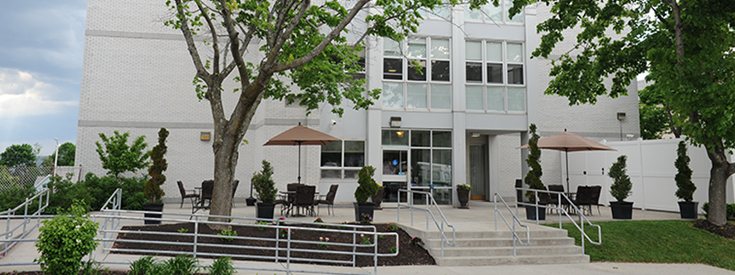
How is Worcester Rehabilitation & Health Staffed?

CMS rates WORCESTER REHABILITATION & HEALTH CARE CENTER's staffing level at 3 out of 5 stars, which is average compared to other nursing homes. Staff turnover is 33%, compared to the Massachusetts average of 46%. This relatively stable workforce can support continuity of care.

What Have Inspectors Found at Worcester Rehabilitation & Health?

State health inspectors documented 56 deficiencies at WORCESTER REHABILITATION & HEALTH CARE CENTER during 2022 to 2025. These included: 1 Immediate Jeopardy (the most serious level, indicating potential for serious harm or death), 2 that caused actual resident harm, 51 with potential for harm, and 2 minor or isolated issues. Immediate Jeopardy findings are rare and represent the most serious regulatory concerns. They require immediate corrective action.

Who Owns and Operates Worcester Rehabilitation & Health?

WORCESTER REHABILITATION & HEALTH CARE CENTER is owned by a for-profit company. For-profit facilities operate as businesses with obligations to shareholders or private owners. The facility is operated by ATHENA HEALTHCARE SYSTEMS, a chain that manages multiple nursing homes. With 160 certified beds and approximately 136 residents (about 85% occupancy), it is a mid-sized facility located in WORCESTER, Massachusetts.
How Does Worcester Rehabilitation & Health Compare to Other Massachusetts Nursing Homes?

Compared to the 100 nursing homes in Massachusetts, WORCESTER REHABILITATION & HEALTH CARE CENTER's overall rating (1 stars) is below the state average of 2.9, staff turnover (33%) is significantly lower than the state average of 46%, and health inspection rating (2 stars) is below the national benchmark.

What Should Families Ask When Visiting Worcester Rehabilitation & Health?

Based on this facility's data, families visiting should ask: "What changes have been made since the serious inspection findings, and how are you preventing similar issues?" "Can I visit during a mealtime to observe dining assistance and food quality?" "How do you handle medical emergencies, and what is your hospital transfer rate?" "Can I speak with family members of current residents about their experience?" These questions are particularly relevant given the facility's Immediate Jeopardy citations.

Is Worcester Rehabilitation & Health Safe?

Based on CMS inspection data, WORCESTER REHABILITATION & HEALTH CARE CENTER has documented safety concerns. Inspectors have issued 1 Immediate Jeopardy citation (the most serious violation level indicating risk of serious injury or death). The facility has a 1-star overall rating and ranks #100 of 100 nursing homes in Massachusetts. Families considering this facility should ask detailed questions about what corrective actions have been taken since these incidents.

Do Nurses at Worcester Rehabilitation & Health Stick Around?

WORCESTER REHABILITATION & HEALTH CARE CENTER has a staff turnover rate of 33%, which is about average for Massachusetts nursing homes (state average: 46%). Moderate turnover is common in nursing homes, but families should still ask about staff tenure and how the facility maintains care continuity when employees leave.

Was Worcester Rehabilitation & Health Ever Fined?

WORCESTER REHABILITATION & HEALTH CARE CENTER has been fined $92,963 across 4 penalty actions. This is above the Massachusetts average of $34,008. Fines in this range indicate compliance issues significant enough for CMS to impose meaningful financial consequences. Common causes include delayed correction of deficiencies, repeat violations, or care failures affecting resident safety. Families should ask facility leadership what changes have been made since these penalties.

Is Worcester Rehabilitation & Health on Any Federal Watch List?

WORCESTER REHABILITATION & HEALTH CARE CENTER is not on any federal watch list. The most significant is the Special Focus Facility (SFF) program, which identifies the bottom 1% of nursing homes nationally based on persistent, serious quality problems. Not being on this list means the facility has avoided the pattern of deficiencies that triggers enhanced federal oversight. This is a positive indicator, though families should still review the facility's inspection history directly.