Optalis Health and Rehabilitation of Allen Park
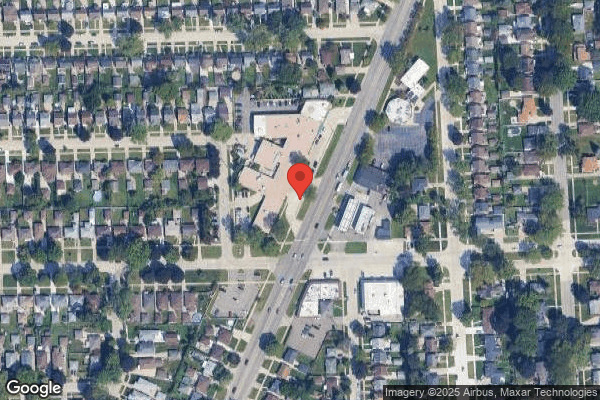
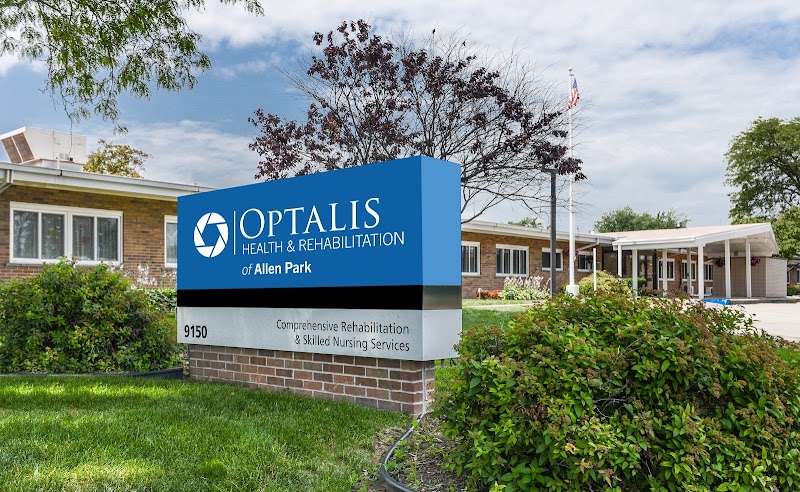
9150 Allen Rd, Allen Park, MI 48101 (313) 386-2150
For profit - Corporation 163 Beds OPTALIS HEALTH & REHABILITATION Data: November 2025
Trust Grade
50/100
#318 of 422 in MI
Last Inspection: June 2025

Inspected within the last 6 months. Data reflects current conditions.

Overview

Optalis Health and Rehabilitation of Allen Park has a Trust Grade of C, which means it is average and sits in the middle of the pack among nursing homes. It ranks #318 out of 422 in Michigan, placing it in the bottom half of facilities in the state, and #48 out of 63 in Wayne County, indicating that only a few local options are better. The facility is improving, as it reduced its number of issues from 15 in 2024 to 14 in 2025. Staffing is a concern, with only 1 out of 5 stars and less RN coverage than 86% of Michigan facilities, although the turnover rate of 42% is slightly better than the state average. Recent inspections revealed several troubling incidents, such as a failure to maintain an effective infection control program, improper sanitization procedures that risked spreading infections like C. diff, and unsanitary kitchen practices that could lead to foodborne illnesses. While there are strengths, such as no fines recorded and excellent quality measures, families should weigh these concerns when considering this facility.
Trust Score
C
50/100
In Michigan
#318/422
Bottom 25%
Safety Record
Low Risk
No red flags
Inspections
Getting Better
15 → 14 violations
Staff Stability
○ Average
42% turnover. Near Michigan's 48% average. Typical for the industry.
Penalties
✓ Good
No fines on record. Clean compliance history, better than most Michigan facilities.
Skilled Nurses
⚠ Watch
Each resident gets only 21 minutes of Registered Nurse (RN) attention daily — below average for Michigan. Fewer RN minutes means fewer trained eyes watching for problems.
Violations
⚠ Watch
46 deficiencies on record. Higher than average. Multiple issues found across inspections.
★★☆☆☆
2.0
Overall Rating
★☆☆☆☆
1.0
Staff Levels
★★★★★
5.0
Care Quality
★★☆☆☆
2.0
Inspection Score
Stable
2024: 15 issues
2025: 14 issues

The Good

  • 5-Star Quality Measures · Strong clinical quality outcomes
  • Full Sprinkler Coverage · Fire safety systems throughout facility
  • No fines on record
  • Staff turnover below average (42%)

    6 points below Michigan average of 48%

Facility shows strength in quality measures, fire safety.

The Bad

2-Star Overall Rating

Below Michigan average (3.1)

Below average - review inspection findings carefully

Staff Turnover: 42%

Near Michigan avg (46%)

Typical for the industry

Chain: OPTALIS HEALTH & REHABILITATION

Part of a multi-facility chain

Ask about local staffing decisions and management

The Ugly 46 deficiencies on record

Jul 2025 3 deficiencies
CONCERN (D) 📢 Someone Reported This

A family member, employee, or ombudsman was alarmed enough to file a formal complaint

Potential for Harm - no one hurt, but risky conditions existed

Free from Abuse/Neglect (Tag F0600)

Could have caused harm · This affected 1 resident

**NOTE- TERMS IN BRACKETS HAVE BEEN EDITED TO PROTECT CONFIDENTIALITY** This citation pertains to intake 1215649.Based on interview and record review the facility failed to prevent staff to resident a...

Read full inspector narrative →
**NOTE- TERMS IN BRACKETS HAVE BEEN EDITED TO PROTECT CONFIDENTIALITY** This citation pertains to intake 1215649.Based on interview and record review the facility failed to prevent staff to resident abuse for one (R107) of four residents reviewed for abuse. Findings include:On 7/22/25 at 10:45 AM R107 was interviewed regarding an incident upon admission to the facility with Licensed Practical Nurse (LPN) C and said that LPN C did not want to admit her to the facility which caused a delay with her admission. R107 stated, The next day (5/27/25) LPN C came to my room and asked me if I reported her. I said that I didn't, but it was awkward, and I didn't appreciate that she accused me. Her tone was aggressive, and I was uneasy and fearful of her.Record review of the Electronic Health Record (EHR) revealed R107 was admitted to the facility on [DATE] with diagnosis of Right Tibia fracture, Lumbar Vertebra fracture, Injury in Motor Vehicle Accident. Review of the Minimum Data Set (MDS) dated [DATE] for R107 revealed a Brief Interview for Mental Status (BIMS) score of 14/15, which indicated intact cognition.Review of the facility's investigation report dated 5/28/25 conducted by the Nursing Home Administrator (NHA) and Director of Nursing (DON) revealed, Do you feel like the nurse (LPN C) was confrontational? -Yesterday she came in my room and accused me and my family of making a report on her. It was kind of intimidating and scary.On 7/22/25 at 12:55 PM, Registered Nurse (RN) A was interviewed and said LPN C confronted R107 after LPN C was suspended. RN A stated, The nurse should not have done that and that residents have the right to report concerns without the fear of retaliation.On 7/23/25 at 10:45 AM, the NHA and DON were interviewed and the DON said that on the morning of 5/27/25 she had a meeting with LPN C to notify her that LPN C was suspended pending an investigation regarding the incident with R107 and walked LPN C out of the building. The DON further said that after suspension LPN C reentered the building and talked to R107. The DON said the expectation was for employees to leave the building upon suspension and not to return until notified by a supervisor. The DON said LPN C was terminated. The NHA said that LPN C had abuse training upon hire and that she should not have gone back to talk to the resident after suspension. On 7/23/25 at 11:05 AM, LPN C was interviewed via phone and said that she spoke to R107 after the DON suspended her. When asked if LPN C accused R107 of reporting her LPN C did not provide and answer.Review of the facility policy titled Abuse, updated 5/24/25, revealed in part:Residents have the right to be free from abuse, neglect, exploitation, mistreatment, and misappropriation of resident property. This includes, but is not limited to, freedom from corporal punishment, involuntary seclusion, and any physical or chemical restraint that is not required to treat the patient/resident's medical symptoms.The facility will educate its staff upon hire, annually, and as needed which will include, but not necessarily be limited to, the following topics:Prohibiting and preventing all forms of abuse, neglect, mistreatment, exploitation, and misappropriation ofIdentifying what constitutes abuse, neglect, mistreatment, exploitation, and misappropriation of resident property.Reporting process for suspicions or allegations of abuse, injuries of unknown origin, neglect, exploitation, mistreatment, and misappropriation of resident property without fear of reprisal or retaliation.Providing residents, representatives, and staff information on how and to whom they report any allegations of abuse, neglect, mistreatment, exploitation, misappropriation of resident property, injuries of unknown origin, concerns, incidents, and grievances without the fear of retribution; and providing feedback regarding the concerns that have been expressed.The facility will make efforts to ensure all residents are protected from physical and psychosocial harm during and after the investigation. Examples include but are not limited to:Immediately removing the resident from contact with the alleged abuser.Providing a safe and secure environment for all patients.If a staff member is the alleged perpetrator, that staff member should be immediately removed from the facility and the schedule pending the outcome of the investigation.
CONCERN (D) 📢 Someone Reported This

A family member, employee, or ombudsman was alarmed enough to file a formal complaint

Potential for Harm - no one hurt, but risky conditions existed

Report Alleged Abuse (Tag F0609)

Could have caused harm · This affected 1 resident

**NOTE- TERMS IN BRACKETS HAVE BEEN EDITED TO PROTECT CONFIDENTIALITY** This citation pertains to intake 2563789.Based on interview and record review the facility failed to report a fracture of unknow...

Read full inspector narrative →
**NOTE- TERMS IN BRACKETS HAVE BEEN EDITED TO PROTECT CONFIDENTIALITY** This citation pertains to intake 2563789.Based on interview and record review the facility failed to report a fracture of unknown origin to the State Agency (SA) for one (R101) of four residents reviewed for abuse. Findings include:The State Agency (SA) received a complaint that R102 had a hip fracture of unknown origin.According to R102's Electronic Health Record (EHR) the resident admitted to the facility on [DATE] with diagnoses that included dementia and history of falls with left foot pain. On 11/26/24 the resident had a fall while in therapy. According to the Fall Report dated 11/26/24, R102 lost his balance during a self-transfer out of the wheelchair while in the therapy department. Therapy staff interfered with the fall and the resident was lowered to the floor by therapy staff. There was no injury or complaints of pain. Review of progress notes and pain assessments from 11/26/24 - 12/28/24 revealed that was no changes in resident's pain levels. On 12/28/24 at 6:18 PM a progress note written by Registered Nurse (RN) D documented the family wanted an x-ray of the resident's right leg due to a recent fall and complaints of pain. X-rays were ordered for resident's right tibia and fibula (lower leg bones, shin/calve area). The X-rays were negative for any acute (recent) fracture or soft tissue injury. There was no documentation to indicate R102 had a fall after 11/26/24. On 12/30/24 at 4:30 PM a Therapy note written by Occupational Therapist (OT) E documented the resident's family reported the resident had a fall over the weekend and X-rays of the right leg were taken. On 1/1/25 R102 was sent out to the hospital for mental status changes. On 7/23/25 at 1:35 PM RN D said they had no recall of R102 falling. They reviewed R102's EHR and confirmed there was no documentation to indicate the resident had a fall after 11/26/24. RN D said they honored the family's request for the x-ray and did not ask when the resident fell. On 7/23/25 at approximately 1:50 PM the Director of Nursing (DON) provided a 'soft file' for R102 that included the hospital's x-ray results dated 1/1/25. The X-ray results indicated R102 had a right mildly displaced femoral neck/intertrochanteric (upper part of femur). The DON said an investigation was initiated by the former DON and was not reported to the SA. The DON said the fracture was of unknown origin and should have been reported to the SA within two hours of notification.On 7/23/25 at approximately 2:50 PM the Nursing Home Administrator (NHA) was queried about R102's right hip fracture on 1/1/25. The NHA said they were on a medical leave during this time and was unaware that R102 had a hip fracture of unknown origin until today. The NHA confirmed that this incident should have been reported to the SA.According to the facility's Abuse policy last updated on 5/24/2023 it reads in part. The facility will ensure that all allegations involving abuse, neglect, exploitation, mistreatment, injuries of unknown source, misappropriation of resident property, and crimes are reported immediately to the Administrator and: Reported to the State Survey Agency immediately but not later than two hours after the allegation is made if the allegation involves abuse or results in serious bodily injury and to other officials (including adult protective services and/or law enforcement, when applicable) OR Reported to the State Survey Agency no later than 24 hours if the allegation does not involve abuse and does not result in serious bodily injury to the State Survey Agency and to other officials (including adult protective services and/or law enforcement, when applicable).
CONCERN (D) 📢 Someone Reported This

A family member, employee, or ombudsman was alarmed enough to file a formal complaint

Potential for Harm - no one hurt, but risky conditions existed

Investigate Abuse (Tag F0610)

Could have caused harm · This affected 1 resident

**NOTE- TERMS IN BRACKETS HAVE BEEN EDITED TO PROTECT CONFIDENTIALITY** This citation pertains to intake 2563789.Based on interview and record review the facility failed to complete a thorough investi...

Read full inspector narrative →
**NOTE- TERMS IN BRACKETS HAVE BEEN EDITED TO PROTECT CONFIDENTIALITY** This citation pertains to intake 2563789.Based on interview and record review the facility failed to complete a thorough investigation for fracture of unknown origin for one (R102) of four residents reviewed for abuse. Findings include: The State Agency (SA) received a complaint that R102 had a hip fracture of unknown origin.The complainant was attempted to be contacted on 7/23/25 at 10:32 AM and on 7/24/25 at 11:05 AM. According to R102's Electronic Health Record (EHR) the resident admitted to the facility on [DATE] with diagnoses that included dementia and history of falls with left foot pain. On 11/26/24 the resident had a fall while in therapy. According to the Fall Report dated 11/26/24, R102 lost his balance during a self-transfer out of the wheelchair while in the therapy department. Therapy staff interfered with the fall and the resident was lowered to the floor by therapy staff. There was no injury or complaints of pain. Review of progress notes and pain assessments from 11/26/24 - 12/28/24 revealed that was no changes in resident's pain levels. On 12/28/24 at 6:18 PM a progress note written by Registered Nurse (RN) D documented the family wanted an x-ray of the resident's right leg due to a recent fall and complaints of pain. X-rays were ordered for resident's right tibia and fibula (lower leg bones, shin/calve area). The X-rays were negative for any acute (recent) fracture or soft tissue injury. There was no documentation to indicate R102 had a fall after 11/26/24. On 12/30/24 at 4:30 PM a Therapy note written by Occupational Therapist (OT) E documented the resident's family reported the resident had a fall over the weekend and X-rays of the right leg were taken. On 1/1/25 R102 was sent out to the hospital for mental status changes. On 7/23/25 at 1:35 PM RN D said they had no recall of R102 falling. They reviewed R102's EHR and confirmed there was no documentation to indicate the resident had a fall after 11/26/24. RN D said they honored the family's request for the x-ray and did not ask when the resident fell. RN D reported they had never been interviewed regarding why the X-ray was ordered or that the family had said the resident fell.On 7/23/25 at approximately 1:50 PM the Director of Nursing (DON) provided a 'soft file' for R102 that included the hospital's x-ray results dated 1/1/25. The X-ray results indicated R102 had a right mildly displaced femoral neck/intertrochanteric (upper part of femur). The DON said an investigation was initiated by the former DON on 1/1/25. A review of the investigation did not contain any interviews from staff, physician, residents, or R102's family. The investigation concluded that the fracture was the result of the fall on 11/26/24.On 7/23/25 at approximately 2:00 PM OT E was asked to review their note from 12/30/24 for R102. OT E said they were aware that R102 had been diagnosed with a hip fracture but did not know how it occurred. OT E confirmed they had never been interviewed by facility staff regarding R102.On 7/23/25 at approximately 2:50 PM the Nursing Home Administrator (NHA) was queried about R102's right hip fracture on 1/1/25. The NHA said they were on a medical leave during this time and was unaware that R102 had a hip fracture of unknown origin until today. The NHA reviewed the facility's investigation and confirmed that it was incomplete.According to the facility's Abuse policy last updated on 5/24/2023, it reads in part: The facility will develop and implement written policies and procedures that include: Investigating allegations of abuse, neglect, misappropriation, mistreatment, and exploitation to include protecting residents during the investigation, and taking necessary actions as a result of the investigation. The investigation process includes: Identifying staff responsible for the investigation. Determining the purpose of the investigation and issue(s) to be investigated, whether or not the alleged violation has occurred, the extent, and cause. Identifying and interviewing all involved persons, including the alleged victim, alleged perpetrator, witnesses, and others who might have knowledge of the allegations (such as other residents, family members, staff who worked closely with the alleged perpetrator and/or alleged victim). Conducting observations of the alleged victim, including identification of any injuries as appropriate, the location where the alleged situation occurred, interactions and relationships between staff and the alleged victim and/or other residents, and interactions/relationships between resident to other residents as applicable. Identifying and reviewing all relevant medical records and facility documentation as applicable. If the alleged perpetrator is a staff member, review their employment records. Exercising caution in handling evidence that could be used in a criminal investigation (e.g., not tampering or destroying evidence). Providing complete and thorough documentation of the investigation. After completion of the investigation, the evidence should be analyzed, and the Administrator or designee will make a determination regarding whether the allegation is substantiated or unsubstantiated. The Administrator will determine if modifications to existing policies and procedures (or new policies and procedures) are needed to prevent similar incidents or injuries from occurring in the future in accordance with its QAPI Plan. The quality assurance investigative materials will be reviewed by the quality assurance committee in accordance with the facility QAPI Plan. The quality assurance committee will take all actions deemed necessary based upon their review.
Jun 2025 10 deficiencies
CONCERN (D)

Potential for Harm - no one hurt, but risky conditions existed

Comprehensive Care Plan (Tag F0656)

Could have caused harm · This affected 1 resident

Based on observation, interview and record review the facility failed to implement a dental care plan for one resident (R19) out of three residents reviewed for dental services. Findings include: On ...

Read full inspector narrative →
Based on observation, interview and record review the facility failed to implement a dental care plan for one resident (R19) out of three residents reviewed for dental services. Findings include: On 6/2/25 at 10:44 AM, R19 was observed with crooked and uneven teeth. An interview was conducted with R19, the resident reported having broken teeth and had seen a dentist but had never heard anything about another appointment. Review of R19's care plans revealed no dental care plan had been implemented. Review of electronic medical record (EMR) revealed resident was admitted into the facility on 3/6/23 with a diagnosis of Parkinson's Disease (disorder that affects central nervous system). According the R19's Brief interview for Mental Status (BIMS) dated 3/12/25, R19 scored 14 out of 15 (intact cognition). Further review revealed resident required substantial/Maximal assistance with Activities of Daily Living (ADLs). Review of Dental Referral Memo dated 6/17/24, It was documented that R19 was planned for a full mouth extraction in the dentist's office. Review of Dental Group form dated 3/13/25, it documented that resident would like teeth removed and dentures fabricated. Review of Appointment Sheets dated 12/26/24 and 3/25/25 documented resident had appointments for Oral Surgery. An interview was conducted on 6/3/25 at 2:15 PM with the Director of Nursing (DON), after reviewing R19's EMR, it was reported that the facility should have been aware that R19 poor dental health, and the resident did not have a dental care plan implemented. It was further reported residents should have care plans implemented to meet their individual needs. Review of facility's policy Care Plan- Comprehensive and Revision dated 8/25/23 it was documented, A comprehensive, person-centered care plan that includes measurable objectives and timetables to meet the resident's physical, psychosocial and functional needs is developed and implemented for each resident.
CONCERN (D)

Potential for Harm - no one hurt, but risky conditions existed

ADL Care (Tag F0677)

Could have caused harm · This affected 1 resident

**NOTE- TERMS IN BRACKETS HAVE BEEN EDITED TO PROTECT CONFIDENTIALITY** Based on observation, interview and record review the facility failed to provide nail care for one resident (R45) out of 27 samp...

Read full inspector narrative →
**NOTE- TERMS IN BRACKETS HAVE BEEN EDITED TO PROTECT CONFIDENTIALITY** Based on observation, interview and record review the facility failed to provide nail care for one resident (R45) out of 27 sampled residents, resulting in unmet resident personal hygiene needs. Findings include: R45 On 6/02/25 at 11:13 AM, R45 was interviewed about care in the facility and stated, I need my nails cut. R45's fingernails appeared long, jagged with debris. R45 said he had a bed bath over the weekend. On 6/03/25 at 8:30 AM, R45 was observed with long, jagged fingernails. On 6/04/25 at 9:26 AM, R45's fingernails were observed with Licensed Practical Nurse (LPN) C. LPN C said R45 had long, dirty nails. When LPN C asked R45 if he would like his nails trimmed R45 agreed. LPN C said R45 has had some refusal for care before but not for bed baths or nail care. Record review of R45's Electronic medical record (EMR) revealed he was admitted to the facility on [DATE] with diagnoses that included venous insufficiency (obstruction of blood flow), and chronic ulcers to right and left calves. Review of the MDS dated [DATE] for R45 revealed a Brief interview for Mental Status (BIMS) of 12/15 which indicated moderate cognitive impairment and dependent assistance for personal hygiene. Review of the EMR for May and June 2025 did not reveal refusals of bed baths, showers or refusals of nail care. Review of R45's care plan date initiated 10/21/2024 revealed Nail care to be provided twice a week on shower days, and as needed. On 6/5/25 at 11:30 AM the Director of Nursing (DON) was interviewed and said the expectation is for the Certified Nursing Assistants to complete nail care on bed bath/shower days or as needed and to document refusals of care.
CONCERN (D)

Potential for Harm - no one hurt, but risky conditions existed

Quality of Care (Tag F0684)

Could have caused harm · This affected 1 resident

**NOTE- TERMS IN BRACKETS HAVE BEEN EDITED TO PROTECT CONFIDENTIALITY** This Citation Has Two Deficient Practice Statement. Deficient Practice Statement #1 Based on observation, interview, and record ...

Read full inspector narrative →
**NOTE- TERMS IN BRACKETS HAVE BEEN EDITED TO PROTECT CONFIDENTIALITY** This Citation Has Two Deficient Practice Statement. Deficient Practice Statement #1 Based on observation, interview, and record review the facility failed to remove medications from the back-up medication supply for administration to one resident (R30) of one resident reviewed for missed medications, resulting in R30 missing 18 of 21 scheduled doses of their their neuropathy medication. Findings include: On 6/2/25 at 12:00 PM, a review of R30's clinical record revealed they admitted to the facility on [DATE] with diagnoses that included hereditary and idiopathic neuropathy (nerve pain). R30's physician's orders were reviewed and revealed an order for pregabalin (neuropathic pain medication) 75 mg (milligrams) twice daily scheduled for 9 AM and 9 PM. A review of R30's medication administration record (MAR) for May 2025 was reviewed and revealed the pregabalin medication documented as 7 (meaning the medication was held with an accompanying progress note documenting the reason) for the 9 AM doses on 5/22/25, and from 5/24/25 thru 5/30/25. The MAR further revealed the medication documented as a 7 for the 9 PM doses from 5/21/25 thru 5/29/25. The accompanying progress notes for why the medication was held were documented as:, Awaiting pharmacy delivery, dosage not available in backup, On order, Not in cart, and awaiting new script. On 6/3/25 at 11:00 AM, R30 was up in their wheelchair in the hallway. They were asked if they missed any medications and said when they first admitted to the facility they either ran out of or didn't have their Lyrica (pregabalin) medication. On 6/3/25 at 11:20 AM, the facility's Director of Nursing (DON) provided a list of medications kept on-site in the back-up medication supply. It was noted the facility had 25 and 50 mg tabs of pregabalin in the back-up supply. On 6/3/25 at 12:34 PM, an interview was conducted with the facility's DON regarding R30's missed pregabalin. They said the nurses should have checked the supply and pulled the medication if available. They also said given the duration of time (10 and a half days) and the amount of doses missed (18 of 21) someone should have followed up with the physician and the pharmacy to obtain the medication. A review of a facility provided document titled, ORDERING AND RECEIVING DRUGS AND BIOLOGICALS-EMERGENCY PHARMACY DELIVERY AND EMERGENCY KITS was reviewed and read, Emergency pharmacy service is available on a 24-hour basis. Emergency needs for medication are met by using the facility's approved medication supply or by special order from the pharmacy . Deficient Practice Statement #2 Based on observation, interview, and record review, the facility failed to ensure PICC (peripherally inserted central catheter) line care and maintenance were provided for two residents (R30 and R233) of two residents reviewed for PICC line care resulting in the potential for malfunction of the line and or the development of infection. Findings include: R233 On 6/2/25 at 10:36 AM, R233 was observed in their room with a PICC line to their right upper arm. An interview was conducted at that time and they said they admitted to the facility with the line for the delivery of intravenous antibiotics. They were asked if they would lift their sleeve so the dressing covering the line could be observed and they did. At that time, a transparent dressing covering the line insertion site was observed with multiple layers of tape securing the dressing to their arm. It further appeared a date had been written on one of the multiple layers of tape; however it could not be determined what date was written. R233 was asked about the last time the dressing had been changed and they said they didn't know but they were told when they discharged from the hospital it was supposed to be changed every seven days or sooner if needed. A review of R 233's clinical record revealed they admitted to the facility on [DATE] with diagnoses that included: aftercare following joint replacement surgery and infection following a surgical procedure. R233's admission assessment indicated they admitted to the facility with a PICC line. A review of R233's physician's orders, medication administration records (MAR) and treatment administration records (TAR) for May 2025 and June 2025 was conducted and revealed an order to flush the line with 10 milliliters of normal saline before and after medication administration, however; the boxes on the MAR where staff would sign off they performed the flushes all contained an X in them, not allowing staff to sign off they performed the flushes. Further review of the June 2025 TAR revealed Nurse 'B' signed off as changing the dressing for the PICC line on 6/1/25; however, that date was not observed on the dressing during the observation on 6/2/25 at 10:36 AM. R30 On 6/2/25 at 10:27 AM, R30 was observed in their room seated in their wheelchair. At that time, it was observed R30 had a PICC line to their right upper arm. R30 was asked if the dressing covering the line insertion site could be observed and they consented. R30 lifted the sleeve of their shirt and it was observed the transparent dressing covering the line was dated 5/20/25. They were asked the last time it was changed and they said they did not know and further queried how often the dressing should be changed. R30 in room up to wheelchair. Few months. On 6/2/25 at 11:30 AM, a review of R30's clinical record revealed they admitted to the facility on [DATE] with a PICC line placed upon discharge from the hospital for the delivery of intravenous antibiotics in the facility. R30's physician's orders and MAR and TAR for May and June 2025 were reviewed and revealed Nurse 'D' signed off on 5/25/25 they changed the dressing and Nurse 'B' signed off on 6/1/25 they changed the dressing despite the date on the dressing observed as 5/20/25. On 6/2/25 at 12:19 PM, R30's PICC line dressing was observed with Unit Manager 'C' and they confirmed the dressing to be dated 5/20/25. They were asked how often the dressings should be changed and said they were done every 7 days. At that time, it was shared with them two nurses documented they changed the dressing and signed off on the TAR. Unit Manager 'C' said they would look into what happened. A review of a facility provided document titled, Catheter Insertion and Care was conducted, however; the document did not address how often the PICC line dressings should be changed. According to the, National Institutes of Health guidelines at https://www.ncbi.nlm.nih.gov/books/NBK573064/ PICC dressings should be changed at least once a week, or more frequently if the dressing becomes loose, wet, or soiled.
CONCERN (D)

Potential for Harm - no one hurt, but risky conditions existed

Tube Feeding (Tag F0693)

Could have caused harm · This affected 1 resident

**NOTE- TERMS IN BRACKETS HAVE BEEN EDITED TO PROTECT CONFIDENTIALITY** Based on observation, interview, and record review the facility failed to perform tube feed (a tube providing nutrients and medi...

Read full inspector narrative →
**NOTE- TERMS IN BRACKETS HAVE BEEN EDITED TO PROTECT CONFIDENTIALITY** Based on observation, interview, and record review the facility failed to perform tube feed (a tube providing nutrients and medications directly to the stomach) insertion site care and dressing changes per physician order for one (R69) of two resident's reviewed for tube feeding, resulting in the potential for infection. Findings include: On 6/03/25 at 2:45 PM, R69 was observed in bed and stated, The staff are not changing my tube feed dressing. The tube feed dressing was observed with a date of 5/24/25. On 6/03/25 at 2:55 PM, R69's tube feed dressing was observed with Licensed Practical Nurse/Unit Manager LPN C. LPN C said the dressing was dated 5/24/25 and explained that was the date that the dressing was last changed. LPN C said the dressing should be changed daily on the night shift and there is a risk for infection if the site is not kept clean. Review of R69's Electronic Medical Record (EMR) revealed, R69 admitted to the facility on [DATE] with pertinent diagnoses which included dysphagia and gastrostomy status (presence of artificial opening to the stomach). Review of a Minimum Data Set (MDS) assessment dated [DATE] revealed R69 had intact cognition and required a feeding tube. Review of Physician orders 5/2/25 revealed, Enteral Tube Site Care: Cleanse site with soap and water, rinse with water and allow to air dry, apply split gauze date and initial every night shift for site care notify physician for any signs or symptoms of infection. On 6/4/25 at 11:30 AM the Director of Nursing (DON) was interviewed and said the expectation is for the nurses to follow physician orders and that R69's dressing should have been changed daily. Review of the facility policy titled Tube Feeding -Overview dated 8/9/2025 revealed in part: Feeding tubes (nasogastric, gastrostomy, jejunostomy) will be utilized in accordance with current clinical standards of practice, with interventions to prevent complications to the extent possible. Feeding tubes will be utilized according to physician orders.
CONCERN (D)

Potential for Harm - no one hurt, but risky conditions existed

Deficiency F0698 (Tag F0698)

Could have caused harm · This affected 1 resident

**NOTE- TERMS IN BRACKETS HAVE BEEN EDITED TO PROTECT CONFIDENTIALITY** Based on observation, interview, and record review, the facility failed to ensure appropriate coordination of care between the f...

Read full inspector narrative →
**NOTE- TERMS IN BRACKETS HAVE BEEN EDITED TO PROTECT CONFIDENTIALITY** Based on observation, interview, and record review, the facility failed to ensure appropriate coordination of care between the facility and the contracted dialysis center for one resident (R15) out of one resident reviewed for dialysis services, resulting in the potential for resident to experience fluid overload. Findings include: On 6/2/25 at 1:03 PM, R15 was observed asleep in bed. A 20 oz. sized cup was observed on R15's overbed table. On 6/3/25 at 10:55 AM, R15 was observed awake in bed. A 20 oz. sized cup was observed on R15's overbed table. R15 was able to reach and shake the cup which appeared to be half full. R15 said that she enjoys drinking water. On 6/4/25 at 10:31 AM, an observation of R15 was conducted with Registered Dietitian (RD) F. R15 was observed awake in bed. RD F indicated R15 had a 20 oz. cup on the overbed table. R15 was able to reach and shake the cup which appeared to be full of ice. A review of the clinical record for R15 documented an admission date of 1/27/25 with diagnoses that included end stage renal disease (ESRD), hypertension, and atrial fibrillation. A Minimum Data Set assessment dated [DATE] documented intact cognition. Physician order dated 3/26/25 documented, No bedside water and one beverage per meal tray. Per HD (hemodialysis) clinic. Documents for R15 titled, Hemodialysis Communication Form, used to facilitate communication between the facility and the hemodialysis center, were reviewed. Section 2, completed by the dialysis center revealed the following: - 5/5/25: Nutrition concerns: Too much fluid - gaining more than we can take (off). - 5/16/25: Nutrition concerns: Pt. (patient) gaining more (sic) too much fluid than we can take off. Less fluid please. Cut portions. Watch liquidly foods/snacks. - 5/19/25: Nutrition concerns: Too much fluid intake - Swollen arm - High BP (blood pressure) - SOB (shortness of breath) - hospitalization. Post dialysis instructions: Hard candies, ice cubes, bubble gum (if able) will help with thirst. Review of R15's care plans documented in part the following: 1. Focus: The resident needs dialysis hemo r/t (related to) (sic). Initiated 1/28/25. Interventions: Coordinate dialysis care with dialysis center. Initiated 1/28/25. 2. Focus: Bowel Elimination Alteration; Constipation related to (sic). Initiated 1/28/25: Interventions: Encourage and assist as needed to consume fluids offered at and between meals. Initiated: 1/28/25 3. Risk for alteration in hydration related to (sic). Initiated 1/28/25. 4. Resident is at nutritional risk r/t ESRD with Hemodialysis Resident has increased nutrient needs and increased nutrient loss. Initiated 2/3/25. Interventions included: Encourage resident to maintain dietary restrictions and provide diet education as requested. Initiated 2/3/25. During an interview and review of R15's clinical record on 6/4/25 at 11:18 AM, Licensed Practical Nurse (LPN)/Unit Manager A said R15 should not have water or (20 oz. cup of) ice at her bedside. She should not be getting that much fluid. LPN A added, R15 should receive fluid as ordered because she was on dialysis and fluid overload was a problem because she cannot void on her own. A fluid restriction was not indicated and addressed on R15's Kardex (a guide Certified Nurse Aides used for patient care) or R15's care plan. LPN A said R15's fluid restriction should have been on the Kardex and care plan because they determine how we care for the resident. It's the order given by the dialysis center to ensure (R15) gets proper care. During an interview on 6/4/25 at 1:19 PM, the Director of Nursing (DON) said R15's has had urinary tract infection(s) and the physician wants to push fluids but R15 was on a fluid restriction because of dialysis. The DON stated, We should consult with the facility RD and hemodialysis. The DON acknowledged that this was not done. On 6/4/25 at 3:30 PM during the exit conference, the Nursing Home Administrator and Director of Nursing did not offer additional documentation or information pertaining to this citation when asked.
CONCERN (D) 📢 Someone Reported This

A family member, employee, or ombudsman was alarmed enough to file a formal complaint

Potential for Harm - no one hurt, but risky conditions existed

Deficiency F0761 (Tag F0761)

Could have caused harm · This affected 1 resident

**NOTE- TERMS IN BRACKETS HAVE BEEN EDITED TO PROTECT CONFIDENTIALITY** Based observation, interview and record review the facility failed to ensure prescription medication was properly stored for one...

Read full inspector narrative →
**NOTE- TERMS IN BRACKETS HAVE BEEN EDITED TO PROTECT CONFIDENTIALITY** Based observation, interview and record review the facility failed to ensure prescription medication was properly stored for one resident (R21) of 27 residents reviewed for medication administration, resulting in unsecured medication and the potential for access to unauthorized persons to the medication. Findings include: On 6/3/2025 at 8:40 a.m. during a morning medication administration (Med Pass) on the Mackinaw unit with Licensed Practical Nurse (LPN) M a cup with two pills was observed on R21's bedside table. LPN M was interviewed regarding the medication at bedside. LPN M stated, I have no idea who put the pills on the resident's table near her breakfast tray. I just pulled my medications. LPN M verified the two pills as (Faxiga and Levothyroxine) and the R21 does not self-administer medication. LPN M stated, This was 6 a.m. scheduled meds and medication should not be left at bedside. On 6/3/2025 at 8:50 a.m. R21 was interviewed regarding the medications left at bedside. R21 stated, I don't know who sat the pills on my table (while reaching for the medication to take them). They do that all the time. They claim they can't wake me up. Record review revealed that R21 was initially admitted into the facility on 3/9/2023 and most recently readmitted on [DATE] with diagnoses which included, chronic obstructive pulmonary disease (COPD), dementia, psychotic disorder, schizoaffective disorder, major depressive disorder, type two diabetes mellitus, and generalized anxiety. R21's Quarterly Minimum Data Set Assessment (MDS) with a reference date of 5/8/2025 indicated R21 had moderately cognition impairment with a BIMS (brief interview for mental status) score of 10/15. A care plan initiated on 5/5/2025 for Activity of Daily Living (ADLs) had the following: Bed mobility modified independent. Transfer modified independent. The Electronic health record did not reveal a self-administration assessment form completed for R21. Review of the physician's orders revealed Faxiga oral tablet 2 milligrams give one tablet by mouth one time a day for diabetes give on empty stomach. Levothyroxine sodium 59 microgram tablet take one tablet by mouth every morning for hypothyroidism. On 6/4/2025 at 2:35 p.m. the Director of Nursing (DON) was interviewed regarding the medication left at bedside. The DON said it was not safe to leave medication at bedside because a resident could wheel into the room and take the medication. The DON stated, No nurse should leave them there. It's a hazard to leave medication at bedside. The medication should be storage in locked med cart. According to the facility's 5/4/2022 Medication & Treatment Cart Storage policy: It is the policy of this facility to ensure all supplies for treatments and medications housed on our premises will be stored in the pharmacy and/or medication rooms according to the manufacturer's recommendation and sufficient to ensure proper sanitation . Security. Compliance Guidelines as following: a. All drugs and biologicals will be stored in locked compartment (i.e., medication carts, cabinets, drawers, refrigerators, medication rooms). c. During a medication pass, medications must be under the direct observation of the person administering medications or locked in the medication storage area/cart.
CONCERN (D)

Potential for Harm - no one hurt, but risky conditions existed

Dental Services (Tag F0791)

Could have caused harm · This affected 1 resident

Based on observation, interview and record review the facility failed to ensure dental services were provided in a timely manner for one resident (R19) out of three residents reviewed for dental servi...

Read full inspector narrative →
Based on observation, interview and record review the facility failed to ensure dental services were provided in a timely manner for one resident (R19) out of three residents reviewed for dental services. Findings include: On 6/2/25 at 10:44 AM, R19 was observed with crooked and uneven teeth. An interview was conducted with R19, the resident reported having broken teeth. R19 reported past dentist appointments, but had not heard anything else since last appointment. R19 stated, I have been waiting a long time to get dentures. Review of electronic medical record (EMR) revealed resident was admitted into the facility on 3/6/23 with a diagnosis of Parkinson's Disease (disorder that affects central nervous system). According the R19's Brief interview for Mental Status (BIMS) dated 3/12/25, R19 scored 14 out of 15 (intact cognition). Further review revealed resident required substantial/Maximal assistance with Activities of Daily Living (ADLs). Record review of Dentist Consultation dated 6/17/24 revealed R19 had a referral to have all teeth extracted. Further review of electronic medical record revealed resident had an appointment for oral surgery on 12/26/24 and 2/18/25 the procedure was not performed. Review of Dental Group dated 3/13/25, a new referral was written for resident to have all teeth extracted. R19 had appointment for oral surgery on 3/25/25, and procedure was not performed. Further review revealed a new appointment had not been scheduled. An interview conducted on 6/3/25 at 1:15 PM with Unit Clerk (UC) L, it was reported that each time resident went to appointment family had not shown for procedure and it was canceled. It was further reported that no future appointments had been scheduled after 3/25/25. An interview conducted on 6/3/25 at 2:16 PM with the Director of Nursing (DON), it was reported that staff should have followed up and scheduled another appointment for R19 to have teeth extracted. It was further reported that staff could have accompanied the resident to the appointment for assistance. Lastly, it was reported that the resident had not received dental care in a timely manner. Review of facility's policy Dental Services dated 3/10/25 it was documented, It is the policy of the facility to assist residents in obtaining routine and emergency dental care.
CONCERN (D)

Potential for Harm - no one hurt, but risky conditions existed

Medical Records (Tag F0842)

Could have caused harm · This affected 1 resident

**NOTE- TERMS IN BRACKETS HAVE BEEN EDITED TO PROTECT CONFIDENTIALITY** Based on observation, interview, and record review the facility failed to maintain complete and accurate medical records for one...

Read full inspector narrative →
**NOTE- TERMS IN BRACKETS HAVE BEEN EDITED TO PROTECT CONFIDENTIALITY** Based on observation, interview, and record review the facility failed to maintain complete and accurate medical records for one resident (R45) out of 27 sampled residents resulting in unmet resident care. Findings include: On 6/03/25 at 2:45 PM, R69 was observed in bed and stated, The staff are not changing my tube feed dressing. The tube feed dressing was observed with a date of 5/24/25. On 6/03/25 at 2:55 PM, R69's tube feed dressing was observed with Licensed Practical Nurse/Unit Manager LPN C. LPN C said the dressing was dated 5/24/25 and explained that was the date that the dressing was last changed. LPN C said the dressing should be changed daily on the night shift and there is a risk for infection if the site is not kept clean. On 6/04/25 at 8:57 AM, R69's May and June of 2025 Medication Administration Record (MAR) and Treatment Administration Records (TAR) were reviewed with LPN C. LPN C said R69's MAR/TAR was incorrect from 5/25/25 to 6/2/25 since the wound care and bandage change last occurred on 5/24/25. LPN C stated the last two entries were recorded by Registered Nurse (RN) E. LPN C stated, I spoke to RN E and informed her that that it is falsification of records for R69's chart and that treatment should only be documented after care has occurred. Review of R69's Electronic Medical Record (EMR) revealed, R69 admitted to the facility on [DATE] with pertinent diagnoses which included dysphagia and gastrostomy status (presence of artificial opening to the stomach). Review of a Minimum Data Set (MDS) assessment dated [DATE] revealed R69 had intact cognition and required a feeding tube. Review of Physician orders 5/2/25 revealed, Enteral Tube Site Care: Cleanse site with soap and water, rinse with water and allow to air dry, apply split gauze date and initial every night shift for site care notify physician for any signs or symptoms of infection. On 6/4/25 at 11:30 AM the Director of Nursing (DON) was interviewed and said the expectation is that medical records are correct and that patients get the treatments ordered.
CONCERN (E)

Potential for Harm - no one hurt, but risky conditions existed

Deficiency F0883 (Tag F0883)

Could have caused harm · This affected multiple residents

**NOTE- TERMS IN BRACKETS HAVE BEEN EDITED TO PROTECT CONFIDENTIALITY** Based on interview and record review, the facility failed to ensure seasonal influenza (flu) vaccines were offered and administe...

Read full inspector narrative →
**NOTE- TERMS IN BRACKETS HAVE BEEN EDITED TO PROTECT CONFIDENTIALITY** Based on interview and record review, the facility failed to ensure seasonal influenza (flu) vaccines were offered and administered in a timely manner for five residents, (R28, R24, R26, R19, and R12) of five residents reviewed for influenza vaccines, resulting in the increased potential for contracting influenza. Findings include: A review of a facility provided policy titled, Vaccination-Influenza dated 10/2023 was reviewed and read, .Influenza vaccinations will be offered annually between September 1st (or when influenza vaccines become available) and March 31st . On 6/3/25 at 12:46 PM, R28's clinical record was reviewed and revealed their most recent re-admission to the facility occurred on 1/7/22. A review of R28's vaccination documentation in the clinical record revealed they were administered the 2024-2025 influenza vaccine on 3/25/25. 6/3/25 at 12:53 PM, R24's clinical record was reviewed and revealed they admitted to the facility on [DATE]. A review of R24's vaccination documentation in the clinical record revealed they were administered the 2024-2025 influenza vaccine on 3/25/25. On 6/3/25 at 1:00 PM, R26's clinical record was reviewed and revealed they admitted to the facility on [DATE] and most recently re-admitted on [DATE]. A review of R26's vaccination documentation in the clinical record revealed they were administered the 2024-2025 influenza vaccine on 3/25/25. On 6/3/25 at 1:07 PM, R19's clinical record revealed their most recent re-admission to the facility occurred on 7/26/23. A review of R19's vaccination documentation in the clinical record revealed they were administered the 2024-2025 influenza vaccine on 3/25/25. On 6/3/25 at 1:10 PM, R12's clinical record revealed they most recently re-admitted to the facility on [DATE]. A review of R12's vaccination documentation in the clinical record revealed they were administered the 2024-2025 influenza vaccine on 3/25/25. On 6/3/25 at 4:05 PM, an interview was conducted with the facility's Director of Nursing (DON) regarding the timing of the administration of the 2024-2025 influenza vaccine. The DON reported they were aware the former Infection Control Preventionist (ICP) did not offer the vaccine at the beginning of the 2024-2025 influenza season. They said the administrations were done in March when they (the DON) found out and told the former ICP to offer and administer the immunizations.
CONCERN (F)

Potential for Harm - no one hurt, but risky conditions existed

Infection Control (Tag F0880)

Could have caused harm · This affected most or all residents

**NOTE- TERMS IN BRACKETS HAVE BEEN EDITED TO PROTECT CONFIDENTIALITY** This Citation Has Two Deficient Practice Statements. Deficient Practice Statement #1 Based on interview and record review the fa...

Read full inspector narrative →
**NOTE- TERMS IN BRACKETS HAVE BEEN EDITED TO PROTECT CONFIDENTIALITY** This Citation Has Two Deficient Practice Statements. Deficient Practice Statement #1 Based on interview and record review the facility failed to maintain an infection control program that included a system for preventing, identifying, reporting, investigating and controlling infections. This deficient practice had the potential to affect all 124 residents residing in the facility. Findings include: On 6/3/25 at 2:20 PM, an interview was conducted with the facility's Infection Control Preventionist (ICP), Nurse 'A'. Nurse 'A' said they assumed the role as the ICP effective May 18, 2025. They further reported the previous ICP Nurse did not compile April 2025's data and May 2025's data was not finished. On 6/3/25 at 3:13 PM, a review of the facility's monthly infection control program data was reviewed and revealed no data, including: a monthly summary, a calculated infection rate, a list of facility infections, facility mapping for trends/outbreaks, line listings for appropriate antibiotic usage, pharmacy reports, laboratory reports, departmental surveillance, or any staff education provided regarding infection control for October, November, or December 2024. A review of the documents for January, February, and March 2025 included line listings, however; the line listings did not demonstrate prescribed antibiotics meeting McGeer's Criteria (a set of definitions to identify and track healthcare-associated infections). The monthly data was also noted to be missing mapping for trends/outbreaks, pharmacy reports, lab reports, departmental surveillance, and education. On 6/3/25 at 4:05 PM, an interview with the facility's Director of Nursing (DON) was conducted regarding the facility's monthly infection control program data. They admitted their knowledge the program was not comprehensively kept by the previous ICP Nurse and said they would be working with Nurse 'A' to improve the program. A review of a facility provided policy titled, Infection Control Surveillance dated 4/1/20 was conducted and read, The infection preventionist will conduct ongoing surveillance for Healthcare Associated Infections (HAIs) and other epidemiologically significant infections that have substantial impact on potential resident outcome and that may require transmission-based precautions and other preventative interventions .Information about infections is gathered, monitored, and tracked throughout the month by the infection preventionist or designee. The QAPI Committee may be involved in the interpretation of the data. The infection preventionist or designee will utilize surveillance tools to recognize the occurrence of infections, record their number and frequency, detect outbreaks and epidemics, monitor employee infection, monitor adherence to infection prevention and control practices, and detect unusual pathogens with infection control implications. The Infection Preventionist or designee will enter the resident infections into the line listing report throughout the month. The surveillance should include a review of the following information to help identify possible indicators of infection: Laboratory reports .Infection documentation records, pharmacy records, Antibiotic review .For residents with infections that meet the criteria for definition of infection for surveillance, the following information will be collected: Resident identifying information. Infection diagnosis and/or pathogen. admission date. Date of onset of infection (signs & symptoms, if known or positive test). Infection Site. Treatment measures and precautions .Calculating Infection rates .Outbreak Management .The Infection Preventionist or designee will analyze the monthly data to identify trends and present to the QAPI committee for review and potential recommendations to minimize the risk and control the spread of infection and multidrug resistant organisms, and improve outcomes through education, skills validation, or other initiatives as warranted. Deficient Practice Statement #2 Based on observation, interview, and record review the facility failed to ensure proper identification for enhanced barrier precautions (an infection control strategy that uses targeted use of gowns and gloves to reduce the transmission of multidrug-resistant organisms) for seven residents, (R#'s 126, 233, 235, 4, 234, 85, and 30) of seven residents reviewed for enhanced barrier precautions, resulting in the potential for the spread of infection. Findings include: On 6/2/25 at 10:27 AM, R30 was observed in their room; at that time it was noted they had a PICC (peripherally inserted central catheter) line to their right upper arm. They were asked about the line and said they were receiving intravenous antibiotics for a post-operative infection. An observation of the outside of the room did not reveal any signs to indicate they were on EBP. On 6/2/25 at 10:32 AM, R63 was observed lying in bed with a urinary catheter drainage bag hanging on the side of the bed. An observation of the outside of the room did not reveal any signs to indicate they were on EBP. On 6/2/25 at 10:36 AM, R233 was observed in their room. At that time, it was observed they had a PICC line to their right upper extremity. When asked, R233 said they line had been placed prior to discharge from the hospital so they could receive intravenous antibiotics through the course of their stay at the the facility. An observation of the outside of their room did not reveal any signs to indicate they were on EBP. On 6/2/25 at 11:07 AM, R126 was observed seated in their wheelchair at the nurses station. It was observed R126 had a urinary catheter drainage bag hanging under the seat of the wheelchair. An observation of R126's room did not reveal any signage to indicate they were on enhanced barrier precautions (EBP). On 6/2/25 at 11:14 AM, R234 was observed in their bed asleep. It was noted a urinary catheter drainage bag was attached to the side of the bed. The outside of R234's room did not reveal any signage to indicate they were on EBP. On 6/2/25 at 2:12 PM, a review of R30's clinical record revealed they admitted to the facility on [DATE] with a PICC line, however; order for EBP were not placed until 6/2/15. On 6/2/25 at 2:15 PM, a review of R63's clinical record revealed they re-admitted to the facility on [DATE] with a urinary catheter and had a physician's order for EBP dated 5/20/25. On 6/2/25 at 2:17 PM, a review of R233's clinical record revealed they admitted to the facility on [DATE] with a PICC line and had an order dated 5/22/25 for EBP. On 6/2/25 at 2:17 PM a review of R126's clinical record revealed they admitted to the facility on [DATE] with an indwelling urinary catheter. R126's orders did not include an order EBP. On 6/2/25 at 2:19 PM a review of R234's clinical record revealed they admitted to the facility on [DATE] with an indwelling urinary catheter, however; orders for EBP were not placed until 6/2/25. On 6/2/25 at 3:42 PM, R126's room was observed with no signage to indicate they were on EBP, despite R126 having an indwelling urinary catheter. On 6/2/25 at 3:49 PM, an observation of R234 and R85's room was observed to have a sign to indicate EBP, however; the sign did not specify whether R235, R85, or both residents were on EBP. An observation of R63 and R235's room revealed a sign to indicate EBP, however; the sign did not indicate if EBP was in place for R63, R235, or both residents. An observation of R233 and R4's room revealed a sign to indicate EBP were in place and the sign further indicated the EBP was only for bed A, R4's bed despite R233 having a PICC line. A review of R4's clinical record did not reveal any orders for EBP. On 6/3/25 at 8:15 AM and 2:30 PM, an observation of R234 and R85's room was again observed to have a sign to indicate EBP, however; the sign did not specify whether R235, R85, or both residents were on EBP. An observation of R63 and R235's room continued to reveal a sign to indicate EBP, however; the sign did not indicate if EBP was in place for R63, R235, or both residents. An observation of R233 and R4's room still revealed a sign to indicate EBP were in place for bed A (R4), despite R233 having a PICC line. R234's room was still without signage to indicate they were on EBP. On 6/3/25 at 2:40 PM, an interview was conducted with the facility's Infection Control Preventionist, Nurse 'A' regarding enhanced barrier precautions. They indicated residents with PICC lines, wounds, catheters, and tube feeding should be placed on EBP upon admission, signs should be placed outside the room, and the sign should indicate which resident (bed A, bed B, or both) was on EBP. A review of a facility provided policy titled, Enhanced Barrier Precautions issued 3/2024 was conducted and read, .Enhanced barrier precautions are an infection control intervention designed to reduce transmission of multidrug-resistant organisms .Procedure: Residents admitted to the facility with or during their stay at the facility acquire a wound and/or an indwelling medical device will be placed in enhanced barrier precautions. A physician order is obtained .Enhanced Barrier Precautions signage will be posted on the door or wall outside of the resident's room .
Feb 2025 1 deficiency
CONCERN (D) 📢 Someone Reported This

A family member, employee, or ombudsman was alarmed enough to file a formal complaint

Potential for Harm - no one hurt, but risky conditions existed

Free from Abuse/Neglect (Tag F0600)

Could have caused harm · This affected 1 resident

**NOTE- TERMS IN BRACKETS HAVE BEEN EDITED TO PROTECT CONFIDENTIALITY** This citation pertains to intake MI00149552. Based on interview and record review the facility failed to prevent verbal abuse fo...

Read full inspector narrative →
**NOTE- TERMS IN BRACKETS HAVE BEEN EDITED TO PROTECT CONFIDENTIALITY** This citation pertains to intake MI00149552. Based on interview and record review the facility failed to prevent verbal abuse for one resident (R3) of three residents reviewed for abuse, resulting in staff to resident verbal abuse. Findings include: Review of the Clinical Record revealed resident (R3) was re-admitted to the facility on [DATE] with pertinent diagnoses of chronic respiratory failure, malignant neoplasm of the left breast, quadriplegia, hypertensive heart disease with heart failure, type 2 diabetes mellitus with diabetic, chronic kidney disease, major depressive disorder, morbid (severe) obesity, anxiety disorder, polyneuropathy (peripheral nerve disorder). Review of the Minimum Data Set (MDS) assessment with a reference date of 2/5/2025 revealed, R3 had a BIMS (Brief interview for mental status) score of 15/15, which indicated R3 was cognitively intact. Further review of the MDS indicated R3 was incontinent of bowel and bladder and was dependent on staff for toileting, hygiene and transfers. Review of the Facility's Reported Incident received by the State Agency on 1/6/2025 revealed on January 5, 2025, at 9:30 P.M., an allegation of alleged verbal abuse was reported. Review of the Investigation Summary documented Certified Nurse Aide (CNA E) While providing care to (R3) was heard calling and using derogatory language. The incident was witnessed by (Nurse C -Floor Nurse) and reported to (Nurse H -Supervisor) after hearing (CNA E) cursing at R3. According to the incident summary (R3) was in her room and activated the call light for care to be provided. (CNA E) entered the resident's room and communicated to (R3) she would be right back to help her out. After 45 minutes (R3) activated the call light again because (CNA E) never came back to change the resident. (CNA E) reportedly was called from her lunch break and went to assist (R3.) While changing (R3) (CNA E) wiped the resident one time, (R3) asked the aide to wipe again because (R3) did not feel clean. (CNA E) told (R3) she would not wipe her anymore. (R3) told (CNA E) to leave and get the nurse. (CNA E) then stated you can wipe your own ass and called the resident a Fucking bitch. (Nurse C) overheard (CNA E) while exiting the resident's room. The nurse intervened and reported the incident to (Nurse H) who approached (CNA E) and tried to calm the aide down but was unsuccessful. (CNA E) was walked out of the facility and was later terminated effective 1/5/2025. On 2/11/25 at 11:00 A.M. R3 was interviewed concerning the alleged verbal abuse. R3 indicated CNA E was new to her and had never provided care to her prior to the night of 1/2/25. R3 stated putting the call light on for care to be provided, CNA E responded, cut off the call light stating she would return. R3 indicated waiting 30 minutes or more before putting the call light on for a second time. I thought the aide forgot about me and went to lunch. About 10 minutes CNA E entered the room, I could tell she had an attitude when the door was slammed. The aide asked where my briefs were, I responded on the windowsill. CNA E turned me over and wiped me once, while being cleaned I asked her to wipe me one more time since I did not feel clean. CNA E stated she was not wiping anymore, stating I don't play in people asses. R3 responded is that your job? R3 indicated the aide was told to leave the room and get the nurse. R3 indicated both were talking loudly and as CNA E walked towards the door CNA E shouted You can wipe your own ass and then called R3 a Fucking bitch. On 2/11/25 at 1:06 P.M. CNA E was interviewed by telephone concerning the incident. CNA E denied cursing, displaying an attitude, or refusing to wipe R3 as requested. The aide indicated never cursing and indicated R3 cursed her first when CNA E informed R3 she could not dig bowel movement (BM) out of the resident's butt. CNA E indicated only the nurse could do that and R3 should not be talking to anyone like that. The aide indicated in part the nurse called her while on break and CNA E returned. CNA E indicated she felt she was set up since nurse C was standing outside the door as she left R3's room. On 2/11/25 at 1:44 p.m. Nurse 'C was interviewed by telephone. Nurse C stated working the floor the night of 1/5/25 reported to work at approximately 7:00 P.M. Nurse C reported responding to R3's call light when the resident stated she needed her aide because the resident had had a bowel movement. Nurse C reported checking for CNA E who was on break. R3 explained to Nurse C the call light had been put on earlier around 7:22 P.M. and CNA E had answered, cut off the light and never returned. Nurse C was later at the medication cart outside R3's room when she overheard CNA E cursing the resident calling her A bitch and I am not digging in your ass. On 2/11/25 at 3:00 P.M., Nurse H was interviewed by telephone. Nurse H indicated remembering the incident on 1/5/25. Nurse stated coming on duty about 7:00 pm observing R3's call light on and responding to the call light. Nurse H explained R3 stated she needed her aide to come and change her brief. Approximately 10 to 15 minutes later Nurse C came to the office upset and stated CNA E was cursing at R3. Nurse C reported being at the medication cart outside of R3's room and hearing the aide call the resident a Bitch. On 2/11/25 at 4:00 P.M., the Administrator and the Director of Nursing acknowledged the investigation confirmed the allegation of verbal abuse. On 2/11/25 at 4:20 p.m. review of the facility's Abuse policy updated 5/24/2023 stated in part: Verbal Abuse: use of oral, written, or gestured communication or sounds to residents within hearing disturbance of their age, ability to comprehend or disability. To include but not limited to harassment, mocking, insulting, ridiculing, yelling or hovering with the intent to intimidate, threatening, etc.
Jul 2024 1 deficiency
CONCERN (D) 📢 Someone Reported This

A family member, employee, or ombudsman was alarmed enough to file a formal complaint

Potential for Harm - no one hurt, but risky conditions existed

Accident Prevention (Tag F0689)

Could have caused harm · This affected 1 resident

**NOTE- TERMS IN BRACKETS HAVE BEEN EDITED TO PROTECT CONFIDENTIALITY** This citation pertains to intake MI00145468. Based on observation, interview, and record review, the facility failed to provide ...

Read full inspector narrative →
**NOTE- TERMS IN BRACKETS HAVE BEEN EDITED TO PROTECT CONFIDENTIALITY** This citation pertains to intake MI00145468. Based on observation, interview, and record review, the facility failed to provide a proper bed frame extender for one (R405) of five residents reviewed for falls resulting in R405 rolling out of bed during patient care. Findings include: On 7/16/24 at 12:35 PM, R405 was observed in her room, lying in a 42-inch bed watching TV. R405 was asked about her fall out of bed and replied, I fell out of bed last month. I was getting help from a CNA (certified nursing assistant) to get cleaned up and I rolled towards the door, and right out of bed. The mattress slipped right off the bed. I have chronic back pain, but the fall didn't make it worse, I didn't get injured. The bed should have had a bed frame extender on it, but it didn't. After the fall maintenance came in and put on the bed extender. R405 then pointed to the bed extenders and stated, I haven't had any problems with the bed since then. Record review of electronic medical records revealed R405 was admitted into the facility on 2/15/2023 with most recent readmission on [DATE] with a pertinent diagnosis of acquired absence of right leg below knee, spinal stenosis, lumbar radiculopathy. The Minimum Data Set (MDS) dated [DATE] revealed R405 had intact cognition with a Brief Interview of Mental Status (BIMS) of 15/15 and was independent with bed [NAME] and required partial to moderate assist with toileting. Record review of the Incident and Accident report dated 6/13/2024 revealed in part The resident was in the room with her aide being repositioned when she slipped out of the bed and onto the floor. Maintenance was notified that the bed did not have extenders on the bed, and work order was placed, and extenders were applied to the bed. Extenders weren't on the bed to hold the mattress in place, so the bed was unsteady. CNA B stated When I was rolling her over in the bed she rolled over too far to the edge of the bed because the mattress doesn't fit inside the bed frame of the bed when she rolled over the mattress flipped and she started sliding out of the bed and by the time I was trying to catch her she was already slowly sliding. On 7/16/2024 at 1:35 PM Maintenance Worker (MW) A said that R405's 42-inch bed did not have right side extenders when he received the work order from 6/13/2024. MW A added the extenders because frame extenders are required to properly fit a 42-inch mattress to make the bed safe. On 7/16/24 at 2:00 PM the Director of Nursing (DON) was interviewed and agreed that a 42-inch mattress required bed frame extenders and that the lack of bed extenders contributed to R405's fall out of bed on 6/13/2024. Review of the facility policy titled Fall Management Guidelines dated 12/13/2023 revealed in part .A fall is defined as unintentionally coming to rest on the ground, floor, or other level with or without injury to the resident, extrinsic factors that may increase the risk of falls include, but are not limited to: assistive devices, and physical environment.
Jul 2024 10 deficiencies
CONCERN (D)

Potential for Harm - no one hurt, but risky conditions existed

Deficiency F0578 (Tag F0578)

Could have caused harm · This affected 1 resident

**NOTE- TERMS IN BRACKETS HAVE BEEN EDITED TO PROTECT CONFIDENTIALITY** Based on interview and record review, the facility failed to ensure proper completion of Advanced Directive information was in p...

Read full inspector narrative →
**NOTE- TERMS IN BRACKETS HAVE BEEN EDITED TO PROTECT CONFIDENTIALITY** Based on interview and record review, the facility failed to ensure proper completion of Advanced Directive information was in place for one (R8) of 19 residents reviewed for Advanced Directives (legal documents that allow a person to identify decisions about end-of-life care ahead of time), resulting in the potential for a resident's preferences for medical care to not be followed by the facility or other healthcare providers. Findings Include: Review of an Electronic Health Record (EHR) revealed, R8 had a code status of Do Not Resuscitate/No code (DNR). R8's Do-Not-Resuscitate (DNR) Order was signed by the guardian on 6/15/23. The document was signed by the Physician on 6/26/23 and two witnesses on 6/28/23. Review of an admission Record revealed, R38 admitted to the facility on [DATE] and readmitted on [DATE] with pertinent diagnosis which included dementia. Review of a Minimum Data Set (MDS) assessment dated [DATE] revealed R8 had mild cognitive impairment with a Brief interview for Mental Status (BIMS) score of 13, out of 15. In an interview on 6/26/24 at 1:42 p.m., Social Worker (SW) K reported the Advance Directive form should be signed in front of two witnesses. SW K then reported the witness signature date should be the same as the resident's or guardian. Review of an Advance Directives - Code Status policy revised 10/5/23 documented, It is the policy of the facility that the resident has the right to formulate an advance directive, including the right to accept or refuse medical or surgical treatment . DNR must be documented on the Do-Not-Resuscitate (DNR) form for the DNR to be valid. Until the form is full filled out and signed by the resident or the resident's legal representative, two witnesses, and a physician, the resident will be a Full Code by default .
CONCERN (D)

Potential for Harm - no one hurt, but risky conditions existed

PASARR Coordination (Tag F0644)

Could have caused harm · This affected 1 resident

**NOTE- TERMS IN BRACKETS HAVE BEEN EDITED TO PROTECT CONFIDENTIALITY** Based on interview and record review, the facility failed to complete an annual OBRA (Omnibus Budget Reconciliation Act) Level I...

Read full inspector narrative →
**NOTE- TERMS IN BRACKETS HAVE BEEN EDITED TO PROTECT CONFIDENTIALITY** Based on interview and record review, the facility failed to complete an annual OBRA (Omnibus Budget Reconciliation Act) Level II Evaluation for one (R3) of seven residents reviewed for PASARRs (Preadmission Screen and Resident Review), resulting in the potential for unmet mental health services. Findings include: Review of the clinical record revealed Resident #3 (R3) was initially admitted into the facility on 8/19/11 and readmitted on [DATE]. R3's diagnoses included adjustment disorder with mixed anxiety and depressed mood, unspecified dementia, bipolar disorder, and major depressive disorder. A Minimum Data Set assessment dated [DATE] documented moderate cognitive impairment. The date of R3's most current Level II PASARR was 3/21/23. On 6/26/24 at 2:30 PM, a review of R3's most recent Level II PASARR, dated 2/20/23, was conducted with Social Worker (SW) K. SW K stated the local community mental health services modified the document on 3/21/23, and that we need to submit a new Level II. It was due 3/21/24. On 7/2/24 at 2:30 PM, the Nursing Home Administrator (NHA) stated he expects PASARRs to be completed upon admission, a change in condition, and annually. A review of the facility document titled, PASARR, dated April 2022, documented in part the following: The nursing facility is responsible for verifying that required PAS and ARR processes are completed appropriately and timely and documented in the resident's record. On 7/2/24 at 3:15 PM during the exit conference, the NHA and Director of Nursing did not offer additional documentation or information when asked.
CONCERN (D)

Potential for Harm - no one hurt, but risky conditions existed

Quality of Care (Tag F0684)

Could have caused harm · This affected 1 resident

**NOTE- TERMS IN BRACKETS HAVE BEEN EDITED TO PROTECT CONFIDENTIALITY** Based on observation, interview, and record review the facility failed to 1) provide wound care according to treatment orders fo...

Read full inspector narrative →
**NOTE- TERMS IN BRACKETS HAVE BEEN EDITED TO PROTECT CONFIDENTIALITY** Based on observation, interview, and record review the facility failed to 1) provide wound care according to treatment orders for one (R49) of six residents reviewed for skin conditions, resulting in unmet skin treatment needs, 2) failed to follow-up on pharmacist recommendations in a timely manner, 3) consistently hold antihypertensive medication per physician's order, and 4) consistently check blood pressure prior to administration of antihypertensive medication for two (R104, R1) of 23 residents reviewed for quality of care resulting in unmet care needs. Findings include: R49 On [DATE] at 12:24 pm R49 was observed in bed with a bandage on his left forearm dated [DATE] and a bandage on his right hand dated [DATE]. When R49 was asked what happened to your arms R49 reported I fell and tore up my hand and arm. On [DATE] at 9:09 am R49's left forearm and right-hand bandages were observed with dates of [DATE]. On [DATE] at 9:19 am Licensed Practical Nurse (LPN) V was interviewed and said R49's bandages and wound care should be performed daily. LPN V stated I forgot to change his bandages yesterday. I marked the treatment administration record that I provided the bandage change and wound care on [DATE] but I really didn't provide the wound care. It was my mistake. Record review of R49's Electronic Medical Record (EMR) revealed admission into the facility on [DATE] with pertinent diagnosis of Parkinson's Disease, falls. According to the Minimum Data Set (MDS) dated [DATE] R49 had moderately impaired cognition and moderate assistance with Activities of Daily Living (ADLS). On [DATE] at 9:41 AM R49's physician's orders and June Treatment Administration Record (TAR) were reviewed with Unit Manager D and revealed that wound care was to be provided daily and that LPN V performed wound care on [DATE]. Unit Manager D agreed the wound care entry for [DATE] was not accurate and said nurses should provide care first, then document. They should not document treatments that were not provided. On [DATE] at 9:09 AM the Director of Nursing (DON) was interviewed and agreed wound care should be performed per physician's orders and documentation should be accurate. Resident #1 - Review of the clinical record for Resident #1 (R1) documented an initial admission into the facility on [DATE] and readmission on [DATE]. R1's diagnoses included moderate protein-calorie malnutrition (PCM), type 2-diabetes mellitus (DM), chronic obstructive pulmonary disease (COPD), irritable bowel syndrome (IBS) without diarrhea, end state renal disease, and heart failure. A Minimum Data Set (MDS) assessment dated [DATE] documented intact cognition. Chart review revealed R1 had multiple admissions and discharges from the facility, such as: admit: [DATE] and discharge: [DATE] admit: [DATE] and discharge: [DATE] admit: [DATE] and discharge: [DATE] admit: [DATE] and discharge: [DATE] admit [DATE] Review of monthly Medication Regimen Reviews (MMR) included the following pharmacist's recommendations: 1. MMR dated [DATE] - Order for Ranolazine ER 500 mg (given for chest pain) to give one tablet by mouth once daily. This medication is recommended to be dosed twice a day from the manufacturer. Please consider increasing to twice a day at this time. Physician agreed. - Order for Fluticasone-Salmeterol 100-50 (given for shortness of breath/COPD) to inhale 1 puff by mouth two times a day as a therapeutic interchange for Trelegy Ellipta once daily. Trelegy also contains a [NAME] (long-acting muscarinic antagonist - used to help control asthma long-term). Consider adding Incruse Ellipta 62.5 once daily to cover the [NAME] portion of a Trelegy inhaler. Physician agreed. 2. MMR dated [DATE] - Resident has an order for Ranolazine ER 500 mg to give one tablet by mouth daily. However, this medication is recommended to be dosed twice a day from the manufacturer. Please consider increasing to twice a day at this time. Physician agreed. 3. MMR dated [DATE] - Resident has an order for Fluticasone-Salmeterol 100-50 to inhale 1 puff by mouth two times a days as a therapeutic interchange for Trelegy Ellipta once daily. However, Trelegy also contains a [NAME]. Please consider adding Incruse Ellipta 62.5 once daily to cover the [NAME] portion of a Trelegy inhaler. Physician agreed. 4. MMR dated [DATE] - Resident has an order for Fluticasone-Salmeterol 100-50 to inhale 1 puff by mouth two times a days as a therapeutic interchange for Trelegy Ellipta once daily. However, Trelegy also contains a [NAME]. Please consider adding Incruse Ellipta 62.5 once daily to cover the [NAME] portion of a Trelegy inhaler. Physician agreed. Per (physician) - add Incruse Ellipta once daily. Order placed in (electronic medical record). Dated [DATE]. During an interview and record review on [DATE] at 12:30 PM with the Director of Nursing (DON) and Assistant Director of Nursing (ADON), completed MMRs, containing the pharmacist's recommendations, are emailed to the DON. The MMRs are given to the Unit Managers to review. The Unit Managers are to contact the responsible physician for a decision regarding the pharmacist's recommendations. The MMRs are placed in the physician's folder for their signature. A review of R1's Medication Administration Records (MAR) revealed the following: 1. [DATE] MAR: confirmed no change in the orders for Ranolazine or Incruse Ellipta per pharmacist's recommendations and as agreed upon by the physician. 2. [DATE] MAR: confirmed Ranolazine was give once daily between [DATE] and [DATE]. The order for Ranolazine was changed to give twice daily on [DATE]. Incruse Ellipta was not administered per pharmacist's recommendation and as agreed upon by the physician. 3. [DATE] MAR: confirmed Incruse Ellipta was ordered on [DATE]. The DON said a determination of the pharmacist's recommendation should be completed within seven days. Resident #104 - A review of the clinical record for Resident #104 (R104) documented an initial admission date of [DATE] and readmission date of [DATE]. R104's diagnoses included persistent atrial fibrillation, hypotension, chronic kidney disease-stage 3, diabetes mellitus-type 2, and peripheral vascular disease. R104 expired in the facility on [DATE]. A MDS assessment dated [DATE] documented severe cognitive impairment. Review of R104's Medication Administration Record (MAR) documented an order for Midodrine HCL oral tablet 5 mg. Give 1 tablet by mouth every 8 hours for hypotensive, hold for systolic blood pressure less then 130. Start date [DATE]. Stop date [DATE]. On [DATE] at 11:59 AM, Attending Physician H said Midodrine should be held for systolic blood pressure greater than 130. On [DATE] at 12:14 PM, Licensed Practical Nurse (LPN) I said that nurses should check a resident's blood pressure prior to administering the blood pressure medication. LPN I said Midodrine should be held for blood pressure above 130. On [DATE] at 11:52 AM, during an interview and record review with the DON and ADON, the following was confirmed: Midodrine should have been held when R104's blood pressure was greater than 130. Midodrine was incorrectly administered to R104 on: [DATE] at 10:56 AM with a blood pressure of 132/58 [DATE] at 7:50 AM with a blood pressure of 136/68 [DATE] at 9:42 PM with a blood pressure of 131/74 Midodrine was scheduled to be administered at 6:00 AM, 2:00 PM and 10:00 PM. The DON confirmed that R104's blood pressure should be taken prior to each administration of Midodrine. R104's blood pressure was not obtained prior to the administration of Midodrine on the following dates and times: [DATE] at 6:00 AM, [DATE] at 6:00 AM, [DATE] at 6:00 AM, [DATE] at 2:00 PM, [DATE] at 10 PM, and [DATE] at 10:00 PM. On [DATE] at 3:15 PM during the exit conference, the NHA and Director of Nursing did not offer additional documentation or information when asked.
CONCERN (D)

Potential for Harm - no one hurt, but risky conditions existed

Pressure Ulcer Prevention (Tag F0686)

Could have caused harm · This affected 1 resident

**NOTE- TERMS IN BRACKETS HAVE BEEN EDITED TO PROTECT CONFIDENTIALITY** Based on observation, interview, and record review, the facility failed to consistently implement interventions to prevent the d...

Read full inspector narrative →
**NOTE- TERMS IN BRACKETS HAVE BEEN EDITED TO PROTECT CONFIDENTIALITY** Based on observation, interview, and record review, the facility failed to consistently implement interventions to prevent the development of pressure wounds for one resident (R19) out of seven residents reviewed for pressure ulcers, resulting in the potential for the development of pressure wounds. Findings include: During an interview on 6/25/24 at 10:03 AM, Licensed Practical Nurse (LPN) O was identified as the wound care nurse. LPN O said Resident #19 (R19) had a facility acquired pressure ulcer on their left lateral leg. On 6/25/24 at 1:45 PM, Resident #19 (R19) was observed lying in bed. The heel of R19's left foot was lying directly on the sheeted mattress. R19 offered minimal response when greeted. On 6/28/24 at 10:38 AM, during an observation, interview, and record review with Licensed Practical Nurse (LPN) U, R19's left heel was resting directly on the bed. Only one heel lift boot was located in R19's room. LPN U said R19 does not like to wear the boots. A review conducted with LPN U of R19's Treatment Administration Records and CNA tasks revealed no stipulation for the R19 to wear heel lift boots. Additionally, there was no documentation that there were attempts made to put a boot on R19 and he refused. On 6/28/24 at 10:44 AM, Certified Nurse Aide (CNA) J said R19 was good with wearing the boots and had them on the other day. On 7/2/24 at 8:10 AM, during an observation and interview in the presence of LPN L, R19 said his foot hurt. R19's left foot was observed resting directly on the sheeted mattress. LPN L stated, (R19's) foot needs to be elevated so it's not on the mattress. LPN L examined R19's left foot and stated, It seems like the heel is dented in. It is either heeling from what was there previously or something is about to occur. R19 made a painful sound and grimaced when his foot was touched. R19 stated, I will ask if we can put a dry patch on his heel so it won't get worse. On 7/2/24 at 8:20 AM, during an observation and interview with CNA M, only one heel lift boot was located in R19's room. CNA M stated R19 only has one boot and it's for his right leg. On 7/2/24 beginning at 10:15 AM, during an observation and interviews with Wound Nurse, LPN O, bilateral heel boots were observed on R19. A red area was noted on R19's left heel with dry, flaky surround skin. The skin appeared fragile and blanchable. R19 grimaced when the left heel was touched. LPN O reported this was a reoccurring issue with the left heel. LPN O reported R19 had a previous pressure sore on the left heel. A review of the clinical record revealed an initial admission into the facility on 8/2/19 and readmission on [DATE]. R19's diagnoses included dysphagia following cerebral infarction, vascular dementia, personal history of transient ischemic attack (TIA) and unspecified severe protein-calorie malnutrition. A Minimum Data Set assessment dated [DATE] documented severe cognitive impairment, nutrition support was given via a feeding tube, resident identified at risk of developing pressure ulcers, and resident had one unhealed Stage 3 pressure ulcer. Review of R19's care plans document in part the following: 1. Anticipated skin breakdown related to: history of deep tissue injury to bilateral heels, History of pressure sore, incontinence, total dependent of care, fragile skin that tears/bruises easily. Dated 10/29/23. Interventions included: Heel life boot to bilateral feet while in bed as tolerated. Dated 8/28/23. 2. At risk for alteration in skin integrity related to: contractures, impaired mobility, incontinence, disorder of muscle, total dependent, hypertension, transient ischemic attach, post-traumatic stress disorder, peg tube use, scarring on buttocks, bilateral red heels, history of deep tissue injury to bilateral heels, foam wedge, anticipated skin break down related to previous wounds. Dated 8/18/23. Interventions included: Elevate heels as able. Dated 7/5/22. Heel lift boots on while in bed as tolerated. Dated 5/11/23. 3. Pressure injury at left lateral calf related to impaired mobility, disorder of muscle, and malnutrition. Dated 2/1/24. Interventions included: Elevate heels as able. Dated 1/23/24. Skin and Wound Evaluation of 4/2/24 documented in part the following: Pressure wound, stage 3 full thickness skin loss, left lateral calf, in house acquired, 1/23/24. Weekly wound care rounds completed with wound care nurse practitioner. Wound appears to be improving. wound has moderate amount of serosanguinous drainage .(R19) has positioning wedge, and heel lift boots in place. Nursing progress note of 7/2/24 at 8:28 AM documented: Writer examined resident heels with the state surveyor the writer observed L(left)-heel indented in; writer reported to wound care nurse. Writer applied dry patch with Prevlon boots (heel protection boots for pressure relief). On 7/2/24 at 11:33 AM during an interview and record review, the Director of Nursing (DON) said R19's foot should not be lying directly on the bed if he has vascular problems, and then acknowledged that R19's history of TIA could indicate vascular concerns. R19 was assessed for pressure ulcer risk on 6/3/24 and 6/29/24, resulting in a Braden Scale score of 12, and deemed to be a high-risk for pressure ulcer development. The DON stated, I would have his foot elevated because he is high risk. A review of R19's care plan provided no documentation or interventions related to refusals to elevate feet or wear protective boots. A review of the facility policy titled, Skin and Wound Guidelines, dated 3/20/24, documented in part the following: - The Braden Scale is the clinically validated tool used to identify potential levels of risk for pressure injury development. A Braden Scale of 10-12 is considered High Risk. - Pressure Injury: Localized damage to the skin and underlying soft tissue, usually over a bony prominence or related to a medical or other device. Can be present as intact skin or an open ulcer and may be painful. Injury occurs because of intense and or prolonged pressure or pressure in combination with shear and is classified by stage. On 7/2/24 at 3:15 PM during the exit conference, the Nursing Home Administrator and DON did not offer additional documentation or information when asked.
CONCERN (D)

Potential for Harm - no one hurt, but risky conditions existed

Deficiency F0692 (Tag F0692)

Could have caused harm · This affected 1 resident

**NOTE- TERMS IN BRACKETS HAVE BEEN EDITED TO PROTECT CONFIDENTIALITY** Based on observation, interview, and record review, the facility failed to obtain weekly weights and perform timely nutrition re...

Read full inspector narrative →
**NOTE- TERMS IN BRACKETS HAVE BEEN EDITED TO PROTECT CONFIDENTIALITY** Based on observation, interview, and record review, the facility failed to obtain weekly weights and perform timely nutrition reviews for two residents (R1 and R19) who were determined to be at high nutritional risk, resulting in the potential for compromise in nutrition status to go undetected. Findings include: Resident #1 - Review of the clinical record for Resident #1 (R1) documented an initial admission into the facility on 1/9/24 and readmission on [DATE]. R1's diagnoses included moderate protein-calorie malnutrition (PCM), type 2-diabetes mellitus (DM), chronic obstructive pulmonary disease (COPD), irritable bowel syndrome (IBS) without diarrhea, end state renal disease, and heart failure. A Minimum Data Set (MDS) assessment dated [DATE] documented intact cognition. Nutritional evaluation for R1 dated 5/28/24 documented in part the following: - Resident has a fluctuating weight history due to extreme swelling upon admission in February, was discharged and had fluid removed, currently in house that fluctuate 158-166 - Pertinent Diagnoses: moderate PCM, gout, sepsis, chronic pulmonary edema, major depression, angina, anxiety, IBS, type 2 DM, chronic respiratory failure, COPD, dysphagia, hyperlipidemia, heart failure. - Resident used to be on dialysis, no longer on it and may experience weight fluctuations. - Resident is at nutritional risk related to history of moderate PCM, chronic pulmonary edema, anxiety, IBS, type 2 DM, heart failure, history of swelling and weight fluctuations - Interventions: Weekly weight with monitoring x 1 month. Review of weight documentation on R1 revealed one weight was obtained between 5/28/24 to 6/25/24. Review of R1's care plan documented in part the following: Inadequate oral intake related to dislike of food as evidenced by variable oral intake, verbal report of food dislike. 5/2024- poor oral intake since return from hospital, evidence of skin breakdown buttocks, declines enteral feeding per hospital notes. The resident has a chewing problem related to lack of teeth, however she and her guardian wish for her to be on a regular texture diet. Dated 4/6/24. Interventions included: Weekly weights. Dated 4/15/24. Resident #19 - A review of the clinical record revealed an initial admission into the facility on 8/2/19 and readmission on [DATE]. R19's diagnoses included dysphagia following cerebral infarction, vascular dementia, personal history of transient ischemic attack (TIA) and unspecified severe protein-calorie malnutrition. A MDS assessment dated [DATE] documented severe cognitive impairment and nutrition support was given via a feeding tube. Quarterly Nutrition Review for R19, dated 3/27/24, documented in part the following: Diagnosis of vascular dementia with dysphagia, reliant of enteral for 100% of his needs. Recent complaints of gassy stomach. No edema, no wasting noted. (R19) is able to eat independently yet refused lunch today, only drank juice, does not want chocolate milk with meals any longer. Stage 3 left lateral calf (wound), no new labs. Current body weight 191.6#. Resident remains dependent on enteral feeding for nutrition and hydration needs. Continue mechanical soft regular diet, served in bowls, with built up utensils. Adjust food preference per request. Facility RD changed formula to Osmolite to lower fiber. Nutrition is following. Add nutritional juice bid for enhancement as resident enjoys juice beverages. Review of R19's care plan documented in part the following: Moderate malnutrition as evidenced by reliance on supplemental PEG tube feedings (Percutaneous Endoscopic Gastrostomy - a tube inserted into the stomach to provide a means of feeding), adjustment disorder with anxiety, PTSD (post-traumatic stress disorder), epilepsy, dysphagia, depression, psychotic disorder with delusions, hallucinations, traumatic brain injury, diagnosis of severe protein calorie malnutrition/adult failure to thrive, variable oral intakes with mechanically altered diet, difficulty feeding self/food spillage, vascular dementia, language deficit. Weight gain x 180 days. Dated 3/24/24. During an interview beginning on 6/28/24 at 12:12 PM, Registered Dietitian (RD) S stated she performs a nutrition assessment on all new admissions to the facility in order to determine who is at nutrition risk. RD S said all residents determined to be at high nutritional risk are to be reviewed monthly because they can deteriorate easily, and it is good to capture that before it happens. R1 was considered at high nutritional risk due to diagnosis of end stage renal disease and history of poor intake. RD S said weekly weights were recommended for R1 on 5/28/24 because her weights were all over the place. The order for weekly weights was entered on 6/23/24. RD S said, That's a little bit late. RD S acknowledged that recommendations for weekly weights for R1 were not followed and stated, That's something I need to follow-up on. RD S indicated R19 was considered at high nutritional risk because he was on a tube feeding. RD S acknowledged that the last nutrition assessment/progress note for R19 was completed on 3/27/24. RD S said there should have been monthly follow-up on R19 because of high-risk status and there was not. On 7/2/24 at 12:06 PM, the Director of Nursing (DON) said the RD was expected to see patients timely and that weight measurements for R1 should have been done. On 7/2/24 at 3:15 PM during the exit conference, the Nursing Home Administrator and DON did not offer additional documentation or information when asked.
CONCERN (D)

Potential for Harm - no one hurt, but risky conditions existed

Unnecessary Medications (Tag F0759)

Could have caused harm · This affected 1 resident

**NOTE- TERMS IN BRACKETS HAVE BEEN EDITED TO PROTECT CONFIDENTIALITY** Based on observation, interview, and record review the facility failed to administer medications accurately for one resident (R3...

Read full inspector narrative →
**NOTE- TERMS IN BRACKETS HAVE BEEN EDITED TO PROTECT CONFIDENTIALITY** Based on observation, interview, and record review the facility failed to administer medications accurately for one resident (R38) out of three residents during medication pass, resulting in a medication error rate of 7.41%. Findings include: In an observation on 6/26/24 at 9:45 a.m., Licensed Practical Nurse (LPN) E prepared medications for R38. Medications included Flonase (nasal spray) and Symbicort (inhaler). In an observation on 6/26/24 at approximately 9:47 a.m., LPN E entered R38's room and performed hand hygiene. LPN E administered two sprays of Flonase in each of R38's nostrils and gave the inhaler. R38 requested to receive a PRN (as needed) breathing treatment. LPN E then exited the room and documented the medication administration. In an interview on 6/26/24 at 9:49 a.m., LPN E reported R38 administer the breathing treatment and has a PRN order is being requested. In an observation on 6/26/24 at 9:50 a.m., R38 began the breathing treatment with Albuterol. Review of an admission Record revealed, R38 readmitted to the facility on [DATE] with pertinent diagnosis which included chronic obstructive pulmonary disease (COPD) chronic respiratory failure with hypoxia (CRF), dementia, and asthma. Review of a Minimum Data Set (MDS) assessment dated [DATE] revealed R38 had no cognitive impairment with a Brief interview for Mental Status (BIMS) score of 14 out of 15. Review of Physician orders revealed R38 had an order for Flonase Allergy Relief Nasal 1 spray in both nostrils one time a day for allergy. R38 did not have a PRN Albuterol order. In an observation and interview on 6/26/24 at 11:04 a.m., LPN E reviewed R38's orders and confirmed R38 did not have a PRN order for Albuterol. In an interview on 6/26/24 at 11:08 a.m., Unit Manager D reported R38 does not have a current order for a PRN breathing treatment. In an interview on 6/26/24 at 11:22 a.m., LPN E reported R38 acknowledged that she gave R38 two sprays in each nostril and R38 should have received one in each nostril. In an interview on 6/27/24 at 2:20 p.m., the Director of Nursing (DON) reported nurses should look at the MAR (Medication Administration Record) to see what medications are due or if the resident has an order. The DON then reported the nurse should give the correct dose and should not give a medication without an order. Review of a Medication Administration policy issued 8/7/23 documented, To safely and accurately prepare and administer medication according to physician order, professional standards of practice, and resident needs . Medications are administered in accordance with the following rights of medication administration: Right resident Right medication Right Dose Right time and frequency .
CONCERN (D)

Potential for Harm - no one hurt, but risky conditions existed

Deficiency F0883 (Tag F0883)

Could have caused harm · This affected 1 resident

**NOTE- TERMS IN BRACKETS HAVE BEEN EDITED TO PROTECT CONFIDENTIALITY** Based on interview and record review, the facility failed to ensure two residents (R37 and R60) out of five residents reviewed f...

Read full inspector narrative →
**NOTE- TERMS IN BRACKETS HAVE BEEN EDITED TO PROTECT CONFIDENTIALITY** Based on interview and record review, the facility failed to ensure two residents (R37 and R60) out of five residents reviewed for immunizations, were provided influenza and/or pneumococcal vaccination and education resulting in the potential for the development and spread of influenza and pneumonia among vulnerable residents in the facility. Findings include: On 6/28/2024 at 10:04 AM the Infection Preventionist (IP) G was interviewed and reported the following residents did not have documentation of a current influenza and/or pneumococcal immunization or refusal: -Review of the Electronic Health Record (EHR) for R37 admitted on [DATE] with diagnosis of Multiple Sclerosis and Parkinson's Disease. R37 did not have documentation to indicate that the influenza and/or pneumococcal vaccines were offered or was contraindicated. -Review of the EHR for R60 revealed admitted on [DATE] with a diagnosis of Heart Failure. R60 did not have documentation to indicate that the influenza and/or pneumococcal vaccines were offered or was contraindicated. On 7/2/2024 at 9:07 AM the Director of Nursing (DON) was interviewed and agreed both R37 and R60 and/or guardians should have been educated and offered the influenza and pneumococcal vaccine. Review of the facility policy titled Infection control Program revised 3/1/22 revealed in part . Residents will be offered the influenza vaccine each year between October 1 and March 31. Residents will be offered the pneumococcal vaccines recommended by the CDC upon admission. Documentation will reflect the education provided and details regarding whether the resident received immunizations.
CONCERN (D)

Potential for Harm - no one hurt, but risky conditions existed

Deficiency F0887 (Tag F0887)

Could have caused harm · This affected 1 resident

**NOTE- TERMS IN BRACKETS HAVE BEEN EDITED TO PROTECT CONFIDENTIALITY** Based on interview and record review, the facility failed to ensure one resident (R37) out of five residents reviewed for immuni...

Read full inspector narrative →
**NOTE- TERMS IN BRACKETS HAVE BEEN EDITED TO PROTECT CONFIDENTIALITY** Based on interview and record review, the facility failed to ensure one resident (R37) out of five residents reviewed for immunizations, were provided a Covid 19 vaccination and education resulting in the potential for the development and spread of Covid 19 among vulnerable residents in the facility. Findings include: On 6/28/2024 at 10:04 AM the Infection Preventionist (IP) G was interviewed and reported the following resident did not have documentation of a current Covid 19 immunization or refusal: -Review of the Electronic Health Record (EHR) for R37 admitted on [DATE] with diagnosis of Multiple Sclerosis and Parkinson's Disease. R37 did not have documentation to indicate that the Covid 19 vaccine was offered or was contraindicated. On 7/2/2024 at 9:07 AM the Director of Nursing (DON) was interviewed and agreed R37 should have been educated and offered the Covid 19 vaccine. Review of the facility policy titled Infection control Program revised 3/1/22 revealed in part . Residents will be offered the Covid 19 vaccine. Documentation will reflect the education provided and details regarding whether or not the resident recieved the vaccince.
CONCERN (F)

Potential for Harm - no one hurt, but risky conditions existed

Infection Control (Tag F0880)

Could have caused harm · This affected most or all residents

**NOTE- TERMS IN BRACKETS HAVE BEEN EDITED TO PROTECT CONFIDENTIALITY** Based on observation, interview, and record review, the facility failed to ensure that a proper sanitizing product was used to k...

Read full inspector narrative →
**NOTE- TERMS IN BRACKETS HAVE BEEN EDITED TO PROTECT CONFIDENTIALITY** Based on observation, interview, and record review, the facility failed to ensure that a proper sanitizing product was used to kill Clostridium difficile (C. diff - a bacteria that can cause diarrhea) resulting in the potential spread in infection and disease, potentially affecting all residents who resided in the facility. Findings include: On 6/25/24 at 9:50 AM, Licensed Practical Nurse (LPN) I indicated the resident in room [ROOM NUMBER] was on transmission-based precautions because of a C. diff. infection. On 6/26/24 at 11:08 AM, signage outside of room [ROOM NUMBER] documented that staff were to used transmission-based precautions upon entering and exiting the room. On 6/26/24 at 11:16 AM, Housekeeper F was observed entering room [ROOM NUMBER] without donning PPE (personal protection equipment) with the exception of gloves. Housekeeper F mopped the floor in room [ROOM NUMBER]. Upon exiting the room, Housekeeper F took the gloves off, removed the mop bottom, and put it in a bag. Housekeeper F then used hand sanitizer. On 6/26/24 at 11:20 AM, Housekeeper F said she just wet mopped the floor in room [ROOM NUMBER] using product, Xcelente (a multi-purpose cleaner), mixed with water. Housekeeper F explained that at the end of the shift, the bag with the dirty rags is put with the dirty linen without any special designation that the mop used to clean the room of a resident diagnosed with C. diff. On 6/27/24 at 12:19 PM, Housekeeper F said the only product used on the floor in room [ROOM NUMBER] was the Xcelente. Housekeeper F said she was told today that she needs to use bleach water to adequately clean room [ROOM NUMBER]. Housekeeper F stated, I didn't know. On 6/28/24 at 3:22 PM, Infection Preventionist (IP) G stated bleach was required to clean C. diff. because It kills the spores. IP G added it was a concern that the correct cleaning product was not used because C. diff. could spread to other residents. On 7/2/24 at 1:38 PM, Housekeeping Supervisor A said Xcelente should not have been the only product used to clean and sanitize room [ROOM NUMBER]. Housekeeper Supervisor A said Housekeeper F went in and cleaned the floor with a regular cleaning product and there was a concern that C. diff. could spread. On 7/2/24 at 1:42 PM, the Nursing Home Administrator said he expects cleaning staff to use the proper products to disinfect and kill C. diff. On 7/2/24 at 3:15 PM during the exit conference, the NHA and Director of Nursing did not offer additional documentation or information when asked.
MINOR (B)

Minor Issue - procedural, no safety impact

Deficiency F0916 (Tag F0916)

Minor procedural issue · This affected multiple residents

Based upon observation and interview the facility failed to provide resident bedrooms that are at, or above ground level in six of 70 rooms in the facility (rooms 101, 103, 105, 107, 109, and 111) res...

Read full inspector narrative →
Based upon observation and interview the facility failed to provide resident bedrooms that are at, or above ground level in six of 70 rooms in the facility (rooms 101, 103, 105, 107, 109, and 111) resulting in the potential for water damage in resident living spaces. Findings include: On 6/25/24 at 1:42 PM, during an environmental tour of the facility six resident rooms (number's 101, 103, 105, 107, 109 and 111) were observed below grade level. The windows of the rooms had a visual line of sight that looked up and out, with the ground leveling out at the base of the windows. On 6/25/24 at 2:10 PM, an interview with the Housekeeping and Laundry Director, staff A, revealed the rooms had been like that for several years, but are no longer in use. During the survey no water damage was observed in these resident rooms.
May 2024 1 deficiency
CONCERN (D) 📢 Someone Reported This

A family member, employee, or ombudsman was alarmed enough to file a formal complaint

Potential for Harm - no one hurt, but risky conditions existed

Accident Prevention (Tag F0689)

Could have caused harm · This affected 1 resident

**NOTE- TERMS IN BRACKETS HAVE BEEN EDITED TO PROTECT CONFIDENTIALITY** This citation pertains to intake MI00144351. Based on observation, interview, and record review, the facility failed to provide ...

Read full inspector narrative →
**NOTE- TERMS IN BRACKETS HAVE BEEN EDITED TO PROTECT CONFIDENTIALITY** This citation pertains to intake MI00144351. Based on observation, interview, and record review, the facility failed to provide adequate supervision during delivery of care for one (R803) of three residents reviewed for falls resulting in R803 rolling out of bed and sustaining a skin tear to her left knee area. Findings include: The State Agency received a complaint that R803 rolled out of bed during a bed bath because only one staff member was present and there should have been two. On 5/8/24 at 11:30 AM, R803 was observed in her room, lying in bed watching TV. R803 was asked about her fall out of bed and replied, Yes, I was getting a bath, and the CNA (certified nursing assistant) told me to roll over towards the wall. I help with my good hand, and I rolled right out of bed. No one was on the other side. I should have two CNAs. R803 said x-rays were done and no fractures were seen. R803 said there was a skin tear on her left knee after the fall, but no other injuries. According to the Electronic Health Record (EHR) R803 had multiple diagnoses that included history of a stroke with left sided weakness. The Minimum Data Set (MDS) dated [DATE] indicated that R803 required 2 persons for bed mobility including rolling from left to right. The [NAME] (a care guide for nursing staff) documented that R803 was a 2 person assist for bed mobility. A 'Witnessed Fall' form dated 5/2/24 at 5:00 AM documented in part that R803 was receiving care by the CNA C and the resident pulled their self to turn using the headboard of the bed. R803 rolled off bed and landed on the resident's right-side of the body on the floor between the bed and the wall. The Nurse Practitioner was notified and x-rays of the right side of R803's body were ordered. On 5/8/24 at 12:50 PM Nurse Manager, Registered Nurse (RN) A said that R803 rolled out of bed onto the floor while receiving a bath from one CNA. X-rays were obtained and were negative for any fracture or injury. RN A acknowledged that R803 was assessed to be a 2-person assist during bed mobility during the time of the fall. RN A said, The CNA got a write-up for not following the [NAME] and received an education. On 5/8/24 at 1:30 PM during an interview CNA C said, I was by myself when I gave the resident (R803) a bath. I didn't realize that resident was a two person assist. I do not usually work that set. On 5/9/24 at 9:30 AM RN (Registered Nurse) D said that R803 rolled out of bed during a bath because the resident pulled on the headboard to assist the CNA with rolling over and rolled out of the bed on the floor. There was only one CNA giving the resident (R803) a bath and usually there are two. RN D confirmed that R803 sustained a small skin tear to the left kneecap area.
Apr 2024 1 deficiency
CONCERN (D) 📢 Someone Reported This

A family member, employee, or ombudsman was alarmed enough to file a formal complaint

Potential for Harm - no one hurt, but risky conditions existed

ADL Care (Tag F0677)

Could have caused harm · This affected 1 resident

**NOTE- TERMS IN BRACKETS HAVE BEEN EDITED TO PROTECT CONFIDENTIALITY** This citation pertains to intakes numbers MI00143609 and MI00143610. Based on observation, interview and record review, the faci...

Read full inspector narrative →
**NOTE- TERMS IN BRACKETS HAVE BEEN EDITED TO PROTECT CONFIDENTIALITY** This citation pertains to intakes numbers MI00143609 and MI00143610. Based on observation, interview and record review, the facility failed to provide timely incontinence care for one resident (R102) of three residents reviewed for Activities of Daily Living (ADL). Findings include: Review of an admission Record revealed, R102 admitted to the facility on [DATE] with pertinent diagnoses which included Dementia and Hemiplegia and Hemiparesis affecting left non-dominant side (weakness on one side of the body). Review of a Minimum Data Set (MDS) assessment dated [DATE] revealed R102 had no cognitive impairment with a Brief interview for Mental Status (BIMS) score of 13, out of a total possible score of 15. In an observation and interview on 4/11/24 at 9:13 a.m., R102 laid in bed and wore a gown. R102 reported having a wet brief and not being changed since midnight. R102 then reported being told staff should do rounds every two hours to assist residents that needed their briefs changed. In an observation on 4/11/24 at 9:33 a.m. Certified Nursing Assistant A performed incontinent care for R102. R102's testicles had redness and the brief was heavily soiled indicated with dark blue lines down the center of the brief. The bed pad and draw sheet underneath R102 was wet. In an interview on 4/11/24 at 9:50 a.m. CNA A reported arriving to work and did not check and change R102 until now (9:33 a.m.). CNA A reported R102 puts on the call light two to three times a day to be changed, when asked how often a resident's brief should be changed. In an interview on 4/11/24 at 2:50 p.m. the Assistant Director of Nursing (ADON) reported staff should check residents for incontinence at the beginning of their shift. The ADON then reported residents should be checked and changed every few hours. Review of a Peri Care policy revised 4/16/13 documented, The RN, LPN, and/or Nursing Assistant will follow appropriate per-care for patients/residents that are incontinent of bowel or bladder. Residents who are incontinent of bowel or bladder will be provided incontinent care assistance as needed based on resident request and/or check and change approximately every 2 hours or as per resident preference or need .
Mar 2024 2 deficiencies
CONCERN (D) 📢 Someone Reported This

A family member, employee, or ombudsman was alarmed enough to file a formal complaint

Potential for Harm - no one hurt, but risky conditions existed

Comprehensive Care Plan (Tag F0656)

Could have caused harm · This affected 1 resident

**NOTE- TERMS IN BRACKETS HAVE BEEN EDITED TO PROTECT CONFIDENTIALITY** This citation pertains to intake MI00143287 Based on observation, interview and record review, the facility failed to implement ...

Read full inspector narrative →
**NOTE- TERMS IN BRACKETS HAVE BEEN EDITED TO PROTECT CONFIDENTIALITY** This citation pertains to intake MI00143287 Based on observation, interview and record review, the facility failed to implement a comprehensive, person-centered care plan regarding vision impairment and chronic urinary tract infection for one resident (R202) of five residents reviewed, resulting in the potential for unmet care needs and the potential for injury. Findings include: On 3/19/24 at 10:20 PM R202 was observed sitting upright in bed. R202 was interviewed and described ongoing problems with a burning sensation within the bladder. R202 said there have been many falls and further explained the staff have instructed resident to await help. I can't wait that long. R202 was queried about vision and responded by putting on a pair of glasses explaining they are new having gotten them about a month ago. R202 explained prior to that she did not have glasses. With the new glasses resident said vision has improved. Record review revealed that R202 was admitted into the facility on 7/26/23 with diagnoses that included Chronic Kidney Disease 3. Record review revealed R202 had and a history of past urinary tract infections. According to the MDS dated [DATE] (Minimum Data Set), R202 had a BIMS (Brief Interview for Mental Status) score of 13 indicating intact cognition and required one person assist for ambulation. R202 was last treated for a urinary tract infection with Ceftin (antibiotic) on 2/29/24. Further record review revealed there was no mention of recurrent urinary tract infections in the care plan. An undated notation in the TASKS section of the electronic medical record (EMR) documenting vision deficit stated, resident is legally blind. Further review of the medical record revealed there was no mention of vision deficit in the care plan. According to record review, since 11/5/23, resident had fallen nine times. On 3/19/24 at 2:53 PM interview with Director of Nursing (DON) and Nursing Home Administrator (NHA) included discussion concerning lack of care planning concerning the vision deficit and recurrent urinary tract infections. The DON confirmed the care plans in the electronic medical record (EMR) did not include the stated concerns. On 3/19/24 at 3:35 PM, MDS Coordinator A reviewed the care plans and confirmed there was nothing entered in the care plan concerning the vision and chronic urinary tract infections. MDS Coordinator A said if someone is confirmed with a urinary tract infection there should be a care plan in place. MDS Coordinator A reviewed the vision assessment on the last MDS dated [DATE] which indicated R202's vision was noted to be impaired. This alone did not trigger a care plan entry. MDS Coordinator A explained there had been a lack of communication involved. During the interview and record review a vision exam form dated 1/11/24 was found in the chart revealing the following note made by a physician. The client. presents for evaluation of blurry vision in the right eye and left eye. It affects OU (both eyes). The symptom is constant. The condition is severe. On 3/20/24 at 12:45 PM, review of the facility's policy titled Care Plan - Comprehensive and Revision with a revision date of 8/25/23 stated in part, A comprehensive, person-centered care plan that includes measurable objectives and timetables to meet the resident's physical, psychosocial and functional needs is developed and implemented for each resident.
CONCERN (D) 📢 Someone Reported This

A family member, employee, or ombudsman was alarmed enough to file a formal complaint

Potential for Harm - no one hurt, but risky conditions existed

Quality of Care (Tag F0684)

Could have caused harm · This affected 1 resident

**NOTE- TERMS IN BRACKETS HAVE BEEN EDITED TO PROTECT CONFIDENTIALITY** Based on interview and record review, the facility failed to obtain a physician's order in a timely manner for one resident (R20...

Read full inspector narrative →
**NOTE- TERMS IN BRACKETS HAVE BEEN EDITED TO PROTECT CONFIDENTIALITY** Based on interview and record review, the facility failed to obtain a physician's order in a timely manner for one resident (R201) of three residents reviewed for an ostomy, resulting in unmet care needs. Findings include: According to the electronic medical record, R201 was initially admitted to the facility on [DATE] with diagnoses of hemiplegia and hemiparesis, ileostomy status (part of the small bowel, is brought through the abdominal wall via a surgically-created opening called a stoma, to evacuate stool from the body), and enterostomy malfunction (The frequent complications associated with enterostomy formation are prolapse, retraction, stenosis or necrosis of the stoma, parastomal hernia and breakdown of the skin). R201's admission Minimum Data Set (MDS) with a reference date of 2/21/24 indicated R201 had severe cognition impairment with a BIMS (brief interview for mental status) score of 0/15. Review of the medical record on 3/19/24 at 10:31 a.m. revealed, R201's Activity Daily Living (ADL) care plan with a review date of 3/7/2024, documented the following: - R201 has a self-care deficit as evidenced by weakness related to altered mobility. Interventions: Assist with daily hygiene, grooming, dressing, oral care, and eating as needed. There was no care plan noted for for ostomy care. Review of the Physician's Team-History and Physical documented, Small bowel resection times two, Ileostomy revision dated 10/10/2023. Review of the Physician's Order documented the care of the stoma as following: -Cleanse ostomy area with water only, pat dry, apply stoma powder, layer with no sting skin prep to form paste, allow to dry, apply small [NAME] seal (provides superior protection to help stop leaks and prevent sore skin around the stoma), apply adapt stoma [NAME] around [NAME] seal, cut to fit ostomy bag approximately 1 ¼ inch, place bag on ostomy, hold hand over site for five minutes to obtain seal every day and night shift for ostomy care and as needed dated 3/7/2024. -ostomy care every day and night shift and as needed dated 2/29/2024. -Change ostomy bag, report any redness around stoma to wound care dated 2/28/2024. -Document output from ostomy every shift for monitoring, administer PRN (as needed) Imodium (for loose stool) if greater than 500 ccs (Milliliters) per shift. Review of the Physician's orders did not reveal Ostomy care orders at the time of admission [DATE]). Review of the Treatment administration Record revealed ostomy care orders initiated on the date of 2/29/2024. During an interview on 3/20/2024 at 3:30 p.m., the Director of Nursing (DON) confirmed R201 was admitted into the facility with an ileostomy bag and there should have been a care plan for the care and monitoring initiated by the admitting nurse. The DON confirmed that there was no care plan for R201's ileostomy care and the physician's orders for ileostomy monitoring was not initated at admission. The DON said the orders was not started until 2/29/2024 and the resident was admitted [DATE] and the ileostomy went through February twenty ninth without any documentation and through February twenty-six without any output monitoring of the ileostomy. The DON explained the importance of monitoring an ileostomy bag and stoma was to assess for redness around the stoma, the amount, assess for bloody content and make sure the ileostomy bag is secure in place.
Nov 2023 2 deficiencies
CONCERN (D) 📢 Someone Reported This

A family member, employee, or ombudsman was alarmed enough to file a formal complaint

Potential for Harm - no one hurt, but risky conditions existed

Deficiency F0658 (Tag F0658)

Could have caused harm · This affected 1 resident

**NOTE- TERMS IN BRACKETS HAVE BEEN EDITED TO PROTECT CONFIDENTIALITY** This citation pertains to MI00140803. Based on interview and record review, the facility failed to follow standards of practice ...

Read full inspector narrative →
**NOTE- TERMS IN BRACKETS HAVE BEEN EDITED TO PROTECT CONFIDENTIALITY** This citation pertains to MI00140803. Based on interview and record review, the facility failed to follow standards of practice in the administration of medication for one resident (R112) out of four residents reviewed for medication administration resulting in the application of a nicotine patch without adequate indication for use. Findings include: Complainant states the resident was given a nicotine patch without consent. A review of the admission Record for Resident #112 (R112) documented an initial admission date of 3/30/23 and readmission date of 4/27/23. R112's diagnoses included moderate protein-calorie malnutrition, obstructive and reflux uropathy, unspecified dementia, and type 2 diabetes mellitus. A quarterly MDS assessment dated [DATE] documented moderate cognitive impairment. The initial MDS assessment dated [DATE] documented no current tobacco use. A review of R112's care plans revealed no identified concerns related to smoking or smoking cessation. A review of physician orders for R112 documented an order for a nicotine transdermal patch for nicotine withdrawals was initially ordered on 4/2/23. A review of R112's April 2023 Medication Administration Record (MAR) revealed a 7 mg nicotine transdermal patch was applied on the following dates: 4/5/23, 4/6/23, 4/7/23, and 4/15/23. On 11/30/23 at 10:24 AM, the NHA was requested to provide an indication for the use of a nicotine patch for R112. On 11/30/23 at 11:16 AM, the NHA said they have not seen justification for the nicotine patch. The DON stated, This is a concern because (R112) had not smoked since 1990. That order (for the nicotine patch) should not have been there. A review of the facility policy titled, Laboratory Results, dated 8/18/23 documented in part the following: - The facility must provide or obtain laboratory services when ordered by a physician, physician assistant, nurse practitioner, or clinical nurse specialist in accordance with state law. - Labs not drawn as ordered are reported to the attending physician for further direction. - Critical result notification: promptly notify physician or physician extender with lab result and resident's current condition. If the physician fails to respond to critical laboratory results within 2 hours, place another call to the physician and/or Medical Director. On 11/30/23 at 12:15 PM during the exit conference, the NHA and DON did not offer additional documentation or information regarding this concern when asked.
CONCERN (D) 📢 Someone Reported This

A family member, employee, or ombudsman was alarmed enough to file a formal complaint

Potential for Harm - no one hurt, but risky conditions existed

Incontinence Care (Tag F0690)

Could have caused harm · This affected 1 resident

**NOTE- TERMS IN BRACKETS HAVE BEEN EDITED TO PROTECT CONFIDENTIALITY** Based on observation, interview, and record review, the facility failed to ensure catheter tubing was properly anchored/secured ...

Read full inspector narrative →
**NOTE- TERMS IN BRACKETS HAVE BEEN EDITED TO PROTECT CONFIDENTIALITY** Based on observation, interview, and record review, the facility failed to ensure catheter tubing was properly anchored/secured for an indwelling urinary catheter for one resident (R113) out of three residents reviewed for urinary catheters, resulting in the potential for discomfort due to excessive tension and pulling. Findings include: During an observation on 11/29/23 at 12:06 PM with Licensed Practical Nurse (LPN) F, Resident #113 (R113) was observed with an indwelling catheter that did not have a securement device. LPN F noted that R113's catheter tubing was not anchored to his leg. LPN F stated, It (the catheter tubing) should be (anchored). I'll go get one now. A review of the admission Record for R113 documented an admission date of 12/31/22. R113's diagnoses included neuromuscular dysfunction of the bladder and retention of urine. A Minimum Data Set assessment dated [DATE] documented severe cognitive impairment. A review of R113's care plan documented the following: Focus: Use of suprapubic urinary catheter needed due to urinary retention/neurogenic bladder. Dated 9/26/22. Interventions included: Secure catheter with securement device. Dated 7/10/23. On 11/30/23 at 9:48 AM the Director of Nursing (DON) said that R113's catheter tubing should have a securement device unless he did not want one. Review of facility policy titled, Catheter Use Overview, dated 8/24/23, revealed in part the following: Additional care practices include: .Securing the catheter to facilitate flow of urine, preventing kinking of the tubing and position below the level of the bladder. On 11/30/23 at 12:15 PM during the exit conference, the Nursing Home Administrator and DON did not offer additional documentation or information regarding this concern when asked.
Oct 2023 2 deficiencies
CONCERN (D) 📢 Someone Reported This

A family member, employee, or ombudsman was alarmed enough to file a formal complaint

Potential for Harm - no one hurt, but risky conditions existed

Comprehensive Care Plan (Tag F0656)

Could have caused harm · This affected 1 resident

**NOTE- TERMS IN BRACKETS HAVE BEEN EDITED TO PROTECT CONFIDENTIALITY** This citation pertains to intake MI00140013. Based on interview and record review, the facility failed to create a comprehensive...

Read full inspector narrative →
**NOTE- TERMS IN BRACKETS HAVE BEEN EDITED TO PROTECT CONFIDENTIALITY** This citation pertains to intake MI00140013. Based on interview and record review, the facility failed to create a comprehensive skin tear care plan for one resident (R601) of three residents reviewed for Pressure Ulcers/ Skin Integrity resulting in the potential for unmet care needs. Findings include: A review of R601's EMR (Electronic Medical Record) revealed R601 was admitted to the facility on [DATE] and readmitted on [DATE]. R601 had the following medical diagnoses: Disorder of Muscle, Protein-calorie Malnutrition, Type 2 Diabetes Mellitus, and Peripheral Vascular Disease. A review of R601's MDS (Minimum Data Set) dated 8/28/23 revealed R601 had a BIMS (Brief Interview of Mental Status) score of 15/15 (cognitively intact). R601 required extensive two-person assistance with bed mobility and toileting. R601 required extensive one person assistance with toilet use. R601 had urinary and bowel incontinence. R601 had no pressure ulcers. A review of a nursing progress note dated 8/30/23 at 4:14 PM by LPN (Licensed Practical Nurse) A revealed, Patient seen today for concern regarding bruising to bilateral hip/buttock, bruising was noted in admission assessment, it appears there are skin tears now to both sides of patients hip/buttock, area appears bruised, hardened, and superficial loss of skin. A review of R601's care plan with a creation date of 7/18/23 revealed no new care plan related to the skin tears present on resident at the time of readmission on [DATE]. On 10/25/23 at 2:17 PM, during an interview with LPN A, LPN A was queried about a skin tear care plan. LPN A stated, I was able to classify them as skin tears prior to the wound care physician initiating weekly rounds. There should have been a skin tear care plan when the skin tears were found on 8/30/23. A review of the facility's policy Care Plan-Comprehensive and Revision with an issued date of 8/8/2022 and a revised date of 8/25/23, it revealed in part, The comprehensive, person-centered care plan: describes the services that are to be furnished to attain or maintain the resident's highest practicable physical, mental, and psychosocial well-being.
CONCERN (D) 📢 Someone Reported This

A family member, employee, or ombudsman was alarmed enough to file a formal complaint

Potential for Harm - no one hurt, but risky conditions existed

Pressure Ulcer Prevention (Tag F0686)

Could have caused harm · This affected 1 resident

**NOTE- TERMS IN BRACKETS HAVE BEEN EDITED TO PROTECT CONFIDENTIALITY** Based on interview and record review, the facility failed to document wound care/interventions in the TAR (Treatment Administrat...

Read full inspector narrative →
**NOTE- TERMS IN BRACKETS HAVE BEEN EDITED TO PROTECT CONFIDENTIALITY** Based on interview and record review, the facility failed to document wound care/interventions in the TAR (Treatment Administration Record) for one resident (R603) of three residents sampled for Pressure Ulcers/ Skin Integrity, resulting in the potential missed treatments and worsening of pressure ulcers. Findings include: A review of R603's EMR (Electronic Medical Record) revealed R603 was admitted to the facility on [DATE]. R603 had the following medical diagnoses: Disorder of Muscle, Sepsis (infection in the blood), Venous Insufficiency (back flow of blood in the veins resulting in pooling of blood in the peripheral extremities), and Cellulitis. A review of R603's MDS (Minimum Data Set) dated 9/14/23 revealed R603 had a BIMS (Brief Inteview of Mental Status) score of 13/15 (cognitively intact). R603 required extensive two-person assistance with bed mobility. R603 required extensive one person assistance with toilet use. R603 had an indwelling catheter and had occasional bowel incontinence. R603 had one stage 2 pressure ulcer, one stage 3 pressure ulcer, and one venous ulcer. A review of R603's care plan with a creation date of 9/13/23 revealed, Problem: At risk for alteration in skin integrity related to: decreased mobility, left lower extremity wound, morbid obesity, hypertension, hyperlipidemia, acute kidney injury, shortness of breath, sepsis, history of pressures wounds, current pressure wounds, venous stasis ulcer, lower left extremity incontinence, indwelling foley catheter .Goal: Decrease/minimize skin breakdown risks .Intervention: Administer treatment per physician orders. A review of R603's TAR for October revealed the following: -Order started 9/14/23: heel lift boots to be worn while in bed as tolerated every shift for protection. o Undocumented for 10/1/23, 10/5/23, 10/18/23, 10/20/23, 10/21/23, and 10/22/23. -Order started 10/8/23: Right foot bunion- monitor area for changes, notify MD and wound care of changes every shift. o Undocumented for 10/18/23, 10/20/23, 10/21/23, and 10/22/23. -Order started 9/18/23: Skin fold dry sheet, in between legs as tolerated every shift for moisture in between legs. o Undocumented for 10/1/23, 10/5/23, 10/18/23, 10/20/23, 10/21/23, and 10/22/23. -Order started 10/8/23: Triad Hydrophilic wound dress external paste (wound dressing) apply to buttocks topically every shift for deep tissue pressure injury. o Undocumented for 10/18/23, 10/20/23, 10/21/23, and 10/22/23. -Order started 10/19/23: Right heel- cleanse with wound cleanser, pat dry, apply betadine to 4x4 gauze then place Opti foam, then wrap with kerlix, secure with tape. o Undocumented for 10/20/23, 10/21/23, and 10/22/23. On 10/25/23 at 2:30 PM, during an interview with the ADON (Assistant Director of Nursing), the ADON was queried about missing documentation in the TAR. The ADON said the nurses document the treatments in the progress notes when they are done sometimes. The ADON said the nurses should be documenting the interventions/treatments in the ETAR (Electronic Treatment Administration Record). A review of the facility policy titled, Skin & Wound Policy dated 4/2022, revealed in part, Treatments will be documented on the Treatment Administration Record.
Aug 2023 2 deficiencies
CONCERN (D) 📢 Someone Reported This

A family member, employee, or ombudsman was alarmed enough to file a formal complaint

Potential for Harm - no one hurt, but risky conditions existed

Deficiency F0602 (Tag F0602)

Could have caused harm · This affected 1 resident

**NOTE- TERMS IN BRACKETS HAVE BEEN EDITED TO PROTECT CONFIDENTIALITY** This citation pertains to intake M100132796. Based on interview and record review the facility failed to prevent misappropriatio...

Read full inspector narrative →
**NOTE- TERMS IN BRACKETS HAVE BEEN EDITED TO PROTECT CONFIDENTIALITY** This citation pertains to intake M100132796. Based on interview and record review the facility failed to prevent misappropriation of a wedding band for one resident (R101) of three reviewed for misappropriation of property resulting in the feelings of anger and sadness. Findings include: Review of the Facility Report Incident (FRI) dated [DATE] at 7:00 PM revealed (R101) reported having a missing ring lost or stolen when R101 was moved to another room for isolation. R101 kept the ring in a lockbox. When R101 was returned to the original room after isolation the ring was gone. Record Review of the face sheet revealed R101 was admitted to facility on [DATE] with a diagnosis of congestive heart failure. Review of the quarterly Minimum Data Set (MDS) assessment dated [DATE] revealed a Brief Interview of Mental Status (BIMS) (a brief cognitive test) of 13/15, which indicated intact cognition. Record review of the resident item inventory was not dated and incomplete. There was no police report/investigation provided for this missing item prior to [DATE] (State Agency FRI review). In an interview on [DATE] at 9:00 AM R101 reported her 10-year wedding anniversary ring went missing after a room change and stated, I kept my wedding ring in a lock box in my nightstand drawer along with the key. When I had to change rooms for isolation the ring was lost or stolen. I reported it to the Nursing Home Administrator at the time who no longer works here. The facility never followed up with me to resolve my issue. When asked did a family member or friend take your rings home R101 stated, No family member or friend took my ring home with them . I'm really upset that the previous administrator would say that. I'm sad because that was my anniversary ring from my deceased husband. Record review of the unsigned and undated facility reported investigation summary revealed the ring was taken home by a family friend. In an interview on [DATE] at 11:30 AM, Registered Nurse (RN) C revealed RN C was the floor nurse when the missing item was reported. RN C could not identify who completed the missing item investigation but did acknowledge R101's ring was reported missing. In an interview on [DATE] at 11:35 AM, Environmental Director (ED) D said that R101's room was searched for the missing ring on [DATE] and that the lock box was empty after room changes were made. In an interview on [DATE] at 1:30 PM with Friend (F) E was queried and stated, I am R101's) closest friend for over 25 years. (R101) has no family that is in contact. No one took the ring home. I'm R101's only closest friend and I did not take the ring home. I'm shocked to hear the summary of the investigation stating that someone family or friend took the ring home. The administrator was going to follow up and then we had two different administrators. We are waiting for a resolution and haven't gotten one yet. (R101) kept the wedding ring in the lock box. In an interview on [DATE] at 2:00 PM, the Nursing Home Administrator (NHA) acknowledged the facility failed to prevent R101's from being misappropriated.
CONCERN (D) 📢 Someone Reported This

A family member, employee, or ombudsman was alarmed enough to file a formal complaint

Potential for Harm - no one hurt, but risky conditions existed

Investigate Abuse (Tag F0610)

Could have caused harm · This affected 1 resident

**NOTE- TERMS IN BRACKETS HAVE BEEN EDITED TO PROTECT CONFIDENTIALITY** This citation pertains to intake M100132796. Based on interview and record review the facility failed to thoroughly investigate ...

Read full inspector narrative →
**NOTE- TERMS IN BRACKETS HAVE BEEN EDITED TO PROTECT CONFIDENTIALITY** This citation pertains to intake M100132796. Based on interview and record review the facility failed to thoroughly investigate an allegation of misappropriation for one resident (R101) of three reviewed for misappropriation of property resulting an unresolved investigation of a missing wedding band and the potential for further mistreatment. Findings include: Review of the Facility Report Incident (FRI) dated [DATE] at 7:00 PM revealed (R101) reported having a missing ring lost or stolen when R101 was moved to another room for isolation. R101 kept the ring in a lockbox. When R101 was returned to the original room after isolation the ring was gone. Record Review of the face sheet revealed R101 was admitted to facility on [DATE] with a diagnosis of congestive heart failure. Review of the quarterly Minimum Data Set (MDS) assessment dated [DATE] revealed a Brief Interview of Mental Status (BIMS) (a brief cognitive test) of 13/15, which indicated intact cognition. Record review of the resident item inventory was not dated and incomplete. There was no police report/investigation provided for this missing item prior to [DATE] (State Agency FRI review). In an interview on [DATE] at 9:00 AM R101 reported her 10-year wedding anniversary ring went missing after a room change and stated, I kept my wedding ring in a lock box in my nightstand drawer along with the key. When I had to change rooms for isolation the ring was lost or stolen. I reported it to the Nursing Home Administrator at the time who no longer works here. The facility never followed up with me to resolve my issue. When asked did a family member or friend take your rings home R101 stated, No family member or friend took my ring home with them . I'm really upset that the previous administrator would say that. I'm sad because that was my anniversary ring from my deceased husband. Record review of the unsigned and undated facility reported investigation summary revealed the ring was taken home by a family friend. Review of the concern form indicated a date received [DATE]. However, the concern form did not indicate who completed investigation and was not signed or dated. In an interview on [DATE] at 11:30 AM, Registered Nurse (RN) C revealed RN C was the floor nurse when the missing item was reported. RN C could not identify who completed the missing item investigation but did acknowledge R101's ring was reported missing. RN C agreed the investigation form was incomplete and lacked a staff signature and date. In an interview on [DATE] at 11:35 AM, Environmental Director (ED) D said that R101's room was searched for the missing ring on [DATE] and that the lock box was empty after room changes were made. In an interview on [DATE] at 1:30 PM with Friend (F) E was queried and stated, I am R101's) closest friend for over 25 years. (R101) has no family that is in contact. No one took the ring home. I'm R101's only closest friend and I did not take the ring home. I'm shocked to hear the summary of the investigation stating that someone family or friend took the ring home. The administrator was going to follow up and then we had two different administrators. We are waiting for a resolution and haven't gotten one yet. (R101) kept the wedding ring in the lock box. In an interview on [DATE] at 2:00 PM, the Nursing Home Administrator (NHA) acknowledged the facility failed to prevent R101's from being misappropriated. The NHA was asked about the process for missing items. The NHA revealed the facility usually follows up within 7 days for lost/stolen items, check the rooms for items left behind, check in the medication carts, the NHA communicates with the resident if we can't find the item, the facility will reimburse a value for a similar item. The NHA added the facility will perform an investigation first and if we suspect an item was stolen then we will contact the police. The facility is to mainintain an inventory list for residents. When queried further, the NHA acknowledged the following: there was no family member or friend identified on the investigation form and the concern form was not signed and dated indicating the investigation was inaccurate and incomplete. Review of the facility policy Abuse issued [DATE] revised [DATE] revealed, Residents have the right to be free from abuse, neglect, exploitation, mistreatment, and misappropriation of resident property. The Administrator will ensure a thorough investigation was completed, resident(s) were protected, risk factors that contributed to the abuse and the root cause was determined.
Jul 2023 10 deficiencies
CONCERN (D) 📢 Someone Reported This

A family member, employee, or ombudsman was alarmed enough to file a formal complaint

Potential for Harm - no one hurt, but risky conditions existed

Deficiency F0575 (Tag F0575)

Could have caused harm · This affected 1 resident

Based on observation, interview, and record review the facility failed to post the state agency hotline phone number in a manner accessible to residents and resident's representatives resulting in the...

Read full inspector narrative →
Based on observation, interview, and record review the facility failed to post the state agency hotline phone number in a manner accessible to residents and resident's representatives resulting in the inability of residents and resident's representatives to directly report complaints/concerns to the correct state agency. Findings include: On 7/11/23 at 10:33 a.m., during the Anonymous Confidential Resident Council meeting in which 13 alert and oriented to person, place, and situation residents participated. The residents were queried having access to the State Agency Complaint Hotline. Two of the resident's said they had the phone number, however the other participants said they did not have the number and wanted it. The group was also asked was the hotline number posted anywhere in the facility. The residents responded with No. One resident stated, I don't want to ask staff for the number. They may not give me right number and I don't want them to know I might call it. On 7/11/23 at 4:12 p.m. the State Agency Complaint Hotline was observed posted on the first floor back hall (not a resident care area) above the employee time clock. On 7/11/23 at 4:25 p.m. the posting was looked for by the receptionist desk located at the main entrance of the facility. The receptionist/ unit clerk V was queried about the State Agency Complaint Hotline posting's location who stated, The State information is usually posted on the wall in the lobby. It wouldn't be posted anywhere else. On 7/12/23 at 2:27 p.m. the NHA was interviewed and queried about the State Agency Complaint Hotline accessibility. The NHA stated, I honestly don't know why it's not posted, but it should be posted. Review of the facility's titled Resident's Rights According to the Michigan Public Health Code, dated 11/20/2017 documented the following: .The facility shall post, in a form and manner accessible and understandable to residents, and resident representatives: A list of names, addresses (mailing and email), and telephone numbers of all pertinent State agencies and advocacy groups, such as the State Survey Agency, the State licensure office, adult protective services where state law provides for jurisdiction in long-term care facilities, the protection and advocacy network, home and community based service programs, and Medicaid Fraud Control Unit.
CONCERN (D) 📢 Someone Reported This

A family member, employee, or ombudsman was alarmed enough to file a formal complaint

Potential for Harm - no one hurt, but risky conditions existed

ADL Care (Tag F0677)

Could have caused harm · This affected 1 resident

**NOTE- TERMS IN BRACKETS HAVE BEEN EDITED TO PROTECT CONFIDENTIALITY** This citation pertains to Intake MI136035. Based on observation, interview, and record review, the facility failed to provide sc...

Read full inspector narrative →
**NOTE- TERMS IN BRACKETS HAVE BEEN EDITED TO PROTECT CONFIDENTIALITY** This citation pertains to Intake MI136035. Based on observation, interview, and record review, the facility failed to provide scheduled showers for one (R105) out of 13 residents reviewed for activities of daily living, potentially resulting in the unmet hygiene needs, loss of dignity, and emotional distress. Findings included: Resident #105 On 7/10/23 at 11:14 a.m. R105 was observed resting in bed watching television in a hospital gown. R105 presented as alert and oriented to person, place, and situation. R105 expressed concerns of not getting scheduled showers, I have to give them hell to get my showers. The first shower I have gotten in weeks was a few days. ago. I get bed baths, but I did not get assistance. I was given the washcloth and told to do it myself. R105 was asked are they're times when showers are refused. R105 stated, No. I don't refuse showers. They tell me I can't get a shower because there is not enough staff, so I get bed baths instead, but I want showers. On 7/12/23 at 9:14 a.m. review the clinical record document R105 was admitted into the facility on 4/25/21 with a diagnosis that included disorder of the muscle, chronic obstructive pulmonary disease, and congestive heart disease. According to the quarterly Minimum Data Set assessment date 5/18/23, R105 was cognitive intact and required extensive two-person assistance with activities of daily living. Review of the ADL self-care deficit care plan dated 5/10/23 documented: Decrease strength, balance, transfers, ambulation, self-care related to increase in edema in BL LEs (bilateral lower extremities) disease process, and physical limitations. Interventions: Assist to bathe/shower as needed. Review of the care guide ([NAME]) shower task in the last 30 days revealed R105's shower days were on Mondays and Thursdays on the day shift. The days designated for showers had a check in N/A (non-applicable) boxes (6/15, 6/19, 6/22, 6/26, 6/29, 7/3, 7/6, 7/10). Review of the shower sheets revealed the following: 6/7/23- Shower. 6/14/23- Refused shower wants to wait until Saturday. 6/28- Bed Bath. 7/5- Shower, bed bath, or refusal was not indicated. 7/12- Bed Bath. On 7/12/23 at 2:15 p.m. Unit Manager (UM) J was interviewed and asked why R105 did not receive the scheduled shower. UM J stated, He received a bed bath today. UM J stated, I honestly don't know why he didn't get a shower. The CENA assigned was not available for an interview. Review of the facility's policy titled Showering, dated 2003 documented the following: To cleanse and refresh the resident. Also, to encourage exercise and stimulate circulation . Review of the facility's policy titled Activities of Daily Living (no date) documented the following: The facility will, based on the resident's comprehensive assessment and consistent with the resident's needs and choices, ensure a resident's abilities in ADLs do not deteriorate unless deterioration is unavoidable. Resident needs for ADL care will be met according to resident specific to the care plan . Care and services will be provided for the following activities of daily living: Bathing, dressing, grooming and oral care; A resident who is unable to carry out activities of daily living will receive the necessary services to maintain good nutrition, grooming, and personal and oral hygiene.
CONCERN (D)

Potential for Harm - no one hurt, but risky conditions existed

Antibiotic Stewardship (Tag F0881)

Could have caused harm · This affected 1 resident

Based on interview and record review the facility failed to follow McGreer's criteria to document antibiotic use for one resident (R58) out of eleven residents reviewed for antibiotic use, resulting i...

Read full inspector narrative →
Based on interview and record review the facility failed to follow McGreer's criteria to document antibiotic use for one resident (R58) out of eleven residents reviewed for antibiotic use, resulting in the potential to receive unnecessary doses of an antibiotic and/or the development of antibiotic resistance. Findings include: In an interview on 7/10/23 at 11:55 a.m., R58 reported he was taking an antibiotic for UTI (Urinary Tract Infection). Review of an admission record revealed, R58 admitted to the facility 8/27/22 with pertinent diagnosis which included Hemiplegia and Hemiparesis affecting Left non-dominant side (paralysis on one side of the body) and Benign Neoplasm of Brain (growth on brain). Review of a Minimum Data Set (MDS) assessment, with a reference date of 6/2/23 revealed R58 had mild cognitive impairment with a Brief interview for Mental Status (BIMS) score of 11 out of 15. R58 required extensive assistance of one staff with personal hygiene and toileting. Review of Physician orders revealed R58 had an order for Nitrofurantoin Macrocrystal (Macrobid used to treat infection) 100 MG give 1 capsule by mouth every 6 hours for UTI for 5 days, with a ordered date of 7/6/23 by Registered Nurse (RN) T. Review of a progress note with a date of 7/7/2023 at 7:25 p.m. revealed, Patient started on ABT therapy today . shows no s/s of any adverse reactions at this time . On 7/10/2023 at 8:24 a.m., Resident started on ABT/UTI (antibiotic), no s/s (signs or symptoms) of adverse reaction noted. Urine culture negative, message left to (Physician name),waiting for return call. On 7/10/2023 at 8:43 p.m., (Physician name) wants Macrobid to finish the ABT treatment. Review of the Infection Control Line Listing revealed no documentation regarding the signs and symptoms of a Urinary Tract Infection. Review of a urinalysis report (U/A ) with a collection date or 7/7/23 revealed, R58 was negative for UTI. Review of R58's paper medical record revealed, there were no documented symptoms for use of antibiotic. In an interview on 7/11/23 at 9:26 a.m. Unit Manager (UM) J reported the nurse called her to notify her that R58 was complaining of urgency. UM J then reported the Physician ordered R58 an antibiotic for prophylactic (prevention of disease) use. UM J reported R58's U/A came back negative. In an interview on 7/11/23 at 9:28 a.m., UM K reported R58 did not have a progress note in the medical record that explained the use of the ordered antibiotic. In an interview on 7/11/23 at 9:34 a.m., the Director of Nursing (DON) reported R58 should have a progress note that describes symptoms, notification of family and Physician. The DON acknowledged there was no documentation regarding the symptoms that lead to antibiotic order in R58's medical record. The DON then stated, the nurse screwed up. Review of progress note with a date of 7/12/23 at 10:55 a.m. revealed, dr notified of negative lab results, verbal order received to d/c (discontinued) PO (by mouth) antibiotic ., In an interview on 7/12/23 at 1:46 p.m. the DON reported who should have documented R58's symptoms was present in the facility. In an interview on 7/12/23 at 1:49 p.m. Licensed Practical Nurse S reported she was the nurse for R58 on the day the antibiotic was ordered. LPN S reported R58 reported pain with urination. In an interview on 7/12/23 at 2:43 p.m. Regional Clinical Services Director (RCSD) I reported they could not find documentation regarding R58's symptoms for antibiotic use yesterday (7/11/23) . RCSD I reported Mcgreer Criteria (antibiotic surveillance) is used to determine antibiotic use. Review of an Antibiotic Stewardship policy with a reviewed date of 12/28/22 revealed, It is the Center's Policy to maintain an antibiotic stewardship program (ASP) with the mission of promoting the appropriate use of antibiotics to treat infections and reduce possible adverse events associated with antibiotic use. The ASP will incorporate seven core elements outline by the CDC . 2. Accountability: Team role - Work together to help establish standards for antibiotic prescribing, communication and other stewardship actions for staff and clinical providers. Track data to ensure that the ASP procedures and other best practices are followed and refined as needed. This includes but is not limited to complying antibiotic reports, infection tracking, laboratory results and monitoring of care practices as needed . Prescription and record keeping - Indication of every antibiotic prescription must be documented in the medical record. This information will be reviewed routinely as well as prescription appropriateness for the individual resident, site, and type of infection .
CONCERN (D) 📢 Someone Reported This

A family member, employee, or ombudsman was alarmed enough to file a formal complaint

Potential for Harm - no one hurt, but risky conditions existed

Safe Environment (Tag F0921)

Could have caused harm · This affected 1 resident

Based on observation and interview, the facility failed to provide a safe, functional, and sanitary, environment for the facilities census of 111 residents and its staff resulting in an increased chan...

Read full inspector narrative →
Based on observation and interview, the facility failed to provide a safe, functional, and sanitary, environment for the facilities census of 111 residents and its staff resulting in an increased chance of harm. Findings include: 1. On 7/11/23 at 9:22 AM, upon touring the laundry room multiple floor tiles were observed cracked and missing around the washing machines, along with an accumulation of dust and debris behind the units. At this time the surveyor inquired with Housekeeping Supervisor, staff B, on the current state of the floor in this area to which they replied, the tiles have been like that for as long as I can remember, and yeah, we can do a better job cleaning behind the washers. On 7/11/23 at 9:28 AM, an accumulation of dust and debris was observed on the duct work and piping above each of the dryers. Upon observation staff B stated, we have a company come out every six months to clean the tops and backs of the dryers, but I don't think they do what's overhead. I can talk to maintenance about cleaning these higher areas. On 7/11/23 at 9:30 AM, an overhead pipe above dryer number one labeled, hot water was observed corroded and dripping onto the floor. Upon observation the surveyor inquired with staff B if they were aware of the current state of the piping in this room and they replied, no, I wasn't. 2. On 7/11/23 during an environmental tour of the facility at 9:43 AM, the lack of personal protective equipment (PPE) was observed available for use in the second floor's soiled utility room. On 7/11/23 at 9:49 AM, the lack of PPE was observed available for use in the first floor's soiled utility room. At this time the surveyor inquired with the staff B, who was in charge of replenishing the PPE in rooms such as these to which they replied, the nursing staff most likely, but I'm not completely sure.
CONCERN (D)

Potential for Harm - no one hurt, but risky conditions existed

Deficiency F0925 (Tag F0925)

Could have caused harm · This affected 1 resident

**NOTE- TERMS IN BRACKETS HAVE BEEN EDITED TO PROTECT CONFIDENTIALITY** Based on observation, interview, and record review the facility failed to maintain an effective pest control program so that the...

Read full inspector narrative →
**NOTE- TERMS IN BRACKETS HAVE BEEN EDITED TO PROTECT CONFIDENTIALITY** Based on observation, interview, and record review the facility failed to maintain an effective pest control program so that the facility is free of pests potentially affecting six residents residing in rooms [ROOM NUMBERS]. Findings include: On 7/11/23 at 9:55 AM, during an environmental tour of the facility the surveyor inquired with the Housekeeping Supervisor, staff B, if the facility used the services of a pest control company to which they stated, yes, I know we have, but maintenance would know more about the specifics on it since we have new owners. On 7/11/23 at 11:00 AM, the surveyor knocked on the door of resident room [ROOM NUMBER], announced who they were, and asked permission to enter the room, to which three of three residents responded, yes. On 7/11/23 at 11:01 AM, upon interview with the residents the surveyor asked how they liked their room to which two of three residents stated, We have ants in the bathroom. At this time the surveyor investigated the residents claim but did not find any live or dead ants present in the restroom. However, at this time the surveyor observed that the restroom was shared the neighboring room, room [ROOM NUMBER]. On 7/11/23 at 11:05 AM, the surveyor knocked on the door of resident room [ROOM NUMBER], announced who they were, and asked permission to enter the room, to which three of three residents responded, yes. At this time the surveyor asked the residents if they noticed and pest activity in their room or in the restroom to which all the residents responded, yes, both. On 7/11/23 at 11:06 AM, the surveyor observed several live ants around the base of the wall mounted wardrobe in this room. On 7/11/23 at 11:19 AM, upon interview with Maintenance Director, staff G, and the Maintenance Assistant, staff E, regarding the contracted pest control company's responsibilities staff G stated, I've only been here for a couple months, I'm not really sure. On 7/11/23 at 11:20 AM, the surveyor inquired who is responsible for monitoring pests throughout the facility to which both replied, we all are. At this time the surveyor requested the last two months of service records from the pest control company to review to which staff G replied, I'm not sure where those are kept to which staff E stated, I think we have a book at the front desk. I'll go take a look. On 7/11/23 at 1:11 PM, the surveyor was given a blue colored binder by staff E. At this time staff E stated, this was what I found at the front desk, let me know if you have any questions. On 7/11/23 at 2:09 PM, record review of the most recent service record dated 4/14/23, revealed that no pest activity was found at that time. On 7/11/23 at 3:10 PM, upon interview with staff E on if the service record dated 4/14/23 was in fact the most recent onsite service by the pest control company they replied, I'm not sure. Let me talk to some other people and I will get back to you with an answer. On 7/12/23 at 9:28 AM, the surveyor observed live ants in both resident rooms [ROOM NUMBERS]. On 7/12/23 at 10:10 AM, staff E informed the surveyor that they spoke with the pest control company from the blue binder and that the facility needs to sign a new contract with them. Staff E further stated, with the new owners there was a lapse in coverage. It looks like the service date in April was the last date of service for the building. We are having two different companies come out tomorrow and we hope to sign a new contract tomorrow with one of them and get someone out here on Friday to service the facility. On 7/12/23 at 10:12 AM, the surveyor inquired with staff E on the current plan between now and when the pest control company can arrive onsite to begin treatment of the live pests observed to which they stated, housekeeping said they will be cleaning the floors more frequently in rooms [ROOM NUMBERS].
CONCERN (E)

Potential for Harm - no one hurt, but risky conditions existed

Infection Control (Tag F0880)

Could have caused harm · This affected multiple residents

Based on observation, interview, and record review the facility failed to follow the standards of infection control for proper gloves use and hand hygiene, resulting in the potential for increased cro...

Read full inspector narrative →
Based on observation, interview, and record review the facility failed to follow the standards of infection control for proper gloves use and hand hygiene, resulting in the potential for increased cross-contamination of diseases. This deficient practice had the potential to affect all residents within the facility. Findings include: In an observation and interview on 7/10/23 at 10:27 a.m., Certified Nursing Assistant (CNA) N wore gloves in hall and carried bags of soiled linen. CNA N reported care was performed in the resident's room. CNA N reported she was wearing gloves because the linen was dirty. In an observation and interview on 7/10/23 at 10:30 a.m., Housekeeper O exited a resident room and wore gloves. Housekeeper O reported she was aware that gloves should not be worn in the hall. Housekeeper O then removed the gloves and did not perform hand hygiene. In an observation on 7/10/23 at 11:15a.m. Housekeeper's O and P exited a resident's room wearing gloves and stood by a housekeeping cart near the resident room. In an observation and interview on 7/10/23 at 12:18 p.m., CNA Q carried a pair of pants down the hallway with gloved hands. CNA Q went into the soiled utility room and exited without wearing gloves. At approximately 12:20 p.m. CNA Q reported she should not wear gloves in the hall. In an observation on 7/10/23 at 1:06 p.m., Housekeepers O and P stood by a housekeeping cart near the resident room and wore gloves. Housekeeper's O and P then removed the gloves and did not perform hand hygiene. In an observation and interview on 7/10/23 at 1:07 p.m., Housekeeper's O and P put on gloves in the hall and entered a resident room. Housekeeper O reported she does not wash her hands after removing gloves. Housekeeper O then reported she washes her hands before she touches food and washes her hands downstairs. In an interview on 7/10/23 at 1:19 p.m. Unit Manager K reported staff should not wear gloves in the hall and hand hygiene must be performed when gloves are removed. In an observation and interview on 7/11/23 at 9:54 a.m., CNA R exited a resident room and wore glove while carrying two bags of soiled linen. CNA R then entered the soiled linen room, exited soiled linen room with gloved hands, and re-entered the resident room. CNA R exited the resident room and wore gloves while carrying a bag of soiled linen and trash. CNA R reported she was wearing the gloves because she was carrying dirty stuff. CNA R then removed gloves and did not perform hand hygiene. In an interview on 7/10/23 at 2:20 p.m. Regional Clinical Services Director I, who covered for the facility's Infection Control Preventionist, reported it is the expectation that staff do not wear gloves in the hall and should wash their hand when removing gloves. Review of a Hand Hygiene policy with a approved dated of 8/1/22 revealed, All staff will perform proper hand hygiene procedures to prevent the spread of infection to other personnel, residents, and visitors. This applies to all staff working in all locations within the facility. Compliance Guidelines 1. Staff will perform hand hygiene when indicated . 6. Additional considerations: a) The use of gloves does not replace hand hygiene. If your task requires gloves, perform hand hygiene prior to donning gloves, and immediately after removing gloves .
CONCERN (E)

Potential for Harm - no one hurt, but risky conditions existed

Deficiency F0912 (Tag F0912)

Could have caused harm · This affected multiple residents

**NOTE- TERMS IN BRACKETS HAVE BEEN EDITED TO PROTECT CONFIDENTIALITY** Based on observation, interview, and record review, the facility failed to ensure that resident room [ROOM NUMBER] measured at l...

Read full inspector narrative →
**NOTE- TERMS IN BRACKETS HAVE BEEN EDITED TO PROTECT CONFIDENTIALITY** Based on observation, interview, and record review, the facility failed to ensure that resident room [ROOM NUMBER] measured at least 80 square feet per each resident residing in the room (three residents), resulting in the potential for inadequate space. Findings include: On 7/10/23 at 11:22 a.m. during the initial pool process, room [ROOM NUMBER] was entered. There were three male residents, all laying in bariatric sized beds. A family member was also visiting. The family member complained of there not being much room to move around while visiting. The family member also complained of not being able to open the closet door due to the limited room space. The family attempted to open the closet the door and asked the resident in the first bed (closest) to the closets to move wheelchair. The closet door was only able to open part ways. The family member stated, I dont understand why they are cramped in this small room when there are other rooms that would better accommodate them. It's a good thing the other resident's family isn't visiting . It would really be cramped in here. On 7/11/23 at 11:00 AM, the surveyor knocked on the door of resident room [ROOM NUMBER], announced who they were, and asked permission to enter the room, to which three of three residents responded, yes. Upon entering the room, the surveyor observed a closer than normal proximity of the residents beds to each other and a crowded appearance of the items stored in the room. On 7/11/23 at 2:14 PM, record review of the facility's room waiver documents dated 5/8/13, revealed the following: ROOM # SQUARE FT. # OF BEDS 20 280 4 22 280 4 27 171 3 34 29 4 At the time of review room [ROOM NUMBER] was not identified as a room under the facility's room waiver. On 7/11/23 at 2:45 PM, the surveyor and Housekeeping Supervisor, staff B, took room measurements of resident room [ROOM NUMBER], measuring 171 square feet of usable space. On 7/11/23 between 2:46 PM and 2:50PM, interviews conducted by the surveyor with all three residents in room [ROOM NUMBER] revealed consistent complaints regarding the size of their room. On 7/12/23 at 2:07 p.m. the Nursing Home Administrator (NHA) was interviewed regarding the room size. The NHA stated, We are looking into the room setup and on my radar to reach a resolution. We will consider a temporary room move. Our Medicaid beds are limited. We will look into it.
CONCERN (F)

Potential for Harm - no one hurt, but risky conditions existed

Food Safety (Tag F0812)

Could have caused harm · This affected most or all residents

Based on observation, interview, and record review the facility failed to maintain sanitary conditions in the kitchen resulting in an increased potential for cross contamination of food and foodborne ...

Read full inspector narrative →
Based on observation, interview, and record review the facility failed to maintain sanitary conditions in the kitchen resulting in an increased potential for cross contamination of food and foodborne illness, potentially affecting all residents who receive oral food meal services (109 residents, with 2 NPO) out of the facility's total census of 111 residents. Findings include: 1. On 7/10/23 at 12:14 PM, Dietary Manager, staff A, was observed with gloved hands taking a sanitizing towel out of a wiping cloth bucket, wiping off the steam table's serving board, placing the towel back into the wiping cloth bucket and with the same gloves began assembling grilled cheese sandwiches. At this time the surveyor inquired with staff A on if they would normally use the same gloves to prepare sandwiches after handling a sanitizing towel to which they replied, No. I'll change them now. On 7/10/23 at 12:16 PM, staff A was observed removing their gloves, washing their hands, donning new gloves, and continuing to assemble grilled cheese sandwiches. On 7/10/23 at 11:44 AM, surveyor inquired with Dietary Manager, staff A, on the hand hygiene expectations for staff when they choose to use gloves as a hand barrier to which they replied, Wash their hands before they put them on. At this time the surveyor requested the facility's glove use policy to review to which staff A replied, I will get it for you. On 7/10/23 at 12:16 PM, Cook, staff C, was observed removing their gloves, taking a tissue from their pocket, wiping the inside of their ear, returning the tissue to their pocket, donning new gloves, and began assembling and plating meals for the day's lunch service. Upon observation staff A instructed staff C to, wash your hands. On 7/10/23 at 11:43 AM, at 11:58 AM, and at 1:17 PM, staff C was observed removing and donning new gloves without washing their hands in between while plating meals for the resident's lunch service including the handling of ready to eat foods such as hamburger buns and the portioning of French fries with their gloved hands. On 7/11/23 at 12:03 PM, staff C, was observed donning gloves after touching oven door handles, prep counters, and their clothing prior to handwashing. On 7/11/23 at 2:25 PM, record review of a policy titled, Glove usage last dated 4/7/06, revealed that the facility has a glove use procedure in place identifying when it is required to change their gloves and how it should be conducted. On 7/12/23 at 12:20 and 12:27 PM, Cook, staff D, was observed removing and donning new gloves without washing their hands in between while plating meals for resident's lunch service including the handling of ready to eat foods such as hot dog buns. Review of the U.S. Public Health Service 2017 Food Code, Chapter 2-301.14 When to Wash directs that: FOOD EMPLOYEES shall clean their hands and exposed portions of their arms as specified under § 2-301.12 immediately before engaging in FOOD preparation including working with exposed FOOD, clean EQUIPMENT and UTENSILS, and unwrapped SINGLE-SERVICE and SINGLEUSE ARTICLES and: and contamination and to prevent cross contamination when changing tasks; (H) Before donning gloves for working with FOOD; and (I) After engaging in other activities that contaminate the hands.
CONCERN (F)

Potential for Harm - no one hurt, but risky conditions existed

Deficiency F0882 (Tag F0882)

Could have caused harm · This affected most or all residents

Based on interview and record review, the facility failed to ensure the Infection Preventionist completed specialized training in infection prevention and control, resulting in the potential for knowl...

Read full inspector narrative →
Based on interview and record review, the facility failed to ensure the Infection Preventionist completed specialized training in infection prevention and control, resulting in the potential for knowledge deficits pertaining to current infection prevention and control standards and infectious disease outbreaks. Findings include: In an interview on 7/10/23 at approximately 11:00 am, the Director of Nursing (DON) reported Infection Preventionist H was responsible for infection control and due to her absence the unit managers have been assisting. Review of an training certificate provided by the facility revealed IP H only received specialized training in COVID-19 training for frontline nursing home staff. In an interview on 7/10/23 at 2:00 p.m. Regional Clinical Service Director (RCSD) I reported all nurse managers are registered to take the infection prevention training and acknowledged that IP H did not have the Invention Preventionist specialized training. In an interview on 7/12/23 at 1:20 p.m., the DON reported she did not receive the Invention Preventionist training because the Nursing Home Administrator (NHA) and infection control nurse were the only ones required to complete the training. In an interview on 7/12/23 at 2:38 p.m. the NHA acknowledged that the DON or IP H did not complete the specialized Infection Preventionist training. Review of the Centers for Medicare and Medicaid Services (CMS) Form #20054 Infection Prevention, Control and Immunizations, with a date of 10/26/2022, revealed that facilities are required to designate at least one qualified Infection Preventionist who completed specialized training prior to assuming the role of Infection Preventionist and that evidence of completion of this specialized training must be available.
MINOR (B)

Minor Issue - procedural, no safety impact

Deficiency F0916 (Tag F0916)

Minor procedural issue · This affected multiple residents

Based upon observation and interview the facility failed to provide resident bedrooms that are at, or above ground level in six of 70 rooms in the facility (rooms 101, 103, 105, 107, 109, and 111) res...

Read full inspector narrative →
Based upon observation and interview the facility failed to provide resident bedrooms that are at, or above ground level in six of 70 rooms in the facility (rooms 101, 103, 105, 107, 109, and 111) resulting in the potential for water damage in resident living spaces. Finding include: On 7/12/23 at 10:00 AM, during an environmental tour of the facility six resident rooms (#'s 101, 103, 105, 107, 109 and 111) were observed below grade level. The windows of the rooms had a visual line of sight that looked up and out with the ground leveling out at the base of the windows. On 7/12/23 at 10:00 AM, an interview with the Maintenance Director, staff G, revealed the rooms had been like that for several years since the last remodel. During the survey no water damage was observed in these resident rooms.
Jan 2023 1 deficiency
CONCERN (D) 📢 Someone Reported This

A family member, employee, or ombudsman was alarmed enough to file a formal complaint

Potential for Harm - no one hurt, but risky conditions existed

Safe Environment (Tag F0921)

Could have caused harm · This affected 1 resident

**NOTE- TERMS IN BRACKETS HAVE BEEN EDITED TO PROTECT CONFIDENTIALITY** Based on interview and record review the facility failed to ensure doors were properly working for one (R901) of three residents...

Read full inspector narrative →
**NOTE- TERMS IN BRACKETS HAVE BEEN EDITED TO PROTECT CONFIDENTIALITY** Based on interview and record review the facility failed to ensure doors were properly working for one (R901) of three residents reviewed for elopement resulting in R901 gaining access to the back parking lot of facility. Findings include: Record review of R901's face sheet revealed admission into the facility on [DATE] and readmission on [DATE] with a history of alcohol abuse. According to the Minimum Data Set (MDS) -Discharge assessment dated [DATE] revealed resident had impaired cognition and required supervision with most activities of daily living (ADLs). Record review of the facility document titled, Secure Care Door Alarm Inspection Log for the month of December 2022 and January 2023, had no documentation the exit doors were assessed for proper functioning on 12/31/22 and 1/1/23. During an interview on 1/23/23 at 10:45 AM the Environmental Services Supervisor (ESS), was asked if the facility checks all exit doors daily to confirm they are operational, the ESS stated, Yes. When asked to review the document Secure Care Door Alarm Inspection Log the ESS confirmed that exit doors were not assessed by staff on 12/31/22 and 1/1/23. During an interview on 1/23/23 at 11:00 AM the Nursing Home Administrator (NHA) was asked if R901 had gotten out of the building on 1/2/23 on the midnight shift, the NHA stated, Yes. When asked how the resident was able to get out of the building if all the exit doors had alarms, NHA said, We are not sure, we checked all the doors after the incident, and they were working. When asked if the doors should be checked every day, the NHA said, Yes. During an interview on 1/23/23 at 1:15 PM with Licensed Practical Nurse (LPN) A, it was confirmed that R 901 was assigned to this nurse. When queried if any of the door alarms had gone off, LPN A stated, No. When asked if the resident had a wander guard (device strapped on resident that alarms on exit) on, LPN said, Yes.
Understanding Severity Codes (click to expand)
Life-Threatening (Immediate Jeopardy)
J - Isolated K - Pattern L - Widespread
Actual Harm
G - Isolated H - Pattern I - Widespread
Potential for Harm
D - Isolated E - Pattern F - Widespread
No Harm (Minor)
A - Isolated B - Pattern C - Widespread

Questions to Ask on Your Visit

  • "Can I speak with families of current residents?"
  • "What's your RN coverage like on weekends and overnight?"

Our Honest Assessment

Strengths
  • • No major safety red flags. No abuse findings, life-threatening violations, or SFF status.
  • • No fines on record. Clean compliance history, better than most Michigan facilities.
  • • 42% turnover. Below Michigan's 48% average. Good staff retention means consistent care.
Concerns
  • • 46 deficiencies on record. Higher than average. Multiple issues found across inspections.
  • • Grade C (50/100). Below average facility with significant concerns.
Bottom line: Mixed indicators with Trust Score of 50/100. Visit in person and ask pointed questions.

About This Facility

What is Optalis Health And Rehabilitation Of Allen Park's CMS Rating?

CMS assigns Optalis Health and Rehabilitation of Allen Park an overall rating of 2 out of 5 stars, which is considered below average nationally. Within Michigan, this rating places the facility higher than 0% of the state's 100 nursing homes. A rating at this level reflects concerns identified through health inspections, staffing assessments, or quality measures that families should carefully consider.
How is Optalis Health And Rehabilitation Of Allen Park Staffed?

CMS rates Optalis Health and Rehabilitation of Allen Park's staffing level at 1 out of 5 stars, which is much below average compared to other nursing homes. Staff turnover is 42%, compared to the Michigan average of 46%. This relatively stable workforce can support continuity of care.

What Have Inspectors Found at Optalis Health And Rehabilitation Of Allen Park?

State health inspectors documented 46 deficiencies at Optalis Health and Rehabilitation of Allen Park during 2023 to 2025. These included: 44 with potential for harm and 2 minor or isolated issues.

Who Owns and Operates Optalis Health And Rehabilitation Of Allen Park?

Optalis Health and Rehabilitation of Allen Park is owned by a for-profit company. For-profit facilities operate as businesses with obligations to shareholders or private owners. The facility is operated by OPTALIS HEALTH & REHABILITATION, a chain that manages multiple nursing homes. With 163 certified beds and approximately 125 residents (about 77% occupancy), it is a mid-sized facility located in Allen Park, Michigan.

How Does Optalis Health And Rehabilitation Of Allen Park Compare to Other Michigan Nursing Homes?

Compared to the 100 nursing homes in Michigan, Optalis Health and Rehabilitation of Allen Park's overall rating (2 stars) is below the state average of 3.1, staff turnover (42%) is near the state average of 46%, and health inspection rating (2 stars) is below the national benchmark.

What Should Families Ask When Visiting Optalis Health And Rehabilitation Of Allen Park?

Based on this facility's data, families visiting should ask: "Can you walk me through typical staffing levels on day, evening, and night shifts?" "Can I visit during a mealtime to observe dining assistance and food quality?" "How do you handle medical emergencies, and what is your hospital transfer rate?" "Can I speak with family members of current residents about their experience?" These questions are particularly relevant given the below-average staffing rating.

Is Optalis Health And Rehabilitation Of Allen Park Safe?

Based on CMS inspection data, Optalis Health and Rehabilitation of Allen Park has a clean safety record: no substantiated abuse findings (meaning no confirmed cases of resident harm), no Immediate Jeopardy citations (the most serious violation level indicating risk of serious injury or death), and is not on the Special Focus Facility watch list (a federal program monitoring the lowest-performing 1% of nursing homes). The facility has a 2-star overall rating and ranks #100 of 100 nursing homes in Michigan. While no facility is perfect, families should still ask about staff-to-resident ratios and recent inspection results during their visit.

Do Nurses at Optalis Health And Rehabilitation Of Allen Park Stick Around?

Optalis Health and Rehabilitation of Allen Park has a staff turnover rate of 42%, which is about average for Michigan nursing homes (state average: 46%). Moderate turnover is common in nursing homes, but families should still ask about staff tenure and how the facility maintains care continuity when employees leave.

Was Optalis Health And Rehabilitation Of Allen Park Ever Fined?

Optalis Health and Rehabilitation of Allen Park has no federal fines on record. CMS issues fines when nursing homes fail to meet care standards or don't correct problems found during inspections. The absence of fines suggests the facility has either maintained compliance or corrected any issues before penalties were assessed. This is a positive indicator, though families should still review recent inspection reports for the full picture.

Is Optalis Health And Rehabilitation Of Allen Park on Any Federal Watch List?

Optalis Health and Rehabilitation of Allen Park is not on any federal watch list. The most significant is the Special Focus Facility (SFF) program, which identifies the bottom 1% of nursing homes nationally based on persistent, serious quality problems. Not being on this list means the facility has avoided the pattern of deficiencies that triggers enhanced federal oversight. This is a positive indicator, though families should still review the facility's inspection history directly.