Optalis Health and Rehabilitation of Grosse Pointe
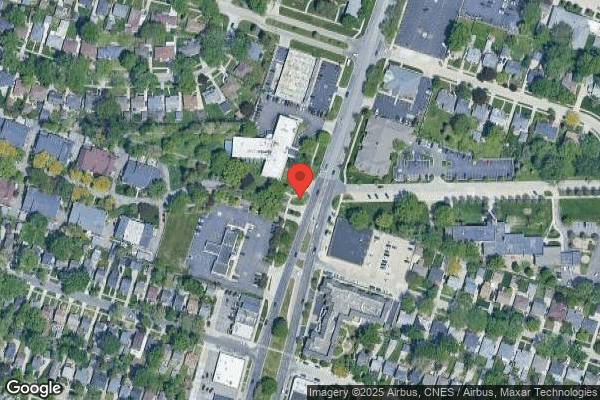
21401 Mack Avenue, Grosse Pointe Woods, MI 48236 (586) 778-0800
For profit - Corporation 80 Beds OPTALIS HEALTH & REHABILITATION Data: November 2025
Trust Grade
75/100
#70 of 422 in MI
Last Inspection: July 2025

Inspected within the last 6 months. Data reflects current conditions.

Overview

Optalis Health and Rehabilitation of Grosse Pointe has a Trust Grade of B, indicating it's a good choice, though not the highest-rated. It ranks #70 out of 422 facilities in Michigan, placing it in the top half, and #6 out of 63 in Wayne County, meaning only five local facilities are better. The facility is improving, having reduced its issues from 6 in 2024 to 4 in 2025. Staffing is average with a rating of 3/5 stars and a turnover rate of 49%, which is close to the state average. Fortunately, there have been no fines, which is a positive sign. However, there are some concerns to consider. The facility has less RN coverage than 90% of Michigan facilities, which could affect the quality of care. Specific incidents include a failure to provide proper wound care for residents, leading to worsening conditions and hospitalization, as well as cleanliness issues in the kitchen and medication storage that could lead to unsanitary practices. While there are strengths in the facility's overall care quality, families should weigh these concerns carefully.

Trust Score
B
75/100
In Michigan
#70/422
Top 16%
Safety Record
Moderate
Needs review
Inspections
Getting Better
6 → 4 violations
Staff Stability
⚠ Watch
49% turnover. Above average. Higher turnover means staff may not know residents' routines.
Penalties
✓ Good
No fines on record. Clean compliance history, better than most Michigan facilities.
Skilled Nurses
⚠ Watch
Each resident gets only 25 minutes of Registered Nurse (RN) attention daily — below average for Michigan. Fewer RN minutes means fewer trained eyes watching for problems.
Violations
⚠ Watch
24 deficiencies on record. Higher than average. Multiple issues found across inspections.
★★★★★
5.0
Overall Rating
★★★☆☆
3.0
Staff Levels
★★★★★
5.0
Care Quality
★★★★☆
4.0
Inspection Score
Stable
2024: 6 issues
2025: 4 issues

The Good

  • 5-Star Quality Measures · Strong clinical quality outcomes
  • Full Sprinkler Coverage · Fire safety systems throughout facility
  • No fines on record

Facility shows strength in quality measures, fire safety.

The Bad

Staff Turnover: 49%

Near Michigan avg (46%)

Higher turnover may affect care consistency

Chain: OPTALIS HEALTH & REHABILITATION

Part of a multi-facility chain

Ask about local staffing decisions and management

The Ugly 24 deficiencies on record

1 actual harm
Jul 2025 4 deficiencies
CONCERN (D) 📢 Someone Reported This

A family member, employee, or ombudsman was alarmed enough to file a formal complaint

Potential for Harm - no one hurt, but risky conditions existed

Investigate Abuse (Tag F0610)

Could have caused harm · This affected 1 resident

Number of residents sampled: FacilityNumber of residents cited: PatternThis citation pertains to intakes 2560380, 2560402, 2560706, and 2560866.Based on observation, interview, and record review, the ...

Read full inspector narrative →
Number of residents sampled: FacilityNumber of residents cited: PatternThis citation pertains to intakes 2560380, 2560402, 2560706, and 2560866.Based on observation, interview, and record review, the facility failed to ensure the safety and protection of six of six confidential female residents during a sexual abuse investigation. Findings include: Review of a Facility Reported Incident (FRI) submitted to the State Agency documented, On 07/10/2025, an unknown male patient (R66) talked (name of R45) into giving them oral sex while they were sitting in the wheelchair and (R66) was standing in the hallway. Two unidentified nurses' aides from the facility walked up on the two and reported the incident . On 07/22/25 at 12:16 PM, Assistant Director of Nursing (ADON) D was interviewed regarding the sexual abuse incident that was reported to the State Agency. R66 was identified as the alleged perpetrator and R45 as the alleged victim. ADON D indicated upon staff observation of the incident taking place, R66 was initially returned to their room after being separated from R45. ADON D said following completion of some initial resident and staff interviews, R66 was then moved to another room on the other side of the nurse's station further away from R45's room. Review of the facility record for R66 revealed an admission date of 12/02/23 with diagnoses including Diabetes Mellitus, Bipolar Disorder, and Vascular Dementia. The record further indicated R66 was able to ambulate in the facility using a cane and to mobilize further distances via wheelchair when needed. R66's Brief Interview for Mental Status (BIMS) score of 15/15 indicated intact cognition. On 07/22/25 at 2:47 PM, the facility Administrator (NHA) and the Director of Nursing (DON) were interviewed and reported R66 was initially returned to their room following the incident and was subsequently moved to another room which was on the same floor as R45 but around the corner of the T intersection where the nurse's station is located. The NHA indicated with this arrangement, R66 would be required to pass the nurse's station in order to access the end of the hallway which R45 resided in. When asked if they incorporated any additional protective measures, they reported they did not. They reported they felt there was limited risk of further abuse, as R45 was out of the facility being assessed at the hospital from 10:30 PM (7/10/25) until 7:30 AM the following day (7/11/25). They further reported the morning of (7/11/25), R66 was discharged to another facility at approximately 11:00 AM (3.5 hours after R45 returned to the facility). On 07/23/25 at 10:10 AM, the second-floor hallway, containing the room R66 was moved to, was observed to be directly accessible to approximately seven other rooms without being required to either pass or be within view of the nurse's station. Of these rooms, four were observed to be occupied by six female residents. During this observation there were intervals of time during which no staff were observed on the floor or at the nurse's station. On 07/23/25 at 2:29 PM, the NHA was interviewed and queried regarding the protection the six female residents on the unit between the hours of 6:00 PM on 7/10/25 to 11:00 AM on 7/11/25 from R66. The NHA indicated they felt appropriate precautions were taken due to the nurse's station being at the intersection of the hallway and stated, the nurse and the CENA's (Certified Nursing Assistants) are always on the floor, despite observations during the survey of staff not being present on unit. Review of the facility policy titled Abuse dated 05/24/23 revealed the Policy Overview statement Investigating allegations of abuse, neglect, misappropriation, mistreatment, and exploitation to include protecting residents during the investigation, and taking necessary actions as a result of the investigation. The Protection portion of the policy states The facility will make efforts to ensure all residents are protected from physical and psychosocial harm during and after the investigation. Examples include but are not limited to: Providing a safe and secure environment for all patients .If a resident is the alleged perpetrator, the facility will ensure other residents are protected as determined by the circumstances, which may include but are not limited to resident room changes, increased supervision, or immediate transfer or discharge, if indicated.
CONCERN (D) 📢 Someone Reported This

A family member, employee, or ombudsman was alarmed enough to file a formal complaint

Potential for Harm - no one hurt, but risky conditions existed

Quality of Care (Tag F0684)

Could have caused harm · This affected 1 resident

This citation pertains to Intake:1217345 Based on interview and record review, the facility failed to document and properly administer insulin for one resident (R105) of four reviewed for medication a...

Read full inspector narrative →
This citation pertains to Intake:1217345 Based on interview and record review, the facility failed to document and properly administer insulin for one resident (R105) of four reviewed for medication administration. Findings include:A review of a complaint received from the State Agency revealed concerns that the resident's diabetes was not managed appropriately while admitted in the facility. A review of R105's medical record revealed they were admitted into the facility on 6/14/25 with diagnoses that included Critical Illness Myopathy, and Diabetes Mellitus, Type II with Hyperglycemia. Further review revealed the resident was cognitively intact and needed supervision to limited assistance for Activities of Daily Living. Further review of the medical record revealed the following order placed on 6/14/25, Insulin Lispro 100 UNIT/ML (milliliters) Solution Inject as per sliding scale: if 151 - 200 = 2 units Give 2 units; 201 - 250 = 4 units. Give 4 unit; 251 - 300 = 6 units Give 6 units; 301 - 350 = 8 units Give 8 units; 351 - 400 = 10 units Give 10 units, subcutaneously before meals and at bedtime for Diabetes management Notify Physician if BS (blood sugar) is less than 70 and/or greater than 400. Further review of R105's medical record revealed that on 6/15/25, the resident had a blood sugar reading of 570. A review of the resident's Medication Administration Record (MAR) revealed the resident was provided with the insulin however, documentation of the amount administered was missing, as well as documentation that the physician was notified of a blood sugar reading over 400. A review of R105's progress notes revealed the following, 6/23/2025 10:15am Nursing Progress Note .Resident was admitted with noted irregular blood sugars (hyperglycemia). On 6/18/25, there was a medication error where the resident did not receive insulin from nursing staff for a 395 BS . A review of the Incident and Accident report dated 6/18/25 revealed the following, Informed on 6/19/25 by sister, residents blood sugar was not obtained 6/18/25 at lunch, upon investigation NA (not applicable) documented on MAR for 12pm blood sugar. spoke with nurses who states she got busy and forgot, states after resident asked, she went to take but therapy had taken resident downstairs, so it was not done. nurse education on importance of blood sugar/insulin along with how to proceed if not taken on time . On 7/23/2025 at 12:33 PM, an interview was completed with the Director of Nursing (DON) regarding 105's missed medication administration. The DON acknowledged that the nurse did not provide the medication, and when interviewed she stated, I forgot. The DON confirmed the nurse did not contact the doctor per order. A review of the Medication-Insulin Administration policy revealed the following, .The type of insulin, dosage, strength, and method of administration must be verified before administration, to assure that it corresponds with the order on the medication sheet and the physician's order .Document the administration in the medication record .
CONCERN (E)

Potential for Harm - no one hurt, but risky conditions existed

Deficiency F0887 (Tag F0887)

Could have caused harm · This affected multiple residents

Based on interview and record review, the facility failed to offer and provide the COVID-19 immunization vaccine and education to 11 (Staff E, Staff F, Staff G, Staff H, Staff I, Staff J, Staff K, Sta...

Read full inspector narrative →
Based on interview and record review, the facility failed to offer and provide the COVID-19 immunization vaccine and education to 11 (Staff E, Staff F, Staff G, Staff H, Staff I, Staff J, Staff K, Staff L, Staff M, Staff N, and Staff O) of 99 staff members. Findings include:On 7/23/2025 at 10:04 AM, the Infection Control Preventionist (ICP) was asked about the facility's process for offering the COVID-19 vaccine to residents and staff. The ICP explained they still offer the vaccine to residents; however, it is no longer offered to staff.A review of the facility staff vaccine documentation provided by the facility did not reveal that unvaccinated staff were provided education regarding the benefits and potential risks associated with the COVID-19 vaccine, or that staff were offered the COVID-19 vaccine or information on obtaining COVID-19 vaccine. On 7/23/2025 at 1:05 PM, the ICP explained the facility stopped offering vaccines to staff at the beginning of the year (2025) at the facility, and if a staff member would like the vaccine, they are referred to their local pharmacy. The ICP was asked if there was documentation that shows that staff are being offered or declining the vaccine or vaccine education, and stated, No.A review of the facility's COVID-19 policy revealed the following, .Staff will be offered the Covid-19 vaccine unless the immunization is medically contraindicated, or the staff has already been immunized. Staff will be educated regarding the risks, benefits, and potential side effects associated with the vaccine in a form and manner they understand and receive a copy of the CDC Covid-19 VIS Sheet before being offered the vaccine. CDC Vaccine Information Statements (VIS) can be found at the Center for Disease Control and Prevention (CDC) website. If the vaccination requires multiple doses of vaccine, the staff are again provided with education regarding the benefits and potential side effects of the vaccine and current information regarding those additional doses, including any changes in the benefits or potential side effects, before requesting consent for administration of any additional doses. The staff member must be provided the opportunity to refuse the vaccine and to change their decision about vaccination at any time. The facility maintains documentation related to staff Covid-19 vaccination that includes, Staff education regarding risks and benefits associated with the Covid-19 vaccine. Staff were offered the Covid-19 vaccine or information on obtaining the Covid-19 vaccine.
MINOR (C)

Minor Issue - procedural, no safety impact

Staffing Information (Tag F0732)

Minor procedural issue · This affected most or all residents

Based on observation, interview, and record review, the facility failed to post nurse staffing information daily affecting all 78 residents residing in facility. Findings include:On 7/21/2025 at 11:53...

Read full inspector narrative →
Based on observation, interview, and record review, the facility failed to post nurse staffing information daily affecting all 78 residents residing in facility. Findings include:On 7/21/2025 at 11:53 AM, a nurse staffing sheet was observed in the lobby. The nursing staff sheet was dated 7/9/2025 (12 days earlier). Receptionist B was asked if they posted the nurse staff information anywhere else in the facility. Receptionist B stated they only place it is posted is in the front lobby. At 11:57 AM, Admissions Director (AD) C was observed removing the nurse staffing sheet from the front lobby.On 7/23/2025 at 10:05 AM, an interview was conducted with Staffing Coordinator (SC) A. SC A reported they print out the nurse staffing sheets weekly, and they were in their office. SC A reported they forgot to put them out in the lobby daily.On 7/23/2025 at 12:31 PM, an interview was conducted with the Nursing Home Administrator (NHA). The NHA stated they were aware of the issue and working with the unit manager to ensure it does not get overlooked again.A review of a facility policy titled, Staffing noted the following, .Nursing direct care staffing data will be posted on a daily basis in a location accessible to residents and visitors in a clear and readable format.
Jul 2024 5 deficiencies
CONCERN (D) 📢 Someone Reported This

A family member, employee, or ombudsman was alarmed enough to file a formal complaint

Potential for Harm - no one hurt, but risky conditions existed

Notification of Changes (Tag F0580)

Could have caused harm · This affected 1 resident

**NOTE- TERMS IN BRACKETS HAVE BEEN EDITED TO PROTECT CONFIDENTIALITY** Based on interview and record review, the facility failed to provide timely notification of a change in condition for one (R65) ...

Read full inspector narrative →
**NOTE- TERMS IN BRACKETS HAVE BEEN EDITED TO PROTECT CONFIDENTIALITY** Based on interview and record review, the facility failed to provide timely notification of a change in condition for one (R65) of six residents reviewed. Findings include: Review of the facility record for R65 revealed an admission date of 05/20/24 with diagnoses that included Anemia, Gastrointestinal Hemorrhage, and Acute Kidney Failure. A progress note dated 05/25/24 and timestamped 3:01 AM indicated R65 was found to be primarily unresponsive and had a blood pressure of 90/58. The progress note indicated the physician, (facility)management, and the family were notified and the resident was sent to the hospital. Further review of the record revealed R65 returned from the hospital on [DATE] at 11:00 AM after being treated in the emergency room for hypoglycemia. Review of R65's vital sign history indicated on 05/26/24 at 10:14 AM, the blood pressure reading was 84/58. There was no indication in the record this blood pressure was reported to the physician or that a follow-up blood pressure or action otherwise was taken. The next entry in R65's progress note was dated 05/26/24 and indicated R65 was found unresponsive at 5:10 PM. On 07/17/24 at 10:38 AM, R65's family member (FM) G was interviewed via phone call. FM G reported on 05/26/24, they had not been notified by the facility that the resident had any change in condition until after they were found unresponsive. On 07/18/24 at 11:50 PM, the facility Director of Nursing (DON) reported the parameters for reporting vital signs to the physician are determined on a resident to resident basis. The DON reviewed R65's blood pressure reading history with the surveyor and reported the 05/26/24 entry of 84/58 should have been reported to the physician and their expectation is that it would have been reported to the physician. Review of the facility policy Change in Condition Notification dated 08/09/23 states The nurse will notify the resident, the resident's physician/practitioner, and the resident's designated representative when there is: - A significant change in the resident's physical, mental, or psychosocial status such as deterioration which includes life-threatening conditions or clinical complications. - The nurse will document in the resident's medical record information relative to the resident's change in medical/mental condition or status (i.e., assessment, notifications, interventions, and response).
CONCERN (D) 📢 Someone Reported This

A family member, employee, or ombudsman was alarmed enough to file a formal complaint

Potential for Harm - no one hurt, but risky conditions existed

Quality of Care (Tag F0684)

Could have caused harm · This affected 1 resident

**NOTE- TERMS IN BRACKETS HAVE BEEN EDITED TO PROTECT CONFIDENTIALITY** Based on observation, interview and record review, the facility failed to ensure dependent residents were repositioned or provid...

Read full inspector narrative →
**NOTE- TERMS IN BRACKETS HAVE BEEN EDITED TO PROTECT CONFIDENTIALITY** Based on observation, interview and record review, the facility failed to ensure dependent residents were repositioned or provided range of motion exercises for three residents (R35, R44, R116) of three whose positioning was reviewed. Findings include: R35 On 07/16/24 at 9:39 AM and 11:43 AM, 1:47 PM, 1:53 PM and 2:52 PM, R35 was observed to be supine in bed with the head of the the bed up around 20-30 degrees. R35 leaned toward the left side of the bed with their head at the left edge of the pillow. The legs/and or foot of the bed was elevated and R35 appeared to have heel boots on. A powered low air loss mattress unit was active at the foot of the bed. The TV was on. At 1:53 PM, Certified Nursing Assistant (CNA) F was asked about R35 and reported R35 needed assistance with repositioning had a wound to the heel and may have had a small open area on the tailbone or buttocks. R35 appeared asleep at times but did awaken to their name and the knock on the door. At 5:06 PM, R35 appeared supine in bed with no observable position change to the left or right. R35 appeared asleep, with the head of the bed up around 20-30 degrees, their head faced toward the left with their feet up. A pillow was visible to left side but only the arm of R35 appeared on it. On 07/17/24 at 7:40 AM, R35 was observed to be in bed, supine, a pillow on the left side which did not appear to be under the torso of R35. The head of bed the bed was up around 30-45 degrees. R35's head faced toward the right, appeared to have heel boots on with the lower legs elevated on a pillow and was dressed in hospital style gown. At 9:12 AM, staff entered the room of R35 for the breakfast meal tray and removed it. R35 was observed to be supine in bed, the torso toward the left side, and the head of bed up 30-45 degrees. R35 reported no concerns. At 9:49 AM, R35 was in a similar position and staff entered, reported to resident, I am here to help get you dressed. R35 remained in bed. At 10:41 AM, R35 remained in bed as before and appeared asleep as they did not easily awaken to the knock on the door or their name. At 12:24 PM, R35 was observed to be supine in bed with their torso toward the left side of the bed. R35 had a hospital style gown on gown on. R35 was asked about not getting out of bed as they were not dressed and reported they are not often out of bed or their room. At 2:29 PM and 4:56 PM, R35 was observed to be supine in bed with the tray table over the bed, R35 appeared asleep, with their eyes closed and their head over to left bottom corner of the pillow. On 07/18/24 at 7:40 AM and 10:41 AM, R35 was observed to be in bed, supine, their head over to left lower corner of the pillow and dressed in a hospital style gown. The head of the bed was up around 20-30 degrees with lower extremities elevated. At 10:41 AM, R35 awakened to the knock on door and reported they were not that active. At 11:00 AM, a skin observation was completed with the unit manager. The coccyx (buttocks area) had light purple discoloration area which surrounded the area, which blanched upon the application and release of pressure. A pillow was under the left arm which appeared swollen compared to the right, but no pillow or device was under the torso. R35 was not observed to be out of bed during the survey. A review of the record for R35 revealed, R35 was admitted into the facility on [DATE]. Diagnoses included Dementia, Muscle Weakness and Reduced Mobility. The Minimum Data Set (MDS) assessment dated [DATE] documented impaired cognition with a 5/15 Brief Interview for Mental Status (BIMS) score, no rejection of care, function range of motion limitation in both upper extremities and the need for substantial/maximal assistance for personal hygiene, to roll left or right, to sit up in bed, to sit at the side of the bed and to transfer. R35 was totally dependent for bathing and toileting hygiene. The care plan dated 03/11/24 documented at risk for changes in behavior and mood related to Dementia . at risk for pain related to weakness .implement .positioning to assist with pain and monitor for effectiveness . at risk for alteration in skin integrity .encourage and assist as needed to turn and reposition, use assistive devices as needed . ADL (activities of daily living) self care deficit .bed mobility times one person assist .encourage and or assist to reposition frequently . Exerts choice to refuse .refusals can change day to day .give resident choices and encourage to take an active role during daily care . R44 On 07/16/24 at 9:30 AM, R44 was observed to be on their back (supine) in bed, leaned toward the right side of the bed, with the head of the bed up around 30-45 degrees, the call light across the chest area and the bed up from the lowest position. R44 had a powered mattress set at alternating. R44 appeared asleep and was not awakened or opened their eyes to the call of their name. At 11:35 AM, R44 appeared to be supine in the same position. At 1:13 PM, R44 appeared to be supine in bed and the torso leaned more toward the right side of the bed. At 1:15 PM, a friend of the R44 reported they R44 could be out of bed more, was not getting their face washed daily and was not getting the range of motion exercises regularly. On 07/17/24 at 7:47 AM, R44 was observed to be in bed, supine (on their back), with the torso toward the right side of the bed, two pillows under their head, lower legs elevated and appeared to have heel boots on. R44 was dressed in a hospital style gown and the head of the bed was up around 45-60 degrees. The covers were up over the shoulders. R44's eyes were open with their head faced toward the TV on the right. The TV was on. A meal tray was at bed side, on the right and appeared to have been eaten. A powered unit for the bed mattress was active at the foot of the bed. At 8:38 AM, R44 was observed during the medication pass and appeared in the same supine position and cooperatively interacted with the nurse. At 9:00 AM, R44 was in the same position. At 9:46 AM, R44 appeared supine in bed as before, eyes closed and did not open them to the knock on the door and call of their name. The TV was on and R44 had their head down toward right the right shoulder. Devices to reposition left or right were not apparent. At 9:50 AM, therapy staff, knocked and entered room and exited out as quickly as they went in. On 07/17/24 at 10:44 AM, R44 was observed to be supine in bed as before. At 12:32 R44 appeared to be in the same supine position the eyes were open and R44's head faced toward the TV and over toward the right shoulder. R44 did not answer to the call of their name. R44 was dressed in a hospital style gown. The printed throw was visible at top of the shoulders. At 2:32 PM, R44 appeared supine as before. R44's head was farther off pillow and below the right corner of the pillow. The double pillows were in place. The head of bed was around 30-45 degrees. At 2:48 PM, Certified Nursing Assistant (CNA) C was asked about the care of R44 and reported R44 was completely dependent for care and needed help to turn/reposition in bed, to eat, wash up, for mouth care and incontinence care. CNA C also reported R44 liked to watch TV and since they were dependent for turning should be turned at least every two hours with a pillow or wedge. At 2:54 PM, R44 was observed with CNA C for devices an it was noted none were in place at the sides. A splint was observed to cover the left hand and wrist area. At 4:57 PM, R44 appeared to be on their back in bed, but more upright in the bed. On 07/18/24 at 7:43 AM, CNA F brought R44's breakfast tray in placed in on the bedside table and elevated the head of the bed to around 45-60 degrees. R44 appeared to be supine in bed, with the hospital style gown down off the shoulders. Staff seated themselves on right side of bed, TV on, and assisted R44 to eat. No obvious wedge or pillow was in place. At 10:44 AM, R44 was observed to be in bed, and appeared supine in bed, gown off shoulders, lower legs elevated, no obvious device for turning or reposition to the left or right. R44's head was turned/faced toward the right and at the side of pillow. At 9:58 AM, R44's functional status was reviewed with the Therapy Manager. The Therapy Manager reported R44 remained dependent for care upon the most recent therapy evaluations and was on occupational therapy for the establishment of a comfortable wear program for the splint. At 10:51 AM, CNA F was asked about the positioning needs of R44 and reported a pillow or wedge had been used and the resident did not like the wedge. The observation of R44 in a similar position was review with CNA F who reported R44 was turned/repositioned when changed due to incontinence and at times would resist turning and repositioning. At 11:11 AM, two CNA staff entered to complete care for R44. Pillows were noted under the legs but not to the sides of the torso. A lift sling had been placed under the resident. Range of motion to the lower extremities was not attempted. R44 was not observed to be out of bed during the survey. A review of the record for R44 revealed, R44 was admitted into the facility on [DATE]. Diagnoses included Stroke and Muscle Weakness. The Minimum Data Set (MDS) assessment dated [DATE] documented impaired cognition with a 3/15 BIMS, no rejection of care, functional range of motion limitation in both upper and lower extremities and total dependence for personal hygiene, to roll left or right, bathing, toileting hygiene and to transfer. The care plan dated 07/09/24 documented at risk for changes in behavior and mood . at risk for pain and has pain related to pressure ulcers .implement .positioning to assist with pain and monitor for effectiveness . at risk for alteration in skin integrity .administer treatment per physician orders .encourage and assist as needed to turn and reposition, use assistive devices as needed . has alteration in mobility .range of motion to be provided by staff during ADL task . A review of the active orders revealed an order dated 07/10/24 which indicated, Perform passive range of motion to bilateral lower extremities during resident care, two sets times twenty reps. A review of the task titled, Restorative Passive ROM (range of motion) program #1 documented three attempts since the order date of 07/10/24. One for five minutes on 07/11 and one for ten minutes on 07/13 and one refused on 07/16. Four additional dates were documented not applicable. R116 On 07/16/24 at 2:27 PM, R116 was observed to be in bed with the head of the bed up around 30-45 degrees. R116 was leaned over to right so that their right shoulder was at the end of the bed. On query R116 attempted to reach the left side of the bed and was unable to bring themselves to an upright position in bed. The food tray was angled away from the right side of the bed with some of the items eaten. At 5:24 PM, R116 was leaned over with their shoulder at the right side of the bed with the head of the bed up around 30-45 degrees. R116 reached over the bedside table and moved some items around. R116 acknowledged their position in bed and the noted they had been at the facility a couple of weeks. R116 commented they needed therapy for their legs. On 07/17/24 at 7:56 AM, R116 was observed to be in bed and appeared to be sleeping at they were not not awakened to the knock on the door and the head was over to the right shoulder. R116 was more upright in bed but remained off center to the right. At 11:07 AM, R116 reported they had therapy earlier. R116's torso was off center as before. At 12:46 PM R116 continued as before in bed. On 07/17/24 at 2:46 PM, R116 was flatter in bed with the head of the bed down, slightly off center to the right, The bed control was in hand. At 4:58 PM, R116 was observed to be in bed with the head of bed up around 20-30 degrees, the torso was toward the right edge of the bed. On 07/18/24 at 7:46 AM and 10:56 AM, R116 was observed to be in bed, the right shoulder over to right edge of bed and the head of bed up around 30-45 degrees. At 10:10 AM, R116 functional status was reviewed with the Therapy Manager. The Therapy Manager reported R116 refused physical therapy upon evaluation on 07/07/24 and acknowledged R116 had rigidity and impaired mobility. The manager noted occupational therapy would be working on sitting balance, wheelchair mobility and lower body bathing. It was noted by the therapy manager there were refusals on 7/15/24 and 07/17/24 with concerns for being hurt or pain or other excuse provided. R116 was not observed to be out of bed during the survey. A review of the record for R116 revealed, R116 was admitted into the facility on [DATE]. Diagnoses included Schizoaffective Disorder, Anxiety Disorder, Dementia and the Need for Assistance with Personal Care. The Minimum Data Set (MDS) assessment dated [DATE] documented intact cognition with a 14/15 BIMS, Disorganized Thinking, rejection of care one to three days, functional range of motion limitation in both lower extremities and total dependence for bathing, for toileting hygiene, to roll left or right, to sit up and lay down from the side of the bed and to transfer. The care plan dated 07/03/24 documented at risk for changes in behavior and mood .offer choices to enhance sense of control . at risk for pain .Encourage/assist to reposition frequently to position of comfort .implement .positioning to assist with pain and monitor for effectiveness . at risk for alteration in skin integrity .encourage and assist as needed to turn and reposition, use assistive devices as needed . has alteration in mobility .range of motion to be provided by staff during ADL task . Resident chooses not to agree with the plan of care .Encourage resident to make decisions concerning timing of care . On 07/18/24 at 12:22 PM, the wound consultant Nurse Practitioner was asked about repositioning and with a low air loss or specialty mattress and reported they still recommend to reposition residents as tolerated. On 07/18/24 at 11:03 AM and 2:36 PM, the care of the identified residents was reviewed with the Director of Nursing (DON), The DON noted R116 was very resistive to care exhibited behaviors and would not let them touch even the trash can. It was further reported that it takes 4-5 people to get R116 together the DON acknowledged they could do better. For R44 the DON noted resistance to care at times and the presence of wounds and the reopening of a wound to the left foot. The DON reported that looking at everything the facility could improve on repositioning. For R35 the DON noted R35 could also be resistive to care at times and does not like to be turned. A review of the policy titled, Repositioning issued 08/09/23, revealed, .this procedure is to provide guidelines to promote comfort, assist in prevention skin breakdown, promote circulation and provide pressure relief for bedbound and chairbound residents .frequency of repositioning a bedbound or chairbound resident should be determined by: Level of resident's activity and mobility; type of pressure redistribution support surface in use -- turning and repositioning is still required on specialty surfaces but frequency ay be reduced; The condition of the resident's skin; The overall condition of the resident; Comfort levels of the resident; Resident preferences . Residents who are immobile and or dependent on staff for repositioning, should be repositioned every two hours .
CONCERN (D) 📢 Someone Reported This

A family member, employee, or ombudsman was alarmed enough to file a formal complaint

Potential for Harm - no one hurt, but risky conditions existed

Infection Control (Tag F0880)

Could have caused harm · This affected 1 resident

Based on observation, interview, and record review, the facility failed to perform hand hygiene during/after resident care for two residents (R26 and R44) and failed to sanitize patient care equipment...

Read full inspector narrative →
Based on observation, interview, and record review, the facility failed to perform hand hygiene during/after resident care for two residents (R26 and R44) and failed to sanitize patient care equipment after use for one resident (R218) of three residents reviewed for hand hygiene during care. Findings include: On 07/17/24 at 8:03 AM, Licensed Practical Nurse (LPN) J completed a medication administration and washed their hands to a count of five seconds. On 07/17/24 at 8:38 AM, LPN K completed a medication pass and did not complete hand hygiene after removal of their gloves. On 07/17/24 at 08:30 AM, Nurse D did not perform hand hygiene prior to beginning medication preparation. After Nurse D prepared some medications, it was determined stock medications were not available in the medication cart. Nurse D went to the medication storage room to obtain them. Hand hygiene did not occur before Nurse D left the medication cart. Nurse D did not perform hand hygiene when resuming medication preparation. On 07/17/24 at 08:30 AM, Nurse D obtained R218's blood pressure, administered R218's medication, and left the room. Nurse D did not sanitize the blood pressure apparatus. On 07/17/24 at 09:35 AM, Nurse E did not perform hand hygiene prior to beginning medication preparation. Nurse E completed preparing the mornings medication and entered the resident room with the blood pressure apparatus. Nurse E obtained R26's blood pressure and pulse and handed R26 the medication cup. R26 revealed to Nurse E that he wanted to hold off on taking the blood pressure medication and the water pill, providing an explanation to Nurse E and revealing he would take after therapy. Nurse E returned to the medication cart without performing hand hygiene. Nurse E then pulled all of the administered medication cards from the cart to enable the identification of the blood pressure pill and the water pill. Nurse E donned one glove after choosing the correct card, to identify the correct pills to remove. Nurse E then dumped similar looking tablets into her gloved hand and removed the correct pills, placing them in a separate medication cup. Nurse E removed her glove, hand hygiene was not performed. Medication was administered to R26. R26 dropped one capsule to the floor. Nurse E retrieved the capsule from the floor, identified it and placed in the cup with the other wasted medication. Hand hygiene was not performed. The blood pressure apparatus was not sanitized. On 07/17/24 at 09:35 AM, Nurse E left the medication cart with the medication to be wasted. Nurse E went to the medication storage room to place the wasted medication in the safe disposal container. Nurse E opened a new medication safe disposal container using a half donned glove, punctured the seal with their pen and dropped the medication in. Nurse E resealed the container and replaced under the sink. Nurse E removed the glove. Hand hygiene was not observed. On 07/17/24 at 09:35 AM, Nurse E left the medication storage area and returned to her medication cart. Nurse E began to prepare medication for the next resident. Hand hygiene was not performed. On 07/18/24 at 11:39 AM, a wound care observation for R44 was completed with the wound care consultant, unit manager and wound nurse. The heel wound was assessed by the wound consultant and upon completion their hands were washed less than 20 seconds. The keys for the treatment cart were used by the consultant to get supplies from the cart with a gloved hand. Gloves were removed and hands were washed approximately five seconds. The coccyx wound was then measured and by the wound consultant and gloves were doffed with hand washing for a count of five seconds. A picture was taken of a left heel wound by the wound consultant who had their forearms on the bed to point the camera at the wound. The consultant finished and doffed their gloves with hand washing for a count of five seconds. The phone was not wiped down prior to the consultant putting it in their pocket. The phone was then used without gloves by the consultant. On 07/17/24 at 1:03 PM, the infection control nurse reported hand washing should be done between gloves changes and should include the use of hand sanitizer or soap. If washed with soap hands should be washed for at least 20 seconds. The infection control nurse also reported the need to complete hand hygiene between care of residents and to clean the blood pressure cuff between residents. On 07/18/24 a review of the policy titled Hand Hygiene revised 4/14/23, revealed, Situations in which using soap and water or alcohol based hand rub can be used, before preparing or handling medications, before performing resident care procedures, after contact with a resident's skin, and after handling contaminated objects, equipment, dressings, etc .
CONCERN (D) 📢 Someone Reported This

A family member, employee, or ombudsman was alarmed enough to file a formal complaint

Potential for Harm - no one hurt, but risky conditions existed

Safe Environment (Tag F0921)

Could have caused harm · This affected 1 resident

This citation pertains to Intake MI00145395. Based on observation, interview, and record review, the facility failed to maintain clean, sanitary tube feeding equipment for one (R48) of two residents r...

Read full inspector narrative →
This citation pertains to Intake MI00145395. Based on observation, interview, and record review, the facility failed to maintain clean, sanitary tube feeding equipment for one (R48) of two residents reviewed for tube feeding. Findings include: The facility record for R48 revealed an admission date of 10/20/23 with diagnoses that included Cerebral Infarction and Gastrostomy Status. On 07/16/24 at 10:48 AM, R48 was observed in bed. The tube feeding pole and base were observed to be significantly soiled with tube feeding fluid. On 07/17/24 at 09:06 AM, R48 was observed laying in bed. The tube feeding was being administered. The tube feeding pole and base were observed to continue to be soiled as during the previous observation. On 07/17/24 at 02:42 PM, R48's tube feeding pole was observed to continue to be in the same soiled condition as during the previous observations. On 07/18/24 at 09:07 AM, R48's tube feeding pole and base were observed to continue to be in a significantly soiled condition as during the previous observations. On 07/18/24 at 11:12 AM, the facility Director of Nursing (DON) observed R48's tube feeding equipment with the surveyor and reported that the pole should not be in such a soiled condition. The DON reported their expectation is the equipment should be cleaned any time is becomes soiled. The DON reported that the cleaning of the equipment can be completed by clinical or housekeeping staff. Review of the facility policy Routine Cleaning and Disinfection dated 08/22 included the Policy statement It is the policy of this facility to ensure the provision of routine cleaning and disinfection in order to provide a safe, sanitary environment and to prevent the development and transmission of infections to the extent possible. The Compliance Guidelines section further stated 1. Routine cleaning and disinfection of frequently touched or visibly soiled surfaces will be performed in common areas, resident rooms, and at the time of discharge.
CONCERN (F) 📢 Someone Reported This

A family member, employee, or ombudsman was alarmed enough to file a formal complaint

Potential for Harm - no one hurt, but risky conditions existed

Food Safety (Tag F0812)

Could have caused harm · This affected most or all residents

Based on observation interview and record review the facility failed to maintain sanitary conditions in the kitchen for 74 residents. Findings include: On 07/16/24 at 8:40 AM and on 07/18/24 at 7:54 ...

Read full inspector narrative →
Based on observation interview and record review the facility failed to maintain sanitary conditions in the kitchen for 74 residents. Findings include: On 07/16/24 at 8:40 AM and on 07/18/24 at 7:54 AM, the main kitchen was observed with the Dietary Manager (DM) present and the following was noted: -two gnats were flying around the beverage dispenser; -a six inch puddle of water was observed between the coffle dispenser and the reach-in refrigerator; -a fly was flying around the dishwasher area; -food particles were under the garbage disposal-with a bucket under the disposal and on the floor at the left corner of the pre-rinse counter; -a tan colored sludge extended four (six inch) tiles out and 12 tiles down toward the dishwasher; -the dishwasher had a build up of food and sticky soil under the entire foot print of the unit; -the floor under the drying/clean side of the dishwasher had standing water which covered four tiles; -a test of a sanitizer bucket with the DM indicated it was light and not at the proper level for disinfection; -food debris was left on the 8 quart pot and scoops- three red, one blue, one yellow, one gray; -a box of meat was not fully closed to prevent air contamination. On 07/18/24 at 7:54 AM, the puddle behind the coffee dispenser was observed gone and left a tile size area of black soil. On 7/18/24 at 8:28 AM, staff were serving food from the breakfast tray line service and the following was observed: -a box of food placed into the reach in refrigerator by the DM; At 8:34 removed gloves to prepare items on the stove and placed on new gloves without hand hygiene in between; At 8:49 AM, the cook removed their gloves and walked over to the trash can and lifted the front edge of the trash can with the gloves in hand, entered the ice dispenser area, removed a carton of liquid eggs from a refrigerator, re-entered the main kitchen area, donned new gloves without hand hygiene and returned to food serving and plating; -at 8:51 AM, a fly was observed to land on a fluorescent light fixture by the entry door, the middle fixture in same line was without a cover and appeared rusty; the DM removed their gloves and completed some other tasks with the toaster and filling some oatmeal serving cups and hands were not observed to be washed between glove changes. The identified concerns were reviewed with the DM and the cook. It was noted they were waiting for a part for the disposal because it sprayed debris when in use and the floor was cleaned nightly. A pest control visit note dated 05/28/24 noted a leak behind the drink machine in the kitchen. A review of the policy titled, Kitchen Sanitation to Prevent the Spread of Viral Illness dated 2/2023 revealed, The Food service employees of the facility will practice good sanitation practices in accordance with the state and US Food Codes in order to minimize the risk of cross contamination and spread of illness through food Use of Gloves i. Gloves are not a substitute for thorough and frequent hand washing. 1. When using gloves, always wash hands before touching or putting on new gloves. ii. Do not use latex or corn starch powder, which can transfer protein allergens from latex to person consuming food. iii. Use single use gloves for one task. iv. Change gloves: 1. Between each food preparation task. 2. After touching items, utensils or equipment not related to task. 3. After touching hair, face or any other source of contamination. 4. When leaving food preparation area for any reason. The food service director or designed shall enforce all principles of employee hygiene while preparing, storing and serving food to minimize spread of illness .
May 2024 1 deficiency
CONCERN (D) 📢 Someone Reported This

A family member, employee, or ombudsman was alarmed enough to file a formal complaint

Potential for Harm - no one hurt, but risky conditions existed

Pressure Ulcer Prevention (Tag F0686)

Could have caused harm · This affected 1 resident

**NOTE- TERMS IN BRACKETS HAVE BEEN EDITED TO PROTECT CONFIDENTIALITY** This citation pertains to Intake MI00143863. Based on observation, interview and record review, the facility failed to ensure pr...

Read full inspector narrative →
**NOTE- TERMS IN BRACKETS HAVE BEEN EDITED TO PROTECT CONFIDENTIALITY** This citation pertains to Intake MI00143863. Based on observation, interview and record review, the facility failed to ensure pressure ulcer treatments were consistently provided as ordered for one (R501) out of three residents reviewed for pressure ulcers. Findings include: A review of the Intake allegation noted, It was alleged facility staff failed to provide adequate and appropriate care to prevent and/or treat pressure sores. A review of R501's medical record revealed, R501 was admitted to the facility on [DATE] and readmitted on [DATE], discharged [DATE], with diagnosis of Type II Diabetes and Protein calorie malnutrition. Further review of R501's medical record noted, Skin assessment dated , 3/13/24 Pressure ulcer acquired New, Unstageable Left ischial tuberosity. 12.5 area, 4.3 length, 4.0cm width . Notes Resident alert with arousal, oriented x1-2, and cooperative to care. Resident exhibiting s/s (signs and symptoms) of decline, refusing food, sleeping through treatment and ADL care. Unable to hold posture while up in wheelchair, exhibiting s/s of dehydration. Education: Expressed some discomfort during treatment r/t contractures. Treatment administered, unit supervisor, physician, and POA (power of attorney) notified. Will continue with current treatment regimen. Resident to continue to be followed weekly by wound care. Continue with current plan of care. R501's care plan noted, At risk for alteration in skin integrity related to weakness, debility, hx (history) of CVA (cerebral vascular accident) with RT (right) hemi, dementia, incontinence. Date Initiated: 02/12/2024. Goal: Decrease/minimize skin breakdown risks. Date Initiated: 02/12/2024. Intervention: Administer treatment per physician orders. Date Initiated: 11/17/2023. Barrier cream to peri area/buttocks as needed. Date Initiated: 02/12/2024. Observe skin condition with ADL (activities of daily living) care daily; report abnormalities. Date Initiated: 02/12/2024. A review of R501's Treatment Administration Record (TAR) revealed, blank documentation for the treatment of R501's ulcers for the months of January, February, and March. January order: Triad Hydrophilic Wound Dress External Paste (Wound Dressing) Apply to bilateral buttock topically every shift for and as needed for wound care. Start Date: 1/17/2024. The TAR was noted to be blank and without any documentation for this order. February order: Triad Hydrophilic Wound Dress External Paste (Wound Dressing) Apply to bilateral buttock topically every shift for and as needed for wound care. Start 2/04/2024. The TAR was noted to have blank/without documentation on 2/2, 2/5, 2/7-2/12/24. R501's care plan did not reveal interventions to address if R501 refused treatments or repositioning. On 5/7/2024 at 1:01 PM, the Director of Nursing (DON) was asked about R501's skin and the facility's expectation for following physician's orders. The DON explained that R501 had started to decline and had been in and out of the hospital. The DON acknowledge the treatments were not documented consistently, and the facility identified some issues with how wounds were being followed. The DON explained they completed a past non-compliance to correct the concerns with acquired wounds. The DON explained the expectation is to complete and document the wound treatments, if not completed to contact her and the physician. A review of the facility's policy titled, Skin and Wound Guidelines dated, 3/20/24, noted Policy Overview: To describe the process steps required for identification of residents at risk for the development of pressure injuries, identify prevention techniques and interviews to assist with the management of pressure injures and skin alterations . Treatments: . Treatments are ordered by the medical practitioner. A complete treatment order consists of the following: Site application, Cleansing agent, Frequency, including end date orders if applicable, Type of securement . During the onsite survey, past noncompliance (PNC) was cited after the facility implemented actions to correct the noncompliance which included (interventions/actions to correct the past noncompliance). The facility was able to demonstrate monitoring of the corrective action and maintained compliance. Past Noncompliance - Quality of Care - Facility Acquired Pressure Ulcers #1. Facility currently has 5 residents with facility-acquired pressure ulcers. All residents have appropriate physician ordered treatments, weekly assessments and documentation, RD (Registered Dietician) following for nutritional support, care plan updated with appropriate interventions, physician and resident/representative aware and in agreement with plan of care. #2. Residents who reside in the facility have the potential to be affected. A facility-wide audit was conducted, and a skin sweep of all current residents was completed. All appropriate interventions are in place for residents with wounds, physician ordered treatments are in place, skin assessments are being completed weekly, wound V7 assessments are being completed every 7 days per policy, and residents at risk for wounds have interventions in care plan and at bedside, and admission skin checks are being completed with 2 nurses with appropriate interventions and physician ordered treatments in place. #3. Director of Nursing, or designee, will educate staff on turning and repositioning, floating heels and heel checks, weekly skin assessments, facility wound care policy, incontinence care, appropriate interventions related to skin care and high risk residents, initiating proper treatments based on facility formulary/products. #4. Director of Nursing, or designee, will audit 10 residents weekly x4 weeks to ensure that all residents are receiving weekly skin assessments and they are documented appropriately, that residents are being turned and repositioned with heels floated as tolerated, that facility wounds are being assessed at least every 7 days per policy, that wounds have appropriate physician ordered treatments placed upon identification of the wound. Results of these audits will be reviewed in Quality Assurance [QAPI] meeting to further guidance. #5. The Administrator will be responsible for achieving and maintaining compliance. Date of compliance 5/6/2024.
May 2023 9 deficiencies
CONCERN (D)

Potential for Harm - no one hurt, but risky conditions existed

Deficiency F0658 (Tag F0658)

Could have caused harm · This affected 1 resident

Based on observation, interview and record review the facility failed to ensure care met professional standards for one (R24) of three residents observed during care resulting in unmet care needs and ...

Read full inspector narrative →
Based on observation, interview and record review the facility failed to ensure care met professional standards for one (R24) of three residents observed during care resulting in unmet care needs and care not provided as ordered. Findings include: R24 On 05/16/23 at 8:11 AM, Licensed Practical Nurse (LPN) A was administering medications to R24 and the following concerns were observed: 1. LPN A was observed to draw insulin from a Novolog insulin pen with a syringe. LPN A was asked why they did not use the needle made for the pen and reported they did not feel the resident received the right amount of insulin when the pen was used. An observation of the insulin drawn up in the syringe revealed a small bubble. 2. R24 also receive 2 steroid inhalers; 'Umeclidinium bromide 62.5 mg one puff one time a day and Fluticasone Furoate/Vilanterol 200mg/25 mg. LPN A administered the first inhaler and before R24 could rinse their mouth, the resident had drank the rest of their Miralax (this was mixed with water). R24 then rinsed and spit out the water. The second inhaler was provided a few minutes later and the mouth was not rinsed. R24 had began to eat breakfast. The nurse was observed to wash her hands for 5 seconds during the medicaiton pass. On 05/16/23 at 4:15 PM, the medication observation concerns were reviewed with the Director of Nursing (DON), Administrator and Regional Clinical Services Director (RCD). The RCD reported, they (the facility staff) teach the nurse not to draw insulin from the insulin pen with a syringe. The RCD went on to say, Resident's should rinse their mouth after any powdered inhaler; and staff should wash their hands for at least 20 seconds, if not 30 seconds. The manufacturer's inserts for the medications indicate the side effect of thrush in your mouth or throat and mouth and throat pain and to Rinse your mouth with water without swallowing after use to help prevent this. A review of the facility policy titled, Hand Hygiene approved 08/01/22 revealed, All staff will perform proper hand hygiene procedures to prevent the spread of infection to other personnel, residents, and visitors .Hand hygiene technique when using soap and water: a)Wet hands with water. Avoid using hot water to prevent drying of skin. b) Apply to hands the amount of soap recommended by the manufacturer. c) Rub hands together vigorously for at least 20 seconds, covering all surfaces of the hands and fingers. d) Rinse hands with water . The use of gloves does not replace hand hygiene. If your task requires gloves, perform hand hygiene prior to donning gloves, and immediately after removing gloves .
CONCERN (D) 📢 Someone Reported This

A family member, employee, or ombudsman was alarmed enough to file a formal complaint

Potential for Harm - no one hurt, but risky conditions existed

ADL Care (Tag F0677)

Could have caused harm · This affected 1 resident

**NOTE- TERMS IN BRACKETS HAVE BEEN EDITED TO PROTECT CONFIDENTIALITY** This citation pertains to Intake number MI00134837. Based on observation, interview and record review the facility failed to en...

Read full inspector narrative →
**NOTE- TERMS IN BRACKETS HAVE BEEN EDITED TO PROTECT CONFIDENTIALITY** This citation pertains to Intake number MI00134837. Based on observation, interview and record review the facility failed to ensure incontinence care was completed timely when soiled for one resident (R40) of three reviewed for Activities of Daily Living (ADL) care, resulting in the resident brief saturated, leakage from the brief and the potential for moisture associated skin damage. Findings include: On 05/15/23 at 9:54 AM, the door to the room of R40 was closed. When the door was opened, a stale urine odor was noted. The mattress on the bed was bare. The fabric on the underside of the recliner arm appeared frayed. R40 did not respond to their name or the knock on the door and appeared to be sleeping. R40 was observed to be in a geri chair medical recliner. R40 was laying across the seat of the chair. R40's head was up against the arm of the chair with their legs over the opposite arm off the chairs. The back of the knees rested on the arm of the chair and the feet hung down at the side. R40's back was on the seat of of the chair. On 05/15/23 at 10:57 AM, R40 continued in the recliner as before except the legs were slightly crossed. The door to the room had remained closed and the urine odor was stronger and a puddle of fluid was observed under and to the side of the recliner. On 05/15/23 at 11:49 AM, the door to R40's room was closed and upon entry R40 was observed to be in the recliner situated as before. The wet spot on the floor was larger and the urine odor more pungent. There were no water cups or similar in the room. On 05/15/23 at 12:02 PM, Certified Nursing Assistant (CNA) H and I entered the room of R40 with linen items. The care of R40 was observed. The two CNA's exited for additional supplies and returned with a lift. The tube feeding was paused. CNA H put a sheet on the puddle of liquid on the floor. The CNAs then turned R40 upright in the recliner and rolled R40 side to side and placed the lift sling under R40. The brief appeared with a blue line which indicated R40 to be soiled. At 12:16 PM the nurse entered to disconnect the tube feeding. R40 was connected to the lift with the sling and raised over the bed for transfer into the bed. A wet irregular ring was visible around the back side of the sling and extended from the above the waistline to the upper thighs of R40. The brief appeared saturated. The CNA's washed up R40. Hand hygiene was not done between glove changes by CNA H. R40 made some confused responses to care when spoken to by the CNA's. On 05/15/23 at 12:40 PM, CNA H and CNA I were asked about the care of R40 and the concerns for R40 having been wet for an extended period of time. It was reported that there were just the two of them on for the day shift but they would usually have three and it was not the first time they had only two CNAs. They reported 22 residents were on the floor. The CNA assigned to R40 was asked if they had checked on R40 at the start of their shift and reported a visual check of the resident but not to check if R40 was wet. R40 was reported to be a heavy wetter. The CNAs reported they had a schedule of residents that needed to be up for therapy and had focused on them. R40 was not one of them. The CNAs reported they had just now come to check on R40. It was also reported that the nursing staff does not routinely help out with the incontinence care. A review of the record for R40 revealed R40 was admitted into the facility on [DATE]. Diagnoses included Brain Injury, Bipolar Disorder and Dysphagia (difficulty swallowing) following Stroke. The Minimum Data Set (MDS) assessment dated [DATE] indicated severely impaired cognition, the need for extensive assistance of one or two persons for transfer, bed mobility, locomotion, dressing, toilet use and personal hygiene and total dependence on one person for eating and bathing. The (Activities of Daily Living) ADL self care deficit care plan initiated 04/18/23 indicated, Assist with daily hygiene, grooming, dressing, oral care and eating as needed . The At risk for alteration in skin integrity related to impaired mobility, incontinence . care plan initiated 04/05/23 indicated, Decrease/minimize skin breakdown risks . On 05/16/23 at 4:08 PM, the Director of Nursing (DON) and Regional Clinical Services Director (RCD) was asked about the observations and concerns for R40. The RCD reported residents should be rounded on at least every couple of hours and more often as needed. A review of the facility policy titled, Activities of Daily Living (ADL's) approved 04/01/22 revealed, Policy: Resident needs for ADL care will be met according to resident specific care plan. Care and services will be provided for the following activities of daily living: 1. Bathing, dressing, grooming and oral care; 2. Transfer and ambulation; multicasting . Compliance Guidelines . 4) A resident who is unable to carry out activities of daily living will receive the necessary services to maintain good nutrition, grooming, and personal and oral hygiene .
CONCERN (D) 📢 Someone Reported This

A family member, employee, or ombudsman was alarmed enough to file a formal complaint

Potential for Harm - no one hurt, but risky conditions existed

Quality of Care (Tag F0684)

Could have caused harm · This affected 1 resident

**NOTE- TERMS IN BRACKETS HAVE BEEN EDITED TO PROTECT CONFIDENTIALITY** Based on observation interview and record review the facility failed to ensure dressing changes were completed timely per physic...

Read full inspector narrative →
**NOTE- TERMS IN BRACKETS HAVE BEEN EDITED TO PROTECT CONFIDENTIALITY** Based on observation interview and record review the facility failed to ensure dressing changes were completed timely per physician orders for one resident (R35) of two residents reviewed for dressing changes resulting in the potential for decreased effectiveness of the dressing and or the potential for delayed healing. Findings include: On 05/15/23 at 12:57 PM, R35 was asked about their care and treatments received were reviewed. R35 was observed to have dressings to both of their lower legs. The dressings covered the lower leg from the ankle to below the knee. The right leg had a gauze dressing wrapped with a stretchable fabric like tape (an unna boot). The tape had rolled back in places and the dressing appeared loose on the leg. This dressing did not have a date. The left leg had a rolled gauze dressing which appeared loose and was dated 05/13/23. R35 indicated the dressings had not been changed in a few days and the physician at the hospital had spoken with them about having the unna boot dressings changed every few days and that is was to help decrease the leg swelling. On 05/16/23 at 11:29 AM, during the an observation of an Intraveneous (IV) administration Licensed Practical Nurse (LPN) C was asked to observed R35's lower leg dressings. It was noted that the left leg dressing was dated 05/13/23 and the right leg dressing was not dated. A review of the facility record for R35 revealed R35 was admitted into the facility on [DATE]. Diagnoses include Abscess (infection) of the left foot, Diabetes and Cancer. A review of the Minimum Data Set (MDS) assessment dated [DATE] indicated intact cognition with 14/15 Brief Interview for Mental Status (BIMS) score and the need for extensive assistance of one person for transfer, bed mobility and toilet needs and limited assistance of one person for dressing and personal hygiene. The MDS also documented the presence of two venous or arterial ulcers. A review of the physician order dated 04/28/23 indicated the dressing for the left leg was to be changed every day shift every two days. A review of the May 2023 (Treatment Administration Record) TAR on 05/16/23 revealed the dressing changes to the lower legs were not documented as done on Monday 05/15/23. The dressing for the left leg was last documented as done on 05/12/23. The dressing for the left leg was also not documented as done on Sunday 05/07/23 and had been documented as done on 05/05/23. On 05/16/23 at 3:53 PM, LPN C reported that the dressing change for the lower legs had not been signed out on the Medication Administration Record (MAR) nor the TAR and that the need for a dressing change should have appeared in the computer for the nurse to change the dressing. LPN C confirmed that the leg dressings required changing. On 05/16/23 at 3:57 PM, the identified concerns were reviewed with the Director of Nursing and the (Regional Clinical Services Director) RCD. The RCD reported that the nurse should provide care and dressing changes according to physician orders. A review of the facility policy titled, Skin & Wound Policy with date approved of 04/2022 revealed, .It is also our policy to follow the treatment plans for any wound/skin concerns as ordered by physicians . 10. Guidelines for dressing selection may be utilized in obtaining physician orders (see Appendix A). a. The guidelines are to be used to assist in treatment decision making. b. Due to unique needs and situations of individuals, the guidelines may not be appropriate for use in all circumstances. c. The facility will follow specific physician orders for providing wound care. 11. Treatments will be documented on the Treatment Administration Record .
CONCERN (D) 📢 Someone Reported This

A family member, employee, or ombudsman was alarmed enough to file a formal complaint

Potential for Harm - no one hurt, but risky conditions existed

Accident Prevention (Tag F0689)

Could have caused harm · This affected 1 resident

**NOTE- TERMS IN BRACKETS HAVE BEEN EDITED TO PROTECT CONFIDENTIALITY** This citation pertains to Intake number M100134887. Based on interview, and record review, the facility failed to prevent a fall...

Read full inspector narrative →
**NOTE- TERMS IN BRACKETS HAVE BEEN EDITED TO PROTECT CONFIDENTIALITY** This citation pertains to Intake number M100134887. Based on interview, and record review, the facility failed to prevent a fall with injury for one (R362) of four residents reviewed for falls resulting in a left ankle fracture and resident hospitalization. Findings include: Review of the facility record for R362 revealed an admission date of 01/27/23 with diagnoses that included Lumbar spinal stenosis, Polyneuropathy, Quadriplegia and Repeated Falls. The Minimum Data Set (MDS) assessment dated [DATE] indicated R362 required primarily total/maximum assistance with activities of daily living. The Brief Interview for Mental Status (BIMS) assessment score of 14/15 indicated intact cognition. Review of R362's facility progress notes revealed reporting of a fall at 3:45 AM on 01/28/23. The progress note indicated R362 reported having slipped on the bed sheet attempting to get to the bathroom. R362 reported right arm pain and right upper extremity X-rays were ordered. No Incident Report associated with this fall was provided and no responsive fall risk reduction intervention was identified in the progress note. Further review of R362's facility progress notes revealed reporting of a fall at 6:38 AM on 01/30/23. This note indicated that R362 was found on the floor next to the bed and reported that they attempted to walk to the bathroom and acknowledged that they were non-ambulatory. R362 reportedly denied pain and demonstrated no injury and was assisted back to bed. No Incident Report associated with this fall was provided and no responsive fall risk reduction intervention was identified in the progress note other than will continue to follow plan of care. Additional review of R362's progress notes revealed reporting of a fall on 02/05/23. Review of the Incident Report associated with this fall and completed byLicensed Practical Nurse (LPN) L revealed R362 was found on the floor of their room adjacent to the bed. R362 reportedly indicated that they were attempting to complete therapy exercises and fell to the floor. No injuries were reported or identified. The notes section of the report dated 02/09/23 states Intervention is to round on the patient frequently while in bed. Care plan updated. Review of R362's care plan revealed the focus area At risk for falls due to history of falls, impaired mobility and balance, anti-depressant use. The interventions associated with this focus area include no mention of rounding or supervision otherwise. Further review of R362's progress notes revealed reporting of R362 being found on the floor watching TV at 5:09 AM on 02/12/23. No associated Incident Report was provided. No report of injury was noted and the R362 was reportedly assisted back to bed using a mechanical lift. No additional fall risk reduction intervention is identified in the progress note. Additional review of R362's progress notes revealed reporting of a fall at approximately 9:30 AM on 02/16/23. The associated Incident Report completed by LPN M indicated that R362 was sitting in their wheelchair and reached laterally to retrieve their cell phone from the nightstand causing the wheelchair to tip over sideways. R362 reported no pain and no injury was identified. The notes section of the report indicated that the responsive intervention was to make sure all belongings are within reach. Further review of R362's progress notes revealed reporting of a fall at approximately 5:30 AM on 02/20/23. The associated Incident Report completed by LPN L indicated that R362 was found on the floor next to the bed and that R362 expressed that they were attempting to get to the bathroom. No immediate complaint of pain or identification of injury was noted however it was noted that R362's family later requested an X-ray of the left ankle due to observed swelling and resident-reported pain. The notes section of the report identified the responsive intervention as place in common area when awake for supervision. Following completion of the left ankle/foot X-ray the progress note dated 02/22/23 indicated that the X-ray was negative for acute fracture and that R362 had been cleared for resumption of therapy. On 05/17/23 at 2:18 PM, LPN L reported that they did recall the reported fall incident on 02/20/23 after reviewing the medical record. LPN L stated that they did recall that R362 had a history of falls and indicated that R362 did require supervision due to unsafe behaviors. R362's progress note dated 03/02/23 indicated that the resident reported further left ankle pain/swelling from the previous fall and that a follow up X-ray was ordered as well as a Podiatry consult. Progress notes dated 03/03/23 indicate R362 continued to have left ankle swelling and pain and that the follow up X-ray indicated a left ankle fracture and in response the physician ordered the resident to be sent to the hospital. Review of the facility policy titled Fall Risk/Injury Prevention Assessment revealed under the Compliance Guidelines .5. Monitor the effectiveness of the interventions, and modify the interventions as necessary, in accordance with current standards of practice.
CONCERN (D)

Potential for Harm - no one hurt, but risky conditions existed

Deficiency F0692 (Tag F0692)

Could have caused harm · This affected 1 resident

**NOTE- TERMS IN BRACKETS HAVE BEEN EDITED TO PROTECT CONFIDENTIALITY** Based on interview and record review, the facility failed to provide a nutritional supplement as ordered by the physician for on...

Read full inspector narrative →
**NOTE- TERMS IN BRACKETS HAVE BEEN EDITED TO PROTECT CONFIDENTIALITY** Based on interview and record review, the facility failed to provide a nutritional supplement as ordered by the physician for one (R360) of four residents reviewed, resulting in resident dissatisfaction with care related to the lack of indicated/ordered nutritional supplementation. Findings include: Review of the facility record for R360 revealed an admission date of 05/05/23 with diagnoses that included Acute Post-hemorragic anemia, Alcoholic Cirrhosis of Liver with Ascities and Esophageal Varices with Bleeding. The Minimum Data Set (MDS) assessment dated [DATE] indicated R360 required primarily supervision level assistance with activities of daily living. The Brief Interview for Mental Status (BIMS) assessment score of 7/15 indicated severe cognitive impairment. On 05/15/23 at 11:53 AM, during initial resident screening R360 was expressing some concerns regarding their food and stated I'm supposed to be getting Ensure (nutritional supplimental drink) and they don't give me that either. When questioned further about the Ensure, R360 reported that they had been taking Ensure previously and that the physician had ordered it. R360 reported that they had received the Ensure once or twice while in the facility but stated I don't think they've brought it in about 5 days On 05/15/23 at 2:13 PM, review of R360's active physician orders revealed the order dated 05/09/23 Ensure Plus One time a day with dinner Review of R360's current care plan revealed inclusion of the focus area Nutritional status which included the intervention Provide supplements as ordered [CNA, Diet, LPN, RN]. On 05/16/23 at 9:10 AM, R360 reported that they did not receive the Ensure supplement with their dinner tray the previous evening. When asked if they received anything that might be similar to Ensure (supplement shake, etc.) they reported they did not. On 05/16/23 at 12:10 PM, the facility Administrator (NHA) and the Regional Clinical Services Director (RCD) reported that the Dietary Department is responsible for following through on physician orders for supplements to be delivered with the resident's meal tray. On 05/16/23 at 12:15 PM, the Registered Dietician (RD) K verified that they transfer physician orders for supplements to the resident's meal ticket and verify that the supplement (or an appropriate alternative if necessary) is available in the kitchen supply. The kitchen staff then place the supplement on the meal tray according to the ticket. On 05/17/23 at 11:23 AM, review of R360's meal tickets dated 05/08/23 thru 05/16/23 verified inclusion of Ensure Plus - 8 ounce under the heading Nourishments. On 05/17/23 at 10:58 AM, The facility Director of Nursing (DON) reported that the expectation for physician orders is that they be followed as written. On 05/17/23 at 12 PM, the NHA reported that their expectation for physician orders is that they be implemented or further addressed if there is a concern regarding order accuracy/appropriateness. Review of the facility policy titled Nutritional Management dated 10/22 revealed under Compliance Guidelines .c. Developing and consistently implementing pertinent approaches.
CONCERN (D) 📢 Someone Reported This

A family member, employee, or ombudsman was alarmed enough to file a formal complaint

Potential for Harm - no one hurt, but risky conditions existed

Tube Feeding (Tag F0693)

Could have caused harm · This affected 1 resident

**NOTE- TERMS IN BRACKETS HAVE BEEN EDITED TO PROTECT CONFIDENTIALITY** Based observation, interview and record review, the facility failed to ensure a resident was upright and or greater than thirty ...

Read full inspector narrative →
**NOTE- TERMS IN BRACKETS HAVE BEEN EDITED TO PROTECT CONFIDENTIALITY** Based observation, interview and record review, the facility failed to ensure a resident was upright and or greater than thirty degrees during tube feeding (liquid nutrition via a percutaneous endoscopic gastrostomy tube or PEG tube inserted into the stomach from an external site on the abdomen) for one resident (R40) of one resident reviewed for enteral (tube) feedings, resulting in the potential for reflux and aspiration into the lungs of the stomach contents. Findings include: On 05/15/23 at 9:54 AM, the door to the room of R40 was observed to be closed. R40 did not respond to their name or the knock on the door and appeared to be sleeping. R40 was observed to be in a geri chair medical recliner. R40 was laying across the seat of the recliner. R40's head was up against the arm of the recliner with their legs over the opposite arm off the side of the chair. The back of the knees rested on the arm of the chair and the feet hung down at the side. R40's back was on the seat of the chair. The tube feeding was active and running at 65 milliliters an hour into a PEG tube partially visible from under the hospital style gown worn by R40. The tube feed pole base was soiled with a icing like layer of a dried tan substance similar in color to the tube feeding in the bag of liquid R40 was receiving. The tray table was also spattered with a lighter tan color of a dried substance. On 05/15/23 at 10:57 AM, R40 continued in the recliner as before except the legs were slightly crossed. The door to the room had remained closed. The tube feeding remained active and had less than 100 milliliters left in the bag. On 05/15/23 at 11:49 AM, the door to R40's room was closed and upon entry R40 was observed to be in the recliner situated as before. The tube feeding was active at 65 milliliters an hour. On 05/15/23 at 12:16 PM the nurse entered to disconnect the tube feeding and the tube feeding was completed. On 05/15/23 at 5:20 PM, R40 was observed to be in bed, dressed in a hospital style gown, with the head of the bed up and the tube feeding active. A review of the record for R40 revealed R40 was admitted into the facility on [DATE]. Diagnoses included Brain Injury, Bipolar Disorder and Dysphagia (difficulty swallowing) following Stroke. The Minimum Data Set (MDS) assessment dated [DATE] indicated severely impaired cognition, the need for extensive assistance of one or two persons for transfer, bed mobility, locomotion, dressing, toilet use and personal hygiene and total dependence on one person for eating and bathing. The (Activities of Daily Living) ADL self care deficit care plan initiated 04/18/23 indicated, Assist with daily hygiene, grooming, dressing, oral care and eating as needed . The Need for feeding tube/potential for complications of feeding tube use related to (difficulty swallowing)dysphagia care plan initiated 04/07/23 indicated, .Elevated head 30-45 degrees .report signs of aspiration or intolerance of feeding . The At risk for alteration in skin integrity related to impaired mobility, incontinence . care plan initiated 04/05/23 indicated, Decrease/minimize skin breakdown risks . On 05/16/23 at 4:08 PM, the Director of Nursing (DON) and Regional Clinical Services Director (RCD) were asked about the observations and concerns for R40. The RCD reported resident should be rounded at least every couple of hours and more often as needed. It was noted that they would have to check policy but generally the resident should be at 30 degrees or higher as tolerated. It was noted that the nurse should check on the resident to ensure the tube feed is active and running properly. A review of the facility policy titled, Nasal Gastric Tube Feeding with date issued of 10/01/2011 revealed, Policy: To Improve liquid nourishment through a tube into the alimentary tract. To administer medication. Procedure: .6. Maintain head of bed elevated at a minimum of 30 degrees .15. Instruct resident to remain in an upright position for approximately one-hour post feeding. This prevents aspiration .
CONCERN (D) 📢 Someone Reported This

A family member, employee, or ombudsman was alarmed enough to file a formal complaint

Potential for Harm - no one hurt, but risky conditions existed

Deficiency F0694 (Tag F0694)

Could have caused harm · This affected 1 resident

**NOTE- TERMS IN BRACKETS HAVE BEEN EDITED TO PROTECT CONFIDENTIALITY** Based on observation, interview, and record review, the facility failed to ensure dressing changes were completed timely per phy...

Read full inspector narrative →
**NOTE- TERMS IN BRACKETS HAVE BEEN EDITED TO PROTECT CONFIDENTIALITY** Based on observation, interview, and record review, the facility failed to ensure dressing changes were completed timely per physician orders and standards of care for one resident (R35) of two residents reviewed for dressing changes resulting in the potential for decreased effectiveness of the dressing and or the potential for delayed healing. Findings include: On 05/15/23 at 12:57 PM, R35 was asked about their care and treatments and reported they had been receiving antibiotic through a (peripherally inserted central catheter) PICC intravenous (IV) line in their right upper arm. The dressing for the PICC line was observed to have a transparent film dressing over a two by two inch white gauze dressing. The gauze dressing covered the IV line insertion site. The dressing was loose at the upper edge and rippled with movement of R35's arm. The date on the PICC dressing was 05/6/23. R35 commented that the previous line had come out and a new one was placed. On 05/16/23 at 11:29 AM, during the observation of an IV antibiotic administration, Licensed Practical Nurse (LPN) C was asked to observe the dressing on the PICC line. The dressing was loose at the top, had the two by two gauze dressing in place and was dated 05/06/23 as before. LPN C initially did not see a date on the dressing when asked to view the dressing. A review of the facility record for R35 revealed R35 was admitted into the facility on [DATE]. Diagnoses include Abscess (infection) of the left foot, Diabetes and Cancer. A review of the Minimum Data Set (MDS) assessment dated [DATE] indicated intact cognition with 14/15 Brief Interview for Mental Status (BIMS) score and the need for extensive assistance of one person for transfer, bed mobility and toilet needs and limited assistance of one person for dressing and personal hygiene. The MDS also documented the presence of two venous or arterial ulcers. A review of the May 2023 Medication Administration Record (MAR) documented three daily IV antibiotic administrations since the PICC line was placed on 05/06/23 through 05/15/23. The MAR documented that the PICC line was placed on 05/06/23. The MAR also indicated that the dressing had been changed by a nurse on 05/12/23 though it had not been done. A review of the active physician orders documented an order dated 05/05/23 which indicated a change to the IV/PICC line dressing was to be completed every Friday. On 05/16/23 at 3:53 PM, LPN C reported that the dressing change for the PICC line had not been done and confirmed the date on the PICC dressing was 05/06/23. LPN C also reported that the need for a dressing change would have appeared in the computer for the nurse to change the dressing. On 05/16/23 at 3:57 PM, the identified concerns were reviewed with the Director of Nursing and the (Regional Clinical Services Director) RCD. The RCD reported the gauze dressing was suppose to go away after 24 hour and the PICC line dressing in absence of a gauze dressing should be changed every seven days and when loose or no longer occlusive. The RCD reported that the nurse should provide care and dressing changes according to physician orders. A review of the facility policy titled, IV Dressing Changes for Central Lines, Midlines and Heparin Lock Peripheral Catheters with date issued of 09/27/16 revealed, .The catheter insertion site is a potential entry site for bacteria that may cause a catheter-related infection. A transparent dressing is the preferred dressing. If the patient is allergic to the transparent dressing, a sterile gauze and sterile tape dressing may be used . Considerations for Central Line Catheter and Midline Catheter Sterile dressing change using transparent dressings is performed: 1. 24 hours post-insertion or upon admission. 2. At least weekly. 3. If the integrity of the dressing has been compromised (wet, loose or soiled). When a transparent dressing is applied over a sterile gauze dressing it is considered a gauze dressing and is changed: 4. 24 hours post-insertion or upon admission. 5. Every two days. 6. If the integrity of the dressing has been compromised (wet, loose or soiled). Sterile gauze dressings must be occlusive and are changed: 7. 24 hours post-insertion or upon admission 8. Every two days. 9. If the integrity of the dressing has been compromised (wet, loose or soiled) . Assessment of the vascular access site is performed: 10. Upon admission and during dressing changes. 11. At least every 2 hours during continuous therapy. 12. Before and after administration of intermitted infusions. 13. At least once every shift when not in use. 14. Routinely for signs and symptoms of infusion related to complications at a frequency based on patient condition, age, type of medication, and rate of flow .
CONCERN (D)

Potential for Harm - no one hurt, but risky conditions existed

Dental Services (Tag F0791)

Could have caused harm · This affected 1 resident

**NOTE- TERMS IN BRACKETS HAVE BEEN EDITED TO PROTECT CONFIDENTIALITY** Based on observation, interview, and record review, the facility failed to provide routine dental services for one resident (R13...

Read full inspector narrative →
**NOTE- TERMS IN BRACKETS HAVE BEEN EDITED TO PROTECT CONFIDENTIALITY** Based on observation, interview, and record review, the facility failed to provide routine dental services for one resident (R13) of three reviewed, resulting in the potential for further oral health decline. Finding include: On 5/15/23 at 10:07 AM, R13 was interviewed during the initial tour. R13 indicated that they would like to be seen by a dentist and felt as though they had not seen one in a long time. R13 was observed to have discolored teeth with many noted to be missing. A review of R13's record revealed that the resident was admitted into the facility on [DATE] with medical diagnoses of Paranoid Schizophrenia, Diabetes Mellitus Type 2, Dysphagia, and Heart Failure. A review of R13's Minimum Data Set (MDS) assessment dated [DATE] revealed that the resident is cognitively intact. The facility was asked to provide proof of dental visits for R13. The facility provided documentation for one visit dated 2/28/2022. On 5/17/23 at 9:29 AM, the Regional Clinical Services Director (RCD) was queried regarding dental visits for R13. The RCD stated that the company the facility uses has not been able to provide services in recent months, Due to the pandemic. No additional documentation was provided by the facility indicating that attempts were made to set up an annual/routine dental visit for R13, prior to survey exit. A review of the facility's policy titled, Dental Services, dated 4/30/19, revealed, Policy: It is the policy of this facility, in accordance with resident's needs, to assist residents in obtaining routine and emergency dental care . Routine Dental Services means an annual inspection of the oral cavity for signs of disease, diagnosis of dental disease, dental radiographs as needed, dental cleaning, fillings (new and repairs) minor partial or full denture adjustments, smoothing of broken teeth, and limited prosthodontic procedures, e.g. taking impressions of dentures and fitting dentures .All actions and information regarding dental services, including any delays related to obtaining dental services, will be documented in the resident's medical record .All actions and information regarding dental services, including any delays related to obtaining dental services, will be documented in the resident's medical record.
CONCERN (F)

Potential for Harm - no one hurt, but risky conditions existed

Deficiency F0761 (Tag F0761)

Could have caused harm · This affected most or all residents

Based on observation, interview, and record review, the facility failed to 1) label/date multi-use medications per professional standards, maintain the cleanliness of a medication storage cart, proper...

Read full inspector narrative →
Based on observation, interview, and record review, the facility failed to 1) label/date multi-use medications per professional standards, maintain the cleanliness of a medication storage cart, properly store and label liquid medication and vials of tuberculin purified protein derivative (PPD), and 2) limit access to and promptly destroy discontinued controlled substances, resulting in the potential for drug diversion and/or ineffective or unsanitary medication administration that could affect all residents residing in the facility. Findings include: Controlled Medications are substances that have an accepted medical use (medications which fall under US Drug Enforcement Agency (DEA) Schedules II-V), have a potential for abuse, ranging from low to high, and may also lead to physical or psychological dependence. On 5/15/23 at 4:32 PM, the 1st floor high medication cart was observed to be unlocked and unattended in the hallway. No staff were observed in the vicinity. On 5/16/23 at 10:55 AM, the 2nd floor high medication cart was reviewed with Licensed Practical Nurse (LPN) A. An opened vial of insulin Lispro (fast acting insulin to treat high blood sugar) was observed with no open date present. Additionally, an opened insulin pen was noted without a legible resident label, and an opened bottle of glucometer strips was noted without an open date. Another opened insulin pen was noted with an open date, however, an incorrect (longer than 28 days) expiration date was written alongside the open date. LPN A removed the items from the cart and indicated they should have been properly labeled/dated. A middle drawer on the right side of the cart, holding liquid medications, was opened and noted to have multiple areas of dried, sticky red substance at the bottom. LPN A stated she would try to find time to clean out the drawer on her shift. A long, middle drawer was opened and noted to have medications stored with snack foods. LPN A was queried regarding the storage of medications with food items and indicated they should not be stored together. An opened bottle of saline was found in the medication cart without a resident label and open date. LPN A discarded the bottle of saline and indicated that saline is typically kept in a treatment cart. LPN A then indicated that the 2nd floor high cart currently contained multiple medication cards (controlled substances) from residents who were no longer in the facility. LPN A further explained that she did not feel comfortable being responsible for extra controlled medications, but that she and the other nurses do count and verify them at every shift change (which can be time-consuming). LPN A indicated that the facility does have a current process of tracking controlled medications but also indicated that the disposal of discontinued ones has been an issue. LPN A added that the facility does utilize agency nursing staff. Eight medication cards from the 2nd floor high cart containing controlled medications were reconciled with LPN A. Some of the cards dated back to 4/25/23, and per LPN A, were medications that had been discontinued or were from residents no longer residing in the facility. LPN A was then interviewed regarding the facility's process for the disposal of discharged residents' medications. During this interview, LPN A was queried specifically about how the facility disposes of or destroys controlled substances that have been discontinued or are leftover from residents who are no longer in the facility. LPN A stated that she heard conflicting information regarding who is responsible for the destruction of discontinued controlled substances. LPN A explained that she was told two nurses need to sign off when destroying controlled substances, but had also heard that management was supposed to come take the unused controlled medications out of the medication carts. On 5/16/23 at 11:17 AM, the 2nd floor medication room was then reviewed with LPN A. A large, double lock safe with a one-way drop slot was pointed out by LPN A. LPN A pulled on the drop slot handle but was unable to open it, due to the safe being packed full. LPN A explained that controlled medication cards were once dropped into the safe, but that it has not been emptied and therefore cannot hold any more cards. LPN A indicated that the Director of Nursing (DON) should have keys to the safe. Upon reviewing the medication fridge in the 2nd floor medication room, a bottle of liquid Diltiazem (for high blood pressure) was found in the freezer. The medication was frozen solid and the label indicated it was for a current resident in the facility. LPN A took the medication and stated someone must have put it in the freezer by mistake. Two opened vials of tuberculin PPD were found stored in the door of the medication fridge and were not labeled with open dates. LPN A was unsure if the tuberculin PPD should be stored in the door of the fridge, but removed them and indicated they should have been dated. On 5/16/23 at 11:25 AM, the 2nd floor low medication cart was reviewed with LPN B. An opened bottled of difluprednate eye drops for a current resident were found without an open date. An open levemir flexpen for the same resident was found with an open date of 2/27. Alongside the open date, a written expiration date read, 12/24 (Levemir flexpens are good for 42 days once opened). LPN B did not have an explanation for the flexpen dates, and indicated that the eye drops should have been dated when they were opened. Multiple other insulin pens were noted in the cart to be marked with the wrong dates to be disposed of. LPN B expressed the same concerns LPN A had regarding overflowing controlled medications. The 2nd floor low medication cart was found to contain six discontinued controlled medication cards, which were reconciled with LPN B. LPN B stated that she did not want to be responsible For something that shouldn't even be in the cart. A review of the cart's Master controlled substance logs with LPN B revealed multiple controlled medications were crossed off (meaning disposed of/destroyed) with only one nurse signature present. LPN B indicated that two nurse signatures should be present. On 5/16/23 at 12:06 PM, the medication safe in the 2nd floor medication room was observed with the Director of Nursing (DON). The DON indicated she had just recently started working at the facility. Upon inquiry regarding excess controlled medications, the DON stated that she was told there was a Pile-up of narcotics previously, but was under the impression they had been taken care of. The DON attempted multiple times to open the overflowing medication safe in the 2nd floor medication room, however, was unsuccessful in doing so. The DON added that discontinued controlled medications should not still be in medication carts. On 5/16/23 at 12:16 PM, the 1st floor high medication cart was reviewed with Unit Manager LPN C. Nine medication cards from the cart containing controlled medications were reconciled with LPN C. Per LPN C, the medications had been discontinued or were from residents no longer residing in the facility. LPN C explained that two nurses are supposed to witness and sign off on the destruction (in drug buster containers) of controlled medications that were no longer in use. On 5/17/23 at 1:27 PM, LPN C was interviewed and queried regarding the disposal of the discontinued controlled medications found in the 1st floor medication cart. LPN C indicated they were still in the medication cart because she needed to reference the facility's policy. LPN C reviewed the policy and indicated there was nothing regarding an expected length of time between the discontinuation of a controlled medication and its destruction. LPN C added that excess controlled medications left in medication carts for extended periods, Leave room for error .[either for them to go] missing, or med (administration) error. A review of the facility's policy titled, Medication Disposal, Destruction and Sending Home with Resident, dated 04.01.2022, revealed, When a resident expires or when a medication is discontinued, the medication should be removed from the medication storage area(s) and be disposed of according to destruction guidelines from FDA. This includes medication storage cupboards, medication carts and refrigerators .Controlled Substances will be destroyed and witnessed by any two of the following personnel, of which one must be an RN: · RN - Director of Nursing · RN or LPN - Assistant Director of Nursing · RN or LPN Clinical Nurse Manager · RN or LPN Quality Assurance Nurse · Medication Administration Nurse (ONLY if teamed with a non-medication administration person listed - two medication administration nurses will not be allowed to destroy together) · Licensed Pharmacist · Certified Pharmacy Technician · RN or LPN Consultant Nurse employed by the pharmacy 1. A destruction record will be retained by the facility for a period of seven (7) years. The proof of use sheet will indicate quantities and signatures of witnesses. A review of the facility's policy titled, Medication Storage, dated 05.04.2022, revealed, It is the policy of this facility to ensure all medications housed on our premises will be stored in the pharmacy and/or medication rooms according to the manufacturer's recommendations and sufficient to ensure proper sanitation, temperature, light, ventilation, moisture control, segregation, and security .a. All drugs and biologicals will be stored in locked compartments (i.e., medication carts, cabinets, drawers, refrigerators, medication rooms) under proper temperature controls . Per 21 CFR Part 1317 (last amended 2023-05-16) - Disposal: § 1317.05 Registrant disposal. (1) Promptly destroy that controlled substance in accordance with subpart C of this part using an on-site method of destruction . § 1317.80 Collection receptacles at long-term care facilities. (a) A long-term care facility may dispose of controlled substances in Schedules II, III, IV, and V on behalf of an ultimate user who resides, or has resided, at such long-term care facility by transferring those controlled substances into an authorized collection receptacle located at that long-term care facility. When disposing of such controlled substances by transferring those substances into a collection receptacle, such disposal shall occur immediately, but no longer than three business days after the discontinuation of use by the ultimate user. Discontinuation of use includes a permanent discontinuation of use as directed by the prescriber, as a result of the resident's transfer from the long-term care facility, or as a result of death . <https://www.ecfr.gov/current/title-21/chapter-II/part-1317>
Feb 2023 5 deficiencies 1 Harm
SERIOUS (G) 📢 Someone Reported This

A family member, employee, or ombudsman was alarmed enough to file a formal complaint

Actual Harm - a resident was hurt due to facility failures

Pressure Ulcer Prevention (Tag F0686)

A resident was harmed · This affected 1 resident

**NOTE- TERMS IN BRACKETS HAVE BEEN EDITED TO PROTECT CONFIDENTIALITY** This citation pertains to intake MI00133793, MI00131797, MI00132161, and MI00132399. Based on observation, interview, and record...

Read full inspector narrative →
**NOTE- TERMS IN BRACKETS HAVE BEEN EDITED TO PROTECT CONFIDENTIALITY** This citation pertains to intake MI00133793, MI00131797, MI00132161, and MI00132399. Based on observation, interview, and record review, the facility failed to implement wound care interventions per physician orders for two residents (R714 and R702) and enter wound care orders upon admission for one resident (R713) out of four reviewed for wounds, resulting in worsening of wounds, surgical intervention, and hospitalization. Findings include: Resident R714 On 2/21/2023 at 12:27 PM, R714 was observed in their room laying on their right side. R714 stated that they were in pain. R714 stated that the pain was on their bottom and that they had a wound on their bottom. R714 was not noted to be on any pressure relieving air mattress. A review of the medical record revealed that R714 admitted into the facility on [DATE] with the following diagnoses, Pressure Ulcer of Sacral Region, and Muscle Weakness. A review of the most recent Minimum Data Set (MDS) assessment dated [DATE] revealed a Brief Interview for Mental Status (BIMS) score of 13/15 indicating an intact cognition. R714 also required extensive two-person assistance with bed mobility. A review of the most recent skin assessment dated [DATE] revealed that R714 had a Stage Four pressure ulcer (deep wound reaching the muscles, ligaments or bones) on the Sacrum (buttocks region) A review of the physician orders revealed the following, Order: APM (Alternating Pressure Mattress) to bed. Status: Active. Revision Date: 12/16/2022. On 2/21/2023 at 12:39 PM, the Director of Nursing (DON) was asked to observe R714 and their mattress. The DON stated that R714 should have an air mattress, especially because R714 has a wound. Resident 713 A review of Intake called inot the State Agency (SA) noted the following, [R713] had a bedsore on coccyx and inner buttocks that progress from being managed with ointment to a Stage 4 (deep wound reaching the muscles, ligaments or bones) status. A review of the medical record revealed that R713 admitted into the facility on [DATE] with the following diagnoses, Peripheral Vascular Disease and Pressure Ulcer of Right Buttocks. A review of the most recent Minimum Data Assessment (MDS) set dated 12/19/2022 revealed a Brief Interview for Mental Status (BIMS) score of 6/15 indicating impaired cognition. R713 also required extensive two-person assist with bed mobility and transfers. A review of the Nursing admission assessment dated [DATE] noted the following skin impairment, Site: 23) Coccyx. Description: dark red, no open areas, no discharge. A review of the progress notes revealed the following, Date:12/16/2022 at 11:21 AM. MP Wound Progress Note: HPI: This is a 56 year .today at [facility] for present on admission unstageable coccyx wound, unstageable left buttock wound, left hip Stage 2 (outer surface of skin damaged), left and right diabetic heels, and venous PVD (Peripheral Vascular Disease) of BLE (Bilateral Lower Extremities) . Discussed with Administration that the wound team was not made aware of present on admission unstageable wounds, Stage 2 hip wound, venous wound, or diabetic heel wounds until 12/16/2022. Consult was placed per nursing on admission, however unit manager or wound team was not alerted per protocol, picture was not captures on admission, and a wound care order was not obtained from the wound team or the primary team from nursing during the admission assessment .Discussed coccyx wound appearance with primary team, Keflex (antibiotic) 500 mg (milligram) Q8 (every eight hours) by mouth for seven days .Primary team will arrange possible surgical debridement. A review of the physician orders noted the following; Order: Cleanse coccyx with normal saline, pat dry, apply therahoney sheet, and cover with foam dressing every shift and PRN (as needed). Start: 12/10/2022. Order: Cleanse right and left hip wounds with NS (Normal Saline), dry, apply large foam dressing to each side. Start:12/16/2022. Order: Cleanse back of left hip with NS. Dry. Apply calazime to area and cover with foam. Start: 12/16/2022. Order: Cleanse Coccyx wound with NS. Dry. Apply Dakins ¼ wet to dry on coccyx. Cover with large foam. Active:12/16/2022. On 2/22/2023 at 7:25 AM, an interview was conducted with Wound Care Nurse (WCN) K regarding R713. WCN K stated that they were not employed as the wound care nurse at that time. WCN K stated that if an admission comes in on the weekend, then the floor nurse should complete a full skin assessment, enter a wound consult, and put in an order until they can be seen. WCN K stated that they now go see every new admission, even if it's not documented that they have a wound, so nothing gets missed. R702 A review of Intake called inot the State Agency (SA) revealed the following, Complainant states the facility neglected to properly treat the resident when they were transferred. Complainant states the facility failed to put the resident's wound vac (vacuum assisted closure of wound) on for 3 days and when [they] visited today the wound vac was put on incorrectly . A review of R702's medical record revealed that they were admitted into the facility on [DATE] with diagnoses that included Diabetes, Unspecified Open Wound to Right Foot, and Chronic Kidney Disease. Further review revealed that the resident was alert and oriented x 3 (person, place and time), and required extensive assistance for bed mobility, toileting and personal hygiene. Further review of R702's medical record revealed a hospital record dated from R702's admission to the hospital on 9/28/22, prior to admission on to the facility, .Patient with history of right heel ulcer treated with 4 separate courses of abx (antibiotics) since January 2022 without improvement. Pt. (patient) with history of diabetes and peripheral neuropathy, PAD (Peripheral Arterial Disease), nonhealing ulcer. MRI showed underlying osteomyelitis .Plan consult podiatry: s/p (status post) right foot debridement . Further review of the medical record revealed a podiatry note dated for 10/4/22, CC (chief complaint): Right heel wound. Patient was seen and examined today, in bed with wound vac in place functioning properly. [Family member] is present at bedside. [They were] updated. Patient is stable for discharge per podiatry. [R702] will need to be discharged with the wound vac and it will need to be changed every other day with adaptic placed over the graft site, then black foam, then wound vac adhesive Further review of R702's medical record revealed one progress note indicating the use of a wound vac,10/10/2022 06:35 (6:35 AM) Type: General Progress Note, The pt (patient) is alert and oriented x3. Although the pt has a language barrier pt is able to make needs know. Writer applied wound vac to the pt's right heel at 125 (1:25 PM). The pt denies any pan/discomfort. No concerns at this time. Further review of R702's medical record did not reveal physician orders for a wound vac, additional progress notes, or a care plan indicating the use of a wound vac. Further review of R702's 10/7/22 physician orders indicated the following for the care of R702's wound, Cleanse right heel w/ NS (normal saline). Pat dry. use packing gauze one time a day for wound care AND as needed for wound care .bilateral soft protective boots to be applied when patient in bed. On 2/22/23 at 7:26 AM, the Wound Care Nurse K was asked about their process for ensuring recommendations from the hospital are followed upon residents arrival to the facility. She explained that the goal is to review documentation, communicate with their physician internally, and the resident's outside physician to ensure that recommendations are being followed. On 2/22/23 at 10:48 AM, the Director of Nursing (DON) explained that her expectation is for the wound care nurse to ensure that recommendations are being followed for the care of residents' wounds. A review of the facility's Skin Management Guidelines did not address following recommendations/orders for wound care of residents being admitted from the hospital to the facility.
CONCERN (D) 📢 Someone Reported This

A family member, employee, or ombudsman was alarmed enough to file a formal complaint

Potential for Harm - no one hurt, but risky conditions existed

Resident Rights (Tag F0550)

Could have caused harm · This affected 1 resident

**NOTE- TERMS IN BRACKETS HAVE BEEN EDITED TO PROTECT CONFIDENTIALITY** This citation pertains to Intake MI00133573. Based on observation, interview, and record review, the facility failed to ensure t...

Read full inspector narrative →
**NOTE- TERMS IN BRACKETS HAVE BEEN EDITED TO PROTECT CONFIDENTIALITY** This citation pertains to Intake MI00133573. Based on observation, interview, and record review, the facility failed to ensure that a call light was within reach for on resident (R714) out of one reviewed for call lights, resulting in the potential for unmet care needs. Findings include: On 2/21/2023 at 12:27 PM, an interview was conducted with R714 regarding their stay in the facility. R714 stated that their wound was causing them pain in the bed and they wanted to get up in a chair. R714 stated that they also could not reach the doughnut given to them by activities. R714 was queried as to if they had activated their call light for assistance. R714 stated that they did not know where their call light was located. Upon observation R714's call light was located on the floor under the bed. R714 was not able to reach the call light. On 2/21/2023 at 12:27 PM, the Director of Nursing (DON) was asked to observe where R714's call light was located. The DON observed it on the floor and under the bed and picked it up and clipped it to R714. The DON stated that residents should be able to always reach the call light. A review of the medical record revealed that R714 admitted into the facility on [DATE] with the following diagnoses, Pressure Ulcer of Sacral Region, and Muscle Weakness. A review of the most recent Minimum Data Set (MDS) assessment dated [DATE] revealed a Brief Interview for Mental Status (BIMS) score of 13/15 indicating an intact cognition. R714 also required extensive two-person assistance with bed mobility. A review of a facility policy titled, Call Light noted the following, Procedure: 6. Position call light conveniently for use and within reach.
CONCERN (D) 📢 Someone Reported This

A family member, employee, or ombudsman was alarmed enough to file a formal complaint

Potential for Harm - no one hurt, but risky conditions existed

Deficiency F0551 (Tag F0551)

Could have caused harm · This affected 1 resident

**NOTE- TERMS IN BRACKETS HAVE BEEN EDITED TO PROTECT CONFIDENTIALITY** This citation pertains to Intake MI00133454. Based on interview and record review the facility failed to inform an emergency con...

Read full inspector narrative →
**NOTE- TERMS IN BRACKETS HAVE BEEN EDITED TO PROTECT CONFIDENTIALITY** This citation pertains to Intake MI00133454. Based on interview and record review the facility failed to inform an emergency contact of a hospital transfer for one resident (R712) out of one reviewed for resident representatives, resulting in the potential for delay in notification and treatment. Findings include: A review of Intake called into the State Agency (SA) noted the following, [R712] was found unresponsive in [their] room. [They] were transferred to [Hospital Name] in [City]. I was never contacted by the rehab center. A doctor at [Hospital Name] contacted me for information on [R712]. A review of the medical record revealed R712 was admitted into the facility on [DATE] with the following diagnoses, Muscle Weakness and Difficulty in Walking. A review of the most recent Minimum Data Assessment (MDS) set dated 11/21/2022 revealed a Brief Interview for Mental Status (BIMS) score of 15/15 indicating an intact cognition. R712 also required extensive one-person assistance with bed mobility and transfers. The face sheet had one emergency contact listed for R712. A review of the progress notes revealed the following, Effective Date: 12/7/2022 at 4:42 AM. Note Text: Writer summoned to pt. (patient) room per CNA (Certified Nursing Assistant) pt. unresponsive but breathing, have a pulse .pt. sent to [Hospital Name] via EMS .both physician and DON(Director of Nursing) notified. On 2/22/2023 at 10:43 AM, an interview was conducted with the DON regarding emergency contacts. The DON stated that they would expect for the emergency contact to be notified upon transfer to the hospital. A review of a facility policy titled, Change in Condition noted the following, 3. Intervention Phase: Notify the responsible party.
CONCERN (D) 📢 Someone Reported This

A family member, employee, or ombudsman was alarmed enough to file a formal complaint

Potential for Harm - no one hurt, but risky conditions existed

Comprehensive Care Plan (Tag F0656)

Could have caused harm · This affected 1 resident

**NOTE- TERMS IN BRACKETS HAVE BEEN EDITED TO PROTECT CONFIDENTIALITY** This citation pertains to Intake MI00133173. Based on interview and record review, the facility failed to implement a care plan ...

Read full inspector narrative →
**NOTE- TERMS IN BRACKETS HAVE BEEN EDITED TO PROTECT CONFIDENTIALITY** This citation pertains to Intake MI00133173. Based on interview and record review, the facility failed to implement a care plan intervention of, two persons assist for bed mobility for one resident (R710) out of one reviewed for care plan interventions, resulting in the increased risk for injury and dissatisfaction with care. Finding include: A review of a Facility Reported Incident (FRI) noted the following, CNA (Certified Nursing Assistant) stated, I went into the patient's room to change [them]. I informed the patient that I was going to clean the front of [them] first. Once I was done, I told [them] I was about to turn [them] and told [them] to give [themselves] a hug. Once I began to use the draw sheet to turn the patient, [they] grabbed the TV and it dropped down to the dresser. The patient then yelled stop and said [they] wanted someone else to finish. I replied, 'I didn't mean to startle you and I won't let you fall.' I rolled the patient back, left out the room to find another CNA to change [R710]. A review of the medical record revealed that R710 admitted into the facility on [DATE] with the following diagnoses, Obesity, Heart Failure, and Fibromyalgia. A review of the most recent Minimum Data Set (MDS) assessment dated [DATE] revealed a Brief Interview for Mental Status (BIMS) score of 15/15 indicating intact cognition. R710 also required extensive two person with bed mobility, toilet use, and transfers. Further review of the Care Plan revealed the following, Focus: Requires assistance/potential to restore function for TRANSFERRING from one position to another as evidenced by need for 2-person extensive assistance related to stroke, weakness. Date Initiated: 10/19/2022. Goal: Will be able to transfer with assistance of 2 people. On 2/22/2023 at 10:43 AM, an interview was conducted with the Director of Nursing (DON) regarding the FRI. The DON stated that they were new to the position and was not familiar with the resident. The DON stated that they were waiting for therapy to provide notes regarding R710's required assistance levels. No therapy notes were provided prior to survey exit. A review of a facility policy titled, Care Plan Preparation, long-term care noted the following, Elements of a Care Plan .Include information regarding ways to address causes and risks associated with issues and conditions to allow for resident's highest level of well-being.
CONCERN (D) 📢 Someone Reported This

A family member, employee, or ombudsman was alarmed enough to file a formal complaint

Potential for Harm - no one hurt, but risky conditions existed

Quality of Care (Tag F0684)

Could have caused harm · This affected 1 resident

**NOTE- TERMS IN BRACKETS HAVE BEEN EDITED TO PROTECT CONFIDENTIALITY** This citation pertains to Intake: MI00131797, MI00132819, MI00132826 and MI00133573. Based on observation, interview and record ...

Read full inspector narrative →
**NOTE- TERMS IN BRACKETS HAVE BEEN EDITED TO PROTECT CONFIDENTIALITY** This citation pertains to Intake: MI00131797, MI00132819, MI00132826 and MI00133573. Based on observation, interview and record review, the facility failed to respond timely to a resident experiencing a change of condition for one sampled resident (R707) of one resident reviewed, resulting in unmet care needs. Findings include: A review of Intake called into the State Agency revealed the following, On 11/10, [R707] was experiencing chest pain and difficulty breathing starting at around 6:45p. [They] turned on [their] call light, but staff did not respond to help [them]. [They] called [their family member] and begged [them] for help. [Family member] repeatedly called the facility for over one hour, but staff never answered the phone. [Family Member] drove to the facility (approximately 17 miles) and called 911 . [R707] was transported to [local hospital] . A review of R707's medical record revealed that they were admitted into the facility on 2/10/18 with diagnoses that included Chronic Kidney Disease, Diabetes, Coronary Artery Disease, Muscle Weakness and Polyneuropathy. A review of their Annual Minimum Data Set (MDS) assessment dated [DATE] revealed that R707 had a Brief Interview for Mental Status (BIMS) score of 12/15 indicating a moderately impaired cognition, and required extensive assistance of 2 persons for bed mobility, transfers and bathing. On 2/21/23 at 12:26 PM, R707 was observed sitting up in their wheelchair. They were asked about the incident in November (2022) with their call light not being answered. R707 explained that when they didn't receive assistance, police officers and their family member came into their room, and then they were sent to the hospital. A review of R707's progress notes revealed the following written by Licensed Practical Nurse (LPN) L, 11/10/2022 20:45 (8:45pm) Skilled Nursing Note Text: Writer had just came from down stairs and got some ice water for the patients. When standing at my cart, I heard a moaning noise that was coming from room [707's room] I went in room and it was [R707], I asked [them] what was wrong, and [they] stated, Its too tight, I stated what? your brief, so I took a look at [their] brief and loosen it, but it wasn't tight, then [they] pointed to [their] stomach and stated that it hurts. Looking at pt (patient) [they] didn't look or sound [themselves], [R707] had small amounts of mucus coming from [their] mouth and wheezing sounds noted.I went out the room and called 911 immediately, printed face sheets, medication sheets and transfer/discharge sheets and went back in room with vital sign machine to take [their] vitals .While in room with patient a policeman walked in. I told him I had just called 911 for pt (patient) to be transferred to hospital, a few minutes later EMTs x 2 (2 emergency medical technicians) was here and was asking what was going on with the pt, about that time [R707's family member] came in room yelling and cursing, Writer trying to tell [them] what's going on and talking to the EMTs, pts' [family member] rushed over in my face cursing, I told [family member] I'm not going to go back and forth with [them], and continued to talk to the EMTs. The Police told [family member] to exit rm (room) where [they were] in the hallway cursing at the cnas (certified nursing assistants). EMTs got paperwork and took pt to the hospital. Police in hallway talking to [family member] then [they left] with EMTs. Police stayed and asked what happened to patient and my name then [they] left . On 2/21/23 at 11:26 AM, a phone interview was completed with Police Officer M about their response to 911 calls made regarding the facility. Police Officer M explained that when he is often dispatched to the facility, it is a result of the residents indicating that they are unable to obtain help or assistance from facility staff, and reports that the call regarding R707 was the second 911 call in a 7-day period, in which residents were indicating that they weren't being assisted. Police Officer M explained that the family of R707 called 911 because they kept calling the facility for over an hour and no one was responding to their calls. Police Officer M explained that he arrived at the facility 5 minutes prior to Family Member P arriving, as they had driven a distance to arrive at the facility. Officer M explained that the facility did eventually called 911, and the resident was sent to the hospital. A review of R707's preliminary report, dated 11/11/22 from their admission into the hospital revealed the following, History of Present Illness: The patient is [identifying information] transferred from the nursing home because of shortness of breath and fluid retention I spoke to [family members N and P]. Family Member P said that [they] were apparently talking to [R707] and [they] suddenly stopped talked and [they] could hear in the background [R707] calling for help. [They] called [nursing facility] but there was no answer, so [they] called [family member] who in turn called 911 and brought [R707] here . A review of R707's census report revealed that they were transferred from the facility to the hospital on [DATE], and returned to the facility on [DATE]. On 2/22/23 at 8:06 AM, a second request for incident and accident reports (I/As) for R707 were requested from the facility. The Director of Nursing (DON) explained that due to a new corporation taking over the facility, they don't have access to some I/A's however, they are looking for them. They were not received by the end of the survey. On 2/22/23 at 8:48 AM, Family Member N was interviewed via phone regarding the November (2022) incident involving R707. Family Member N explained that every day they along with three other family members contact R707 and converse with them. Family Member N explained that during the phone call which occurred between 7-9pm, R707 began to complain of shortness of breath, in which R707 was advised by family members to push their call light however, no one responded. As a result, another family member (Family Member O) called the front desk, but no one answered. Family Member N explained that they remained on the phone with R707 for an hour with calls continuously being made to the facility to no avail. Family Member N explained that 911 was contacted by Family Member Q resulting in the police being dispatched to the facility, and R707 being transported to the hospital for fluid around their heart. On 2/22/23 at 9:01 AM, Family Member O was interviewed via phone regarding the November (2022) incident involving R707. Family Member O explained that the incident occurred at approximately 7 PM while on a phone with R707 and 3 other family members. Family Member O explained that they noticed R707 was short of breath and sounded as if they were vomiting. Family Member O explained that R707 had pressed their call light, and kept saying, help me, help me. Family Member O referred to their call log and explained that they contacted the facility eight times with the phone ringing up to 30 times without anyone answering. As a result, Family Member Q contacted 911 while Family Member P drove to the facility where they were met by the police. Family Member O explained that after the receptionist leaves for the day, no one ever answers the front desk phone, and when their concern was brought to the attention to facility leadership, they were advised that they were working on getting nurses phones. On 2/22/23 at 9:20 AM, Family Member P was interviewed via phone regarding the November incident involving R707. Family Member P explained that while on the phone with R707 and 3 other family members, R707 began to cough and could barely talk. Family Member P explained that R707 was advised to put on their call light which they did, however, no one was responding. As a result, Family Member O began to call the facility back-to-back without receiving a response, while Family Member Q called 911. Family Member P explained that they left their home to drive to the facility while remaining on the phone with R707 who kept stating, help me. Family Member P explained that the drive from their home to the facility is approximately a 25-minute drive, and when they arrived at the facility, the call light was still on and the police and EMTs had arrived as well. Family Member P explained that R707 was sent to the hospital for complications related to Heart Failure and when the facility was confronted on why it took so long for someone to respond, they indicated that they were short-staffed. Family Member P explained that they spoke to the responding officer who explained to them that they had received two calls regarding R707, the first one from their family member, and second call being from the facility. On 2/22/23 at 11:07 AM, LPN N was contacted via phone to no avail. A review of the police report dated for 11/10/22 revealed the following, On 11/10/2022 around 2027 (8:27pm) responded to [facility] .[family member] called our dispatch about [R707]. [Family member] stated that [R707] needed help, but staff was not helping [them]. I arrived at the location and an unknown nurse let me in. I then went to room [removed] where R707 was located. I observed a nurse assisting [them]. The nurse [LPN N] said that R707 is saying [their] stomach was hurting and she said they called an ambulance. I asked [R707] what was wrong [they] said that [their] chest was tight. Medics did make the location and transported [R707] to [local hospital] [R707's family member] did show up to the facility. [Family Member P] stated that [they] called [R707], and [they] did not sound good. [R707] said to [Family member P] that [they] needed help and that [they] put [their] call light on, but the nurses were not coming. [Family Member P] said that [Family Member O] started calling the facility around 1843 (6:43pm) but received no answer. The family did call around six more times after that and let it ring for 20 times each call, but no staff ever answered. That's when [Family Member P] finally came to the facility to check on [R707]. [Family Member P] did call our dispatch at 2027 (8:27pm) and requested us to respond to do a welfare check. The facility did call for an ambulance at 2037 (8:37pm) . On 2/22/23 at 10:52 AM, the Director of Nursing (DON) was asked if she was aware of the incident regarding R707 and the lack of response from staff. The DON explained that she was not aware of the incident as she was new to the facility. She was asked her expectation for call lights to be answered, and she stated, 15 minutes. The DON was asked about phone calls made to the facility after hours, and she indicated that she would get back to surveyor. On 2/22/23 at 11:28 AM, the DON explained that after hours, phone calls are transferred to the nurses' station however, she is working on getting the nurses assigned phones. Regarding prompt care she explained that they are striving to provide excellent care, and that also includes hiring additional staff, specifically CNAs. A review of the facility's Call Lights policy revealed the following, Purpose: To use a call light and/or sound system to alert staff to patient needs .Procedure: 1. Answer call lights in a prompt, calm, courteous manner. Staff, regardless of assignment, answer call lights .
Understanding Severity Codes (click to expand)
Life-Threatening (Immediate Jeopardy)
J - Isolated K - Pattern L - Widespread
Actual Harm
G - Isolated H - Pattern I - Widespread
Potential for Harm
D - Isolated E - Pattern F - Widespread
No Harm (Minor)
A - Isolated B - Pattern C - Widespread

Questions to Ask on Your Visit

  • "Can I speak with families of current residents?"
  • "What's your RN coverage like on weekends and overnight?"

Our Honest Assessment

Strengths
  • • No fines on record. Clean compliance history, better than most Michigan facilities.
Concerns
  • • 24 deficiencies on record, including 1 serious (caused harm) violation. Ask about corrective actions taken.
Bottom line: Generally positive indicators. Standard due diligence and a personal visit recommended.

About This Facility

What is Optalis Health And Rehabilitation Of Grosse Pointe's CMS Rating?

CMS assigns Optalis Health and Rehabilitation of Grosse Pointe an overall rating of 5 out of 5 stars, which is considered much above average nationally. Within Michigan, this rating places the facility higher than 99% of the state's 100 nursing homes. This rating reflects solid performance across the metrics CMS uses to evaluate nursing home quality.

How is Optalis Health And Rehabilitation Of Grosse Pointe Staffed?

CMS rates Optalis Health and Rehabilitation of Grosse Pointe's staffing level at 3 out of 5 stars, which is average compared to other nursing homes. Staff turnover is 49%, compared to the Michigan average of 46%. RN turnover specifically is 56%, which is notably high. RNs provide skilled clinical oversight, so turnover in this role can affect medical care quality.

What Have Inspectors Found at Optalis Health And Rehabilitation Of Grosse Pointe?

State health inspectors documented 24 deficiencies at Optalis Health and Rehabilitation of Grosse Pointe during 2023 to 2025. These included: 1 that caused actual resident harm, 22 with potential for harm, and 1 minor or isolated issues. Deficiencies causing actual harm indicate documented cases where residents experienced negative health consequences.

Who Owns and Operates Optalis Health And Rehabilitation Of Grosse Pointe?

Optalis Health and Rehabilitation of Grosse Pointe is owned by a for-profit company. For-profit facilities operate as businesses with obligations to shareholders or private owners. The facility is operated by OPTALIS HEALTH & REHABILITATION, a chain that manages multiple nursing homes. With 80 certified beds and approximately 74 residents (about 92% occupancy), it is a smaller facility located in Grosse Pointe Woods, Michigan.

How Does Optalis Health And Rehabilitation Of Grosse Pointe Compare to Other Michigan Nursing Homes?

Compared to the 100 nursing homes in Michigan, Optalis Health and Rehabilitation of Grosse Pointe's overall rating (5 stars) is above the state average of 3.2, staff turnover (49%) is near the state average of 46%, and health inspection rating (4 stars) is above the national benchmark.

What Should Families Ask When Visiting Optalis Health And Rehabilitation Of Grosse Pointe?

Based on this facility's data, families visiting should ask: "Can I visit during a mealtime to observe dining assistance and food quality?" "How do you handle medical emergencies, and what is your hospital transfer rate?" "Can I speak with family members of current residents about their experience?"

Is Optalis Health And Rehabilitation Of Grosse Pointe Safe?

Based on CMS inspection data, Optalis Health and Rehabilitation of Grosse Pointe has a clean safety record: no substantiated abuse findings (meaning no confirmed cases of resident harm), no Immediate Jeopardy citations (the most serious violation level indicating risk of serious injury or death), and is not on the Special Focus Facility watch list (a federal program monitoring the lowest-performing 1% of nursing homes). The facility has a 5-star overall rating and ranks #1 of 100 nursing homes in Michigan. While no facility is perfect, families should still ask about staff-to-resident ratios and recent inspection results during their visit.

Do Nurses at Optalis Health And Rehabilitation Of Grosse Pointe Stick Around?

Optalis Health and Rehabilitation of Grosse Pointe has a staff turnover rate of 49%, which is about average for Michigan nursing homes (state average: 46%). Moderate turnover is common in nursing homes, but families should still ask about staff tenure and how the facility maintains care continuity when employees leave.

Was Optalis Health And Rehabilitation Of Grosse Pointe Ever Fined?

Optalis Health and Rehabilitation of Grosse Pointe has no federal fines on record. CMS issues fines when nursing homes fail to meet care standards or don't correct problems found during inspections. The absence of fines suggests the facility has either maintained compliance or corrected any issues before penalties were assessed. This is a positive indicator, though families should still review recent inspection reports for the full picture.

Is Optalis Health And Rehabilitation Of Grosse Pointe on Any Federal Watch List?

Optalis Health and Rehabilitation of Grosse Pointe is not on any federal watch list. The most significant is the Special Focus Facility (SFF) program, which identifies the bottom 1% of nursing homes nationally based on persistent, serious quality problems. Not being on this list means the facility has avoided the pattern of deficiencies that triggers enhanced federal oversight. This is a positive indicator, though families should still review the facility's inspection history directly.