Oakpointe Senior Care and Rehab Center
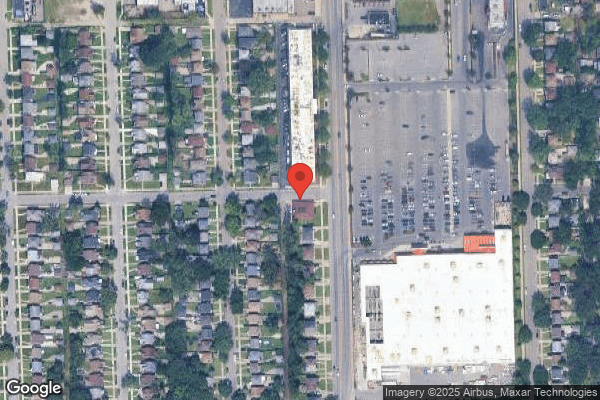
18901 Meyers Rd, Detroit, MI 48235 (313) 864-8481
For profit - Limited Liability company 106 Beds NEXCARE HEALTH SYSTEMS Data: November 2025
Trust Grade
85/100
#67 of 422 in MI
Last Inspection: June 2025

Inspected within the last 6 months. Data reflects current conditions.

Overview

Oakpointe Senior Care and Rehab Center has a Trust Grade of B+, which indicates it is above average and generally recommended for families considering care options. It ranks #67 out of 422 facilities in Michigan, placing it in the top half, and #5 of 63 in Wayne County, meaning there are only four facilities in the county that are rated higher. The facility is improving, with issues dropping from 9 in 2024 to just 1 in 2025, reflecting a commitment to better care standards. Staffing is a strength, with a 4/5 star rating and a 39% turnover rate, which is lower than the state average, suggesting that staff are experienced and familiar with the residents. However, there are some concerns, such as less RN coverage than 75% of Michigan facilities, which means fewer registered nurses are available to catch potential issues. Specific incidents include delays in responding to call lights, with one resident waiting three hours for assistance, and a failure to follow proper procedures for personal protective equipment, which could lead to infection risks. Overall, while Oakpointe has notable strengths, it also has areas that need attention.

Trust Score
B+
85/100
In Michigan
#67/422
Top 15%
Safety Record
Low Risk
No red flags
Inspections
Getting Better
9 → 1 violations
Staff Stability
○ Average
39% turnover. Near Michigan's 48% average. Typical for the industry.
Penalties
✓ Good
No fines on record. Clean compliance history, better than most Michigan facilities.
Skilled Nurses
○ Average
Each resident gets 30 minutes of Registered Nurse (RN) attention daily — about average for Michigan. RNs are the most trained staff who monitor for health changes.
Violations
⚠ Watch
14 deficiencies on record. Higher than average. Multiple issues found across inspections.
★★★★★
5.0
Overall Rating
★★★★☆
4.0
Staff Levels
★★★★★
5.0
Care Quality
★★★★★
5.0
Inspection Score
Stable
2024: 9 issues
2025: 1 issues

The Good

  • 4-Star Staffing Rating · Above-average nurse staffing levels
  • 5-Star Quality Measures · Strong clinical quality outcomes
  • Full Sprinkler Coverage · Fire safety systems throughout facility
  • No fines on record
  • Staff turnover below average (39%)

    9 points below Michigan average of 48%

Facility shows strength in staffing levels, quality measures, fire safety.

The Bad

Staff Turnover: 39%

Near Michigan avg (46%)

Typical for the industry

Chain: NEXCARE HEALTH SYSTEMS

Part of a multi-facility chain

Ask about local staffing decisions and management

The Ugly 14 deficiencies on record

Jun 2025 1 deficiency
CONCERN (D)

Potential for Harm - no one hurt, but risky conditions existed

Infection Control (Tag F0880)

Could have caused harm · This affected 1 resident

**NOTE- TERMS IN BRACKETS HAVE BEEN EDITED TO PROTECT CONFIDENTIALITY** This citation contains two Deficienct Practice Statements Deficient Practice Statement #1. Based on observation, interview, and ...

Read full inspector narrative →
**NOTE- TERMS IN BRACKETS HAVE BEEN EDITED TO PROTECT CONFIDENTIALITY** This citation contains two Deficienct Practice Statements Deficient Practice Statement #1. Based on observation, interview, and record review the facility failed to ensure that staff followed enhanced barrier precautions (EBP) and donned appropriate Personal Protective Equipment (PPE) for one resident (R1) out of two residents reviewed for EBP. This failure resulted in the potential for transmission of infectious organisms. Findings include: On 06/10/25 at 11:12 A.M., during an observation of resident care, licensed practical nurse (LPN) B was observed administering a 100 ml (milliliter) water flush through R1's percutaneous endoscopic gastrostomy (PEG) tube. LPN B did not don a gown prior to providing the care. Signage on R1's door indicated Enhanced Barrier Precautions and PPE (including gowns) being available outside R1's room. An interview was conducted with LPN B immediately following the observation. LPN B acknowledged that they should have worn a gown and gloves while administering the PEG tube flush and recognized there was EBP signage and PPE at the room door. On 6/11/25 at 9:50 A.M., an interview was conducted with the Director of Nursing (DON), who said staff are expected to follow the facility's Enhanced Barrier Precautions policy, which requires donning gown and gloves when performing high contact care activities such as device care (including feeding tubes.) The DON acknowledged that LPN B did not follow the required infection control protocols. A review of R1's clinical record noted that R1 was admitted on [DATE] with diagnosis including convulsions, dementia, failure to thrive, dysphagia (difficulty swallowing), and gastronomy status (PEG tube). A Minimum Data Set (MDS) assessment dated [DATE] indicated R1 was cognitively impaired with a score of 11 out of 15 on the Brief Interview for Mental Status (BIMS). A review of facility policy titled Enhanced Barrier Precaution with a revision date of 4/1/24, defined EBP as the expanded use of PPE, including gowns and gloves during high contact care involving medical devices such as central lines, feeding tubes, urinary catheters and tracheostomies. Deficient Practice Statement #2. Based on observation, interview and record review, the facility failed to ensure the proper storage of oxygen tubing when not in use for three residents (R30, R37, and R82) of three residents reviewed for oxygen therapy. This failure had the potential for cross contamination and the spread of infection. Findings include: On 6/10/25 at 2:13 P.M., R37 was observed seated in a [NAME] chair in the hallway. R37 nasal cannula tubing was hanging behind the chair and exposed to open air. There was no storage bag present for the nasal cannula to be placed in when not in use. On 6/10/ 25 at 2:14 P.M., LPN D also observed R37 sitting in the [NAME] chair with the nasal cannula tubing on the back of the chair with no bag present. LPN D was queried regarding the nasal cannula tubing and said it should have been in a bag. Record review revealed R37 was admitted on [DATE] with a diagnosis including obstructive sleep apnea and chronic respiratory failure. A (MDS) assessment dated [DATE] indicated that R37 was cognitively intact with a score of 13 out of 15 on BIMS. On 6/10/25 at 2:15 P.M., R82 was observed in bed. R82 nasal cannula tubing was connected to the back of their wheelchair. The nasal cannula tubing was attached to the back of their wheelchair and lying unsecured on the seat. No bag was present for storing the tubing. Record review showed R82 was admitted on [DATE] with a pertinent diagnosis of asthma, weakness and generalized anxiety disorder. A MDS assessment dated [DATE] indicated that R82 was cognitively intact with a score of 13 out of 15 on the BIMS. On 6/10/25 at 2:20 P.M., R30 was observed in a wheelchair being transferred back to R30's room. R30 had a oxygen tank on the back of the wheelchair but was not wearing an oxygen mask. Upon rising from the wheelchair, it was observed that R30 was sitting on the nasal cannula tubing. There was no bag on back of the wheelchair to store the nasal cannula tubing when it was not in use. R30's clinical record documented R30 was admitted [DATE] with a pertinent diagnosis of physical disability, right heart failure, pulmonary embolism, and cerebral infarction (stroke). On 6/10/25 at 2:30 P.M., Certified Nurse Assistant (CNA) C who transported R37 to the room was interviewed and acknowledged the nasal cannula tubing was not stored properly and should have been in a bag. On 6/10/25 at 2:35 P.M., the clinical coordinator (LPN) A accompanied the surveyor to the rooms of R82 and R37. LPN A was queried and confirmed the nasal cannula tubing was lying on the wheelchair seats. LPN A acknowledged the nasal cannulas should have been bagged. On 6/11/25 at 9:50 A.M., an interview was conducted with the DON, who said that staff are expected to follow the facility's on oxygen storage. The DON said oxygen should be stored in a plastic bag when not in use. Review of facility policy titled Oxygen Administration and Safety, with a revision date of 5/21/25, indicated the purpose of the policy is to ensure the safe administration of oxygen therapy to residents. The policy documented that oxygen tubing should be stored in a plastic bag when not in use.
Jun 2024 9 deficiencies
CONCERN (D)

Potential for Harm - no one hurt, but risky conditions existed

Deficiency F0658 (Tag F0658)

Could have caused harm · This affected 1 resident

Based on observation, interview, and record review the facility failed to follow the Standards of Practice during medication administration for three of five residents (R18, R68, and R52) resulting in...

Read full inspector narrative →
Based on observation, interview, and record review the facility failed to follow the Standards of Practice during medication administration for three of five residents (R18, R68, and R52) resulting in the potential for medication errors. Findings include: Resident 52 On 6/12/24 at 9:14 AM on the 1 North Hall, Registered Nurse (RN) H was observed standing at the medication cart looking at the computer screen. There was a medication cup with 6 white pills of various shapes sitting on top of the medication cart. There were 2 separate pills inside white plastic pharmacy packaging identified as 'Lasix 20 milligrams (mg)'. There was no resident's name on the packaging. During interview RN H said she was going to pass the 6 pills in the medication cup to R52 but the medications did not match up to what was on R52's Medications Administration Records (MAR). RN H said she had just taken the medication cart from Licensed Practical Nurse (LPN) J and the pills were already in the cup. RN H confirmed she did not put the pills in the medication cup herself, did not know which resident's medications were in the cup, or which resident the two Lasix pills on top of the cart were for. At this time RN H said she was going to ask LPN J which resident's medications were in the cup and walked away from the medication cart leaving it unlocked with the computer screen open visibly displaying resident's health information and the 2 Lasix pills on top of the cart. At approximately 9:18 AM RN H returned to the medication cart with LPN J and LPN I to discuss which resident's medications were in the cup. A review of R52's MAR revealed the resident's AM dose of medications were not signed out as administered. R52 was not in the room to be interviewed. RN H could not determine if R52 had received his AM medications and placed the medication cup with the pills inside the medication cart in the section identified for R52 and proceeded to prepare medications for another resident. At approximately 9:40 AM LPN K reported to RN H that R52 was in the lobby being transported to an outside appointment and requested to have the AM medications prior to leaving the facility. LPN K observed the medications in the cup of R52's section of medication cart and said, These are not the right pills. RN H was preparing to administer medications to another resident (R18) and therefore did not administer the medication to R52 at this time. It could not be confirmed which resident's medications were in the cup and they were disposed of in the garbage bag attached to the medication cart by LPN K. On 6/12/24 at approximately 11:00 AM The Director of Nursing (DON) was asked about the medication administration protocol for the facility. The DON said the nurse who removes the medications from the pharmacy packaging and places them in the medication cup should administer those medications to the intended resident prior to handing off the medication cart to another nurse. The DON said a nurse should not administer medications to a resident unless they prepared the medications themselves. Resident 18 On 6/12/24 at 9:38 AM RN H was observed to administer all of R18's medications that were scheduled for 6/12/24 at the AM dose. On 6/13/24 at approximately 11:00 AM during reconciliation of R18's MAR it revealed that LPN J signed out the medications for R18 on 6/12/24 for the AM dose. On 6/13/24 at approximately 11:15 AM Clinical Corporate Director, RN L was asked to review R18's MAR to confirm that RN H did not sign out the medications on 6/12/24 during the AM dose. RN L reviewed the MAR and confirmed that LPN J had signed the MAR for R18 on 6/12/24 during the AM dose. RN L said, I can't explain why that happened. It is a standard of practice that the nurse who administers the medications signs them out on the MAR at the time of administration. Resident 68 On 6/12/24 at 10:15 AM during medication administration with LPN J and LPN I, LPN J was observed to crush the following medications and place in yogurt. 1) Ativan 0.5 mg two pills. 2) Senna 8.6 mg two capsules. Review of R68's MAR and physician's orders did not reveal any orders to crush the medications. During interview LPN J said she was in orientation and LPN I was observing her pass medications. LPN I said, The resident has trouble swallowing her pills whole that is why we crushed them. LPN I reviewed R68's EHR (electronic health record) and confirmed the resident did not have orders to crush the medications for administration. According to the facility's Medication Administration General Guidelines policy dated 1/2021 in part reads; Medications are administered as prescribed in accordance with manufacturers' specifications, good nursing principles and practices, and only by persons legally authorized to do so. Personnel authorized to administer medications do so only after they have familiarized themselves with the medication . Medication Preparation: 5. If it is safe to do so, medication tablets may be crushed or capsules emptied out when a resident has difficulty swallowing or is tube-fed, using the following guidelines and with a specific order from prescriber. a. The need for crushing medications is indicated on the resident's orders and the MAR so that all personnel administering medications are aware of this need and the consultant pharmacist can advise on safety and alternatives, if appropriate Medication Administration: 4. Medications are to be administered at the time they are prepared. 5. The person who prepares the dose for administration is the person who administers the dose.
CONCERN (D)

Potential for Harm - no one hurt, but risky conditions existed

Quality of Care (Tag F0684)

Could have caused harm · This affected 1 resident

**NOTE- TERMS IN BRACKETS HAVE BEEN EDITED TO PROTECT CONFIDENTIALITY** Based on observation, interview, and record review the facility failed to clarify an order for compression stockings per physici...

Read full inspector narrative →
**NOTE- TERMS IN BRACKETS HAVE BEEN EDITED TO PROTECT CONFIDENTIALITY** Based on observation, interview, and record review the facility failed to clarify an order for compression stockings per physician orders for one (R27) of one resident reviewed for compression stockings resulting in edema and the potential for increased compromised of R27's cardiovascular system. Findings include: On 6/11/2024 at 12:56 P.M., R27 was observed seated in a wheelchair in her room with her feet on the floor. During the observation R27 complained her feet were swollen and nothing had been done even though the concern had been observed and reported to staff. R27's feet were observed during the interview and appeared very swollen. At 2:00 P.M. during an observation on the unit, R27 stated, her feet had gotten worse, and her friend had brought a pillow into the facility to elevate her legs but that was difficult to do since the right leg rest of the wheelchair was removed and left under the bed. R27 stated, her feet started swelling about two-three weeks ago and both were worse at night or evening once she got out of bed. On 6/12/24 at 1:00 P.M. and 2:17 P.M., R27 was observed in therapy wearing yellow nonskid socks. The resident and Certified Nurse Aide (CNA) M voiced concerned to the therapy staff concerning R27's swollen feet and ankles. Record review of R27's Electronic Medical Record (EMR) revealed the resident was admitted to the facility on [DATE], with diagnosis of hemiplegia and hemiparesis following cerebral infraction (stroke), multiple sclerosis and overactive bladder. According to the Quarterly, Minimum Data Set (MDS) dated [DATE], R27 had a Brief Interview For Mental Status (BIMS) of 14 was (cognitively intact) and required one-person physical assistance to perform activities of daily living (ADLs). On 6/12/24 at 2:30 P.M., review of the physician orders revealed a written order dated 3/5/2024 Apply compression socks. The physicians order had no special instructions for application. Review of Medication Administration Record (MAR) and Treatment Administration Record (TAR) for June 2024 revealed no documentation of the compression socks being applied to R27's feet. Review of the Care Plan section of the Electronic Medical record (EMR) revealed no care plans or interventions addressing the resident's edema or special instructions. On 6/12/24 at 3:00 P.M., CNA M was interviewed concerning R27's compression socks. CNA M stated,R27 did not have an order for compression socks and staff had been applying the nonskid socks. CNA M stated, if R27 had an order for the compression socks, the nurse would have to order the compression socks. At 3:29 P.M., R27's physician orders were reviewed with Registered Nurse (RN) N. Documented on the June 2024 physician order summary was an order dated 3/5/24 compression socks. RN N examined the order and stated, staff did not follow through with the order, special instructions were not entered, and they did not enter the order into the computer. R27 should have compression socks. Someone should have contacted the physician and clarified the order and completed the other instructions for applying and removing the compression socks.
CONCERN (D)

Potential for Harm - no one hurt, but risky conditions existed

Deficiency F0688 (Tag F0688)

Could have caused harm · This affected 1 resident

**NOTE- TERMS IN BRACKETS HAVE BEEN EDITED TO PROTECT CONFIDENTIALITY** Based on observation, interview, and record review the facility failed to follow recommendations for restorative therapy for one...

Read full inspector narrative →
**NOTE- TERMS IN BRACKETS HAVE BEEN EDITED TO PROTECT CONFIDENTIALITY** Based on observation, interview, and record review the facility failed to follow recommendations for restorative therapy for one resident (R89) out of three residents reviewed for positioning, resulting in the potential for contractures (shortening and hardening of muscles, tendons, and tissues). Findings include: During an observation and interview on 6/11/24 at 11:45 AM, R89 was observed sitting in a geri chair unable to move left side of body. Family Member G reported that R89 needed continued therapy. Record review of R89's electronic medical record (EMR) revealed admission into the facility on 4/25/24 with a diagnosis of hemiplegia/hemiparesis (paralysis) related to cerebral infarction (stroke). According to the Minimum Data Set (MDS) dated [DATE], R89 had impaired cognition and required substantial/maximal assistance with most Activities of Daily Living (ADLS). Record review of Restorative Nursing Referral dated 6/6/24 documented the following: Frequency: 2 times daily per Resident's tolerance for 8 wks (weeks). It was further documented that R89 was to receive passive range of motion (PROM), active range of motion (AROM), and assisted active range of motion (AAROM) for right and left upper and lower extremities -2 times daily for AM/PM care. Record review of R89's Kardex (a form documenting the specific daily needs of a resident to be followed by staff) dated 6/13/24, documented under Restorative Intervention/Programs- Encourage me to participate in my restorative plan. No specific needs or instructions were documented related to the recommendation from therapy. During an interview on 6/12/24 at 9:35 AM with Therapy Manager (TM) F, it was reported that it was the expectation that restorative nursing should follow recommendations to prevent residents from getting contractures. During an interview on 6/13/24 at 12:24 PM, with Director of Nursing (DON), it was reported that R89 did not have documentation that range of motion exercises had been performed twice a day as recommended by therapy. When asked, according to your policy should restorative nursing assess and monitor these therapy recommendations to see if these interventions have positive or negative outcomes, DON replied, Yes. When asked if there was any evidence that these recommendations were being followed, DON said, No. Record review of the facility's policy Restorative Program last revised 2/12/18, documented the following: Based on the comprehensive assessment of a resident and consistent with the resident's needs and choices, the facility will provide the necessary care and services to ensure that a resident's abilities in activities of daily living do not diminish unless circumstances of the individual's clinical condition or choices demonstrate that such diminution was unavoidable. Further review of the policy revealed the following: 1.Following identification of need, the interdisciplinary team will put a plan in place that identifies the restorative approaches that will support the resident needs/choices. 2.The applicable restorative interventions will be assigned, which may include ROM, ambulation, transfer, ADLs, adaptive equipment, splinting, bed mobility, bathing, dressing, oral care, toileting, communication and/or dining. 3.The program(s) will be identified in the resident's medical record. 4.Periodically the Restorative Nurse or designee will review and discuss progress or lack of progress toward restorative goals with caregivers and the resident/representative. The residents plan of care and restorative program will be revised as indicated. 5.Monthly, the Restorative Nurse or designee will document a summary of the resident's participation and progress and determine the need to continue, revise, or discontinue the program based on the resident's needs, choices, and goals.
CONCERN (D)

Potential for Harm - no one hurt, but risky conditions existed

Accident Prevention (Tag F0689)

Could have caused harm · This affected 1 resident

**NOTE- TERMS IN BRACKETS HAVE BEEN EDITED TO PROTECT CONFIDENTIALITY** Based on observation, interview, and record review, the facility failed to secure smoking materials and complete a smoking asses...

Read full inspector narrative →
**NOTE- TERMS IN BRACKETS HAVE BEEN EDITED TO PROTECT CONFIDENTIALITY** Based on observation, interview, and record review, the facility failed to secure smoking materials and complete a smoking assessment for one (R82) of one resident reviewed for smoking safety, accident, and hazards, resulting in the potential for injury to self and other residents. Findings include: In an observation on 6/11/24 at 11:27 a.m., a hand held cigarette lighter sat on top of a phone on R82's bedside table. R82 reported not having any cigarettes and is not currently smoking. R82 then reported getting the lighter from a family member and it usually is put in a purse. In an observation and interview on 6/11/24 at 11:38 a.m., Life Enrichment Director D reported cigarettes and lighters should be stored at the front desk. Life Enrichment Director D was asked should R82 have a lighter in the room. Review of an admission Record revealed, R82 originally admitted to the facility on [DATE] and readmitted on [DATE] with pertinent diagnosis which included hemiplegia and hemiparesis (paralysis) of the right side. Review of a Minimum Data Set (MDS) assessment dated [DATE] revealed R82 had no cognitive impairment with a Brief interview for Mental Status (BIMS) score of 14 out of 15. Review of nursing admission assessments dated 1/9/24 and 4/15/24 revealed R82 is a current smoker. R82 did not have a smoking assessment related to 1/9/24 or 4/15/24. In an interview on 6/12/24 at 10:24 a.m., the Nursing Home Administrator (NHA) reported R82 did not have a smoking assessment because R82 does not smoke. In an interview on 6/12/24 at 10:42 a.m., NHA reported cigarettes and lighters should be stored at the receptionist desk. In an interview on 6/12/24 at 2:21 p.m., Social Worker A reported all residents have a smoking assessment completed on admission. Social Worker A reported R82 did not have a smoking assessment. Social Worker A reviewed R82's nursing admission assessment dated [DATE] and confirmed that R82 was identified as a current smoker. In an interview on 6/12/24 at 2:30 p.m., NHA reported if an admission assessment reveals the resident is a current smoker someone should talk to them to see if they plan to smoke at the facility and a smoking assessment should be completed. Review of the facility's Safe Smoking policy revised 8/18/15 documented, Purpose: To promote the safety of residents in our (Corporation Name), who smoke by assessing and managing their smoking capabilities, thereby minimizing risk injury or harm to self and others . 1. Complete admission Assessment to identify if Resident is a current smoker. If the resident is a current smoker or chooses to smoke at a later time proceed to Step 2. Before a resident can smoke independently a smoking assessment must be completed . 3. Complete the Safe Smoking Assessment . 6. Keep smoking materials in a central, designated area (determined by Center) .
CONCERN (D)

Potential for Harm - no one hurt, but risky conditions existed

Staffing Information (Tag F0732)

Could have caused harm · This affected 1 resident

Based on observation, interview, and record review, the facility failed to post nurse staffing information for all 98 residents as well as visitors entering the facility, resulting in the necessary st...

Read full inspector narrative →
Based on observation, interview, and record review, the facility failed to post nurse staffing information for all 98 residents as well as visitors entering the facility, resulting in the necessary staffing information not being available. Findings include: On 6/11/24 at 9:30 A.M., behind the front receptionist desk in the lobby area a posted board was labeled with the facility's name and smudged out numbers and information related to nurse staffing. Observations on 2:30 P.M. and again at 4:30 P.M., revealed the nurse staffing board had the same smudged out information. The facility's nurse staffing numbers were not clearly visible. On 6/12/24 at 12:30 P.M. and 4:00 P.M., the nurse staffing board remained in the same condition as the previous day. On 6/13/24 at 10:00 A.M. the nurse staffing board had not been updated or changed. At 11:00 A.M., the Administrator was queried if the board in the front lobby was where the facility posted nurse staffing information. The Administrator identified the same board in the front lobby and stated Supervisor O was responsible for updating the nurse staffing board with current information. During the observation Supervisor O informed the Administrator someone had wrote on the board with the wrong kind of ink /marker and the information previously could not be changed or updated. Supervisor O acknowledged the nursing staff information had not been updated from the weekend but had failed to inform the Administrator or Director of Nursing.
CONCERN (D)

Potential for Harm - no one hurt, but risky conditions existed

Unnecessary Medications (Tag F0759)

Could have caused harm · This affected 1 resident

Based on observation, interview, and record review, the facility failed to ensure a medication error rate of less than five percent when two medication errors out of 26 opportunities for error were ob...

Read full inspector narrative →
Based on observation, interview, and record review, the facility failed to ensure a medication error rate of less than five percent when two medication errors out of 26 opportunities for error were observed for two (R18 and R68) out of five residents reviewed during the medication administration observation, resulting in a 7.69% error rate. Findings include: Resident 18 On 6/12/24 at 9:38 AM, Registered Nurse (RN) H was observed to administer medications to R18 during the AM dose. RN H was observed to deliver two puffs of the following inhaler; Breo-Ellipta Aerosol Powder Breath Activated 200-25 micrograms (mcg) ACT. According to R18's physician's order dated 4/24/24 and the Medication Administration Record (MAR) for June 2024, R18 was prescribed Breo-Ellipta Inhalation Aerosol Powder Breath Activated 200-25 mcg ACT one puff inhale orally in the morning. Resident 68 On 6/12/24 at 10:15 AM Licensed Practical Nurse (LPN) J along with LPN I was observed to administer medications to R68 during the AM dose. LPN J said she was in orientation and LPN I was training her. During medication preparation for R68, LPN J obtained one Ativan 0.5 milligram (mg) pill from the locked narcotic box inside the medication cart. LPN J obtained the Controlled Substance Proof-of-Use Record for R68 and signed out one Ativan 0.5 mg pill on the record for R68 and proceeded to crush the medication. Prior to administering the medication to the resident, LPN J and LPN I were asked to review the prescribed dosage of Ativan for R68's AM dose by the surveyor. According to R68's physician's order dated 5/31/24 and the Medication Administration Record (MAR) for June 2024, R68 was prescribed Ativan 1.0 mg by mouth two times a day at 9:00 AM and 9:00 PM. At this time LPN J confirmed that R68's Ativan dosage should be two Ativan 0.5 mg pills and re-opened the narcotic box inside the medication cart and obtained a second Ativan 0.5 mg pill. LPN J retrieved R68's Controlled Substance Proof-of-Use Record for Ativan 0.5 mg and wrote over the initial documentation of 'one' pill being removed to 'two' pills being removed. Further inspection of the R68's Controlled Substance Proof-of-Use Record for Ativan 0.5 mg revealed that only one Ativan 0.5 mg pill (half the resident's prescribed dose) had been administered to the resident for 4 consecutive doses, since 6/10/24's AM dose. According to the facility's Medication Administration General Guidelines Policy, dated 1/2021, read in part; Medication Preparation: 3. Prior to administration, review and confirm medication orders for each individual resident on the Medication Administration Record. Compare the medication and dosage schedule on the resident's MAR with the medication label. If the label and MAR are different, and the container is not flagged indicating a change in directions, or if there is any other reason to question the dosage or directions, the prescriber's orders are checked for the correct dosage schedule. Apply a direction change sticker to label if directions have changed from the current label Medication Administration: 1. Medications are administered in accordance with written orders of the prescriber
CONCERN (D)

Potential for Harm - no one hurt, but risky conditions existed

Deficiency F0760 (Tag F0760)

Could have caused harm · This affected 1 resident

**NOTE- TERMS IN BRACKETS HAVE BEEN EDITED TO PROTECT CONFIDENTIALITY** Based on observation, interview, and record review the facility failed to ensure that one resident (R68) was free from significa...

Read full inspector narrative →
**NOTE- TERMS IN BRACKETS HAVE BEEN EDITED TO PROTECT CONFIDENTIALITY** Based on observation, interview, and record review the facility failed to ensure that one resident (R68) was free from significant medication errors out of five residents reviewed for medication errors resulting in R68 only receiving half the prescribed dose of anti-anxiety medications for 4 consecutive doses. Findings include: According to R68's Electronic Health Record the resident had multiple diagnoses that included malignant neoplasm of the brain, generalized anxiety disorder, and major depressive disorder. On 5/21/24 the resident was admitted to Hospice care. R68's Minimum Data Set, dated [DATE] indicated that R68 had intact cognition with a brief interview for mental status (BIMS) score of 14/15. According to R68's physician's order dated 5/31/24 and Medication Administration Record (MAR) for June 2024, R68 was prescribed Ativan 1.0 milligram (mg) by mouth two times a day at 9:00 AM and 9:00 PM. On 6/12/24 at 10:15 AM, Licensed Practical Nurse (LPN) J along with LPN I was observed to administer medications to R68 during the AM dose. LPN J said she was in orientation and LPN I was training her. During medication preparation for R68, LPN J obtained one Ativan 0.5 milligram (mg) tablet from the locked narcotic box inside the medication cart. LPN J obtained the Controlled Substance Proof-of-Use Record for R68 and signed out one Ativan 0.5 mg tablet on the record for R68 and proceeded to crush the medication. Prior to administering the medication to the resident, LPN J and LPN I were asked to review the prescribed dosage of Ativan for R68's AM dose by the surveyor. At this time LPN J confirmed that R68's Ativan dosage should be two Ativan 0.5 mg tablets and re-opened the narcotic box inside the medication cart and obtained a second Ativan 0.5 mg tablet. LPN J retrieved R68's Controlled Substance Proof-of-Use Record for Ativan 0.5 mg and wrote over the initial documentation of 'one' tablet being removed to 'two' tablets being removed. Further inspection of the R68's Controlled Substance Proof-of-Use Record for Ativan 0.5 mg revealed that only one Ativan 0.5 mg tablet (half the resident's prescribe dose) had been administered to the resident for 4 consecutive doses, 6/10/24 at 9:00 AM, 6/10/24 at 9:00 PM, 6/11/24 at 9:00 AM, and 6/11/24 at 9:00 PM. On 6/13/24 at approximately 11:15 AM, Clinical Corporate Director RN L was asked to review R68's Controlled Substance Proof-of-Use Record for Ativan 0.5 mg. RN L confirmed that R68 had only received half (0.5 mg) of the prescribed dosage (1.0 mg) of Ativan for the last four consecutive administrations; 6/10/24 at 9:00 AM, 6/10/24 at 9:00 PM, 6/11/24 at 9:00 AM, and 6/11/24 at 9:00 PM. RN L acknowledged that is it the nurse's responsibility to administer the correct dosage of the prescribed medications and that two Ativan 0.5 mg tablets should have been administered to equal the prescribed dosage of Ativan 1.0 mg. According to the facility's Medication Administration General Guidelines Policy dated 1/2021 reads in part; Medication Preparation: 3. Prior to administration, review and confirm medication orders for each individual resident on the Medication Administration Record. Compare the medication and dosage schedule on the resident's MAR with the medication label. If the label and MAR are different, and the container is not flagged indicating a change in directions, or if there is any other reason to question the dosage or directions, the prescriber's orders are checked for the correct dosage schedule. Apply a direction change sticker to label if directions have changed from the current label Medication Administration: 1. Medications are administered in accordance with written orders of the prescriber
CONCERN (D)

Potential for Harm - no one hurt, but risky conditions existed

Infection Control (Tag F0880)

Could have caused harm · This affected 1 resident

**NOTE- TERMS IN BRACKETS HAVE BEEN EDITED TO PROTECT CONFIDENTIALITY** Based on observation, interview, and record review the facility failed to follow the standards of infection control for proper g...

Read full inspector narrative →
**NOTE- TERMS IN BRACKETS HAVE BEEN EDITED TO PROTECT CONFIDENTIALITY** Based on observation, interview, and record review the facility failed to follow the standards of infection control for proper glove use and hand hygiene, for two residents (R2 and R308) out of 20 sampled residents reviewed for infection control, resulting in the potential for increased cross-contamination of diseases which place a vulnerable population at high risk for infections. Findings include: R2 Review of an admission Record revealed, R2 originally admitted to the facility on [DATE] and readmitted on [DATE] with pertinent diagnosis which included Dementia and Type II Diabetes. Review of a Minimum Data Set (MDS) assessment dated [DATE] revealed R2 had no cognitive impairment with a Brief interview for Mental Status (BIMS) score of 12 out of 15. R308 Review of an admission Record revealed, R308 originally admitted to the facility on [DATE] and readmitted on [DATE] with pertinent diagnosis which included Type II Diabetes, Chronic Obstructive Pulmonary Disease (COPD), and Malignant Neoplasm (cancer) of Prostate. Review of a MDS assessment dated [DATE] revealed R308 had cognitive impairment with a BIMS score of 9 out of 15 and required an indwelling catheter. In observation on 6/11/24 at 10:08 a.m., Environmental Services Aide C cleaned R2 and R308's room with gloved hands. R2 and R308's room had an Enhanced Barrier Precautions (an infection control measure that uses personal protective equipment to reduce the spread of multidrug resistant organisms between residents) sign on the door. Environmental Services Aide C exited the room, removed gloves, and did not perform hand hygiene. In an observation on 6/11/24 at 10:09 a.m., Environmental Services Aide C put on a pair of gloves without performing hand hygiene. Environmental Services Aide C then entered another resident's room. In an observation on 6/11/24 at 10:10 a.m., Environmental Services Aide C exited the room and with the same pair of gloves took a spray bottle from the cart in the hallway. Environmental Services Aide C then entered the bathroom of the resident's room, exited the room, and leaned against the cart's trash can. In an interview on 6/11/24 at 10:11 a.m., Environmental Services Aide C reported gloves can be worn in the hall. Environmental Services Aide C was asked if hand hygiene should be performed after gloves are removed and stated, Not that I'm aware of. Environmental Services Aide C then reentered the room wearing the same gloves. In an observation on 6/11/24 at 10:13 a.m., Environmental Services Aide C removed gloves, put on new gloves with no hand hygiene before application and reentered the room. In an observation on 6/11/24 at 11:05 a.m., Environmental Services Aide C removed gloves in hallway and did not perform hand hygiene. In an interview on 6/13/24 at 11:03 a.m., Infection Preventionist B reported the environmental services staff is educated on hand hygiene and glove use. Infection Preventionist B reported hand Hygiene should be performed after glove use and gloves should not be worn in the hall. Review of a Handwashing and Hand Hygiene policy revised 4/29/20 documented, . To protect our residents, visitors, and staff, each facility will promote hand hygiene practices during all care activities and working in locations within the facility. Conditions which may require hand hygiene include but not limited to: Before and After applying gloves, after using restroom, after contact/potential contact with blood or body fluids .
CONCERN (E)

Potential for Harm - no one hurt, but risky conditions existed

Drug Regimen Review (Tag F0756)

Could have caused harm · This affected multiple residents

Based upon interview and record review, the facility failed to act upon Pharmacy Recommendations in a timelly manner regarding discontinuing blood sugar checks four times a day for one (R92) of five r...

Read full inspector narrative →
Based upon interview and record review, the facility failed to act upon Pharmacy Recommendations in a timelly manner regarding discontinuing blood sugar checks four times a day for one (R92) of five residents reviewed for unnecessary medication regimen reviews, resulting in unnecesary monitoring and the potential for R92 to experience discomfort during multiple finger sticks. Findings include: According to R92's Electronic Health Record (EHR) the resident had multiple diagnoses that included type 2 diabetes (adult onset diabetes) without complications. On 4/11/24 the physician prescribed the following insulin orders: Novolog (fast acting insulin) injection per sliding scale (varies the dose of insulin injection based on the blood sugar level) before meals and at bedtime (4 times a day) as follows; for blood sugar reading; 0-200 = zero units of insulin, 201-250 = 1 unit of insulin, 251-300 = 2 units of insulin, 301-350 = 3 units of insulin, 351-400 = 5 units of insulin, and 401- 450 = 5 units of insulin, if over 450 call the physician. The Pharmacy Recommendation for R92 dated 4/22/24 read, This resident has an order for Novolog per sliding scale four times daily. There are currently no orders for scheduled long acting or meal time insulin, nor are there any oral medications for diabetes. Most recent A1C results from April was 4.9 (normal range is below 5.7) and blood sugars for the past 10 days ranged from 94 to 169. No units of sliding scale insulin were used over the past 10 days. Please consider discontinuing the Novolog sliding scale order, as high rates of finger sticks and insulin injections may add to patient discomfort and nursing time expenditures without significant long-term benefit in patient outcomes. On 6/13/24 at 8:30 AM review of R92's EHR did not reveal any documented follow-up from the physician for the Pharmacy Recommendation on 4/22/24. There were no physician or nursing progress notes regarding the resident's blood sugar readings or lack of sliding scale coverage. R92 continued to have blood sugars checked 4 times a day for 51 consecutive days after the Pharmacist's recommendation. A review of R92's Medication Administration Records (MARs) from 4/12/24 - 6/12/24 revealed that all the resident's blood sugar readings were below 200 and no insulin had been administered. On 6/13/24 at 9:19 AM, the Clinical Corporate Registered Nurse (RN) L was asked to review R92's Pharmacy Recommendation dated 4/22/24 and provide documentation the physician had been made aware of the recommendation. RN L confirmed that the facility had not followed up with the resident's physician regarding the recommendation. At this time RN L contacted R92's physician by phone and informed him of the Pharmacy Recommendations from 4/22/24 (51 days earlier). RN L said, There is no need to check the resident's blood sugar four times a day. The Physician is changing the order. According to the facility's Consultant Pharmacist Reports Policy dated 9/1/23 in part; The consultant pharmacist works with the facility to establish a system whereby the consultant pharmacist observations and recommendations regarding residents' medication therapies are communicated to those with authority and/or responsibility to implement the recommendations, and are responded to in an appropriate and timely fashion . A. A record of the consultant pharmacist's observations and recommendations is made available in an easily retrievable form to nurses, prescribers, and the care planning team. This should include: 1. Documentation of the date each medication regimen review is completed and notation of the findings in the medical record or other designated manner . C. Recommendations are acted upon and documented by the facility staff and/or the prescriber. If the prescriber does not respond to recommendation directed to him/her within 30 days, the Director of Nursing and/or the consultant pharmacist may contact the Medical Director. 1. If the prescriber that does not respond is also the Medical Director, the Director of Nursing and the Administrator will address the requirements with the Medical Director and/or pursue more formal actions if necessary to facilitate compliance.
Jul 2023 4 deficiencies
CONCERN (D) 📢 Someone Reported This

A family member, employee, or ombudsman was alarmed enough to file a formal complaint

Potential for Harm - no one hurt, but risky conditions existed

Deficiency F0658 (Tag F0658)

Could have caused harm · This affected 1 resident

This citation pertains to intakes MI00130262 and MI00133274. Based on observation, interview, and record review, the facility failed to ensure medication was administered properly and per physician's ...

Read full inspector narrative →
This citation pertains to intakes MI00130262 and MI00133274. Based on observation, interview, and record review, the facility failed to ensure medication was administered properly and per physician's orders for one resident (R35) of six residents reviewed for medication administration, resulting in the potential for less than therapeutic effect of the prescribed medication when medications were not taken or administered properly. Findings include: In an observation on 6/28/23 at 11:52 a.m., R35 laid in bed. A medication cup with multiple pills sat on R35's bedside table. R35 stated, this is something new, the nurse usually stands here to make sure I take the medication. In an observation and interview on 6/28/23 at 11:54 a.m., Licensed Practical Nurse (LPN) C reported medication should not be left at bedside. R35 reported she was sleeping and did not see the nurse bring in the medication. LPN C then stood by while R35 take the medication. LPN C acknowledged that she was not the assigned nurse for R35. Review of an admission record revealed, R35 admitted to the facility 10/25/21 with pertinent diagnosis which included Multiple Sclerosis and Hemiplegia and Hemiparesis affecting the left side. Review of a Minimum Data Set (MDS) assessment, with a reference date of 4/28/23 revealed R35 had no cognitive impairment with a Brief interview for Mental Status (BIMS) score of 14 out of 15. Review of care plans revealed R35 did not have a self-administration of medication care plan. Review of Physician revealed R35 did not have a self-administration medication order. Review of a Medication Administration Record (MAR) for June 2023, revealed R35's 9:00 am medication documented as given by LPN B. R35 did not have a medication administration scheduled for 12:00 pm. In an interview on 6/29/23 at 8:59 a.m., LPN B reported the nurse should stay with the resident during medication administration to make sure the resident takes all the pills and that no other residents get the pills. In an interview on 7/03/23 at 9:45 a.m., the Director of Nursing (DON) reported the nurse should stay with the resident while they take their medication. The Director of Nursing (DON) reported if medications are not given per physicians orders the Physician should be notified. Review of a Medication Administration policy with a date of 01/21 revealed, Medications are administered as prescribed in accordance with manufacture's specifications, good nursing principles and practices . 3. Prior to administration, review and confirm medication orders or each individual resident on the Medication Administration Record. Compare the medication dosage schedule on the resident's MAR with the medication label . Medication Administration: 1. Medications are administered in accordance with written orders of prescriber . 4. Medications are to be administered at the time they are prepared. 5. The person who prepares the dose for administration is the person who administers the dose . 14. Medications are administered within 60 minutes of scheduled time . 20. The resident is always observed after administration to ensure that the dose was completely ingested. If only a partial dose is ingested, this is noted on the MAR, and action is taken as appropriate .
CONCERN (D)

Potential for Harm - no one hurt, but risky conditions existed

Unnecessary Medications (Tag F0759)

Could have caused harm · This affected 1 resident

Based on observation, interview, and record review the facility failed to administer medications accurately for two residents (R8 and R96) out of five residents during medication pass, resulting in a ...

Read full inspector narrative →
Based on observation, interview, and record review the facility failed to administer medications accurately for two residents (R8 and R96) out of five residents during medication pass, resulting in a medication error rate of 13.79 %. Findings include: Resident #38 (R38) In an observation on 6/29/23 at 8:01 a.m., Registered Nurse (RN) A prepared medication for R38. RN A placed 10 medications in a cup which included, Digoxin (used to treat Atrial Fibrillation). RN A did not place Protonix (used to treat heartburn) in the mediation cup. In an observation on 6/29/23 at approximately 8:10 a.m., RN A entered R38's and obtained a blood pressure on a vital machine. R38's blood pressure was 118/71 and heart rate 57. R38 took the medication with water. RN A then exited the room and documented the medication administration. In an interview on 6/29/23 at 8:19 a.m., RN A reported R38 did not receive Protonix because it should be given at 6:00 a.m. Review of an admission record revealed, R38 admitted to the facility 1/30/22 with pertinent diagnosis which included Type 2 Diabetes and Atrial Fibrillation (abnormal heart rhythm). Review of a Minimum Data Set (MDS) assessment, with a reference date of 5/4/23 revealed R38 had no cognitive impairment with a Brief interview for Mental Status (BIMS) score of 15 out of 15. Review of Physician orders revealed R38 had an order, Digox Tablet 125 MCG (Digoxin) Give 1 tablet by mouth one time a day for afib hold for hr (heart rate) less then 60 and Protonix Tablet Delayed Release 20 MG (Pantoprazole Sodium) Give 20 mg by mouth in the morning. In an interview on 6/29/23 at 12:10 p.m., RN A reported she noticed the error of given the Digoxin with a heart rate of 57. RN A then reported R38's Protonix is scheduled for 9:00 am but is in the 6:00 am medication pack. Resident #96 (R96) In an observation on 6/29/23 at 8:50 a.m., Licensed Practical Nurse (LPN) B prepared medication for R96. LPN B placed seven medications in a cup. The medication did not include Folic Acid or Plavix (blood thinner used to prevent heart attack and stroke). LPN B entered R96's room and administered mediation, then exited the room and documented the medication administration. In an interview on 6/29/23 at 9:06 a.m., LPN B was asked to review the MAR (Medication Administration Record) to ensure all ordered mediations were given. LPN B confirmed R96's Folic Acid and Protonix were marked as given. LPN B reported Plavix was in the medication packet. After looking at the medication packet, LPN B acknowledged Plavix was not included in the medication packet. LPN B then stated, it's not in the pack. LPN B attempted to strike out the administration for R96's Plavix. LPN B then walked away from the medication cart and did not acknowledge the documented Folic Acid. LPN B did not administer the Folic Acid or Plavix. Review of an admission record revealed, R96 admitted to the facility 10/7/22 with pertinent diagnosis which included Anemia and Ventricular Fibrillation (abnormal heart rhythm). Review of a MDS assessment, with a reference date of 5/4/23 revealed R96 had no cognitive impairment with a BIMS score of 15 out of 15. Review of Physician orders revealed R96 had orders, Folic Acid Tablet 1 MG Give 1 tablet by mouth in the morning and Plavix Tablet 75 MG (Clopidogrel Bisulfate) Give 1 tablet by mouth in the morning. In an interview on 7/03/23 at 9:45 a.m., the Director of Nursing (DON) reported if medications are not given per physicians orders the Physician should be notified. The DON then reported medications should be given at the scheduled time even if the package has for a different time. Review of a Medication Administration policy with a date of 01/21 revealed, Medications are administered as prescribed in accordance with manufacture's specifications, good nursing principles and practices . 3. Prior to administration, review and confirm medication orders or each individual resident on the Medication Administration Record. Compare the medication dosage schedule on the resident's MAR with the medication label . Medication Administration: 1. Medications are administered in accordance with written orders of prescriber . 2. Obtain and record any vital signs as necessary prior to medication administration . Verify medication is correct three (3) times before administering the medication .
CONCERN (D)

Potential for Harm - no one hurt, but risky conditions existed

Infection Control (Tag F0880)

Could have caused harm · This affected 1 resident

Based on observation, interview, and record review the facility failed to properly disinfect a Glucometer (medical device for determining the concentration of glucose in the blood) for one (R38) out o...

Read full inspector narrative →
Based on observation, interview, and record review the facility failed to properly disinfect a Glucometer (medical device for determining the concentration of glucose in the blood) for one (R38) out of five residents reviewed for medication administration, resulting in the potential for the spread of infection. Findings include: In an observation on 6/29/23 at 7:35 a.m., Registered Nurse (RN) A prepared supplies to perform a blood glucose check for Resident #38 (R38). RN A placed a glucometer, strips, lancet, and alcohol swab on a tray and entered R38's room. RNA wiped R38's finger with a alcohol swab, poked finger with a lancet, and applied blood to the strip in glucometer. RN A cleaned up supplies and exited the room. In an observation on 6/29/23 at 7:38 a.m., RN A wiped the front of the Glucometer with a alcohol swab and placed it on medication cart without a barrier. In an interview on 6/29/23 7:40 a.m., RN A reported the Glucometer is cleaned with a alcohol swab. RN A then stated, we have bleach wipes, but I do not use them until after all the blood sugars are taken. Review of an admission record revealed, R38 admitted to the facility 1/30/22 with pertinent diagnosis which included Type 2 Diabetes. Review of a Minimum Data Set (MDS) assessment, with a reference date of 5/4/23 revealed R38 had no cognitive impairment with a Brief interview for Mental Status (BIMS) score of 15 out of 15. In an interview on 7/03/23 at 10:08 a.m., the Director of Nursing (DON) reported the appropriate cleaner for the glucometer is bleach wipes or purple top wipes. The DON then reported alcohol swabs should not be used to clean the glucometer. Review of a document titled Caring for Your System with no date revealed, To minimize the risk of transmission of blood-borne pathogens, the cleaning and disinfection procedure should be performed as recommended in the instructions below . This meter should be cleaned and disinfected after use on each patient . We have validated Clorox Healthcare Bleach Germicidal Wipes, Dispatch Hospital Cleaner Disinfectant Towels with Bleach, CaviWipes1, and PDI Super Sani-Cloth Germicidal Disposable Wipe for disinfecting .
CONCERN (F) 📢 Someone Reported This

A family member, employee, or ombudsman was alarmed enough to file a formal complaint

Potential for Harm - no one hurt, but risky conditions existed

Deficiency F0919 (Tag F0919)

Could have caused harm · This affected most or all residents

Based on observation, interview, and record review the facility failed to utilize essential equipment to ensure a functional call light system resulting in call lights not answered in a timely manner,...

Read full inspector narrative →
Based on observation, interview, and record review the facility failed to utilize essential equipment to ensure a functional call light system resulting in call lights not answered in a timely manner, unmet care needs, and the potential delay in responding to emergency situations. This had the potential to affect all residents in the facility that utilize the call light. Findings include: On 6/28/23 at 10:26 a.m. during the initial pool process, R42 was observed resting in bed. The resident was alert, oriented x3, and able to make all needs known. During the interview, R42 voiced concerns with long call light response time, I have sat in bm (bowel movement) for three hours before. Sometimes I just want a cup of water and have to wait a long time. If I was having a heart attack, I could be dead before they would know. I have to flag someone down if they walk by the room to get their attention. They used to have pagers to let them know to come to the room. Now they have to look on the board at the nurse's station. R42 was asked did the facility give a hand-held bell to use. R42 stated, Do you see one . No, they didn't give me nothing. At 11:38 a.m. R42 was requested to activate the call light. The call light indicator that was located outside above the room's door and was not lit to indicate it was activated. Several minutes later, two nurse aides (identified by the color of their uniforms) were observed walking back and forth pass the room without acknowledging the residents call light being on. At 11:42 a.m. a monitor that was mounted to the wall at the nurse's station had R42's room (2 South- 4) displayed on it. There were three nurses at the nursing station. One was sitting at the desk (identified as the Assistant Director of Nursing), and the other two nurses were standing at the medication carts with their back to the monitor. After standing at the nurse's station with a clear view of the 2 South Hall for seven minutes, the nurses at the nurse's station did not look up at the monitor. Between 11:49- 11:57 am nurse aides walked pass the room without addressing the call light and housekeeper was also observed standing in the hall across from R42's room. The call light remained unanswered. At 11:58 a.m. nurse aide D responded to the call light. R42 wanted and requested a cup of water. The nurse was then queried about knowing when resident's call lights are on. Nurse Aide D stated, We used to have pagers. The Administrator was supposed to replace them. So, we just walk back and forth to the nurse's station and look at the board (monitor). It's been a while since we haven't had the pagers. I was told the pagers started disappearing because people were taking them home or losing them and not returning them especially the agency staff. On 6/28/23 at 12:08 p.m. during the initial pool R64 was observed sitting in a wheelchair at the bedside. The resident was alert, oriented x3, and able to make all needs known. During the interview, R64 voiced concerns with long call light response time. R64 stated, We used to have bells we can use but we don't even have those now. I can do a lot for myself, but my roommate will need help, so I have to get somebody's attention when they walk pass the room. We need help around here. What if something happened, we could die waiting for someone to come to the room. I'm glad I'm leaving this place on Friday. I just feel sorry for my roommate. The roommate was observed asleep and did not respond for an interview. On 6/29/23 at 11:00 a.m. the Resident Council Meeting minutes were reviewed for the months of April, May, and June. The minutes dated June 1, 2023, documented, Resident's on 1 South said that call lights are not being answered in a timely manner . The DON addressed the council concerns . Evidence of the call light concern being addressed was not provided. On 6/29/23 at 11:15 a.m. during the Confidential Resident Council meeting, there were 15 alert and oriented x3 residents in attendance. The residents that attended resided on various units within the facility (4- 1 South Hall, 4- 2 North Hall, 7- 2 South Hall). The residents on 2 South and 2 North Halls voiced most concerns with long call light response times. One resident from 2 South Hall said they had a fall and would have waited a long time if they hadn't screamed for help. This was after putting on the call light. Three residents from the 2 North Hall said they have had to wait long periods of time to get changed from toileting on themselves. Five of the residents from 2 South Hall nodded in agreement also having to wait long periods of time to get changed from toileting on themselves. The residents also voiced feeling like second class citizens in the facility. They also voiced feeling ignored by staff. The residents on 1 South Hall said they were given handheld bells once the pagers were not being used to answer the call lights. The residents on 2 North and 2 South Hall said they were not given hand-held bells. On 7/3/23 at 12:45 p.m. the Nursing Home Administrator (NHA) and Maintenance Director were interviewed regarding the call light system. They were queried what was put in place to ensure call lights were fully functioning and answered in a timely manner. The Maintenance Director stated, The call light system works. The monitors at the nurse's station work. The call light indicators outside of the rooms do not work because they were part of the old system and could not be linked to the new system. We do have handheld bells in the building but not given to the residents. The NHA stated, We have been without pagers for a while . at least since I started here in January. Some of the pagers were lost. We have new pagers now that had to get reprogrammed. They were reprogrammed earlier this month. I have been trying to come up with a system and protocols, so they won't be lost by staff. I have also been waiting to in-service new and old staff so we could in-service them all at once. The nurses and CNAs are to pay attention to the monitors, but nothing has been put in place for sound as an indicator. I planned to implement the pager system this week. Review of the facility's policy titled Call Light Policy dated 5/1/2017 documented the following: Call lights will receive consistent and adequate response in order to best meet the individual needs of each resident . Call light activation will be identified by a light above the resident doorway and an audible alarm at/near each nursing station or a paging system with monitors . Each staff member is responsible to respond to call lights and provide assistance as their level of training allows.
Understanding Severity Codes (click to expand)
Life-Threatening (Immediate Jeopardy)
J - Isolated K - Pattern L - Widespread
Actual Harm
G - Isolated H - Pattern I - Widespread
Potential for Harm
D - Isolated E - Pattern F - Widespread
No Harm (Minor)
A - Isolated B - Pattern C - Widespread

Questions to Ask on Your Visit

  • "Can I speak with families of current residents?"
  • "What's your RN coverage like on weekends and overnight?"

Our Honest Assessment

Strengths
  • • Grade B+ (85/100). Above average facility, better than most options in Michigan.
  • • No major safety red flags. No abuse findings, life-threatening violations, or SFF status.
  • • No fines on record. Clean compliance history, better than most Michigan facilities.
  • • 39% turnover. Below Michigan's 48% average. Good staff retention means consistent care.
Concerns
  • • 14 deficiencies on record. Higher than average. Multiple issues found across inspections.
Bottom line: Generally positive indicators. Standard due diligence and a personal visit recommended.

About This Facility

What is Oakpointe Senior Care And Rehab Center's CMS Rating?

CMS assigns Oakpointe Senior Care and Rehab Center an overall rating of 5 out of 5 stars, which is considered much above average nationally. Within Michigan, this rating places the facility higher than 99% of the state's 100 nursing homes. This rating reflects solid performance across the metrics CMS uses to evaluate nursing home quality.

How is Oakpointe Senior Care And Rehab Center Staffed?

CMS rates Oakpointe Senior Care and Rehab Center's staffing level at 4 out of 5 stars, which is above average compared to other nursing homes. Staff turnover is 39%, compared to the Michigan average of 46%. This relatively stable workforce can support continuity of care.

What Have Inspectors Found at Oakpointe Senior Care And Rehab Center?

State health inspectors documented 14 deficiencies at Oakpointe Senior Care and Rehab Center during 2023 to 2025. These included: 14 with potential for harm.

Who Owns and Operates Oakpointe Senior Care And Rehab Center?

Oakpointe Senior Care and Rehab Center is owned by a for-profit company. For-profit facilities operate as businesses with obligations to shareholders or private owners. The facility is operated by NEXCARE HEALTH SYSTEMS, a chain that manages multiple nursing homes. With 106 certified beds and approximately 88 residents (about 83% occupancy), it is a mid-sized facility located in Detroit, Michigan.

How Does Oakpointe Senior Care And Rehab Center Compare to Other Michigan Nursing Homes?

Compared to the 100 nursing homes in Michigan, Oakpointe Senior Care and Rehab Center's overall rating (5 stars) is above the state average of 3.2, staff turnover (39%) is near the state average of 46%, and health inspection rating (5 stars) is much above the national benchmark.

What Should Families Ask When Visiting Oakpointe Senior Care And Rehab Center?

Based on this facility's data, families visiting should ask: "Can I visit during a mealtime to observe dining assistance and food quality?" "How do you handle medical emergencies, and what is your hospital transfer rate?" "Can I speak with family members of current residents about their experience?"

Is Oakpointe Senior Care And Rehab Center Safe?

Based on CMS inspection data, Oakpointe Senior Care and Rehab Center has a clean safety record: no substantiated abuse findings (meaning no confirmed cases of resident harm), no Immediate Jeopardy citations (the most serious violation level indicating risk of serious injury or death), and is not on the Special Focus Facility watch list (a federal program monitoring the lowest-performing 1% of nursing homes). The facility has a 5-star overall rating and ranks #1 of 100 nursing homes in Michigan. While no facility is perfect, families should still ask about staff-to-resident ratios and recent inspection results during their visit.

Do Nurses at Oakpointe Senior Care And Rehab Center Stick Around?

Oakpointe Senior Care and Rehab Center has a staff turnover rate of 39%, which is about average for Michigan nursing homes (state average: 46%). Moderate turnover is common in nursing homes, but families should still ask about staff tenure and how the facility maintains care continuity when employees leave.

Was Oakpointe Senior Care And Rehab Center Ever Fined?

Oakpointe Senior Care and Rehab Center has no federal fines on record. CMS issues fines when nursing homes fail to meet care standards or don't correct problems found during inspections. The absence of fines suggests the facility has either maintained compliance or corrected any issues before penalties were assessed. This is a positive indicator, though families should still review recent inspection reports for the full picture.

Is Oakpointe Senior Care And Rehab Center on Any Federal Watch List?

Oakpointe Senior Care and Rehab Center is not on any federal watch list. The most significant is the Special Focus Facility (SFF) program, which identifies the bottom 1% of nursing homes nationally based on persistent, serious quality problems. Not being on this list means the facility has avoided the pattern of deficiencies that triggers enhanced federal oversight. This is a positive indicator, though families should still review the facility's inspection history directly.