Michigan Masonic Home
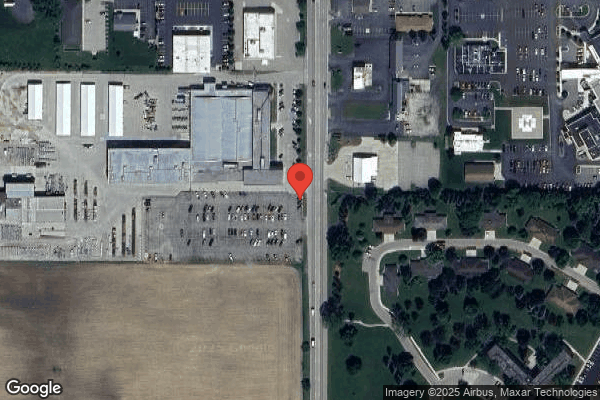
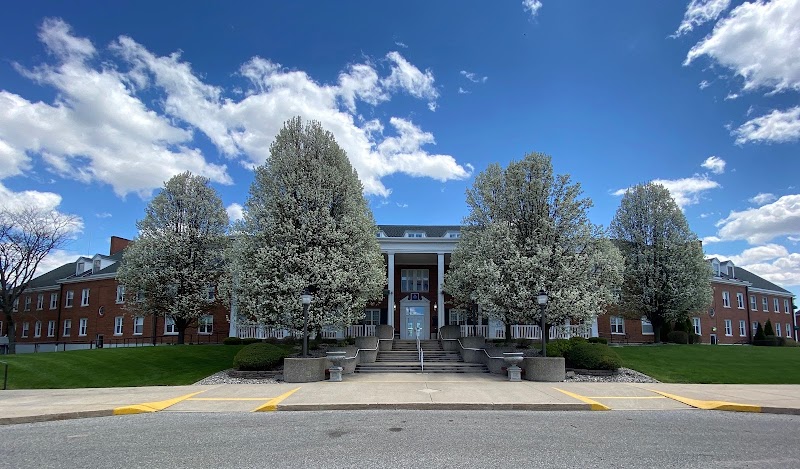
1200 Wright Avenue, Alma, MI 48801 (989) 463-3141
Non profit - Corporation 204 Beds Independent Data: November 2025
Trust Grade
90/100
#59 of 422 in MI
Last Inspection: December 2024

Within standard 12-15 month inspection cycle. Federal law requires annual inspections.

Overview

Michigan Masonic Home has received a Trust Grade of A, indicating it is excellent and highly recommended for care. It ranks #59 out of 422 facilities in Michigan, placing it in the top half, and is the top-rated facility among five in Gratiot County. However, the facility is experiencing a worsening trend in inspection issues, increasing from 2 in 2023 to 4 in 2024. Staffing is a strength, with a 4 out of 5-star rating and a turnover rate of 43%, which is below the state average. There have been no fines recorded, and the home boasts more RN coverage than 99% of Michigan facilities, ensuring better care. That said, there are notable concerns. Recent inspections found issues such as stagnant water fixtures in the kitchen, which could lead to the spread of waterborne pathogens, and potential contamination risks from improperly maintained kitchen equipment. In addition, there were concerns about maintaining sanitary conditions in the kitchen, which could increase the risk of foodborne illnesses among residents. Overall, while Michigan Masonic Home has strong staffing and oversight, families should be aware of the recent inspection findings and the need for improvement in certain operational areas.
Trust Score
A
90/100
In Michigan
#59/422
Top 13%
Safety Record
Low Risk
No red flags
Inspections
Getting Worse
2 → 4 violations
Staff Stability
○ Average
43% turnover. Near Michigan's 48% average. Typical for the industry.
Penalties
✓ Good
No fines on record. Clean compliance history, better than most Michigan facilities.
Skilled Nurses
✓ Good
Each resident gets 101 minutes of Registered Nurse (RN) attention daily — more than 97% of Michigan nursing homes. RNs are the most trained staff who catch health problems before they become serious.
Violations
○ Average
9 deficiencies on record. Average for a facility this size. Mostly minor or procedural issues.
★★★★★
5.0
Overall Rating
★★★★☆
4.0
Staff Levels
★★★★★
5.0
Care Quality
★★★★☆
4.0
Inspection Score
Stable
2023: 2 issues
2024: 4 issues

The Good

  • 4-Star Staffing Rating · Above-average nurse staffing levels
  • 5-Star Quality Measures · Strong clinical quality outcomes
  • Full Sprinkler Coverage · Fire safety systems throughout facility
  • No fines on record
  • Staff turnover below average (43%)

    5 points below Michigan average of 48%

Facility shows strength in staffing levels, quality measures, fire safety.

The Bad

Staff Turnover: 43%

Near Michigan avg (46%)

Typical for the industry

The Ugly 9 deficiencies on record

Dec 2024 4 deficiencies
CONCERN (D)

Potential for Harm - no one hurt, but risky conditions existed

Resident Rights (Tag F0550)

Could have caused harm · This affected 1 resident

Based on observation, interview and record review, the facility failed to maintain self-esteem, honor preferences and ensure care was given in a dignified manner for one resident (R47) out of 22 resid...

Read full inspector narrative →
Based on observation, interview and record review, the facility failed to maintain self-esteem, honor preferences and ensure care was given in a dignified manner for one resident (R47) out of 22 residents reviewed for dignity. Findings: Review of an admission Record reflects R47 admitted to the facility with diagnosis that included Parkinsonism (a group of movement disorders that share similar symptoms to Parkinson's disease), difficulty walking, unspecified mood disorder, anxiety and agoraphobia (fear of places and situations that might cause panic, helplessness and embarrassment) with panic disorder. During an observation and interview on 12/16/24 at 10:31 AM, R47 was in a maroon-colored t-shirt and athletic shorts. The t-shirt was soiled with what appeared to be food spills, a crucifix around his neck was caked with an unknown substance. R47 reported his breakfast spilled the day before and no one came to help him clean it up. During an observation and interview on 12/17/24 at 9:07 AM, R47 was wearing the same soiled clothes he had on the day before. R47 reported that he does not like his showers because he does not like showers given to him by women. R47 said that he would be more willing to shower if a male attendant helped him. R47 repeated that women showering him was not appropriate and embarrassed him. During an interview on 12/17/24 at 9:13 AM, Registered Nurse (RN) N reported she was aware R47 did not like women showering him. RN N said R47's preference to have male caregivers is not care planned, but there is a male Certified Nurse Aide (CNA) who could help if needed and the facility should be able to accommodate this need. Review of a Task Monitor for showering and bathing for the last 30 days (11/22/2024-12/16/2024) reflected R47 had one shower on 11/22/2024 with Set-up or clean-up assistance - Helper sets up or cleans up; resident completes activity. Helper assists only prior to or following the activity. The report showed that R47 refused a shower on 11/25/2024 and 12/10/2024. The report showed Not Applicable on 12/2/2024 and 12/16/2024. Review of a Care Plan initiated on 2/25/2021 reflected R47 required assistance with ADL (activities of daily living), mobility and toileting. Interventions and tasks related to this focus included BATHING supervision x 1 (one assist) as I allow. The care plan did not specify R47's preference for male caregivers. Further review of the entire care plan revealed R47 was taking psychotropic medications for depression, anxiety and agoraphobia with fluctuating symptoms of anxiousness. The care plan did not include interventions to address R47's reported embarrassment with female caregivers and preference for male caregivers for showers. During an interview on 12/18/2024 at 11:54 AM, Registered Nurse (RN)/Assistance Director of Nursing (ADON) O reported that she was very familiar with R47 and knew he did not like women giving him showers. RN/ADON O said the staff needed to do a better job of documenting R47's refusal to shower and attempts to reapproach when needed. RN/ADON O said there is a male CNA who could accommodate R47's preference for male caregivers when showering.
CONCERN (D)

Potential for Harm - no one hurt, but risky conditions existed

Accident Prevention (Tag F0689)

Could have caused harm · This affected 1 resident

**NOTE- TERMS IN BRACKETS HAVE BEEN EDITED TO PROTECT CONFIDENTIALITY** Based on observation, interview and record review, the facility failed implement interventions to prevent falls for three reside...

Read full inspector narrative →
**NOTE- TERMS IN BRACKETS HAVE BEEN EDITED TO PROTECT CONFIDENTIALITY** Based on observation, interview and record review, the facility failed implement interventions to prevent falls for three residents (R12, R38, and R87) of 6 residents reviewed for falls. Finding include: Resident #87 (R87) Review of R87's face sheet dated 12/18/24 revealed he was a [AGE] year-old male admitted to the facility on [DATE] and had diagnoses that included: Dementia, pain and edema. He was not his own responsible party. Review of his Brief Interview of Mental Status (BIMS) score dated 9/24/24 revealed a score of 2/15, indicating he is severely cognitively impaired. R87 was observed on12/16/24 at 11:01 AM in his room in a recliner chair with his feet up and not supervised. A couple minutes later, R87 was observed walking by himself in his room to the bathroom with no assistive device. A few minutes later, he was observed walking back to his recliner alone. During an observation and an interview on 12/17/24 at 3:00 PM, R87 was in his room in a recliner alone with his feet up. No walker was observed in his room. Registered Nurse (RN) C came to the resident's room and was asked about how much assistance R87 needed for ambulation. RN C reported he required a walker with one person to assist for ambulation. Review of R87's incident report dated 12/6/24 at 5:50 AM revealed he had a witnessed fall in his room. The CNA (Certified Nursing Assistant) was in his room at the time to take him to the bathroom. Review of R87's Fall Root Cause Summary dated 12/10/24 at 14:40 (2:40 PM), for the fall that occurred on 12/9/24, revealed he was last observed in bed at midnight and was dry at that time. (3 hours and 17 minutes prior to being found on the floor in the hallway). Interventions included: assist to the bathroom every 2 hours while awake (standard of care), gripper strips to the floor by the bed, gripper strips to the floor in front of recliner, keep in supervised area while up and therapy to screen due to weakness. There was no indication that supervision when awake was implemented. Review of the Fall Root Cause Summary dated 12/9/24 at 17:07, for the 12/6/24 fall for R87 revealed he was last observed at 5:50 AM, last time toileted 2:00 AM. Summary of incident. Resident was standing up from recliner to go to the bathroom with staff in room at the time. Resident became weak and went to his knees. Resident did not hit his head. Abrasion LT (left) knee. Intervention: Remind and encourage me to use my call light as needed during acute illness. Review of R 87's incident report dated 12/9/24 at 3:17 AM revealed R87 had an unwitnessed fall in the hallway. Interviews revealed he was confused but did not indicate other behaviors or give details about amount of sleep or any routine patterns of care that were the same or different that night. Review of R87's fall care plan revealed he is at high risk for falls due to dementia, pain, history of falls, incontinence, poor safety awareness and self-transfers often, dated 9/19/24. The fall interventions included keep in supervised area while up, initiated on 12/9/24. (Which is not reflected on the [NAME]). Review of R87's [NAME] dated 12/18/24 revealed that he was to be assisted to the bathroom every 2 hours while awake, he was not to be left unattended in the bathroom, he was to use a front wheeled walker with limited assistance of one person to walk. There was no intervention for him to be in a supervised area while he is awake. (This intervention was on the care plan). Resident #12 (R12) Review of R12's face sheet dated 12/18/24 revealed she was a [AGE] year-old female admitted to the facility on [DATE] and had diagnoses that included: Vascular dementia, sleep apnea, and unsteady on feet. She was not her own responsible party. During an observation and an interview with Registered Nurse (RN) C on 12/17/24 at 2:49 PM she pointed out R12 in the main dining area on the unit playing bingo at that time. She confirmed that R12 was a fall risk, and they try to keep her in supervised activities. Review of R12's incident and accident report dated 9/27/24 at 11:12 AM revealed R12 had a witnessed fall in the day room. The Certified Nurse aide reported R12 was self-transferring and noticed R12's knee was shaking. The report said R12 used the toilet at 8:30 AM and was last seen in the day room [ROOM NUMBER] minutes prior to the fall. The report did not indicate any activity was happening at the time of the fall or provide any details of care provided or behaviors. Review of R12's Fall Root Cause Summary dated 10/1/24 at 16:13 (4:13 PM) for the fall that occurred on 9/27/24 revealed R38 was seen sitting in a chair in the sunroom [ROOM NUMBER] minutes prior to being found on the floor. The summary of incident revealed, Resident was self-transferring to the bathroom in the day room when her leg knee gave out. Staff had observed her transferring and not asking for help. Due to her cognition resident does not always remember to ask for assistance. Intervention placed was a bell provided in day room when sitting in day room to ring for help. Review of R12's incident report dated 10/7/24 at 10:58 AM revealed R12 had an unwitnessed fall in the sunroom. R12 indicated that she needed to use the bathroom. She was last observed at 10:30 AM sitting in the sunroom with her eyes closed. R12 did not use the bell. The report did not indicate when she was last assisted to the toilet. The report did not indicate any activity, or supervision was being provided at the time of the fall. No interventions placed. Review of R12's Fall Root Cause Summary dated 10/15/24 for the fall that occurred on10/7/24, revealed R12 was observed sitting in a recliner in the sunroom with her eyes closed at 10:30 AM, she had tennis shoes with grip and had a walker in use at that time. Summary of incident, Resident observed on the floor in sunroom in front of sunroom chair. Resident stated she was attempting to get up and use the bathroom when her right leg gave out. Resident did not use her bell provided to ask for assistance. Resident does have a history of self-transfers and d/t cognition does not always ask for help. Interventions placed, assist to common area when up, dycem placed in in chair in sunroom, Therapy to focus on transfers for the chairs in the sunroom. One person assists on and off the unit. Previous intervention was to provide a bell in the sunroom. Previous fall was also in sunroom, providing a call bell was not effective for a severely cognitively impaired resident. There was no indication that the dycem would prevent self-transfer and no indication of how they would be addressing the unsafe transfers or meeting her toilet needs. Review of R12's fall care plan dated 4/23/24 revealed that R12 was high risk for falls related to dementia, history of falls, unsteady on feet, poor safety awareness, and history of self-transfers. She has been noted to rush when she is walking and needs to be reminded to slow down. She is on diuretic, seizure and psychotropic medications. She has seizure like activity. She uses a walker to walk. She has occasional incontinence and sometimes takes herself to the bathroom. Interventions included: assist me to common area when up 10/7/24, Dycem (nonskid material) in chair in the sunroom where she enjoys sitting most days. Provide bell in day room when I am sitting in there 9/27/24, Therapy to focus on transfers from the chair in the sunroom. Resident #38 (R38) Review of R38's face sheet dated 12/18/24 revealed she was a [AGE] year-old female admitted to the facility on [DATE] and had diagnoses that included: Alzheimer's disease, chronic kidney disease with heart failure. She was not her own responsible party. Review of R38's Minimum Data Set (MDS) nursing assessment dated [DATE] revealed she was severely cognitively impaired. Review of R38's incident report dated 7/14/24 at 15:30 (3:30 PM) revealed she had an un-witnessed fall in the dining room near her wheelchair. Review of R38 fall care plan revealed no new fall intervention was placed after this fall. Review of R38's Root Cause Summary dated 7/16/24 at 13:34 (1:34 PM) for the fall on 7/14/24 revealed the same information that was on the incident report dated 7/14/24 at 3:30 PM. The new intervention placed was pain cream was discontinued, and a pain patch started, therapy screen for strengthening and she was referred to a physician for increased behaviors. No documentation was located that indicated R38 had signs/symptoms of pain prior to the fall. The documentation did not include any behaviors prior to the fall. It was not clear why pain and behaviors were determined to be the root cause of her fall. Review of R38's incident and accident report dated 7/30/24 at 17:30 (5:30 PM) revealed she had an unwitnessed fall in the hallway. Staff statements revealed she had been in bed at 4:00 PM and she refused to use the bathroom at that time. She had shoes on. When R38 was asked what she was doing she said she slid out of bed and scooted in the hallway. There was no indication how long she had been in bed, when was the last time she used the toilet, or how she had responding to care earlier that day. (or when her needs were last met). R38's Fall Root Cause documentation for fall on 7/30/24 dated 8/6/24 at (7 days after the fall). New interventions were blood sugar checks before meals for 1-day, orthostatic blood pressures for 3 days and bowel and bladder monitoring for 3 days. There were no meaningful or sensical interventions to address or prevent future falls based on investigation. Review of R38's incident and accident report dated 10/11/24 at 20:25 (9:25 PM) revealed R38 had an unwitnessed fall in her room. Staff statements revealed R38 was watching TV at 19:30 (8:30 PM) in an unknown location. No information was documented that provided to indicate what R38's behaviors were that day, when she went to bed, how long she slept or the last time she had used the toilet. New interventions work order for gripper strips in front of the recliner and bed. Review of R38's Fall Root Cause dated 10/17/24 at 17:03 (5:03 PM) regarding the fall on 10/11/24 revealed that R38 was in her recliner watching TV at 19:30 (approximately 1 hour prior to her fall). There was no indication of the last time she used the bathroom, behaviors prior to the fall, when she slept last. There was no indication of any changes in condition or behavior noted. The new intervention placed was gripper strips in front of the recliner and side of bed. Not enough information provided to show a thorough investigation of a fall to show gripper strips as an appropriate intervention. Review of R38's incident and accident report dated 11/14/24 at 2:45 AM revealed she had an un-witnessed fall in her room, she was on the floor in front of the bathroom, her walker was in the bathroom and her shoes were on the opposite feet. They moved her closer to the nurse's station for observation. Staff statements revealed R38 was seen 45 minutes prior to the fall, sleeping in bed. No indication of how long R38 had been sleeping prior to the fall. Review of R38's Fall Root Cause dated 11/18/24 at 17:00 (5:00 PM) for the 11/14/24 fall revealed R38 used the toilet at 12:31 AM. No indication of behaviors, sleep pattern or amount of time resident had been sleeping was found. Under interventions was offer, encourage an assist me to the bathroom every 4 hours (old intervention and according to the root cause was provided that night.) No new interventions were located. Review of R38's [NAME] (care giver instructions) dated 12/18/24 (date of this survey) included the following information in the safety section: do not leave me unattended in my bathroom, offer, encourage and assist me as need to the bathroom every 4 hours, and when I am awake in the night and ambulating, assist me to the common area. Mobility included: ambulation extensive assist x 1 using 4 wheeled walker, bed mobility independent, toilet use extensive assist of 1 encourage, offer, and assist with toileting before and after meals and at bedtime. Transfer extensive assist of 1 with 4 wheeled walker. Review of R38's Activities of Daily Living (ADL) care plan dated revision on 11/19/24 revealed, I will frequently attempt to self-transfer and ambulate on my own. I have poor safety awareness and do not utilize my call light consistently. I have a history of declining the use of a gait belt. I choose not to consistently us my walker in my room. I prefer to sleep in at times and may yell at staff and become combative with cares. Review of R38's fall care plan dated revision on 12/17/24 revealed that R38 has had a history of falls, frequently does not use her walker and takes medications that can alter her balance. She had poor safety awareness and is impulsive. She had a history of using furniture in her room to walk, laying on the floor in her room. She is taking diuretic medication (causing urination). She can be resistive and combative with care. On 3/23/23 the intervention to take R38 to the common area when she is awake and at night when walking was added. During an interview with Unit Manager A on 12/18/24 at 9:00 AM, Unit Manager A was asked about the process of coming up with new interventions and what were the new interventions placed for R38 on 7/14/24 and 7/30/24. Unit Manager A used the electronic medical record to review R38's care plan and fall documents. She could not locate new interventions or information on how they determine the interventions. Unit Manager A called the Assistant Director or Nursing (ADON) and the ADON came and started reviewing the record for resolved care plans as she could not locate a new intervention in the current care plan. The Director of Nursing joined the interview and explained that they do an initial meeting with staff and document what happens. They take that information and do a Root Cause Analysis. They are to place interventions at the time and add interventions based on the Root Cause Analysis. The surveyor requested the Root Cause Analysis documentation of this process for: R38, R13 and R87. It was not clear how the faciltiy was going to improve safety or supervision of these residents as they were all severely cognitively impaired, were known to not use call lights, known to self-transfer and had poor safety awareness.
CONCERN (F)

Potential for Harm - no one hurt, but risky conditions existed

Infection Control (Tag F0880)

Could have caused harm · This affected most or all residents

Based on observation, interview, and record review, the facility failed to have an active and ongoing plan for reducing the risk of Legionella and other opportunistic pathogens of premise plumbing (OP...

Read full inspector narrative →
Based on observation, interview, and record review, the facility failed to have an active and ongoing plan for reducing the risk of Legionella and other opportunistic pathogens of premise plumbing (OPPP). This deficient practice has the increased potential to result in water borne pathogens to exist and spread in the facility's plumbing system and an increased risk of respiratory infection among any or all of the residents in the facility. Findings include: During a tour of the main dry storage area for the kitchen, at 11:38 AM on 12/16/24, an interview with Life Safety Emergency Manager (LSEM) K and Director of Dining Services (DDS) M found that this area is no longer used for its intended purpose of being a serving kitchenette. Observation found multiple water fixtures including a preparation sink, a hand sink, a steam table fill, and pot fill fixture on the cook line, that had been stagnant and not under any routine flushing schedule. Sink compartments were found covered, dry and dusty. The hot and cold water lines for the kitchenette hand sink was turned on and brown water came out momentarily before turning clear. During a tour of the first floor North Kitchenette, starting at 11:54 AM on 12/16/24, an interview with DDS M found that dietary staff don't use the back dish room portion of the first-floor kitchenette. When asked if this area is on a regular flushing schedule for removing stagnant water, LSEM K stated that they will add this area to the list. During a review of the facilities Water Management Plan (WMP), starting at 1:40 PM on 12/16/24, with DDS M, LSEM K, Director of Facilities (DOF) J, and Director of Environmental Services (DES) I, an interview with staff found that they do regular flushing of water as part of their risk prevention. When asked if the facility currently sent anything to a lab for testing or if they did any testing in house, DOF J stated that they currently do not. When asked if there was any other control measures or limits the facility was using to decrease the risk of Legionella or other OPPP, staff were unsure. During a tour of the facility, at 3:10 PM on 12/16/24, it was observed that a janitors closet on the second floor North hall, was found with a faucet and no chemical pre dispense. When asked if staff use this sink, DES I asked EVS Aide L and he stated, nobody ever uses that sink. When asked if this was a fixture that is routinely flushed, LSEM K stated they would add it to the list. During a tour of the Ventilation Unit, at 3:10 PM on 12/16/24, it was observed that a water line that used to service the flush valve of a hopper, was protruding from the wall with crusted debris residue on the outside indicating it was still servicing water and was a stagnant line. An interview with DOF J found that he was unsure if the water line had been disconnected or if it was a stagnant line. A record review found an Infection Control Risk Assessment, dated 11/30/17, with no facility layout or instructions on how water flows through the facility. A review of the Michigan Masonic Home Water Management Program Procedure, revised 09/2024, found that .3. A risk assessment will be conducted by the water management team annually to identify where Legionella and other opportunistic waterborne pathogens could grow and spread in the Homes water system. The risk assessment will consider the following elements: a. Premises plumbing: This includes water system components as described in the documentation of the Homes water system . A review of the Michigan Masonic Home Water Management Program Policy, revised 9/2024, found that 3. Based on the risk assessment, control points (locations in the water systems where a control measure can be applied) will be identified. 4. Control measures will be applied to address potential hazards at each control point. A variety of measures may be used, including physical controls, temperature management, disinfection level control, visual inspections, or environmental testing for pathogens. 5. Testing protocols and acceptable ranges (control limits) will be established for each control measure.
CONCERN (F)

Potential for Harm - no one hurt, but risky conditions existed

Safe Environment (Tag F0921)

Could have caused harm · This affected most or all residents

Based on observation and interview the facility failed to maintain a safe, functional, sanitary, and comfortable environment. This resulted in an increased potential for contamination, affecting resid...

Read full inspector narrative →
Based on observation and interview the facility failed to maintain a safe, functional, sanitary, and comfortable environment. This resulted in an increased potential for contamination, affecting residents, staff, and the public. Findings Include: During a tour of the kitchen, at 11:15 AM on 12/6/24, observation of the dish machine area found that the dirty side of the machine had a roughly 10 foot long built in rinse stream, that drains into the garbage disposal. The rinse stream had multiple submerged inlets that hang below the overflow rim of the rinse table and was not observed with an atmospheric vacuum breaker (AVB) that would protect the potable water supply from potential back siphonage (due to the submerged inlets). An interview with Director of Facilities (DOF) J found that he has only been here a couple months and was not sure if the submerged inlets were protected with an AVB. When asked if he could see an AVB anywhere in line of the submerged inlets, DOF J sated he could not. During a tour of the first floor North clean holding room, at 2:18 PM on 12/16/24, it was observed that a mop sink faucet was found left on and connected to a chemical pre-dispense. No wasting tee or sidekick device was present to remove constant back pressure from the faucet's internal AVB. An interview with Director of Environmental Services (DES) I found that the faucet should be shut off between use. During a tour of the second floor North spa room, at 2:40 PM on 12/16/24, it was observed that a stack of towels and wash cloths were found stored open and exposed next to the shower. An interview with Life Safety Emergency Manager K found that linens should not be stored open and exposed. During a tour of second floor North, at 2:45 PM on 12/16/24, it was observed that the tabletop ice machine was found directly connected to the wastewater drain. Food contact equipment must be air gapped in order to remove the risk of contamination due to wastewater back flow. During a tour of the Ventilation Unit spa room, at 2:55 PM on 12/16/24, it was observed that four towels and six wash cloths were found stored open and exposed next to the shower. During a tour of the Ventilation Unit soiled utility room, at 3:09 PM on 12/16/24, it was observed that a mop sink faucet was found installed over an area where a hopper used to be installed. At this time, no wastewater access was available for this water fixture and water would run down onto the floor. During a tour of the laundry room, at 3:30 PM on 12/16/24, it was observed that one of the clean laundry carts was found with an accumulation of paper trash and debris under the carts false bottom.
Oct 2023 2 deficiencies
CONCERN (D)

Potential for Harm - no one hurt, but risky conditions existed

Accident Prevention (Tag F0689)

Could have caused harm · This affected 1 resident

**NOTE- TERMS IN BRACKETS HAVE BEEN EDITED TO PROTECT CONFIDENTIALITY** Based on observation, interview, and record review, the facility failed to safely transport one resident (R25) in a wheelchair, ...

Read full inspector narrative →
**NOTE- TERMS IN BRACKETS HAVE BEEN EDITED TO PROTECT CONFIDENTIALITY** Based on observation, interview, and record review, the facility failed to safely transport one resident (R25) in a wheelchair, resulting in the potential for serious injury. Findings include: A review of R25's admission Record, dated 10/26/23, revealed R25 was a [AGE] year-old resident admitted to the facility on [DATE]. In addition, R25's admission Record revealed multiple diagnoses that included chronic respiratory failure with hypoxia, anxiety, depression, and post-traumatic stress disorder. A review of R25's Minimum Data Set (MDS) (a tool used for assessing a resident's care needs), dated 9/27/23, revealed a Brief Interview for Mental Status (BIMS) (a scale used to determine a resident's cognitive status) score of 15 which revealed R25 was cognitively intact. In addition, R25's MDS revealed she could propel herself in a wheelchair with supervision or touching assistance (helper provides verbal cues or touching/steadying assistance as the resident completes the activity) for distances of at least 50 feet and partial/moderate assistance (helper does less than half the effort) for distance of at least 150 feet in a corridor or similar space. During an observation on 10/25/23 at 1:15 PM, R25 told Registered Nurse (RN) B that she wanted to go to the dining area to participate in an activity. RN B pushed R25 in her wheelchair without foot pedals from R25's room to the dining area. R25 had her legs extended straight out in front of her and raised at approximately a 90-degree angle while she was being pushed. During an interview on 10/26/23 at 10:30 AM, RN E stated staff are not supposed to push residents in their wheelchairs without foot pedals, because the resident could put their feet down and fall on their face. During an interview on 10/26/23 at 10:35 AM, RN D stated staff are not supposed to push residents in their wheelchairs without foot pedals, even if the resident can hold their feet up. She stated their feet could fall to the floor and get caught under the wheelchair. She also stated the resident could fall out of their wheelchair if their feet becomes caught under the wheelchair. A review of the facility's Personnel Vehicle Wheelchair Transportation Policy, dated 4/15/20, revealed, Identification of hazards and risks is the process through which the interdisciplinary team becomes aware of potential hazards in the positioning and transportation of a resident in a wheelchair and the risk of a resident having an avoidable accident . Caregiver staff should make a reasonable effort to identify the hazards and risk factors for each resident before beginning transportation of that resident . Considerations . Are their feet resting flat on the foot plates (foot pedals)? . Quick Check (after resident is transferred into the wheelchair) - buttocks to the back of the chair - Pelvis level - Feet appropriately supported on footplates .
CONCERN (D)

Potential for Harm - no one hurt, but risky conditions existed

Drug Regimen Review (Tag F0756)

Could have caused harm · This affected 1 resident

**NOTE- TERMS IN BRACKETS HAVE BEEN EDITED TO PROTECT CONFIDENTIALITY** Based on interview and record review, the facility failed to ensure a monthly pharmacy drug regimen review recommendation was re...

Read full inspector narrative →
**NOTE- TERMS IN BRACKETS HAVE BEEN EDITED TO PROTECT CONFIDENTIALITY** Based on interview and record review, the facility failed to ensure a monthly pharmacy drug regimen review recommendation was reviewed by the physician in a timely manner for 1 of 5 residents reviewed (R35), resulting in R35 receiving a medication over an extended period of time that had insufficient evidence for its use, the potential for the physician not knowing of a pharmacy recommendation, the potential for a delay in implementing a pharmacy recommendation, and the potential for adverse effects from a medication that the pharmacy identified as potential medication issue. Findings include: A review of R35's admission Record, dated 10/26/23, revealed R35 was a [AGE] year-old resident admitted to the facility on [DATE] with multiple diagnoses that included dementia, diabetes, and urinary incontinence. A review of R35's Minimum Data Set (MDS) (a tool used for assessing a resident's care needs), dated 8/23/23, revealed a Brief Interview for Mental Status (BIMS) (a scale used to determine a resident's cognitive status) score of 5 which revealed R35 was severely cognitively impaired. A review of R35's Pharmacy Consultation Report, dated 8/24/23, revealed to the pharmacist recommended that the physician discontinue R35's cranberry supplement due to insufficient evidence to promote using cranberry supplements to decrease Urinary Tract Infection (UTI) reoccurrence in older adults. R35's physician accepted the recommendation and signed it on 10/5/23 (42 days after the pharmacist made the recommendation). A reviewed of R35's medication administration records (MAR's), dated 8/24/23 to 10/26/23, revealed R35 received cranberry oral capsules (an unnecessary medication/supplement) from 8/24/23 to 10/6/23 (43 days after the pharmacist's recommendation to discontinue it). A review of the facility's Medication Regimen Review Policy, revised 8/10/17, revealed, 7. Upon completion of the MRR (Medication Regimen Review), the facility designee and/or physician, will respond to the recommendations in a timely manner . 10. Each residents' drug regimen remains free of unnecessary drugs. An unnecessary drug is any drug when used . b. For excessive duration . d. Without adequate indications for its use . During an interview on 10/26/23 at 03:30 PM, Assistant Director of Nursing (ADON) A stated the pharmacist usually sends their recommendations to the facility within a day or two of when they see the resident. She stated the physician will usually see the recommendation within a week of the facility receiving the recommendation. During an interview on 10/26/23 at 04:11 PM, the Director of Nursing (DON) stated the physician should address a pharmacy recommendation within a week or two. She stated the physician rounds weekly. The DON stated six weeks is a bit too long (not timely) for the physician to address a recommendation. She stated in the case of R35's cranberry supplement recommendation, it appeared she (the DON) had to re-issue the pharmacy recommendation for the physician to review because the copy that they have on file for R35 had a fax number on the top of the page, dated 10/5/23 at 9:10 AM. The DON stated that would indicate that she had to request another copy of R35's 8/24/23 pharmacy recommendation. The DON stated the original pharmacy recommendations do not have the fax number at the top of the page. The DON stated she did not know why the pharmacy recommendation had to be re-issued. She stated the system she uses to keep track of pharmacy recommendations just indicates that she received the recommendation, not the date it was received or if it had to be requested again.
Oct 2022 3 deficiencies
CONCERN (D)

Potential for Harm - no one hurt, but risky conditions existed

Resident Rights (Tag F0550)

Could have caused harm · This affected 1 resident

**NOTE- TERMS IN BRACKETS HAVE BEEN EDITED TO PROTECT CONFIDENTIALITY** Based on observation, interview and record review, the facility failed to treat two residents (Resident #84 (R84) and R104) with...

Read full inspector narrative →
**NOTE- TERMS IN BRACKETS HAVE BEEN EDITED TO PROTECT CONFIDENTIALITY** Based on observation, interview and record review, the facility failed to treat two residents (Resident #84 (R84) and R104) with dignity and respect, resulting in unmet care needs, potential loss of self-worth, and embarrassment, and the potential for the dignity and self-perception of all facility residents to not be considered. Findings: R84 R84 was admitted to the facility 5/5/19 with diagnoses that included: Parkinson's Disease, Dementia, and Depression. The Minimum Data Set (MDS) dated [DATE] reflected a Brief Interview for Mental Status (BIMS) score of 7 which indicated the Resident was cognitively impaired. The MDS reflected R84 was in Hospice, was non-ambulatory and required extensive assistance of one staff member for transfers, locomotion, and hygiene. The MDS also reflected that R84 was totally dependent for bathing. On 10/24/22 serial observations were conducted of R84: - 11:29 AM: R84 was observed in his room in front of a television seated in a Geri-chair (a special wheelchair). R84 was wearing a soiled sweatshirt, was unshaven, and had dried food at the corner of his mouth. - 1:55 PM: R84 was found in his room in front of the television bare-chested with a hospital gown on the floor. The Resident's chest was wet with drool, that had drained and soaked a Hoyer sling that he was seated on and a small puddle of drool had collected on the floor beneath the chair. A soft-touch call light was on the floor to the left of the Geri-chair unreachable to R84. A grab bar on the facing wall that was out of reach of the Resident had two grabber devices hanging from it. -2:32 PM: R84 remains in the Geri-chair in front of the television. The hospital gown and soft touch call light remain on the floor and drool continues to collect on the floor beneath the Resident. -2:39 PM: Certified Nurse Aide (CNA) O entered the room and asked R84 if he wanted the gown back on or a shirt. R84 responded no. The gown was thrown on the floor next to the wall and CNA O left the room without placing the call light within reach or addressing the drool. -3:15 PM: R84 remains in his Geri-chair in front of the television with the call light on the floor out of the Resident's reach. R84 continues to drool on his chest and the puddle on the floor. The puddle has run to the opposite side of the chair and dried in some areas. -3:25 PM: The presentation of R84 was unchanged and Registered Nurse (RN) Z was informed of the continued observations of inaccessible call light and drooling. RN Z stated Oh no and attended to R84. RN Z reported that towels have been attempted to address the drooling without success. Review of the Doctor's Orders and the Medication Administration Record (MAR) for R84 for October 2022 revealed that the medication Atropine had been ordered by the Doctor on 10/11/22 for excessive secretions as needed. The MAR did not reflect this medication had been administered to the Resident since it was ordered. On 10/25/22 at 10:19 AM, R84 was observed in a common area in his Geri-chair placed in front of the television. A coffee cup with spilled coffee lay on the floor next to the chair of R84. It was observed that other residents were spread about the common area engaged in individual activities. Four staff members were present talking with each other and various residents. No one was observed to interact with R84. At 10:26 AM R84 remained in front of the television and the spilled coffee and cup remained next to his Geri-chair. It was observed that R84 had not been shaved as also observed the previous day. R84 also had what appeared to be dried egg above his upper lip. Review of the Hospice documentation of 10/26/22 at 11:00 reflected a Hospice CNA documented All cares completed including a shave. R104 R104 was admitted to the facility 11/9/17 with a primary diagnosis of Traumatic Brain dysfunction. The MDS dated [DATE] reflected R104 was moderately cognitively impaired. However, section B of this MDS indicated R104 had clear comprehension but could not speak. The MDS further reflected that the Resident could eat with supervision by displayed total dependence for all other Activities of Daily Living (ADL). On 10/24/22 at 11:54 AM during a Dining observation conducted on the 2 North Dining Room. R104 was observed in a Geri-chair eating lunch using special utensils that enabled her to eat on her own. R104 was noted to have food on her chin and on her right cheek. RN Y was observed sitting in a chair approximately four feet to the left of R104 and was angled facing the dining area. RN Y was observed remaining seated watching as staff delivered trays, assisted set up of the meals and interacted with other residents. RN Occasionally looked in the direction of R104 but had not interacted or assist her. RN Y was asked about staff and reported no staffing issues at the facility. At that time RN Y did turn R104 and told the Resident she was doing a good job but did not offer to wipe the food from her face and chin. No other interaction between RN Y and R 104 was observed until the meal was over when the Residents face and chin were wiped. RN did not offer to wipe the food from the face and chin of R104 until the meal had completed. It was also observed during the meal that other staff would talk with RN Y while standing in front of R104, but none had interacted or wiped the food from her face. On 10/25/22 at 8:32 AM residents in the 2 North dining area had appeared to be finishing breakfast. R104 was observed with food on her face, chin, and clothing protector. RN Y was near R104 and reported that her role for being close to R104 was to provide supervision RN Y reported that R104 had been receiving nutrition through a feeding tube and only recently began eating. RN Y indicated she was present to ensure R104 did not choke. On 10/27/22 at 8:44 AM an interview was conducted with Nurse Manager (NM) Q. NM Q reported when staff are assisting residents with meals they should be interacting with them. I hope they are having a conversation with the resident. NM Q reported that she would expect staff to wipe food off the face of a resident they are in proximity to. The facility document titled Promoting/ Maintaining Resident Dignity During Mealtimes Policy issued 8/15/21 was reviewed. The document reflected, Policy: It is the policy of (the facility) to treat each resident with respect and dignity and care for each resident in a manner and in an environment that maintains or enhances his or her quality of life recognizing each resident's individuality and protecting the rights of each resident. And Procedure: 1. All staff members involved in providing feeding assistance to resident's promote and maintain resident dignity during mealtimes.
CONCERN (D)

Potential for Harm - no one hurt, but risky conditions existed

Deficiency F0679 (Tag F0679)

Could have caused harm · This affected 1 resident

**NOTE- TERMS IN BRACKETS HAVE BEEN EDITED TO PROTECT CONFIDENTIALITY** Based on observation, interview, and record review, the facility failed to ensure meaningful Activities were provided for one re...

Read full inspector narrative →
**NOTE- TERMS IN BRACKETS HAVE BEEN EDITED TO PROTECT CONFIDENTIALITY** Based on observation, interview, and record review, the facility failed to ensure meaningful Activities were provided for one resident (Resident #84 (R84)), resulting in boredom and disengagement from social situations and the potential for all facility residents who are not able to advocate activity engagement for themselves are not offered regular meaningful Activities. Findings: R84 was admitted to the facility 5/5/19 with diagnoses that included: Parkinson's Disease, Dementia, and Depression. The Minimum Data Set (MDS) dated [DATE] reflected a Brief Interview for Mental Status (BIMS) score of 7 which indicated the Resident was cognitively impaired. The MDS reflected R84 was in Hospice, was non-ambulatory and required extensive assistance of one staff member for transfers and locomotion. On 10/24/22 serial observations were conducted of R84: - 11:29 AM: R84 was observed in his room in front of a television seated in a Geri-chair (a special wheelchair). - 1:55 PM: R84 was found in his room in front of the television. A soft touch call light lay on the floor out of reach of the Resident -2:32 PM: R84 remains in the Geri-chair in front of the television. Call light remains out of reach. -2:39 PM: Certified Nurse Aide (CNA) O entered the room. CNA O left the room without placing the call light within reach or addressing the drool. R84 remained in front of the television. -3:15 PM: R84 remains in his Geri-chair in front of the television with the call light on the floor out of the Resident's reach. -3:25 PM: The presentation of R84 was unchanged. and Registered Nurse (RN) Z was informed of the continued observations. RN Z attended to R84. On 10/24/22 at 2:45 PM, R84 indicated that he does not engage in many Activities. R84 reported that he likes to play Bingo and that he could play if he was taken to the room where Bingo is played. On 10/25/22 at 10:19 AM, R84 was observed in a common area in his Geri-chair placed in front of the television. A coffee cup with spilled coffee lay on the floor next to the chair of R84. It was observed that other residents were spread about the common area engaged in individual activities. Four staff members were present talking with each other and various residents. No one was observed to interact with R84. At 10:26 AM, R84 remained in front of the television and the spilled coffee and cup remained next to his Geri-chair. On 10/27/22 at 11:44 AM an interview was conducted with Life Enrichment Director (LED) U. LED U reported that R84 is one Resident that is falling through the cracks. LED U reported, We definitely need to get him going. LED U reported that the facility used to have nine Activities staff but now only have five and that there is not an Activities person on each floor every day. LED U reported Activities is reliant on nursing staff to bring residents to the Activities areas. LED U reported that once a resident is in an Activities area Activities staff cannot leave them alone while they go to bring other residents in. LED U also reported that if a resident must use the bathroom during an Activity the nursing staff are often not able to bring the resident back. LED U reported We can still provide a good program if residents are brought to them.
CONCERN (F)

Potential for Harm - no one hurt, but risky conditions existed

Food Safety (Tag F0812)

Could have caused harm · This affected most or all residents

Based on observation, interview, and record review, the facility failed to maintain sanitary conditions in the kitchen resulting in an increased potential for cross contamination of food and foodborne...

Read full inspector narrative →
Based on observation, interview, and record review, the facility failed to maintain sanitary conditions in the kitchen resulting in an increased potential for cross contamination of food and foodborne illness, potentially affecting all residents who receive meal services out of the facility's total census of 111 residents. Findings include: 1. On 10/24/2022 at 11:52 AM, the two-door continental reach in refrigerator located in the second floors north end kitchen was observed with its exterior temperature gauge reading 44 degrees F. At this time the surveyor inquired with the Director of Dining Services, staff A, on how the facility monitors the temperatures of the refrigeration units to which they stated, we check them daily. The surveyor then asked staff A if the facility takes food temperatures prior to serving from this unit to which they stated, yes, we keep them in our log book. On 10/24/2022 at 11:53 AM, observation of the refrigerator's internal thermometer revealed a temperature reading of 45 degrees F. At this time the surveyor asked staff A if they could review the temperature log book they had mentioned to which they stated, of course. On 10/24/2022 at 11:54 AM, record review of an undated document entitled, food service temperature log revealed sections for cold holding temperatures to be documented for items such as yogurt and cottage cheese left blank on the log. Upon observation the surveyor asked staff A if they would expect cold holding temperatures of these items to be taken prior to serving to which they replied, yes, before each meal. Let's take them now since the gauge was reading high on the refrigerator. On 10/24/2022 between 11:55 AM, and 11:58 AM, the following food product temperatures were verified via staff A's thermometer probe: Individually portioned cottage cheese cups at 47 degrees F Individually portioned yogurt cups at 46 degrees F Individual cartons of milk at 44 degrees F On 10/24/2022 at 11:59 AM, the surveyor inquired with staff A on what the facility would normally do in a situation like this to which they stated, put in a work order for the refrigerator and throw these out. At this time staff A was observed instructing staff to not serve any dairy products from the cooler. On 10/24/2022 at 12:00 PM, the surveyor asked staff A if any of dairy products from this cooler were actively being served as part of the lunch service to which they replied, we might have some in our frozen tub at our serving line, let's find out. On 10/24/2022 at 12:02 PM, seven individual ready care shakes and nine individual cartons of milk were identified by staff A to have come from the two-door continental reach in refrigerator and were discarded. On 10/24/2022 at 12:05 PM, staff A was observed by the surveyor instructing staff to, pull from the main kitchen for replacements for our meal tickets. Review of 2013 U.S. Public Health Service Food Code, Chapter 3-501.16 Time/Temperature Control for Safety Food, Hot and Cold Holding directs that: (A) Except during preparation, cooking, or cooling, or when time is used as the public health control as specified under §3-501.19, and except as specified under (B) and in (C ) of this section, TIME/TEMPERATURE CONTROL FOR SAFETY FOOD shall be maintained: (1) At 57oC (135oF) or above, except that roasts cooked to a temperature and for a time specified in 3-401.11(B) or reheated as specified in 3-403.11(E) may be held at a temperature of 54oC (130oF) or above; P or (2) At 5ºC (41ºF) or less. P
Understanding Severity Codes (click to expand)
Life-Threatening (Immediate Jeopardy)
J - Isolated K - Pattern L - Widespread
Actual Harm
G - Isolated H - Pattern I - Widespread
Potential for Harm
D - Isolated E - Pattern F - Widespread
No Harm (Minor)
A - Isolated B - Pattern C - Widespread

Questions to Ask on Your Visit

  • "Can I speak with families of current residents?"
  • "What's your RN coverage like on weekends and overnight?"

Our Honest Assessment

Strengths
  • • Grade A (90/100). Above average facility, better than most options in Michigan.
  • • No major safety red flags. No abuse findings, life-threatening violations, or SFF status.
  • • No fines on record. Clean compliance history, better than most Michigan facilities.
  • • 43% turnover. Below Michigan's 48% average. Good staff retention means consistent care.
Concerns
  • • No significant concerns identified. This facility shows no red flags across CMS ratings, staff turnover, or federal penalties.
Bottom line: Generally positive indicators. Standard due diligence and a personal visit recommended.

About This Facility

What is Michigan Masonic Home's CMS Rating?

CMS assigns Michigan Masonic Home an overall rating of 5 out of 5 stars, which is considered much above average nationally. Within Michigan, this rating places the facility higher than 99% of the state's 100 nursing homes. This rating reflects solid performance across the metrics CMS uses to evaluate nursing home quality.

How is Michigan Masonic Home Staffed?

CMS rates Michigan Masonic Home's staffing level at 4 out of 5 stars, which is above average compared to other nursing homes. Staff turnover is 43%, compared to the Michigan average of 46%. This relatively stable workforce can support continuity of care.

What Have Inspectors Found at Michigan Masonic Home?

State health inspectors documented 9 deficiencies at Michigan Masonic Home during 2022 to 2024. These included: 9 with potential for harm.

Who Owns and Operates Michigan Masonic Home?

Michigan Masonic Home is owned by a non-profit organization. Non-profit facilities reinvest revenue into operations rather than distributing to shareholders. The facility operates independently rather than as part of a larger chain. With 204 certified beds and approximately 92 residents (about 45% occupancy), it is a large facility located in Alma, Michigan.

How Does Michigan Masonic Home Compare to Other Michigan Nursing Homes?

Compared to the 100 nursing homes in Michigan, Michigan Masonic Home's overall rating (5 stars) is above the state average of 3.2, staff turnover (43%) is near the state average of 46%, and health inspection rating (4 stars) is above the national benchmark.

What Should Families Ask When Visiting Michigan Masonic Home?

Based on this facility's data, families visiting should ask: "Can I visit during a mealtime to observe dining assistance and food quality?" "How do you handle medical emergencies, and what is your hospital transfer rate?" "Can I speak with family members of current residents about their experience?"

Is Michigan Masonic Home Safe?

Based on CMS inspection data, Michigan Masonic Home has a clean safety record: no substantiated abuse findings (meaning no confirmed cases of resident harm), no Immediate Jeopardy citations (the most serious violation level indicating risk of serious injury or death), and is not on the Special Focus Facility watch list (a federal program monitoring the lowest-performing 1% of nursing homes). The facility has a 5-star overall rating and ranks #1 of 100 nursing homes in Michigan. While no facility is perfect, families should still ask about staff-to-resident ratios and recent inspection results during their visit.

Do Nurses at Michigan Masonic Home Stick Around?

Michigan Masonic Home has a staff turnover rate of 43%, which is about average for Michigan nursing homes (state average: 46%). Moderate turnover is common in nursing homes, but families should still ask about staff tenure and how the facility maintains care continuity when employees leave.

Was Michigan Masonic Home Ever Fined?

Michigan Masonic Home has no federal fines on record. CMS issues fines when nursing homes fail to meet care standards or don't correct problems found during inspections. The absence of fines suggests the facility has either maintained compliance or corrected any issues before penalties were assessed. This is a positive indicator, though families should still review recent inspection reports for the full picture.

Is Michigan Masonic Home on Any Federal Watch List?

Michigan Masonic Home is not on any federal watch list. The most significant is the Special Focus Facility (SFF) program, which identifies the bottom 1% of nursing homes nationally based on persistent, serious quality problems. Not being on this list means the facility has avoided the pattern of deficiencies that triggers enhanced federal oversight. This is a positive indicator, though families should still review the facility's inspection history directly.