Schnepp Senior Care and Rehabilitation Center
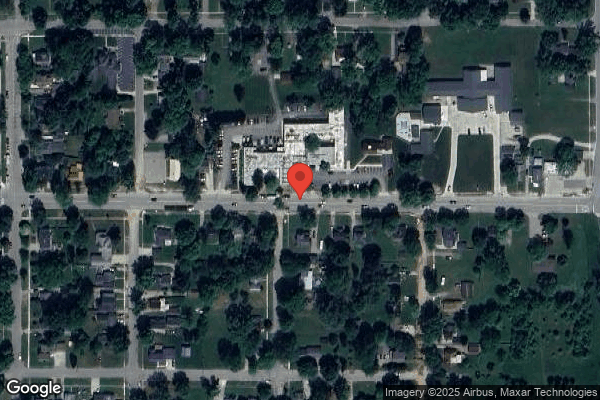
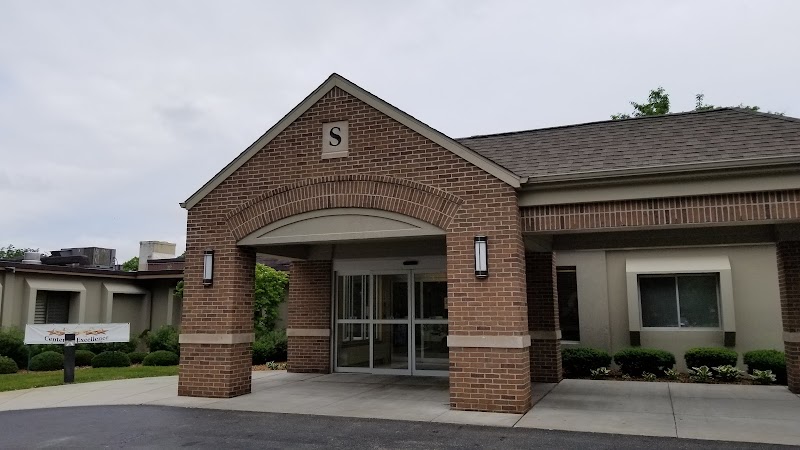
427 East Washington, St. Louis, MI 48880 (989) 681-5721
For profit - Limited Liability company 97 Beds NEXCARE HEALTH SYSTEMS Data: November 2025
Trust Grade
75/100
#79 of 422 in MI
Last Inspection: June 2025

Inspected within the last 6 months. Data reflects current conditions.

Overview

Schnepp Senior Care and Rehabilitation Center has a Trust Grade of B, indicating it is a good choice but not the top tier of facilities. It ranks #79 out of 422 nursing homes in Michigan, placing it in the top half, and #2 out of 5 in Gratiot County, meaning only one local option is better. However, the facility is experiencing a worsening trend, with the number of issues increasing from 8 in 2024 to 9 in 2025. Staffing is a strength, with a 5/5 star rating and a turnover rate of 42%, slightly below the state average, which suggests that staff are knowledgeable about the residents. On a positive note, there have been no fines reported, indicating compliance with regulations. Despite these strengths, there are significant concerns as the facility has been cited for serious incidents, including failing to prevent physical abuse and neglect, leading to emergency hospitalizations for two residents. In another serious case, a resident fell out of bed during care, resulting in injuries that ultimately contributed to her death. Additionally, there was a failure to properly assess a resident's medication parameters, which raises further questions about care standards. Overall, while there are positive aspects to this facility, potential residents should carefully consider these serious deficiencies.
Trust Score
B
75/100
In Michigan
#79/422
Top 18%
Safety Record
Moderate
Needs review
Inspections
Getting Worse
8 → 9 violations
Staff Stability
○ Average
42% turnover. Near Michigan's 48% average. Typical for the industry.
Penalties
✓ Good
No fines on record. Clean compliance history, better than most Michigan facilities.
Skilled Nurses
✓ Good
Each resident gets 52 minutes of Registered Nurse (RN) attention daily — more than average for Michigan. RNs are trained to catch health problems early.
Violations
⚠ Watch
18 deficiencies on record. Higher than average. Multiple issues found across inspections.
★★★★★
5.0
Overall Rating
★★★★★
5.0
Staff Levels
★★★★★
5.0
Care Quality
★★★★☆
4.0
Inspection Score
Stable
2024: 8 issues
2025: 9 issues

The Good

  • 5-Star Staffing Rating · Excellent nurse staffing levels
  • 5-Star Quality Measures · Strong clinical quality outcomes
  • Full Sprinkler Coverage · Fire safety systems throughout facility
  • No fines on record
  • Staff turnover below average (42%)

    6 points below Michigan average of 48%

Facility shows strength in staffing levels, quality measures, fire safety.

The Bad

Staff Turnover: 42%

Near Michigan avg (46%)

Typical for the industry

Chain: NEXCARE HEALTH SYSTEMS

Part of a multi-facility chain

Ask about local staffing decisions and management

The Ugly 18 deficiencies on record

2 actual harm
Aug 2025 4 deficiencies 1 Harm
SERIOUS (G) 📢 Someone Reported This

A family member, employee, or ombudsman was alarmed enough to file a formal complaint

Actual Harm - a resident was hurt due to facility failures

Free from Abuse/Neglect (Tag F0600)

A resident was harmed · This affected 1 resident

**NOTE- TERMS IN BRACKETS HAVE BEEN EDITED TO PROTECT CONFIDENTIALITY** Citation related to intake #2575541Based on interview and record review, the facility failed to prevent physical abuse and negle...

Read full inspector narrative →
**NOTE- TERMS IN BRACKETS HAVE BEEN EDITED TO PROTECT CONFIDENTIALITY** Citation related to intake #2575541Based on interview and record review, the facility failed to prevent physical abuse and neglect for two residents (R4, R6) of three residents reviewed for abuse, resulting in emergency hospitalization, injury and fearfulness. Findings include: Resident #4 (R4)Review of an admission Record revealed R4 was a [AGE] year-old male, originally admitted to the facility on [DATE], with pertinent diagnoses of dementia, Parkinson's disease, and type 2 diabetes. Review of a Brief Interview for Mental Status (BIMS) dated 7-25-25, reflected a score of 0 out of 15 which indicated severe cognitive impairment. Review of a VA (veteran's administration) admission report, faxed to the facility and stamped as received on 7-09-25, revealed the following information regarding R4: (a) veteran (R4) with recent noted appetite and oral intake decrease, (b) wife/caregiver had been offering and feeding R4 with nutritional supplements but there had been a 10-15 pound weight loss in past 6 months, (c) type 2 diabetes assessment-blood sugars are well controlled .VA pharmacy discontinued his insulin in March 2025 and will continue on Metformin 1000 mg (milligrams) twice daily .if blood sugars are consistently elevated above 200, pharmacy has recommended restarting insulin.Review of a Blood Sugar Summary for R4 revealed that blood sugars were not checked by the facility from time of admission on [DATE] to the time of hospitalization on 7-27-25.Review of a Nursing Note for R4 dated 7-18-25 revealed .(R4) arrived at facility via car from home accompanied by wife, walked onto unit using a walker, unsteady gait, no skin concerns noted, and able to handle hot liquids.Review of a Nursing Note for R4 dated 7-19-25 at 8:34 AM reflected .(R4) alert to self, accepts meds crushed, respirations even/unlabored, breath sounds diminished, no edema noted, vital signs stable, ambulates with one person assist and four wheeled-walker, allows staff to assist him.Review of a 'Nursing Note for R4 dated 7-19-25 at 10:23 AM reflected .alert and oriented to self, has difficulty making needs known, no signs or symptoms of pain, lung sounds clear on room air, ambulates with one assist and four wheeled-walker with shuffling gait, able to feed self finger foods.Review of a Nursing Note for R4 dated 7-19-25 at 7:00 PM reflected .alert and oriented to self with confusion, lung sounds clear, no edema (swelling) noted, skin warm and dry, maximum assist needed with ADL's (activities of daily living), requires assist with meals, ambulates with walker and assist, requires assist with meal, is pocketing food and not swallowing well.Review of a Nursing Note for R4 dated 7-19-25 at midnight revealed .alert and oriented to self, respirations even and unlabored, no edema, ambulates with walker and assist.Review of a Nursing Note for R4 dated 7-20-25 at 9:50 AM reflected .alert and oriented to self, confusion, lung sounds clear on room air, no edema, transfers and ambulates with four-wheel walker and one assist, pocketing food and putting too much in his mouth. During an interview on 8-11-25 at 2:00 PM, Family Member W stated that she spoke to R4 on the phone the evening of 7-20-25 and he sounded pretty good and like himself.Review of a Nursing Note for R4 dated 7-21-25 at 6:04 PM revealed .resident noted to be pocketing food, cognition is poor and not following simple directions, Speech Therapy screen placed. This was the only nursing progress note documented on 7-21-25. Review of a Physician Note for R4 dated 7-22-25 revealed the following: (a) required long term care due to dementia, Parkinson's disease, heart disease, and diabetes, (b) currently ambulatory with assist, (c) exam is positive for trouble swallowing, weakness, and confusion.Review of the EHR (electronic health record) for R4 reflected that no Nursing Note (s) were documented for a face-to-face nursing assessment on 7-22-25. Review of the EHR for R4 reflected that no Nursing Note (s) were documented for a face-to-face nursing assessment on 7-23-25. Review of a Nursing Note for R4 dated 7-24-25 at 3:04 AM reflected .resident is alert to self, accepts meds crushed in pudding, poor appetite, resting in bed at this time. This was the only nursing progress note documented on 7-24-25 regarding the overall well-being and assessment of R4. Review of the EHR for R4 reflected that no Nursing Note (s) were documented for a face-to-face nursing assessment on 7-25-25.Review of an Occupational Therapy (OT) Evaluation for R4 dated 7-25-25 indicated the reason for the referral was staff reported that on 7-23-25 and 7-24-25 the resident had difficulty holding up his head and/or was bent over in half forward or leaning position. During an interview on 8-11-25 at 2:25 PM, Family Member V stated that the Wednesday before (R4) went to the hospital (7-23-25) something was wrong, and I told staff that he wasn't himself and that something was different. FM V indicated that nursing staff told her that he (R4) is giving up and this is how the end of life looks. FM wife stated that this was very upsetting to her and that it felt like staff were making excuses, so they didn't have to figure out what happened and why he (R4) was so much worse. Review of a Nursing Note for R4 dated 7-26-25 at 12:30 AM noted .family here at beginning of shift and assisted resident with fluids and supplements, resident did take medications with much encouragement, resident is non-verbal. Review of a Nursing Note for R4 dated 7-26-25 at 2:53 PM reflected .resident is not responding appropriately with staff and is difficult to arouse, declined meals this day. Further review of the EHR revealed that vital signs were not assessed and documented for R4 on 7-26-25, nor did the documentation reflect that the physician was made aware of the change in condition. During an interview on 8-11-25 at 2:25 PM, Family Member V stated that she was at the facility and spoke with nursing the evening of 7-26-25 and asked if they were able to provide IV therapy (intravenous fluids). Nursing told her that because R4 is at the end of life and is not doing well, it would be very difficult on his body to have him sent to the Emergency Room. I was disgusted with them about this.Review of a Nursing Note for R4 dated 7-27-25 at 12:10 AM reflected .resident received night-time care and repositioned by staff, no signs or symptoms of respiratory distress noted at that time, resting comfortably. The note did not include any assessment of R4's alertness, orientation, ability to open his eyes or respond to staff. Review of a Nursing Note for R4 dated 7-27-25 at 1:47 AM reflected .resident is not opening his eyes or responding to staff interactions. No additional assessment information was documentedReview of a Nursing Note for R4 dated 7-27-25 at 2:39 AM indicated .at 2:10 AM nursing went into resident's room after bed check as staff stated resident felt warm. Vital signs taken: blood pressure 82/47, pulse 113, respirations 24, oxygen saturation 90%, and temperature 99.3. Phoned (responsible party) and advised that we would be sending R4 to the Emergency Department. Review of an Emergency Medical Response (EMR) run report revealed the following: (a) EMS was dispatched priority 1 with lights and sirens and was at R4's bedside at 2:27 AM, (b) primary symptom-altered mental status, provider's secondary impression-sepsis, (c) initial blood pressure 60/34, heart rate 115, oxygen saturation 81% with a non-rebreather mask placed by the facility, temperature 103.1, and respirations 30 and labored, (d) R4 was unresponsive, (e) EMS switched R4 to oxygen via nasal cannula and oxygen saturation immediately improved to 98%, (f) (R4) was not conscious, did not respond to sternal rub or follow commands, was very hot to the touch, and (g) staff indicated that (R4) has been declining over the past day or two. Review of the complaint #2575541 received by the State Agency and submitted by paramedic U for R4 reiterated the findings noted above in the EMR run report and added .patient was placed on a NRB (non-rebreather) oxygen mask which was improperly being used and was causing harm to the patient. Key findings of sepsis were noted, and this was not a sudden medical issue. Review of emergency room Provider Notes dated 7-27-25 at 2:46 AM reflected the following regarding R4: (a) per nursing facility report (R4) had been less responsive for the past two days, (b) patient was emergently intubated (a tube was placed to breath for him), (c) was ill-appearing, diaphoretic (sweating), had very dry oral mucosa, (d) blood sugar was 1,165 (one thousand one hundred and sixty five), (e) was in renal (kidney) failure, (e) had severe dehydration, and (g) was admitted to the ICU (intensive care unit) in critical condition. Resident #6 (R6) and Resident #1 (R1)Review of an admission Record revealed R6 was an [AGE] year-old-female, last re-admitted to the facility on [DATE]. Review of a BIMS dated 7-22-25 revealed a score of 11 out of 15 which indicated some cognitive impairment. Review of an admission Record revealed R1 was an [AGE] year-old-female, originally admitted to the facility on [DATE] with pertinent diagnoses of severe dementia with behavioral disturbances, anxiety, and history of a stroke. Review of a Nursing Note for R1 dated 7-17-25 indicated the resident wandered the unit and was exit seeking. Review of a Nursing Note for R1 dated 7-18-25 reflected that the resident appeared restless and anxious, wandered on the unit going into other resident's room, not easily redirected, argumentative with staff, began to follow another female resident around the unit.Review of Nursing Notes for R1 dated 7-21-25 reflected that the resident was actively exit seeking, going into other resident's room, going through their belongings in closet and dresser drawers, difficult to redirect, argumentative with staff, yelling profanity at staff and roommate, difficult to redirect the majority of the day, slapped the nurse when R1 was noted to be wearing her roommates pants. Review of a Nursing Note for R1 dated 7-22-25 reflected that the resident appeared restless and anxious, going into other resident's rooms, exit seeking, followed another female resident around the unit and when nursing intervened, R1 attempted to hit the nurse, and continued to wander into other resident's rooms as they were receiving bedtime care and yelled at staff when asked to leave the room. Review of a Nursing Note for R1 dated 7-23-25 revealed that the resident was arguing with her roommate, yelling, and tried to slap staff.Review of a Nursing Note for R1 dated 7-26-25 revealed the resident was often found in other resident's rooms, going through closets and drawers and taking items of clothing back to her room and was easily angered when staff attempted to redirect her. R1 was also yelling and confrontational with other residents.Review of a Nursing Note for R1 dated 7-27-25 reflected the resident attempted to push other residents around the unit in their wheelchairs and attempted to remove another resident out of a chair in the common area. Review of a Nursing Note for R1 dated 7-28-25 revealed the resident was taking other resident's belongings and angry when staff attempted to retrieve the items, arguing with other residents that asked her to leave them alone, pushing other resident's in their wheelchairs, fidgeting with other residents, combative and verbally and physically aggressive to staff, punched a nurse in the chest when removed from a male residents' room, and nurse redirected (R1) multiple times, and each time R1 continued to attempt to push the other female residents in wheelchairs. Review of a Nursing Note for R1 dated 7-29-25 reflected that the resident walked by a staff member and hit her in the face for no reason.Review of a Nursing Note for R1 dated 8-01-25 revealed that R1 was trying to push another female resident in a wheelchair, a staff person intervened and R1 attempted to hit the staff person but hit the female resident instead. Review of a Nursing Note for R1 dated 8-02-25 indicated that the resident was physically aggressive when pushing other residents in their wheelchairs, upsetting them. Review of a Nursing Note for R1 dated 8-03-25 revealed that R1 hit multiple staff members, grabbed at staff arms and wrists, pushed a male resident who was sleeping in a chair, and had no boundaries with other residents by getting directly in other residents faces to speak to them or yell at them. Review of a Nursing Note for R1 dated 8-05-25 reflected that R1 hit a staff person in the face causing the staff's glasses to cut their face. Review of a Nursing Note for R1 dated 8-09-25 indicated that R1 was pushing a resident around the unit in a wheelchair and when staff intervened, R1 started swinging at staff, touching other residents when they did not want to be touched, easily angered, slapped a staff person, and was in and out of other residents rooms most of the day. Review of a Nursing Note for R1 dated 8-10-25 at 8:30 PM revealed that R1 attempted to push other residents in their wheelchairs in the common area. R6 told R1 to leave them alone. R1 went over to R6 and punched her in the mouth. Review of a Facility Reported Incident (FRI) dated 8-11-25 reflected .(R1) was witnessed unprovoked making a fist with her right hand and making contact with a closed fist to R6. During an interview on 8-11-25 at 8:30 AM, R6 stated that the night before last (8-10-25) R1 was bothering other residents so I told her to stop. She came over and punched me in the mouth and split her lip. R6 stated that it hurt, it was bleeding, and that she is still afraid of R1. That lady (R1) is so mean and awful, she shouldn't be here. Review of a Behavior Note for R6, dated 8-11-25 at 10:00 AM revealed . (R6) became tearful with nurse and CNA this morning and stated that she was afraid of R1 and that she did not want to come out of her room today. During an interview on 8-11-25 at 12:56 PM, CNA (certified nurse aide) M was standing in R1's room and when asked, stated that he was called in to provide 1:1 for R1. During an interview on 8-11-25 at 2:10 PM, CNA R stated that R1 had not been placed on 1:1 supervision prior to today.On 8-11-25, a review of Care Plans for R1 did not show any interventions put into place by the facility to ensure that other residents are safe from abuse.
CONCERN (D) 📢 Someone Reported This

A family member, employee, or ombudsman was alarmed enough to file a formal complaint

Potential for Harm - no one hurt, but risky conditions existed

Report Alleged Abuse (Tag F0609)

Could have caused harm · This affected 1 resident

**NOTE- TERMS IN BRACKETS HAVE BEEN EDITED TO PROTECT CONFIDENTIALITY** This citation pertains to intake #2581979 and #2585133Based on interview and record review, the facility failed to report an all...

Read full inspector narrative →
**NOTE- TERMS IN BRACKETS HAVE BEEN EDITED TO PROTECT CONFIDENTIALITY** This citation pertains to intake #2581979 and #2585133Based on interview and record review, the facility failed to report an allegation of sexual abuse that involved two of two resident's (Resident #1 and Resident #2). Findings:Resident #1 (R1)Review of an admission Record revealed R1 was an [AGE] year-old female, admitted to the facility on [DATE] with pertinent diagnosis of severe dementia. Resident #2 (R2)Review of an admission Record revealed R2 was an [AGE] year-old-male, last admitted to the facility on [DATE] with pertinent diagnosis of dementia. Review of a Brief Interview for Mental Status (BIMS), dated 6-05-25, revealed a score of 3 out of 15 for R2, that indicated severe cognitive impairment. Review of a Nursing Progress Note for R1, dated 8-05-25, reflected the following: Resident (R1) was found in her room with male resident by CNA (certified nurse aide). When CNA walked in the resident (R1) was pulling her pants up and the male resident (R2) was laying in the roommate's bed completely naked and with feces .CNA then reported that the male resident (R2) was fully erect (penile erection) when found in the roommate's bed. Floor nurse manager (Clinical Care Coordinator/Registered Nurse B) came into the facility to do skin assessments and documentation on both female (R1) and male (R2) resident. Floor nurse manager (CCC/RN B) reported no skin issues were found, and no signs of sexual intercourse were found. During an interview on 8-13-25 at 11:00 AM, CNA D reported the following information regarding the above incident between R1 and R2 on 8-05-25: CNA D walked into R1's room and found R1 at the foot of the bed pulling her pants up and R2 laying in a bed naked, under a sheet, and R2 had an erection. CNA D separated R1 and R2. CNA D asked R2 what had happened. R2 did not seem like his usual self, looked flustered and upset, and just kept saying I don't know when asked about the details of the interaction with R1. CNA D reported the information to the floor nurse. During an interview on 8-13-25 at 11:50 AM, CCC/RN B conveyed the following information regarding the above incident between R1 and R2 on 8-05-25: (a) received a telephone call from the floor nurse about the matter and went to the facility to assess the situation, (b) stated that neither resident had any skin issues identified (no bruising, no blood, no discharge (vaginal or penile) and no signs of sexual intercourse were found, and (c) stated that she could not tell if there had been oral sex or fondling involved. CCC/RN B also indicated that she did not report the incident to the abuse coordinator. During an interview on 8-13-25 at 12:10 PM, the Nursing Home Administrator/Abuse Coordinator (NHA/AC) indicated that she was not made aware of the incident between R1 and R2 the evening of 8-05-25 until the next morning (8-06-25) at stand up (a daily morning meeting where team heads meet to discuss any concerns and new changes). The NHA/AC became aware by reading the progress note submitted by CCC/RB B and stated that there was nothing in the progress note that lead her to believe there was a possible sexual interaction between R1 and R2. The NHA/AC stated that she had received a phone call later in the afternoon of 8-06-25, from a concerned staff person, Registered Nurse (RN) S who reported hearing that something had occurred between R1 and R2 the evening before (8-05-25) that included (a) a male resident was found naked in a female room, (b) the male resident had an erection and his foreskin was pulled back, and (c) that families had not been notified. The NHA/AC stated that the alleged incident was not reported to the State Agency. During an interview on 8-13-25 at 12:46 PM, RN S stated that she contacted the NHA/AC on the afternoon of 8-06-15 just after hearing some of the information about the interaction between R1 and R2 the evening of 8-05-25. RN S indicated that the information she heard made her very uneasy, was concerned that a sexual encounter may have occurred, knew that neither resident could consent due to significant cognitive impairment, and wanted to make sure that the NHA/AC had been given all available information. Review of the State Operations Manual SOM reflected the following definition of an Alleged Violation: a situation or occurrence that is observed or reported by staff .but has not yet been investigated and, if verified, could be noncompliance with Federal requirements related to abuse.
CONCERN (D) 📢 Someone Reported This

A family member, employee, or ombudsman was alarmed enough to file a formal complaint

Potential for Harm - no one hurt, but risky conditions existed

Pressure Ulcer Prevention (Tag F0686)

Could have caused harm · This affected 1 resident

**NOTE- TERMS IN BRACKETS HAVE BEEN EDITED TO PROTECT CONFIDENTIALITY** This citation is related to intake #2585133Based on observation, interview, and record review, the facility failed to accurately...

Read full inspector narrative →
**NOTE- TERMS IN BRACKETS HAVE BEEN EDITED TO PROTECT CONFIDENTIALITY** This citation is related to intake #2585133Based on observation, interview, and record review, the facility failed to accurately assess, document, and initiate treatment for one of three residents (Resident #7) reviewed for pressure ulcers, resulting in the worsening of a coccyx wound. Findings:Resident #7 (R7)Review of an admission Record revealed R7 was an [AGE] year-old male, originally admitted to the facility on [DATE], with pertinent diagnoses of dementia, high blood pressure, type 2 diabetes, and chronic kidney disease stage 3. A Brief Interview for Mental Status (BIMS) completed 7-29-25 revealed a score of 11 out of 15 that reflected moderate cognitive impairment. Review of a Nx-admission Assess (nursing admission assessment) section C. skin integrity, for R7 and dated 7-22-25, reflected the following: R7 had four documented skin wounds at the time of admission (a) a stage 1 pressure injury to the coccyx, (b) bruising to the left elbow, (c) pressure injuries to the left toes, and (d) pressure injuries to the right toes. Per the assessment tool in the document, a stage 1 pressure wound involves intact skin with non-blanchable redness of an area. The nursing admission assessment did not indicate the stage of the pressure injuries to either the right or the left toes, nor were any measurements documented regarding the skin impairments. Review of an Electronic Treatment Administration Record (Etar) for R7, dated July 2025, revealed the facility did not have a treatment order in place for the stage 1 pressure injury to the coccyx. Review of a Physician Progress Note for R7, dated 7-24-25, reflected the purpose of the exam was for admission and H&P (history and physical). The physician documented .Skin: negative for rash and wound. The physician progress note did not contain any information about the stage 1 coccyx pressure injury noted at admission, nor any of the pressure injuries to the toes on both feet. Review of Nursing Progress Notes and Skin/Wound Assessments for R7, dated 7-22-23 to 7-31-25, revealed no skin documentation that demonstrated assessment and monitoring of the stage 1 coccyx pressure wound that was identified at admission. Review of a Nursing Progress Note for R7, dated 8-01-25 reflected .resident with history of skin breakdown on buttocks/coccyx in past with scarring noted .MASD (moisture associated skin damage) to coccyx and bilateral buttocks. Order to apply Desitin every shift and monitor weekly for effectiveness. Review of a Skin/Wound assessment for R7, dated 8-06-25, reflected that one new wound was identified by nursing on that day. Review of Nursing Progress Notes revealed that no additional information regarding the new wound was documented in the residents' health record, (location, size, drainage, color of wound and surrounding areas, odor, etc).During an observation on 8-13-25 at 10:10 AM, Registered Nurse (RN) T provided skin/wound care to R7. An open area and probable stage 2 pressure injury was identified just to the right of the anus. RN T did not take any measurements of the identified open wound. During an interview on 8-13-25 at 10:22 AM, R7 was asked if staff provide wound/skin care every shift as ordered on 08-01-25 and R7 responded, not to me they don't.
CONCERN (E) 📢 Someone Reported This

A family member, employee, or ombudsman was alarmed enough to file a formal complaint

Potential for Harm - no one hurt, but risky conditions existed

Deficiency F0658 (Tag F0658)

Could have caused harm · This affected multiple residents

**NOTE- TERMS IN BRACKETS HAVE BEEN EDITED TO PROTECT CONFIDENTIALITY** Based on interview and record review, the facility failed to assess for physician ordered parameters during medication administr...

Read full inspector narrative →
**NOTE- TERMS IN BRACKETS HAVE BEEN EDITED TO PROTECT CONFIDENTIALITY** Based on interview and record review, the facility failed to assess for physician ordered parameters during medication administration for one of three residents (Resident #7), reviewed for professional standards. Findings:Resident #7 (R7)Review of an admission Record revealed R7 was an [AGE] year-old male, originally admitted to the facility on [DATE], with pertinent diagnoses of dementia, high blood pressure, type 2 diabetes, and chronic kidney disease stage 3. A Brief Interview for Mental Status (BIMS) completed 7-29-25 revealed a score of 11 out of 15 that reflected moderate cognitive impairment. Review of a physician order summary for R7 revealed an order for Metoprolol 25 MG (milligrams) 1/2 tab in the morning for high blood pressure. HOLD if SBP (systolic blood pressure) if less than 110 and pulse is less than 60. Review of an Electronic Medication Administration Record (Emar) for R7, dated July 2025, revealed R7 received the blood pressure medication Metoprolol, from 7-23-25 to 7-31-25, six times without blood pressure monitoring before administration of the medication. On 7-30-25, R7's blood pressure was assessed in the morning, was found to be 97/61, below the parameters to administer the medication, and R7 was still administered the Metoprolol.Review of an Emar for R7, dated August 2025, revealed R7 received Metoprolol, from 8-1-25 to 8-13-25, twelve times without blood pressure monitoring before the administration of the medication. During an interview on 8-13-25 at 9:45 AM, the Director of Nursing (DON) could not locate blood pressures for R7 on every morning that the medication Metoprolol was administered to the resident. The DON indicated that nurses were expected to follow physician orders with each medication administration. Review of the facility policy General Procedures for All Medications reflected .Nursing will administer medications in a safe and effective manner .(J) obtain and record any vital signs as necessary prior to medication administration.
Jun 2025 5 deficiencies
CONCERN (D) 📢 Someone Reported This

A family member, employee, or ombudsman was alarmed enough to file a formal complaint

Potential for Harm - no one hurt, but risky conditions existed

Notification of Changes (Tag F0580)

Could have caused harm · This affected 1 resident

**NOTE- TERMS IN BRACKETS HAVE BEEN EDITED TO PROTECT CONFIDENTIALITY** This citation pertains to intake MI00153208 Based on observation, interview, and record review, the facility failed to notify th...

Read full inspector narrative →
**NOTE- TERMS IN BRACKETS HAVE BEEN EDITED TO PROTECT CONFIDENTIALITY** This citation pertains to intake MI00153208 Based on observation, interview, and record review, the facility failed to notify the responsible party of an event that may have mental or psychological disturbance for two Residents (R36 and R293) of two Residents reviewed for abuse. Findings included: Review of the facility policy, Change of Condition - Resident Family/Responsible Party Notification dated 4/12/16 revealed, Purpose: To notify family and/or responsible party any time there is a: 3. Change in mental, psychosocial or behavioral management. Review of the facility Abuse Policy dated, 3/15/2023 revealed, viii) Sexual abuse includes, but is not limited to, sexual harassment, sexual coercion or sexual assault and includes non-consensual sexual contact of any type with a resident. D) The Administrator and/or Director of Nursing (DON) must me notified of all alleged violations involving abuse, neglect, exploitation or mistreatment including injuries of unknown origin and misappropriation of resident property immediately. If the events that cause the allegation involve abuse or result in serious bodily injury, the facility administrator or DON with report to appropriate licensing agencies and local officials immediately but not later than 2 hours and not later than twenty-four (24) hours if the events that cause the allegation does not involve abuse and did not result in serious bodily injury. e) INVESTIGATION i) Time Frame for Investigation. (1) The investigation shall be initiated immediately, after the Administrator has knowledge of the incident, but in no event shall the investigation take longer than five (5) working days. R36 Review of R36's admission Record dated 6/3/2025 revealed she was [AGE] years old and admitted on [DATE]. Her diagnoses included: Dementia, heart failure, depression, and anxiety disorder. She was not her own responsible party. Review of R36's Behavior note dated 5/18/25 at 4:33 PM revealed, Activity aid observed a male resident grab (R36) to back of head and kiss her. The nurse asked R36 about the incident and she is unable to recall incident. No S/S (signs or symptoms) of distress noted, Registered Nurse (RN) A notified. (no indication that R36's responsible party was notified of this event). R36 and R293 were both observed in the activity room on 6/3/25 at 9:41 AM. There were a total of 12 residents in the room and all residents were very close to each other. One staff member was in the room most of the time. For a few minutes at a time staff would leave the room and all 12 residents were left unsupervised. On 6/3/25 at 9:54 AM, a Certified Nurse Aide (CNA) was in the activity room supervising 12 residents as the activity aid left the room for a break. CNA P said the only resident that needs close supervision was R293 because he gets Handsy (someone who is prone to touch other people, often in an inappropriate or unwanted way). Within a minute of this interview R293 was observed reaching out to a female resident. CNA P went over to R293 and said we need to keep our hands to ourselves and R293 pulled his hand back. During an interview with RN A on 6/5/25 at 10:10 AM, RN A confirmed that Licensed Practical Nurse (LPN) J notified her on 5/18/25 about R293 kissing R36. RN A confirmed that she notified the Director of Nursing (DON) and Nursing Home Administrator (NHA) that R293 kissed R36. RN A reviewed all text messages, and no one was instructed to notify R36's or R293's responsible parties of the event. During an interview with LPN J on 6/5/25 at 10:10 AM, LPN J reviewed her text messages and confirmed that she notified RN A about the report of R293 kissing R36 on 5/18/25. LPN J texted RN A twice about notifying R36's responsible party and she was instructed not to notify them by RN A. During an interview with the Director of Nursing (DON) and Nursing Home Administrator (NHA) on 6/5/25 at 12:20 PM, the DON and NHA confirmed they received a text message from RN A on 5/18/25 at 12:08 PM that informed them R293 kissed R36. They said they did not notify the responsible parties or instruct anyone to notify the responsible parties. They were not able to locate any documentation the R36's or R293's responsible parties were notified of the event. During an interview with Activity Aide (AA) Q on 6/4/25 at 11:55 AM, AA Q recalled working on 5/18/25 and being in the activity room with several residents when R293 kissed R36. She recalled a resident yelled hey and when she turned to see what was going on R293 was sitting in front of R36. R293 had R36's head in his lap (R36 was sitting in a chair and R293 was in a wheelchair). R293 kissed R36 on the lips. It was a romantic kiss like a Hallmark Movie. After the kiss R36 looked wide eyed and dazed. AA Q said she walked over to them and pulled R293 away from R36 and that was the end of it. AA Q could not recall the time of day or anyone else working at the time. She said she could not report it immediately as she was in the room by herself. She said when it was safe she reported it to the nurse in charge. She was not sure who the nurse in charge was but believed it might have been LPN J. R293 Review of R293's admission Record dated 6/5/25 revealed he was [AGE] years old and was admitted on [DATE]. His diagnoses included: Alzheimer's disease, dementia, and alcoholic cirrhosis of the liver. He was not his own responsible party. Review of R293's Behavior note dated 5/18/25 at 1:30 PM revealed, (11:30) Activity Aid (sic) observed R293 grab a hold of another resident's head and pull her into his face and kiss other resident. Activity asked him to stop and R293 did not let go. As Activity aid approached R293. He released her. This nurse was informed of. Specific behavior: above asked R293 what happened states. I wanna kiss Educated R293 not to touch others. Removed from dining room. Later on, this afternoon did not recall incident. Continues to make sexual comments to staff and other residents. Attempting to grab other residents and staff as they are passing by him. Making sexual gestures. (no indication that R293's responsible party was notified of this event)
CONCERN (D) 📢 Someone Reported This

A family member, employee, or ombudsman was alarmed enough to file a formal complaint

Potential for Harm - no one hurt, but risky conditions existed

Report Alleged Abuse (Tag F0609)

Could have caused harm · This affected 1 resident

**NOTE- TERMS IN BRACKETS HAVE BEEN EDITED TO PROTECT CONFIDENTIALITY** This citation pertains to intake MI00153208 Based on observations, interviews, and record review, the facility failed to report ...

Read full inspector narrative →
**NOTE- TERMS IN BRACKETS HAVE BEEN EDITED TO PROTECT CONFIDENTIALITY** This citation pertains to intake MI00153208 Based on observations, interviews, and record review, the facility failed to report to the State Agency an allegation of abuse for two resident (R36 and R293) of two residents reviewed for abuse. Findings included: Review of the facility Abuse Policy dated, 3/15/2023 revealed, viii) Sexual abuse includes, but is not limited to, sexual harassment, sexual coercion or sexual assault and includes non-consensual sexual contact of any type with a resident. D) The Administrator and/or Director of Nursing (DON) must me notified of all alleged violations involving abuse, neglect, exploitation or mistreatment including injuries of unknown origin and misappropriation of resident property immediately. If the events that cause the allegation involve abuse or result in serious bodily injury, the facility administrator or DON with report to appropriate licensing agencies and local officials immediately but not later than 2 hours and not later than twenty-four (24) hours if the events that cause the allegation does not involve abuse and did not result in serious bodily injury. e) INVESTIGATION i) Time Frame for Investigation. (1) The investigation shall be initiated immediately, after the Administrator has knowledge of the incident, but in no event shall the investigation take longer than five (5) working days. R36 Review of R36's admission Record dated 6/3/2025 revealed she was [AGE] years old and admitted on [DATE]. Her diagnoses included: Dementia, heart failure, depression, and anxiety disorder. She was not her own responsible party. Review of R36's Behavior note dated 5/18/25 at 4:33 PM revealed, Activity aid observed a male resident grab (R36) to back of head and kiss her. The nurse asked R36 about the incident and she is unable to recall incident. No S/S (signs or symptoms) of distress noted, Registered Nurse (RN) A notified. R36 and R293 were both observed in the activity room on 6/3/25 at 9:41 AM. There were a total of 12 residents in the room and all residents were very close to each other. One staff member was in the room most of the time. For a few minutes at a time staff would leave the room and all 12 residents were left unsupervised. On 6/3/25 at 9:54 AM, Certified Nurse Aide (CNA) was in the activity room supervising 12 residents as the activity aid left the room for a break. CNA P said the only resident that needs close supervision was R293 because he gets Handsy (someone who is prone to touch other people, often in an inappropriate or unwanted way). Within a minute of this interview R293 was observed reaching out to a female resident. CNA P went over to R293 and said we need to keep our hands to ourselves and R293 pulled his hand back. During an interview with RN A on 6/5/25 at 10:10 AM, RN A confirmed that Licensed Practical Nurse (LPN) J notified her on 5/18/25 about R293 kissing R36. RN A confirmed that she notified the Director of Nursing (DON) and Nursing Home Administrator (NHA) that R293 kissed R36. RN A reviewed all text messages, and no one was instructed to report this allegation of abuse to the State Agency. RN A was not able to recall any particulars about the event. RN A did not report this allegation to the State Agency she just checked on R36 and she had no recall of the event or injury. During an interview with LPN J on 6/5/25 at 10:10 AM, LPN J reviewed her text messages and confirmed that she notified RN A about the report of R293 kissing R36 on 5/18/25. RN A did not instruct her to report this event to anyone. During an interview with the Director of Nursing (DON) and Nursing Home Administrator (NHA) on 6/5/25 at 12:20 PM, the DON and NHA confirmed they received a text message from RN A on 5/18/25 at 12:08 PM that informed them R293 kissed R36. They said there was only one witness Activity Aid AA Q. They spoke to AA Q on the phone and because there was no intent, injury or recall of the event they did not investigate or report this event to the State Agency. They did not document any interviews or conversations about the event. During an interview with Activity Aide (AA) Q on 6/4/25 at 11:55 AM, AA Q recalled working on 5/18/25 and being in the activity room with several residents when R293 kissed R36. She recalled a resident yelled hey and when she turned to see what was going on R293 was sitting in front of R36. R293 had R36's head in his lap (R36 was sitting in a chair and R293 was in a wheelchair). R293 kissed R36 on the lips. It was a romantic kiss like a Hallmark Movie. After the kiss R36 looked wide eyed and dazed. AA Q said she walked over to them and pulled R293 away from R36 and that was the end of it. AA Q could not recall the time of day or anyone else working at the time. She said she could not report it immediately as she was in the room by herself. She said when it was safe she reported it to the nurse in charge. She was not sure who the nurse in charge was but believed it might have been LPN J. R293 Review of R293's admission Record dated 6/5/25 revealed he was [AGE] years old and was admitted on [DATE]. His diagnoses included: Alzheimer's disease, dementia, and alcoholic cirrhosis of the liver. He was not his own responsible party. Review of R293's Behavior note dated 5/18/25 at 1:30 PM revealed, (11:30) Activity Aid (sic) observed R293 grab a hold of another resident's head and pull her into his face and kiss other resident. Activity asked him to stop and R293 did not let go. As Activity aid approached R293. He released her. This nurse was informed of. Specific behavior: above asked R293 what happened states. I wanna kiss Educated R293 not to touch others. Removed from dining room. Later on, this afternoon did not recall incident. Continues to make sexual comments to staff and other residents. Attempting to grab other residents and staff as they are passing by him. Making sexual gestures.
CONCERN (D) 📢 Someone Reported This

A family member, employee, or ombudsman was alarmed enough to file a formal complaint

Potential for Harm - no one hurt, but risky conditions existed

Investigate Abuse (Tag F0610)

Could have caused harm · This affected 1 resident

**NOTE- TERMS IN BRACKETS HAVE BEEN EDITED TO PROTECT CONFIDENTIALITY** This citation pertains to intake MI00153208 Based on observations, interviews, and record review, the facility failed to thoroug...

Read full inspector narrative →
**NOTE- TERMS IN BRACKETS HAVE BEEN EDITED TO PROTECT CONFIDENTIALITY** This citation pertains to intake MI00153208 Based on observations, interviews, and record review, the facility failed to thoroughly investigate an allegation of abuse for two Residents (R36 and R293) of two Residents reviewed for abuse. Findings included: Review of the facility Abuse Policy dated, 3/15/2023 revealed, viii) Sexual abuse includes, but is not limited to, sexual harassment, sexual coercion or sexual assault and includes non-consensual sexual contact of any type with a resident. D) The Administrator and/or Director of Nursing (DON) must me notified of all alleged violations involving abuse, neglect, exploitation or mistreatment including injuries of unknown origin and misappropriation of resident property immediately. I he events that cause the allegation involve abuse or result in serious bodily injury, the facility administrator or DON with report to appropriate licensing agencies and local officials immediately but not later than 2 hours and not later than twenty-four (24) hours if the events that cause the allegation does not involve abuse and did not result in serious bodily injury. e) INVESTIGATION i) Time Frame for Investigation. (1) The investigation shall be initiated immediately, after the Administrator has knowledge of the incident, but in no event shall the investigation take longer than five (5) working days. R36 Review of R36's admission Record dated 6/3/2025 revealed she was [AGE] years old and admitted on [DATE]. Her diagnoses included: Dementia, heart failure, depression, and anxiety disorder. She was not her own responsible party. Review of R36's Behavior note dated 5/18/25 at 4:33 PM revealed, Activity aid observed a male resident grab (R36) to back of head and kiss her. The nurse asked R36 about the incident and she is unable to recall incident. No S/S (signs or symptoms) of distress noted, Registered Nurse (RN) A notified. R36 and R293 were both observed in the activity room on 6/3/25 at 9:41 AM. There were a total of 12 residents in the room and all residents were very close to each other. One staff member was in the room most of the time. For a few minutes at a time staff would leave the room and all 12 residents were left unsupervised. On 6/3/25 at 9:54 AM, Certified Nurse Aide (CNA) was in the activity room supervising 12 residents as the activity aid left the room for a break. CNA P said the only resident that needs close supervision was R293 because he gets Handsy (someone who is prone to touch other people, often in an inappropriate or unwanted way). Within a minute of this interview R293 was observed reaching out to a female resident. CNA P went over to R293 and said we need to keep our hands to ourselves and R293 pulled his hand back. During an interview with RN A on 6/5/25 at 10:10 AM, RN A confirmed that Licensed Practical Nurse (LPN) J notified her on 5/18/25 about R293 kissing R36. RN A confirmed that she notified the Director of Nursing (DON) and Nursing Home Administrator (NHA) that R293 kissed R36. RN A reviewed all text messages, and no one was instructed to start an investigation. RN A was not able to recall any particulars about the event. RN A did not do an investigation she just checked on R36 and she had no recall of the event or injury. During an interview with LPN J on 6/5/25 at 10:10 AM, LPN J reviewed her text messages and confirmed that she notified RN A about the report of R293 kissing R36 on 5/18/25. RN A did not instruct her to investigate the event or notify anyone of the event. LPN J was only aware the Activity Aide Q witnessed the event, she was not aware of any investigation and did not recall who was working. She was unaware of any other witnesses to the event. She did recall R36 had no recall of the event or any injury. During an interview with the Director of Nursing (DON) and Nursing Home Administrator (NHA) on 6/5/25 at 12:20 PM, the DON and NHA confirmed they received a text message from RN A on 5/18/25 at 12:08 PM that informed them R293 kissed R36. They said there was only one witness Activity Aid Q. They spoke to AA Q on the phone and because there was no intent, injury or recall of the event they did not investigate or report this event to the State Agency. They did not document any interviews or conversations about the event. During an interview with Activity Aide (AA) Q on 6/4/25 at 11:55 AM, AA Q recalled working on 5/18/25 and being in the activity room with several residents when R293 kissed R36. She recalled a resident yelled hey and when she turned to see what was going on R293 was sitting in front of R36. R293 had R36's head in his lap (R36 was sitting in a chair and R293 was in a wheelchair). R293 kissed R36 on the lips. It was a romantic kiss like a Hallmark Movie. After the kiss R36 looked wide eyed and dazed. AA Q said she walked over to them and pulled R293 away from R36 and that was the end of it. AA Q could not recall the time of day or anyone else working at the time. She said she could not report it immediately as she was in the room by herself. She said when it was safe she reported it to the nurse in charge. She was not sure who the nurse in charge was but believed it might have been LPN J. R293 Review of R293's admission Record dated 6/5/25 revealed he was [AGE] years old and was admitted on [DATE]. His diagnoses included: Alzheimer's disease, dementia, and alcoholic cirrhosis of the liver. He was not his own responsible party. Review of R293's Behavior note dated 5/18/25 at 1:30 PM revealed, (11:30) Activity Aid (sic) observed R293 grab a hold of another resident's head and pull her into his face and kiss other resident. Activity asked him to stop and R293 did not let go. As Activity aid approached R293. He released her. This nurse was informed of. Specific behavior: above asked R293 what happened states. I wanna kiss Educated R293 not to touch others. Removed from dining room. Later on, this afternoon did not recall incident. Continues to make sexual comments to staff and other residents. Attempting to grab other residents and staff as they are passing by him. Making sexual gestures.
CONCERN (D)

Potential for Harm - no one hurt, but risky conditions existed

Infection Control (Tag F0880)

Could have caused harm · This affected 1 resident

**NOTE- TERMS IN BRACKETS HAVE BEEN EDITED TO PROTECT CONFIDENTIALITY** Based on observation, interview, and record review, the facility failed to ensure proper Personal Protective Equipment (PPE) and...

Read full inspector narrative →
**NOTE- TERMS IN BRACKETS HAVE BEEN EDITED TO PROTECT CONFIDENTIALITY** Based on observation, interview, and record review, the facility failed to ensure proper Personal Protective Equipment (PPE) and hand hygiene for 1 resident (R294) of 1 resident reviewed for Transmission Based Precautions (TBP). Findings include: Review of an admission Record revealed R294 admitted to the facility on [DATE] with pertinent diagnoses which included enterocolitis (inflammation in the lining of the small intestine and colon) due to clostridium difficile (C. diff, a bacterium that causes diarrhea and colitis) and end stage renal disease. Review of R294's Physician's Orders, active 6/4/2025, revealed an order for Contact Precautions started 6/2/2025 for C. diff. In an observation on 6/4/2025 at 10:17 AM outside R294's room, Physical Therapy Assistant (PTA) G exited the room after removing his gown and gloves and performed hand hygiene using hand sanitizer. A sign on the door directed staff R294 was in Contact Precautions and that gown and gloves were required when in contact with resident. In an interview on 6/4/2025 at 2:32 PM, PTA G reported he was aware R294 was in contact precautions for C. diff and forgot to wash his hands with soap and water upon exiting the room after completing therapy with him earlier. PTA G stated, I should have washed my hands instead of using hand sanitizer, I forgot about that. In an observation on 6/4/2025 at 10:33 AM outside R294's room, Certified Nursing Assistant (CNA) L entered R294's room with Contact Precaution signage on the door without performing hand hygiene or donning gloves or a gown. CNA L assisted resident with his wheelchair, touching his legs, without PPE. CNA Ls clothing made contact with R294's body and wheelchair. CNA L did not perform hand hygiene after she finished assisting R294. In an interview on 6/4/2025 at 2:10 PM, CNA L reported she had been educated that she must use gown and gloves any time she was in contact with R294 and wash hands with soap and water as this is required with residents being treated for C. diff. In an interview on 6/4/2025 at 2:08 PM, Registered Nurse (RN) H reported hand sanitizer was not effective for C. diff and staff must wash hands with soap and water instead. In an interview on 6/4/2024 at 2:40 PM, Infection Preventionist (IP) A reported staff were required to wash hands with soap and water for C. diff precautions instead of using hand sanitizer as hand sanitizer is not effective with C. diff. IP A reported staff were required to use gown and gloves when in contact with R294 because he was in Contact Precautions for treatment of C. diff. These organisms may be readily transmitted unless removed using hand hygiene. If hands are visibly soiled with proteinaceous material or care is being provided to a patient with a spore-borne infection such as anthrax (Bacillus anthracis) or Clostridium difficile (C. difficile), washing with soap and water is the preferred practice (CDC, 2021c). [NAME], [NAME] A.; [NAME], [NAME] G.; Stockert, [NAME] A.; Hall, [NAME]. Fundamentals of Nursing - E-Book (p. 453). Elsevier Health Sciences. Kindle Edition. Review of facility policy/procedure Handwashing and Hand Hygiene, revised 4/2020, revealed . (alcohol-based hand rub) is appropriate for hand hygiene as first choice however when hands are visibly soiled, after using the restroom, before and after eating, or when caring for residents in precautions for C-diff, Norovirus, or COVID-19 soap and water is preferred . Review of facility policy/procedure Transmission-Based Precautions, dated 5/10/2023, revealed .It is our policy to take appropriate precautions to prevent transmission of infectious agent, based on the agents' modes of transmission . Contact Precautions . Healthcare personnel caring for residents on Contact Precautions wear a gown and gloves for all interactions that may involve contact with the resident or potentially contaminated areas in the resident's environment . Donning personal protective equipment (PPE) upon room entry and discarding before exiting the room is done to contain pathogens, especially those that have been implicated in transmission through environmental contamination (e.g. VRE, C. difficile, noroviruses and other intestinal tract pathogens) .
CONCERN (E)

Potential for Harm - no one hurt, but risky conditions existed

Resident Rights (Tag F0550)

Could have caused harm · This affected multiple residents

**NOTE- TERMS IN BRACKETS HAVE BEEN EDITED TO PROTECT CONFIDENTIALITY** Review of the Resident Council Minutes dated 1/21/25 reflected Old Business- Review of Previous Meeting, Outstanding issues and ...

Read full inspector narrative →
**NOTE- TERMS IN BRACKETS HAVE BEEN EDITED TO PROTECT CONFIDENTIALITY** Review of the Resident Council Minutes dated 1/21/25 reflected Old Business- Review of Previous Meeting, Outstanding issues and Resident Council Departmental Response Forms. Handwritten in the section of the Resident Council Minutes reflected Call lights can be long at times but residents state it is usually at busy times. Review of the Resident Council Minutes dated 3/5/25 reflected a complaint of having to wait a long time for help. Review of the Resident Council Minutes dated 4/1/25 reflected the Old Business review from 3/5/25 that the waiting for help was going better. However, New Business revealed a complaint of the call light being placed in inaccessible location and Call lights can be (on) long at times and included but they know staff is busy. Review of the Resident Council Minutes dated 5/6/25 reflected that the Old Business from the 4/1/25 meeting of the inaccessible call light had not been resolved and that Call lights can still be an issue. The New Business section revealed some staff state they will be right back when answering call lights and then don't come back. Review of the Resident Council Minutes dated 6/3/25 reflected the Old Business of Call lights being turned off and staff not returning was much better. However, the Resident Council New Business minutes documentation continued with complaints that call lights can be long at times, that staff .forget that she is here, and that the afternoon shift . call lights are longer. The policy provided by the facility titled Call light Policy last revised 5/1/2017 was reviewed. The policy reflected Procedure . 3. Call lights will remain on until staff is available to meet the resident needs/request. During an interview and record review conducted 6/4/25 at 3:13 PM, the Director of Nursing (DON) reported the facility had been made aware of the resident's call light concern. The DON reported that on 5/13/25 staff training was initiated to address this concern. The DON provided documentation with staff signatures that education had been provided to leave the (call) lights on as a reminder to return. R40 Review of the medical record reflected R40 admitted to the facility 2/5/25, was cognitively intact, and was his own responsible party. Review of the Minimum Data Set (MDS) dated [DATE] reflected R40 required staff assistance with toileting and transfers. During an interview conducted 6/3/25 at 1:44 PM, R40 reported he had a concern with call lights and the call light system. R40 explained how the call light worked by him initiating the light and staff were notified by a pager and it also appeared on the wall (wall mounted monitor). R40 reported a couple of weeks ago he waited 28 minutes to get water. R40 reported he had timed the wait on his clock. R40 also reported staff would turn of the light often without meeting his need indicating they would return but do not. R40 reported if the light was turned off and then he turned it back on it puts him at the end of the list because staff go to the light that has been on the longest and they don't know that someone had responded and turned off his light. R40 reported he had complained to the nurse manager who put on a sheet in his closet that staff were not to turn off the light until the need was met. R40 reported he has had to show that sheet to staff several times. R40 strongly conveyed frustration stating that . it still happens often enough. Review of the inside closet door of R40 reflected a document titled (R40)'s Schedule and Preferences. The document reflected bullet points of topics that included showers and shoes. Near the bottom of the document in bold type read Leave my call light on until my needs are met. R29 Review of the medical record reflected R29 originally admitted to the facility 3/30/23, was cognitively intact and was his own responsible party. Review of the Care Plan for R29 reflected the Resident was at risk for falls and required two staff member and a lift for transfers. In an interview on 6/3/25 at 11:30 AM, R29 was sitting in a Geri Chair and reported long call light waits several times a week. R29 reported often after eating he needed to have a bowel movement but must wait as long as an hour. R29 reported that staff would respond but turned off the call light, leave, then forget to come back. R29 reported he had a history of hemorrhoid surgery and that it hurt to hold on to the (stool). R29 reported he had talked with a nursing manager about this but indicated the issue had continued. When asked how this made him feel R29 looked away and shook his head. R29 then reported they just need more people (staff). R55 Review of the medical record reflected R55 originally admitted to the facility 1/14/23 and was listed as a responsible party. Review of the MDS dated [DATE] reflected a Brief Interview for Mental Status (BIMS) score of 11 out of 15 which indicated mild cognitive impairment. Review of the Care Plan for R55 reflected the Resident required the use of a mechanical lift for transfers. In an interview conducted 6/3/25 at 11:42 AM, R55 reported delayed call light response was not associated with a certain time of the day. R55 reported staff had responded but turned off the light and indicated they would return later. R55 reported that this happened at least once a day. When asked how this made him feel R55 was initially quiet then stated, I try to not get wrapped up in my feelings. R191 Review of the medical record reflected R191 admitted to the facility 5/24/25 and was her own responsible party. Review of the Care Plan for R191 reflected the Resident was at risk for falls and required staff assistance with transfers. In an interview on 6/5/25 at 9:21 AM, R191 reported she had recently admitted to the facility. R191 reported she has had to wait awhile for a response to her call light. R191 reported that staff frequently would respond, turn off the light and tell her they would be back. R191 reported that this had happened a couple of times in the previous two days. R32 Review of the medical record reflected R32 admitted to the facility 2/1/21. Review of the MDS dated [DATE] reflected the Resident had a BIMS score of 12 which indicated mild cognitive impairment. Review of the Care Plan for R32 reflected the Resident was at risk for falls and required staff assistance with toileting and transfers. During an interview on 6/5/25 at 9:30 AM, R32 stated when she initiated a call light, she knew she must be patient and wait your turn. R32 reported that staff would come to the room, turn off the light and state they would be back. R32 reported you may have to call again . R38 Review of the medical record reflected R38 admitted to the facility 11/26/24 and was her own responsible party. During an interview on 6/5/25 at 9:34 AM, R38 reported sometimes the person responding to her call light was not regular care staff. R38 reported this person would turn off the light and say they would send someone in. R13 Review of the medical record reflected R13 originally admitted to the facility 3/12/21 and was her own responsible party. Review of the MDS dated [DATE] reflected a BIMS score of 15 which indicated the Resident is cognitively intact. During an interview conducted 6/5/25 at 9:45 AM, R13 reported she was the Resident Council [NAME] President. R13 reported that the call light issue comes up often at Resident Council and, despite ongoing complaints, the concern . is staying the same. R43 Review of the MDS dated [DATE] reflected R43 admitted to the facility 4/16/24 and had a BIMS score of 15 which indicated the Resident was cognitively intact. This MDS reflected R43 required supervision with toileting and transfers. During an interview on 6/5/25 at 9:51 AM, R43 reported that she needed help getting out of bed to go to the bathroom. R43 indicated she got anxious when the response to her request for assistance was delayed because I don't want to wet myself, I'm wearing slacks. R43 acknowledged that she did wear a brief but preferred to use the bathroom. During an interview on 6/5/25 at 10:28 AM, Certified Nurse Aide (CNA) R reported that if a second staff member was needed to assist a resident, she would turn off the call light and return when the second staff member was available. Based on interview and record review, the facility failed to provide personal care in a dignified manner for one Resident (R46) and failed to provide timely personal care and assistance for eight Residents (R40, R29, R55, R191, R32, R38, R13, & R43) of nine residents reviewed for dignity. R46 Review of an admission Record revealed R46 admitted to the facility on [DATE] with pertinent diagnoses which included Parkinson's disease (a disorder of the central nervous system that affects movement) and heart failure. Review of a Minimum Data Set (MDS) (a tool used for assessing a resident's care needs) assessment for R46, with a reference date of 4/9/2025 revealed a Brief Interview for Mental Status (BIMS) (a scale used to determine a resident's cognitive status) score of 14, out of a total possible score of 15, which indicated R46 was cognitively intact. Further review of same MDS assessment revealed R46 required substantial assistance from staff with toileting and hygiene. In an interview on 6/3/2025 at 11:10 AM, R46 reported a female staff was rough and hurried when caring for him. R46 reported he felt like he was thrown around in bed during care. R46 reported he thought the staff member was rough because she was hurried and not because she was trying to hurt him. In an interview on 6/5/2025 at 8:54 AM, R46 reported he experienced rough care about once a week. Review of R46's Assistance Form, dated 6/3/2025, revealed R46 complained that a second shift nurse was rough when she changed him, pushing and shoving. In an interview on 6/5/2025 at 10:03 AM, the Director of Nursing (DON) reporting she was still investigating R46's concern form regarding rough care and trying to identify which staff was responsible. In an interview on 6/5/2025 at 11:11 AM, R46 stated receiving hurried and rough care made him feel like I don't matter.
Jun 2024 5 deficiencies
CONCERN (D)

Potential for Harm - no one hurt, but risky conditions existed

Assessment Accuracy (Tag F0641)

Could have caused harm · This affected 1 resident

**NOTE- TERMS IN BRACKETS HAVE BEEN EDITED TO PROTECT CONFIDENTIALITY** Based on interview and record review, the facility failed to accurately correlate and document Minimum Data Set (MDS) assessment...

Read full inspector narrative →
**NOTE- TERMS IN BRACKETS HAVE BEEN EDITED TO PROTECT CONFIDENTIALITY** Based on interview and record review, the facility failed to accurately correlate and document Minimum Data Set (MDS) assessment information from the medical record for one Resident (R61) with a history of behaviors resulting in inaccurate assessments, the potential for care areas to not be triggered or identified impeding the development of an individualized Care Plan, and the potential for all facility residents to not be properly assessed and a corresponding plan of care be implemented to enable attainment of their highest potential physical, mental, and psychosocial well-being. Findings: Review of the Electronic Medical Record (EMR) admission Record reflected R61 admitted to the facility 2/24/23 with pertinent diagnoses that included Alzheimer's Disease and Dementia with agitation. Review of the MDS dated [DATE] reflected a Brief Interview for Mental Status (BIMS) score of 7 out of 15 which indicated R61 was moderately cognitively impaired. Review of the Care plan for R61 revealed a Focus area of I am at risk for alterations in my behavior .may hit myself at times if angry, upset or when staff attempting to assist with (Activities of Daily Living) I will swat at staff when they try to help me ., I have moments when I get angry, and I will lash out at staff and kick at furniture . This Focus area was initiated 2/24/23 and last revised on 6/25/24 (Survey Exit Date). The Care Plan reflected a Goal of Resident will have a decrease in symptoms with no harm to self or others initiated 2/24/23 and last revised 4/13/24. Review of the Center for Medicare and Medicaid Services (CMS) Long-Term Care Resident Assessment Instrument (RAI) 3.0 User's Manual Chapter 2, 2.1 reflects that Medicare and Medicaid certified nursing homes must conduct initial and periodic assessments of all their residents. The Resident Assessment Instrument (RAI) process is the basis for accurate resident assessments recorded on the Minimum Data Set 3.0 assessments. The RAI User's Manual refers to the last day of the resident observation period for the assessment as the Assessment Reference Date or ARD. This observation period, also known as the look back period, is seven days for most MDS 3.0 core items and these items are separated into Sections. Section E is titled Behavior and requires a seven day look back period. Review of the CMS RAI Version 3.0 Manual instructions for Section E: Behavior reflect Intent Once the frequency and impact of behavioral symptoms are accurately determined, follow-up evaluation and care plan interventions can be developed to improve the symptoms or reduce their impact. On 6/26/24 at 11:56 AM an interview was conducted with Social Services Designee (SSD) I who indicated she completes Section E of the MDS assessments. SSD I reported that R61 has a history of hitting himself. SSD I reported that sometimes staff will have difficulty with daily cares as R61 will hit and kick. SSD I reported when reviewing data for the MDS assessment I look at everything and included, Progress Notes, Behavior notes, Care Plan, psycho-active medication notes, and Doctor notes in the description of the sources reviewed. An MDS assessment with an ARD date of 1/31/24 for R61 is logged in the EMR. The designated look back period would be 1/25/24 through 1/31/24. Review of the Progress Notes for R61 reveled: -Alert Note of 1/25/25 at 3:39 PM, Resident Yelling/Screaming. -Behavior Note 1/28/24 at 11:05 PM (R61) refused all of his (nighttime) meds. Nurse approached multiple times. (R61) began to yell leave me alone. (R61) then began to spit at the nurse and CNA's when they tried to assist him. -Alert Note 1/29/24 at 2:06 PM, Resident Pinch/Scratch/Spit. -Behavior Note 1/30/24 at 1:21 AM reflected, (R61) refused all of his (nighttime) medications. Nurse reapproached multiple times . but says No, I'm not taking anything. (R61) has been spitting at staff .yelling out profanities at staff when cares performed. Review of Section E- Behaviors of the MDS with the ARD date of 1/31/24 completed by SSD I reflected E0200. Behavioral Symptoms, A. Physical behavioral symptoms directed to others as the question with the documented response of 0. Behavior not exhibited. And B. Verbal behavioral symptoms directed towards others (e.g screaming at others, cursing at others) . The documented response to this is 0. Behavior not exhibited. And C. Other behavioral symptoms not directed toward others (e.g verbal/vocal symptoms like screaming, disruptive sounds) with the documented response of ). Behavior not exhibited. The next step on this assessment reveals sub-section E0300 and asks if any behavioral symptoms in the previous questions were coded 1,2, or 3. The documented response was 0. No . This No response triggered the assessment to disable or skip over sub-section E0600 which assesses the impact of these behaviors on the resident physically, socially, the risk for injury, or the living environment. The next sub-section that was completed is E0800 Rejection of Care to include rejection of medications and assistance. The documented response is 0. Behavior not exhibited despite documentation during the look back period to the contrary. Review of the EMR Behavior Note dated 4/13/24 at 11:30 PM reflected CNA reported that (R61) was hitting himself when the CNA was assisting (R61) with (nighttime) cares. The Alert Note of 4/16/24 at 8:32 AM reflected Resident Yelling/Screaming. Section E of the MDS with an ARD date of 4/18/24 was reviewed. E0200 of this section, completed by SSD I, reflected documentation that, during the look back period of 4/12/24 to 4/18/24 had not displayed any physical or verbal behaviors. This MDS section reflected that it was signed by (SSD I) on 4/24/24 at 2:34 PM Review of the EMR Progress Notes revealed a Social Service Note dated 4/24/24 at 2:30 PM, which is timed 4 minutes prior to the signing of Section E of the MDS dated [DATE]. This note reflected that (R61) does have a (history) of hitting himself, as confirmed by documentation evident during the look back period. However, this information was not included Section E of the MDS assessment.
CONCERN (D)

Potential for Harm - no one hurt, but risky conditions existed

Pressure Ulcer Prevention (Tag F0686)

Could have caused harm · This affected 1 resident

**NOTE- TERMS IN BRACKETS HAVE BEEN EDITED TO PROTECT CONFIDENTIALITY** Based on observation, interview, and record review, the facility failed to 1) perform ordered pressure ulcer interventions and 2...

Read full inspector narrative →
**NOTE- TERMS IN BRACKETS HAVE BEEN EDITED TO PROTECT CONFIDENTIALITY** Based on observation, interview, and record review, the facility failed to 1) perform ordered pressure ulcer interventions and 2) adequately monitor and assess a pressure ulcer for 1 resident (Resident #33) of 2 residents reviewed for pressure ulcer care, resulting in the potential of worsening pressure ulcers and the potential for residents to not meet their highest practicable physical, mental, and psychosocial well-being. Findings include: Review of an admission Record revealed Resident #33 admitted to the facility on [DATE] with pertinent diagnoses which included a foot ulcer, a pressure ulcer, and peripheral vascular disease. Review of a Minimum Data Set (MDS) assessment for Resident #33, with a reference date of 4/24/2024 revealed a Brief Interview for Mental Status (BIMS) score of 13, out of a total possible score of 15, which indicated Resident #33 was cognitively intact. Review of a current skin management Care Plan intervention for Resident #33, with a revision date of 12/22/2023, directed staff that Resident #33 used a right foam boot when in bed to aid in pressure reduction and possible friction. Review of facility policy/procedure Wound Management Program, Revised 8/17/2027, revealed .To assure that residents who are admitted with, or acquire, wounds receive treatment and services to promote healing, prevent complications and prevent new skin conditions from developing . Complete the following documentation weekly, as applicable to type of wound/skin condition . Weekly pressure ulcer wound documentation and picture in wound rounds . weekly non-pressure wound documentation and picture in wound rounds . Review of Resident #33's Physician's Orders, active 6/26/2024, revealed .Apply foam boot while in bed to offload pressure and prevent friction from rubbing . Right Heel: Cleanse wound with generic wound cleanser, apply hydrofera blue ready to wound bed, cover with ABD pad and wrap with kerlix . Review of Resident #33's electronic medical record on 6/26/2024 at 9:20 AM revealed Resident #33's right heel pressure ulcer was documented as resolved and the facility had not been performing weekly wound assessments, measurements, or pictures since December of 2023. Review of Resident #33's wound clinic documentation, date of service 5/14/2024, revealed .pressure ulcer of right heel, stage 3 . Right calcaneus is slightly worse this week. I obtained wound culture. See new wound orders . keep weight off area of wound at all times . obtain post op shoe and use when not in bed . Prevalon boot (foam protective boot) or equivalent when in bed . Review of Resident #33's wound clinic documentation, date of service 6/4/2024, revealed .pressure ulcer of right heel, stage 3 . Right calcaneus . near healed . keep weight off area of wound at all times . obtain post op shoe and use when not in bed . Prevalon boot or equivalent when in bed . Review of Resident #33's wound clinic documentation, date of service 6/25/2024, revealed .pressure ulcer of right heel, stage 3 . Right calcaneus . still open . keep weight off area of wound at all times . obtain post op shoe and use when not in bed . Prevalon boot or equivalent when in bed . In an interview on 6/26/2024 at 9:20 AM, Licensed Practical Nurse (LPN) A reported she was not sure why the facility was not performing weekly wound measurements and pictures for Resident #33's right heel wound. In an observation and interview on 6/26/2024 at 9:36 AM in Resident #33's room, Resident #33 was in bed and not wearing a foam protective boot. Resident #33 reported she had not worn the foam protective boot for months. Resident #33 reported staff did not offer the foam protective boot to her any longer, and her sister had taken the boot home. Review of Resident #33's June Treatment Administration Record revealed frequent documentation of right foot foam boot use while in bed, including documentation of the foam boot being applied by LPN A on day shift and the evening shift of 6/25/2024. In an observation and interview on 6/26/2024 at 9:42 AM in Resident #33's room, LPN A was unable to find Resident #33's foam protective boot. LPN A reported was not sure when she had last seen the foam protective boot, but it had been at least a few weeks prior. LPN A found a black post op shoe in Resident #33's room and reported Resident #33 had worn this in bed on 6/25/2024 instead of the foam protective boot. LPN A reviewed Resident #33's orders and reported the post op shoe was to be worn when not in bed and the foam protective boot was to be worn while in bed according to current orders. LPN A reported she documented Resident #33 wearing the foam protective boot on 6/25/2024 in error. In an interview on 6/26/2024 at 9:57 AM, the Director of Nursing (DON) reported she could not find documentation of weekly wound measurements or pictures for Resident #33 except from the wound clinic. In an interview on 6/26/2024 at 11:58 AM, Competency Evaluated Nursing Assistant (CENA) E reported she had not seen Resident #33's foam protective boot in her room since early June. In an interview on 6/26/2026 at 12:03 PM, Regional Clinical Director C reported the facility had not been documenting weekly wound measurements or pictures for Resident #33's right heel wound. Regional Clinical Director C reported documentation should accurately reflect current treatment given. In a telephone interview on 6/26/2024 at 1:07 PM, Wound Nurse Practitioner D reported Resident #33's right heel wound was still open at her appointment on 6/25/2024 and measured 0.1 by 0.1 by 0.1 cm. Wound Nurse Practitioner D reported the wound had never completely healed and was still open. In an interview on 6/26/2024 at 1:33 PM, LPN A reported she reviewed the documentation from the wound clinic when Resident #33 returned on 6/25/2024 and did not realize the documentation reported the wound to be still open or discuss this with facility staff.
CONCERN (D)

Potential for Harm - no one hurt, but risky conditions existed

Drug Regimen Review (Tag F0756)

Could have caused harm · This affected 1 resident

**NOTE- TERMS IN BRACKETS HAVE BEEN EDITED TO PROTECT CONFIDENTIALITY** Based on interview and record review, the facility failed to ensure the physician reviewed a pharmacy recommendation for 1 of 5 ...

Read full inspector narrative →
**NOTE- TERMS IN BRACKETS HAVE BEEN EDITED TO PROTECT CONFIDENTIALITY** Based on interview and record review, the facility failed to ensure the physician reviewed a pharmacy recommendation for 1 of 5 residents (R61) reviewed for monthly pharmacy medication reviews, resulting in the potential for the physician not being aware of a pharmacy recommendation and serious side effects of the combined use of a non-steroidal anti-inflammatory (NSAID) and an anticoagulant. Findings include: A review of R61's admission Record, dated 6/26/24, revealed R61 was a [AGE] year-old resident admitted to the facility on [DATE]. In addition, R61's admission Record revealed multiple diagnoses that include right hip pain, chronic atrial fibrillation (an irregular fast heart rate), hypertension, and a history of transient ischemic attack (TIA- a mini-stroke)) and cerebral infarction (CI- a stroke). A review of R61's pharmacy medication regimen reviews, dated 6/1/23 to 6/26/24, revealed the following: - Pharmacy Recommendation, dated 12/7/23, revealed, PHARMACIST RECOMMENDS:: PHYSICIAN RECOMMENDATION: This resident is receiving Mobic (a non-steroidal anti-inflammatory (NSAID) used for pain)15 mg (milligrams) QD (once a day) and receives Eliquis (an anticoagulant- blood thinner- used to prevent blood clots in residents with a history of and/or at risk for strokes and atrial fibrillation) 5 mg BID (twice a day). Please be aware of the following black box warning: Cardiovascular events: [U.S. Boxed Warning]: NSAIDs are associated with an increased risk of adverse cardiovascular events, including MI (myocardial infarction- a heart attack), stroke, and new onset or worsening of pre-existing hypertension. Risk may be increased with duration of use or pre-existing cardiovascular risk factors or disease. Carefully evaluate individual cardiovascular risk profiles prior to prescribing. Use caution with fluid retention, CHF (congestive heart failure), or hypertension . Gastrointestinal (GI) events: [U.S. Boxed Warning]: NSAIDs may increase risk of gastrointestinal irritation, ulceration, bleeding, and perforation. These events may occur at any time during therapy and without warning. Use caution with a history of GI disease (bleeding or ulcers), concurrent therapy with aspirin, anticoagulants and/or corticosteroids, smoking, use of alcohol, the elderly or debilitated patients. Use the lowest effective dose for the shortest duration of time, consistent with individual patient goals, to reduce risk of GI adverse events; alternate therapies should be considered for patients at high risk. Please evaluate current therapy and indicate below the appropriate option for this resident . RESPONSE TO RECOMMENDATION: FOLLOW-UP REQUIRED:: yes. - Pharmacy Recommendation, dated 12/12/23 and written by Clinical Care Coordinator (CCC) F (who was a Registered Nurse), revealed, PHARMACIST RECOMMENDS:: PHARMACIST RECOMMENDS:: PHYSICIAN RECOMMENDATION . ( x) A benefit/risk analysis of current therapy warrants continuation at the present dose. Other treatment options have been attempted and this medication improves the quality of this resident's life. The benefits outweigh the risks . RESPONSE TO RECOMMENDATION: no changes to current medication . A review of R61's electronic medical record (EMR), dated 12/7/23 to 6/26/24, failed to reveal a benefit/risk analysis by the Medical Director (MD) G (R61's physician) for the concurrent (combined) use of Mobic and Eliquis. In addition, R61's EMR failed to reveal any documentation by MD G, and/or physician designee (e.g., a nurse practitioner, physician assistant, another physician) (e.g., a progress note or physician note), that MD G was aware of the pharmacy recommendation. During an interview on 6/26/24 at 11:53 AM, the Director of Nursing (DON) stated R61's benefit/risk analysis for Mobic and Eliquis by MD G should be in the Misc (miscellaneous) section of R61's EMR. The surveyor notified the DON that the benefit/risk analysis could not be found in R61's EMR under the Misc section or any other section of R61's EMR. The DON stated she would look and see if she can find it. The surveyor requested a copy of R61's benefit/risk analysis, if it could be found, and the DON verbalized understanding. During a second interview on 6/26/24 at 02:55 PM, the DON stated there was not a benefit/risk analysis done by MD G, or any other physician/physician designee. She also stated she could not find a physician's note that indicated MD G addressed the concurrent use of Mobic and Eliquis. The DON further stated, it is our process that CCC F enters physician recommendations in the Pharmacy Recommendation follow-up notes. The DON also stated that the Pharmacy Recommendation note, dated 12/12/23, must have been the MD G's recommendation because the MD G did not write any new orders and that MD G must have done a benefit/risk analysis because the Pharmacy Recommendation note written by CCC F stated he did, despite not providing this requested documentation. A review of the facility's Consultant Pharmacist Reports IIIA2: Documentation and Communication of Consultant Pharmacist Recommendations Policy and Procedure, dated 9/1/23, revealed, If the prescriber does not respond to recommendation directed to him/her (within 30 days), the Director of Nursing and/or the consultant pharmacist may contact the Medical Director. 1) If the prescriber that does not respond is also the Medical Director, the Director of Nursing and the Administrator will address the requirements with the Medical Director and/or pursue more formal actions if necessary to facilitate compliance. However, no documentation was found or provided after the request for documentation that MD G had been contacted regarding R61's pharmacy recommendation on 12/7/23 and/or any documentation by MD G that he was aware of the pharmacy recommendation. In addition, at the time of the conclusion of the survey and exit from the facility on 4/26/24 at 4:15 PM, the facility failed to provide any documentation that MD G was aware of R61's 12/7/23 pharmacy recommendation.
CONCERN (D)

Potential for Harm - no one hurt, but risky conditions existed

Deficiency F0757 (Tag F0757)

Could have caused harm · This affected 1 resident

**NOTE- TERMS IN BRACKETS HAVE BEEN EDITED TO PROTECT CONFIDENTIALITY** Based on interview and record review, the facility failed to ensure the medication regimen for 1 of 5 residents (R61) reviewed w...

Read full inspector narrative →
**NOTE- TERMS IN BRACKETS HAVE BEEN EDITED TO PROTECT CONFIDENTIALITY** Based on interview and record review, the facility failed to ensure the medication regimen for 1 of 5 residents (R61) reviewed was free of unnecessary medications, resulting in the potential for R61 to receive unnecessary medications over an extended period. Findings include: A review of R61's admission Record, dated 6/26/24, revealed R61 was a [AGE] year-old resident admitted to the facility on [DATE]. In addition, R61's admission Record revealed multiple diagnoses that include right hip pain, chronic atrial fibrillation (an irregular fast heart rate), hypertension, and a history of transient ischemic attack (TIA- a mini-stroke)) and cerebral infarction (CI- a stroke). A review of R61's Pharmacy Recommendation, dated 12/7/23, revealed, PHARMACIST RECOMMENDS:: PHYSICIAN RECOMMENDATION: This resident is receiving Mobic (a non-steroidal anti-inflammatory (NSAID) used for pain)15 mg (milligrams) QD (once a day) and receives Eliquis (an anticoagulant- blood thinner- used to prevent blood clots in residents with a history of and/or at risk for strokes and atrial fibrillation) 5 mg BID (twice a day). Please be aware of the following black box warning: Cardiovascular events: [U.S. Boxed Warning]: NSAIDs are associated with an increased risk of adverse cardiovascular events, including MI (myocardial infarction- a heart attack), stroke, and new onset or worsening of pre-existing hypertension. Risk may be increased with duration of use or pre-existing cardiovascular risk factors or disease. Carefully evaluate individual cardiovascular risk profiles prior to prescribing. Use caution with fluid retention, CHF (congestive heart failure), or hypertension . Gastrointestinal (GI) events: [U.S. Boxed Warning]: NSAIDs may increase risk of gastrointestinal irritation, ulceration, bleeding, and perforation. These events may occur at any time during therapy and without warning. Use caution with a history of GI disease (bleeding or ulcers), concurrent therapy with aspirin, anticoagulants and/or corticosteroids, smoking, use of alcohol, the elderly or debilitated patients. Use the lowest effective dose for the shortest duration of time, consistent with individual patient goals, to reduce risk of GI adverse events; alternate therapies should be considered for patients at high risk. Please evaluate current therapy and indicate below the appropriate option for this resident. A review of R61's Pharmacy Recommendation, dated 12/12/23, revealed, PHARMACIST RECOMMENDS:: PHARMACIST RECOMMENDS:: PHYSICIAN RECOMMENDATION . ( x) A benefit/risk analysis of current therapy warrants continuation at the present dose. Other treatment options have been attempted and this medication improves the quality of this resident's life. The benefits outweigh the risks . RESPONSE TO RECOMMENDATION: no changes to current medication . A review of R61's electronic medical record (EMR), dated 12/7/23 to 6/26/24, failed to reveal a benefit/risk analysis by the Medical Director (MD) G (R61's physician) for the concurrent (combined) use of Mobic and Eliquis. In addition, R61's EMR failed to reveal any documentation by MD G, and/or physician designee (e.g., a nurse practitioner, physician assistant, another physician) (e.g., a progress note or physician note), that MD G was aware of the pharmacy recommendation. A review of R61's Medication Administration Records, dated 12/7/24 to 6/26/24, revealed R61 received Mobic 15 mg daily and Eliquis 5 mg twice a day during this period. During an interview on 6/26/24 at 02:55 PM, the Director of Nursing (DON) stated there was not a benefit/risk analysis done by MD G, or any other physician/physician designee, in R61's EMR. She also stated she could not find a physician's note that indicated MD G addressed the concurrent use of Mobic and Eliquis in R61's EMR. As of the time of the conclusion of the survey and exit from the facility on 4/26/24 at 4:15 PM, the facility failed to provide any documentation that MD G had completed a benefit/risk analysis and/or addressed the concurrent use of Mobic and Eliquis. Therefore, due to a lack of documentation in R61's EMR by MD G regarding the concurrent use of Mobic and Eliquis based on the benefits versus risks to R61 and R61 had received them concurrently for approximately 6.5 months after a potential problem was identified by the pharmacist, there was the potential R61 had received one or both medications unnecessarily.
CONCERN (D)

Potential for Harm - no one hurt, but risky conditions existed

Medical Records (Tag F0842)

Could have caused harm · This affected 1 resident

**NOTE- TERMS IN BRACKETS HAVE BEEN EDITED TO PROTECT CONFIDENTIALITY** Based on interview and record review, the facility failed to maintain complete and accurate medical records for 2 residents (Res...

Read full inspector narrative →
**NOTE- TERMS IN BRACKETS HAVE BEEN EDITED TO PROTECT CONFIDENTIALITY** Based on interview and record review, the facility failed to maintain complete and accurate medical records for 2 residents (Resident #33 and #61) of 19 residents reviewed for accuracy of medical records, resulting in the potential for miscommunication and an unclear picture of the resident's health care status. Findings include: Resident #33 Review of an admission Record revealed Resident #33 admitted to the facility on [DATE] with pertinent diagnoses which included a foot ulcer, a pressure ulcer, and peripheral vascular disease. Review of a Minimum Data Set (MDS) assessment for Resident #33, with a reference date of 4/24/2024 revealed a Brief Interview for Mental Status (BIMS) score of 13, out of a total possible score of 15, which indicated Resident #33 was cognitively intact. Review of a current skin management Care Plan intervention for Resident #33, with a revision date of 12/22/2023, directed staff that Resident #33 used a right foam boot when in bed to aid in pressure reduction and possible friction. Review of Resident #33's Physician's Orders, active 6/26/2024, revealed .Apply foam boot while in bed to offload pressure and prevent friction from rubbing . Review of Resident #33's June Treatment Administration Record revealed frequent documentation of right foot foam boot use while in bed, including documentation of the foam boot being applied by LPN A on day shift and the evening shift of 6/25/2024. In an observation and interview on 6/26/2024 at 9:42 AM in Resident #33's room, LPN A was unable to find Resident #33's foam protective boot. LPN A reported was not sure when she had last seen the foam protective boot, but it had been at least a few weeks prior. LPN A found a black post op shoe in Resident #33's room and reported Resident #33 had worn this in bed on 6/25/2024 instead of the foam protective boot. LPN A reviewed Resident #33's orders and reported the post op shoe was to be worn when not in bed and the foam protective boot was to be worn while in bed according to current orders. LPN A reported she documented Resident #33 wearing the foam protective boot on 6/25/2024 in error. In an interview on 6/26/2024 at 11:58 AM, Competency Evaluated Nursing Assistant (CENA) E reported she had not seen Resident #33's foam protective boot in her room since early June. In an interview on 6/26/2024 at 12:03 PM, Regional Clinical Director C reported documentation should accurately reflect current treatment given. Review of facility policy/procedure Medical Records, revised 7/15/2015, revealed .Provides guidelines for the maintenance of complete, and accurate record of each residents care from initial admission to final discharge . R61 A review of R61's admission Record, dated 6/26/24, revealed R61 was a [AGE] year-old resident admitted to the facility on [DATE]. In addition, R61's admission Record revealed multiple diagnoses that include right hip pain, chronic atrial fibrillation (an irregular fast heart rate), hypertension, and a history of transient ischemic attack (TIA- a mini-stroke)) and cerebral infarction (CI- a stroke). A review of R61's Pharmacy Recommendation, dated 12/7/23, revealed, PHARMACIST RECOMMENDS:: PHYSICIAN RECOMMENDATION: This resident is receiving Mobic (a non-steroidal anti-inflammatory (NSAID) used for pain)15 mg (milligrams) QD (once a day) and receives Eliquis (an anticoagulant- blood thinner- used to prevent blood clots in residents with a history of and/or at risk for strokes and atrial fibrillation) 5 mg BID (twice a day). Please be aware of the following black box warning: Cardiovascular events: [U.S. Boxed Warning]: NSAIDs are associated with an increased risk of adverse cardiovascular events, including MI (myocardial infarction- a heart attack), stroke, and new onset or worsening of pre-existing hypertension. Risk may be increased with duration of use or pre-existing cardiovascular risk factors or disease. Carefully evaluate individual cardiovascular risk profiles prior to prescribing. Use caution with fluid retention, CHF (congestive heart failure), or hypertension . Gastrointestinal (GI) events: [U.S. Boxed Warning]: NSAIDs may increase risk of gastrointestinal irritation, ulceration, bleeding, and perforation. These events may occur at any time during therapy and without warning. Use caution with a history of GI disease (bleeding or ulcers), concurrent therapy with aspirin, anticoagulants and/or corticosteroids, smoking, use of alcohol, the elderly or debilitated patients. Use the lowest effective dose for the shortest duration of time, consistent with individual patient goals, to reduce risk of GI adverse events; alternate therapies should be considered for patients at high risk. Please evaluate current therapy and indicate below the appropriate option for this resident. A review of R61's Pharmacy Recommendation, dated 12/12/23, revealed, PHARMACIST RECOMMENDS:: PHARMACIST RECOMMENDS:: PHYSICIAN RECOMMENDATION . ( x) A benefit/risk analysis of current therapy warrants continuation at the present dose. Other treatment options have been attempted and this medication improves the quality of this resident's life. The benefits outweigh the risks . RESPONSE TO RECOMMENDATION: no changes to current medication . A review of R61's electronic medical record (EMR), dated 12/7/23 to 6/26/24, failed to reveal a benefit/risk analysis by the Medical Director (MD) G (R61's physician) for the concurrent (combined) use of Mobic and Eliquis. In addition, R61's EMR failed to reveal any documentation by MD G, and/or physician designee (e.g., a nurse practitioner, physician assistant, another physician) (e.g., a progress note or physician note), that MD G was aware of the pharmacy recommendation. During an interview on 6/26/24 at 11:53 AM, the Director of Nursing (DON) stated R61's benefit/risk analysis for Mobic and Eliquis by MD G should be in the Misc (miscellaneous) section of R61's EMR. The surveyor notified the DON that the benefit/risk analysis could not be found in R61's EMR under the Misc section or any other section of R61's EMR. The DON stated she would look and see if she can find it. The surveyor requested a copy of R61's benefit/risk analysis, if it could be found, and the DON verbalized understanding. During a second interview on 6/26/24 at 02:55 PM, the DON stated there was not a benefit/risk analysis done by MD G, or any other physician/physician designee, in R61's EMR. She also stated she could not find a physician's note that indicated MD G addressed the concurrent use of Mobic and Eliquis in R61's EMR. As of the time of the conclusion of the survey and exit from the facility on 4/26/24 at 4:15 PM, the facility failed to provide any documentation that MD G had completed a benefit/risk analysis and/or addressed the concurrent use of Mobic and Eliquis. Clear, accurate, and accessible documentation is an essential element of safe, quality, evidence-based nursing practice . Documentation is sometimes viewed as burdensome and even as a distraction from patient care. High quality documentation, however, is a necessary and integral aspect of the work of registered nurses in all roles and settings . (ANA's (American Nursing Association) Principles for Nursing Documentation- Guidance for Registered Nurses, 2010, www.nursingworld.org, retrieved on 5/28/24). Timely documentation of the following types of information should be made and maintained in a patient's EHR (electronic health record- i.e., electronic medical record) to support the ability of the health care team to ensure informed decisions and high quality care in the continuity of patient care . Patient documentation frequently is used by professionals who are not directly involved with the patient's care. If patient documentation is not timely, accurate, accessible, complete, legible, readable, and standardized, it will interfere with the ability of those who were not involved in and are not familiar with the patient's care to use the documentation. (ANA's (American Nursing Association) Principles for Nursing Documentation- Guidance for Registered Nurses, 2010, www.nursingworld.org, retrieved on 5/28/24).
Feb 2024 3 deficiencies 1 Harm
SERIOUS (G) 📢 Someone Reported This

A family member, employee, or ombudsman was alarmed enough to file a formal complaint

Actual Harm - a resident was hurt due to facility failures

Quality of Care (Tag F0684)

A resident was harmed · This affected 1 resident

**NOTE- TERMS IN BRACKETS HAVE BEEN EDITED TO PROTECT CONFIDENTIALITY** This citation pertains to intake # MI00142627 and MI00142701 Based on interview and record review, the facility failed to provid...

Read full inspector narrative →
**NOTE- TERMS IN BRACKETS HAVE BEEN EDITED TO PROTECT CONFIDENTIALITY** This citation pertains to intake # MI00142627 and MI00142701 Based on interview and record review, the facility failed to provide safe standards of care for a dependent resident (R2) of 2 Residents reviewed for death, resulting in R2 falling out of bed when she was being provided care and sustaining lacerations and fractures that resulted in her subsequent death. Finding included: Review of R2's face sheet revealed she was a [AGE] year-old female admitted to the facility on [DATE] and had diagnoses that included: chronic kidney disease, dementia, adjustment disorder, dysphagia (difficulty swallowing), osteoarthritis and osteoporosis (weak bones). R2 was her own responsible party. Review of R2's incident and accident report dated 2/4/24 at 10:20 AM revealed, R2 was being washed up and was rolled over in bed to change and she shifted her weight in bed and rolled out of the left side of the bed. Resident Description revealed, I fell off the bed. R2 sustained a skin tear to her left lower leg and back of her head. R2 was sent to the emergency room for evaluation. Review of Certified Nurse Aide (CNA) E written statement from the facility investigation for R2's fall out of bed 2/4/24 revealed, I was cleaning up R2 for the day. I just got done cleaning her vaginal area & rolled her away from me so I could clean her bottom & change her brief. I had my hand firmly on her right shoulder when she shifted her weight & rolled off the bed. I tried to grab a hold of her, so she didn't fall. I ran to the side of her bed to check on her. She was awake & alert. I told her I would go get help. I ran & found a CNA & a nurse from another hall. This statement was signed by CNA E and dated 2/4/24. Review of R2's Activity of Daily Living (ADL) care plan dated revision on 9/13/22 revealed an intervention dated 8/19/21, Bed mobility with two assist. Review of R2's emergency room report dated 2/4/24 no time revealed, R2 was a level 2 trauma. She had a large skin tear of the left lower leg and above her eye. The nurses note revealed, Pt (patient) is bed/wheelchair bound and rolled out of bed striking back of her head and left leg. Left leg I painful and has large skin tear. Pt also has laceration to back of head. Pt did not have loc (loss of consciousness) Pt on thinners (blood thinning medications). Patient reported she was pushed out of bed by staff. Review of R2's hospital Details of Hospital Stay dated discharged [DATE] revealed, Presenting Problem/History of Present Illness. R2 is a 100 y.o. (year old) female who presented with bilateral femur fractures after sustaining a fall. Patient was admitted on [DATE]. Orthopedics and Cardiology were consulted and due to patient's age and guarded prognosis, they recommended non-surgical, conservative management. There has been a concern regarding lack of responses of the night of 2/7 with sudden shortness of breath with worsening altered mental status and on 2/8, family discussion was held and was decided to initiate Comfort Care. Patient's pain had been controlled with morphine infusion since then along with other comfort measure including Ativan, Scopolamine, Lasix and Glycopyrrolate (end of life comfort medications). Patient peacefully passed away early on 2/11. Time of death was pronounced at 0415 of 2/11/2024. During an interview with Licensed Practical Nurse (LPN) C on 12/13/24 at 1:15 PM, LPN C said she was working on 2/4/24 when R2 rolled out of bed. LPN C said she was on break and CNA G came to get her reporting R2 was on the floor. LPN C said she did the risk management report and RN D did the assessment. R2 was sent to the hospital. LPN C said CNA E said R2 moved herself during care and fell out of bed. LPN C said she had worked with CNA E prior to this event. She was in a good mood, she volunteered for a 4-hour shift, everything was going smoothly, R2 gave no indication anyone was trying to harm her. LPN C was asked how she would roll a resident in bed if she was providing care independently, and she said for safety she would roll them toward her. LPN C said R2 was care planned for assistance of 2 people and CNA E should not have been providing care for R2 by herself. During an interview with CNA G on 2/13/24 at 1:48 PM, AM, CNA G said she was working on 2/4/24 when R2 rolled out of bed. She recalled she was returning from lunch RN D informed her R2 was on the floor and asked her to get LPN C. CNA G went to R2's room, R2 was on the floor and stated she fell. CNA E was in the room crying, she was a wreck, so I told her to step out of the room. CNA G said LPN C and RN D assessed and treated R2 and R2 was sent to the hospital. CNA G was asked when she assists a resident roll in bed how does she do it. CNA G said I roll them toward me for safety. During an interview with CNA I on 2/13/24, CNA I said she was working on R2's unit on 2/4/24 and had a resident in the shower and came to get CNA E. CNA I said she was the first one there. R2 was on the floor naked, cold and bleeding. R2 just wanted to get back into bed. CNA I said she helped LPN C and RN D get R2 back into bed. R2 did not make any statements of anyone trying to harm her. CNA I was asked how she would roll a resident in bed when she was working independently, and she said she would roll them towards her as it feels safer. During an interview with the Director of Nursing (DON) and Nursing Home Administration (NHA) on 12/13/24 at 12:25 PM they said they received a call from the facility on 2/4/24 about R2 rolling out of bed. They came into the facility and immediately began investigating the fall. They provided CNA E's written statement that indicated she was independently caring for R2 when she rolled out of bed and CNA E wrote she rolled R2 away from her. The DON and NHA denied have any policy for safe bed care and denied doing any education related to bed care safety. They identified that R2's care plan was to have 2 people for assistance and the education they did was to ensure staff follow care plans. CNA E was suspended than terminated. All residents were not assessed for safe care plans to ensure all dependent residents would be care planned to have assistance of 2 people. No documentation of other staff interviews was provided prior to exit. Review of the Michigan Nurse Aide Candidate Handbook effective April1, 2022 revealed, page 46, POSITION A DEPENDENT RESIDENT IN BED ON SIDE, 6. Directs RN (registered nurse) Test Observer to stand on side of the bed opposite working side of the bed to provide safety. 7. From the working side of bed - gently move resident's upper body towards self. 8. From the working side of the bed - gently move resident's hips towards self. 9.From the working side of the bed - gently move resident's legs towards self. 10. Gently assist/turn resident to slowly roll onto correct side that the RN Test Observer read to the candidate in the scenario at the start of the task.
CONCERN (D) 📢 Someone Reported This

A family member, employee, or ombudsman was alarmed enough to file a formal complaint

Potential for Harm - no one hurt, but risky conditions existed

Resident Rights (Tag F0550)

Could have caused harm · This affected 1 resident

**NOTE- TERMS IN BRACKETS HAVE BEEN EDITED TO PROTECT CONFIDENTIALITY** This citation pertains to intake #MI00141679 Based on observations, interviews and record review, the facility failed to provide...

Read full inspector narrative →
**NOTE- TERMS IN BRACKETS HAVE BEEN EDITED TO PROTECT CONFIDENTIALITY** This citation pertains to intake #MI00141679 Based on observations, interviews and record review, the facility failed to provide timely care and services to 3 Residents (R3, R4 and R6) of 3 reviewed, resulting in pain and frustration. Findings included: Review of R3's face sheet dated 2/14/24 revealed she was a [AGE] year-old female admitted to the facility on [DATE] her diagnoses included: macular degeneration and glaucoma. She was her own responsible party. R3 R3 was observed in her room in a lazy boy style chair on 2/13/24 at 12:00 PM, R3 complained of having her call light on for over 15 minutes and urgently needing to use the bathroom. R3 said they just do not have enough help. R3 said this happens at least 2 to 3 times a week. R3 said she can normally hold her urine, but it is a good thing she has an incontinence brief on because sometimes they make her wait to long. The red light on the wall for the call light was lit but the light above the door in the hall was not lit. At 12:05 PM Registered Nurse (RN) D was observed by the medication cart in the hall and the Surveyor asked if R3's call light in the hall was functioning as R3 has had her call light on and the light in the hall was not. RN D said the lights in the hall were disconnected because they have pagers. RN D checked her pager and R3 did have her call light on. RN D was not able to tell how long R3 had her call light on. RN D took R3 to the bathroom. During an interview with R3 on 2/14/24 at 11:44 AM, R3 was in her lazy boy style chair she again verbalized concern for long call light responses. R3 was in the room by herself at this time. R3 said that her roommate R4 has a lot of pain and when she does not get her pain medication on time R4 cannot sleep and this also affects her sleep. R3 expressed frustration, but wanted to make sure I knew it was not the employees' fault, they just need more help. R4 Review of R4's face sheet dated 2/14/24 revealed she was a [AGE] year-old female admitted to the facility on [DATE] and had diagnoses that included malignant melanoma of skin, and muscle weakness. R4 was observed in her room (roommate to R3) on 12/13/24 at 12:00 PM, R4 was up in a wheelchair. R4 said she has also had to wait sometimes up to an hour for help. R4 also expressed concern that they do not have enough help. During an interview with R4 in the activity room on 2/13/24 at 11:44 PM she said when she was admitted to the facility last August, she was very weak, there were times when she had to wait an hour to get off the toilet. R4 said she can take herself to the bathroom now but her roommate R3 cannot. R4 said she has had to wait up to 30 minutes for the staff to get R3 off the toilet so she could use the bathroom. R4 said she is [AGE] years old, and her roommate is 93, its too painful at our age to wait that long. R4 said they just need more help. During an interview with the Nursing Home Administrator (NHA) on 2/13/24 at 12:20 PM the computer printout for R3 and R4 call light response times was requested for today 2/13/24. A second request for call light printout of response times for R3 and R4 was made on 12/14/24 at 12:32 PM, and the Nursing Home Administrator (NHA) said she could not provide them because they were a protected document under their quality assurance program. The NHA was asked for any documentation that would verify the facility was aware of resident call response time needs and showing the actions in process for addressing call light response concerns. The NHA said she did not have any concern forms or documentation of improving the call light responses for residents. R6 Review of R6's face sheet dated 2/14/24 revealed she was a [AGE] year-old female admitted to the facility on [DATE] and had diagnoses that included: diabetes mellitus 2, fusion of the spine, abnormal posture and carpal tunnel syndrome right upper limb. Review of R6's Brief Interview of Mental Status Score (BIMS) dated 11/30/23 was 15/15 (normal cognition). During an interview with R6 on 2/14/24 at 12:39 PM, R6 complained about staff turning off her call light and not getting her what she needed. R6 said it happens 2 to 3 times a week. When asked for an example R6 said she put on her call light 2 to 3 times last night to get some ice. They come in and say they will bring it to me, but they never did. During and interview with the Activity Director (AD) F on 2/14/24 at 1:03 PM, AD F was informed R6 had concerns with not getting her needs met and staff turning off her call light before they met her request. AD F said when residents have concerns, they complete concern forms. The Surveyor went with AD F to R6's room and she repeated her concern about needing ice last night and staff turning off her light 2-3 times, however she told AD F eventually they did bring her ice. R6 also reported she wanted a cup of coffee with her breakfast, she put on her call light, they turned the light out and she never got her cup of coffee. R6 said she was up in the dinning room later that morning and requested coffee again and never got it. AD F completed a concern form and took it to management
CONCERN (D) 📢 Someone Reported This

A family member, employee, or ombudsman was alarmed enough to file a formal complaint

Potential for Harm - no one hurt, but risky conditions existed

Report Alleged Abuse (Tag F0609)

Could have caused harm · This affected 1 resident

**NOTE- TERMS IN BRACKETS HAVE BEEN EDITED TO PROTECT CONFIDENTIALITY** This citation pertains to intake # MI00142627 and MI00142701 Based on interview and record review, the facility failed to fully ...

Read full inspector narrative →
**NOTE- TERMS IN BRACKETS HAVE BEEN EDITED TO PROTECT CONFIDENTIALITY** This citation pertains to intake # MI00142627 and MI00142701 Based on interview and record review, the facility failed to fully investigate and report an allegation of neglect for 1 of 2 Residents (R2) reviewed for deaths, resulting in R2 rolled out of bed while care was being provided, sustained lacerations and fractures. Finding included: Review of R2's face sheet revealed she was a [AGE] year-old female admitted to the facility on [DATE] and had diagnoses that included: chronic kidney disease, dementia, adjustment disorder, dysphagia (difficulty swallowing), osteoarthritis and osteoporosis (weak bones). R2 was her own responsible party. Review of R2's incident and accident report dated 2/4/24 at 10:20 AM revealed, R2 was being washed up and was rolled over in bed to change and she shifted her weight in bed and rolled out of the left side of the bed. Resident Description revealed, I fell off the bed. R2 sustained a skin tear to her left lower leg and back of her head. R2 was sent to the emergency room for evaluation. During an interview with the Director of Nursing (DON) and Nursing Home Administration (NHA) on 2/13/24 at 12:25 PM they said they received a call from the facility on 2/4/24 about R2 rolling out of bed. They came into the facility and immediately began investigating the fall. They provided (Certified Nurse Aide) CNA E's written statement that indicated she was independently caring for R2 when she rolled out of bed and CNA E wrote she rolled R2 away from her. They identified that R2's care plan was to have 2 people for assistance. CNA E was suspended then terminated. The NHA and DON were asked if they reported this event to the State Agency and they said that CNA E did not intend to hurt R2 and they were waiting for R2 to return from the hospital to complete their investigation. The full investigation was requested at this time. Upon exit, the facility investigation did not include interviews of all staff working when R2 fell out of bed and sustained injuries, or hospital emergency room reports. Review of the facility policy for abuse dated, 3/15/23 revealed, Neglect is defined 483.5 as the failure of the facility, its employees or service providers to provide goods and services to a resident that are necessary to avoid physical harm, pain, mental anguish or emotional distress.*Neglect occurs when the facility is aware of, or should have been aware of, goods or services that a resident(s) requires but the facility fails to provide them to the resident(s), that has resulted in or may result in physical harm, pain mental anguish or emotional distress. Section e) revealed Investigation Protocol. 1) As part of the investigation, the Administrator, or his/her designee, shall take the following action: (a) Interview the resident, the accused (if employee, suspend until investigation complete) and all witnesses. Witnesses shall include anyone who (1) witnessed or heard the incident; (2) came in close contact with either the resident the day of the incident (including other residents, family members, etc.); (3) employees who worked closely with the accused employee(s) and /or alleged victim the day of the incident.) b) Obtain all medical reports and statements from physicians and/or hospitals, if applicable. f) Reporting/response i) For the alleged violation involving abuse, neglect, exploitation or mistreatment, including injuries of unknown source and misappropriation of resident property, the Center will report immediately but not later than two hours after the allegation is made if the events that cause the allegation involve abuse or result in serious bodily injury, or not later than 24 hours if the events that cause the allegation do not involve abuse and do not result in serious bodily injury, to the administrator of the facility and to other officials (including to the state survey agency, local authorities as appropriate, and adult protective services where state law provides for jurisdiction in long term care facilities), in accordance to state law, and within 5 working days of the incident with the conclusion. Review of Certified Nurse Aide (CNA) E written statement from the facility investigation for R2's fall out of bed 2/4/24 revealed, I was cleaning up R2 for the day. I just got done cleaning her vaginal area & rolled her away from me so I could clean her bottom & change her brief. I had my hand firmly on her right shoulder when she shifted her weight & rolled off the bed. I tried to grab a hold of her, so she didn't fall. I ran to the side of her bed to check on her. She was awake & alert. I told her I would go get help. I ran & found a CNA & a nurse from another hall. This statement was signed by CNA E and dated 2/4/24. Review of R2's Activity of Daily Living (ADL) care plan dated revision on 9/13/22 revealed an intervention dated 8/19/21, Bed mobility with two assist. Review of R2's emergency room report dated 2/4/24 no time revealed, R2 was a level 2 trauma. She had a large skin tear of the left lower leg and above her eye. The nurses note revealed, Pt (patient) is bed/wheelchair bound and rolled out of bed striking back of her head and left leg. Left leg is painful and has large skin tear. Pt also has laceration to back of head. Pt did not have loc (loss of consciousness) Pt on thinners (blood thinning medications). Patient reported she was pushed out of bed by staff. Review of R2's hospital Details of Hospital Stay dated discharged [DATE] revealed, Presenting Problem/History of Present Illness. R2 is a 100 y.o. (year old) female who presented with bilateral femur fractures after sustaining a fall. Patient was admitted on [DATE]. Orthopedics and Cardiology were consulted and due to patient's age and guarded prognosis, they recommended non-surgical, conservative management. There has been a concern regarding lack of responses of the night of 2/7 with sudden shortness of breath with worsening altered mental status and on 2/8, family discussion was held and was decided to initiate Comfort Care. Patient's pain had been controlled with morphine infusion since then along with other comfort measure including Ativan, Scopolamine, Lasix and Glycopyrrolate (end of life comfort medications). Patient peacefully passed away early on 2/11. Time of death was pronounced at 0415 of 2/11/2024. During an interview with Licensed Practical Nurse (LPN) C on 2/13/24 at 1:15 PM, LPN C said she was working on 2/4/24 when R2 rolled out of bed. LPN C said she was on break and CNA G came to get her reporting R2 was on the floor. LPN C said she did the risk management report and RN D did the assessment. R2 was sent to the hospital. LPN C said CNA E said R2 moved herself during care and fell out of bed. LPN C said she had worked with CNA E prior to this event. She was in a good mood, she volunteered for a 4-hour shift, everything was going smoothly, R2 gave no indication anyone was trying to harm her. LPN C was asked how she would roll a resident in bed if she was providing care independently, and she said for safety she would roll them toward her. LPN C said R2 was care planned for assistance of 2 people and CNA E should not have been providing care for R2 by herself. During an interview with CNA G on 2/13/24 at 1:48 PM, AM, CNA G said she was working on 2/4/24 when R2 rolled out of bed. She recalled she was returning from lunch RN D informed her R2 was on the floor and asked her to get LPN C. CNA G went to R2's room, R2 was on the floor and stated she fell. CNA E was in the room crying, she was a wreck, so I told her to step out of the room. CNA G said LPN C and RN D assessed and treated R2 and R2 was sent to the hospital. CNA G was asked when she assists a resident roll in bed how does she do it. CNA G said I roll them toward me for safety. During an interview with CNA I on 2/13/24, CNA I said she was working on R2's unit on 2/4/24 and had a resident in the shower and came to get CNA E. CNA I said she was the first one there. R2 was on the floor naked, cold and bleeding. R2 just wanted to get back into bed. CNA I said she helped LPN C and RN D get R2 back into bed. R2 did not make any statements of anyone trying to harm her. CNA I was asked how she would roll a resident in bed when she was working independently, and she said she would roll them towards her as it feels safer.
Nov 2022 1 deficiency
CONCERN (D) 📢 Someone Reported This

A family member, employee, or ombudsman was alarmed enough to file a formal complaint

Potential for Harm - no one hurt, but risky conditions existed

Deficiency F0760 (Tag F0760)

Could have caused harm · This affected 1 resident

**NOTE- TERMS IN BRACKETS HAVE BEEN EDITED TO PROTECT CONFIDENTIALITY** Based on interview and record review, the facility failed to prevent medication error for one (#101) of 4 sampled residents, res...

Read full inspector narrative →
**NOTE- TERMS IN BRACKETS HAVE BEEN EDITED TO PROTECT CONFIDENTIALITY** Based on interview and record review, the facility failed to prevent medication error for one (#101) of 4 sampled residents, resulting in Resident #101 receiving an excess dose of Vancomycin antibiotic medication with the likelihood for nephrotoxicity and prolonged illness. Findings include: Request for Vancomycin pharmacy dosing policy revealed that the facility and/or pharmacy did not have a procedure for dosing. Record review of pharmacy email on [DATE] revealed: We do not have a Vancomycin dosing policy. The dosing will depend on patient weight, height, serum Creatinine, and indication . Record review of facility pharmacy services contracted Organizational Aspects Provider Pharmacy Requirements' policy dated 9/2018, revealed: Regular and reliable pharmaceutical service is available to provide residents with prescription and non-prescription medications, services, and related equipment and supplies. A written agreement/contract with a provider pharmacy stipulates financial arrangements and the terms of the services provided. (4.) The provider pharmacy agrees to perform the following pharmaceutical services, including but not limited to: (a.) Assisting the nursing care center, as necessary, in determining the appropriate acquisition, receipt, dispensing and administration of all medications and biologicals to the medication needs of the residents and the nursing care center. (b.) Accurately dispensing prescriptions based on authorized prescriber orders. (h.) Maintaining a medication profile on residents for whom medications are dispensed. This includes all medications dispensed and nursing care center-provided information such as resident's age, diagnosis, medication allergies, and any other pertinent information. (i) Screening each new medication order for medication/drug interactions with other medications ordered for resident; for duplication of therapy with other medications in the same therapeutic class ordered for the resident' and for appropriate medication dose, dosing interval, and route of administration, based on resident and other pertinent variables. Clinically significant medication issues or any irregularities that could result in a significant negative outcome are reported to the nursing care center and/or prescriber immediate Resident #101: Record review of Resident #101's Minimum Data Set (MDS) dated [DATE] revealed an elderly female with Brief Interview of Mental status (BIMs) of 14 out of 15 score, cognitively intact. Record review of Resident #101's medical diagnosis list revealed diagnoses of: Osteomyelitis, pressure ulcer, hyperlipidemia (high cholesterol), unsteadiness on feet, difficulty walking, atrial fibrillation, coronary artery disease, heart failure, chronic kidney disease, hypertension, diabetes, depression. Record review of Resident #101 nursing progress note dated [DATE] at 1:30PM revealed: mid incision on left hip with small pinpoint open area that is draining red fluid. Area around opening is soft now as was firm. Message left at Dr. (Orthopedic) office in (town name) related to incision drainage and awaiting return call. Record review of Resident #101's nursing progress note dated [DATE] at 1:45PM revealed: Received call from Dr. (Orthopedic) office, and physician wants resident seen at 11:00AM in (office) tomorrow. Daughter made aware and will meet resident there. Resident made aware and agreeable to go. Transportation being arranged. Record review of Resident #101's nursing progress note dated [DATE] at 8:59AM revealed: Resident alert and oriented, able to make her needs known. Denies pain or discomfort at this time. Dressing to right hip without drainage. at this time. Being picked up at 9:45 AM to see doctor related to incision open area in one area. Vital signs stable (VSS). Lungs clear, bowels active. Will continue to monitor. Record review of Resident #101's medical record revealed the resident was admitted to the facility on [DATE] from the hospital setting with a right hip dressing. Resident #101 was sent to the orthopedic follow-up appointment with the orthopedic physician due to incision complications on [DATE]. The orthopedic physician sent Resident #101 to the hospital for wound drainage overnight. Record review of Resident #101's [DATE] physician orders for antibiotic Vancomycin intravenous via a Peripheral Insert Central Catheter (PICC) line. Record review of Resident #101's [DATE] Medication Administration Record (MAR) revealed that Vancomycin 1000mg/1 gram IV (intravenous) every 24 hours via PICC line. Record review of the November MAR revealed that on [DATE] the dose was increased to 1250mg IV (intravenous) every 24 hours through [DATE]. On [DATE] the pharmacy increased the dose frequency to twice daily. Record review of the [DATE] MAR revealed that Resident #101 received two doses of Vancomycin 1250mg IV on [DATE]. In an interview [DATE] at 11:02AM with Licensed Practical Nurse (LPN) A, it was revealed Resident #101 resided on the Harmony short term care unit. Resident #101 admitted after hip surgery. Resident #101 had a follow-up appointment with the orthopedic physician. She was put on Vancomycin IV 1250mg every 24 hours. LPN A stated that she had the weekend off and when she came back on Monday 21st, 2022, she noticed that Resident #101's Vancomycin dose had been increased in the dose and the frequency to twice daily. The last trough had been 18.2 because she checked. Normal range was 7-20 she believes, but not sure. LPN A was looking over the order and it said every 12 hours. Resident #101 had been on Vancomycin every 24 hours. LPN A called the pharmacy and spoke to pharmacist, and he said to continue with every 12 hours doses. LPN A questioned every 24-hour order and why it changed. The pharmacist said that the pharmacy tech made a transcription error of every 12 hours, and it should have been one time every 24 hours. Resident #101's Vancomycin trough had been drawn on Friday morning [DATE] and came back at 18.2. LPN A believed she only got one extra dose, on [DATE], she got one in the morning and one in the evening that day. LPN A did catch it and it was held. On the Medication Administration Record (MAR) LPN A did hold the medication and wrote a note. LPN A stated that a stat Vancomycin trough that came back at critical value of 28. LPN A was working the day Resident #101 died, it all happened on the same day. LPN A stated that Resident #101 did not eat a lot for breakfast. Staff got Resident #101 up in her wheelchair, she had lunch in her room and was watching TV. We got a new admission in the room next to Resident #101. LPN A walked past residents' room and she was looking tired. LPN A was in the room with the new admit next door when Certified Nurse Assistant (CNA) B came and got me, and I went to Resident #101's room. Resident #101 was sitting up in her wheelchair with no pulse. I had a second nurse Registered Nurse D and check her also. Resident #101 was a Do not resuscitate (DNR). LPN A notified the family member and the physician. Record review of Resident #101's nursing progress note dated [DATE] at 10:36 AM Unusual Occurrence note: This writer called pharmacy to verify Vancomycin dosing every 12 hours as resident was previously receiving every 24 hours. Spoke with (pharmacist) at pharmacy who clarified that there was a transcription error on pharmacy end and that the order should be for every 24 hours. Unusual occurrence charting/monitoring begin on resident. Director of Nursing, physician notified, and voice mail left for residents' daughter to call facility at earliest convenience. Per pharmacy new orders received to HOLD Vancomycin doses and to obtain STAT labs. Labs obtained and lab called to pick up. In an interview on [DATE] at 2:30PM with physician E, it was revealed that Pharmacy does the Vancomycin dosing based on resident weight/height/and renal function. Resident #101 had co-morbidities of coronary artery disease, A-fib, CHF, and bad osteomyelitis to the right hip and her age. The body pulls from all areas of the body to assist in healing the wound. Vancomycin was not a factor, she did get an extra dose, but renal function was good. She died too quickly, to die that quick it was a cardiac issue. She was a DNR per her choice.
Understanding Severity Codes (click to expand)
Life-Threatening (Immediate Jeopardy)
J - Isolated K - Pattern L - Widespread
Actual Harm
G - Isolated H - Pattern I - Widespread
Potential for Harm
D - Isolated E - Pattern F - Widespread
No Harm (Minor)
A - Isolated B - Pattern C - Widespread

Questions to Ask on Your Visit

  • "Can I speak with families of current residents?"
  • "What's your RN coverage like on weekends and overnight?"

Our Honest Assessment

Strengths
  • • No fines on record. Clean compliance history, better than most Michigan facilities.
  • • 42% turnover. Below Michigan's 48% average. Good staff retention means consistent care.
Concerns
  • • 18 deficiencies on record, including 2 serious (caused harm) violations. Ask about corrective actions taken.
Bottom line: Generally positive indicators. Standard due diligence and a personal visit recommended.

About This Facility

What is Schnepp Senior Care And Rehabilitation Center's CMS Rating?

CMS assigns Schnepp Senior Care and Rehabilitation Center an overall rating of 5 out of 5 stars, which is considered much above average nationally. Within Michigan, this rating places the facility higher than 99% of the state's 100 nursing homes. This rating reflects solid performance across the metrics CMS uses to evaluate nursing home quality.
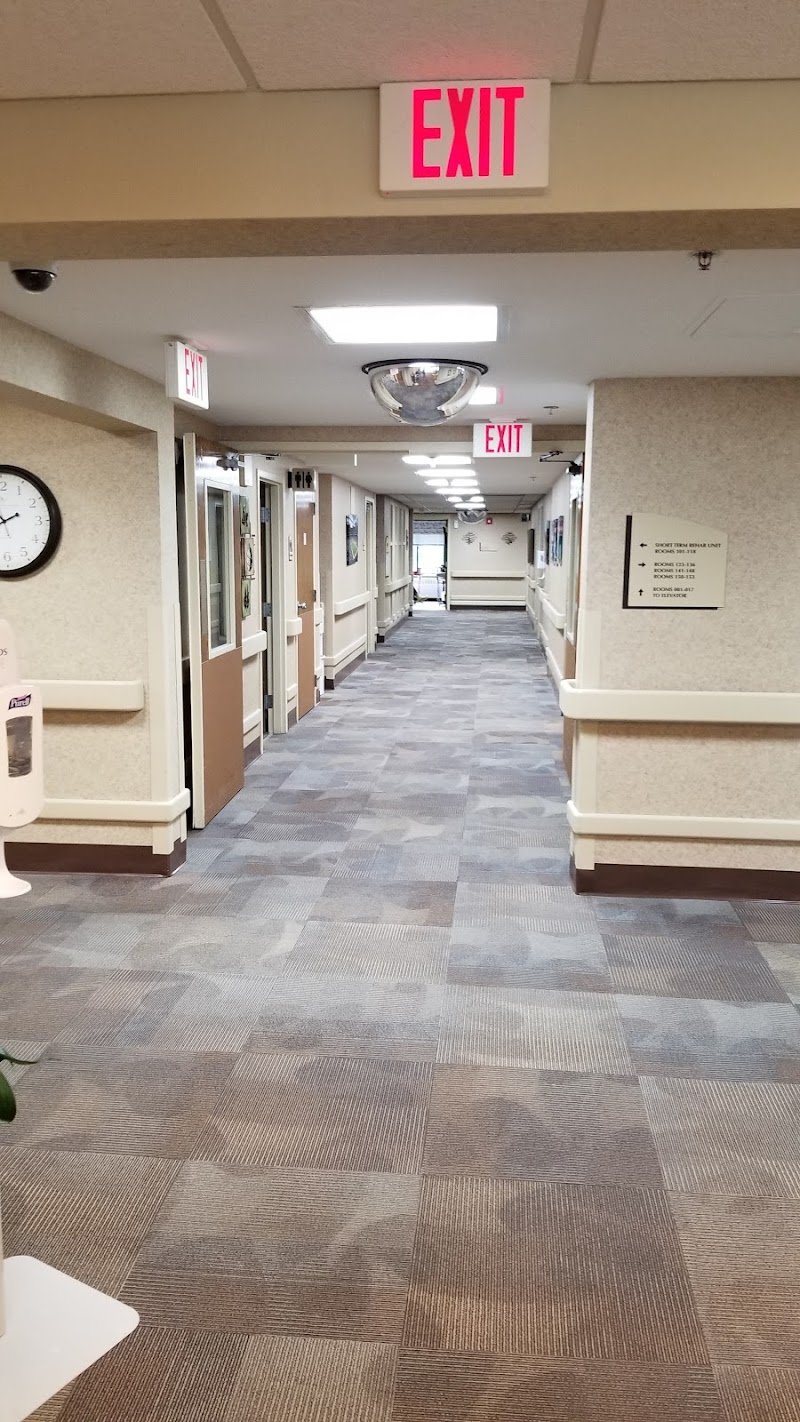
How is Schnepp Senior Care And Rehabilitation Center Staffed?

CMS rates Schnepp Senior Care and Rehabilitation Center's staffing level at 5 out of 5 stars, which is much above average compared to other nursing homes. Staff turnover is 42%, compared to the Michigan average of 46%. This relatively stable workforce can support continuity of care.

What Have Inspectors Found at Schnepp Senior Care And Rehabilitation Center?

State health inspectors documented 18 deficiencies at Schnepp Senior Care and Rehabilitation Center during 2022 to 2025. These included: 2 that caused actual resident harm and 16 with potential for harm. Deficiencies causing actual harm indicate documented cases where residents experienced negative health consequences.
Who Owns and Operates Schnepp Senior Care And Rehabilitation Center?

Schnepp Senior Care and Rehabilitation Center is owned by a for-profit company. For-profit facilities operate as businesses with obligations to shareholders or private owners. The facility is operated by NEXCARE HEALTH SYSTEMS, a chain that manages multiple nursing homes. With 97 certified beds and approximately 93 residents (about 96% occupancy), it is a smaller facility located in St. Louis, Michigan.

How Does Schnepp Senior Care And Rehabilitation Center Compare to Other Michigan Nursing Homes?

Compared to the 100 nursing homes in Michigan, Schnepp Senior Care and Rehabilitation Center's overall rating (5 stars) is above the state average of 3.2, staff turnover (42%) is near the state average of 46%, and health inspection rating (4 stars) is above the national benchmark.

What Should Families Ask When Visiting Schnepp Senior Care And Rehabilitation Center?

Based on this facility's data, families visiting should ask: "Can I visit during a mealtime to observe dining assistance and food quality?" "How do you handle medical emergencies, and what is your hospital transfer rate?" "Can I speak with family members of current residents about their experience?"

Is Schnepp Senior Care And Rehabilitation Center Safe?

Based on CMS inspection data, Schnepp Senior Care and Rehabilitation Center has a clean safety record: no substantiated abuse findings (meaning no confirmed cases of resident harm), no Immediate Jeopardy citations (the most serious violation level indicating risk of serious injury or death), and is not on the Special Focus Facility watch list (a federal program monitoring the lowest-performing 1% of nursing homes). The facility has a 5-star overall rating and ranks #1 of 100 nursing homes in Michigan. While no facility is perfect, families should still ask about staff-to-resident ratios and recent inspection results during their visit.

Do Nurses at Schnepp Senior Care And Rehabilitation Center Stick Around?

Schnepp Senior Care and Rehabilitation Center has a staff turnover rate of 42%, which is about average for Michigan nursing homes (state average: 46%). Moderate turnover is common in nursing homes, but families should still ask about staff tenure and how the facility maintains care continuity when employees leave.

Was Schnepp Senior Care And Rehabilitation Center Ever Fined?

Schnepp Senior Care and Rehabilitation Center has no federal fines on record. CMS issues fines when nursing homes fail to meet care standards or don't correct problems found during inspections. The absence of fines suggests the facility has either maintained compliance or corrected any issues before penalties were assessed. This is a positive indicator, though families should still review recent inspection reports for the full picture.

Is Schnepp Senior Care And Rehabilitation Center on Any Federal Watch List?

Schnepp Senior Care and Rehabilitation Center is not on any federal watch list. The most significant is the Special Focus Facility (SFF) program, which identifies the bottom 1% of nursing homes nationally based on persistent, serious quality problems. Not being on this list means the facility has avoided the pattern of deficiencies that triggers enhanced federal oversight. This is a positive indicator, though families should still review the facility's inspection history directly.