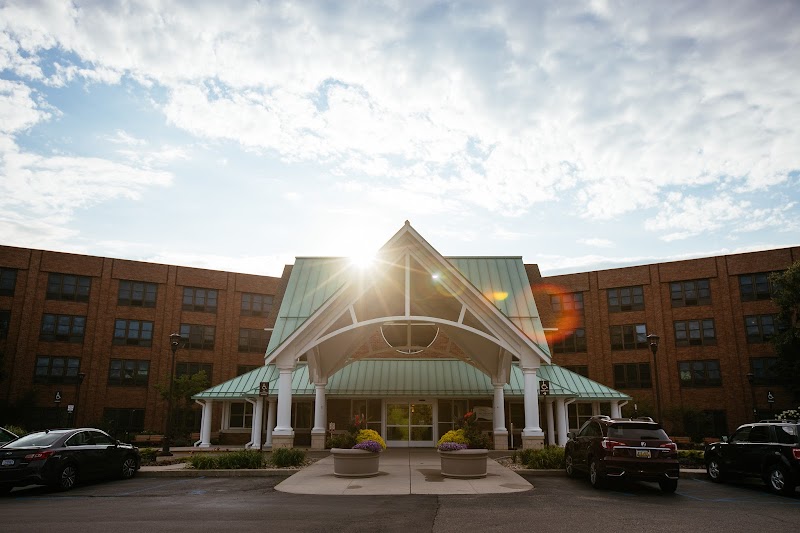
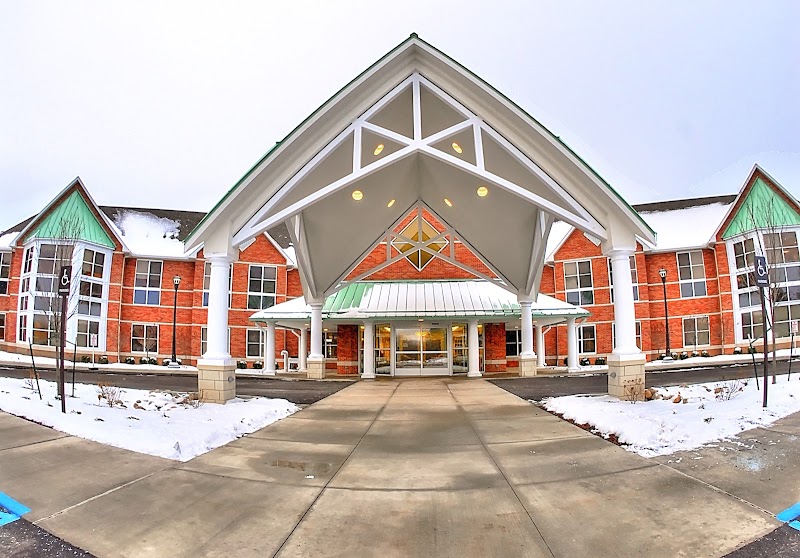
Glacier Hills

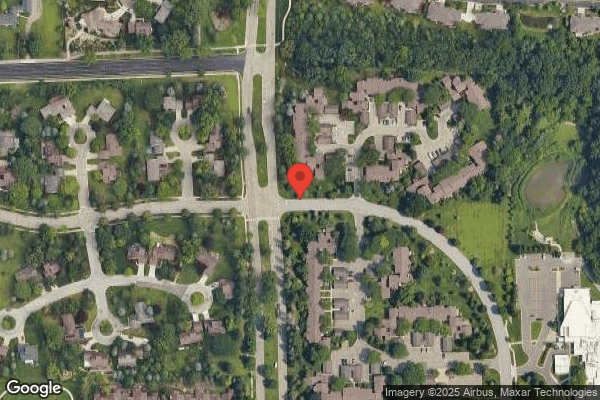
1200 Earhart Road, Ann Arbor, MI 48105 (734) 769-0177
Non profit - Corporation 105 Beds TRINITY HEALTH Data: November 2025
Trust Grade
75/100
#120 of 422 in MI
Last Inspection: March 2025

Within standard 12-15 month inspection cycle. Federal law requires annual inspections.

Overview

Glacier Hills in Ann Arbor, Michigan, has a Trust Grade of B, indicating it is a good choice for families seeking care, though it is not the highest-rated option. It ranks #120 out of 422 facilities in Michigan, placing it in the top half, and #4 of 9 in Washtenaw County, meaning only three local homes are better. The facility shows improvement, having reduced its issues from 11 in 2024 to just 2 in 2025. Staffing is a concern, with a low rating of 1 out of 5 and a turnover rate of 0%, which is significantly below the state average, suggesting some stability among the staff. Notably, the home has not incurred any fines, which is a positive indicator. However, there were several issues identified during inspections, including inadequate cleaning of food service equipment that could lead to contamination, and problems with outdoor waste management that could attract pests, which are areas that need attention despite the overall positive trends.

Trust Score
B
75/100
In Michigan
#120/422
Top 28%
Safety Record
Low Risk
No red flags
Inspections
Getting Better
11 → 2 violations
Staff Stability
○ Average
Turnover data not reported for this facility.
Penalties
✓ Good
No fines on record. Clean compliance history, better than most Michigan facilities.
Skilled Nurses
○ Average
RN staffing data not reported for this facility.
Violations
⚠ Watch
19 deficiencies on record. Higher than average. Multiple issues found across inspections.
★★★★☆
4.0
Overall Rating
★☆☆☆☆
1.0
Staff Levels
★★★★★
5.0
Care Quality
★★★★☆
4.0
Inspection Score
Stable
2024: 11 issues
2025: 2 issues

The Good

  • 5-Star Quality Measures · Strong clinical quality outcomes
  • Full Sprinkler Coverage · Fire safety systems throughout facility
  • No fines on record

Facility shows strength in quality measures, fire safety.

The Bad

Chain: TRINITY HEALTH

Part of a multi-facility chain

Ask about local staffing decisions and management

The Ugly 19 deficiencies on record

Mar 2025 2 deficiencies
CONCERN (D)

Potential for Harm - no one hurt, but risky conditions existed

Deficiency F0558 (Tag F0558)

Could have caused harm · This affected 1 resident

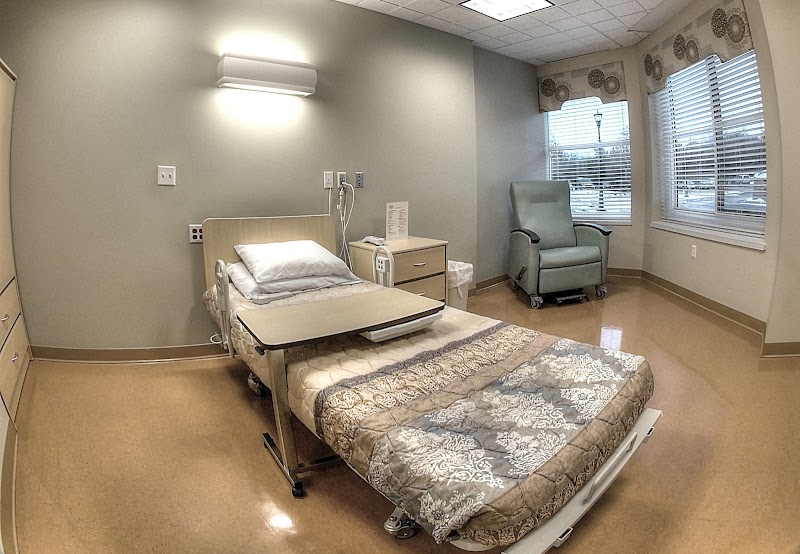
Based on observation, interview, and record review the facility failed to ensure a call light was kept within resident reach for one resident (#12) out of twelve residents reviewed. Findings Included...

Read full inspector narrative →
Based on observation, interview, and record review the facility failed to ensure a call light was kept within resident reach for one resident (#12) out of twelve residents reviewed. Findings Included: Review of the medical record revealed R12 was admitted to the facility 11/14/2018 with diagnoses that included chronic obstructive pulmonary disease (COPD), hypertension, Hemiplegia (paralysis one side of the body) left side, multiple sclerosis, atrial fibrillation, bullous pemphigoid (skin condition causing large fluid-filled blisters), hyperlipemia (high fat content in blood), depression, dementia, pain, overactive constipation, neuromuscular dysfunction of bladder, anxiety disorder, osteoarthritis (tissue at end of bones wears down), and malnutrition. The most recent Minimum Data Set (MDS), with an Assessment Reference Date (ARD) of 02/13/2025, revealed R12 had a Brief Interview of Mental Status (BIMS) of 12 (moderate cognitive impairment) out of 15. During observation and interview on 03/17/2025 at 11:20 a.m. R12 was observed lying down in bed. R12 explained that staff frequently did not place his call light within his reach, which would delay his request for services. R12 explained that he could not use his left hand and needed to have his call light placed on his abdomen so that he could push the buttons. On 03/18/2025 at 01:43 p.m. upon entering R12's room, R12 was observed lying down in bed. R12's call light was observed to be lying on a chair, on the left side of R12's bed. R12 explained that he was unable to reach his call light. During an interview on 03/18/2025 at 01:45 p.m. Clinical Care Coordinator (CCC) I explained that he was the Nursing Clinical Care Coordinator and was responsible for all the nursing units. CCC I explained that it was the facility expectation that all call lights were to be placed within the reach of the residents. During an interview on 03/18/2025 at 01:48 p.m. Assistant Director of Nursing (ADON) H explained that it was the facility expectation that all call lights were to be placed within the reach of the residents. On 03/18/2025 at 01:49 p.m. Assistant Director of Nursing (ADON) H and Clinical Care Coordinator (CCC) I entered R12's room. R12 was observed lying in bed. ADON H and CCC I confirmed that R12's call light was lying in a chair beside his bed. ADON H apologized to R12 and laid his call light across his abdomen.
CONCERN (F)

Potential for Harm - no one hurt, but risky conditions existed

Garbage Disposal (Tag F0814)

Could have caused harm · This affected most or all residents

**NOTE- TERMS IN BRACKETS HAVE BEEN EDITED TO PROTECT CONFIDENTIALITY** Based on observations, interview, and record review, the facility failed to: (1) effectively maintain 1 of 2 outdoor waste recep...

Read full inspector narrative →
**NOTE- TERMS IN BRACKETS HAVE BEEN EDITED TO PROTECT CONFIDENTIALITY** Based on observations, interview, and record review, the facility failed to: (1) effectively maintain 1 of 2 outdoor waste receptacles, (2) clean the concrete receptacle pads and adjacent grounds, and (3) effectively clean the outdoor waste grease receptacles and adjacent concrete receptacle pad surfaces effecting 35 residents, resulting in the increased likelihood for cross-contamination, bacterial harborage, and pest attraction/harborage. Findings include: On 03/17/25 at 12:20 P.M., 1 of 2 outdoor waste receptacles were observed missing a drain plug. 1 of 2 outdoor waste receptacles were also observed with a severely bent mounting rod, allowing the receptacle lid to not close completely. The exterior surface of 1 of 2 outdoor waste receptacles were further observed bent inward. The damaged surface area measured approximately 24-inches-wide by 36-inches-long. The outdoor waste compactor assembly and adjacent ground surfaces were additionally observed soiled with accumulated and encrusted dirt and debris (dead leaves, used vinyl gloves, aluminum soda cans, etc.). 2 of 2 outdoor waste grease receptacles and adjacent ground surfaces were also observed soiled with accumulated and encrusted oil residue. Director of Dining Services N indicated he would contact maintenance for necessary repairs as soon as possible. Director of Dining Services N also indicated he would contact Environmental Services for necessary cleaning as soon as possible. On 03/18/25 at 03:30 P.M., Record review of the Policy/Procedure entitled: Regulated Waste Plan Overview dated (no date) revealed the following: It is the intent of the [NAME] Health Senior Communities (THSC) community to safeguard colleagues, the public, and the environment from exposure to the risk of injury, infection or disease from improperly disposed regulated wastes. The (THSC) community is considered to be a regulated waste generator. Colleagues of the (THSC) community comply with the OSHA (Occupational Safety and Health Administration), EPA (Environmental Protection Agency), and the Department of Transportation standards for handling, storage, and disposal of regulated waste. Record review of the Policy/Procedure entitled: Regulated Waste Plan Overview dated (no date) further revealed under Waste Disposal Guide: The type of waste determines the method of disposal. Reference the table below to identify the correct method of disposal. Infectious waste is bagged at the point of care using a leak proof bag that has been secured and then placed in the (THSC) community's biohazard disposal container which is lined with a red bag. Double bagging at the point of care is necessary when the initial bag is torn or moisture soaked through the outside of the bag. Sharps containers are disposed of when ¾ full by first securing the top closed and then transporting and placing in the (THSC) community's biohazard disposal container. Regular trash is secured in lidded containers and disposed of in the (THSC) Community's outside refuse receptacle to avoid overflow.
Feb 2024 11 deficiencies
CONCERN (D)

Potential for Harm - no one hurt, but risky conditions existed

Deficiency F0558 (Tag F0558)

Could have caused harm · This affected 1 resident

**NOTE- TERMS IN BRACKETS HAVE BEEN EDITED TO PROTECT CONFIDENTIALITY** Based on observation, interview and record review the facility failed to provide Physical and Occupational Therapy schedules upo...

Read full inspector narrative →
**NOTE- TERMS IN BRACKETS HAVE BEEN EDITED TO PROTECT CONFIDENTIALITY** Based on observation, interview and record review the facility failed to provide Physical and Occupational Therapy schedules upon request for three (Resident #25, 43, 151) out of three residents reviewed for accommodation of needs resulting in feelings of frustration. Findings Include: Resident #43 Review of the medical record revealed Resident #43 (R43) was admitted to the facility on [DATE] with diagnoses that included. A Social Work Progress Noted revealed R43 scored 15 out of 15 (cognitively intact) on the Brief Interview for Mental Status (BIMS). The medical record indicated that R43 was at the facility for a short term rehabilitation stay. In an observation and interview on 02/13/24 at 1:09 PM, R43 was seated in her reclining chair in her room with her feet elevated. R43 had a fiberglass cast on her left leg. A whiteboard was observed in R43's room which identified the care team assignment for the day, along with Physical and Occupational therapy times. R43 pointed out that the whiteboard does not get filled out and the therapy times written on the whiteboard are not consistent with the actual times that therapy occurs. R43 stated typically, therapy will stop in the morning and let her know that she will have Physical Therapy (PT) in the morning, however, PT doesn't return for her session until the afternoon timeframe. R43 also reported that therapy id not come on Sunday, so she inquired when they were coming, only to be told by a Certified Nursing Assistant that R43 was not on the therapy schedule for that day. R43 stated that she had requested a therapy schedule multiple times but has not received anything. R43 was in the process of handling legal matters for a recent tragedy which required scheduled Zoom calls and the uncertainty of therapy days and times left her feeling frustrated and anxious. In an interview on 02/14/24 at 02:42 PM, Director of Rehab- DOR E reported she tried to keep schedules consistent along with therapy times but due to staffing issues this was increasingly difficult. DOR E elaborated that more effort should be put into adhering to some type of schedule but due to call ins, Covid and various other issues consistency was difficult, DOR E stated her hope was that is therapy was canceled or going to be delayed or pushed back/running late she would expect the changes be communicated to residents but did not think that was happening. Resident #25 Review of the clinical record, including the Minimum Data Set, dated [DATE] reflected Resident 25 (R25) was admitted to the facility on [DATE], transferred to the hospital on 01/18 and returned to the facility on [DATE]. R25 scored 15 out of 15 (cognitively intact) on the Brief Interview for Mental Status. Further review of the electronic medical record reflected R25 was admitted for short term rehabilitation for a diagnosis of a fractured right humorous. On 02/13/24 at 12:28 PM, during an interview with R25 she reported feeling frustrated with the therapy department, R25 stated she had repeatedly asked for a schedule from therapy but had not received one. R25 reported concerns that on occasion she had missed visitors and at other times had missed therapy sessions due to the inability on how to plan her day due to lack of communication. R25 stated she felt as if her time was not valued or important and she was at their disposable. R25 elaborated she was ok with therapy choosing the times and days but would like to be informed so she could plan accordingly, reiterating she has friends and family that she would like to visit and was willing to plan accordingly around therapy but needed them to communicate a schedule they could adhere too. R25 followed up that statement with on the rare occasion she was given a time for therapy it was delayed or rescheduled all together. Resident #151 Review of the clinical record reflected Resident #151 (R151) was admitted to the facility on [DATE] with diagnosis of heart disease, and melanoma. Further record review reflected R151 was admitted for short term rehabilitation. During a bedside interview on 02/13/24 at 01:52 PM, R151 presented as alert and oriented x 3. Upon approach R151 reported he was angry because he was told that morning that Occupational Therapy (OT) was going to take place at 9:00 am and he has now waited nearly 5 hours. R151 stated he'd like to lay down but feels like he cant because someone from therapy should be here any minute. R151 stated he Has asked the therapy department for a schedule but has not been given one. During the interview with R151 an unidentified staff member entered R151's room and announced OT had been canceled for today and will be made up this coming Saturday. R151 then rolled his eyes and stated See that's what I mean! Resident pointed to a dry erase board in room and stated he thinks they (therapy) are supposed to write the times on there, the dry erase board also indicated the name of the nurse and name of the certified nursing assistant. Of note, the dry erase board had no therapy information, and was dated for the day before, 2/12/24 therefore the name of the nurse and the certified nursing assistant were not accurate. On 02/14/24 02:42 PM, during an Interview and record review with Director of Rehab- DOR E acknowledged that R25 had missed some therapy sessions on 1/10 due to R25 feeling ill but had also missed sessions on 2/6, 2/8 and again 2/13. DOR E reported she tried to keep schedules consistent along with therapy times but due to staffing issues this was increasingly difficult. DOR E elaborated that more effort should be put into adhering to some type of schedule but due to call ins, Covid and various other issues consistency was difficult, DOR E stated her hope was that is therapy was canceled or going to be delayed or pushed back/running late she would expect the changes be communicated to residents but did not think that was happening.
CONCERN (D)

Potential for Harm - no one hurt, but risky conditions existed

Deficiency F0578 (Tag F0578)

Could have caused harm · This affected 1 resident

**NOTE- TERMS IN BRACKETS HAVE BEEN EDITED TO PROTECT CONFIDENTIALITY** Resident #350 (R350) Review of the medical record revealed that Resident #350 (R350) was admitted to the facility [DATE] with di...

Read full inspector narrative →
**NOTE- TERMS IN BRACKETS HAVE BEEN EDITED TO PROTECT CONFIDENTIALITY** Resident #350 (R350) Review of the medical record revealed that Resident #350 (R350) was admitted to the facility [DATE] with diagnoses including unspecified fall, pain, and multiple fractures. Review of the Minimum Data Set (MDS) with an Assessment Reference Date of [DATE] reflected that R350 had a Brief Interview for Mental Status (BIMS-a cognitive screening tool) score of 15 (cognitively intact). In an observation and interview on [DATE] at 10:45 AM, R350 was observed lying in bed, on back, with oxygen noted to be in place at 2 liters per minute via nasal cannula. R350 stated that she had been admitted to the facility a couple weeks ago, for therapy, following a fall in her home setting. Review of R350's electronic medical record (EMR) on [DATE] at 2:29 PM included a physician order dated [DATE] which stated, Code B - Hospitalization and no CPR [cardiopulmonary resuscitation] with further review of the EMR not noted to include a facility code status form. Review of a binder located within a cupboard at the second-floor nurses' station was noted to include a document titled Treatment Preferences and Determination of Residents Wishes signed and dated by R350 on [DATE]. Further review of the document was noted to include R350's initials reflecting selection of Code B - I want all my illnesses treated aggressively, including full hospitalization. This includes hospitalization for routine and emergency treatment. However, I DO NOT want cardiopulmonary resuscitation (CPR). The same document was noted to include a signature and corresponding date of [DATE] on both the line titled Presenter's Signature and Physician Signature. In an interview on [DATE] at 1:37 PM, Social Work Director (SWD) D stated that upon facility admission, the nursing department reviewed the facility's code status form titled Treatment Preferences and Determination of Residents Wishes with the resident, the admitting resident chose their desired code status, the form was forwarded to the physician for a signature and then reviewed by the social work department to ensure accuracy. SWD D stated that the form titled Treatment Preferences and Determination of Residents Wishes was the only form the facility utilized for code status determination, confirmed that the choice of Hospitalization and no CPR would be considered a DNR (Do Not Resuscitate), that the presenter would be the sole witness and that a 2nd witness would not be indicated even with a DNR selection. Based on interview and record review, the facility failed to ensure Do-Not-Resuscitate (DNR) documents were completed in accordance with the Michigan Do-Not-Resuscitate Procedure Act for three (Resident #17, #149 and #350) of three reviewed for Advance Directives, resulting in the potential for code status wishes not being followed in an emergency situation. Findings include: Review of the MICHIGAN DO-NOT-RESUSCITATE PROCEDURE ACT, Act 193 of 1996 reflected, .An order executed under this section shall be on a form described in section 4. The order shall be dated and executed voluntarily and signed by each of the following persons: (a) The declarant, the declarant's patient advocate, or another person who, at the time of the signing, is in the presence of the declarant and acting pursuant to the directions of the declarant. (b) The declarant's attending physician. (c) Two witnesses [AGE] years of age or older, at least 1 of whom is not the declarant's spouse, parent, child, grandchild, sibling, or presumptive heir (3) The names of all signatories shall be printed or typed below the corresponding signatures. A witness shall not sign an order unless the declarant or the declarant's patient advocate appears to the witness to be of sound mind and under no duress, fraud, or undue influence . Further review of this Act reflected, .Sec. 4. A do-not-resuscitate order executed under section 3, 3a, or 3b must include, but is not limited to, the following language, and must be in substantially the following form: DO-NOT-RESUSCITATE ORDER This do-not-resuscitate order is issued by _______________________________________, attending physician for _________________________________________. (Type or print declarant's, ward's, or minor child's name) Use the appropriate consent section below: A. DECLARANT CONSENT I have discussed my health status with my physician named above. I request that in the event my heart and breathing should stop, no person shall attempt to resuscitate me. This order will remain in effect until it is revoked as provided by law. Being of sound mind, I voluntarily execute this order, and I understand its full import. _______________________________________ _______________ (Declarant's signature) (Date) _______________________________________ _______________ (Signature of person who signed for declarant, if applicable) (Date) _______________________________________ (Type or print full name) B. PATIENT ADVOCATE CONSENT I authorize that in the event the declarant's heart and breathing should stop, no person shall attempt to resuscitate the declarant. I understand the full import of this order and assume responsibility for its execution. This order will remain in effect until it is revoked as provided by law. _______________________________________ _______________ (Patient advocate's signature) (Date) _______________________________________ (Type or print patient advocate's name) . D. GUARDIAN CONSENT I authorize that in the event the ward's heart and breathing should stop, no person shall attempt to resuscitate the ward. I understand the full import of this order and assume responsibility for its execution. This order will remain in effect until it is revoked as provided by law. _______________________________________ _______________ (Guardian's signature) (Date) _______________________________________ (Type or print guardian's name) _______________________________________ _______________ (Physician's signature) (Date) _______________________________________ (Type or print physician's full name) ATTESTATION OF WITNESSES The individual who has executed this order appears to be of sound mind, and under no duress, fraud, or undue influence. Upon executing this order, the declarant has (has not)received an identification bracelet. ________________________________ ________________________________ (Witness signature) (Date) (Witness signature) (Date) ________________________________ ________________________________ (Type or print witness's name) (Type or print witness's name) THIS FORM WAS PREPARED PURSUANT TO, AND IS IN COMPLIANCE WITH, THE MICHIGAN DO-NOT-RESUSCITATE PROCEDURE ACT . (https://www.legislature.mi.gov/(S(izncxegpu4xl2mqzb3v3ru45))/documents/mcl/pdf/mcl-Act-193-of-1996.pdf) Resident #17 (R17): Review of the medical record reflected R17 admitted to the facility on [DATE] and readmitted [DATE], with diagnoses that included hemiplegia (paralysis on one side of the body), pain and unspecified dementia. The quarterly Minimum Data Set (MDS), with an Assessment Reference Date (ARD) of [DATE], reflected R17 scored 13 out of 15 (cognitively intact) on the Brief Interview for Mental Status (BIMS-a cognitive screening tool). R17's Treatment Preferences and Determination of Residents Wishes document reflected selection of, Code B - I want all my illnesses treated aggressively, including full hospitalization. This includes hospitalization for routine emergency treatment. However, I DO NOT want cardiopulmonary resuscitation (CPR). The document included a Presenter's Signature, the resident's signature and a physician's signatures, all dated for [DATE]. The document did not include the required witness signatures or the Michigan do-not-resuscitate procedure act language. During an interview on [DATE] at 1:37 PM, Director of Social Services (SS) D reported the presenter was the only witness used on the facility's DNR document. SS D stated it had not been the facility's practice to use the Michigan DNR form. Resident #149 (R149): Review of the medical record reflected R149 admitted to the facility on [DATE] and with diagnoses that included heart failure and melanoma. R149's Treatment Preferences and Determination of Residents Wishes document reflected selection of, Code D-Comfort measures only. No cardiopulmonary resuscitation (CPR). No artificial nutrition and hydration. The document included a Presenter's Signature, and the resident's signature dated [DATE], the physician signed the document on [DATE]. The document did not include the required witness signatures or the Michigan do-not-resuscitate procedure act language.
CONCERN (D)

Potential for Harm - no one hurt, but risky conditions existed

Deficiency F0638 (Tag F0638)

Could have caused harm · This affected 1 resident

**NOTE- TERMS IN BRACKETS HAVE BEEN EDITED TO PROTECT CONFIDENTIALITY** Based on interview and record review, the facility failed to complete a timely quarterly Minimum Data Set (MDS) assessment for o...

Read full inspector narrative →
**NOTE- TERMS IN BRACKETS HAVE BEEN EDITED TO PROTECT CONFIDENTIALITY** Based on interview and record review, the facility failed to complete a timely quarterly Minimum Data Set (MDS) assessment for one (Resident #17) of 13 reviewed for MDS, resulting in the potential for unrecognized and unmet care needs. Findings include: Review of the medical record reflected Resident #17 (R17) admitted to the facility on [DATE] and readmitted [DATE], with diagnoses that included hemiplegia (paralysis on one side of the body), pain and unspecified dementia. The quarterly MDS, with an Assessment Reference Date (ARD) of 9/14/23, reflected R17 scored 13 out of 15 (cognitively intact) on the Brief Interview for Mental Status (BIMS-a cognitive screening tool), did not walk and required total assistance of one to two or more people for bed mobility, dressing, toilet use, personal hygiene and bathing. R17's MDS history included an annual MDS, with an ARD of 4/4/23; a quarterly MDS, with an ARD of 6/29/23 and a quarterly MDS, with an ARD of 9/14/23. Additional MDS assessments included a discharge return anticipated MDS, with an ARD of 11/13/23; an entry record with an ARD of 11/14/23; a discharge return anticipated MDS, with an ARD of 12/29/23 and an entry record with an ARD of 1/3/24. During an interview on 02/14/24 at 4:03 PM, Registered Nurse/MDS Coordinator (RN) G reported R17 showed up on a missed assessments report due to his last quarterly MDS being 9/14/23. She reported R17 would have been due for a quarterly MDS within 92 days of his previous quarterly MDS for 9/14/23. According to the Centers for Medicare & Medicaid Services Long-Term Care Facility Resident Assessment Instrument 3.0 User's Manual, dated 10/2023, .The ARD of an assessment drives the due date of the next assessment. The next non- comprehensive assessment is due within 92 days after the ARD of the most recent OBRA assessment (ARD of previous OBRA assessment - Admission, Annual, Quarterly, Significant Change in Status, or Significant Correction assessment - + 92 calendar days) .The Quarterly assessment is an OBRA non-comprehensive assessment for a resident that must be completed at least every 92 days following the previous OBRA assessment of any type. It is used to track a resident's status between comprehensive assessments to ensure critical indicators of gradual change in a resident's status are monitored. As such, not all MDS items appear on the Quarterly assessment. The ARD (A2300) must be not more than 92 days after the ARD of the most recent OBRA assessment of any type .
CONCERN (D)

Potential for Harm - no one hurt, but risky conditions existed

Assessment Accuracy (Tag F0641)

Could have caused harm · This affected 1 resident

**NOTE- TERMS IN BRACKETS HAVE BEEN EDITED TO PROTECT CONFIDENTIALITY** Review of the medical record revealed Resident #22 (R22) was admitted to the facility on [DATE] and re-admitted on [DATE] with d...

Read full inspector narrative →
**NOTE- TERMS IN BRACKETS HAVE BEEN EDITED TO PROTECT CONFIDENTIALITY** Review of the medical record revealed Resident #22 (R22) was admitted to the facility on [DATE] and re-admitted on [DATE] with diagnoses that included [NAME] Disease, Fibromyalgia, Anxiety, Major Depression, Dysphasia, Speech Disturbances, Difficulty Walking, Muscles Spasms, after care following joint repair, and pain. According to Resident #01 (R01)'s Minimum Data Set (MDS) dated [DATE], revealed R22 scored 12 out of 15 (cognitively intact) on the Brief Interview for Mental Status (BIMS- a cognitive screening tool) and had no behaviors. R22 requires assistance with all care due to upper extremities having contractures and use of an assisted device for walking with a walker or use of a wheelchair to be transferred. On 02/14/24 at 08:49 AM, an email was received by Regional Director of Operations C stating she did not see the information from the OBRA coordinator, that typically goes to social work, so she had sent Social Worker Director (SW) D an email to get that scanned into the record since she did end up staying beyond 30 days. During an interview on 02/14/24 at 10:09 AM, SW D stated the OBRA coordinator did not have the resident listed for this facility, so they didn't send it to them. During an interview on 02/15/24 at 08:20 AM, SW D stated when residents come from the hospital with the hospital Passar, admission department assigns the Passar to the que, after 25 days it goes to the SW, and she notifies OBRA. This did not take place. During an interview on 02/15/24 at 10:54 AM, Minimum Data Set Coordinator (MDS) G stated that under the admission date of 12/27/23, section A1500, she was unable to find it. MDS G looked under admission date of 10/27/23 and stated A1500 was 0. MDS G also stated R22 did not require a PASSAR to be completed. After further investigation, section A1500 should had been marked a 1. Yes- continue to A1510, Level 2 Preadmission Screening and Resident review (PASRR) Conditions. Based on interview and record review the facility failed to ensure accuracy on a 5 day Minimum Data Set (MDS) assessment for one resident (resident #22) of one reviewed for Passar completion and discharge Minimum Data Set (MDS) assessment for one resident (resident #46) of 4 reviewed for discharge, resulting in the potential for unmet care needs. Findings include: Review of the clinical record reflected Resident 46 (R46) was an [AGE] year old male admitted to the facility on [DATE] with diagnosis that included right tibia fracture. Further record review reflected R46 had a planned transfer for inpatient rehab to the Veterans Affair (VA) on 12/05/23. There was no documentation in the clinical record that reflected R46 was hospitalized for an acute medical need/condition. Review of R46's discharge MDS dated [DATE] section A 0310 was coded 10 which indicated this was a planned discharge assessment and return was not anticipated. Section A 2105 was coded as a 4. Short-Term General Hospital (acute care hospital, IPPS) On 02/15/24 at 8:10 am during an interview with Social Worker D she reported R46 was transferred to the VA for rehab, not for an acute medical care condition. Social Worker D elaborated the VA offered different levels of care and reported R46 was transferred to the portion similar the their own skilled nursing facility. Interview with Registered Nurse (RN MDS Coordinator) G On 02/15/24 at 08:28 AM, R46's discharge MDS assessment was reviewed and determined question RN MDS Coordinator G agreed question A 2105 should have been coded as 5 Long term Care Hospital. RN MDS Coordinator G stated the facility Social Worker reported R46 was discharged to the VA and the assumption was made the acute care. Review of the MDS 3.0 Manual reflected in part for A2100: Ombudsman Budget Reconciliation Act (OBRA) Discharge Status Item Rationale Steps for Assessment 1. Review the medical record including the discharge plan and discharge orders for documentation of discharge location. Coding Instructions Select the 2-digit code that corresponds to the resident's discharge status. o Code 01, community (private home/apt., board/care, assisted living, group home): if discharge location is a private home, apartment, board and care, assisted living facility, or group home. o Code 02, another nursing home or swing bed: if discharge location is an institution (or a distinct part of an institution) that is primarily engaged in providing skilled nursing care and related services for residents who require medical or nursing care or rehabilitation services for injured, disabled, or sick persons. Includes swing beds. o Code 03, acute hospital: if discharge location is an institution that is engaged in providing, by or under the supervision of physicians for inpatients, diagnostic services, therapeutic services for medical diagnosis, and the treatment and care of injured, disabled, or sick persons. o Code 04, psychiatric hospital: if discharge location is an institution that is engaged in providing, by or under the supervision of a physician, psychiatric services for the diagnosis and treatment of mentally ill residents. o Code 05, inpatient rehabilitation facility: if discharge location is an institution that is engaged in providing, under the supervision of physicians, rehabilitation services for the rehabilitation of injured, disabled or sick persons. Includes IRFs that are units within acute care hospitals.
CONCERN (D)

Potential for Harm - no one hurt, but risky conditions existed

Deficiency F0645 (Tag F0645)

Could have caused harm · This affected 1 resident

**NOTE- TERMS IN BRACKETS HAVE BEEN EDITED TO PROTECT CONFIDENTIALITY** Based on observation, interview and record review, the facility failed to ensure a Preadmission/Annual Resident Review was compl...

Read full inspector narrative →
**NOTE- TERMS IN BRACKETS HAVE BEEN EDITED TO PROTECT CONFIDENTIALITY** Based on observation, interview and record review, the facility failed to ensure a Preadmission/Annual Resident Review was completed after the 30-day exemption period and failed to notify the State Mental Health Authority for 1 of 1 resident (resident #22) reviewed for PAS/ARR, from a total sample of 13, resulting in the potential for unmet mental health treatment and services. Findings include: Review of the medical record revealed Resident #22 (R22) was admitted to the facility on [DATE] and re-admitted on [DATE] with diagnoses that included [NAME] Disease, Fibromyalgia, Anxiety, Major Depression, Dysphasia, Speech Disturbances, Difficulty Walking, Muscles Spasms, after care following joint repair, and pain. According to Resident #01 (R01)'s Minimum Data Set (MDS) dated [DATE], revealed R22 scored 12 out of 15 (cognitively intact) on the Brief Interview for Mental Status (BIMS- a cognitive screening tool) and had no behaviors. R22 requires assistance with all care due to upper extremities having contractures and use of an assisted device for walking with a walker or use of a wheelchair to be transferred. On 02/14/24 at 08:49 AM, an email was received by Regional Director of Operations C stating she did not see the information from the OBRA coordinator, that typically goes to social work, so she had sent Social Worker Director (SW) D an email to get that scanned into the record since she did end up staying beyond 30 days. During an interview on 02/14/24 at 10:09 AM, SW D stated the OBRA coordinator did not have the resident listed for this facility, so they didn't send it to them. During an interview on 02/15/24 at 08:20 AM, SW D stated when residents come from the hospital with the hospital Passar, admission department assigns the Passar to the que, after 25 days it goes to the SW, and she notifies OBRA. This did not take place. During an interview on 02/15/24 at 10:54 AM, Minimum Data Set Coordinator (MDS) G stated that under the admission date of 12/27/23, section A1500, she was unable to find it. MDS G looked under admission date of 10/27/23 and stated A1500 was 0. MDS G also stated R22 did not require a Passar to be completed.
CONCERN (D)

Potential for Harm - no one hurt, but risky conditions existed

Deficiency F0657 (Tag F0657)

Could have caused harm · This affected 1 resident

**NOTE- TERMS IN BRACKETS HAVE BEEN EDITED TO PROTECT CONFIDENTIALITY** Based on observation, interview and record review, the facility failed to revise the Care Plan for one (Resident #17) of 13 revi...

Read full inspector narrative →
**NOTE- TERMS IN BRACKETS HAVE BEEN EDITED TO PROTECT CONFIDENTIALITY** Based on observation, interview and record review, the facility failed to revise the Care Plan for one (Resident #17) of 13 reviewed for Care Plans, resulting in inaccurate Care Plans and the potential for unmet care needs. Findings include: Review of the medical record reflected Resident #17 (R17) admitted to the facility on [DATE] and readmitted [DATE], with diagnoses that included hemiplegia (paralysis on one side of the body), pain and unspecified dementia. The quarterly Minimum Data Set (MDS), with an Assessment Reference Date (ARD) of 9/14/23, reflected R17 scored 13 out of 15 (cognitively intact) on the Brief Interview for Mental Status (BIMS-a cognitive screening tool), did not walk and required total assistance of one to two or more people for bed mobility, dressing, toilet use, personal hygiene and bathing. The same MDS was coded for upper extremity and lower extremity impairments on one side of the body. On 02/13/24 at 10:13 AM, R17 was observed lying in bed. His left hand was observed to be clenched into a fist, with his left wrist slightly bent inward, towards his body. R17 reported his left arm and left leg deficits were from a previous stroke. He reported having a left leg brace that staff did not put on him. R17 stated he was able to bend his left arm, when using his right arm to perform the movements of his left arm. R17's Care Plan reflected that he was to wear a left hand splint/carrot (splint) as tolerated, per order. Additionally, the Care Plan reflected R17 was to wear LNARD boots to both legs as tolerated, while in bed; a left ankle foot orthosis (AFO/brace) when out of bed, as tolerated; a brown brace to the left arm, as tolerated and a hip abductor brace, as tolerated. R17's Physician Orders did not reflect orders for orthotic devices or splints. During an interview on 02/14/24 at 3:11 PM, Director of Rehab E reported R17 did not have orthotic devices. She stated R17 did have a carrot splint for his hand that he allowed in the past but was no longer accepting. On 02/15/24 at 9:22 AM, R17 was agreeable to allowing Director of Nursing (DON) B check for orthotic devices in his room. R17's closet had two orthotics labeled as Softpro II ultrasmooth AFO boots and one left leg AFO. R17 reported he did not wear the orthotic devices because they hurt. During the observation, DON B reported he did not see any other orthotic devices in R17's room. During an interview on 02/15/24 at 9:27 AM, DON B reported Care Plans were modified through MDS, for quarterly assessments. He reported modifications were also made by the Assistant Director of Nursing (ADON) and the interdisciplinary team (IDT). The IDT met every morning, Monday through Friday, and went over things to include new admissions, discharges, falls, skin events and changes in condition. When reviewing the orthotic devices on R17's Care Plan, DON B reported the Care Plan may have needed some modifications. During an interview on 02/15/24 at 10:10 AM, ADON J reported she was not aware of R17 having orders for orthotic devices or that he should have been wearing any orthotics. She reported the Director of Therapy had multiple documents reflecting that R17 had refused any orthotic intervention.
CONCERN (D) 📢 Someone Reported This

A family member, employee, or ombudsman was alarmed enough to file a formal complaint

Potential for Harm - no one hurt, but risky conditions existed

ADL Care (Tag F0677)

Could have caused harm · This affected 1 resident

**NOTE- TERMS IN BRACKETS HAVE BEEN EDITED TO PROTECT CONFIDENTIALITY** This citation pertains to intake MI00140950 Based on interview and record review, the facility failed to provide showers for one...

Read full inspector narrative →
**NOTE- TERMS IN BRACKETS HAVE BEEN EDITED TO PROTECT CONFIDENTIALITY** This citation pertains to intake MI00140950 Based on interview and record review, the facility failed to provide showers for one (Resident #48) of two reviewed for Activities of Daily Living (ADL) assistance, resulting in unmet care needs. Findings Include: Review of the medical record revealed Resident #48 (R48) was admitted to the facility on [DATE] with diagnoses that included chronic pain syndrome, lumbar spinal fusion, hypertension (high blood pressure), connective tissue disease, and anemia. A Social Work Progress Noted dated 10/24/23 revealed R48 scored 15 out of 15 (cognitively intact) on the Brief Interview for Mental Status (BIMS). The Resident Summary with a date of 10/19/23 revealed R48 required staff assistance of two people for Activities of Daily Living Care, including showers. In a telephone interview on 2/13/24 at 10:15 AM, R48 reported that she went multiple days without receiving a shower which made her feel gross. R48 stated that staff would tell her that they were busy when she requested her scheduled shower and that they would assist with her shower later, however, staff did not follow up with the request. R48 stated that she had brought the concern of not receiving showers to the staff's attention on multiple occasions. R48 stated that she had only refused one shower during her stay at the facility and that was near the end of her stay in November. Review of the same Resident Summary revealed R48 was scheduled to have showers on Monday's and Thursdays. Review of the Bath by Day report revealed that R48 did not receive a shower on her scheduled shower days of 10/19/23 and 10/23/23. There were no documented resident refusals on those same shower dates. In an interview on 2/15/24 at 11:15 AM, Assistant Director of Nursing (ADON) J stated that she was unable to locate any shower documentation or refusals for the two missed shower dates.
CONCERN (E)

Potential for Harm - no one hurt, but risky conditions existed

Safe Environment (Tag F0921)

Could have caused harm · This affected multiple residents

Based on observations, interviews, and record reviews, the facility failed to effectively clean and maintain the physical plant effecting 42 residents, resulting in the increased likelihood for cross-...

Read full inspector narrative →
Based on observations, interviews, and record reviews, the facility failed to effectively clean and maintain the physical plant effecting 42 residents, resulting in the increased likelihood for cross-contamination, bacterial harborage, and decreased illumination. Findings include: On 02/14/24 at 08:25 A.M., An environmental tour of the facility Laundry Service was conducted with Environmental Services Supervisor W. The following items were noted: Clean Linen Room: The wall mounted oscillating fan was observed soiled with accumulated dust and dirt deposits. Soiled Laundry Room: The drywall surface was observed (etched, scored, particulate). The damaged drywall surface measured approximately 12-inches-wide by 20-feet-long. Environmental Services Supervisor W indicated she would contact maintenance for necessary repairs as soon as possible. On 02/14/24 at 12:35 P.M., A common area environmental tour was conducted with Facilities Manager X, Maintenance Team Leader Y, and Environmental Services Supervisor W. The following items were noted: Storage Room (2111): The laminate flooring transition strip was observed loose-to-mount. Facilities Manger X indicated he would have staff reinstall the transition strip as soon as possible. On 02/14/24 at 01:15 P.M., An environmental tour of sampled resident rooms was conducted with Facilities Manager X, Maintenance Team Leader Y, and Environmental Services Supervisor W. The following items were noted: 2207: The shower overhead light assembly was observed with dead insect carcasses, resting within the protective lens cover. The sink basin overhead light assembly was also observed with dead insect carcasses, resting within the protective lens cover. 2302: The restroom shower overhead light assembly was observed with dead insect carcasses, resting within the protective lens cover. 1 of 2 lower windowpanes were also observed fogged from excessive moisture exposure, within the double pane window. The damaged lower windowpane measured approximately 36-inches-high by 48-inches-long. Facilities Manager X stated: The window must have a bad seal. 2309: One 24-inch-wide by 48-inch-long acoustical ceiling tile was observed stained from previous moisture exposure. 2403: The shower overhead light assembly was observed with dead insect carcasses (10), resting within the protective lens cover. The drywall surface was also observed (etched, scored, particulate), directly behind the broda chair. The damaged drywall surface measured approximately 4-inches-wide by 4-inches-long. Facilities Manager X indicated he would have staff repair the damaged drywall surface as soon as possible. 2408: The shower overhead light assembly was observed non-functional. 2503: The shower overhead light assembly was observed with dead insect carcasses, resting within the protective lens cover. 2505: The shower overhead light assembly was observed with dead insect carcasses, resting within the protective lens cover. The restroom hand sink basin was also observed draining slowly. 2508: The shower overhead light assembly was observed with dead insect carcasses, resting within the protective lens cover. On 02/14/24 at 02:30 P.M., An interview was conducted with Facilities Manager X regarding the maintenance work order system. Facilities Manager X stated: We have the WorxHub software system. On 02/15/24 at 10:15 A.M., Record review of the WorxHub maintenance work orders for the last 45 days revealed no specific entries related to the aforementioned maintenance concerns. On 02/15/24 at 10:30 A.M., Record review of the Policy/Procedure entitled: Equipment Maintenance Program dated 1/2024 revealed under Policies: (1) Proper maintenance of the physical plant and all equipment in the Department is the responsibility of the Director in cooperation with the Maintenance Department and subject to policies set forth by the facility's administration. (2) The Director is directed or has knowledge of all routine, periodic, and critical maintenance work done to the physical plant or equipment in the department.
CONCERN (F)

Potential for Harm - no one hurt, but risky conditions existed

Food Safety (Tag F0812)

Could have caused harm · This affected most or all residents

Based on observations, interviews, and record reviews, the facility failed to effectively clean and maintain food service equipment effecting 42 residents, resulting in the increased likelihood for cr...

Read full inspector narrative →
Based on observations, interviews, and record reviews, the facility failed to effectively clean and maintain food service equipment effecting 42 residents, resulting in the increased likelihood for cross-contamination and bacterial harborage. Findings include: On 02/13/24 at 09:18 A.M., An initial tour of the food service was conducted with Executive Chef S. The following items were noted: Dry Storage Room: The individual white plastic disposable forks were observed unprotected. The inner plastic liner bag within the cardboard box container was also observed open, allowing potential contamination to enter the cavity opening. The 2017 FDA Model Food Code section 3-307.11 states: FOOD shall be protected from contamination that may result from a factor or source not specified under Subparts 3-301 - 3-306. Chemical Storage Room: The return-air-exhaust ventilation grill was observed soiled with accumulated dust and dirt deposits. The 2017 FDA Model Food Code section 6-501.14 states: (A) Intake and exhaust air ducts shall be cleaned, and filters changed so they are not a source of contamination by dust, dirt, and other materials. (B) If vented to the outside, ventilation systems may not create a public health HAZARD or nuisance or unLAWful discharge. The plastic handheld scoop was observed resting within the white rice container. The handle was also observed resting directly on the stored bulk white rice. The 2017 FDA Model Food Code section 3-304.11 states: FOOD shall only contact surfaces of: (A) EQUIPMENT and UTENSILS that are cleaned as specified under Part 4-6 of this Code and SANITIZED as specified under Part 4-7 of this Code; (B) SINGLE-SERVICE and SINGLE-USE ARTICLES; or (C) LINENS, such as cloth napkins, as specified under § 3 304.13 that are laundered as specified under Part 4-8 of this Code. The mechanical dish machine final rinse pounds-per-square-inch (psi) gauge was observed to read 40 (psi) during the final rinse cycle. The (psi) gauge should read 5-30 pounds-per-square-inch during the final rinse cycle. The 2017 FDA Model Food Code section 4-501.113 states: The flow pressure of the fresh hot water SANITIZING rinse in a WAREWASHING machine, as measured in the water line immediately downstream or upstream from the fresh hot water SANITIZING rinse control value, shall be within the range specified on the machine manufacturer's data plate and may not be less than 35 kilopascals (5 pounds per square inch) or more than 200 kilopascals (30 pounds per square inch). On 02/13/24 at 10:30 A.M., An initial tour of the Care and Rehabilitation Center (CRC) Satellite Kitchen was conducted with Executive Chef S and Registered Dietician T. The following item was noted: Three frayed brooms were observed resting against the Ventless Cooking System (VSC) 2000 Unit. The three brooms were also observed with numerous bristles sporadically spaced and directed within each broom head. The 2017 FDA Model Food Code section 6-501.13 states: Dustless floor cleaning methods must be used so that food; equipment, utensils, and linens; and single-service and single-use articles are not contaminated. On 02/15/24 at 05:15 P.M., Record review of the Policy/Procedure entitled: Storage of Food and Supplies dated 12/15/2020 revealed under Dry Storage: (11) After removing single-serve items such as disposable plates or containers from the original case or carton, they must be stored inverted on clean surfaces to prevent contamination. Record review of the Policy/Procedure entitled: Storage of Food and Supplies dated 12/15/2020 further revealed under Paper Storage: (3) Cover all open cartons.
MINOR (B)

Minor Issue - procedural, no safety impact

Transfer Notice (Tag F0623)

Minor procedural issue · This affected multiple residents

**NOTE- TERMS IN BRACKETS HAVE BEEN EDITED TO PROTECT CONFIDENTIALITY** Based on observation, interview, and record review, the facility failed to ensure that written notification required for facilit...

Read full inspector narrative →
**NOTE- TERMS IN BRACKETS HAVE BEEN EDITED TO PROTECT CONFIDENTIALITY** Based on observation, interview, and record review, the facility failed to ensure that written notification required for facility-initiated transfers were provided to residents or resident representatives for 3 (Resident #17, #23 and #35) of 4 residents reviewed for hospitalization, resulting in the potential of residents and/or representatives being un-informed of the reason for transfer and their appeal rights. This had the potential to affect all 42 residents that resided in the facility. Findings include: Resident #23 (R23) Review of the medical record reflected that Resident #23 (R23) was admitted to facility 3/17/2020 with diagnoses including hemiplegia following cerebral infarct, type 2 diabetes mellitus, peripheral vascular disease, major depressive disorder, and vascular dementia. Review of the Minimum Data Set (MDS) with an Assessment Reference Date of 1/30/24 reflected that R23 had a Brief Interview for Mental Status (BIMS-a cognitive screening tool) score of 15 (cognitively intact). Review of the Discharge MDS dated [DATE] reflected that R23 had an unplanned discharge to an acute care hospital and that her return to the facility was anticipated. In an observation and interview on 2/13/24 at 12:08 PM, R23 was observed lying in bed, on back, dressed in a facility gown. R23 stated that she had an upset stomach that came and went, reported hospitalizations for kidney stones within the last few months, denied familiarity with the facility's transfer notice and did not recall her nurse or anyone else at the facility reviewing or providing her with a written notice pertaining to the hospital transfer. Review of the Nursing Progress Note, within R23's medical record, dated 6/25/23 reflected that R23 was transferred to the hospital for increased facial drooping on the left side, c/o [complaints of] difficulty swallowing and dribbling water when drinking as well as pain on right sight [sic] since Saturday some time [sic]. No indication was noted within note or elsewhere in R23's record that a written notice of hospital transfer was provided to R23 at the time of her 6/25/23 hospital transfer. In an interview on 2/15/24 at 10:31 AM, Regional Director of Operations (RDOO) C confirmed that R23's 6/25/23 hospitalization was a facility-initiated hospital transfer but that no written notice pertaining to the hospital transfer had been provided to R23 or her family at the time of the transfer. Resident #35 (R35) Review of the medical record reflected that Resident #35 (R35) was admitted to facility 5/30/23 with diagnoses including Alzheimer's Disease and Gastrointestinal Hemorrhage. Review of the Minimum Data Set (MDS) with an Assessment Reference Date (ARD) of 1/3/24 reflected that R35 had a Brief Interview for Mental Status (BIMS-a cognitive screening tool) score of 00 (severe cognitive impairment). Review of the Discharge MDS dated [DATE] reflected that R35 had an unplanned discharge to an acute care hospital and that his return to the facility was anticipated. In an observation and interview on 2/13/24 at 3:10 PM, R35 was observed sitting in a high back reclining wheelchair, at bedside. R35 was alert, stated I'm doing all right when questioned but was unable to elaborate further. Review of the Nursing Change in Condition Clinical Note dated 10/25/23 and completed by Licensed Practical Nurse (LPN) P reflected that R35 was transferred to the hospital for rectal bleeding. No indication was noted within note or elsewhere in R35's record that a written notice of hospital transfer was provided to R35 or his responsible party at the time of his 10/25/23 hospital transfer. In an interview on 2/14/24 at 10:57 AM, LPN P stated that upon identifying a resident with a change in condition, would fully assess, obtain vital signs, notify physician, and if order received to transfer the resident to the hospital would write physician order to reflect transfer, call EMS (Emergency Medical Services) for transport, print pertinent paperwork and complete and send a Patient Transfer Form which included resident specific information such as vital signs, care needs, diet, and a brief summary of resident status. LPN P denied knowledge of any facility form pertaining to a written notice of hospital transfer that was reviewed and provided to a resident at the time of a hospital transfer as stated that the clinical Patient Transfer Form was the only transfer form that she had ever been aware of. LPN P stated familiarity with R35 as he resided on the unit that she primarily worked and confirmed that she had sent R35 to the hospital at one point due to low blood pressure and a suspected bleed. LPN P confirmed that she had not reviewed or provided a written notice of hospital transfer to R35 or his responsible party at the time of his 10/25/23 hospital transfer. In an interview on 2/14/24 at 12:15 PM, Registered Nurse/Assistant Director of Nursing/Infection Preventionist (RN/ADON/IP) J stated that with all hospital transfers the facility's Patient Transfer Form was completed which reflected the resident's contact information, vital signs, current status, and care needs. RN/ADON/IP J denied knowledge of any facility form pertaining to a written notice of hospital transfer that was reviewed with and provided to a resident and/or responsible party at the time of a hospital transfer confirming that the Patient Transfer Form was the only facility transfer form that she was aware of. In an interview on 2/14/24 at 12:55 PM, RDOO C confirmed that a Patient Transfer Form was completed and sent with all residents at the time of a hospital transfer but stated that to her knowledge the facility had no separate form pertaining to a written notice of hospital transfer that was reviewed with and provided to a resident or their responsible party. In a follow-up interview on 2/14/24 at 2:50 PM, RDOO C confirmed that the facility did not have a form pertaining to or separate policy that addressed a facility-initiated hospital transfer but that the facility's bed hold policy included a return to facility policy post hospitalization. Review of the facility policy titled Bed Hold and Return to Facility dated August 2022 stated, Purpose: To ensure that the resident is informed of the State's bed hold duration and payment and their right to return to the facility from a hospitalization .POLICY .E .Residents and their representative will be provided with bed hold and return information at admission and before a hospital transfer . Resident #17 (R17): Review of the medical record reflected R17 admitted to the facility on [DATE] and readmitted [DATE], with diagnoses that included hemiplegia (paralysis on one side of the body), pain and unspecified dementia. The quarterly Minimum Data Set (MDS), with an Assessment Reference Date (ARD) of 9/14/23, reflected R17 scored 13 out of 15 (cognitively intact) on the Brief Interview for Mental Status (BIMS-a cognitive screening tool). R17's MDS history reflected discharge return anticipated MDS assessments with ARDs of 5/21/23, 11/13/23 and 12/29/23. A Progress Note for 5/21/23 at 9:30 PM reflected R17 was found lethargic and difficult to arouse at 7:00 PM. The physician ordered for R17 to be sent to the emergency room for evaluation. R17's MDS history reflected he readmitted to the facility on [DATE]. R17's Progress Notes did not reflect the reason for discharge on [DATE]. R17's MDS history reflected he returned to the facility on [DATE]. R17's Progress Notes did not reflect the reason for discharge on [DATE]. A Progress Note for 12/30/23 at 9:15 AM reflected a call was placed to the emergency room to check on R17's status. The facility was informed that R17 was being admitted with a diagnosis of COVID-19. R17's MDS history reflected he returned to the facility on 1/3/24. On 2/14/24, transfer/discharges notices were requested, via email, for R17's hospitalizations for 5/2023, 11/2023 and 12/2023. The notices were not received prior to the exit of the survey on 2/15/24. During an interview with Regional Director of Operations (RDO) C, on 02/15/24 at 12:49 PM, R17's hospitalizations for 5/21/23, 11/13/23 and 12/29/23 were discussed. RDO C reported the facility had not been providing written notices of transfer/discharge. An email from RDO C on 2/15/24 at 1:09 PM reflected R17 went out for a scheduled procedure on 11/13/24 that was planned as an outpatient. The facility only sent the information that was requested by urology.
MINOR (B)

Minor Issue - procedural, no safety impact

Deficiency F0625 (Tag F0625)

Minor procedural issue · This affected multiple residents

**NOTE- TERMS IN BRACKETS HAVE BEEN EDITED TO PROTECT CONFIDENTIALITY** Based on observation, interview and record review, the facility failed to notify the resident and/or resident's representative o...

Read full inspector narrative →
**NOTE- TERMS IN BRACKETS HAVE BEEN EDITED TO PROTECT CONFIDENTIALITY** Based on observation, interview and record review, the facility failed to notify the resident and/or resident's representative of the facility's policy for bed hold for 2 (Resident #17 and #23) of 4 residents reviewed for hospital transfer, resulting in the potential for residents and/or representatives to be uninformed of the bed hold policy. Findings include: Resident #23 Review of the medical record reflected that Resident #23 (R23) was admitted to facility 3/17/2020 with diagnoses including hemiplegia following cerebral infarct, type 2 diabetes mellitus, peripheral vascular disease, major depressive disorder, and vascular dementia. Review of the Minimum Data Set (MDS) with an Assessment Reference Date of 1/30/24 reflected that R23 had a Brief Interview for Mental Status (BIMS-a cognitive screening tool) score of 15 (cognitively intact). Review of the Discharge MDS dated [DATE] reflected that R23 had an unplanned discharge to an acute care hospital and that her return to the facility was anticipated. In an observation and interview on 2/13/24 at 12:08 PM, R23 was observed lying in bed, on back, dressed in a facility gown. R23 stated that she had an upset stomach that came and went, reported hospitalizations for kidney stones within the last few months, denied familiarity with the facility's bed hold policy and did not recall her nurse or anyone else at the facility reviewing or providing her with a bed hold policy at the time of her hospital transfer. Review of the Nursing Progress Note, within R23's medical record, dated 6/25/23 reflected that R23 was transferred to the hospital for increased facial drooping on the left side, c/o [complaints of] difficulty swallowing and dribbling water when drinking as well as pain on right sight [sic] since Saturday some time [sic]. No indication was noted within note or elsewhere in R23's record that the facility's bed hold policy was reviewed with or provided to her or her responsible party at the time of her 6/25/23 hospital transfer. In an interview on 2/14/24 at 12:55 PM, Regional Director of Operations (RDOO) C stated that with any hospital transfer, the facility's bed hold policy accompanied the resident in a transfer packet to the hospital, the transferring nurse signed a document that the bed hold policy was provided, and that the responsible party was contacted to notify of both the transfer and that the bed hold policy was in the transfer packet for their review. On 2/14/24 at 3:77 PM, electronic correspondence was sent to RDOO C with request for bed hold information pertaining to R23's 6/25/23 hospital transfer with return electronic correspondence received from RDOO C at 5:05 PM that indicated that the bed hold policy had been sent and that the document would be provided. In an interview on 2/15/23 at 10:31 AM, RDOO C stated that she was unable to provide evidence that the facility's bed hold policy was reviewed with or provided to R23 or her responsible party at the time of the 6/25/23 hospital transfer as a copy of the completed form had not been retained which was the facility's process. Review of the facility policy titled Bed Hold and Return to Facility dated August 2022 stated, Purpose: To ensure that the resident is informed of the State's bed hold duration and payment and their right to return to the facility from a hospitalization .Policy .A. Residents who are transferred to the hospital or go on a therapeutic leave are provided with written information about the State's bed hold protocols before the transfer .E. Residents and their representatives will be provided with bed hold and return information at admission and before a hospital transfer . Resident #17 (R17): Review of the medical record reflected R17 admitted to the facility on [DATE] and readmitted [DATE], with diagnoses that included hemiplegia (paralysis on one side of the body), pain and unspecified dementia. The quarterly Minimum Data Set (MDS), with an Assessment Reference Date (ARD) of 9/14/23, reflected R17 scored 13 out of 15 (cognitively intact) on the Brief Interview for Mental Status (BIMS-a cognitive screening tool). R17's MDS history reflected discharge return anticipated MDS assessments with ARDs of 5/21/23, 11/13/23 and 12/29/23. A Progress Note for 5/21/23 at 9:30 PM reflected R17 was found lethargic and difficult to arouse at 7:00 PM. The physician ordered for R17 to be sent to the emergency room for evaluation. R17's MDS history reflected he readmitted to the facility on [DATE]. R17's Progress Notes did not reflect the reason for discharge on [DATE]. R17's MDS history reflected he returned to the facility on [DATE]. R17's Progress Notes did not reflect the reason for discharge on [DATE]. A Progress Note for 12/30/23 at 9:15 AM reflected a call was placed to the emergency room to check on R17's status. The facility was informed that R17 was being admitted with a diagnosis of COVID-19. R17's MDS history reflected he returned to the facility on 1/3/24. On 2/14/24, bed hold notices were requested, via email, for R17's hospitalizations for 5/2023, 11/2023 and 12/2023. The bed hold notices for 5/21/23 and 11/13/23 were not received prior to the exit of the survey on 2/15/24. During an interview with Regional Director of Operations (RDO) C, on 02/15/24 at 12:49 PM, R17's hospitalizations for 5/23/23, 11/13/23 and 12/29/23 were discussed. RDO C believed she had provided all the bed holds she could locate for R17, which was for 12/29/23. RDO C conveyed that staff had not been sending bed hold notices with their long-term care residents. An email from RDO C on 2/15/24 at 1:09 PM reflected R17 went out for a scheduled procedure on 11/13/24 that was planned as an outpatient. The facility only sent the information that was requested by urology, and a bed hold policy was not sent. The email further reflected that medical records was unable to locate a bed hold for 5/21/23.
Jan 2023 6 deficiencies
CONCERN (D)

Potential for Harm - no one hurt, but risky conditions existed

Deficiency F0561 (Tag F0561)

Could have caused harm · This affected 1 resident

**NOTE- TERMS IN BRACKETS HAVE BEEN EDITED TO PROTECT CONFIDENTIALITY** Resident #31 (R31) On 1/08/23 at 12:26 PM, R31 was observed sitting up in bed, wearing a hospital gown, and eating lunch. R31 ex...

Read full inspector narrative →
**NOTE- TERMS IN BRACKETS HAVE BEEN EDITED TO PROTECT CONFIDENTIALITY** Resident #31 (R31) On 1/08/23 at 12:26 PM, R31 was observed sitting up in bed, wearing a hospital gown, and eating lunch. R31 explained many staff had come into her room that morning and disturbed her sleep. R31 stated she missed therapy at times during the week because of other activities and would have a make-up session on the weekend. R31stated the therapist woke her up that morning to tell her he would be back to get her for her therapy session at 1:00 PM. R31 stated she didn't understand why the therapist could not have informed her of her therapy schedule time after she got up for the day. R31 stated she was a night owl and preferred to sleep late in the morning. R31 added it seemed like the staff were on their own schedule, not her schedule. In review of R31's care plan, there was no information regarding her preferred time to start her day. Assistant Director of Nursing (ADON) C was interviewed on 1/10/23 at 9:11 AM and stated staff were aware R31 preferred to sleep late in the morning and stated her resident summary indicated she preferred to arise and retire upon her choosing. R31's resident summary dated 9/13/22 indicated Natural Sleep (preference, awake/bedtime): resident prefers to arise and retire upon her choosing; the same document did not include what her arise or retire times were. Physical Therapy Assistant (PTA) K was interviewed on 1/11/23 at 8:56 AM and stated she normally would schedule a therapy time with the resident directly, and if the proposed time did not work for the resident, she would try and accommodate them if possible. PTA K stated there was not a care plan or reference for resident preferred therapy times. ADON C was interviewed on 1/11/23 at 9:04 AM and stated she had discussed R31's preferences following the interview the day before; and stated R31 had requested that her garbage not be removed or any interruptions until after breakfast time. ADON C stated she updated R31's resident summary to reflect her preferences. R31's resident summary dated 1/10/23 indicated she preferred for garbage not to be changed, water not to be passed, and her communication board not to be updated until she was awake in the morning. Based on observation, interview and record review, the facility failed to ensure resident preferences were honored for 2 residents (Resident #4 and 31) of 2 reviewed for choices, resulting in feelings of frustration and loss of autonomy. Findings include: Resident #4 According to the clinical record including the Minimum Data Set (MDS) with an assessment reference date of 12/29/22, Resident # 4 (R4) was admitted to the facility on [DATE] for short term rehabilitation and had a diagnosis of cerebral infarction. Review of the MDS, section B reflected R4 had no long or short term memory impairment and was alert and oriented to season, room location, staff names, faces and that she was in a skilled nursing facility and was independent with decision making and that decisions were consistent/reasonable. Further review of the MDS reflected R4 had clear speech, had minimal hearing difficulties and had was able to make self understood and was able to understand others, under section F R4 reported choosing her bedtime was Very Important. During an interview with Resident # 4 (R4) on 01/08/23 09:18 AM, she reported being very frustrated with staff because the frequently woke her too early in the morning to administer medications. R4 stated she had voiced several times to several staff that she does not want to be woken up for breakfast, medications or therapy. R4 stated some staff continue to ignore her preferences and she does not wake up and start her day until well after 9:00 am, R4 elaborated that was the routine at home and did not want it changed/disrupted. R4 stated choosing her bedtime was just as important as choosing the time she started her day. During an interview with Certified Nursing Assistant (CNA) P she reported she routinely was assigned to R4 and described R4 as Not a morning person. CNA P stated R4 had made it clear she did not want to be woken up for care or breakfast, and does not do so per resident request. CNA P further stated she checks on R4 but knows not to wake her or attempt care until after 9:00 am, and that R4 had complained to CNA P that some Nurses will wake her up to administer medications and that she gets mad when that happens. On 01/11/23 08:15 AM, during an interview with Licensed Practical Nurse (LPN) Q reported she was aware that R4 liked to sleep in and that she tried to accommodated R4 as best as she could but would get a red dot on the computer if the medication requip was not administered by 9:00 a.m. i.e.; the medication was ordered at 8:00 am and there was a 1 hour window for it to be administered before it would be considered late. LPN Q elaborated that R4 tried to sleep through breakfast, and that she tries to work around R4, but this was a rehab facility and R4 should be up, eat breakfast and take her pills on time. On 01/11/23 at 08:42 AM, during an interview with LPN R she reported she was assigned to R4 on 01/09/23, review of the administration records for that day reflected R4 was administered her morning medications at 7:38 am. Further review reflected R4's medications were ordered Upon rising which LPN R stated she interpreted upon rising to mean at before 11:00 am. LPN R elaborated that R4 was not a morning person, when queried how she knew that, LPN R stated she knew that because when she wakes her up in the morning to administer medications, R4 was groggy and very grumpy. On 01/11/23 08:54 AM, during an interview with Assistant Director of Nursing (ADON) C discussed how levothyroxine had to be given on an empty stomach, ADON B acknowledged R4 had the right to refuse breakfast thus waking at after 9:00 and receiving thyroid medication at that time she would still have an empty stomach. When queried if R4's medication times and sleep preferences have been reviewed with the Physician in an attempt to meet R4's preferences, ADON C stated she would follow up.
CONCERN (D)

Potential for Harm - no one hurt, but risky conditions existed

Transfer Notice (Tag F0623)

Could have caused harm · This affected 1 resident

**NOTE- TERMS IN BRACKETS HAVE BEEN EDITED TO PROTECT CONFIDENTIALITY** Based on interview, and record review, the facility failed to notify the resident in writing prior to transfer to the hospital a...

Read full inspector narrative →
**NOTE- TERMS IN BRACKETS HAVE BEEN EDITED TO PROTECT CONFIDENTIALITY** Based on interview, and record review, the facility failed to notify the resident in writing prior to transfer to the hospital and send a copy of the notice to the ombudsman, in one of four residents reviewed for hospital transfer (Resident #89), resulting in the potential for unmet needs. Findings include: Resident #89 (R89) R89's Minimum Data Set (MDS) dated [DATE], indicated she was admitted to the facility on [DATE] from an acute hospital and discharged to an acute hospital on [DATE]. Social Work J was interviewed on 1/11/23 at 9:51 AM and stated she did not notify the ombudsman of R89's transfer to the hospital in November 2022. Nursing Home Administrator A was interviewed on 1/11/23 at 10:15 AM and confirmed R39 did not receive a transfer notice when discharged to the hospital because it was planned.
CONCERN (D)

Potential for Harm - no one hurt, but risky conditions existed

Deficiency F0625 (Tag F0625)

Could have caused harm · This affected 1 resident

**NOTE- TERMS IN BRACKETS HAVE BEEN EDITED TO PROTECT CONFIDENTIALITY** Based on interview and record review, the facility failed to provide the bed hold policy in one of four residents reviewed for h...

Read full inspector narrative →
**NOTE- TERMS IN BRACKETS HAVE BEEN EDITED TO PROTECT CONFIDENTIALITY** Based on interview and record review, the facility failed to provide the bed hold policy in one of four residents reviewed for hospitalization (Resident #89), resulting in the potential for unmet needs. Findings include: Resident #89 (R89) R89's Minimum Data Set (MDS) dated [DATE], indicated she was admitted to the facility on [DATE] from an acute hospital and discharged to an acute hospital on [DATE]. On 1/10/23 at 8:20 AM Assistant Director of Nursing (ADON) C stated the bed hold policy was provided upon admission to the facility and not provided when she transferred to the hospital. Nursing Home Administrator A was interviewed on 1/11/23 at 10:15 AM and confirmed R39 did not receive a the bed hold policy when discharged to the hospital because it was planned.
CONCERN (D)

Potential for Harm - no one hurt, but risky conditions existed

Quality of Care (Tag F0684)

Could have caused harm · This affected 1 resident

Based on observation, interview, and record review, the facility failed to write a peripheral intravenous order and complete peripheral intravenous maintenance for 1 resident (Resident # 8) and failed...

Read full inspector narrative →
Based on observation, interview, and record review, the facility failed to write a peripheral intravenous order and complete peripheral intravenous maintenance for 1 resident (Resident # 8) and failed to complete routine peripherally inserted central line dressing changes for 1 resident (Resident # 1) out of 4 residents reviewed for quality of care issues resulting in placement of an intravenous line without a physicians order and the potential for intravenous line dressing failure, dislodgement, and bloodstream infection. Findings include: Resident # 1 Resident # 1 (R1) admitted to facility 12/10/22 with diagnoses including infection and inflammatory reaction due to unspecified internal joint prosthesis and methicillin susceptible staphylococcus aureus infection. Review of the Minimum Data Set (MDS) with an Assessment Reference Date (ARD) of 12/16/22 revealed that R1 had moderate difficulty hearing but was understood and understands with a Brief Interview for Mental Status (BIMS) score of 12 (mild cognitive impairment). Section G of MDS revealed that R1 required one-person extensive assist with bed mobility, transfer, dressing, toilet use, and personal hygiene. Section O of the same MDS indicated that R1 received IV medications. On 01/08/23 at 10:03 AM, R1 was observed laying in bed, on back, in facility gown. Peripherally Inserted Central Catheter (PICC) noted in left upper extremity covered with occlusive dressing dated 1/4/23. R1 confirmed receiving intravenous antibiotics through PICC line since facility admission. Review of R1's medical record complete with physician orders noted as follows: Order dated 12/11/22 with a 12/11/22 start date and a 12/18/22 discontinuation date stated, Write in (Describe Order in Notes) Every 1 week with a section titled Notes within same order noted to state, Change dressing to the PICC line today and every week. Last change looks like 12/4. Order dated 12/10/22 with a 12/14/22 start date stated, Dressing change every 7 days; PRN (as needed) with a section titled Notes within same order noted to state, Change transparent dressing every 7 days and PRN with sterile technique. Order dated 12/14/22 with a 12/14/22 start date stated, IV (intravenous)-PICC/Midline arm measurement Every 7 Days with a section titled Notes within same order noted to state, Measure mid upper arm circumference (10cm (centimeters) above the AC (antecubital)) in centimeters every 7 days and PRN. Order dated 12/14/22 with 12/14/22 start date stated, IV-PICC/Midline tail measurement Every 7 Days with a section titled Notes within same order noted to state, Measure external catheter tail in cm every 7 days and PRN. Review of R1's Treatment Administration Records complete with the following findings noted: December Treatment Administration Record (TAR) reflected 12/11/22 order to Change dressing to the PICC line today and every week. Last change looks like 12/4 with a = noted to be documented within the 12/11/22 administration box. The 12/18/22 administration box was noted to be shaded dark gray. December TAR also reflected 12/10/22 order with a 12/14/22 start date to Change transparent dressing every 7 days and PRN with sterile technique with a = noted to be documented within the 12/14/22 administration box. December TAR reflected 12/14/22 orders with 12/14/22 start dates for PICC/Midline arm measurements and PICC/Midline tail measurements with a = noted within the 12/14/22 and 12/28/22 administration boxes for each order. A Legend at the top of each TAR indicated that = meant Previously Scheduled. A complete Review of R1's Clinical Nursing Notes revealed no entry dated 12/11/22 or 12/28/22, nor did entries dated 12/14/22 and 12/18/22 include any documentation to indicate that a PICC line dressing change was complete on these dates. In an interview on 1/10/23 at 3:30 PM, Assistant Director of Nursing (ADON) C stated that the facility did not have a PICC line dressing change policy but stated that the facility followed the dressing change procedure outlined within the provided document titled Peripherally inserted central catheter (PICC) dressing change. Per ADON C, a PICC line dressing change should be complete every 7 days or PRN, not to exceed 7 days. ADON C also stated that each resident that had an order for a PICC line dressing change should also have orders for measurements of upper arm circumference and external PICC length and that these measurements should be complete weekly with the PICC line dressing change. During the same interview, ADON C reviewed R1's December TARS stating that the = (double dash) notation indicated previously scheduled but was unable to provide any further explanation as to what this meant stating that she would follow-up with additional information, when known. ADON C also stated that she did not know what the 12/18/22 dark gray shaded administration box indicated. In a follow-up interview on 1/11/23 at 8:04 AM, ADON C stated that a = documented within an administration box on the TAR meant that the order was placed past the time of the initial administration time for that date and therefore would not have triggered on the TAR for the nurse to complete. ADON C stated that although, per the physician order, the PICC line dressing was supposed to be changed on December 11th, it was not changed. ADON C stated that a dark gray shaded box on the administration record indicated that there was a note attached to the corresponding shaded date at the bottom of the TAR. Review of the Notes section corresponding with the 12/18/22 gray shaded administration box for the PICC line dressing change indicated Not Administered. ADON C confirmed that R1's PICC line dressing change went 17 days without being changed, from the 12/4/22 date indicated within the 12/11/22 order to the documented 12/21/22 change date. Review of the Peripherally inserted central catheter (PICC) dressing change procedure from the Academy of Medical-Surgical Nurses provided by ADON C indicated that, A transparent semipermeable dressing over a peripherally inserted central catheter (PICC) requires changing at least every 7 days .Implementation .Use a sterile tape or the incremental markings on the catheter to measure the external length of the catheter from hub to skin entry to make sure that the catheter hasn't migrated .Measure upper-arm circumference when clinically indicated to assess for the presence of edema and deep vein thrombosis. Take the measurement 10 cm (3.9 (inches)) above the antecubital fossa. Resident #8 (R8) Review of the medical record reflected R8 was originally admitted to the facility 10/10/2022 with diagnoses of Fracture of right femur and right hip, cancer of the bowel, colostomy and bone disease. The most recent Minimum Data Set (MDS), with an Assessment Reference Date (ARD) of 10/08/2022, revealed R8 had a Brief Interview of Mental Status (BIMS) of 15 (cognition is fully intact) out of 15. During an interview on 01/08/23 at 10:09 AM R8 was observed to have an IV pole with pump, an empty intravenous (IV) bag of normal saline and tubing still connected in the pump chambers (mechanical section of the pump). In addition, the normal saline (salt water) bag did not have a name or date to reflect who the IV belonged to and when it was started. Further observation a peripheral intravenous (IV) line site on right shoulder of R8, taped in place, no date on plastic clear tape. R8 stated she thought it had been a couple of days since the dressing was changed and she had received any infusions. During an interview on 01/09/23 at 3:00 PM with Licensed Practical Nurse (LPN) M regarding R8's IV, LPN M stated she don't know how long the been hanging on the IV pole, because she not been here for 4 days, as she looked at the IV site dressing with no date or initials. LPN M also reported, it would pop up on my MAR if it was due on her shift. LPN M removed the IV bag from the pump and threw it away in the trash. Record review of nursing progress note on 01/10/23, revealed the IV was pulled from R8's right shoulder at 5:25 PM on 01/09/23 by LPN M. Record review on 01/09/23 of physician's orders dated from January 01, 2023, to 01/09/23 and did not reflect an order written for R8 to have IV insertion nor infusion of normal saline. During an interview on 01/09/23 at 3:45 PM with Assistant Director of Nursing (ADON) C stated she would go look for the physicians order for 01/04/23 to insert an IV and infusion normal saline and let me know. ADON C also stated dressing changes on a peripheral IV site is weekly, covered with a clear dressing to see the insertion site with initials of who changed it and date it was changed. On 10/10/23 at 1:27 PM, received an email from Nursing Home Administrator (NHA) A of a clinical note report that was dated for 01/09/23 at 6:43 PM, revealed on 01/10/23 at 8:43 AM a late entry clinical note was made for R8's order for her IV insertion and infusion. E-signed by Registered Nurse (RN) X on 10/10/23 at 8:43 AM reporting, on call doctor notified, ordered 1 liter of normal saline (NS) to run at 100 milliliters per hour, and to place a peripheral line. IV infusing and patient tolerating fluid for low blood pressure. Order update/ Change in condition, Begin date: 01/04/23 End date: 01/04/23. Continuous for 1 day. Electronically signed by RN X on 01/09/23 at 6:43 PM. Record review on 01/10/23 reflected the facility did not follow their policy on routine maintenance of a short peripheral IV catheter insertion site regular assessment of the site (at least every four hours). Dressing to include a transparent semipermeable dressing. The need for continued use of a short peripheral IV catheter should be reassessed daily. Catheter removal should occur as soon as the catheter is no longer included in the patients plan of care or the device hasn't been used for at least 24 hours.
CONCERN (F)

Potential for Harm - no one hurt, but risky conditions existed

Food Safety (Tag F0812)

Could have caused harm · This affected most or all residents

During a tour of a satellite kitchen (small kitchen that received food from the main kitchen), with Dining Room Supervisor (DS) W a standup refrigerator was opened and a jar of Mild Cherry Peppers was...

Read full inspector narrative →
During a tour of a satellite kitchen (small kitchen that received food from the main kitchen), with Dining Room Supervisor (DS) W a standup refrigerator was opened and a jar of Mild Cherry Peppers was observed to have a sticker on the jar that indicated the jar was opened on 11/18/2022, however no use by date was noted on the jar. A bag of sheep cheese was observed opened and placed into a zip lock freezer bag, however no manufactures expiration date was noted on either of the bags, and no opened or use by date was on either of the bags. An unopened block of cheese was also noted in the refrigerator, no manufacture expiration date was stamped onto the block of cheese, and mold was observed in a small area of the cheese, which DS W confirmed was mold. A 4.41 lb of olives in a jar was observed and had no opened or use by date on the jar. A 5 lb jar of olives was observed to have no open date, and no use by date. DS W was asked to provide the food temperature book that listed all food temperatures while on the steam table holding area. DS W said she did not take food temp, she just supervised. DS W was asked to provide the food temp log books. Review of the food temperature logs revealed that on January 1st, 2023 no food temperatures were documented for all three meals. On 1/2/2023 only breakfast and lunch temperatures were documented, the on 1/3/2023 only the dinner food was documented, on 1/4/2023 only breakfast and dinner temperatures were documented, on 1/5 and 1/6/2023 on the dinner meal had documented food temperatures documented, and on 1/8/2023 only the breakfast meal was documented. Review of a facility policy and procedure titled Meal Temperatures. revealed .When food is transported to a remote serving location such as a household, neighborhood etc., final cook temperatures are taken and recorded in the kitchen; temperatures are taken and recorded again once transported to service location and prior to serving . In another cooler a gallon of unopened milk was observed to have expired on 1/7/23. In an observation on 1/08/2023, at 7:50 AM, with Registered Dietician (RD) E, and upon entering the walk in freezer a rotten smell was observed. Two tubs of prepared lettuce with a plastic covering was observed on a shelf, and had no date the lettuce was prepared or use by date. A twisty tie was observed to be wrapped around one bunch of herbs that were observed to be wilted. Based on observations, interviews, and record reviews, the facility failed to effectively: (1) clean and maintain food service equipment, and (2) date mark all potentially hazardous ready-to-eat food products effecting 41 residents, resulting in the increased likelihood for cross-contamination, bacterial harborage, and resident foodborne illness. Findings include: On 01/08/23 at 09:55 A.M., A tour of the food production kitchen was conducted with Director of Dining Services D and Clinical Nutrition Manager (Registered Dietician) E. The following items were noted: The Can Opener Assembly was observed soiled with accumulated and encrusted food residue, adjacent to the baking area. The FEW one-door reach-in refrigerator door gasket was observed soiled with accumulated dust and dirt deposits. The 2017 FDA Model Food Code section 4-601.11 states: (A) EQUIPMENT FOOD-CONTACT SURFACES and UTENSILS shall be clean to sight and touch. (B) The FOOD-CONTACT SURFACES of cooking EQUIPMENT and pans shall be kept free of encrusted grease deposits and other soil accumulations. (C) NonFOOD-CONTACT SURFACES of EQUIPMENT shall be kept free of an accumulation of dust, dirt, FOOD residue, and other debris. One gallon of unopened Prairie Farms Fat Free milk was observed within the dairy cooler with a manufacturer use-by-date that read 1-7-23. The 2017 FDA Model Food Code section 3-501.17 states: (A) Except when PACKAGING FOOD using a REDUCED OXYGEN PACKAGING method as specified under § 3-502.12, and except as specified in (E) and (F) of this section, refrigerated, READY-TOEAT, TIME/TEMPERATURE CONTROL FOR SAFETY FOOD prepared and held in a FOOD ESTABLISHMENT for more than 24 hours shall be clearly marked to indicate the date or day by which the FOOD shall be consumed on the PREMISES, sold, or discarded when held at a temperature of 5ºC (41ºF) or less for a maximum of 7 days. The day of preparation shall be counted as Day 1. On 01/08/23 at 10:30 A.M., An interview was conducted with Director of Dining Services D regarding the fresh produce delivery schedule. Director of Dining Services D stated: Produce is received from our supplier (Contractual Name) on Monday, Wednesday, and Friday. The small Meat Cooler was observed with malodorous conditions. The external thermometer was also observed to read 36 degrees Fahrenheit. Director of Dining Services D stated: The fresh fish is creating the odor. Director of Dining Services D further stated: If you have different types of fresh fish, sometimes strong odors will be created. CRC: (Care and Rehabilitation Center) Floor 1 Satellite Kitchen: No soap was observed at the sole hand sink basin. Director of Dining Services D obtained a container of GoJo premium foam antibacterial hand wash (Fresh Fruit Scent) and placed the full container of foam soap at the hand sink basin. The 2017 FDA Model Food Code section 2-301.12 states: (A) Except as specified in (D) of this section, FOOD EMPLOYEES shall clean their hands and exposed portions of their arms, including surrogate prosthetic devices for hands or arms for at least 20 seconds, using a cleaning compound in a HANDWASHING SINK that is equipped as specified under § 5-202.12 and Subpart 6-301. (B) FOOD EMPLOYEES shall use the following cleaning procedure in the order stated to clean their hands and exposed portions of their arms, including surrogate prosthetic devices for hands and arms: (1) Rinse under clean, running warm water; (2) Apply an amount of cleaning compound recommended by the cleaning compound manufacturer; (3) Rub together vigorously for at least 10 to 15 seconds while: (a) Paying particular attention to removing soil from underneath the fingernails during the cleaning procedure, and (b) Creating friction on the surfaces of the hands and arms or surrogate prosthetic devices for hands and arms, finger tips, and areas between the fingers; (4) Thoroughly rinse under clean, running warm water; and (5) Immediately follow the cleaning procedure with thorough drying using a method as specified under § 6-301.12. On 01/08/23 at 12:15 P.M., A tour of the food production kitchen was continued with Director of Dining Services D. The following items were noted: The Cookie Box was observed soiled with accumulated and encrusted food residue. Clear tape and tape residue was also observed on both the interior and exterior unit surfaces. The True heated one-door cabinet was observed with exterior soils. The interior door ledge was also observed soiled with accumulated food residue. The two Vulcan stacked convection oven(s) interior and exterior unit surfaces were observed soiled with accumulated and encrusted food residue. The Garland natural gas stove top, backsplash, and oven interior/exterior unit surfaces were observed soiled with accumulated and encrusted food residue. The Vulcan deep fat fryer was observed soiled with accumulated and encrusted food residue. Sesame Seeds were also observed around the unit perimeter and within the deep fat fryer basin. The frying oil was also observed extremely dark and opaque. The ventilation hood filters were observed soiled with accumulated and encrusted dirt and grease deposits. 6 of 6 ventilation hood light glass globe protective covers were also observed heavily soiled with accumulated and encrusted dirt and grease deposits. The Panasonic microwave oven interior surfaces were observed (etched, scored, particulate). The exterior surfaces were also observed soiled with accumulated and encrusted food residue. The Vollrath stand mixer was observed soiled with accumulated and encrusted food residue. The spindle guard assembly and backsplash were also observed soiled with food residue. The 2017 FDA Model Food Code section 4-601.11 states: (A) EQUIPMENT FOOD-CONTACT SURFACES and UTENSILS shall be clean to sight and touch. (B) The FOOD-CONTACT SURFACES of cooking EQUIPMENT and pans shall be kept free of encrusted grease deposits and other soil accumulations. (C) NonFOOD-CONTACT SURFACES of EQUIPMENT shall be kept free of an accumulation of dust, dirt, FOOD residue, and other debris. 1 of 6 ventilation hood lights were observed non-functional. The two Vulcan stacked convection oven(s) were observed with 2 of 2 and 1 of 2 interior light bulbs non-functional respectively. The 2017 FDA Model Food Code section 6-303.11 states: The light intensity shall be: (A) At least 108 lux (10 foot candles) at a distance of 75 cm (30 inches) above the floor, in walk-in refrigeration units and dry FOOD storage areas and in other areas and rooms during periods of cleaning; (B) At least 215 lux (20 foot candles): (1) At a surface where FOOD is provided for CONSUMER self-service such as buffets and salad bars or where fresh produce or PACKAGED FOODS are sold or offered for consumption, (2) Inside EQUIPMENT such as reach-in and under-counter refrigerators; and (3) At a distance of 75 cm (30 inches) above the floor in areas used for handwashing, WAREWASHING, and EQUIPMENT and UTENSIL storage, and in toilet rooms; and (C) At least 540 lux (50 foot candles) at a surface where a FOOD EMPLOYEE is working with FOOD or working with UTENSILS or EQUIPMENT such as knives, slicers, grinders, or saws where EMPLOYEE safety is a factor. Four 6-inch pans, two 16-inch pans, and two 20-inch stock pots were observed with accumulated and encrusted deposits. The pans and pots were also extremely caramelized and carbonized from exposure to natural gas flames over time. The 2017 FDA Model Food Code section 4-602.13 states: NonFOOD-CONTACT SURFACES of EQUIPMENT shall be cleaned at a frequency necessary to preclude accumulation of soil residues. The prep sink faucet assembly (hot water valve) was observed leaking water, adjacent to the Cleveland steamers. The 2017 FDA Model Food Code section 5-205.15 states: A PLUMBING SYSTEM shall be: (A) Repaired according to LAW; and (B) Maintained in good repair. The Delfield two-door reach-in cooler was observed with the external thermometer loose-to-mount. The 2017 FDA Model Food Code section 4-501.11 states: (A) EQUIPMENT shall be maintained in a state of repair and condition that meets the requirements specified under Parts 4-1 and 4-2. (B) EQUIPMENT components such as doors, seals, hinges, fasteners, and kick plates shall be kept intact, tight, and adjusted in accordance with manufacturer's specifications. (C) Cutting or piercing parts of can openers shall be kept sharp to minimize the creation of metal fragments that can contaminate FOOD when the container is opened. On 01/09/23 at 10:15 A.M, Record review of the Policy/Procedure entitled: Sanitation Standards Heavy Equipment dated (no date) revealed under Range Top: Keep free from grease and spills. Record review of the Policy/Procedure entitled: Sanitation Standards Heavy Equipment dated (no date) further revealed under Ovens: Clean daily. On 01/09/23 at 10:30 A.M., Record review of the Policy/Procedure entitled: Storage of Food and Supplies dated 12/15/2020 revealed under Method/How To/Procedure: Cover, label, and date unused portions and open packages. Complete all sections on a (corporate name) date label or use an approved labeling system. Products are good through the close of business on the date noted on the label. Record review of the Policy/Procedure entitled: Storage of Food and Supplies dated 12/15/2020 additionally revealed under Method/How To/Procedure: Date and rotate items; first in, first out (FIFO). Discard food past the use-by or expiration date. Record review of the Policy/Procedure entitled: Storage of Food and Supplies dated 12/15/23 further revealed under Refrigerated Foods: Unused portions of canned fruits and vegetables transferred to clean approved storage containers. Do not store in open cans. Remove any serving utensils and cover tightly. Label and date container.
CONCERN (F)

Potential for Harm - no one hurt, but risky conditions existed

Safe Environment (Tag F0921)

Could have caused harm · This affected most or all residents

Based on observations, interviews, and record reviews, the facility failed to effectively clean and maintain the physical plant effecting 41 residents, resulting in the increased likelihood for cross-...

Read full inspector narrative →
Based on observations, interviews, and record reviews, the facility failed to effectively clean and maintain the physical plant effecting 41 residents, resulting in the increased likelihood for cross-contamination, bacterial harborage, and decreased illumination. Findings include: On 01/09/23 at 08:45 A.M., An environmental tour of the facility Laundry Service was conducted with Director of Environmental Services F. The following items were noted: Clean Linen Room: The wall fan was observed soiled with accumulated dust and dirt deposits. Soiled Linen Room: The drywall surfaces were observed (etched, scored, particulate), along both side wall surfaces. The damaged drywall surfaces measured approximately 28-feet-long by 12-inches-wide. On 01/10/23 at 08:45 A.M., A common area environmental tour was conducted with Nursing Home Administrator (NHA) A, Director of Maintenance G, and Director of Environmental Services F. The following items were noted: Staff Break Room (2120): The microwave oven interior surfaces were observed heavily soiled with accumulated and encrusted food residue. The return air exhaust ventilation grill was also observed soiled with accumulated dust and dirt deposits. Director of Environmental Services F indicated she would have staff thoroughly clean the microwave oven and return air exhaust ventilation grill as soon as possible. Clean Linen Room (2125): 4 of 6 overhead 48-inch-long fluorescent light bulbs were observed non-functional. Occupational Therapy/Physical Therapy: 4 of 4 sconce lights were observed non-functional. The return air exhaust ventilation grill was also observed soiled with accumulated dust and dirt deposits. Physical Therapist I stated: The sconce lights have been out for some time. Physical Therapist I further stated: It gets quite dark during the winter months. Support Closet (2116): The return air exhaust ventilation grill was observed soiled with accumulated dust and dirt deposits. Library (2110): 1 of 2 overhead light assemblies were observed non-functional. Restroom (2109): The overhead light assembly was observed non-functional. Dining Room (2124): The hand sink faucet actuator handle was observed loose-to-mount. The handle set screw was also observed missing, allowing the handle to separate from the valve stem assembly. On 01/10/23 at 09:25 A.M., An environmental tour of sampled resident rooms was conducted with Nursing Home Administrator (NHA) A, Director of Maintenance G, and Director of Environmental Services F. The following items were noted: 2209: The shower overhead light assembly was observed non-functional. 2304: The drywall surface was observed (etched, scored, particulate), adjacent to the adjustable Broda chair. The damaged drywall surface measured approximately 6-inches-wide by 18-inches-long. The overbed light assembly was also observed non-functional. The restroom return air exhaust ventilation grill was further observed soiled with accumulated dust and dirt deposits. 2310: The restroom shower light assembly was observed non-functional. 2409: The restroom hand sink was observed draining very slow. The taupe colored Broda chair was also observed with a small tare on the left-hand side, creating an infection control issue. The damaged vinyl surface measured approximately 2-inches-wide by 2-inches-long. On 01/10/23 at 11:01 A.M., An interview was conducted with Nursing Home Administrator (NHA) A regarding the facility maintenance work order system. Nursing Home Administrator (NHA) A stated: We have the WorxHub software system. On 01/10/23 at 11:03 A.M., An interview was conducted with Nursing Home Administrator (NHA) A regarding a specific Policy/Procedure for cleaning and maintaining the Long-Term Care Facility physical plant. Nursing Home Administrator (NHA) A indicated he would research the request. On 01/10/23 at 01:44 P.M., An interview was conducted with Director of Maintenance G regarding a specific Policy/Procedure for maintaining the Long-Term Care Facility physical plant. Director of Maintenance G stated: We really don't have a specific policy. Director of Maintenance G further stated: We use the WorxHub software system to document maintenance concerns. On 01/10/23 at 02:15 P.M., Record review of the WorxHub Work Orders for the last 60 days revealed no specific entries related to the aforementioned maintenance concerns. On 01/10/23 at 02:30 P.M., Record review of the Policy/Procedure entitled: Resident Room Cleaning Steps Daily dated (no date) revealed under High/Low Dust: High dust surfaces above shoulder height, including the tops of lights, doors, curtain tops, wall mounted TV sets, partitions, ventilation covers, etc. Do not reach over people, or dust surfaces above people.
Understanding Severity Codes (click to expand)
Life-Threatening (Immediate Jeopardy)
J - Isolated K - Pattern L - Widespread
Actual Harm
G - Isolated H - Pattern I - Widespread
Potential for Harm
D - Isolated E - Pattern F - Widespread
No Harm (Minor)
A - Isolated B - Pattern C - Widespread

Questions to Ask on Your Visit

  • "Can I speak with families of current residents?"
  • "What's your RN coverage like on weekends and overnight?"

Our Honest Assessment

Strengths
  • • No major safety red flags. No abuse findings, life-threatening violations, or SFF status.
  • • No fines on record. Clean compliance history, better than most Michigan facilities.
Concerns
  • • 19 deficiencies on record. Higher than average. Multiple issues found across inspections.
Bottom line: Generally positive indicators. Standard due diligence and a personal visit recommended.

About This Facility

What is Glacier Hills's CMS Rating?

CMS assigns Glacier Hills an overall rating of 4 out of 5 stars, which is considered above average nationally. Within Michigan, this rating places the facility higher than 99% of the state's 100 nursing homes. This rating reflects solid performance across the metrics CMS uses to evaluate nursing home quality.

How is Glacier Hills Staffed?

CMS rates Glacier Hills's staffing level at 1 out of 5 stars, which is much below average compared to other nursing homes.

What Have Inspectors Found at Glacier Hills?

State health inspectors documented 19 deficiencies at Glacier Hills during 2023 to 2025. These included: 17 with potential for harm and 2 minor or isolated issues.

Who Owns and Operates Glacier Hills?

Glacier Hills is owned by a non-profit organization. Non-profit facilities reinvest revenue into operations rather than distributing to shareholders. The facility is operated by TRINITY HEALTH, a chain that manages multiple nursing homes. With 105 certified beds and approximately 42 residents (about 40% occupancy), it is a mid-sized facility located in Ann Arbor, Michigan.

How Does Glacier Hills Compare to Other Michigan Nursing Homes?

Compared to the 100 nursing homes in Michigan, Glacier Hills's overall rating (4 stars) is above the state average of 3.1 and health inspection rating (4 stars) is above the national benchmark.

What Should Families Ask When Visiting Glacier Hills?

Based on this facility's data, families visiting should ask: "Can you walk me through typical staffing levels on day, evening, and night shifts?" "Can I visit during a mealtime to observe dining assistance and food quality?" "How do you handle medical emergencies, and what is your hospital transfer rate?" "Can I speak with family members of current residents about their experience?" These questions are particularly relevant given the below-average staffing rating.

Is Glacier Hills Safe?

Based on CMS inspection data, Glacier Hills has a clean safety record: no substantiated abuse findings (meaning no confirmed cases of resident harm), no Immediate Jeopardy citations (the most serious violation level indicating risk of serious injury or death), and is not on the Special Focus Facility watch list (a federal program monitoring the lowest-performing 1% of nursing homes). The facility has a 4-star overall rating and ranks #1 of 100 nursing homes in Michigan. While no facility is perfect, families should still ask about staff-to-resident ratios and recent inspection results during their visit.

Do Nurses at Glacier Hills Stick Around?

Glacier Hills has not reported staff turnover data to CMS. Staff turnover matters because consistent caregivers learn residents' individual needs, medications, and preferences. When staff frequently change, this institutional knowledge is lost. Families should ask the facility directly about their staff retention rates and average employee tenure.

Was Glacier Hills Ever Fined?

Glacier Hills has no federal fines on record. CMS issues fines when nursing homes fail to meet care standards or don't correct problems found during inspections. The absence of fines suggests the facility has either maintained compliance or corrected any issues before penalties were assessed. This is a positive indicator, though families should still review recent inspection reports for the full picture.

Is Glacier Hills on Any Federal Watch List?

Glacier Hills is not on any federal watch list. The most significant is the Special Focus Facility (SFF) program, which identifies the bottom 1% of nursing homes nationally based on persistent, serious quality problems. Not being on this list means the facility has avoided the pattern of deficiencies that triggers enhanced federal oversight. This is a positive indicator, though families should still review the facility's inspection history directly.