Chelsea Retirement Community
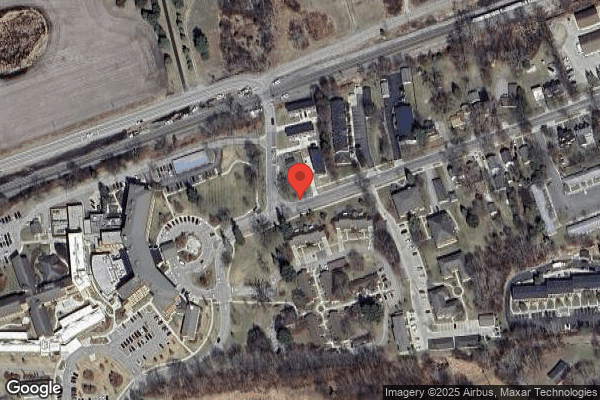
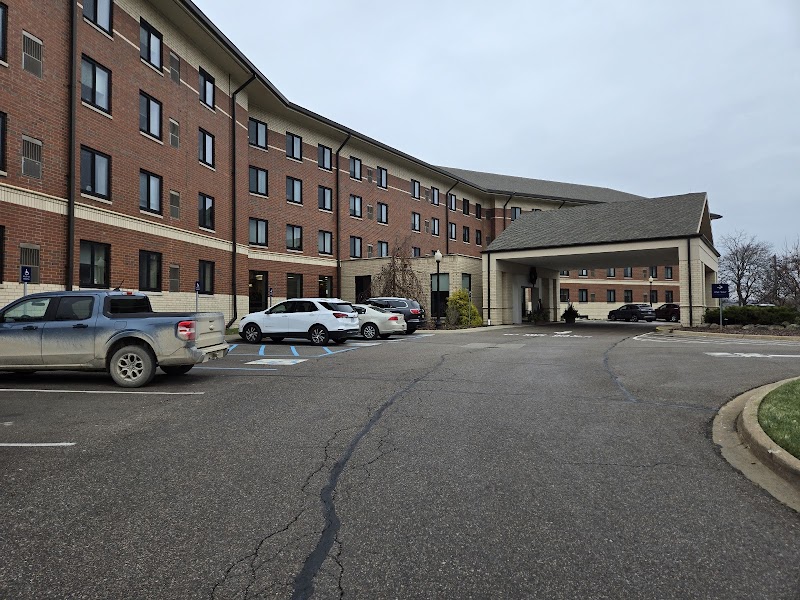
805 W Middle Street, Chelsea, MI 48118 (734) 475-8633
Non profit - Corporation 85 Beds Independent Data: November 2025
Trust Grade
85/100
#11 of 422 in MI
Last Inspection: August 2025

Inspected within the last 6 months. Data reflects current conditions.

Overview

Chelsea Retirement Community in Chelsea, Michigan has a Trust Grade of B+, which means it is recommended and performs above average compared to other facilities. It ranks #11 out of 422 nursing homes in Michigan, placing it in the top half of the state, and it is the top facility among nine in Washtenaw County. The facility's trend is stable, maintaining the same number of issues over the past two years, which indicates consistency in its performance. Staffing is rated as good with a 4/5 star rating and a turnover rate of 43%, which is slightly below the state average, suggesting that many staff members are familiar with the residents. On the downside, there were 14 concerns identified during inspections, including failures to date opened food items, which poses a risk of food spoilage, and instances of unclean food service equipment that could lead to cross-contamination. Additionally, one resident did not receive timely toileting assistance according to their care plan, leading to discomfort and incontinence issues. Overall, while Chelsea Retirement Community has many strengths, families should consider these concerns when making their decision.

Trust Score
B+
85/100
In Michigan
#11/422
Top 2%
Safety Record
Low Risk
No red flags
Inspections
Holding Steady
2 → 2 violations
Staff Stability
○ Average
43% turnover. Near Michigan's 48% average. Typical for the industry.
Penalties
✓ Good
No fines on record. Clean compliance history, better than most Michigan facilities.
Skilled Nurses
✓ Good
Each resident gets 48 minutes of Registered Nurse (RN) attention daily — more than average for Michigan. RNs are trained to catch health problems early.
Violations
⚠ Watch
14 deficiencies on record. Higher than average. Multiple issues found across inspections.
★★★★★
5.0
Overall Rating
★★★★☆
4.0
Staff Levels
★★★★★
5.0
Care Quality
★★★★★
5.0
Inspection Score
Stable
2024: 2 issues
2025: 2 issues

The Good

  • 4-Star Staffing Rating · Above-average nurse staffing levels
  • 5-Star Quality Measures · Strong clinical quality outcomes
  • Full Sprinkler Coverage · Fire safety systems throughout facility
  • No fines on record
  • Staff turnover below average (43%)

    5 points below Michigan average of 48%

Facility shows strength in staffing levels, quality measures, fire safety.

The Bad

Staff Turnover: 43%

Near Michigan avg (46%)

Typical for the industry

The Ugly 14 deficiencies on record

Aug 2025 2 deficiencies
CONCERN (D)

Potential for Harm - no one hurt, but risky conditions existed

Incontinence Care (Tag F0690)

Could have caused harm · This affected 1 resident

Based on observation, interview, and record review the facility failed to ensure one out of one resident (Resident 91) received toileting assistance per the plan of care.Findings Included:Per the faci...

Read full inspector narrative →
Based on observation, interview, and record review the facility failed to ensure one out of one resident (Resident 91) received toileting assistance per the plan of care.Findings Included:Per the facility face sheet Resident 91 (R91) resided at the facility since 7/31/2025. R91 had diagnoses of muscle weakness and need for assistance with personal care. In an interview on 8/04/2025 at 11:17 AM, R91 stated that he had some incontinence of urine at times because he could not make it to the bathroom on time and said when that occurred, he had to use the commode/urinal. In another interview on 8/06/2025 at 2:04 PM, R91 stated that he used a urinal at times rather than the toilet, because he could not get to the toilet on time. R91 said staff would not be able to get to assist him on time, because he would have urgency to urinate. R91 stated that he had to wear a brief and occasionally would have a wet brief or would have to use the urinal. R91 said he would rather use the toilet and added that he has gotten up on his own to go to the bathroom. Review of a care plan that was in place and active for R91 revealed, I (R91) have bladder incontinence., dated 8/5/2025. The interventions listed on the care plan included, BRIEF/PULL UP/PAD/LINER: as ordered. dated 8/5/2025, INCONTINENT: Check and change w (with) rounds and prn (as needed). dated 8/5/2025, Wash, rinse and dry perineum. dated 8/5/2025, Offer and assist me to the bathroom UR (upon rising), HS (at bedtime), between meals and prn. Check for incontinence w rounds and assist w care Date Initiated: 08/05/2025. Review of the Certified Nurse Aid (CNA) Kardex (a document that informs the CNAs how to care for a resident based on the resident's plan of care) revealed for R91's toileting needs, Offer and assist me to the bathroom UR, HS, between meals and prn. Check for incontinence w rounds and assist w care. Review of R91's Physician orders revealed that on 7/31/2025 an order was written for R91 to receive, Furosemide Oral Tablet 20 MG (Furosemide) Give 1 tablet by mouth one time a day for edema. Which is a diuretic and causes an increase in urination. Review of the CNA task documentation for R91 from 8/1 through 8/4/2025 R91 only received toileting assistance nine times over the four days. On 8/2/2025 R91 only received toileting assistance one time that day at 11:56 AM. ON 8/3/2025 R91 only received toileting assistance two times once at 2:36 AM and again at 8:04 AM. Further review of the CNA task documentation revealed that on 8/5/2025 when the very specific toileting plan was put into place R91 was only assisted to the toilet two times that day once at 11:28 AM and at 10:26 PM. Per R91's toileting plan he was not offered toileted after breakfast, after lunch, or after dinner per documentation. In an interview on 8/06/2025 at 11:14 AM, Director of Nursing (DON) B stated R91's urination pattern was discussed, and the toileting plan for R91 was put into place by the assessment nurse, and stated the team talked about the protocol weekly for R91 to assure the protocol was being followed and it was working. In an interview on 8/06/2025 at 2:00 PM, CNA K stated that R91 did not have a specific toileting plan/schedule in place but was toileted every two hours. CNA K stated R91 was not incontinent but wore a brief for accidents, and said CNAs had to get to R91 fast in order to get him to the bathroom with a dry brief. In an interview on 8/06/2025 at 2:08 PM, Registered Nurse (RN) G stated that R91 was not on a specific toileting plan/schedule but was toileted every two hours. In another interview with DON B on 8/06/2025 at 3:10 PM, DON B stated that the facility did not usually use a toileting plan/protocol like the one R91 had in place. DON B said the CNAs would toilet R91 more often than they documented, but that was not able to be proven. DON B said R91's toileting plan was an unusual toileting intervention.
CONCERN (F)

Potential for Harm - no one hurt, but risky conditions existed

Food Safety (Tag F0812)

Could have caused harm · This affected most or all residents

**NOTE- TERMS IN BRACKETS HAVE BEEN EDITED TO PROTECT CONFIDENTIALITY** Based on observation, interview, and record review the facility failed to ensure opened food items were dated, and had a use by ...

Read full inspector narrative →
**NOTE- TERMS IN BRACKETS HAVE BEEN EDITED TO PROTECT CONFIDENTIALITY** Based on observation, interview, and record review the facility failed to ensure opened food items were dated, and had a use by date in a current facility census of 83 residents.Findings Included:During the initial kitchen tour on 8/04/2025 at 9:15 AM with Dietary Director (DD) J in the [NAME] one kitchen it was observed in one of the refrigerators a bag of opened English muffins that did not have a date that the muffins were opened nor a dated that the muffins were to either be used by (UBD-use by date) or discarded. Further observation revealed that in the same refrigerator there were six loaves of opened bread that did not have the date the loaves were opened nor a UBD. During the main Kitchen tour, it was observed in a refrigerator that a carton of opened milk was not dated with the dated the mild was opened nor was the carton dated with a UBD. Further observation of the main kitchen freezer revealed one opened bag of chicken nuggets, one bag of opened chicken tenders, including patties, and wings that were all opened. None of the bags of chicken were sealed closed and all four of the bags of chicken were not dated with the date they were opened nor did any of the bags have a UBD on them. Another refrigerator in the main kitchen revealed a package of opened ham that was not dated with the date the ham was opened, nor did the package of ham have a UBD. During the tour DD J stated that it was her expectation that when the food product was opened the kitchen staff were to place a sticker with the opened date, and the use by date on the product. Review of the facility policy and procedure titled, Date Marking for Food Safety with an effective date of 9/2024, revealed under, Policy Explanation and Compliance Guidelines for Staffing, 2. The food shall be clearly marked to indicate the date or day by which the food shall be consumed or discarded., 3. The individual opening or preparing a food shall be responsible for the date marking the food at the time the food is opened or prepared., 4 The marking system shall consist of an Adhesive Label, the day/date of opening, and the day/date the item must be consumed or discarded . Per the 2022 Food Code U.S. Food and Drug Administration , section 3-501.17 Ready-to-Eat, Time/Temperature Control for Safety Food, Date Marking .refrigerated, READY-TO-EAT, TIME/TEMPERATURE CONTROL FOR SAFETY FOOD prepared and held in a FOOD ESTABLISHMENT for more than 24 hours shall be clearly marked to indicate the date or day by which the FOOD shall be consumed on the PREMISES, sold, or discarded when held at a temperature of 5 C (41 F) or less for a maximum of 7 days. The day of preparation shall be counted as Day 1., and .refrigerated, READY-TO-EAT TIME/TEMPERATURE CONTROL FOR SAFETY FOOD prepared and PACKAGED by a FOOD PROCESSING PLANT shall be clearly marked, at the time the original container is opened in a FOOD ESTABLISHMENT and if the FOOD is held for more than 24 hours, to indicate the date or day by which the FOOD shall be consumed on the premises, sold, or discarded .
Aug 2024 2 deficiencies
CONCERN (D)

Potential for Harm - no one hurt, but risky conditions existed

PASARR Coordination (Tag F0644)

Could have caused harm · This affected 1 resident

**NOTE- TERMS IN BRACKETS HAVE BEEN EDITED TO PROTECT CONFIDENTIALITY** Based on observation, interview and record review, the facility failed to coordinate with the appropriate, State-designated auth...

Read full inspector narrative →
**NOTE- TERMS IN BRACKETS HAVE BEEN EDITED TO PROTECT CONFIDENTIALITY** Based on observation, interview and record review, the facility failed to coordinate with the appropriate, State-designated authority, to ensure that 1 of 2 residents (R34) reviewed received timely follow-up PASSAR II evaluations and coordination of care, resulting in the delay in mental health services appropriate to their needs. Findings include: Resident #34 Review of the Face Sheet and Minimum Data Set (MDS) dated [DATE], reflected R34 was a [AGE] year old female admitted to the facility on [DATE], with diagnoses that included major depression, generalized anxiety, bipolar disorder, unspecified dementia, frequent falls and epilepsy. Review of the Pre-admission Screening And Resident Review (PASARR) Level I, dated 6/10/24, reflected R34 had marked yes for the person has current diagnosis and received treatment for mental illness and has routinely received one or more prescribed antipsychotic or antidepressant medications within the last 14 days. The PASARR reflected R34 had diagnosis of Bipolar and was taking Ability, Vistaryl, Lexapro and Lamictal. Continued review of the level 1 PASARR reflected, DISTRIBUTION: If any answer to items 1 - 6 in SECTION II is Yes, send ONE copy to the local Community Mental Health Services Program (CMHSP), with a copy of form DCH-3878 if an exemption is requested. The nursing facility must retain the original in the patient record and provide a copy to the patient or legal representative. Review of the Electronic Medial Record(EMR), dated 6/13/24 through 8/7/24, reflected no evidence of Level 2 PASSAR. During in interview on 8/07/24 at 2:32 PM, Social Worker F reported R34 had a competed Level 1 PASARR that reflected the need for PASARR Level 2 to be completed. SW F reported facility either has the level 2 or a letter that one had been completed. SW F reported was able to locate letter for R34 from the Department of Health and Human Services that PAD-OBRA Level 2 Evaluation was completed and made a recommendation on placement and services. The letter reflected, Determination: Nursing Facility - Other Mental Health Services. The individual qualifies for the level of services provided by a nursing facility and does not require specialized mental health/developmental disabilities services but may need other mental health/developmental disabilities services . SW F reported R34 had not been seen by mental health services and did not have a referral but could send one. SW F reported facility had to petition for guardianship for R34 and was appointed emergency guardian 7/18/24. SW F verified R34 signed consents including consents for antipsychotic on 6/13/24 and was seen by first provider for capacity on 6/14/24 and second on 6/17/24 deemed incapable to make health choices. SW F reported consents should be completed by emergency guardian. Review of the Provider Visit note, dated 7/2/24, reflected plan that R34 should be considered for referral to in house psychiatric care. Review of R34 Provider Visit Note, dated 7/16/24, reflected, Bipolar 1 disorder(CMS/HCC) No change in medications, will make psychiatric referral if patient continues to stay long-term. Review of R34 Physician Orders, dated 7/9/24, reflected, psych evaluation for medication management and therapy one time only for bipolar disorder During an interview on 8/07/24 at 4:05 PM, SW F provided R34 level 2 PASARR and OBRA assessment completed just prior to admission at this facility that reflected mental health services needed. SW F verified provider note, dated 7/16/24, reflected plan for mental health consult and reported should have been completed after emergency guardian obtained 7/18/24. SW F reported was not aware of need for referral and reported usually notified by nursing or provider. SW F reported mental health service plan to be at facility tomorrow and will plan to have R34 on list to be seen. Review of the Preadmission Screening Comprehensive Level 2 Evaluation, dated 6/12/24, reflected R34 was marked for mental illness. The Evaluation included diagnosis of Major depressive disorder, recurrent episode. with psychotic features-primary, post-traumatic stress disorder, and generalized anxiety disorder. The evaluation recommended Nursing Facility/Other Mental Health Services including Individual therapy and psychiatric medication review. Continued review of the evaluation reflected, Historically , [named R34] does not manage stress, triggers, or symptoms well and would frequently experience suicidal ideation's. This often led to psychiatric treatment/hospitalizations. [Named R34] should be closely monitored of any signs and symptoms of increased depression, which may include but is not limited to: tearfulness, agitation, lack of appetite, sleep disturbance .[named R34 does have history of psychosis along with depression and should also be monitored for paranoia, delusions, suspicions, and hallucinations. Any evidence of signs or symptoms should be reported to [named R34] treatment team immediately .[named R34] should be connected to appropriate mental health services while admitted to the nursing facility, such as the facility's contracted mental health provider. [named R34] would benefit from talk therapy and psychiatric medication review . During an interview on 8/8/24 at 1:10 p.m., SW F reported admission staff should have obtained PASSAR Level 2 on admission for any resident major mental health diagnosis including for R34 with diagnosis of Bipolar. Review of the facility, PASARR Coordination Program, undated, reflected, The Social Services Department shall be responsible for keeping track of each resident's PASARR screening status, and referring to the appropriate authority .
CONCERN (D)

Potential for Harm - no one hurt, but risky conditions existed

Comprehensive Care Plan (Tag F0656)

Could have caused harm · This affected 1 resident

**NOTE- TERMS IN BRACKETS HAVE BEEN EDITED TO PROTECT CONFIDENTIALITY** Based on observation, interview and record review, the facility failed to implement care plan interventions for one of 18 reside...

Read full inspector narrative →
**NOTE- TERMS IN BRACKETS HAVE BEEN EDITED TO PROTECT CONFIDENTIALITY** Based on observation, interview and record review, the facility failed to implement care plan interventions for one of 18 residents reviewed for care plans (Resident #52), resulting in the likelihood of aspiration of food or liquid into the lungs and choking during meals. Findings include: Resident #52 (R52) On 8/06/2024 at 12:36 PM, R52 was observed sitting in a chair in her room eating lunch. A male friend was sitting next to her and stated R52 could not talk, but could shake her head yes or no. R52's care plan dated 6/29/2024 instructed not to share or speak with R52 about medical Information with male visitor present; he was just a friend, and ask him to leave first per family. R52's nutrition at risk care plan dated 7/02/2024 revealed a dysphagia 3 diet (moist, chopped/bite-sized pieces) was ordered and she required full one to one supervision with meals. R52's Minimum Data Set (MDS) with assessment reference date of 7/03/2024, revealed she was admitted to the facility on [DATE] and her cognitive skills for daily decision making was moderately impaired (decisions poor; cues/supervision required). R52's same MDS revealed R52 had signs and symptoms of a swallowing disorder including holding food in mouth/cheeks or residual food in mouth after meals; and coughing or choking during meals or when swallowing medications. R52's same MDS, under care area assessment (CAA), indicated she was recently hospitalized for a stroke and had aphasia (language disorder, may have trouble understanding, speaking, reading or writing). R52's same CAA indicated was to have one to one, full supervision with meals. In review of speech therapy notes dated 8/01/2024, R52 required skilled services for dysphagia to assess and determine least restrictive diet and develop and instruct in compensatory strategies; to enhance her quality of life, by improving ability to safely swallow without signs/symptoms of aspiration. It was determined R52's difficulties learning new information would impact her treatment. In review of speech therapy notes dated 8/05/2024, R52's goal was to tolerate her diet with no overt signs or symptoms of aspiration/pulmonary (lung) compromise with use of safe swallowing strategies and cues. Progress on R52's goal dated 8/05/2024 indicated she had an intermittent cough with thin liquids, and benefited from alternating liquids/solids to aid in timing of oral clearance/swallow initiation. Alternating liquids/solids was not included in R52's care plan or in the [NAME] (nurse assistant care plan instructions). Physician Progress Note dated 8/06/2024 revealed R52 was seen for follow-up and was now able to speak a few words on occasion. R52 communicated she still had a poor appetite, needed assistance with eating, and was messy at times. The same note indicated R52 had lost five pounds over the last three weeks and staff were encouraging her to eat snacks whenever possible. R52's speech therapy recommendations dated 8/07/2024 included: one to one supervision, slow rate, small bites and sips, sit upright, alternate liquids and solids and ensure oral cavity was clear following meals. Instructions including slow rate, small bites and sips, sitting upright, were not included in R52's care plan or [NAME]. On 8/07/2024 at 8:17 AM, R52 was observed lying in bed with the head of her bed elevated in a reclined position. R52's breakfast tray was placed on a table to the right of her bed with the cover on, and juice uncovered. Later, on 8/07/2024 at 8:54 AM, R52 was observed sitting in her room in a dining chair eating breakfast placed on a table directly in front of her. No staff were observed assisting or supervising her during her breakfast meal. On 8/07/2024 at 12:19 PM R52 was observed sitting in a chair in room eating lunch. R52's male friend was the only person in her room, no staff were present. On 8/08/2024 at 12:05 PM R52 was observed sitting in her room eating lunch unassisted, no staff, friends or family were present. Certified Nurse Assistant (CNA) O was interviewed on 8/08/2024 at 12:19 PM and stated she thought R52 was no longer one to one supervision with meals . Rehabilitation Director P was interviewed on 8/08/2024 at 12:33 PM and stated she had verified with Occupational Therapy and Speech Therapy that recommendations for one to one supervision with meals continued to be recommended for R52's care.
May 2023 9 deficiencies
CONCERN (D)

Potential for Harm - no one hurt, but risky conditions existed

Deficiency F0561 (Tag F0561)

Could have caused harm · This affected 1 resident

**NOTE- TERMS IN BRACKETS HAVE BEEN EDITED TO PROTECT CONFIDENTIALITY** Based on observation, interview, and record review, the facility failed to promote resident bathing preferences in two of two re...

Read full inspector narrative →
**NOTE- TERMS IN BRACKETS HAVE BEEN EDITED TO PROTECT CONFIDENTIALITY** Based on observation, interview, and record review, the facility failed to promote resident bathing preferences in two of two residents reviewed for choices (Resident #44 & #67), resulting in choice of bathing schedule not honored and dissatisfaction. Findings include: Resident #44 (R44) On 5/23/23 at 9:11 AM, R44 was observed sitting in her wheelchair in her room. R44's 1/17/23 and 4/19/23 Minimum Data Set (MDS) assessment, revealed she was admitted to the facility on [DATE], had a Brief Interview for Mental Status (BIMS), a short performance-based cognitive screener, score of 15 (13-15 Cognitively Intact). R44's 1/17/23's MDS assessment indicated it was very important to choose between a tub bath, shower, bed bath or sponge bath. R44's 4/19/23 MDS indicated she did not reject care during the 7-day look-back period and required extensive assistance with personal hygiene and bathing. During an interview on 5/23/23 at 9:11 AM, R44 stated her shower was scheduled on Wednesday and Sunday, twice weekly, but would prefer a shower three times a week. R44 indicated she had previously requested her preference for showers three times a week. R44 stated she had chronic issues with diarrhea and needed more than two showers a week. Assistant Director of Nursing (ADON) T was interviewed on 5/24/23 at 10:38 AM and stated the interdisciplinary team (IDT) created the shower schedule; R44 could have showers three times a week entered into the system (care plan), but it was not a guarantee she would receive more than 2 showers per week. ADON T stated in the same interview R44's bathing preference depended on staffing ratios. Resident #67 (R67) R67's 4/23/23 MDS revealed she admitted to the facility on [DATE], had a BIMS score of 15 (13-15 Cognitively Intact), and required extensive assistance for personal hygiene. R67 was interviewed on 5/22/23 at 4:21 PM and stated two months ago, she requested to change her bath schedule from afternoons to mornings. R67 stated the staff would offer to assist her with her shower between 9:30 PM and 10:00 PM, and she did not like a shower at that time. R67 stated she had a bed bath the night prior. R67 stated she preferred a shower, but if it was late at night, she opted for a bed bath. R67 stated therapy had helped her with a shower twice in the morning, because they took pity on her, and she stated she appreciated it.
CONCERN (D)

Potential for Harm - no one hurt, but risky conditions existed

Transfer Notice (Tag F0623)

Could have caused harm · This affected 1 resident

**NOTE- TERMS IN BRACKETS HAVE BEEN EDITED TO PROTECT CONFIDENTIALITY** Based on interview and record review, the facility failed to provide a written notice for facility indicated transfer for one of...

Read full inspector narrative →
**NOTE- TERMS IN BRACKETS HAVE BEEN EDITED TO PROTECT CONFIDENTIALITY** Based on interview and record review, the facility failed to provide a written notice for facility indicated transfer for one of four residents reviewed for notice of transfer (Resident #18), resulting in the potential for inappropriate resident transfers/discharges. Findings include: Resident #18 (R18) R18's Minimum Data Set (MDS) assessment dated [DATE] revealed he admitted to the facility on [DATE] and had a Brief Interview for Mental Status (BIMS), a short performance-based cognitive screener, score of 08 (08-12 Moderate Impairment). Director of Nursing (DON) B was interviewed on 5/23/23 at 12:44 PM and confirmed R18 was transferred to the hospital 4/22/23 and returned 4/22/23. DON B also confirmed R18 had a hospital stay from 3/12/23 to 3/14/23. DON B stated she was not able to locate a transfer notice for the above dates.
CONCERN (D) 📢 Someone Reported This

A family member, employee, or ombudsman was alarmed enough to file a formal complaint

Potential for Harm - no one hurt, but risky conditions existed

Deficiency F0625 (Tag F0625)

Could have caused harm · This affected 1 resident

**NOTE- TERMS IN BRACKETS HAVE BEEN EDITED TO PROTECT CONFIDENTIALITY** Based on interview and record review, the facility failed to provide a notice of the bed hold policy prior to transfer to the ho...

Read full inspector narrative →
**NOTE- TERMS IN BRACKETS HAVE BEEN EDITED TO PROTECT CONFIDENTIALITY** Based on interview and record review, the facility failed to provide a notice of the bed hold policy prior to transfer to the hospital for one of four residents reviewed for transfers (Resident #18), resulting in the potential for information not received. Findings include: Resident #18 (R18) Director of Nursing (DON) B was interviewed on 5/23/23 at 12:44 PM and confirmed R18 was transferred to the hospital 4/22/23 and returned 4/22/23. DON B also confirmed R18 had a hospital stay from 3/12/23 to 3/14/23. DON B was not able to provide evidence from R18's medical record of the bed hold policy provided at time of resident transfer. R18's Minimum Data Set (MDS) assessment dated [DATE] revealed he admitted to the facility on [DATE] and had a Brief Interview for Mental Status (BIMS), a short performance-based cognitive screener, score of 08 (08-12 Moderate Impairment). In review of R18's record, there was not documentation of bed hold policy provided at time of transfers. Review of the facility's Bed Hold Notice Upon Transfer Policy dated 7/14/22, at the time of transfer for hospitalization or therapeutic leave, the facility will provide to the resident and/or the resident representative written notice which specifies the duration of the bed-hold policy and addresses information explaining the return of the resident to the next available bed.
CONCERN (D)

Potential for Harm - no one hurt, but risky conditions existed

PASARR Coordination (Tag F0644)

Could have caused harm · This affected 1 resident

**NOTE- TERMS IN BRACKETS HAVE BEEN EDITED TO PROTECT CONFIDENTIALITY** Based on interview, and record review the facility failed to complete a level I Preadmission Screening/Annual Resident Review (P...

Read full inspector narrative →
**NOTE- TERMS IN BRACKETS HAVE BEEN EDITED TO PROTECT CONFIDENTIALITY** Based on interview, and record review the facility failed to complete a level I Preadmission Screening/Annual Resident Review (PASARR) for one (Resident #18) of one residents reviewed for PASARR, resulting in the potential for lack of appropriate mental health treatment and services. Findings include: Resident #18 (R18) R18's Minimum Data Set (MDS) assessment dated [DATE] revealed he admitted to the facility on [DATE] and had a Brief Interview for Mental Status (BIMS), a short performance-based cognitive screener, score of 08 (08-12 Moderate Impairment). Social Worker (SW) U was interviewed on 5/23/23 at 12:44 PM, and confirmed the last completed level 1 was completed on 9/27/21. Following the interview SW U sent a completed level 1 screen dated 5/23/23.
CONCERN (D)

Potential for Harm - no one hurt, but risky conditions existed

Comprehensive Care Plan (Tag F0656)

Could have caused harm · This affected 1 resident

**NOTE- TERMS IN BRACKETS HAVE BEEN EDITED TO PROTECT CONFIDENTIALITY** Based on observation, interview, and record review, the facility failed to develop an individualized care plan in one of 18 revi...

Read full inspector narrative →
**NOTE- TERMS IN BRACKETS HAVE BEEN EDITED TO PROTECT CONFIDENTIALITY** Based on observation, interview, and record review, the facility failed to develop an individualized care plan in one of 18 reviewed for care plans (Resident #51), resulting in unmet needs and the potential for delayed treatment for infection. Findings include: Resident #51 (R51) On 5/23/23 at 8:00 AM R51 was observed lying flat in bed, her breakfast tray was observed on the over the bed table and covered. R51 stated waiting for help to eat her breakfast. R51's lips were observed dry and flaking. R51's Minimum Data Set (MDS) with assessment reference date of 4/21/23 indicated she was admitted to the facility on [DATE], had a Brief Interview for Mental Status (BIMS), a short performance-based cognitive screener, score of 13 (13-15 Cognitively Intact). The same MDS indicated R51 had diagnosis of urinary tract infection (UTI) in last 30 days of assessment date. In review of nurse's notes dated 5/20/23 at 2:08 AM, identified as a late entry for 5/19/23 at approximately 2:00 AM, the nurse attempted to collect a urine sample via catheter due painful urination. The same note indicated R51 reported burning and frequency; R51's nurse assistant reported R51 had increased confusion. R51's same nurse's note indicated 10 milliliters (ml) of medium yellow, very cloudy urine with a foul odor was collected. R51's note indicated she did not drink very much and encouraged her to increase her fluid consumption so a sample could be collected in the morning. The same note indicated the day shift nurse was able to obtain a sample and awaiting laboratory pickup. Director of Nursing (DON) B was interviewed on 5/24/23 at 2:25 PM and stated there was not a physician's order to obtain a urine specimen for R51 on 5/19/23 and there were no results for a urine analysis (UA). DON B stated the facility had a magnet they place on the resident's door to alert staff of the need to encourage fluids. In review of R51's care plans, there were no care plans related to current UTI signs and symptoms. There were no interventions for a hydration magnet to be placed on R51's door. In review of R51's May 2023 Medication Administration Record, R51 had a history of urinary retention, anorexia and constipation. In review of R51's physician orders, an order dated 5/24/23 indicated to collect urine for suspected UTI; the UA was originally ordered 5/20/23; and the UA sample not taken by lab.
CONCERN (D)

Potential for Harm - no one hurt, but risky conditions existed

Quality of Care (Tag F0684)

Could have caused harm · This affected 1 resident

**NOTE- TERMS IN BRACKETS HAVE BEEN EDITED TO PROTECT CONFIDENTIALITY** Resident #73 Review of an admission Record revealed Resident #73 (R73) admitted to the facility on [DATE] with pertinent diagnos...

Read full inspector narrative →
**NOTE- TERMS IN BRACKETS HAVE BEEN EDITED TO PROTECT CONFIDENTIALITY** Resident #73 Review of an admission Record revealed Resident #73 (R73) admitted to the facility on [DATE] with pertinent diagnoses which included cerebral infarction due to embolism (stroke to due a blood clot), prediabetes, unspecified atrial fibrillation (irregular heart rate), and essential hypertension (high blood pressure). The admission Minimum Data Set (MDS), with an Assessment Reference Date (ARD) of 5/17/23, reflected R73 scored five out of 15 (severe cognitive impairment) on the Brief Interview for Mental Status (BIMS-a cognitive screening tool). The same MDS reflected R73 required total dependence of two or more people for most activities of daily living including toilet use and transferring. R74 required extensive assistance of one person for eating. In an observation on 5/25/23 at 11:50 AM, R73 was seated in her recliner in her room with her legs elevated. R73 was dressed appropriately and resting with her eyes closed. R73 was receiving her tube feeding at the time of observation. Review of the Physician's Order's revealed R73 had an order dated 5/8/23 which stated Accucheck once daily one time a day for diabetes mellitus. Review of the Physician's Order revealed R73 had an order dated 2/10/23 which stated Humalog Solution 100 UNIT/ML (milliliter) (Insulin Lispro-- a fast acting insulin). Inject 10 unit subcutaneously (below the skin) every 2 hours as needed for for blood sugar over 300 repeat and retreat if needed in 2 hours. Review of the Medical Administration Record revealed R73 had a checkmark in the box under each day from 5/8/23 until 5/24/23, indicating her blood sugar was checked for the day, as ordered. Review of the Electronic Medical Record reflected R73 had no documented blood glucose readings for the dates of: 5/9/23 5/11/23 5/13/23 5/14/23 5/15/23 5/16/23 5/17/23 5/18/23 5/20/23 5/21/23 5/23/24 In an interview on 5/25/23 at approximately 11:00 AM, Director of Nursing (DON) B reported that R73 is a pre-diabetic. DON B stated that the expectation would be for the daily blood sugar reading to be documented in the Electronic Medical Record. DON B reported that when the Physician Order was placed in R73's chart that typically there is a prompt that would force the staff to document the daily blood sugar reading but the prompt was not activated with the order. Based on observation, interview and record review, the facility failed to follow Professional Standards of care and facility policy for nebulizer administration and blood sugar monitoring/documentation for two Residents (R39 and R73) of 18 residents reviewed, resulting in medications not being administered according to professional standards of care and/or facility policy, and lack of appropriate monitoring and management of diabetes including not following physician orders. Findings include: Review of the, Nebulizer Therapy policy, dated 7/2022, provided by the Director of nursing (DON) B on 5/25/23, reflected, It is the policy of the facility for nebulizer treatments, once ordered, to be administered by nursing staff as directed using proper technique and standard precautions .Place ordered medication into nebulizer cup .Assist resident into comfortable position .Connect the nebulizer to a power source .Instruct resident on how to use the nebulizer .Turn the machine on .Keep nebulizer vertical during treatment .Observe resident periodically during the procedure for any change in condition. If resident unable to manage delivery device independently may need to stay with resident during the procedure .When medication delivery is complete, turn the machine off .Disassemble and rinse the nebulizer with water and allow to air dry . Resident #39(R39) Review of the Face Sheet and Minimum Data Set (MDS) dated [DATE], reflected R39 was a [AGE] year-old female admitted to the facility on [DATE], with diagnoses that included Alzheimer's disease, hypertension, respiratory failure, rib fractures, chronic obstructive pulmonary disease, and depression. During an observation and interview on 5/24/23 at 9:35 a.m., Licensed Practical Nurse (LPN) Q prepared several medication for R39 at the medication cart including Ipratropium Bromide Inhalation Solution 0.02 %, 2.5 ml. LPN Q entered R39 room, administered oral medications to R39, added Ipratropium Bromide Inhalation Solution to nebulizer mask equipment and positioned mask on R39 and turned-on nebulizer at 9:39 a.m. R39 appeared confused. LPN Q stated would return in about five minutes after treatment was completed and left R39 alone in room. No evidence of respiratory assessment was observed or directions for R39 to take deep breaths with nebulizer treatment. Observed R39 nebulizer continue to run at 9:58 a.m. with no staff present while LPN Q was preparing other resident medications at cart. This surveyor continued to follow LPN Q for medication pass until 10:10 a.m. to other residents. At 10:10 a.m. LPN Q reported planned to continue other named resident medication pass. This surveyor entered R39's closed door, after being granted permission, at 10:12 a.m. and observed two Certified Nurse Assistance (CNA) R and S providing resident care including brief change and dressing with nebulizer mask located on bedside table. During an interview on 5/24/23 at 4:35 p.m., Director of Nursing (DON) B reported would expect nurse to perform respiratory assessment prior to administration of nebulizer treatment, remain with resident throughout treatment or return within 10 minutes to remove nebulizer equipment, rinse and store equipment in bag. DON B reported nurse was expected to remove nebulizer equipment, not CNA staff, and perform respiratory assessment after nebulizer treatment was complete.
CONCERN (D)

Potential for Harm - no one hurt, but risky conditions existed

Deficiency F0688 (Tag F0688)

Could have caused harm · This affected 1 resident

Based on observation, interview, and record review the facility failed to ensure appropriate treatment and services for contracture management for one resident (#16) of one resident reviewed resulting...

Read full inspector narrative →
Based on observation, interview, and record review the facility failed to ensure appropriate treatment and services for contracture management for one resident (#16) of one resident reviewed resulting in the potential for worsening contractures and pain. Findings Included: Resident #16 (R16) Review of the medical record revealed R16 was admitted to the facility 03/05/2019 with diagnoses that included Huntington's Disease, depression, insomnia, osteoporosis, dysphagia, panic disorder, dementia, stage 3 kidney disease, gastro-esophageal reflux, hypertension, and vitamin D deficiency. The most recent Minimum Data Set (MDS), with an Assessment Reference Date (ARD) of 04/18/2023, revealed R16 did not have a Brief Interview of Mental Status (BIMS) completed because he was rarely/never understood. Section G0400-Functional Limitation in Range of Motions, MDS with same ARD, demonstrated that R16 had impaired upper and lower extremities. The MDS with the same ARD section O- demonstrated that R16 was not receiving skilled therapy services or a Restorative Nursing program. During observation and attempted interview 05/23/2023 at 09:05 a.m. R16 was observed lying down in bed. R16's hands were observed curled inward toward his forearms. R16 did not respond to verbal stimulation during attempted interview. R16's legs were not observed, as they were covered with a sheet. During record review it was revealed that R16 had care plan interventions that stated, Contracture: I have contracture of arm. R16's Point of Care (POC) task did not demonstrate that CNA'S had conducted any Range of Motion (ROM) completed during his daily care. R16's medical record demonstrated a skilled therapy screen, completed 4/5/2023, documented that there had not been any change in his ROM, upper or lower extremities, during the last quarter. The therapy screen did not identify is R16 had contractures of his upper and lower extremities. In an interview on 05/25/23 at 09:49 a.m. Certified Nursing Assistant (CNA) G explained that Range of Motion (ROM) that she provided to R16 consisted of turning him. When asked if she provided ROM by moving his upper and lower extremities, she explained that type of ROM was provided by therapy staff. CNA G explained that she did not know if R16 had contractures of his upper or lower extremities. In an interview on 05/23/2023 at 11:23 a.m. Team Lead of Therapy F explained that that the facility does not have a Restorative Nursing Program. She explained that the Therapy Department would conduct quarterly evaluations for residents. She explained that if a resident needed a Restorative Program, her department would create a program for that resident and provide education to the nursing staff. Team Lead of Therapy F could not identify if R16 had contractures of his upper and lower extremities, after reviewing R16's therapy documentation. She explained that R16 was not receiving ROM by the therapy staff or nursing staff. During observation (with Team Lead of Therapy F present) on 05/25/2023 at 11:48 a.m. R16 was sitting up in a Geri-Chair at the side of his bed. His arms and hands were covered with a blanket. Team Lead of Therapy F asked R16 if she could remove the blanket to allow her to look at his arms. It was observed that R16 left and right hands were curled toward his forearms. Once leaving the room Team Lead of Therapy F explained that it appeared that R16 had contractures to both his wrist. She explained that he would benefit from a Range of Motion (ROM) program and that she would obtain and order to complete a skilled therapy evaluation. Team Lead of Therapy F could not explain why a ROM program had not been initiated prior to this observation of R16. In an interview on 05/25'2023 at 12:01 p.m. Director of Nursing (DON) B explained that the facility did not have a Restorative Nursing Program. She explained that the nursing department would refer the resident to that department to create a Range of Motion (ROM) program for the residents. DON B could not explain why R16 was not receiving an restorative therapy for contractures that were present.
CONCERN (D)

Potential for Harm - no one hurt, but risky conditions existed

Deficiency F0692 (Tag F0692)

Could have caused harm · This affected 1 resident

**NOTE- TERMS IN BRACKETS HAVE BEEN EDITED TO PROTECT CONFIDENTIALITY** Based on observation, interview, and record review, the facility failed to offer sufficient fluids and prevent weight loss, in o...

Read full inspector narrative →
**NOTE- TERMS IN BRACKETS HAVE BEEN EDITED TO PROTECT CONFIDENTIALITY** Based on observation, interview, and record review, the facility failed to offer sufficient fluids and prevent weight loss, in one of four residents reviewed for weight loss and hydration (Resident #51), resulting in a severe weight loss in 1 month and unmet hydration needs. Findings include: Resident #51 (R51) On 5/23/23 at 8:00 AM R51 was observed lying flat in bed, her breakfast tray was observed on the over the bed table and covered. R51 stated waiting for help to eat. R51's lips were dry and flaking. R51 was observed approximately 15 minutes later with staff physically assisting with her meal. R51's Minimum Data Set (MDS) with assessment reference date of 4/21/23 indicated she was admitted to the facility on [DATE]; and had a Brief Interview for Mental Status (BIMS), a short performance-based cognitive screener, score of 13 (13-15 Cognitively Intact). R51's 4/21/23 MDS revealed she required set up assistance for eating. The same MDS indicated R51 had diagnosis of urinary tract infection (UTI) in last 30 days of assessment date. R51's electronic Weight Summary indicated the following: 4/19/23 103.8 pounds (lbs.) 4/19/23 103.8 lbs. 5/02/23 96.8 lbs. 5/02/23 96.8 lbs. 5/04/23 98.8 lbs. 5/20/23 94.8 lbs. On 04/19/23, R51 weighed 103.8 lbs.; on 05/20/23, R51 weighed 94.8 lbs., in which was a severe weight loss of 8.67 percent (%) in one month. In review of R51's May 2023 Medication Administration Record, R51 was on a regular texture diet with thin liquids. The same source indicated R51 had a history of urinary retention, anorexia and constipation. The same MAR indicated to obtain weights for 3 days on admit and then weekly for weight monitoring. R51's weight summary did not include weight documentation on 4/20/23 and 4/21/23. On 5/24/23 at 1:27 PM, R51 was observed lying flat in bed with her eyes closed. R51's lunch tray was observed on her over-the-bed table, which included a hot dog sliced and potato chips. There was a full glass of water on the tray with the lid on. Per surveyor observation, R51's intake at lunch was less than 25 % of meal and zero fluid intake. Certified Nurse Assistant (CNA) V was interviewed on 5/24/23 at 1:30 PM and stated R51 ate a few bites of hot dog for lunch. In review of R51's electronic food acceptance record dated 5/24/23, she accepted 51 to 75 % of the lunch meal. Registered Dietician (RD) D was interviewed on 5/24/23 at 2:07 PM and stated R51 had a decline in intake over the last couple of days. RD D stated R51 was offered gelatin at 12:00 PM with her medications. RD D stated R51 was started on boost supplement due to her decline. RD D calculated R51's hydration needs at 1300 to 1400 milliliters (ml) daily. RD D stated R51 was not meeting her needs based on her fluid acceptance documentation. RD D stated R51's food acceptance was around 25 %. In review of R51's May 2023 MAR, there was an order for nursing to provide a gelatin snack, related to malnourishment that was started on 4/21/23. The same document did not include how much of the gelatin was accepted. The same MAR reflected a supplement was ordered on 5/24/23, 237 ml daily at 12:00 PM.
CONCERN (F)

Potential for Harm - no one hurt, but risky conditions existed

Food Safety (Tag F0812)

Could have caused harm · This affected most or all residents

**NOTE- TERMS IN BRACKETS HAVE BEEN EDITED TO PROTECT CONFIDENTIALITY** Based on observations, interviews, and record reviews, the facility failed to effectively clean and maintain food service equipm...

Read full inspector narrative →
**NOTE- TERMS IN BRACKETS HAVE BEEN EDITED TO PROTECT CONFIDENTIALITY** Based on observations, interviews, and record reviews, the facility failed to effectively clean and maintain food service equipment effecting 73 residents, resulting in the increased likelihood for cross-contamination and bacterial harborage. Findings include: On 05/22/23 at 09:26 A.M., An initial tour of the main food production kitchen was conducted with Chef Manager C. The following items were noted: The South Bend conventional oven(s) exterior surfaces were observed soiled with accumulated and encrusted food residue. The South Bend griddle and side plates were observed soiled with accumulated and encrusted food residue. The MagiKitch'n char broiler backsplash and side plates were observed with accumulated and encrusted food residue, adjacent to the two grate plates. Chef Manager C indicated he would have dietary staff thoroughly clean and sanitize the conventional oven(s), griddle, and char broiler as soon as possible. The 2017 FDA Model Food Code section 4-601.11 states: (A) EQUIPMENT FOOD-CONTACT SURFACES and UTENSILS shall be clean to sight and touch. (B) The FOOD-CONTACT SURFACES of cooking EQUIPMENT and pans shall be kept free of encrusted grease deposits and other soil accumulations. (C) NonFOOD-CONTACT SURFACES of EQUIPMENT shall be kept free of an accumulation of dust, dirt, FOOD residue, and other debris. The AltoShaam blast chiller interior was observed with pooling water, adjacent to the interior refrigeration fan unit. Chef Manager C indicated he would have maintenance complete necessary repairs as soon as possible. The 2017 FDA Model Food Code section 4-501.11 states: (A) EQUIPMENT shall be maintained in a state of repair and condition that meets the requirements specified under Parts 4-1 and 4-2. (B) EQUIPMENT components such as doors, seals, hinges, fasteners, and kick plates shall be kept intact, tight, and adjusted in accordance with manufacturer's specifications. (C) Cutting or piercing parts of can openers shall be kept sharp to minimize the creation of metal fragments that can contaminate FOOD when the container is opened. On 05/22/23 at 10:55 A.M., An initial tour of the [NAME] 2 Kitchenette was conducted with Chef Manager C. The following items were noted: The Continental one-door reach-in cooler interior light assembly was observed loose-to-mount. Chef Manager C indicated he would have maintenance repair the faulty interior light assembly as soon as possible. The metal filter assembly was observed missing on the Accurex ventilation range hood. Chef Manager C indicated he would have maintenance replace the missing metal filter assembly as soon as possible. The 2017 FDA Model Food Code section 4-501.11 states: (A) EQUIPMENT shall be maintained in a state of repair and condition that meets the requirements specified under Parts 4-1 and 4-2. (B) EQUIPMENT components such as doors, seals, hinges, fasteners, and kick plates shall be kept intact, tight, and adjusted in accordance with manufacturer's specifications. (C) Cutting or piercing parts of can openers shall be kept sharp to minimize the creation of metal fragments that can contaminate FOOD when the container is opened. On 05/22/23 at 11:09 A.M., An initial tour of the [NAME] 1 Kitchenette was conducted with Chef Manager C. The following item was noted: The SouthBend char broiler and side plates were observed soiled with accumulated and encrusted food residue. The 2017 FDA Model Food Code section 4-601.11 states: (A) EQUIPMENT FOOD-CONTACT SURFACES and UTENSILS shall be clean to sight and touch. (B) The FOOD-CONTACT SURFACES of cooking EQUIPMENT and pans shall be kept free of encrusted grease deposits and other soil accumulations. (C) NonFOOD-CONTACT SURFACES of EQUIPMENT shall be kept free of an accumulation of dust, dirt, FOOD residue, and other debris. On 05/24/23 at 05:00 P.M., Record review of the Policy/Procedure entitled: Cooks Cleaning List dated (no date) revealed under Daily: (2) Wipe down stovetop, (7) Broiler needs to be cleaned and scraped after usage, (8) Oven(s) need to be cleaned, and (19) Wipe down sides of equipment and backsplashes. On 05/24/23 at 05:15 P.M., Record review of the Policy/Procedure entitled: Food Safety Requirements dated (no date) revealed under Policy Explanation and Compliance Guidelines: (6) All equipment used in the handling of food shall be cleaned and sanitized, and handled in a manner to prevent contamination. (a) Staff shall follow facility procedures for dishwashing and cleaning fixed cooking equipment. (b) Clean dishes shall be kept separate from dirty dishes. (c) Staff shall wash hands prior to handling clean dishes, and shall handle them by outside surfaces or touch only the handles of utensils.
May 2023 1 deficiency
CONCERN (D) 📢 Someone Reported This

A family member, employee, or ombudsman was alarmed enough to file a formal complaint

Potential for Harm - no one hurt, but risky conditions existed

Deficiency F0573 (Tag F0573)

Could have caused harm · This affected 1 resident

**NOTE- TERMS IN BRACKETS HAVE BEEN EDITED TO PROTECT CONFIDENTIALITY** This Citation Pertains to Intake MI00129641 Based on interview and record review, the facility failed to ensure one out of one (...

Read full inspector narrative →
**NOTE- TERMS IN BRACKETS HAVE BEEN EDITED TO PROTECT CONFIDENTIALITY** This Citation Pertains to Intake MI00129641 Based on interview and record review, the facility failed to ensure one out of one (Resident#1) had been provided copies of medical records upon written request and within two working days of the advanced notice resulting in resident rights being infringed upon. Finding include: According to the clinical record, including the Minimum Data Set (MDS) dated [DATE] Resident #1 (R1) was a [AGE] year old female admitted to the facility on [DATE] with a readmission date of 6/4/22. R1 scored 12 of 15 (cognitively intact) on the Brief Interview for Mental Status (BIMS). Review of the facility grievance log reflected a facility form titled Resident/Family Concern was filed on on 7/13/2022 the form was filled out by R1's spouse and reflected their complaint was that there had been no action taken by Medical Records staff F regarding their request for a copy of R1's medical record. The resolution of the concern form reflected the Director of Nursing (DON) B assisted R1 and her spouse in completing a request for the medical records. Review of the facility form titled Request For Medical Records Consent For Release of Information reflected R1 completed a written request that medical records be released to R1's spouse, the form was signed by R1, DON B and was dated 7/13/2022. A second Request For Medical Records was signed and dated 7/26/2022 by R1 and Medical Records staff F On 05/09/23 at 1:00pm, during an interview with Medical Records staff F he reported he had no recollection of R1, her spouse or any written medical record requests from them. Medical Records staff F stated the facility had no such policy or practice in place that was designed to have the recipient of the person receiving the medical records sign when medical records were received. Medical Records staff F stated he maintained a spread sheet on his computer that tracked the date of the request, the resident, who made the request, completion date of the request, whether it was mailed/faxed or other, the amount due and date payment for the request was received. Surveyor and Medical Record staff F reviewed the spread sheet which reflected R1 made a request for her medical records on 7/13/22 , the spread sheet line which revealed the completion date of the request, whether it was mailed/faxed or other, the amount due and date payment for the request was received was blank. The same spread sheet reflected a second request was made on 7/26/22 , completed on 7/26/22 that the records were provided 7/26/22 with a charge of $102.31. Medical Records staff F reported he thought he fulfilled the initial request for medical records on 7/13/22.
Understanding Severity Codes (click to expand)
Life-Threatening (Immediate Jeopardy)
J - Isolated K - Pattern L - Widespread
Actual Harm
G - Isolated H - Pattern I - Widespread
Potential for Harm
D - Isolated E - Pattern F - Widespread
No Harm (Minor)
A - Isolated B - Pattern C - Widespread

Questions to Ask on Your Visit

  • "Can I speak with families of current residents?"
  • "What's your RN coverage like on weekends and overnight?"

Our Honest Assessment

Strengths
  • • Grade B+ (85/100). Above average facility, better than most options in Michigan.
  • • No major safety red flags. No abuse findings, life-threatening violations, or SFF status.
  • • No fines on record. Clean compliance history, better than most Michigan facilities.
  • • 43% turnover. Below Michigan's 48% average. Good staff retention means consistent care.
Concerns
  • • 14 deficiencies on record. Higher than average. Multiple issues found across inspections.
Bottom line: Generally positive indicators. Standard due diligence and a personal visit recommended.

About This Facility

What is Chelsea Retirement Community's CMS Rating?

CMS assigns Chelsea Retirement Community an overall rating of 5 out of 5 stars, which is considered much above average nationally. Within Michigan, this rating places the facility higher than 99% of the state's 100 nursing homes. This rating reflects solid performance across the metrics CMS uses to evaluate nursing home quality.

How is Chelsea Retirement Community Staffed?

CMS rates Chelsea Retirement Community's staffing level at 4 out of 5 stars, which is above average compared to other nursing homes. Staff turnover is 43%, compared to the Michigan average of 46%. This relatively stable workforce can support continuity of care.

What Have Inspectors Found at Chelsea Retirement Community?

State health inspectors documented 14 deficiencies at Chelsea Retirement Community during 2023 to 2025. These included: 14 with potential for harm.

Who Owns and Operates Chelsea Retirement Community?

Chelsea Retirement Community is owned by a non-profit organization. Non-profit facilities reinvest revenue into operations rather than distributing to shareholders. The facility operates independently rather than as part of a larger chain. With 85 certified beds and approximately 79 residents (about 93% occupancy), it is a smaller facility located in Chelsea, Michigan.

How Does Chelsea Retirement Community Compare to Other Michigan Nursing Homes?

Compared to the 100 nursing homes in Michigan, Chelsea Retirement Community's overall rating (5 stars) is above the state average of 3.2, staff turnover (43%) is near the state average of 46%, and health inspection rating (5 stars) is much above the national benchmark.

What Should Families Ask When Visiting Chelsea Retirement Community?

Based on this facility's data, families visiting should ask: "Can I visit during a mealtime to observe dining assistance and food quality?" "How do you handle medical emergencies, and what is your hospital transfer rate?" "Can I speak with family members of current residents about their experience?"

Is Chelsea Retirement Community Safe?

Based on CMS inspection data, Chelsea Retirement Community has a clean safety record: no substantiated abuse findings (meaning no confirmed cases of resident harm), no Immediate Jeopardy citations (the most serious violation level indicating risk of serious injury or death), and is not on the Special Focus Facility watch list (a federal program monitoring the lowest-performing 1% of nursing homes). The facility has a 5-star overall rating and ranks #1 of 100 nursing homes in Michigan. While no facility is perfect, families should still ask about staff-to-resident ratios and recent inspection results during their visit.

Do Nurses at Chelsea Retirement Community Stick Around?

Chelsea Retirement Community has a staff turnover rate of 43%, which is about average for Michigan nursing homes (state average: 46%). Moderate turnover is common in nursing homes, but families should still ask about staff tenure and how the facility maintains care continuity when employees leave.

Was Chelsea Retirement Community Ever Fined?

Chelsea Retirement Community has no federal fines on record. CMS issues fines when nursing homes fail to meet care standards or don't correct problems found during inspections. The absence of fines suggests the facility has either maintained compliance or corrected any issues before penalties were assessed. This is a positive indicator, though families should still review recent inspection reports for the full picture.

Is Chelsea Retirement Community on Any Federal Watch List?

Chelsea Retirement Community is not on any federal watch list. The most significant is the Special Focus Facility (SFF) program, which identifies the bottom 1% of nursing homes nationally based on persistent, serious quality problems. Not being on this list means the facility has avoided the pattern of deficiencies that triggers enhanced federal oversight. This is a positive indicator, though families should still review the facility's inspection history directly.