Evangelical Home - Saline
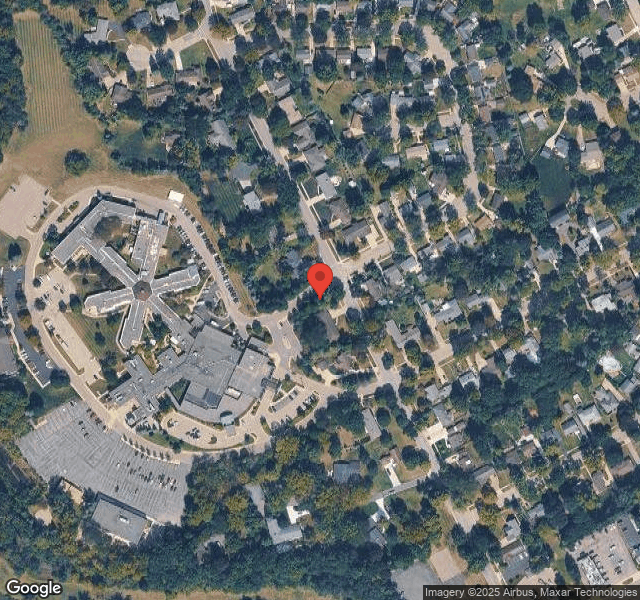
440 W Russell, Saline, MI 48176 (734) 429-9401
Non profit - Church related 143 Beds Independent Data: November 2025
Trust Grade
65/100
#112 of 422 in MI
Last Inspection: November 2024

Within standard 12-15 month inspection cycle. Federal law requires annual inspections.

Overview

Evangelical Home - Saline has a Trust Grade of C+, which means it is slightly above average in quality but not exceptional. It ranks #112 out of 422 facilities in Michigan, placing it in the top half, and is #3 out of 9 in Washtenaw County, indicating only two local options are better. The facility is showing improvement, reducing its issues from 11 in 2024 to just 1 in 2025, which is promising. Staffing is a strong point, earning 5 out of 5 stars with a turnover rate of 39%, lower than the state average, which means staff are likely experienced and familiar with residents. However, there are concerns regarding RN coverage, as it is less than that of 78% of Michigan facilities, which could impact the level of care provided. There have been some troubling incidents noted in inspections. For example, the facility failed to follow physician's orders for administering medications to some residents, leading to potential health risks. Additionally, there were complaints about food quality and delivery; some residents reported not receiving the meals they ordered, which could affect their nutrition and satisfaction. Lastly, there were cleanliness issues in the food service area that could increase the risk of contamination. Overall, while there are strengths in staffing and a positive trend of improvement, families should be aware of the facility's weaknesses in medical compliance and food service quality.
Trust Score
C+
65/100
In Michigan
#112/422
Top 26%
Safety Record
Moderate
Needs review
Inspections
Getting Better
11 → 1 violations
Staff Stability
○ Average
39% turnover. Near Michigan's 48% average. Typical for the industry.
Penalties
✓ Good
No fines on record. Clean compliance history, better than most Michigan facilities.
Skilled Nurses
○ Average
Each resident gets 41 minutes of Registered Nurse (RN) attention daily — about average for Michigan. RNs are the most trained staff who monitor for health changes.
Violations
⚠ Watch
53 deficiencies on record. Higher than average. Multiple issues found across inspections.
★★★★☆
4.0
Overall Rating
★★★★★
5.0
Staff Levels
★★★★★
5.0
Care Quality
★★☆☆☆
2.0
Inspection Score
Stable
2024: 11 issues
2025: 1 issues

The Good

  • 5-Star Staffing Rating · Excellent nurse staffing levels
  • 5-Star Quality Measures · Strong clinical quality outcomes
  • Full Sprinkler Coverage · Fire safety systems throughout facility
  • No fines on record
  • Staff turnover below average (39%)

    9 points below Michigan average of 48%

Facility shows strength in staffing levels, quality measures, fire safety.

The Bad

Staff Turnover: 39%

Near Michigan avg (46%)

Typical for the industry

The Ugly 53 deficiencies on record

1 actual harm
Mar 2025 1 deficiency
CONCERN (D) 📢 Someone Reported This

A family member, employee, or ombudsman was alarmed enough to file a formal complaint

Potential for Harm - no one hurt, but risky conditions existed

Deficiency F0658 (Tag F0658)

Could have caused harm · This affected 1 resident

This citation pertains to intake number MI00150684. Based on observation, interview, and record the facility failed to document one out of three resident's (Resident #3) condition per professional sta...

Read full inspector narrative →
This citation pertains to intake number MI00150684. Based on observation, interview, and record the facility failed to document one out of three resident's (Resident #3) condition per professional standards of practice, resulting in the potential for a delay in treatment. Findings Included: On 3/11/2025 at 2:50 PM, Resident #3 (R3) was observed in her room lying in bed. R3 stated she that about three weeks ago she had a stroke. R3 said she felt weird, and was not able to speak. R3 was noted to have a slight speech impairment, but was understood. In an interview on 3/12/2025 at 11:11 AM, Certified Nurse Aid (CNA) C stated that on 2/11/2025 R3 seemed off around breakfast time, and stated R3's speech was slurred, was not swallowing food, was drooling food on her gown and face, eating messy, and her speech was slurred enough that is was noticed. CNA C said R3 was pocketing food (not chewing or swallowing the food but holding it in the cheek), was not able to be verbally understood, could not understand what the bed remote was for, and said the symptoms were all new. CNA C said Licensed Practical Nurse (LPN) D was notified by several CNAs that something was wrong with R3, and R3 was not at her baseline. CNA C stated that the response she received from LPN D was that he would check on R3 later, and LPN D did not go right away into R3's room. CNA C said then LPN E was made aware of R3's changes. In an continued interview CNA C stated that R3 told LPN E that she felt ok, but was having a hard time getting words out. CNA C said LPN E then called the Nurse Practitioner (NP). CNA C said herself and two other CNAs kept telling LPN D that R3 was getting worse. CNA C also stated that LPN E went and reported R3's symptoms to LPN F, who was the Unit Manager. Several attempts were made on 3/12/2025 at 10:38 AM to contact LPN E but was not successful. In an interview on 3/12/2025 at 11:35 AM, LPN F stated that a CNA told her on 2/11/2025 R3 was acting different. LPN F said she assessed R3's speech was delayed, but no other symptoms were observed. LPN F said the NP wanted the Tamaflu (medicine to treat and prevent the flu) stopped because the medication can cause stroke like symptoms. LPN F said on 2/11/2025 in the AM R3 was still a bit slow with her words. LPN F said she wrote an order for neurological (neuro) checks and blood pressure checks to be done every four hours. LPN F said the Treatment Administration Record (TAR) had a place for the nurse to sign that the neuro checks were done. LPN F stated LPN D did not sign that he had done the neuro checks. LPN F said the actual neuro checks or assessment were documented on a piece of paper, and that paper was scanned into the resident's electronic medical record (EMR), and then destroyed. LPN F said R3's neuro checks were not scanned into R3's EMR, and therefore she was not able to state the neuro checks were ever done. LPN F said she only saw R3 one time in the morning on 2/11/2025, and not again on that day. Record review of R3's EMR revealed that on 2/11/2025 there were no progress notes documented at all during the dayshift. The only progress note that was documented was documented by LPN G on 2/11/2025 at 6:17 PM and stated as follows: Health Status Note, Note Text: Entered resident room at 1530 (3:30 PM) VS (vital signs) B/P (blood pressure) 184/98 P (pulse) 82 R (respirations) 18 T (temp) 97.1 SPO2 (oxygen level) 96% .Noticed slurred speech. Resident (R3) denies numbness, tingling, headache, hand grips equal, able to swallow without difficulty .NP called informed of condition. Stated to send resident to hospital for possible CVA (stroke) .Resident sent is ambulance at 1605 (4:05 PM) . In an interview on 3/11/2025 at 3:35 PM LPN G said she had just come into work. LPN G said she went to R3 right away and sent her out to the hospital pretty fast. LPN G said R3's speech was slow and slurred, she was confusion. LPN G said she was given report from LPN D who told her about R3's symptoms. LPN G said when she assessed R3 what she found (symptoms) was bad, and stated she spoke with the NP who ordered R3 to be sent out. Per review of the progress notes documented by LPN G, R3 was sent out to the hospital within 35 minutes of LPN G first assessing her. In an interview on 3/12/2025 at 9:15 AM, LPN D stated he was not sure why he did not document any progress notes on R3 on 2/11/2025. LPN D said he did talk to LPN E who told that R3 was talking funny and had slurred speech. LPN D said LPN E assessed R3 and phone the NP who gave orders to take R3's blood pressure every fours hours. LPN D again could not explain why he did not document any progress notes regarding R3's condition on 2/11/2025. LPN D said he was gone from the facility when R3 was sent out to the hospital, In an interview on 3/12/2025, Director of Nursing (DON) B stated there was a lack of documentation regarding R3's condition on 2/11/2025.
Nov 2024 11 deficiencies
CONCERN (D)

Potential for Harm - no one hurt, but risky conditions existed

Comprehensive Care Plan (Tag F0656)

Could have caused harm · This affected 1 resident

**NOTE- TERMS IN BRACKETS HAVE BEEN EDITED TO PROTECT CONFIDENTIALITY** Based on observation, interview, and record review the facility failed to ensure a comprehensive care plan was in place for prev...

Read full inspector narrative →
**NOTE- TERMS IN BRACKETS HAVE BEEN EDITED TO PROTECT CONFIDENTIALITY** Based on observation, interview, and record review the facility failed to ensure a comprehensive care plan was in place for prevention of skin breakdown for one (Resident 94) of 20 residents. Findings Included: Review of an admission Minimum Data Set (MDS) assessment dated [DATE], revealed R94 was at risk for pressure ulcers (PU). The MDS also revealed R94 did not have any pressure ulcers, or other skin concerns. The MDS revealed R94 was admitted to the facility on [DATE]. Review of a quarterly MDS dated [DATE], revealed R94 was at risk for PU, and had one unstagable pressure injury (not stageable due to the wound bed not being visible) that presented as a deep tissue injury (DTI) (an area over a bone that appears dark/purple, soft, and the color does not return when pressed on which can indicate a deep wound underneath). Review of R94's electronic medical record (EMR) revealed R94 was admitted to Hospice upon the same date of admission the facility, 5/25/2024. Diagnoses listed were protein-calorie malnutrition , encounter for palliative care (comfort care). The Current Problem List revealed there was a need for observation and assessment of R94's skin, and the need for skilled teaching related to preservation of skin integrity. Review of a Skin Only Evaluation dated 5/25/2024, which was conducted upon R94's admission to the facility, revealed R94 had no skin issues at that time. Review of R94's baseline care plans dated 5/25/2024, revealed R94 was marked for being at risk for impaired skin integrity. Under, Focus: Risk for impaired skin integrity integrity related to there was a goal that R94 would maintain intact skin integrity. Under the goal three interventions were checked for R94 which included, pressure relieving mattress to bed and pad in wheelchair ., non skid pad above and below cushion, bathe weekly or PRN (as needed), assess skin at bath and PRN, and toilet program PRN cleanse after incontinence. Record review of R94's comprehensive care plans that were initiated based on R94's MDS assessed dated 5/25/2024, revealed no Risk for skin integrity care plan was put into place, and no interventions for skin breakdown prevention were put into place for R94's plan of care. Review of a Skin Only Evaluation dated 7/31/2024, revealed R94 had a new skin issue which was identified to be a pressure ulcer/injury located on the right buttocks. The PU was documented to be unstagable. The evaluation lists interventions to be put into place, but none of the interventions were checked. The next Skin Only Evaluation was dated 8/7/2024, which documented the same wound on R94's buttocks however, documented the wound as a skin tear that measured 3 cm (centimeters) x 2 cm x 0 cm. Review of a Skin Only Evaluation was dated 8/14/2024, revealed that it was documented R94 had no current skin issues. Review of a Skin Only Evaluation was dated 8/21/2024, revealed R94 had a new skin issue to her coccyx (back of body above he buttocks). The wound to the right buttocks was not documented on the evaluation. R94's skin issue/pressure ulcer was not added to her comprehensive care plans until 8/21/2024, which revealed, .has a pressure ulcer(s) related to poor PO (by mouth) intake, deconditioning, anemia AEB (as evidence by) unstageable ulcer to coccyx/buttocks. Stage 3 10/2/2024. Meets criteria for unavoidable skin breakdown. Date Initiated 8/21/2024. Record review of progress notes revealed, Effective Date: 07/31/2024 14:04 (2:04 PM) .Skin Resident has current skin issues. Skin Issue: Pressure Ulcer / Injury. Skin Issue Location: buttocks right side On 11/21/2024 at 10:17 AM, and observation was made with Licensed Practical Nurse (LPN) N, who was the wound nurse of R94's PU to her coccyx. The wound revealed a healing stage 3 PU pin point in size with visible bed, no odor, drainage, slough. LPN N said her expectation was that the nurse who performed a skin assessment on a resident, and found a new skin issue was to report it to her that day so she assess the wound, and put new plan of care interventions and treatment orders. LPN N stated that in regards to R94's PU documented on 7/31/2024 she was not made aware of it until 8/5/2024.
CONCERN (D)

Potential for Harm - no one hurt, but risky conditions existed

Deficiency F0657 (Tag F0657)

Could have caused harm · This affected 1 resident

**NOTE- TERMS IN BRACKETS HAVE BEEN EDITED TO PROTECT CONFIDENTIALITY** Based on interview and record review, the facility failed to develop and implement new interventions after a fall with injury fo...

Read full inspector narrative →
**NOTE- TERMS IN BRACKETS HAVE BEEN EDITED TO PROTECT CONFIDENTIALITY** Based on interview and record review, the facility failed to develop and implement new interventions after a fall with injury for one resident (#28) of 20 reviewed for care plans. Findings include: Review of the clinical record, including the Minimum Data Set reflected Resident # 28 (R28) was [AGE] years old and resided on the facility's dementia unit. R28 scored 3 out of 15 (severe cognitive impairment) on the Brief Interview for Mental Status. Further review of R28's clinical record revealed R28 fell on [DATE] at approximately 8:00 am. R28's fall was not witnessed, and resulted in bruising to bilateral hands. The incident report reflected R28 was taking herself to the bathroom to get cleaned up ready for breakfast. R#28's fall care plan dated 9/21/21 with the most recent revision date of 12/14/23 which added range of motion to be done during care. On 11/20/24 at 01:38 PM, during an interview with Certified Nursing Assistant (CNA) H reported the dementia hall was her permanent assignment, CNA H stated she was aware of R28's fall on 10/19/24 and when queried what was implemented to prevent further falls, CNA H stated nothing new was added. On 11/20/24 at 02:03 PM during an interview with CNA I also reported being regularly assigned to unit and was not made aware of any new interventions implemented after R28's fall on 10/19/24. On 11/22/24 at 10:49 AM, during an interview with Licensed Practical Nurse/ Unit Manager (LPN/UM) L reported after a fall it was the responsibility of the floor nurse to add interventions to prevent further falls add them to the care plan. LPN/UM L stated the interdisciplinary team then reviews falls reports and care plans completion and appropriateness of intervention. LPN/UM L reviewed R28's electronic medical record and agreed there was no new intervention added to the care plan after R28's fall on 10/19/24.
CONCERN (D)

Potential for Harm - no one hurt, but risky conditions existed

Deficiency F0658 (Tag F0658)

Could have caused harm · This affected 1 resident

**NOTE- TERMS IN BRACKETS HAVE BEEN EDITED TO PROTECT CONFIDENTIALITY** Based on observation, interview, and record review, the facility failed to provide services that met the acceptable standards of...

Read full inspector narrative →
**NOTE- TERMS IN BRACKETS HAVE BEEN EDITED TO PROTECT CONFIDENTIALITY** Based on observation, interview, and record review, the facility failed to provide services that met the acceptable standards of clinical practice for PICC (peripherally inserted central catheter) line dressings in 1 of 1 sampled resident (Resident #319) reviewed for PICC lines, resulting in the increased likelihood for infection. Findings include: Resident # 319(R319) Review of the Face Sheet and Minimum Data Set (MDS) dated [DATE], reflected R319 was a [AGE] year old female admitted to the facility on [DATE], with diagnoses that included infection right knee post joint removal, anemia, heart failure, hypertension (high blood pressure), kidney disease, and chronic obstructive pulmonary disease . The MDS reflected R319 had a BIM (assessment tool) score of 15 which indicated her ability to make daily decisions was cognitively intact. During an observation and interview on 11/20/24 at 4:05pm R319 was laying in bed and appeared calm, pleasant and able to answer questions without difficulty. R319 reported received intraveounous (IV) antoboitics daily in morning through PICC line. Observed single lumen PICC located on R319 right upper arm with dressing dated 11/13/24. R319 reported nurse had reported planned to change that evening. During an observation on 11/21/24 at 8:29 AM, R319 was laying in bed with IV mediation infusing through PICC line located in Right upper arm. R319 PICC dressing was dated 11/20/24 with gauze under clear opsite dressing directly over insertion site. During an interview on 11/21/24 at 2:15 PM, Licensed Practical Nurse(LPN) Q reported was a charge nurse. LPN Q reported would expect PICC line dressings to be changed every 7 days using items in PICC dressing kit. LPN Q reported PICC insertion site should be covered with clear opsite to be able to visualize insertion site with no use of gauze under opsite. During an interview on 11/22/24 at 10:15 AM, Unit Manager (UM) T reported would expect PICC dressing to be changed every 7 days using clear opsite to cover insertion site. Nurse staff expected to assess PICC site for signs and symptoms of infection, including reddness at insertion site every shift. UM T reported would not expect to see gauze over insertion site because of need to visually assess site. UM T reported facility policy included PICC dressing change to be completed every 7 days and covered with clear opsite over insertion site. According to Clinical Nursing Skills & Techniques, 6th edition, ([NAME], A., [NAME], P. 2006. page 937), Gauze dressings should be changed routinely every 48 hours and immediately if integrity is compromised. Gauze used underneath a transparent dressing is considered a gauze dressing and should be changed every 48 hours.
CONCERN (D)

Potential for Harm - no one hurt, but risky conditions existed

Pressure Ulcer Prevention (Tag F0686)

Could have caused harm · This affected 1 resident

**NOTE- TERMS IN BRACKETS HAVE BEEN EDITED TO PROTECT CONFIDENTIALITY** Based on observation, interview, and record review the facility failed to prevent a skin tear from developing into a stage 3 pre...

Read full inspector narrative →
**NOTE- TERMS IN BRACKETS HAVE BEEN EDITED TO PROTECT CONFIDENTIALITY** Based on observation, interview, and record review the facility failed to prevent a skin tear from developing into a stage 3 pressure ulcer for one of one resident (Resident 94). Findings Included: Review of an admission Minimum Data Set (MDS) assessment dated [DATE], revealed R94 was at risk for pressure ulcers (PU). The MDS also revealed R94 did not have any pressure ulcers, or other skin concerns. The MDS revealed R94 was admitted to the facility on [DATE]. Review of a quarterly MDS dated [DATE], revealed R94 was at risk for PU, and had one unstagable pressure injury (not stagable due to the wound bed not being visible) that presented as a deep tissue injury (DTI) (an area over a bone that appears dark/purple, soft, and the color does not return when pressed on which can indicate a deep wound underneath). Review of R94's electronic medical record (EMR) revealed R94 was admitted to Hospice upon the same date of admission the facility, 5/25/2024. Diagnoses listed were protein-calorie malnutrion, encounter for palliative care (comfort care). The Current Problem List revealed there was a need for observation and assessment of R94's skin, and the need for skilled teaching related to preservation of skin integrity. Review of a Skin Only Evaluation dated 5/25/2024, which was conducted upon R94's admission to the facility, revealed R94 had no skin issues at that time. Review of R94's baseline care plans dated 5/25/2024, revealed R94 was marked for being at risk for impaired skin integrity. Under, Focus: Risk for impaired skin integrity integrity related to there was a goal that R94 would maintain intact skin integrity. Under the goal three interventions were checked for R94 which included, pressure relieving mattress to bed and pad in wheelchair ., non skid pad above and below cushion, bathe weekly or PRN (as needed), assess skin at bath and PRN, and toilet program PRN cleanse after incontinence. Review of a Skin Only Evaluation dated 7/31/2024, revealed R94 had a new skin issue which was identified to be a pressure ulcer/injury located on the right buttocks. The PU was documented to be unstagable. The evaluation lists interventions to be put into place, but none of the interventions were checked. The next Skin Only Evaluation was dated 8/7/2024, which documented the same wound on R94's buttocks however, documented the wound as a skin tear that measured 3 cm (centimeters) x 2 cm x 0 cm. Review of a Skin Only Evaluation was dated 8/14/2024, revealed that it was documented R94 had no current skin issues. Review of a Skin Only Evaluation was dated 8/21/2024, revealed R94 had a new skin issue to her coccyx (back of body above he buttocks). The wound to the right buttocks was not documented on the evaluation. Review of an EVALUATION OF PRESSURE ULCER UNAVOIDABILITY dated 8/21/2024 revealed R94 had Risk Factors: due to terminal illness .with life sustaining measures withdrawn. Diagnoses of protein calorie malnutrition cardiomyopathy (enlarged heart), Alzheimer's, anorexia, memory deficit, diabetes, chronic bowel incontinence, chronic or end stage renal, liver, or heart disease, continuous urinary incontinence, clinical signs of malnutrition, weight loss, received routine preventative daily care, care plan appropriate, and care plan implanted consistently. Record review of R94's comprehensive care plans that were initiated based on R94's MDS assessed dated 5/25/2024, revealed no Risk for skin integrity care plan was put into place, and no interventions for skin breakdown prevention were put into place on plan of care as was on R94's baseline care plan, and as identified on R94's admission MDS assessment. R94's pressure ulcer was added to her comprehensive care plans on 8/21/2024, which revealed, .has a pressure ulcer(s) related to poor PO (by mouth) intake, deconditioning, anemia AEB (as evidence by) unstageable ulcer to coccyx/buttocks. Stage 3 10/2/2024. Meets criteria for unavoidable skin breakdown. Date Initiated 8/21/2024. Unavoidable was not able to be established based on no plan of care was in place for R94 being at risk for skin integrity/breakdown, and no interventions were in place for prevention of skin breakdown on R94's comprehensive care plans, prior to 8/21/2024. Record review of progress notes revealed, Effective Date: 07/31/2024 14:04 (2:04 PM) .Skin Resident has current skin issues. Skin Issue: Pressure Ulcer / Injury. Skin Issue Location: buttocks right side There was no further documentation on R94's right buttocks skin issue until 8/5/2025 which revealed, Effective Date: 08/05/2024 14:05 (2:05 PM) Type: Skin/Wound Note (HR) Note Text : Resident seen for reports of pressure injury to R (right) buttock . Upon inspection, coccyx/buttocks more to the right presents with bruising with tape damage noted. Nurse states that when dressing was removed this morning, skin tore over the area. On 11/21/2024 at 10:17 AM, and observation was made with Licensed Practical Nurse (LPN) N, who was the wound nurse of R94's PU to her coccyx. The wound revealed a healing stage 3 PU pin point in size with visible bed, no odor, drainage, slough. LPN N was interviewed right after the observation. LPN N stated that on 7/31/2024 a skin assessment was completed which documented a PU to R94's right buttocks. LPN N said the assessment had no other documentation. LPN N said Registered Nurse (RN) O had performed and documented the assessment. LPN N stated she did not know if RN O had informed anyone of the skin change to R94's right buttocks. LPN N said her expectation was that the nurse who performed a skin assessment on a resident, and found a new skin issue was to report it to her that day so she assess the wound, and put new plan of care interventions and treatment orders. LPN N stated that in regards to R94's PU documented on 7/31/2024 she was not made aware of it until 8/5/2024. LPN N stated that the first time she assessed R94's wound it had a dressing over it and once removed it caused R94's skin to tear. RN N stated there was a bruised area also. LPN N stated from there she did not not know how or why R94 developed a PU from the skin tear. LPN N stated that on 8/12/2024 when she assessed R94's PU again during her weekly rounds, the skin tear had an area with a thin layer of slough (dead tissue in the wounds) with pink boarders. In an interview 11/22/2024 at 10:02 AM RN O stated she did do a skin assessment on 7/30/2024 on R94, but could only recall a bruise that was not open. RN O was asked why she did not make LPN N aware of R94's bruise or skin change to her right buttock on 7/30/2024 when she observed it. LPN stated that she did not know, and stated that the facility practice was that the nurse or Certified Nurse Aid (CAN) was responsible to make the wound nurse or the unit manager aware the day the skin change was observed, but could not explain why she did not make RN O aware on 7/30/2024. LPN N further stated, upon reviewing R94's progress notes written by the Nurse Practitioner (NP), that on the 8/14/2024 wounds rounds R94's right buttock was not to slough in the skin tear over bruise, and on 8/21/24 the NP documented the area as an unstageable PU with partial slough in the base (bed) of the wound. Review of a progress note dated 8/12/2024, revealed LPN N documented R94 was seen for the bruising, skin tear damage to her right buttocks. The note revealed that upon LPN N's inspection the area with thin layer of slough over the wound bed, surrounded by pink. moist tissue. Another progress note dated 8/17/2024 revealed R94's the wound was now documented to be on the coccyx, and had developed into an unstageable ulcer to the coccyx and adjoining buttocks, which was partly covered with necrotic slough (dead tissue), with mild drainage. It was documented to have dark margins and measured 6.5 x 7 cm. This progress note does not reveal the percentage of coverage the slough is covering the wound which could possibly have then been staged. Review of a progress note dated 10/2/2024, revealed R94's coccyx PU was an, Unstageable ulcer to the coccyx and adjoining buttocks. Now clean based, appears as a stage 3 ulcer. Much improved. Scant serosanguineous (thin watery fluid made up of blood and serum) drainage. Margins dark. 2 x 3 x 0.1 cm. Progress notes dated 11/20/2024 revealed R94's had a, Stage 3 ulcer to the coccyx and adjoining buttocks. Waxes and wanes. Tiny open area. Clean based. Margins dark. 0.8 x 0.8 cm.
CONCERN (D)

Potential for Harm - no one hurt, but risky conditions existed

Drug Regimen Review (Tag F0756)

Could have caused harm · This affected 1 resident

**NOTE- TERMS IN BRACKETS HAVE BEEN EDITED TO PROTECT CONFIDENTIALITY** Based on interview and record review, the facility failed to ensure the attending physician documented in the medical record tha...

Read full inspector narrative →
**NOTE- TERMS IN BRACKETS HAVE BEEN EDITED TO PROTECT CONFIDENTIALITY** Based on interview and record review, the facility failed to ensure the attending physician documented in the medical record that identified medication irregularities were reviewed, the action taken, and/or the rationale for no changes to the medications for three (Resident #12, #28, and #63) of five reviewed. Findings include: Resident #12 (R12) Review of the medical record revealed R12 was admitted to the facility on [DATE] with diagnoses that included dry eye syndrome and allergic rhinitis. The Minimum Data Set (MDS) with an Assessment Reference Date (ARD) of 9/15/24 revealed R12 scored 15 out of 15 (cognitively intact) on the Brief Interview for Mental Status (BIMS-a cognitive screening tool). Review of R12's Physician's Orders revealed current orders for Cetirizine HCl 5 milligrams (mg) in the morning for allergies, Systane eye gel, and Refresh eye drops. Review of the Medication Regimen Review dated 8/27/24 revealed This resident has received Cetirizine 5mg daily for allergies since 11/2023. She also has 2 orders for ophthalmic lubricant drops and gel for dry eyes. Consider if Cetirizine is contributing to dry eyes and if can be dc'd [discontinued] or change to PRN [as needed]. The Physician/Prescriber response was marked as disagree and signed on 8/29/24. There was no documented rationale in R12's medical record as to why the recommendation was not implemented. In an interview on 11/22/24 at 2:19 PM, Licensed Practical Nurse (LPN) K reported they were the one who reviewed R12's Medication Regimen Review dated 8/27/24 to ensure the physician signed the form and that orders were implemented according to the physician's response. On 11/22/24 at 2:40 PM, LPN K reported there was no documentation in R12's medical record as to why the physician disagreed with the recommendation and why the medication was not changed. On 11/22/2024 at 2:35 PM, a request was made to Nursing Home Administrator (NHA) A for documentation as to why R12's medication regimen review recommendation was not implemented. Documentation was not received prior to the survey exit. Resident #28 (R28) Review of the clinical record, including the Minimum Data Set reflected Resident # 28 (R28) was [AGE] years old and had diagnoses that included dementia, depression, iron deficiency and osteoporosis. R28 scored 3 out of 15 (severe cognitive impairment) on the Brief Interview for Mental Status. Review of R28's Physician's Orders revealed current orders for Ferrous Sulfate 325 milligrams (mg) at 7:00 am daily and Calcium Carbonate Oral tablet Chewable 1000 mg by mouth daily at 7:00am. Review of the Medication Regimen Review dated 5/29/24 revealed The resident takes both calcium and iron (ferrous sulfate) at breakfast. Please separate the times of administration, so that Ferrous sulfate is given 2 hours before or four hours after the Calcium. Concomitant administration may cause decreased iron absorption. There was no documented response from Physician/Prescriber to determine if the recommendation was agreed or disagreed with and there was no documented rationale in R28's medical record as to why the recommendation was not implemented. Resident #63 (R63) Review of the clinic record revealed Resident # 63 (R63) was admitted to the facility on [DATE] with diagnosis that included dementia. R63 scored 3 out of 15 (severe cognitive impairment) on the Brief Interview for Mental Status (BIMS). Review of R63's Physician's Orders revealed current orders for Flonase Propionate one spray both nostrils daily. Review of R63's monthly medication review dated 9/30/24 revealed This resident has received long term routine Flonase daily for allergy (3/21/23). Please consider trial discontinuation . monitoring for recurrence of symptoms. The Physician/Prescriber response was disagree with no clinical rational on the form and in R63's clinical record. On 11/22/2024 at 12:50 PM, a request was made to Nursing Home Administrator (NHA) A for documentation as to why R28 and 63's medication regimen review recommendation was not implemented. Documentation was not received prior to the survey exit.
CONCERN (D)

Potential for Harm - no one hurt, but risky conditions existed

Medication Errors (Tag F0758)

Could have caused harm · This affected 1 resident

**NOTE- TERMS IN BRACKETS HAVE BEEN EDITED TO PROTECT CONFIDENTIALITY** Based on observation, interview and record review the facility failed to justify continued use of psychotropic medications for o...

Read full inspector narrative →
**NOTE- TERMS IN BRACKETS HAVE BEEN EDITED TO PROTECT CONFIDENTIALITY** Based on observation, interview and record review the facility failed to justify continued use of psychotropic medications for one residents (#28) of five residents reviewed. Findings include: Resident #28 (R28) Review of the clinical record, including the Minimum Data Set reflected Resident # 28 (R28) was [AGE] years old and had diagnoses that included dementia, depression, iron deficiency and osteoporosis. R28 scored 3 out of 15 (severe cognitive impairment) on the Brief Interview for Mental Status. R28 was observed throughout the survey dates of 11/19-11/22 to be pleasant , up daily for meals and socially engaging with staff, other residents and visitors. Review of R28's Physician's Orders revealed current orders for the antidepressant Celexa 20 milligrams daily. Pharmacy review dated 3/4/24 revealed Celexa 20 mg daily since 9/22/21 with no gradual dose reduction. The Physician/Prescriber disagreed with the recommendation based on a Physician note dated 1/30/24 that revealed R28s son wanted the Celexa 20 mg dose to remain the same. There was no clinical justification in R28's medical record to continue Celexa 20 mg dose. On 11/22/2024 at 12:50 PM, a request was made to Nursing Home Administrator (NHA) A for clinical documentation for the continued use of Celexa at 20 mg without a gradual dose reduction. Documentation was not received prior to the survey exit.
CONCERN (D)

Potential for Harm - no one hurt, but risky conditions existed

Unnecessary Medications (Tag F0759)

Could have caused harm · This affected 1 resident

**NOTE- TERMS IN BRACKETS HAVE BEEN EDITED TO PROTECT CONFIDENTIALITY** Based on observation, interview, and record review the facility failed to ensure a medication error rate was less than five perc...

Read full inspector narrative →
**NOTE- TERMS IN BRACKETS HAVE BEEN EDITED TO PROTECT CONFIDENTIALITY** Based on observation, interview, and record review the facility failed to ensure a medication error rate was less than five percent when 2 medication errors were observed from a total of 25 opportunities for one resident (R319) of eight residents observed during medication administration, resulting in a medication error rate of 8%. Findings include: Resident # 319(R319) Review of the Face Sheet and Minimum Data Set (MDS) dated [DATE], reflected R319 was a [AGE] year old female admitted to the facility on [DATE], with diagnoses that included infection right knee post joint removal, anemia, heart failure, hypertension (high blood pressure), kidney disease, and chronic obstructive pulmonary disease . The MDS reflected R319 had a BIM (assessment tool) score of 15 which indicated her ability to make daily decisions was cognitively intact. During an observation on 11/21/24 at 9:14 AM, Licensed Practical Nurse(LPN) R disconnected R319 intraveounous (IV) antibiotic after the infusion and flushed first with 5ml of heparin then 10ml of saline. LPN R administered R319 several oral medication including Hydroxychloroquine 200mg. Review of R319's Physician orders, dated 11/9/24, reflected, Hydroxychloroquine Sulfate Oral Tablet 400 MG (Hydroxychloroquine Sulfate) Give 400 mg by mouth in the morning for inflammation. Continued review of R319 Physician orders reflected, Heparin Na (Pork) Lock Flsh PF Intravenous Solution (Heparin Sodium (Porcine) Lock Flush) Use 10 ml intravenously every morning and at bedtime for FLUSH **IF ABT=SASH (saline, administer medication, saline, heparin). LPN R was observed to administer saline, antibiotic, heparin, saline, in that order, through peripherally inserted central catheter (PICC) line. During an interview on 11/21/24 09:42 AM, LPN R verified gave R319 one 200mg hydroxychloroquine and should have given two to equal 400mg physician order and reported plan to give R319 one additional dose now. During an interview on 11/21/24 at 1:40 PM, LPN P reported IV antibiotics should use SASH method for flush that included saline, medication, saline, heparin, in that order. During an interview on 11/21/24 at 2:15 PM, LPN Q reported was a nurse manager and reported nurses were expected to use SASH method when flushing PICC lines after medications, including ending with heparin dose. During an interview on 11/22/24 at 10:12 AM, Unit Manager(UM) S reported would expect nurses to use SASH(saline, administer medication, saline, heparin) method with medication dose only and saline flush every shift if medication not administered. UM S verified R319 should have received SASH with IV medication administration every morning and saline flush every evening. UM S verified R319 had been receiving Heparin 5ml twice daily even though IV antibiotics were only ordered in the morning and reported would correct order and notify physician. UM S reported facility uses SASH method for all PICC lines.
CONCERN (D) 📢 Someone Reported This

A family member, employee, or ombudsman was alarmed enough to file a formal complaint

Potential for Harm - no one hurt, but risky conditions existed

Safe Environment (Tag F0921)

Could have caused harm · This affected 1 resident

**NOTE- TERMS IN BRACKETS HAVE BEEN EDITED TO PROTECT CONFIDENTIALITY** Based on observations, interviews, and record reviews, the facility failed to effective clean and maintain the physical plant ef...

Read full inspector narrative →
**NOTE- TERMS IN BRACKETS HAVE BEEN EDITED TO PROTECT CONFIDENTIALITY** Based on observations, interviews, and record reviews, the facility failed to effective clean and maintain the physical plant effecting 97 residents, resulting in the increased potential for cross-contamination, bacterial harborage, and decreased air quality. Findings include: On 11/20/24 at 10:05 A.M., A common area environmental tour was conducted with Director of Environmental Services G. The following items were noted: Bridgeway Boulevard Two ceiling mounted return-air-exhaust ventilation grills were observed heavily soiled with accumulated and encrusted dust/dirt deposits, adjacent to resident rooms B7 and B8. Director of Environmental Services G indicated he would have maintenance staff thoroughly clean and sanitize the soiled return-air-exhaust ventilation grills as soon as possible. [NAME] Court The ceiling return-air-exhaust ventilation grill was observed heavily soiled with accumulated and encrusted dust/dirt deposits, adjacent to resident rooms C9 and C10. Dovecote Drive The ceiling return-air-exhaust ventilation grills was observed heavily soiled with accumulated and encrusted dust/dirt deposits, adjacent to resident rooms D10 and D12. Director of Environmental Services G indicated he would have maintenance staff thoroughly clean and sanitize the soiled return-air-exhaust ventilation grills as soon as possible. Redies (North) Restroom: The return-air-exhaust ventilation grill was observed soiled with accumulated and encrusted dust/dirt deposits. Redies (South) Beverage Island: The drain funnel beneath the ice/water dispensing machine was observed heavily soiled with accumulated and encrusted dirt/grime deposits. On 11/20/24 at 11:35 A.M., An environmental tour of sampled resident rooms was conducted with [NAME] - Director of Environmental Services G. The following items were noted: D4: The Bed 1 overbed light assembly pull string extension was observed missing. D8: The restroom hand sink faucet assembly was observed loose-to-mount. On 11/20/24 at 01:02 P.M., An interview was conducted with Director of Environmental Services G regarding the facility maintenance work order system. Director of Environmental Services G stated: We have the WorxHub system. On 11/21/24 at 09:00 A.M., Record review of the Policy/Procedure entitled: Routine Cleaning and Disinfection dated 05/27/2021 revealed under Policy Statement/Purpose: (1) It is the policy of this facility to ensure the provision of routine cleaning and disinfection in order to provide a safe, sanitary environment and to prevent the development and transmission of infections to the extent possible. On 11/21/24 at 09:15 A.M., Record review of the Policy/Procedure entitled: Routine Bathroom Cleaning dated 05/27/2021 revealed under Policy Statement/Purpose: It is the policy of this facility to establish policies, procedures, and guidelines to provide a clean and sanitary environment for residents, staff, and visitors in order to prevent cross-contamination and transmission of healthcare-associated infection (HAI). On 11/21/24 at 09:30 A.M., Record review of the WorxHub work orders for the last 60 days revealed no specific entries related to the aforementioned maintenance concerns.
CONCERN (E)

Potential for Harm - no one hurt, but risky conditions existed

Deficiency F0761 (Tag F0761)

Could have caused harm · This affected multiple residents

Based on observation, interview, and record review, the facility failed to securely store medication, resulting in the potential for misuse, and medication administration errors. Findings include: Du...

Read full inspector narrative →
Based on observation, interview, and record review, the facility failed to securely store medication, resulting in the potential for misuse, and medication administration errors. Findings include: During an observation on 11/20/24 at 12:15 PM, hall D treatment cart, located in the hall, was noted un-locked with no staff in area and residents self propelling in the area. Continued to observe treatment cart un-locked at 12:46 p.m. During an observation and interview on 11/21/24 at 2:15 PM, observed overflowing open bin of medications located on the floor in the charge nurse office between Redies East hall and D hall. LPN Q reported was the nurse manager and exited the charge nurse office, leaving room unoccupied and door open, and entered the Redies North/East medication room. Residents were noted in common area outside nurse manager office. During an observation on 11/22/24 at 12:32 PM Redies East medication cart observed unlocked in hall with no nurse observed in the area. Residents were observed in hall. During an interview on 11/22/24 at 2:10 PM, Licensed Practical Nurse (LPN) T reported after residents discharged home or if medications discontinued medications are taken to the charge nurse office, located between Redies hall and D hall, and place in bin with exception of narcotics. During an observation on 11/22/24 at 2:25 PM, the charge nurse office door was open with no staff present with overflowing, open bin of medication located on the floor. During an observation on 11/22/24 at 2:28 PM, LPN/charge nurse K observed leaving unoccupied charge nurse office area with door open and medication unsecured. LPN K exited unit through locked doors toward facility entrance. Residents observed in common area outside open charge nurse office with unsecured medications. During an interview and observation on 11/22/24 at 245 PM, located in D hall, LPN/charge nurse K reported staff bring discontinued medications to LPN K office and medications are scanned then sent to pharmacy. LPN K reported medications were moved to medication room when she left office about 20 minutes ago. This surveyor followed LPN K to the charge nurse office and verified open bin of medications were still in place on the floor and verified had not been moved. At 2:48 p.m. UM S was present in the charge nurse office and reported the charge nurse office door should be closed and locked if no one present. Review of the facility, Medication Administration Policy, dated 10/2/24, reflected, Procedure .Keep med cart always locked when not in view .
CONCERN (F) 📢 Someone Reported This

A family member, employee, or ombudsman was alarmed enough to file a formal complaint

Potential for Harm - no one hurt, but risky conditions existed

Deficiency F0804 (Tag F0804)

Could have caused harm · This affected most or all residents

This citation includes intake number MI00144468. Based on observations, interviews, record reviews, and 3 (#12, #40, and #89) of 20 sampled residents the facility failed to effectively provide palatab...

Read full inspector narrative →
This citation includes intake number MI00144468. Based on observations, interviews, record reviews, and 3 (#12, #40, and #89) of 20 sampled residents the facility failed to effectively provide palatable food products effecting 95 residents, resulting in the increased likelihood for decreased resident food acceptance and nutritional decline. Findings include: Resident #40 (R40): In an interview on 11/19/24 at 11:16 AM, R40 stated she would not get a menu daily, and said sometimes when she would mark what she wanted on the menu she would not get what she marked. R40 said that the last week it happened everyday she did not get a menu and did not get what she wanted, and said when she did not get a menu the kitchen just serve me whatever. R40 said sometimes when she would order something for the next days meal and she did not receive that she would be upset because she was looking forward to that meal she ordered. Resident #12 (R12): In an interview on 11/19/2024 at 2:10 PM, R12 stated the food was terrible, the residents were supposed to get a menu every day at breakfast to fill out for all 3 meals for the next day, but stated that did not always happen. R12 stated the hamburgers are always burnt. R12 stated that all the meat served was dried out and tough, stated the food was cold. During a lunch taste test on 11/21/2024 at 1:30 PM, baked garlic butter cod was chewy, not cooked thoroughly and not able to be chewed enough to swallow, and the pinto beans were tasted to be hard and not fully cooked. Resident #89 (R89): On 11/19/2024 at 10:52 AM, R89 stated the mashed potatoes were always cold with big clumps, and powdered eggs were always served and were cold and had no taste. On 11/19/24 at 12:50 P.M., Lunch meal food products were monitored. Wheat Rolls were not supplied on the monitored test trays. One of three test trays did not contain fluffy rice or mashed potatoes for the starch bed. On 11/19/24 at 01:49 P.M., An interview was conducted with General Manager Dining Services C regarding food product availability and portion size. General Manager Dining Services C stated: We use the meal ticket, recipe description, and color-coded utensils to ensure food product portion size. General Manager Dining Services C also stated: Residents are provided a week in a glance menu on Friday of each week. General Manager Dining Services C additionally stated: Menu selections (week in a glance) are made by each resident by Sunday of each week. General Manager Dining Services C further stated: We cook six additional portions of each meal (regular and alternate). On 11/20/24 at 12:50 P.M., Lunch meal was monitored for palatability (taste, texture, appearance). The Baby Lima Beans were undercooked and crunchy. On 11/21/24 at 09:45 A.M., Record review of the Policy/Procedure entitled: Meal Posting Substitution Always Available dated 09/07/22 revealed under Description: Community menus will be posted. Menu substitutions will be posted prior to the meal service. The community will develop a menu featuring Always Available meal options. On 11/21/24 at 10:00 A.M., Record review of the Policy/Procedure entitled: Menu Development dated 10/25/22 revealed under Description: Menus must meet the nutritional needs of residents in accordance with established national guidelines (Dietary Guidelines for Americans). Menus reflect, based on the community reasonable efforts, the religious, cultural and ethnic needs of the resident population, as well as input received from residents and resident groups. The menu is updated periodically at minimum twice per year: Spring/Summer and Fall/Winter cycles. Menus are created with and approved by the community Dietician for nutritional adequacy including regular, therapeutic, and mechanically altered diets and the Dietician, director and chefs will collaborate on menu planning, revision, and product evaluations.
CONCERN (F)

Potential for Harm - no one hurt, but risky conditions existed

Food Safety (Tag F0812)

Could have caused harm · This affected most or all residents

Based on observations, interviews, and record reviews, the facility failed to effectively clean and maintain food service equipment effecting 95 residents, resulting in the increased likelihood for cr...

Read full inspector narrative →
Based on observations, interviews, and record reviews, the facility failed to effectively clean and maintain food service equipment effecting 95 residents, resulting in the increased likelihood for cross-contamination, bacterial harborage, and decreased illumination. Findings include: On 11/19/24 at 09:35 A.M., An initial tour of the food service was conducted with General Manager Dining Services C. The following items were noted: The True two-door reach-in cooler interior 48-inch-long fluorescent light bulbs were observed missing. General Manager Dining Services C indicated she would contact maintenance for necessary repairs as soon as possible. The 2017 FDA Model Food Code section 6-303.11 states: The light intensity shall be: (A) At least 108 lux (10 foot candles) at a distance of 75 cm (30 inches) above the floor, in walk-in refrigeration units and dry FOOD storage areas and in other areas and rooms during periods of cleaning; (B) At least 215 lux (20 foot candles): (1) At a surface where FOOD is provided for CONSUMER self-service such as buffets and salad bars or where fresh produce or PACKAGED FOODS are sold or offered for consumption, (2) Inside EQUIPMENT such as reach-in and under-counter refrigerators; and (3) At a distance of 75 cm (30 inches) above the floor in areas used for handwashing, WAREWASHING, and EQUIPMENT and UTENSIL storage, and in toilet rooms; and (C) At least 540 lux (50 foot candles) at a surface where a FOOD EMPLOYEE is working with FOOD or working with UTENSILS or EQUIPMENT such as knives, slicers, grinders, or saws where EMPLOYEE safety is a factor. The Bizerba meat slicer was observed soiled with accumulated and encrusted food residue. General Manager Dining Services C indicated she would have dietary staff thoroughly clean and sanitize the meat slicer as soon as possible. The two Frymaster fryer exterior cabinetry surfaces were observed soiled with accumulated and encrusted food residue. The Garland oven/stove backsplash was observed soiled with accumulated and encrusted food residue. Three sections measuring approximately 10-inches-wide by 10-inches-long were observed soiled and blackened from accumulated food residue. The Continental pull drawer refrigerator was observed soiled with accumulated and encrusted food residue. The four pull drawers were also observed soiled with accumulated and encrusted food residue. General Manager Dining Services C indicated she would have dietary staff thoroughly clean and sanitize the Continental pull drawer refrigerator as soon as possible. The two Blodgett dual convection oven bank interior and exterior surfaces were observed soiled with accumulated and encrusted food residue. General Manager Dining Services C indicated she would have dietary staff thoroughly clean and sanitize the Blodgett oven interior and exterior surfaces as soon as possible. The 2017 FDA Model Food Code section 4-601.11 states: (A) EQUIPMENT FOOD-CONTACT SURFACES and UTENSILS shall be clean to sight and touch. (B) The FOOD-CONTACT SURFACES of cooking EQUIPMENT and pans shall be kept free of encrusted grease deposits and other soil accumulations. (C) NonFOOD-CONTACT SURFACES of EQUIPMENT shall be kept free of an accumulation of dust, dirt, FOOD residue, and other debris. Two 7-inch-wide, four 8-inch-wide, five 10-inch-wide, one 16-inch-wide, and three 18-inch-wide fry pans were observed heavily soiled with accumulated and encrusted caramelization. Numerous fry pans were also observed dented and out of round. General Manager Dining Services C indicated she would order new replacement pans as soon as possible. The 2017 FDA Model Food Code section 4-501.11 states: (A) EQUIPMENT shall be maintained in a state of repair and condition that meets the requirements specified under Parts 4-1 and 4-2. (B) EQUIPMENT components such as doors, seals, hinges, fasteners, and kick plates shall be kept intact, tight, and adjusted in accordance with manufacturer's specifications. (C) Cutting or piercing parts of can openers shall be kept sharp to minimize the creation of metal fragments that can contaminate FOOD when the container is opened. On 11/19/24 at 03:58 P.M., Dietary Prep [NAME] F was observed wearing a hair net and beard guard covering only the lower portion of the facial surface and not his mustache. Dietary Prep [NAME] F was queried regarding the length of his employment. Dietary Prep [NAME] F stated: Two months. On 11/20/24 at 03:20 P.M., Dietary Prep [NAME] F was observed wearing a hair net and beard guard covering only the lower portion of the facial surface and not his mustache. The 2017 FDA Model Food Code section 2-402.11 states: (A) Except as provided in (B) of this section, FOOD EMPLOYEES shall wear hair restraints such as hats, hair coverings or nets, beard restraints, and clothing that covers body hair, that are designed and worn to effectively keep their hair from contacting exposed FOOD; clean EQUIPMENT, UTENSILS, and LINENS; and unwrapped SINGLESERVICE and SINGLE-USE ARTICLES. (B) This section does not apply to FOOD EMPLOYEES such as counter staff who only serve BEVERAGES and wrapped or PACKAGED FOODS, hostesses, and wait staff if they present a minimal RISK of contaminating exposed FOOD; clean EQUIPMENT, UTENSILS, and LINENS; and unwrapped SINGLE-SERVICE and SINGLE-USE ARTICLES. On 11/21/24 at 08:30 A.M., Record review of the Policy/Procedure entitled: Oven: Bake/Stack - Degreasing & Cleaning dated (no date) revealed under Procedure Frequency: Weekly: Interior/Exterior. Record review of the Policy/Procedure entitled: Oven: Bake/Stack - Degreasing & Cleaning dated (no date) further revealed under Procedure Steps: (2) When the unit is cool enough to handle, remove drip pans, racks, etc., to the pot sink. Spray with Greasestrip Plus degreaser, allow to penetrate the soil for 5 minutes. Clean and remove the soil with soaking and scrubbing. Wash in Apex Manual Detergent or other Ecolab detergent solution and water, then rinse. (3) Preheat oven to 150 degrees Fahrenheit then turn off. While oven is still warm, spray interior surfaces with Greasestrip Plus degreaser directly from the container. (4) Allow 5 minutes for the cleaning solution to soak into and soften the soil. Do not allow to dry on surface - adjust time accordingly. On heavily soiled of baked-on grease areas, scrub with a stiff brush. (5) Use a damp cloth to pick up dissolved and loosened grease. Rinse with clear water. Let air dry then reinstall the cleaned drip pans and racks. On 11/21/24 at 08:45 A.M., Record review of the Policy/Procedure entitled: Dishmachine - Cleaning & Sanitizing dated (no date) revealed under Procedure Frequency: Daily of as needed. Record review of the Policy/Procedure entitled: Dishmachine - Cleaning & Sanitizing dated (no date) further revealed under Procedure Steps: (1) Turn off and drain the dishmachine. Check drain for blockage. Clear if needed. (2) Remove curtains and scrub clean with brush and Apex Manual Detergent or other Ecolab detergent solution and water. Set aside to dry. (3) Remove scrap accumulation trays from dishmachine and flush trays under running water. Scrub clean is necessary using brush and Apex Manual Detergent or other Ecolab detergent solution and water. Set aside to dry. (4) Clean pump intake screen by flushing under running water. Scrub clean, if necessary, using brush and Apex Manual Detergent of other Ecolab detergent solution and water. Set aside to dry. (5) Unscrew wash arms and end caps. Clean by flushing with water under faucet. Clean nozzles with toothpick. Set aside to dry. (6) Remove soil inside the prewash and wash tank area of dishmachine using a brush and Apex Manual Detergent or other Ecolab detergent solution and water. (7) Rinse out the inside of dishmachine with pre-flush hose. Be certain to rinse in hard-to-reach areas such as the upper corner walls of the prewash and wash tank area. (8) Clean and sanitize adjacent areas with Oasis 146 Multi-Quat Sanitizer (Use 150 ppm-400 ppm for US and 200 ppm for Canada. See product label for use instructions.) (9) Reinstall curtains, scrap accumulation trays, pump intake screens and wash arms. Ensure arms spin freely then turn on the dishmachine for next use. (10) Clean the top and sides of the dishmachine with clean cloth and Ecoshine or another Ecolab stainless steel cleaner and polish if desired.
Sept 2023 12 deficiencies
CONCERN (D)

Potential for Harm - no one hurt, but risky conditions existed

Deficiency F0554 (Tag F0554)

Could have caused harm · This affected 1 resident

**NOTE- TERMS IN BRACKETS HAVE BEEN EDITED TO PROTECT CONFIDENTIALITY** Based on observation, interview, and record review the facility failed to ensure one resident (Resident 75) of 1 resident review...

Read full inspector narrative →
**NOTE- TERMS IN BRACKETS HAVE BEEN EDITED TO PROTECT CONFIDENTIALITY** Based on observation, interview, and record review the facility failed to ensure one resident (Resident 75) of 1 resident reviewed was assessed for self-administration of medications resulting in unsupervised administration of medications and the potential for mismanagement of medication and potential for adverse side effects. Findings Include: Resident 75 (R75) Review of the Face Sheet and Minimum Data Set (MDS) dated [DATE] revealed R75 admitted to the facility on [DATE] with diagnoses of end stage renal disease, dementia, depression, type 2 diabetes. Brief Interview for Mental Status (BIMS) reflected a score of 15 out of 15 which indicates R75 was cognitively intact. During an interview on 09/12/23 at 08:12 AM, R75 was lying in bed. It was noted he had 8 pills in a pill cup on his bedside table. R75 stated that he didn't have a chance to take them all yet and he was behind in taking them. R75 said that the nurse normally drops it off and he takes it himself. During a follow-up visit on 09/12/23 at 12:07 PM, R75 was sitting in his chair and stated that he took his medications after the nurse came back in and made sure he took them. During an interview on 09/12/23 at 02:48 PM, Director of Nursing (DON) B was asked where the self-administration assessment could be found. She stated that there isn't an assessment for any residents since no one in the facility can self-administer medications at this time. During a phone interview on 09/12/23 04:03 PM, Licensed Practical Nurse (LPN) U who worked earlier that morning stated that if it is care planned to leave medications at the bedside then you can leave it at the bedside. LPN U stated that she found medications at R75's bedside that morning that was left by the midnight nurse. LPN U said she threw those out and then got medications for R75 and left it at bedside because she had to run next door really quick. She stated that she should have taken the medications with her, and she shouldn't have left it there. LPN U said that typically they don't leave medications at the bedside. Review of the Self-Administration of Medications Policy with an effective date of 12/01/1998 and review date of 5/27/2021 under Procedure and Step 1 stated A resident, that wishes to self-administer medications has the opportunity to self-administer medications after an assessment by the facility's interdisciplinary team, that deems the resident able and safe to complete self-administration safely. Review of the Medication Storage and Labeling Policy with an effective date of 02/01/2020 and review date of 07/27/2022 under Procedure, Step 1c revealed, During a medication pass, medications must be under the direct observation of the person administering medications or locked in the medication storage area/cart.
CONCERN (D)

Potential for Harm - no one hurt, but risky conditions existed

Report Alleged Abuse (Tag F0609)

Could have caused harm · This affected 1 resident

Based on observation, interview, and record review the facility failed to report an allegation of physical abuse for one resident (#20) of one resident sampled for abuse resulting in allegation of abu...

Read full inspector narrative →
Based on observation, interview, and record review the facility failed to report an allegation of physical abuse for one resident (#20) of one resident sampled for abuse resulting in allegation of abuse not being reported to the State Agency and the potential for further allegations of abuse to go unreported and not thoroughly investigated. Findings Included: Resident #20 (R20) Review of the medical record revealed R20 was admitted to the facility 05/30/2019 with diagnoses that included dementia, type 2 diabetes, hypertensive heart disease with heart failure, congestive heart failure (CHF), atrial fibrillation, pulmonary hypertension, anemia (low red blood cells), psychotic disorder with delusions, chronic pain, osteoporosis (weak and brittle bones) , cognitive impairment, depression, hyperlipidemia (high fat in blood), osteoarthritis, hearing loss, macular degeneration (eye disease causing vision loss), gout (high uric acid in bone joints), constipation, and gastro-esophageal reflux. The most recent Minimum Data Set (MDS), with an Assessment Reference Date (ARD) of 08/17/2023, revealed R20 had a Brief Interview of Mental Status (BIMS) of 4 (severe cognitive impairment) out of 15. During observation and interview on 09/11/2023 at 11:47 a.m. R20 was lying in bed. R20 was asked if she was treated with dignity and respect R20 shook her head from side to side. R20 then pointed to her left wrist. R20 was observed to have redness and faint bruising on her outer aspect of her left wrist that appeared approximately six centimeters (cm) in length and three cm in width. R20 could not further explain the redness and bruising and motioned with her right hand to leave the room. During observation and interview on 09/11/2023 at 01:03 p.m. R20 was lying in bed. R20 explained that the redness and bruising to her left wrist was caused by a woman that worked at the facility. She explained that she could not get away' from this person. R20 could not explain more detail. R20 explained that she had interviewed by three to four different people at the facility but could not provide details of what was asked or who those persons were. During medical record review R20's record demonstrated a progress note, entered 09/11/2023 at 11:52 a.m., Resident has bruises on her left wrist 3 cm x 1.5 cm and on her left forearm 0.5 x 0.7 cm. Resident said that she has pain on these areas. Also, she has petechiae on her right arm. Resident most likely hit her left arm on her bed side table. Unit manager, DON (sp-Director of Nursing), Administrator, NP (sp-Nurse Practitioner) and resident's son was notified. Resident said that she has pain. She is confused at her baseline. Continue to monitor. That progress note was entered by Licensed Practical Nurse (LPN) G. R20's medical record also demonstrated progress note, entered 09/12/2023 at 10:33 a.m. Reviewed with IDT. Resident does have a bruise to her Left outer wrist that is 3cmx1.5cm and 0.5x0.7cm on her inner wrist. Resident tend to keep bed side table in front of her. Resident hit wrist on bed side table. Intervention is to Offer and encourage resident to move bed side table after use. care plan has been updated and MD and Family are both aware. That progress note was entered by Nurse Manager H. In an interview on 09/12/2023 at 12:24 p.m. Licensed Practical Nurse (LPN) G explained that she was the nurse that had taken care of R20 during the day shift on 09/11/2023. She explained that she observed the redness and bruising on R20's left wrist. LPN G explained that R20 had told her that someone had grabbed her. LPN G explained that she did not suspect abuse because she knows R20 and that she is often confused. LPN G explained that she reported that she had completed a facility incident report and notified Nurse Manager H. She explained that she only reported the bruising and redness but did not report what R20 had verbally explained the cause of the bruising. LPN G only explained that she had not reported that information to the Nursing Home Administrator because R20 always is confused. In an interview on 09/12/2023 at 12:46 p.m. Nurse Manger H explained that she was aware of the bruising to R20's left wrist. She explained that she had interviewed R20 about the redness and bruising but R20 could not explain the cause. Nurse Manager H explained that LPN G has informed her that R20 reported that she someone grabbed her. Nurse Manager H at first could not remember if she had reported this information to the Nursing Home Administrator, but then explained that she had called the Nursing Home Administrator. In an interview on 09/12/2023 at 12:53 p.m. Nursing Home Administrator (NHA) A explained that she was the facility abuse officer. She explained all allegations of abuse are to be reported to her. NHA A explained that she was aware of the redness and bruising to R20's left wrist but denied being notified of R20's statement regarding how the redness and bruising was caused. NHA A explained that if R20 had given that explanation that someone grabbed her it should have been reported as an allegation of abuse. NHA A explained that then the incident would be reported to the appropriate state agency and an investigation would have been conducted. NHA A could not explain why staff did not notify her of R20's allegation and explained that this allegation was not reported to the appropriate state agency and an investigation was not started regarding R20's allegation because she was not aware of the allegation until this time. In a telephone interview on 09/12/2023 at 02:00 p.m. Registered Nurse (RN) I explained that she had provide care to R20 on the midnight shift of 09/10/2023. RN I explained that R20 had told her that someone had come into her room and beat' her up. RN I explained that she did not report this allegation because R20 is frequently confused. RN I explained that she had visually observed R20's wrist and there were two spots of redness on her left wrist. RN I explained that she did not record that observation in the medical record.
CONCERN (D)

Potential for Harm - no one hurt, but risky conditions existed

Investigate Abuse (Tag F0610)

Could have caused harm · This affected 1 resident

Based on observation, interview, and record review the facility failed to investigate, implement preventive measures, and take correction action for an allegation of physical abuse with one resident (...

Read full inspector narrative →
Based on observation, interview, and record review the facility failed to investigate, implement preventive measures, and take correction action for an allegation of physical abuse with one resident (#20) of one resident review for abuse resulting in the potential of further abuse to residents. Findings Included: Resident #20 (R20) Review of the medical record revealed R20 was admitted to the facility 05/30/2019with diagnoses that included dementia, type 2 diabetes, hypertensive heart disease with heart failure, congestive heart failure (CHF), atrial fibrillation, pulmonary hypertension, anemia (low red blood cells), psychotic disorder with delusions, chronic pain, osteoporosis (weak and brittle bones) , cognitive impairment, depression, hyperlipidemia (high fat in blood), osteoarthritis, hearing loss, macular degeneration (eye disease causing vision loss), gout (high uric acid in bone joints), constipation, and gastro-esophageal reflux. The most recent Minimum Data Set (MDS), with an Assessment Reference Date (ARD) of 08/17/2023, revealed R20 had a Brief Interview of Mental Status (BIMS) of 4 (severe cognitive impairment) out of 15. During observation and interview on 09/11/2023 at 11:47 a.m. R20 was lying in bed. R20 was asked if she was treated with dignity and respect R20 shook her head from side to side. R20 then pointed to her left wrist. R20 was observed to have redness and faint bruising on her outer aspect of her left wrist that appeared approximately six centimeters (cm) in length and three cm in width. R20 could not further explain the redness and bruising and motioned with her right hand to leave the room. During observation and interview on 09/11/2023 at 01:03 p.m. R20 was lying in bed. R20 explained that the redness and bruising to her left wrist was caused by a woman that worked at the facility. She explained that she could not get away' from this person. R20 could not explain more detail. R20 explained that she had interviewed by three to four different people at the facility but could not provide details of what was asked or who those persons were. During medical record review R20's record demonstrated a progress note, entered 09/11/2023 at 11:52 a.m., Resident has bruises on her left wrist 3 cm x 1.5 cm and on her left forearm 0.5 x 0.7 cm. Resident said that she has pain on these areas. Also, she has petechiae on her right arm. Resident most likely hit her left arm on her bed side table. Unit manager, DON (sp-Director of Nursing), Administrator, NP (sp-Nurse Practitioner) and resident's son was notified. Resident said that she has pain. She is confused at her baseline. Continue to monitor. That progress note was entered by Licensed Practical Nurse (LPN) G. R20's medical record also demonstrated progress note, entered 09/12/2023 at 10:33 a.m. Reviewed with IDT. Resident does have a bruise to her Left outer wrist that is 3cmx1.5cm and 0.5x0.7cm on her inner wrist. Resident tend to keep bed side table in front of her. Resident hit wrist on bed side table. Intervention is to Offer and encourage resident to move bed side table after use. care plan has been updated and MD and Family are both aware. That progress note was entered by Nurse Manager H. In an interview on 09/12/2023 at 12:24 p.m. Licensed Practical Nurse (LPN) G explained that she was the nurse that had taken care of R20 during the day shift on 09/11/2023. She explained that she observed the redness and bruising on R20's left wrist. LPN G explained that R20 had told her that someone had grabbed her. LPN G explained that she did not suspect abuse because she knows R20 and that she is often confused. LPN G explained that she reported that she had completed a facility incident report and notified Nurse Manager H. She explained that she only reported the bruising and redness but did not report what R20 had verbally explained the cause of the bruising. LPN G only explained that she had not reported that information to the Nursing Home Administrator because R20 always is confused. In an interview on 09/12/2023 at 12:46 p.m. Nurse Manger H explained that she was aware of the bruising to R20's left wrist. She explained that she had interviewed R20 about the redness and bruising but R20 could not explain the cause. Nurse Manager H explained that LPN G has informed her that R20 reported that she someone grabbed her. Nurse Manager H at first could not remember if she had reported this information to the Nursing Home Administrator, but then explained that she had called the Nursing Home Administrator. In an interview on 09/12/2023 at 12;53 p.m. Nursing Home Administrator (NHA) A explained that she was the facility abuse officer. She explained all allegations of abuse are to be reported to her. NHA A explained that she was aware of the redness and bruising to R20's left wrist but denied being notified of R20's statement regarding how the redness and bruising was caused. NHA A explained that if R20 had given that explanation that someone grabbed her it should have been reported as an allegation of abuse. NHA A explained that then the incident would be reported to the appropriate state agency and an investigation would have been conducted. NHA A could not explain why staff did not notify her of R20's allegation and explained that this allegation was not reported to the appropriate state agency and an investigation was not started regarding R20's allegation because she was not aware of the allegation until this time. In a telephone interview on 09/12/2023 at 02:00 p.m. Registered Nurse (RN) I explained that she had provide care to R20 on the midnight shift of 09/10/2023. RN I explained that R20 had told her that someone had come into her room and beat' her up. RN I explained that she did not report this allegation because R20 is frequently confused. RN I explained that she had visually observed R20's wrist and there were two spots of redness on her left wrist. RN I explained that she did not record that observation in the medical record.
CONCERN (D)

Potential for Harm - no one hurt, but risky conditions existed

Deficiency F0688 (Tag F0688)

Could have caused harm · This affected 1 resident

**NOTE- TERMS IN BRACKETS HAVE BEEN EDITED TO PROTECT CONFIDENTIALITY** Based on observation, interview, and record review the facility failed to implement interventions to maintain or increase range ...

Read full inspector narrative →
**NOTE- TERMS IN BRACKETS HAVE BEEN EDITED TO PROTECT CONFIDENTIALITY** Based on observation, interview, and record review the facility failed to implement interventions to maintain or increase range of motion for two (Resident #3, #69) of two reviewed, resulting in the potential for a reduction in range of motion and worsening contractures. Findings include: Resident #3 (R3) Review of the medical record revealed R3 admitted to the facility on [DATE] with diagnoses that included Alzheimer's Disease, contracture of the left knee, and contracture of the right knee. The Minimum Data Set (MDS) with an Assessment Reference Date (ARD) of 6/27/23 revealed R3 scored 15 out of 15 (cognitively intact) on the Brief Interview for Mental Status (BIMS-a cognitive screening tool) and had a functional limitation in range of motion impairment on both sides of upper and lower extremities. On 09/11/23 at 11:50 AM, R3 was observed lying in bed with the head of the bed raised. R3 reported she was not receiving physical or occupational therapy services any longer. R3 reported she would like exercises for her arms and legs, but it had not been performed since therapy stopped seeing her. R3 reported her fingers were painful when she moved them. Review of the Occupational Therapy (OT) Discharge summary dated [DATE] revealed the discharge recommendation was a restorative program. Review of R3's [NAME] (care guide) revealed active and passive ROM [range of motion] during ADLs [activities of daily living]. Review of the last 30 days of the task for active and passive range of motion during ADLS, revealed range of motion was documented as completed once on 9/2/23. The medical record did not include documentation as to why range of motion was not completed more than once. In an interview on 09/12/23 at 2:58 P, Therapy Director (TD) S reported R3 was supposed to be on a bilateral upper and lower extremity restorative program per physical and occupational therapy discharge recommendations as of February and March 2023. In an interview on 09/12/23 at 3:14 PM, Director of Nursing (DON) B reported the facility no longer had a restorative program and instead implemented range of motion with ADLs as a standard of care for all residents. DON B agreed R3's range of motion was documented as completed only once in the last 30 days. Resident #69 (R69) Review of the medical record revealed R69 admitted to the facility on [DATE] and readmitted [DATE] with diagnoses that included Alzheimer's Disease and contracture of muscle to multiple sites. The MDS with an ARD of 6/7/23 revealed R69 was severely cognitively impaired and had functional limitation in range of motion impairments on both sides of upper and lower extremities. On 09/11/23 at 10:39 AM and 12:37 PM, R69 was observed asleep in bed. R69's right hand was drawn up to her neck. R69 did not have any splints, braces, hand rolls, or hand carrots in place. On 09/12/23 at 12:19 PM, R69 was observed in a Broda chair in the dining room being fed by staff. R69 did not have any splints, braces, hand rolls, or hand carrots in place. Review of R69's [NAME] revealed Nursing to place bilateral posey splints or rolled wash cloths in palms from 11am to 5pm for 6 hours and apply orthotics per order for contracture management, per therapy recommendations. The medical record did not contain documentation that this was being done. Review of the Physical Therapy Discharge summary dated [DATE] revealed nursing staff is requested to apply bilateral soft knee braces for 3 hours in the morning and afternoon. Staff education provided today including day shift nurse and CNAs [Certified Nurse Aides]. Review of the Occupational Therapy Discharge summary dated [DATE] revealed it was recommended that R69 continue passive range of motion and splint wear program. On 09/12/23 at 12:34 PM, no knee braces were found in R69's room. A hand carrot and left-hand splint were observed in R69's closet. On 09/12/23 at1:46 PM, CNA T was observed repositioning R69 in bed. Both of R69's hands and arms were drawn tight to her chest. R69 did not have any knee braces, hand splints, wash cloths, or hand carrots in place. CNA T reported the only devices R69 used were heel protection boots. CNA T reported R69 did not wear any braces or splints or use any other devices. In an interview on 09/12/23 at 2:58 PM, TD S reported therapy recommended R69 wear a right-hand carrot per tolerance of up to four hours and soft knee braces for three hours in the morning and three hours in the afternoon. When asked how recommendations were communicated with the nursing department, TD S reported the therapy department educated nursing on recommendations. In an interview on 09/12/23 at 3:14 PM, DON B reported therapy recommendations were communicated to nursing through written orders from the therapy department. DON B reported she could not locate any orders for braces, splints, or hand carrots for R69. DON B reported she did not see any documentation that knee braces and hand carrot application were being performed. On 09/13/23 at 9:41 AM, R69 was observed awake in bed with jerking arm movements. R69 did not have hand carrots, wash cloths, hand splints, or knee braces in place.
CONCERN (D)

Potential for Harm - no one hurt, but risky conditions existed

Deficiency F0740 (Tag F0740)

Could have caused harm · This affected 1 resident

**NOTE- TERMS IN BRACKETS HAVE BEEN EDITED TO PROTECT CONFIDENTIALITY** Based on interview and record review the facility failed to ensure one out of one resident (Residents #21) received the necessar...

Read full inspector narrative →
**NOTE- TERMS IN BRACKETS HAVE BEEN EDITED TO PROTECT CONFIDENTIALITY** Based on interview and record review the facility failed to ensure one out of one resident (Residents #21) received the necessary behavioral health care and services to attain or maintain their highest practicable physical, mental, and psychosocial well-being, resulting in the potential for unmet emotional and/or mental well-being care needs. Findings include: Resident #21 Review of an admission Record revealed Resident #21 (R21) admitted to the facility on [DATE] and readmitted on [DATE] with diagnoses which included alcohol abuse, insomnia, muscle weakness, anxiety disorder, and major depressive disorder. The admission Minimum Data Set (MDS), with an Assessment Reference Date (ARD) of 8/13/23 reflected R21 scored 15 out of 15 (cognitively intact) on the Brief Interview for Mental Status (BIMS-a cognitive screening tool). The same MDS reflected R 21 did not walk and required extensive assistance of two or more people for toileting and personal care. In an observation and interview on 09/11/23 at 10:48 AM, R21 was observed in bed yelling out for help. R21 repeated is somebody out there? When approached, R21 appeared to be very restless and anxious about the care need she was attempting to request. In an observation and interview on 09/11/23 at 2:41 PM, R21 was in bed with her eyes open. The blinds on the windows were closed and there was no music or television on in her room. R21 reported that she is very depressed and lonely. R21 stated that she felt that her depression was getting worse, and it impacts her ability to sleep. When asked if R21 had anyone that talks with her, R21 stated that she has two nieces that visit, but she would really like to listen to music or have some math puzzles available for entertainment. R21 requested that I pay her a visit the following day because she enjoyed the company. In on observation and interview on 09/12/23 at 2:20 PM, R21 was restless in bed. R21 did not have any music playing or television on. When asked what her favorite music is, R21 responded that she loves listening to country music and Dean [NAME]. When asked how she plays music in her room, R21 responded that she has a voice activated [NAME] that will play music when prompted but it has not worked in quite some time. R21 attempted to use her [NAME] for music by saying [NAME], play country music three times with no response. R21 reported that she did not know what happened with her [NAME] but she was unable to use it. Review of a Social Work Note dated 8/11/23 at 2:47 PM revealed R21 was assessed for a PhQ9 score (depression scale) which was 13/27 where patient reported feeling down/depressed, trouble sleeping, feeling tired, feeling bad about herself, and speaking slowly [sic] than usual within the past 2 weeks. Patient has dx of Depression, Anxiety, and Insomnia . Review of a Health Status Note dated 8/16/23 at 1:33 PM revealed patient (R21) is seemed [sic] to have multiple panic attacks during shift . held patients hand with relaxation techniques of deep breathing. Pt (patient) seemed to calm within minutes . Review of a Health Status Note dated 8/19/23 at 2:53 PM revealed . Pt (patient) has been exhibiting lots of anxiety today with family . Review of a Health Status note dated 8/25/23 at 11:02 AM revealed Pt (patient) started having panic attacked [sic] around 1800 (6:00 PM). Worked with pt (patient) .could not get calm .stating she needed to sleep, calm down, and sleep. Shekept [sic] apologizing. Review of a Social Work Note dated 9/8/2023 at 2:07 PM revealed R21's PhQ9 score was 12/27 where patient reported feeling down/depressed, trouble sleeping, feeling tired, feeling bad about herself, and trouble concentrating within the past 2 weeks .Patient has dx (diagnosis) of Depression, Anxiety, and Insomnia, and she is prescribed with Melatonin (sleep aid) at this time . Review of a Health Status Note dated 9/12/2023 at 10:42 PM revealed On call provider contacted and notified of patients and her nieces concerns regarding bedtime insomnia and anxiety. States hasn't been able to sleep in days . Review of the Physician's Order in the Electronic Medical Record revealed that R21 was not prescribed any medications for anxiety or depression. Review of the Anxiety and Depression Care Plan initiated on 8/7/23 revealed interventions for the management of R21's anxiety and depression included administer medications as ordered . and Assist the resident/patient in developing /Provide the resident/patient with a program of activities that is meaningful and of interest. Encourage and provide opportunities for exercise, physical activity . In an interview on 09/12/23 at 03:22 PM, Social Worker (SW) C reported that R21 had exhibited anxious behaviors, especially at night. SW C stated that the family helps offer social support and provided an [NAME] for R21 to use to listen to music during periods of increased anxiety. SW C stated that the Social Work Director holds Behavior Meetings to discuss residents with mood or behavior concerns. SW C stated that they are notified that a resident is in need of additional assistance regarding mood or behavior by reviewing the Behavior Notes in the Electronic Medical Record. Review of the Electronic Medical Record revealed that there were no Behavior Notes for R21. In an observation and interview on 09/13/23 at 08:15 AM, Certified Nursing Assistant (CNA) V was seen in the room providing care to R21. When asked where the [NAME] device was, CNA V said I was wondering that myself. CNA V located the [NAME] in the bedside chair underneath pillows and blankets. The [NAME] device was unplugged therefore, unable for use. Section 483.40 in the State Operations Manual Appendix PP states providing behavioral health care and services is an integral part of the person-centered environment. This involves an interdisciplinary approach to care . and providing meaningful activities which promote engagement, and positive meaningful relationships between residents and staff, families, other residents and the community. Meaningful activities are those that address the resident's customary routines, interests, preferences, etc. and enhance the resident's well-being .
CONCERN (D)

Potential for Harm - no one hurt, but risky conditions existed

Pharmacy Services (Tag F0755)

Could have caused harm · This affected 1 resident

**NOTE- TERMS IN BRACKETS HAVE BEEN EDITED TO PROTECT CONFIDENTIALITY** Based on observation, interview, and record review the facility failed to follow pharmacy policy and acceptable practice for mai...

Read full inspector narrative →
**NOTE- TERMS IN BRACKETS HAVE BEEN EDITED TO PROTECT CONFIDENTIALITY** Based on observation, interview, and record review the facility failed to follow pharmacy policy and acceptable practice for maintaining controlled medication for three out of 9 medications carts resulting in the potential for controlled medication diversion. Findings Included During observation of Redie hall medication cart on 09/12/2023 at 07:46 a.m. it was observed that facility Controlled Substance Inventory document was signed by the out-going nurse for the date of 09/13/2023 (11 p.m. to 7 a.m.) but was not signed by the on-coming nurse. In an interview on 09/13/2023 at 08:38 a.m. Registered Nurse (RN) L explained that a physical count was to be completed for all controlled medication at the beginning of each shift when there is a change of nurses. RN L explained that the on-coming and off-going nurse would do a manual count of the controlled medication. RN L explained that each nurse would then place their signature, in the appropriate place, on the Controlled Substance Inventory document. RN L confirmed that she did not sign the Controlled Substance Inventory' document after the count was completed at the start of her shift 09/13/2023 at 07:00 a.m. During observation of [NAME] Court hall front medication cart on 09/13/2023 at 08:46 a.m. it was observed that facility Controlled Substance Inventory document was signed by the out-going nurse for the date of 09/13/2023 (11 p.m. to 7 a.m.) but was not signed by the on-coming nurse. During observation of South Hall #3 medication cart on 09/13/2023 at 08:56 a.m. it was observed that the facility Controlled Substance Inventory document was signed for 09/12/2023 (11 p.m. to 7 a.m.) but was not signed by the on-coming nurse. In an interview on 09/13/2023 at 08:57 a.m. Licensed Practical Nurse (LPN) M explained that a physical count was to be completed for all controlled medication at the beginning of each shift, when there is a change of nurses. LPN M explained that that the on-coming and off-going nurse would do a manual count of the controlled medication and each nurse would sing in the appropriate place. LPN M confirmed that she did not sign the Controlled Substance Inventory' document after the count was completed at the start of her shift 09/13/2023 at 07:00 a.m. During record review of policy entitled Controlled Substance Administration & Accountability, an effective date of 01/18/2022 and a review date of 10/02/2022, demonstrated number 7 Inventory Verification a. An inventory count is to be performed the beginning of each shift. The two nurses must check the number of cards and the number of controlled substances in each pharmacy card. Two nurses must sign off on the shift-to-shift sheet. If the count is off the nurses must stay in the building until the discrepancy is resolved. In an interview on 09/13/2023 at 10:42 a.m. Director of Nursing (DON) B explained that it was the facility policy and her expectation that all controlled mediation be counted by the out-going and on-coming nurse at the change of each shift. She further explained that each nurse would sign the Controlled Substance Inventory document verifying that the controlled medication count was accurate. DON B could not explain why the Controlled Substance Inventory documents, as listed above, had not been signed by the on-coming nurse.
CONCERN (D)

Potential for Harm - no one hurt, but risky conditions existed

Drug Regimen Review (Tag F0756)

Could have caused harm · This affected 1 resident

**NOTE- TERMS IN BRACKETS HAVE BEEN EDITED TO PROTECT CONFIDENTIALITY** Based on interview and record review the facility failed to ensure the medication regimen irregularities were reviewed, acted up...

Read full inspector narrative →
**NOTE- TERMS IN BRACKETS HAVE BEEN EDITED TO PROTECT CONFIDENTIALITY** Based on interview and record review the facility failed to ensure the medication regimen irregularities were reviewed, acted upon, and documented in the medical record for one (Resident #3) of five reviewed, resulting in the potential for unnecessary medications and adverse reactions. Findings include: Review of the medical record revealed R3 admitted to the facility on [DATE] with diagnoses that included Alzheimer's Disease, and insomnia. The Minimum Data Set (MDS) with an Assessment Reference Date (ARD) of 6/27/23 revealed R3 scored 15 out of 15 (cognitively intact) on the Brief Interview for Mental Status (BIMS-a cognitive screening tool). Review of R3's Progress Notes revealed monthly medication regimen reviews contained comments/recommendations on 1/21/23, 3/18/23, and 7/29/23. The medical record did not include documentation as to what the recommendations were, or physician follow up to the recommendations. In an interview on 09/12/23 at 3:25 PM, Director of Nursing (DON) B reported she had only been at the facility for four months and was not sure where the previous pharmacy recommendations were located. DON B reported she contacted the facility's pharmacy and requested they send all R3's medication regimen recommendations for the last 12 months. DON B provided an email the pharmacy sent which included medication recommendations for R3. Review of the email revealed the following recommendations: 9/29/22: Ordered 8/9/22: trazodone HCl Tablet 50 MG Give 1 tablet by mouth as needed [PRN] for insomnia give at bedtime as needed for sleep. Please consider discontinuing. CMS requires that PRN orders for non-antipsychotic psychotropic drugs be limited to 14 days unless the prescriber documents the diagnosed specific condition being treated, the rational for the extended time period and the duration for the PRN order. The medical record did not contain documented follow-up to this recommendation. 10/28/22: Ordered 8/9/22: trazodone HCl Tablet 50 MG Give 1 tablet by mouth as needed for insomnia give at bedtime as needed for sleep. Please consider discontinuing and/or adding a 14 day stop date. CMS requires that PRN orders for non-antipsychotic psychotropic drugs be limited to 14 days unless the prescriber documents the diagnosed specific condition being treated, the rational for the extended time period and the duration for the PRN order. The medical record did not contain documented follow-up to this recommendation. 11/13/22: Re: Synthroid. Please consider a TSH level at this time and re: Tramadol HCl Tablet Give 25 milligram by mouth every 8 hours as needed last used was 9/10/22. Please consider discontinuing due to lack of use. The medical record did not contain documented follow-up to these recommendations. 3/18/23: RE: Synthroid 125 mcg qd [micrograms every day]. Consider checking a tsh next lab draw. 7/29/23: Medication: Trazodone 50mg at bedtime as needed for insomnia. In accordance with state and federal guidelines §483.45(e)(4) PRN orders for psychotropic drugs are limited to 14 days. Except if the attending physician or prescribing practitioner believes that it is appropriate for the PRN order to be extended beyond 14 days, he or she should document their rationale in the resident's medical record and indicate the duration for the PRN order. Recommendation: Discontinue PRN use of this medication or reorder for a specific number of days per federal guideline. Review of the medical record revealed R3's TSH lab was done on 5/8/23 which was six months after the first recommendation and almost two months after the second recommendation. Review of the Physician's Orders and Medication Administration Record (MAR) revealed R3 took PRN trazodone from 8/9/22 until 8/28/23. It was not until 8/14/23 that a 14 day stop date was placed on R3's PRN trazodone. Review of the facility's Medication Monitoring policy dated June 2019 revealed F. Resident-specific irregularities and/or clinically significant risks resulting from or associated with medications are documented in the resident's medical record and reported to the attending physician, the Director of Nursing, the Medical Director, and if appropriate, the Administrator. G. The Consultant Pharmacist's recommendations are acted on by the prescriber and/or the facility's nursing staff. If the prescriber does not respond to the recommendation directed to him/her, the Director of Nursing and/or the Consultant Pharmacist may contact the Medical Director. If the prescriber who does not respond is the Medical Director, the Director of Nursing and the Administrator will address the requirements with the Medical Director and/or pursue more formal actions to facilitate compliance. In an interview on 09/13/23 at 9:57 AM, Director of Nursing (DON) B reported she was not able to locate a TSH lab draw for R3 prior to 5/8/23, any documentation that the PRN tramadol recommendation was addressed, or documentation that the PRN trazadone recommendations were addressed prior to 8/14/23.
CONCERN (D)

Potential for Harm - no one hurt, but risky conditions existed

Medication Errors (Tag F0758)

Could have caused harm · This affected 1 resident

**NOTE- TERMS IN BRACKETS HAVE BEEN EDITED TO PROTECT CONFIDENTIALITY** Based on interview and record review, the facility failed to justify the continued PRN (as needed) use and/or provide a duration...

Read full inspector narrative →
**NOTE- TERMS IN BRACKETS HAVE BEEN EDITED TO PROTECT CONFIDENTIALITY** Based on interview and record review, the facility failed to justify the continued PRN (as needed) use and/or provide a duration of use of a psychotropic medication for one (Resident #3) of five reviewed, resulting in the potential for unnecessary medications and adverse reactions. Findings include: Review of the medical record revealed R3 admitted to the facility on [DATE] with diagnoses that included Alzheimer's Disease, and insomnia. The Minimum Data Set (MDS) with an Assessment Reference Date (ARD) of 6/27/23 revealed R3 scored 15 out of 15 (cognitively intact) on the Brief Interview for Mental Status (BIMS-a cognitive screening tool). Review of the Physician's Order dated 8/9/22 revealed and order for trazodone daily at bedtime as needed for sleep. Review of R3's Progress Notes revealed monthly medication regimen reviews contained comments/recommendations on 1/21/23, 3/18/23, and 7/29/23. The medical record did not include documentation as to what the recommendations were, or physician follow up to the recommendations. In an interview on 09/12/23 at 3:25 PM, Director of Nursing (DON) B reported she had only been at the facility for four months and was not sure where the previous pharmacy recommendations were located. DON B reported she contacted the facility's pharmacy and requested they send all R3's medication regimen recommendations for the last 12 months. DON B provided an email the pharmacy sent which included medication recommendations for R3. Review of the email revealed the following recommendations: 9/29/22: Ordered 8/9/22: trazodone HCl Tablet 50 MG Give 1 tablet by mouth as needed [PRN] for insomnia give at bedtime as needed for sleep. Please consider discontinuing. CMS requires that PRN orders for non-antipsychotic psychotropic drugs be limited to 14 days unless the prescriber documents the diagnosed specific condition being treated, the rational for the extended time period and the duration for the PRN order. The medical record did not contain documented follow-up to this recommendation. 10/28/22: Ordered 8/9/22: trazodone HCl Tablet 50 MG Give 1 tablet by mouth as needed for insomnia give at bedtime as needed for sleep. Please consider discontinuing and/or adding a 14 day stop date. CMS requires that PRN orders for non-antipsychotic psychotropic drugs be limited to 14 days unless the prescriber documents the diagnosed specific condition being treated, the rational for the extended time period and the duration for the PRN order. The medical record did not contain documented follow-up to this recommendation. 7/29/23: Medication: Trazodone 50mg at bedtime as needed for insomnia. In accordance with state and federal guidelines §483.45(e)(4) PRN orders for psychotropic drugs are limited to 14 days. Except if the attending physician or prescribing practitioner believes that it is appropriate for the PRN order to be extended beyond 14 days, he or she should document their rationale in the resident's medical record and indicate the duration for the PRN order. Recommendation: Discontinue PRN use of this medication or reorder for a specific number of days per federal guideline. Review of the Physician's Orders and Medication Administration Record (MAR) revealed R3 took PRN trazodone from 8/9/22 until 8/28/23. It was not until 8/14/23 that a 14 day stop date was placed on R3's PRN trazodone. In an interview on 09/13/23 at 9:57 AM, Director of Nursing (DON) B reported she was not able to locate documentation that the PRN trazadone recommendations were addressed prior to 8/14/23 or a documented rationale for continued PRN use beyond 14 days.
CONCERN (D)

Potential for Harm - no one hurt, but risky conditions existed

Deficiency F0761 (Tag F0761)

Could have caused harm · This affected 1 resident

**NOTE- TERMS IN BRACKETS HAVE BEEN EDITED TO PROTECT CONFIDENTIALITY** Based on observation, interview, and record review the facility failed to label medication in accordance with accepted professio...

Read full inspector narrative →
**NOTE- TERMS IN BRACKETS HAVE BEEN EDITED TO PROTECT CONFIDENTIALITY** Based on observation, interview, and record review the facility failed to label medication in accordance with accepted professional principles, dating of open medication for one out of nine medication carts resulting in the potential for residents to receive expired medication that is not providing its effective efficiency. Findings Included: During observation of the D wing medication cart on [DATE] at 10:19 a.m. it was observed that the following medications did not have a date when the medication was opened placed on the container of the medications: Timolo Maleate Opthalmic 0.5 precent eye drops, Azelastin HCL (hydrochloride) 0.05 percent eye drops, and Latanoprost Ophthalmic .005 percent eye drops. In an interview on [DATE] at 10:19 a.m. Licensed Practical Nurse (LPN) P explained that all multiple use medication containers, for specific residents, should be dated at the time that the medication container is opened. LPN P explained that the medications found undated above would be destroyed and new medication would be ordered. In an interview on [DATE] at 10:42 a.m. Director of Nursing (DON) B explained that it was the facility policy and expectation that all multiple use medications containers, for specific residents, should be dated at the time that the medication container is opened. DON B could not explain why the medication listed above did not have a date on the medication containers when open. Review of policy entitled Medication Storage and Labeling, effective date of [DATE] and last revision date of [DATE], demonstrated General Guidelines a. When opening medications, the medication will be labeled with the date it was opened-i. insulin, ii. Inhalers, iii. Eye drops, iv. NMT (sp-N-methyltramine).
CONCERN (D)

Potential for Harm - no one hurt, but risky conditions existed

Infection Control (Tag F0880)

Could have caused harm · This affected 1 resident

Based on observation, interview, and record review the facility failed to clean/disinfect the glucometer (machine used to determine blood sugar levels) used for two residents (#113, #322) of two resid...

Read full inspector narrative →
Based on observation, interview, and record review the facility failed to clean/disinfect the glucometer (machine used to determine blood sugar levels) used for two residents (#113, #322) of two residents sampled during observation of blood level glucose testing and failed to ensure hand hygiene was performed by a care giver during the collection of bodily fluids resulting in the potential to development and of infection and spread of infection to other residents. Findings Included: Resident #113 (R113) Review of the medical record revealed R113 was admitted to the facility 08/22/2023 with diagnoses that included osteoporosis (weak and brittle bones), pathological fracture of the right femur (leg), cellulitis (bacterial skin infection) of right lower limb, elevated white blood cells, pathological fracture of the right humerus (arm), anemia (low red blood cells in blood), Sjogren syndrome (Immune disorder), type 2 diabetes, rheumatoid arthritis, thrombocytopenia (low platelets in blood), and hypertension. The most recent Minimum Data Set (MDS), with an Assessment Reference Date (ARD) of 08/28/2023, revealed R133 had a Brief Interview of Mental Status (BIMS) of 12 (mildly impaired cognition) out of 15. Resident #322 (R322) Review of the medical record revealed R322 was admitted to the facility 09/05/2023 with diagnoses that included metabolic encephalopathy (broad term for brain disease), hypokalemia (low potassium), hypomagnesium (low magnesium), type 2 diabetes, hypertension, anxiety, depression, mood disorder, hepatomegaly (enlarge liver), chronic pain, dysphagia (difficulty swallowing), and hypercholesteremia (high cholesterol in blood). The most recent Minimum Dat Set (MDS) was not completed by the time of exit of survey. During observation on 09/13/23 07:26 a.m. R113 was observed lying in bed. Registered Nurse (RN) L was observed completing a glucometer blood check at bedside of R113. RN L completed the glucometer blood check and recorded a result of 108 mg(milligrams) per dl (deciliter). RN L removed her gloves and then left the room. She placed the glucometer device on the medication cart. RN L was not observed cleaning the glucometer machine before she proceeded to another resident's room. During observation on 09/13/23 07:30 a.m. R322 was observed lying down in bed. Registered Nurse (RN) L was observed completing a glucometer blood check at bedside of R322. RN L completed the glucometer blood check and recorded a result of 123 mg/dl. RN L was observed placing the glucometer in her pant pocket and was not observed cleaning the glucometer machine. RN L then removed her gloves and left the room. RN L explained to this surveyor that she had no other residents that required blood sugar testing to be completed with the glucometer. At no point during these observations did RN L wash or sanitize her hands. During review of the facility policy entitle Blood Glucose Monitoring, effective date of 03/17/2023, demonstrated section Policy Explanation and Compliance Guidelines stated 4. The nurse is responsible for cleaning and disinfection of the machine between residents flowing the manufacturer's instructions and in accordance with the Facilty's glucometer disinfection policy. The same policy demonstrated procedure stated 16. Clean and disinfect the glucometer as per the manufacturer's instructions and 17. Perform hand hygiene. In an interview on 09/13/2023 at 10:43 a.m. Director of Nursing (DON) B explained that it was the expectation and facility practice to clean the glucometer with saniwipes and let air dry for one minute, after each use. DON B explained that it also would be professional practice that hand washing or disinfection should be completed after any contact with blood. DON B could not explain why RN I had not completed cleaning and disinfecting the glucometer that was observed being used for resident R113 and R322 or why RN I did not perform hand hygiene at the conclusion of the blood collection.
CONCERN (F)

Potential for Harm - no one hurt, but risky conditions existed

Food Safety (Tag F0812)

Could have caused harm · This affected most or all residents

Based on observations, interviews, and record reviews, the facility failed to effectively clean and maintain food service equipment effecting 104 residents, resulting in the increased likelihood for c...

Read full inspector narrative →
Based on observations, interviews, and record reviews, the facility failed to effectively clean and maintain food service equipment effecting 104 residents, resulting in the increased likelihood for cross-contamination, bacterial harborage, and plumbing water leaks. Findings include: On 09/11/23 at 10:10 A.M., An initial tour of the food service was conducted with Dining Services Hospitality Manager X and General Manager Dining Services Y. The following items were noted: Walk-In Cooler: The refrigeration unit condenser coils were observed soiled with accumulated dust and dirt deposits. The refrigeration unit fan blade guard covers were also observed soiled with accumulated dust and dirt deposits. The 2017 FDA Model Code section 4-602.13 states: Non-FOOD-CONTACT SURFACES of EQUIPMENT shall be cleaned at a frequency necessary to preclude accumulation of soil residues. Food Preparation Double Sink: The faucet assembly was observed leaking water from the spout. Three-Compartment Sink: 1 of 2 faucet assemblies were observed leaking water from the spout. Dining Services Hospitality Manager X stated: I will contact maintenance for repairs. The 2017 FDA Model Food Code section 5-205.15 states: A PLUMBING SYSTEM shall be: (A) Repaired according to LAW; P and (B) Maintained in good repair. On 09/12/23 at 10:05 A.M., A tour of the Blossom Café was conducted with Dietary Aide BB. The following items were noted: The Beverage-Air one-door refrigeration cooler gasket was observed cracked and split open approximately 24-inches-long. The 2017 FDA Model Food Code section 4-501.11 states: (A) EQUIPMENT shall be maintained in a state of repair and condition that meets the requirements specified under Parts 4-1 and 4-2. (B) EQUIPMENT components such as doors, seals, hinges, fasteners, and kick plates shall be kept intact, tight, and adjusted in accordance with manufacturer's specifications. (C) Cutting or piercing parts of can openers shall be kept sharp to minimize the creation of metal fragments that can contaminate FOOD when the container is opened. The Beverage-Air one-door refrigeration cooler interior surfaces were observed soiled with accumulated and encrusted food residue and debris. The door gasket was also observed soiled with a dark moist substance between the expansion ridges. The Hamilton Beach Microwave Oven interior was observed (etched, scored, discolored, and particulate). Four ceiling surface sections were also observed corroded and particulate. The 2017 FDA Model Food Code section 4-601.11 states: (A) EQUIPMENT FOOD-CONTACT SURFACES and UTENSILS shall be clean to sight and touch. (B) The FOOD-CONTACT SURFACES of cooking EQUIPMENT and pans shall be kept free of encrusted grease deposits and other soil accumulations. (C) Non-FOOD-CONTACT SURFACES of EQUIPMENT shall be kept free of an accumulation of dust, dirt, FOOD residue, and other debris. Two of two portable cutting boards were observed (etched, scored, worn). Dietary Aide BB stated: I can get some new ones from the kitchen. The Beverage-Air one-door food preparation refrigeration cooler cutting board was observed (etched, scored, worn). The 2017 FDA Model Food Code section 4-501.12 states: Surfaces such as cutting blocks and boards that are subject to scratching and scoring shall be resurfaced if they can no longer be effectively cleaned and SANITIZED, or discarded if they are not capable of being resurfaced. On 09/13/23 at 09:18 A.M., Record review of the Policy/Procedure entitled: Cleaning of Food and Non-Food Contact Surfaces dated 01/2020 revealed under Policies: (3) To prevent cross-contamination, kitchenware and food-contact surfaces of equipment shall be washed, rinsed, and sanitized after each use and following any interruption of operations during which time contamination may have occurred. (7) The food-contact surfaces of all cooking equipment shall be kept free of encrusted grease deposits and other accumulated soil. On 09/13/23 at 09:32 A.M., Record review of the Policy/Procedure entitled: Sanitation Inspection and Checklist dated 01/2020 revealed under Policy: A basic sanitation inspection is conducted at least once per month to ensure that established procedures are being followed and that sanitation standards are maintained. A quarterly food safety and sanitation audit is conducted using the Food Safety and Sanitation Audit form.
CONCERN (F)

Potential for Harm - no one hurt, but risky conditions existed

Safe Environment (Tag F0921)

Could have caused harm · This affected most or all residents

**NOTE- TERMS IN BRACKETS HAVE BEEN EDITED TO PROTECT CONFIDENTIALITY** Based on observations, interviews, and record reviews, the facility failed to effectively clean and maintain the physical plant ...

Read full inspector narrative →
**NOTE- TERMS IN BRACKETS HAVE BEEN EDITED TO PROTECT CONFIDENTIALITY** Based on observations, interviews, and record reviews, the facility failed to effectively clean and maintain the physical plant effecting 104 residents, resulting in the increased likelihood for cross-contamination, bacterial harborage, and decreased illumination. Findings include: On 09/11/23 at 02:00 P.M., An environmental tour of the facility Laundry Service was conducted with Environmental Services Director Z. The following item was noted: Clean Laundry Room: The two-drawer metal cabinet was observed severely (etched, scored, corroded). The interior shelves and lower cabinet surface were also observed severely corroded and particulate. Environmental Services Director Z stated: The cabinet is very old and should be replaced. On 09/11/23 at 02:15 P.M., An interview was conducted with Environmental Services Director Z regarding the facility maintenance work order system. Environmental Services Director Z stated: We have the WorxHub software system. On 09/12/23 at 09:15 A.M., A common area environmental tour was conducted with Environmental Services Director Z and Maintenance Technician AA. The following items were noted: Occupational Therapy/ Physical Therapy: 3 of 3 recessed overhead lights were observed non-functional, within the treatment office space. Staff Break Room: 1 of 2 refrigerators were observed with the interior light assembly and bulb dangling from the wire harness. Environmental Services Director Z indicated he would have staff make necessary repairs as soon as possible. The restroom hand sink faucet assembly was observed loose-to-mount. Environmental Services Director Z indicated he would have staff repair the hand sink faucet assembly as soon as possible. Redies South Nursing Station: The drywall surface was observed (etched, scored, particulate), adjacent to the two inner chair backs. The damaged drywall surfaces measured approximately 10-inches-wide by 24-inches-long each. Two of six nursing chairs were also observed (etched, scored, worn, particulate). Redies North Shower Room: The vinyl base coving strip was observed loose-to-mount, adjacent to the hand sink basin. The loose-to-mount vinyl base coving strip measured approximately 24-inches-long. Bridgeway Boulevard The corridor flooring surface was observed stained and soiled, adjacent to resident room B4. The stained and soiled carpet section measured approximately 24-inches-wide by 24-inches-long. B-C Pass Through Clean Linen Room: The microwave oven interior was observed soiled with accumulated and encrusted food residue. The countertop front edge laminate surface was also observed missing. The missing countertop laminate surface section measured approximately 2-inches-wide by 6-feet-long. Soiled Utility Room: 2 of 4 overhead T8 fluorescent light bulbs were observed non-functional. [NAME] Court Lounge: 2 of 6 overhead light assemblies were observed non-functional. Redies East Greenhouse: One medium sized gray wastebasket was observed collecting water, adjacent to the magnetically locked emergency exit door. The gray wastebasket was also observed approximately one-third to one-half full of water. Maintenance Technician AA stated: We have been trying to correct this issue for some time now. Maintenance Technician AA also stated: They come and repair, but water keeps leaking. On 09/12/23 at 01:15 P.M., An environmental tour of sampled resident rooms was conducted with Environmental Services Director Z. The following items were noted: C-12: The restroom commode support was observed loose-to-mount. The commode support could be moved from side to side approximately 4-6 inches. D-4: The restroom commode support was observed loose-to-mount. The commode support could be moved from side to side approximately 2-4 inches. 1021: Four carpet stains were observed on the flooring surface, adjacent to the bed and refrigerator. On 09/13/23 at 10:19 A.M., Record review of the Policy/Procedure entitled: Environmental Services Inspection Policy dated 05/27/2021 revealed under Policy Statement/Purpose: It is the policy of this facility to regularly monitor environmental services to ensure the facility is maintained in a safe and sanitary manner and assessed on a regular basis. On 09/13/23 at 10:24 A.M., Record review of the Policy/Procedure entitled: Routine Cleaning and Disinfection dated 05/27/2021 revealed under Policy Statement/Purpose: It is the policy of this facility to ensure the provision of routine cleaning and disinfection in order to provide a safe, sanitary environment and to prevent the development and transmission of infections to the extent possible. On 09/13/23 at 10:30 A.M., Record review of the Policy/Procedure entitled: Routine Bathroom Cleaning Policy dated 05/27/2021 revealed under Policy Statement/Purpose: It is the policy of this facility to establish policies, procedures, and guidelines to provide a clean and sanitary environment for residents, staff, and visitors in order to prevent cross-contamination and transmission of healthcare-associated infection (HAI). On 09/13/23 at 10:35 A.M., Record review of the WorxHub Maintenance Work Orders for the last 60 days revealed no specific entries related to the aforementioned maintenance concerns.
Jun 2023 5 deficiencies
CONCERN (D) 📢 Someone Reported This

A family member, employee, or ombudsman was alarmed enough to file a formal complaint

Potential for Harm - no one hurt, but risky conditions existed

Resident Rights (Tag F0550)

Could have caused harm · This affected 1 resident

**NOTE- TERMS IN BRACKETS HAVE BEEN EDITED TO PROTECT CONFIDENTIALITY** This citation pertains to Intake Number MI00136621. Based on observation, interview, and record review, the facility failed to ...

Read full inspector narrative →
**NOTE- TERMS IN BRACKETS HAVE BEEN EDITED TO PROTECT CONFIDENTIALITY** This citation pertains to Intake Number MI00136621. Based on observation, interview, and record review, the facility failed to treat two residents (Resident #4 and Resident #11) with dignity and respect out of two reviewed, resulting in the potential for feelings of decreased self-worth. Findings include: Resident #4 (R4) Review of the medical record revealed R4 was admitted to the facility on [DATE] with diagnoses that included chronic kidney disease stage 5, chronic respiratory failure, anxiety, and major depressive disorder. R4 was previously in the facility from 3/24/23 through 5/16/23. The Minimum Data Set (MDS) with an Assessment Reference Date (ARD) of 3/30/23 revealed R4 scored 15 out of 15 (cognitively intact) on the Brief Interview for Mental Status (BIMS-a cognitive screening tool) and required extensive assistance of two people for toilet use. On 6/27/23 at 9:27 AM, R4 was observed lying in bed. R4 reported there was a time when she had a bowel movement and required staff assistance with cleaning herself. R4 reported she told Certified Nursing Assistant (CNA) I that she could not clean herself and CNA I told her she was in short term rehabilitation and could do it herself. R4 reported CNA I kept asking why R4 could not clean herself. R4 stated I didn't appreciate what she said to me. It made me feel inadequate. R4 reported that she reported her concern to Unit Manager (UM) J. Review of the Grievance Form dated 4/8/23 revealed Patient reported she had a BM [bowel movement] [and] requested assistance around 4 AM. Patient stated 2 CNAs came in, 1 male [and] 1 female. Male CNA assisted her with cleaning her up however, patient reported the female CNA kept inquiring why the patient couldn't just clean herself up (wipe). Patient reports she didn't appreciate the comments from the female CNA. Review of the Grievance Response and Resolution Form dated 4/8/23 revealed Pt [patient] reported that when CNA was giving care, she made rude remarks about pt ability to clean herself and had an overall poor attitude. In an interview on 6/28/23 at 11:29 AM, UM J reported he recalled R4's concern with CNA I and reported it sounded like she [R4] misunderstood their tone. In a telephone interview on 6/28/23 at 1:19 PM, CNA O reported CNA I assisted him with R4's care on the night in question. CNA O reported CNA I was rude and had an attitude towards R4 but could not recall what CNA O said to R4. Resident #11 (R11) Review of the medical record revealed R11 was admitted to the facility on [DATE] with diagnoses that included Parkinson's Disease, major depressive disorder, diabetes, insomnia, and anxiety. The MDS with an ARD of 4/19/23 revealed R11 scored 15 out of 15 on the BIMS and required extensive assist of one for activities of daily living (ADLs). On 6/28/23 at 1:44 PM R11 was observed sitting in a wheelchair in her room. When asked about an incident with staff last week, R11 stated Oh yeah, she was pushy. R11 reported she told CNA O that CNA O should not be talking to her that way. R11 stated CNA O was So mad at me. She is the one that started talking mean to me. R11 reported CNA O was disrespectful but could not recall exactly what was said. In a telephone interview on 6/28/23 at 12:33 PM, CNA K reported she heard a resident yelling help, so she walked down the hall to see who was yelling out. CNA K reported she discovered it was R11 yelling for help, so she notified CNA O who was assigned to care for R11 that night. CNA K reported CNA O's response was She [R11] knows how to use the call light. CNA K reported she did not witness any interactions after that. In a telephone interview on 6/29/23 at 9:55 AM, Registered Nurse (RN) L reported R11 was hollering help me and did not have her call light on. RN L reported CNA K informed CNA O that R11 needed assistance and CNA O's response was she has a call light and knows how to use it. RN L reported she heard R11 cry out again and as she was walking down to R11's room, CNA O entered R11's room and said What do you want? Why are you yelling? RN L reported R11 informed CNA O that she did not have her call light and needed to be changed. RN L reported CNA O said It's [call light] right here. RN L stated, It was her tone that set me off. RN L reported CNA O also said to R11, all that hollering, you are being rude and selfish. It's a good thing they don't pay you to think. If it wasn't for me, you would be sitting in your urine. RN L reported she could not recall everything that was said, but had it written in a statement and didn't like the way [CNA O] was talking to the resident. RN L reported RN N also heard the encounter. Attempts to contact RN N during the survey were unsuccessful. A return call was not received prior to the survey exit. Review of a statement written by RN N revealed [RN L] came to me around 2:45 AM concerned with how one of her CNAs was talking to her resident [R11]. Overheard [CNA O] speaking very condescending [and] degrading towards resident. Her voice was full of attitude. I overheard her say to resident It's a good thing they don't pay you to think, that's the reason why you're in a place like this. The resident had attempted to explain the reason she had to call out for help was because her call light was not within reach and she had been sitting in a wet brief for some time. CNA told her to stop talking and then told resident Do not speak to me. She said well if it weren't for me, you'd still be sitting in urine. CNA proceeded to call the resident rude and selfish and walked out of the room. CNA sent home [and] walked out of building at 2:35 AM. Explained the way she was speaking to [and] conducting resident care was inappropriate and unacceptable and someone would follow-up with her the next day. [Nursing Home Administrator (NHA) A] notified. Interviewed [R11]. Resident stated She wasn't very friendly. I know she was tired. I don't want to get her in trouble. I was kinda [sic] egging her on. But I told her I shouldn't be talked to like that. I am a patient and should be treated kindly. I shouldn't be treated like that. I asked-did you in any way feel verbally abused? She responded: No. I was wet and I couldn't find anyone to change me and I couldn't find the call light so I was yelling out. She came in so mad and screaming at me, so I guess it was my own fault. Please go easy on her .I know customer service and you just don't treat customers in that way . In an interview on 6/28/23 at 2:06 PM, Director of Nursing (DON) B reported CNA O was suspended pending investigation and then her employment was terminated. In a telephone interview on 6/28/23 at 11:12 AM, CNA I reported her and CNA O assisted R4 off the commode. CNA I reported she asked R4 if she could assist, but R4 reported she couldn't do it. CNA I stated I told her she had to help us. In regard to R11, CNA I reported the other aide on the hallway told her R11 was yelling. CNA I stated about 20 minutes later (after being notified of R11 yelling), she checked on R11 and R11 was asleep. CNA I reported she asked R11 if she needed to be changed and R11 responded yes. CNA I reported she also asked R11 if she had been yelling to which R11 responded yes. CNA I reported she told R11 it wasn't nice to yell because she had a roommate. I told her it wasn't right and was kind of selfish. Review of CNA O's Team Member Disciplinary Notice dated 6/26/23 revealed On 6/21/2023, employee was overheard by several staff members telling a resident that she was being selfish and inconsiderate in a condescending tone. Employee admits to telling the resident that she should not be yelling because she has a roommate. Employee states, I told her it was selfish of her to yell when other people are trying to sleep. Peers and supervisor on shift perceived behavior to be unprofessional.
CONCERN (D) 📢 Someone Reported This

A family member, employee, or ombudsman was alarmed enough to file a formal complaint

Potential for Harm - no one hurt, but risky conditions existed

Report Alleged Abuse (Tag F0609)

Could have caused harm · This affected 1 resident

**NOTE- TERMS IN BRACKETS HAVE BEEN EDITED TO PROTECT CONFIDENTIALITY** Based on observation, interview, and record review, the facility failed to report an allegation of verbal abuse for one (Residen...

Read full inspector narrative →
**NOTE- TERMS IN BRACKETS HAVE BEEN EDITED TO PROTECT CONFIDENTIALITY** Based on observation, interview, and record review, the facility failed to report an allegation of verbal abuse for one (Resident #11) of eight reviewed, resulting in an allegation of verbal abuse that was not reported to the State Agency and the potential for further allegations to go unreported. Finding include: Review of the medical record revealed Resident #11 (R11) was admitted to the facility on [DATE] with diagnoses that included Parkinson's Disease, major depressive disorder, diabetes, insomnia, and anxiety. The Minimum Data Set (MDS) with an Assessment Reference Date (ARD) of 4/19/23 revealed R11 scored 15 out of 15 (cognitively intact) on the Brief Interview for Mental Status (BIMS-a cognitive screening tool) and required extensive assist of one for activities of daily living (ADLs). On 6/28/23 at 1:44 PM R11 was observed sitting in a wheelchair in her room. When asked about an incident with staff last week, R11 stated Oh yeah, she was pushy. R11 reported she told CNA O that CNA O should not be talking to her that way. R11 stated CNA O was So mad at me. She is the one that started talking mean to me. R11 reported CNA O was disrespectful but could not recall exactly what was said. In a telephone interview on 6/28/23 at 12:33 PM, CNA K reported she heard a resident yelling help, so she walked down the hall to see who was yelling out. CNA K reported she discovered it was R11 yelling for help, so she notified CNA O who was assigned to care for R11 that night. CNA K reported CNA O's response was She [R11] knows how to use the call light. CNA K reported she did not witness any interactions after that. In a telephone interview on 6/29/23 at 9:55 AM, Registered Nurse (RN) L reported R11 was hollering help me and did not have her call light on. RN L reported CNA K informed CNA O that R11 needed assistance and CNA O's response was she has a call light and knows how to use it. RN L reported she heard R11 cry out again and as she was walking down to R11's room, CNA O entered R11's room and said What do you want? Why are you yelling? RN L reported R11 informed CNA O that she did not have her call light and needed to be changed. RN L reported CNA O said It's [call light] right here. RN L stated, It was her tone that set me off. RN L reported CNA O also said to R11, all that hollering, you are being rude and selfish. It's a good thing they don't pay you to think. If it wasn't for me, you would be sitting in your urine. RN L reported she could not recall everything that was said, but had it written in a statement and didn't like the way [CNA O] was talking to the resident. RN L reported RN N also heard the encounter. RN L stated We stood there until [CNA O] was done changing her and then Nursing Home Administrator (NHA) A was notified, and CNA O was sent home. RN L stated, In my opinion, it was verbal abuse. She was berating her. Attempts to contact RN N during the survey were unsuccessful. A return call was not received prior to the survey exit. Review of a statement written by RN N revealed [RN L] came to me around 2:45 AM concerned with how one of her CNAs was talking to her resident [R11]. Overheard [CNA O] speaking very condescending [and] degrading towards resident. Her voice was full of attitude. I overheard her say to resident It's a good thing they don't pay you to think, that's the reason why you're in a place like this. The resident had attempted to explain the reason she had to call out for help was because her call light was not within reach, and she had been sitting in a wet brief for some time. CNA told her to stop talking and then told resident Do not speak to me. She said, well if it weren't for me, you'd still be sitting in urine. CNA proceeded to call the resident rude and selfish and walked out of the room. CNA sent home [and] walked out of building at 2:35 AM. Explained the way she was speaking to [and] conducting resident care was inappropriate and unacceptable and someone would follow-up with her the next day. [Nursing Home Administrator (NHA) A] notified. Interviewed [R11]. Resident stated She wasn't very friendly. I know she was tired. I don't want to get her in trouble. I was kinda [sic] egging her on. But I told her I shouldn't be talked to like that. I am a patient and should be treated kindly. I shouldn't be treated like that. I asked-did you in any way feel verbally abused? She responded: No. I was wet and I couldn't find anyone to change me and I couldn't find the call light so I was yelling out. She came in so mad and screaming at me, so I guess it was my own fault. Please go easy on her .I know customer service and you just don't treat customers in that way. Resident reassured that we are here to care for her and she should always be treated with the best care and respect. Resident felt at ease [and] was smiling after heart felt conversation. Asked [RN L] to write brief witness statement. [NHA A] notified resident denied verbal abuse. In an interview on 6/28/23 at 2:06 PM, Director of Nursing (DON) B reported CNA O was suspended pending investigation and then her employment was terminated. In a telephone interview on 6/28/23 at 11:12 AM, CNA I reported the other aide on the hallway told her R11 was yelling. CNA I stated about 20 minutes later (after being notified of R11 yelling), she checked on R11 and R11 was asleep. CNA I reported she asked R11 if she needed to be changed and R11 responded yes. CNA I reported she also asked R11 if she had been yelling to which R11 responded yes. CNA I reported she told R11 it wasn't nice to yell because she had a roommate. I told her it wasn't right and was kind of selfish. Review of CNA O's Team Member Disciplinary Notice dated 6/26/23 revealed On 6/21/2023, employee was overheard by several staff members telling a resident that she was being selfish and inconsiderate in a condescending tone. Employee admits to telling the resident that she should not be yelling because she has a roommate. Employee states, I told her it was selfish of her to yell when other people are trying to sleep. Peers and supervisor on shift perceived behavior to be unprofessional. Review of the facility's Abuse, Neglect, and Exploitation policy dated 4/24/19 an revised 3/17/23 revealed Alleged Violation is a situation or occurrence that is observed or reported by staff, resident, relative, visitor or others but has not yet been investigated and, if verified, could be indication of noncompliance with the Federal requirements related to mistreatment, exploitation, neglect, or abuse, including injuries of unknown source, and misappropriation of resident property . VII. Reporting/Response A. The facility will have written procedures that include: 1. Reporting of all alleged violations to the Administrator immediately, and to the state agency, adult protective services and to all other required agencies (e.g., law enforcement when applicable) within the following specified timeframes: a. Immediately, but not later than 2 hours after the allegation is made, if the events that cause the allegation involve abuse or result in serious bodily injury, or b. Not later than 24 hours if the events that cause the allegation do not involve abuse and do not result in serious bodily injury . B. The Administrator should/will follow up with government agencies, during business hours, to confirm the initial report was received, and to report the results of the investigation when final within five working days of the incident, as required by state agencies. C. Determining whether an allegation/violation is reportable is to be determined by the Administrator. Facility staff are responsible to immediately notify Administrator of any potential allegations, regardless of day, time, or staff position. All staff members aware of allegations are equally responsible for notifying Administrator. In an interview on 6/29/23 at 11:08 AM, NHA A was asked how she determined whether an allegation/violation was reportable. NHA A stated, If the patient is alert and oriented, we ask them if they feel like they have been abused. If they are not alert and oriented, then we use the definitions of abuse. NHA A reported they ask the resident's perception versus what staff perceived happened. NHA A reported staff called her at home at approximately 3:10 AM regarding the incident between CNA O and R11. NHA A reported the incident was overheard by RN L and RN N. NHA A reported staff were instructed to ask R11 how she felt about what happened. NHA A reported the allegation was not reported to the State Agency because R11 was alert and oriented and did not feel abused. When asked about what was reported to her and if that was an abuse allegation, NHA A reported staff told her CNA O raised her voice to a resident. When asked if that was an allegation of abuse, NHA A stated, I take that as possible abuse, but if a resident is alert and oriented, their interpretation is allowed. When asked if the facility's policy reflected that, NHA A reported no, it was part of the investigation.
CONCERN (D) 📢 Someone Reported This

A family member, employee, or ombudsman was alarmed enough to file a formal complaint

Potential for Harm - no one hurt, but risky conditions existed

Investigate Abuse (Tag F0610)

Could have caused harm · This affected 1 resident

**NOTE- TERMS IN BRACKETS HAVE BEEN EDITED TO PROTECT CONFIDENTIALITY** Based on observation, interview, and record review, the facility failed to thoroughly investigate an allegation of abuse for one...

Read full inspector narrative →
**NOTE- TERMS IN BRACKETS HAVE BEEN EDITED TO PROTECT CONFIDENTIALITY** Based on observation, interview, and record review, the facility failed to thoroughly investigate an allegation of abuse for one (Resident #11) of eight reviewed, resulting in other residents not assessed/interviewed for the potential abuse and the potential for unrecognized abuse. Finding include: Review of the medical record revealed Resident #11 (R11) was admitted to the facility on [DATE] with diagnoses that included Parkinson's Disease, major depressive disorder, diabetes, insomnia, and anxiety. The Minimum Data Set (MDS) with an Assessment Reference Date (ARD) of 4/19/23 revealed R11 scored 15 out of 15 (cognitively intact) on the Brief Interview for Mental Status (BIMS-a cognitive screening tool) and required extensive assist of one for activities of daily living (ADLs). On 6/28/23 at 1:44 PM R11 was observed sitting in a wheelchair in her room. When asked about an incident with staff last week, R11 stated Oh yeah, she was pushy. R11 reported she told CNA O that CNA O should not be talking to her that way. R11 stated CNA O was So mad at me. She is the one that started talking mean to me. R11 reported CNA O was disrespectful but could not recall exactly what was said. In a telephone interview on 6/28/23 at 12:33 PM, CNA K reported she heard a resident yelling help, so she walked down the hall to see who was yelling out. CNA K reported she discovered it was R11 yelling for help, so she notified CNA O who was assigned to care for R11 that night. CNA K reported CNA O's response was She [R11] knows how to use the call light. CNA K reported she did not witness any interactions after that. In a telephone interview on 6/29/23 at 9:55 AM, Registered Nurse (RN) L reported R11 was hollering help me and did not have her call light on. RN L reported CNA K informed CNA O that R11 needed assistance and CNA O's response was she has a call light and knows how to use it. RN L reported she heard R11 cry out again and as she was walking down to R11's room, CNA O entered R11's room and said What do you want? Why are you yelling? RN L reported R11 informed CNA O that she did not have her call light and needed to be changed. RN L reported CNA O said It's [call light] right here. RN L stated, It was her tone that set me off. RN L reported CNA O also said to R11, all that hollering, you are being rude and selfish. It's a good thing they don't pay you to think. If it wasn't for me, you would be sitting in your urine. RN L reported she could not recall everything that was said, but had it written in a statement and didn't like the way [CNA O] was talking to the resident. RN L reported RN N also heard the encounter. RN L stated We stood there until [CNA O] was done changing her and then Nursing Home Administrator (NHA) A was notified, and CNA O was sent home. RN L stated, In my opinion, it was verbal abuse. She was berating her. Attempts to contact RN N during the survey were unsuccessful. A return call was not received prior to the survey exit. Review of a statement written by RN N revealed [RN L] came to me around 2:45 AM concerned with how one of her CNAs was talking to her resident [R11]. Overheard [CNA O] speaking very condescending [and] degrading towards resident. Her voice was full of attitude. I overheard her say to resident It's a good thing they don't pay you to think, that's the reason why you're in a place like this. The resident had attempted to explain the reason she had to call out for help was because her call light was not within reach, and she had been sitting in a wet brief for some time. CNA told her to stop talking and then told resident Do not speak to me. She said, well if it weren't for me, you'd still be sitting in urine. CNA proceeded to call the resident rude and selfish and walked out of the room. CNA sent home [and] walked out of building at 2:35 AM. Explained the way she was speaking to [and] conducting resident care was inappropriate and unacceptable and someone would follow-up with her the next day. [Nursing Home Administrator (NHA) A] notified. Interviewed [R11]. Resident stated She wasn't very friendly. I know she was tired. I don't want to get her in trouble. I was kinda [sic] egging her on. But I told her I shouldn't be talked to like that. I am a patient and should be treated kindly. I shouldn't be treated like that. I asked-did you in any way feel verbally abused? She responded: No. I was wet and I couldn't find anyone to change me and I couldn't find the call light so I was yelling out. She came in so mad and screaming at me, so I guess it was my own fault. Please go easy on her .I know customer service and you just don't treat customers in that way. Resident reassured that we are here to care for her and she should always be treated with the best care and respect. Resident felt at ease [and] was smiling after heart felt conversation. Asked [RN L] to write brief witness statement. [NHA A] notified resident denied verbal abuse. In an interview on 6/28/23 at 2:06 PM, Director of Nursing (DON) B reported CNA O was suspended pending investigation and then her employment was terminated. In a telephone interview on 6/28/23 at 11:12 AM, CNA I reported the other aide on the hallway told her R11 was yelling. CNA I stated about 20 minutes later (after being notified of R11 yelling), she checked on R11 and R11 was asleep. CNA I reported she asked R11 if she needed to be changed and R11 responded yes. CNA I reported she also asked R11 if she had been yelling to which R11 responded yes. CNA I reported she told R11 it wasn't nice to yell because she had a roommate. I told her it wasn't right and was kind of selfish. Review of CNA O's Team Member Disciplinary Notice dated 6/26/23 revealed On 6/21/2023, employee was overheard by several staff members telling a resident that she was being selfish and inconsiderate in a condescending tone. Employee admits to telling the resident that she should not be yelling because she has a roommate. Employee states, I told her it was selfish of her to yell when other people are trying to sleep. Peers and supervisor on shift perceived behavior to be unprofessional. Review of the facility's Abuse, Neglect, and Exploitation policy dated 4/24/19 an revised 3/17/23 revealed Alleged Violation is a situation or occurrence that is observed or reported by staff, resident, relative, visitor or others but has not yet been investigated and, if verified, could be indication of noncompliance with the Federal requirements related to mistreatment, exploitation, neglect, or abuse, including injuries of unknown source, and misappropriation of resident property . V. Investigation of Alleged Abuse, Neglect and Exploitation Residents located in the immediate vicinity and/or who were in contact with the alleged perpetrator during that shift must also be interviewed. In an interview on 6/29/23 at 11:08 AM, NHA A was asked how she determined whether an allegation/violation was reportable. NHA A stated, If the patient is alert and oriented, we ask them if they feel like they have been abused. If they are not alert and oriented, then we use the definitions of abuse. NHA A reported they ask the resident's perception versus what staff perceived happened. NHA A reported staff called her at home at approximately 3:10 AM regarding the incident between CNA O and R11. NHA A reported the incident was overheard by RN L and RN N. NHA A reported staff were instructed to ask R11 how she felt about what happened. NHA A reported the allegation was not reported to the State Agency because R11 was alert and oriented and did not feel abused. When asked about what was reported to her and if that was an abuse allegation, NHA A reported staff told her CNA O raised her voice to a resident. When asked if that was an allegation of abuse, NHA A stated, I take that as possible abuse, but if a resident is alert and oriented, their interpretation is allowed. When asked if the facility's policy reflected that, NHA A reported no, it was part of the investigation. When asked if the facility investigates prior to reporting, NHA A stated, Yes, we do as much as we can within the two hours and if we can't make a determination, then we report. When asked about the investigation, NHA A reported the investigation didn't go any further than statements from CNA O, R11, and witness statements. NHA A reported other residents were not assessed and/or interviewed because there wasn't any abuse allegation.
CONCERN (D) 📢 Someone Reported This

A family member, employee, or ombudsman was alarmed enough to file a formal complaint

Potential for Harm - no one hurt, but risky conditions existed

Quality of Care (Tag F0684)

Could have caused harm · This affected 1 resident

**NOTE- TERMS IN BRACKETS HAVE BEEN EDITED TO PROTECT CONFIDENTIALITY** This citation pertains to Intake Number MI00137041. Based on interview and record review, the facility failed to provide an eff...

Read full inspector narrative →
**NOTE- TERMS IN BRACKETS HAVE BEEN EDITED TO PROTECT CONFIDENTIALITY** This citation pertains to Intake Number MI00137041. Based on interview and record review, the facility failed to provide an effective bowel management program for one (Resident #8) of three reviewed, resulting in constipation. Findings include: Review of the medical record revealed Resident #8 (R8) was admitted to the facility on [DATE] with diagnoses that included multiple sclerosis, vascular dementia, hemiplegia and hemiparesis following a stroke, anxiety, and history of falling. The Minimum Data Set (MDS) with an Assessment Reference Date (ARD) of 6/4/23 revealed R8 scored 3 out of 15 (severe cognitive impairment) on the Brief Interview for Mental Status (BIMS-a cognitive screening tool). On 6/26/23 at 9:12 AM, R8 was observed lying in bed. Review of the Risk for Constipation care plan initiated on 12/3/21 and revised 6/7/23 revealed interventions initiated 12/3/21 that included if no BM [bowel movement] for 24-48 hours, initiate SO [standing order] bowel regimen and to record bowel movements on the flowsheet. Review of the Documentation Survey Report for bowel and bladder revealed R8 had a bowel movement on the nightshift of 4/16/23 and did not have another bowel movement until evening shift on 4/24/23. R8 did not have a bowel movement for seven days. R8 also did not have a bowel movement between 5/2/23 and 5/7/23 (six days) and 5/28/23 through 5/31/23 (four days). Review of the Physician's Order dated 4/23/23 revealed an order for Milk of Magnesia 30 milliliters by mouth as needed for constipation. Review of the Medication Administration Record (MAR) revealed Milk of Magnesia was not given in April. Review of the hospital After Visit Summary dated 5/1/23 revealed Today we evaluated you after a fall. Your labs and imaging did not show any traumatic injury. They did show evidence of constipation (with a lot of stool in your rectum) and a urinary tract infection .The stool was causing some inflammation of your rectum and was likely contributing to your urinary tract infection, so we did give you an enema, and it was very successful in removing stool. R8 was diagnoses with stercoral colitis. Stercoral colitis is a rare inflammatory form of colitis that occurs when impacted fecal material leads to distention of the colon and eventually fecaloma formation. Fecalomas can lead to focal pressure necrosis and perforation, while colonic distention and increased intraluminal pressure can lead to compromise of the vascular supply and ischemic colitis. (https://pubmed.ncbi.nlm.nih.gov/32809443/) In an interview on 6/28/23 at 10:28 AM, Licensed Practical Nurse (LPN) G reported there was a list which reflected residents who did not have a bowel movement for three or more days. LPN G reported the protocol was to first administer milk of magnesia, then if no bowel movement within the next 24 hours, administer milk of magnesia again. When asked about R8's order for milk of magnesia that she wrote on 4/23/23, LPN G reported if she administered milk of magnesia, it would have been documented on the MAR. LPN G reported the order was written towards the end of her shift so it was possible something else came up and the milk of magnesia was never administered, but passed on in report for the next shift to administer. On 6/27/23 at 12:21 PM, Director of Nursing (DON) B provided R8's bowel movement records for April and explained that she highlighted the days on which R8 had a bowel movement. R8 did not have a bowel movement for 7 days (4/17-4/23/23). In an interview on 6/28/23 at 2:06 PM, DON B reported residents triggered on a report if they have not had a bowel movement in 72 or more hours. DON B was not familiar with the facility's standing orders. DON B reported she could not locate any additional bowel movement documentation for R8. Review of the facility's Standing Orders with revision date of 5/2021 revealed Bowel Management Nurses to write: s.o. [standing order] Bowel Management see bowel management med sheet. Prepared Bowel Management med sheet states the following: if no bowel movement within 72 hours: give either MOM [milk of magnesia] 30 cc or Bisacodyl (dulcolax) supp [suppository] x 1. If no results may repeat either x1. Then if no results may use a fleets enema x 1. If no results from fleet's enema, may give 5 oz [ounces] Magnesium Citrate. If no results within 6 hrs, may repeat 5 oz of Magnesium Citrate. DO NOT use Magnesium Citrate if resident has DX [diagnosis] kidney disease (ARF-acute renal failure, CRF-chronic renal failure, RF-real failure, RI-renal insufficiency, CKD-chronic kidney disease). Order good for month written.
CONCERN (D) 📢 Someone Reported This

A family member, employee, or ombudsman was alarmed enough to file a formal complaint

Potential for Harm - no one hurt, but risky conditions existed

Accident Prevention (Tag F0689)

Could have caused harm · This affected 1 resident

**NOTE- TERMS IN BRACKETS HAVE BEEN EDITED TO PROTECT CONFIDENTIALITY** This citation pertains to Intake Number MI00137041. Based on observation, interview, and record review, the facility failed to ...

Read full inspector narrative →
**NOTE- TERMS IN BRACKETS HAVE BEEN EDITED TO PROTECT CONFIDENTIALITY** This citation pertains to Intake Number MI00137041. Based on observation, interview, and record review, the facility failed to prevent a fall for one (Resident #8) of three reviewed, resulting in Resident #8 falling from bed during care. Findings include: Review of the medical record revealed Resident #8 (R8) was admitted to the facility on [DATE] with diagnoses that included multiple sclerosis, vascular dementia, hemiplegia and hemiparesis following a stroke, anxiety, and history of falling. The Minimum Data Set (MDS) with an Assessment Reference Date (ARD) of 6/4/23 revealed R8 scored 3 out of 15 (severe cognitive impairment) on the Brief Interview for Mental Status (BIMS-a cognitive screening tool), required extensive assistance of two people for bed mobility and hygiene, and had one fall with injury. Review of previous MDS assessments with ARDs of 9/3/22, 12/4/22, and 3/4/23 revealed R8 was coded as extensive assistance of two people for bed mobility. Review of the Health Status Note dated 4/30/23 revealed Resident had fall from bed during hygiene care, laying on left side on floor, had bump to left forehead, abrasions to left foot . Review of a second Health Status Note dated 4/30/23 revealed [Certified Nursing Assistant] CNA called nurse to residents room, stated resident on the floor, upon entering room nurse observed bed elevated (approx. 4 feet) and resident on the floor, laying on her left side, resident has a hematoma/bruise that is raised to left forehead, abrasion/bruise to top of left foot . R8 was transferred to the hospital for further evaluation. In a telephone interview on 6/27/23 at 12:51 PM, CNA D reported she was always taught to roll a resident away from her during care and on 4/30/23, she rolled R8 away from her and towards the wall to provide incontinence care. CNA D reported R8 fell out of bed during care. In an interview on 6/28/23 at 1:06 PM, Licensed Practical Nurse (LPN) E reported R8 fell out of bed during care and sustained a hematoma on the left side of her forehead. In an interview on 6/27/23 at 12:21, Director of Nursing (DON) B reported R8 was care planned for one person assistance with bed mobility prior to her fall from bed during care. DON B reported after the fall, R8 was changed to a two person assist with bed mobility.
Mar 2023 9 deficiencies 1 Harm
SERIOUS (G) 📢 Someone Reported This

A family member, employee, or ombudsman was alarmed enough to file a formal complaint

Actual Harm - a resident was hurt due to facility failures

Quality of Care (Tag F0684)

A resident was harmed · This affected 1 resident

**NOTE- TERMS IN BRACKETS HAVE BEEN EDITED TO PROTECT CONFIDENTIALITY** This citation pertains to intake numbers MI00131454, MI00134210 and MI00130635. Based on observation, interview and record revie...

Read full inspector narrative →
**NOTE- TERMS IN BRACKETS HAVE BEEN EDITED TO PROTECT CONFIDENTIALITY** This citation pertains to intake numbers MI00131454, MI00134210 and MI00130635. Based on observation, interview and record review, the facility failed to 1) follow Physician's Orders for medications for one (Resident #2) of three reviewed for medications; 2) assess, monitor and promptly act on a change in condition for one (Resident #3) of three reviewed for assessment and monitoring; 3) ensure appropriate monitoring of blood glucose (sugar) levels for one (Resident #14) of three reviewed for assessment and monitoring; and 4) ensure insulin was administered according to Physician's Orders for two (Resident #14 and #16) of three reviewed for medications, resulting in medications not being administered according to Physician's Orders and/or manufacturer instructions, delayed recognition and treatment for change in condition and lack of appropriate monitoring and management of diabetes. Findings include: Resident #3 (R3): Review of the medical record reflected R3 was admitted to the facility on [DATE], with diagnoses that included heart disease, dementia, atrial fibrillation and long-term (current) use of anticoagulants. The Quarterly Minimum Data Set (MDS), with an Assessment Reference Date (ARD) of 5/29/22, reflected R3 scored 14 out of 15 (cognitively intact) on the Brief Interview for Mental Status (BIMS-a cognitive screening tool). The same MDS reflected R3 required limited to extensive assistance of one person for activities of daily living and received an anticoagulant (blood thinning medication) for seven days during the look-back period. A Discharge return anticipated MDS, with an ARD of 6/16/22, reflected R3 was sent to the hospital. R3 did not return to the facility. A Progress Note for 6/16/22 at 1:08 PM reflected R3 was sent to the hospital for suspected signs of a gastrointestinal (GI) bleed. An Emergency Medical Services (EMS) report, dated 6/16/22, reflected the call was received at 8:53 AM, EMS was en route at 8:54 AM and on scene at 8:58 AM. At 9:05 AM, R3's blood pressure was 72/37 mmHg and her pulse was 104 beats per minute (bpm). According to the report, EMS was dispatched for a resident coughing up blood. Staff (facility) stated R3 coughed up some bright red blood and had some pinkish blood in her stool. The report reflected R3's family member was on scene and reported R3 had been punky and a little confused since the day prior. According to facility staff, R3's blood pressure was usually in the 130's, and they had a reading of 109 systolic (top number) earlier. The report reflected when EMS arrived on scene, R3 was lethargic and weak, and her skin was pale and cool. An additional EMS report dated 6/16/22 (for the same dispatch) reflected R3 had vomited blood and passed blood in her stool. According to the report, R3 was verbal and reported she had been vomiting blood for the past two days. R3's last blood pressure recorded in the medical record was 118/68 mmHg on 6/15/22 at 7:01 PM. The last pulse in the medical record was 82 bpm on 6/15/22 at 7:01 PM. The last respiratory rate in the medical record was recorded on 5/31/22. A temperature of 97.7 degrees Fahrenheit was recorded by agency Licensed Practical Nurse (LPN) N on 6/16/22 at 1:31 AM. R3's medical record did not reflect notes or assessments pertaining to a change in condition. There was no documentation reflective of communication with a Physician. During a phone interview on 3/1/23 at 1:45 PM, Certified Nurse Aide (CNA) I reported recalling when R3 was sent to the hospital. CNA I reported that pretty quickly after getting on the floor for her shift, there was some commotion in R3's room. Other CNAs were in the room and stated R3 was bleeding from either her mouth or nose. CNA I reported observing some bleeding and some blood on R3's bed. The day shift nurse was made aware of R3's bleeding and complaints of pain, and R3 was sent to the hospital. According to CNA I, CNA J reported they had been concerned about R3 and reported it to their nurse (on the prior shift). CNA I stated it was unclear whether the midnight nurse had addressed it. According to CNA I, from the shift report she received, it sounded like something had been going on with R3 and was reported to the midnight nurse (the shift prior). CNA I reported that former Director of Nursing (DON) Q took a statement from her and wrote everything down on paper. According to facility schedules, agency LPN F was on duty when R3 was sent to the hospital on 6/16/22. Attempts to contact LPN F by phone on 2/23/23 at 12:17 PM and 2/28/23 at 11:18 AM were unsuccessful. According to facility schedules, agency LPN N was on duty the midnight shift of 6/15/22 to the morning of 6/16/22. An attempt to contact LPN N by phone on 3/1/23 at 2:48 PM was unsuccessful. During a phone interview on 3/1/23 at 12:04 PM, CNA J did not recall any vomiting or changes in R3's bowel movements around the time of her discharge to the hospital. During a follow-up interview on 3/1/23 at 2:23 PM, CNA J did not recall anything pertaining to bleeding for R3. If she had noticed, she would have immediately notified the nurse. Attempts to contact former DON Q by phone on 3/1/23 at 2:53 PM and 3/2/23 at 3:44 PM were unsuccessful. According to CNA I's statement obtained by former DON Q on 6/20/22, when CNA I arrived to work, she received report from CNA J from the night before. CNA J reported that R3 had called more than normal overnight because she was not feeling well and had a couple loose stools. Another CNA had answered R3's call light and stated R3 had a tissue with blood on it. According to the statement, it looked like it (blood) was coming from R3's mouth. LPN F went to check on R3 and contacted the doctor. When asked how she was doing, R3 stated it felt like her insides were burning. When taken to the bathroom, R3's stool was dark colored and watery. After being showered, R3 had another bowel movement that was dark in color. The nurse then called the doctor again, and R3 was sent to the hospital. Call light records reflected R3 used her call light 11 times between 3:51 AM and 9:25 AM on 6/16/22. According to CNA J's statement obtained by former DON Q on 6/21/22, CNA J was asked about the night she took care of R3, prior to her hospitalization on 6/16/22. CNA J reported caring for R3 on the midnight shift on 6/14/22 and 6/15/22. When she got to work on Tuesday (6/14/22), R3 seemed more unsteady and a bit more confused than normal but overall was good throughout the night. CNA J thought R3 was just tired. On 6/15/22, R3 still seemed confused. R3 got up a couple times during the night and had loose stool but not abnormal looking. CNA J's statement reflected she told the nurse, and he checked on R3. When day shift showed up, CNA J told them R3 did not seem like herself. According to hospital records for a start of care of 6/16/22, R3 had an International Normalized Ratio (INR/blood clotting test) of 8.4 (high) and had been vomiting blood since the night prior. According to the records, R3's goal INR was 2.5 to 3.5. Hospital notes reflected R3 likely had acute upper GI bleeding and supratherapeutic (above therapeutic range) INR. Resident #14 (R14): Review of the medical record reflected R14 was admitted to the facility on [DATE] and readmitted [DATE], with diagnoses that included other sequelae of cerebral infarction, altered mental status, multiple fractured ribs of the left side, acidosis, type 1 diabetes with diabetic chronic kidney disease, chronic kidney disease stage 3, hyperlipidemia, hypertension, type 2 diabetes with hypoglycemia without coma and dehydration. The admission MDS, with an ARD of 5/11/22, reflected R14 scored 14 out of 15 (cognitively intact) on the BIMS. The same MDS reflected R14 required supervision to limited assistance of one person for most activities of daily living and extensive assistance of one person for bathing. The MDS history reflected a discharge return anticipated MDS, with an ARD of 5/17/22. According to the medical record, R14's blood glucose (sugar) was 617 mg/dL on 5/17/22, and she was sent to the hospital. R14 returned to the facility on 6/8/22 and was discharged back to the hospital on 6/10/22. R14 did not return to the facility. The May 2022 Medication Administration Record (MAR) reflected R14's blood sugars were scheduled to be checked daily at 7:00 AM, 11:00 AM and 4:00 PM. Humalog KwikPen insulin 100 units per milliliter (u/mL) was to be administered subcutaneously (under the skin) via sliding scale (dependent upon blood glucose levels), with meals, as follows: 150-200 mg/dL=2 units of insulin, 201-250 mg/dL=4 units of insulin, 251-300 mg/dL=6 units of insulin, 301-350 mg/dL=8 units of insulin, 351-400 mg/dL=10 units of insulin, 401-450 mg/dL=12 units of insulin. If the blood sugar was below 60 mg/dL or above 450 mg/dL, the Physician was to be notified. During an interview on 2/28/23 at 1:28 PM, LPN G reported she could not recall how close to a meal rapid acting insulin was to be administered and stated she was just going on the orders. According to the May 2022 MAR, R14's blood glucose was recorded by LPN C as 270 mg/dL for the 11:00 AM check on 5/7/22. A code of 5 was documented on the MAR, which indicated, Hold/See Nurse Notes. A Progress Note for 5/7/22 at 2:00 PM reflected R14 was refusing insulin due to not eating much for lunch. The note reflected R14 would be rechecked in one hour, and the need for insulin would be determined. R14's vital signs and Medication Administration Audit Report reflected the 5/7/22 blood glucose of 270 mg/dL was recorded at 2:00 PM, and the next check was at 5:08 PM, with a result of 257 mg/dL. According to R14's vital signs and a Medication Administration Audit Report, the 7:00 AM blood glucose for 5/8/22 was recorded as 225 mg/dL by LPN C at 9:52 AM. On 5/12/22, R14's 11:00 AM blood glucose was documented as 408 mg/dL at 2:07 PM (more than three hours after it was scheduled), according to the vital signs and a Medication Administration Audit Report. The May 2022 MAR reflected R14 had an order dated 5/12/22 for 21 units of Insulin Glargine (long acting insulin) 100 u/mL to be administered subcutaneously at bedtime. The MAR reflected the scheduled dose on 5/14/22 was documented as 5, which indicated, Hold/See Nurse Notes. A Progress Note for 5/14/22 reflected the dose was held due to a low blood sugar of 101 mg/dL. There was no documentation that the Physician had been notified or that an order had been given to hold the insulin. During a phone interview on 2/27/23 at 3:23 PM, LPN D reported the blood glucose value did not determine if a resident would receive their long acting insulin. She reported the long acting insulin would still be administered, and they would have to make sure the resident had a snack. During an interview on 3/2/23 at 9:14 AM, LPN Z reported if she was going to hold medication, she would contact the doctor. If she was holding insulin, she would never not let the doctor know. If a blood sugar was below 60 mg/dL or above 400 mg/dL, there were parameters to call the doctor. During an interview on 3/2/23 at 10:36 AM, DON B was asked if nurses could make an independent judgment to hold or administer insulin. DON B reported she would have to check the policy. She reported there were parameters, and if there was concerns, the doctor should be notified. She reported blood glucose levels were to be checked before a resident ate, and insulin was to be administered once the tray was delivered but before the resident ate. According to the vital signs and a Medication Administration Audit Report, the 7:00 AM blood glucose on 5/15/22 was recorded as 445 mg/dL at 10:42 AM. The May 2022 MAR reflected NA was documented for a blood glucose result for the 4:00 PM blood glucose on 5/15/22. There was no correlating documentation reflective of why R14's blood glucose was not checked. A Comprehensive Metabolic Panel (CMP/laboratory test) collected on 5/16/22 at 6:25 AM, with results reported on 5/16/22 at 10:51 AM, reflected a blood glucose of 609 mg/dL (HH) [a critical high value]. The vital signs and a Medication Administration Audit Report reflected the 7:00 AM scheduled blood glucose on 5/16/22 was recorded as 415 mg/dL at 8:59 AM. According to the vital signs and a Medication Administration Audit Report, the 11:00 AM blood glucose on 5/16/22 was documented as 337 mg/dL at 1:50 PM (almost three hours after the scheduled time). A Basic Metabolic Panel (BMP/laboratory test) collected on 5/17/22 at 6:21 AM, with results reported on 5/17/22 at 10:23 AM, reflected a blood glucose of 617 mg/dL (HH) [a critical high value]. The May 2022 MAR reflected the 7:00 AM blood sugar result on 5/17/22 was documented as 149 mg/dL by LPN C (indicating insulin was not to be administered per the sliding scale). The May 2022 MAR reflected the 11:00 AM blood sugar result on 5/17/22 was recorded as 617 mg/dL by LPN C. According to glucometer (device used to check blood sugar) Manufacturer Instructions provided by the facility, .If your blood glucose is above 600 mg/dL, you will receive a HI [no numbered result] . Attempts to contact LPN C via phone on 2/22/23 at 10:28 AM, 2/23/22 at 12:09 PM and 2/28/23 at 11:12 AM were unsuccessful. Voice messages were left, and no return call was received prior to the exit of the survey on 3/2/23. On 3/1/23 at 12:41 PM, Director of Nursing (DON) B reported LPN C was still a facility employee, but she did not think LPN C would be returning the phone call to the State Agency. During an interview on 3/2/23 at 10:36 AM, DON B reported that it looked like the laboratory report value for a blood glucose of 617 mg/dL on 5/17/22 was documented for R14's 11:00 AM blood glucose check on 5/17/22. DON B stated that based on what the glucometer manual said, it would not give a reading above 600 (mg/dL) and would read high (HI). According to the hospital After Visit Summary for 6/8/22, R14 was found to be in diabetic ketoacidosis (DKA/serious complication of diabetes). Additionally, there was documentation of, .Right cerebellar CVA [cerebrovascular accident/stroke] presented with altered mental status further worsened with DKA . According to the Centers for Disease Control and Prevention (CDC), .Diabetic ketoacidosis (DKA) is a serious complication of diabetes that can be life-threatening .DKA develops when your body doesn't have enough insulin to allow blood sugar into your cells for use as energy. Instead, your liver breaks down fat for fuel, a process that produces acids called ketones. When too many ketones are produced too fast, they can build up to dangerous levels in your body .Causes of DKA Very high blood sugar and low insulin levels lead to DKA. The two most common causes are .Illness .Missing insulin shots, a clogged insulin pump, or the wrong insulin dose . (https://www.cdc.gov/diabetes/basics/diabetic-ketoacidosis.html) During an interview on 2/28/23 at 1:02 PM, Director of Nursing (DON) B was queried on the process for insulin administration via insulin pen and did not describe the process of priming the pen. DON B reported she had not used an insulin pen in a long time. During a phone interview on 3/1/23 at 4:01 PM, LPN Y was queried on the process of administration of insulin via an insulin pen. LPN Y did not describe the process of priming the insulin pen before administration of the ordered insulin dose. During an interview on 3/2/23 at 9:14 AM, LPN Z reported when priming an insulin pen, the dial was to be set to two units. When queried on the positioning of the insulin pen when priming, LPN Z reported she did not think there was a particular position to hold the pen. She then stated she guessed the pen was to be held in a downward position due to wanting the needle full and without air. According to the facility's Insulin Flex Pen Use Policy, with a review date of 5/27/21, .POLICY STATEMENT / PURPOSE To deliver accurate insulin does [sic] thru the flex pen .Remove the protective tab from disposable needle .Screw the needle tightly onto the flex pen .Pull off the big outer needle cap .Pull of the inner needle cap and dispose of it .Before each injection small amounts of air may collect in the cartridge during normal use. To avoid injecting air and ensure proper dosing .Turn the dose selector to select 2 units .Hold your flex pen with the needle pointing up .Keep the needle pointing upwards; press the push button all the way in .the dose selector returns to 0, a drop of insulin should appear at the needle tip. If not change the needle and repeat the procedure no more than 6 times. If you do not see a drop of insulin after 6 times, do not use the flex pen .Turn dose selector to the number of units you need to inject .Insert the needle into the skin, inject the dose by pressing the push button all the way until the 0 lines up with the pointer .Keep the needle in the skin for at least 6 seconds and keep the push button pressed all the way until the needle has been pulled out of the skin. This will make sure the full dose has been given . Resident #16 (R16): Review of the medical record reflected R16 admitted to the facility on [DATE] and readmitted [DATE], with diagnoses that included hypertensive chronic kidney disease, type 2 diabetes, stage 4 chronic kidney disease, atrial fibrillation, long-term (current) use of anticoagulants, long-term (current) use of insulin and peripheral vascular disease. The Quarterly MDS, with an ARD of 12/15/22, reflected R16 scored 15 out of 15 (cognitively intact) on the BIMS. The same MDS reflected R16 did not walk and required supervision to extensive assistance of one person for activities of daily living. On 3/2/23 at 9:33 AM, R16 was observed seated in a wheelchair, in her room. She was appropriately dressed and groomed. A Physician's Order, dated 9/15/21, reflected R16 was to receive four units of 100 u/mL humalog insulin subcutaneously with meals. The insulin was to be held if R16 ate less than 50% of her meal. The 7:00 AM scheduled dose on 2/9/23 was documented as 9 by LPN AA, which indicated Other / See Nurse Notes. A Progress Note for 2/9/23 at 2:41 PM, pertaining to R16's 4 units of humalog insulin, reflected she missed the morning dose. During an interview on 3/2/23 at 11:14 AM, LPN AA reported the only reason she would not have given R16 her morning insulin was if R16 went to an activity or wasn't available to give the insulin, and it was running into the next meal. She reported the insulin was probably already late, so she did not want to give it. LPN AA stated she could not explain why the insulin was not given. Resident #2 (R2) Review of the Face Sheet and Minimum Data Set (MDS) dated [DATE], reflected R2 was a [AGE] year old female admitted to the facility on [DATE], with diagnoses that included hypertension (high blood pressure), renal disease, diabetes, arthritis, osteoporosis, fractures, chronic obstructive pulmonary disease, and depression. The MDS reflected R2 had a BIM (assessment tool) score of 15 which indicated her ability to make daily decisions was cognitively intact, and she required two-person physical assist with bed mobility, transfers, locomotion, dressing, toileting, and one-person physical assist with eating, hygiene, and bathing. Review of intake, dated 8/9/22, reflected concerns R2 did not received medication for two days on admission. Review of the Electronic Medical record, dated 8/5/22 through 8/15/22, reflected R2 admitted to the facility on [DATE] from local hospital and discharged from facility on 8/15/22. Review of R2 Medication Administration Record (MAR), dated 8/1/22 through 8/31/22 redetected, R2 did not receive Physician orders Pravastatin on 8/5/22 or 8/6/22, three doses of Gabapentin(pain medication) on 8/6/22. Review of the Medication Admin Audit Report, dated 8/5/22 to 8/6/22, reflected R2 did not receive Physician ordered Pravastatin the evening of 8/5/22 or 8/6/22. The reported reflected R2 had Victoza (diabetic injectable medication) ordered at 7:00 a.m. and received at 10:24 a.m. on 8/6/22. Continued review of the report reflected R2 missed three doses of Physician orders Gabapentin on 8/6/22. Review of Nursing Progress Notes, dated 8/5/22 at 3:03 p.m., reflected vitals for R2 obtained at 4:15 p.m. Review of the Physician Progress Note, dated 8/6/2022 at 3:50 p.m., reflected, REASON FOR VISIT: s/p fall, complicated by type II odontoid cervical fracture status post nasal bone fracture, left knee (patella) fracture, HPI : [NAME]. Is a 78 y.o. Female with past med hx of HTN, Hypothyroidism, DM, hx of cervical fusion who was brought to [named hospital] ED after a fall .Patient reported that her insulin and other medications came late after her arrival into the facility. She finally got her pain medication and Victoza this morning. She is hoping that now her meds are in that she will receive medications promptly . Review of R2 Nursing Progress Note, dated 8/10/2022 at 10:55 a.m., reflected, writer spoke with Pt. daughter, [named], about her mother's care. She is very upset about multiple issues from nursing and therapy .She also states that staff have not been giving medications due to being out of supply . The note was written by Unit Manager U. During an telephone interview on 3/1/23 at 1:59 p.m., Afternoon Charge Nurse (ACN) V(nurse who completed R2 admission) reported did not recall R2 admission but reported usually if new admission from local hospital they send two days of medications to facility with residents. ACN V reported if medications given would expect staff to document as given on the MAR. During an interview on 3/1/22 at 2:30 p.m., Director of Nursing B and Nursing Home Administrator A present for interview. NHA A reported R2 arrived to facility on 8/5/22 at 3:03 pm. DON B reported they have pharmacy back up with medications and R2 diabetic medication should have been available for 8/6/22 morning dose. During an interview on 3/1/23 at 2:45pm, UM U reported spoke with R2 daughter by phone about complaints on 8/10/22 and informed R2 daughter that R2 received medications after reviewing the MAR. Review of R2 Physician Progress Notes, dated 8/6/2022 at 3:50 p.m., reflected, REASON FOR VISIT: s/p fall, complicated by type II odontoid cervical fracture status post nasal bone fracture, left knee (patella) fracture .Grief-she lost her mom about a week ago. She is gratified that she live a long life-over [AGE] years old. Well supported by family including her sister [named] and her friend [named] who were at bedside today. Sister requested antidepressant/anti-anxiety medication which I started-low-dose Cymbalta 20 milligrams daily may up titrate if needed .anxiety and depression 20 milligram Cymbalta was initiated today 08/06/2022. Monitor response Increase dose to 30 milligrams if well tolerated . Review of R2 Physician Progress Notes, dated 8/13/2022 at 10:52 a.m., reflected, [named R2] is seen for a follow up on anxiety, depression, review of ED notes from 8/12, sent for concerns of right arm fracture, redness under b/l breasts, requests change in bowel regimen .TODAY 8/13/2022 Patient was seen today resting comfortably in bed. She does tell me she is quite exhausted from the events yesterday of going to the ED for CT scan to confirm right humerus distal end closed fracture. She denies any current chest pain, shortness of breath, nausea, vomiting, or diarrhea. She requests to change the senna tablets to as needed, can continue on the scheduled MiraLax. She does complain of generalized pain from her initial injuries but more specifically her right arm has been bothering her in the elbow. She currently rates it a 6 to 7/10. She does report some relief taking the scheduled Tylenol and the p.r.n. oxycodone. She has an appointment with [NAME] Orthopedics on Tuesday. She does admit to a lot of anxiety, she reports that she has always been a worrier but since the accident she is having a difficult time keeping herself calm. She recently lost her mother and also going through the grief process. It does appear she was to start on 20 milligrams Cymbalta on 08/06/2022, that medication has not yet started so patient does agree to start that as well as she is requesting to have something else as needed if she develops more of a panic type attack. She does agree to a short course of p.r.n. Xanax. Social work report that they have consulted the psychiatric group who will be seeing patient this week. She denies any thoughts or plans to hurt herself. She feels that she just wants to start to get stronger and do more therapy . Review of the MAR, dated 8/1/22 through 8/31/22, reflected R2 did not receive Cymbalta as ordered by the physician on 8/6/22 until 8/14/22. During an telephone interview on 3/2/22 at 11:52 a.m., DON B reported R2's Pravastatin was not in pharmacy backup and delivery comes at midnight. DON B' verified R2 did not receive Pravastatin dose on 8/5/22 or 8/6/22. and reported would expect nurse to call physician related to missed dose and did not find evidence Physician had been notified. DON B reported R2 Victoza was ordered at 7 to 8 in the morning and was administered late and was unable to answer why. DON B reported would expect nurse to notify physician if medication administered outside one hour of order. DON B reported R2 missed three doses of Gabapentin 8/6/22 and reported was available in pharmacy backup but was not administered. DON B R2 cymbalta order was not entered into EMR by ordering Nurse Practitioner(NP) and should have been and reported would not expect nurse of UM to review NP notes. DON B reported overall Unit Manager were responsible for reviewing ancillary service Physician notes and orders. DON B verified R2 NP noted reflected order for R2 to start cymbalta 8/6/22 and was not started until 8/14/22.
CONCERN (D) 📢 Someone Reported This

A family member, employee, or ombudsman was alarmed enough to file a formal complaint

Potential for Harm - no one hurt, but risky conditions existed

Notification of Changes (Tag F0580)

Could have caused harm · This affected 1 resident

**NOTE- TERMS IN BRACKETS HAVE BEEN EDITED TO PROTECT CONFIDENTIALITY** This citation pertains to intake MI00131454. Based on interview and record review, the facility failed to notify the Physician o...

Read full inspector narrative →
**NOTE- TERMS IN BRACKETS HAVE BEEN EDITED TO PROTECT CONFIDENTIALITY** This citation pertains to intake MI00131454. Based on interview and record review, the facility failed to notify the Physician of a change in condition for one (Resident #3) of three reviewed for notification of change, resulting in the Physician not being made aware of a condition change and delayed treatment. Findings include: Review of the medical record reflected Resident #3 (R3) was admitted to the facility on [DATE], with diagnoses that included heart disease, dementia, atrial fibrillation and long-term (current) use of anticoagulants. The Quarterly Minimum Data Set (MDS), with an Assessment Reference Date (ARD) of 5/29/22, reflected R3 scored 14 out of 15 (cognitively intact) on the Brief Interview for Mental Status (BIMS-a cognitive screening tool). The same MDS reflected R3 required limited to extensive assistance of one person for activities of daily living and received an anticoagulant (blood thinning medication) for seven days during the look-back period. A Discharge return anticipated MDS, with an ARD of 6/16/22, reflected R3 was sent to the hospital. R3 did not return to the facility. A Progress Note for 6/16/22 at 1:08 PM reflected R3 was sent to the hospital for suspected signs of a gastrointestinal (GI) bleed. An Emergency Medical Services (EMS) report, dated 6/16/22, reflected the call was received at 8:53 AM, EMS was en route at 8:54 AM and on scene at 8:58 AM. At 9:05 AM, R3's blood pressure was 72/37 mm/Hg and her pulse was 104 beats per minute (bpm). According to the report, EMS was dispatched for a resident coughing up blood. Staff (facility) stated R3 coughed up some bright red blood and had some pinkish blood in her stool. The report reflected R3's family member was on scene and reported R3 had been punky and a little confused since the day prior. According to facility staff, R3's blood pressure was usually in the 130's, and they had a reading of 109 systolic (top number) earlier. The report reflected when EMS arrived on scene, R3 was lethargic and weak, and her skin was pale and cool. An additional EMS report dated 6/16/22 (for the same dispatch) reflected R3 had vomited blood and passed blood in her stool. According to the report, R3 was verbal and reported she had been vomiting blood for the past two days. R3's last blood pressure recorded in the medical record was 118/68 mm/Hg on 6/15/22 at 7:01 PM. The last pulse in the medical record was 82 bpm on 6/15/22 at 7:01 PM. The last respiratory rate in the medical record was recorded on 5/31/22. A temperature of 97.7 degrees Fahrenheit was recorded by agency Licensed Practical Nurse (LPN) N on 6/16/22 at 1:31 AM. R3's medical record did not reflect notes or assessments pertaining to a change in condition. There was no documentation reflective of communication with a Physician. Call light records reflected R3 used her call light 11 times between 3:51 AM and 9:25 AM on 6/16/22. During a phone interview on 3/1/23 at 1:45 PM, Certified Nurse Aide (CNA) I reported recalling when R3 was sent to the hospital. CNA I reported that pretty quickly after getting on the floor for her shift, there was some commotion in R3's room. Other CNAs were in the room and stated R3 was bleeding from either her mouth or nose. CNA I reported observing some bleeding and some blood on R3's bed. The day shift nurse was made aware of R3's bleeding and complaints of pain, and R3 was sent to the hospital. According to CNA I, CNA J reported they had been concerned about R3 and reported it to their nurse (on the prior shift). CNA I stated it was unclear whether the midnight nurse had addressed it. According to CNA I, from the shift report she received, it sounded like something had been going on with R3 and was reported to the midnight nurse (the shift prior). CNA I reported that former Director of Nursing (DON) Q took a statement from her and wrote everything down on paper. According to facility schedules, agency LPN F was on duty when R3 was sent to the hospital on 6/16/22. Attempts to contact LPN F by phone on 2/23/23 at 12:17 PM and 2/28/23 at 11:18 AM were unsuccessful. According to facility schedules, agency LPN N was on duty the midnight shift of 6/15/22 to the morning of 6/16/22. An attempt to contact LPN N by phone on 3/1/23 at 2:48 PM was unsuccessful. During a phone interview on 3/1/23 at 12:04 PM, CNA J did not recall any vomiting or changes in R3's bowel movements around the time of her discharge to the hospital. During a follow-up interview on 3/1/23 at 2:23 PM, CNA J did not recall anything pertaining to bleeding for R3. If she had noticed, she would have immediately notified the nurse. Attempts to contact former DON Q by phone on 3/1/23 at 2:53 PM and 3/2/23 at 3:44 PM were unsuccessful. According to CNA I's statement obtained by former DON Q on 6/20/22, when CNA I arrived to work, she received report from CNA J from the night before. CNA J reported that R3 had called more than normal overnight because she was not feeling well and had a couple loose stools. Another CNA had answered R3's call light and stated R3 had a tissue with blood on it. According to the statement, it looked like it (blood) was coming from R3's mouth. LPN F went to check on R3 and contacted the doctor. When asked how she was doing, R3 stated it felt like her insides were burning. When taken to the bathroom, R3's stool was dark colored and watery. After being showered, R3 had another bowel movement that was dark in color. The nurse then called the doctor again, and R3 was sent to the hospital. According to CNA J's statement obtained by former DON Q on 6/21/22, CNA J was asked about the night she took care of R3, prior to her hospitalization on 6/16/22. CNA J reported caring for R3 on the midnight shift on 6/14/22 and 6/15/22. When she got to work on Tuesday (6/14/22), R3 seemed more unsteady and a bit more confused than normal but overall was good throughout the night. CNA J thought R3 was just tired. On 6/15/22, R3 still seemed confused. R3 got up a couple times during the night and had loose stool but not abnormal looking. CNA J's statement reflected she told the nurse, and he checked on R3. When day shift showed up, CNA J told them R3 did not seem like herself. According to hospital records for a start of care of 6/16/22, R3 had an International Normalized Ratio (INR/blood clotting test) of 8.4 (high) and had been vomiting blood since the night prior. According to the records, R3's goal INR was 2.5 to 3.5. Hospital notes reflected R3 likely had acute upper GI bleeding and supratherapeutic (above therapeutic range) INR. According to the facility's Notification of Change Policy, with a revision date of 8/19/21, .The facility must inform the resident, consult with the resident's physician and/or notify the resident's family member or legal representative when there is a change requiring such notification .Circumstances requiring notification include .Accidents .Significant change in the resident's physical, mental or psychosocial condition such as deterioration in health .This may include .Life-threatening conditions, or .Clinical complications .Circumstances that require a need to alter treatment .
CONCERN (D) 📢 Someone Reported This

A family member, employee, or ombudsman was alarmed enough to file a formal complaint

Potential for Harm - no one hurt, but risky conditions existed

Report Alleged Abuse (Tag F0609)

Could have caused harm · This affected 1 resident

**NOTE- TERMS IN BRACKETS HAVE BEEN EDITED TO PROTECT CONFIDENTIALITY** Resident #13 Review of the medical record revealed R13 admitted to the facility on [DATE] with diagnoses that included dementia...

Read full inspector narrative →
**NOTE- TERMS IN BRACKETS HAVE BEEN EDITED TO PROTECT CONFIDENTIALITY** Resident #13 Review of the medical record revealed R13 admitted to the facility on [DATE] with diagnoses that included dementia with agitation and behavioral disturbance. The Minimum Data Set (MDS) with an Assessment Reference Date (ARD) of [DATE] revealed R13 scored 2 out of 15 (severe cognitive impairment) on the Brief Interview for Mental Status (BIMS). On [DATE] at 11:39 AM, R13 was observed in bed, with the head of the bed elevated. She did not open her eyes when being spoken to and appeared to be sleeping. R13 expired in the facility on [DATE]. Review of the Bruising incident report dated [DATE] at 9:30 AM revealed CNA [Certified Nursing Assistant] called nurse to room for resident with bruise to under left breast. Area 10cm [centimeters] by 5cm, dark pink. Due to origin of bruise more than likely from gait belt .Resident unable to give description. The predisposing situation factors revealed during transfer. Review of the Hospice Care Coordination Note dated [DATE] at 10:23AM revealed Bruise to L [left] chest under breast noted. Review of the Health Status Note dated [DATE] at 2:39 PM and written by Licensed Practical Nurse (LPN) Z revealed Staff member called this writer to room this am to see 10cm by 5cm dark pink bruise to residents left breast. No other injuries noted, resident with no discomfort. [Nursing Home Administrator (NHA) A] notified of bruise. [Former Director of Nursing (DON) Q] in to see resident. Staff member noted that yesterday resident had a gait belt on for transfer, plastic, and once transferred resident refused to allow staff to remove it. Resident pulled up on gait belt as staff attempted to remove belt. Resident then allowed gait belt to be removed after a while. In an interview on [DATE] at 8:59 AM, LPN Z explained that R13's bruise was located under her left breast and extended to her left side. LPN Z reported she did not work in the facility the day before the bruise was noticed. LPN Z reported NHA A was notified per protocol for a bruise of unknown origin because R13 could not explain how the bruise happened. In an interview on [DATE] at 10:19 AM, CNA BB reported on [DATE], she was giving R13 a sponge bath when she lifted R13's left breast and noticed a bruise. CNA BB reported the bruise was black and purple and she reported it to LPN Z. When asked how the bruise happened, CNA BB stated, I couldn't tell you, but that another staff member told her the bruise was from a transfer. In an interview on [DATE] at 10:32 AM, CNA CC reported she worked with R13 on [DATE] (the day before the bruise was noticed). CNA CC reported R13 did not have the bruise on [DATE]. CNA CC reported a plastic gait belt was used to transfer R13 into the wheelchair and then R13 would not allow staff to take the gait belt off until R13 calmed down. CNA CC stated, we thought maybe the bruise was from the gait belt. CNA CC reported the bruise was purple in color, partially under R13's breast, and extended to her left side. In an interview on [DATE] at 9:48 AM, NHA A reported R13's bruise was not reportable to the State Agency because the facility knew how it occurred. When asked how they knew, NHA A reported the staff member who found the bruise reported how it happened the day before. NHA A reported the location made sense as to what happened the day before. When asked how she knew the bruise was not a result of rough handling or a rough transfer, NHA A reported CNA CC had a reasonable explanation as to what happened the day before. Based on observation, interview, and record review the facility failed to ensure for three out of 10 residents (Resident #10, 11, and 13) allegations of abuse were investigated and reported immediately to the abuse coordinator, resulting in the potential for further abuse allegations or actual abuse to occur and not be reported to the state agency. Findings Included: Resident #10 (R10): Per R10's Electronic Medical Record (EMR) R10 had resided at the facility since 2013 with latest re-admission on [DATE]. R10 no longer resided at the facility at the time of the onsite survey. Record review of an incident report dated [DATE], revealed that Licensed Practical Nurse (LPN) U was made aware of an incident that occurred on [DATE] on the second shift by Certified Nurse Aid (CNA) DD. The report revealed that R10 told CNA DD that she was a little scared of two CNAs that had worked the second shift on [DATE], and .would have let her choke or something . The report also revealed that R10 told CNADD the two CNAs told her that she only got three requests for the night and she better not waste them. R10 also reported to CNA DD that one of the CNAs told her not to tell her how to do her job, and R10 had requested the CNA go get her nurse, however the CNA asked R10 why she wanted the nurse, and if R10 wanted to see the nurse so she could tattle on her and get her fired. Review of a Facility reported incident (FRI), and facility investigation revealed that Administrator A, who was the abuse coordinator, was made aware of R10's allegation on [DATE] at 3:19 PM. The facility's investigation revealed that CNA DD was interview on [DATE] by Director of Nursing (DON) B. The documented interview revealed that R10 had told CNA DD that she had requested the CNA to readjust her a certain way (in her bed), in which the CNA responded that she should shut up and not tell her how to do her job, because she had years of experience. R10 also reported to CNA DD that the CNA told her that she only had three requests a night and not to waste them, and that she (R10) asked the CNA for the nurse, in which the CNA asked her if it was so she could tattle on her. R10 was not able to name the CNAs. R10 had told CNA DD that the incident occurred on [DATE] during the afternoon shift, 3:00 PM-11:00 PM. Further review of the facility's investigation revealed that CNA EE and CNA FF were identified to be the two CNAs who had worked on [DATE] during the 3:00 PM to 11:00 PM shift. An attempt was made on [DATE] at 1:32 PM to contact CNA FF but was unsuccessful do to number no longer in service. In an interview on [DATE] at 1:26 PM, CNA EE stated that she did not recall what happened on [DATE] and said she did not care for R10. CNA EE said she recalled that someone said R10 could only use her call light three times, however R10 was not able to describe the CNA. Resident #11 (R11): Per R11's EMR R11 had resided at the facility since [DATE] with latest re-admission on [DATE]. Review of a FRI revealed that Administrator A, who was the abuse coordinator, was made aware of R11's allegation on [DATE] at 3:19 PM. The facility's investigation revealed that CNA DD was interview on [DATE] by Director of Nursing (DON) B. The documented interview revealed that R10 had told CNA DD that CNA's were rough with her, and rude to her when she requested to be changed. R10 reported that she heard the two CNA's state that, they didn't work here., R10 was not able to name the CNA'S, and feared retaliation from the two CNA's for speaking out about her allegation. Review of the facility's investigation revealed that on [DATE] at 3:19 PM, Administrator A was notified by LPN U of an allegation made by R11 that the CNA's who worked [DATE] during the 3:00 PM to 11:00 PM shift was rude and rough with her when she asked to be changed. The investigation revealed that R11 was unable/unwilling to provide any further details about the allegation. The CNA's were determined to be CNA EE and FF. An attempt was made on [DATE] at 12:38 PM, to interview R11, however R11 was not able to recall the incident or her allegation. Review of a documented interview with CNA DD dated [DATE], revealed that on [DATE] R11 had put on her call light between 2-3 PM, and told CNA DD about the allegations, then CNA went into R10's room who reported to her that two CNAs were rude to her on [DATE] the night shift. CNA DD asked R11 & 10 if they wanted her to report the allegations in which they both stated no. CNA DD reported that it was about 2:45 PM that she reported the allegations to LPN U. On [DATE] at 12:38 PM, R10 was asked about the allegations involving CNA EE and FF regarding turning her roughly, R11 could not recall the incident, On [DATE] at 1:30 PM, an attempt was made to contact CNA EE, however the phone number was no longer in service. In an interview on [DATE] at 1:35, LPN U stated it was a Saturday and he was on call. LPN U said CNA DD reported it to him late, which past the mandatory two hours an allegation needs to be reported to the state agency. LPN U said CNA DD's shift ended at 3:30 PM on [DATE]. LPN U said CNA DD received the allegations when R10 and R11 had told her at the beginning of her shift on [DATE]. LPN U said CNA DD told him in the afternoon about the allegations, and then asked him if it was something that she needed to report, which he told her yes. LPN U said CNA DD asked him if he should talk to the CNA's first, but told her no it was an allegation of abuse. On [DATE] at 2:30 PM and attempt was made to contact CNA DD, but no answer was received and a message was left for a return phone call. On [DATE] at 8:19 AM, another attempt to contact CNA DD was made, however was unsuccessful, and another message was left. Review of a disciplinary report dated [DATE] revealed CNA DD failed to report allegations of abuse to Administrator A in a timely manner. Documents were also reviewed which revealed CNA DD had abuse training upon hire and again one month after hire. CNA DD's hire dated was [DATE]. In an interview on [DATE] at 10:34 AM, DON B stated that his expectation for CNA DD was that she report the allegations from R10 & 11 immediately to the Abuse Coordinator/Administrator A. DON B also stated that all staff badges had on the back of them the Abuse Coordinator's phone number, along with a list of allegations/actual abuse that were to be reported to her immediately. The badge was observed and confirmed to have the information on the back of them. In an interview on [DATE] at 12:09 PM, Administrator A said she was the Abuse Coordinator, and her phone number was on the wall and on all staff members badges. Administrator A stated that her expectation was and is that staff are to immediately report to me any allegations of abuse, and said that was why CNA DD's employment was terminated at the facility.
CONCERN (D) 📢 Someone Reported This

A family member, employee, or ombudsman was alarmed enough to file a formal complaint

Potential for Harm - no one hurt, but risky conditions existed

Investigate Abuse (Tag F0610)

Could have caused harm · This affected 1 resident

**NOTE- TERMS IN BRACKETS HAVE BEEN EDITED TO PROTECT CONFIDENTIALITY** This citation pertains to MI00133591 Based on observation, interview, and record review the facility failed to thoroughly inves...

Read full inspector narrative →
**NOTE- TERMS IN BRACKETS HAVE BEEN EDITED TO PROTECT CONFIDENTIALITY** This citation pertains to MI00133591 Based on observation, interview, and record review the facility failed to thoroughly investigate an injury of unknown origin for one (Resident #13) of ten reviewed, resulting in a bruise that was not thoroughly investigated and the potential for further injuries of unknown origin to not be thoroughly investigated. Findings include: Review of the medical record revealed R13 admitted to the facility on [DATE] with diagnoses that included dementia with agitation and behavioral disturbance. The Minimum Data Set (MDS) with an Assessment Reference Date (ARD) of [DATE] revealed R13 scored 2 out of 15 (severe cognitive impairment) on the Brief Interview for Mental Status (BIMS). On [DATE] at 11:39 AM, R13 was observed in bed, with the head of the bed elevated. She did not open her eyes when being spoken to and appeared to be sleeping. R13 expired in the facility on [DATE]. Review of the Bruising incident report dated [DATE] at 9:30 AM revealed CNA [Certified Nursing Assistant] called nurse to room for resident with bruise to under left breast. Area 10cm [centimeters] by 5cm, dark pink. Due to origin of bruise more than likely from gait belt .Resident unable to give description. The predisposing situation factors revealed during transfer. Review of the Hospice Care Coordination Note dated [DATE] at 10:23AM revealed Bruise to L [left] chest under breast noted. Review of the Health Status Note dated [DATE] at 2:39 PM and written by Licensed Practical Nurse (LPN) Z revealed Staff member called this writer to room this am to see 10cm by 5cm dark pink bruise to residents left breast. No other injuries noted, resident with no discomfort. [Nursing Home Administrator (NHA) A] notified of bruise. [Former Director of Nursing (DON) Q] in to see resident. Staff member noted that yesterday resident had a gait belt on for transfer, plastic, and once transferred resident refused to allow staff to remove it. Resident pulled up on gait belt as staff attempted to remove belt. Resident then allowed gait belt to be removed after a while. In an interview on [DATE] at 8:59 AM, LPN Z explained that R13's bruise was located under her left breast and extended to her left side. LPN Z reported she did not work in the facility the day before the bruise was noticed. LPN Z reported NHA A was notified per protocol for a bruise of unknown origin because R13 could not explain how the bruise happened. In an interview on [DATE] at 10:19 AM, CNA BB reported on [DATE], she was giving R13 a sponge bath when she lifted R13's left breast and noticed a bruise. CNA BB reported the bruise was black and purple and she reported it to LPN Z. When asked how the bruise happened, CNA BB stated, I couldn't tell you, but that another staff member told her the bruise was from a transfer. In an interview on [DATE] at 10:32 AM, CNA CC reported she worked with R13 on [DATE] (the day before the bruise was noticed). CNA CC reported R13 did not have the bruise on [DATE]. CNA CC reported a plastic gait belt was used to transfer R13 into the wheelchair and then R13 would not allow staff to take the gait belt off until R13 calmed down. CNA CC stated, we thought maybe the bruise was from the gait belt. CNA CC reported the bruise was purple in color, partially under R13's breast, and extended to her left side. In an interview on [DATE] at 9:48 AM, NHA A reported the only staff statement received was from CNA CC. NHA A reported no additional staff were interviewed and additional residents were not interviewed and/or assessed for abuse or injuries. When asked how she knew the bruise was not a result of rough handling or a rough transfer, NHA A reported CNA CC had a reasonable explanation as to what happened the day before.
CONCERN (D) 📢 Someone Reported This

A family member, employee, or ombudsman was alarmed enough to file a formal complaint

Potential for Harm - no one hurt, but risky conditions existed

Transfer Requirements (Tag F0622)

Could have caused harm · This affected 1 resident

**NOTE- TERMS IN BRACKETS HAVE BEEN EDITED TO PROTECT CONFIDENTIALITY** This citation pertains to intakes MI00131454 and MI00134210. Based on interview and record review, the facility failed to ensure...

Read full inspector narrative →
**NOTE- TERMS IN BRACKETS HAVE BEEN EDITED TO PROTECT CONFIDENTIALITY** This citation pertains to intakes MI00131454 and MI00134210. Based on interview and record review, the facility failed to ensure necessary information was communicated/provided to the receiving facility upon discharge for two (Resident #3 and #14) of three reviewed for hospital transfer, resulting in the potential for unmet care needs and/or residents to not receive the necessary services to ensure a safe and effective transition of care. Findings include: Resident #3 (R3): Review of the medical record reflected R3 was admitted to the facility on [DATE], with diagnoses that included heart disease, dementia, atrial fibrillation and long-term (current) use of anticoagulants. The Quarterly Minimum Data Set (MDS), with an Assessment Reference Date (ARD) of 5/29/22, reflected R3 scored 14 out of 15 (cognitively intact) on the Brief Interview for Mental Status (BIMS-a cognitive screening tool). The same MDS reflected R3 required limited to extensive assistance of one person for activities of daily living and received an anticoagulant (blood thinning medication) for seven days during the look-back period. A Discharge return anticipated MDS, with an ARD of 6/16/22, reflected R3 was sent to the hospital. R3 did not return to the facility. A Progress Note for 6/16/22 at 1:08 PM reflected R3 was sent to the hospital for suspected signs of a gastrointestinal (GI) bleed. R3's medical record was not reflective of communication with the receiving provider, nor any documents that were sent to the receiving provider. Resident #14 (R14): Review of the medical record reflected R14 was admitted to the facility on [DATE] and readmitted [DATE], with diagnoses that included other sequelae of cerebral infarction, altered mental status, multiple fractured ribs of the left side, acidosis, type 1 diabetes with diabetic chronic kidney disease, chronic kidney disease stage 3, hyperlipidemia, hypertension, type 2 diabetes with hypoglycemia without coma and dehydration. The admission MDS, with an ARD of 5/11/22, reflected R14 scored 14 out of 15 (cognitively intact) on the BIMS. The same MDS reflected R14 required supervision to limited assistance of one person for most activities of daily living and extensive assistance of one person for bathing. The MDS history reflected a discharge return anticipated MDS, with an ARD of 5/17/22. According to the medical record, R14's blood glucose (sugar) was 617 mg/dL on 5/17/22, and she was sent to the hospital. R14 returned to the facility on 6/8/22 and was discharged back to the hospital on 6/10/22. R14 did not return to the facility. R14's medical record was not reflective of communication with the receiving provider, nor any documents that were sent to the receiving provider. During an interview on 2/27/23 at 2:58 PM, Licensed Practical Nurse (LPN) H reported the process for sending a resident to the hospital included completing a change in condition form and a transfer assessment/form and attempting to call report to the hospital. Additionally, a bed hold policy was to be provided. Paperwork that was to be provided to the hospital included a face sheet, 72 hours of Progress Notes, recent labs, the transfer form, change in condition form, code status and a medication list. During an interview on 3/2/23 at 10:36 AM, Director of Nursing (DON) B reported the process for transferring a resident to the hospital included completing an eINTERACT Transfer Form and calling the Physician. DON B reported there was a list at the nurses stations that included the documents that were to be sent to the hospital. The documents included a medication list, face sheet, bed hold policy, transfer sheet and code status, according to DON B. According to the facility's Transfer, Discharge and AMA [Against Medical Advice] Policy, with a revision date of 9/28/22, .For a transfer to another provider, for any reason, the following information must be provided to the receiving provider .Contact information of the practitioner who was responsible for the care of the resident .Resident representative information, including contact information .Advance directive information .All other information necessary to meet the resident's needs, which includes, but may not be limited to: .Resident status, including baseline and current mental, behavioral, and functional status, reason for transfer, recent vital signs .Diagnoses and allergies .Medications (including when last received) .Most recent relevant labs, other diagnostic tests and recent immunizations All special instructions and/or precautions for ongoing care, as appropriate such as .Treatments and devices .Special risks such as risk for falls, elopement, bleeding .The resident's comprehensive care plan goals .
CONCERN (D) 📢 Someone Reported This

A family member, employee, or ombudsman was alarmed enough to file a formal complaint

Potential for Harm - no one hurt, but risky conditions existed

Transfer Notice (Tag F0623)

Could have caused harm · This affected 1 resident

**NOTE- TERMS IN BRACKETS HAVE BEEN EDITED TO PROTECT CONFIDENTIALITY** This citation pertains to intakes MI00131454 and MI00134210. Based on interview and record review, the facility failed to provid...

Read full inspector narrative →
**NOTE- TERMS IN BRACKETS HAVE BEEN EDITED TO PROTECT CONFIDENTIALITY** This citation pertains to intakes MI00131454 and MI00134210. Based on interview and record review, the facility failed to provide written notice of transfer for two (Resident #3 and #14) of three reviewed for hospital transfer, resulting in the potential for residents and/or resident representatives being un-informed. Findings include: Resident #3 (R3): Review of the medical record reflected R3 was admitted to the facility on [DATE], with diagnoses that included heart disease, dementia, atrial fibrillation and long-term (current) use of anticoagulants. The Quarterly Minimum Data Set (MDS), with an Assessment Reference Date (ARD) of 5/29/22, reflected R3 scored 14 out of 15 (cognitively intact) on the Brief Interview for Mental Status (BIMS-a cognitive screening tool). The same MDS reflected R3 required limited to extensive assistance of one person for activities of daily living and received an anticoagulant (blood thinning medication) for seven days during the look-back period. A Discharge return anticipated MDS, with an ARD of 6/16/22, reflected R3 was sent to the hospital. R3 did not return to the facility. A Progress Note for 6/16/22 at 1:08 PM reflected R3 was sent to the hospital for suspected signs of a gastrointestinal (GI) bleed. Review of the medical record did not reflect evidence that R3 received a written notice of transfer to include all the following information: (i) The reason for transfer or discharge; (ii) The effective date of transfer or discharge; (iii) The location to which the resident is transferred or discharged ; (iv) A statement of the resident's appeal rights, including the name, address (mailing and email), and telephone number of the entity which receives such requests; and information on how to obtain an appeal form and assistance in completing the form and submitting the appeal hearing request; (v) The name, address (mailing and email) and telephone number of the Office of the State Long-Term Care Ombudsman; (vi) For nursing facility residents with intellectual and developmental disabilities or related disabilities, the mailing and email address and telephone number of the agency responsible for the protection and advocacy of individuals with developmental disabilities established under Part C of the Developmental Disabilities Assistance and [NAME] of Rights Act of 2000 (Pub. L. 106-402, codified at 42 U.S.C. 15001 et seq.); and (vii) For nursing facility residents with a mental disorder or related disabilities, the mailing and email address and telephone number of the agency responsible for the protection and advocacy of individuals with a mental disorder established under the Protection and Advocacy for Mentally Ill Individuals Act. Resident #14 (R14): Review of the medical record reflected R14 was admitted to the facility on [DATE] and readmitted [DATE], with diagnoses that included other sequelae of cerebral infarction, altered mental status, multiple fractured ribs of the left side, acidosis, type 1 diabetes with diabetic chronic kidney disease, chronic kidney disease stage 3, hyperlipidemia, hypertension, type 2 diabetes with hypoglycemia without coma and dehydration. The admission MDS, with an ARD of 5/11/22, reflected R14 scored 14 out of 15 (cognitively intact) on the BIMS. The same MDS reflected R14 required supervision to limited assistance of one person for most activities of daily living and extensive assistance of one person for bathing. The MDS history reflected a discharge return anticipated MDS, with an ARD of 5/17/22. According to the medical record, R14's blood glucose (sugar) was 617 mg/dL on 5/17/22, and she was sent to the hospital. R14 returned to the facility on 6/8/22 and was discharged back to the hospital on 6/10/22. R14 did not return to the facility. Review of the medical record did not reflect evidence that R14 received a written notice of transfer to include all the following information: (i) The reason for transfer or discharge; (ii) The effective date of transfer or discharge; (iii) The location to which the resident is transferred or discharged ; (iv) A statement of the resident's appeal rights, including the name, address (mailing and email), and telephone number of the entity which receives such requests; and information on how to obtain an appeal form and assistance in completing the form and submitting the appeal hearing request; (v) The name, address (mailing and email) and telephone number of the Office of the State Long-Term Care Ombudsman; (vi) For nursing facility residents with intellectual and developmental disabilities or related disabilities, the mailing and email address and telephone number of the agency responsible for the protection and advocacy of individuals with developmental disabilities established under Part C of the Developmental Disabilities Assistance and [NAME] of Rights Act of 2000 (Pub. L. 106-402, codified at 42 U.S.C. 15001 et seq.); and (vii) For nursing facility residents with a mental disorder or related disabilities, the mailing and email address and telephone number of the agency responsible for the protection and advocacy of individuals with a mental disorder established under the Protection and Advocacy for Mentally Ill Individuals Act. During an interview on 3/2/23 at 10:36 AM, Director of Nursing (DON) B reported the process for transferring a resident to the hospital included completing an eINTERACT Transfer Form and calling the Physician. DON B reported there was a list at the nurses stations that included the documents that were to be sent to the hospital. The documents included a medication list, face sheet, bed hold policy, transfer sheet and code status, according to DON B. According to the facility's Transfer, Discharge and AMA [Against Medical Advice] Policy, with a revision date of 9/28/22, .The facility's transfer/discharge notice will be provided to the resident and the resident's representative in a language and manner in which they can understand. The notice will include all of the following at the time it is provided: .The specific reason and basis for transfer or discharge .The effective date of transfer or discharge .The specific location (such as the name of the new provider or description and/or address if the location is a residence) to which the resident is to be transferred or discharged .An explanation of the right to appeal the transfer or discharge to the State .The name, address (mailing and email) and telephone number of the State entity which receives such appeal hearing requests .Information on how to obtain an appeal form .Information on obtaining assistance in completing and submitting the appeal hearing request .The name, address (mailing and email), and phone number of the representative of the Office of the State Long-Term Care Ombudsman .For nursing facility residents with intellectual and developmental disabilities (or related disabilities) or with mental illness (or related disabilities), the notice will include the name, mailing and e-mail addresses and phone number of the state agency responsible for the protection and advocacy of these populations .Emergency Transfers/Discharges - initiated by the facility for medical reasons to an acute care setting such as a hospital, for the immediate safety and welfare of a resident .Provide a notice of transfer and the facility's bed hold policy to the resident and representative as indicated .
CONCERN (D) 📢 Someone Reported This

A family member, employee, or ombudsman was alarmed enough to file a formal complaint

Potential for Harm - no one hurt, but risky conditions existed

Deficiency F0625 (Tag F0625)

Could have caused harm · This affected 1 resident

**NOTE- TERMS IN BRACKETS HAVE BEEN EDITED TO PROTECT CONFIDENTIALITY** This citation pertains to intakes MI00131454 and MI00134210. Based on interview and record review, the facility failed to ensure...

Read full inspector narrative →
**NOTE- TERMS IN BRACKETS HAVE BEEN EDITED TO PROTECT CONFIDENTIALITY** This citation pertains to intakes MI00131454 and MI00134210. Based on interview and record review, the facility failed to ensure the bed hold policy was provided to two (Resident #3 and #14) of three reviewed for hospital transfer, resulting in the potential for resident's and/or their responsible party not being fully informed of the facility's bed hold policy. Findings include: Resident #3 (R3): Review of the medical record reflected R3 was admitted to the facility on [DATE], with diagnoses that included heart disease, dementia, atrial fibrillation and long-term (current) use of anticoagulants. The Quarterly Minimum Data Set (MDS), with an Assessment Reference Date (ARD) of 5/29/22, reflected R3 scored 14 out of 15 (cognitively intact) on the Brief Interview for Mental Status (BIMS-a cognitive screening tool). The same MDS reflected R3 required limited to extensive assistance of one person for activities of daily living and received an anticoagulant (blood thinning medication) for seven days during the look-back period. A Discharge return anticipated MDS, with an ARD of 6/16/22, reflected R3 was sent to the hospital. R3 did not return to the facility. A Progress Note for 6/16/22 at 1:08 PM reflected R3 was sent to the hospital for suspected signs of a gastrointestinal (GI) bleed. Review of the medical record did not reflect evidence that R3 or a responsible party had been provided with the facility's bed hold policy. Resident #14 (R14): Review of the medical record reflected R14 was admitted to the facility on [DATE] and readmitted [DATE], with diagnoses that included other sequelae of cerebral infarction, altered mental status, multiple fractured ribs of the left side, acidosis, type 1 diabetes with diabetic chronic kidney disease, chronic kidney disease stage 3, hyperlipidemia, hypertension, type 2 diabetes with hypoglycemia without coma and dehydration. The admission MDS, with an ARD of 5/11/22, reflected R14 scored 14 out of 15 (cognitively intact) on the BIMS. The same MDS reflected R14 required supervision to limited assistance of one person for most activities of daily living and extensive assistance of one person for bathing. The MDS history reflected a discharge return anticipated MDS, with an ARD of 5/17/22. According to the medical record, R14's blood glucose (sugar) was 617 mg/dL on 5/17/22, and she was sent to the hospital. R14 returned to the facility on 6/8/22 and was discharged back to the hospital on 6/10/22. R14 did not return to the facility. Review of the medical record did not reflect evidence that R14 or a resident representative had been provided with the facility's bed hold policy. During an interview on 3/2/23 at 10:36 AM, Director of Nursing (DON) B reported the process for transferring a resident to the hospital included providing the bed hold policy. According to the facility's Transfer, Discharge and AMA [Against Medical Advice] Policy, with a revision date of 9/28/22, .Emergency Transfers/Discharges - initiated by the facility for medical reasons to an acute care setting such as a hospital, for the immediate safety and welfare of a resident .Provide a notice of transfer and the facility's bed hold policy to the resident and representative as indicated .
CONCERN (D) 📢 Someone Reported This

A family member, employee, or ombudsman was alarmed enough to file a formal complaint

Potential for Harm - no one hurt, but risky conditions existed

Deficiency F0760 (Tag F0760)

Could have caused harm · This affected 1 resident

**NOTE- TERMS IN BRACKETS HAVE BEEN EDITED TO PROTECT CONFIDENTIALITY** Based on observation, interview and record review, the facility failed to 1) ensure insulin was dated and correctly administered...

Read full inspector narrative →
**NOTE- TERMS IN BRACKETS HAVE BEEN EDITED TO PROTECT CONFIDENTIALITY** Based on observation, interview and record review, the facility failed to 1) ensure insulin was dated and correctly administered via insulin pen for one (Resident #15) of one reviewed for medication administration; and 2) ensure glucometers (device used to monitor blood sugar levels) were routinely calibrated, resulting in the potential for diabetic residents not to receive their full dose of insulin, decreased efficacy of insulin and inaccurate blood sugar readings. Findings include: Resident #15 (R15): Review of the medical record reflected R15 was admitted to the facility on [DATE], with diagnoses that included schizoaffective disorder, Alzheimer's, dementia, bipolar disorder, diabetes, long-term (current) use of insulin, atrial fibrillation, long-term (current) use of anticoagulants and heart failure. The Quarterly Minimum Data Set (MDS), with an Assessment Reference Date (ARD) of 12/27/22, reflected R15 scored 15 out of 15 (cognitively intact) on the Brief Interview for Mental Status (BIMS-a cognitive screening tool). The same MDS reflected R15 did not walk and required extensive to total assistance of one to two or more people for most activities of daily living. A Physician's Order reflected R15 was to receive Humalog insulin 100 units per milliliter (u/mL) subcutaneously (under the skin), before meals, per sliding scale (dependent upon blood sugar levels) as follows: 140-180 mg/dL=6 units of insulin, 181-220 mg/dL=8 units of insulin, 221-260 mg/dL=10 units of insulin, 261-300 mg/dL=12 units of insulin, 301-340 mg/dL=14 units of insulin, 341 mg/dL or above=16 units of insulin. If R15's blood sugar was 140 mg/dL or below, insulin was to be held/not given. On 2/28/23 at 12:07 PM, Licensed Practical Nurse (LPN) G was observed to use a glucometer to check R15's blood sugar. The bottle of glucometer test strips was labeled, 2/27, with a labeled use by date of 4/3/24. When queried how long test strips were good for once opened, LPN G stated she did not know. She then stated 30 days. Upon obtaining R15's blood sugar, the result was 281 mg/dL. LPN G was observed to take a Humalog insulin pen from the medication cart, which was labeled by marker with R15's name. LPN G stated someone had pulled the label off, and there was no date on the insulin pen. LPN G then asked if the State Agency would like her to get a new insulin pen. Regarding what she would normally do in that situation, LPN G then obtained a new insulin pen for R15. LPN G primed the insulin pen without placing a needle on the pen. When queried on the process for insulin pen priming, LPN G stated the process was to prime the pen with two units of insulin before drawing up the insulin dose. LPN G stated the insulin pen was to be primed before the needle was placed on the pen. She then dialed the insulin pen to 12 units and went to R15's room to administer. When administering the dose of insulin to R15, LPN G pushed the injector button to dispense the insulin. She then held the pen in place and stated she did that for five to ten seconds. During that time, LPN G held the pen in place in R15's skin but did not continue to hold the injector button down. During an interview on 2/28/23 at 1:02 PM, Director of Nursing (DON) B was queried on the process for insulin administration via insulin pen and did not describe the process of priming the pen. DON B reported she had not used an insulin pen in a long time. During a phone interview on 3/1/23 at 4:01 PM, LPN Y was queried on the process of administration of insulin via an insulin pen. LPN Y did not describe the process of priming the insulin pen before administration of the ordered insulin dose. During an interview on 3/2/23 at 9:14 AM, LPN Z reported when priming an insulin pen, the dial was to be set to two units. When queried on the positioning of the insulin pen when priming, LPN Z reported she did not think there was a particular position to hold the pen. She then stated she guessed the pen was to be held in a downward position due to wanting the needle full and without air. According to the facility's Medication Storage and Labeling policy, with a revision date of 8/1/22, .When opening medications, the medication will be labeled with the date it was opened . According to https://www.accessdata.fda.gov/drugsatfda_docs/label/2013/020563s115lbl.pdf, .Patient Information HUMALOG .Throw away a used cartridge or prefilled pen after 28 days, even if there is insulin left in the cartridge or the pen . According to the facility's Insulin Flex Pen Use Policy, with a review date of 5/27/21, .POLICY STATEMENT / PURPOSE To deliver accurate insulin does [sic] thru the flex pen .Remove the protective tab from disposable needle .Screw the needle tightly onto the flex pen .Pull off the big outer needle cap .Pull of the inner needle cap and dispose of it .Before each injection small amounts of air may collect in the cartridge during normal use. To avoid injecting air and ensure proper dosing .Turn the dose selector to select 2 units .Hold your flex pen with the needle pointing up .Keep the needle pointing upwards; press the push button all the way in .the dose selector returns to 0, a drop of insulin should appear at the needle tip. If not change the needle and repeat the procedure no more than 6 times. If you do not see a drop of insulin after 6 times, do not use the flex pen .Turn dose selector to the number of units you need to inject .Insert the needle into the skin, inject the dose by pressing the push button all the way until the 0 lines up with the pointer .Keep the needle in the skin for at least 6 seconds and keep the push button pressed all the way until the needle has been pulled out of the skin. This will make sure the full dose has been given . During an observation on 2/28/23 at 11:30 a.m., tour rehab unit that included three halls with three medication carts. Review of each Narcotic binder, located on the top of each medication cart, reflected no evidence of glucometer calibration records. During an interview and observation on 2/28/23 at 11:40 a.m., Agency Licensed Practical Nurse (LPN) GG reported had one insulin dependent resident on her hall and had last checked residents blood sugar at 8:05 a.m. LPN GG reported night shift was responsible for performing glucometer calibration and reported logs were located in Narcotic binders on each medication cart. LPN GG was observed looking in the binder on Redies South Medication Cart 1 and reported was unable to locate and reported would check with the unit manager. LPN GG unlocked the Redies South Medication Cart and this surveyor observed two opened, undated, bottles of glucometer strips. LPN GG verified glucometer strips were open and undated and reported should have been dated when opened and are good for 28 days and reported was unsure when glucometer strips were open. During an interview on 2/28/23 at 11:56 a.m., LPN HH reported was the Redies South Hall 2 nurse and reported had one resident that had orders for blood sugar monitoring before meals and had obtained two times that day with reading of 286 and 270. LPN HH unlocked the Redies South Medication Cart 2 and this surveyor observed one opened, undated, bottle of glucometer strips. LPN HH reported was unsure when the strips were opened and reported night shift was responsible for performing glucometer calibration and record in Narcotic binder on each medication cart. LPN HH reported was not able to located glucometer calibration log in binder was observed looking around at Redies documentation room. LPN HH reported would look into and get back with this surveyor. During an interview and observation and record review on 2/28/23 at 12:02 p.m., Unit Manager (UM) LPN U had been Rehab Unit Manager about seven months and worked at the facility for eight years. UM LPN U reported midnight shift was responsible for glucometer calibration and documentation and reported logs were located in the Narcotic binders located on each medication cart. UMLPN U observed three of three Narcotic binders on each medication cart and reported was unable to locate records of glucometer calibrations and reported each cart had its own glucometer. UM LPN U reported glucometer controls were also located on each medication cart and verified was unable to locate in 3 of 3 reviewed medication carts. UM LPN U reported glucometer controls also located in medication room. UM LPN U unlocked Rehab medication room and was unable to located open bottle of glucometer controls and did located one sealed box of controls. During an interview, observation and record review on 2/28/23 at 12:15 p.m., Interim Director of Nursing (DON) B, reported had been in position for about one month and had been Assistance Director of Nursing prior with overall 19 years at the facility. DON B reported facility uses Assure glucometer and has one for each medication cart and midnight shift was responsible for performing glucometer controls and documenting on log located at each nurse station. DON B reported glucometer controls were located on each medication cart. DON B reported would expect Mid-Night Charge Nurse II to oversee glucometer controls process and documentation. At 12:25 p.m. DON B located two glucometer logs at the Rehab charting room labeled, Assure Platinum Blood Glucose Monitoring System: Quality Control Record, dated 2023. One record was labeled, Hall #1, reflected four entries for 2/1, 2/8, 2/15 and 2/22. The second record reflected, Hall #2, reflected 6 entries that included 1/11, 1/18, 2/1, 2/8, 2/15, and 2/22. DON B located open, undated, glucometer control and reported was unsure when opened and should have been dated when opened. At 12:30 p.m. continued to tour all other units with DON B and was unable to locate glucometer logs or controls. At 12:47 p.m. DON B reported glucometer controls are expected to be completed weekly and documented on logs. DON B verified missing weekly controls on Rehab and reported Rehab Hall three opened 2/21/23 that should have been completed. During an interview on 2/28/23 at 1:03 p.m., DON B reported was told by Night Supervision II that glucometer controls were recorded in binder and provided to this surveyor. Review of provided binder on 2/28/23 at 1:15 p.m., reflected glucometer control record for unit B, C, D, and G. The records reflected the following labeled documents: Bwing= 1 entry for January(1/26), 4 entries February(2/1, 2/2, 2/9, 2/23). c1=1 entry for January(1/26), 3 entries for February(2/2, 2/9, 2/23) c2=1 entry for January(1/26) (looks like fast)=1 entry for January(1/25), 2 entries for February(2/9, 2/23) G2=1 entry for January(1/26), 2 entry for February(2/9, 2/23) G1=1 entry for January(1/26), 2 entry for February(2/1, 2/9, 2/23) North=1 entry for January(1/26), 2 entry for February(2/2, 2/9) During an interview on 2/28/23 at 2:08 p.m., DON B reported unable to locate calibration logs prior to January 2023. DON B would expect staff to complete glucometer controls weekly and when new bottle of strips when opened and document on the Assure Platinum Blood Glucose Monitoring System: Quality Control Record. DON B verified missing glucometer controls for 2022 and January 2023 and should be controls documented for Rehab hall #3 and after hall opened 2/21/23.
CONCERN (D) 📢 Someone Reported This

A family member, employee, or ombudsman was alarmed enough to file a formal complaint

Potential for Harm - no one hurt, but risky conditions existed

Medical Records (Tag F0842)

Could have caused harm · This affected 1 resident

**NOTE- TERMS IN BRACKETS HAVE BEEN EDITED TO PROTECT CONFIDENTIALITY** This citation pertains to intake MI00134210. Based on interview and record review, the facility failed to maintain complete and ...

Read full inspector narrative →
**NOTE- TERMS IN BRACKETS HAVE BEEN EDITED TO PROTECT CONFIDENTIALITY** This citation pertains to intake MI00134210. Based on interview and record review, the facility failed to maintain complete and accurate medical records for three (Resident #14, #15 and #16) of 16 reviewed for medical records, resulting in an inaccurate reflection of medical conditions, laboratory results and needs and the potential for providers not having an accurate picture of residents clinical status' and conditions. Findings include: Resident #14 (R14): Review of the medical record reflected R14 was admitted to the facility on [DATE] and readmitted [DATE], with diagnoses that included other sequelae of cerebral infarction, altered mental status, multiple fractured ribs of the left side, acidosis, type 1 diabetes with diabetic chronic kidney disease, chronic kidney disease stage 3, hyperlipidemia, hypertension, type 2 diabetes with hypoglycemia without coma and dehydration. The admission Minimum Data Set (MDS), with an Assessment Reference Date (ARD) of 5/11/22, reflected R14 scored 14 out of 15 (cognitively intact) on the Brief Interview for Mental Status (BIMS-a cognitive screening tool). The same MDS reflected R14 required supervision to limited assistance of one person for most activities of daily living and extensive assistance of one person for bathing. The MDS history reflected a discharge return anticipated MDS, with an ARD of 5/17/22. According to the medical record, R14's blood glucose (sugar) was 617 mg/dL on 5/17/22, and she was sent to the hospital. R14 returned to the facility on 6/8/22 and was discharged back to the hospital on 6/10/22. R14 did not return to the facility. The May 2022 Medication Administration Record (MAR) reflected R14's blood sugars were scheduled to be checked daily at 7:00 AM, 11:00 AM and 4:00 PM. Humalog KwikPen insulin 100 units per milliliter (u/mL) was to be administered subcutaneously (under the skin) via sliding scale (dependent upon blood glucose levels), with meals, as follows: 150-200 mg/dL=2 units of insulin, 201-250 mg/dL=4 units of insulin, 251-300 mg/dL=6 units of insulin, 301-350 mg/dL=8 units of insulin, 351-400 mg/dL=10 units of insulin, 401-450 mg/dL=12 units of insulin. If the blood sugar was below 60 mg/dL or above 450 mg/dL, the Physician was to be notified. A Basic Metabolic Panel (BMP/laboratory test) collected on 5/17/22 at 6:21 AM, with results reported on 5/17/22 at 10:23 AM, reflected a blood glucose of 617 mg/dL (HH) [a critical high value]. The May 2022 MAR reflected the 7:00 AM blood sugar result on 5/17/22 was documented as 149 mg/dL by Licensed Practical Nurse (LPN) C. The May 2022 MAR reflected the 11:00 AM blood sugar result on 5/17/22 was recorded as 617 mg/dL by LPN C. According to glucometer (device used to check blood sugar) Manufacturer Instructions provided by the facility, .If your blood glucose is above 600 mg/dL, you will receive a HI [no numbered result] . Attempts to contact LPN C via phone on 2/22/23 at 10:28 AM, 2/23/22 at 12:09 PM and 2/28/23 at 11:12 AM were unsuccessful. Voice messages were left, and no return call was received prior to the exit of the survey on 3/2/23. On 3/1/23 at 12:41 PM, Director of Nursing (DON) B reported LPN C was still a facility employee, but she did not think LPN C would be returning the phone call to the State Agency. During an interview on 3/2/23 at 10:36 AM, DON B reported that it looked like the laboratory report value for a blood glucose of 617 mg/dL on 5/17/22 was documented for R14's 11:00 AM blood glucose check on 5/17/22. DON B stated that based on what the glucometer manual said, it would not give a reading above 600 (mg/dL) and would read high (HI). Resident #15 (R15): Review of the medical record reflected R15 was admitted to the facility on [DATE], with diagnoses that included schizoaffective disorder, Alzheimer's, dementia, bipolar disorder, diabetes, long-term (current) use of insulin, atrial fibrillation, long-term (current) use of anticoagulants and heart failure. The Quarterly MDS, with an ARD of 12/27/22, reflected R15 scored 15 out of 15 (cognitively intact) on the BIMS. The same MDS reflected R15 did not walk and required extensive to total assistance of one to two or more people for most activities of daily living. A Progress Note for 1/6/23 reflected R15's International Normalized Ratio (INR/blood clotting test) was 2.6, and the Physician was notified. The Progress Note reflected the INR was to be rechecked in one week (1/13/23). A Physician's Order reflected INR results were to be called to R15's Physician on 1/13/23. R15's medical record did not reflect INR results for a test on 1/13/23. On 1/18/23, a Progress Note reflected R15's INR was 3.5. The Physician was notified, and the Coumadin (blood thinner medication) dose was adjusted. During an interview on 3/2/23 at 10:36 AM, DON B reported INR results were usually documented on the MAR. She reported there was also a book for recording results, but due to the Physician that R15 had, her results would not have been recorded in that book. On 3/2/23 at 1:20 PM, DON B reported reaching out to R15's Physician, who did not have record of the actual number (value/result) of R15's INR on 1/13/23. Resident #16 (R16): Review of the medical record reflected R16 admitted to the facility on [DATE] and readmitted [DATE], with diagnoses that included hypertensive chronic kidney disease, type 2 diabetes, stage 4 chronic kidney disease, atrial fibrillation, long-term (current) use of anticoagulants, long-term (current) use of insulin and peripheral vascular disease. The Quarterly MDS, with an ARD of 12/15/22, reflected R16 scored 15 out of 15 (cognitively intact) on the BIMS. The same MDS reflected R16 did not walk and required supervision to extensive assistance of one person for activities of daily living. A Progress Note for 2/6/23 reflected R16's INR was 2.0. The Nurse Practitioner was notified, and the INR was to be rechecked on 2/13/23. A Progress Note for 2/24/23 reflected R16's INR was 2.6, and the Physician was notified. According to the February 2023 MAR, R16's INR was checked on 2/13/23 and reported to the Physician. The medical record did not reflect documentation of the INR result. On 3/2/23 at 1:20 PM, DON B reported she could not locate R16's INR result for 2/13/23.
Jul 2022 15 deficiencies
CONCERN (D)

Potential for Harm - no one hurt, but risky conditions existed

Deficiency F0578 (Tag F0578)

Could have caused harm · This affected 1 resident

**NOTE- TERMS IN BRACKETS HAVE BEEN EDITED TO PROTECT CONFIDENTIALITY** Based on interview and record review, the facility failed to ensure updated and accurate advance directive information was in pl...

Read full inspector narrative →
**NOTE- TERMS IN BRACKETS HAVE BEEN EDITED TO PROTECT CONFIDENTIALITY** Based on interview and record review, the facility failed to ensure updated and accurate advance directive information was in place for one resident (Resident #91) of three reviewed for advance directives (legal documents that allow a person to identify decisions about end-of-life care ahead of time), resulting in the potential for a resident's preferences for medical care to not be followed by the facility, or other healthcare providers. Findings include: Review of the medical record revealed Resident #91 (R91) was admitted to the facility on [DATE] with diagnoses that included chronic kidney disease, diabetes, anxiety, and major depressive disorder. The Minimum Data Set (MDS) with an Assessment Reference Date (ARD) of 6/14/22 revealed R91 scored 15 out of 15 (cognitively intact) on the Brief Interview for Mental Status (BIMS-a cognitive screening tool). Review of the Resident Profile revealed R91 was a full code. Review of the Social Work Note dated 6/22/22 revealed R91 desired to switch to DNR [Do-Not-Resuscitate] advance directive .as she remains her own decision maker. Review of the medical record revealed a Do-Not-Resuscitate Order that was signed by R91 and two witnesses on 6/22/22. The physician signed the order on 7/5/22. Review of the Physician's Order dated 12/10/18 revealed an order for full code. The order was still active. There was no Physician's Order for DNR. In an interview on 07/21/22 at 01:53 PM, Unit Manager (UM) D reported the easiest way to determine a resident's code status was to review the Resident Profile, Physician's Orders, or care plans. UM D reviewed the medical record and reported R91 was a full code. In an interview on 07/21/22 at 02:10 PM, Social Worker (SW) E reported code status was reviewed upon admission and every three months during care conferences. SW E reported the nurse managers were notified of changes in code status. When asked about R91's code status, SW E reported R91 was a full code according to her medical record. When asked about the DNR order and the Social Work note dated 6/22/22, SW E reported R91 changed to a DNR and the nurse manager was notified on 7/5/22, but the order was not changed.
CONCERN (D)

Potential for Harm - no one hurt, but risky conditions existed

Grievances (Tag F0585)

Could have caused harm · This affected 1 resident

Based on observation, interview, and record review the facility failed to provide and document evidence of prompt resolution to a grievance for missing personal items of one (Resident #135) out of one...

Read full inspector narrative →
Based on observation, interview, and record review the facility failed to provide and document evidence of prompt resolution to a grievance for missing personal items of one (Resident #135) out of one resident reviewed resulting in unresolved grievances and the potential of misappropriation of resident personal property. Findings Included: Resident #135 (R135) Review of the medical record revealed R135 was admitted to the facility 03/30/2019 with diagnoses that included acute posthemorrhagic anemia (loss of volume of circulating hemoglobin), contusion of left lower leg, chronic obstructive pulmonary disease, chronic respiratory failure, chronic kidney failure, congestive heart failure, atrial fibrillation, morbid obesity, sleep apnea, adjustment disorder with depressed mood, lymphedema (abnormal accumulation of lymph), low back pain, urinary incontinence, localized edema, disorder of bone density, anxiety, insomnia, hyperlipidemia (high lipids in the blood), diverticulosis (an inflammation of the digestive tract), osteoarthritis, and gastro-esophageal reflux. The most recent Minimum Data Set (MDS), with an Assessment Reference Date (ARD) of 07/06/2022, revealed R135 had a Brief Interview of Mental Status (BIMS) of 15 (intact cognitive response) out of 15. During observation and interview on 07/20/2022 at 10:33 a.m. R135 was laying in her bed. R135 explained that that she was missing a necklace and vase. She explained that she had told some of the staff regarding the missing items but could not remember which staff she had informed. R135 explained that the items had been missing ever since she had moved rooms. R135 explained that those items had not been replaced and denied that the items had not been found or replaced. She explained that no one from the facility had given her an update regarding those items. In an interview on 07/26/2022 at 09:16 a.m. Social Work (SW) E explained that she had been aware that R135 had been missing a vase. SW E explained that she was not aware of the necklace. SW E explained that the vase had been reported missing shortly after R135's last room move. SW E explained that she had talked with the certified nursing aides staff that had moved R135, talked with the nursing staff, and talked with the house keeping staff. SW 'E could not provide any names of the persons that she had talked with. When asked for documentation regarding the missing vase, SW E explained that she had not written this information anywhere in the resident's record and had not completed a facility grievance form. When asked what the facility process was for missing items, SW E explained that a facility grievance form should have been completed. When asked why SW E had not followed the facility process for missing items, she stated, We are very busy. In an interview on 7/26/2022 at 12:02 p.m. Social Work (SW) Director G explained that she was not notified of the missing items for R135. She explained that the facility process was to complete a grievance form regarding missing items. SW G confirmed that there had not been a grievance form completed for R135 and the missing items. SW G could not explain why the facility process had not been followed. Review of R135's medical record revealed that her most recent room move had occurred on 07/01/2022. Review of the facility policy entitled The Resident and Family Grievances, with the most recent revision date of 08/30/2021, reveled number 10.b. which stated: The staff member receiving the grievance will record the nature and specifics on the designated grievance or assist the resident or family member to complete the form.
CONCERN (D)

Potential for Harm - no one hurt, but risky conditions existed

Report Alleged Abuse (Tag F0609)

Could have caused harm · This affected 1 resident

**NOTE- TERMS IN BRACKETS HAVE BEEN EDITED TO PROTECT CONFIDENTIALITY** Based on observation, interview and record review the facility failed to timely report and allegation of abuse to the Nursing Ho...

Read full inspector narrative →
**NOTE- TERMS IN BRACKETS HAVE BEEN EDITED TO PROTECT CONFIDENTIALITY** Based on observation, interview and record review the facility failed to timely report and allegation of abuse to the Nursing Home Administrator and to the State Agency for 2 Residents (#'s 46 and 49) of 8 reviewed. Resulting in the potential for abuse to go unreported and uninvestigated. Findings include: Resident #46 According to the clinical record including the Minimum Data Set (MDS) dated [DATE] , Resident # 46 (R46) was a [AGE] year old female admitted to the facility on [DATE] and resided on the dementia the MDS reflected R46 had significant cognitive impairment, resided on the facility's dementia unit and was the roommate of R49. Resident #49 According to the clinical record, including the Minimum Data Set(MDS) dated [DATE] Resident # 49 (R49) was admitted to the facility and had a diagnosis of dementia, R49's MDS reflected R49 had long and short term memory impairment and severely impaired decision making skills. According to the facility investigation dated 6/17/22, Certified Nursing Assistant (CNA) H reported that R49 came out of her room with her cane in both hands and reported she hit her roommate (R46) with her cane. R46 stated she was hit by R49 when asked by an unidentified nurse and CNA H. Further review of the report reflected the incident occurred on 6/16/2022 at approximately 7:30 pm. On 07/22/22 at 10:17 AM, during a telephone interview with CNA H she recalled the incident as indicated in the facility report, when queried when she reported the allegation, CNA H said she told her Nurse Right away, that is what we are supposed to do, she was an agency Nurse, so when I came in the next day and saw they were still roommates I was shocked. So I told another nurse and she took care of it. On 07/22/22 at 10:57 AM, during an interview with Nursing Home Administrator (NHA) A acknowledged the unidentified agency nurse did not immediately notify the her of the incident which was the expectation. Of note, NHA A further stated the unidentified agency nurse no longer works at the facility. According to the facility Abuse prevention policy dated 4/24/2019 with a review date of 1/18/2022, page 5. 1. Reporting of all alleged violations to the Administrator, state agency, adult protective services and all other required agencies (e.g., law enforcement when applicable) within specified time frames: a. Immediately, but not later than 2 hours after the allegation is made, if the events that cause the allegation involve abuse or result in serious bodily injury, or b. Not later that 24 hours if the events that cause the allegation do not involve abuse and do result in serious bodily injury.
CONCERN (D)

Potential for Harm - no one hurt, but risky conditions existed

Transfer Notice (Tag F0623)

Could have caused harm · This affected 1 resident

**NOTE- TERMS IN BRACKETS HAVE BEEN EDITED TO PROTECT CONFIDENTIALITY** Based on interview and record review the facility failed to ensure one out of one residents (Resident #56) received in writing a...

Read full inspector narrative →
**NOTE- TERMS IN BRACKETS HAVE BEEN EDITED TO PROTECT CONFIDENTIALITY** Based on interview and record review the facility failed to ensure one out of one residents (Resident #56) received in writing a notice of transfer to the hospital, resulting in the potential for a hospital transfer to not align with resident goals for care and preferences. Findings Included: Per the facility face sheet Resident #56 (R56) was admitted to the facility on [DATE]. Record review of progress notes, dated 7/13/2022, revealed R56 was transferred to the hospital for evaluation, which was initiated by the facility. The note revealed that R56's representative was contacted and made aware of the transfer. Record review of a Minimum Data Set (MDS), dated [DATE], revealed R56 was discharged from the facility to the hospital; with return to the facility anticipated. Record review of R56's electronic medical record (EMR), dated 7/13/20222, revealed no documentation that R56 or R56's representative was given a written notice of R56's transfer to the hospital, but rather just revealed that R56's representative was contacted and made aware. In an interview on 7/26/2022, at 12:03 PM, Director of Nursing (DON) B stated that it was the facility's policy and procedure that upon a resident transferring to the hospital residents were provided with a copy of the eINTERACT Transfer Form V5 (documented assessment of the resident prior to transfer), and the right to appeal the transfer. Upon review of R56's EMR, DON B said she was not able to find in R56's EMR that a written transfer notice, and the right to appeal the transfer were provided to R56 or R56's representative. On 7/26/2022, at 12:22 PM, an attempted was made to make contact with R56's representative who was notified of R56's transferred to the hospital on 7/13/2022, however was unsuccessful.
CONCERN (D)

Potential for Harm - no one hurt, but risky conditions existed

Deficiency F0625 (Tag F0625)

Could have caused harm · This affected 1 resident

**NOTE- TERMS IN BRACKETS HAVE BEEN EDITED TO PROTECT CONFIDENTIALITY** Based on interview and record review the facility failed to ensure one out of one residents (Resident #56) received the facility...

Read full inspector narrative →
**NOTE- TERMS IN BRACKETS HAVE BEEN EDITED TO PROTECT CONFIDENTIALITY** Based on interview and record review the facility failed to ensure one out of one residents (Resident #56) received the facility's bed hold policy and notice within 24 hours of a transfer to the hospital, resulting in the potential for the missed ability to place a hold one a bed. Findings Included: Per the facility face sheet Resident #56 (R56) was admitted to the facility on [DATE]. Record review of progress notes, dated 7/13/2022, revealed R56 was transferred to the hospital for evaluation, which was initiated by the facility. The note revealed that R56's representative was contacted and made aware of the transfer. Record review of a Minimum Data Set (MDS), dated [DATE], revealed R56 was discharged from the facility to the hospital; with return to the facility anticipated. Record review of R56's electronic medical record (EMR), dated 7/13/20222, revealed no documentation that R56 or R56's representative was given a notice of the facility's bed hold policy. In an interview on 7/26/2022, at 12:03 PM, Director of Nursing (DON) B stated that it was the facility's policy and procedure that upon a resident transferring to the hospital residents were provided with a copy of the facility's bed hold notice and policy. Upon review of R56's EMR, DON B said she was not able to find documentation that R56 or R56's represent was given a copy of the bed hold notice or policy. On 7/26/2022, at 12:22 PM, an attempted was made to make contact with R56's representative who was notified of R56's transferred to the hospital on 7/13/2022, however was unsuccessful. Review of the facility's policy titled, Nursing Bed Hold/Reservation and Medical Leave Days, last revised on 3/13/2019, revealed under, Procedures, C any time a resident is transferred to the hospital, this policy and procedure will accompany the resident .
CONCERN (D)

Potential for Harm - no one hurt, but risky conditions existed

Deficiency F0645 (Tag F0645)

Could have caused harm · This affected 1 resident

**NOTE- TERMS IN BRACKETS HAVE BEEN EDITED TO PROTECT CONFIDENTIALITY** Based on interview and record review the facility failed to ensure a Preadmission/Annual Resident Review (PAS/ARR) was completed...

Read full inspector narrative →
**NOTE- TERMS IN BRACKETS HAVE BEEN EDITED TO PROTECT CONFIDENTIALITY** Based on interview and record review the facility failed to ensure a Preadmission/Annual Resident Review (PAS/ARR) was completed after the 30 day exemption period and failed to notify the State Agency Health Authority for 1 Resident (#83) of 2 residents reviewed for PAS/ARR from a total sample of 26 , resulting in the potential for unmet mental health treatment and services. According to the clinical record, including the Minimum Data Set (MDS) dated Resident 83 (R83) was admitted to the facility on [DATE] with diagnosis that included bi-polar disorder and alcoholism. R83 scored 15 out of 15 (cognitively intact) on the Brief Interview for Mental Status (BIMS) and was independent with activity of daily living skills. Further review of the clinical record reflected R83 had a legal guardian in place. On 7/20/2022 at approximately 10:00 am, during the screening process of the survey , R83 was observed ambulating in the hall and common area, she was observed to have worn stylish clothes and jewelry and had a very trendy hair style. R83 could easily be mistaken for a visitor. R83 approached writer with rapid and multiple personal questions : how tall are you? Why do walk with a limp? What shade of blonde is that Icy or ash? etc Further review of the clinical record revealed R83's 3877 dated 8/27/21 reflected Resident # 83 had a diagnosis of bi-polar disorder and was prescribed an anti-depressant,-the referring agency section, address, phone number along with the credentials of who completed the 3877 were left blank. Review of the physician signed 3878 dated 8/27/2021, R 83 was admitted to the facility on a 30 day exemption. A notice from the State Agency /Community Mental Health (CMH) dated 9/10/21 reflected R 83 was past the 30 day exemption and if was planning to continue her stay the Omnibus Budget Reconciliation Act ( OBRA ) office needed to be informed immediately. There was no further documentation between the facility and the CMH office. On 07/21/22 at 02:18 PM, during an interview with facility Social Worker G, she reported she was responsible for the PAS/ARR's and coordinating with CMH, SW G stated she will follow up as it was likely to be done but not scanned into the electronic medical record. On 07/21/22 at 03:16 PM, SW G stated there was no follow up 3877 completed or coordination with CMH for a level II screening and she was in process of updating 3877 and notifying CMH at this time.
CONCERN (D)

Potential for Harm - no one hurt, but risky conditions existed

Quality of Care (Tag F0684)

Could have caused harm · This affected 1 resident

**NOTE- TERMS IN BRACKETS HAVE BEEN EDITED TO PROTECT CONFIDENTIALITY** This citation pertains to intake MI00129587 Based on observation, interview, and record review, the facility failed to ensure an...

Read full inspector narrative →
**NOTE- TERMS IN BRACKETS HAVE BEEN EDITED TO PROTECT CONFIDENTIALITY** This citation pertains to intake MI00129587 Based on observation, interview, and record review, the facility failed to ensure an intravenous (IV) antibiotic was given as ordered for one (Resident #125) of one reviewed, resulting in a missed dose of an ordered antibiotic and the potential for worsening infection. Findings include: Review of the medical record revealed Resident #125 (R125) was admitted to the facility on [DATE] with diagnoses that included osteomyelitis. The Minimum Data Set (MDS) with an Assessment Reference Date (ARD) of 6/29/22 revealed R125 scored 15 out of 15 (cognitively intact) on the Brief Interview for Mental Status (BIMS-a cognitive screening tool). On 07/20/22 at 11:54 AM, R125 was observed sitting on the edge of her bed. R125 reported she was on IV antibiotics for a spinal infection. R125 reported she had missed doses of antibiotics. Review of the medical record revealed R125 had been ordered vancomycin (antibiotic) since admission for vertebral osteomyelitis (spinal infection). Review of the Physician's Order dated 6/30/22 revealed the dose for Vancomycin was changed to 1 gram intravenously two times a day. Review of the Medication Administration Record (MAR) dated July 2022, revealed on 7/1/11 at 5:00 AM, R125 did not receive the IV vancomycin. The code 9 was documented which indicated Other/See Nurse Notes. Review of the Nurse Notes revealed no documentation as to why the vancomycin was not administered on 7/1/22 at 5:00 AM. In an interview on 07/22/22 at 07:37 AM, Director of Nursing (DON) B reported the 5:00 AM dose of vancomycin on 7/1/22 was held, but she could not find documentation that explained why. On 07/22/22 at 02:33 PM, DON B reported she could not find any additional documentation regarding the missed dose of vancomycin. DON B reported she spoke with the charge nurse who reported the nurse who worked at the time the medication was to be administered, could not find the supplies needed and therefore did not administer the antibiotic. DON B reported she was not made aware of the missed medication. Review of the Medication Error/Incident Reports revealed there was no report for 7/1/22.
CONCERN (D)

Potential for Harm - no one hurt, but risky conditions existed

Deficiency F0692 (Tag F0692)

Could have caused harm · This affected 1 resident

**NOTE- TERMS IN BRACKETS HAVE BEEN EDITED TO PROTECT CONFIDENTIALITY** Based on observation, interview and record review the facility failed to prevent weight loss and failed to follow care plan inte...

Read full inspector narrative →
**NOTE- TERMS IN BRACKETS HAVE BEEN EDITED TO PROTECT CONFIDENTIALITY** Based on observation, interview and record review the facility failed to prevent weight loss and failed to follow care plan interventions for 2 residents (#23 and 46) of 8 reviewed for nutrition and hydration, resulting in the weight loss. Findings include: Resident #23 According to the clinical record including the Minimum Data Set (MDS) dated [DATE], Resident 23 (R23) was a [AGE] year old female with diagnoses that included dementia, R23 scored 4 out of 15 (severe cognitive impairment ) on the Brief Interview for Mental Status (BIMS) Review of R23's weights reflected a current weight of 104 pounds down 2 pounds from the June 2022 weight. On 07/20/22 at 10:25 AM, R23 was observed in bed, would not open her eyes but was verbal and engaging. R 23 complained of being thirsty and stated her throat was very dry. A Full untouched breakfast tray observed at bedside, 2% carton of milk, orange juice carton and a supplement was not open, yogurt in the carton was not opened, the tray not set up or within reach of R23. On 07/22/22 at 09:01AM, 9:41 am, and again at 10:01 am, R23 observed in bed breakfast tray set up not eaten resident in bed fidgeting with blanket-no supplements on tray. No food or beverages have been consumed, no staff observed to offer cueing or assistance with feeding. On 07/26/22 09:03 AM, Certified Nursing Assistant (CNA) P delivered R23's breakfast tray it contained oatmeal, yogurt, apple sauce and a pureed pancake and 2% milk and a carton of juice, no supplements were provided. At 9:26am R23 was observed resting in bed, fidgeting with the bed linen. The breakfast tray was in front of her, the juice was not open, the spoon was observed standing upright in the oatmeal- nothing was eaten, milk was 2% and the carton was full. No supplements were observed. Review of R23's meal ticket dated 7/26 reflected R23 preferred whole milk, a banana and a magic cup supplement, the meal ticket also indicated 1:1 assist and Set Up. Review of R23's Nutritional care plan dated 10/31/21 with a revision date of 7/18/22 reflected R23 was to receive whole or chocolate milk at meals, and a magic cup supplement with breakfast, lunch and dinner, provide assistance at meals and 1:1 feeding as needed. Review of the [NAME] (a guide used by the CNA's on how to provide care) reflected R23 was to get whole milk and required assistance with meals. On 07/26/22 at 11:24 AM, during an interview with Registered Dietician (RD) O she reported R23 was receiving Hospice care and needs set up with her meals and requires cueing to eat , RD O stated R23 received whole milk and a magic cup on all meal trays, and supplements in between meals. RD O offered no explanations to the observations made of R23's meals as noted above. On 7/26/2022 at 12:00pm, during an interview with CNA Q she reported working at the facility for several years and that she was familiar with R23's care, CNA Q further reported R23 at a minimum required cueing and meal set up. Resident #46 According to the clinical record including the Minimum Data Set (MDS) dated [DATE] , Resident # 46 (R46) was a [AGE] year old female admitted to the facility on [DATE] and resided on the dementia the MDS reflected R46 had significant cognitive impairment, resided on the facility's dementia unit. Further review of the clinical record reflected on 01/21/2022, the R46 weighed 149.6 lbs and 07/19/2022, weighed 136.4 pounds which is a -8.82 % Loss. On 07/22/22 at 08:47 AM, R46 was observed sitting in wheelchair in her room, the over bed tray was not within her reach and contained breakfast which was one yogurt (not opened) , 2 milks (unopened) two bowls of dry cereal with cover it. The same observation was made again at 8:58am, 9:44am. An unidentified nurse on the unit reported R46 breakfast was delivered at 8:00am. On 07/22/22 at 12:26 PM, R46 observed in her room eating cereal from this morning, the yogurt remained unopened, and lunch had not yet been delivered to the unit. On 07/26/22 at 09:05 AM, R46 was observed in dining/day room asleep in her wheelchair. 2 bowls of dry cereal and an unopened yogurt was in front of her. No staff present meal , review of R46's meal ticket on the tray read assist with set up Review of R46's care plan dated 5/18/21 with a revision date of 6/06/22 reflected staff were to set up meals. On 07/26/22 at 11:24 AM, during an interview with RD O she reported R46 had significant weight loss in January 2022, and that her interventions were 2 magic cups with lunch and dinner and set up with meals.
CONCERN (D)

Potential for Harm - no one hurt, but risky conditions existed

Drug Regimen Review (Tag F0756)

Could have caused harm · This affected 1 resident

**NOTE- TERMS IN BRACKETS HAVE BEEN EDITED TO PROTECT CONFIDENTIALITY** Based on interview and record review, the facility failed to ensure the physician reviewed and acted upon identified medication ...

Read full inspector narrative →
**NOTE- TERMS IN BRACKETS HAVE BEEN EDITED TO PROTECT CONFIDENTIALITY** Based on interview and record review, the facility failed to ensure the physician reviewed and acted upon identified medication regimen irregularities for one (Resident #54) of six reviewed, resulting in the potential for adverse reactions. Findings include: Review of the medical record revealed Resident #54 (R54) was admitted to the facility on [DATE] and readmitted [DATE] with diagnoses that included Alzheimer's Disease, chronic obstructive pulmonary disease, and congestive heart failure. The Minimum Data Set (MDS) with an Assessment Reference (ARD) of 5/23/22 revealed R54 was severely cognitively impaired. Review of the Physician's Order dated 3/25/22 revealed an order for fluticasone propionate suspension (Flonase) one spray in both nostrils as needed for 1-2 spray in each nostril as needed for sinus. Review of the pharmacy's Summary of Recommendations for Medical Director and DON (Director of Nursing) dated 3/28/22 revealed The amount being administered should be a specific amount per regulation. Please clarify this order and also clarify the frequency of PRN use. Review of the medical record revealed no indication the recommendation was addressed or that the order was clarified. In an interview on 07/22/22 at 02:33 PM, Director of Nursing (DON) B reported R54's pharmacy recommendation from 3/28/22 was not followed up on. Review of the facility's Medication Monitoring policy dated 2019 revealed The Consultant Pharmacist's recommendations are acted on by the prescriber and/or the facility's nursing staff. If the prescriber does not respond to the recommendation directed to him/her, the Director of Nursing and/or the Consultant Pharmacist may contact the Medical Director. If the prescriber who does not respond is the Medical Director, the Director of Nursing and the Administrator will address the requirements with the Medical Director and/or pursue more formal actions to facilitate compliance.
CONCERN (D)

Potential for Harm - no one hurt, but risky conditions existed

Deficiency F0761 (Tag F0761)

Could have caused harm · This affected 1 resident

Based on observation, interview, and record review the facility failed to ensure expired medications and Accu check test strips (used to check blood sugar levels) were removed from three out of 13 med...

Read full inspector narrative →
Based on observation, interview, and record review the facility failed to ensure expired medications and Accu check test strips (used to check blood sugar levels) were removed from three out of 13 medication carts, resulting in the potential for inaccurate blood sugar reading, and ineffective medications. Findings Included: In an observation on 7/26/2022, at 8:57 AM, of medication cart number two, (#2) on the Reddies South hall, it was observed that a bottle of Accu check test strips was in the top drawer with an expiration date of 7/10/2021. During the observation of medication cart #2, Licensed Practical Nurse (LPN) I, who was using medication cart #2 to administer medications to residents and check blood sugar levels, stated that she had been using the Accu check test strips that had the expiration date of 7/10/2021 to check resident's blood sugar levels. In an observation of medication cart #1 on the Reddies South hall, it was observed that a bottle of aspirin that contained 325 Mg aspirin tablets had a hand written date that the bottle was opened of 4/1/2022, however the bottles manufacture's expiration dated was 6/2022. In an interview on 7/26/2022, at 9:44 AM, LPN D, who was the Unit Manager for the Reddies South unit, stated that the nurses should have been auditing the medication carts everyday for expired medications and/or Accu check test strips. Record review of medication cart audits for the dates of 7/3, 7/10, 7/17, and 7/24/2022 for the Reddies South unit, revealed a check list that included, All over the counter medications not expired per the manufacture's expiration date, in which all four audits revealed a check mark next to the statement. The audit document did not include a check to assure Accu check test strips were not expired. Review of the facility's policy and procedure titled, Medication Labeling and Storage, dated 2/1/2020, revealed under, III. PROCEDURE, #6. Over the counter medications are not to be dated when opened. The expiration date is the manufacturers date on the bottle., and #8. Over the counter bottles of medication will be removed from the cart per the manufactures date of expiration.
CONCERN (D)

Potential for Harm - no one hurt, but risky conditions existed

Deficiency F0886 (Tag F0886)

Could have caused harm · This affected 1 resident

Based on interview and record review, the facility failed to one staff who was not up to date on recommended doses of COVID-19 vaccination were tested for COVID-19 according to the level of community ...

Read full inspector narrative →
Based on interview and record review, the facility failed to one staff who was not up to date on recommended doses of COVID-19 vaccination were tested for COVID-19 according to the level of community transmission and according to guidance from the Centers for Disease Control and Prevention (CDC) resulting in the potential for delayed identification of COVID-19 infections and the spread of infection. Findings include: Review of the facility's staff vaccination matrix revealed Dietary Aide (DA) F was vaccinated for COVID-19 but had not received a booster dose(s). Review of the COVID-19 vaccination record revealed DA F had received two doses of Pfizer on 4/1/21 and 4/22/21. DA F was not up to date with all recommended COVID-19 vaccines. Review of the screening logs revealed DA F screened into the facility on 6/23/22, 6/24/22, 6/29/22, 6/30/22, 7/2/22, 7/3/22, 7/6/22, 7/8/22, 7/13/22, 7/14/22, 7/16/22, 7/20/22. The screening and testing log revealed COVID-19 tests were performed and negative for DA F on 7/2/22, 7/8/22, 7/16/22, and 7/20/22 (once a week). Review of the facility's county positivity rate log revealed the county was in high transmission since at least 4/5/22 and testing was to be performed twice a week. Review of COVID-19 Testing policy and procedure dated 9/8/20 and revised 3/30/22 revealed Up-to-date means a person has received all recommended COVID-19 vaccines, including any booster dose(s) when eligible. The policy revealed that staff who were not up to date be tested a minimum of twice a week for county transmission rates of substantial (orange) and high (red). In an interview on 07/22/22 at 09:55 AM, Assistant Director of Nursing (ADON) C reported DA F should have been tested twice per week but was only tested on ce per week for COVID-19. ADON C reported she had no further COVID-19 testing for DA A and could not explain why DA F was not tested twice per week. According to QSO-20-38-NH dated 8/26/20 and revised 3/10/22 revealed Up-to-Date means a person has received all recommended COVID-19 vaccines, including any booster dose(s) when eligible .Routine testing of staff, who are not up to date should be based on the extent of the virus in the community .Facilities should use their community transmission level as the trigger for staff testing frequency The memo included a table which revealed the minimum testing frequency of staff who are not up to date for each transmission level which revealed: low transmission level: testing was not recommended moderate transmission level: minimum once a week testing frequency of staff who are not up to date substantial transmission level: minimum twice a week testing frequency of staff who are not up to date high transmission level: twice a week testing frequency of staff who are not up to date (https://www.cms.gov/files/document/qso-20-38-nh-revised.pdf) According to the CDC's Interim Infection Prevention and Control Recommendations to Prevent SARS-CoV-2 Spread in Nursing Homes updated 2/2/22, revealed In nursing homes, HCP [healthcare personnel] who are not up to date with all recommended COVID-19 vaccine doses should continue expanded screening testing based on the level of community transmission as follows: In nursing homes located in counties with substantial to high community transmission, these HCP should have a viral test twice a week. If these HCP work infrequently at these facilities, they should ideally be tested within the 3 days before their shift (including the day of the shift). (https://www.cdc.gov/coronavirus/2019-ncov/hcp/long-term-care.html?CDC_AA_refVal=https%3A%2F%2Fwww.cdc.gov%2Fcoronavirus%2F2019-ncov%2Fhcp%2Fnursing-homes-responding.html#anchor_1631031062858) According to the CDC, You are up to date with your COVID-19 vaccines when you have received all doses in the primary series and all boosters recommended for you, when eligible.(https://www.cdc.gov/coronavirus/2019-ncov/vaccines/stay-up-to-date.html)
CONCERN (E)

Potential for Harm - no one hurt, but risky conditions existed

ADL Care (Tag F0677)

Could have caused harm · This affected multiple residents

**NOTE- TERMS IN BRACKETS HAVE BEEN EDITED TO PROTECT CONFIDENTIALITY** This citation pertains to Intake: MI00128591 Based on observation, interview, and record review, the facility failed to provide ...

Read full inspector narrative →
**NOTE- TERMS IN BRACKETS HAVE BEEN EDITED TO PROTECT CONFIDENTIALITY** This citation pertains to Intake: MI00128591 Based on observation, interview, and record review, the facility failed to provide bath/showers for 5 Residents (Residents #29, #94, #95, #112, and #113) of 11 Residents reviewed resulting in the potential of unmet needs. Findings Included: Resident #113 (R113) Review of the medical record revealed R113 was admitted to the facility 01/22/2020 with diagnoses that included hypertension, congestive heart failure, anxiety, orthopnea (discomfort breathing when laying down), insomnia, restless leg syndrome, hyperlipidemia (high lipids in the blood), dermatitis (skin inflammation), gastro-esophageal reflux, venous insufficiency, over active bladder, edema, cardiomyopathy (enlarged heart), osteoarthritis, migraines, actinic keratosis (rough scaly patch on skin), and mitral valve insufficiency. The most recent Minimum Data Set (MDS), with an Assessment Reference Date (ARD) of 06/26/2022, revealed R113 had a Brief Interview of Mental Status (BIMS) of 15 (intact cognitive response) out of 15. MDS section G, with an ARD the same, revealed R113 required physical help of one person with bathing. During observation and interview on 07/22/2022 at 11:38 a.m. R113 was sitting at the side of her bed in a recliner. R113 explained that she had not had a bath or a shower in over two months. She explained that she has told them that they need a schedule but had not received any response, from the facility, regarding this request. Review of R113's medical record, Point of Care (POC) documentation (place recorded direct care provided to the resident) revealed that in the last 30 days R113 had received a bath on 06/22/22, 06/25/22, and 7/20/22. The documentation also revealed documentation of NA (nonapplicable) for 7/02/2022, 7/15/2022, and 7/16/2022 x 2. Review of R113's plan of care revealed the task bathing stated: Wed (Wednesday)/Saturday Day shift. Resident #94 (R94) Review of the medical record revealed R94 was admitted to the facility 09/09/2021 with diagnoses that included acute lymphoblastic leukemia (cancer of blood and bone), polyneuropathy (malfunction of nerves in the body), anemia (low red blood cells), anxiety, shortness of breath, hypertension, hyperlipidemia (high lipids in the blood), gastro-esophageal reflux, dorsalgia (discomfort occurring anywhere on spine or back), depression, adjustment disorder, and chronic cough. The most recent Minimum Data Set (MDS), with an Assessment Reference Date (ARD) of 6/18/2022, revealed R94 had a Brief Interview of Mental Status (BIMS) of 15 (intact cognitive response) out of 15. MDS section G, with an ARD the same, revealed R94 required physical help of one person with bathing. During observation and interview on 07/20/2022 at 11:20 a.m. R94 was laying in her bed. R94 explained that she had been at the facility since September of 2022 and that she has only received 3 showers since she has been at the facility. She explained that she would like showers more frequently. Review of R94's medical record, Point of Care (POC) documentation (place recorded direct care provided to the resident) revealed that in the last 30 days R94 had received bath/showers 07/15/2022 and 07/19/2022. The documentation also revealed documentation of refused on 06/29/2022 and NA (nonapplicable) for 07/02/2022 and 07/06/2022. Review of R94's plan care revealed the task bathing stated: Tues (Tuesday)/Fri (Friday) AFT (Afternoon) Shift. I n an interview on 07/21/2022 at 03:36 p.m. Certified Nursing Assistant (CNA) N explained that bath/showers are completed according to a schedule that is located at the Nurse Station. CNA N demonstrated the shower schedule had assigned resident rooms and listed the shift for which the bath/shower was to be completed. She explained that each resident was to have two bath/showers weekly. In an interview on 07/22/2022 at 02:33 p.m. Director of Nursing (DON) B explained that residents receive baths/showers twice per week. DON B explained that a shower schedule is displayed on the nursing units, that are in accordance with the Resident's plan of care and wishes. She also explained that she shower schedule is assigned a specific day and specific shift. When asked which staff members monitor for completion of bath/showers as assigned, DON B explained that the nurse on the assigned nursing unit would review the completion of this task by the end of the staffs shift. DON B was asked to review the bath/shower documentation for R94 and R113. DON B could not explain why the documentation did not show that bath/showers were completed twice per week. Resident #29 (R29): Record review of a Minimum Data Set (MDS) assessment, dated 4/27/2022, revealed R29 was totally dependent on staff for bathing. Record review of R29's [NAME] (document used by Certified Nurse Aids [CNA] to provide care), revealed R29 was to have a shower on Monday and Thursday's during the afternoon shift. The [NAME] also revealed R29 was totally dependent on staff to provide a bath. Review of CNA documentation for R29's showers beginning 7/21/2022 and looking back 30 days, revealed documentation on 7/7/2022 that R29 refused a shower, 7/10/2022 was marked as Not applicable, 7/14/2022 totally dependent when shower given, and on 7/18/2022 marked as refused. There were no other documented showers for R29 after 7/18/2022. In an interview on 7/22/2022, at 10:26 AM, CNA J stated that R29 required a full mechanical lift to transfer from bed to chair for transport to the shower room. CNA J said if R29 had not received a shower then it was most likely because the use of a mechanical lift was to much work, and CNAs did not want to perform a transfer with a mechanical lift for showering residents, because it was to hard to find another staff member to help. In an interview on 7/22/2022, at 10:39 AM, R29 stated that she had been offered only one shower for the week beginning 7/17/2022. R29 further stated that when she was offered a shower the offer was always for a bed bath, because it was to much work for the staff, or there was not enough staff to help. During the interview with R29 it was observed that R29's right hand fingernails had excessive debris under each nail, and around the border of each nail. Resident # 29's left hand was observed to be contracted, in which R29 stated was painful to touch. R29 said that no staff ever cleaned her finger nails for her. Resident #95 (R95): Review of an MDS assessment, dated 6/12/2022, revealed R95 was totally dependent on staff for bathing. Review of CNA shower task documentation revealed that starting on 7/21/2022 and looking back 30 days, R95 only received four showers, which was only one shower offered per week. The dates documented that R95 received a shower were 7/7, 7/14, 7/18, and 7/21/2022, and the dates of 6/24, 6/30, and 7/10/2022 were documented as Not applicable. In an interview on 7/22/2022, at 10:39 AM, R95 stated that she had not been offered a bath or shower for the current week, but stated she would love one, even if it was just a bed bath. During the interview with R95 it was observed that R95's fingernails on her left hand were painted with pink fingernail polish, and debris was noted under each nail. R95's right hand finger nails were observed to be excessively long, broken, ridged, debris underneath each nail, and not painted with nail polish. R95 stated that no staff assisted with clipping or cleaning her fingernails, and stated that the reason that she only had fingernail polish on the nails on her left hand was because a CNA had painted them, but did not have time to paint the nails on her right hand . Resident #112 (R112): Review of an MDS assessment, dated 6/26/2022, revealed R112 was totally dependent on staff for bathing. Record review of R112's CNA task documentation for bathing revealed R112 was to receive bathing every Wednesday and Saturday afternoon. Futher review of the CNA task documentation revealed from 7/20/2022 and looking back 30 days it was only documented that R112 had four baths or showers. The dates of 6/29, 7/13, 7/16 and 7/20/2022 were documented that R112 received a bath or shower, and on 7/10 and 7/14/2022 revealed a check mark under Not Applicable. In an interview on 7/22/2022, at 10:22 AM, CNA J stated that R112 did not refuse her baths or showers.
CONCERN (E)

Potential for Harm - no one hurt, but risky conditions existed

Deficiency F0725 (Tag F0725)

Could have caused harm · This affected multiple residents

**NOTE- TERMS IN BRACKETS HAVE BEEN EDITED TO PROTECT CONFIDENTIALITY** This Citation pertains to: MI00126285, MI00129587, MI00129098, MI00127296, M00127566, MI00129095 Based on observation, interview...

Read full inspector narrative →
**NOTE- TERMS IN BRACKETS HAVE BEEN EDITED TO PROTECT CONFIDENTIALITY** This Citation pertains to: MI00126285, MI00129587, MI00129098, MI00127296, M00127566, MI00129095 Based on observation, interview, and record review the facility failed to provide sufficient nursing staff to meet the needs of seven residents (Resident #16, #29, #33, #64, #82, #95, #113) and Resident Council members resulting in delayed call light response times and unmet care needs. Findings include: Resident #16 (R16) Record review of R16's Minimum Data Set (MDS) with an Assessment Review Date (ARD) of 04/12/2022 demonstrated a Brief Interview for Mental Status (BIMS) of 13 (intact cognitive response) out of 15. During observation and interview on 07/20/2022 at 11:30 a.m. R16 was sitting at the side of her bed. She explained that it often takes a long time for staff to answer her call light. R16 explained that it can take between 20 minutes to one hour for staff to answer her call light. Review of the facility call light response times report, provided by the facility, revealed that between the dates of 07/12/2022 and 07/26/2022 R64 had to wait greater than 20 minutes 20 times. The greatest wait time for R16's call light to be answered was one hour on 07/13/2022 at 07:28 p.m . The facility call light response report also demonstrated, for that same time, that the call light system had sent a page out 83 times. Resident #33 (R33) Record review of R33's Minimum Data Set (MDS) with an Assessment Review Date (ARD) of 04/30/2022 demonstrated a Brief Interview for Mental Status (BIMS) of 11(moderately impaired) out of 15. During observation and interview on 07/20/2022 at 10:48 a.m. R33 was laying down in bed. She explained that she often has to wait longer than 30 minutes for someone to come and answer her call light. R33 explained that it did not matter the time of day but can happen anytime. Review of the facility call light response times report, provided by the facility, revealed that between the dates of 07/12/2022 and 07/26/2022 R64 had to wait greater than 20 minutes four times. The greatest wait time for R33's call light to be answered was 30 minutes on 07/16/2022 at 06:17 p.m . The facility call light response report also demonstrated, for that same time, that the call light system had sent a page out 29 times. Resident #64 (R64) Record review of R64's Minimum Data Set (MDS) with the Assessment Review Date (ARD) of 05/28/22 demonstrated a Brief Interview for Mental Status (BIMS) of 7 (sever cognitive impact) out of 15. During observation and interview on 07/20/22 at 10:57 am R64 was laying down in bed. When questioned on if the facility was meeting his needs in a timely, he shook his head no. R64 explained that sometimes he has had to wait over two hours for his call light to be responded to. Review of the facility call light response times report, provided by the facility, revealed that between the dates of 07/12/2022 and 07/26/2022 R64 had to wait greater than 20 minutes nine times. The greatest wait time for R64's call light to be answered was one hour on 07/23/2022 at 08:28 p.m . The facility call light response report also demonstrated, for that same time, that the call light system had sent a page out 71 times. Resident #82 (R82) Record review of R82's Minimum Data Set (MDS) with the Assessment Review Date (ARD) of 06/18/22 demonstrated a Brief Interview for Mental Status (BIMS) of 15 (intact cognitive response) out of 15. During observation and interview on 07/20/22 at 11:33 a.m. R82 was laying down in bed. She explained that many times the facility is does not have enough staff. R82 explained that she is need of 2 people to assistance to help her get up and sometimes she must wait longer than 30 minutes for this help. She explained that she has had to wait greater than 30 minutes during any shift and explained it can occur all times of day. Review of the facility call light response times report, provided by the facility, revealed that between the dates of 07/12/2022 and 07/26/2022 R82 had to wait greater than 20 minutes 20 times. The greatest wait time for R82's call light to be answered was one hour on 07/13/2022 at 07:28 p.m . The facility call light response report also demonstrated, for that same time, that the call light system had sent a page out 83 times. Resident #113 (R113) Record review of R113's Minimum Data Set (MDS), with an Assessment Reference Date (ARD) of 06/26/2022, demonstrated a Brief Interview of Mental Status (BIMS) of 15 (intact cognitive response) out of 15. During observation and interview on 07/20/22 at 11:38 a.m. R113 was sitting at the side of her bed, in a recliner. R113 explained that she thought the facility was short staffed. She explained that sometimes she has had to wait over an hour for staff to respond to her call light. R113 had further explained that she has brought this to the facilities attention but could not provide names of those staff members. Review of the facility call light response time report, provided by the facility, revealed that between the date of 07//12/2022 and 07/26/2022 had a to wait greater than 20 minutes six times. The greatest wait time for R113's call light to be answered was one hour on 07/14/2022 at 07:53 p.m. and 07/16/2022 at 10:37 a.m. The facility call light response time reports demonstrated, for that same time, that call light system had sent a page out 89 times on 07/14/2022 and 101 times on 07/16/2022. In an interview on 07/26/2022 at 12:53 p.m. with the Director of Nursing (DON) B explained that the facility expectation had been that all resident call lights are answered within 20 minutes. She also explained that the facility call light system would page the direct care giver, the nurse, the manager, and Director of Nursing. DON B explained that the facility monitors the trends of call light response times and it had not identified a concern. DON B did acknowledge the residents listed on call light reports provided had call light wait times that were not acceptable. On 07/22/22 at 07:37 AM, a call light monitor was observed in Director of Nursing (DON) B's office. DON B reported she could monitor call lights from her office and that she received pages and phone calls from the call light system. The monitor showed call lights activated which included a call light on C hall that was answered at 7:48 AM, after being activated for 28 minutes. Resident #29 (R29): Record review of a Minimum Data Set (MDS) assessment, dated 4/27/2022, revealed R29 was totally dependent on staff for bathing. Record review of R29's [NAME] (document used by Certified Nurse Aids [CNA] to provide care), revealed R29 was to have a shower on Monday and Thursday's during the afternoon shift. The [NAME] also revealed R29 was totally dependent on staff to provide a bath. Review of CNA documentation for R29's showers beginning 7/21/2022 and looking back 30 days, revealed documentation on 7/7/2022 that R29 refused a shower, 7/10/2022 was marked as Not applicable, 7/14/2022 totally dependent when shower given, and on 7/18/2022 marked as refused. There were no other documented showers for R29 after 7/18/2022. In an interview on 7/22/2022, at 10:26 AM, CNA J stated that R29 required a full mechanical lift to transfer from bed to chair for transport to the shower room. CNA J said if R29 had not received a shower then it was most likely because the use of a mechanical lift was to much work, and CNAs did not want to perform a transfer with a mechanical lift for showering residents, because it was to hard to find another staff member to help. In an interview on 7/22/2022, at 10:39 AM, R29 stated that she had been offered only one shower for the week beginning 7/17/2022. R29 further stated that when she was offered a shower the offer was always for a bed bath, because it was to much work for the staff, or there was not enough staff to help. During the interview with R29 it was observed that R29's right hand fingernails had excessive debris under each nail, and around the border of each nail. Resident # 29's left hand was observed to be contracted, in which R29 stated was painful to touch. R29 said that no staff ever cleaned her finger nails for her. Resident #95 (R95): Review of an MDS assessment, dated 6/12/2022, revealed R95 was totally dependent on staff for bathing. Review of CNA shower task documentation revealed that starting on 7/21/2022 and looking back 30 days, R95 only received four showers, which was only one shower offered per week. The dates documented that R95 received a shower were 7/7, 7/14, 7/18, and 7/21/2022, and the dates of 6/24, 6/30, and 7/10/2022 were documented as Not applicable. In an interview on 7/22/2022, at 10:39 AM, R95 stated that she had not been offered a bath or shower for the current week, but stated she would love one, even if it was just a bed bath. During the interview with R95 it was observed that R95's fingernails on her left hand were painted with pink fingernail polish, and debris was noted under each nail. R95's right hand finger nails were observed to be excessively long, broken, ridged, debris underneath each nail, and not painted with nail polish. R95 stated that no staff assisted with clipping or cleaning her fingernails, and stated that the reason that she only had fingernail polish on the nails on her left hand was because a CNA had painted them, but did not have time to paint the nails on her right hand . During the Resident Council Meeting held on 07/21/22 at 2:00pm, several of the participants audibly laughed when asked if their call light was answered timely by staff. All 11 participants reported the facility was understaffed. The council members complained it could be 30 minutes to 2 hours before help arrived or needs were met. Some participants reported they were frustrated when staff enters the room, turn the light off saying they will be back and then don't return. One participant reported the facility used a lot of agency staff and that last weekend 5 of the agency staff called in sick. Another participant stated water used to automatically passed out along with a snack in the evening and now you have to ask and sometimes you get it and sometimes you don't.
CONCERN (E)

Potential for Harm - no one hurt, but risky conditions existed

Safe Environment (Tag F0921)

Could have caused harm · This affected multiple residents

**NOTE- TERMS IN BRACKETS HAVE BEEN EDITED TO PROTECT CONFIDENTIALITY** Resident #4 (R4) Review of the medical record revealed R4 was admitted to the facility on [DATE] with diagnoses that included di...

Read full inspector narrative →
**NOTE- TERMS IN BRACKETS HAVE BEEN EDITED TO PROTECT CONFIDENTIALITY** Resident #4 (R4) Review of the medical record revealed R4 was admitted to the facility on [DATE] with diagnoses that included diabetes, chronic obstructive pulmonary disease (COPD), chronic kidney disease, major depressive disorder, and anxiety. The Minimum Data Set (MDS) with and Assessment Reference Date (ARD) of 3/31/22 revealed R4 scored 15 out of 15 (cognitively intact) on the Brief Interview for Mental Status (BIMS-a cognitive screening tool). On 07/20/22 at 10:22 AM, R4 was observed lying in bed. R4 stated I wish they would wash the windows. Cobwebs were observed between the window and the screen and also inside the window, extending onto her stack of books on the windowsill. Resident #125 (R125) Review of the medical record revealed R125 was admitted to the facility on [DATE] with diagnoses that included osteomyelitis, and heart failure. The MDS with an ARD of 6/29/22 revealed R125 scored 15 out of 15 on the BIMS. On 07/20/22 at 11:53 AM, R125 was observed sitting on the edge of the bed. Used IV tubing and an empty bag of an IV antibiotic were in the chair in her room. This citation includes intake MI000129587. Based on observations, interviews, and record reviews, the facility failed to effectively clean and maintain the physical plant effecting 126 residents, resulting in the increased likelihood for cross-contamination, bacterial harborage, and decreased illumination. Findings include: On 07/21/22 at 10:06 A.M., A common area environmental tour was conducted with Environmental Services Coordinator L and Maintenance Technician M. The following items were noted: Redies South: Restroom: The countertop laminate surface was observed severely stained and discolored from repeated disinfectant cleaning chemical exposure. Maintenance Technician M indicated staff would replace the entire countertop as soon as possible. Janitorial Closet: The return air exhaust ventilation grill was observed soiled with accumulated dust and dirt deposits. Outpatient Therapy: 1 of 4 parallel bar end caps were observed wrapped with duct tape. The ill-fitting plastic end cap was observed wrapped with several layers of worn and frayed duct tape, creating a cross-contamination and bacterial harborage issue. Redies North: Restroom: The return air exhaust ventilation grill was observed soiled with accumulated dust and dirt deposits. Atrium: 6 of 12 sofa sections (purple sections only) were observed (etched, worn, scored, particulate), creating a cross-contamination and bacterial harborage issue. Evergreen Avenue: Infection Control Office: The medication storage refrigerator was observed with corrosion on the exterior top edge surface. The damaged area measured approximately 4-6 inches long, creating a cross-contamination and bacterial harborage issue. Soiled Laundry Room: The ceiling surface acoustical tiles were observed (etched, scored, particulate). The damaged ceiling surface measured approximately 10-feet-long by 10-feet-wide (100 square feet). Dovecote Drive: Dovecote Drive Nursing Station: One chair was observed (etched, scored, particulate). 2 of 2 chair arm rests were also observed (etched, scored, particulate). Maintenance Technician M indicated he would remove and replace the worn chair as soon as possible. Garden Grove West: Soiled Utility Room: The laminate countertop surface was observed heavily stained from cleaning disinfectant chemical exposure. The front edge laminate countertop strip was also observed loose, cracked, chipped, and missing. The damaged front edge laminate countertop surface measured approximately 12-inches-long. Clean Linen Room: Two vinyl flooring tiles were observed missing, exposing the concrete subsurface. Housekeeping Closet: The return air exhaust ventilation grill was observed heavily soiled with accumulated dust and dirt deposits. Shower Room: The return air exhaust ventilation grill was observed soiled with accumulated dust and dirt deposits. Bridgeway Boulevard: Dining Room: 4 of 6 overhead U-bulbs were observed non-functional. Dining Room Restroom: The overhead light assembly was observed non-functional. Maintenance Technician M indicated he would have staff repair the faulty light assembly as soon as possible. On 07/21/22 at 01:50 P.M., An environmental tour of sampled resident rooms was conducted with Director of Environmental Services K and Environmental Services Coordinator L. The following items were noted: 1006: The window ledge was observed soiled with accumulated dust and dirt deposits. Cobwebs were also observed stretching between the windowpane and personal items (compact discs and books). 1015: The atmospheric vacuum breaker was observed missing on the shower wand assembly. One 12-inch-wide by 24-inch-long acoustical ceiling tile was also observed stained from a previous moisture leak. B-1: The wall surfaces adjacent to Bed 1 were observed (etched, scored, particulate). The damaged wall surface area measured approximately 3-feet-wide by 4-feet-long, adjacent to the headboard. The damaged wall surface area measured approximately 3-feet-wide by 4-feet-long, adjacent to the bedside. The window ledge sill plate was also observed loose to mount. The window ledge front laminate strip edge was additionally observed missing and loose to mount. The damaged window ledge sill plate area measured approximately 12-inches-long. B-2: The Bed 1 wall base vinyl coving strip was observed loose to mount. The damaged wall base vinyl coving strip measured approximately 5-feet-long. The restroom wall surface was also observed (raised, bubbled, particulate, stained) from previous moisture leaks. The damaged wall surface measured approximately 12-inches-wide by 36-inches-long. The hand sink perimeter wall surface was further observed (raised, bubbled, particulate, stained) from previous moisture leaks. Director of Maintenance K indicated he would have staff repair the aforementioned concerns as soon as possible. C-2: The Bed 2 side of the privacy curtain partition was observed soiled with fecal material. The soiled privacy curtain surface measured approximately 1-foot-wide by 2-feet-long. C-6: The Bed 1 anti-skid strips (4) were observed (worn, particulate, missing). 1 of 2 overhead lights were also observed non-functional. On 07/22/22 at 10:00 A.M., An interview was conducted with Director of Environmental Services K regarding the facility maintenance work order system. Director of Environmental Services K stated: We have the WorxHub computer system. On 07/22/22 at 10:05 A.M., An environmental tour of sampled resident rooms was continued with Director of Environmental Services K and Environmental Services Coordinator L. The following items were noted: C-11: The drywall surface was observed (etched, scored, particulate), adjacent to Bed 2. The damaged area measured approximately 12-inches wide by 48-inches long. C-14: The drywall surfaces were observed (etched, scored, particulate), adjacent to Bed 2. The damaged areas measured approximately 30-inches-wide by 48-inches-long and 24-inches-wide by 24-inches-long respectively. The drywall surface, located directly beneath the restroom hand sink, was also observed damaged. The damaged area measured approximately 12-inches-wide by 12-inches-long. G-4: The restroom hand sink was observed draining slowly. G-7: The privacy curtain partition was observed soiled with fecal material between Bed 1 and Bed 2. G-22: The oscillating floor fan was observed soiled with accumulated dust and dirt deposits. On 07/22/22 at 01:15 P.M., Record review of the Policy/Procedure entitled: Routine Cleaning and Disinfection dated 03/24/2020 revealed under I. Policy Statement/Purpose: It is the policy of this facility to ensure the provision of routine cleaning and disinfection in order to provide a safe, sanitary environment and to prevent the development and transmission of infections to the extent possible. Record review of the Policy/Procedure entitled: Routine Cleaning and Disinfection dated 03/24/2020 further revealed under X. Procedure Policy Explanation and Compliance Guidelines: (11) Horizontal surfaces with infrequent hand contact (window sills and hard surface flooring) in routine resident-care areas should be cleaned: a) On a regular basis, b) When soiling and spills occur, c) When a resident is discharged from the facility. (13) Privacy curtains in resident rooms will be changed when visibly dirty by laundering or cleaning with an EPA registered disinfectant per manufacturer's instructions by laundry personnel only. On 07/22/22 at 01:30 P.M., Record review of the WorxHub Work Orders for the last 40 days revealed no specific entries related to the aforementioned maintenance concerns.
MINOR (C)

Minor Issue - procedural, no safety impact

Deficiency F0883 (Tag F0883)

Minor procedural issue · This affected most or all residents

Based on interview and record review, the facility failed to develop a policy to offer 15-Valent Pneumococcal Conjugate Vaccine (PCV15) and 20-Valent Pneumococcal Conjugate Vaccine (PCV20), resulting ...

Read full inspector narrative →
Based on interview and record review, the facility failed to develop a policy to offer 15-Valent Pneumococcal Conjugate Vaccine (PCV15) and 20-Valent Pneumococcal Conjugate Vaccine (PCV20), resulting in the potential for increased risk of acquiring, transmitting, or experiencing complications from pneumococcal disease for all residents. Findings include: Review of the Centers for Disease Control and Prevention (CDC) Use of 15-Valent Pneumococcal Conjugate Vaccine and 20-Valent Pneumococcal Conjugate Vaccine Among U.S. Adults: Updated Recommendations of the Advisory Committee on Immunization Practices - United States, 2022 dated 1/28/22 revealed On October 20, 2021, the Advisory Committee on Immunization Practices recommended 15-valent PCV (PCV15) or 20-valent PCV (PCV20) for PCV-naïve adults who are either aged [greater than or equal to] 65 years or aged 19-64 years with certain underlying conditions. When PCV15 is used, it should be followed by a dose of PPSV23, typically [greater than or equal to] 1 year later. The document revealed New Pneumococcal Vaccine Recommendations .Adults aged [greater than or equal to] 65 years who have not previously received PCV or whose previous vaccination history is unknown should receive 1 dose of PCV (either PCV20 or PCV15). When PCV15 is used, it should be followed by a dose of PPSV23 .Adults aged 19-64 years with certain underlying medical conditions or other risk factors who have not previously received PCV or whose previous vaccination history is unknown should receive 1 dose of PCV (either PCV20 or PCV15). When PCV15 is used, it should be followed by a dose of PPSV23. (https://www.cdc.gov/mmwr/volumes/71/wr/mm7104a1.htm) Review of the facility's Pneumococcal Vaccine Policy revised 5/13/2020 revealed the facility offered PPCV13 and PPSV23 pneumococcal vaccines. PCV15 and PCV20 were not included in the facility's policy. In an interview on 07/22/22 at 09:55 AM, Assistant Director of Nursing (ADON) C reported the facility had PCV13 pneumococcal immunizations available in the refrigerator. When asked if the facility offered PCV15 or PCV20, ADON C was unable to recall. On 07/22/22 at 10:57 AM, ADON C reported on 7/22/22 the facility updated their resident pneumococcal immunization policy to include PCV15 and PCV20.
Understanding Severity Codes (click to expand)
Life-Threatening (Immediate Jeopardy)
J - Isolated K - Pattern L - Widespread
Actual Harm
G - Isolated H - Pattern I - Widespread
Potential for Harm
D - Isolated E - Pattern F - Widespread
No Harm (Minor)
A - Isolated B - Pattern C - Widespread

Questions to Ask on Your Visit

  • "Can I speak with families of current residents?"
  • "What's your RN coverage like on weekends and overnight?"

Our Honest Assessment

Strengths
  • • No fines on record. Clean compliance history, better than most Michigan facilities.
  • • 39% turnover. Below Michigan's 48% average. Good staff retention means consistent care.
Concerns
  • • 53 deficiencies on record, including 1 serious (caused harm) violation. Ask about corrective actions taken.
Bottom line: Mixed indicators with Trust Score of 65/100. Visit in person and ask pointed questions.

About This Facility

What is Evangelical Home - Saline's CMS Rating?

CMS assigns Evangelical Home - Saline an overall rating of 4 out of 5 stars, which is considered above average nationally. Within Michigan, this rating places the facility higher than 99% of the state's 100 nursing homes. This rating reflects solid performance across the metrics CMS uses to evaluate nursing home quality.
How is Evangelical Home - Saline Staffed?
CMS rates Evangelical Home - Saline's staffing level at 5 out of 5 stars, which is much above average compared to other nursing homes. Staff turnover is 39%, compared to the Michigan average of 46%. This relatively stable workforce can support continuity of care.

What Have Inspectors Found at Evangelical Home - Saline?

State health inspectors documented 53 deficiencies at Evangelical Home - Saline during 2022 to 2025. These included: 1 that caused actual resident harm, 51 with potential for harm, and 1 minor or isolated issues. Deficiencies causing actual harm indicate documented cases where residents experienced negative health consequences.

Who Owns and Operates Evangelical Home - Saline?

Evangelical Home - Saline is owned by a non-profit organization. Non-profit facilities reinvest revenue into operations rather than distributing to shareholders. The facility operates independently rather than as part of a larger chain. With 143 certified beds and approximately 97 residents (about 68% occupancy), it is a mid-sized facility located in Saline, Michigan.

How Does Evangelical Home - Saline Compare to Other Michigan Nursing Homes?

Compared to the 100 nursing homes in Michigan, Evangelical Home - Saline's overall rating (4 stars) is above the state average of 3.1, staff turnover (39%) is near the state average of 46%, and health inspection rating (2 stars) is below the national benchmark.

What Should Families Ask When Visiting Evangelical Home - Saline?

Based on this facility's data, families visiting should ask: "Can I visit during a mealtime to observe dining assistance and food quality?" "How do you handle medical emergencies, and what is your hospital transfer rate?" "Can I speak with family members of current residents about their experience?"

Is Evangelical Home - Saline Safe?

Based on CMS inspection data, Evangelical Home - Saline has a clean safety record: no substantiated abuse findings (meaning no confirmed cases of resident harm), no Immediate Jeopardy citations (the most serious violation level indicating risk of serious injury or death), and is not on the Special Focus Facility watch list (a federal program monitoring the lowest-performing 1% of nursing homes). The facility has a 4-star overall rating and ranks #1 of 100 nursing homes in Michigan. While no facility is perfect, families should still ask about staff-to-resident ratios and recent inspection results during their visit.

Do Nurses at Evangelical Home - Saline Stick Around?

Evangelical Home - Saline has a staff turnover rate of 39%, which is about average for Michigan nursing homes (state average: 46%). Moderate turnover is common in nursing homes, but families should still ask about staff tenure and how the facility maintains care continuity when employees leave.

Was Evangelical Home - Saline Ever Fined?

Evangelical Home - Saline has no federal fines on record. CMS issues fines when nursing homes fail to meet care standards or don't correct problems found during inspections. The absence of fines suggests the facility has either maintained compliance or corrected any issues before penalties were assessed. This is a positive indicator, though families should still review recent inspection reports for the full picture.

Is Evangelical Home - Saline on Any Federal Watch List?

Evangelical Home - Saline is not on any federal watch list. The most significant is the Special Focus Facility (SFF) program, which identifies the bottom 1% of nursing homes nationally based on persistent, serious quality problems. Not being on this list means the facility has avoided the pattern of deficiencies that triggers enhanced federal oversight. This is a positive indicator, though families should still review the facility's inspection history directly.