Evergreen Manor Senior Care Center
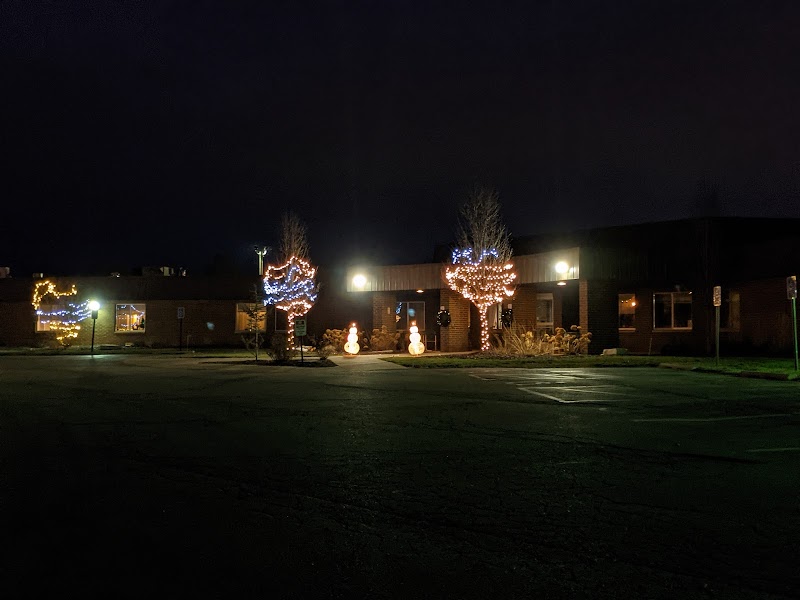
111 Evergreen, Battle Creek, MI 49015 (269) 969-6110
For profit - Corporation 91 Beds NEXCARE HEALTH SYSTEMS Data: November 2025
Trust Grade
70/100
#113 of 422 in MI
Last Inspection: January 2025

Within standard 12-15 month inspection cycle. Federal law requires annual inspections.

Overview

Evergreen Manor Senior Care Center in Battle Creek, Michigan has a Trust Grade of B, indicating it is a good choice among nursing homes, reflecting solid care quality. It ranks #113 out of 422 facilities in Michigan, placing it in the top half, and #2 out of 8 in Calhoun County, meaning only one local option is better. The facility is improving, with the number of issues decreasing from 7 in 2024 to just 2 in 2025. Staffing is rated at 4/5 stars, which is a strength, though the turnover rate of 45% is average for the state. Notably, there have been serious incidents, including a failure to prevent falls for some residents, leading to significant injuries, and concerns about delayed response times to call lights, which could leave residents needing assistance for extended periods. Despite these weaknesses, the absence of fines and strong RN coverage suggest a commitment to addressing resident needs.

Trust Score
B
70/100
In Michigan
#113/422
Top 26%
Safety Record
Moderate
Needs review
Inspections
Getting Better
7 → 2 violations
Staff Stability
○ Average
45% turnover. Near Michigan's 48% average. Typical for the industry.
Penalties
✓ Good
No fines on record. Clean compliance history, better than most Michigan facilities.
Skilled Nurses
○ Average
Each resident gets 35 minutes of Registered Nurse (RN) attention daily — about average for Michigan. RNs are the most trained staff who monitor for health changes.
Violations
⚠ Watch
20 deficiencies on record. Higher than average. Multiple issues found across inspections.
★★★★☆
4.0
Overall Rating
★★★★☆
4.0
Staff Levels
★★★★☆
4.0
Care Quality
★★★★☆
4.0
Inspection Score
Stable
2024: 7 issues
2025: 2 issues

The Good

  • 4-Star Staffing Rating · Above-average nurse staffing levels
  • 4-Star Quality Measures · Strong clinical quality outcomes
  • Full Sprinkler Coverage · Fire safety systems throughout facility
  • No fines on record
  • Staff turnover below average (45%)

    3 points below Michigan average of 48%

Facility shows strength in staffing levels, quality measures, fire safety.

The Bad

Staff Turnover: 45%

Near Michigan avg (46%)

Typical for the industry

Chain: NEXCARE HEALTH SYSTEMS

Part of a multi-facility chain

Ask about local staffing decisions and management

The Ugly 20 deficiencies on record

1 actual harm
Jan 2025 2 deficiencies
CONCERN (D)

Potential for Harm - no one hurt, but risky conditions existed

Grievances (Tag F0585)

Could have caused harm · This affected 1 resident

Based on observation, interview, and record review the facility failed to provide and document evidence of prompt resolution to a grievance for missing personal clothing of one (resident #48) out of o...

Read full inspector narrative →
Based on observation, interview, and record review the facility failed to provide and document evidence of prompt resolution to a grievance for missing personal clothing of one (resident #48) out of one resident reviewed resulting in unresolved grievance. Findings Included: Resident #48 (R48) Review of the medical record revealed R48 was admitted to the facility 12/06/24 with diagnoses that included sepsis (complicated infection), cellulitis (bacterial skin infection) of left lower limb, chronic pain syndrome, depression, gastro-esophageal reflux, hypertension, neuropathy (pain from nerve damage), osteoarthritis (degenerative joint disease), rheumatoid arthritis (chronic inflammation of joints), spinal stenosis(spinal narrowing), obesity, lymphedema (swelling of extremities cause by lymphatic system blockage), and difficulty walking. The most recent Minimum Data Set (MDS), with an Assessment Reference Date (ARD) of 12/12/2024, demonstrated a Brief Interview for Mental Status (BIMS) of 15 (cognitively intact) out of 15. During observation and interview 01/13/2025 at 02:01 p.m. R48 was observed sitting up in a reclining chair in her room. R48 explained that she was missing a blue pair of pants. R48 explained that she had told a Certified Nurse Aide (CNA) sometime last week but could not recall the exact date or time. R48 explained that the blue pants still had not been located. R48 denied that she had been offered to complete a Resident Assistance Form. During review of the facilities concern log, which included concerns for the last 90 days, had not demonstrate that R48 had completed a concern form regarding a pair of blue pants. During an interview on 01/14/2025 at 10:11 a.m. Certified Nurse Aide (CNA) I explained that she was the CNA that was providing care to R48 today. She explained that she frequently provides care to R48 and had lost worked with her the previous week. CNA I was asked if R48 had reported to her that she was missing any clothing items. CNA I explained that R48 had informed her that she was missing a blue pair of pants sometime last week. CNA I explained that she could not locate the pants that day and had not completed or offered R48 to complete a Resident Assistance Form. CNA I explained that she had not reported the missing item of clothing to another facility staff member. During an interview on 01/14/2025 at 10:27 a.m. Director of Nursing (DON) B explained that if residents reported missing clothing to staff, it would be the expectation and policy that the staff either provide the resident with a Resident Assistance Form or they assist the resident in completing a Resident Assistance Form. DON B explained that the Resident Assistance Form would be given to the Nursing Home Administrator (NHA) A. DON B explained that then someone form laundry would attempt to locate the missing clothing and a response would be provided in writing to the resident. DON B could not provide information if R48 was missing any clothing items. During an Interview on 01/14/2025 at 10:33 a.m. Nursing Home Administrator (NHA) A explained that it was the facility policy and her expectation that when residents reported missing clothing that a Resident Assistance Form be provided by staff or staff assisted the residents to complete a Resident Assistance Form. The complete form then would be provided to her and an investigation to locate the items would be conducted. NHA A explained that she always expected staff to provide a Resident Assistance Form with any resident issues were reported because it allowed her to track and trend concerns in the facility. NHA A denied that she had knowledge of R48's missing blue pants and could not provide a Resident Assistance Form for R48's missing pants. NHA A explained that a concerns form would be completed as soon as possible and the process of locating the item would be started. Review of policy entitled Resident Concern Policy- ADM-155D, original date of 08/31/2015 and revision date of 11/14/2023, revealed the following procedure: Step 1. Tell your grievance (s) to one of the individuals list below: - Director of Nursing - Administrator (Grievance Official) - Social Services Director - Charge Nurse (if after hours) Step 2. If you are not satisfied with the staff person's response, please complete our Resident Assistance Form. Let us know if you need help in completing the form. Step 3. Submit the form to our Administrator or Director of Nursing. Step 4. If you are not satisfied with the center's written response, complete a request for the administrator to review the investigation findings.
CONCERN (D)

Potential for Harm - no one hurt, but risky conditions existed

Incontinence Care (Tag F0690)

Could have caused harm · This affected 1 resident

**NOTE- TERMS IN BRACKETS HAVE BEEN EDITED TO PROTECT CONFIDENTIALITY** Based on observation, interview, and record review, the facility failed to justify the ongoing use of an indwelling urinary cath...

Read full inspector narrative →
**NOTE- TERMS IN BRACKETS HAVE BEEN EDITED TO PROTECT CONFIDENTIALITY** Based on observation, interview, and record review, the facility failed to justify the ongoing use of an indwelling urinary catheter for one (R11) of three reviewed. Findings include: Review of the medical record revealed R11 was admitted to the facility on [DATE] with diagnoses that included functional urinary incontinence. The Minimum Data Set (MDS) with an Assessment Reference Date (ARD) of 12/18/24 revealed R11 scored 15 out of 15 (cognitively intact) on the Brief Interview for Mental Status (BIMS-a cognitive screening tool, did not have an indwelling catheter, was not on a urinary toileting program, and was always incontinent of urine. On 01/13/25 at 09:31 AM, R11 was observed sitting in their wheelchair in their room, eating breakfast. R11 reported she had an indwelling urinary catheter that was uncomfortable. R11 reported the facility inserted the catheter because the resident was sick, really sick and had pus in their bladder. R11's catheter tubing was observed with clear, yellow urine. Review of the Nurses Note dated 12/19/2024 revealed Resident had a large emesis this AM. [Physician E] was in the facility and ordered repeat [laboratory tests] for Diarrhea and Vomiting. Start [intravenous [IV] fluids]. IV was successfully inserted .infusing without any issues .Resident was offered oral fluid and was able to drink. Review of a second Nurses Note dated 12/19/24 revealed This nurse called [Physician E] with lab results. [Physician E] stated continue IV fluids. [Physician E] alerted resident still appears weak but is able to coherently answer questions. Review of a third Nurses Note dated 12/19/24 revealed [Physician E] notified of BP [blood pressure] 140/60 and Pulse of 104. Order noted to Give Rocephin [antibiotic] 1GM IM QD x 3 days [1 gram intramuscular every day for three days]. May Insert Foley Catheter to monitor Fluid output. Review of the Physician's Order dated 12/19/24 revealed an order for an 18 French urinary foley catheter. Another Nurses Note dated 12/19/2024 revealed Upon Foley Catheter Insertion, Dark Odorous, cloudy urine obtained- 500ml [milliliters] output via Catheter. Resident tolerated Foley insertion procedure well. [Physician E] notified of Urine obtained and order noted to send it out for UA with C&S [urinalysis with culture and sensitivity] if indicated. Review of the Physician E's Note dated 12/19/24 revealed Basically, this patient does have: 1. Acute toxic metabolic encephalopathy 1. Acute sepsis 2. Dehydration 3. Acute gastroenteritis with nausea vomiting and diarrhea The Physician's note did not mention an indwelling urinary catheter or monitoring of urine output. Review of the Nurses Note dated 12/20/2024 revealed [Physician E] in this shift. Ordered labs . Also when current IV @80/hr is complete, continue IV @ 40/hr x 2 more days . Resident was more alert and talkative. Meds taken this shift without problems. Taking fluids well. Review of Physician E's Note dated 12/20/24 revealed Basically the patient does have: 1. acute toxic metabolic encephalopathy, improving 2. acute sepsis due to urinary tract infection, on Rocephin, improving 3. Acute pyelonephritis 3. Acute kidney failure due to dehydration 3. s/p acute gastroenteritis with nausea and vomiting and diarrhea .Symptomatically patient is improving. Mental status is improving no acute confusion anymore patient able to converse patient able to drink water. The Physician's note did not mention an indwelling urinary catheter or monitoring of urine output. Review of the Medication Administration Record revealed R11's antibiotic ended on 12/22/24 and the IV fluids ended 12/23/24. There was no documented indication as to why R11 continued to have an indwelling urinary catheter. Review of the MAR and Treatment Administration Record (TAR) revealed urinary output was documented on every shift except 12/29/24 dayshift, 1/1/25 dayshift, and 1/7/25 evening shift. The medical record did not reveal any indication that R11's output was evaluated and/or discussed with the physician. In an interview on 01/14/25 at 09:59 AM, Unit Manager (UM) D reported R11's indwelling urinary catheter was inserted to monitor their output while on IV fluids. When asked how long the foley was indicated for, UM D reported Physician E did not indicate at the time of the order. In an interview on 01/14/25 at 10:08 AM, Director of Nursing (DON) B reported R11's indwelling urinary catheter was indicated to monitor urine output while receiving IV fluids. When asked why R11's urinary catheter was not removed sooner than 1/14/25, DON B reported it must have been an oversight In a telephone interview on 01/14/25 at 10:20 AM, Physician E reported R11 had extreme dehydration, signs of sepsis and was totally out of it. Physician E reported R11 had low urine output, was started on IV fluids and antibiotics, and therefore an indwelling catheter was inserted to monitor urine output. Physician E reported the next day (12/20/24), R11 looked a little better. When asked how long they expected R11 to have the catheter, Physician E reported about a week or so, but reported they may not have given any clear instruction.
May 2024 1 deficiency
CONCERN (D) 📢 Someone Reported This

A family member, employee, or ombudsman was alarmed enough to file a formal complaint

Potential for Harm - no one hurt, but risky conditions existed

Deficiency F0678 (Tag F0678)

Could have caused harm · This affected 1 resident

**NOTE- TERMS IN BRACKETS HAVE BEEN EDITED TO PROTECT CONFIDENTIALITY** Based on interview and record review, the facility failed to ensure two of seven staff reviewed who performed cardiopulmonary re...

Read full inspector narrative →
**NOTE- TERMS IN BRACKETS HAVE BEEN EDITED TO PROTECT CONFIDENTIALITY** Based on interview and record review, the facility failed to ensure two of seven staff reviewed who performed cardiopulmonary resuscitation (CPR) on Resident #2 maintained current CPR certification for healthcare providers. Findings include: Resident #2 (R2) Review of medical record revealed R2 was admitted to the facility on [DATE] with diagnoses that included atrial fibrillation, diabetes, and lymphedema. The Minimum Data Set (MDS) with an Assessment Reference Date (ARD) of [DATE] revealed R2 scored 15 out of 15 (cognitively intact) on the Brief Interview for Mental Status (BIMS). R2's wishes were to be a full code and have CPR performed. R2 died in the facility on [DATE]. Review of the Nurses Note dated [DATE] revealed in part At 0543 [5:43 AM] this nurse grabbed the crash cart and yelled for the other nurse in the facility for help with CPR if necessary. At 0545 [5:45 AM] two nurses noted resident was no longer breathing and no pulse. Resident was immediately lowered her to the floor and chest compressions started at 0546 [5:46 AM]. Second nurse attached AED [automated external defibrillator]. Called 911 immediately from cell phone in room while performing CPR. EMTs [Emergency Medical Technicians] arrived on the scene at approximately 0555AM and CPR continued. EMT delivered 5 doses of Epi while running fluids and continuing chest compressions until 0646AM when EMTs alerted staff to stop CPR per MD at hospital. In a telephone interview on [DATE] at 8:28 AM, CNA J reported when R2 became unresponsive on [DATE], CPR was performed for a very long time by numerous people. CNA J reported they were asked to assist with performing CPR but were unable to get on the floor due to their knee problem. CNA J reported CNA M performed chest compressions during one round of CPR and they later found out that CNAs were not supposed to perform CPR in the facility. In a telephone interview on [DATE] at 3:15 PM, CNA M reported when it was noticed that R2 was not breathing, R2 was transferred from the recliner chair to the floor where CPR began. On [DATE] at 8:55 AM, CNA M reported Licensed Practical Nurse (LPN) F was the one who initiated CPR along with LPN Q. CNA M reported they were asked to assist with CPR at which point they performed chest compressions for about five minutes. CNA M reported a few days after, Nursing Home Administrator (NHA) A informed them that CNAs were not supposed to perform CPR at the facility. CNA M reported they were certified in CPR, but the facility never asked for a copy of their CPR certification. Review of the personnel files on [DATE] revealed CNA M did not have a CPR certification on file. LPN F's file included a printable wallet card dated [DATE] for Standard-CPR/AED from an online only CPR class. In an interview on [DATE] at 11:42 AM, LPN F reported they had a more recent, in person CPR certification that was not in their personnel file. On [DATE] at 1:46 PM, LPN F texted a copy of their most recent CPR certification. Review of the certification revealed on [DATE], LPN F completed Adult CPR/AED certification. The certification did not include any indication that it included basic life support or that the class was for healthcare professionals. In an interview on [DATE] at 2:15 PM, Director of Nursing (DON) B reported CNAs were not allowed to do CPR and staff who were not certified in CPR could not initiate CPR. In a telephone interview on [DATE] at 10:51 AM, American Red Cross Representative (ARCR) U reported anyone could take the Adult CPR/AED course and that it was not geared toward healthcare providers. ARCR U reported the healthcare provider course was called Basic Life Support. ARCR U reported LPN F obtained their CPR certification through their organization, but the certification was not for healthcare providers. In a telephone interview on [DATE] at 11:19 AM, ARCR V reported LPN F completed an adult CPR/AED class/certification through their organization which was different than the class offered for healthcare professionals. ARCR V reported the class LPN F completed was for lay responders. ARCR V reported if the certificate was for healthcare providers, it would list Basic Life Support on the certificate.
Mar 2024 6 deficiencies
CONCERN (D)

Potential for Harm - no one hurt, but risky conditions existed

Deficiency F0602 (Tag F0602)

Could have caused harm · This affected 1 resident

Based on observation, interview, and record review the facility failed to ensure two out of two residents (Resident #46 & 190) were free from misappropriation of property when $70 and a purse were ide...

Read full inspector narrative →
Based on observation, interview, and record review the facility failed to ensure two out of two residents (Resident #46 & 190) were free from misappropriation of property when $70 and a purse were identified to be missing. Findings Included: In an interview on 3/06/2024 at 9:38 AM, Resident # 46 (R46) stated that she had $70 stolen, and said it was on her windowsill under a small bag (resembled a makeup bag). R46 said about one week ago was when her $70 was found to be missing. R46 said a Certified Nurse Aid (CNA), who's name she could not recall, was in her room cleaning off her windowsill approximately one week ago from this interview, and said she told the CNA not to lift the bag up off the windowsill, but the CNA did anyhow and saw the money. R46 said that no staff had interviewed her nor got a statement from her regarding her missing $70. Record review of a care plan dated 12/23/2023, and titled COMMUNICATION/SENSORY revealed R46 was able to communicate her wants and needs, understood others, and her vision and hearing were adequate. In an interview on 3/07/2024 at 9:51 AM, CNA N said R46 told her that someone stole her $70. CNA N said the $70 could have fallen into the trash can that was by the window, but stated again R46 said the $70 was stolen, and someone took it. In an interview on 3/07/2024 at 9:57 AM, CNA O told her someone stole her $70 from under a bag that was on the windowsill. CNA O said R46 did not suggest that the $70 fell into the trash can. CNA O said the money was in a bank envelope which fit under the bag on the windowsill. On 3/06/2024 at 1:01 PM, Administrator A was requested to provide the Facility Reported Incident (FRI) (submission of the incident to the state agency) investigation for R46's missing $70. In an interview on 3/06/2024 at 2:47 PM, Administrator A stated that R46 filled out a grievance form regarding her missing $70. Administrator A said she did not fill out an incident repot, did not investigate or report the incident to the state agency, because it was assumed that the money possibly fell into the trash can which was directly below the windowsill where the money was located. Record review of an assistance request form dated 2/21/2024, revealed R49's daughter brought R46 the $70 on 12/14/2024. The form also revealed documentation that R46 thought the money fell it the trash can. The form did not have any resident interviews, no staff education, no evidence of a thorough investigation to attempt to try to identify a possible perpetrator. No other documents were received regarding R46's missing $70. In an interview on 3/07/2024 at 12:35 PM, R46 stated that she knew for a fact the envelope the $70 was in did not fall into the trash can, and stated that she had never told anyone that it could have fallen into the trash can. R46 further stated that Administrator A and two other staff members had suggested that could have been the case, but R46 said there was no way that was possible. In an interview on 3/07/2024 at 1:03 PM, Director of Nursing (DON) B stated that the incident was not reported to the state agency because it was concluded that most likely the $70 fell into the trash can. Resident #190 In an interview on 3/05/2024 at 1:00 PM, Resident # 190 (R190) stated that her purse was missing. R190 stated that her wallet was in the purse which had her drivers license, social security card, debit card, a bottle of Norco (narcotic pain medication) that had approximately 90 pills in the bottle, and a bottle of Xanax (narcotic antianxiety medication) that had approximately 25 pills in it. R190 stated that she always slept with her purse under her pillow. Stated on 3/4/2024 she woke up at 4:00 am to use the bathroom and when she went back to bed her purse was gone. In an interview on 3/07/2024 at 9:47 AM, CNA N stated that she had seen R190's purse which she said was a very large purse. CNA N she said R190 always slept with her purse under her head. In an interview on 3/07/2024 at 10:01 AM, CNA O said she came in to work on the next day, R190's purse was missing. CNA O said R190 told her that someone had stolen her purse. CNA O confirmed that she saw R190's purse everyday she worked. In an interview on 3/07/2024 at 11:04 AM, R190 stated that she did not know how the person could steel her purse out of her room without it being seen, and stated, yes, I now someone stole it. R190 said she was pressing charges when she finds out who took her purse. R190 said the purse was sentimental to her, because he daughter had it made just for her. R190 began to cry. R190 stated that she wanted to go home to finish her treatment, because she was uncomfortable being at the facility, and was afraid something else would be stolen, and she felt violated.
CONCERN (D)

Potential for Harm - no one hurt, but risky conditions existed

Report Alleged Abuse (Tag F0609)

Could have caused harm · This affected 1 resident

Based on observation, interview, and record review the facility failed to immediately report an allegation of misappropriation of $70 that was fund to be missing for one of one residents (Resident #46...

Read full inspector narrative →
Based on observation, interview, and record review the facility failed to immediately report an allegation of misappropriation of $70 that was fund to be missing for one of one residents (Resident #46). Findings Included: In an interview on 3/06/2024 at 9:38 AM, Resident # 46 (R46) stated that she had $70 stolen, and said it was on her windowsill under a small bag (resembled a makeup bag). R46 said about one week ago was when her $70 was found to be missing. R46 said a Certified Nurse Aid (CNA), who's name she could not recall, was in her room cleaning off her windowsill approximately one week ago from this interview, and said she told the CNA not to lift the bag up off the windowsill, but the CNA did anyhow and saw the money. R46 said that no staff had interviewed her nor got a statement from her regarding her missing $70. Record review of a care plan dated 12/23/2023, and titled COMMUNICATION/SENSORY revealed R46 was able to communicate her wants and needs, understood others, and her vision and hearing were adequate. In an interview on 3/07/2024 at 9:51 AM, CNA N said R46 told her that someone stole her $70. CNA N said the $70 could have fallen into the trash can that was by the window, but stated again R46 said the $70 was stolen, and someone took it. In an interview on 3/07/2024 at 9:57 AM, CNA O told her someone stole her $70 from under a bag that was on the windowsill. CNA O said R46 did not suggest that the $70 fell into the trash can. CNA O said the money was in a bank envelope which fit under the bag on the windowsill. On 3/06/2024 at 1:01 PM, Administrator A was requested to provide the Facility Reported Incident (FRI) (submission of the incident to the state agency) investigation for R46's missing $70. In an interview on 3/06/2024 at 2:47 PM, Administrator A stated that R46 filled out a grievance form regarding her missing $70. Administrator A said she did not fill out an incident repot, did not investigate or report the incident to the state agency, because it was assumed that the money possibly fell into the trash can which was directly below the windowsill where the money was located. Record review of an assistance request form dated 2/21/2024, revealed R49's daughter brought R46 the $70 on 12/14/2024. The form also revealed documentation that R46 thought the money fell it the trash can. The form did not have any resident interviews, no staff education, no evidence of a thorough investigation to attempt to try to identify a possible perpetrator. No other documents were received regarding R46's missing $70. In an interview on 3/07/2024 at 12:35 PM, R46 stated that she knew for a fact the envelope the $70 was in did not fall into the trash can, and stated that she had never told anyone that it could have fallen into the trash can. R46 further stated that Administrator A and two other staff members had suggested that could have been the case, but R46 said there was no way that was possible. In an interview on 3/07/2024 at 1:03 PM, Director of Nursing (DON) B stated that the incident was not reported to the state agency because it was concluded that most likely the $70 fell into the trash can.
CONCERN (D)

Potential for Harm - no one hurt, but risky conditions existed

Investigate Abuse (Tag F0610)

Could have caused harm · This affected 1 resident

Based on observation, interview, and record review the facility failed to thoroughly investigate for one out of one resident (Resident #46) an incident of $70 coming up missing that kept in Resident #...

Read full inspector narrative →
Based on observation, interview, and record review the facility failed to thoroughly investigate for one out of one resident (Resident #46) an incident of $70 coming up missing that kept in Resident #46's room. Findings Included: In an interview on 3/06/2024 at 9:38 AM, Resident # 46 (R46) stated that she had $70 stolen, and said it was on her windowsill under a small bag (resembled a makeup bag). R46 said about one week ago was when her $70 was found to be missing. R46 said a Certified Nurse Aid (CNA), who's name she could not recall, was in her room cleaning off her windowsill approximately one week ago from this interview, and said she told the CNA not to lift the bag up off the windowsill, but the CNA did anyhow and saw the money. R46 said that no staff had interviewed her nor got a statement from her regarding her missing $70. Record review of a care plan dated 12/23/2023, and titled COMMUNICATION/SENSORY revealed R46 was able to communicate her wants and needs, understood others, and her vision and hearing were adequate. In an interview on 3/07/2024 at 9:51 AM, CNA N said R46 told her that someone stole her $70. CNA N said the $70 could have fallen into the trash can that was by the window, but stated again R46 said the $70 was stolen, and someone took it. In an interview on 3/07/2024 at 9:57 AM, CNA O told her someone stole her $70 from under a bag that was on the windowsill. CNA O said R46 did not suggest that the $70 fell into the trash can. CNA O said the money was in a bank envelope which fit under the bag on the windowsill. On 3/06/2024 at 1:01 PM, Administrator A was requested to provide the Facility Reported Incident (FRI) (submission of the incident to the state agency) investigation for R46's missing $70. In an interview on 3/06/2024 at 2:47 PM, Administrator A stated that R46 filled out a grievance form regarding her missing $70. Administrator A said she did not fill out an incident repot, did not investigate or report the incident to the state agency, because it was assumed that the money possibly fell into the trash can which was directly below the windowsill where the money was located. Record review of an assistance request form dated 2/21/2024, revealed R49's daughter brought R46 the $70 on 12/14/2024. The form also revealed documentation that R46 thought the money fell it the trash can. The form did not have any resident interviews, no staff education, no evidence of a thorough investigation to attempt to try to identify a possible perpetrator. No other documents were received regarding R46's missing $70. In an interview on 3/07/2024 at 12:35 PM, R46 stated that she knew for a fact the envelope the $70 was in did not fall into the trash can, and stated that she had never told anyone that it could have fallen into the trash can. R46 further stated that Administrator A and two other staff members had suggested that could have been the case, but R46 said there was no way that was possible. In an interview on 3/07/2024 at 1:03 PM, Director of Nursing (DON) B stated that the incident was not reported to the state agency because it was concluded that most likely the $70 fell into the trash can.
CONCERN (D)

Potential for Harm - no one hurt, but risky conditions existed

Deficiency F0676 (Tag F0676)

Could have caused harm · This affected 1 resident

**NOTE- TERMS IN BRACKETS HAVE BEEN EDITED TO PROTECT CONFIDENTIALITY** Based on observation, interview and record review, the facility failed to provide the necessary care with activities of daily li...

Read full inspector narrative →
**NOTE- TERMS IN BRACKETS HAVE BEEN EDITED TO PROTECT CONFIDENTIALITY** Based on observation, interview and record review, the facility failed to provide the necessary care with activities of daily living (ADL) to one (Resident #339) of two residents reviewed for ADL care. Resident # 339 (R339) Review of the medical record revealed Resident #339 (R339) was admitted to the facility on [DATE] with diagnoses that included unspecified fracture of the right forearm, Congestive Heart Failure, muscle weakness and history of a CVA. According to Resident #339 (R339)'s Minimum Data Set (MDS) dated [DATE], revealed R339 scored 10 out of 15 (moderate cognitive impairment) on the Brief Interview for Mental Status (BIMS- a cognitive screening tool) and had no behaviors. R339 required partial to moderate assistance due to impairment on one side and use of a walker and wheelchair. During an interview on 03/05/24 at 01:05 PM, R339 stated he had only received one bed bath since he arrived there, and nobody had offered him a shower. Record review revealed R339 had received one bed bath from admission date 02/27/24 to 03/06/24. The shower/bath/bed-bath task sheet had a check mark on 03/01/24 for a bed bath. The other nine days had a check mark under the not scheduled or assigned. During an observation on 03/06/24 at 02:55 PM, R339 laying in his hospital bed disheveled with hair stand out, half-dressed watching TV. During an interview on 03/06/24 at 03:06 PM, afternoon shift Certified Nursing Assistant (CNA) F, stated she needed to look at the shower schedule on the medication cart for his scheduled days. CNA F walked to the medication cart and noted R339 is scheduled for showers Tues and Saturdays on the afternoon shift. CNA F stated that was how they tracked who got showers on what day on what shift then document it under the task section. During an interview on 03/07/24 at 09:57 AM, Minimum Data Set (MDS) Registered Nurse (RN), G stated she was one of the first staff to initiate the care plan, did not see the activity of daily living assigned to CNA's. Stated it was not on there but should have been put on the care plan. Writer asked about his showers, MDS RN G stated he got a bed bath on 03/01/24. MDS RN G looked at the shower/bath/bed-bath task sheet for scheduled shower days, then stated he should have received them Tuesday and Saturdays. MDS RN G stated they put it on the shower sheet on the medication cart, then it was supposed to go on the Plan of Care (POC). MDS RN G added that the Clinical Care Coordinator puts them on the POC. MDS RN G also stated that it was on the POC, but the CNA did not give it. MDS RN G going through the calendar to see why it was missed and could not find a reason. Task sheet revealed R339 had only had one bed bath since his admission. During an interview on 03/07/24 at 10:20 AM, DON B stated they have a shower sheet and residents are scheduled two times a week. Writer asked her why R339 hasn't had a shower since admission, only one bed bath. DON B stated he may have refused, writer pulled up the shower/bath/bed bath task sheet and CNAs marked not scheduled-not assigned. [NAME] B stated she would have to do some education with her staff.
CONCERN (D)

Potential for Harm - no one hurt, but risky conditions existed

Deficiency F0883 (Tag F0883)

Could have caused harm · This affected 1 resident

**NOTE- TERMS IN BRACKETS HAVE BEEN EDITED TO PROTECT CONFIDENTIALITY** Based on interview and record review, the facility failed to prevent the administration of an unnecessary dose of a pneumococcal...

Read full inspector narrative →
**NOTE- TERMS IN BRACKETS HAVE BEEN EDITED TO PROTECT CONFIDENTIALITY** Based on interview and record review, the facility failed to prevent the administration of an unnecessary dose of a pneumococcal immunization for one (Resident #2) of five reviewed. Findings include: Review of the medical record revealed Resident #2 (R2) admitted to the facility on [DATE] with diagnoses that included dementia. R2 had an activated durable power of attorney for healthcare (DPOA). Review of the R2's pneumococcal immunizations revealed they received PPSV23 on 3/28/12, PCV13 on 3/14/17, PCV20 on 7/2/23, and PCV20 on 11/24/23. Review of the Consent for Flu, Pneumococcal, and Shingles Vaccine revealed R2's DPOA gave verbal consent for R2 to receive the PCV20 immunization. The consent form revealed the immunization was administered on 7/2/23. Review of the Consent for Flu, Pneumococcal, and Shingles Vaccine revealed R2's DPOA again gave verbal consent for R2 to receive the PCV20 immunization. The consent form revealed the immunization was administered a second time, on 11/24/23. Review of the Medication Administration Record (MAR) revealed R2 received the Prevnar 20 (PCV20) on 7/3/23 and 11/24/23. In an interview on 03/07/24 at 9:57 AM, Licensed Practical Nurse (LPN) E reported they were the facility's Infection Preventionist and tracked resident immunizations. LPN E agreed the medical record reflected R2 received two doses of PCV20 when only one was necessary. LPN E was not able to explain why the second dose was given and was offered the opportunity to provide additional information. Additional information was not received prior to the survey exit. According to CDC's PneumoRecs VaxAdvisor, R2's pneumococcal immunizations were complete and up to date after one dose of the PCV20.
CONCERN (D)

Potential for Harm - no one hurt, but risky conditions existed

Safe Environment (Tag F0921)

Could have caused harm · This affected 1 resident

Based on observations, interviews, and record reviews, the facility failed to effectively clean and maintain the physical plant effecting 87 residents, resulting in the increased likelihood for cross-...

Read full inspector narrative →
Based on observations, interviews, and record reviews, the facility failed to effectively clean and maintain the physical plant effecting 87 residents, resulting in the increased likelihood for cross-contamination, bacterial harborage, and decreased illumination. Findings include: On 03/06/24 at 09:25 A.M., An environmental tour of the facility Laundry Service was conducted with Assistant Maintenance Manager D. The following item was noted: Four white acoustical ceiling tiles were observed stained from a previous moisture leak. Assistant Maintenance Manager D indicated she would contact staff for necessary repairs. On 03/06/24 at 09:38 A.M., A common area environmental tour was conducted with Assistant Maintenance Manager D. The following items were noted: Nursing Station: The laminate veneer was observed (etched, scored, particulate), adjacent to the outer corner edge. The damaged laminate veneer measured approximately 1-inch-wide by 6-inches-long. The laminate veneer was also observed (etched, scored, particulate), adjacent to the inner corner edge. The damaged laminate veneer measured approximately 1-inch-wide by 18-inches-long. One of four chairs were further observed (etched, scored, particulate), adjacent to the arm rests. The damaged arm rest surface measured approximately 3-inches-wide by 5-inches-long. Assistant Maintenance Manager D indicated she would have staff remove and replace the chair as soon as possible. Beauty Shop: One acoustical ceiling tile was observed stained from a previous moisture leak. Laboratory Closet: One acoustical ceiling tile was observed stained from a previous moisture leak. Central Supply Room: Three acoustical ceiling tiles were observed stained from a previous moisture leak. Occupational/Physical Therapy Room: Two acoustical ceiling tiles were observed stained from a previous moisture leak. Main Dining Room: Three acoustical ceiling tiles were observed stained from a previous moisture leak. Staff Development Room: Two acoustical ceiling tiles were observed stained from a previous moisture leak. Women's Locker Room: One of two hand sink faucets were observed loose-to-mount. 300 Hall Dining Room: The hand sink faucet was observed loose-to-mount. 400 Hall Corridor: 1 of 4 glass windowpanes were observed cracked and broken. The damaged windowpane measured approximately 12-inches-wide by 24-inches-long. On 03/06/24 at 02:07 P.M., An environmental tour of sampled resident rooms was conducted with Assistant Maintenance Manager D. The following items were noted: 103: The drywall surface was observed (etched, scored, particulate), adjacent to the Bed 1 headboard. The drywall surface was also observed (etched, scored, particulate), adjacent to Bed 2. 207: 2 of 2 overhead light assembly plastic lens covers were observed soiled with accumulated dead insect carcasses. 208: 2 of 2 overhead light assembly plastic lens covers were observed soiled with accumulated dead insect carcasses. The drywall surface was also observed (etched, scored, particulate) in numerous locations, throughout the resident room. 212: 2 of 2 overhead light assembly plastic lens covers were observed soiled with accumulated dead insect carcasses. The drywall surface was also observed (etched, scored, particulate), adjacent to Bed 1 and Bed 2. 401: The drywall was observed (etched, scored, particulate), adjacent to the restroom entrance door. 402: The hand sink faucet assembly was observed sporadically functioning. Assistant Maintenance Manager D indicated she would replace the faulty hand sink faucet assembly as soon as possible. 410: The restroom hand sink hot water valve was observed loose-to-mount. Assistant Maintenance Manager D indicated she would have staff tighten the hot water valve collar nut as soon as possible. On 03/06/24 at 03:35 P.M., An interview was conducted with Assistant Maintenance Manager D regarding the facility maintenance work order system. Assistant Maintenance Manager D stated: We have the TELS software system. On 03/07/24 at 10:00 A.M., Record review of the Policy/Procedure entitled: Housekeeping Room Cleaning dated (no date) revealed under Purpose: The Complete Room Cleaning Schedule ensures that each resident room is discharge-cleaned on a monthly basis. On 03/07/24 at 10:15 A.M., Record review of the Policy/Procedure entitled: Environmental Services Guidelines dated (no date) revealed under Cleaning of Other Surfaces: (1) Doorknobs, handrails, bath rails, sink handles, etc. will all be cleaned at least once daily and more often as needed. This is especially important during cold and flu season, to help prevent transmission of these illnesses from one person to another. (2) Cleaning of walls, curtains, blinds, etc. will be completed when dust/soil is visible. (3) Daily dusting will be done to remove possibly organism-laden particles from the air and from surfaces in the resident area. On 03/07/24 at 10:30 A.M., Record review of the Direct Supply TELS Work Orders for the last 60 days revealed no specific entries related to the aforementioned maintenance concerns.
Oct 2023 1 deficiency
CONCERN (E) 📢 Someone Reported This

A family member, employee, or ombudsman was alarmed enough to file a formal complaint

Potential for Harm - no one hurt, but risky conditions existed

Deficiency F0725 (Tag F0725)

Could have caused harm · This affected multiple residents

**NOTE- TERMS IN BRACKETS HAVE BEEN EDITED TO PROTECT CONFIDENTIALITY** This citation pertains to MI00139275. Based on observation, interview and record review, the facility failed to ensure call ligh...

Read full inspector narrative →
**NOTE- TERMS IN BRACKETS HAVE BEEN EDITED TO PROTECT CONFIDENTIALITY** This citation pertains to MI00139275. Based on observation, interview and record review, the facility failed to ensure call lights were answered in a timely manner for four (Resident #2, #6, #7 and #8) of six reviewed for call light response time, resulting in call lights not being answered for extended periods of time and resident needs not being met in a timely manner. Findings include: Resident #2 (R2): Review of the medical record reflected R2 admitted to the facility on [DATE] and readmitted on [DATE], with diagnoses that included aftercare following joint replacement surgery, presence of artificial left knee joint, difficulty walking, diabetes, atrial fibrillation, congestive heart failure and chronic kidney disease. The quarterly Minimum Data Set (MDS), with an Assessment Reference Date (ARD) of 8/31/23, reflected R2 scored 14 out of 15 (cognitively intact) on the Brief Interview for Mental Status (BIMS-a cognitive screening tool), did not walk and performed activities of daily living (ADLs) with supervision to extensive assistance of one to two or more people. On 10/11/23 at 10:11 AM, R2 was observed lying in bed with heel protector boots in place. R2 reported call light response times to be slow and sometimes waiting over an hour for assistance. R2 reported being left on the toilet for over an hour while her call light was on. Review of R2's call light reports for 9/1/23 to 9/10/23 and 10/4/23 to 10/11/23 reflected call light response times that included but were not limited to: 65 minutes and 55 seconds, 99 minutes and 59 seconds, 26 minutes and 8 seconds, 31 minutes and 4 seconds, 24 minutes and 9 seconds, 21 minutes and 24 seconds, 55 minutes and 54 seconds, 58 minutes and 14 seconds, 28 minutes and 47 seconds, 53 minutes and 1 second, 23 minutes and 29 seconds, 65 minutes and 2 seconds, 21 minutes and 20 seconds, 26 minutes and 55 seconds, 25 minutes and 11 seconds, 27 minutes and 50 seconds, 33 minutes and 47 seconds, 47 minutes and 19 seconds, 77 minutes and 27 seconds, 42 minutes and 22 seconds, 30 minutes and 56 seconds, 54 minutes and 6 seconds, 26 minutes and 28 seconds, 62 minutes and 23 seconds, 31 minutes and 15 seconds, 40 minutes and 20 seconds, 78 minutes and 1 second, 48 minutes and 6 seconds, 88 minutes and 22 seconds, 62 minutes and 54 seconds, 33 minutes and 27 seconds, 84 minutes and 25 seconds, 33 minutes and 38 seconds, 29 minutes and 24 seconds, 45 minutes and 23 seconds, 34 minutes and 52 seconds, 35 minutes and 1 second, 30 minutes and 37 seconds and 39 minutes and 43 seconds. Resident #6 (R6): Review of the medical record reflected R6 admitted to the facility on [DATE], with diagnoses that included pneumonia, urinary tract infection and difficulty walking. On 10/10/23 at 1:52 PM, R6 was observed seated in a wheelchair, in her room. R6 reported that on a daily basis, while she was in bed, there was about an hour and a half delay for her call light to be answered to use the bathroom. Review of R6's call light reports for 10/1/23 to 10/11/23 reflected call light response times that included but were not limited to: 26 minutes and 49 seconds, 29 minutes and 34 seconds, 29 minutes and 25 seconds, 24 minutes and 28 seconds, 30 minutes, 24 minutes and 35 seconds, 76 minutes and 38 seconds, 37 minutes and 58 seconds, 25 minutes and 10 seconds, 45 minutes and 42 seconds, 41 minutes and 35 seconds, 69 minutes and 11 seconds, 32 minutes and 25 seconds, 53 minutes and 47 seconds, 27 minutes and 11 seconds, 24 minutes and 21 seconds, 43 minutes and 27 seconds, 29 minutes and 5 seconds, 26 minutes and 55 seconds, 57 minutes and 17 seconds, 38 minutes and 35 seconds, 62 minutes and 57 seconds, 55 minutes and 39 seconds, 38 minutes, 42 minutes and 13 seconds, 64 minutes and 55 seconds and 77 minutes and 24 seconds. Resident #7 (R7): Review of the medical record reflected R7 admitted to the facility on [DATE] and readmitted on [DATE], with diagnoses that included fracture of the left femur, chronic obstructive pulmonary disease and difficulty walking. The quarterly MDS, with an ARD of 9/13/23, reflected R7 score 15 out of 15 (cognitively intact) on the BIMS and required limited to extensive assistance of one to two or more people for many ADLs. On 10/10/23 at 2:38 PM, R7 was observed seated in a wheelchair, in her room. She reported call light response times were around a half hour. R7 described that a few weeks prior, she did not get to the bathroom in time and had an incontinent bowel movement, after waiting too long for her call light to be answered. R7 reported feeling ashamed about the incident. Review of R7's call light reports for 9/27/23 to 10/11/23 reflected call light response times that included but were not limited to: 93 minutes and 36 seconds, 33 minutes and 15 seconds, 44 minutes and 58 seconds, 26 minutes and 49 seconds and 31 minutes and 4 seconds. Resident #8 (R8): Review of the medical record reflected R8 admitted to the facility on [DATE], with diagnoses that included atrial fibrillation, difficulty walking and diabetes. The quarterly MDS, with an ARD of 7/18/23, reflected R8 scored 15 out of 15 (cognitively intact) on the BIMS and required limited to extensive assistance of one to two or more people for ADLs. On 10/11/23 at 10:03 AM, R8 was observed seated in a recliner, in her room. R8 reported she sometimes waited up to an hour or longer for her call light to be answered because staff had a lot of people to care for. R8 reported the extended call light response times were usually after meals, when everyone had to use the bathroom. Review of R8's call light reports for 9/27/23 to 10/11/23 reflected call light response times that included but were not limited to: 25 minutes and 52 seconds, 29 minutes and 14 seconds, 65 minutes and 34 seconds, 39 minutes and 58 seconds, 43 minutes and 30 seconds, 29 minutes and 35 seconds, 25 minutes and 12 seconds, 33 minutes and 28 seconds, 47 minutes and 31 seconds, 54 minutes and 12 seconds, 33 minutes and 45 seconds and 24 minutes and 30 seconds. During an interview on 10/11/23 at 1:38 PM, Nursing Home Administrator (NHA) A reported call lights were monitored, and the facility had identified they wanted a shorter average call light response time. NHA A reported they would like to get call light response times to 10 minutes or less.
May 2023 4 deficiencies 1 Harm
SERIOUS (G) 📢 Someone Reported This

A family member, employee, or ombudsman was alarmed enough to file a formal complaint

Actual Harm - a resident was hurt due to facility failures

Accident Prevention (Tag F0689)

A resident was harmed · This affected 1 resident

**NOTE- TERMS IN BRACKETS HAVE BEEN EDITED TO PROTECT CONFIDENTIALITY** Based on observation, interview, and record review the facility failed to prevent implement effective interventions to prevent f...

Read full inspector narrative →
**NOTE- TERMS IN BRACKETS HAVE BEEN EDITED TO PROTECT CONFIDENTIALITY** Based on observation, interview, and record review the facility failed to prevent implement effective interventions to prevent falls for two (Resident #3 and Resident #5) of five reviewed for falls, resulting in a fall with major injury and repeated hospital transfers (Resident #3) and repeated falls and the potential for major injury (Resident #5). Findings include: Resident #3 (R3) Review of an admission Record revealed Resident #3 (R3) admitted to the facility on [DATE] and readmitted on [DATE] with pertinent diagnoses which included nondisplaced intertrochanteric fracture of left femur, difficulty in walking, multiple fractures of pelvis, dementia, history of falling, unspecified fracture of the lower end of right radius, traumatic hemorrhage of cerebrum, and major depressive disorder. The admission Minimum Data Set (MDS), with an Assessment Reference Date (ARD) of 3/3/23, reflected R3 scored three out of 15 (severe cognitive impairment) on the Brief Interview for Mental Status (BIMS-a cognitive screening tool). An admission MDS with an ARD of 3/17/23 revealed R3 was independent with one-person physical assist for ambulation, transferring, and eating. R3 required limited assistance of one person to toilet, dress, and for personal hygiene. In an observation on 5/17/23 10:55 AM, R3 was observed resting in her bed, turned toward the fall, with her eyes closed. R3's bed was against the wall and in the lowest position. In an interview on 5/18/23, Family Member E reported that he had a phone call conversation with R3 on 3/4/23. During that conversation R3 was able to speak to Family Member E, stating that R3 was in good spirits and was able to converse with the family member. Family member E reported that he had visited R3 on 4/22/23. During the visit, R3 had a bruise above her eyebrow, was in a groggy state and was not able to carry on a conversation with the visiting family members. When inquiring with staff regarding R3's current state, Family Member E reported that R3 had fallen three times and hit her head and was transferred to the hospital. Review of the Care Plan revealed that R3 had a risk for falls section initiated on 8/27/23 related to diagnoses including but not limited to recent falls, history of dementia, poor short-term memory and ability to follow cues, and poor safety awareness. Some interventions included assist resident to keep her clothing off the floor and in her closet and dresser, bed against the wall, medication review by pharmacist, nightlight in room to help orient resident, put concave mattress on bed, and PT (physical therapy) screen for strength and ambulation. A Nurse's Note dated 1/2/2023 at 8:00 PM revealed R3 was discovered on the floor of her room. R3 reported to staff that she was attempting to get something for her roommate and slipped. R3 sustained a bump on her head. An Incident Report dated 1/2/23 at 9:27 PM revealed the Interdisciplinary Team determined that R3 stated she was attempting to help her roommate per request and got weak on her way back to her bed. As an intervention, R3 and her roommate were educated on call light use. A Nurse's Note dated 2/26/23 at 12:29 AM revealed R3 was observed sitting on the edge of her bed and scooted down to the floor onto her bottom. Two-hour checks were initiated as an immediate intervention. An Incident Report dated 2/2/6/23 at 4:02 AM revealed the Interdisciplinary Team determined that it was possible that R3 was disoriented at the time of the fall, so a nightlight was placed in R3's room. A Nurse's Note dated 3/1/2023 at 12:39 AM revealed R3 was discovered in another resident's room sitting on the floor. R3 stated that she got tired and sat down. R3 was assisted up and back into her room. An Incident Report dated 3/1/23 revealed the Interdisciplinary Team determined that prior to this incident, R3 was ambulating around the unit. It is likely she got confused as to where her room was . will refer to therapy . she is getting out of her room more and walking around so perhaps she needs strengthening . The immediate intervention was to reorient R3 to her room when she was observed wandering the unit. In a Nurse's Note dated 3/21/2023 at 5:38 PM, R3 had left hip pain after sustaining a fall however, details regarding the fall were not revealed in the Nurse's Note. An Incident Report dated 3/21/23 at 2:20 PM revealed R3 was observed laying on her left side next to her bed, between bed and bedside dresser. When asked what happened, R3 stated that she did not know. It is under suspicion that the resident lost her balance as there was nothing obstructing the walkway . The Interdisciplinary Team determined that the nurse had been in the residents room approximately 2 minutes prior to the fall. At that time, R3 was observed sitting on her bed. R3 is independent with bed mobility and transfers. The fall intervention for R3 was to place a recliner in her room to allow her to sit in a chair to rest instead of her bed. It was unsure if R3 rolled out of bed or fell while ambulating in her room. In a Nurse's Note dated 4/2/2023 at 1:04 PM, R3 was discovered laying on a floor face down. Blood on floor noted. Resident was alert and un oriented upon assessment. Resident had blood coming from laceration to right side of head above the eyebrow. Resident has bump to backside top of head with noopen [sic] areas noted. Resident was unaware of what happened and was unable to inform staff of incident . R3 was transported to the Emergency Department for further evaluation. An Incident Report dated 4/2/23 at 12:00 PM revealed resident was observed in her room on the floor face down there was blood noted to resident's face and the floor around her head. Immediate assessment noted a laceration above her right eyebrow and a lump on the back of her head. Resident was unable to tell staff what had occurred . during the investigation it was noted that there were some clothing items strewn about the living area. It was not confirmed whether these items may have played a role in the fall . an order was given to send resident to (ED) Emergency Department for evaluation . intervention for fall was to assist resident to keep her clothing off the floor in her closet and dressers. In a Nurse's Note dated 4/8/23 at 4:30 AM, R3 was lying on the floor in another resident's room. She attempted to ambulate throughout facility independently and fell onto the floor . was transferred by two staff back into her room into bed. She did c/o (complain of) pain of left thigh during transfer into bed .Pain seems to be only with movement . An Incident Report dated 4/8/23 at 4:36 AM revealed a Physical/Occupational therapy request was made for R3. The Incident Report stated that the pain seems to be only with movement resident denied pain at first but had complaints of pain with transfer into bed. 15-minute checks were also initiated. In a Nurse's Note dated 4/8/23 at 9:58 AM R3 had a witnessed fall out of bed. R3 was discovered on her back/right side . Total body assessment done, resident is reporting left side thigh pain, resident was assisted into bed with help of another LPN (Licensed Practical Nurse) and a CNA (Certified Nursing Assistant). Positioned farther toward wall in bed to avoid falling off the edge. [Physician H] notified, said to continue neuro checks, no need for an x ray . In a Nurse's Note dated 4/8/23 at 12:35 PM, R3 was being assessed for neurological checks when R3's left leg was observed to be shorter than right and slightly turned out. When asking resident to move that leg she stated she can't. Extremely painful to the touch. Upon visual inspection left hip has some swelling. Imaging was ordered for R3's left leg. A Nurse's Note dated 4/8/23 at 4:33 PM revealed Resident in bed this shift restless, asked if she was in pain said yes but couldn't rate it .Resident was extremely painful when log rolled to be changed .They (Imaging company) arrived at 1415 (2:15 PM) to do x-ray, at 1455 (2:55PM) received results .Received order to send to ER (Emergency Department) .ambulance at 1620 (4:20 PM). Review of Hospital Discharge Paperwork dated 4/12/23 revealed R3 sustained an acute intertrochanteric proximal left femur fracture Ground level fall with history of frequent falls. At time of presentation in the Emergency Department presents today due to fall. Patient has dementia and is unable to provide history. Guardian called but unable to reach. Patient brought in from [Facility] by EMS (Emergency Medical Services). Per chart review, patient had ground level fall last night and had left hip pain . Of note, patient was recently seen in ED (Emergency Department) on 04/02 for a fall with head injury. CT (Computed Tomography) brain with no acute fractures and patient was discharged back to facility. She had injury above right eyebrow and hematoma of posterior aspect (back) of head that was stable.Left hip XR (x-ray) with Acute comminuted intertrochanteric proximal left femur fracture . As a result of her injuries, R3 underwent hip surgery for repair of the fracture. In an interview on 5/22/23 at 9:09 AM, Certified Nursing Assistant (CNA) F reported that R3 enjoyed ambulating around but would often go into other resident's rooms. Staff tried to keep an eye on her when R3 was up ambulating about. CNA F stated that R3 had a problem with falling out of her bed. In an interview on 5/22/23 at 11:39 AM, Registered Nurse (RN) D reported that after a resident sustains a fall an assessment of the resident is completed. Regarding assessment of the resident's extremities, complaining of pain would be the basis for getting an x ray. If a resident were to complain of pain, especially pain with range of motion, a stat (immediate) x ray would be ordered. RN D also reported that R3 would fall out of bed. This could be attributed to R3's habit of laying awkwardly on the bed or lay to more to one side of the bed than the other. In an interview on 5/22/23 at approximately 11:00 AM, Registered Nurse (RN) C reported that the process for falls included assessing the resident and performing any necessary first aid. If a resident did not have proper range of motion, best practice was to leave them. RN C reported that part of the assessment does include a pain assessment. If they can't move that extremity or grimacing or has pain, at that point we tell the doctor that they need an x-ray. RN C reported that R3's x-ray was not ordered when R3 fell the first time because she did not complain of pain. RN C reported that the x-ray was not ordered until 12:51 PM, hours after the first and second fall R3 sustained on 4/8/23. RN C stated that x-rays should be ordered when a resident has complaints of pain, pain with movement, or swelling. A Nurse's Note dated 4/30/23 at 6:32 AM revealed R3 was discovered lying on the floor of her bedroom laying on her right side. An Incident Report dated 4/30/23 at 6:00 AM revealed resident was observed lying on her right side on the floor with her right arm under her body . LPN (Licensed Practical Nurses) states that resident chooses to lie close to the edge of her bed and suspects that she rolled out of bed. Suggested to place perimeter mattress on bed to provide boundary . falls have occurred when resident tries to sit down on edge of bed slides off bed becomes weak when walking and sets down . Resident was given a Broda chair (wheelchair with tilt and recline abilities) and given graded papers to occupy her time as R3 was a retired schoolteacher. R3 had not sustained any further falls after the 4/30/23 fall. Resident #5 (R5): Review of the medical record reflected R5 admitted to the facility on [DATE] and readmitted [DATE], with diagnoses that included hemiplegia and hemiparesis affecting the left dominant side, muscle weakness and vascular dementia. The Significant Change in Status Minimum Data Set (MDS), with an Assessment Reference Date (ARD) of 5/2/23, reflected R5 had short-term and long-term memory problems, did not walk and required limited to total assistance of one to two or more people for activities of daily living. The MDS was coded for two or more falls without injury. On 5/18/23 at 10:41 AM, R5 was observed lying in bed, with the bed height in a low position. The head and knees of the bed were elevated, and a perimeter mattress was in place. What appeared to be a pillow, was beneath the sheet on his right side. The left side of the bed was against the wall. A pillow boot and blanket were observed on the floor at the right bedside. R5's eyes were closed, and he was observed to be intermittently moving in bed. Upon knocking on the room door, no response was received from R5. R5 did open his eyes briefly but did not verbalize. R5's medical record reflected he required staff assistance for transfers. Review of R5's Incident Reports since 1/1/23 reflected falls on 1/27/23, 2/8/23, 2/20/23, 2/26/23, 3/2/23, 3/10/23, 3/15/23, 4/15/23, 4/27/23 and 5/1/23. R5's Progress Notes reflected an additional fall on 5/10/23. An Incident Report for 1/27/23 at 2:10 AM reflected R5 was observed lying on his back, perpendicular to the bed. R5 stated he went to sit down, and the chair moved out from underneath him. The left brake on his wheelchair was not engaged, and the anti-rollback brakes were not functioning properly. The root cause analysis note reflected when R5 attempted to self-transfer from his bed to the wheelchair, his wheelchair moved backwards, causing him to slip out of the front. There was no documentation as to why R5 was self-transferring. The report reflected he was assisted into his wheelchair and with toileting. A facility-wide audit for anti-rollback brakes was put in place. Review of a facility document reflected an anti-rollback audit was conducted on 1/27/23, and R5's anti-rollback brakes were adjusted. An Incident Report for 2/8/23 at 9:49 AM reflected R5 reported entering his bathroom that morning and attempting to self-transfer to the toilet. The floor was wet with water, and he slipped, fell and landed on the garbage can. Upon inspection of the commode, it was plugged and leaking water onto the floor. The water was cleaned up and maintenance was notified of the needed repair. The root cause analysis note reflected R5 entered the bathroom, the floor was wet with water, and he slipped. R5 landed chest first on the garbage can. There was no intervention to address R5 transferring to the bathroom unassisted. During an interview on 5/22/23 at 12:34 PM, Director of Nursing (DON) B indicated the root cause of the fall on 2/8/23 was related to the floor being wet, causing R5 to fall. The immediate intervention was to wipe the water and notify maintenance for repair of the leaking toilet. When asked if there was an intervention pertaining to R5 self-transferring to the toilet, DON B stated it did not look like there was an intervention for that. An Incident Report for 2/20/23 at 4:10 AM reflected R5 was observed sitting on the floor, in front of his bed. The left wheelchair brake was not locked. R5 reported he was trying to get into the chair and it moved. The root cause analysis note reflected R5 was attempting to self-transfer into his wheelchair and only locked the right brake. R5 stood, the wheelchair moved, and he lost his balance. R5's wheelchair was taken out of service for inspection of the brakes and anti-rollback brakes. The note reflected the wheelchair passed inspection. There was no documentation as to why R5 was self-transferring. The report reflected he was assisted to his wheelchair and with toileting. R5 was educated to take his time and double check that all safety measures were engaged before using his chair. R5's medical record did not reflect that he was independent for transfers. R5 required staff assistance. During an interview on 5/22/23 at 10:33 AM, Registered Nurse (RN) C reported once a resident with anti-rollback brakes stood from their wheelchair, the wheelchair was not supposed to move back. When their weight was moved off the seat, the wheelchair could not be pushed back. During an interview on 5/22/23 at 12:34 PM, when asked how the wheelchair moved if the anti-rollback brakes were functioning, DON B reported she did not know about the function of anti-rollback brakes. The Incident Report for 2/26/23 at 10:25 AM reflected R5 was observed on the bathroom floor by the Certified Nurse Aide (CNA). He was crawling on the floor, and his wheelchair was tipped on it's side. The report reflected R5 had been toileted about 30 minutes prior. He did not use his call light before taking himself to the bathroom unassisted. R5 reported he tried to go to the bathroom, grabbed the bar and slipped. His wheelchair fell over, and he hit his head. The root cause analysis note reflected R5 had a strong desire to be independent and did not always use his call light. A sign was to be posted on the bathroom door to cue R5 to ask for assistance to use the bathroom. An Incident Report for 3/2/23 at 6:25 AM reflected R5 was sitting on the floor, in front of his bed. R5 reported he stood to change his pants, leaned on the chair, the cart moved away from him and he sat on the floor. The report reflected his anti-rollback bars were assessed and were in working order. The root cause analysis note reflected when standing to change his pants, he held onto the wheelchair, and it rolled away from him. R5 sustained an abrasion to the right leg and a bruise to the left inner/upper arm. The intervention reflected staff was to offer to assist R5 with morning care and dressing for the day during the final rounds of third shift. R5's falls on 1/27/23, 2/20/23 and 3/2/23 reflected instances of his wheelchair moving, causing him to fall during transfers. R5's Care Plan reflected an intervention of anti-rollback brakes was initiated on 10/28/22 and revised on 10/31/22. During an interview on 5/22/23 at 1:49 PM, Director of Maintenance (DM) I reported they installed a lot of anti-rollback brakes and tested them when they were installed. They did not follow-up on them unless told by the nurses or CNAs that they were not working properly. What he corrected the most, was when the arms that stuck out over the wheels got caught on something, bent and were knocked out of adjustment. MD I reported anti-rollback brakes were mechanical and could fail. MD I reported having to work on R5's anti-rollback brakes several times. Maintenance Assistant (MA) J and MD I agreed they usually found that R5 knocked his anti-rollback brakes out of adjustment. They reported they may have been able to look in their tracking system to see if they had any requests to look at R5's anti-rollback brakes. No additional documentation pertaining to evaluation and/or repair of R5's anti-rollback brakes was provided during the survey. An Incident Report for 3/15/23 at 7:29 AM reflected R5 attempted to get out of bed at 2:40 AM and fell to the floor. R5 was incontinent at the time of the fall. The immediate intervention reflected the Plan of Care was updated with a toileting schedule. The Interdisciplinary Team (IDT) note reflected R5 had been restless and had difficulty sleeping after returning from the hospital after a possible stroke. Sleep tracking was initiated. An Incident Report for 4/27/23 at 7:00 PM reflected R5 was observed on the floor and stated he slid from his wheelchair and laid on the floor. The report reflected R5 was wet and soiled and incontinent of bowel and bladder at the time. The IDT root cause note reflected to assist R5 to the toilet upon waking, after supper and upon request to promote a toileting pattern. An Incident Report was not received for R5's fall on 5/10/23. A Progress Note for 5/10/23 at 7:59 AM reflected R5 was observed lying on the floor and sustained a skin tear to the left elbow. He was assisted back to bed via hoyer lift and instructed to call for assistance with reaching for things. During an interview on 5/22/23 at 12:34 PM, DON B was queried about bowel and bladder tracking in attempt to establish a toileting schedule and reported they would maybe do it for a fall, depending on the situation. When asked about a situation when they might do that, she reported if a resident was incontinent and kept falling at the same time and each time they were incontinent. Regarding R5's fall on 5/10/23, DON B reported he was not able to tell staff about the incident and was incontinent of bowel and bladder at the time of the incident. New interventions were to include a 72 hour sleep study and a bladder incontinence journal. When queried what a bladder incontinence journal was, DON B reported she could ask the Clinical Care Coordinator, and it would be on a separate form. Review of R5's MDS history since admission to the facility reflected occasional to frequent urinary incontinence, without the trial of a toileting program.
CONCERN (D) 📢 Someone Reported This

A family member, employee, or ombudsman was alarmed enough to file a formal complaint

Potential for Harm - no one hurt, but risky conditions existed

Report Alleged Abuse (Tag F0609)

Could have caused harm · This affected 1 resident

**NOTE- TERMS IN BRACKETS HAVE BEEN EDITED TO PROTECT CONFIDENTIALITY** This citation pertains to intake MI00135852. Based on observation, interview and record review, the facility failed to report a ...

Read full inspector narrative →
**NOTE- TERMS IN BRACKETS HAVE BEEN EDITED TO PROTECT CONFIDENTIALITY** This citation pertains to intake MI00135852. Based on observation, interview and record review, the facility failed to report a foreign body object in the vagina to the Nursing Home Administrator and State Agency for one (Resident #2) of three reviewed for abuse, resulting in a vaginal foreign body not being reported and the potential for unrecognized and unreported sexual abuse. Findings include: Review of the medical record reflected Resident #2 (R2) was admitted to the facility on [DATE] and readmitted on [DATE], with diagnoses that included paranoid schizophrenia, foreign body in vulva and vagina (2/17/23), dementia, vascular dementia and hemiplegia and hemiparesis following unspecified cerebrovascular disease affecting non-dominant side. The Quarterly Minimum Data Set (MDS), with an Assessment Reference Date (ARD) of 2/3/23, reflected R2 scored nine out of 15 (moderate cognitive impairment) on the Brief Interview for Mental Status (BIMS-a cognitive screening tool), did not walk and required extensive to total assistance of one to two or more people for most activities of daily living. According to the MDS, R2 fed herself with set up assistance and did not have upper extremity impairments that interfered with daily functions or placed her at risk for injury. On 5/18/23 at 10:24 AM, R2 was observed in bed, with the bed height in a low position. Her eyes were closed, and she was covered by blankets to her chin. Upon knocking on the door, R2 opened her eyes. On 5/18/23 at 12:55 PM, R2 was observed seated in a Broda chair (specialty chair) at the dining table. A staff member was seated beside her, providing assistance with R2's meal. On 5/18/23 at 2:11 PM, R2 was observed seated in a Broda chair, in her room, watching TV. Her arms were under a sheet. R2 denied concerns with how others were treating her. She denied going out to any recent appointments, to the hospital or having any recent surgeries or procedures. Review of a State Agency Intake document reflected R2 had a surgical procedure for a foreign body removal. The object was in R2's vaginal canal and was believed to be soap or a urinal cake of some sort. The document referenced that R2 was unable to verbalize what happened. Physician H's Progress Note for 2/17/23 reflected the Physician was asked to see R2 regarding report of a foreign body in her vagina. According to the note, review of R2's records reflected report of a computerized tomography (CT) scan showing calcification in the vaginal area. R2 denied pelvic pain and did not know what the foreign body was about. The note reflected it was possible it was a fibroid (growth), and a gynecology consult would be scheduled. A Progress Note for 3/8/23 at 10:07 PM reflected R2 returned from an Obstetrics and Gynecology (OB/GYN) consult. The note referenced the OB/GYN office stated the foreign object was felt upon inspection but the Physician was unable to visualize the object due to R2 being combative and screaming. A recommendation was made for an exam under anesthesia. Physician H' Progress Note for 3/9/23 reflected R2 was seen for follow-up after consultation with gynecology for evaluation of a foreign body in the vaginal cavity. R2 was unable to tolerate the exam, and a recommendation was made to use general anesthesia. A Progress Note for 3/17/23 at 1:11 PM reflected R2 returned from surgery to remove a foreign body in her vagina. The foreign body was removed and sent to the lab, and R2 was placed on antibiotics. During an interview on 5/22/23 at 9:08 AM, Certified Nurse Aide (CNA) F reported R2 had a foreign object in her vaginal area and had to go to the hospital. CNA F stated they were not sure how that could have happened. R2's left hand and arm were somewhat stiff, according to CNA F. R2 put her hand in her brief but did not cleanse her own vaginal area, to CNA F's knowledge. During an interview that began on 5/22/23 at 10:33 AM, Registered Nurse (RN) C reported the foreign body in R2's vagina was an incidental finding when she had an x-ray at the hospital. RN C stated the hospital notified the facility they found a foreign body. R2 had a gynecology consult, and the foreign body was removed. According to RN C, they (hospital) did not say what it was. RN C reported the hospital said it was clam-sized when they called report to the facility. She reported asking if it was an abnormal growth and was told it was out for biopsy. When asked if the facility ever received results on the foreign body, RN C reported they printed them out and placed them in Physician H's folder. When asked if they had any idea how R2 had a foreign body in her vagina, RN C stated the facility did not know. According to RN C, the word foreign body was confusing to them. She reported Physician H thought it was a growth. A hospital History and Physical for 3/17/23 reflected, .seen in the office because she supposedly had a foreign body in the vagina. Is uncertain as to what it actually was. Patient has altered mental status and difficult for her to understand what we are trying to do. In the office attempts were made to remove what appeared to be a foreign body of unknown etiology but this was uncomfortable for the patient and she was screaming and fighting us . The Operative Note for 3/17/23, reflected, .Preoperative Diagnosis: Foreign body in vagina .Postoperative Diagnosis: Same pending pathology. A 2 inch whitish-gray disc with a crusty surface was removed from the vagina. I am uncertain as to what this foreign body actually is .Narrative: .I did a pelvic exam on the patient and I could feel a hard foreign body within the vagina. It had a lot of crusty like surface and we went ahead and placed a pediatric speculum so we could visualize the foreign body. It was gray in color. I then was able to grasp it with an [NAME] clamp and tease it out of the vagina. It came out in 1 piece .A piece of the foreign body was removed and sent for culture. Then the actual foreign body which was a round disc like object with a whitish-gray crusty surface was sent to pathology for evaluation . The note reflected R2's vagina was irrigated because of the likelihood of infection from the foreign body, which had been present for an unknown amount of time. During an interview on 5/22/23 at 12:34 PM, Director of Nursing (DON) B stated the (pathology) report said mineralization. She reported R2's body made the foreign body. When asked how she knew it was something R2's body made, DON B then stated not to quote her on that and began reading the pathology report. When asked how they would determine it was something R2's body made versus an external foreign body, DON B stated she would not but the Physician would. When asked if there was documentation showing it was determined to be something R2's body made versus an external foreign body, DON B stated she could look. She then called for RN C, who then participated in the interview. DON B stated Physician H said the mineralization was something organic that R2's body made. DON B stated gross examination (as referenced on the patholgy report) meant it was just looked at. When asked if there were additional notes from Physician H, after 3/9/23, it was reported they called Physician H's office, and there was nothing else to follow-up on. During an interview on 5/22/23 at 3:47 PM, Nursing Home Administrator (NHA) A was queried about R2's foreign body and reported she did not recall it, as she had been off during that time. She stated she had heard about it since the survey started (survey entered on 5/17/23). She then stated she may have been aware. When queried if she would report and investigate something of that nature, NHA A stated she was thinking the foreign body was something medical, not an actual object, and it would depend on the circumstances around it. If it was something where a resident could have put something in their vagina themselves, it may be something they would look at. As far as investigating, they would want to know what was found. NHA A stated she was not sure how it (foreign body) would get in there (R2's vagina), maybe during pericare or R2's own hand. NHA A stated she could investigate it more, do staff interviews to see if she had any history of putting items in her vagina and if staff had any ideas how an object like that could be in the vagina. NHA A reported it was not reported or investigated, and if it had been suspected sexual abuse, they would have reported it. During a phone interview on 5/22/23 at 4:04 PM, Physician H reported R2 did not have a foreign body and had what was more accurately described as a granulomatous growth that was removed and biopsied. He reported initially, there was concern of a foreign body there, but the growth was organic to R2 and not foreign. When asked how it was determined that it was a growth, Physician H reported the pathology report described it but said specifically that it was not a foreign body. According to Physician H, the descriptions from the pathology report were all descriptions of organic tissue. The Result Summary for Biopsy, pathology exam, with a final result on 3/21/23 at 8:30 AM reflected the source was Foreign body/material that was collected on 3/17/23 at 8:07 AM. The report reflected, .Specimen: Foreign body/material .Final Diagnosis Result: A. Foreign body, vagina, removal: Foreign material identified, see gross description .Microscopic Description Result: Gross examination only .Clinical Information Result: Foreign body in vagina, initial encounter .Gross Description Result: A. Labeled foreign body. Received in formalin is a discoid portion of gritty pale tan mineralized material with a somewhat friable surface measuring 3.7 x [by] 3.7 x 1.7 cm [centimeters]. Numerous small fragments of similar material aggregating to 2.4 x 1.5 x 0.5 cm. A photograph is taken. Upon sectioning, the main specimen is pale tan and gritty throughout without a central foreign object. Gross examination only . .Foreign bodies are objects lying partially or wholly within the body that originated in the external [outside] environment . (https://radiopaedia.org/articles/foreign-body-1) Prior to the survey exit on 5/22/23, no additional documentation had been provided pertaining to the foreign body being made by R2's body versus being a foreign body from the external environment. The facility's Abuse, Neglect and/or Misappropriation of Resident Funds or Property policy, with a revision date of 3/15/23, reflected, .Sexual abuse includes, but is not limited to, sexual harassment, sexual coercion or sexual assault and includes non-consensual sexual contact of any type with a resident .Injury of Unknown Origin -is an injury that was not observed and could not be easily explained by resident and the injury is suspicious do [sic] the severity, location, or the number of injuries at once or over time .For the alleged violation involving abuse, neglect, exploitation or mistreatment, including injuries of unknown source and misappropriation of resident property, the Center will report immediately but not later than two hours after the allegation is made, if the events that cause the allegation involve abuse or result in serious bodily injury .to the administrator of the facility and to other officials (including to the state survey agency .) .
CONCERN (D) 📢 Someone Reported This

A family member, employee, or ombudsman was alarmed enough to file a formal complaint

Potential for Harm - no one hurt, but risky conditions existed

Investigate Abuse (Tag F0610)

Could have caused harm · This affected 1 resident

**NOTE- TERMS IN BRACKETS HAVE BEEN EDITED TO PROTECT CONFIDENTIALITY** This citation pertains to intake MI00135852. Based on observation, interview and record review, the facility failed to investiga...

Read full inspector narrative →
**NOTE- TERMS IN BRACKETS HAVE BEEN EDITED TO PROTECT CONFIDENTIALITY** This citation pertains to intake MI00135852. Based on observation, interview and record review, the facility failed to investigate a foreign body object in the vagina for one (Resident #2) of three reviewed for abuse, resulting in a vaginal foreign body not being investigated and the potential for unrecognized sexual abuse. Findings include: Review of the medical record reflected Resident #2 (R2) was admitted to the facility on [DATE] and readmitted on [DATE], with diagnoses that included paranoid schizophrenia, foreign body in vulva and vagina (2/17/23), dementia, vascular dementia and hemiplegia and hemiparesis following unspecified cerebrovascular disease affecting non-dominant side. The Quarterly Minimum Data Set (MDS), with an Assessment Reference Date (ARD) of 2/3/23, reflected R2 scored nine out of 15 (moderate cognitive impairment) on the Brief Interview for Mental Status (BIMS-a cognitive screening tool), did not walk and required extensive to total assistance of one to two or more people for most activities of daily living. According to the MDS, R2 fed herself with set up assistance and did not have upper extremity impairments that interfered with daily functions or placed her at risk for injury. On 5/18/23 at 10:24 AM, R2 was observed in bed, with the bed height in a low position. Her eyes were closed, and she was covered by blankets to her chin. Upon knocking on the door, R2 opened her eyes. On 5/18/23 at 12:55 PM, R2 was observed seated in a Broda chair (specialty chair) at the dining table. A staff member was seated beside her, providing assistance with R2's meal. On 5/18/23 at 2:11 PM, R2 was observed seated in a Broda chair, in her room, watching TV. Her arms were under a sheet. R2 denied concerns with how others were treating her. She denied going out to any recent appointments, to the hospital or having any recent surgeries or procedures. Review of a State Agency Intake document reflected R2 had a surgical procedure for a foreign body removal. The object was in R2's vaginal canal and was believed to be soap or a urinal cake of some sort. The document referenced that R2 was unable to verbalize what happened. Physician H's Progress Note for 2/17/23 reflected the Physician was asked to see R2 regarding report of a foreign body in her vagina. According to the note, review of R2's records reflected report of a computerized tomography (CT) scan showing calcification in the vaginal area. R2 denied pelvic pain and did not know what the foreign body was about. The note reflected it was possible it was a fibroid (growth), and a gynecology consult would be scheduled. A Progress Note for 3/8/23 at 10:07 PM reflected R2 returned from an Obstetrics and Gynecology (OB/GYN) consult. The note referenced the OB/GYN office stated the foreign object was felt upon inspection but the Physician was unable to visualize the object due to R2 being combative and screaming. A recommendation was made for an exam under anesthesia. Physician H' Progress Note for 3/9/23 reflected R2 was seen for follow-up after consultation with gynecology for evaluation of a foreign body in the vaginal cavity. R2 was unable to tolerate the exam, and a recommendation was made to use general anesthesia. A Progress Note for 3/17/23 at 1:11 PM reflected R2 returned from surgery to remove a foreign body in her vagina. The foreign body was removed and sent to the lab, and R2 was placed on antibiotics. During an interview on 5/22/23 at 9:08 AM, Certified Nurse Aide (CNA) F reported R2 had a foreign object in her vaginal area and had to go to the hospital. CNA F stated they were not sure how that could have happened. R2's left hand and arm were somewhat stiff, according to CNA F. R2 put her hand in her brief but did not cleanse her own vaginal area, to CNA F's knowledge. During an interview that began on 5/22/23 at 10:33 AM, Registered Nurse (RN) C reported the foreign body in R2's vagina was an incidental finding when she had an x-ray at the hospital. RN C stated the hospital notified the facility they found a foreign body. R2 had a gynecology consult, and the foreign body was removed. According to RN C, they (hospital) did not say what it was. RN C reported the hospital said it was clam-sized when they called report to the facility. She reported asking if it was an abnormal growth and was told it was out for biopsy. When asked if the facility ever received results on the foreign body, RN C reported they printed them out and placed them in Physician H's folder. When asked if they had any idea how R2 had a foreign body in her vagina, RN C stated the facility did not know. According to RN C, the word foreign body was confusing to them. She reported Physician H thought it was a growth. A hospital History and Physical for 3/17/23 reflected, .seen in the office because she supposedly had a foreign body in the vagina. Is uncertain as to what it actually was. Patient has altered mental status and difficult for her to understand what we are trying to do. In the office attempts were made to remove what appeared to be a foreign body of unknown etiology but this was uncomfortable for the patient and she was screaming and fighting us . The Operative Note for 3/17/23, reflected, .Preoperative Diagnosis: Foreign body in vagina .Postoperative Diagnosis: Same pending pathology. A 2 inch whitish-gray disc with a crusty surface was removed from the vagina. I am uncertain as to what this foreign body actually is .Narrative: .I did a pelvic exam on the patient and I could feel a hard foreign body within the vagina. It had a lot of crusty like surface and we went ahead and placed a pediatric speculum so we could visualize the foreign body. It was gray in color. I then was able to grasp it with an [NAME] clamp and tease it out of the vagina. It came out in 1 piece .A piece of the foreign body was removed and sent for culture. Then the actual foreign body which was a round disc like object with a whitish-gray crusty surface was sent to pathology for evaluation . The note reflected R2's vagina was irrigated because of the likelihood of infection from the foreign body, which had been present for an unknown amount of time. During an interview on 5/22/23 at 12:34 PM, Director of Nursing (DON) B stated the (pathology) report said mineralization. She reported R2's body made the foreign body. When asked how she knew it was something R2's body made, DON B then stated not to quote her on that and began reading the pathology report. When asked how they would determine it was something R2's body made versus an external foreign body, DON B stated she would not but the Physician would. When asked if there was documentation showing it was determined to be something R2's body made versus an external foreign body, DON B stated she could look. She then called for RN C, who then participated in the interview. DON B stated Physician H said the mineralization was something organic that R2's body made. DON B stated gross examination (as referenced on the patholgy report) meant it was just looked at. When asked if there were additional notes from Physician H, after 3/9/23, it was reported they called Physician H's office, and there was nothing else to follow-up on. During an interview on 5/22/23 at 3:47 PM, Nursing Home Administrator (NHA) A was queried about R2's foreign body and reported she did not recall it, as she had been off during that time. She stated she had heard about it since the survey started (survey entered on 5/17/23). She then stated she may have been aware. When queried if she would report and investigate something of that nature, NHA A stated she was thinking the foreign body was something medical, not an actual object, and it would depend on the circumstances around it. If it was something where a resident could have put something in their vagina themselves, it may be something they would look at. As far as investigating, they would want to know what was found. NHA A stated she was not sure how it (foreign body) would get in there (R2's vagina), maybe during pericare or R2's own hand. NHA A stated she could investigate it more, do staff interviews to see if she had any history of putting items in her vagina and if staff had any ideas how an object like that could be in the vagina. NHA A reported it was not reported or investigated, and if it had been suspected sexual abuse, they would have reported it. During a phone interview on 5/22/23 at 4:04 PM, Physician H reported R2 did not have a foreign body and had what was more accurately described as a granulomatous growth that was removed and biopsied. He reported initially, there was concern of a foreign body there, but the growth was organic to R2 and not foreign. When asked how it was determined that it was a growth, Physician H reported the pathology report described it but said specifically that it was not a foreign body. According to Physician H, the descriptions from the pathology report were all descriptions of organic tissue. The Result Summary for Biopsy, pathology exam, with a final result on 3/21/23 at 8:30 AM reflected the source was Foreign body/material that was collected on 3/17/23 at 8:07 AM. The report reflected, .Specimen: Foreign body/material .Final Diagnosis Result: A. Foreign body, vagina, removal: Foreign material identified, see gross description .Microscopic Description Result: Gross examination only .Clinical Information Result: Foreign body in vagina, initial encounter .Gross Description Result: A. Labeled foreign body. Received in formalin is a discoid portion of gritty pale tan mineralized material with a somewhat friable surface measuring 3.7 x [by] 3.7 x 1.7 cm [centimeters]. Numerous small fragments of similar material aggregating to 2.4 x 1.5 x 0.5 cm. A photograph is taken. Upon sectioning, the main specimen is pale tan and gritty throughout without a central foreign object. Gross examination only . .Foreign bodies are objects lying partially or wholly within the body that originated in the external [outside] environment . (https://radiopaedia.org/articles/foreign-body-1) Prior to the survey exit on 5/22/23, no additional documentation had been provided pertaining to the foreign body being made by R2's body versus being a foreign body from the external environment. The facility's Abuse, Neglect and/or Misappropriation of Resident Funds or Property policy, with a revision date of 3/15/23, reflected, .Sexual abuse includes, but is not limited to, sexual harassment, sexual coercion or sexual assault and includes non-consensual sexual contact of any type with a resident .Injury of Unknown Origin -is an injury that was not observed and could not be easily explained by resident and the injury is suspicious do [sic] the severity, location, or the number of injuries at once or over time .The investigation shall be initiated immediately, after the Administrator has knowledge of the incident, but in no event shall the investigation take longer than five (5) working days .As part of the investigation, the Administrator, or his/her designee, shall take the following action .Interview the resident, the accused .and all witnesses .Obtain all medical reports and statements from physicians and/or hospitals, if applicable .Review the resident's records .Review the Unusual Occurrence Report and complete the sections identified to be completed by the Administrator .Cases of physical or sexual abuse, for example by facility staff or other residents, always require corrective action and tracking by the QAA Comittee .
CONCERN (D) 📢 Someone Reported This

A family member, employee, or ombudsman was alarmed enough to file a formal complaint

Potential for Harm - no one hurt, but risky conditions existed

Quality of Care (Tag F0684)

Could have caused harm · This affected 1 resident

**NOTE- TERMS IN BRACKETS HAVE BEEN EDITED TO PROTECT CONFIDENTIALITY** Based on observation, interview, and record review the facility failed to ensure fluids were being offered and accepted and admi...

Read full inspector narrative →
**NOTE- TERMS IN BRACKETS HAVE BEEN EDITED TO PROTECT CONFIDENTIALITY** Based on observation, interview, and record review the facility failed to ensure fluids were being offered and accepted and administer pain medication for one of one resident (Resident #3) resulting in the potential for worsening dehydration and uncontrolled pain. Findings include: Review of an admission Record revealed Resident #3 (R3) admitted to the facility on [DATE] and readmitted on [DATE] with pertinent diagnoses which included nondisplaced intertrochanteric fracture of left femur, difficulty in walking, multiple fractures of pelvis, dementia, history of falling, unspecified fracture of the lower end of right radius, traumatic hemorrhage of cerebrum, and major depressive disorder. The admission Minimum Data Set (MDS), with an Assessment Reference Date (ARD) of 3/3/23, reflected R3 scored three out of 15 (severe cognitive impairment) on the Brief Interview for Mental Status (BIMS-a cognitive screening tool). An admission MDS with an ARD of 3/17/23 revealed R3 was independent with one-person physical assist for ambulation, transferring, and eating. R3 required limited assistance of one person to toilet, dress, and for personal hygiene. In an observation on 5/17/23 at 10:55 AM, R3 was observed resting in her bed, turned toward the wall, with her eyes closed. R3's bed was against the wall and in the lowest position. In an observation on 5/18/23 at 2:35 PM, R3's Styrofoam water cup was placed on R3's bedside table, out of reach of R3. On the Styrofoam cup was a handwritten date of 5/18/23 1st. The straw wrapper was still attached to the exposed end of the straw in the cup. The Styrofoam cup was full, and there was no ice in the cup. In an interview on 5/18/23 at 3:06 PM, Certified Nursing Assistant (CNA) G reported that water pass happens at shift change so R3's water was passed around 6:30-7:00 AM that morning. CNA G reported that it was unlikely that R3 had any drinks from the water at her bedside because it was out of reach and the wrapper was still on the straw which indicated the straw had not been used. Review of a Nurse's Note dated 4/18/23 at 10:21 PM revealed NP (Nurse Practitioner) in facility and assessed resident. Abnormal labs noted with increased BUN (Blood Urea Nitrogen) and creatine (BUN level means your kidneys aren't working well. Elevated BUN can also be due to dehydration, resulting from not drinking enough fluids) . Orders noted to start IV (intravenous) and infuse 0.545% (percent) at 75 CC (cubic centimeter) an hour for up to two liters for hydration . Review of a Nurse's Note dated 4/19/23 at 12:50 PM revealed nurse walked into resident's room and observed blood stain on resident's pad. Resident pulled out her IV access . A Nurses Note dated 4/20/23 at 6:24 PM revealed [Physician H] in to assess patient. Reviewed for 4/2023 labs . continue to push fluids . A Nurse's Note dated 4/26/23 at 1:50 AM revealed that R3 was currently receiving IV fluids. A Nurses Note dated 4/26/23 at 9:33 AM revealed IV infusion changed . continuously to infuse to complete the 2L (liter) total . Continue to encourage oral fluids. A Nurses Note dated 5/10/23 at 11:49 PM revealed notified NP of lab results by phone and NP stated that we needed to really push fluids d/t (due to) results . Review of the Physician Order's for R3 revealed an order dated 5/10/23 that stated push fluids on every shift and chart on acceptance. Push fluids three times a day for [sic] avoid dehydration The order was discontinued on 5/18/23 after an inquiry regarding the order was brought to the facilities attention. Review of the Task Documentation revealed no task for documenting fluid acceptance and/or amount of fluid consumed. Review of the [NAME] (portion of Electronic Medical Record that Certified Nursing Assistant's access for resident care needs) on 5/18/23 revealed encourage fluids under R3's Eating/Nutritional Preferences section. A Nurse's Note dated 5/12/23 at 3:22 PM revealed R3 had signed into Hospice services. In an interview on 5/18/23 3:35 PM, Director of Nursing (DON) B DON reported that the facility is not documenting R3's fluid intake. In an interview on 5/22/23 at 1:54 PM, Director of Nursing (DON) B reported that R3 was starting to decline after her surgical repair of her hip fracture and poor kidney function. IV rehydration was attempted but R3 removed the IV access on more than one occasion. An order came in to push fluids but the documentation did not get triggered to allow for documentation of fluid acceptance. In an interview on 5/22/23 at approximately 2:30 PM, Registered Nurse C reported that the provider placed an order to push fluids. When queried what push fluids means, RN C stated that it meant to have her drink and get her to drink. The intent of the order was due to R3 struggling with dehydration as evidenced by recent lab work. RN C reported that the order to push fluids was discontinued on 5/18/23 because it was no longer appropriate because R3 had signed onto Hospice service. However, the Electronic Medical Record (EMR) Revealed that R3 signed onto Hospice on 5/12/23. Further review of the Progress Notes revealed a Nurse's Note dated 3/25/23 at 10:47 PM which revealed resident was in bed all of the shift. said she had some pain. gave prn (as needed) Tylenol (pain reliever) .repositioned and asked if she would like to sit up and watch TV(television). she said no. Called (the physician) he gave the order to make the prn to Acetaminophen (Tylenol-a pain reliever) tablet 325 two tabletsmy [sic] mouth q (every) 4 hours . Review of the Physician Order dated 3/25/23 revealed an order for Acetaminophen (Tylenol) tablet 325 x 2 tablets by mouth q 4 hours. Review of the March Medication Administration Record revealed R3 did not receive the ordered Tylenol for the dates of 3/26/23-3/31/23. A total of 36 opportunities to medicate for pain were missed. Review of the April Medication Administration Record revealed R3 did not receive the ordered Acetaminophen for the dates of 4/1/23-4/7/23. A total of 42 opportunities to medicate for pain were missed. In an interview on 5/22/23 at 1:54 PM, Director of Nursing B reported that the Physician Order was inputted inaccurately in R3's Electronic Medical Record (EMR) and the nurse that was responsible would be receiving education on adding orders to the EMR.
Dec 2022 6 deficiencies
CONCERN (D)

Potential for Harm - no one hurt, but risky conditions existed

Deficiency F0657 (Tag F0657)

Could have caused harm · This affected 1 resident

**NOTE- TERMS IN BRACKETS HAVE BEEN EDITED TO PROTECT CONFIDENTIALITY** Resident #12 (R12): Review of the medical record reflected that R12 was admitted to the facility on [DATE] and readmitted [DATE]...

Read full inspector narrative →
**NOTE- TERMS IN BRACKETS HAVE BEEN EDITED TO PROTECT CONFIDENTIALITY** Resident #12 (R12): Review of the medical record reflected that R12 was admitted to the facility on [DATE] and readmitted [DATE], with diagnoses that included dementia and left side hemiplegia and hemiparesis. The Quarterly Minimum Data Set (MDS), with an Assessment Reference Date (ARD) of 11/20/22, reflected R12 did not walk and required extensive to total assistance of one to two or more people for activities of daily living (ADLs). On 12/11/22 at 09:49 AM, R12 was observed lying in bed, awake. A palm protector was observed in her left hand. On 12/13/22 at 08:54 AM, R12 was observed in bed, with a palm protector in her left hand. R12 denied that anyone did exercises or stretches with her but reported she would allow it. R12's medical record reflected documentation for a Task of, NURSING REHAB: Passive ROM [range of motion] to left upper and lower extremities daily with dressing. Review of the documentation for the dates of 11/14/22 to 12/12/22 at 3:36 PM reflected R12 accepted the care 31 times, ranging from five to 45 minutes spent on the task, and she refused 16 times. R12's Care Plan was not reflective of passive ROM to left upper and lower extremities daily with dressing. During an interview on 12/13/22 at 12:57 PM, Certified Nurse Aide (CNA) G reported the [NAME] reflected the care needs of the residents. The [NAME] was part of the Care Plan and included information such as likes and dislikes, transfer status, diet orders, hygiene and safety measures. When queried if R12 has an exercise or range of motion program, CNA G reported they did not do that, as it was restorative. CNA G reported the range of motion did show up in a task, but she documented No because she did not do it. CNA G reported nobody had told her about it. When asked what she was accounting for when documenting on the amount of time spent (for the task of, NURSING REHAB: Passive ROM [range of motion] to left upper and lower extremities daily with dressing.), CNA G reported it was for the time spent putting R12's shirt on, taking it off, rolling her, and R12 helping staff roll her. CNA G stated she was not actually doing range of motion with R12. During an interview on 12/13/22 at 02:23 PM, Director of Nursing (DON) B reported R12's restorative range of motion was the movement of dressing and not doing repetitions or sets (of range of motion exercises). Resident #51 (R51): Review of the medical record reflected that R51 was admitted to the facility on [DATE], with diagnoses that included repeated falls, right femur fracture and seizures. The admission MDS, with an ARD of 11/9/22, reflected R51 scored 13 out of 15 (cognitively intact) on the Brief Interview for Mental Status (BIMS-a cognitive screening tool). The same MDS reflected that R51 did not walk and required extensive to total assistance of one to two or more people for most ADLs. On 12/13/22 at 09:10 AM, R51 was observed in a Broda chair (a type of specialty chair), in her room, with a hoyer sling beneath her. A mattress was observed behind the door in R51's room. Review of R51's Incident Reports reflected she had eight falls between 11/18/22 and 12/11/22. Incident Reports for 12/5/22 at 3:40 AM, 12/5/22 at 5:15 AM and 12/11/22 at 3:35 AM reflected R51 was observed lying on the bedside floor mat. During an interview on 12/13/22 at 12:57 PM, CNA G reported R51 stayed in a Broda chair throughout her shift. They kept R51 up, because if they put her down, she would fall out of bed, according to CNA G. She reported R51 had a floor mat (at the bedside), and her bed height had to be lowered when in bed. During an interview on 12/13/22 at 3:22 PM, DON B reported R51 had a Broda chair, a floor mat (at the bedside) and was to have a low bed (bed height lowered to floor). R51's Care Plan did not reflect interventions for a bedside floor mat or low bed. According to R51's Care Plan pertaining to activities of daily living, an intervention for a reclining Broda chair was initiated on 11/4/22 and resolved (discontinued) on 11/14/22. Based on observation, interview, and record review the facility failed to ensure care plans were revised for three out of 18 residents (Resident #12, 51, & 71) resulting in the potential for unmet care needs. Findings Include: Resident #71 (R71): Per the facility face sheet R71 was admitted on [DATE] for short term rehab. Review of a court ordered guardianship document revealed R71 had a guardian in place as of 10/6/2022. In an interview on 12/11/2022 at 10:39 AM, R71 stated that no one had spoken to her about discharge planning. Review of an IDT (Interdisciplinary Team) note dated 10/10/2022, revealed R71 wanted to speak with an outside program about getting on a waiver program to possibly transition to more independent housing. Record review of a Social Services (SS) initial assessment dated [DATE], revealed R71's discharge plan was to discharge form the facility to a group setting. Record review of a Minimum Data Set (MDS) assessment dated [DATE], revealed that R71's plan was to discharge from the facility. Review of R71's progress notes dated 10/12/2022, revealed R71's goal was to go to an Assisted Living Facility (ALF) after successful completion of therapy. Review of another progress note dated 11/2/2022, revealed follow-up was documented related to R71 getting on the waiver program in order to transition to ALF. However, the progress note revealed that R71's guardian reported to SS that R71 stated she wouldn't mind staying at the facility (LTC facility currently resided in) long term. No further documentation was noted in R71's progress notes regarding R71 wanting to stay at the facility instead of discharging to an ALF. In an interview on 12/13/2022 at 9:14 AM, Social Service Director (SSD) Z stated that she had spoken with R71's guardian who told her that she was okay with R71 staying long term (at the facility) if R71 was ok with that and wanted to stay. SSD Z said R71 had told her that she was happy to stay long term at the facility. SSD Z said she spoke with R71's guardian on approximately 11/8/2022 when it was decided that R71 would remain at the facility long term. Record review of R71's care plans revealed that a discharge planning care plan was in place. The care plan was dated 10/7/2022, and revealed, Discharge Planning initiated upon admission to the facility is to complete STR (short stay rehab) and then transfer to an ALF . Interventions were in place to place a home care referral, identify the date of R71's planned discharge, perform a home evaluation, and obtain medical equipment R71 would need once discharged , and let R71 know if planned discharge date changed for her transition to an ALF. The care plan had not been revised to reflect R71's change in discharge plans. During the interview SSD Z stated that she had not documented in R71's progress notes the change in R71's discharge plans, and stated that she did not update R71's discharge care plan to reflect R71's discharge planning changed and R71 planned to stay at the facility long term.
CONCERN (D)

Potential for Harm - no one hurt, but risky conditions existed

Accident Prevention (Tag F0689)

Could have caused harm · This affected 1 resident

**NOTE- TERMS IN BRACKETS HAVE BEEN EDITED TO PROTECT CONFIDENTIALITY** Based on observation, interview and record review, the facility failed to implement immediate interventions to prevent falls for...

Read full inspector narrative →
**NOTE- TERMS IN BRACKETS HAVE BEEN EDITED TO PROTECT CONFIDENTIALITY** Based on observation, interview and record review, the facility failed to implement immediate interventions to prevent falls for one (Resident #51) of two reviewed for falls, resulting in repeated falls and the potential for major injury. Findings include: Review of the medical record reflected that Resident #51 (R51) was admitted to the facility on [DATE], with diagnoses that included repeated falls, right femur fracture and seizures. The admission MDS, with an ARD of 11/9/22, reflected R51 scored 13 out of 15 (cognitively intact) on the Brief Interview for Mental Status (BIMS-a cognitive screening tool). The same MDS reflected that R51 did not walk and required extensive to total assistance of one to two or more people for most ADLs. On 12/13/22 at 09:10 AM, R51 was observed in a Broda chair (a type of specialty chair), in her room, with a hoyer sling beneath her. A mattress was observed behind the door in R51's room. On 12/13/22 at 09:23 AM, the nurse was overheard asking staff if they could move the meal cart and bring R51 to the hallway, as she was attempting to get up. R51 was observed to move the over-bed table, which had her breakfast tray on it, to the side and sit forward in her Broda chair. The nurse was observed to go back into R51's room and close the door. On 12/13/22 at 09:26 AM, The nurse brought R51 into the hallway, next to the medication cart. She then brought R51's breakfast out on an over-bed table. R51 was observed to consume her meal independently. On 12/13/22 at approximately 09:50 AM, R51 was observed seated in a Broda chair in the hallway, with her breakfast tray on the over-bed table near her. She then moved the tray to the side and attempted to shift her weight forward, stating she was going to get up to go to the bathroom. Upon speaking to her, she reported staff needed to hurry up and come, indicating she would get up if not. At approximately 09:54 AM, two staff took R51 to her room. Review of R51's Incident Reports reflected that she had eight falls between 11/18/22 and 12/11/22. According to an Incident Report for a fall on 11/18/22 at 4:17 AM, the nurse entered the room in response to the resident calling out. R51 was observed sitting on the floor, between the bed and the window, with her upper body leaning against the bed. R51 reported she went to sit up in bed and slid off the edge of the bed. The section pertaining to the immediate action taken reflected range of motion was within normal limits, neurological checks were initiated and within normal limits, there were no injuries and she was assisted to bed with a hoyer lift (mechanical lift) and assistance of three staff. The Incident Report was not reflective of an immediate intervention to prevent further falls. The Interdisciplinary Team (IDT) review for root cause analysis, dated 11/18/22, reflected interventions were to include the addition of a 42 inch wide alternating pressure mattress. R51's Care Plan reflected an intervention that was initiated on 11/18/22, created on 11/20/22 and revised on 12/5/22 for a 42 inch wide perimeter mattress (mattress with elevated sides) for comfort and safety. An Incident Report for 11/19/22 at 6:38 AM reflected R51 was attempting to reposition in bed and fell on the floor. According to the report, R51 had moved the bed height to a higher position. The section for immediate action taken reflected R51 was assessed, assisted back to bed with the assistance of three people and a hoyer lift. Additionally, the report reflected R51's bed was lowered, and she was instructed to call for staff assistance to reposition in bed. The IDT review for root cause analysis, dated 11/19/22, reflected interventions were to include moving her bed against the wall to give a frame of reference for all available space to reposition and comfort. R51's Care Plan reflected an intervention that was initiated 11/19/22 and created on 11/20/22 for the bed to be against the wall to provide a visual reminder of available bed space. An Incident Report for a fall on 11/22/22 at 10:11 PM reflected R51 was found lying on the floor, in a supine position (on her back), yelling out for help. According to the report, R51 stated she was going to smoke. The section for immediate action taken reflected R51 was assessed for injuries and observed for any abnormalities. Additionally, a full set of vital signs and neurological checks were initiated. The Incident Report was not reflective of an immediate intervention to prevent further falls. The IDT note, dated 11/23/22, reflected R51 had been changed about an hour prior (to her fall on 11/22/22), the bed was in a low position, and her call light was not activated. According to the note, R51 was looking for her cigarettes. The report reflected R51 was a prior smoker, and the facility was going to ask the Physician for a Nicotine Patch. R51's Care Plan reflected an intervention for 11/23/22 to obtain a Nicotine Patch if not contraindicated. R51's Physician's Orders reflected a Nicotine Patch was ordered on 11/25/22. An Incident Report for 11/30/22 at 3:40 AM reflected the nurse heard R51 yell, went to the room and observed R51 sitting on her buttocks, upright, next to her bed. When asked how she fell, R51 stated she got up on the side of the bed and slid off. The section for immediate action taken reflected a physical assessment was performed, and R51 complained of right hip pain. The Incident Report did not reflect an immediate intervention to prevent further falls. According to the IDT note, dated 11/30/22, R51 was reminded to use her call light for assistance but would attempt to self-transfer. Additionally, there was a plan to move R51 to a room closer to the nurse's station, once a room was available. Pending the room change, R51 was to be moved to bed one, with her bed facing the doorway to make her more visible to staff. An Incident Report for 12/1/22 at 4:45 AM reflected a Certified Nurse Aide (CNA) walked into R51's room and observed her lying on her stomach, on the floor, next to the bed. R51 had a pillow under her head and a blanket covering her. R51 stated she slid off the bed. The section for immediate action taken reflected a physical assessment was completed, and there were no injuries. The Incident report did not reflect an immediate intervention to prevent further falls. The IDT note, dated 12/1/22, reflected R51 refused the lab work that was ordered for 11/30/22. According to the note, the facility was going to attempt labs that day and ask the Physician for orders to draw Keppra (seizure medication) and ammonia levels. The Care Plan, pertaining to risk for falls, reflected an intervention to evaluate Keppra levels and Keppra dosing, dated 12/12/22. An Incident Report for 12/5/22 at 3:40 AM reflected the nurse went by the room and observed R51 lying on the bedside mat, on her stomach, with her arms under her head. R51 stated she slid off the bed. The section for immediate action take reflected a physical assessment was performed, and there were no injuries. The Incident Report did not reflect an immediate intervention to prevent further falls. The IDT review note, dated 12/5/22, reflected R51 was lying parallel to the bed and reported she rolled out of bed. The CNA reported R51 attempted to get out of bed at 1:30 AM and was changed and made comfortable. Additionally, the note reflected R51 was on a 42 inch alternating pressure mattress and was assessed and changed to a 42 inch perimeter mattress to promote safety and provide a boundary. There was also notation of elevated blood pressures, and the Physician was to evaluate. R51's Care Plan reflected an intervention dated 12/5/22 for the Physician to evaluate blood pressure and medications. An intervention that was initiated on 11/18/22, created on 11/20/22 and revised on 12/5/22 reflected R51 was to have a 42 inch wide perimeter mattress for comfort and safety. A Progress Note for 12/12/22 at 12:29 PM reflected a fax was sent to the Physician, which included R51's December blood pressures and current medications for review. A Progress Note for 12/12/22 at 1:33 PM reflected the Physician's office called back with an order to complete orthostatic blood pressures (blood pressures obtained while lying, sitting and standing) daily for three days, then the Physician was to evaluate. An Incident Report for 12/5/22 at 5:15 AM reflected the CNA went by the room and observed R51 on the floor mat, lying on her right side, next to the bed. R51 stated she rolled out of bed. The section for immediate action taken reflected a physical assessment was performed, and there were no injuries. The Incident Report did not reflect an immediate intervention to prevent further falls. The IDT review note, dated 12/5/22, reflected R51 had also rolled out of bed at 3:40 that same morning, and she was changed and vital signs were obtained at 4:30 AM. The note reflected R51 had multiple falls rolling out of bed at times that included 3:40 AM (two times), 4:17 AM, 4:45 AM, 5:15 AM and 6:38 AM. It was documented that it was possible that R51 was waking during rounds and attempting to get out of bed. R51 was asked if she wanted to get up early, and she declined. The note reflected that a nighttime brief would be trialed to avoid waking R51 during rounds. R51's Care Plan reflected an intervention dated 12/5/22 for R51 to wear a nighttime brief at bedtime. An Incident Report for 12/11/22 at 3:35 AM reflected the nurse walked by the room and observed R51 lying on her stomach, on the mat at the bedside. R51 was unable to describe what occurred. The section for immediate action taken reflected a physical assessment was completed, and there were no injuries. The IDT note, dated 12/12/22, reflected the Keppra levels were pending, as the results were elevated. There was notation of Keppra being held for three days, then resumption at a lower dose. Labs were drawn on 12/9/22 with pending results. According to the note, December blood pressures and a medication list were faxed to the Physician for review. During an interview on 12/13/22 at 12:57 PM, CNA G reported the [NAME] reflected the care needs of the residents. The [NAME] was part of the Care Plan and included information such as likes and dislikes, transfer status, diet orders, hygiene and safety measures. CNA G reported R51 stayed in a Broda chair throughout her shift. They kept R51 up, because if they put her down, she would fall out of bed, according to CNA G. She reported R51 had a floor mat (at the bedside), and her bed height had to be lowered when in bed. During an interview on 12/13/22 at 3:22 PM, DON B reported R51 had a Broda chair, a floor mat (at the bedside) and was to have a low bed (bed height lowered to floor). R51's Care Plan did not reflect interventions for a bedside floor mat or low bed. According to the facility's Falls Reduction Program policy, with a revision date of 9/25/16, .If fall occurs Charge Nurse to complete the following .Physical assessment of resident and observation of environment .Immediate interventions as identified by physical assessment and environmental observation .Initiate safety interventions and update care plan as applicable .
CONCERN (D)

Potential for Harm - no one hurt, but risky conditions existed

Deficiency F0692 (Tag F0692)

Could have caused harm · This affected 1 resident

**NOTE- TERMS IN BRACKETS HAVE BEEN EDITED TO PROTECT CONFIDENTIALITY** Based on interview and record review the facility failed to 1) obtain accurate weights and ensure weight loss was recognized and...

Read full inspector narrative →
**NOTE- TERMS IN BRACKETS HAVE BEEN EDITED TO PROTECT CONFIDENTIALITY** Based on interview and record review the facility failed to 1) obtain accurate weights and ensure weight loss was recognized and assessed for one resident (#51) out of 2 reviewed; and 2) ensure accurate food acceptance monitoring for one resident (#15) out of 2 reviewed for nutrition, resulting in the potential for untimely weight monitoring and the potential for continued weight loss. Findings include: Resident #15 (R15) Review of the medical record reflected that R15 was admitted to the facility on [DATE], with a readmission date of 11/6/2020 with diagnoses that included epilepsy, severe intellectual disabilities, traumatic brain injury, and abnormal posture. The Minimum Data Set assessment (MDS) with an assessment reference date (ARD) of 11/9/2022, reflected that R15 had a staff assessment for mental status which revealed long-term and short-term memory problems. According to the MDS dated [DATE], R15 was identified to have had an unplanned weight loss of 5% or more in the last month or a loss of 10% or more in the last 6 months. The treatment administration record reflected weekly weights to be monitored for significant changes. Record review reflected the following weights for R15: On 03/06/2022, R15 weighed 138.6 pounds (lbs). On 09/05/2022, R15 weighed 120.7 lbs. On 12/04/2022, R15 weighed 108 pounds which was a -10.52 % loss. On 12/12/2022, R15 weighed 110.6 pounds which was a -20.20 % loss. Progress Notes documented by the facility's Registered Dietitian (RD) X dated 12/11/2022 at 2:44 PM reflected: Dietary Note: Note Text: Weight Warning: Value 108.0 Vital Date: 2022-12-06 05:45:00 MDS: -10.0% over 180 days (14.3% 18.0) (R15) Enteral nutrition and supplements providing adequate kcal/protein to meet (EER) in addition to intake of puree diet . In an observation on 12/11/22 at 12:27 PM, R15 was assisted to the dining room in his broda chair and wheeled up to the dining room table. At 12:41 PM a staff member was observed attempting to offer spoonful's of pureed lunch to R15. R15 appeared to be asleep, eyes closed, not responding to feeding attempts being made. After a few more attempts to be fed by staff, R15 was removed from the dining room at 12:53 PM with 0% of his meal consumed, including fluids. Review of the Amount Eaten log revealed that on 12/11/22 at 12:44 PM, R15 was recorded to have consumed 76%-100% of the lunchtime meal. In an interview on 12/12/22 at 02:30 PM, RD X reported the meal intake or acceptance was on the Medication Administration Record so that the nurses could record what the residents were eating. RD X also reported that R15 was high risk due to how his weights had been trending [down] and she would have liked to see him eating more. In an interview on 12/13/2022 at approximately 1:00 PM, Certified Nursing Assistant (CNA) G reported that the CNA's were responsible for letting the nurse know the percentage R15 ate at mealtimes. Whoever sat with R15 and assisted with feedings was responsible for recording food acceptance or food intake. CNA G reported that on 12/11/2022 at lunchtime, R15 did not eat anything for lunch, and she may have documented his amount eaten for that meal but couldn't recall. Resident #51 Review of the medical record reflected that Resident #51 (R51) was admitted to the facility on [DATE], with diagnoses that included repeated falls, right femur fracture, chronic kidney failure, type two diabetes, and seizures. The admission MDS, with an ARD of 11/9/22, reflected R51 scored 13 out of 15 (cognitively intact) on the Brief Interview for Mental Status (BIMS-a cognitive screening tool). The same MDS reflected that R51 did not walk and required extensive to total assistance of one to two or more people for most activities of daily living (ADLs). The facility's Weight policy reflected that each individual's weight will be determined and documented upon the first three days of admission to the facility . weight will be obtained upon admission. Subsequent weights will be obtained weekly or monthly . the registered dietician will determine weight frequency. Review of R51's medical record revealed that a weight of 142.6 had been entered on 11/8/2022 at 2:06 PM but then had been struck out of the medical record with a note stating that the weight had been entered in error. The medical record reflected a weight of 103.8 was entered on 12/4/2022 at 12:09 PM. Review of the hospital discharge paperwork in the medical record revealed that at the time of discharge on [DATE], R51 had a recorded weight of 49.8 kilograms (109.7 pounds). Review of these two weights revealed a -5.38 % weight loss. Review of R51's care plan, which was initiated on 11/3/2022 and revised on 11/18/2022 revealed that R51 was at a risk for altered nutritional status related to diabetes and history of malnutrition. A goal included no significant weight changes . Interventions included encouraging to take small bites, encourage nighttime snacks and intake of supplements, referral to registered dietician (RD) as needed, and weights per protocol. In an observation on 12/11/22 at 12:34 PM, R51 was served a lunch of mechanical soft chicken on top of mashed potatoes and gravy, a roll, and asparagus. R51 was observed chewing up portions of the chicken and asparagus but then spitting out the food into her napkin. In an interview on 12/12/22 at 02:30 PM, RD X reported she had just discussed R51's diet with nursing that day, regarding some concerns of observations staff had made of R51 chewing up and spitting out food at mealtimes. R51 was receiving Mighty shakes (liquid supplement with additional protein and calories) and supplement juices with meals and appeared to be accepting them. Regarding weight, RD X reported the admission weight was documented inaccurately and R51 should have been getting weekly weights since admission. Every Monday, RD X put out a list of residents that required weekly weights and nursing had ten days to obtain the weights of residents on the list. RD X reported that she would have asked that R51 be reweighed but if the reweigh had been done, it would have been documented in the electronic medical record.
CONCERN (D)

Potential for Harm - no one hurt, but risky conditions existed

Medication Errors (Tag F0758)

Could have caused harm · This affected 1 resident

**NOTE- TERMS IN BRACKETS HAVE BEEN EDITED TO PROTECT CONFIDENTIALITY** Based on interview, and record review, the facility failed to ensure adequate monitoring with the use of an antipsychotic medica...

Read full inspector narrative →
**NOTE- TERMS IN BRACKETS HAVE BEEN EDITED TO PROTECT CONFIDENTIALITY** Based on interview, and record review, the facility failed to ensure adequate monitoring with the use of an antipsychotic medication for one (Resident #7) of five reviewed, resulting in the potential for adverse reactions. Findings include: Review of the medical record revealed Resident #7 (R7) was admitted to the facility on [DATE] and readmitted on [DATE] with diagnoses that included bipolar disorder, vascular dementia, hyperlipidemia, type two diabetes, and cerebrovascular disease (partial or complete blockage of arteries in the brain). The Minimum Data Set (MDS) with an Assessment Reference Date (ARD) of 10/7/22 revealed R7 scored 15 out of 15 (cognitively intact) on the Brief Interview for Mental Status (BIMS). Review of the Physician's Order dated 10/13/2021 revealed R7 was prescribed Seroquel (antipsychotic medication) 100 milligrams (mg) twice a day and 300 mg at bedtime for bipolar disorder. Review of the psychiatric services note dated 8/25/2021 revealed fasting lipid panel and liver enzymes [bloodwork/lab draw] every 3 months for psychotropic med [medication]. A Physician's Order with a start date of 8/25/21 reflected R7 was to have a fasting lipid panel and liver enzymes every 3 months. In an interview on 12/13/22 at 2:23 PM, Director of Nursing (DON) B reported R7 had the order for fasting lipids and liver enzymes in place related to antipsychotic medication use (Seroquel). After reviewing R7's lab results in another system, DON B reported her most recent labs were done on 4/22/22, which included the complete metabolic panel, magnesium level, and complete blood count with differential. DON B stated she did not see lipids on the 4/22/22 lab results.
CONCERN (D)

Potential for Harm - no one hurt, but risky conditions existed

Medical Records (Tag F0842)

Could have caused harm · This affected 1 resident

**NOTE- TERMS IN BRACKETS HAVE BEEN EDITED TO PROTECT CONFIDENTIALITY** Based on interview and record review the facility failed to ensure complete and accurate medical records for two (Resident #31 a...

Read full inspector narrative →
**NOTE- TERMS IN BRACKETS HAVE BEEN EDITED TO PROTECT CONFIDENTIALITY** Based on interview and record review the facility failed to ensure complete and accurate medical records for two (Resident #31 and 71) out of 77 residents resulting in the potential for plan of care needs not being met and/or changes in plan of care of needs not being identified. Findings Included: Resident #31 (R31): Per the facility face sheet R31 was admitted to the facility on [DATE]. In an interview on 12/13/2022 at 11:21 AM, Licensed Practical Nurse (LPN) Y stated R31 had returned on 11/30/2022 at approximately 4:30-5:00 PM from a physician appointment outside of the facility. LPN Y stated that R31 was lethargic (sleepy not as responsive) when he assisted transferring R31 back to her bed, and had refused to eat dinner. LPN Y said when he had gone into R31's room to give her evening medications to her around 8:30 PM he found R31 unresponsive. Review of an SBAR (Situation, Background, Assessment, Recommendation) Communication Form and Progress Note revealed R31 was unresponsive, and had started on 11/29/2022 in the morning. The date of 11/30/2022 at 10:00 PM was documented on the form as the date and time R31's family and physician were notified. During the interview on 12/13/2022 at 11:21 AM, LPN Y stated that he must have clicked on the wrong date on the SBAR form when he documented that R31's change in condition started on 11/29/2022. Record review of R31's Progress Notes dated 11/30/2022, revealed that at 4:29 PM a notation was made that R31 returned from a physician appointment, was tired from the appointment, and resting well. Another Progress Note dated 11/30/2022, at timed at 11:10 PM, revealed, Resident (R31) transferred to (Hospital name omitted) ED (Emergency Department) for eval (evaluation) and tx (treatment) secondary to s/s (signs and symptoms) noted in change of condition . No other documentation was in R31's Progress Notes on the date of 11/30/2022 between 4:29 and 11:10 PM in regards to R31's condition, or that R31 was checked on or assessed since returning from the Physician's appointment at 4:29 PM. Resident #71 (R71): Per the facility face sheet R71 was admitted on [DATE] for short term rehab. Review of a court ordered guardianship document revealed R71 had a guardian in place as of 10/6/2022. In an interview on 12/11/2022 at 10:39 AM, R71 stated that no one had spoken to her about discharge planning. Review of an IDT (Interdisciplinary Team) note dated 10/10/2022, revealed R71 wanted to speak with an outside program about getting on a waiver program to possibly transition to more independent housing. Record review of a Social Services (SS) initial assessment dated [DATE], revealed R71's discharge plan was to discharge form the facility to a group setting. Record review of a Minimum Data Set (MDS) assessment dated [DATE], revealed that R71's plan was to discharge from the facility. Review of R71's progress notes dated 10/12/2022, revealed R71's goal was to go to an Assisted Living Facility (ALF) after successful completion of therapy. Review of another progress note dated 11/2/2022, revealed follow-up was documented related to R71 getting on the waiver program in order to transition to ALF. However, the progress note revealed that R71's guardian reported to SS that R71 stated she wouldn't mind staying at the facility (LTC facility currently resided in) long term. No further documentation was noted in R71's progress notes regarding R71 wanting to stay at the facility instead of discharging to an ALF. In an interview on 12/13/2022 at 9:14 AM, Social Service Director (SSD) Z stated that she had spoken with R71's guardian who told her that she was okay with R71 staying long term (at the facility) if R71 was ok with that and wanted to stay. SSD Z said R71 had told her that she was happy to stay long term at the facility. SSD Z said she spoke with R71's guardian on approximately 11/8/2022 when it was decided that R71 would remain at the facility long term. Record review of R71's care plans revealed that a discharge planning care plan was in place. The care plan was dated 10/7/2022, and revealed, Discharge Planning initiated upon admission to the facility is to complete STR (short stay rehab) and then transfer to an ALF . Interventions were in place to place a home care referral, identify the date of R71's planned discharge, perform a home evaluation, and obtain medical equipment R71 would need once discharged , and let R71 know if planned discharge date changed for her transition to an ALF. The care plan had not been revised to reflect R71's change in discharge plans. During the interview SSD Z stated that she had not documented in R71's progress notes the change in R71's discharge plans, and stated that she did not update R71's discharge care plan to reflect R71's discharge planning changed and R71 planned to stay at the facility long term.
CONCERN (F) 📢 Someone Reported This

A family member, employee, or ombudsman was alarmed enough to file a formal complaint

Potential for Harm - no one hurt, but risky conditions existed

Deficiency F0725 (Tag F0725)

Could have caused harm · This affected most or all residents

**NOTE- TERMS IN BRACKETS HAVE BEEN EDITED TO PROTECT CONFIDENTIALITY** This Citation includes intakes: MI00131916, MI00130299, and MI00130624 Based on observation, interview, and record review the fa...

Read full inspector narrative →
**NOTE- TERMS IN BRACKETS HAVE BEEN EDITED TO PROTECT CONFIDENTIALITY** This Citation includes intakes: MI00131916, MI00130299, and MI00130624 Based on observation, interview, and record review the facility failed to provide sufficient staff to meet resident's needs, as voiced during a confidential Resident Council meeting (15 residents in attendance) and 4 residents (#11, #17, #63 and #67) out of a sample of 18 residents and a facility census of 78, resulting in the potential of unmet needs and frustration. Findings Included: Resident Council Minutes dated 09/14/2022 revealed that residents present at the meeting explained that call light response time continued to depend on the time of day that assistance was requested. Resident Council Minutes dated 10/10/2022 revealed that residents present at the meeting explained, in the section of Old Business, that call light response times continue to vary depending on the shift and that staff would turn off the call light. Residents explained that staff would inform them that they would be right back but never would return. Resident Council Minutes dated 11/14/22 revealed that resident present explained that the staff on the second and third shifts still needed improvement to be timelier. During a confidential resident council on 12/12/2022 at 02:04 p.m. 15 out of 15 residents stated that most of the time call light response time was over 40 minutes. The residents explained that often call light response time took over an hour. The residents explained that the second and third shift was the worst. All resident presents explained that this often frustrated them because they keep talking to the facility about the delayed call light response time and it has not improved enough, in their opinion. During an interview on 12/13/2022 at 10:31 a.m. Staffing Coordinator C explained that she staffed the facility with care giving staff by how many residents where in the facility. Staffing Coordinator C explained that she used a staffing grid that would tell her how many caregiver staff she needed for the facility. She explained that if she did not have the number of staff necessary according to the staffing grid she would make phone calls and attempt to have staff work. She also explained that the nursing management staff was on a rotating call and would come into the facility to work. Staffing Coordinator C had explained that sometimes the on-call staff would have to work on the units, four to five times per week. During record review of the facility call light response time report, dates 11/28/2022 -12/12/2022, revealed 100 hall response time had 119 out 988 call light response times over 30 minutes, 200 hall response time had 173 out of 1,148 call light response times over 30 minutes, 300 hall response time had 149 out of 780 call light response times over 30 minutes, and 400 hall response time had 158 out of 846 call light response times over 30 minutes. Review of the facility call light response time report, dates 11/28/2022-12/12/2022, revealed 100 hall response time had 41 out of 988 call light response times over 60 minutes, 200 hall response time had 57 out of 1,148 call light response times over 60 minutes, 300 hall response time had 64 out of 780 call light response times over 60 minutes, and 400 hall response time had 57 out of 846 call light response times over 60 minutes. During an interview on 12/13/2022 at 11:02 a.m. Nursing Home Administrator (NHA) A explained that staffing the facility had been a challenge. She explained that the call light time reports were reviewed daily, and active solutions are being attempted to decrease call light wait times. NHA A explained that the facility staffed according to the needs of the residents to include acuity. She explained that staffing is reviewed daily with the Nursing Management team but that meeting only included the Nursing Staff Coordinator C once per week. NHA A could not explain why the Nursing Staff Coordinator C explained to this surveyor that she only scheduled according to a Staffing Grid, which was based on census only and not acuity of residents. Resident #67 (R67) R67's Minimum Data Set (MDS) assessment dated [DATE] revealed a Brief Interview for Mental Status (BIMS, a brief performance-based cognitive screener) score of 13 (13-15 Cognitively Intact). R67 stated during an interview on 12/11/22 at 9:56 AM he had waited hours for his call light to be answered on third shift because there was usually one nurse assistant scheduled. The Call Data report dated 11/28/22 to 12/12/22, call light response time on Juniper Lane (200 hall) was greater than 30 minutes on 12/10/22 for R67: 2:50 AM: 44 minutes and 13 seconds (44:13) 1:38 PM: 36:39 3:33 PM 36:08 6:12 PM: 45:22 Resident #11 (R11) R11's MDS assessment dated [DATE] indicated a BIMS score of 15. R11 was interviewed on 12/11/22 at 10:43 AM and stated it typically took an hour to receive a response to his call light and had waited as long as three hours. R11 stated in the same interview the call light response problem was due to low staffing. Resident #63 (R63) During an interview on 12/11/22 at 12:04 PM, R63 stated that the facility was understaffed and waited two to three hours for his call light to be answered, and routinely it was about 45 minutes to get a response. R63 questioned what if I had an emergency?. R63's MDS dated [DATE] revealed he had a BIMS score of 15 (13-15 Cognitively Intact). The Call Data report dated 11/28/22 to 12/12/22, Call light response time for R63 on 12/06/22 at 7:57 PM, was 99 minutes and 59 seconds. The was no documentation in the nurses notes on 12/06/22. Resident #17 (R17) R17's MDS dated [DATE] revealed a BIMS score of 15 (13-15 Cognitively Intact). During an interview on 12/11/22 at 12:34 PM R17 stated sometimes she waited over 30 minutes for staff assistance.
Understanding Severity Codes (click to expand)
Life-Threatening (Immediate Jeopardy)
J - Isolated K - Pattern L - Widespread
Actual Harm
G - Isolated H - Pattern I - Widespread
Potential for Harm
D - Isolated E - Pattern F - Widespread
No Harm (Minor)
A - Isolated B - Pattern C - Widespread

Questions to Ask on Your Visit

  • "Can I speak with families of current residents?"
  • "What's your RN coverage like on weekends and overnight?"

Our Honest Assessment

Strengths
  • • No fines on record. Clean compliance history, better than most Michigan facilities.
  • • 45% turnover. Below Michigan's 48% average. Good staff retention means consistent care.
Concerns
  • • 20 deficiencies on record, including 1 serious (caused harm) violation. Ask about corrective actions taken.
Bottom line: Mixed indicators with Trust Score of 70/100. Visit in person and ask pointed questions.

About This Facility

What is Evergreen Manor Senior Care Center's CMS Rating?

CMS assigns Evergreen Manor Senior Care Center an overall rating of 4 out of 5 stars, which is considered above average nationally. Within Michigan, this rating places the facility higher than 99% of the state's 100 nursing homes. This rating reflects solid performance across the metrics CMS uses to evaluate nursing home quality.
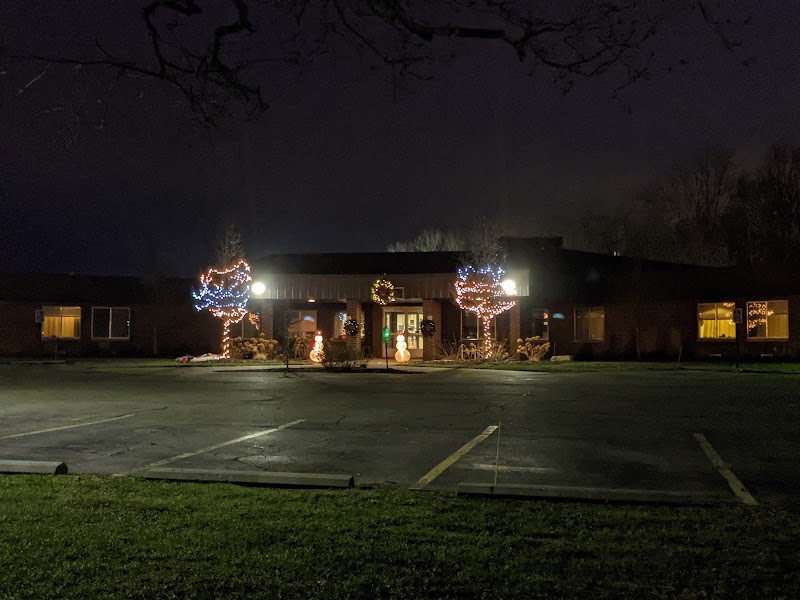
How is Evergreen Manor Senior Care Center Staffed?
CMS rates Evergreen Manor Senior Care Center's staffing level at 4 out of 5 stars, which is above average compared to other nursing homes. Staff turnover is 45%, compared to the Michigan average of 46%. This relatively stable workforce can support continuity of care.

What Have Inspectors Found at Evergreen Manor Senior Care Center?

State health inspectors documented 20 deficiencies at Evergreen Manor Senior Care Center during 2022 to 2025. These included: 1 that caused actual resident harm and 19 with potential for harm. Deficiencies causing actual harm indicate documented cases where residents experienced negative health consequences.

Who Owns and Operates Evergreen Manor Senior Care Center?

Evergreen Manor Senior Care Center is owned by a for-profit company. For-profit facilities operate as businesses with obligations to shareholders or private owners. The facility is operated by NEXCARE HEALTH SYSTEMS, a chain that manages multiple nursing homes. With 91 certified beds and approximately 89 residents (about 98% occupancy), it is a smaller facility located in Battle Creek, Michigan.

How Does Evergreen Manor Senior Care Center Compare to Other Michigan Nursing Homes?

Compared to the 100 nursing homes in Michigan, Evergreen Manor Senior Care Center's overall rating (4 stars) is above the state average of 3.1, staff turnover (45%) is near the state average of 46%, and health inspection rating (4 stars) is above the national benchmark.

What Should Families Ask When Visiting Evergreen Manor Senior Care Center?

Based on this facility's data, families visiting should ask: "Can I visit during a mealtime to observe dining assistance and food quality?" "How do you handle medical emergencies, and what is your hospital transfer rate?" "Can I speak with family members of current residents about their experience?"

Is Evergreen Manor Senior Care Center Safe?

Based on CMS inspection data, Evergreen Manor Senior Care Center has a clean safety record: no substantiated abuse findings (meaning no confirmed cases of resident harm), no Immediate Jeopardy citations (the most serious violation level indicating risk of serious injury or death), and is not on the Special Focus Facility watch list (a federal program monitoring the lowest-performing 1% of nursing homes). The facility has a 4-star overall rating and ranks #1 of 100 nursing homes in Michigan. While no facility is perfect, families should still ask about staff-to-resident ratios and recent inspection results during their visit.

Do Nurses at Evergreen Manor Senior Care Center Stick Around?

Evergreen Manor Senior Care Center has a staff turnover rate of 45%, which is about average for Michigan nursing homes (state average: 46%). Moderate turnover is common in nursing homes, but families should still ask about staff tenure and how the facility maintains care continuity when employees leave.

Was Evergreen Manor Senior Care Center Ever Fined?

Evergreen Manor Senior Care Center has no federal fines on record. CMS issues fines when nursing homes fail to meet care standards or don't correct problems found during inspections. The absence of fines suggests the facility has either maintained compliance or corrected any issues before penalties were assessed. This is a positive indicator, though families should still review recent inspection reports for the full picture.

Is Evergreen Manor Senior Care Center on Any Federal Watch List?

Evergreen Manor Senior Care Center is not on any federal watch list. The most significant is the Special Focus Facility (SFF) program, which identifies the bottom 1% of nursing homes nationally based on persistent, serious quality problems. Not being on this list means the facility has avoided the pattern of deficiencies that triggers enhanced federal oversight. This is a positive indicator, though families should still review the facility's inspection history directly.