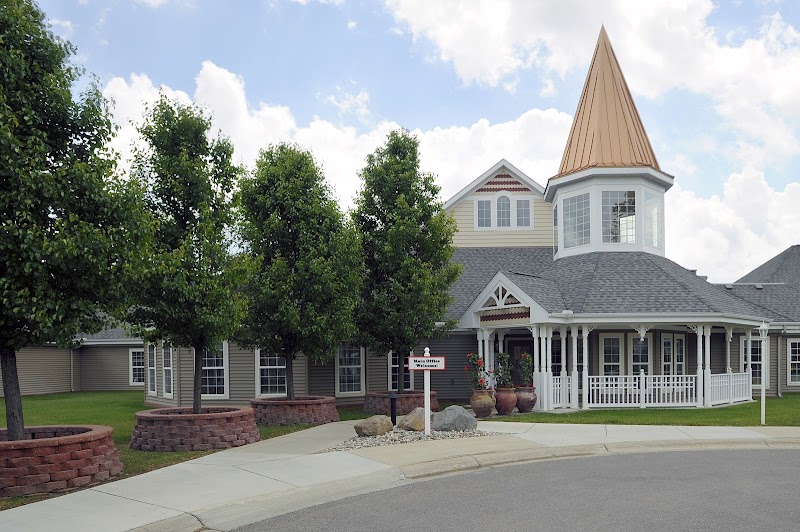
Caretel Inns of Brighton
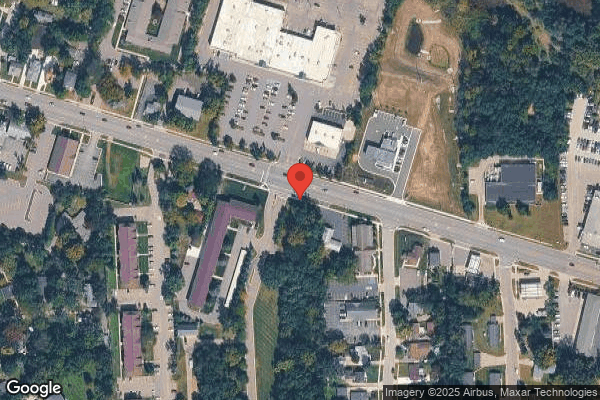
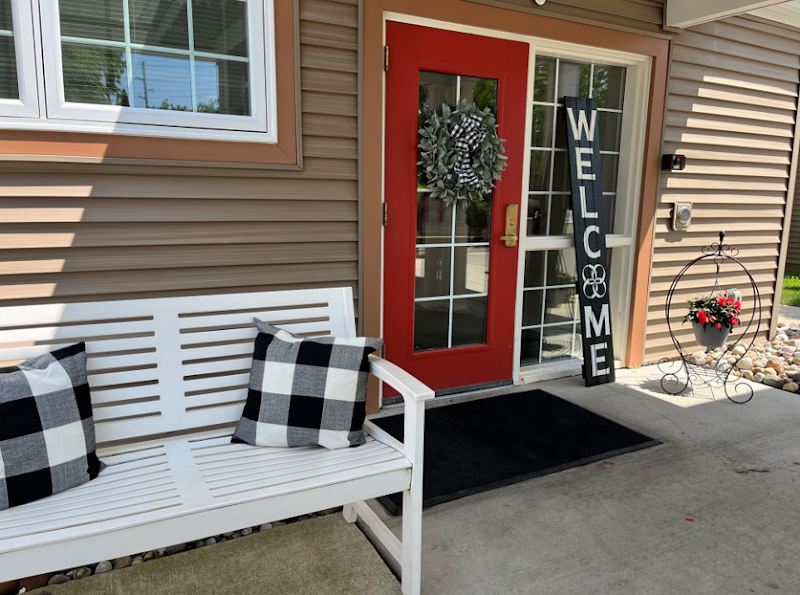
1014 E Grand River, Brighton, MI 48116 (810) 220-5222
For profit - Limited Liability company 60 Beds SYMPHONY CARE NETWORK Data: November 2025
Trust Grade
55/100
#189 of 422 in MI
Last Inspection: October 2024

Within standard 12-15 month inspection cycle. Federal law requires annual inspections.

Overview

Caretel Inns of Brighton has a Trust Grade of C, which means it is average and sits in the middle of the pack compared to other nursing homes. It ranks #189 out of 422 facilities in Michigan, putting it in the top half, and #2 out of 6 in Livingston County, indicating only one local option is better. The facility's trend is improving, with a reduction in issues from 12 in 2024 to just 2 in 2025. Staffing is a concern, with a 58% turnover rate, which is higher than the state average, although RN coverage is good, exceeding that of 93% of Michigan facilities. While there have been no fines recorded, recent inspections revealed several weaknesses, such as unsanitary conditions in the kitchen and dining areas, with food debris found in multiple locations. Additionally, the facility has not effectively monitored water quality for safety, which could pose health risks. Observations also noted pest control issues, including spider webs and dead insects in common areas, highlighting the need for improved cleanliness and maintenance.
Trust Score
C
55/100
In Michigan
#189/422
Top 44%
Safety Record
Low Risk
No red flags
Inspections
Getting Better
12 → 2 violations
Staff Stability
⚠ Watch
58% turnover. Above average. Higher turnover means staff may not know residents' routines.
Penalties
✓ Good
No fines on record. Clean compliance history, better than most Michigan facilities.
Skilled Nurses
✓ Good
Each resident gets 69 minutes of Registered Nurse (RN) attention daily — more than 97% of Michigan nursing homes. RNs are the most trained staff who catch health problems before they become serious.
Violations
⚠ Watch
28 deficiencies on record. Higher than average. Multiple issues found across inspections.
★★★☆☆
3.0
Overall Rating
★★★☆☆
3.0
Staff Levels
★★★★★
5.0
Care Quality
★★☆☆☆
2.0
Inspection Score
Stable
2024: 12 issues
2025: 2 issues

The Good

  • 5-Star Quality Measures · Strong clinical quality outcomes
  • Full Sprinkler Coverage · Fire safety systems throughout facility
  • No fines on record

Facility shows strength in quality measures, fire safety.

The Bad

3-Star Overall Rating

Near Michigan average (3.1)

Meets federal standards, typical of most facilities

Staff Turnover: 58%

12pts above Michigan avg (46%)

Frequent staff changes - ask about care continuity

Chain: SYMPHONY CARE NETWORK

Part of a multi-facility chain

Ask about local staffing decisions and management

Staff turnover is elevated (58%)

10 points above Michigan average of 48%

The Ugly 28 deficiencies on record

Feb 2025 2 deficiencies
CONCERN (D) 📢 Someone Reported This

A family member, employee, or ombudsman was alarmed enough to file a formal complaint

Potential for Harm - no one hurt, but risky conditions existed

Resident Rights (Tag F0550)

Could have caused harm · This affected 1 resident

**NOTE- TERMS IN BRACKETS HAVE BEEN EDITED TO PROTECT CONFIDENTIALITY** This citation relates to Intake #MI00149608. Based on interview and record review, the facility failed to provide dignified car...

Read full inspector narrative →
**NOTE- TERMS IN BRACKETS HAVE BEEN EDITED TO PROTECT CONFIDENTIALITY** This citation relates to Intake #MI00149608. Based on interview and record review, the facility failed to provide dignified care to answer call lights timely for two Residents (R804, R806) of five residents reviewed for dignity. Findings include: On 2/05/25 at 12:08 p.m., R804 was observed seated in a manual wheelchair, dressed, with a full mechanical lift body sling underneath them. An air mattress was observed on their bed. R804 was asked if they had any pressure ulcers, and responded, Yes. R804 was frowning and appeared ready to cry. On 2/05/25 at 12:13 p.m., R804 reported they felt upset and angry as they were waiting too long for their call light to be answered. R804 explained they always waited at least 15 to 20 minutes and sometimes they waited for at least a half hour, including today. R804 stated, This morning I had an accident (incontinence episode). I am left wet and having to sit in it. This is happening all the time . R804 further clarified this occurred anytime during the day or night. R804 looked at their clock and was able to tell the time accurately. R804 was interviewable and oriented to themselves, place, situation, and time. On 2/05/25 at 12:15 p.m., the wound care nurse, Registered Nurse (RN) B, was asked if R804 had a pressure ulcer. RN B stated R804 had a Stage 4 pressure ulcer, and required the air mattress. On 2/05/25 at 1:15 p.m., the Nursing Home Administrator (NHA) was asked if there was any way to ascertain call light wait times for residents. The NHA responded there was no way to tell call light wait times, and no logs with the current call light system. The NHA conveyed they were exploring other options. On 2/05/25 at 2:15 p.m., R806 was observed in their hospital bed, wearing a gown, with an oxygen nasal canula in their nose. R806 was observed with a standard call light, with a small button to activate. On 2/05/25 at 2:17 p.m., R806 stated, Sometimes the (call) light wait is on forever. It is at least a half an hour wait. It was three hours .It happened during the night. I think it was yesterday .My diaper was full of poop. It burned for a while. I was yelling for help. I am blind. There was a lady across the hall who looked for the nurse .I tell time by how many shows are on the TV. I watched two shows; that's an hour, and then I watched another show. When asked how this made them feel, when their call light was not answered over an hour and a half, R806 responded, Let's just say it made me feel real inhuman .not real good . R806 was interviewable and oriented to themselves, their situation, and place. R806 had no vision accommodations, such as a talking watch, clock, or other alternate sensory aide observed in their room to assist them in telling time, which R806 confirmed. R806 reported it would be helpful to have assistance with telling the time, since their hearing and memory were fine. R806 knew the time of day was mid-afternoon by the television and mealtimes. On 2/05/25 at approximately 2:30 p.m., Certified Nurse Aide (CNA) C was asked about R804's report of waiting over 30 minutes for their call light to be answered earlier today (on 2/05/25). CNA C stated they were assigned a split room assignment on 2/05/25, which divided their residents and care responsibilities between two halls, the 200 and 300 hall. CNA C explained when they were caring for a resident down the 300 hall, they could not see some of the call lights on the 200 hall, and similarly when they worked down the 200 hall, they could not see some of the call lights on the 300 hall. CNA C reported they were giving a resident on the 300 hall a shower for a half hour earlier and could not see or answer their call lights during that time. CNA C stated, (R804) complained their call light was on, and I was in (another resident's room) giving them a shower .My hall partner (another CNA) said three (call) lights were going off (on the 200 hall), and explained they could not answer them. CNA C acknowledged they were aware of R804's call light concerns earlier, and they had apologized to them. CNA C acknowledged R804 had waited at least 30 minutes for their call light to be answered. CNA C stated, When staffing is really low .they (the residents) wait, and sometimes they will wait anywhere from 30 to 45 minutes .(R804) was really upset with me . On 2/05/25 at approximately 2:40 p.m., CNA C was asked about R806's reported longer call wait times, CNA C stated, (R806) was waiting about a half hour (on 2/05/25); it has been 30 to 40 minutes (at times). (R806) is having accidents too .We (the facility) need more staff, and I find myself apologizing (to residents). I am so sorry I was on the other side (another hall) .CNA C stated , (R806) was upset with them also with the longer call wait time (to have their brief changed). Review of the Electronic Medical Record (EMR) confirmed R804's and R806's rooms were both on the 200 hall. Review of the facility Floor Plan revealed many of the rooms on the 200 hall could not be visualized from the 300 hall. The same applied to many of the rooms on the 300 hall could not be visualized from the 200 hall. On 2/06/25 at approximately 11:15 a.m., the concerns were reviewed with the Director of Nursing (DON) regarding R804 and R806 reporting extended call light times, while CNA C was reportedly covering a split hall room assignment, and giving showers to residents, without assistance from another staff to cover their residents while in the shower room. The DON reported they understood the concerns, as some staff had been calling off, especially on the night shift. On 2/06/25 at approximately 11:45 a.m., the DON returned and reported R806 had told them they could not find their call light, and they were providing a larger touch pad call light for them, which would make it easier to find their call light. R806 had reported to this Surveyor they were waiting extended periods when pushing their call light, and had not mentioned they were without it, which was shared with the DON. The DON acknowledged the extended wait time would be of concern (at least an hour and a half, depending upon how long the TV shows were) and found R806 to be a credible reporter. The DON reported they had followed up with R804, who had expressed concerns to them regarding extended call light wait times, which were occurring during the day and night shifts, and they were following up on their concerns, and found them credible. Review of R804's Minimum Data Set (MDS) assessment, dated 9/30/24, showed R804 was admitted to the facility on [DATE], with diagnoses including stoke, depression, and kidney disease. The assessment showed R804 was dependent for toileting, bed mobility, and transfers, and had incontinence. The Brief Interview for Mental Status (BIMS) assessment showed a score of 13/15, which showed R804 was cognitively intact. The skin assessment showed R804 had a Stage 4 pressure ulcer. Review of R806's MDS assessment, dated 1/27/25, revealed R806 was admitted to the facility on [DATE], with diagnoses including pneumonia and malnutrition. The assessment showed R806 required maximal assistance with toileting, bed mobility, and transfers, and had incontinence. The BIMS assessment showed a score of 15/15, which showed R806 was cognitively intact. Review of the policy, Call Light Answering, dated 10/2021, revealed, To provide the staff with guidance on responding to resident's request and needs. Responsible: IDT (Interdisciplinary Team). Procedure: 1. Explain the call light to the new resident. 2. Demonstrate the use of the call light to the new patient or resident. 3. Assess the call light ability .5. When the patient or resident is in bed .provide the call light within easy reach of the patient or resident 7. Answer the patient's call light as soon as possible .11. If assistance is needed when you enter the room, summon help to the room. 12. After meeting the patient/resident's needs, turn off the call light . Review of the policy, Dignity, revised 4/2024, revealed, General: Each resident shall be cared for in a manner that promotes and enhances quality of life, dignity, respect, and individuality. Responsible Party: IDT. Policy. 1. Residents shall be treated with dignity and respect at all times. 2. Treated with dignity means the resident will be assisted with maintaining and enhancing his or her self-esteem and self-worth .11. Demeaning practices and standards of care that compromise dignity is prohibited. Staff shall promote dignity and assist residents as needed by: .b. Promptly responding to the resident's request for toileting assistance . Review of the policy, Staffing, reviewed 3/2024, revealed, General: To have appropriate numbers of staff available to meet the needs of the residents. Responsible party: Administrator, DON, Nursing Supervisor. Guideline: 1. Staffing is based on the regulatory body (State and Federal) formula for determining numbers and levels of staff. 2. Staffing is then increased based on the needs of the resident population. 3. A schedule is made on a monthly basis and reviewed on an ongoing basis. 4. Staffing is supplemented as needed by outside agencies. 5. Staff are required to review their schedule and discuss any problems regarding their schedule with their supervisor. 6. It is the staff members responsibly to be at work when they are scheduled.
CONCERN (D) 📢 Someone Reported This

A family member, employee, or ombudsman was alarmed enough to file a formal complaint

Potential for Harm - no one hurt, but risky conditions existed

Quality of Care (Tag F0684)

Could have caused harm · This affected 1 resident

**NOTE- TERMS IN BRACKETS HAVE BEEN EDITED TO PROTECT CONFIDENTIALITY** This citation relates to Intake #MI00149071. Based on observation, interview, and record review, the facility failed to demonst...

Read full inspector narrative →
**NOTE- TERMS IN BRACKETS HAVE BEEN EDITED TO PROTECT CONFIDENTIALITY** This citation relates to Intake #MI00149071. Based on observation, interview, and record review, the facility failed to demonstrate professional standards of care related to one Resident (R807) of one resident reviewed for quality of care, when they did not provide a wheelchair cushion for a resident at risk for skin breakdown, resulting in pain and the potential for skin breakdown. Findings include: On 2/05/25 at 2:59 p.m., R807 was observed in their room, seated in a manual wheelchair, and appeared thin and underweight. This Surveyor observed they had no wheelchair cushion underneath them. On 2/05/25 at approximately 3:04 p.m., R807 reported they were uncomfortable and their bottom was hurting when they sat in their wheelchair. R807's Family Member (FM) F, who was present, and R807 reported they had no wheelchair cushion in their wheelchair since their admission. FM F explained R807 was admitted about a week prior with a wound on their bottom, which was the size of a quarter currently. FM F stated R807 had received the air mattress on their bed earlier today, on 2/05/25. R807 was interviewable and oriented to person, situation, and their surroundings. Review the Electronic Medical Record (EMR) revealed R807 was admitted to the facility on [DATE], with diagnoses including muscle weakness, malnutrition, depression, dementia, rhabdomyolysis (muscle breakdown), and a hip fracture. Review of R807's Care Plan, accessed 2/05/25, revealed R807 required extensive two-person assistance for transfers and toileting. The Care Plan further revealed R807 was at risk for pressure ulcers and was revised on 2/05/25 to include a Roho air pressure-relieving wheelchair cushion, and specialty air mattress to their bed. Review of R807's progress note, dated 2/02/25 at 14:40 (2:40 p.m.), revealed R807 had a wound on their coccyx, which R807's son stated was present on admission. There were no measurements and no further description of the wound. It was unclear if R807 was admitted with the wound, the type of wound, or when the wound developed. Review of the EMR revealed no earlier documentation of R807's wound on their coccyx prior to 2/02/25. Review of R807's progress note, dated 2/03/25 at 14:57 (2:47 p.m.), revealed the Brief Interview for Mental Status (BIMS) cognitive assessment was administered, with a score of 9/15, which showed R807 had moderate cognitive impairment. Review of R807's progress note, dated 2/05/25 at 9:47 (a.m.), revealed, .Guest (R807 presents) with (a) 3.5 cm (centimeter) x 2.4 cm x UTD (Unable to Determine) pressure injury to coccyx . The note showed R807 also had an UTD pressure injury to their left heel and an UTD pressure injury to their left outer ankle. There were no measurements found prior in R807's progress notes, or assessments describing these wounds. Review of R807's progress note, dated 2/05/25 at 16:31 (4:31 p.m.) , revealed a bariatric low air low alternating pressure mattress was delivered on 2/05/25. On 2/05/25 at approximately 3:40 p.m., the Director of Nursing (DON) was interviewed with the Nursing Home Administrator (NHA) present; concerns were shared related to no wheelchair cushion underneath R807 six days after their admission, significant pain reported by R807, and the risk of skin breakdown. Both reported they understood the concerns. When asked who was responsible for the missing wheelchair cushion, the DON reported the Interdisciplinary Team, including nursing and therapy. The DON conveyed either nursing or therapy staff could have placed a pressure-relief cushion under R807 upon admission, per facility standards of care. On 2/05/25 at approximately 3:45 p.m., the wound care nurse, Registered Nurse (RN) B, with the DON and NHA present, was asked about R807 not having a wheelchair cushion. RN B acknowledged an air wheelchair cushion was a standard of care for a resident with a pressure ulcer, and they did not understand how this was missed. RN B acknowledged this would have been their responsibility, in part, as well as the Interdisciplinary team including nursing and therapy. RN B reported they had just placed a Roho air cushion underneath R807 prior to this interview when they learned of the concern. On 2/05/25 at approximately 4:00 p.m., the DON and Surveyor went to R807's room to interview R807. R807 was observed a second time with no wheelchair cushion underneath them. Both RN B and R807's nurse was present, and reported they were about to stand R807 and place the air wheelchair cushion underneath them, which was observed on their bed. R807 reported their left leg hurt, and showed this Surveyor and the nurses how their wheelchair fabric edge was cutting into the back of their left thigh. R807's left leg, which was fractured, was observed with marked edema (swelling) in a dependent position, with their heel on the ground, and a pressure contact point where the wheelchair fabric seat edge (which had no cushion) was cutting into their left thigh. No footrest was observed, such as an elevating footrest, or other apparatus to elevate and support R807's left leg to prevent their leg from hitting the wheelchair fabric. The DON reported they would follow-up with therapy and ensure R807 was positioned appropriately for comfort and safe positioning, per therapy recommendations. The concerns were shared with RN B and R807's nurse. On 2/05/25 at approximately 4:10 p.m., the DON was asked if they observed there was no wheelchair cushion underneath R807, given RN B reported they had placed a wheelchair cushion in R807's wheelchair during the earlier interview. The DON acknowledged the observation and reported they understood the concern. On 2/05/25 at 5:15 p.m., the Rehabilitation Director, Speech Language Pathologist (SLP) G, was asked about R807 not having a wheelchair cushion underneath them, given they had a pressure ulcer to their coccyx. RD G reported this would be a team effort, and confirmed R807 was receiving physical and occupational therapy. SLP G stated the expectation would be for a wheelchair cushion to be on the wheelchair for every resident, including R807. RD G reported they would be following up with the therapists who were treating R807. On 2/05/25 at 5:19 p.m., Physical Therapist (PT) H was asked about R807 having a pressure ulcer to their coccyx, and no wheelchair cushion. PT H stated this would be a typical standard of practice, for each wheelchair to have a wheelchair cushion, and especially given a resident with a pressure ulcer, as without a cushion there would be more pressure on the wound. When asked about a pressure ulcer on R807's coccyx, PT H stated a pressure ulcer on the coccyx was a high risk for breakdown without a cushion, as the coccyx is a concern as (R807 was) sitting on it, and there would be more pressure on the wound, verses a wound on a resident's sacrum (pelvis) or lumbar (back) region. PT H clarified the expectation would be every resident with a would be started with a pressure-relieving cushion in their wheelchair, and the wound care nurse would notify them if a more effective pressure-relieving cushion was needed. PT H explained a Roho brand air cushion would be used for a pressure ulcer, and this was a standard of practice for pressure ulcer care and healing, and clarified a gel cushion could be used until a Roho air cushion was obtained. PT H understood the concern with R807 not having a wheelchair cushion in their wheelchair, given their risk of skin breakdown, and already having a pressure ulcer. Review of the policy, Care Standards, dated 3/18/24, revealed, All residents shall receive necessary care and services to assist them in attaining or maintaining the highest practicable level of physical, mental, and psychosocial well-being in accordance with a comprehensive assessment and plan of care. Care is documented in the medical record according to state and/or federal regulations. Goals: To ensure all residents receive necessary care and services that are evidence-based and in accordance with accepted professional clinical standards of practice. The Director of Nursing ensures care and services that are evidence-based and in accordance with accepted professional clinical standards of practice .The Administrator and Health Information Manager or designee ensures that documentation of observations and evaluation of therapeutic interventions is filled in the appropriate section of the medical record. The Administrator, Health information manager, or designee ensures the medical record is maintained for each resident according to state and federal regulations. Review of the policy, Skin Management Program, revised 7/2024, revealed, It is the facility's policy that a resident does not develop pressure injury unless it is clearly unavoidable. Residents with wounds and/or pressure injury and those at risk for skin compromise are identified, assessed, and provided appropriate treatment to promote healing. Ongoing monitoring and evaluation are provided to ensure optimal resident outcomes. Policy. 1. Upon admission/readmission, all residents are assessed for skin integrity by completing a baseline head to toe skin assessment documented in the EMR .Pain: All residents with skin impairments will be assessed accurately for pain to assure appropriate regiment is in place.
Oct 2024 7 deficiencies
CONCERN (D)

Potential for Harm - no one hurt, but risky conditions existed

PASARR Coordination (Tag F0644)

Could have caused harm · This affected 1 resident

**NOTE- TERMS IN BRACKETS HAVE BEEN EDITED TO PROTECT CONFIDENTIALITY** Based on interview and record review, the facility failed to complete an annual OBRA (Omnibus Budget Reconciliation Act) Level I...

Read full inspector narrative →
**NOTE- TERMS IN BRACKETS HAVE BEEN EDITED TO PROTECT CONFIDENTIALITY** Based on interview and record review, the facility failed to complete an annual OBRA (Omnibus Budget Reconciliation Act) Level II Evaluation for one resident (R27) of one resident reviewed for PASARR (Preadmission Screen and Resident Review). Findings include: Clinical record review revealed R27 was admitted to the facility on [DATE] with heart disease, hypertension, and stroke. Psychiatric history included anxiety, depression and bipolar disorder. A Brief Interview for Mental Status (BIMS) evaluated on 8/17/24 score totaled 15/15 indicating R27 was cognitively intact. On 10/21/24 at 1:13 PM, a record review of the available PASSAR dated 11/11/23 revealed R27 was a Thirty Day-Hospital Exemption Discharge. There was no evidence a Level II evaluation was completed (given the resident's recent mental status exam which indicated intact cognition) R27 would likely require a Level II evaluation for a psychiatric history anxiety, depression and bipolar disorder. On 10/22/24 at 3:15 PM, an Interview with the Facility Transition Care Coordinator A acknowledged a Level II was not completed for R27. Facility Transition Care Coordinator A revealed the OBRA Coordinator was scheduled to assess R27 on Monday 10/28/24 but now that the State Agency (SA) was on site, the evaluation was expedited, and the Facility was in the process of collecting the required documentation for the evaluation. Review of the facilities Policy title; PASARR Policy No: 5011 Dated 5.2024, documented: .If the resident needs nursing care beyond the thirty (30) days permitted by a Hospital Exempted Discharge ([NAME]), the nursing facility must notify the local Community Mental Health Services Program (CMHSP) .
CONCERN (D)

Potential for Harm - no one hurt, but risky conditions existed

Respiratory Care (Tag F0695)

Could have caused harm · This affected 1 resident

**NOTE- TERMS IN BRACKETS HAVE BEEN EDITED TO PROTECT CONFIDENTIALITY** Based on observation, interview and record review, the facility failed to obtain physician orders for one resident (R32) of one ...

Read full inspector narrative →
**NOTE- TERMS IN BRACKETS HAVE BEEN EDITED TO PROTECT CONFIDENTIALITY** Based on observation, interview and record review, the facility failed to obtain physician orders for one resident (R32) of one reviewed for oxygen use, and not monitoring oxygen delivery equipment for proper fit, resulting in the potential for respiratory distress, and undetected respiratory status changes. Findings include: A clinical record review revealed R32 was admitted on [DATE] for skilled nursing and rehabilitation related to a fall at home and required left femoral hip surgery. Diagnoses included a stroke resulting in right sided weakness, hypertension, and COPD (Chronic Obstructive Pulmonary Disease). The Brief Interview of Mental Status (BIMS) score assessment on 10/2/24 was 5/10 indicating R32 had moderate cognitive impairment. On 10/21/24 at 10:13 AM, during initial introduction, R32 was observed lying in bed wearing a nasal cannula (medical device that delivers oxygen into the nostrils) incorrectly, observed only right nares receiving oxygen dispensing two liters of oxygen. On 10/21/24 at 10:40 AM, R32 was visiting with family and the nasal cannula remained only administering oxygen to the right nares. On 10/22/24 at 9:31 AM, R32 was observed asleep with the nasal cannula incorrectly placed into the nose. A clinical record review revealed there were no orders for R32 to receive oxygen. Further record review revealed no documentation in the Careplan for oxygen administration or monitoring. On 10/22/24 at 10:12 AM, R32's assigned Registered Nurse (RN) F was in the room and confirmed the nasal cannula was not placed correctly on R32 and then observed replacing the tubing so both nares were receiving oxygen and informing R32 the placement was incorrect. RN F was questioned if there were orders for R32 to be provided oxygen. RN F reviewed the electronic medical record and confirmed there were no orders from the Physician and indicated they would contact the Physician to obtain orders. On 10/22/24 at 10:54 AM, a telephone interview with Respiratory Therapist H confirmed orders should be written for R32 to receive oxygen. Therapist H commented recommendations are made to the Physician after their assessment and R32 should have orders for oxygen. On 10/23/24 at 10:20 AM, the Director of Nursing (DON) acknowledged orders from the physician were not obtained for oxygen administration and requires an order.
CONCERN (E)

Potential for Harm - no one hurt, but risky conditions existed

Safe Environment (Tag F0584)

Could have caused harm · This affected multiple residents

**NOTE- TERMS IN BRACKETS HAVE BEEN EDITED TO PROTECT CONFIDENTIALITY** Based on observation, interview and record review, the facility failed to maintain a clean, comfortable and homelike environment...

Read full inspector narrative →
**NOTE- TERMS IN BRACKETS HAVE BEEN EDITED TO PROTECT CONFIDENTIALITY** Based on observation, interview and record review, the facility failed to maintain a clean, comfortable and homelike environment, affecting multiple residents throughout the facility. Findings include: On 10/21/24 at 11:00 AM, 3:00 PM and 10/22/24 at 8:45 AM and 1:30 PM, the 200 hallway was observed to have multiple areas of live spiders and webs on and around the hallway love seat, and there were multiple live sewer flies observed on the walls, baseboards and more heavily at the base of a door that was locked and marked for employees only. There were multiple (eight) dead sewer flies observed on the window ledge in the hallway across from room [ROOM NUMBER]. On 10/22/24 at 2:30 PM, an interview was conducted with the Maintenance Director (Staff 'A') who reported they began to work at the facility on 4/24/24. They also reported they had recently taken over as the Housekeeping Manager in August. When asked about their housekeeping staff, Staff 'A' reported they were short three housekeepers and have a few starting in the next week but they also needed to go through several weeks of orientation before they started work on the floor. They also indicated the housekeeping staff worked between both the facility's long term and assisted living. During an observation of the 100, 200, and 300 hallways with Staff 'A' the same observations of the live spiders, and sewer flies were confirmed. When asked how those items were not identified despite observing housekeeping in the hallways on both 10/21/24 and 10/22/24, Staff 'A' reported they had no explanation for that. Upon observation of the 300 hall, Staff 'A' confirmed the loveseat was heavily soiled with darker colored stains and debris and they reported that should've been taken care of. The walls and baseboards were also observed to have several areas soiled with what appeared to be dried food and liquid debris. On 10/22/24 at 4:13 PM, an interview was conducted with the Administrator who reported he began working at the facility about three weeks ago. When asked about the concerns with the environment, they reported they were aware of the concerns observed with Staff 'A' and would be addressed.
CONCERN (E)

Potential for Harm - no one hurt, but risky conditions existed

Deficiency F0761 (Tag F0761)

Could have caused harm · This affected multiple residents

**NOTE- TERMS IN BRACKETS HAVE BEEN EDITED TO PROTECT CONFIDENTIALITY** Based on observation, interview and record review, the facility failed to consistently ensure medications were properly secured ...

Read full inspector narrative →
**NOTE- TERMS IN BRACKETS HAVE BEEN EDITED TO PROTECT CONFIDENTIALITY** Based on observation, interview and record review, the facility failed to consistently ensure medications were properly secured and that expired medications were discarded. Findings include: On 10/21/2024 at 11:38 AM an oblong-shaped, white tablet was observed on the floor in a resident's room (visible upon entering the room, located near his bed). The tablet was observed to still be on the floor at 3:11 PM. At 4:39 PM. LPN J was shown the tablet and reported that they believed it was a Tylenol. LPN J reviewed the resident's medication record which showed the last documented dose was on 10/2/2024. The tablet had L484 imprinted on one side, which is consistent with a generic 500 mg (milligram) Tylenol. A review of the resident's orders revealed an order for Tylenol 325 mg. On 10/22/24 at 8:30 AM, the Director of Nursing (DON) was informed of the medication observed on the floor of R16's room. The DON reported that they had discussed this with the resident, who reported they had brought in the Extra Strength Tylenol. R16 had not been approved for self-administration. On 10/23/24 at 10:43 AM, the 300 hall medication cart was reviewed with LPN B. An unidentified round, white pill was observed to be loose in the second drawer. LPN B picked up the medication with an ungloved hand and placed the medication in a drug buster bottle. A second pill was observed loose in the third drawer. It was observed to be white, rectangular and scored with the number 555 on one side and TV1003 on the opposite side. These markings are consistent with Buspar 15mg. Also observed loose in the third drawer was a round, white pill with SPIT on one side and 25 on the opposite side. These markings are consistent with spironolactone 25mg. In the fourth drawer an albuterol inhaler was observed outside of the box and without a cap (covering the mouthpiece of the inhaler, that comes in contact with the resident's mouth). In the bottom drawer of the cart there was a dried red substance which appeared to be from the bulk bottle of an oral protein supplement. LPN B was unsure whose responsibility it was to check and clean the medication carts. On 10/23/24 at approximately 10:55 AM LPN B informed Assistant director of nursing (ADON) C of loose medications and inquired how to handle the albuterol inhaler that was found outside of its box and without a cap. At that time she was queried on who is responsible for ensuring the medication carts are clean, organized and free of deficiencies. ADON C reported that each nurse assigned to the cart is responsible for their cart being clean/organized and that each nurse manager is assigned to a cart and should perform a medication cart audit. On 10/23/24 at 11:18 AM the facility's main medication room was reviewed with LPN B. A pack of albuterol nebulizer ampules were observed in a drawer which contained blood pressure cuffs. LPN B acknowledged that the medication should not be in that drawer and placed the medication in the bin of medications to be returned to pharmacy. On 10/23/24 at 11:28 AM, the backup medication room was reviewed with RN D. On the floor was a large, gray, plastic tote, that appeared to be locked with a pad lock, however the lock was locked without securing the box closed. Observed inside the box were several plastic bags containing various intravenous solutions. A large plastic baggie of sterile water vials was observed with an expiration date of August 2024 (approximately 2 months past their expiration). RN D reported that pharmacy checks for expired medications, as well as floor staff. Review of the facility's policy titled Medication Use, Medication Storage, (no revised date/updated date was included on the policy) documented in part Medications will be stored in a manner that maintains the integrity of the product ensures the safety of the residents and is in accordance with Department of health guidelines .all medications will be stored in a locked cabinet, cart or medication room that is accessible only to authorized personnel .Medications will be stored in an orderly, organized manner in a clean area .Medications will be stored in the original, labeled containers received from the pharmacy .Expired, discontinued and/or contaminated medications will be removed from the medication storage areas and disposed of in accordance with facility policy . R32, R46 A clinical record review revealed R32 was admitted on [DATE] for skilled nursing and rehabilitation related to a fall at home and required left femoral hip surgery. Medical history included a stroke resulting in right sided weakness, hypertension, and COPD (Chronic Obstructive Pulmonary Disease). The Brief Interview of Mental Status (BIMS) score assessed on 10/2/24 was 5/10 indicating R32 had moderate cognitive impairment. On 10/21/24 at 10:13 AM, during initial introduction, R32 was observed lying in bed with their bedside tray table across their front. A Ventolin Inhaler (a medication that relaxes airway muscles for COPD) was identified in reach of the resident. On 10/21/24 at 10:40 AM, the family of R32 was visiting with the resident and interviewed. While conversing with the resident, the Ventolin medication remained at the bedside. On 10/21/24 at 11:01 AM, during initial introductions, R46 was observed in their bed watching television, and a red and white colored inhaler (medication not identified) on their right side bedstand table. Record review revealed there were no orders for an inhaler. On 10/22/24 at 09:25 AM, R46 was observed up the chair. The inhaler that was previously observed was no longer in sight. R46 acknowledged they take vitamin supplments and a green bottlle labled Spirulina (an antioxidant from algae) was on the table in front of them. Record review revealed there was an order to self administer, however there were no orders written specific for an inhaler. On 10/22/24 at 9:31 AM, R32 was observed asleep and the Ventolin medication was observed on the counter under the residents television. A white round pill was observed lying on the floor next to the residents left side. On 10/22/24 at 10:12 AM, R32's assigned Registered Nurse (RN) F was in the room and questioned about the Ventolin inhaler. RN K confirmed they did not administer the inhaler, was unclear why it was at the bedside and that R32 did not have orders to self-administer. RN K was going to leave the medication in the room after commenting it was out of reach of the resident, then immediately stated . I better take it . and then was observed removing the medication from the counter. RN K was questioned about the white round pill, picked it up off the floor with their bare hand and commented there was no identifiers on it. RN K remarked that she observed all medications were administered that morning and the pill must have been given by another Nurse. On 10/23/24 at10:20 AM, The Director of Nursing (DON) acknowledged medications should not be left at the bedside and residents must have an order and assessment to self-admiinter medications.
CONCERN (F)

Potential for Harm - no one hurt, but risky conditions existed

Food Safety (Tag F0812)

Could have caused harm · This affected most or all residents

Based on observation, interview, and record review, the facility failed to maintain sanitary conditions in the kitchen, sub kitchen, and dining room counter resulting in the potential to affect all re...

Read full inspector narrative →
Based on observation, interview, and record review, the facility failed to maintain sanitary conditions in the kitchen, sub kitchen, and dining room counter resulting in the potential to affect all residents that consume food from the kitchen, sub kitchen, and dining room counter. Findings include: On 10/21/24 at 9:17 AM, during an initial tour of the kitchen, the following items were observed with Dietary Director I (DD I): 1. Dried Food debris on the bottom of multiple refrigerators. 2.Food debris and frozen vegetables (peas) on bottom of the freezers. 3. Food debris on top of the stove and dried splattering on side of the stove. 4. Moderate amounts of debris around entire kitchen floor. 5. Floor mats soiled with food debris and sticky when stepped onto mat. On 10/22/24 at 8:00 AM, an observation of the sub kitchen during breakfast service was conducted and revealed: 1. Back sink next to dishwashers revealed under the sink, a Styrofoam cup, red straw, condiment papers and a white brush. 2. Ice machine grate and basin revealed dried brown splattered matter. 3. Juice dispensing machine basin was observed with a brown colored liquid with a moderate amount of thick coagulated substance. 4. Two of Two enclosed serving carts were observed with dried food debris, and meal tickets on the inside. The exterior of both carts was observed with dried food, spill drips. 5. Floor mats were observed soiled with food debris and sticky when stepped on. 6. Stainless steel shelving above serving station moderate amounts of dried substance underneath shelving. On 10/22/24 at 8:50 AM, the main dining room kitchen counter surface and face of all cabinet's doors were observed with dried splattered matter. The left side of counter was observed as a self-serve coffee station. The right side of the service counter was observed with dirty dishes, cups, and delivery trays. A white square basin was observed on top of the counter filled with brown liquid. On 10/23/24 at 10:30 AM, DD I acknowledged the floors and freezers needed cleaning. When inquired about the counter in dining room, DD I acknowledged it was used as a coffee service station and shared the counter for dirty dish return after meal service, and the basin with the brown liquid contained unused liquids (milk, coffee, juices). When questioned if that was sanitary, DD I confirmed it was not, then was observed removing the liquid container and used dishes and moved onto and roll cart. According to the 2017 FDA (Food and Drug Administration) Food Code section 6-501.12 Cleaning, Frequency and Restrictions, (A) Physical facilities shall be cleaned as often as necessary to keep them clean.
CONCERN (F)

Potential for Harm - no one hurt, but risky conditions existed

Infection Control (Tag F0880)

Could have caused harm · This affected most or all residents

Based on interview the facility failed to implement an active water management plan for reducing the risk of Legionella and other opportunistic pathogens of premise plumbing (OPPP) resulting in the po...

Read full inspector narrative →
Based on interview the facility failed to implement an active water management plan for reducing the risk of Legionella and other opportunistic pathogens of premise plumbing (OPPP) resulting in the potential for water borne pathogens to exist and spread in the facility's plumbing system and an increased risk of respiratory infection among residents in the facility. Findings include: On 10/23/24 at 1:45 PM, the facility's Water Management binder was reviewed with the Nursing Home Administrator (NHA), Maintenance Director A, and Corporate Director of Facility Management G was present to provide oversite. When questioned what measures were taken to monitor the water, the facility acknowledged only a quarterly water temperature monitoring was performed. The process involved the water being brought up to 140 degrees from the boiler and then let it flow. When questioned what measures were taken for the facility and monitoring for Legionella, the facility stated chlorine residuals are not measured, and unable to provide documentation of water monitoring.
CONCERN (F)

Potential for Harm - no one hurt, but risky conditions existed

Deficiency F0925 (Tag F0925)

Could have caused harm · This affected most or all residents

**NOTE- TERMS IN BRACKETS HAVE BEEN EDITED TO PROTECT CONFIDENTIALITY** On 10/22/24 at 2:35 PM, an observation of the common area Mortlake Terrace revealed multiple areas of spider webs with live spid...

Read full inspector narrative →
**NOTE- TERMS IN BRACKETS HAVE BEEN EDITED TO PROTECT CONFIDENTIALITY** On 10/22/24 at 2:35 PM, an observation of the common area Mortlake Terrace revealed multiple areas of spider webs with live spiders in the corners of the right side of room around base boards, and around the base of the French doors. The picture window was observed with a dead wasp, and two dead flies. The fire extinguisher case mounted by the common door near room [ROOM NUMBER] was observed with dead insects and webs with live spiders around base of door. The glass showcase near room [ROOM NUMBER] was observed with dead insects resembling beetles scattered throughout, and spider webs. Based on observation, interview, and record review, the facility failed to maintain an effective pest control program, resulting in the presence of spiders and drain (sewer) flies throughout the facility. This deficient practice had the potential to affect all residents in the facility. Findings include: On 10/21/24 at 11:00 AM, 3:00 PM and 10/22/24 at 8:45 AM and 1:30 PM, the 200 hallway was observed to have multiple areas of live spiders and webs on and around the hallway love seat, and there were multiple live drain flies observed on the walls, baseboards and more heavily at the base of a door that was locked and marked for employees only. There were multiple (eight) dead drain flies observed on the window ledge in the hallway across from room [ROOM NUMBER]. Review of the pest control logs provided by the facility revealed there were monthly visits with the most recent visit on 9/16/24 which identified only house mice pest type in the main building. The remaining main interior building identified No Activity Found. There was no documentation of any preventative perimeter maintenance provided. On 10/22/24 at 2:30 PM, an interview was conducted with the Maintenance Director (Staff 'A') who reported they began to work at the facility on 4/24/24. They also reported they had recently taken over as the Housekeeping Manager in August. When asked about their housekeeping staff, Staff 'A' reported they were short three housekeepers and have a few starting in the next week but they also needed to go through several weeks of orientation before they started work on the floor. They also indicated the housekeeping staff worked between both the facility's long term and assisted living. During an observation of the 100, 200, and 300 hallways with Staff 'A' the same observations of the live spiders, and drain flies were confirmed. When asked how those items were not identified despite observing housekeeping in the hallways on both 10/21/24 and 10/22/24, Staff 'A' reported they had no explanation for that. When asked if pest control was coming monthly, how were there so many live bugs/insects, Staff 'A' reported they didn't recall pest control providing routine inside preventative perimeter provisions. They further reported they were not aware of concerns reported by staff. Staff 'A' was asked to observe the locked room on the 200 hall that had many sewer flies. They reported that was one of their sewer rooms and upon opening the door, there were many live drain flies observed throughout the flooring and walls and on top of the floor drain. Staff 'A' reported the facility had recently installed sewer grinders to help since some residents were putting larger items down the toilets. On 10/22/24 at 4:13 PM, an interview was conducted with the Administrator who reported he began working at the facility about three weeks ago. When asked about the concerns with the facility's pest control, they reported they were aware of the concerns observed with Staff 'A' and would be addressed. According to the facility's policy titled, Pest Control dated 10/2024: .This facility maintains an on-going pest control program to ensure that the building is kept free of insects and rodents .Pest control services are provided by [Name Redacted] .Maintenance services assist, when appropriate and necessary, in providing pest control services. According to the facility's Commercial Pest Control Agreement dated 1/21/2005: .[Name Redacted] will perform regularly scheduled service at the above service address for the control of the following pests .Service Frequency Monthly .General Pest Control, Exterior & Interior Service .
May 2024 2 deficiencies
CONCERN (D) 📢 Someone Reported This

A family member, employee, or ombudsman was alarmed enough to file a formal complaint

Potential for Harm - no one hurt, but risky conditions existed

Notification of Changes (Tag F0580)

Could have caused harm · This affected 1 resident

**NOTE- TERMS IN BRACKETS HAVE BEEN EDITED TO PROTECT CONFIDENTIALITY** This citation pertains to intakes: MI00144321 and MI00144496. Based on interview and record review, the facility failed to notif...

Read full inspector narrative →
**NOTE- TERMS IN BRACKETS HAVE BEEN EDITED TO PROTECT CONFIDENTIALITY** This citation pertains to intakes: MI00144321 and MI00144496. Based on interview and record review, the facility failed to notify the Licensed Practitioner and Resident Representative regarding an unwitnessed fall for one (R903) of two residents reviewed for accidents. Findings include: Review of complaints reported to the State Agency alleged R903 was found on the floor in the resident's room on 4/23/24 at 5:45 PM and the resident's representative was not informed of the fall, change in condition, and the need for additional pain medication related to right hip pain until 4/25/24 at 10:30 PM as the facility was preparing the resident for transfer to the emergency department. According to the facility's policy titled, Falls Management dated 3/2024: .If a fall occurs the following actions will be taken .RN/LPN (Registered Nurse/Licensed Practical Nurse) at time of fall occurrence .Notify the Licensed Practitioner and the Resident's Representative . Review of the clinical record revealed R903 was admitted into the facility on 3/5/24 with diagnoses that included pancreatic cancer and was receiving hospice services. According to the Minimum Data Set (MDS) assessment dated [DATE], R903 had moderate cognitive impairment (scored 11/15 on the Brief Interview for Mental Status exam (BIMS); had a history of falls and required partial to moderate assistance with transfers. Further review of the clinical record revealed there was no documentation following the resident's fall on 4/23/24 at 5:45 PM that the physician, resident representative, or nurse manager had been notified of the fall or complaint of hip pain at a level of 10 (with 10 being the highest pain) and need for administration of morphine. On 5/21/24 at 12:57 PM, a phone interview was conducted with Certified Nurse Assistant (CNA D). When asked to recall the events regarding R903's fall, CNA D reported on 5/23/24 around 5:45 PM, while performing last rounds, they entered R903's room and did not immediately see the resident and they thought R903 was out of the room. CNA D reported they found R903 on the floor between the bed and the wall and then notified Register Nurse (RN B). On 5/21/24 at 12:40 PM, an interview was conducted with RN B who confirmed while performing last rounds prior to shift change on 4/23/24, R903 was found lying on the floor. R903 was transferred back to bed with assistance from CNA D using a blanket. When asked who was notified after R903 was found lying on the floor, RN B confirmed no nurse manager, no physician, no family representative was made aware of the incident. Furthermore, RN B reported the oncoming shift nurse (RN E) was not informed of R903 being found on the floor just prior to shift change. When asked why not, RN B reported they were handling two admissions and reported to the other nurse on those residents. RN B stated when a resident is found on the ground and there is no obvious injury, and vitals are stable, it did not warrant an escalation of notification. On 5/21/24 at 1:40 PM, An interview was conducted with the Director of Nursing (DON). When asked when they were notified R903 was found on the floor, the DON reported they were not notified until 4/26/24 via a text message from the afternoon Unit Manager. The DON acknowledged and reported RN B should have notified the nurse manager, physician, and residents' representative.
CONCERN (D) 📢 Someone Reported This

A family member, employee, or ombudsman was alarmed enough to file a formal complaint

Potential for Harm - no one hurt, but risky conditions existed

Accident Prevention (Tag F0689)

Could have caused harm · This affected 1 resident

**NOTE- TERMS IN BRACKETS HAVE BEEN EDITED TO PROTECT CONFIDENTIALITY** This citation pertains to intakes: MI00144321 and MI00144496 Based on interview and record review, the facility failed to ensure...

Read full inspector narrative →
**NOTE- TERMS IN BRACKETS HAVE BEEN EDITED TO PROTECT CONFIDENTIALITY** This citation pertains to intakes: MI00144321 and MI00144496 Based on interview and record review, the facility failed to ensure timely and adequate assessment and investigation into an unwitnessed fall for one resident (R903)of two residents reviewed for falls, resulting in a delay of post-fall policy practices which included increased monitoring, initiate an investigation which delayed identification of an acute hip fracture resulting in transfer to the hospital for further evaluation and escalation of care, and increased pain. Findings include: Review of the complaints reported to the State Agency (SA) alleged R903 was found on the floor in the resident's room on 4/23/24 at 5:45 PM and the resident's representative was not informed of the fall, change in condition, and the need for additional pain medication related to right hip pain until 4/25/24 at 10:30 PM as the facility was preparing for to transfer the resident to the emergency department. Review of the clinical record revealed R903 was admitted into the facility on 3/5/24 with diagnoses that included pancreatic cancer and was receiving hospice services. According to the Minimum Data Set (MDS) assessment dated [DATE], R903 had moderate cognitive impairment (scored 11/15 on the Brief Interview for Mental Status exam (BIMS); had a history of falls and required partial to moderate assistance with transfers. An interview with Registered Nurse (RN B) acknowledged that on 4/23/24 at 5:45, R903 was found on the floor in the resident's room. RN B denied initiating an incident report and confirmed the fall was not reported to the physician, nurse manger, personal representative or the assigned RN (RN C) for the next shift. On 5/21/24 at 12:45 PM, a telephone interview with RN C confirmed Nurse B did not report R903 was found on the floor prior to start of the next shift. The Medication Administration Record (MAR) revealed R903 was medicated with morphine on 4/23/24 at 7:49 PM for severe hip pain, not relieved by relaxation. R903 rated the pain at 10 out of 10 (10 being the highest pain score). When inquired if severe pain in the hip rated 10/10 indicated a change in condition and should the physician have been notified, RN C confirmed R903 previous pain assessment was not reviewed. RN C replied the physician was not contacted, and medicated with the morphine because there was an order already in place. The physician and family representative were not informed. Review of the facilities policy title; Pain Management dated 5/2024 documented: .Licensed Nursing may notify the Health Care Provider of any new development of pain, change in pain, change in condition that could potentially cause pain . On 4/24/24 at 12:47 documentation revealed R903 .was having some right hip pain with movement, thisam <sic> . On 4/25/24 at 8:02 AM, RN A administered morphine for moderate/severe pain, c/o (complained of) right hip pain. Further clinical record review revealed RN A on 4/25/24 at 12:08, documented R903 was having moderate/severe pain, moaning, guarding with movement, Dr (Doctor) made aware. A STAT X-ray was ordered. On 4/25/24 at 10:46 PM, an x-ray revealed right hip femoral fracture. The facility transferred R903 to the hospital for further evaluation and escalation of care. On 5/21/24 at 1:40 PM, an interview was conducted with the Director of Nursing (DON). The DON confirmed the Post Fall IDT (Interdisciplinary Team) was not conducted until 4/29/24. A record review of R903's Care Plan initiated on 3/5/24 was not amended reflecting the fall and did not establish new Goals or Interventions. The care plan was not revised until 4/29/24, Reason: Discharge. The DON further revealed that the responsible party was not notified R903 was found on the floor until 4/26/24 via a text message from the afternoon Unit Manager. The DON acknowledged a fall investigation should've been initiated and the care plan should've been updated on 4/23/24 when R903 was found on the floor. The DON acknowledged RN B should have notified the nurse manager, physician, and residents' representative. Review of the facility's policy titled; Falls Management dated 3/2024 documented: .If a fall occurs the following actions will be taken .RN/LPN at time of fall occurrence .Evaluate the resident including initial neurological check, pain, ROM (range of motion), skin, joints, extremities vital signs .Evaluate the resident each shift for 72 hours .Notify the Licensed Practitioner and the Resident's Representative .Complete an incident report in risk management. This report includes the circumstances surrounding the fall, devices in use, full body observation for injury, pain, range of motion, and neuro checks as needed .The nurse at the time of fall with [sic] review and update the resident's fall plan of care with a new intervention .
Mar 2024 1 deficiency
CONCERN (D) 📢 Someone Reported This

A family member, employee, or ombudsman was alarmed enough to file a formal complaint

Potential for Harm - no one hurt, but risky conditions existed

Quality of Care (Tag F0684)

Could have caused harm · This affected 1 resident

**NOTE- TERMS IN BRACKETS HAVE BEEN EDITED TO PROTECT CONFIDENTIALITY** This citation pertains to intake # MI000142466. Based on record review and interviews, the facility failed to identify and monit...

Read full inspector narrative →
**NOTE- TERMS IN BRACKETS HAVE BEEN EDITED TO PROTECT CONFIDENTIALITY** This citation pertains to intake # MI000142466. Based on record review and interviews, the facility failed to identify and monitor a change in condition for one resident (R610) resulting in a delay in a transfer to the hospital for unresponsiveness. Findings include: On 3/11/24 a record review revealed that R610 had been admitted to the facility on [DATE] with the diagnosis of muscle weakness, pneumonia and a dislocation of internal left hip. R610 was admitted to the facility to receive therapy because the resident had fallen and had a broken hip. According to progress notes dated for 11/10/23 at 1:54 AM Nurse went in to give guest scheduled pain pill and guest was unresponsive even to sternal rub. Guest VS (vital signs) were taken BP (blood pressure) was 124/74. Guest was having constricting movements in the bed such as curling toes and fingers but would not respond to verbal cues. Nurse was unable to obtain pulse ox reading on 25L (liters) o2 (oxygen) after 20 minutes guest breathing appeared shallow. EMS (Emergency Medical Services) was called . On 3/11/24 at 10:00AM the Assistant director of nursing(ADON) was interviewed and asked what was the facilities policy on change in condition, ADON replied, the floor nurse will notify the Nurse Practitioner or the Physicians Assistant. The ADON was asked what would be the steps for someone placed on 25L of oxygen and what is the time frame that you are waiting in order to send them out, the ADON replied, I would call 911 immediately and get them sent out, then notify the family and medical doctor of the transfer. ADON was then asked what caused the delay in care for R610, ADON stated she would have to gather information to see if she could find out why he was not sent out immediately. There was no additional information provided by the exit of the survey.
Jan 2024 2 deficiencies
CONCERN (D) 📢 Someone Reported This

A family member, employee, or ombudsman was alarmed enough to file a formal complaint

Potential for Harm - no one hurt, but risky conditions existed

Report Alleged Abuse (Tag F0609)

Could have caused harm · This affected 1 resident

**NOTE- TERMS IN BRACKETS HAVE BEEN EDITED TO PROTECT CONFIDENTIALITY** Based on interview and record review, the facility failed to report bilateral (B/L) facial bruising and right lower extremity (R...

Read full inspector narrative →
**NOTE- TERMS IN BRACKETS HAVE BEEN EDITED TO PROTECT CONFIDENTIALITY** Based on interview and record review, the facility failed to report bilateral (B/L) facial bruising and right lower extremity (RLE) pain to the State Agency (SA) for one (R701) of one resident reviewed for injuries of unknown origin. Findings include: A complaint was filed with the SA on 1/22/24 that alleged in part, .On the morning of 1/11/24 . it was noted substantial amount of bruising on left side of face, large knot on top of (R701's) head, bruising on right side starting as well . Resident also complained of severe right leg pain along with new onset chest pain . nothing was reported regarding incident that happened sometime between the evening of the 10th and the 11th . Review of the closed record revealed R701 was admitted into the facility on 3/16/18 and readmitted [DATE] with diagnoses that included: chronic obstructive pulmonary disease, atrial fibrillation and heart failure. According to the Minimum Data Set (MDS) assessment dated [DATE], R701 had moderately impaired cognition, and was dependent on staff for activities of daily living (ADL's). On 1/29/24 at 8:53 AM, the Administrator was interviewed and asked if there was a Facility Reported Incident (FRI) for R701. The Administrator explained she had not reported anything regarding R701 to the SA. The Administrator was asked about R701's facial bruising and RLE pain on 1/11/24. The Administrator explained they had done an investigation, but had not reported the incident to the SA. Review of the provided investigation revealed an Administrative Statement Investigative Analysis that read in part, .On the morning of 1/11/24 . (R701) had bruising to the L (left) temple and R (right) temple with unknown origin . (R701) was asked if she is having pain. She stated that she was experiencing headache and had pain all over but mainly to the right side of her body at that time . All x-rays (R knee, R tib/fib {tibia/fibula - lower leg}, R pelvis, and chest) were negative . Review of a Wound Assessment Details Report dated 1/11/24 at 11:48 AM by Registered Nurse (RN) H, who was the Wound Care Nurse, revealed, .Wound: L scalp/temple . Type: Trauma . Classification: Bruise (not DTI)(deep tissue injury) . Size (cm)(centimeters): 4.00 x 3.00 x 0.00 (L x W x D)(length x width x depth) . new bruise noted to L temple . c/o (complaining of) 'bad' HA (headache) 8/10 to surrounding bruised area, across forehead and to posterior scalp . Review of an additional Wound Assessment Details Report dated 1/11/24 at 11:51 AM by RN H revealed, .Wound R scalp/temple . Type: Trauma . Classification: Bruise (not DTI) . Size (cm): 3.00 x 2.00 x 0.00 (L x W x D) . new bruise noted to R temple . On 1/29/24 at approximately 4:00 PM, the Administrator was asked why R701's bruising to the B/L temple, that was documented on by the Wound Care Nurse, and pain to the RLE, that x-rays were ordered on, was not reported to the SA. The Administrator agreed suspicious injuries of unknown origin should be reported to the SA. Review of a facility policy titled, Reporting of Incidents, Investigations and Facility Response to Investigations revised 7/2017 read in part, .Reasonable suspicions of a crime against a guest, possible incidents of abuse, neglect, misappropriation, exploitation, or injuries of unknown sources are reported to the individual's supervisor timely. a) Allegations involving alleged abuse must be reported immediately but not more than 2 hours after the allegations is made . A suspicious injury of unknown origin is one that is not observed by any person or explained by the guest AND: 1) Because of the extent or location of the injury . the injury is suspicious OR 2) Because of the number of injuries observed at one particular point in time or the incident of injuries over time, the injury is suspicious .
CONCERN (D) 📢 Someone Reported This

A family member, employee, or ombudsman was alarmed enough to file a formal complaint

Potential for Harm - no one hurt, but risky conditions existed

Deficiency F0658 (Tag F0658)

Could have caused harm · This affected 1 resident

**NOTE- TERMS IN BRACKETS HAVE BEEN EDITED TO PROTECT CONFIDENTIALITY** This citation pertains to Intake #MI00141671 Based on observation, interview and record review the facility failed to ensure con...

Read full inspector narrative →
**NOTE- TERMS IN BRACKETS HAVE BEEN EDITED TO PROTECT CONFIDENTIALITY** This citation pertains to Intake #MI00141671 Based on observation, interview and record review the facility failed to ensure continuous nursing professional standards were practiced for signing documents and for one (R704) of two resident reviewed for dignity/respect. Finding include: Complaints were filed with the State Agency (SA) that alleged the Director of Nursing (DON) was forging nursing signatures on the controlled substance forms and that nursing staff were not treating residents in a dignified manner. On 1/29/24 at approximately 1:20 PM, an observation of the narcotic sign-off sheet located on the medication cart (100/200 hall) was conducted. Nurse M was in charge of the cart. Nurse M reported that they had worked at the facility for approximately a year and a half. They indicated that they generally worked the day shift. During the interview, Nurse M was asked if anyone, including the DON, had ever forged their signature. Nurse M reported yes and explained that the DON signed their name on the narcotic sheet and noted that they were not the only nurse involved. On 1/29/24 at approximately 1:35 PM, the DON was interviewed and asked whether they had every signed for another nurse on the narcotic sheets. The DON reported that they had. They stated that following a Survey that took place in November 2023 they helped develop a plan of correction to ensure that all medication carts were cleaned, medication was labeled and dated as well as proper storage for insulin. The DON explained that nurses on each shift complete a sheet titled, Controlled Substance Shift Inventory. The sheet had nurses signing the total number of controlled substance prescription at the start and end of each shift. The DON reported that they decided to create a new form that had a section on the Controlled Substance Inventory form that read no unlabeled meds? Unopened Insulins in fridge? Cart is clean. The DON then reviewed the original forms signed by nursing staff and in lieu of having the nurses resign the new sheet, they (the DON) signed the names of each nurse without notice or approval. The DON reported that they signed other nurse's names for approximately 3-4 days (12/11/23-12/14/23), until it was identified that they should not be signing another nurse's signature on any documents. On 1/29/24 at approximately 2:12 PM an interview was conducted with the Administrator. When asked if they were aware that the DON was signing other nurse's signatures on the new Controlled Substance Shift Sheet, the Administrator reported that they were aware and noted that the DON should never had signed another nurse's name and received training on nursing ethics. R704 On 1/29/24 at approximately 1:00 PM, R704 was observed lying in bed. The resident had family visiting. R704 was alert and able to answer all questions asked. When asked about care provided in the facility, both the resident and a family member reported they had been having some concerns with the care provided. The resident noted that when they were first admitted to the facility, following a fall with injury, they were not initially provided with a wheelchair, walker and gate belt. They noted that their biggest concern was when an aide was trying to transfer them, they pulled them up by holding their pants/underpants and it gave them a wedgie that really hurt. R704's family member reported that R704's concerns were reported to the facility. A review of R704's clinical record revealed the resident was admitted to the facility on [DATE] with diagnoses that included: fracture of right tibia, difficulty walking and diabetic neuropathy. A review of the resident's Minimum Data Set (MDS) noted the resident was cognitively intact. The resident's careplan noted: Focus: I need help with my ADLs (activities of daily living) .Interventions: .Transfers I need assistance of 1/2 .because limited mobility that for transfers gait belt may assist with my transfers (1/14/24) . The facility was asked to provide any grievances pertaining to R704. A document titled, Administrative Statement Investigation Analysis (1/19/24) was provided and documented, in part: .R704 .made a statement of the following complaints .No equipment to assist her to get around upon admission .staff did not have proper equipment and were pulling on waist of pants to assist with transfer .Investigation: Staff did not have proper equipment and were pulling on waist of pants to assist with transfer .Staff interviews were completed and noted the lack of gait belt use for this transfer. Education was provided to all nursing staff members .Analysis: It was found that some staff did not know where gait belts were stored .Plan of Action: .the facility has initiated an in-service for all staff using gait belts for all assisted transfers . The document was signed by the DON, Administrator and the Director of Customer Experience (Staff N). *It should be noted that there was no specific staff member(s) identified in the document. On 1/29/24 at approximately 3:20 PM, an interview was conducted with the Administrator regarding R704 concerns. The Administrator reported that they were aware that R704 reported concerns about improper transfers and noted that Staff N was responsible for the investigation. On 1/29/24 at approximately 3:50 PM an interview was conducted with Staff N. Staff N was asked about the concerns reported by R704 and reported that they found that that staff were not using a gait belt when transferring the resident. They were not able to provide the names of the staff that did not use a gait belt and lifted the resident by their pants/underpants. Staff N stated that just re-educated all staff on utilizing proper/professional transfer techniques.
Nov 2023 7 deficiencies
CONCERN (D)

Potential for Harm - no one hurt, but risky conditions existed

Resident Rights (Tag F0550)

Could have caused harm · This affected 1 resident

**NOTE- TERMS IN BRACKETS HAVE BEEN EDITED TO PROTECT CONFIDENTIALITY** Based on observation, interview and record review the facility failed to ensure a resident's right to have non-male (direct) car...

Read full inspector narrative →
**NOTE- TERMS IN BRACKETS HAVE BEEN EDITED TO PROTECT CONFIDENTIALITY** Based on observation, interview and record review the facility failed to ensure a resident's right to have non-male (direct) caregivers while at the facility for one (R171) out of two residents reviewed for dignity/respect. Findings include: On 11/14/23 at approximately 10:17 AM, R171 was observed lying in bed. The resident was alert and able to answer questions asked. When asked about care provided at the facility, R171 stated they were not happy at the facility. R171 stated that on Sunday (11/12/23) evening a male CNA (certified nursing assistant) who was an Agency person not employed (employed via contract) by the facility entered her room and closed the door. The male CNA was going to change the resident's brief and he made her feel uncomfortable. The resident stated they told the supervising Nurse, who they also indicated worked for an Agency, and the Nurse accused her of not wanting a black male aide. R171 stated she told the Nurse, that she didn't care if the male aide was black, white or red, she just did not want a male aide providing direct care, especially brief changes. R171 reported that a family member reported her concerns to the facility. During the interview, Staff E, entered the room and R171 reported her concerns as noted above. A review of R171's clinical record noted the R was admitted to the facility on [DATE] and noted to be their own responsible party. The record indicated the resident had a diagnosis that included: anxiety disorder. The facility was asked to provide any grievances/Incident and Accident (IA) for R171. A form titled, Compliment/Concern Form was provided and documented, in part, the following: Date: 11/14/23 .R171 .Description of Compliment/Concern .Guest informed MDS nurse of desire for no male caregivers to be assigned to her .Resolution: DON (Director of Nursing) spoke with guest about current regulations for male care providers. DON informed resident that the assignments cannot be changed due to a concern for sex of caregivers. DON informed guest that she has the right to refuse care but that may mean she would need assistance from her family. DON noted the facility would try to accommodate but it could not be guaranteed Signature: DON . On 11/15/23 at approximately 11:40 AM, an interview was conducted with both the DON and the Administrator. They were asked about the Resolution noted per R171's request not to have male caregivers. The DON and Administrator reported that they/the facility had just received education from Legal that under both Federal and State Law they were prohibited from discriminating on the basis of sexual orientation or gender identity with respect to work assignments. The Administrator noted that based on their recent education they informed R171 that they could not change assignment based on her request not to have a male caregiver. When asked if there were any additional interviews with R171 regarding their choice not to have a male caregiver, the Administrator noted that they were just following legal protocol. A review of the facility Guest Rights documented, in part: .As a nursing home resident, you have certain rights and protections under Federal and state law that help ensure you get the care and services you need. You have the right to .make your own decisions .You have the right to be treated with dignity and respect as well as make your own schedule .Get Proper Medical Care .To take part in developing your care plan .
CONCERN (D)

Potential for Harm - no one hurt, but risky conditions existed

Free from Abuse/Neglect (Tag F0600)

Could have caused harm · This affected 1 resident

**NOTE- TERMS IN BRACKETS HAVE BEEN EDITED TO PROTECT CONFIDENTIALITY** Based on interview and record review, the facility failed to protect the resident's right to be free from verbal and mental abus...

Read full inspector narrative →
**NOTE- TERMS IN BRACKETS HAVE BEEN EDITED TO PROTECT CONFIDENTIALITY** Based on interview and record review, the facility failed to protect the resident's right to be free from verbal and mental abuse by Certified Nursing Assistant K (CNA K) for one resident (R231) of one residents reviewed for abuse/neglect/mistreatment. Findings include: On 11/16/23 the medical record for R231 was reviewed and revealed the following: R231 was initially admitted to the facility on [DATE] and discharged on 10/28/22. A review of R231's MDS (minimum data set) with an ARD (assessment reference date) of 10/9/23 revealed R231 needed moderate assistance from facility staff with some of their activities of daily living. R231's BIMS score (brief interview for mental status) of 15, indicating intact cognition. On 11/16/23 a review of facility provided investigations involving CNA K revealed the following statements/documents pertaining to an incident that occurred on 10/8/23 involving R231. An email correspondence between the staffing agency representative and the Director of Nursing (DON) dated 10/10/23 pertaining to allegations of mistreatment by CNA K revealed the following: I am emailing you regarding [CNA K] who we DNR (do not return) yesterday 10/9. I came in yesterday and received many complaints about his care provided and I wanted to enlighten you on what occurred for the worst complaint He was caring for a new admission resident and she noted she had loose stool. She stated she turned on her call light frequently related to the diarrhea but was unable to wait so she self-transferred onto the toilet. She was unsuccessful and unfortunately had stool on the floor. She stated that the CNA had told her she smelled like Cdiff (Clostridium difficile) and this made her very uncomfortable. It was then that he told her that she needed to clean herself up despite she was requiring assistance to clean up the mess on her backside and down her legs. Per the guest, [CNA K] ripped off her brief and sprayed poop everywhere because it was so aggressive. She requested a shower and the CNA had stated no he would give her a shower because it was not her shower day. After she informed her family, the arrived at the facility to discuss the events with the staff. At that time, he walked into the guest room with the family and shouted I didn't do anything wrong and stormed out of the room. He then was accusing the family of racism with vulgar terminology that should never be used in the workplace with intimidating body language. The family and guest expressed their feelings of being unsafe in that moment A follow-up email correspondence from the facility Administrator to the staffing agency representative dated 10/10/23 revealed the following: I have also received many complaints regarding his behavior and demeanor over the weekend, so this was not an isolated incident. He is being described as aggressive and abrasive in his delivery of care. It's my hope that he can change this behavior or he will likely end up hurting someone, ruining another facility's reputation, or losing his certification . A witness statement from Nurse L pertaining to the incident between CNA K and R231 revealed the following: RN (Registered Nurse) statement 10/9/23-The family said he was rough with her. I spoke to [Physical Therapist Assistant M] (PTA M) who heard him talking to [R231]. She had diarrhea down her legs and she asked for a shower to get clean. He told her it wasn't her day and if she really wanted a shower she could sit there and do it herself. He told her he was doing her a favor by changing her brief .We changed the assignment so he had no further contact with her or the family. I insisted he stay away from the room at all costs. My opinion he has a hot temper He shouted and pointed at the guest in from <sic> of me, I ' m not going to let you start that s*** about me again. He was difficult to redirect and calm down . A witness statement from Nurse N pertaining to the incident between CNA K and R231 revealed the following: RN [Staffing agency] statement 10/9/23-The family of the patient in room [R231's room] is very upset. They reported that their mom was afraid of her CNA due to him being mean and rough with her. Patient stated to me he told me I have C-diff, made me wash myself up, and when I asked for a shower he said it wasn't my shower day. The family also mentioned the PT [PTA M] from Sunday was also a witness to this incident. A witness statement from PTA M pertaining to the incident between CNA K and R231 revealed the following: While working with another guest in the hallway for Physical Therapy on 10/8/23, I overheard the CNA state to the guest in [R231's room] your tubes are just fine. If you want a shower, I will do you a favor, I will get you in there and then you can do it yourself. The guest in [R231's room] expressed being upset and that she could not do a shower herself. The guest I was working with for PT stated 'I wouldn't want him to help me with a shower or in the bathroom.' The guest in [R231's room] then called her daughter and explained the situation and asked me to speak with her daughter. I let her daughter know the situation with her tubes and wanting a shower. I informed the Nurse of the guest's concerns and then continued the PT session with the guest I was working with. On 11/16/23 at approximately 11:00 a.m., Interviewed PTA M was queried regarding the incident between R231 and CNA K on 10/8/23. PTA M indicated that CNA K was inappropriate and loud with R231, telling them they could shower themselves. PTA M reported they went into the room to speak with R231 to diffuse the situation and reported CNA K to the Nurse. On 11/16/23 at approximately 11:31 a.m., Nurse L was queried regarding the incident on 10/8/23 pertaining to CNA K mistreating R231. Nurse L reported that the family of R231 wanted to talk to them and they were one of the Nurses on staff that day. Nurse L indicated that when they went into R231's room to address the allegations pertaining to CNA K, CNA K followed them into the room and pointed their finger at the resident and said don't start this s*** again. Nurse L indicated that both the resident and the family heard CNA K and that R231 was crying. Nurse L reported they had to send CNA K out of the room and reassigned CNA K from providing care to R231 to other residents for the rest of their shift. On 11/16/23 at approximately 11:49 a.m., during a conversation with the facility Administrator, the Administrator was queried regarding the allegations towards CNA K and the witness statements from their staff pertaining to the incident. The Administrator indicated they were made aware of the allegations on 10/10/23 and the DON was aware on 10/9/23. The Administrator indicated that CNA K was a staffing agency aide and that they have not worked in the facility since 10/8/23 and have not been allowed to return to the facility. The Administrator also indicated they reported CNA K's behavior to their staffing agency that they worked for. The Administrator indicated they interviewed other residents in the facility on CNA K's assigned set to ensure no other incidents had occurred and they felt safe in the facility. No other incidents were noted and CNA K's credentials were verified again to ensure they were eligible to work in the facility. The Administrator indicated it was all completed on 10/9/23 after they were made aware of the incident. On 11/16/23 a facility document titled Abuse Prevention revealed the following: POLICY: Abuse, neglect, mistreatment exploitation, or misappropriation of guest property are not tolerated at any time. Therefore, in an effort to identify potential situations that may be indicative of abuse, neglect, mistreatment, exploitation, or misappropriation of guest property, and in addition to training on abuse, neglect, mistreatment, exploitation, or misappropriation, the facility will implement other ways to identify and prevent potential abuse, neglect, mistreatment, exploitation, or misappropriation of guest property .1. Verbal Abuse: Refers to abuse which is of an oral, written or gestured language that includes disparaging and derogatory terms to guest or their families, or within their hearing distance, regardless of their age, ability to comprehend, or disability. 2. Mental or Emotional Abuse: Refers to humiliation, harassment and threats of punishment or deprivation. Verbal abuse is a primary means of mental or emotional abuse. The following factual situations provide a reasonable basis for concluding that mental or emotional abuse has occurred: a) The interaction coerces or intimidates the guest into surrendering his or her money or personal belongings. b) The interaction subjects the guest to scorn, ridicule or humiliation. c) The interaction produces a noticeable level of fear, anxiety, agitation, withdrawal or other emotional distress in the guest that is not otherwise explainable. d) The interaction involves a threat of physical harm, punishment, or deprivation .
CONCERN (D)

Potential for Harm - no one hurt, but risky conditions existed

Report Alleged Abuse (Tag F0609)

Could have caused harm · This affected 1 resident

**NOTE- TERMS IN BRACKETS HAVE BEEN EDITED TO PROTECT CONFIDENTIALITY** Based on interview and record review, the facility failed to implement policies and procedures for ensuring an allegation of mis...

Read full inspector narrative →
**NOTE- TERMS IN BRACKETS HAVE BEEN EDITED TO PROTECT CONFIDENTIALITY** Based on interview and record review, the facility failed to implement policies and procedures for ensuring an allegation of mistreatment/verbal abuse was reported to the State Agency in accordance with section1150B of the Act for one resident (R231) of one residents reviewed for abuse/neglect/mistreatment. Findings include: On 11/16/23 the medical record for R231 was reviewed and revealed the following: R231 was initially admitted to the facility on [DATE] and discharged on 10/28/22. A review of R231's MDS (minimum data set) with an ARD (assessment reference date) of 10/9/23 revealed R231 needed moderate assistance from facility staff with some of their activities of daily living. R231's BIMS score (brief interview for mental status) of 15 indicating intact cognition. On 11/16/23 a review of facility provided investigations involving CNA K revealed the following statements/documents pertaining to an incident that occurred on 10/8/23 involving R231. An email correspondence between the staffing agency representative and the Director of Nursing (DON) dated 10/10/23 pertaining to allegations of mistreatment by CNA K revealed the following: I am emailing you regarding [CNA K] who we DNR (do not return) yesterday 10/9. I came in yesterday and received many complaints about his care provided and I wanted to enlighten you on what occurred for the worst complaint He was caring for a new admission resident and she noted she had loose stool. She stated she turned on her call light frequently related to the diarrhea but was unable to wait so she self-transferred onto the toilet. She was unsuccessful and unfortunately had stool on the floor. She stated that the CNA had told her she smelled like Cdiff (Clostridium difficile) and this made her very uncomfortable. It was then that he told her that she needed to clean herself up despite she was requiring assistance to clean up the mess on her backside and down her legs. Per the guest, [CNA K] ripped off her brief and sprayed poop everywhere because it was so aggressive. She requested a shower and the CNA had stated no he would give her a shower because it was not her shower day. After she informed her family, the arrived at the facility to discuss the events with the staff. At that time, he walked into the guest room wit the family and shouted I didn't do anything wrong and stored out of the room. He then was accusing the family of racism with vulgar terminology that should never be used in the workplace with intimidating body language. The family and guest expressed their feelings of being unsafe in that moment A follow-up email correspondence from the facility Administrator to the staffing agency representative dated 10/10/23 revealed the following: I have also received many complaints regarding his behavior and demeanor over the weekend, so this was not an isolated incident. He is being described as aggressive and abrasive in his delivery of care. It's my hope that he can change this behavior or he will likely end up hurting someone, ruining another facility's reputation, or losing his certification . A witness statement from Nurse L pertaining to the incident between CNA K and R231 revealed the following: RN (Registered Nurse) statement 10/9/23-The family said he was rough with her. I spoke to [Physical Therapist Assistant M] (PTA M) who heard him talking to [R231]. She had diarrhea down her legs and she asked for a shower to get clean. He told her it wasn't her day and if she really wanted a shower she could sit there and do it herself. He told her he was doing her a favor by changing her brief .We changed the assignment so he had no further contact with her or the family. I insisted he stay away from the room at all costs. My opinion he has a hot temper He shouted and pointed at the guest in from <sic> of me, I ' m not going to let you start that s*** about me again. He was difficult to redirect and calm down . A witness statement from Nurse N pertaining to the incident between CNA K and R231 revealed the following: RN [Staffing agency] statement 10/9/23-The family of the patient in room [R231's room] is very upset. they reported that their mom was afraid of her CNA due to him being mean and rough with her. Patient stated to me he told me I have C-diff, made me wash myself up, and when I asked for a shower he said it wasn't my shower day. The family also mentioned the PT [PTA M] from Sunday was also a witness to this incident. A witness statement from PTA M pertaining to the incident between CNA K and R231 revealed the following: While working with another guest in the hallway for Physical Therapy on 10/8/23, I overheard the CNA state to the guest in [R231's room] your tubes are just fine. If you want a shower, I will do you a favor, I will get you in there and then you can do it yourself. The guest in [R231's room] expressed being upset and that she could not do a shower herself. The guest I was working with for PT stated 'I wouldn't want him to help me with a shower or in the bathroom.' The guest in [R231's room] then called her daughter and explained the situation and asked me to speak with her daughter. I let her daughter know the situation with her tubes and wanting a shower. I informed the Nurse of the guest's concerns and then continued the PT session with the guest I was working with. On 11/16/23 at approximately 11:00 a.m., Interviewed PTA M was queried regarding the incident between R231 and CNA K on 10/8/23. PTA M indicated that CNA K was inappropriate and loud with R231, telling them they could shower themselves. PTA M reported they went into the room to speak with R231 to diffuse the situation and reported CNA K to the Nurse. On 11/16/23 at approximately 11:31 a.m., Nurse L was queried regarding the incident on 10/8/23 pertaining to CNA K mistreating R231. Nurse L reported that the family of R231 wanted to talk to them and they were one of the Nurses on staff that day. Nurse L indicated that when they went into R231's room to address the allegations pertaining to CNA K, CNA K followed them into the room and pointed their finger at the resident and said don't start this s*** again. Nurse L indicated that both the resident and the family heard CNA K and that R231 was crying. Nurse L reported they had to send CNA K out of the room and reassigned CNA K from providing care to R231 to other residents for the rest of their shift. Nurse L was queried if they had reported the allegation to the abuse coordinator and they indicated they could not recall but they had thought they were texting with the DON. On 11/16/23 at approximately 11:49 a.m., during a conversation with the facility Administrator, the Administrator was queried regarding the allegations towards CNA K and the witness statements from their staff pertaining to the incident. The Administrator indicated they were made aware of the allegations on 10/10/23 and the DON was aware on 10/9/23. The Administrator indicated that CNA K was a staffing agency aide and that they have not worked in the facility since 10/8/23 and have not been allowed to return to the facility. The Administrator also indicated they reported CNA K's behavior to their staffing agency that they worked for. The Administrator was queried if they had reported the allegations of mistreatment and verbal abuse to the State Agency for review and they stated they had not. At that time, the Administrator was queried why they did not report the allegation to the State Agency that included CNA K using vulgar language and pointing towards the resident in their room as reported by Nurse L and they indicated they were not aware of the specifics of the allegation but that it should have been reported. On 11/126/23 at approximately 12:17 p.m., Nurse N was queried regarding the allegation pertaining to CNA K and R231. They reported they had to address the allegations with R231's family and that CNA K had been inappropriate and they had to be reassigned from R231's room due to the allegation of mistreatment. Nurse M was queried if they reported the allegation to the facility Administrator and they indicated they did not and the reason they did not was because they were an agency Nurse and did not know the exact procedures for reporting allegations. Nurse M reported they slipped a written statement under a Nurse Managers door pertaining to the incident for review at the end of their shift for when management entered the following morning. On 11/16/123 a facility document titled Abuse Prevention revealed the following: POLICY: Abuse, neglect, mistreatment exploitation, or misappropriation of guest property are not tolerated at any time. Therefore, in an effort to identify potential situations that may be indicative of abuse, neglect, mistreatment, exploitation, or misappropriation of guest property, and in addition to training on abuse, neglect, mistreatment, exploitation, or misappropriation, the facility will implement other ways to identify and prevent potential abuse, neglect, mistreatment, exploitation, or misappropriation of guest property .1. Verbal Abuse: Refers to abuse which is of an oral, written or gestured language that includes disparaging and derogatory terms to guest or their families, or within their hearing distance, regardless of their age, ability to comprehend, or disability. 2. Mental or Emotional Abuse: Refers to humiliation, harassment and threats of punishment or deprivation. Verbal abuse is a primary means of mental or emotional abuse. The following factual situations provide a reasonable basis for concluding that mental or emotional abuse has occurred: a) The interaction coerces or intimidates the guest into surrendering his or her money or personal belongings. b) The interaction subjects the guest to scorn, ridicule or humiliation. c) The interaction produces a noticeable level of fear, anxiety, agitation, withdrawal or other emotional distress in the guest that is not otherwise explainable. d) The interaction involves a threat of physical harm, punishment, or deprivation . POLICY: Incidents involving a reasonable suspicion of a crime against a guest, abuse, neglect, suspicious injury of unknown origin, exploitation, or misappropriation of guest property will be reported to the Director of Health Services/the General Manager and the State Agency/Law Enforcement Agency in compliance with the State and Federal Statutes and Regulations including Section 1 150B of Social Security Act regarding reportable incidents. GOAL: 1. To prevent and respond to reasonable suspicions of a crime against a guest, abuse, neglect, misappropriation, exploitation, and mistreatment. 2. To report suspected incidents of a crime against a guest, abuse, neglect, misappropriation, exploitation or suspicious injuries of unknown sources in compliance with state and federal regulations. PROCEDURE: l . Reasonable suspicions of a crime against a guest, possible incidents of abuse, neglect, misappropriation, exploitation, or injuries of unknown sources are reported to the individual's supervisor timely. a) Allegations involving alleged abuse must be reported immediately but not more than 2 hours after the allegation is made b) Reasonable suspicion of a crime with bodily harm must be reported immediately but not more than 2 hours after the formation of the suspicion. c) Allegations not involving abuse or a reasonable suspicion of a crime without bodily injury must be reported no later than 24 hours after the allegation is made or suspicion is formed. 3. The individual 's supervisor will report the allegation or incident to the Director of Health Services/General Manager immediately. 4. A reasonable suspicion of a crime against a guest, allegation of abuse, neglect, mistreatment, exploitation, or misappropriation of guest property or suspicious injuries of unknown origin reported to the General Manager/Director of Health Services will be evaluated by the General Manager/Director of Health Services. The following will be considered when making a decision regarding reporting to the State Agency and Local Law Enforcement. a) Allegations involving alleged abuse must be reported immediately but not more than 2 hours after the allegation is made b) Reasonable suspicion of a crime with bodily harm must be reported immediately but not more than 2 hours after the formation of the suspicion. c) Allegations not involving abuse or a reasonable suspicion of a crime without bodily injury must be reported no later than 24 hours after the allegation is made or suspicion is formed. d) Reportable events, as defined by the State Agency, will also be reported. e) Any reasonable suspicion of a crime against a guest will also be reported to the local Law Enforcement Agency in addition to the State Agency .
CONCERN (D)

Potential for Harm - no one hurt, but risky conditions existed

Investigate Abuse (Tag F0610)

Could have caused harm · This affected 1 resident

**NOTE- TERMS IN BRACKETS HAVE BEEN EDITED TO PROTECT CONFIDENTIALITY** Based on interview and record review, the facility failed to prevent resident access to an alleged perpetrator after an allegati...

Read full inspector narrative →
**NOTE- TERMS IN BRACKETS HAVE BEEN EDITED TO PROTECT CONFIDENTIALITY** Based on interview and record review, the facility failed to prevent resident access to an alleged perpetrator after an allegation of mistreatment was made and the investigation was still in process for one resident (R231) of one residents reviewed for abuse/neglect/mistreatment resulting in the increased potential for retaliation. Findings include: On 11/16/23 the medical record for R231 was reviewed and revealed the following: R231 was initially admitted to the facility on [DATE] and discharged on 10/28/22. A review of R231's MDS (minimum data set) with an ARD (assessment reference date) of 10/9/23 revealed R231 needed moderate assistance from facility staff with some of their activities of daily living. R231's BIMS score (brief interview for mental status) of 15 indicating intact cognition. On 11/16/23 a review of facility provided investigations involving CNA K revealed the following statements/documents pertaining to an incident that occurred on 10/8/23 involving R231. An email correspondence between the staffing agency representative and the Director of Nursing (DON) dated 10/10/23 pertaining to allegations of mistreatment by CNA K revealed the following: I am emailing you regarding [CNA K] who we DNR (do not return) yesterday 10/9. I came in yesterday and received many complaints about his care provided and I wanted to enlighten you on what occurred for the worst complaint He was caring for a new admission resident and she noted she had loose stool. She stated she turned on her call light frequently related to the diarrhea but was unable to wait so she self-transferred onto the toilet. She was unsuccessful and unfortunately had stool on the floor. She stated that the CNA had told her she smelled like Cdiff (Clostridium difficile) and this made her very uncomfortable. It was then that he told her that she needed to clean herself up despite she was requiring assistance to clean up the mess on her backside and down her legs. Per the guest, [CNA K] ripped off her brief and sprayed poop everywhere because it was so aggressive. She requested a shower and the CNA had stated no he would give her a shower because it was not her shower day. After she informed her family, the arrived at the facility to discuss the events with the staff. At that time, he walked into the guest room wit the family and shouted I didn't do anything wrong and stored out of the room. He then was accusing the family of racism with vulgar terminology that should never be used in the workplace with intimidating body language. The family and guest expressed their feelings of being unsafe in that moment A follow-up email correspondence from the facility Administrator to the staffing agency representative dated 10/10/23 revealed the following: I have also received many complaints regarding his behavior and demeanor over the weekend, so this was not an isolated incident. He is being described as aggressive and abrasive in his delivery of care. It's my hope that he can change this behavior or he will likely end up hurting someone, ruining another facility's reputation, or losing his certification . A witness statement from Nurse L pertaining to the incident between CNA K and R231 revealed the following: RN (Registered Nurse) statement 10/9/23-The family said he was rough with her. I spoke to [Physical Therapist Assistant M] (PTA M) who heard him talking to [R231]. She had diarrhea down her legs and she asked for a shower to get clean. He told her it wasn't her day and if she really wanted a shower she could sit there and do it herself. He told her he was doing her a favor by changing her brief .We changed the assignment so he had no further contact with her or the family. I insisted he stay away from the room at all costs. My opinion he has a hot temper He shouted and pointed at the guest in from <sic> of me, I'm not going to let you start that s*** about me again. He was difficult to redirect and calm down. A witness statement from Nurse N pertaining to the incident between CNA K and R231 revealed the following: RN [Staffing agency] statement 10/9/23-The family of the patient in room [R231's room] is very upset. they reported that their mom was afraid of her CNA due to him being mean and rough with her. Patient stated to me he told me I have C-diff, made me wash myself up, and when I asked for a shower he said it wasn't my shower day. The family also mentioned the PT [PTA M] from Sunday was also a witness to this incident. A witness statement from PTA M pertaining to the incident between CNA K and R231 revealed the following: While working with another guest in the hallway for Physical Therapy on 10/8/23, I overheard the CNA state to the guest in [R231's room] your tubes are just fine. If you want a shower, I will do you a favor, I will get you in there and then you can do it yourself. The guest in [R231's room] expressed being upset and that she could not do a shower herself. The guest I was working with for PT stated 'I wouldn't want him to help me with a shower or in the bathroom.' The guest in [R231's room] then called her daughter and explained the situation and asked me to speak with her daughter. I let her daughter know the situation with her tubes and wanting a shower. I informed the Nurse of the guest's concerns and then continued the PT session with the guest I was working with. On 11/16/23 at approximately 11:00 a.m., Interviewed PTA M was queried regarding the incident between R231 and CNA K on 10/8/23. PTA M indicated that CNA K was inappropriate and loud with R231, telling them they could shower themselves. PTA M reported they went into the room to speak with R231 to diffuse the situation and reported CNA K to the Nurse. On 11/16/23 at approximately 11:31 a.m., Nurse L was queried regarding the incident on 10/8/23 pertaining to CNA K mistreating R231. Nurse L reported that the family of R231 wanted to talk to them and they were one of the Nurses on staff that day. Nurse L indicated that when they went into R231's room to address the allegations pertaining to CNA K, CNA K followed them into the room and pointed their finger at the resident and said don't start this s*** again. Nurse L indicated that both the resident and the family heard CNA K and that R231 was crying. Nurse L reported they had to send CNA K out of the room. Nurse L was queried why they did not prevent access to R231 by removing the alleged perpetrator from the facility and they indicated if they had sent CNA K home, then they would have been extremely short staffed so they took CNA K off of R231's room but allowed them to stay on the unit and finish their shift. On 11/16/23 at approximately 11:49 a.m., during a conversation with the facility Administrator, the Administrator was queried regarding the allegations towards CNA K and the witness statements from their staff pertaining to the incident. The Administrator indicated they were made aware of the allegations on 10/10/23 and the DON was aware on 10/9/23. The Administrator indicated that CNA K was a staffing agency aide and that they have not worked in the facility since 10/8/23 and have not been allowed to return to the facility. The Administrator also indicated they reported CNA K's behavior to their staffing agency that they worked for. During the conversation, the Administrator was queried what the facility policy/procedures were for an allegation of abuse/neglect/mistreatment and they indicated that it was to suspend the alleged perpetrator until the investigation had been completed. The Administrator further reported that they were unaware of all the specifics of the incident but that CNA K should have been suspended immediately and that they were not permitted to return after that shift was finished. On 11/126/23 at approximately 12:17 p.m., Nurse N was queried regarding the allegation pertaining to CNA K and R231. They reported they had to address the allegations with R231's family and that CNA K had been inappropriate and they had to be reassigned from R231's room due to the allegation of mistreatment. Nurse N was queried if they reported the allegation to the facility Administrator and they indicated they did not and the reason they did not was because they were an agency Nurse and did not know the exact procedures for reporting allegations. Nurse N reported they slipped a written statement under a Nurse Managers door pertaining to the incident for review at the end of their shift for when management entered the following morning. Nurse N was queried if CNA K had been removed from the facility after the allegation was made and they indicated they had removed CNA K from caring for R231 but CNA K stayed on the same hallway caring for other residents until their shift ended. On 11/16/123 a facility document titled Abuse Prevention revealed the following: POLICY: Abuse, neglect, mistreatment exploitation, or misappropriation of guest property are not tolerated at any time. Therefore, in an effort to identify potential situations that may be indicative of abuse, neglect, mistreatment, exploitation, or misappropriation of guest property, and in addition to training on abuse, neglect, mistreatment, exploitation, or misappropriation, the facility will implement other ways to identify and prevent potential abuse, neglect, mistreatment, exploitation, or misappropriation of guest property .1. Verbal Abuse: Refers to abuse which is of an oral, written or gestured language that includes disparaging and derogatory terms to guest or their families, or within their hearing distance, regardless of their age, ability to comprehend, or disability. 2. Mental or Emotional Abuse: Refers to humiliation, harassment and threats of punishment or deprivation. Verbal abuse is a primary means of mental or emotional abuse. The following factual situations provide a reasonable basis for concluding that mental or emotional abuse has occurred: a) The interaction coerces or intimidates the guest into surrendering his or her money or personal belongings. b) The interaction subjects the guest to scorn, ridicule or humiliation. c) The interaction produces a noticeable level of fear, anxiety, agitation, withdrawal or other emotional distress in the guest that is not otherwise explainable. d) The interaction involves a threat of physical harm, punishment, or deprivation .Subject: Protection of a Guest During an Investigation-POLICY: Guests will be protected from abuse, neglect, mistreatment, exploitation, or misappropriation of property no matter whom is at harm. GOAL: 1. To maintain a safe environment for guests. 2. To protect guests when an investigation of abuse, neglect, mistreatment, exploitation, or misappropriation is in process PROCEDURE: l . Allegations of suspected abuse, neglect, mistreatment, exploitation, or misappropriation or suspicious injuries of unknown origin-involving guests will be reported to the supervisor and investigated as indicated in the policy on investigation of allegations of abuse, neglect, mistreatment, exploitation, or misappropriation of guest property. 2. Any employee involved in an investigation will be removed from the area of the guest and will not be allowed contact with the guest. 3. The facility may suspend the employee pending the outcome of the investigation at any time .
CONCERN (D) 📢 Someone Reported This

A family member, employee, or ombudsman was alarmed enough to file a formal complaint

Potential for Harm - no one hurt, but risky conditions existed

Infection Control (Tag F0880)

Could have caused harm · This affected 1 resident

**NOTE- TERMS IN BRACKETS HAVE BEEN EDITED TO PROTECT CONFIDENTIALITY** This citation pertains to intake #MI00140216. Based on observation, interview and record review the facility failed to ensure st...

Read full inspector narrative →
**NOTE- TERMS IN BRACKETS HAVE BEEN EDITED TO PROTECT CONFIDENTIALITY** This citation pertains to intake #MI00140216. Based on observation, interview and record review the facility failed to ensure staff followed proper Transmission Based Precautions (TBP) for one (R39) who was on Enhanced Barrier Precautions out of five residents reviewed for infection control. Findings include: On 11/14/23 at approximately 9:18 AM, during initial tour, there were several rooms, including R39's, that had an Enhanced Barrier Precaution sign on their entry door. The sign read, in part: Enhanced Barrier Precautions .Providers and staff must wear gloves and gowns for the following .Dressing, bathing/showering, transferring, changing linens, providing hygiene care, brief changes or toileting . Upon entry to R39's room, CNA (certified nursing assistant) G was observed not wearing gloves or a gown and was taking the resident to the bathroom. CNA F entered the room to assist CNA G and they did not enter the room with gloves or a gown. CNA G was asked as to the protocol/policy pertaining to Enhanced Barrier Precautions. CNA G reported that they did not work directly for the facility, today (11/14/23) was their first day at the facility and that they were not aware of the protocol. With respect to CNA F they noted that they did not have to adhere to the Enhanced Barrier Precautions unless they were doing specific care. They noted that if they were performing wound care they should wear the proper personal protective equipment (PPE), but not for toileting/brief changing. A review of R39's clinical record revealed the resident was last admitted to the facility on [DATE] with diagnoses that included: type II diabetes and chronic ulcers. Review of R39's care plan noted, in part: Focus: Alteration in skin integrity .Interventions: Maintain enhanced barrier precautions (11/7/23) . On 11/14/23 at approximately 4:45 PM, an interview with the Director of Nursing (DON) was conducted. When asked about the facility policy/protocol for residents, including R39, who were on Enhanced Precautions, the DON reported that there was no need for nursing staff to wear gloves and gowns for toileting however, for residents with sepsis or wound care, proper PPE (gowns and gloves) are required. On 11/15/23 at approximately 11:53 AM, Infection Control (IC) Nurse O was asked about the Enhanced Barrier Precaution protocol for all staff. IC Nurse O reported that the staff should follow all the instructions noted on the resident's doors, including wearing PPE (gowns and gloves) during toileting. The facility policy titled, Infection Prevention and Control Program (revision date 2/24/22) was reviewed and documented, in part: .Intent: Facility is responsible for protecting and promoting quality of life and health for all their patients by developing and implementing Infection Prevention and Control Programs .8. TBP: the facility has policies and procedures for TBP (i.e.Enhanced Barrier Precautions) to be followed to prevent spread of infections; which includes selection and use of PPE .
CONCERN (F)

Potential for Harm - no one hurt, but risky conditions existed

Deficiency F0761 (Tag F0761)

Could have caused harm · This affected most or all residents

**NOTE- TERMS IN BRACKETS HAVE BEEN EDITED TO PROTECT CONFIDENTIALITY** On 11/15/23 at approximately 8:13AM, R172 was observed lying in bed. The resident's left eye was watery and partially closed. Th...

Read full inspector narrative →
**NOTE- TERMS IN BRACKETS HAVE BEEN EDITED TO PROTECT CONFIDENTIALITY** On 11/15/23 at approximately 8:13AM, R172 was observed lying in bed. The resident's left eye was watery and partially closed. The resident stated they needed their eyedrops that were located in their closet. The resident was asked if they self-administrate the eyedrops and they indicated that they did not but noted that the nurses use the eyedrops. The closet was opened, and a prescription bottle of eye drops was located in the closet. At approximately 8:22 AM, Nurse J entered the resident's room. Nurse J was asked as to the bottle of eyedrops located in the resident's closet. Nurse J indicated that they were not aware of the eyedrops but noted that medication must be locked and stored, and the resident did not self-administrate. A review of R172's clinical record noted the resident was admitted to the facility on [DATE] with diagnoses that included: heart failure and anxiety disorder. The resident had an order for Refresh Tears Solution - Instill 1 drop to both eyes every 6 hours as needed. On 11/16/23 at approximately 12:00 PM, the DON was asked about R172's medication located in their closet. The DON reported that they were just made aware of the situation and noted they did not know the medication was stored in the closet, but noted it should be locked up. Based on observation, interview, and record review, the facility failed to ensure appropriate medication storage in four of four medication carts and for one resident (R172), of four residents reviewed for medication administration and storage. Findings include: On 11/14/23 at 10:42 AM, Nurse 'A' was observed preparing medications for administration. During the observation, it was observed 2 unlabeled medication cups containing multiple pills were stored in the top right drawer of the cart. On 11/15/23 at 8:38 AM, an observation of one of the four medication carts was conducted with Nurse 'B'. During the observation it was discovered topical patches were stored in the same drawer and compartment with bleach and non-bleach sanitizing wipes. It was also discovered a pill cup with a open package of a coumadin tab (blood thinner) that had been pulled from the back-up medication supply was stored in the cart. Continued review of the cart revealed an open package of artificial tears with no resident name, and three unopened and undated insulin pens (two Humalog pens and one Novolog pen) that were all marked they were to be refrigerated until opening. At that time, Nurse 'B' was asked if they placed the pens in the cart on their shift and said they did not, and did not know when they were placed in the cart. On 11/15/23 at 9:11 AM, a review of the second of four medication carts was conducted with Nurse 'C'. The third drawer in the cart contained multiple loose pills, appeared sticky, and hair and paper debris were observed stuck to in the bottom of the drawer. Nurse 'C' was asked who was responsible for cleaning the medication cart and said they thought the midnight shift was responsible to ensure the carts were clean. On 11/15/23 at 9:20 AM, an observation of the third of four medication carts was conducted and it was discovered the medication cart was unlocked, and not attended. At approximately 9:22 AM, Nurse 'D' came to the medication cart and was asked about it being unlocked. They said they shared the cart with another nurse and said the other nurse must have left it open. At that time, the medication cart was inspected with Nurse 'D'. It was discovered the cart contained pill cutter with powder debris and a rusty blade, and five sealed, undated insulin medications (two Humalog pens, two Lantus pens, and a Lantus vial) with intact, tamper proof packaging were all stored in the cart. It was further noted the medications indicated they were to be refrigerated until opening. Continued inspection of the cart included an observation of the of the secondary locked narcotic box. When Nurse 'D' was asked to open the narcotic box, they removed the keys from the plastic bin on the top of the cart that contained the medication cups and drinking cups. They were asked if the keys were supposed to be stored on top of the cart, considering the cart had previously been observed unlocked, and said they kept them there because the cart was shared between two nurses and there was only one set of keys. On 11/15/23 at 9:53 AM, an observation of the the fourth of four medication carts was conducted with Nurse 'A'. During the observation an opened Humalog insulin pen with no open date and an open bottle of Visine eye drops with no resident name were observed in the cart. On 11/16/23 at 12:53 PM, an interview was conducted with the facility's Director of Nursing (DON). They said they were made aware of the concerns with the medication carts by the nursing staff. A review of a facility provided policy titled, Medication Storage In the Facility read .Medications and biologicals are stored safely, securely, and properly, following manufacturer's recommendations or those of the supplier. The medication supply is accessible only to licensed nursing personnel, pharmacy personnel, or staff members lawfully authorized to administer medications . A review of the pharmacy package insert for Humalog insulin was reviewed and indicated the medication was to be stored in the refrigerator until opening. A review of the pharmacy package inserts for Lantus and Novolog were also reviewed and tables on the inserts indicated unopened pens or vials could be stored at room temperature, but only up to 28 days.
CONCERN (F)

Potential for Harm - no one hurt, but risky conditions existed

Food Safety (Tag F0812)

Could have caused harm · This affected most or all residents

Based on observation, interview, and record review, the facility failed to maintain sanitary conditions in the kitchen. This deficient practice had the potential to affect all residents that consume f...

Read full inspector narrative →
Based on observation, interview, and record review, the facility failed to maintain sanitary conditions in the kitchen. This deficient practice had the potential to affect all residents that consume food from the kitchen. Findings include: On 11/14/23 between 9:25 AM-10:00 AM, during an initial tour of the kitchen, the following items were observed with Dietary Manager P (DM P): 1. An undated wrapped roast beef in the refrigerator. 2. Dried Food debris on bottom of multiple refrigerators. 3. Dried splattering on the prep cooler. 4. An opened and undated tub of thousand island dressing. 5. An opened container of cheese sauce with no open date. 5. An opened and undated bag of veggie burgers. 6. An unsealed and undated bag of french fries in a freezer. 7. Food debris on bottom of a freezer. 8. Food debris on top of the stove and dried splattering on side of the stove. 8. A dried black substance on under lid of the ice machine. On 11/14/23 at approximately 9:50 a.m., DM P was queried regarding the observations of food debris and indicated they have had trouble staffing the kitchen to ensure that it was all wiped and cleaned. DM P was also queried if food items in the refrigerator should be labeled with a date they are opened and used by date and they indicated that they should. DM P was queried if items in the freezer should be sealed to prevent freezer burn and they reported they should be sealed. According to the 2017 FDA Food Code section 3-501.17: Ready-to-eat, potentially hazardous food prepared and held in a food establishment for more than 24 hours shall be clearly marked to indicate the date or day by which the food shall be consumed on the premises, sold, or discarded when held at a temperature of 41 degrees Fahrenheit or less for a maximum of 7 days. Refrigerated, ready-to- eat, potentially hazardous food prepared and packed by a food processing plant shall be clearly marked, at the time the original container is opened in a food establishment and if the food is held for more than 24 hours, to indicate the date or day by which the food shall be consumed on the premises, sold, or discarded, and: (1) The day the original container is opened in the food establishment shall be counted as Day 1; and (2) The day or date marked by the food establishment may not exceed a manufacturer's use-by date if the manufacturer determined the use-by date based on food safety. According to the 2017 FDA Food Code section 6-501.12 Cleaning, Frequency and Restrictions, (A) Physical facilities shall be cleaned as often as necessary to keep them clean.
Oct 2023 2 deficiencies
CONCERN (D) 📢 Someone Reported This

A family member, employee, or ombudsman was alarmed enough to file a formal complaint

Potential for Harm - no one hurt, but risky conditions existed

Deficiency F0692 (Tag F0692)

Could have caused harm · This affected 1 resident

**NOTE- TERMS IN BRACKETS HAVE BEEN EDITED TO PROTECT CONFIDENTIALITY** This citation pertains to intake(s): MI00139758 & MI00138346. Based on interviews and record reviews the facility failed to com...

Read full inspector narrative →
**NOTE- TERMS IN BRACKETS HAVE BEEN EDITED TO PROTECT CONFIDENTIALITY** This citation pertains to intake(s): MI00139758 & MI00138346. Based on interviews and record reviews the facility failed to complete a comprehensive nutrition admission assessment timely (R703) and provide a meal tray (R704) to two of four residents reviewed for nutrition. Findings include: Review of a complaint submitted to the State Agency (SA) documented concerns of the facility staff to not have provided the necessary assistance to R703 with meals. Review of the medical record revealed R703 admitted to the facility on [DATE] with diagnoses that included: multiple sclerosis (MS), muscle weakness, unspecified protein-calorie malnutrition, paraplegia, and gastro-esophageal reflux disease. A Minimum Data Set (MDS) assessment dated [DATE], documented a Brief Interview for Mental Status (BIMS) score of 14 (which indicated intact cognition) and required staff assistance for all Activities of Daily Living (ADLs). Review of an admission Dietary Profile dated 7/17/23 (three days after the resident was admitted to the facility) documented in part . Reason for Assessment- admission . Estimated Needs . Estimated calorie needs 1,290-1,549 . Estimated protein needs 64-77 . Estimated fluid needs 1,290 . Assistance required for eating- Independent . Pressure related Skin Condition- No . Based on this review, a Dietician Referral is appropriate- yes . The Dietary profile information was obtained and documented by a facility Certified Nursing Assistant (CNA). Review of a Dietitian Assessment dated 8/2/23 (completed more than two weeks after the resident was admitted to the facility) at 1:50 PM, documented in part . Reason for Assessment- admission . Malnutrition . Admitting or relevant Diagnosis . Unspecified protein-calorie malnutrition . multiple sclerosis . Calorie Needs- 1670 Cal / day . Fluid Needs- 1700 cc (cubic centimeters) . Protein Needs- 67-85g (grams) / day . limited mobility (only has limited function of left arm/hand, making it difficult to eat). Patient requires assistance with meals and with menu selection . Patient would benefit from additional supplementation to help meet calorie needs such as HS (hour of sleep) snack with frozen nutritional treat/shake. (Shake provides 290 calories and 9 g Protein; HS snack provides approx. 200 calories, 7g protein). Patient is at risk for malnutrition r/t (related to) low MNA 5.0, difficulty feeding self, and decreased po (by mouth) intake . This indicated the nutritional assessment was not done timely for R703 and the difference in the CNA dietary profile compared to the Dietician assessment. The Dietician assessment documented the need for more calories and protein intake with the inclusion of fluid needs. The Dietitian assessment also acknowledged the resident relevant diagnoses and documented the need of the resident to require assistance at all meals. The Dietician assessment is comprehensive and provided the necessary information to provide the nutritional and hydration requirements to meet R703 needs. On 10/4/23 at 2:28 PM, the Director of Nursing (DON) was interviewed and asked if the facility had a Registered Dietician (RD), the DON replied the facility did not currently have a RD, however they contracted with a company to provide Dietician coverage twice a week and as needed. The DON was then asked the facility's time frame to have an admission dietary assessment completed and the DON responded within 72 hours. The DON was then asked why R703 admission dietary assessment was completed more than two weeks after the resident was admitted . The DON stated they would look into it and follow back up. At 4:47 PM, the Administrator provided documentation via email from the DON that contained the Dietary Profile obtained by the CNA on 7/19/23 and documented that as R703's Dietary Assessment and the DON noted on the resident's weight summary Nutritional Status Stable. On 10/5/23 at 9:37 AM, the DON was recalled for a follow up interview. The DON was asked if they considered the information obtained by the CNA on 7/19/23 as a comprehensive nutritional assessment for R703? The DON was also asked if they felt a CNA was qualified to completed a dietary assessment and the DON stated the CNA was trained to obtain the information and the assessment is reviewed by a nurse. The DON was then asked about the calorie and protein need differences when compared to the Dietician assessment and if they realized that the CNA documented that a Dietician referral was needed for R703 at the end of the dietary profile and the DON acknowledged the documentation. The DON did not provide a response to the differences in the calorie and protein needs. The DON was asked about the resident needing assistance with their meals and how the CNA information on the dietary profile did not reflect the resident assistant level needs, however the assessment by the Dietician did document the resident need for meal assistance and the DON replied the facility staff struggled with helping R703 because the resident would ask for assistance then refuse it when the staff tried to help the resident. The DON was asked to provide any additional information or documentation that pertained to this concern. Review of a care plan titled I need help with my ADL's because Impaired balance, Limited Mobility due to MS Initiated 7/17/23, documented in part . The guest is able to feed self after set up . This care plan remained implemented until the resident discharged from the facility. Review of a Functional Abilities and Goals assessment completed on 7/15/23 at 10:30 PM, (per the Administrator, this is a bedside assessment completed by the therapy staff) documented in part . Eating: The ability to use suitable utensils to bring food and/or liquid to the mouth and swallow food and/or liquid once the meal is placed before the resident. - admission Performance - Substantial/maximal assistance . Review of the medical record revealed no documentation or interventions implemented to inform staff of the required assistance level that R703 needed at meal times due to their limited function of their left arm and hand. Further review of the medical record revealed no documentation of the resident to have refused staff assistance with their help to feed them their meals. No further explanation or documentation was provided by the end of the survey. R704 Review of a complaint submitted to the State Agency (SA) documented in part . I was transferred to the place from a hospital for PT (Physical Therapy) and strengthening before going home . by 9:00 pm I had not received any food. I had not eaten anything since 8:00 am and this was the last straw . I signed myself out and left the facility sometime after 9:00 pm . Review of the medical record revealed R704 was admitted to the facility on [DATE] and discharged the same day. R704's admitting diagnoses included: muscle weakness, type 2 diabetes mellitus, major depressive disorder, and hypertension. Review of an admission Assessment documented a date and time of 7/12/23 at 2:51 PM. This indicated the resident was admitted sometime in the afternoon on 7/12/23. Review of a Nursing note dated 7/12/23 at 11:46 PM, documented in part . Nurse caring for resident asked for writer to speak with guest about wanting to leave AMA (Against Medical Advice). Guest stated to writer there was nothing to keep her in the facility. She was unhappy with call light wait times staying <sic> she waited in the bathroom over 30 minutes and did not receive any dinner . Resident signed AMA and was assisted into vehicle . Review of the physician orders revealed a diet order implemented on 7/13/23 at 7:09 AM. The resident had already left the facility AMA on 7/12/23. On 10/4/23 at approximately 2:35 PM, the Director of Nursing (DON) was asked if a resident diet is not ordered in the system would they receive a meal tray, the DON responded the resident would receive a standard meal tray. The DON was then asked why R704 did not receive a standard meal tray on 7/12/23 when they were admitted into the facility. The DON stated they would look into it and follow back up. At 4:55 PM, a soft file was obtained via email from the Administrator. Review of the soft file contained a training completed with the dietary staff dated 7/17/23. It documented the staff to be trained on three items, . 1) Print Resident Summary Report from (EMR name) . 2) Verify all residents . meal tray card . 3) Check to make sure all residents receive meal . On 10/5/23 at 9:28 AM, the DON was recalled to discuss the soft file that was provided. The DON stated they looked into it to find out what happened regarding the resident not receiving a meal tray. The DON explained the resident didn't get a tray because an aide didn't notify anyone that the resident did not receive a meal tray when they were admitted . The DON was then asked if R704 left AMA on 7/12/23 and they identified the next day (per the DON) that the resident had indeed not received a meal tray why did it take four days to train the dietary staff on the proper protocol and if it was an aide that failed to report and obtain a tray, why wasn't all of the facility staff trained to ensure this would not happen again. The DON stated they were unsure and would have to follow up with the Administrator and follow back up. No further explanation or documentation was provided by the end of the survey.
CONCERN (E) 📢 Someone Reported This

A family member, employee, or ombudsman was alarmed enough to file a formal complaint

Potential for Harm - no one hurt, but risky conditions existed

Pressure Ulcer Prevention (Tag F0686)

Could have caused harm · This affected multiple residents

**NOTE- TERMS IN BRACKETS HAVE BEEN EDITED TO PROTECT CONFIDENTIALITY** This citation pertains to intake: MI00139758. Based on interviews and record reviews the facility failed to timely implement tre...

Read full inspector narrative →
**NOTE- TERMS IN BRACKETS HAVE BEEN EDITED TO PROTECT CONFIDENTIALITY** This citation pertains to intake: MI00139758. Based on interviews and record reviews the facility failed to timely implement treatment and interventions for an identified Moisture Associated Skin Damage (MASD) for one (R703) of three residents reviewed for pressure ulcers, resulting in the coccyx area to worsen to an identified wound with slough (Slough- is non-viable yellow, tan, gray, green or brown tissue; usually moist, can be soft, stringy, and mucinous in texture. Slough may be adherent to the base of the wound or present in clumps throughout the wound bed) within four days of admission to the facility. Findings include: Review of a complaint submitted to the State Agency (SA) documented concerns of the facility's failure to provide appropriate and adequate care to prevent and treat pressure wounds. Review of the medical record revealed R703 admitted to the facility on [DATE] with diagnoses that included: multiple sclerosis (MS), muscle weakness, unspecified protein-calorie malnutrition, paraplegia, and gastro-esophageal reflux disease. A Minimum Data Set (MDS) assessment dated [DATE], documented a Brief Interview for Mental Status (BIMS) score of 14 (which indicated intact cognition) and required staff assistance for all Activities of Daily Living (ADLs). Review of an admission Assessment for skin integrity dated 7/14/23 at 4:35 PM, documented in part . Coccyx . MASD . Are Pressure Ulcers Present? No . Review of the July 2023 Medication Administration Record (MAR) and Treatment Administration Record (TAR) revealed the following treatment order implemented three days later . Wound care: Rear left thigh, rear right thigh and left gluteus MASD; Cleanse with soap and water, pat dry and apply barrier cream . every shift for wound care . Start Date: 7/17/23. This indicated the order was implemented three days after the staff identified the MASD to R703's coccyx area on admission. Review of the care plans revealed no interventions implemented to prevent worsening to the coccyx area until 7/17/23, three days after admission. Review of the physician orders revealed the following order started on 7/19/23 (five days after admission), . reposition q2h (every two hours) . every 2 hours for physical debility due to MS . Review of a Skin/Wound Note, dated 7/18/23 at 9:37 PM, documented in part . Resident returned from all day LOA (Leave Of Absence) at about 9pm. Resident treatment completed per order. Wound to R (Right) thigh/buttock with yellow slough, no redness around, no drainage or odor. Logged for MD (Medical Doctor) and wound nurse to reassess wound treatment . Review of a Skin/Wound Note, dated 7/24/23 at 11:53 AM, documented in part . seen at bedside today during Wound Rounds w (with)/NP (Nurse Practitioner). Guest stated mild pain to L (Left) lower buttock . skin breakdown noted to be approximately 3.5 cm (centimeters) x 3 cm w/ 25% slough to base . NP changed tx (treatment) from Medihoney to Santyl covered w/dry 4x4 gauze due to some maceration peri-wound & cover w/bordered foam dressing w/daily dressing changes . Review of a Physician wound care note dated 7/24/23 at 1 PM, documented in part . INITIAL wound care note . buttocks/sacral . MASD . full thickness (Stage 3 Pressure Ulcer, Stage 4 or an Unstageable Pressure ulcer all have Full thickness skin loss), deep maroon 15%, bright pink/red 45%, slough non-adherent 50% . Review of a WOUND ASSESSMENT DETAILS REPORT dated 7/24/23 at 10:55 AM, documented in part . Clinical Stage- Full Thickness . Slough Non-adherent= 25% . Exudate- Amount- Moderate, Type- Serosanguineous . Guest admitted w (with)/ skin breakdown due to immobility & incontinence. Guest refuses to wear briefs due to sensitivity and discomfort they bring her. Guest will sit up in motorized wheelchair for 12hr (hours) at a time. She has a suprapubic catheter for urination, however, is incontinent of bowel . NP observed at time of assessment and recommended Santyl w/DD (dry dressing) QD (every day) as tx (treatment) . A picture of the L buttock was attached to the assessment and reviewed. The wound picture revealed a wound, with an obscured wound bed, the wound bed was covered by slough. The wound presented as an unstageable pressure wound. Review of a facility policy titled Skin Management Program dated 8/23/23, documented in part . Guests with wounds and /or pressure injury and those at risk for skin compromise are identified, assessed, and provided appropriate treatment to promote healing . Upon admission . all guests are assessed for skin integrity by completing a baseline head to toe skin which is documented in the electronic medical record (EMR) . Guests admitted with skin impairments will have . Appropriate interventions implemented to promote healing . A Licensed Practitioner order for treatment . Wound location, measurements and characteristics documented weekly . On 10/4/23 at 2:05 PM, the Director of Nursing (DON) and Wound Care Nurse (WCN) was interviewed together and asked the facilities protocol on the identification of a skin impairment. The DON replied the staff are to notify the physician to ensure a treatment is in place, notify the family, themselves, and the wound nurse to assess the area. WCN then stated the resident would be added to the list for the wound physician. The DON and WCN was asked when interventions should be implemented for a skin impairment and the DON responded immediately. The DON and WCN was then asked why treatment and the implementation of interventions were delayed for R703 who was admitted with MASD that worsened within four days of admission. WCN stated they were almost positive that a barrier cream and care plan was implemented for the resident on admission. WCN was asked to provide the documents of that treatment and the interventions that was implemented. On 10/4/23 at 4:47 PM, a soft file was emailed from the Administrator. Review of the soft file revealed an education that was completed with eight nurses on admission Skin Breakdown on 7/17/23. On 10/5/23 at 9:37 AM, the DON was recalled for a second interview to discuss the soft file provided. The DON was asked to explain the soft file and the DON stated they mainly created the soft file for the hospice concern that R703's family had. When asked about the education on skin impairment found in the file, the DON stated the nurses were not putting consistent treatment orders in place and some of the nurses were not documenting as they should. The DON stated to their understanding they were informed that R703 had refused a skin assessment on admission. The DON was asked about the skin assessment dated [DATE] and the DON stated they believed it was completed days after admission. When asked for the documentation of the resident to have refused the admission skin assessment, the DON acknowledged they did not have documentation to provide. When asked why the admission skin assessment would be dated 7/14/23 if it wasn't completed on 7/14/23 the day of R703's admission the DON did not have an explanation. The DON explained they had verbally in serviced the unit manager at that time regarding admission skin assessments. The DON was asked why they didn't educate all of the nursing staff and only eight nurses on skin breakdown and the DON stated it was one of their first in services that they presented as the DON and has since been educated on the matter. The DON was asked to provide any additional information or documentation that pertained to this concern. No further explanation or documentation was provided before the end of the survey.
Dec 2022 5 deficiencies
CONCERN (D)

Potential for Harm - no one hurt, but risky conditions existed

Deficiency F0578 (Tag F0578)

Could have caused harm · This affected 1 resident

**NOTE- TERMS IN BRACKETS HAVE BEEN EDITED TO PROTECT CONFIDENTIALITY** Based on interview and record review, the facility failed to ensure that the resident signed a Do Not Resuscitate (DNR) order fo...

Read full inspector narrative →
**NOTE- TERMS IN BRACKETS HAVE BEEN EDITED TO PROTECT CONFIDENTIALITY** Based on interview and record review, the facility failed to ensure that the resident signed a Do Not Resuscitate (DNR) order for one (R36) of two residents reviewed for advanced directives resulting in the potential for resident's wishes not to be followed. Findings include: A facility document dated 5/2021 entitled Advance Directives and DNR Policy states, When a resident is admitted to the facility, a discussion of advance directives will take place between the resident or family/resident representative, if the resident is incompetent .Under state and federal law, people have the right to make decisions regarding health care treatment. This includes the right to determine in advance what life-sustaining treatment will be provided. On [DATE] at 9:39 AM R36 was interviewed. When R36 was asked upon admission if she wants Cardiopulmonary Resuscitation (CPR). R36 stated that she could not remember. When asked if she wanted CPR, R36 indicated that she did not know. When asked if she likes to have help from her family when making medical decisions, resident responded, No. Review of the medical record revealed that R36 was admitted on [DATE] diagnoses include subdural hematoma dementia, and psychotic disorder. The admission Minimum Data Set (MDS) with an assessment reference date (ARD) of [DATE] revealed that R36 was found to be severely cognitively impaired. Review of a Determination of Ability of Inability to Participate in Medical Treatment Decisions form signed by Physician Q on [DATE] revealed that R36 was determined to be able to participate in medical treatment decisions. Review of the R36's profile indicated DNR code status. A DNR order revealed that R36 did not sign the form--an X was placed next to the declarant signature line with no further explanation. Physician Q added a note to the form stating, (R36 family member) confirmed DNR via phone [DATE] @ 16:00. The family member did not sign the form. Review of an advance directive assessment completed by Transition Coordinator A on [DATE] indicated Resident Responsible for Self and Do Not Resuscitate, however a social service progress note dated [DATE] stated .she wishes to be a full code (wishes to have CPR). In an interview on [DATE] at approximately 12:50 PM Transition Coordinator A indicated that R36's capacity to make her own medical decisions is borderline and her family is involved due to some confusion. Transition Coordinator A confirmed that R36 is deemed as being able to make her own decisions. Transition Coordinator A indicated that she met with R36 who expressed a desire to be a full code. When asked to examine the DNR order form, Transition Coordinator A confirmed the discrepancy and that R36 did not sign the form. Transition Coordinator A suggested that when Physician Q spoke with R36 she expressed a desire to be a DNR, but did not want or was unable to sign the form. Transition coordinator A was informed that this is not clear. Transition coordinator A agreed and was not able to offer explanation. In a follow-up discussion on [DATE] at approximately 1:30 PM, Transition Coordinator A indicated that she spoke with the Director of Nursing (DON) who stated that the facility attorney advised that residents could write an X for their code status choice and their physician would document discussion with resident. Transition coordinator A was informed that this discussion was not documented anywhere in R36's clinical record. Transition Coordinator A and offered no further explanation. In an interview on [DATE] at 10:33 AM Physician Q indicated R36 has good days and bad days, and he referenced R36's head injury. HE confirmed that he found her to be able to make her own medical decisions. When he addressed code status with R36, he contacted R36's family member per her request. Physician Q stated that he usually documents such instances, but he did not do so for R36.
CONCERN (D) 📢 Someone Reported This

A family member, employee, or ombudsman was alarmed enough to file a formal complaint

Potential for Harm - no one hurt, but risky conditions existed

Accident Prevention (Tag F0689)

Could have caused harm · This affected 1 resident

**NOTE- TERMS IN BRACKETS HAVE BEEN EDITED TO PROTECT CONFIDENTIALITY** This citation pertains to intake# MI00131940. Based on observation, interview, and record review the facility failed implement ...

Read full inspector narrative →
**NOTE- TERMS IN BRACKETS HAVE BEEN EDITED TO PROTECT CONFIDENTIALITY** This citation pertains to intake# MI00131940. Based on observation, interview, and record review the facility failed implement and/or maintain fall care plan interventions for one (R36) of two residents reviewed for falls. Findings include: Review of the medical record revealed that Resident #36 (R36) was admitted on [DATE] following hospital stay due to falling at home, which resulted in a head injury, with subdural hematoma. Additional diagnoses include dementia and psychotic disorder. The admission Minimum Data Set (MDS) with an assessment reference date (ARD) of 11/3/22 revealed that R36 required limited, one-person physical assistance for bed mobility, transfers, ambulation, dressing, toileting, and bathing. The admission Minimum Data Set (MDS) with an assessment reference date (ARD) of 11/3/22 revealed that R36 was found to be severely cognitively impaired. Upon admission, R36 was identified by the therapy department as being high risk for falls. Review of the clinical record revealed that R36 had four falls since admission: On 12/13/22 at 8:15 AM R36 was observed asleep in bed. A wheelchair was observed a few feet away from the foot of the bed. The room was dark and the bed was in a high position, with her call light in reach. Nightlight was not on, however the light to the bathroom was on. There was a cushion on the w/c, but dycem (a non-slip material used to prevent people from slipping out of a wheelchair) was not in place. On 12/13/22 at 9:39 AM R36 was observed awake, lying on her left side, facing the door. The bedside light and bathroom light were on. A wheelchair remained as described above. R36 presented as pleasantly confused. When asked if she had any recent falls, R36 stated that she did but she could not remember the details. When asked if she knew how to call for help if needed, R36 gave a confused answer. On 12/13/22 at 11:59 AM R36 was observed self-transferring from her bed to her wheelchair. The call light was off. R36 then self-transferred back to her bed. CNA J enter the room to provide assistance. Dycem was not on patient's wheelchair, which CNA J confirmed. CNA stated that he was not assigned to R36. A nurses note dated 11/24/22 stated, Resident stated she fell down and hit her knee. she was not observed on the floor, but when assessed resident grimaced and c/o pain when touching knee. No further documentation of this incident was found. An incident report regarding a fall that occurred on 11/26/22 at 6:21 PM stated, .Root cause identified as guest, disoriented and agitated, attempted to throw herself onto the floor but cna was able to catch her .Intervention updated pharmacy to review medication for interaction Care plan updated with intervention . There was no evidence in the medical record indicating that pharmacy completed this medication review. An incident report regarding a fall that occurred on 12/10/22 at 11:35 AM stated, .Root cause identified as guest attempted to self-ambulate from bed to go to the bathroom .Will encourage call light use and have staff round more frequently for toileting. An incident report regarding a fall that occurred on 12/10/22 at around 1:00 PM stated, .Root cause identified as slid (sic) out of w/c when attempting ot (sic) move through the doorway .Intervention to apply dycem to w/c .Care plan updated with intervention. Review of R36's CP reveal that this intervention was not added. Review of R36's care plan revealed that neither the medication review intervention identified for the 11/24/22 fall or the placement of dycem for the second fall on 12/10/22 we listed on the care plan. Furthermore, none of the listed interventions had been revised since 11/11/22. In an interview on 12/12/22 in the early afternoon with R36's assigned CNA, CNA V, it was revealed that she worked for an agency, and it was her first day working with R36. When asked how she was informed of what interventions and assistance residents require, CNA V indicated that she is given a written list of resident's needs such as transfer status and eating. When specifically asked about R36, CNA V indicated that she was told that R36 is a one-person assist, with checking for incontinence. CNA V was not informed that R36 was a fall risk or of any fall interventions. An interview was conducted on 12/13/22 at approximately2:10 PM with the Director of Nursing (DON) and the Administrator (NHA). When asked about how the facility investigates falls, DON indicated that MDS Nurse D lead fall investigations and all falls are discussed with the interdisciplinary team. When asked about R36, DON identified her as a high fall risk. When asked about R36's fall history, DON identified the fall on 11/26/22 and the two falls on 12/10/22. When asked about the fall on 11/24/22, DON indicated that she did not see anything. When directed to review the progress notes, DON verbalized seeing the note about self-reported fall. DON was not able to find any documentation for this incident. When asked about the medication review identified for the fall on 11/26/22, DON was not able to find documentation about the medication review. DON had Unit Manager W join the interview. When asked about documentation of the medication review, Unit Manager W stated, I will have to get back to you. When addressing the use of dycem in R36's wheelchair, it was shared that dycem was not see in the chair during the day's observations. Unit Manager W it's there now and indicated that it was found in the closet. In an interview on 12/13/22 at 3:04 PM with DON and MDS Nurse D, MDS Nurse D confirmed that she completes fall investigations. MDS nurse D indicated that MDS Nurse Coordinator C updates residents' care plans. When asked about the fall on 11/24/22, MDS D indicated that she had not been aware of the fall until that afternoon. When asked about any investigation of this incident, both DON and MDS Nurse D indicated that staff were interviewed. It was believed that R36 could not get herself up off the floor independently, and, since she was not found on the floor, it was not treated a fall. DON and MDS Nurse D indicated that resident is disoriented. No further explanation was offered. When DON and MDS Nurse D were why the medication review and dycem placement in R35's wheelchair interventions were not listed on the CP, DON indicated that the clinical team has not meet this week due to the State survey. No further explanation was offered. A facility policy dated 6/2021 entitled Stand up for Fall (Fall Management and Prevention Program Guideline) states, .2. A comprehensive care plan will be implemented based on fall risk screen score the care plan will be reviewed with each fall .the interventions are to be revised as indicated by the screen. 3. If a fall occurs the following actions will be taken: .h. Begin investigation j. Update care plan.
CONCERN (D)

Potential for Harm - no one hurt, but risky conditions existed

Medication Errors (Tag F0758)

Could have caused harm · This affected 1 resident

**NOTE- TERMS IN BRACKETS HAVE BEEN EDITED TO PROTECT CONFIDENTIALITY** Based on interview and record review, the facility failed to ensure a resident who was prescribed as needed (PRN) anti-anxiety a...

Read full inspector narrative →
**NOTE- TERMS IN BRACKETS HAVE BEEN EDITED TO PROTECT CONFIDENTIALITY** Based on interview and record review, the facility failed to ensure a resident who was prescribed as needed (PRN) anti-anxiety and anti-psychotic medication had adequate behavior monitoring of resident specific targeted behaviors, non-pharmacological approaches attempted at the time of medication administration, and indicated duration for the PRN anti-anxiety medication for one (R36) of five residents reviewed for unnecessary medications. Findings include: On 12/12/22 the medical record for R36 was reviewed and revealed the following: R36 was initially admitted to the facility on [DATE] and had diagnoses including Dementia, Psychotic disorder with hallucinations and Adjustment disorder with anxiety. A review of R36's MDS (Minimum Data Set) with an ARD (Assessment Reference Date) of 11/13/22 revealed R36 needed assistance from facility staff with their activities of daily living. R36's BIMS score (brief interview of mental status) was three indicating severely impaired cognition. Section E indicated R36 had no hallucinations or delusions. A Physician's order dated 11/14/22 revealed the following: ALPRAZolam Tablet 0.25 MG *Controlled Drug* Give 1 tablet by mouth every 8 hours as needed for Anxiety. No end/stop date was indicated for the Alprazolam order. A review of the frequency/schedule indicated it was indefinite. A Physician's order dated 11/15/22 revealed the following: SEROquel Oral Tablet 50 MG (Quetiapine Fumarate) Give 1 tablet enterally at bedtime for Psychotic disorder. A psychiatric evaluation dated 11/15/22 was reviewed and revealed the following: HPI (History of presenting illness) admitted [DATE] for s/p (status post) hospitalization for fall with subdural hemorrhage. Patient evaluated at bedside with daughter present. Patient is calm, cooperative, and pleasant. Social worker requested patient to be evaluated for psychotic disorder with hallucinations, which is ongoing. Patient is taking Seroquel 25 mg QHS (at bedtime). Daughter reports patient has been on Seroquel for about a year for hallucinations. Patient denies any current hallucinations, delusions, or paranoia. Patient has moderate depression, which is ongoing. She is taking Lexapro 10 mg daily. Daughter reports Lexapro was started in January. Patient reports feeling depressed due to her health condition and being in bed. She reports sadness. She denies any crying or suicidal ideations. She reports that she has a good appetite. Patient has mild anxiety, which is ongoing. She has an order for Xanax 0.25 mg Q8 (every eight) hours PRN. She reports feeling anxious. Daughter reports patient gets anxious and agitated in the evening. Per chart notes patient has extreme sun downing and continues to climb out of bed by herself. Family has been staying at bedside. RN (Registered Nurse) denies any aggression or combativeness. Patient has nightly insomnia, which is ongoing. She is taking melatonin 3 mg QHS (at night). She reports that her sleep is fair. Patient has age related cognitive decline, which is ongoing. She is taking Aricept 10 mg QHS. Patient is difficult to redirect. She has noted confusion. Nursing staff denies any other behaviors Psychiatric: +depression; +anxiety; +memory loss; denies suicidal ideation; denies hallucinations; +sadness; . A review of R36's November 2022 and December 2022 MAR (medication administration record) revealed R36 was administered their PRN Alprazolam on 11/15, 11/17, 11/18, 11/21, 11/26, 11/27, 11/28, 12/1, 12/2, 12/5, 12/6, 12/9 and 12/11. A review of CNA (Certified Nursing Assistant) documentation of non-pharmacological interventions attempted on days that the Alprazolam was administered revealed the following dates had no documentation of any non-pharmacological interventions attempted: 11/15, 11/18, 11/26, 11/28, 12/1, 12/5, 12/9, and 12/11. A review of the Nursing progress notes for the non-pharmacological interventions attempted prior to administration of R36's PRN alprazolam on the days that did not have any CNA documentation of non-pharmacological interventions documented was conducted and revealed the following days without any Nursing documentation of non-pharmacological interventions attempted prior to the PRN alprazolam being administered on: 11/15, 11/18, 11/28, 12/1 and 12/11. A review of resident centered-targeted behavior monitoring for R36's indicated use of Seroquel was conducted and revealed no targeted symptoms of hallucinations, delusions or paranoia in R36's behavior monitoring documentation as indicated in the evaluation completed by the facility Psychiatric provider on 11/15/22. A review of R36's careplan pertaining to the use of Seroquel was reviewed and revealed the following: I use an anti-psychotic medications r/t (related to) brief psychotic episode. Date Initiated: 11/11/2022 .Interventions: Administer medications as ordered. Monitor/document for side effects and effectiveness .Complete Behavior Documentation .Educate me and my family about risks, benefits and the side effects and/or toxic symptoms of psychoactive medication drugs being given .Monitor/record/report to MD prn side effects and adverse reactions of psychoactive medications: unsteady gait, tardive dyskinesia, EPS (shuffling gait, rigid muscles, shaking), frequent falls, refusal to eat, difficulty swallowing, dry mouth, depression, suicidal ideations, social isolation, blurred vision, diarrhea, fatigue, insomnia, loss of appetite, weight loss, muscle cramps nausea, vomiting, behavior symptoms not usual to the person .Psych consultation if indicated, ordered, and consented to Further review of R36's careplan did not reveal any resident specific targeted behaviors for the appropriate monitoring of hallucinations, delusions and paranoia as indicated in the Psychiatric evaluation done on 11/15/22. No documentation of what type of resident specific hallucinations/delusions that targeted the use of Seroquel were observed in the plan of care. On 12/14/22 at approximately 11:22 a.m., during a conversation with the Director of Nursing (DON) and Transition Coordinator A (TC A), the DON was queried regarding R36's psychotropic medications including their PRN Alprazolam and Seroquel. The DON was queried why R36's PRN Alazolpram order for 11/14/22 did not have a stop date and was indicated for indefinite duration and they indicated that the facility staff will usually meet and try to identify any PRN psychotropic medications and get them changed to a maximum duration of 14 days but that they missed R36's Alprazolam ordered on 11/14/22. The DON was queried where staff document the non-pharmacological interventions that are attempted prior to administering the PRN Alprazolam and they explained that Nurses should be documenting non-pharmacological interventions in progress notes and the CNAs should be documenting them in their tasks screen. The DON was queried regarding the lack of non-pharmacological interventions documented for some of the dates in which the PRN Alprazolam was administered and they reported they had reviewed the record and were aware of that. The DON was queried where the targeted behavioral monitoring for Psychotic symptoms such as delusions, hallucinations and paranoia which would warrant the use of the Seroquel was in the record and they indicated they did not see any. On 12/14/22 a facility document pertaining to use of Psychotropic medications was reviewed and revealed the following: The purpose is to promote the safe and effective use of psychotropic medications that are used in lowest possible dose and time frame and have indication for use that enhances the resident's quality of life. Psychotropic drugs are defined as any drug that affects the brain activities associated with mental processes and behaviors .6. Every attempt will be made to utilize the lowest possible dose of the medication. In some cases, an initial use of a PRN as a trial (not to exceed 14 days) may be attempted in place of a routine dose of the medication. 7. If a resident has a PRN Psychotropic medication order it should not exceed 14 days. If the medication will be used longer than the 14 days as a PRN then the facility will take into consideration the residents individualized need for the PRN Psychotropic drug and will document the rationale requiring continued use of the PRN psychotropic drug in the medical record. The prescribing practitioner should document rationale for use and indicate the duration of the order in the medical record .
CONCERN (E) 📢 Someone Reported This

A family member, employee, or ombudsman was alarmed enough to file a formal complaint

Potential for Harm - no one hurt, but risky conditions existed

Safe Environment (Tag F0584)

Could have caused harm · This affected multiple residents

**NOTE- TERMS IN BRACKETS HAVE BEEN EDITED TO PROTECT CONFIDENTIALITY** R#31 The medical record for R31 was reviewed and revealed the following: R31 was admitted on [DATE] with a nasogastric tube (a t...

Read full inspector narrative →
**NOTE- TERMS IN BRACKETS HAVE BEEN EDITED TO PROTECT CONFIDENTIALITY** R#31 The medical record for R31 was reviewed and revealed the following: R31 was admitted on [DATE] with a nasogastric tube (a type of feeding tube that enters the stomach through the nose). Diagnoses included dysphagia, moderate protein malnutrition, and diabetes. A review of the admission Minimum Data Set (MDS) with an assessment reference date (ARD) of 11/18/22 identified R31 as having a swallowing disorder with her daily caloric intake received through a feeding tube. Multiple observations of R31 were made that included the following: (12/12/22 at 10:15 AM, 12/13/22 at 8:20 AM, 12/13/22 at approximately 4:00 PM, and on 12/14/22 at approximately 9:55 AM,) R31 was observed to have dried tube feeding formula on the pump and stand during each observation. When asked about the dried formula on 12/14/22 at approximately 10:50 AM, RN S, stated that his practice is to wipe down the pump and stand after he takes down the formula bag. On 12/13/22 at 10:53 AM, the loading dock area was observed to be accumulating furniture, plastic containers, and wheelchairs near the back door, creating pest harborage conditions. At this time, Housekeeping Supervisor X stated that they work on cleaning up the back dock area but staff keep placing stuff there. On 12/13/22 at 11:02 AM, the bathroom exhaust ventilation, for room [ROOM NUMBER], was tested using a paper towel to test the exhaust of the vent. At this time, the exhaust vent was observed to not be drawing in air. Additionally, the transition strip from the resident living area of room [ROOM NUMBER] and the bathroom was observed to be missing. At this time, Housekeeping Supervisor X stated that she instructed maintenance to replace the transition strip, but they never did. On 12/13/22 at 11:06 AM, the bathroom exhaust ventilation for room [ROOM NUMBER] was tested using a paper towel and the vent was observed to not be drawing in air. During an interview on 12/13/22 at 1:16 PM, the Administrator was queried on the ventilation audit process and stated that he doesn't believe there is a formal audit process for checking ventilation. At this time, the Surveyor requested any ventilation audit logs or recent service reports from HVAC technicians and none were received by the end of the survey. On 12/13/22 between 1:35 PM and 1:43 PM, the bathroom exhaust vents were observed to not be drawing in air in Room's 101, 102, 202, and 210. On 12/13/22 at 1:43 PM, the toilet in room [ROOM NUMBER] was observed to be loose and was able to be moved.This citation pertains to MI00128326 Based on observation, interview, and record review, the facility failed to ensure a clean, homelike environment for two residents (R#'s 17 and 31) of two residents reviewed for a clean, homelike environment as well as for multiple resident rooms, resulting in verbalized complaints. Findings include: A review of a facility provided policy titled, BEDMAKING <sic> dated 10/2003 was conducted and read, .2. Bed linens are changed when wet or soiled in a timely manner . R17 On 12/12/22 at 10:47 AM, R17 was observed in their bed. R17 said they woke up earlier in the morning and they were bleeding on the posterior side of their left upper arm. They said they informed the nurse and a dressing was placed over the wound. At that time, it was observed R17's personal lap blanket was folded up next to them on the left side of the bed near their left arm/shoulder area. R17 said they did not know why their blanket was in their bed with them as it was usually in the chair across the room. R17 said, I bet there is blood under there. With R17's permission, the blanket was removed and it was observed R17's sheets were soiled with a dried reddish/brown stain. R17 was upset staff had not changed their sheets after they became soiled and used their new blanket (a Christmas gift from their daughter, per R17) to cover up the soiled sheets. A review of R17's clinical record was conducted on 12/13/22 at 10:55 AM and revealed they admitted to the facility on [DATE], had intact cognition, was non-ambulatory, and required extensive to total assistance for activities of daily living. On 12/12/22 at 11:13 AM, an interview was conducted with the facility's Director of Nursing and Administrator, they acknowledged the concern and indicated they would be looking into it, saying the linens should have been changed if they were soiled.
CONCERN (E)

Potential for Harm - no one hurt, but risky conditions existed

Unnecessary Medications (Tag F0759)

Could have caused harm · This affected multiple residents

Based on observation, interview and record review, the facility failed to ensure a medication error rate less than five percent when six medication errors out of 27 opportunities for error were observ...

Read full inspector narrative →
Based on observation, interview and record review, the facility failed to ensure a medication error rate less than five percent when six medication errors out of 27 opportunities for error were observed for five residents (R#'s 16, 40, 245, 298, and 13) of five residents reviewed during the medication administration observation, resulting in a 22.22% medication error rate. Findings include: R16 Error #1 On 12/12/22 at 8:57 AM, Registered Nurse (RN) 'R' was observed preparing medications for administration to R16. R16's morning medications included Lantus long-acting insulin via insulin pen injector. RN 'R' was observed to dial the insulin pen to 32 units and attach the disposable needle to the pen injector. RN 'R' entered R16's room and administered the 32 units of insulin. RN 'R' was not observed to prime the pen (dial the pen to two units and press the injection button) prior to the administration of the 32-unit dose to R16. On 12/12/22 at 9:06 AM, RN 'R' was asked about the process they followed to prepare the Lantus insulin pen. They explained the steps they followed but did not indicate they primed the pen with the two units prior to administration. RN 'R' was asked if they were aware they were supposed to prime the pen and they said they were, but they forgot. A review of a facility provided policy titled, INSULIN PEN USAGE revised 8/2022 was conducted and read, .12. The insulin pen is to be primed prior to each use to prevent the collection of air in the insulin reservoir . R40 Error #2 On 12/12/22 at 9:38 AM, RN 'T' was observed preparing R40's morning medications. RN 'T' prepared multiple medications, entered R40's room, informed R40 they were receiving several blood pressure medications and an antidepressant medication. R40 took the medications and informed RN 'T' they were having difficulty having a bowel movement. RN 'T' said they would check the orders and see if they could receive anything for constipation. RN 'T' was observed to review R40's orders and discovered an order for an as needed laxative. RN 'T' prepared the laxative and administered it to R40. At the conclusion of the observation, RN 'T' was asked if R40 received all of their scheduled medications due at that time and confirmed they had. On 12/13/22 at 12:55 PM, R40's physician orders were compared with the medications observed given on 12/12/22 and it was discovered R40 had an order dated 11/30/22 for colace (stool softener) 100 milligrams (mg) to be administered two times daily at 9 AM and 5 PM. At the time of the observation, RN 'T' was not observed to prepare and administer the stool softener to R40. R245 Error#3 On 12/12/22 at 9:59 AM, Licensed Practical Nurse (LPN) 'U' was observed preparing medications for administration to R245. LPN 'U' prepared one oral medication and administered it to R245. At the conclusion of the observation, LPN 'U' was asked if all of R245's scheduled medications were administered at that time and confirmed they were. LPN 'U' did not indicate any other scheduled medications were administered earlier or were going to be administered later. On 12/13/22 at 1:10 PM, R245's physician orders were compared with the medications observed given on 12/12/22 and it was discovered R234 had an order dated 12/2/22 for artificial tears ophthalmic solution 1% to be administered three times daily at 9 AM, 1 PM, and 5 PM. At the time of the observation, LPN 'U' was not observed to prepare and administer R245's eye drops. R298 Error #'s 4, 5, and 6. On 12/13/22 from 8:29 AM to 9:00 AM, LPN 'V' was observed preparing multiple medications for administration to R298. LPN 'U' was observed to prepare a 7 mg nicotine transdermal patch. LPN 'U' was also observed to prepare a long-acting insulin Glargine injection pen removed from a plastic storage bag with R298's name on it. It was observed three insulin pens were stored in the bag at that time. An observation of the insulin pen that was prepared revealed the top of the pharmacy label (the portion that had the resident's name) had been torn off and re-stuck to another place on the pen. It was observed the ripped portion of the label had R13's name on it. LPN 'U' dialed the pen to R298's prescribed 28 units, and was not observed to prime the pen prior to dialing up the 28-unit dosage. After preparation of the medications, LPN 'U' entered R298's room. LPN 'U' applied the nicotine patch to R298's right arm and prepared R298's abdomen for administration of the 28 units of long-acting insulin. Right before injecting the medication, LPN 'U' was asked to stop. At that time, an interview with LPN 'U' was conducted and they were asked to verify the resident's name on the insulin pen. R298 said they could not read the pharmacy label but they had taken the pen out of R298's plastic storage bag. LPN 'U' said they thought the insulin pen had been removed as a stock medication and they thought the small torn portion of the pharmacy label with R13's name on it was not a resident's name, but the Physician's name. LPN 'U' then reviewed R298's plastic storage bag in the medication cart and it was discovered two additional insulin pens stored in R298's bag had other resident's names on them. LPN 'U' then searched the drawer of the medication cart and was able to locate an insulin pen that had a pharmacy label with R298's name on it. LPN 'U' dialed R298's pen to 28 units, entered the room and administered the pen. R298 was not observed to prime the pen prior to administering the medication. On 12/13/22 at 1:17 PM, R298's physician orders were compared with the medications observed given on 12/12/22 and it was discovered R298's transdermal nicotine patch order dated 10/22/22 was for 21 mg, and LPN 'U' was observed to apply a 7 mg patch. On 12/13/22 at 1:39 PM, an interview was conducted the facility's Director of Nursing regarding the observed medication errors. The DON acknowledged the concerns, said insulin pens were to be primed prior to administration and all medications should be administered per the five rights of medication administration. A review of an undated facility provided policy titled, MEDICATION ADMINISTRATION GENERAL GUIDELINES FOR THE ADMINISTRATION OF MEDICATIONS was conducted and read, .POLICY: The facility staff will provide safe and accurate medication administration to the residents .3. The nurse or certified medication aide reviews each resident's Medication Administration Record to determine which medications need to be administered at the given time. The nurse observes the five rights in administering each medication: a. The right resident b. The right time c. The right medication d. The right dose d. The right method of administration .
Understanding Severity Codes (click to expand)
Life-Threatening (Immediate Jeopardy)
J - Isolated K - Pattern L - Widespread
Actual Harm
G - Isolated H - Pattern I - Widespread
Potential for Harm
D - Isolated E - Pattern F - Widespread
No Harm (Minor)
A - Isolated B - Pattern C - Widespread

Questions to Ask on Your Visit

  • "Why is there high staff turnover? How do you retain staff?"
  • "Can I speak with families of current residents?"
  • "What's your RN coverage like on weekends and overnight?"

Our Honest Assessment

Strengths
  • • No major safety red flags. No abuse findings, life-threatening violations, or SFF status.
  • • No fines on record. Clean compliance history, better than most Michigan facilities.
Concerns
  • • 28 deficiencies on record. Higher than average. Multiple issues found across inspections.
  • • Grade C (55/100). Below average facility with significant concerns.
  • • 58% turnover. Above average. Higher turnover means staff may not know residents' routines.
Bottom line: Mixed indicators with Trust Score of 55/100. Visit in person and ask pointed questions.

About This Facility

What is Caretel Inns Of Brighton's CMS Rating?

CMS assigns Caretel Inns of Brighton an overall rating of 3 out of 5 stars, which is considered average nationally. Within Michigan, this rating places the facility higher than 0% of the state's 100 nursing homes. This mid-range rating indicates the facility meets federal standards but may have areas for improvement.

How is Caretel Inns Of Brighton Staffed?

CMS rates Caretel Inns of Brighton's staffing level at 3 out of 5 stars, which is average compared to other nursing homes. Staff turnover is 58%, which is 12 percentage points above the Michigan average of 46%. High turnover can affect care consistency as new staff learn residents' individual needs.

What Have Inspectors Found at Caretel Inns Of Brighton?

State health inspectors documented 28 deficiencies at Caretel Inns of Brighton during 2022 to 2025. These included: 28 with potential for harm.
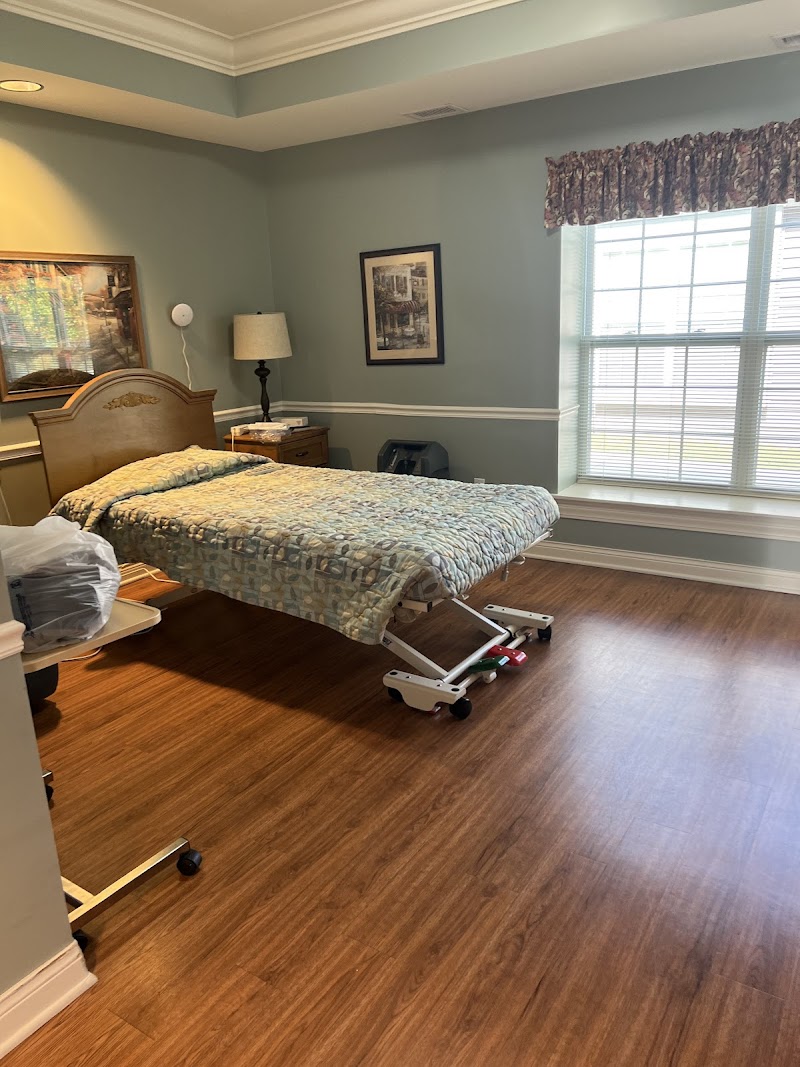
Who Owns and Operates Caretel Inns Of Brighton?

Caretel Inns of Brighton is owned by a for-profit company. For-profit facilities operate as businesses with obligations to shareholders or private owners. The facility is operated by SYMPHONY CARE NETWORK, a chain that manages multiple nursing homes. With 60 certified beds and approximately 58 residents (about 97% occupancy), it is a smaller facility located in Brighton, Michigan.

How Does Caretel Inns Of Brighton Compare to Other Michigan Nursing Homes?

Compared to the 100 nursing homes in Michigan, Caretel Inns of Brighton's overall rating (3 stars) is below the state average of 3.1, staff turnover (58%) is significantly higher than the state average of 46%, and health inspection rating (2 stars) is below the national benchmark.

What Should Families Ask When Visiting Caretel Inns Of Brighton?

Based on this facility's data, families visiting should ask: "How do you ensure continuity of care given staff turnover, and what is your staff retention strategy?" "Can I visit during a mealtime to observe dining assistance and food quality?" "How do you handle medical emergencies, and what is your hospital transfer rate?" "Can I speak with family members of current residents about their experience?" These questions are particularly relevant given the facility's high staff turnover rate.

Is Caretel Inns Of Brighton Safe?

Based on CMS inspection data, Caretel Inns of Brighton has a clean safety record: no substantiated abuse findings (meaning no confirmed cases of resident harm), no Immediate Jeopardy citations (the most serious violation level indicating risk of serious injury or death), and is not on the Special Focus Facility watch list (a federal program monitoring the lowest-performing 1% of nursing homes). The facility has a 3-star overall rating and ranks #100 of 100 nursing homes in Michigan. While no facility is perfect, families should still ask about staff-to-resident ratios and recent inspection results during their visit.

Do Nurses at Caretel Inns Of Brighton Stick Around?

Staff turnover at Caretel Inns of Brighton is high. At 58%, the facility is 12 percentage points above the Michigan average of 46%. High turnover means new staff may not know residents' individual needs, medications, or preferences. It can also be disorienting for residents, especially those with dementia who rely on familiar faces. Families should ask: What is causing the turnover? What retention programs are in place? How do you ensure care continuity during staff transitions?

Was Caretel Inns Of Brighton Ever Fined?

Caretel Inns of Brighton has no federal fines on record. CMS issues fines when nursing homes fail to meet care standards or don't correct problems found during inspections. The absence of fines suggests the facility has either maintained compliance or corrected any issues before penalties were assessed. This is a positive indicator, though families should still review recent inspection reports for the full picture.

Is Caretel Inns Of Brighton on Any Federal Watch List?

Caretel Inns of Brighton is not on any federal watch list. The most significant is the Special Focus Facility (SFF) program, which identifies the bottom 1% of nursing homes nationally based on persistent, serious quality problems. Not being on this list means the facility has avoided the pattern of deficiencies that triggers enhanced federal oversight. This is a positive indicator, though families should still review the facility's inspection history directly.