Medilodge of Livingston
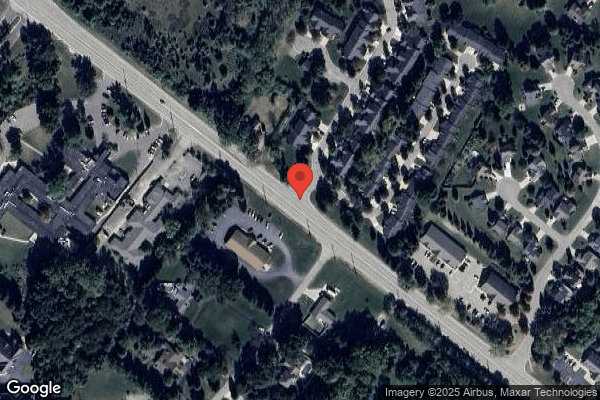
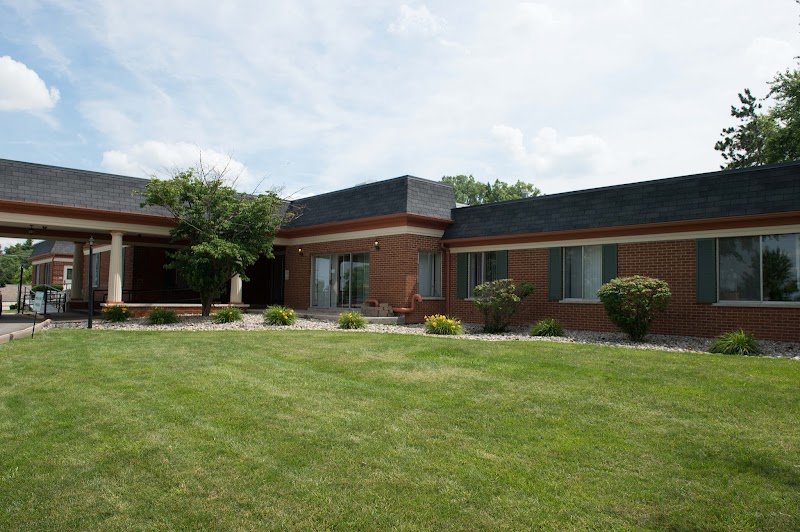
3003 W Grand River, Howell, MI 48843 (517) 546-4210
For profit - Corporation 125 Beds MEDILODGE Data: November 2025
Trust Grade
45/100
#213 of 422 in MI
Last Inspection: October 2024

Within standard 12-15 month inspection cycle. Federal law requires annual inspections.

Overview

Medilodge of Livingston has a Trust Grade of D, which means it is below average and has some concerning issues to address. It ranks #213 out of 422 facilities in Michigan, placing it in the bottom half, and #3 out of 6 in Livingston County, indicating only two local options are better. The facility is improving, having reduced its reported issues from 7 in 2024 to 3 in 2025. Staffing is a positive aspect, with a rating of 3 out of 5 stars and a turnover rate of 33%, which is lower than the state average, suggesting that staff members are relatively stable. However, there are serious concerns, including a failure to assess the safety of a mechanical transfer sling, resulting in a resident sustaining fractures from a fall, and neglect cases that led to a resident needing CPR and hospitalization shortly after admission. While the facility has good RN coverage, which is better than 84% of Michigan facilities, families should weigh these strengths against the serious incidents reported.
Trust Score
D
45/100
In Michigan
#213/422
Top 50%
Safety Record
High Risk
Review needed
Inspections
Getting Better
7 → 3 violations
Staff Stability
○ Average
33% turnover. Near Michigan's 48% average. Typical for the industry.
Penalties
✓ Good
No fines on record. Clean compliance history, better than most Michigan facilities.
Skilled Nurses
✓ Good
Each resident gets 66 minutes of Registered Nurse (RN) attention daily — more than 97% of Michigan nursing homes. RNs are the most trained staff who catch health problems before they become serious.
Violations
⚠ Watch
26 deficiencies on record. Higher than average. Multiple issues found across inspections.
★★★☆☆
3.0
Overall Rating
★★★☆☆
3.0
Staff Levels
★★★★☆
4.0
Care Quality
★★★☆☆
3.0
Inspection Score
Stable
2024: 7 issues
2025: 3 issues

The Good

  • 4-Star Quality Measures · Strong clinical quality outcomes
  • Full Sprinkler Coverage · Fire safety systems throughout facility
  • No fines on record
  • Staff turnover below average (33%)

    15 points below Michigan average of 48%

Facility shows strength in quality measures, fire safety.

The Bad

3-Star Overall Rating

Near Michigan average (3.1)

Meets federal standards, typical of most facilities

Staff Turnover: 33%

13pts below Michigan avg (46%)

Typical for the industry

Chain: MEDILODGE

Part of a multi-facility chain

Ask about local staffing decisions and management

The Ugly 26 deficiencies on record

3 actual harm
Aug 2025 2 deficiencies
CONCERN (D) 📢 Someone Reported This

A family member, employee, or ombudsman was alarmed enough to file a formal complaint

Potential for Harm - no one hurt, but risky conditions existed

ADL Care (Tag F0677)

Could have caused harm · This affected 1 resident

**NOTE- TERMS IN BRACKETS HAVE BEEN EDITED TO PROTECT CONFIDENTIALITY** This citation pertains to Intake #2584966Based on observation, interview and record review the facility failed to ensure residen...

Read full inspector narrative →
**NOTE- TERMS IN BRACKETS HAVE BEEN EDITED TO PROTECT CONFIDENTIALITY** This citation pertains to Intake #2584966Based on observation, interview and record review the facility failed to ensure residents received scheduled showers for one (R801) out of one resident reviewed for ADL (activities of daily living) care. Findings include:A complaint was filed with the State Agency (SA) that alleged there were not enough staff at the facility to ensure they received their showers.On 8/27/25 at approximately 9:30 AM, R801 was observed lying in bed. The resident was alert and able to answer all questions asked. When quired as to whether they received scheduled showers, R801 replied that they finally got a shower yesterday (8/26/25) but was not regularly receiving them and often only received a bed bath. R801 noted that they need a shower to ensure cleanliness.A review of R801's clinical record revealed the resident was initially admitted to the facility on [DATE] with diagnoses that included: type II diabetes and acute respiratory failure. A review of the resident's Minimum Data Set (MDS) dated [DATE] noted the resident had a Brief Interview for Mental Status (BIMS) score of 14/15 (intact cognition).A review of review of R801's TASK record for showers noted the resident was to receive showers on Tuesday and Fridays during the day shift. A 30 day look back recorded the following: Tuesday- 7/29/25 (shower), Friday -8/1/25 (bed bath), Tuesday -8/5/25 (bed bath), Friday-8/7/25 (nothing provided), Tuesday-8/12/25 (nothing provided), Friday-8/15/25 (shower), Tuesday-8/19/25 (bed bath), Friday-8/22/25 (nothing provided) and Tuesday-8/26/25 (shower). *It should be noted that there were no notes that indicated R801 refused showers on the dates nothing was provided. In addition, there were no notes that indicated R801 preferred a bed bath on the dates noted above.On 8/27/25 at approximately 3:30 PM, an interview was conducted with Certified Nursing Assistant (CNA) F who was assigned to R801. CNA F was asked about the facility's protocol pertaining to showers. CNA F reported that showers generally are given twice per week. CNA F was asked if they provided R801 with showers and/or bed baths and they noted that they give the residents showers as that is what they prefer.A request had been made for any grievances pertaining to R801. On 8/27/25 at approximately 3:40 PM, the Administrator reported that a grievance pertaining to showers was submitted yesterday (8/26/25) and had not been fully completed.
CONCERN (D) 📢 Someone Reported This

A family member, employee, or ombudsman was alarmed enough to file a formal complaint

Potential for Harm - no one hurt, but risky conditions existed

Respiratory Care (Tag F0695)

Could have caused harm · This affected 1 resident

**NOTE- TERMS IN BRACKETS HAVE BEEN EDITED TO PROTECT CONFIDENTIALITY** This citation pertains to Complaint #2588818.Based on interview and record review, the facility failed to perform respiratory as...

Read full inspector narrative →
**NOTE- TERMS IN BRACKETS HAVE BEEN EDITED TO PROTECT CONFIDENTIALITY** This citation pertains to Complaint #2588818.Based on interview and record review, the facility failed to perform respiratory assessments upon admission and before and after breathing treatment administration for one (R802) of one resident reviewed for a change in condition. Findings include: A review of R802's clinical record revealed R802 was admitted into the facility on 5/23/25, readmitted on [DATE], and discharged on 8/11/25 with diagnoses that included: chronic respiratory failure with hypoxia (low oxygen level), chronic obstructive pulmonary disease (COPD), history of lung cancer, and end stage renal disease (ESRD). R802 was dependent on a mechanical ventilator for breathing, had a tracheostomy (a surgical hole in the windpipe to assist with breathing), and received renal dialysis. A review of a Minimum Data Set (MDS) assessment dated [DATE] revealed R802 had severely impaired cognition and was dependent on staff for care. Further review of R802's clinical record revealed R802 was transferred to the hospital on 6/17/25 and from there was admitted to an inpatient rehabilitation hospital until 8/5/25, at which time R802 was readmitted into the facility.A review of R802's progress notes revealed the following:On 8/5/25, a Respiratory Note documented, Resident re admitted to facility .Put on previous vent settings .A review of R802's Physician's Orders revealed from 5/30/25 until 6/19/25 the ventilator setting orders were as follows: Vent-Settings: Mode: PC (Pressure Control) RR (Respiratory Rate): 19 VT: 500 PEEP (Positive End Expiratory Pressure): +5Further review of R802's Physician's Orders revealed from 8/6/25 to 8/19/25 (after R802 returned from the hospital) the ventilator setting orders were as follows: Vent-Settings: Mode: AC (Assist Controlled) Vt: 400 RR: 16 PEEP: +5. It should be noted that the initial Respiratory progress note written when R802 returned to the facility on 8/5/25 noted R802 was put on the previous vent settings (prior to going to the hospital). However, the orders were different. A review of a Respiratory-Ventilator Resident Evaluation dated 8/5/25 revealed the settings were correct to the current physician's order, but the documentation in the progress note was not accurate. Further review of the evaluation revealed the documented vital signs on that date (8/5/25) were vital signs from 6/17/25, the day R802 was transferred to the hospital. A review of a Respiratory-Breathing Treatment assessment dated [DATE] at 11:40 PM, completed by Respiratory Therapist (RT) 'B', revealed R802 received a breathing treatment. The assessment had a section to assess the resident's breath sounds and vital signs Pre (before) and Post (after) the breathing treatment was administered. The vital signs documented for this breathing treatment were the same date and time for pre and post treatment and they were dated and timed as follows: O2 sats and Respiration: 8/10/25 at 3:06 PM (approximately eight and a half hours prior to the administration of the breathing treatment) and Pulse: 8/10/25 at 5:39 PM (six hours prior to the administration of the breathing treatment). A review of a Respiratory-Breathing Treatment assessment dated [DATE] at 4:59 AM, completed by Respiratory Therapist (RT) 'B', revealed R802 received a breathing treatment. The vital signs documented for this breathing treatment were the same date and time for pre and post treatment and they were the same vital signs documented on the previous assessment. O2 sats and Respiration: 8/10/25 at 3:06 PM (approximately 14 hours prior to the administration of the breathing treatment) and Pulse: 8/10/25 at 5:39 PM (approximately 11.5 hours prior to the administration of the breathing treatment). A review of R802's care plans revealed a care plan initiated on 8/6/25 that noted, Resident has an impaired pulmonary/respiratory status related to vent dependency and tracheostomy . Interventions included, Administer medications as ordered. Observe for effectiveness and report adverse side effects to Physician .On 8/27/25 at 1:36 PM, a telephone interview was attempted with RT 'B'. RT 'B' was not available for interview prior to the end of the survey.On 8/27/25 at 1:55 PM, an interview was conducted with Respiratory Director (RTD) 'E'. When queried about the progress notes documenting put on previous vent settings instead of documenting the vent settings, RTD 'E' said they were short of staff and probably did it to save time. When queried about the process for assessing a resident on a mechanical ventilator on admission and whether vital signs should be taken at the time of the assessment, RTD 'E' said they should. When queried about how residents on mechanical ventilators were assessed when given a breathing treatment, RTD 'E' said the RT took breath sounds and vital signs before the treatment was administered and then they would go back in after the treatment and recheck breath sounds and redo the vital signs. At that time, the breathing treatment evaluations from 8/10/25 and 8/11/25 were reviewed with RTD 'E'. RTD 'E' reported they used the previous set of vitals taken by nursing. When queried about how the RT would know if the breathing treatment was effective if they used vital signs from eight to 14 hours earlier, RTD 'E' reported they should be taken at the time of the breathing treatment.
Feb 2025 1 deficiency 1 Harm
SERIOUS (G) 📢 Someone Reported This

A family member, employee, or ombudsman was alarmed enough to file a formal complaint

Actual Harm - a resident was hurt due to facility failures

Accident Prevention (Tag F0689)

A resident was harmed · This affected 1 resident

**NOTE- TERMS IN BRACKETS HAVE BEEN EDITED TO PROTECT CONFIDENTIALITY** This citation pertains to intake MI00149991 and MI00150073. Based on interview, and record review, the facility failed to assess...

Read full inspector narrative →
**NOTE- TERMS IN BRACKETS HAVE BEEN EDITED TO PROTECT CONFIDENTIALITY** This citation pertains to intake MI00149991 and MI00150073. Based on interview, and record review, the facility failed to assess the integrity of a mechanical transfer sling for one resident (R901) reviewed of three for accidents resulting in an avoidable fall requiring emergent transfer to a higher level of care and surgery for fractures sustained to the left and right lower extremities and pain. Findings include: A review of complaint reported to the State Agency included an allegation R901 was dropped from a mechanical (Hoyer) lift and sustained a fracture because the sling was not safe for use. On 2/11/25, a clinical record reviewed revealed R901 was readmitted to the facility on [DATE] with a medical history of atrial fibrillation (abnormal heart rhythm) and required Eliquis (blood thinning medication), chronic osteomyelitis, and diabetes. R901 had an ADL (Activity of Daily Living) self-care deficit related to muscle weakness, reduced mobility, and morbid obesity. R901 required two persons assist and use of a mechanical lift for all transfers from bed to chair. Brief Interview of Mental Status (BIMS) assessed on 11/21/24 scored 15/15 indicating R901 is cognitively intact. On 2/11/25 at 9:42 AM, an interview with the Nursing Home Administrator (NHA) acknowledged on 1/30/25 after their shower, R901 was hanging from a bariatric sling and the strongest part of the sling ripped resulting in R901 falling from the lift and required to be transferred to the hospital. The NHA said no other areas of the sling appeared compromised and was weird because it ripped from its strongest support strap when asked if the manufacturer was contacted, the NHA replied they were not, and the sling was thrown in the garbage (and not available). On 2/11/25 at 10:04 AM, a telephone interview was conducted with R901. When asked about the 1/30/25 accident, R901 commented that they knew how the fall happened, stating I was in a sling that should not have been used. When asked for further clarification, R901 said the sling had a worn-out appearance and the fabric sewn to the strap look old and worn out. R901 said the two Certified Nurse Assistants (CNA) transferring them remarked that soon as they placed them (R901) back into bed, We need to throw this one out. R901 said they were about three-four feet up from the ground, the left strap supporting their left side gave out ,was ripped, tearing the loop strap from the lift and fell injuring their left leg and right ankle. During the interview, R901 said they are still hospitalized , had required surgery for a fractured left femur and broken right ankle because of the fall and had pain as a result. On 2/11/25 at 10:33 AM, a telephone interview with CNA A identified as one of the two CNA's providing the transfer to R901 confirmed they were assisting the lower portion of the sling guarding R901's position as to not hit the walls and the sling just snapped and R901 fell to the ground. CNA A was unable to verify who had the last responsibility of checking the integrity of the slings and confirmed R901 had the sling under them and could not confirm the integrity. On 2/11/25 at 12:15 PM, a telephone interview with Licensed Practical Nurse (LPN) F who authored the Progress Note dated 1/30/25 at 6:04 PM confirmed they heard a loud sound from R901's room, observed them on the ground stating they fell from the lift and had pain in their left leg. LPN F revealed that the upper left loop had ripped from the stitching, was dangling from the hook and the rest of the sling had ripped apart. When asked who is responsible for checking the integrity of the slings, LPN F was unable to answer. An interview on 2/11/25 at 12:30 PM with Laundry Services C clarified when slings are brought to be laundered, they are inspected pre and post washing. If a sling is compromised in any way, the NHA and or Maintenance Manager is notified, and the sling should be disposed of. The last recall of a sling being removed was over two months ago. When asked who has the final inspection of the slings, Laundry Services C remarked they were not sure but it should be the Nurses because they are the ones who retrieve the slings and put them on the residents. On 2/11/25 at 1:33 PM, the Director of Nursing (DON) confirmed that it is the responsibility of the CNA's or whomever is placing a resident into a sling who had the final responsibility of verifying the integrity of the sling. The DON and NHA were informed of the remarks made during the above interviews and confirmed they will reinforce the final check of integrity of the sling is done by the staff placing residents into the sling. During the review of a Past Non-Compliance Binder revealed on 1/31/25 an audit of the slings was conducted and identified a green sling labeled #809A was thrown away and not placed back into circulation (an additional sling was identified as not safe and thrown away). On 2/11/25 at 2:17 PM, LPN G returned a phone call and acknowledged the sling R901 was in was torn from the sling and strap loop and witnessed the Resident laying on the floor complaining of pain. When asked the overall condition of the sling, LPN G stated, it was not a newer sling and it had been in rotation for a while. Review of the facility's policy titled; Safe Lifting and Movement of Residents, dated 1/2022 Documented: .Mechanical lift equipment shall undergo routine checks and maintenance by the nursing and maintenance staff, respectively, to ensure that equipment remains in good working order . During the onsite survey, past noncompliance (PNC) was cited after the facility implemented actions to correct the noncompliance which included education, training, reviewing current slings and removing worn slings to correct the past noncompliance. The facility was able to demonstrate monitoring of the corrective action and maintained compliance.
Oct 2024 7 deficiencies
CONCERN (D)

Potential for Harm - no one hurt, but risky conditions existed

Deficiency F0658 (Tag F0658)

Could have caused harm · This affected 1 resident

Based on observation, interview, and record review the facility failed to ensure nursing staff maintained professional standards, and practices for one (R239) resident of four reviewed for medication ...

Read full inspector narrative →
Based on observation, interview, and record review the facility failed to ensure nursing staff maintained professional standards, and practices for one (R239) resident of four reviewed for medication administration. Findings include: On 10/15/24 at 7:43 AM, LPN H was observed preparing ordered Oxycodone (narcotic given for pain) 10 milligram (mg) for R239. When the narcotic log was reviewed, 17 tablets of Oxycodone 10 mg were documented, and the blister pack revealed 16 tablets. LPN H commented the medication was given to R239 at 4:30 AM, and acknowledged the medication was not documented in the narcotic log. Review of the facilities policy title; Medication Administration dated 1/2023 documented: .If medication is a controlled substance sign the narcotic book .
CONCERN (D)

Potential for Harm - no one hurt, but risky conditions existed

Accident Prevention (Tag F0689)

Could have caused harm · This affected 1 resident

**NOTE- TERMS IN BRACKETS HAVE BEEN EDITED TO PROTECT CONFIDENTIALITY** Based on observation, interview and record review, the facility failed to revise/implement effective interventions to prevent re...

Read full inspector narrative →
**NOTE- TERMS IN BRACKETS HAVE BEEN EDITED TO PROTECT CONFIDENTIALITY** Based on observation, interview and record review, the facility failed to revise/implement effective interventions to prevent reoccurring falls for one resident (R22) of one residents reviewed for accidents/hazards/supervision. Findings include: On 10/13/24 at approximately 9:05 a.m., R22 was observed in the day room, wheeling around in their wheelchair. R22 was observed to have anti-tippers installed on their wheelchair indicating R22 was a high risk for falling. At that time, Nurse J was queried regarding the staffing levels on the unit and if they had enough staff to properly supervise R22 and they reported that having two CNA Certified Nursing Assistants) on the unit made it difficult to watch all the residents who were a fall risk and stated they reported that they liked to have three CNA's to ensure everyone was watched. On 10/13/24 the medical record for R22 was reviewed and revealed the following: R22 was initially admitted to the facility on [DATE] and had diagnoses including History (hx) of Falling, Traumatic brain injury (TBI) and Dementia. A review of R22's MDS (minimum data set) with an ARD (assessment reference date) of 9/21/24 revealed R22 needed assistance from facility staff with most of their activities of daily living. R22's cognition was documented as having memory impairments. A review of R22's plan of care was conducted and revealed the following: Resident is at risk for falls/injury related to TBI, dementia, prostate cancer, hx of falling Date Initiated: 09/19/2024 . A review of R22's falls since their admission on [DATE] revealed the following: 9/20/2024 at 22:30-Nurses' Notes-Resident found on the floor by CNA (Certified Nursing Assistant). CNA notified this RN (Registered Nurse).RN assessed resident for injury. Vitals taken. Risk management assessment completed. On call notified. No new orders. Fall mats placed on both sides of bed. Call light education provided. Bed lowered to the floor . 9/25/2024 at 13:15-Nurses' Notes-'I was going to get my car.' was informed by nursing staff that resident fell in hallway. resident assisted back into w/c (wheelchair) with multiple staff members, resident does not recall fall, neuro assessments initiated, VSS (vital sign stable), ROM (range of motion) and cognition at baseline, denied pain, no new skin abnormalities noted upon skin assessment. resident to be toileted after meals 9/26/2024 at 18:22-Nurses' Notes-Resident was observed on his knees on the floor pushing a chair in the activities room. Stated 'Im trying to get out of here'.States no pain. Skin assessment completed with nothing new noted. Vitals completed WNL (within normal limits). Neuros started. On-call, Administrator, DON (Director of Nursing) and guardian notified with no new orders . Fall Initial V.2 Form-12. What was resident doing prior to the fall? Sitting at the table eating dinner. Physical Evaluation- Describe other interventions:-Visual checks every 15 minutes. 2. Date care plan reviewed and/or updated, as indicated: 9/26/24 . 9/29/24-[Via Incident and Accident Report]-Resident was eating dinner in the TV room and writer was also in this room feeding another resident cause writer to turn and see resident on the floor on his knees and hands on the broken tray .of food was on the floor and the tray of the table was broke off the stand .Injuries at Time of incident-Bruise .Mental Status-Notes Left cheek Other info-Resident has poor self awareness and poor safety awareness . Fall Initial V.2 Form-Physical Evaluation-1a-Describe injury/suspected injury: Bruise and swelling on left cheek Describe other interventions:-Supervision while eating .G: Resident is non compliant, has poor self awareness. Does not understand his limitations and has an unreliable memory. He was incontinent at the time but the resident had been toileted an hour before and had been changed an hour before that . 10/1/2024 at 19:28-Nurses' Notes-Resident observed on the floor next to his bed. Head to toe assessment completed with nothing new noted. Vitals completed. Resident denies pain. Neuros (neurology checks) started. [Nurse Practitioner] assessed resident with no new orders . 10/8/2024 at 19:04-Nurses' Notes-Writer called by CNA to residents room at 1740. Observed resident laying on the floor next to his bed on the fall mat. Resident wearing his clothes with skid socks. Resident denied hitting his head and denies any pain. Administrator, DON, On call provider, Unit manager and guardian notified with no new orders . Fall Initial V.2 Form-12. What as resident doing prior to fall? Eating his dinner in his room on his bed.Describe other interventions:-Medication Review . On 10/15/24 at approximately 10:10 a.m., during a discussion with the Director of Nursing (DON) pertaining to R22's falls and the interventions that the facility had implemented, the DON was queried for the documentation of the 15 minute visual checks that were implemented via the Fall form for the fall on 9/26/24 and they indicated they did not have them but the visual checks intervention was not continued later on when the interdisciplinary team reviewed the fall on 9/27. The DON was queried regarding the medication review intervention that was noted on the 10/8/24 fall form and they indicated that no changes to medications were made. The DON was queired if they had implemented any other interventions after no medication changes were made and they indicated they had not. Further review of the falls for R22 indicated that a few of R22's falls were occurring during meals and that the intervention of supervision while eating was added after their fall on 9/29. The DON was informed that R22 had fallen in their room while eating on 10/8 without supervision and the DON indicated that they understood and they would have to try something else to try to prevent R22 from have reoccurring falls. On 10/15/24 a facility document pertaining to falls was reviewed and revealed the following: Policy: Each resident will be assessed for the risks of falling and will receive care and services in accordance with the level of risk to minimize the likelihood of falls .
CONCERN (D)

Potential for Harm - no one hurt, but risky conditions existed

Tube Feeding (Tag F0693)

Could have caused harm · This affected 1 resident

**NOTE- TERMS IN BRACKETS HAVE BEEN EDITED TO PROTECT CONFIDENTIALITY** Based on observation, interview and record review, the facility failed to follow the Physician's order for enteral nutrition for...

Read full inspector narrative →
**NOTE- TERMS IN BRACKETS HAVE BEEN EDITED TO PROTECT CONFIDENTIALITY** Based on observation, interview and record review, the facility failed to follow the Physician's order for enteral nutrition for one resident (R78) of one residents reviewed for tube feeding. Findings include: On 10/13/24 at approximately 8:54 a.m., R78 was observed in their room, laying in their bed. R78 was observed to have enteral formula infusing with Jevity 1.5 at 60ml (milliliters) per hour with 55 ml an hour on autoflush. On 10/13/24 at approximately 10:29 a.m., R78 was observed in their room, laying in their bed. R78 was still observed to have enteral formula infusing with Jevity 1.5 at 60ml per hour with 55ml an hour autoflush. The rate was not written on the bottle that was hung on the feeding pole. On 10/13/24 at approximately 10:41 a.m., R78's enteral feeing was observed with the ADON (Assistant Director of Nursing) and the enteral order was confirmed in the EMR (electronic medical record) as Osmolite 1.5 @ 70ml/hour X18 hours/day. The ADON indicated they would get the correct formula and change the rate to match the Physician's order. On 10/13/24 the medical record for R78 was reviewed and revealed the following: R78 was initially admitted to the facility on [DATE] and had diagnoses including Anoxic brain damage and Chronic respiratory failure. A review of R78's MDS (minimum data set) with an ARD (assessment reference date) of 10/2/24 revealed R78 had an enteral nutrition tube (PEG) and needed assistance from facility staff with their activities of daily living. R78 was documented as having severely impaired cognition. A Physician order with a start date of 10/11/24 revealed the following: every day and night shift Osmolite 1.5 @70ml/hour X18 hours/day to provide: 1890kcal, 1260ml, 79 gram pro/day A review of R78's comprehensive plan of care revealed the following: Focus-Resident is at risk for altered nutritional status related to diuretic use, feeding tube, risk of aspiration, swallowing problems, takes psychotropic medication. Weight loss following readmission. Date Initiated: 08/30/2024 .Interventions-Administer enteral nutrition per orders. Date Initiated: 08/30/2024 . On 10/15/24 a facility document titled Feeding Tubes was reviewed and revealed the following: Policy: Feeding tubes will be used only as necessary to address malnutrition and dehydration, or when the resident ' s clinical condition deems this intervention medically necessary to maintain acceptable parameters of nutrition and hydration. Feeding tubes will be maintained in accordance with current clinical standards of practice, with interventions to prevent complications to the extent possible .7. Feeding tubes will be utilized according to physician orders .
CONCERN (D)

Potential for Harm - no one hurt, but risky conditions existed

Deficiency F0725 (Tag F0725)

Could have caused harm · This affected 1 resident

**NOTE- TERMS IN BRACKETS HAVE BEEN EDITED TO PROTECT CONFIDENTIALITY** Resident 10 A clinical record review revealed R10 was admitted to the facility on [DATE] with medical diagnoses that included: h...

Read full inspector narrative →
**NOTE- TERMS IN BRACKETS HAVE BEEN EDITED TO PROTECT CONFIDENTIALITY** Resident 10 A clinical record review revealed R10 was admitted to the facility on [DATE] with medical diagnoses that included: heart disease, renal disease, diabetes, seizure disorder, and pulmonary disease. A Brief Interview of Mental Status (BIMS) assessed on 7/13/24 revealed a score of 15/15 indicting R10 was cognitively intact. On 10/13/24, at 11:35 AM, during initial interview and introduction, R10 was observed in there room. They commented that today was different and normally there is only one Certified Nursing Assistant (CNA) for 31 patients and today there is all this extra staff. R10 stated one of the staff members commented, Why would they (State) come in on a Sunday? R10 stated they were thankful we (State) were there and mentioned the staffing is terrible and it is not fair that there are so few CNA's to help. R10 also commented it is an insult to us (residents). R10 said they were taken extra special care of today because we (SA) are here. Based on observation, interview and record review the facility failed to ensure sufficient staffing was provided for two residents (R10) was well as two anonymous residents who participated in the group meeting, out of a total census of 90 resulting in the potential for unmet care needs. Findings include: On 10/13/24 the payroll based journal report (a report generated from the facility reported staffing hours) was reviewed and documented that during the fiscal quarter three (April 1, 2024-June 30th, 2024) the facility had excessively low weekend staffing numbers and had a one star staffing rating (the lowest score). On 10/14/24 at approximately 2:06 p.m., during the anonymous group meeting, the residents were queried if the facility had enough Nursing staff to meeting their needs. Two residents (who wished to remain anonymous) reported the facility had recently improved but that the staffing during the night over the summer months was bad. They indicated that Nurse aides would come in and tell them they were short staffed and that was why they were late answering the call for assistance. One resident reported they had to wait a long time for call lights to be answered and when they were answered the staff would turn them off and leave the room and not come back. Another resident indicated that staff were not picking up the meals trays because they did not have enough help so the meal trays would just sit for hours in their rooms. On 10/14/24 the resident council minutes were reviewed for 2024 and revealed the following complaints: June-Nursing:beds not being made timely .May-Nursing: Not picking up trays .April-Aides grumpy when answering lights on the weekends On 10/15/24 at approximately 12:02 p.m., during a conversation with Certified Nursing Assistants E and F (CNA E and F), CNA E was queried regarding the staffing levels in the facility and they indicated that in the previous months during the summer they had been only two aides assigned to the unit on many shifts in which residents could not be supervised like they should. CNA F indicated that many residents on the unit are fall risks and they needed three Nurse Aides to appropriately be able to supervise while providing care. CNA E indicated that the staffing had been better in the more recent months. On 10/15/24 at approximately 12:30 p.m., during a conversation with the staffing coordinator A (SC A), SC A was queried regarding the PBJ report and the excessively low weekend staffing and one star staffing rating for quarter 3. SC A Indicated they had a few full time CNA's quit at the same time and that was why they were running short staffed during that period of time as they were unable to immediately fill the vacancies. SC A indicated that the Administrator and herself met and put a staffing plan into place called the Weekend CNA Premium Weekend Program or Weekend [NAME] Program which they started to implement in the middle of September to cover the low weekend staffing levels. SC A was queried regarding the staffing levels on the 200 unit and they indicated they try to staff it with three Nurse aides but sometimes cannot do due to their allotted amount of PPD hours (per patient day). On 10/15/24 a facility document pertaining to staffing was reviewed and revealed the following: Policy: It is the policy of this facility to provide sufficient staff with appropriate competencies and skill sets to assure resident safety and attain or maintain the highest practicable physical, mental and psychosocial well-being of each resident. The facility's census, acuity and diagnoses of the resident population will be considered based on the facility assessment .
CONCERN (D)

Potential for Harm - no one hurt, but risky conditions existed

Medication Errors (Tag F0758)

Could have caused harm · This affected 1 resident

**NOTE- TERMS IN BRACKETS HAVE BEEN EDITED TO PROTECT CONFIDENTIALITY** Based on observation, interview and record review, the facility failed to ensure non-pharmacological interventions were attempte...

Read full inspector narrative →
**NOTE- TERMS IN BRACKETS HAVE BEEN EDITED TO PROTECT CONFIDENTIALITY** Based on observation, interview and record review, the facility failed to ensure non-pharmacological interventions were attempted prior to PRN (as needed) psychotropic mediation administration for one resident (R22) of six residents reviewed for unnecessary psychotropic medications. Findings include: On 10/13/24 the medical record for R22 was reviewed and revealed the following: R22 was initially admitted to the facility on [DATE] and had diagnoses including History (hx) of Falling, Traumatic brain injury (TBI) and Dementia. A review of R22's MDS (minimum data set) with an ARD (assessment reference date) of 9/21/24 revealed R22 needed assistance from facility staff with most of their activities of daily living. R22's cognition was documented as having memory impairments. A Physician's order dated 10/7/24 revealed the following: Ativan Oral Tablet 1 MG (Lorazepam) Give 1 tablet by mouth every 8 hours as needed (PRN) for Anxiety for 14 Days. A review of R22's comprehensive careplan revealed the following: Focus- Resident has behavior(s) such as agitation at times such as biting, hitting, kicking. Date Initiated: 10/02/2024 A review of R22's October 2024 MAR (medication administration record) revealed R22 was administered their PRN Ativan on 10/1, 10/2, 10/3, 10/4, 10/5, 10/6, 10/7, 10/8, 10/11 and 10/12. A review of R22's progress note documentation of the non-pharmacological interventions being attempted prior to PRN administration revealed no documented non-pharmacological interventions were attempted prior to PRN administration of the Ativan for any of the dates in which it was administered from 10/1 through 10/12. On 10/15/24 at approximately 10:10 a.m., during a conversation with the Director of Nursing (DON), the DON was queried regarding the implementation of non-pharmacological interventions prior to the administration of R22's PRN Ativan. The DON reported that the Nurses should be attempting and documenting non-pharmacological interventions before administering the PRN Ativan. The DON was informed of the lack of documentation of any non-pharmacological interventions in the progress notes and they reported that it was expected that the interventions should be in the notes. On 10/15/24 a facility document titled Medication-Psychotropic was reviewed and revealed the following: Policy: Residents are not given psychotropic drugs unless the medication is necessary to treat a specific condition, as diagnosed and documented in the clinical record, and the medication is beneficial to the resident, as demonstrated by monitoring and documentation of the resident ' s response to the medication(s) .2. The indications for initiating, withdrawing, or withholding medications(s), as well as the use of nonpharmacological approaches, will be determined by: a. Assessing the resident ' s underlying condition, current signs, symptoms, expressions, and preferences and goals for treatment. b. Identification of underlying causes (when possible) .4. The indications for use of any psychotropic drug will be documented in the medical record. a. Pre-admission screening and other pre-admission data shall be utilized for determining indications for use of medications ordered upon admission to the facility. b. For psychotropic drugs that are initiated after admission to the facility, documentation shall include the specific condition as diagnosed by the physician. i. Psychotropic medications shall be initiated only after medical, physical, functional, psychosocial, and environmental causes have been identified and addressed. ii. Non-pharmacological interventions that have been attempted, and the target symptoms for monitoring shall be included in the documentation .7. Residents who use psychotropic drugs shall also receive non-pharmacological interventions to facilitate reduction or discontinuation of the psychotropic drugs .
CONCERN (E)

Potential for Harm - no one hurt, but risky conditions existed

Drug Regimen Review (Tag F0756)

Could have caused harm · This affected multiple residents

**NOTE- TERMS IN BRACKETS HAVE BEEN EDITED TO PROTECT CONFIDENTIALITY** Based on interview and record review, the facility failed to consistently ensure physician approved recommendations from the pha...

Read full inspector narrative →
**NOTE- TERMS IN BRACKETS HAVE BEEN EDITED TO PROTECT CONFIDENTIALITY** Based on interview and record review, the facility failed to consistently ensure physician approved recommendations from the pharmacist were implemented for three (R4, R10, R19, R77) of four residents reviewed for medication regimen reviews. Findings include: R4 Review of R4's monthly medication regimen review (MRR) revealed on 8/1/24 pharmacist documented Resident is on digoxin. Please consider daily apical pulse readings prior to digoxin along with 'hold' parameters if pulse less than 60, to monitor rhythm and rate. A review of the facility's MRR binder revealed that the facility physician indicated that they agreed with the pharmacist recommendation however a review of R4's digoxin order and medication administration record revealed the recommendations were not carried out. R10 Review of R10's MRR revealed on 4/1/24 pharmacist documented 1 rec (recommendation) to physician. No physician response was found in the facility's MRR binder. On 10/14/24 at approximately 2:44 PM, the DON was notified of the missing physician response to the pharmacist's recommendation for April. The DON reported they would attempt to locate the document. No response was received prior to survey exit. R77 Review of R77's MRR revealed on 9/19/24 pharmacist documented Please monitor and document placement of fentanyl patch every shift. Review of the facility's MRR binder revealed the physician agreed however a review of R77's fentanyl patch order and medication administration record revealed the recommendations were not carried out. On 10/14/24 at approximately 2:44 PM, the DON was queried on the facility's procedure for monthly medication regimen reviews. The DON reported that they receive the recommendations from the pharmacist via email each month. The email goes to the facility physicians and to the DON directly. She further reported that she will follow up with the appropriate physician if a response (to agree/disagree with the pharmacists recommendation) is not received in a timely manner and the expectation is that the physicians are making the changes/entering any new orders at the same time as they acknowledge that they agree with the recommendations. The DON reported that her double check stops at following up for recommendations that aren't received back and that she trusts when the order is signed and that the physician is entering the order at the same time. Review of the facility policy titled, Addressing Medication Regimen Review Irregularities updated 12/28/23, documented in part The pharmacist must report any irregularities to the attending physician, the facility's medical director and director of nursing, and the reports must be acted upon .The attending physician must document in the resident's medical record that the identified irregularity has been reviewed and what, if any, action has been taken to address it .If documentation of the findings is not in the active record, it will be maintained within the facility and available for review. Resident 19 A clinical record reviewed revealed R19 was admitted to the facility on [DATE] with End Stage Renal Disease (ESRD) and requires hemodialysis. R19 had diabetes, atrial fibrillation (abnormal heartbeat) schizophrenia, and major depressive order. A Brief Interview of Mental Status (BIMS) score assessed on 8/20/24 revealed a score of 15/15 indicating R19 was cognitively intact. On 10/14/24 at 1:12 PM, a record review revealed the Medication Regimen Review (MMR) from Pharmacy dated 9/3/24, Recommendation to Nursing to update Abilify (antipsychotic medication) diagnosis listed as Antianxiety and change to Major Depressive Disorder. The Medical Administration Record (MAR) was reviewed and revealed the Abilify order remained with the diagnosis of antianxiety and was not changed to Major Depressive Order. A review of the recommendation from Pharmacy to the facility documented multiple requests for blood work to include a Lipid Profile (blood test that measures cholesterol and help assess risk of heart disease) and Glycated Hemoglobin (HgA1C) (blood test to obtain the average blood sugar levels over three months) on the following dates: 2/5/24, 5/2/24, 6/21/24, 8/23/24, 10/2/24. On 10/15/24, A record review revealed no lab values for Lipid Profile or HgA1C were documented. The MMR dated 10/2/24 was provided by the Director of Nursing (DON) and Pharmacy documented .Labs recommended: fasting lipid profile and HgA1C (no results from 6-23-24 order). The DON provided documentation of laboratory results and revealed a blood draw for Lipid Profile and HgA1C were collected and reported on 8/27/24. The DON acknowledged the results were not drawn from the first recommendation dated 2/5/24, acknowledged multiple requests were missed, and results from the 8/27/24 collection were not uploaded for the Pharmacist to review.
CONCERN (E)

Potential for Harm - no one hurt, but risky conditions existed

Deficiency F0761 (Tag F0761)

Could have caused harm · This affected multiple residents

Based on observation and interview, the facility failed to ensure appropriate medication storage and labeling in two of three carts reviewed for medication storage and labeling. Findings include: On 1...

Read full inspector narrative →
Based on observation and interview, the facility failed to ensure appropriate medication storage and labeling in two of three carts reviewed for medication storage and labeling. Findings include: On 10/15/24 at 8:10 AM, an observation of Medication Cart C Hall #2 was conducted with Licensed Practical Nurse (LPN) H and revealed on the bottom of the second drawer, loose medications were not contained in bottles, or blister packs. Observation included: 1 white round pill, 1 orange oval pill, 1 tan oval pill, and ½ tablet of a purple pill and LPN H commented it was midodrine (a medication to raise blood pressure). An open albuterol inhaler (medication to relax the airways and ease breathing) was identified as not dated. LPN H acknowledged the box was opened and not dated per protocol by dating the box. On 10/15/24 at 8:40 AM, an observation of Medication Cart E 500 Hall was conducted LPN I and revealed the first drawer had a bottle of opened nitroglycerin (medication to relieve chest pain) with no resident identifiers. LPN I commented that it was for a resident who experienced chest pain the day before. When questioned how we would know which resident it belonged to, LPN I responded we don't. Drawer two revealed medications were not contained in bottles or blister packs. Observation included: 1 round white pill, ¼ white pill, ½ tan pill. The narcotic box was accessed and revealed ½ tab of a peach colored pill on the bottom of the box and LPN I remarked looks like a Xanax (a controlled medication to treat anxiety). Three open boxes of albuterol inhalers were not dated and when questioned if they should have an open date marked on the box, LPN I commented that they believed the policy changed and no longer had to date the inhalers. On 10/15/24 at 1:27 PM, the Director of Nursing (DON) and Assistant Director of Nursing (ADON) were questioned what was the facility's procedure for dating inhalers and the DON acknowledged nursing should be marking the date the medication was opened on the box. The DON and ADON were made aware nursing staff had not dated inhaler boxes and staff were unclear what the procedure was. The DON and ADON were also informed of numerous loose medications lying within the medication carts and acknowledged that their staff has made them aware of the observations and this was not appropriate medication storage or labeling.
Nov 2023 8 deficiencies
CONCERN (D) 📢 Someone Reported This

A family member, employee, or ombudsman was alarmed enough to file a formal complaint

Potential for Harm - no one hurt, but risky conditions existed

Notification of Changes (Tag F0580)

Could have caused harm · This affected 1 resident

**NOTE- TERMS IN BRACKETS HAVE BEEN EDITED TO PROTECT CONFIDENTIALITY** This citation pertains to Intake #MI00140111 Based on observation, interview and record review the facility failed to contact th...

Read full inspector narrative →
**NOTE- TERMS IN BRACKETS HAVE BEEN EDITED TO PROTECT CONFIDENTIALITY** This citation pertains to Intake #MI00140111 Based on observation, interview and record review the facility failed to contact the resident's responsible party following a fall for one (R22) of two residents reviewed for falls/notification of change. Findings include: A complaint was filed with the State Agency (SA) that alleged the resident fell out of bed and the facility failed to notify the resident's legal representative. On 11/28/23 at approximately 9:02 AM, R22 was observed lying in bed. The resident was alert but does not speak due to cancer of the larynx. When asked as to whether they had ever fallen at the facility, R22 was not able to provide a clear response. A review of R22's clinical record documented the resident was initially admitted to the facility on [DATE] with diagnoses that included: Cancer of Larynx, Respiratory failure and dementia. A review of the resident's Minimum Data Set (MDS) dated [DATE] indicated the resident had a Brief Interview for Mental Status (BIMS) score of 5/15 (significant impaired cognition). Continued review of R22's clinical record indicated that on 11/18/22, R22 was deemed incompetent. The resident was noted to have a legal representative/Guardian at that time. A progress note dated 7/3/23 at 5:26 PM noted, in part: Patient had unwitnessed fall. Hospice nurse notified .redness to left arm, left scapula and bruise to back of head . A progress noted dated 7/5/23 at 7:27 AM noted in part, A new skin problem was observed. Areas of concern r/t (due to) fall . A review of the facility Incident/Accident (IA) report documented, in part: .Date: 7/3/23 - 1:00 PM .Resident: R22 .Patient had unwitnessed fall, without serious injury. Hospice nurse notified and came to assess patient and air mattress .redness to left arm, left scapula and bruise to back of head .Resident Description: Resident unable to give description .Description: Skin assessment completed, management and MD (medical doctor) notified, hospice notified .No witnesses found . People notified .Physician .Director of Nursing(DON) .Hospice . *It should be noted that there was no indication in the IA and the resident's clinical record that R22's responsible party was notified of the fall. On 11/29/23 at approximately 11:55 AM, an interview was conducted with the DON. The DON was asked as to the protocol regarding notifying resident's representatives following a fall, including falls with injury. The DON reported that the resident's representatives should be contacted. When asked whether R22's representative was contacted, the DON was not certain. The DON was asked to provide any documentation that would indicate the representative was notified. No documentation was provided by the end of the survey.
CONCERN (D)

Potential for Harm - no one hurt, but risky conditions existed

Report Alleged Abuse (Tag F0609)

Could have caused harm · This affected 1 resident

**NOTE- TERMS IN BRACKETS HAVE BEEN EDITED TO PROTECT CONFIDENTIALITY** Based on observation, interview, and record review the facility failed to ensure an allegation of abuse was immediately reported...

Read full inspector narrative →
**NOTE- TERMS IN BRACKETS HAVE BEEN EDITED TO PROTECT CONFIDENTIALITY** Based on observation, interview, and record review the facility failed to ensure an allegation of abuse was immediately reported to the State Agency (SA) for one (R61) of one resident reviewed for abuse. Findings include: On 11/28/23 at 11:57 AM, R61 was observed in bed using a cell phone. R61 was interviewed about the care received at the facility, R61 stated that there was an issue with getting bed baths timely and that a Certified Nursing Assistant (CNA) H had given the resident a bed bath on Saturday but CNAH did not clean the bottom half of their body. R61 stated that there was a bowel movement made and needed to be cleaned up so the call light was initiated, a different CNA answered the light, stated that R61 just had a bed bath so they would do a brief change. R61 stated, CNA H never changed or cleaned my bottom half. Further conversation revealed that later during the shift when CNAH came to change R61 she removed the dirty brief and was shaking it in R61 face stated, here you see this, this the dirty brief and threw it in the trash. CNA H then got the new brief and shook it in R61 face stated, look here's the clean brief I'm putting it on now. R61 felt that was very childish and was taunted for no reason and preferred that CNAH not to render care. Lastly R61was asked if the incident that occurred was mentioned to anyone. R61 stated yes it was told to unit manager (UM) E earlier that day. A record review revealed that R61 was admitted to the facility on [DATE] with the diagnosis of Dysphagia, hemiplegic and hemiparesis following nontraumatic subarachnoid affecting left side with a Brief Interview for Mental Status (BIMs) score dated for 8/7/23 was a 15. On 11/29/23 at 9:09 AM, the UM E was interviewed about the allegation R61 had made. UM E stated the administrator was informed because that was the abuse coordinator of the facility. UM E stated that she was unsure what was done with the information once given to the administrator. UM E continued to state that she listened to R61's complaint and gave her number to R61 for immediate access for when issues like this arise. On 11/29/23 at 10:31 AM, the administrator was interviewed so see the knowledge he held on R61's allegations. The administrator stated, that UME did come and tell him about R61 not getting bathed timely, but he was unaware of the extent of this situation. The administrator proceeded to say he would follow up. On 11/30/23 at 1:09 PM an attempt was made to contact CNA H but call went straight to voicemail, no return phone call was made by the end of the survey. No additional information was provided by exit of survey.
CONCERN (D) 📢 Someone Reported This

A family member, employee, or ombudsman was alarmed enough to file a formal complaint

Potential for Harm - no one hurt, but risky conditions existed

Pressure Ulcer Prevention (Tag F0686)

Could have caused harm · This affected 1 resident

**NOTE- TERMS IN BRACKETS HAVE BEEN EDITED TO PROTECT CONFIDENTIALITY** Based on observation, interview and record review the facility failed to ensure effective interventions to reduce pressure and p...

Read full inspector narrative →
**NOTE- TERMS IN BRACKETS HAVE BEEN EDITED TO PROTECT CONFIDENTIALITY** Based on observation, interview and record review the facility failed to ensure effective interventions to reduce pressure and promote the healing of pressure ulcers were in place for one resident (R34) of four residents reviewed for pressure ulcers. Findings include: On 11/28/23 at approximately 9:55 a.m. R34 was observed in their room, laying in their bed. R34 was observed to have a skin impairment on their right heel. R34's right heel was observed to be flush to the mattress without being offloaded or any pressure reducing boots applied. On 11/29/23 at approximately 9:23 a.m., 12:09 p.m., and 12:38 p.m., R34 was observed in their room, laying in their bed in the same position. R34 was still observed with their right heel off of the pillow, flush with the mattress without any pressure being offloaded. On 11/30/23 at approximately 9:52 a.m., and 11:00 a.m., R34 was observed in their room, laying in their bed. R34's right heel was observed to be off of a pillow, flush with the mattress without pressure being offloaded. On 11/28/23 R34's medical record was reviewed and revealed the following: R34 was initially admitted to the facility on [DATE] and had diagnoses including Alzheimer's disease, Bipolar disorder and Contracture of left hand. R34's MDS (Minimum Data Set) with an ARD (Assessment Reference date) of 9/28/23 revealed R34 needed extensive assistance with from facility staff with most of their activities of daily living. R34's cognition was documented as moderately impaired. A review of R34's comprehensive careplan revealed the following: Focus-Resident resides on a memory care unit for therapeutic environment related to Alzheimer's disease, dementia. Date Initiated: 09/21/2023 .Interventions:-PRAFO boots (Pressure Relief Ankle Foot Orthosis): On 4 hours, Off 2 hours as tolerated by resident for pressure relief. Date Initiated: 10/14/2023 . Further review of R34's comprehensive careplan revealed the following: Focus- Resident has current and is at risk for further impaired skin integrity related to advanced age, fragile skin, requiring assistance with ADLs, mobility and transfers, incontinence. Braden Score: Very High Risk .Resident has DTI (deep tissue injury) to BL (bilateral) heels. Date Initiated: 10/16/2023 ,Interventions--Offload heels as tolerated; utilizing pillows, wedges or cushion boots Date Initiated: 10/16/2023 . A review of R34's progress notes revealed the following: 10/14/2023 .Progress Note-Brown Skin discoloration on resident's right heel noted when CENA (Certified Nursing Assistant) gave resident a bed bath @ 0130am. Skin remain intact. Resident unable to tell regarding this finding d/t (due/to) dementia. Tx (treatment) order written per protocol and initiated. Intervention: PRAFO Boots, On 4 hours, Off 2 hours as tolerated by resident for pressure management. Skin Care plan updated to include new intervention. On call Mgr (manager) notified . Wound Care Nurse notified @ 0607am . NP (Nurse Practitioner) on call provider notified .Will continue with POC (plan of care) A wound evaluation completed by the Wound Physician dated 11/21/23 revealed the following: WOUND LOCATION: Right Heel ETIOLOGY: Pressure injury/ulcer - Wound Stage: Deep Tissue Pressure Injury- .TISSUE TYPES BY PERCENTAGE: 0% Slough, 0% Granulation, 0% Necrotic Tissue, 0% Hypergranulation Tissue, 0% Eschar, 100% Epithelial Tissue. SIZE: Length (cm)-0.9, Width-1.6, Depth-Utd (undetermined), Wound area-1.44 .Wound Progress: Wound has increased in size .Offloading: continue offloading: turn per facility protocol. Continue low air loss mattress . A wound evaluation completed by the Wound Physician dated 11/28/23 revealed the following: WOUND LOCATION: Right Heel ETIOLOGY: Pressure injury/ulcer - Wound Stage: Deep Tissue Pressure Injury .TISSUE TYPES BY PERCENTAGE: 0% Slough, 0% Granulation, 0% Necrotic Tissue, 0% Hypergranulation Tissue, 0% Eschar, 100% Epithelial Tissue. SIZE: Length (cm)-0.95, Width-1.67, Depth-Utd (undetermined)-Wound area-1.59 (cm2) .Wound Progress: Wound has increased in size .Offloading: continue offloading: turn per facility protocol. Continue low air loss mattress . On 11/30/23 at approximately 11:16 a.m., Nurse manger E (NM E) was queried regarding the lack of PRAFO boots being applied to R34's heels to relieve pressure per their comprehensive care plan. NM E reported that they have never seen any boots on R34 but that if it was on the care plan it should be applied by the staff. NM E indicated that the PRAFO boots should have been added to the orders as well as the care plan so that the Nursing staff can be aware and ensure they are applied. NM E then was observed calling the wound care Nurse and reported the wound care Nurse did not know about the PRAFO boots but indicated that R34's heels should be floated to relieve pressure. On 11/30/23 at approximately 2:22 p.m. during a conversation with Wound Care Nurse D (WCN D), WCN D reported that R34's heels should be floated off of the mattress to relieve pressure. WCN D indicated that they did not know why R34 had the intervention of PRAFO boots. WCN D was informed of the observations of R34's heels being observed not floated and flushed with the mattress and they reported that he may need some other type of cushion boots if their heels cannot stay on the pillow to be floated off of the mattress. On 11/30/23 a facility document titled Pressure Injury Prevention and Management was reviewed and revealed the following: Policy: This facility is committed to the prevention of avoidable pressure injuries and the promotion of healing of existing pressure injuries .4. Interventions for Prevention and to Promote Healing a. After completing a thorough assessment/evaluation, the interdisciplinary team shall develop a relevant care plan that includes measurable goals for prevention and management of pressure injuries with appropriate interventions. b. Interventions will be based on specific factors identified in the risk assessment, skin assessment, and any pressure injury assessment (e.g., moisture management, impaired mobility, nutritional deficit, staging, wound characteristics) .
CONCERN (D) 📢 Someone Reported This

A family member, employee, or ombudsman was alarmed enough to file a formal complaint

Potential for Harm - no one hurt, but risky conditions existed

Tube Feeding (Tag F0693)

Could have caused harm · This affected 1 resident

**NOTE- TERMS IN BRACKETS HAVE BEEN EDITED TO PROTECT CONFIDENTIALITY** R61 On 11/28/23 at 11:57 AM, R61 was observed lying in bed using a cell phone. R61 was interviewed about the care received at th...

Read full inspector narrative →
**NOTE- TERMS IN BRACKETS HAVE BEEN EDITED TO PROTECT CONFIDENTIALITY** R61 On 11/28/23 at 11:57 AM, R61 was observed lying in bed using a cell phone. R61 was interviewed about the care received at the facility R61 stated that there was an issue with getting bed baths timely and with getting percutaneous endoscopic gastrostomy (PEG) tube site cleaned. Further explained that when its dirty it forms a brown yucky crust and it irritated the skin, get super sore and eventually forms a scab. R61 stated that the PEG tube dressing gets changed once a month if that. An observation of the peg site was made it was a T cut dressing threw on around the site not secured, the skin also appeared irritated with a brown crust around site. On 11/29/23 at 9:09 AM, Unit Manger(UM) E was interviewed and informed about R61 Peg tube site not being cleaned and the observation made. UM E was not aware and stated she would check the orders to get clarification on how the site would be cared for. A record review revealed that R61 was admitted to the facility on [DATE] with the diagnosis of Dysphagia, hemiplegic and hemiparesis following nontraumatic subarachnoid affecting left side with a Brief Interview for Mental Status(BIMs) score dated for 8/7/23 was a 15. Further review of the record revealed that there was an order put in place stating Enteral Feed Order every day shift Cleanse G-Tube site with soap and water daily and as needed. Apply drain sponge as needed. site be left open to air if clean and no drainage. -Start Date 12/22/21. With several nurses signing off that the treatment was completed however the observation on 11/28/23 showed that the peg tube site had not been cleaned and was signed off as done. No additional information was provided by the exit of survey. This citation pertains to intake: MI00136011. Based on interview and record review the facility failed to timely implement and consistently monitor and care for a PEG (percutaneous endoscopic gastrostomy) tube sites for two (R's 239 & 61) of four residents reviewed for tube feeding. Findings include: R239 Review of a complaint submitted to the State Agency (SA) documented in part . Complainant states the resident still has feeding tube in and when she checked him over, it looked like it was infected. The complainant states she found the nurse and the nurse didn't even know the resident has a feeding tube . 4/2/23 (visit) . Looked at food port, still red but no puss . told it is getting cleaned twice a day . Review of the medical record revealed R239 was admitted to the facility on [DATE] with diagnoses that included: cerebral infarction due to thrombosis, type 2 diabetes mellitus, hemiplegia affecting right dominant side, dysphagia, aphasia, cognitive communication deficit, gastrostomy status, hypertension, hyperlipidemia, hyperkalemia, and gastro-esophageal reflux. Review of an admission Nursing note dated 3/29/23 at 1:23 PM, documented in part . Resident arrived to facility via EMS (emergency medical services). Discharge papers sent with resident, medications entered and discharged summary faxed to on call . PEG tube located in LUQ (Left upper quadrant) . An initial review of the physician orders revealed no orders to monitor and care for the PEG tube site. Review of the March 2023 Medication Administration Record (MAR) and Treatment Administration Record (TAR) revealed no orders to monitor and care for the PEG tube site. Review of a Nursing note dated 4/1/23 at 1:02 PM, documented in part . One of Residents daughters was in, asked this writer to come and look at resident's peg site. It look <sic> a little red. After looking, this writer cleaned and applied triple antibiotic ointment around the peg site and placed a split gauze . A second review of the physician orders and April 2023 MAR and TAR revealed the following order started on 4/4/23 (three days after the family notified the nurse of redness to the PEG site and six days after admission into the facility): Enteral Feed Order two times a day Cleanse G-Tube site with soap and water daily and as needed. Apply drain sponge as needed. Site may be left open to air if clean and no drainage. This indicated the facility failed to timely implement care orders to the PEG site. On 11/20/23 at 12:12 PM, the Director of Nursing (DON) was interviewed and asked why PEG orders were not timely implemented to monitor and clean the PEG site and why the family had to bring it to the facility attention regarding R239's PEG site changes, the DON stated they would look into it and follow back up. No explanation or documentation was provided by the end of the survey.
CONCERN (D)

Potential for Harm - no one hurt, but risky conditions existed

Respiratory Care (Tag F0695)

Could have caused harm · This affected 1 resident

**NOTE- TERMS IN BRACKETS HAVE BEEN EDITED TO PROTECT CONFIDENTIALITY** Based on observation, interview and record review, the facility failed to ensure routine maintenance and cleaning of an AVAP (Av...

Read full inspector narrative →
**NOTE- TERMS IN BRACKETS HAVE BEEN EDITED TO PROTECT CONFIDENTIALITY** Based on observation, interview and record review, the facility failed to ensure routine maintenance and cleaning of an AVAP (Average Volume Assured Pressure Support - a non-invasive ventilator) in accordance with professional standards and manufacturer's recommendations for one (R2) of one resident reviewed for respiratory care. Findings include: On 11/28/23 at 10:26 AM, R2 was observed seated at a table in the activity room. The resident wore a mask that went into their nose, with tubing secured to the top of their head and connected to a machine that rested on the table and an oxygen concentrator near the table. When asked about the tubing and nasal mask, R2 reported that was an AVAP and when they first arrived at the facility, they had been using their AVAP from home but had recently been supplied from (name of local respiratory equipment company) since they were remaining in the facility long-term. When asked how often the facility cleaned the respiratory equipment, mask and supplies, R2 reported they could not recall the staff doing that, but they usually wiped the nasal pillow mask themselves. Review of the clinical record revealed R2 was admitted into the facility on 9/9/23 with diagnoses that included: chronic respiratory failure with hypoxia and hypercapnia, chronic obstructive pulmonary disease, unspecified asthma, sleep apnea, and post-polio syndrome. According to the Minimum Data Set (MDS) assessment dated [DATE], R2 had no communication concerns, had intact cognition, and received oxygen. Review of R2's physician orders included specific settings for the AVAP and type of nasal mask, but did not include any orders for routine cleaning of the resident's respiratory equipment. On 11/29/23 at 7:55 AM, an interview was conducted with the Respiratory Director. When asked about how the facility handled and coordinated cleaning of respiratory equipment, such as R2's AVAP, the Respiratory Director reported they rented their supplies from (name of local medical equipment provider) and received notification when they were due for new supplies. The Respiratory Director reported R2 had just been set up with an AVAP about a month or so ago and that R2 had used his own previously upon admission into the facility. In regard to cleaning of equipment, the Respiratory Director reported they would go in and check and weekly change out only the oxygen tubing and when they received supplies from their outside vendor, they would then change out the nasal pillows and AVAP tubing. On 11/29/23 at 1:30 PM, the Respiratory Director reported R2 had received the current AVAP in use from (name of local medical equipment provider) on 11/11/23 and was not due for new supplies like nasal pillow and tubing until February (2024). When asked to clarify who was responsible for ensuring all components of the AVAP were sanitized, the Respiratory Director reported R2 wiped down the nasal equipment and further reported the resident wore the mask 24/7 and they only changed the oxygen tubing that was connected to the AVAP regularly. According to the AVAP manufacturer's booklet dated 2019: .Disinfecting the Exterior Frequency: Disinfect the exterior surface weekly or more often if necessary .Isopropyl Alcohol Requirement: 70% isopropyl alcohol, lint-free cloth .Chlorine Bleach Requirement: Household chlorine bleach containing 8/25% sodium hypochlorite, lint-free cloth .Air Path Disinfection .Before beginning Keredusy disinfection (A pathogen reduction system used to disinfect internal air-conducting parts of ventilators that cannot be reached with simple wipe disinfection .remove and discard the following items from the device, if in use: Air-inlet foam filter, Particulate filter, FiO2 (Fraction of inspired oxygen - the concentration of oxygen in the gas mixture) sensor, [NAME] .After disinfection is complete, replace the components that you discarded with new components .Clean the detachable battery monthly .Rinsing the Air-Inlet Foam Filter .Frequency: In the clinical environment, rinse daily and replace monthly .
CONCERN (E)

Potential for Harm - no one hurt, but risky conditions existed

Food Safety (Tag F0812)

Could have caused harm · This affected multiple residents

Based on observation, interview, and record review, the facility failed to provide proper hand washing facilities during a hot water outage, resulting in the potential for food contamination from empl...

Read full inspector narrative →
Based on observation, interview, and record review, the facility failed to provide proper hand washing facilities during a hot water outage, resulting in the potential for food contamination from employee hands and the increased risk of foodborne illness, affecting all residents who consume food from the kitchen. Findings include: On 11/28/23 at 11:17 AM, while the Surveyor was washing hands, it was observed that the hand sink wasn't providing hot water. At this time, Certified Dietary Manager (CDM) I stated that they currently do not have hot water, and haven't had it for at least a couple of weeks. At this time, staff were observed to wash hands at the hand sink with no hot water. During an interview on 11/28/23 at 11:45 AM, CDM I stated that they aren't using the three-compartment sink while the hot water is out. The dish machine was observed to have a booster heater and utilized chemicals as a sanitizing agent. During an interview with Maintenance Director C on 11/28/23 at 11:53 AM, he stated that the heat exchanger on the boiler broke in early November affecting the kitchen, B hall, and C hall. Maintenance Director C continued to say that the first company quoted the repair time to take six to seven weeks to complete, but they found another company that quoted a sooner repair time. According to the 2017 FDA (Food and Drug Administration) Food Code Section 5-202.12 Handwashing Sink, Installation. (A) A HANDWASHING SINK shall be equipped to provide water at a temperature of at least 38oC (100oF) through a mixing valve or combination faucet. Pf During the survey, no alternative or temporary hand washing facilities were provided for dietary staff to effectively wash hands.
CONCERN (E) 📢 Someone Reported This

A family member, employee, or ombudsman was alarmed enough to file a formal complaint

Potential for Harm - no one hurt, but risky conditions existed

Safe Environment (Tag F0921)

Could have caused harm · This affected multiple residents

**NOTE- TERMS IN BRACKETS HAVE BEEN EDITED TO PROTECT CONFIDENTIALITY** R15 On November 28, 2023, at 09:49 AM initial observation of R15 was laying on their back, head of bed elevated, in an upright p...

Read full inspector narrative →
**NOTE- TERMS IN BRACKETS HAVE BEEN EDITED TO PROTECT CONFIDENTIALITY** R15 On November 28, 2023, at 09:49 AM initial observation of R15 was laying on their back, head of bed elevated, in an upright position, supported by an electrically powered pressure relief mattress. R15's eyes remained closed, appeared sleeping, with their head slightly tilted towards the window. A paper sign was observed taped above the left side of the bed stating keep head of bed at 45 degrees. R15 was ventilator dependent by tracheostomy (surgical procedure that creates a hole through the front of the neck and into the windpipe) and receiving a tube feeding (nutrition directly provided via tube placed surgically into the stomach). A clear container was observed with tan colored liquid contents hanging from the pole labeled Nepro and a clear bag (with content appearance of water) was hanging on the opposite hanger. The containers were linked into an electronic pump which was secured to a pole located on the left side head of bed. The front face of the pump, display screen, and length and wheeled base of pole revealed moderate amounts of dried debris in a splattered pattern. On November 30, 2023, at 10:20 AM, R15 was laying on back, head of bed elevated, in an upright position, supported by an electrically powered pressure relief mattress. A feeding pump was observed secured to a pole located on the left side head of the bed. The front face of the pump, display screen, and length and wheeled base revealed dried debris in a splattered pattern. There was noted dried splattered debris on the wall behind the head of bed. On November 30, 2023, writer and other state surveyor interviewed Nurse Manager F. When asked who is responsible for cleaning poles and feeding pumps. Unit Manager F stated was just made aware of the concern that morning and was waiting on clarification who is responsible but was rather certain it was nursing's responsibility. When asked about wall cleaning, she stated that is nursing's responsibility unless it was a terminal clean, then housekeeping would be responsible. Record review of the Minimum Data Set (MDS) revealed R15 admitted to this facility September 5, 2023, with a diagnosis of chronic respiratory failure with hypoxia, dependent on respirator ventilator, personal history of traumatic brain injury, multiple sclerosis, and malnutrition. Brief Interview for Mental Status (BIMS) score 99 and dependent on all activities of daily living. Based on observation, interview and record review, the facility failed to ensure resident care equipment and flooring were maintained in a sanitary manner for two (R75, R15) of five residents whose room environment was observed, resulting in unsanitary conditions, a non-homelike environment, and increased risk for harborage of bacteria. Findings include: According to the facility's policy titled, Routine Cleaning and Disinfection dated 2/1/2022: .It is the policy of this facility to ensure the provision of routine cleaning and disinfection in order to provide a safe, sanitary environment and to prevent the development and transmission of infections to the extent possible .Cleaning refers to the removal of visible soil from objects and surfaces and is normally accomplished manually or mechanically using water and detergents or enzymatic products .Consistent surface cleaning and disinfection will be conducted with a detailed focus on high touch areas to include, but not limited to .Monitor control panels, touch screens and cables .IV poles . R75 On 11/30/23 at 11:06 AM, during an observation of R75, they were receiving tube feeding via a pump that was secured to a pole next to the head of the bed. R75 was asleep and did not awaken at this time. The base of the tube feeding pole was observed to have a significant build-up of dried debris that was tan in color (same color as the tube feeding formula) and also a splattering of dried debris was observed on the wheels at the base of the tube feeding pole. Additionally, the control panel of the tube feeding machine was observed to have similar dried tan-colored debris on the surface (buttons) as well as underneath along the bottom of the control panel. On 11/30/23 at 11:10 AM, R75's assigned nurse (Nurse 'G') was asked to observe R75's tube feeding and confirmed the same observations as above. When asked who was responsible for cleaning the tube feeding equipment, especially if it was identified as soiled, Nurse 'G' reported housekeeping was responsible for that and the only time they would clean it is if they had to pull one from the soiled utility room. When asked if they had observed the concern with unsanitary resident care equipment since they had been assigned to R75, they reported they did not and that the nurses on the midnight shift usually hung (started) the tube feeding. Review of the clinical record revealed R75 was initially admitted into the facility on 4/5/23 and readmitted on [DATE] with diagnoses that included: diffuse traumatic brain injury with loss of consciousness, traumatic hemorrhage of cerebrum, contusion, laceration, and hemorrhage of brainstem with loss of consciousness, person injured in unspecified motor-vehicle accident, gastrostomy status, and dependence on respirator (ventilator).
CONCERN (E) 📢 Someone Reported This

A family member, employee, or ombudsman was alarmed enough to file a formal complaint

Potential for Harm - no one hurt, but risky conditions existed

Deficiency F0925 (Tag F0925)

Could have caused harm · This affected multiple residents

**NOTE- TERMS IN BRACKETS HAVE BEEN EDITED TO PROTECT CONFIDENTIALITY** Based on observation, interview, and record review, the facility failed to maintain an effective pest control program to prevent...

Read full inspector narrative →
**NOTE- TERMS IN BRACKETS HAVE BEEN EDITED TO PROTECT CONFIDENTIALITY** Based on observation, interview, and record review, the facility failed to maintain an effective pest control program to prevent pests, harborage conditions, and clean pest droppings, resulting in pest droppings in five resident rooms (room #'s 201, 203, 208, 214, and 404). Findings include, On 11/28/23, during an environmental tour between 1:23 PM and 3:20 PM, the following observations were made. - Mouse droppings were observed in room [ROOM NUMBER] behind the Bed 2. - Mouse droppings were observed in room [ROOM NUMBER] behind Bed 2 and around the free standing wardrobe. - Mouse droppings were observed in room [ROOM NUMBER] behind Bed 2. - Mouse droppings were observed in room [ROOM NUMBER] behind Bed 2. - Mouse droppings were observed in room [ROOM NUMBER] behind Bed 2. During an interview on 11/28/23 at 1:23 PM, Maintenance Director C stated that they have a pest control company come to the facility monthly to treat for pests. A review of the pest control Service Report, dated 11/15/23, noted that the nurses station is being treated for rodents, but no residents rooms are recorded as being treated or suspected of rodent activity.
Dec 2022 8 deficiencies 2 Harm
SERIOUS (G) 📢 Someone Reported This

A family member, employee, or ombudsman was alarmed enough to file a formal complaint

Actual Harm - a resident was hurt due to facility failures

Free from Abuse/Neglect (Tag F0600)

A resident was harmed · This affected 1 resident

**NOTE- TERMS IN BRACKETS HAVE BEEN EDITED TO PROTECT CONFIDENTIALITY** This citation pertains to intake: MI00131841. Based on interviews and record review, the facility failed to protect the residen...

Read full inspector narrative →
**NOTE- TERMS IN BRACKETS HAVE BEEN EDITED TO PROTECT CONFIDENTIALITY** This citation pertains to intake: MI00131841. Based on interviews and record review, the facility failed to protect the resident's right to be free from neglect for one R332 of one resident reviewed for neglect, resulting in a pattern of multiple failures that contributed to the residents change of condition to have been found unresponsive, required CPR (Cardiopulmonary resuscitation) and required a transfer to the hospital for a higher level of care in less than 48 hours of admission. Findings include: Review of the medical record revealed R332 was initially admitted to the facility on [DATE] and re-admitted to the facility on [DATE] with diagnoses that included: acute respiratory failure with hypoxia, Guillain-Barre syndrome (rare disorder which the body's immune system attacks the nerves), type 2 diabetes mellitus, asthma, atherosclerotic heart disease, tracheostomy status, hypertensive heart and gastrostomy status. A MDS (Minimum Data Set) assessment dated [DATE] documented a BIMS (Brief Interview for Mental Status) score of 14 which indicated intact cognition and was dependent on staff for all Activities of Daily Living (ADLs). Review of the discharge paperwork titled After Visit Summary that was provided to the facility upon readmission on [DATE], documented the following medications and treatments to be implemented upon admission: The facility failed to implement the following pertinent orders upon admission: - Continuous pulse oximetry monitoring - Suction orders for secretions - Humified Oxygen Orders and Oxygen Liter orders - Ipratropium-albuterol 0.5-2.5 mg/3 ml nebulizer, inhale 3 ml three times a day. - Albuterol 2.5 MG / 3 ML (milliliters) 0.083% nebulizer solution. Take 3 ml (2.5 mg total) by nebulization every 6 hours as needed for wheezing or shortness of breath. - Sodium Chloride 7% nebulizer solution, take 4 ml by nebulization three times a day. - Chest Vest 3 times daily to align with nebulizer treatments - Glycopyrrolate (Robinul- used to reduce excessive drooling) 1 MG, one tablet in the morning. - Apixaban (an anticoagulant- blood thinner) 5 MG (milligram), one tablet in the morning and one tablet before bedtime. - Tracheostomy Care - PEG Care And other additional medications that were not implemented such as: - Acetaminophen 650 MG every six hours as needed for pain or Temperature over or equal to 101 F. - Buspar 5 MG, one table in the morning, one tablet at noon and one tablet at bedtime. - Atorvastatin 10 MG, take one tablet nightly. - Dextrose 40% gel, take 15 g (grams) by mouth as needed in the morning for blood sugar less than 70. - Lidocaine 4% patch, place on the skin in the morning. - Seroquel 25 MG, one tablet nightly. - Sertraline 100 MG, one tablet nightly. Further review of the After Visit Summary documentation provided to the facility upon readmission documented the following in part: - . You are being discharged on Oxygen using a trach collar at 28-35% oxygen with humidity . Device Trach Mask . Fi02(%) 28 . Keep 02 Sat between 92%-96% . Routine Tracheostomy/Stoma Care 2 times daily . Chest Vest 3 times daily . Changed frequency to align with nebs . copious sputum production . RT (Respiratory Therapist) Eval (evaluation) and Treat . 02 Flow Rate (L- liters/min- minute) 8 - 10 L/min . - . Assessment and Plan . Patient with copious secretions, these were generally described as thin and watery; secretions were an issue apparently even prior to admission . initiated Robinul at reduced dose (1 mg daily) . this has clearly been of benefit . secretions ultimately did become somewhat thicker, and he was changed to trach mask for humidification purposes; will now plan for trach mask nocturnally to provide additional humidification; Continue to monitor for worsening of secretions, Continue DuoNeb . every 6 hours . Continue as needed use of Cough Assist device . Bilateral lower extremity DVTs (Deep Vein Thrombosis), acute. Continue apixaban 5 mg twice daily; continue to monitor . Patient appears stable, and ready to transfer to skilled nursing facility . peer to peer review with physician . per that physician he was approved to return to his previous long-term care facility . - Review of additional documentation provided to the facility from the transferring facility of a physician Internal Medicine note dated [DATE], documented in part . still requiring suctioning every 3-4 hours, and has episodic desaturations, which are not long-lasting . This statement was bolded and underlined in the report provided to the facility. The facility staff failed to administer the necessary oxygen orders/care, medications, treatments, ensure the continuous monitoring of the pulse oximetry which was required for this resident to closely monitor the episodic desaturations of the resident to ensure the resident maintained a 92 to 96 % pulse oximetry and implement the suction orders that was needed being that the resident was documented to still require every 3-4 hours suctioning. On [DATE] at 12:39 PM, the Assistant Director of Nursing (ADON) A and Regional Clinical Director (RCD) M who was present to help cover the facility in the absence of the Director of Nursing (DON) were both interviewed and asked the facility protocol for admission/readmission and medication reconciliation and the ADON A stated the facility will implement the orders from the transferring facility and the resident, orders and plan of care are then discussed at the next morning meeting with the interdisciplinary team (weekday). The ADON A then stated any changes or concerns would be discussed at that meeting with the disciplinary team and then discussed with the doctor to review. If any changes are made to the medications, treatments or plan of care it would be documented in the resident's medical chart. At this time the ADON A and RCD M was asked to review and look into the chart of R332 and explain why the resident oxygen orders, medications, and treatments were not implemented as documented by the transferring facility. The ADON A and RCD M stated they would look into it and follow back up. Review of the medical record revealed R332 admitted to the facility on [DATE] which is a Friday at 7 PM (per the nursing admission assessment) and their admission and orders was not reviewed by the interdisciplinary team at the next morning meeting due to the resident having been found unresponsive early Sunday morning on [DATE]. Further review of the medical record revealed no documentation of a physician directive to change the course of treatment for this resident. The facility staff failed to accurately reconcile and implement the resident medications and treatments upon admission. On [DATE] at 12:26 PM, the Respiratory Therapist Director (RTD) N was interviewed and asked the facility's protocol on the respiratory therapist team evaluating the admission/readmission of a resident that requires a Trach mask with humidified oxygen and RTD N stated a Respiratory Therapist would see the resident the day of admission and review the admission packet as well as the Nursing staff. RTD N then stated the Respiratory Therapist are in the building 24 hours a day and are required to complete two daily respiratory assessments however they constantly monitor the residents throughout the day, which would be documented in the residents' chart. The RTD N stated the respiratory therapists has the ability to implement any orders needed for respiratory care, but usually the nurses would implement the orders upon admission. RTD N was then asked to look into R332's chart and explain why the resident was not seen on the day of admission on [DATE] by the respiratory department and why the resident oxygen, nebulizers, suction orders and tracheostomy orders were not clarified by the respiratory therapist when the resident was first seen by the respiratory department on [DATE]. The facility Respiratory Therapist failed to assess and provide care on the day of admission and review the resident admission documents to ensure all oxygen and tracheostomy orders were implemented and administered accurately, timely and consistently as required. On [DATE] at 12:39 PM, ADON A and RTD N returned for a follow up interview. The ADON A stated they reviewed the record and could not provide an explanation on why R332 orders were not implemented correctly upon admission. RTD N stated they identified only one RT on that night and did not find any documentation of R332 to have been seen by RT on the day of admission. RTD N stated as far as the orders the nurse usually puts all of the orders in. At 3:29 PM, the ADON A returned and stated they talked to the nurse that admitted R332 on [DATE] and they could not recall what happened. No further explanation or documentation was provided by the end of survey. Review of the medical record revealed the resident pulse oximetry was not obtained continuously and was last obtained on [DATE] at 6:24 PM, which at that time was 96% via for a resident with a Tracheostomy mask who was supposed to be receiving humidified oxygen via the Tracheostomy mask. Further review of the medical record revealed the staff did not obtain any further pulse oximetry reading, ensured monitoring of the resident's pulse oximetry levels throughout the night or that suctioning was completed throughout the night being that the resident was documented to require every 3 to 4 hours of suctioning. The resident was found unresponsive on [DATE] at approximately 12:35 AM. The facility staff failed to assess and monitor the resident from [DATE] at 6:24 PM, until the resident was found unresponsive on [DATE] at approximately 12:35 AM. Review of a Nursing note dated [DATE] at 1:18 AM, documented in part . At approximately 0035 hours CNA (Certified Nursing Assistant) was making routine rounds found resident unresponsive. Nurse notified. Nurse checked for pulse and respirations. Resident was absent of both pulse and respirations. Help was called for and CPR was initiated immediately. Respiratory began bagging resident via [NAME] collar. 911 notified for emergent transfer. Upon EMS (Emergency Medical Services) arrival <sic> was placed and first round of Epi was administered. Resident was found to have a pulse at approximately 0053 hours. Resident loaded and transferred care to EMS . Review of a facility policy tilted Abuse, Neglect and Exploitation revised [DATE], documented in part . Neglect means failure of the facility, its employees, or service providers to provide goods and services to a resident that are necessary to avoid physical harm, pain, mental anguish, or emotional distress .
SERIOUS (G) 📢 Someone Reported This

A family member, employee, or ombudsman was alarmed enough to file a formal complaint

Actual Harm - a resident was hurt due to facility failures

Respiratory Care (Tag F0695)

A resident was harmed · This affected 1 resident

**NOTE- TERMS IN BRACKETS HAVE BEEN EDITED TO PROTECT CONFIDENTIALITY** This citation pertains to intake: MI00131841. Based on interview and record review the facility failed to ensure respiratory or...

Read full inspector narrative →
**NOTE- TERMS IN BRACKETS HAVE BEEN EDITED TO PROTECT CONFIDENTIALITY** This citation pertains to intake: MI00131841. Based on interview and record review the facility failed to ensure respiratory orders were implemented accurately, ensure tracheostomy care was implemented, ensure timely and thorough respiratory therapist assessment and evaluation and ensure continuous pulse oximetry monitoring for a resident who required continuous monitoring of 02 levels for one (R332) of three residents reviewed for respiratory care. Findings include: Review of the medical record revealed R332 was initially admitted to the facility on [DATE] and re-admitted to the facility on [DATE] with diagnoses that included: acute respiratory failure with hypoxia, Guillain-Barre syndrome (rare disorder which the body's immune system attacks the nerves), type 2 diabetes mellitus, asthma, atherosclerotic heart disease, tracheostomy status, hypertensive heart and gastrostomy status. A MDS (Minimum Data Set) assessment dated [DATE] documented a BIMS (Brief Interview for Mental Status) score of 14 which indicated intact cognition and was dependent on staff for all Activities of Daily Living (ADLs). Review of an After Visit Summary documentation provided to the facility upon readmission on [DATE], documented in part the following medications and treatments to be implemented upon admission: Ipratropium-albuterol 0.5-2.5 mg/3 ml nebulizer, inhale 3 ml three times a day. Sodium Chloride 7% nebulizer solution, take 4 ml by nebulization three times a day. Pulse Oximetry . Continuous pulse oximetry monitoring should be in place at all times . Suction orders for secretions Humified Oxygen Orders and Oxygen Liter orders Albuterol 2.5 MG / 3 ML (milliliters) 0.083% nebulizer solution. Take 3 ml (2.5 mg total) by nebulization every 6 hours as needed for wheezing or shortness of breath. Chest Vest 3 times daily to align with nebulizer treatments Glycopyrrolate (Robinul- used to reduce excessive drooling) 1 MG, one tablet in the morning. Tracheostomy Care Review of the medical record revealed none of the above orders implemented upon admission and throughout the duration of the resident's inpatient care at the facility with the exception of the Ipratropium-albuterol 0.5-2.5 mg/3 ml nebulizer to be inhale 3 ml three times a day (nebulizer treatment), which was only implemented after the family asked the facility staff why the order was not implemented. Review of a Nursing note dated [DATE] at 2:02 PM, documented in part . Residents brother and sister at bedside. Resident's brother came up to desk and stated, My brother is supposed to be on continuous pulse ox. Latest pulse ox was 98%. (Respiratory Therapist name) from RT speaking with brother regarding the above . At this time the facility staff implemented the Ipratropium-Albuterol to start three times a day. Further review of the After Visit Summary documentation provided to the facility upon readmission documented the following in part: . You are being discharged on Oxygen using a trach collar at 28-35% oxygen with humidity . Keep 02 Sat between 92%-96% . Routine Tracheostomy/Stoma Care 2 times daily . Chest Vest 3 times daily . Changed frequency to align with nebs . copious sputum production . RT (Respiratory Therapist) Eval (evaluation) and Treat . 02 Flow Rate (L- liters/min- minute) 8 - 10 L/min . . Assessment and Plan . Patient with copious secretions, these were generally described as thin and watery; secretions were an issue apparently even prior to admission . initiated Robinul at reduced dose (1 mg daily) . this has clearly been of benefit . secretions ultimately did become somewhat thicker, and he was changed to trach mask for humidification purposes; will now plan for trach mask nocturnally to provide additional humidification; Continue to monitor for worsening of secretions, Continue DuoNeb . every 6 hours . Continue as needed use of Cough Assist device . continue to monitor . Patient appears stable, and ready to transfer to skilled nursing facility . peer to peer review with physician . per that physician he was approved to return to his previous long-term care facility . Review of additional documentation provided to the facility from the transferring facility of a physician Internal Medicine note dated [DATE], documented in part . still requiring suctioning every 3-4 hours, and has episodic desaturations, which are not long-lasting . This statement was bolded and underlined in the report provided to the facility upon admission. Review of the medical record revealed the initial Respiratory Therapist assessment to have been completed the day after admission ([DATE]) for R332. Review of the medical record revealed the resident pulse oximetry was not obtained continuously and was last obtained on [DATE] at 6:24 PM, which at that time was 96% via for a resident with a Tracheostomy mask who was supposed to be receiving humidified oxygen via the Tracheostomy mask. Further review of the medical record revealed the staff did not obtain any further pulse oximetry reading, ensured monitoring of the resident's pulse oximetry levels throughout the night or that suctioning was completed throughout the night being that the resident was documented to require every 3 to 4 hours of suctioning. The resident was found unresponsive on [DATE] at approximately 12:35 AM. Review of a Nursing note dated [DATE] at 1:18 AM, documented in part . At approximately 0035 hours CNA (Certified Nursing Assistant) was making routine rounds found resident unresponsive. Nurse notified. Nurse checked for pulse and respirations. Resident was absent of both pulse and respirations. Help was called for and CPR was initiated immediately. Respiratory began bagging resident via [NAME] collar. 911 notified for emergent transfer. Upon EMS (Emergency Medical Services) arrival <sic> was placed and first round of Epi was administered. Resident was found to have a pulse at approximately 0053 hours. Resident loaded and transferred care to EMS . On [DATE] at 12:26 PM, the Respiratory Therapist Director (RTD) N was interviewed and asked the facility's protocol on the respiratory therapist team evaluating the admission/readmission of a resident that requires a Trach mask with humidified oxygen and RTD N stated a Respiratory Therapist would see the resident the day of admission and review the admission packet as well as the Nursing staff. RTD N then stated the Respiratory Therapist are in the building 24 hours a day and are required to complete two daily respiratory assessments however they constantly monitor the residents throughout the day, which would be documented in the residents' chart. The RTD N stated the respiratory therapists has the ability to implement any orders needed for respiratory care, but usually the nurses would implement the orders upon admission. RTD N was then asked to look into R332's chart and explain why the resident was not seen on the day of admission on [DATE] by the respiratory department and why the resident oxygen, nebulizers, suction orders and tracheostomy orders were not clarified by the respiratory therapist when the resident was first seen by the respiratory department on [DATE]. On [DATE] at 12:39 PM, the Assistant Director of Nursing (ADON) A and Regional Clinical Director (RCD) M who was present to help cover the facility in the absence of the Director of Nursing (DON) were both interviewed and asked the facility protocol for admission/readmission and medication reconciliation and the ADON A stated the facility will implement the orders from the transferring facility and the resident, orders and plan of care are then discussed at the next morning meeting with the interdisciplinary team (weekday). The ADON A then stated any changes or concerns would be discussed at that meeting with the disciplinary team and then discussed with the doctor to review. If any changes are made to the medications, treatments or plan of care it would be documented in the resident's medical chart. At this time the ADON A and RCD M was asked to review and look into the chart of R332 and explain why the resident oxygen orders, medications, and treatments were not implemented as documented by the transferring facility. The ADON A and RCD M stated they would look into it and follow back up. Review of the medical record revealed R332 admitted to the facility on [DATE] which is a Friday at 7 PM (per the nursing admission assessment) and their admission and orders was not reviewed by the interdisciplinary team at the next morning meeting due to the resident having been found unresponsive early Sunday morning on [DATE]. Further review of the medical record revealed no documentation of a physician directive to change the course of treatment for this resident. On [DATE] at 12:39 PM, ADON A and RTD N returned for a follow up interview. The ADON A stated they reviewed the record and could not provide an explanation on why R332 orders were not implemented correctly upon admission. RTD N stated they identified only one RT on that night and did not find any documentation of R332 to have been seen by RT on the day of admission. RTD N stated as far as the orders the nurse usually puts all of the orders in. At 3:29 PM, the ADON A returned and stated they talked to the nurse that admitted R332 on [DATE] and they could not recall what happened. No further explanation or documentation was provided. On [DATE] at 10:17 AM, Licensed Practical Nurse (LPN) O (the nurse that admitted R332 on [DATE] was interviewed and when asked about R332's admission on [DATE], LPN O stated they didn't remember a whole lot, but did remember the resident came at the start of their shift and it was their first time completing an admission by themselves. LPN O stated since it was their first time doing an admission, they told the nurse coming on duty that they believed they put everything in correctly. When asked if the facility has a protocol in place for another nurse to double check the orders of an admission, LPN O stated they were unsure. When asked if they administered any medications to R332, LPN O stated they could not remember. When asked if they remembered if the facility's respiratory therapist seen R332 on the day of admission, LPN O stated they could not recall. On [DATE] at 11:44 AM, a call was made to the physician that was assigned to R332 and who also serves as the facility's Medical Director (MD) P and a message was left for the physician to return the call however MD P failed to return the call.
CONCERN (D) 📢 Someone Reported This

A family member, employee, or ombudsman was alarmed enough to file a formal complaint

Potential for Harm - no one hurt, but risky conditions existed

Transfer Notice (Tag F0623)

Could have caused harm · This affected 1 resident

**NOTE- TERMS IN BRACKETS HAVE BEEN EDITED TO PROTECT CONFIDENTIALITY** This citation pertains to intake #s: MI00130785 and MI00130844. Based on interview and record review, the facility failed to not...

Read full inspector narrative →
**NOTE- TERMS IN BRACKETS HAVE BEEN EDITED TO PROTECT CONFIDENTIALITY** This citation pertains to intake #s: MI00130785 and MI00130844. Based on interview and record review, the facility failed to notify, in writing, the reason for a facility-initiated transfer to the resident representative (RR) and to the State Ombudsman for one (R232) of three residents reviewed for discharges. This deficient practice resulted in the resident's representative to be uninformed regarding the resident's conditions and locations, as well as a potential for inappropriate discharge. Findings include: According to the facility's policy titled, Transfer and Discharge (including AMA/Against Medical Advice) dated 1/1/2022, .It is the policy of this facility to permit each resident to remain in the facility, and not transfer or discharge the resident from the facility except in limited situations when the health and safety of the individual or other residents are endangered .Facility-initiated transfer or discharge is a transfer or a discharge which the resident objects to, did not originate through a resident's verbal or written request, and/or is not in alignment with the resident's stated goals for care and preferences .The facility will evaluate and determine the level of care needed for the resident prior to admission to ensure the facility's ability to meet the resident's needs .Emergency Transfers/Discharges - initiated by the facility for medical reasons, or for the immediate safety and welfare of a resident .Provide a notice of the resident's bed hold policy to the resident and representative at the time of transfer, as possible, but no later than 24 hours of the transfer .Provide transfer notice as soon as practicable to resident and representative .In case of discharge, notice requirements and procedures for facility-initiated discharges shall be followed . Review of the clinical record revealed R232 was initially admitted into the facility on 1/28/22; transferred to a local hospital on 8/24/22; returned to facility on 8/25/22; and transferred to another hospital on 8/26/22. R232 never returned to the facility following this last transfer on 8/26/22. Diagnoses that were present on R232's initial admission included: alcohol dependence with alcohol-induced persisting dementia and schizoaffective disorder bipolar type. According to the Minimum Data Set (MDS) assessment dated [DATE], R323 had some communication deficits (difficulty being understood and understanding others), had impaired long and short-term memory with moderately impaired cognitive skills for daily decision making, had no mood or behavior concerns, had no delusions or hallucinations, and was able to ambulate with supervision. Review of the progress notes included: An entry on 8/24/22 at 3:58 PM from the Director of Social Work (SW 'F') read, .Resident petitioned out to hospital for unusual occurrence with another resident. Resident's son notified of resident being sent to (name of local hospital) via EMS (Emergency Medical Services) for mental health evaluation. IDT (Interdisciplinary Team) notified. An entry on 8/24/22 at 4:06 PM from SW 'F' read, .Resident's son granted full guardianship at this afternoon's hearing. Review of a nursing communication form (SBAR/Situation, background, assessment and recommendation) documented, .resident petitioned out by psych on Wednesday 08/24/22 resident returned 08/25/22. Resident was deemed unsafe to be in facility at this time .This started on: 8/26/22 .I suggest or request .Transfer to the hospital . Further review of the clinical record revealed there was no documentation that the resident/resident representative and State Ombudsman had been notified in writing of the following for R232's transfer/discharge on [DATE] and 8/26/22: 1) The reason for transfer or discharge; 2) The effective date of transfer or discharge; 3) The location to which the resident was transferred or discharged ; 4) A statement of the resident's appeal rights, including the name, address (mailing and email), and telephone number of the entity which receives such requests; and information on how to obtain an appeal form and assistance in completing the form and submitting the hearing request; 5) The name, address (mailing and email) and telephone number of the Office of the State Long-Term Care (LTC) Ombudsman. Review of the documentation provided by the facility in regard to Ombudsman notification included only the resident's name and disposition as other. During an interview on 12/7/22 at 1:35 PM, the Administrator was requested to provide documentation of transfer/discharge notices provided to the resident/resident representative/LTC Ombudsman. On 12/7/22 at approximately 3:00 PM, the Administrator reported they were not able to provide any transfer/discharge notice documentation.
CONCERN (D) 📢 Someone Reported This

A family member, employee, or ombudsman was alarmed enough to file a formal complaint

Potential for Harm - no one hurt, but risky conditions existed

Safe Transfer (Tag F0626)

Could have caused harm · This affected 1 resident

**NOTE- TERMS IN BRACKETS HAVE BEEN EDITED TO PROTECT CONFIDENTIALITY** This citation pertains to intake #s: MI00130785 and MI00130844. Based on interview and record review, the facility failed to ens...

Read full inspector narrative →
**NOTE- TERMS IN BRACKETS HAVE BEEN EDITED TO PROTECT CONFIDENTIALITY** This citation pertains to intake #s: MI00130785 and MI00130844. Based on interview and record review, the facility failed to ensure that a resident was permitted to return to the facility following a transfer to a hospital for one (R232) of three residents reviewed for discharges, resulting in R232 being denied return to the facility, inappropriate discharge, and the potential for medical/psychological decline due to established plan of care. Findings include: Review of multiple complaints reported to the State Agency included concerns that the facility was failing to re-admit a resident upon being sent to the hospital. Review of the clinical record revealed R232 was initially admitted into the facility on 1/28/22; transferred to a local hospital on 8/24/22; returned to facility on 8/25/22; and transferred to another hospital on 8/26/22. R232 never returned to the facility following this last transfer on 8/26/22. Diagnoses that were present on R232's initial admission included: alcohol dependence with alcohol-induced persisting dementia, alcohol dependence, and schizoaffective disorder bipolar type. According to the Minimum Data Set (MDS) assessment dated [DATE], R232 had some communication deficits (difficulty being understood and understanding others), had impaired long and short-term memory with moderately impaired cognitive skills for daily decision making, had no mood or behavior concerns, had no delusions or hallucinations, and was able to ambulate with supervision. Further review of additional MDS assessments on 2/3/22, 3/17/22 and 5/6/22 all documented no concerns with mood or behavior. Review of a behavior care plan initiated 4/21/22 read, The resident has potential to be physically aggressive or agitated r/t (related to) Dementia; can become easily upset. On 8/26/22, this care plan was revised to include .or lash out without warning. A new intervention was added on 8/26/22 included, When the resident becomes agitated: Intervene before agitation escalates; Guide away from source of distress; Engage calmly in conversation; If response is aggressive, staff to walk calmly away, and approach later. Review of the progress notes included: An entry on 8/24/22 at 3:58 PM from the Director of Social Work (SW 'F') read, .Resident petitioned out to hospital for unusual occurrence with another resident. Resident's son notified of resident being sent to (name of local hospital) via EMS (Emergency Medical Services) for mental health evaluation. IDT (Interdisciplinary Team) notified. An entry by nursing on 8/25/22 at 8:30 PM read, .Resident readmitted to his old room from (name of local hospital) transported by son via private vehicle. AOx1 (Alert and Oriented to person), in a calm mood .Medication orders verified by (Nurse Practitioner/NP 'I'). Denies pain/discomfort. Currently in room resting. Will continue to monitor. Review of the hospital discharge documentation on 8/25/22 included instructions/guidance for Helping a Person With Dementia: Care Instructions. This documentation also had hand-written order verification from the facility staff. Review of a nursing communication form (SBAR/Situation, background, assessment and recommendation) documented, .resident petitioned out by psych on Wednesday 08/24/22 resident returned 08/25/22. Resident was deemed unsafe to be in facility at this time .This started on: 8/26/22 .Since this started has it gotten .stayed the same .Things that make the condition or symptom worse are (left blank/incomplete) .Things that make the condition or symptom better are (left blank/incomplete) .Primary Diagnoses dementia .What do you think is going on with the resident? (left blank/incomplete) .I suggest or request .Transfer to the hospital . There was no documentation of any mood/behavioral concerns upon R232's return to the facility on 8/25/22 through transfer/discharge to another hospital on 8/26/22. Review of the documentation provided by the facility for any incidents since admission revealed there was only one incident on 8/24/22. Review of the facility's investigation documentation of the resident-to-resident incident on 8/24/22 included .On the afternoon of 8/24/22, while LPN (Licensed Practical Nurse 'E') was looking down assisting (R62) she heard (R232) say you son of a bitch while he (R232) pushed (R62) backwards onto the ground causing (R62) to hit his head .(R62) was then sent out to the hospital for a CT (computed tomography) scan and X rays. (R232) was then redirected to his room and placed on a 1 on 1 until EMS arrival . .On 8/24/12 <sic>, prior to EMS arrival authorities were notified .Sheriff 'J' arrived to the facility .Sheriff 'J' stated due to the mental status of both residents of both residents there wouldn't be any prosecution. On 8/24/22, (R232) was sent out on a 72 hour petition placed and signed by SW 'F' and Nurse 'E' .Upon arrival of EMS (R232) was resisting with EMS biting, spiting and punching EMS . .On 8/25/22, a nurse observed (R62) walk past (R232's) room and say that guy is going to get it when he gets back.SW 'F' asked (R62) What do you know about that guy? (R62) replied that guy is goofy. SW 'F' then asked Did he do anything? (R62) replied and said no. .On 8/29/22, Central Admissions (Staff 'G') onsited <sic>(R232). Staff 'G' stated (R232) was sweet as pie at that point. After reviewing chart there were still behaviors at the hospital . On 8/30/22, Central Admissions (Staff 'G') looked into residents chart at the hospital where it states that he hit a nurse at the hospital. We will evaluate at time of discharge for placement .(R232) has a diagnosis of alcohol induced dementia. (R232's) behavior was spontaneous as he has shown no aggressive behavior prior to this incident .Action Plans: Care Plan Review, Continue to follow up with Social Worker, Ensure (R232) is showing no behaviors at hospital prior to return . .Investigation Conclusion: After a thorough investigation, interviews, and record review, the facility can substantiate the incident occurred where (R232) pushed (R62). Abuse could not be substantiated due to the mental status of both residents. There was no injury or emotional trauma to either resident as a result of the incident . On 12/7/22 at 8:48 AM, an interview was conducted with the Administrator. When asked about R232's resident-to-resident incident on 8/24/22, reason for transfers on 8/24 and 8/26, and why the resident had not been allowed to return to the facility, the Administrator reported they had been involved with this investigation as well as the Regional Director of Operations/Administrator (Staff 'H' who was currently on vacation). The Administrator reported the facility had decided not to accept R232 back due to safety concerns with the incident that occurred on 8/24/22 and further reported there were additional behaviors upon R232's return on 8/25/22. (However, there was no documentation of any additional behavior concerns in the clinical record.) The Administrator confirmed this was the first incident (on 8/24/22) involving R232 that they were aware of. The Administrator was asked if the facility had taken into consideration that R232, who had a dementia diagnosis, with multiple changes in their environment/routine may exhibit some increased agitated behaviors in the hospital records as they had noted on their investigation, as well as the initial hospital's decision to not proceed with an involuntary admission for 72 hours as requested by the facility, the Administrator acknowledged they had, but that they with Staff 'H' made the decision not to allow R232 to return to the facility. The Administrator was informed of the concern the facility had not permitted R232 to return, and they expressed understanding of the situation and would review it as a learning experience.
CONCERN (D) 📢 Someone Reported This

A family member, employee, or ombudsman was alarmed enough to file a formal complaint

Potential for Harm - no one hurt, but risky conditions existed

ADL Care (Tag F0677)

Could have caused harm · This affected 1 resident

**NOTE- TERMS IN BRACKETS HAVE BEEN EDITED TO PROTECT CONFIDENTIALITY** Based on observation, interview and record review the facility failed to get residents out of bed as requested, and to provide s...

Read full inspector narrative →
**NOTE- TERMS IN BRACKETS HAVE BEEN EDITED TO PROTECT CONFIDENTIALITY** Based on observation, interview and record review the facility failed to get residents out of bed as requested, and to provide scheduled showers and/or bed baths for three residents (R50, R68 and R76) out of six reviewed for Activities of Daily Living (ADLs). Findings include: R50 On 12/5/22 at approximately 10:24 AM, R50 was observed lying in bed. The resident had a tracheostomy and was able to communicate slowly. When asked about care provided in the facility, R50 noted that he never gets out of bed, but would like to. There was no wheelchair observed in the resident's room. The resident also expressed that he only receives bed baths and does not receive showers, but would like to. A review of R50's clinical record revealed the resident was initially admitted to the facility on [DATE] with diagnoses that included: malignant neoplasm of bronchus and lung, attention to tracheostomy, cirrhosis of liver and protein malnutrition. A review of the residents Minimum Data Set (MDS) noted the resident had a Brief Interview for Mental Status (BIMS) score of 15/15. and required extensive to fully dependent two person assist for most ADLs. Continued review of the R50's clinical record documented, in part, the following: Task Description (ADL- Bathing Wednesday and Saturday Evenings and PRN). A 30 day look back of the bathing task noted a Bed Bath was given on 11/12/22, 11/16/22, 11/19/22 and 11/27/22. There was no indication a shower was provided. Care Plan: Focus: (revision on 9/1/2021): The resident needs activities of daily living assistance related to: Impaired balance, Limited Mobility .Interventions: .Bathing/Showering: The resident requires the following amount of assistance to bathe (extensive) with (2) number of staff . R76 On 12/5/22 at approximately 10:48 AM, R76 was observed lying in bed. The resident was alert and able to answer questions asked. When asked as to any concerns regarding care, R76 noted that at times she has to wait for staff to answer her call light to provide incontinence care and indicated they were not receiving showers twice a week as scheduled. A review of R76's clinical record revealed the resident was admitted to the facility on [DATE] - with diagnoses that included: Type II diabetes, Chronic multifocal osteomyelitis, Gastroesophageal reflux disease and overactive bladder. A review of R76's MDS documented the resident had a BIMS score of 15/15 and required extensive two person assist for most ADLs. Continued review of R76's record documented, in part, the following: Task Description (ADL- Bathing Tuesday and Friday Days and PRN). A 30 day look back of the bathing task noted the following: 11/11/22 (bed bath), 11/18/22 (shower), 11/22/22 (bed bath) and 11/25/22 (shower). There was no additional documentation in the resident's record that noted additional showers/bed baths were provided. R68 On 12/5/22 at approximately 10:48 AM, R68 was observed lying in bed. The resident had a tracheostomy and was able to verbally communicate with some difficulty. The resident had what appeared to be bruising on both the left and right arm from the wrist to the shoulder and reported that her arms were itchy and she needed scratch them. When asked about ADL care and showers, R68 stated that they had not received a shower in several weeks. They did note that sometimes they do refuse them as staff will come in their room at 10:00 PM at night and offer the shower. R76 (R68's roommate) expressed that she had observed staff coming in late to the room and stated that they would switch their day shower for the resident's evening showers. A review of R68's clinical record revealed the resident was admitted to the facility on [DATE] with diagnoses that included: pneumonia due to COVID19, chronic resp failure with hypoxia and generalized anxiety. Review of R68's MDS noted the resident had a BIMS score of 15/15 and required extensive two person assist for most ADLs. Review of R68's shower Task note indicated showers/bed baths were only offered on 10/10/22 (8:10 PM - refused), 11/17/22 (10:12 PM - refused), 11/28/22 (10:41 PM- refused) and 12/5/22 (7:30 PM). *It should be noted that the TASK DESCRIPTION noted ADL- Bathing Monday and Thursday Day Shift and PRN. On 12/06/22 at 2:38 PM the Assistant Director of Nursing (ADON) A reported that all showers would be located in the resident's electronic record and there were no paper documents pertaining to showers. On 12/7/22 at approximately 10:29 AM an interview and record review were conducted with ADON A. ADON A reported that all residents should receive showers and/or bed baths twice a week. When asked to look at the showers provided to R50, R76 and R68, the ADON noted the residents should have received showers/bathing as scheduled. The facility's policy titled Activities of Daily Living (revised 1/1/2022) was reviewed and documented, in part: .the facility will ensure a resident's abilities in ADLs do not deteriorate .A resident who is unable to carry out ADLs will receive the necessary services to maintain .grooming, and personal and oral hygiene .
CONCERN (D) 📢 Someone Reported This

A family member, employee, or ombudsman was alarmed enough to file a formal complaint

Potential for Harm - no one hurt, but risky conditions existed

Deficiency F0692 (Tag F0692)

Could have caused harm · This affected 1 resident

**NOTE- TERMS IN BRACKETS HAVE BEEN EDITED TO PROTECT CONFIDENTIALITY** R69 Review of the medical record revealed R69 was admitted to the facility on [DATE] with a readmission date of 11/17/22 and dia...

Read full inspector narrative →
**NOTE- TERMS IN BRACKETS HAVE BEEN EDITED TO PROTECT CONFIDENTIALITY** R69 Review of the medical record revealed R69 was admitted to the facility on [DATE] with a readmission date of 11/17/22 and diagnoses that included dementia with Lewy bodies. Further review of the medical record failed to reveal that R69 was weighed according to faclity policy, and only documented the following weights: 10/27/22- 179.0 lbs. (pounds). 11/18/22- 169.4 lbs. 12/1/22- 169.5 lbs. Further review of the medical record revealed no documentation of the resident to have been weighed weekly for four weeks upon admission or after the identification of the 10 lb. weight loss from 10/27/22 to 11/18/22. On 12/7/22 at 8:56 AM, Registered Dietician (RD) D was interviewed and asked why R69 was not weighed according to the facility policy and RD D replied the facility has been having an issue with the aides obtaining the requested weights. RD D stated the Administration staff are aware of the problem. RD D stated R69 should have been weighed weekly. R78 On 12/5/2 at approximately 9:56AM, R78 was observed sitting in their wheelchair. The resident was interviewable utilizing a communication board. The resident reported that they are not eating anything by mouth. A review of R78's clinical record revealed the resident was admitted to the facility on [DATE] with diagnoses that included: acute respiratory failure, non-traumatic intercranial hemorrhage, morbid obesity and adjustment disorders. A review of the resident's Minimum Data Set (MDS) noted the resident had a Brief Interview for Mental Status (BIMS) score of 12/15 (moderately cognitively intact) and receive all nutrition was provide via a feeding tube. Continued review of R78's clinical record failed to reveal that R78 was weighed according to facility policy, and only documented the following weights: 9/9/22: 317 lbs (pounds) 10/5/22: 260 lbs 11/14/22: 251.2 lbs A Dietary Progress Note (10/7/2022) authored by Registered Dietician (RD) D: .WEIGHT WARNING: Vital Date .-10% change .18.2%, 57.7 .Reweight requested to verify possible weight loss .CBW (current body weight) 260# .Continues on enteral regimen .Jevity 1.5 @75ml/hour x20 hrs . providing 2250kcal .Est needs 2200-2640 .RD will make further recs pending progress . On 12/07/22 at approximately 8:50 AM an interview was conducted with RD D regarding the facility's policy/protocol for obtaining weights for residents who are admitted or re-admitted to the facility. RD D reported that all new/re-admitted residents should be weighed within 24 hours after being admitted and then every week for four weeks and monthly thereafter unless there were concerns with the resident. When asked about R78 not being weighed each week after being admitted , RD D noted that he should have been weighed to determine correct weights and weight loss. RD D noted that she will post reminders to the nursing staff to obtain weights, but sometimes they do not weigh the residents.Based on observation, interview, and record review, the facility failed to ensure weight monitoring for nutritional status for three residents, (R#'s 75, 78, and 69) of five residents reviewed for nutritional status, resulting in the potential for undetected weight loss. Findings include: A review of a facility provided policy titled, Weight Monitoring revised 1/1/22 was conducted and read, .Weight can be a useful indicator of nutritional status .2. A Comprehensive nutritional assessment will be completed upon admission .Assessments should include the following information: .b. Weight .5. A weight monitoring schedule will be developed upon admission for all residents: a. Weights should be recorded at the time obtained. b. Newly admitted residents-monitor weight weekly for 4 weeks . R75 On 12/5/22 at 10:19 AM, R75 was observed in their bed awake and alert visiting with a friend. It was observed R75 had a tracheostomy, was on mechanical ventilation, had a urinary catheter and tube feeding nutrition was being delivered via pump. A review of R75's clinical record reviewed they admitted to the facility on [DATE] with diagnoses that included: acute respiratory failure with dependence on mechanical ventilation, tracheostomy, presence of a feeding tube, pressure ulcers, and seizures. Further review of R75's medical record failed to reveal that R75 was weighed according to faclity policy, and only documented weights on 9/15/22, 10/9/22 and 11/11/22. A review of R75's Nutrition Data Collection assessment dated [DATE] was reviewed, but did not document R75's weight. On 12/7/22 at 8:50 AM, an interview was conducted with Registered Dietician (RD) 'D' and they said weights should be obtained upon admission, weekly for four weeks, and then monthly. RD 'D' indicated they were aware of a concern with obtaining weights and the facility had been working on it.
CONCERN (D) 📢 Someone Reported This

A family member, employee, or ombudsman was alarmed enough to file a formal complaint

Potential for Harm - no one hurt, but risky conditions existed

Deficiency F0883 (Tag F0883)

Could have caused harm · This affected 1 resident

**NOTE- TERMS IN BRACKETS HAVE BEEN EDITED TO PROTECT CONFIDENTIALITY** Based on interview and record review, the facility failed to administer the pneumococcal vaccine to one resident (R69), of five ...

Read full inspector narrative →
**NOTE- TERMS IN BRACKETS HAVE BEEN EDITED TO PROTECT CONFIDENTIALITY** Based on interview and record review, the facility failed to administer the pneumococcal vaccine to one resident (R69), of five residents reviewed for immunizations, resulting in the potential for the development of pneumonia. Findings include: A review of a facility provided policy titled Pneumococcal Vaccine (Series) revised 3/2022 was conducted and read, .2. Each resident will be offered a pneumococcal immunization unless it is medically contraindicated or the resident has already been immunized. Following assessment for any medical contraindications, the immunization may be administered in accordance with physician-approved 'standing orders'. On 12/7/22 at 8:58 AM, a review of R69's clinical record revealed they admitted to the facility on [DATE] and a consent had been signed that indicated they wished to receive the pneumococcal vaccine. A review of the vaccination tab in the electronic record revealed they had not received the vaccine. R75's state provided vaccination record dated 11/16/22 scanned into their medical record was reviewed and also indicated they had not received a pneumococcal vaccine. On 12/7/22 at 9:52 AM, an interview was conducted with the Registered Nurse/Infection Control nurse 'B' and they were asked to provide documented evidence R69 had received a pneumococcal vaccine. Nurse 'B' said they were behind administering the vaccines and R69 had not received it.
CONCERN (E) 📢 Someone Reported This

A family member, employee, or ombudsman was alarmed enough to file a formal complaint

Potential for Harm - no one hurt, but risky conditions existed

Infection Control (Tag F0880)

Could have caused harm · This affected multiple residents

Based on observation, interview, and record review, the facility failed to ensure the appropriate use of personal protective equipment (PPE) for three residents (R#'s 51, 12, and 60), resulting in the...

Read full inspector narrative →
Based on observation, interview, and record review, the facility failed to ensure the appropriate use of personal protective equipment (PPE) for three residents (R#'s 51, 12, and 60), resulting in the potential for the spread of infection. Findings include: A review of a facility provided policy titled, Transmission-Based (Isolation) Precautions revised 10/24/22 was conducted and read .1. Facility staff will apply Transmission-Based Precautions, in addition to standard precautions, to residents who are known or suspected to be infected or colonized with certain infectious agents requiring additional controls to prevent transmission .8. Contact Precautions .c. Healthcare personnel caring for residents on Contact Precautions wear a gown and gloves for all interactions that may involve contact with the resident or potentially contaminated areas in the resident's environment . The facility provided policy did not address enhanced barrier precautions, however; review of the Centers for Disease Control guidance at https://www.cdc.gov/hai/pdfs/containment/enhanced-barrier-precautions-sign-P.pdf read, Enhanced Barrier Precautions .Providers and staff must also wear gloves and a gown for the following High-Contact Resident Care Activities. Dressing, Bathing/Showering, Transferring, Changing Linens, Providing Hygiene, Changing briefs or assisting with toileting, Device car or use: central line, urinary catheter, feeding tube, tracheostomy, Wound Care: any skin opening requiring a dressing . On 12/5/22 at 10:54 AM, a sign on R51's room door indicated they were on enhanced barrier precautions and instructed anyone entering the room and providing any type of direct patient care to don an isolation gown and gloves. A storage bin outside the door was observed to contain isolation gowns, gloves, and other PPE supplies. At that time, from the hallway, Phlebotomist 'C' was observed attempting to draw R51's blood. Phlebotomist 'C' was not observed to be wearing an isolation gown. On 12/5/22 at 11:18 AM, R12's room door had a sign that indicated they were on enhanced barrier precautions. Phlebotomist 'C' was observed from the hallway in R12's room drawing their blood and was not observed to have an isolation gown on. On 12/7/22 at 9:44 AM, an interview was conducted with Registered Nurse/Infection Control Preventionist 'B' and they said anyone entering a contact transmission-based room should don the appropriate PPE (isolation gown and gloves) and if anyone were providing direct care or having any contact with residents on enhanced barrier precautions, they should also don the appropriate PPE.
Understanding Severity Codes (click to expand)
Life-Threatening (Immediate Jeopardy)
J - Isolated K - Pattern L - Widespread
Actual Harm
G - Isolated H - Pattern I - Widespread
Potential for Harm
D - Isolated E - Pattern F - Widespread
No Harm (Minor)
A - Isolated B - Pattern C - Widespread

Questions to Ask on Your Visit

  • "Can I speak with families of current residents?"
  • "What's your RN coverage like on weekends and overnight?"

Our Honest Assessment

Strengths
  • • No fines on record. Clean compliance history, better than most Michigan facilities.
  • • 33% turnover. Below Michigan's 48% average. Good staff retention means consistent care.
Concerns
  • • Multiple safety concerns identified: 3 harm violation(s). Review inspection reports carefully.
  • • 26 deficiencies on record, including 3 serious (caused harm) violations. Ask about corrective actions taken.
  • • Grade D (45/100). Below average facility with significant concerns.
Bottom line: Trust Score of 45/100 indicates significant concerns. Thoroughly evaluate alternatives.

About This Facility

What is Medilodge Of Livingston's CMS Rating?

CMS assigns Medilodge of Livingston an overall rating of 3 out of 5 stars, which is considered average nationally. Within Michigan, this rating places the facility higher than 0% of the state's 100 nursing homes. This mid-range rating indicates the facility meets federal standards but may have areas for improvement.
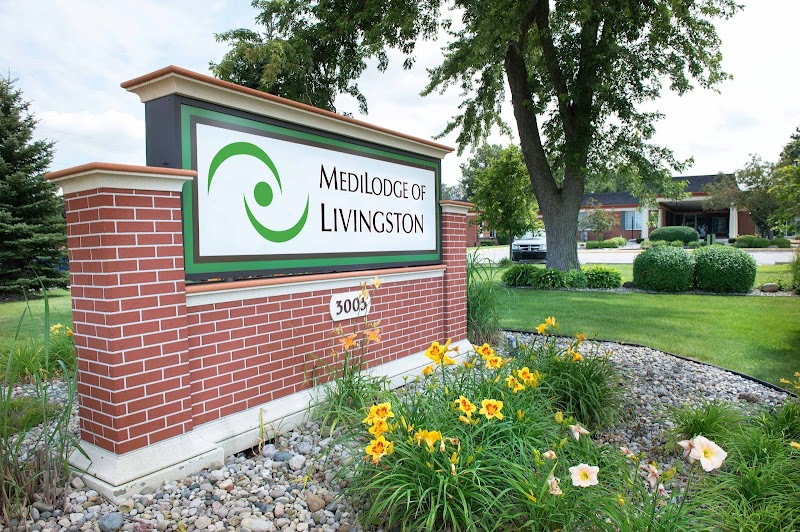
How is Medilodge Of Livingston Staffed?

CMS rates Medilodge of Livingston's staffing level at 3 out of 5 stars, which is average compared to other nursing homes. Staff turnover is 33%, compared to the Michigan average of 46%. This relatively stable workforce can support continuity of care.

What Have Inspectors Found at Medilodge Of Livingston?

State health inspectors documented 26 deficiencies at Medilodge of Livingston during 2022 to 2025. These included: 3 that caused actual resident harm and 23 with potential for harm. Deficiencies causing actual harm indicate documented cases where residents experienced negative health consequences.
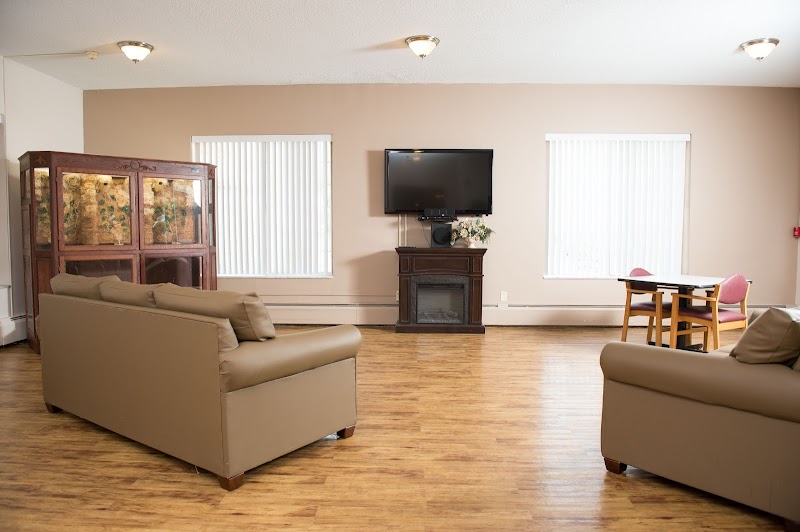
Who Owns and Operates Medilodge Of Livingston?

Medilodge of Livingston is owned by a for-profit company. For-profit facilities operate as businesses with obligations to shareholders or private owners. The facility is operated by MEDILODGE, a chain that manages multiple nursing homes. With 125 certified beds and approximately 91 residents (about 73% occupancy), it is a mid-sized facility located in Howell, Michigan.

How Does Medilodge Of Livingston Compare to Other Michigan Nursing Homes?

Compared to the 100 nursing homes in Michigan, Medilodge of Livingston's overall rating (3 stars) is below the state average of 3.1, staff turnover (33%) is significantly lower than the state average of 46%, and health inspection rating (3 stars) is at the national benchmark.

What Should Families Ask When Visiting Medilodge Of Livingston?

Based on this facility's data, families visiting should ask: "Can I visit during a mealtime to observe dining assistance and food quality?" "How do you handle medical emergencies, and what is your hospital transfer rate?" "Can I speak with family members of current residents about their experience?"

Is Medilodge Of Livingston Safe?

Based on CMS inspection data, Medilodge of Livingston has a clean safety record: no substantiated abuse findings (meaning no confirmed cases of resident harm), no Immediate Jeopardy citations (the most serious violation level indicating risk of serious injury or death), and is not on the Special Focus Facility watch list (a federal program monitoring the lowest-performing 1% of nursing homes). The facility has a 3-star overall rating and ranks #100 of 100 nursing homes in Michigan. While no facility is perfect, families should still ask about staff-to-resident ratios and recent inspection results during their visit.

Do Nurses at Medilodge Of Livingston Stick Around?

Medilodge of Livingston has a staff turnover rate of 33%, which is about average for Michigan nursing homes (state average: 46%). Moderate turnover is common in nursing homes, but families should still ask about staff tenure and how the facility maintains care continuity when employees leave.

Was Medilodge Of Livingston Ever Fined?

Medilodge of Livingston has no federal fines on record. CMS issues fines when nursing homes fail to meet care standards or don't correct problems found during inspections. The absence of fines suggests the facility has either maintained compliance or corrected any issues before penalties were assessed. This is a positive indicator, though families should still review recent inspection reports for the full picture.

Is Medilodge Of Livingston on Any Federal Watch List?

Medilodge of Livingston is not on any federal watch list. The most significant is the Special Focus Facility (SFF) program, which identifies the bottom 1% of nursing homes nationally based on persistent, serious quality problems. Not being on this list means the facility has avoided the pattern of deficiencies that triggers enhanced federal oversight. This is a positive indicator, though families should still review the facility's inspection history directly.