


Regency at Canton

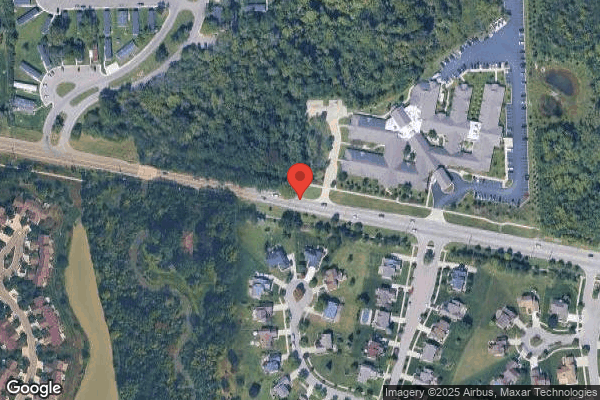
45900 Geddes Road, Canton, MI 48188 (734) 879-4100
For profit - Individual 141 Beds CIENA HEALTHCARE/LAUREL HEALTH CARE Data: November 2025 2 Immediate Jeopardy citations
Trust Grade
11/100
#326 of 422 in MI
Last Inspection: June 2025

Inspected within the last 6 months. Data reflects current conditions.

Overview

Regency at Canton has received a Trust Grade of F, indicating significant concerns about the quality of care provided. Ranking #326 out of 422 facilities in Michigan places it in the bottom half of state nursing homes, and #49 out of 63 in Wayne County suggests that only a few local options are better. Although the facility shows an improving trend, reducing issues from 8 in 2024 to 6 in 2025, there are still serious staffing concerns, with RN coverage lower than 75% of Michigan facilities. The staffing turnover rate of 38% is relatively good compared to the state average, but troubling incidents have been reported, including a resident who managed to leave the facility unnoticed, raising serious safety alarms. Additionally, fines totaling $69,797 suggest ongoing compliance issues, which could indicate deeper problems within the nursing home.

Trust Score
F
11/100
In Michigan
#326/422
Bottom 23%
Safety Record
High Risk
Review needed
Inspections
Getting Better
8 → 6 violations
Staff Stability
○ Average
38% turnover. Near Michigan's 48% average. Typical for the industry.
Penalties
⚠ Watch
$69,797 in fines. Higher than 90% of Michigan facilities, suggesting repeated compliance issues.
Skilled Nurses
⚠ Watch
Each resident gets only 28 minutes of Registered Nurse (RN) attention daily — below average for Michigan. Fewer RN minutes means fewer trained eyes watching for problems.
Violations
⚠ Watch
22 deficiencies on record. Higher than average. Multiple issues found across inspections.
★★☆☆☆
2.0
Overall Rating
★★★☆☆
3.0
Staff Levels
★★★★☆
4.0
Care Quality
★★☆☆☆
2.0
Inspection Score
Stable
2024: 8 issues
2025: 6 issues

The Good

  • 4-Star Quality Measures · Strong clinical quality outcomes
  • Full Sprinkler Coverage · Fire safety systems throughout facility
  • No fines on record
  • Staff turnover below average (38%)

    10 points below Michigan average of 48%

Facility shows strength in quality measures, fire safety.

The Bad

2-Star Overall Rating

Below Michigan average (3.1)

Below average - review inspection findings carefully

Staff Turnover: 38%

Near Michigan avg (46%)

Typical for the industry

Federal Fines: $69,797

Well above median ($33,413)

Moderate penalties - review what triggered them

Chain: CIENA HEALTHCARE/LAUREL HEALTH CARE

Part of a multi-facility chain

Ask about local staffing decisions and management

The Ugly 22 deficiencies on record

2 life-threatening 1 actual harm
Jul 2025 3 deficiencies 1 IJ
CRITICAL (J) 📢 Someone Reported This

A family member, employee, or ombudsman was alarmed enough to file a formal complaint

Immediate Jeopardy (IJ) - the most serious Medicare violation

Accident Prevention (Tag F0689)

Someone could have died · This affected 1 resident

**NOTE- TERMS IN BRACKETS HAVE BEEN EDITED TO PROTECT CONFIDENTIALITY** This citation pertains to intake MI00153910. Based on observation, interview and record review, the facility failed to assess a ...

Read full inspector narrative →
**NOTE- TERMS IN BRACKETS HAVE BEEN EDITED TO PROTECT CONFIDENTIALITY** This citation pertains to intake MI00153910. Based on observation, interview and record review, the facility failed to assess a cognitively impaired resident (R401) after expressing desire to leave the facility and an attempt to exit a back door of the facility on 6/19/25. On 6/23/25 at approximately 8:30 PM, R401 was found after exiting the facility unbeknownst to staff. R401 was located outside the facility in a hospital gown pushing their wheelchair. This resulted in an Immediate Jeopardy due to the facility's failure to identify, assess, and implement interventions to provide resident safety and prevent elopement for residents at risk. The Immediate Jeopardy (IJ) began on 6/19/25. The facility was notified of the IJ on 7/1/25 at 2:30 PM and a removal plan was requested. Findings include: Review of an intake revealed on 6/26/25 an anonymous complainant reported on the evening of 6/23/25 at around 8:30pm, R401 walked out of the front door of the facility, The resident walked out of the facility and continued walking up [NAME] Rd which is the main road. The resident was outside, maybe 10-15 minutes, wearing a hospital gown that opens in the back, pushing her wheelchair. The resident got all the way around to the end of the building. On 6/30/25 at 11:35 AM, the Surveyor observed R401 sitting at the nursing station. R401 was interviewed and said she remembered going outside but did not recall anything else about the incident. Review of nurse progress notes dated 6/19/25 at 6:59 PM, Licensed Practical Nurse (LPN) E documented R401, stated she wanted to go home, I informed (sic) that she is a resident of (Name of Facility). I showed her her room she asked to go back to the nurses station where she was sitting. (R401) She was sitting for 15 minutes and then tried to leave out the back door. Record review noted, R401 was admitted on [DATE] with diagnoses that included fracture of right femur, history of falls, abnormal posture, alcohol dependence with alcohol induced dementia, osteoporosis, chronic kidney disease stage three, glaucoma, and sarcopenia (muscle loss). According to the Minimum Data Set (MDS) dated [DATE], R401 was severely cognitively impaired with a Brief Interview for Mental Status (BIMS) score of 4 out 15. A review of R401's care plans revealed no documented evidence of an elopement care plan in place on 6/19/25 when LPN E noted R401 attempted to leave the building. R401's Elopement care plan was initiated on 6/24/25, five days after R401's attempt to exit the building. The Elopement care plan was reviewed and revealed the following: - A revision date of 7/2/25, which documented (R401) is at risk for elopement and/or wandering R/T (related to): decrease in cognition, history of attempts to leave facility unattended, impaired safety awareness. The Elopement was created on 6/24/25. - An intervention for 1:1 supervision on afternoon shift was created on 7/1/25. -An intervention for 30-minute visual checks were created on 7/1/25. -The intervention for wander guard to right ankle was created on 6/24/25. -The intervention for distract resident when wandering into inappropriate areas by offering pleasant diversions, structured activities, food conversation was created on 6/24/25. -The intervention to observe wandering behavior and attempt diversional interventional when wandering into inappropriate locations was created on 6/24/24. Review of R401 elopement assessment, dated 4/19/25, revealed R401 was evaluated as a 0 for elopement risk. Review of R401 elopement assessment dated [DATE], R401 was evaluated as a 7. Seven equates to no elopement risk. R401 was reevaluated on 5/19/25. The results were a 7 no risk. R401 was not evelauted for elopment risk after R401 attempted to exit the facility two times on 6/19/25. Further review of progress notes dated 6/23/25 at 8:28 PM, LPN B documented (R401) Resident attempted to leave. Resident redirected to unit. One on one put in place for resident safety. There was no documentation that R401 had actually left the facility. On 6/30/25 at 12:50 PM, during an interview, the Director of Nursing (DON) denied any residents had eloped from the facility. The DON said there was a resident that had attempted to elope but did not actually elope. Upon further interview the DON confirmed R401 had exited the building and was found in front of the facility. On 6/30/25 at 1:00 PM, the Nursing Home Administrator (NHA) was interviewed. The NHA said they did not consider the incident with R401 to be an elopement because R401 did not leave the premises. The NHA was unable to present any evidence where R401 was found or how R401 exited the building and how long the resident was outside unsupervised. On 6/30/25 at 1:30 PM, certified nurse assistant CNA A was interviewed and confirmed on 6/23/25 after 8PM R401 was observed outside the facility unsupervised in a hospital gown and pushing a wheelchair. CNA A observed R401 outside of the facility while walking to another unit. On 7/1/25 at 9:00 AM, License Practical Nurse (LPN) B was interviewed and said she initially documented in a progress note on 6/23/25 that R401 had attempted to leave the facility. LPN B said she received clarification that R401 was found outside of the facility but did not make an addendum to the original progress note. LPN B said they did inform the Director of Nursing on 6/23/25 that R401 had left the facility and was found outside. On 7/1/25 at 10:05 AM, the Surveyor observed there was no receptionist at the front desk for 15 minutes with multiple visitors entering and exiting the building. This indicated residents could exit the facility unbeknownst to staff On 7/2/25 at 9:28 AM, during a second interview, the DON said there was no investigation into R401's elopement. The DON was queried about staff coverage when the receptionist was on break. The DON said when the receptionist takes a break, they call the unit, and the receptionist desk is left unmanned. On 7/1/25 at 10:30 AM, in a second interview, the NHA was queried about security footage. The NHA said the camera recording system was not functional and was unable to provide evidence of where R401 was located outside of the facility. On 7/2/25 at 11:28 AM, LPN E was interviewed regarding documentation of a nurse's note dated 6/19/25. The nurse's note revealed R401attempted to elope. LPN E explained during the interview that R401 attempted to elope twice on 6/19/25, the first time R401 reached the back door, and the second time approximately 15 minutes later R401 was stopped before reaching the back door. On 7/2/25 at approximately 2:00 pm, the DON and the NHA were informed that R401 had made verbalized leaving the facility with two physical attempts to exit the facility on 6/19/25 without interventions being but in to place. Subsequently, R401 exited the building on 6/23/25 unbeknowst to staff. The DON and the NHA did not provide a response. According to the facility Elopement Policy dated 4/26/22, Elopement occurs when a guest/resident who needs supervision leaves a safe area without authorization .the facility will evaluate guest/resident's risk for elopement upon admission, weekly x 4, quarterly, and with a significant change. Periodic reviews will be completed as deemed necessary by the interdisciplinary team. Upon exiting the facility on 7/2/25 at approximately 3:00 PM no additional information was provided regarding R401's elopement from the facility. Removal Plan. Resident identified to be affected by the alleged deficient practice Resident #R401 was assisted back into the facility on 6/23/25, placed on 1:1 supervision and Q30 minute visual checks Resident #R401 was assessed for Elopement Risk on 6/24/25 Residents with the potential to be affected by the alleged deficient practice. On 7/1/25 the Administrative Nurses reviewed the residents' most recent elopement evaluation to identify the residents who are at risk for elopement o On 7/1/25 the Administrative Nurses reviewed the residents identified at risk for elopement to ensure care planned interventions are in place to prevent elopement Systemic Measures to Prevent Reoccurrence o On 7/1/25 A QAPI Meeting was held to review the root cause of the elopement, with the NHA, the DON, the Medical Director (by phone), the Social Worker the Social Worker, and Unit Managers. o On 7/1/25 The Elopement policy was reviewed and deemed appropriate. Re-education of the staff on the elopement policy began on 7/1/25, staff must be re-educated before they return to work for their scheduled shift. The facility asserts the immediacy was removed on 7/1/25. The Immediate Jeopardy was removed on 7/2/25, based on the facility's implementation of the removal plan as verified onsite on 7/2/25.
CONCERN (D) 📢 Someone Reported This

A family member, employee, or ombudsman was alarmed enough to file a formal complaint

Potential for Harm - no one hurt, but risky conditions existed

Report Alleged Abuse (Tag F0609)

Could have caused harm · This affected 1 resident

**NOTE- TERMS IN BRACKETS HAVE BEEN EDITED TO PROTECT CONFIDENTIALITY** Based on interview and record review the facility failed to report an incident of resident elopement for one resident (R401) of ...

Read full inspector narrative →
**NOTE- TERMS IN BRACKETS HAVE BEEN EDITED TO PROTECT CONFIDENTIALITY** Based on interview and record review the facility failed to report an incident of resident elopement for one resident (R401) of three residents reviewed for elopement. This failure resulted in the facility not identifying or responding to a situation in which a resident exited the facility without supervision, posing a potential risk to residents' health and safety. Findings include: On 6/30/25 at 12:50 PM, during an interview, the Director of Nursing (DON) denied any residents had eloped from the facility. The DON said there was a resident that had attempted to elope but did not actually elope. Upon further interview the DON confirmed R401 had exited the building and was found in front of the facility. On 6/30/25 at 1:00 PM, the Nursing Home Administrator (NHA) was interviewed. The NHA said they did not consider the incident with R401 to be an elopement because R401 did not leave the premises. The NHA was unable to present any evidence where R401 was found or how R401 exited the building or how long the resident was outside the facility unsupervised. On 6/30/25 at 1:30 PM certified nurse assistant CNA A was interviewed and confirmed on 6/23/25 after 8PM R401 was observed outside the facility unsupervised in a hospital gown and pushing a wheelchair. CNA A observed R401 outside of the facility while walking to another unit. On 7/1/25 at 9:00 AM, License Practical Nurse (LPN) B was interviewed and said initially they documented in a progress note on 6/23/25 that R401 had attempted to leave the facility. LPN B said she received clarification that R401 was found outside of the facility but did not make an addendum to the original progress note. LPN B said they did inform the Director of Nursing on 6/23/25 that R401 had left the facility and was found outside. On 7/2/25 at 9:28 AM, during a second interview, the DON said there was no investigation into R401's elopement. The DON said she made the decision to put the incident on paper once the surveyor came out to investigate the concern of alleged elopement. The DON was queried about receptionist coverage when the receptionist was on break. The DON said when the receptionist takes a break, they call the unit, and the receptionist desk is left unmanned. On 7/1/25 at 10:30 AM, in a second interview the NHA was queried about security footage. The NHA said the camera system was not functional. Review of nursing progress created by the DON on 7/1/25 at 5:59 revealed the family notified of R401 6/23/25 elopement until 7/1/25. Record review noted, R401 was admitted on [DATE]. R401 had pertinent diagnosis of fracture of right femur, history of falls, abnormal posture, alcohol dependence with alcohol induced dementia, osteoporosis, chronic kidney disease stage three, glaucoma, and sarcopenia (muscle loss). According to the Minimum Data Set (MDS) dated [DATE], R401 was severely cognitively impaired with a Brief Interview for Mental Status (BIMS) score of 4 out 15. According to the 4/26/22 facility Elopement Policy documented . elopement occurs when a guest/resident who needs supervision leaves a safe area without authorization . Additionally in a section of elopement policy it states, if guest leaves the facility the facility must complete and file an incident report.
CONCERN (D) 📢 Someone Reported This

A family member, employee, or ombudsman was alarmed enough to file a formal complaint

Potential for Harm - no one hurt, but risky conditions existed

Investigate Abuse (Tag F0610)

Could have caused harm · This affected 1 resident

**NOTE- TERMS IN BRACKETS HAVE BEEN EDITED TO PROTECT CONFIDENTIALITY** Based on interview and record review, the facility failed to ensure that an incident involving a resident elopement was reported...

Read full inspector narrative →
**NOTE- TERMS IN BRACKETS HAVE BEEN EDITED TO PROTECT CONFIDENTIALITY** Based on interview and record review, the facility failed to ensure that an incident involving a resident elopement was reported, investigated, and documented in accordance with federal regulations. This failure affected one resident (R401) of three residents reviewed for elopement and had the potential to place the resident at risk due to inadequate supervision and failure to follow established protocols for investigating and reporting incidents. Findings include: On 6/30/25 at 12:50 PM, during an interview, the Director of Nursing (DON) denied any residents had eloped from the facility. The DON said there was a resident that had attempted to elope but did not actually elope. Upon further questioning the DON confirmed R401 had exited the building and was found in front of the facility. On 6/30/25 at 1:00 PM, the Nursing Home Administrator (NHA) was interviewed. The NHA said they did not consider the incident with R401 to be an elopement risk because R401 did not leave the premises. The NHA was unable to present any evidence where R401 was found or how R401 exited the building or how long the resident was outside unsupervised. On 6/30/25 at 1:30 PM certified nurse assistant CNA A was interviewed and confirmed on 6/23/25 after 8PM R401 was observed outside the facility unsupervised in a hospital gown and pushing a wheelchair. CNA A observed R401 outside of the facility while walking to another unit. On 7/1/25 at 9:00 AM, License Practical Nurse (LPN) B was interviewed and said initially she documented in a progress note on 6/23/25 that R401 had attempted to leave the facility. LPN B said she received clarification that R401 was found outside of the facility but did not make an addendum to the original progress note. LPN B said they did inform the Director of Nursing on 6/23/25 that R401 had left the facility and was found outside. On 7/2/25 at 9:28 AM, during a second interview, the DON said there was no investigation into R401's elopement. The DON said she made the decision to put the incident on paper once the surveyor came out to investigate an allegation of elopement. The DON was queried about receptionist coverage when the receptionist was on break. The DON said when the receptionist takes a break, they call the unit, and the receptionist desk is left unmanned. On 7/1/25 at 10:30 AM, in a second interview the NHA was queried about security footage. The NHA said the camera system was not functional. Record review noted, R401 was admitted on [DATE]. R401 had pertinent diagnosis of fracture of right femur, history of falls, abnormal posture, alcohol dependence with alcohol induced dementia, osteoporosis, chronic kidney disease stage three, glaucoma, and sarcopenia (muscle loss). According to the Minimum Data Set (MDS) dated [DATE], R401 was severely cognitively impaired with a Brief Interview for Mental Status (BIMS) score of 4 out 15. According to the 4/26/22 facility Elopement Policy documented . elopement occurs when a guest/resident who needs supervision leaves a safe area without authorization . Additionally in a section of elopement policy it states, if guest leaves the facility the facility must complete and file an incident report.
Jun 2025 3 deficiencies
CONCERN (D)

Potential for Harm - no one hurt, but risky conditions existed

ADL Care (Tag F0677)

Could have caused harm · This affected 1 resident

**NOTE- TERMS IN BRACKETS HAVE BEEN EDITED TO PROTECT CONFIDENTIALITY** Based on observation, interview, and record review, the facility failed to provide timely nail care for one resident (R17) and s...

Read full inspector narrative →
**NOTE- TERMS IN BRACKETS HAVE BEEN EDITED TO PROTECT CONFIDENTIALITY** Based on observation, interview, and record review, the facility failed to provide timely nail care for one resident (R17) and scheduled showers for one resident (R51) out of three residents reviewed for activities of daily living, resulting in resident dissatisfaction. Findings include: R17 On 6/23/25 at 11:06 AM, R17 was observed awake and in bed. R17 was wearing a splint/brace on the right hand. R17's right hand appeared to be bent at the wrist and the fingers were noted to be flexed over and towards the palm. R17 stated, The nails on my right hand stabs my palm. They don't cut my nails. A review of the clinical record for R17 documented an initial admission date of 2/14/22 and readmission date of 3/24/25. R17's diagnoses included contracture of right hand and wrist. A Minimum Data Set assessment dated [DATE] documented intact cognition and functional limitation in range of motion on one side of his upper extremity. Review of the Certified Nurse Aide (CNA) plan of care for R17 documented to keep fingernails trimmed and clean. During an observation and interview on 6/25/25 at 10:58 AM of R17's hands with CNA A, R17 stated, My nails stab me a lot. They are all sharp. CNA A said the thumb nail on R17's right hand was thicker than the rest of his nails and was pointed on one side. The corners of some of R17's fingernails were pointed. The index and pinky nails on his left hand were jagged. CNA A stated, (R17) has never refused nail care. CNA A said R17's fingernails were long and needed to be cut. During an interview on 6/25/25 at 12:55 PM, the Director of Nursing (DON) said the reported shape of R17's fingernails could result in him poking himself, and R17's fingernails should have been trimmed when he received his shower. Record review revealed R17's last shower was on 6/21/25. A review of a facility document titled, Routine Resident Care, dated 3/12/25 revealed in part the following: Residents receive the necessary assistance to maintain good grooming and personal/oral hygiene. Daily personal hygiene minimally includes assisting or encouraging residents with washing their face and hands, shaving, nail care, combing their hair each morning, and brushing their teeth and/or providing denture care. Any concerns will be reported to the nurse. On 6/25/25 at 3:45 PM during the exit conference, the Nursing Home Administrator and DON did not offer additional documentation or information when asked. R51 On 6/23/25 at 9:21 a.m. R51 was observed resting in bed and watching television. The resident presented as alert, oriented to person, place, situation, and able to make all needs known. During the resident interview, R51 said they had not received scheduled showers in over a month. Shower days are Tuesdays and Fridays on the afternoon shift (3pm- 7pm). R51 continued to say they prefer showers at night before bed, It helps me to sleep better, and I don't feel dirty. Review of the electronic medical record documented R51 was initially admitted into the facility on 1/29/17 with diagnoses that included diabetes mellitus, type 2, bilateral osteoarthritis of the hip, and chronic pulmonary embolism. According to the quarterly MDS assessment dated [DATE] documented R51 was cognitively intact (BIMS-15) and required extensive one- person assistance with activities of daily living specifically bathing and showers. Review of the ADL care plan dated 3/18/24 documented the following: (R51) has a functional ability deficit and require assistance with self-care/mobility pertaining to weakness and impaired mobility . Intervention- Bath/shower: resident requires substantial/maximal assistance with one helper. Review of the Shower/Bathing Task with the look back period of 30 days documented R51 did not receive a shower or bed bath: 6/3/25 (Tuesday) - Not Applicable 6/6/25 (Friday)- Not Applicable 6/10/25 (Tuesday)- Not Applicable 6/17/25 (Tuesday)- Not Applicable 6/20/25 (Friday)- Not Applicable 6/24/25 (Tuesday)- No On 6/25/25 at 1:53 p.m. CENA E was queried about R51's receiving scheduled showers. CENA E said the resident's showers are done on the afternoon shift and documented they were done on the task. CENA E also said during the day shift, the resident is washed up, no showers or bed baths. On 6/25/25 at 1:55 p.m. Unit Manager (UM) F was interviewed and queried about R51 not receiving scheduled showers. UM F said the resident's shower days were changed to Mondays and Thursdays not Tuesdays and Fridays, however, was still not aware the resident did not get the scheduled shower. UM F said there was no notification the resident was not getting showers. Shower days are switched on the assignment sheet but not everywhere else. The unit currently does not have regular afternoon staff and possibly the showers were missing that way. The aides are to notify the nurse when residents don't receive scheduled showers for any reason. The aides are to offer the shower three times and document the reason for the missed shower. The nurse is to notify the Unit Manager if it continues. Review of the facility's policy titled Routine Resident Care, dated 3/12/25 documented in part the following: Residents receive the necessary assistance to maintain good grooming and personal/oral hygiene. Steps are taken to ensure that a resident's capacity for self-performance of these activities does not diminish unless circumstances of the resident's clinical condition demonstrate the decline is unavoidable. Care is taken to ensure resident safety at all times . Showers, tub baths, and/or shampoos are scheduled according to person centered care or state specific guidelines . Any concerns will be reported to the nurse .
CONCERN (D)

Potential for Harm - no one hurt, but risky conditions existed

Deficiency F0687 (Tag F0687)

Could have caused harm · This affected 1 resident

**NOTE- TERMS IN BRACKETS HAVE BEEN EDITED TO PROTECT CONFIDENTIALITY** Based on observation, interview, and record review, the facility failed to provide podiatry services in a timely manner for one ...

Read full inspector narrative →
**NOTE- TERMS IN BRACKETS HAVE BEEN EDITED TO PROTECT CONFIDENTIALITY** Based on observation, interview, and record review, the facility failed to provide podiatry services in a timely manner for one resident (R62) out of one resident reviewed for podiatry services, resulting in unmet care needs. Findings include: During an observation and interview on 6/25/25 at 10:24 AM of R62's feet, Licensed Practical Nurse/Unit Manager (LPN/UM) C described the condition of the toenails on R62's right foot as raised, long, thicken, discolored, darkened, fungal like, and in need of trimming. The skin around R62's toes was dry and scaly. LPN/UM C described the condition of the toenails on R62's left foot as follows, the 1st, 2nd, 3rd, and 4th digits were thick and long and in need of trimming. There was some toe discoloration and skin dryness around the toes but not as much as the right foot. LPN/UM C indicated R62's insurance did not cover in-house podiatry services, and they have been working on getting her podiatry services. LPN/UM C was unable to provide documentation of attempts to secure podiatry services for R62. A review of the clinical record for R62 documented an admission date of 12/14/22 with diagnoses that included dementia, polyneuropathy, and chronic pain syndrome. A Minimum Data Set assessment dated [DATE] documented severe cognitive impairment and functional limitation in range of motion on both sides of her upper and lower extremities. Record review of R62's at risk for impaired skin integrity/pressure injury care plan documented in part to Conduct weekly head to toe skin assessments, document and report abnormal findings to the physician. Initiated on 12/14/22. During an interview on 6/25/25 at 12:00 PM, Social Worker (SW) D said a new mobile medical provider was offering podiatry services to the facility. SW D was unsure of the new company's start date. SW D provided a document dated 6/24/25 that indicated R62 opted out of podiatry services. SW D was unable to provide documentation that R62 had opted out of podiatry services prior to 6/24/25. During an interview on 6/25/25 at 1:04 PM, the Director of Nursing (DON) said they were having issues with R62's insurance company paying for podiatry services. The DON acknowledged there was a previous consent for R62 to receive podiatry services dated 8/24/23. The DON added that it could be assumed that her insurance paid for the podiatry service when previously rendered. Record review of a podiatry note dated 5/4/24 with the DON documented in part the following: Nails: elongated, dystrophic (deformed, thickened or discolored), black yellow/nails. Onychomycosis (nail fungus). Foot and toe pain. Examination, evaluation; debridement of the nails as much as possible. Flattened, thinned and trimmed the nails as much as the patient could tolerate. R/A (reassess) nine weeks or prn (as needed). The DON said she was unsure of what had occurred with podiatry services for R62 during the past year. The DON indicated there were no progress notes/documentation of facility staff contacting R62's guardian regarding issues with insurance coverage for podiatry services. The DON acknowledged that R62's care conferences would have been a good time to discuss podiatry coverage concerns with the guardian. Notes from care conferences held on 12/20/24, 3/17/25, and 6/16/25 were reviewed with the DON and concerns regarding insurance coverage for podiatry services were not addressed. The DON said based off LPN/UM C's observations, R62 should have been seen by podiatry regularly. A review of a facility document titled, Social Services Referral to Outside Providers, dated 10/27/23, revealed in part the following: Referrals to ancillary providers will be made in order to meet the psychosocial and/or concrete needs of a resident. Referrals will be made with consent from the resident or resident representative as needed. Follow up visits will be scheduled as needed. On 6/25/25 at 3:45 PM during the exit conference, the Nursing Home Administrator and DON did not offer additional documentation or information when asked.
CONCERN (F)

Potential for Harm - no one hurt, but risky conditions existed

Food Safety (Tag F0812)

Could have caused harm · This affected most or all residents

Based on observation, interview, and record review the facility failed to 1. Consistently maintain the kitchen in a clean and sanitary condition; 2. Properly date and label food in the refrigerator; 3...

Read full inspector narrative →
Based on observation, interview, and record review the facility failed to 1. Consistently maintain the kitchen in a clean and sanitary condition; 2. Properly date and label food in the refrigerator; 3. Ensure food is properly stored in the freezer. 4. Ensure the use of hair restraints of staff working in the kitchen. These deficient practices had the potential to affect all the residents who consumed food from the kitchen, resulting in an increased risk for food borne illness. Findings include: On 6/23/25 beginning at 9:05 a.m., the initial tour of the kitchen was conducted with Certified Dietary Manager, (CDM) G. Upon entering the kitchen, Sous Chef H was observed near the tray serving line and steam table with a grown-out beard that was not covered with a beard guard. During the tour, the following items were observed in the walk-in refrigerators and freezer: Walk-in Refrigerators: -Upon entering the walk-in refrigerator, the entire floor was wet. -Wilted, wet lettuce and other food particles were on the floor. -Wilted lettuce was exposed in a partially opened box. - In the second walk-in refrigerator, there was a quart of milk that was opened and without an open date. - A clear plastic container with sliced cheese was soiled on the inside and outside with an unidentified white substance. - A clear plastic container with shredded cheese was soiled on the inside with an unidentified white substance. Walk-In Freezer: -The walk-in freezer was observed with frozen hamburger patties in a plastic bag that was opened to the air, with signs of freezer burn (dried discolored edges of the patties). -There was a bag of frozen pancakes in a plastic bag, inside a box that was opened. -There was a plastic bag of breaded chicken strip, unsealed and opened to the freezer air, with signs of freezer burn (dried discolored edges of the chicken pieces). Other kitchen observations included: -The floor in the food prepping and serving area (behind the steam table and food prep table) was observed with dried food and dirty. -Food crumbs and an unidentified liquid were on the food prepping table. -There was dried food on the stove top, near the burners. -There was dried food on the griddle. - At 9:37 a.m., Sous Chef H was again observed in the food serving area without a beard guard. On 6/23/25 at 9:39 a.m., CDM G was queried about the condition of the kitchen and was not able to explain the opened foods found in the refrigerators and freezer. CDM G explained the refrigerated cheese containers had frost on them and were not soiled. On 6/23/25 at beginning at 11:45 a.m., during the lunch meal dining observation, Sous Chef H still had not donned a beard guard and was observed entering and exiting the kitchen serving plated food to various residents in the dining room. CDM G was standing by and asked was facial hair nets were available for use. CDM G said the kitchen supplies facial and hair nets. Sous Chef H approached, and both were asked why Sous Chef H was not wearing a facial hair net. Sous Chef H retreated to the kitchen to retrieve a facial hair net. On 6/24/25 at 1:16 p.m. upon entering the kitchen, Sous Chef H was observed standing near the food serving area with the facial hair underneath the chin, exposing the beard. On 6/25/25 at 10:22 a.m. the Nursing Home Administration was interviewed about the condition of the kitchen and stated, If we overlooked some things, it will be corrected. Review of the facility's policy titled Food Purchasing and Storage, dated 12/10/24 documented in part the following: .Food Storage Areas: The stock will be rotated when stored. All food items will be dated with the In Date (or delivery date). Dating facilitates proper rotation of stack . Perishable Storage Facilities: The refrigerator/freezer facilities will be constructed to meet the sanitation code . Foods will be stored so there is no contamination . Perishable Food Storage: Fruits and vegetables will be refrigerated in their original or clean containers. These items will be sorted regularly, and damaged or spoiled pieces will be discarded . All food items in refrigerators will be properly dated, labeled, and placed in containers with lids, will be wrapped, or stored in sealed food storage bags . All opened frozen foods will be dated, labeled, and wrapped or sealed. Moisture-proof, tight-fitting materials will be used to prevent freezer burn . According to the 2013 FDA Food Code: - Section 2-402, Except as provided in (B) of this section, food employees shall wear hair restraints such as hats, hair coverings or nets, beard restraints, and clothing that covers body hair, that are designed and worn to effectively keep their hair from contacting exposed food; clean equipment, utensils, and linens; and unwrapped single-service and single-use articles. Section 4-602.11. Equipment Food-Contact Surfaces and Utensils. Equipment food-contact surfaces and utensils shall be cleaned (5) at any time during the operation when contamination may have occurred. Section 3-101.11, entitled, Safe, Unadulterated, and Honestly Presented, was reviewed and revealed, Food shall be safe, unadulterated, and, as specified under § 3-601.12, honestly presented.
Jun 2024 6 deficiencies
CONCERN (D)

Potential for Harm - no one hurt, but risky conditions existed

Deficiency F0554 (Tag F0554)

Could have caused harm · This affected 1 resident

**NOTE- TERMS IN BRACKETS HAVE BEEN EDITED TO PROTECT CONFIDENTIALITY** Based on observation, interview, and record review, the facility failed to complete an assessment for the self-administration of...

Read full inspector narrative →
**NOTE- TERMS IN BRACKETS HAVE BEEN EDITED TO PROTECT CONFIDENTIALITY** Based on observation, interview, and record review, the facility failed to complete an assessment for the self-administration of medication for one resident (R51), out of 40 residents reviewed for medication administration, resulting in the potential for inappropriate medication administration. Findings include: On 6/11/24 at 9:30 AM, Resident #51 (R51) was sitting on the side of his bed. An overbed table was in front of the resident as he was eating breakfast. R51 said a podiatrist did minor surgery on his toe. A 30 cc (cubic centimeter) cup with white cream was observed on the overbed table. When queried about the contents, R51 stated, It's a pain lotion. I put it on myself. On 6/11/24 at 9:39 AM, Licensed Practical Nurse (LPN) K indicated she was the nurse for R51. R51's medications were reviewed with LPN K, and R51 had a prescription for diclofenac sodium topical gel 1%. This medication was to be applied to left foot topically three times a day for pain. LPN K said R51 puts the medicated lotion on his toe himself. LPN K acknowledged that R51 did not have a physician's order to self-administer the medicated lotion. LPN K stated, He wants to do it himself. When queried if it was right for R51 to administer the medication himself without a physician's order, LPN K stated, No. A review of R51's clinical record documented an initial admission to the facility on 1/31/15 and readmission on [DATE]. R51's diagnoses included diabetes mellitus-type 2, peripheral vascular disease, and acquired absence of left toe(s). A Minimum Data Set assessment dated [DATE] documented moderate cognitive impairment. There was no care plan for self-administration of medication in R51's clinical record On 6/13/24 at 10:51 AM, the Director of Nursing (DON) said the nurse should have applied the (medicated) cream because of the physician's order. A review of the facility policy titled, Medication Administration, dated 10/17/23, documented in part the following: Residents are allowed to self-administer medications when specifically authorized by the attending physician and in accordance with the guideline for self-administration of medication. A self-administration evaluation will be completed prior to the resident starting the self-administering process. Self-administration of medication will be reflected in the resident care plan along with any special considerations. On 6/13/24 at 3:00 PM during the exit conference, the Nursing Home Administrator and DON did not offer additional documentation or information when asked.
CONCERN (D)

Potential for Harm - no one hurt, but risky conditions existed

Notification of Changes (Tag F0580)

Could have caused harm · This affected 1 resident

**NOTE- TERMS IN BRACKETS HAVE BEEN EDITED TO PROTECT CONFIDENTIALITY** Based on interview and record review, the facility failed to notify the physician of an acute change in condition for one reside...

Read full inspector narrative →
**NOTE- TERMS IN BRACKETS HAVE BEEN EDITED TO PROTECT CONFIDENTIALITY** Based on interview and record review, the facility failed to notify the physician of an acute change in condition for one resident (R152). Findings include: A review of the clinical record revealed Resident #152 (R152) was initially admitted to the facility on [DATE] and readmitted on [DATE]. R152's diagnoses included chronic obstructive pulmonary disease, major depressive disorder, anxiety disorder, hypertension, congestive heart failure (CHF), and gastro-esophageal reflux disease. A Minimum Data Set assessment dated [DATE] documented intact cognition. On 6/13/24 at 10:55 AM, when a review of R152's clinical record was conducted with the Director of Nursing (DON), the following was noted: 1. Nurse progress note dated 4/7/24 at 12:57 PM: Resident refusing food and pills this AM. Requested to go to the hospital r/t (related to) stomach pain. 2. According to the April 2024 Medication Administration Record for R152, 9:00 AM medications refused by on 4/7/24 included: Bupropion (for depression), Duloxetine (for depression), Furosemide (for CHF), Lisinopril (for hypertension), Vesicare (for overactive bladder), Diclofenac (for pain), Metformin (for diabetes), Gabapentin (for neuropathy), and Mylanta (for indigestion). 3. Review of an eINTERACT Change in Condition Evaluation, dated 4/7/24 at 1:03 PM for R152 documented in part the following: - Signs & symptoms identified: Abdominal pain. Started on 4/6/24 at night. - Mental status evaluation: Altered level of consciousness (hyperalert, drowsy but easily aroused, difficult to arouse) - Description of respiratory changes: labored or rapid breathing - Abdominal/GI status evaluation: Abdominal pain. Abrupt onset of severe pain or distention, OR with fever, vomiting. Acute on chronic abdominal pain. - Summary of observations, evaluation and recommendations: Resident refusing food and pills this AM. Requested to go to the hospital r/t stomach pain. - Were the change in condition and notifications reported to primary care clinician? No - If no, please explain: Resident requested to go to the hospital. 4. There were no nursing progress notes generated on 4/6/24. After R152's record review, the DON agreed that something acute was going on with R152. The DON said, I don't see that the physician was notified. The physician needs to be informed of any change in resident's condition and of the resident's request (to go to the hospital). The DON added that when R152 refused her 9:00 AM medications on 4/7/24, We should have notified the physician. A review of the facility policy titled, Notification of Change, dated 2/14/24, revealed in part the following: - The facility must inform the resident; consult with the resident's practitioner .when there is a change in status. - A change in status would include .a decision to transfer or discharge the resident from the facility. On 6/13/24 at 3:00 PM during the exit conference, the Nursing Home Administrator and DON did not offer additional documentation or information when asked.
CONCERN (D)

Potential for Harm - no one hurt, but risky conditions existed

Deficiency F0658 (Tag F0658)

Could have caused harm · This affected 1 resident

**NOTE- TERMS IN BRACKETS HAVE BEEN EDITED TO PROTECT CONFIDENTIALITY** Based on observation, interview, and record review the facility failed to administer a transdermal patch in accordance with the ...

Read full inspector narrative →
**NOTE- TERMS IN BRACKETS HAVE BEEN EDITED TO PROTECT CONFIDENTIALITY** Based on observation, interview, and record review the facility failed to administer a transdermal patch in accordance with the manufactures guidelines and physician's orders for two residents (R211 and R257) out of forty residents reviewed during medication administration, resulting in the potential for excessive medication dosage delivery and inadequate pain relief. Findings include: R211 On 6/12/2024 at 09:18 a.m. Medication Administration (Med Pass) for R#211 was performed with Licensed Practical Nurse (LPN) R. During the med pass, LPN R was informed by R211 that a right hip Lidoderm patch was not applied on 6/11/2024. LPN R observed a Lidoderm patch dated 6/11/2024 on R211's left hip. LPN R said the Lidoderm patch was put on the wrong hip. LPN R removed the left hip Lidoderm patch and placed another Lidoderm patch on R211's right hip. LPN R was asked was the physician's order written for the Lidoderm patch to be placed on the right hip. LPN R stated, Yes, the Lidoderm patch should have been on the side the resident was having pain. It was the nurse from yesterday (6/11/2024) that put it on the wrong hip. According to the electronic medical record, R211 was initially admitted into the facility on 4/20/2024 and re-admitted on [DATE] with diagnoses of gout and end stage renal disease. R211's admission Minimum Data Set Assessment (MDS) with a reference date of 3/28/2024 indicated the resident's cognition was intact with a BIMS (brief interview for mental status) score of 13 out of a possible score of 15. Review of the physician order documented, Lidoderm External Patch 5%: Apply to right hip topically every twenty-four hours for pain on for twelve hours: off for twelve hours with a start date of 6/8/2024. On 6/13/2024 at 2:15 p.m., during an interview the director of Nursing (DON) was informed of R211's Lidoderm patch observed on the wrong hip. The DON confirmed the Lidoderm patches should have been applied as ordered. R257 On 6/12/2024 at 09:30 a.m. medication pass for R#257 was performed with Licensed Practical Nurse (LPN) Q. LPN Q reviewed the Medication Administration Record (MAR) for R257's Lidoderm Patches removal and application times. LPN Q said the patch was to be removed at 8:59 a.m. and applied to the right shoulder and right hip at 9:00 a.m. LPN Q was asked were the time of removing the patches one minutes apart. LPN Q confirmed the removal times documented on the MARs was correct. LPN Q was asked for the Lidoderm Patch Manufacture instructions. When LPN Q read the Lidoderm Patch manufacture instructions, the following was documented, Apply the Prescribed number of patches on once for up to twelve hours within a twenty-four-hour period. Remove patches if irritation occurs. LPN Q stated. It should stay on for twelve hours not almost twenty-four hours, I am glad you caught that. On 6/12/2024 at 9:50 a.m. during an interview, Unit Manager/Licensed Practical Nurse (UM/LPN) S confirmed R257's Lidoderm Patches should have been removed at 9:00 p.m. and applied at 9:00 a.m. UM/LPN S stated, The patches should be on for only twelve hours; I will follow up on it. On 6/13/2024 at 2:15 p.m., during an interview the Director of Nursing (DON) was informed of the inaccurate documented times of R257's Lidoderm patches removal and application. The DON confirmed that Lidoderm patches should only be left on for twelve hours and should have been removed at 9:00 p.m. and written on the MAR accordingly to those times. According to the electronic medical record, R257 was admitted into the facility on 5/29/2024 with diagnoses of aged-related osteoporosis and chronic kidney disease. R257's admission MDS with a reference date of 6/4/2024 indicated the resident cognition was intact with a BIMS score of 13 out of a possible score of 15. Review of the physician order documented, Lidoderm Patch 5%: Apply to right shoulder and right hip topically in the morning for pain and remove per schedule with a revision date of 6/12/2024. According to the facility's revised date 10/17/2023 Medication Administration policy: Resident medications are administered in an accurate, safe, timely and sanitary manner. Physician's orders: Medications are administered in accordance with written orders of the attending physician.
CONCERN (D)

Potential for Harm - no one hurt, but risky conditions existed

Deficiency F0685 (Tag F0685)

Could have caused harm · This affected 1 resident

**NOTE- TERMS IN BRACKETS HAVE BEEN EDITED TO PROTECT CONFIDENTIALITY** Based on observation, interview, and record review the facility failed to provide audiology services for one of one resident (R6...

Read full inspector narrative →
**NOTE- TERMS IN BRACKETS HAVE BEEN EDITED TO PROTECT CONFIDENTIALITY** Based on observation, interview, and record review the facility failed to provide audiology services for one of one resident (R65) reviewed for hearing concerns, resulting in inadequate accommodations of hearing needs. Findings include: On 6/12/24 at 8:46 am R65 was observed in bed eating breakfast. When R65 was asked about conditions in the facility she replied, I can't hear you can you speak up? R65 was asked do you have hearing aids R65 replied I still can't hear you. There were no hearing devices observed in R65's room. Record review of the Electronic Medical Record (EMR) revealed R65 was admitted into the facility on 3/26/24 with diagnoses that included unspecified hearing loss bilateral, cochlear implant status and history of falling. According to the quarterly Minimum Data Set (MDS) assessment dated [DATE], R65 had severe cognitive impairment. The assessment also documented R65 had moderate difficulty hearing and had no hearing aids. Record review of the care plan dated 4/2/24 revealed in part . Focus: R65 has impaired communication as evidenced by hearing deficit, having to repeat words, Goal: will maintain communication by hearing devices, Interventions: Refer to Audiology for hearing consult as ordered. There were no audiology consults to review in the medical record. There were no physician's orders for an audiology consult in the medical record. On 6/12/24 at 3:25 p.m. Social Worker A was interviewed and said R65 was not referred to see the audiologist, so no consults were available for review. Social Worker A also said the process for hearing referrals are as follows: a consent is first obtained by the resident or legal guardian, then sent to the ancillary service provider. A physician's order is also obtained. Once the referral is sent to the ancillary service provider then residents are put on the list to be seen on the next visit. Social Worker A stated, The previous Social Worker left in April so R65 was not referred to the audiologist. On 6/13/24 at 9:30 a.m. the Director of Nursing (DON) was interviewed and said the Social Worker is responsible for facilitating audiology services and agreed R65 should have been referred to audiology services. Review of the facility's policy titled Social Services Referral to Outside Providers last revised 10/27/2023 revealed in part .Referrals to ancillary providers will be made to meet the psychosocial and/or concrete needs of a resident. Social services make a referral to the outside service and provides demographics and signed consent, as needed.
CONCERN (D)

Potential for Harm - no one hurt, but risky conditions existed

Medical Records (Tag F0842)

Could have caused harm · This affected 1 resident

**NOTE- TERMS IN BRACKETS HAVE BEEN EDITED TO PROTECT CONFIDENTIALITY** Based on interview and record review, the facility failed to ensure wound treatments were consistently documented per physician...

Read full inspector narrative →
**NOTE- TERMS IN BRACKETS HAVE BEEN EDITED TO PROTECT CONFIDENTIALITY** Based on interview and record review, the facility failed to ensure wound treatments were consistently documented per physician orders and nursing standards of practice for treatment administration for one resident (R3) of three residents reviewed for skin conditions, resulting in the potential for compromise and complications in health. Findings include: A review of the clinical record documented Resident #3 (R3) was initially admitted to the facility on [DATE] and readmitted on [DATE]. R3's diagnoses included schizophrenia, epilepsy, cerebral infarction, and hemiplegia. A Minimum Data Set assessment dated [DATE] documented severe cognitive impairment. Wound note of 5/2/24 documented left 1st digit (hallux-great toe) wound size as 0.7 cm (centimeter) x 0.2 cm. Wound note of 6/8/24 documented left 1st digit wound size as 0.7 cm x 0.5 cm. Review of R3's care plans documented the following: - (R3) is at risk for skin integrity/pressure injury related to: decreased cognition, incontinence, decreased independent mobility, left side hemiplegia, limited turn sites, contractures bilateral upper extremities and lower extremities. Revised on 5/3/22. - Vascular wound tip of left great toe. Dated 4/13/24. Interventions included: - Follow facility policies/protocols for the prevention/treatment of impaired skin integrity. Dated 6/29/20. - Treatment per order. Dated 4/13/24. On 6/13/24 at 1:20 PM, a review of R3's physician's orders and Treatment Administration Records (TAR) with the Director of Nursing (DON) revealed that wound care was not documented on the TARs as follows: - Clean with normal saline. Dry and apply antifungal powder under left arm and inside the palm of left hand. Dated 1/2/24. Day administration not documented: 5/8/24, 5/13/24, 5/18/24, 5/19/24, 5/23/24, 5/24/24, 5/27/24, 5/29/24, 6/2/24, 6/6/24. Night administration not documented: 5/2/24, 5/6/24, 5/7/24, 5/8/24, 5/9/24, 5/11/24, 5/12/24, 5/15/24, 5/16/24, 5/27/24, 5/30/24, 6/3/24, 6/4/24, 6/5/24, 6/9/24. - Cleanse buttocks with soap and water. Apply Z Guard (used to treat and prevent minor skin irritations), cover with foam dressing every night shift for popped blister. Dated 7/12/23. Night administration not documented: 5/2/24, 5/6/24, 5/7/24, 5/8/24, 5/9/24, 5/11/24, 5/12/24, 5/15/24, 5/16/24, 5/19/24, 5/27/24, 5/29/24, 5/30/24, 6/3/24, 6/4/24, 6/5/24, 6/9/24. - Cleanse left great toe (big) with normal saline, apply medihoney (wound care gel) and border gauze every shift and prn (as needed) every shift. Dated 4/4/24. Day administration not documented: 5/8/24, 5/13/24, 5/18/24, 5/19/24, 5/23/24, 5/27/24, 5/29/24, 6/2/24, 6/6/24, 6/7/24. Night administration not documented: 5/1/24, 5/2/24, 5/6/24, 5/7/24, 5/8/24, 5/9/24, 5/11/24, 5/12/24, 5/15/24, 5/16/24, 5/19/24, 5/20/24, 5/24/24, 5/27/24, 5/29/24, 5/30/24, 6/3/24, 6/4/24, 6/5/24, 6/9/24. The DON stated, The nurses should have documented (on the TAR) even if they (the resident) refused. A review of the facility policy titled, Documentation Expectations, dated 6/21/23, revealed in part the following: - Chart events as they occur and maintain chronological order. - An electronic medication/treatment administration record is utilized, nurse initials, omissions, or other documentation relating to the administering of a medication/treatment will be documented in an electronic format per the electronic format per the electronic medication/treatment administration record software. On 6/13/24 at 3:00 PM during the exit conference, the Nursing Home Administrator and Director of Nursing did not offer additional documentation or information when asked.
CONCERN (F)

Potential for Harm - no one hurt, but risky conditions existed

Food Safety (Tag F0812)

Could have caused harm · This affected most or all residents

**NOTE- TERMS IN BRACKETS HAVE BEEN EDITED TO PROTECT CONFIDENTIALITY** Based on observation, interview, and record review, the facility failed to: 1. Ensure the dishmachine was in good working order;...

Read full inspector narrative →
**NOTE- TERMS IN BRACKETS HAVE BEEN EDITED TO PROTECT CONFIDENTIALITY** Based on observation, interview, and record review, the facility failed to: 1. Ensure the dishmachine was in good working order; 2. Ensure pans and lids were properly cleaned and allowed to air dry before stacking; 3. Ensure the floor of the walk-in cooler was cleaned. 4. Store a plastic crate containing cartons of milk on a clean floor; 5. Ensure expired food was not stored with active food stock; 6. Properly date-label food stored in the walk-in cooler, walk-in freezer, and resident refrigerators; 7. Ensure proper cooling of cooked, potentially hazardous (time-temperature for safety) food, goulash and sausage gravy; and 8. Ensure staff food was not commingled with residents' food. These deficient practices had the potential to affect all the residents who consumed food from the kitchen, resulting in the potential for food-borne illness. Findings include: On 6/11/24 at 7:25 AM, during the initial tour of the kitchen with Dietary Manager (DM) B the following was observed: The temperature log for the dishmachine did not have an entry for 6/11/24. DM B acknowledged that the temperatures of the dishmachine wash water and rinse water had not been obtained prior to washing kitchen items, a drinking glass, two knives, a green handled portion scoop, and an eight-quart clear plastic food container, that were drying on a rack on the dishmachine draining board. DM B said they use a high-temperature dishwasher, and they should have obtained water the temperatures before using it. DM B ran a dishwasher temperature label through the dishmachine two consecutive times. The indicator panel on the temperature label was to turn black when the wash and rinse temperatures reached the correct temperature to clean and sanitize kitchenware and tableware. Neither test strip turned black. DM B said he will request a technician service call from the company that services and repairs the dishmachine. The following was observed stored in the clean pot/pan area: - Three 16 x 24 sheet pans nestled together were wet and soiled with food debris. - Five clear storage container lids nestled together were soiled with coffee stains. The following was observed in the walk-in cooler: - A milk crate full of eight-ounce carton of milk was store on the floor. DM B said nothing should be on floor in walk in cooler. - An open bag of mozzarella cheese with a use-by-date of 6/4/24. - A box of cheese manicotti shells with two of the shells uncovered in the box. - A sixth-size steam table pan containing a red sauce. The sauce was uncovered and undated. - Two 16.9 ounces of carbonated beverages. DM B said the pop belonged to staff. - The floor of the walk-in cooler was stained and soiled with debris. The following was observed in the walk-in freezer: - An opened package containing three pounds of uncooked sausage was not labeled with opened and use-by dates. - A full undated eight-quart container of goulash. - A half-full undated eight-quart container of sausage gravy. When asked for the cooling logs for the goulash and sausage gravy, DM B said they were not done. During a return visit to the kitchen on 6/11/24 at 3:05 PM, [NAME] E ran a dishwasher temperature label through the dishmachine. The temperature indicator panel did not turn black. On 6/11/24 at 3:15 PM, the dishmachine service technician, (Tech I) performed diagnostic tests on the dishmachine and determined that one of the heating elements for the dishmachine was not working and needed to be replaced. Additionally, the main power switch to the dishwasher booster heater had been turned off. On 6/13/24 at 9:40 AM, the following was observed in the Cherry Hill nourishment refrigerator: - two unopened snack meal kits containing meat and cheese. The meal kits were not labeled with a resident name. On 6/13/24 at 9:45 AM, the following was observed in the [NAME] nourishment refrigerator: - one unopened loaf of cinnamon bread. The loaf of bread was not labeled with a resident name. A review of the facility policy titled, Dish Machine Usage and Sanitation, dated 11/19/21, documented in part the following: - The Culinary staff will check the temperatures on a High Temperature Dish Machine for proper sanitation, using the machine Wash and Rise Gauges, before washing dishes. - In addition to recording the gauge temperatures, the Culinary staff will check the calibration of the gauges per Manufacturers' recommendations prior to washing dishes by using a commercial temperature test strip. - Corrective action will be taken immediately if . there is inadequate Wash or Rise Temperatures. - Minimum Wash Temperature 150-170 F (according to the type of dish machine, as defined by manufacturers' instructions; and Final Rinse Temperature must be at least 180 F. According to the 2013 FDA Food Code: - Section 3-101.11, entitled, Safe, Unadulterated, and Honestly Presented, was reviewed and revealed, Food shall be safe, unadulterated, and, as specified under § 3-601.12, honestly presented. - Section 3-305.11 Food Storage. Pressurized beverage containers, cased food in waterproof containers such as bottles or cans, and milk containers in plastic crates may be stored on a floor that is clean and not exposed to floor moisture. - Section 3-501.14 Cooling. (A) Cooked time/temperature control for safety food shall be cooled: (1) Within 2 hours from 135ºF to 70°F; and (2) Within a total of 6 hours from 135ºF to 41°F or less. - Section 4-501.11, Equipment shall be maintained in a state of repair and condition that meets the requirements specified under Parts 4-1 and 4-2. - Section 4-601.11 Equipment, Food-Contact Surfaces, Nonfood-Contact Surfaces, and Utensils. (A) Equipment food-contact surfaces and utensils shall be clean to sight and touch. (B) The food-contact surfaces of cooking equipment and pans shall be kept free of encrusted grease deposits and other soil accumulations. - Section 6-501.12 Cleaning, Frequency and Restrictions. (A) PHYSICAL FACILITIES shall be cleaned as often as necessary to keep them clean. On 6/13/24 at 3:00 PM during the exit conference, the Nursing Home Administrator and Director of Nursing did not offer additional documentation or information when asked.
Feb 2024 2 deficiencies
CONCERN (D) 📢 Someone Reported This

A family member, employee, or ombudsman was alarmed enough to file a formal complaint

Potential for Harm - no one hurt, but risky conditions existed

Deficiency F0602 (Tag F0602)

Could have caused harm · This affected 1 resident

**NOTE- TERMS IN BRACKETS HAVE BEEN EDITED TO PROTECT CONFIDENTIALITY** This citation pertains to MI000141717 Based on interview and record review, the facility failed to prevent the misappopriation o...

Read full inspector narrative →
**NOTE- TERMS IN BRACKETS HAVE BEEN EDITED TO PROTECT CONFIDENTIALITY** This citation pertains to MI000141717 Based on interview and record review, the facility failed to prevent the misappopriation of narcotic medication for two residents (R501 and R502) of three residents reviewed resulting in staff misappropriation of medication. Findings include: R501 A review of R501's Electronic Medical Record (EMR) revealed R501 was admitted to the facility 12/14/22. R501 had the following medical diagnoses: Dementia and Chronic Pain Syndrome. A review of R501's Minimum Data Set (MDS) dated [DATE] revealed R501 had a Brief Interview for Mental Status (BIMS) score of 0/15 (severe cognitive impairment). According to the MDS, R501 was on a scheduled pain medication regimen. A review of R501's pain care plan dated 12/22/22 revealed the following intervention: Administer medications as ordered. R502 A review of R502's EMR revealed R502 was admitted to the facility on [DATE]. R502 had the following medical diagnoses: Pain, Generalized Osteoarthritis, and Spinal Stenosis. A review of R502's Quarterly MDS dated [DATE] revealed R502 had a BIMS of 15/15 (cognitively intact). According to the MDS, R502 was on a scheduled pain medication regimen. A review of R502's pain care plan dated 8/10/23 revealed the following intervention: Administer medications as ordered. According to the incident report, on 12/16/23 at 10:30 AM, the Director of Nursing (DON) was called by Unit Manager (UM) A regarding sending Registered Nurse (RN) B home because RN B presented with slurred speech and dilated pupils. UM A took over RN B 's assignment. At 1:00 PM while passing medications, UM A noticed RN B had signed out Gabapentin 300 milligrams (mg) for R501 for the scheduled times of 12:00 PM and 6:00 PM. While passing medications for R502, UM A noticed RN B signed out R502's Hydrocodone 5-325 mg (scheduled for 12:00 PM) and Gabapentin 600 mg (scheduled for 2:00 PM). The DON was notified of the discrepancy and called the local police. RN B was suspended upon investigation. On 2/7/24 at 1:24 PM the Director of Nursing (DON) was interviewed and acknowledged R501's and R502's narcotic medication came up missing during medication pass by employee RN B on 12/16/23.
CONCERN (D) 📢 Someone Reported This

A family member, employee, or ombudsman was alarmed enough to file a formal complaint

Potential for Harm - no one hurt, but risky conditions existed

Deficiency F0658 (Tag F0658)

Could have caused harm · This affected 1 resident

**NOTE- TERMS IN BRACKETS HAVE BEEN EDITED TO PROTECT CONFIDENTIALITY** This citation pertains to MI00141717. Based on interview and record review, the facility failed to accurately perform a narcotic...

Read full inspector narrative →
**NOTE- TERMS IN BRACKETS HAVE BEEN EDITED TO PROTECT CONFIDENTIALITY** This citation pertains to MI00141717. Based on interview and record review, the facility failed to accurately perform a narcotic count for two of three residents reviewed for nursing staff misappropriation of medication resulting in missed pain medication. Findings include: R501 A review of R501's Electronic Medical Record (EMR) revealed R501 was admitted to the facility 12/14/22. R501 had the following medical diagnoses: Dementia and Chronic Pain Syndrome. A review of R501's Minimum Data Set (MDS) dated [DATE] revealed R501 had a Brief Interview for Mental Status (BIMS) score of 0/15 (severe cognitive impairment). According to the MDS, R501 was on a scheduled pain medication regimen. A review of R501's pain care plan dated 12/22/22 revealed the following intervention: Administer medications as ordered. R502 A review of R502's EMR revealed R502 was admitted to the facility on [DATE]. R502 had the following medical diagnoses: Pain, Generalized Osteoarthritis, and Spinal Stenosis. A review of R502's Quarterly MDS dated [DATE] revealed R502 had a BIMS of 15/15 (cognitively intact). According to the MDS, R502 was on a scheduled pain medication regimen. A review of R502's pain care plan dated 8/10/23 revealed the following intervention: Administer medications as ordered. According to the incident report, dated on 12/16/23 at 10:30 AM, the Director of Nursing (DON) was called by Unit Manager (UM) A regarding sending Registered Nurse (RN) B home because RN B presented with slurred speech and dilated pupils. UM A took over RN B 's assignment. At 1:00 PM while passing medications, UM A noticed RN B had signed out Gabapentin 300 milligrams (mg) for R501 for the scheduled times of 12:00 PM and 6:00 PM. While passing medications for R502, UM A noticed RN B signed out R502's Hydrocodone 5-325 mg (scheduled for 12:00 PM) and Gabapentin 600 mg (scheduled for 2:00 PM). The DON was notified of the discrepancy and called the local police. RN B was suspended upon investigation. On 2/7/24 at 11:12 AM, UM A was interviewed regarding the incident that took place on 12/16/23. UM A said they were notified by Social Worker (SW) C regarding RN B 's behavior. UM A said they came in to assess the situation. UM A said RN B was falling asleep at the medication cart. When queried, UM A said RN B explained she was tired. UM A described RN B as slurring her words, had dilated pupils, and could barely stand. UM A said she told RN B they were being relieved (dissmissed from duty). UM A said she was going to drug test RN B, but RN B refused and walked out. During the interview, UM A said that is when she called the DON to inform her about the incident involving RN B. UM A said afterwards she counted medication with Nurse D. When asked how the medications were counted, UM A said they were counted by matching the number of pills in the pill packet to the number last written on the count sheet. UM A said the numbers came out to be equivalent to each other. UM A reported she was not aware the pills were missing until she went to administer the narcotics. It was at this time UM A identified that the narcotics were signed out ahead of time and therefore the count was off. On 2/7/24 at 1:18 PM the DON was interviewed regarding the narcotic count. The DON said the nurses are supposed to verify the count by matching the page count with the pill packet and verifying that with the last line documented on the count sheet (including the time the last medication was administed.) Review of facility policy titled, Controlled Substances dated 10/26/23, was reviewed and did not reveal how a narcotic count should be conducted between nursing staff.
Aug 2023 2 deficiencies 1 IJ
CRITICAL (J) 📢 Someone Reported This

A family member, employee, or ombudsman was alarmed enough to file a formal complaint

Immediate Jeopardy (IJ) - the most serious Medicare violation

Accident Prevention (Tag F0689)

Someone could have died · This affected 1 resident

**NOTE- TERMS IN BRACKETS HAVE BEEN EDITED TO PROTECT CONFIDENTIALITY** This citation pertains to MI00138511. Based on observation, interview, and record review, the facility failed to fully implement...

Read full inspector narrative →
**NOTE- TERMS IN BRACKETS HAVE BEEN EDITED TO PROTECT CONFIDENTIALITY** This citation pertains to MI00138511. Based on observation, interview, and record review, the facility failed to fully implement the elopement procedure when an alarm sounded but staff neglected to conduct an adequate search of the facility grounds, resulting in the likely occurrence of a serious adverse outcome to one resident (R101) who had a diagnosis of Dementia, was assessed at risk for elopement related to exit seeking and wandering, and had severely impaired cognition out of three residents reviewed for elopement. A citizen called the facility after Resident #101 (R101) was observed unattended outside of the facility at approximately 7:15 PM about 100 feet from a busy two-lane highway in one direction and a 6-to-7-foot drop into wetlands in the other direction. The Immediate Jeopardy (IJ) started on 7/13/2023 when a door alarm sounded but staff neglected to conduct an adequate search of the facility grounds. The Director of Nursing (DON) was notified of Immediate Jeopardy on 8/10/2023 at 4:51 PM. The surveyor confirmed by interview and record review that the Immediate Jeopardy was removed on 7/14/2023, but noncompliance remained isolated with the potential for harm due to sustained compliance that has not been verified by the State Agency. The Immediate Jeopardy that began on 7/13/2023 was removed on 7/14/2023 when the facility took the following actions to remove the immediacy: - On 7/13/23 at approximately 7:00 pm resident #101 was observed by (Certified Nurse Aide M) sitting in the enclosed courtyard with other residents visiting. - On 7/13/23 at approximately 7:10 pm (License Practical Nurse [LPN] G) responded to Door #8 alarm that was sounding, looked outside and did not see resident #101, turned off the alarm and went to her unit to initiate a resident count. - On 7/13/23 at approximately 7:15 pm a passer-by saw resident #101 falling outside along the sidewalk. [NAME] -by called and notified the receptionist of resident outside. - On 7/13/23 Resident #101 was assessed by (LPN F) with no injury noted and assisted back into the facility at approximately 7:20 pm and was placed on 1:1 staff supervision to maintain safety. - On 7/13/23 at approximately 8:18 pm Physician and Responsible Party were notified of the incident. - On 7/14/23 (LPN G) and (LPN F) received individual education by the DON (Director of Nursing) on the Elopement Policy and to physically check outside surrounding area when responding to sounding door alarms and to announce a Code Search. - On 7/14/23 In-servicing was initiated by (the DON) on the Elopement Policy and response to door alarms and calling of Code Search if door alarming without identification of cause for alarm sounding. Education is continuing until all staff are completed. There are 139 employees out of 155 were re-in serviced by the DON/Designee since 7/14/23. The remaining employees will be educated prior to starting their shift. - On 7/14/23 132 (sic) 10 out of 112 Residents with Physician orders for (sensor alarms) were visually verified for proper placement and function, care plans and care cards have been reviewed and updated as indicated. - On 7/14/23 The (sensor alarm) system and all alarmed doors were checked with no variances noted for proper functioning and will continue daily per the Preventative Maintenance Program by Maintenance Department/Designee. - Continued compliance is being monitored daily through the morning clinical meeting, review of new orders, review of 24 hour report, resident at risk meetings, elopement drills per facility policy and through the facility's quality assurance program. Additional education and monitoring will be initiated for any identified concerns. Date of compliance: 7/14/2023 Findings include: During an observation on 8/10/2023 at 10:08 AM, R101 was observed sitting in a wheelchair near the nurse's station. A sensor bracelet, used to activate an alarm should the wearer exit a door, was observed on R101's right ankle. A review of the clinical record revealed R101 was initially admitted on [DATE] and readmitted on [DATE]. R101's diagnoses included psychotic disorder with delusions, vascular dementia with psychotic disturbance, and adjustment disorder with mixed anxiety and depress mood. A Minimum Data Set assessment dated [DATE] documented severe cognitive impairment. A Risk for Elopement assessment dated [DATE] resulted in a score of 12.0 which determined R101 was at risk for elopement. A physician order dated 7/6/2023 documented, Resident to wear (sensor bracelet) at all times. Review of R101's care plans documented in part the following: - Focus: (R101) is at risk for exit seeking/wandering related to multiple medication conditions including Dementia. Created on 7/3/2023. - Interventions: 1:1 sitter. Created 7/17/2023; (Sensor bracelet) to right ankle. Created on 7/3/2023; Observe wandering behavior and attempted diversional interventions when wandering into inappropriate locations such as other residents' rooms when not invited, behind nurses stations, shower rooms, attempts at exiting facility, etc. Created on 7/3/2023. A review of progress notes documented in part the following: 1. Nurse note of 6/30/2023 at 7:27 PM: Resident is noncompliant with asking for assistance when standing or ambulating. Resident continuously walks without walker or wheelchair throughout the day Resident was brought out to the nursing station to ensure safety and would grow frustrated with sitting in wheelchair and continued to get up out of wheelchair with no walker. 2. Nurse note 7/5/2023 at 6:40 PM: Patient is confused and needs re-direction multiple times during the shift. Patient noted to be using his side table to ambulate in the hallway. Patient instructed on using his wheelchair multiple times. 3. Social service note 7/11/2023: (R101) mentioned he was upset that his wife hasn't been up to visit. He also said that he was feeling abandoned by his family. Psych is following resident. 4. Nurse note of 7/13/2023 at 10:10 AM: Writer approached by social worker that multiple staff members have mention resident needing help to urinate (more frequently than usual). Resident confused and has delirium. Specimen to be collected for US C&S (urinalysis). 5. Nurse note of 7/13/2023 at 7:40 PM (This progress note was created on 7/13/2023 at 9:24 PM.): Resident observed outside, visitor brought back into building. Visitor stated resident fell. Assessment complete, no apparent injuries, no complaint of pain. 6. Nurse note of 7/15/2023 at 10:54 AM: Resident attempted to exit building, writer redirected patient from the door, and turned off the alarm at Door 12. A review of a facility document titled, Summary of Facility Investigation, undated but provided during the survey, documented in part the following: On 7/13/23 at approximately 7:15 PM the (sic) (R101) was observed outside of the building, on the side, by citizen. They stopped to assist the resident related to him falling on the sidewalk. They immediately called the building. The receptionist notified his nurse, (LPN) [Licensed Practical Nurse] F), who went outside to the resident. She assessed the resident than (sic) assisted him into the citizen's car and they drove to the front entrance During interviews and observations on 8/10/2023 beginning at 12:23 PM the Director of Nursing (DON) said at approximately 7:15 PM, R101 went to the restorative dining room in his wheelchair. The dining room was empty. R101 got up out of his wheelchair, opened the exit door, which had a delayed opening, and walked along the fence line. A nurse came, turned off the alarm, looked both ways outside of the door, and did not see the resident. The DON said the resident allegedly fell at the end of the walkway. A citizen driving along the main road, saw the resident on the ground, drove up the driveway, called the facility, and assisted getting the resident back into the facility. The DON said an elopement occurs when a resident leaves the facility without them being aware. The DON said LPN G should have activated the Code Search when the door alarm was activated but did not. When staff responded to the door alarm, someone should have gone out the door to find the resident. If the resident was not visible, then they should have called the Code Search and that did not happen. The facility learned about the missing resident when the citizen called the facility. During an interview on 8/10/2023 at 1:42 PM LPN C stated, I was going to clock off and heard the alarm in the restorative dining room. LPN C said LPN G was already in the dining room and couldn't shut the alarm off because she did not know the code. When LPN G went to get someone to turn off the alarm, I left. LPN C stated, I never looked outside and never even went to the door. During an interview on 8/10/2023 at 2:24 PM LPN G said she was in report with another nurse and heard the alarm for the restorative dining room door. The other nurse (LPN C) was on her way out and told me to turn off the alarm. When I opened the door, I looked one way and then the other and nobody was there. I turned off the door alarm. LPN G said she did not notice an empty wheelchair in the dining room. LPN G stated, I checked my unit, and it was fine. LPN G said she went to the [NAME] unit and was informed that one of their residents had left the building. LPN G said she did not go to the other two housing units, Cherry Hill and Lilly, to notify them to conduct a head count of their residents. LPN G stated, I did not activate 'Code Search' because I was unfamiliar with doing a page overhead for an elopement. I have been educated on the importance of a 'Code Search' even if there is nothing that you notice. During an observation and interview on 8/10/2023 at 3:10 PM of the outside property, Maintenance Director (MD) H estimated the following distances: - From the restorative dining room exit door to the end of the adjoining sidewalk was approximately 100 feet. MD H referred to the area at the end of the sidewalk as a service area in the back of the building. - From the service area in the back of the building to a 6-7 foot drop off into wetlands was approximately 15 feet. - From the service area in the back of the building to the main road in front of the building was approximately 200 feet. The main road in front of the building is a two-lane road with a speed limit of 50 MPH. On 8/10/2023 at 5:00 PM and 5:02 PM respectively, Staff Development Coordinator L and the DON confirmed that neither LPN F or LPN G were listed as receiving the 7/14/2023 training on the elopement policy. Verification of the education on the elopement policy for LPN F and LPN G was requested but not provided prior to the end of the survey day. During an interview on 8/14/2023 at 9:52 AM, the Nursing Home Administrator (NHA) said it was not an elopement if they see a resident leave and we go get him. The NHA acknowledged that those were not the circumstances regarding R101. During a record review on 8/14/2023 at 10:05 AM, the DON provided signed declarations from LPN F and LPN G that they received 1:1 education on 7/14/2023 regarding the elopement policy, responding to door alarms, and calling code search. During an interview on 8/14/2023 at 12:31 PM, LPN F said she was making rounds and checking on her residents when the facility's receptionist came and informed her that a resident was outside. When LPN F went outside, R101 was standing with a citizen. LPN F said the citizen had pulled up in the driveway and R101 and the citizen were positioned halfway between the back of the building and the main road in front of the building. The citizen offered to drive them to the front door. LPN F stated, He drove us to the front entrance, and we got out. (Staff) had a wheelchair and I put (R101) in the wheelchair and took him back into the facility. A review of the facility policy titled, Elopement Policy, dated 4/26/2022, documented in part the following: - Elopement occurs when a guest/resident who needs supervision leaves a safe area without authorization (i.e., an order for discharge or leave of absence) and/or any necessary supervision to do so. - Alarm activation. 1. If an employee hears a door alarm, he or she should: a). Immediately go (sic) the site of the alarm; .c.) If no guest/resident is found to be exiting the facility, the employee should walk outside; conduct a visual observation of the immediate area to ensure that a guest/resident has not already exited the facility. If no guest/resident is observed, then the staff member will return into the building. 2. In situations where the alarm sounds and a guest/resident is not found to have exited: a.) Notify the licensed nurse immediately, and b.) Ensure that a head count is completed to ensure that all guests/residents are accounted for. - Missing Guest/Resident: Check the sign-out form to see if the guest/resident signed out without notifying the staff or left with family if not, call a code Search or designated code for the facility. On 8/14/2023 at 1:45 PM during the exit conference, the NHA and DON did not offer additional documentation or information when asked.
CONCERN (D) 📢 Someone Reported This

A family member, employee, or ombudsman was alarmed enough to file a formal complaint

Potential for Harm - no one hurt, but risky conditions existed

Report Alleged Abuse (Tag F0609)

Could have caused harm · This affected 1 resident

**NOTE- TERMS IN BRACKETS HAVE BEEN EDITED TO PROTECT CONFIDENTIALITY** This citation pertains to MI00138511. Based on interview and record review, the facility failed to ensure than an incident of st...

Read full inspector narrative →
**NOTE- TERMS IN BRACKETS HAVE BEEN EDITED TO PROTECT CONFIDENTIALITY** This citation pertains to MI00138511. Based on interview and record review, the facility failed to ensure than an incident of staff neglect resulting in a resident elopement was submitted to the State Agency for one resident (R101) out of three residents reviewed for elopement, resulting in the potential for future incidents of staff neglect to go unreported. Findings include: An anonymous complainant reported to the State Agency that Resident #101 (R101) was observed unattended outside of the facility at approximately 7:15 PM. A review of a facility document titled, Summary of Facility Investigation, undated but provided during the survey, documented in part the following: On 7/13/23 at approximately 7:15 PM the (sic) (R101) was observed outside of the building, on the side, by citizen. They stopped to assist the resident related to him falling on the sidewalk. They immediately called the building. The receptionist notified his nurse, (LPN) [Licensed Practical Nurse] F), who went outside to the resident. She assessed the resident than (sic) assisted him into the citizen's car and they drove to the front entrance A review of the clinical record revealed R101 was initially admitted on [DATE] and readmitted on [DATE]. R101's diagnoses included psychotic disorder with delusions, vascular dementia with psychotic disturbance, and adjustment disorder with mixed anxiety and depress mood. A Minimum Data Set assessment dated [DATE] documented severe cognitive impairment. A Risk for Elopement assessment dated [DATE] resulted in a score of 12.0 which determined R101 was at risk for elopement. A physician order dated 7/6/2023 documented, Resident to wear (sensor bracelet) at all times. Review of R101's care plans documented in part the following: - Focus: (R101) is at risk for exit seeking/wandering related to multiple medication conditions including Dementia. Created on 7/3/2023. - Interventions: 1:1 sitter. Created 7/17/2023; (Sensor bracelet) to right ankle. Created on 7/3/2023; Observe wandering behavior and attempted diversional interventions when wandering into inappropriate locations such as other residents' rooms when not invited, behind nurses stations, shower rooms, attempts at exiting facility, etc. Created on 7/3/2023. During interviews on 8/14/2023 beginning at 9:52 AM the Nursing Home Administrator (NHA) stated the incident of elopement was not reported to the State Agency because, We knew what happened. I didn't feel it was reportable. (R101) was still on grounds. An elopement is not a reportable event. When the NHA was informed that staff neglected to adequately monitor R101 which resulted in the elopement, the NHA and reported the situation was not willfull. A review of the following facility policies were reviewed and revealed in part the following: 1. Abuse Prohibition Policy, dated 9/9/2022: - Allegations of guest/resident abuse, exploitation, neglect, misappropriation of property, adverse event, or mistreatment shall be thoroughly investigated and documented by the Administrator, and reported to the appropriate state agencies . - Neglect is the failure of the facility, its employees or service providers to provide goods and services to a guest/resident that are necessary to avoid physical harm, pain, mental anguish or emotional distress. Neglect occurs when the facility is aware, or should have been aware of, goods or services that a guest/resident(s) requires but the facility fails to provide them to the guest(s)/resident(s), resulting in physical harm, pain, mental anguish, or emotional distress. Allege violation of neglect include cases where the facility demonstrates indifference or disregard for guest/resident care, comfort or safety, resulting in physical harm, pain, mental anguish or emotional distress. - The Administrator or designee will notify . any State or Federal agencies of allegations per state guidelines (2 hours if abuse allegation or serious injury; all others not later than 24 hours). At the conclusions of the investigation and no later than 5 working days of the incident, the facility must report the results of the investigation and if the allege violation is verified, take corrective action. 2. Elopement Policy, dated 4/26/2022: - Missing Guest/Resident: .Notify the state agency, if required per state guidelines. On 8/14/2023 at 1:45 PM during the exit conference, the NHA and Director of Nursing did not offer additional documentation or information when asked.
Jun 2023 4 deficiencies 1 Harm
SERIOUS (G) 📢 Someone Reported This

A family member, employee, or ombudsman was alarmed enough to file a formal complaint

Actual Harm - a resident was hurt due to facility failures

Accident Prevention (Tag F0689)

A resident was harmed · This affected 1 resident

**NOTE- TERMS IN BRACKETS HAVE BEEN EDITED TO PROTECT CONFIDENTIALITY** This citation pertains to Intakes MI00134521 and MI00134705. Based on observation, interview, and record review, the facility fa...

Read full inspector narrative →
**NOTE- TERMS IN BRACKETS HAVE BEEN EDITED TO PROTECT CONFIDENTIALITY** This citation pertains to Intakes MI00134521 and MI00134705. Based on observation, interview, and record review, the facility failed to ensure a proper pivot transfer for one resident (R23) of 6 residents reviewed for accidents resulting in an acute spiral lower leg fracture. Findings include: On 6/5/23 at approximately 8 AM R23 was observed lying in bed dressed, hair combed, and basic Arabic translation sheet at head of bed. On 6/05/23 at 11:57 AM the clinical record for R23 was reviewed and revealed that R23 was admitted into the facility on 7/15/2019 with diagnoses of dementia, and weakness with primary language of Arabic. R23 readmitted to facility on 2/10/23 with of diagnosis of closed fracture of distal end of left tibia with routine healing unspecified fracture morphology and closed fracture of distal end of right radius with routine healing, unspecified fracture morphology. The Minimum Data Set (MDS) assessment dated [DATE] revealed R23 was a 2-person transfer and had a Brief Interview for Mental Status (BIMS) score of 00 (severely cognitively impaired). Record review of the Facility Incident and Accident Investigation form dated 1/31/23 revealed At 3:45 PM Certified Nursing Assistant (CNA) D was transferring resident with another CNA C from bed to Geri chair when she noticed resident grimacing in pain with movement of the left foot and notified Licensed Practical Nurse (LPN) E immediately. LPN E assessed R23 notified Physician Assistant (PA) F x rays were ordered. Received results of left distal tibia fracture. Medical Doctor G notified and ordered to send to ER. Record review of the Radiology Results Report dated 2/1/23 revealed in part images of the left ankle are submitted. There is an acute spiral fracture (a type of fracture that is a result of a twisting movement involving a great force) to the distal tibial shaft with minimal displacement. In interviews on 6/06/23 at 2:45 PM and on 6/08/23 at 8:21 AM with CNA D revealed she worked at the facility for 4 years and was familiar with R23. When asked how R23 was transferred on 1/31/23 CNA D replied R23 was a 2-person transfer, so she asked CNA C to help transfer R23 from the bed to Geri chair. CNA D indicated she put a gait belt around R23, placed her feet on the floor then along with CNA C, they each grabbed R23 under the arm on each side (an outdated transfer method that puts a vulnerable resident at risk for injury) and grabbed the gait belt from the back and in one twisting movement transferred the resident from the bed into the Geri chair. (R23) was not able to pivot her feet, leaving CNA D to physically picked the resident's feet up and reposition them after the transfer. CNA D went on to say she helped R23 recline and then grabbed her legs to straighten her out into the middle of the chair. I pulled her (R23) pant legs down and she started to cry when I touched her left ankle. I took her down to the nurses' station and notified LPN E. When asked how you communicated with R23 since she spoke Arabic. CNA D stated You know it is not very good, we used to have a staff member that would translate but they no longer work here. I usually use basic hand gestures to communicate with her. When asked could R23 pivot her feet herself during a transfer? CNA D replied Not really, we . When asked to demonstrate the transfer CNA D demonstrated the transfer by grabbing the simulated right upper arm with her right hand and reached around simulated back with her left hand to grab the gait belt and demonstrated a twisting motion. When asked did R23 exhibit any signs of discomfort or pain prior to to the transfer on 1/31/23 CNA D replied no she was ok. In interviews on 6/06/23 at 2:53 PM and on 6/07/23 at 9:37 with CNA C revealed she worked at facility for 8 years, and she assisted CNA D to transfer R23 from bed to Geri chair on 1/31/23. We each grabbed her (R23) under the arm on each side and transferred her into the Geri chair. I didn't notice anything was wrong until after CNA D pushed her in her Geri chair and parked her outside of the nurse's station. I noticed she (R23) started to rub her left leg. I notified LPN E. When asked how did you communicate with R23 since she speaks Arabic? CNA C stated we speak English to her and try to get yes and no answers. When asked was the resident able to stand or assist in standing at the time of the incident? CNA C stated the resident couldn't stand without assist. When asked was the R23 able to assist with pivoting into the chair? CNA C said No she was unable to pivot, we pivoted her. In an interview on 6/07/23 at 10:08 AM with the Director of Nursing (DON) was asked how should the CNAs transfer R23? She replied 2 CNAs would pivot her for a transfer. The DON demonstrated a twisting movement when she described a standing pivot transfer. When asked to define a 2-person transfer, she replied the transfer would require 2 people to perform sit to stand. The resident would need to be able to bear weight on her legs. The DON stated, If a resident can't stand at all without being held up, they should be a Hoyer transfer. She agreed the R23 displayed discomfort immediately after the transfer on 1/31/23. When asked how often does therapy perform reassessments? She replied initial, quarterly and after an incident. Record review revealed R23 was last seen by physical therapy in 2021. The facility did not provide therapy quarterly and/or incident assessments upon request. Record review of the facility document titled Helping to Transfer Someone Safely dated 2023 revealed in part If you need more help to stand: have your helper stand in front of you. Your helper should reach around your waist with both arms and grab your gait belt. Turning and sitting down: Turn your whole body. Move your feet instead of just twisting at your waist.
CONCERN (D)

Potential for Harm - no one hurt, but risky conditions existed

Deficiency F0655 (Tag F0655)

Could have caused harm · This affected 1 resident

**NOTE- TERMS IN BRACKETS HAVE BEEN EDITED TO PROTECT CONFIDENTIALITY** Based on observation, interview, and record review, the facility failed to ensure a care plan for a communication deficit was cr...

Read full inspector narrative →
**NOTE- TERMS IN BRACKETS HAVE BEEN EDITED TO PROTECT CONFIDENTIALITY** Based on observation, interview, and record review, the facility failed to ensure a care plan for a communication deficit was created upon admission for two (#78, #98) of two residents reviewed for baseline care plans, resulting in the potential for residents communication care need not being met. Findings include: R78 On 6/5/2023 at approximately 8:09 a.m., R78 was observed in her room, alert and sitting in the bed wearing a gown. R78 was queried if she had breakfast, R78 did not respond. Certified Nursing Assistant (CNA) I entered the room and asked R78 did she want to go to the bathroom. R78 did not verbally respond. R78 indicated to CNA I by nodding her head No. CNA I was asked was it difficult speaking to R78 to find out what she wanted, CNA I said, yes sometimes it is. According to the electronic medical record, R78 was admitted into the facility on 5/15/2023 with diagnoses of spinal stenosis, lumbar region, type two diabetes mellitus, hypertension, a-fibrillation, chronic obstructive pulmonary disease, polyosteoarthritis, low back pain, and chronic kidney disease. R78's Minimum Data Set Assessment was not available. Review of the admission Nursing Comprehensive evaluation dated 5/15/2023 documented, R78 was oriented to person, place and things. Review of the 5/15/2023 Nurses Notes Summary' documented, R78 had Limited English. Review of the care plans revealed, R78 had no communication care plan with no communication interventions. On 6/6/2023 at approximately 12:56 p.m., R78 was observed nodding her head and verbally saying 'yes and no' when CNA K entered R78's room to anticipate her needs. During an interview, CNA K stated, this is my first time working with the resident (R78) because I usually work on another station. The resident can only say water and point to the bathroom. On 6/8/2023 at approximately 1:14 p.m., the Director of Nursing (DON) was queried if there should be interventions for residents with language barrier. The DON stated, We can do a communication board and we have an interpreter service we use, but her (R78) language is rare, and the interpreter service does not have her (R78) language. The DON said residents with a communication barrier should have a communication care plan. R98 On 6/5/2023 at 8:49 A.M. during the initial tour R98 was observed in her room sleeping. On the walls near the door were two handwritten signs. Both signs were written in English with translations in Chinese. The signs provided instructions on taking a bath and ways to commuicate other care needs. Review of the face sheet revealed, R98 was Chinese,and was admitted to the facility on [DATE], with diagnoses of Alzheimer's disease, hypothyroidism, hypertension, dysphagia, and adult failure to thrive. According to the Minimum Data Set (MDS) dated [DATE], R98 was cognitively impaired (ability to think) and required limited assist with one-person physical assist to perform activities of daily living. On 6/6/2023 at 9:00 A.M., during a record review of the Care Plan section of the Electronic Health Record, no communication and/or language barrier care plan was observed. During a record review of the Electronic Health Record at 1:50 P.M. Unit Manager (UM) L was quired concerning the resident's care plan for communication. UM L stated, A communication care plan should have been generated upon the resident's admission. Glancing through the clinical record UM L acknowledged there was no communication/and or Language barrier care plan. Review of the facility's policy titled: Care Planning, effective date of 6/24/2021, every resident in the facility will have a person-centered plan of care developed and implemented that is consistent with the resident's rights, based on the comprehensive assessment that includes measurable objectives and time frames to meet a resident's medical, nursing and mental needs .and documented under (2). A Baseline Care Plan will be developed within 48 hours identifying any immediate needs, initial goals and interventions needed to provide effective and person-centered care.
CONCERN (D)

Potential for Harm - no one hurt, but risky conditions existed

Deficiency F0688 (Tag F0688)

Could have caused harm · This affected 1 resident

**NOTE- TERMS IN BRACKETS HAVE BEEN EDITED TO PROTECT CONFIDENTIALITY** Based on observation, interview and record review, the facility failed to apply a hand protector for one resident (R49) of 6 res...

Read full inspector narrative →
**NOTE- TERMS IN BRACKETS HAVE BEEN EDITED TO PROTECT CONFIDENTIALITY** Based on observation, interview and record review, the facility failed to apply a hand protector for one resident (R49) of 6 residents reviewed for limited range of motion (ROM) resulting in the potential for skin breakdown, reduced hand ROM and hand function. Findings include: In an observation and interview on 6/05/23 at 12:00 PM R49 was observed lying in bed with right hand closed into a fist with right index finger extended hand rested on her chest. A right-hand palm protector brace was observed lying on R49's nightstand. Upon inspection of R49's right hand revealed fingernail prints observed in palm. When asked does your hand hurt R49 did not answer but grimaced. On 6/05/23 at 12:50 PM observed resident in bed right hand closed into a fist rested on chest, hand palm protector on nightstand. On 6/06/23 at 8:25 AM observed resident in bed right hand closed into a fist, palm protector on nightstand. In an interview on 6/06/23 at 8:25 AM with Certified Nursing Assistant (CNA) B when asked was the resident supposed to wear the hand protector? CNA B responded, I don't know you will have to ask the nurse. In an interview on 6/06/23 at 8:27 AM with Registered Nurse (RN) A should R49 wear the palm protector on her right hand? RN A replied yes R49 should wear the splint. On observations on 6/06/23 at 9:15 AM, 6/07/23 at 10:00 AM, and 6/08/23 at 11:30 AM R49 had right hand palm protector on. In an interview on 6/08/23 at 12:41 PM with Director of Nursing (DON) agreed R49 should wear the palm protector. Record review of the Occupational Therapy Discharge summary dated [DATE] revealed Instruction provided to CNA regarding donning of palm protector and hand hygiene. CNA verbalized understanding. Communication form issued to nursing for palm protector to right hand at all times and remove for hygiene. Record review of the Physician Order dated 3/23/23 revealed palm protector at all times. Remove for hygiene. Care plan dated 3/28/23 revealed encourage use of right palm protector. Record review of the facility policy Brace and Splint Program dated 1/1/2012, revised 12/1/2018 revealed in part properly used, splints and braces can enhance mobility, protect a specific extremity while maintaining skin integrity, and circulation. Candidates include residents who display deficits in splint or brace application, and who require assistance to prevent decline in current level of function.
CONCERN (D)

Potential for Harm - no one hurt, but risky conditions existed

Deficiency F0692 (Tag F0692)

Could have caused harm · This affected 1 resident

Based on interview and record review, the facility failed to ensure accurately and consistently assess weight changes for one resident (R91) of five residents reviewed for nutrition, resulting in the ...

Read full inspector narrative →
Based on interview and record review, the facility failed to ensure accurately and consistently assess weight changes for one resident (R91) of five residents reviewed for nutrition, resulting in the potential for weight loss to go undetected and compromised health conditions. Findings include: Review of an admission record revealed, Resident #91 (R91) admitted to the facility 5/10/23 with pertinent diagnosis which included Displace Fracture of Neck of Right Femur (fracture of bone in the leg) and Malignant Neoplasm of Bladder (cancer of the bladder). Review of a Minimum Data Set (MDS) assessment, with a reference date of 5/16/23 revealed R91 had cognitive impairment with a Brief interview for Mental Status (BIMS) score of 2 out of 15 and required extensive assistance of one staff with eating. Review of weights revealed R91 had two weights that were struck out on 5/10/23 and 5/11/23. R91 weights were documented as follows: 5/10/23 - 141 lbs. 5/11/23 - 141.2 lbs. 5/18/23 - 95.2 lbs. Review of a care plan revealed R91 had the focus Resident is at risk for Nutritional decline . Intervention included notify RD, family, and MD (physician) of significant weight changes and obtain weights (weekly) and record. Review of a progress note with a date of 5/16/23 at 1:04 p.m. revealed, The admit weight has been stuck from the record as this RD (Registered Dietician) spoke to the daughter and states resident's weight hovers around 100# (pounds) and that the weight of 141 is erroneous. Restorative techs to obtain weight this week. Comprehensive nutrition assessment to follow. Proceed with poc (plan of care). Review of an Nursing Comprehensive Evaluation with an effective date of 5/10/23 revealed, R91 had a most recent weight of 141 lbs., obtained while sitting. Review of an Nutritional Evaluation assessment with an effective date of 5/18/23 revealed R91's had a most recent weight of 95.2 lbs. Recommendations included to weigh R91 weekly. In an interview on 6/7/23 at 1:28 p.m., Registered Dietitian (RD) H reported she was unsure if R91's admission weight was obtained in the facility or in the hospital. RD H reported she struck the previous weights out after she spoke with R91's family. In an interview on 6/7/23 at 1:40 p.m., RD H reported R91's weight on admission is consistent with the hospital weight. RD H then reported R91 should be weighed weekly and confirmed R91 had one documented weight. Review of hospital discharge paperwork for R91 revealed on the discharge of 5/10/23 R91 weighed 141.10 lbs. In an interview on 6/7/23 at 2:03 p.m., Certified Nursing Assistant (CNA) I reported residents are weighed upon admission. CNA I then reported the RD gives a sheet to restorative for weekly and monthly weights. In an interview on 6/7/23 at 2:08 p.m., Licensed Practical Nurse (LPN) J reported residents are weighed within 24 hours of admission. LPN J then reported weekly weights are obtained by the restorative aide. In an interview on 6/7/23 at 2:15 p.m., the Director of Nursing (DON) reported residents are weighed upon admission, then weekly times four, and then monthly. The DON reported using a hospital discharge weight is unacceptable, the resident must be weighed in the facility. Review of an Weight Management policy with a revised date of 7/14/21 revealed, Guests/residents will be monitored for significant weight changes on a regular basis . Practice Guidelines . 2. Guests/residents will be weighed upon admission/readmission; weekly x 4, then monthly or as indicated by the physician and/or the medical status of the guest/resident and document results in the medical record .
Dec 2022 2 deficiencies
CONCERN (D) 📢 Someone Reported This

A family member, employee, or ombudsman was alarmed enough to file a formal complaint

Potential for Harm - no one hurt, but risky conditions existed

Deficiency F0602 (Tag F0602)

Could have caused harm · This affected 1 resident

**NOTE- TERMS IN BRACKETS HAVE BEEN EDITED TO PROTECT CONFIDENTIALITY** This citation pertains to intake MI00131131 Based on interview and record review, the facility failed to ensure one (R807) of si...

Read full inspector narrative →
**NOTE- TERMS IN BRACKETS HAVE BEEN EDITED TO PROTECT CONFIDENTIALITY** This citation pertains to intake MI00131131 Based on interview and record review, the facility failed to ensure one (R807) of six residents reviewed for abuse was free from misappropriation of resident property, resulting in staff diversion and use of pain medication (Schedule II narcotics). Findings include: On 12/20/22 at 1:30 P.M. review of the admission Face Sheet for Resident #807 (R807) documented the resident was admitted to the facility on [DATE], with diagnoses that included: fracture of the lower end of left radius (one of two bones that make up the forearm), diabetes mellitus with diabetic neuropathy, essential hypertension, low back pain, and poly-osteoarthritis. A Minimum Data Set (MDS) dated [DATE], documented R807 was cognitively intact in decision making skills and required extensive assistance with one-to-two-person physical assist with Activities of Daily Living (ADL's). Review of the Physician's Order dated 8/21/22, revealed R807 was ordered (Norco Tablet 7.5-325 MG Hydrocodone-Acetaminophen) 1 tablet by mouth every 12 hours as needed for pain. On 12/20/22 at approximately 3:30 P.M., the Administrator was queried and acknowledged that the allegation regarding R807's narcotics was substantiated via the facility's investigation. Review of the Facility's Incident Report (FRI) received via online submission on 8/26/22, at 9:42 A.M. revealed, . On 8/23/22 28 Norco 7.5-325 mg pills were delivered from the local pharmacy for R807. The Director of Nursing (DON) identified (Nurse G) as the individual who received and signed the shipment order for the pills. The DON observed the Controlled Substance Shift Inventory Form had been changed. (Nurse G) wrote there was one received from pharmacy then crossed out and wrote zero. The DON indicated she discovered the missing pain pills (controlled substances) on 8/26/2022 and attempted to contact (Nurse G) to inquire/questioned the nurse about the discrepancy in the log and if she received the pain pills on her shift on 8/23/22. During the interview (Nurse G) indicated she could not remember what happened with the pain pills. Subsequent calls made to (Nurse G) were unsuccessful and further inquiries/ failed due to no response from (Nurse G) when telephone calls were made by the DON. The DON reportedly checked every where in the building and could not find the missing pain pills (Norco 7.5-325 mg pills) . On 12/28/22 at 8:45 A.M., Police Officer S was interviewed and reported Nurse G admitted to taking R807's schedule II narcotics. Police Officer S provided documents related to the case. On 12/28/22 at 9:00 A.M., review of Case Report #(redacted), dated 8/26/22 at 8:22 A.M., conducted by the local police department noted a verbal statement was taken from the DON of the facility pertaining to the missing 28 (pain pills Norco-7.5-325 mg). A copy of the Shipment details and Order prescription from pharmacy were presented documenting Nurse G had received the pain pills on 8/23/22 at 2:41 P.M. The local police department noted on 9/22/22 a criminal Summons was issued for Nurse G. Further review of the Case Report revealed on 8/31/2022, no time specified, Nurse G was interviewed by Police Officer S. Nurse G acknowledged receiving the pain pills on 8/23/22 and verified the signature from the pharmacy receipt was hers. Nurse G reported she placed the pain pills in the cart with the other medications but denied taking the pills. Nurse G admitted she changed the Shift Inventory Log which did read 1 under the Received from Pharmacy Column and admitted to changing the write over in the Total at the end of the Shift Column which originally was 20 then changed to 19. According to the document nurse G provided no reason as to why she made the changes or what happened with the 28 pain pills. On 11/23/22 Nurse G was arraigned and plead guilty to stealing the pain pills (28, Norco-7.5-325 mg.) delivered by pharmacy to the facility on 8/23/22. On 12/28/22 at approximately 2:30 P.M, review of the Human Resource File documented Nurse G last workday was 8/25/2022 and the employee's departure date of employment of 8/26/2022. Reason for termination: Drug Policy Violation. On 12/29/22 at 10:00 A.M. review of the facility's Policy titled, Abuse Policy, revised 9/9/2022 documented, Each guest/resident shall be free from abuse, neglect, mistreatment, exploitation, and misappropriation of property. Under the subtitle: Investigation #12: For verified (facility-substantiated allegations) incidents of abuse, neglect, mistreatment, exploitation, and misappropriation of property, corrective action shall be taken and documented. Any employee shall be subject to immediate termination if complaint is substantiated by facility.
CONCERN (D) 📢 Someone Reported This

A family member, employee, or ombudsman was alarmed enough to file a formal complaint

Potential for Harm - no one hurt, but risky conditions existed

Pharmacy Services (Tag F0755)

Could have caused harm · This affected 1 resident

This citation pertains to intake M131131. Based on observation, interview, and record review the facility failed to properly reconcile Schedule 2 (drugs with high potential for abuse) medications duri...

Read full inspector narrative →
This citation pertains to intake M131131. Based on observation, interview, and record review the facility failed to properly reconcile Schedule 2 (drugs with high potential for abuse) medications during shift change and failed to identify and address Schedule 2 discrepancies for one resident (R#807) of six residents reviewed for controlled substances, resulting in drug diversion. Findings include: During an interview on 12/21/2022 at 9:00 AM, Unit Manager (UM) C was asked about the reported missing medication on 8/23/2022 for (R#807). UM C said that R #807 medication was reported missing, by LPN F, who was working the next day (8/24/22) on the day shift. A review of the Cherry Hill Unit Controlled Substance Shift Inventory sheet with UM C revealed the following discrepancies: On 8/19/22, the number 23 was scratched out and thennumber 1 was written and encircled without any nurses' initials. On 8/22/22 - 7 AM 18 (Total # of Rx's at start of shift) +1 (received from pharmacy) 0 (Empty or to DON) 19 (Total at end of shift) Leaving Nurse Signature (LPN 'G') was written in pink-red colored ink. On 8/22/22- 1900 (7 PM) LPN G did not sign off with any on-coming (witness) nurse signature. On 8/23/22 -0700 (7 AM) on the Received from Pharmacy column, LPN G wrote plus 1 then marked a line through the 1. The number 0 was written next to the 1 that was crossed out. On 8/23/22 at 7 PM, No count numbers were documented in the received, empty, or Total End of Shift column. On 8/25/22 at 0700 (7 AM) the Received from Pharmacy column documented plus 1. A bold, darker number 2 was marked over the number 1. The Total at the End Shift column documented the number 20. A bold, darker number 1 was marked over the number 0, changing the number to 21. In addition, the Empty or to DON column was left blank where a number should be documented. LPN G signed for the Shipment Detail (pharmacy delivery sheet) on 8/23/22 for (R807) Norco 7.5-325 mg. However, there was no Controlled Substance Proof of Use sheet for R807 for the date 8/23/22. There was no evidence the narcotics were added to the Controlled Substance Shift Inventory sheet. The Administrator on 12/20/22 at 10:37 AM admitted the facility was unable to locate (R807) narcotics or the Controlled Substance Proof of Use sheet. On 12/28/2022 at 3:30 PM, the Controlled Substance Shift Inventory sheet was reviewed with the Director of Nursing (DON). The DON acknowledged that the Unit Manager should have been notified of the discrepancies on the controlled substance inventory sheet, nursing staff should have included an initial in the areas where the numbers were crossed out, and said the nurse should not have used red ink on the inventory sheet. Review of the facility's policy at the time of the discrepancy, titled Controlled Substances dated 03/2013, documented in part . b. Sign pharmacy log that the controlled substance was received. c. Complete the section to the right of the Controlled Substances Proof of Use sheet. This includes the following: i. Amount ii. Date Received iii. Nurse Signature . Incomplete Medication Cart Reconciliation Guidelines 1. If it is discovered that the reconciliation has not been completed during shift change, the nurse manager will verify that the count in the cart is accurate with the nurse who is assigned to the cart .3. Any discrepancies will be reported to the Director of Nursing. If the Director of Nursing is not available, the Administrator will be informed of the error . The policy did not address how the narcotics were accepted from the pharmacy and added to the Controlled Substances Shift Inventory sheet.
Understanding Severity Codes (click to expand)
Life-Threatening (Immediate Jeopardy)
J - Isolated K - Pattern L - Widespread
Actual Harm
G - Isolated H - Pattern I - Widespread
Potential for Harm
D - Isolated E - Pattern F - Widespread
No Harm (Minor)
A - Isolated B - Pattern C - Widespread

Questions to Ask on Your Visit

  • "What changes have you made since the serious inspection findings?"
  • "Can I speak with families of current residents?"
  • "What's your RN coverage like on weekends and overnight?"

Our Honest Assessment

Strengths
  • • 38% turnover. Below Michigan's 48% average. Good staff retention means consistent care.
Concerns
  • • Multiple safety concerns identified: 2 life-threatening violation(s), 1 harm violation(s), $69,797 in fines. Review inspection reports carefully.
  • • 22 deficiencies on record, including 2 critical (life-threatening) violations. These warrant careful review before choosing this facility.
  • • $69,797 in fines. Extremely high, among the most fined facilities in Michigan. Major compliance failures.
  • • Grade F (11/100). Below average facility with significant concerns.
Bottom line: Trust Score of 11/100 indicates significant concerns. Thoroughly evaluate alternatives.

About This Facility

What is Regency At Canton's CMS Rating?

CMS assigns Regency at Canton an overall rating of 2 out of 5 stars, which is considered below average nationally. Within Michigan, this rating places the facility higher than 0% of the state's 100 nursing homes. A rating at this level reflects concerns identified through health inspections, staffing assessments, or quality measures that families should carefully consider.

How is Regency At Canton Staffed?

CMS rates Regency at Canton's staffing level at 3 out of 5 stars, which is average compared to other nursing homes. Staff turnover is 38%, compared to the Michigan average of 46%. This relatively stable workforce can support continuity of care.

What Have Inspectors Found at Regency At Canton?

State health inspectors documented 22 deficiencies at Regency at Canton during 2022 to 2025. These included: 2 Immediate Jeopardy (the most serious level, indicating potential for serious harm or death), 1 that caused actual resident harm, and 19 with potential for harm. Immediate Jeopardy findings are rare and represent the most serious regulatory concerns. They require immediate corrective action.

Who Owns and Operates Regency At Canton?

Regency at Canton is owned by a for-profit company. For-profit facilities operate as businesses with obligations to shareholders or private owners. The facility is operated by CIENA HEALTHCARE/LAUREL HEALTH CARE, a chain that manages multiple nursing homes. With 141 certified beds and approximately 132 residents (about 94% occupancy), it is a mid-sized facility located in Canton, Michigan.

How Does Regency At Canton Compare to Other Michigan Nursing Homes?

Compared to the 100 nursing homes in Michigan, Regency at Canton's overall rating (2 stars) is below the state average of 3.1, staff turnover (38%) is near the state average of 46%, and health inspection rating (2 stars) is below the national benchmark.

What Should Families Ask When Visiting Regency At Canton?

Based on this facility's data, families visiting should ask: "What changes have been made since the serious inspection findings, and how are you preventing similar issues?" "Can I visit during a mealtime to observe dining assistance and food quality?" "How do you handle medical emergencies, and what is your hospital transfer rate?" "Can I speak with family members of current residents about their experience?" These questions are particularly relevant given the facility's Immediate Jeopardy citations.

Is Regency At Canton Safe?

Based on CMS inspection data, Regency at Canton has documented safety concerns. Inspectors have issued 2 Immediate Jeopardy citations (the most serious violation level indicating risk of serious injury or death). The facility has a 2-star overall rating and ranks #100 of 100 nursing homes in Michigan. Families considering this facility should ask detailed questions about what corrective actions have been taken since these incidents.

Do Nurses at Regency At Canton Stick Around?

Regency at Canton has a staff turnover rate of 38%, which is about average for Michigan nursing homes (state average: 46%). Moderate turnover is common in nursing homes, but families should still ask about staff tenure and how the facility maintains care continuity when employees leave.

Was Regency At Canton Ever Fined?

Regency at Canton has been fined $69,797 across 2 penalty actions. This is above the Michigan average of $33,777. Fines in this range indicate compliance issues significant enough for CMS to impose meaningful financial consequences. Common causes include delayed correction of deficiencies, repeat violations, or care failures affecting resident safety. Families should ask facility leadership what changes have been made since these penalties.

Is Regency At Canton on Any Federal Watch List?

Regency at Canton is not on any federal watch list. The most significant is the Special Focus Facility (SFF) program, which identifies the bottom 1% of nursing homes nationally based on persistent, serious quality problems. Not being on this list means the facility has avoided the pattern of deficiencies that triggers enhanced federal oversight. This is a positive indicator, though families should still review the facility's inspection history directly.