Fairview Nursing and Rehabilitation Community
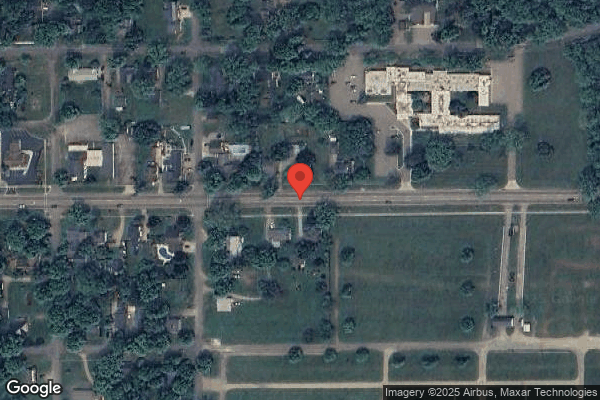
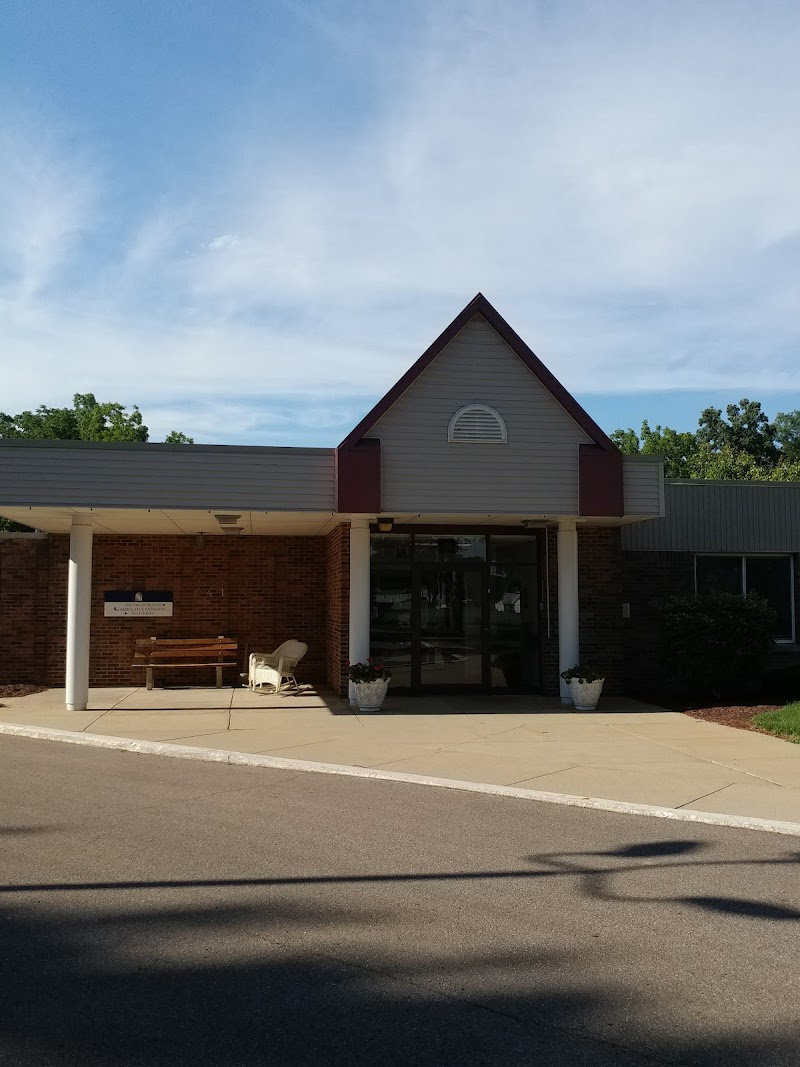
441 E Main St, Centreville, MI 49032 (269) 467-9575
For profit - Corporation 64 Beds ATRIUM CENTERS Data: November 2025 1 Immediate Jeopardy citation
Trust Grade
0/100
#277 of 422 in MI
Last Inspection: July 2025

Inspected within the last 6 months. Data reflects current conditions.

Overview

Fairview Nursing and Rehabilitation Community has received a Trust Grade of F, indicating significant concerns about the quality of care provided, which is among the lowest scores possible. In Michigan, it ranks #277 out of 422 facilities, placing it in the bottom half, and #2 out of 4 in St. Joseph County, meaning only one local option is rated higher. The facility's trend is improving, with issues decreasing from five in 2024 to four in 2025. Staffing is a relative strength, rated 4 out of 5 stars, but the staff turnover rate is average at 51%. However, the facility has faced serious issues, including a critical incident where a resident with dementia was verbally abused and physically harmed due to inadequate staff training, raising alarming safety concerns. Additionally, another resident suffered from a toe injury that led to amputation due to a failure in maintaining continuity of care, highlighting significant lapses in communication and treatment. Overall, while there are some strengths in staffing, the severe deficiencies in care quality and significant fines of $124,138 (higher than 94% of facilities in Michigan) suggest families should approach with caution.
Trust Score
F
0/100
In Michigan
#277/422
Bottom 35%
Safety Record
High Risk
Review needed
Inspections
Getting Better
5 → 4 violations
Staff Stability
⚠ Watch
51% turnover. Above average. Higher turnover means staff may not know residents' routines.
Penalties
✓ Good
$124,138 in fines. Lower than most Michigan facilities. Relatively clean record.
Skilled Nurses
✓ Good
Each resident gets 44 minutes of Registered Nurse (RN) attention daily — more than average for Michigan. RNs are trained to catch health problems early.
Violations
⚠ Watch
29 deficiencies on record. Higher than average. Multiple issues found across inspections.
★★☆☆☆
2.0
Overall Rating
★★★★☆
4.0
Staff Levels
★★★★☆
4.0
Care Quality
★★☆☆☆
2.0
Inspection Score
Stable
2024: 5 issues
2025: 4 issues

The Good

  • 4-Star Staffing Rating · Above-average nurse staffing levels
  • 4-Star Quality Measures · Strong clinical quality outcomes
  • Full Sprinkler Coverage · Fire safety systems throughout facility
  • No fines on record

Facility shows strength in staffing levels, quality measures, fire safety.

The Bad

2-Star Overall Rating

Below Michigan average (3.1)

Below average - review inspection findings carefully

Staff Turnover: 51%

Near Michigan avg (46%)

Higher turnover may affect care consistency

Federal Fines: $124,138

Well above median ($33,413)

Significant penalties indicating serious issues

Chain: ATRIUM CENTERS

Part of a multi-facility chain

Ask about local staffing decisions and management

The Ugly 29 deficiencies on record

1 life-threatening 5 actual harm
Jul 2025 4 deficiencies
CONCERN (D)

Potential for Harm - no one hurt, but risky conditions existed

Deficiency F0658 (Tag F0658)

Could have caused harm · This affected 1 resident

Based on interview and record review, the facility failed to ensure residents received care in accordance with professional standards of nursing practice for 1 resident (Resident #6) of 5 residents re...

Read full inspector narrative →
Based on interview and record review, the facility failed to ensure residents received care in accordance with professional standards of nursing practice for 1 resident (Resident #6) of 5 residents reviewed for medications, resulting in the lack of physician notification of elevated blood sugar levels per physician's order, and the potential for worsening of the medical condition.Findings include: Resident #6Review of a Face Sheet revealed Resident #6 was a male, with pertinent diagnoses which included: Type 2 diabetes mellitus (a condition where the body is not able to properly use sugar from the blood) without complications. Review of an active Physician's Order for Resident #6 revealed, Check blood glucose (blood sugar) at HS (bedtime), Notify MD (medical doctor) of blood glucose less than 70 or greater than 300, At Bedtime 08:00 PM 08/02/2024Review of an active Physician's Order for Resident #6 revealed, Check blood sugar PRN (as needed) Special Instructions: PRN recheck blood sugar if over 350 at norm (normal) check Three Times A Day - PRN Morning, Mid-Day, Evening 10/02/24Review of Resident #6's Medication Administration Record (MAR) from 7/1/25 - 7/22/25 revealed blood sugar readings recorded by Registered Nurse (RN) P on 7/4/25 at 8:00 PM as 343 mg/dl (milligrams per deciliter) and by RN O on 7/19/25 at 8:00 PM as 340 mg/dl. There was no documentation that the physician had been notified of the blood glucose readings greater than 300.Review of Resident #6's progress notes for the period 7/1/25 - 7/24/25 revealed no documentation that the physician had been notified of the blood glucose readings greater than 300 on 7/4/25 and 7/19/25.In an interview on 7/23/2025 at 3:13 PM, regarding Resident #6's blood glucose level of 340 on 7/19/25, RN O reported she did not recall if she had notified Resident #6's physician of his elevated blood glucose level. RN O confirmed that the physician order for Resident #6 was for the physician to be notified of a blood glucose level over 300. RN O reported she would usually put in a progress note when the physician had been notified. In an interview on 7/24/25 at 7:20 AM, regarding Resident #6's blood glucose level of 343 on 7/4/25, RN P reported she had thought that the physician was to be notified of a blood glucose level over 350 like the prn blood sugar checks order. RN P reported she did not notify the physician of Resident #6's blood sugar level of 343 on 7/4/25 but that she should have according to the physician order.In an interview on 7/24/25 at 1:40 PM, Director of Nursing (DON) B reported it was the expectation that the nurses notify Resident #6's physician for blood glucose levels over 300 according to the physician order. DON B reported it was the expectation that a progress note is entered in the medical record to confirm the physician was notified. DON B reported if it was not documented, it was not done.
CONCERN (D) 📢 Someone Reported This

A family member, employee, or ombudsman was alarmed enough to file a formal complaint

Potential for Harm - no one hurt, but risky conditions existed

ADL Care (Tag F0677)

Could have caused harm · This affected 1 resident

**NOTE- TERMS IN BRACKETS HAVE BEEN EDITED TO PROTECT CONFIDENTIALITY** This citation pertains to Intake #1323219. Based on interview and record review, the facility failed to ensure incontinence care...

Read full inspector narrative →
**NOTE- TERMS IN BRACKETS HAVE BEEN EDITED TO PROTECT CONFIDENTIALITY** This citation pertains to Intake #1323219. Based on interview and record review, the facility failed to ensure incontinence care was received timely, with the appropriate number of staff assistance, and that it was documented for 1 resident (Resident #10) of 3 residents reviewed for ADL (Activities of Daily Living) care resulting in dissatisfaction with care, potential for skin breakdown and injury to occur. Findings include: Resident #10 (R10)Review of the admission Record and Minimum Data Set (MDS) dated [DATE] revealed R10's initial admission date to the facility was on 1/3/2023 with diagnoses including hemiplegia and hemiparesis on right dominant side (muscle weakness/partial paralysis on one side of the body that can affect the arms, legs and facial muscles), reduced mobility, depression and anxiety. Brief Interview for Mental Status (BIMS) reflected a score of 14 out of 15 which indicated R10 was cognitively intact (13 to 15 cognitively intact).During an interview on 7/21/2025 at 3:35 PM, R10 stated that sometimes staff takes a while to come to her room and change her brief and asked this surveyor to come back another day to discuss details. During an interview on 7/22/2025 at 8:54 AM, Certified Nursing Assistant (CNA) BB stated that staff change R10's brief often and they check her every 1.5 to 2 hours and they document every time she was changed. CNA BB said that R10 complained about staff not changing her briefs when she was wet and soiled and especially had complaints about 2nd shift. CNA BB said that Director of Nursing (DON) B was aware of these concerns. During an interview on 7/22/2025 at 12:22 PM, CNA T stated that R10's brief was changed often usually every 2 hours, but every 1.5 hours was ideal. CNA T said that R10 doesn't refuse brief changes. CNA T stated that R10 drinks a lot of fluids and when she urinates, she urinates a lot. CNA T said R10 was a 2 person assist when changing her brief since she rolls around a lot. During an interview on 7/24/2025 at 8:23 AM, Registered Nurse (RN) S stated that R10 was a 2 person assist for bed mobility which includes changing briefs. During an interview on 7/24/2025 at 10:25 AM, CNA Z stated that R10 needs her brief changed every 2 hours since she was a heavy wetter. CNA Z said R10 was a 2 assist with brief changes but sometimes she wanted her brief changed right away and he was the only one to help her at the time so he would change her by himself. During another interview on 7/24/2025 at 12:33 PM, R10 stated that sometimes she sits in her brief for 8-10 hours depending on the CNA working that day. R10 said she worries because her bottom can get red when she lays in her wet and soiled brief for a long time. R10 said on 5/22 and 5/23 her brief wasn't changed on 1st shift, on 5/24, 5/29 and 5/30 her brief wasn't changed for 12 hours. R10 said that they need 2 staff to change her brief because she rolls too fast but sometimes only one staff member changes her. Review of R10's Resident Profile available in a book at the nurse's station for CNAs to review revealed ADLs functional status/rehabilitation potential. Start date 9/18/2023. Assist of 2 for bed mobility.Review of R10's Care Plan revealed Problem: Category: ADLs (activities of daily living) functional status//rehabilitation potential. (R10) has alteration in ADLs-self-care deficit r/t (related to) decreased mobility, right hemiparesis, and weakness. Goal: (R10) will be clean/well-groomed daily.Approach (intervention): Approach date: 9/18/2023 Assist of 2 for bed mobility. Review of R10's MDS section GG revealed Roll left and right: The ability to roll from lying on back to left and right side, and return to lying on back on the bed. Was coded as a 02 which indicated R10 was a substantial/maximal assistance. Review of R10's MDS section H revealed that R10 was always incontinent of bowel and bladder. Review of R10's vitals spreadsheet of urine and bowel movement documentation of the dates in question that R10 mentioned to this surveyor revealed:On 5/22 a brief change was completed for a bowel movement at 4:48 AM and the next brief change was completed on 5/22 at 8:21 PM. On 5/23 a brief change was completed 5/23 at 11:09 AM and the next brief change was completed on 5/24 at 5:19 AM and then on 5/24 at 9:52 PM. On 5/29 a brief change was completed at 9:30 AM and the next brief change was on 5/30 at 5:31 AM. During an interview on 7/24/2025 at 1:07 PM, DON B stated that the expectation was that staff should document each time a brief was changed whether it's for bowel or bladder and agreed if it wasn't documented then it wasn't done. DON B reported that R10 needs 1 staff for a brief change since R10 can help with rolling at times and when this surveyor stated that the resident profile stated 2 assist with bed mobility, she agreed that R10 needs to always be a 2 assist when changing her brief. Review of the Activities of Daily Living (ADLs)/Maintain Abilities Policy with a review date of 1/2025 revealed Procedure. 3. The facility will provide care and services for the following activities of daily living.c. elimination toileting. 4. A resident who is an unable to carry out activities of daily living will receive the necessary services to maintain good nutrition, grooming, and personal and oral hygiene.
CONCERN (D)

Potential for Harm - no one hurt, but risky conditions existed

Accident Prevention (Tag F0689)

Could have caused harm · This affected 1 resident

**NOTE- TERMS IN BRACKETS HAVE BEEN EDITED TO PROTECT CONFIDENTIALITY** Based on observation, interview, and record review the facility failed to ensure that an assistive transfer device (gait belt) w...

Read full inspector narrative →
**NOTE- TERMS IN BRACKETS HAVE BEEN EDITED TO PROTECT CONFIDENTIALITY** Based on observation, interview, and record review the facility failed to ensure that an assistive transfer device (gait belt) was used during a transfer for 1 (Resident #53) of 3 residents reviewed for proper transfers resulting in the potential for a fall and/or an injury.Findings include:Resident #53Review of a Facesheet revealed Resident #35 was a male who was originally admitted to the facility on [DATE] and had pertinent diagnoses which included: myocardial infarction (heart attack), pneumonia, and congestive heart failure.On 7/21/25 at 1:35 pm, a gait belt (a safety device used to assist individuals with mobility issues, typically worn by a resident and allows for the caregiver to safely move or support a resident while walking or during transfers) was noted to be hanging over the top of the bathroom door in Resident #53's room. Resident #53 reported it was not his and the staff did not use it for him.On 7/22/25 at 12:34 pm, Registered Nurse (RN) S was observed assisting Resident #53 to transfer from his bed to this wheelchair. RN S was standing on Resident #53's left side, with the wheelchair positioned to Resident #53's right side while he was sitting on the side of the bed with his back facing the doorway of the room. RN S was observed holding Resident #53 under his left arm in the armpit area with her left hand and using her right hand to hold the back of Resident #53's pants for stability. Resident #53 was noted to hang on to the handles of the wheelchair and shuffle his feet to pivot and sit down in his wheelchair. RN S did not use a gait belt during the transfer. A gait belt was noted hanging over the bathroom door in the room.In an interview on 7/22/25 at 12:38 pm, RN S reported that Resident #53 was a one-person transfer. RN S reported that Resident #53 did not use a gait belt during transfers.Review of Care Plan for Resident #53 revealed problem/goal/approach ADLs (activities of daily living) functional ability and participation does vary and fluctuate. will participate in care to his fullest ability.TRANSFER STATUS. 1 person contact guard Assist with a GAIT BELT.On 7/23/25 at 12:45 pm, a gait belt was observed hanging over the bathroom door in Resident #53's room in the same position as the last two days.In an interview on 7/23/25 at 1:30 Certified Nurse Assistant (CNA) Y reported that a gait belt should be used for all one or two person transfers and the gait belts were kept in resident rooms.In an interview on 7/23/25 at 1:38 pm, CNA U reported all transfers not done with a mechanical lift needed a gait belt. CNA U reported there was a resident profile book that was communication between therapy and nursing staff and gave instructions on how a resident should be transferred. CNA U opened the book to Resident #53's profile page and the page was noted to reveal .TRANSFER STATUS. 1 person contact guard Assist with a GAIT BELT.In an interview on 7/23/25 at 1:34 pm CNA BB reported the resident's care plan was where transfer status was noted and that all transfers required the use of a gait belt.In an interview on 7/23/25 at 1:55 pm, Therapy Director (TD) M reported that Resident #53 was one person transfer with contact guard and a gait belt. TD M reported that gait belts should be used with all transfers unless the resident was independent or needed a mechanical lift. TD M reported that gait belts should be kept hanging on the back of the door in resident's room when not being used. In an interview on 7/24/25 at 10:39 am, Nursing Home Administrator (NHA) A reported there was no facility policy regarding transfer and the expectations were that everyone followed the recommendations for transfer status that was provided by the therapy department.In an interview on 7/24/25 at 10:40 am, Licensed Practical Nurse (LPN) N reported that gait belts were to be used for all transfers unless the resident was independent.In an interview on 7/24/25 at 1:07 pm, Director of Nursing (DON) B reported that using a gait belt with a transfer was a standard of care and the staff knew that. DON B reported that the therapy department would provide communication and direction regarding the use of a gait belt and transfer status of the residents.
CONCERN (E)

Potential for Harm - no one hurt, but risky conditions existed

Infection Control (Tag F0880)

Could have caused harm · This affected multiple residents

**NOTE- TERMS IN BRACKETS HAVE BEEN EDITED TO PROTECT CONFIDENTIALITY** Based on observation, interview, and record review the facility failed to 1). Maintain infection control practices, specifically...

Read full inspector narrative →
**NOTE- TERMS IN BRACKETS HAVE BEEN EDITED TO PROTECT CONFIDENTIALITY** Based on observation, interview, and record review the facility failed to 1). Maintain infection control practices, specifically the use of gloves during administration of insulin injections, 2). Sanitize or clean resident shared equipment specifically a glucometer (a portable device used to measure the concentration of glucose in the blood) for 6 (Resident #25, Resident #17, Resident #7, Resident #30, Resident #28, and Resident #22) of 6 residents reviewed for glucose monitoring during medication administration; and 3). Properly use personal protective equipment (PPE) for a resident in enhanced barrier precautions during a transfer for 1 (Resident #53) of 3 residents reviewed for transfers, resulting in the potential for the spread of infection, cross contamination, and disease transmission. Findings include: Resident #25Review of a Facesheet revealed Resident #25 was a female who originally admitted to the facility on [DATE] and had pertinent diagnosis which included: Type 2 diabetes mellitus with hyperglycemia (A condition in which the body cannot use insulin correctly and the sugar builds up in the blood causing high blood sugar.)Review of Physician Orders for Resident #25 revealed .insulin lispro insulin pen: sliding scale: if blood sugar less than 60 call MD (physician); if blood sugar is 140 to 199 give 6 units; if blood sugar is 200 to 249 give 9 units; if blood sugar is 250 to 299 give 12 units; if blood sugar is 300 to 349 give 15 units; if blood sugar is 350 to 399 give 18 units; if blood sugar is greater than 399 call MD; subcutaneous (into the layer of tissue just below the skin), before meals and at bedtime with a start date of 7/14/25. During an observation on 7/22/25 at 11:47 am, Registered Nurse (RN) S placed a glucometer into a plastic cup at the medication cart. RN S then gathered several lancets (a sharp pointed medical instrument used to puncture the skin) , alcohol prep pads, and a plastic container of glucometer test strips and placed all supplies into a second plastic cup. RN S then entered the room of Resident #25, placed the two plastic cups onto the over the bed table next to where Resident #25 was sitting in her room. RN S cleaned Resident #25's right index finger with an alcohol prep pad, used the lancet to stick the finger to obtain a blood sample, and applied the blood to the test strip in the glucometer. Once Resident #25's blood sugar reading was obtained, RN S returned to the medication cart, placed both plastic cups on top of the cart. RN S did not remove the glucometer or other supplies from the plastic cups and did not clean the glucometer. During an observation on 7/22/25 at 11:59 am, RN S prepared Resident #25's insulin lispro, 6 units (a unit is a basic measurement of the amount of insulin to administer), carried an alcohol prep pad and the insulin pen into Resident #25's room. Resident #25 lifted her shirt, exposed her abdomen, and RN S opened the alcohol prep pad, swabbed an area of Resident #25's abdomen and injected the insulin into Resident #25's abdomen. RN S did not wear any gloves during the insulin administration. Resident #17 Review of a Facesheet revealed Resident #17 was a male who was originally admitted to the facility on [DATE] and had pertinent diagnosis which included: Type 2 diabetes mellitus with hyperglycemia.Review of Physician Orders for Resident #17 revealed . aspart insulin liquid 100 units/ml (milliliter) amt 20 units subcutaneous.hold for BS (blood sugar) < (less than) 100, before meals with a start date of 6/19/2025.During an observation on 7/22/25 at 11:53 am, RN S retrieved the two plastic cups from the top of the medication cart, one containing the glucometer and the other the lancets, alcohol pads, and container of glucose test strips, and entered the room of Resident #17. As RN S entered Resident #17's room she turned to this surveyor and stated, It's okay that I do this, because I keep the glucometer in a cup to take it to another resident, but I don't clean it until the very end when I'm done checking everyone's blood sugar. RN S was observed using a lancet to obtain a blood sample from Resident #17's fingerstick and applying the blood to the test strip inserted into the same glucometer in the same plastic cup and obtained Resident #17'a blood sugar reading. RN S then returned to the medication cart, placed both plastic cups on top of the cart. RN S did not remove the glucometer or exchange the other supplies from the plastic cups and did not clean the glucometer. During an observation on 7/22/25 at 12:03 pm, RN S prepared Resident #17's aspart insulin, 20 units, carried an alcohol prep pad and the insulin pen into Resident #17's room. Resident #17 lifted his shirt, exposed his abdomen, and RN S opened the alcohol prep pad, swabbed an area of Resident #17's abdomen and injected the insulin into Resident #17's abdomen. RN S did not wear any gloves during the insulin administration. Resident #7 Review of a Facesheet revealed Resident #7 was a male who originally admitted to the facility on [DATE] and had pertinent diagnosis which included: Type 2 diabetes mellitus without complications.Review of Physician Orders for Resident #7 revealed .Novolog flex pen U-100 insulin, per sliding scale, if blood sugar is less than 60 call MD. If blood sugar is 151 to 200 give 6 units, if blood sugar is 201 to 250 give 9 units, if blood sugar is 251 to 300 give 12 units, if blood sugar is 301 to 350 give 15 units, if blood sugar is 351 to 400 give 18 units, if blood sugar is greater than 400 call MD. Subcutaneous four times a day, 8 am, 12 pm, 5:30pm, and 8:00 pm with a start date of 6/19/2025.During an observation on 7/22/25 at 11:55 am, RN S retrieved the two plastic cups from the top of the medication cart, one containing the glucometer and the other the lancets, alcohol pads, and container of glucose test strips, and entered the room of Resident #7. RN S was observed placing the cups onto Resident #7's bed side table and was observed using a lancet to obtain a blood sample from Resident #7's finger and applying the blood to the test strip inserted into the same glucometer in the same plastic cup. RN S then returned to the medication cart, placed both plastic cups on top of the cart. RN S did not remove the glucometer or other supplies from the plastic cups and did not clean the glucometer. During an observation on 7/22/25 at 12:08 pm, RN S prepared Resident #7's NovoLog 12 units, carried an alcohol prep pad and the insulin pen into Resident #7's room. Resident #7 lifted his right shirt sleeve and exposed the back of his right arm, RN S opened the alcohol prep pad, swabbed the area and injected the insulin into the back of Resident #7's right arm. RN S did not wear any gloves during the insulin administration. Resident #30Review of a Facesheet revealed Resident #30 was a male who was originally admitted to the facility on [DATE] and had pertinent diagnosis which included: Type 2 diabetes mellitus.Review of Physician Orders for Resident #30 revealed .Insulin Lispro pen 100 units/ml, per sliding scale, if blood sugar is less than 60 call MD. If blood sugar is 150 to 199 give 6 units, if blood sugar is 200 to 249 give 9 units, if blood sugar is 250 to 299 give 12 units, if blood sugar is 300 to 349 give 15 units, if blood sugar is 350 to 400 give 18 units, if blood sugar is greater than 400 call MD. Subcutaneous before meals with a start date of 6/19/2025.During an observation on 7/22/25 at 12:11 pm, RN S retrieved the two plastic cups from the top of the medication cart, one containing the glucometer and the other the lancets, alcohol pads, and container of glucose test strips, and placed a test strip into the glucometer while at the medication cart and entered the room of Resident #30. RN S was observed placing the cup containing the glucometer, alcohol pad and a lancet onto Resident #30's bed side table, applying a pair of gloves, and then used the lancet to obtain a blood sample from Resident #30's finger and applied the blood to the test strip inserted into the glucometer in the plastic cup. RN S then grabbed the cup while wearing the soiled gloves and returned to the medication cart, placed the plastic cup on top of the cart and removed her gloves. RN S did not remove the glucometer or exchange other supplies from the plastic cups and did not clean the glucometer. During an observation on 7/22/25 at 12:08 pm, RN S prepared Resident 30's insulin lispro, 12 units, carried an alcohol prep pad and the insulin pen into Resident #30's room. Resident #30 lifted his left shirt sleeve and exposed the back of his left arm, RN S opened the alcohol prep pad, swabbed the area and injected the insulin into the back of Resident #30's left arm. RN S did not wear any gloves during the insulin administration. Resident #28Review of a Facesheet revealed Resident #28 was a male who was originally admitted to the facility on [DATE] and had pertinent diagnosis which included: Type 2 diabetes mellitus.Review of Physician Orders for Resident #28 revealed .Novolin R flex pen 100 units/3 ml 20 units subcutaneous give 20 units in addition to sliding scale. Novolin R flex pen.100 units/3ml, per sliding scale, if blood sugar is less than 70 call MD. If blood sugar is 150 to 199 give 6 units, if blood sugar is 200 to 249 give 9 units, if blood sugar is 250 to 299 give 12 units, if blood sugar is 300 to 349 give 15 units, if blood sugar is 350 to 400 give 18 units, if blood sugar is greater than 400 call MD. Subcutaneous before meals and at bedtime with a start date of 6/19/2025.During an observation on 7/22/25 at 12:19 pm, RN S retrieved the two plastic cups from the top of the medication cart, one containing the glucometer and the other the lancets, alcohol pads, and container of glucose test strips, and placed a test strip into the glucometer while at the medication cart and entered the room of Resident #28. RN S was observed placing the cup containing the glucometer, alcohol pad and a lancet onto Resident #28's bed side table, applying a pair of gloves, and then used the lancet to obtain a blood sample from Resident #28's left middle finger and applied the blood to the test strip inserted into the glucometer in the plastic cup. RN S then returned to the medication cart, placed the plastic cup on top of the cart. RN S did not remove the glucometer or exchange other supplies from the plastic cups and did not clean the glucometer. During an observation on 7/22/25 at 12:23 pm, RN S prepared Resident 28's Novolin insulin, 26 units, carried an alcohol prep pad and the insulin pen into Resident #28's room. Resident #28 lifted his gown to expose his abdomen. RN S opened the alcohol prep pad, swabbed the left abdominal area and injected the insulin into Resident #28's abdomen. RN S did not wear any gloves during the insulin administration. Resident #22Review of a Facesheet revealed Resident #22 was a male who was originally admitted to the facility on [DATE] and had pertinent diagnosis which included: Type 2 diabetes mellitus with hyperglycemia.Review of Physician Orders for Resident #22 revealed .Insulin aspart pen 100 units/ml, per sliding scale, if blood sugar is less than 70 call MD. If blood sugar is 150 to 199 give 2 units, if blood sugar is 200 to 249 give 4 units, if blood sugar is 250 to 299 give 6 units, if blood sugar is 300 to 349 give 8 units, if blood sugar is greater than 349 call MD. Subcutaneous before meals and at bedtime with a start date of 7/2/2025.During an observation on 7/22/25 at 12:24 pm, RN S retrieved the two plastic cups from the top of the medication cart, one containing the glucometer and the other the lancets, alcohol pads, and container of glucose test strips, and placed a test strip into the glucometer while at the medication cart and entered the room of Resident #22. RN S was observed placing the cup containing the glucometer, alcohol pad and a lancet onto Resident #22's bed side table and then used the lancet to obtain a blood sample from Resident #22's left middle finger and applied the blood to the test strip inserted into the glucometer in the plastic cup. RN S was then observed holding the alcohol prep pad to Resident #22's left middle finger to stop the bleeding. RN S did not wear gloves during this observation. RN S then returned to the medication cart, placed the plastic cup on top of the cart. RN S did not remove the glucometer or exchange other supplies from the plastic cups and did not clean the glucometer. During an observation on 7/22/25 at 12:31 pm, RN S prepared Resident 22's insulin aspart, 4 units, carried an alcohol prep pad and the insulin pen into Resident #22's room. Resident #22 had exposed the back of his left arm. RN S opened the alcohol prep pad, swabbed the back of Resident #22's left arm and injected the insulin into Resident #22's arm. RN S did not wear any gloves during the insulin administration. During an observation on 7/22/25 at 12:33 pm, RN S was observed applying a pair of gloves while at the medication cart, retrieving a Sani-Cloth from the cart, and wrapping the glucometer in a wipe and placing it on top of the cart to sit. In an interview on 7/22/25 at 12:32 pm, RN S reported she starts about 20 minutes before a mealtime and gets all the sugars [obtains blood sugar readings for all the residents who require blood sugar readings before meals or insulin administration] and when she sees the meal carts on the hall she will begin giving insulin injections. RN S reported she should wash or sanitize her hands between every resident interaction, and she should wash with soap and water every third time. When queried, RN S reported she should wear gloves when exposure to bodily fluids was possible, and she should wash with soap and water after interactions with bodily fluids. RN S reported she should wear gloves when checking a blood sugar and when she was administering insulin. RN S confirmed that she administered insulin without wearing gloves to 6 residents (Resident #25, Resident #17, Resident #7, Resident #30, Resident #28, and Resident #22), checked Resident #22's blood sugar without wearing gloves, and did not clean the glucometer until she wrapped it in a Sani-Cloth after checking the blood sugar of 6 residents (Resident #25, Resident #17, Resident #7, Resident #30, Resident #28, and Resident #22). In an interview on 7/23/25 at 1:24 pm, Licensed Practical Nurse (LPN) N reported the glucometer should be cleaned with a Sani-Cloth between residents and after every use. LPN N reported gloves should be worn to check a blood sugar and to administer an insulin injection. In an interview on 7/23/25 at 1:24 pm, Infection Preventionist/Wound Nurse (IP/WN) D reported her expectations were that the glucometer was cleaned between resident use for two minutes per the instructions on the Sani-Cloth container. IP/WN D reported that the surface of the glucometer needed to stay wet with the Sani-Cloth solution for 2 minutes to completely disinfect the surface of the machine. IP/WN D reported that gloves should be worn during insulin administration. In an interview on 7/24/25 at 12:55 pm, Director of Nursing (DON) B reported her expectations were that gloves were to be worn during administration of insulin injections. DON B reported that RN S had been given one to one education regarding glove use during insulin injections on 7/23/25. DON B reported that her expectations were that glucometers were cleaned between residents and after each use per the instructions on the label of the Sani-Cloth wipes. DON B reported that to clean the glucometer with a Sani -Cloth wipe, her expectations were that all surfaces of the glucometer be wiped clearly wet and then the glucometer could be wrapped to maintain a wet surface for 2 minutes. Review of the label of Sani-Cloth revealed disinfects in 2 minutes and to disinfect and deodorize: disinfect nonfood contact surfaces only: unfold a clean wipe and thoroughly wet surface. Allow treated surface to remain wet for 2 full minutes. let air dry.Review of facility policy Glucometer Cleaning with a reviewed date of 01/2025 and provided by the facility revealed .to prevent the transmission of infections the facility requires disinfecting blood glucose meters (glucometer) between resident uses. Procedure: before and after using a blood glucose meter, disinfect the meter by cleaning the outside.the facility will note the amount of time the disinfectant solution is to be in contact with the equipment.wear gloves during finger stick blood glucose monitoring.Review of facility policy Medication Administration Procedures with a review date of 04/2020 and provided by the facility revealed .Insulin administration. Preparation: wash hands, don (put on) gloves.Resident #53Review of a Facesheet revealed Resident #53 was a male who was originally admitted to the facility on [DATE] and had pertinent diagnoses which included: myocardial infarction (heart attack), pneumonia, and congestive heart failure.Review of Physician Orders for Resident #53 revealed .Enhanced barrier precautions. with a start date of 7/17/25.On 7/22/25 at 12:24 pm, a sign was observed posted on the wall outside of Resident #53's room indicating that Enhanced Barrier Precautions (EBP) should be used when providing high contact care activities including transferring.On 7/22/24 at 12:34 pm, RN S was observed entering Resident #53's room and assisting him to transfer from his bed into his wheelchair. RN S did not apply personal protective equipment (PPE) including gown and gloves prior to entering the room or at any time during high contact care activities including transfer from bed to wheelchair. On 7/22/25 at 12:38 pm, RN S reported she was unsure if she needed to wear PPE to transfer Resident #53. RN S confirmed that she did not wear PPE (gown and gloves) when she transferred him.In an interview on 7/23/25 at 1:24 pm, Licensed Practical Nurse (LPN) N reported she believed that EBP should be used during a transfer. In an interview on 7/23/25 at 1:24 pm, Infection Preventionist/Wound Nurse (IP/WN) D reported a gown and gloves needed to be used during high contact activities that included transferring a resident from bed to wheelchair. In an interview on 7/24/25 at 12:55 pm, Director of Nursing (DON) B reported her expectations were that EBP were used when indicated.
Aug 2024 3 deficiencies
CONCERN (D)

Potential for Harm - no one hurt, but risky conditions existed

Deficiency F0637 (Tag F0637)

Could have caused harm · This affected 1 resident

**NOTE- TERMS IN BRACKETS HAVE BEEN EDITED TO PROTECT CONFIDENTIALITY** Based on interview, and record review, the facility failed to complete a significant change Minimum Data Set (MDS) assessment af...

Read full inspector narrative →
**NOTE- TERMS IN BRACKETS HAVE BEEN EDITED TO PROTECT CONFIDENTIALITY** Based on interview, and record review, the facility failed to complete a significant change Minimum Data Set (MDS) assessment after a change in health status, in 1 of 13 residents (Resident #40) reviewed for a significant change in condition, resulting in the potential for unassessed physical, mental, emotional, and psychosocial needs. Findings include: Review of a Face Sheet revealed Resident #40 was a female, with pertinent diagnoses which included respiratory failure, heart failure, high blood pressure, atrial fibrillation (an irregular heart rate that results in poor blood flow), anxiety, depression, and obstructive lung disease. Noted Resident #40 readmitted to the facility on [DATE] after a hospital stay and expired on [DATE]. Review of Resident #40's Order History revealed .Hospice to evaluate and treat . with a start date of [DATE]. Review of a Licensed Nurse Progress Note for Resident #40, dated [DATE] at 5:20 PM, revealed .resident returned from (Hospital Name) with hospice order .resident (short of breath) with any activity .returning to the facility with Hospice services .(Hospice Name) will be here as soon as resident returns to evaluate . Review of a Licensed Nurse Progress Note for Resident #40, dated [DATE] at 5:30 PM, revealed .(Hospice Name) in to see resident at this time and evaluate per order . Review of a Social Services Progress Note for Resident #40, dated [DATE] at 2:47 PM, revealed .Resident is now receiving Hospice care through (Hospice Name). Start date of [DATE] . Review of Resident #40's MDS 3.0 Resident Assessments revealed no Significant Change in Status Assessment (SCSA) was completed after Resident #40 enrolled in a Hospice program on [DATE]. In an interview on [DATE] at 10:42 AM, MDS Coordinator R reported the Interdisciplinary Team (IDT) discusses changes in resident health status to determine if a Significant Change in Status Assessment needs to be completed. MDS Coordinator R reported any time a resident enrolls in a Hospice program a Significant Change in Status Assessment should be completed within 14 days. MDS Coordinator R reported she did not recall an IDT discussion after Resident #40 enrolled in Hospice on [DATE] and stated .with Hospice it should have triggered me to do one (a SCSA) . Review of the Long-Term Care Facility Resident Assessment Instrument 3.0 User's Manual, v1.18.11, Chapter 2: Assessments for the Resident Assessment Instrument (RAI), revealed .Significant Change in Status Assessment (SCSA) .The SCSA is a comprehensive assessment for a resident that must be completed when the IDT (Interdisciplinary Team) has determined that a resident meets the significant change guidelines for either major improvement or decline .A significant change is a major decline or improvement in a resident's status that: 1. Will not normally resolve itself without intervention by staff or by implementing standard disease-related clinical interventions, the decline is not considered self limiting; 2. Impacts more than one area of the resident's health status; and 3. Requires interdisciplinary review and/or revision of the care plan .An SCSA is required to be performed when a terminally ill resident enrolls in a hospice program (Medicare-certified or State-licensed hospice provider) or changes hospice providers and remains a resident at the nursing home. The ARD (Assessment Reference Date) must be within 14 days from the effective date of the hospice election (which can be the same or later than the date of the hospice election statement, but not earlier than). An SCSA must be performed regardless of whether an assessment was recently conducted on the resident. This is to ensure a coordinated plan of care between the hospice and nursing home is in place .
CONCERN (D)

Potential for Harm - no one hurt, but risky conditions existed

Infection Control (Tag F0880)

Could have caused harm · This affected 1 resident

**NOTE- TERMS IN BRACKETS HAVE BEEN EDITED TO PROTECT CONFIDENTIALITY** Based on observation, interview, and record review the facility failed to properly implement enhanced barrier precautions for 1 ...

Read full inspector narrative →
**NOTE- TERMS IN BRACKETS HAVE BEEN EDITED TO PROTECT CONFIDENTIALITY** Based on observation, interview, and record review the facility failed to properly implement enhanced barrier precautions for 1 (Resident #11) of 13 residents sampled for infection control, resulting in the potential for cross contamination and spread of infection. Findings include: Review of an admission Record revealed Resident #11, was originally admitted to the facility on [DATE] with pertinent diagnoses which included: chronic respiratory failure with hypoxia (low oxygen levels in the blood), pneumonia, retention of urine (inability to empty the bladder), encounter for attention to tracheostomy (opening in the trachea from outside the neck). Review of a Minimum Data Set (MDS) assessment for Resident #11, with a reference date of 8/2/24 revealed a Brief Interview for Mental Status (BIMS) score of 14/15 which indicated Resident #11 was cognitively intact. Section E of the MDS revealed Resident #11 did not reject care during the 14-day assessment period. Section G of the MDS revealed Resident #11 required dependent assistance (helper does all the effort) for dressing, moderate assistance (helper lifts, holds trunk or limbs) for changing from a lying to sitting position, and dependent assistance ( helper does all the effort) for transferring from bed to chair. Section H of the MDS revealed Resident #11 had an indwelling urinary catheter. Review of a Care Plan for Resident #11, revealed problems/goals/approaches of: 1. Reference date 10/24/23: Problem: (Resident's name omitted) requires an indwelling catheter related to urinary retention. Approaches: enhanced barrier precautions . 2. Reference date 11/1/23 Problem: (Resident's name omitted) has an open old tracheostomy stoma. (Resident's name omitted) has mucus and respiratory drainage . Approaches: enhanced barrier precautions . 3. Reference date of 8/6/24, 10:24am. Problem: (Resident's name omitted) has stated he doesn't want staff to wear PPE (personal protective equipment) when caring for him. He is under enhanced barrier precautions .Goal: (Resident's name omitted) will allow staff to ear PPE while providing care .Approaches: educate on the reasons and procedures related to enhanced barrier precautions. Let him know that the procedures protect staff from exposure to bodily fluids . Review of a nursing progress note dated 8/5/24, 1:05pm, revealed resident was noted to having (sic) increased secretions through the trach stoma (opening in the neck) . During an observation on 8/6/24 at 9:31am, a sign hung next to Resident #11's door that stated: STOP. Enhanced Barrier Precautions. EVERYONE MUST: clean their hands, including before entering and when leaving the room .STAFF MUST ALSO: Wear gloves and a gown for the following high contact resident care activities: dressing .transferring .changing briefs . During an observation on 8/6/24 at 9:33am, Resident #11 sat supported in his bed. Resident #11's stoma was covered by a single ply mesh material that was saturated with yellow mucus in an area approximately 2x2. The mucus appeared wet with a shiny surface. During an observation on 8/6/24 at 9:34am, Certified Nursing Assistant (CNA) I entered Resident #11's room donned gloves and began assisting Resident #11 with personal care. CNA I did not attempt to don a gown or discuss the need for a gown prior to assisting Resident #11. In an interview on 8/6/24, at 9:51am, Certified Nursing Assistant (CNA) I reported he assisted Resident #11 with a brief change, dressing, and transferred the resident to his recliner chair during the care he provided a few minutes earlier. When further queried about the type of personal protective equipment (PPE) he used while providing care for Resident #11, CNA I reported he only used gloves, and did not realize the resident was in enhanced barrier precautions. CNA I reported he did not recall receiving training regarding enhanced barrier precautions, and that the rationale for using enhanced barrier precautions was unclear to him. In an interview on 8/8/24 at 11:04am, Director of Nursing (DON) B reported staff needed to wear a gown and gloves while providing direct care to Resident #11, and not doing so would be a breach of infection control measures. DON B reported she confirmed that CNA I did not wear the appropriate personal protective equipment during cares for Resident #11 on 8/6/24, at 9:34am. In an interview on 8/8/24 at 2:14pm, Resident #11 reported some staff wore personal protective equipment (PPE) while providing his care and others did not. When asked about his preference, Resident #11 reported he did not care if staff wore the PPE if it was just a matter of protecting him, but if it was to also protect others, he wanted them to wear it. Resident #11 reported he did not know if the PPE was recommended to protect him or to protect others. Review of Consideration for the Use of Enhanced Barrier Precautions in Skilled Nursing Facilities, published June 2021, by the Centers for Disease Control and Prevention, revealed: Residents in skilled nursing facilities are disproportionately affected by multidrug-resistant organism (MDRO) infections . Resident-to-resident pathogen transmission in skilled nursing facilities occurs, in part, via healthcare personnel, who may transiently carry and spread MDROs on their hands or clothing during resident care activities . Residents who have complex medical needs involving wounds and indwelling medical devices are at higher risk of both acquisition and colonization by MDROs.
CONCERN (E)

Potential for Harm - no one hurt, but risky conditions existed

Food Safety (Tag F0812)

Could have caused harm · This affected multiple residents

Based on observation, interview and record review, the facility failed to ensure proper label and dating of foods in the kitchen resulting in the potential to spread food borne illness to all resident...

Read full inspector narrative →
Based on observation, interview and record review, the facility failed to ensure proper label and dating of foods in the kitchen resulting in the potential to spread food borne illness to all residents that consume food from the kitchen. Findings Include: During the initial tour of the main kitchen on 8/06/2024 at 9:26 AM, the reach in refrigerator was observed to have the following: 1 lemonade pitcher had a prepare date of 8/1/2024 and a use by date of 8/3/2024. 1 plastic storage container of individual cups of mayonnaise with no label and date. 1 plastic storage container of individual cups of mustard with no label and date. 1 plastic storage container of individual cups of tartar sauce with no label and date. 1 shallow pan with individual bread slices in individual ziploc bags with no label and date. During an interview at 9:40 AM, Dietary Aide (DA) K stated that she didn't work the night before when the individual cups of mayonnaise, mustard and tartar sauce were prepared. DA K threw out the lemonade pitcher and said that it should have been tossed out on 8/3/2024. During another kitchen tour on 8/07/2024 at 9:49 AM with Certified Dietary Manager (CDM) M, the following was observed: 1) The reach in refrigerator had 1 plastic storage container of individual cups of ketchup with no label and date. 2) The shelf by the tray line had 1 plastic storage container of individual cups of brown sugar with no label or date and 1 plastic storage container of individual cups of syrup with no label and date. 3) The bread area contained 1 loaf of UDIs bread, opened with no label or date and 1 package of hamburger buns, opened with no label and date. 4) The walk-in refrigerator had 1 package of hot dogs, opened, with no label and date. During a tour of the nourishment room with CDM M, a plastic storage container was observed to have individual cups of brown sugar with no label and date. During an interview on 8/07/2024 at 10:30 AM, CDM M stated that she will reeducate her staff on making sure labels and dates are put on opened packages and when transferring items from a big container to smaller containers/individual serving cups. CDM M said there are several new staff starting and she will make sure this is included in their training. Review of the Storage Policy with a revision date of 8/2023 revealed Dry Storage of Food 5. Opened packages are to be stored in closed containers, labeled, and dated Refrigerated Storage 5. Food should be covered, dated . According to the 2017 FDA Food Code revealed: 3-501.17 Ready-to-Eat, Time/Temperature Control for Safety Food, Date Marking. (A) Except when PACKAGING FOOD using a REDUCED OXYGEN PACKAGING method as specified under § 3-502.12, and except as specified in (E) and (F) of this section, refrigerated, READY-TO EAT, TIME/TEMPERATURE CONTROL FOR SAFETY FOOD prepared and held in a FOOD ESTABLISHMENT for more than 24 hours shall be clearly marked to indicate the date or day by which the FOOD shall be consumed on the PREMISES, sold, or discarded when held at a temperature of 5ºC (41ºF) or less for a maximum of 7 days. The day of preparation shall be counted as Day 1.
Feb 2024 2 deficiencies
CONCERN (D) 📢 Someone Reported This

A family member, employee, or ombudsman was alarmed enough to file a formal complaint

Potential for Harm - no one hurt, but risky conditions existed

Free from Abuse/Neglect (Tag F0600)

Could have caused harm · This affected 1 resident

**NOTE- TERMS IN BRACKETS HAVE BEEN EDITED TO PROTECT CONFIDENTIALITY** This citation pertains to intake #MI00142077 Based on interview and record review the facility failed to provide an environment ...

Read full inspector narrative →
**NOTE- TERMS IN BRACKETS HAVE BEEN EDITED TO PROTECT CONFIDENTIALITY** This citation pertains to intake #MI00142077 Based on interview and record review the facility failed to provide an environment free from abuse in 1 resident (Resident #101) of 3 residents reviewed for abuse. Findings include: Resident #101 Review of an admission Record revealed Resident #101 had pertinent diagnoses which included: Alzheimer's disease. Review of a Minimum Data Set (MDS) assessment for Resident #101, with a reference date of [DATE] revealed a Brief Interview for Mental Status (BIMS) score of 2/15 which indicated Resident #101 was severely cognitively impaired. Resident #102 Review of an admission Record revealed Resident #102 had pertinent diagnoses which included: Unspecified dementia. Review of a Minimum Data Set (MDS) assessment for Resident #102, with a reference date of [DATE] revealed a Brief Interview for Mental Status (BIMS) score of 5/15 which indicated Resident #102 was severely cognitively impaired. Review of Investigation Summary provided by the facility, dated [DATE] revealed, . on 1/1 (Name Omitted) brought to my attention she found a statement in the behavior book . During an interview on [DATE] at 8:30 AM, Nursing Home Administrator (NHA) A reported that he was notified by Social Services Director (SSD) E of an incident that occurred during the overnight shift between Resident #101 and Resident #102 on [DATE] at 9:53 AM. During an interview on [DATE] at 9:13 AM., SSD E reported that NHA A instructed her to complete psychosocial assessments on Resident #101 on [DATE]. SSD E reported that Resident #101 and Resident #102 had a history of inappropriate behaviors together. SSD E reported that Resident #101 had believed in the past that Resident #102 was her (deceased ) husband. SSD E reported that Resident #102 had not had behaviors (inappropriate comments or touching) in a really long time. SSD E reported that Resident #102 was removed from behavior monitoring for inappropriate comments or touching in June of 2023. Review of Behavior Log for Resident #102 revealed . [DATE] asked me to take off my shirt/bra XXX[DATE] told me I was ballooning up said (name omitted) should have knocked me up XXX[DATE] attempting to touch/pinch nurse during med pass (twice) . targeted behaviors being disrespectful to me, calling me names, inappropriate comments . Review of Care Plan for Resident #102 revealed .Problem start date [DATE] . behavioral symptoms .has had a re-emergence of socially inappropriate behavioral symptoms as evidenced by making sexually inappropriate comments directed toward female staff XXX[DATE] .has also had a re-emergence of inappropriate touching of a female resident .Goal .will not exhibit socially inappropriate behavior . making sexually inappropriate comments about females and their body parts or clothing. Potential for inappropriate touching . Interventions .encourage to keep his hand to himself and not touch others [DATE] . Arm's length distance to be maintained between female residents [DATE] . document socially inappropriate/disruptive behaviors when around others, staff or residents[DATE] . During an observation and interview on [DATE] at 9:35 AM., Resident #101 was sitting on the side of her bed in her room, but was unable to answer direct questions appropriately, follow or engage in meaningful conversation. During a telephone conversation on [DATE] at 10:13 AM., CENA M reported she worked on the night shift on [DATE]. CENA M reported that she walked towards the nurse's station at about 1 or 2 am on [DATE] and Resident #101 and Resident #102 were standing at the nurse's station. CENA M reported that she visualized Resident #102 using his right hand to fondle Resident #101's right breast through her clothes. CENA M reported that she immediately separated the two residents, told Resident #102 that he couldn't touch Resident #101 like that, and walked with Resident #101 to her room. CENA M reported that she notified the nurse immediately. CENA M reported that the nurse met with Resident #101 in her room. CENA M reported that she did not contact the abuse coordinator of the facility. During an observation and interview on [DATE] at 12:54 PM., Resident #102 was sitting on the side of his bed in his room and could not recall touching another resident's breast when asked. Resident #102 reported he does like to flirt with the ladies in the facility. During an interview n [DATE] at 1:10 PM., Facility Resident (FR) W reported that he had heard Resident #102 flirt with female staff and make inappropriate sexual comments towards female staff. On [DATE] at 2:23 PM., telephone call made to Family Member (FM) U with no answer, left message. No return call before survey exit. During an interview on [DATE] at 3:17 PM., Licensed Practical Nurse (LPN) L reported that Resident #102 had touched her inappropriately and she had to remove his hand from her body. LPN L reported she did not know his current behavior care plan interventions. During an interview on [DATE] at 3:29 PM., Registered Nurse (RN) J reported that she was unaware of any incident between Resident #101 and Resident #102 and was not aware of any updated interventions related to Resident #102's care. RN J reported that Resident #102 had made inappropriate sexual comments to her in the past, but she did not document them in his behavior log. During an interview on [DATE] at 3:35 PM., CENA R reported that she did not know any behavior care plan interventions for Resident #102. CENA R reported that she had only been employed with the company for 2 days. During an interview on [DATE] at 3:50 PM., Director of Nursing (DON) B reported that there is a message tab in the electronic health record program that contained a list of any changes that had been made to a resident's chart including care plan updates. DON B reported that a change to a resident's care plan would be available to staff to view through the message tab in the electronic health record. During an interview on [DATE] at 10:01 AM., Activities Assistant (AA) D reported that Resident #102 had made sexually inappropriate comments to her in December of 2023and she documented them in Resident #102's behavior log. During a telephone interview on [DATE] at 10:18 AM., RN H reported that she was the nurse working on the night shift on [DATE]. RN H reported I know nothing about the incident. RN H reported that she was aware of the incident when the NHA A interviewed her. RN H reported that she is unaware of any changes to Resident #102's behavior care plan interventions. During an interview on [DATE] at 11:06 AM., RN I reported that on [DATE] she was told in nurse-to-nurse report that there was an incident between Resident #101 and Resident #102 that occurred during the previous shift. RN I reported that she is unaware of any updates to Resident #102's behavior care plan interventions. Review of SOC Summary dated [DATE] revealed . Resident #102 inappropriately touched a female resident .Care plan updated . Review of facility policy Abuse Prevention Program Policy and Procedure with a revision date of 1/2024 revealed, .the facility will provide a safe resident environment and protect residents from abuse . addition to reports from resident and others that sexual abuse occurred . would require that immediate investigation by the facility . Using the reasonable person concept, though Resident #101 had decreased ability to recall past events due to her mental diagnoses, a female wound not want to be inappropriately touched in an intimate (breast) location by a stranger. The feeling of humiliation has the potential to continue well past the date of incident. The resident's representative was contacted three times to discuss Resident #101's presumed feelings but did not return call.
CONCERN (D) 📢 Someone Reported This

A family member, employee, or ombudsman was alarmed enough to file a formal complaint

Potential for Harm - no one hurt, but risky conditions existed

Abuse Prevention Policies (Tag F0607)

Could have caused harm · This affected 1 resident

This citation pertains to intake #MI00142077 Based on interview and record review the facility failed to implement their abuse prevention policy in 1 resident (Resident #101) of 3 resident reviewed fo...

Read full inspector narrative →
This citation pertains to intake #MI00142077 Based on interview and record review the facility failed to implement their abuse prevention policy in 1 resident (Resident #101) of 3 resident reviewed for abuse, resulting in the potential for abuse to go unreported and for abuse to continue. Findings include: Resident #101 Review of an admission Record revealed Resident #101 had pertinent diagnoses which included: Alzheimer's disease. Review of a Minimum Data Set (MDS) assessment for Resident #101, with a reference date of 12/15/23 revealed a Brief Interview for Mental Status (BIMS) score of 2/15 which indicated Resident #101 was severely cognitively impaired. Resident #102 Review of an admission Record revealed Resident #102 had pertinent diagnoses which included: Unspecified dementia. Review of a Minimum Data Set (MDS) assessment for Resident #102, with a reference date of 1/3/24 revealed a Brief Interview for Mental Status (BIMS) score of 5/15 which indicated Resident #102 was severely cognitively impaired. Review of Investigation Summary/Witness Statements provided by the facility, dated 1/1/24 revealed, . on 1/1 (Name Omitted) brought to my attention she found a statement in the behavior book .Witness statement .it was around 2am . (Name Omitted) feeling (Name Omitted) right breast . During an interview on 2/6/24 at 8:30 AM, Nursing Home Administrator (NHA) A reported that he was notified by Social Services Director (SSD) E of an incident that occurred during the overnight shift between Resident #101 and Resident #102 on 1/2/24 at 9:53 AM. NHA A reported that he proceeded to start an investigation at that time. NHA A reported that the incident occurred at 2 AM and he was not notified at the time of incident by the facility staff. NHA A reported that his expectation was that the facility staff would notify him immediately of a suspected incident of abuse. NHA A reported that he had completed a full staff education on the timeliness of reporting suspected abuse. During a telephone conversation on 2/6/24 at 10:13 AM., Certified Nurse Assistant (CENA) M reported she worked on the night shift on 1/1/24. CENA M reported that she visualized Resident #102 using his right hand to fondle Resident #101's right breast through her clothes. CENA M reported that she immediately separated the two residents, told Resident #102 that he couldn't touch Resident #101 like that, and walked with Resident #101 to her room. CENA M reported that she notified the nurse immediately. CENA M reported that she did not contact the abuse coordinator of the facility. During an interview on 2/6/24 at 3:35 PM., Social Service Director (SSD) E reported that she recalled a vague note in the behavior log for Resident #101 that made her contact the NHA about an allegation of abuse. During an interview on 2/6/24 at 3:50 PM., Director of Nursing (DON) B reported that her expectations is that any allegations of abuse be reported immediately to either herself or the NHA. During a telephone interview on 2/7/24 at 10:18 AM., Registered Nurse (RN) H reported that she was the nurse working on the night shift on 1/1/24. RN H reported I know nothing about the incident. During an interview on 2/7/24 at 11:06 AM., RN I reported that on 1/2/24 she was told in nurse-to-nurse shift report by RN H that Resident #102 grabbed Resident #101's breast. RN I reported that she did not contact abuse coordinator. Review of facility policy Abuse Prevention Program Policy and Procedure with a revision date of 1/2024 revealed, .in addition to reports from resident and others that sexual abuse occurred . would require that immediate investigation by the facility . During an interview on 2/6/24 at 11:50 AM., NHA A provided educational materials, confirmation of all staff re-educations on the abuse prevention policy, and the dates the education was completed. NHA A reported that staff were educated on the abuse policy, with emphasis on reporting no matter what time of day it was. Review of staff sign-in sheets revealed 87 facility staff members attended training that included facility abuse prevention policy and procedures and verbal instructions of reporting timely provided by the NHA on 1/2/24 and 1/3/2024. The facility was granted Past Non-Compliance at the time of exit due to no further like incidents had occurred, the facility re-trained pertinent staff, the facility provided written materials in high visible locations for staff to reference. Therefore, no plan of correction is required. During the onsite survey, past noncompliance (PNC) was cited after the facility implemented actions to correct the noncompliance which included re-training of pertinent staff, providing written materials in high visible locations for staff to reference. The facility was able to demonstrate monitoring of the corrective action and maintained compliance.
Nov 2023 1 deficiency 1 Harm
SERIOUS (G) 📢 Someone Reported This

A family member, employee, or ombudsman was alarmed enough to file a formal complaint

Actual Harm - a resident was hurt due to facility failures

Quality of Care (Tag F0684)

A resident was harmed · This affected 1 resident

**NOTE- TERMS IN BRACKETS HAVE BEEN EDITED TO PROTECT CONFIDENTIALITY** This citation pertains to intake MI00140159. Based on observation, interview and record review, the facility failed to maintain ...

Read full inspector narrative →
**NOTE- TERMS IN BRACKETS HAVE BEEN EDITED TO PROTECT CONFIDENTIALITY** This citation pertains to intake MI00140159. Based on observation, interview and record review, the facility failed to maintain continuity of care according to professional standards following a change of condition related to a toe injury for 1 of 3 residents (R102) reviewed for quality of care, resulting in lack of communication, delay in assessment, treatment, and inaccurate documentation, that resulted in osteomyelitis and amputation of toes. Findings include: According to the National Library of Medicine, October 2016, Continuity of care is concerned with the quality of care over time. ideal is the delivery of a 'seamless service' through integration, coordination, and the sharing of information between different providers . https://pubmed.ncbi.nlm.nih.gov/17018200/ Review of R102's Face Sheet reported the resident had diagnoses that included hemiplegia and hemiparesis following a stroke affecting his left non-dominant side, weakness, need for assistance with personal care, and type 2 diabetes mellitus. During an interview on 11/1/2023 at 8:43 AM, Family Member (FM) G stated, I am not (R102's) DPOA. On a Friday evening 9/15/23, we got a call from the facility (R102) was going to the ER, for stitches. It was the right foot between the 4th and 5th toes. He got 4-5 stitches. He did not know how he did it. He was cognitively aware of things; he did not have a guardian. He complained of pain. We would go every couple of days to see him. He complained on 9/17/2023 of foot hurting and throbbing. His foot was wrapped with a little discharge through the bandages. This was on Sunday. We went over on Wednesday, 9/20/2023, the residents were going to the fair, he did not go because of foot pain. He said the pain was 10/10 and they were giving him pain medications. He was sent to the ER on [DATE] for the throbbing pain in his foot. I went to the hospital then and he was being admitted for an infection in his foot. The hospital told me his white blood count was high. On 9/27/2023, I think, they removed his right pinky toe with an infection down to the arch of his foot. On 9/29/2023 the hospital had to do another surgery to wash out the infection and ended up removing the 4th toe because of the infection. Review of R102's Event Report reported Event Date 9/15/2023 at 12:36 PM with a Completed Date 9/19/2023 at 12:40 PM. -Description of the event: R (right) foot wedge of 4th and 5th toe. -Exact Date/Time Discovered: 9/15/2023 at 1:00 PM -Type of Injury: Other-fissure/crack in skin -Location and Size of Skin alteration: Interdigital 4th & 5th toe 0.1 cm (centimeter) x 1.3 cm x 0.1 cm -Space between 4th and 5th toe - small amount of blood loss -irregular wound edges -1/10 mild pain -Activity unknown during skin alteration occurrence -cleansed area covered with non-adherent dressing -seen by podiatry and received new order to start betadine daily for 14-days or until healed -Notification Guidelines: 9/15/2023 at 1:00 PM Medical Director and Emergency Contact -Evaluation: Wound referral made with wound specialist. Resident to follow-up with specialist on 9/19(2023). During an interview on 11/1/2023 at 3:20 PM, Registered Nurse (RN) P stated, He cut his toe on a day I was working on another unit. His nurse called me, and I came to help her. He almost severed his left pinky toe off. He told me he had felt something squishy in his shoe earlier in the day. When I took his shoe off there was nothing in it to cut him. But there was blood everywhere. He said he had transferred himself to his wheelchair earlier and wondered if he did not catch on something and cut it that way before putting his shoe on. I cleaned his foot and toe and wrapped it. I told him he had to go to the hospital because I could not do anything for the toe here. He did not want to go to the ER. A doctor was in the area and stopped by to look at (R102's) foot. There was nothing he could do here to fix the toe so the resident was sent out to the hospital. He came back with stitches holding the toe together and was to leave them in for 10 days. I cared for him about 6-7 days later and had to change the bandage because the dressing was saturated with blood and drainage. I saw the stitches were gone. (R102) told me a nurse took them out because they were not doing anything for him. I told him the stitches were keeping his toe together. The wound looked infected. I told the 1st shift nurse to assess the wound. I do not know why she did not. I told the Director of Nursing (DON B) about what I saw and he told me to keep it to myself because a nurse (Licensed Practical Nurse (LPN) N) was the one that had done it (removed the stitches) and they needed him to staff the floor. During an interview on 11/7/2023 at 7:59 AM, Registered Nurse (RN) P stated, (R102's) dressing change for his toe was daily and PRN (as needed). The order just showed up in the treatment part of his medical record. I did not have to write a progress note that I did it. I was told that I put things in my progress notes that would trigger State to investigate and would have to change my progress notes. I typed a long thing and ended up changing it. I noticed (R102's) pinky toe and told the DON and wound nurse. I looked at his toe because his dressing fell off. His sutures were missing. (R102) said the nurse before me, (LPN N), took them out the night before. (R102) told me the nurse he took them out because they weren't doing anything, I told them they were keeping his toe on. I reported to the wound nurse and the DON. The DON told me to keep it to myself because there no way of telling if that nurse did it. I told the DON that (R102) was cognitively with it and would not lie. The last time I saw the toe it looked bruised, and the sutures were gone. It did not look necrotic. I did tell the wound nurse that she needed to look at it because the sutures were missing. I felt the wound nurse should have known what was going on with his toe. During an interview and record review on 11/7/23 at 9:44 AM, Director of Nursing (DON) B stated, At some point (R102) injured his toe putting his shoe on. He should have had a care plan for toes. I do not see one. Care Plans set the guidelines for the care of that resident. I do not know who removed the sutures. It should have been documented in the MAR and the Progress Note who and when the sutures were removed. During an interview and record review on 11/7/2023 at 9:44 AM, former ADON (Assistant Director of Nursing) K stated, (R102) had an issue with his toe. The wound nurse should document in progress notes and care plan as well. While reviewing R102's medical chart, former ADON K stated, (R102) was sent out on 9/15/23 with a laceration on his right toe. He went out to the ER on [DATE] and had 3 sutures and was sent back to the facility on 9/16/23 at 1:00 AM. Further review of R102's physician orders with former ADON K who stated, It was reported on 9/16/2023 the primary doctor at the facility was to take out the sutures or if unavailable to send to the ER to take out. It does not state when to take them out. Per our nurse in a Progress Note, the hospital note stated that the sutures should be taken out in 10 days. That was directly off the ER discharge instructions. During an interview on 11/8/2023 9:59 AM, LPN N stated, I would do dressing changes on (R102) but I did not chart that I did them. It looked infected. I guess I should have. I worked nights and it was not on my assignment. I would write on the 24-hour nurse to nurse report and put it in the doctor's communication book that he needed to see the toe as soon as possible. I could tell the doctor what was going on, but they will tell me something different or do what I did. A lot of times nurses leave messages and the doctor never calls back, that's why I did not call the doctor. I cannot remember if I documented, or I did not document. During an interview and record review on 11/7/2023 at 11:00 AM, LPN/Wound Nurse O stated, (R102) was seen by podiatry in the morning of 9/15/2023. I charted that. It was a fissure crack in the skin, between the right 4th and 5th toe. I made a wound referral that day. He was seen by the wound specialist on 9/19/2023 for the fissure. Also, on 9/15/23 at 8:00 PM a nurse, (LPN P), charted she found a laceration on the right foot between the 4th and 5th toe. She asked the resident how it happened, and he did not know. He found the blood when he took the shoe off. The resident found the blood everywhere when he took off his shoe. (LPN P) sent him to the ER. I charted on 9/19/23 when he was seen by the wound doctor, R102 said he was trying to put the shoe on the wrong foot and that is how he got the laceration. The wound doctor said it was a laceration, she looked at the sutures, there was 6 sutures in place. The order states from the ER not to remove the sutures for 10 days. The night before he left on 9/25/2023 for the ER again, I asked the resident who took the sutures out, and R102 told me the night nurse, (LPN N), took them out. I told (DON B) that (R102) the night nurse had taken them out. LPN O reviewed R102's medical chart, stating, It says (R102) on 9/26/23 took off his dressing. (LPN P) charted on 9/26/23 that (R102) told her the dressing was too tight. She replaced the dressing. I went with the wound specialist's PA on the 9/26/23, Tuesday, doing normal wound rounds, and we noticed his right 5th toe was necrotic. It was very mobile and partially detached. I didn't chart that his dressing was not on. I asked him what had happened, and he was unsure of what happened. I'm not finding that (LPN P) charted on what condition the toe was in on 9/26/23. When I saw the toe was necrotic, the PA and I went to the Medical Director, who was in the building and told him. (R102) was sent to the ER and never came back. It looked like it was reinjured. I do not think he picked at it. The last skin assessment was 9/16/23 and it said there were 3 sutures between 4th and 5th pinky toe. I know there were 6 sutures. During a telephone interview on 11/7/2023 at 11:31 AM, Licensed Practical Nurse (LPN) L stated, I do not know who removed (R102's) sutures. If they were removed, they should be documented on the TAR (Treatment Administration Record) and the Progress Notes. During an interview and record review on 11/7/2023 at 3:12 PM, LPN/Wound Nurse O stated, The reason there is no notes in the nurse's notes is because the facility charts by exception. Nurses only chart when they see a change in condition. So, in reading (R102's) notes, there was a note on 9/26/2023 at 5:42 AM and then the last note on 9/26/2023 at 9:00 AM. So I am thinking that sometime between 5:42 AM and 9:00 AM he injured that foot again which cause it to become detached and necrotic. Review of [NAME], [NAME], & [NAME] (www.journals.lww.com, July,2004) making an exception in charting revealed Charting by exception (CBE) was designed to eliminate lengthy and repetitive notes It departs from traditional systems by requiring documentation of significant or abnormal findings only. You may need to supplement your CBE documentation if you not an assessment finding that is not part of a normal assessment; document your assessment findings in a narrative progress note. During an interview and record review on 11/7/2023 at 4:38 PM, LPN L stated, Typically nurses would be documenting in Progress Notes the condition of the wound they did a dressing change on. However, (LPN O) the wound nurse, documents measurements once a week on wound rounds. Yes, I should document the decline of a wound. LPN reviewed R102's Progress Notes she had written, stating, I'm sure I worked those days. I did not document the condition of the wound and probably made a note to wound nurse (LPN O) and just gave it to her, telling her the toe was looking bad. Review of R102's Order Summary, dated 9/15/2023, Ok to transfer to hospital Once - one time 8:30 PM. Review of R102's General Emergency Department discharge instructions, dated [DATE], reported the resident was treated for a laceration (cut) that required sutures (stitches). Follow-up with your doctor or come back here or go to the nearest Emergency Department to have your sutures take out in 10 days .You should seek medical attention immediately .at the nearest emergency department if any of the following occurs .the wound smells bad or has a lot of drainage . Review of R102's Order Summary dated 9/16/2023, Primary doctor to take sutures out. If unavailable send to (name of hospital) hospital to take out. Once - One time 12:00 PM. Review of R102's Care Plans did not reveal a person-centered treatment plan had been initiated for the right 4th and 5th toe injury. Review of R102's Order Summary dated 9/19/2023, revealed, cleanse laceration to R (right) toe with wound cleanser, pat dry, apply calcium alginate with silver then apply 4x4 gauze and wrap with Kerlix daily Once a day 06:00 AM to 2:00 PM. Review of R102's Medication Administration Record/Treatment Administration Record (MAR/TAR) 9/1/2023-9/30/2023, revealed on 9/16/2023 at 12:00 PM, a Licensed Practical Nurse (LPN) documented they had completed the order to remove the sutures, Primary doctor to take sutures out. If unavailable send to (name of hospital) hospital to take out. It was noted there was no documentation in the resident's nursing notes/progress notes or the physician notes that the sutures had been removed. Review of R102's MAR/TAR 9/1/2023-9/30/2023, reported nurses had documented they had completed the order, Cleanse laceration to R (right) 5th toe with wound cleanser, pat dry, apply calcium alginate w/(with) silver then apply 4x4 gauze & wrap with Kerlix daily. It was noted there was no documentation in the resident's progress notes of the wound's condition with dressing changes. Review of R102's Podiatry Exam Note, 9/13/2023, revealed, .small fissure in the 4th interdigital space right foot with serosanguinous drainage . Review of R102's Skin Body Assessment, observation date 9/16/2023 1:30 AM, reported skin impairment of the right pinky toe had 3 new sutures placed between the right pinky toe and the 4th toe. Review of R102's Progress Notes reported, -9/15/2023 8:01 PM, R102 was in bed with a lot of blood on the floor. Resident stated he was not sure what happened, he noticed the blood after he took off his shoes. The nurse cleaned the right foot and found bleeding between the 4th and 5th toe with a deep wound. It was suggested he be sent out (referring to a hospital emergency room). -9/15/2023 9:49 PM, R102 was transferred to the hospital due to the laceration between the 4th and 5th toes on right foot. -9/16/2023 1:24 AM, the facility received report from the hospital stating R102 got 3 sutures between his right 4th and 5th toe. An x-ray was done with normal results. R102 returned to the facility. It was noted in the Hospital Summary dated 9/15/2023 stating the resident received 6 sutures. -9/16/2023 1:33 PM, per the hospital, R102 was to follow up with his doctor or go back to the hospital, or nearest emergency department for suture removal in 10 days. It was noted on R102's MAR/TAR 9/16/2023, documentation indicated the sutures were removed on 9/16/2023. -9/19/2023 9:40 AM ER follow-up for R102 recent ER visit where he had a foot laceration and sent to ER on [DATE] where he received 3 stitches. Laceration was seen with no signs or symptoms of infection and open to air. -9/19/2023 12:44 PM, weekly wound assessment of wound between 4th and 5th on right foot with wound specialist, reconfirmed wound had 6 sutures in place with order not to remove for 10 days. There was no sign or symptoms of infection noted at that time. New orders to follow-up with wound specialist in 7 days. Will continue to monitor for any changes or concerns. -9/26/2023 5:42 AM, R102 took his right foot dressing off during the night stating It was too tight. The resident's foot was cleaned with a new bandage applied. R102 denied pain during this shift. It was noted there was no documentation of the wound's condition. -9/26/2023 9:00 AM, upon weekly wound rounds with wound specialist, R102 right 5th toe was observed to be 100% necrotic (dead tissue), very mobile, and partially detached. Wound specialist recommendation was to send resident to hospital. -9/26/2023 11:34 AM, R102 was seen by the wound medical doctor with orders to be sent to the hospital for debridement of 5th toe on right foot. The emergency medical service was called and transferred resident to hospital. -9/26/2023 2:25 PM, Nurse Practitioner note, R102 reported increased pain to left foot toe laceration and toe noted with swelling and surrounding erythema. Resident rated pain 5/10. R102 was scheduled to be seen by in-house wound provider the next day. It was noted, the wound was to the right foot and not the left foot. - 9/27/2023 09:22 AM, IDT (Interdisciplinary Team) note: Resident sent out yesterday to ER for evaluation of right little toe that was hanging half off foot. Remains at hospital for possible amputation. Review of R102's Wound Management 9/19/2023 12:42 PM, reported the wound to the right pinky toe has serosanguineous exudate (drainage), small wound tissues very moist, drainage less than 25 percent dressing, and wound healing status was stable. Review of R102's Wound Physician's Visit Report 9/19/2023 reported the information was obtained from the resident's chart and was seen for follow-up and management of the wound. History of the R102 web space between his right 4th and 5th toes identified on 9/15/2023 by a trauma. The resident complained of increased drainage. Nursing staff reported Podiatrist (foot doctor) identified a fissure between the right 4th and 5th toes on 9/15/2023. Later that evening, nursing staff noted a large area of blood on R102's bedroom floor. The resident reported to the wound physician that he accidentally tried putting his left shoe on his right foot and his right 5th toe got caught on shoe causing a large laceration between the 4th and 5th webspace. R102 was sent to the hospital ER and had sutures placed. The x-ray of the right foot while in the ER was normal. Wound specialist was re-consulted to evaluate and treat. The resident appeared to have goo judgement and insight. The Wound Assessment reported the right web space between the 4th and 5th toes was a full thickness trauma wound with initial wound encounter measurements of 2.6 cm (centimeters) length x 0.8 cm width x 0.1 cm depth, with an area of 2.08 sq (square) cm and a volume of 0.208 cubic cm. There was a moderate amount of sero-sanguineous drainage (blood tinged) noted which had no odor with 50% slough (yellow/white material in wound bed). R102's wound pain level was 2/10 (2 out of 10). There were 6 sutures in place and appeared a portion of the wound was left to close by secondary intention as sutures did not span the entire length of the wound. The wound provider performed a procedure, skin/subcutaneous tissue level surgical debridement (Debridement is the medical removal of dead, damaged, or infected tissue to improve the healing potential of the remaining healthy tissue) with a total area debrided of 1.04 sq cm. Adipose (yellow layer of fat beneath the skin) and subcutaneous (full thickness tissue) were removed along with devitalized tissue (necrotic tissue (dead), exudate (fluid that leaks out of blood vessels into nearby tissues), and slough. Post debridement measurements: 2.6 cm length x 0.8 cm width x 0.7 cm depth, with an area of 2.08 sq cm and a volume of 1.456 cubic cm. The tactile feedback from the sterile scalpel used to perform the debridement suggested the wound probes to the bone. Wound Orders: cleanse wound with normal saline (NS) or wound cleanser, apply calcium alginate with silver to promote autolytic debridement, cover with gauze, secure dressing Kerlix and change dressing daily, as needed (PRN) for soiling, saturation, or accidental removal. Follow-up with wound physician within 7 days. Avoid wearing shoe on right foot. Coordination of Care: Data and history pertinent to the resident's care was obtained from the resident's chart, nursing staff, and resident. Review of R102's Wound Physician's Visit Report 9/26/2023 reported the information was obtained from the resident's chart and was seen for follow-up and management of the wound. History of the R102 web space between his right 4th and 5th toes identified on 9/15/2023 by a trauma. R102 stated his toe doesn't look like a human toe. He stated he started noticing a color change yesterday, (/25/2023. Resident denied any additional trauma to the toe since last visit, (9/19/2023). Nursing staff reports concerns for wound infection. The Wound Assessment reported the webspace between the 4th and 5th toes was a full thickness trauma wound and received a status of Not Healed. Subsequent wound encounter measurements were 2.8 cm length x 3.1 cm width x 1.2 cm depth, with an area of 9/69 sq cm and a volume of 10.416 cubic cm. There was a moderate amount of yellow drainage noted which had no odor. The wound was deteriorating. Significant deterioration with new necrosis to plantar (sole of foot), medial aspect (inner edge) of the 5th toe. Sutures were in place. Wound probes to bone. Debridement not performed due to wound not appropriate for bedside debridement, risks outweigh benefits. Deterioration due to necrosis 100 percent. Resident was transferred to the hospital ER for further evaluation. Discussed possible outcomes including amputation with resident. Informed DON (Director of Nursing B) of clinical findings. It was noted on R102's MAR/TAR dated 9/16/2023, 1 day after the resident received the sutures, they were removed. Review of R102's Hospital Notes dated 9/26/2023, revealed, .admit date : [DATE] .apparently nursing home had removed the sutures and there is pus draining from the wound .It does not appear that patient (R102) has been on outpatient antibiotics for wound .resident brought into operating room .distal aspect of the right foot where the wound was assessed. There is noted to be extensive infection would per the material extruding from the wound between the fourth and fifth toes. The fifth toe was dislocated dorsally and had exposed bone at the base of proximal phalanx .the decision was made to perform a fifth reamputation, leaving it open given the extensive nature of this infection .There was an extensive amount of purulent material as well as a wound on the plantar aspect of the foot with purulent material coming out of the bottom of the foot at roughly the fifth metatarsal neck area .This is most likely the origination of the wound itself .There is an extensive amount of purulent material extending up the flexor tendon sheath which was opened appropriately. Intraoperative aerobic, anaerobic, and fungal cultures were obtained and sent for Gram stain and culture and sensitivity. At this time, the fifth metatarsal head was assessed and noted have osteomyelitic changes. The dorsal aspect of the fifth metatarsal was extremely soft and necrotic in nature. Diagnosis: Foot wound/Osteomyelitis .toe amputation . Further review of R102's Hospital Notes dated 9/26/2023, revealed, .admit date : [DATE] .9/29/2023 .resident brought into operating room .attention was directed to the lateral foot (right) .there was noted to be purulence draining from the area immediately .coming from the medial proximal aspect of the plantar foot near the FHL tendon .purulence continued to be expressed from the proximal medial foot area .open a small area on the medial midfoot area .purulence was expressed from the site as well. Nonviable tissues were resected .additional portion of bone was removed. Nonviable bone die to the osteomyelitis . continued necrotic tissue to the plantar soft tissues as well as continued purulence expressed .It was felt that the infection was too extensive and this area would ultimately be nonviable, especially with the extensive soft tissue involvement and necrosis. Incision was made to remove the fourth toe .based on the persistent and extensive nature of the infection, decision was made to return to the OR (operating room) in a couple of days for repeat I&D .
Aug 2023 12 deficiencies 1 IJ (1 affecting multiple)
CRITICAL (K) 📢 Someone Reported This

A family member, employee, or ombudsman was alarmed enough to file a formal complaint

Immediate Jeopardy (IJ) - the most serious Medicare violation

Deficiency F0744 (Tag F0744)

Someone could have died · This affected multiple residents

This citation pertains to intake # MI00138591 Based on observation, interview and record review, the facility failed to ensure all caregivers and staff received education on dementia care to prevent s...

Read full inspector narrative →
This citation pertains to intake # MI00138591 Based on observation, interview and record review, the facility failed to ensure all caregivers and staff received education on dementia care to prevent staff to resident physical and verbal abuse for 1 (Resident #21) of 19 residents reviewed for dementia care, resulting in an Immediate Jeopardy when on 8/1/23 Resident #21 who was known to have dementia behaviors and required 2 person physical assistance due to the behaviors, was sworn at, suffered bruising around his neck, and received a skin tear while receiving cares from an agency employed staff member who had not received training on caring for residents with dementia. Findings include: On 8/8/23 at 12:58pm, Nursing Home Administrator (NHA) A was verbally notified and received written notification of the immediate jeopardy that began on 8/1/23 due to the facility's failure to ensure all caregivers and staff received education on dementia care to prevent staff to resident physical and verbal abuse. Review of an admission Record dated 4/22/22 revealed Resident #21 was admitted to the facility with the following pertinent diagnoses: Psychotic disorder (loss of contact with reality) with Delusions (irrational beliefs) due to known physiological condition, need for assistance with personal care, Vascular Dementia (progressive loss of cognitive functioning) with behavioral disturbance, Alcohol dependence with alcohol-induced persisting dementia, other speech disturbances, Disorientation, Restlessness and agitation, Aphasia (loss of ability to verbalize thoughts), and Anxiety disorder. Review of a Minimum Data Set (MDS) assessment of Resident #21 dated 6/12/23 section B revealed the resident had unclear speech, sometimes made self-understood, and sometimes understood others. Section C of the MDS revealed Resident #21 was severely impaired for decision making, had continuous difficulty concentrating and organizing own thoughts. Section G of the MDS revealed that Resident #21 required extensive assistance of two staff members to complete personal hygiene and dressing. Review of a Care Plan for Resident #21, with a start date of 2/10/22 revealed a problem/goal/approach as follows: problem: (Resident #21) removes his shirt at times . Goal (Resident #21) will be dressed prior to leaving his room approaches included: Gently remind (Resident #21) that he should be dressed, offer 2 options, Assist (Resident #21) with putting clothing back on .keep a very positive tone .avoid statements like 'You have to put your shirt on' .approach from the front .avoid power struggles . Further review of the Care Plan for Resident #21 revealed a problem/goal/approach initiated on 12/22/21 as follows: problem: (Resident #21's) ADL (activities of daily living) abilities .vary and fluctuate r/t (related to) cognitive impairment. Goal: (Resident #21) will be clean .and participate in cares . Approaches: Do not rush (Resident #21) .if resistive, stop and reapproach .do not force task .provide care in pairs. During an observation on 8/7/23 at 8:56am, Resident #21 was asleep in his bed, a reddened and bruised area extended across the base of his neck and a bandaged wound was present on his upper torso. Review of a Facility Reported Incident dated 8/1/23 at 3:39pm, revealed Agency Certified Nursing Assistant (CENA) LL was overheard yelling at approximately 3:10pm, Get the f*** out of here (Resident #21's name) after providing cares to the resident while alone in the resident's room. Per the facility investigation, physical injuries were discovered on Resident #21's neck and upper torso. In an interview on 8/7/23 at 3:31pm, CENA T reported he saw Resident #21 at approximately 3:11pm on 8/1/23 as a nurse was assessing injuries to his neck and upper torso. CENA T reported Resident #21's neck was very red, and a new skin tear was present on his upper torso. CENA T described Resident #21 as upset and shaking. CENA T reported he had seen Resident #21 a few minutes before this encounter at which time Resident #21 had no injuries. CENA T reported the injuries were evident after Agency CENA LL provided cares to Resident #21. In an interview on 8/7/23 at 3:43pm, Licensed Practical Nurse (LPN) NN reported she saw Resident #21 walk out of his room on 8/1/23 at approximately 3:10pm, clutching his throat and motioning for the nurse to help him. LPN NN described Resident #21 as very distraught and reported the resident appeared fearful. LPN NN reported the front of Resident #21's neck was bright red with new bruising and new skin tear was present near his mid clavicle when she saw him in the hallway. LPN NN saw Resident #21 a few minutes before the incident and there was no redness on his neck/wound at that time. Resident #21 gestured toward his room where Agency CENA LL was at that time. LPN NN reported they asked agency CENA LL what happened, and Agency CENA LL indicated he pushed Resident #21 down because the resident became aggressive during cares. LPN NN reported several staff did not know how to care for Resident #21 because of his dementia with behaviors and that . the facility could have done more (training) to avoid this . LPN NN also stated I could see something like this was going to happen ., because they (the staff) don't know how to care for Resident #21. In an interview on 8/8/23 at 8:10am, Nursing Home Administrator (NHA) A reported he investigated the incident that occurred on 8/1/23 involving Agency CENA LL and Resident #21. NHA A confirmed that staff reported hearing Agency CENA LL yell an obscenity at Resident #21 and then found injuries on Resident #21's neck and upper torso. NHA A reported Agency CENA LL admitted to pushing Resident #21, causing him to fall on the floor but based on Resident #21's injuries, the event appeared a little more aggressive than that. NHA A indicated at the time of this interview that the facility was unsure what if Agency CENA LL had any dementia training. The facility had not provided agency staff with dementia training and was awaiting training information from the agency in which Agency CENA LL was employed. In an interview on 8/8/23 at 11:37am, NHA A reported he learned the facility wrongfully assumed the Staffing Agency (who employed all the contractual nursing staff in the facility), had provided the nursing staff with any necessary training. NHA learned the Staffing Agency provided no training of any kind, including dementia care training. In a telephone interview on 8/8/23 at 8:27am, Agency CENA LL reported he provided personal hygiene and dressing assistance to Resident #21 at approximately 3:00pm on 8/1/23. Agency CENA LL reported during cares on 8/1/23, Resident #21 was standing with his back facing his bed as Agency CENA LL attempted to assist Resident #21 with donning a shirt. Agency CENA LL threaded Resident #21's right arm through a sleeve several times, but Resident #21 unthreaded his arm from the sleeve each time. Agency CENA LL reported he continued trying to put the shirt on Resident #21. Agency CENA LL reported he kept saying to Resident #21, You've got to get your shirt on, and continued to attempt to dress Resident #21, during which time the resident became more resistant. Agency CENA LL then went behind Resident #21 and snatched (quickly pulled) the shirt over the resident's head. Resident #21 stood with a shirt over his head, his eyes covered, as Agency CENA LL came around in front of him. Resident #21 grabbed ahold of the Agency CENA's shirt. Agency CENA LL reported he placed both hands on Resident #21's upper body, near his clavicles and neck and pushed the resident backward. The resident fell back onto his bed and then bounced off the bed and landed on the floor. Agency CENA LL reported the shirt was twisted tightly around Resident #21's neck at that time and Agency CENA LL had to remove it in order redress Resident #21. Agency CENA LL then went behind Resident #21 who sat on the floor, placed his arms under Resident #21's armpits, and lifted the Resident back on his feet and Resident #21 walked out of the room. Agency CENA LL reported he .probably did swear at (Resident #21) .as the resident left his room. Agency CENA LL reported he was unsure how the bruising and redness on Resident #21's neck and the skin tear on his clavicle occurred but acknowledged it must have happened while he was providing care. Agency CENA LL reported the facility provided brief verbal instructions on caring for Resident #21 at the beginning of each shift. The instructions given on 8/1/23 were to use 2 staff members to assist the resident, no additional information was provided. Agency CENA LL stated I always just try to get it done really fast because he always fights, referring to providing care for Resident #21. Agency CENA LL reported he did not know what approaches were listed in Resident #21's care plan, other than the resident requiring assist of 2 staff. Agency CENA LL reported neither the facility, nor the agency had provided any dementia training. In an interview on 8/10/23 at 1:05pm, Assistant Director of Nursing (ADON) C reported she was asked to evaluate Resident #21 on 8/1/23 at approximately 3:30pm. ADON C reported she immediately noticed Resident #21's neck was red from one side to the other across the front of his neck. ADON C reported she asked the resident what happened, and he responded by making the universal gesture for choking by placing both hands up near his neck. ADON C also noted a new wound was present on Resident #21's mid clavicle. Review of a Resident Progress Note dated 8/1/23 at 4:46pm revealed Resident #21 was noted to have redness around his neck and a new skin tear to his upper right chest that was treated, and a dressing applied. Review of a Resident Progress Note, dated 8/2/23 at 8:37am, revealed Resident #21 had the following injuries: A 6.5cm x 3.0cm dark purple bruise noted to mid clavicle/near neck with a 1.5cm x2.0cm V-shaped skin tear to center of bruise. There is a 2.0cm x 3.5cm dark purple bruise to L clavicle near neck. Review of an Observation Detail List Report, dated 8/2/23 at 8:56am, revealed Resident #21 had the following injuries: L clavicle purple bruise 2.0cm x 3.5cm. Mid clavicle purple bruise 6.5cm x 3.0cm. Mid clavicle skin tear 1.5cm x 2.0cm x 0.1cm. Review of a list provided by the facility on 8/10/23 at 10:31am, revealed 27 Agency Staff had provided resident care since 7/26/23. The facility could not provide proof of any dementia training the agency staff had received prior to 8/2/23. In an interview on 8/10/23 at 12:19pm, Medical Records Clerk/Scheduler H reported the facility employed 34 nursing staff. Review of a list provided by the facility on 8/12/23 at 11:11am revealed 11 residents required dementia care due to a diagnosis of Dementia with Behaviors. Review of a Plan of Correction from a survey that exited on 6/27/23 revealed the facility agreed to provide all staff education on Dementia Care and Resident Aggression. The facility contacted a psychiatric service company to set up an in-person training for staff. The alleged compliance date for this training was 7/25/23. At the time of survey entry on 8/7/23, the training still had not been completed. Review of a training materials initiated by the facility on 8/2/23 revealed a Dementia/Care of Cognitively Impaired Training posttest, which only measured the trainee's most basic knowledge of dementia. The materials did not encompass how to effectively care for a Resident with dementia. The posttest questions related to basic knowledge of dementia i.e., A set routine is important for a person with Alzheimer's Dementia. True/False, The person with Alzheimer's Dementia can control their behavior. True/False. The test did not determine if staff understood that a person's behaviors might also serve as a means for the person to communicate an unmet need, rather than as an act of intentional aggression. Yelling at a distressed resident is the best way to get him or her to listen. True/False. The test did not determine if the staff understood effective ways of communicating with a person with dementia, other than knowing that yelling was not the best way to do so. Review of a Resident Aggression Pre/Post Test provided by the facility on 8/7/23 revealed a 5-question test that covered only basic information related to aggression, i.e., a question stated, If an episode of resident-to-resident aggression is abusive, it must be reported . True/False. The test did not determine if the staff understood how to avoid episodes of resident-to-resident aggression, only that if an episode occurred, it should be reported. Another question stated, At times, staff members may contribute to aggression by ignoring a resident who agitated. The test served to determine only if a staff member understood that ignoring an agitated resident would not solve the issue and did not evaluate if the staff member had any knowledge how to effectively reduce and manage aggressive behaviors. Review of Preventing The Abuse of Residents with Dementia or Alzheimer's Disease In The Long-Term Care Setting: A Systematic Review, Published by The National library of Medicine, 2019, revealed .there is an increasing rate of abuse in the long-term care setting, specifically for those individuals with either dementia or Alzheimer's. Common causes and risk factors leading to this abuse include poor training . Review of a facility policy titled Abuse Prevention Program Policy and Procedure, last revised 9/22, a section titled Training revealed the following: Understanding behavioral symptoms of residents that may increase the risk of abuse and neglect and how to respond. These symptoms, include, but are not limited to, the following . Aggressive and/or catastrophic reactions of residents .Resistance to care .Dementia Training for staff to educate on choosing the appropriate response for the Behavior using person-centered care strategies. In an email received on 8/8/23 at 4:27pm, Nursing Home Administrator (NHA) A provided an abatement plan for the immediate jeopardy. This Surveyor verified the immediacy was removed following implementation of the abatement plan as follows: Element #1: Resident #21 was assessed for injury and pain. Follow up was completed to monitor Resident #21's psychosocial well-being. Staff huddles were initiated to reinforce education of abuse prevention, care of residents with behaviors including triggers and interventions. Increased supervision of Resident #21 was provided. Element #2: Residents with dementia and/or behaviors currently residing in the facility were identified as being at potential risk. On 8/8/23 the following was completed: o Facility leadership interviewed alert and oriented residents with a BIMS score of 8 or higher regarding staff treatment. o Facility leadership reviewed skin assessments, incident reports, and grievance logs to identify potential abuse situations that require investigation and possible reporting to the state agency. o Monitoring of cognitively impaired residents for s/sx's(sic) of abuse. Element #3: Measures to ensure deficient practice will not recur: 1. Clinical managers (train the trainers) will complete the full 5-hour education utilizing the CMS hand and hand dementia training over the next 24 hours starting 8/8/23 2. Non-clinical managers will complete the full 5-hour education utilizing the CMS hand and hand dementia training over the next 5 business days starting 8/9/23 3. Direct care staff will be assigned one module of training a day utilizing the CMS hand and hand dementia training prior to the start of their next shift starting 8/9/23 i.e.: a. Module One: 8/9/23 b. Module Two: 8/10/23 c. Module Three: 8/11/23 d. Module Four: 8/14/23 e. Module Five: 8/15/23 4. Newly hired direct care staff will receive the hand and hand dementia training on hire: 8/8/23 5. Contracted staff will be provided a link to the CMS hand and hand dementia training with the expectation that they will complete one module per shift they work until the training is complete: 8/9/23 6. Comprehensive audit tool and competency testing will used for tracking completion of these modules. Element #4: Monitoring of corrective actions to ensure deficient practice will not recur: o Medical Director notified: 8/8/23 o Ad-Hoc QAPI committee meeting completed: 8/9/23 o One nurse per shift will be identified as the charge nurse and will be empowered to support and monitor staff that are providing care to residents with dementia and/or challenging behaviors Although, the Immediate Jeopardy was removed on 8/8/23, the facility remained out of compliance at a scope of actual harm and severity of isolated due to not all education had been completed and sustained compliance had not yet been verified by the State Agency.
SERIOUS (G) 📢 Someone Reported This

A family member, employee, or ombudsman was alarmed enough to file a formal complaint

Actual Harm - a resident was hurt due to facility failures

Free from Abuse/Neglect (Tag F0600)

A resident was harmed · This affected 1 resident

**NOTE- TERMS IN BRACKETS HAVE BEEN EDITED TO PROTECT CONFIDENTIALITY** This citation is linked to intake # MI00138591 This citation contains 2 Deficiency Practice Statements, DPS #1 and #2. DPS #1 B...

Read full inspector narrative →
**NOTE- TERMS IN BRACKETS HAVE BEEN EDITED TO PROTECT CONFIDENTIALITY** This citation is linked to intake # MI00138591 This citation contains 2 Deficiency Practice Statements, DPS #1 and #2. DPS #1 Based on observations/interviews/record review, the facility failed to protect the resident's right to be free from staff to resident verbal and physical abuse for 1 (Resident #21) of 19 residents reviewed for abuse, resulting in Resident #21 sustaining a reddened and bruised area extended across the front of his neck and a bandaged wound was present on his upper torso. Findings include: Review of a facility Abuse Prevention Program Policy and Procedure document revised on 9/22, revealed the intent states: Each resident has the right to be free from abuse .of any type by staff or anyone. The facility will provide a safe resident environmnet and portect residents from abuse. Review of an admission Record dated 4/22/22 revealed Resident #21 was admitted to the facility with the following pertinent diagnoses: Psychotic disorder (loss of contact with reality) with Delusions (irrational beliefs) due to known physiological condition, need for assistance with personal care, Vascular Dementia (progressive loss of cognitive functioning) with behavioral disturbance, Alcohol dependence with alcohol-induced persisting dementia, other speech disturbances, Disorientation, Restlessness and agitation, Aphasia (loss of ability to verbalize thoughts), and Anxiety disorder. Review of a Minimum Data Set (MDS) assessment of Resident #21 dated 6/12/23 section B revealed the resident had unclear speech, sometimes made self-understood, and sometimes understood others. Section C of the MDS revealed Resident #21 was severely impaired for decision making, had continuous difficulty concentrating and organizing own thoughts. Section F of the MDS revealed that Resident #21 required extensive assistance of two staff members to complete personal hygiene and dressing. Review of a Care Plan for Resident #21, with a start date of 2/10/22 revealed a problem/goal/approach as follows: problem: (Resident #21) removes his shirt at times . Goal (Resident #21) will be dressed prior to leaving his room approaches included: Gently remind (Resident #21) that he should be dressed, offer 2 options, Assist (Resident #21) with putting clothing back on .keep a very positive tone .avoid statements like 'You have to put your shirt on' .approach from the front .avoid power struggles . Further review of the Care Plan for Resident #21 revealed a problem/goal/approach initiated on 12/22/21 as follows: problem: (Resident #21's) ADL (activities of daily living) abilities .vary and fluctuate r/t (related to) cognitive impairment. Goal: (Resident #21) will be clean .and participate in cares . Approaches: Do not rush (Resident #21) .if resistive, stop and reapproach .do not force task .provide care in pairs. During on observation on 8/7/23 at 8:56am, Resident #21 was asleep in his bed, a reddened and bruised area extended across the front of his neck and a bandaged wound was present on his upper torso. Review of a Facility Reported Incident dated 8/1/23 at 3:39pm revealed Certified Nursing Assistant (CENA) LL was overheard yelling at approximately 3:10pm, Get the f*** out of here (Resident #21's name) after providing cares to the resident while alone in the resident's room. Physically injuries were discovered on Resident #21's neck and upper torso. Review of Statement Form dated 8/1/23 at 3:10pm revealed Resident #21 verbalized two words, choked and pushed when asked what happened when CENA LL cared for him a few minutes prior to the interview. In an interview on 8/7/23 at 3:31pm, CENA T reported he saw Resident #21 at approximately 3:11pm on 8/1/23 as a nurse was assessing injuries to his neck and upper torso. CENA T reported Resident #21's neck was very red and new skin tear was present on his upper torso. CENA T described Resident #21 as upset and shaking. CENA T reported he had seen Resident #21 a few minutes before this encounter at which time Resident #21 had no injuries. CENA T reported the injuries were evident after agency CENA LL provided cares to Resident #21. In an interview on 8/7/23 at 3:43pm, Licensed Practical Nurse (LPN) NN reported she saw Resident #21 walk out of his room on 8/1/23 at approximately 3:10pm, clutching his throat and motioning for the nurse to help him. LPN NN described Resident #21 as very distraught and reported the resident appeared fearful. LPN NN reported the front of Resident #21's neck was bright red with new bruising and new skin tear was present near his mid clavicle when she saw him in the hallway. LPN NN saw Resident #21 a few minutes before the incident and there was no redness on his neck/wound at that time. Resident #21 gestured toward his room where CENA LL was at that time. LPN NN asked agency CENA LL what happened, agency CENA LL indicated he pushed Resident #21 down because the resident became aggressive during cares. LPN NN reported several staff did not know how to care for Resident #21 because of his dementia with behaviors and that the facility could have done more (training) to avoid this. LPN NN also stated I could see something like this was going to happen, because they (the staff) don't know how to care for (Resident #21's name). In an interview on 8/8/23 at 8:10am, Nursing Home Administrator A reported he investigated the incident that occurred on 8/1/23 involving agency CENA LL and Resident #21. NHA A confirmed that staff reported hearing agency CENA LL yell an obscenity at Resident #21 and then found injuries on Resident #21's neck and upper torso. NHA A reported agency CENA LL admitted to pushing Resident #21, causing him to fall on the ground but based on Resident #21's injuries, the event appeared a little more aggressive than that. NHA A indicated at the time of this interview that the facility was unsure what if any dementia training agency CENA LL had. NHA A reported the facility had not provided agency staff with dementia training and was awaiting training information from the agency in which CENA LL was employed. In a telephone interview on 8/8/23 at 8:27am, agency Certified Nursing Assistant (CENA) LL reported he provided personal hygiene and dressing assistance to Resident #21 at approximately 3:00pm on 8/1/23. CENA L described caring for Resident #21 as always a struggle, a wrestling match. CENA LL reported during cares on 8/1/23, Resident #21 was standing with his back facing his bed as he attempted to assist Resident #21 with donning a shirt. Agency CENA LL threaded Resident #21's right arm through a sleeve several times, but Resident #21 removed his arm from the sleeve each time. CENA LL reported he continued trying to put the shirt on Resident #21 and did so as quickly as possible. CENA LL reported he kept saying You've got to get your shirt on and continued to attempt to dress Resident #21, during which time the resident became more resistant. Agency CENA LL then went behind Resident #21 and snatched (quickly pulled) the shirt over the resident's head. Resident #21 stood with a shirt over his head, his eyes covered, as CENA LL came around in front of him. Resident #21 grabbed ahold of the CENA's shirt. Agency CENA LL stated he felt Resident #21 was trying to restrain him. Agency CENA LL reported he placed both hands on Resident #21's upper body, near his clavicles and neck and pushed the resident backward. The resident fell back onto his bed and then bounced off the bed and landed on the floor. Agency CENA reported the shirt was twisted tightly around Resident #21's neck at that time and the CENA had to remove it in order redress Resident #21. Agency CENA LL then went behind Resident #21 who sat on the floor, placed his arms under Resident #21's armpits, and lifted the Resident back on his feet. Agency CENA LL then asked the resident Why are you trying to hurt me? Resident #21 walked out of the room. Agency CENA LL reported he probably did swear at (Resident #21) as the resident left his room. CENA LL reported he was unsure how the bruising and redness on Resident #21's neck and the skin tear on his clavicle occurred but acknowledged it must have happened while Agency CENA was providing care. Agency CENA LL reported the facility provided brief verbal instructions on caring for Resident #21 at the beginning of each shift. The instructions given on 8/1/23 were to use 2 staff members to assist the resident, no additional information was provided. Agency CENA LL reported he was familiar with Resident #21 and had cared for him several times previously. Agency CENA LL stated I always just try to get it done really fast because he always fights, referring to providing care for Resident #21. Agency CENA LL reported he did not know what approaches were listed in Resident #21's care plan, other than the resident requiring assist of 2 staff. CENA LL reported the staffing level on 8/1/23 was sufficient to meet resident needs but when he could not find another staff member right away, he opted to provide care alone to save time. Agency CENA LL reported the facility, nor the agency had not given him any dementia training. In an interview on 8/10/23 at 1:05pm, Assistant Director of Nursing (ADON) C reported she was asked to evaluate Resident #21 on 8/1/23 at approximately 3:30pm. ADON C reported she immediately noticed Resident #21's neck was red from one side to the other across the front of his neck. ADON C reported she asked the resident what happened, and he responded by making the universal gesture for choking by placing both hands up near his neck. ADON C also noted a new wound was present on Resident #21's mid clavicle. In an interview on 8/8/23 at 11:37am, Nursing Home Administrator (NHA) A reported he learned the facility wrongfully assumed the staffing agency (who employed all the contractual nursing staff in the facility), had provided the nursing staff with any necessary training. NHA learned the agency provided no training of any kind, including dementia care training and abuse training. Review of a Resident Progress Note dated 8/1/23 at 4:46pm revealed Resident #21 was noted to have redness around his neck and a new skin tear to his upper right chest that was treated, and a dressing applied. Review of a Resident Progress Note dated 8/2/23 at 8:37am revealed Resident #21 had the following injuries: A 6.5cm x 3.0cm dark purple bruise noted to mid clavicle/near neck with a 1.5cm x2.0cm V-shaped skin tear to center of bruise. There is a 2.0cm x 3.5cm dark purple bruise to L clavicle near neck. Review of an Observation Detail List Report dated 8/2/23 at 8:56am revealed Resident #21 had the following injuries: L clavicle purple bruise 2.0cm x 3.5cm. Mid clavicle purple bruise 6.5cm x 3.0cm. Mid clavicle skin tear 1.5cm x 2.0cm x 0.1cm. Using the reasonable person concept, though Resident #21 had decreased ability to verbally express his own thoughts due to his mental diagnoses, he was clearly angry and fearful following the verbal and physical abuse that occurred on 8/1/23. This fear has the potential to continue well past the date of the incident based on the reasonable person concept. As the resident had a court appointed guardian, no family was available to interview as to the presumed feeling of Resident #21. Review of a facility policy titled Abuse Prevention Program Policy and Procedure, section titled Staff to Resident Abuse revealed the following: (Facility Name) will not consider striking a combative resident an appropriate response in any situation. It is also not acceptable for any staff members to claim his/her action was reflexive . This portion of the citation pertains to intakes #MI00138589 and #MI00138592 DPS #2 Based on observations, interviews and record review, the facility failed to prevent resident to resident physical abuse for 2 (Resident #32 and Resident #13) of 19 residents by Resident #21 reviewed for abuse, resulting in feelings of fear of Resident #21. Findings include: Resident #32 Review of an admission Record dated 5/2/22 for Resident #32 revealed the resident was admitted to the facility with the following pertinent diagnoses: Major Depressive Disorder, Unspecified Dementia (progressive loss of cognitive abilities), Weakness. Review of a Care Plan dated 5/4/22 for Resident #2 revealed problem/goal/approaches as stated: Problem (Resident #32's name) can no longer safely care for self at home . Goal (Resident #32's name) will reside at (facility name) while maintaining her dignity and highest level of functioning as possible Approaches Staff to provide 24-hour supervision. Review of a Minimum Data Set (MDS) assessment for Resident #32 dated 5/2/23 revealed a Brief Interview for Mental Status (BIMS) score of 9/15 which indicated Resident #32 was cognitively impaired. Review of Section E of the MDS revealed Resident #32 had no episodes of delusions (irrational beliefs). Section F revealed Resident #32 used a wheelchair for mobility and could not walk. Review of a Facility Reported Incident revealed on 7/24/23 at 4:15pm, Resident #32 was sitting in the dining room when staff heard her yell He pulled my hair!. Staff responded, found Resident #21 standing next to Resident #32. Resident #32 reported that Resident #21 grabbed her soda and when she told Resident #21 No, he grabbed her ponytail and pulled. In an interview on 8/10/23 at 9:52 am, Resident #32 was lying in bed but reported she wanted to talk. Resident #32 reported she felt afraid of (Resident #21's name) when he pulled her hair. Resident #32 stated He's too much for me. I'm definitely afraid of him and don't want him close to me. Resident #32 reported she continued to go to the dining room but was worried she might have another stressful interaction with Resident #21. Resident #13 Review of an admission Record dated 3/29/22 for Resident #13 revealed the resident was admitted with the following pertinent diagnoses: Mood Disorder, Dementia (progressive loss of cognitive abilities), Aphasia (impaired ability to verbalize thoughts) and Weakness. Review of a Care Plan dated 7/21/22 revealed problem/goal/approaches as follows: problem (Resident #13's name) can no longer safely care for self at home . Goal (Resident #13's name) will reside at (facility name) .while maintaining her dignity and highest level of functioning possible Approaches Staff to provide 24-hour supervision. Review of a Minimum Data Set (MDS) assessment dated [DATE] for Resident #13 revealed the resident scored 4/15 on a Brief Interview for Mental Status (BIMS) assessment which indicated Resident #13 was severely cognitively impaired. Section D of the MDS revealed Resident #13 expressed feeling down, depressed, or hopeless. Section E of the MDS revealed Resident #13 had no hallucinations (perception of something that is not present) or delusions (false beliefs about reality). Review of a Facility Reported Incident dated 7/27/23 at 7:49pm revealed Resident #13 was sitting near the nurse's station when a staff member observed Resident #21 grab Resident #13 by the forehead and hair. In an interview, Certified Nursing Assistant (CENA) U reported she witness Resident #21 grabbing Resident #13 by the forehead on 7/27/23. Resident #21 had his right hand on Resident #13's forehead and pulled head back. Resident #21 immediately stopped when CENA U intervened. CENA U described Resident #13 as scared, crying, and hysterical for a few minutes. Using the reasonable person concept, though Resident #13 had decreased ability to verbally express her thoughts, she was clearly frightened and emotional upset by the Resident #21's actions of grabbing her forehead and forcefully pulling her head back.
SERIOUS (G) 📢 Someone Reported This

A family member, employee, or ombudsman was alarmed enough to file a formal complaint

Actual Harm - a resident was hurt due to facility failures

Comprehensive Care Plan (Tag F0656)

A resident was harmed · This affected 1 resident

**NOTE- TERMS IN BRACKETS HAVE BEEN EDITED TO PROTECT CONFIDENTIALITY** Based on observation, interview and record review, the facility failed to implement the care plan for a resident who had known d...

Read full inspector narrative →
**NOTE- TERMS IN BRACKETS HAVE BEEN EDITED TO PROTECT CONFIDENTIALITY** Based on observation, interview and record review, the facility failed to implement the care plan for a resident who had known dementia behaviors and required 2-person physical assistance, in 1 (Resident #21) of 19 residents reviewing for care planning, resulting in Resident #21 receiving physical injury and psychosocial harm during cares. Findings include: Review of an admission Record dated 4/22/22 revealed Resident #21 was admitted to the facility with the following pertinent diagnoses: Psychotic disorder (loss of contact with reality) with Delusions (irrational beliefs) due to known physiological condition, need for assistance with personal care, Vascular Dementia (progressive loss of cognitive functioning) with behavioral disturbance, Alcohol dependence with alcohol-induced persisting dementia, other speech disturbances, Disorientation, Restlessness and agitation, Aphasia (loss of ability to verbalize thoughts), and Anxiety disorder. Review of a Minimum Data Set (MDS) assessment of Resident #21 dated 6/12/23 section B revealed the resident had unclear speech, sometimes made self-understood, and sometimes understood others. Section C of the MDS revealed Resident #21 was severely impaired for decision making, had continuous difficulty concentrating and organizing own thoughts. Section F of the MDS revealed that Resident #21 required extensive assistance of two staff members to complete personal hygiene and dressing. Review of a Care Plan for Resident #21, with a start date of 2/10/22 revealed a problem/goal/approach as follows: problem (Resident #21) removes his shirt at times . Goal (Resident #21) will be dressed prior to leaving his room approaches included: Gently remind (Resident #21) that he should be dressed, offer 2 options, Assist (Resident #21) with putting clothing back on .keep a very positive tone .avoid statements like 'You have to put your shirt on' .approach from the front .avoid power struggles . Further review of the Care Plan for Resident #21 revealed a problem/goal/approach initiated on 12/22/21 as follows: problem: (Resident #21's) ADL (activities of daily living) abilities .vary and fluctuate r/t (related to) cognitive impairment. Goal: (Resident #21) will be clean .and participate in cares . Approaches: Do not rush (Resident #21) .if resistive, stop and reapproach .do not force task .provide care in pairs. A problem/goal/approach dated 1/23/23 revealed the following: problem (Resident #21's name) may become aggressive when attempts are made to change his clothes . Goal (Resident #21's name) will accept assistance without hitting, shoving, scratching .Approaches: avoid power struggles with (Resident #21's name). Do not force him to change his clothes .maintain calm environment .when (Resident #21's name) becomes physically abusive, STOP and try task later. During on observation on 8/7/23 at 8:56am, Resident #21 was asleep in his bed, a reddened and bruised area extended across the base of his neck and a bandaged wound was present on his upper torso. In a telephone interview on 8/8/23 at 8:27am, agency Certified Nursing Assistant (CENA) LL reported he provided personal hygiene and dressing assistance to Resident #21 at approximately 3:00pm on 8/1/23. CENA L described caring for Resident #21 as always a struggle, a wrestling match and that he generally performed care for Resident #21 quickly because it was always a fight. CENA LL reported during cares on 8/1/23, he (CENA LL) repeatedly told Resident#21 You've got to get a shirt on and quickly pulled a shirt over Resident #21's head. When Resident #21 responded by grabbing the CENA's shirt, CENA LL felt Resident #21 was trying to restrain him. CENA LL admitted he pushed Resident #21 backward from a standing position, using both hands on Resident #21's upper body. The resident fell back onto his bed and then bounced off the bed and landed on the floor. Agency CENA reported the shirt was twisted tightly around Resident #21's neck at that time and the CENA had to remove it in order redress Resident #21. CENA LL reported he was unsure how the bruising, redness on Resident #21's neck, and the skin tear on his clavicle occurred but acknowledged it must have happened because of his actions. Agency CENA LL reported he was familiar with Resident #21 and had cared for him several times previously but did not know what care plan interventions staff were supposed to use when caring for Resident #21. Agency CENA LL indicated the only intervention he was aware of was Resident #21 required assist of 2 staff for care. CENA LL reported the staffing level on 8/1/23 was sufficient to meet resident needs on 8/1/23, but when he could not find another staff member right away, he opted to provide care alone to save time. Review of a Facility Reported Incident dated 8/1/23 at 3:39pm revealed Certified Nursing Assistant (CENA) LL was overheard yelling at approximately 3:10pm, after providing cares to the resident while alone in the resident's room. Physically injuries were discovered on Resident #21's neck and upper torso. In an interview on 8/7/23 at 3:31pm, Certified Nursing Assistant (CENA) T reported he saw Resident #21 at approximately 3:11pm on 8/1/23 as a nurse was assessing injuries to his neck and upper torso. CENA T reported Resident #21's neck was very red and new skin tear was present on his upper torso. CENA T described Resident #21 as upset and shaking. CENA T reported he had seen Resident #21 a few minutes before this encounter at which time Resident #21 had no injuries. CENA T reported the injuries were evident after agency CENA LL provided cares to Resident #21. In an interview on 8/7/23 at 3:43pm, Licensed Practical Nurse (LPN) NN reported she saw Resident #21 walk out of his room on 8/1/23 at approximately 3:10pm, clutching his throat and motioning for the nurse to help him. LPN NN described Resident #21 as very distraught and reported the resident appeared fearful. LPN NN reported the front of Resident #21's neck was bright red with new bruising and new skin tear was present near his mid clavicle when she saw him in the hallway. LPN NN saw Resident #21 a few minutes before the incident and there was no redness on his neck/wound at that time. Resident #21 gestured toward his room where Certified Nursing Assistant LL was at that time. LPN NN asked agency CENA LL what happened, agency CENA LL indicated he pushed Resident #21 down because the resident became aggressive during cares. LPN NN reported several staff did not know how to care for Resident #21 because of his dementia with behaviors and that the facility could have done more (training) to avoid this. LPN NN also stated I could see something like this was going to happen, because they (the staff) don't know how to care for (Resident #21's name). Using the reasonable person concept, though Resident #21 could not verbally express his emotional distress, he was clearly fearful and anxious following the altercation that took place during his care. According to [NAME], [NAME] A.; [NAME], [NAME] Griffin; Stockert, [NAME]; Hall, [NAME]. Fundamentals of Nursing, Tenth Edition - E-Book (Kindle Location 15861 of 76897). Elsevier Health Sciences.A nursing care plan includes nursing diagnoses, goals and/or expected outcomes, individualized nursing interventions, and a section for evaluation findings .The plan promotes continuity of care and better communication because it informs all health care providers about a patient's needs and interventions and reduces the risk for incomplete, incorrect, or inappropriate care measures. Nurses revise a plan when a patient's status changes .The plan of care communicates nursing care priorities to nurses and other health care providers. It also identifies and coordinates resources for delivering nursing care .
SERIOUS (G) 📢 Someone Reported This

A family member, employee, or ombudsman was alarmed enough to file a formal complaint

Actual Harm - a resident was hurt due to facility failures

Deficiency F0949 (Tag F0949)

A resident was harmed · This affected 1 resident

This citation pertains to intake # MI00138591 Based on observations, interview, and record review the facility failed to provide in depth Dementia Care training to all current, newly hired and agency ...

Read full inspector narrative →
This citation pertains to intake # MI00138591 Based on observations, interview, and record review the facility failed to provide in depth Dementia Care training to all current, newly hired and agency employed staff resulting in an incident of staff to resident abuse for Resident #21, with a potential for a decline in physical, mental, and psychosocial well- being and unmet care needs for all residents with dementia. Findings include: Review of Preventing The Abuse of Residents with Dementia or Alzheimer's Disease In The Long-Term Care Setting: A Systematic Review, Published by The National library of Medicine, 2019, revealed . there is an increasing rate of abuse in the long-term care setting, specifically for those individuals with either dementia or Alzheimer's. Common causes and risk factors leading to this abuse include poor training . Review of a facility policy titled Abuse Prevention Program Policy and Procedure, last revised 9/22, a section titled Training revealed the following: Understanding behavioral symptoms of residents that may increase the risk of abuse and neglect and how to respond. These symptoms, include, but are not limited to, the following . Aggressive and/or catastrophic reactions of residents .Resistance to care .Dementia Training for staff to educate on choosing the appropriate response for the Behavior using person-centered care strategies. Review of an admission Record dated 4/22/22 revealed Resident #21 was admitted to the facility with the following pertinent diagnoses: Psychotic disorder (loss of contact with reality) with Delusions (irrational beliefs) due to known physiological condition, need for assistance with personal care, Vascular Dementia (progressive loss of cognitive functioning) with behavioral disturbance, Alcohol dependence with alcohol-induced persisting dementia, other speech disturbances, Disorientation, Restlessness and agitation, Aphasia (loss of ability to verbalize thoughts), and Anxiety disorder. Review of a Minimum Data Set (MDS) assessment of Resident #21 dated 6/12/23 section B revealed the resident had unclear speech, sometimes made self-understood, and sometimes understood others. Section C of the MDS revealed Resident #21 was severely impaired for decision making, had continuous difficulty concentrating and organizing own thoughts. Section G of the MDS revealed that Resident #21 required extensive assistance of two staff members to complete personal hygiene and dressing. During an observation on 8/7/23 at 8:56am, Resident #21 was asleep in his bed, a reddened and bruised area extended across the base of his neck and a bandaged wound was present on his upper torso. Review of a Facility Reported Incident dated 8/1/23 at 3:39pm, revealed Agency Certified Nursing Assistant (CENA) LL was overheard yelling at approximately 3:10pm, Get the f*** out of here (Resident #21's name) after providing cares to the resident while alone in the resident's room. Per the facility investigation, physical injuries were discovered on Resident #21's neck and upper torso. In an interview on 8/7/23 at 3:43pm, Licensed Practical Nurse (LPN) NN reported she witnessed Resident #21 as he came out of his room on 8/1/23 clutching his neck, appearing very distraught with redness, and bruising around his neck and a wound on his upper chest. LPN NN reported Resident #21 had been alone in his room with Agency Certified Nursing Assistant (CENA) LL. When asked, CENA LL reported to LPN NN that he had pushed Resident #21 down because the resident became physically aggressive during cares. LPN NN stated . I could see that something like this was going to happen .the facility should have done more . because the staff don't know how to care for Resident #21. In a telephone interview on 8/8/23 at 8:27am, CENA LL reported he frequently struggled to provide care for Resident #21 because the encounters were always . a wrestling match. CENA LL reported he felt threatened when Resident #21 grabbed his shirt during care on 8/1/23 and as a result, CENA LL pushed Resident #21, causing him to fall on the floor. CENA LL acknowledged the resident had bruising, redness, and a skin tear because of the incident. CENA LL reported the facility had not provided any training related to caring for Residents who had dementia/dementia behaviors. In an interview on 8/8/23 at 11:37am, NHA A reported he learned the facility wrongfully assumed the Staffing Agency (who employed all the contractual nursing staff in the facility), had provided the nursing staff with any necessary training. NHA learned the Staffing Agency provided no training of any kind, including dementia care training. Review of a Plan of Correction from a survey that exited on 6/27/23 revealed the facility agreed to provide all staff education on Dementia Care and Resident Aggression. The facility contacted a psychiatric service company to set up an in-person training for staff. The alleged compliance date for this training was 7/25/23. At the time of survey entry on 8/7/23, the training still had not been completed. Review of staff training materials initiated by the facility on 8/2/23 revealed a Dementia/Care of Cognitively Impaired Training posttest, which only measured the trainee's most basic knowledge of dementia. The materials did not encompass how to effectively care for a Resident with dementia. The posttest questions related to basic knowledge of dementia i.e., A set routine is important for a person with Alzheimer's Dementia. True/False, The person with Alzheimer's Dementia can control their behavior. True/False. The test did not determine if staff understood that a resident's behaviors might also serve as a means for the resident to communicate an unmet need, rather than as an act of intentional aggression. Yelling at a distressed resident is the best way to get him or her to listen. True/False. The test did not determine if the staff understood or even knew effective ways of communicating with a person with dementia, other than knowing that yelling was not the best way to do so. Review of a Resident Aggression Pre/Post Test provided by the facility on 8/7/23 revealed a 5-question test that covered only basic information related to aggression, i.e., a question stated, If an episode of resident-to-resident aggression is abusive, it must be reported . True/False. The test did not determine if the staff understood how to avoid episodes of resident-to-resident aggression, only that if an episode occurred, it should be reported. Another question stated, At times, staff members may contribute to aggression by ignoring a resident who agitated. The test served to determine only if a staff member understood that ignoring an agitated resident would not solve the issue and did not evaluate if the staff member had any knowledge how to effectively reduce and manage aggressive behaviors. Review of Facility Assessment dated 4/2/23, revealed, . For nurse aides providing services to individuals with cognitive impairments, also address the care of the cognitively impaired . No mention of behavioral health services education to be provided to all staff and agency staff. Review of the spreadsheet of course completions received 8/14/23, revealed, 14 employees out of 75 employees and 51 agency staff had not completed the education for Behavioral Health Services for the previous 12 months. Review of Annual Education Calendar revealed, Behavioral Health Services education was provided November 2022. In an interview on 08/09/23 02:54 PM, Regional Director of Nursing GG reported the education and training was monitored by the Director of Nursing (DON) and the Assistant Director of Nursing (ADON) prior to the implementation of the vendor education program which started in May 2023. In an interview on 08/10/23 at 2:22 PM, Administrator A reported we have some work to do on monitoring education completion.
CONCERN (D)

Potential for Harm - no one hurt, but risky conditions existed

Deficiency F0563 (Tag F0563)

Could have caused harm · This affected 1 resident

**NOTE- TERMS IN BRACKETS HAVE BEEN EDITED TO PROTECT CONFIDENTIALITY** Resident #37 Review of an admission Record for Resident #37 dated 3/6/23, revealed the resident was admitted with the following ...

Read full inspector narrative →
**NOTE- TERMS IN BRACKETS HAVE BEEN EDITED TO PROTECT CONFIDENTIALITY** Resident #37 Review of an admission Record for Resident #37 dated 3/6/23, revealed the resident was admitted with the following pertinent diagnoses: Major Depressive Disorder, Anxiety Disorder. Review of a Minimum Data Set (MDS) assessment dated [DATE] for Resident #37 revealed a Brief Interview for Mental Status (BIMS) score of 13/15 which indicated Resident #37 was cognitively intact. Section D of the MDS revealed Resident #37 had feelings of hopelessness. In an interview on 8/7/23 at 8:19am, Resident #37 reported approximately 2 weeks ago, another resident was visiting her in her in room when staff came in and told them they were not allowed to visit each other in their rooms. The resident visiting Resident #37 left the room. Resident #37 reported she enjoyed visiting with the resident, who was also experiencing health issues but had gotten well enough to return home, and doing so was . good for her mood. Resident #37 reported she felt frustrated and helpless because she could not choose to visit with other residents in her room. In a telephone interview on 8/9/23 at 4:06pm, former resident II reported he went to visit Resident #37 while he was residing at the facility and was told to leave her room because the facility was no longer allowing residents to visit each other in their rooms. Former resident II reported he asked for an explanation, but none was given. Former resident II confirmed that he ended his visit with Resident #37 after a staff member told him to do so. Former resident II reported 2 staff members confirmed that room visits were no longer allowed. In an interview on 8/8/23 at 2:27pm, Certified Nursing Assistant (CENA) BB reported she was instructed by the facility to ensure residents were not visiting each other in their rooms. CENA BB reported it was the staff's responsibility to enforce not allowing residents to visit each other in their rooms, regardless of a resident's preference. Resident #26 Review of an admission Record for Resident #26 dated 6/12/23 revealed the resident was admitted with the following pertinent diagnoses: Major Depressive Disorder, recurrent, Anxiety Disorder, and Adult Failure to Thrive (syndrome of weight loss .inactivity .depressive symptoms . Review of a Minimum Data Set (MDS) assessment for Resident #26 dated 6/18/23, revealed a Brief Interview for Mental Status (BIMS) score of 14/15 which indicated Resident #26 was cognitively intact. In an interview on 8/7/23 at 8:19am, Resident #26 reported a fellow resident who had since returned home had been told to leave her room because residents were not allowed to visit each other in their rooms. Resident #26 reported she felt like she . was in jail . because she was not allowed to visit with others in a place of her choosing. Resident #26 indicated staff told her that if another resident entered her room to visit, she was expected to turn on her call light to alert staff because visiting in resident rooms was no longer allowed. Review of facility policy, Resident Rights updated 9/2022, revealed, Policy: It is the policy of this facility to ensure residents have the right to a dignified existence, self-determination, and communication with and access to persons and services inside and outside of this facility . The resident has a right to receive visitors of his or her choosing at the time of his or her choosing . Based on interview and record review, the facility failed to allow resident room visitations for 3 of 3 residents (R4, R37, and R26), reviewed for resident choice resulting in visitation privileges inconsistent with resident preferences and potential for increased social isolation, depression, and anxiety. Findings include: Resident #4 (R4) According to the Minimum Data Set (MDS) dated [DATE], R4 scored 10/15 (moderately cognitively impaired) on her BIMS (Brief Interview Mental Status) requiring the use of a wheelchair with supervision while in the facility due to a hip fracture and replacement. During an interview on 8/9/2023 at 12:42 PM Confidential Informant (CI) BB stated, Staff is told not to tell surveyors things like residents are not allowed to go into other resident rooms to visit. Residents say this place feels like a prison. During an interview and observation on 8/9/23 at 12:50 PM R4 was lying in her bed awake, stating I like to have my friends that live here to come into my room to visit. It is not always easy for me to get out of my bed to go out into the facility and find a place to visit. I do not mind the other residents coming into my room. I was told by staff that my friends that live here cannot come into my room. I feel like I'm blocked here, like it is a prison. I live here why can't I visit where I want with others.
CONCERN (D)

Potential for Harm - no one hurt, but risky conditions existed

Deficiency F0658 (Tag F0658)

Could have caused harm · This affected 1 resident

Based on observation, interview and record review, the facility failed to ensure that staff was adequately trained and evaluated for competencies specifically related to licensed nurses administering ...

Read full inspector narrative →
Based on observation, interview and record review, the facility failed to ensure that staff was adequately trained and evaluated for competencies specifically related to licensed nurses administering intravenous (IV) medications in 2 of 2 Residents (Resident #9 and Resident #37) observed for IV medication administration, resulting in the potential for ineffective medication therapy, complications, and adverse reactions. Findings included: Resident #9 Review of an admission Record revealed Resident #9, had pertinent diagnoses which included other gram-negative sepsis and urinary tract infection. Review of a Minimum Data Set (MDS) assessment for Resident #9, with a reference date of 8/6/23 revealed a Brief Interview for Mental Status (BIMS) score of 14/15 which indicated Resident #9 was cognitively intact. Review of Physician Orders for Resident #9 on 8/7/23 revealed Ertapenem 1gram reconstituted solution via IV (intravenously) once daily . Order started on 8/6/23 end date 8/17/23. During an observation on 08/07/23 at 10:41AM, Licensed Practical Nurse (LPN) P administered Ertapenem 1 gram via peripherally inserted central catheter (PICC) for Resident #9. During an interview on 8/7/23 at 11:00 AM LPN P reported that she could manage IV medications and lines if the resident who has an IV is on her assigned hall. LPN P reported that the facility had not provided any training to her about how to administer IV medications or to manage IV lines. Resident #37 Review of an admission Record revealed Resident #37, had pertinent diagnoses which included after care following joint replacement and elevated white blood cell count (WBC). Review of a Minimum Data Set (MDS) assessment for Resident #37, with a reference date of 7/6/23 revealed a Brief Interview for Mental Status (BIMS) score of 15/15 which indicated Resident #15 was cognitively intact. Review of Physician Orders for Resident #37 on 8/8/23 revealed .ceftriaxone reconstituted solution 2 grams intravenously once a day . Special instructions: in 100ml normal saline run at 200 ml/hr infuse over 30 minutes . During an observation and interview on 8/8/23 at 9:09 AM, LPN D verified medication label. LPN D broke the seal on the powder vancomycin vial attached to a 100ml saline bag and dissolved the powder. LPN D connected new tubing to the vancomycin bag and primed the tubing to remove air. LPN D connected the vancomycin bag and tubing to the IV pump in Resident #37's room. LPN D accessed the PICC line inserted into Resident #37's left arm, cleaned the end, flushed the PICC line with normal saline and connected the tubing from the IV pump to the PICC line in Resident #37's arm. LPN D programmed the IV pump and started the administration of vancomycin. LPN D reported she can maintain IV lines and can give IV medications. LPN D reported she cannot start an IV line in a resident. LPN D reported she had not had any training provided by the facility related to IV medications. During an interview on 8/9/23 at2:59 PM, Director of Nursing (DON) B reported he did not know if any of the licensed nurses had IV competency checks or training. During an interview on 8/10/23 at 10:46 AM, DON B provided handwritten competency check lists for 4 licensed nurses, two who were present in the building dated 8/10/23. DON B reported the competency check lists were completed by him with the nurses through a descriptive conversation to explain the procedure of IV medication management. During an interview on 8/10/23 at 10:49 AM, Vice President of Clinical Services (VPCS) HH reported the facility does not have anyone certified or trained in IVs. Educational information was obtained from facility pharmacy (Name Omitted) in January 2023, but had not ever been presented to the licensed nurses. DON B unable to provide any competency check lists for any licensed nurses related to IV medications or management prior to survey entrance of 8/7/23. Review of the Board of Nursing Administrative Rules, provided by the Bureau of Professional Licensing in the State of Michigan, revealed the Nursing Administrative Rules regulate the delegation of activities from a Registered Nurse (RN) to an LPN. Review of section R 338.10104 Delegation, Rule 104 revealed, (1) Only a registered nurse may delegate nursing acts, functions, or tasks. A registered nurse who delegates nursing acts, functions, or tasks shall do all of the following: (a) Determine whether the act, function, or task delegated is within the registered nurse's scope of practice. (b) Determine the qualifications of the delegate before such delegation. (c) Determine whether the delegate has the necessary knowledge and skills for the acts, functions, or tasks to be carried out safely and completely. (d) Supervise and evaluate the performance of the delegate. (e) Provide or recommend remediation of the performance when indicated. (2) The registered nurse shall bear ultimate responsibility for the performance of nursing acts, functions, or tasks performed by the delegate within the scope of the delegation.
CONCERN (D)

Potential for Harm - no one hurt, but risky conditions existed

Deficiency F0730 (Tag F0730)

Could have caused harm · This affected 1 resident

Based on interview and record review, the facility failed to ensure annual performance evaluations for 3 certified nursing assistants (CNA #RR, CNA #QQ, and CNA U) out of 3 reviewed for annual perform...

Read full inspector narrative →
Based on interview and record review, the facility failed to ensure annual performance evaluations for 3 certified nursing assistants (CNA #RR, CNA #QQ, and CNA U) out of 3 reviewed for annual performance evaluations, resulting in the potential for the delivery of nursing and related services that does not support or maintain the residents highest practicable physical, mental, and psychosocial well-being. Findings include: In an interview on 08/10/23 at 01:03 PM, Certified Nursing Assistant (CNA) QQ reported she had not had an annual evaluation and she had worked at the facility since 2014. Review of CNA QQs employee personnel file revealed, no annual performance evaluation completed since 2014. Review of CNA RR employee personnel file revealed she started on 3/8/2020 and her last employee evaluation was completed on 5/5/2022 and she had not had an annual performance evaluation this year. Review of CNA U employee personnel file revealed the last annual performance evaluation was completed in 2019. No current annual performance evaluations in her record. In an interview on 08/10/23 at 12:29 AM, CNA G reported she does get her annual evaluations, but they can be pretty late. In an interview on 08/09/23 02:24 PM, Director of Nursing (DON) B reported he would do the annual evaluations the competency checklist and the skills check off and provided a copy to Human Resources W to place in the employee's file. In an interview on 08/14/23 at 11:17 AM, Human Resources W reported he had a stack of performance evaluations in the file room and he would have to look through them. This writer did not receive annual performance evaluations prior to exiting the facility.
CONCERN (D)

Potential for Harm - no one hurt, but risky conditions existed

Unnecessary Medications (Tag F0759)

Could have caused harm · This affected 1 resident

Based on observation, interview, and record review the facility failed to maintain a medication error rate less than 5% (total error rate of 8%) in 2 of 6 sampled residents (Resident #10 and Resident ...

Read full inspector narrative →
Based on observation, interview, and record review the facility failed to maintain a medication error rate less than 5% (total error rate of 8%) in 2 of 6 sampled residents (Resident #10 and Resident #35) reviewed for medication administration, resulting in the potential for reduced medication effectiveness and increased risk of adverse reaction and/or side effects. Findings include: Resident #10 Review of an admission Record revealed Resident #10 had pertinent diagnoses which included congestive heart failure and repeated falls. Review of Physician Orders for Resident #10 on 8/8/23 revealed .cholecalciferol (vitamin D3) 50mcg (2000 unit) 1 capsule by mouth once daily in the morning . During an observation and interview on 8/8/23 at 7:22 AM, Registered Nurse (RN) R dispensed and administered two tables of Vitamin D3 25 mcg (1000 unit) for Resident #10. RN R reported the cholecalciferol (vitamin D3) order for Resident #10 is for one 50 mcg tablet. RN R reported that 50 mcg tablet dosage is not available at this time. RN R reported she would give two (2) 25 mcg tablets to make the 50 mcg dosage. The written physician order and what RN R administered did not match. RN R did not call the physician for permission to alter Resident #10's medication. Resident #35 Review of an admission Record revealed Resident #35 had pertinent diagnoses which included chronic respiratory failure. Review of Physician Orders for Resident #35 on 8/8/23 revealed .senna 8.6 mg one tablet PO (by mouth) daily . During an observation on 8/8/23 at 08:25 AM Licensed Practical Nurse (LPN) D dispensed one tablet of Senna Plus (combination medication of senna 8.6 mg, a laxative and docusate sodium 50 mg, a stool softener). During an interview on 8/8/23 at 8:45 AM, LPN D reported that the only senna tablet available for use was Senna Plus. LPN D located a bottle of Senna 8.6 mg tablets in the short hall medication cart. LPN D reported she did not know that Senna and Senna Plus were different medications. The written physician order and what LPN D administered did not match. LPN D did not call the physician for permission to administer a different medication to Resident #35. During an interview on 8/9/23 at 2:59pm, Director of Nursing (DON) B reported his expectations would be that physician orders would be corrected by the assigned nurse to the over-the-counter medication(s) that are available in the facilities' stock at the time the discrepancy was discovered.
CONCERN (E)

Potential for Harm - no one hurt, but risky conditions existed

Infection Control (Tag F0880)

Could have caused harm · This affected multiple residents

**NOTE- TERMS IN BRACKETS HAVE BEEN EDITED TO PROTECT CONFIDENTIALITY** During an interview on 8/9/23 at 12:57 PM, Laundry Supervisor (LS) Y reported all rags and mops are bagged on the housekeeping c...

Read full inspector narrative →
**NOTE- TERMS IN BRACKETS HAVE BEEN EDITED TO PROTECT CONFIDENTIALITY** During an interview on 8/9/23 at 12:57 PM, Laundry Supervisor (LS) Y reported all rags and mops are bagged on the housekeeping carts and washed together, regardless of which room they were used in. LS Y reported any visibly soiled linen was sent to laundry in a melt away bag (a bag that dissolves in hot water). LS Y reported there was no order that rooms were cleaned. LS Y reported linen from all rooms, non-isolation rooms, enhanced barrier rooms, and contact isolation room was sent to laundry in a clear plastic bag unless visibly soiled. LS Y reported that laundry staff should use universal precautions when separating linens and laundry staff should place melt away bags directly into washer. During an interview on 8/9/23 at 1:01 PM, certified nurse assistant (CNA) BB reported she placed potentially infectious linens into a bag and walked the bag directly to laundry. CNA BB reported she is to place visibly soiled linen into a melt away bag. During an interview on 8/10/23 at 11:20 AM, LS Y reported the laundry attendant has no indication if the linens are from a contact isolation room. LS Y reported all linen is received the same in the laundry room. LS Y reported only visibly soiled linen is placed into a melt away bag. LS Y reported that the laundry attendant has never worn a gown while sorting laundry. During an observation and interview on 8/10/23 at 12:23 PM, Laundry Tech (LT) S did not apply a gown or apron before sorting laundry. LT S brushed the front of her shirt against the soiled linen barrel while sorting laundry. LT S removed a blue blanket from the dryer, balled it up in her arms and against her shirt while moving linen to the table to fold. LT S touched her sleeves to the clean blanket while holding the blanket against her body to fold. LT S reported she does not wear a gown when she sorts laundry. During an interview on 8/10/23 at 2:05 PM, Licensed Practical Nurse/Infection Control Prevention (LPN/ICP) V reported she thought the laundry tech was wearing a gown and gloves when they sorted laundry. LPN/ICP V reported she found out on Tuesday that the laundry tech did not have wear a gown and gloves when sorting laundry. During an interview on 8/10/23 at 4:00 pm CNA F and CNA CC reported visibly soiled linen is to be placed into a melt away bag and placed into the general soiled linen area. Review of facility policy Washing Infectious Laundry with a review date of 1/2023 revealed .soiled linen will be sorted in the soiled laundry areas before washing. Gloves and gown/aprons Personal Protective Equipment (PPE) should be worn by laundry personnel while sorting soiled linen . During an observation on 08/08/23 at 01:50 PM, this writer observed a clear, shiny trail of dried liquid from in front of the nurse's station to Resident #392's room. In Resident #392's room she was seated in her wheelchair (with her legs not elevated) and her roommate, Resident #36, was present. Resident #392 reported she had been to see the vascular doctor earlier today. Observed Resident #392 with her legs wrapped with unaboots with what appeared to be like a ted hose over them. Resident #36 reported Resident #392 had been to the doctors this morning and she was sitting here, and her legs were seeping on to the floor. Resident #392 reported the doctor told me to cover them if took a shower, as the doctor didn't want them taken off. Resident #392 reported no one had come to speak to her or look at her legs to see why they were seeping. Resident #392's roommate reported the doctor did not think they would start seeping this fast. Resident #392 reported she had left her room to see about getting a cup of coffee. Facility staff were contacting housekeeping to come and clean up the dried liquid streak on the floor. In an interview on 08/08/23 at 01:57 PM, Housekeeping Supervisor (HS) Y reported the housekeepers were contacted to come to the hallway to clean up the trail of the shiny, dried fluid leading to Resident #392's room. HS Y reported the housekeeping staff would remove the mop heads between rooms when cleaning, place them in a plastic bag and were placed in melt away bags and laundered by facility laundry staff. During an observation on 08/08/23 at 2:00 PM, Infection Preventionist (IFP) V and License Practical Nurse (LPN) D entered Resident #392's room without donning personal protective equipment (PPE) even though the door had a sign for Enhanced Barrier precautions. During an observation and interview on 8/08/2023 at 3:09 PM, Resident #392 was in her room, awake, sitting in a wheelchair with both of her lower legs wrapped in bandages. R392 stated, I went to the doctor. He cleaned my legs and wrapped them. About 1.5 hours after I came back, they started leaking fluid all over the floors. The floors had to be mopped. Nurses (ICP V and LPN D) came in to look at my legs and said they did not think it was my legs, but I told them to look at the tracks I left. In an interview 08/10/23 12:36 PM CNA Z reported Resident #392's leg was always leaking, and the facility had tried different interventions to stop the leaking but nothing was working, her legs leak all the time. CNA Z reported when Resident #392 returned from her doctor's appointment her legs were leaking and she reported they said it wouldn't leak through, but it did. In an interview on 08/09/23 at 02:21 PM, Director of Nursing (DON) B reported with Enhanced isolation would require the staff members entering to don appropriate personal protective equipment (PPE). In an interview on 08/10/23 at 11:33 AM, Infection Preventionist (IFP) V reported Resident #392 does have a history of MRSA. IFP V reported staff had paged me down to the nurse's station due to Resident #392's legs draining, and she reported she attempted to contact the provider to obtain orders and direction on treatment as the resident came back with none. IFP V reported she and LPN D went into Resident #392's room to perform an assessment on her. IFP V reported there was wetness on the covering panty hose on the bottom of her unaboots around the bottom of her feet. IFP V reported Resident #392 was recently hospitalized two times in the last month with left lower extremity (LLE) wound infection and had been on IV antibiotics. In an interview on 08/10/23 at 01:12 PM, LPN D reported she and the IFP V went into the Resident #392's room as there was a dried streak on the floor leading to her room. LPN D reported the streak on the floor appeared to be approximately about the width of a hand or heel maybe a little bit smaller than a heel, and the dried fluid was clean/clear with no additional matter or fluids in it. LPN D reported the streak appeared to have a thin streak on each side of the dried streak at various spots about footstep length along the way to Resident #392's room. Based on observation, interview, and record review, the facility failed to ensure infection control practices were implemented per the standard of practice 1.) during a wound dressing change for 1 resident (R392) of 2 residents reviewed for wound dressing changes, 2.) in an resident common area, and 3.) for the use of personal protective equipment (PPE) during laundry services, resulting in the potential for the spread of infection, cross-contamination, and disease transmission. Findings include: R392 According to the Minimum Data Set (MDS) dated [DATE], R392 scored 9/15 (moderately cognitively intact) on her BIMS (Brief Interview Mental Status), was independent in her ability to ambulate via wheelchair in the facility with medically complex conditions that included MDRO (multidrug-resistant organism), aphasia (difficulty expressing and communicating), and peripheral vascular disease in both lower legs. Review of R392's Orders revealed, Enhanced Barrier Precautions which includes the use of gowns and gloves for high contact resident care activities start date 7/31/2023. Review of R392's Orders reported LLL (left lower leg) wounds and RLL (right lower leg) wounds to be cleansed with wound cleanser, patted dry, oil emulsion gauze applied to wounds, covered with an ABD pad, wrapped with kerlix and ace wraps applied with light compression twice a day start date 8/9/2023. During an observation and interview on 8/7/23 at 9:39 AM, R392 had signage on her room's door indicating she was on Enhanced Barrier Precautions. The signage stated staff were to wear gown and gloves when providing direct resident cares. Infection Control Preventionist, (ICP) V was observed kneeling in front of the resident changing her wound dressings while not wearing a gown. The floor was wet beneath R392's legs where they had seeped liquid onto the floor. ICP V stated, I entered R392's room to do Ambassador Rounds. The resident wanted her wound dressings changed. There were dressing supplies in the room, and I just changed them. Honestly, I just did not think about putting on PPE. (R392) is on Enhanced Barrier Precautions and gown and gloves are to be worn when changing her wound dressings. Review of R392's Progress Note 8/7/2023 9:31 AM revealed, Upon morning rounds at approx (approximately) 0815 (AM) this nurse checked in on resident .When speaking with resident she demanded this nurse to change her dressings to BLL (bilateral lower legs) as they were leaking onto the floor and she c/o (complained of) dressings being too tight. This nurse was able to provide wound care with supplies at hand . Observed 8/9/2023 at 1:02 PM, with Licensed Practical Nurse (LPN) OO, R392 sitting in her room in a wheelchair without a barrier under her feet. Her legs were seeping clear drainage out of the ends of the wraps onto the floor. There was a puddle of clear drainage with blood from two of her toes from her right foot mingling with it. During an observation and interview on 8/9/2023 at 1:02 PM regarding R392, LPN OO stated, The wound nurse did an assessment earlier today and thought it was her heel that was bleeding, but it looks like her toes are bleeding. Observed with LPN in the corner of R392's room, a wet and soiled blue pad. LPN OO stated, That pad is soaked with fluids. Why would staff not take care of it. LPN bagged the pad without wearing gloves and put it in the dirty linen tub in the soiled utility room.
CONCERN (E)

Potential for Harm - no one hurt, but risky conditions existed

Deficiency F0940 (Tag F0940)

Could have caused harm · This affected multiple residents

Based on interview and record review, the facility failed to ensure all staff, including contractual staff were trained in the facility expectations on caring for residents in the facility which inclu...

Read full inspector narrative →
Based on interview and record review, the facility failed to ensure all staff, including contractual staff were trained in the facility expectations on caring for residents in the facility which inclueded training in communication, resident rights, abuse, neglect, and exploitation, quality assurance, infection control, and ethic training, resulting in the potential for decreased resident safety. Findings include: Review of Facility Assessment dated 4/2/23, revealed, .Training Topics: Communication - effective communications for direct care staff .Resident's rights and facility responsibilities - ensure that staff members are educated on the rights of the resident and the responsibilities of a facility to properly care for its residents .Abuse, neglect, and exploitation - training that at a minimum educates staff on-(1) Activities that constitute abuse, neglect, exploitation, and misappropriation of resident property; (2) Procedures for reporting incidents, of abuse, neglect, exploitation, or the misappropriation of resident property; and (3) Care/management for persons with dementia and resident abuse prevention .Infection control - a facility must include as part of its infection prevention and control program mandatory training that includes the written standards, policies, and procedures for the program .Culture change (that is, person-centered and person-directed care} .Required in-service training for nurse aides. In-service training must: Be sufficient to ensure the continuing competence of nurse aides, but must be no less than 12 hours per year .Include dementia management training and resident abuse prevention training, o Address areas of weakness as determined in nurse aides' performance reviews and facility assessment and may address the special needs of residents as determined by the facility staff .For nurse aides providing services to individuals with cognitive impairments, also address the care of the cognitively impaired .Identification of resident changes in condition, including how to identify medical issues appropriately, how to determine if symptoms represent problems in need of intervention, how to identify when medical interventions are causing rather than helping relieve suffering and improve quality of life .Cultural competency (ability of organizations to effectively deliver health care services that meet the social, cultural, and linguistic needs of residents) .Corporate Compliance and HIPPA .Falls management, incident reporting, alert charting .Infection Control standards and practices . Review of the spreadsheet provided by the facility on 8/14/23, revealed, 21 certified nursing assistants (CNAs) had not completed the required 12 hours of annual training in the last 12 months. In an interview on 08/08/23 at 01:20 PM, CNA M reported she did not receive new employee education prior to going on the floor and she had been working on the floor the last two weeks. CNA M was observed to be providing mentoring to a new Non Certified Nursing Assistant O who just started yesterday. Review of the education spreadsheet provided on 08/14/23, revealed, CNA M had not completed education prior to working on the unit with residents. In an interview on 08/10/23 at 12:45 PM, Certified Nursing Assistant (CNA) Q reported the monthly education was placed in the CNA room in the file cabinet. There was a folder for each education, we would review, take the test and then the Assistant Director of Nursing (ADON) C would come and check the folder and take the tests out of the folder. In an interview on 08/09/23 02:54 PM, Regional Director of Nursing GG reported the new employee education was documented on paper until about three months ago when they switched over to an electronic system for education. Regional Director of Nursing GG reported there were checks and balances to ensure the monthly completion of education by the facility. At the corporate level there was a score card and the completion of education was tracked, and if the facility fell below a certain percentage or had a low percentage of completion, corporate would have a conversation with the facility. In an interview on 08/08/23 at 03:35 PM, Hospitality Aide PP reported she received a tour of the facility, she was informed of who the residents were and what she needed to know about the residents but she reported she did not receive any education prior to working on the floor around and with residents. Review of the education spreadsheet provided on 08/14/23, revealed, Hospitality Aide PP had not completed education prior to working on the unit with residents. In an interview on 08/09/23 at 10:23 AM. Human Resources W reported the facility currently had three hospitality aides working at the facility. In an interview on 08/14/23 at 10:47 AM, Human Resources W reported the expectation would be the new staff members would complete the required trainings prior to starting at the facility. Review of Agency Staff List from May 7, 2023, revealed, 27 CNAs and 24 Nurses did not complete a comprehensive nursing orientation program to ensure agency staff competency prior to working independently with residents at the facility. In an interview on 08/09/23 at 10:06 Am, Scheduler H reported she was assigned to oversee the completion of the required education with the agency staff beginning on 8/2/23. Scheduler H reported she was not sure who was or if that was being completed prior to her being assigned to complete it. Scheduler H reported human resources, Director of Nursing and the Assistant Director of Nursing were the responsible individuals to monitor the completion of education for the facility staff. In an interview on 8/8/23 at 11:37am, Nursing Home Administrator (NHA) A reported he learned the facility wrongfully assumed the staffing agency (who employed all the contractual staff in the facility), had provided the staff with any necessary training. NHA learned the agency provided no training of any kind to the agency staff. In an interview on 08/10/23 at 10:49 AM, [NAME] President of Clinical Services H reported the facility was not following (Corporate) protocol for staff education. The facility received a corporate calendar with the educations in January, which needed completed each month. This building had its challenges and not every staff member completed education. [NAME] President of Clinical Services H reported she would have to complete a root cause analysis as to the reason there were so many agency staff in the building and what had happened. [NAME] President of Clinical Services H reported there had been 27 agency staff who had worked in the building since 7/26/23. Review of the spreadsheet of course completions received 8/14/23, revealed, 53 employees out of 56 direct care employees had not completed the education for Effective Communication for the previous 12 months. Review of the spreadsheet of course completions received 8/14/23, revealed, 16 employees out of 75 employees had not completed the education for Residents Rights for the previous 12 months. Review of the spreadsheet of course completions received 8/14/23, revealed, 10 employees out of 75 employees and 51 agency staff had not completed the education for Abuse, Neglect, Exploitation, and Misappropriation of resident property for the previous 12 months. Review of Annual Education Calendar revealed, QAPI was to be completed in December 2022 per the monthly calendar of education. Review of the spreadsheet of course completions received 8/14/23, revealed, 63 employees out of 75 employees and 51 agency staff had not completed the education for Quality Assurance Performance Improvement (QAPI) education for the previous 12 months. Review of the spreadsheet of course completions received 8/14/23, revealed, 20 employees out of 75 employees and 51 agency staff had not completed the education for Infection Control for the previous 12 months. Review of Annual Education Calendar revealed, Infection Control education was to be completed in January -Antibiotic Stewardship Policy review, February -PPE Use, March - Blood Borne Pathogens, and October - Basics of Hand Hygiene. Review of Facility Assessment dated 4/2/23, revealed, no mention of Compliance and Ethics education to be provided to staff. Review of Annual Education Calendar revealed, no education listed for Compliance and Ethics training. Review of policy, Standards of Nursing Practices revised on 5/2018, revealed, .1. All newly hired licensed nurses and direct care givers will be provided a meaningful job specific orientation according to company guidelines prior to filling an open position .2. All newly hired licensed nurses or direct care givers will be competency tested .3. Competencies will be performed by the employee in the presence of a supervising nurse. Competencies are valid only when witnessed for correct procedure by the supervising nurse. Competency testing is also completed annually. (Michigan - skills checks will be completed on all newly hired nursing assistants prior to them accepting an independent assignment) .
CONCERN (F)

Potential for Harm - no one hurt, but risky conditions existed

Deficiency F0801 (Tag F0801)

Could have caused harm · This affected most or all residents

Based on observation, interview, and record review, the facility failed to employ a dietary manager with appropriate training and certifications to provide oversight of kitchen and clinical nutritiona...

Read full inspector narrative →
Based on observation, interview, and record review, the facility failed to employ a dietary manager with appropriate training and certifications to provide oversight of kitchen and clinical nutritional services resulting in the potential to result in food service sanitation failures, food borne illness, among all 41 vulnerable residents. Findings include: During observation and interview on 8/7/2023 at 9:20 AM Dietary Manager (DM) K stated, I am not a certified dietary manager. I have the information for the classes, but I have not started and do not know when I will start. I have been in this kitchen for 1 year. Review of an email received from the Nursing Home Administrator (NHA) A 8/14/2023 at 12:40 PM stated, 4/18/2022 is when she (DM K) started at (name of the facility).
CONCERN (F)

Potential for Harm - no one hurt, but risky conditions existed

Food Safety (Tag F0812)

Could have caused harm · This affected most or all residents

Based on observation, interview, and record review, the facility failed to: 1. Properly date and discard food products, 2. Maintain cleanliness of food and non-food contact surfaces, and 3. Consistent...

Read full inspector narrative →
Based on observation, interview, and record review, the facility failed to: 1. Properly date and discard food products, 2. Maintain cleanliness of food and non-food contact surfaces, and 3. Consistently monitor temperatures of the walk-in refrigerator, resulting in the potential of an increased risk of contaminated foods and food borne illnesses that could affect the vulnerable population of 41 residents who consume food from the kitchen. Findings include: During the initial tour of the kitchen, interview, and record review on 8/7/2023 at 9:20 AM with Dietary Manager (DM) K: -Observed upon entering the kitchen the floor to have a sticky film covering it. Dirt and debris covered floor, along kick plates, and converging in corners. -Observed a white plastic pipe ran from the coffee pot to lying on the floor next to a floor drain. Around the drain was accumulation of dirt and debris. The walls above the drain next to the table holding the coffee maker were splattered with a dried brown substance resembling coffee. -Observed on the floor next to the coffee maker's table in the path of this surveyor, was a rodent trap. -Observed with DM K taped to the Reach-In refrigerator was the Record of Refrigeration Temperatures dated July and August (2023). -Review of the July Record of Refrigeration Temperatures reported the AM (morning) temp was not documented for 8 days from July 15-17 and July 27-31. -Further review of the July Record of Refrigeration Temperatures reported the PM (afternoon) temp was not documented for 20 days from July 11-17 and July 19-31. -Review of the August Record of Refrigeration Temperatures reported the PM temp was not documented for 8 days from August 1-8. -DM K stated, The temperatures need to be checked and documented every shift. Night shift (PM) does not do this. Staff does not listen to me that the temperatures need to be checked and documented. I am here on days and responsible to have this done. During an interview on 8/7/2023 at 9:25 AM DM K excused herself and DM returned to continue the tour at 9:30 AM. -Observed with DM the smaller individual plate warmer to have dried substance resembling food. DM stated, That should be cleaned. -Observed with DM the larger plate warmer that held multiple plates, to have dried substance on it resembling food. Plates had been loaded in the warmer. DM stated, That should be cleaned. -Observed on a metal rack containing metal pans and bowls, and various kitchen utensils, 4 bags of dry cereal all opened with the tops folded closed, with no dates on them. Seven individual bowls of cereal were on a tray each covered with clear plastic wrap. DM stated, The bags of cereal are not dated. They have been used every morning since being opened. I do not know the date they were opened. Food should be dated when it is received, the day it is opened, and when it expires. The facility does not go by the manufacturer's expiration date. If a food is opened on say 8/2/23 then it is good for 1 month minus 1 day because not all months have 30 days. -Observed the toaster to be full of crumbs and dust on the outside of the it. DM K stated, This toaster is used every day. It should be wiped down. Again, I've not had time to clean. -Observed 2 opened loaves of bread not dated next to the toaster. DM stated, The bread is not dated. It was used yesterday and today. -Observed the meat slicer to have food debris on the edges of the tray. DM stated, Staff has not been using it much. It does have dust on it. It should be washed before and after each use. -Observed a bag of flour on the lower shelf of the food prep table. It was dated 7/19/23. DM stated, The flour should be good for 3 months after it was opened. The expiration date was put on it. -Observed the microwave to have dried food on the inside of it. DM stated, It is used daily to heat chicken noodle soup for the residents. It does need to be cleaned. Staff that cleans it are on break. No chicken noodle soup has been heated yet today. -Observed a metal cart with multiple shelves holding clean baking sheets and cupcake pans. Crumbs were on the shelves. DM stated, Staff is trying to find a way to take this rack outside to clean it. Maybe it could be power washed. -Observed on bottom shelf of metal rack sterno warmers. On the shelf was dust and debris. -Observed a free-standing steamer oven. DM stated, It does not work. It was given to the facility not working. It needs to be gotten rid of. -Observed the gas stove burners and flat top. On the wall behind the burners and flat top was streaks of grease running down from the ceiling . DM stated, Maintenance knows the schedule that a company comes in to clean this area. I clean everything else when I have time. I have not had time yet to day to clean because we are on this tour. I was trying to clean the steam table, but you came in here. It will have to wait until after lunch. I must order food for this week soon today. If it is not done by 2 PM today it will not be delivered on Wednesday. -Observed on the food prep counter: -1 peanut butter jar that was opened with peanut butter visibly used, with no dates -1 package of refried beans, gravy mix, biscuit mix, and cheese sauce with no dates marked on them. The packages were opened with no clips on them exposing the contents. -2 boxes of Cream of Wheat with tops opened exposing the contents. -1 bag of flour opened exposing the contents with no dates -1 bag of powdered sugar opened with no dates -3 packages of pasta that were opened with no dates. -winged insects were flying around the table and contents -a box of crackers that were opened with no dates -opened packages of food including 2 bags of chips, box of donuts, and bottled drinks. DM K stated, These packages of food belong to kitchen staff. -Observed on the bottom shelf of the food prep table were various spices with lids opened exposing the contents. Observed the air gap even with the floor drain underneath the food prep sink. Observed underneath the food prep sink was an aerosol can of Carbon Off lying on its side. DM picked up the aerosol can, looked at it and placed it back on the floor. Next to the can was a rodent trap in the foot path in front of the sink. Observed the walk-in refrigerator to have no thermometer inside during the tour. On a Record of Refrigeration Temperatures was documentation the temperature had been monitored daily for August 2023. Observed the walk-in refrigerator: -on the bottom of a 4-shelf rack were cartons of eggs with boxes of tomatoes, and ham slices on the shelf directly above them on the 3rd shelf. -on the 3rd shelf were resealable bags of chopped onions, cheddar cheese, and white cheese with no dates -on the 2nd shelf were boxes of meat in packaging and a tray of hamburger covered with loose parchment paper Observed the walk-in freezer: -on the top of a 4-shelf rack was a large slab of meat in packaging underneath the compressor. The compressor was leaking water that was dripping and making ice chunks that were on and next to the meat and with some of the water that had dropped through the shelf and frozen on top of boxes of food on the 2nd shelf -on the back wall was a 4-shelf rack with an opened package of pie shells that were exposed on the top shelf. DM stated, Those belong to the Administrator. He put those in here. Observed the dishwasher to have corrosion build- up on sides and edges of a white substance, dirt, and grime. DM K stated It is lime and dishwasher stuff built up. Maintenance knows about it. Observed on the floor underneath the dishwasher around the drain and spreading out from underneath was a build-up of corrosion, rust, grime, and dishwasher drain run-off approximately 1/4 of inch thick. Observed the 3-compartment sink to have a puddle of water on the floor, and drainage overflowing out of the drain onto the floor. DM stated, The garbage disposal is not working. When the water is let out of the sink too fast it back splashes on the floor causing the puddle. No one has had time to clean it up yet today. Observed the pH strips used to test the sanitizer with DM K. The expiration date was 5/15/2023. DM stated, The strips have run out and I will have to order more. Observed there to be strips available for use. DM stated, I did not know these strips had an expiration date. Observed the dry stock storage to have an opened bag of powdered sugar on the 3rd shelf with an open date of 12/29/2021. DM stated, That needs to be thrown away. It has been there for 2 years. Observed an open package of hamburger buns with no dates. During an interview on 8/9/2023 at 10:10 AM Nursing Home Administrator (NHA) A stated, The Dietary Manager is not certified. She has been doing the job for 1 year. During a re-tour and interview on 8/10/2023 at 12:15 PM of the kitchen with Maintenance Supervisor (MS) J, observed the dishwasher and the floor underneath it. MS J stated, There was about a 1/4 inch of lime, and gunk built up on the floor underneath the dishwasher. I had to scrape it off the floor. It should have been cleaned more regularly. Observed the dishwasher with MS J to have lime build up around the seams and drip edge. MS J stated, I got some of it off. I'm going to have to use a wire brush to try and get the rest of it off. I got some of it off already. During a tour and interview on 8/9/2023 at 10:15 AM of the kitchen with DM K, observed on food prep table to have a half a block of butter wrapped in its original covering on the counter. The butter was not dated. DM stated, That was used for lunch and has not been dated yet. The staff is on break. On the bottom shelf of the food prep table was a box of corn starch with the bag inside of it and the top of it open exposing the contents. Also on the bottom shelf were 10 containers of various spices with the tops open exposing contents. Review of a facility policy Storage Procedures with a revised date of 4/21 revealed, POLICY: Food shall be properly stored to preserve flavor, nutritive value, and appearance. PROCEDURE: DRY STORAGE OF FOOD: . 4. Routine cleaning and pest control procedures are to be developed and followed. 5. Opened packages are to be stored in closed containers, labeled, and dated . REFRIGERATED STORAGE: 1. Refrigerated storage temperatures should be at 36-41 degrees F (Fahrenheit). 2. Thermometers are to be placed to be easily visible for checking. Temperatures will be recorded on freezer/cooler temperature record on a regular basis, as no less than twice per day . 3. Refrigeration equipment is to be routinely cleaned and defrosted . According to the 2013 FDA Food Code section 3-501.18 Ready-to-Eat, Time/Temperature Control for Safety Food, Disposition. (A) A FOOD specified in 3-501.17(A) or (B) shall be discarded if it: (1) Exceeds the temperature and time combination specified in 3-501.17(A), except time that the product is frozen; (2) Is in a container or PACKAGE that does not bear a date or day; or (3) Is appropriately marked with a date or day that exceeds a temperature and time combination as specified in 3-501.17(A). According to the 2013 FDA Food Code section 4-602.11 Equipment Food-Contact Surfaces and Utensils. (A) EQUIPMENT FOOD-CONTACT SURFACES and UTENSILS shall be cleaned: . (5) At any time during the operation when contamination may have occurred. According to the 2013 FDA Food Code section 4-601.11 Equipment, Food-Contact Surfaces, Nonfood-Contact Surfaces, and Utensils. (A) EQUIPMENT FOOD-CONTACT SURFACES and UTENSILS shall be clean to sight and touch. (B) The FOOD-CONTACT SURFACES of cooking EQUIPMENT and pans shall be kept free of encrusted grease deposits and other soil accumulations. (C) Non-FOOD-CONTACT SURFACES of EQUIPMENT shall be kept free of an accumulation of dust, dirt, FOOD residue, and other debris.
Jun 2023 7 deficiencies 1 Harm
SERIOUS (G) 📢 Someone Reported This

A family member, employee, or ombudsman was alarmed enough to file a formal complaint

Actual Harm - a resident was hurt due to facility failures

Free from Abuse/Neglect (Tag F0600)

A resident was harmed · This affected 1 resident

**NOTE- TERMS IN BRACKETS HAVE BEEN EDITED TO PROTECT CONFIDENTIALITY** This citation pertains to intakes: MI00132446, MI00136322, MI00136324, MI00136326, MI00136328, MI00136330, MI00137222, MI0013722...

Read full inspector narrative →
**NOTE- TERMS IN BRACKETS HAVE BEEN EDITED TO PROTECT CONFIDENTIALITY** This citation pertains to intakes: MI00132446, MI00136322, MI00136324, MI00136326, MI00136328, MI00136330, MI00137222, MI00137224, MI00137540, MI00137886 Based on observation, interview, and record review the facility failed to protect the resident ' s right to be free from resident to resident physical abuse by Resident #100 in 8 of 9 residents (Resident #113, Resident #109, Resident #106, Resident #111, Resident #108, Resident #105, Resident #107, Resident #110) reviewed for abuse, resulting Resident #113 feeling unsafe in her home, Resident #109 sustaining a head laceration, Resident #106 being slapped in the face leaving redness, Resident #111 sustaining minor injuries with continued anger, Resident #108 feeling as if Resident #100 was out to get her, Resident #107 having her arm twisted, and Resident #'s 105 and 110 being abused by Resident #100. Findings include: In an interview on 6/20/23 at 1:23 PM, the Ombudsman reported in regard to Resident #100 that there were concerns at that time that he was wandering and doing his own thing at the facility without interventions from staff. Ombusman stated, I know they have sent him out for psych evals and he just gets sent back. I have had multiple conversations with the NHA that staff need to know where (Resident #100) is at all times if they are not going to do one on ones with him and staff seems to go about their day and not have any clue where he is half the time. Residents are afraid of him. If you get in (Resident #100's) way, he gets very aggressive and violent and I am afraid a resident is going to get hurt. In an interview on 6/21/23 at 9:37am, Resident #113 reported there was a resident at the facility named Wandering (Resident Name omitted) (Referring to Resident #100) who stood at their (Resident #113 and her roommate) doorway and they (Resident #113 and her roommate) had to yell at him to get away. Resident #113 reported did not feel safe with (Resident #100) at the facility. Resident #100 Review of an admission Record revealed Resident #100 was a male, originally admitted to the facility on [DATE] with the following pertinent diagnoses: Vascular Dementia (general term describing problems with reasoning, planning, judgement, and memory caused by impaired blood flow to the brain) with behavioral disturbance, Alcohol-induced persisting Dementia, Disorientation (state of mental confusion), Restlessness and Agitation, Anxiety Disorder, Weakness. Review of a Minimum Data Set (MDS) assessment for Resident #100 dated 6/12/23, revealed Resident #100 entered the facility from a psychiatric hospital on [DATE]. Resident #100 was sometimes able to make self-understood and sometimes understood others. A Brief Inventory of Mental Status (BIMS) assessment was not attempted due to Resident #100's severe cognitive impairment. Section D (Mood) of the MDS revealed Resident #100 displayed trouble falling asleep or sleeping too much, trouble concentrating on things such as reading or watching television and several days of being short tempered, easily annoyed. Section E (Behavior) of the MDS revealed Resident #100 rejected care 1 to 3 days during the assessment period and wandered daily. Section G (Functional Status) revealed Resident #100 walked independently but was unsteady and required extensive assistance of 2 staff to transfer from one surface to another, i.e., from sitting to standing. Review of a current Care Plan for Resident #100 revealed a problem initiated on 5/25/23 He becomes extremely restless and agitated which may escalate into physical aggression toward others. Approaches for this problem included: Assess if (Resident #100's) behavioral/mood symptoms present a danger to himself and/or others. Intervene as needed Engage (Resident #100) in brief conversation, redirect to an activity, offer food/drink . Separate (Resident #100) from other residents immediately with any display of anger or irritability . Review of Facility Reported Incidents from 10/14/22-5/23-23 revealed Resident #100 was involved in 12 Resident to Resident altercations, all 12 took place in the afternoon or early evening, 7 occurred in the dining room, 5 involved Resident #100 reaching for or taking another Residents' cup. All incidents occurred in the common areas of the facility. 10 of the 12 incidents involved other Residents who also had a diagnosis of dementia with behaviors. 8 of the incidents were unwitnessed by staff. 4 incidents involved Resident #100 either touching or pulling another Resident's hair. I incident involved Resident #100 grabbing another Resident's personal belongings. During the altercations, Resident's #109, #111 and #100 had minor injuries. Review of an Observation Detail List Report dated 5/22/23 at 6:32pm revealed Resident #100 had scratches on his right arm following an altercation with Resident #111. Report stated Nurse walked in to see chocolate milk thrown at resident (Resident #100) by another resident (Resident #111) and both resident were throwing fists and grabbing and scratching each other. In an interview on 6/21/23 at 2:57pm, Certified Nursing Assistant (CENA) H reported it was not possible to provide enough supervision for Resident #100. CENA H found Resident #100 and another Resident in an altercations by the nurse's station on 6/20/23, both were trying to gain possession of a filled coffee cup with no other staff present. CENA H reported there was no opportunity to intervene before both Residents were upset, physically grabbing for the cup and at risk for having a hot beverage spill on them. CENA H also reported that Resident #100 was often up all-night walking, and no staff were available to supervise him. CENA H confirmed she witnessed the altercations between Resident #100 and Resident #109 and Resident #100 and Resident #110( 2 seperate altercations). CENA H reported she did not observe the events leading up to the altercations, the Residents were unsupervised at that point, but heard yelling and arrived to find the Residents in physical altercations involving a coffee cup. In an interview on 6/21/23 at 4:14pm Licensed Practical Nurse (LPN) O reported Resident #100 had periods in which he did not sleep for up to 3 days at a time and when that occurred, Resident #100 became manic (exhibiting extreme behaviors). LPN O reported that Resident #100 wandered the halls for hours at times, became extremely fatigued, looked exhausted and could not be constantly supervised. Review of the electronic medical record revealed on 6/22/23 Resident #100 was transferred to a chair in the sunshine room at 5:39am. During an observation on 6/22/23 at 8:14am, Resident #100 remained in the Sunshine Room near a dining table, seated on a metal folding chair. Resident #100 was alone in the room. A breakfast tray sat on the table near Resident #100 who sat facing the middle of the room. The food on the tray was neatly placed in sections of the tray, no indentations were present to indicate Resident #100 had tried to eat it. A spilled bowl of oatmeal was on the floor, with approximately 75% of the content on Resident #100's pants, socks and right foot dressing. Resident #100's feet had edema (swelling which can be associated with legs being in a dependent position for long periods of time), the right foot was bandaged, reddened swollen exposed skin was evident just above the dressing. A spoon rested on the floor between Resident #100's feet. Resident #100 was awake, sat flexed at the waist at 80 degrees, attempted to pick up the spoon between his feet. Mucus, approximately 4 in length, hung from Resident #100's nose. Resident #100 licked oatmeal residue off his fingers as his torso remained in the forward flexed 80 degree angle for the next 19 minutes. At that time Registered Nurse (RN) T was heard outside the door of the Sunshine Room saying Did anyone know this man was down here? Certified Nursing Assistant (CENA) J responded and stated No, I did not. CENA J entered the room and began cleaning the oatmeal of Resident's pants. During an observation on 6/21/23 between 2:35pm-2:51pm, Resident #100 wandered from a crowded area across from the nurse's station to the end of the hall, entered the Sunshine Room for 30 seconds, then returned down the hall to the nurse's station. Resident carried 3 empty coffee cups as he completed this route twice, unobserved by staff. In an interview on 6/27/23 at 9:22am Housekeeper FF reported a schedule was initiated for housekeeping staff to check the floor of the Sunshine Room after each meal because Resident #100 frequently urinated there when unsupervised. Housekeeper FF reported she found urine on the floor in the Sunshine Room several times a week and that Resident #100 was the only Resident who had this behavior. In an interview on 6/27/23 at 10:02 am with Laundry Supervisor/Certified Nursing Assistant (CENA) K, it was revealed that Resident #100 regularly urinated on the floor of the Sunshine Room when he was unsupervised. When asked about the frequency of this happening, CENA K reported it had happened as often as daily. CENA K reported it was likely urine had seeped under the tiles due to the frequency in which Resident #100 urinated on the floor and the smell was difficult to resolve as a result. During an observation on 6/21/23 at 10:21am, a strong smell of urine was present in the Sunshine Room. The room was empty at the time. During an observation on 6/26/23 at 4:15pm, a strong smell of urine was present in the Sunshine Room. The room was empty, floor appeared clean. During an observation on 6/27/23 at 8:43am, a strong smell of urine was present in the Sunshine Room. The room was empty at the time. Resident #109 Review of an Minimum Data Set (MDS) assessment dated [DATE] revealed Resident #109 scored 4 of 15 on a Brief Inventory of Mental Status (BIMS) assessment which indicated the Resident was severely cognitively impaired. Resident #109 had episodes of disorganized thoughts but did not display aggressive behaviors toward others. Resident #109 was independent with using a wheelchair for mobility and did not ambulate. Review of a Facility Reported Incident report dated 4/11/23 revealed Resident #109 was struck in the head twice with a coffee cup by Resident #100 at 4:00pm in the dining room of the facility. Resident #109 was heard screaming and reported the incident to Licensed Practical Nurse (LPN) W who responded. Resident #109 had a 1.5 cm laceration on her head. In an interview on 6/21/23 at 2:57pm, Certified Nursing Assistant (CENA) H reported she observed the altercation involving Resident #109 and Resident #100 and said she did not know what triggered Resident #100, but it often seemed to involve cups. CENA H felt it was impossible to monitor Resident #100 all the time and impossible to predict the altercations that could arise. In an interview on 6/26/23 at 10:02am Licensed Practical Nurse (LPN) W reported she heard Resident #109 screaming on 4/11/23 and found her in the dining room with a laceration on her head. Resident #100 was standing near Resident #109 and was removed from the room. LPN W reported Resident #100 had frequent altercations with others. In an interview with Resident #109 on 6/22/23 at 10:52am, the resident could not recall the incident. Based on a reasonable person concept, Resident #109 would not have wanted to be hit twice in the head causing head trauma and would likely have had lingering pain due to the resident to resident abuse that occurred. Resident #106 Review on an admission Record dated 10/21/16 revealed Resident #106 was admitted to the facility with the following pertinent diagnoses: Dementia with Agitation, Diffuse Traumatic Brain Injury, Major Depressive Disorder, Anxiety Disorder and Muscle Weakness. Review of a Minimum Data Set (MDS) assessment dated [DATE] revealed Resident #106 scored 6 of 15 on a Brief Interview for Mental Status (BIMS) assessment which indicated she was severely cognitively impaired. Resident #106 expressed feelings of depression during 7-11 days during the 14-day assessment period. Review of a current Care Plan for Resident #106 revealed problem/goal/approaches stated, Diagnosis of depression .sadness may also display as anger when confusion is increased . Interventions for this problem included avoid over-stimulation .other physically aggressive Residents, assess whether behaviors endanger (Resident's Name), intervene if necessary . Review of a Facility Reported Incident dated 12/19/22 at 6:42pm, revealed Resident #106 was involved in an unwitnessed Resident to Resident altercation. A former Resident who had a Brief Interview for Mental Status score of 15 (cognitively intact) reported that Resident #106 was hit in the face by Resident #100. Resident #106 was found screaming and crying hysterically and reported she had been hit in the face. Staff observed that Resident #106 had a reddened area on her face that extended from her cheek to her forehead. Resident #100 was agitated, used profanity, and verbalized threats toward staff as they removed him from the area. In an interview on 6/21/23 at 11:14am, Resident #106 was unable to recall the altercation that took place with Resident #100. Based on the reasonable person concept, Resident #106 would not have wanted to be slapped in the face so hard it left a reddened area on her face leaving her screaming and crying hysterically. Resident #111 Review of an Admissions Record dated 11/16/14 revealed Resident #111 was admitted to the facility with pertinent diagnoses that included: Vascular Dementia with behavioral disturbances(a disease causing a progressive decline in cognitive skills), Major Depressive Disorder, Anxiety Disorder, Post Concussive Syndrome (symptoms that occur after a brain injury which may include physical, cognitive, behavioral or emotional in nature), and Receptive-Expressive Language Disorder(decreased ability to understand others and express own thoughts). Review of a Minimum Data Set (MDS) assessment dated [DATE] revealed Resident #111 scored 4 of 15 on a Brief Interview for Mental Status (BIMS) assessment which indicated he had a severe cognitive impairment. Review of a current Care Plan for Resident #111 revealed a Problem, Goal and Approaches as follows: Problem: behavioral disturbance .flipping people off, yells, says curse words Goal: Maintain behavioral functioning and management of symptoms Approaches: Avoid other physically aggressive Residents, Assess whether behavior endangers (Resident name) or others, Intervene. Resident #111's current Care Plan also revealed a Problem, Goal, Approaches which stated: Problem Does not like others around his personal space in the dining room, Goal Will exhibit decreased agitation, Approaches Attempt to keep in calm environment and away from large groups of people if he appears agitated, Remind (Resident Name) not to use profanity, use finger gestures or call others names, Remove from common areas as needed. Review of a Facility Reported Incident report dated 5/22/23 revealed Resident #111 and Resident #100 were unsupervised in the dining room when an altercation occurred between them. The altercation took place after Resident #100 attempted to take a cup from Resident #111. When a nurse arrived, Resident #111 threw the cup at Resident #100 and both Residents were punching and grabbing each other. Both Residents had abrasions on their arms. On 5/24/23 Resident #111 remained angry about the incident and yelled when he discussed it with the Social Services Director. During on observation on 6/22/23 at 9:11am, Resident #100 was standing in the hallway near the nurse's station. Resident #111 sat nearby in a wheelchair and pointed his hand in a gun shape at Resident #100 and made 2 shooting sounds while bending his thumb in a trigger motion. Resident #111 then gestured with his thumb, in a motion used by baseball officials to indicate out and pointed at Resident #100. Using the reasonable person concept, though Resident #111 had decreased ability to verbally express his own thoughts, he was clearly still angry with Resident #100 as identified by the threatening behavior of pretending to shoot Resident #100 and indicated he was going to be taken out. Resident #108 Review of an admission Record dated 9/15/21 revealed Resident #108 was admitted to the facility with the following pertinent diagnoses: Hemiplegia (paralysis on one side), Hemiparesis (loss of strength on one side), Major Depressive Disorder, and Generalized Anxiety Disorder. Review of a Minimum Data Set (MDS) assessment dated [DATE] revealed Resident #108 scored 15/15 on a Brief Interview for Mental Status (BIMS) assessment which indicated the Resident was cognitively intact. Resident #108 had no symptoms of delusions (misconceptions contrary to reality), no behaviors or episodes of aggression toward others. Resident #108 was independent with wheelchair mobility. Review of a current Care Plan revealed a problem/goal/approaches initiated on 8/19/21which stated: Problem (Resident Name) .requires 24-hour care/supervision .Goal (Resident Name) will reside at (facility name) for 24-hour care/supervision while maintaining her dignity and highest level of functioning .Approaches Staff to provide 24-hour supervision. Review of a Facility Reported Incident report dated 2/18/23, 4:34pm, revealed Resident #108 was heard saying ouch and reported she had been kicked in the leg by Resident #100 while in the hallway. Review of a Facility Reported Incident report dated 3/13/23 revealed Resident #108 was attending an activity in the Sunshine Room when Resident #100 approached her with a raised arm while holding a coffee cup and appeared as though he was going to hit Resident #108. Resident #100 was removed from the room. Resident #108 was fearful after this incident and called the police due to being fearful. In an interview on 6/21/23 at 2:42pm Resident #108 reported Resident #100 kicked her in the leg on 2/18/23. Resident #108 reported she believed Resident #100 was stressed after being told to leave the Sunshine Room (activity room near Resident #108's room) and acted out when he encountered Resident #108 in the hallway. Resident #108 reported she was not injured when Resident #100 kicked her, but it did hurt, and thought the Resident was out to get her. Resident #105 Review of an admission Record dated 5/23/22 revealed Resident #105 was admitted to the facility with the following pertinent diagnoses: Unspecified Dementia (progressive disease resulting in loss of cognitive skills) with behavioral disturbance, Major Depressive Disorder, Anxiety Disorder. Review of a Minimum Data Set (MDS) for Resident #105 dated 5/23/23 revealed a Brief Interview for Mental Status (BIMS) score of 2/15 which indicated Resident #105 was severely cognitively impaired. Resident #105 experienced disorganized thinking (rambling or irrelevant conversation), had episodes of feeling badly about herself, feeling depressed, and wandered. Section E of the MDS revealed Resident #105 wandered during 1-3 days of the assessment period. Review of Facility Reported Incidents revealed Resident #105's hair was pulled by Resident #100 on 10/28/22 and 5/23/23. Both incidents occurred in common areas of the facility, one was witnessed by a staff member, the other was reported by a resident. The unwitnessed incident occurred across from the nurse's station where staff were working nearby. The staff looked up after being alerted of the situation by another Resident and observed Resident #100 walking away. In an interview on 6/22/23 at 9:42am, Certified Nursing Assistant (CENA) I reported she witnessed Resident #100 tug on Resident #105's hair as he walked by on 5/23/23. Both residents were near the nurse's station in the hallway. Resident #105 was calling out that day. CENA I reported Resident #100's behaviors, such as pulling Resident #105's hair, were triggered by other residents who call out and although the staff try to keep a distance between Resident #100 and others, they could not always supervise the common areas. During an observation on 6/21/23 at 1:56pm, Resident #105 was in the common area near the nurse's station calling out and reaching for those who passed by. During an observation on 6/21/23 at 4:07pm, Resident #105 was in her wheelchair near the doorway in her room, appeared frustrated and called her roommate a pain in the a** in a loud tone. No staff were present to intervene. During an observation on 6/22/23 at 1:56pm, Resident #105 propelled her wheelchair in the hallway, approached a room where another resident was calling out, Resident #105 yelled loudly Shut up, shut up Dam .t. No staff were present to intervene. Resident #107 Review of an admission Record dated 8/20/18 revealed Resident #107 was admitted to the facility with the following pertinent diagnoses: Bipolar Disorder (mental condition marked by alternating periods of elation and depression), Dementia (a progressive disease causing decline in cognitive skills), Generalized Anxiety Disorder, Schizophrenia, and Moderate Intellectual Disabilities. Review of a Minimum Data Set (MDS) assessment dated [DATE] revealed Resident #107 scored 9 of 15 on a Brief Interview for Mental Status (BIMS) assessment which indicated he had a moderate cognitive impairment. Resident #107 showed no evidence of delusions (misconceptions contrary to reality) and had episodes of aggressive behavior during the assessment period. Review of a current Care Plan for Resident #107 revealed problem/goal/approach as follows: (Resident #107) requires 24-hour supervision .Goal (Resident #107) will reside at (facility name) for 24-hour supervision while maintaining his dignity .Approaches . Provide 24 hour supervision. Review of a Facility Reported Incident report dated 1/12/23 at 4:35 pm revealed Resident #107 was involved in a Resident to Resident altercation in his arm was grabbed and twisted by Resident #100. Resident #100 tried to take Resident #107's coffee cup. Per the report, the incident was not initially witnessed by staff but upon entering the dining room, staff observed Resident #100 twisting Resident #107's arm. Resident #110 Review of an admission Record dated 11/28/22 revealed Resident #110 was admitted to the facility with pertinent diagnoses that included: Mood Disorder with Depressive Features, Dementia with Moderate Mood Disturbance, and Anxiety Disorder. Review of a Minimum Data Set (MDS) assessment dated [DATE] revealed Resident #110 scored 4 of 15 on a Brief Interview for Mental Status (BMS) assessment which indicated she had a severe cognitive impairment. Resident #110 had episodes of verbal and physical aggression 4 to 6 days during the 14-day assessment period. Resident #110 was not able to walk and was dependent on staff for moving her wheelchair. Review of a current Care Plan for Resident #110 revealed a Problem/Goal/Approach of Problem: Displays extreme restlessness and agitation, verbal and physical Goal Will not harm self or others Approaches Avoid over-stimulation .other physically aggressive Residents, Keep away from other Residents when extremely agitated. Review of a Facility Reported Incident report dated 5/10/23 revealed on 5/9/23 at 7:55pm Resident #110 was sitting in a common area displaying verbal behaviors, yelling out and disturbing others. Staff attempted to redirect without success and did not remove Resident #110 from the area. Resident #100 who was known to be triggered by noise, walked by, and pulled Resident #110's hair. Review of a Facility Reported Incident dated 5/22/23 revealed on 5/21/23 at 6:35pm, Resident #110 was sitting near the nurse's station with a cup of coffee. Per the report, Resident #110 yelled at Resident #100 as he walked by, and Resident #100 grabbed Resident #110's arm. In an interview on 6/21/23 at 2:57pm, Certified Nursing Assistant (CENA) H reported she observed an altercation involving Resident #110 and Resident #100 and said she did not know what triggered Resident #100, but it often seemed to involve cups. CENA H reported during the most recent incident, both Resident #110 and Resident #100 were in the area across from the nurse's station. No other staff were present. CENA H arrived to find Resident #100 trying to take a cup out of Resident #110's hands. Both Residents were struggling for possession of the cup. CENA H felt it was impossible to monitor Resident #100 all the time and impossible to predict the altercations that could arise. During an observation on 6/21/23 at 4:00pm, Resident #110 was sitting in her wheelchair near the nurse's station calling out to others as they passed by. The common area was congested with several residents in wheelchairs, 2 were calling out as Resident #100 ambulated between their wheelchairs. In an interview on 6/27/23 at 11:48am, Director of Nursing (DON) B reported the area around the nurse's station should be kept clear to avoid additional incidents of Resident #100 becoming overwhelmed and acting out toward other residents. In an interview on 6/27/23 at 9:28am, Certified Nursing Assistant (CENA) G revealed a nurse was supposed to supervise residents in the dining room during each meal. CENA G reported this supervision was usually provided during the day shift but was inconsistent during the afternoon shift. CENA G expressed concern about the lack of supervision in the dining room because anything could happen. Review of Resident Council minutes dated 5/18/23 revealed Residents expressed a concern which stated A nurse needs to help feed (assist Residents who cannot eat independently) and be in the dining room for safety.
CONCERN (D) 📢 Someone Reported This

A family member, employee, or ombudsman was alarmed enough to file a formal complaint

Potential for Harm - no one hurt, but risky conditions existed

Resident Rights (Tag F0550)

Could have caused harm · This affected 1 resident

This citation pertains to Intake # MI00131964. Based on interview and record review, the facility failed to provide timely care and services to promote dignity in 3 of 5 residents (Resident #103, #113...

Read full inspector narrative →
This citation pertains to Intake # MI00131964. Based on interview and record review, the facility failed to provide timely care and services to promote dignity in 3 of 5 residents (Resident #103, #113, and #116) reviewed for dignity/respect, resulting in long call light wait times, episodes of incontinence and feelings of embarrassment and frustration (R#103 and R#116), extended wait for pain medication (Resident #113) and the potential for feelings of diminished self-worth and sadness. Findings include: Resident #103 Review of a Face Sheet revealed Resident #103 was a male, with pertinent diagnoses which included: bed confinement status, other reduced mobility, and weakness. Review of a Minimum Data Set (MDS) assessment for Resident #103, with a reference date of 6/5/23 revealed a Brief Interview for Mental Status (BIMS) score of 15, out of a total possible score of 15, which indicated Resident #103 was cognitively intact. Further review of said MDS for Functional Status revealed Resident #103 required two-person, extensive assistance for bed mobility and toilet use (including how resident cleanses self after elimination) and was dependent on two-person physical assistance for transfers. In an interview on 6/21/23 at 2:54 PM, Resident #103 reported call light wait time can be quite a while. Resident #103 reported it could take up to 45 minutes, depending on staffing. Resident #103 reported when there were only 2 aides working, the wait for a call light to be answered was longer than other times. Resident #103 reported has had to use the bedpan to have a bowel movement and that sometimes staff will get you started on the bedpan and then you have to wait for them to come and help you off. Resident #103 reported it has happened that the wait for the bedpan was so long that he had gone in the bed and then had to wait, laying in his own feces, for staff to come and clean him. Resident #103 reported that he never wanted that to happen again. Resident #113 Review of a Face Sheet revealed Resident #113 was a female, with pertinent diagnoses which included: weakness, other reduced mobility, and cellulitis. Review of a Minimum Data Set (MDS) assessment for Resident #113, with a reference date of 4/18/23 revealed a Brief Interview for Mental Status (BIMS) score of 12, out of a total possible score of 15, which indicated Resident #113 was moderately cognitively impaired. In an interview on 6/22/23 at 9:37 AM, Resident #113 reported call light wait time has been up to 30-45 minutes when the facility was short staffed. In an interview on 6/26/23 at 11:10 AM, Resident #113 reported call light wait time over the weekend (6/24/24-6/25/23) was 30-45 minutes. Resident #113 reported many of the times she puts her call light on, it was to request a pain pill for her legs. Resident #113 reported has had to wait a long time for the call light to be answered and when staff answered, it took another 20-30 minutes before they returned with her requested pain medication. Review of Resident #113's MAR (Medication Administration Record) and TAR (Treatment Administration Record) for the period 6/1/23 through 6/26/23 (Days shift) revealed, .Percocet (oxycodone-acetaminophen) - Schedule II tablet; 5-325 mg (milligrams); Amount to Administer: 1 tablet; oral Every 4 Hours - PRN (as needed) Further review of Resident #113's MAR and TAR for the period 6/1/23 through 6/26/23 (Days shift) revealed, Pain Assessment every shift .0-1 Scale 0=No Pain, 1-3 Mild, 4-6 Moderate, 7-10 Severe .Days .Evenings .Nights . Of the 75 pain assessments performed, 10 assessments were at a pain scale between 4-6 (moderate pain) and 16 assessments were at a pain scale between 7-10 (severe pain). Resident #116 Review of a Face Sheet revealed Resident #116 was a male, with pertinent diagnoses which included: unspecified abnormalities of gait and mobility, need for assistance with personal care, weakness, major depressive disorder. Review of a Minimum Data Set (MDS) assessment for Resident #116, with a reference date of 5/4/23 revealed a Brief Interview for Mental Status (BIMS) score of 15, out of a total possible score of 15, which indicated Resident #116 was cognitively intact. Further review of said MDS for Functional Status revealed Resident #116 required one person, limited assistance for toilet use (including how resident cleanses self after elimination). In an interview on 6/22/23 at 12:05 PM, Resident #116 reported call light wait time, especially on weekends, was ½ hour or more. Resident #116 reported that many staff spent a lot of time on their phones instead of helping the residents whose call lights were on. Resident #116 reported a time when he had a bowel movement while seated in his wheelchair and because he leans, the feces got squished up his back and he had to wait over an hour for available staff to assist him to get cleaned up. Resident #116 reported he was so (expletive omitted - indicating anger). Resident #116 reported regularly attended Resident Council Meetings and the call light wait time had been brought up as a concern previously. In an interview on 6/26/23 at 12:49 PM, Certified Nurse Aide (CENA) H reported sometimes residents had to wait and wait and wait for their call lights to be answered sometimes, especially if they worked with 2 aides on second shift. CENA H reported not all nurses helped to answer the call lights which meant the residents had to wait even longer to get their needs met. In an interview on 6/26/23 at 3:04 PM, CENA BB reported residents had complained to them about long call light wait times. Review of the Resident Council Minutes dated 5/18/23 revealed, .Concerns .Aides (referring to Certified Nurse Aides) do not cover lights when hall partner is on lunch (nurses need to answer lights.)
CONCERN (D) 📢 Someone Reported This

A family member, employee, or ombudsman was alarmed enough to file a formal complaint

Potential for Harm - no one hurt, but risky conditions existed

Deficiency F0561 (Tag F0561)

Could have caused harm · This affected 1 resident

This citation pertains to Intake # MI00131964. Based on interview and record review, the facility failed to ensure showers were provided/offered per resident preference, and schedule, in 1 of 4 reside...

Read full inspector narrative →
This citation pertains to Intake # MI00131964. Based on interview and record review, the facility failed to ensure showers were provided/offered per resident preference, and schedule, in 1 of 4 residents (Resident #113) reviewed for Activities of Daily Living (ADL) care, resulting in missed shower opportunities and the potential for dissatisfaction with care, hygiene concerns, skin irritation, and low self-esteem. Findings include: Resident #113 Review of a Face Sheet revealed Resident #113 was a female, with pertinent diagnoses which included: weakness, other reduced mobility, and cellulitis. Review of a Minimum Data Set (MDS) assessment for Resident #113, with a reference date of 4/18/23 revealed a Brief Interview for Mental Status (BIMS) score of 12, out of a total possible score of 15, which indicated Resident #113 was moderately cognitively impaired. Further review of said MDS for Functional Status revealed Resident #113 required physical help in part of bathing limited to transfer for bathing. In an interview on 6/22/23 at 9:37 AM, Resident #113 reported was not consistently offered the opportunity to have showers as scheduled. Review of the Shower Schedule revealed Resident #113 was scheduled to receive a shower on Wednesday mornings and Saturday mornings. Review of Resident #113's Shower Sheets for the period 4/1/23 - 6/14/23 and the Point of Care ADL (Activities of Daily Living) Category Report for 5/27/23 - 6/26/23 (both submitted to SA (State Agency) by facility) revealed that on 9 of the 25 shower opportunities per the shower schedule between 4/1/23 - 6/26/23, there was no documentation of a shower being offered or provided to Resident #113. In an interview on 6/26/23 at 11:26 AM, Certified Nurse Aide (CENA) G reported resident showers did get missed when they were working short staffed. CENA G reported the facility used to employ a shower aide, but now the aides had to give residents their showers as part of their assignment and depending on how many showers were scheduled during the shift, some get missed. In an interview on 6/26/23 at 12:49 PM, CENA H reported didn't always have enough time to give the residents their scheduled showers and resident showers got missed. Review of the Resident Council Minutes dated 4/27/23 revealed, .Grievances were filed for showers .
CONCERN (D) 📢 Someone Reported This

A family member, employee, or ombudsman was alarmed enough to file a formal complaint

Potential for Harm - no one hurt, but risky conditions existed

Deficiency F0744 (Tag F0744)

Could have caused harm · This affected 1 resident

**NOTE- TERMS IN BRACKETS HAVE BEEN EDITED TO PROTECT CONFIDENTIALITY** Based on observation, interview, and record review the facility failed to develop and implement person centered dementia care in...

Read full inspector narrative →
**NOTE- TERMS IN BRACKETS HAVE BEEN EDITED TO PROTECT CONFIDENTIALITY** Based on observation, interview, and record review the facility failed to develop and implement person centered dementia care interventions to address behaviors, psychosocial needs, and care needs for 1 Resident (Resident #100) of 20 reviewed for dementia care, resulting in multiple incidents of Resident-to-Resident altercations with injury, unmanaged behaviors, unmet care needs and excessive wandering causing injury. Findings include: Review of The Unmet Needs Model, [NAME]-[NAME] and [NAME] (1995), revealed that those with Dementia develop problem behaviors from an imbalance in the interaction between life-long habits and personality, current physical and mental states and less than optimal environmental conditions. Review of an admission Record revealed Resident #100 was a male, originally admitted to the facility on [DATE] with the following pertinent diagnoses: Vascular Dementia (general term describing problems with reasoning, planning, judgement, and memory caused by impaired blood flow to the brain) with behavioral disturbance, Alcohol-induced persisting Dementia, Disorientation (state of mental confusion), Restlessness and Agitation, Anxiety Disorder, Weakness. Review of a Minimum Data Set (MDS) assessment for Resident #100 dated 6/12/23, revealed Resident #100 preferred to be called (nickname) and worked odd jobs for a living. Resident #100 entered the facility from a psychiatric hospital on [DATE]. Resident #100 was sometimes able to be make self-understood and sometimes understood others. Resident #100's vision was highly impaired (object identification was questionable but eyes appeared to follow objects). Section C (Cognition) of the MDS revealed Resident #100 displayed continuous inattention and disorganized thinking. A Brief interview for Mental Status (BIMS) assessment was not attempted due to Resident #100's severe cognitive impairment. Section D (Mood) of the MDS revealed Resident #100 displayed trouble falling asleep or sleeping too much, trouble concentrating on things such as reading or watching television and several days of being short tempered, easily annoyed. Section E (Behavior) of the MDS revealed Resident #100 rejected care 1 to 3 days during the assessment period and wandered daily. Section G (Functional Status) revealed Resident #100 required extensive assistance (physical assistance of 2 staff) to transfer (move between surfaces), for toileting, dressing, and personal hygiene. Resident #100 walked independently but was unsteady. Section H (Bladder and Bowel) revealed Resident #100 was always incontinent of bladder and bowel. Section J (Health Conditions) revealed Resident had fallen since the last assessment and suffered minor injuries as a result. Section Q (Participation in Assessment and Goal Setting) revealed the Resident and family members (who were previous caregivers) did not participate in the assessment. Review of a current Care Plan for Resident #100 revealed a problem initiated on 12/22/21 (Resident full name, not preferred name) experiences wandering (moves with no rational purpose, seemingly oblivious to needs or safety) . Goal (Resident full name, not preferred name) will not harm self-secondary to wandering, interventions include provide care, activities, and daily schedule that is as consistent as possible so he can become acclimated to this facility, Show (Resident full name, not preferred name) where his room is and attempt to redirect to an activity. Further review revealed a problem initiated on 12/22/21 stated (Resident full name, not preferred name) displayed social inappropriate symptoms .urinating in inappropriate places . Interventions included Set expectations and limits .remind (Resident #100) where to appropriately use the bathroom, .remind to ask for assistance . A problem that stated, Self-care deficit r/t cognitive impairment had interventions that read Have consistent approach amongst caregivers . Review of Facility Reported Incidents from 10/14/22-5/23/23 revealed Resident #100 was involved in 12 Resident to Resident altercations, all 12 took place in the afternoon or early evening, 7 occurred in the dining room, 5 involved Resident #100 reaching for or taking another Residents' cup. All incidents occurred in the common areas of the facility. 10 of the 12 incidents involved other Residents who also had a diagnosis of dementia with behaviors. 4 of the incidents were witnessed by staff. 4 incidents involved Resident #100 either touching or pulling another Resident's hair. 1 incident involved Resident #100 grabbing another Resident's personal belongings. During the altercations, Resident's #109, #111 and #100 sustained minor injuries. Review of an Intake: Fluids Record dated 5/24-6/22/23 revealed Resident #100 fluid intake was below the average recommended fluid intake for 30 of 30 days reviewed. During multiple observations on 6/21/23 between 7:50am and 2:40pm Resident #100 was asleep in his bed, lights turned off. Resident #100 was awake, walking in hallway at 4:00pm. In an interview on 6/21/23 at 9:37am, Resident #113 reported there was a resident at the facility named [NAME] (Resident Name omitted) (Referring to Resident #100) who stood at their (Resident #113 and her roommate) doorway and they (Resident #113 and her roommate) had to yell at him to get away. Resident #113 reported did not feel safe with (Resident #100) at the facility. In an interview on 6/21/23 at 2:54 pm, Resident #103 reported there was a resident at the facility who wandered the halls. Resident #103 stated we call him [NAME] (Resident Name omitted) (Referring to Resident #100). In an interview on 6/21/23 at 4:14pm Licensed Practical Nurse (LPN) O reported Resident #100 had periods in which he did not sleep for up to 3 days at a time and when that occurred, Resident #100 became manic (exhibiting extreme behaviors). LPN O reported that Resident #100 wandered the halls for hours at times, became extremely fatigued and looked exhausted. LPN O reported she had dementia training at a previous place of employment and as a result Resident #100 usually tolerated care from her without behaviors because she knew what to say. LPN O reported Resident #100 allowed personal care, dressing, transfers from her when she arrived at 2:00pm. LPN O reported Resident #100 would be more appropriately cared for in a dementia care unit because everyone (staff) knows what do to for Residents with dementia in those units. Review of a Resident Progress Note dated 6/22/23 at 5:39am revealed Resident #100 had been awake all night, wandering the halls, refused some cares (changing clothes) and was left sitting in the sunshine room at that time. Review of the electronic medical record did not indicate any staff intervention for Resident #100 between 5:39am and 8:14am. Review of facility mealtimes revealed breakfast trays were served at 7:30am. During an observation at 8:14am on 6/22/23, Resident #100 sat in the sunshine room near a dining table, on a metal folding chair. A breakfast tray sat on the table near Resident #100 who sat facing the middle of the room. The food on the tray was neatly placed in sections of the tray, not indentations present to indicate Resident #100 had tried to eat it. A spilled bowl of oatmeal was on the floor, with approximately 75% of the content on Resident #100's pants, socks and right foot dressing. Resident #100's feet had edema (swelling which can be associated with legs being in a dependent position for long periods of time), the right foot was bandaged to above the ankle, reddened swollen exposed skin was evident just above the dressing. A spoon rested on the floor between Resident #100's feet. Resident #100 was awake, sat flexed at the waist at 80 degrees, attempted to pick up the spoon between his feet. Mucus, approximately 4 in length, hung from Resident #100's nose. Resident #100 licked oatmeal residue off of his fingers sporadically as his torso remained in the forward flexed 80 degree angle for the next 19 minutes. At that time Registered Nurse (RN) T was heard outside the door of the Sunshine Room saying Did anyone know this man was down here? Certified Nursing Assistant (CENA) J responded and stated No, I did not. CENA J then entered the room and began cleaning the oatmeal of Resident's pants. CENA J left the room and returned with Director of Nursing (DON) B. Resident #100 required dependent assistance (staff provided all the effort) to raise his shoulders and return to upright sitting position. CENA J gained Resident #100's attention by squatting to get in his line of sight, called him his preferred name, then gave him one step directions at a slow pace. DON B attempted to assist but spoke in a louder tone, spoke faster and didn't allow extra time for Resident #100 to comprehend the directions. DON B then spoke about the Resident as though the Resident was not present. DON B left to retrieve a wheelchair, because attempts to transfer Resident #100 to a standing position were not successful. While DON B was absent, CENA J cued Resident #100 again, this time in a quiet environment and Resident #100 stood with the assistance of 1 staff. DON B returned with a wheelchair and expressed in Resident #100's presence that the Resident probably wouldn't stay in it (the wheelchair) during transport. Resident #100 transferred to the wheelchair with maximum assistance of two staff. During Resident #100's transfer to the wheelchair, DON B actions were hurried, he provided rapid directions to Resident #100 and initiated the transfer before Resident #100 had an opportunity to initiate movement on his own. DON B then commented to the surveyor In my defense, he (Resident #100) does not usually eat down here, but he does do better when there's less stimulation, referring to the conditions in which the Resident was found by the surveyor. Resident #100 was assisted to his room via wheelchair without incident. In an interview on 6/22/23 at 9:08am Certified Nursing Assistant (CENA) J reported she knew Resident #100 well and the Resident allowed her to care for him without any behaviors. CENA J added some staff are too aggressive with him and that's when he has issues. CENA J reported Resident #100 loved coffee and hot cocoa as a result, was prone to picking up any cup he saw. CENA J' added that Resident #100 had better oral intake with finger foods than foods that require utensils. This was not reflected in Resident #100's orders or care plan. During on observation on 6/22/23 at 9:11am, Resident #100 was standing in the hallway near the nurse's station. Another Resident (Resident #111) sat nearby in a wheelchair and pointed his hand in a gun shape at Resident #100 and made 2 shooting sounds while bending his thumb in a trigger motion. Resident #111 then gestured with his thumb, in a motion used by baseball officials to indicate out and pointed at Resident #100. In an interview on 6/22/23 at 9:16am, Licensed Practical Nurse (LPN) M reported she had never seen any physical altercations between Resident #100 and other Residents and that he generally allowed care from her. LPN M reported she reapproached Resident #100 if he became stressed during care, offered sweet snacks and hot cocoa to reduce his stress. LPN M reported she regularly changed a wound dressing for Resident #100 and although it was sometimes painful, the Resident responded well to her techniques. R #100's care plan did not identify his love of sweets or hot cocoa. In an interview on 6/22/23 at 9:42am, Certified Nursing Assistant (CENA) I she had witnessed Resident #100 being physically aggressive with staff during attempts to provide care. CENA I reported caring for Resident #100 was scary, she did not know what triggered his emotional upset and stated it just happens. CENA I reported Resident #100's behaviors such as pulling hair have been triggered by other Residents who call out and the staff try to keep distance between Resident #100 and others but can't always supervise the common areas. CENA I reported she only had some brief training about dementia care during her orientation. A review of the facility's orientation training related to dementia revealed a 6 question pre/posttest titled Non-pharmacological Interventions and a 5 question pre/posttest titled Resident Aggression. In an interview on 6/22/23 at 10:22am, Activities Director (AD) C reported she was new to her role and began it 4 months ago. AD C previously worked as a Certified Nursing Assistant at the facility and was now enrolled in an online Activity Director certification program but had not completed the training yet. Social Serviced Director (SSD) EE was overseeing AD C while she worked toward completing the training. When asked about activity interventions that were provided for Resident #100, AD C reported the Resident does not attend group activities, that he mostly walks around a lot, some sensory toys had been trialed with Resident #100, but he usually just put them in a pocket and walked off. AC C she didn't not know what Resident #100 did for a living or what his past hobbies were. When asked if Resident #100 appeared to enjoy pets, AD C reported a dog had recently visited but the Resident didn't pay much attention to it. AD C reported a sensory group activity was offered but few Residents attended, and Resident #100 generally did not attend. Activity Director (AD) C provided the sensory stimulation tools that had been offered to Resident #100 and reported she felt the tools had not been successful. AD C demonstrated how one made a loud noise (care plan reflects Resident #100 is easily overwhelmed by noise), 1 was unopened, 2 appeared childlike with bright colors and likely nothing Resident #100 would recognize as familiar objects. In a telephone interview on 6/26/23 at 10:29 am Family Member Z (who was also a previous caregiver for Resident #100) reported Resident #100 loved coffee, soda, sweet treats, being outdoors, dogs (owned a dog as a child and as an adult), enjoyed hunting in the past, was likely modest regarding personal care, loved being around people, loved motorcycles, biking riding, walking, and listening to classic rock music. Family Member Z reported Resident #100 was mechanically inclined and did odd jobs for a living. Family Member Z reported the facility had not reached out to her for this type of information but felt it would be helpful to know to improve his quality of life. In a telephone interview on 6/27/23 at 12:23pm with Family Member Y (another family member who was also a previous caregiver for Resident #100) it was revealed that the facility had not reached out to her to learn Resident #100's likes and dislikes, previous interventions that were effective in his care, his previous routine. Family Member Y reported Resident #100 previously loved being outdoors, grilling almost anything, spending time with his dog. Family member Y reported Resident #100 primarily received personal care and shower assistance from a male family member prior to his nursing home placement. Family Member Y reported previously, much of Resident #100's emotional distress was triggered by his aphasia (difficulty verbalizing his thoughts and needs). Review of Activity Attendance records for May 2023-June 23, 2023, revealed Resident #100 had 2 outdoor visits in the last 50 days. No Activity Attendance records were found for Resident #100 for the date range of 1/23- 4/23. Review of Activity Involvement and Quality of Life of People at Different Stages of Dementia in Long Term Care Facilities, [NAME] & Twist (2015), published in Aging Mental Health, revealed Despite a Resident's cognitive status, their activity involvement was significantly related to better scores on care relationships, positive affect, restless tense behavior, social relations and having something to do. Review of monthly Activity Calendars for May and June revealed no activities were scheduled after 4pm. Review of Resident Progress Note dated 6/13/23, written at 5:49am revealed: Resident is awake all shift(10pm-6am), only agreeing to cares one time. Resident wandering hall but easily redirectable. Resident has also been picking up things throughout the facility, like the computer mouse and tv remotes and has not wanted to return without some cohering. Currently up at nurses station, drinking water. During multiple observations, Resident #100's room was dark with window covering closed, a radio was present and set to classic rock station but never turned on, Resident had a motorcycle brand hat on his bookshelf but otherwise no personal items, pictures, decorations related to his past interests. Resident #100 slept throughout the day during observations on 6/21, 6/22, 6/26 and 6/27/23. In an interview on 6/26/23 at 7:50am Assistant Director of Nursing (ADON) when asked about a schedule for Resident #100's wound care, stated We don't wake him up to do it, just do it when he's awake because it's best for everyone. Review of an Event Report dated 6/14/23 revealed Resident #100 was found to have a 4.3 cm x 6.3 cm blister on his right heel. The injury was found on 6/12/23, caused mild, uncomfortable, annoying pain and was determined to be caused by friction. In an interview on 6/26/23 at 8:03am, Licensed Practical Nurse (LPN) M reported she found the wound on Resident #100's heel, that the Resident never wore shoes while wandering and must have experienced friction somehow. Regarding Resident #100's behaviors, LPN M reported she had never seen him be aggressive toward any staff or residents and described him as always nice. LPN M added that it works well to do Resident #100's wound care when he is laying in bed, asleep. In an interview on 6/27/23 at 9:07am Physician Assistant (PA) DD reported Resident #100's wound on his right heel began as a blister caused by friction when wandering. PA DD reported the wound was improving but remained painful during treatments at times. In an interview on 6/26/23 at 10:17am, Licensed Practical Nurse (LPN) W who was working on 4/11/23 when Resident #100 was reported to have hit another Resident with a cup, reported she did not actually see Resident #100 hit Resident #109 but did provide first aid care for a 1cm laceration. LPN W reported Resident #100 really likes coffee cups and goes around picking them up, taking them from others. Resident #109 told LPN W that Resident #100 tried to take her cup and when she resisted, Resident #100 hit her. LPN W reported Resident #100 does something (referring to behaviors) every time she works at the facility, and the facility does not have enough staff to provide the supervision he needs. LPN W reported she had effectively intervened when Resident #100 had shown aggression toward other Residents, but staff are not always available to do so, and so many Residents exhibited behaviors it was difficult to meet their needs. In an interview on 6/26/23 at 10:58am, Social Services Director (SSD) EE reported staff should use the interventions in the care plan to direct the care they provide to Resident #100. Some of the interventions include calling the Resident by his preferred nickname, avoiding saying No or you can't, giving him a wet washcloth to wash his face while staff complete peri-care, giving him an item to hold while staff assist with dressing, allowing him to pick out clothing. SSD EE reported Resident #100's known preferences were gained on observations and information provided by his professional guardian. SSD EE reported Resident #100 did not like loud noises or small, crowded spaces and preferred to wear shorts rather than pants. SSD EE did not offer additional information about any other personal preferences for Resident #100. SSD EE confirmed that providing person centered interventions was crucial in successful dementia care and the facility was working to learn more about what triggered Resident #100's behavioral responses. SSD EE provided a general in-person dementia training session to 39 staff members in November 2022 and reported the facility's consulting psychiatry provider was available to provide in person behavior management training to the staff, but this had not been scheduled yet. SSD EE also reported she had not reached out to other dementia care specialists, or local dementia organizations for possible staff education opportunities. During an observation on 6/26/23 at 2:37pm, Resident #100 (who had been asleep all day until this point) was found sitting at the edge of his bed wearing only an incontinence brief. Certified Nursing Assistant (CENA) I and Director of Nursing DON B arrived and began providing dressing assistance. CENA I moved quickly upon entering the room, selected clothes out of Resident #100's closet for him, did not present him with a choice of clothing. CENA I squatted in front of Resident #100, stated I'm going put your pants on and began quickly threading the pant leg around Resident #100's right foot (foot with wound).The right pant leg rubbed against Resident #100's right foot. CENA I threaded both legs into the pants while both she and DON B gave Resident #100 multiple directions. The shirt sleeves were threaded onto Resident #100's arms without giving him an opportunity to assist and as he removed one arm from the sleeve, CENA I stated We gotta get you dressed. DON B rethreaded Resident #100's arm into the sleeve, CENA I quickly placed the neck hole of the shirt over the Resident's head and stated be careful to DON B as Resident #100 tried to again unthread his arm from the shirt while DON B pulled on the sleeve to keep it on. Resident #100 was not provided a choice of clothing, given an object to hold, or approached in a slow, calm, reassuring manner as outlined in his plan of care. CENA K entered the room, followed by 2 additional staff (a total of 5 staff members were present). Agency Licensed Practical Nurse (ALPN) CC and unknown Dietary Staff and began talking loudly in Resident #100's room, asking the Resident multi-part questions at a fast pace. ALPN CC then handed Resident #100 a cup with a lid which he began to try to remove. CENA K reported Resident #100 did not like lids on his cups, so ALPN CC removed the cup from Resident #100's hands without explaining what she was going to do and did so while Resident #100 was removing the lid himself. In an interview on 6/27/23 at 10:02am Certified Nursing Assistant (CENA) K (who had been effective in using care plan interventions with Resident #100 during the dressing observation on 6/26/23) reported Resident #100 did not like loud sounds and was triggered by some staff members who spoke loudly. CENA K reported agency staff tended to not know Resident #100's preferences and triggers.CENA K reported the facility tried to assign staff to care for Resident #100 who knew him well when possible, but she had to intervene at times because other staff did not know how to care for him. In an interview on 6/27/23 at 9:28am, Certified Nursing Assistant (CENA) G reported a nurse is supposed to supervise in the dining room at mealtimes. CENA G reported a nurse is present for most breakfast and lunch meals, but this does not happen regularly during the evening meal. Resident #100 had several unwitnessed Resident to Resident altercations in the dining room during the evening mealtimes. CENA G reported she is concerned about the lack of nurse mealtime supervision because presented a safety risk for Residents. In an interview on 6/27/23 at 11:43am Director of Nursing (DON) B reported some staff attended a dementia training provided by the facility's Social Service Director in November 2022, and dementia care had been briefly discussed during nurse's meetings. No additional education had been provided from outside sources and to his knowledge, no staff members had a certification in dementia care. DON B reported some of the interventions implemented after Resident #100's 12 Resident to Resident altercations were: Resident #100 was moved to a room closer to the nurse's station, staff were educated to guide Resident #100 away from other Residents who are loud, to avoid having Residents sit around the nurse's station, to not tell Resident #100 no, and to not force the Resident during cares, but reapproach as needed. DON B it was not possible to ensure Resident #100 had consistent staff caring for him and that the facility was using agency staff frequently. DON B reported it was expected that agency staff receive dementia training from their employer and upon arriving at the facility, the information they received about caring for Resident #100 was provided during report (brief overview of needs provided by staff from prior shift).
CONCERN (D) 📢 Someone Reported This

A family member, employee, or ombudsman was alarmed enough to file a formal complaint

Potential for Harm - no one hurt, but risky conditions existed

Deficiency F0949 (Tag F0949)

Could have caused harm · This affected 1 resident

**NOTE- TERMS IN BRACKETS HAVE BEEN EDITED TO PROTECT CONFIDENTIALITY** Based on observations, interview, and record review the facility failed to ensure that all staff members, both those employed by...

Read full inspector narrative →
**NOTE- TERMS IN BRACKETS HAVE BEEN EDITED TO PROTECT CONFIDENTIALITY** Based on observations, interview, and record review the facility failed to ensure that all staff members, both those employed by the nursing home and those from the staffing agency were educated regarding individualized interventions for 1 of 20 residents (Resident #100) reviewed for training, resulting in lack of person-centered care interventions, lack of meaningful activities and an environment that did not support psychosocial well-being. Findings include: Review of The Unmet Needs Model, [NAME]-[NAME] and [NAME] (1995), revealed that those with Dementia develop problem behaviors from an imbalance in the interaction between life-long habits and personality, current physical and mental states and less than optimal environmental conditions. Review of Activity Involvement and Quality of Life of People at Different Stages of Dementia in Long Term Care Facilities, [NAME] & Twist (2015), published in Aging Mental Health, revealed Despite a Resident's cognitive status, their activity involvement was significantly related to better scores on care relationships, positive affect, restless tense behavior, social relations and having something to do. Review of an admission Record revealed Resident #100 was a male, originally admitted to the facility on [DATE] with the following pertinent diagnoses: Vascular Dementia (general term describing problems with reasoning, planning, judgement, and memory caused by impaired blood flow to the brain) with behavioral disturbance, Alcohol-induced persisting Dementia, Disorientation (state of mental confusion), Restlessness and Agitation, Anxiety Disorder, Weakness. Review of a Minimum Data Set (MDS) assessment for Resident #100 dated 6/12/23, revealed Resident #100 preferred to be called (nickname) and worked odd jobs for a living. Resident #100 entered the facility from a psychiatric hospital on [DATE]. Resident #100 was sometimes able to be make self-understood and sometimes understood others. Resident #100's vision was highly impaired (object identification was questionable but eyes appeared to follow objects). Section C (Cognition) of the MDS revealed Resident #100 displayed continuous inattention and disorganized thinking. A Brief interview for Mental Status (BIMS) assessment was not attempted due to Resident #100's severe cognitive impairment. Section D (Mood) of the MDS revealed Resident #100 displayed trouble falling asleep or sleeping too much, trouble concentrating on things such as reading or watching television and several days of being short tempered, easily annoyed. Section E (Behavior) of the MDS revealed Resident #100 rejected care 1 to 3 days during the assessment period and wandered daily. Section G (Functional Status) revealed Resident #100 required extensive assistance (physical assistance of 2 staff) to transfer (move between surfaces), for toileting, dressing, and personal hygiene. Resident #100 walked independently but was unsteady. Section H (Bladder and Bowel) revealed Resident #100 was always incontinent of bladder and bowel. Section J (Health Conditions) revealed Resident had fallen since the last assessment and suffered minor injuries as a result. Section Q (Participation in Assessment and Goal Setting) revealed the Resident and family members (who were previous caregivers) did not participate in the assessment. Review of a current Care Plan for Resident #100 revealed a problem initiated on3/10/23(Resident full name, not preferred name) is severely cognitively impaired and displays aggressive behaviors . Goal (Resident full name, not preferred name) .reduction in aggressive behaviors, interventions include do not take something out of his hand. A problem that stated, Self-care deficit r/t cognitive impairment had interventions that read Have consistent approach amongst caregivers . In an interview on 6/21/23 at 4:14pm Licensed Practical Nurse (LPN) O reported Resident #100 had periods in which he did not sleep for up to 3 days at a time and when that occurred, Resident #100 became maniac (exhibiting extreme behaviors). LPN O reported that Resident #100 wandered the halls for hours at times, became extremely fatigued and looked exhausted. LPN O reported she had dementia training at a previous place of employment and as a result Resident #100 usually tolerated care from her without behaviors because she knew what to say. LPN O reported Resident #100 allowed personal care, dressing, transfers from her when she arrived at 2:00pm. LPN O reported Resident #100 would be more appropriately cared for in a dementia care unit because everyone (staff) knows what do to for Residents with dementia in those units. In an interview on 6/22/23 at 9:08am Certified Nursing Assistant (CENA) J reported she knew Resident #100 well and the Resident allowed her to care for him without any behaviors. CENA J added some staff are too aggressive with him and that's when he has issues. CENA J reported Resident #100 loved coffee and hot cocoa as a result, was prone to picking up any cup he saw. CENA J' added that Resident #100 had better oral intake with finger foods than foods that require utensils. This was not reflected in Resident #100's orders or care plan. During on observation on 6/22/23 at 9:11am, Resident #100 was standing in the hallway near the nurse's station. Another Resident (Resident #111) sat nearby in a wheelchair and pointed his hand in a gun shape at Resident #100 and made 2 shooting sounds while bending his thumb in a trigger motion. Resident #111 then gestured with his thumb, in a motion used by baseball officials to indicate out and pointed at Resident #100. Certified Nursing Assistant (CENA) J redirected the Resident who made the inappropriate gestures. In an interview on 6/22/23 at 9:42am, Certified Nursing Assistant (CENA) I she had witnessed Resident #100 being physically aggressive with staff during attempts to provide care. CENA I reported caring for Resident #100 was scary, she did not know what triggered his emotional upset and stated, it just happens. CENA I reported Resident #100's behaviors such as pulling hair have been triggered by other Residents who call out and the staff try to keep distance between Resident #100 and others but can't always supervise the common areas. CENA I reported she was given basic information about dementia during orientation and had not attended the training session held in November 2022, as it was several months prior to her hire date. During an observation on 6/26/23 at 2:37pm, Resident #100 (who had been asleep all day until this point) was found sitting at the edge of his bed wearing only an incontinence brief. Certified Nursing Assistant (CENA) I who earlier described caring for Resident #100 as scary entered the room. CENA I and Director of Nursing DON B began providing dressing assistance. CENA I reported Resident #100 had been changed earlier during the shift but went back to sleep. CENA I moved quickly upon entering the room, selected clothes out of Resident #100's closet for him, did not present him with a choice of clothing. CENA I squatted in front of Resident #100, stated I'm going put your pants on and began quickly threading the pant leg around Resident #100's right foot (foot with a painful wound). CENA I threaded both legs into the pants while both she and DON B gave Resident #100 multiple directions simultaneously. The shirt sleeves were threaded onto Resident #100's arms without giving him an opportunity to assist and as he removed one arm from the sleeve, CENA I stated We gotta get you dressed. DON B rethreaded Resident #100's arm into the sleeve, CENA I quickly placed the neck hole of the shirt over the Resident's head and anxiously stated, Be careful! (indicating Resident #100 might become aggressive) toward DON B as Resident #100 tried to again unthread his arm from the shirt as DON B pulled on the sleeve to keep it on. Review of Certified Nursing Assistant (CENA) I's training record revealed CENA I completed 2 pre/posttests which contained a total of 11 questions related to behavior management. The pre/posttests were dated 4/20/23. A review of CENA I's orientation checklist dated 2/08/23 revealed CENA I felt the orientation warranted more time than was allotted. In an interview on 6/26/23 at 10:58am, Social Services Director (SSD) EE reported Resident #100 has had episodes of wandering for hours, refusing care, and becoming physically aggressive with staff and other Residents.(SSD) EE reported staff should use the interventions in the care plan to direct the care they provide to Resident #100. SSD EEconfirmed that providing person centered interventions was crucial in successful dementia care and the facility was working to learn more about what triggered Resident #100's behavioral responses. SSD EE provided a general in-person dementia training session to 39 of 67 facility employed staff members in November 2022. SSD EE reported the facility's consulting psychiatry provider was available to provide in person behavior management training to the staff, but this had not been scheduled yet. SSD EE also reported she had not reached out to other dementia care specialists, or local dementia organizations for possible staff education opportunities. In a telephone interview on 6/26/23 at 10:29 am Family Member Z (who was also a previous caregiver for Resident #100) reported Resident #100 loved coffee, soda, sweet treats, being outdoors, dogs (owned a dog as a child and as an adult), enjoyed hunting in the past, was likely modest regarding personal care, loved being around people, loved motorcycles, biking riding, walking, and listening to classic rock music. Family Member Z reported Resident #100 was mechanically inclined and did odd jobs for a living. Family Member Z reported the facility had not reached out to her for this type of information but felt it would be helpful to know to improve his quality of life. In a telephone interview on 6/27/23 at 12:23pm with Family Member Y (another family member who was also a previous caregiver for Resident #100) it was revealed that the facility had not reached out to her to learn Resident #100's likes and dislikes, previous interventions that were effective in his care, his previous routine. Family Member Y reported Resident #100 previously loved being outdoors, grilling almost anything, spending time with his dog. Family member Y reported Resident #100 primarily received personal care and shower assistance from a male family member prior to his nursing home placement. Family Member Y reported previously, much of Resident #100's emotional distress was triggered by his aphasia (difficulty verbalizing his thoughts and needs). Review of Activity Attendance records for May 2023-June 23, 2023, revealed Resident #100 had 2 outdoor visits in the last 50 days. No Activity Attendance records were found for Resident #100 for the date range of 1/23- 4/23. Review of monthly Activity Calendars for May and June revealed no activities were scheduled after 4pm In an interview on 6/22/23 at 10:22am, Activities Director (AD) C revealed she was new to the role, started approximately 4 months ago and had no experience in activity programming. AD C reported she was enrolled in an online certification program but did not have to required credentials at this time. AD C reported Resident #100 did not attend group activities and mostly walked around a lot. AD C reported sensory tools did not seem successful with Resident #100 because he needed someone to stay with him to maintain his attention on the objects and even then, often put them in his pocket and walked away. Review of the sensory tools offered to Resident #100 revealed brightly colored, child-like objects, one that produced loud noises, none of which were recognizable items used in daily life. During an observation on 6/22/23 at 2:42pm, Agency Licensed Practical Nurse (ALPN) CC entered Resident #100's room, began talking loudly and asked the resident multi-part questions as Certified Nursing Assistant (CENA) K assisted Resident #100 care. ALPN CC handed Resident #100 at cup with a lid and when CENA K told ALPN CC the resident did not like lids on his cups, ALPN immediately took the cup from the Resident's hands and removed the lid. ALPN did not explain her actions prior to taking the cup, did not allow Resident #100 to finish removing the lid even though he was already successfully doing so. In an interview on 6/27/23 at 10:02 am, Certified Nursing Assistant (CENA) K reported Resident #100 did not like loud noises and certain staff that spoke loudly triggered behavioral responses during his care. CENA K reported that agency staff don't know Resident #100 well and as a result, would sometimes had an increase in behavioral responses when being care for by agency staff. In an interview on 6/27/23 at 11:43am Director of Nursing (DON) B reported some staff attended a dementia training provided by the facility's Social Service Director in November 2022, and dementia care had been briefly discussed during nurse's meetings. No additional education had been provided from outside sources and to his knowledge, no staff members had a certification in dementia care. DON B it was not possible to ensure Resident #100 had consistent staff caring for him and that the facility used agency staff frequently. DON B reported agency staff only received information about person centered interventions for caring for Resident #100 during report (a brief overview of needs provided by staff from prior shift). Review of a staff sign in sheet dated 11/9/22 and 11/10/22 revealed 39 of 67 staff members attended an in-service titled Mental Illness and Dementia Treatment. No agency staff attended this training. No staff who were hired in the last 6 months attended this training.
CONCERN (E) 📢 Someone Reported This

A family member, employee, or ombudsman was alarmed enough to file a formal complaint

Potential for Harm - no one hurt, but risky conditions existed

Deficiency F0680 (Tag F0680)

Could have caused harm · This affected multiple residents

Based on interview and record review, the facility failed to employ an Activity Director with the required qualifications resulting in the potential for unmet met psychosocial needs, increased behavio...

Read full inspector narrative →
Based on interview and record review, the facility failed to employ an Activity Director with the required qualifications resulting in the potential for unmet met psychosocial needs, increased behaviors for Residents with Dementia, feelings of boredom and loneliness. This citation has the potential to impact every Resident of the facility. Findings include: During an observation at 10:00am on 6/22/23, a group activity was listed for 10:00 am in the dining room, but no Residents were in attendance, no activity staff were present. During an observation at 10:08 am on 6/22/23, no group activity was happening in the dining room, no activity staff were present. During an observation at 10:21am, Activity Director C was in her office. In an interview on 6/22/23 at 10:22am, acting Activities Director (AD) C revealed she accepted the position 4 months ago and had not completed the state approved online training program to become a Certified Activity Director. AD C reported Social Services Director (SSD) EE was overseeing her work until she completed the training. During the interview, AD C reported having difficulty finding sensory tools that were successful with Residents with Dementia, and that many Residents within the facility didn't attend group activities regularly. AD C reported the activity that was scheduled for this morning at 10:00am was 5 Alive, a sensory group that should be offered in the dining room. AD C reported not many Residents attend and sometimes she just goes to their rooms instead. The sensory activity had not taken place as of 10:22am. During an observation on 6/22/23 at 1:24pm, a Birthday Party was held in the dining room. A total of 6 Residents were in attendance. The Residents were scattered across the dining room, 2 sat together but others were not within talking distance. The room was not decorated, a television was on in the background, Activities Director C provided each Resident a cookie and sat with the 2 Residents who were at table together. The activity had no other content. During an observation on 6/26/23 at 2:00pm, 3 Residents sat in the dining room, voiced frustration because Bingo was supposed to start at 2:00pm. Bingo was listed on the activity calendar for 2:00pm on this day. In an interview on 6/26/23 at 2:01pm, Resident # 108 stated half of the activities listed on the calendar don't actually happen. During an observation on 6/26/23 at 2:31pm, Bingo which was scheduled at 2:00pm was about to start. 6 Residents were present in the dining room. No prizes were offered on this date. In an interview on 6/27/23 at 7:54am Nursing Home Administrator (NHA) A reported Social Services Director (SSD) EE was overseeing the Activities program until Activities Director (AD) C completed the online training program, because SDD EE had qualifications for the position. Review of a document provided by Nursing Home Administrator (NHA) A revealed Social Services Director (SSD) EE received a Certificate of Participation for completing a Forty-eight Hour Activity Director's Course on March 16, 1990, in a state other than the State of Michigan.
CONCERN (E) 📢 Someone Reported This

A family member, employee, or ombudsman was alarmed enough to file a formal complaint

Potential for Harm - no one hurt, but risky conditions existed

Deficiency F0725 (Tag F0725)

Could have caused harm · This affected multiple residents

**NOTE- TERMS IN BRACKETS HAVE BEEN EDITED TO PROTECT CONFIDENTIALITY** Resident #100 Review of an admission Record revealed Resident #100 was a male, originally admitted to the facility on [DATE] wit...

Read full inspector narrative →
**NOTE- TERMS IN BRACKETS HAVE BEEN EDITED TO PROTECT CONFIDENTIALITY** Resident #100 Review of an admission Record revealed Resident #100 was a male, originally admitted to the facility on [DATE] with the following pertinent diagnoses: Vascular Dementia (general term describing problems with reasoning, planning, judgement, and memory caused by impaired blood flow to the brain) with behavioral disturbance, Alcohol-induced persisting Dementia, Disorientation (state of mental confusion), Restlessness and Agitation, Anxiety Disorder, Weakness. Review of a Minimum Data Set (MDS) assessment for Resident #100 dated 6/12/23, revealed Resident #100 was sometimes able to be make self-understood and sometimes understood others. Section C (Cognition) of the MDS revealed Resident #100 displayed continuous inattention and disorganized thinking. A Brief Interview for Mental Status (BIMS) assessment was not attempted due to Resident #100's severe cognitive impairment. Section D (Mood) of the MDS revealed Resident #100 displayed trouble falling asleep or sleeping too much, trouble concentrating on things such as reading or watching television and several days of being short tempered, easily annoyed. Section E (Behavior) of the MDS revealed Resident #100 rejected care 1 to 3 days during the assessment period and wandered daily. Section G (Functional Status) revealed Resident #100 walked independently but was unsteady. Review of current Care Plan for Resident #100 initiated on 5/25/23 revealed problem/approach as follows: Problem May display physical behavioral symptoms toward others (hitting, kicking .), Goal Will not harm others .Approaches Assess whether behavior endangers others, intervene as necessary, separate from others, remain with him 1-1 while management is notified. In an interview on 6/27/23 at 1:47pm, Nursing Home Administrator, (NHA) A confirmed that there had been just 2 Certified Nursing Assistants (CENAs) on 3/13/23 during the afternoon shift (2pm-10pm). Review of a Facility Reported Incident dated 3/13/23 revealed an incident at 3:15pm involving Resident #100 becoming frustrated and threatening Resident #108 with a raised hand while holding a coffee cup. Resident #108 reported she was fearful and called the police. Prior to the incident, Resident #100 had been wandering without supervision and repeatedly entered an activity room which resulted in other Residents yelling at him to leave. Following exposure to repeated yelling, Resident #100's behavior escalated resulting in excess stress for Resident #100, reactionary physical aggression and Resident #108 feeling threatened. In an interview on 6/26/23 at 10:17am, Licensed Practical Nurse (LPN) W LPN reported Resident #100 does something (referring to his behaviors/physical aggression) every time she works at the facility, and the facility does not have enough staff to provide the supervision he needs. Resident #108 Review of an admission Record dated 9/15/21 revealed Resident #108 was admitted to the facility with the following pertinent diagnoses: Hemiplegia (paralysis on one side), Hemiparesis (loss of strength on one side), Major Depressive Disorder, and Generalized Anxiety Disorder. Review of a Minimum Data Set (MDS) assessment dated [DATE] revealed Resident #108 scored 15/15 on a Brief Interview for Mental Status (BIMS) assessment which indicated the Resident was cognitively intact. Review of a current Care Plan a problem/goal/approached initiated on 8/19/21 stated: Problem (Resident Name) .requires 24-hour care/supervision .Goal (Resident Name) will reside at (facility name) for 24-hour care/supervision while maintaining her dignity and highest level of functioning .Approaches Staff to provide 24-hour supervision. In an interview on 6/21/23 at 2:42pm Resident #108 reported Resident #100 threatened her with a coffee cup during a group activity. Resident #108 reported she believed Resident #100 was stressed after being told to leave the Sunshine Room (activity room near Resident #108's room) and acted out toward her because she was nearby. Resident #108 reported she called the police because she was concerned for her safety. Resident #108 reported Resident #100 was often unsupervised. This citation pertains to intakes: MI00136326 Based on interview and record review, the facility failed to ensure adequate staff to meet resident needs for 5 (Resident #103, #113, #116, #100, and #108) of 13 residents reviewed for staffing, resulting in long call light wait times (R#103, #113, #116), missed showers (R#113), resident to resident altercation (R#100, R#108), and the potential for unmet needs for all residents of the facility. Findings include: Resident #103 Review of a Face Sheet revealed Resident #103 was a male, with pertinent diagnoses which included: bed confinement status, other reduced mobility, and weakness. Review of a Minimum Data Set (MDS) assessment for Resident #103, with a reference date of 6/5/23 revealed a Brief Interview for Mental Status (BIMS) score of 15, out of a total possible score of 15, which indicated Resident #103 was cognitively intact. In an interview on 6/21/23 at 2:54 PM, Resident #103 reported call light wait time can be quite a while. Resident #103 reported it could take up to 45 minutes, depending on staffing. Resident #103 reported when there were only 2 aides working, the wait for a call light to be answered was longer than other times. Resident #113 Review of a Face Sheet revealed Resident #113 was a female, with pertinent diagnoses which included: weakness, other reduced mobility, and cellulitis. Review of a Minimum Data Set (MDS) assessment for Resident #113, with a reference date of 4/18/23 revealed a Brief Interview for Mental Status (BIMS) score of 12, out of a total possible score of 15, which indicated Resident #113 was moderately cognitively impaired. In an interview on 6/22/23 at 9:37 AM, Resident #113 reported call light wait time has been up to 30-45 minutes when the facility was short staffed and that she was not consistently offered the opportunity to have showers as scheduled. Resident #116 Review of a Face Sheet revealed Resident #116 was a male, with pertinent diagnoses which included: unspecified abnormalities of gait and mobility, need for assistance with personal care, weakness, major depressive disorder. Review of a Minimum Data Set (MDS) assessment for Resident #116, with a reference date of 5/4/23 revealed a Brief Interview for Mental Status (BIMS) score of 15, out of a total possible score of 15, which indicated Resident #116 was cognitively intact. In an interview on 6/22/23 at 12:05 PM, Resident #116 reported call light wait time, especially on weekends, was ½ hour or more, especially when staff was working short. Resident #116 reported when there were only 2 CENAs (certified nurse aides) working with the 2 nurses for the entire building, and his assigned aide was occupied giving another resident their shower, he has had to wait an extended period of time to receive assistance getting cleaned up after an incontinence episode and it was not real pleasant. Resident #116 reported other residents have complained to him about extended call light wait times as well. In an interview on 6/22/23 at 1:47 PM, Licensed Practical Nurse (LPN) N reported has worked second shift (2:00 PM - 10:00 PM) when there were 2 nurses (including LPN N) and 2 CENAs (certified nurse aides) responsible for the care of all the residents of the facility. LPN N reported, with 2 nurses and 2 CENAs, not all resident care needs were met. LPN N stated, It would be impossible to do so. There is only so many hours in the day. In an interview on 6/26/23 at 10:00 AM, Scheduler (SCH) S reported was responsible to make the schedule for CENAs and nurses. Regarding CENA schedules, SCH S reported the staffing was dependent on resident census but was typically 4 CENAs on first shift (6 AM - 2 PM), 4 CENAs on second shift (2 PM - 10 PM), and 3 CENAs on third shift (10 PM - 6 AM). SCH S reported CENAs worked 8-hour shifts. SCH S reported would not schedule with just 2 CENAs working on a shift but there were times when there were call-offs or no-call, no-shows that left 2 CENAs on a shift with the 2 nurses. In an interview on 6/26/23 at 11:05 AM, CENA F reported the second shift CENA schedule was a struggle because there were a lot of call-offs and no-call, no-shows. CENA F reported there were a lot of residents at the facility that required 2-person assistance for transfers and residents who were hoyer transfers, which also required 2 staff to assist. In an interview on 6/26/23 at 11:26 AM, CENA G reported with call-offs or staff leaving early (for an emergency), they often worked short. CENA G reported sometimes resident showers did not get done. CENA G reported when a resident who required a hoyer lift for transfer needed to be transferred, it took 2 staff to assist, which further limited the number of staff on the unit to monitor other residents or respond to call lights or emergencies. CENA G reported Resident #100 needed increased supervision due to multiple physical altercations with other residents, but, depending on staffing, we can't always keep up with him. In an interview on 6/26/23 at 12:49 PM, CENA H reported on an average day on second shift, there were 3 CENAs working but that quite often there were only 2 CENAs working with the 2 nurses. CENA H reported when there were 2 CENAs on, staff can't meet their (referring to the residents) needs, showers didn't get completed because there was not enough staff, and residents had to wait extended periods of time for their call lights to be answered. CENA H reported some nurses stepped up to assist the CENAs when they were working short, but not all of them did. CENA H reported Resident #100 walked around the unit quite often and has had multiple physical altercations with other residents but we can't watch him every minute though. In an interview on 6/26/23 at 3:04 PM, CENA BB reported has worked second shift. CENA BB reported typically there was 3 CENAs working on second shift but there had been times when there was only 2 CENAs and 2 nurses for second shift. On 6/27/23 at 11:15 AM, a record review of the worked schedules and timeclock punches for nursing staff (Nurses/CENAs) provided by facility revealed there were just 2 CENAs that worked (with the 2 nurses) for 4 hours of the 2-10 shift on 3/13/23, 3/19/23, and 5/13/23 for the entire building. In an interview on 6/27/23 at 1:47 PM, Nursing Home Administrator (NHA) A confirmed that there had been just 2 CENAs (with the 2 nurses) on 3/13/23 from 6 PM -10 PM; on 3/19/23 from 6 PM - 10 PM; and on 5/13/23 from 6 PM - 10 PM. NHA A reported knew it was not ideal, and they continued to work on getting more staff, but it has happened when there was just the 2 CENAs with the 2 nurses to care for the residents. Review of the Resident Council Minutes dated 2/20/23 revealed, .New concerns with staffing. Concerns on coverage at mealtimes. Supervision in dining room . Review of the Resident Council Minutes dated 5/18/23 revealed, .Concerns - Nursing - Aides not helping feed in dining room. Nurses need to help feed and be in dining room for safety. (2 aides going into a room at a time to care for one assist res (resident) . Review of a document provided electronically by NHA A on 6/27/23 at 2:34 PM, NHA A revealed there were 14 residents who required hoyer lift or sit-to-stand assistance for transfers; 4 residents who required 2-person assistance for transfers, and 6 residents who required offers of encouragement or assistance as needed for eating.
Understanding Severity Codes (click to expand)
Life-Threatening (Immediate Jeopardy)
J - Isolated K - Pattern L - Widespread
Actual Harm
G - Isolated H - Pattern I - Widespread
Potential for Harm
D - Isolated E - Pattern F - Widespread
No Harm (Minor)
A - Isolated B - Pattern C - Widespread

Questions to Ask on Your Visit

  • "What changes have you made since the serious inspection findings?"
  • "Can I speak with families of current residents?"
  • "What's your RN coverage like on weekends and overnight?"

Our Honest Assessment

Strengths
  • • Licensed and certified facility. Meets minimum state requirements.
Concerns
  • • Multiple safety concerns identified: 1 life-threatening violation(s), 5 harm violation(s), $124,138 in fines, Payment denial on record. Review inspection reports carefully.
  • • 29 deficiencies on record, including 1 critical (life-threatening) violation. These warrant careful review before choosing this facility.
  • • $124,138 in fines. Extremely high, among the most fined facilities in Michigan. Major compliance failures.
  • • Grade F (0/100). Below average facility with significant concerns.
Bottom line: Trust Score of 0/100 indicates significant concerns. Thoroughly evaluate alternatives.

About This Facility

What is Fairview Nursing And Rehabilitation Community's CMS Rating?

CMS assigns Fairview Nursing and Rehabilitation Community an overall rating of 2 out of 5 stars, which is considered below average nationally. Within Michigan, this rating places the facility higher than 0% of the state's 100 nursing homes. A rating at this level reflects concerns identified through health inspections, staffing assessments, or quality measures that families should carefully consider.
How is Fairview Nursing And Rehabilitation Community Staffed?

CMS rates Fairview Nursing and Rehabilitation Community's staffing level at 4 out of 5 stars, which is above average compared to other nursing homes. Staff turnover is 51%, compared to the Michigan average of 46%.

What Have Inspectors Found at Fairview Nursing And Rehabilitation Community?

State health inspectors documented 29 deficiencies at Fairview Nursing and Rehabilitation Community during 2023 to 2025. These included: 1 Immediate Jeopardy (the most serious level, indicating potential for serious harm or death), 5 that caused actual resident harm, and 23 with potential for harm. Immediate Jeopardy findings are rare and represent the most serious regulatory concerns. They require immediate corrective action.
Who Owns and Operates Fairview Nursing And Rehabilitation Community?

Fairview Nursing and Rehabilitation Community is owned by a for-profit company. For-profit facilities operate as businesses with obligations to shareholders or private owners. The facility is operated by ATRIUM CENTERS, a chain that manages multiple nursing homes. With 64 certified beds and approximately 44 residents (about 69% occupancy), it is a smaller facility located in Centreville, Michigan.

How Does Fairview Nursing And Rehabilitation Community Compare to Other Michigan Nursing Homes?

Compared to the 100 nursing homes in Michigan, Fairview Nursing and Rehabilitation Community's overall rating (2 stars) is below the state average of 3.1, staff turnover (51%) is near the state average of 46%, and health inspection rating (2 stars) is below the national benchmark.

What Should Families Ask When Visiting Fairview Nursing And Rehabilitation Community?

Based on this facility's data, families visiting should ask: "What changes have been made since the serious inspection findings, and how are you preventing similar issues?" "Can I visit during a mealtime to observe dining assistance and food quality?" "How do you handle medical emergencies, and what is your hospital transfer rate?" "Can I speak with family members of current residents about their experience?" These questions are particularly relevant given the facility's Immediate Jeopardy citations.

Is Fairview Nursing And Rehabilitation Community Safe?

Based on CMS inspection data, Fairview Nursing and Rehabilitation Community has documented safety concerns. Inspectors have issued 1 Immediate Jeopardy citation (the most serious violation level indicating risk of serious injury or death). The facility has a 2-star overall rating and ranks #100 of 100 nursing homes in Michigan. Families considering this facility should ask detailed questions about what corrective actions have been taken since these incidents.

Do Nurses at Fairview Nursing And Rehabilitation Community Stick Around?

Fairview Nursing and Rehabilitation Community has a staff turnover rate of 51%, which is about average for Michigan nursing homes (state average: 46%). Moderate turnover is common in nursing homes, but families should still ask about staff tenure and how the facility maintains care continuity when employees leave.

Was Fairview Nursing And Rehabilitation Community Ever Fined?

Fairview Nursing and Rehabilitation Community has been fined $124,138 across 2 penalty actions. This is 3.6x the Michigan average of $34,320. Fines at this level are uncommon and typically indicate a pattern of serious deficiencies, repeated violations, or failure to correct problems promptly. CMS reserves penalties of this magnitude for facilities that pose significant, documented risk to resident health or safety. Families should request specific documentation of what issues led to these fines and what systemic changes have been implemented.

Is Fairview Nursing And Rehabilitation Community on Any Federal Watch List?

Fairview Nursing and Rehabilitation Community is not on any federal watch list. The most significant is the Special Focus Facility (SFF) program, which identifies the bottom 1% of nursing homes nationally based on persistent, serious quality problems. Not being on this list means the facility has avoided the pattern of deficiencies that triggers enhanced federal oversight. This is a positive indicator, though families should still review the facility's inspection history directly.