Imperial, A Villa Center
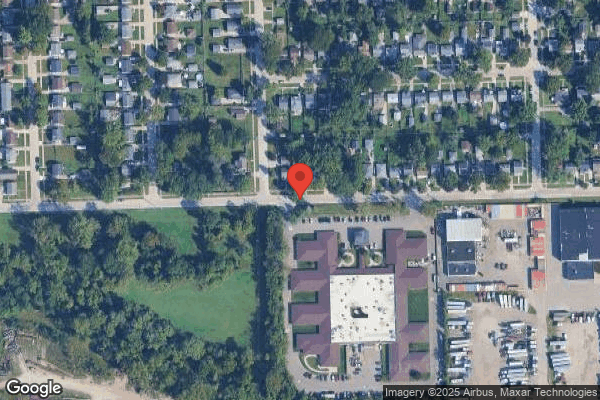
26505 Powers Avenue, Dearborn Heights, MI 48125 (313) 291-6200
For profit - Individual 265 Beds VILLA HEALTHCARE Data: November 2025
Trust Grade
55/100
#205 of 422 in MI
Last Inspection: February 2025

Within standard 12-15 month inspection cycle. Federal law requires annual inspections.

Overview

Imperial, A Villa Center in Dearborn Heights, Michigan, has a Trust Grade of C, indicating it is average compared to other nursing homes. It ranks #205 out of 422 facilities statewide, placing it in the top half in Michigan, and #30 out of 63 in Wayne County, meaning only a few local options are better. Unfortunately, the facility is worsening, with issues increasing from 2 in 2024 to 12 in 2025. Staffing is a concern, rated at 2 out of 5 stars, with a turnover rate of 53%, which is on par with the state average. While there have been no fines, which is a positive sign, RN coverage is low, falling below 87% of state facilities, which could impact the quality of care. Specific incidents raised during inspections include a serious failure to transfer a resident experiencing severe abdominal pain to a higher level of care, resulting in hospitalization after prolonged suffering. Additionally, there were concerns about the cleanliness and maintenance of the facility, such as peeling wallpaper, broken fixtures, and unclean areas in resident rooms. Overall, while there are some strengths, including the absence of fines, the facility has notable weaknesses that families should consider when researching care options.
Trust Score
C
55/100
In Michigan
#205/422
Top 48%
Safety Record
Moderate
Needs review
Inspections
Getting Worse
2 → 12 violations
Staff Stability
⚠ Watch
53% turnover. Above average. Higher turnover means staff may not know residents' routines.
Penalties
✓ Good
No fines on record. Clean compliance history, better than most Michigan facilities.
Skilled Nurses
⚠ Watch
Each resident gets only 21 minutes of Registered Nurse (RN) attention daily — below average for Michigan. Fewer RN minutes means fewer trained eyes watching for problems.
Violations
⚠ Watch
41 deficiencies on record. Higher than average. Multiple issues found across inspections.
★★★☆☆
3.0
Overall Rating
★★☆☆☆
2.0
Staff Levels
★★★★☆
4.0
Care Quality
★★★☆☆
3.0
Inspection Score
Stable
2024: 2 issues
2025: 12 issues

The Good

  • 4-Star Quality Measures · Strong clinical quality outcomes
  • Full Sprinkler Coverage · Fire safety systems throughout facility
  • No fines on record

Facility shows strength in quality measures, fire safety.

The Bad

3-Star Overall Rating

Near Michigan average (3.1)

Meets federal standards, typical of most facilities

Staff Turnover: 53%

Near Michigan avg (46%)

Higher turnover may affect care consistency

Chain: VILLA HEALTHCARE

Part of a multi-facility chain

Ask about local staffing decisions and management

The Ugly 41 deficiencies on record

1 actual harm
Jul 2025 2 deficiencies
CONCERN (D) 📢 Someone Reported This

A family member, employee, or ombudsman was alarmed enough to file a formal complaint

Potential for Harm - no one hurt, but risky conditions existed

Comprehensive Care Plan (Tag F0656)

Could have caused harm · This affected 1 resident

This citation pertains to intake 2572680.Based on interview and record review, the facility failed to implement care plan interventions for one resident (R702) out of three reviewed for care plans. Fi...

Read full inspector narrative →
This citation pertains to intake 2572680.Based on interview and record review, the facility failed to implement care plan interventions for one resident (R702) out of three reviewed for care plans. Findings include:A review of the medical record revealed R702 was admitted into the facility on 7/22/2025 with the following medical diagnoses, End Stage Renal Disease and Obstructive Sleep Apnea. A review of the most recent Minimum Data Set (MDS) assessment revealed a Brief Interview for Mental Status score of 15/15 indicating an intact cognition. R702 was also dependent on staff for bed mobility and transfers.A review of a care plan revealed the following interventions, Oxygen Settings: O2(Oxygen) via NC (Nasal Cannula) at 3 LPM (Liters Per Minute)/PRN (As Needed). Date initiated: 7/23/2025. 1500 ml (milliliter) fluid restriction-Dietary 780 ml, Nursing 720 ml (240ml AM, 240 ml PM,240 ml MN (Midnight)) d/t (due to) edema, diuretic usage and hospital dietary orders.Further review of the current physician's orders revealed there was not an order for fluid restrictions or oxygen for R702.On 7/29/2025 at 12:55 PM, an interview was conducted with Registered Dietitian (RD) A regarding the care plan intervention for the fluid restriction. RD A stated they were corporate and helping at the facility. RD A reported R702 was on dialysis and a fluid restriction is usually a standard order when someone is on dialysis. RD A reported a physician's order should have been put in before entering information on a care plan. On 7/29/2025 at 1:34 PM, an interview was conducted with the Director of Nursing (DON) regarding the oxygen care plan intervention. The DON reported they were unsure why there was an intervention for oxygen and why the MDS Nurse entered it. The DON reported that it was communicated on their admission notice form, however, it was not entered as a physician's order. The DON reported it should have been entered as a physician's order if it was needed.A review of a facility policy titled, Care plan Standard Guideline did not address implementation of interventions.
CONCERN (D) 📢 Someone Reported This

A family member, employee, or ombudsman was alarmed enough to file a formal complaint

Potential for Harm - no one hurt, but risky conditions existed

Deficiency F0698 (Tag F0698)

Could have caused harm · This affected 1 resident

This citation pertains to intake 2572680.Based on interview and record review, the facility failed to assess one resident (R702) prior to dialysis treatment out of one reviewed for dialysis. Findings ...

Read full inspector narrative →
This citation pertains to intake 2572680.Based on interview and record review, the facility failed to assess one resident (R702) prior to dialysis treatment out of one reviewed for dialysis. Findings include:A review of the medical record revealed that R702 was admitted into the facility on 7/22/2025 with the following medical diagnoses, End Stage Renal Disease and Obstructive Sleep Apnea. A review of the most recent Minimum Data Set assessment revealed a Brief Interview for Mental Status score of 15/15 indicating an intact cognition. R702 was also dependent on staff for bed mobility and transfers.A review of a dialysis communication form dated 7/23/2025 was completed and the only portions filled out were the patient's name, date and pre dialysis weight. The vital signs portion, code status, pain, any changes in condition, as well as the completed by (name and title) were noted to blank.On 7/29/2025 at 1:34 PM, an interview was conducted with the Director of Nursing (DON). The DON stated they expect residents to be assessed prior to going to dialysis, whether it be on the communication form or in the resident electronic medical record. The DON reported R702 chair time was 10:00 AM and they should have been assessed before going to dialysis, with the communication form filled out in its entirety.A review of a facility policy titled, Dialysis noted the following, .Communication between outpatient dialysis provider and facility should include: Written communication form with review of daily weights, any changes in condition or mood.
May 2025 1 deficiency 1 Harm
SERIOUS (G) 📢 Someone Reported This

A family member, employee, or ombudsman was alarmed enough to file a formal complaint

Actual Harm - a resident was hurt due to facility failures

Quality of Care (Tag F0684)

A resident was harmed · This affected 1 resident

Based on interview and record review, the facility failed to transfer one (R901) of one resident to a higher level of care after complaints of unresolved, severe abdominal pain resulting in hospitaliz...

Read full inspector narrative →
Based on interview and record review, the facility failed to transfer one (R901) of one resident to a higher level of care after complaints of unresolved, severe abdominal pain resulting in hospitalization. Findings include: On 5/14/25 at 9:23 AM, an interview was completed with Family Member A who explained on 5/6/25, R901 contacted them at approximately 5:00pm stating they were experiencing abdominal pain and the nurse provided them with a laxative. Family Member A further explained at approximately 1:26am, R901 again contacted them via phone screaming out in pain stating their abdomen continued to hurt. Family Member A further explained, they and R901 were advised by facility nursing staff the resident only wanted pain medication and if they were to leave the facility, they would have to sign out against medical advice (AMA), or if they left via EMS (emergency medical services), the resident would risk losing their bed. Family Member A explained R901 remained in the facility for 12 hours in pain and was eventually transferred to the hospital after contacting 911 on their own. Family Member A further explained R901 was admitted into the hospital for an ischemic bowel with bowel infarction (narrowing or blockage of one or more of the arteries or veins that supply the small intestine). A review of R901's medical record revealed they were admitted into the facility on 4/23/25 with diagnoses that included Chronic Obstructive Pulmonary Disease, Alcohol Induced Pancreatitis, Anxiety, Diaphragmatic Hernia without Obstruction or Gangrene. Further review revealed the resident was cognitively intact and required extensive assistance with bed mobility, transfers, dressing, and bathing. On 5/14/25 at 10:43 AM, Registered Nurse (RN) B was asked about the onset of R901's abdominal pain, and explained it started after dinner between 5-6:00pm on 5/6/25. A review of R901's medical record revealed the following progress notes: 5/6/2025 19:05 (7:05pm) Health Status Note . Resident c/o (complain of) of Bilateral Upper quadrant excoriated abdominal pain. followed by N/V (nausea and vomiting). Emesis x 2 (vomiting two times) noted. PRN (as needed) famotidine (acid reducer) and lactulose (used to treat constipation) given unsuccessful. Zofran (prevents nausea and vomiting) unsuccessful. Daughter at bedside. MD (medical doctor) called, new order for one time enema and stat abdominal X-ray received. Will carry on and monitor for any change in the POC (plan of care). 5/7/2025 02:01 (2:00am) Note Text: Resident complaining of stomach pain. Screaming out, and having diarrhea. [physician] notified at start of shift. At approx (approximately) 0130 (1:30am) residents daughter called and asked if she could send resident to the hospital. [Physician] notified of situation, one time dose of narcotic pain medication ordered at this time. Resident accepted pain medication, but continues to scream out in pain. Supervisor and DR (doctor) aware. X-ray results pending at this time. 5/7/2025 02:39 (2:39am) Health Status Note. Resident called EMS (emergency medical services) for abdominal pain and wants 6am scheduled pain meds at 1am. Then resident said I am going AMA with my sister I don (do) not want any meds from your facility. Asked [physician] for break through pain med, Resident took her pain med and calm down. Sister called from home and said she is coming to take resident to hospital or sign AMA papers. She arrived to see resident, seen they were comfortable and left after talking to her. 5/7/2025 07:12 (7:12am) Health Status Note. Resident called 911 to go to [hospital]. Complaints of stomach pain and diarrhea. Resident has been yelling out through out entire shift, stating that the pain medications are not working. Complaints of hot/cold, sweating and chills. Resident was given Imodium after normal findings in xray results and a one-time dose of Methadone (controlled substance) at 0200 (2:00am) per DR (doctor) order. Resident was requesting 0600 (6:00am) dose of Methadone, DR declined dose because of 0200 dose that was given. At that time, resident called 911 for an ER (emergency room) visit. Verbal report given to EMT/paramedics and RN at [hospital] . 5/7/2025 07:49 (7:49am) Health Status Note. Resident call again 911 this morning and transfer herself to [hospital] . On 5/14/25 at 11:49 AM, an interview was completed with Licensed Practical Nurse (LPN C) regarding R901, and they explained upon starting their 7:00pm shift on 5/6/25, R901 was back and forth to the bathroom with explosive diarrhea as they complained about severe abdominal pain that continued throughout the duration of her shift that ended at 7:00am on 5/7/25. LPN C explained at approximately 1:00am she was provided with an order to provide R901 with their 6:00am pain medication and explained the medication wasn't effective, as the resident continued with pain. LPN C was asked why R901 wasn't sent to the hospital and explained the nurse supervisor didn't agree the resident needed to go to the hospital, and somehow, EMS was sent away. On 5/14/25 at 1:18 PM, an interview was completed with Nurse Supervisor D regarding R901. Nurse Supervisor D confirmed the resident transferred herself to the hospital the morning of 5/7/25, and explained the resident had complaints of pain, and was asking for their pain medications earlier than what was ordered, but had been provided earlier per order from the physician. Nurse Supervisor D explained she was informed by the floor nurse that the resident slept throughout the night. However, acknowledged the resident's daughter arrived to the facility at approximately 2:00am where there was discussion regarding the resident leaving the facility AMA or going to the hospital. Nurse Supervisor D was asked about 911 being called to the facility, and explained if a resident contacts 911, they will in turn call the facility before coming out to ensure it's a legitimate emergency. Nurse Supervisor D was asked multiple times if she spoke to emergency services regarding R901 and stated, I don't know. On 5/14/25 at 1:29 PM, an interview was completed with Staff E, and was asked about the night of 5/6/25, when R901's daughter arrived at the facility at approximately 2:00am. Staff E explained the daughter called the front desk and asked about being able to visit as R901 had been complaining of pain. Staff E explained the daughter arrived and eventually left. Staff E explained the supervisor noted that R901 is not leaving, they just want pain medication. On 5/14/25 at 1:54 PM, an interview was completed with the Director of Nursing (DON) regarding R901 and asked why the resident wasn't sent to the hospital, and explained she was informed there wasn't a change in the resident's vitals and the resident slept throughout the night which wouldn't have prompted the facility to send the resident to the hospital. Regarding the resident calling 911 on their own, the DON explained 911 typically responds to calls from residents but acknowledged that they will at times call the facility regarding the concerns prior to arrival. A review of R901's hospital records dated 5/7/25 revealed a CT scan noting acute nausea, vomiting, with constipation .distended small bowel loops throughout the left upper quadrant and midline pelvis which demonstrate marked wall edema .these findings are worrisome for ongoing or impeding ischemia . A review of the facility's Transfer and Discharge policy did not address the resident't right to contact emergency medical services.
Feb 2025 9 deficiencies
CONCERN (D) 📢 Someone Reported This

A family member, employee, or ombudsman was alarmed enough to file a formal complaint

Potential for Harm - no one hurt, but risky conditions existed

Resident Rights (Tag F0550)

Could have caused harm · This affected 1 resident

**NOTE- TERMS IN BRACKETS HAVE BEEN EDITED TO PROTECT CONFIDENTIALITY** This citation pertains to Intake MI00149869. Based on observation, interview, and record review, the facility failed to provide ...

Read full inspector narrative →
**NOTE- TERMS IN BRACKETS HAVE BEEN EDITED TO PROTECT CONFIDENTIALITY** This citation pertains to Intake MI00149869. Based on observation, interview, and record review, the facility failed to provide dignity during care for one resident (R216) of three residents reviewed for dignity. Findings included: On 2/25/25 at 12:03 PM, R216 was observed lying in their bed awaiting staff to assist with getting dressed for the day. R216 stated ,I need to be changed, my brief and bed are wet due to my indwelling catheter (a tube inserted into the bladder) is leaking. R216 appeared tearful and stated that ,I am sitting here wet and I am late for therapy. It's not supposed to be like this. It makes me feel ashamed because I cant help myself. On 2/25/25 the medical record for R216 was reviewed and revealed R216 was admitted to the facility on [DATE] with the diagnoses of cerebral infarction with right sided weakness, depression, anxiety and diabetes mellitus. A review of the most recent minimum data set assessment (MDS) dated [DATE] noted a Brief Interview of Mental Status (BIMS) assessment is a 14 indicating intact cognition. A review of the medical record reveal a physicians order stating two person approach during care routine. On 2/26/25 at 9:00 AM, R216 was observed lying in the bed watching television. R216 stated a nursing assistant had tried to change them without assistance instead of having two people. R216 stated, I was scared and didnt want to fall out of bed so I told them no, and demanded the nursing assistant stop and go get proper help. R216 stated when the nursing assistant went to get assistance, they were left partially exposed until the 2 nursing assistants returned to help finish getting them dressed. On 2/26/25 at 10:05 AM, the Director of Nursing (DON) was asked about this incident and confirmed that there had been an investigation into the allegations. DON stated a new nursing assistant had been assisgned to R216 and was not familiar with the care orders. The nursing assistant had left the resident to get the unit manager and assistance when providing care, saying staff should be aware of care orders when providing care. The facility's Resident Rights policy dated 11/28/2017 noted: Our facility will treat each resident with respect and dignity and care for each resident in a manner an in an environment that promotes maintenance or enhancement of his or her quality of life, recognizing each resident's individuality. Resident has the right to respect and dignity.
CONCERN (D) 📢 Someone Reported This

A family member, employee, or ombudsman was alarmed enough to file a formal complaint

Potential for Harm - no one hurt, but risky conditions existed

Deficiency F0554 (Tag F0554)

Could have caused harm · This affected 1 resident

Based on observation, interview, and record review, the facility failed to properly assess one resident (R65) out of one reviewed for self administration of medications. Findings include: On 2/25/202...

Read full inspector narrative →
Based on observation, interview, and record review, the facility failed to properly assess one resident (R65) out of one reviewed for self administration of medications. Findings include: On 2/25/2025 at 2:02 PM, R65 was observed sitting in bed with two medicine cups in front of them. R65 was observed putting one pill in their mouth and then another. R65 was asked what they had just taken, and they responded, A gas pill and a pain pill. R65 stated the pain pill they had taken was Norco (Narcotic) and that they don't take it often because it makes them sleepy. No staff were noted to be in the room or surrounding the area by the room. R65 stated the staff usually just leave their pills with them because they know that they are going to take them. A review of the medical record revealed that R65 admitted into the facility on 3/21/2023 with the following diagnoses, Cerebral Palsy and Anxiety Disorder. A review of the Minimum Data Set assessment revealed a Brief Interview for Mental Status score of 15/15 indicating an intact cognition. R65 also required staff assistance with bed mobility and transfers. Further review of the medical record revealed that R65 was prescribed Simethicone (Pill used for gas) once a day with meals and Norco, every six hours, as needed. No self administration assessment or care plan was noted in the medical record. On 2/26/2025 at 11:43 AM, an interview was conducted with Assistant Director of Nursing (ADON) A. ADON A stated the nurse should have been in the room with R65 while they were taking their medications, especially with a narcotic. A review of a facility policy titled, Self-Administration of Medications Management noted the following, When determining if self-administration is clinically appropriate for a resident, a licensed nurse will complete the Evaluation for Resident Self-Administration of Medications to aid in the determination of resident's ability to self-administer medication.
CONCERN (D) 📢 Someone Reported This

A family member, employee, or ombudsman was alarmed enough to file a formal complaint

Potential for Harm - no one hurt, but risky conditions existed

Safe Environment (Tag F0584)

Could have caused harm · This affected 1 resident

This citation pertains to Intake: MI00149953 Based on observation, interview and record review, the facility failed to ensure a clean environment for one resident (R211 and R165) of 10 residents revie...

Read full inspector narrative →
This citation pertains to Intake: MI00149953 Based on observation, interview and record review, the facility failed to ensure a clean environment for one resident (R211 and R165) of 10 residents reviewed for home-like environment. Findings include: A review of the complaint submitted to the State Agency revealed the following, .The room that [R211] lives in is in poor condition. The heater is exposed and looks like it's falling apart. There is brown residue all over the ground under the bed . R211 On 2/24/25 at 7:30 AM, R211 was observed lying in bed, a tube feeding pole was observed as visibly soiled, with dried tube feed formula observed dried and caked to the floor. R211's bed was observed next to a heat vent that had a damaged base board exposing the coils. Attempts to interview R211 were unsuccessful, due to their cognition. A review of R211's medical record revealed they were admitted into the facility on 9/20/24 with diagnoses that included Cerebral Infarction and Gastronomy Status. Further review revealed they were severely cognitively impaired, and was total dependent on staff for activities of daily living. On 2/25/25 at 9:05 AM, 12:59 PM, and 3:12 PM, the dried tube feed formula observed on the floor in 2/24/25 remained on the floor. The damaged base board of the heat vent was also observed in the same condition. On 2/26/25 at 10:18 AM, the dried tube feed formula observed on the floor in 2/24/25 remained on the floor. The damaged base board of the heat vent was also observed in the same condition. R165 On 2/24/25 at 7:36 AM, R 165 was observed in bed asleep. A tube feeding pole was observed as visibly soiled, with dried tube feed formula observed dried and caked to the floor. A review of R165's medical record revealed they were admitted into the facility 12/18/24 with diagnoses that included Anoxic Brain Damage, Chronic Obstructive Pulmonary Disease, and Dysphagia. Further review revealed that the resident was significantly cognitively impaired, and was totally dependent on staff for activities of daily living. On 2/25/25 at 9:06 AM, 11:14 AM, 12:42 PM, and 3:12 PM, the dried tube feed formula observed on the floor in 2/24/25 remained on the floor. On 2/26/25 at 11:13 AM, Maintenance Director M was asked about the exposed heat vents, and acknowledged this is an ongoing issue, and they make efforts to complete walk throughs regularly to identify issues. On 2/26/25 at 1:01 PM, the Nursing Home Administration (NHA) was informed of the observations made throughout the survey related to tube feeding liquid located on the floor, and explained it is her expectation the feed fluid is cleaning up by nursing and housekeeping when observed in the floor. A review of the facility's Accommodation of Needs and Preferences and Homelike Environment Guideline revealed, .7. The resident's environment will be maintained in a homelike manner to ensure appropriate housekeeping .
CONCERN (D) 📢 Someone Reported This

A family member, employee, or ombudsman was alarmed enough to file a formal complaint

Potential for Harm - no one hurt, but risky conditions existed

Quality of Care (Tag F0684)

Could have caused harm · This affected 1 resident

**NOTE- TERMS IN BRACKETS HAVE BEEN EDITED TO PROTECT CONFIDENTIALITY** Based on observation, interview and record review, the facility failed to ensure the proper setting for a specialty mattress (lo...

Read full inspector narrative →
**NOTE- TERMS IN BRACKETS HAVE BEEN EDITED TO PROTECT CONFIDENTIALITY** Based on observation, interview and record review, the facility failed to ensure the proper setting for a specialty mattress (low air loss) was maintained for one resident (R34) of three reviewed who had a specialty mattress. Findings include: On 02/24/25 at 12:23 PM, 02/25/25 at 8:36 AM and 12:18 PM and on 02/26/25 at 7:55 AM, R34 was observed to be supine in bed and dressed in a hospital style gown. R34 had a power unit for the specialty mattress hooked to the foot of the bed. The weight setting on the power unit was set at 400 pounds. R34 did not appear to weigh 400 pounds. R34 did not respond to queries about positioning or comfort. R34 was not observed to reposition themselves in bed. On 02/26/25 at 11:05 AM, R34 was observed to be supine in bed. The mattress setting on the power unit was observed with Unit Manager, Licensed Practical Nurse (LPN) I. The weight setting was observed to be at 400. LPN I acknowledged the weight setting was likely too high. LPN I consulted with the wound care staff and reported the mattress should have been set at 200. It was further observed the mattress pump control panel had to be unlocked in order to change the setting. A review of the record for R34 documented R34 was admitted into the facility 10/28/2009. Diagnoses included Dementia, Stroke and Diabetes. The Minimum Data Set (MDS) assessment dated [DATE] indicated severely impaired cognition, limited range of motion for both legs and one arm, and that R34 was dependent on staff to roll left and right, to bathe and for hygiene. On 02/19/25 R34 was documented to have weighed 180.2 pounds. A physician order dated 02/21/25 documented, LAL (low air loss) mattress. Monitor pump to reflect resident's weight. A review of the February 2025 Administration Record (TAR) documented the setting had been checked by the nursing staff on 02/21 on the night shift and on 02/22. 02/23, 02/24 and 02/25 on the day and night shift. A review of the facility Skin Protection Guideline dated 07/07/21 documented, Purpose: To provide evidenced based practice standards for the care and treatment of skin. To ensure residents that admit and reside at our facility are evaluated and provided individualized interventions to prevent, reduce and treat skin breakdown . Interventions for prevention, removing and reducing predicting factors and treatment for skin may include: Selection of an individualized support surfaces for bed and seating to enhance pressure redistribution .
CONCERN (D) 📢 Someone Reported This

A family member, employee, or ombudsman was alarmed enough to file a formal complaint

Potential for Harm - no one hurt, but risky conditions existed

Pressure Ulcer Prevention (Tag F0686)

Could have caused harm · This affected 1 resident

Based on observation, interview and record review, the facility failed to document interventions, and prevent the development of a pressure ulcer (damage to skin from prolonged pressure to skin), for ...

Read full inspector narrative →
Based on observation, interview and record review, the facility failed to document interventions, and prevent the development of a pressure ulcer (damage to skin from prolonged pressure to skin), for one resident (R165), of four residents reviewed for pressure ulcers. Findings include: On 2/24/25 at 7:36 AM, R165 was observed asleep in bed. A positioning wedge was noted on the resident's left side, feet elevated with pillows. A review of R165's medical record revealed they were admitted into the facility 12/18/24 with diagnoses that included Anoxic Brain Damage, Chronic Obstructive Pulmonary Disease, and Dysphagia. Further review revealed that the resident was significantly cognitively impaired, and was totally dependent on staff for activities of daily living. Further review of R165's medical record revealed a Nursing Evaluation dated 12/19/24 documented the resident had a stage 2 pressure sore (Partial-thickness skin loss with exposed dermis) to their left buttock, left heel very dry and cracked, right heel very dry and cracked, and scar on their chest from prior surgery. Further review of R165's medical record revealed the following progress note: 12/19/2024 15:25 (3:25pm) Skin/Wound Note (Narrative) Wound Care New admission Skin observation .Bilateral Buttock: Blanchable redness, MASD (moisture associated skin damage). treatment-cleanse with ph balance, pat dry and apply triad cream. A review of R165's physician orders noted the following interventions for R165's skin integrity: Order: 12/26/24 Foam boots as tolerated every day and night shift for prevention. Order: 12/24/24 LAL (low air loss) mattress. Monitor pump to reflect resident weight every day and night shift for monitoring. A review of R165's care plan revealed the following, Focus: The resident has potential for impairment to skin integrity r/t (related to) decreased mobility and dependence on staff for pressure offloading and repositioning, anti-coagulant use, TF (tube feeding) to meet nutrition and hydration needs .Entire skin is highly moist, Dated Initiated: 12/19/2024 .Interventions: Apply barrier cream per facility protocol/PRN (as needed) Date Initiated: 12/19/2024. Encourage that heels are elevated while resident is lying in bed as tolerated Date Initiated: 12/19/2024. Dietary Consult as needed. Date Initiated: 12/19/2024 Monitor skin when providing cares, notify nurse of any changes in skin appearance. Date Initiated: 12/19/2024. Use draw sheet when turning/repositioning. Date Initiated: 12/19/2024. Use pillow/cushion for pressure offloading and repositioning as needed. Date Initiated: 12/19/2024. Lotion to dry skin PRN. Date Initiated: 12/19/2024. Skin assessments to orders and PRN. Date Initiated: 12/19/2024. Turn and reposition every 2 hours as tolerated. Date Initiated: 12/19/2024. A review of R165's January (2025) Treatment Administration Record (TAR) revealed the orders for the monitoring of the LAL and the application of the foam boots were not documented as completed for 12 days. Further review of the resident's medical record revealed the following progress note, 1/7/2025 13:59 (1:59pm) Skin/Wound Note(Narrative). Resident has new unstageable (pressure injury) to coccyx. Further review revealed the following wound care progress note dated 1/7/25, .Sacrum is an acute unstageable Pressure Injury Obscured full-thickness skin and tissue loss Pressure Ulcer and has received a status of Not Healed. Initial wound encounter measurements are 6cm (centimeters) length x 9cm width x 0.2 cm depth, with an area of 54sq (square) cm and a volume of 10.8 cubic cm . On 2/26/25 at 10:29 AM, the Assistant Director of Nursing (ADON)/Wound Care Nurse was asked about the development of R165's unstageable wound, and explained when the resident was admitted , they had a deep tissue injury (DTI) on their buttocks and sacrum, which opened two weeks after admission. She further explained the resident's skin has a lot of moisture and has poor tissue perfusion. The ADON was asked about R165's interventions upon admission and indicated the resident had foam boots, triad treatments and a distribution mattress. The ADON was asked about the missing documentation on the resident's TAR, she indicated that she would address this with management. On 2/26/25 at 2:08 PM, the Director of Nursing (DON) was asked about the development of R165's sacrum wound, and explained that upon admission, the resident's skin was already compromised and the wound on the resident's sacrum was a DTI and not MASD. The DON further explained the wound care team documented this incorrectly, and were later educated. A review of the facility's Skin Protection Guideline revealed the following, Purpose: To provide evidenced based practice standards for the care and treatment of skin. To ensure residents that admit and reside at our facility are evaluated and provided individualized interventions to prevent, reduce and treat skin breakdown .
CONCERN (D) 📢 Someone Reported This

A family member, employee, or ombudsman was alarmed enough to file a formal complaint

Potential for Harm - no one hurt, but risky conditions existed

Deficiency F0761 (Tag F0761)

Could have caused harm · This affected 1 resident

Based on observation, interview, and record review, the facility failed to ensure resident inhalers were dated when open in two of six medication carts. Findings include: On 02/26/25 at 9:10 AM, the U...

Read full inspector narrative →
Based on observation, interview, and record review, the facility failed to ensure resident inhalers were dated when open in two of six medication carts. Findings include: On 02/26/25 at 9:10 AM, the Unit C back cart was observed with Licensed Practical Nurse (LPN) J. A Breo Ellipta inhaler was not dated when opened on the inhaler and was without a resident identifier and an Incruse inhaler was not dated when opened and was without a resident identifier. LPN J acknowledged the inhalers did not have an open date. On 02/26/25 at 9:26 AM, the Unit C Front cart was observed with Licensed Practical Nurse (LPN) K. Two Trelegy inhalers were observed to not be dated when opened on the inhaler and were without a resident identifier and one Incruse inhaler did not have a resident identifier on the actual inhaler. LPN K reported an open date was required on the inhaler. A review of the policy titled Medication Storage in the Facility dated April 2018 revealed, .Drugs dispensed in the manufacturer's original container will carry the manufacturer's expiration date. Once opened, these will be good to use until the manufacturer's expiration date is reached unless the medication is: 1. In a multi-dose injectable vial. 2. An ophthalmic medication. 3. An item for which the manufacturer has specified a usable life after opening . A review of the prescribing information from the Incruse manufacturers web site https://gskpro.com revealed, .Safely throw away INCRUSE ELLIPTA in the trash 6 weeks after you open the tray or when the counter reads 0, whichever comes first. Write the date you open the tray on the label on the inhaler . A review of the prescribing information from the Breo manufacturers web site www.mybreo.com revealed, ' .Safely throw away BREO ELLIPTA in the trash 6 weeks after you open the tray or when the counter reads 0, whichever comes first. Write the date you open the tray on the label on the inhaler . A review of the prescribing information from the Trelegy manufacturers web site https://gskpro.com revealed, .Safely throw away TRELEGY ELLIPTA in the trash 6 weeks after you open the tray or when the counter reads 0, whichever comes first. Write the date you open the tray on the label on the inhaler .
CONCERN (D) 📢 Someone Reported This

A family member, employee, or ombudsman was alarmed enough to file a formal complaint

Potential for Harm - no one hurt, but risky conditions existed

Infection Control (Tag F0880)

Could have caused harm · This affected 1 resident

Based on observation, interview, and record review, the facility failed to ensure personal protective equipment (PPE-gown, mask, gloves, etc.) was used for one covid positive resident (R577) out of on...

Read full inspector narrative →
Based on observation, interview, and record review, the facility failed to ensure personal protective equipment (PPE-gown, mask, gloves, etc.) was used for one covid positive resident (R577) out of one reviewed for isolation precautions. Findings include: On 2/26/2025 at 9:47 AM, R577's door was noted to have PPE on the outside, as well as a droplet and contact precaution sign. Nurse Practitioner (NP) D was observed to be in the room talking to R577, no PPE was noted to be on. A review of the medical record revealed R577 admitted into the facility on 2/18/2025 with the following medical diagnoses, Covid-19 and Muscle Weakness. A review of the Minimum Data Set assessment revealed a Brief Interview for Mental Status score of 13/15 indicating an intact cognition. R577 also required staff assistance with bed mobility and transfers. On 2/26/2024 at 9:48 AM, Licensed Practical Nurse (LPN) B was asked if R577 was positive for COVID-19. LPN B stated to their knowledge R577 was positive for covid and still required precautions. LPN B stated NP D should have put on their PPE prior to entering the room. On 2/26/2025 at 9:50 AM, NP D was observed walking out of R577's room. NP D was asked if they were aware R577 was covid positive and on droplet precautions. R577 stated they did not make note of the signs on the door and would check and see if R577 was still on precautions for covid. On 2/26/2025 at 11:39 AM, an interview was conducted with Assistant Director of Nursing (ADON) A, who also serves as the Infection Control Preventionist. ADON A stated R577 is covid positive and still on isolation precautions and NP D should have been wearing their full PPE. ADON A stated an education was provided to NP D, as well as another vendor that comes into the facility. A review of a facility policy titled, Personal Protective Equipment Guideline did not address droplet precautions.
CONCERN (E) 📢 Someone Reported This

A family member, employee, or ombudsman was alarmed enough to file a formal complaint

Potential for Harm - no one hurt, but risky conditions existed

Deficiency F0558 (Tag F0558)

Could have caused harm · This affected multiple residents

**NOTE- TERMS IN BRACKETS HAVE BEEN EDITED TO PROTECT CONFIDENTIALITY** Based on observation, interview, and record review, the facility failed to ensure that call lights were within reach for four re...

Read full inspector narrative →
**NOTE- TERMS IN BRACKETS HAVE BEEN EDITED TO PROTECT CONFIDENTIALITY** Based on observation, interview, and record review, the facility failed to ensure that call lights were within reach for four residents (R71, R83, R86, and R115) of five reviewed for accomodation of resident needs. Findings include: Resident #86 (R86) On 2/24/25 at 8:10 AM, R86's call light was unable to be located in R86's room. R86 was interviewed about the location of their call light and was unsure of its location. On 2/25/25 at 12:41 PM, R86's call light was observed on the floor underneath the bed. Certified nursing assistant (CNA) F entered R86's room and was interviewed and asked where R86's call light was located. CNA F stated, It's right here and proceed to pick it up off of the floor and clipped it to R86's pillow. CNA F was further interviewed and asked where R86's call light should be located. CNA F indicated that [R86's] call light should be clipped to their pillow. A record review of R86's electronic medical record (EMR) revealed that R86 was most recently admitted to the facility on [DATE] with diagnoses that included Dementia and Muscle weakness. R86's most recent quarterly minimum data set assessment (MDS) dated [DATE] revealed that R86 had a Brief interview of mental status score (BIMS) of 3/15 which indicated a severely impaired cognition. R86 required supervision and cueing for all activities of daily living (ADLs). Resident #115 (R115) On 2/24/25 at 9:14 AM, R115's call light was unable to be located/observed in the their room. R115 was interviewed about the location of their call light and was unsure of its location. On 2/25/25 at 1:02 PM, No call light was observed in R115's room. R115 was interviewed about the location of their call light and stated, I don't have one. I could use one. On 2/25/25 at 1:07 PM, Nurse/RN (Registered Nurse) G was asked the location of R115's call light. Nurse G entered R115's room and stated, It looks like we are missing a call light. Nurse G indicated that that they would report this to maintenance and have them install a call light, Right away. On 2/26/25 at 9:54 AM, an observation was made of R115's call light cord and call light being draped over and behind a small table in R115's room located approximately three feet from where R115 was lying in their bed. The call light was behind the table and out of sight. On 2/26/25 at 10:02 AM, Unit Nurse Manager/LPN (Licensed Practical Nurse) (UNM) H was interviewed about their expectations for placement of residents' call lights in their rooms. UNM H indicated that during rounding staff should make sure that call lights are in place and within reach of the resident. A RR review of R115's EMR revealed that R115 was most recently admitted to the facility on [DATE] with diagnoses that included Alzheimer's disease and Muscle weakness. R115's most recent quarterly MDS dated [DATE] revealed that R115 had a BIMS of 3/15 which indicated a severely impaired cognition. R115 required supervision to limited assistance for all ADLs other than eating. Resident #71 (R71) On 2/24/25 at 9:43 AM, R71's call light was observed to be on the floor underneath their bed. R71 was unable to reach or locate their call light when asked about it. On 2/25/25 at 1:26 PM, UNM/RN C was interviewed and asked about their expectation for placement of R71's call light. UNM C indicated that the call light should be clipped to [R71]. A review of R71's EMR revealed that R71 was most recently admitted to the facility on [DATE] with diagnoses that included Dementia and Muscle weakness. R71's most recent quarterly MDS dated [DATE] revealed that R71 had a BIMS of 7/15 which indicated a severely impaired cognition. R71 required extensive assistance for all ADLs other than eating. Resident #83 (R83) On 2/25/25 at 1:28 PM, R83 was interviewed and asked the location of their call light. R83 indicated that they did not know the current location of their call light. While in the room speaking to R83 an observation was made of R83's call light cord and call light being draped over the head of R83's bed out of reach of the resident. UNM C was requested to come to R83's room and was asked about the location of R83's call light. UNM C indicated that the call light should be clipped to [R83]. On 2/25/25 at 1:45 PM, R83 was further interviewed and asked if their call light is frequently out of reach for them. R83 responded, Not with the CNA that I have today, but with other CNAs, yes. A review of R83's EMR revealed that R83 was most recently admitted to the facility on [DATE] with diagnoses that included Kidney failure and Muscle weakness. R83's most recent quarterly MDS dated [DATE] revealed that R83 had a 15/15 BIMS which indicated an intact cognition. R83 required extensive assistance for all ADLs other than eating. On 2/26/25 at 1:01 PM, the Administrator (NHA) was interviewed and asked about their expectations for placement of resident call lights in their room. The NHA indicated that they should be within reach of the resident. A review of a policy titled Call Lights, Reviewed: 2/13/2021 stated the following, Purpose: It is the purpose of this facility to attend to our residents needs in a timely manner. Procedure: 1. Staff should ensure that the residents call light is located within easy reach of the resident .
CONCERN (E) 📢 Someone Reported This

A family member, employee, or ombudsman was alarmed enough to file a formal complaint

Potential for Harm - no one hurt, but risky conditions existed

Safe Environment (Tag F0921)

Could have caused harm · This affected multiple residents

**NOTE- TERMS IN BRACKETS HAVE BEEN EDITED TO PROTECT CONFIDENTIALITY** This citation pertains to Intake: MI00149953 Based on observation, interview, and record review, the facility failed to ensure r...

Read full inspector narrative →
**NOTE- TERMS IN BRACKETS HAVE BEEN EDITED TO PROTECT CONFIDENTIALITY** This citation pertains to Intake: MI00149953 Based on observation, interview, and record review, the facility failed to ensure room furnishings were maintained for ten of ten resident rooms (416, 417, 418, 419, 420, 423, 425, 430, 436, and 440) on Unit D and one (R47) of one resident reviewed for homelike environment. Findings include: On 02/24/25 at 7:23 AM during the initial screening of residents the following was observed: The end cap for the hand rail at left side room of 418 was missing; In room [ROOM NUMBER], a piece of vertical trim approximately four feet long was missing off the left hand corner of the wall as the room is entered. The trim had been laid on the floor behind the door. In room [ROOM NUMBER] the baseboard heater cover was hanging down to the floor on right side behind bed one; In room [ROOM NUMBER] the cover was off the baseboard heater behind the head of both resident beds the entire length of the wall, the sheetrock at the left side of the window, had crumbled away. The window was open about one inch and the fan on the floor had a build up of dust; In room [ROOM NUMBER] the edge molding was missing from the corner at right side of the closet for bed one; In room [ROOM NUMBER] the bathroom had a crack in the ceiling which appeared to have been patched but not painted and the cover for the baseboard heater was off and on the floor: In room [ROOM NUMBER] seven vertical holes were observed in the wall behind the television which was extended on an arm away from the wall; Above the doorway for room [ROOM NUMBER], 14 feet of crown molding was away from the ceiling and wall with the nails visible behind it; In room [ROOM NUMBER] the baseboard heater appeared to be without a cover along the entire length behind the head of the resident's beds: In room [ROOM NUMBER] the cover for the baseboard heater was angle down near the center area; In room [ROOM NUMBER], the cover for the baseboard heater was observed to hang down in middle area and a metal strap was holding the right side to the unit. On 02/26/25 at 11:30 AM, the identified environmental concerns were observed with and acknowledged by the Maintenance Director. A review of the closed work orders from the maintenance reporting log dated 12/01/24 to 02/25/25 documented one heating register repair on unit C out of the 200 work orders listed. Unit D included the 400 numbered rooms. R47 On 2/25/2025 at 2:28 PM, R47 was observed in bed laying down. Their nightstand was noted to be missing the covering for the drawer and all items inside the nightstand were visible. R47 stated their nightstand had been in that condition for quite some time and they were unsure how it came to look like that. R47 stated they had asked numerous times for the nightstand to be either fixed or replaced and it still had not been done. R47 stated they have not heard anything about when it would be fixed or replaced. A review of the medical record revealed that R47 admitted into the facility on 5/27/2024 with the following medical diagnoses, Muscle Weakness and Contracture, Left Wrist. A review of the Minimum Data Set assessment revealed a Brief Interview for Mental Status score of 15/15 indicating an intact cognition. R47 also required staff assistance with bed mobility and transfers. On 2/26/2025 at 11:13 AM, an interview was conducted with Maintenance Director (MD) E. MD E stated they do room rounds everyday and see if a drawer is broken and needs to be either replaced or fixed. MD E stated the floor staff also lets them know when something needs to be fixed and put it into TELS. MD E stated they would go and look at the drawer in R47's room. A review of a facility policy titled, Accommodation of Needs and Preferences and Homelike Environment Guideline noted the following, The objective of the accommodation of resident needs and preferences is to create an individualized, home-like environment to maintain and/or achieve functioning, dignity, and well-being to the extent possible in accordance with the resident's own needs and preferences . A homelike environment is one that de-emphasizes the institutional character of the setting . A determination of homelike should include the resident's opinion of the living environment .
May 2024 1 deficiency
CONCERN (D) 📢 Someone Reported This

A family member, employee, or ombudsman was alarmed enough to file a formal complaint

Potential for Harm - no one hurt, but risky conditions existed

Deficiency F0804 (Tag F0804)

Could have caused harm · This affected 1 resident

**NOTE- TERMS IN BRACKETS HAVE BEEN EDITED TO PROTECT CONFIDENTIALITY** This citation pertains to Intake MI00144627. Based on observation, interview, and record review, the facility failed to serve fo...

Read full inspector narrative →
**NOTE- TERMS IN BRACKETS HAVE BEEN EDITED TO PROTECT CONFIDENTIALITY** This citation pertains to Intake MI00144627. Based on observation, interview, and record review, the facility failed to serve food at the preferred temperature for one resident (R703) of two residents review for food palatability, resulting in dissatisfaction during meals. Findings include: A review of resident council meeting minutes for the months of March through May 2024 revealed the following, 3/22/24: Residents .stated the food that comes to the floor is cold when they receive it. (Food) cart sits for awhile trays not passed in a timely manner. 4/19/24: Residents stated food from dietary carts, the trays are lukewarm, food not hot . On 5/30/24 at 12:10 PM, R703 was interviewed and asked about food palatability at the facility. R703 indicated the food was frequently cold and stated, I don't eat it. R703 expressed dissatisfaction with the temperature of the food served to them and stated, My kids bring me food. On 5/30/24 at 12:20 PM, an observation was made of multiple staff passing out food trays to resident rooms while leaving the food cart doors open as they went back and forth to rooms. On 5/30/24 at 12:23 PM, Dietary Manager (DM) C temperature tested a random food tray from the food cart and the results were the following: Chicken Alfredo: 112 Degrees Fahrenheit; Broccoli/Carrot mix: 100.4 Degrees Fahrenheit. DM C was interviewed regarding the temperature for the food items on the tray and stated, (The food ahould be) at least 125-130 Degrees Fahrenheit. DM C was asked to sample the tray and stated, I already tasted it in the kitchen, it was good. On 5/30/24 at 12:29 PM, the food was taste tested by the surveyor and was found to be lukewarm which negatively impacted its palatability. A review of R703's electronic medical record (EMR) revealed that R703 was originally admitted to the facility on [DATE] with diagnoses that included Chronic obstructive pulmonary disease (COPD) (Lung disease) and Malignant neoplasm of rectum (Rectal cancer). R703's most recent quarterly minimum data set assessment (MDS) dated [DATE] revealed that R703 had an intact cognition. A facility policy titled Food Palatability Issued: 9-1-2021 was reviewed and stated, Standard: .Food will be palatable .served at a safe and appetizing temperature. Guidelines: Food should be at the appropriate temperature .to ensure resident's satisfaction .
Feb 2024 1 deficiency
CONCERN (D) 📢 Someone Reported This

A family member, employee, or ombudsman was alarmed enough to file a formal complaint

Potential for Harm - no one hurt, but risky conditions existed

Accident Prevention (Tag F0689)

Could have caused harm · This affected 1 resident

**NOTE- TERMS IN BRACKETS HAVE BEEN EDITED TO PROTECT CONFIDENTIALITY** This citation pertains to Intakes MI00142645 and MI00142751. Based on interview, and record review the facility failed to ensure...

Read full inspector narrative →
**NOTE- TERMS IN BRACKETS HAVE BEEN EDITED TO PROTECT CONFIDENTIALITY** This citation pertains to Intakes MI00142645 and MI00142751. Based on interview, and record review the facility failed to ensure adequate supervision for wandering behavior was provided for one (R701) of two residents reviewed for supervision, resulting in non consensual resident to resident sexual contact. Findings include: On 2/14/24 at 9:30 AM an incident and accident report (I/A) involving R700 and R701 dated 2/8/24 at 4:30 PM documented the following, Alleged sexual activity between male and female. Resident's were immediately separated, male resident was moved to a separate unit and was placed on a 1:1 (supervision) for safety pending investigation. Both residents denied any wrong doing and feel safe . Review of R700's electronic medical record (EMR) revealed that R700 was originally admitted to the facility on [DATE] with diagnoses that included Alzheimer's disease and Dementia. R700's most recent Minimum Data Set Assessment (MDS) dated [DATE] revealed that R700 had a severely impaired cognition. On 2/14/24 at 11:30 AM, R700 was interviewed regarding the incident involving R701 on 2/8/24. R700 stated, I don't know who they are. I don't know them. On 2/8/24 at 11:38 AM, R700's roommate (R702) was interviewed regarding the incident involving R700 and R701. R702 stated (R701) is always wandering into our room. R702 indicated that R701 had wandered into in their room multiple times prior to the incident that occurred on 2/8/24. On 2/14/24 at 12:07 PM, Unit Manager, Licensed Practical Nurse (LPN) A was interviewed regarding the incident involving R700 and R701. LPN A confirmed answering the call light that was activated by R702 and observed R700's slacks and brief off, R701 had their pants off and was lying on top of R700. The nurse indicated she did not observe any penetration or an erection, subsequently immediately separated them and reported the incident. LPN A said that was the first time R701 had engaged in any sexual acting out towards another resident. LPN A indicated that R701 was a wanderer and that they go in other residents rooms and sometimes take their belongings. LPN A said when R701 was wandering, We redirect them. They are easy to redirect. LPN A was asked if staffing on the unit was short on the day of the incident and stated, not really. On 2/14/24 at 12:49 PM, R701 was interviewed regarding the incident involving themselves and R700. R701 had no recollection of the incident and was unable to answer any questions. Review of R701's electronic medical record (EMR) revealed that R701 was originally admitted to the facility on [DATE] with diagnoses that included Encephalopathy (Brain disease) and Muscle weakness. R701's most recent minimum data set assessment (MDS) dated [DATE] revealed that R701 had a severely impaired cognition. A review of R701's care plan revealed the following, Focus: The resident is an elopement risk/wanderer r/t (related to) Dementia Date initiated: 11/17/2023. Goal: The resident's safety will be maintained through the review period Date Initiated: 11/17/2023 Target Date: 03/05/2024. Interventions: Frequent monitoring. Distract resident from wandering by offering diversions, structured activities, food, conversation, television, book .Date Initiated: 11/17/2023 Target Date: 03/05/2024. On 2/14/24 at 3:28 PM, Certified Nurse Assistant (CNA) C was interviewed regarding the incident involving R700 and R701 and stated, I didn't see anything. CNA C indicated that when R701 was observed wandering, We redirect them. On 2/14/24 at 4:00 PM, the Administrator (NHA) was interviewed about the incident involving R700 and R701 and asked about their expectations for supervising residents who wander. The NHA said the facility staff should, Redirect the resident, engage in activities, seek family support, and engage in outings if possible. On 2/14/24 at 1:26 PM, A facility policy was requested regarding resident supervision. On 2/14/24 at 1:45 PM, the NHA indicated that the facility had no policy regarding resident supervision. On 2/14/24 at 4:35 PM, a facility policy titled Abuse .Effective Date: 9.11.2020 was reviewed and did not address resident supervision.
Dec 2023 12 deficiencies
CONCERN (D) 📢 Someone Reported This

A family member, employee, or ombudsman was alarmed enough to file a formal complaint

Potential for Harm - no one hurt, but risky conditions existed

Deficiency F0558 (Tag F0558)

Could have caused harm · This affected 1 resident

**NOTE- TERMS IN BRACKETS HAVE BEEN EDITED TO PROTECT CONFIDENTIALITY** Based on observation, interview, and record review the facility failed to ensure a call light was in reach for one resident (R10...

Read full inspector narrative →
**NOTE- TERMS IN BRACKETS HAVE BEEN EDITED TO PROTECT CONFIDENTIALITY** Based on observation, interview, and record review the facility failed to ensure a call light was in reach for one resident (R105) of three residents monitored for call light placement, resulting in the potential for unmet care needs and the need to ask their roommate to put on their call light when help was needed. Findings include: On 12/11/23 at 10:50 AM, R105 was observed to be in bed dressed in a hospital style gown. R105 was asked about their care and reported they did not like the food. R105 was asked about their call light and reported they did not have it and did not know where it was. The call cord and pressure pad were observed to hang over the lower bed frame at the head of the bed on the left side. The cord led back to the wall receptacle. The call light was visible on approach to the bed from the door. On 12/12/23 at 8:28 AM, R105 was observed to be in bed dressed in a hospital style gown. The head of the bed was up around 45 to 60 degrees and R105 leaned over toward the left side of the bed. The call light cord and pad hung over the lower bed frame as the day before. On 12/12/23 at 9:55 AM, 2:33 PM and 4:47 PM, R105 continued to be in bed with the call light hanging over the lower bed frame beneath the head of the bed. On 12/13/23 at 12:06 PM, R105 was observed to be in bed, dressed in a hospital style gown. The call light was hanging over the lower bed frame as on 12/11/23 and 12/12/23. Unit Manager F was asked to observe the location of the call light and reported that it should be in reach of the resident. The Unit Manager picked up the call light and place it on the left side of R105. R105 touched and activated the call light and the Unit Manager confirmed it was on. The roommate then reported that they had been in the room with R105 about two years and R105 would often ask them to put the call light on when R105 needed something. On 12/13/23 at 1:52 PM, the Director of Nursing (DON) agreed with Unit Manager F that the call light should be in reach of R105. A review of the record for R105 documented R105 was admitted into the facility on [DATE]. Diagnoses included Heart Failure, Stroke and Paralysis of one side of the body. The Minimum Data Set (MDS) assessment date 09/16/23 indicated moderately impaired cognition and the need for substantial/maximal assistance for oral hygiene, and toileting hygiene, supervision or touching assistance for eating and rolling and was dependant for bathing and putting on footwear. A review of the Resident Rights policy dated 11/28/17 documented, Purpose: It is the practice of this facility to provide for an environment in which residents may exercise their rights, each day .
CONCERN (D)

Potential for Harm - no one hurt, but risky conditions existed

Deficiency F0561 (Tag F0561)

Could have caused harm · This affected 1 resident

Based on observation, interview and record review, the facility failed to ensure resident rights and preferences were being honored for one sampled resident (R85) of one resident reviewed for self-det...

Read full inspector narrative →
Based on observation, interview and record review, the facility failed to ensure resident rights and preferences were being honored for one sampled resident (R85) of one resident reviewed for self-determination. Findings include: On 12/11/23 at 1:29 PM, R85 was observed lying in bed, and asked about their stay in the facility. R85 explained that they were hoping to discharge soon, but explained that they were frustrated with having to get back in bed after dialysis. R85 explained that they would prefer to sit up in a chair, and prop their legs up however, they were advised that the chair that they had been using for dialysis, needed to be used by another resident therefore, they were told they had to get back into bed. R85 explained that this also occurred last Friday. R85 appeared frustrated, and explained that as a result of not having a chair to sit in, they had to remain in bed until 6:00am the following morning when they went to dialysis again. A review of R85's medical record revealed that they were admitted into the facility on 6/7/23 with diagnoses that included Respiratory Failure, End Stage Renal Failure, and Diabetes. Further review of R85's medical record revealed that they were cognitively intact, and required total depedence of staff for bed mobility, toileting, and bathing. On 12/12/23 at 11:58 AM, R85 was observed sitting in their room in their geri chair, and explained that they brought it back. On 12/13/23 at 1:00 PM, the Nursing Home Administrator (NHA) was asked about R85 being placed into bed due to a possible issue with a shortage of equipment for residents in need of a bariatric equipment. The NHA explained that they do not have a shortage but would investigate R85's concerns. The NHA further explained that the resident should not be placed back into bed if that is not their preference. On 12/13/23 at 2:49 PM, R85 was observed lying in bed, and explained that they again were told that they needed to get back into bed because someone else needed the geri chair that they had been sitting in. R85 became teary eyed as they explained that they just wanted to go home. A review of the facility's Resident Rights policy revealed the following, Purpose: It is the practice of this facility to provide for an environment in which residents may exercise their rights, each day. Our residents have certain rights and protections under Federal law. Our facility meets and provides these rights through care and related services at all times .Our facility will treat each resident with respect and dignity and care for each resident in a manner an in an environment that promotes maintenance or enhancement of his or her quality of life, recognizing each resident's individuality. The facility protects and promotes the resident of the residents .
CONCERN (D) 📢 Someone Reported This

A family member, employee, or ombudsman was alarmed enough to file a formal complaint

Potential for Harm - no one hurt, but risky conditions existed

Deficiency F0657 (Tag F0657)

Could have caused harm · This affected 1 resident

**NOTE- TERMS IN BRACKETS HAVE BEEN EDITED TO PROTECT CONFIDENTIALITY** This citation pertains to Intake MI00138942. Based on interview and record review, the facility failed to update the careplan wi...

Read full inspector narrative →
**NOTE- TERMS IN BRACKETS HAVE BEEN EDITED TO PROTECT CONFIDENTIALITY** This citation pertains to Intake MI00138942. Based on interview and record review, the facility failed to update the careplan with an intervention following a fall for one resident (R427) out of five reviewed for falls. Findings Include: A review of Intake MI00138942 noted the following, .staff [R427] was taken to the shower room, and staff had left the room. [R427] fell out [their] wheelchair and hit [their] head. [R427] has two abrasions on [their] head and knees. [R427] was on the floor for 20 minutes before staff picked [them] up off the floor. A review of an Incident and Accident (IA) report revealed the following, Date: 8/7/2023 at 18:25 (6:25 PM). Incident Description: Nursing Description: Resident observed sitting on buttocks in front of w/c (Wheelchair) in shower room. Resident Description: Pt. (Patient) stated [they] slid out of [their] wheelchair. Further review of the care plan did not reveal an immediate intervention following the fall. A review of the medical record revealed that R427 admitted into the facility on [DATE] with the following diagnoses, Cerebral Infarction and Bell's Palsy. A review of the Minimum Data Set assessment revealed a Brief Interview for Mental Status score of 14/15 indicating an intact cognition. R427 also supervision set up help only with bathing and transfers. On 12/13/2023 at 10:48 AM, an interview was conducted with the Director of Nursing (DON). The DON stated that they did an investigation of the fall. The DON stated that their investigation revealed that the Certified Nursing Assistant (CNA) that was in the shower room with R427 did leave out to tell the nurse about a scratch on R427's back. The DON stated that they completed education with everyone about supervision in the shower room as a result. The DON stated that there was not an immediate intervention because there were no apparent injuries and R427's family took them to the hospital the next day. A review of a facility policy titled, Fall Evaluation Safety Guideline noted the following, .3. Initiate, review and revise the fall care plan as appropriate, with new or discontinued interventions.
CONCERN (D) 📢 Someone Reported This

A family member, employee, or ombudsman was alarmed enough to file a formal complaint

Potential for Harm - no one hurt, but risky conditions existed

Quality of Care (Tag F0684)

Could have caused harm · This affected 1 resident

This citation pertains to Intake MI00139471. Based on interview and record review the facility failed to administer medications in a timely manner for one resident (R426) out of one reviewed for medic...

Read full inspector narrative →
This citation pertains to Intake MI00139471. Based on interview and record review the facility failed to administer medications in a timely manner for one resident (R426) out of one reviewed for medication administration. Findings include: A review of Intake called inot the State Agency noted the following, Resident was transferred from [Hospital] to [Facility] on Friday night 9-9:30 PM .admitted to facility due to blood infection, and to have IV (Intravenous) antibiotic for ten-day timeframe .Saturday, 9/16 afternoon, resident had not received [their] morning medication. A review of the medical record revealed that R426 admitted into the facility on 9/15/2023 with the following diagnoses, Dysphagia and Sepsis. A review of the Minimum Data Set assessment revealed a Brief Interview for Mental Status score of 15/15 indicating an intact cognition. R426 also required extensive two person assist with bed mobility and transfers. Further review of the physician orders revealed the following orders: Ertapenem Sodium Injection Solution Reconstituted 1 GM (gram), Use 1 gram intravenously one time a day for Bacteremia (blood infection) for 12 Days; Put in 100mL (milliters) sodium chloride. Start Date: 9/16/2023 at 9:00 AM Vancomycin HCl Intravenous Solution (Vancomycin HCl) Use 1.25 gram intravenously one time a day for Infection for 5 Days. Start date: 9/16/2023 at 9:00 AM. A review of the electronic medication administration record (EMAR) notes revealed the following, 9/16/2023 09:44 EMAR - Administration Note Text: Ertapenem Sodium Injection Solution Reconstituted 1 GM Use 1 gram intravenously one time a day for Bacteremia for 12 Days In 100mL 0.9% sodium chloride-Medication on order. 9/16/2023 11:49 EMAR - Administration Note Text: Vancomycin HCl Intravenous Solution Use 1.25 gram intravenously one time a day for Infection for 5 Days. Medication on order. On 12/13/2023 at 10:12 AM, an interview was conducted with the Director of Nursing (DON). The DON stated that R426 admitted into the facility on 9/15/2023 at 9:30 PM. The DON stated that they would have to investigate what happened with the medications. The DON was queried as to what their expectations were when an admission arrives. The DON stated that they expect for the medications to be entered as soon as they can and if a medication is not available to call the attending physician. On 12/13/2023 at 10:47 AM, an email from the pharmacist was sent stating the following, .Received admission (Orders) meds at 12:30 AM on 9/16, cut-off for delivery was 11:30 PM on 9/15 so meds were sent on next scheduled run 9/16. admission meds departed pharmacy at 8:00 pm on 9/16. On 12/13/20223 at 1:02 PM, a Quality Assurance and Performance Improvement meeting was held with the Nursing Home Administrator (NHA). The NHA stated that they expect for medications to be given timely, and if they are not then an explanation be provided. A review of a facility policy titled; Specific Medication Administration Procedures did not address entering medication administration on admission.
CONCERN (D)

Potential for Harm - no one hurt, but risky conditions existed

Pressure Ulcer Prevention (Tag F0686)

Could have caused harm · This affected 1 resident

**NOTE- TERMS IN BRACKETS HAVE BEEN EDITED TO PROTECT CONFIDENTIALITY** Based on observation, interview, and record review, the facility failed to complete care planned repositioning for three (R28, R...

Read full inspector narrative →
**NOTE- TERMS IN BRACKETS HAVE BEEN EDITED TO PROTECT CONFIDENTIALITY** Based on observation, interview, and record review, the facility failed to complete care planned repositioning for three (R28, R30, R35) of three residents reviewed for pressure ulcer prevention/care. Findings include: R28 Review of the facility record for R28 revealed an admission date of 02/08/19 with diagnoses that included Multiple Sclerosis, Quadriplegia and Pressure Ulcer of the Right Buttocks, Unstageable. An additional diagnosis of Sacral/Sacrococcygeal Osteomyelitis is dated 11/28/23. The Minimum Data Set (MDS) assessment dated [DATE] indicated R28 was dependent for activities of daily living including bed mobility. The Brief Interview for Mental Status (BIMS) assessment score of 11/15 indicated Moderate cognitive impairment. On 12/11/23 at 12:00 PM, R28 was observed laying on their back in bed. R28 reported that they were receiving wound care treatment and that they could not recall whether or not they had pressure ulcers at the time that they were admitted to the facility. Additional review of R28's facility record revealed active physician orders for wound care of the bilateral buttocks. R28's most recent Care Plan with a target completion date of 12/17/23 indicated that R28 required extensive two-person assistance for bed mobility. The Care Plan included the Focus statement [R28] is at risk for impairment to skin integrity related to Multiple Sclerosis, Quadriplegia, muscle wasting and atrophy, contractures, incontinence, ASA (aspirin) use and Diabetes. [R28] is resistive to staff turning and repositioning [them]. This Focus area of the Care Plan included the Intervention statement Turn and reposition as tolerated. Resident may refuse. On 12/11/23 at 3:28 PM, R28 was observed laying on their back in bed. R28 was asked if they had been repositioned in the bed today and they stated No. R28 was asked if they had been offered repositioning and refused and they stated No. On 12/12/23 at 12:16 PM, R28 was observed laying in bed on their back. R28 was asked if they are repositioned regularly and they stated sometimes they do. When asked if they had been repositioned or refused repositioning since the previous afternoon R28 stated No. On 12/12/23 at 3:31 PM, R28 was observed laying on their back in bed. R28 was asked if they had been repositioned or offered and refused since we spoke earlier in the day and they stated No. R28 was asked if they would prefer to be repositioned intermittently for comfort and they stated Yes. On 12/13/23 at 9:40 AM, R28 was observed laying in bed on their back sleeping. On 12/13/23 at 10:52 AM, R28 was observed laying on their back in bed. R28 reported that they had not been assisted or asked to change their position since our conversation noted at 3:31 PM the previous day. On 12/13/23 at 1:13 PM, R28 was observed laying in bed on their back. R28 reported that they had not been offered or refused repositioning since speaking earlier in the day. R30 Review of the facility record for R30 revealed an admission date of 11/09/22 with diagnoses that included End Stage Renal Disease, Cerebral Infarction with Right Hemiplegia and Diabetes Mellitus. The MDS assessment dated [DATE] indicated R30 was dependent for activities of daily living including bed mobility. The BIMS assessment score of 0/15 indicated Severe cognitive impairment. On 12/11/23 at 10:10 AM, R30 was observed laying in bed on their back. R30 was not verbally responsive and did open their eyes and make eye contact. Review of R30's Care Plan dated 11/17/23 revealed the Focus statement The resident has a history of impairment to skin integrity to their sacrum with a Stage Three (full thickness loss of skin) pressure ulcer, as well as multiple other areas of breakdown, pressure areas and MASD (moisture associated skin damage). [R30] is at risk for further pressure ulcer development/impaired skin integrity secondary to recent Adult Failure to Thrive, Diabetes, End Stage Renal Disease/Hemodialysis, feeding tube to meet nutrition and feeding requirements, incontinence of bladder and bowel. [R30] requires staff for significant changes in positioning. This Focus area included the Intervention statement Encourage/assist with turning/repositioning every 2-3 hours as tolerated. On 12/11/23 at 1:30 PM, R30 was observed laying on their back in bed. R30 was minimally responsive to questions via eye movements and minimal sounds without verbalization. On 12/11/23 at 3:34 PM, R30 was observed laying on their back in bed. On 12/12/23 at 10:11 AM, R30 was observed laying on their back in bed. On 12/12/23 at 12:09 PM, R30 was observed laying on their back in bed. On 12/12/23 at 12:55 PM, R30 was observed laying on their back in bed. On 12/12/23 at 3:22 PM, R30 was observed laying on their back in bed. On 12/13/23 at 9:10 AM, R30 was observed laying on their back in bed. On 12/13/23 at 11:13 AM, R30 was observed laying on their back in bed. On 12/13/23 at 12:48 PM, R30 was observed laying on their back in bed. R35 Review of the facility record for R35 revealed an admission date of 10/28/09 with diagnoses that included Dementia, Cerebral Infarction and Diabetes Mellitus. The MDS assessment dated [DATE] indicated R35 was dependent for activities of daily living including bed mobility. The BIMS score of 0/15 indicated Severe cognitive impairment. On 12/11/23 at 9:45 AM, R35 was observed laying on their back in bed. R35 was not verbally responsive. Heel-Float boots were observed sitting on R35's dresser. Review of R35's Care Plan dated 09/26/23 revealed the Focus statement [R35] has an ADL (activities of daily living) performance deficit related to a CVA (stroke). This Focus area included the Intervention statement Bed Mobility: Resident requires extensive/total assistance by two staff to turn/reposition in bed. Staff assist out of bed at least every other day. An additional Focus entry stated The resident has actual impairment to skin integrity related to limited mobility. This Focus area included the Intervention statement Encourage/assist with turning and repositioning every two to three hours. On 12/11/23 at 3:27 PM, R35 was observed laying on their back in bed. On 12/12/23 at 9:10 AM, R35's family member J was interviewed via phone call to address any potential concerns as R35 was not able to speak for themselves. Family member J reported that they had requested the care plan item of R35 being out of the bed at least every other day and expressed how important they felt this was for R35's overall well-being. On 12/12/23 at 9:37 AM, R35 was observed laying on their back in bed. On 12/12/23 at 1:52 PM, R35 was observed laying on their back in bed. On 12/12/23 at 3:16 PM, R35 was observed laying on their back in bed. On 12/13/23 at 9:45 AM, R35 was observed laying on their back in bed. On 12/13/23 at 11:04 AM, R35 was observed laying on their back in bed. On 12/13/23 at 12:58 PM, R35 was observed laying on their back in bed. On 12/13/23 at 12:52 PM, Certified Nursing Assistant (CNA) G who was working in the area of R28, R30 and R35, was interviewed and reported that their understanding of the protocol for residents who require assistance and are care planned for repositioning is that they be repositioned every 2-3 hours. CNA G reported that resident refusals of repositioning are documented in the POC (Point of Care) documentation and they notify the resident's nurse of the refusal. Additional review of the facility record revealed no documented refusals of repositioning for R28, R30 or R35 during the noted observation dates. On 12/13/23 at 2:13 PM, The facility Administrator (NHA) reported that the expectation is that resident repositioning and being assisted out of bed should be followed through as care planned. On 12/13/23 at 2:19 PM, the facility Director of Nursing (DON) reported that the expectation for repositioning and being assisted out of bed is that the care plan be followed and if a resident refuses it should be documented in the electronic medical record. The undated facility policy titled Repositioning includes the following General Guidelines entries: 3. Repositioning is critical for a resident who is immobile or dependent upon staff for repositioning. 5. Positioning a resident on an existing pressure ulcer should be avoided since it puts additional pressure on tissue that is already compromised and may impede healing. The Interventions portion of the Repositioning policy includes the following entries: 3. Residents who are in bed should be on at least an every two hour repositioning schedule. 4. For residents with a Stage 1 or above pressure ulcer, an every two hour repositioning schedule is inadequate.
CONCERN (D)

Potential for Harm - no one hurt, but risky conditions existed

Deficiency F0688 (Tag F0688)

Could have caused harm · This affected 1 resident

**NOTE- TERMS IN BRACKETS HAVE BEEN EDITED TO PROTECT CONFIDENTIALITY** Based on observation, interview, and record review, the facility failed to implement hand splinting as care planned for three (R...

Read full inspector narrative →
**NOTE- TERMS IN BRACKETS HAVE BEEN EDITED TO PROTECT CONFIDENTIALITY** Based on observation, interview, and record review, the facility failed to implement hand splinting as care planned for three (R8, R30, R123) of six residents reviewed for splinting. Findings include: R30 Review of the facility record for R30 revealed an admission date of 11/09/22 with diagnoses that included End Stage Renal Disease, Cerebral Infarction with Right Hemiplegia and Diabetes Mellitus. The Minimum Data Set (MDS) assessment dated [DATE] indicated R30 was dependent for all activities of daily living. The Brief Interview for Mental Status (BIMS) assessment score of 0/15 indicated Severe cognitive impairment. On 12/11/23 at 10:10 AM, R30 was observed laying in bed. R30 was not verbally responsive and did open their eyes and make eye contact. R30's right hand was observed to be in a tightly clenched fist position. No splinting was observed in the right hand and no splinting devices were observed in the room. On 12/11/23 at 1:30 PM, R30 was observed laying in bed. R30 was minimally responsive to questions via eye movements and minimal sounds without verbalization. The right hand remained in a clenched position and no splinting was in place. On 12/11/23 at 3:34 PM, R30 was observed laying in bed and no splinting was observed in the right hand. Review of R30's Care Plan revealed the Focus statement Restorative: Resident requires use of carrot splint for contracture management to right hand. This Focus area included the Intervention statement Apply carrot splint and palm protector to right hand daily as tolerated by resident following PROM (passive range of motion). On 12/12/23 at 12:09 PM, R30 was observed laying in bed. There was no carrot splint, palm protector or wash cloth in/on the right hand. The right hand was in a tightly closed position. On 12/12/23 at 12:55 PM, R30 was observed laying in the bed. There was no splinting in the right hand. The right hand was in a tightly closed position. On 12/12/23 at 3:22 PM, R30 was observed laying in bed. There was no splinting in the right hand. The right hand was in a tightly closed position. On 12/13/23 at 9:10 AM, R30 was observed laying in bed. There was no splinting or wash cloth in the right hand. The right hand was in a tightly closed position. On 12/13/23 at 12:48 PM, R30 was observed laying in bed. There was no splinting or wash cloth in the right hand. The right hand was in a tightly closed position. On 12/13/23 at 12:52 PM, Certified Nursing Assistant (CNA) G reported that they were familiar with and were providing care to R30 during the current shift. CNA G was asked if they were aware of any splinting interventions for R30 and they reported they were not aware of any and stated Restorative usually does that. R8 On 12/11/23 at 4:21 PM, R8 reported that they had been at the facility for a few weeks and had yet to receive any therapy. R8 denied any restorative services were provided R8 noted that their bed had been fitted with an assist bar/enabler bar (to help resident self reposition) on the left but they had taken the one off the right. R8 also reported the need to get up in a wheelchair in order to get back home. R8 reported they were able to get around in a wheelchair at home. R8 also noted the only time they were out of bed was to go to dialysis three times a week. R8 was observed to be on their back in bed dressed in a hospital style gown. On 12/12/23 at 8:36 AM and 12:06 PM, R8 was observed to be on their back in bed dressed in a hospital style gown. On 12/12/23 at 2:09 PM, the Therapy Director was asked about R8 and reported they were waiting on insurance authorization to start therapy and R8 was initially denied skilled coverage when they arrived. A review of the initial therapy evaluation with the Therapy Director indicated R8 was a max assist to roll left to right and right to left and dependent for all modes and a setup for eating. It was further noted, an assist bar/enabler audit was done and therapy did recommend one assist bar, on the side opposite the strong side of R8. The second one was removed as therapy indicated the resident was not able to use it. A review of the record for R8 documented R8 was admitted into the facility on [DATE]. Diagnoses included Paralysis of the Left Side, Heart Disease and Obesity. A review of the progress notes, care plan, [NAME], and Tasks did not indicate a restorative or functional maintenance program was active while R8 waited on the authorization of therapy services. R123 On 12/11/23 at 11:23 AM, R123 was asked about their care needs and reported they had not received the therapy or restorative care they needed. R123 reported they felt a TENS (nerve stimulator) machine could be used to help their right arm and that they had one at home. R123 reported they had been at the facility since June and had been discharged from therapy back in August. R123 noted they were back on therapy but in between the therapy episodes, restorative care was not done or inconsistent and when staff was asked about it was told they would see them but did not. R123 also said that when asked, an aide told them they could not put on the splint for the right hand and wrist. R123 further said they expected to be in the facility 6-9 more months to heal their wound before they could return home and needed therapy in order to do that. R123 was observed to be leaned over toward their left side with the head of the bed up around 20-30 degrees. A wheelchair was at the foot of the bed on the left side. R123 reported they had been using a recliner to get out of bed but was not out of bed consistently for therapy or daily. R123 denied refusals of care for restorative and therapy. On 12/12/23 at 8:30 AM, R123 was observed to be in bed similar as day before but with the head of the bed lower. The wheelchair was at the foot of the bed. The splint for the right hand was not in place. On 12/12/23 at 1:53 PM, the Therapy Director was asked about R123. It was reported R123 was on therapy 06/22/23 to 07/04/23, discharged to the hospital and returned to therapy 07/12/23 to 08/20/23 and reached maximum potential. R123 was then referred to the restorative and functional maintenance programs for active range of motion. A one time evaluation for a splint for the right hand was completed by an occupational therapist on 09/19/23. On readmit from the hospital on [DATE], R123 was referred and placed on the therapy case load. Therapy notes indicated R123 to be totally dependent for repositioning while in bed and R123 had declined/unable to attempt further to attempt further upright activity and prefers to remain in supine (on back) position despite education/encouragement provided to initiate basic mobility. On 12/12/23 at 2:25 PM, during an observation of wound care R123 was observed to use their left arm and hand to raise the right arm and hand above their body a splint was not in place. On 12/12/23 at 3:38 PM, R123 was observed to be in bed and was asked about the splint for their right hand and arm. R123 reported that they had not refused placement of the splint and or getting up in the chair or recliner. R123 demonstrated ability to spread and unfold the fingers of the right hand with the left which appeared to take some effort. The splint was not in place. R123 said it was in the bottom drawer of the night stand. On 12/12/23 at 4:15 PM, Licensed Practical Nurse (LPN) H was asked about the care of R123. LPN H reported they had not cared for R123 much before and was not aware that R123 had a splint. On 12/13/23 at 11:14 AM, the Assistant Director of Nursing(ADON)/Restorative Program Manager was asked about restorative care and reported that the Certfified Nurse Assistant (CNA) or the restorative aide (also a CNA) could put a splint on though this was generally left to the restorative aide. It was also noted that the restorative staff is available seven days a week. The ADON reported that they had not heard about any refusals from R123 related to restorative care or splinting. On 12/13/23 at 12:23 PM, Therapy staff I was asked about their sessions with R123 and noted the it was not as much a refusal to sit up as R123 was not able to sit up independently. It was also reported that R123 had passive range of motion in the legs but independently could only turn the feet in and out slightly. On 12/13/23 at 12:05 PM, Unit Manager F was asked about their knowledge or R123 and reported that R123 was offered to get out of bed three times a week but would often say they did not feel like it. Unit Manager F reported that the restorative aide, the resident's assisgned CNA or the nurse could put the splint on. On 12/13/23 at 1:29 PM, R123 reported again that they had not refused care for restorative or the splint, but may have refused care when they had some episodes of nausea. A right hand and wrist splint was observed to be in place. R123 was observed to had been given a curved spoon to eat with. On 12/13/23 at 1:52 PM, the Director of Nursing (DON) was asked about the care of R123 and reported they had heard R123 my exaggerate the situation refuse at times. The DON indicated they had visited R123 on or around 12/04/23 and did not hear from R123 about any concerns with splinting or restorative. The ADON reported that the occupational therapist was not actively working on the splint and and had given this task to nursing. Restorative Aide K was asked about the care of R123 and reported they had worked with R123 once a week about one or two months for range of motion prior to therapy and R123 had not refused care. Restorative Aide K also reported they had R123 up in a recliner. A review of the record documented an occupational therapy (OT) order on 09/19/23 which included the R WHO (right wrist hand orthotic/splint) and the OT order dated 12/04/23 did not include the splint specifically. A review of the record for R123 revealed R123 was admitted intothe facility on 06/22/23. Diagnoses included Pressure Ulcer, Cognitive Communication Deficit, Difficulty Walking and Depression. The MDS assessment date 10/03/23 indicated intact cognition, decreased range of motion to an upper extremity, dependanc on staff for toileting needs, and substantial to maximal assist for dressing, bathing and rolling right to left and left to right. The care plan documented a restorative program from 08/16/23 to 11/07/23 for range of motion exercises. A review of the report for Restorative Record documentation for that time frame was blank with no order or administration data found. The care plan titled Restorative: Resident requires use of right hand splint for contracture management. Date Initiated: 12/01/2023. indicated, Apply right hand splint to RUE (right upper extremity) 1x (time) daily for 4 hours as tolerated by resident 5x/week . A review of the 12/01/23 to 12/13/23 look back for the task indicated a refusal on 12/11/23 at 2:59 PM, 12/09/23 at 11:51 AM, and on 12/07/23 at 1:35 PM. Additional attempts to apply the splint were not documented. On 12/13/23 at 2:13 PM, the facility Administrator (NHA) reported the expectation is that any hand splinting program should be followed through as care planned. A review of the facility Procedure: Contracture Program dated January 2017, documented, Determine if resident would benefit from or requires contracture prevention or management which may include but is not limited to passive range of motion, active range of motion, active assistive range of motion, Splint/brace assistance .
CONCERN (D) 📢 Someone Reported This

A family member, employee, or ombudsman was alarmed enough to file a formal complaint

Potential for Harm - no one hurt, but risky conditions existed

Accident Prevention (Tag F0689)

Could have caused harm · This affected 1 resident

**NOTE- TERMS IN BRACKETS HAVE BEEN EDITED TO PROTECT CONFIDENTIALITY** This citation pertains to Intake MI00138942. Based on interview and record review, the facility failed to provide adequate super...

Read full inspector narrative →
**NOTE- TERMS IN BRACKETS HAVE BEEN EDITED TO PROTECT CONFIDENTIALITY** This citation pertains to Intake MI00138942. Based on interview and record review, the facility failed to provide adequate supervision during a shower for one resident (R427) out of five reviewed for falls. Findings Include: A review of Intake called inot the State Agency noted the following, .staff [R427] was taken to the shower room, and staff had left the room. [R427] fell out [their] wheelchair and hit [their] head. [R427] has two abrasions on [their] head and knees. [R427] was on the floor for 20 minutes before staff picked [them] up off the floor. A review of an Incident and Accident (IA) report revealed the following, Date: 8/7/2023 at 18:25 (6:25 PM). Incident Description: Nursing Description: Resident observed sitting on buttocks in front of w/c (Wheelchair) in shower room. Resident Description: Pt. (Patient) stated [they] slid out of [their] wheelchair. A review of the medical record revealed that R427 admitted into the facility on [DATE] with the following diagnoses, Cerebral Infarction and Bell's Palsy. A review of the Minimum Data Set assessment revealed a Brief Interview for Mental Status score of 14/15 indicating an intact cognition. R427 also supervision set up help only with bathing and transfers. Further review of R427's fall evaluation revealed a score of 10, indicating that R427 was at high risk for falls. On 12/13/2023 at 10:48 AM, an interview was conducted with the Director of Nursing (DON). The DON stated that they did an investigation of the fall. The DON stated that their investigation revealed that the Certified Nursing Assistant (CNA) that was in the shower room with R427 did leave out to tell the nurse about a scratch on R427's back. The DON stated that they completed education with everyone about supervision in the shower room as a result. A review of a facility policy titled, Fall Evaluation Safety Guideline noted the following, The intent of this guideline is to ensure this facility provides an environment that is free from hazards over which the facility has control and provides appropriate supervision to each resident identified through the following process .
CONCERN (D)

Potential for Harm - no one hurt, but risky conditions existed

Medication Errors (Tag F0758)

Could have caused harm · This affected 1 resident

Based on observation, interview and record review the facility failed to ensure a 14-day end date was applied to an as needed (PRN) psychotropic medication for one resident (R177) of five residents re...

Read full inspector narrative →
Based on observation, interview and record review the facility failed to ensure a 14-day end date was applied to an as needed (PRN) psychotropic medication for one resident (R177) of five residents reviewed for unnecessary medication. Findings include: On 12/11/23 at 12:30 PM, R177 was observed sitting on the side of their bed eating lunch. They were asked how they were doing, and answered in slow one-word answers. A review of R177's medical record revealed that the resident was admitted into the facility on 6/9/22 with diagnoses that included Alzheimer's Disease, Cognitive Communication Deficit, and Psychotic Disorder. Further review revealed that the resident was severely cognitively impaired, and was independent for Activities of Daily Living. On 12/12/23 at 12:13 PM, R177 was observed sitting on the side of their bed eating their lunch. Personal Caretaker P was asked about R177's behavior today, and explained that they seemed out of it yesterday but had come around today. A review of R177's physician orders revealed the following which was ordered on 11/24/23: Haldol (anti-psychotic) Injection Solution 5 MG (milligrams)/ML(milliliters) (Haloperidol Lactate). Inject 2 ml intramuscularly every 8 hours as needed (PRN) for acute psychosis/agitation/behaviors for 30 Days. Further review of R177's physician orders also revealed the following, Haloperidol 1 MG Tablet. Give 1 tablet by mouth two time a day for psychosis. A review of R177's Medication Administration Records for November 2023 and December 2023 revealed that the resident received the PRN Haldol on 11/27/23 and 12/5/23. On 12/13/23 at 1:00 PM, the Director of Nursing (DON) was asked about R177's PRN Haldol order with a 30 day stop date. The DON explained the need for the resident to have the medication, but explained that they would get back with the surveyor about this. On 12/13/23 at 3:12 PM, the DON approached surveyor with their cell phone indicating that the prescribing Nurse Practitioner, NP Q was on the phone. NP Q explained that R177 had been having significant psychotic episodes with aggression resulting in transfers to and from the hospital. NP Q explained that they initially ordered a 14-day stop date, and decided to extend it to 30 days. NP Q was asked if there should be documented indications for use prior to the administration of the medication, and she indicated that there should be. A review of the facility's Psychotropic Medication Management did not address stop dates on PRN anti-psychotics.
CONCERN (D)

Potential for Harm - no one hurt, but risky conditions existed

Deficiency F0761 (Tag F0761)

Could have caused harm · This affected 1 resident

**NOTE- TERMS IN BRACKETS HAVE BEEN EDITED TO PROTECT CONFIDENTIALITY** R205 On 12/11/2023 at 12:15 PM, R205 was observed in their room. R205 was sitting in their wheelchair and holding a red Albutero...

Read full inspector narrative →
**NOTE- TERMS IN BRACKETS HAVE BEEN EDITED TO PROTECT CONFIDENTIALITY** R205 On 12/11/2023 at 12:15 PM, R205 was observed in their room. R205 was sitting in their wheelchair and holding a red Albuterol inhaler. R205 was observed with the inhaler in their mouth. On 12/12/2023 at 9:06 AM, R205 was observed in their room, in the bed. The same inhaler was observed in the top drawer of their nightstand. On 12/12/2023 at 9:10 AM, R205 was observed sitting up in bed and eating breakfast. The inhaler was observed next to them in bed. On 12/13/2023 at 9:10 AM, Unit Manager (UM) E was brought into R205's room to observe the inhaler. UM E stated that R205 should not have the inhaler. UM E stated that if someone can self-administer then there would be an order and a care plan, and R205 does not have any of that. A review of the medical record revealed that R205 admitted into the facility on [DATE] with the following diagnoses, Parkinsonism and Cerebral Infarction. A review of the Minimum Data Set assessment revealed a Brief Interview for Mental Status score of 99 indicating that R205 was unable to complete the assessment. R205 also required substantial to maximum assistance with transfers. On 12/13/2023 at 11:00 AM, an interview was conducted wit the Director of Nursing (DON). The DON stated that UM E spoke to the family to inform them that an inhaler was at R205's bedside and the family stated they brought it in. The DON stated that they were informed to give all home medicine to the nurse. A review of a facility policy titled, Medication Storage in the Facility noted the following, Policy: Medications and biologicals are stored safely, securely, and properly, following manufacturer's recommendations or those of the supplier. The medication supply is accessible only to licensed nursing personnel, or staff members lawfully authorized to administer medications. Based on observation, interview, and record review the facility failed to ensure medications were administered timely and/or stored securely for three residents (R188 and R205) from a total sample of six residents reviewed for medications. Findings include: On 12/12/23 at 8:59 AM, Licensed Practical Nurse (LPN) K was observed during a medication pass for R188. During the preparation multiple white tablets were observed in an unlabeled plastic medication cup in the top drawer of the C unit back medication cart. LPN K indicated they had been left by a prior nurse and may have been Tylenol. The pills were discarded. On entry to the residents's room, two pills were observed in a medication cup on the bedside table of the resident. R188 was asked what the medications were and reported one was a muscle relaxant and they were not sure of the other one. LPN K reported these were not provided to R188 by them. A review of the ordered medications indicated the medications to be Sucralfate, a one gram caplet pinkish in color and Methocarbamol a 750 milligram white caplet. LPN K reported medications are not to be left at the bedside. On 12/13/23 at 1:52 PM during a review of concerns with the Director of Nursing (DON) the DON reported R188 had not been assessed as able to self administer medications.
CONCERN (D) 📢 Someone Reported This

A family member, employee, or ombudsman was alarmed enough to file a formal complaint

Potential for Harm - no one hurt, but risky conditions existed

Infection Control (Tag F0880)

Could have caused harm · This affected 1 resident

**NOTE- TERMS IN BRACKETS HAVE BEEN EDITED TO PROTECT CONFIDENTIALITY** Based on observation, interview, and record review, the facility failed to maintain a nebulizer mask in a sanitary manner, for o...

Read full inspector narrative →
**NOTE- TERMS IN BRACKETS HAVE BEEN EDITED TO PROTECT CONFIDENTIALITY** Based on observation, interview, and record review, the facility failed to maintain a nebulizer mask in a sanitary manner, for one resident (R188) of four reviewed for infection control. Findings include: On 12/11/23 at 10:30 AM, R188 was observed in bed asleep and covered in their blanket. R188 did not wake for an interview. During that time a chair was observed with a nebulizer mask and machine laying directly on the seat of the chair. On 12/12/23 at 12:38 PM, R188 was observed asleep in bed and did not wake for the interview. The nebulizer mask and machine were observed to lay directly on the seat of the chair next to R188's bed. On 12/13/23 at 10:00 AM, R188 was observed asleep in bed and did not wake for the interview. The nebulizer mask and machine were observed to lay directly on the seat of the chair next to R188's bed. On 12/13/23 at 11:51 AM, R188 was observed asleep. The Unit Manager, LPN F was asked about the proper storage for R188's nebulizer and explained that it should be behind on the table in a bag. A review of R188's medical record revealed, R188 was admitted to the facility on [DATE] and readmitted [DATE] with diagnoses of Chronic Obstructive Pulmonary Disease and Asthma. A review of R188's Minimum Data Set (MDS) assessment noted, R188 with an intact cognition and required assistance with activities of daily living. A review of R188's physician orders revealed, Albuterol Sulfate Nebulization Solution (2.5 MG (Milligram)/3ML (milliliters) 0.083%. 3 ml inhale orally via nebulizer every 6 hours as needed for SOB (Shortness of Breath). Further review of R188's care plan noted, Focus: The resident has Bronchitis/ COPD (Chronic Obstructive Pulmonary Disease) Exacerbation, pending work up. Date Initiated: 12/11/2023. Goal: The resident will be free from complications related to infection through the review date. Date Initiated: 12/11/2023. Focus: The resident has asthma. Date Initiated: 10/12/2022. The resident will remain free from complications of asthma through the review date. Date Initiated: 10/12/2022. Interventions: Advise resident to minimize contact with known offending allergens. Date Initiated: 10/12/2022. Assist resident in identifying asthma triggers and strategies for prevention. Date Initiated: 10/12/2022. A review of the facility's policy titled, Respiratory Practice Manual dated July 2015, noted, Procedure: Nebulizer Medication Administration . 13. Drain excess medication by detaching nebulizer from gas source and shaking out any residual medication following completion of therapy . 14. Store the dry nebulizer in a storage bag labeled with resident's name, room number, and date .
CONCERN (E) 📢 Someone Reported This

A family member, employee, or ombudsman was alarmed enough to file a formal complaint

Potential for Harm - no one hurt, but risky conditions existed

ADL Care (Tag F0677)

Could have caused harm · This affected multiple residents

**NOTE- TERMS IN BRACKETS HAVE BEEN EDITED TO PROTECT CONFIDENTIALITY** Based on observation, interview, and record review, the facility failed to provide facial grooming for three residents (R1, R95,...

Read full inspector narrative →
**NOTE- TERMS IN BRACKETS HAVE BEEN EDITED TO PROTECT CONFIDENTIALITY** Based on observation, interview, and record review, the facility failed to provide facial grooming for three residents (R1, R95, and R115) out of five reviewed for Activities of Daily Living (ADL's). Findings Include: R1 On 12/13/2023 at 8:57 AM, R1 was observed in the dining room. R1 was noted to have extensive chin hair to their lip and chin. A review of the medical record revealed that R1 admitted into the facility on 3/2/2015 with the following diagnoses, Dementia and Anxiety Disorder. A review of the Minimum Data Set assessment revealed a Brief Interview for Mental Status score of 2/15 indicating an impaired cognition. R1 also required extensive one person assist with bed mobility and transfers. R95 On 12/13/2023 at 9:06 AM, R95 was observed in the dining room. R95 was noted to have extensive chin hair. A review of the medical record revealed that R95 admitted into the facility on 5/26/2020 with the following diagnoses, Dementia and Muscle Weakness. A review of the Minimum Data Set assessment revealed a Brief Interview for Mental status score of 5/15 indicating an impaired cognition. R95 also required one person supervision with bed mobility and transfers. R115 On 12/13/2023 at 8:59 AM, R115 was observed in the dining rom. R115 was noted to have extensive chin hair. A review of the medical record revealed that R115 admitted into the facility on [DATE] with the following diagnoses, Dementia and Muscle Weakness. A review of the Minimum Data Set assessment revealed a Brief Interview for Mental Status score of 5/15 indicating an impaired cognition. R115 also required one person supervision with bed mobility and transfers. On 12/13/2023 at 8:50 AM, an interview was conducted with Unit Manager (UM) D. UM D was queried as to shaving and when it happens. UM D stated that when the chin hair is visible, they will try and shave it. UM D stated that it should be completed during showers if they are able. On 12/13/2023 at 11:01 AM, an interview was conducted with the Director of Nursing (DON). The DON stated that they have a struggle shaving the residents on the dementia unit. The DON stated that UM D will be following up with the residents that need to be shaved and documenting regarding refusals. A review of a facility policy titled, Activities of Daily Living (ADLs) revealed the following, .3.Monitor and evaluate the resident's response to care plan interventions and treatments.
CONCERN (F) 📢 Someone Reported This

A family member, employee, or ombudsman was alarmed enough to file a formal complaint

Potential for Harm - no one hurt, but risky conditions existed

Safe Environment (Tag F0921)

Could have caused harm · This affected most or all residents

**NOTE- TERMS IN BRACKETS HAVE BEEN EDITED TO PROTECT CONFIDENTIALITY** On 12/11/23 at 9:35 AM, during the initial resident review: room [ROOM NUMBER] had wallpaper peeling under the toilet tissue dis...

Read full inspector narrative →
**NOTE- TERMS IN BRACKETS HAVE BEEN EDITED TO PROTECT CONFIDENTIALITY** On 12/11/23 at 9:35 AM, during the initial resident review: room [ROOM NUMBER] had wallpaper peeling under the toilet tissue dispenser and the silver tint of the mirror was worn off at the bottom, in room [ROOM NUMBER] the silver tint of the mirror was worn at the bottom and the hand rail end cap was missing at the left side of room [ROOM NUMBER] and the right side of the activity office. On 12/11/23 at 10:48 AM, room [ROOM NUMBER] had five are of tan splash/drips on the entry door, the soap dispenser was off the wall in the bathroom and the liquid soap refill had been left on the sink counter. On 12/11/23 at 4:01 PM, in room [ROOM NUMBER] a golf ball size hole was observed toward to base of the bathroom door, a black sticky build up was on the floor at the foot of bed one, multiple scrapes on the wall opposite bed two and behind the head of bed two and the cove base was missing on the wall behind head of the beds. On 12/12/23 at 8:37 AM, in room [ROOM NUMBER] the cover to baseboard heater under the window was hanging down on the left side. Based on observations, interviews, and record reviews, the facility failed to clean and maintain the physical plant effecting 227 residents, resulting in the increased likelihood for cross-contamination, bacterial harborage, potential cross-connections between the potable (drinking) and non-potable (non-drinking) water supplies, and decreased illumination. Findings include: On 12/12/23 at 09:30 A.M., A common area environmental tour was conducted with Director of Maintenance L, Director of Environmental Services M, District Manager N, and Regional Maintenance Director O. The following items were noted: Lobby Restroom: The over hand sink basin three light assembly was observed heavily soiled with accumulated dust and dirt deposits. The interior glass globes were also observed soiled with accumulated dust and dirt. The commode base caulking was additionally observed (cracked, stained, etched, missing). Activity Storage Room: The desk fan was observed heavily soiled with accumulated and encrusted dust and dirt deposits. Private Dining Room: 1 of 12 overhead plastic light lens covers were observed missing. Facility Laundry: 2 of 16 overhead plastic light lens covers were observed missing, within the main laundry room. The concrete flooring surface was observed (etched, scored, particulate), adjacent to the three commercial washing machines. The damaged concrete flooring surface measured approximately 8-feet-wide by 22-feet-long. District Manager N indicated staff would resolve the issue timely. Four 12-inch-wide by 12-inch-long vinyl flooring tiles were observed (cracked, chipped, missing), adjacent to the soiled/clean laundry room entrance door. Unit A (100 Hall) Storage Room: 5 of 8 overhead four-foot-long fluorescent light bulbs were observed non-functional. Soiled Utility Room: 2 of 4 overhead four-foot-long fluorescent light bulbs were observed non-functional. South Shower Room: 1 of 2 grab bars were observed loose-to-mount, within the commode room. The grab bar was also observed loose-to-mount, within shower stall #2. The atmospheric vacuum breaker was additionally observed missing on the hand-held shower wand assembly, within shower stall #1. One of five overhead light assemblies were further observed non-functional. Custodial Room: The overhead light assembly was observed non-functional. Gift Shop: One 12-inch-wide by 48-inch-long acoustical ceiling tile was observed stained and warped from previous moisture exposure. Staff Dining Room: The restroom ventilation grill cover was observed missing. 1 of 13 overhead light assembly plastic lens covers were also observed missing. B-unit (Dementia Unit) Staff Restroom: The hand sink basin vanity perimeter caulking was observed (etched, scored, worn). Soiled Utility Room: Eleven 12-inch-wide by 12-inch-long vinyl flooring tiles were observed (chipped, worn, missing). The hopper basin was also observed full (obstructed) and not draining. The hand sink faucet hot and cold-water supplies were further observed restricted and flowing minimally. Director of Maintenance L indicated staff were currently addressing both the hopper basin obstruction and the water supply line restriction. Shower Room: The atmospheric vacuum breakers were observed missing on both hand-held shower wand assemblies, within both shower stalls. The shower stall #1 overhead light assembly single pole switch was also observed faulty. Custodial Room: 1 of 2 overhead 4-foot-long fluorescent light bulbs were observed non-functional. The flooring surface was also observed (etched, scored, particulate). The flooring surface contained approximately sixty-three 12-inch-wide by 12-inch-long vinyl flooring tiles. The drywall surface was further observed damaged, adjacent to the mop sink basin. The damaged drywall area measured approximately 12-inches-wide by 14-inches-long. Clean Linen Room: 1 of 2 overhead 4-foot-long fluorescent light bulbs were observed non-functional. C-Unit Staff Restroom: The commode base caulking was observed (etched, scored, stained, particulate). The hand sink basin vanity perimeter caulking was also observed (etched, scored, worn). Clean Linen Room: The laminate flooring threshold surface was observed missing. The missing laminate surface measured approximately 2-inches-wide by 24-inches-long. Four 12-inch-wide by 12-inch-long vinyl flooring tiles were also observed (cracked, chipped, missing). 2 of 2 overhead 4-foot-long fluorescent light bulbs were further observed faulty, projecting dim orange tinted illumination. D-Unit Storage Room: 2 of 4 overhead 4-foot-long fluorescent light bulbs were observed non-functional. Staff Restroom: The hand sink basin vanity was observed severely etched and cracked, adjacent to the drain assembly. The vanity perimeter caulking was also observed (etched, scored, stained). Utility Room: The flooring surface was observed heavily soiled with accumulated and encrusted dust and dirt deposits. 1 of 2 overhead 4-foot-long fluorescent light bulbs were also observed non-functional. The overhead plastic light lens cover was further observed cracked and broken. Clean Linen Room: 1 of 2 overhead 4-foot-long fluorescent light bulbs were observed non-functional. The laminate flooring threshold surface was also observed missing. The missing laminate surface measured approximately 2-inches-wide by 24-inches-long. Shower Room: 2 of 2 shower stall hand-held wand assemblies were observed missing an atmospheric vacuum breaker. The wall/floor juncture was also observed with an open space between the wall and flooring surface, within shower stall #1. The open space measured approximately 1-inch-wide by 4-feet-long. Two 2-inch-wide by 2-inch-long ceramic flooring tiles were additionally observed missing on the elevated ridge, within shower stall #2. One of two grab bars were further observed loose-to-mount, within shower stall #2. On 12/13/23 at 08:55 A.M., An environmental tour of sampled resident rooms was conducted with Director of Maintenance L, Director of Environmental Services M, District Manager N, and Regional Maintenance Director O. The following items were noted: 100: The restroom hand sink faucet collar nuts were observed loose-to-mount. 104: 1 of 2 overhead 4-foot-long fluorescent light bulbs were observed non-functional. The overbed light assembly actuation switch was also observed broken and non-functional. 122: The radiator cover was observed bent and loose-to-mount, directly behind the Bed 1 and Bed 2 headboards. 2 of 3 restroom over sink basin light assembly bulbs were also observed non-functional. The restroom commode base caulking was further observed (etched, scored, stained). Regional Maintenance Director O indicated staff would complete necessary repairs as soon as possible. 125: The Bed 1 overbed light assembly was observed non-functional. The restroom commode base caulking was also observed (etched, scored, stained). 126: The restroom commode base caulking was observed (etched, scored, stained). The Bed 1 overbed light assembly upper surface was also observed heavily soiled with dust and dirt deposits. 131: The restroom commode base caulking was observed (etched, scored, stained). 133: The restroom commode base caulking was observed (etched, scored, stained). The Bed 1 overbed light assembly upper bulb was also observed non-functional. The Bed 2 overbed light assembly lower bulb was further observed non-functional. 144: The restroom commode base caulking was observed (etched, scored, stained). The Bed 1 overbed light assembly upper bulb was also observed non-functional. The restroom hand sink faucet was further observed severely (etched, scored, particulate). 205: The Bed 1 overbed light assembly actuation switch was observed broken and non-functional. 209: The Bed 2 overbed light assembly upper bulb was observed non-functional. The restroom entrance door privacy lock assembly was also observed broken and severely damaged. The restroom grab bar, adjacent to the commode, was additionally observed loose-to-mount. 1 of 2 exterior windowpanes were further observed cracked and broken. The damaged glass pane measured approximately 36-inches-wide by 60-inches-long. Director of Maintenance L indicated staff would complete necessary repairs as soon as possible. 220: The restroom commode base caulking was observed (etched, scored, stained). The Bed 2 overbed light assembly actuation switch was also observed non-functional. The metal radiator cover plate was further observed bent and loose-to-mount. 309: The restroom commode base caulking was observed (etched, scored, stained). 2 of 3 restroom over sink basin light bulbs were observed non-functional. 317: 2 of 3 restroom hand sink basin overhead light bulbs were observed non-functional. The restroom commode base caulking was also observed (etched, scored, stained). 320: 2 of 3 restroom hand sink basin overhead light bulbs were observed non-functional. The restroom commode base caulking was also observed (etched, scored, missing). 322: 1 of 3 restroom hand sink basin overhead light bulbs were observed non-functional. The restroom commode base caulking was also observed (etched, scored, stained). The Bed 1 overbed light assembly lower light bulb was additionally observed non-functional. The Bed 2 overbed light assembly upper light bulb was further observed non-functional. Director of Maintenance L indicated staff would complete necessary repairs as soon as possible. 338: The Bed 1 overbed light assembly upper bulb was observed non-functional. 339: 1 of 3 restroom hand sink basin overhead light bulbs were observed non-functional. The Bed 1 overbed light assembly lower light bulb was also observed non-functional. The Bed 2 overbed light assembly upper light bulb was further observed non-functional. 341: The Bed 1 overbed light assembly upper bulb was observed non-functional. 348: 2 of 3 restroom hand sink basin overhead light bulbs were observed non-functional. The Bed 2 overbed light assembly upper light bulb was also observed non-functional. The Bed 2 overbed light assembly pull string extension was additionally observed missing. 407: The Bed 2 overbed light assembly lower bulb was observed non-functional. The restroom commode base caulking was also observed (etched, scored, stained). 410: The Bed 2 desk fan was observed heavily soiled with accumulated and encrusted dust and dirt deposits. The restroom hand sink faucet actuation handle was also observed loose-to-mount. 414: The Bed 1 desk fan was observed soiled with accumulated and encrusted dust and dirt deposits. 417: The Bed 1 overbed light assembly upper light bulb was observed non-functional. The Bed 2 overbed light assembly actuation switch was also observed broken and non-functional. 424: The Bed 1 oscillating floor fan was observed heavily soiled with accumulated dust and dirt deposits. 427: The Bed 2 desk fan was observed soiled with accumulated dust and dirt deposits. 433: The drywall corner edge guard was observed missing, exposing the particulate drywall surface. The damaged drywall corner edge measured approximately 5-feet in length. Regional Maintenance Director O indicated staff would complete necessary repairs as soon as possible. On 12/13/23 at 02:10 P.M., Record review of the Policy/Procedure entitled: Daily Cleaning Procedures dated (no date) revealed under Procedure: (4) High Dust: Work your way clockwise around the room (starting at the door and finishing at the door) and dust all high surfaces. This includes, but is not limited to: pictures/prints, televisions, over-the-bed lights, blinds, vents, and all corners. On 12/13/23 at 02:15 P.M., Record review of the Policy/Procedure entitled: Preventative Maintenance (TELS) and Inspections dated (no date) revealed under III. Procedural Components: (D) Work Orders and Service Requests: (1) A system for electronic work orders is established in TELS among all staff, and maintenance personnel that provides rapid communication regarding equipment problems. (2) The system includes documentation of: (a) The problem, (b) Date the problem was identified, (c) Who was assigned, and (d) Location of the problem. On 12/13/23 at 02:20 P.M., Record review of the Direct Supply TELS Work Orders for the last 60 days revealed no specific entries related to the aforementioned maintenance concerns.
Aug 2023 3 deficiencies
CONCERN (D) 📢 Someone Reported This

A family member, employee, or ombudsman was alarmed enough to file a formal complaint

Potential for Harm - no one hurt, but risky conditions existed

Resident Rights (Tag F0550)

Could have caused harm · This affected 1 resident

**NOTE- TERMS IN BRACKETS HAVE BEEN EDITED TO PROTECT CONFIDENTIALITY** This citation pertains to Intake MI00135691, MI00136564 and MI00134919. Based on observation, interview, and record review the f...

Read full inspector narrative →
**NOTE- TERMS IN BRACKETS HAVE BEEN EDITED TO PROTECT CONFIDENTIALITY** This citation pertains to Intake MI00135691, MI00136564 and MI00134919. Based on observation, interview, and record review the facility failed to ensure personal items were maintained and labeled and the inventory form updated with new item for two residents (R708 and R707) of four reviewed for missing items, resulting in lost items and items not returned from the laundry. Findings include: R708 On 08/28/23 at 12:49 PM, a complainant indicated R708 did not receive all their personal items back upon discharge from the facility. The complaint indicated that all that was initially returned were a baby doll and some papers. It was reported that at one time of discharge R708 had a closet full and over flowing with clothes. Still missing were items like a cream colored suede winter coat, a blanket with family and resident pictures with the resident's name on it, a wooden jewelry box which included, pearl earrings, bracelets and a crucifix on a chain which R708 worn most days and outfits of clothing. The complainant said that clothing was replaced after R708 had lost weight but the closet remained full of clothing. The complainant stated that upon discharge, they were able to pick up four pair of unmatched shoes, some photos and a few clothing items. On 08/29/23 at 8:20 AM, (Anonymous Resident) AR reported that they knew R708 and confirmed R708 had closet full of beautiful clothes. AR also confirmed personal items included a teddy bear, family pictures in frames which hung on the wall, jewelry, a crucifix necklace which R708 wore daily, a bible, and pajamas. AR confirmed that R708 had all their clothes still in the closet when discharged to the hospital. AR confirmed a knitted blanket and seeing the cream colored suede coat brought in by family for R708's birthday. The clothes in closet of AR were viewed and one was not labeled, one was labeled in black magic marker and two had an actual iron on label. A review of the inventory sheet for AR noted they came only with the cell phone and the hospital gown. The sheet had not been updated with any of the clothes observed in the closet. On 08/28/23 at 2:30 PM, Certified Nursing Assistant (CNA) A was asked about R708 and reported R708 had an over flow of clothes but when the pandemic came some was cleared, but R708 really did have a lot of clothes. On 08/28/23 at 2:50 PM, Licensed Practical Nurse (LPN) B reported R708 had a lot of stuff which was packed up after discharge and recalled a teddy bear, outfits and blankets but could not recall specific clothing items or a photo covered blanket. A review of the facility record for R708, revealed, R708 was admitted into the facility on [DATE] and was in the same room from 03/04/18 (except for nine days from 08/15/22 to 08/24/22) until discharged to the hospital on [DATE]. Diagnoses included Dementia, Heart Failure and Diabetes. Review of one inventory sheet (handwritten on a plain sheet of paper) dated 09/06/18 documented Eight pairs of pants: two black, two navy blue, two gray, one brown, one purple. This was signed by a daughter and a facility staff. No additional inventory inventory sheets were found in the record. R707 On 08/29/23 at 9:01 AM, R707 was observed to be in bed. R707 was assisted to eat by staff. R707 did not comment upon query. The roommate of R707 was interviewed and commented that some of my clothes I don't get back. They substitute something else or may take something from me and give to someone else or may take out of someone else's closet. The inventory sheet for R707 was dated for 04/07/21. No updates were noted on the inventory sheet. On 08/29/23 at 3:03 PM, the Administrator and Director of Nursing (DON) were asked about the clothing and inventory logs and commented that the only inventory sheet found for R708 as from 2018. The Administrator commented that R708 had a flatbed of items in storage and family did come and pick some up, but that they had not been inventoried. No additional inventory sheets for R708 were provided prior to survey exit. A review of the facilty policy and procedure titled Laundry Process dated 04/28/23 revealed, CNA (certified nursing assistant) will complete an inventory sheet for the resident upon admission and readmission .2. CAN will bag the resident's personal belongings, write the name on the bag and place the bag in the soiled linen bin .3. Laundry aides will wash label and return the resident's clothing to the resident's room .Families bringing in personal items for residents .Receptionist will request the visitor to leave the personal items withthe receptionist, the receptionist will bag the items and label bag with resident's name .The laundry department will collect any items at the reception . The policy did not address the use on the inventory report form or the need to update the belongings form.
CONCERN (D) 📢 Someone Reported This

A family member, employee, or ombudsman was alarmed enough to file a formal complaint

Potential for Harm - no one hurt, but risky conditions existed

Free from Abuse/Neglect (Tag F0600)

Could have caused harm · This affected 1 resident

**NOTE- TERMS IN BRACKETS HAVE BEEN EDITED TO PROTECT CONFIDENTIALITY** This citation pertains to Intake MI00136727. Based on observation, interview and record review, the facility failed to supervise...

Read full inspector narrative →
**NOTE- TERMS IN BRACKETS HAVE BEEN EDITED TO PROTECT CONFIDENTIALITY** This citation pertains to Intake MI00136727. Based on observation, interview and record review, the facility failed to supervise wandering behaviors increasing the risk for provoked reaction for one sampled resident (R704) by the perpetrator (R705) wandering into the residents room space, from a total sample of four residents reviewed for abuse. Findings include: On 8/28/23 at 9:00 AM, a progress noted was reviewed in R705's electronic medical record (EMR) which documented the following, 3/24/23 11:00 AM, Note Text: [R705] wandered into resident [R704's] room. Writer heard resident yelling from room. As I was getting up to go to resident's room, I heared a big boom. As I walk in to the door I observed [R704] on the floor on top of [R705] as they was laying on their back on the floor. [R704] was on their left side laying on left side with their hands around [R705's] neck. [R704] was observed squeezing [R705's] neck. Writer immediately grabbed [R704's] hands to removed them off of [R705's] neck. [R704] yelling [swear word] get out my room, I'm going to kick your [swear word]. As I removed [R704] off of [R705], [R704] was able to stand on their own. Writer then assisted [R705] as they were trying to stand up. Writer removed [R705] from [R704's] room. Directed [R704] to stay in their room. As [R704] was trying to come out of room they stated they were going to eat. Certified Nursing Assistant (CNA) redirected [R704] into room. DON (Director of Nursing) came assessed, delegated CNA 1:1 [R705] until EMS (Emergency Medical Services) arrived. Writer assessed resident skin some bruising and scratches noted around [R705] neck . On 8/28/23 at 2:07 PM, R704 was interviewed about the the incident involving themselves and R705 on 3/24/23. R704 expressed no recollection of an incident having occurred between themselves and R705. On 8/28/23 at 2:10 PM, a review of R704's EMR revealed that R704 was originally admitted to the facility on [DATE] with diagnoses that included Dementia, Psychotic disorder, Anxiety, and COPD (Chronic obstructive pulmonary disease) (Lung disease). R704's most recent quarterly Minimum Data Set assessment (MDS) dated [DATE] revealed that R704 had a moderately impaired cognition and required supervision-limited assistance for all activities of daily living (ADLs) other than eating. On 8/28/23 at 2:15 PM, R705 was attempted to be interviewed regarding the incident which occurred between themselves and R704 on 3/24/23. R705 refused to speak with the surveyor. On 8/28/23 at 2:20 PM, a review of R705's EMR revealed that R705 was originally admitted to the facility on [DATE] with diagnoses that included, Dementia, Psychotic disturbance, Mood disturbance, and Anxiety. R705's most recent MDS dated [DATE] revealed that R705 had a severely impaired cognition and required extensive assistance-supervision of one person for all ADLs. A review of a Wander/Elopement Risk Evaluation completed on R705 on 3/21/2023 revealed that R705 was at a high risk To wander. On 8/28/23 at 2:25 PM, an interview was conducted with Unit manager (UM), Licensed Practical Nurse (LPN) B regarding the incident which occurred between R704 and R705 on 3/24/23. LPN B indicated that they were at the nurse's desk when they heard yelling coming from R704's room. LPN B indicated that they entered R704's room and indicated that they witnessed both residents on the floor of R704's room. LPN B stated [R705] tends to wander and they wandered into [R704's] room and [R704] got angry. LPN B indicated that both residents were immediately seperated, R705 was assigned a one to one staff, and R704 was petitioned to the hospital. On 8/28/23 at 4:12 PM, a phone interview was attempted with CNA C regarding the incident involving R704 and R705. CNA C did not answer their phone and a voice mail message was unable to be left for them. On 8/28/23 at 4:15 PM, a written statement regarding the incident involving R704 and R705 authored by CNA C was reviewed and stated the following, I heard [R704] yelling, 'Get the [swear word] out of my room'. I started walking towards [R704's] room to see what was going on. I heard [R704] yell again, 'get the [swear word] out of my room or I'll beat your [swear word]'. I observed [R704] hit [R705] in the chest with a balled fist .I immediately separated the residents .I redirected [R705] out of [R704's] room. On 8/29/23 at 12:45 PM, CNA D was interviewed regarding strategies they utilized to prevent R705 from wandering. CNA D stated, I try to redirect [R705] if they are wandering into a room. I try to keep an eye on my assigned residents and offer them activities if possible. On 8/29/23 at 1:00 PM, the Assistant Administrator (ANHA) was interviewed regarding their expectations for staff regarding monitoring residents who wander. The ANHA indicated that staff should redirect residents and engage them in activities if they are able too. On 8/29/23 at 1:07 PM, the Administrator (NHA) was interviewed regarding their expectations for staff regarding monitoring residents who wander. The NHA indicated that residents should be redirected as needed and involved in activities if possible. The NHA stated, Many of the residents on the dementia unit have a very limited attention span. On 8/29/23 at 2:36 PM, a facility policy titled Abuse .Effective Date: 9/11/2020 was reviewed and stated the following, It is the policy of the Facility that each resident will be free from 'Abuse' .Abuse is the willful infliction of injury .intimidation .with resulting physical harm, pain, or mental anguish .Abuse includes verbal abuse .physical abuse .Willful as used in the definition of abuse means that the individual must have acted deliberately .i .Examples of verbal abuse include .threats of harm; iii. Physical abuse includes hitting .
MINOR (C) 📢 Someone Reported This

A family member, employee, or ombudsman was alarmed enough to file a formal complaint

Minor Issue - procedural, no safety impact

Safe Environment (Tag F0921)

Minor procedural issue · This affected most or all residents

**NOTE- TERMS IN BRACKETS HAVE BEEN EDITED TO PROTECT CONFIDENTIALITY** This citation pertains to Intake MI00138308, MI00135691 and MI00135564. Based on observation, interview, and record review the f...

Read full inspector narrative →
**NOTE- TERMS IN BRACKETS HAVE BEEN EDITED TO PROTECT CONFIDENTIALITY** This citation pertains to Intake MI00138308, MI00135691 and MI00135564. Based on observation, interview, and record review the facility failed to maintain clean and sanitary resident rooms and living areas for the residents which resided on the 300 unit as well as, one sampled resident (R702) from a total sample of four residents reviewed for environmental concerns. Findings include: On 08/28/23 at 11:07 AM, R702 was observed to be out of their room in the hallway and seated in a wheelchair with a white towel under them. R702 propelled themselves independently. R702 was dressed and had on plain white tube socks. On 08/28/23 at 11:50 AM, a review of a complaint for R702 indicated concern for the care, supervision and condition of the residents at the facility. The complainant reported that they had visited in March and observed bed bugs on the resident while they were seated in their wheelchair out in the hallway. A review of the Pest Management records documented the presence of bed bugs in the room for R702. The record documented treatments on 04/4/23 and 04/19/23 and 05/05/23. The record documented bed bug treatment in the facility from December of 2022 through May of 2023. Additional rooms included 422, 424, 426 and 435 along with the facility laundry. On 08/29/23 at 8:56 AM, a urine odor was noted in room [ROOM NUMBER] while the floor was wet. The tile floor appeared in need of polishing and or cleaning from the entry to the back wall with tile that appeared worn and with tan and gray colorations. A piece of the rubber cove base was missing next to the bathroom entry; the cover of the baseboard heater was hanging off/down, the veneer on the closet doors was peeling and areas of the wall needed touch up painting. On 08/28/23 at 9:20 AM, the following was observed on the 300 unit: Wall paper that was bubbled up/peeled away under the rub rail outside the south shower room, a ten foot long bead of clear caulking was observed where the cove base meets the floor, four patches to the wallpaper outside room [ROOM NUMBER], spatter on the wallpaper outside room [ROOM NUMBER] along with tears in the wallpaper and two holes where a sanitizer dispenser was. On the left side of room [ROOM NUMBER] the wall had vertical black marks from the top of the wall down to the hand rail and the door to room [ROOM NUMBER] had horizontal marring with paint missing. On 08/29/23 at 9:34 AM, R702 was observed to propel themselves while seated in a wheelchair and dressed different than on 08/28/23. On 08/29/23 at 9:35 AM, the B1 egress door had a buildup of gray debris/dirt at lower left corner with rust onto the frame and door at the bottom edges, a three foot section of cove base was missing on the wall left of the door, paint chips were missing from the all lower portions of the resident room door frames, the bathroom for room [ROOM NUMBER] had a three-one foot x one foot sections of wallpaper torn away from the wall and a piece of mismatched wallpaper was behind the soap dispenser and peeled away from the wall. On 08/29/23 at 9:40 AM, room [ROOM NUMBER] had flies and gnats around the doorway and half of the tissue dispenser cover was broken off in the bathroom, a musty smell was noted in the bathroom of room [ROOM NUMBER], room [ROOM NUMBER] had writing on the window wall, the tub in bathroom was covered with plywood painted white and unfinished on the edges, a sprayer hose hung down with no sprayer attachment, an area of wallpaper was missing under the soap dispenser, the base board heater cover was strapped on with metal tie strap toward both ends and the cover ends angled down into the center area. On 08/29/23 at 9:48 AM, in room [ROOM NUMBER] the soap dispenser was off the wall and rested on the sink counter with the four mounting screws sticking out the back side, the decorative cover where the plumbing enters the wall behind the toilet was rusted, a black/mildew appearance was around the base of the toilet and covered the grout lines around 30 (two inch) floor tiles, white paint specks were scattered along the hand rails and toilet dispenser cover, the B3 door was rusted along the bottom of door with light visible under the door, the wallpaper below the rub rail on both sides of the B3 door was missing or peeling, and the wall paper between rooms [ROOM NUMBERS], was missing from the floor to one foot up off the floor. On 08/29/23 at 9:58 AM, in room [ROOM NUMBER] the right hand door to the closet was missing and two exposed screws from the lower hinge stuck out into the room and the soap dispenser was loose on the wall. The resident entered and acknowledged the missing door and pointed out their cane they had put in the closet. It was noted that curtain rails did not match the silhouette of the single bed in the room and cords (as for bed controls) were wrapped around the base/frame of the bed. On 08/29/23 at 10:05 AM, in room [ROOM NUMBER] the bathroom wallpaper was split, peeled back at the seam and loose. The resident reported the bathroom had been like that at least since I have been here. It was further noted that the toilet paper was not on the dispenser, the wallpaper was peeling away at the top of the base from the dispenser to the wall behind the toilet, the base tile below the dispenser was cracked and the wall dented in at that point with was appeared as old mildew stains on the back of the wallpaper. In the main dining area a gap was observed in between the double doors which lead out to the front garden with light visible from the floor up about six inches. On 08/29/23 at 11:44 AM, on the 100 unit the paint on the lower portion of the door frames was chipped away in various spots. On 08/29/23 at 11:50 AM, on the 100 unit: In room [ROOM NUMBER] the veneer was peeled away from the left closet drawers at the left edges; room [ROOM NUMBER] had wallpaper peeling away at the seam under the sink area, in room [ROOM NUMBER]-1 the head board was off the frame of the bed and resting on the floor with the plastic edge banding off the edge. The banding stuck out into the room along side the bed. The right side handle on the 142-2 closet door was loose and missing the top screw, the wallpaper outside the north shower room between room [ROOM NUMBER] and 117 was bubbled up and peeled away from the wall, the corner cover molding for the handrail on the high hall was missing and the access cover was missing off the wall outside soiled utility. On 08/29/23 at 3:11 PM, the Maintenance Director was asked how long one of the washing machines had been down and reported it had been down for a month. The Housekeeping Supervisor indicated it had been longer. When asked about the bed bug management, the Maintenance Director acknowledged the multi-monthly bed bug treatment but felt they had controlled them. The Maintenance Director was asked about the time frames for the maintenance program and indicated it was ongoing and reported they have things on the schedule to paint every week and have a list from room ready rounds and preventative maintenance rounds. The Maintenance Director indicated any staff can report maintenance concerns. On 08/30/23 at 11:15 AM, the identified concerns were reviewed with the Housekeeping and Maintenance Directors who acknowledged the maintenance and housekeeping needs. Pictures of room [ROOM NUMBER] were reviewed. The pictures included the heat register and walls which were reported as dirty on a concern form dated 01/03/23. Also noted were gray scratch marks on the bed frame and dusty/dirty looking areas on the floor under bed one. The concern form indicated the room received a deep cleaning. On 08/30/23 at 1:25 PM, the room of R702 was observed and no clothes were hanging in the closet and a clear bag of clothing items was observed at the side of the bed. The top of the bag was twisted closed. The left hand closet had a door missing. A review of the undated Preventative Maintenance and Inspections policy and procedure revealed, It is the policy of (Facility Name) that in order to provide a safe environment for residents, employees and visitors, a preventative maintenance program has been implemented to promote the maintenance of equipment in a state of good repair and condition .Preventative Maintenance is the care and servicing by personnel for the purpose of maintaining equipment and facilities in a satisfactory condition by providing fro the systematic inspection detection and correction of incipient failure wither before they occur or before they develop into major defects . A review of the maintenance reporting system completed items log noted around 300 entries.
Jun 2023 1 deficiency
CONCERN (D) 📢 Someone Reported This

A family member, employee, or ombudsman was alarmed enough to file a formal complaint

Potential for Harm - no one hurt, but risky conditions existed

ADL Care (Tag F0677)

Could have caused harm · This affected 1 resident

**NOTE- TERMS IN BRACKETS HAVE BEEN EDITED TO PROTECT CONFIDENTIALITY** This citation pertains to Intake MI00131808. Based on interview and record review the facility failed to ensure incontinence car...

Read full inspector narrative →
**NOTE- TERMS IN BRACKETS HAVE BEEN EDITED TO PROTECT CONFIDENTIALITY** This citation pertains to Intake MI00131808. Based on interview and record review the facility failed to ensure incontinence care was completed timely for one resident (R901) of three reviewed for Activities of Daily Living (ADL) care, resulting in the resident distressed, calling a family member to get help, left in liquid bowel movement (BM) for 30-45 minutes and the potential for skin breakdown and rash. Findings include: A review of the Intake (complaint) revealed a concern for R901 having been left wet and soiled an extended period of time and treated roughly by a nurse aide during care. The Intake also indicated missed meals, a gown not changed for a number of days and not bathed regularly. The resident denied any refusal of care. On 06/07/23 at 12:24 PM, a family member (FM) of R901 related their observations and concerns about the care of R901. The FM stated R901 called them around midnight on 10/11/22 and arrived around 12:30 AM. It was reported by the FM and confirmed by R901 that the call was made. R901 reported to the FM that they had a BM and staff did not come in and change them when asked. The FM noted R901 had been given laxatives and was actively having BM's as a result. The FM then proceeded to drive to the facility and found R901 sitting in loose BM. The FM reported pictures were taken as R901 waited to be changed. A review of the pictures revealed a time stamp of 10/11/22 at 1:12 AM and follow up photos timed at 1:13 AM and a pool of BM between the legs of the resident. The loose, liquid BM appeared to be a 1/3 to half way up the height of the thighs. The stool also appeared with dry areas to the inner and top of the thighs and in the crease where the legs meets the torso. R901 appeared distressed and had a frown on their face. The FM noted verbal exchanges between staff and that they called police after the facility threatened to call the police. A review of the police report by the local authority dated 10/11/22 revealed an occurrence time of 12:30 AM to 1:30 AM. This was noted as a Welfare Check. The report noted the concerns that FM was called and drove the 30 minutes to the facility and upon arrival R901 had not been changed/cleaned up and was sitting in her own feces. It further noted the concern that R901 had not received a shower in five days. The report recounted the verbal exchanges between the FM and staff. The reported also documented an interview with R901 in which R901 reported CNA (Certified Nursing Assistant) A had shoved the left foot and told R901 to get out of bed and move to the bathroom. CNA A then left without assisting R901. The report documented an interview with the roommate who overheard the verbal exchange where CNA A stated, I ain't going to change you every five minutes. I can't stand you people. and then exited the room. The interview with CNA A indicated the aide confirmed the call by R901 for help but denied any such exchange and had left to go get supplies and denied having left R901 lying in feces for an extended period of time. CNA A confirmed R901 was having frequent bowel movements due to medication R901 was given and that R901 still going so they left the room to gather supplies. An interview with the night Supervisor B The report indicated a review with the Administrator and found to be an internal incident, CNA A was sent home and the incident did not warrant a criminal charge. The occurrence time of the report and the photos indicate R901 waited from 30 minutes to an hour before being changed by staff. A review of the facility grievance report dated 10/11/22 documented and interview with the roommate of R901 which revealed, The aide came into our room, raising (their) voice and my roommate asked the aide to be changed, (the roommate) overheard the aide tell the other patient you called me and you're not even done and touched (R901) moving the left leg of the resident, then the aide stated your are killing me and walked away, exited the room and the door was slammed. The behavior of the aide was unprofessional. This was confirmed by the statement made by R901 which also stated the aide threw a blanket on them and slapped the left leg to move it. An facility interview with the FM repeated the events related by R901 and the roommate and a wait time of 30 minutes or longer. The statement of the aide (CNA A) confirmed that the aide opened the bed covers and R901 could not get up to the bathroom and they said they were no trash bags in the room. A review of the facility record for R901 revealed R901 was admitted into the facility on [DATE] and discharged on 10/21/22. Diagnoses included Hemiplegia and Hemiparesis (paralysis) of the right dominant side. The Daily Skilled Nursing Evaluation dated 10/11/22 at 10:57 PM documented R901 was alert to person, place and time and was dependant in care for walking, transfer, bed mobility, dressing, hygiene and wheelchair mobility. The Minimum Data Set (MDS) assessment dated [DATE] documented intact cognition with a 13/15 Brief Interview for Mental Status Score (BIMS) and the the need for extensive assistance of one person for bed mobility, transfer, dressing, locomotion, personal hygiene, toilet use and dressing. On 06/07/23 at 4:51 PM, 5:00 PM and 6:06 PM, the incident and pictures were reviewed with the Director of Nursing (DON). The DON acknowledged the timeline and photo times for the incident and the dried areas of stool on R901. The DON also noted a meeting with the FM about the concern from the family about abuse and neglect related to the movement of the legs and reception of timely care. A review of the facility Activities of Daily Living policy dated 05/07/20 revealed, In accordance with the comprehensive assessment together with respect for individual resident needs and choices, our facility provides care and services for the following activities: Hygiene: bathing, dressing, grooming and oral care .Elimination: Tilting . Our collaborative professional team, together with the resident and/or resident representative: 1. Will recognize and evaluate an inability to perform ADLs . 2. Develop and implement interventions in accordance with the resident's evaluated needs
Sept 2022 11 deficiencies
CONCERN (D)

Potential for Harm - no one hurt, but risky conditions existed

Deficiency F0558 (Tag F0558)

Could have caused harm · This affected 1 resident

**NOTE- TERMS IN BRACKETS HAVE BEEN EDITED TO PROTECT CONFIDENTIALITY** Based on observation, interview and record review the facility failed to ensure a call light was in reach for one sampled reside...

Read full inspector narrative →
**NOTE- TERMS IN BRACKETS HAVE BEEN EDITED TO PROTECT CONFIDENTIALITY** Based on observation, interview and record review the facility failed to ensure a call light was in reach for one sampled resident (R143) of three observed for call light access resulting in and the potential for unmet care needs. Findings include: On 09/28/22 at 10:34 AM, R143 was observed to be seated in a medical recliner/Geri chair. R143 was dressed and a lift sling had been left in the recliner under the resident. The recliner was on the right side of the bed toward the foot of the bed. The call light was at the left upper corner of the bed. Staff had entered the room to remove the breakfast trays. The breafast tray sat on the tray table over the recliner. R143 mentioned to the aide who had removed the tray that they would like to get back into bed. R143 continued and talked about their left hand and leg contractures. R143 could not complete extension of the fingers of their left without assistance of the right hand. The left leg was flexed around 90 degrees and R143 did not initiate any movement of the left leg. R143 had commented to the staff that they wanted to get back into bed. R143 further commented that late at night the call light can be lit up for hours without being answered. On 09/28/22 at 11:35 AM, R143 called out to the surveyor as the surveyor had walked by the room. R143 reported that they wanted to get back into their bed. On 09/28/22 11:52 AM, the request reported by R143 and the call light placement was observed and reviewed with the unit manager for R143's unit. The unit manager was asked about the expectation for call light placement and reported it should be in reach of the resident. On 09/30/22 at 1:37 PM, the Director of Nursing (DON) was asked about call light placement and reported it should be near the resident on the unaffected side. A review of the facility record for R143 revealed R143 was admitted into the facility on [DATE]. Diagnoses included Hemiplegia (paralysis on one side) and Stroke. The [NAME] (nursing assistant care guide) revealed, .Keep call light in reach and encourage its use and place on right side . A review of the undated facility policy titled, Call Lights revealed, Purpose: It is the purpose of this facility to attend to our residents needs in a timely manner. Procedure: 1. Staff should ensure that the residents call light is located within easy reach of the resident and should be responded to promptly by staff. 2. Call lights may be answered by any staff member .
CONCERN (D)

Potential for Harm - no one hurt, but risky conditions existed

Free from Abuse/Neglect (Tag F0600)

Could have caused harm · This affected 1 resident

**NOTE- TERMS IN BRACKETS HAVE BEEN EDITED TO PROTECT CONFIDENTIALITY** This citation pertains to intake number: MI00130659 and MI00130918. Based on interview, and record review the facility failed to...

Read full inspector narrative →
**NOTE- TERMS IN BRACKETS HAVE BEEN EDITED TO PROTECT CONFIDENTIALITY** This citation pertains to intake number: MI00130659 and MI00130918. Based on interview, and record review the facility failed to monitor and prevent resident to resident abuse for one of six residents (R47) reviewed for abuse, resulting in a vulnerable resident being punched in the face by another resident (R357). Findings include: On 9/29/22 at 1:57 PM, a review of progress notes located in R47's electronic medical record (EMR) revealed the following, 8/1/2022 11:43 AM *Other Note .Note Text: CNA alerted nurse of resident being punched by peer in right cheek; nurse carefully inspected area; no swelling / redness noted. Denies any pain; stated: 'Oh I'm fine.' Sitting in W/C chatting with peers as usual. Police present to investigate incident. 8/1/2022 12:35 PM .Note Text: Writer ordered STAT skull & back x-ray d/t (do to) pain . On 9/29/22 at 2:23 PM, a further review of R47's EMR revealed that R47 was originally admitted to the facility on [DATE] with diagnoses that included Unspecified dementia without behavioral disturbance and Depression, unspecified. R47's most recent minimum data set assessment (MDS) dated [DATE] revealed that R47 had a severely impaired cognition. R47 was discharged from the facility on 9/22/22. On 9/29/22 at 2:41 PM, R357's EMR was reviewed and revealed that R357 was petitioned to the hospital on 8/1/22 for psychiatric evaluation following the incident involving R47. Further documentation in R357's EMR indicated the following regarding the incident involving R47, Resident was physically aggressive with another Resident .hit another R (resident) causing them to fall down. [R357] forcefully struck another resident causing them to fall to the floor. On 9/29/22 at 2:45 PM, R357's EMR was further reviewed and revealed that R357 was originally admitted to the facility on [DATE] with diagnoses that included Metabolic encephalopathy (Brain disease/imbalance in the blood) and Schizophrenia, unspecified. R357's most recent MDS dated [DATE] indicated that R357 had an intact cognition. R357 was discharged from the facility on 8/1/22. On 9/29/22 at 3:00 PM, Unit Secretary (US) I was interviewed by phone regarding the incident which occurred between R47 and R357 on 8/1/22. US I stated, [R357] hit [R47] in the face. I helped separate the residents. [R357] was escorted from the building by the police. On 9/29/22 at 3:36 PM, Nurse Unit Manager (NUM) E was interviewed regarding the incident involving R47 and R357 and stated, It was reported to me that [R357] punched [R47]. On 9/30/22 at 12:15 PM, the Assistant Nursing Home Administrator (ANHA) and the Director of Nursing (DON) were interviewed regarding the incident involving R47 and R357 and the Facility reported incident (FRI) investigation involving R47 and R357 was reviewed with them. Both the ANHA and DON indicated that a resident's safety should be maintained at the facility. The DON indicated that R357 was Severely mentally ill. The Administrator was unable to be interviewed regarding the incident involving R47 and R357 due to being absent from the facility for the duration of the survey. On 9/30/22 at 1:27 PM, a facility policy titled Abuse .Effective Date: 9.11.2020 was reviewed and stated the following, Purpose: It is the practice of the facility to encourage and support all residents, staff, families, visitors .in reporting all suspected acts of abuse .Definitions of Abuse .a. Abuse is the willful infliction of injury .with resulting physical harm, pain or mental anguish .Instances of abuse of all residents, irrespective of any mental or physical condition, cause physical harm, pain or mental anguish. Abuse includes .Physical abuse .Willful as used in this definition of abuse means the individual must have acted deliberately, not that the individual must have intended to inflict injury or harm. iii. Physical abuse includes hitting .
CONCERN (D)

Potential for Harm - no one hurt, but risky conditions existed

ADL Care (Tag F0677)

Could have caused harm · This affected 1 resident

**NOTE- TERMS IN BRACKETS HAVE BEEN EDITED TO PROTECT CONFIDENTIALITY** Based on observation, interview, and record review the facility failed to provide assistance with nail care, oral care, and shav...

Read full inspector narrative →
**NOTE- TERMS IN BRACKETS HAVE BEEN EDITED TO PROTECT CONFIDENTIALITY** Based on observation, interview, and record review the facility failed to provide assistance with nail care, oral care, and shaving to two of eight residents (R39 and R166) reviewed for activities of daily living (ADLs), resulting in unmet care needs. Findings include: Resident #39 On 9/27/22 at 3:30 PM, R39 was observed resting in bed. R39 responded to their name but was unable to answer detailed interview questions. On 9/28/22 at 9:43 AM, Confidential Witness K was interviewed and expressed concerns regarding R39's nails being long and ADL not being provided to the resident. Witness K stated, Sometimes you go there and it's like they haven't even touched [R39]. Upon review of R39's medical record, a wound assessment dated [DATE] included a photo of the resident's left hand. The resident's nails in the photo were noted to be overgrown and dirty (black substance under the nails). On 9/30/22 at 1:35 PM, the Director of Nursing (DON) was interviewed and asked to review the photo of R39's hand. When queried regarding the status of R39's nails in the photo, the DON indicated that R39's nails should not be appearing overgrown and dirty. A review of R39's care plan revealed, [R39] has an ADL self-care performance deficit r/t (related to) Alzheimer's, Dementia, Limited Mobility. Date Initiated: 12/05/2017 .BATHING/SHOWERING: Check nail length and trim and clean on bath day and as necessary. Report any changes to the nurse. Date Initiated: 12/05/2017. A review of R39's Minimum Data Set (MDS) assessment dated [DATE] revealed that the resident was initially admitted into the facility on [DATE] and most recently re-admitted on [DATE] with medical diagnoses including Hypertension, Arthritis, Dementia, Anxiety, Depression, Dysphagia, and Muscle Weakness. Further review revealed that the resident is severely cognitively impaired and requires extensive to total assistance from staff for ADLs. R166 On 9/27/22 at 2:54 PM, R166 was observed sitting in a reclined chair with a trach mask around his neck. R166 was observed with a hospital gown, that was visibly soiled near the neck area. R166 had pillows that were around R166's arm that were also soiled. R166's face was observed with a beard that was thick in the front and shorter on the sides. R166 was unable to be interviewed due to an impaired cognition. On 9/30/22 at 9:46 AM, R116's family was in to visit and was observed to wash R166's face. R166 teeth was observed with a white build up plaque around the gum line area. Review of the medical record revealed R166 was admitted to the facility on [DATE] with diagnosis of Acute Respiratory failure, cognitive communication deficit, Tracheostomy, abnormal posture, conversion disorder with seizures or convulsions, gastrostomy status. A review of R166's admissions MDS revealed, R166 with an impaired cognition, and required total assistance from two staff persons. A review of R166's care plan noted, Focus: The resident has an ADL self-care performance deficit r/t (related to) recent hospitalization for Acute Respiratory Failure/Toxic Metabolic Encephalopathy. R166 has a history of Cerebral Palsy. Date Initiated: 07/09/2022. Goal: R166 resident will improve current level of function in self-care with therapy services through the review date. Date Initiated: 05/17/2022. The resident will demonstrate the appropriate use of (SPECIFY adaptive device(s) to increase ability in (SPECIFY) through the review date. Date Initiated: 05/17/2022. Interventions: Toileting: Dependent with two people assistance. Resident is not toileted. R166 wears an adult brief. Date Initiated: 5/20/2022. BATHING/SHOWERING: Check nail length and trim and clean on bath day and as necessary. Report any changes to the nurse. Date Initiated: 05/20/2022 PERSONAL HYGIENE/ORAL CARE: Dependent with one person assistance. Date Initiated: 05/20/2022. On 9/30/22 at 1:44 PM, the DON was asked about staff expectation to provide R166 with ADLs and stated, The aide should do it oral care. The DON also explained that shavings should happen on shower or bed bath days. A review of the facility's policy/procedure titled, Activities of Daily Living (ADLs), effective date 05/07/2020, revealed, Purpose: Based on the comprehensive assessment of a resident and consistent with the resident's needs and choices, our facility provides necessary care and services to ensure that a resident's abilities in activities of daily living do not diminish unless circumstances of the individual's clinical condition demonstrate that such diminution was unavoidable .In accordance with the comprehensive assessment, together with respect for individual resident needs and choices our facility provides care and services for the following activities: - Hygiene: Bathing, dressing, grooming and oral care - Mobility: Transfer and ambulation, including walking - Elimination: Toileting - Dining: Eating, including meals and snacks - Communication: -- Speech, -- Language, -- Other functional communication systems .Our collaborative professional team, together with the resident and / or resident representative: 1. Will recognize and evaluate an inability to perform ADLs or a risk for decline in any ability to perform ADLs; 2. Develop and implement interventions in accordance with the resident's evaluated need, goals for care, preferences and will address the identified limitation in an ability to perform ADLs .
CONCERN (D)

Potential for Harm - no one hurt, but risky conditions existed

Quality of Care (Tag F0684)

Could have caused harm · This affected 1 resident

**NOTE- TERMS IN BRACKETS HAVE BEEN EDITED TO PROTECT CONFIDENTIALITY** Based on observation, interview, and record review, the facility failed to further investigate and identify the cause of new, si...

Read full inspector narrative →
**NOTE- TERMS IN BRACKETS HAVE BEEN EDITED TO PROTECT CONFIDENTIALITY** Based on observation, interview, and record review, the facility failed to further investigate and identify the cause of new, significant skin alterations on the bilateral upper extremities for one sampled resident (R39) of four reviewed for skin conditions, resulting in the potential for additional injuries of unknown source. Findings include: On 9/27/22 at 3:30 PM, R39 was observed resting in bed. R39 responded to their name but was unable to answer detailed interview questions. A review of R39's Minimum Data Set (MDS) assessment dated [DATE] revealed that the resident was initially admitted into the facility on [DATE] and most recently re-admitted on [DATE] with medical diagnoses including Hypertension, Arthritis, Dementia, Anxiety, Depression, Dysphagia, and Muscle Weakness. Further review revealed that the resident is severely cognitively impaired and requires extensive to total assistance from staff for ADLs. A review of R39's care plan revealed: -[R39] has limited physical mobility r/t (related to) Disease Process requires max assistance with transfers Date Initiated: 09/08/2017. -AMBULATION: The resident does not walk Date Initiated: 09/08/2017. -Requires HOYER with 2 staff with transfers Date Initiated: 09/08/2017. A review of R39's progress notes revealed: -8/9/2022 07:15 (AM) *Skin Observation Note Text: Resident has NEW skin issue(s) observed. 1 .Right hand (back) - skin tear, Left hand (back) - skin tear, Other (specify) - skin tear on left forearm, Other (specify) - skin tear on right forearm, Skin turgor noted with tenting .Skin condition is friable (very fragile). -8/9/2022 07:31 (AM) *Health Status Note (nurses note) Note Text: assigned cena (CNA - Certified Nurse Aide) went to do routine rounds. upon changing resident aide noticed blood on the covers and new skin tears on bilateral hands and arms. Aide informed writer of findings. aide stated resident had not fallen nor was he found on the floor. writer assessed skin tears cleaned with normal saline and applied dry dressing .Hospice notified . -8/9/2022 14:49 (2:49 PM) *Skin/Wound Note (Narrative) Note Text: resident was seen by wound care. skin tears bilateral upper extremities. all wounds cleansed with normal saline. dressed with xeroform, abd and kerlix. A wound assessment (completed by Nurse Q and noted to be an in-house acquired wound) for R39 dated 8/9/22 included a photo of the resident's left hand and arm. The top of the resident's hand was noted to be almost entirely discolored (a deep purple coloring) with two large, bright red, opened areas with skin flaps/tears (almost as if a blister had broken open) on the top of the hand and at the base of the thumb. The same kind of darkened area with a broken open skin flap was noted in the middle of the resident's left forearm. No information related to the etiology of the wounds was found on the assessment. On 9/30/22 at 1:35 PM, the Director of Nursing (DON) was interviewed and asked to review the wound assessment for R39 dated 8/9/22. When queried regarding the etiology of the wounds seen, the DON indicated she would look into it. On 9/30/22 at 3:11 PM, the DON approached but was unable to provide much information regarding the etiology of the wounds R39 was noted to have on 8/9/22. The DON provided a document indicating that the resident had a history of left upper arm cellulitis (from 2019, per the resident's record) but did not provide any further explanation or documentation related to an investigation into the cause of the wounds. On 9/30/2022 at 3:18 PM, the Assistant Nursing Home Administrator (ANHA) indicated that Nurse Q was no longer employed at the facility. Nurse Q was unavailable for interview. A review of the facility's policy/procedure titled, Skin Management Guideline, effective date 11/28/17, revealed, Purpose: To ensure residents that are admitted to the facility are evaluated to determine appropriate measures to be taken by the interdisciplinary care team to determine appropriate measures and individualized interventions to prevent, reduce and treat skin breakdown .Evaluate interventions per risk factors identified and re-evaluate and modify the plan of care based on root cause analysis for new skin alterations . A review of the facility's policy/procedure titled, Abuse, Neglect, Exploitation, Mistreatment and Misappropriation of Resident Property, effective date 9/11/2020, revealed, .An injury should be classified as an injury of unknown source when both of the following conditions are met: i. The source of the injury was not observed by any person or the source of the injury could not be explained by the resident; ii. The injury is suspicious because of the extent of the injury, or the location of the injury, or the number of injuries observed at one particular point in time, or the incidence of injuries over time .
CONCERN (D)

Potential for Harm - no one hurt, but risky conditions existed

Pressure Ulcer Prevention (Tag F0686)

Could have caused harm · This affected 1 resident

**NOTE- TERMS IN BRACKETS HAVE BEEN EDITED TO PROTECT CONFIDENTIALITY** Based on observation, interview, and record review the facility failed to ensure wound care was completed daily as ordered, and ...

Read full inspector narrative →
**NOTE- TERMS IN BRACKETS HAVE BEEN EDITED TO PROTECT CONFIDENTIALITY** Based on observation, interview, and record review the facility failed to ensure wound care was completed daily as ordered, and interventions were implemented, for one of five residents (R166) reviewed for pressure ulcer care, resulting in the development of a pressure ulcer and unmet wound care needs. Findings include: On 9/27/22 at 2:54 PM, during the initial tour of R166's room. R166 was observed sitting in a reclined chair with a trach mask around he's neck. R166 was observed with a hospital gown, that was visibly soiled near the front neck area under the trach mask. R166 was admitted to the facility on [DATE] with diagnosis of Acute Respiratory failure, cognitive communication deficit, Tracheostomy, abnormal posture, conversion disorder with seizures or convulsions, gastrostomy status. A review of R166's admissions MDS revealed, R166 with an impaired cognition, and required total assistance from two staff persons. A review of R166's TAR (treatment administration record) noted, Order: Clean skin flap to the base of the neck with NS (normal saline), apply Collagen Antimicrobial Sheet. Fix dressing with boarder foam and use ABD (abdominal gauze pad) for padding. every day shift for skin flap to the back of the neck Order Date 09/07/2022. D/C Date 9/24/2022. There was no documentation as treatment completed on the 9/10. Clean Sacral wound with Wound Cleanser, apply Triad, leave open to air one time a day for sacral wound Order Date 08/29/2022. D/C Date 09/12/2022. There was no documentation as treatment completed on the 9/7 and 9/10. Clean L (left) gluteal wound with Dakin apply Medihoney, cover with Ca Alginate. Fix dressing with Border Gauze one time a day for L (left) gluteal wound Order Date 8/30/2022. There was no documentation as treatment completed on the 9/7 and 9/10. Cleanse rt (related to) shoulder area with n/s and leave open to dry daily one time a day for Skin Irritation Order Date 08/30/2022. There was no documentation as treatment completed on the 9/7 and 9/10. The TAR did not reveal any coding to suggest the resident was out of the building and not available for the wound treatment. A review of R166's care plan noted, Focus: The resident has actual impairment to skin integrity, admitted with an advance staged pressure ulcer to his left hip, sacral, and back of the neck. He is at risk for further wound development 2/2 dependence on staff for significant changes in positioning, acute respiratory failure and tracheostomy, contractures, incontinence, Tube Feeding to meet nutrition and hydration needs. Date Initiated: 05/17/2022. Goal: The resident will have no complications r/t documented skin impairment through the review date. Date Initiated: 05/17/2022. The resident's risk of pressure ulcer development will be reduced with staff allocated interventions thru the review date. Date Initiated: 05/20/2022. Interventions: Weekly treatment documentation to include measurement of each area of skin breakdown's width, length, depth, type of tissue and exudate and any other notable changes or observations. Date Initiated: 05/20/2022. A review of the facility's policy titled Skin Management Guideline dated, 11.28.17, noted, Purpose: To ensure residents that are admitted to the facility are evaluated to determine appropriate measures to be taken by the interdisciplinary care team to determine appropriate measures and individualized interventions to prevent, reduce and treat skin breakdown . The policy did not address the above concern with documentation of treatments as ordered.
CONCERN (D)

Potential for Harm - no one hurt, but risky conditions existed

Deficiency F0688 (Tag F0688)

Could have caused harm · This affected 1 resident

**NOTE- TERMS IN BRACKETS HAVE BEEN EDITED TO PROTECT CONFIDENTIALITY** Based on observation, interview, and record review, the facility failed to provide restorative services per therapy recommendati...

Read full inspector narrative →
**NOTE- TERMS IN BRACKETS HAVE BEEN EDITED TO PROTECT CONFIDENTIALITY** Based on observation, interview, and record review, the facility failed to provide restorative services per therapy recommendation for one of five residents (R71) reviewed for range of motion, resulting in the potential for the worsening of an existing contracture. Findings include: A review of R71's Minimum Data Set (MDS) assessment dated [DATE] revealed that the resident was initially admitted into the facility on 3/31/22 with medical diagnoses including Dementia, Cerebral Infarction, Diabetes, Anemia, Chronic Kidney Disease, Hypertension, Gastrostomy Status, Contracture, Dysphagia, Muscle Weakness, and Hemiplegia Affecting Left Side. Further review revealed the resident is cognitively impaired and totally dependent on staff for activities of daily living (ADLs). On 9/27/22 at 2:52 PM, 9/28/22 at 10:09 AM, 9/29/22 at 2:15 PM, and 9/30/22 at 9:22 AM, R71 was observed lying in bed. R71's left leg appeared to be contracted (in a bent position) at the knee. No supportive device was seen. On 9/30/22 at 12:22 PM, R71 was observed lying in bed. R71's left leg appeared to be contracted (in a bent position) at the knee. No supportive device was seen. When queried if staff ever placed a supportive device on their left leg, R71 stated, Sometimes. Agency staff CNA (Certified Nursing Assistant) T and LPN (Licensed Practical Nurse) S looked in R71's closet and found a knee brace, however, were unsure when and how often the resident was supposed to have it on. A review of R71's most recent Physical Therapy (PT) discharge summary with dates of service 7/26/2022 - 9/1/2022 revealed: - .Discharge Recommendations: Home exercise program, Splint / brace and Assistance with IADLs (instrumental activities of daily living). RNP (Restorative Nursing Program)/FMP (Functional Maintenance Program) instructions completed and submitted to therapy Manager this date .Functional Maintenance Program Established/Trained = Splint and Brace Program .Splint and Brace Program Established / Trained: Therapy is recommending FMP/RNPP for donning Left knee extension brace to prevent further worsening .Prognosis to Maintain CLOF (current level of functioning) = Excellent with participation in FMP . The resident's care plan did not include any focus areas or interventions related to restorative services, nor did it mention the resident's left knee contracture. R71's medical record included the task, AAROM (Active Assisted Range of Motion)/PROM (Passive Range of Motion) to Bilateral Upper extremities 1 X 10 reps all planes/Joints as tolerated, but did not address the resident's lower extremities nor include a task to don/doff an orthotic device. On 9/30/22 at 12:39 PM, Restorative CNA R was interviewed and queried regarding R71 and PT's recommended restorative services. CNA R indicated that the resident was not currently on her caseload. When queried regarding how PT's restorative recommendations are communicated and implemented, CNA R explained that the therapy department is supposed to put in an order in the record so that the restorative aides can document provision of the recommended intervention(s). CNA R stated that she was unaware R71 had an order for a knee device prior to just now when she reviewed the therapy discharge order. CNA R mentioned the AAROM/PROM task order but acknowledged that it was different from what PT had recommended. On 9/30/22 at 1:35 PM and 3:11 PM, the Director of Nursing (DON) was interviewed regarding R71's therapy discharge recommendations and acknowledged that R71 was currently not receiving restorative nursing services and that she did not see where the left knee extension brace was being applied. The DON also indicated that information related to restorative services should be in a resident's care plan. A review of the facility's policy titled Restorative Nursing Guideline, dated 10/1/2019, revealed, Purpose: To ensure that .a resident with limited range of motion receives appropriate treatment and services to include range of motion and / or to prevent further decrease in range of motion .Process: The facility will provide a Restorative Nursing Program with interventions that promote the resident's ability to adapt and adjust to living as independently and safely as possible .
CONCERN (D)

Potential for Harm - no one hurt, but risky conditions existed

Accident Prevention (Tag F0689)

Could have caused harm · This affected 1 resident

**NOTE- TERMS IN BRACKETS HAVE BEEN EDITED TO PROTECT CONFIDENTIALITY** Based on observation, interview, and record reviewed the facility failed to secure medications and vitamins, for one sampled res...

Read full inspector narrative →
**NOTE- TERMS IN BRACKETS HAVE BEEN EDITED TO PROTECT CONFIDENTIALITY** Based on observation, interview, and record reviewed the facility failed to secure medications and vitamins, for one sampled resident (R70) of one reviewed for accident hazards, resulting in the potential for unauthorized access to medications and chemicals. Findings include: On 9/28/22 at 8:41 AM, R70's room was observed with a large floor shelving [NAME]. The shelving unit was observed with cans, boxes, and condiments of food. On the last shelf, in a plastic open bin were multiple bottles of over-the-counter vitamins and supplements. On the same bottom shelf was bottles of gallons of bleach. Observed above R70's bed was a box of Advil medication, and a box of Pepto. A review of R70's medical record noted, R70 was admitted to the facility on [DATE] and readmitted [DATE] with diagnosis of Quadriplegia. A review of R70's Minimum Data Set (MDS) assessment noted, had an intact cognition and required total assistance for activities of daily living. On 9/29/22 at 12:33 PM, R70 was observed in bed and asked about the above items. R70 stated, They took it away yesterday (9/28/22). R70 was asked how they obtained the items and stated, I door dashed it. (delivery service). R70 was asked how they were using the bleach and stated, I ask the aides to pour it on the floor, so the floor doesn't smell like urine. On 9/30/22 at 1:44 PM, the Director of Nursing (DON) was asked about the unsecured, chemicals, medications and vitamins in R70's room and explained, the facility will continue to give R70 education and work with the Nurse to secure medication. A review of R70's care plan revealed, [R70] has a physician's order for unsupervised self administration of the following medications: vitamin and herbal supplements to be kept in resident's room in a secure drawer, and R70 may self administer medications. Date Initiated: 01/04/2018. Goal: Resident will receive medication administration and safety education and verbalize an understanding. R70 will understand that staff will monitor his self administration as needed. Date Initiated: 01/04/2018. Target Date: 10/11/2022. Resident will demonstrate the ability to take medications at the correct dose, route, time, frequency and for the right reason. Date Initiated: 01/04/2018. Target Date: 10/11/2022. Resident will verbalize and demonstrate an understanding of: what each medication is for, what possible side effects are and what to report and when, and what food/drink, activities, other medications should be avoided while on each medication. Date Initiated: 01/04/2018. Target Date: 10/11/2022. Resident will take medications safely and as prescribed through the review date. Date Initiated: 01/04/2018. Target Date: 10/11/2022. Interventions: Assess resident's ability to safely self administer medications. Date Initiated: 01/04/2018. Monitor resident's self administration quarterly and or as needed. Monitor for changes in condition related to inappropriate medication use. Date Initiated: 01/04/2018. Review the findings from assessment and obtain order for resident to self administer. Date Initiated: 01/04/2018. Self administer lemon juice and apple cider vinegar in a glass of H2o, vit (vitamins) c chewable tab, cranberry tab, ginger root supplement, B12, turmeric, cumin, all once a day. Date Initiated: 01/04/2018.
CONCERN (D)

Potential for Harm - no one hurt, but risky conditions existed

Pharmacy Services (Tag F0755)

Could have caused harm · This affected 1 resident

Based on observation, interview, and record review, the facility failed to pass medications in a timely manner and per physician's orders and standards of practice for one sampled Resident (R71) and o...

Read full inspector narrative →
Based on observation, interview, and record review, the facility failed to pass medications in a timely manner and per physician's orders and standards of practice for one sampled Resident (R71) and one unsampled Resident (R122) resulting in the potential for adverse side effects and decreased efficacy of medication. Findings include: Lippincott's Nursing Center 2021 online professional nursing reference reflects the following 8 rights of medication administration: right patient, right medication, right dose, right route, right time, right documentation, right reason and the right response. A review of the facility's document titled, Facility Medication Administration Time Schedule, received during the entrance conference, revealed the following: Facility is to complete Standard Administration Time for each wing/unit per Facility Policy. Frequency: Once a day/Daily - Standard Administration Time: 6 am or 9 am. 2 times a day (BID) 6 am 6 pm or 9 am 9 pm . The document did not address medications ordered before meals (AC) or after meals (PC). On 9/29/22 at 10:10 AM, a medication administration observation was conducted with agency Licensed Practical Nurse (LPN) U. LPN U indicated that she had 24 residents to pass morning medications to and had never worked at this facility before. LPN U prepared to give R122 her medications. The following medications for R122 had been due for administration at 9:00 AM and were showing up as late in the medical record: amlodipine 10 mg (blood pressure medication); furosemide 40 mg (diuretic); glycolax powder (laxative); carbamazepine 200 mg (anticonvulsant); potassium chloride 20 mEq (mineral supplement); docusate sodium 100 mg (stool softener); famotidine 20 mg (antacid); senna 8.6 mg (laxative). On 9/30/22 at 9:20 AM, a medication administration observation was conducted with agency Licensed Practical Nurse (LPN) S. When queried, LPN S indicated she had not yet checked R71's blood sugar. The following insulin order for R71 was showing as overdue (due at 7:30 AM) on the resident's medication list: -NovoLOG FlexPen 100 UNIT/ML Solution pen-injector, Inject as per sliding scale: if 0 - 150 = 0 Units Notify Doctor if less than 60; 151 - 200 = 2 Units; 201 - 250 = 4 Units; 251 - 300 = 6 Units; 301 - 350 = 8 Units; 351 - 400 = 10 Units; 401+ Notify Doctor, intramuscularly before meals for DM (Diabetes). When queried if R71 had received her breakfast tray yet, agency Certified Nursing Assistant (CNA) T indicated that someone had already been in and fed R71 breakfast (the resident received a food tray in addition to enteral feeding via peg tube) and the resident herself confirmed this. R71 was not currently receiving her enteral feeding per order and LPN S did not know why. LPN S checked with Unit Manager Nurse O who said she had taken the tube feeding down because the resident had complained of abdominal pain. On 9/30/22 at 9:47 AM, LPN S checked R71's blood sugar via point of care testing. R71's blood sugar was noted to be 160. LPN S then administered 2 units of insulin to the resident. LPN S indicated that the resident's blood sugar should have been checked prior to eating her breakfast tray. LPN S indicated that she was responsible for passing morning medications to 25 residents today. While receiving her insulin, R71 was asked if her stomach hurt, to which she shook her head, No. On 9/30/22 at 1:35 PM, the Director of Nursing (DON) was interviewed and queried as to when blood sugar and insulin are expected to be monitored and/or administered. The DON indicated they are to be done according to the physician's order. When queried regarding the expected timeframe in which ordered 9:00 AM medications should be administered, the DON responded, Can give an hour before and an hour after.
CONCERN (F)

Potential for Harm - no one hurt, but risky conditions existed

Safe Environment (Tag F0584)

Could have caused harm · This affected most or all residents

**NOTE- TERMS IN BRACKETS HAVE BEEN EDITED TO PROTECT CONFIDENTIALITY** On 9/27/22 at 2:52 PM and on 9/28/22 at 10:09 AM, the tube feeding pole, pump, nearby wall, floor, and bed frame in (occupied) r...

Read full inspector narrative →
**NOTE- TERMS IN BRACKETS HAVE BEEN EDITED TO PROTECT CONFIDENTIALITY** On 9/27/22 at 2:52 PM and on 9/28/22 at 10:09 AM, the tube feeding pole, pump, nearby wall, floor, and bed frame in (occupied) room [ROOM NUMBER]-2 were observed covered in dried drips/splashes of light brown tube feeding formula. On 9/27/22 at 3:03 PM, the bedside dresser in room [ROOM NUMBER]-1 was observed with a crooked and broken middle drawer, rendering it unusable. The resident in room [ROOM NUMBER]-1 indicated that he had been asking various staff members to fix the drawer so he could use it. The blinds in the window of room [ROOM NUMBER] were noted to be tied up with an electrical cord. Multiple slats on the blinds were noted to be broken and worn. On 9/28/22 at 9:24 AM, the toilet paper holder in the visitor bathroom at the front entrance to the facility was noted to be broken in half, revealing sharp plastic edges. The bathroom was also noted to be generally unclean. On 9/28/22 at 10:06 AM and 1:42 PM, and on 9/29/22 at 9:46 AM, in room [ROOM NUMBER]-2, a can of cola was noted to have been spilled, and was now dried all over the tile floor and on the wall underneath the window. The floor was noted to be extremely sticky. On 9/29/22 at 9:52 AM, while attempting to interview the resident in room [ROOM NUMBER]-2, a very loud meal tray cart was heard rolling down the hallway and past the room. The resident in room [ROOM NUMBER]-2 commented that the cart was too loud and indicated that he had heard it before. The resident stated it's especially bothersome when he is trying to watch TV. On 9/29/22 at 12:20 PM, the D-unit medication room was reviewed with Nurses M and N. A chair with a metal back was noted to be in the room and pushed up against the wall. The paint on the wall was noted to be peeling in multiple areas at the same level as the back of the chair. One of the cabinet doors in the room was noted to be broken at the hinge and hanging down. Nurse N commented that she believed maintenance ordered a new hinge for it. The overall cleanliness of the room was poor, especially the floor, which appeared dirty and had multiple paper items and small pieces of garbage strew about it. On 9/30/22 at 1:35 PM, the Director of Nursing (DON) was interviewed and indicated that tube feeding should not be dried on the poles, pumps, or surrounding area, and that housekeeping is responsible for cleaning it up. On 9/28/22 at 10:33 AM, room [ROOM NUMBER] was observed to have paper trash and dirt on the floor. On 9/28/22 at 10:36 AM, the bathroom located in the hallway on unit 200 was observed with paper towel on the floor, an overflowing trash basket, and a metal spoon on the sink. The toilet in the bathroom was observed to be unsteady and not securely attached to the floor. On 9/28/22 at 8:41 AM, in room [ROOM NUMBER], a large floor shelving unit was observed. The shelving unit was observed with cans, boxes, and condiments of food. On the last shelf, in a plastic open bin were multiple bottles of over-the-counter vitamins and supplements. On the same bottom shelf was bottles of gallons of bleach. Observed above the bed was a box of Advil medication, and a box of Pepto. On 9/27/22 at 2:54 PM, in room [ROOM NUMBER], behind the bed the heating vent covering was observed to hang off the wall unit. The tube feeding pole was observed to have a buildup of dried formula on the base of the pole and floor. On 9/30/22 at 9:46 AM, the tube feeding pole in room [ROOM NUMBER] was observed to have a buildup of dried formula on the base of the pole and floor. On 09/28/22 at 8:35 AM, a part of the hand rail along rooms 408-412 was missing the end cap/return. A drywall type screw was visible and hung loosely in the bracket. On 09/28/22 at 9:14 AM, an unpainted patch of wall was visible just below the lip of the window sill in room [ROOM NUMBER]-2. The right-hand screw for the top-drawer nightstand handle was missing and the handle hung down on the right side. On 09/28/22 at 9:36 AM, in room [ROOM NUMBER] bed two, the window blinds were down and observed to be splayed apart like the tail feathers of a bird on both ends. The cover was off right side of the baseboard heater and hung down to the floor on the right side. The foot board was off the end of the bed and leaned against the corner wall. The brackets on the bed frame for the footboard were visible. Scrapes and paint marring were visible on the wall across from the foot of bed one. On 09/28/22 at 9:54 AM, in room [ROOM NUMBER], the phones for both residents were not working and neither resident was able to successfully dial out on their phone. The resident would get a dial tone but when a number was dialed the phone returned an alternating tone and the call was not connected. This was tested and observed. Poor food quality was also reported. On 09/28/22 at 10:11 AM, in room [ROOM NUMBER]-2, the cover for the baseboard heater was off slightly and four different pieces of trash were on the window sill. The resident indicated the trash had been there a couple of days though a housekeeper had come in. On 09/28/22 at 12:07 PM, the handrail between the public men's and ladies' restrooms was missing the end caps and or returns. On 09/30/22 at 1:37 PM, the Director of Nursing commented that calls from their office phone would bounce back. On 09/30/22 at 2:20 PM, the Maintenance Director reported they had not heard any complaints about the phone in room [ROOM NUMBER], but had the phone company out to look at the nurse station phone for that unit. This citation pertains to MI00130918, Based on observation, interview, and record review, the facility failed to provide a safe, clean, homelike environment, in 25 resident rooms (#'s 102, 133, 134, 210, 214, 218, 220, 221, 225, 229, 231, 232, 332, 336, 342, 343, 346, 404, 407, 414, 415, 436, 438, 449, and 440), in multiple shower rooms and throughout the hallways. Finding include: On 9/28/22 between 1:00 PM-2:15 PM, during an environmental tour with Maintenance Supervisor L, Regional Maintenance Director M and Housekeeping Supervisor N, the following items were observed: room [ROOM NUMBER]: The ceiling vent cover in the bathroom was coated with dust. room [ROOM NUMBER]: Resident #194 was queried about her room and stated, My bathroom is so small, that when I take my walker in with me, I can't close the door. Resident #194 further stated that there are people walking into her room while she is going to the bathroom, and she has no privacy because she can't shut the bathroom door. The wallpaper was heavily torn in the hallway between rooms [ROOM NUMBERS]. The handrail in the hallway outside room [ROOM NUMBER] was missing an end cap, and was sharp on the edges. room [ROOM NUMBER]: There was a privacy curtain loosely draped across the window. Maintenance Supervisor L stated they needed to order more blinds. In the hallway by the electric and power room, the hand rail was missing an end cap, leaving sharp, exposed edges. room [ROOM NUMBER]: The base of the toilet was heavily stained black, the wallpaper was peeling, the ceiling vent was coated with dust, and the baseboard tiles were loose and falling off the wall. room [ROOM NUMBER]: There was brown feces on the wall in the bathroom, peeling wallpaper, no privacy curtain for bed 2, and the bottom drawer for the bedside dresser was missing the front face plate. room [ROOM NUMBER]: The toilet was soiled with feces, there were no privacy curtains in the room, the window blinds were broken, and the baseboard heater cover was falling off. room [ROOM NUMBER]: The window blinds were missing panels and did not provide privacy for the residents. The baseboard wall heating unit was pulling away from the wall, and the wardrobe closet door had fallen off and was propped up against the wall. room [ROOM NUMBER]: The window sill was soiled with a tan, dried on substance. Housekeeping Supervisor N stated It's tube feeding. room [ROOM NUMBER]: The front panel on the sink was missing, leaving sharp, exposed particle board. room [ROOM NUMBER]: The window blinds were broken and did not provide full visual privacy for the residents. The door frame for the B1 Emergency exit door was observed with water damage, mold, and the surface of the wall was bulging outward. room [ROOM NUMBER]: The front face plate on the sink was cracked and pulling away from the sink surface. The wallpaper was torn and peeling away from the wall. There was a dusty table fan by bed 2, a soiled fall mat on the floor, and no privacy curtains for bed 1 and bed 2. In the C unit North shower room, there was standing water on the floor, sharp, broken tiles piled up on the floor under the sink, a dusty ceiling vent, a buildup of grime along the wall edges and in the corners, and black stains on the shower flooring. In the C unit South shower room, the tile grout was stained black, and there was a dusty ceiling vent. The wallpaper was torn in the hallway outside room [ROOM NUMBER]. room [ROOM NUMBER]: There was a dusty table top fan next to bed 1, and the wall baseboard heater cover was falling off onto the floor. The door to the Dialysis room was observed to be propped open with a free-standing oxygen cylinder. Regional Maintenance Director M confirmed the free-standing oxygen tank was an accident hazard and removed it immediately. room [ROOM NUMBER]: There was a breakfast tray tipped over onto the floor, and food scattered about the floor. There was no over-bed table in the room, and the resident's lunch tray was resting on the bed. In addition, the call light button was observed to be soiled with a brown, dried on substance, and the ceiling vent in the bathroom was soiled with dust. room [ROOM NUMBER]: The toilet seat was soiled, and there were numerous small black flies on the surface of the toilet seat. room [ROOM NUMBER]: There was a dusty fan in the room, and the ceiling vent cover in the bathroom was coated with dust. room [ROOM NUMBER]: The window blinds had numerous broken panes, and did not provide full visual privacy from the outside. There was torn wallpaper in the hallway between rooms [ROOM NUMBERS]. Review of the Facility's undated Daily Cleaning Procedures noted: 4. High Dust: Work your way clockwise around the room .This includes .vents .If the resident has a fan in his/her room, check and clean routinely to avoid buildup of dust.
MINOR (B)

Minor Issue - procedural, no safety impact

Deficiency F0577 (Tag F0577)

Minor procedural issue · This affected multiple residents

Based on observation, interview, and record review, the facility failed to ensure the Survey Book was easily accessible for residents, and failed to inform residents of the location of the Survey Book...

Read full inspector narrative →
Based on observation, interview, and record review, the facility failed to ensure the Survey Book was easily accessible for residents, and failed to inform residents of the location of the Survey Book for five out of five residents who attended a confidential group meeting, resulting in the potential for residents to be uninformed of the facilities deficient practices and suppression of resident rights. Findings include: On 9/27/22 at 2:30 PM, during the initial entrance of the facility the lobby table was observed without a Survey results book in the area and also on the following dates and times also on 9/28 at 8:20 AM, 9/29 at 815 AM, and 9/30 at 8:39 AM. On 9/29/22 at 1:42 PM, Residents were asked if they were aware of the location of the Survey result book. All five residents responded, No. Where is that Another resident said, What is that. On 9/29/22 at 2:00 PM, the Activities department staff were asked about the survey book and if residents and families had access to the book without asking for it. The Staff replied that yes it should be in the lobby and also in the front dining area. On 9/29/22 at 2:05 PM, the Front desk staff was observed behind a glass window that slide open. The Front desk staff was asked the location of the state survey book and was observed to grab it from a book shelf in the office behind the glass. The survey results book was not found in the front dining area or the front lobby in the common area. After a request for the resident's rights that pertained to the survey book access, the facility provided an untitled and undated document that noted, You have the right to review the last survey of the nursing home conducted by the State Survey Agency (Michigan Department of Licensing and Regulatory Affairs) or federal surveyors. This survey and any plan of correction currently in place for your home must be easily available for your review. You may also ask the staff for any inspections reports done by the state during the past five years .
MINOR (B)

Minor Issue - procedural, no safety impact

Deficiency F0727 (Tag F0727)

Minor procedural issue · This affected multiple residents

Based on interview and record review, the facility failed to ensure that a Registered Nurse (RN) was on duty for eight consecutive hours a day, seven days a week, resulting in the potential for inadeq...

Read full inspector narrative →
Based on interview and record review, the facility failed to ensure that a Registered Nurse (RN) was on duty for eight consecutive hours a day, seven days a week, resulting in the potential for inadequate coordination of emergent or routine care with negative clinical outcome affecting all residents in the facility. Findings include: A review of the facility's 18 months of daily staff postings revealed that in May 2021, from 5/4/21 through 5/17/21, a Registered Nurse (RN) was not on duty to provide direct care to residents for eight consecutive hours a day, seven days a week. On the mentioned days, the RN hours for all shifts were logged as 0. On 9/30/22 at 1:35 PM, the Director of Nursing (DON) was interviewed and asked to review the daily staffing sheets from 5/4/21 through 5/17/21. The DON indicated that Registered Nurses were, Hard to come by during that time .RNs were limited, and if one calls off that puts us in a bad position. The DON reviewed the sheets and confirmed the lack of RN coverage from 5/4/21 through 5/17/21.
Understanding Severity Codes (click to expand)
Life-Threatening (Immediate Jeopardy)
J - Isolated K - Pattern L - Widespread
Actual Harm
G - Isolated H - Pattern I - Widespread
Potential for Harm
D - Isolated E - Pattern F - Widespread
No Harm (Minor)
A - Isolated B - Pattern C - Widespread

Questions to Ask on Your Visit

  • "Can I speak with families of current residents?"
  • "What's your RN coverage like on weekends and overnight?"

Our Honest Assessment

Strengths
  • • No fines on record. Clean compliance history, better than most Michigan facilities.
Concerns
  • • 41 deficiencies on record, including 1 serious (caused harm) violation. Ask about corrective actions taken.
  • • Grade C (55/100). Below average facility with significant concerns.
Bottom line: Mixed indicators with Trust Score of 55/100. Visit in person and ask pointed questions.

About This Facility

What is Imperial, A Villa Center's CMS Rating?

CMS assigns Imperial, A Villa Center an overall rating of 3 out of 5 stars, which is considered average nationally. Within Michigan, this rating places the facility higher than 0% of the state's 100 nursing homes. This mid-range rating indicates the facility meets federal standards but may have areas for improvement.
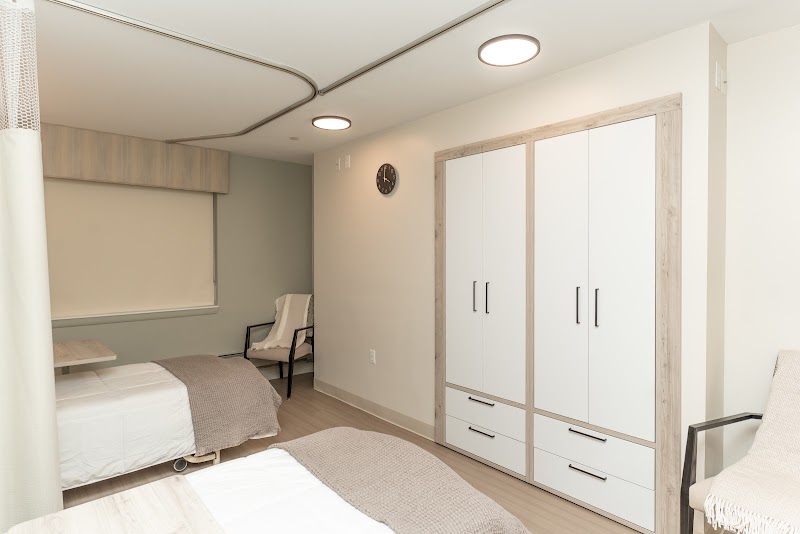
How is Imperial, A Villa Center Staffed?
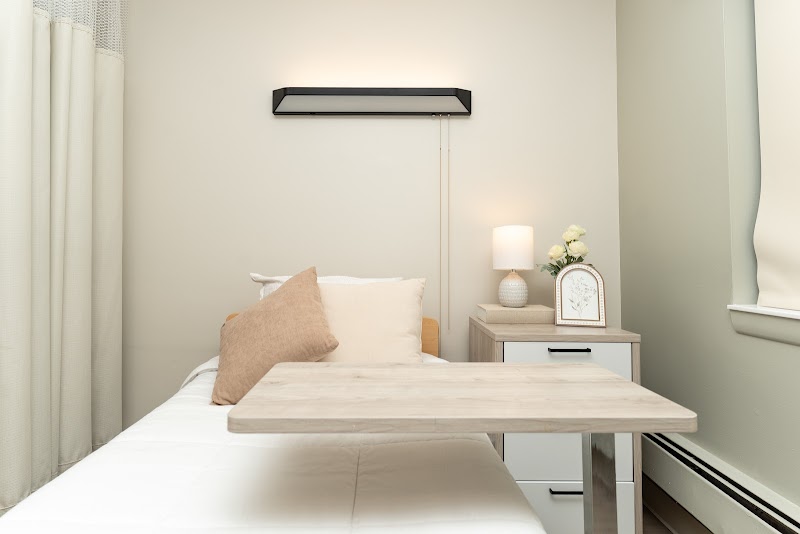
CMS rates Imperial, A Villa Center's staffing level at 2 out of 5 stars, which is below average compared to other nursing homes. Staff turnover is 53%, compared to the Michigan average of 46%.

What Have Inspectors Found at Imperial, A Villa Center?

State health inspectors documented 41 deficiencies at Imperial, A Villa Center during 2022 to 2025. These included: 1 that caused actual resident harm, 37 with potential for harm, and 3 minor or isolated issues. Deficiencies causing actual harm indicate documented cases where residents experienced negative health consequences.

Who Owns and Operates Imperial, A Villa Center?

Imperial, A Villa Center is owned by a for-profit company. For-profit facilities operate as businesses with obligations to shareholders or private owners. The facility is operated by VILLA HEALTHCARE, a chain that manages multiple nursing homes. With 265 certified beds and approximately 224 residents (about 85% occupancy), it is a large facility located in Dearborn Heights, Michigan.

How Does Imperial, A Villa Center Compare to Other Michigan Nursing Homes?

Compared to the 100 nursing homes in Michigan, Imperial, A Villa Center's overall rating (3 stars) is below the state average of 3.1, staff turnover (53%) is near the state average of 46%, and health inspection rating (3 stars) is at the national benchmark.

What Should Families Ask When Visiting Imperial, A Villa Center?

Based on this facility's data, families visiting should ask: "Can you walk me through typical staffing levels on day, evening, and night shifts?" "Can I visit during a mealtime to observe dining assistance and food quality?" "How do you handle medical emergencies, and what is your hospital transfer rate?" "Can I speak with family members of current residents about their experience?" These questions are particularly relevant given the below-average staffing rating.

Is Imperial, A Villa Center Safe?

Based on CMS inspection data, Imperial, A Villa Center has a clean safety record: no substantiated abuse findings (meaning no confirmed cases of resident harm), no Immediate Jeopardy citations (the most serious violation level indicating risk of serious injury or death), and is not on the Special Focus Facility watch list (a federal program monitoring the lowest-performing 1% of nursing homes). The facility has a 3-star overall rating and ranks #100 of 100 nursing homes in Michigan. While no facility is perfect, families should still ask about staff-to-resident ratios and recent inspection results during their visit.

Do Nurses at Imperial, A Villa Center Stick Around?

Imperial, A Villa Center has a staff turnover rate of 53%, which is 7 percentage points above the Michigan average of 46%. Moderate turnover is common in nursing homes, but families should still ask about staff tenure and how the facility maintains care continuity when employees leave.

Was Imperial, A Villa Center Ever Fined?

Imperial, A Villa Center has no federal fines on record. CMS issues fines when nursing homes fail to meet care standards or don't correct problems found during inspections. The absence of fines suggests the facility has either maintained compliance or corrected any issues before penalties were assessed. This is a positive indicator, though families should still review recent inspection reports for the full picture.

Is Imperial, A Villa Center on Any Federal Watch List?

Imperial, A Villa Center is not on any federal watch list. The most significant is the Special Focus Facility (SFF) program, which identifies the bottom 1% of nursing homes nationally based on persistent, serious quality problems. Not being on this list means the facility has avoided the pattern of deficiencies that triggers enhanced federal oversight. This is a positive indicator, though families should still review the facility's inspection history directly.