Optalis Health and Rehabilitation of Dearborn Heig
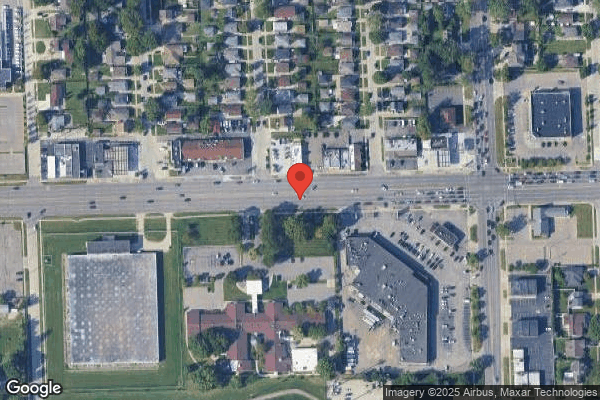
26001 Ford Road, Dearborn Heights, MI 48127 (313) 274-4600
For profit - Corporation 124 Beds OPTALIS HEALTH & REHABILITATION Data: November 2025 1 Immediate Jeopardy citation
Trust Grade
33/100
#220 of 422 in MI
Last Inspection: November 2024

Within standard 12-15 month inspection cycle. Federal law requires annual inspections.

Overview

Optalis Health and Rehabilitation of Dearborn Heights has a Trust Grade of F, indicating significant concerns about the care provided, which is among the poorest ratings possible. They rank #220 out of 422 nursing homes in Michigan, placing them in the bottom half, and #34 out of 63 in Wayne County, meaning only a handful of local options are worse. The facility's trend is improving, having reduced their issues from 6 in 2024 to 3 in 2025, although they still have a concerning staffing turnover rate of 58%, which is higher than the state average. There have been serious incidents, including a resident suffering a second-degree burn due to improper beverage handling and another resident being severely dehydrated, leading to hospitalization. Although the facility has some strengths, such as a good quality measure rating, the overall conditions and specific incidents raise significant concerns for families considering this home.

Trust Score
F
33/100
In Michigan
#220/422
Bottom 48%
Safety Record
High Risk
Review needed
Inspections
Getting Better
6 → 3 violations
Staff Stability
⚠ Watch
58% turnover. Above average. Higher turnover means staff may not know residents' routines.
Penalties
✓ Good
$42,136 in fines. Lower than most Michigan facilities. Relatively clean record.
Skilled Nurses
○ Average
Each resident gets 40 minutes of Registered Nurse (RN) attention daily — about average for Michigan. RNs are the most trained staff who monitor for health changes.
Violations
⚠ Watch
32 deficiencies on record. Higher than average. Multiple issues found across inspections.
★★★☆☆
3.0
Overall Rating
★★☆☆☆
2.0
Staff Levels
★★★★★
5.0
Care Quality
★★☆☆☆
2.0
Inspection Score
Stable
2024: 6 issues
2025: 3 issues

The Good

  • 5-Star Quality Measures · Strong clinical quality outcomes
  • Full Sprinkler Coverage · Fire safety systems throughout facility
  • No fines on record

Facility shows strength in quality measures, fire safety.

The Bad

3-Star Overall Rating

Near Michigan average (3.1)

Meets federal standards, typical of most facilities

Staff Turnover: 58%

12pts above Michigan avg (46%)

Frequent staff changes - ask about care continuity

Federal Fines: $42,136

Above median ($33,413)

Moderate penalties - review what triggered them

Chain: OPTALIS HEALTH & REHABILITATION

Part of a multi-facility chain

Ask about local staffing decisions and management

Staff turnover is elevated (58%)

10 points above Michigan average of 48%

The Ugly 32 deficiencies on record

1 life-threatening 1 actual harm
Apr 2025 1 deficiency
CONCERN (D) 📢 Someone Reported This

A family member, employee, or ombudsman was alarmed enough to file a formal complaint

Potential for Harm - no one hurt, but risky conditions existed

Deficiency F0825 (Tag F0825)

Could have caused harm · This affected 1 resident

This citation pertains to Intake MI00151482. Based on interview and record review, the facility failed to provide Occupational Therapy (OT) and Physical Therapy (PT) as ordered, for one resident (R701...

Read full inspector narrative →
This citation pertains to Intake MI00151482. Based on interview and record review, the facility failed to provide Occupational Therapy (OT) and Physical Therapy (PT) as ordered, for one resident (R701) out of one reviewed for therapy services. Findings include: A review of a complaint called into the State Agency noted the following, Complainant states the resident didn't receive Physical Therapy. A review of the medical record revealed that R701 admitted into the facility on 3/12/2025 with the following medical diagnoses, Dysphagia and Muscle Wasting. A review of the most recent Minimum Data Set assessment revealed a Brief Interview for Mental Status score 13/15 indicating an intact cognition. R701 also required staff assistance with bed mobility and transfers. Further review of PT/OT encounters noted R701 certification period were from 3/13/2025-4/11/2025. PT/OT encounters revealed R701 missed OT on the following days 3/14/2025 and 3/15/2025 and PT on the following days 3/17/2025, 3/19/2025, and 3/21/2025. R701 was then transferred to the hospital on 3/23/2025 and did not return to facility. On 4/1/2025 at 10:57 AM, an interview was conducted with the Director of Rehabilitation (DOR). The DOR reported they have a therapist in the facility Monday through Friday and part time and as needed staff on the weekends to make up sessions. The DOR reported R701 was scheduled for PT/OT five days a week and did miss a couple of therapy days, and then they were sent out to the hospital. A therapy agreement with the facility titled, Therapy Services noted the following, 2.3. Supplier shall render the Therapy Services to inpatients and/or outpatients of Facility only in accordance with, and upon the written orders of, the patients attending physician. Supplier shall consult with the patient's attending physician in the development of a written plan of care for each patient receiving the Therapy Services.
Feb 2025 2 deficiencies
CONCERN (D) 📢 Someone Reported This

A family member, employee, or ombudsman was alarmed enough to file a formal complaint

Potential for Harm - no one hurt, but risky conditions existed

Quality of Care (Tag F0684)

Could have caused harm · This affected 1 resident

**NOTE- TERMS IN BRACKETS HAVE BEEN EDITED TO PROTECT CONFIDENTIALITY** This citation pertains to Intake: MI00149497. Based on observation, interview, and record review, the facility failed to follow ...

Read full inspector narrative →
**NOTE- TERMS IN BRACKETS HAVE BEEN EDITED TO PROTECT CONFIDENTIALITY** This citation pertains to Intake: MI00149497. Based on observation, interview, and record review, the facility failed to follow physician orders for elastic bandage leg wraps for one sampled resident (R902) of three review for resident care and treatments. Findings include: On 2/11/25 at 2:30 PM, R902 was observed sitting up in bed and was asked if they had concerns with their care. R902 said at their last care conference they reported three concerns, brief size, not being changed timely, and legs not being wrapped. R902 explained the elastic bandages/wraps were delivered on Sunday 2/9/25 and has not been put on their legs as of yet. R902's legs were observed to be without the elastic bandage wraps on. Observation was made of four rolls of elastic bandage wraps observed in R902's window seal unopened. A review of R902's medical record revealed, R902 was admitted to the facility on [DATE] with diagnosis of Acute on Chronic Diastolic (Congestive) Heart Failure. Further review of R902's Minimum Data Set (MDS) assessment noted, R902 with an intact cognition and dependent on staff to complete activities of daily living. A review of R902's February (2025) Treatment Administration Record (TAR) noted, Order: Wrap legs up to groin with (name of elastic wrap) wrap daily, remove @HS (bedtime) one time a day for wrap legs. Start Date: 2/4/25. End date: Indefinite. Specific time(s) 0900 (9:00 AM). The order was noted to be documented as completed on February 4th through 9th. A review of R902's care plan noted, Focus: At risk for pain and has pain related to: lymph-edema and lip edema to BLE (Bilateral Lower Extremities) Date Initiated: 01/31/2025. Goal: Pain or analgesia will not affect participation in activities of choice or daily routine Date Initiated: 01/31/2025. Interventions: Adjust times of ADL (activities of daily living) and treatment activities so that occur after analgesia benefits have been achieved (i.e., therapy, wound dressing change, etc.) Date Initiated: 01/31/2025. Therapy evaluation and treatment per orders Date Initiated: 01/31/2025. On 2/11/25 at 2:56 PM, the Assistant Director of Nursing (ADON) was asked about R902's order for legs to be wrap. The ADON explained, they reviewed the order and noted the order had been documented as completed, but not provided to the resident. The ADON was asked the expectation of following physician's orders and explained, the order is to be followed and documented correctly. A review of the facility's policy titled, Medication Administration dated 8/7/23, noted POLICY OVERVIEW: To safely and accurately prepare and administer medication according to physician order, professional standards of practice, and resident needs . DOCUMENTATION: Medications administered are documented following administration. Administration of PRN medications include the justification and response to administration. The licensed nurse is responsible for validating documentation is completed for any medication administered during the shift .
CONCERN (F) 📢 Someone Reported This

A family member, employee, or ombudsman was alarmed enough to file a formal complaint

Potential for Harm - no one hurt, but risky conditions existed

Infection Control (Tag F0880)

Could have caused harm · This affected most or all residents

This citation pertains to Intake MI00149394. Based on observation, interview, and record review, the facility failed to fill water cups with ice in a sanitary manner. This deficient practice had the p...

Read full inspector narrative →
This citation pertains to Intake MI00149394. Based on observation, interview, and record review, the facility failed to fill water cups with ice in a sanitary manner. This deficient practice had the potential to affect all 104 residents that drink water in the facility. Findings include: On 2/11/25 at 4:39 PM, Certified Nursing Assistant A (CNA A) was observed to fill empty water cups with ice from a bag. CNA A used another empty cup to first scoop ice out of the bag, and then started to use their bare hand to scoop ice into empty cups. A few empty cups were observed to fall to the floor and subsequently, the CNA was observed to pick the cups up from the floor, filled them with ice, and then with water. CNA A was asked if they were going to use the cups that had fell on the floor to provide water to the residents, to which the CNA did not respond. On 2/11/25 at 5:17 PM, the Nursing Home Administrator (NHA) was asked the procedure for scooping ice from a bag. The NHA stated the bagged ice is to go into a cooler and a scoop is to be used. The NHA was asked for a policy and procedure for using store bought ice to fill the cups. The NHA explained there is no written policy for using the bagged ice.
Nov 2024 6 deficiencies 1 IJ
CRITICAL (J)

Immediate Jeopardy (IJ) - the most serious Medicare violation

Accident Prevention (Tag F0689)

Someone could have died · This affected 1 resident

**NOTE- TERMS IN BRACKETS HAVE BEEN EDITED TO PROTECT CONFIDENTIALITY** Based on observation, interview, and record review, the facility failed to ensure one Resident (R132) of one resident reviewed f...

Read full inspector narrative →
**NOTE- TERMS IN BRACKETS HAVE BEEN EDITED TO PROTECT CONFIDENTIALITY** Based on observation, interview, and record review, the facility failed to ensure one Resident (R132) of one resident reviewed for accidents was served hot beverages in a stable, handled, thermal cup and provided proper meal set-up. This deficient practice resulted in an Immediate Jeopardy, when R132 sustained a second-degree burn (a burn affecting the skin layers, causing redness, pain, swelling, and blisters), and developed increased pain. Findings include: The Immediate Jeopardy was identified on 10/23/24, at 12:00 p.m., when R132 spilled hot scalding water for tea on themself, resulting in a second-degree burn and the likelihood of other residents affected due to lack of assessment and monitoring practices which could lead to serious harm, injury, impairment, or death. The Administrator was notified of the Immediate Jeopardy (IJ) on 11/21/24 at 11:30 a.m The Immediate Jeopardy began on 10/23/24. A plan to remove the immediacy was requested. The IJ was removed on 11/21/24, based on the facility's implementation of the plan of removal as verified by the Survey team on site. Although the IJ was removed, the facility's deficient practice was not corrected and remained isolated with actual harm. On 10/23/24 at approximately 12:00 p.m., R132 sustained a second-degree burn on their abdomen after spilling a cup of hot water on themselves during the lunch meal, which leaked through their blanket, shirt, and onto their skin. On 11/20/24 at 11:59 a.m., an observation revealed R132's hot water was served in a foam cup and was temped on their lunch tray at 164 degrees Fahrenheit, which placed R132 at risk for additional burns due to above scalding temperature. On 11/20/24 at 1:00 p.m., an observation revealed the hot water was temped at 184.6 degrees from the kitchen hot water dispenser for beverages. On 11/19/24 at 11:05 a.m., R132 reported they were burned when they spilled hot tea on themselves. R132 stated, It was in a (name of) foam cup and was not very stable. Sometimes they serve it in a mug. R132 reported they had pain 7/10 on their abdomen during the interview, and stated it was painful when the nurses changed their bandage. R132 explained the incident happened a few weeks ago at the facility. R132 stated, I keep the cup away from me, and make sure I pick it up with both hands. R132 confirmed they were afraid of spilling hot water on themselves, because 90% of the time it is (served in) a foam cup and lid. On 11/19/24 at approximately 12:25 p.m., the surveyors observed R132 in their room seated in a manual wheelchair with their cup of hot water for tea in front of them, in a foam cup with no lid. The surveyors observed the tray was not set up for R132, and the hot water temped at 124.4 degrees Fahrenheit. Review of R132's, Skin and Wound Evaluation, dated 10/23/24 at 1:15 p.m., revealed a new second-degree burn injury on the left lower quadrant of the abdomen, which was designated as in-house acquired. The measurements were 56.7 cm (centimeters) squared (area), 7.7 cm length, 10.7 cm width, and 0.2 cm depth. The wound was observed as a large pink wound, with slight blistering along the wound edges. Review of R132's, Skin and Wound Evaluation, dated 11/19/24, showed the burn wound measurements were 17.2 area in cm squared, 3.2 cm length, 6.4 cm width, and .3 cm depth. The wound was designated as slow to heal. The wound was observed as a medium-size healing blister, with scabbing and yellow blistering in the center of the wound. Review of R132's progress note, dated 10/23/24 at 12:30 p.m., by Licensed Practical Nurse (LPN) K, confirmed the description of the wound. The note revealed R132 reported they were attempting to place their tea bag after removing the cup lid and spilled hot water onto their blanket, shirt, and onto their skin .The noted further described petroleum jelly and burn cream were ordered to treat the wound. Review of R132's progress note, dated 10/23/24, by the wound care nurse, LPN L, revealed R132 spilled hot liquid on their abdomen when in bed, sustaining a burn injury which they described as on the mid-lower abdomen, pink in color with minimal serous (clear yellow) drainage. The note revealed they applied one layer of petroleum jelly and covered the wound with an ABD (wound protective) pad. Review of R132's facility investigation report, dated 10/23/24, revealed the facility interviewed Certified Nurse Assistant (CNA) U, who stated they were passing lunch meal trays and gave R132 their tray and hot tea. When CNA U returned to pick up R132's tray, R132 stated, Oh my G**, the hot water spilled on my belly . Review of R132's pain log revealed increased pain after the burn injury as follows: 10/23/24 at 12:00 p.m.: 5/10 pain (with 10 the highest possible pain) 10/23/24 at 12:40 p.m.: 7/10 10/23/24 at 6:25 p.m.: 0/10 10/23/24 at 8:00 p.m.: 2/10 Review of R132's Minimum Data Set (MDS) assessment, dated 10/17/24, revealed R132 was admitted to the facility on [DATE], with diagnoses including coronary artery disease, kidney disease, muscle wasting and atrophy, and repeated falls. R132 required set-up with eating, and maximal assistance with bed mobility and transfers. The Brief Interview for Mental Status (MDS) assessment score was 13/15, which showed R132 was cognitively intact. Review of the 10/23/24 food and beverage temperature log, showed the coffee temperature at breakfast was 191 degrees. There was no temperature designation on the log for a hot beverage at lunch or dinner. The log showed no category for hot beverages, only for coffee at breakfast. On 11/20/24 at 11:59 a.m., R132 was observed seated in their wheelchair in their room. Their lunch tray was delivered and set on R132's bedside table by the Activity Director, Staff G. R132's hot water for their tea was observed in a foam lidded cup. R132's hot water temped at 164 degrees using a digital food thermometer with Staff G confirmed they observed the same temperature. On 11/20/24 beginning at 12:00 p.m., LPN K, LPN O, and Registered Dietician (RD) J were asked to observe R132's hot water in the foam cup, and the temperatures, as follows: 12:03 p.m.: 158.5 degrees 12:05 p.m.: 152 degrees 12:08 p.m.: 148 degrees On 11/20/24 at 12:08 p.m., RD J was asked about R132's hot water being served at 164 degrees. RD J responded the safe temperature for hot liquids was 130 to 160 degrees, which they reported was their facility policy/process. On 11/20/24 at approximately 12:29 p.m., the Unit manager, Licensed Practical Nurse (LPN) O, was asked about any changes they had implemented since R132's abdominal burn from hot water on 10/23/24. LPN O responded, .Staff deliver (R132's) tray and do the set-up and the tea bag. Surveyor asked about R132 being observed with Styrofoam cup with hot water. LPN O stated, They (kitchen staff) typically use the brown (thermal) cups with lids for (hot) liquids .They (kitchen staff) are supposed to temp it before it leaves the kitchen, and it (the cup) sits there (in the kitchen). On 11/20/24 at approximately 12:35 p.m., LPN K confirmed they were the nurse assigned to R132 when the burn injury occurred on 10/23/24. LPN K stated, When it was reported, it was like three different areas and now it is one large area. The doctor was here when it happened and ordered Petroleum jelly. (R132) was in 6-7/10 pain. They reported they administered Over-the-Counter pain medication, which relieved R132's pain. On 11/20/24 at 12:55 p.m., RD J was interviewed with the Assistant Dietary Manager, DM B. DM B explained the hot beverages were obtained from the hot water dispenser in the kitchen, and cooled down for 15 minutes before being served, which RD J confirmed. RD J reported residents were typically assessed for hot liquid safety by Occupational Therapy staff. Both were asked why R132's hot liquid for tea was temped at 164 degrees on their tray, and neither could explain how this occurred. There was nothing about this process in writing upon Surveyor request. On 11/20/24 at approximately 1:00 p.m , RD J stated R132's Occupational Therapist indicated R132 was safe to handle hot liquids prior and after the burn injury. RD J and DM B both reported they were not instructed to do anything different in terms of providing hot beverage service to R132 after the incident. Both conveyed they usually served hot beverages in plastic, thermal mugs with handles, however stated they had been running out of the stable thermal mugs. When asked why, DM B explained, We order them, and they just run out. Both indicated all the residents were supposed to receive thermal mugs with lids unless otherwise designated. RD J and DM B were asked how R132's hot water had temped at 164 degrees in their room on their tray in a foam lidded cup at lunch on 11/20/24. Neither could not explain how this occurred, as their process was for kitchen staff to cool down the hot water before it left the kitchen. On 11/20/24 at 1:05 p.m., Surveyor and DM B jointly temped the hot water in a foam cup coming out of the hot water dispenser in the kitchen. Surveyor obtained the temperature at 184.6 degrees with a food and beverage digital thermometer, and DM B obtained the temperature at 186 degrees, with their kitchen digital thermometer. On 11/20/24 at 1:10 p.m., Staff I, the day shift cook, was asked about serving hot liquids to facility residents. Staff I indicated they obtained the hot water from the hot water dispenser and then cooled it down. Staff I stated, We (kitchen staff) give it to them (residents) at 140 to 150 degrees. Surveyor asked about the temperature of 164 degrees taken in R132's room at lunch on their tray, and how this occurred. Staff I stated, It's too hot, that's a risk for a burn. On 11/20/24 at 1:23 p.m., DM B was asked about the temperature logs not showing a hot liquids temperature column prior to the incident. DM B explained they did not have the hot temperatures recorded on the old logs, as they only temped the coffee at breakfast prior to R132's burn incident. DM B stated, Our protocol wasn't tempting hot tea. DM B clarified the maximal temperature for serving hot liquids was 160 degrees. DM B was asked about the 191-degree temperature of the coffee logged on 10/23/24, the date R132 received their burn injury. DM B responded, That would have been pretty hot if we took this out (of the kitchen). That's scalding (temperature) hot right there. We should have never put it out (given to residents) at 191 degrees. Review of R132's tray ticket from 10/23/24 and 11/20/24 revealed no designation of a container for beverages, such as a thermal lidded cup with a handle. On 11/20/24 at 3:44 p.m., the Rehabilitation Director, Occupational Therapist (OT) R, was asked if R132 was determined to be safe with hot liquids, and for a copy of any assessments. OT R reported R132 was assessed to be safe with hot liquids during the initial OT evaluation by OT F on 10/08/24, and after the incident by Certified Occupational Therapist Assistant (COTA) H on 10/24/24. OT R reported the hot liquid assessment was a part of the therapy evaluations, and documentation. On 11/20/24 at 3:53 p.m., Certified Occupational Therapist Assistant, (COTA) H, was asked how R132 was determined to be safe with hot liquids after the burn injury on 10/23/24. COTA H reported they assessed R132 by having them set-up and drink their hot tea from a foam cup at their bedside. When asked about R132's functional status, COTA H reported although R132 set-up the tea adequately, they had postural concerns, as they slid down, or sometimes slumped forward, as they tired easily, had mild coordination problems, and fair safety. COTA H stated, .I prefer the mugs because of the handle and because the handle is good security (to prevent spillage). COTA H was asked if they reviewed the results of R132's hot liquid assessment with a supervising occupational therapist, and COTA H responded, No. Review of R132's progress note, dated 10/24/24, by COTA H, revealed they passed R132 on the second hot liquid assessment in a narrative notation and worked on sitting balance exercises and seating and positioning during self-feeding, showing postural concerns which may have impacted R132's safety and performance with self-feeding. Review of R132's physician note, dated 10/21/24 at 8:25 a.m. (prior to the burn incident), revealed R132 had muscle weakness, with 3/5 strength (fair muscle strength) in both arms and legs, and debility. Review of R132's physician note, dated 10/23/24 at 12:56 p.m. (after the burn incident), revealed R132 continued to have muscle weakness, with 3/5 strength in their arms and legs, and debility. Review of R132's Occupational Therapy and Physical Therapy records showed R132 was receiving therapy services from 10/08/24 through 11/20/24, prior, during, and after the burn incident. Review of R132's Occupational Therapy evaluation, dated 10/08/24, revealed R132 had decreased muscle strength in their arms, fair sitting balance, and muscle atrophy. On 11/21/24 at 9:53 a.m., R132's OT, OT F, was asked about the hot liquid evaluation process. OT F reported they simulated the task with residents as the assessment was documented in their evaluations. OT F confirmed they cleared R132 as safe with hot liquids on the OT evaluation on 10/08/24. OT F was asked if COTA H reviewed the assessment results with them or supervising therapists from 10/24/24. OT F responded, No. OT F reported R132 had some coordination problems. OT F explained R132 may have had limitations in reaching and grasping due to frequent infections, which caused slightly decreased coordination, increased weakness and decreased energy (activity tolerance). OT F acknowledged they or another OT did not reassess R132's feeding ability after the spill and burn from hot liquids on 10/23/24. OT F confirmed R132 would be safer with a stable mug with a handle and lid. OT F explained when a resident had breakfast in bed, they were concerned about safe positioning, and reported decreased postural control in bed could have played a role in R132's burn injury. On 11/21/24 at 12:22 p.m., R132's Power of Attorney, (POA) J, was asked about R132's care. POA J stated R132 was burned because the water (for tea) was so hot, and it was just in a foam cup instead of a mug. Maybe they (staff) can't control how hot the water comes out, and it should have been (served) in a mug. POA J explained R132 had neuropathy in their hands, which caused weakness. On 11/24/24 at 2:18 p.m., the NHA was asked about the concerns related to the Immediate Jeopardy. The NHA explained their former certified dietary manager had been on a leave since June 2024, and there had been a gap in kitchen supervisory staffing and training challenges due to limited availability of managerial oversight, as they had only recently moved DM B into the kitchen manager position. The NHA acknowledged a system failure, reporting they had become aware there was a breakdown in the temperature logging process, as this was a newer process, serving hot liquids in the kitchen. The NHA clarified until recently the kitchen had only made and served coffee and hot water for tea or cocoa per resident request from carafes and had only recently began providing coffee or hot water from the coffee and hot water dispenser. The NHA confirmed they were not aware of the shortage of mugs, although they understood the concern was missing lids. Review of the policy, Hot Beverages Temperature Limits, issued 11/03/24, revealed, Policy: Coffee machines will be set at 180 - 190 degrees Fahrenheit. This is industry standards for palatability. Goals for test trays will be to have coffee above 140 during tray line. There are no current regulations that specify temperatures appropriate for the consumption of hot beverages. Procedure: 1. Hot beverage temperatures will be monitored daily with tray line temperatures . There was no reference regarding above 140 degrees (or even as low as 120 degrees) may be scalding temperature for vulnerable adults in the facility. Review of the policy, Hot Liquid Assessment, issued 11/19/2018, revealed, It is the policy of the facility to assess residents for safe consumption of hot liquids .The Registered Dietician will observe all residents for safe handling of hot liquids upon admission and quarterly thereafter. Criteria for the Registered Dietician to consider include: Tremors, weakness .The Occupational Therapist (OT) will be responsible for determining if the resident continues to require a supervised dining setting due to hot liquid risk and if any additional interventions should be used to minimize risk of burns. Dietary will provide cups with sipping lids for all hot liquids during meal times .Activities will provide cups with sipping lids for all hot liquids served . Review of the State of (State Name) Department of Community Health Alert, titled, Scalding Injuries Caused by Excessive Hot Water: Food and Hot Beverage Temperatures, Revised August 5, 2008, revealed, Background: In all age groups, tap water scald injuries have been cited as the second most cause of serious burns. A scald is a burn caused by spills, immersion, splash, or contact with hot water, food and beverages, or steam. The elderly are particularly at increased risk because their skin tends to be less sensitive and reaction times are reduced, causing a tendency to not pull away from hot water quickly enough to avoid scalding. Their thinner skin also burns full depth (through the skin layers and into tissue) more quickly .Although Federal and State agencies do not specify temperatures appropriate to the consumption of hot beverages, facilities should be aware of the risk for harm to a resident from contact or consumption of hot beverages.Scalds can commonly occur from hot food, beverages, or steam . The estimated time for a person to receive second-degree burns was noted as follows: 120 degrees. Time to receive second-degree burn: 8 minutes. 124 degrees. Time to receive second-degree burn: 2 minutes. 131 degrees. Time to receive second-degree burn: 17 seconds 140 degrees. Time to receive second-degree burn: 3 seconds. 150 degrees. Time to receive second-degree burn: Less than one second. The Immediate Jeopardy that began on 10/23/24 was removed on 11/21/24, when the facility took the following actions to remove the immediacy: 1. Resident #132 remains a resident of the facility and as of 11/21/24 is being served their hot liquids in a stable thermal cup with a handle and is being offered assistance with hot liquids. 2. Like residents are residents that reside in the facility and receive hot liquids. On 11/21/24 at 12:15 p.m., like residents have been audited to ensure their liquids are being served in a stable, handled, thermal cup and staff are offering and/or providing assistance with set-up as needed. 3. Dietary staff have been re-educated on 11/21/24 to ensure hot liquids are being served in a stable, handled, thermal cup. Dietary staff has also been re-educated on ensuring hot liquids are being serviced at a temperature less than 160 degrees Fahrenheit. Any staff member who is currently not working will be reeducated prior to the start of their next shift of duty. 4. LPN/RN/CENA has been re-educated on 11/21/24 to ensure when meals are served resident with hot liquids are in a stable, handled, thermal cup and they are offering and/or providing assistance when serving hot liquids as needed. Any staff member who is currently not working will be reeducated prior to the start of their next shift of duty. 5. An Ad Hoc QA Committee meeting was held on 11/21/24 with the Medical Director and IDT (Interdisciplinary Team) to discuss the deficient practice and plan to ensure compliance. The NHA/Designee will conduct audits to ensure that hot liquids are served in a stable, handled, thermal cup. The NHA/Designee will audit to hot liquid temperature logs to ensure temperatures are less than 160 degrees Fahrenheit prior to leaving the kitchen. Audits will be completed weekly x 4 weeks and monthly x 2 months. Results of the audits will be taken to the QA committee for review and recommendation. Any areas of non-compliance will be addressed immediately. The Administrator is responsible for maintaining compliance. 6. The Administrator is responsible for sustained compliance.
CONCERN (D)

Potential for Harm - no one hurt, but risky conditions existed

Deficiency F0657 (Tag F0657)

Could have caused harm · This affected 1 resident

Based on observation, interview, and record review, the facility failed to update one Resident's Care Plan (R132) of 19 residents reviewed for Care Plans, after a burn injury. This deficient practice ...

Read full inspector narrative →
Based on observation, interview, and record review, the facility failed to update one Resident's Care Plan (R132) of 19 residents reviewed for Care Plans, after a burn injury. This deficient practice resulted in limited interventions to prevent another burn injury. Findings include: On 10/23/24 at approximately 12:00 p.m., R132 sustained a second-degree burn on their abdomen after spilling a cup of hot water on themselves during the lunch meal, which leaked through their blanket, shirt, and onto their skin. On 11/20/24 at 11:59 a.m., an observation revealed R132's hot water was served in a foam cup and was temped on their lunch tray at 164 degrees Fahrenheit, which placed R132 at risk for additional burns due to above scalding temperature. On 11/20/24 at 1:00 p.m., an observation revealed the hot water was temped at 184.6 degrees from the kitchen hot water dispenser for beverages, which was above scalding temperature. On 11/19/24 at 11:05 a.m., R132 reported they were burned when they spilled hot tea on themselves. R132 stated, It was in a (name of) foam cup and was not very stable. Sometimes they serve it in a mug. R132 explained the incident happened a few weeks ago at the facility. R132 stated, I keep the cup away from me, and make sure I pick it up with both hands. R132 clarified they were afraid of spilling hot water on themselves, because 90% of the time it is (served in) a foam cup and lid. On 11/19/24 at approximately 12:25 p.m., Surveyors observed R132 in their room seated in a manual wheelchair with their cup of hot water for tea in front of them, in a foam cup with no lid. Surveyors observed the tray was not set up for R132, and the hot water temped at 124.4 degrees Fahrenheit. On 11/20/24 at 11:59 a.m., R132 was observed seated in their wheelchair in their room. Their lunch tray was delivered and set on R132's bedside table by the Activity Director, Staff G. R132's hot water for their tea was observed in a foam lidded cup. Surveyor requested permission to temp R132's hot water, which was granted by R132, with Staff G present. R132's hot water temped at 164 degrees using a digital food thermometer, above scalding temperature, with Staff G confirming they observed the same temperature. On 11/20/24 at approximately 12:29 p.m., the Unit manager, Licensed Practical Nurse (LPN) O, was asked about any changes they had implemented since R132's abdominal burn from hot water on 10/23/24. LPN O responded, .Staff deliver (R132's) tray and do the set-up and the tea bag. Surveyor asked about R132 being observed with foam cup with hot water. LPN O stated, They (kitchen staff) typically use the brown (thermal) cups with lids for (hot) liquids .They (kitchen staff) are supposed to temp it before it leaves the kitchen, and it (the cup) sits there (in the kitchen). Review of R132's Care Plan, accessed on 11/21/24, after the burn incident, revealed, The resident (R132) has actual impairment to skin integrity of the lower mid abdomen r/t (related to) burn . Date initiated: 10/23/2024 . The Care Plan revealed no new interventions respective to the wound treatments or the prevention of additional burns, including set-up of R132's meal tray, increased monitoring/supervision, the provision of proper adaptive equipment (cup), or ensuring the temperature of the hot water was in a safe range to prevent scalding burn injuries. Review of the policy, Care Plan - Comprehensive and Revision, revised 8/25/2023, revealed, A comprehensive, person-centered care plan that includes measurable objectives and timetables to meet the resident's physical, psychosocial, and functional needs is developed and implemented for each resident .Assessments of residents are ongoing and care plans are revised as information about the residents and the resident's conditions change. The IDT (Interdisciplinary Team) reviews and updates the care plan when there has been a significant change in the resident's condition .
CONCERN (D)

Potential for Harm - no one hurt, but risky conditions existed

ADL Care (Tag F0677)

Could have caused harm · This affected 1 resident

**NOTE- TERMS IN BRACKETS HAVE BEEN EDITED TO PROTECT CONFIDENTIALITY** Based on observation, interview, and record review, the facility failed to provide and document showers per resident preference ...

Read full inspector narrative →
**NOTE- TERMS IN BRACKETS HAVE BEEN EDITED TO PROTECT CONFIDENTIALITY** Based on observation, interview, and record review, the facility failed to provide and document showers per resident preference for one Resident (R132) of four residents reviewed for showers. This deficient practice resulted in feelings of frustration and uncleanliness for R132. Findings include: On 11/19/24 at 11:33 a.m., R132 was observed in their room, dressed and seated in their manual wheelchair. On 11/19/24 at 11:35 a.m., R132 reported they felt frustrated and unclean as they only had received one shower since they had been in the facility. R132 stated they had not refused any showers, and expressed they did not feel bed baths were an adequate substitute for showers. R132 stated they had been on infection precautions earlier in their stay, however since they had come off isolation precautions, they had still not received a shower. Review of R132's shower logs, accessed 11/19/24, showed R132 received one shower and four bed baths in the last 30 days, with one refusal. The log showed R132 was dependent for showers. Review of R132's Minimum Data Set (MDS) assessment, dated 10/17/24, revealed R132 was admitted to the facility on [DATE], with diagnoses including coronary artery/heart disease, kidney disease, muscle wasting and atrophy, and repeated falls. R132 required maximal assistance with bed mobility, transfers, and showers. The Brief Interview for Mental Status (MDS) assessment score was 13/15, which showed R132 was cognitively intact. On 11/20/24 at 11:08 a.m., R132 reported they had not received a shower on 11/19/24, or thus far on 11/20/24, which they reported bothered them. They confirmed they had asked staff and let their family member know. On 11/21/24 at approximately 12:30 p.m., R132's Family Member, FM V, approached Surveyor regarding R132's care. FM V reported R132 had only received one shower since they had been at the facility, which was frustrating to both. FM V clarified they had asked staff for several days if R132 could have a shower on their scheduled days. They were concerned about R132's cleanliness, as R132 had accidents on themselves when they had an infection, and needed a shower, as bed baths were not adequately cleaning R132. FM V reported they felt frustrated it had taken so long for R132 to receive a shower, as this was R132's wishes as well. Review of the policy, Activities of Daily Living, revised 12/07/2023, revealed, Residents will be provided care, treatment, and services as appropriate to maintain or improve their ability to carry out activities of daily living (ADLs). Residents who are unable to carry out activities of daily living independently will receive the services necessary to maintain good nutrition, grooming, personal, and oral hygiene .Appropriate care and services will be provided for residents who are unable to carry out ADLs independently .including appropriate support and assistance with Hygiene (bathing)
CONCERN (D)

Potential for Harm - no one hurt, but risky conditions existed

Deficiency F0692 (Tag F0692)

Could have caused harm · This affected 1 resident

**NOTE- TERMS IN BRACKETS HAVE BEEN EDITED TO PROTECT CONFIDENTIALITY** Based on observation, interview, and record review, the facility failed to provide a meal tray per physician's order for one res...

Read full inspector narrative →
**NOTE- TERMS IN BRACKETS HAVE BEEN EDITED TO PROTECT CONFIDENTIALITY** Based on observation, interview, and record review, the facility failed to provide a meal tray per physician's order for one resident (R36) out of two reviewed for nutrition. Findings include: A review of the medical record revealed that R36 admitted into the facility on [DATE] with the following diagnoses, Unspecified Protein-Calorie Malnutrition and Cerebral Infarction. A review of the Minimum Data Set assessment revealed a Brief Interview for Mental Status score of 0/15 indicating an impaired cognition. R36 was also dependent on staff for bed mobility and transfers. A review of the physician's orders revealed the following, Ordered:11/18/2024. Order: Regular Diet, Puree Texture, Thin Consistency .Status: Active. On 11/19/2024 at 12:47 PM, R36 was observed in their bed during lunch time. R36 had no lunch tray. Certified Nursing Assistant (CNA) T was asked if R36 should have a lunch tray to which they responded, [R36] used to get a pleasure try, but for the last couple of days they have not gotten one. I will have to check on that. On 11/20/2024 at 9:00 AM and 12:34 PM, No tray was observed on the cart or in the room for R36. On 11/20/2024 at 2:08 PM, an interview was conducted with the Registered Dietitian (RD) J. The RD stated R46 does get a tray, but it is mostly for pleasure because R36 gets their nutrition from their tube feeding. RD J stated R36 should be getting 1:1 assistance with meals and it should be documented how much R36 is eating. RD J stated R36 should still be receiving their tray and assistance eating and thy would have to check and see why they were not receiving a tray. On 11/21/2024 at 1:00PM, a Quality Assurance meeting was completed with the Nursing Home Administrator (NHA). The NHA stated that it was brought to their attention. The NHA stated the diet was not changed in the computer, but the tickets stopped printing for the pleasure tray. It has since been corrected and an audit has been created so that doesn't happen again. A review of a facility policy titled, Nutritional Management did not address the delivery of pleasure trays.
CONCERN (D)

Potential for Harm - no one hurt, but risky conditions existed

Deficiency F0698 (Tag F0698)

Could have caused harm · This affected 1 resident

**NOTE- TERMS IN BRACKETS HAVE BEEN EDITED TO PROTECT CONFIDENTIALITY** Based on observation, interview, and record review, the facility failed to provide a lunch and/or snack for one Resident (R6) of...

Read full inspector narrative →
**NOTE- TERMS IN BRACKETS HAVE BEEN EDITED TO PROTECT CONFIDENTIALITY** Based on observation, interview, and record review, the facility failed to provide a lunch and/or snack for one Resident (R6) of three residents reviewed for dialysis care. Findings include: On 11/19/24 at 12:08 p.m., R6 was observed in their room seated in their manual wheelchair. R6 appeared thin and gaunt, with bony prominences observed. Their hands were clenched into fists, and they could open them partly. On 11/19/24 at 12:10 p.m., R6 reported the facility staff did not give them a lunch to take to dialysis on their dialysis days, and stated, I would like a lunch. R6 explained they attended dialysis from 10:30 a.m. to 1:00 p.m., three days a week, and said, It is lunch time, so I miss lunch. I get hungry. I sit here 'til dinner time. When asked if they received a snack to take with them, R6 responded, No. R6 stated they requested lunches or at least a snack each time they went to dialysis and had not received either. R6 explained they could open their hands enough to feed themselves with regular utensils. Review of R6's Minimum Data Set (MDS) assessment, dated 11/06/24, revealed they were admitted to the facility on [DATE], with diagnoses including kidney failure, heart failure, and malnutrition. The sensory assessment revealed R6 had normal vision and hearing and was able to be understood and understand others with clear comprehension. R6 was independent with eating, was 66 tall, and weighed 97# on the assessment. Their customary preferences showed it was important for them to have snacks available. R6 was dependent for bed mobility, transfers, and wheelchair mobility. Review of R6's profile revealed R6 was their own responsible party. On 11/20/24 at 10:23 a.m., R6's assigned Certified Nurse Aide, (CNA) W, confirmed R6 had left for dialysis. CNA W said they had not provided R6 with a lunch, as they were doing care with another resident when R6 left for dialysis. On 11/20/24 at approximately 10:28 a.m., LPN X indicated they had not provided R6 with a lunch or snack before they left for dialysis. On 11/21/24 at approximately 10:00 a.m., R6 reported they had not received their lunch or a snack for their dialysis appointment on 11/20/24. R6 stated, They (staff) did not give me lunch when I came back. When I went to OT (Occupational Therapy), I told the therapist I was hungry, and they went to the kitchen and got me a sandwich. Review of R6's Physician Orders, accessed 11/21/24, revealed an order for dialysis on Monday, Wednesday, and Friday at 10:30 a.m., leaving the facility at 9:30 a.m. by transport. There were no orders for a lunch or snack in this order, or found in the orders. Further review of R6's Physician Orders revealed a new diagnosis on 11/06/24 of Protein Calorie Malnutrition: Severe as evidenced by severe global muscle and fat wasting, 46% weight loss from UBW (usual body weight), ESRD (End Stage Renal Disease) on HD (hemodialysis), lupus (an autoimmune disorder) . The orders revealed R6 was on a renal (kidney) diet, with soft bite texture and thin liquid consistency. Review of R6's dialysis notes, from visits on 11/02/24, 11/06/24, 11/08/24, 11/11/24, 11/13/24, 11/15/24, 11/18/24 and 11/20/24 revealed no documentation of a lunch or snack provided by the dialysis provider. Review of R6's Dialysis Care Plan, accessed 11/21/24, revealed, .Send meal/snack with resident to dialysis. Date initiated: 11/01/2024 . On 11/21/24 at approximately 1:15 p.m, the Nursing Home Administrator (NHA) was asked about R6 missing their lunch and or snacks on their dialysis days. The NHA responded they had prepacked lunches in the dietary department that were supposed to go with a resident to dialysis, after being picked up by their CNA or nurse. The NHA clarified when a resident returned from dialysis, the dietary department was in the facility until 8:00 p.m., so they did not know why R6 was missing their lunch and snacks on dialysis days, or not receiving a meal later. On 11/21/24 at 1:40 p.m., the Assistant Dietary Manager, DM B, was asked about R6 not getting their lunch on dialysis days, and if they were aware. DM B reported they had not been made aware. DM B clarified they had lunches for dialysis residents premade in the kitchen, placed in the unit refrigerators, so the Certified Nurse Aides (CNA's) were likely not delivering the lunches, as they made them available. DM B clarified there were always extra sandwiches in the unit refrigerators as well, available for residents at anytime. Review of the policy, Hemodialysis, revised 11/15/2023, revealed, This facility will provide necessary care and treatment, consistent with professional standards of practice, physician orders, the comprehensive person-centered care plan, and the resident's goals and preferences, to meet the special medical, nursing, mental, and psychosocial needs of residents receiving hemodialysis .The facility dietician or designee will monitor and document the resident's nutrition/hydration needs, including the provision of meals on days that dialysis treatments are provided which may include: Early meal service provided by the kitchen before dialysis transportation times, meal or snack sent with the resident to the dialysis facility, (or) late meal service provided by the kitchen after resident returns from dialysis .
CONCERN (F)

Potential for Harm - no one hurt, but risky conditions existed

Infection Control (Tag F0880)

Could have caused harm · This affected most or all residents

Based on interview and record review, the facility failed to implement an effective water management plan for reducing the risk of legionella and other opportunistic pathogens of premise plumbing (OPP...

Read full inspector narrative →
Based on interview and record review, the facility failed to implement an effective water management plan for reducing the risk of legionella and other opportunistic pathogens of premise plumbing (OPPP). This deficient practice has the increased potential to result in water borne pathogens to exist and spread in the facility's plumbing system and an increased risk of respiratory infection among any or all of the 86 residents in the facility. Findings include: On 11/20/24 at approximately 1:00 PM, the building water management plan was requested from the Maintenance Director MD C. On 11/20/24 at approximately 2:00 PM, MD C provided a binder including a policy titled Safe Water Temperature, and a document titled Water Management Program Plan that included weekly temperature logs for the following: toilets in two resident rooms in each of the buildings four halls; dish machine; laundry; and the kitchen hand sink. The water management program plan also included a monthly log of eyewash station flushes which was not signed. On 11/20/24 at 2:08 PM, during an interview, MD C explained that the facility's water is tested yearly for legionella by an outside company and that they do not have the results for this years test yet. MD C also confirmed that they do not have documentation of prior tests. MD C confirmed that the only prevention measures or surveillance that is performed in between the yearly water testing by the outside agency is a check of the water temps. MD C confirmed they do not have a flow mapping of the facility's plumbing included in the water management plan. On 11/20/24 at 12:47 PM, during an interview, the Nursing Home Administrator (NHA) explained that MD C is responsible for doing audits for water temps daily, checking for legionella twice per month including checking fixtures and running water, checking fixtures that are not utilized as much as others and checking for smells or abnormalities. During the interview the facility's water management plan was reviewed with the NHA. The NHA confirmed that the water management plan did not include all of the necessary components as outlined in the facility's water management program plan instructions. The NHA stated I don't have any additional information other than what is in here. If the water plan says that it should be done then it should be done.
Nov 2023 1 deficiency 1 Harm
SERIOUS (G) 📢 Someone Reported This

A family member, employee, or ombudsman was alarmed enough to file a formal complaint

Actual Harm - a resident was hurt due to facility failures

Notification of Changes (Tag F0580)

A resident was harmed · This affected 1 resident

**NOTE- TERMS IN BRACKETS HAVE BEEN EDITED TO PROTECT CONFIDENTIALITY** Based on interview and record review the facility failed to ensure labs were monitored and reported for one resident (R901) of f...

Read full inspector narrative →
**NOTE- TERMS IN BRACKETS HAVE BEEN EDITED TO PROTECT CONFIDENTIALITY** Based on interview and record review the facility failed to ensure labs were monitored and reported for one resident (R901) of four reviewed for lab values and a change in condition, resulting in mental status changes, vital sign changes, a delay in treatment for dehydration and hospitalization. Findings include: On 11/16/23 at 1:14 PM, a review of the the concerns were conducted with the emergency room physician who reported, I have never seen a sodium this high or a patient this dehydrated. It is unconscionable. Once you get over 160 the regular lab does not work well, so you have to use a process which takes into account how viscous or concentrated the blood is. (R901's) sodium level was at 198 (on 10/30/23) which is a fantastic abnormality. A normal sodium level is 136-145. R901 was severely dehydrated and was admitted to the (Intensive Care Unit) ICU due to the severe dehydration. How could doctor not have sent earlier? How could a nurse have accepted this and not sent (R901) out sooner? R901 was grossly neglected by (the contracted lab) and/or the (facility). Someone dropped the ball. The emergency room physician further noted that R901 received regular blood work and reported on 10/10/2023, R901's sodium level was 141. On 10/27/2023, R901's sodium level was 169. On 10/30/2023, R901 had a fever and was less responsive than usual and the facility sent R901 to the hospital for respiratory distress. A review of the record for R901 revealed R901 was admitted into the facility on [DATE]. Diagnoses included Hemiplegia/Hemiparesis (paralysis) Affecting the Right Side, Malnutrition, Alzheimer's and Diabetes. The Minimum Data Set assessment dated [DATE] indicated severely impaired cognition and R901 was dependent on staff for oral hygiene, bathing, personal hygiene, rolling left and right in bed, and moving from sitting to lying and lying to sitting. A review of a hospital emergency room report dated 10/10/23 at 8:41 PM documented R901 arrived from a sister facility for a clogged dobhof (smaller gauge nasogastric tube). The blood draw for comprehensive metabolic panel indicated the sodium was within normal limits but the Magnesium was low at 1.5. A review of the comprehensive metabolic panel (CMP) lab with collection, received and reported date of 10/20/23 documented a sodium level of 156 and a reference range of 135 - 145. The result was flagged as high. This result was highlighted in red and the key indicated this to be a critical result. No Report Comment nor Critical Notice comments were documented on the lab report. The report had a Reviewed by date of 10/30/23 at 09:07. (AM) The reported time documented was 2:18 PM. A review of the comprehensive metabolic panel (CMP) lab with collection, received and reported date of 10/27/23 documented a sodium level of 169 and a reference range of 135 - 145. The result was flagged as high. This result was highlighted in red and the key indicated this to be a critical result. The Report Comment was blank and the Critical Notice comments were No answer from the facility on 10/27/23. The report had a Reviewed by date of 10/30/23 at 10:09. (AM) The reported time documented was 2:48 PM. A review of the progress note by Licensed Practical Nurse (LPN) H dated 10/19/23 at 02:49 AM, documented, Enteral feeding via NG (Nasal gastric) was up but it was not going through . The note further documented attempts by two nurse to unclog the tube and that the physician said to send to the hospital but the daughter refused. The resident remained at the facility. Prior notes indicated food acceptance as low as five percent. The tube feeding was not documented as restarted. R901 would have had to receive all fluids by mouth as the tube was clogged. A review of a progress note by LPN H dated 10/20/2023 at 01:46 AM, documented, Resident received in bed and is resting at this time. Vitals are stable, no (complaint of) c/o pain or (shortness of breath) SOB and no signs of discomfort or (respiratory) RR distress note, SPO2 97% on room air, last BS checked 186. NG tube is in place but its clogged, (Physician) MD aware, recommended resident be sent to the hospital, but family member(daughter) declined. and one-on-one feeding is being done. (R901) needs total assistance with (activities of daily living) ADLs, bed mobility and transfer. (R901) is incontinent of bladder and (bowel movement) BM and care is provided and safety maintained per (plan of care) POC. A review of a progress note dated 10/20/23 by Nurse Practitioner (NP) T and attested by Physician U documented, .last admission (acute kidney injury) AKI in Sept (September) with (creatinine) CR 2.18 and sodium was 161. (Patient) Pt had AKI and Hypernatremia 9/1/23 was readmit at the hospital (diagnosis) dx, was stabilized with free water flushes. Recommendation: Check BMP weekly to avoid readmission . Timing of the visit was documented as 12:55 PM until 1:30 PM. A review of the progress note by NP K with encounter date of 10/22/23 documented, Chief Complaint SAR FU (Sub acute rehab follow up): Patient here for SAR after multiple recent hospitalizations .has been having ongoing issues related to malnutrition and poor feeding .NG (nasogastric tube) is malfunctioning due to possible clogging . CMP (basic metabolic panel) BMP from earlier today reviewed . No labs were drawn on this day. No indication of the critical result from 10/20/23 as reviewed was documented. A review of the progress note by NP K with encounter date of 10/24/23 documented, Chief Complaint SAR FU (Sub acute rehab follow up): Patient here for SAR after multiple recent hospitalizations .has been having ongoing issues related to malnutrition and poor feeding .NG (nasogastric tube) is malfunctioning due to possible clogging . CMP (basic metabolic panel) BMP from earlier today reviewed . No labs were drawn on this day. No indication of the critical result from 10/20/23 as reviewed was documented. A review of a physician note by Physician V dated 10/25/23 at 12:30 (PM) documented vital signs and that the feeding tube was clogged but there was no reference to the critical labs. A review of a progress noted by NP K dated 10/30/2023 at 8:59 AM, documented, Patient has a critical sodium level and decreased urinary output per nursing. Advised patient will need to go to the hospital. Per nursing daughter does not want patient to go to nearest hospital but to (hospital name) which could take several hours to get transport. Attempted to call daughter, voicemail full. A review of a progress note by LPN M dated 10/30/2023 at 12:03 (PM) documented, Resident labs report from this morning reflected high sodium level. NP and Residents daughter notified. NP wants to send resident to hospital. Resident's daughter wanted to request that the resident only be sent out to (hospital name). Nurse got (Assistant Director of Nursing) ADON involved to problem solving during emergent respiratory distress with resident. Resident was extremity lethargic, and vitals were unstable (blood pressure) 141/89, (temperature) T100.5 (pulse) P140 (Respirations) R30. Resident has poor peripheral pulse and crackles noted within the lungs upon auscultation. Nursing interventions were as follow (oxygen) O2 increased to 4L O2 currently 90% after albuterol (medication to improve oxygen transfer in lungs) treatment, Tylenol suppository administered for fever. A review of a progress note by LPN M dated 10/30/2023 at 12:30 (PM) documented, Resident has (signs and symptoms) S&S of respiratory distress following the (Nurse Practitioner) NP orders the resident was sent to (hospital) disregarding daughter wishes to keep (R901) at (facility) until she left work. A review of a progress note by LPN M dated 10/30/2023 at (5:41 PM) 17:41 documented, Resident (oxygen saturation) SPO2 was 85% before adding oxygen. Residents' vitals (blood pressure) 141/89, (temperature) T100.5 SPO2 85%, did not appear to be stable while on 2L (liters) of (supplemental oxygen) O2. Resident got bumped to 3L of oxygen while still SPO2 remain between 85-90%. Respiratory therapist ordered taking (R901) to 4L of O2 prior to discharge to (hospital). A review of a progress note by LPN Q dated 10/30/2023 at 06:33 (AM), documented, CNA reported to Nurse resident did not have any output for past hours. Writer called (physician) MD with no answer and left message for call back. (nurse practitioner)NP returned writer call, Writer notified MD of no output, Recent lab results, and bladder scan results. NP ordered a complete metabolic Panel, Bladder scan in 6 hours, and to encourage fluids. Safety maintained, call light in reach will (continue) cont. plan of care. On 11/20/23 at 11:31 PM, LPN F was asked about the care of R901 and reported R901 had a (nasogastric tube inserted through the nose and passed into the stomach) NG that was clogged and the nurse practitioner said to send out but the daughter said no. LPN F further noted that R901 would not always open their mouth during meal assistance and noted R901 to be alert but did not talk. LPN F was asked if the lab called in abnormal values and reported that the prior lab did but the current one does not and you just have to go in to the system and find out. On 11/20/23 at 11:36 AM, CNA E was asked about the care of R901 and reported: (R901) would eat on certain days and on others (R901) would refuse; R901 had any energy drinks the daughter would bring in, but did not drink them; and R901 was quiet and cooperative in care. On 11/20/23 at 11:42 AM, CNA D was asked about the care of R901 and reported: (R901) was a total care resident; Staff had to feed (R901) every meal and (R901's) intake of food and liquids was poor (less than 25% of each meal); and (R901) always looked like they were in pain. CNA D further reported R901 did not talk but would nod their head to questions. On 11/20/23 at 11:49 AM, LPN C was asked about the process for labs and the reporting of lab results and reported, when orders are received they are put into the system, they build a face sheet which is then put into the book for the lab to draw. The lab comes daily. LPN C reported it is good practice to check for lab results daily when they start their shift but may sometimes get busy and will check later or ask the managers to review. If there is a high or critical value they are not going to wait and will call the doctor. LPN C also noted there is a way to go in and mark the lab result as reviewed. On 11/20/23 at 3:24 PM, the lab results for R901 were reviewed with the Director of Nursing (DON). The DON reviewed the record and noted R901 was sent out for respiratory distress on 10/30/23 and saw a note from 10/30/23 for critical labs. It was noted that the lab were drawn and reported on 10/20/23 and 10/27/23 respectively and the DON was asked to find documentation the physician was notified and the result reported, I do not see a notification of physician for the 10/27/23 lab nor the 10/20/23 lab. The DON reported the nurse should have notified the physician or nurse practitioner. The DON was asked about the process for labs and reported that both shifts of nurses should review labs at start of their shift and should notify the physician and family of the results. The DON also noted that it is expected that the floor nurse completes this on the weekend as there are less management staff. The 10/20/23 lab draw and the 10/27/23 lab draw were both Fridays. On 11/20/23 at 4:04 PM, Contract Lab Staff P was called and asked about the process for reporting of critical results to a facility. Staff P reported: Our responsibility is to call the facility and we also have a communication called (name of system). (It was noted that the facility was not set up for name of system.) We will try to call two or three times and we also send them a fax result. Staff P was asked about the 10/27/23 lab report which documented the critical result for sodium and the note at the bottom which documented, Report comments: Critical Notice: No answer from the facility on 10/27/23. Staff P reported they reviewed a report which noted three tries were attempted but was able to to confirm a call at 12:00 PM and 3:40 PM to the facility phone number. It was reported that there was no answer and a voicemail was left. The phone and fax number were also requested. These phone numbers were confirmed as valid numbers by the facility Administrator via email. That's station 1 fax number yes that can be used as well. An email communication from the Administrator on 11/20/23 at 4:40 PM also documented, We do not have a confirmation for labs on (R901). They have a system called Slack that alerts us with critical labs. The DON/ Management team has been set up right now to have that ability to see critical labs. On 11/20/23 at 4:10 PM, a supervisor for the Contract Lab, Staff O was interviewed about the reporting of lab results and confirmed that any critical value is reported immediately to the facility and multiple attempts are made. The lab then confirms this as a true result. After reporting the values then the person to whom the value given is recorded on the system. Staff O also noted the use of the (name of) system and the availability of the results on the lab's portal which is available on the facilities computer system. On 11/20/23 at 4:27 PM, NP K (part of the medical team for R901) was asked about the expectation when residents have critical lab results and reported. I definitely expect some notification. NP K noted that multiple medical staff visit the residents and reported everybody has shared roles. NP K was asked about some symptoms of high sodium levels and reported that neurological and mental status changes and vital sign changes are possible. NP K further commented that when told the sodium was critical they told the nurse to call 911 and send the patient to the hospital and they did not care about daughter's hospital preference, R901 had to go. On 11/20/23 at 4:53 PM, the DON reported they had attempted to get a hold of the nurses who took care of R901 and noted two did not recall anything and the others did not respond or no longer worked at the facility. The DON noted they had called the lab and asked how critical labs are reported and that they called and used the SLACK system. The DON further noted they now had access to (name of system). The DON was also asked if the fax sent by the lab was available and reported the facility did not have a copy. The DON acknowledged the concern identified with the reporting of lab results. A review of the National Institute for Health (NIH) web site at https://www.ncbi.nlm.nih.gov/books/NBK441960/ documented, .Hypernatremia is defined as a serum sodium concentration of greater than 145 meq/l . The basic mechanisms of hypernatremia (high sodium) are water deficit and excess solute. Total body water loss relative to solute loss is the most common reason for developing hypernatremia. Hypernatremia is usually associated with hypovolemia, which can occur in conditions that cause combined water and solute loss, where water loss is greater than sodium loss or free water loss . Most patients present with symptoms suggestive of fluid loss and clinical signs of dehydration. Symptoms and signs of hypernatremia are secondary to central nervous system dysfunction and are seen when serum sodium rises rapidly or is greater than 160 meq/L . A review of the policy titled, Laboratory Results with issued date of 08/18/2023 revealed, .The facility must provide or obtain laboratory services when ordered by a physician, physician assistant, nurse practitioner, or clinical nurse specialist in accordance with state law .The laboratory or other testing source will report test results to the facility. The laboratory will call the facility to notify of critical or panic laboratory results. The laboratory will call the facility to notify of stat laboratory results. For facilities and laboratories integrated with the electronic health record PointClickCare (PCC), laboratory results will display in PCC under the resident ' s results tab, and unreviewed laboratory results can also be accessed under the Clinical Dashboard and under the Clinical Lab/Rx Results Dashboard in PCC. For facilities and laboratories not integrated with electronic health record PointClickCare (PCC), laboratory results may be faxed to the facility or retrieved from the laboratory ' s website. Those results will be uploaded into the resident ' s electronic health record in PCC under the documents tab. Laboratory results will be classified as Critical/Panic, Abnormal, or Normal, according to the lab parameters. Critical or Panic and Abnormal laboratory result notifications: Promptly notify physician or physician extender with lab result and resident current condition. If results are integrated with PCC, click Mark as Reviewed on the laboratory result and document response and any new orders as applicable If results are not integrated with PCC, document notification, response, and any new orders as applicable. Notify and document notifications to resident or resident representative, as applicable. Implement new orders, as applicable. If the physician fails to respond to the Critical or Panic laboratory results within 2 hours, place another call to the physician and/or the Medical Director . A review of the facility policy titled, Change in Condition Notification dated 08/09/23 revealed, It is the policy of the facility to notify the resident, his or her attending physician/practitioner, and the resident ' s designated representative of changes in the resident ' s medical/mental condition and/or status The nurse will notify the resident, the resident ' s physician/practitioner, and the resident ' s designated representative when there is: .A significant change in the resident ' s physical, mental, or psychosocial status, such as deterioration which includes life-threatening conditions or clinical complications .Significant Change in Condition Means that the condition will not normally resolve itself without intervention by staff or by implementing standard disease-related clinical interventions and that it impacts more than one area of the resident ' s health status, and requires interdisciplinary review and/or revision to the care plan.
Sept 2023 10 deficiencies
CONCERN (D)

Potential for Harm - no one hurt, but risky conditions existed

Safe Environment (Tag F0584)

Could have caused harm · This affected 1 resident

Based on observation, interview, and record review, the facility failed to protect one resident's (R61) property from loss, of one reviewed, resulting in a missing sentimental item. Findings include: ...

Read full inspector narrative →
Based on observation, interview, and record review, the facility failed to protect one resident's (R61) property from loss, of one reviewed, resulting in a missing sentimental item. Findings include: On 9/25/23 at 9:46 AM, an attempt was made to interview R61. The resident was unable to answer interview questions in detail and deferred this surveyor to Confidential Witness H. R61 was observed to be wearing a hospital-type gown (not their own clothing). R61's bedding was made with white, facility-provided linen and blankets. On 9/25/23 at 12:58 PM, Witness H was interviewed via phone and stated that the facility has lost multiple items belonging to R61, including a phone and a sentimental blanket (with a wolf design on it). Witness H stated that the only missing item the facility documented on was the resident's phone, which they ended up replacing. Witness H stated that they spoke with multiple staff members regarding R61's missing blanket, but the only staff member who responded to the concern was Licensed Practical Nurse (LPN) I. Witness H indicated that the blanket had been missing for weeks. On 9/26/23 at 1:00 PM, the missing blanket in question was not seen with R61 or in the resident's room. LPN I was interviewed and indicated he had spoke with R61's family multiple times regarding the sentimental blanket. LPN I claimed he had searched throughout the facility and in the laundry room but was unable to locate the item. LPN I stated he alerted the laundry staff about the blanket but did not fill out a concern form about the issue. On 9/27/23 at 9:24 AM, Laundry Manager J was interviewed and indicated she was not aware R61 was missing a blanket and stated she would go check on the issue. On 9/27/23 at 10:26 AM, Manager J approached and stated that she looked all over the building but was unable to locate R61's blanket. Manager J stated that she talked with the laundry aide and nurse aides, who all indicated they have not seen it, either. Manager J speculated that the blanket could be with a resident who is currently out at dialysis and would check when they came back at 2 PM. Manager J was unable to recall if R61's name was written on the blanket or not. On 9/27/23 at 2:14 PM, the Director of Nursing (DON) was interviewed and queried regarding the process for keeping track of resident belongings. The DON indicated that resident belongings are tracked on an inventory sheet. At this time, the DON was asked to provide a belonging inventory sheet for R61. The DON was unaware of an issue involving R61 and a missing blanket. The facility provided an inventory sheet for R61, however, the sheet was dated 9/27/23. The facility was unable to show that they had located R61's missing sentimental item prior to survey exit on 9/27/23. A review of the facility's policy/procedure titled, Personal Belongings, dated 9/21/23, revealed, .Resident belongings, regardless of their perceived value to others, will be treated with respect .Resident ' s personal belongings are inventoried and documented upon admission and updated as necessary .The facility will exercise reasonable care for the protection of the resident ' s property from loss or theft .
CONCERN (D)

Potential for Harm - no one hurt, but risky conditions existed

Deficiency F0645 (Tag F0645)

Could have caused harm · This affected 1 resident

**NOTE- TERMS IN BRACKETS HAVE BEEN EDITED TO PROTECT CONFIDENTIALITY** Based on interview and record review the facility failed to ensure an annual update for a preadmission screening (PAS)/Annual Re...

Read full inspector narrative →
**NOTE- TERMS IN BRACKETS HAVE BEEN EDITED TO PROTECT CONFIDENTIALITY** Based on interview and record review the facility failed to ensure an annual update for a preadmission screening (PAS)/Annual Resident Review (ARR-3877) for a Level II evaluation was completed for one residents (R46) of three reviewed for PASARR, resulting in the potential for unmet mental health needs. Findings Include: A review of the medical record revealed that R46 admitted into the facility on [DATE] with the following diagnoses, Bipolar Disorder and Schizoaffective Disorder, Depressive Type. A review of the most recent Minimum Data Set Assessment revealed a Brief Interview for Mental Status Score of 5/15 indicating an impaired cognition/ R46 also required extensive two person assist with transfers and bed mobility. On 9/26/2023 at 12:53 PM, a request was made via email for R46's PASARR and most recent Level II Screening. A review of R46's PASARR Level I screening dated 9/26/2023 was completed and revealed that Section II, numbers 1 and 2 on the form were checked Yes with the diagnosis of Mental Illness checked and included the following diagnoses, Dementia, bipolar disorder, and schizoaffective disorder. R46 was also taking an antipsychotic at the time. The note section of the form noted the following, Note: The person screened shall be determined to require a comprehensive Level II OBRA (Omnibus Budget Reconcilitation Act) evaluation if any of the above items are Yes unless a physician, nurse practitioner, or physician's assistant certifies on form DCH-3878 that the person meets at least one of the exemption criteria. On 9/27/2023 at 12:13 PM, an interview was conducted with Social Worker (SW) A regarding R46's PASARR being completed during survey on 9/26/2023. SW A stated that the PASARR was completed and submitted to OBRA late. A review of a facility policy titled, PASARR noted the following, The PASARR process must be completed: Prior to admission to nursing facility. After a significant change in the resident's physical or medical condition; and Not less than annually.
CONCERN (D)

Potential for Harm - no one hurt, but risky conditions existed

Deficiency F0657 (Tag F0657)

Could have caused harm · This affected 1 resident

**NOTE- TERMS IN BRACKETS HAVE BEEN EDITED TO PROTECT CONFIDENTIALITY** R18 On 9/25/2023 at 12:35 PM, R18 was observed in their room sitting in a chair. A wander guard (alarm)bracelet was observed on ...

Read full inspector narrative →
**NOTE- TERMS IN BRACKETS HAVE BEEN EDITED TO PROTECT CONFIDENTIALITY** R18 On 9/25/2023 at 12:35 PM, R18 was observed in their room sitting in a chair. A wander guard (alarm)bracelet was observed on their left leg. A review of the medical record revealed that R18 admitted into the facility on 8/2/2023 with the following diagnoses, Alzheimer's Disease and Muscle Weakness. A review of the most recent Minimum Data Set Assessment revealed a Brief Interview for Mental Status Score of 99, indicating that R18 was unable to complete the assessment. R18 also required limited to extensive one person assist with bed mobility and transfers. Further review of the R18's care plan noted the following, Focus: Exit seeking/elopement risk wandering related to Alzheimer's Disease. Date Initiated:8/9/2023. Goal: Will adapt to new environment. Date Initiated: 8/14/2023. Will not leave center unattended. Date Initiated: 8/14/2023. Interventions: Accompany to meals and scheduled activities. Date Initiated:8/9/2023. No other interventions were noted on R18's care plan. On 9/26/2023 at 2:35 PM, an interview was conducted with Social Work (SW) A regarding R18's care plan. SW A stated that if a wander guard is placed on a resident, then the nurse does an elopement assessment, puts the orders in, and puts in the care plan. SW A was queried as to why the wander guard was not put in the care plan for R18's wander guard. SW A stated that they did not know. On 9/27/2023 at 1:00 PM, an interview was conducted with the Nursing Home Administrator (NHA). The NHA stated that when someone has an wander guard placed on them, an order and care plan should follow. On 9/27/2023 at 2:13 PM, an interview was conducted with the Director of Nursing (DON) regarding R18's care plan. The DON stated that when a wander guard is placed on a resident then the order and care plan should be put immediately. A review of a facility policy titled, Care Plan-Comprehensive and Revision noted the following, A comprehensive, person-centered care plan that includes measurable objectives and timetables to meet the resident's physical, psychosocial and functional needs is developed and implemented for each resident. Based on observation, interview, and record review, the facility failed to evaluate and revise the care plan for three residents (R1, R3, and R18 ) of three reviewed for care plan revision, resulting in a lack of care plan evaluation, revision, and implementation of appropriate interventions, and the potential for unmet care needs. Findings include: R1 On 9/25/23 at 9:31 AM, R1 was observed in bed asleep. A scoop mattress was observed in place, call light within reach. A review of R1's medical record revealed that they were admitted into the facility on 3/3/23 with diagnoses that included Heart Disease, Dementia, and Muscle Wasting and Atrophy. Further review revealed a Minimum Data Set (MDS) assessment dated [DATE] revealing that a Brief Interview for Mental Status score was not conducted due to, resident is rarely/never understood. Further review of the MDS revealed that the resident required extensive assistance for Activities of Daily Living. Further review of R1's medical record revealed that the resident has sustained falls on the following dates: 3/19/23, 4/3/23, 4/11/23, 5/10/23, 6/12/23, and 7/20/23. A review of R1's care plan revealed that the resident's care plan was not revised following R1's falls on 3/19/23, 4/3/23, 4/11/23, and 7/20/23 (which resulted in the resident's transfer to the hospital): Focus: At risk for falls due to history of falls, vertigo, Dementia, decreased safety awareness, muscle wasting and atrophy. Date Initiated: 03/10/2023 Created on: 03/10/2023 Revision on: 05/23/2023 .Interventions: Dycem on wheelchair to prevent slipping Date Initiated: 05/23/2023 Created on: 05/23/2023 Revision on: 06/26/2023 Encourage to transfer and change positions slowly. Date Initiated: 05/23/2023 Created on: 05/23/2023. Low bed Date Initiated: 05/23/2023 Created on: 05/23/2023. Offer anti-anxiety medication when feeling agitated Date Initiated: 05/23/2023 Created on: 05/23/2023. Offer resident to sit in Geri-chair when feeling uncomfortable in bed. Date Initiated: 05/23/2023. Created on: 05/23/2023.PT (physical therapy) to evaluate resident for proper wheelchair, such as high back wheelchair. Date Initiated: 06/13/2023 Created on: 06/13/2023 Scoop/perimeter mattress. Date Initiated: 05/23/2023 . R3 On 9/25/23 on 10:08 AM, R3 was observed lying in bed with a cast on their left arm. R3 was asked about the cast and explained that she had fallen, but did not want to go into details regarding the fall. A review of R3's medical record revealed that they were admitted into the facility on 7/6/23 with diagnoses that included Heart Failure, Muscle Weakness, Hypertension, and History of Falling. Further review of R3's Minimum Data Set assessment dated [DATE] revealed that they had a Brief Interview of Mental Status score of 15/15 indicating an intact cognition, and required extensive assistance of two persons for transfers. Further review of the medical record revealed that R3 had two falls during admission, one on 7/22/23 which resulted in a left closed distal radius fracture which required a cast, and another fall on 8/4/23. A review of R3's care plan revealed the following fall care plan revealing that there no interventions added to the care plan following both falls: Focus: At risk for falls due to history of falls, potential medication side effects, unsteady gait. Date Initiated: 07/07/2023. Created on: 07/07/2023. Revision on: 07/19/2023 .Interventions: Administer Calcium and Vitamin D per protocol. Date Initiated: 07/07/2023. Created on: 07/07/2023. Encourage to transfer and change positions slowly. Date Initiated: 07/07/2023. Created on: 07/07/2023. Evaluate medications if patient demonstrates changes in mental status, ADL (activities of daily living) function, appetite, neurological status, etc. Date Initiated: 07/07/2023. Created on: 07/07/2023. Refer to the Therapy Plan of Treatment in the medical record for more detail. Date Initiated: 07/19/2023 Created on: 07/19/2023. Therapy evaluation and treatment per orders Date Initiated: 07/07/2023. Created on: 07/07/2023 . On 9/27/23 at 2:18 PM, the Director of Nursing (DON) was asked about the revision of care plans following a fall. The DON explained that if a resident is sent out to the hospital, new interventions will be added to their care plan following their readmission, and that interventions should also be reflected in the care plan.
CONCERN (D)

Potential for Harm - no one hurt, but risky conditions existed

Deficiency F0676 (Tag F0676)

Could have caused harm · This affected 1 resident

Based on observation, interview, and record review, the facility failed to ensure that assistive communication devices were provided to one resident R18) out of three reviewed for communication, resul...

Read full inspector narrative →
Based on observation, interview, and record review, the facility failed to ensure that assistive communication devices were provided to one resident R18) out of three reviewed for communication, resulting in the likelihood of ineffective communication and unmet care needs. Findings Include: Resident 18 On 9/25/2023 at 12:35 PM, R18 was observed in their room. R18 was unable to be interviewed. R18's roommate stated that R18 does not speak English. A review of the medical record revealed that R18 admitted into the facility on 8/2/2023 with the following diagnoses, Alzheimer's Disease and Muscle Weakness. A review of the most recent Minimum Data Set Assessment revealed a Brief Interview for Mental Status Score of 99, indicating that R18 was unable to complete the assessment. R18 also required limited to extensive one person assist with bed mobility and transfers. A review of the care plan noted the following, Pt. (Patient) speaks Arabic .Date Initiated: 9/19/2023. Interventions: Utilize translator/translation tools as needed r/t (related to) language barrier. Date Initiated:9/19/2023. On 9/26/2023 at 2:33 PM, an interview was conducted with Licensed Practical Nurse (LPN) A regarding how they communicate with R18. LPN A stated that R18 only speaks Arabic so they don't know what they are saying. LPN A stated that there are staff in the facility that speaks Arabic and they will translate when needed, but if they aren't in the building then they try to guess and anticipate needs. On 9/26/2023 at 2:38 PM, an interview was conducted with Social Worker (SW) A regarding translator and translation tools for R18. SW A stated that they have a lot of staff that speaks Arabic, they use communication boards, and they will also use R18's family. SW A was asked where the communication boards are kept, and SW A stated that they are in the resident's room, and they come from the activities department. On 9/27/2023 at 11:58 AM, R18 was seen laying in bed. No communication board was noted in the room. R18 was unable to answer any questions regarding the use of a communication board. R18's roommate was asked if they had ever seen staff use a communication board with R18 to which they replied no. On 9/27/2023 at 11:58 AM, an interview was conducted with SW A. SW A stated that they had put a communication board in R18's room, so it should be available for staff to use. On 9/27/2023 at 1:00 PM, an interview was conducted with the Nursing Home Administrator (NHA) regarding communication for R18. The NHA stated that they have communication boards for all the languages in the facility. The NHA was informed that a communication board was not observed during the survey, until SW A put one in the room today. The NHA stated that their expectation is that R18 would have a communication board for use. On 9/27/2023 at 2:13, an interview was conducted with the Director of Nursing (DON). The DON stated that there are supposed to be communication boards, as well as communication binders. The DON stated that the staff should be utilizing the communication tools when staff are not available to translate. A review of a facility policy titled, Communicating with Persons with Limited English Proficiency noted the following, Providing the resident with a communication board in their room.
CONCERN (D)

Potential for Harm - no one hurt, but risky conditions existed

ADL Care (Tag F0677)

Could have caused harm · This affected 1 resident

Based on observation, interview, and record review, the facility failed to provide showers/bathing per resident preference and schedule, failed to provide nail care, and failed to dress a dependent re...

Read full inspector narrative →
Based on observation, interview, and record review, the facility failed to provide showers/bathing per resident preference and schedule, failed to provide nail care, and failed to dress a dependent resident in their own clothes, affecting two residents (R59 and R61) of eight reviewed for activities of daily living (ADLs), resulting in resident frustration with care, unmet care needs, and the potential for loss of dignity and decreased psychosocial well-being. Findings include: R59 On 9/25/23 at 9:55 AM, R59 was interviewed. R59 was observed in bed, wearing a hospital-type gown with disheveled hair and generally appearing unclean. R59 was queried regarding any care concerns and stated that sometimes, they don't get a shower like they are supposed to. R59 stated that they were supposed to get a shower per the schedule on Saturday (9/23/23) but didn't get one, Because there's no help. People call off. When asked how they feel, R59 replied, Dirty and itchy. R59 stated that the last time they received a shower was 9/20/23 (Wednesday), and added that they also did not get a shower the Saturday before that (9/16/23) per their preference. R59 further explained that they are prone to urinary tract infections (UTIs) and, There are nights I don't get changed at all. A review of R59's shower/bath documentation indicated that R59 received a shower on 8/30/23, 9/6/23, 9/13/23, and 9/20/23 (Wednesdays). Further review indicated that R59 refused a shower on 9/2/23, 9/9/23, and received a bed bath on 9/16/23 and 9/23/23. Further review of R59's record revealed that the resident is cognitively intact. Unit Manager Licensed Practical Nurse (LPN) K was noted to have documented the bed bath given on 9/23/23. On 9/25/23 at 2:08 PM, R59 remained in bed and appeared the same as observed earlier. When queried regarding the shower/bathing documentation in their record, R59 stated they have not recently refused to take a shower and was adamant that they had never received a bed bath on 9/16/23 or 9/23/23. R59 stated, I wouldn't complain if I did get one (bed bath), but I didn't get one .I guess if you don't get (a shower), that's what they put down - bed bath. They didn't do it. R59 expressed their frustration and stated that in the past, they had been assigned an aide that would refuse to give showers altogether. A review of R59's care plan revealed, [R59] prefers [their] showers on Saturday. Date Initiated: 08/11/2022. On 9/26/23 at 1:42 PM, R59 remained in bed and continued to appeared as before. R59 did have on a clean gown. R59 stated they, Could feel cleaner .but that depends on a shower. I better get one tomorrow. On 9/27/23 at 9:00 AM, Licensed Practical Nurse (LPN) K was asked if she had worked Saturday 9/23/23 and replied, No. At 11:36 AM, LPN K was queried as to why she documented giving R59 a bed bath on 9/23/23 if she was not working. LPN K stated that she called R59's aide and the aide reported that they gave R59 a bed bath. Therefore, LPN K documented that R59 received a bed bath. Through discussion of the situation, LPN K indicated she was unsure if that was the correct thing to do. On 9/27/23 at 9:12 AM, R59 was observed lying in bed and was observed with clean hair and clean-looking skin. R59 stated they had received a shower this morning and, Feels a lot better. R61 On 9/25/23 at 9:46 AM, an attempt was made to interview R61. The resident was unable to answer interview questions in detail and deferred this surveyor to Confidential Witness H. R61 was observed to be wearing a hospital-type gown (not their own clothing). R61's fingernails were observed to be overgrown and dirty/brown underneath. R61 was observed to have clean clothing in a marked hamper on their dresser. A review of R61's record revealed medical diagnoses of Dementia and Chronic Obstructive Pulmonary Disease (COPD). On 9/25/23 at 12:58 PM, Witness H was interviewed via phone and indicated that although they wash R61's clothes and ensure clean clothing is available, they have noticed that the staff at the facility does not regularly dress R61 in their own clothing. Witness H stated they have asked staff repeatedly in the past to care for R61's nails, but stopped asking and started taking care of the resident's nails themselves. Witness H admitted they have not gotten the chance to clean the resident's nails recently. On 9/25/23 at 2:05 PM, R61 was observed in bed and still wearing the same hospital-type gown (not their own clothing). R61's fingernails remained overgrown and dirty/brown underneath. On 9/26/23 at 1:04 PM, R61 was observed in bed, wearing a hospital-type gown (not their own clothing). R61's fingernails remained overgrown and dirty/brown underneath. R61's hair appeared disheveled and unclean. On 9/26/23 at 1:12 PM, Licensed Practical Nurse (LPN) I was interviewed and queried regarding who is responsible for cleaning and maintaining R61's fingernails. LPN I stated that the Certified Nurse Assistant (CNA's) typically clean/trim them on bath/shower days. LPN I stated that R61's bath day was yesterday, so the nails should have been cleaned and trimmed then. On 9/27/23 at 9:17 AM, R61 was observed in bed and wearing their own clothing. R61's hair remained disheveled. R61's nails seemed to have been trimmed/filed down, however, remained brown/dirty underneath and continued to appear unclean. On 9/27/23 at 11:40 AM, LPN K was interviewed and indicated that staff should be cleaning underneath R61's nails with a stick (nail/orange/wooden stick) or could soak them. LPN K added that staff generally files R61's nails so they aren't cut too short. On 9/27/23 at 2:14 PM, the Director of Nursing (DON) was interviewed. Related to staff documenting in a resident's medical record, the DON stated, If you document something, you should have done it. The DON indicated that nail care is expected to be done at minimum on shower/bath days but staff should perform it daily if needed. A review of the facility's policy/procedure titled, Activities of Daily Living (ADL), dated 8/21/23, revealed, Appropriate care and services will be provided for residents who are unable to carry out ADL independently, with the consent of the resident and in accordance with the plan of care, including appropriate support and assistance with: Hygiene (bathing, dressing, grooming, and oral care) .
CONCERN (D)

Potential for Harm - no one hurt, but risky conditions existed

Accident Prevention (Tag F0689)

Could have caused harm · This affected 1 resident

**NOTE- TERMS IN BRACKETS HAVE BEEN EDITED TO PROTECT CONFIDENTIALITY** Deficient Practice #2. Based on observation, interview, and record review, the facility failed to monitor a wander guard alert b...

Read full inspector narrative →
**NOTE- TERMS IN BRACKETS HAVE BEEN EDITED TO PROTECT CONFIDENTIALITY** Deficient Practice #2. Based on observation, interview, and record review, the facility failed to monitor a wander guard alert bracelet for one resident (R18) out of one reviewed for wandering and/or elopement, resulting in the likelihood of a nonfunctioning and misplaced wander guard alert bracelet. Findings Include: On 9/25/2023 at 12:35 PM, R18 was observed in their room sitting in a chair. A wander guard bracelet was observed on their left leg. A review of the medical record revealed that R18 admitted into the facility on 8/2/2023 with the following diagnoses, Alzheimer's Disease and Muscle Weakness. A review of the most recent Minimum Data Set Assessment revealed a Brief Interview for Mental Status Score of 99, indicating that R18 was unable to complete the assessment. R18 also required limited to extensive one person assist with bed mobility and transfers. Further review of the R18's orders did not reveal a physician's order for the wander guard. On 9/26/2023 at 2:29 PM, an interview was conducted with Licensed Practical Nurse (LPN) A regarding R18's wander guard. LPN A stated that they R18 will go towards the door and the alarm will go off. LPN A stated that they do check to make sure that it is in place, but there is nowhere to document it. On 9/26/2023 at 2:35 PM, an interview was conducted with Social Work (SW) A regarding R18's care plan. SW A stated that if a wander guard is placed on a resident, then the nurse does an elopement assessment, puts the orders in, and puts in the care plan. On 9/27/2023 at 2:13 PM, an interview was conducted with the Director of Nursing (DON) regarding R18's care plan. The DON stated that when a wander guard is placed on a resident then the order and care plan should be put immediately. The DON stated that they were unaware of what happened with R18's order, but they were in place now. On 9/27/2023 at 1:00 PM, an interview was conducted with the Nursing Home Administrator (NHA) regarding wander guards in the facility. The NHA started that when it is identified that a resident needs a wander guard then they need to get an order for the wander guard for function and placement and a care plan entered. A review of a facility policy titled, Elopement Assessment and Deterrence Application of the Wander Alert Bracelet noted the following, .5. The nursing staff will check the placement of the wander alert bracelet every shift. 6. The nursing staff will check the function of the wander alert bracelet daily. This citation has two deficient practice statements. Deficient Practice Statement #1. Based on observation, interview and record review, the facility failed to ensure a safe transfer for one sampled resident (R3) of four residents reviewed for accident and falls resulting in, the resident falling during to a sit to stand (type of mechanical lift) transfer. Findings include: On 9/25/23 on 10:08 AM, R3 was observed lying in bed with a cast on their left arm. R3 was asked about the cast and explained that she had fallen, but did not want to go into details regarding the fall. A review of R3's medical record revealed that they were admitted into the facility on 7/6/23 with diagnoses that included Heart Failure, Muscle Weakness, Hypertension, and History of Falling. Further review of R3's Minimum Data Set assessment dated [DATE] revealed that they had a Brief Interview of Mental Status score of 15/15 indicating an intact cognition, and required extensive assistance of two persons for transfers. Further review of the medical record revealed that R3 had two falls during admission, one on 7/22/23 which resulted in a left closed distal radius (wrist) fracture which required a cast, and another fall on 8/4/23. Further review of R3's medical record revealed the following progress note for the 8/4/23 fall: 8/4/2023 22:00 (10:fpm) General Progress Note: While assisting patient to bed the assigned aid attempted to use a sit to stand to put patient in bed. while patient was secured on sit to stand and slowly lifted up she started to complain of pain and gown was slipping down machine. The assigned aid called writer for assistance. When writer entered the room patient was low on sit to stand, uncomfortable. Writer and assigned aid with the help of two additional aids then lowered patient to floor comfortably on top of pillow and Hoyer sling propping head up to use the Hoyer lift (type of mechanical lift) and safely place patient in bed. patient was safely placed in bed using Hoyer lift . A review of the Incident and Accident report revealed the following dated on 8/18/23: IDT team (Interdisciplinary Team) had met to discuss resident's recent incident on 8/4/23. Resident was being transferred to bed via sit to stand by two staff members when her gown began slipping off and resident became uncomfortable causing her to react and slide on machine Initial intervention was Hoyer lift. IDT team intervention is staff education on [NAME] (brief overview of resident care) transfers . On 9/27/23 at 10:22 AM, Physical Therapist F was asked for the transfer status of R3 on 8/4/23, and they explained that the resident was a Hoyer lift for transfers, and that their transfer status for a sit to stand was recently changed on 9/25/23. On 9/27/23 at 2:18 PM, the Director of Nursing (DON) was asked about R3's fall, specifically her expectations for staff utilizing proper transfers for residents. The DON explained that her expectation is for staff to review the [NAME] for the resident's transfer status, and utilize this unless approval to utilize another technique has been provided. On 9/27/23 at 2:31 PM, a phone call was made to whom the facility identified as the assigned Certified Nursing Assistant G involved in R3's fall on 8/4/23. CNA G explained that she was not the CNA that used a sit to stand with the resident causing the fall. A review of the facility's Fall Risk / Injury Prevention revealed the following, It is the policy of this facility to assess every resident for fall risk and provide an environment that is free from accident hazards over which the facility has control, and provides supervision and assistive devices to each resident to prevent avoidable accidents .4. The care plan will include interventions, including recommended assistance, consistent with a resident's needs, goals, and current standards of practice in order to reduce the risk of an accident .
CONCERN (D)

Potential for Harm - no one hurt, but risky conditions existed

Medication Errors (Tag F0758)

Could have caused harm · This affected 1 resident

Based on observation, interview, and record review, the facility failed to ensure an appropriate diagnosis for an antipsychotic for one resident (R18) of three reviewed for unnecessary medications, re...

Read full inspector narrative →
Based on observation, interview, and record review, the facility failed to ensure an appropriate diagnosis for an antipsychotic for one resident (R18) of three reviewed for unnecessary medications, resulting in the potential for adverse reactions, serious medication side effects, and the prolonged use of psychotropic medications. Findings Include: On 9/25/2023 at 9:55 AM, R18 was observed sitting in a chair in their room. R18 was unable to be interviewed. R18 was observed clapping their hands back and forth and smiling. On 9/25/2023 at 2:00 PM, R18 was observed laying in the bed with their head towards the foot of the bed. On 9/25/2023 at 2:11 PM, R18 was observed walking up and down the hallway with staff. A review of the medical record revealed that R18 admitted into the facility on 8/2/2023 with the following diagnoses, Alzheimer's Disease and Muscle Weakness. A review of the most recent Minimum Data Set Assessment revealed a Brief Interview for Mental Status Score of 99, indicating that R18 was unable to complete the assessment. R18 also required limited to extensive one person assist with bed mobility and transfers. Further review of the physician's orders revealed the following orders, Order: Quetiapine Fumarate (Seroquel) Oral Tablet 50 MG (milligram). Directions: Give 1 tablet by mouth at bedtime for anxiety. Give with 100 MG for a total dose of 150 mg. Start: 8/2/2023 21:00 (9:00 PM). Order: Quetiapine Fumarate Oral Tablet 100 MG. Directions: Give 1 tablet by mouth at bedtime for anxiety. Start: 8/2/2023 21:00 (9:00 PM). A review of a psychiatric note revealed the following, Effective Date: 9/21/2023 at 06:41. Type: Mood/Behavior. Note Text: .Patient denies a history of depression, anxiety, bipolar, or schizophrenia. Patient denies ever taking psychotropic medications. A review of available family psychiatric history indicated nothing pertinent to this examination. Plan:Drug Induced subacute dyskinesia (twitches, fidgeting, body swaying, etc.) . Abnormal Involuntary Movement Scale (AIMS) .Total: 3/36 which indicates a positive AIMS test. On 9/27/2023 at 12:13 PM, an interview was conducted with Social Worker (SW) A regarding R28 being on an antipsychotic without an appropriate diagnosis. SW A stated that when someone comes into the facility on an antipsychotic from the hospital without a diagnosis, then they refer the, to psychiatric services immediately. SW A was queried as to how often the psychiatric team comes into the facility. SW A stated that they come into the facility every week. SW A was queried as to why R18 admitted into the facility on 8/2/2023 but was not seen until 9/21/2023. SW A state that they would have to look into it. On 9/27/2023 at 1:00 PM, an interview was conducted with the Nursing Home Administrator (NHA). The NHA stated that they talk about residents on antipsychotics every morning to ensure they have everything in place. The NHA stated that R18 must have slipped through the cracks , but they would have to look and see is there more documentation on what happened. No further information was provided prior to the end of survey. A review of a facility policy titled, Psychoactive Medication monitoring/Reduction Program noted the following, .Antipsychotic medications being used for behaviors associated with dementia WILL require a GDR (Gradual Dose Reduction) to be attempted. Additionally, the behavior team will review antipsychotics have an appropriate diagnosis (i.e., dementia vs dementia with psychotic features/delusions.
CONCERN (D) 📢 Someone Reported This

A family member, employee, or ombudsman was alarmed enough to file a formal complaint

Potential for Harm - no one hurt, but risky conditions existed

Deficiency F0790 (Tag F0790)

Could have caused harm · This affected 1 resident

**NOTE- TERMS IN BRACKETS HAVE BEEN EDITED TO PROTECT CONFIDENTIALITY** Based on observation, interview, and record review, the facility failed to address dental needs for one (R1) of one residents re...

Read full inspector narrative →
**NOTE- TERMS IN BRACKETS HAVE BEEN EDITED TO PROTECT CONFIDENTIALITY** Based on observation, interview, and record review, the facility failed to address dental needs for one (R1) of one residents reviewed for dental services, resulting in the resident's diet/food texture affected for several months, a delay in treatment, and the resident's inability to express their needs. Findings include: On 9/25/23 at 12:16 PM, R1 was observed awake in bed. Attempts to speak with R1 were to no avail as resident was speaking in a different language. There was no communication board or binder observed in the resident's room. At this time, Licensed Practical Nurse (LPN) B was standing outside R1's room and was asked how they are able to communicate with the resident. LPN B explained that they believe R1 speaks Italian (was not sure), and can at times use one letter words in English however, she has to point at items throughout the room, or reposition the resident in an effort to understand exactly what R1 needs. A review of R1's medical record revealed that they were admitted into the facility on 3/3/23 with diagnoses that included Heart Disease, Dementia, and Muscle Wasting and Atrophy. Further review revealed a Minumum Data Set (MDS) assessment dated [DATE] revealing that a Brief Interview for Mental Status score was not conducted due to, resident is rarely/never understood. Further review of the MDS revealed that the resident required extensive assistance for Activities of Daily Living. On 9/26/23 at 1:28 PM, R1 was awake and yelling out in a language not understood. An unidentifed staff member entered the room in an attempt to understand what the resident neeeded. There was no communication board or binder observed in the resident's room. 09/27/23 11:52 AM, Social Worker A was asked about R1's languagae barrier, and explained that R1 native langauge is Greek, and that she communicates with R1 through their son. Social Worker A was asked if she was aware how direct care staff communicates with R1, and explained that she is unsure, but that a communication board should be in the resident's room. Further review of R1's medical record revealed the following progress notes: 04/17/2023 13:34 (1:34pm) Type: NP (Nurse Practitioner) Progress Note. Note Text : Chief Complaint - Right Molar-Pain and Telehealth Visit on I-Phone/Face-Time HPI (History of Present illness)- staff nurse requesting evaluation of [R1] regarding right lower molar tooth pain. Staff nurse reporting cracked right lower molar with unknown etiology. Patient examined at bedside via FaceTime. No facial swelling noted. Patient reporting pain when staff nurse palpate right lower jaw area. Patient currently has Tylenol #4 ordered every 12 hours PRN (as needed) for management of pain. Administration records reviewed patient has not had pain medication in 2 days. Dietitian has already been notified, plan to transition diet from regular texture to mechanical soft. Social worker aware, plan to schedule follow up with dentist . Effective Date: 04/17/2023 12:58 Type: Nutrition/Weight. Note Text : Per discussion with IDT (Interdisciplinary Team) pt (patient) has cracked molar which is causing pain. Will place pt on mechanical soft diet for chewing ease until dentist able to see pt. Will continue to follow pt and intervene PRN (as needed). Further review of R1's medical record did not reveal that the resident had been seen by a dentist to address the cracked molar, or that their mechanical soft diet had been discontinued, as prior to, the resident was on a regular texture diet. On 9/27/23 at 2:21 PM, the Director of Nursing (DON) was asked about her expectation for ensuring that residents' whose primary language isn't English are able to communicate with staff regarding their needs. She explained that there should be a communication board/binder in the resident's room, and that the staff have access to a translator number located at the nurses' station. The DON was asked about R1 being placed on a mechanical soft diet, as well as whether or not she had been seen by the dentist, and she advised that she would get back with surveyor. On 9/27/23 at 3:08 PM, the DON explained that R1 had not been seen by the dentist to repair the molar because R1's insurance was not accepted. The DON further explained that she was unaware of this isssue, and that an emergency dental appointment had been scheduled for the resident. A review of the facility's Communicating with Persons with Limited English Proficiency revealed the folloiwng, POLICY: It is the policy of this facility to take reasonable steps to ensure that persons with Limited English Proficiency (LEP) have meaningful access and an equal opportunity to participate in our services, activities, programs, and other benefits. The purpose of this policy is to ensure meaningful communication with LEP residents and their authorized representatives involving their medical conditions and treatment . A review of the facility's Dental Services policy revealed the following, .1. The dental needs of each resident are identified through the physical assessment and MDS assessment processes, and are addressed in each resident's plan of care. 9. All actions and information regarding dental services, including any delays related to obtaining dental services, will be documented in the resident's medical record .
CONCERN (D)

Potential for Harm - no one hurt, but risky conditions existed

Food Safety (Tag F0812)

Could have caused harm · This affected 1 resident

Based on observation, interview and record review, the facility failed to ensure that residents food brought to the facility by family and visitors for residents residing on the 300 unit was labled an...

Read full inspector narrative →
Based on observation, interview and record review, the facility failed to ensure that residents food brought to the facility by family and visitors for residents residing on the 300 unit was labled and dated, resulting in the increased potential for foodborne illness. This deficient practice has the potential to affect all residents that store food in the resident refrigerator. Findings include: On 9/25/23 at 3:34 PM, the resident refrigerator on the 300 Unit was inspected and revealed that there were two pink plastic covered containers with unidentified food in them with no name, room number, or date observed on the two containers. There was a black round covered container with what appeared to be spaghetti with meat sauce in the container, with no name, room number, or date on the container. A sign on the front of the refrigerator stated, .Facility Must Have Patient Name And Date On Them (food items) . On 9/27/23 at 2:18 PM, Certified Nursing Assistant (CNA) E was interviewed regarding the process for handling food brought in to the facility for residents by family and/or visitors. CNA E stated, We have to label it with the date, time, resident's name and room number. On 9/26/23 at 2:30 PM, the Director of Nursing (DON) was interviewed regarding their expectations for staff handling of resident food brought into the facility by family and/or visitors. The DON indicated that staff are expected to label the food with the resident's name, room number, and date. On 9/27/23 at 2:43 PM, a facility policy titled Safe Storage For Food Provided By Families Issue Date 03/08/2021 was reviewed and stated the following, Policy .All food items provided by families will be labled and dated . Procedure: Cold Food Storage in .Refrigerator 3. Each item will be clearly labled with resident's name and room number, and the current date before being refrigerated.
CONCERN (D)

Potential for Harm - no one hurt, but risky conditions existed

Medical Records (Tag F0842)

Could have caused harm · This affected 1 resident

Based on observation, interview, and record review, the facility failed to accurately document in the resident medical record, affecting two (R59 and R74) of two residents reviewed, resulting in falsi...

Read full inspector narrative →
Based on observation, interview, and record review, the facility failed to accurately document in the resident medical record, affecting two (R59 and R74) of two residents reviewed, resulting in falsified documentation and the potential for unmet care needs and/or inaccurate assessments. Findings include: R59 On 9/25/23 at 9:55 AM, R59 was interviewed. R59 was observed in bed, wearing a hospital-type gown with disheveled hair and generally appearing unclean. R59 was queried regarding any care concerns and stated that sometimes, they don't get a shower like they are supposed to. R59 stated that they were supposed to get a shower per the schedule on Saturday (9/23/23) but didn't get one, Because there's no help. People call off. When asked how they feel, R59 replied, Dirty and itchy. R59 stated that the last time they received a shower was 9/20/23 (Wednesday), and added that they also did not get a shower the Saturday before that (9/16/23) per their preference. R59 further explained that they are prone to urinary tract infections (UTIs) and, There are nights I don't get changed at all. A review of R59's shower/bath documentation indicated that R59 received a shower on 8/30/23, 9/6/23, 9/13/23, and 9/20/23 (Wednesdays). Further review indicated that R59 refused a shower on 9/2/23, 9/9/23, and received a bed bath on 9/16/23 and 9/23/23. Further review of R59's record revealed that the resident is cognitively intact. Unit Manager Licensed Practical Nurse (LPN) K was noted to have documented the bed bath given on 9/23/23. On 9/25/23 at 2:08 PM, R59 remained in bed and appeared the same as observed earlier. When queried regarding the shower/bathing documentation in their record, R59 stated they have not recently refused to take a shower and was adamant that they had never received a bed bath on 9/16/23 or 9/23/23. R59 stated, I wouldn't complain if I did get one (bed bath), but I didn't get one .I guess if you don't get (a shower), that's what they put down - bed bath. They didn't do it. R59 expressed their frustration and stated that in the past, they had been assigned an aide that would refuse to give showers altogether. On 9/27/23 at 9:00 AM, LPN K was asked if she had worked Saturday 9/23/23 and replied, No. At 11:36 AM, LPN K was queried as to why she documented giving R59 a bed bath on 9/23/23 if she was not working. LPN K stated that she called R59's aide and the aide reported that they gave R59 a bed bath. Therefore, LPN K documented that R59 received a bed bath. Through discussion of the situation, LPN K indicated she was unsure if that was the correct thing to do. R74 A review of R74's progress notes revealed the following: -9/14/2023 19:32 (7:32 PM) General Progress Note .[Outside company] inserted midline (a vascular access device placed via ultrasound guidance into a peripheral vein) in LUE (left upper extremity) . A review of R74's physician orders and treatment administration record revealed: Change left upper arm midline dressing Q (every) week on Thursday's and prn (as needed) every night shift every Thu (Thursday) for per protocol. On Thursday 9/21/23, Licensed Practical Nurse (LPN) N documented that they changed R74's midline dressing per order. On 9/25/23 at 10:10 AM, R74 was observed lying in bed. The dressing on R74's LUE midline was noted to be dated 9/14/23 and was almost completely detached from the resident's skin. R74 was interviewed and indicated they had been receiving fluids and antibiotic medication for a UTI (Urinary Tract Infection). At 11:54 AM, LPN I documented that he changed the dressing. On 9/27/23 at 2:14 PM, the Director of Nursing (DON) was interviewed. Related to staff documenting in a resident's medical record, the DON stated, If you document something, you should have done it. A review of the facility's policy/procedure titled, Documentation Policy, undated, revealed, .1. Principles of documentation include, but are not limited to: a. Documentation shall be factual, objective, and resident centered. i. False information shall not be documented .
Mar 2023 4 deficiencies
CONCERN (D) 📢 Someone Reported This

A family member, employee, or ombudsman was alarmed enough to file a formal complaint

Potential for Harm - no one hurt, but risky conditions existed

Quality of Care (Tag F0684)

Could have caused harm · This affected 1 resident

This citation pertains to Intakes MI00132162 and MI00132182. Based on interview and record review, the facility failed to initially notify family of, and adequately address, a noted change in conditio...

Read full inspector narrative →
This citation pertains to Intakes MI00132162 and MI00132182. Based on interview and record review, the facility failed to initially notify family of, and adequately address, a noted change in condition for one resident (R903) of three reviewed for change in condition, resulting in a delay in the provision of a higher level of care. Findings include: A review of intakes submitted to the State Agency (SA) regarding R903's stay at the facility included the following allegations: Complainant states the resident missed dialysis because staff said there wasn't a sling to use .The staff failed to notify the family of changes of the resident's condition .On 6/26/22 the resident was delirious and his BP (blood pressure) had dropped. [Family] was told he was doing better that staff had given him fluids. When [family] went to check on him he was still in the same shape and wasn't doing any better at all. He was sent [Hospital B] who then sent him to [Hospital A] and put in ICU. He passed away on 6/28/22. A review of R903's medical record revealed an initial admission date of 1/25/22, a re-admission date of 6/22/22, and a discharge date of 6/26/22. R903's medical diagnoses included Chronic Kidney Disease, Atrial Fibrillation, Hypertension, End Stage Renal Disease, Type 2 Diabetes Mellitus, Malignant Neoplasm Of Colon, Liver, and Prostate, Kidney Transplant Status, Dependence On Renal Dialysis, Sarcopenia, Dementia, and Cardiac Arrest. The resident was noted to require extensive assistance from staff for most activities of daily living (ADLs). A review of R903's progress notes revealed the following: -6/25/2022 10:19 (AM) General Progress Note: Patient to be transported to dialysis today, patient is somewhat lethargic but able to answer questions, not able to hold a sitting position for long periods, blood pressure is low 91/58 and there is no sling available to send with patient, contact dialysis center of condition as well as covering physician .returned patient to bed, place call light within reach. - Written by Licensed Practical Nurse (LPN) C. No documentation regarding notification of R903's family of the change in status was found. -6/26/2022 02:44 (AM) General Progress Note: Writer came in to work and was met by patients [family members] who were upset with lots of complaints and concerns. The [family] stated that the patient had pocketed food in his mouth from breakfast and that they were concerned he could choke and that he really had not eaten and that they were concerned that he was declining fast. Writer contacted the on call MD (Physician) who prescribed sodium chloride 0.9% at 50 ml/hr for 24 hours and stated that they would need to consider a feeding tube or hospice. They initially declined the fluids. Writer offered to contact the on call MD for the [family] to voice their concerns and they declined. The patients [family] then asked to speak with management who they spoke with. They then wanted to speak with someone above management and the administrator was contacted and they spoke with her. The patients [family] decided to let us administer the Hypodermoclysis and to wait until later today to send the patient out if needed be. -6/26/2022 09:47 (AM) General Progress Note: Patient resting in bed, does not respond to verbal or touch, not able to administer medication to patient as he would not open his mouth and did not eat breakfast either, vitals 120/72 P (pulse) 78 O2 (oxygen saturation) 93% on RA (room air), T (temperature) 97.3 no-contact forehead R (respirations) 18, spoke with [family member] on status of patient this morning, bed in low position for safety, call light within reach. - Written by Licensed Practical Nurse (LPN) C. -6/26/2022 12:46 (PM) General Progress Note: Patient not responding to pain/sternal rub BP (blood pressure) 87/53 P 95 T 98.5 R 16 O2 93% on RA, family request to be sent out, 911 called and arrived within minutes, family request to send to [Hospital A] but if not medically stable will go to [Hospital B]. On 3/1/23 at 4:00 PM, the Nursing Home Administrator (NHA) and LPN C were interviewed regarding R903's status prior to discharge from the facility, as well of knowledge of any concerns the resident/resident's family had. LPN C was queried regarding R903 missing a dialysis appointment on 6/25/22 due to not having a sling, as well as the resident's noted change in condition. LPN C stated it had been a while since caring for R903 and it was difficult for him to remember anything pertinent. When asked if he would normally have notified R903's family of the lethargy and missed dialysis appointment on 6/25/22, LPN C stated, Normally, yeah. When queried regarding a back-up plan for ensuring a resident does not miss dialysis due to a missing sling, LPN C indicated he was not aware of one. The NHA stated the only information she was able to find regarding R903 and/or concerns from the resident's family was related to missing items. On 3/1/23 at 4:15 PM, the current Director of Nursing (DON) was interviewed and read the note dated 6/25/2022 at 10:19 AM by LPN C. When queried regarding the resident missing dialysis due to no sling being available, the DON stated, If there's no sling available, we should be getting one .If the patient was lethargic and out of it before going to dialysis, we should've been seeing if it was okay for them to go to dialysis. The DON indicated she would be questioning the situation noted in the 6/25/22 progress note due to the patient's lethargy and stated, What was the conversation with the doctor? and indicated she was wondering if the patient should have been sent out. The DON stated, It sounds like two different things (going on) - patient having a change in condition and a sling thing. When queried, the DON indicated R903's family should have been notified that there had been a noted change in condition. A review of the facility's policy/procedure titled, Interdisciplinary Care Transition Checklists, dated 4/2022, revealed, .Transition from Skilled Nursing Facility to Acute Care: Purpose: To provide guidelines on the process of patient care transitions across the continuum of care .Notify the patient, family, and representative .
CONCERN (D) 📢 Someone Reported This

A family member, employee, or ombudsman was alarmed enough to file a formal complaint

Potential for Harm - no one hurt, but risky conditions existed

Pressure Ulcer Prevention (Tag F0686)

Could have caused harm · This affected 1 resident

**NOTE- TERMS IN BRACKETS HAVE BEEN EDITED TO PROTECT CONFIDENTIALITY** This citation pertains to intake MI00131845. Based on observation, interview and record review, the facility failed to ensure in...

Read full inspector narrative →
**NOTE- TERMS IN BRACKETS HAVE BEEN EDITED TO PROTECT CONFIDENTIALITY** This citation pertains to intake MI00131845. Based on observation, interview and record review, the facility failed to ensure interventions to prevent the development of a pressure ulcer were implemented for one resident (R902) of four reviewed for skin conditions, resulting in a new stage II (skin open or forms an ulcer) pressure ulcer. Findings include: A review of the intake allegation noted, Details: It was alleged facility staff failed to provide adequate and appropriate care to prevent and/or treat pressure sores. R902 was admitted to the facility on [DATE] and discharged on 9/29/2022. A review of R902's admission Minimum Data Set (MDS) assessment dated [DATE], noted, section M. Determination of Pressure Ulcer/Injury Risk. Resident has a pressure ulcer/injury, a scar over bony prominence, or a non-removable dressing/device. NO. Is this resident at risk of developing pressure ulcers/injuries? YES. Skin and Ulcer/Injury Treatments. Pressure reducing device for chair, Bed, Turning/repositioning program, Nutrition or hydration intervention to manage skin problems, Pressure ulcer. Injury care. NO. Progress note: 9/1/2022 19:30 (7:30 PM) Admit/Readmit Note Text . with DX (diagnosis): A-FIB (Atrial fibrillation), Seizures, CVA (cerebral vascular accident), OSTEOMYELITIES, DVT (Deep vein thrombosis) via (by) stretcher with two paramedics at side, alert to verbal stimuli, able to make needs known to staff verbally, denies any pain or discomfort at this time. Oriented to bed controls and TV, educated on use of call light. Diet slip given to kitchen. 9/2/2022 17:55 (5:55 PM) General Progress Note Text: 2nd skin: right arm edema, healed scar to right foot, upper right chest, bruise to upper left arm, healed surgical scar to back, sacral redness. Order Summary: clean sacral with normal saline, pat dry, apply dry dressing. every day shift for dressing. Start 9/1/22 - indefinite. This order was later discontinued on 9/7/22. Order Summary: wound consult to sacral 9/7/22. 9/7/2022 12:00 (PM) Skin Note Text: Writer saw [R902] today regarding consult order r/t (related to) sacral area. Upon assessment, skin of sacral/coccyx/buttocks is intact w/(with) NO open areas noted at this time. Several small areas of pink, intact scar tissue were noted to sacral/coccyx/buttocks areas. Patient care planned to receive barrier cream to aforementioned areas. Unnecessary for WT (wound team) to follow at this time. Order Summary: Body audit one time a day every Fri (Friday) for Skin observation. Start 9/2/22 Status discontinued End Date 9/29/22. Order Summary: Body audit - daily one time a day every Tue (Tuesday) for Skin observation. Start 9/6/22. Status discontinued End Date 9/29/22. A review of R902's skin audit on the Treatment Administration Record (TAR) revealed check marks as completed. Progress notes did not reveal any notes regarding R902's sacral area. A review of R902's care plan noted, Focus At risk for alteration in skin integrity related to: impaired mobility, incontinence, hx (history) of skin breakdown to right heel. Date Initiated: 09/01/2022. Goal: Decrease/minimize skin breakdown risks Date Initiated: 09/01/2022. Intervention: Skin will remain free of breakdown within limits of disease process Date Initiated: 09/12/2022. Medical Practitioner Wound Progress Note, Skin assessments: 9/28/22. Chief Complaint: Initial wound care Skin: right buttock stage 2 see skin and wound app for details . New treatment order for right buttock pressure stage 2 per NP (nurse practitioner) . Plan: . Cleanse area with facility cleanser, pat dry Apply zinc to the right buttock wound bed Cover with Foam dressing change daily and PRN (as needed). Specialty mattress/offloading. May use moisture barrier cream as needed for protection. Encourage turn/repositiong per facility . Encourage to offload with help of pillows with assistance from staff and educated to lay on side to offload pressure from bony prominence . Wound evaluation: 9/28/22. Describe Type: Pressure. Stage: Stage 2. Location: Right buttock. How long has the wound been present? New. Wound measurements: Area 0.4 cm, Length 0.9cm, Width 0.4cm, Depth, Undermining, Tunneling not applicable. Wound Bed: Epithelial 0% of wound covered. Granulation: 100% of wound filled, Slough: 0% of wound filled, Eschar: 0% of wound filled, Exudate: light, Type: Serosanguineous, Edges: attached . Order Summary: Right buttock wound every night shift for Pressure stage 2 wound cleanse with facility cleanser/ns/soap and water, apply zinc oxide to right buttock wound and periwound, cover with foam dressing. AND as needed for Pressure stage 2 wound cleanse with facility cleanser/ns/soap and water, apply zinc oxide to right buttock wound and periwound, cover with foam dressing. Start date: 9/29/22 - end date: indefinite. On 3/1/23 at 11:12 AM, the Director of Nursing (DON) was asked the reason R902's treatment to the sacral area was discontinued on 9/7/22. The DON explained that the previous wound Nurse would have had a conversation with the NP to decide that. The DON was asked what the treatment was after 9/7/22 and stated, The resident would get the barrier cream that the CNAs (Certified Nursing Assistant) would apply. On 3/1/23 at 3:27 PM, R902's medical record was reviewed to find the communication between the Wound Nurse and the NP regarding the treatment for R902. The DON was unable to locate the communication regarding the discontinued treatment on 9/7/22. The DON explained, R902 was getting the standard barrier cream that all residents get at the facility and that there is no documentation when it is applied. On 3/1/23 at 3:56 PM, the Nursing Home Administrator was asked if R902 had a specialty mattress and explained, all of the facility's mattresses are pressure ulcer relief up to stage 3. A review of the facility's policy titled Skin Management Guidelines dated, 3/2022, revealed, Purpose: To describe the process steps required for identification of patients at risk for the development of skin alterations, identify prevention techniques and interventions to assist with the management of pressure injuries and skin alterations .
CONCERN (D) 📢 Someone Reported This

A family member, employee, or ombudsman was alarmed enough to file a formal complaint

Potential for Harm - no one hurt, but risky conditions existed

Accident Prevention (Tag F0689)

Could have caused harm · This affected 1 resident

**NOTE- TERMS IN BRACKETS HAVE BEEN EDITED TO PROTECT CONFIDENTIALITY** This citation pertains to intake MI00131845 and MI00134759. Based on interview and record revealed the facility failed ensure a...

Read full inspector narrative →
**NOTE- TERMS IN BRACKETS HAVE BEEN EDITED TO PROTECT CONFIDENTIALITY** This citation pertains to intake MI00131845 and MI00134759. Based on interview and record revealed the facility failed ensure an environment free from accident hazzards for two sampled residents (R911 and R913 ) of three reviewed for accidents, resulting in a burn and a skin tear. Findings include: R911 The intake noted, Details: It was alleged the resident was burned by a cup of coffee. A review of R911's medical record noted, R911 was admitted on [DATE] and discharged [DATE] with a diagnosis of Cord Compression. A review of R911's social service assessment dated [DATE] noted, R911 with an intact cognition and required set up only by staff for eating. Further review of R911's medical record revealed, Progress Notes: 1/30/2023 09:09 (AM) General Progress Note Text: Patient spilled a cup of coffee off [R911's] breakfast tray that landed on to left lower leg fluid filled blisters noted. leg cleanse with normal saline. Dr. notified new order leave open to air. Attempted to phone both of patient daughters . left detailed message asking them to phone back. 1/30/2023 09:19 (AM) Skin Note Text: Skin assessment done fluid filled blisters noted to left lower leg. 1/30/2023 10:18 (AM) Medical Practitioner Note (Physician/NP) Late Entry: Note Text: . with h/o (history of) CA (cancer) pancreas was seen for burn injury on the leg. Patient had coffee spilled on the leg this am and sustained blisters. [R911] reports having some pain . [R911] reports wanting increase in pain meds (medication) . ASSESSMENT AND PLAN: 1. Burn injury left leg, second degree- monitor clinically. May need silvadene once ruptures. Increase Norco to 7.5-325mg (milligrams) q6hrs (every 6 hours) prn (as needed) . 1/31/2023 03:06 (AM) General Progress Note Text: Resident denies discomfort, multiple blisters remain filled, negative c/o (complaint of) discomfort at site. A review of R911's care plan noted, Focus: ADL (activities of daily living) Self-care deficit as evidenced by weakness related to physical limitations. Date Initiated: 08/30/2022. Goal: Will be clean, dressed, and well groomed daily to promote dignity and psychosocial wellbeing. Date Initiated: 08/30/2022. Intervention: Assist with daily hygiene, grooming, dressing, oral care and eating as needed. Date Initiated: 08/30/2022. Bed Mobility with maximum/ total dependent assist. Date Initiated: 10/05/2022. R911's care plan and physician orders did not note any restrictions with meals or hot liquids. A request was made for the R911's assessment for hot liquids. A review of the facility's incident and accident (I/A) report noted, 1/30/23. Time of Incident 8:30 AM. Description: Patient spilled a cup of coffee off [R911's] breakfast tray that landed on the left lower leg fluid filled blisters noted. Leg cleanse with normal saline. Dr. notified new order leave open to air attempted to phone both patients and daughters . no answer left detailed message . A review of the facility's witness statement from Certified Nursing Assistant (CNA A) revealed, I took the patient a cup of coffee with less that ½ (half) cup with lid on it. I was in hall passing food meal trays. And heard pt (patient) yelling. I went in to check on [R911] and [R911] said I spilled my coffee. I then went to get a Nurse. Licensed Practical Nurse (LPN B), Witness statements: Writer called to patient room. LLL (left lower leg) dressing wet from coffee. Dressing removed area cleanse with normal saline. Asked patient what happened, pt stated I knocked over my coffee on my leg. On 3/1/23 at 1:50 PM, CNA A was asked about the incident and stated, I never filled [R911's] cup up (full to the top). CNA A was asked the reason she didn't fill the cup up and stated, Because [R911] has so much stuff on [their] table in case it spilled. I put a top on it and put a straw in it. I took it to [R911] and [R911] said thank you. [R911] always says thank you. I was passing trays and [R911] was yelling. I went in and the resident said I spilled my coffee. On 3/1/23 at 1:58 PM the DON explained that therapy was looking for something related to R911's ability to handle hot liquids. The DON was asked if the facility completed hot liquid assessments for the residents and stated, I haven't seen hot liquid assessments. A hot liquid assessment for R911 was not provided by the end of this survey. A review of the coffee temperature logs revealed, 1/30/23 - AM 150 degrees Fahrenheit, Lunch 148 degrees Fahrenheit, and Dinner 148 degrees Fahrenheit. A review of the facility's policy titled, Hot Beverage Safety, dated April, 2022, noted, Background: Hot beverages such as coffee, tea and hot chocolate are prepared and [NAME] at high temperatures to maximize flavor and quality. Safe holding temperatures for hot foods prevent foodborne illnesses. However, injuries may occur when skin comes in contact with hot liquids or steam. This may happen with accidental spills or splashes of hot food and beverages. Patients are at increased risk because skin tends to be less sensitive, reaction times are reduced, and immobility may prevent the ability to remove contact with the hot liquid or cause a tendency not to pull away quickly enough . Review the following safety considerations for various situations when serving hot beverages: Identifying patients at risk for accidental spills and considerations for safe service. Determine patients functional and cognitive ability to manage hot beverages . Serving hot beverages to patients. Serve hot beverages once the patient is seated; if in wheelchair consider a cup holder with a sealed cup . Explain that a hot beverage is being served. Place beverage in the patient's field of vision . R913 R913 was admitted to the facility on [DATE] and discharged [DATE] with diagnosis of Cellulitis of left lower limb. A review of R913's medical record revealed, 7/9/2022 06:50 (AM) General Progress Note Text: Writer was called into patients room by CENA (Certified Nursing Assistant CNA). Lab tech was there to do a chest x-ray & when she rolled patient over, the patient yelled out my arm. The lab tech called CENA in to tell her about the skin tear. The patient has a skin tear to right forearm by elbow. Skin tear cleaned & (and) covered with foam dressing. MD (Medical Doctor) & family notified. No new orders at this time. 7/12/2022 08:50 (AM) . Note Text: Cleanse skin tear to right forearm with NS, apply foam dressing, fever. 7/12/2022 08:50 Default . Note Text: Cleanse skin tear to right forearm with NS, apply foam dressing, every day shift every 2 day(s) wound team. A review of the facility provided incident report revealed, Patient's name: [R913]. Incident description and investigation. Date of Incident: 7/10/2022 4:14 AM. Location of Incident: Patient's Room. Description of Incident: Writer was called into patients room by Cena (Certified Nursing Assistant CNA). Lab tech was there to do a chest x-ray & when she rolled patient over, the patient yelled out my arm. The lab tech called cena in to tell her about the skin tear. The patient has a skin tear to right forearm by elbow. Skin tear cleaned & (and) covered with foam dressing. MD (Medical Doctor) & family notified. No new orders at this time. Describe care and medication: skin tear cleaned & covered with foam dressing. Treatment orders in place. Patient denies being in any pain/discomfort at this time . The form was without documentation in the following areas: Business unit action signature and date in the areas for Administrative, Director of Nursing, and Medical Director. On 3/1/23 at 4:17 PM, the Nursing Home Administrator (NHA) was asked about the incident report that was provided by the facility and if there were any other documents related to the lab tech and R911. The NHA explained that was the only one that could be found. The NHA was asked if anyone interviewed the lab tech, or CENA for more information, and if this was a completed incident report. The NHA did not provide an explanation to the incomplete form or investigation. On 3/1/23 at 4:22 PM, the DON was asked if the facility had any other information regarding this incident and explained, she was not made aware of this situation and that she will continue to look for documentation. No other documentation was provided regarding the incident by the end of the survey. A review of the facility policy titled, Skin Management Guidelines dated 3/2022, revealed, Purpose: To describe the process steps required for identification of patients at risk for the development of skin alterations. Identify prevention techniques and interventions to assist with the management of pressure injuries and skin alterations .
CONCERN (D) 📢 Someone Reported This

A family member, employee, or ombudsman was alarmed enough to file a formal complaint

Potential for Harm - no one hurt, but risky conditions existed

Deficiency F0887 (Tag F0887)

Could have caused harm · This affected 1 resident

**NOTE- TERMS IN BRACKETS HAVE BEEN EDITED TO PROTECT CONFIDENTIALITY** Based on observation, interview, and record review, the facility failed to offer and/or administer a COVID-19 booster vaccinatio...

Read full inspector narrative →
**NOTE- TERMS IN BRACKETS HAVE BEEN EDITED TO PROTECT CONFIDENTIALITY** Based on observation, interview, and record review, the facility failed to offer and/or administer a COVID-19 booster vaccination for one resident (R914) of seven reviewed for immunizations, resulting in the potential infection with COVID-19 (highly contagious respiratory virus). Findings include: A review of current COVID-19 positive residents residing in the facility included R914. A review of the immunization section of R914's medical record did not reveal any information regarding the resident's COVID-19 vaccination status. The facility was asked to provide R914's influenza, pneumonia, and COVID-19 eligibility assessments and/or consents/declinations for the vaccinations. R914's influenza and pneumonia (PCV20) consents were reviewed, and confirmation was made that the resident received both vaccinations. The COVID-19 vaccination information for R914 was not found/provided. On 3/1/23 at 1:30 PM, R914 was interviewed. The resident was observed to be residing in an isolation room (under transmission-based precautions) on the COVID-19 positive unit. When asked how he was feeling, R914 was observed lying in bed and stated that he has been coughing a little bit. When the resident was asked about his COVID-19 vaccination status, he stated he had received the primary series and was offered a booster last year but had never received it. R914 indicated he had wished to receive the COVID-19 booster but was not sure what happened. On 3/1/23 at 1:50 PM, the Director of Nursing (DON) was asked about R914 not receiving a COVID-19 booster. The DON indicated she would look into it and added that one should have been offered to the resident. On 3/1/23 at 3:11 PM, the DON indicated she was unable to locate information regarding a COVID-19 booster for R914. A review of R914's record revealed that the resident was initially admitted into the facility on 2/25/22 and most recently re-admitted on [DATE]. A review of R914's Minimum Data Set (MDS) assessment dated [DATE] revealed that the resident has an intact cognition and medical diagnoses of Heart Failure and Seizure Disorder. A review of the facility's Infection Control Manual (dated 5/2022), section titled, Recommended Vaccinations in Older Adults and Healthcare Personnel, (p.343) revealed, COVID-19 -offer upon admission either the single dose COVID-19 vaccine or one of the two (2) dose vaccines with the second dose administered per manufacturer ' s recommendations to eligible patients/residents who have never received or who had previously refused the COVID-19 vaccine. Additional booster doses of the COVID vaccines may be offered dependent on current potential risk of exposure or spread of other diseases. In such cases, vaccines may be authorized under an emergency use authorization for both patients/residents and employees .
Jul 2022 8 deficiencies
CONCERN (D)

Potential for Harm - no one hurt, but risky conditions existed

Comprehensive Care Plan (Tag F0656)

Could have caused harm · This affected 1 resident

**NOTE- TERMS IN BRACKETS HAVE BEEN EDITED TO PROTECT CONFIDENTIALITY** This citation pertains to intake MI00127176 and MI00126783. Based on observation, interview, and record review, the facility fai...

Read full inspector narrative →
**NOTE- TERMS IN BRACKETS HAVE BEEN EDITED TO PROTECT CONFIDENTIALITY** This citation pertains to intake MI00127176 and MI00126783. Based on observation, interview, and record review, the facility failed to develop a comprehensive care plan addressing congestive heart failure, current wound, and incontinence care, affecting two sampled Residents (R300 and R342) of four reviewed, resulting in the potential for the lack of collaborative care, discrepancies in delivery of care, and/or unmet care needs. Findings include: Resident #342 (R342) On 7/26/22 at 8:59 AM, R342 was interviewed. R342 in a room by themselves and indicated that they had tested positive for COVID-19 yesterday (7/25/22). R342 was sitting up in their wheelchair and observed to have edema (swelling) in both lower legs with a bordered foam dressing on their outer left calf. A review of R342's medical record and Minimum Data Set (MDS) assessment dated [DATE] revealed that the resident was admitted into the facility on 7/7/22, required assistance from one staff for bed mobility, transfers, dressing, and personal hygiene, and had an intact cognition. R342's medical diagnoses included Heart Failure, Muscle Wasting, Anemia, Atrial Fibrillation (irregular heart rhythm), Hypertension (high blood pressure), Sleep Apnea, COVID-19, and Local Infection of the Skin and Subcutaneous Tissue. Further review of R342's medical record revealed: -7/8/2022 15:52, General Progress Note .: second skin assessment done .opening area outer to left leg proximal to the ankle the size 3 cm (centimeters) x 2cm . -7/11/2022 10:45 Skin Note Text: [R342] seen by WT (wound team) today regarding consult order .will be following for .LLE (left lower extremity) open lesion . A review of R342's care plan revealed the following: -Left lateral calf open lesion, Date Initiated: 07/20/2022 Created on: 07/20/2022 .Revision on: 07/20/2022 . The corresponding wound interventions were also dated 7/20/22. On 7/27/22 at 11:30 AM, R342 was interviewed in their room. R342's foam dressing on their left lower leg was noted to be dated 7/25 (same dressing as observed on 7/26/22) and was saturated with dark colored drainage. On 7/28/22 at 9:38 AM, R342 was interviewed in their room. R342's foam dressing on the left lower leg was noted to be dated 7/25 (same dressing as observed on 7/26/22 and 7/27/22) and was saturated with dark colored drainage. When queried regarding the wound, R342 indicated no one had come to change the dressing or look at the wound. When queried regarding the edema in their lower legs, R342 revealed that the swelling in their legs is normally not this bad .they stay swollen but not this bad. R342 explained that they don't have a way to elevate their legs in their room unless they are in bed. R342 added that they don't like to be in bed all day. R342 explained that they have congestive heart failure and take a water pill (diuretic medication to remove excess salt and water from the body, decreasing the heart's workload) twice a day. R342 also mentioned that they have a cardioMEMS implant (device surgically placed for pulmonary artery pressure monitoring, which provides early detection of worsening heart failure). R342 stated that the facility had not started doing the cardioMEMS readings until this week, as they were unable to obtain the readings yet themselves. A review of R342's care plan revealed no focus area for their heart failure diagnosis, including the resident's edema, diuretic use, low sodium cardiac diet (active and ordered on 7/12/22), and cardioMEMS implant. R342's skin and wound evaluation for their left lower leg wound dated 7/25/22 indicated that edema was present >4 cm surrounding the resident's wound. The photo of the resident's wound attached to the evaluation was reviewed and showed visible swelling. R342's NP (Nurse Practitioner) Progress Note dated 7/26/2022 included the following assessment, .Of note patient s/p (status post) CardioMEMS placement, patient reporting that personnel from CardioMEMS supply came out to facility and completed a successful CardioMEMS reading Cardio - Edema .Additional Observations - BLE (bilateral lower extremity) +2 edema (edema grading scale with +1 being least severe and +4 being most severe) . On 7/28/22 at 2:16 PM, the interim Director of Nursing (DON) was interviewed. The DON was queried regarding R342's heart failure diagnosis, edema, diuretic use, and cardioMEMS implant. The DON stated that she would expect there to be a cardiac care plan in place for R342. When queried regarding care planning for R342's wound, the DON stated that if a resident comes in with wounds, there should be a care plan initiated. Resident #300 (R300) A review of the record for R300 revealed R300 was admitted into the facility on [DATE]. Diagnoses included Stroke, Heart Failure and Dementia. A review of the Minimum Data Set (MDS) assessment dated [DATE] revealed R300 had impaired cognition and needed extensive assistance of one or two persons for bed mobility, transfer, personal hygiene and toilet needs. A review of the care plan titled (Activities of Daily Living) ADL Self Care Deficit . dated 02/19/22 revealed the intervention, .prefers to wear liners in briefs . dated 03/07/22. A review of a Facility Reported Incident (FRI) dated 03/14/22 revealed, Incident Summary On March 14th the sister of (R300) reported that (R300) had been neglected because she saw (R300) with double briefs on. The nursing assistant has been suspended pending investigation . A review of the a grievance dated 03/15/22 revealed, .(R300) is a heavy wetter. Was told by staff would be care planned that a liner is needed, or she wants it documented that (R300) will be changed/checked Frequently.If it wasn't for the good treatment from therapy she would have moved him by now . On 07/27/22 at 11:21 AM, the Administrator reported the FRI (previously noted) was reviewed for double brief placement on R300 and education had been provided to the midnight aide. On 07/27/22 12:13 PM, Certified Nursing Assistant (CNA) M was asked about the incident with R300 and being double briefed and reported it was found upon rounding that morning and seen by the family member and reported. CNA M reported they were not trained to double brief a resident. A review of the facility's policy/procedure titled, Interdisciplinary Care Planning, dated 4/2022, revealed, .The patient's care plan is a communication tool that guides members of the interdisciplinary healthcare team in how to meet each individual patient's needs. It also identifies the types and methods of care that the patient should receive .The care plan should focus on .managing patient risk factors .planning for care to meet the patient's needs .describe the services that the center is to provide .Planning the patient's care includes identifying problems and/or risks (potential or actual), strengths, and needs; evaluating whether the problem is acute or chronic; setting measurable goals with time frames .The center staff develop and implement a comprehensive person-centered care plan for each patient that includes measurable objectives and timeframes to meet a patient's medical, nursing, mental, and psychosocial needs that are identified in the comprehensive assessment .
CONCERN (D)

Potential for Harm - no one hurt, but risky conditions existed

ADL Care (Tag F0677)

Could have caused harm · This affected 1 resident

**NOTE- TERMS IN BRACKETS HAVE BEEN EDITED TO PROTECT CONFIDENTIALITY** Unsampled Resident #1 (UR1) On 7/27/22 at 12:03 PM, the audible sound of the call light system was observed to be sounding on th...

Read full inspector narrative →
**NOTE- TERMS IN BRACKETS HAVE BEEN EDITED TO PROTECT CONFIDENTIALITY** Unsampled Resident #1 (UR1) On 7/27/22 at 12:03 PM, the audible sound of the call light system was observed to be sounding on the 100 unit. The surveyor asked the unsampled resident (UR1) what they were waiting on, and they stated, I wanted two pieces of bread to go with my lunch. At 12:23 PM, an unidentified staff member entered the resident's room, answering their request. Unsampled Resident #2 (UR2) On 7/27/22 at 12:32 PM, an interview was completed with unsampled resident (UR2) and their family member about concerns they've had at the facility. UR2 reported being left wet for up to an hour after pushing the call light. The family member of UR2 explained that they have seen their family member's bed saturated with urine at least three times, and has made complaints to management about it. On 7/28/22 at 9:30 AM, three call lights were observed sounding on the 200 unit. One nurse was observed at their medication cart down the hall, housekeeping was observed walking past the rooms where the call lights were sounding, and an unidentified physician was also observed to walk past the rooms where the call lights were sounding. The nurse seen at the medication cart was observed to enter the three rooms, turn off the call lights, and indicate that they would obtain their assigned nurse to get the residents the things they were requesting. On 7/28/22 at 9:40 AM, another call light on the 200 unit was observed to be alarming. The surveyor observed a nurse, a Certified Nursing Assistant, and a therapy staff member walk past the room. The call light was not addressed until the resident's assigned CNA arrived at 9:52 AM. On 7/28/22 at 10:15 AM, during a Confidential Resident Council meeting, concerns were expressed regarding long call light wait times. The residents indicated that call lights take 30-90 minutes to be answered, and when a staff member does answer the call light, they turn it off and don't come back for 30 minutes or more, when they need assistance with toileting and brief changes. One resident reported having a bad headache and having to wait 90 minutes for assistance. Resident #23 (R23) On 7/28/22 at 12:19 PM, R23 explained that call lights take a long time to be answered during day and afternoon shifts, and that the midnight shift appears non-existent because no one ever responds. R23 explained they have had to sit in a wet brief as a result of waiting for up to an hour. A review of R23's medical record revealed that they were admitted into the facility on 1/11/2022 with diagnoses that included Sarcopenia (loss of skeletal muscle mass and strength), Hypertension and Dysphagia (difficulty swallowing). A review of their most recent Minimum Data Set assessment dated [DATE] revealed that they had a Brief Interview for Mental Status score of 15/15 indicating an intact cognition, and required extensive assistance for toileting and bathing. On 7/28/22 at 11:00 AM, the Nursing Home Administrator (NHA) was asked their expected timeframe for answering call lights. The NHA explained that her expectation was Between 10-15 minutes, staff could be in a room with a patient with more needs .can't get to people as fast as the people in the hospital can. She further explained that everyone can answer a call light and should acknowledge, and do what they can. Regarding incontinence care, Expected to round every 2 hours and as needed and with call lights. On 7/28/22 at 2:50 PM, the interim Director of Nursing was asked about their facility's expectation for answering call lights and explained that call light response times should be prompt, and staff regardless of position can answer a call light. A review of the facility's policy/procedure titled, Interdisciplinary Care Planning, dated 4/2022, revealed, .Each patient has the right to .receive the services and/or items included in the plan of care . A review of the facility's Call Light policy was reviewed and revealed the following, Procedure: 1. Answer call lights in a prompt, calm, courteous manner. Staff, regardless of assignment, answer call lights 4. Turn off call light-light should not be turned off until request is met . This citation pertains in part to Intake: MI00125056 and MI00126783. Based on observation, interview, and record review, the facility failed to answer call lights per facility policy and procedure, and provide assistance for activities of daily living (ADLs) for two sampled Residents (R23 and R342), and two residents (UR1 and UR2) not included in the sample, of 11 reviewed for ADLs, resulting in resident dissatisfaction with care and unmet care needs. Findings include: On 7/26/22 at 8:59 AM, R342 was interviewed. R342 was in a room by themselves and indicated that they had tested positive for COVID-19 yesterday (7/25/22). R342 was sitting up in their wheelchair and observed to be in a hospital-type gown with disheveled hair. When queried regarding concerns at the facility, R342 stated that the facility needs more aides. The resident explained that there had been a time that their call light went unanswered for 30 minutes. A review of R342's medical record and Minimum Data Set (MDS) assessment dated [DATE] revealed that the resident was admitted into the facility on 7/7/22, required assistance from one staff for bed mobility, transfers, dressing, and personal hygiene, and had an intact cognition. R342's medical diagnoses included Heart Failure, Muscle Wasting, Anemia, Atrial Fibrillation (irregular heart rhythm), Hypertension (high blood pressure), Sleep Apnea, COVID-19, and Local Infection of the Skin and Subcutaneous Tissue. A review of R342's care plan revealed: -ADL Self care deficit as evidenced by weakness related to physical limitations Date Initiated: 07/13/2022, Revision on: 07/13/2022 -Will be clean, dressed, and well groomed daily to promote dignity and psychosocial wellbeing Date Initiated: 07/13/2022 -Will receive assistance necessary to meet ADL needs Date Initiated: 07/13/2022 -Assist to bathe/shower as needed Date Initiated: 07/13/2022 -Assist with daily hygiene, grooming, dressing, oral care and eating as needed Date Initiated: 07/13/2022. Continued review of the resident's record revealed that R342 was scheduled to receive a shower on Tuesdays, Fridays, and PRN (as needed/requested). On 7/27/22 at 11:30 AM, R342 was interviewed. R342 was observed to be in a hospital-type gown with disheveled hair. R342 was observed transferring themselves from a chair in the room to their wheelchair upon this surveyor's entry. R342 explained that they had just changed their brief (pull-up style) themselves. When queried if they had called for staff to assist or if staff is supposed to help assist them with such tasks, R342 stated, I guess they are supposed to help . R342 explained that they did not hit the call light because they have, The impression that they (staff/facility) want you to learn to do things yourself here as fast as possible so then you can leave . R342 further explained that they were supposed to get a shower yesterday (7/26/22). R342 stated, I guess I didn't because I'm in here (COVID+ room). R342 expressed feeling frustrated and feeling unclean. R342 stated they didn't get a shower for weeks when they were first admitted . A review of R342's shower documentation revealed: Bed Bath was documented as given on 7/8, 7/12, and 7/16. Shower was documented as given on 7/14, 7/18, and 7/19. The documentation indicated that the resident refused a shower/bath on 7/20, 7/21, 7/23, and 7/24. Not Applicable was documented for shower/bath on 7/26/22. The resident's care plan was reviewed and did not reveal any documentation that the resident refuses/rejects care. On 7/28/22 at 9:38 AM, R342 was interviewed. R342 was observed to be in a hospital-type gown. When queried regarding receiving any assistance for ADL care, R342 explained that they had asked one of their former aides last night for a shower but that the aide left at 10 (PM). R342 stated, She came to say hi even though I wasn't her patient. She said she'd do it if she had time but she never did - she was probably too busy with her patients. I did mention to another aide last evening if I could get a shower and she told me not right now. So I've been washing myself up as best I can but there's nothing like a shower. I have been taking myself to the bathroom .They did finally help me with my brief yesterday. I wanted a fresh one on. When queried regarding the above shower documentation, R342 stated they had only gotten one bed bath during their time at the facility and it was the day after their admission [DATE]). R342 indicated they had never refused a shower. R342 explained that on their old unit (prior to being isolated for COVID), staff gave them things to wash up with at the sink but that was it. R342 further stated, Since I've been in this room they'll just stick their head through the door to see if I need anything but that's pretty much it. On 7/28/22 at 11:00 AM, the Nursing Home Administrator (NHA) was interviewed during a review of the facility's Quality Assurance Performance Improvement (QAPI) program. When queried regarding the facility identifying any concerns related to Point of Care (POC)/Certified Nursing Assistant (CNA) documentation, the NHA explained that documentation is reviewed in the morning meeting. The NHA further explained that a dashboard is pulled up that shows the percentages of completed documentation and stated, So we can see who didn't do what .If there are issues, nursing will educate or discipline for not documenting, and try to find out why they (aides) didn't (document). When asked how the facility verifies care is actually performed for residents and not just documented as such, the NHA indicated that residents can fill out a concern form. The NHA was queried regarding providing showers for COVID+ residents. The NHA explained that the facility used to have a designated COVID unit that had its own shower room. The NHA further stated, I don't know that they are taking [COVID+ residents] to the shower room (now) because they aren't taken out for therapy, they are staying in the room. On 7/28/22 at 2:16 PM, the interim Director of Nursing (DON) was interviewed. The DON was queried regarding COVID+ residents receiving showers and stated that COVID patients are not getting showers because moving them out of their room would increase the chances of spreading infection. The DON indicated that COVID+ residents are to receive bed baths in their room per the schedule/request.
CONCERN (D)

Potential for Harm - no one hurt, but risky conditions existed

Quality of Care (Tag F0684)

Could have caused harm · This affected 1 resident

**NOTE- TERMS IN BRACKETS HAVE BEEN EDITED TO PROTECT CONFIDENTIALITY** Based on observation, interview, and record review, the facility failed to complete and accurately document completion of wound ...

Read full inspector narrative →
**NOTE- TERMS IN BRACKETS HAVE BEEN EDITED TO PROTECT CONFIDENTIALITY** Based on observation, interview, and record review, the facility failed to complete and accurately document completion of wound treatment for one sampled Resident (R342) of three reviewed for skin conditions, resulting in the potential for delayed wound healing and infection. Findings include: On 7/26/22 at 8:59 AM, R342 was interviewed. R342 was in a room by themselves and indicated that they had tested positive for COVID-19 yesterday (7/25/22). R342 was sitting up in their wheelchair and observed to have edema (swelling) in both lower legs with a bordered foam dressing on their outer left calf. A review of R342's medical record and Minimum Data Set (MDS) assessment dated [DATE] revealed that the resident was admitted into the facility on 7/7/22, required assistance from one staff for bed mobility, transfers, dressing, and personal hygiene, and had an intact cognition. R342's medical diagnoses included Heart Failure, Muscle Wasting, Anemia, Atrial Fibrillation (irregular heart rhythm), Hypertension (high blood pressure), Sleep Apnea, COVID-19, and Local Infection of the Skin and Subcutaneous Tissue. On 7/27/22 at 11:30 AM, R342 was interviewed in their room. R342's foam dressing on their left lower leg was noted to be dated 7/25 (same dressing as observed on 7/26/22) and was saturated with dark colored drainage. Further review of R342's medical record revealed: -7/8/2022 15:52, General Progress Note .: second skin assessment done .opening area outer to left leg proximal to the ankle the size 3 cm (centimeters) x 2 cm . -A nightly wound care treatment for R342's left lower leg was initiated on 7/8/22 and discontinued on 7/11/22. -7/11/2022 10:45 Skin Note Text: [R342] seen by WT (wound team) today regarding consult order .will be following for .LLE (left lower extremity) open lesion . -On 7/11/22, the wound care order, Left lateral calf wound treatment every day shift every 3 day(s) for wound care cleanse w/ (with) ns (normal saline), pat dry, apply therahoney to wound base, cover w/ foam dressing, was initiated. This wound treatment was not documented as completed on the treatment administration record (TAR) on 7/18/22. A review of R342's care plan revealed the following: -Left lateral calf open lesion, Date Initiated: 07/20/2022 Created on: 07/20/2022 .Revision on: 07/20/2022 .Administer treatment per physician orders Date Initiated: 07/20/2022 . -The wound evaluation dated 7/25/22 for R342's left leg wound noted the wound as, Stable, and Slow to heal. The wound was also noted to be 60% slough (dead tissue, usually cream or yellow in color) with 40% granulation tissue. -On 7/27/22 the wound care order for R342 was changed to, Left lateral calf wound treatment at bedtime every 3 day(s) for wound care cleanse w/ ns, pat dry, apply therahoney to wound base, cover w/ foam dressing. This wound treatment was documented as completed on 7/27/22 by Nurse G. -The wound order, Left lateral calf wound treatment as needed (PRN) for wound care cleanse w/ ns, pat dry, apply therahoney to wound base, cover w/ foam dressing, was noted on R342's TAR, however, the order did not have any administrations documented. On 7/28/22 at 9:38 AM, R342 was interviewed in their room. R342's foam dressing on their left lower leg was noted to be dated 7/25 (same dressing as observed on 7/26/22 and 7/27/22) and was saturated with dark colored drainage. When queried regarding the wound, R342 indicated no one had come to change the dressing or look at the wound. On 7/28/22 at 2:16 PM and at 3:45 PM, the interim Director of Nursing (DON) was interviewed. The DON was queried regarding wound treatments and indicated that they should be done per order. The DON added that there are PRN wound orders and would expect the assigned nurse to change the resident's dressing if it was saturated. The DON was queried regarding Nurse G documenting that she completed the wound treatment per order for R342 versus the observation of the soiled dressing remaining on the resident's leg on 7/28/22. The DON stated it was not her expectation for the nurse to have charted it off but not have done it. A review of the facility's policy/procedure titled, Skin Management Guidelines, dated 3/2022, revealed, Treatments are ordered by the medical practitioner. A complete treatment order consists of the following: - Date and time - Name of the patient - Site of application - Type of skin alteration or treatment needed - Cleansing agent, if indicated - Frequency, including end date orders, if applicable - Directions for use, if applicable - Primary and secondary dressing, if applicable - Name and signature of the medical practitioner giving the order - Name, title, and signature of the nurse transcribing the order .The individualized comprehensive care plan addresses the skin management program, the goal for prevention and treatment, individualized interventions to address the patient ' s specific risk factors and the plan for reduction of risk .Potential ongoing management strategies may include: Individualized care planning and consideration of nutrition/hydration needs, mobility and positioning needs, anticipation of needs, treatment options, advance care planning .
CONCERN (D)

Potential for Harm - no one hurt, but risky conditions existed

Deficiency F0688 (Tag F0688)

Could have caused harm · This affected 1 resident

**NOTE- TERMS IN BRACKETS HAVE BEEN EDITED TO PROTECT CONFIDENTIALITY** Based on observation, interview and record review, the facility failed to provide recommended restorative services to maintain a...

Read full inspector narrative →
**NOTE- TERMS IN BRACKETS HAVE BEEN EDITED TO PROTECT CONFIDENTIALITY** Based on observation, interview and record review, the facility failed to provide recommended restorative services to maintain and/or improve activities of daily living for one sampled Resident (R23) of one resident reviewed for restorative services, resulting in a decrease in mobility, and the likelihood for a decrease in comfort and independence with activities of daily living. Findings include: On 7/27/22 at 1:50 PM, R23 was observed sitting in their wheelchair in the hallway with their family representative. The family representative was asked about care received in the facility for R23, and explained that they had concerns regarding therapy services. A review of R23's medical record revealed that they were admitted into the facility on 1/11/2022 with diagnoses that include Sarcopenia (loss of skeletal muscle mass and strength), Hypertension and Dysphagia (difficulty swallowing). A review of their most recent Minimum Data Set assessment dated [DATE] revealed that they had a Brief Interview for Mental Status score of 15/15 indicating an intact cognition, and required extensive assistance for toileting, bathing, and transfers. A review of R23's therapy progress notes revealed that they were discharged from therapy on 3/18/2022 and noted the following: Patient Progress. Progress & Response to treatment: patient has made consistent progress with skilled interventions and Patient has reached maximum potential with skilled services, Daughter (identifying information] was trained on gait training with the patient and to ask for FWW (four-wheel walker) and belt if daughter wishes to walk with patient . Further review of the discharge plan for R23 revealed the following, Discharge Recommendations and Status. Therapy Follow-up Established/Trained=Restorative Ambulation Program, Restorative Range of Motion Program. Ambulation Program Established/Trained: Ambulation program with CNA (certified nursing assistant) or when family/daughter is around. Range of Motion Program Established/Trained: AROM (active range of motion) exercises on BLE (bilateral lower extremities) Prognosis to Maintain CLOF (current level of functioning) =Excellent with consistent staff support, Excellent with strong family support. A review of R23's medical record did not reveal any documentation that they had received any restorative services. On 7/28/22 at 12:19 PM, R23 was interviewed regarding restorative services following their discharge from therapy, and explained that they had progressed in therapy and was able to walk 20 feet with the four-wheel walker however, since then, they report not being able to walk anymore, and denied that any facility staff worked with them to maintain the progress they had made. On 7/28/22 at 3:00 PM, and interview was completed with Physical Therapist D regarding R23's discharge recommendations and whether the facility has a restorative program. PT D explained that the facility does not technically have a restorative program, rather it is generally completed based on availability, and if the nurse aides are not too busy, as a few have been trained to do so. PT D was asked who would be responsible for updating the care plan and explained that a restorative care plan would be entered by the nursing staff. On 7/28/22 at 2:50 PM, the interim Director of Nursing (DON) was asked about the facility's restorative nursing program and stated, The facility does not have restorative nursing program. On 7/28/22 at 3:02 PM, the Nursing Home Administrator (NHA) was asked if the facility had a restorative nursing program and indicated that they do not. The NHA was asked how residents obtain maintenance after therapy and explained that therapy does not use the term 'restorative nursing services' and explained a process in which therapy provides a form/sheet that goes to nursing who signs off on it, communicates with therapy regarding the recommendations, and nursing staff are to update the task list to reflect in [NAME] and POC (plan of care) documentation. A review of the facility's Restorative Nursing Guideline revealed the following, Restorative nursing care includes nursing interventions that help to maintain the patient's highest level of function and present unnecessary decline. Restorative nursing programs are individualized to specific patient needs and have many tangible positive effects including maintaining or improving function; preventing further decline; improving quality of life; improving psychosocial needs by enhancing self-esteem and self-image; enhancing dignity; improving confidence and mood; reducing risk of complications related to immobility; and reducing dependence and promoting independence .Patients may enter restorative nursing program in several ways including after discharge from a skilled physical , occupational, or speech rehabilitation program .
CONCERN (D)

Potential for Harm - no one hurt, but risky conditions existed

Tube Feeding (Tag F0693)

Could have caused harm · This affected 1 resident

**NOTE- TERMS IN BRACKETS HAVE BEEN EDITED TO PROTECT CONFIDENTIALITY** Based on observation, interview and record review, the facility failed to timely remove a peg tube (percutaneous endoscopic gast...

Read full inspector narrative →
**NOTE- TERMS IN BRACKETS HAVE BEEN EDITED TO PROTECT CONFIDENTIALITY** Based on observation, interview and record review, the facility failed to timely remove a peg tube (percutaneous endoscopic gastrostomy, a feeding tube placed through the skin) per resident request for one sampled Resident (R23) of two residents reviewed for quality of care resulting in, feelings of loss of autonomy, frustration, and skin irritation. Findings include: On 7/27/22 at 1:50 PM, R23 was observed sitting in their wheelchair after returning from a doctor's appointment. R23 and their family representative explained that they went to have their peg tube removed today, but that the appointment was rescheduled for next month related to the resident requesting to be sedated for the removal. It was further explained that the resident and their family representative had asked for the peg tube to be removed several months ago as they have been eating by mouth. A review of R23's medical record revealed that they were admitted into the facility on 1/11/2022 with diagnoses that include Sarcopenia (loss of skeletal muscle mass and strength), Hypertension and Dysphagia (difficulty swallowing). A review of their most recent Minimum Data Set assessment dated [DATE] revealed that they had a Brief Interview for Mental Status score of 15/15 indicating an intact cognition, and required extensive assistance for toileting and bathing, and independent for eating. Further review of the resident's medical record revealed the following progress notes: 3/11/2022 18:24 (6:24pm) Nutrition/Weight Note Text: SLP (speech and language pathologist) requested writer evaluate resident's EN (enteral nutrition) r/t (related to) improved po (oral) intake. Diet upgraded to regular texture with thin liquids on 3/7 . Writer will reevaluate po intake next week and determine if discontinuing EN is appropriate. 3/21/2022 16:01 (4:01pm) Nutrition/Weight Note Text: . SLP upgraded diet to regular with thin liquids on 3/7 and discharged resident from further ST (speech therapy) services. Resident's meal intake has averaged 70% or ~1,400 calories/day. [R23 continues] to receive EN with Glucerna (specialized nutrition) 1.5 @ 35ml (milliliters)/hr. x 10hrs=525 calories and 29g (grams) protein . Writer spoke with resident this afternoon re: appetite and obtained likes/dislikes. [R23] acknowledged that [they have] lost weight and stated, 'I'm pleased about that.' Resident is agreeable to try a frozen nutritional treat with lunch and dinner. Resident does not want to discontinue nocturnal EN at this time, writer agrees. Will f/u (follow-up) with resident on 3/25 and discuss supplement consumption and discontinuation of EN. There was no indication that the dietician followed up regarding discontinuing the nocturnal enteral feed on 3/25/22. 4/22/2022 22:24 (10:24pm). Enteral Feed Order. One time a day Glucerna 1.5 @ 35mls x 10 hours, on 2000 (8:00pm) and off at 0600 (6:00am). REFUSED feeding. Doctor notified. 4/23/2022 19:35 (7:35pm). Order written to have Dietician evaluate pt (patient) for nutritional needs to see if tube feeding can be stopped due to pt. (patient) refusal. 4/23/2022 21:28 (9:28pm) Enteral Feed Order. One time a day Glucerna 1.5 @ 35mls x 10 hours, on 2000 and off at 0600. PT continues to refuse. Dr. and family notified. Eating well at meals per report. Dietician eval ordered per Dr . 4/29/2022 15:13 (3:13pm) Nutrition/Weight Note Text: .Diet is regular with thin liquids and resident tolerates diet without difficulty. Meal intake has been good, >/=75% of most meals in the last week. EN was discontinued on 4/25 per resident request. Writer reviewed food/beverage likes/dislikes with resident. Providing a Nutritious Juice with dinner daily per resident request . 5/4/2022 01:49 (1:49am) General Progress Note. Note Text: resident alert/verbal, denies current discomfort. HS (bedtime) care dependent x 1. resident continues to refuse tube feeding, has PO diet. Takes med PO without choking/swallowing difficulty's (difficulties). 5/9/2022 13:39 (1:39pm). NP (Nurse Practitioner) Progress Note .Plan to follow up with GI (Gastrointestinal) physician from (local hospital) for removal of PEG Tube. [Physician] will review [local hospital] notes to locate physician that place (placed) PEG Tube . 5/11/2022 23:47 (11:47am) NP Progress Note .3. Protein Calorie Nutrition: Patient eating well without the PEG tube anymore will need to see how we can take PEG tube out, placed in order to see if it can be done at [local hospital] where it was originally placed . 6/27/2022 15:15 (3:15pm) Skin. Body audit completed today. Pt. has open area to sacrum and peg-tube . 7/24/2022 07:17 (7:17am) Skilled Nursing Note Text: During peg tube treatment tubing was observed with red and brown drainage and strong odor. Peg tube treatment completed per order. 7/25/2022 14:03 (2:03pm) Wound Progress Note Text: Comprehensive History Chief Complaint - Subsequent Wound Care .New area reported by nursing. PEG tube site hypergranulation tissue--Per patient it itches at times. State [R23] is eating by mouth and wants [their] tube feed (tube) removed--Discussed with nursing to let primary team know of pt. request .Encounter for attention to gastrostomy .PEG tube site hypergranulation tissue--Cleanse area with NS (normal saline), Pat dry Apply 2% hydrocortisone cream to the area, cover with slit 4x4 followed slit 4x4 gauze daily. Consider removing tube feed if no longer in use and pt. have good appetite PO Further review of R23's medical records did not reveal that efforts to obtain a PEG tube removal appointment were attempted or communicated to R23. On 7/28/22 at 12:19 PM, R23 was observed lying in bed eating lunch, and was asked about their Peg Tube. R23 explained that they had been asking for it to be removed for months and no one would communicate with them about it being removed, and that they eventually stopped asking about it. R23 further explained that the site of the peg tube site has been itchy and draining for about one month. Regarding the appointment yesterday for removal, R23 explained that they knew nothing about the appointment until the day of, even though they had a case conference held this past Monday. R23 expressed feelings of frustration with the lack of communication, and explanations about their health directed towards them. On 7/28/22 at 2:50 PM, the interim Director of Nursing (DON) was asked about the process for a PEG Tube removal and indicated that they would look into it and get back with surveyor. On 7/28/22 at 4:00 PM, the interim DON explained that the reason the PEG tube had not been removed sooner, was as a result of not being able to obtain an appointment for R23. A review of the requested Peg Tube policy received from the facility did not address their policy for removal, rather it was a procedure manual for peg tube care for nursing staff.
CONCERN (D)

Potential for Harm - no one hurt, but risky conditions existed

Medication Errors (Tag F0758)

Could have caused harm · This affected 1 resident

Resident #393 (R393) On 7/26/22 at 10:56 AM, R393 was observed lying in bed. Attempts to interview the resident were made to no avail due to their cognition. R393 was observed lying in bed for the dur...

Read full inspector narrative →
Resident #393 (R393) On 7/26/22 at 10:56 AM, R393 was observed lying in bed. Attempts to interview the resident were made to no avail due to their cognition. R393 was observed lying in bed for the duration of the survey either asleep or unable to respond. A review of R393's medical record revealed that they were admitted into the facility on 6/27/2022 with diagnoses that included Dysphagia, Alzheimer's Disease and Anxiety. A review of the resident's Minimum Data Set assessment revealed that the resident was Severely Cognitively Impaired and required extensive assistance with Activities of Daily Living. Further review of R393's medical record revealed that the resident was prescribed the following medications: Lorazepam (anti-anxiety) Tablet 0.5 MG (milligrams) Give 1 tablet via G-Tube (gastointestinal tube) every 12 hours as needed for anxiety until 08/03/2022 23:59 (11:59pm) This medication was ordered on 7/22/22 with an end date of 8/3/22. Lorazepam Tablet 0.5 MG Give 0.5 mg via PEG-Tube (feeding tube) every 12 hours as needed for anxiety for 14 Days. This medication was ordered on 7/25/22 with an end date of 8/8/22. Risperidone (Anti-psychotic) 0.25 MG Give 1 tablet via PEG-Tube two times a day for delusion. In addition, the resident had discontinued orders for the following medications that were administered per the resident's July Medications Administration Record: Mirtazapine (anti-depressant) Tablet 15 MG Give 15 mg by mouth at bedtime for depression. Seroquel (anti-psychotic) Tablet 50 MG. Give 50 mg via G-Tube at bedtime for mood. Lorazepam Tablet 0.5 MG. Give 0.5 mg via PEG-Tube every 12 hours as needed for anxiety for 14 Days. A review of R393's care plan revealed the following: Focus. At risk for behavior symptoms r/t (related to) [blank]. Date Initiated: 06/28/2022. Created on: 06/28/2022. Interventions. Observe for mental status/behavior changes when new medication started or with changes in dosage. Date Initiated: 06/28/2022. Created on: 06/28/2022. Further review of R393's medical records did not reveal any documentation of behaviors or indications for use of anti-anxiety, anti-depressant or antipsychotic medications. On 7/28/22 at 2:50 PM, the interim Director of Nursing (DON) was asked about R323's duplicate Lorazepam orders, in addition to their expectation as it related to documentation for a PRN anti-anxiety medication. The Interim DON explained that she would expect to see documentation regarding the behaviors exhibited and whether or not the medications were effective, and would look into the duplicate medication order. On 7/28/22 at 3:45 PM, the interim DON explained that they did find that R393 had a duplicate order, with one being discontinued and the nurse who entered it incorrectly being educated on the procedure for entering orders. A review of the facility's Social Services Guidelines revealed the following: Pharmacological Interventions. As a member of the IDT (interdisciplinary team), social services staff advocate on behalf of patients to ensure: Appropriateness of supporting diagnosis, Avoidance of duplicate therapy, use of non-pharmacological interventions before the use of pharmacological interventions, initiation of gradual dose reduction, overall effectiveness of therapy is documented. Social services staff monitor indicators that reveal if a patient's mood or behavior symptoms are being alleviated . A review of the facility's Psychotropics and Gradual Dose Reductions policy revealed the following: Diagnosis alone may not warrant the use of a psychotropic medication. In addition to having a specific diagnosed condition, a psychotropic medication maybe indicated if: behaviors symptoms present a danger to the he resident or others; expressions or indication of distress that cause significant distress to the resident; if not clinically contraindicated, multiple non-pharmacological approaches have been attempted, but did not relieve the symptoms which are presenting a danger or significant distress; and/or GDR was attempted by clinical symptoms returned . This citation pertains to MI00128635. Based on observation, interview and record review the facility failed to ensure indications for use were documented, a 14 day stop date was applied to the medication order and/or non-pharmacological interventions were documented prior to administrations of a psychotropic medications for one sampled Resident (R393) and one non-sampled resident (R297) of three residents reviewed for unnecessary medication use, resulting in the potential for side effects and unwarranted medication use. Findings include: Resident #297 (R297) A review of the physician orders for R297 revealed: An order dated 05/11/22 at 2:26 AM for: Quetiapine Fumarate Tablet 25 (milligrams) MG, Give 0.5 tablet by mouth as needed for psychosis and Olanzapine (Zyprexa) Tablet 5 MG Give 1 tablet by mouth every 6 hours as needed for Psychosis did not include the 'for 14 days' in the order. An order dated 05/11/22 at 6:21 PM for: Quetiapine Fumarate Tablet 25 (milligrams) MG, Give 0.5 tablet by mouth as needed for psychosis did not include the 'for 14 days' in the order but had 'until 05/24/2022.' A review of the 05/16/2022 pharmacy Medication Regimen Review revealed: Irregularities: Yes, irregularities were noted and recommendations follow, Drug Name(s), Dosage and frequency: Olanzapine Tablet 5 MG Give 1 tablet by mouth every 6 hours as needed for Psychosis and Quetiapine Fumarate Tablet 25 MG, Give 0.5 tablet by mouth as needed for psychosis. Recommendation: Please (discontinue) d/c Olanzapine and Quetiapine as these do not have PRN indication . A review of the electronic medication administration note dated 05/11/2022 at (9:32 PM) 21:32 revealed: Quetiapine Fumarate Tablet 25 MG, Give 0.5 tablet by mouth as needed for psychosis was given. The MAR did not indicate if any non-pharmacological interventions were tried prior to administration. A review of the electronic medication administration notes revealed on 05/12/2022 at 2:42 AM the Quetiapine Fumarate Tablet 25 MG, Give 0.5 tablet by mouth as needed for psychosis, (as needed) PRN Administration was: Ineffective. A review of the physician note dated May 17, 2022 revealed: Plan: Start Amax 0.25 mg (two times a day) bid prn anxiety x 14 days. (Discontinue) DC zyprexa and seroquel, no indication for these medications. Family reports (R297) does get fixated on things, but doesn't necessarily have hallucinations or delusions. (R297) does have episodes of anxiety and agitation due to confusion, but has been more pleasantly confused recently per family and staff. Discussed changes with son. Promote stress free environment, continue with gentle redirection as needed .seen in room with son. (R297) is not able to tell me where we are at now or what we are doing. At home (R297) was on seroquel 2x/week (Wednesday/Saturday). (R297) is currently on seroquel and zyprexa as needed .denies feeling anxious or worried . is eating well, doesn't recall what ate for lunch .is sleeping ok . has not had any hallucinations . seroquel was for extreme agitation . does eat well sleep cycles fluctuate . was on melatonin at home and it seemed to work well. A review of the electronic medication administration notes revealed on 5/17/2022 at 11:37 PM, Xanax Tablet 0.25 MG Give 1 tablet by mouth every 12 hours as needed for anxiety for 14 Days was given by Nurse I and was: effective. On 07/28/22 at 2:35 PM, the Interim Director of Nursing (DON) was interviewed and asked about the need to include a 14 day stop date and reported psychotropic medications that are ordered as needed should include a 14 day stop date.
CONCERN (D)

Potential for Harm - no one hurt, but risky conditions existed

Infection Control (Tag F0880)

Could have caused harm · This affected 1 resident

This citation pertains in part to MI00128635. Based on observation, interview, and record review the facility failed to follow infection control standards of practice for two sampled Residents, (R23 a...

Read full inspector narrative →
This citation pertains in part to MI00128635. Based on observation, interview, and record review the facility failed to follow infection control standards of practice for two sampled Residents, (R23 and R82) of four residents reviewed for infection control, resulting in the potential for the spread of the COVID-19 infection affecting all 83 residents in the facility. Findings include: Resident #82 (R82) On 7/26/22 at 7:00 AM, the surveyor entered the room of R82 who was observed asleep in bed. There was no signage or indication on the outside of the door that the resident was on isolation precautions. On 7/26/22 at 8:06 AM, R82's room door was observed closed with signage noted on the door indicating to see the nurse before entering. In addition, a PPE (personal protection equipment) cart was observed on the outside of R82's room. On 7/26/22 8:23 AM, Nurse E was asked why R82 was placed on transmission-based precautions, and she explained that R82's roommate had tested positive for COVID-19, and that R82 was placed on transmission-based precautions due to their exposure. On 07/26/22 at 2:41 PM, a facility aide was observed to enter and drop off water to residents in isolation rooms on the 400 unit and not put on a gown and gloves. On 7/27/22 at 12:39 PM, a resident not included in the sample was observed being transferred into the room of R82 by Certified Nursing Assistant (CNA F), who was wearing a mask and and eye protection. CNA F was not observed putting on additional PPE (gown, gloves) to enter the room. On 7/27/22 at 12:44 PM, CNA F was again observed entering the room of R82 room without putting on full PPE. She was observed wheeling the resident not included in the sample back down the hallway to another room. A review of R82's medical record did not reveal documentation or physician's orders indicating when or why the resident was placed on transmission-based precautions, and how long they were to be on precautions. Resident #R23 (R23) On 7/27/22 at 1:50 PM, R23 was observed sitting in their wheelchair in the hallway. Signage was observed on the door, and a PPE cart was observed on the outside of the room. R23 had explained that they had returned from a doctor's appointment and was waiting for staff to put linen on their bed so that they could get back into bed. At this time, two unidentified CNAs went into R23's room, taking R23 in with them. They were not observed putting on PPE as they entered the room. At this time, R23's family member was asked if they knew why R23 was on transmission-based precautions and explained that R23's roommate had tested positive for COVID-19, and as a precaution the facility had placed R23 on transmission-based precautions. On 7/28/22 at 9:32 AM, Nurse H was observed entering the room of R23 without putting on PPE. The signage on R23's door was still visible, and the PPE cart was still located outside of the room. A review of R23's medical record did not reveal documentation or physician's orders indicating when the resident was placed on precautions and how long they were to be on transmission-based precautions. A review of the facility's COVID-19 positive residents revealed that the roommates of R23 and R82 tested positive for COVID-19 on 7/25/22 and were placed in isolation on those dates. On 7/28/22 at 8:58 AM, the Infection Control Preventionist (ICP) was interviewed and asked what should be worn by staff when entering a room where the resident is on transmission-based precautions. The ICP explained that full PPE should be worn, regardless if the staff member is providing direct care or not. On 7/28/22 at 2:50 PM, the interim Director of Nursing (DON) was asked what should be worn when entering an isolation room and stated, Full PPE. A review of the facility's Infection Control Manual revealed the following, Personal protective equipment (PPE) is specialized clothing or equipment worn by an employee that provides protection against infectious materials contacting the employee's clothing, skin, eyes, mouth or mucous membranes. The type of PPE worn is based on the type of exposure anticipated; whether there will be splashing or spraying versus touching contaminated materials; the category of isolation precautions (standard or transmission-based such as contact, droplet or airborne), the disease (known or unknown) and appropriateness of the PPE for the task; and the fit of the PPE First, apply or don PPE before you have any contact with the patient, generally before entering the room. Once you have PPE on, use it carefully to prevent spreading infectious organisms or contaminating environmental surfaces. When you have completed your tasks, remove the PPE carefully and bag it at point of care so you can bring it to the waste disposal/biohazard room to dispose of in the biohazard container or trash. Immediately perform hand hygiene after removing PPE .
CONCERN (F)

Potential for Harm - no one hurt, but risky conditions existed

Food Safety (Tag F0812)

Could have caused harm · This affected most or all residents

Based on observation, interview, and record review, the facility failed to maintain the flooring in the dish machine room, failed to ensure the ceiling vent was maintained in a sanitary manner, failed...

Read full inspector narrative →
Based on observation, interview, and record review, the facility failed to maintain the flooring in the dish machine room, failed to ensure the ceiling vent was maintained in a sanitary manner, failed to ensure food items were dated in the resident refrigerator, and failed to ensure food allergy requests were honored, resulting in the increased potential for cross contamination, foodborne illness, and food allergy reactions. This deficient practice had the potential to affect all residents that consume food from the kitchen. Findings include: On 7/26/22 at 6:15 AM, during an initial tour of the kitchen, the following items were observed: In the dish machine room, there were loose, cracked, missing floor tiles. There was missing, receding grout, allowing water to pool in the well in between the tiles. There was stagnant water pooled around the floor drain, and numerous small black flies flying around the area. On 7/28/22 at 11:30 AM, Food Service Director J was queried about the broken tiles and standing water, and stated that Maintenance had just replaced some broken floor tiles, but that they crack so easily. No explanation was provided for why staff was not removing the standing, stagnant water. According to the 2013 FDA Food Code section 6-501.11 Repairing, Physical facilities shall be maintained in good repair. According to the 2013 FDA Food Code section 6-501.111 Controlling Pests, The PREMISES shall be maintained free of insects, rodents, and other pests. The presence of insects, rodents, and other pests shall be controlled to eliminate their presence on the PREMISES by: .4. (D) Eliminating harborage conditions. The ceiling vent cover located above the steam table was observed to be coated with dust. According to the 2013 FDA Food Code section 6-501.14 Cleaning Ventilation Systems, Nuisance and Discharge Prohibition, (A) Intake and exhaust air ducts shall be cleaned and filters changed so they are not a source of contamination by dust, dirt, and other materials. In the resident refrigerator located in the dining room, there was an undated container of soup, an undated container of chicken, and 2 undated containers with an unknown food. On 7/26/22 at 7:30 AM, during the breakfast trayline, Dietary Staff L was reading off the requirements on each tray ticket, and stated, Milk allergy, indicating the next tray was for a resident with a milk allergy. [NAME] K plated up 2 pancakes for the milk allergy resident's tray. The box of frozen pancakes was observed in the freezer, and the ingredients noted Contains milk. When queried about why a resident with a milk allergy was being served a food item that contained milk, [NAME] K stated, I knew it contained wheat, but not milk. On 7/28/22 at 11:35 AM, Food Service Director J revealed she had spoken with her staff about making sure that resident's with food allergies are not given foods that contains their allergen. According to the 2013 FDA Food Code section 2-103.11 Person in Charge, The PERSON IN CHARGE shall ensure that: .(M) EMPLOYEES are properly trained in FOOD safety, including FOOD allergy awareness, as it relates to their assigned duties;.
Understanding Severity Codes (click to expand)
Life-Threatening (Immediate Jeopardy)
J - Isolated K - Pattern L - Widespread
Actual Harm
G - Isolated H - Pattern I - Widespread
Potential for Harm
D - Isolated E - Pattern F - Widespread
No Harm (Minor)
A - Isolated B - Pattern C - Widespread

Questions to Ask on Your Visit

  • "What changes have you made since the serious inspection findings?"
  • "Why is there high staff turnover? How do you retain staff?"
  • "Can I speak with families of current residents?"
  • "What's your RN coverage like on weekends and overnight?"

Our Honest Assessment

Strengths
  • • Licensed and certified facility. Meets minimum state requirements.
Concerns
  • • Multiple safety concerns identified: 1 life-threatening violation(s), 1 harm violation(s), $42,136 in fines. Review inspection reports carefully.
  • • 32 deficiencies on record, including 1 critical (life-threatening) violation. These warrant careful review before choosing this facility.
  • • $42,136 in fines. Higher than 94% of Michigan facilities, suggesting repeated compliance issues.
  • • Grade F (33/100). Below average facility with significant concerns.
Bottom line: Trust Score of 33/100 indicates significant concerns. Thoroughly evaluate alternatives.

About This Facility

What is Optalis Health And Rehabilitation Of Dearborn Heig's CMS Rating?

CMS assigns Optalis Health and Rehabilitation of Dearborn Heig an overall rating of 3 out of 5 stars, which is considered average nationally. Within Michigan, this rating places the facility higher than 0% of the state's 100 nursing homes. This mid-range rating indicates the facility meets federal standards but may have areas for improvement.
How is Optalis Health And Rehabilitation Of Dearborn Heig Staffed?

CMS rates Optalis Health and Rehabilitation of Dearborn Heig's staffing level at 2 out of 5 stars, which is below average compared to other nursing homes. Staff turnover is 58%, which is 12 percentage points above the Michigan average of 46%. High turnover can affect care consistency as new staff learn residents' individual needs. RN turnover specifically is 60%, which is notably high. RNs provide skilled clinical oversight, so turnover in this role can affect medical care quality.

What Have Inspectors Found at Optalis Health And Rehabilitation Of Dearborn Heig?

State health inspectors documented 32 deficiencies at Optalis Health and Rehabilitation of Dearborn Heig during 2022 to 2025. These included: 1 Immediate Jeopardy (the most serious level, indicating potential for serious harm or death), 1 that caused actual resident harm, and 30 with potential for harm. Immediate Jeopardy findings are rare and represent the most serious regulatory concerns. They require immediate corrective action.
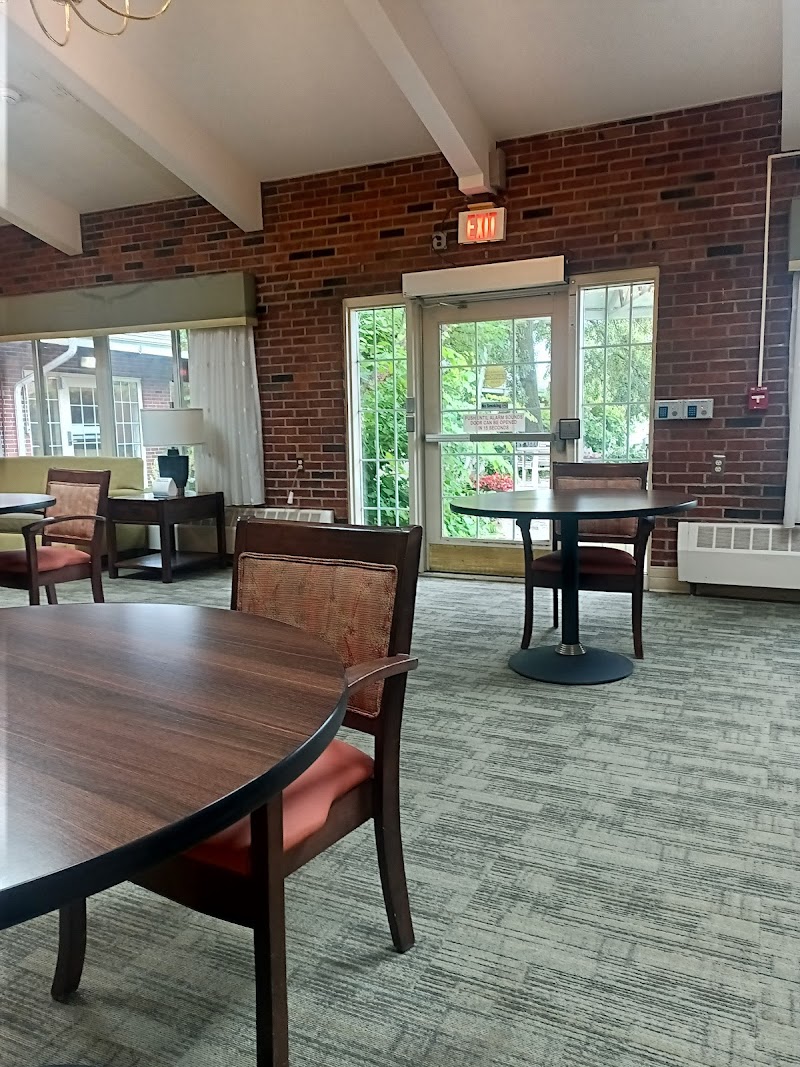
Who Owns and Operates Optalis Health And Rehabilitation Of Dearborn Heig?

Optalis Health and Rehabilitation of Dearborn Heig is owned by a for-profit company. For-profit facilities operate as businesses with obligations to shareholders or private owners. The facility is operated by OPTALIS HEALTH & REHABILITATION, a chain that manages multiple nursing homes. With 124 certified beds and approximately 107 residents (about 86% occupancy), it is a mid-sized facility located in Dearborn Heights, Michigan.
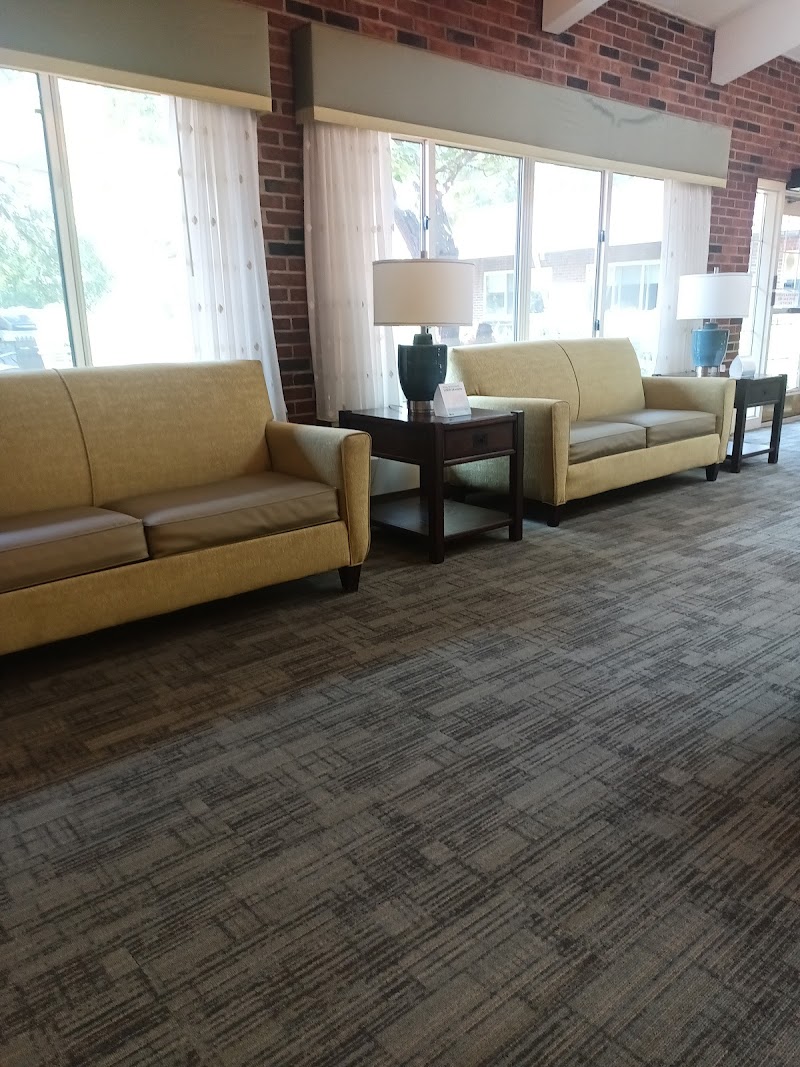
How Does Optalis Health And Rehabilitation Of Dearborn Heig Compare to Other Michigan Nursing Homes?

Compared to the 100 nursing homes in Michigan, Optalis Health and Rehabilitation of Dearborn Heig's overall rating (3 stars) is below the state average of 3.1, staff turnover (58%) is significantly higher than the state average of 46%, and health inspection rating (2 stars) is below the national benchmark.

What Should Families Ask When Visiting Optalis Health And Rehabilitation Of Dearborn Heig?

Based on this facility's data, families visiting should ask: "What changes have been made since the serious inspection findings, and how are you preventing similar issues?" "How do you ensure continuity of care given staff turnover, and what is your staff retention strategy?" "Can you walk me through typical staffing levels on day, evening, and night shifts?" "Can I visit during a mealtime to observe dining assistance and food quality?" These questions are particularly relevant given the facility's Immediate Jeopardy citations, the facility's high staff turnover rate, and the below-average staffing rating.

Is Optalis Health And Rehabilitation Of Dearborn Heig Safe?

Based on CMS inspection data, Optalis Health and Rehabilitation of Dearborn Heig has documented safety concerns. Inspectors have issued 1 Immediate Jeopardy citation (the most serious violation level indicating risk of serious injury or death). The facility has a 3-star overall rating and ranks #100 of 100 nursing homes in Michigan. Families considering this facility should ask detailed questions about what corrective actions have been taken since these incidents.

Do Nurses at Optalis Health And Rehabilitation Of Dearborn Heig Stick Around?

Staff turnover at Optalis Health and Rehabilitation of Dearborn Heig is high. At 58%, the facility is 12 percentage points above the Michigan average of 46%. Registered Nurse turnover is particularly concerning at 60%. RNs handle complex medical decisions and coordinate care — frequent RN changes can directly impact care quality. High turnover means new staff may not know residents' individual needs, medications, or preferences. It can also be disorienting for residents, especially those with dementia who rely on familiar faces. Families should ask: What is causing the turnover? What retention programs are in place? How do you ensure care continuity during staff transitions?

Was Optalis Health And Rehabilitation Of Dearborn Heig Ever Fined?

Optalis Health and Rehabilitation of Dearborn Heig has been fined $42,136 across 1 penalty action. The Michigan average is $33,500. While any fine indicates a compliance issue, fines under $50,000 are relatively common and typically reflect isolated problems that were subsequently corrected. Families should ask what specific issues led to these fines and confirm they've been resolved.

Is Optalis Health And Rehabilitation Of Dearborn Heig on Any Federal Watch List?

Optalis Health and Rehabilitation of Dearborn Heig is not on any federal watch list. The most significant is the Special Focus Facility (SFF) program, which identifies the bottom 1% of nursing homes nationally based on persistent, serious quality problems. Not being on this list means the facility has avoided the pattern of deficiencies that triggers enhanced federal oversight. This is a positive indicator, though families should still review the facility's inspection history directly.