CH Rehab & Nurs Cnt - Commons Dearborn
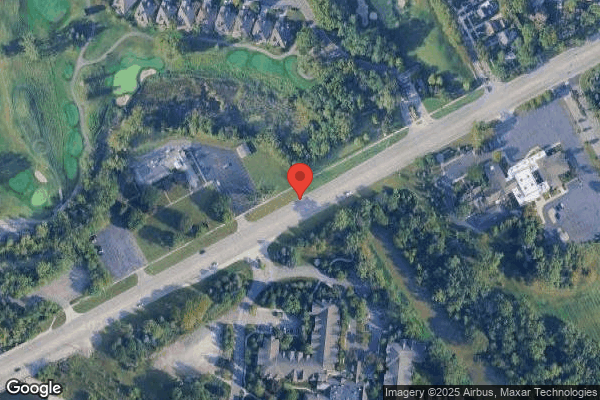
16391 Rotunda Dr, Dearborn, MI 48120 (313) 253-9700
Non profit - Corporation 196 Beds COREWELL HEALTH Data: November 2025
Trust Grade
85/100
#9 of 422 in MI
Last Inspection: March 2025

Within standard 12-15 month inspection cycle. Federal law requires annual inspections.

Overview

CH Rehab & Nurs Cnt - Commons Dearborn has a Trust Grade of B+, which means it is above average and recommended for families considering care options. It ranks #9 out of 422 nursing homes in Michigan, placing it in the top half, and #2 out of 63 in Wayne County, indicating that only one local facility is rated higher. The facility is improving, having reduced issues from 7 in 2024 to 4 in 2025. Staffing is average with a rating of 3 out of 5 stars and a turnover rate of 50%, which is comparable to the state average. There have been no fines recorded, which is a positive sign, and the facility has better RN coverage than most, providing more oversight. However, there are some concerns, including a serious incident where a resident suffered a fracture due to unsafe wheelchair transport and other findings related to food safety that could increase the risk of foodborne illness. While the facility has strengths, such as its high overall star rating and no fines, families should also be aware of these weaknesses when making their decision.

Trust Score
B+
85/100
In Michigan
#9/422
Top 2%
Safety Record
Moderate
Needs review
Inspections
Getting Better
7 → 4 violations
Staff Stability
⚠ Watch
50% turnover. Above average. Higher turnover means staff may not know residents' routines.
Penalties
✓ Good
No fines on record. Clean compliance history, better than most Michigan facilities.
Skilled Nurses
○ Average
Each resident gets 39 minutes of Registered Nurse (RN) attention daily — about average for Michigan. RNs are the most trained staff who monitor for health changes.
Violations
⚠ Watch
11 deficiencies on record. Higher than average. Multiple issues found across inspections.
★★★★★
5.0
Overall Rating
★★★☆☆
3.0
Staff Levels
★★★★★
5.0
Care Quality
★★★★☆
4.0
Inspection Score
Stable
2024: 7 issues
2025: 4 issues

The Good

  • 5-Star Quality Measures · Strong clinical quality outcomes
  • Full Sprinkler Coverage · Fire safety systems throughout facility
  • No fines on record

Facility shows strength in quality measures, fire safety.

The Bad

Staff Turnover: 50%

Near Michigan avg (46%)

Higher turnover may affect care consistency

Chain: COREWELL HEALTH

Part of a multi-facility chain

Ask about local staffing decisions and management

The Ugly 11 deficiencies on record

1 actual harm
Mar 2025 4 deficiencies
CONCERN (D)

Potential for Harm - no one hurt, but risky conditions existed

Resident Rights (Tag F0550)

Could have caused harm · This affected 1 resident

**NOTE- TERMS IN BRACKETS HAVE BEEN EDITED TO PROTECT CONFIDENTIALITY** Based on observation, interview, and record review the facility failed to provide a bedpan timely for one incontinent resident (...

Read full inspector narrative →
**NOTE- TERMS IN BRACKETS HAVE BEEN EDITED TO PROTECT CONFIDENTIALITY** Based on observation, interview, and record review the facility failed to provide a bedpan timely for one incontinent resident (R11) of one resident reviewed for dignity, resulting in verbalizing feelings of embarrassment and frustration. Findings include: On 3/17/2025 at 10:47 a.m. R11 reported having a bowel movement in bed after turning on the call light for assistance that took over thirty minutes for a staff to answer the call light. During an interview R11 stated, I felt nasty because I did something nasty on myself. I felt angry, frustrated, and embarrassed. I wouldn't say this if I didn't mean it. I was so upset because I don't have bowel movements on myself. On 3/17/2025 at 10:55 a.m. assigned Certified Nursing Assistance (CNA) K was interviewed regarding resident's care. CNA K was asked if R11 was upset about having a bowel movement in bed because no one provided the resident with a bedpan. CNA K stated, Yes, the resident call light was on along with others at the same time. By the time I got to her she had pooped on herself, and she was upset. CNA K said R11 call light was on for about thirty minutes before it was answered and before the resident was changed. According to the electronic medical record, R11 was admitted to the facility on [DATE] with diagnoses of anxiety, hemiplegia and hemiparesis following a cerebrovascular disease (stroke) affecting the left dominant side, contracture of right hand and left knee, overactive bladder, and a history of constipation. R11's quarterly Minimum Data Set (MDS) with a reference date of 1/11/2025, indicated R11 had intact cognition with a BIMS (brief interview of mental status) score of 15/15 and incontinent of bowel and bladder. Review of the 8/11/2020 Activity of Daily Living (ADLs) care plan documented, (R11) is at risk for self-care deficit in ADLs functional Status/Rehabilitation Potential. Interventions: Bed mobility and transfers extensive assistance times two person. On 3/19/2025 at 1:50 p.m. the Director of Nursing (DON) said during an interview regarding R11's incontinent episode that the CNA's should have assisted the resident within fifteen or twenty minutes from the time the call light was turned on. The DON understood why the resident was upset and embarrassed especially if the resident normally uses the bedpan. Review of the facility's 12/2024 Dignity and Privacy policy: Each resident shall be cared for in a manner that promotes and enhances quality of life, dignity, respect and individuality. 2. 'Treated with dignity' mean the resident will be assisted in maintaining and enhancing his or her self-esteem and self-worth.
CONCERN (D)

Potential for Harm - no one hurt, but risky conditions existed

Notification of Changes (Tag F0580)

Could have caused harm · This affected 1 resident

**NOTE- TERMS IN BRACKETS HAVE BEEN EDITED TO PROTECT CONFIDENTIALITY** Based on interview and record review, the facility failed to notify in a timely manner the Resident Representative (RR) for one ...

Read full inspector narrative →
**NOTE- TERMS IN BRACKETS HAVE BEEN EDITED TO PROTECT CONFIDENTIALITY** Based on interview and record review, the facility failed to notify in a timely manner the Resident Representative (RR) for one resident (R24) of a change in condition requiring treatment, resulting in the RR not having the opportunity to participate in medical decisions regarding R24's health. Findings include: A review of the clinical record for R24 documented an initial admission date of 1/12/21. R24's diagnoses included dementia, pressure ulcer of sacral region-stage 4, congestive heart failure, and cerebral infarction. R24's spouse was listed as the responsible party and emergency contact. R24's son was listed as the RR. A Minimum Data Set assessment dated [DATE] documented severe cognitive impairment. Additional review of R24's clinical record documented in part the following: 1. Wound care progress note dated 3/11/25: (R24) present with an acute skin tear of the right midline buttock. The wound is for initial evaluation. The wound was classified as a skin tear, length 0.91 centimeter (cm) and width 3.18 cm. Cleanse the wound with cleanser or saline solution and pat dry with gauze. Apply triad (a paste wound dressing) two times a day. 2. Nursing progress note dated 3/11/25: Patient received in bed, alert and verbal. Vital signs stable, ordered medications received and tolerated well. Foley in place and patent. Wound care performed rounds and completed patients wound treatment this shift. Will continue to monitor and maintain safety. Frequent visual checks for safety. 3. Nursing progress note dated 3/17/25: Husband in facility, provided update on wound progression and plan of care was discussed. Husband expressed understanding of information provided. Denied having any questions. During an interview and record review beginning on 3/19/25 at 12:06 PM, Unit Manager (UM) G said R24 had a skin tear and treatment was recommended. The family should be notified immediately and made aware of any changes when something happens with a resident. UM G said R24's clinical record should contain documentation that the family was contacted and referenced a progress noted dated 3/17/25 as evidence of family notification. During an interview on 3/19/25 at 12:16 PM, wound care nurse H said she rounds with the wound care team. Nurse H indicated that R24 did not have treatments in place for the skin tear prior to 3/11/25. Nurse H said the facility has a weekly wound and nutrition meeting and that would be when the family is notified. Nurse H acknowledged that waiting for the weekly wound meeting to occur may result in a delay in RR notification. During an interview on 3/19/25 at 1:52 PM, the Director of Nursing (DON) said the nurse should have tried to contact R24's spouse when the wound was discovered. A review of a facility policy titled, Change of Condition Policy, undated but provided during the survey, documented in part the following: The nurse shall promptly notify the resident, his or her provider, and representative of changes in the resident's condition and/or status; and properly assess the resident for further care needs. On 3/19/25 at 4:30 PM during the exit conference, the Nursing Home Administrator and DON did not offer additional documentation or information when asked.
CONCERN (D)

Potential for Harm - no one hurt, but risky conditions existed

Quality of Care (Tag F0684)

Could have caused harm · This affected 1 resident

**NOTE- TERMS IN BRACKETS HAVE BEEN EDITED TO PROTECT CONFIDENTIALITY** Based on interview and record review, the facility failed to obtain a medication for a rare cardiac condition in a timely manner...

Read full inspector narrative →
**NOTE- TERMS IN BRACKETS HAVE BEEN EDITED TO PROTECT CONFIDENTIALITY** Based on interview and record review, the facility failed to obtain a medication for a rare cardiac condition in a timely manner for one resident (R143). Findings include: A review of the clinical record for R143 documented an admission into the facility on 3/10/25 with diagnoses that included sepsis due to pseudomonas (a life-threatening infection caused by bacteria), cognitive communication deficit, and organ-limited amyloidosis (abnormal buildup of insoluble, elongated proteins primarily within a single organ) congestive heart failure. The hospital Discharge summary dated [DATE] documented that R143 was to continue taking 61 mg of tafamidis (tafamidis [Vyndamax] is an oral medication used to treat a rare and progressive heart disease) by mouth daily. Additional review of R143's clinical record documented in part the following: Progress note of 3/13/25 at 2:29 PM: Received resident in bed awake, alert with confusion present. Resident received shift medications whole tolerated well no adverse reactions observed during shift .Writer paged MD in regards to medication Vyndamax 61 mg not delivered and unavailable in the cubex (a system to secure and provide controlled substances and other medications) to pull. Per (staff at pharmacy) the medication is very expensive and not covered by insurance. Writer contacted MD to see if an alternative can be used, writer awaiting a call back . During an interview and record review on 3/18/25 at 2:32 PM, Unit Manager (UM) G acknowledged that tafamidis was a cardiac related medication. After reviewing R143's clinical record, UM G could not provide documentation to support that any follow up had occurred regarding R143's cardiac medication since 3/13/25. UM G said they would have to page the physician because there was nothing noted in the clinical record. A review of R143's March 2025 Medication Administration Record documented that tafamidis had not been administered because the drug was not available since R143's admission into the facility. During an interview on 3/18/25 at 3:21 PM, the Lead Pharmacist (LP) I at the facility's contracted pharmacy was interviewed. LP I said Vyndamax was a specialty medication, and the facility sent the order for Vyndamax on 3/1/25. LP I said we documented that we could not supply the medication and provided a number for the facility to call for more information. A progress note of 3/18/25 at 4:20 PM documented in part the following: MD rounding with resident and was informed that Vyndamax had not been given (due to) its unavailability from the pharmacy. The physician was asked if there was an alternate med for use as the pharmacy said the medication is a specialty medication and they are unable to supply it. Physician is aware that medication is a special use med and does not want to order an alternate med. MD stated to contact the resident's family and ask them to bring the medication from home and start the medication then. Resident is stable and shows no change in condition. Resident's son was notified and informed of the unavailability of Vyndamax and agreed to bring the medication in this evening. On 3/19/25 at 1:58 PM, the Director of Nursing (DON) said when nursing discovered that tafamidis was not available they should have called the doctor immediately, did a cardiac follow up, and in this case, reached out to the family sooner especially since this was such a rare medication. On 3/19/25 at 4:30 PM during the exit conference, the Nursing Home Administrator and DON did not offer additional documentation or information when asked.
CONCERN (F)

Potential for Harm - no one hurt, but risky conditions existed

Food Safety (Tag F0812)

Could have caused harm · This affected most or all residents

Based on observation, interview, and record review, the facility failed to: 1. Properly clean and sanitize a thermometer stem prior to insertion into prepared food; 2. Ensure items stored in resident ...

Read full inspector narrative →
Based on observation, interview, and record review, the facility failed to: 1. Properly clean and sanitize a thermometer stem prior to insertion into prepared food; 2. Ensure items stored in resident refrigerators were properly labeled with resident's name and expiration date; 3. Ensure pans were properly cleaned and allowed to air dry before stacking. These deficient practices had the potential to affect all the residents who consumed food from the kitchen, resulting in the increased likelihood for food borne illness. Findings include: On 3/17/25 at 11:18 AM, Dietary Aide (DA) F was observed in the facility's sub-kitchen taking the temperature of the following prepared foods in this order: turkey burger, mechanical soft turkey burger, pureed turkey burger, pureed sweet potatoes, gravy, pureed cauliflower soup, regular cauliflower soup, and sweet potato fries. DA F used a paper towel to wipe off the thermometer stem prior to inserting it into each food item. When queried about using a paper towel on the thermometer stem between taking food temperatures, DA F stated, I was told to not use alcohol wipes. On 3/19/25 at 10:46 AM, the resident refrigerator/freezer in the Unit A pantry was observed with Licensed Practical Nurse (LPN) C. A sign on the refrigerator door documented, No employee food or drink to be placed in this refrigerator! Resident's items must have date, their name and the room number. Thank You! A document titled, Refrigeration Temperature Record, dated March 2025, recorded refrigerator temperatures but not freezer temperatures. There was no thermometer in the freezer. A 12-ounce box of frozen lasagna and 7-ounce box of chicken pot pie were stored in the freezer and neither item was labeled with a resident name or dated. On 3/19/25 at 11:11 AM, the resident refrigerator/freezer on the Appoline unit was observed with LPN E. The Refrigeration Temperature Record, dated March 2025, only recorded the temperatures of the refrigerator. A thermometer was not available in the freezer. The following items, observed in the freezer, were opened, not labeled with a resident name, or dated: 1 gallon container of vanilla ice cream and 1.5-quart container of caramel delight ice cream. The following items were in the freezer unopened, not labeled with a resident name, or dated: sausage-egg-cheese croissant sandwich, 18.5-ounce bottle of unsweetened tea, and 10-ounce bottle of a hydration beverage. The refrigerator contained an unlabeled and undated plastic bag containing half-eaten pita bread and what appeared to be small blocks of soft cheese. On 3/19/25 at 11:30 AM, in a clean pot/pan storage area in the main kitchen, the surfaces of three sheet pans nestled together were observed to have droplets of water. One of the three sheet pans was not adequately cleaned and contained sticky substances. Director of Dining (DD) B stated the soiled sheet pan needs to be soaked and scrubbed. On 3/19/25 at 11:50 AM, DD B said alcohol wipes should have been used to clean and sanitize the thermometer stem prior to inserting it into each food item. DD B said the wet sheet pans should have been allowed to air dry before stacking. Regarding the resident refrigerators, DD B said maintaining the resident refrigerators was everyone's responsibility, but at the end of the day, it was dietary's responsibility. Resident food stored in the resident refrigerators should have been labeled. Food not properly labeled should have been tossed. Dietary provides stickers for the labeling and dating. The thermometers should be in the refrigerators and freezers and the temperatures of both areas should be monitored. On 3/19/25 at 2:10 PM, the Nursing Home Administrator (NHA) stated, We expect in-house policies and procedures to be followed. A review of the facility policy titled, Food for Residents Brought in from the Outside, dated April 2024 documented in part the following: -Food/beverage brought in by family/friends for resident should be consumed within 3 days. If not consumed it should be discarded by the Midnight Shift. -The resident's nurse/CNA (Certified Nurse Aide) is responsible for checking the expiration date of all food from the unit refrigerator prior to serving to the resident. The 2013 FDA Food Code was reviewed and revealed the following: Section 4-602.11. Equipment Food-Contact Surfaces and Utensils: Equipment food-contact surfaces and utensils shall be cleaned (5) at any time during the operation when contamination may have occurred. Section 4-903.11. Storing Equipment, Utensils, Linens, and Single-Service and Single-Use Articles: (B) Clean equipment and utensils shall be stored as specified under (A) of this section and shall be stored: (1) In a self-draining position that allows air drying; and (2) Covered or inverted. On 3/19/25 at 4:30 PM during the exit conference, the NHA and Director of Nursing did not offer additional documentation or information when asked.
Feb 2024 7 deficiencies 1 Harm
SERIOUS (G)

Actual Harm - a resident was hurt due to facility failures

Accident Prevention (Tag F0689)

A resident was harmed · This affected 1 resident

**NOTE- TERMS IN BRACKETS HAVE BEEN EDITED TO PROTECT CONFIDENTIALITY** Based on observation, interview, and record review the facility failed to ensure a safe wheelchair transport for one (R15) of se...

Read full inspector narrative →
**NOTE- TERMS IN BRACKETS HAVE BEEN EDITED TO PROTECT CONFIDENTIALITY** Based on observation, interview, and record review the facility failed to ensure a safe wheelchair transport for one (R15) of seven residents reviewed for accident hazards, resulting in a fracture with subsequent wound, pain, and decreased activities of interest due to the inability to participate. Findings include: On 2/27/2024 at 9:58 AM R15 was observed in bed wearing a hospital gown. R15's heel boots were observed on R15's wheelchair. When R15 was asked the purpose of the heel boots, R15 stated, The boots are for my feet when I sit in my wheelchair, so my feet don't slip off the footrests. When asked have your feet slipped off the foot rests, R15 replied, Yes I broke a bone and now I can't get up. My ankle hurts. When asked what happened to her left ankle R15 replied, Activities (staff) were bringing me back to my room and my left boot fell off the footrest and pulled my ankle and foot. That was the most painful thing I have had to put up with. The bad part is I can't get out of bed now because I'm waiting for this boot (surgical boot) to protect my foot. I'm sick of lying in this bed. I haven't been able to get up or go to activities. Record review of electronic medical records revealed R15 was admitted into the facility on 6/18/2018 with recent readmission on [DATE] with a pertinent diagnosis of acute respiratory disease, pneumonia due to coronavirus, dependence on supplemental oxygen and changes in skin texture-chronic skin tear cox/crease. According to the Minimum Data Set (MDS) dated [DATE], R15 had intact cognition with a Brief Interview of Mental Status (BIMS) of 15/15 and was dependent for mobility. Record review of the Incident and Accident report dated 2/28/2024 revealed the following: On 2/6/2024 at 3:19 PM Resident A&Ox3, verbal -able to make needs known. Resident reported feels she hyperextended her L ankle, during ride in wheelchair being brought back to room by activities-foot slipped off footrest and bent downward under chair. Due to pain resident MD notified-Xray ordered via STAT. Oncoming Nurse made aware. On 2/7/2024 at 1:18 AM Left ankle x ray results faxed over. Impression: A fracture of the distal fibula. MD ordered Motrin 400 mg BID PRN for Resident due to pain/soft tissue swelling. On 2/29/24 at 8:26 AM, Activities Supervisor (AS) D was interviewed and stated While I was pushing (R15) back to her room her left foot and foam boot fell off the footrest. (R15) immediately yelled out in pain I stopped pushing her and called for the nurse. (Licensed Practical Nurse (LPN) E) was at the nurse's station and took over. AS D further revealed R15 has not participated in activities since the ankle injury on [DATE]th 2024 and that R15 did not express any left foot and/or ankle pain prior to her foot slipping off the footrest. When queried was R15's foot properly secured prior to transport, AS D, stated I don't know we (activities staff) don't transfer residents into wheelchairs we only transport them. (R15) was already in the wheelchair when she came to activities. On 2/29/24 at 9:44 AM, LPN E was interviewed and said she heard R15 yell while AS D was pushing R15 back to the room. LPN E saw R15's left foot boot was caught underneath the footrest and pulled directly onto the left foot and R15 was weeping. LPN E stated, I fixed the boot reapplied the Velcro strap and repositioned (R15's) left foot on the footrest. On 2/29/24 at 10:48 AM, LPN F was interviewed and said she was working on 2/6/2024 and heard R15 yell while being pushed in the wheelchair and observed the left foot off the footrest and left foam boot underneath the wheelchair. LPN F stated I assessed (R15's) ankle. (R15) was complaining of ankle pain so I called the doctor to get an xray. On 2/29/24 at 11:01 AM, Rehab Director G was interviewed and revealed R15 was seen by therapy services for wheelchair positioning in [DATE] due to R15's feet falling off the footrest during transportation. Therapy got R15 a wider wheelchair and adapted footrests (heel boots secured by Velcro straps to the wheelchair foot rests). Record review of the Occupational Therapy Discharge summary dated [DATE] revealed 26-inch WC (wheelchair) provided Bil leg rests adapted for comfort and positioning, leg rests and foot buddy provided . Record review of R15's care plan revealed Problem date: 10/17/2023 R15 requires a 26-inch wheelchair with adequate feet support in order to optimize comfort and safety which would allow her to attend activities of choice. Record review of the wound care practitioner note dated 2/19/2024, revealed The patient has a new left ankle fracture x 1week. Consequently, her mobility has been significantly limited and she has developed increased edema in the left lower leg which has led to the formation of new blood blister x 1 week duration. Record review of the Physical Medicine and Rehab Progress Note, dated 2/8/2024, revealed in part . R15 was seen today to follow up on pain control. Unfortunately, in the interim (R15) had an event in which her foot slipped off the footrest while being transported on a wheelchair, and (R15) subsequently had acute left ankle pain. X-ray was completed which revealed a distal fibula fracture . (R15) is complaining of left ankle pain throughout the lateral and medial aspect. Pain elsewhere is stable and forgotten due to acute pain. (R15) is now agreeable to increase the frequency of tramadol (pain medication). On 2/29/24 at 11:33 AM the Director of Nursing (DON) was interviewed and agreed that R15's left fibula fracture was caused by R15's foot slipping off the footrest during wheelchair transportation and that staff should make sure R15's foot boots are secure prior to transport. Review of the facility policy titled Wheelchair Transport (undated) revealed in part . Ensure the resident's feet are on the leg rest, If the resident seating position changes or feet are not properly on the footrest, the person pushing the wheelchair should: 1. Stop pushing the wheelchair. 2. Reposition the resident to ensure safety. 3. Once the resident is positioned safely, continue transport.
CONCERN (D)

Potential for Harm - no one hurt, but risky conditions existed

Resident Rights (Tag F0550)

Could have caused harm · This affected 1 resident

**NOTE- TERMS IN BRACKETS HAVE BEEN EDITED TO PROTECT CONFIDENTIALITY** Based on observation, interview, and record review the facility failed to ensure a catheter bag (a collection device for urine) ...

Read full inspector narrative →
**NOTE- TERMS IN BRACKETS HAVE BEEN EDITED TO PROTECT CONFIDENTIALITY** Based on observation, interview, and record review the facility failed to ensure a catheter bag (a collection device for urine) was not visable to others for one (R262) of one resident reviewed for dignity with catheter usage, resulting in the R262's dignity not being preserved and the potential for the feelings of embarrassment. Findings include: On 2/27/2024 at 11:09 a.m., R262 was observed sitting in a wheelchair with a foley catheter anchored behind the wheelchair visible from the doorway. R262's foley catheter bag was observed with bloody urine. During an interview with R262 regarding the uncovered foley catheter bag, R262 stated, Yes, I would like to have my foley catheter bag covered. They don't do what they supposed to do around here. Why wouldn't I get one. On 2/28/2024 at 2:22 p.m., R262 was observed sitting in a wheelchair with a foley catheter bag anchored behind the wheelchair with amber colored urine inside the bag. On 2/28/2024 at 2:30 p.m., Licensed Practical Nurse (LPN) H was interviewed regarding the foley catheter bag not having a privacy cover. LPN H said, all residents should have a covering over the catheter bags to preserve dignity. According to the medical record, R262 was admitted to the facility on [DATE] with diagnoses of retention of urine and congestive heart failure. The medical record review revealed R262 was also oriented to person, place, and time and able to make needs known. Review of the 2/27/2024 Foley Catheter care plan documented, I have an alteration in the urinary tract as evidenced by Foley Catheter related to urinary retention. -Interventions: Store drainage bag inside a protective dignity pouch. On 2/29/2024 at 3:15 p.m., the Director of Nursing (DON) was interviewed regarding a covering for residents with foley catheter bags. The DON confirmed that residents with foley catheters should have a covering to prevent others from observing the content of the foley bag.
CONCERN (D)

Potential for Harm - no one hurt, but risky conditions existed

Deficiency F0578 (Tag F0578)

Could have caused harm · This affected 1 resident

**NOTE- TERMS IN BRACKETS HAVE BEEN EDITED TO PROTECT CONFIDENTIALITY** Based on interview, and record review, the facility failed to ensure the resident and the legal representative formulated an Adv...

Read full inspector narrative →
**NOTE- TERMS IN BRACKETS HAVE BEEN EDITED TO PROTECT CONFIDENTIALITY** Based on interview, and record review, the facility failed to ensure the resident and the legal representative formulated an Advance Directive to grant and/or withhold life sustaining treatment (Cardiopulmonary Resuscitation/CPR, Artificial Nutrition/Peg Tube, Artificial Hydration/ IV, and Diagnostic Testing) according to their wishes upon admission for two residents (R314 and R59) of 14 sampled residents reviewed for advance directives, resulting in the potential of denial of the resident's right to have life sustaining or withheld decisions honored. Findings include: R314 On [DATE] at 2:00 PM review of the Electronic medical record (EMR) revealed resident did not have documentation of an advance directive being initiated since admission into the facility. Record review of the EMR revealed R314 was admitted into facility on [DATE] with pertinent diagnoses of chronic respiratory failure, chronic obstructive pulmonary disease. Review of the EMR revealed R314 was alert and oriented x3 (person, place, and time) indicating intact cognition. R314's EMR facesheet did not indicate a code status. Review of the nurse's station advance directive binder did not include advance directives for R314. On [DATE] at 3:00 PM R314's advance directives were requested. Review of Physician orders revealed R314 did not have an order for code status as of [DATE]. On [DATE] at 10:52 AM in an interview with Social Worker I when queried when should advance directives be completed for new admissions, SW I said usually within two to three days at the initial care conference. SW I did not provide a response when asked about the delays of obtaining completed advance directives. R59 Record review of the EMR revealed resident had no documentation of an advance directive being signed by either R59 or the Durable Power of Attorney (DPOA) since readmission into facility. Record review of the EMR revealed R59 was admitted into facility on [DATE] with most recent readmission on [DATE] and expired in the facility on [DATE] with a pertinent diagnosis of sepsis, pneumonia, adenocarcinoma. According to the Minimum Data Set (MDS) dated [DATE], R59 had severe cognitive impairment. On [DATE] at 2:38 PM, SW I was interviewed and said there were no facility signed advance directives for R59. When queried what was R59's code status prior to most recent hospitalization in December of 2023 SW I revealed R59 was a full code. Advance Directives from R59's hospital stay in December of 2023 revealed R59's DPOA signed a DNR. On [DATE] at 2:45 PM, DPOA J was interviewed and revealed that he did intend for R59 to remain a DNR upon readmission to the nursing facility but did not sign a facility advance directive to confirm code status. Review of the facility policy titled Advance Directives effective [DATE] revealed in part . Procedure the admission department will provide to the resident or responsible party upon admission the facility's information packet on Advance Care Directives. Resident will remain 'full code' until all paperwork is in place. Social services will follow up with the resident, DPOA. Social worker will fax a copy of the Advance Directive into the EMR and update the resident face sheet. The resident's attending physician will be informed of the Advance Care Directive and a physician's order will be written in the EMR.
CONCERN (E)

Potential for Harm - no one hurt, but risky conditions existed

Deficiency F0883 (Tag F0883)

Could have caused harm · This affected multiple residents

**NOTE- TERMS IN BRACKETS HAVE BEEN EDITED TO PROTECT CONFIDENTIALITY** Based on interview and record review, the facility failed to ensure two residents (R17 and R31) out of five residents reviewed f...

Read full inspector narrative →
**NOTE- TERMS IN BRACKETS HAVE BEEN EDITED TO PROTECT CONFIDENTIALITY** Based on interview and record review, the facility failed to ensure two residents (R17 and R31) out of five residents reviewed for immunizations, were currently educated and offered a pneumonia immunization, resulting in the potential for development and spread of pneumonia among vulnerable residents in the facility. Findings include: On 2/29/24 at 2:10 PM during an interview and record review with the Director of Nursing (DON), the following residents did not have documentation of a current pneumococcal immunization or refusal: - The Electronic Health Record (EHR) for Resident #17 (R17), most recently admitted on [DATE] and was over [AGE] years of age, documented the pneumococcal vaccine was offered on 10/26/20 and it was declined. No other offer for pneumococcal immunization was documented. - The EHR for Resident #31 (R31), most recently admitted on [DATE] and was over [AGE] years of age, provided no documentation that pneumococcal education and/or immunization was offered or refused. On 2/29/24 at 3:05 PM, the DON stated regarding R17, I guess we can offer the pneumo vaccine every year. The facility provided no documentation that the pneumococcal vaccine was contraindicated for R17 or R31. A review of the facility's policy titled, Influenza & Pneumococcal, dated August 2018, .pneumococcal vaccination are offered year round .(Staff are to) assure documentation in the resident's medical record of the information/education provided regarding the benefits and risk of immunization and the administration or refusal of or medical contraindications to the vaccine
CONCERN (E)

Potential for Harm - no one hurt, but risky conditions existed

Safe Environment (Tag F0921)

Could have caused harm · This affected multiple residents

Based on observation, interview, and record review, the facility failed to ensure the first-floor shower room was maintained in a clean and sanitary manner, resulting in the residents' environment not...

Read full inspector narrative →
Based on observation, interview, and record review, the facility failed to ensure the first-floor shower room was maintained in a clean and sanitary manner, resulting in the residents' environment not being homelike and the potential for spread of harmful pathogens. This deficient practice has the potential to affect all 27 residents who reside in rooms 125 to 145. Findings include: On 2/27/2024 at 10:08 AM, the following observations were made of the shower room used by residents in rooms 125-145, a bag of used and soiled towels were on the floor and left on a cart in the shower room. On 2/28/2024 at 9:00 AM in an observation of the shower room with Certified Nursing Assistant (CNA) K revealed trash on the floor drain, soiled towels lying on a cart, used empty shampoo bottles left on the grab bars in the shower room. CNA K stated that there should not be soiled towels and garbage left after giving a resident a shower. On 2/29/2024 at 11:15 AM, the Director of Nursing (DON) was interviewed and revealed that the shower room should be cleaned after each use it and should not be left soiled. On 2/29/2024 at 11:30 AM a facility shower policy was requested and was not provided by survey exit (2/29/2024).
CONCERN (F)

Potential for Harm - no one hurt, but risky conditions existed

Food Safety (Tag F0812)

Could have caused harm · This affected most or all residents

Based on observation, interview, and record review the facility failed to maintain sanitary conditions in the kitchen and its support spaces resulting in an increased potential for cross contamination...

Read full inspector narrative →
Based on observation, interview, and record review the facility failed to maintain sanitary conditions in the kitchen and its support spaces resulting in an increased potential for cross contamination of food and foodborne illness, potentially affecting the facility's total census of 76 residents. Findings include: 1. On 2/27/24 at 10:21 AM, the IL kitchen dish machine was observed by the surveyor being tested by Assistant Dining Director, staff B, via a temperature sensing plate. Upon the dish machine's cycle finishing the surveyor asked staff B what the final rinse temperature read to which they replied, 160 degrees F. At this time the surveyor inquired with staff B on what they would normally do in a situation like this to which they replied, test it again. On 2/27/24 between 10:23 AM - 10:32 AM, two additional tests were conducted by staff B on the dish machine via a temperature sensing plate revealing the same temperature reading as the original test. At this time Dining Services Director, staff A, stated, I'll call maintenance to contact the service company. We will use the 3-compartment sink to sanitize until we can get this fixed. On 2/28/24 at 1:41 PM, upon record review of a policy titled, dish machine temperature record (high temperature machine) dated, February 2024 revealed numerous dates that the final rinse temperature did not reach 180 degrees F upon testing, but were signed off on by staff via initialing under the checked by column. Further review of this document by the surveyor revealed that the column titled, manager weekly review was left blank throughout the document. Review of 2017 U.S. Public Health Service Food Code, Chapter 4-501.112 Mechanical Warewashing Equipment, Hot Water Sanitization Temperatures, directs that: (A) Except as specified in (B) of this section, in a mechanical operation, the temperature of the fresh hot water SANITIZING rinse as it enters the manifold may not be more than 90oC (194oF), or less than: Pf (1) For a stationary rack, single temperature machine, 74oC (165oF); Pf or (2) For all other machines, 82oC (180oF). Pf 2. On 2/27/24 at 10:10 AM, a utensil holding container was observed with an accumulation of dust and dried food debris on its interior in the IL kitchen. On 2/27/24 at 10:11 AM, upon interview with Dining Services Director, staff A, regarding the current state of the utensils and their container they stated, we keep cleaning logs, and this is part of a regular task for us. At this time the surveyor requested a copy of the cleaning logs mentioned by staff A to review. On 2/27/24 at 11:07 AM, seven water pitchers were observed with heavy sticker residue on their exterior surface while stored on the clean ready for use storage rack in the health center. At this time the surveyor inquired with staff A on the facility's expectation on the condition of equipment and utensils prior to being placed on this storage rack to which they stated, all labels and stickers should be fully removed before being placed on this rack. On 2/27/24 at 11:37 AM, the B unit's nourishment rooms refrigerator and freezer were observed in a soiled state with an accumulation of dust and debris on its interior. On 2/27/24 at 11:45 AM, the A unit's nourishment rooms refrigerator, freezer, and microwave were observed in a soiled state with an accumulation of dust and debris on each piece of equipment's interior. Upon observation the surveyor inquired with Assistant Dietary Manager, staff B, on who is responsible for the cleaning of the equipment in the nourishment rooms to which they replied, the nursing staff should be letting someone know when they get like this. On 2/28/24 at 10:13 AM, review of electronic documents dated 1/9/24, titled Master Cleaning Schedule revealed that the facility has a system in place to ensure a clean and sanitary environment in the kitchen. Review of 2017 U.S. Public Health Service Food Code, Chapter 4-601.11, Equipment, Food-Contact Surfaces, Nonfood-Contact Surfaces, and Utensils, directs that: (A) Equipment food-contact surfaces and utensils shall be clean to sight and touch. (C) NonFOOD-CONTACT SURFACES of EQUIPMENT shall be kept free of an accumulation of dust, dirt, FOOD residue, and other debris.
CONCERN (F)

Potential for Harm - no one hurt, but risky conditions existed

Infection Control (Tag F0880)

Could have caused harm · This affected most or all residents

Deficient Practice Statement #3 Based on observation, interview, and record review the facility failed to perform hand hygiene between care for residents (R318, R39, and R312), resulting in the potent...

Read full inspector narrative →
Deficient Practice Statement #3 Based on observation, interview, and record review the facility failed to perform hand hygiene between care for residents (R318, R39, and R312), resulting in the potential for the transmission of communicable diseases and infections. Findings include: On 02/28/24 at 9:47 AM Licensed Practical Nurse (LPN) F was observed to prepare and administer medications to R318. LPN F did not wash or sanitize hands following administration of oral medications. LPN F donned gloves to administer eye drops to R318. LPN F did not wash hands after removing the gloves and did not wash or sanitize hands prior to leaving the room. On 2/28/24 at 9:54 AM, without performing hand hygiene, LPN F was observed preparing medications for R39. LPN F administered the medications to R39. LPN F did not wash or sanitize hands prior to administration of medication and did not wash or sanitize hands prior to leaving the room. On 2/28/24 at 10:06 AM, without performing hand hygiene, LPN F was observed preparing medication for R312. LPN F administered the medications to R312. LPN F did not wash or sanitize hands prior to giving the medications and did not wash or sanitize hands prior to leaving the room. On 2/28/24 at 10:10 AM, LPN F was queried about hand hygiene practices. LPN F said there was no sanitizer on the medication cart because it had been loaned to another nurse passing medication. LPN F acknowledged that hand hygiene should be performed before and after medication administration for each resident. On 2/29/24 at 12:38 PM the Director of Nursing (DON) was interviewed and said the policy of the facility is to wash hands between each resident. The DON stated, I stand by the policy. Review of the facility policy last reviewed May 2022, titled, Infection Prevention Policy: Hand Hygiene states in part: Facility staff shall wash their hands after each direct resident contact when indicated to prevent the spread of infection from one resident to another. And under Hand Hygiene Guidelines which states in part Gloves are never a substitute for handwashing. Hands must be washed every time gloves are removed. Deficient practice #2. Based on observation, interview, and record review the facility failed to properly store a nebulizer mask and tubing between resident use for one (R314) out of three residents reviewed for respiratory care resulting in the potential for increased risk of respiratory infections. Findings include: On 2/27/24 at 10:41 AM, R314's nebulizer mask was observed lying directly on the nightstand not stored in a bag. When R314 was asked do you use the nebulizer, R314 responded, I use the nebulizer 2-3 times per day, the nurse adds the medicine, but I do the treatment on my own. On 2/27/24 at 1:06 PM, observed the nebulizer mask lying directly on nebulizer machine not stored in a bag. On 2/28/24 at 8:28 AM observed the nebulizer mask lying directly on nebulizer machine not stored in a bag. Record review of Electronic Medical Records (EMR) revealed R314 was admitted into facility on 2/24/2024 with pertinent diagnoses of chronic respiratory failure, chronic obstructive pulmonary disease. R314 had intact cognition. On 2/29/24 at 11:12 AM the Director of Nursing (DON) was interviewed and acknowledged nebulizer masks should be stored in a bag. This citation has three deficient practices. Deficient practice #1. Based on interview and record review, the facility failed to establish a comprehensive Infection Control Program that conducted annual review of policies/procedures and calculated monthly facility acquired infection (FAI) rates, resulting in the potential for staff to be unaware of current national standards of practice for infection control and prevention and missed opportunities to identify trends in FAI, resulting in the potential delay in implementing corrective actions. Findings include: On 2/29/24 at 9:21 AM, the facility's infection control program was reviewed with the Infection Preventionist (IP) and revealed the following: 1. The IP acknowledged that the following documents had not been reviewed at least annually to ensure they were current and in keeping with national standards of practice: - List of communicable diseases to report titled, Type and Duration of Isolation was last updated 8/29/2017. - Policy titled, Influenza & Pneumococcal, dated August 2019. - Policy titled, Isolation - Categories of Transmission-Based Precaution, last reviewed August 2022. - Policy titled, Standard Precautions, last reviewed May 2022. - Policy titled, COVID-19 Multi-Transmission, last reviewed May 2022. - Policy titled, COVID-19 Staff and Resident Testing, last reviewed 1/9/2022. 2. The IP provided no calculations of monthly FAI rates which could be used to determine trends of infections from month to month and to implement timely corrective measures for spikes in rates. The IP stated, I have never compared the difference in month-to-month infections. The IP said that there needs to be more concrete documentation of the analysis of infection trends. On 1/29/24 at 2:09 PM, during an interview and record review with the Director of Nursing (DON), the outdated policies as indicated above were reviewed. In response, the DON stated, So noted. The DON added that the percentages in terms of the FAI rates, quantify the changes in FAI from month to month. The DON stated, It's important to show progress or where education is needed.
Understanding Severity Codes (click to expand)
Life-Threatening (Immediate Jeopardy)
J - Isolated K - Pattern L - Widespread
Actual Harm
G - Isolated H - Pattern I - Widespread
Potential for Harm
D - Isolated E - Pattern F - Widespread
No Harm (Minor)
A - Isolated B - Pattern C - Widespread

Questions to Ask on Your Visit

  • "Can I speak with families of current residents?"
  • "What's your RN coverage like on weekends and overnight?"

Our Honest Assessment

Strengths
  • • Grade B+ (85/100). Above average facility, better than most options in Michigan.
  • • No fines on record. Clean compliance history, better than most Michigan facilities.
Concerns
  • • 11 deficiencies on record, including 1 serious (caused harm) violation. Ask about corrective actions taken.
Bottom line: Generally positive indicators. Standard due diligence and a personal visit recommended.

About This Facility

What is Ch Rehab & Nurs Cnt - Commons Dearborn's CMS Rating?

CMS assigns CH Rehab & Nurs Cnt - Commons Dearborn an overall rating of 5 out of 5 stars, which is considered much above average nationally. Within Michigan, this rating places the facility higher than 99% of the state's 100 nursing homes. This rating reflects solid performance across the metrics CMS uses to evaluate nursing home quality.

How is Ch Rehab & Nurs Cnt - Commons Dearborn Staffed?

CMS rates CH Rehab & Nurs Cnt - Commons Dearborn's staffing level at 3 out of 5 stars, which is average compared to other nursing homes. Staff turnover is 50%, compared to the Michigan average of 46%.

What Have Inspectors Found at Ch Rehab & Nurs Cnt - Commons Dearborn?

State health inspectors documented 11 deficiencies at CH Rehab & Nurs Cnt - Commons Dearborn during 2024 to 2025. These included: 1 that caused actual resident harm and 10 with potential for harm. Deficiencies causing actual harm indicate documented cases where residents experienced negative health consequences.

Who Owns and Operates Ch Rehab & Nurs Cnt - Commons Dearborn?

CH Rehab & Nurs Cnt - Commons Dearborn is owned by a non-profit organization. Non-profit facilities reinvest revenue into operations rather than distributing to shareholders. The facility is operated by COREWELL HEALTH, a chain that manages multiple nursing homes. With 196 certified beds and approximately 89 residents (about 45% occupancy), it is a mid-sized facility located in Dearborn, Michigan.

How Does Ch Rehab & Nurs Cnt - Commons Dearborn Compare to Other Michigan Nursing Homes?

Compared to the 100 nursing homes in Michigan, CH Rehab & Nurs Cnt - Commons Dearborn's overall rating (5 stars) is above the state average of 3.2, staff turnover (50%) is near the state average of 46%, and health inspection rating (4 stars) is above the national benchmark.

What Should Families Ask When Visiting Ch Rehab & Nurs Cnt - Commons Dearborn?

Based on this facility's data, families visiting should ask: "Can I visit during a mealtime to observe dining assistance and food quality?" "How do you handle medical emergencies, and what is your hospital transfer rate?" "Can I speak with family members of current residents about their experience?"

Is Ch Rehab & Nurs Cnt - Commons Dearborn Safe?

Based on CMS inspection data, CH Rehab & Nurs Cnt - Commons Dearborn has a clean safety record: no substantiated abuse findings (meaning no confirmed cases of resident harm), no Immediate Jeopardy citations (the most serious violation level indicating risk of serious injury or death), and is not on the Special Focus Facility watch list (a federal program monitoring the lowest-performing 1% of nursing homes). The facility has a 5-star overall rating and ranks #1 of 100 nursing homes in Michigan. While no facility is perfect, families should still ask about staff-to-resident ratios and recent inspection results during their visit.

Do Nurses at Ch Rehab & Nurs Cnt - Commons Dearborn Stick Around?

CH Rehab & Nurs Cnt - Commons Dearborn has a staff turnover rate of 50%, which is about average for Michigan nursing homes (state average: 46%). Moderate turnover is common in nursing homes, but families should still ask about staff tenure and how the facility maintains care continuity when employees leave.

Was Ch Rehab & Nurs Cnt - Commons Dearborn Ever Fined?

CH Rehab & Nurs Cnt - Commons Dearborn has no federal fines on record. CMS issues fines when nursing homes fail to meet care standards or don't correct problems found during inspections. The absence of fines suggests the facility has either maintained compliance or corrected any issues before penalties were assessed. This is a positive indicator, though families should still review recent inspection reports for the full picture.

Is Ch Rehab & Nurs Cnt - Commons Dearborn on Any Federal Watch List?

CH Rehab & Nurs Cnt - Commons Dearborn is not on any federal watch list. The most significant is the Special Focus Facility (SFF) program, which identifies the bottom 1% of nursing homes nationally based on persistent, serious quality problems. Not being on this list means the facility has avoided the pattern of deficiencies that triggers enhanced federal oversight. This is a positive indicator, though families should still review the facility's inspection history directly.