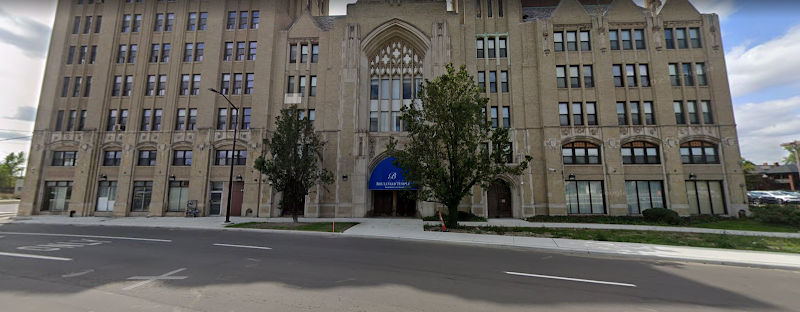
Boulevard Temple Care Center, LLC
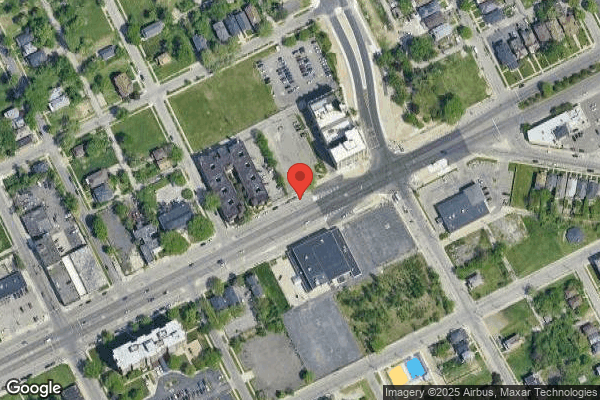

2567 West Grand Boulevard, Detroit, MI 48208 (313) 895-5340
For profit - Individual 124 Beds CIENA HEALTHCARE/LAUREL HEALTH CARE Data: November 2025 1 Immediate Jeopardy citation
Trust Grade
61/100
#104 of 422 in MI
Last Inspection: May 2025

Inspected within the last 6 months. Data reflects current conditions.

Overview

Boulevard Temple Care Center, LLC has a Trust Grade of C+, indicating it is slightly above average but not exceptional. Ranking #104 out of 422 facilities in Michigan places it in the top half, while its county rank of #11 out of 63 shows it has only a few local competitors that outperform it. The facility is improving, with issues decreasing from 11 in 2024 to 7 in 2025. Staffing is a strength, with a 4 out of 5-star rating and a turnover rate of 30%, which is lower than the state average. However, the facility has faced serious concerns, including a critical incident where staff failed to perform CPR on a resident who was unresponsive, and issues with food safety practices that could risk residents' health. Overall, while there are notable strengths in staffing, the presence of significant incidents raises concerns that families should consider when choosing this nursing home.
Trust Score
C+
61/100
In Michigan
#104/422
Top 24%
Safety Record
High Risk
Review needed
Inspections
Getting Better
11 → 7 violations
Staff Stability
○ Average
30% turnover. Near Michigan's 48% average. Typical for the industry.
Penalties
○ Average
$14,518 in fines. Higher than 61% of Michigan facilities. Some compliance issues.
Skilled Nurses
○ Average
Each resident gets 30 minutes of Registered Nurse (RN) attention daily — about average for Michigan. RNs are the most trained staff who monitor for health changes.
Violations
⚠ Watch
19 deficiencies on record. Higher than average. Multiple issues found across inspections.
★★★★☆
4.0
Overall Rating
★★★★☆
4.0
Staff Levels
★★★★★
5.0
Care Quality
★★★☆☆
3.0
Inspection Score
Stable
2024: 11 issues
2025: 7 issues

The Good

  • 4-Star Staffing Rating · Above-average nurse staffing levels
  • 5-Star Quality Measures · Strong clinical quality outcomes
  • Full Sprinkler Coverage · Fire safety systems throughout facility
  • No fines on record
  • Staff turnover below average (30%)

    18 points below Michigan average of 48%

Facility shows strength in staffing levels, quality measures, fire safety.

The Bad

Staff Turnover: 30%

16pts below Michigan avg (46%)

Typical for the industry

Federal Fines: $14,518

Below median ($33,413)

Minor penalties assessed

Chain: CIENA HEALTHCARE/LAUREL HEALTH CARE

Part of a multi-facility chain

Ask about local staffing decisions and management

The Ugly 19 deficiencies on record

1 life-threatening
Jun 2025 1 deficiency
CONCERN (D) 📢 Someone Reported This

A family member, employee, or ombudsman was alarmed enough to file a formal complaint

Potential for Harm - no one hurt, but risky conditions existed

Deficiency F0583 (Tag F0583)

Could have caused harm · This affected 1 resident

**NOTE- TERMS IN BRACKETS HAVE BEEN EDITED TO PROTECT CONFIDENTIALITY** This citation pertains to intake MI00153561. Based on observation, interview and record review the facility failed to ensure ade...

Read full inspector narrative →
**NOTE- TERMS IN BRACKETS HAVE BEEN EDITED TO PROTECT CONFIDENTIALITY** This citation pertains to intake MI00153561. Based on observation, interview and record review the facility failed to ensure adequate supervision for one resident (R902) out of one resident with severe cognitive impairment, resulting in three residents (R901, R903, and R904) verbalizing lack of privacy and security. Findings include: Record review of allegation sent to State Agency revealed R902 had entered R901's room several times without invitation. An interview was conducted on 6/17/25 at 11:04 AM with R901 on the second floor of facility, it was reported that R902 at the time that the allegation was reported, had wandered into the resident's room multiple times. R902 would pick up and look at resident's belongings and had covered the resident with blankets while in the bed. R901 further reported not feeling safe when R902 would enter the room. Record review of 901's electronic medical records revealed admission into the facility on 6/27/23 with a pertinent diagnosis of paraplegia (paralysis). According to Brief Interview for Mental Status (BIMS) dated 5/23/25, R901 scored 15 out of 15 (cognitively intact). An interview was conducted on 6/17/25 at 11:12 AM with R903 on the second floor of the facility, it was reported that R902 would wander into the resident's room multiple times a day and would pick up her belongings. R903 further reported a preference that R902 would not come into room uninvited. Record review of 903's electronic medical records revealed admission into the facility on [DATE] with a pertinent diagnosis of diabetes. According to Brief Interview for Mental Status (BIMS) dated 6/9/25, R903 scored 13 out of 15 (cognitively intact). An interview was conducted on 6/17/25 at 11:50 AM with R902, the resident was unable to respond to questions related to decreased cognition. Resident was observed wandering around the third floor of the facility. Record review of 902's electronic medical records revealed admission into the facility on 1/30/25 with a pertinent diagnosis of vascular dementia. According to Brief Interview for Mental Status (BIMS) dated 5/23/25, R902 scored 1 out of 15 (severe impairment). Record review of R902's Wandering Care plan dated 3/11/25, it was documented to Observe wandering and attempt diversional interventions . Record review of R902's Elopement Assessment dated 3/26/25, Resident Scored 13 (At Risk). Documented under section 3- Wandering-Behavior of this type occurred daily. An interview was conducted on 6/17/25 at 11:30 AM with R904 on the third floor of facility, it was reported that R902 was entering resident's room uninvited, it was further reported by R904, It is creepy when that man (R902) comes in your room and sits on my bed and is eating food, I don't like it at all. Record review of 904's electronic medical records revealed admission into the facility on [DATE] with a pertinent diagnosis of acute pancreatitis (inflammation of pancreas). According to Brief Interview for Mental Status (BIMS) dated 6/9/25, R904 scored 15 out of 15 (cognitively intact). An interview was conducted on 6/17/25 at 12:34 with Unit Manager (UM) A. It was reported that R902 was moved to the third floor after R901 complained about the resident. It was further reported that the facility was aware that R902 continued to wander into other resident's rooms after being transferred to another floor. When asked if the current interventions were working, UM A replied, No not if other residents are complaining. Additionally, it was reported that residents should feel safe, and their area should remain private. An interview was conducted on 6/17/25 at 1:15 PM with the Director of Nursing (DON), It was reported that residents should have privacy and feel secure in the facility. It was further reported that diversional interventions should be expanded on to prevent R902 from wandering into other resident's rooms.
May 2025 6 deficiencies
CONCERN (D)

Potential for Harm - no one hurt, but risky conditions existed

Deficiency F0657 (Tag F0657)

Could have caused harm · This affected 1 resident

**NOTE- TERMS IN BRACKETS HAVE BEEN EDITED TO PROTECT CONFIDENTIALITY** Based on observation, interview and record review the facility failed to revise the care plan for one (R97) of one resident revi...

Read full inspector narrative →
**NOTE- TERMS IN BRACKETS HAVE BEEN EDITED TO PROTECT CONFIDENTIALITY** Based on observation, interview and record review the facility failed to revise the care plan for one (R97) of one resident reviewed for updated care plans when a resident diagnoses was corrected and changed. Findings include: Review of the Electronic Medical Record (EMR) revealed R97 was originally admitted on [DATE], with a readmission on [DATE] with pertinent diagnoses of Post Traumatic Stress Disorder. Further review revealed a Brief Interview for Mental Status score of 15/15 indicated intact cognintion. A review of the care plan revealed a focus of Post Traumatic Stress Disorder. On 5/13/2025 a review of the care plan was made with the Minimum Data Set (MDS) Nurse S regarding R97's diagnoses of Post Traumatic Stress Disorder. MDS Nurse S revealed a Psychiatric Evaluation dated 11/26/24 without a diagnosis of Post Traumatic Stress Disorder and that a correction had been made on the MDS at that time. Further review of the EMR revealed a care plan with an initiation date of 9/19/2024 by Social Services and a revision by MDS Nurse S with a target goal date of 6/20/2025. All interventions were developed on 10/22/2024 and 10/28/2024. An interview with MDS Nurse S indicated the Care Plan should have been updated. An interview with the Director of Nursing (DON) on 5/14/2025 at approximately 12:30 PM revealed care plans should be updated and/or resolved in a timely manner when appropriate.
CONCERN (D) 📢 Someone Reported This

A family member, employee, or ombudsman was alarmed enough to file a formal complaint

Potential for Harm - no one hurt, but risky conditions existed

ADL Care (Tag F0677)

Could have caused harm · This affected 1 resident

**NOTE- TERMS IN BRACKETS HAVE BEEN EDITED TO PROTECT CONFIDENTIALITY** Based on observation, interview, and record review the facility failed to provide one to one meal assistance for one resident (R...

Read full inspector narrative →
**NOTE- TERMS IN BRACKETS HAVE BEEN EDITED TO PROTECT CONFIDENTIALITY** Based on observation, interview, and record review the facility failed to provide one to one meal assistance for one resident (R24) out of five residents reviewed for nutrition. Findings include: On 5/12/25 at 1:10 PM, staff were observed delivering a meal tray to R24's room. The tray was set up and staff left the room. Continued observation made until 1:21 PM, staff entered the room and only opened R24's ice cream package and then left the room. Review of R24's dietary slip documented resident was 1:1 (one to one) for meal assistance. On 5/12/25 at 1:38 PM, an interview was conducted with Certified Nursing Assistant (CNA) T who reported, I tried to feed her, but she often feeds herself. On 5/13/25 at 9:10 AM, staff were observed delivering a meal tray to R24. The tray was set up and staff then left the room. Continued observation until 9:20 AM, no staff were present to provide one-on-one assistance with meal. Record review of R24's electronic medical records (EMR) revealed admission into the facility on 3/7/22 with a diagnosis of low-tension glaucoma (disease that affects the optic nerve), and dementia. Further review of Minimum Data Set, dated [DATE] revealed R24 scored 8 out of 15 (moderate cognitive impairment) on a Brief Interview for Mental Status (BIMS) and required substantial/maximal assistance with Activities of Daily Living (ADLs). Review of Alteration in nutritional and/or hydration status care plan documented and dated on 3/19/25, 1:1 feeding assistance /encouragement with meals r/t (related to) vision impairment. Review of Kardex (list of care needs) dated 5/14/25 documented Eating/Nutrition-1:1 feeding assistance /encouragement with meals r/t (related to) visual impairment. Review of Physician Orders dated 3/19/25, it was documented 1:1 feeding assistance with meals r/t to visual impairment. During an interview on 5/14/25 at 8:48 AM with Unit Manager (UM) A it was reported when a resident is 1:1 for feeding assistance staff should sit and assist the resident during the meal. During an interview on 5/14/25 at 8:58 AM with Registered Dietitian (RD) C it was reported that R24's care plan was updated in March 2025 and was related to the resident's diagnoses of dementia and declining eyesight. R24 required 1:1 assistance with feeding. It was further reported that when the meal is delivered staff should sit with the resident and manually feed or give encouragement until the resident has completed the meal. During an interview on 5/14/25 at 1:32 PM with the Director of Nursing (DON) it was reported staff should sit with the residents and assist them until the residents have completed their meal.
CONCERN (D)

Potential for Harm - no one hurt, but risky conditions existed

Deficiency F0761 (Tag F0761)

Could have caused harm · This affected 1 resident

**NOTE- TERMS IN BRACKETS HAVE BEEN EDITED TO PROTECT CONFIDENTIALITY** Based on observation, interview, and record review the facility failed to ensure that medications were not left at resident beds...

Read full inspector narrative →
**NOTE- TERMS IN BRACKETS HAVE BEEN EDITED TO PROTECT CONFIDENTIALITY** Based on observation, interview, and record review the facility failed to ensure that medications were not left at resident bedside for two (R93 and R108) of thirty-three residents reviewed regarding medications found at bedside. Findings include: On 5/12/2025 at 10:58 AM, during an observationn and interview, R108 was observed retrieving a yelow/orange capsule from the bedside table. R108 placed the capsule into thier mouth and sipped water from their water cup. An inquiry was made, what was that you just took? R108 replied, it was gabapentin. A review of R108's Electronic Medical Record (EMR) revealed R108 was admitted on [DATE] with the following pertinent diagnoses of Huntington's Disease (a progressive neurologic deterioration). Further review revealed a Brief Interview of Mental Status score of 14/15 indicated intact cognition. Further review of the EMR for R108 revealed the resident had an active order for gabapentin 300 mg. On 5/12/25 at 11:25 AM, during observation and interview with R93, a medicine cup was noted sitting on an overbed table at the foot of the bed in the corner of the room containing four pills. R93 revealed they were from a few days ago and that today's morning medication had been taken in the dining room. A review of R93's EMR revealed they were admitted on [DATE] with pertinent diagnoses of Encephalopathy, Dementia, Seizures, Psychotic Disorder and Violent Behavior. Further review revealed R93's Brief Interview for Mental Status of 10/15 indicating moderate cognitive impairment. On 5/12/25 at 12:00 PM, Licensed Practical Nurse (LPN) M was asked to enter R93's room and explain why medications were left at the bedside. LPN M revealed they had given R93 their prescribed medication during breakfast in the dining room. LPN M retrieved the medication cup with 4 medications, a large blue pill (identified as Vimpat for seizures), Yellow/orange capsule (identified as gabapentin for neurological symptoms), a small round yellow tablet (identified as Lovastatin for cholesterol), and a half of a large white round tablet (without identifying marks). LPN M removed the medication cup and disposed of the medication. On inquiry, LPN M revealed, to their knowledge, no one on the 4th floor is on self-medication (able to administer medications to self). On 5/13/25 at 8:45 AM, an observation was made of R93's room and a medicine cup with a large blue pill (previously identified as Vimpat). The Unit Manager (UM) G was invited to observe the medication. UM G removed the medication from the room indicating that there are no residents on the unit who are authorized for self-administration and that medication should never be left at the bedside. An interview with the Director of Nursing (DON) on 5/13/2025 at approximately 12:30 PM revealed there were no residents on the 4th floor who were authorized to self-administer medication. The DON further revealed the nurse was to watch the resident consume medication when it was given and any refused medications should be disposed of properly in the drug buster and medications should not be at resident bedside. A review of the Policy Medication Administration last revised on 10/17/2023, documented the following: Observe that the resident swallows the oral medications. Do not leave medications with the resident to self-administer unless the resident is approved for self-administration of the medication.
CONCERN (E)

Potential for Harm - no one hurt, but risky conditions existed

PASARR Coordination (Tag F0644)

Could have caused harm · This affected multiple residents

**NOTE- TERMS IN BRACKETS HAVE BEEN EDITED TO PROTECT CONFIDENTIALITY** Based on interview and record review, the facility failed to provide follow-up to the (Department of Community Health/ form 387...

Read full inspector narrative →
**NOTE- TERMS IN BRACKETS HAVE BEEN EDITED TO PROTECT CONFIDENTIALITY** Based on interview and record review, the facility failed to provide follow-up to the (Department of Community Health/ form 3877/78) during annual review and to ensure the form was submitted to the local Community Mental Health Services Program (CMHSP) for a level two OBRA (Omnibus Budget Reconciliation Act) evaluations annually for six (R28, R48, R77, R96, R97 and R99) of six residents reviewed for Preadmission Screening/Annual Resident Review (PASARR). Findings include: R28 A clinical record review revealed R28 was admitted to the facility on [DATE] and readmitted on [DATE] with diagnoses of Dementia, Psychotic Disorder with Hallucination, Adjustment Disorder with Depressed Mood and Pulmonary Fibrosis. According to the Minimum Data Set (MDS) assessment dated [DATE], R26 scored a 00/15 on the Brief Interview for Mental Status (BIMS) score which indicated severely impaired cognition. Further review of the most current 3877 triggered the need for a 3878 form to be completed. R48 A clinical record review revealed R48 was admitted to the facility on [DATE] and readmitted on [DATE] with diagnoses of Bipolar II Disorder, Hoarding Disorder, Depressive Disorder and Kidney Failure. A Minimum Data Set (MDS) assessment dated [DATE] revealed a Brief Interview for Mental Status (BIMS) score of 13/15 indicated an intact cognition. Further review of R48's medical record revealed the most current level II was dated 10/27/23 and the next one was due 10/27/24. An updated level II was requested and not available. R77 A clinical record review revealed R77 was admitted to the facility on [DATE] with a diagnoses of Thyotoxicosis, Attention Deficit Disorder, and Anoxic Brain Damage. A Minimum Data Set (MDS) assessment dated [DATE] revealed a Brief Interview for Mental Status (BIMS) score of 15/15 indicated an intact cognition. Further review of R77's medical record revealed the most current 3877 was dated 12/05/24 with no level II assessment requested. An updated level II was requested and not available. R96 A review of the clinical record revealed R96 was admitted into the facility on 3/5/24 with diagnosis of social phobia, post traumatic stress disorder, depression, and lymphedmia. According to the Minimum Data Set (MDS) assessment dated [DATE], R96 scored a 15/15 score on the Brief Interview for Mental Status (BIMS) which indicated an intact cognition. Further review of R96's clinical record revealed an OBRA PASARR Correspondence dated 4/18/24 as the most current Obra information. An updated 3877/78 form was requested but not recieved. R99 A review of the clinical record revealed R969 was admitted into the facility on [DATE] and readmitted on [DATE] with diagnosis of Psychosis, Type II diabetes Mellitus and Antiphospholipd Syndrome. According to the Minimum Data Set (MDS) assessment dated [DATE], R99 scored a 8/15 score on the Brief Interview for Mental Status (BIMS) which indicated moderately impaired cognition. Further review of R99's clinical record revealed a Pre-admission OBRA 3877 dated 10/18/24. A request was made for the Level II request for mental health services OBRA PASARR Correspondence dated 4/18/24 as the most current OBRA information. An updated 3877/78 form was requested but not recieved. R97 A review of the Electronic Medical Record (EMR) revealed that R97 had a Level I PASARR and Level II PASARR screening were both dated for 9/10/2024. An Omnibus Budget Reconciliation Act of 1987(OBRA) determination letter was not available. A review of the EMR revealed R97 was originally admitted on [DATE], with a readmission on [DATE] with pertinent diagnoses of Major Depressive Disorder, Extrapyramidal and Movement Disorder, and End Stage Renal Disease. Further review revealed a Brief Interview for Mental Status score of 15/15 indicated intact cognition. On 5/14/25 at 1:30 PM the Nursing Home Administrator (NHA) was queried regarding the missing PASARR forms and Level II assessment request. The NHA stated that they do not have a full time social worker on staff at this time. NHA was asked about their expectation for timely PASARR documentation and [NAME] II assessments. The NHA stated, It is the expectation that the forms are completed timely per policy. A review of the facility policy titled Pre-admission Screening and Guest/Resident Review - PASRR Michigan dated 11/12/21 revealed the following: The PASARR process was established in 1987, as part of the OBRA ruling to screen all individuals admitted for nursing care to ensure that needs are met to assist the individual in reaching their highest potential. All persons seeking admission to a nursing facility, who are seriously mentally ill and /or have an intellectual /developmental disability, are required to be evaluated to determine if a nursing facility is the appropriate place to recieve services.
CONCERN (F)

Potential for Harm - no one hurt, but risky conditions existed

Food Safety (Tag F0812)

Could have caused harm · This affected most or all residents

**NOTE- TERMS IN BRACKETS HAVE BEEN EDITED TO PROTECT CONFIDENTIALITY** Based on observation, interview, and record review, the facility failed to: 1. Properly date-label food in the freezer; 2. Ensur...

Read full inspector narrative →
**NOTE- TERMS IN BRACKETS HAVE BEEN EDITED TO PROTECT CONFIDENTIALITY** Based on observation, interview, and record review, the facility failed to: 1. Properly date-label food in the freezer; 2. Ensure proper cooling of cooked, potentially hazardous (time-temperature for safety) food, macaroni and cheese; 3. Recognize unpasteurized shell eggs were used for the preparation of over easy eggs; 4. Ensure kitchen staff properly used hair restraints; and 5. Ensure pans were allowed to air dry before stacking. These deficient practices had the potential to affect all residents who consumed food from the kitchen, resulting in the increased potential for food borne illness. Findings include: On 5/12/25 beginning at 8:40 AM, the initial tour of the kitchen began with Dietary Aide (DA) O and the following was observed in the reach-in freezer: three undated opened bags of French fries and one undated opened bag of chicken. The following was observed inside of the walk-in cooler: One half-size pan of previously cooked macaroni and cheese dated 5/11 and 5/14. One opened case of shelled eggs dated 4/3/25 which were not marked as pasteurized. DA O said the kitchen makes eggs to order. On 5/12/25 at 8:59 AM, [NAME] P and DA Q were observed working in the kitchen. [NAME] P and DA Q both had facial hair that was not covered with a beard guard. DA Q's long hair was not contained with a hair restraint. During an interview on 5/12/25 at 9:00 AM, [NAME] P said R39 receives sunny side up eggs daily for breakfast. [NAME] P said the egg yolks were soft. On 5/12/25 at approximately 9:15 AM, Certified Dietary Manager (CDM) R was present for the completion of the initial kitchen tour. CDM R said the macaroni and cheese was cooked on 5/11/25. When asked for the cooling log for the macaroni and cheese, CDM R said it was not done. Three half-size pans and one 1/3-size pan stacked in the clean pot/pan storage area were observed to have droplets of water. During an interview on 5/12/25 at 10:54 AM, R39 said he ate the following for breakfast: French toast, bacon, and eggs. R39 said every morning he gets his eggs prepared over-easy with the yolk a little 'runny.' During an interview on 5/12/25 at 12:27 PM, CDM R was unsure if the shelled eggs in the walk-in cooler were pasteurized or not. During an interview on 5/13/25 at 8:11 AM, CDM R corrected [NAME] P in that R39 received eggs served over-easy not sunny side up. CDM R reported that the eggs used were unpasteurized. CDM R said that pasteurized eggs were ordered, but the food supply and distribution company substituted unpasteurized eggs. CDM R stated, Management did not catch it. It was my fault. CDM R said there was another case of eggs behind the unpasteurized eggs dated 5/6/25. The facility uses the FIFO (first in, first out) system. Therefore, it was likely that the case of unpasteurized eggs dated 4/3/25 and stored in front of the case of eggs dated 5/6/25, were used in the preparation of R39's over easy eggs. During an interview and observation on 5/13/25 at 8:42 AM, R39 was observed eating breakfast. R39's meal included two over easy eggs. When the egg yolks were broken, they were not fully cooked. The yolks were slightly creamy but still runny. During an interview on 5/13/25 at 9:23 AM, [NAME] P said he has been cooking for a month or two. [NAME] P said he had picked up morning shifts and would cook R39 three eggs for breakfast. [NAME] P said the egg preparation included flipping the eggs (i.e. eggs over easy). When queried about the difference between pasteurized and unpasteurized eggs, [NAME] P stated, Pasteurized eggs come from a farm. [NAME] P was unsure of where unpasteurized eggs came from. [NAME] P said that the eggs cooked for R39 for breakfast on 5/12/25 probably came from the case of eggs in the front (the unpasteurized eggs) because it was the first box available. During an interview on 5/13/25 at 3:42 PM, CDM R said the macaroni and cheese should have been cooled down to at least 70ºF (Fahrenheit) in the first two hours and within a four-hour period, the macaroni and cheese should be 40ºF or below. CDM R was unable to provide documentation that the macaroni and cheese had been cooled properly. CDM R said that kitchen staff should have their facial hair covered. A review of the clinical record for R39 documented an admission date of 10/31/23 with diagnoses that included acute respiratory failure with hypoxia, diabetes mellitus-type 2, atrial fibrillation, congestive heart failure, and hypertension. A Minimum Data Set assessment dated [DATE] documented moderate cognitive impairment. R39 was [AGE] years of age at the time of this survey. Record review of R39's Functional ability deficit and requires supervision/partial/moderate assistance with self care/mobility R/T (related to): Weakness care plan revised 11/6/24 documented in part, Eating: requires set-up to eat. R39 was prescribed a consistent carbohydrate, no added salt diet of regular texture. During an interview on 5/13/25 at 4:05 PM, the Nursing Home Administrator said kitchen staff should have checked the case of eggs to make sure they were pasteurized. The following facility policies were reviewed and documented in part the following: 1. Food Purchasing and Storage, dated 12/10/24. The stock will be rotated when stored. All food items will be dated with the In Date (or Delivery Date). Dating facilitates proper rotation of stock. 2. Food Temperatures, dated 1/9/25. Shell, liquid, frozen, dry eggs and egg products shall be used only for cooking and baking purposes. Only pasteurized eggs are allowed for eggs that are made to order. According to the 2013 FDA Food Code: Section 2-402, Hair Restraints. Except as provided in (B) of this section, food employees shall wear hair restraints such as hats, hair coverings or nets, beard restraints, and clothing that covers body hair, that are designed and worn to effectively keep their hair from contacting exposed food; clean equipment, utensils, and linens; and unwrapped single-service and single-use articles. Section 3-101.11, Safe, Unadulterated, and Honestly Presented. Food shall be safe, unadulterated, and, as specified under § 3-601.12, honestly presented. Section 3-501.14, Cooling. (A) Cooked time/temperature control for safety food shall be cooled: (1) Within 2 hours from 135ºF to 70°F; and (2) Within a total of 6 hours from 135ºF to 41°F or less. Section 3-801.11, Pasteurized Foods, Prohibited Re-Service, and Prohibited Food. In a food establishment that serves a highly susceptible population: (c) the following foods may not be served or offered for sale in a ready-to-eat form: (2) a partially cooked animal food such as lightly cooked fish, rare meat, soft-cooked eggs that are made from raw eggs, and meringue. Section 4-901.11, Equipment and Utensils, Air-Drying Required. After cleaning and sanitizing, equipment and utensils shall be air-dried. According to the United Stated Department of Agriculture (USDA): https://www.fsis.usda.gov/food-safety/safe-food-handling-and-preparation/eggs/egg-products-and-food-safety The USDA does not recommend eating raw shell eggs that are not cooked or are undercooked due to the possibility that Salmonella may be present. According to the Centers for Disease Control and Prevention (CDC): https://www.cdc.gov/salmonella/about/index.html Anyone can get a Salmonella infection. But some groups of people have an increased chance of infection, and some people may become seriously ill. These groups include: Adults who are 50 years and older with underlying medical problems, such as heart disease and adults who are 65 and older.
CONCERN (F)

Potential for Harm - no one hurt, but risky conditions existed

Social Worker (Tag F0850)

Could have caused harm · This affected most or all residents

Based on interview and record review the facility failed to employ a qualified social worker on a full-time basis to meet the psychosocial, mental, and behavioral health care needs of residents in a f...

Read full inspector narrative →
Based on interview and record review the facility failed to employ a qualified social worker on a full-time basis to meet the psychosocial, mental, and behavioral health care needs of residents in a facility with more than 120 beds. This deficient practice had the potential to affect all residents that reside within the facility. Findings include: An interview was conducted on 5/12/25 at 1:30 PM with the Director of Nursing. It was reported that the facility did not have a social worker available. An interview was conducted on 5/13/25 at 1:30 PM with the Nursing Home Administrator (NHA). It was reported that the facility had 124 beds online. It was further reported that the facility does not currently employ a full-time social worker and has not had one since the week of Easter (April 21, 2025). During a phone interview on 5/14/25 at 1:45 PM the Medical Director reported no knowledge that the facility did not have a full-time social worker available at this time. Review of facility policy Social Service Program dated 9/7/2023, it was documented, The facility will provide medically related social services to attain or maintain the highest practicable physical, mental and psychosocial well-being of each resident. Residents will be encouraged to attain or maintain mental and psychosocial health. 1. Each facility will meet the psychosocial needs of each resident. Facilities with greater than 120 beds will employ a full-time staff person to fill this role. The staff person fulfilling this role will have a minimum of a bachelor's degree in social work or bachelor's degree in a human service field including, but not limited to, sociology, gerontology, special education, rehabilitation counseling, and psychology, and one year of supervised social work experience in a health care setting working directly with individuals .
Oct 2024 4 deficiencies
CONCERN (D) 📢 Someone Reported This

A family member, employee, or ombudsman was alarmed enough to file a formal complaint

Potential for Harm - no one hurt, but risky conditions existed

Free from Abuse/Neglect (Tag F0600)

Could have caused harm · This affected 1 resident

**NOTE- TERMS IN BRACKETS HAVE BEEN EDITED TO PROTECT CONFIDENTIALITY** This citation pertains to intakes MI00146539 and MI00146638. Based on interview and record review, the facility failed to ensure...

Read full inspector narrative →
**NOTE- TERMS IN BRACKETS HAVE BEEN EDITED TO PROTECT CONFIDENTIALITY** This citation pertains to intakes MI00146539 and MI00146638. Based on interview and record review, the facility failed to ensure staff to resident verbal abuse did not occur for one resident (R102) and physical abuse did not occur for two residents (R103 and R106) out of four residents reviewed for abuse. Findings include: R102 - A review of the facility's investigation documentation submitted to the State Agency documented in part that on 8/8/24 at around 8:15 AM, Certified Nurse Aide (CNA) G was passing out juice to residents in the main dining room on the 2nd floor. CNA G asked R102 if she wanted a juice, and she said yes. CNA G proceeded to give her juice. Once CNA G turned around to serve another resident, R102 hit CNA G in the neck two times. After CNA G was hit, she immediately reacted by shouting profanity at the resident. CNA H was able to hold the hand of R102 from hitting CNA G (again). CNA G did walk away and the nurse on duty walked CNA G to the nurse manager's office. R106 and R102 - A review of R106's progress note as clarified by the Nursing Home Administrator (NHA) included in part, on 8/12/24 at 12:18 PM, (R102) was observed in the dining room hitting another resident (R106). Writer separated residents. (R102) stated that (R106) rolled next to her. (R102) stated she didn't like (R106) and began hitting (R106). Writer asked (R106) was she hurt, and resident stated no. R103 and R102 A review of the facility's investigation documentation submitted to the State Agency documented in part that on 8/22/24 at 8:00 AM, R102 and R103 were both sitting in the dining room at the same table on the 2nd floor. Registered Nurse (RN) J was sitting at the nursing station when she heard the sound of a slap. RN J saw R103 holding his face. R103 was very upset and stated that I'm going to kill that b***ch. The nurse immediately separated the two residents. A review of R102's clinical record revealed an initial admission date of 12/4/23 and readmission date of 8/20/24. R102's diagnoses included schizophrenia and vascular dementia, severe, with psychotic disturbance. A Minimum Data Set (MDS) assessment dated [DATE] documented severe cognitive impairment. A review of R103's clinical record revealed an admission date of 12/5/22. R103's diagnoses included hemiplegia and hemiparesis following cerebral infarction and heart failure. A MDS dated [DATE] documented moderate cognitive impairment. A review of R106's clinical record revealed an initial admission date of 8/26/23 and readmission date of 8/25/24. R106's diagnoses included cardiomyopathy, orthostatic hypotension, and neuropathy. A MDS dated [DATE] documented moderate cognitive impairment. On 10/8/24 at 2:10 PM, the NHA was interviewed and documents reviewed about these three incidents. 1. Regarding the 8/8/24 incident, the NHA indicated that CNA G received a disciplinary action. A document titled, Disciplinary Action Record - Work Rules, signed 8/9/24, documented that CNA G received the disciplinary action because, Employee may not use profane or abusive language to any employed person or resident in the facility. Employee had a verbal outburst toward a resident. CNA G received education on abuse. The NHA reported that R102 was seen by behavioral health services on 8/9/24 and received an adjustment in her antipsychotic medication, Dispersal. 2. Regarding the 8/12/24 resident-to-resident physical abuse, the NHA said the incident of R102 hitting R106 was not reported to the State Agency because he felt it was not a willful or targeted act by R102 due to the agitated behaviors R102 was exhibiting at that time. Prior to the 8/12/24 incident, R102 exhibited the following aggressive behaviors: - On 8/8/24 at around 8:15 AM, Certified Nurse Aide (CNA) G was passing out juice to residents in the main dining room on the 2nd floor. CNA G asked R102 if she wanted a juice, and she said yes. CNA G proceeded to give her juice. Once she turned around to serve another resident, R102 hit CNA G in the neck 2 times. - Review of R102's behavioral care note dated 8/9/24 documented in part the following: Complaint: aggressive behaviors. History of present illness: Discussed case with nurse reports increased aggressive behaviors, attempts to fight others, attempting to elope via elevator and increased impulsive behaviors over the last 1-2 weeks. Discussed behaviors with husband via phone; husband agreed to increase Dispersal 3 mg every 12 hours due to behaviors. Assessment & Plan: Undifferentiated schizophrenia deteriorated. Plan: Increased Dispersal 3 mg every 12 hours due to behaviors, Depakote, continue to monitor mood and behaviors. - Review of progress note of 8/11/24 at 2:14 PM documented in part the following: Resident observed going after male resident in (dining room). Resident threatening and attempting to hit residents. Staff intervened and separated residents. Resident refused meds times three .(Urinalysis) results pending. - Review of progress note of 8/12/24 at 12:09 PM documented in part the following: Resident observed in dining room cussing at staff and residents in dining room. Resident attempted to strike staff. Resident redirected and placed into a quiet area. When writer asked resident what is wrong, she stated that she didn't like the lady and that the lady called her a b***h. Writer asked resident who was the lady and resident just said they are in the dining room. Notified (nurse practitioner) of resident's aggressive behaviors. On 10/9/24 at 11:10 AM when R102's August 2024 Medication Administration Record was reviewed with the Director of Nursing (DON), the following was noted: the AM dose of Risperdal (prescribed for schizophrenia) was increased from 2 mg to 3 mg on 8/10/24. R102 also received Depakote twice daily for schizophrenia disorder. As indicated in the referenced progress notes, R102 continued to exhibit aggressive behaviors after the medication change of 8/10/24. 3. Regarding the 8/22/24 resident-to-resident physical abuse, R102 was transferred to another floor. A review of the facility policy titled, Abuse Prohibition, dated 10/14/22, documented in part the following: - Each guest/resident shall be free from abuse, neglect, mistreatment, exploitation, and misappropriation of property. Abuse shall include freedom from verbal, mental, sexual, physical abuse, corporal punishment, involuntary seclusion and any physical or chemical restraint imposed for purposed of discipline or convenience that are not required to treat the guest's/resident's medical symptoms. -Verbal abuse is the use of verbal or nonverbal conduct which causes or has the potential to cause the guest/resident to experience humiliation, intimidation, fear, shame, agitation, or degradation regardless of their age, ability to comprehend or disability. - Physical abuse include hitting, slapping, pinching, and kicking. On 10/9/24 at 11:40 AM during the exit conference, the NHA and Director of Nursing were asked if there was any additional documentation or information that the facility would like to provide prior to the end of the survey, and they reported there was not.
CONCERN (D) 📢 Someone Reported This

A family member, employee, or ombudsman was alarmed enough to file a formal complaint

Potential for Harm - no one hurt, but risky conditions existed

Report Alleged Abuse (Tag F0609)

Could have caused harm · This affected 1 resident

**NOTE- TERMS IN BRACKETS HAVE BEEN EDITED TO PROTECT CONFIDENTIALITY** Based on interview and record review, the facility failed to submit an incident of resident-to-resident abuse and the 5-day inve...

Read full inspector narrative →
**NOTE- TERMS IN BRACKETS HAVE BEEN EDITED TO PROTECT CONFIDENTIALITY** Based on interview and record review, the facility failed to submit an incident of resident-to-resident abuse and the 5-day investigation to the State Agency involving two residents (R102 and R106). Findings include: Review of R102's progress note of 8/12/24 at 12:35 PM documented in part the following: Resident observed hitting another resident (R106) while sitting in wheelchair in dining room. Writer separated residents. Writer asked resident what happened. Resident (R102) stated that she didn't like (R106) and that (R106) had called her a b***h. Writer asked resident (R106) what happened and (R106) stated that resident rolled her wheelchair beside hers and started hitting her. Writer asked resident (R106) was she hurt, and resident stated no. Resident (R102) removed from dining room area and into hallway with nurse aide present. Writer notified unit manager and administrator. Writer called and left message with resident's husband. Review of R106's progress note as clarified by the Nursing Home Administrator (NHA) included in part, on 8/12/24 at 12:18 PM, Resident (R102) observed in dining room hitting another resident (R106). Writer separated residents. (R102) stated that (R106) rolled next to her and stated she didn't like her and began hitting resident. Writer asked (R106) was she hurt, and resident stated no. A review of R102's clinical record revealed an initial admission date of 12/4/23 and readmission date of 8/20/24. R102's diagnoses included schizophrenia and vascular dementia, severe, with psychotic disturbance. A Minimum Data Set (MDS) assessment dated [DATE] documented severe cognitive impairment. A review of 106's clinical record revealed an initial admission date of 8/26/23 and readmission date of 8/25/24. R106's diagnoses included cardiomyopathy, orthostatic hypotension and neuropathy. A MDS dated [DATE] documented moderate cognitive impairment. On 10/8/24 at 2:10 PM, the NHA said the incident of R102 hitting R106 was not reported to the State Agency because it was not a willful or targeted act by R102 due to the agitated behaviors R102 was exhibiting at that time. R102 had a history of getting upset and hitting. We got in touch with psych for intervention. The NHA indicated there was not a file available that included an investigation into this matter. A review of the facility policy titled, Abuse Prohibition, dated 10/14/22, documented in part the following: - Allegation of guest/resident abuse, exploitation, neglect, misappropriation of property, adverse event, or mistreatment shall be thoroughly investigated and documented by the Administrator, and reported to the appropriate state agencies, physician, families, and/or representative. - Physical abuse includes hitting, slapping, pinching, and kicking. - The Administrator, Director of Nursing or designee will compile a final summary of all investigations and report the finding at the Quality Assurance Performance Improvement Committee Meeting. - The administrator or designee will notify the guest's/resident's representative. Also, any State or Federal agencies of allegation per state guidelines (2 hours if abuse allegation or serious injury; all others not later than 24 hours). At the conclusion of the investigation, and no later than 5 working days of the incident, the facility must report the results of the investigation and if the alleged violation is verified, take corrective actions. On 10/9/24 at 11:40 AM during the exit conference, the NHA and DON were asked if there was any additional documentation or information that the facility would like to provide prior to the end of the survey, and they reported there was not.
CONCERN (D) 📢 Someone Reported This

A family member, employee, or ombudsman was alarmed enough to file a formal complaint

Potential for Harm - no one hurt, but risky conditions existed

Comprehensive Care Plan (Tag F0656)

Could have caused harm · This affected 1 resident

**NOTE- TERMS IN BRACKETS HAVE BEEN EDITED TO PROTECT CONFIDENTIALITY** This citation pertains to intake MI00145800. Based on interview and record review, the facility failed to ensure proper care was...

Read full inspector narrative →
**NOTE- TERMS IN BRACKETS HAVE BEEN EDITED TO PROTECT CONFIDENTIALITY** This citation pertains to intake MI00145800. Based on interview and record review, the facility failed to ensure proper care was provided as indicated on the resident care guide for one resident (R101) dependent on staff for performance of activities of daily living (ADL). Findings include: On 5/20/24 at 2:36 PM, the facility filed a Facility Reported Incident that alleged on 5/19/24, R101 stated Certified Nurse Aide (CNA) C was rough while providing her care. A review of R101's clinical record documented an initial admission date of 5/23/22 and readmission date of 6/29/24. R101's diagnoses included congestive heart failure (CHF), chronic obstructive pulmonary disease (COPD), unspecified dementia, major depressive disorder, conductive hearing loss, and morbid obesity. A Minimum Data Set, dated [DATE] documented severe cognitive impairment, frequent incontinence of bowel and bladder, and dependence upon staff for toileting hygiene. Review of R101's care plans documented in part the following: Focus: (R101) has a functional ability deficit and requires dependent assistance with self-care and mobility related to fatigue/weakness. Diagnoses of CHF, COPD, obesity. Revised 8/14/24. Interventions: Two staff members to assist with ADL (activities of daily living) care. Personal hygiene requires substantial/maximal assistance. Toilet hygiene: resident is dependent with two helpers. Revised 5/10/24. Nursing progress note dated 5/19/24 documented in part that at approximately 9:20 AM, patient (R101) reported to the day shift CENA, whom reported this information to the day shift nurse, that the nursing assistant from the midnight shift handled her rough. (R101) said she informed the midnight CENA (CNA C) that she was wet and needed to be changed. (R101) said (CNA C) bullied and harassed her. The witness statement by CNA C, dated 5/20/24, documented, I went in and asked if I can change her (R101), she said yea. (R101) said I was being very rough with her. I asked what I can do differently .didn't say anything. I was trying to turn her, and she said I was being rough. During an interview on 10/8/24 at 4:30 PM, the Director of Nursing (DON) said R101 had not always been truthful. The DON added that part of the rationale R101 was a two-person assist for ADL care was because of past false allegations made by R101, to ensure a collaborative witness of the care rendered, for the resident's and staff's safety, and resident's physical size. The DON said when R101 told CNA C that she was being rough with her, CNA C should have stopped and went and got the nurse. During an interview on 10/8/24 at 4:42 PM, CNA C said that after R101 told her she was being rough with her, she did not inform the nurse because R101 let her finish changing her. When queried why she proceeded to change R101 by herself, CNA C stated, I don't know. That was a bad mistake on my part. On 10/9/24 at 11:40 AM during the exit conference, the Nursing Home Administrator and DON were asked if there was any additional documentation or information that the facility would like to provide prior to the end of the survey, and they reported there was not.
CONCERN (D) 📢 Someone Reported This

A family member, employee, or ombudsman was alarmed enough to file a formal complaint

Potential for Harm - no one hurt, but risky conditions existed

Deficiency F0658 (Tag F0658)

Could have caused harm · This affected 1 resident

This citation pertains to intake MI00146939. Based on interview and record review, the facility failed to ensure the proper medications were provided to a resident (R104) discharged from the facility....

Read full inspector narrative →
This citation pertains to intake MI00146939. Based on interview and record review, the facility failed to ensure the proper medications were provided to a resident (R104) discharged from the facility. Findings include: It was reported to the State Agency that R104 was sent home from the facility with another resident's medications. A review of the clinical record for R104 documented an admission date of 8/30/24 and discharged date of 9/9/24. R104's diagnoses included hypertension and Down's syndrome. On 10/8/24 at 10:48 AM, Home Care Nurse (HCN) D was interviewed and said R104 was sent home from the facility with medications that were labeled with someone else's name. HCN D said there were about six different medications that were labeled with R105's name. On 10/8/24 at 10:55 AM, the Resident Representative (RR) for R104 was interviewed and listed the following medications that were sent home with R104 but labeled with R105's name: amlodipine 10mg, atorvastatin calcium, esomeprazole magnesium, donepezil 10mg, levetiracetam 750 mg, baclofen 10mg, and divalproex 500 mg. A review of the clinical record for R105 documented an admission date of 9/6/24. R105's diagnoses included seizure disorder, dementia, and hypertension. A review of physician orders documented the following prescriptions for R105: amlodipine 10mg for hypertension, atorvastatin calcium 20mg tablet for hyperlipidemia, esomeprazole magnesium for reflux disease, donepezil 10mg for dementia, levetiracetam tablet 750 for seizures, baclofen 10mg for muscle spasm, and depakote (divalproex sodium) tablet 500mg for seizures. On 10/8/24 at 12:15 PM, Licensed Practical Nurse (LPN) F was interviewed and said that prior to discharging a resident, you are to compare the current medications with current prescriptions and the discharge orders. Complete patient teaching on the medications. Obtain a printout that informs the residents on the side effects and the last time they took the medications. The medications are bagged up and given to the resident or the transport person if the resident is confused. LPN F said when R104 was discharged , medications got mixed up and she gave R105's medications to the transport person when R104 was discharged . LPN F said this was a big medication error. On 10/8/24 at 4:18 PM, the Director of Nursing (DON) said that R105's medications were bagged up because R105 was moved to another nursing unit. LPN F gave the transport driver R105's medications. The DON said LPN F should not have sent the wrong medications with R104, and additionally this was a HIPPA (Health Insurance Portability and Accountability Act) violation. On 10/9/24 at 11:40 AM during the exit conference, the Nursing Home Administrator and DON were asked if there was any additional documentation or information that the facility would like to provide prior to the end of the survey, and they reported there was not.
Apr 2024 7 deficiencies
CONCERN (D)

Potential for Harm - no one hurt, but risky conditions existed

Pressure Ulcer Prevention (Tag F0686)

Could have caused harm · This affected 1 resident

**NOTE- TERMS IN BRACKETS HAVE BEEN EDITED TO PROTECT CONFIDENTIALITY** Based on observation, interview, and record review, the facility failed to consistently implement interventions (a properly func...

Read full inspector narrative →
**NOTE- TERMS IN BRACKETS HAVE BEEN EDITED TO PROTECT CONFIDENTIALITY** Based on observation, interview, and record review, the facility failed to consistently implement interventions (a properly functioning specialty mattress) for one (R57) of seven residents reviewed for pressure ulcer care when R57's specialty mattress resulting in the potential for continued impaired skin integrity. Findings include: On 4/16/24 at 1:15 PM R57 was observed laying in bed. An Alternating Pressure Relief machine was secured on the foot board of the resident's bed with cords connected to the mattress lying on the resident's bed. There were no lights on the machine's display panel and the mattress was deflated and flat even though it was plugged into the electrical socket. The resident appeared to be lying flat on the metal bed frame. When R57 was asked about his mattress he said, Yeah, they know its not working. It's been like this for a couple days now. They put it in TELS or something like that. I'm supposed to get a new one today. On 4/17/24 at 11:25 AM R57 was observed laying on his bed. The Alternating Pressure Relief Machine was still not functioning, and the resident was laying on a deflated, flat mattress. When R57 was asked about the mattress not being replaced yesterday the resident replied, I don't know. Maybe I'll get it today. According to R57's Electronic Health Record (EHR) the resident had admitted to the facility with three stage 4 pressure ulcers (Stage 4 Pressure Injury: Full-thickness skin and tissue loss with exposed or directly palpable fascia, muscle, tendon, ligament, cartilage or bone in the ulcer). The physician ordered R57 to have an 'alternating pressure relief mattress to his bed on 5/23/23. A review of the resident's Medication Administration Record (MAR) revealed the following order, 'check the Alternating Pressure Relief mattress to bed every shift for wound care' per shift. A review of the MAR from 4/1/24-4/17/24 revealed that nursing staff had documented R57's Alternating Pressure Relief mattress was in use. A care plan for 'actual skin breakdown/pressure injury' initiated the following intervention on 8/24/23; Pressure Reduction mattress to bed or specialty bed. R57's Minimum Data Set (MDS), dated [DATE], indicated that R57 had fully intact cognition and was his own responsible party. A wound care note dated 4/11/24 indicated that R57 currently had two pressure ulcers both at a stage 4 and were stable or improving. On 4/17/24 at 11:30 AM during interview with Nurse Manager, Registered Nurse (RN) G was unaware that R57's mattress was not functioning properly. RN G went to R57's room and acknowledged that the Alternating Pressure Relief mattress was not working properly. RN G said the mattress was being rented from an outside company and he would contact them immediately for a replacement. RN G said, I'm glad you noticed this because he (R57) needs this for his pressure ulcers. He (R57) has to have this mattress because he is not good with turning and repositioning himself. On 4/18/24 at 11:10 AM wound care nurse, Licensed Practical Nurse (LPN) H said had completed R57's wound care on both 4/16/24 and 4/17/24 and had not noticed that the mattress was not functioning properly. A policy/protocol related to pressure ulcers and information regarding the Alternating Pressure Relief mattress was requested via email and verbally but not provided prior to the survey exit conference.
CONCERN (D)

Potential for Harm - no one hurt, but risky conditions existed

Deficiency F0688 (Tag F0688)

Could have caused harm · This affected 1 resident

Based on observation, interview, and record review the facility failed to ensure one (R2) of five residents reviewed for limited range of motion received appropriate services and equipment to maintain...

Read full inspector narrative →
Based on observation, interview, and record review the facility failed to ensure one (R2) of five residents reviewed for limited range of motion received appropriate services and equipment to maintain or improve mobility. Findings include: R2 On 4/16/24 at 1:25 PM, R2 was observed in bed with bilateral upper arm contractures (tightening of the muscles, tendons, skin, and nearby tissue that causes the joints to shorten and become stiff) at both elbows and right wrist joint. No splints were observed. R2 was asked about the arm contractures and replied, I've been like this since I got here. I did have splints, but they lost them a while back and are supposed to get me new ones. I haven't had any therapy for a while. I don't know when I had it last. The resident denied pain or discomfort at this time. On 4/17/24 at 10:47 AM, R2 was in bed with both arms contracted at the elbow and right wrist. No splints were observed. R2 reported that therapy had been in yesterday and were ordering new splints. No therapy had been performed on the resident. The resident denied having any pain or discomfort at this time. A review of R2's Electronic Health Record (EHR) revealed the resident had admitted to the facility in 2017 with multiple diagnoses that included quadriplegia and contractures of all four extremities. On 1/30/24 the physician ordered the resident to have a therapy evaluation and treatment. According to the Occupational Therapy Evaluation and Plan of treatment dated 1/30/24; The patient stated that he would like a splint for his right wrist and fingers to alleviate further contracture and discomfort. Short-Term Goal: Therapist will fit patient with appropriate splint and then monitor results to check for pain, skin breakdown, or other adverse effects. There was no documentation, orders, or plan of care to support R2 had received any splints or monitoring. On 4/16/24 an Occupational Therapy Evaluation and Plan of Treatment included the following plan: Therapist will fit patient with appropriate splints for BUE (bilateral upper extremities) at elbows and right wrist. Patient does not have appropriate splints. A Therapy to Restorative Program Plan dated 4/16/24 detailed passive range of motion exercises to be performed on R2's lower extremities 3-5 times a week for 12 weeks. On 4/17/24 at 11:08 AM nurse manager, Registered Nurse (RN) G was asked to review if R2 had received restorative therapy or splints since 1/30/24. RN G acknowledged that there was no documentation to support R2 had received splints or restorative therapy from 1/30/24. On 4/17/24 at 12:57 AM Occupational Therapist (OT) I was asked about R2's therapy evaluation from 1/30/24. OT I acknowledged that R2 had not received any splints or restorative therapy from 1/30/24 -4/16/24. OT I said, The resident would benefit from splinting and therapy. We are waiting on authorization from the insurance company to start therapy. OT I was asked if R2 was able to receive restorative therapy without insurance authorization. OT I confirmed that R2 was a candidate for restorative therapy and could not explain why the resident had not received it (restorative therapy) previously. On 4/17/24 at approximately 1:00 PM, Physical Therapist and Therapy Director (PT) J was asked about R2's splints and restorative therapy. PT J could not explain why R2 did not receive splints for his bilateral upper extremities as recommended on the Occupational Therapy Evaluation and Plan of treatment on 1/30/24.
CONCERN (D)

Potential for Harm - no one hurt, but risky conditions existed

Deficiency F0742 (Tag F0742)

Could have caused harm · This affected 1 resident

**NOTE- TERMS IN BRACKETS HAVE BEEN EDITED TO PROTECT CONFIDENTIALITY** Based on interview and record review, the facility failed to facilitate a psychiatric evaluation as prescribed for one (R11) of ...

Read full inspector narrative →
**NOTE- TERMS IN BRACKETS HAVE BEEN EDITED TO PROTECT CONFIDENTIALITY** Based on interview and record review, the facility failed to facilitate a psychiatric evaluation as prescribed for one (R11) of five sampled residents reviewed for unnecessary medications, resulting in the potential for psychosocial disorders to go unaddressed and to exacerbate. Findings include: Record review of the Electronic Medical Record revealed R11 admitted to facility on 10/27/2023 with pertinent diagnosis of unspecified dementia. According to the Minimum Data Set (MDS) dated [DATE], R11 had severe cognitive impairment with a Brief Interview of Mental Status (BIMS) of 3/15. On 12/14/2023 a physician order was written for Escitalopram Oxalate Tablet 10 MG was ordered Give 1 tablet by mouth one time a day for Dementia with Behavior issues/Depression. On 12/21/2023 a physician order was written for Psych consult Dx: evaluation of behaviors and medication. Review of the pharmacist consultation report dated 3/7/2024 revealed R11 had received an antidepressant, Escitalopram 10 mg q day (everyday) for dementia with behaviors- a clear indication for use and history of gradual dose reduction (GDR) were not found in the medical record. Recommendation: Please document the indication for use of this-antidepressant, the outcome of any previous attempts at GDR, and the expected duration of therapy. Please assess if a GDR is appropriate or document a contraindication to GDR. Physician response Continue med psych to follow dated 3/8/24. Record review did not reveal a psychological evaluation. On 4/17/2024 at 3:14 PM the Nursing Home Administrator (NHA) was interviewed and said psychiatric services were ordered but social work did not set up services so R11 has not been seen by psychiatric services. The NHA agreed R11 should have psychiatric services to monitor medications and behaviors as ordered by the attending physician. On 4/17/2024 at 3:28 PM Social Worker (SW) A was interviewed and agreed that psychiatric services were ordered for R11, but services were not set up and it is the responsibility of the social worker to arrange psychiatric services. Review of the facility policy titled Social Services last revised 9/7/2023 revealed in part .Situations in which the facility should provide social services or obtain needed services from outside entities include, but are not limited to the following: Expressions or indications of distress that effect the guest's/resident's mental and psychosocial well-being, resulting from mental or physical, chronic or acute disease states or past or present trauma that has lasting adverse effects on the individual's functioning and mental, physical, social, emotional, or spiritual well-being.
CONCERN (D)

Potential for Harm - no one hurt, but risky conditions existed

Infection Control (Tag F0880)

Could have caused harm · This affected 1 resident

**NOTE- TERMS IN BRACKETS HAVE BEEN EDITED TO PROTECT CONFIDENTIALITY** Based on observation, interview, and record review, the facility failed to ensure Infection Control protocols were followed duri...

Read full inspector narrative →
**NOTE- TERMS IN BRACKETS HAVE BEEN EDITED TO PROTECT CONFIDENTIALITY** Based on observation, interview, and record review, the facility failed to ensure Infection Control protocols were followed during care for two residents (R58 and R91) of five reviewed for Infection Control when appropriate protective personal equipment (PPEs) was not applied during direct care. R58 was positive for Covid-19 and R91 was prescribed to have Enhanced Barrier Precautions (EBP). Findings include: According to the facility's policy last revised on 3/26/24, EBP is used to prevent the transmission of CDC targeted multidrug-resistant organisms (MDROs). EBP is indicated for residents with any of the following; 1) infection of colonization with CDC-targeted MDRO or 2) a wound or indwelling medical device even if the resident is not known to be infected or colonized with a MDR) and should remain in place for the duration of the resident's stay or until resolution of the wound or discontinuation of the indwelling medical device that places them at higher risk. A. Health care personnel caring for resident on EBP should wear gloves and gowns during high-contact resident care. Examples of high contact resident care activities requiring gown and glove use: .device care or use of . feeding tube. R91 On 4/16/24 at 10:14 AM R91's doorway had signage indicating the resident was in Enhanced Barrier Precautions. There was a PPE cart outside the doorway that contained appropriate PPE. Licensed Practical Nurse (LPN) M was observed providing care to R91's feeding tube (soft flexible tube surgically inserted through the abdomen wall into the stomach to deliver nutrition, hydration, and medication). LPN M had a surgical mask and gloves on, but no gown. Upon inquiry, LPN M acknowledged that R91 was in EBP. LPN M said the resident did not have Covid-19 and therefore did not have to wear a gown when providing care. At this time the EBP signage on R91's doorway was reviewed. The sign clearly indicated that gloves and gowns were required during care of any indwelling device including feeding tubes. On 4/16/24 at 1:06 PM, Lab Technician (LT) N was observed drawing blood from R91's arm. LPN N had a surgical mask and gloves on, but no gown. LT N's duffle bag with lab supplies and equipment was resting directly on the resident's bed. Upon inquiry LT N acknowledged that she had observed the EBP signage on R91's doorway. LT N could not say why she did not put a gown on prior to obtaining the blood sample. LT N could not explain why she placed her duffle bag directly on the resident's bed without a barrier in place. According to R91's Electronic Health Record (EHR) the resident admitted to the facility with a history of a MDRO infection after a hip replacement and was treated with intravenous antibiotics. R91 was identified to be at risk for further infection due to having an indwelling urinary catheter, feeding tube, and pressure ulcer wounds. A care plan initiated on 4/11/24 had the following intervention: Enhanced Barrier precautions for urinary catheter, feeding tube, and wounds. Resident 58 On 4/16/24 at 12:23 PM, Certified Nursing Assistant (CNA) L was observed to go into R58's room carrying the lunch meal tray with a surgical mask, gown, and gloves on. CNA L did not have a N-95 mask, face shield, or goggles on. R58's doorway had signage that clearly indicated he was in Droplet-Based Precautions and required the following PPE; gloves, gowns, N-95 mask, and a face shield or goggles. The PPE cart directly outside R58's doorway was stocked with the appropriate required PPE and had the same signage as R58's doorway. CNA L was asked what type PPE R58 required during care and responded, It's OK to wear this mask (surgical mask) because I was just feeding him. CNA L acknowledged that she was aware R58 was currently positive for Covid-19. A review of R58's EHR revealed the resident had multiple diagnoses that included history of a stroke. R58 had tested positive for Covid-19 and was currently in Droplet-Based Precautions. According to the MDS dated [DATE] R58 was totally dependent on staff for eating. According to the facility's Coronavirus (Covid 19) policy last revised on 2/15/24 in part; Appropriate measures will be utilized for the prevention and control of the Coronavirus (COVID 19) . All recommended COVID-19 PPE should be worn during care of residents under observation or in Transmission Based Precautions, which includes use of a NIOSH approved N95 or higher- level respirator, eye protection (i.e., goggles or a face shield that covers the front and sides of the face), gloves and gown. On 4/17/24 at 11:45 AM during an interview with nurse manager Registered Nurse (RN) G the above observations were reviewed. RN G reported being aware that staff had not worn appropriate PPE because the staff had shared the information with him. RN G said, They know better. We have educated them on what PPEs to wear for EBP and Covid every month. The staff are aware that R58 had tested positive for Covid-19 and what Droplet-Based Precautions are. They (the staff) have received one-to-one education. RN G said he would be contacting the lab to review EBP requirements with them.
CONCERN (E)

Potential for Harm - no one hurt, but risky conditions existed

Safe Environment (Tag F0584)

Could have caused harm · This affected multiple residents

**NOTE- TERMS IN BRACKETS HAVE BEEN EDITED TO PROTECT CONFIDENTIALITY** Based on observation, interview, and record review the facility failed to provide a homelike environment for one resident (R74) ...

Read full inspector narrative →
**NOTE- TERMS IN BRACKETS HAVE BEEN EDITED TO PROTECT CONFIDENTIALITY** Based on observation, interview, and record review the facility failed to provide a homelike environment for one resident (R74) of eight residents reviewed for comfortable, homelike environments. Findings include: Review of the admission Face Sheet documented R74 was admitted to the facility on [DATE], with diagnoses that included: osteomyelitis, hypertension, amputation of left lower limb and diabetes mellitus. According to the minimum Data Set (MDS) dated [DATE], R74 had a BIMS (Brief Interview for Mental Status) of 15 indicating intact cognition and required one-person physical assist to perform Activities of daily living (ADL's). On 4/16/24 at 10:30 A.M. and 4/17/24 at 9:00 A.M., during an observation of resident 74's room, the ceiling above the television and hand sink was observed with a gaping hole (approximately 4 x 5 inches wide) with surrounding broken plaster. On the opposite side of the room underneath the window another hole was observed. Two large cans were placed close to each area where the holes were located. R74 was asked about the care and what happened to the ceiling? R74 stated, The holes had been in the ceiling for about two months and staff had brought the two cans to catch the water that entered the holes and cracked plaster. R74 indicated after staff left the cans, no one returned to repair the ceiling and staff acted as though they did not see the cans. During observation of the bathroom it was noted that the cove base was detached from the wall approximately 1/3 the perimeter of the room. On 4/17/24 at 11:23 A.M., during interview and observation of R74's room Maintenance Director (MD) B stated, there was no active leaks in the resident's room. MD B was unable to provide any reason why the cans were left in the room. MD B said daily rounds were done on the units but the rooms with the holes and crumbling plaster had not been identified. MD B explained the facility used TEL's (computerized system for entering repair requests.) MD B was asked to provide any requisitions or orders for R74's needed room repairs. MD B reported, I am not sure if there is anything in the system. In a subsequent interview at 11:40 A.M., MD B acknowledged he recently had been hired at the facility and was not aware of the concerns that had been identified. A policy was requested during the interview and provided on 4/18/24. On 4/18/24 at 3:00 P.M. review of the facility's policy entitled Resident's Personal Property, dated 9/22/23, did not specifically address homelike environment of resident's rooms in the facility.
CONCERN (E)

Potential for Harm - no one hurt, but risky conditions existed

Safe Environment (Tag F0921)

Could have caused harm · This affected multiple residents

Based on observation, interview, and record review the facility failed to: maintain cooking equipment and the physical environment in the kitchen in a safe and sanitary manner, repair five rooms and t...

Read full inspector narrative →
Based on observation, interview, and record review the facility failed to: maintain cooking equipment and the physical environment in the kitchen in a safe and sanitary manner, repair five rooms and the dining area on the 5th floor, clean the inner spaces of handrails on the fourth and fifth floor and ensure the elevator doors had a smooth, cleanable surface. This deficient practice had the potential to affect all 104 residents that resided within the facility. Findings include: On 4/17/24 at 1:30 P.M. during an observation in the kitchen the cooking equipment (deep fat fryer) Pitco Frialator, the Vulcan stove, South bend double oven, the panel between the fryer and grill and the back splash behind the stove were covered with layers of old, yellow colored grease and ash. The side panel of the stove had pieces of food embedded in the glue-like grease mixture that could not be removed even after observing staff cleaning the equipment daily. The walls and ceilings throughout the kitchen, dish room and preparation areas were observed with chipped paint, crumbling, missing plaster, large dark-colored, yellow stains, and holes from previous fixtures and/or pipes that had been removed. The middle support column near the old tray line area had several detached stainless-steel protectors/shields that were detached from the column and posed an injury risk to the employees. The brick cove base at the bottom of the column wasn't intact, there was exposed cement residue and pieces of cracked, missing tile visible. The air vents in the dish room and kitchen area were heavily soiled with grease, lint, and rust spots from the moisture in the area. Gnats were observed inside the open moist, dustpan hanging on the wall. The grill of the industrial fan was soiled. Visible lint and grease strings were observed. Water in the hand sink in the dish room continuously ran, even when the faucet was positioned in the off position. The Tile and grout in the corner junction of the dish machine was soiled with a dark colored, mold-like substance. The caulking beneath the scrape table and along the sides were cracked allowing accumulation of water and the potential for bacterial growth. Underneath the dirty end of the scrape table approximately 20-30 (3 X 5) floor tiles were broken and loosely fitted within the grout. Standing water could be seen in the cemented loose grout. The drain and floor underneath the three-compartment sink was heavily soiled and needed deep cleaning. The window above the three-compartment sink had missing pieces of tiles. During the observations Dietary Manger E was queried about the condition of the cooking equipment and physical environment of the kitchen. The manager stated, four bids had been previously submitted for repairs and painting of the kitchen. There had not been a notification of approval. The manager was asked, how frequently the equipment was cleaned? The manager stated, The employees had a cleaning schedule that was followed but the equipment required deep cleaning and the kitchen was painted seven years ago. On 4/16/24 at 10:30 A. M. on the fifth floor the following rooms: (511, 519, 523, 524, 525) were observed with chipped paint, bubbling plaster, detached cove bases, and stained ceilings. The dining area on the floor had multiple yellow rings exiting the north side of the unit. On the fourth and fifth floor the areas between the wall and handrail were covered with spilled condiments, exposed wire, food crumbs, butter, and dust. This area was observed being used to set up trays and to serve the resident's food. Paint on one of the two doors of the elevator on the North side of the first floor had peeled off. The bare area extended the entire length of the elevator door which was used by the residents, visitors, and staff. The exposed surface was not smooth for adequate cleaning. On 4/18/24 at approximately 1:30 P.M. during the Quality Assurance interview with the Nursing Home Administrator concerning the identified concerns in the kitchen and physical environment he indicated they would be addressed.
CONCERN (F)

Potential for Harm - no one hurt, but risky conditions existed

Food Safety (Tag F0812)

Could have caused harm · This affected most or all residents

Based on observation, interview, and record review the facility failed to store delivered food stock properly, resulting in a potential for contamination and deterioration of food products. Findings ...

Read full inspector narrative →
Based on observation, interview, and record review the facility failed to store delivered food stock properly, resulting in a potential for contamination and deterioration of food products. Findings include: On 4/16/2024 at 9:26 A.M. during an observation of the kitchen, delivered food stock was observed stored on the floor outside of the walk-in refrigerator. At 10:10 A.M. Approximately 15-20 cases of assorted refrigerated and dry goods were stacked on the floor waiting to be stored. Dietary Manager E who was present and cleaning the walk-in refrigerator was queried concerning the delivery days for food stock and indicated Tuesday and Thursday. On 4/18/2024 at approximately 9:00 A.M. during an observation of the facility's dumpster area, food stock was delivered into the kitchen and placed on the floor. The delivered food items consisted of a combination of 15-20 cases of food items that required refrigeration and canned food products. At 11:20 A.M. the delivered food stock was observed in the same place without being stored off the floor or placed on a Dollie (device used to prevent items from sitting directly on the floor). At 11:46 A.M. During an interview with Dietary Manager E concerning the length of time the delivered food stock was left sitting on the floor without refrigeration, the manager reported all the employees were serving lunch and there was no available employee to store the food in the refrigerator/Freezer or dry storage. Dietary Manager E was asked, why the delivered food was stored on the floor without a Dollie and/or pallet to prevent contamination or the entry of pests? During the observation the delivery company was observed delivering items to another department using a pallet. The manager explained the department did not have a pallet or Dollie for storing delivered food stock and the vendor had always stored the food stock in the same area until it could be put away by the staff. According to 2013 Food Code, Section 3-305.11 Food Storage: Food shall be protected from contamination by storing the food: 1). In a clean, dry location; 2). Where it is not exposed to splash, dust, or other contamination; and 3). At least 15 centimeter (cm) (6 inches) above the floor.
Jan 2023 1 deficiency 1 IJ
CRITICAL (J)

Immediate Jeopardy (IJ) - the most serious Medicare violation

Deficiency F0678 (Tag F0678)

Someone could have died · This affected 1 resident

**NOTE- TERMS IN BRACKETS HAVE BEEN EDITED TO PROTECT CONFIDENTIALITY** Based on interview and record review the facility failed to perform life saving measures to a resident that was documented as a ...

Read full inspector narrative →
**NOTE- TERMS IN BRACKETS HAVE BEEN EDITED TO PROTECT CONFIDENTIALITY** Based on interview and record review the facility failed to perform life saving measures to a resident that was documented as a full code (When a person has no heartbeat and not breathing, CPR/cardiopulmonary resuscitation should be administered). This deficient practice resulted in an Immediate Jeopardy on [DATE] when nursing staff failed to perform CPR on R19 or call emergency services (911) when found with no heartbeat and was not breathing. This deficient practice placed all 95 residents at risk for the likelihood of serious injury, harm, and/or death from code status not being followed by staff. Findings include: Record review of R19's face sheet revealed admission into the facility on [DATE] with a pertinent diagnosis of benign neoplasm of meninges (tumors growing in membranes around the brain). According to the Minimum Data Set, dated [DATE], R19 had impaired cognition and was extensive assist with Activities of Daily Living (ADLS). Record review of Resident Code Status revealed a document that was signed by facility staff on [DATE]. The following choice was initialed and documented the following: Full Resuscitation and life sustaining treatment (Includes all treatment items outlined below under Selective Code Selective Resuscitation) as designated by facility because another code status cannot be designated due to incapacity of resident and/or lack of a healthcare legal decision maker or lack of authority of healthcare legal decision maker to designate another code. Record review of End Stage Illness care plan documented as an intervention Resident is Full Code initiated on [DATE]. Record review of physician orders revealed a full code (default) order. Record review of R19's Nursing Notes dated [DATE] at 8:49 AM, documented the following, Writer entered room to round on resident, resident was not responsive writer assessed, no breath sounds, no reading from v/s (vital sign) machine, sternum rub given, no response, writer called staff RN to assess and call time of death. Hospice team notified. Electronically signed by Licensed Practical Nurse (LPN) C. Record review of Nursing Notes dated [DATE] at 10:39 AM documented the following: Writer called to resident room; Writer unable to obtain v/s; Floor nurse and staff nurse also unable to obtain v/s; Time of death called at 0857 am by writer. Electronically signed by Registered Nurse (RN) D. During an interview on [DATE] at 1:30 PM with RN D, when asked actions that should be taken when a resident is found with no heartbeat and is not breathing, RN D said, You should check their code status. When asked if the resident is a full code or a full code by default what actions should take place, RN D said, CPR should be started and 911 called. When asked if she had pronounced the death of R19, RN D said, Yes. When asked why the code status was not checked first, RN D said, I was called to floor by (LPN B) and told that they needed an RN to pronounce R19's death. I was told she was a hospice patient. When asked if the code status was checked before pronouncing R19's death, RN D said, No. During an interview on [DATE] at 1:50 PM with LPN C, it was confirmed that R19 was under her care when she expired. When asked if a resident is a full code or a full code by default should CPR be performed, LPN C stated, Yes. When asked if CPR and 911 was called when R19 was found to have no heartbeat and not breathing, LPN C said, No, she was hospice. When asked if R19's code status was checked, LPN C said, No. During an interview on [DATE] at 01:56 PM with LPN B, it was confirmed that she was one of the unit managers. It was confirmed that R19 had been a full code. When asked what actions should be taken if a resident is a full code, LPN B said, You have to do CPR if there are no vital signs. When asked if CPR was performed and 911 was called for R19, LPN B said, Not to my knowledge, CPR was not performed. When asked should it have been performed on that resident, LPN B said, Yes. When asked did you call RN D and tell her to go pronounce R19's death, LPN B stated, I called and told (RN D) to go up and pronounce resident. I am not sure why they did not perform CPR. When (LPN C) called me, she said resident had passed and she needed someone to pronounce her death. I was not aware at the time she was a full code; I was aware she was hospice. During an interview on [DATE] at 2:15 pm with Hospice Registered Nurse (HN) E when asked if called when the resident had passed, HN E said, Yes. When asked if R19 was a full code, HN E said Yes. When asked if instructions were given to the facility not to perform CPR, HN E said, No, it would be the responsibility of the facility to follow their protocols. During an interview on [DATE] at 2:30 PM with Director of Nursing (DON) when asked if a resident is hospice and is a full code, should CPR be administered when the resident is found with no vital signs, DON said, Yes. After reviewing information with DON regarding R19 it was confirmed that CPR should have been administered and emergency services called. During an interview on [DATE] at 2:45 PM with Nursing Home Administrator (NHA), it was confirmed that CPR should have been administered at the time of R19's death. When asked if conversations should have been held with hospice addressing actions to be taken before the resident's death related to R19's code status, NHA, said, Yes. Record review of policy Death of a Guest/Resident last reviewed [DATE] documented the following, . if the guest/resident is Full Code status, CPR is started, and emergency 911 services are activated. On [DATE] 3:35 PM, the Nursing Home Administrator was notified of the Immediate Jeopardy (IJ) that began on [DATE] due to the facilities failure to provide life saving measures to R19. A written plan of removal for the immediate jeopardy was received and verified on [DATE]. The facility removal plan documented the following: (Facility Name) submits the following Credible Allegation of Compliance outlining the measures it has completed to remove the findings of immediate jeopardy for F678 regarding the facility's alleged failure to perform cardiopulmonary resuscitation (CPR) on resident (redacted resident facility number) (R 19), who was a full code. 1. Resident identified to be affected by the alleged deficient practice. (redacted resident facility number) (R19) no longer resides in the facility. 2. Residents with the potential to be affected by the alleged deficient practice. On 1-30-23, the 3 residents that resided in the facility that expired in the facility were reviewed to ensure CPR was performed in accordance with resident preferences. 3 out of 3 residents had a no CPR order. On 1-30-23 there are 95 residents currently residing in the facility and 95 out of 95 resident charts were reviewed to ensure the code status reflects the resident preferences. One resident is a full code hospice, his chart was reviewed, and licensed nurses are aware that he is full code hospice. 3. Systemic Measures The facility policy on Death of a Guest/Resident was reviewed and deemed appropriate on 1-30-23 and no changes were made to the policies. Licensed staff will be educated on checking code status on residents regardless of their payer source. There are currently 35 licensed Nurses on staff at the facility. The re-education began on 1-30-23 at 2:00 pm with staff that was in the facility regarding the Death of a resident and guest as of 3:30 pm on 1-30-23 there are 21 out 35 nurses educated. 7 of the 21 are flex and were notified via phone as well as mailing the policy, they will be educated upon return. The remaining licensed nurses will be re-educated prior to the start of their next shift scheduled. 4. Quality Assurance An Ad Hoc QA meeting was held on 1-30-23 with the Medical Director, Director of Nursing and Administrator to review the policies on Death of a guest or resident. The administrative nurses will review residents who have expired in the facility weekly for 4 weeks and monthly for 2 months to ensure CPR was performed in accordance with the resident's preferences. Any areas of non- compliance will be addressed immediately and will be reported to QAPI Committee for further recommendations. The Administrator is responsible for sustained compliance. Although the Immediate Jeopardy was removed on [DATE], the facility remained out of compliance at a scope of isolated and severity level of no actual harm with the potential for more than minimal harm that is not immediate jeopardy due to sustained compliance had not yet been verified by the State Agency.
Understanding Severity Codes (click to expand)
Life-Threatening (Immediate Jeopardy)
J - Isolated K - Pattern L - Widespread
Actual Harm
G - Isolated H - Pattern I - Widespread
Potential for Harm
D - Isolated E - Pattern F - Widespread
No Harm (Minor)
A - Isolated B - Pattern C - Widespread

Questions to Ask on Your Visit

  • "What changes have you made since the serious inspection findings?"
  • "Can I speak with families of current residents?"
  • "What's your RN coverage like on weekends and overnight?"

Our Honest Assessment

Strengths
  • • 30% turnover. Below Michigan's 48% average. Good staff retention means consistent care.
Concerns
  • • Multiple safety concerns identified: 1 life-threatening violation(s). Review inspection reports carefully.
  • • 19 deficiencies on record, including 1 critical (life-threatening) violation. These warrant careful review before choosing this facility.
  • • $14,518 in fines. Above average for Michigan. Some compliance problems on record.
Bottom line: Mixed indicators with Trust Score of 61/100. Visit in person and ask pointed questions.

About This Facility

What is Boulevard Temple Care Center, Llc's CMS Rating?

CMS assigns Boulevard Temple Care Center, LLC an overall rating of 4 out of 5 stars, which is considered above average nationally. Within Michigan, this rating places the facility higher than 99% of the state's 100 nursing homes. This rating reflects solid performance across the metrics CMS uses to evaluate nursing home quality.
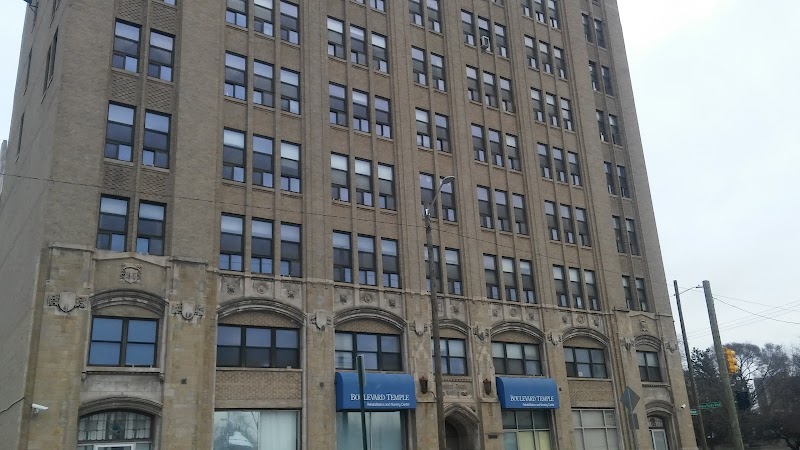
How is Boulevard Temple Care Center, Llc Staffed?

CMS rates Boulevard Temple Care Center, LLC's staffing level at 4 out of 5 stars, which is above average compared to other nursing homes. Staff turnover is 30%, compared to the Michigan average of 46%. This relatively stable workforce can support continuity of care.

What Have Inspectors Found at Boulevard Temple Care Center, Llc?

State health inspectors documented 19 deficiencies at Boulevard Temple Care Center, LLC during 2023 to 2025. These included: 1 Immediate Jeopardy (the most serious level, indicating potential for serious harm or death) and 18 with potential for harm. Immediate Jeopardy findings are rare and represent the most serious regulatory concerns. They require immediate corrective action.
Who Owns and Operates Boulevard Temple Care Center, Llc?

Boulevard Temple Care Center, LLC is owned by a for-profit company. For-profit facilities operate as businesses with obligations to shareholders or private owners. The facility is operated by CIENA HEALTHCARE/LAUREL HEALTH CARE, a chain that manages multiple nursing homes. With 124 certified beds and approximately 114 residents (about 92% occupancy), it is a mid-sized facility located in Detroit, Michigan.

How Does Boulevard Temple Care Center, Llc Compare to Other Michigan Nursing Homes?

Compared to the 100 nursing homes in Michigan, Boulevard Temple Care Center, LLC's overall rating (4 stars) is above the state average of 3.1, staff turnover (30%) is significantly lower than the state average of 46%, and health inspection rating (3 stars) is at the national benchmark.

What Should Families Ask When Visiting Boulevard Temple Care Center, Llc?

Based on this facility's data, families visiting should ask: "What changes have been made since the serious inspection findings, and how are you preventing similar issues?" "Can I visit during a mealtime to observe dining assistance and food quality?" "How do you handle medical emergencies, and what is your hospital transfer rate?" "Can I speak with family members of current residents about their experience?" These questions are particularly relevant given the facility's Immediate Jeopardy citations.

Is Boulevard Temple Care Center, Llc Safe?

Based on CMS inspection data, Boulevard Temple Care Center, LLC has documented safety concerns. Inspectors have issued 1 Immediate Jeopardy citation (the most serious violation level indicating risk of serious injury or death). The facility has a 4-star overall rating and ranks #1 of 100 nursing homes in Michigan. Families considering this facility should ask detailed questions about what corrective actions have been taken since these incidents.

Do Nurses at Boulevard Temple Care Center, Llc Stick Around?

Boulevard Temple Care Center, LLC has a staff turnover rate of 30%, which is about average for Michigan nursing homes (state average: 46%). Moderate turnover is common in nursing homes, but families should still ask about staff tenure and how the facility maintains care continuity when employees leave.

Was Boulevard Temple Care Center, Llc Ever Fined?

Boulevard Temple Care Center, LLC has been fined $14,518 across 1 penalty action. This is below the Michigan average of $33,224. While any fine indicates a compliance issue, fines under $50,000 are relatively common and typically reflect isolated problems that were subsequently corrected. Families should ask what specific issues led to these fines and confirm they've been resolved.

Is Boulevard Temple Care Center, Llc on Any Federal Watch List?

Boulevard Temple Care Center, LLC is not on any federal watch list. The most significant is the Special Focus Facility (SFF) program, which identifies the bottom 1% of nursing homes nationally based on persistent, serious quality problems. Not being on this list means the facility has avoided the pattern of deficiencies that triggers enhanced federal oversight. This is a positive indicator, though families should still review the facility's inspection history directly.