Fairlane Senior Care and Rehab Center
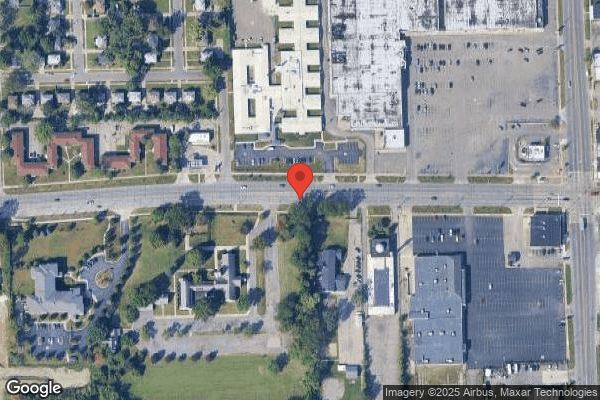
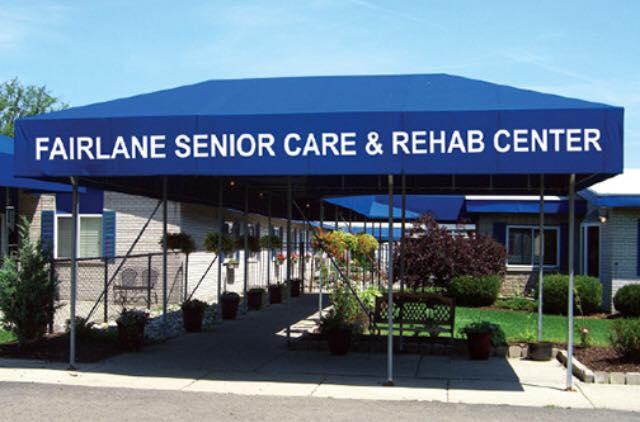
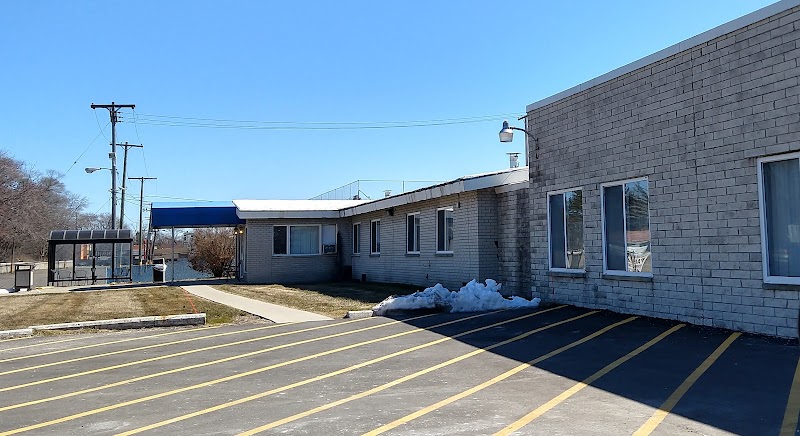
15750 Joy, Detroit, MI 48228 (313) 273-6850
For profit - Corporation 180 Beds NEXCARE HEALTH SYSTEMS Data: November 2025
Trust Grade
75/100
#114 of 422 in MI
Last Inspection: September 2025

Inspected within the last 6 months. Data reflects current conditions.

Overview

Fairlane Senior Care and Rehab Center has a Trust Grade of B, indicating it is a good choice for families, sitting solidly in the middle of the pack. It ranks #114 out of 422 facilities in Michigan, placing it in the top half, and #12 of 63 in Wayne County, meaning only 11 local options are better. The facility is showing improvement, with issues decreasing from 9 in 2024 to 5 in 2025. Staffing is rated average at 3 out of 5 stars, with a turnover rate of 40%, which is better than the state average of 44%, but there is concerning RN coverage, as it falls short of 84% of facilities in Michigan. While the facility has no fines on record, indicating compliance with regulations, there are notable weaknesses. Recent inspections found issues such as improper garbage disposal, which could attract pests and affect residents' health, and a lack of qualified social workers, which raises concerns about meeting residents' mental health needs. Additionally, there were failures in monitoring hot water temperatures, posing a risk for the growth of harmful pathogens. Overall, families should weigh these strengths and weaknesses when considering Fairlane Senior Care and Rehab Center.
Trust Score
B
75/100
In Michigan
#114/422
Top 27%
Safety Record
Low Risk
No red flags
Inspections
Getting Better
9 → 5 violations
Staff Stability
○ Average
40% turnover. Near Michigan's 48% average. Typical for the industry.
Penalties
✓ Good
No fines on record. Clean compliance history, better than most Michigan facilities.
Skilled Nurses
⚠ Watch
Each resident gets only 25 minutes of Registered Nurse (RN) attention daily — below average for Michigan. Fewer RN minutes means fewer trained eyes watching for problems.
Violations
⚠ Watch
16 deficiencies on record. Higher than average. Multiple issues found across inspections.
★★★★☆
4.0
Overall Rating
★★★☆☆
3.0
Staff Levels
★★★★☆
4.0
Care Quality
★★★★☆
4.0
Inspection Score
Stable
2024: 9 issues
2025: 5 issues

The Good

  • 4-Star Quality Measures · Strong clinical quality outcomes
  • Full Sprinkler Coverage · Fire safety systems throughout facility
  • No fines on record
  • Staff turnover below average (40%)

    8 points below Michigan average of 48%

Facility shows strength in quality measures, fire safety.

The Bad

Staff Turnover: 40%

Near Michigan avg (46%)

Typical for the industry

Chain: NEXCARE HEALTH SYSTEMS

Part of a multi-facility chain

Ask about local staffing decisions and management

The Ugly 16 deficiencies on record

Sept 2025 4 deficiencies
CONCERN (D)

Potential for Harm - no one hurt, but risky conditions existed

Deficiency F0558 (Tag F0558)

Could have caused harm · This affected 1 resident

**NOTE- TERMS IN BRACKETS HAVE BEEN EDITED TO PROTECT CONFIDENTIALITY** Based on observation, interview and record review the facility failed to ensure a specialty call light was within reach of one r...

Read full inspector narrative →
**NOTE- TERMS IN BRACKETS HAVE BEEN EDITED TO PROTECT CONFIDENTIALITY** Based on observation, interview and record review the facility failed to ensure a specialty call light was within reach of one resident (R59) out of ten residents reviewed for call light, resulting in unmet care needs. On 9/2/2025 at 10:39 a.m., R59 was observed lying in bed with a specialty call light (can be used by the resident only with the shoulders and the back of the head) pinned to the bed covers on the right side of the bed. During an interview, R59 reported trying to get staff attention for about half an hour since no staff had been in the room to have oral care provided and to be assisted with getting up out of bed. During the interview and observation, R59 confirmed the call light was unable to be used by hands, only with the shoulder and the back of the head. R59 stated, I have difficulties using a regular call light because my arms don't move to get it.On 9/2/2025 at 10:42 a.m. Licensed Practical Nurse (LPN) C (R59's assigned nurse) said during an interview that R59 can't use the call light by hands and was unable to verbalize what part of the body R59 could use the call light with. LPN C' left the room and entered again and stated, Oh, it's a motion call light, he can move his head around and the call light will go off. LPN C' pinned R59 call light on the right side of the resident's pillow under R59's head. LPN C verified R59 was unable to turn the call light on from the position the call light was pinned previously. R59 demonstrated using the back of the head to turn the call light on and then verbalized wanting assisting with ADL care to LPN C.According to the electronic medical records, R59 was initially admitted into the facility on 1/31/2013 and re admitted [DATE] with diagnoses of multiple sclerosis, seizure, pressure ulcer of sacral region stage four, arthritis, osteomyelitis of vertebra, sacral and sacrococcygeal region, major depressive disorder, adjustment disorder with mixed anxiety, and hypertension. R59's quarterly Minimum Data Set (MDS) with a reference date of 7/10/2025, indicated R59 had intact cognition with a BIMS (brief interview for mental status) score of 13/15, required extensive assistance of two-person with bed mobility, totally dependent on two-person for transfers, extensive assistance of one person with Activities of Daily Living (ADLs), and was incontinent of bowel and bladder. Review of the ADLS care plan dated 7/10/2025 documented, I have an actual ADL deficit related to multiple sclerosis, hypertension, Neuropathy, generalized muscle weakness, impaired mobility, muscle wasting & atrophy, bilateral contractures to upper extremities, deep vein thrombosis, anxiety . Interventions as following:- Allow/Encourage me (R59) to participate in my own ADLs of choice.On 9/4/2025 at approximately 12:15 p.m., the Director of Nursing (DON) was interviewed and was informed of R59 ‘s specialty call lights was not within reach to aid in assistance with ADLs care. The DON said that all managers have pagers to answer call lights, and the call lights should always be in reach of the residents. The DON stated, The purpose of having the call light is to get assistance with ADLs and for safety. According to the facility's 5/1/2017 Call Light policy: Call lights will receive consistent and adequate response to best meet the individual needs of each resident. Procedure: Call lights will be placed within reach of the resident.
CONCERN (D)

Potential for Harm - no one hurt, but risky conditions existed

Deficiency F0645 (Tag F0645)

Could have caused harm · This affected 1 resident

**NOTE- TERMS IN BRACKETS HAVE BEEN EDITED TO PROTECT CONFIDENTIALITY** Based on interview and record review the facility failed to ensure a Pre-admission Screening and Annual Resident Review (PASARR-...

Read full inspector narrative →
**NOTE- TERMS IN BRACKETS HAVE BEEN EDITED TO PROTECT CONFIDENTIALITY** Based on interview and record review the facility failed to ensure a Pre-admission Screening and Annual Resident Review (PASARR-determines whether or not an individual who has a diagnosis of Mental Illness or Intellectual/Developmental Disability [ID/DD] meets the criteria for a nursing home and they're needs are met) Level I (3877) was completed for two residents (R6 and R160) out of five residents reviewed for PASSARs. Findings include:R6A review of R6's Electronic Health Record (EHR) did not reveal the current 3877 form. There was not a Mental Illness/Intellectual/Developmental Disability/Related condition exemption Criteria Certification (DCH-3878) form. (The DCH-3878 is a State of Michigan Department of Health and Human Services (MDHHS) form used to claim exemption for level ll screening). R6 was admitted to facility on [DATE] with most recent readmission on [DATE] with pertinent diagnoses of Dementia, and Suicidal Ideations. Review of a Minimum Data Set (MDS) assessment, with a reference date of [DATE] revealed R6 had intact cognition with a Brief Interview for Mental Status (BIMS) score of 13/15.On [DATE] at 1:07 PM, Social Worker B was interviewed and said the annual 3877 was not completed for R6 and should have been completed on [DATE].R160A review of R160's Electronic Health Record (EHR) did not reveal the current 3877 form. The Mental Illness/Intellectual/Developmental Disability/Related condition exemption Criteria Certification (DCH-3878) form expired on [DATE]. (The DCH-3878 is a State of Michigan Department of Health and Human Services (MDHHS) form used to claim exemption for level ll screening). R160 was admitted to facility on [DATE] with pertinent diagnoses of Schizoaffective Disorder, Bipolar Type, and Altered Mental Status.Review of a Minimum Data Set (MDS) assessment, with a reference date of [DATE] revealed R6 had severely impaired cognition with a Brief Interview for Mental Status (BIMS) score of 3/15.On [DATE] at 1:07 PM, Social Worker B was interviewed and said the hospital exemption discharge expired on [DATE] and a new Passar should have been completed.On [DATE] at 1:10 PM, the Nursing Home Administrator (NHA) was interviewed and said PASARRs should be completed thoroughly and timely. On [DATE] at 3:00 PM The NHA was interviewed said the facility did not have a Passar policy since the facility follows OBRA (Omnibus Budget Reconciliation act of 1987).
CONCERN (F)

Potential for Harm - no one hurt, but risky conditions existed

Safe Environment (Tag F0921)

Could have caused harm · This affected most or all residents

Based on observation, interview and record review, the facility failed to properly dispose of garbage, medical supplies, yard refuse debris, for one opened dumpster top, affecting all residents, staff...

Read full inspector narrative →
Based on observation, interview and record review, the facility failed to properly dispose of garbage, medical supplies, yard refuse debris, for one opened dumpster top, affecting all residents, staff and visitors, resulting in the potential for the harborage of pests and insects.Findings include:On 9/2/25 at 07:35am, two dumpster containers were observed near the building with separate top lids. The dumpster on the right-side was observed with its lid opened, exposing multiple boxes, loose paper, and tree branches. In between the dumpster and the compressor was a wheelbarrow filled with tree branches, pieces of cardboard, leaves, and loose papers. Behind the compressor was a fence with leaves, paper, Styrofoam cups, plastic water bottles, medical gloves, yellow face mask and broken tree branches. In front of the dumpster and compressor were yellow medical face masks, examination gloves, multiple cigarette butts, pieces of paper and pieces of cardboard, and small tree branches. There were also flies swarming around the dumpsters. No staff were observed near the dumpster area.On 9/2/25 at 07:48am, an interview was conducted with the Director of Maintenance in the dumpster area. The Director of Maintenance asked who was responsible for making sure the dumpster area was clean and free from debris. The Director of Maintenance said, The staff that was assigned to clean the dumpster area was fired.Now I'm cleaning this area.On 9/5/2025 at 9:40am, the Nursing Home Administrator (NHA) was interviewed about the expectation of maintaining cleanliness of the dumpster and compressor area. The NHA said the expectation is that the dumpster and compressor area would be kept clean.The NHA said the facility did not have a policy for dumpster/compressor cleanliness. The NHA provided a Director of Maintenance job description that revealed the following: The Director of Maintenance is responsible for managing and assisting with the completion of day-to-day activities involving maintenance of the facility, equipment and machinery.grounds keeping, and the overall facility appearance.
MINOR (B)

Minor Issue - procedural, no safety impact

Deficiency F0912 (Tag F0912)

Minor procedural issue · This affected multiple residents

Based on observation, interview and record review, the facility failed to provide at least 80 square feet per Resident in multiple resident bedrooms and at least 100 square feet for single Resident be...

Read full inspector narrative →
Based on observation, interview and record review, the facility failed to provide at least 80 square feet per Resident in multiple resident bedrooms and at least 100 square feet for single Resident bedrooms, affecting 58 Resident rooms. Findings include: Observations made of the resident rooms on 09/04/2025 at 11:30 AM and review of the Facility Bed Count Information sheet revealed the following: ROOM # SQ. FT # OF BEDS # of Residents 20 154 2 221 154 2 223 147 2 224 147 2 226 147 2 228 147 2 229 147 2 230 153 2 233 147 2 234 147 2 235 147 2 238 147 2 239 147 2 240 147 2 242 147 2 244 147 2 245 147 2 246 147 2 247 153 2 251 147 2 252 147 2 262 153 2 264 147 2 265 147 2 269 148 2 272 147 2 275 147 2 278 142 2 280 144 2 283 142 2 284 143 2 287 142 2 291 144 2 292 142 2 2102 142 2 2107 144 2 2112 141 2 2116 141 2 2117 141 2 231 153 2 136 147 2 141 147 2 143 147 2 149 153 2 150 147 2 161 153 2 167 148 2 168 148 2 1 70 147 2 171 147 2 173 147 2 176 147 2 177 147 2 1100 142 2 1104 142 2 1109 141 2 1115 141 2 174 158 2 0 On 09/05/2025 12:57 PM, he Nursing Home Administrator (NHA) was interviewed and said the facility has 58 rooms that do not meet square footage requirements. Eighteen rooms have two residents, and 39 rooms have one resident and one room was unoccupied. The NHA explained even though some rooms only had one resident or was not occupied all the rooms were intended to be two room occupancy. Documents reviewed revealed the rooms varied in sizes but did not meet the square footage requirements.
Jun 2025 1 deficiency
CONCERN (D) 📢 Someone Reported This

A family member, employee, or ombudsman was alarmed enough to file a formal complaint

Potential for Harm - no one hurt, but risky conditions existed

Deficiency F0583 (Tag F0583)

Could have caused harm · This affected 1 resident

**NOTE- TERMS IN BRACKETS HAVE BEEN EDITED TO PROTECT CONFIDENTIALITY** This citation pertains to intake MI00153194. Based on interview, and record review the facility failed to maintain one resident'...

Read full inspector narrative →
**NOTE- TERMS IN BRACKETS HAVE BEEN EDITED TO PROTECT CONFIDENTIALITY** This citation pertains to intake MI00153194. Based on interview, and record review the facility failed to maintain one resident's (R101) right to privacy and confidentiality when a staff member posted a video of the resident on social media without their or their Legal Guardian's consent. Findings include: The State Agency (SA) received a Facility Reported Incident (FRI) and a Complaint that a video had been temporarily posted on a social media site unbeknownst to the resident or their Legal Guardian. On 6/3/25 at approximately 10:30 AM the Nursing Home Administrator said R101's family informed them that on 5/18/25 the resident's image had been posted on a staff member's social media site for a short period of time before it was deleted. During an immediate investigation it was confirmed the video had been temporarily posted on a staff member's social media site and the SA was notified. The video was viewed and revealed the resident was seated in a wheelchair fully clothed in a common area by themselves yelling out. The video was approximately 20 seconds. There was no signs or symptoms of injury. The resident was sent to the hospital for evaluation per the family's request. The resident of concern has diagnoses of mood disorder, psychotic disorder with delusions, and dementia with behaviors. The NHA immediately suspended the staff member, Certified Nursing Assistant (CNA) A, and ultimately terminated their employment with the facility for violating the facility's privacy and abuse policy. The NHA initiated re-education for all facility staff on the facility's privacy and abuse policy and began auditing other residents to determine an on-going concerns. The NHA said no additional concerns had been identified. R101 no longer resides at the facility. On 6/3/25 at 11:07 AM during an interview with CNA A they said it was all a misunderstanding. CNA A said they were unaware the video was being posted to their social media site. I'm a new CNA and was not paying attention to what I was doing. I'm very sorry this happened. CNA A confirmed they had been terminated from the facility for violating the facility's privacy policy. On 6/3/25 at 11:22 AM, R101's family member and Legal Guardian (LG) was interviewed regarding the incident. R101's LG said the resident has a history of behaviors shown on the video and did not believe the resident (R101) was abused. The LG said they would be making arrangements to have the resident transferred back to the facility. According to R101's Electronic Health Record (EHR) they admitted on [DATE] with multiple diagnoses that included altered mental status, unspecified dementia with behaviors, and psychotic disorder with delusions. A care plan for behaviors included the following intervention; allow the resident to have space in a stress free environment. During the onsite survey, past noncompliance was cited after the facility implement actions to correct the noncompliance which included: Review of the facility's education sessions from 5/18/25 and 5/19/25 revealed all staff had been re-educated on the facility's abuse policy by 5/19/25. Review of the facility's resident audits revealed that no additional residents had been affected or had concerns with staff. Review of the facility's resident council meeting minutes from 2/2025, 3/2025, and 4/2025 revealed there were no complaints or concerns regarding abuse or violations of resident's privacy. The facility was able to demonstrate monitoring of the corrective action and maintained compliance.
Sept 2024 5 deficiencies
CONCERN (D)

Potential for Harm - no one hurt, but risky conditions existed

Deficiency F0645 (Tag F0645)

Could have caused harm · This affected 1 resident

**NOTE- TERMS IN BRACKETS HAVE BEEN EDITED TO PROTECT CONFIDENTIALITY** Based on interview and record review the facility failed to ensure aPreadmission Screening and Resident Review, (PASARR) II was ...

Read full inspector narrative →
**NOTE- TERMS IN BRACKETS HAVE BEEN EDITED TO PROTECT CONFIDENTIALITY** Based on interview and record review the facility failed to ensure aPreadmission Screening and Resident Review, (PASARR) II was completed for one R114 of three residents reviewed for PASARR's resulting in the potential for unmet mental health needs. Findings include: Record review of the electronic medical record (EMR) revealed R114 admitted in to the facility on 2/23/24 with pertinent diagnosis of bipolar disorder. A care plan dated 9/11/2024 noted R114 was on antidepressant medications. Review of the Medication Administration Record (MAR) noted R114 was administered duloxetine (antidepressant) for bipolar disorder. The resident had an initial, PASARR dated 11/6/2023 on file which stated R114 did not have mental illness. According to the quarterly Minimum Data Set, (MDS), dated [DATE], revealed R114's Brief Interview for Mental Status, (BIMS) of 11/15 (moderately impaired cognition.) 09/11/24 01:12 PM, the Social Work Tech (SWT) A was asked if R114 should have a PASSAR II and said they would check and see if resident should have a PASSAR II. 09/11/24 01:32 PM, the Acting Director of Nursing (ADON) was interviewed regarding the missing PASSAR II for R114. The ADON explained, at this time the facility does not have a Social Worker, and this is possibly why the PASSAR II was not obtained. The ADON added the Inter Disciplinary Team (IDT) should have caught this discrepancy. The ADON said there should have been a PASSAR done.
CONCERN (D)

Potential for Harm - no one hurt, but risky conditions existed

Deficiency F0806 (Tag F0806)

Could have caused harm · This affected 1 resident

**NOTE- TERMS IN BRACKETS HAVE BEEN EDITED TO PROTECT CONFIDENTIALITY** Based on observation, interview, and record review, the facility failed to honor food allergies for one resident (R240) of 28 re...

Read full inspector narrative →
**NOTE- TERMS IN BRACKETS HAVE BEEN EDITED TO PROTECT CONFIDENTIALITY** Based on observation, interview, and record review, the facility failed to honor food allergies for one resident (R240) of 28 reviewed for dining. Findings include: On 9/10/24 at 10:51 AM, R240 was asked about the food at the facility. R240 reported, Yesterday they had shrimp on my plate and I'm allergic to that (shrimp). A review of R240 Electronic Medical Record (EMR) profile noted, Allergies: Iodine, Shell Fish, diagnostic x-ray materials. Further review of R240's EMR noted, R240 was admitted to the facility on [DATE] with diagnosis of Acute and Chronic Respiratory Failure. A review of R240's admission Minimum Data Set assessment dated [DATE], noted R240 with an intact cognition. Care plan reviewed and allergies are noted on the care plan Iodine, Shell Fish, diagnostic x-ray materials. A review of the facility's dinner menu titled, Spring Summer 2024 Dinner: Monday Shrimp & grits, Collard Greens, Cornbread, Peach Cobbler. A review of R240's meal ticket dated 9/9/24 noted, Meal Period: Week 2 Monday Dinner, Cold Items, 1. Lemonade. Hot Items: 1. Collard [NAME] (4 oz spoodle), Cornbread, Grilled Chicken Breast (3 oz). Expo Items: 1. Fresh Fruit Cup (4oz spoodle) 1. Italian Dressing, Mrs. Dash (2 packet), 1. Garden Salad (1 cup), 1. Peach Cobbler. In a highlighted RED box revealed, ALLERGIES: SHELL FISH On 9/12/24 at 3:21 PM, the Dietary Manager (DM) was asked about R240's meal tray and allergies. The DM explained, the kitchen staff uses the meal ticket with three staff to make sure the food items are correct and the last person to give the final check before served. The Dietary Manager was asked about the shrimp that was served on R240's tray. The DM explained, R240 having shrimp served was an error. The Dietary Manager continued and stated, I looked on [R240's] menu for that day and [R240] should have gotten grilled chicken breast. A review of R240's care plan noted, Interventions: Diet order: regular diet w/ low sodium modifications Allergies: Shellfish. Date Initiated: 09/03/2024. Honor food preferences as feasible. Date Initiated: 08/31/2024. On 9/12/24 at 3:37 PM, the Nursing Home Administrator (NHA) was asked their exceptions for meal services. The NHA explained for the kitchen staff to be accurate according to the tray card. A review of the facility's policy titled, ALLERGIES dated, July 1, 2009 revealed, PURPOSE: 1. To prevent anaphylaxis. 2. To prevent all allergic reactions. EQUIPMENT: 1. Resident ' s admission record indicating drug and food sensitivities. 2. Adverse reaction (allergy) labels. PROCEDURE: . 5. Notify dietary department if allergic to certain foods .
CONCERN (F)

Potential for Harm - no one hurt, but risky conditions existed

Social Worker (Tag F0850)

Could have caused harm · This affected most or all residents

Based on interview and record review the facility failed to provide a qualified social worker to meet resident psychosocial, mental and behavioral health needs. This has the potential to affect all re...

Read full inspector narrative →
Based on interview and record review the facility failed to provide a qualified social worker to meet resident psychosocial, mental and behavioral health needs. This has the potential to affect all residents who reside in the nursing facility. Findings include: 09/11/24 01:12 PM, Social Work Tech (SWT) A was interview regarding her current position. Social Work Tech (A) said she was the Activities Assistant prior to her current position. SWT A reported they had been a Social Work Tech since April of 2024. 09/11/24 at 01:32 PM, the Acting Director of Nursing (ADON) was interviewed regarding the facility employing a qualifed Social Worker and explained at this time they (facility) do not have a social worker. The ADON said nor do they have a Corporate Social Worker at this time. 09/11/24 at 04:10 PM, an interview with Social Work Tech B revealed they have worked at the facility since February of 2024. Social Work Tech B said she does not have a bachelor's degree. Hence, Social Work Tech B does not meet the minimum qualifications. On 9/12/24 at 09:45 AM, an interview with the Nursing Home Administrator (NHA) revealed the facility had made several attempts to hire a qualified Social Worker. The NHA stated for a few months they had the Social Worker from another facility come over to train Social Worker Techs (A and B) twice a week. On 9/12/24 at approximately at 3:45 P.M., the Medical Director was interviewed and indicated being aware that the facility did not have a qualified Social Worker. Record review showed the last staffed Social Worker at the facility was in February 2024. The facility's job description for Social Worker was reviewed and noted the qualification for the Social Worker is a bachelor's degree in social work or related human service field. To date the position has not been filled.
CONCERN (F)

Potential for Harm - no one hurt, but risky conditions existed

Infection Control (Tag F0880)

Could have caused harm · This affected most or all residents

Based on interview and record review, the facility failed to ensure adequate temperature monitoring of the facility's hot water holding tanks, resulting in the potential for inadequate water temperatu...

Read full inspector narrative →
Based on interview and record review, the facility failed to ensure adequate temperature monitoring of the facility's hot water holding tanks, resulting in the potential for inadequate water temperatures to go undetected that could cause the growth and spread of waterborne pathogens. Findings include: On 9/11/24 beginning at 3:22 PM, an interview and record review were conducted with Maintenance Director C and the Nursing Home Administrator (NHA) regarding the monitoring of the facility's hot water holding tanks. Maintenance Director C said the facility had three hot water holding tanks that were monitored weekly. Two tanks were located in the [NAME] boiler room and one tank was located in the East boiler room. The hot water holding tank temperature logs for April 2024, May 2024, and June 2024 were reviewed and only documented the water temperature of the East boiler room tank. The Maintenance Director did not provide documentation of the temperature readings for the two tanks located in the [NAME] boiler room. The NHA said the temperatures of all three boilers should have been obtained and documented individually to ensure the water was at an adequate temperature to prevent bacterial growth. A facility document provided during the survey titled, Identification of Areas Where Legionella Could Grow and Spread, documented in part the following: - The hot water holding tanks were identified as potential areas for Legionella growth. - The domestic tank that supplies water directly to sinks/showers and water fountains has a thermometer and temperature is monitored and recorded weekly and maintained between 105-120 degrees Fahrenheit. - Temperatures of the two holding tanks that supply water to kitchen are also monitored and recorded weekly. The temperatures of these holding tanks are higher with a maximum of 140 degrees Fahrenheit. - All temperatures are logged into TELS by the facility Maintenance Director.
MINOR (B)

Minor Issue - procedural, no safety impact

Deficiency F0912 (Tag F0912)

Minor procedural issue · This affected multiple residents

Based on observation, interview, and record review, the facility failed to provide 80 square feet per resident, in multiple resident rooms in 57 of 109 resident rooms (#'s 20, 21, 23, 24, 26, 28, 29, ...

Read full inspector narrative →
Based on observation, interview, and record review, the facility failed to provide 80 square feet per resident, in multiple resident rooms in 57 of 109 resident rooms (#'s 20, 21, 23, 24, 26, 28, 29, 30, 31, 33, 34, 35, 36, 38, 39, 40, 41, 42, 43, 44, 45, 46, 47, 49, 50, 51, 52, 61, 62, 64, 65, 67, 68, 69, 70, 71, 72, 73, 74, 75, 76, 77, 78, 80, 83, 84, 87, 91, 92, 100, 102, 104, 107, 109, 112, 115, 116, and 117), resulting in the potential for inadequate living space. Findings include: Review of the Room Waiver sheet, dated 1/9/20, revealed the following Medicare/Medicaid rooms that did not provide adequate square footage for residents: ROOM # SQUARE FT. BEDS 20 154 2 21 154 2 23 147 2 24 147 2 26 147 2 28 147 2 29 147 2 30 153 2 31 153 2 33 147 2 34 147 2 35 147 2 36 147 2 38 147 2 39 147 2 40 147 2 41 147 2 42 147 2 43 147 2 44 147 2 45 147 2 46 147 2 47 153 2 49 153 2 50 147 2 51 147 2 52 147 2 61 153 2 62 153 2 64 147 2 65 147 2 67 148 2 68 148 2 69 148 2 70 147 2 71 147 2 72 147 2 73 147 2 74 158 2 75 147 2 76 147 2 77 147 2 78 142 2 80 144 2 83 142 2 84 143 2 87 142 2 91 144 2 92 142 2 100 142 2 102 142 2 104 142 2 107 144 2 109 141 2 112 141 2 115 141 2 116 141 2 117 141 2 Observations and interviews with various residents revealed no complaints, and no health and safety concerns.
May 2024 1 deficiency
CONCERN (D) 📢 Someone Reported This

A family member, employee, or ombudsman was alarmed enough to file a formal complaint

Potential for Harm - no one hurt, but risky conditions existed

Deficiency F0558 (Tag F0558)

Could have caused harm · This affected 1 resident

**NOTE- TERMS IN BRACKETS HAVE BEEN EDITED TO PROTECT CONFIDENTIALITY** This citation pertains to MI000143957 Based on observation, interview, and record review, the facility failed to ensure call lig...

Read full inspector narrative →
**NOTE- TERMS IN BRACKETS HAVE BEEN EDITED TO PROTECT CONFIDENTIALITY** This citation pertains to MI000143957 Based on observation, interview, and record review, the facility failed to ensure call lights were within reach for three (R101, R102 and R103) of three residents reviewed for accommodation of needs resulting in unmet care needs. Findings include: R101 On 5/17/2024 at 9:30 AM R101 was observed in bed with bedside table approximately two feet from head of bed. When asked can you reach for your water on your bedside table R101 replied I can't reach it and demonstrated limited arm movement. When asked can you use your call light R101 said he didn't know where it was. R101's call light was observed at the head of bed between the mattress and headboard. Record review of R101's Electronic Medical Record (EMR) revealed admitted to facility on 9/13/2023 with most recent readmission on [DATE] with pertinent diagnosis of Multiple Sclerosis. Review of the Minimum Data Set (MDS) dated [DATE] for R101 revealed a Brief interview for Mental Status (BIMS) of 15/15 intact cognition and dependent assistance for Activities of Daily Living (ADLs). On 5/17/2024 at 9:45 AM R101's call light was observed with Registered Nurse (RN) A. RN A said R101's call light was between the mattress and headboard and R101 cannot reach it to call for help. The call light should be within reach of the resident. Review of R101's care plan intervention dated 9/14/2023 noted to make the Call light accessible. R103 On 5/17/2024 at 9:35 AM R103 was observed in bed and asked to have his feet repositioned. When R103 was asked can you use your call light to ask for help R103 replied I can't find my call light otherwise I would have used it to call for help already. R103's call light was observed attached to the left side of the mattress hanging near the floor. R103 was not able to reach for the call light when asked. Record review of R103's EMR revealed admitted to facility on 1/31/2024 with most recent readmission on [DATE] with pertinent diagnosis of Dependence of Renal Dialysis and Functional Quadriplegia. Review of the MDS dated [DATE] for R103 revealed a BIMS of 14/15 intact cognition and substantial assistance for ADLs. On 5/17/2024 at 9:48 AM R103's call light was observed with Registered Nurse (RN) A. RN A said R103's call light was on the side of the bed near the floor out of reach of R103. The call light should be within reach of the resident. Review of R103's care plan intervention dated 1/31/2024 revealed to ensure resident Call light accessible. R102 On 5/17/2024 at 9:50 AM R102 was observed in bed and asked to be repositioned. When asked can you use your call light for help R102 replied I can't reach for it my arms don't work. R102's call light was observed at the head of the bed between the mattress and headboard. Record review of R102's EMR revealed admitted to facility on 1/31/2013 diagnosis included Multiple Sclerosis. Review of the MDS dated [DATE] for R102 revealed a BIMS of 15/15 intact cognition and dependent assistance for ADLs. On 5/17/2024 at 10:25 AM R103's call was observed with Certified Nursing Assistant (CNA) B. CNA B said R103's call light was out of reach observed at head of bed between mattress and headboard. CNA B said the call light should be within reach of the resident. Review of R102's care plan intervention dated 1/4/2022 revealed to ensure resident Call light accessible. On 5/17/2024 at 2:00 PM the Nursing Home Administrator was interviewed and said call lights should be within reach of dependent residents. Review of the facility's policy titled Call Light Use dated 4/1/2008 revealed in part .When providing care to residents be sure to position the call light conveniently for the resident to use. Tell the resident where the call light is and show him/her how to use the call light, be sure call lights are placed within resident reach, never on the floor or bedside stand.
Feb 2024 3 deficiencies
CONCERN (D) 📢 Someone Reported This

A family member, employee, or ombudsman was alarmed enough to file a formal complaint

Potential for Harm - no one hurt, but risky conditions existed

Deficiency F0658 (Tag F0658)

Could have caused harm · This affected 1 resident

**NOTE- TERMS IN BRACKETS HAVE BEEN EDITED TO PROTECT CONFIDENTIALITY** Based on interview and record review, the facility failed to perform and document neurological checks per physician's order for ...

Read full inspector narrative →
**NOTE- TERMS IN BRACKETS HAVE BEEN EDITED TO PROTECT CONFIDENTIALITY** Based on interview and record review, the facility failed to perform and document neurological checks per physician's order for one resident (R507) of three resident reviewed for falls. Findings include: A review of R507's Electronic Medical Record (EMR) revealed R507 was admitted to the facility on [DATE]. R507 had the following medical diagnoses: Cerebral Infarction (Stroke), Seizures, Dementia, Difficulty Walking, and a History of Falling. A review of R507's Quarterly Minimum Data Set (MDS) dated [DATE] revealed R507 could not be assessed for a Brief Interview of Mental Status. According to the Quarterly MDS, R507 had impairment to their left upper extremity. A review of R507's ADL care plan dated 4/7/23 revealed the following interventions: Ambulation: non-ambulatory .Wheelchair w/footrest for locomotion .transfer: 1 person assist. A review of R507's incident report dated 2/2/24 revealed the following: R507 had an unwitnessed fall. R507 was observed by the Nurse C on the floor with a bedside table in hand. Nurse C asked R507 if he hit his head. R507 said no. R507 was not able to describe what happened. Action was taken by initiating neurological checks, conducting vital signs, range of motion, and a skin assessment. R507 suffered no injuries and was placed back in bed. It was found that R507 did not use his call light. The physician and emergency contact were notified. A review of the neurological assessments in the EMR revealed R507 had one neurological check for the interval of every hour for 4 hours. Also, R507 had one neurological check for the interval of one neurological check for 24 hours. There were no other neurological checks documented in the EMR. On 2/6/24 at 3:58 PM the Nursing Home Administrator (NHA) and Regional Director of Operations (RDO) A were queried about the missing neurological checks. The NHA and RDO verified there were only two neurological checks in the EMR and there was not any paper documentation of the neurological checks. The NHA stated, R507 should have absolutely had neurological checks done.
CONCERN (D) 📢 Someone Reported This

A family member, employee, or ombudsman was alarmed enough to file a formal complaint

Potential for Harm - no one hurt, but risky conditions existed

Incontinence Care (Tag F0690)

Could have caused harm · This affected 1 resident

**NOTE- TERMS IN BRACKETS HAVE BEEN EDITED TO PROTECT CONFIDENTIALITY** This citation pertains to intake 141501. Based on interview and record review, the facility failed to perform and document admin...

Read full inspector narrative →
**NOTE- TERMS IN BRACKETS HAVE BEEN EDITED TO PROTECT CONFIDENTIALITY** This citation pertains to intake 141501. Based on interview and record review, the facility failed to perform and document administration of catheter care in the Electronic Medical Record (EMR) for one resident (R501) of three residents reviewed for catheter care. Findings include: A review of R501's EMR revealed R501 was admitted to the facility initially admitted to the facility on [DATE] and readmitted to the facility on [DATE]. R501 had medical diagnoses that included: Urinary Incontinence and Flaccid Neuropathic Bladder (dysfunction of the bladder in which the bladder is weakened). A review of R501's Quarterly Minimum Data Set (MDS) dated [DATE] revealed R501 had a Brief Interview of Mental Status (BIMS) score 15/15 (cognitively intact). According to the quarterly MDS, R501 had an indwelling catheter. A review of R501's Activities of Daily Living (ADL) care plan dated 9/14/23 revealed that R501 was non-ambulatory and required one person assistance with bed mobility. A review of R501's Indwelling Catheter care plan, dated 9/14/23, revealed the following interventions: Assure catheter and drainage bag are below the level of the bladder and anchored; Change catheter collection bag as needed; Check catheter system every shift for patency and integrity; Document color, clarity and odor of urine as needed; Empty drainage bag & record output every shift and PRN; Ensure the foley catheter is anchored every shift. A review of R501's Physician orders revealed the following: Foley catheter care per shift. Assess catheter placement, tubing and anchor. Record output. Order date 9/13/23. AND Foley catheter care per shift. Assess catheter placement, tubing and anchor. Record output. Order date 12/13/23 A review of R501's Treatment Administration Record (TAR) for the months of October 2023, December 2023, January 2024, and February 2024 revealed missing documentation for the following days and shifts: October 7th during day shift October 8th during day shift October 28th during day shift December 1st during day shift December 2nd during day shift December 8th during day shift December 11th during day shift January 2nd during night shift January 14th during day shift January 18th during night shift January 29th during evening and night shift February 5th during day shift On 2/6/24 at 3:49 PM Regional Director of Operations (RDO) A, who confirmed she had been working at the facility, was queried regarding the missing documentation in the TAR. RDO A verified the documentation for catheter care documentation was not in the EMR. The RDO A said catheter care should be done every shift and as needed as outlined in the care plan.
CONCERN (D) 📢 Someone Reported This

A family member, employee, or ombudsman was alarmed enough to file a formal complaint

Potential for Harm - no one hurt, but risky conditions existed

Infection Control (Tag F0880)

Could have caused harm · This affected 1 resident

**NOTE- TERMS IN BRACKETS HAVE BEEN EDITED TO PROTECT CONFIDENTIALITY** This citation pertains to intake MI00141501. Based on observation, interview, and record review, the facility failed to perform ...

Read full inspector narrative →
**NOTE- TERMS IN BRACKETS HAVE BEEN EDITED TO PROTECT CONFIDENTIALITY** This citation pertains to intake MI00141501. Based on observation, interview, and record review, the facility failed to perform proper hand hygiene, catheter hygiene, and glove usage when providing catheter care for one resident (R501) of three residents reviewed for adequate catheter care. Findings include: On 2/6/24 at 1:34 PM Certified Nurse Assistant (CNA) B was observed performing catheter care for R501. CNA B entered put on gloves and began to position R501 to be changed. R501's urinal fell off the bedside table. CNA B picked up the urinal with gloved hands and placed the urinal back on the bedside table. CNA B continued to position R501 to be changed. CNA B took a cleansing wipe and cleansed the catheter portion entering the penial shaft several times with the same section of the cleansing wipe. After R501 was cleaned and changed, CNA B removed the gloves and walked out of the room. On 2/6/24 at 1:43 PM CNA B was queried about infection control practices while performing catheter care. CNA B said she did not sanitize her hands at the start, during, and after care. CNA B said she should have changed gloves when something dirty (urinal) was touched. CNA B said she should have not wiped with the same section of the wipe while cleansing the catheter. A review of R501's EMR revealed R501 was admitted to the facility initially admitted to the facility on [DATE] and readmitted to the facility on [DATE]. R501 had medical diagnoses that included: Urinary Incontinence and Flaccid Neuropathic Bladder (dysfunction of the bladder in which the bladder is weakened). A review of R501's Quarterly Minimum Data Set (MDS) dated [DATE] revealed R501 had a Brief Interview of Mental Status (BIMS) score 15/15 (cognitively intact). According to the quarterly MDS, R501 had an indwelling catheter. A review of R501's Activities of Daily Living (ADL) care plan dated 9/14/23 revealed that R501 was non-ambulatory and required one person assistance with bed mobility. A review of R501's Indwelling Catheter care plan dated 9/14/23 revealed the following interventions: Assure catheter and drainage bag are below the level of the bladder and anchored; Change catheter collection bag as needed; Check catheter system every shift for patency and integrity; Document color, clarity and odor of urine as needed; Empty drainage bag & record output every shift and PRN; Ensure the foley catheter is anchored every shift. On 2/6/24 at 3:55 PM the Nursing Home Administrator (NHA) was queried about infection control practices and expectations of nursing staff when providing catheter care. The NHA said the facility nursing staff should follow the infection control process and protocol when providing care. A review of the facility's policy titled Handwashing and Hand Hygiene dated 7/1/18 revealed in part, Hand hygiene must be performed to avoid transfer of microorganisms to self, other residents, personnel, equipment and/or the environment. Specific examples include but are not limited to: Before and after providing personal care for a resident .after removing gloves.
Aug 2023 1 deficiency
CONCERN (D) 📢 Someone Reported This

A family member, employee, or ombudsman was alarmed enough to file a formal complaint

Potential for Harm - no one hurt, but risky conditions existed

Deficiency F0658 (Tag F0658)

Could have caused harm · This affected 1 resident

**NOTE- TERMS IN BRACKETS HAVE BEEN EDITED TO PROTECT CONFIDENTIALITY** Deficient Practice Statement #2. This citation pertains to intakes MI00134550. Based on observation, interview, and record revie...

Read full inspector narrative →
**NOTE- TERMS IN BRACKETS HAVE BEEN EDITED TO PROTECT CONFIDENTIALITY** Deficient Practice Statement #2. This citation pertains to intakes MI00134550. Based on observation, interview, and record review, the facility failed to ensure medication was administered timely per physician's orders and failed to accurately document medication administration for one residents (R38) of six residents reviewed for medication administration, resulting in the potential for less than therapeutic effect of the prescribed medication when medications were not taken or administered properly. Findings include: In an observation on 8/9/23 at 10:54 a.m., Licensed Practical Nurse (LPN) A prepared medications for Resident #38 (R38). LPN A removed Oxycodone (pain) 5mg and Pregabalin (nerve pain) 25mg from the narcotic backup box and placed them in a cup. LPN A then documented the two medications as given on the MAR (Medication Administration Record). LPN A then placed nine medications in the medication cup. On 8/9/23 at 10:57 a.m., LPN A entered R38's room and administered medication. LPN A then exited the room and returned to the medication cart. On 8/9/23 at 11:02 a.m., LPN A did not document R38's medication administration. LPN A reported medication administration will be documented when all residents receive their medication because they are running behind. LPN A then reported the Oxycodone and Pregabalin was documented before the administration so that the medications can be time stamped. In an interview on 8/9/23 at 11:12 a.m., the Director of Nursing (DON) reported medication should be documented after the administration. Review of an admission record revealed, R38 admitted to the facility 6/1/23 with pertinent diagnoses which included Non-Pressure Chronic Ulcer of the right and left foot. Review of Physician orders revealed R38 had orders which included, Oxycodone 5 mg give 1 tablet by mouth every 4 hours as needed for pain. Pregabalin 25mg give 1 capsule by mouth three times a day. In an interview on 8/10/23 at 2:13 p.m., the DON reported the Physician should be called for late medications. The DON then reported the acceptable time to administer medication 60 minutes before or after scheduled time. Review of a Medication Administration policy with a date of 01/21 revealed, Medications are administered as prescribed in accordance with manufacture's specifications, good nursing principles and practices . Medication Administration . 14. Medications are administered within 60 minutes of scheduled time . Documentation: 1. The individual who administers the medication dose, records the administration on the resident's MAR immediately following the medication being given . This citation has two deficient practice statements. Deficient Practice Statement #1. This citation pertains to intake MI00138127. Based on interview and record review the facility failed to ensure that a physician's order was followed for one resident (R12) out of three residents reviewed for medication administration, resulting in R12 missing two scheduled colonoscopy appointments. Findings include: Record review revealed R12 was admitted into the facility on [DATE] with diagnoses of Spina Bifida (birth defect where spinal cord does not develop properly), paraplegia (paralysis of lower body). According to the Minimum Data Set (MDS) dated [DATE], R12 had intact cognition and required extensive to total assistance with most Activities of Daily Living (ADLS). During a phone conversation on 8/8/23 at 2:45 PM with Concerned Family Member (CFM) D it was reported that the facility had not provided the medications before the colonoscopy and the appointment had to be cancelled twice. Record review of physician's order dated 5/19/23 at 1:14 PM documented the following: Appointment: with Provider, for colonoscopy w/ [NAME] (Anesthesia) on Monday 7-03-23 @12pm . Record Review of the Medication Administration Record (MAR) dated for the month of July 2023. The following order was documented to administer on 7/2/23, Golytely Oral Solution (solution used to cleanse bowel before colonoscopy) Reconstituted 236 GM (grams). Give 2 liter by mouth one time only for colonoscopy until 07/02/2023 21:00 Drink 8 oz of GoLYTELY every 10 to 15 minutes until half of the container is gone. Patient to drink 2 out of the 4 liters from 6pm to 7:30pm . Further review of the MAR revealed Golytley was not administered to resident as ordered. Review of the Nursing Progress Notes dated 7/3/23 documented, 7/3/2023 10:00 - (Medication Administration Note)- Note Text held for outpatient procedure at 12pm today at (Hospital Provider). Record review of physician's order dated 7/3/23 at 5:08 PM documented the following: Appointment: with Provider, for colonoscopy w/ [NAME] (Anesthesia) on Monday 7-11-23 @12pm . Record Review of Medication Administration Record (MAR) dated for the month of July 2023, revealed the physician's order for Golytley for the second scheduled procedure was not entered on the MAR. Record review of the Nursing Progress Notes dated 7/11/23 at 5:24 PM documented, Resident procedure cancelled for prep not administered and informed brother (name redacted), states ok please inform him of new appointment date and time. During interview on 8/10/23 at 11:27 AM with the Director of Nursing (DON), it was reported that nursing should follow and administer all orders given by the physician. When asked if the orders were followed by staff on 7/2/23, DON stated, No. When asked if nursing failed to transcribe the order to administer Golytley on 7/10/23, DON stated, Yes. When asked what the consequence of nursing not administering those orders, DON said, The resident missed both appointments to have the colonoscopy performed. Record review of policy PHYSICIAN ORDERS - RECEIVING, CHANGING, DISCONTINUING AND NOTING dated 7/1/08 documented the following: . Resident medications and treatments must be ordered by the physician. Charge nurses are responsible to receive, transcribe, change, discontinue and note physician orders per standard of nursing practice.
Mar 2023 1 deficiency
CONCERN (D) 📢 Someone Reported This

A family member, employee, or ombudsman was alarmed enough to file a formal complaint

Potential for Harm - no one hurt, but risky conditions existed

Accident Prevention (Tag F0689)

Could have caused harm · This affected 1 resident

**NOTE- TERMS IN BRACKETS HAVE BEEN EDITED TO PROTECT CONFIDENTIALITY** This citation pertains to intake MI000134636. Based on interview and record review the facility failed to apply bed locking meas...

Read full inspector narrative →
**NOTE- TERMS IN BRACKETS HAVE BEEN EDITED TO PROTECT CONFIDENTIALITY** This citation pertains to intake MI000134636. Based on interview and record review the facility failed to apply bed locking measures to ensure the safety of two residents (R101 and R103) of three residents reviewed for falls, resulting in a fall and one fall with injury. Findings include: R101 Review of the facility's incident report dated 2/13/23 at 6:15 am CNA B reported to Nurse A that R101 was on the floor. Nurse A entered the room and observed R101 between the bed and the wall with their back against the wall. R101 was alert and oriented and denied pain. Nurse A observed bleeding coming from the right side if R101's forehead and a laceration. Vital signs were taken. The doctor was notified. A skull and forehead x-ray was ordered. Nurse A cleaned the resident and initiated neuro checks. The Predisposing Situation Factors section of the incident report revealed that the bed was not locked when the incident took place. A review of R101 medical record revealed R101 was initially admitted to the facility on [DATE] and readmitted [DATE]. R101 discharged from the facility to the hospital on 2/13/23. Medical Diagnoses included hemiplegia and hemiparesis following cerebral infarction affecting right dominant side (paralysis of the right side after a stroke), muscle weakness, difficulty in walking. The admission Minimum Data Set MDS) dated [DATE] revealed R101 was cognitively intact as demonstrated by a BIMS 13/15 and R101 required one person assistance with bed mobility due to total dependence. On 3/21/23 at 4:00 pm, Nurse A was interviewed regarding R101's fall from the bed and stated, (CNA B) advised me the resident had fallen out of bed. I observed the bed in the high position. The resident was between the bed and the wall. When I made rounds beginning and during shift the resident's bed was positioned against the wall. The way (CNA B) described it there should have been two CNAs. On 3/22/23 at 9:40 am, CNA B was queried regarding R101's fall from the bed and stated, I was taking care of the lady. She's a one person assist. The bed was locked, and I turned her away from me because I couldn't clean her with her facing towards me. The bed started sliding. I grabbed a CNA to help me get her into bed. On 3/22/23 at 1:35 pm, the Administrator stated, I was told by CNA B and Nurse A that CNA B unlocked the bed to get to the side flush against the wall. At that time CNA B pulled the foot and of the bed out with the head of the bed staying against the wall, locked the bed, and provided care on the side of the bed that was lying flush against the wall. Then CNA B unlocked the bed put the bed back flushed against the wall without locking the bed. This is when the resident fell between the wall and the bed. CNA B should have locked the bed during care. After she moved the bed away from the way and once placing the bed back the bed should have been locked. R103 A review of the facility's incident report dated 2/13/23 at 11:09 pm revealed: Nurse C was called to the room by CNA D. Nurse C observed R103 lying on the floor next to his bed on his back. The bed was in the high position and the resident was soiled. An assessment was done, all responsible parties were notified, pain medication given as ordered, and neuro checks were started. The Predisposing Situation Factors section of the incident report revealed that the bed was not locked when the incident took place. A review of R103's medical record revealed R103 was admitted to the facility on [DATE]. R103's Medical Diagnoses include hemiparesis following cerebral infarction affecting left non-dominant side (paralysis of the left side after a stroke), muscle weakness, repeated falls, and history of falls. The Quarterly MDS dated [DATE] revealed R103 was severely cognitively impaired as demonstrated by a BIMS 0/15 and required one person extensive assistance with bed mobility. On 3/21/23 at 3:29pm, Nurse C was interviewed regarding the incident involving R103 and stated, (CNA D) saw he was leaning towards the side of the bed and (CNA D) then assisted the resident to the floor. The bed is normally supposed to be locked and during care if it is not locked, I will lock it. On 3/21/23 at 3:34pm, CNA D was interviewed regarding the incident involving R103 and stated, I was passing supplies to another resident. I walked passed his door and the resident (was) on the side of the bed. He looked like he was about to fall, so I came in and guided the resident down to the floor. On 3/22/23 at 1:35pm, the Administrator was interviewed regarding the fall incidents regarding R101 and R103 and stated, We don't have a standard policy for bed locking, but to me it is a standard practice that should be done.
Understanding Severity Codes (click to expand)
Life-Threatening (Immediate Jeopardy)
J - Isolated K - Pattern L - Widespread
Actual Harm
G - Isolated H - Pattern I - Widespread
Potential for Harm
D - Isolated E - Pattern F - Widespread
No Harm (Minor)
A - Isolated B - Pattern C - Widespread

Questions to Ask on Your Visit

  • "Can I speak with families of current residents?"
  • "What's your RN coverage like on weekends and overnight?"

Our Honest Assessment

Strengths
  • • No major safety red flags. No abuse findings, life-threatening violations, or SFF status.
  • • No fines on record. Clean compliance history, better than most Michigan facilities.
  • • 40% turnover. Below Michigan's 48% average. Good staff retention means consistent care.
Concerns
  • • 16 deficiencies on record. Higher than average. Multiple issues found across inspections.
Bottom line: Generally positive indicators. Standard due diligence and a personal visit recommended.

About This Facility

What is Fairlane Senior Care And Rehab Center's CMS Rating?

CMS assigns Fairlane Senior Care and Rehab Center an overall rating of 4 out of 5 stars, which is considered above average nationally. Within Michigan, this rating places the facility higher than 99% of the state's 100 nursing homes. This rating reflects solid performance across the metrics CMS uses to evaluate nursing home quality.

How is Fairlane Senior Care And Rehab Center Staffed?

CMS rates Fairlane Senior Care and Rehab Center's staffing level at 3 out of 5 stars, which is average compared to other nursing homes. Staff turnover is 40%, compared to the Michigan average of 46%. This relatively stable workforce can support continuity of care.

What Have Inspectors Found at Fairlane Senior Care And Rehab Center?

State health inspectors documented 16 deficiencies at Fairlane Senior Care and Rehab Center during 2023 to 2025. These included: 14 with potential for harm and 2 minor or isolated issues.
Who Owns and Operates Fairlane Senior Care And Rehab Center?

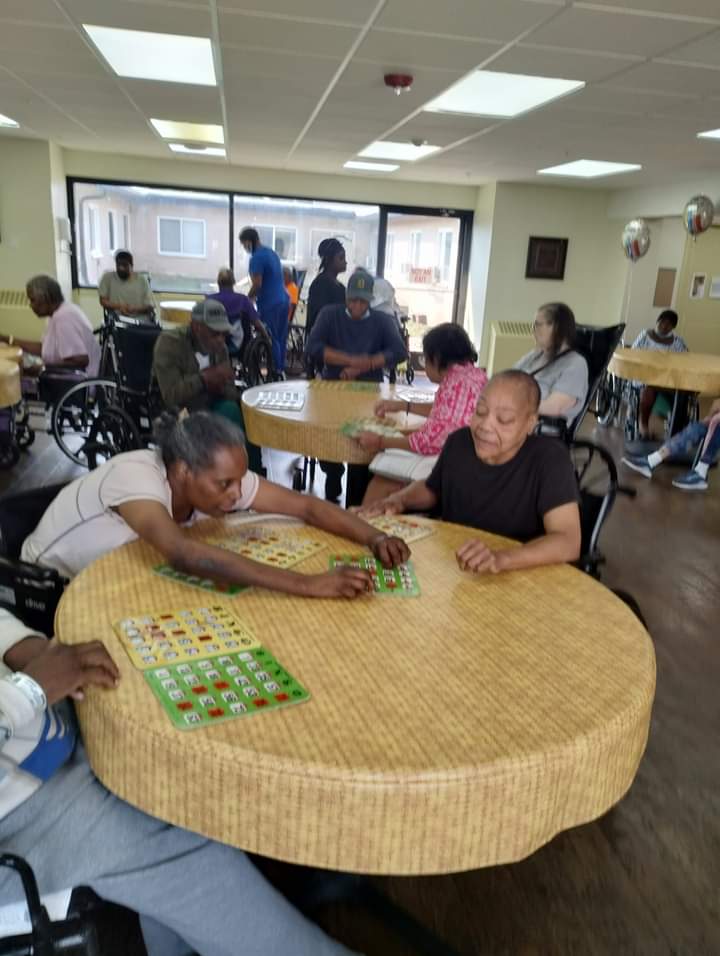
Fairlane Senior Care and Rehab Center is owned by a for-profit company. For-profit facilities operate as businesses with obligations to shareholders or private owners. The facility is operated by NEXCARE HEALTH SYSTEMS, a chain that manages multiple nursing homes. With 180 certified beds and approximately 155 residents (about 86% occupancy), it is a mid-sized facility located in Detroit, Michigan.

How Does Fairlane Senior Care And Rehab Center Compare to Other Michigan Nursing Homes?

Compared to the 100 nursing homes in Michigan, Fairlane Senior Care and Rehab Center's overall rating (4 stars) is above the state average of 3.1, staff turnover (40%) is near the state average of 46%, and health inspection rating (4 stars) is above the national benchmark.

What Should Families Ask When Visiting Fairlane Senior Care And Rehab Center?

Based on this facility's data, families visiting should ask: "Can I visit during a mealtime to observe dining assistance and food quality?" "How do you handle medical emergencies, and what is your hospital transfer rate?" "Can I speak with family members of current residents about their experience?"

Is Fairlane Senior Care And Rehab Center Safe?

Based on CMS inspection data, Fairlane Senior Care and Rehab Center has a clean safety record: no substantiated abuse findings (meaning no confirmed cases of resident harm), no Immediate Jeopardy citations (the most serious violation level indicating risk of serious injury or death), and is not on the Special Focus Facility watch list (a federal program monitoring the lowest-performing 1% of nursing homes). The facility has a 4-star overall rating and ranks #1 of 100 nursing homes in Michigan. While no facility is perfect, families should still ask about staff-to-resident ratios and recent inspection results during their visit.

Do Nurses at Fairlane Senior Care And Rehab Center Stick Around?

Fairlane Senior Care and Rehab Center has a staff turnover rate of 40%, which is about average for Michigan nursing homes (state average: 46%). Moderate turnover is common in nursing homes, but families should still ask about staff tenure and how the facility maintains care continuity when employees leave.

Was Fairlane Senior Care And Rehab Center Ever Fined?

Fairlane Senior Care and Rehab Center has no federal fines on record. CMS issues fines when nursing homes fail to meet care standards or don't correct problems found during inspections. The absence of fines suggests the facility has either maintained compliance or corrected any issues before penalties were assessed. This is a positive indicator, though families should still review recent inspection reports for the full picture.

Is Fairlane Senior Care And Rehab Center on Any Federal Watch List?

Fairlane Senior Care and Rehab Center is not on any federal watch list. The most significant is the Special Focus Facility (SFF) program, which identifies the bottom 1% of nursing homes nationally based on persistent, serious quality problems. Not being on this list means the facility has avoided the pattern of deficiencies that triggers enhanced federal oversight. This is a positive indicator, though families should still review the facility's inspection history directly.