Hamilton Nursing Home
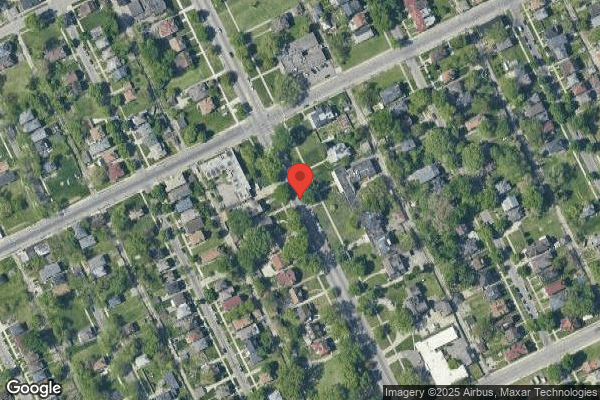

590 E Grand Blvd, Detroit, MI 48207 (313) 921-1580
For profit - Individual 64 Beds PRIORITY HEALTHCARE GROUP Data: November 2025
Trust Grade
75/100
#123 of 422 in MI
Last Inspection: August 2024

Within standard 12-15 month inspection cycle. Federal law requires annual inspections.

Overview

Hamilton Nursing Home has received a Trust Grade of B, indicating it is a good choice among nursing homes. It ranks #123 out of 422 facilities in Michigan, placing it in the top half, and #14 out of 63 in Wayne County, meaning only 13 local options are better. However, the facility is experiencing a worsening trend, with issues increasing from 6 in 2023 to 10 in 2024. Staffing is a weakness here, with a rating of 0 out of 5 stars and a turnover rate of 54%, which is higher than the state average. On a positive note, the facility has not incurred any fines, and it has excellent quality measures. That said, there are some concerning findings from recent inspections. For instance, the kitchen did not properly sanitize dishes, which could affect residents' health, and the outdoor garbage area was not maintained, leading to potential pest problems. Additionally, there is no active water management plan in place, increasing the risk of waterborne pathogens, which could lead to respiratory infections among residents. Families should weigh both the strengths and weaknesses carefully when considering this facility.

Trust Score
B
75/100
In Michigan
#123/422
Top 29%
Safety Record
Low Risk
No red flags
Inspections
Getting Worse
6 → 10 violations
Staff Stability
⚠ Watch
54% turnover. Above average. Higher turnover means staff may not know residents' routines.
Penalties
✓ Good
No fines on record. Clean compliance history, better than most Michigan facilities.
Skilled Nurses
○ Average
RN staffing data not reported for this facility.
Violations
⚠ Watch
18 deficiencies on record. Higher than average. Multiple issues found across inspections.
★★★★☆
4.0
Overall Rating
☆☆☆☆☆
0.0
Staff Levels
★★★★★
5.0
Care Quality
★★★☆☆
3.0
Inspection Score
Stable
2023: 6 issues
2024: 10 issues

The Good

  • 5-Star Quality Measures · Strong clinical quality outcomes
  • Full Sprinkler Coverage · Fire safety systems throughout facility
  • No fines on record

Facility shows strength in quality measures, fire safety.

The Bad

Staff Turnover: 54%

Near Michigan avg (46%)

Higher turnover may affect care consistency

Chain: PRIORITY HEALTHCARE GROUP

Part of a multi-facility chain

Ask about local staffing decisions and management

The Ugly 18 deficiencies on record

Sept 2024 2 deficiencies
CONCERN (D) 📢 Someone Reported This

A family member, employee, or ombudsman was alarmed enough to file a formal complaint

Potential for Harm - no one hurt, but risky conditions existed

Deficiency F0657 (Tag F0657)

Could have caused harm · This affected 1 resident

This citation pertains to intake MI00146554. Based on interview, and record review the facility failed to revise a care plan in a timely manner for one resident (R401) out of four residents reviewed f...

Read full inspector narrative →
This citation pertains to intake MI00146554. Based on interview, and record review the facility failed to revise a care plan in a timely manner for one resident (R401) out of four residents reviewed for care planning. Findings include: Record review of electronic medical records revealed R401 admitted into the facility on 3/7/23 with pertinent diagnosis of dementia, psychoactive substance abuse, and neurocognitive disorder. Review of a Minimum Data Set (MDS) assessment for Resident R401, with a reference date of 6/13/2024 revealed a Brief Interview for Mental Status (BIMS) score of 9/15 which indicated moderately impaired cognition. Record review of 401's Nursing Evaluation Quarterly dated 6/14/23, documented the following: . Low Wander Risk. Record review of R401's active care plans revealed the following: Focus: R401 is an elopement risk/wanderer stating he don't want to be here. Further review revealed this care plan was initiated on 3/8/23 and cancelled on 8/28/24. Interventions for the care plan were to be ongoing with target date of 12/14/24. On 9/5/24 at 1:20 PM Social Worker B was interviewed and said R401's care plan should have been updated on 6/14/24 to reflect a low risk for elopement. On 9/5/24 at 1:30 PM the Nursing Home Administrator was interviewed and agreed R401's care plan was not updated to reflect a change into low-risk elopement. The care plan should have been updated on 6/14/24. Review of the facility's policy titled Care Plans, Comprehensive Person Centered revised 9/22 revealed in part: Assessments of residents are ongoing and care plans are revised as information about the resident and the resident's condition change.
CONCERN (D) 📢 Someone Reported This

A family member, employee, or ombudsman was alarmed enough to file a formal complaint

Potential for Harm - no one hurt, but risky conditions existed

Accident Prevention (Tag F0689)

Could have caused harm · This affected 1 resident

This citation pertains to intake MI00146554. Based on interview and record review the facility failed to provide adequate supervision for one resident (R401) out of four residents reviewed for elopeme...

Read full inspector narrative →
This citation pertains to intake MI00146554. Based on interview and record review the facility failed to provide adequate supervision for one resident (R401) out of four residents reviewed for elopement, resulting in R401 eloping from the facility. Findings include: Record review of facility's Investigation Report (no date), revealed R401 was reported to the Nursing Home Administrator (NHA) not in the facility on 8/14/24 at approximately 11:22 PM. R401 was last seen by staff in the facility at approximately 5:00 PM. There was no guardian authorized leave of absence. Record review of electronic medical records revealed admission into the facility on 3/7/23 with pertinent diagnosis of dementia, psychoactive substance abuse, and neurocognitive disorder. Review of a Minimum Data Set (MDS) assessment for Resident R401, with a reference date of 6/13/2024 revealed a Brief Interview for Mental Status (BIMS) score of 9/15 which indicated moderately impaired cognition. R401 had a guardian under a guardian agency. On 9/5/24 at 10:20 AM R401 was interviewed by phone and stated I went out the front door, I used the code. I don't need to be there and won't go back or any other nursing home. R401 did not explain how he learned the front door code. On 9/5/24 at 10:30 AM Family Member C was interviewed by phone and stated R401 learned the code to the front door and just left the building. Family Member C further said R401 was staying with them. On 9/5/24 at 12:40 PM the NHA was interviewed and said the facility investigation revealed that there were no staff watching the front door during dinner time at approximately 5:00 PM on 8/14/24. The NHA acknowledged that R401 most likely learned the front door code by watching staff leave the building. Staff should be aware of any residents near the front door when imputing the door code to exit the building so that residents do not learn the code and elope. Record review of facility policy Elopement revised 6/23 revealed in part .It is the policy of this facility to provide a safe and secure environment for our residents and to be proactive in preventing resident elopement. Residents with a history of substance abuse use disorder may be at increased risk for leaving the facility without notification and should be assessed and have care planning interventions.
Aug 2024 8 deficiencies
CONCERN (D)

Potential for Harm - no one hurt, but risky conditions existed

Deficiency F0658 (Tag F0658)

Could have caused harm · This affected 1 resident

**NOTE- TERMS IN BRACKETS HAVE BEEN EDITED TO PROTECT CONFIDENTIALITY** Based on observation, interview, and record review the facility failed to administer an accurate dose of medication (MiraLAX lax...

Read full inspector narrative →
**NOTE- TERMS IN BRACKETS HAVE BEEN EDITED TO PROTECT CONFIDENTIALITY** Based on observation, interview, and record review the facility failed to administer an accurate dose of medication (MiraLAX laxative) during an observation of medication administration (Med. Pass) for (R12). Findings included: On 8/21/2024 at 9:02 a.m., an observation was made with Licensed Practical Nurse (LPN) H 's morning med. Pass to R12 on the (100's Hallway). During a preparation of R12's morning meds by LPN H it was observed LPN H poured some powdered medication (MiraLAX Laxative) in a pill cup (measurement of 30 milliliters) by holding the pill cup up in the air without measuring the amount poured. LPN H then place the cup of powered medication with other medications already prepared on the medication cart and place the container of the medication back into the cart. As LPN H started to dilute the cup of powdered medication by pouring the medication into a cup of water was interrupted before doing so and was asked the measurement of the medication poured. LPN H said it should be one Scoop which comes to seventeen grams. LPN H said I am assuming it's the same as the cup size. LPN H said the scoop to measure that came with the medication had fallen on the floor about a couple of days ago. LPN H was asked should the medication be given if the measurement of one scoop (17 grams) was unknown. LPN H said I been giving it using the cup and I think the 30 milliliters cup is the same. After asking LPN H a second time should the medication be given without knowing the equivalent of one scoop, LPN H agreed and did not give the medication. On 8/21/2024 at 9:27 a.m., In the Hallway of unit 100, LPN H stated, I am ready to give the MiraLAX. LPN H measured the MiraLAX by using a purple cap which came with the medication calibrated for a measurement of seventeen grams and the equivalent of one scoop as ordered. LPN H was asked was the thirty milliliters pill cup the equivalent of one scoop. LPN H stated, No, it's measured half of the pill cup. LPN H said the pill cup was doubled the amount of the bottle cap measurement. LPN H said the resident had been getting double the amount ordered. According to the electronic medical record, R12 was initially admitted into the facility on 6/25/2020 and readmitted into the facility on [DATE] with diagnoses that included chronic obstructive pulmonary disease, congested heart failure, and vascular dementia. R12's annually Minimum Data Set (MDS) with a reference date of 7/13/2024 indicated R12 had moderately cognition impairment with a BIMS (brief interview for mental status) score of 07/15. Review of the Physician's Orders start date of 6/11/2024 documented, MiraLAX Oral Powder 17 grams/Scoop give 1 scoop by mouth one time a day for prophylaxis (constipation). Review of the medication administration record revealed signatures indicating the medication was given daily. On 8/23/2024 at 1:02 p.m. the Director of Nursing (DON) was interviewed regarding the accurate measurement of the MiraLAX and the measurement of a prescribed medication. The DON said the nurse should not assumed the dosage of any medication and didn't need the scoop because everyone knows the purple cap on the bottle comes with the measurement of seventeen grams like it was ordered. According to the facility's 01/23 Medication Administration General Guidelines Policy: Medications are administered as prescribed in accordance with manufacturers' specifications, good nursing principles and practices and only by persons legally authorized to do so.
CONCERN (D)

Potential for Harm - no one hurt, but risky conditions existed

Tube Feeding (Tag F0693)

Could have caused harm · This affected 1 resident

**NOTE- TERMS IN BRACKETS HAVE BEEN EDITED TO PROTECT CONFIDENTIALITY** Based on interview and record review, the facility failed to adequately assess factors potentially related to weight status chan...

Read full inspector narrative →
**NOTE- TERMS IN BRACKETS HAVE BEEN EDITED TO PROTECT CONFIDENTIALITY** Based on interview and record review, the facility failed to adequately assess factors potentially related to weight status change for one high risk resident (R40) receiving 100% of his nutritional requirements through a feeding tube. Findings include: A review of the admission Record for Resident #40 (R40) documented an original admission date of 4/15/19 and readmission date of 7/29/22. R40's diagnoses included adult failure to thrive (FTT), unspecified protein-calorie malnutrition (PCM), Parkinsonism, and gastrostomy tube. A Minimum Data Set assessment dated [DATE] documented severe cognitive impairment. A review of R40's weight measurements documented in part the following: 2/9/24: 149.6# 3/8/24: 148.8# 4/19/24: 130# 5/14/24: 128.4# 6/14/24: 116.2# 7/12/24: 121# 8/15/24: 120# R40 experienced approximately 20% weight loss in six months. A review of nutrition notes and assessments documented in part the following: 1. A 4/19/24 progress note: Resident discussed at Nutrition at Risk meeting. Weight loss noted, awaiting reweigh. MD ordered MBS (modified barium swallow procedure) and fluids. 2. A 5/2/24 nutrition risk assessment: NPO (receiving nothing by mouth) on tube feeding: Jevity 1.5, two cartons three times daily. Provides 2133 - 2160 kcal/day. Resident readmitted with a peg tube and weight loss. Current feeding meets estimated needs. Monitor weight, healing and tube feeding tolerance 3. A 5/24/24 nutrition note: Resident discussed at Nutrition at Risk meeting related to weight loss 7.7% past 30 days. He now is meeting all estimated nutrition/hydration needs via enteral feeding. Some weight fluctuations noted since readmission. MD ordered labs. Continue current plan. 4. A 5/31/24 nutrition note: Resident continues to display significant weight loss. Vomiting and peg tube replacement noted past week. Current tube feeding order meets estimated needs. Monitor for tube feeding tolerance. 5. A 8/17/24 nutritional risk assessment: Jevity 1.5, two cartons three times daily. Provides 2133 - 2160 kcal/day. Resident readmitted . Current feeding meets estimated needs. Monitor weight and tube feeding tolerance. On 8/23/24 at 9:54 AM, an interview and record review were conducted with Registered Dietitian (RD) C. RD C said all residents on a tube feeding were considered high risk and are weighed weekly. In general terms, residents on a tube feeding receive a quarterly assessment unless there is a change in the resident's status, such as change in skin condition, weight fluctuation, intolerance to the tube feeding, or when they return from the hospital. The nurses monitor for tolerance to the tube feeding. RD C does not monitor tolerance to their feeding unless something comes up. RD C calculated R40's caloric needs to encourage gradual weight gain by using the calculation of 30 kcal/kg body weight plus an additional 500 kcal daily. R40 caloric needs were estimated to be 2136 kcal/kg per day. R40's Jevity 1.5 prescription provided 2133 kcal daily. RD C acknowledged that R40's current tube feeding order exceeded his nutritional needs and should promote gradual weight gain. RD C said she did not assess why R40 was not gaining weight. RD C said an assessment regarding a lack of weight gain would include an evaluation of diagnoses that impact an ability to gain weight such as alcoholism, PCM, Parkinson, FTT, and dementia. RD C said she would also evaluate if R40 was receiving his tube feeding as ordered. A review of R40's Medication Administration Records (MAR) documented the following: Zero ml of Jevity 1.5 was administered at 6:00 AM on 6/19/24, 6/20/24, 6/24/24 7/4/24, and 6:00 PM on 6/23/24. Only 240 ml of Jevity 1.5 was administered at 6:00 PM on 6/4/24, 6/5/24, 6/11/24, 6/12/24, 6/13/24, 6/14/24, 6/18/24, 6/19/24, 6/20/24, 6/21/24, 6/25/24, 6/26/24, 6/27/24, 6/28/24, 7/1/24, 7/2/24, 7/18/24, 7/30/24, 8/1/24, 8/2/24, 8/6/24, and 8/8/24. After reviewing R40's MARs, RD C acknowledged she was unaware R40 was not getting the full amount of prescribed Jevity 1.5. RD C said it was her expectation that R40 received the amount of formula prescribed. RD C said if it had been investigated earlier, questions could have been asked about why R40 was not receiving the amount of tube feeding formula prescribed. On 8/23/24 at 11:34 AM, the Director of Nursing said it was her expectation that residents on tube feedings receive their tube feeding according to the registered dietitian's recommendations and physician orders. A review of R40's clinical record did not document nursing progress notes regarding why R40 did not receive the full amount of prescribed tube feeding between 6/4/24 and 8/22/24 as previously documented. The DON said there should have been some documentation when the resident did not receive the full amount of tube feeding formula. On 8/23/24 at 4:00 PM, the Nursing Home Administrator and DON were asked if there was any additional documentation or information that the facility would like to provide prior to the end of the survey and reported there was not.
CONCERN (D)

Potential for Harm - no one hurt, but risky conditions existed

Deficiency F0773 (Tag F0773)

Could have caused harm · This affected 1 resident

**NOTE- TERMS IN BRACKETS HAVE BEEN EDITED TO PROTECT CONFIDENTIALITY** Based on interview and record review, the facility failed to notify physician of a low lab level in a timely manner for one resi...

Read full inspector narrative →
**NOTE- TERMS IN BRACKETS HAVE BEEN EDITED TO PROTECT CONFIDENTIALITY** Based on interview and record review, the facility failed to notify physician of a low lab level in a timely manner for one resident (R55) reviewed for death in the facility. Findings include: A review of the admission Record for Resident #55 (R55) documented an original admission to the facility on [DATE] and readmission on [DATE]. R55 died in the facility on [DATE]. R55's diagnoses included epilepsy. A Minimum Data Set assessment dated [DATE] documented moderate cognitive impairment. Physician's orders documented R55's was prescribed divalproex (Depakote: an anti-seizure medication) 250 mg - 1 tab by mouth twice daily from [DATE] to [DATE] for epilepsy. Review of R55's seizure disorder care plan documented, Obtain and monitor lab/diagnostic work as ordered. Report results to MD and follow up as indicated. During record review and interview on [DATE] at 12:06 PM with the Director of Nursing (DON) the following was noted: 1. Laboratory collection received [DATE] documented a Valproic Acid (lab test for Depakote levels) of 18.5. The reference range for Valproic Acid was 50.0 - 100.0). 2. Nurse's note dated [DATE]: Physician reviewed abnormal labs, order for Stat Depakote/valproic level, (lab company) telephoned, no answer, voice message left and order requisitions faxed, confirmation received. Physician updated. Resident does not display any deviation from baseline cognition/functioning or seizure activity at this time. 3. Physician changed resident's order for divalproex sodium 250 mg to two tablets by mouth twice daily on [DATE]. The DON said the physician should have been notified of the valproic acid lab results when we received them. There was a delay in letting the doctor know. On [DATE] at 1:13 PM, Physician B said, When I noticed the valproic acid level I changed the Depakote dose. On [DATE] at 4:00 PM, the Nursing Home Administrator and DON were asked if there was any additional documentation or information that the facility would like to provide prior to the end of the survey and reported there was not.
CONCERN (F)

Potential for Harm - no one hurt, but risky conditions existed

Food Safety (Tag F0812)

Could have caused harm · This affected most or all residents

Based on observation, interview, and record review, the facility failed to: 1. Ensure the dish machine was tested to for proper sanitizing prior to use; 2. Ensure the caulking of the dish machine back...

Read full inspector narrative →
Based on observation, interview, and record review, the facility failed to: 1. Ensure the dish machine was tested to for proper sanitizing prior to use; 2. Ensure the caulking of the dish machine back splash and hand washing sink were in good repair; 3. Effectively clean surfaces in the kitchen; 4. Ensure food past the use-by-date was not stored with active food stock; and 5. Ensure the ice machine was properly air gapped. These deficient practices had the potential to affect all residents who consumed food from the kitchen. Findings include: On 8/20/24 at 8:40 AM, during an observation of the kitchen with Dietary Manager (DM) F the following was observed: 1. Meal trays had been set through the low temp/chemical sanitizing dish machine by Dietary Aide (DA) E. DA E said the sanitizing solution had not been checked. When the dish machine sanitizing log was requested, none was available. 2. The caulking on the dish machine back splash and hand washing sink were chipped or missing. DM F said water can get behind there. 3. When the top of the eye washing station was wiped with a wet paper towel, DM F said, I saw dust. 4. Approximately ten slices of American cheese were stored in the reach-in cooler with a use-by-date of 8/18/24. DM F said items in the refrigerator should be checked daily and any expired food should be discarded. On 8/20/24 at 12:05 PM, the drain line from the ice machine located on the second floor was observed to not have the required minimum one-inch air gap (an unobstructed vertical space between the end of the drain line and the flood rim of the floor drain). On 8/23/24 at 4:00 PM, the Nursing Home Administrator and Director of Nursing were asked if there was any additional documentation or information that the facility would like to provide prior to the end of the survey and reported there was not. The 2013 FDA Food Code was reviewed and revealed the following: Section 4-204.117 Warewashing Machines, Automatic Dispensing of Detergents and Sanitizers. (B) Incorporate a visual means to verify that detergents and sanitizers are delivered Section 4-601.11 Equipment, Food-Contact Surfaces, Nonfood-Contact Surfaces, and Utensils. (C) nonfood-contact surfaces of equipment shall be kept free of an accumulation of dust, dirt, food residue, and other debris. Section 5-202.13 Backflow Prevention, Air Gap: An air gap between the water supply inlet and the flood level rim of the plumbing fixture, equipment, or nonfood equipment shall be at least twice the diameter of the water supply inlet and may not be less than one inch.
CONCERN (F)

Potential for Harm - no one hurt, but risky conditions existed

Garbage Disposal (Tag F0814)

Could have caused harm · This affected most or all residents

Based on observation, interview, and record review, the facility failed to properly dispose of rubbish and maintain cleanliness of the outside garbage area, resulting in a potential for harborage of p...

Read full inspector narrative →
Based on observation, interview, and record review, the facility failed to properly dispose of rubbish and maintain cleanliness of the outside garbage area, resulting in a potential for harborage of pests. Findings include: On 8/20/24 at approximately 12:15 PM, the outside dumpster area was observed with Maintenance/Environmental Director (M/ED) A. The two side doors of the commercial dumpster where observed opened. Food debris such as pizza crust, corn cob, and partial hamburger bun, was observed on the ground near the dumpster. A squirrel was observed noshing on the corn cob. M/ED A said the doors of the dumpster should be closed to keep the critters out. A review of the facility policy titled, Garbage and Pest Control, dated 11/30/14, documented in part the following: - Waste and refuse will be handled in a sanitary manner to prevent cross contamination or pest infestation. - The dumpster door must be kept closed at all times. On 8/23/24 at 4:00 PM, the Nursing Home Administrator and Director of Nursing were asked if there was any additional documentation or information that the facility would like to provide prior to the end of the survey and reported there was not.
CONCERN (F)

Potential for Harm - no one hurt, but risky conditions existed

Infection Control (Tag F0880)

Could have caused harm · This affected most or all residents

**NOTE- TERMS IN BRACKETS HAVE BEEN EDITED TO PROTECT CONFIDENTIALITY** Based on interview and record review, the facility failed to implement an active water management plan for reducing the risk of ...

Read full inspector narrative →
**NOTE- TERMS IN BRACKETS HAVE BEEN EDITED TO PROTECT CONFIDENTIALITY** Based on interview and record review, the facility failed to implement an active water management plan for reducing the risk of legionella and other opportunistic pathogens of premise plumbing (OPPP). This deficient practice has the increased potential to result in water borne pathogens to exist and spread in the facility's plumbing system and an increased risk of respiratory infection among any or all of the residents in the facility. Findings include: On 8/22/24 at approximately 10:30 AM the facilities building water management plan was requested from the maintenance supervisor (MS). A folder containing a document titled Water safety plan workbook was provided. A review of the facilities water safety plan workbook revealed that the facility assessment worksheet and water testing audits were not completed. A review of the included flow map revealed that it was inaccurate with listing for areas on the 4th floor which do not exist in the two floor facility. On 8/22/24 at 11:17 AM, during an interview, MS was asked to describe the facility's water management system. MS responded that all the sinks have an air gap. MS was asked if the air gaps are to prevent legionella. MS replied yes. The water management workbook was reviewed with the MS. The MS was asked if they were using the testing work sheets or logs. MS responded no maam. MS was asked if they are establishing control limits and monitoring water systems as instructed in the facilities workbook. MS stated, No, I do not do any testing of the water. MS was asked about the maintenance of the air conditioner units. MS explained that they do not do any preventative maintenance of the air conditioning units other than cleaning the filters. MS confirms that the workbook states that air conditioner units cause a significant risk of legionella, and that the workbook states preventative maintenance should be done and documented. MS was unable to provide documentation of air conditioner filter cleaning. On 8/22/24 at approximately 12:00PM a facility policy titled (Facility Name) Nursing Home Emergency Preparedness Guide Water Management Program was provided which stated the following: Policy: It is the policy of the facility to ensure that the facility has a plan that reduces the risk of growth and spread of legionella and other opportunistic pathogen in the building water systems. Fundamental information: Legionnaires disease is a severe form of pneumonia that often requires hospitalization and is fatal in about 10% of cases, and in 25% of healthcare associated cases. Legionnaires disease is caused by legionella bacteria. There are at least 60 different species of legionella, and most are considered capable of causing disease. Transmission: While legionella is found in natural [NAME] environments it can become a health concern in human made water systems (e.g. plumbing system of large buildings, cooling towers, certain medical devise) where conditions allow it to multiply and come in contact with vulnerable persons. People contract legionella by inhaling aerosolized water droplets containing the bacteria or, less commonly, by aspiration of contaminated drinking water. Cooling tower. Transmission can over via: Shower heads. Plumbing systems. Certain medical devices. Decorative foundations. Risk factors: Age > [AGE] years of age. Smoking. Chronic lung disease, such as emphysema or COPD. Immune system disorders due to disease or medication. Systemic Malignancy. Underlying illness, such as diabetes, renal failure or hepatic failure. Procedure: 1. Complete the CDC worksheet to identify building at risk for legionella growth and spread to identify needs for a water management program. Create the water management team. Identify and document the building description, including location, age, uses and occupants and visitors including the water system description (general summary, uses of water, aerosol-generation devices (e.g. hot tubs, decorative fountains, cooling towers) and process flow diagram. Identify vulnerable areas in the system and create a diagram to visually pinpoint areas for monitoring and control. Identify control measures, including points in the system where critical limits can be monitored and where control can be applied. Confirm procedures are in place, including verification steps to show that the program is being followed as written and validation to show that the program is effective. Document collection and transport methods and which lab will perform the testing if environmental testing is conducted. Water heaters should be maintained water temperature per the federal guidelines and document. Prevention measures include: check shower heads for dripping water and rust. Keep shower heads clean and change as needed and document. Clean ice machine according to (Facility Name) Nursing Homes ice machine cleaning schedule, document and ensure is not excessive standing water. On 8/22/24 at 3:39 PM, during an interview, the Administrator was asked to describe the facility's water management plan. The administrator explained that MS takes care of that and stated, did you talk to (MS) and did (they) show you the plan?. The Administrator stated, I know that we do not do any water testing unless there is a problem. The administrator was informed that the water management toolkit was not being utilized or implemented. Administrator was observed looking through the workbook and stated, I don't see it here. The Administrator was asked if the workbooks instructions should be followed and was asked what components should be included in the facilitys water management plan. The Administrator stated, It should include whatever the instructions say. I'm just trying to think why MS wouldn't have it. We just went through this last year. I'll have to ask MS if this is all we are supposed to use.
CONCERN (F)

Potential for Harm - no one hurt, but risky conditions existed

Safe Environment (Tag F0921)

Could have caused harm · This affected most or all residents

Based on observation and interview, the facility failed to maintain facility grounds in a clean and appealing manner. Findings include: On 8/20/24 at approximately 12:15 PM, the backyard of the facili...

Read full inspector narrative →
Based on observation and interview, the facility failed to maintain facility grounds in a clean and appealing manner. Findings include: On 8/20/24 at approximately 12:15 PM, the backyard of the facility was observed with Maintenance/Environmental Director (M/ED) A. Approximately 40 feet of outdoor planters were positioned along the outside of the building underneath residents' windows. There were four additional planters positioned along the sidewalk. The planters were visible from residents' rooms and the first-floor dining/activity room. The planters had not been maintained and contained weeds that had grown to be at least five feet tall. When M/ED A was queried about how residents might feel looking out their window at the overgrowth, he stated, It's not good. Also, along an exterior wall in the backyard, a downspout was detached about two feet from the gutter. On 8/22/24 at 11:50 AM, M/ED A said the weeds were at least five feet tall and there was no excuse for them to have grown like that. On 8/23/24 at 12:44 PM, the Nursing Home Administrator (NHA) said that maintenance employees should go out there and cut the weeds down. On 8/23/24 at 4:00 PM, the NHA and Director of Nursing was asked if there was any additional documentation or information that the facility would like to provide prior to the end of the survey and reported there was not.
MINOR (B)

Minor Issue - procedural, no safety impact

Deficiency F0912 (Tag F0912)

Minor procedural issue · This affected multiple residents

Based on observation and record review, the facility failed to provide 80 square feet per Resident in multiple Resident rooms and at least 100 square feet for single Resident rooms, affecting 18 of 28...

Read full inspector narrative →
Based on observation and record review, the facility failed to provide 80 square feet per Resident in multiple Resident rooms and at least 100 square feet for single Resident rooms, affecting 18 of 28 Resident rooms (#'s 104, 105, 106, 107, 108, 109, 110, 111, 113, 204, 205, 206, 207, 208, 209, 210, 211, and 213). Findings include: Observation of the Resident rooms on 8/23/24 at 10:00 AM, and review of the Facility Bed Count Information sheet revealed the following: ROOM # SQ. FT # OF BEDS 104 155 2 105 153 2 106 153 2 107 218 3 108 221 4 109 230 3 110 234 3 111 153 2 113 92 1 204 153 2 205 153 2 206 155 2 207 222 3 208 285 4 209 228 3 210 233 3 211 150 2 213 158 2 Each resident's room was observed. Cognitively intact residents were interviewed. No concerns were observed or reported.
Aug 2023 6 deficiencies
CONCERN (D)

Potential for Harm - no one hurt, but risky conditions existed

Infection Control (Tag F0880)

Could have caused harm · This affected 1 resident

Based on observation, interview, and record review, the facility failed to properly sanitize a glucometer and cleanse patient care equipment (blood pressure cuff, temporal scanning thermometer, and pu...

Read full inspector narrative →
Based on observation, interview, and record review, the facility failed to properly sanitize a glucometer and cleanse patient care equipment (blood pressure cuff, temporal scanning thermometer, and pulse oxygen meter) for three residents (R60, R52, and R28) out of six residents reviewed for infection control during medication administration, resulting in the potential for cross-contamination of germs between residents. Findings include: On 8/22/23 at 8:28 AM during medication administration for R60, Licensed Practical Nurse (LPN) E took R60's vital signs using blood pressure cuff, temporal thermometer, and pulse oxygen meter. After administering R60's medication, LPN E put the patient care equipment back on the medication cart without cleansing the equipment. On 8/22/23 at 9:03 AM LPN E administered medication to R52 and took R52's vital signs using the same blood pressure cuff, temporal scanning thermometer, and pulse oxygen meter that was used on R60. After administering R52's medication, LPN E put the patient care equipment back on the medication cart without cleaning the equipment. On 8/22/23 at 11:57 AM LPN E took R28's blood sugar using a glucometer machine. After testing R28's blood sugar, LPN E sanitized the glucometer with an alcohol pad. On 8/22/23 at 12:15 PM during an interview with LPN E regarding cleaning and sanitizing patient equipment and glucometers, he said he forgot to cleanse the patient care equipment that was used on multiple residents. LPN E said he should have cleansed the equipment in between uses for each resident. LPN E said there were Sani wipes to cleanse the glucometer machine and not an alcohol pad. On 8/23/23 at 11:08 AM during an interview with the Director of Nursing (DON), the DON state that it is her expectation and per policy that the equipment being used on multiple residents should be disinfected in between uses. On 8/23/23 at 1:11 PM during an interview with the Director of Nursing (DON), she said LPN E should have cleansed the glucometer with Sani-wipes (purple top container). Also, the DON said if the glucometer is not sanitized properly the machine could transmit germs to another resident that it is used on. A review of the facility policy titled, Cleaning and Disinfection of Resident-Care Items and Equipment, with a revised date of October 2018 revealed, Durable medical equipment (DME) must be cleaned and disinfected before reuse by another resident. A review of the policy titled, Cleaning and Disinfecting the Assure Platinum Blood Glucose Monitoring System, with a revised date of December 2017 revealed, Environmental Protection Agency (EPA) registered disinfectant product may be used to clean and disinfect the blood glucose meter .Super Sani-Cloth Germicidal Disposable Wipe.
CONCERN (E) 📢 Someone Reported This

A family member, employee, or ombudsman was alarmed enough to file a formal complaint

Potential for Harm - no one hurt, but risky conditions existed

Safe Environment (Tag F0584)

Could have caused harm · This affected multiple residents

**NOTE- TERMS IN BRACKETS HAVE BEEN EDITED TO PROTECT CONFIDENTIALITY** This citation pertains to intake MI00129934. Based on observations, interviews, and record reviews, the facility failed to effec...

Read full inspector narrative →
**NOTE- TERMS IN BRACKETS HAVE BEEN EDITED TO PROTECT CONFIDENTIALITY** This citation pertains to intake MI00129934. Based on observations, interviews, and record reviews, the facility failed to effectively maintain ambient room temperatures between 71-81 degrees Fahrenheit effecting 63 residents, resulting in the increased likelihood for resident dehydration and discomfort. Findings include: On 08/21/23 at 03:20 P.M., Ambient room temperatures were monitored utilizing an Etekcity Lasergrip 1080 Infrared Thermometer. The following temperatures were recorded: Basement Conference Room: 81.7 - 82.0 degrees Fahrenheit * Resident room [ROOM NUMBER]: 82.5 - 84.0 degrees Fahrenheit * Resident room [ROOM NUMBER]: 85.0 - 88.9 degrees Fahrenheit * Resident room [ROOM NUMBER]: 84.5 - 85.8 degrees Fahrenheit * Resident room [ROOM NUMBER]: 84.2 - 84.7 degrees Fahrenheit * Resident room [ROOM NUMBER]: 84.5 - 87.0 degrees Fahrenheit * Resident room [ROOM NUMBER]: 84.7 - 88.9 degrees Fahrenheit * Resident room [ROOM NUMBER]: 85.1 - 88.3 degrees Fahrenheit * Resident room [ROOM NUMBER]: 84.1 - 85.7 degrees Fahrenheit * Resident room [ROOM NUMBER]: 82.5 - 82.8 degrees Fahrenheit * Bathtub room [ROOM NUMBER]: 84.6 - 85.8 degrees Fahrenheit * Resident room [ROOM NUMBER]: 83.3 - 84.2 degrees Fahrenheit * Resident room [ROOM NUMBER]: 81.4 - 82.0 degrees Fahrenheit * Resident room [ROOM NUMBER]: 83.4 - 83.8 degrees Fahrenheit * Resident room [ROOM NUMBER]: 85.0 - 87.0 degrees Fahrenheit * Resident room [ROOM NUMBER]: 86.4 - 87.1 degrees Fahrenheit * Resident room [ROOM NUMBER]: 86.3 - 87.4 degrees Fahrenheit * Resident room [ROOM NUMBER]: 83.1 - 86.5 degrees Fahrenheit * Bathtub room [ROOM NUMBER]: 84.7 - 85.4 degrees Fahrenheit * (*) Note: SOM (State Operations Manual) Appendix PP Section F584 states: The resident has a right to a safe, clean, comfortable and homelike environment, including but not limited to receiving treatment and supports for daily living safely. The facility must provide- §483.10(i)(6) Comfortable and safe temperature levels. Facilities initially certified after October 1, 1990 must maintain a temperature range of 71 to 81°F On 08/24/23 at 01:45 P.M., Record review of the Policy/Procedure entitled: Quality of Life - Homelike Environment dated 05/2017 revealed under Policy Statement: Residents are provided with a safe, clean, comfortable, and homelike environment and encouraged to use their personal belongings to the extent possible. Record review of the Policy/Procedure entitled: Quality of Life - Homelike Environment dated 05/2017 further revealed under Policy Interpretation and Implementation: (h) comfortable and safe temperatures (71-81 degrees Fahrenheit).
CONCERN (E) 📢 Someone Reported This

A family member, employee, or ombudsman was alarmed enough to file a formal complaint

Potential for Harm - no one hurt, but risky conditions existed

Safe Environment (Tag F0921)

Could have caused harm · This affected multiple residents

**NOTE- TERMS IN BRACKETS HAVE BEEN EDITED TO PROTECT CONFIDENTIALITY** Based on observations, interviews, and record reviews, the facility failed to effectively clean and maintain the physical plant ...

Read full inspector narrative →
**NOTE- TERMS IN BRACKETS HAVE BEEN EDITED TO PROTECT CONFIDENTIALITY** Based on observations, interviews, and record reviews, the facility failed to effectively clean and maintain the physical plant effecting 63 residents, resulting in the increased likelihood for cross-contamination, bacterial harborage, decreased illumination, and decreased air quality. Findings include: On 08/22/23 at 03:20 P.M., A common area environmental tour was conducted with Environmental Services Director C. The following items were noted: Basement Staff Breakroom: The microwave oven interior was observed heavily soiled with accumulated and encrusted food residue. Auxiliary Office: The microwave oven interior was observed heavily soiled with accumulated and encrusted food residue. MDS (Minimum Data Set) Office: The microwave oven interior was observed etched and scored on the interior unit door. On 08/22/23 at 03:56 P.M., An interview was conducted with Environmental Services Director C regarding the facility maintenance work order system. Environmental Services Director C stated: We have a manual work order system. Environmental Services Director C additionally stated: We have two maintenance work order log books. One at each Nurses Station. On 08/23/23 at 08:40 A.M., A common area environmental tour was continued with Environmental Services Director C. The following items were noted: First Floor First Floor Nurse Station: 1 of 2 chairs were observed (etched, scored, particulate). Beige colored duct tape was observed on the countertop edge. The duct tape was severely worn, torn, etched. The laminate surface was also observed cracked, chipped, and/or missing in several locations. Soiled Utility Room: The plastic overhead light lens cover was observed (etched, scored, cracked). The interior surface of the light lens cover was also coated with dead fly carcasses and accumulated dust/dirt deposits. The exterior surface of the specimen refrigerator was additionally observed soiled with accumulated dust/dirt deposits. The exterior surface of the specimen refrigerator was further observed chipped and severely corroded. The specimen refrigerator was also observed without an internal thermometer to ensure appropriate temperature. Treatment Room: The ceiling drywall surface was observed unfinished with drywall tape dangling from the surface. Bathtub room [ROOM NUMBER]: 1 of 2 overhead light fixtures were observed non-functional and missing the protective plastic lens cover. The commode seat was also observed loose -to-mount. The commode base caulking was additionally observed (etched, cracked, missing). Restroom: The overhead light fixture was observed missing the protective plastic lens cover. Janitor Closet: The flooring surface was observed severely (worn, etched, scored, soiled, missing). Bathtub room [ROOM NUMBER]: The commode base caulking was observed (etched, cracked, missing). Restroom: The overhead light fixture was observed non-functional. Second Floor Restroom: The hand sink faucet was observed loose-to-mount. The toilet tissue dispenser was also observed broken. Bathtub room [ROOM NUMBER]: The commode seat was observed loose-to-mount. The commode base caulking was also observed heavily soiled and stained. 1 of 2 overhead light fixtures were further observed non-functional. Janitors Closet: The flooring surface was observed severely (worn, etched, scored, soiled, missing). Replace the flooring surface!! Bathtub room [ROOM NUMBER]: The commode base caulking was observed (etched, stained, soiled, cracked, missing). Restroom: The commode base caulking was observed (etched, stained, soiled, cracked, missing). Second Floor Nurse Station: Black colored duct tape was observed on the countertop edge. The duct tape was severely worn, torn, etched. The laminate surface was also observed cracked, chipped, and/or missing in several locations. On 08/23/23 at 10:25 A.M., An environmental tour of sampled resident rooms was conducted with Environmental Services Director C and Maintenance Technician D. The following items were noted: 100: The restroom commode base caulking was observed (etched, scored, stained, missing). 102: The restroom over sink light fixture was observed non-functional. 1 of 2 commode grab bars were also observed loose-to-mount. 104: The air conditioning unit filter was observed soiled with accumulated dust and dirt deposits. The Bed 1 privacy curtain exterior surface was also observed soiled with accumulated dust, dirt, and soil deposits. 108: The air conditioning unit filter was observed heavily soiled with accumulated dust and dirt deposits. 110: The air conditioning unit was observed missing the filter panel. 112: The restroom return-air exhaust ventilation grill was observed soiled with accumulated dust and dirt deposits. 201: The restroom door lock assembly was observed broken and loose-to-mount. 206: The air conditioning unit filter was observed heavily soiled with accumulated dust and dirt deposits. 207: The air conditioning unit filter was observed heavily soiled with accumulated dust and dirt deposits. 210: 1 of 3 overhead light fixtures were observed non-functional. The air conditioning unit filter was also observed heavily soiled with accumulated dust and dirt deposits. The hand sink faucet assembly was further observed loose-to-mount. 211: The restroom commode base caulking was observed (etched, stained, particulate, missing). 212: The restroom over sink light assembly was observed non-functional. The restroom bathtub interior surface was also observed (chipped, cracked, particulate). Note: The bathtub contained a shower head (only shower head within the entire building). The commode base caulking was further observed (stained, cracked, particulate, missing). On 08/23/23 at 01:45 P.M., Record review of the first floor Maintenance Work Order Log for the last 90 days revealed no specific entries related to the aforementioned maintenance concerns. On 08/24/23 at 01:45 P.M., Record review of the Policy/Procedure entitled: Quality of Life - Homelike Environment dated 05/2017 revealed under Policy Statement: Residents are provided with a safe, clean, comfortable, and homelike environment and encouraged to use their personal belongings to the extent possible. Record review of the Policy/Procedure entitled: Quality of Life - Homelike Environment dated 05/2017 further revealed under Policy Interpretation and Implementation: (2) The facility staff and management shall maximize, to the extent possible, the characteristics of the facility that reflect a personalized, homelike setting. These characteristics include: (a) clean, sanitary, and orderly environment.
CONCERN (F)

Potential for Harm - no one hurt, but risky conditions existed

Food Safety (Tag F0812)

Could have caused harm · This affected most or all residents

Based on observations, interviews, and record review the facility failed to: (1) effectively clean and sanitize food service equipment, (2) effectively maintain food service equipment, and (3) effecti...

Read full inspector narrative →
Based on observations, interviews, and record review the facility failed to: (1) effectively clean and sanitize food service equipment, (2) effectively maintain food service equipment, and (3) effectively maintain the food production kitchen physical plan,t effecting 63 residents, resulting in the increased likelihood for cross-contamination, bacterial harborage, and increased ambient air temperatures. Findings include: On 08/21/23 at 10:15 A.M., An initial tour of the food service was conducted with Dietary Manager A. The following items were noted: The mechanical ventilation hood, located above the (griddle, stove, oven), was observed non-functional. The food production kitchen was also observed extremely hot! Staff members were also observed perspiring profusely. The 2017 FDA )Food and Drug Administration) Model Food Code section 4-301.14 states: If a ventilation system is inadequate, grease and condensate may build up on the floors, walls and ceilings of the food establishment, causing an insanitary condition and possible deterioration of the surfaces of walls and ceilings. The accumulation of grease and condensate may contaminate food and food-contact surfaces as well as present a possible fire hazard. The Superior three-door reach-in cooler interior light bulb was observed non-functional. Dietary Manager A stated: I will have maintenance replace the bulb. Dry Storage Room: 2 of 4 overhead light bulbs were observed non-functional. The 2017 FDA Model Food Code section 6-303.11 states: The light intensity shall be: (A) At least 108 lux (10 foot candles) at a distance of 75 cm (30 inches) above the floor, in walk-in refrigeration units and dry FOOD storage areas and in other areas and rooms during periods of cleaning; (B) At least 215 lux (20 foot candles): (1) At a surface where FOOD is provided for CONSUMER self-service such as buffets and salad bars or where fresh produce or PACKAGED FOODS are sold or offered for consumption, (2) Inside EQUIPMENT such as reach-in and under-counter refrigerators; and (3) At a distance of 75 cm (30 inches) above the floor in areas used for handwashing, WAREWASHING, and EQUIPMENT and UTENSIL storage, and in toilet rooms; and (C) At least 540 lux (50 foot candles) at a surface where a FOOD EMPLOYEE is working with FOOD or working with UTENSILS or EQUIPMENT such as knives, slicers, grinders, or saws where EMPLOYEE safety is a factor. The microwave oven was observed missing the pull handle to open the unit. Dietary Manager A stated: I will have maintenance repair the unit. The 2017 FDA Model Food Code section 4-501.11 states: (A) EQUIPMENT shall be maintained in a state of repair and condition that meets the requirements specified under Parts 4-1 and 4-2. (B) EQUIPMENT components such as doors, seals, hinges, fasteners, and kick plates shall be kept intact, tight, and adjusted in accordance with manufacturer's specifications. (C) Cutting or piercing parts of can openers shall be kept sharp to minimize the creation of metal fragments that can contaminate FOOD when the container is opened. The Coffee Machine was observed soiled with accumulated and encrusted food residue. The backsplash, undersplash, dispensing spouts, and drip trays were also observed heavily soiled with accumulated and encrusted food residue. The Hobart stand mixer was observed soiled with accumulated and encrusted food residue. The backsplash and spindle guard were also observed soiled with accumulated and encrusted food residue. Dietary Manager A stated: We never use the mixer. The Butcher Block table top was observed soiled with accumulated and encrusted food residue. The Butcher Block surface was also observed unsealed and absorbent (porous). The 2017 FDA Model Food Code section 4-601.11 states: (A) EQUIPMENT FOOD-CONTACT SURFACES and UTENSILS shall be clean to sight and touch. (B) The FOOD-CONTACT SURFACES of cooking EQUIPMENT and pans shall be kept free of encrusted grease deposits and other soil accumulations. (C) NonFOOD-CONTACT SURFACES of EQUIPMENT shall be kept free of an accumulation of dust, dirt, FOOD residue, and other debris. Dry Storage Room: 1 of 2 overhead light assembly plastic protective lens covers were observed loose-to-mount (dangling from the light assembly). The 2017 FDA Model Food Code section 6-202.11 states: (A) Except as specified in (B) of this section, light bulbs shall be shielded, coated, or otherwise shatter-resistant in areas where there is exposed FOOD; clean EQUIPMENT, UTENSILS, and LINENS; or unwrapped SINGLE-SERVICE and SINGLE-USE ARTICLES. The entire food production kitchen flooring surface was observed extremely worn and missing in several locations. Numerous vinyl flooring tiles were also observed missing, adjacent to the mechanical dish machine. The Janitor Closet flooring surface was observed extremely worn, cracked, missing. The Janitor Closet mechanical return air ventilation was observed non-functional. The 2017 FDA Model Food Code section 6-501.11 states: PHYSICAL FACILITIES shall be maintained in good repair. On 08/21/23 at 01:15 P.M., Food Production Kitchen ambient room temperatures were monitored utilizing an Etekcity Lasergrip1080 Infrared Thermometer. The following temperatures were recorded: Oven/Stove/Griddle - 127.5 degrees Fahrenheit Mechanical Dish Machine - 101.0 degrees Fahrenheit Cold Air Supply Grill - 92.8 degrees Fahrenheit Mechanical Ventilation Hood - 106.5 degrees Fahrenheit On 08/21/23 at 01:20 P.M., The mechanical ventilation hood assembly, located directly over the oven/stove/griddle, was observed non-functional. The 2017 FDA Model Food Code section 6-501.11 states: PHYSICAL FACILITIES shall be maintained in good repair. On 08/21/23 at 01:06 P.M., Three white Lifetime eight-foot resin tables were observed heavily soiled with accumulated and encrusted food residue, adjacent to the table perimeter within the Main Dining Room. The 2017 FDA Model Food Code section 4-601.11 states: (A) EQUIPMENT FOOD-CONTACT SURFACES and UTENSILS shall be clean to sight and touch. (B) The FOOD-CONTACT SURFACES of cooking EQUIPMENT and pans shall be kept free of encrusted grease deposits and other soil accumulations. (C) NonFOOD-CONTACT SURFACES of EQUIPMENT shall be kept free of an accumulation of dust, dirt, FOOD residue, and other debris. On 08/22/23 at 12:13 P.M., Food Production Kitchen ambient room temperatures were monitored utilizing an Etekcity Lasergrip 1080 Infrared Thermometer. The following temperatures were recorded: Oven/Stove/Griddle - 109 degrees Fahrenheit Mechanical Dish Machine - 96.8 degrees Fahrenheit Cold Air Supply Grill - 92.1 degrees Fahrenheit Mechanical Ventilation Hood - 107 degrees Fahrenheit On 08/22/23 at 12:30 P.M., The mechanical ventilation hood assembly, located directly over the oven/stove/griddle, was observed non-functional. The 2017 FDA Model Food Code section 6-501.11 states: PHYSICAL FACILITIES shall be maintained in good repair. On 08/22/23 at 02:00 P.M., Record review of the Policy/Procedure entitled: Food Preparation Appliance Cleaning dated 07/2023 revealed under Policy: Small appliances (such as mixers and food processors) will be cleaned and sanitized after each use. On 08/22/23 at 02:15 P.M., Record review of the Policy/Procedure entitled: Cleaning and Sanitation of Food Service Areas dated 07/2023 revealed under Policy: The food service staff will maintain the sanitation of the dining and food service areas through compliance with a written, comprehensive cleaning schedule. On 08/22/23 at 02:30 P.M., Record review of the Policy/Procedure entitled: Malfunctions and Repairs dated 07/2023 revealed under Policy: All malfunctions and repairs are reported to the food service manager and maintenance department.
CONCERN (F) 📢 Someone Reported This

A family member, employee, or ombudsman was alarmed enough to file a formal complaint

Potential for Harm - no one hurt, but risky conditions existed

Deficiency F0925 (Tag F0925)

Could have caused harm · This affected most or all residents

On 8/21/23 at 8:28 A.M., during medication administration for Resident #60, four flies were observed flying and landing on both Resident #60's bedding and his legs. On 8/22/23 at 2:09 P.M., an additio...

Read full inspector narrative →
On 8/21/23 at 8:28 A.M., during medication administration for Resident #60, four flies were observed flying and landing on both Resident #60's bedding and his legs. On 8/22/23 at 2:09 P.M., an additional observation of Resident #60 was made during medication administration. Resident #60 was resting in bed with both legs elevated. A black scab, the size of a quarter, was seen on their left shin. One of the four flies in Resident #60's room landed on the scab and was present on the scab for one to two mintues. Following that one to two mintue time period, a second fly landed on top of the fly present on Resident #60's scab. When a fly lands on top of another fly in the manner that was observed, it means that the two flies are mating. Based on observations, interviews, record reviews,, the facility failed to provide a pest free environment (flies) for 1 (#60) of 19 sampled residents, effecting 63 residents, resulting in the increased likelihood for cross-contamination, bacterial harborage, and resident discomfort. Findings include: On 08/22/23 at 02:10 P.M., Record review of the facility Pest Control Contract dated November 2022 revealed the following: We will provide service at your location twice per month. Service is to inspect and/or treat all common areas, kitchens, laundry rooms, administrative offices, and shipping and receiving areas. All patient rooms will be serviced by request. Free callback service will be provided as needed for contract-covered pests. Our services will cover the control of all common pests, such as rats, mice, roaches, silverfish, ants, sowbugs, pill bugs, and earwigs, as well as occasional invaders, such as crickets, centipedes, ground beetles, millipedes, and spiders. Control is defined as the periodic elimination of existing infestations and the limitation of re-infestation within practical limits. The control of pharaoh ants and carpenter ants. Fleas, bees, wasps, bed bugs, termites, pest birds, live animal removal, flying insects, mosquitoes, special power spraying and dusting, ULV treatments, pest proofing and building clean-outs will be provided at an additional cost. On 08/22/23 at 02:15 P.M., Record review of the facility Pest Control In-Service Sign-In Sheet dated (no date) revealed (Name of the Pest Control Technician) performed treatment services on 08/07/23 at 03:50 P.M. On 08/22/23 at 02:30 P.M., Record review of the facility Pest Control Company Completed Service Invoice dated 08/07/2023 revealed under Technician Notes: I checked and inspected throughout property perimeter, no new issues to report .I checked kitchen, storage, laundry, and maintenance shop .I placed extra glue traps at 1st floor nurse station for reported mice activity. No live or signs seen. On 08/23/23 at 11:05 P.M., An interview was conducted with Resident #60 regarding the environmental conditions within his room. Resident #60 stated: You see the flies over there by the air conditioner. Resident #60 also stated: We have flies in here all of the time.
MINOR (B)

Minor Issue - procedural, no safety impact

Deficiency F0912 (Tag F0912)

Minor procedural issue · This affected multiple residents

Based on observation and record review, the facility failed to provide 80 square feet per Resident in multiple Resident rooms and at least 100 square feet for single Resident rooms, affecting 18 of 28...

Read full inspector narrative →
Based on observation and record review, the facility failed to provide 80 square feet per Resident in multiple Resident rooms and at least 100 square feet for single Resident rooms, affecting 18 of 28 Resident rooms (#'s 104, 105, 106, 107, 108, 109, 110, 111, 113, 204, 205, 206, 207, 208, 209, 210, 211, and 213). Findings include: Observation of the Resident rooms on 8/23/23 at 1:00 PM, and review of the Facility Bed Count Information sheet revealed the following: ROOM # SQ. FT # OF BEDS 104 155 2 105 153 2 106 153 2 107 218 3 108 221 4 109 230 3 110 234 3 111 153 2 113 92 1 204 153 2 205 153 2 206 155 2 207 222 3 208 285 4 209 228 3 210 233 3 211 150 2 213 158 2
May 2022 2 deficiencies
CONCERN (D)

Potential for Harm - no one hurt, but risky conditions existed

Deficiency F0658 (Tag F0658)

Could have caused harm · This affected 1 resident

**NOTE- TERMS IN BRACKETS HAVE BEEN EDITED TO PROTECT CONFIDENTIALITY** This citation pertains to intake MI00125948 Based on interview and record review the facility failed to perform a complete physi...

Read full inspector narrative →
**NOTE- TERMS IN BRACKETS HAVE BEEN EDITED TO PROTECT CONFIDENTIALITY** This citation pertains to intake MI00125948 Based on interview and record review the facility failed to perform a complete physical assessment for one (R23) of two residents following an incident of resident-to-resident abuse, resulting in the potential for unaddressed physical complications resulting from the altercation. Findings include: On 5/25/22 at 10:00 AM during the initial tour R23 was observed sitting in a wheelchair in his room. The surveyor asked R23 if it was all right if he was asked a few questions. R23 shook his head yes. R23 was asked if he remembered getting into a fight with another resident that used to be in his roommate. R 23 looked up at the surveyor and stated yes he was talking smack (a slang term for speaking inappropriately to someone) to me. R23 refused to say anything else regarding the incident. A record review was conducted on 5/27/22 at 9: 43 AM. According to an incident report written on 12/21/21, at approximately 6:45 PM R23 was hit in the nose by the fist of another resident. Following the event LPN (E) observed blood under the nose of R23. After separating the residents, LPN (E) performed a pain and skin assessment on R23. According to the investigation report and nurse progress notes, R 23 received no additional post incident physical assessment on 12/21/21 or the following days. R23 was initially admitted to the facility on [DATE] with relevant diagnosis that included: Fracture right upper arm with delayed healing, paralysis on the right side, aphasia (difficulty speaking) resulting from a stroke, and vascular dementia with behavioral disturbances. According to the MDS (minimum data set) with a reference date of 3/28/22, R23 scored 13/15 on the BIMS (Brief Interview Mental Status), indicating cognitively intact thought processes. On 5/27/22 at 10:59 AM, an interview was conducted with the Administrator regarding the lack of follow-up vital signs, neuro checks, etc. following the resident-to-resident incident. The Administrator stated, the former Director of Nursing noted the lack of follow-through with physical assessment and educated the nurse involved. According to the Administrator nurse (E) is no longer employed at the facility. The administrator acknowledged the minimal physical assessment following R23 receiving a strike to the nose from another resident as a concern. The administrator provided the surveyor a policy regarding incident investigations. The document entitled: Accidents and Incidents- Investigating and Reporting, with a revision date of July 2017. The policy interpretation and implementation section of the document indicated the condition of the injured person should be documented to include vital signs and follow-up information.
MINOR (B)

Minor Issue - procedural, no safety impact

Deficiency F0912 (Tag F0912)

Minor procedural issue · This affected multiple residents

Based on observation and record review, the facility failed to provide 80 square feet per Resident in multiple Resident rooms and at least 100 square feet for single Resident rooms, affecting 18 of 28...

Read full inspector narrative →
Based on observation and record review, the facility failed to provide 80 square feet per Resident in multiple Resident rooms and at least 100 square feet for single Resident rooms, affecting 18 of 28 Resident rooms (#'s 104, 105, 106, 107, 108, 109, 110, 111, 113, 204, 205, 206, 207, 208, 209, 210, 211, and 213). Findings include: Observation of the Resident rooms on 5/27/22 at 1:00 PM, and review of the Facility Bed Count Information sheet revealed the following: ROOM # SQ. FT # OF BEDS 104 155 2 105 153 2 106 153 2 107 218 3 108 221 4 109 230 3 110 234 3 111 153 2 113 92 1 204 153 2 205 153 2 206 155 2 207 222 3 208 285 4 209 228 3 210 233 3 211 150 2 213 158 2
Understanding Severity Codes (click to expand)
Life-Threatening (Immediate Jeopardy)
J - Isolated K - Pattern L - Widespread
Actual Harm
G - Isolated H - Pattern I - Widespread
Potential for Harm
D - Isolated E - Pattern F - Widespread
No Harm (Minor)
A - Isolated B - Pattern C - Widespread

Questions to Ask on Your Visit

  • "Can I speak with families of current residents?"
  • "What's your RN coverage like on weekends and overnight?"

Our Honest Assessment

Strengths
  • • No major safety red flags. No abuse findings, life-threatening violations, or SFF status.
  • • No fines on record. Clean compliance history, better than most Michigan facilities.
Concerns
  • • 18 deficiencies on record. Higher than average. Multiple issues found across inspections.
Bottom line: Generally positive indicators. Standard due diligence and a personal visit recommended.

About This Facility

What is Hamilton Nursing Home's CMS Rating?

CMS assigns Hamilton Nursing Home an overall rating of 4 out of 5 stars, which is considered above average nationally. Within Michigan, this rating places the facility higher than 99% of the state's 100 nursing homes. This rating reflects solid performance across the metrics CMS uses to evaluate nursing home quality.

How is Hamilton Nursing Home Staffed?

Staff turnover is 54%, compared to the Michigan average of 46%.

What Have Inspectors Found at Hamilton Nursing Home?

State health inspectors documented 18 deficiencies at Hamilton Nursing Home during 2022 to 2024. These included: 15 with potential for harm and 3 minor or isolated issues.

Who Owns and Operates Hamilton Nursing Home?

Hamilton Nursing Home is owned by a for-profit company. For-profit facilities operate as businesses with obligations to shareholders or private owners. The facility is operated by PRIORITY HEALTHCARE GROUP, a chain that manages multiple nursing homes. With 64 certified beds and approximately 0 residents (about 0% occupancy), it is a smaller facility located in Detroit, Michigan.

How Does Hamilton Nursing Home Compare to Other Michigan Nursing Homes?

Compared to the 100 nursing homes in Michigan, Hamilton Nursing Home's overall rating (4 stars) is above the state average of 3.1, staff turnover (54%) is near the state average of 46%, and health inspection rating (3 stars) is at the national benchmark.

What Should Families Ask When Visiting Hamilton Nursing Home?

Based on this facility's data, families visiting should ask: "Can I visit during a mealtime to observe dining assistance and food quality?" "How do you handle medical emergencies, and what is your hospital transfer rate?" "Can I speak with family members of current residents about their experience?"

Is Hamilton Nursing Home Safe?

Based on CMS inspection data, Hamilton Nursing Home has a clean safety record: no substantiated abuse findings (meaning no confirmed cases of resident harm), no Immediate Jeopardy citations (the most serious violation level indicating risk of serious injury or death), and is not on the Special Focus Facility watch list (a federal program monitoring the lowest-performing 1% of nursing homes). The facility has a 4-star overall rating and ranks #1 of 100 nursing homes in Michigan. While no facility is perfect, families should still ask about staff-to-resident ratios and recent inspection results during their visit.

Do Nurses at Hamilton Nursing Home Stick Around?

Hamilton Nursing Home has a staff turnover rate of 54%, which is 8 percentage points above the Michigan average of 46%. Moderate turnover is common in nursing homes, but families should still ask about staff tenure and how the facility maintains care continuity when employees leave.

Was Hamilton Nursing Home Ever Fined?

Hamilton Nursing Home has no federal fines on record. CMS issues fines when nursing homes fail to meet care standards or don't correct problems found during inspections. The absence of fines suggests the facility has either maintained compliance or corrected any issues before penalties were assessed. This is a positive indicator, though families should still review recent inspection reports for the full picture.

Is Hamilton Nursing Home on Any Federal Watch List?

Hamilton Nursing Home is not on any federal watch list. The most significant is the Special Focus Facility (SFF) program, which identifies the bottom 1% of nursing homes nationally based on persistent, serious quality problems. Not being on this list means the facility has avoided the pattern of deficiencies that triggers enhanced federal oversight. This is a positive indicator, though families should still review the facility's inspection history directly.