Mission Point Nursing & Physical Rehab Center of D
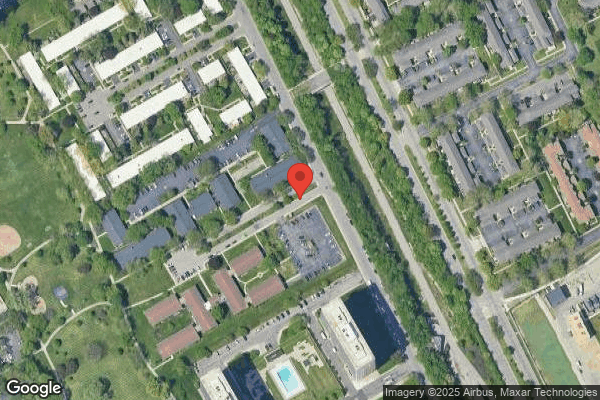
2102 Orleans St., Detroit, MI 48207 (313) 462-4362
For profit - Individual 59 Beds MISSION POINT HEALTHCARE SERVICES Data: November 2025 1 Immediate Jeopardy citation
Trust Grade
31/100
#307 of 422 in MI
Last Inspection: December 2024

Within standard 12-15 month inspection cycle. Federal law requires annual inspections.

Overview

Mission Point Nursing & Physical Rehab Center of Detroit has received a Trust Grade of F, indicating significant concerns about its quality of care. Ranked #307 out of 422 facilities in Michigan, it falls in the bottom half, and #46 out of 63 in Wayne County, meaning only a few local options are worse. Although the facility is improving, having decreased from 13 issues in 2024 to just 1 in 2025, it still faces serious challenges, including a concerning lack of registered nurse (RN) coverage, with less RN support than 99% of Michigan facilities. Specific incidents include a critical finding where a portable space heater in a resident's room posed a fire hazard, and a serious issue where a resident suffered from fecal impaction due to inadequate monitoring. While staffing turnover is relatively low at 42%, the facility's overall performance remains below average, with a 2/5 star rating.

Trust Score
F
31/100
In Michigan
#307/422
Bottom 28%
Safety Record
High Risk
Review needed
Inspections
Getting Better
13 → 1 violations
Staff Stability
○ Average
42% turnover. Near Michigan's 48% average. Typical for the industry.
Penalties
⚠ Watch
$23,404 in fines. Higher than 78% of Michigan facilities, suggesting repeated compliance issues.
Skilled Nurses
⚠ Watch
Each resident gets only 9 minutes of Registered Nurse (RN) attention daily — below average for Michigan. Fewer RN minutes means fewer trained eyes watching for problems.
Violations
⚠ Watch
25 deficiencies on record. Higher than average. Multiple issues found across inspections.
★★☆☆☆
2.0
Overall Rating
★☆☆☆☆
1.0
Staff Levels
★★★★☆
4.0
Care Quality
★★★☆☆
3.0
Inspection Score
Stable
2024: 13 issues
2025: 1 issues

The Good

  • 4-Star Quality Measures · Strong clinical quality outcomes
  • Full Sprinkler Coverage · Fire safety systems throughout facility
  • No fines on record
  • Staff turnover below average (42%)

    6 points below Michigan average of 48%

Facility shows strength in quality measures, fire safety.

The Bad

2-Star Overall Rating

Below Michigan average (3.1)

Below average - review inspection findings carefully

Staff Turnover: 42%

Near Michigan avg (46%)

Typical for the industry

Federal Fines: $23,404

Below median ($33,413)

Minor penalties assessed

Chain: MISSION POINT HEALTHCARE SERVICES

Part of a multi-facility chain

Ask about local staffing decisions and management

The Ugly 25 deficiencies on record

1 life-threatening 1 actual harm
Aug 2025 1 deficiency
CONCERN (D) 📢 Someone Reported This

A family member, employee, or ombudsman was alarmed enough to file a formal complaint

Potential for Harm - no one hurt, but risky conditions existed

Deficiency F0602 (Tag F0602)

Could have caused harm · This affected 1 resident

**NOTE- TERMS IN BRACKETS HAVE BEEN EDITED TO PROTECT CONFIDENTIALITY** This citation pertains to intake # 2588852Based on interview and record review, the facility failed to ensure a resident was fre...

Read full inspector narrative →
**NOTE- TERMS IN BRACKETS HAVE BEEN EDITED TO PROTECT CONFIDENTIALITY** This citation pertains to intake # 2588852Based on interview and record review, the facility failed to ensure a resident was free of misappropriation of funds for one (R402) of three residents reviewed for misappropriation of funds.A review of the facility's incident report was received by the State Agency via online submission on 8/1/25 revealed the following: Incident Summary Unauthorized charges have been made on (R402) debit card. Card was cancelled and Detroit Police Department was notified.Investigation Summary Analysis: (R402) admitted to (this facility) on 5/10/2024.On 8-01-2025 (Nursing Home Administrator), was notified by the (Business Office Manager) that she received an alert by phone regarding (R402's) (bank) account. The alert showed that someone was attempting to withdrawal $800.00 from the account. (Business Office Manager) immediately responded to the alert, notifying the fraud department at the bank. The card was cancelled immediately. The resident (R402) was interviewed regarding (their) account .The Administrator reviewed transactions from (R402's) checking account that occurred from 6-3-25 to present. The following transactions were identified as concerns. The purchase at (an online clothing retailer) that occurred on 6-16-25 and the transactions that occurred at a (discount store) on multiple dates. The resident reports that he did allow (Certified Nursing Assistant) CNA B to use (R402's) debit card to purchase cigarettes.The resident denies giving the PIN number to anyone. On 8/20/2025 at 10:45AM, R402 was observed in bed wearing a gown. R402 had their face covered with a washcloth. R402 was interviewed and asked about their bank debit, and who (R402) allowed to their bank card. R402 said, I gave my debit card to (CNA B) and (CNA B) would buy items for him, mostly cigarettes. R402 was asked if (they) ever allowed other staff to use the debit card. R402 said, No. I never gave my card to anyone but (CNA B) .I'm happy the State is investigating this because it was wrong for (CNA B) to take my money. R402 stated (they) did not want to talk about it anymore. A review of R402's electronic medical record revealed an admission to the facility on [DATE] with the diagnoses of Parkinson's Disease, Hypertension, Peripheral Vascular Disease, Major Depression, and Insomnia. R404 Brief Interview for Mental Status (BIMS) score is 14/15 which indicates no cognitive impairment. R402 is non-ambulatory and requires minimal one person assistance with care. A review of R402's care plan revealed the following: Focus: I have a psychosocial well-being problem (actual or Potential) related to Anxiety/depression from misappropriation of funds. Dated 8/13/25.Interventions: Residents debit card will be kept by the Business Office Manager. On 8/20/25 at 11:36AM, CNA B was interviewed and queried about the usage of R402's debit card. CNA B said, I would use (R402's) debit card to go shopping for (R402) out of the kindness of my heart. I did not know that I was not supposed to use their card.From what I understand, there were other staff that would go shopping for R402. CNA B was asked the names of other staff that used R402's debit card. CNA B said she did not know any names. CNA B was asked if (they) used debit cards or cash to go shopping for other residents. CNA B said, Yes. I go shopping for (R404) and (R405) .I was only helping residents out of the kindness of my heart.not everybody steals.I was told that I couldn't do that anymore. CNA B was asked if they were suspended during the investigation. CNA B said she's been helping and shopping for residents for years. CNA B stated that they were suspended for three days. On 8/20/25 at 11:57 AM, R404 was observed sitting in their wheelchair in the hallway. R404 was interviewed and asked if they ever gave money or their bank card to CNA B shopping. R404 said she would give CNA B cash to buy snacks at the store. R404 said, I hope (CNA B) does not get in trouble. A review of R404's electronic medical record revealed an admission to the facility on [DATE] with the diagnoses of Glaucoma, Lymphedema, Muscle Weakness, Kidney Disease, and Osteoarthritis. R404 Brief Interview for Mental Status (BIMS) score is 15/15 which indicates no cognitive impairment. On 8/20/25 at 12:08PM, R405 was observed in the resident's dining room drinking coffee. R405 was interviewed and asked if they ever gave money or their bank card to CNA B for shopping. R405 said, I gave (CNA B) my EBT card (An Electronic Benefits Transfer (EBT) card is used in the U.S. to access public assistance benefits, primarily the Supplemental Nutrition Assistance Program (SNAP) (formerly food stamps), but also for cash aid and other programs) to go shopping. (CNA B) is good people. R405 was asked if they checked their EBT card balance. R405 answered, No, I have not. According to the U.S. Department of Agriculture (USDA), using someone else's EBT card is a form of food stamp fraud and is illegal under federal and state law, even if you have the cardholder's permission. A review of 405's electronic medical record revealed a facility admission date of 05/05/25 with the diagnoses of Fracture Humerus, Heart Failure, Peripheral Vascular Disease, and Difficulty Walking. R405 Brief Interview for Mental Status (BIMS) score is 15/15 which indicates no cognitive impairment. On 8/20/25 at 1:30 PM, the Business Office Manager was interviewed and questioned about R402's bank card. The Business Office Manager said, On August 1st (R402's) bank notified facility that there was an attempt to withdraw $800 from (R402's) account. The Business Office Manager asked R402 if (they) tried to withdraw $800 from (their) account. R402 said CNA B was supposed to buy cigarettes. The Business Office Manager asked R402 for the location of their debit card. R402 told the Business Office Manager CNA B had the debit card. CNA B was not working on August 1st. In addition, the Business Office Manager stated that CNA B had questioned her about funds of two other residents because they were asking for cigarettes. A review of the bank transactions received from the Business Office Manager and Nursing Home Administrator (showing purchases not made by R402) revealed the following: 6/10/2025: Card Purchase $1.99 6/16/2025: Debit Card Purchase from an online retail store for scrubs: $28.30 6/20/2025: Debit Card Purchase Food Delivery $5.00 6/20/2025: Debit Card Purchase Food Delivery Company $24.896/20/2025: Debit Card Purchase Food Delivery Company $39.99 6/27/2025: Debit Card Purchase Discount Store $20.27 6/27/2025: Debit Card Purchase Discount Store $11.52 6/30/2025: Debit Card Purchase unknown Store $26.00 6/30/2025: Debit Card Purchase Discount Store $49.65 7/01/2025: Debit Card Purchase Discount Store $4.00 7/01/2025: Debit Card Purchase Discount Store $24.86 7/01/2025: Debit Card Purchase Discount Store $79.20 7/07/2025: Debit Card Purchase Discount Store $33.27 7/07/2025: Debit Card Purchase Discount Store $68.51 7/07/2025: Debit Card Purchase Discount Store $29.50 7/11/2025: Debit Card Purchase Discount Store $90.71 7/15/2025: Debit Card Purchase Discount Store $33.01 7/18/2025: ATM Transaction Fee Balance Inquiry $3.00 7/21/2025: ATM Transaction Fee Balance Inquiry $3.00 7/21/2025: Debit Card Purchase at Gas Station: $ 0.64 The Discount Store is the same store the Debit Card Purchase were made. On 8/20/25 at 3:15 PM, Nursing Home Administrator (NHA) was interviewed and queried about CNA B use of R402's debit card. The NHA stated that they were able to verify from the purchase at (an online clothing retailer) that occurred on 6-16-25 was for scrubs. The NHA said, Staff should not take cash or residents' bank cards.If residents need anything from the store they should speak to Business Office Manager or the Social Worker. The facility's policy for Abuse was not received as requested on 8/20/2025.
Dec 2024 6 deficiencies
CONCERN (D)

Potential for Harm - no one hurt, but risky conditions existed

Deficiency F0578 (Tag F0578)

Could have caused harm · This affected 1 resident

**NOTE- TERMS IN BRACKETS HAVE BEEN EDITED TO PROTECT CONFIDENTIALITY** Based on interview and record review the facility failed to ensure an Advance Directive was completed for one resident (R210) of...

Read full inspector narrative →
**NOTE- TERMS IN BRACKETS HAVE BEEN EDITED TO PROTECT CONFIDENTIALITY** Based on interview and record review the facility failed to ensure an Advance Directive was completed for one resident (R210) of fourteen residents reviewed resulting in the potential for inaccurate life sustaining measures or withholding medical treatment. Findings include: On 12/10/24, at approximately 2:00 PM, record review of the Electronic Medical Record (EMR), revealed R210 was initially admitted into the facility on [DATE] with diagnoses that included Acute Respiratory Failure, and Muscle Weakness. In addition, R210 was being treated for Carbapenem-resistant Enterobacteriaceae, (CRE). CRE is a bacterium which is resistant to certain antibiotics. There was no signed Advance Directive. According to admission Minimum Data Set (MDS) assessment dated [DATE], R210 had moderately impaired cognition. R210 required extensive one-person assistance with activities of daily living (ADLs). On 12/12/24 at 9:10 AM, Social Worker G was interviewed regarding R210's Advance Directive and said while looking and calling other parties the signed hard copy of R210 Advance Directive could not be located. SW G said they know the importance of having an Advance Directive is to honor patient's wishes. On 12/12/24 at 2:50 PM, the Director of Nursing was interviewed, and confirmed there was no Advance Directive for R210. The DON said the importance of having an Advance Directive for residents is to abide by the resident's wishes.
CONCERN (D)

Potential for Harm - no one hurt, but risky conditions existed

ADL Care (Tag F0677)

Could have caused harm · This affected 1 resident

**NOTE- TERMS IN BRACKETS HAVE BEEN EDITED TO PROTECT CONFIDENTIALITY** Based on observation, interview and record review the facility failed to provide hair care for one resident (R1) of 14 sampled r...

Read full inspector narrative →
**NOTE- TERMS IN BRACKETS HAVE BEEN EDITED TO PROTECT CONFIDENTIALITY** Based on observation, interview and record review the facility failed to provide hair care for one resident (R1) of 14 sampled residents reviewed for activities of daily living (ADL), resulting in poor grooming. Findings include: On 12/10/24 at 1:25 P.M. R1 was observed sitting in the hallway outside of her room. R1's hair was observed loose around the front portion of the resident's face and the back braids had scattered patches of unbraided rows. The resident's scalp was dry in appearance and unkempt. R1 was observed on 12/11/24 at 12:00 P. M during lunch in the main dining room and on 12/12/24 at 8:14 A.M. exiting the elevator going to activities. R1's hair was not groomed, and the resident's hair remained in the same condition as it was observed on 12/10/24. Review of the admission Record for R1 indicated the resident was admitted to the facility on [DATE], with diagnoses that included: Down Syndrome, Diabetes Mellitus, dry eye syndrome, seizure disorder and other symptoms and signs involving cognitive function. According to the Minimum Data Set (MDS) dated [DATE], R1 was severely impaired in cognitive skills for thinking, was rarely or never understood and was incontinent of bowel and bladder. On 12/12/24 at 9:10 A.M., review of the Care Plan titled: Activities of Daily Living (ADL) self-care performance deficit related to Down Syndrome, initiated 9/20/22, indicated R1 was dependent on staff for personal hygiene (meaning the resident does none of the effort to complete the activity which) included combing hair, shaving and applying make-up. On 12/12/24 at11:10 A.M. License Practical Nurse (LPN) B was interviewed concerning the appearance of R1's hair. LPN B indicated the Nurse Aides were responsible for combing resident's hair every day and R1's hair was usually braided and oiled on her shower days. LPN B indicated R1 shower days were Mondays and Thursdays. LPN B was queried if R1 hair was groomed on Monday, 12/9/24. The nurse indicated she was not sure because the one nurse aide who normally combed R1's hair had not been scheduled on the unit that week. LPN B was asked to observe the resident's hair. During the observation the nurse's stated Not all the nurse aides on the unit, know how to braid hair and when the one aide that could braid hair was off or on vacation, there was no one else except maybe a nurse to braid the resident's hair. Review of the Task assignment for R1 revealed no documented evidence R1 received hair care on Monday or any day for the month of November and/or December. On 12/12/24 at 11:30 A.M. the Director of Nursing (DON) was interviewed concerning R1's hair. The DON indicated the nurse Aides were responsible for ensuring resident's hair was washed and groomed on shower days. The DON was not able to provide a reason why R1's hair wasn't combed or brushed the days of observation. The facility's policy was requested related to Activities of Daily Living but was not provided upon exiting the facility at 4:30 P.M.
CONCERN (D)

Potential for Harm - no one hurt, but risky conditions existed

Deficiency F0688 (Tag F0688)

Could have caused harm · This affected 1 resident

**NOTE- TERMS IN BRACKETS HAVE BEEN EDITED TO PROTECT CONFIDENTIALITY** Based on interview, and record review the facility failed to consistently provide one resident (R5) out of three residents revie...

Read full inspector narrative →
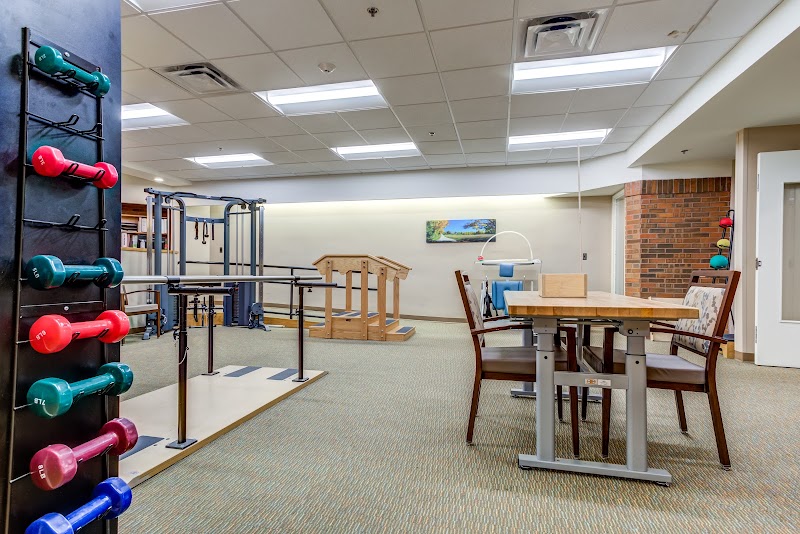
**NOTE- TERMS IN BRACKETS HAVE BEEN EDITED TO PROTECT CONFIDENTIALITY** Based on interview, and record review the facility failed to consistently provide one resident (R5) out of three residents reviewed for limited range of motion (ROM) a restorative therapy. Findings include: On 12/10/24 at 11:44 AM, R5 was interviewed and stated, I'm not getting any rehab or exercises. I'd like to because my shoulder is starting to hurt more. Record review of Electronic Health Record (EHR) revealed R5 admitted to the facility on [DATE] with diagnoses that included cerebral infarction (stroke) and paraplegia (paralysis that affects the lower half of the body). Review of the Minimum Data Set (MDS) dated [DATE] for R93 revealed a Brief interview for Mental Status (BIMS) 15/15 intact cognition and functional limitation in range of motion impairment to both upper extremities. Record review of the physical therapy discharge summary note dated 10/14/24 with Physical Therapist (PT) A revealed discharge recommendations: patient referred to FMP (functional maintenance program). Functional maintenance program established/trained = range of motion program. Range of motion program established/trained: 15 rept x 2 sets (15 repetitions for 2 sets). Prognosis to maintain CLOF (currently level of function) = good with consistent staff follow-through. PT A said he did not complete a therapy to restorative form on 10/14/24 but should have and agreed R5 should be having a ROM program. Record review of the EHR did not reveal a therapy to restorative form completed for the physical therapy discharge on [DATE]. Further review of the EHR for R5 revealed no orders, care plan and/or [NAME] for a restorative ROM program. On 12/11/24 at 1:20 PM R5's restorative log was requested for October 2024 but was not provided. Review of R5's November restorative log revealed 15 minutes of ROM was provided on 11/13/24. Dates 11/15/24 through 12/11/24 revealed not applicable. There were no refusals of a ROM program noted in the EHR. On 12/11/24 at 4:06 the Director of Nursing (DON) was interviewed and said R5 was not receiving restorative services and should have been and that the restorative log should not have been marked not applicable. Review of the facility policy titled Restorative Nursing Programs revised 6/23/24 revealed in part . It is the policy of this facility to provide maintenance and restorative services designed to maintain or improve a resident's abilities to the highest practicable level. The discharging therapist, restorative coordinator, or designated licensed nurse will communicate to the appropriate restorative aide, the provisions of the resident's restorative nursing plan, providing any necessary training to carry out the plan. Restorative aides will implement the plan for a designated period, performing the activities and documenting in the clinical record.
CONCERN (D)

Potential for Harm - no one hurt, but risky conditions existed

Infection Control (Tag F0880)

Could have caused harm · This affected 1 resident

**NOTE- TERMS IN BRACKETS HAVE BEEN EDITED TO PROTECT CONFIDENTIALITY** Based on observation, interview, and record review the facility failed to implement preventative measures for one resident (R210...

Read full inspector narrative →
**NOTE- TERMS IN BRACKETS HAVE BEEN EDITED TO PROTECT CONFIDENTIALITY** Based on observation, interview, and record review the facility failed to implement preventative measures for one resident (R210) of one resident reviewed for transmission-based precautions. was free from the potential spread of infectious pathogens. Findings include: Record review of the Electronic Medical Record, (EMR) clinical record documented R210 was initially admitted into the facility on [DATE] with diagnoses that included Acute Respiratory Failure, and Muscle Weakness. In addition, R210 was being treated for Carbapenem-resistant Enterobacteriaceae, (CRE). CRE is a bacterium which is resistant to certain antibiotics. According to the admission Minimum Data Set (MDS) assessment dated [DATE], R210 had moderately impaired cognition 11/15 (BIMS), Brief Interview for Mental Status. R210 required extensive one-person assistance with activities of daily living (ADLs). On 12/11/24 at 12:50 PM, Certified Nursing Assistant, (CNA) H was observed to take R210's lunch tray into the room. CNA H did not use any personal protection equipment, (PPE). There was PPE located outside of the room. The door was marked for Transmission based precautions. The room door was left open and it was observed that R210 did not receive an isolation tray. On 12/11/24 at 2:40 PM, CNA H was queried about R210 and said R210 gets a regular tray it comes on regular dishes. CNA H was asked if there were any special precautions for R210. CNA H said only when providing patient care. On 12/11/24 at 2:45 PM, CNA I was queried and indicated that a regular tray (a tray with regular dishes) was given to R210 and was returned to the kitchen. On 12/11/24 at 3:00 PM, Licensed Practical Nurse, (LPN) F was interviewed and she said R210 was on precautions for a respiratory infection. LPN F added they wear PPE when they provide personal care for R210. LPN F was queried if there was a difference in the meal tray for residents on transmission-based precautions, LPN F explained on day shift R210 received a regular tray and on night shift R210 receives Styrofoam trays. LPN F said she is not sure why R210 receives the Styrofoam at night. On 12/12/24 at 2:50 PM, the Director of Nursing, (DON) was interviewed and said R210 even though they had completed antibiotics they would remain on transmission-based precautions until test results came back clearing them. The DON said R210 would be receiving all their meals on Styrofoam Record review of the facilities infection prevention and control program dated 4/17. The program is designed to provide a safe sanitary and comfortable environment. This program is to help prevent the development of communicable diseases and infections. When a resident has an identified they shall be placed on transmission-based precautions. The policy also stated, All staff will receive training relevant to their role and responsibility regarding the infection prevention and control program. Staff will also demonstrate competence related to infection control practices. Furthermore, there will be an annual review of the policy and based on that review any needed updates will occur.
CONCERN (E)

Potential for Harm - no one hurt, but risky conditions existed

Deficiency F0657 (Tag F0657)

Could have caused harm · This affected multiple residents

**NOTE- TERMS IN BRACKETS HAVE BEEN EDITED TO PROTECT CONFIDENTIALITY** Based on interview, and record review the facility failed to revise care plans in a timely manner for three residents (R10, R260...

Read full inspector narrative →
**NOTE- TERMS IN BRACKETS HAVE BEEN EDITED TO PROTECT CONFIDENTIALITY** Based on interview, and record review the facility failed to revise care plans in a timely manner for three residents (R10, R260, and R7) out of 14 residents reviewed for care planning. Findings include: R10 On 12/10/24 at 9:59 AM R10's guardian was interviewed and stated that R10 has had recent falls and was concerned. Record review of R10's electronic health records (EHR) revealed admission into the facility on 3/8/23 with pertinent diagnoses of epilepsy, and traumatic brain injury. According to the Minimum Data Set, dated [DATE], R18 had severely impaired cognition and was dependent for Activities of Daily Living (ADLS). Record review of R10's fall report dated 10/6/24 revealed that Resident observed on floor next to bed laying on his back no c/o (complaints) pain nor distress noted, resident verbally responsive. Record review of R10's active care plans revealed the following: Focus: I had an actual fall on 10/6/24 revision on 12/11/24. Goal I will exhibit less behaviors resulting in me placing myself on the floor. Date initiated 10/6/24 created on 12/11/24. Interventions: keep resident occupied with activities while awake. Date initiated 10/6/24 created on 12/11/24. On 12/11/24 at 11:44 AM the Director of Nursing (DON) was interviewed and said R10's fall care plan was updated on 12/11/24 after the 10/6/24 fall was identified during the survey. The DON agreed the 10/6/24 care plan update was not timely and ideally should be updated within 24 hours of the fall. R260 Record review of R260's electronic health records (EHR) revealed admission into the facility on [DATE] with pertinent diagnoses of cellulitis of right orbit and other psychoactive substance abuse. According to the Minimum Data Set, dated [DATE] R260 had intact cognition. Record review of the physician's orders revealed hydroxyzine HCL oral tablet 50 mg give 1 tablet by mouth every 4 hours as needed for anxiety start date 11/19/2024. Review of the December 2024 Medication Administration Record (MAR) revealed R260 received hydroxyzine on 12/3/24, 12/8/24, 12/9/24, and 12/10/24. Review of R260's care plan did not reveal an anxiety diagnosis and/or anxiety medication care plan. On 12/11/24 at 4:06 the Director of Nursing (DON) was interviewed and said R260 received an anti-anxiety medication and agreed there should be a care plan for anxiety and hydroxyzine. R7 On 12/12/24 at 8:30 A.M. review of the admission record for R7 documented the resident was admitted to the facility on [DATE] with pertinent diagnoses which included: history of falls, chronic obstructive pulmonary disease, chronic kidney disease stg 3, schizophrenia, morbid obesity and pulmonary embolism. According to the minimum data set (MDS) dated [DATE], R7 was cognitively intact with periods of confusion, had long and short-term memory deficits and required 2 person assist for transfer. Record review of R7 Electronic Health Record and Falls care plan documented on 10/29/24, revealed R7 had a witnessed fall. According to the report a Nursing Student reported R7 fell on the floor attempting to transfer to bed and hit his head on the floor R7 stated he was trying to get into bed and lost his balance. On 10/29/24 R7 was transferred out of the facility for further evaluation to rule out head trauma secondary to anti-coagulant therapy. Record review of R7 Care Plan revealed the following Focus: I am at increased risks for falls r/t BLE weakness initiated, created and revised 8/15/24. Goal My risk for falls Will be reduced through the next review date initiated 12/1/24, created 8/15/24, revised 12/9/24. Further review of the falls care plan revealed no evidence the facility revised or reviewed the original Fall care plan dated 8/15/24. Per the facility's interventions revisions of care plan will occur quarterly and after each fall.
CONCERN (F)

Potential for Harm - no one hurt, but risky conditions existed

Food Safety (Tag F0812)

Could have caused harm · This affected most or all residents

Based on observation, interview, and record review the facility failed to ensure a sanitary physical environment in the Dietary Department, resulting in a potential for contamination of food from soil...

Read full inspector narrative →
Based on observation, interview, and record review the facility failed to ensure a sanitary physical environment in the Dietary Department, resulting in a potential for contamination of food from soiled ceiling tiles and corroded, rusted vents. This deficient practice had the potential to affect 50 residents that received meals and/or food from the kitchen. Findings include: On 12/11/2024 at 12:00 P.M. during a follow up observation in the kitchen four of five ceiling vents were observed soiled with grease, rust and corroded discolored areas. The tiles around the perimeter of the vent exiting the doorway to the tray line had visible black, greasy, lint spots. During the observation Dietary Manager C was queried concerning who was responsible for cleaning of the vents in the kitchen. The manager indicated the department had a porter who had recently cleaned the vents, but the areas observed on the vents were rust and the vents needed to be replaced. The manager indicated the outer portions of the vents had been recently cleaned but the inner lining and adjacent ceiling tiles required deep cleaning or replacement by the Maintenance Department. On 12/11/24 at 1:40 P.M. Maintenance Director D was interviewed concerning the cleaning of the vents and ceiling tiles in the kitchen. Maintenance Director D reported the maintenance department was only responsible for cleaning the facility's vent throughout the building, but that cleaning did not include cleaning the vents in the Dietary Department. On 12/12/24 at approximately 1:00 P.M. the Director of Nursing (DON), in the absence of the Dietitian & Administrator, was made aware of the conditions of the vents and ceiling tiles in the kitchen. The DON was asked to observe the vents and ceiling tiles around the vents in the kitchen. On 12/12/24 at 2:00 P.M. during the Quality Assurance Interview the DON indicated observation of the ceiling vents and tiles were noted and stated the soiled tiles and rusted vents needed to be replaced Review of the facility's policy titled, Cleaning Interior vents, dated 1/11/2021, stated in part The Plant/OPS Maintenance Department vent cleaning should be performed throughout the entire facility quarterly to ensure compliance. Avoid servicing the Dining room or kitchen vents during mealtimes or when food is exposed. The policy did not identify who was responsible for cleaning of the vents in the kitchen area. On 12/12/24 at 4:00 P.M., according to the 2019 Food Code under 6-501.12 and 6-501.14 stated(A) Physical facilities shall be cleaned as often as necessary to keep them clean, (B) Except for cleaning that is necessary due to spill or other accident, cleaning shall be done during periods when the least amount of food is exposed such as after closing. 6-501.14(A). Cleaning ventilation systems, Nuisance and Discharge Prohibition. (A). Intake and exhaust air ducts shall be cleaned, and filters changed so they are not a source of contamination by dust, dirt, and other materials.
Jul 2024 1 deficiency
CONCERN (D) 📢 Someone Reported This

A family member, employee, or ombudsman was alarmed enough to file a formal complaint

Potential for Harm - no one hurt, but risky conditions existed

Investigate Abuse (Tag F0610)

Could have caused harm · This affected 1 resident

**NOTE- TERMS IN BRACKETS HAVE BEEN EDITED TO PROTECT CONFIDENTIALITY** This citation pertains to MI00145588. Based on interview and record review, the facility failed to thoroughly conduct and docume...

Read full inspector narrative →
**NOTE- TERMS IN BRACKETS HAVE BEEN EDITED TO PROTECT CONFIDENTIALITY** This citation pertains to MI00145588. Based on interview and record review, the facility failed to thoroughly conduct and document an investigation of a resident to resident altercation for two residents (R103 and R104) out of four residents reviewed for abuse, resulting in missed opportunities to implement corrective measures and interventions. Findings include: The facility self-reported incident documented that on 5/25/24 at 2:00 AM, Resident #103 (R103) pulled up Resident #104's (R104) pants and pushed him in the back. This incident was observed by Certified Nurse Aide (CNA) A. A review of the facility's complete investigation indicated that Social Worker (SW) B completed a wellness visit for both residents and there were no psychosocial changes noted to either resident related to the incident. Residents reported feeling safe in the building. A review of the admission Record for R103 documented an admission date of 5/14/24 with diagnoses that included Crohn's Disease, acquired partial absence of both the stomach and pancreas, and protein-calorie malnutrition. A Minimum Data Set assessment dated [DATE] documented intact cognition. A review of the admission Record for R104 documented an admission date of 12/1/23 with diagnoses that included encephalopathy, adult failure to thrive, and dementia. A MDS assessment dated [DATE] documented severe cognitive impairment. On 7/16/24 at 3:30 PM, a review of the clinical records for R103 and R104 was conducted with the Nursing Home Administrator (NHA). The NHA stated wellness visits were necessary to make sure there was no mental anguish from the incident and should be documented in the resident's clinical record. The completion of a wellness visit was not documented in the clinical records of R103 or R104. On 7/16/24 at 3:40 PM, SW B said she did not complete a wellness visit for R103 or R104. SW B said if a wellness visit was conducted, it would be part of the resident's clinical record. A review of the facility document title, Abuse, Neglect and Exploitation, dated 1/28/2002, revealed in part the following: - Investigations may include but not limited to providing complete and thorough documentation of the investigation. - The facility will make efforts to ensure all residents are protected from physical and psychosocial harm during and after the investigation. Examples include but are not limited to providing emotional support and counseling to the resident during and after the investigation, as needed. On 7/16/24 at 5:25 PM during the exit conference, the NHA did not offer additional documentation or information when asked.
Jun 2024 1 deficiency
CONCERN (D) 📢 Someone Reported This

A family member, employee, or ombudsman was alarmed enough to file a formal complaint

Potential for Harm - no one hurt, but risky conditions existed

Pharmacy Services (Tag F0755)

Could have caused harm · This affected 1 resident

**NOTE- TERMS IN BRACKETS HAVE BEEN EDITED TO PROTECT CONFIDENTIALITY** This citation pertains to intake MI00145046. Based on observation, interview, and record review the facility failed to provide r...

Read full inspector narrative →
**NOTE- TERMS IN BRACKETS HAVE BEEN EDITED TO PROTECT CONFIDENTIALITY** This citation pertains to intake MI00145046. Based on observation, interview, and record review the facility failed to provide routine floor stock pain gel medication for one (R402) of three residents reviewed for medication administration resulting in R402 not receiving a prescribed pain. Findings include: It was reported to the State Agency that a resident's medication was not given according to physician's orders. On 6/18/24 at 9:35 am R402 was observed sitting in her room with bare foot. Both feet appeared swollen. R402 was asked about her feet and stated, My feet hurt and are swollen. The doctor here ordered lidocaine to help with the pain, but I am not getting it. On 6/18/24 at 1:15 pm Licensed Practical Nurse (LPN) A was interviewed and said R402's pain gel 'Lidocaine 2.5%' was not available for administration. LPN A said that R402 had not received the pain gel to date, but her pain was controlled by another medication. LPN A said the 'Lidocaine 2.5%' pain gel was a floor stock item and had not been available since it was ordered for R402 on 6/13/24. According to R402's Electronic Health Record (EHR) the resident was admitted to the facility on [DATE] with a pertinent diagnosis of difficulty in walking. Review of the Minimum Data Set (MDS) dated [DATE] for R402 revealed a Brief interview for Mental Status BIMS of 15/15 intact cognition. Review of physician orders revealed 'Lidocaine 2.5%' pain gel was prescribed on 6/13/24. A record review of R402's Medication Administration Record (MAR) for June 2024 revealed R402's 'Lidocaine 2.5%' pain gel had not been available for administration five of five prescribed times: 6/13/24, 6/14/24, 6/15/24, 6/16/24, and 6/17/24. Review of a communication note dated 6/15/24 revealed, Can central supply please provide the 2nd floor with some Lidocaine 5% cream or gel. Called pharmacy, they said it is house stock. There was no documentation to support the physician, or the Director of Nursing (DON) was notified of the missing pain gel. On 6/18/24 at 2:20 pm the Director of Nursing (DON) was interviewed and said, the unit manager did not read the communication note from the weekend staff, so the Lidocaine gel was not ordered. The DON confirmed she was responsible to order the facility's pharmacy floor stock items which included the 'Lidocaine 2.5%' pain gel. She stated, I just became aware of the missing lidocaine gel and will be getting it today. The DON agreed the physician should have been notified that the medication was not available. Review of the facility policy titled Medication Orders not dated revealed in part; . The prescriber is contacted by nursing for direction when delivery of a medication will be delayed, or the medication is not available.
May 2024 2 deficiencies
CONCERN (D) 📢 Someone Reported This

A family member, employee, or ombudsman was alarmed enough to file a formal complaint

Potential for Harm - no one hurt, but risky conditions existed

ADL Care (Tag F0677)

Could have caused harm · This affected 1 resident

**NOTE- TERMS IN BRACKETS HAVE BEEN EDITED TO PROTECT CONFIDENTIALITY** This citation pertains to intake number MI00144395. Based on observation, interview and record review, the facility failed to pr...

Read full inspector narrative →
**NOTE- TERMS IN BRACKETS HAVE BEEN EDITED TO PROTECT CONFIDENTIALITY** This citation pertains to intake number MI00144395. Based on observation, interview and record review, the facility failed to provide timely incontinence care for one resident (R101) of three residents reviewed for Activities of Daily Living (ADL), resulting in the potential for skin breakdown and infection. Findings include: In an observation and interview on 5/17/24 at 8:24 a.m., R101 sat in a wheelchair and wore a gown. A urine smell was noted in R101's room. R101 reported just getting up and stated, I need someone to wash me up and put on a dry diaper. Review of an admission Record revealed, R101 originally admitted to the facility on [DATE] and readmitted on [DATE] with pertinent diagnosis which included Chronic Obstructive Pulmonary Disease (COPD). Review of a Minimum Data Set (MDS) assessment dated [DATE] revealed R101 had no cognitive impairment with a Brief interview for Mental Status (BIMS) score of 15 out of 15. Review of a care plan revealed R101 had focus I experience bladder incontinence . Interventions included, check me every 2 hours and as needed for episodes of incontinence initiated on 4/3/24. In an observation on 5/17/24 at 9:27 a.m. Certified Nursing Assistant (CNA) A removed a soiled bed pad off R101's bed. In an observation on 5/17/24 at 9:44 a.m., R101 transferred self into bed. R101's brief was visibly heavily soiled indicated by two dark blue lines down the center of the brief from front to back. R101 reported being last dried around 10:30 p.m. the previous night. At this time, CNA A was observed to provide incontinence care. On 5/17/24 at 9:50 a.m., CNA A was queried and reported this was the first time changing R101. In an interview on 5/17/24 at 12:50 p.m., Licensed Practical Nurse (LPN) B reported rounds are completed at the beginning of the shift to make sure everyone is dry. LPN B then reported residents are checked and changed every 2 hours. In an interview on 5/17/24 at 1:54 p.m., the Director of Nursing (DON) reported residents should be checked and changed every 2 hours. The DON then reported staff should do rounds at shift change to check on the residents. Review of a AL: Basic Care Services policy implemented 6/1/22 documented, . Procedure: 1. Each shift will have a designated supervisor of resident care (HFA). 2. At the beginning of each shift, there will be communication between off going and oncoming staff to discuss any changes for the care of residents. 3. Each resident is monitored on a routine basis. Check on residents frequently throughout the shift, unless indicated otherwise on the resident's service plan .
CONCERN (D) 📢 Someone Reported This

A family member, employee, or ombudsman was alarmed enough to file a formal complaint

Potential for Harm - no one hurt, but risky conditions existed

Infection Control (Tag F0880)

Could have caused harm · This affected 1 resident

**NOTE- TERMS IN BRACKETS HAVE BEEN EDITED TO PROTECT CONFIDENTIALITY** Based on observation, interview, and record review the facility failed to follow the standards of infection control (gloves use ...

Read full inspector narrative →
**NOTE- TERMS IN BRACKETS HAVE BEEN EDITED TO PROTECT CONFIDENTIALITY** Based on observation, interview, and record review the facility failed to follow the standards of infection control (gloves use and hand hygiene), for one residents (R101) out of three residents reviewed for Activities of Daily Living (ADL), resulting in the potential for increased cross-contamination of diseases which place a vulnerable population at high risk for infections. Findings include: In an observation on 5/17/24 at 8:24 a.m., a pile of soiled linen sat on R101's floor in a corner that was visible from the hallway. Review of an admission Record revealed, R101 originally admitted to the facility on [DATE] and readmitted on [DATE] with pertinent diagnosis which included Chronic Obstructive Pulmonary Disease (COPD) and Type 2 Diabetes. Review of a Minimum Data Set (MDS) assessment dated [DATE] revealed R101 had no cognitive impairment with a Brief interview for Mental Status (BIMS) score of 15 out of 15. In an interview on 5/17/24 at 8:28 a.m., Certified Nursing Assistant (CNA) A was asked about the soiled linen on R101's floor and reported the linen was left by midnight shift. In an observation on 5/17/24 at 9:27 a.m. CNA A entered R101's room and put on gloves with no hand hygiene before application. CNA A removed a soiled bed pad off R101's bed, opened the blinds, then leaned against the wall and placed gloves hand behind her back which touched the wall. CNA A then removed the gloves, exited the room, and did not perform hand hygiene. In an observation on 5/17/24 at 9:39 a.m., CNA A filled a basin up with soapy water. CNA A then touched resident wheelchair and bedside table with gloved hands. CNA A spilled water on the floor, cleaned it up, removed gloves and exited the room and did not perform hand hygiene. In an observation on 5/17/24 at 9:42 a.m., CNA A entered R101's room and put on gloves with no hand hygiene before application. In an observation on 5/17/24 at 9:44 a.m., CNA A washed R101's peri area and buttocks with a soapy washcloth, rinsed and dried resident, then applied a new brief. With the same gloves used to clean R101, CNA A then removed R101's oxygen tubing. In an observation and interview on 5/17/24 at 9:59 a.m. CNA A removed gloves and began to exit the room without performing hand hygiene. CNA A was asked about the expectations of hand hygiene with glove use. CNA A reported hands should be washed before and after glove use. In an interview on 5/17/24 at 1:54 p.m., the Director of Nursing (DON) reported hand hygiene should be performed before and after glove use. The DON then reported staff should not touch personal items while wearing gloves. Review of a Hand Hygiene policy revised 12/20 documented the following: All staff will perform proper hand hygiene procedures to prevent the spread of infection to other personnel, residents, and visitors . Additional considerations: a. The use of gloves does not replace hand hygiene. If your task requires gloves, perform hand hygiene prior to donning gloves, and immediately after removing gloves .
May 2024 1 deficiency
CONCERN (D) 📢 Someone Reported This

A family member, employee, or ombudsman was alarmed enough to file a formal complaint

Potential for Harm - no one hurt, but risky conditions existed

Accident Prevention (Tag F0689)

Could have caused harm · This affected 1 resident

**NOTE- TERMS IN BRACKETS HAVE BEEN EDITED TO PROTECT CONFIDENTIALITY** This citation pertains to intake MI00143185. Based on interview and record review the facility failed to provide a safe environm...

Read full inspector narrative →
**NOTE- TERMS IN BRACKETS HAVE BEEN EDITED TO PROTECT CONFIDENTIALITY** This citation pertains to intake MI00143185. Based on interview and record review the facility failed to provide a safe environment or supervise one (R801) of three residents reviewed for supervision/accidents when R801 eloped through the front door of the facility unbeknownst to staff to take a bus to his physician's office. Findings include: The State Agency (SA) received a Facility Reported Incident (FRI) on 2/19/24 at 4:59 AM that reported R801 had walked out the front door of the facility on 2/19/24 at 1:25 AM with his personal belongings as viewed via camera. An investigation report on 2/27/24 indicated that on 2/19/24 at 9:00 AM, R801's personal physician's office called the facility to notify them R801 was at their office seeking medication. R801 had no injuries, was not in any distress, and denied having any pain. R801 stated he left the facility, walked to the nearby shelter, ate, changed clothes, went to the bus transit center, and took two different buses to get to the physician's office. R801 refused to return to the facility and signed an 'Against Medical Advice' form. R801 was transported to the local Hospital by facility staff per the resident's request. R801's Legal Guardian (LG) was aware. Further inspection of the facility's front door revealed the keypad code (a locking mechanism on the door that required a code to be entered for the door to open) had been disabled at a switchbox located near the top of the door. This disabled the keycode and allowed the front door to open from the motion sensor only. On 5/1/24 at 1:05 PM the Nursing Home Administrator (NHA) said the investigation revealed that R801 was able to walk out the facility's front door because the keypad code had been disabled at the switchbox. Review of video surveillance at the front door could not conclude how this occurred because the camera's view did not include a visual of the switchbox area. The NHA said Certified Nursing Assistant (CNA) C was assigned to R801 on 2/19/24 and had been terminated due to not properly supervising the resident. CNA C had been observed with their 'eyes closed and appeared to be sleeping' at the nurse's station during that shift by another facility staff member. Registered Nurse (RN) B had been assigned to R801 on 2/19/24 was from an agency that is no longer utilized by the facility. A voice message was left for CNA C 5/1/24 at 12:53 PM and 3:47 PM and no response had been received prior to the survey exit. A voice message was left for RN B on 5/1/24 at 12:50 PM and 3:35 PM and no response had been received prior to the survey exit. . A closed record review of R801's Electronic Health Record (EHR) revealed the resident admitted to the facility on [DATE] with multiple diagnoses that included malnutrition, major depressive disorder, and early onset dementia. R801 was not at risk for elopement according to the elopement risk assessments conducted on 6/9/23, 9/9/23, and 12/28/23. The Minimum Data Set (MDS) dated [DATE] indicated R801 had moderately impaired cognition and was independent with Activities of Daily Living. R801 had a Legal Guardian (LG). During a care conference on 12/18/23, R801's LG reported the resident was not a candidate for discharge to a group home setting. The LG did not disclose the reason the resident was not a candidate for a group home setting. On 5/1/24 at 11:42 AM R801's LG was left a voice message and no response had been returned prior to the survey exit.
Mar 2024 2 deficiencies
CONCERN (D) 📢 Someone Reported This

A family member, employee, or ombudsman was alarmed enough to file a formal complaint

Potential for Harm - no one hurt, but risky conditions existed

Pressure Ulcer Prevention (Tag F0686)

Could have caused harm · This affected 1 resident

**NOTE- TERMS IN BRACKETS HAVE BEEN EDITED TO PROTECT CONFIDENTIALITY** This citation pertains to MI00142402 and MI00142509. Based on interview and record review, the facility failed to administer wou...

Read full inspector narrative →
**NOTE- TERMS IN BRACKETS HAVE BEEN EDITED TO PROTECT CONFIDENTIALITY** This citation pertains to MI00142402 and MI00142509. Based on interview and record review, the facility failed to administer wound care treatments per physician order for one (R504) of four residents reviewed for pressure ulcers. Findings include: A review of R504's EMR (Electronic Medical Record) revealed R504 was admitted to the facility 12/20/23 and discharged [DATE]. R504 had the following medical diagnoses: Cerebral Infarction due to Embolism of a Cerebral Artery, Paraplegia, and difficulty walking. A review of R504's MDS (Minimum Data Set) dated 12/29/23, revealed R504 had a BIMS (Brief Interview of Mental Status) score of 15 out of 15 (cognitively intact). According to the MDS, R504 had one stage III (3) pressure ulcer and three stage IV (4) pressure ulcers all present on admission. The MDS was documented that R504 required maximal assistance with bed mobility and was dependent with transfers. A review of R504's pressure ulcer care plan dated 12/20/23 revealed, Administer wound and skin treatments as ordered and monitor for effectiveness. A review of R504's TAR (Treatment Administration Record) for December 2023 revealed the following orders: Clean left heel stage 3 wound with wound cleaner/normal saline, pat dry apply betadine soaked 4x4, apply ABD (abdominal) pad, wrap with Kerlix (gauze bandage), secure with tape every dayshift. Start date 12/21/23. Discontinue date 1/24/24. Missing dates: 12/25/23 and 12/30/23. Clean left ischium wound with wound cleaner/normal saline, pack with Kerlix soaked Dakins 1/4 solution, apply ABD and cover with a border gauze. every dayshift. Start date 12/21/23. Discontinue date 1/24/24. Missing dates: 12/25/23 and 12/30/23. Clean right groin wound with wound cleaner/normal saline, apply xeroform gauze, cover with a border gauze every dayshift. Start date 12/21/23. Discontinue date 1/17/24. Missing dates: 12/25/23 and 12/30/23. Clean right heel unstageable wound with wound cleaner/normal saline, pat dry apply betadine soaked 4x4, apply ABD pad, wrap with Kerlix, secure with tape every dayshift. Start date 12/21/23. Discontinue date 1/24/24. Missing dates: 12/25/23 and 12/30/23. Clean right hip wound with wound cleaner/normal saline, pack with Kerlix soaked Dakins 1/4 solution, apply ABD and cover with a border gauze every dayshift. Start date 12/21/23. Discontinued date 1/24/24. Missing dates: 12/25/23 and 12/30/23. Clean right lateral lower leg stage IV wound with wound cleaner/normal saline, apply medihoney gel, apply ABD pad, wrap with Kerlix, secure with tape every dayshift. Start date 12/21/23. Discontinue date 1/24/24. Missing dates: 12/25/23 and 12/30/23. Clean sacrococcyx wound with wound cleaner/normal saline, pack with Kerlix soaked Dakins 1/4, apply ABD and cover with a border gauze every dayshift. Start date 12/21/23. Discontinue date 1/24/24. Missing dates: 12/25/23 and 12/30/23. A review of R504's TAR (Treatment Administration Record) for January 2024 revealed the following orders and missing dates: Clean left heel stage 3 wound with wound cleaner/normal saline, pat dry apply betadine soaked 4x4, apply ABD (abdominal) pad, wrap with Kerlix (gauze bandage), secure with tape every dayshift. Start date 12/21/23. Discontinue date 1/24/24. Missing dates: 1/11/24, 1/14/24, and 1/16/24. Clean left ischium wound with wound cleaner/normal saline, pack with Kerlix soaked Dakins 1/4 solution, apply ABD and cover with a border gauze. every dayshift. Start date 12/21/23. Discontinue date 1/24/24. Missing dates: 1/11/24, 1/14/24, and 1/16/24. Clean right groin wound with wound cleaner/normal saline, apply xeroform gauze, cover with a border gauze every dayshift. Start date 12/21/23. Discontinue date 1/17/24. Missing dates: 1/11/24, 1/14/24, and 1/16/24. Clean right heel unstageable wound with wound cleaner/normal saline, pat dry apply betadine soaked 4x4, apply ABD pad, wrap with Kerlix, secure with tape every dayshift. Start date 12/21/23. Discontinue date 1/24/24. Missing dates: 1/11/24, 1/14/24, and 1/16/24. Clean right hip wound with wound cleaner/normal saline, pack with Kerlix soaked Dakins 1/4 solution, apply ABD and cover with a border gauze every dayshift. Start date 12/21/23. Discontinued date 1/24/24. Missing dates: 1/11/24, 1/14/24, and 1/16/24. Clean right lateral lower leg stage IV wound with wound cleaner/normal saline, apply medihoney gel, apply ABD pad, wrap with Kerlix, secure with tape every dayshift. Start date 12/21/23. Discontinue date 1/24/24. Missing dates: 1/11/24, 1/14/24, and 1/16/24. Clean sacrococcyx wound with wound cleaner/normal saline, pack with Kerlix soaked Dakins 1/4, apply ABD and cover with a border gauze every dayshift. Start date 12/21/23. Discontinue date 1/24/24. Missing dates: 1/11/24, 1/14/24, and 1/16/24. A review of R504's TAR (Treatment Administration Record) for February 2024 revealed the following orders and missing dates: Clean Left ischium wound with wound cleaner/normal saline, pack with Kerlix soak Dakins 1/4 solution, apply ABD and cover with a border gauze every dayshift. Start date 2/1/24. Discontinue date 2/12/24. Missing dates: 2/2/24, 2/7/24, 2/8/24, 2/9/24, 2/10/24, 2/11/24. Clean right glute with wound cleaner/normal saline, pat dry, apply medihoney gel, apply calcium alginate and cover with border gauze every dayshift. Start date 2/1/24. Discontinue date 2/12/24. Missing dates: 2/2/24, 2/7/24, 2/8/24, 2/9/24, 2/10/24, 2/11/24. Clean right hip wound with wound cleaner/normal saline, pack Dakins 1/4 soaked kerlix, apply ABD and cover with a border gauze every dayshift. Start date 2/1/24. Discontinue date 2/12/24. Missing dates: 2/2/24, 2/7/24, 2/8/24, 2/9/24, 2/10/24, 2/11/24. On 3/6/24 at 10:48 AM the DON (Director of Nursing) was interviewed regarding the missing wound treatments for R504. The DON said it was the expectation that all wound treatments should be documented per. skin treatment policy. The DON said if the treatments are not documented, it is assumed, they were not done. A review of the facility's policy titled, Wound Treatment Management and Documentation, with a reviewed date of 2/2024, revealed, Wound treatments will be provided in accordance with physician orders .Treatments will be documented on the Treatment Administration Record.
CONCERN (D) 📢 Someone Reported This

A family member, employee, or ombudsman was alarmed enough to file a formal complaint

Potential for Harm - no one hurt, but risky conditions existed

Medical Records (Tag F0842)

Could have caused harm · This affected 1 resident

**NOTE- TERMS IN BRACKETS HAVE BEEN EDITED TO PROTECT CONFIDENTIALITY** Based on observation, interview, and record review, the facility failed to perform a wound treatment prior to documenting comple...

Read full inspector narrative →
**NOTE- TERMS IN BRACKETS HAVE BEEN EDITED TO PROTECT CONFIDENTIALITY** Based on observation, interview, and record review, the facility failed to perform a wound treatment prior to documenting completion for one (R506) of four residents reviewed for pressure ulcers. Findings include: On 3/5/24 at 9:53 AM, R506 was queried about having pressure ulcers and wound treatments. R506 said he had a wound on his left hip. R506 said he received wound treatments but that the facility staff did not change the dressing for the wound every day. At that time, R506 revealed the dressing on his left hip that was dated for 3/3/24. On 3/5/24 at 2:15 PM, R506 was interviewed regarding the dressing change that was to be completed. R506 said that no one had changed his dressing since we had spoken last. On 3/5/24 at 2:21 PM, LPN A was queried about 506's scheduled dressing changes. LPN A said she did not get a chance to change 506's dressing. During this time, LPN A was looking at R506's TAR (Treatment Administration Record) in the EMR (Electronic Medical Record). LPN was queried if she had checked it off in the EMR. LPN A said she checked it off that it was done but that it must have been a mistake. On 3/5/24 at 2:27 PM, the DON (Director of Nursing) was interviewed regarding the order of performing and documenting wound care. The DON said the nursing staff can not document the treatment was done before performing the treatment. The DON said it is her expectation that nurses are being truthful about documenting and providing treatments. A review of 506's EMR revealed R506 was admitted to the facility on [DATE]. R506 had the following medical diagnoses: Diabetes Mellitus Type 2, difficulty walking, and the need for assistance with personal care. A review of R506's MDS (Minimum Data Set) dated 2/25/24 revealed R506 had a BIMS score of 12 out of 15 (moderate cognitive impairment). According to the MDS, R506 needed moderate assistance with bed mobility and transfers. The MDS was documented that R506 had one stage IV (4) pressure ulcer. A review of R506's care plan revealed, Administer wound and skin treatments as ordered and monitor for effectiveness. A review of R506's March 2024 TAR revealed the following treatment order and date of documented completion: Clean left hip wound with wound cleanser/ normal saline, paint with betadine and cover with border gauze every day shift. Start date 3/1/24. Documented completion dates: 3/1/24, 3/2/24, 3/3/24, 3/4/24, and 3/5/24.
Oct 2023 2 deficiencies
CONCERN (D) 📢 Someone Reported This

A family member, employee, or ombudsman was alarmed enough to file a formal complaint

Potential for Harm - no one hurt, but risky conditions existed

Deficiency F0692 (Tag F0692)

Could have caused harm · This affected 1 resident

**NOTE- TERMS IN BRACKETS HAVE BEEN EDITED TO PROTECT CONFIDENTIALITY** This citation pertains to intake MI00139645. Based on observation, interview, and record review the facility failed to monitor w...

Read full inspector narrative →
**NOTE- TERMS IN BRACKETS HAVE BEEN EDITED TO PROTECT CONFIDENTIALITY** This citation pertains to intake MI00139645. Based on observation, interview, and record review the facility failed to monitor weights in a timely manner for two (R13 and R155) of four residents reviewed for nutrition resulting in the potential for significant weight loss to go undetected and delayed interventions to prevent further weight loss. Findings include: R13: On 10/23/23 at 2:50 PM R13 was observed lying in bed in a private room. A full water cup was on the bedside table and within reach of the resident. R13 was in isolation due to testing positive for Covid-19. R13 was unable to be meaningfully interviewed due to severely impaired cognition. On 10/24/23 at approximately 8:30 AM and at 12:40 PM R13 was observed in his room being fed by Certified Nurse Assistant (CNA) H. R13 consumed over 75% of both his breakfast and lunch meal. An Electronic Health Record (EHR) review revealed R13 admitted to the facility on [DATE] with diagnoses that included malnutrition, dysphasia (difficulty swallowing/chewing), traumatic brain injury and seizures. The Minimum Data Set (MDS) dated [DATE] indicated R13 had a weight of 145 pounds (lbs.). On 3/13/13 a nutritional assessment identified R13 as 'at risk' for nutritional deficit. R13 was ordered a soft mechanical diet with double protein. A care plan was initiated that included the following interventions: monitor weight (no frequency indicated) and one to one feeding assistance. R13's initial weight at the facility on 3/24/23 (16 days after admission) was 144.0 lbs. R13's subsequent weights were as follows; On 4/6/23 (12 days later) R13 weighed 139.0 lbs On 5/1/23 (25 days later) R13 weighed 134.0 lbs. On 6/6/23 (43 days later) R13 weighed 114.6 lbs. On 7/7/23 (31 days later) R13 weighed 109.2 lbs. On 8/10/23 (34 days later) R13 weighed 114.0 lbs. On 9/14/23 (34 days later) R13 weighed 113.6 lbs. On 10/16/23 (32 days later) R13 weight 117.2 lbs. On 6/6/23, R13 weighed 114.6 lbs. A 29.4 lb. weight loss, a 20% weight loss in less than 90 days. A nutritional assessment on 6/9/23 identified the weight loss and ordered super foods, med pass 2.0 (nutritional supplement) 4 ounces with meals, and Magic Cup (nutritional supplement) twice a day. R13 was prescribed speech therapy to re-evaluate swallowing, nursing staff to document food intake (amount eaten), and blood work was ordered. The care plan was revised to include food monitoring. There was no order to re-weigh the resident or to increase the frequency of weight monitoring. A review of R113's 'task' section of the EHR indicated the resident had 'weights' ordered 'PRN' (as needed). The section for 'amount eaten' could only be viewed for the last 30 days ( 9/23/23 - 10/23/23). R113's amount eaten had been documented to be between 75% - 100% on all meals except the following 5 dates; 9/27/23, 10/4/23, 10/11/23, 10/18/23, 10/25/23. On these dates response not required was documented. On 10/25/23 at 11:44 AM Registered Dietitian RD A reviewed R13's EHR and said R13 should have been re-weighed after 6/6/23 to confirm accuracy and increased the frequency of weight monitoring to weekly weights. When asked about the lack of documentation on the task 'amount eaten', RD A said the software application had a 'glitch' that was currently being corrected . RD A said R13's significant weight loss coincided with an overall health decline including Urinary Tract Infection and previous + Covid-19 diagnosis. R155: A closed record review revealed that R155 admitted to the facility on [DATE] with multiple diagnoses that included protein calorie malnutrition, diabetes, and dysphasia. According to R155's hospital records R155's weight was 235.0 lbs. On 8/15/23, (6 days after admission), R155's weight was 219.6 lbs. R155 was identified as 'at risk' for nutritional deficit and care plan initiated that included the following interventions; monitor weight ( no frequency indicated). There were no additional weights documented for R155. R155 was discharged from the facility on 8/29/23. On 10/25/23 at 11:44 AM Registered Dietitian RD A reviewed R155's EHR and confirmed the resident's weight was not monitored during the time he resided at the facility (8/9/23-8/29/23. RD A said R155 should have been weighed upon admission and weekly for 4 weeks. According to the facility's 'Weight Monitoring' policy in part, last revised on 1/2021 reads as follows: Compliance Guidelines: Weight can be a useful indicator of nutritional status. Significant unintended changes in weight (loss or gain) or insidious weight loss (gradual unintended loss over a period of time) may indicate a nutritional problem 5. Weight will be obtained upon admission, readmission and weekly for the first four weeks after admission and at least monthly unless ordered by the physician. 6. Weight Analysis: The newly recorded resident weight should be compared to the previous recorded weight to determine if a re-weight is necessary. 7. A significant change in weight is defined as: a. 5% change in weight in 1 month (30 days) b. 7.5% change in weight in 3 months (90 days) c. 10% change in weight in 6 months (180 days)
CONCERN (E)

Potential for Harm - no one hurt, but risky conditions existed

Deficiency F0919 (Tag F0919)

Could have caused harm · This affected multiple residents

**NOTE- TERMS IN BRACKETS HAVE BEEN EDITED TO PROTECT CONFIDENTIALITY** On [DATE] at 9:45 AM, upon interview with ED D, on the current state of the nurse call system they stated, it's old, but it work...

Read full inspector narrative →
**NOTE- TERMS IN BRACKETS HAVE BEEN EDITED TO PROTECT CONFIDENTIALITY** On [DATE] at 9:45 AM, upon interview with ED D, on the current state of the nurse call system they stated, it's old, but it works most of the time. Sometimes we have to reset the monitors at the nurse's stations to show the rooms have been canceled. I made signs and taped them to the monitors at the nurse's station so they should all know how to do it. At this time the surveyor inquired with ED D, on what the facility would normally do if the nurse call system is not functioning as designed and in its originally approved condition to which they replied, we have bells we can provide and each floor also has a wireless doorbell that can be given to a resident if they can't shake the bell well. On [DATE] between 10:05 AM and 10:49 AM, upon environmental tour of the facility with ED D, the following observations were made: Upon review of the fourth floors monitor at the nurse's station after triggering the bed side call light in room [ROOM NUMBER], no notification was observed. At this time ED D stated, it must need to be reset. This is not normal. The surveyor then observed ED D shutting the power off to the monitor, turning it back on and stating to the surveyor, there it is, it's back up again. Upon testing of the bed side call light in room [ROOM NUMBER], the room number was observed by both ED D, and the surveyor not registering with the correct room number on one of the nurses pagers as it displayed room [ROOM NUMBER] being in need of assistance. Upon observation ED D, stated, that is so weird, we don't even have a fifth floor. Let's cancel it and try it again. Moments later the surveyor observed ED D, canceling the call light and re-triggering it at the same location in room [ROOM NUMBER]. Upon additional review of the same nurses pager by both ED D, and the surveyor it displayed the correct room number associated with the bed side call light. Bells and a wireless doorbell on each resident floor were observed available for use during this tour. Based on observation, interview, and record review the facility failed to ensure the 2nd floor 'wireless' call light system was effectively utilized by staff or had consistently functioning pagers and centralized monitor screen on the 2nd floor resulting in delayed call light response times and the potential for resident care need to be unmet. Findings include: On [DATE] at 12:41 PM, a 2nd floor resident (R54) said the staff doesn't answer the call light in a timely manner. R54 said, They don't wear the pagers that tells them I pushed the call light. When I asked them why it takes so long to answer my light, they said the call light system wasn't working properly. At this time R54's call light was activated. At 12:47 PM CNA C walked down the hall, passed R54's room and did not enter. CNA C was then asked how staff became aware a call light was on. CNA C said, We have pagers, but I don't have one right now. I go up to the nurse's station to look at the monitor screen to see who has a call light on, but sometimes it's not accurate. At this time CNA C went to the 2nd floor nurse's station and pointed to a monitor screen that displayed which call lights were on. The monitor's screen display was dark and not displaying anything. Licensed Practical Nurse (LPN) G was seated at the nurse's station and asked how staff became aware of call lights. LPN G said the 2nd floor's call light pager was in (not on) the medication cart. LPN G confirmed she was the only staff person to have a key to the medication cart. LPN G unlocked the medication cart and produced the pager. Upon inspection the pager was vibrating to indicate R54's call light was on. LPN G said the pager should be on the medication cart so all staff would be able to access it (the pager). LPN G was unable to clear R54's call light alert and removed the batteries then re-inserted them. R54's call light alert was not displayed on the pager's screen. At 12:50 CNA F was asked about the facility's call light system and replied, We are supposed to wear pagers, but we only have one that works on this floor. There are three of us on the 2nd floor. We usually keep it (the pager) at the nurse's station or on the medication cart. The monitor usually works, but sometimes it goes off-line. On [DATE] at approximately 10:30 AM, second floor resident (R19) said that staff take a long time to answer the call lights because they don't wear the pager. On [DATE] at 12:26 PM on the 2nd floor, LPN B was asked about the call light system. LPN B said she had the pager on her medication cart, but it was not functioning. The pager's batteries were dead. CNA C and CNA H were present at this time and neither of them had a pager for the call light system. Upon inquiry, LPN B said they were utilizing the nurse's station monitor screen to determine who had their call light on. Inspection of the display screen indicated 7 residents had their call lights on. LPN B said, All those call lights have been answered we just don't know how to clear them from the display screen. During this time the 7 residents were interviewed, and it was determined all 7 resident did have their call lights answered by staff and did not have their call light currently on. On [DATE] at 1:22 PM during an interview, the Environmental Director (ED) D said that the call light system was working, and that staff were educated on how to 'clear the display' screen after call lights had been answered. ED D said he audits the facility's call light pagers every Friday and all floors always have two functioning pagers per floor. ED D said that staff has access to batteries to replace them as needed. At this time inspection of the 2nd floor's call light monitor display screen at the nurse's station had written instructions visibly affixed to the monitor on 'how to clear a call light' after it had been answered. On [DATE] at approximately 2:35 PM the Nursing Home Administrator (NHA) said the staff are educated at orientation on the use of the wireless call light system and expected care and usage of the pagers. The NHA said all direct care nursing staff is expected to have access to the pagers and know how to use them and the monitor display screen at the nurse's station. According to the facility's policy for 'Call Lights System' last revised on 12/20; The purpose of this policy is to assure the facility is adequately equipped with a call light at each resident's bedside, toilet, and bathing facility to allow residents to call for assistance. Call lights will directly relay to a staff member or centralized location to ensure appropriate response. Policy Explanation and Compliance Guidelines: 1. Staff will have knowledge of the resident call system, including how the system works and ensuring resident access to the call light 6. Staff will report problems with a call light or the call system immediately to the supervisor and/or maintenance director and will provide immediate or alternative solutions until the problem can be remedied. (Examples include: replace call light, provide a belll or whistle, increase frequency of rounding, etc.) 7. Ensure the call system alerts staff members directly of goes to a centralized staff work area
Jun 2023 6 deficiencies 1 Harm
SERIOUS (G) 📢 Someone Reported This

A family member, employee, or ombudsman was alarmed enough to file a formal complaint

Actual Harm - a resident was hurt due to facility failures

Quality of Care (Tag F0684)

A resident was harmed · This affected 1 resident

**NOTE- TERMS IN BRACKETS HAVE BEEN EDITED TO PROTECT CONFIDENTIALITY** This citation has two deficient practice statements. Deficient Practice Statement #1. Based on observation, interview, and recor...

Read full inspector narrative →
**NOTE- TERMS IN BRACKETS HAVE BEEN EDITED TO PROTECT CONFIDENTIALITY** This citation has two deficient practice statements. Deficient Practice Statement #1. Based on observation, interview, and record review, the facility failed to adequately monitor and implement interventions to prevent constipation for one resident (R109) of four reviewed resulting in fecal impaction. Findings include: On 6/20/2023 at 12:30 PM, Resident #109 (R109) was observed awake and sitting up in the bed. R109 stated, I went to the hospital because of constipation. My stool was like clay. R109 said stool was in her rectum but would not fully evacuate. The bowel movement was scrapping her rectum and it really hurt. R109 stated, I was having sharp pain in my chest, back, and arm and was sent to the hospital. They had to manually remove the stool at first. I was told that Norco stopped up my bowels. A review of the clinical record for R109 documented an initial admission date of 4/28/2023, discharged to the hospital on 5/28/2023, and readmitted to the facility on [DATE]. R109's diagnoses included cerebral infarction and diabetes mellitus-type 2. A Minimum Data Set assessment dated [DATE] documented intact cognition. A review of a document titled, Patient Discharge Instructions (from local hospital), with a discharge date of 6/2/2023 documented R109's Discharge Diagnosis as Fecal impaction in rectum. Further review of R109's clinical record documented in part the following: - Nursing note of 5/28/2023 at 9:04 AM: Resident complained of chest pain 10/10 (ten out of ten) that radiates down right arm, BP (blood pressure) 170/120, HR (heart rate) 100 . Resident asking to be transferred to hospital. Dr made aware of situation. - Nursing note of 6/2/2023: Resident arrived on unit at 7:45 PM, via stretcher, BP 142/84, heart rate 86. Resident is being re-admitted after hospitalization for chest pain, hypertension and fecal impaction. The following care plan was created after R109 returned from the hospital with a diagnosis of fecal impaction. - Care plan focus: I am at risk for constipation related to decreased mobility and use of medication that cause constipation. Created on 6/16/2023. Interventions included in part: Follow bowel protocol for bowel management and monitor medications for side effects of constipation. Keep physician informed of any problems. Created on 6/16/2023. During an interview and record review on 6/22/2023 at 2:40 PM with the Director of Nursing (DON), R109's May 2023 Medication Administration Record (MAR) revealed PRN (as needed) hydrocodone-acetaminophen oral tablet 5-325 mg (Norco) was administered on 5/8/23, 5/10/23, 5/11/23, 5/12/23, 5/13/23, 5/17/23, 5/19/23, 5/20/23, and 5/24/23. The DON said if someone is on Norco the potential for constipation should be addressed on a care plan. Per review of the Food and Drug Administration website, https://www.accessdata.fda.gov/drugsatfda_docs/label/2019/040099s023lbl.pdf, advise patients of the potential for severe constipation. CNA (Certified Nurse Assistant) documentation of R109's bowel movements prior to hospital admission included: 5/24/23: none documented 5/25/23: 1 medium soft-formed, 1 small soft-formed 5/26/23: 1 medium soft-formed 5/27/23: 1 large formed During an interview on 6/26/2023 at 9:42 AM, R109 stated, I was constipated. R109 denied that she had a bowel movement on 5/26/2023 and 5/27/2023. R109 stated, How could I be clogged up like I was on 5/28? It was hard like clay. I wish I did have a bowel movement on 5/26 and 5/27. R109 said a nurse at the facility gave her a liquid on 5/28/2023 to help her have a bowel movement, but it made it worse. A review of R109's May 2023 MAR and nursing notes did not reveal administration of a medication for constipation relief. On 6/26/2023 at 10:05 AM, a request was made for a copy of the facility's bowel elimination protocol. During an interview on 6/26/2023 at 4:08 PM, the DON said the facility does not have a specific bowel elimination protocol. Nurses are to call the physician for orders as clinically indicated. However, R109's care plan created on 6/16/23 noted the following, Follow bowel protocol for bowel management and monitor medications for side effects of constipation. In effect, there was no bowel management or bowel elimination protocol for staff to reference in order to identify when nursing staff would notify the physician. On 6/26/2023 at 5:50 PM, during the exit conference, the Nursing Home Administrator and DON were asked if there was any additional documentation or information that the facility would like to provide prior to the end of the survey and no substantially new information was provided. Deficient Practice Statement #2. Based on interview and record review, the facility failed to ensure prescribed medications gabapentin (used for nerve pain) and Cardizem (used to manage high blood pressure) were provided in a timely manner for one resident (R115) out of four residents reviewed for medication administration, resulting in the potential for unmet health care needs. Findings include: A review of the clinical record for Resident #115 (R115) documented an admission date of 5/19/2023 and death in the facility on 5/24/2023. R115's diagnoses included diabetes mellitus-type 2 and hypertension. A Minimum Data Set assessment dated [DATE] documented severe cognitive impairment. A review of physician's orders included the following: 1. Cardizem LA tablet 180 mg. Give 1 tablet by mouth one time a day for high blood pressure. Start date: 5/20/2023. End date: 5/22/2023 2. Gabapentin capsule 100 mg. Give 1 capsule by mouth one time a day for neuropathy. Start date: 5/20/2023. End date: 5/22/2023 3. Gabapentin capsule 100 mg. Give 1 capsule by mouth three times a day for neuropathy. Start date: 5/22/2023. End date: 5/26/2023 A review of nursing medication administration notes documented the following: 1. 5/20/23 Cardizen LA, give 1 tablet by mouth one time a day for HTN (hypertension) on order. 2. 5/20/23 Gabapentin, give 1 capsule by mouth one time a day for neuropathy on order. 3. 5/21/23 Cardizem LA, give 1 tablet by mouth one time a day for HTN on order. 4. 5/21/23 Gabapentin, give 1 capsule by mouth one time a day for neuropathy on order. 5. 5/22/23 Gabapentin, awaiting delivery. During an interview and record review on 6/22/2023 at 2:19 PM, the Director of Nursing (DON) said that the discharging hospital did not send a three day supply and a hard copy of the prescription for the narcotic gabapentin. The DON indicated that the pharmacy required a hard copy of a prescription for a narcotic and that the receiving nurse could have called the hospital to try to get a hard copy. The DON added that the facility nurse should have notified the doctor to see if he wanted to do something different since the medications were not sent from the hospital. A review of R115's clinical record documented no evidence that the physician was contacted regarding this concern. A review of the facility policy titled, Non-Controlled Medication Orders, dated September 2018, documented, The prescriber is contacted by nursing for direction when the medication is not or will not be available for administration or in accordance with facility policy. On 6/26/2023 at 5:50 PM, during the exit conference, the Nursing Home Administrator and DON were asked if there was any additional documentation or information that the facility would like to provide prior to the end of the survey and no substantially new information was provided.
CONCERN (D) 📢 Someone Reported This

A family member, employee, or ombudsman was alarmed enough to file a formal complaint

Potential for Harm - no one hurt, but risky conditions existed

Investigate Abuse (Tag F0610)

Could have caused harm · This affected 1 resident

**NOTE- TERMS IN BRACKETS HAVE BEEN EDITED TO PROTECT CONFIDENTIALITY** This citation pertains to MI00132416, MI00134403, and MI00136156. Based on interview and record review, the facility failed to t...

Read full inspector narrative →
**NOTE- TERMS IN BRACKETS HAVE BEEN EDITED TO PROTECT CONFIDENTIALITY** This citation pertains to MI00132416, MI00134403, and MI00136156. Based on interview and record review, the facility failed to thoroughly conduct and document investigations of alleged physical aggression, neglect, and inappropriate touching in a timely manner for three residents (R103, R107, one anonymous resident) out of seven residents reviewed for abuse, resulting in the potential for missed opportunities to implement corrective measures and interventions. Findings include: Resident #103 - The facility self-reported incident received by the State Agency (SA) on 9/20/2022 at 4:08 PM documented that on 9/20/2022 at 7:00 AM, Resident #103 (R103) stated that one of the morning shift male staff members pushed her wheelchair roughly from the back to move her out of the way while she was in the hallway on her unit. The facility report documented that a full investigation will be submitted in five days. A review of the clinical record for R103 revealed an initial admission date of 9/15/2021. R103's diagnoses included psychotic disorder with delusions, dementia, and depressive disorder. A Minimum Data Set (MDS) assessment dated [DATE] documented severe cognitive impairment and use of a wheelchair for mobility. On 6/26/2023 at 9:36 AM, the Nursing Home Administrator (NHA) confirmed the completed investigation into R103's rough handling allegation was submitted to the SA on 11/7/2022. Resident #107 - The facility self-reported incident received by the SA on 1/11/2023 at 9:19 AM documented that on 1/10/2023 at 10:00 PM, Resident #107 (R107) was left in the bathroom on the toilet for at least an hour and that the nursing assistant did not respond to her call to leave the bathroom. R107's medications included a blood thinner and she experienced discoloration to her thighs. The IDT (interdisciplinary team) was assisting in the investigation and social services was providing wellness visits. The facility report documented that this allegation will continue to be investigated and will forward its finding to the SA. A review of the clinical record for R107 revealed an admission date of 12/21/2022 with diagnoses that included encephalopathy, atrial fibrillation, and chronic obstructive pulmonary disease. A MDS assessment dated [DATE] documented intact cognition and one-person physical assistance for toilet use. During an interview on 6/22/2023 at 3:22 PM, the NHA was unable to provide the date that the completed investigation into R107's allegation of neglect was submitted to the SA, but the NHA did acknowledge that the investigation was submitted late. A review of R107's clinical record did not reveal documentation of wellness visits related to the allegation of neglect. The NHA stated, The social worker may have a file on her. During a telephone interview on 6/22/2023 at 3:42 PM in the presence of the NHA, Social Worker H stated, I had no reason to see (R107) when queried if she saw R107 related to the allegation of neglect. Anonymous Resident - The facility self-reported incident received by the SA on 3/23/2023 at 5:33 PM documented that the facility received an anonymous report from a family member that one of its residents had been touched inappropriately (sexually) during ADL (activity of daily living) care while being cleaned up during an incontinent event. On 6/26/2023 at 1:50 PM, the NHA provided documentation that the completed investigation regarding the anonymous allegation of abuse was submitted to the SA on 6/26/2023. A review of the facility policy titled, Abuse, Neglect and Exploitation, reviewed/revised June 2022, documented in part the following: - Investigations may include but not limited to . providing complete and thorough documentation of the investigation. - The facility will implement the following: Reporting of all alleged violations to the Administrator, state agency . within specified timeframes . Federal Regulation §483.12(c)(4) documented the following: Report the results of all investigations to the administrator or his or her designated representative and to other officials in accordance with State law, including to the State Survey Agency, within 5 working days of the incident . On 6/26/2023 at 5:50 PM, during the exit conference, the NHA and Director of Nursing were asked if there was any additional documentation or information that the facility would like to provide prior to the end of the survey and no substantially new information was provided.
CONCERN (D) 📢 Someone Reported This

A family member, employee, or ombudsman was alarmed enough to file a formal complaint

Potential for Harm - no one hurt, but risky conditions existed

Comprehensive Care Plan (Tag F0656)

Could have caused harm · This affected 1 resident

**NOTE- TERMS IN BRACKETS HAVE BEEN EDITED TO PROTECT CONFIDENTIALITY** Based on observation, interview, and record review, the facility failed to develop an individualized comprehensive constipation ...

Read full inspector narrative →
**NOTE- TERMS IN BRACKETS HAVE BEEN EDITED TO PROTECT CONFIDENTIALITY** Based on observation, interview, and record review, the facility failed to develop an individualized comprehensive constipation care plan related to the use of medication that causes constipation for one resident (R109), out of four residents reviewed for constipation, resulting in delay in relief of constipation. Findings include: On 6/20/2023 at 12:30 PM, Resident #109 (R109) was observed awake and sitting up in the bed. R109 stated, I went to the hospital because of constipation. My stool was like clay. R109 said stool was in her rectum but would not fully evacuate. The bowel movement was scrapping her rectum and it really hurt. R109 stated, I was having sharp pain in my chest, back, and arm and was sent to the hospital. They had to manually remove the stool at first. I was told that Norco stopped up my bowels. A review of the clinical record for R109 documented an initial admission date of 4/28/2023, discharged to the hospital on 5/28/2023, and readmitted to the facility on [DATE]. R109's diagnoses included cerebral infarction and diabetes mellitus-type 2. A Minimum Data Set assessment dated [DATE] documented intact cognition. A review of a document titled, Patient Discharge Instructions, with a discharge date of 6/2/2023 documented R109's Discharge Diagnosis as Fecal impaction in rectum. Further review of R109's clinical record documented in part the following: - Nursing note of 5/28/2023 at 9:04 AM: Resident complained of chest pain 10/10 (ten out of ten) that radiates down right arm, BP (blood pressure) 170/120, HR (heart rate) 100 . Resident asking to be transferred to hospital. Dr made aware of situation. - Nursing note of 6/2/2023: Resident arrived on unit at 7:45 PM, via stretcher, BP 142/84, heart rate 86. Resident is being re-admitted after hospitalization for chest pain, hypertension and fecal impaction. - Care plan focus: I am at risk for constipation related to decreased mobility and use of medication that cause constipation. Created on 6/16/2023. Interventions included in part: Follow bowel protocol for bowel management and monitor medications for side effects of constipation. Keep physician informed of any problems. Created on 6/16/2023. During an interview and record review on 6/22/2023 at 2:40 PM with the Director of Nursing (DON), R109's May 2023 Medication Administration Record (MAR) revealed PRN (as needed) hydrocodone-acetaminophen oral tablet 5-325 mg (Norco) was administered on 5/8/23, 5/10/23, 5/11/23, 5/12/23, 5/13/23, 5/17/23, 5/19/23, 5/20/23, and 5/24/23. The DON said if someone is on Norco the potential for constipation should be addressed on a care plan. Per review of the Food and Drug Administration website, https://www.accessdata.fda.gov/drugsatfda_docs/label/2019/040099s023lbl.pdf, advise patients of the potential for severe constipation. CNA (Certified Nurse Assistant) documentation of R109's bowel movements prior to hospital admission included: 5/24/23: none documented 5/25/23: 1 medium soft-formed, 1 small soft-formed 5/26/23: 1 medium soft-formed 5/27/23: 1 large formed During an interview on 6/26/2023 at 9:42 AM, R109 stated, I was constipated. R109 denied that she had a bowel movement on 5/26/2023 and 5/27/2023. R109 stated, How could I be clogged up like I was on 5/28. It was hard like clay. I wish I did have a bowel movement on 5/26 and 5/27. R109 said a nurse at the facility gave her a liquid on 5/28/2023 to help her have a bowel movement, but it made it worse. A review of R109's May 2023 MAR and nursing notes did not reveal administration of a medication for constipation relief. On 6/26/2023 at 10:05 AM, a request was made for a copy of the facility's bowel elimination protocol. During an interview on 6/26/2023 at 4:08 PM, the DON said the facility does not have a specific bowel elimination protocol. Nurses are to call the physician for orders as clinically indicated. A review of the facility document titled, Care Planning, dated June 2023, documented in part the following: - The baseline care plan will be developed within 48 hours of a resident's admission. Include the minimum healthcare information necessary to properly care for a resident including but not limited to . Physician orders. On 6/26/2023 at 5:50 PM, during the exit conference, the Nursing Home Administrator and DON were asked if there was any additional documentation or information that the facility would like to provide prior to the end of the survey and no substantially new information was provided.
CONCERN (D) 📢 Someone Reported This

A family member, employee, or ombudsman was alarmed enough to file a formal complaint

Potential for Harm - no one hurt, but risky conditions existed

Deficiency F0661 (Tag F0661)

Could have caused harm · This affected 1 resident

**NOTE- TERMS IN BRACKETS HAVE BEEN EDITED TO PROTECT CONFIDENTIALITY** Based on interview and record review, the facility failed to adequately complete discharge instructions and recapitulation of st...

Read full inspector narrative →
**NOTE- TERMS IN BRACKETS HAVE BEEN EDITED TO PROTECT CONFIDENTIALITY** Based on interview and record review, the facility failed to adequately complete discharge instructions and recapitulation of stay in a timely manner for one resident (R113) of five residents reviewed for physician services, resulting in the potential for lack of communication to care providers assuming the resident's care. Findings include: A review of the clinical record for Resident #113 (R113) revealed an admission date of 3/8/2023 and discharge from the facility on 4/15/2023. R113's diagnoses included chronic respiratory failure, chronic obstructive pulmonary disease, asthma, atrial fibrillation, end stage renal disease, cardiac pacemaker, bipolar disorder, and sleep apnea. A Minimum Data Set assessment dated [DATE] documented intact cognition. During an interview with the Director of Nursing (DON) on 6/22/2023 at 2:15 PM, a document generated for R113 titled, Discharge Instructions and Recap of Stay, with an effective date of 4/13/2023 was reviewed and revealed that the physician section had not been completed. The DON said the recap of stay was an entire picture of the resident's stay and provides discharge instructions. The DON added that the physician summary was necessary because he coordinates the care. A review of a facility policy titled, Discharge Summary and Plan of Care, dated June 2023, revealed in part the following: - It is the policy of this facility to ensure that a discharge planning process is in place which addresses each resident's discharge goals and needs, including caregiver support and referrals to local contact agencies. - Upon discharge of a resident (other than in emergency to hospital or death) a discharge summary will be provided to the receiving care providers. The Discharge Summary should include: An overview of the resident's stay that included but not limited to: diagnoses, course of illness/treatment or therapy, and pertinent lab, radiology, and consultation results. On 6/26/2023 at 5:50 PM, during the exit conference, the Nursing Home Administrator and DON were asked if there was any additional documentation or information that the facility would like to provide prior to the end of the survey and no substantially new information was provided.
CONCERN (D) 📢 Someone Reported This

A family member, employee, or ombudsman was alarmed enough to file a formal complaint

Potential for Harm - no one hurt, but risky conditions existed

Pressure Ulcer Prevention (Tag F0686)

Could have caused harm · This affected 1 resident

**NOTE- TERMS IN BRACKETS HAVE BEEN EDITED TO PROTECT CONFIDENTIALITY** Based on observation, interview, and record review, the facility failed to consistently implement interventions to prevent the d...

Read full inspector narrative →
**NOTE- TERMS IN BRACKETS HAVE BEEN EDITED TO PROTECT CONFIDENTIALITY** Based on observation, interview, and record review, the facility failed to consistently implement interventions to prevent the development and/or promote the healing of pressure ulcers for two residents (R111 and R112) of three residents reviewed for pressure ulcers, resulting in the potential for the development of new pressures sores and/or worsening of existing pressure sores. Findings include: Resident #111 - A review of the clinical record for Resident #111 (R111) revealed an admission date of 2/13/2023 with diagnoses that included cerebral infarction, morbid obesity, and diabetes mellitus-type 2. A Minimum Data Set (MDS) assessment dated [DATE] documented moderate cognitive impairment, extensive two-plus person physical assistance for bed mobility and transfers, and the presence of a stage-three pressure ulcer upon admission. A document titled, Braden Scale for Determining Pressure Ulcer Risk, dated 6/19/2023 revealed R111 was a moderate risk for pressure ulcer development. During an observation and interview on 6/20/2023 at 3:39 PM, R111 was awake and lying face up on her back on a low air loss mattress. R111 indicated she was unable to reposition herself and pillows were used for repositioning her body. R111's heels were observed resting directly on her mattress. A review of wound assessments for R111 dated 6/6/2023 and 6/13/2023 recommended frequent repositioning and to float heels. During the following dates and times, R111's heels were observed resting directly on her mattress: 6/20/2023 at 4:46 PM 6/21/2023 at 8:50 AM 6/21/2023 at 11:10 AM 6/21/2023 at 2:10 PM 6/21/2023 at 4:23 PM 6/22/2023 at 11:47 AM A review of R111's skin integrity care plan revised 6/19/2023 indicated, I have potential impairment to skin integrity r/t (related to) fragile skin, decreased mobility, B/B (bowel/bladder) incontinence. Care plan interventions included, Assist with turning and repositioning every 2 hours and as needed. During an interview on 6/22/2023 at 11:56 AM, Certified Nurse Aide (CNA) N stated, I know we are to keep (the resident's) feet elevated to keep (the resident) from getting a pressure ulcer. CNA N said we are to elevate resident's feet even if it's not on their care plan. During an interview on 6/22/2023 at 12:15 PM, CNA J said we normally elevate heels in the bed for residents that cannot reposition themselves. CNA J stated, When I elevate their heels, it's to keep them from breaking down. Even if the plan of care doesn't specify, I would do it. During an interview on 6/22/2023 at 2:38 PM, the Director of Nursing (DON) said that all the bony parts of R111's body should be addressed regarding the prevention of pressure ulcer development and that includes elevating the heels. Resident #112 - During an observation and interview on 6/21/2023 at 9:15 AM, Resident #112 (R112) was observed awake and lying on his right side on a low air loss mattress. R112 said he was able to reposition himself and that he tries to stay off his bottom so his wound will heal. A review of the clinical record for R112 revealed an admission date of 3/22/2023 with diagnoses that included cerebral infarction, protein calorie malnutrition, and hemiplegia/hemiparesis. A MDS assessment dated [DATE] documented moderate cognitive impairment, extensive one-person physical assistance for bed mobility, and the presence of a stage-three pressure ulcer upon admission. A document titled, Braden Scale for Determining Pressure Ulcer Risk, dated 4/23/23 revealed R112 was high risk for pressure ulcer development. A review of R112's pressure ulcer care plan revised 5/24/2023 indicated, I have a pressure injury coccyx stage 3; right buttock hidradenitis (small, painful lumps that form under the skin); right upper arm hidradenitis, right posterior thorax hidradenitis; right groin hidradenitis; wound to right great toe-resolved. Dark raised spots to chest and ABD (abdomen). These wounds were present on admission. Care plan interventions included, Administer wound and skin treatments as ordered and monitor for effectiveness. During an interview and record review on 6/22/2023 at 2:53 PM, the DON stated R112's wound care orders were written to facilitate wound healing and nurses are to document dressing changes when they do them. A review of R112's Treatment Administration Records revealed wound care treatments were ordered but not provided as follows: 1. Silver Sulfadiazine Cream 1%, apply to coccyx topically every day shift for wound care, clean area with wound cleanser/NS (normal saline), apply Silvadene, and cover with a dry dressing. This dressing not documented as given on 5/12/23, 5/14/23, 5/15/23, 5/23/23, 5/24/23, 5/29/23, 5/30/23, 6/3/23, 6/4/23. 2. Silver Sulfadiazine Cream 1%, apply to right buttock topically every day shift for wound care, clean area with wound cleanser/NS, apply Silvadene, and cover with a dry dressing. This dressing not documented as given on 5/12/23, 5/14/23, 5/15/23, 5/23/23, 5/24/23, 5/29/23, 5/30/23, 6/3/23, 6/4/23. 3. Silver Sulfadiazine Cream 1%, apply to right groin topically every day shift for wound care, clean area with wound cleanser/NS, apply Silvadene, and cover with a dry dressing. This dressing not documented as given on 5/12/23, 5/14/23, 5/15/23, 5/23/23, 5/24/23, 5/29/23, 5/30/23, 6/3/23, 6/4/23. A review of the facility document titled, Skin and Pressure Injury Risk Assessment and Prevention, dated March 2023, was reviewed and documented in part the following: - Evidence-based interventions for prevention will be implemented for residents who are assessed at risk and/or who have a pressure injury present. Basic or routine care interventions could include, but are not limited to redistribute pressure (such as repositioning, protecting and/or offloading heels, etc.). - Evidence-based treatments in accordance with current standards of practice will be provided for all residents who have a pressure injury present. A review of the facility document titled, Wound Treatment Management and Documentation, dated March 2023, was reviewed and revealed in part the following: - Treatments will be documented on the Treatment Administration Record. On 6/26/2023 at 5:50 PM, during the exit conference, the Nursing Home Administrator and DON were asked if there was any additional documentation or information that the facility would like to provide prior to the end of the survey and no substantially new information was provided.
CONCERN (E) 📢 Someone Reported This

A family member, employee, or ombudsman was alarmed enough to file a formal complaint

Potential for Harm - no one hurt, but risky conditions existed

Infection Control (Tag F0880)

Could have caused harm · This affected multiple residents

Based on observation, interview, and record review, the facility failed to properly transport cleaned linen to the sixteen residents residing on the fourth floor in a sanitary manner, resulting in the...

Read full inspector narrative →
Based on observation, interview, and record review, the facility failed to properly transport cleaned linen to the sixteen residents residing on the fourth floor in a sanitary manner, resulting in the potential for contamination of the linen affecting all residents residing on the fourth floor. Findings include: During an observation and interview on 6/21/2023 at 4:20 PM, Housekeeper T was observed with a large blue bin of uncovered cleaned linen waiting for the elevator on the lower level of the facility. Housekeeper T said she was taking the linen to the fourth floor. Housekeeper T was observed using a mobile device while her forearms were resting on the uncovered stack of cleaned linen. When queried about transporting the linen, Housekeeper T stated the linen should be covered so nothing gets on it. During an interview on 6/22/2023 at 2:34 PM, the Director of Nursing (DON) said cleaned linen should be covered during transport to prevent cross contamination. A review of the facility policy titled, Handling Clean Linen, dated December 2017, documented in part the following: - It is the policy of this facility to handle, store, process, and transport clean linen in a safe and sanitary method to prevent contamination of the linen, which can lead to infection. - Linen can become contaminated with pathogens from contact with intact skin or body substances, or from environmental contaminants or contaminated hands. - Clean linens must be transported by methods that ensure cleanliness and protect from dust and soil during intra or inter-facility loading, transport and unloading. - Guidelines for the storage of clean linen include, but are not limited to, the following: Clean linen shall be delivered to resident care units on covered linen carts with covers down . - Carry clean linen with clean hands away from your body. On 6/26/2023 at 5:50 PM, during the exit conference, the Nursing Home Administrator and DON were asked if there was any additional documentation or information that the facility would like to provide prior to the end of the survey and no substantially new information was provided.
Jan 2023 1 deficiency 1 IJ
CRITICAL (J) 📢 Someone Reported This

A family member, employee, or ombudsman was alarmed enough to file a formal complaint

Immediate Jeopardy (IJ) - the most serious Medicare violation

Accident Prevention (Tag F0689)

Someone could have died · This affected 1 resident

**NOTE- TERMS IN BRACKETS HAVE BEEN EDITED TO PROTECT CONFIDENTIALITY** Based on observation, interview, and record review the facility failed to maintain an environment free of accident hazards as ev...

Read full inspector narrative →
**NOTE- TERMS IN BRACKETS HAVE BEEN EDITED TO PROTECT CONFIDENTIALITY** Based on observation, interview, and record review the facility failed to maintain an environment free of accident hazards as evidenced by a portable space heater located in Resident #901's room. This deficient practice resulted in an immediate jeopardy on 1/19/23 when the facility Administrator observed the portable space heater inR901's room. This deficient practice places all 48 residents at risk for the likelihood of serious injury, harm, and/or death from burns or fire. Findings include: During an observation on 1/24/23 at 9:15 AM of R901's room, a portable space heater was observed in the corner of the room. The portable space heater was next to the wardrobe closet. During an observation and interview on 1/24/23 at 11:35 AM, R901 was asked how long they had the space heater in their room. R901 stated, I think I have had it in my room since September of last year (2023), but I had it put up with my things. When asked if the space heater had ever been used, R 901 said, Yes, sometimes when I am in my wheelchair, I will plug it up to keep warm. When asked if staff assisted with plugging it in, R901 said, No, I can do it myself. Resident then proceeded to demonstrate how they could bend over and plug the space heater into the wall. Record review of R901's face sheet revealed admission into the facility on 8/10/22 which included a pertinent diagnosis of paraplegia (paralysis of lower body). According to the Minimum Data Set (MDS) dated [DATE], R901 had intact cognition and was an extensive assist with most Activities of Daily Living (ADLS). During an interview on 1/24/23 at 11:50 AM, the Nursing Home Administrator (NHA) was asked if she was aware that R 901 had a space heater. The NHA stated, Yes. The NHA was asked how long they were aware that R901 had the space heater, NHA said, About five days. The NHA was asked if she had known about the space heater since 1/19/23, NHA stated, Yes. When asked if it was appropriate for residents have a space heater in their room, the NHA said, No, they should not. The NHA was asked why space heaters were prohibited at the nursing facility, NHA said, The potential of fire hazards. The NHA was asked if R901 was informed that space heaters should not be used in their room. The NHA, said, No I did not do anything formally. I told the resident it shouldn't be used. When asked if the space heater should have been removed immediately when discovered, NHA, stated, Yes. During a follow-up interview on 1/24/23 at 1:15 PM with R 901, it was observed that the portable space heater was removed from the room. R 901 was asked about the space heater, R 901 said, After you left earlier, they came in and got it. I told them to go ahead and take it, if I knew it was not allowed, I wouldn't have had it brought into the building. During an interview on 1/24/23 at 1:20 PM with Licensed Practical Nurse (LPN) C, they confirmed that the space heater was given to the Maintenance Supervisor to hand over to the Administrator. During record review of facility policy Resident Personal Property dated 8/2020 documented, . Prohibitions .Portable electric heaters. Further review of policy Electrical Appliances updated April 2020 documented 1. Residents may not maintain any electrical appliances . On 1/24/23 at 3:05 pm, the Nursing Home Administrator was notified of the Immediate Jeopardy (IJ) that began on 1/19/23 due to the facilities failure to maintain an environment free of accident hazards, as evidence of a portable space heater located in one resident's room [ROOM NUMBER]. A written plan of removal for the immediate jeopardy was received and verified on 1/24/23. The facility removal plan documented the following: Identification of Residents Affected or Likely to be Affected: Include actions that were performed to address the citation for recipients who have suffered, or are likely to suffer, a serious adverse outcome as a result of the facility's noncompliance and the date the corrective actions were completed. (Completion Date: 1/24/23) Identified space heater was removed from the building 1/24/23 Facility was audited by facility leadership to ensure no further space heaters present 1/24/23 Residents with space heaters in room were assessed by a licensed nurse for injury - none noted. Actions to Prevent Occurrence/Recurrence: Include actions the facility will take to alter the process or system failure to prevent a serious adverse outcome from occurring or recurring, by whom and when those actions were completed. (Completion Date: 1/24/23) Space Heater Policy reviewed and revised by the Regional Director of Environmental Services on 1/24/23. An electronic message was sent to residents & family members informing of Space Heater policy on 1/24/23. All staff to receive re-education by the facility NHA/designee regarding the Space Heater policy, beginning 1/24/23. No staff will work prior to receiving the education. Date Facility Asserts Likelihood for Serious Harm No Longer Exists: 1/24/23 Although the Immediate Jeopardy was removed on 1/24/23, the facility remained out of compliance at a scope of isolated and severity level of no actual harm with the potential for [NAME] than minimal harm that is not immediate jeopardy due to sustained compliance had not yet been verified by the State Agency.
Sept 2022 2 deficiencies
CONCERN (D)

Potential for Harm - no one hurt, but risky conditions existed

Deficiency F0561 (Tag F0561)

Could have caused harm · This affected 1 resident

**NOTE- TERMS IN BRACKETS HAVE BEEN EDITED TO PROTECT CONFIDENTIALITY** R58. Review of the Resident's face sheet revealed, R58 was initially admitted into the facility on [DATE] with diagnoses that in...

Read full inspector narrative →
**NOTE- TERMS IN BRACKETS HAVE BEEN EDITED TO PROTECT CONFIDENTIALITY** R58. Review of the Resident's face sheet revealed, R58 was initially admitted into the facility on [DATE] with diagnoses that included vascular dementia, hypertension, anxiety, major depressive disorder, peripheral vascular disease and dysphagia (difficulty swallowing).The face sheet revealed R58 had a Legal Guardian (LG), who was also the complainant. According to the quarterly Minimum Data Set, dated [DATE], R58 had moderate cognition impairment with a BIMS score of 08. Required extensive assistance one person assistance with activities of daily living (ADLs). Review of R58's immunization record revealed, R58 received the first dose of the COVID-19 vaccination on 6/17/2021. No consent form to administer the vaccination was noted in the electronic medical records. On 9/22/2022 at 1:00 p.m., an interview with the Infection Control Nurse/Licensed Practical Nurse (IFC/LPN) A was conducted requesting R58's consent form for the vaccination. IFC/LPN A stated, I was the one who called the guardian to get consent for the second dose of the vaccination but was not here at the time the first dose was given. She declined for the resident to get the second dose and asked me who gave permission for the first dose? I investigated to see what happened when the resident received the first dose of the vaccination. I spoke with the infection control person that was here at the time, he said the resident wanted the COVID vaccination. He also said, the guardian (LG) could not show the guardianship papers showing she was the resident's legal guardian. On 9/23/22 at 1:47 p.m., during an interview with the Director of Social Services H, it was confirmed on 6/17/2021 the complainant was R58's LG. The Director of Social Services H stated, The guardian is supposed to give consent. On 9/23/22 at 1:53 p.m., an interview was conducted with the Nursing Home Administrator (NHA) regarding the facility's policy for vaccine consent. The NHA stated,We were looking for a copy of the consent form for (R58), I was unable to find the consent form. The NHA was asked should the guardian have been notified and signed the consent form for the COVID vaccination? The NHA stated, yes. Review of the facility's policy titled, Resident Rights dated 8/2021 documented, 5. Self-Determination. b. The resident has a right to make choices about aspects of his or her life in the facility that are significant to the resident . This citation pertains to Intake number MI00124318. Based on observation, interview, and record review the facility failed to (1) ensure resident representatives were offered beautician services for one resident (#13) and (2) failed to confer with legal guardian to obtain consent for vaccination for one resident (#58) of two reviewed for self-determination, resulting in dissatisfaction in the ability to make decisions regarding care and services. Findings Include: In an interview and observation on 9/20/22 at 12:48 PM, R13 reported wanting a hair cut,while pushing hair away from the face. R13's hair was observed to be below shoulder length and light gray in color. R13 was wearing a hat and under the hat had a surgical face mask as a makeshift headband. R13 said, I use this (surgical face mask) to keep hair off my face. It's too long. Record review revealed that R13 was admitted into the facility on 9/10/19 and readmitted on [DATE] with diagnoses which included Schizoaffective disorder (mental health disorder), dementia and high blood pressure. The Minimum Data Set (MDS) dated [DATE] indicated R13 had intact cognition with a Brief Interview for Mental Status (BIMS) score of 14/15. According to the face sheet, R13's sister was the Legal Guardian (LG). Review of a 9/2/2022 care plan titled, I have a diagnosis of Unspecified Dementia with Behavioral Disturbance. Had an intervention of: Communicate with me/family regarding my capabilities and needs. In a phone interview on 9/20/22 at 2:10 PM, R13's LG reported that R13 had not had a haircut for approximately 2 years. The LG reported requesting several times for R13 to get a hair cut, but was told because of COVID, the facility did not have a beautician. R13's LG reported that the facility did the COVID testing in the beautician's room (room with salon stylist chairs and shampoo bowls). During an interview with Activities Director (AD) F on 9/21/22 at 2:58 PM, it was reported that there had not been a beautician for about 2 years because of the pandemic. AD F indicated no approval had been given from administration to have a beautician in the facility due to the nursing staff using the beautician's office for COVID testing. AD F reported that there was a beautician lined up to provide services to the building for about 2 months. During an interview with the facility's Administrator on 9/21/22 at 2:15 PM, it was reported there had not been a beautician in the facility since the start of COVID (approximately 2 years), saying that at some point the facility would bring haircare staff in, but they were trying to stop the spread of COVID. The Administrator indicated the nursing staff are washing and braiding residents hair as needed, but are unable to perform licensed cosmetology services (e.g. cuts, perms, coloring, etc.).
CONCERN (D)

Potential for Harm - no one hurt, but risky conditions existed

Deficiency F0658 (Tag F0658)

Could have caused harm · This affected 1 resident

**NOTE- TERMS IN BRACKETS HAVE BEEN EDITED TO PROTECT CONFIDENTIALITY** Based on observation, interview and record review the facility failed to ensure pain medication was administered after being doc...

Read full inspector narrative →
**NOTE- TERMS IN BRACKETS HAVE BEEN EDITED TO PROTECT CONFIDENTIALITY** Based on observation, interview and record review the facility failed to ensure pain medication was administered after being documented as given for one of eight residents (R25) reviewed for medication administration, resulting in medications not being given and the potential for pain not being controlled. Findings Include: During a wound observation on 9/21/22 at 11:16 AM with Licensed Practical Nurses (LPN's) C and D, R25 complained of pain saying, You all want me to finish my physical therapy and now get wound care and I haven't even got my pain medication yet. It was due by 10 (am), and it's after 11(am) now. I'm in pain. R25 reported a pain level of 8 (with 0 being the least and 10 being the greatest amount of pain). Review of R25's face sheet indicated that the resident was admitted into the facility on 8/10/22 with diagnoses with included spinal stenosis, paraplegia, low back pain and pressure ulcer of sacral (buttocks) region, stage IV (sore that extends below the subcutaneous fat into the deep tissues, including muscle, tendons and ligaments). The admission Minimum Data Set Assessment (MDS) dated [DATE] indicated R25's cognition was intact and required extensive staff assistance for all activities of daily living (ADL's). Review of the physician's order dated 8/11/22 documented, Morphine Sulphate (MS-narcotic pain medication) Contin 15 milligrams (mg), 1 tablet every 12 hours for pain. Review of the Medication Administration Record (MAR) for September 2022 revealed the MS Contin was scheduled for 9:00 AM and 9:00 PM. Further review revealed the MS Contin and had been signed out by LPN E as given on 9/21/22 at 9:00 AM with a patient reported pain level of 2. During an interview with LPN E on 9/21/22 at 11:21 AM, she admitted she signed out the MS Contin out as given saying, I thought I gave it. I usually sign out meds when I give them. Along with LPN E, a reconciliation of the narcotic book and blister pack for R25's MS Contin revealed that R25 had not received the pain medication. At this time LPN E said, I should have did a triple check on the medication (Right Resident, Right Drug, Right Dose, Right Route and Right Time). In an interview on 9/21/22 at 2:08 PM, the Director of Nursing (DON) said LPN E should not have signed out the medication if it was not given, That's a concern for me. Review of the facility's policy titled, Medication Administration-General Guidelines dated June 2019 documented, .3. The Five Rights (Right Resident, Right Drug, Right Dose, Right Route and Right Time) are applied for each medication being administered. A Triple Check of the Five Rights is recommended at three steps in the process of preparation of a medication for administration .
Understanding Severity Codes (click to expand)
Life-Threatening (Immediate Jeopardy)
J - Isolated K - Pattern L - Widespread
Actual Harm
G - Isolated H - Pattern I - Widespread
Potential for Harm
D - Isolated E - Pattern F - Widespread
No Harm (Minor)
A - Isolated B - Pattern C - Widespread

Questions to Ask on Your Visit

  • "What changes have you made since the serious inspection findings?"
  • "Can I speak with families of current residents?"
  • "What's your RN coverage like on weekends and overnight?"

Our Honest Assessment

Strengths
  • • 42% turnover. Below Michigan's 48% average. Good staff retention means consistent care.
Concerns
  • • Multiple safety concerns identified: 1 life-threatening violation(s), 1 harm violation(s). Review inspection reports carefully.
  • • 25 deficiencies on record, including 1 critical (life-threatening) violation. These warrant careful review before choosing this facility.
  • • $23,404 in fines. Higher than 94% of Michigan facilities, suggesting repeated compliance issues.
  • • Grade F (31/100). Below average facility with significant concerns.
Bottom line: Trust Score of 31/100 indicates significant concerns. Thoroughly evaluate alternatives.

About This Facility

What is Mission Point Nursing & Physical Rehab Center Of D's CMS Rating?

CMS assigns Mission Point Nursing & Physical Rehab Center of D an overall rating of 2 out of 5 stars, which is considered below average nationally. Within Michigan, this rating places the facility higher than 0% of the state's 100 nursing homes. A rating at this level reflects concerns identified through health inspections, staffing assessments, or quality measures that families should carefully consider.
How is Mission Point Nursing & Physical Rehab Center Of D Staffed?

CMS rates Mission Point Nursing & Physical Rehab Center of D's staffing level at 1 out of 5 stars, which is much below average compared to other nursing homes. Staff turnover is 42%, compared to the Michigan average of 46%. This relatively stable workforce can support continuity of care.

What Have Inspectors Found at Mission Point Nursing & Physical Rehab Center Of D?

State health inspectors documented 25 deficiencies at Mission Point Nursing & Physical Rehab Center of D during 2022 to 2025. These included: 1 Immediate Jeopardy (the most serious level, indicating potential for serious harm or death), 1 that caused actual resident harm, and 23 with potential for harm. Immediate Jeopardy findings are rare and represent the most serious regulatory concerns. They require immediate corrective action.

Who Owns and Operates Mission Point Nursing & Physical Rehab Center Of D?

Mission Point Nursing & Physical Rehab Center of D is owned by a for-profit company. For-profit facilities operate as businesses with obligations to shareholders or private owners. The facility is operated by MISSION POINT HEALTHCARE SERVICES, a chain that manages multiple nursing homes. With 59 certified beds and approximately 55 residents (about 93% occupancy), it is a smaller facility located in Detroit, Michigan.
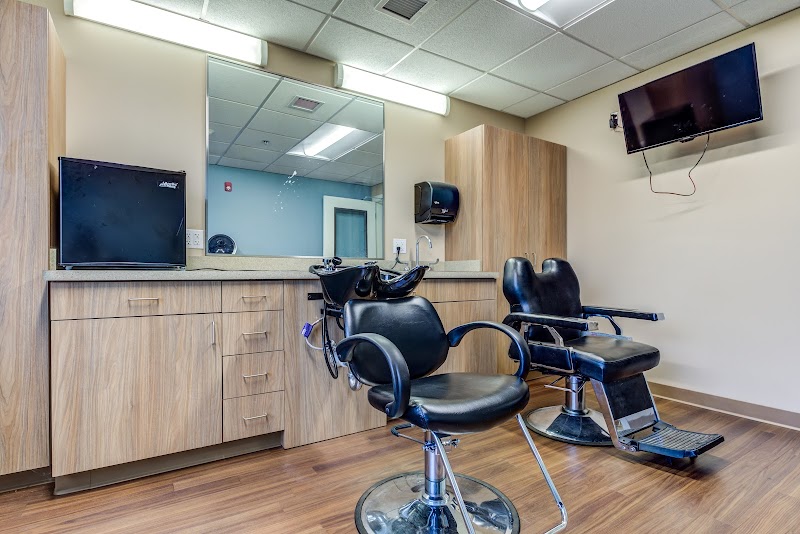
How Does Mission Point Nursing & Physical Rehab Center Of D Compare to Other Michigan Nursing Homes?

Compared to the 100 nursing homes in Michigan, Mission Point Nursing & Physical Rehab Center of D's overall rating (2 stars) is below the state average of 3.1, staff turnover (42%) is near the state average of 46%, and health inspection rating (3 stars) is at the national benchmark.

What Should Families Ask When Visiting Mission Point Nursing & Physical Rehab Center Of D?

Based on this facility's data, families visiting should ask: "What changes have been made since the serious inspection findings, and how are you preventing similar issues?" "Can you walk me through typical staffing levels on day, evening, and night shifts?" "Can I visit during a mealtime to observe dining assistance and food quality?" "How do you handle medical emergencies, and what is your hospital transfer rate?" These questions are particularly relevant given the facility's Immediate Jeopardy citations and the below-average staffing rating.

Is Mission Point Nursing & Physical Rehab Center Of D Safe?

Based on CMS inspection data, Mission Point Nursing & Physical Rehab Center of D has documented safety concerns. Inspectors have issued 1 Immediate Jeopardy citation (the most serious violation level indicating risk of serious injury or death). The facility has a 2-star overall rating and ranks #100 of 100 nursing homes in Michigan. Families considering this facility should ask detailed questions about what corrective actions have been taken since these incidents.

Do Nurses at Mission Point Nursing & Physical Rehab Center Of D Stick Around?

Mission Point Nursing & Physical Rehab Center of D has a staff turnover rate of 42%, which is about average for Michigan nursing homes (state average: 46%). Moderate turnover is common in nursing homes, but families should still ask about staff tenure and how the facility maintains care continuity when employees leave.

Was Mission Point Nursing & Physical Rehab Center Of D Ever Fined?

Mission Point Nursing & Physical Rehab Center of D has been fined $23,404 across 2 penalty actions. This is below the Michigan average of $33,313. While any fine indicates a compliance issue, fines under $50,000 are relatively common and typically reflect isolated problems that were subsequently corrected. Families should ask what specific issues led to these fines and confirm they've been resolved.

Is Mission Point Nursing & Physical Rehab Center Of D on Any Federal Watch List?

Mission Point Nursing & Physical Rehab Center of D is not on any federal watch list. The most significant is the Special Focus Facility (SFF) program, which identifies the bottom 1% of nursing homes nationally based on persistent, serious quality problems. Not being on this list means the facility has avoided the pattern of deficiencies that triggers enhanced federal oversight. This is a positive indicator, though families should still review the facility's inspection history directly.