Mission Point Nursing & Physical Rehabilitation Ce
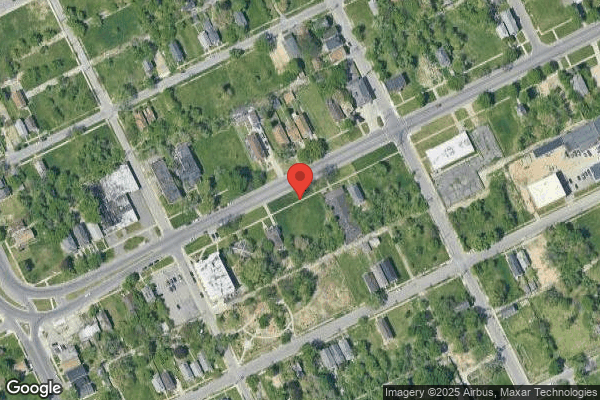
1881 E Grand Blvd, Detroit, MI 48211 (313) 922-1600
For profit - Corporation 120 Beds MISSION POINT HEALTHCARE SERVICES Data: November 2025 1 Immediate Jeopardy citation
Trust Grade
8/100
#393 of 422 in MI
Last Inspection: August 2024

Within standard 12-15 month inspection cycle. Federal law requires annual inspections.

Overview

Mission Point Nursing & Physical Rehabilitation Center has received a Trust Grade of F, indicating significant concerns about the quality of care provided. With a state rank of #392 out of 422 facilities in Michigan and county rank of #62 out of 63 in Wayne County, this facility is in the bottom half of all local options. Although the trend is improving, with a reduction in reported issues from 16 in 2024 to just 2 in 2025, there are still serious concerns. Staffing is rated average with a turnover rate of 39%, which is below the state average, but the facility has concerning RN coverage, being lower than 91% of Michigan facilities. Notably, there have been alarming incidents, including a resident being sexually assaulted by another resident and a failure to provide timely medical care, resulting in a resident's death, highlighting the need for caution when considering this facility.

Trust Score
F
8/100
In Michigan
#393/422
Bottom 7%
Safety Record
High Risk
Review needed
Inspections
Getting Better
16 → 2 violations
Staff Stability
○ Average
39% turnover. Near Michigan's 48% average. Typical for the industry.
Penalties
○ Average
$77,419 in fines. Higher than 54% of Michigan facilities. Some compliance issues.
Skilled Nurses
⚠ Watch
Each resident gets only 15 minutes of Registered Nurse (RN) attention daily — below average for Michigan. Fewer RN minutes means fewer trained eyes watching for problems.
Violations
⚠ Watch
40 deficiencies on record. Higher than average. Multiple issues found across inspections.
★☆☆☆☆
1.0
Overall Rating
★★★☆☆
3.0
Staff Levels
★☆☆☆☆
1.0
Care Quality
★★☆☆☆
2.0
Inspection Score
Stable
2024: 16 issues
2025: 2 issues

The Good

  • Full Sprinkler Coverage · Fire safety systems throughout facility
  • No fines on record
  • Staff turnover below average (39%)

    9 points below Michigan average of 48%

Facility shows strength in fire safety.

The Bad

1-Star Overall Rating

Below Michigan average (3.1)

Significant quality concerns identified by CMS

Staff Turnover: 39%

Near Michigan avg (46%)

Typical for the industry

Federal Fines: $77,419

Well above median ($33,413)

Moderate penalties - review what triggered them

Chain: MISSION POINT HEALTHCARE SERVICES

Part of a multi-facility chain

Ask about local staffing decisions and management

The Ugly 40 deficiencies on record

1 life-threatening 2 actual harm
Aug 2025 1 deficiency
CONCERN (D) 📢 Someone Reported This

A family member, employee, or ombudsman was alarmed enough to file a formal complaint

Potential for Harm - no one hurt, but risky conditions existed

Safe Environment (Tag F0584)

Could have caused harm · This affected 1 resident

**NOTE- TERMS IN BRACKETS HAVE BEEN EDITED TO PROTECT CONFIDENTIALITY** Based on observation, interview, and record review the facility failed to ensure one resident room (R62) of nine residents was i...

Read full inspector narrative →
**NOTE- TERMS IN BRACKETS HAVE BEEN EDITED TO PROTECT CONFIDENTIALITY** Based on observation, interview, and record review the facility failed to ensure one resident room (R62) of nine residents was in good repair.R62.On 8/25/2025 at 11:23 a.m., R62's room was noted with a loud unpleasant odor. Observed chipped paint and holes in the wall over the bed and a fan hanging near the bed with thick dust particles blowing from the fan. The bathroom was observed with multiple areas of black residue on the wall and behind the toilet. The vent was covered with thick dust particles, holes in the wall near the tissue holder and brown stains and scuff marks on the bathroom door.On 8/25/2025 at approximately 11:30 a.m. during an interview R62 stated, The bathroom is filthy and uncomfortable. I have no control over it. I have to wait until they get to it, I guess. R62 confirmed the facility was aware of the repairs and cleaning needed for a long time.On 8/25/2025 at 11:55 a.m., Maintenance Director (MD) J was asked during an interview in R62's bathroom what was the black areas on the wall? MD J stated, Oh yes, it got worse, but I don't think its mold. I think the black spots are from when we used mud to seal the cracks and holes and it just got black. MD J was asked had any staff member written any repair orders? MD J stated, The staff suppose to report that and document in TELS (a system used for staff to report repair needs) for a work order to be repaired. MD J was asked who was responsible for dusting and cleaning the residents' vents and fans MD J stated, The housekeepers supposed to dust the vents, and fans. The fans and vents should not have been that dusty.On 8/25/2025 at 11:55 a.m. while observing R62's room and bathroom, Regional Director of Operation (RDO) A confirmed R62's bathroom and room needed to be cleaned and in need of repairs. RDO A stated, I have not been here long, but this is something I see needs to be done.According to the electronic health record (EHR), R62 was readmitted into the facility on [DATE] with diagnoses of chronic obstruction pulmonary disease, hypertension, multiple sclerosis, and Parkinsonism. R62's 7/2/32025 quarterly Minimum Data Set (MDS) assessment revealed R62 had intact cognition with a BIMS (brief interview for mental status) score of 15/15.According to the facility's 1/23/2024 Safe and Homelike Environment policy: In accordance with resident ‘s rights, the facility will provide a safe, clean, comfortable and homelike environment.Environment refers to any environment in the facility that is frequented by residents, including (but not limited to) the resident's room, bathroom.
Apr 2025 1 deficiency 1 Harm
SERIOUS (G) 📢 Someone Reported This

A family member, employee, or ombudsman was alarmed enough to file a formal complaint

Actual Harm - a resident was hurt due to facility failures

Quality of Care (Tag F0684)

A resident was harmed · This affected 1 resident

**NOTE- TERMS IN BRACKETS HAVE BEEN EDITED TO PROTECT CONFIDENTIALITY** This citation pertains to intake #MI00150510. Based on observation, interview, and record review the facility failed to assess a...

Read full inspector narrative →
**NOTE- TERMS IN BRACKETS HAVE BEEN EDITED TO PROTECT CONFIDENTIALITY** This citation pertains to intake #MI00150510. Based on observation, interview, and record review the facility failed to assess and monitor one resident (R602) from four residents reviewed for change in condition resulting in lack of monitoring, assessment, and the failure to administer emergency medical care/treatment in a timely manner. The resident subsequently died while in the facility. Findings include: Review of a Facility reported incident revealed the following: Incident Summary: It was reported by Midnight staff cena's (Certified Nurse Assistant/CNA) and resident (R605) who was (Resident 602's) roommate that at approximately 5 am (R605) went to (Registered Nurse A) who was on duty Midnight nurse scheduled 7 pm-7:30 am that patient (R602) was in distress and required assistance. When (Registered Nurse A) didn't come to check (R602), (R605) again went and told (Registered Nurse A) that (R602) still requires assistance. (CNA D and CNA B) who were assigned to 4th floor both notified (Registered Nurse A) that (R602) didn't look good, (Registered Nurse A) observed (R602) and stated (R602) was snoring. Dayshift nurse (Nurse E) came on duty at 7 am and observed (R602) in wheelchair slumped back, (Nurse E) immediately assessed patient who had a faint pulse who was unarousable (Nurse E) began emergency measures. A review of R602's electronic medical record revealed an admission to the facility on [DATE] with the diagnoses of Syncope, Osteoarthritis, Myocardial Infarction (Heart Attack) Hypertension, Chest Pain, Leg Pain, Leg Swelling, Shortness of Breath, and Diabetes Mellitus. A review of R602's Brief Interview for Mental Status (BIMS) dated [DATE] revealed a score of 15/15 (cognitively intact). A review of R602's care plan revealed the following: Focus-I have potential for altered cardiovascular status r/t (related to): Hypertension, dated [DATE] . Intervention-Assess for chest pain .Assess for shortness of breath .Monitor/document/report to MD changes in lung sounds . Monitor/document/report to MD (Medical Doctor) Chest pain or pressure especially with activity, shortness of breath, excessive sweating, dependent edema, Vital Signs .Intervention-I have altered respiratory status .Intervention-Administer medication .Monitor for effectiveness and side effects Monitor/document/report to MD dated [DATE] .monitor for decreased pulse oximetry, increase heart rate, restlessness, diaphoresis, headaches, lethargy, confusion dated [DATE] . Review of R602's progress notes revealed a history of R602 experiencing episodes requiring acute care as follows: 1.) A review of R602's progress note dated [DATE] at 07:36 am revealed the following: Resident slid from w/c (wheelchair) onto the floor observed per writer. Resident is nonresponsive to verbal stimuli able to move all limbs free of pain . A review of the electronic medical record revealed that R602 was transferred to the hospital on [DATE]. R602 returned to the facility on [DATE] with the diagnosis of heart attack. 2.) A record review of R602's progress note dated [DATE] revealed the following: [DATE] 18:22 (6:22pm) Nursing Progress Note Approx. (approximately)4:45pm Writer was doing rounds. Writer observed (R602) sitting in (their) wheelchair with (R602) head tilted back unresponsive. Writer performed a sternum rub. (R602) was not able to respond to verbal stimuli, but able to respond to tactile stimuli. (R602) was able to come to conscious. (R602) was not able to tell me (their) name, date, or reason for (their) stay. (R602) became very lethargic, diaphoretic, and drowsy. Writer phoned on call (physician) New orders put in place to send (R602) to (hospital). Approx.5 pm 6 person (Emergency Medical Technician/EMT) arrived to transport resident to (hospital). (R602) refused any further treatment from EMT. (R602) refused EMT to get any vitals or EKG (electrocardiogram a noninvasive test that records the heart's electrical activity). Writer informed (R602) of the dangers of (their) health if (they) refused to get further treatment. EMT did not take (R602). Approx. 5:26pm writer observed (R602) unresponsive again sitting up in (their) wheelchair with (their) head tilted back. Writer performed sternum rub, this time (R602) did not come to conscious. Writer applied rebreather mask @8L of oxygen. VSS (vital signs)BP 116/58, P(Pulse) -115, R(Respiration)-24, SPO2(oxygen saturation)-94% on 8L (Liters), B/S(Blood Sugar)-178. Writer phoned 911. Approx. 5:30pm 6 person EMT arrived again to transport (R602) to (the hospital) . A record review of R602's progress note dated [DATE] revealed the following: [DATE] 15:59 Nursing Progress Note Note Text: Resident went LOA (leave of absence) for cardiac referral. Diagnosis/reason was that resident had 2 episodes of chest pain in nursing home .Resident returned with recommendations for multiple cardiac referrals. Follow up appt/ (follow up appointment) referral is Thursday February 20th @ 11:30AM for all testing. Continue with POC (plan of care). Record review of the facility's Statement of Staff member dated [DATE] revealed the following: CNA B: I was doing my work and around 5am (R605) (R602's roommate) came to me and (CNA D) and said (their) roommate (R602) was having a seizure .(CNA D) ran to room [ROOM NUMBER] right away and I went to tell the nurse (Registered Nurse A). (Registered Nurse A) said that (R602) is just sleeping and (R602) always snores. I (CNA B) left the nursing desk and went checked myself, the resident did not look good. (R602) was in the wheelchair with (their) head tilted back, mouth wide open and white foam coming out of (R602's) mouth. I (CNA B) went back to nurse (Registered Nurse A) telling (the nurse) (R602) does not look right and please come and see (R602). (Registered Nurse A) stated again (R602) was asleep .I (CNA B) went back finishing up my work. I asked nurse (Registered Nurse A) to come and check on (R602), (Registered Nurse A) is the nurse I cannot make (them). A record review of staff witness CNA D interview dated [DATE] revealed the following: Starting to do my last changes, (R605) came and stated (R602) was having a seizure. Me and the nurse (Registered Nurse A) went to the room trying to get in the room around 5oclock am, (R602) had the door jam shut .(R605) came back and told me (R605) got into the room I (CNA D) went around there and saw(R602) getting no response I (CNA D) went to (Registered Nurse A) to come check on (R602). I did more changes (and) went back to (R602 and asked (Registered Nurse A) to come check (R602) again. (Registered Nurse A) said (R602) was sleep .(CNA D) and CNA B waited on dayshift and notified them what was going on . On [DATE], a record review of (R605) (R602's roommate) was interviewed by the Director of Nursing (DON): (R605) said around 5 in the morning, (R605) heard some noise, got out of bed and saw (R602) having a seizure with white stuff coming from (R602's) mouth. I (R605) then went to the nursing station to tell the nurse (Registered Nurse A). The nurse said okay, but didn't move so I said it again. The nurse went down there but couldn't get in the room so (Registered Nurse A) walked away. I (R605) pushed on the door moving stuff around and was able to open the door. I (R605) went back to tell the nurse (Registered Nurse A) the door was opened, (Registered Nurse A) went to the room and said (R602) was just sleeping. (R605) said I am so sad, I should have call 911 myself. A record review of staff witness Nurse F interview dated [DATE] revealed the following: Arrived this morning in (sic) clocked in at approximately 6:53 am. Next I went up to the floor that I was assigned to which was the 3rd floor. After doing my rounds and receiving report from the night nurse. That's when a CNA from midnights came to where I was and asked if me and the night nurse could come help with a situation happening on the fourth floor. Upon arriving on the 4th floor, I could visibly see (R602) in room (redacted) unresponsive in (their) wheelchair .did not respond. Then that's when I began doing CPR and about 6-7 minutes later that's when EMS arrived and took over from there. Review of the facility's Statement of Staff member Registered Nurse A dated [DATE], interviewed by the DON, revealed the following: The roommate (R605) approached (Registered Nurse A) at the nursing desk informing me (Registered Nurse A) that (R602) was having a seizure and had foam coming from his mouth around 5a.m. (Registered Nurse A) went to the room and the door was blocked, the door would not open. I (Registered Nurse A) was thinking how did (R605) get out of the room and what was blocking the room? .I ( Registered Nurse A) was in the middle of doing something so I (Registered Nurse A) went back to the nursing desk to complete what I was doing and several minutes later some (sic) told me they was able to get the door opened .I don't remember who told me. Then, I went back to the room and (R602) was snoring and what was not unusual for him. I did not see any clonic or tonic activity, no seizure activity at all. No acute distress noted, (R602) was sleeping and I did not see any foam coming from (R602's) mouth . Registered Nurse A was asked by the DON: How did you ascertain no acute distress was noted, did you perform an assessment, obtain vital signs or attempt to arouse (R602)? Registered Nurse A said: No, as I said it was not unusual to see him snoring in the same position and there was no foam around (R602) mouth. A review of the electronic medical record progress note written by Nurse E revealed the following: Upon entering shift @0700, writer was making rounds and found resident (R602) unresponsive and when writer was calling resident's name, resident was unarousable. Writer was doing sternal rubs and checking for pulse. Resident (R602) had a faint pulse. Residents skin was warm and dry to touch. During transfer for CPR, residents (R602) extremities were easy to extends and flex. VS (vital signs) were taken BP (blood pressure)154/124, Resp (Respiration)14. 911 was immediately called and arrived within minutes. Nursing staff began CPR immediately and CPR assistance from EMS and firefighters took over at 0714. CPR and defibrillator use continued. By 0741 EMS staff called the hospital in order for the physician to pronounce resident deceased . Resident (R602) was pronounced deceased @ 0741. A record review of the electric medical record progress note written by Registered Nurse A revealed the following: [DATE] 08:07 Nursing Progress Note: Note Text: (R602) was snoring in (their) wheelchair in front of the TV in (R602) room when Day Shift staff came in and could not arouse him from his sleep. EMS was called and 2 EMS crews arrived within minutes. EMS staff lowered him from his wheelchair to the floor to work on him. At 7:14 AM CPR with a defibrillator was still underway. By 7:41 AM the EMS staff called the hospital to let a physician pronounce (R602) as deceased .(R602) was last seen awake and watching TV in (their) room by Midnight CNA at 2:30 AM. At close to 6:00AM (R602) roommate (R605) said thinks (R602) may have had a seizure though none was witnessed by staff . On [DATE] at 1:01 pm, CNA B was interviewed via phone and queried about the incident that occurred with R602. CNA B said (R605) (R602's roommate) came to them (CNA B and CNA D) and said something was wrong with R602. CNA B said that they went to R602's room at about 5 am and R602 did not look right. CNA B went to Registered Nurse A and said something was wrong with R602. Registered Nurse A said the resident (R602) was sleeping. CNA B said that they (CNA B) went back to R602's room and R602's head was tilted back and R602's mouth was opened with foam coming out of their mouth. CNA B went back to Registered Nurse A and said, Please look at (R602) because (R602) wasn't looking right. CNA B said that Registered Nurse A kept saying that R602 was sleep. CNA B denied observing Registered Nurse A return to the room to check on R602. On [DATE] at 1:17 pm, CNA D was interviewed via phone and queried about the incident that occurred with R602. CNA D said that (R605) (R602's roommate) approached them at a different time other than when reported to CNA B said something was going on with the R602 and someone needed to look at R602 .CNA D said that R602's wheelchair was blocking the door (from the inside) and they had trouble getting into the room. CNA D said that Registered Nurse A said that he saw R602 and R602 was sleeping. CNA D went back to R602's room and R602 did not look good. CNA D said that they went back to Registered Nurse A and said that R602 was not looking good but Registered Nurse A said they was not going back in there (the room) because R602's was sleep. CNA D reported not observing Registered Nurse A return to the room to check on R602. On [DATE] at 2:56 pm, an attempt was made to interview Registered Nurse A. A male voice answered the phone. After this writer made a self-introduction, the phone connection was loss. At 2:58 pm, another attempt was made to contact Registered Nurse A, a voice message was left with contact information. On [DATE] at 3:42pm, Nurse F was interviewed via phone and queried about the incident that occurred with R602. Nurse F said they came to work a little before 7 am on [DATE]. Nurse F said that a CNA from the midnight shift asked them to come to the fourth floor because something had been going on with R602 for a while. I went to the fourth floor and R602 was unresponsive, that's when I started CPR. Nurse F said that Registered Nurse A was not in the room. On [DATE] at 11:34 am, an interview was conducted with the NHA and DON related to the care R602 received on [DATE]. The DON stated, When I think about this, it was horrific. The DON explained that both CNA B and CNA D tried telling Registered Nurse A that something was going on but Registered Nurse A said that the resident (R602) was sleep. The DON added that R605 went to Registered Nurse A and said that the resident (R602) wasn't okay and had froth coming out of (R602) mouth. The DON said that they asked Registered Nurse A if the two CNAs told him that something was wrong and Registered Nurse A said Yes but had other things to do. The DON said Registered Nurse A was terminated because they failed to recognize a change in condition. The NHA said that if a resident was not safe or well, any staff could call 911. R605 was unavailabe for interview as they had been discharged from the facility. Day Shift Nurse E was unable to be contacted by phone. A review of the facility policy Change in Condition revised on 7/2024 revealed the following: The organization utilizes an interactive platform in the electronic health record to recognize and manage a potential change in condition. The facility submitted the Resident Assessment Critical Element Pathway. However, the provided document did not provide guidance for how staff react or respond to resident change in conditon.
Oct 2024 3 deficiencies
CONCERN (D) 📢 Someone Reported This

A family member, employee, or ombudsman was alarmed enough to file a formal complaint

Potential for Harm - no one hurt, but risky conditions existed

Quality of Care (Tag F0684)

Could have caused harm · This affected 1 resident

**NOTE- TERMS IN BRACKETS HAVE BEEN EDITED TO PROTECT CONFIDENTIALITY** This citation pertains to intake MI00147590. Based on interview and record review, the facility failed to provide adequate asses...

Read full inspector narrative →
**NOTE- TERMS IN BRACKETS HAVE BEEN EDITED TO PROTECT CONFIDENTIALITY** This citation pertains to intake MI00147590. Based on interview and record review, the facility failed to provide adequate assessment after an injury for one resident (R105), resulting in missed opportunities to identify the potential latent effects of the injury. Findings include: It was reported to the State Agency that the resident did not receive adequate and appropriate care while in the facility. A review of the clinical record for R105 documented an initial admission date of 2/5/22 and re-admission date of 8/16/24. R105 was transferred to the hospital on [DATE] and did not return to the facility. R105's diagnoses included vascular dementia, atherosclerotic heart disease, hypertension, and diabetes mellitus-type 2. A Minimum Data Set, dated [DATE], documented severe cognitive impairment. On 10/29/24 at 3:50 PM, an interview and review of R105's clinical record was conducted with the Director of Nursing (DON). R105's clinical record documented in part the following: 1. SBAR (Situation-Background-Assessment-Recommendation) summary for providers completed on 10/15/24 at 12:01 AM by Licensed Practical Nurse (LPN) M. The change in condition reported were bleeding (other than GI) skin wound or ulcer. At the time of evaluation resident/patient vital signs, weight and blood sugar were: - Blood Pressure: BP 126/76 - 10/13/2024 3:31 PM. Position: Sitting right arm - Pulse: P 56 - 10/13/2024 3:31 PM. Pulse Type: Regular - Respiratory Rate: R 18.0 - 10/13/2024 3:31 PM - Temp: T 96.9 - 10/13/2024 3:31 PM. Route: Forehead (non-contact) - Pulse Oximetry: Oxygen 97.0 % - 10/13/2024 3:31 PM. Method: Room Air - Blood Glucose: Blood sugar 145.0 - 10/14/2024 9:56 PM. Relevant medical history is: Dementia Advance directives are: hospice care Resident/Patient had the following medications changes in the past week: none Outcomes of Physical Assessment: - Mental Status Evaluation: No changes observed - Functional Status Evaluation: No changes observed - Skin Status Evaluation: Laceration Nursing observations, evaluation, and recommendations are: laceration to right side of face noted. Primary Care Provider Feedback: Primary Care Provider responded with the following feedback: A. Recommendations: called no answer voice mail recording/monitor Resident for poor ambulation B. New Testing Orders: - n/a (not applicable/available) C. New Intervention Orders: - first aid/steri strips 2. Behavior note documented by LPN M on 10/15/24 at 12:41 AM. Resident continues to have unsteady gait, laceration to Right side of face. Resident was laying her face on the table when incident occurred, called Dr. no answer, voice mail recording noted. Steri-strips applied, tolerated well. No c/o (complaint of) pain noted. VSS (vital signs stable). 3. Nurse progress note on 10/15/24 at 3:15 PM. Resident was transferred to: (Local hospital) on 10/15/2024 at 3:36 PM. Reason(s) for Transfer: Other -- bradycardia, hypoglycemic. 4. Nurse progress note on 10/15/24 at 3:17 PM. Resident not easily aroused blood sugar 52. Glucagon injection given as ordered. Resident did not consume any of her meals today or fluids. Blood sugar rechecked after 10 min (minutes) 58. Hospice notified. Nurse practitioner notified of resident condition. Blood pressure 111/85, pulse 48, respirations 14. New orders to transfer to emergency room. 5. A review of R105's clinical record revealed no documented assessment of blood pressure, respirations, pulse oximetry, or heart rate between 10/13/24 at approximately 3:30 PM and 10/15/24 at approximately 3:15 PM. 6. Documentation of R105's blood sugars were as follows: 10/13/24 at 5:08 PM 76 mg/dl 10/13/24 at 9:13 PM 136 mg/dl 10/14/24 at 9:56 PM 145 mg/dl 10/15/24 at 12:03 PM 55 mg/dl 10/15/24 at 3:17 PM 52 mg/dl 10/15/24 at 3:19 PM 52 mg/dl 7. Neurological checks to assess R105's mental status, level of consciousness, pupil response, and motor strength were not performed. The DON provided witness statements from LPN M and Certified Nurse Aide (CNA) N. LPN M's witness statement: Resident noted sitting in chair in dinning (sic) room resting her head on the table. Nurse came into the dinning (sic) area and noticed resident bleeding from right side of face. Small laceration with minimal blood noted. Called Dr. No answer, voicemail picked-up. Called family concerning matter, spoke with (R105's Resident Representative) stated Thank you for calling and letting me know. First aid applied (with) butterfly closure strips. Change in Condition (form) completed. Will continue to monitor resident status and inform day shift nurses of incident. Dated 10/15/24. CNA N's witness statement: On Oct. 15, 2024, I (CNA N) came in at 7:00 AM and did round on the 4th floor and seened (sic) that (R105) had blood on her face and went to the MN (midnight nurse, LPN M) nurse and ask (sic) what happen, he said she felt (sic) and he was going out of the door. So we did not have a nurse and she was bleeding so I put butterfly strips on her and when the nurse came I told the nurse that she had a fall. Dated 10/15/24. The DON said a disciplinary action was imposed on LPN M because he should have done more than he did. He did not call me. He did not complete an incident report. R105 should have been monitored every half hour. It is questionable if the injury to (R105's) head was witnessed. LPN M should have started neurochecks on R105 since she hit her face. The DON said the information about R105's injury needed clarification and the investigation continues. The DON could not provide documentation to support that R105 had been monitored and vital signs were assessed between 10/15/24 at 12:41 AM and 10/15/24 at 3:15 PM, with the exception of blood sugar. The DON had no answer regarding why vitals taken on 10/13/24 were included on LPN M's SBAR note of 10/15/24. On 10/29/24 at 5:20 PM during the exit conference, the Nursing Home Administrator and DON did not offer additional documentation or information when asked.
CONCERN (D) 📢 Someone Reported This

A family member, employee, or ombudsman was alarmed enough to file a formal complaint

Potential for Harm - no one hurt, but risky conditions existed

Deficiency F0761 (Tag F0761)

Could have caused harm · This affected 1 resident

This citation pertains to intake MI00146598. Based on observation, interview, and record review, the facility failed to ensure medications for three residents (R113, R115, and R116) located in a treat...

Read full inspector narrative →
This citation pertains to intake MI00146598. Based on observation, interview, and record review, the facility failed to ensure medications for three residents (R113, R115, and R116) located in a treatment cart were not expired. Findings include: It was reported to the State Agency that expired medications were not being discarded. On 10/29/24 at 9:00 AM, the contents of the second-floor treatment cart were observed with Licensed Practical Nurse (LPN) G and revealed the following: - A four-ounce tube of menthol-zinc oxide ointment for R113 expired 9/5/24. - A four-ounce tube of menthol-zinc oxide ointment for R115 expired on 10/27/24. - A four-ounce tube of menthol-zinc oxide ointment for R116 expired on 10/4/24. - A 3.53-ounce tube of diclofenac sodium expired on 3/28/24. LPN G said these medications should have been reordered and the expired medications discarded. On 10/29/24 at 2:45 PM, the Director of Nursing (DON) said the outdated medications should have been discarded. The diclofenac sodium should have been re-ordered. On 10/29/24 at 5:20 PM during the exit conference, the Nursing Home Administrator and DON did not offer additional documentation or information when asked.
CONCERN (E) 📢 Someone Reported This

A family member, employee, or ombudsman was alarmed enough to file a formal complaint

Potential for Harm - no one hurt, but risky conditions existed

Safe Environment (Tag F0921)

Could have caused harm · This affected multiple residents

**NOTE- TERMS IN BRACKETS HAVE BEEN EDITED TO PROTECT CONFIDENTIALITY** This citation pertains to intake MI00146598. Based on observation and interview, the facility failed to provide disposable paper...

Read full inspector narrative →
**NOTE- TERMS IN BRACKETS HAVE BEEN EDITED TO PROTECT CONFIDENTIALITY** This citation pertains to intake MI00146598. Based on observation and interview, the facility failed to provide disposable paper towels, a waste receptacle near a handwashing sink, liners for trash cans, and ensure a shower gurney pad was cleaned and sanitized after use. Findings include: It was reported to the State Agency that supplies were not available, and the facility was dirty and unsanitary. During a tour of the third floor on 10/29/24 starting at 8:20 AM, the following was observed: - A trash can liner had not been placed in the garbage can located in room [ROOM NUMBER] near bed one. Trash was observed inside the garbage can. - The shower gurney pad was soiled and stained. - No paper towels or garbage can were available for the handwashing sink in the shower room. - A trash can liner had not been placed in the garbage can located in the day room. The inside of the trash can was stained with dried liquid along the sides and bottom. During a tour of the second floor on 10/29/24 starting at 9:25 AM, no paper towels were available for the handwashing sink in the shower room. During a return observation of the third floor on 10/29/24 beginning at 12:10 PM the following was observed: - A trash can liner was still not placed in the garbage can in room [ROOM NUMBER] near bed one. - The shower gurney pad remained soiled and stained. Housekeeper J stated the pad was stained and one circular stain looked as if someone laid a cup on it. A stain appeared to be dried liquid about a foot in length. Housekeeper J said another stain was about the size of a quarter and resembled dried liquid supplement. On 10/29/24 at 12:40 PM, Certified Nurse Aide (CNA) K said she has used the shower gurney for a resident on the third floor and added that the gurney pad should be washed and dried after use. On 10/29/24 at 3:10 PM, the Director of Nursing (DON) said every time a person uses the gurney, it should be disinfected after each use. The DON said that trash can should be cleaned, disinfected and have a liner. Paper towels should be available (for hand drying). On 10/29/24 at 5:20 PM during the exit conference, the Nursing Home Administrator and DON did not offer additional documentation or information when asked.
Aug 2024 12 deficiencies
CONCERN (D) 📢 Someone Reported This

A family member, employee, or ombudsman was alarmed enough to file a formal complaint

Potential for Harm - no one hurt, but risky conditions existed

Free from Abuse/Neglect (Tag F0600)

Could have caused harm · This affected 1 resident

**NOTE- TERMS IN BRACKETS HAVE BEEN EDITED TO PROTECT CONFIDENTIALITY** This citation pertains to intake MI00145765 and MI00146157 Based on observation interview and record review, the facility failed...

Read full inspector narrative →
**NOTE- TERMS IN BRACKETS HAVE BEEN EDITED TO PROTECT CONFIDENTIALITY** This citation pertains to intake MI00145765 and MI00146157 Based on observation interview and record review, the facility failed to ensure an environment free from physical abuse for two residents (R12 and R100) of five residents reviewed for abuse/neglect/mistreatment, resulting in R12 being transferred to the hospital and sustaining soft tissue swelling and hematoma involving the right posterior parietal-occipital scalp and R82 being transferred to the hospital and sustaining peri-orbital ecchymosis and a left eye sub conjuntival hemorrhage. Findings include: R12 and R267 On 8/6/24 a facility reported incident (FRI) that was submitted to the Stage Agency was reviewed and revealed R12 was pushed over onto the floor by R267 on 7/12/24. R12 On 8/06/24 at approximately 12:59 p.m., R12 was observed in their wheelchair and was queried regarding their altercation with R267. R12 reported they were sitting in the dinning room and that another male resident was trying to get to another female resident and they were trying to protect the other female resident. R12 indicated that R267 came over and pushed their wheelchair over because they were mad and they hit their head and had to go to the hospital. On 8/6/24 at approximately 1:39 p.m., R12's DPOA (durable power of attorney) was queried if they had any concerns regarding R12's care and they reported that R12 was attacked by another resident, sent to the hospital and had a hematoma from hitting their head on the floor. On 8/6/24 the medical record for R12 was reviewed and revealed the following: R12 was initially admitted to the facility on [DATE] and had diagnoses including Anxiety disorder and Hemiplegia and Hemiparisis affecting left non-dominant side. A review of R12's MDS (minimum data set) with an ARD (assessment reference date) of 5/29/24 revealed R12 needed assistance from facility staff with most of their activities of daily living. R12's BIMS score (brief interview for mental status) was 11 indicating moderately impaired cognition. A progress note dated 7/12/2024 revealed the following: Incident Note- Resident was sitting in her wheelchair in the Dining Room at around 5:00pm before dinner, resident was in her w/c (wheelchair) while flipped over on her back by another male resident. Resident stated that I was trying to block him from touching the other female resident. He got angry and push me from my wheelchair. Resident (room and bed number) got upset and denied Aggression was stop by nursing staff .neurochecks initiated, injury to head, hematoma to RT (right) parietal lobe, ice pack to injury, Physician [attending Physician] notified stated' not to give resident any Bp (blood pressure) meds (medications) for elevated bp, ordered writer to send out to hospital . A second progress note dated 7/12/2024 revealed the following: Nursing Progress Note -Event occurred on 07/12/2024 5:00 PM. Resident was noted lying on her back in wheelchair dayroom another male resident pushed her backward . A progress note dated 7/13/2024 revealed the following: Resident returned from [local hospital], via stretcher accompanied by 2 attendants. Resident A&O (alert and orientated) verbally responsive. Resident returned with dx (diagnosis). of Head Contusion, .Resident B/P 175/104, [attending Physician] notified of return and the resident B/P (blood pressure) and was ordered to continue neuro checks for 24 hours. Writer ordered to give resident her pm medications now A Social Service note dated 7/15/2024 revealed the following: Writer met with [R12] for an overall safety and wellbeing check Writer asked [R12] if she has/had any concerns or issues regarding her safety and wellbeing in the facility due to the incident on 712/2023 with another peer. [R12] indicated she is 'fine' and has no fears or concerns about her safety. Writer asked [R12] if she would share the events that occurred from that incident. [R12] indicated she was in the common room with peers watching T.V. and observed resident [R267] attempting to hug resident [another female resident] [R12] indicated she was trying to prevent [R267] from getting close to [other female resident], [R267] became angry and pushed her out of her wheelchair A hospital Emergency Department evaluation dated 7/12/24 revealed the following: Chief Complaint Patient presents with Head Injury presents following a fall at her nursing home. Patient was in the community room when she was pushed in her wheelchair by another patient. She fell and reportedly hit her head .Comments: Large contusion in R (right) occipital region with no blood . A CT (Computed tomography) scan dated 7/12/24 revealed the following: Findings .Significant soft tissue swelling and increased attenuation about the right posterior parietal and occipital scalp consistent with hematoma .Impressions .2. soft tissue swelling and hematoma involving the right posterior parietal-occipital scalp . Resident #267 On 8/7/24 the medical record for R267 was reviewed and revealed the following. R267 was initially admitted to the facility on [DATE] and had diagnoses including Restlessness and Agitation. A review of R267's MDS (minimum data set) with an ARD (assessment reference date) of 4/10/24 revealed R267 was independent with most of their activities of daily living. A review of R267's comprehensive careplan revealed the following: Focus-I have the potential to exhibit behaviors that sound or appear sexual in nature r/t (related to) Dementia. Date Initiated: 12/11/2023 .Interventions-If I am interested in another resident and either of us are not competent, please gently separate/redirect us and help me to become interested in another activity. Date Initiated: 12/11/2023 .When I become agitated: Intervene before agitation escalates; guide away from source of distress; engage calmly in conversation; if response is aggressive, staff need to walk away calmly and approach later. Date Initiated: 12/11/2023 . Further review of R267's careplan revealed the following: Focus-have potential to demonstrate physical behaviors (hitting, kicking, resistive to care, slapping, repetitive movements, pushing). I am followed by [facility psychiatric provider]. Date Initiated: 03/13/2024 .Interventions-Intervene as necessary to protect the rights and safety of others. Approach/Speak in a calm manner. Divert attention. Remove from situation and take to alternate location as needed. Date Initiated: 03/13/2024 .When I become agitated: Intervene before agitation escalates; Guide away from source of distress; Engage calmly in conversation; If response is aggressive, staff to walk calmly away, and approach later. Date Initiated: 03/13/2024 . A progress note dated 7/12/2024 revealed the following: Incident Note. Resident was sitting in her wheelchair in the Dining Room at around 5:00pm resident suddenly pushed [R12] and caused her to flip over. Resident [R12] stated that I was trying to block him from touching the other resident. Above resident [R267] got angry and push me from my wheelchair . A second progress note dated 7/12/2024 revealed the following: Nursing Progress Note-Resident was reported by other nursing staff to writer that he was physically aggressive to other resident . Resident pushed [R12] that caused her to flip over from her wheelchair. Physical aggression was stopped by writer. Resident was taken out of the dining room Resident was petitioned out to be transferred. Police officers notified. Arrived at 6:25pm verbal report given and Paperworks filled out and printed. Resident was escorted by police officers transferred to [local hospital] . A third progress note dated 7/12/2024 revealed the following: Nursing Progress Note-According to [R12] resident was attempting to reach another resident but she rolled in front of him which stopped him from reaching anyone else in the dining room. That caused him to be upset so he pushes her out of the wheelchair, Resident was taken to his room and assigned CENA (Certified Nursing Assistant)stayed with him until police arrived A review of the facility investigation summary pertaining to the altercation between R12 and R267 on 7/12/24 revealed the following: FINDINGS-On 07-12-2024, writer received call from [facility Nurse] that resident [R267]was entering 2nd floor dining room where residents [other female resident] and [R12] were in dining area, [R12] stated [R267] was going toward [other female resident] and she told him not to bother them, he then became angry and pushed her wheelchair which made her fall backwards out of her chair and hit her head. Nursing staff immediately intervened upon hearing commotion coming from the dining room, upon entering dining room [R12] was on the floor stating he had pushed her wheelchair which made her fall, [R267] was removed from dining room where he was put on 1:1 supervision. [R12] was placed back into wheelchair and assessed she has hematoma on the right side of head, and right jaw. Dr. was notified new order to transfer resident out to hospital for further evaluation . On 8/8/24 at 12:19 p.m., CNA K was queried regarding R12 being pushed over by R267 on 7/12/24 and they indicated that they heard some screaming coming the dining room and that they were the first there and witnessed R12 flipped over in their wheelchair on the floor and that R12 reported that R267 had pushed them over and she had hit her head after they were protecting another female resident from R267's advances. CNA K indicated that no staff were noted in the dining room monitoring R267. R82 and R100 On 8/8/24 a concern submitted to the State Agency was reviewed which alleged R82 had assaulted R100 on 7/23/24. R82 On 8/8/24 at approximately 11:05 a.m., R82 was observed in their room, laying in their bed. R82 was queired regarding the alteration with R100 on 7/23/24 and they indicated that R82 had gone into their room uninvited and stated messing with their bed sheets and personal items. R82 reported they told R100 to get out of their room and that R100 had hit them twice on their head. R82 reported that after R100 hit them, they hit R100 multiple times in the face and gave them a black eye and went and told the staff about it. On 8/8/24 the medical record was reviewed and revealed the following: R82 was initially admitted to the facility on [DATE] and had diagnoses including Anxiety and Schizoaffective disorder. A review of R82's MDS (minimum data set) and an ARD (assessment reference date) of 7/16/24 revealed R82 was independent with most of their activities of daily living. R82's BIMS score was 13 indicating intact cognition. A review of R82's comprehensive careplan revealed the following: Focus-I have potential to demonstrate physical behaviors AEB (as evidenced by) alleged grabbing another resident around the neck sustained injury during altercation with the other resident. r/t Dementia/Alzheimer's. 7/23/24- physical altercation with another resident. 8/5/24- reported that resident rolls down the hall calling peers and staff morons. Date Initiated: 03/18/2024 .Interventions-Intervene as necessary to protect the rights and safety of others. Approach/Speak in a calm manner. Divert attention. Remove from situation and take to alternate location as needed. Date Initiated: 03/18/2024 . A progress note dated 7/23/2024 revealed the following: Nursing Progress Note-Resident Alert, oriented x 4, came to the nursing station screaming, using abusive speech', claiming that the other resident attacked him. Resident directed the attention to his injury. Resident was taken down to meet with Administrator. Resident was removing from 3rd room and transferred to second floor room. Resident skin tear was given first aide . A progress note dated 7/25/2024 revealed the following: Nursing Progress Note-Resident risk meeting held resident for resident to resident altercation, Nursing staff noted new edema in hand from incident . R100 On 8/08/24 at approximately 12:54 p.m., R100 was observed in their room, laying in their bed. R100 was queried regarding the altercation with R82. R100 reported he remembers fighting but did not remember what had caused the incident. On 8/8/24 the medical record for R100 was reviewed and revealed the following: R100 was initially admitted to the facility on [DATE] and had diagnoses including Violent behavior, Alzheimer disease, and Wandering. A review of R100's MDS (minimum data set) with an ARD (assessment reference date) of 6/13/24 revealed R100 needed supervision from facility staff with their personal hygiene. R100's BIMS score (brief interview for mental status) was three indicating severely impaired cognition. A progress note dated 7/23/2024 revealed the following: Nursing Progress Note- Resident was injured by another resident. Resident received injuries to both eyes, and scratch on forehead, eyes are black, red and swollen. Nurse did not witness the incident. Nurse received resident from other staff. They walked resident to nursing station Nurse is waiting for doctor to reply with further instructions, relating injuries. Nurse will continue to monitor the resident for safety and his wellbeing. A second progress note dated 7/23/2024 revealed the following: Nursing Progress Note-Resident was injured by another resident. Resident received injuries to both eyes, and scratch on forehead, eyes are black, red and swollen . Immediate intervention implemented: Nurse applied first aide to resident face and scalp A Practitioner Progress Note dated 7/24/2024 revealed the following: [R100] was injured by another resident yesterday 23rd July around afternoon. He received injuries to both eyes, and scratches on his forehead On examination his eyes has fading and improving peri-orbital ecchymosis and a left eye sub conjuntival hemorrhage His daughter and grand daughter visited his today and wanted him sent out Discussed with nurse to sent him to hospital for evaluation. A review of the facility investigation of the altercation between R82 and R100 revealed the following: Findings: Resident [R100] was observed by [CNA L) while giving patient care on 3rd floor that resident [R82] was in his room had thrown [R100] shoe outside into hallway where it hit the wall when she went to put shoe back on (R100), she observed his left eye swollen she took resident to nurse. [R82] was going to nurses station and had stated [R100] hit him when he came into his room on back of his head, and he said he also scratched him on his right arm, when he told him to leave his room. When questioned by the nurse regarding [R100] he said he didn't do anything to him/ [R100] was assessed by nurse and it was noted that both his eyes were darkened, resident unable to explain what happened, he also had scratch on his forehead, First Aide provided to resident Dr. and Guardian notified. [R82] was immediately separated from resident and assessed he had scratches on his rt (right) hand he was taken to administrator office where he was questioned by writer regarding the incident, he stated that resident [R100] came into his room and he told him to get out, when asked did he hit the resident he stated yes he hit in the eyes after he scratched him and hit him in the back of head. First Aide provided to resident's hand, no injuries noted to back of head, .Conclusion: No one witnessed what occurred with [R82] and [R100], Police was notified they came to facility and spoke with resident regarding incident he was educated to ask staff for assistance and not to hit any residents, [R82] room was moved to another floor. Both residents receives well being checks by social services, [R82] states he feels safe in the facility. [R100] shows no signs of distress, his eyes are doing well, he was seen by physician on 07-24-2024 his family was at bedside and wanted resident to be sent out to hospital for further evaluation of his eyes, resident transferred out he returned with no new orders. It was substantiated this incident occurred . On 8/7/24 at approximately 2:55 p.m., during a conversation with Social Worker C (SW C), SW C was queried regarding R267's behaviors and their altercation with R12. SW C reported that the staff were aware of R267's behaviors towards females and that they should be monitoring them. On 8/8/24 at approximately 1:18 p.m., during a conversation with the Administrator who served as the facility abuse coordinator, the Administrator was queried regarding the altercation between R12 and R267 and they reported that R267 got made and had knocked over R12's wheelchair when R12 was protecting another resident from them. The Administrator indicate that CNA K went into the room and saw R12 flipped over and separated everyone and the Nurse was made aware and R267 was petitioned out to the hospital and R12 was sent to the hospital for their head injury. The Administrator was queried how the staff were monitoring R267's behaviors and they indicated that they staff knew to watch them and to intervene. The Administrator was queried regarding the altercation between R82 and R100 on 7/23/24 and they reported that R100 was in R82's room and that R82 hit R100 after R100 hit them. The Administrator reported that R82 came down to their office to calm down and informed them of the altercation and what had occurred. The Administrator reported both altercations were substantiated due to their injuries, staff reports and resident reports and that R267 has not returned from the hospital and R82's room had been changed. On 8/8/24 a facility document titled Abuse/Neglect and Exploitation was reviewed and revealed the following: Policy: It is the policy of this facility to provide protections for the health, welfare and rights of each resident by developing and implementing written policies and procedures that prohibit and prevent abuse, neglect, exploitation and misappropriation of resident property. Definitions: Abuse means the willful infliction of injury, unreasonable confinement, intimidation, or punishment with resulting physical harm, pain or mental anguish, which can include staff to resident abuse and certain resident to resident altercations. Abuse also includes the deprivation by an individual, including a caretaker, of goods or services that are necessary to attain or maintain physical, mental, and psychosocial well-being. Instances of abuse of all residents, irrespective of any mental or physical condition, cause physical harm, pain or mental anguish. It includes verbal abuse, sexual abuse, physical abuse, and mental abuse including abuse facilitated or enabled through the use of technology
CONCERN (D) 📢 Someone Reported This

A family member, employee, or ombudsman was alarmed enough to file a formal complaint

Potential for Harm - no one hurt, but risky conditions existed

Investigate Abuse (Tag F0610)

Could have caused harm · This affected 1 resident

**NOTE- TERMS IN BRACKETS HAVE BEEN EDITED TO PROTECT CONFIDENTIALITY** This citation pertains to intake MI00145584 Based on observation, interview and record review the facility failed to ensure a th...

Read full inspector narrative →
**NOTE- TERMS IN BRACKETS HAVE BEEN EDITED TO PROTECT CONFIDENTIALITY** This citation pertains to intake MI00145584 Based on observation, interview and record review the facility failed to ensure a thorough investigation into an allegation of misappropriation was completed and contact law enforcement for one resident (R13) of one residents reviewed for misappropriation. Findings include: On 8/6/24 a facility reported investigation (FRI) was reviewed that alleged the following: Incident Summary Resident (R13) states that he had three $50.00 bills, totaling $150.00 in his coat pocket he states he hung jacket up in his closet when he went back to get his coat he states his money was gone. He didn't see anyone in his closet or in his room just the cena (Certified Nursing Assistant Q)who was taking care of his roommate . On 8/8/24 at approximately 2:17 p.m., R13 was observed in their room, up in their wheelchair. R13 was queried regarding the allegation of his money and indicated that he thought the female CNA stole it out of his coat pocket. R13 was queried how much money they had and they could not remember the exact amount they had reported. On 8/8/24 the medical record for R13 was reviewed and revealed the following: R13 was initially admitted to the facility on [DATE] and had diagnoses including Dementia and Hypertension. A review of R13's MDS (minimum data set) with an ARD (assessment reference date) of 7/15/24 revealed R13 needed supervision from staff with most of their activities of daily living. R13's BIMS score was 10 indicating moderately impaired cognition. A review of the facility investigation pertaining to the allegation revealed the following: [R13] stated that on 05-17-2024 during day shift he had three $50.00 bills in his coat pocket, he states his coat was hung up by a cena, [CNA M] he then left his room when he returned he states money was gone. He didn ' t ' see anyone in his room or near his coat. He did say it was a tall cena taking care of his roommate, but he didn ' t see her around his coat. [R13] couldn ' t explain where he got the funds from, facility doesn ' t give out $50.00 bills, she gives out $20.00 bills, resident was encouraged to leave his funds in his trust account for safe keeping until he is ready to use it, he verbalized understanding. Investigation findings are as follow: Interview were conducted with [CNA M], [CNA O], and [CNA P] all job classifications are Certified Nurses Assistance, all verbalized they didn't see any money that [R13] had or go near his coat after it was hung up by [CNA M]. Conclusion: Incident was not substantiated, resident was again encouraged to let facility safeguard his funds, any valuables, he will receive weekly support visits from social services for 4 weeks then prn (as needed). On 8/08/24 at approximately 1:18 p.m., during an interview with the facility Administrator (Abuse Coordinator), the Administrator was queried pertaining to R13's allegation of misappropriated money and they reported they had talked to them and they could not come up with a timeframe of when their money was taken. At that time, the investigation file was reviewed with the Administrator and they queried why they only interviewed three CNA's. and if they had interviewed other residents who resided in close proximity to R13 to ascertain if anyone else had missing funds and they indicated they did not. The Administrator was queried if they had interviewed any other staff who may have come in contact with R13 such as Nurses and CNA's on different shifts and housekeeping, dietary or maintenance staff and they reported they did not. The Administrator was queired if they had notified the police of R13's allegation and they indicated they did not due to the facility not witnessing R13 having that amount of money on their person. The Administrator was queried if they should have completed more pertinent interviews with other staff and residents as well as notify police of the allegation and they indicated that was part of their usual process to complete the investigation. On 8/8/24 a facility document titled Abuse/Neglect and Exploitation was reviewed and revealed the following: Policy: It is the policy of this facility to provide protections for the health, welfare and rights of each resident by developing and implementing written policies and procedures that prohibit and prevent abuse, neglect, exploitation and misappropriation of resident property V. Investigation A. An immediate investigation is warranted when suspicion of abuse, neglect or exploitation, or reports of abuse, neglect or exploitation occur. B. Written procedures for investigations include: 1. Identifying staff responsible for the investigation; a. The facility Administrator is the Abuse Coordinator of the facility. b. The facility Administrator may designate an interim Abuse Coordinator in their absence (i.e., vacation, PTO). 2. Exercising caution in handling evidence that could be used in a criminal investigation (e.g., not tampering or destroying evidence); 3. Investigating different types of alleged violations; 4. Identifying and interviewing all involved persons, including the alleged victim, alleged perpetrator, witnesses, and others who might have knowledge of the allegations; 5. Focusing the investigation on determining if abuse, neglect, exploitation, and/or mistreatment has occurred, the extent, and cause; and 6. Providing complete and thorough documentation of the investigation .
CONCERN (D)

Potential for Harm - no one hurt, but risky conditions existed

Deficiency F0645 (Tag F0645)

Could have caused harm · This affected 1 resident

**NOTE- TERMS IN BRACKETS HAVE BEEN EDITED TO PROTECT CONFIDENTIALITY** R79 On 8/6/24 the medical record for R79 was reviewed and revealed the following: R79 was initially admitted to the facility on ...

Read full inspector narrative →
**NOTE- TERMS IN BRACKETS HAVE BEEN EDITED TO PROTECT CONFIDENTIALITY** R79 On 8/6/24 the medical record for R79 was reviewed and revealed the following: R79 was initially admitted to the facility on [DATE] and had diagnoses including Schizoaffective disorder, depressive type, Delusional disorders, A review of R79's MDS with an ARD of 5/1/24 revealed R79 needed supervision from facility staff with most of their activities of daily living. R79's BIMS score (brief interview for mental status) was 13 indicating intact cognition. A review of R79's most recent PASARR (pre admission screening/annual resident review) in the medical record was observed to be dated for 4/8/22 and indicated R79 had diagnoses of mental illness and was receiving treatment for mental illness and had stated the following: [R79] has a diagnosis of schizoaffective disorder depressive type, delusional disorder, personality disorder, and anxiety disorder. Further review of R79's medical record did not reveal any updated ARR (form 3877) since the one noted in the record that was dated for 4/8/22. On 8/7/24 during a conversation with Social Worker C (SW C), SW C was queried regarding the lack of an updated ARR (form-3877) in R79's record. They reported that the previous Social Worker in the facility should have updated the form and sent it into the local Community Mental Health Services Program (CMHSP) to ascertain if R79 needed a level two OBRA (Omnibus Reconciliation Act) assessment. SW C indicated that they just received access to the system in April 2024 and they were working to try to update all the outstanding assessments. SW C indicated they had not yet reviewed R79 but would would work on getting it updated appropriately. On 8/8/24 a facility document titled Resident Assessment-Coordination with PASARR Program was reviewed and revealed the following: Policy: This facility coordinates assessments with the preadmission screening and resident review (PASARR) program under Medicaid to ensure that individuals with a mental disorder, intellectual disability, or a related condition receives care and services in the most integrated setting appropriate to their needs. Policy Explanation and Compliance Guidelines: 1. All applicants to this facility will be screened for serious mental disorders or intellectual disabilities and related conditions in accordance with the State's Medicaid rules for screening. a. PASARR Level I- initial pre-screening that is completed prior to admission i. Negative Level I Screen - permits admission to proceed and ends the PASARR process unless possible serious mental disorder or intellectual disability arises later. ii. Positive Level I Screen - necessitates a PASARR Level Il evaluation prior to admission. b. PASARR Level Il - a comprehensive evaluation by the appropriate state-designated authority (cannot be completed by the facility) that determines whether the individual has MD, ID, or related condition, determines the appropriate setting for the individual, and recommends any specialized services and/or rehabilitative services the individual needs. 2. The facility will only admit individuals with a mental disorder or intellectual disability who the State mental health or intellectual disability authority has determined as appropriate for admission. 3. A record of the pre-screening shall be maintained in the resident's medical record. 4. Exceptions to the preadmission screening program include those individuals who: a. Are readmitted directly from a hospital. b. Are admitted directly from a hospital, requires nursing facility services for the condition for which the individual received care in the hospital, and has been certified by the attending physician before admission that the individual is likely to require less than 30 days of nursing facility services. 5. If a resident who was not screened due to an exception above and the resident remains in the facility longer than 30 days: a. The facility must screen the individual using the State's Level I screening process and refer any resident who has or may have MD, or a related condition to the appropriate state designated authority for Level Il PASARR evaluation and determination. b. The Level Il resident review must be completed within 40 calendar days of admission. 6. The Social Services Director shall be responsible for keeping track of each resident's PASARR screening status and refenoing to the appropriate authority. 7. Recommendations, such as any specialized services, from a PASARR level Il determination and/or PASARR evaluation report will be incorporated into the resident's assessment, care planning, and transitions of care. 8. Any level Il resident who experiences a significant change in status will be referred promptly to the state mental health or intellectual disability authority for additional resident review. 9. Any resident who exhibits a newly evident or possible serious mental disorder, intellectual disability, or a related condition will be referred promptly to the state mental health or intellectual disability authority for a level Il resident review. Examples include: a. A resident who exhibits behavioral, psychiatric, or mood related symptoms suggesting the presence of a mental disorder (where dementia is not the primary diagnosis). b. A resident whose intellectual disability or related condition was not previously identified and evaluated through PASARR. c. A resident transferred, admitted , or readmitted to the facility following an inpatient psychiatric stay or equally intensive treatment . Based on interview, and record review, the facility failed to ensure Preadmission Screening (PAS)/Annual Resident (ARR) Mental Illness/ Intellectual Disability/ Related Conditions Identification forms DCH-3877 and/or DCH-3878) documents were reviewed, revised, and sent to the local state agency for review and/or evaluation for intellectual/ developmental disability needs for two residents (R79 and R102) of two residents reviewed for PASSARs, resulting in the potential for unmet intellectual/ developmental disability care needs. Findings include: R102 Record review R102's electronic medical record (EMR) revealed admission into the facility on 8/25/23 with a pertinent diagnosis of major depressive disorder and psychotic disorder with delusions and adjustment disorder. According to the Minimum Data Set (MDS) dated [DATE], R102 had severe impaired cognition and required partial/moderate assistance with most Activities of Daily Living (ADLS). Further review of EMR revealed an annual 3877/78 was completed on 4/18/24 by Social Worker (SW) C. Resident was marked for mental illness and a Level II Screening should have been requested. During an interview on 8/7/24 at 10:59 AM with SW C, it was reported that a Level II screening was never completed. SW C reported that when she contacted the agency that completes the Level II screenings that they had never received a request. When SW C was asked, since the 3877/78 was completed in April of this year, should you have followed up in a timely manner to see if there was a problem, SW C replied, Yes. During an interview on 8/7/24 at 1:18 PM with Nursing Home Administrator (NHA), it was reported that it was the facility's expectation that the Social Worker should follow up when a Level II has not been completed in a timely manner to ensure that there is no delay in services.
CONCERN (D)

Potential for Harm - no one hurt, but risky conditions existed

Deficiency F0658 (Tag F0658)

Could have caused harm · This affected 1 resident

**NOTE- TERMS IN BRACKETS HAVE BEEN EDITED TO PROTECT CONFIDENTIALITY** R44 On 8/6/24 the medical record for R44 was reviewed and revealed the following: R44 was initially admitted to the facility on ...

Read full inspector narrative →
**NOTE- TERMS IN BRACKETS HAVE BEEN EDITED TO PROTECT CONFIDENTIALITY** R44 On 8/6/24 the medical record for R44 was reviewed and revealed the following: R44 was initially admitted to the facility on [DATE] and had diagnoses including Gastroesophageal reflux disease and Hypertension. A review of R44's MDS with an ARD of 6/3/24 revealed R44 was independent with most of their activities of daily living. R44's BIMS (brief interview for mental status) score was nine indicating moderately impaired cognition. A review of R44's Physician orders revealed the following: Fluticasone Propionate Suspension 50 MCG/ACT 1 spray in each nostril one time a day for allergic rhinitis (AR). Start date-4/4/24. Claritin Oral Tablet 10 MG (Loratadine) Give 1 tablet by mouth one time a day for AR (Allergic rhinitis).-Start Date-02/14/2024 A review of R44's medication administration record (MAR) for July and August 2024 revealed the following dates in which R44 was not administered their Fluticasone spray: 7/5, 7/9, 7/29, 8/5, and 8/6. A review of R44's MAR for July and August 2024 revealed the following dates in which R44 was not administered their Claritin: 7/5, 7/9, 7/19, 8/5 and 8/6. On 8/7/24 at approximately 2:13 p.m., Nurse S was queried regarding the availability of R44's fluticasone and they were observed looking though the medication cart and indicated R44 did not have any fluticasone in the cart. Nurse S reported that it would have to be reordered. Nurse S was queried if they administered it to R44 that morning and they indicated they did not because they did not have any in the cart. On 8/7/24 at approximately 2:20 p.m., during a conversation with the Director of Nursing (DON), the DON was queried regarding the process of reordering medication it if is not available. The DON reported if the Nurses went to administer the medication and there was none available, they would have have to call the pharmacy and can have it delivered on the next shipment and call the Physician. The DON was queried why their were so many missed administrations in R44's MAR and they indicated that it was a standard of practice to reorder it after the first missed dose and that they would have to check the supply closet to see if any had been delivered and that they had to educate the facility Nursing staff on the proper procedures. The DON was queried regarding R44's claritin not being administered on 8/5 and 8/6 and they reported that it was a stock medication and they had it on other floors and the Nurses were supposed to go get it to administer instead of not administering and documenting that it was unavailable. On 8/8/24 a facility document titled Medication Administration-General Guidelines was reviewed and revealed the following: Medications are administered as prescribed in accordance with good nursing principles and practices and only by persons legally authorized to do so. Personnel authorized to administer medications do so only after they have been properly oriented to the facility's medication distribution system. The facility has sufficient staff and a medication distribution system to ensure safe administration of medications without unnecessary interruptions .C. Documentation-1) The nurse who administers the medication records the administration on the resident's MAR immediately after the medication is given. At the end of each medication pass, the person administering the medications reviews the MAR to ensure necessary doses were administered and documented. In no case should the nurse who administered the medications report off-duty without first recording the administration of all medications Based on observation, interview, and record review the facility failed to follow professional standards of practice for medication administration for two (R101 and R44 ) of four residents reviewed for medication administration resulting in 1) R101's medications left unattended on the breakfast tray and extended/delayed release medications being crushed without an order and 2) R44's medications being unavailable for administration. Findings include: R101: On 8/6/24 at 9:48 AM, R101 was observed seated upright in his bed eating breakfast independently. A medication cup with 9 whole pills was resting on the breakfast tray next to his plate. R101 was unable to be meaningfully interviewed about the medications due to impaired cognition status. Registered Nurse (RN) G came into the resident's room and was asked about the medications on the resident's breakfast tray. RN G said, Oh he takes them himself, but I need to crush them first. RN G took the medication cup off the table, went to the medication cart and proceeded to crush the pills. RN G was asked about crushing a resident's medications and replied, There is no order to crush the meds, but it is easier for him (R101) to take them that way. Review of R101's Electronic Health Record (EHR) revealed the resident had multiple diagnoses that included major depressive disorder and schizoaffective disorder. The Minimum Data Set (MDS) dated [DATE] indicated the resident had severely impaired cognition and required a one person assist with eating. There were no physician's orders to crush the medications. The Medication Administration Record (MAR) had no documentation to indicate the medications were able to be crushed. Further review of R101's MAR revealed that 2 of the 9 medications should not have been crushed due to the medications being extended or delayed release (Divalproex 500 mg delayed release, and Isosorbide 30 mg ER extended release once a day). According to the Mayo Clinic and the manufacturer's guidelines for Divalproex delayed release and Isosorbide extended release the pills should be swallowed whole. Do not split, crush, or chew them. Doing so can release all the drug at once, increasing the risk of side effects. During an interview with the Director of Nursing (DON) on 8/7/24 at approximately 12:00 PM the DON confirmed that medications should not have been left at the beside unattended for R101. The DON went on to say that medications can only be crushed if there is a physician's order for it. According to the facility's Resident's Self-Administration of Medication policy last revised on 6/2023 in part reads; 3. No medication shall be left unattended without the resident's knowledge that it has been left there for them. According to the facility's Medication Administration - General Guidelines (undated) in part reads; 5. Tablet Splitting: Splitting of tablets should be avoided, and every attempt should be made to obtain an alternative dosage form, medication, or dosing schedule to avoid splitting a. Assure the tablet is appropriate to be split. No sustained-release, enteric coated, or unscored tablets should be split. Determining if a tablet can be safely and appropriately split should be based on an official reference list or by contacting OneCare Pharmacy. 6. Tablet Crushing/Capsule Opening: Crushing tablets may require a physician's order per facility policy. a. The instructions for crushing medications should be included on the resident's orders and on the Medication Administration Record.
CONCERN (D)

Potential for Harm - no one hurt, but risky conditions existed

Deficiency F0692 (Tag F0692)

Could have caused harm · This affected 1 resident

**NOTE- TERMS IN BRACKETS HAVE BEEN EDITED TO PROTECT CONFIDENTIALITY** Based on observation, interview, and record review, the facility failed to ensure proper weight monitoring occurred for two resi...

Read full inspector narrative →
**NOTE- TERMS IN BRACKETS HAVE BEEN EDITED TO PROTECT CONFIDENTIALITY** Based on observation, interview, and record review, the facility failed to ensure proper weight monitoring occurred for two residents (R27 and R71) deemed to be at nutrition risk out of six residents reviewed for nutrition status, resulting in weight changes to go undetected and potentially compromise nutrition status. Findings include: R27: On 8/6/24 at approximaely1:30 PM R27 was observed in her bed with her eyes opened and music playing on her radio. The resident could not be meaningfully interviewed due to severe cognition impairment. The resident had an IV pole with a tube feeding pump attached. No tube feeding was present on the IV pole. Registered Nurse (RN) C was asked if R27 received tube feedings and replied, Yes, she gets them over night. The feeding goes up at 5:00 PM and is usually completed by 7:00 AM. According to R27's Electronic Health Record (EHR) the resident admitted to the facility on [DATE] with history of a stroke, dysphagia (inability to swallow effectively), and dementia. On 3/6/24 a significant change Minimum Data Set (MDS) was completed for weight loss. The MDS indicated the resident had severe cognition impairment, was not verbal, and totally dependent on staff for all activities of daily living. R27 had a feeding tube (flexible tube inserted through the abdominal wall to administer liquid nourishment, fluids, and medications). On 3/11/24, the physician ordered Jevity 1.5 tube feeding at 70 milliliters (ml) an hour to run for a total of 1120 ml to provide 1680 kcalories per day. On 7/23/24 a progress note written by Registered Dietitian (RD) F indicated the resident's weight had not been documented since 5/28/24. A review of R27's weights revealed the last documented weight was on 5/28/24 and recorded as: 133 lbs. (pounds). On 8/7/24 at 2:53 PM RD F was asked how often residents who receive tube feeding should be weighed. RD F said, At least monthly if they are stable. The resident triggered for significant weight loss in March, so probably weekly until the weights are stable. RD F could not say if the resident's weights had been stabilized. RD F said, There is difficulty obtaining accurate weights at times. I don't do them, the CNAs (Certified Nursing Assistants) do the weights. On 8/8/24 at 1:28 PM the nurse unit manager, Licensed Practical Nurse (LPN) I was asked about the R27's weights and replied. She (R27) was weighed on 8/5/24 and was at 133 lbs. I just forgot to record it. At this time LPN I provided a handwritten weight record that indicated R27's weight on 8/5/24 was 133.0 lbs. LPN I was asked to weigh the resident for accuracy. On 8/8/24 at 2:00 PM the Director of Nursing (DON) reported that R27's weight was observed to be at 147.4 lbs. The DON could not explain the 14.4 lbs. weight difference in 3 days time. R71: On 8/06/24 at 10:54 AM R71 was observed ambulating in the hallway with missing and decayed teeth. R71 was unable to be interviewed due to cognition impairment. According to the Electronic Health Record (EHR) R71 admitted to the facility with Medicaid benefits on 7/11/23 with diagnoses that included schizophrenia and alcohol abuse. The Minimum Data Set (MDS) dated [DATE] identified R71 to have severely impaired cognition with a Brief Interview Mental Status (BIMS) score of 5/15. On 7/15/24 a progress note written by RD F read as follows: RD requesting a re-weigh. The weight records indicate a 20 lb. weight loss in three weeks time. R71's recorded weights were as follows: 5/23/24: 144.0 lbs. 6/9/24: 144.0 lbs. 6/23/24: 144.0 lbs 7/12/24: 124.0 lbs - (20 lb change) 8/6/24: 124.8 lbs. According to R71's nutrition care plan interventions initiated on 7/17/2023 included the following; report any significant weight changes to my physicain. 08/06/24 at 3:55 PM RD F was asked about R71's significant weight change on 7/12/24. RD F said she really could not explain it but would get a re-weight. On 8/6/24 a progress note written by RD F indicates the weight of 124.8 is accurate and the resident does not appear to have lost such a significant amount of weight. RD recommended Ready Care 2.0 (a nutritional supplement) once a day and that RD will monitor the next weight. On 8/7/24 at 3:32 PM during an interview with the Director of Nursing (DON) she said that R27 had lost some weight but doubted that it was over a short period of time. The DON said that it is possible the CNA's may not be weighing residents accurately. According to the facility's Weight Monitoring policy last revised 1/2021 in part reads; Based on the resident ' s comprehensive assessment, the facility will ensure that all residents maintain acceptable parameters of nutritional status, such as usual body weight or desirable body weight range Compliance Guidelines: Weight can be a useful indicator of nutritional status. Significant unintended changes in weight (loss or gain) or insidious weight loss (gradual unintended loss over a period of time) may indicate a nutritional problem. 5. Weight will be obtained upon admission, readmission and weekly for the first four weeks after admission and at least monthly unless ordered by the physician. 6. Weight Analysis: The newly recorded resident weight should be compared to the previous recorded weight to determine if a re-weight is necessary. 7. A significant change in weight is defined as: a. 5% change in weight in 1 month (30 days) b. 7.5% change in weight in 3 months (90 days) c. 10% change in weight in 6 months (180 days).
CONCERN (D)

Potential for Harm - no one hurt, but risky conditions existed

Tube Feeding (Tag F0693)

Could have caused harm · This affected 1 resident

**NOTE- TERMS IN BRACKETS HAVE BEEN EDITED TO PROTECT CONFIDENTIALITY** Based on observation, interview, and record review the facility failed to remove a feeding tube (flexible tube inserted through ...

Read full inspector narrative →
**NOTE- TERMS IN BRACKETS HAVE BEEN EDITED TO PROTECT CONFIDENTIALITY** Based on observation, interview, and record review the facility failed to remove a feeding tube (flexible tube inserted through the abdominal wall to administer liquid nourishment, fluids, and medications) when there was no longer a valid clinical indication for its use in one (R29) of two residents reviewed for feeding tubes resulting in R29 expressing feelings of frustration with the presence of an unused feeding tube along with swelling, redness, and drainage at the insertion site, and leakage through two visible holes/cracks in the tube itself. Findings include: On 8/06/24 at 9:44 AM R29 was observed standing in the doorway of his room with yellow colored drainage on the front of his shirt approximately 4 inches in diameter. Upon interview R29 lifted up his shirt to expose a feeding tube with a saturated dressing around it with yellowish-green and rusty colored drainage. The feeding tube was approximately 1 foot long, hanging loosely without any securement device and tucked down into the resident's pants. R29 said, I want this out! I can't go back home with this. It is wet and leaks. The resident's briefs had several small rusty colored stains. Upon closer inspection the feeding tube had two visible holes/cracks with rusty colored liquid leaking out through the holes. R29 said, Yeah, it has holes in it and leaks out on my clothes. At this time Registered Nurse (RN) C was asked about the resident's feeding tube. RN C said, Yeah, we know its infected. We have wound care looking at it. I have been advocating for the doctor to take this tube out, but the doctor said 'no'. He (R29) has been eating and drinking double portions, takes his medications by mouth, and had gained weight, so I don't know why he (the doctor) won't remove it. RN C removed the saturated dressing around R29's feeding tube. The insertion site was red and swollen with creamy drainage at the insertion site. RN C flushed the feeding tube with water and creamy drainage came out through the insertion site and through two holes/cracks in the tube. RN C moved the clamp of the tube closer to the resident's body to prevent gastric contents from leaking out through the feeding tube. RN C said she would contact the doctor about the resident's feeding tube leaking. R29 then said, I change the dressing myself because it drains a lot. The nurses showed me how to do it and give me the supplies. On 8/6/24 at approximately 12:40 PM R29 was observed in the dining room eating a regular diet of chicken, carrots, and salad. The resident consumed 90% of the lunch meal. On 8/07/24 at 9:50 AM R29 was observed standing in the doorway of his room awaiting his medications. The resident lifted up his shirt to reveal the feeding tube hanging loosely, no securement device and no dressing on it. A small amount of serosanguinous fluid (light pink in color consisting of serous fluid and blood) was draining from around the feeding tube's insertion site onto this abdomen. R29 said, I'm going to the meeting today at 10:00, so I need my meds now. On 8/07/24 at 9:56 AM RN C administered R29 his medications. R29 swallowed whole pills with a full glass of water without difficulty. Immediately after drinking the water the resident's feeding tube was observed leaking clear liquid through the two holes in the tube onto the resident's pants. RN C moved the clamp of the tube closer to the resident's body to prevent the drainage. RN C said the physician did not return her call from yesterday, and she will call him today about the resident's feeding tube. O 8/7/24 at 11:30 AM during an interview with the Director of Nursing (DON) she said she spoke with R29's physician and he wanted to keep the feeding tube in place because the resident may start losing weight again. The DON said, The resident wants the feeding tube removed because he thinks having it (the feeding tube) is restricting him from transferring back to his group home. I told the doctor this and he still wants to keep the feeding tube. The DON was asked why the feeding tube was not changed when there was signs of infection at the insertion site and two holes in the tube. The DON said she would contact the physician again. On 8/7/24 at 12:30 PM R29 was observed in the dining room eating his regular diet lunch meal without difficulty. R29 ate 100% of his lunch meal. On 8/8/24 at 10:31 AM R29 was observed in his room seated on his bed. The resident's shirt was lifted up exposing the resident's feeding tube. The feeding tube was tied in single knot. Upon inquiry the resident said he did it (tied it in a knot) to prevent drainage coming out through the holes onto his clothes. R29 said he was going on a field trip to [NAME] in a couple days and was mad because the doctor would not take the tube out before then. R29 said, I'm eating good and taking my meds. Why can't they take this out? On 8/8/24 at 10:32 AM the DON was asked to observe R29's feeding tube. The DON said the physician had looked at it yesterday and prescribed triple antibiotic ointment to be placed around the insertion site but did not want to remove the tube. The DON was unaware the resident had tied the tube in a knot. At approximately 1:30 PM the DON said the resident was sent out to the emergency room (ER) hospital to have the feeding tube removed but they (the ER) did not remove it. The DON could not explain why the staff or physician could not remove the feeding tube at the facility. According to the Electronic Health Record (EHR) R29 re-admitted to the facility on [DATE] with multiple diagnoses that included developmental disorder of scholastic skill, anxiety disorder, schizoaffective disorder, and unspecified protein calorie malnutrition. R29 is identified to have moderate cognition impairment and be independent with eating, mobility, and hygiene. On 5/24/24 a nutritional assessment indicated R29 had triggered for significant weight loss and a feeding tube placed on 5/15/24. The resident was prescribed a general diet with double portions and supplements. The nutritional assessment included the following documentation: The resident is improving and is unhappy with the feeding tube placement and often refuses tube feeding to be run. On 7/6/24 the physician consulted wound care for the feeding tube site due to signs of infection around the insertion site. On 7/12/24 solosite wound gel was ordered to the feeding tubes insertion site every day (Solosite is used to promote wound healing of surgical incisions and venous ulcers). On 7/14/24 a dietary note documented the following: The resident continues to eat 100% of his meal and is asking for double portions and eating snacks. Resident expresses that he is full after dinner and refuses the tube feeding. I have informed the doctor of the need to reevaluate the resident's nutritional needs. On 7/24/24 a progress note documented; resident is eating more than needed to meet caloric needs. Registered Dietitian recommends to discontinue the health shakes. A nutritional care plan revised on 7/24/24 included the following documentation; the resident frequently stated the food is cold and nasty. The resident had shown a weight loss and refused to eat and not allow staff to run tube feeding. However the resident started to eat very well and the tube feeding was discontinued. Weights have improved. According to the nutritional assessment the resident's goal weight and ideal body weight range was 149-180 pounds. On 8/8/24 R29's weight was recorded as 149.8 pounds. On 8/13/24 at 3:30 PM R29's Legal Guardian was interviewed regarding the feeding tube and said, The DON called me on August 8th to tell me they sent the resident out to the ER to remove the feeding tube and the hospital did not remove it. I don't understand why they didn't take it out at the facility. I encouraged them to take it (feeding tube) out several times before. I was told he was eating and had gained weight. I don't know why they would keep it in. I was also told he needed antibiotic cream around it because it was infected now. I'm going to call them back and find out why he (R29) even still needs it (the feeding tube). Its just a source of infection now. If he needs it again they can replace it then. According to the facility's policy for Care and Treatment of Feeding Tubes last revised on 6/2023 in part; It is a policy of this facility to utilize feeding tubes in accordance with current clinical standards of practice, with interventions to prevent complications to the extent possible. Policy Explanation and Compliance Guidelines: 1. Feeding tubes will be utilized according to physician orders, which typically include: the kind of feeding and its caloric value, volume, duration, mechanism of administration, and frequency of flush 5. The feeding tube will be secured externally. 2. Replacement of gastrostomy tube: a. Only a simple gastrostomy tube may be replaced in the building. PEG tubes cannot be replaced in the building. PEG specifically describes a long G-tube placed by endoscopy, and stands for percutaneous endoscopic gastrostomy b. Once it is noted that the resident ' s G-tube is no longer in place, replacement should occur as soon as possible to prevent tract narrowing and closure. c. Only a nurse trained in Gastronomy tube replacement may replace a G tube. A physician ' s order is required for the nurse to replace the G-tube in the facility. The order must include the size of the G-tube and the balloon. The G-tube may be replaced by either an LPN or an RN, but it must be the RN or physician/extender to educate this nurse and ensure competency. d. Follow the manufacturer ' s recommendations for proper procedure to insert the G-tube. e. If G-tube replacement does not occur easily, abort the procedure, and contact the primary physician 9. The facility will notify and involve the physician or designated practitioner of any complications, and in evaluating and managing care to address the complications and risk factors.
CONCERN (D)

Potential for Harm - no one hurt, but risky conditions existed

Unnecessary Medications (Tag F0759)

Could have caused harm · This affected 1 resident

Based on observation, interview, and record review, the facility failed to ensure a medication administration error rate of less than five percent, with 13 errors identified out of 35 opportunities, a...

Read full inspector narrative →
Based on observation, interview, and record review, the facility failed to ensure a medication administration error rate of less than five percent, with 13 errors identified out of 35 opportunities, affecting two residents (R73 and R29) of four residents observed for medication administration, resulting in a medication error rate of 37.1%. Findings include: R73: On 8/7/24 at 9:05 AM during observation of medication administration Registered Nurse (RN) C could not use the computer on the medication cart to view the resident's Medication Administration Record (MAR) . RN C used the computer at the nurse's station to access the resident's MAR, wrote R73's medications on a sheet of paper and proceeded to administer medications to the resident by using the paper. The following medication errors were observed: #1) Administered pantoprazole 40 mg (milligram) 1 caplet. Order was for Pantoprazole Sodium 40 mg tablet once a day. Scheduled for 6:00 AM. According to the Medication Administration Record (MAR) the resident received pantoprazole 40 mg at 6:00 AM, the next dose was not due at the 8/8/24 at 6:00 AM. #2) Administered Fish Oil 500 mg 1 capsule. Order was for Fish Oil 1000 mg 1 capsule one time a day. #3) Administered Brimonidine Tartrate Ophthalmic Solution 0.2% 1 drop was placed in each eye. Order was for Brimonidine Tartrate Ophthalmic Solution 0.2% 1 drop in left eye only every 12 hours. #4) Administered Prednisolone Acetate Ophthalmic suspension 0.1%, 1 drop was placed in each eye. Order was for Prednisolone Acetate Ophthalmic suspension 0.1% drop in right eye only, four times a day. #5) Administered Maxitrol (Neomycin-Polymyxin Dexamethasone) ointment 3.5-10,000-0.1 % in left eye. There was no current order for this medication. #6) Albuterol Sulfate Aerosol Powder Breath activated inhaler - 1 puff was self-administered. Order was for Albuterol Sulfate Aerosol Powder Breath activated inhaler -2 puffs inhaled orally every 4 hours as needed for Shortness of Breath. #7) Administered Vitamin D Oral Capsule 10 mcg (micrograms) 1 capsule. Order was for Vitamin D Oral Capsule 125 mcgs (5000 UT) capsule by mouth one time a day. RN C did not administer the following prescribed medications that were scheduled for the 10:00 AM dose. #8) Fluticasone 50 mcg (micrograms)/ACT 1 spray each nostril one time a day. #9) Losartan Potassium Tablet 50 mg 1 time a day. #10) Dexamethasone ophthalmic suspension 0.1% ribbon in right eye 4 times a day. On 8/7/24 at 9:52 AM RN C had completed medication administration for R73 and proceeded on to the next resident. At this time RN C was able to utilize the computer on the medication cart to view R29's MAR during medication administration. R29: On 8/7/24 at approximately 9:56 AM the following 3 medication errors were observed for R29: #11) Administered Finasteride 5 mg 1 caplet. There was no current order for this medication. RN C did not administer the following medications to R29 that were ordered for the 10:00 AM dose: #12) Midodrine 5 mg via PEG (percutaneous endoscopic gastrostomy tube; flexible tube surgically inserted through the abdomen into the stomach) two times a day. #13) Miralax Oral Powder 17 GM (grams)/scoop via PEG every 12 hours. On 8/7/24 at approximately 11:00 AM medications that were administered to R73 and R29 were reconciled with the physician's orders on the MAR and reviewed with RN C. RN C said that she could not utilize the computer on the medication cart and was going by memory for some of the medications. RN C said the physician had given verbal orders to change R73's eye drops and the order had not been processed yet. RN C said, The eye drops were given how the doctor wants them. I just haven't written the verbal order yet. RN C could not recall when the verbal order was given. A few days ago. I'd have to check the notes. RN C could not explain why she administered Finasteride 5 mg to R29 when it was not ordered. On 8/7/24 at approximately 12:30 PM the Director of Nursing (DON) was asked about RN C not using the computer on the medication cart to administer medications to R73. The DON said the MARs are printed out and placed on the bottom drawer of the medication carts every morning as a back up if the wi-fi or computers go down. The DON said there was no electronic problems and could not understand why RN C could was unable tot use the computer on the medication cart. The DON said the nurse should have contacted the unit manager before trying to administer medications from memory or writing it on a piece of paper. The DON said if a nurse receives a verbal order from a physician the expectation is that order should be processed immediately. According to the facility's Medication Administration policy (undated) in part : Medications are administered as prescribed in accordance with good nursing principles and practices and only by persons legally authorized to do so. Personnel authorized to administer medications do so only after they have been properly oriented to the facility ' s medication distribution system. The facility has sufficient staff and a medication distribution system to ensure safe administration of medications without unnecessary interruptions. Procedures . 3. The Five Rights (Right Resident, Right Drug, Right Dose, Right Route, and Right Time) are applied for each medication being administered. A triple check of these Five Rights is recommended at three steps in the process of preparation of a medication for administration: a. When the medication is selected, the label, container, and contents are checked for integrity and compared against the Medication Administration Record (MAR) by reviewing the Five Rights. b. When the dose is removed from the container, it is verified against the label and the MAR by reviewing the Five Rights. c. Immediately after the dose is prepared and the medication is put away, the label is reverified against the MAR by reviewing the Five Rights.
CONCERN (D)

Potential for Harm - no one hurt, but risky conditions existed

Laboratory Services (Tag F0770)

Could have caused harm · This affected 1 resident

**NOTE- TERMS IN BRACKETS HAVE BEEN EDITED TO PROTECT CONFIDENTIALITY** Based on interview and record review the facility failed to ensure a Physician ordered laboratory (lab) diagnostic was completed...

Read full inspector narrative →
**NOTE- TERMS IN BRACKETS HAVE BEEN EDITED TO PROTECT CONFIDENTIALITY** Based on interview and record review the facility failed to ensure a Physician ordered laboratory (lab) diagnostic was completed for one resident (R48) of one residents reviewed for diagnostics. Findings include: On 8/6/24 the medical record for R48 was reviewed and revealed the following: R48 was initially admitted to the facility on [DATE] and had diagnoses including Paraplegia and Multiple sclerosis. A review of R48's MDS (minimum data set) with an ARD (assessment reference date) of 5/15/24 revealed R48 needed supervision from facility staff with personal hygiene. R48's BIMS (brief interview for mental status) score was 15 indicating intact cognition. A Physician's order dated 3/5/24 revealed the following: order cbc (complete blood count), cmp (comprehensive metabolic panel), tsh (thyroid stimulating hormone), A1C (average blood glucose level), vit D (vitamin D), vit B12 and lipids one time a day every 3 month(s) starting on the 1st for 7 day(s) for Hypertension. Start Date 4-1-24. Further review of the medical record did not reveal the ordered diagnostic results for (June-July 2024) ordered labs. On 8/07/24 at approximately 12:39 p.m., during a conversation with the Director of Nursing (DON), the DON was queried for the ordered labs that were not available in the chart and ordered to be done every three months starting on 4/1/24. The DON indicated they would have to look for the results. On 8/7/24 at approximately 2:20 p.m., during a follow up conversation with the DON, the DON indicated they did not have the lab results for the June-July 2024 routine labs that were ordered on 3/5/24. They indicated they had the lab results from March 2024 but the follow up labs were not completed due to an issue with the current laboratory not receiving the order. The DON reported the labs would be rewritten that day and followed up on for completion. On 8/8/24 a facility document titled Laboratory, Radiology, and other Diagnostic Services was reviewed and revealed the following: Policy: The facility will provide laboratory and radiology services when ordered in accordance with state law. Policy Explanation and Compliance Guidelines: 1. The facility will provide or obtain laboratory, radiology or other diagnostic services to meet the needs of its residents. 2. The facility is responsible for the timeliness of the services. 3. If the laboratory chooses to refer specimens for testing to another laboratory, the referral laboratory must be certified in the appropriate specialties and subspecialties of services in accordance with the requirements. 4. Assist the resident in making transportation arrangements to and from the services if necessary. 5. All laboratory and diagnostic reports will be dated and contain the name of the testing location and will be filed in the resident's clinical record. 6. Staff will notify the ordering physician, physician assistant, nurse practitioner, or clinical nurse specialist of results that fall outside the clinical reference range, or as ordered.
CONCERN (D)

Potential for Harm - no one hurt, but risky conditions existed

Dental Services (Tag F0791)

Could have caused harm · This affected 1 resident

**NOTE- TERMS IN BRACKETS HAVE BEEN EDITED TO PROTECT CONFIDENTIALITY** Based on observation, interview, and record review the facility failed to schedule a physician ordered dental appointment for on...

Read full inspector narrative →
**NOTE- TERMS IN BRACKETS HAVE BEEN EDITED TO PROTECT CONFIDENTIALITY** Based on observation, interview, and record review the facility failed to schedule a physician ordered dental appointment for one of one resident (R71) reviewed for dental services resulting in R71 not being seen by a dentist and potential for dental care needs to go unmet. Findings include: On 8/06/24 at 10:54 AM R71 was observed ambulating in the hallway with missing and decayed teeth. R71 was unable to be interviewed due to cognition impairment. According to the Electronic Health Record (EHR) R71 admitted to the facility with Medicaid benefits on 7/11/23 with diagnoses that included schizophrenia and alcohol abuse. The Minimum Data Set (MDS) dated [DATE] identified R71 to have severely impaired cognition with a Brief Interview Mental Status (BIMS) score of 5/15. On 5/22/24 the Physician ordered for the resident to have dentist evaluation for left jaw swelling. There was no documentation to support R71 had seen a dentist. R71 had a valid court-appointed Legal Guardian (LG) with current contact information in the EHR. On 8/06/24 at approximately 12:45 PM R71 was observed to independently eat the lunch meal in the dining room without difficulty. There was no visible swelling of the resident's left jaw area. On 8/06/24 at 1:35 PM Social Worker (SW) C was interviewed regarding R71's dental evaluation order. SW C said the dentist had been to the facility on 7/19/24 and had not seen R71 because the resident's LG had not signed a dental services consent form. SW C reviewed the resident's EHR and acknowledged there was no documentation to indicate R71's LG had been requested to sign a dental services consent form. On 8/8/24 at 11:00 AM R71's LG was interviewed via phone regarding a dental consent. The LG reviewed the resident's notes and said, There is nothing here requesting us to consent for dental services. We would sign that consent immediately if it was needed. According to the facility's Dental Services policy last revised on 6/20/23 in part; It is the policy of this facility, in accordance with resident's needs to assist residents in obtaining routine (to the extent covered under the State plan) and emergency dental care. 1. The dental needs of each resident are identified through the physical assessment and MDS assessment processes and are addressed in each resident ' s plan of care 2. Residents and/or resident representatives, during the admission process, are notified of dental services available under the State plan (i.e. state-run programs), and of the potential charges that may apply in the case of routine or emergency dental care provided by outside resources 3. The facility will, if necessary or requested, assist the resident with making dental appointments and arranging transportation to and from the dental services location
CONCERN (D)

Potential for Harm - no one hurt, but risky conditions existed

Infection Control (Tag F0880)

Could have caused harm · This affected 1 resident

**NOTE- TERMS IN BRACKETS HAVE BEEN EDITED TO PROTECT CONFIDENTIALITY** Based on observation, interview, and record review the facility failed to ensure that personal protective equipment (PPE) was wo...

Read full inspector narrative →
**NOTE- TERMS IN BRACKETS HAVE BEEN EDITED TO PROTECT CONFIDENTIALITY** Based on observation, interview, and record review the facility failed to ensure that personal protective equipment (PPE) was worn while performing wound care for one resident (R104) out of one resident observed during wound care. Findings Include: During an observation of wound care on 8/7/24 at 10:30 AM, Registered Nurse (RN) B entered R104's room to perform wound care for a Stage lll pressure ulcer (wound with full thickness skin loss) on resident's buttock , no PPE was applied by RN B or the staff assisting with treatment. R104's door had signage warning of enhanced barrier precautions. Record review revealed R104 was admitted into the facility on 4/15/24 with a pertinent diagnosis of Pressure Ulcer (bedsore) to right buttock. According to the Minimum Data Set (MDS) dated [DATE], R104 had impaired cognition and was dependent on most Activities of Daily Living (ADLS). Record review of R104's [NAME] (care instructions) dated 8/7/24 it was documented, .Enhanced Barrier Precautions: Gown/Gloves should be worn during high-contact resident care activities (Dressing, Bathing, Transferring, Hygiene, Linen changes, Toileting/Brief changes, device or wound care). During an interview on 8/7/24 at 1:30 PM with Director of Nursing (DON), it was reported that the staff should follow the guidelines for enhanced barrier precautions, and wear PPE when performing high contact activities, such as wound care. During an interview on 8/8/24 at 10:45 AM with Infection Control Preventionist (IFC) A, it was reported that while performing wound care nursing staff should wear PPE. Record review of facility policy Enhanced Barrier Precautions last revised 3/2024 documented, . Policy: It is the policy of this facility to implement enhanced barrier precautions for the prevention of transmission of multidrug-resistant organisms. Definitions: Enhanced barrier precautions (EBP) refer to an infection control intervention designed to reduce transmission of multidrug-resistant organisms that employs targeted gown and gloves use during high contact resident care activities.
CONCERN (F) 📢 Someone Reported This

A family member, employee, or ombudsman was alarmed enough to file a formal complaint

Potential for Harm - no one hurt, but risky conditions existed

Food Safety (Tag F0812)

Could have caused harm · This affected most or all residents

This citation pertains to intake MI00143714. Based on observation, interview, and record review, the facility failed to maintain a sanitary kitchen, maintain equipment in good repair, and safely store...

Read full inspector narrative →
This citation pertains to intake MI00143714. Based on observation, interview, and record review, the facility failed to maintain a sanitary kitchen, maintain equipment in good repair, and safely store food. This deficient practice has the potential to affect all residents that consume food from the kitchen. Findings include: An initial tour of kitchen was completed with Dietary Manager (DM) J on 8/6/24 (approximately) between 8:45 AM - 10:00 AM. The initial tour included the storage area in the basement of the facility. During the initial tour the kitchen floor dirty. The floor has brown stains food debris throughout the kitchen. The trash can next to hand wash was overflowing and there were trash that included food debris outside the trash can. The surveyor moved the trash can and noticed more dried food waste and other debris behind the trash can. The surveyor queried DM J about the kitchen cleanliness and floor situation and how often they were cleaning the floors. They reported that they had started three weeks ago at the facility and the floor had not been cleaned since they had started. They reported that it should have been cleaned daily; they had been trying to get someone to clean the floor and they would address it. The dry storage room had an open bag of charcoal and two bottles of fire starter liquid stored with other kitchen items on a shelf. When queried DM J reported they were not sure why they were stored in the dry food storage area and they would address it. Outside the DM J office, in the kitchen hallway, there were two small trash cans there were overflowing with no lids with food and other debris. There were dried food and other debris on the floor under the tables. The food prep table with sink had visible dust and debris. The prep sink backsplash was ripped off from the dry wall with an extended gap and a gouge on the drywall. The slicer had visible dust was not covered. A plastic bag filled screws, bolts and other hardware was on the prep table next to the slicer. The prep table had few knives wrapped in a plastic wrap. DM J asked a kitchen staff member and they reported that they were not sure why they were there. A nonfunctional strainer was hanging over the table. When queried DM J reported that they were not sure if staff were using the slicing machine and they had removed the bag as it needed to be replaced. They also reported that they would replace the strainer. According to the 2017 FDA Food Code Section 4-601.11 Equipment, Food-Contact Surfaces, Nonfood-Contact Surfaces, and Utensils. (A) EQUIPMENT FOOD-CONTACT SURFACES and UTENSILS shall be clean to sight and touch. (B) The FOOD-CONTACT SURFACES of cooking EQUIPMENT and pans shall be kept free of encrusted grease deposits and other soil accumulations. (C) Nonfood-CONTACT SURFACES of EQUIPMENT shall be kept free of an accumulation of dust, dirt, FOOD residue, and other debris. Approximately 9:15 AM: The walk-in cooler floor was not clean. The cooler had container of butter cream icing with an open date of 5/30/24. Walk in freezer had ice buildup on the top. When queried DM J reported that it happened a week ago after an incident when the freezer door was not closed properly and they were following up on it. The freezer had an opened pack of flour tortillas with freezer burn and no date wrapped in a plastic wrap. A cart with spices were stored next to the open drain from the prep sink table. The spice cart frame was in contact with the drain with potential for contamination from prep sink drain water. When queried DM J, they reported that they had reported this to the facility's corporate team and they were aware of the situation. The spice had several containers of opened spices with no open date. The spice rack had a container of cracked black pepper with an expiration date: 10/19/22; a container of celery seed expired on 8/3/22; and a container of ground thyme expired on 8/3/22. An opened bag of powdered sugar wrapped in a plastic bag with no open date. A carton of mashed potatoes with no open date. The rack with clean dishes next to the oven had several cracked tiles underneath. Part of the floor had large metal covering, approximately 4-5 feet with a large hole. The hole was covered (not secured) with a plastic cover, that appeared like a disposable bowl. When the surveyor queried DM J reported that they did not know why the hole was there and had asked a kitchen staff member. The staff member who reported that they had been working at the facility for many years reported that it had been the same way for many years. The kitchen staff member also reported that it was maintenance storage/office under the hole and they were asked to keep that covered and that was the reason they had the plastic cover over the hole. The three compartment sink drains had leaks from the drainpipes. There were 2 plastic bins placed under the drainpipes and the bins had water. DM J reported that there were leaks in the drainpipes and the corporate team was aware of the issue. Review of the dish machine temperature log had missing entries for 8/2/24, 8/3/24, 8/5/24 and 8/6/24. When queried about the process DM J reported that staff should be checking and logging daily before they used the dish machine. The food storage room in the basement had dry food storge area. The dry food storage shelf had two dented cans of lemon pudding that were removed by DM J when it was brought to their attention. The basement storage had a freezer. The bottom shelf of the freezer had heavy ice buildup. A box of chicken thighs was on the bottom shelf next to the ice buildup. When the surveyor opened the freezer door the temperature dropped instantly. The door was opened for approximately 30 seconds and the freezer temperature (on the inbuilt thermometer) went up to 11.7 degrees Celsius (53.06 degrees). When the door was closed there were loud noises from the freezer and it took approximately 5 minutes for temperature to drop to -1 degree (30.2 degrees). When queried DM J they reported that they were not aware of the freezer issue and they would follow up with facility administration. A follow up observation was completed later that day at approximately 12:40 PM. The kitchen staff were serving lunch from the steam table. DM J was asked to check the temperature of the food that were being served. They had pulled a thermometer that was placed next to the steam table. The thermometer was not working. There were no spare thermometers available to check the temperature. DM J was queried on the process and how staff were checking the food temperature, they reported that they would replace the thermometer. Review of facility's cooking temperature log from 7/21/24 to 8/6/24 revealed logs for the 7/21/24, 7/22/24, 7/23/24, 7/28/24, 7/31/24, and 8/124, the included incomplete logs. There were several days of missing entries and there was no evidence that the staff were consistently monitoring the food temperatures. When queried DM J they reported that the staff were not following the facility process and they had initiated the process around 7/15/24 when they had started and they would follow up. According to 2017 FDA Food Code Cooking sections: 3-401.11 Raw Animal Foods. 3-401.12 Microwave Cooking. 3-401.13 Plant Food Cooking for Hot Holding. Cooking, to be effective in eliminating pathogens, must be adjusted to a number of factors. These include the anticipated level of pathogenic bacteria in the raw product, the initial temperature of the food, and the food's bulk which affects the time to achieve the needed internal product temperature. Other factors to be considered include post cooking heat rise and the time the food must be held at a specified internal temperature . Review of facility's pest control reports from their provider between 2/1/24 and 7/30/24 revealed ongoing kitchen cleanliness and sanitation concerns that were brought to the facility's attention that included structural concerns in the concerns. An interview with the facility administrator was completed on 8/7/24 at approximately 8 AM. Administrator was notified of the observations and they reported that they understood the concerns. They also added that the new dietary manager was in the process of implementing the systems to ensure that their staff were consistently following the facility processes. They also added that the facility was under new management and they were going to fix the structural issues in the kitchen. A facility provided document titled Food Storage with the most recent revision date of 1/24, read in part, Food storage areas shall be maintained a clean, safe and sanitary manner. This includes maintaining temperatures of coolers and freezers at appropriate temperatures to promote food safety .
CONCERN (F) 📢 Someone Reported This

A family member, employee, or ombudsman was alarmed enough to file a formal complaint

Potential for Harm - no one hurt, but risky conditions existed

Safe Environment (Tag F0921)

Could have caused harm · This affected most or all residents

**NOTE- TERMS IN BRACKETS HAVE BEEN EDITED TO PROTECT CONFIDENTIALITY** This citation pertains to intake MI00143714. Based on observation, interview and record review facility failed to maintain a goo...

Read full inspector narrative →
**NOTE- TERMS IN BRACKETS HAVE BEEN EDITED TO PROTECT CONFIDENTIALITY** This citation pertains to intake MI00143714. Based on observation, interview and record review facility failed to maintain a good general repair of the facility with a safe and functional environment for multiple resident rooms/resident equipments and common areas reviewed for physical environment. This deficient practice has the potential to affect the residents living in those room(s)/using the equipment(s) and all residents who use the common areas/elevators with feelings of frustration and dissatisfaction with their living conditions. Findings include: room [ROOM NUMBER] room [ROOM NUMBER] had three residents. During an observation completed on 8/6/24 at approximately 10:15 AM, the surveyor observed the privacy curtains were not functional between 316-1 and 316-2. 8 of the 17 hooks that suspend the curtain from track on ceiling were broke and the curtain was mostly hanging down. The privacy curtains between beds 316-1 and 316-2 as well as the one between 316-2 and 316-3 were not clean. The latter one (between bed 2 and 3) had a large reddish-brown stain that measured approximately one foot in diameter. room [ROOM NUMBER]-1 On 8/6/24 at approximately 11:20 AM an observation was completed on room [ROOM NUMBER]. The surveyor observed resident sitting on their bed in 307-1. The headboard on the bed was broke and partly hanging towards the right side. There was no foot board on the bed. The two metal pieces that secures the foot board was sticking out. During this observation an interview was completed and resident was queried and they reported that I can't speak on it. They added that it broke a while ago and were not sure about time frame and stated may be a month. They added that the foot board was sitting under the bed and someone took it. An interview was completed with Housekeeper R who was outside in the hallway near room [ROOM NUMBER]. They were queried about the broken bed in room [ROOM NUMBER]-1. They reported that the resident broke their bed some time ago. When queried further they reported that would notify the maintenance staff to get them a new bed. Multiple follow up observations were completed later that day at approximately 12:30 PM and 1:30 PM. room [ROOM NUMBER]-1 had the broken bed and resident was sitting on their bed. On 8/7/24 at approximately 8:30 AM the broken bed was in room [ROOM NUMBER]-1 with missing foot board and broken headboard. When the surveyor queried if anyone had come to check the bed the resident stated No. room [ROOM NUMBER]-2 During an observation completed on 8/6/24 at approximately 8:30 AM. A resident was sitting up on their bed. The bedside table was missing veneer/molding around the table with porous non-cleanable and sharp areas around. When surveyor queried they reported that they had the same table for a while and the facility could fix it. room [ROOM NUMBER]-1 During an observation completed on 8/6/24 at approximately 12 PM, resident in room [ROOM NUMBER]-1 was sitting on their bed and watching their phone. When the surveyor queried about their stay the facility they reported they had been at the facility for approximately one month and they had been asking for television in their room. They had to use their phone watch something so they did not get bored. When queried if staff were aware they reported to facility staff resident reported that maintenance staff were aware and they did not know what was happening. A follow up observation was completed on 8/7/24 at approximately 11:15 AM and the resident did not have a television in their room and they reported that they had not seen anyone from maintenance. room [ROOM NUMBER]-2 During an observation completed on 8/6/24 at approximately 12:15 PM in room [ROOM NUMBER]. Resident in 311-2 had summoned the surveyor when they are speaking with their roommate and asked the surveyor to check their TV and stated look, I need a new TV. The screen appeared defective and broke internally with distorted pictures three quarters of the screen. Right ¼ part of screen had picture. When queried if facility staff were aware of their concern they reported that facility staff were aware and they did not know what was happening. The surveyor observed ceiling tiles with brown stains the hallway outside of room [ROOM NUMBER]-bath/shower room. The floor indicator lights on the elevators were not working. On 8/7/24 at approximately 8:15 AM, surveyor was waiting in the elevator and had activated the 3rd floor and was waiting for the doors to close. After approximately 30 seconds the surveyor activated/pushed the switch again and the doors did not close. After a few more attempts the surveyor came out of the elevator to get assistance from the staff. The surveyor observed the Director of Nursing (DON) walking down the hall. Surveyor explained that they were attempting to go 3rd floor and doors did not close and had activated the floor switch more than once. DON reported that the elevators were slow but they were working and had asked the surveyor to just activate the floor switch once and wait for the doors to close. They added that it would take a few minutes, but if it gets activated multiple times it might freeze. An interview was completed with Maintenance Director MS T on 8/8/24 at approximately 10:20 AM. MS T was queried about their maintenance notification process and their preventative maintenance rounds. They reported they had maintenance log on every floor. They had two maintenance assistants and they were checking them daily and staff at times notified them verbally when they were on the floor. When queried about the missing foot board, bedside tables with missing veneers, television issues they reported that had addressed as soon as it was brought to their attention. They also reported that resident in 307 broke the footboard and they had replaced it and they had different kinds of bed frames at the facility and did not have the right part and had provided a different bed frame after the surveyor brought up the concern. Record review also revealed that facility had a behavior care plan on resident's record after the broken bed was brought to the facility's attention. An interview with the administrator was completed on 8/8/24 at approximately 8 AM. Administrator was notified of the concerns physical environment and they reported that they understood the concerns and thy would follow up. They had also reported that facility was under new management and they were in the process of making improvements with the physical environment. A facility provide document titled Safe and Homelike Environment with an implementation date of 1/11/21 read in part, In accordance with Resident's Rights the facility will provide as safe, clean, comfortable and homelike environment, allowing the resident to use his or her personal belongings to the extent possible. This includes ensuring that the resident can receive care and services safely and that the physical layout of the facility maximizes the resident's independence and does not pose a safety risk . R112 On 8/06/24 at approximately 9:47 a.m., R112 was observed in their room, laying in their bed. R112's wheelchair was observed to have multiple ripped spots on the top of their wheelchair and missing half of the foam on the right arm rest. R112 was queried regarding the wheelchair and indicated that they needed a new one but they have had the same one for a long time. On 8/08/24 at approximately 2:29 p.m., R112 was observed in their room. R112's wheelchair was still observed to have the same multiple ripped spots on their wheelchair and missing half of the right arm rest foam. On 8/08/24 at approximately 2:33 p.m., Nurse U was queried regarding the worn status of R112's wheelchair and they indicated that they would let the staff know to get R112 a new wheelchair. ON 8/6/24 the medical record for R112 was reviewed and revealed the following: R112 was initially admitted to the facility on [DATE] and had diagnoses including Cerebral Infarction and Heart failure. A review of R112's MDS (minimum data set) with an ARD (assessment reference date of 6/4/24 revealed R112 needed supervision with their personal hygiene. R112's BIMS score (brief interview for mental status) was 11 indicating moderately impaired cognition.
Feb 2024 1 deficiency
CONCERN (F) 📢 Someone Reported This

A family member, employee, or ombudsman was alarmed enough to file a formal complaint

Potential for Harm - no one hurt, but risky conditions existed

Safe Environment (Tag F0921)

Could have caused harm · This affected most or all residents

**NOTE- TERMS IN BRACKETS HAVE BEEN EDITED TO PROTECT CONFIDENTIALITY** This citation pertains to intake MI00141834. Based on observation, interview, and record review, the facility failed to ensure t...

Read full inspector narrative →
**NOTE- TERMS IN BRACKETS HAVE BEEN EDITED TO PROTECT CONFIDENTIALITY** This citation pertains to intake MI00141834. Based on observation, interview, and record review, the facility failed to ensure the safe operation of the boiler systems by conducting routine inspections, resulting in inadequate heat to the fourth floor. This deficient practice has the potential to affect all residents, staff, and visitors in the facility who visit the fourth floor. Findings include: On 2/8/24 at 10:00 am in an interview with the Nursing Home Administrator (NHA) revealed the facility maintenance director was off on leave and there were no other maintenance workers employed at the time of survey. The NHA provided the contact information for the corporate maintenance director (CMD) A to be reached via phone. On 2/8/24 at 10:10 am in a phone interview with CMD A revealed there has been recent work on the boiler due to inadequate heat to the fourth floor. On 2/8/24 at 10:15 am during an observation of the environment with the NHA, the boiler was observed to not have any paperwork to specify when the boiler had the most recent CSD-1 ( the boiler code that addresses periodic testing and maintenance of boiler controls and safety devices such as temperature and pressure controls, water level controls and pressure relief valves) inspection. When queried if the boiler was current with the annual CSD-1 the NHA replied, I do not know. I will find out. Multiple dirty puddles of water were observed on the floor near the boiler along with a dirty rag, an extension cord was observed lying in the puddle plugged into a wall outlet which powered on two fans placed in the rear of the boiler near the floor drain. A hose was observed draining water directly on the floor near the floor drain. The NHA agreed the puddle of water shouldn't be on the floor, extension cord shouldn't be running on the floor through the puddle of water, the drain hose should not be used and should not drain directly on the floor. The NHA stated The boiler has been an issue since [DATE]. At times the heat is inadequate on the fourth floor. On 2/8/24 at 1:45 PM in an interview the NHA stated, We don't have a current annual boiler inspection. The last one was done in 2022. Review of the facility policy titled Boiler Inspection dated 1/11/21 revealed in part . (Facility Name) Services is committed to following an Annual Boiler Inspection. -PURPOSE: To clean, evaluate condition of equipment; and perform preventative maintenance to the unit. DEFINITIONS: Boiler Inspection; The facilities have hot water heat, and it is a requirement that the boilers have what is called a (rule 27) inspection, and this inspection reviews the working condition of the boiler/s. The inspection will also include cleaning burners and adjusting controls to assure the unit is functioning properly. PROCEDURE: The Boiler Inspection needs to be performed by a licensed mechanical contractor. According to the Michigan Department of Licensing and Regulatory Affairs 2013 Michigan Boiler Code Rules, R 408.4027 Adoption; ASME code CSD-1, Rule 27. (1) The owner shall ensure that the installation, maintenance, operation, and testing of controls and safety devices is pursuant to manufacturer's instructions and ASME code CSD-1, 2009 edition, except as modified by these rules.
Dec 2023 1 deficiency
CONCERN (F) 📢 Someone Reported This

A family member, employee, or ombudsman was alarmed enough to file a formal complaint

Potential for Harm - no one hurt, but risky conditions existed

Deficiency F0925 (Tag F0925)

Could have caused harm · This affected most or all residents

**NOTE- TERMS IN BRACKETS HAVE BEEN EDITED TO PROTECT CONFIDENTIALITY** This citation pertains to Intake MI140933. Based on observation, interview, and record review the facility failed to provide and...

Read full inspector narrative →
**NOTE- TERMS IN BRACKETS HAVE BEEN EDITED TO PROTECT CONFIDENTIALITY** This citation pertains to Intake MI140933. Based on observation, interview, and record review the facility failed to provide and maintain effective pest control services to prevent an infestation of rodents, resulting in uncomfortable living conditions with the potential of spreading communicable disease. This deficient practice has the potential to affect all the residents in the facility. On 12/4/23 at 10:30 a.m. upon entry into the facility, there was a strong odor of moth balls. The odor was detected throughout the first floor. On 12/4/23 at 10:47 a.m. the Director of Nursing (DON) was queried about the strong odor of moth balls. The DON said the moth balls were put down to deter mice. The DON acknowledged the facility was having a rodent problem. The DON showed a container of bait that was bought by the facility from an on-line product distributor. The labeling for use restrictions stated, Do not use in homes or other human residences . When used in USDA inspected facilities, this product must be applied in tamper- resistant bait stations . The DON said the facility has been putting the bait on sticky traps and placing them around the facility, We had to do something. Residents are saying they are afraid and wanting to leave their lights on. On 12/4/23 at 11:04 a.m. review of the monthly Resident Council Minutes for the months of September 2023 and October 2023 revealed the residents that attended had concerns with rodents in the facility: 9/13/23- Residents stated the rodent issue has not improved. 10/19/23- Residents were asked if the rodent issue has improved indicating the faciliity continued to have a concern with pest control. 11/8/23- review of the Resident Council Minutes for the month of Novemember 2023 revealed there was no follow up or response about rodent issues. On 12/4/23 at 12:19 p.m., Floor Care Technician C was interviewed and said the facility has mice however they are getting better. They were worse in the summer because the back door was broken. They have been putting something down for them. I'm finding them dead or on the trap dead. We are using peanut butter and cheese to bait them. They (mice) are not as bad as they were. On 12/4/23 at 1:20 p.m. the first-floor main dining room was observed to have rodent droppings alongside the base boards in various areas of the room. There were two (outside pest control service) rodent traps observed by the door that led outside to the patio area. On 12/4/23 at 1:36 p.m. Nurse D on the day shift, on the third floor was interviewed and said to have seen mice running around the unit in the daytime mostly around the nurse's station area. On 12/4/23 at 4:11 p.m. the pest control log provided by the outside pest control service titled Pest Sighting/ Evidence Log documented: - 10/18/23- Pest Issue: Mice, Exact Location/ Description: Tech came by, checked outside traps, and dropped off more room traps. - 11/16/23- Pest Issue: Mice, Exact Location/ Description: More mice traps were dropped off by tech. Further review of the pest control log documented the outside pest control service treated the facility for rodents on 9/13/23. There was no evidence of treatment to the facility past the date of 9/13/23. On 12/4/23 at 4:18 pm the outside pest control service was called. Representative G was queried about the last date the facility was serviced for rodents. Representative G said a service call was placed by the facility on 11/17/23. Representative G would not state what date the facility was last serviced but added, Because the facility is a customer of ours, I am not able to give that information out. On 12/4/23 at 4:34 p.m. Nurse F on the day shift who also works other shifts (afternoon and midnight) on the fourth floor, was interviewed and said to have seen mice running around the unit throughout the day. The residents in room [ROOM NUMBER] and 412 have complained seeing mice in their rooms. Over the weekend, Nurse F said to have seen a mouse run out of the bathroom and into the medication room. The medication room is located behind the nurse's station. There were two (outside pest control service) traps located around the nurse's station (one underneath the nurse's station desk and underneath a supply cart). They did not appear to have bait in them. On 12/4/23 at 4:53 p.m. an observation of room [ROOM NUMBER] revealed mouse droppings on the floor near the heating vent, in the corner near the bedside dresser alongside the base board. There were no residents in room at that time. On 12/4/23 at 4:55 p.m. the Maintenance Director A was observed placing a baited sticky trap in room [ROOM NUMBER]. On 12/4/23 at 4:56 p.m. R305 who is alert and oriented to person, place, and situation, was observed in room [ROOM NUMBER] sitting in a wheelchair was interviewed and said to have seen a small mouse run into the room from the hall. It startled me at first when I saw it, but it ran under the cabinet. On 12/4/23 at 5:02 p.m. the Maintenance Director A was interviewed about the rodent problem in the facility. The Maintenance Director said a call was made to the outside pest control service. The Administrator approves all service calls. The technician from the outside pest control service dropped off traps on 10/18/23 and 11/16/23 but did not provide treatment. The outside service put down their own traps with bait as well as pick them up. On 12/4/23 at 5:54 p.m. the Nursing Home Administrator provided the following statement, No residents should live in an environment with rodents. Review of the facility's policy titled Pest Control dated 11/20/21 documented: It is the policy of the facility to maintain an effective pest control program that eradicates and contains common household pests and rodents . The facility will maintain a written agreement with a qualified outside pest service to provide comprehensive pest control services on a regular basis . The facility will ensure that appropriate chemicals are used to control pests . The facility will ensure that the outside pest service also treats the exterior perimeter of the facility and any outlying buildings or structures .
Sept 2023 2 deficiencies 1 Harm
SERIOUS (G) 📢 Someone Reported This

A family member, employee, or ombudsman was alarmed enough to file a formal complaint

Actual Harm - a resident was hurt due to facility failures

Free from Abuse/Neglect (Tag F0600)

A resident was harmed · This affected 1 resident

**NOTE- TERMS IN BRACKETS HAVE BEEN EDITED TO PROTECT CONFIDENTIALITY** This citation pertains to intake MI00139324. Based on observation, interview, and record review the facility failed to prevent r...

Read full inspector narrative →
**NOTE- TERMS IN BRACKETS HAVE BEEN EDITED TO PROTECT CONFIDENTIALITY** This citation pertains to intake MI00139324. Based on observation, interview, and record review the facility failed to prevent resident to resident abuse for two Residents (R102 and R101) out of five residents reviewed for abuse resulting in R102's fractured mandible (jaw bone). Findings include: Record review of a face sheet revealed R102 was admitted to the facility on [DATE] with diagnoses that included chronic obstructive pulmonary disease, seizures, and dementia. Review of the Minimum Data Set (MDS) dated [DATE], revealed a Brief Interview for Mental Status (BIMS) score of 11/15 for T102, which indicated a moderate cognitive impairment and supervision mobility in wheelchair. Record review revealed R101 admitted to the facility on [DATE] with diagnoses of seizures, adjustment disorder, alcohol abuse. Review of the MDS dated [DATE], revealed a BIMS score of 15/15 for R101, which indicated intact cognition and independent mobility. Record Review of the facility Accident/Incident Report (A/I Report) dated 8/28/23 revealed, Writer observed resident with scratches on left inner ear and behind his right ear. Resident stated, 'new resident for bed 2 came into room messing with the cabinets and closets' and I asked resident 'what you are doing?' New resident walked over to me and stated, 'what you going to do about it?' R102 stated 'I aint going to do nothing' R102 stated Resident (R101) started to pull off the bed, then R101 hit R102 with cane on left side of face. So, I tried to defend myself by gripping his shirt and I might have scratched him. The resident walked away so I got up to the nurse's station and told the nurse. Doctor and guardian notified of incident, new order for stat Xray of lt(left). side of face, police contacted, police interviewed resident R102, R101 was taken into custody for assault. Will provide well-being checks for R102. R102 remains in facility, will cont. to monitor. Record Review of the Administrator note dated 8/31/2023,, revealed Writer spoke with County Prosecutor, in regard to the incident involving R102 and R101. R101 remains in custody and spoke with R102 who again stated wants to press charges, a no court order has been issued, meaning the resident R101 can't have any contact with R102 and is not allowed in facility. R102 states feels safe in facility. Will cont. to monitor. In observations and interviews on 9/20/23 at 10 AM and 2 PM, R102 stated I was living in a different room when the incident happened. R102 pointed to the left side of face and demonstrated unable to open mouth fully. The guy (R101) came into my room and started going thru my roommate's stuff. When I asked what was R101 doing R101 said was moving in and I couldn't stop them. R101 started throwing items on the floor when I bent over to pick them up R101 pulled me off my bed by my ankles. While I was on the floor R101 left the room. I pulled myself back onto my bed. R101 then came back in with a cane it had 3-4 legs on it. I stood up and R101 hit me on the left side of my face with the cane. We got into a fight then I went down to the nurse's station in my wheelchair to report it and get help. When asked if R101 had a cane the first time in the room R102 stated no R101 did not have the cane until R102 came back into the room. In an interview on 9/20/23 at 10:30 AM with Licensed Practical Nurse (LPN) A explained R102 came from room to tell me at the nurse's station that R101 assaulted R102 with a cane. LPN A said she saw R101 coming down the hall and threatened R102. LPN A stated, I heard (R101) say 'yah I hit (R102) with my cane.' I separated the residents and notified my unit manager, the doctor and R102's guardian. I couldn't hear anything about the altercation at the nurse's station. When asked if R101 had a history of incidents LPN A reported R101 had an incident with another resident the night before and was being transferred to a new room. Record Review of the A/I Report dated 8/28/23 revealed, Writer observed scratched on residents (R101) right side of chin, neck, and ear, open are on lip. (R101) charging toward (R102) getting ready to swing cane again writer step in between residents. (R101) stated (R102) grabbed my shirt and busted my lip. (R101) was still aggressive toward writer and (R102.) Writer only observed visual scratches. Police was called (R101) was sent away. Record review of the facility reported incident revealed that there were no CNA interviews conducted regarding the incident between R101 and R102. Record Review of the facility reported incident dated 7/4/23 revealed R101 was in a physical altercation with another resident. Record Review of the A/I Report dated 8/26/23,(incident occurred 2 days prior to 8/28/23 incident) revealed R101 was involved in a verbal altercation with another resident, During rounds loud arguing noted coming from resident's room. Writer approached the room R101 noted yelling at another resident stated, fuck you. Writer intervened and separated the two residents. R101 was transferred to another room. Record review of R101's Care Plan dated 7/5/23 revealed Focus: I have demonstrated physical behaviors such as I pushed another resident causing him to fall to floor after we had a verbal altercation. Interventions/tasks: Intervene as necessary to protect the rights and safety of others and When I become agitated intervene before agitation escalates, Guide away from the source of distress, Engage calmly in conversation if response, if aggressive, staff to walk calmly away and approach later. In an interview on 9/20/23 at 11:30 AM with the Nursing Home Administrator (NHA) explained that she was aware of the incident when R101 hit R102 with a cane. The NHA reported was also aware that R101 was in a verbal altercation with another resident on 8/26/23 2 days prior to R101 assaulting R102. The NHA also revealed that she reported a facility reported incident to the State Agency on 7/4/23 that involved R101. The NHA agreed 2 nurses and 3 CNAs worked on 8/28/23 at the time of the incident between R101 and R102 but only 1 staff member was present for part of the altercation between R101 and R102. There was no evidence that staff intervened in the verbal altercation between R101 and R102. There was no evidence that staff intervened in the physical altercations between R101 and R102. In an interview with Certified Nursing Assistant (CNA) B on 9/20/23 at 12:26 PM revealed CNA B was assigned to both residents R101 and R102 on 8/28/23. CNA B stated I was in the shower room at the time of the incident. I saw R102 wheeling down the hallway when I asked what was wrong R102 stated they were going to the nurses' station to report a fight. I went back to work. In an interview on 9/20/23 at 12:59 PM with CNA C revealed CNA C was assigned to work the floor but was not present during the fight between R101 and R102. In an interview with CNA C on 9/20/23 at 1:15 PM revealed CNA D was assigned to the floor on 8/28/23 but was in the day room at the time of the incident between R101 and R102. CNA D stated I heard the commotion at the nurses' station but by the time I got there the fight between R101 and R102 was over. In an interview on 9/20/23 at 1:20 PM with LPN E revealed that LPN E was assigned to work the floor on 8/28/23 the day of the incident between R101 and R102 but wasn't on the floor at the time of the altercation. Review of the Facility Policy Abuse, Neglect and Exploitation dated 1/28/2002, revised 6/23 revealed in part The facility will identify, correct, and intervene in situations in which abuse is more likely to occur with the deployment of trained and qualified staff, to meet the needs of the residents and to assure that the staff assigned have the knowledge of the individual residents' care needs.
CONCERN (D) 📢 Someone Reported This

A family member, employee, or ombudsman was alarmed enough to file a formal complaint

Potential for Harm - no one hurt, but risky conditions existed

Report Alleged Abuse (Tag F0609)

Could have caused harm · This affected 1 resident

**NOTE- TERMS IN BRACKETS HAVE BEEN EDITED TO PROTECT CONFIDENTIALITY** This citation pertains to MI00139324. Based on interview and record review, the facility failed to ensure that an allegation of ...

Read full inspector narrative →
**NOTE- TERMS IN BRACKETS HAVE BEEN EDITED TO PROTECT CONFIDENTIALITY** This citation pertains to MI00139324. Based on interview and record review, the facility failed to ensure that an allegation of resident-to-resident abuse was reported to the State Agency for one (R105) of five residents reviewed for abuse resulting in the potential for further abuse. Findings include: On 9/20/23 at 11:30 AM an incident report dated 9/17/23 #1239 was reviewed with the Nursing Home Administrator (NHA). The incident included the following: Dietary aide came to third floor and reported incident between two residents. There were two visitors in the cafeteria who reported that R105 pushed another resident after arguing about music that was playing. When the NHA was asked did you report this incident to the State Agency the NHA responded I did not report the incident because I was told it was a verbal altercation only. The NHA agreed any physical altercation between residents should be reported to the State Agency. Record Review of the nursing progress note dated 9/19/23 revealed dietary aide reported R105 pushed another unidentified resident on the floor argument over the radio making too much noise. Responsible party notified, Physician notified, Administrator notified, DON notified. Immediate intervention implemented. Nurse escorted resident back to his room after deescalating the incident. In an interview on 9/20/23 at 2:20 PM with the Director of Nursing (DON) stated she was aware that R105 pushed another resident to the floor on 9/17/23. Record Review of the face sheet revealed R105 was admitted to the facility on [DATE] with diagnosis of diabetes mellitus, neoplasm of colon, paranoid schizophrenia. Record review of the nursing progress note dated 9/17/23 revealed R105's had intact cognition oriented to person, place, time and situation. Review of the Facility Policy Abuse, Neglect and Exploitation dated 1/28/2002, revised 6/23 revealed in part Reporting/Response the facility will implement the following reporting of all alleged violations to the administrator state agency, adult protective services and to all other required agencies within specified timeframes: A. immediately but no later than 2 hours after the allegation is made if the events that cause the allegation involve abuse or result is serious bodily injury B. not later than 24 hours if the events that cause the allegation do not involve abuse and do not result in serious bodily injury.
Aug 2023 10 deficiencies
CONCERN (D) 📢 Someone Reported This

A family member, employee, or ombudsman was alarmed enough to file a formal complaint

Potential for Harm - no one hurt, but risky conditions existed

Deficiency F0563 (Tag F0563)

Could have caused harm · This affected 1 resident

**NOTE- TERMS IN BRACKETS HAVE BEEN EDITED TO PROTECT CONFIDENTIALITY** This citation pertains to intake MI138254. Based on interview and record review the facility failed to allow family members to v...

Read full inspector narrative →
**NOTE- TERMS IN BRACKETS HAVE BEEN EDITED TO PROTECT CONFIDENTIALITY** This citation pertains to intake MI138254. Based on interview and record review the facility failed to allow family members to visit without restrictions for one resident (R316) reviewed for visitation rights resulting in the potential for the lack of privacy, feelings of isolation and loneliness. Findings include: On [DATE] at 1:10 p.m. the complainant was contacted and spoken to regarding the allegation family members had visitation restrictions when visiting R316. The complainant was upset while describing family members were told they had to call and make an appointment before coming to visit, and they had to stay in a common area where other residents and staff were. The complainant also said the resident was denied being able to see grandchildren due to restrictions. R316 expired on [DATE]. Per the complainant, there were family members that did not have the chance to see R316 before dying. On [DATE] at 1:16 p.m. review of the medical record documented R316 was admitted into the facility on [DATE] with diagnoses that included acute respiratory failure with hypoxia, encephalopathy, pneumonitis, and acute respiratory distress syndrome. According to the admission Minimum Data Set assessment dated [DATE], R316 was cognitively intact and required extensive one-person assistance with activities of daily living. R316 no longer resides in the facility. Review of the nurse progress note revealed the following: [DATE] 15:49 Nursing Progress Note .Around 2:30pm resident family member arrived at the facility and requested staff to bring resident downstairs for a visit. Writer and other nurse staff went downstairs to explain to family members that whenever a visit be made, they need to notify facility in order for staff to have him ready and be brought down to community visiting area . In approximately 10 minutes he (family member) went and sneaked upstairs on this unit and brought resident back in his room without notifying the nursing staff. We then went to resident's room and reminded him that he is not allowed to be inside the resident's room per new order from DON (Director of Nursing). He (family member) responded and displayed belligerent behavior towards nursing staff , started getting upset and being loud and rude towards the staffs. We told (family member's name) that if he continues to be non-compliant with the facility rule, he needs to leave the room now or the police will be called . On [DATE] at 11:30 a.m. Unit Manager B was interviewed and queried visitation restrictions for R316. The Unit Manager said the staff did monitor R316 visitors, The resident had a lot of visitors that were bringing the resident drugs, but I had no proof of that. The visitors had to meet in the dining room so we could keep an eye on them and the resident for possible drug use. Review of the R316 care plans revealed there were no care plans that addressed visitation restrictions for R316. On [DATE] at 3:20 pm. The Nursing Home Administrator (NHA) was interviewed and queried about R316 having visitation restrictions. The NHA said the family member was caught giving drugs to the resident and was asked to leave. The NHA was asked to provide documentation of the family giving drugs. The NHA was not able to provide documentation of the family providing drugs to the resident or the resident doing drugs while in the facility. The NHA did conclude the interview by saying the facility does not have visitation restrictions.
CONCERN (D)

Potential for Harm - no one hurt, but risky conditions existed

Comprehensive Care Plan (Tag F0656)

Could have caused harm · This affected 1 resident

**NOTE- TERMS IN BRACKETS HAVE BEEN EDITED TO PROTECT CONFIDENTIALITY** Based on observation, interview, and record review the facility failed to develop and implement a comprehensive person-centered ...

Read full inspector narrative →
**NOTE- TERMS IN BRACKETS HAVE BEEN EDITED TO PROTECT CONFIDENTIALITY** Based on observation, interview, and record review the facility failed to develop and implement a comprehensive person-centered care plan for personal sleeping preferences for one (R46) of 26 residents reviewed for care plans, resulting in the potential for unidentified and unmet resident care needs. Findings include: On 7/31/23 at 11:30 A.M. R46 was observed in her room with the door open and the privacy curtain positioned halfway the length of the bed. While standing in the hallway R46 was observed only wearing a brief, sleeping on a mattress without any sheet or bedding. On 8/1/23 at 11:45 A.M. R46 was observed walking to the bathroom in her room nude. The resident's door was left open and residents and staff in the hallway had full view of the resident when the resident walked from her bathroom to the doorway. At 12:30 p.m. during a lunch observation R46 was observed pacing back and forth in her room nude. The resident was observed pacing to her doorway and then abruptly exiting the room walking toward the nursing station. A staff member observed R46 returning to the room gesturing and mumbling then walking down the hall passing (rooms [ROOM NUMBERS]) with male residents. At 4:06 P.M. R46 was observed in her bed nude. The resident's brief was at her bedside and the resident lay in the bed exposed. The door and the privacy curtain remained open. Staff members on the hallway passed the resident room but made no attempt to provide privacy or address the resident's behavior. At approximately 4:10 P.M. Nurse J and I was queried concerning R46's sleeping nude and exposing herself to other residents (male and female) as well as staff members on the unit. Nurse I stated R46 had indicated she preferred to sleep nude on a mattress without a sheet. The nurse stated staff try and redirect her if we see her especially in the hallway. When asked what interventions did staff use to prevent the resident from exiting the room without clothes on, the nurse responded we try to keep her in her room. When asked about the resident's roommate and other residents and staff Nurses I and J did not respond. On 8/1/23 at 4:30 P.M. review of the care plan section revealed there was no care plan addressing the resident's preference for sleeping nude. Review of the admission Record for R46 indicated the resident was admitted to the facility on [DATE], with diagnoses of bipolar disorder, acute kidney failure, hypertension, dementia without behavioral disturbance, psychotic disturbance, anxiety, delusional disorder, and dysphagia. According to the minimum Data Set (MDS) dated [DATE], R46 required limited assistance for dressing and supervision with one-person physical assistance for activities of daily living. On 8/2/23 at 11:30 A.M. Review of the facility's policy, Care Planning, revised 6/23 stated in part: The facility will develop and implement a baseline care plan for each resident that includes the instructions needed to provide effective and person-centered care of the resident that meets professional standards of quality of care Interventions shall be initiated that address the resident's current needs including: Any health and safety concerns to prevent decline or injury .
CONCERN (D)

Potential for Harm - no one hurt, but risky conditions existed

Incontinence Care (Tag F0690)

Could have caused harm · This affected 1 resident

**NOTE- TERMS IN BRACKETS HAVE BEEN EDITED TO PROTECT CONFIDENTIALITY** Based on interview and record review the facility failed to correctly transcribe a physician's order for one (R38) of three resi...

Read full inspector narrative →
**NOTE- TERMS IN BRACKETS HAVE BEEN EDITED TO PROTECT CONFIDENTIALITY** Based on interview and record review the facility failed to correctly transcribe a physician's order for one (R38) of three residents reviewed for urinary tract infections (UTI), resulting in ineffective treatment of a urinary tract infection. Findings Include: Record review of R38's face sheet revealed admission into the facility on [DATE] and readmission on [DATE] with a pertinent diagnosis of UTI. According to the Minimum Data Set (MDS) dated [DATE], R38 had intact cognition and required limited to extensive assistance with most Activities of Daily Living (ADLs). Record review of Medication Administration Record (MAR) dated July 1, 2023, to July 31, 2023, documented the following order: Nitrofurantoin Macro crystal Oral Capsule (antibiotic) 100 MG (Nitrofurantoin Macro crystal) Give 1 capsule by mouth two times a day every 7 day(s) for UTI for 7 days. Start Date- 7/26/23 at 5:00 PM. Further review revealed R38 received one dose on 7/26/23 at 5:00 PM and had missed eleven doses by 8/1/23. During an interview on 8/1/23 at 11:00 AM with Director of Nursing (DON), after reading the order for R38, the DON clarified the order with the physician and reported that the order was not transcribed correctly. When asked if the facility failed to treat R38's UTI properly the DON said, Yes. When asked if antibiotics are normally ordered to be given seven days apart, DON said, No. The DON reported the order should have been documented to give 1 capsule every twelve hours twice a day for seven days, instead of twice a day every week for seven days. When asked for the transcription policy of doctors' orders it was reported by the DON that the facility had no policy on transcriptions and that it was covered under the standard of best practices.
CONCERN (D)

Potential for Harm - no one hurt, but risky conditions existed

Deficiency F0730 (Tag F0730)

Could have caused harm · This affected 1 resident

Based on interview and record review the facility failed to ensure 12 hours of in-service education was provided for two of five Certified Nurse Assistances (CNA's C and E), resulting in the potential...

Read full inspector narrative →
Based on interview and record review the facility failed to ensure 12 hours of in-service education was provided for two of five Certified Nurse Assistances (CNA's C and E), resulting in the potential for care performance concerns. Finding include: On 8/2/2023 at 3:10 P.M., review of five CNA's training education revealed the following: 1.CNAC, Date of Hire 6/30,2011, The facility provided a computerized list for the 12 months look back of in-service training time. The total in-service hours completed 7.50 hours. 2. CNA E, Date of Hire 10/13/2014, The facility provided a computerized list for the 12 months look back of in-service training time. The total in-service hours completed 4.25 hours. At approximately 3:45 P.M., during an interview the Administrator stated: The facility has an online training system, our expectation is that all our Certified Nurse Assistances will complete the required 12-hour annual in-services. Review of the facility's policy Titled: Online Training System, revised 4/30/2020, stated in part . Certified Nurse Assistance (CNAs) are required to complete 12 hours of in-servicing annually. Failure to complete this requirement could result in the loss of certification. Upon exiting the facility at 4:30 P.M. no additional information was provided.
CONCERN (D)

Potential for Harm - no one hurt, but risky conditions existed

Infection Control (Tag F0880)

Could have caused harm · This affected 1 resident

Based on observation, interview, and record review the facility failed to follow the standards of infection control for proper gloves use and hand hygiene and proper storage or personal resident equip...

Read full inspector narrative →
Based on observation, interview, and record review the facility failed to follow the standards of infection control for proper gloves use and hand hygiene and proper storage or personal resident equipment, resulting in the potential for increased cross-contamination of infection. This deficient practice had the potential to affect all residents within the facility. Findings include: In an observation on 7/31/23 at 10:38 a.m., Housekeeper L exited a resident room and wore gloves. Housekeeper L removed her gloves and put on new gloves. Housekeeper L did not perform hand hygiene before application of new gloves. In an observation on 7/31/23 at 10:42 a.m., a basin and urine collection hat sat on the floor in a resident bathroom. In an observation on 7/31/23 at 10:43 a.m., Housekeeper L exited a resident room while wearing gloves and took a mop of the housekeeping cart. Housekeeper L then reentered the resident room. Housekeeper L exited the resident room, removed gloves and did not perform hand hygiene after removing gloves. In an observation and interview on 7/31/23 at 10:45 a.m., Housekeeper L exited a resident bathroom and held a pair of gloves. Housekeeper L reported hand hygiene should be performed should when gloves are removed. In an observation on 8/01/23 at 10:20 a.m., a basin and urine collection hat sat on the floor in a resident bathroom. In an interview on 8/2/23 at 9:40 a.m., Certified Nursing Assistant (CNA) D walked down the hall with gloved hands and carried a yellow soiled brief that was not in a bag. CNA D pushed a resident wheelchair out of the way while she carried a brief with gloved hands. CNA D then removed gloves and did not perform hand hygiene. In an interview on 8/2/23 at 9:45 a.m., CNA D confirmed the basin and urine collection hat sat on the floor in the resident bathroom. CNA D reported each item should be in a bag and not on the floor. In an interview on 8/2/23 at 1:55 p.m., Infection Preventionist M reported hand hygiene should be performed after removing gloves. In an interview on 8/2/23 at 2:27 p.m., the Director of Nursing (DON) reported hand hygiene should be performed before and after glove use. In an interview on 8/2/23 at 2:30 p.m., Housekeeping Supervisor G reported hand hygiene should be performed after gloves use. Review of a Hand Hygiene policy with a revised date of 12/20 revealed, in part, the following: Policy: All staff will perform hand hygiene procedures to prevent the spread of infection to other personnel, residents, and visitors . 1. Staff will perform hand hygine when indicated, using proper technique consistent with accepted standards of practice . 5. Additional considerations: a. The use of gloves does not replace hand hygiene. If your task requires gloves, perform hand hygiene prior to donning gloves, and immediately after removing gloves .
CONCERN (E)

Potential for Harm - no one hurt, but risky conditions existed

Garbage Disposal (Tag F0814)

Could have caused harm · This affected multiple residents

Based on observation and interview the facility failed to ensure that garbage storage area was maintained in sanitary condition resulting in an increased potential for the harborage and feeding of pes...

Read full inspector narrative →
Based on observation and interview the facility failed to ensure that garbage storage area was maintained in sanitary condition resulting in an increased potential for the harborage and feeding of pests. Findings include: On 8/2/23 at 10:27 AM, during an environmental tour of the facility with Maintenance Director, Staff H, the exterior trash dumpsters were observed with lids in the open position, one of two dumpsters missing its side sliding doors, one of two dumpsters situated on the grass next to the pavement, along with a variety of trash and debris surrounding the area. At this time the surveyor inquired with staff H on the current state of the area to which they replied, I'm not normally here when they come and pick up, but I know we had to have a new one delivered because there were holes in the bottom of it. Every time they dumped it, trash would fall out of the bottom. I talked to them two or three weeks ago and let them know we needed another one. The surveyor then asked staff H if the area is normally found in this condition to which they stated, usually.
CONCERN (E)

Potential for Harm - no one hurt, but risky conditions existed

Room Equipment (Tag F0908)

Could have caused harm · This affected multiple residents

Based on observation and interview the facility failed to ensure that all kitchen equipment is maintained in a safe, and its originally approved operating condition resulting in an increased potential...

Read full inspector narrative →
Based on observation and interview the facility failed to ensure that all kitchen equipment is maintained in a safe, and its originally approved operating condition resulting in an increased potential for harm. Findings include: On 7/31/23 at 11:00 AM, the automatic sensing designated handwashing sink's paper towel dispenser was observed not functioning while the surveyor attempted to dry their hands after washing them. At this time upon interview with Dietary Manager, staff E, on the current state of the paper towel dispenser they stated, It hasn't worked for a little while now, I think it's the batteries. We have a stack of paper towels we use right now instead. At this time the surveyor observed a wet stack of paper towels on the three compartment sink's side countertop. On 7/31/23 at 11:02 AM, the surveyor asked staff E if the stack of paper towels were stored on the clean or dirty side of the 3- compartment sink to which replied, Neither, it doesn't work. At this time the surveyor asked staff E to clarify why they meant by saying it doesn't work to which staff E replied, the grease trap was leaking into the basement, so we had to stop using it. We haven't used it in months. On 7/31/23 at 11:05 AM, the surveyor inquired with staff E on how work orders are placed in the facility for repairs or replacement of items such as the designated handwashing sink's paper towel dispenser to which they replied, we have a log we submit, but I think we only have one full time person in maintenance now. At this time the surveyor requested the log staff E mentioned to review to which staff E stated, Of course. On 7/31/23 at 11:37 AM, while observing the plating of meals for the days lunch service the surveyor noticed the Cook, staff F, taking individual plates from the serving line to the oven's cook top, portioning food from metal containers, and returning the plates to the tray line to be added into the delivery carts. At this time the surveyor observed only one of two steam tables available for use being used. On 7/31/23 at 11:38 AM, the surveyor inquired with staff F on why they were using the oven's cook top for hot holding of food items instead of using the other steam table to which they replied, We can't, it's broken, or there is something wrong with the plug. It's been like that for over a month. On 7/31/23 at 11:49 AM, record review of a document titled, Maintenance QA Log revealed that on 4/15/23, 5/2/23, and 6/8/23, it was documented that, the three-compartment sink grease trap needs to be replaced and on 6/8/23 that the, steam table needs to be repaired with the, date resolved column of the form left blank on each request. On 7/31/23 at 12:12 PM, the walk-in cooler's refrigeration equipment was observed partially iced over and dripping onto the floor. Upon observation they surveyor inquired with staff E on the current state of this equipment to which they replied, Yes, it's been like that for a while. We use a towel once in the morning and once in the afternoon to soak up the water from the floor. If we don't it runs into the kitchen.
CONCERN (F)

Potential for Harm - no one hurt, but risky conditions existed

Food Safety (Tag F0812)

Could have caused harm · This affected most or all residents

Based on observation, interview, and record review the facility failed to maintain sanitary conditions in the kitchen resulting in an increased potential for cross contamination of food and foodborne ...

Read full inspector narrative →
Based on observation, interview, and record review the facility failed to maintain sanitary conditions in the kitchen resulting in an increased potential for cross contamination of food and foodborne illness, potentially affecting all residents who receive oral food meal services out of the facility's total census of 119 residents. Findings include: 1. On 7/31/23 at 11:13 AM, Cook, staff F, was observed taking temperatures of chicken strips and broccoli florets with a bimetal thermometer. At this time the surveyor inquired with staff F if that was the only type of thermometer they had available to use to which they stated, yes, we have several like this. Review of the U.S. Public Health Service 2017 Food Code, Chapter 4-302.12 Food Temperature Measuring Devices directs that: (B) A TEMPERATURE MEASURING DEVICE with a suitable small-diameter probe that is designed to measure the temperature of thin masses shall be provided and readily accessible to accurately measure the temperature in thin FOODS such as MEAT patties and FISH filets. Pf Further review of the 2013 Food Code Annex 3 states: The presence and accessibility of food temperature measuring devices is critical to the effective monitoring of food temperatures. Proper use of such devices provides the operator or person in charge with important information with which to determine if temperatures should be adjusted or if foods should be discarded. When determining the temperature of thin foods, those having a thickness less than 13 mm (1/2 inch), it is particularly important to use a temperature sensing probe designed for that purpose. Bimetal, bayonet style thermometers are not suitable for accurately measuring the temperature of thin foods such as hamburger patties because of the large diameter of the probe and the inability to accurately sense the temperature at the tip of the probe. However, temperature measurements in thin foods can be accurately determined using a small-diameter probe 1.5 mm (0.059 inch), or less, connected to a device such as thermocouple thermometer. 2. On 7/31/23 at 11:24 AM, upon interview with the Dietary manager, staff E, regarding the frequency in which the facilities thermometers are checked for their accuracy they stated, the cooks check for proper calibration of our thermometers on a weekly basis. At this time the surveyor inquired with Cook, staff F, on what method they use to verify the thermometers are properly calibrated to which they responded, with a cup of water. It should read 40 degrees F. At this time staff E stated, No. They need to read 32 degrees F and you need ice. On 7/31/23, at 11:25 AM, the surveyor asked staff E if they could get a cup of ice water to test the thermometers for calibration to which they replied, I was thinking the same thing. On 7/31/23, at 11:28 AM, the testing of the cook's thermometer in the ice water solution revealed a temperature reading of one half inch below zero degrees F on the temperature dial (the numbering of the temperature dial stopped at zero). At this time staff E stated to staff F to, stop serving, we need to take temps again. Staff E then stated to the surveyor, I'll grab a brand new one and test it the ice water now. On 7/31/23, at 11:30 AM, the testing of the new thermometer in the ice water solution revealed a temperature reading of 32 degrees F to which staff E informed the cook, this one is fine, redo your temps please. On 7/31/23, between 11:34 and 11:39 AM, the testing of all hot food items revealed no hot food temperatures below 170 degrees F, and the testing of all cold food items no greater than 40 degrees F. At this time the surveyor asked staff E for a copy the facility's thermometer calibration log to review to which they replied, we don't keep one. Maybe we should start. Review of the U.S. Public Health Service 2017 Food Code, Chapter 4-502.11 Good Repair and Calibration, directs that: (B) FOOD TEMPERATURE MEASURING DEVICES shall be calibrated in accordance with manufacturer's specifications as necessary to ensure their accuracy. 3. On 7/31/23 at 11:08 AM, two clean ready for use spatulas and two serving spoons were observed with an accumulation of dried food debris on the interior of their surfaces. At this time upon further inspection of the utensil holding containers the surveyor observed an accumulation of dried food debris on the interior of two of two such containers. On 7/31/23 at 11:09 PM, upon interview with staff E regarding the current state of the utensils and their containers they stated, we keep cleaning logs, and this is part of a daily task for staff. I'll take them to be redone. At this time the surveyor requested a copy of the cleaning logs mentioned by staff E to review. On 7/31/23 at 11:21 AM, upon record review of a document titled, schedule dated 7/2023 revealed the AM Cook's daily tasks were not completed since July 25th and the PM Cook's daily tasks were not completed since July 24th. The items listed on this document as weekly tasks to be completed were found left blank upon review. On 7/31/23 at 11:22 AM, upon interview with Staff E on the portions of the document left blank they stated, If they did them they should have filled it out. It looks like we missed a few. On 7/31/23 at 12:13 PM, an accumulation of dust and debris was observed on the fan grates, the ceiling, the walls, and on refrigeration lines in the walk-in cooler. At this time the surveyor inquired with staff E on the frequency in which the fan grates are expected to be cleaned to which they stated, that would be a maintenance question. Review of 2017 U.S. Public Health Service Food Code, Chapter 4-601.11 Equipment, Food-Contact Surfaces, Nonfood-Contact Surfaces, and Utensils directs that: (A) EQUIPMENT FOOD-CONTACT SURFACES and UTENSILS shall be clean to sight and touch. (C) NonFOOD-CONTACT SURFACES of EQUIPMENT shall be kept free of an accumulation of dust, dirt, FOOD residue, and other debris. 4. On 7/31/23 between 11:12 AM and 11:36 AM, the walls and ceiling in and around the dish machine area and janitor's closet were observed damaged with peeling paint, unsealed joint compound, and with dark staining in multiple locations. Additionally, during this timeframe multiple acoustic ceiling tiles were observed installed over food preparation and serving areas. On 7/31/23 at 11:39 AM, the surveyor inquired with Dietary Manager, staff E, on the current state of the ceiling and walls in the kitchen and its support spaces to which they stated, there have been work orders placed with maintenance, but I do know they are very busy. On 7/31/23 at 11:49 AM, upon record review of a document titled, Maintenance QA Log revealed no work orders present for repairing the walls or the ceiling in the kitchen. Review of the U.S. Public Health Service 2017 Food Code, Chapter 6-101.11 Surface Characteristics, directs that: (A) Except as specified in (B) of this section, materials for indoor floor, wall, and ceiling surfaces under conditions of normal use shall be: (1) SMOOTH, durable, and EASILY CLEANABLE for areas where FOOD ESTABLISHMENT operations are conducted; 5. On 7/31/23 at 12:16 PM, while inspecting the walk in cooler, the surveyor observed a plastic container with a label stating chicken and with a date of 7/29/23 on its lid. At this time upon interview with the Dietary Manager, staff E, on if the facility prepares food products in advance and then cools them down for later use, they replied, Not really. It's only two chicken breasts, I don't know why they would have done this. I'll throw it out now. On 7/31/23 at 12:17 PM, they surveyor inquired with staff E on if the facility keeps cooling logs for the items they cool down for later use to which they replied, not at the moment. We really don't have the space to do it. Review of U.S. Public Health Service 2017 Food Code, Chapter 3-501.15 Cooling Methods, directs that: (A) Cooling shall be accomplished in accordance with the time and temperature criteria specified under § 3-501.14 by using one or more of the following methods based on the type of FOOD being cooled: (1) Placing the FOOD in shallow pans; Pf (2) Separating the FOOD into smaller or thinner portions; Pf (3) Using rapid cooling EQUIPMENT; Pf (4) Stirring the FOOD in a container placed in an ice water bath; Pf (5) Using containers that facilitate heat transfer; Pf (6) Adding ice as an ingredient; Pf or (7) Other effective methods.
CONCERN (F) 📢 Someone Reported This

A family member, employee, or ombudsman was alarmed enough to file a formal complaint

Potential for Harm - no one hurt, but risky conditions existed

Safe Environment (Tag F0921)

Could have caused harm · This affected most or all residents

**NOTE- TERMS IN BRACKETS HAVE BEEN EDITED TO PROTECT CONFIDENTIALITY** In an observation on 8/1/23 at 10:00 a.m., a urine smell was noted on the 2nd floor. A cart overflowing with soiled linen and co...

Read full inspector narrative →
**NOTE- TERMS IN BRACKETS HAVE BEEN EDITED TO PROTECT CONFIDENTIALITY** In an observation on 8/1/23 at 10:00 a.m., a urine smell was noted on the 2nd floor. A cart overflowing with soiled linen and covered with a sheet sat in the hall near dirty linen room. The linen in the cart was not individually bagged. In an observation on 8/2/23 at 9:41 a.m., a cart with soiled linen sat near resident room on the 2nd floor. The cart was uncovered, and the linen was not individually bagged. In an interview on 8/2/23 at 9:44 a.m., Unit Manager (UM) B reported the soiled linen cart stays in the hall and goes from room to room. UM B then reported the cart is usually covered. In an interview on 8/2/23 at 9:49 a.m., Licensed Practical Nurse (LPN) C reported the soiled linen cart goes room to room. LPN C reported the cart is near the room, so the CNAs don't have to carry soiled linen down the hall. LPN C confirmed that the soiled linen put in the cart is not individually bagged. In an interview on 8/2/23 at 9:51 a.m., Certified Nursing Assistant (CNA) D reported soiled linen and briefs should be put in a bag. In an observation and interview on 8/2/23 at 9:57 a.m., the Director of Nursing (DON) acknowledged the urine smell and soiled linen cart in hall near the elevator on the 2nd floor. The DON reported the soiled linen cart should not be in the hall and soiled linen should be placed in a bag. Based on observation and interview, the facility failed to provide a safe, functional, and sanitary, environment for the facilities census of 119 residents and its staff resulting in an increased chance of harm. Findings include: 1. On 7/31/23 at 2:40 PM, upon touring the laundry room multiple areas of the flooring were observed cracked and with peeling paint, along with an accumulation of dust and debris behind the units. At this time the surveyor inquired with Housekeeping/ Laundry Director, staff G, on the current state of the floor in this area to which they replied, the floor has been like that for as long as I can remember, and we can do a better job cleaning behind the washers. On 7/31/23 at 2:42 PM, an accumulation of dust, debris, and peeling paint was observed on the duct work and piping above each of the dryers. Upon observation staff G stated, I will talk to maintenance about cleaning these higher areas. On 7/31/23 at 2:45 PM, three employee beverages were observed stored on the clean linen folding table. At this time upon interview with staff G on the facility's expectation on where personal items such as food and drinks should be stored in this area they stated, by my desk. Not on the folding table. On 7/31/23 at 2:46 PM, staff G was observed by the surveyor instructing staff, Don't keep any drinks on this table. 8/2/23 at 9:40 AM, upon touring the laundry room the surveyor observed both food and drinks on the clean linen folding table next to clean linen. 2. On 7/31/23 at 2:37 PM, upon touring the soiled holing area of the laundry room the lack of personal protective equipment (PPE) such as gowns, gloves, goggles, and face shields were observed available for use. At this time the surveyor inquired with Housekeeping/ Laundry Director, staff G, on the type of PPE they would expect to have in a room such as this to which they replied, we use disposable gowns, and normally we have a box down here, but it looks like I'll have to go get some. We have gloves are next to our washing machines, just not in here. On 8/2/23 during an environmental tour of the facility at 10:32 AM, the lack of PPE was observed available for use in the fourth floor's soiled utility room. On 8/2/23 at 11:08 AM, the lack of PPE was observed available for use in the third floor's soiled utility room. At this time the surveyor inquired with Maintenance Director, staff H, on who was in charge of replenishing the PPE in rooms such as these to which they replied, the nurses let housekeeping know I think. 3. During an environmental tour of the facility resident wardrobes were observed damaged with missing doors and drawers in the following areas: On 7/31/23 at 2:09 PM, in room [ROOM NUMBER]. On 8/2/23 at 10:50 AM in room [ROOM NUMBER]. On 8/2/23 between 12:00 PM and 12:25 PM in rooms [ROOM NUMBER]. 4. During an environmental tour of the facility the common area resident shower rooms were found in the following condition: On 8/2/23 at 10:56 AM, the fourth floor's shower room was observed with its privacy curtain missing from the toilet surround, with broken and missing tiles on the floor and wall surround of the shower, and with its designated hand washing sink soiled with a used washcloth in it. On 8/2/23 at 11:14 AM, the third floor's shower room was observed with a used brief, a T-shirt, a pair of pants and a used towel on the floor, with its soap dispenser missing, and with broken and missing tiles on the floor and wall surround of the shower. At this time the surveyor inquired with Maintenance Director, staff H, on who was in charge of monitoring the shower rooms for cleanliness to which they replied, pretty much everyone. I wasn't aware of the tiles. We are waiting for new soap dispenser to arrive that fit the new soap packets. On 8/2/23 at 11:27 AM, the second floor's shower room was observed with its soap dispenser missing, with large sections of broken and missing tiles on the floor and wall surround of the shower and bathtub, and with visible debris in the showers floor drain. 5. On 8/2/23 during an environmental tour of the facility broken window glass was observed in the fourth floors dining room at 10:28 AM, and in the second floors dining room at 11:23 AM. On 8/2/23 at 11:25 AM, the surveyor inquired with Maintenance Director, staff H, on current state of the windows to which they stated, I informed the higher ups, I haven't heard anything back yet. They are large pieces of glass. 6. On 8/2/23 during an environmental tour of the facility the soiled utility rooms were observed with full, opened trash bags placed on the floor, visible debris in their hoppers, with a strong odor present, and trash cans placed outside their doors in the hallway at 10:30 AM on the fourth floor, at 11:06 AM on the third floor, and at 11:38 AM on the second floor. On 8/2/23 at 11:40 AM, the surveyor inquired with Maintenance Director, staff H, on current state of the soiled utility rooms to which they replied, I'm not sure. It really doesn't make sense why they get left like this. 7. On 8/2/23 at 11:10 AM, room [ROOM NUMBER] on the third floor labeled as a clean utility room, was observed with the following contents: Multiple containers of coffee, cups, flatware, coffee creamer, sugar, energy drinks, magazines, crayons, deodorant, lotion, and two chairs. At this time the surveyor inquired with Maintenance Director, staff H, on current state of the room to which they stated, I really don't know. It's like they took it over from being a utility room and made it for them instead. If they had another room to use we could get the trash cans out of the hall. On 8/2/23 at 11:45 AM, room [ROOM NUMBER] on the second floor labeled as a clean utility room, was observed with the following contents: A used meal tray in the sink, an unsecured fire extinguisher on the floor, two chairs, a television with remote controls, two coffee pots, napkins, pans, restaurant take out menus, boxes of cereal, muffins, coffee creamer, energy drinks, several different types of teas and soda pop, baby powder, lotion, make up, and a trash can full of cups, plates, plastic utensils, and food wrappers. At this time the surveyor inquired with staff H on current state of the room to which they stated, it looks like they turned this into a break room. There's more in here then upstairs.
CONCERN (F)

Potential for Harm - no one hurt, but risky conditions existed

Deficiency F0925 (Tag F0925)

Could have caused harm · This affected most or all residents

Based on observation, interview, and record review the facility failed to maintain an effective pest control program to ensure that the facility is free of pests resulting in an increased potential fo...

Read full inspector narrative →
Based on observation, interview, and record review the facility failed to maintain an effective pest control program to ensure that the facility is free of pests resulting in an increased potential for contamination of food, both food and non-food contact surfaces, and foodborne illness potentially affecting staff, visitors and all 119 residents. Findings include: On 7/31/23 at 10:51 AM, two live flies were observed in the first floor's hallway. On 7/31/23 at 11:03 AM, four live flies were observed in the kitchen's dishwashing area. On 7/31/23 at 11:37 AM, three live flies were observed near the kitchen's walk-in coolers. Upon observation the surveyor inquired with Dietary Manager, staff E on the current state of the insects in this area to which they responded, we get a few now and then. On 7/31/23 at 11:39 AM, the surveyor requested the facility's pest control policy to review to which staff E responded, I have it right here. On 7/31/23 at 11:42 AM, record review of the most recent pest control service report dated, 7/13/23 revealed under the heading, pest activity found the comment of, no findings noted during service. On 7/31/23 at 12:12 PM, a dead fly was observed in the kitchen's walk in cooler. On 7/31/23 at 12:22 PM, three live flies were observed in the main dining room. On 7/31/23 at 1:06 PM, two live flies were observed in the basement hallway. On 8/2/23 at 10:08 AM, two live flies were observed near the fourth floor's janitors closet and soiled holding area. On 8/2/23 at 10:39 AM, three live flies were observed near the third floor's janitors closet and soiled holding area. Review of 2017 U.S. Public Health Service Food Code, Chapter 6-501.111 Controlling Pests, directs that: The PREMISES shall be maintained free of insects, rodents, and other pests. The presence of insects, rodents, and other pests shall be controlled to eliminate their presence on the PREMISES by: (A)Routinely inspecting incoming shipments of FOOD and supplies; (B)Routinely inspecting the PREMISES for evidence of pests;
Jun 2023 2 deficiencies 1 IJ
CRITICAL (J) 📢 Someone Reported This

A family member, employee, or ombudsman was alarmed enough to file a formal complaint

Immediate Jeopardy (IJ) - the most serious Medicare violation

Free from Abuse/Neglect (Tag F0600)

Someone could have died · This affected 1 resident

**NOTE- TERMS IN BRACKETS HAVE BEEN EDITED TO PROTECT CONFIDENTIALITY** This citation pertains to Intake MI001137443. Based on observation, interview, and record review, the facility failed to protect...

Read full inspector narrative →
**NOTE- TERMS IN BRACKETS HAVE BEEN EDITED TO PROTECT CONFIDENTIALITY** This citation pertains to Intake MI001137443. Based on observation, interview, and record review, the facility failed to protect one vulnerable cognitively impaired female resident (R908) from being touched sexually by one cognitively impaired male resident (R909) who also had a criminal sexual history, for one resident (908) of 10 residents reviewed for abuse resulting in actual harm, mental anguish, and feelings of compromised safety and the likelihood for ongoing sexual and/or physical abuse. The immediate jeopardy began on 5/22/23 at 4:08 p.m. when R909 was observed attempting to force R#908 down on the bed. In addition, after the 5/22/23 incident, the facility failed to implement interventions to protect the health and safety of residents. On 5/27/23 staff witnessed R908's face being licked by R909 while his hand was down her pants and his other hand was down his pants while at the nurse's station. The immediate jeopardy was identified on 6/14/23 at 11:37 a.m. The Administrator was notified of the Immediate Jeopardy on 6/14/23 at 2:30 p.m. A plan for removal was requested. The immediacy was removed on 5/27/23 at 3:00 p.m. The State Agency verified the removal of the immediacy by record review and interview on 6/16/23. It can be determined that the reasonable person in the residents' position would have experienced severe psychosocial harm because of the abuse. Although the immediacy was removed, the facility's deficient practice was not corrected and remained at actual harm that is not immediate jeopardy. Findings include: Review of the facility reported incident revealed the following: On 5/27/23 at approximately 2:45 pm, on the third-floor dining room, it was observed by two CNAs while they were standing at nurses' station that resident R909 was licking the face of R908 who was asleep in the geriatric chair. R909 also had his left hand in her pants. His pants were up. He wasn't undressed and her pants were up. They were not pulled down. Staff immediately went into the dining room and separated the residents. R909 was removed from the facility by the police. The facility substantiated the allegation. On 6/14/23 at 11:26 a.m. review of medical record documented R909 was initially admitted into the facility on 8/7/20 with diagnoses that included major depressive disorder, dementia, mood disturbance, anxiety, and bipolar disorder. According to the quarterly Minimum Data Set (MDS) assessment dated [DATE], R909 had moderate impaired cognition and required supervision with set up with activities of daily living. The resident profile documented R909 had a parole agent relate to a conviction of criminal sexual conduct. As of 5/27/23, the local authorities were notified and arrested R909 for assault. R909 no longer resides in the facility. According to the Parole Conditions put in place for R909 8/6/20 (the day prior to admission into the facility on 8/7/20) documented the following: Parole supervision is intended to protect the public while providing assistance and guidance to facilitate the parolee's transition from confinement to free society. To meet these goals, minimum conditions are established which may be enhanced by special individual conditions. A parolee's failure to comply with any condition may result in revocation and return to confinement . CONDUCT: You (R909) must not engage in any behavior that constitutes a violation of any criminal law of any unit of government. You must not engage in assaultive, abusive, threatening or intimidating behavior . On 6/14/23 at 1:31 p.m. R908 was observed reclined in a geriatric chair at the nurse's station on the third floor of the facility. The resident appeared to be resting comfortably. R908 did not respond when her name was called. The resident's hand was touched but did not awaken. On 6/14/23 at 2:43 p.m. review of the medical record documented R908 was initially admitted into the facility on 2/5/22 with diagnoses that included dementia, major depressive disorder, malignant neoplasm of the stomach, and anxiety. According to the quarterly MDS assessment dated [DATE], R908 had unclear speech and severe impaired cognition. R908 required extensive one person assistance with activities of daily living. The resident had wandering behavior daily. The resident had a legal guardian. R908 was also receiving hospice services as of 1/5/23. Further review of the medical record, a nurse's progress note, documented the following: 5/22/2023 16:08 Behavior Note Text: CNA notified writer that resident on top of female resident with pants still up when enter the room to question resident he became violet and aggressive. don and administer was notified. On 6/14/23 at 11: 37 a.m. the Nursing Home Administrator (NHA) was queried regarding the 5/22/23 incident involving R908 and R909. The NHA looked at the nurse's note and said the documented incident did not occur. I don't know anything about this note or this happening. That was not what I was told. There was no evidence the facility implemented interventions to protect the resident during their investigation apart from separating the residents. There were no care plans or monitoring tools put in place after the incident on 5/22/23 to prevent any further sexual or physical abuse involving the facility residents. On 6/14/23 at 12:10 p.m. Certified Nurse Aid (A) was interviewed and asked what she witnessed on 5/22/23. CNA (A) stated, I was walking pass the room when I saw the two residents on the bed. Something didn't look right so I went in the room. She (R908) was on the bed, but he (R909) was not on top of her but was trying to hold down trying to get to her pants. He was standing and she was down (the nurse aid demonstrated what she saw using the chair she was sitting on). She did not say anything but was strong. She was moving trying to get off the bed, but he kept trying to hold her down. I told him to stop then went to get some help. I told the nurse what happened but by the time the nurse came to the room, they were just sitting on the bed. The nurse told me to take her out the room. The Administrator and Director of Nurse's (DON) knew what happened because they came and talked to the resident about it. I told them exactly what I just told you. On 6/14/23 at 12:32 p.m. the NHA and the DON were interviewed and asked to recall the incident on 5/22/23. The Administrator stated, We were told what happened and went up to the floor. We talked to the resident (R909), the nurse, and CNA (A). I was told they were not undressed, and he (R909) wasn't on top of her (R908). The DON then stated, We did a full investigation on this. The staff were interviewed and everything. We made sure the residents were separated. The NHA then stated, I did not report it because nothing happened. The nurse said they were just sitting on the bed. The DON was asked to provide evidence of the investigation. The DON stated, We didn't write it down, we just talked to everybody. On 6/15/23 at 10:02 a.m. CNA (B) was attempted to be contacted via telephone for an interview regarding the incident that occurred on 5/27/23. CNA (B)'s written witness statement was reviewed. CNA (B) witness statement documented: Seen (R909) lick (R908) face with his tongue while I was standing at the nurse station. I also seen (R909) left hand in (R908) pants. By the end of the survey, CNA (B) had not been available for an interview. On 6/15/23 at 10:11 a.m. CNA (C) was attempted to be contacted via telephone for an interview regarding the incident that occurred on 5/27/23. CNA (C )'s written witness statement was reviewed. CNA (C) witness statement documented: I saw (resident's name) lick resident's name face with his tongue. I also saw his left hand in her pants while standing at the nurse's station. By the end of the survey, CNA (C) had not been available for an interview. Review of the facility's policy titled Abuse, Neglect, and Exploitation dated 4/23 documented: It is the policy of this facility to provide protections for the health, welfare and rights of each resident by developing and implementing written policies and procedures that prohibit and prevent abuse, neglect, exploitation and misappropriation of resident property . Protection: The facility will make efforts to ensure all residents are protected from physical and psychosocial harm during and after the investigation. Examples include but are not limited to: Responding immediately to protect the alleged victim and integrity of the investigation; Examining the alleged victim for any sign of injury, including a physical examination or psychosocial assessment if needed; Room or staffing changes, if necessary, to protect the resident(s) from the alleged perpetrator . Prevention: The facility will identify, correct, and intervene in situations in which abuse, neglect, exploitation, and/or misappropriation of resident property is more likely to occur with the deployment of trained and qualified to meet the needs of the residents, and assure that the staff assigned have knowledge of the individual residents' care needs . The facility will identify by ongoing assessment, care planning for appropriate interventions and monitoring of residents with needs and behaviors which might lead to conflict or neglect (i.e., verbally, physically, or sexually aggressive behavior, wandering, communication barriers, or who require extensive nursing care). On 6/16/23 at 12:01 p.m., the Administrator and the Regional Director of Operations presented the facility's plan to remove immediacy. The plan includedthe following: A. Identification of Residents Affected or Likely to be Affected: Include actions that were performed to address the citation for recipients who have suffered, or are likely to suffer, a serious adverse outcome as a result of the facility's noncompliance and the date the corrective actions were completed. (Completion Date: 5/27/2023) 1. On 5/22/23 and 5/27/23, the staff immediately separated R908 and R909 at the time of the events. 2. On 5/27/2023, a nursing assessment, including a skin and pain assessment was completed on R908 - no identified deviations from the baseline. 3. R908's physician was notified of the event and no new orders were issued at this time. 4. Social Work completed wellness checks on R908. 5. R908 care plan was updated as appropriate. 6. R908 to be seen by psych services. B. Actions to Prevent Occurrence/Recurrence: The facility took the following actions to prevent an adverse outcome from reoccurring. (Completion Date: 05/27/2023). On 5/27/23 the local law enforcement was notified and resident R909 was removed from the facility and taken into custody. o R909 has not been at the facility since the time of the reported incident. o On (5/27/2023), a record audit was conducted on all non-verbal residents and residents with language barriers to assess for any change in condition; no concerns were identified. o The NHA initiated abuse reeducation with all staff on (5/27/2023). No staff were permitted to work after that date until first receiving the reeducation. o All residents are interviewed periodically during facility Guardian Angel Rounds and questioned specifically about abuse and feeling safe in the facility; no concerns have arisen regarding either identified resident or events in question. (5/27/2023) o All new admissions will have [NAME] background checks prior to entering the facility, any admitting residents identified to have a history of sexual assault will have a psychosocial care plan initiated to assist employees with the management of any potential behaviors of a sexual nature. In addition, all Staff has been re-educated on the abuse policy and the reporting of abuse guidelines. (5/27/202). o On 5/22/2023 R908 was found being held down by the shoulder by R909 in his room. Staff intervened by separating both residents. The facility did not conduct a full and thorough investigation on 5/22/2023. To prevent a reoccurrence the facility will ensure the following steps are taken with instances of alleged abuse: o The facility will ensure that all residents involved are safe. o Staff will contact the abuse coordinator immediately. o Law enforcement will be contacted if deemed necessary. o The resident's physician will be notified. o The residents Guardian, if necessary, will be notified. o The State Agency will be notified in accordance with notification guidelines for reporting abuse allegations. o The facility will conduct an audit of all residents. o The facility will update resident care plans when necessary or when appropriate. o The facility will educate all staff on abuse and abuse reporting. o The facility will conduct complete and thorough investigation of any allegations of abuse. o Any deviation from the steps will be taken to QAPI immediately.
CONCERN (D) 📢 Someone Reported This

A family member, employee, or ombudsman was alarmed enough to file a formal complaint

Potential for Harm - no one hurt, but risky conditions existed

Investigate Abuse (Tag F0610)

Could have caused harm · This affected 1 resident

**NOTE- TERMS IN BRACKETS HAVE BEEN EDITED TO PROTECT CONFIDENTIALITY** This citation pertains to Intake MI001137443. Based on interview and record review the facility failed to 1.) complete a full in...

Read full inspector narrative →
**NOTE- TERMS IN BRACKETS HAVE BEEN EDITED TO PROTECT CONFIDENTIALITY** This citation pertains to Intake MI001137443. Based on interview and record review the facility failed to 1.) complete a full investigation of a witnessed act of physical/sexual aggression towards one cognitively impaired female resident (R#908) by a cognitively impaired male resident (R#909) and 2.) failed to implement interventions to protect R908 after an incident of physical/sexual contact of 10 reviewed for abuse resulting in an additional incident of physical/sexual abuse and the subsequent arrest of R909. Findings include: On 6/14/23 at 11:26 a.m. review of medical record documented R909 was initially admitted into the facility on 8/7/20 with diagnoses that included major depressive disorder, dementia, mood disturbance, anxiety, and bipolar disorder. According to the quarterly Minimum Data Set (MDS) assessment dated [DATE], R909 had moderate impaired cognition and required supervision with set up with activities of daily living. The resident profile documented R909 had a parole officer due to conviction of criminal sexual conduct in 2017. Further review of the medical record, a nurse's progress noted documented the following: 5/22/2023 16:08 Behavior Note Text: CNA notified writer that resident on top of female resident with pants still up when enter the room to question resident he became violet and aggressive. don and administer was notified. On 6/14/23 at 11: 37 a.m. the Nursing Home Administrator (NHA) was asked if the incident on 5/22/23 was reported to the state or investigated. The NHA looked at the nurse's note and said the documented incident did not occur. On 6/14/23 at 12:10 p.m. Certified Nurse Aid (A) was interviewed and asked what she witnessed on 5/22/23. CNA (A) stated, I was walking pass the room when I saw the two residents on the bed. Something didn't look right so I went in the room. She (R908) was on the bed, but he (R909) was not on top of her but was trying to hold down trying to get to her pants. He was standing and she was down (the nurse aid started demonstrating what she saw using the chair she was sitting on). She did not say anything but was strong. She was moving trying to get off the bed, but he kept trying to hold her down. I told him to stop then went to get some help. I told the nurse what happened but by the time the nurse came to the room, they were just sitting on the bed. The nurse told me to take her out the room. The Administrator and Director of Nurse's knew what happened because they came and talked to the resident about it. I told them exactly what I just told you. On 6/14/23 at 12:32 p.m. the NHA and the DON was interviewed and asked to recall the incident on 5/22/23. The Administrator stated, We were told what happened and went up to the floor. We talked to the resident (R909), the nurse, and CENA. I was told they were not undressed, and he (R909) wasn't on top of her (R908). The DON then stated, We did a full investigation on this. The staff were interviewed and everything. We made sure the residents were separated. The NHA then stated, I did not report it because nothing happened. The nurse said they were just sitting on the bed. The DON was asked to provide evidence of the investigation. The DON stated, We didn't write it down, we just talked to everybody. There was no evidence the facility implemented interventions to protect the resident during their investigation apart from separating the residents. There were no care plans or monitoring tools put in place after the incident on 5/22/23. On 6/15/23 at 10:30 a.m. the Regional Director of Operations (RDO) was interviewed and asked when admitting residents with severe behavior histories, how does the facility assess and document any specialized needs on the Facility Assessment. The RDO stated, We treat residents according to the level of care and long, not their history. According to the Parole Conditions put in place for R909 8/6/20 (the day prior to admission into the facility 8/7/20) documented the following: Parole supervision is intended to protect the public while providing assistance and guidance to facilitate the parolee's transition from confinement to free society. To meet these goals, minimum conditions are established which may be enhanced by special individual conditions. A parolee's failure to comply with any condition may result in revocation and return to confinement . CONDUCT: You (R909) must not engage in any behavior that constitutes a violation of any criminal law of any unit of government. You must not engage in assaultive, abusive, threatening or intimidating behavior . Review of the facility's policy titled Abuse, Neglect, and Exploitation dated 4/23 documented: It is the policy of this facility to provide protections for the health, welfare and rights of each resident by developing and implementing written policies and procedures that prohibit and prevent abuse, neglect, exploitation and misappropriation of resident property . Investigation: An immediate investigation is warranted when suspicion of abuse, neglect or exploitation, or reports of abuse, neglect or exploitation occur . Identifying and interviewing all involved persons, including the alleged victim, alleged perpetrator, witnesses, and others who might have knowledge of the allegations; Focusing the investigation on determining if abuse, neglect, exploitation, and/or mistreatment has occurred, the extent, and cause; and Providing complete and thorough documentation of the investigation.
Apr 2022 7 deficiencies
CONCERN (D)

Potential for Harm - no one hurt, but risky conditions existed

Deficiency F0658 (Tag F0658)

Could have caused harm · This affected 1 resident

**NOTE- TERMS IN BRACKETS HAVE BEEN EDITED TO PROTECT CONFIDENTIALITY** Based on observation, interview and record review the facility failed to ensure that physcian's orders were written and administ...

Read full inspector narrative →
**NOTE- TERMS IN BRACKETS HAVE BEEN EDITED TO PROTECT CONFIDENTIALITY** Based on observation, interview and record review the facility failed to ensure that physcian's orders were written and administered properly , effecting one resident (R87) with an NPO (nothing by mouth) order and wounds out of four residents observed during medication administration, resulting in the potential for choking and decreased wound healing. Findings include: Record review of R87 face sheet revealed admission into the facility on 3/4/22 and readmission on [DATE] with a pertinent diagnosis of gastrostomy (tube inserted into stomach for supplemental feeding, hydration, and medications) status. Record review of physician orders (dated for April 2022) documented the following: 1. Coreg Tablet 25 MG (Carvedilol) Give 1 tablet by mouth two times a day for HTN (high blood pressure). 2. Flagyl (antibiotic) 500 mg apply topically one time a day to affected area (pressure ulcer). 3. hydralazine HCl Tablet 50 MG Give 1 tablet by mouth three times a day for HTN 4. Spironolactone Tablet 25 MG Give 1 tablet by mouth one time a day for Supplement. 5. Doxazosin Mesylate Tablet 4 MG Give 1 tablet by mouth one time a day for HTN. 6. NPO (nothing by mouth) diet, NPO texture, NPO consistency (dated 3/23/22). During observation on 4/21/22 at 10:05 AM of medication administration, Licensed Practical Nurse (LPN) C was observed preparing the above medications at the medication cart. Each medication was crushed and put into individual medication cups. LPN C proceeded into resident's room to administer medications. LPN C was asked if all medications that were prepared were going to be administered via the gastrostomy tube, LPN C stated, Yes. LPN C was then requested to stop with medication administration. During interview on 4/21/22 at 10:20 AM with LPN C and Unit Manager (UM) D, both staff members confirmed that R87 was NPO. LPN C confirmed that all R87's medications should not be given orally. LPN C confirmed that the antibiotic ordered should not be given via gastrostomy tube and it was written to be applied topically to a pressure ulcer. During interview on 4/21/22 at 1045 AM with Director of Nursing (DON), it was confirmed that R87 had an order to be NPO. It was confirmed that R87 should not receive anything by mouth and orders should have been revised when resident was changed to an NPO status on 3/23/22. DON confirmed that antibiotic ordered should have been applied topically and should have not been given via gastrostomy tube. Record review of Care and Treatment of Feeding Tubes (revised 12/20) documented, It is a policy of this facility to utilize feeding tubes in accordance with current clinical standards of practice, with interventions to prevent complications to the extent possible.
CONCERN (D)

Potential for Harm - no one hurt, but risky conditions existed

Quality of Care (Tag F0684)

Could have caused harm · This affected 1 resident

**NOTE- TERMS IN BRACKETS HAVE BEEN EDITED TO PROTECT CONFIDENTIALITY** Based on observation, interview, and record review, the facility failed to complete a swallow evaluation in a timely manner for ...

Read full inspector narrative →
**NOTE- TERMS IN BRACKETS HAVE BEEN EDITED TO PROTECT CONFIDENTIALITY** Based on observation, interview, and record review, the facility failed to complete a swallow evaluation in a timely manner for one resident (#69) reviewed for food acceptance and weight status, resulting in the resident's dissatisfaction with meals, weight loss, and the potential for further compromise in nutritional status. Findings include: During an observation and interview on 4/20/2022 at 1:20 PM, Resident #69 (R69) was awake and lying in his bed. R69 was very thin in appearance. When queried about lunch, R69 stated, I didn't eat lunch. I don't like it. I didn't want it. It's pureed. I don't like it. A review of the clinical record revealed R69 was admitted to the facility on [DATE] with diagnoses that included anemia, protein calorie malnutrition (PCM), alcohol abuse, iron deficiency anemia, underweight, and vitamin A deficiency. A Minimum Data Set, dated [DATE] documented moderate cognitive impairment and extensive one-person physical assistance for eating. R69's admission orders included ST (Speech Therapist) to evaluate and treat as needed for evaluation. R69's documented weights included: - 88 lbs. on 3/9/2022 - 84 lbs. on 3/24/22 - 80 lbs. on 3/31/22 - 76 lbs. on 4/13/22 R69 experienced a 13.6% weight loss in five weeks. R69's nutrition regimen included the following: - General diet, pureed texture, mildly thick/nectar consistency (for liquids) - 8 ounces Med Pass 2.0 (nutritional shake) four times daily - Magic Cup (nutritionally fortified dessert) twice daily - AWC ProHeal (liquid protein) 1 ounce twice daily A review of physician's orders documented speech language therapist to do swallow evaluation ordered on 3/9/2022. Review of R69's Nutrition assessment dated [DATE] documented in part the following: Resident is at risk related to underweight, varied intake, pressure ulcer, and diagnoses. PCM. Resident is on a pureed diet with nectar thick liquids at this time. Resident is assisted to finish meals. Resident has varied intake at this time 50-100%. Resident would not speak with this writer and covered head with covers. Resident has pressure ulcer at left hip at this time .Goal is for weight gain if possible back to ideal body weight range of 111-136. Will continue to follow as needed. Review of weight change note dated 3/31/2022 documented in part the following: Resident remains on pureed with nectar thick liquids at this time. Resident is assisted at meals as needed and has continued 0-75% intake at this time. Resident informed of weight loss as well as family. Guardianship has been applied for at this time but has not been determined yet. Recommended that med pass be increased to 8 ounce four times a day as resident is consuming liquids best. Will continue to follow as needed. Review of weight change note dated 4/14/2022 documented in part the following: Resident continues on pureed with nectar thick liquids and is assisted as needed at all meals daily. Resident has current intake 25-80% of meals daily. Resident started on 4/10/2022 Marinol to help appetite at this time. Resident continues on med pass 8 ounces four times a day. Resident continues to lose weight at this time. Resident remains on weekly weights at this time. Will continue to follow as needed. During an interview and record review on 4/21/2022 at 11:37 AM, Therapy Manager (TD) I said R69 did not receive a speech therapy screening or a swallow evaluation. TD I was unable to provide an explanation why the screening and swallow evaluation were not performed. TD I stated the purpose of the swallow evaluation was to see if the patient was able to swallow or not and to determine the appropriate texture (for his diet.) During an interview and record review on 4/21/2022 at 1:35 PM, Registered Dietitian (RD) M said he was not familiar with R69, and Certified Dietary Manager (CDM) N completed the Resident's nutrition assessments. When R69's weight history was reviewed with RD M, he stated, That's a significant weight loss. A review of the nutrition assessment and weight change notes revealed no re-evaluation of food preferences other than the Resident consumes fluid better than food. RD M said it was a valid concern that there was no evaluation of why solid foods were not accepted by R69. RD M stated, If I know someone could benefit from an upgrade in their diet, a speech evaluation would determine if they could receive an upgrade. That's a variable I would explore. I would explore the option of an upgrade. Review of Dietary Note dated 4/22/2022 documented in part: Per SLP (speech language pathologist), performed a bedside speech evaluation on this day for possible diet texture upgrade. (RD M) spoke with speech therapist shortly after the evaluation and it was determined that this resident is a candidate (for) a texture upgrade to a mechanical soft diet with thin liquids . During an interview on 4/22/2022 beginning at 3:02 PM, Director of Nursing B stated, Resident should be screened by therapy on admission as the order states.
CONCERN (D)

Potential for Harm - no one hurt, but risky conditions existed

Tube Feeding (Tag F0693)

Could have caused harm · This affected 1 resident

**NOTE- TERMS IN BRACKETS HAVE BEEN EDITED TO PROTECT CONFIDENTIALITY** Based on observation, interview and record review the facility failed to assess placement of a gastrostomy tube (a tube inserted...

Read full inspector narrative →
**NOTE- TERMS IN BRACKETS HAVE BEEN EDITED TO PROTECT CONFIDENTIALITY** Based on observation, interview and record review the facility failed to assess placement of a gastrostomy tube (a tube inserted into stomach for supplemental feeding, hydration, and medications) and properly flush before administering medications, affecting one resident (R87) out of four residents observed during a medication administration, resulting in the potential of medications being administered outside of the stomach pouch. Findings include: Record review of R87 face sheet revealed admission into the facility on 3/4/22 and readmission on [DATE] with a pertinent diagnosis of gastrostomy (tube inserted into stomach for supplemental feeding, hydration, and medications) status. During observation on 4/21/22 at 10:05 AM of medication administration, Licensed Practical Nurse (LPN) C was observed listening with a stethoscope over the four quadrants of resident's bowels. LPN C then proceeded to insert a syringe into the gastrostomy tube and push water with a plunger to flush tube. LPN C was requested to stop medication administration. During interview on 4/21/22 at 10:20 AM with LPN C, it was confirmed that nursing should assess placement of the gastrostomy tube in stomach before administering medications. When asked if checking the bowel sounds is the accurate procedure when assessing tube placement, LPN C stated, No. During interview on 4/21/22 at 1045 AM with Director of Nursing (DON), it was confirmed that nursing staff should always assess placement before the administration of medications. It was confirmed that LPN C did not assess placement of gastrostomy tube by assessing resident's bowel sounds. It was confirmed that water should not be forced through a gastrostomy tube with a syringe at any time. Record review of Care and Treatment of Feeding Tubes (revised 12/20) documented the following: 1. . It is a policy of this facility to utilize feeding tubes in accordance with current clinical standards of practice, with interventions to prevent complications to the extent possible. 2. . 4. Tube placement will be verified before beginning a feeding and before administering medications. Further record review of the policy revealed no procedure to assess placement of a gastrostomy tube before administrating feeding or medications.
CONCERN (D)

Potential for Harm - no one hurt, but risky conditions existed

Unnecessary Medications (Tag F0759)

Could have caused harm · This affected 1 resident

**NOTE- TERMS IN BRACKETS HAVE BEEN EDITED TO PROTECT CONFIDENTIALITY** Based on observation, interview and record review the facility failed to ensure medication error rates were not five percent or ...

Read full inspector narrative →
**NOTE- TERMS IN BRACKETS HAVE BEEN EDITED TO PROTECT CONFIDENTIALITY** Based on observation, interview and record review the facility failed to ensure medication error rates were not five percent or greater, effecting one resident (R87) out of four residents observed for medication administration, resulting in five errors during medication administration out of 25 opportunities and a medication error rate of 20.00 percent. Findings include: Record review of R87 face sheet revealed admission into the facility on 3/4/22 and readmission on [DATE] with a pertinent diagnosis of gastrostomy (tube inserted into stomach for supplemental feeding, hydration, and medications) status. Record review of physician orders (dated for April 2022) documented the following: 1. Coreg Tablet 25 MG (Carvedilol) Give 1 tablet by mouth two times a day for HTN (high blood pressure). 2. Flagyl (antibiotic) 500 mg apply topically one time a day to affected area (pressure ulcer). 3. hydralazine HCl Tablet 50 MG Give 1 tablet by mouth three times a day for HTN 4. Spironolactone Tablet 25 MG Give 1 tablet by mouth one time a day for Supplement. 5. Doxazosin Mesylate Tablet 4 MG Give 1 tablet by mouth one time a day for HTN. 6. NPO (nothing by mouth) diet, NPO texture, NPO consistency (dated 3/23/22). During observation on 4/21/22 at 10:05 AM of medication administration, Licensed Practical Nurse (LPN) C was observed preparing the above medications at the medication cart. Each medication was crushed and put into individual medication cups. LPN C proceeded into resident's room to administer medications. LPN C was asked if all medications that were prepared were going to be administered via the gastrostomy tube, LPN C stated, Yes. LPN C was then requested to stop with medication administration. During interview on 4/21/22 at 10:20 AM with LPN C and Unit Manager (UM) D, both staff members confirmed that R87 was NPO. LPN C confirmed that all R87's medications should not be given orally. LPN C confirmed that the antibiotic ordered should not be given via gastrostomy tube and it was written to be applied topically to a pressure ulcer. During interview on 4/21/22 at 1045 AM with Director of Nursing (DON), it was confirmed that R87 had an order to be NPO. It was confirmed that R87 should not receive anything by mouth and orders should have been revised when resident was changed to an NPO status. DON confirmed that antibiotic was ordered to be applied topically and should have not been given via gastrostomy tube.
CONCERN (D)

Potential for Harm - no one hurt, but risky conditions existed

Medical Records (Tag F0842)

Could have caused harm · This affected 1 resident

**NOTE- TERMS IN BRACKETS HAVE BEEN EDITED TO PROTECT CONFIDENTIALITY** Based on observation, interview and record review, the facility failed to ensure nursing standards of practice for medication ad...

Read full inspector narrative →
**NOTE- TERMS IN BRACKETS HAVE BEEN EDITED TO PROTECT CONFIDENTIALITY** Based on observation, interview and record review, the facility failed to ensure nursing standards of practice for medication administration documentation for a controlled substance was followed for one resident (#70) reviewed for medication administration, resulting in the potential for medication errors and complications in health. Findings include: During an observation and interview on 4/20/2022 at 10:56 AM, Resident 70 (R70) was observed in his room awake and sitting in his wheelchair. When R70 was queried about pain management, he stated, I get (name brand narcotic containing oxycodone). I have pain in my back, seat, knees, and elbows. During an interview and record review on 4/20/2022 at 11:08 AM with Licensed Practical Nurse (LPN) E, R70's Controlled Substance Proof-of-Use Record documented 30 mg tab of oxycodone-acetaminophen was administered as follows: - 4/19/2022 at 2:00 PM - 4/19/2022 at 6:00 PM - 4/19/2022 at 10:00 PM - 4/20/2022 at 2:00 AM A review of R70's Medication Administration Record (MAR) for April 2022 failed to document the administration of 30 mg tab of oxycodone-acetaminophen as follows: - 4/19/2022 at 2:00 PM - 4/19/2022 at 6:00 PM - 4/19/2022 at 10:00 PM - 4/20/2022 at 2:00 AM During an interview on 4/20/2022 at 11:23 AM, LPN G, stated, (Nurses) are supposed to check off the med on the MAR and sign it off in the narc (controlled substance proof-of-use) book so we can keep track of when (the resident) got his meds. During an interview and record review on 4/21/2022 at 11:51 AM with LPN H, R70's Controlled Substance Proof-of-Use Record documented 30 mg tab of oxycodone-acetaminophen was administered as follows: - 4/21/2022 at 6:00 AM A review of R70's Medication Administration Record (MAR) for April 2022 failed to document the administration of 30 mg tab of oxycodone-acetaminophen as follows: - 4/21/2022 at 6:00 AM LPN H acknowledged she administered the oxycodone-acetaminophen at 6:00 AM and failed to document the medication administration on the MAR. LPN H stated documenting on the narcotic sheet and MAR keeps us from doing a med error. A review of the clinical record revealed R70 was initially admitted into the facility on 3/9/2022 and readmitted on [DATE]. R70's diagnoses included multiple sclerosis, gout, bilateral primary osteoarthritis of knee, and joint disorder unspecified (degenerative joint disease). A Minimum Data Set, dated [DATE] documented intact cognition. During an interview beginning on 4/22/2022 at 3:02 PM, Director of Nursing (DON) B stated narcotic medication administration included signing off the medication on the MAR and narc (narcotic) sheet. A review of the facility document titled, Medication Administration - General Guidelines, revised January 2018, revealed in part the following: The nurse who administers the medication records the administration on the resident's MAR immediately after the medication is given.
CONCERN (D)

Potential for Harm - no one hurt, but risky conditions existed

Infection Control (Tag F0880)

Could have caused harm · This affected 1 resident

**NOTE- TERMS IN BRACKETS HAVE BEEN EDITED TO PROTECT CONFIDENTIALITY** Based on interview and record review, the facility failed to ensure COVID-19 testing was performed in a timely manner on three r...

Read full inspector narrative →
**NOTE- TERMS IN BRACKETS HAVE BEEN EDITED TO PROTECT CONFIDENTIALITY** Based on interview and record review, the facility failed to ensure COVID-19 testing was performed in a timely manner on three residents (#'s 33, 70, 72) who were newly or re-admitted to the facility, resulting in the potential for the spread of an infectious disease in the building. Findings include: During an interview and record review, on 4/22/2022 beginning at approximately 12:15 PM with Infection Control Preventionist, Licensed Practical Nurse (LPN) J, the following was revealed: - Resident #33 (R33) was readmitted to the facility on [DATE]. R33 was out of the facility for more than 24 hours. LPN J said, (R33) did not have a COVID test upon his return. - Resident #70 (R70) was readmitted to the facility on [DATE]. R70 was out of the facility for more than 24 hours. There was no documentation that R70 was tested for SARS-CoV-2 when he was readmitted to the facility. - Resident #72 (R72) was admitted to the facility on [DATE]. He received a SARS-CoV-2 test on 3/13/2022. LPN J stated, Testing should have been done upon admission. During an interview beginning on 4/22/2022 at 3:02 PM, Director of Nursing B stated, When (a resident) is out of the building for more than 24 hours, we do a COVID-19 test, (in order) to monitor to make sure they are COVID negative when they come in. A review of the facility policy titled, Coronavirus Testing, reviewed/revised March 2022, revealed in part the following: - Newly admitted residents and residents who have left the facility for >24 hours, regardless of vaccination status, should have a series of two viral tests for SARS-Cov-2 infection, immediately and, if negative, again 5-7 days after their admission. - The facility will document resident test results in the medical record in accordance with standard for protected health information.
CONCERN (F)

Potential for Harm - no one hurt, but risky conditions existed

Deficiency F0888 (Tag F0888)

Could have caused harm · This affected most or all residents

Based on interview and record review, the facility failed to operationalized their COVID-19 Vaccination Mandate policy for three partially vaccinated staff who provided care and services to facility r...

Read full inspector narrative →
Based on interview and record review, the facility failed to operationalized their COVID-19 Vaccination Mandate policy for three partially vaccinated staff who provided care and services to facility residents, resulting in the potential for the spread of an infectious disease to all facility residents, staff, and visitors. Findings include: During interviews and records review beginning on 4/22/2022 at 2:18 PM with Human Resources Manager (HRM) O and Infection Preventionist, License Practical Nurse (LPN) J, it was revealed that the following staff continued to work in the facility but had not been fully vaccinated, granted a medical or non-medical exemption or an approval for temporary delay in vaccination: - Certified Nurse Aide (CNA) P received one dose of a multi-dose vaccine on 11/28/2021. HRM O said CNA P was supposed to receive her second vaccine dose March 2022, but the clinic was canceled due to the weather. HRM O acknowledged there were other sites in the community where staff could receive COVID-19 vaccines. - CNA Q received one dose of a multi-dose vaccine on 9/10/2021. - Housekeeper/Laundry Aide (H/LA) R received one dose of a multi-dose vaccine on 11/18/2021. A review of the facility document titled, COVID-19 Staff Vaccination Status for Providers received on 4/22/2022, revealed the assigned work areas for CNA P and CNA Q was all floors and H/LA R's assigned work area was the basement. A review of timecards documented the following staff recently worked in the facility on the following days: CNA P worked on 4/12/2022, 4/13/2022, 4/14/2022, 4/15/2022, 4/19/2022, 4/20/2022, 4/21/2022, and 4/22/2022. CNA Q worked on 4/11/2022, 4/12/2022, 4/13/2022, 4/14/2022, 4/16/2022, 4/17/2022, 4/18/2022, and 4/21/2022. H/LA R worked on 4/10/2022, 4/11/2022, 4/12/2022, 4/13/2022, 4/18/2022, 4/19/2022, and 4/22/2022. During an interview on 4/22/2022 at 3:28 PM, Director of Nursing B stated, We have to follow the protocol for people not fully vaccinated. We remove them off the scheduled until they are fully vaccinated. A review of the facility policy titled, COVID-19 Vaccination Mandate, reviewed/revised February 2022, documented in part the following: - As a condition of employment, all employees are required to receive the COVID-19 vaccination. Exemptions to this policy will be provided only for employees with an approved medical or religious exemption. Employees who do not timely receive the vaccine and do not obtain an exemption will be considered to have refused to comply with this policy and to have voluntarily resigned their employment.
Understanding Severity Codes (click to expand)
Life-Threatening (Immediate Jeopardy)
J - Isolated K - Pattern L - Widespread
Actual Harm
G - Isolated H - Pattern I - Widespread
Potential for Harm
D - Isolated E - Pattern F - Widespread
No Harm (Minor)
A - Isolated B - Pattern C - Widespread

Questions to Ask on Your Visit

  • "What changes have you made since the serious inspection findings?"
  • "Can I speak with families of current residents?"
  • "What's your RN coverage like on weekends and overnight?"

Our Honest Assessment

Strengths
  • • 39% turnover. Below Michigan's 48% average. Good staff retention means consistent care.
Concerns
  • • Multiple safety concerns identified: 1 life-threatening violation(s), 2 harm violation(s), $77,419 in fines. Review inspection reports carefully.
  • • 40 deficiencies on record, including 1 critical (life-threatening) violation. These warrant careful review before choosing this facility.
  • • $77,419 in fines. Extremely high, among the most fined facilities in Michigan. Major compliance failures.
  • • Grade F (8/100). Below average facility with significant concerns.
Bottom line: Trust Score of 8/100 indicates significant concerns. Thoroughly evaluate alternatives.

About This Facility

What is Mission Point Nursing & Physical Rehabilitation Ce's CMS Rating?

CMS assigns Mission Point Nursing & Physical Rehabilitation Ce an overall rating of 1 out of 5 stars, which is considered much below average nationally. Within Michigan, this rating places the facility higher than 0% of the state's 100 nursing homes. A rating at this level reflects concerns identified through health inspections, staffing assessments, or quality measures that families should carefully consider.

How is Mission Point Nursing & Physical Rehabilitation Ce Staffed?

CMS rates Mission Point Nursing & Physical Rehabilitation Ce's staffing level at 3 out of 5 stars, which is average compared to other nursing homes. Staff turnover is 39%, compared to the Michigan average of 46%. This relatively stable workforce can support continuity of care.

What Have Inspectors Found at Mission Point Nursing & Physical Rehabilitation Ce?

State health inspectors documented 40 deficiencies at Mission Point Nursing & Physical Rehabilitation Ce during 2022 to 2025. These included: 1 Immediate Jeopardy (the most serious level, indicating potential for serious harm or death), 2 that caused actual resident harm, and 37 with potential for harm. Immediate Jeopardy findings are rare and represent the most serious regulatory concerns. They require immediate corrective action.

Who Owns and Operates Mission Point Nursing & Physical Rehabilitation Ce?

Mission Point Nursing & Physical Rehabilitation Ce is owned by a for-profit company. For-profit facilities operate as businesses with obligations to shareholders or private owners. The facility is operated by MISSION POINT HEALTHCARE SERVICES, a chain that manages multiple nursing homes. With 120 certified beds and approximately 108 residents (about 90% occupancy), it is a mid-sized facility located in Detroit, Michigan.

How Does Mission Point Nursing & Physical Rehabilitation Ce Compare to Other Michigan Nursing Homes?

Compared to the 100 nursing homes in Michigan, Mission Point Nursing & Physical Rehabilitation Ce's overall rating (1 stars) is below the state average of 3.1, staff turnover (39%) is near the state average of 46%, and health inspection rating (2 stars) is below the national benchmark.

What Should Families Ask When Visiting Mission Point Nursing & Physical Rehabilitation Ce?

Based on this facility's data, families visiting should ask: "What changes have been made since the serious inspection findings, and how are you preventing similar issues?" "Can I visit during a mealtime to observe dining assistance and food quality?" "How do you handle medical emergencies, and what is your hospital transfer rate?" "Can I speak with family members of current residents about their experience?" These questions are particularly relevant given the facility's Immediate Jeopardy citations.

Is Mission Point Nursing & Physical Rehabilitation Ce Safe?

Based on CMS inspection data, Mission Point Nursing & Physical Rehabilitation Ce has documented safety concerns. Inspectors have issued 1 Immediate Jeopardy citation (the most serious violation level indicating risk of serious injury or death). The facility has a 1-star overall rating and ranks #100 of 100 nursing homes in Michigan. Families considering this facility should ask detailed questions about what corrective actions have been taken since these incidents.

Do Nurses at Mission Point Nursing & Physical Rehabilitation Ce Stick Around?

Mission Point Nursing & Physical Rehabilitation Ce has a staff turnover rate of 39%, which is about average for Michigan nursing homes (state average: 46%). Moderate turnover is common in nursing homes, but families should still ask about staff tenure and how the facility maintains care continuity when employees leave.

Was Mission Point Nursing & Physical Rehabilitation Ce Ever Fined?

Mission Point Nursing & Physical Rehabilitation Ce has been fined $77,419 across 2 penalty actions. This is above the Michigan average of $33,853. Fines in this range indicate compliance issues significant enough for CMS to impose meaningful financial consequences. Common causes include delayed correction of deficiencies, repeat violations, or care failures affecting resident safety. Families should ask facility leadership what changes have been made since these penalties.

Is Mission Point Nursing & Physical Rehabilitation Ce on Any Federal Watch List?

Mission Point Nursing & Physical Rehabilitation Ce is not on any federal watch list. The most significant is the Special Focus Facility (SFF) program, which identifies the bottom 1% of nursing homes nationally based on persistent, serious quality problems. Not being on this list means the facility has avoided the pattern of deficiencies that triggers enhanced federal oversight. This is a positive indicator, though families should still review the facility's inspection history directly.